


Abstract
This review examines energy-storage applications in renewable-integrated maritime and transport systems, with particular emphasis on ports and maritime infrastructures, complemented by a cross-sector perspective on relevant developments in smart-city energy systems and logistics networks. A structured literature search and screening procedure informed by selected elements of the PRISMA 2020 framework was employed to support transparent identification and organization of relevant literature. Smart-city and logistics evidence used for broader cross-sector interpretation is distinguished from the literature retained through the structured screening process and is not included in the quantitative thematic frequencies reported for the screened literature. The review comparatively examines battery energy storage systems, hydrogen-based storage, fuel cells, and hybrid configurations in relation to storage duration, operational flexibility, technological maturity, infrastructure requirements, efficiency considerations, and deployment barriers. The synthesis indicates that batteries are particularly suited to short-duration, high-response applications, whereas hydrogen-based pathways provide long-duration storage and sector-coupling capability at the expense of additional conversion stages and infrastructure requirements. Hybrid architectures therefore emerge as an important pathway for combining short-term flexibility with longer-duration energy autonomy. These findings are integrated into a cross-sector perspective linking renewable generation, storage, ports, maritime transport, logistics infrastructures, and urban-energy systems.
1. Introduction
The global transition toward low-carbon energy systems has accelerated in response to climate change, increasing energy demand, and international commitments to greenhouse-gas (GHG) emission reduction. While substantial progress has been achieved in decarbonizing electricity generation through renewable energy deployment, transport systems remain heavily dependent on fossil fuels and continue to represent a major challenge for achieving net-zero targets. In this context, the maritime sector occupies a particularly important position due to its central role in global trade and supply chains. Maritime transport carries approximately 80% of international trade by volume and remains essential for economic development and international connectivity [1]. However, the sector also contributes significantly to global emissions and faces increasing pressure to align with decarbonization pathways established by the International Maritime Organization (IMO) and broader international climate objectives.
Ports are emerging as critical actors in this transition. Traditionally serving as logistics and cargo-handling facilities, ports are increasingly evolving into integrated energy hubs that support renewable-energy generation, electrification, alternative fuels, and advanced energy-management systems [2]. The transformation of ports is driven by stricter environmental regulations, the electrification of port operations, and growing investments in renewable-energy infrastructure. Modern ports are therefore expected not only to facilitate trade but also to contribute actively to regional energy transitions through the deployment of low-carbon technologies and resilient energy systems.
A fundamental challenge associated with renewable-energy deployment is the intermittency and variability of resources such as solar photovoltaic and wind energy. Although these technologies provide substantial environmental benefits, their fluctuating output can compromise system reliability and operational flexibility if not adequately managed. Consequently, energy storage systems (ESSs) have become a critical enabling technology for renewable-energy integration, supporting supply–demand balancing, peak-load management, grid stabilization, and energy resilience [3]. Recent technological developments have significantly expanded the range of available storage solutions, including battery energy storage systems (BESSs), hydrogen-based storage, fuel cells, supercapacitors, and hybrid storage architectures, each offering distinct advantages depending on operational requirements and storage duration.
Within maritime and port environments, energy storage technologies are increasingly deployed to support vessel electrification, shore-side electricity supply, port microgrids, renewable-energy integration, and alternative-fuel infrastructure. Battery energy storage systems have demonstrated considerable potential in ferries, short-sea shipping, and port operations because of their high efficiency, rapid response capabilities, and operational flexibility [4,5]. However, battery technologies remain constrained by limitations in energy density, charging requirements, lifecycle degradation, and long-duration storage capability. As a result, growing attention has been directed toward hydrogen-based storage systems and fuel-cell technologies as complementary solutions capable of supporting large-scale and long-duration energy storage while simultaneously functioning as alternative maritime fuels [6,7].
Hydrogen is increasingly regarded as a strategic energy carrier in maritime decarbonization pathways because it can simultaneously facilitate renewable-energy storage, sector coupling, and zero-carbon fuel production. Through electrolysis, surplus renewable electricity can be converted into hydrogen, stored for extended periods, and subsequently utilized in fuel cells or combustion systems for transport applications. Recent studies have highlighted the potential of integrated renewable–hydrogen systems to enhance energy independence, improve renewable-energy utilization, and support low-carbon maritime transportation [8,9]. Ref. [9], for example, demonstrated the techno-economic feasibility of a hybrid wind–solar–hydrogen system capable of producing approximately 729 tonnes of green hydrogen annually while supporting hydrogen-powered ferry operations and achieving an 82.8% renewable-energy share. Such findings illustrate the growing importance of hydrogen storage as part of integrated maritime energy systems.
Beyond conventional port infrastructures, emerging concepts such as offshore energy hubs and Modular Energy Islands (MEIs) further extend the role of energy storage within maritime energy transitions. These systems combine offshore renewable-energy generation, hydrogen production, storage infrastructure, and maritime fueling services into integrated platforms capable of supporting sustainable shipping and decentralized energy supply chains. Recent research suggests that offshore hydrogen production and storage facilities may serve as future refueling nodes for vessels while strengthening energy resilience and reducing dependence on land-based fuel supply chains [10]. Although significant technological, economic, and regulatory challenges remain, such concepts highlight the increasing convergence of maritime transport, renewable-energy systems, and energy-storage technologies.
The relevance of energy storage extends beyond ports and shipping activities. Smart-city energy systems, urban mobility infrastructures, and logistics networks are increasingly incorporating renewable-energy generation, electrified transport, digital energy-management platforms, and distributed storage technologies. Energy storage enhances the flexibility and resilience of these systems through demand-response capabilities, peak shaving, electric-vehicle charging support, and emergency power provision. Consequently, ports, urban energy systems, logistics corridors, and industrial facilities are becoming increasingly interconnected through integrated energy ecosystems that rely on advanced storage technologies to coordinate energy flows across multiple sectors.
Despite the rapid growth of research in this field, existing review studies have generally focused on individual technologies or specific application domains. Previous reviews have examined sustainable port development [11], ammonia-based maritime energy systems [12], hydrogen-fueled shipping [6], marine fuel-cell technologies [4], and shipboard energy-management systems [3]. While these studies provide valuable technology-specific insights, the evidence remains fragmented across individual storage technologies and application domains. In particular, less attention has been given to critically comparing the operational roles of short-duration electrochemical storage, long-duration hydrogen-based pathways, fuel-cell conversion, and hybrid configurations within renewable-integrated maritime and port systems, while simultaneously considering how these infrastructures interact with adjacent logistics and urban-energy networks. This fragmentation makes it difficult to identify where individual technologies are complementary, where their limitations become operationally significant, and how storage should be positioned within emerging multi-energy transport ecosystems.
To address this gap, the present study provides a structured review of energy-storage applications in renewable-integrated maritime and transport systems. Literature identification and screening were supported by a structured procedure informed by selected elements of the PRISMA 2020 framework, without claiming formal compliance with PRISMA as a systematic-review reporting standard. The review considers peer-reviewed literature published from 2020 through June 2026 and examines how energy-storage technologies contribute to renewable-energy integration, operational resilience, sustainability, and decarbonization objectives. Particular attention is given to battery energy storage systems, hydrogen storage technologies, fuel cells, hybrid storage configurations, port microgrids, shore-power systems, and alternative-fuel infrastructures. The systematic findings are subsequently interpreted within a broader cross-sector perspective incorporating relevant smart-city energy systems and logistics networks.
The study makes three principal contributions. First, it systematically synthesizes the roles and application domains of energy-storage technologies within renewable-integrated maritime, port, and related transport systems. Second, it develops a comparative interpretation of the principal storage pathways by distinguishing their operational roles according to storage duration, system flexibility, technological maturity, infrastructure dependence, efficiency considerations, and implementation constraints, thereby clarifying why batteries, hydrogen-based systems, fuel cells, and hybrid configurations should be regarded as complementary rather than universally interchangeable solutions. Third, it develops a cross-sector conceptual perspective linking renewable-energy generation, storage and conversion technologies, ports and maritime transport, logistics infrastructures, and adjacent urban-energy systems, highlighting the transition from technology-specific deployment toward interconnected multi-energy ecosystems.
2. Materials and Methods
2.1. Research Design
This study was designed as a Review supported by a structured literature-identification and screening procedure. Literature reviews provide a structured approach for identifying, organizing, and synthesizing existing research [13]. Accordingly, a structured literature search, predefined eligibility criteria, screening procedures, literature characterization, and thematic synthesis were employed to support a transparent and consistent review process. Selected elements of the PRISMA 2020 framework [14] were used as methodological guidance to enhance transparency in the literature identification and screening; however, the study was not conducted or reported as a formal PRISMA systematic review.
The primary review objective was to synthesize evidence concerning the contribution of energy-storage technologies to renewable-energy integration, operational resilience, sustainability, and decarbonization within maritime and port energy systems. Because ports increasingly interact with land-based transport, logistics, and urban-energy infrastructures, the systematic findings were subsequently interpreted within a broader cross-sector context using selected evidence from smart-city energy systems, urban mobility infrastructures, and logistics networks.
This contextual literature was used to examine interfaces between the systematically reviewed evidence and adjacent energy and transport systems rather than to constitute an independent systematic review of the complete smart-city or logistics literature. Contextual sources outside the predefined systematic eligibility criteria were therefore not included in the 115-study dataset, PRISMA study-selection counts, or quantitative thematic frequencies reported in Section 3.1 and Section 3.2. This distinction preserves the defined systematic evidence base while allowing its implications for interconnected port–city–logistics energy systems to be discussed transparently.
2.2. Literature Search Strategy
A structured literature search was conducted in June 2026 using the Scopus and Web of Science Core Collection databases. These databases were selected because of their extensive coverage of peer-reviewed literature across the fields of energy systems, engineering, transportation, maritime studies, sustainability, and environmental sciences.
The search strategy was developed around four thematic concept groups (Table 1):
Table 1.
Thematic concept groups and representative keywords used in the literature search strategy.
- Energy storage technologies;
- Renewable energy integration;
- Maritime, port, shipping, transport, and logistics applications;
- Resilience, sustainability, and decarbonization outcomes.
Boolean operators (AND, OR) and truncation symbols were employed to combine keywords within and across the four concept groups. Representative search terms included “energy storage”, “battery energy storage”, “hydrogen storage”, “fuel cells”, “renewable energy”, “solar energy”, “wind energy”, “maritime”, “shipping”, “ports”, “logistics”, “transport”, “resilience”, “sustainability”, and “decarbonization”.
The search strings used are presented in Table 2 below.
Table 2.
Search strings used in Scopus and Web of Science.
The search was limited to English-language journal articles and review papers published from 2020 through June 2026. Conference proceedings, editorials, notes, book chapters, theses, and other forms of grey literature were excluded. Importantly, the representative keywords listed in Table 1 were not applied as independent searches. As shown by the complete database search strings in Table 2, the search required the simultaneous intersection of four thematic concept groups through Boolean AND operators: (i) energy-storage technologies, (ii) renewable-energy integration, (iii) maritime, port, shipping, transport, logistics, and related application terms, and (iv) resilience, sustainability, and decarbonization outcomes. Accordingly, the 248 records identified through the database searches represent the results of this conjunctive search structure under the stated publication-type, language, and temporal restrictions, rather than the total literature associated with any individual keyword or concept group.
2.3. Eligibility Criteria
Predefined inclusion and exclusion criteria were established to ensure consistency during the screening process (Table 3).
Table 3.
Inclusion and exclusion criteria applied during the screening process.
Studies were included if they:
- Examined energy storage technologies or systems;
- Addressed renewable-energy integration;
- Focused on maritime, port, transport, shipping, logistics, or related energy applications;
- Investigated sustainability, resilience, decarbonization, or energy-transition outcomes;
- Were published in peer-reviewed journals;
- Were written in English;
- Were published from 2020 through June 2026.
Studies were excluded if they:
- Did not address energy storage technologies;
- Focused exclusively on conventional fossil-fuel systems;
- Lacked relevance to maritime, transport, logistics, or energy-transition contexts;
- Were conference papers, editorials, reports, dissertations, or book chapters;
- Were not available in English.
The criteria in Table 3 were used to guide the identification of literature relevant to the principal maritime and transport focus of the review. The broader smart-city and urban-energy literature discussed later in the manuscript was used primarily for contextual interpretation of interfaces between maritime, transport, logistics, and adjacent energy systems. Sources used solely for this broader contextual discussion were considered separately from the publications retained through the principal screening procedure.
2.4. Study Selection Process
All records retrieved from Scopus and Web of Science were exported and imported into Rayyan, a web-based platform specifically designed to facilitate literature screening and duplicate management [15].
The initial search yielded 248 records, comprising 126 records from Scopus and 122 records from Web of Science. Duplicate records were identified through Rayyan’s automated detection features and subsequently verified manually. Following duplicate removal, 176 unique records remained for title and abstract screening.
Records that did not satisfy the predefined inclusion criteria were excluded. The remaining publications underwent full-text assessment to determine their relevance to the scope of the review. Following the screening process, 115 publications were retained as the broader literature pool informing the review and satisfied the predefined criteria presented in Table 3. The references cited in the manuscript represent the sources specifically used to support the narrative, comparative analysis, tables, and discussion and therefore do not constitute an exhaustive bibliographic listing of all publications retained during the screening process. The literature identification and screening procedure, including identification, duplicate removal, screening, and retention of relevant publications, is summarized in Figure 1.
Figure 1.
Flow diagram of the literature identification and screening procedure used to inform the review. The procedure was informed by selected elements of the PRISMA 2020 framework to support transparent reporting of literature identification and screening.
2.5. Data Extraction and Coding
A structured literature-characterization framework was used to organize information from the retained publications, including publication year, journal, study type, geographical focus, energy-storage technology, renewable-energy source, application domain, methodological approach, key findings, identified challenges, and future research directions. The extracted evidence was subsequently organized into thematic categories to facilitate comparative analysis and synthesis across studies. Where reported in the included studies, technology-specific technical and economic characteristics were additionally considered in the comparative interpretation of the findings, particularly in relation to efficiency, storage duration, degradation and durability, technological maturity, infrastructure requirements, and cost-related constraints. Because these characteristics were reported using different system boundaries, operating conditions, methodological assumptions, and economic bases across the included literature, they were interpreted within their respective application contexts rather than treated as directly standardized performance measures.
2.6. Thematic Synthesis
The extracted information was synthesized through a thematic analysis approach, whereby the retained publications were coded and grouped into recurring thematic categories related to energy storage technologies, renewable-energy integration, application domains, operational challenges, and future research directions. The retained literature was synthesized through a thematic analysis approach, whereby publications were coded and grouped into recurring thematic categories related to energy-storage technologies, renewable-energy integration, application domains, operational challenges, and future research directions. The thematic synthesis was informed by established approaches to literature review and evidence synthesis [13,16], enabling the identification of higher-order themes across the screened literature. These themes included battery energy storage systems, hydrogen-based storage technologies, fuel-cell applications, hybrid energy-storage configurations, renewable-energy integration, port microgrids, shore-power systems, maritime decarbonization, and operational resilience. These themes formed the basis of the subsequent comparative synthesis and discussion. In addition, the findings were interpreted within a broader cross-sector context covering smart-city energy systems, urban mobility, and logistics networks. Evidence used solely for this broader contextual interpretation was distinguished from the literature retained through the principal screening process and was not included in the quantitative thematic frequencies.
These themes formed the analytical framework used to synthesize the literature and identify technological trends, implementation challenges, and future research directions. A statistical meta-analysis was not undertaken because the included evidence comprised heterogeneous study designs, technologies, applications, system boundaries, and analytical approaches. The reviewed studies included techno-economic assessments, optimization and simulation studies, life-cycle assessments, case studies, and review articles, with outcomes reported through different technical, economic, environmental, and operational indicators. Consequently, the evidence was synthesized through structured thematic and comparative analysis rather than statistical pooling of non-equivalent outcomes.
2.7. Limitations
Several methodological limitations should be acknowledged. First, the structured literature search was restricted to publications indexed in Scopus and Web of Science, potentially excluding relevant publications available through other databases. Second, only English-language publications were considered, introducing the possibility of language bias. Third, the literature-identification procedure was informed by PRISMA principles to improve transparency but was not designed as a formal systematic-review protocol and was not prospectively registered. The descriptive frequencies reported for the screened literature should therefore be interpreted as indicators of thematic prevalence within the identified literature pool rather than as systematic or meta-analytic estimates. Finally, the references cited in the manuscript represent sources selected to substantiate the narrative and comparative synthesis and do not constitute an exhaustive bibliography of all publications retained through the screening procedure.
A formal study-level risk-of-bias or methodological-quality assessment using a standardized appraisal instrument was not applied to the included publications. The evidence base comprised heterogeneous methodological designs, including review studies, techno-economic assessments, optimization models, simulation-based analyses, life-cycle assessments, and case studies. Consequently, the findings were synthesized as a structured comparative assessment of the reported evidence rather than as a quality-weighted estimate of intervention effects. The absence of a formal study-level appraisal should therefore be considered when interpreting the strength and generalizability of the synthesized findings.
Finally, direct comparison of technical and economic indicators is constrained by differences in technologies, applications, system boundaries, operating conditions, and analytical assumptions across the retained publications. Accordingly, the comparative synthesis emphasizes consistently identifiable technological characteristics, application roles, and implementation trade-offs rather than pooled technical or economic performance estimates.
3. Results
3.1. Characteristics of the Included Studies
The structured literature identification and screening procedure resulted in 115 publications being retained as the broader literature pool informing the review. The retained literature spans 2021–2026 and encompasses a heterogeneous range of methodological approaches, including reviews, techno-economic assessments, optimization models, simulation-based analyses, life-cycle assessments, and case studies.
As illustrated in Table 4, publication activity increased considerably across the years represented in the final dataset, with the majority of studies published from 2024 onwards. This trend reflects the growing attention devoted to maritime decarbonization, renewable-energy integration, hydrogen technologies, and energy-storage applications within ports, transport systems, and logistics infrastructures. The observed increase in publication output coincides with the acceleration of international decarbonization policies, the adoption of the International Maritime Organization’s revised greenhouse-gas strategy, and rapid technological developments in battery- and hydrogen-based energy systems [1,17]. The reviewed studies employed a variety of methodological approaches, including systematic reviews, techno-economic assessments, optimization models, simulation-based analyses, life-cycle assessments (LCAs), and case studies. The studies also differed in their analytical objectives, with assessments addressing technical feasibility, economic performance, environmental impacts, and operational implications of integrating renewable energy and energy-storage technologies into maritime and transport systems. This methodological and analytical heterogeneity is consistent with recent review studies examining maritime decarbonization pathways and renewable-integrated energy systems [3,4].
Table 4.
Publication-Year Distribution of the Literature Retained after Screening.
The geographical distribution of the literature demonstrates strong research activity in Europe and Asia, particularly in regions characterized by advanced maritime industries, ambitious decarbonization strategies, and significant investments in renewable-energy infrastructure. Several studies focused on specific ports, islands, shipping corridors, and coastal energy systems, while others investigated broader technological pathways applicable across multiple geographic contexts. Representative examples include studies on hydrogen hubs and port energy systems [18,19], renewable-powered ports [20,21], and hybrid maritime energy systems [5,22].
Overall, the included evidence is interdisciplinary, combining perspectives from energy systems, maritime engineering, transportation, sustainability science, and logistics management. This diversity of applications and analytical perspectives further indicates that the storage technologies considered in the review perform different functions across maritime and transport-energy systems, supporting the need for comparative interpretation according to application and system context rather than through a single performance criterion.
Table 4 summarizes the year of publication of the included studies.
3.2. Main Research Themes
The thematic coding of the 115 publications retained through the structured screening process revealed a strong concentration of research around renewable-energy integration, decarbonization strategies, energy-storage technologies, and hydrogen-based systems. The frequencies reported in Table 5 describe the occurrence of these themes within the screened literature and are used to characterize broad research trends within the retained publication pool. Renewable-energy integration and decarbonization emerged as the dominant themes, reflecting the growing emphasis on reducing emissions from maritime transport and improving the sustainability of port and transport infrastructures. The frequencies reported for each theme were derived from the thematic coding of the complete 115-study dataset; the individual studies cited in the accompanying discussion and Table 5 are provided as representative examples rather than an exhaustive list of all studies contributing to each thematic category.
Table 5.
Main Research Themes Identified in the Screened Literature.
Renewable-energy integration was identified in 107 publications (93.0%), highlighting the prominence of solar, wind, and hybrid renewable-energy systems in contemporary maritime energy-transition research. Many studies examined renewable-energy generation within ports, islands, and coastal energy systems in combination with energy-storage technologies to improve operational flexibility and energy autonomy. Representative examples include renewable-powered ports, hybrid renewable-energy systems, and renewable-supported maritime microgrids [20,21,22].
Decarbonization strategies were identified in 108 publications (93.9%), making them the most frequently addressed research objective. The reviewed literature consistently examined pathways for reducing greenhouse-gas emissions through alternative fuels, electrification, renewable-energy integration, and energy-storage deployment. Several studies evaluated the environmental benefits of hydrogen, fuel cells, batteries, shore-power systems, and renewable-powered maritime operations as mechanisms for supporting international decarbonization targets [6,8,23].
Energy-storage technologies constituted another major research stream, appearing in 86 publications (74.8%). The literature examined a wide range of storage solutions, including lithium-ion batteries, flow batteries, hydrogen storage systems, fuel cells, and hybrid storage configurations. Energy storage was commonly investigated as an enabling technology for renewable-energy integration, operational resilience, grid stability, and vessel electrification. Several studies emphasized the importance of storage technologies for overcoming the intermittency challenges associated with renewable-energy systems [24,25,26]. Hydrogen systems were discussed in 77 publications (67.0%), confirming their growing importance within maritime decarbonization pathways. Hydrogen was examined both as a renewable-energy storage medium and as a low-carbon fuel for shipping and port operations. The reviewed studies explored hydrogen production through electrolysis, storage technologies, fuel-cell applications, hydrogen hubs, and integrated hydrogen-based port energy systems. Particular attention was devoted to the role of hydrogen in enabling long-duration energy storage and supporting the transition toward zero-emission maritime transport [7,19,27].
Ports and seaports were explicitly addressed in 59 publications (51.3%), reflecting the increasing recognition of ports as critical nodes within integrated energy and transport systems. Research within this theme focused on port microgrids, shore-power systems, renewable-energy deployment, hydrogen infrastructure, and smart-port energy management. Several studies highlighted the strategic role of ports in connecting renewable-energy generation, storage technologies, alternative fuels, and maritime logistics operations [11,28,29].
Microgrids and energy-management systems appeared in 49 publications (42.6%). These studies emphasized the importance of coordinated energy management for optimizing interactions among renewable generation, storage technologies, shore-power systems, and operational loads. Recent contributions increasingly model ports as integrated multi-energy systems that require advanced optimization and control strategies to achieve sustainability and resilience objectives [30,31,32].
Finally, ammonia-based systems were identified in 18 publications (15.7%). Although representing a smaller portion of the literature, ammonia has emerged as an increasingly important alternative fuel due to its carbon-free combustion characteristics and compatibility with existing maritime fuel infrastructures. However, the reviewed studies also emphasized challenges related to safety, storage, bunkering operations, and regulatory requirements that continue to limit large-scale deployment [12,33,34].
Overall, the thematic distribution demonstrates that contemporary research is primarily focused on the integration of renewable energy, energy storage, and alternative fuels to support maritime decarbonization. The findings further indicate an increasing shift toward system-level approaches that combine renewable generation, storage technologies, hydrogen infrastructures, and intelligent energy-management systems within interconnected maritime and transport ecosystems.
3.3. Alternative Fuels and Energy Carriers
The transition toward low-carbon maritime and transport systems has stimulated considerable interest in alternative fuels and energy carriers capable of reducing greenhouse-gas emissions while maintaining operational reliability and energy security. The reviewed literature demonstrates that hydrogen, battery-electric systems, ammonia, methanol, and liquefied natural gas (LNG) constitute the principal technological pathways currently being explored to support maritime decarbonization and renewable-energy integration.
Hydrogen emerged as the most extensively investigated alternative energy carrier within the reviewed studies. Beyond its role as a maritime fuel, hydrogen is increasingly considered a long-duration energy-storage medium capable of linking renewable-energy generation with transport applications. The reviewed studies examined renewable-powered electrolysis, hydrogen storage infrastructure, fuel-cell integration, and hydrogen bunkering systems for ports and vessels [6,7,8,19]. From an energy-storage perspective, this pathway differs fundamentally from direct battery storage because renewable electricity is first converted into hydrogen and, where electricity is subsequently required, converted again through a fuel cell or another power-conversion process. These sequential conversion stages introduce additional energy losses and infrastructure requirements. Hydrogen should therefore be considered a complementary rather than efficiency-equivalent alternative to battery storage: its principal advantages arise from long-duration storage capability, fuel functionality, and the ability to connect renewable electricity with maritime transport and other energy-demand sectors [6,7,8,19].
Integrated renewable–hydrogen systems provide an example of this trade-off in practice, using surplus solar or wind electricity for hydrogen production and subsequent maritime-energy use. Such configurations can increase the utilization of variable renewable generation and provide longer-duration energy storage, although these benefits must be considered alongside the additional conversion and infrastructure requirements of the hydrogen pathway. In one case study, ref. [9] demonstrated the technical and economic feasibility of a hybrid wind–solar–hydrogen system capable of producing approximately 729 tonnes of green hydrogen annually while supporting hydrogen-powered ferry operations and achieving an 82.8% renewable-energy share. This case illustrates that the value of hydrogen-based storage is not determined by conversion efficiency alone but also by its capacity to absorb renewable generation and provide stored energy for transport applications.
Battery-electric systems represented the second major pathway identified in the literature and provide a contrasting storage profile to hydrogen-based systems. Lithium-ion batteries are particularly suited to short-sea shipping, ferries, harbor operations, port equipment, and renewable-integrated microgrids because of their high round-trip efficiency, rapid response, and technological maturity [4,5]. Their direct electricity-storage pathway avoids the multiple energy-conversion stages associated with electricity-to-hydrogen-to-power configurations, making batteries particularly advantageous where frequent cycling and short-duration operational flexibility are required. However, their suitability decreases as energy and operating-range requirements increase because energy-density limitations, charging requirements, and lifecycle degradation become increasingly important, particularly in long-distance maritime applications [3,4]. The evidence therefore indicates a fundamental application trade-off: batteries favor efficient and responsive short-duration electricity storage, whereas hydrogen-based pathways provide greater long-duration and fuel-related flexibility at the cost of additional conversion and infrastructure requirements.
Ammonia has emerged as an increasingly important carbon-free fuel candidate within maritime decarbonization research. When produced using renewable hydrogen, ammonia provides an alternative pathway for storing and transporting renewable-derived energy and offers practical advantages over hydrogen in terms of volumetric energy density and compatibility with maritime fuel supply chains [12,33]. These characteristics make ammonia particularly relevant to deep-sea applications in which storage volume and operating range constrain direct battery-electric solutions. However, these storage and transport advantages must be balanced against additional conversion requirements in the renewable-electricity-to-hydrogen-to-ammonia pathway, together with challenges related to toxicity, safety, combustion performance, and regulatory acceptance. Ammonia therefore extends the storage and transport potential of renewable-derived chemical energy but does not eliminate the conversion and infrastructure penalties associated with chemical energy-storage pathways.
Methanol also received growing attention as an alternative maritime fuel. Compared with hydrogen and ammonia, methanol benefits from established production pathways, easier storage conditions, and compatibility with existing bunkering infrastructure. Recent studies suggest that renewable methanol may provide a transitional pathway toward lower-carbon shipping while supporting gradual adaptation of maritime fuel systems [23,34]. However, the environmental benefits of methanol depend strongly on production pathways and feedstock sources, particularly when considering life-cycle emissions.
Liquefied natural gas (LNG) remains present in the literature as a transitional fuel option. Although LNG can reduce certain pollutant emissions compared with conventional marine fuels, several studies questioned its long-term compatibility with net-zero objectives due to methane slip and continued dependence on fossil-fuel supply chains [21,27]. Consequently, recent research increasingly positions LNG as an intermediate decarbonization measure rather than a long-term solution.
A recurring finding across the reviewed studies is that no single fuel pathway appears capable of satisfying all maritime operational requirements. Instead, the literature increasingly supports a portfolio approach in which batteries, hydrogen, ammonia, methanol, and other energy carriers are deployed according to vessel type, voyage characteristics, energy demand profiles, and infrastructure availability. Short-sea operations and port activities are frequently associated with battery-electric solutions, whereas hydrogen and ammonia are more commonly proposed for longer-distance and higher-energy maritime applications.
Overall, the reviewed literature indicates that hydrogen currently occupies the most prominent position among alternative energy carriers due to its dual role as both an energy-storage medium and a low-carbon fuel. At the same time, batteries continue to dominate near-term electrification strategies, while ammonia and methanol are emerging as promising candidates for deep-sea shipping and long-distance transport applications. These findings highlight the increasing convergence between energy-storage technologies and alternative-fuel strategies within future maritime and transport energy ecosystems.
From an energy-storage perspective, these alternative fuels should therefore be distinguished from direct electricity-storage technologies. Batteries store electricity electrochemically for subsequent electrical use, whereas renewable hydrogen and hydrogen-derived fuels act as chemical energy carriers whose value increasingly depends on storage duration, transportability, fuel functionality, and sector coupling as well as conversion efficiency. This distinction is important when comparing technologies because no single performance metric adequately represents both direct electrical storage and fuel-based chemical-energy pathways.
Table 6 summarizes the principal alternative fuels and energy carriers identified in the reviewed literature.
Table 6.
Comparative Characteristics of Alternative Fuels and Energy Carriers Identified in the Reviewed Literature.
The comparison in Table 6 highlights that technology suitability depends on the required energy-service function rather than on a single performance attribute: battery-electric systems favor efficient and responsive electrical storage, whereas hydrogen and hydrogen-derived carriers offer advantages for longer-duration storage, transportability, and fuel-based applications but involve additional conversion, infrastructure, and safety constraints.
3.4. Energy Storage Technologies and Applications
Energy-storage technologies constitute an important enabling component of renewable-integrated maritime and transport systems. The reviewed evidence indicates that technology selection depends on the required storage function and application context rather than on a single performance characteristic. The principal storage pathways identified—battery energy storage systems (BESS), hydrogen-based storage, fuel-cell systems, hybrid energy-storage architectures, and emerging long-duration storage solutions—differ in their storage-duration capability, response characteristics, efficiency, technological maturity, infrastructure requirements, and implementation constraints. The following comparison therefore evaluates these technologies according to their functional and engineering trade-offs within maritime and port applications.
Battery energy storage systems (BESS) represent a mature storage pathway for maritime and transport applications. Their high energy efficiency and rapid response make them particularly suitable for short-duration applications requiring frequent charge–discharge operation and rapid power balancing, including ferries, harbor operations, port equipment, shore-power support, and renewable-integrated microgrids [4,5]. Their principal limitations become increasingly important as required energy capacity and operating duration increase, particularly because of energy-density constraints, degradation, charging requirements, and associated replacement and infrastructure considerations [3,4]. Consequently, their principal value within renewable-integrated maritime systems lies in efficient short-duration electrical storage and rapid operational flexibility rather than long-duration energy provision.
Several studies highlighted the growing adoption of battery-powered ferries and hybrid-electric vessels as practical decarbonization solutions for short-sea shipping routes [4,35]. In port environments, batteries are increasingly integrated with photovoltaic and wind-energy systems to improve energy autonomy and reduce dependence on conventional grid electricity. Furthermore, battery storage contributes significantly to the stability of port microgrids by mitigating fluctuations in renewable-energy generation and supporting critical operational loads during periods of grid disturbance.
Consequently, increasing attention has been directed toward hydrogen-based storage and fuel-cell technologies as potential solutions for long-range maritime applications [6,8,26]. Unlike batteries, hydrogen offers the ability to store renewable energy over extended periods while simultaneously functioning as a transport fuel. Hydrogen storage systems are typically integrated with renewable-energy generation through electrolysis, enabling excess electricity from solar and wind resources to be converted into hydrogen for subsequent storage and utilization [7,8].
The reviewed studies consistently highlighted hydrogen’s potential to address long-duration storage requirements that cannot be efficiently served by conventional battery technologies. Hydrogen storage also supports sector coupling by connecting electricity generation, industrial processes, transport applications, and maritime operations within integrated energy systems. Recent research has demonstrated the feasibility of renewable-powered hydrogen hubs, port hydrogen infrastructures, and hydrogen-fueled vessel operations as pathways toward deep decarbonization of maritime transport [6,19].
Particular attention has been devoted to integrated renewable–hydrogen systems that combine renewable-energy generation, electrolysis, hydrogen storage, and fuel-cell utilization. Ref. [9] demonstrated that surplus renewable electricity generated from hybrid wind–solar systems can be converted into green hydrogen and subsequently utilized to support hydrogen-powered ferry operations while improving renewable-energy utilization and reducing carbon emissions. Such studies illustrate the growing role of hydrogen storage as a strategic component of future maritime energy ecosystems.
Fuel-cell technologies constitute another major research stream within the reviewed literature. Fuel cells convert stored hydrogen into electricity with high efficiency and zero local emissions, making them attractive alternatives to conventional marine propulsion systems. Proton Exchange Membrane Fuel Cells (PEMFCs) were the most frequently examined technology due to their operational flexibility, rapid response characteristics, and compatibility with maritime applications. Fuel-cell systems are increasingly investigated for ferries, passenger vessels, auxiliary power systems, and port energy applications. However, cost, durability, hydrogen supply infrastructure, and technological maturity continue to influence large-scale adoption.
Hybrid energy-storage systems have emerged as a particularly promising response to the contrasting operational characteristics of individual storage technologies. The most common configurations identified in the literature include battery–fuel-cell systems, battery–hydrogen systems, and renewable–battery–hydrogen microgrids. In these architectures, batteries can manage rapid and short-term power fluctuations, while hydrogen-based components provide longer-duration energy storage and backup capability [7,26]. This functional separation allows hybrid systems to combine the response characteristics of electrochemical storage with the longer-duration capability of chemical storage. The resulting flexibility, however, must be considered alongside the greater system complexity associated with integrating multiple storage, conversion, control, and infrastructure components.
Although less frequently examined, the reviewed literature also considered alternative storage technologies, including thermal energy storage, compressed-air energy storage, flywheel systems, and advanced flow batteries. Compared with batteries and hydrogen-based pathways, these technologies have a more limited evidence base within the reviewed maritime applications. They may nevertheless provide complementary functions where application-specific requirements favor thermal storage, high-power response, stationary long-duration storage, or extended cycling capability.
Overall, the evidence does not identify a universally preferable storage technology. Instead, technology suitability depends on the required combination of response time, storage duration, efficiency, infrastructure, maturity, and operational function. This supports a portfolio-based approach in which short-duration electrochemical storage, longer-duration chemical storage, and hybrid architectures perform complementary roles within renewable-integrated maritime and port energy systems.
Table 7 summarizes the principal energy-storage technologies and their applications identified in the reviewed literature.
Table 7.
Comparative Engineering Characteristics of Energy-Storage Technologies in Maritime and Transport Systems.
3.5. Port Energy Applications
Ports are increasingly recognized as critical nodes within the global energy transition, serving not only as logistics gateways but also as emerging energy hubs that integrate renewable-energy generation, energy storage systems, alternative fuels, and advanced energy-management technologies. The reviewed literature demonstrates a growing shift from conventional port operations toward integrated energy ecosystems capable of supporting decarbonization, operational resilience, and energy security objectives.
Renewable-powered port microgrids represent an important application of energy storage within the reviewed literature. By integrating distributed renewable generation, storage, and coordinated energy management, these systems can improve energy reliability and reduce dependence on conventional grid electricity [20,21,28,29]. Within this application, storage primarily provides supply–demand balancing, renewable-generation smoothing, grid support, and operational resilience. Rather than representing an independent technological pathway, port microgrids therefore provide a system architecture through which the complementary storage functions identified in Section 3.4 can be deployed.
Shore-to-ship power constitutes another important port application, enabling berthed vessels to use onshore electricity instead of auxiliary engines. Its environmental benefits can be enhanced when electricity is supplied through renewable-energy systems supported by storage [5,20]. In this context, storage provides peak-demand management and operational flexibility, linking shore-power electrification with the wider renewable-integrated port energy system.
Ports are also examined as strategic locations for hydrogen production, storage, distribution, and bunkering [8,18,19]. At the port-system level, the significance of hydrogen extends beyond its individual storage characteristics discussed in Section 3.3: hydrogen infrastructure can connect renewable generation with vessel propulsion, port equipment, industrial demand, and regional energy systems. This hub function illustrates the potential role of ports as interfaces between renewable electricity, chemical-energy storage, maritime transport, and adjacent energy-consuming sectors.
A further application layer is provided by smart-port energy-management systems, which use digital technologies, optimization algorithms, and real-time monitoring to coordinate renewable generation, storage assets, shore-power systems, and operational loads [29]. This coordination layer is important because the value of storage depends not only on the storage technology itself but also on how storage is scheduled and integrated with renewable generation and variable port demand. Advanced energy-management strategies were found to improve energy efficiency, reduce operational costs, and enhance the reliability of increasingly complex port energy systems.
A recurring theme across the literature is the concept of ports as multi-energy hubs. Rather than functioning solely as transport and logistics facilities, ports are increasingly being envisioned as strategic interfaces linking renewable-energy generation, storage technologies, alternative fuels, industrial activities, and regional energy networks [2]. This perspective reflects a broader transition toward integrated energy ecosystems in which ports facilitate the exchange, storage, conversion, and distribution of multiple energy carriers.
Recent studies have extended this concept through the development of offshore energy hubs and Modular Energy Islands (MEIs). These systems combine offshore renewable-energy generation, hydrogen production, storage infrastructure, and maritime fueling services within integrated platforms capable of supporting sustainable shipping and regional energy transitions [10]. Such infrastructures may enable offshore hydrogen production and storage while reducing reliance on conventional fuel supply chains and enhancing energy resilience. Although still at an early stage of development, these concepts illustrate the expanding role of ports and maritime infrastructures within future renewable-integrated energy systems.
Energy resilience emerged as another important research theme. Several studies emphasized the capacity of integrated storage technologies to improve the ability of ports to respond to disruptions arising from extreme weather events, grid failures, supply-chain interruptions, or fluctuating energy demand. Battery storage systems, hydrogen storage facilities, and hybrid architectures were frequently identified as critical components for maintaining operational continuity during emergency situations and enhancing overall energy security [25,26].
Overall, the reviewed literature demonstrates that ports are evolving into multifunctional energy hubs where renewable-energy generation, storage technologies, alternative fuels, and digital energy-management systems converge. The integration of energy storage technologies within these environments supports decarbonization objectives, improves operational resilience, facilitates renewable-energy deployment, and strengthens the role of ports within emerging low-carbon transport ecosystems.
Table 8 summarizes the principal port energy applications identified in the reviewed literature.
Table 8.
Energy Storage Applications in Port and Maritime Infrastructure.
Cross-Sector Perspective: Smart-City and Logistics Applications
Beyond the systematically reviewed maritime and transport evidence, the contextual literature considered in this study highlights relevant applications of energy storage within smart-city infrastructures and logistics networks. These adjacent sectors face comparable challenges associated with renewable-energy variability, increasing electrification, growing energy demand, and the need for resilient low-carbon operational models. The following cross-sector perspective is therefore used to identify interfaces with the systematic findings rather than to represent an independent systematic synthesis of the smart-city and logistics literature.
Within smart-city environments, energy storage systems support the integration of distributed renewable-energy resources, intelligent electricity networks, electric mobility infrastructures, and demand-response programs. Battery energy storage systems are frequently deployed to balance fluctuations in solar and wind generation, reduce peak demand, enhance grid stability, and improve the operational flexibility of urban energy systems. Recent studies emphasize that smart-city energy transitions increasingly depend on the coordinated deployment of smart grids, energy storage technologies, renewable-energy resources, and digital energy-management platforms capable of optimizing energy production and consumption in real time [36,37].
The rapid expansion of electric mobility further increases the relevance of energy storage within urban environments. The contextual literature indicates that batteries and hybrid storage systems can support electric-vehicle charging infrastructure, mitigate charging-related peak loads, and improve the utilization of locally generated renewable electricity. Such applications contribute to reducing urban transport emissions while enhancing the resilience of city-scale energy systems. Recent research further highlights the importance of integrating storage technologies with smart charging systems and advanced energy-management frameworks to support sustainable mobility transitions [37,38].
Hydrogen-based technologies are also gaining attention within smart-city energy strategies. Several recent studies characterize hydrogen as a strategic energy carrier capable of linking electricity, transport, heating, and industrial sectors through sector-coupling approaches. In addition to supporting zero-emission mobility, hydrogen provides long-duration energy storage and enhances system flexibility by enabling the temporal decoupling of renewable-energy generation and energy demand. The integration of hydrogen production, storage, transportation, and utilization within multi-energy systems is increasingly viewed as a critical component of future urban and regional energy infrastructures [39].
The contextual literature further indicates that logistics networks are becoming important application domains for renewable-integrated energy storage systems. Warehouses, freight terminals, intermodal transport hubs, and distribution centers are undergoing progressive electrification and digitalization, creating new opportunities for renewable-energy deployment and energy-storage integration. Energy storage systems can support operational continuity, improve energy efficiency, reduce electricity costs, and facilitate the use of renewable energy within logistics infrastructures. Recent studies suggest that renewable-powered logistics systems can play an important role in reducing supply-chain emissions while improving operational flexibility and resilience [40].
Particular attention has been devoted to the development of integrated logistics corridors linking ports, industrial zones, urban centers, and transport networks. In these environments, energy storage technologies support the coordination of renewable-energy generation, electric mobility, hydrogen supply chains, and freight operations. Recent research highlights that hydrogen logistics, storage infrastructure, transportation networks, and energy-system planning must increasingly be considered as interconnected components of integrated energy ecosystems rather than isolated infrastructure projects [39,40].
A recurring theme across the literature is the convergence of ports, cities, and logistics networks within broader multi-energy systems. Rather than operating as isolated infrastructures, these systems are increasingly connected through shared energy resources, transport flows, digital platforms, and decarbonization objectives. Energy storage technologies play a pivotal role in enabling these interactions by facilitating energy exchange, renewable integration, load balancing, and operational resilience across multiple sectors. This finding is consistent with the Smart Energy Systems perspective proposed by [41], which emphasizes cross-sector integration as a prerequisite for achieving high levels of renewable-energy penetration and long-term sustainability.
Taken together, the systematic findings and cross-sector contextual evidence support a conceptual framework in which renewable-energy generation, energy storage, port and maritime infrastructure, logistics networks, and urban energy systems operate as interconnected components rather than isolated sectors (Figure 2). Renewable-energy resources constitute the generation layer, while storage technologies provide temporal balancing, flexibility, backup capability, and energy-carrier functions. Ports form a key integration interface by connecting renewable generation and storage with vessels, shore power, port equipment, hydrogen infrastructure, and land-based transport. Logistics networks extend these energy and transport flows through freight corridors and supply chains, while smart-city and urban-energy systems provide additional electricity, mobility, and infrastructure interfaces. Across these layers, digital energy management and control systems coordinate energy generation, storage, conversion, and demand. The resulting framework therefore positions energy storage as a cross-sector enabling layer connecting renewable generation with maritime, logistics, and urban-energy applications within an integrated low-carbon energy ecosystem.
Figure 2.
Conceptual framework for the integration of renewable energy, energy storage, port and maritime infrastructure, logistics networks, and smart-city energy systems. The framework synthesizes the cross-sector relationships identified in the reviewed literature and illustrates the role of energy storage and digital energy management in connecting generation, transport, logistics, and urban-energy functions.
The contribution of this synthesis lies in connecting three analytical levels that are often considered separately: storage-technology characteristics, application-level integration within maritime and port systems, and cross-sector interactions with logistics and urban-energy infrastructures. The resulting framework provides a system-level interpretation of how storage technologies can support renewable-integrated maritime and transport energy ecosystems.
3.6. Key Barriers and Future Research Directions
Despite the considerable progress reported across the reviewed literature, several barriers continue to constrain the large-scale deployment of energy storage technologies in renewable-integrated maritime and transport systems. A consistent finding is that these challenges are increasingly systemic rather than purely technological, involving infrastructure readiness, regulatory frameworks, investment requirements, and the integration of multiple energy carriers within complex operational environments.
Economic and infrastructure barriers were among the most frequently identified challenges. Substantial investment remains necessary for energy-storage installations, hydrogen production facilities, bunkering infrastructure, charging networks, and associated grid upgrades [7,21,24]. The economic challenge therefore extends beyond the acquisition cost of the storage technology itself to the supporting conversion, distribution, charging, and grid infrastructure required for deployment. These requirements are particularly important when comparing storage pathways: battery-based systems require charging and electrical-infrastructure investment, whereas hydrogen-based pathways additionally depend on production, storage, distribution, and bunkering infrastructure. Together with the uncertain returns and market uncertainty identified across the reviewed evidence, these system-level investment requirements can constrain adoption, particularly for smaller ports and regional transport operators.
The reviewed evidence therefore does not support a single cost ranking that is transferable across all maritime and port applications. Economic performance depends on the storage service required, project scale, supporting infrastructure, operating profile, and the wider energy system in which the technology is deployed. For this reason, the comparative assessment emphasizes the principal cost drivers and investment requirements identified across the literature rather than presenting directly comparable LCOS or CAPEX values derived under different methodological and system assumptions.
Regulatory, safety, and operational barriers remain significant. The deployment of hydrogen, ammonia, and other alternative fuels requires appropriate safety standards, permitting procedures, and operational protocols, while fragmented regulatory frameworks and limited international standardization can hinder deployment and increase investment uncertainty [12,33]. In parallel, integrating renewable generation, storage technologies, alternative fuels, and transport operations requires increasingly sophisticated energy-management and control systems [30,31]. These barriers reinforce the finding that technology deployment depends not only on storage performance but also on infrastructure, regulation, safety, interoperability, and system integration.
The barriers identified above reinforce the system-level interpretation presented in the conceptual framework: deployment challenges arise not only from individual technology performance but also from the coordination of infrastructure, regulation, investment, safety, and operational requirements across interconnected energy and transport systems [39,40].
The synthesis identifies a research roadmap centered on the transition from individual storage technologies toward integrated multi-energy systems. Priority areas include: (i) hybrid storage architectures combining batteries, hydrogen storage, and fuel cells according to short- and long-duration requirements; (ii) integrated port-energy systems linking renewable generation, storage, shore power, and hydrogen infrastructure; (iii) offshore energy hubs, energy islands, and port–city energy ecosystems; (iv) smart energy-management approaches for coordinating increasingly complex multi-energy assets; (v) lifecycle and circular-economy assessment of storage deployment; and (vi) resilience-oriented strategies examining how energy-storage technologies can strengthen energy security and adaptive capacity under climate, geopolitical, and supply-chain disruptions [25,26]. These priorities are summarized in Table 10 and collectively shift the research focus from isolated technology optimization toward coordinated system-level deployment.
Overall, the findings suggest that the future development of renewable-integrated maritime and transport systems will depend less on improvements in individual storage technologies and more on the successful integration of storage within interconnected and resilient multi-energy ecosystems.
Table 9 and Table 10 summarize the principal barriers and future research priorities identified across the reviewed studies.
Table 9.
Comparative Barrier Categories for Energy-Storage Deployment.
Table 10.
Research Roadmap for Integrated Maritime and Transport Energy-Storage Systems.
4. Discussion
The synthesis indicates that the principal question for renewable-integrated maritime and transport systems is not which storage technology is universally superior, but which combination of storage functions best matches a specific operational context. The reviewed technologies exhibit distinct trade-offs in storage duration, efficiency, response characteristics, infrastructure requirements, maturity, and cost drivers. Consequently, technology selection should be interpreted at the system level, considering the energy service required and the infrastructure within which storage is deployed.
This interpretation also reveals a shift from technology-specific assessment toward integrated energy-system design. Recent studies increasingly combine renewable-energy generation, storage, alternative fuels, transport infrastructure, and digital energy management within coordinated configurations [30,31]. The significance of this transition is that storage performance alone does not determine deployment suitability; infrastructure availability, control requirements, operational profiles, investment conditions, and cross-sector interfaces can be equally important in determining whether a storage pathway is practically applicable.
The comparison between batteries and hydrogen illustrates this application-dependent trade-off. Batteries provide a more direct and efficient electricity-storage pathway for short-duration and frequently cycled applications, whereas hydrogen extends storage duration and provides fuel and sector-coupling functions but requires additional conversion stages and supporting infrastructure. These characteristics make the two pathways complementary rather than directly interchangeable [7,8]. Hybrid battery–hydrogen configurations consequently offer a system-level response to differing temporal requirements by allocating rapid electrical balancing and longer-duration energy functions to different components. Their potential advantage, however, must be weighed against increased system complexity, infrastructure requirements, and investment needs.
At the application level, ports emerge as particularly important integration interfaces because multiple energy services and infrastructures converge within a single operational environment. Renewable generation, storage, shore power, hydrogen production and bunkering, vessel demand, and intelligent energy management can be combined within port-energy systems [18,19]. This convergence changes the role of storage: rather than serving only as a buffer for intermittent renewable generation, storage can support grid interaction, maritime loads, alternative-fuel production, and wider transport-energy coordination. Ports therefore provide a practical interface through which otherwise separate electricity, fuel, maritime, and logistics systems can become increasingly integrated.
The broader cross-sector interpretation further indicates potential interfaces between maritime systems, logistics networks, and urban-energy infrastructures. Ports and logistics corridors can interact with urban-energy systems through shared electricity infrastructure, transport flows, renewable-energy resources, hydrogen supply chains, and digital management platforms [39,40]. These relationships should be interpreted as a contextual extension of the systematically reviewed maritime and transport evidence rather than as the result of an independent systematic review of the complete smart-city literature. Within that boundary, the cross-sector perspective helps identify how storage deployed in port and transport systems may interact with wider regional energy and mobility networks.
Taken together, the evidence supports three principal interpretations. First, storage technologies occupy complementary operational niches rather than forming a single hierarchy of performance. Second, the effectiveness and economics of storage depend strongly on application context and supporting infrastructure, limiting the value of technology comparisons based on isolated performance indicators alone. Third, deployment is moving toward integrated multi-energy architectures in which storage, renewable generation, alternative fuels, digital control, and transport infrastructure are coordinated at the system level. These findings underpin the conceptual framework developed in this review and indicate that the principal challenge is increasingly one of integration: matching storage functions to operational requirements while coordinating the technical, economic, infrastructural, regulatory, and cross-sector conditions required for deployment.
5. Conclusions
Energy-storage deployment in renewable-integrated maritime and transport systems is moving from isolated technology applications toward coordinated multi-energy architectures. The reviewed evidence indicates that no single storage technology is universally preferable: battery systems are better aligned with efficient, responsive, short-duration electrical storage, whereas hydrogen-based pathways extend storage duration and provide fuel and sector-coupling functions at the expense of additional conversion stages and infrastructure requirements. Hybrid configurations can combine these complementary characteristics, but with increased system complexity and investment requirements. Technology selection should therefore be based on the required energy service, operating context, infrastructure, and system-level trade-offs rather than on an individual performance metric.
Ports are positioned as important integration interfaces within this transition, connecting renewable generation, storage, shore power, alternative fuels, maritime demand, logistics activities, and digital energy management. The resulting trajectory is toward interconnected multi-energy ecosystems in which storage functions as an enabling link between renewable electricity, transport, and energy infrastructure. Progress will consequently depend not only on advances in individual storage technologies but also on coordinated infrastructure development, economic viability, regulatory and safety frameworks, intelligent energy management, and the effective integration of complementary storage pathways.
Funding
This research received no external funding.
Data Availability Statement
No new data were created or analyzed in this study. Data sharing is not applicable to this article.
Acknowledgments
AI-assisted tools were used in the preparation of the manuscript for language editing and to improve the visualization of the author’s diagrams.
Conflicts of Interest
The author declares no conflicts of interest.
References
- United Nations Conference on Trade and Development (UNCTAD). Review of Maritime Transport 2024; United Nations: Geneva, Switzerland, 2024. Available online: https://unctad.org/publication/review-maritime-transport-2024 (accessed on 17 June 2026).
- Parvasi, S.P.; Panagakos, G.; Barfod, M.B.; Lam, J.S.L. Ports as Energy Hubs: Renewable Energy Integration and Distribution. In Proceedings of the 25th DNV Nordic Maritime Universities Workshop, Kongens Lyngby, Denmark, 30–31 January 2025. [Google Scholar]
- Nivolianiti, E.; Karnavas, Y.L.; Charpentier, J.F. Energy management of shipboard microgrids integrating energy storage systems: A review. Renew. Sustain. Energy Rev. 2024, 189, 114012. [Google Scholar] [CrossRef] [Scilit]
- Haxhiu, A.; Abdelhakim, A.; Kanerva, S.; Bogen, J. Electric Power Integration Schemes of the Hybrid Fuel Cells and Batteries-Fed Marine Vessels-An Overview. IEEE Trans. Transp. Electrif. 2022, 8, 1885–1905. [Google Scholar] [CrossRef] [Scilit]
- Vakili, S.; Ölçer, A.I. Are battery-powered vessels the best solution for the domestic ferry segment? Case study for the domestic ferry segment in the Philippines. Energy 2023, 282, 128323. [Google Scholar] [CrossRef] [Scilit]
- Jang, H.; Jeong, B.; Zhou, P.L.; Ha, S.; Park, C.; Nam, D.; Rashedi, A. Parametric trend life cycle assessment for hydrogen fuel cell towards cleaner shipping. J. Clean. Prod. 2022, 372, 133777. [Google Scholar] [CrossRef] [Scilit]
- Perna, A.; Jannelli, E.; Di Micco, S.; Romano, F.; Minutillo, M. Designing, sizing and economic feasibility of a green hydrogen supply chain for maritime transportation. Energy Convers. Manag. 2023, 278, 116702. [Google Scholar] [CrossRef] [Scilit]
- Wang, Z.; Zhao, F.; Dong, B.; Wang, D.X.; Ji, Y.L.; Cai, W.J.; Han, F.H. Life cycle framework construction and quantitative assessment for the hydrogen fuelled ships: A case study. Ocean Eng. 2023, 281, 114740. [Google Scholar] [CrossRef] [Scilit]
- Koca, K.; Dursun, E.; Bekçi, E.; Uçar, S.; Akpolat, A.N.; Tsami, M.; Simoes, T.; Tesch, L.; Aksöz, A.; Borg, R.P. Unit Sizing and Feasibility Analysis of Green Hydrogen Storage Utilizing Excess Energy for Energy Islands. Electronics 2026, 15, 362. [Google Scholar] [CrossRef] [Scilit]
- Tsami, M. Modular Energy Islands as a Game Changer for Sustainable Shipping: Challenges and Opportunities Ahead. IOP Conf. Ser. Earth Environ. Sci. 2025, 1552, 012036. [Google Scholar] [CrossRef] [Scilit]
- Sadiq, M.; Ali, S.W.; Terriche, Y.; Mutarraf, M.U.; Hassan, M.A.; Hamid, K.; Ali, Z.; Sze, J.Y.; Su, C.L.; Guerrero, J.M. Future Greener Seaports: A Review of New Infrastructure, Challenges, and Energy Efficiency Measures. IEEE Access 2021, 9, 75568–75587. [Google Scholar] [CrossRef] [Scilit]
- Cheliotis, M.; Boulougouris, E.; Trivyza, N.L.; Theotokatos, G.; Livanos, G.; Mantalos, G.; Stubos, A.; Stamatakis, E.; Venetsanos, A. Review on the Safe Use of Ammonia Fuel Cells in the Maritime Industry. Energies 2021, 14, 3023. [Google Scholar] [CrossRef] [Scilit]
- Snyder, H. Literature review as a research methodology: An overview and guidelines. J. Bus. Res. 2019, 104, 333–339. [Google Scholar] [CrossRef] [Scilit]
- Page, M.J.; McKenzie, J.E.; Bossuyt, P.M.; Boutron, I.; Hoffmann, T.C.; Mulrow, C.D.; Shamseer, L.; Tetzlaff, J.M.; Akl, E.A.; Brennan, S.E.; et al. The PRISMA 2020 statement: An updated guideline for reporting systematic reviews. BMJ 2021, 372, n71. [Google Scholar] [CrossRef] [Scilit]
- Ouzzani, M.; Hammady, H.; Fedorowicz, Z.; Elmagarmid, A. Rayyan—A web and mobile app for systematic reviews. Syst. Rev. 2016, 5, 210. [Google Scholar] [CrossRef] [Scilit]
- Thomas, J.; Harden, A. Methods for the thematic synthesis of qualitative research in systematic reviews. BMC Med. Res. Methodol. 2008, 8, 45. [Google Scholar] [CrossRef] [Scilit]
- International Maritime Organization (IMO). 2023 IMO Strategy on Reduction of GHG Emissions from Ships; IMO: London, UK, 2023. Available online: https://www.imo.org (accessed on 1 June 2026).
- Pivetta, D.; Dall’Armi, C.; Taccani, R. Multi-Objective Optimization of a Hydrogen Hub for the Decarbonization of a Port Industrial Area. J. Mar. Sci. Eng. 2022, 10, 231. [Google Scholar] [CrossRef] [Scilit]
- Zhong, X.H.; Li, Y.X.; Tang, D.G.; Arasteh, H.; Guerrero, J.M. Realizing the Role of Hydrogen Energy in Ports: Evidence from Ningbo Zhoushan Port. Energies 2025, 18, 4069. [Google Scholar] [CrossRef] [Scilit]
- Sifakis, N.; Vichos, E.; Smaragdakis, A.; Zoulias, E.; Tsoutsos, T. Introducing the cold-ironing technique and a hydrogen-based hybrid renewable energy system into ports. Int. J. Energy Res. 2022, 46, 20303–20323. [Google Scholar] [CrossRef] [Scilit]
- Elkafas, A.G.; Seddiek, I.S. Application of renewable energy systems in seaports towards sustainability and decarbonization: Energy, environmental and economic assessment. Renew. Energy 2024, 228, 120690. [Google Scholar] [CrossRef] [Scilit]
- Qin, Q.; Adeboye, L.; Ibrahim, K.A.; Luk, P.; Xie, Y.; Verdin, P.; Luo, Z.H.; Huang, L.F. Techno-economic and environmental assessment of floating solar power with innovative charging systems for decarbonizing maritime operations in the UK. Renew. Energy 2026, 256, 124398. [Google Scholar] [CrossRef] [Scilit]
- Kaya, C.; Guo, H.; Bolat, F.; Yang, Z.Y.; Mutlu, Y.T.; Zhou, D.P.; Zincir, B.; Demirel, H.; Bashan, V. Ship energy efficiency and maritime decarbonization: A comprehensive review of technologies, regulations and emerging solutions. Proc. Inst. Mech. Eng. Part M-J. Eng. Marit. Environ. 2026, 24, 215–243. [Google Scholar] [CrossRef] [Scilit]
- Woodfield, R.; Glover, S.; Watson, R.; Nockemann, P.; Stocker, R. Electro-thermal modelling of redox flow-batteries with electrolyte swapping for an electric ferry. J. Energy Storage 2022, 54, 105306. [Google Scholar] [CrossRef] [Scilit]
- Farazmand, M.; Saadat, Z.; Sameti, M. Above-ground hydrogen storage: A state-of-the-art review. Int. J. Hydrogen Energy 2024, 9, 1173–1205. [Google Scholar] [CrossRef] [Scilit]
- Jayabal, R. Hydrogen energy storage in maritime operations: A pathway to decarbonization and sustainability. Int. J. Hydrogen Energy 2025, 109, 1133–1144. [Google Scholar] [CrossRef] [Scilit]
- Panic, I.; Cuculic, A.; Celic, J. Color-Coded Hydrogen: Production and Storage in Maritime Sector. J. Mar. Sci. Eng. 2022, 10, 1995. [Google Scholar] [CrossRef] [Scilit]
- Vichos, E.; Sifakis, N.; Tsoutsos, T. Challenges of integrating hydrogen energy storage systems into nearly zero-energy ports. Energy 2022, 241, 122878. [Google Scholar] [CrossRef] [Scilit]
- Kelmalis, A.; Dimou, A.; Lekkas, D.F.; Vakalis, S. Cold Ironing and the Study of RES Utilization for Maritime Electrification on Lesvos Island Port. Environments 2024, 11, 84. [Google Scholar] [CrossRef] [Scilit]
- Pan, X.W.; Zhu, X.Z.; Zhao, F. More Environmental Sustainability Routing and Energy Management for All Electric Ships. Front. Energy Res. 2022, 9, 821236. [Google Scholar] [CrossRef] [Scilit]
- Wu, P.; Partridge, J.; Anderlini, E.; Liu, Y.C.; Bucknall, R. An intelligent energy management framework for hybrid-electric propulsion systems using deep reinforcement learning. Int. J. Hydrogen Energy 2025, 106, 282–294. [Google Scholar] [CrossRef] [Scilit]
- Salam, N.A.; Hossain, M.A.; Lu, J.W.; Gray, E.M. DC hydrogen microgrids: A practical perspective. Int. J. Hydrogen Energy 2026, 2, 152906. [Google Scholar] [CrossRef] [Scilit]
- Machaj, K.; Kupecki, J.; Malecha, Z.; Morawski, A.W.; Skrzypkiewicz, M.; Stanclik, M.; Chorowski, M. Ammonia as a potential marine fuel: A review. Energy Strategy Rev. 2022, 44, 100926. [Google Scholar] [CrossRef] [Scilit]
- Duong, P.A.; Kim, H.J.; Ryu, B.R.; Kang, H.K. A Quantitative Risk Analysis during Truck-to-Ship Ammonia Bunkering. Sustainability 2024, 16, 2204. [Google Scholar] [CrossRef] [Scilit]
- Xing, L.; Wang, Y.Q.; Zhang, H.; Xiao, G.N.; Chen, X.Q.; Li, Q.J.; Mu, L.; Cai, L. Energy Management Technologies for All-Electric Ships: A Comprehensive Review for Sustainable Maritime Transport. Sustainability 2026, 18, 3778. [Google Scholar] [CrossRef] [Scilit]
- Mishra, P.; Singh, G. Energy Management Systems in Sustainable Smart Cities Based on the Internet of Energy: A Technical Review. Energies 2023, 16, 6903. [Google Scholar] [CrossRef] [Scilit]
- Szpilko, D.; Fernando, X.; Nica, E.; Budna, K.; Rzepka, A.; Lăzăroiu, G. Energy in Smart Cities: Technological Trends and Prospects. Energies 2024, 17, 6439. [Google Scholar] [CrossRef] [Scilit]
- Doda, D.K.; Beemkumar, N.; Awasthi, A.; Gautam, A.K. Electric Vehicle Energy Management: Charging in Sustainable Urban Settings for Smart Cities. E3S Web Conf. 2024, 540, 02022. [Google Scholar] [CrossRef] [Scilit]
- Lu, T.; Yi, X.; Li, J.; Wu, S. Collaborative Planning of Integrated Hydrogen Energy Chain Multi-Energy Systems: A Review. Appl. Energy 2025, 393, 126019. [Google Scholar] [CrossRef] [Scilit]
- Hastürk, U. Logistics and Infrastructure Planning for the Hydrogen Energy Transition with Applications in the Northern Netherlands. Ph.D. Thesis, University of Groningen, Groningen, The Netherlands, 2025. [Google Scholar]
- Lund, H.; Østergaard, P.A.; Connolly, D.; Skov, I.R.; Mathiesen, B.V.; Hvelplund, F.K.; Thellufsen, J.Z.; Sorknæs, P. Energy Storage and Smart Energy Systems. Int. J. Sustain. Energy Plan. Manag. 2016, 11, 3–14. [Google Scholar] [CrossRef]
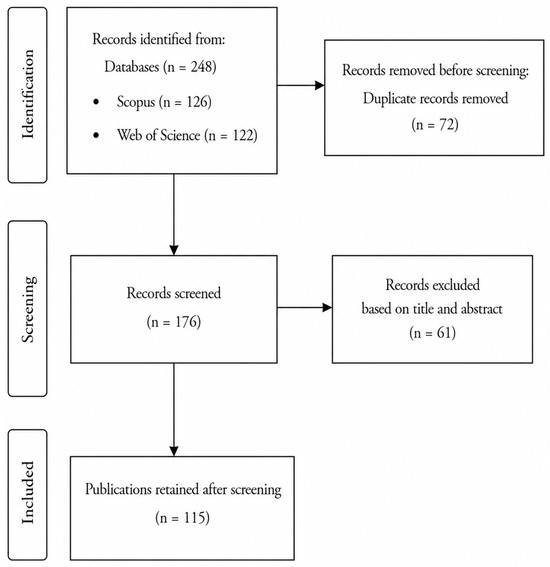
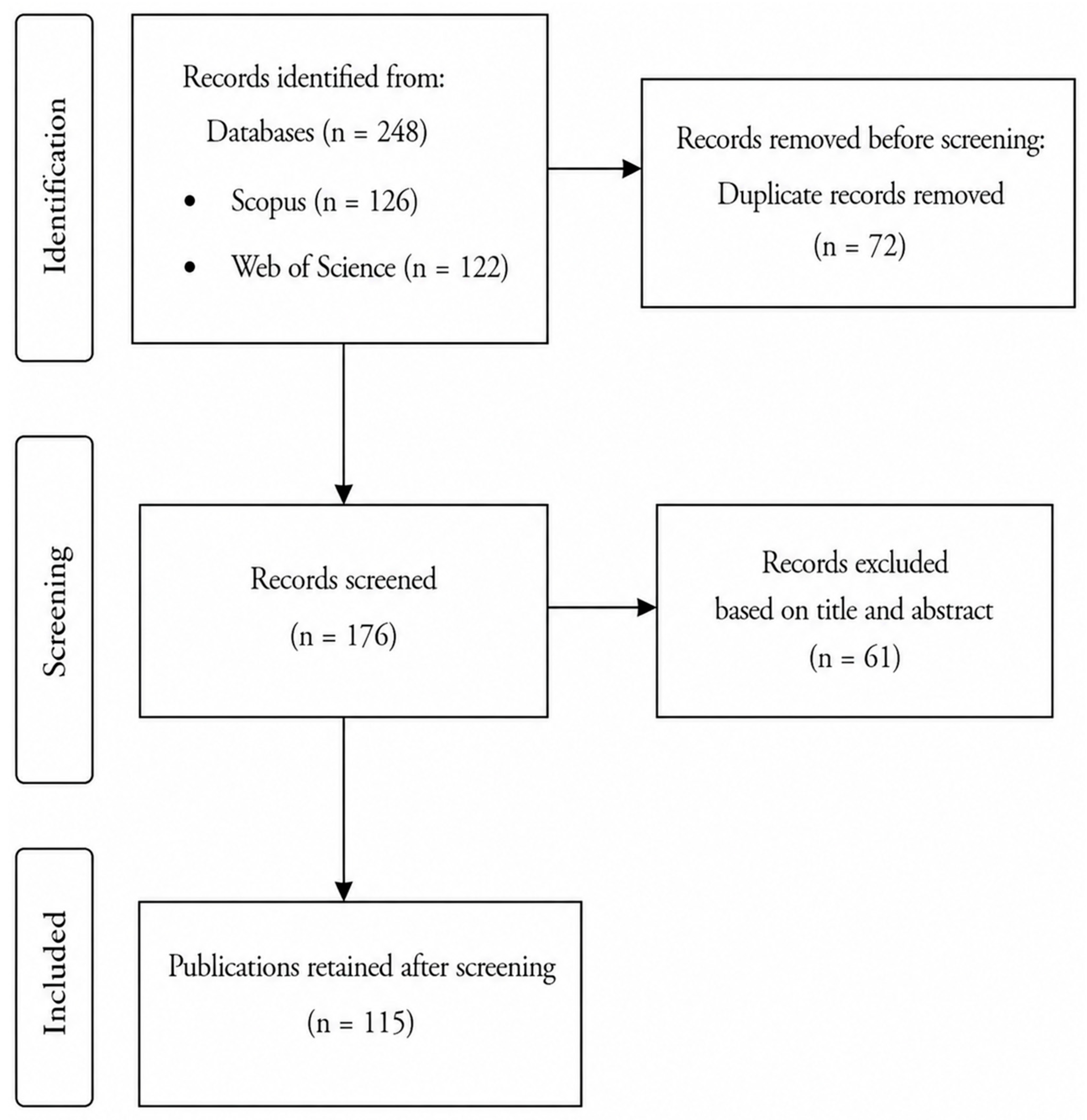
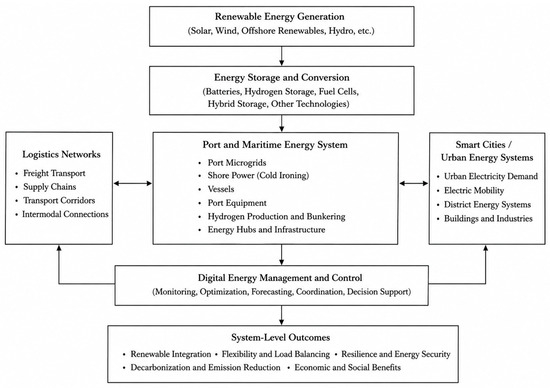
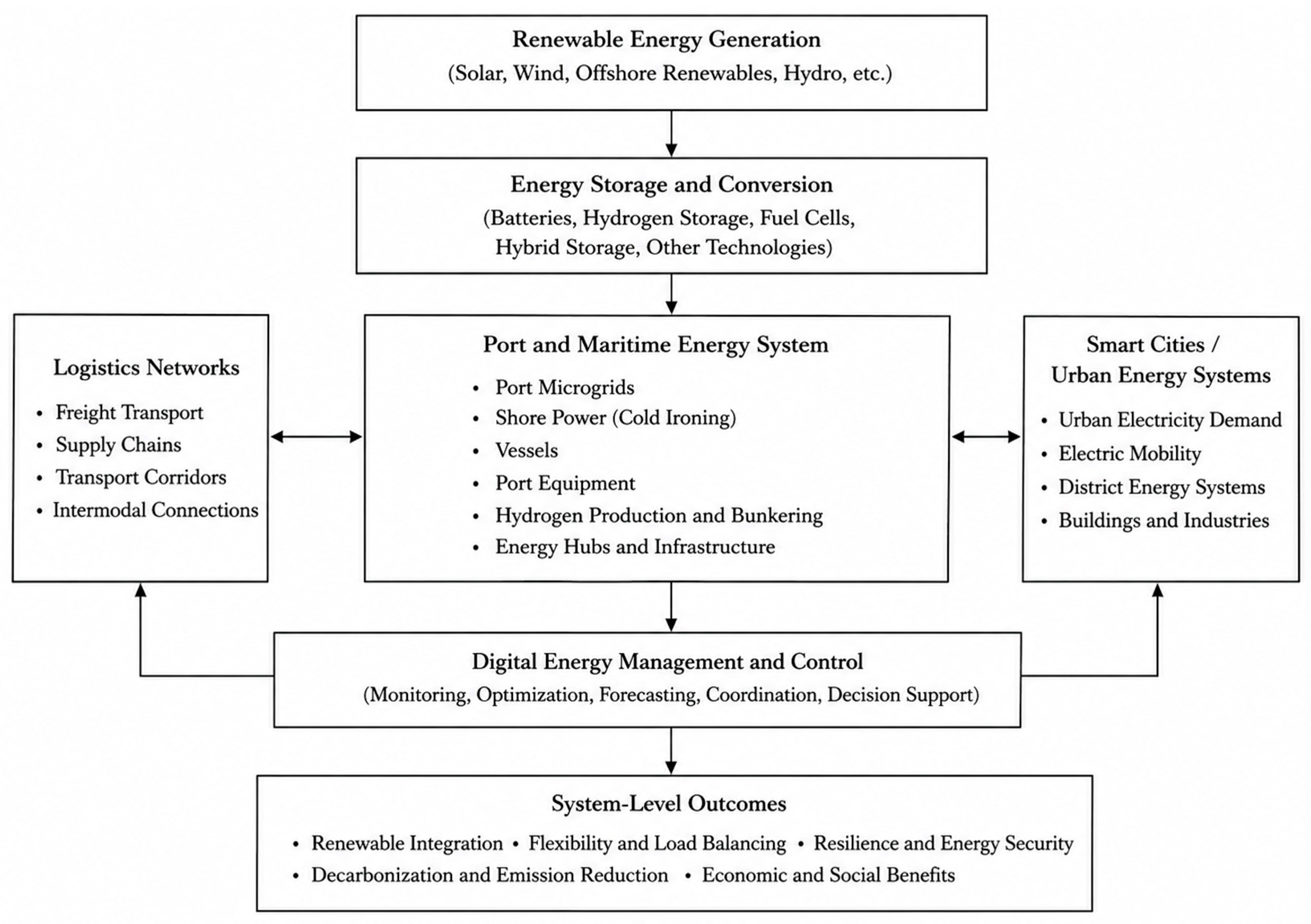

Disclaimer/Publisher’s Note: The statements, opinions and data contained in all publications are solely those of the individual author(s) and contributor(s) and not of MDPI and/or the editor(s). MDPI and/or the editor(s) disclaim responsibility for any injury to people or property resulting from any ideas, methods, instructions or products referred to in the content. |
© 2026 by the author. Licensee MDPI, Basel, Switzerland. This article is an open access article distributed under the terms and conditions of the Creative Commons Attribution (CC BY) license.