


Abstract
Demand for new solutions to emerging issues faced by the electricity generation, demand and supply industries continues to increase with the introduction of increasing proportions of variable renewable energy and changing system demands. Energy storage systems represent a key part of the solution as stakeholders attempt to move towards a ‘net zero’ system. Within research, studies into the techno-economic optimisation of varied energy storage technologies for different applications continue to play a significant role in this changing landscape. A key aspect of this research is the modelling and simulation of such systems, often with the goal of optimising their parameters for deploying in specific roles and services. This paper presents an extensive analysis of the current economic outlook for five major energy storage technologies, highlighting the significant variation in quoted costs within the literature. It presents a unique and novel perspective by considering economic and optimisation modelling from both a technology and application-centric approach. It explores the different approaches available for performing economic analysis on energy storage systems, providing a novel overview of the advantages of various approaches along with examples from the literature on how these studies are implemented. Finally, the paper explores optimisation studies, giving an in-depth explanation of different approaches used in the optimisation of energy storage systems and reviewing prominent uses within the literature. The paper concludes with a consideration of the main challenges that face the field of techno-economic energy storage studies and provides recommendations on areas that require further research.
1. Introduction
This article presents an in-depth novel review of the economic and optimisation modelling of Energy Storage Systems (ESSs). Energy storage deployment is rapidly increasing worldwide, presenting a growing requirement for detailed economic and optimisation-based modelling [1]. Economic modelling of ESSs is vital to the viable deployment of different ESSs and an area of research that continues to be vital in attaining international targets of reaching net zero [2]. However, the approach to economic modelling can vary significantly depending on both the storage technology being considered and the application it is being proposed for.
This review introduces the wide range of approaches for economic modelling of energy storage, reviewing the conditions under which each approach is best utilised as well as providing commentary on prominent examples from the literature. It also provides a detailed investigation of costing values for five major energy storage technologies, identifying trends and outliers to provide context to the discussions.
Often performed alongside economic modelling, whilst also being used frequently for technical analysis, is the field of optimisation-based modelling. This approach to modelling and simulation is based on providing an optimum solution for a given problem within set boundaries, by simulating scenarios within a model with varying parameters and ranking the results to determine the ‘best’ performing parameters. Much like economic modelling, it is vital to ensure that the correct storage technology is deployed, as well as maximising the techno-economic performance by selecting the correct specifications for a given technology. In this review, a wide-ranging and detailed investigation of different optimisation techniques is presented within the context of energy storage deployment. Examples of the application of these techniques are drawn from literature, illustrating the advantages and drawbacks of differing methods.
1.1. Energy Storage Technologies
In this article, five prominent energy storage technologies have been chosen to focus the discussion and analysis. The chosen technologies represent different capabilities and characteristics from very short duration and high power, to long duration and high energy. The chosen technologies are as follows;
- Battery Energy Storage Systems (BESSs)—The most deployed type of energy storage after Pumped-Hydro Storage (PHS) [3]. Continued decreasing costs and versatile characteristics have contributed to BESSs being the focal point of a majority of energy storage research activities [4]
- Flywheel Energy Storage Systems (FESSs)—A short-duration and high power energy storage technology that is often utilised for cycle-intensive applications such as wind generation support and frequency control [5]
- Supercapacitors (SCs)—Another short-duration and high power technology, occupying a similar space to FESSs and used for similar applications, albeit generally with lower energy capabilities but higher power density [6]
- Compressed Air Energy Storage (CAES)—A longer-duration energy storage technology that is now more widely deployed than FESSs [3]. It is often utilised for applications such as peak shaving and inter-seasonal storage.
- Hydrogen Energy Storage (H2ES)—A versatile energy storage technology that can operate on a medium to very long scale with high energy density and is often proposed for integration in renewable energy systems [7]
This paper will not provide an in-depth analysis of the different characteristics of the given technologies, as this has been extensively covered elsewhere in literature [8,9,10]. A qualitative assessment of the five technologies is shown in Figure 1. This illustrates the difference in operational parameters for each technology, where BESSs are ranked well for most categories highlighting their versatility between different applications. Meanwhile, the rankings for FESSs and SCs when compared to H2ES and CAES provides contrast between high power and high energy density technologies. The technologies have been chosen to provide a broad spectrum of different techno-economic studies to analyse and comment on.
Figure 1.
Qualitative assessment of each storage technology’s characteristics, where rank 1 indicates that the technology is the best performing in this area.
Emerging Technologies
In this article, five different energy storage technologies have been chosen to represent a wide range of characteristics. However, there are other energy storage technologies that could compete in similar applications either now or as their development progresses. These are briefly discussed below:
- Redox Flow Batteries (RFBs)—Chemical energy storage where electrolytes are cycled through an electrochemical cell. With some chemistries already proven and deployed such as Vanadium RFBs and newer chemistries currently in development, they represent a potential for operating in a similar market to lithium-ion BESSs although further research is required to reduce cost and improve performance [11].
- Gravity Energy Storage (GES)—Electricity is used to power the transfer of mass to a higher point, often utilising a crane or mine shaft [12]. This technology is currently at demonstration stage and offers a low degradation and high power storage option for future applications.
- Liquid Air Energy Storage (LAES)—Energy is stored as liquid air at low temperatures to be converted back to electricity via evaporation and expansion to turn turbines [13]. Another technology that has the potential to store significant amounts of energy and contribute high power outputs to grid.
- Thermal Energy Storage (TES)—Currently, the most advanced sub-set of thermal energy storage in a power-to-heat-to-power context is that of molten salt banks. However, phase change materials also have the potential for further development [14].
1.2. Existing Reviews and Gap Analysis
This section discusses other contemporary review articles that cover similar themes to those presented in this article. Whilst this review presents a novel application-based review of optimisation methods and provides in-depth insight into the uncertainties associated with literature-derived costs, other review articles often focus on specific technologies or techniques rather than the broad approach taken here.
The authors in [15] focus on BESSs to explore optimisation methods, concentrating on the control and sizing of system for grid applications. As previously discussed, whilst this review looks in-depth at modeling approaches, it does so solely focused on BESSs with no insight on how similar approaches would be deployed with different storage technologies and does not consider a financial perspective.
Whilst this review does not consider artificial intelligence (AI) techniques for modelling and optimisation, there have been several recent review papers that explore this area among more traditional methods. One such example is in [16] which offers a wide-ranging insight into optimisation of microgrid energy management strategies. It provides an in-depth exploration of AI techniques in this research area and is a useful resource for researchers looking to explore this approach. It does consider multiple different storage technologies, but does not account for financial modeling aspects and their integration with optimisation approaches.
Another review that considers the deployment of AI is [17]. This review also concentrates on optimisation from a market strategy perspective, but without going into detail on the relevant financial metrics that are required to be optimised as is presented in this review. It considers the optimisation approaches on a broader storage level, with some discussion of different technologies but little further investigation on how this impacts optimisation approaches.
Other reviews provide a more general approximation of financial aspects of different energy storage technologies, with the work in [18] grading different technologies on a scale of 1–5 based on ‘financial feasibility’, but lacks the exploration of specific reported costing values presented here.
In [19], the authors present a detailed analysis of different optimisation techniques for energy system with integrated storage technology, paying particular attention to genetic algorithms and particle swarm optimisation as well as hybridised optimisation approaches. It provides a number of tables containing details on contemporary studies, but does not go into detail on the integration of economic metrics into these analyses and the different options available. However, it is an interesting resource for researchers looking to understand the process of setting up objective functions for a range of different applications.
Throughout literature, review papers often provide a single range of costing values from low to high for the technologies included, such as in [20]. Costing information is provided for BESSs, FESSs, SCs, H2ES and CAES in this manner, but no further exploration of where the values have been derived from is provided beyond simple references. A similar approach is taken in [21] with ranges given for both energy and power costs. The review also extracts LCOE/LCOS values from studies performed for the technology presented although there are no more than two papers considered for each technology, limiting the analysis available. Some consideration is also given to optimisation approaches with example studies provided although there is minimal comparative analysis between the methods provided.
Overall, it can be seen from the existing literature that multiple gaps exist, which this review paper addresses in the following ways;
- Costing values given in literature are generally approached as simple ranges from low to high, derived from a single reference. This approach means references tend to propagate forward over a course of years resulting in outdated values being utilised in current studies. The work contained here seeks to derive values from a wide range of different papers in order to provide context to the risks associated with working from data derived from a single source.
- Economic modeling and optimisation modeling are very closely linked in energy storage research. However, existing review papers usually focus on one of these areas followed by a small overview of the interlinking methods. This review paper addresses that by presenting both aspects with equally in-depth analysis.
- The literature available presents many studies where modeling methods are introduced in detail but with limited analysis of how suited they are to the analysis of different applications. In the work presented here, the authors use the foundational descriptions of the approaches alongside application-based examples in literature to provide guidance on situational usage off different economic metrics and optimisation methods.
1.3. Review Contribution
This paper provides a comprehensive overview of the economic modelling of ESSs, along with a detailed review of different optimisation techniques for systems utilising ESSs. This review represents the first multi-technology assessment of different strategies for analysing the effectiveness of ESSs for a range of applications. Commentary is provided on a range of different contemporary studies and provides novel insight into the challenges presented by significant variations in economic information for different ESSs. An overview of optimisation strategies provides guidance on the most appropriate techniques to utilise when assessing different technologies and applications. Key takeaways are presented that comment upon current and future challenges associated with research in this field.
2. Capital Costs of Energy Storage
This section explores the different elements that contribute to deriving a cost of a given storage technology for use in studies. The costs presented here are literature-based and highlight the difficulties in obtaining reliable cost information purely from literature. Both energy-based and power-based costing data is presented, showing wide variations across literature for all storage technologies. This section also provides commentary on obtaining manufacturer costing data, followed by different factors that may affect costs across different geographical regions and how this might be factored into future studies.
2.1. Energy-Based Costing Data in Literature
Table 1 contains a review of energy-based costing data provided in literature from 2018–2025. It is important to note here that several instances of duplicate ranges are seen, such as the ranges given for a FESS in [22] (2019) and [23] (2025). This occurs throughout literature when costing data is ‘propagated’ through different papers through a chain of references, causing costing data provided in a recently published article to actually contain costing data from a significant period of time prior to the study being conducted. Researchers should be cautious when using literature-provided costing data, and where possible it is preferable for costing data to be used from verified sources such as technology manufacturers.
Table 1.
Energy cost ratings for different ESS technologies $/kWh.
The significant disparity in reported energy-based costing data for energy storage technologies is shown in Figure 2. There is strong disagreement across the literature with FESS, BESS and SC prices varying significantly from one reference to the next. However, the H2ESS and CAES costs both fall over much smaller ranges suggesting a more substantial agreement on the economic conditions for these two technologies when considering energy-based costs. FESSs and SCs are the most expensive technologies in terms of $/kWh with averages quoted in literature of $14,964/kWh and $18,049 respectively, with H2ESS and CAES representing much lower costs at $10/kWh and $78/kWh respectively.
Figure 2.
Range of energy-based costs in reviewed literature for different ESS technologies.
This disparity can be further analysed using Figure 3, which shows each value found in literature (taken as two distinct ‘low’ and ‘high’ points where a range is provided). Note that the axis ranges are different for each sub-figure when considering the data. For BESSs, costing data is mainly clustered in the range of $200/kWh to $1500/kWh with entries becoming more sparse as the cost increases. This suggests good agreement within the literature towards the lower end of the given range which is as expected based on current market conditions. FESSs are likewise clustered towards the lower end of the range, with over half of the values found in literature being below $2000/kWh. Skewing this analysis, however, is some reporting of costs in excess of $140,000/kWh. Whilst the frequency of lower-cost values being quoted in literature suggests these are anomalous, care should be taken to ensure that the correct type of FESS (i.e., low speed steel FESS or high-speed carbon fibre FESS) is being considered in coordination with the cost being used.
Figure 3.
Scatter chart of energy costing data within literature for (a) BESS, (b) FESS, (c) SCs, (d) H2ES, (e) CAES.
There is a large variation in recorded values within literature for SCs, reflecting their limited commercial deployment despite representing an established and proven technology. There are three ‘clusters’ of values, within the ranges of $100–2000, $5000–25,000 and >$70,000. More than any other technology considered in this review, the reported values for SCs should be considered unreliable without manufacturer-backed data due to this wide variance. This is in contrast to H2ESSs where all values fall between $1/kWh and $30/kWh, suggesting a firm consensus across literature within this range. Finally, CAES values reported in literature range from $1/kWh to $400/kWh. Whilst a slightly larger range than that of H2ESSs, there is still broad agreement within literature that typical costs fall within a relatively small range when compared to other technologies.
2.2. Power Based Costing Data in Literature
The same occurrence of repeated values across different papers can be seen for power-based costing data in Table 2, for instance for a CAES in [30] (2022), [31] (2023) and [36] (2025). When tracing this reference back through multiple articles, the original cited cost is from a 2009 review paper [37]. Thus, studies taking place in 2025 are using data that appears to be recent but is in fact many years old and likely out of date. The values contained in [37] also appear throughout both Table 1 and Table 2 for FESSs and BESSs, further highlighting the propagation of old costing values through to recent publications.
Table 2.
Power cost ratings for different ESS technologies in $/kW.
A similar trend to the energy-based costs can be observed with regards to power costs as shown in Figure 4, with H2ESSs varying in quoted costs from $340/kW to $10,000/kW. As with the energy-based costs, these outlying values should be considered carefully if being utilised for economic studies, and backed up with relevant technical data where possible. SCs and FESSs are the lowest cost in terms of $/kW with H2ESS being the most expensive. This reversal from the energy-based costs highlights the characteristics previously highlighted in Figure 1, demonstrating that the various technologies are suited both technically and economically for widely different applications.
Figure 4.
Range of power-based costs in reviewed literature for different ESS technologies.
Generally, there is closer agreement across literature for power-based costs than for energy-based costs, and this is further highlighted in Figure 5. Note that again the axis ranges vary depending on the technology being presented in each sub-figure. BESSs show two ‘clusters’ of values, the first being from $100/kW to $1500/kW and the second ‘cluster’ showing repeated values at $4000/kW. Considering current market conditions, it is likely that these values are a clear case of costs being propagated through references leading to outdated values in recent articles, as the lower ‘cluster’ of values is far more in line with current conditions.
Figure 5.
Scatter chart of power costing data within literature for (a) BESS, (b) FESS, (c) SCs, (d) H2ES, (e) CAES.
FESSs and SCs both show similar patterns with clusters in the $30–$500kW range, small numbers of reported values around $1000/kW and an outlying higher value ($2880 for FESSs and $2000 for SCs). This suggests that values at the lower end of the reported range are more reliable with greater consensus within the literature. CAESs show a similar set of values to FESSs and SCs, however the values are more spread out across the range suggesting greater uncertainty and therefore using literature values for CAESs should be rigorously researched before use. Finally, H2ESSs show significant variation across literature, with no distinct ‘clusters’ where multiple references report values at both the extreme low and high ends of the range. This is likely due to the varied range of technology utilised for H2ESSs as well as continuous improvements to costs for an emerging technology. Utilising H2ESS power costing data from literature is therefore not recommended, and if no manufacturer data is available then extensive sensitivity analysis should be performed across the range of reported values to ensure reliable results.
2.3. Manufacturer Costing Data
As has been shown in the previous sections, relying purely on literature based values for costing energy storage technologies presents a certain amount of risk. Costs derived directly from manufacturers are therefore a far more reliable form of costing. However in practice this is difficult to obtain where manufacturers are wary of providing information publicly that may be used to inform competitors.
It is therefore important to note that if researchers are planning to perform in-depth analysis where costing data will play a key role in informing conclusions, they should attempt where possible to propose collaborations with manufacturers to enhance the reliability of the results. Should this not be possible, then great care should be taken to ensure that costing data taken from literature is reliable and appropriately sourced. Sensitivity analysis across the ranges of reported values are a useful tool for countering this issue, where context can be provided without providing a specific ‘set’ value of cost.
2.4. Factors Affecting Costs
Where costs are provided throughout literature they are often presented as definitive values. However, there is likely to be minor variations depending on various aspects such as location, supply chains and geopolitical impacts. This section briefly discusses each of these factors.
Due to the globalisation of supply chains, regional variations in costs for energy storage technologies on a capital basis are often minimal. However, there are some considerations that may cause cost variation between different international markets;
- Trade Policy—Tariffs on goods traded between two nations can lead to price fluctuations, such as the recently introduced tariffs put in place by the United States, which has been predicted to increase storage project costs by 12 to 50% [40]
- Geological Variations—For some technologies, such as CAES and H2ES, large underground caverns are often required for lower-cost deployment of systems. If these are not present, then locations may be required to use higher-cost alternatives like pressurised tanks.
- Manufacturing Capability—Linked to the costs of trading, some price variations may be seen where countries have high existing levels of manufacturing capability and can therefore produce specialist components.
- Project Financing—Whilst this is not directly tied to the storage technology, a consideration when deploying energy storage projects is the cost of finance associated with the capital costs. Regions with high interest rates may therefore result in higher risk scenarios for deployment of energy storage.
3. Economic Modelling of ESS Deployment
A crucial aspect of modelling ESS deployment is assessing the economic impact that systems can have. This section gives an overview of the different economic modelling approaches available and introduces examples of them being used throughout the literature. In Figure 6 the usage of different economic analysis approaches across the literature studied in this paper is shown. The most common approach is using Net Present Value (NPV), closely followed by Levelized Cost of Energy (LCOE) and Total Life Cycle Cost (TLCC). However, it is clear that a wide range of approaches is commonly used throughout the literature according to the application and storage that is being assessed.
Figure 6.
Number of times in reviewed literature that a given economic parameter is used for analysis.
Figure 7 shows the distribution of ESS technologies in the studied literature, showing a significant quantity of BESS studies followed by H2ESSs. Many of the studies reviewed here present hybridised systems which usually consist of a BESS combined with a seperate technology. Additionally, BESSs are the most widely deployed non-PHS technology worldwide [3], which is reflected in it’s frequency of occurrence in research studies.
Figure 7.
Number of times in reviewed literature that a given ESS is used in an economic study. Note that due to rounding of significant figures for clarity, the total value does not equal 100%.
An overview of selected economic studies from recent literature is shown in Table 3. This table illustrates the wide range of different applications and economic analysis approaches that are utilised within energy storage studies. The following section contains a more in-depth exploration of selected articles for each of the major economic metrics.
Table 3.
Literature review of economic analysis of ESSs.
3.1. Net Present Value
NPV is a calculation performed to determine the present discounted value of an investment (in the context of this research, the value of an ESS deployment) taking into account future revenue and costs. NPV is used extensively throughout the literature as it offers a reliable benchmark, especially when comparing different combinations of ESS technology or deployment strategies. In some studies where the NPV is negative, this metric may be referred to as Net Present Cost (NPC).
NPV is calculated using Equation (1) where is the year revenue generated from the installation, is the initial investment in the system, d is the discount rate, and N is the operational lifetime in years.
A key aspect of the NPV equations is the discount rate d. The discount rate accounts for the fact that due to a myriad of factors the value of money in the present day is worth more than its future value. Using a given discount rate, if the resulting NPV is positive, it means that the projected earnings for the project will exceed the costs, whilst a negative NPV means that the reverse is true. The discount rate chosen for a given study is impacted by many factors, but the most prominent of these are inflation, the cost of energy, and the cost of debt.
In [42], a wide range of different economic metrics are used to determine the viability of residential investment in photovoltaic and battery systems. This approach illustrates the different objectives of each metric, with NPV, Internal Rate of Return (IRR) and Levelized Cost Of Energy (LCOE) all being used to describe different aspects. In this work, NPV is used to highlight the total impact on the overall economic outlook of the proposed scenarios. Utilising multiple metrics in this way allows a clearer picture of the effects on different timescales of economic measurement, with NPV being used in this case to present a lifetime view.
A study integrating wind power with a CAES system and biomass gasification energy storage is presented in [43]. Again, multiple different economic metrics are utilised, and in this case sensitivity studies are undertaken to analyse the effects of changing parameters on the results obtained. NPV in this scenario is used as the concluding metric which the study is built around, with sensitivity studies being performed on Total Life Cycle Cost (TLCC) and Cost of Energy (COE) to show how changing parameters affect different aspects of the overall calculation. The study concludes with an analysis of the % variation in NPV for each sensitivity cost parameter. This interesting distinction clearly shows that in this case, the total investment cost is the dominant factor by several orders of magnitude. Sensitivity analyses such as that conducted in this work are crucial to understanding the full economic outlook, rather than other works which merely indicate a final value.
Many studies, such as [57,58] take a more straightforward approach to NPV calculations, presenting studies with fixed parameters and a single NPV value for a given system. This approach has merit in case studies where the parameters are well defined, however it does not provide an understanding of the effects changing those parameters may have on the conclusions. The work in [53] varies the discount rate for the NPV calculations, which provides a better overview of the conditions under which the system could become economically viable. An important aspect to consider when performing NPV-based studies is the discount rate, if a single value is used then changing economic conditions could render the conclusions irrelevant to the present situation. A key example of this is the changing rate of inflation and its effect on discount rates, where performing a study at a fixed low discount rate before a period of economic downturn could lead to such a rate being unviable in a short time.
Considering the literature reviewed and the characteristics of NPV calculations, this approach should be taken in situations where a defined revenue is available across the entire lifetime of a storage asset. It is especially relevant in scenarios where degreadation an asset replacement is applicable, such as with BESSs, as this can be factored into the calculations. Where the impact of storage is non-tangible or is not providing a ‘service’, this approach is not suitable and so should not be considered in scenarios where the impact of energy storage is not expected to offer a direct revenue impact such as in power quality applications. This approach is also very sensitive to the choice of discount rate, and hence this should be considered carefully alongside current and predicted future economic conditions to ensure accurate results.
3.2. Levelised Cost
The Levelized Cost of Storage (LCOS) is a significant economic metric used to measure and compare the cost-efficiency of different ESS. This financial calculation enables a uniform comparison of the cost of storing energy across diverse technologies and can be used to inform investment decisions. LCOS is calculated by dividing the total lifecycle costs of an ESS by the total amount of energy it can discharge over its operational lifetime. The lifecycle costs encapsulate a comprehensive array of expenses, including initial capital expenditure, operating and maintenance costs, replacement costs, and any residual value at the end of the system’s lifespan [71]. Levelised Cost Of Energy (LCOE) is used as an interchangeable term for LCOS in energy storage research. Whilst it is traditionally the measure of the net present cost of generating energy throughout a unit’s lifetime, when performed in an energy storage context it is effectively the same metric as LCOS as it includes the storage costs. LCOE is the more commonly used term for these studies in literature, although in most cases LCOS would be a more accurate description. Cost of Energy (COE) is a similar metric that represents the cost of energy or electricity as a simple sum rather than performing levelization to enable comparison between systems.
LCOS is calculated using Equation (2) where n refers to a given year in the operation of the system, N is the operational lifetime in years and d is the discount rate, is the operation and maintenance costs, is the cost of charging the system, is the cost of decommissioning and is the income from generated electricity.
The LCOS provides an indicator of how cost-effective an ESS is, taking into account all associated costs and the total energy output of the system. This is especially important for investors and decision-makers evaluating the economic feasibility of different ESS technologies. It is important to note that the lower the LCOS, the more economically competitive the storage system is.
The benefit of sensitivity studies is shown to good effect in [48] where the effect of household and community storage on LCOE is assessed for residential prosumers. Multiple different variables such as storage size, investment cost and self-consumption are varied to show the effect on a range of economic metrics, concluding with the assessment of LCOE. For studies with variables that can be optimised or that could change significantly due to outside factors, sensitivity studies such as these are an excellent way to provide a thorough assessment of the possibilities.
Returning to the study in [42] discussed previously for NPV, LCOE is used in this context to highlight the effects on the day-to-day economic picture for various scenarios. Where NPV provided a given value for the lifetime economic impact, the LCOE shows how the different scenarios affect the performance on a smaller timescale. By presenting both metrics, the work provides a good understanding of the different time scales of economic effect and allows greater context to be provided.
LCOE is also often used in more generalised studies of technologies, especially where current and future investment costs are being compared. In [60] a range of long-duration (12 to 120-h systems) storage technologies is assessed for flexible power generation services. First, the LCOE is determined based on current investment costs across different storage durations, followed by the LCOE based on future investment costs. These studies are common throughout the literature, with LCOE being an easy-to-understand and comparable figure between different technologies.
This approach is an appropriate choice for comparing different technologies for a given application with a defined cost of consumption or export of electricity. For applications such as these, it is an excellent tool for comparing any energy storage assets on a level basis. However, it is not suitable for scenarios where multiple different revenue streams are available such as arbitrage, frequency response and capacity markets. LCOE and LCOS are good choices when the objective of a given study is benchmarking different technologies.
3.3. Internal Rate of Return
The Internal Rate of Return (IRR) is a key financial metric commonly used in capital budgeting and corporate finance. It is the discount rate that makes the NPV of all cash flows (both inflow and outflow) from a particular project or investment equal to zero. IRR can be used to measure the profitability of a potential investment, and it is a gauge for the growth a project is expected to generate.
The IRR can be calculated from Equation (3) where n refers to a given year in the operation of the system, N is the operational lifetime in years, d is the discount rate is the year revenue generated from the installation and is the initial investment in the system.
The IRR and the NPV are two closely related financial metrics used in capital budgeting and investment analysis. Both are used to evaluate the profitability and feasibility of an investment or project, but they approach the task from slightly different perspectives. At the IRR, the NPV of the investment is zero. If the discount rate equals the IRR, then the present value of future cash flows equals the initial investment. The IRR is the discount rate at which the NPV of an investment equals zero. In other words, the IRR is the rate of growth that an investment is expected to generate. If the IRR exceeds the required rate of return, often the cost of capital, the investment is usually considered a good choice.
IRR is often used in conjunction with other economic metrics, such as in [72] where it is used alongside NPV to give further context to the calculations. In this study, the economic viability of a BESS providing frequency regulation is investigated across a range of different European markets. By including IRR, it provides an easy-to-understand benchmark that can be compared between the different markets and enables conclusions to be drawn on the most suitable location for deploying a BESS in this application.
This metric is also well suited to sensitivity studies as in [59] where a BESS integrated with a H2ESS for remote off-grid telecom towers is investigated. Once again this study includes multiple alternative economic metrics, in this case LCOE and NPV. In this study, the BESS capacity is varied with the results on the various different economic metrics shown. It is uncommon within the literature studied for IRR to be utilised as the sole economic metric, showing its worth as an additional metric to provide context to other conclusions.
Finally, in [73] IRR is used alongside annual cost savings to assess energy management methods for small-scale PV-BESS systems. The conclusion of this study presents a good diagrammatic representation of the range of possible IRRs for the 52 customers studied according to different strategies. By presenting the full range rather than an average value, it shows the significant variation possible according to different approaches.
IRR is often a suitable choice for studies where the proposed application benefits are speculative rather than known quantities. Examples of this include the deployment of technologies for potential future markets such as long-duration storage (H2ES and CAES) or where an application is being studied for the first time. It is not suitable for studies where costs may vary throughout the lifetime of the project such as replacement costs for BESSs, unless the projected timescale falls within the limits of degradation of the asset.
3.4. Total Life Cycle Cost
The Total Life Cycle Cost (TLCC) for ESS assets is a comprehensive evaluation of all costs associated with an ESS over its lifespan. This includes the cost of acquisition, installation, operation, maintenance, and disposal. The TLCC is a useful tool in determining the economic feasibility of an ESS investment. The aim is to capture all possible costs that will be incurred over the lifespan of the project.
The TLCC can be calculated using Equation (4) where n refers to a given year in the operation of the system, N is the operational lifetime in years, d is the discount rate is the initial investment in the system, is the operation and maintenance cost, is the cost of any upgrades during the lifetime and is the end of life costs [74,75].
TLCC is often used in scenarios where an ESS is being added to an operational plant, such as the desalination system discussed in [45]. In this study, TLCC is used as the objective (to reduce as far as possible) in a genetic algorithm. This is a good example of how TLCC can be used when considering introducing energy storage to an existing plant, and how this affects the ongoing costs. In [43] the importance of conducting sensitivity studies is once again shown, with various economic factors utilised to show the effects on overall TLCC. In other studies, such as [46], TLCC is used as a single metric to determine the effectiveness of a given solution. This approach runs the risk of becoming redundant should economic factors change, although it is a good starting point for further optimisation studies.
TLCC should be utilised for studies that are assessing cradle-to-grave projects where the study integrates the impact of decommissioning and recycling. It is particularly suited to sustainability studies and can provide further context for projects that concentrate on environmental impacts. However, this metric concentrates solely on the cost of a project, and does not factor in revenue so it should be avoided when attempting to consideer profitability of a system.
3.5. Total Cost of Ownership
The Total Cost of Ownership (TCO), also sometimes referred to as Total Cost of Operation, for the ESS assets considers the entire cost of owning, operating, and maintaining an ESS over its lifetime and is a similar metric to TLCC. This is an important financial metric in evaluating the economic feasibility of an ESS investment and can help to compare the costs of different energy storage technologies.
TCO is primarily used for decision-making purposes, as it provides a cost basis for determining the economic value of an investment. It includes all costs associated with the acquisition, operation, maintenance, and disposal of the system. It is calculated using Equation (5) where n refers to a given year in the operation of the system, N is the operational lifetime in years, d is the discount rate is the initial investment in the system, is the operation and maintenance cost, is the cost of any upgrades during the lifetime and is the end of life cost
This metric is used in [52] which uses an iterative sizing algorithm for a hybrid FESS/BESS system to improve the ageing of lead acid batteries. TCO is a good metric to utilise in this case as it can highlight the optimal balance between installing further capacity and reducing ownership costs. It is particularly useful when assessing the ageing of batteries, where the ownership costs of installing new batteries as they reach end of life is contrasted by the cost of extending the life of the batteries by adding hybrid ESSs. Ref. [62] treats TCO and TLCC as interchangeable metrics, and presents a framework for determining these values for marine electrical energy storage. This study once again is based primarily around the lifetime and re-use of BESSs and hence is well suited to this economic analysis, with different strategies resulting in varying lifetimes and residual values for the ESS.
The work in [69] modifies the TCO metric by introducing a ‘carbon credit’ in order to incorporate the carbon savings made by replacing the backup diesel generator for data centres with energy storage systems. This is an effective way to introduce emission-driven benefits into a purely economic study.
Whilst similar to TLCC, this approach should generally incorporate other aspects such as indirect costs (ancillary loads, land costs etc.). This makes it useful when considering different locations for projects so could be used in geographical studies, but only where the associated locational costs are available. Like TLCC, this metric should not be used for assessing the profitability of projects as it does not account for revenue.
3.6. Total Annualised Cost
The Total Annualised Cost (TAC) is a useful metric to estimate the average annual cost of owning and operating an asset over its entire lifespan. The TAC allows for a fair comparison of costs across different assets or projects with varying lifespans and cost structures. It takes into account both upfront and ongoing costs, including operation, maintenance, and replacement costs, and spreads these costs evenly over the asset’s lifespan.
To calculate the TAC, the present value of all costs is first determined by considering the time value of money, and then the equivalent annual cost is derived using an annuity equation [76]. It is calculated using Equation (6) where n refers to a given year in the operation of the system, N is the operational lifetime in years, d is the discount rate and is the average operation and maintenance costs per year.
In [54], TAC is used to assess distribution system expansion planning using BESSs. In this scenario, TAC is an appropriate metric to use as it focuses on ongoing operation costs that are affected by the placement of an ESS. This study also includes a genetic algorithm for optimisation, with the goal of reducing the TAC. Ref. [51] uses TAC in combination with TLCC to provide commentary on CAES systems for emergency backup power. In this study, different scenarios are assessed and compared to those of three alternative prominent ESS types (BESS, lead-acid batteries and FESSs). This is again focused on assessing operating costs and hence metrics focused on ongoing or lifetime costs are more appropriate than value-based metrics such as NPV.
TAC is useful in comparative studies and optimisation algorithms. By converting the cost into an annual sum, it can provide context for projects of differing durations meaning it can be a good tool for comparative studies between different technologies. It can also be used to assess different options for renewable energy deployment, making it useful for analysing the ‘optimum’ mix of technologies in a fully renewable system. As with TLCC and TCO, it does not account for revenue and so should not be used in studies where this is a key component.
3.7. Discussion
The main economic metrics applicable to energy storage research have been discussed in this section. It is clear that each metric has its own advantages and disadvantages, and awareness from researchers on the appropriate metric to use for a given application is critical for producing effective studies. Table 4 summarises the different aspects that researchers should consider when choosing an economic metric and provides guidance on the type of study that each approach is most suitable for, as well as where it is not suitable for usage.
Table 4.
Comparative analysis and recommendations for usage of different economic metrics.
Generally, the choice of storage technology does not have a significant impact on the economic metric that would be most suitable for analysis. However, the intricacies of the operation of a given technology may need to be considered, such as whether replacement costs are likely to be required during the project lifetime. This is especially relevant in studies that consider BESS degradation and the replacement of cells within the time boundary of the study.
The key takeaway from this section is that economic metrics need to be carefully chosen in tandem with the objectives of the study. If revenue generation over the lifetime of the project is an important aspect of the analysis, then NPV or IRR are the most likely choices to provide appropriate insight into the impact of storage. Where the cost of electricity or the cost of storage is the main objective function then LCOE and LCOS are the most appropriate metric. Finally, research studies that do not consider revenue can select between TLCC, TAC and TCO depending on the objectives of the work, with TLCC being particularly important if decommissioning of the ESS assets is being considered.
4. System Coordination Studies Using Energy Storage
When it comes to modelling ESSs it has been shown that there are many different approaches and objectives to consider. There is also a subsection of modelling work that investigates the optimisation of the deployment and management of these systems in specific scenarios. This type of modelling is less focused on the ESS itself and more on how it can be utilised to its fullest potential. These studies often have a negligible degree of detail on the actual ESS model, instead representing the ESS with either a simple bucket model or a pre-made component within the chosen software. Frequently, these studies focus on Microgrids (MGs), whether these be single MGs or multiple interlinked MGs, although they can also be applied to Grid-level studies. Table 5 provides an overview of recent literature within this subsection of energy storage modelling. The categories referenced are as follows;
Table 5.
Summary of literature on system modelling and optimisation studies concerning energy storage.
- Operation Study—Where the literature referenced specifically relates to the operation of the energy storage, for instance determining the optimum strategy for supporting intermittent renewable generation
- Trading Study—Where the literature referenced explores trading between energy storage assets, usually within a microgrid or multi-microgrid system
- Optimisation Study—Where the literature referenced uses an optimisation method such as those detailed in Table 6 or alternative methods to optimise a system.
- Energy Management Study—Where the literature referenced investigates strategies for managing the energy status of energy storage assets within a system
- Single Microgrid—Studies detailing a single microgrid that does not consider interaction beyond the individual microgrid
- Multi-Microgrid—Studies that consider multiple microgrids and the interaction between individual systems
- Grid Level—Studies that consider grid-scale impacts of the research. This sometimes includes microgrid and multi-microgrid studies where the study specifically references interaction with the main distribution grid.
Table 6.
Overview of commonly used optimisation techniques.
There are many optimisation methods available for these studies, and the most commonly used approaches are detailed in Table 6. The approach chosen depends greatly on the variables being used, the number of parameters being optimised, and the complexity of the optimisation task. Whilst this review does not provide a detailed methodology for selecting the most suitable optimisation method, it does present a wide range of studies using different approaches and commentary on the reasoning behind selecting particular methods for the research being conducted.
4.1. Selecting an Optimisation Approach
There are many different optimisation methods available to researchers. This review concentrates on five which have been used repeatedly throughout the literature. Other optimisation methods beyond those discussed in this review are also available, and these are briefly discussed in this section. The methods considered in this review are as follows;
- Genetic Algorithms (GA)—A Genetic Algorithm is used for both constrained and unconstrained problems. It utilises a process of natural selection, selecting the strongest performing individuals (‘parents’) from a population to produce ‘children’ combining characteristics of both parents and utilising these in the following generation. As the generations progress, the best-performing individuals will evolve towards an ‘optimal’ solution.
- Particle Swarm Optimisation (PSO)—Particle Swarm Optimisation is based upon the concept of the movement of a flock of birds. The algorithm works by generating a population which then ‘travels’ through the search space and continuously updates the fitness at each location. The individuals then move towards regions that have higher fitness based upon both the individual’s best-known position and the global best-known position.
- Linear Programming (LP)—Mixed-Integer Linear Programming (MILP) is a mathematical optimisation approach utilised for addressing problems that encompass both discrete (integer) and continuous variables. The objective function is a linear combination of the decision variables. The presence of integer variables in the problem formulation introduces additional complexity by confining the feasible set of solutions to only those that adhere to the specified constraints for integer variables.
- Dynamic Programming (DP)—Dynamic programming is an effective problem-solving technique that involves dividing intricate problems into smaller, interconnected subproblems and systematically addressing them with efficiency. DP proceeds to solve these subproblems in an organised fashion, either from the bottom-up or top-down. By eliminating unnecessary computations and leveraging existing solutions, DP greatly enhances the efficiency of solving complex problems.
- Neural Network Algorithms (NNA)—Neural networks are employed to address optimisation challenges, such as both continuous and discrete optimisation problems. A neural network can be trained to identify the best parameter values that minimise or maximise a particular objective function. The network receives instruction from either a dataset or through a process of iterative trial and error, tweaking its parameters to enhance its effectiveness in solving the optimisation task.
As outlined in Table 6, each optimisation method is accompanied by certain advantages and disadvantages that can affect which approach is the most suitable for a given study. This section outlines a selection of different study parameters and how these impact on the choice of optimisation approach.
4.1.1. Population Size
This aspect is only applicable to GAs and PSO, as the other optimisation methods do not require populations to be set within the search space. Generally, a PSO will require a smaller population size when compared to a GA however this is dependent on the construction of the study and how large the range of values that each variable can take on is. A larger initial population size will allow a more thorough search of the range of variables however this can lead to long computational times if the number of generations is large. Setting a population size too small will lead to non-convergence or in some cases a convergence towards an incorrect minimum.
4.1.2. ESS Technology
The type of ESS being utilised in a given study may require researchers to rule out certain optimisation methods. An example of this is comparing the operational characteristics of very short duration storage like FESSs and SCs with long duration storage like H2ESSs and CAES. The timescales that these two groups of storage technology operate on can have a significant effect on solver efficiency. For example, using an approach where multiple runs of a simulation are required with different variables can lead to excessive simulation time if considering long duration storage and therefore long simulation times.
4.1.3. Simulation Granularity
Continuing on from the choice of ESS technology, these elements have an impact on the simulation granularity of a given study. If a study is considering second-by-second simulation over a long time period, then multiple iterations with ‘wasted’ combinations may lead to excessive simulation time. This is the case with GAs and PSO, where even at later stages combinations will be considered that are not close to the objective minimum. However, if the simulation is considering hourly data over a comparatively shorter time period, for example energy trading in a local microgrid over a timescale of a month, then the time lost on these variable combinations is less impactful.
4.1.4. Implementation and Hardware
GAs and PSO have built-in functions within major pieces of research software such as MATLAB and are therefore easy to implement, especially alongside models that are built in that environment. Conversely, whilst solvers available for MILP enable the coding of a problem to be straightforward, it requires the conversion of all elements within the system to linear equations which can be difficult. NNAs and DP are the most difficult to implement, requiring significant work at the outset of the research to develop the model and manage the data. For researchers where time is available to develop these systems this will not be an obstacle, however time sensitive studies may need to choose an easier-to-implement method. The same trends can be observed in hardware requirements, where PSO, MILP and GAs are relatively low intensity in terms of hardware strain. However, NNAs and DP require a more robust hardware arrangement and may not be possible on all systems.
4.1.5. Scalability
Once developed, MILP and NNA approaches are highly scalable and are a good choice for scenarios where whole grid systems are being modelled on a more generalised basis. Conversely, GAs and PSO are more effective on small-scale applications or site-specific installations, such as assessing ESS deployment to support a renewable generation plant or providing short-term power quality support. This highlights the requirement for systems that are being studied to be well-defined prior to development on optimisation algorithms.
4.1.6. Alternative Optimisation Approaches
There are many other optimisation methods available to researchers, some of which are becoming more prominent in recent years. Reinforcement Learning (RL) operates where an ‘agent’ develops the ability to make decisions through a trial-and-error-based training regime. This approach is beginning to be more widely utilised in literature, with the advantage of being well-suited to uncertain environments and the ability to produce fast results in the post-training period. The drawback of this approach is the significant lead time in training the model and the lack of visibility of why the ‘agent’ has made a certain decision. As Artificial Intelligence (AI) becomes more prominent in energy storage research, it is likely that approaches utilising RL become more common. As it is still an emerging field, researchers should take care to fully review previous studies in order to avoid erroneous results caused by AI ‘misunderstanding’ instructions.
4.2. Application-Based Review
This section discusses contemporary literature from an application-based perspective, broken down into three tiers of complexity;
- Single Microgrid Studies—Concerning only studies in which a single microgrid is analysed, often looking at peer-to-peer trading within a microgrid or energy balancing studies.
- Multi Microgrid Studies—More complex than a single microgrid, this often considers both balancing of the individual microgrids and trading or balancing between separate microgrid systems
- Grid-Level Studies—Operating at a system level, this type of study usually takes a less granular approach and instead considers interactions between many different parties.
4.2.1. Single Microgrid Studies
The vast majority of studies in this section concentrate on the deployment and management of BESSs, as a readily available and inexpensive technology that is also easily represented as a PEM, the approach most commonly taken for these studies.
In [94] an optimisation study is presented for an SM utilising renewable energy sources and ESSs. The objective of the study is to determine the optimal load demand management of the system in order to provide the greatest techno-economic benefit and Particle Swarm Optimisation (PSO) is the method used in the optimisation section which is well-suited due to the wide range of variables present.
BESS degradation is often a component taken into account in these studies, such as in [73,91]. In [73] a small-scale microgrid is modelled based on PV and BESS, with heuristic approaches to the optimisation compared to several different strategies. Crucially though the study comments that the results may not be applicable in practical implementations due to the assumptions made in the different energy management strategies.
Elsewhere [91] uses Mixed Integer Linear Programming (MILP) to formulate an optimisation study aiming to reduce the total cost of the MG. The approach is chosen to ensure convergence of the optimisation problem. This study highlights that without considering the degradation of the BESS, an overly optimistic solution is reached that is unrealistic. The outcome of this is considering the BESS replacement time and incorporating this into the optimisation process, resulting in overall economic benefits.
A Maximum Demand Reduction model is developed in [80] as an optimisation tool for a PV/BESS microgrid. It subsequently implements the MATLAB/Simulink Genetic Algorithm (GA), determining that optimal sizing of the system can lead to peak demand shaving and increased economic performance of the MG. This approach has been chosen in this instance due to the ease of implementation with the entire problem being analysed within the same software package.
Finally, in [90] consolidates two different optimisation approaches, again executed in MATLAB/Simulink, for optimal energy management of a grid-connected MG. The proposed method provides improved efficiency over traditional optimisation methods. It proposes future studies assigning a cost to the charging and discharging of the BESS in order to avoid excessive usage and accelerated degradation.
4.2.2. Multiple Microgrid Studies
Multiple Microgrid studies often focus on the coordination of energy trading between separate microgrids, such as in [96]. This study features multi-stage optimisation for energy trading between microgrids and storage, with the system modelled in MATLAB/Simulink. The ESS is modelled as a Power/Energy model, with an ageing coefficient utilised to represent degradation. It concludes that trading between the MGs can allow greater usage of renewable energy and reduce costs.
Another study that looks at trading between interconnected MGs is [78]. Each MG has energy storage, renewable energy generation and demand response available. It utilises Nash bargaining theory to trade between the MGs showing a significant decrease in costs, with this approach being ideal for trading studies such as this.
The work in [97] presents a study containing SCs, a SMES and a H2ESSs alongside a BESS. The objective of this study is to achieve optimal frequency control across the interconnected MGs and compares the Training Learning Based Optimisation (TLBO) method with other approaches such as PSO and GA with the TLBO being shown to be superior in this context.
Finally, another study looking at trading between MGs is presented in [92] which integrates H2ESSs with EV-based BESSs. This is a multi-objective optimisation process of peer-to-peer trading, balancing self-consumption, carbon emissions and costs using a GA to produce a pareto front. For this study, the optimisation method has been selected in order to find an optimal solution whilst balancing multiple objectives. The study produces wide-ranging results and conclusions on the advantages and disadvantages of the trading management strategies with some combinations causing increases to one of the objectives whilst decreasing the others.
4.2.3. Grid-Level Studies
At a grid level, studies often highlight geographic aspects within the optimisation process, such as determining the optimal location for an ESS in order to relieve certain grid pressures. In [85] the use of H2ESSs and ammonia is analysed for different geographical locations within the US. The optimisation method used is one that aims to minimise the levelized cost of electricity (LCOE) through optimal capacity planning and scheduling. The unique aspect of the approach is that it utilises variable-length operating periods, which eases the computational strain of the analysis. Ref. [99] provides a good overview of different BESS model formulations for Linear Programming (LP) based approaches to system analysis. It presents 4 existing formulations whilst proposing a new strategy and analysing its effectiveness, showing an improvement over existing methods. The study also highlights the time taken for the solution to be achieved for each strategy and for different applications.
The work in [100] looks at optimising the scheduling and dispatch mechanisms for a network containing customer-side resources such as variable loads and BESSs. It compares a Model Predictive Control (MPC) algorithm with a Dynamic Droop Based (DDB) control algorithm, showing that the MPC computational time is significantly longer, which would potentially lead to difficulties in optimisation. However, it does provide better performance than the DDB, which presents an interesting trade-off between the two approaches.
Finally, in [88], a techno-environmental analysis is performed on BESSs for grid-level services. The optimisation approach, in this case, is iterative, exploring the results for BESS capacities varied between 0–90 GWh with the objective variables being Capacity Factor (CF), total demand offset and total curtailed energy, and an objective function is created that defines the relationship between these two objectives. The benefit of utilising this approach for this study is that the optimisation algorithm is designed to be bespoke for the requirements of the study. To determine the bounds for this process, a preliminary algorithm was run which modelled a BESS of infinite size, taking the maximum from this algorithm as the upper bound of the iterative process. The study as a whole looks at the whole life cycle costs of the system operating under varying present and future conditions of the Great Britain grid.
5. Discussion and Future Challenges
This review has provided a wide-ranging analysis of both the economic analysis of deployment of ESSs, as well as the tools that can be utilised to optimise their deployment. This section now looks to the future and identifies areas that may present challenges to research in this field. It draws upon the array of literature reviewed to identify potential mitigations for these challenges.
5.1. ESS Costing Data
A common theme that has emerged from the review is that it is difficult to be certain of the costs of a given ESS. With values in the literature showing significant variation between studies, greater coordination with manufacturers could be a useful approach to ensuring accuracy in study results. Additionally, it is seen that studies will often utilise values for ESS costing that can be traced back through multiple references, resulting in conclusions being based on out-of-date costs.
A key challenge in this research area going forward is to recognise and remove these ‘reference chains’ and ensure that the information being utilised for these studies is as up-to-date as possible. It can be clearly seen within this review that the variability in costing data between different papers within the literature is high, and care should be taken when using specific values rather than presenting a sensitivity study over a cost range. It is recommended that when starting such studies, researchers seek to use values provided by official agencies in yearly reports rather than rely purely on references from published literature.
5.2. Operation & Maintenence Costs
One aspect that has not been considered in this review is Operation & Maintenance (O&M) costs. These represent a significant part of economic modeling and analysis for energy storage systems. Considering the conclusions derived from the literature review presented here, it is likely that O&M costs suffer from a similar disparity in reported values in the literature. It is therefore recommended that future work performs a similar analysis on reported O&M costs within literature, identifying if the same issues are apparent in this area when compared to capital costs. Whilst not within the scope of this review, it is an important aspect of studies that consider the whole lifetime of an operating ESS, and hence should receive further scrutiny in future publications.
5.3. Hybrid Storage Systems
Another area that has been briefly discussed in this review but would be worthy of an extended review is that of hybrid energy storage systems, where two or more different ESS technologies are deployed in tandem for the same application. Many of the studies reviewed in this paper do consider hybrid scenarios and incorporate these elements into the simulations. However, it is worthwhile to consider whether there are specific modifications required when considering multiple storage technologies such as choice of optimisation method, or how this may introduce further uncertainty from costing values propagated through references. It is recommended that future work in this field considers elements of this review from the perspective of hybrid storage systems and present any new conclusions alongside those found in this review.
5.4. Economic Analysis Metrics
It is clear from the economic analysis section that there is a large range of different tools and metrics that can be used to perform studies on systems containing ESSs. The challenge in the future is to ensure that the correct tools are being utilised for a given study, and ideally to move towards a unifying framework of economic analysis of energy storage, with a clearly defined situational assessment that can provide the correct metrics for the analysis. This would require significant levels of coordination between researchers but would result in a more cohesive field of work where studies can be compared more directly with one another.
This conclusion does however contradict the guidance presented here that certain economic metrics are unsuitable for certain areas of research. This further emphasises the requirement for greater collaboration and consensus within research, where the most appropriate metrics need to be applied across literature.
5.5. Increasing System Complexity
Many of the optimisation studies discussed here focus on a specific subset of the distribution grid such as a microgrid. Often, these subsystems are interconnected at higher levels of distribution. This all contributes to rapidly increasing system complexity, and therefore it is imperative that studies focusing on sub-sections of the distribution grid also consider the effects that optimisation in one area will have on upstream systems.
A more holistic approach to optimisation is required moving forward, as energy storage systems are deployed at all levels of grid infrastructure it will be essential that studies consider potential effects on interconnected systems. A solution that is optimised for a given subsystem may result in adverse effects on other connected systems, and this should be a consideration in studies in the future.
6. Conclusions
This paper has presented a wide-ranging and in-depth review of both economic and optimisation modeling of energy storage systems.
A key outcome of this work is that literature-based costs of energy storage systems are unreliable and primary data, direct from manufacturers, should be sought wherever possible. Where this is not possible, literature-derived data should be treated with caution and sensitivity analysis performed over a wide range off values in order to account for uncertainty.
Different economic analysis methods have been reviewed, highlighting the fact that there is no one economic metric that is applicable to all energy storage studies. Researchers should perform extensive preliminary research before undertaking work to ensure that any studies are using the appropriate metric for the given application.
Finally, a range of optimisation methods have been detailed and their application within the literature reviewed. A similar conclusion is reached to that for economic analysis, where there is no single analysis method which is preferable for all applications.
Overall, this work provides an extensive guide to current and future researchers for approaching economic and optimisation modelling for energy storage systems.
Author Contributions
Conceptualization, A.J.H. and D.T.G.; methodology, A.J.H.; data curation, A.J.H.; writing—original draft preparation, A.J.H., C.M.H., A.A., T.S.B. and Y.H.; writing—review and editing, A.J.H., D.T.G., D.J.R., C.P., A.F. and J.R.; visualization, A.J.H.; supervision, D.T.G., D.J.R., C.P., A.F. and J.R.; project administration, A.J.H. and D.T.G.; funding acquisition, D.T.G., D.J.R., C.P., A.F. and J.R. All authors have read and agreed to the published version of the manuscript.
Funding
The authors gratefully acknowledge the financial support of the Engineering and Physical Sciences Research Council (EPSRC) in the form of the ‘Energy Storage Integration for a Net Zero Grid’ project EP/W02764X/1 and the ‘Future Electric Vehicle Energy Networks supporting Renewables (FEVER)’ grant EP/W005883/1.
Data Availability Statement
The original contributions presented in this study are included in the article. Further inquiries can be directed to the corresponding author.
Conflicts of Interest
The authors declare no conflicts of interest.
Abbreviations
The following abbreviations are used in this manuscript:
| AI | Artificial Intelligence |
| ALCC | Annual Life Cycle Cost |
| BAM | Balancing Mechanism |
| BESS | Battery Energy Storage System |
| BGES | Biomass Gasification Energy Storage |
| CAES | Compressed Air Energy Storage |
| CF | Capacity Factor |
| COE | Cost of Energy |
| DDB | Dynamic Droop Based Control |
| DER | Distributed Energy Resource |
| DOD | Depth of Discharge |
| DP | Dynamic Programming |
| ESS | Energy Storage System |
| EV | Electric Vehicle |
| FESS | Flywheel Energy Storage System |
| GA | Genetic Algorithm |
| H2ESS | Hydrogen Energy Storage System |
| IRR | Internal Rate of Return |
| LCOE | Levelized Cost of Energy |
| LCOS | Levelized Cost of Storage |
| LPSP | Loss of Power Supply Probability |
| LP | Linear Programming |
| MG | Microgrid |
| MILP | Mixed Integer Linear Programming |
| MPC | Model Predictive Control |
| NPC | Net Present Cost |
| NPV | Net Present Value |
| O&M | Operation and Maintenance |
| PHS | Pumped Hydro Storage |
| PSO | Particle Swarm Optimisation |
| PV | Photovoltaic |
| RFB | Redox Flow Battery |
| SC | Supercapacitor |
| SMES | Superconducting Magnetic Energy Storage |
| SOC | State of Charge |
| TAC | Total Annualized Cost |
| TCO | Total Cost of Ownership |
| TES | Thermal Energy Storage |
| TLBO | Training Learning Based Optimisation |
| TLCC | Total Life Cycle Cost |
| U.K. | United Kingdom |
References
- IEA. Informing Energy Sector Transformations; Technical Report; IEA: Paris, France, 2017. [Google Scholar] [CrossRef] [Scilit]
- UNFCCC. COP 26 Glasgow Climate Pact Advance Unedited Version Decision; Technical Report; UNFCCC: Bonn, Germany, 2021. [Google Scholar]
- China Energy Storage Alliance. Energy Storage Industry White Paper (Summary Version); Technical Report; CNESA: Beijing, China, 2024. [Google Scholar]
- Mexis, I.; Todeschini, G. Battery energy storage systems in the united kingdom: A review of current state-of-the-art and future applications. Energies 2020, 13, 3616. [Google Scholar] [CrossRef] [Scilit]
- Arani, A.A.; Karami, H.; Gharehpetian, G.B.; Hejazi, M.S. Review of Flywheel Energy Storage Systems structures and applications in power systems and microgrids. Renew. Sustain. Energy Rev. 2017, 69, 9–18. [Google Scholar] [CrossRef] [Scilit]
- Saikia, B.K.; Benoy, S.M.; Bora, M.; Tamuly, J.; Pandey, M.; Bhattacharya, D. A brief review on supercapacitor energy storage devices and utilization of natural carbon resources as their electrode materials. Fuel 2020, 282, 118796. [Google Scholar] [CrossRef] [Scilit]
- Arsad, A.Z.; Hannan, M.A.; Al-Shetwi, A.Q.; Mansur, M.; Muttaqi, K.M.; Dong, Z.Y.; Blaabjerg, F. Hydrogen energy storage integrated hybrid renewable energy systems: A review analysis for future research directions. Int. J. Hydrogen Energy 2022, 47, 17285–17312. [Google Scholar] [CrossRef] [Scilit]
- Chakraborty, M.R.; Dawn, S.; Saha, P.K.; Basu, J.B.; Ustun, T.S. A Comparative Review on Energy Storage Systems and Their Application in Deregulated Systems. Batteries 2022, 8, 124. [Google Scholar] [CrossRef] [Scilit]
- Olabi, A.G.; Onumaegbu, C.; Wilberforce, T.; Ramadan, M.; Abdelkareem, M.A.; Al – Alami, A.H. Critical review of energy storage systems. Energy 2021, 214, 118987. [Google Scholar] [CrossRef] [Scilit]
- Hutchinson, A.J.; Harrison, C.M.; Bryden, T.S.; Alahyari, A.; Hu, Y.; Gladwin, D.T.; Radcliffe, J.; Rogers, D.J.; Patsios, C.; Forsyth, A. A comprehensive review of modeling approaches for grid-connected energy storage technologies. J. Energy Storage 2025, 109, 115057. [Google Scholar] [CrossRef] [Scilit]
- Rahman, M.M.; Islam, M.M.; Shafiullah, M.; Islam, M.A.; Chowdhury, M.A.R.; Zahir, M.H. Advancing grid integration with redox flow batteries: An engineering and economic review. Green Chem. Lett. Rev. 2025, 18, 2507333. [Google Scholar] [CrossRef] [Scilit]
- Wang, R.; Zhang, L.; Shi, C.; Zhao, C. A Review of Gravity Energy Storage. Energies 2025, 18, 1812. [Google Scholar] [CrossRef] [Scilit]
- Vecchi, A.; Li, Y.; Ding, Y.; Mancarella, P.; Sciacovelli, A. Liquid air energy storage (LAES): A review on technology state-of-the-art, integration pathways and future perspectives. Adv. Appl. Energy 2021, 3, 100047. [Google Scholar] [CrossRef] [Scilit]
- Vallese, L.; Javadi, H.; Badenes, B.; Urchueguia, J.F.; Lombardo, G.; Menegazzo, D.; Ure, Z.; Cesari, S.; Bottarelli, M.; Baccega, E.; et al. A comprehensive review of thermal energy storage technologies and their applications: Creation of a database. Renew. Sustain. Energy Rev. 2026, 225, 116133. [Google Scholar] [CrossRef] [Scilit]
- Wu, D.; Ma, X. Modeling and Optimization Methods for Controlling and Sizing Grid-Connected Energy Storage: A Review. Curr. Sustain. Energy Rep. 2021, 8, 123–130. [Google Scholar] [CrossRef] [Scilit]
- Khan, M.R.; Haider, Z.M.; Malik, F.H.; Almasoudi, F.M.; Alatawi, K.S.S.; Bhutta, M.S. A Comprehensive Review of Microgrid Energy Management Strategies Considering Electric Vehicles, Energy Storage Systems, and AI Techniques. Processes 2024, 12, 270. [Google Scholar] [CrossRef] [Scilit]
- Kumaresh, S.S.; Devarapalli, R.; García Márquez, F.P.; Acaroğlu, H. A comprehensive review of optimization, market strategies, and AI applications in energy storage systems. Evol. Intell. 2025, 18, 79. [Google Scholar] [CrossRef] [Scilit]
- Oliveira, D.Q.; Saavedra, O.R.; Santos-Pereira, K.; Pereira, J.D.; Cosme, D.S.; Veras, L.S.; Bento, R.G.; Riboldi, V.B. A critical review of energy storage technologies for microgrids. Energy Syst. 2025, 16, 1063–1092. [Google Scholar] [CrossRef] [Scilit]
- Bamisile, O.; Cai, D.; Adun, H.; Dagbasi, M.; Ukwuoma, C.C.; Huang, Q.; Johnson, N.; Bamisile, O. Towards renewables development: Review of optimization techniques for energy storage and hybrid renewable energy systems. Heliyon 2024, 10, e37482. [Google Scholar] [CrossRef] [Scilit]
- Elalfy, D.A.; Gouda, E.; Kotb, M.F.; Bureš, V.; Sedhom, B.E. Comprehensive review of energy storage systems technologies, objectives, challenges, and future trends. Energy Strategy Rev. 2024, 54, 101482. [Google Scholar] [CrossRef] [Scilit]
- Emrani, A.; Berrada, A. A comprehensive review on techno-economic assessment of hybrid energy storage systems integrated with renewable energy. J. Energy Storage 2024, 84, 111010. [Google Scholar] [CrossRef] [Scilit]
- Nadeem, F.; Hussain, S.M.; Tiwari, P.K.; Goswami, A.K.; Ustun, T.S. Comparative review of energy storage systems, their roles, and impacts on future power systems. IEEE Access 2019, 7, 4555–4585. [Google Scholar] [CrossRef] [Scilit]
- Ma, H.; Tong, Y.; Wang, X.; Wang, H. Advancements and assessment of compressed carbon dioxide energy storage technologies: A comprehensive review. RSC Sustain. 2024, 2, 2731–2750. [Google Scholar] [CrossRef] [Scilit]
- Das, C.K.; Bass, O.; Kothapalli, G.; Mahmoud, T.S.; Habibi, D. Overview of energy storage systems in distribution networks: Placement, sizing, operation, and power quality. Renew. Sustain. Energy Rev. 2018, 91, 1205–1230. [Google Scholar] [CrossRef] [Scilit]
- Mongird, K.; Viswanathan, V.; Balducci, P.; Alam, J.; Fotedar, V.; Koritarov, V.; Hadjerioua, B. Energy Storage Technology and Cost Characterization Report | Department of Energy; Technical Report July; US Department of Energy: Washington DC, USA, 2019. [Google Scholar]
- Babu, T.S.; Vasudevan, K.R.; Ramachandaramurthy, V.K.; Sani, S.B.; Chemud, S.; Lajim, R.M. A Comprehensive Review of Hybrid Energy Storage Systems: Converter Topologies, Control Strategies and Future Prospects. IEEE Access 2020, 8, 148702–148721. [Google Scholar] [CrossRef] [Scilit]
- Liu, J.; Hu, C.; Kimber, A.; Wang, Z. Uses, Cost-Benefit Analysis, and Markets of Energy Storage Systems for Electric Grid Applications. J. Energy Storage 2020, 32, 101731. [Google Scholar] [CrossRef] [Scilit]
- Rahman, M.M.; Oni, A.O.; Gemechu, E.; Kumar, A. Assessment of energy storage technologies: A review. Energy Convers. Manag. 2020, 223, 113295. [Google Scholar] [CrossRef] [Scilit]
- Kebede, A.A.; Kalogiannis, T.; Van Mierlo, J.; Berecibar, M. A comprehensive review of stationary energy storage devices for large scale renewable energy sources grid integration. Renew. Sustain. Energy Rev. 2022, 159, 112213. [Google Scholar] [CrossRef] [Scilit]
- Ai, C.; Zhang, L.; Gao, W.; Yang, G.; Wu, D.; Chen, L.; Chen, W.; Plummer, A. A review of energy storage technologies in hydraulic wind turbines. Energy Convers. Manag. 2022, 264, 115584. [Google Scholar] [CrossRef] [Scilit]
- Sahoo, S.; Timmann, P. Energy Storage Technologies for Modern Power Systems: A Detailed Analysis of Functionalities, Potentials, and Impacts. IEEE Access 2023, 11, 49689–49729. [Google Scholar] [CrossRef] [Scilit]
- Farivar, G.G.; Manalastas, W.; Tafti, H.D.; Ceballos, S.; Sanchez-Ruiz, A.; Lovell, E.C.; Konstantinou, G.; Townsend, C.D.; Srinivasan, M.; Pou, J. Grid-Connected Energy Storage Systems: State-of-the-Art and Emerging Technologies. Proc. IEEE 2023, 111, 397–420. [Google Scholar] [CrossRef] [Scilit]
- Muzammal Islam, M.; Yu, T.; Giannoccaro, G.; Mi, Y.; La Scala, M.; Rajabi Nasab, M.; Wang, J. Improving Reliability and Stability of the Power Systems: A Comprehensive Review on the Role of Energy Storage Systems to Enhance Flexibility. IEEE Access 2024, 12, 152738–152765. [Google Scholar] [CrossRef] [Scilit]
- Aghmadi, A.; Mohammed, O.A. Energy Storage Systems: Technologies and High-Power Applications. Batteries 2024, 10, 141. [Google Scholar] [CrossRef] [Scilit]
- Malik, F.H.; Hussain, G.A.; Alsmadi, Y.M.; Haider, Z.M.; Mansoor, W.; Lehtonen, M. Integrating Energy Storage Technologies with Renewable Energy Sources: A Pathway Toward Sustainable Power Grids. Sustainability 2025, 17, 4097. [Google Scholar] [CrossRef] [Scilit]
- Khan, A.A.; Minai, A.F.; Godi, R.K.; Sharma, V.S.; Malik, H.; Member, S.; Afthanorhan, A. Optimal Sizing, Techno-Economic Feasibility and Reliability Analysis of Hybrid Renewable Energy System: A Systematic Review of Energy Storage Systems Integration. IEEE Access 2025, 13, 59198–59226. [Google Scholar] [CrossRef] [Scilit]
- Chen, H.; Cong, T.N.; Yang, W.; Tan, C.; Li, Y.; Ding, Y. Progress in electrical energy storage system: A critical review. Prog. Nat. Sci. 2009, 19, 291–312. [Google Scholar] [CrossRef] [Scilit]
- Calero, F.; Canizares, C.A.; Bhattacharya, K.; Anierobi, C.; Calero, I.; De Souza, M.F.; Farrokhabadi, M.; Guzman, N.S.; Mendieta, W.; Peralta, D.; et al. A Review of Modeling and Applications of Energy Storage Systems in Power Grids. Proc. IEEE 2023, 111, 806–831. [Google Scholar] [CrossRef] [Scilit]
- Dubey, P.K.; Singh, B.; Singh, D.; Verma, P.N.; Verma, K.S.; Jahnavi. Energy Storage Technologies: Types, Recent Trends, and Development. In Proceedings of the 2024 3rd International Conference on Power Electronics and IoT Applications in Renewable Energy and its Control, PARC 2024, Mathura, India, 23-24 February 2024; IEEE: New York, NY, USA, 2024; pp. 1–7. [Google Scholar] [CrossRef] [Scilit]
- Wood Mackenzie. Tariffs to Increase Costs and Slow Down Development for US Power Industry. 2025. Available online: https://www.woodmac.com/press-releases/tariffs-to-increase-costs-and-slow-down-development-for-us-power-industry/ (accessed on 20 January 2026).
- Abdelkader, A.; Rabeh, A.; Mohamed Ali, D.; Mohamed, J. Multi-objective genetic algorithm based sizing optimization of a stand-alone wind/PV power supply system with enhanced battery/supercapacitor hybrid energy storage. Energy 2018, 163, 351–363. [Google Scholar] [CrossRef] [Scilit]
- Shaw-Williams, D.; Susilawati, C.; Walker, G. Value of residential investment in photovoltaics and batteries in networks: A techno-economic analysis. Energies 2018, 11, 1022. [Google Scholar] [CrossRef] [Scilit]
- Diyoke, C.; Aneke, M.; Wang, M.; Wu, C. Techno-economic analysis of wind power integrated with both compressed air energy storage (CAES) and biomass gasification energy storage (BGES) for power generation. RSC Adv. 2018, 8, 22004–22022. [Google Scholar] [CrossRef] [Scilit]
- Alharbi, H.; Bhattacharya, K. Stochastic optimal planning of battery energy storage systems for isolated microgrids. IEEE Trans. Sustain. Energy 2018, 9, 211–227. [Google Scholar] [CrossRef] [Scilit]
- Maleki, A. Design and optimization of autonomous solar-wind-reverse osmosis desalination systems coupling battery and hydrogen energy storage by an improved bee algorithm. Desalination 2018, 435, 221–234. [Google Scholar] [CrossRef] [Scilit]
- Khosravi, A.; Koury, R.N.; Machado, L.; Pabon, J.J. Energy, exergy and economic analysis of a hybrid renewable energy with hydrogen storage system. Energy 2018, 148, 1087–1102. [Google Scholar] [CrossRef] [Scilit]
- Dhundhara, S.; Verma, Y.P.; Williams, A. Techno-economic analysis of the lithium-ion and lead-acid battery in microgrid systems. Energy Convers. Manag. 2018, 177, 122–142. [Google Scholar] [CrossRef] [Scilit]
- van der Stelt, S.; AlSkaif, T.; van Sark, W. Techno-economic analysis of household and community energy storage for residential prosumers with smart appliances. Appl. Energy 2018, 209, 266–276. [Google Scholar] [CrossRef] [Scilit]
- Luta, D.N.; Raji, A.K. Optimal sizing of hybrid fuel cell-supercapacitor storage system for off-grid renewable applications. Energy 2019, 166, 530–540. [Google Scholar] [CrossRef] [Scilit]
- Lokeshgupta, B.; Sivasubramani, S. Multi-objective home energy management with battery energy storage systems. Sustain. Cities Soc. 2019, 47, 101458. [Google Scholar] [CrossRef] [Scilit]
- Li, Y.; Miao, S.; Luo, X.; Yin, B.; Han, J.; Wang, J. Dynamic modelling and techno-economic analysis of adiabatic compressed air energy storage for emergency back-up power in supporting microgrid. Appl. Energy 2020, 261, 114448. [Google Scholar] [CrossRef] [Scilit]
- Ayodele, T.R.; Ogunjuyigbe, A.S.; Oyelowo, N.O. Hybridisation of battery/flywheel energy storage system to improve ageing oflead-acid batteries in PV-powered applications. Int. J. Sustain. Eng. 2020, 13, 337–359. [Google Scholar] [CrossRef] [Scilit]
- Anvari-Azar, F.; Strickland, D.; Filkin, N.; Townshend, H. Net Present Value Analysis of a Hybrid Gas Engine Energy Storage System in the Balancing Mechanism. Energies 2020, 13, 3816. [Google Scholar] [CrossRef] [Scilit]
- Trpovski, A.; Banerjee, P.; Xu, Y.; Hamacher, T. A Hybrid Optimization Method for Distribution System Expansion Planning with Lithium-ion Battery Energy Storage Systems. In Proceedings of the iSPEC 2020—Proceedings: IEEE Sustainable Power and Energy Conference: Energy Transition and Energy Internet, Nanjing, China, 23-25 December 2020; IEEE: New York, NY, USA, 2020; pp. 2015–2021. [Google Scholar] [CrossRef] [Scilit]
- Rahman, M.M.; Gemechu, E.; Oni, A.O.; Kumar, A. The development of a techno-economic model for the assessment of the cost of flywheel energy storage systems for utility-scale stationary applications. Sustain. Energy Technol. Assess. 2021, 47, 101382. [Google Scholar] [CrossRef] [Scilit]
- Stecca, M.; Soeiro, T.B.; Elizondo, L.R.; Bauer, P.; Palensky, P. Lifetime Estimation of Grid-Connected Battery Storage and Power Electronics Inverter Providing Primary Frequency Regulation. IEEE Open J. Ind. Electron. Soc. 2021, 2, 240–251. [Google Scholar] [CrossRef] [Scilit]
- Ochoa-Eguilegor, L.; Goitia-Zabaleta, N.; Gonzalez-Garrido, A.; Saez-de Ibarra, A.; Gaztanaga, H.; Hernandez, A. Optimized Market Bidding of Energy Storage Systems for Dynamic Containment Service. In Proceedings of the 2021 IEEE International Conference on Environment and Electrical Engineering, Bari, Italy, 7-10 September 2021; IEEE: New York, NY, USA, 2021; pp. 1–6. [Google Scholar] [CrossRef] [Scilit]
- Cupples, S.; Abtahi, A.; Raziei, S.A. Modeling, Optimizing and Financial Analysis of Hybrid Renewable Energy Systems Coupled with Energy Storage. In Proceedings of the 2021 16th International Conference on Ecological Vehicles and Renewable Energies, EVER 2021, Monte-Carlo, Monaco, 5-7 May 2021; IEEE: New York, NY, USA, 2021; pp. 1–7. [Google Scholar] [CrossRef] [Scilit]
- Jansen, G.; Dehouche, Z.; Corrigan, H. Cost-effective sizing of a hybrid Regenerative Hydrogen Fuel Cell energy storage system for remote & off-grid telecom towers. Int. J. Hydrogen Energy 2021, 46, 18153–18166. [Google Scholar] [CrossRef] [Scilit]
- Hunter, C.A.; Penev, M.M.; Reznicek, E.P.; Eichman, J.; Rustagi, N.; Baldwin, S.F. Techno-economic analysis of long-duration energy storage and flexible power generation technologies to support high-variable renewable energy grids. Joule 2021, 5, 2077–2101. [Google Scholar] [CrossRef] [Scilit]
- Kebede, A.A.; Coosemans, T.; Messagie, M.; Jemal, T.; Behabtu, H.A.; Van Mierlo, J.; Berecibar, M. Techno-economic analysis of lithium-ion and lead-acid batteries in stationary energy storage application. J. Energy Storage 2021, 40, 102748. [Google Scholar] [CrossRef] [Scilit]
- Lehmusto, M.; Santasalo-Aarnio, A. Mathematical framework for total cost of ownership analysis of marine electrical energy storage inspired by circular economy. J. Power Sources 2022, 528, 231164. [Google Scholar] [CrossRef] [Scilit]
- Xu, Z.; Zhao, N.; Hillmansen, S.; Roberts, C.; Yan, Y. Techno-Economic Analysis of Hydrogen Storage Technologies for Railway Engineering: A Review. Energies 2022, 15, 6467. [Google Scholar] [CrossRef] [Scilit]
- Chadly, A.; Azar, E.; Maalouf, M.; Mayyas, A. Techno-economic analysis of energy storage systems using reversible fuel cells and rechargeable batteries in green buildings. Energy 2022, 247, 123466. [Google Scholar] [CrossRef] [Scilit]
- Sengalani, P.; Haque, M.; Zantye, M.; Gandhi, A.; Li, M.; Hasan, M.; Bhattacharyya, D. Techno-Economic Analysis and Optimization of a Compressed-Air Energy Storage System Integrated with a Natural Gas Combined-Cycle Plant. Energies 2023, 16, 4867. [Google Scholar] [CrossRef] [Scilit]
- Pelosi, D.; Baldinelli, A.; Cinit, G.; Ciupageanu, D.A.; Ottaviano, A.; Santori, F.; Carere, F.; Barelli, L. Battery-hydrogen vs. flywheel-battery hybrid storage systems for renewable energy integration in mini-grid: A techno-economic comparison. J. Energy Storage 2023, 63, 106968. [Google Scholar] [CrossRef] [Scilit]
- Luo, H.; Zhang, Q.; Gao, B.; Zhang, R.; Wu, X.; Ma, Z. Coordinated Control Strategy and Economic Analysis of Flywheel Energy Storage Array for Wind Power Suppression. In Proceedings of the 2023 IEEE 5th International Conference on Power, Intelligent Computing and Systems (ICPICS), Shenyang, China, 14-16 July 2023; IEEE: New York, NY, USA, 2023; pp. 1012–1019. [Google Scholar] [CrossRef] [Scilit]
- Varanasi, V.S.; Li, L.; Khalilpour, K. Leveraging Hydrogen Integration to Optimise Wind Energy Utilisation and Minimise Fuel Costs in Remote Mines. In Proceedings of the 2024 IEEE 34th Australasian Universities Power Engineering Conference (AUPEC), Sydney, Australia, 20-22 November 2024; IEEE: New York, NY, USA, 2024. [Google Scholar] [CrossRef] [Scilit]
- Kambhampati, V.; Dobbelsteen, A.; Schild, J. Moving Beyond Diesel Generators: Exploring Renewable Backup Alternatives for Data Centers. J. Physics: Conf. Ser. 2024, 2929, 012008. [Google Scholar] [CrossRef] [Scilit]
- Alqahtani, B.J.; Aleraij, M.; Alajmi, A. Decarbonization Pathway for Train Systems Using a Supercapacitor Energy Storage Charged by Distributed Solar PV Systems: A Case Study for Saudi Arabia. Energies 2025, 18, 877. [Google Scholar] [CrossRef] [Scilit]
- Schmidt, O.; Melchior, S.; Hawkes, A.; Staffell, I. Projecting the Future Levelized Cost of Electricity Storage Technologies. Joule 2019, 3, 81–100. [Google Scholar] [CrossRef] [Scilit]
- Efthymiou, V.; Yianni, C.; Georghiou, G. Economic viability of battery energy storage for the provision of frequency regulation service. J. Power Technol. 2018, 98, 403. [Google Scholar]
- Azuatalam, D.; Paridari, K.; Ma, Y.; Förstl, M.; Chapman, A.C.; Verbič, G. Energy management of small-scale PV-battery systems: A systematic review considering practical implementation, computational requirements, quality of input data and battery degradation. Renew. Sustain. Energy Rev. 2019, 112, 555–570. [Google Scholar] [CrossRef] [Scilit]
- Zakeri, B.; Syri, S. Electrical energy storage systems: A comparative life cycle cost analysis. Renew. Sustain. Energy Rev. 2015, 42, 569–596. [Google Scholar] [CrossRef] [Scilit]
- Yang, Y.; Bremner, S.; Menictas, C.; Kay, M. Battery energy storage system size determination in renewable energy systems: A review. Renew. Sustain. Energy Rev. 2018, 91, 109–125. [Google Scholar] [CrossRef] [Scilit]
- HOMER Energy. Total Annualized Cost, 2023. Available online: https://homerenergy.com/products/pro/docs/latest/total_annualized_cost.html (accessed on 20 January 2026).
- Włodarczyk, A.; Kowalczyk, A.; Tarnawski, J. Decentralized Microgrid Energy Management System with Market-Based Energy Trade System. In 2018 23rd International Conference on Methods & Models in Automation & Robotics (MMAR); IEEE: New York, NY, USA, 2018; pp. 205–210. [Google Scholar] [CrossRef] [Scilit]
- Wang, H.; Huang, J. Incentivizing Energy Trading for Interconnected Microgrids. IEEE Trans. Smart Grid 2018, 9, 2647–2657. [Google Scholar] [CrossRef] [Scilit]
- Mehrjerdi, H.; Hemmati, R. Modeling and optimal scheduling of battery energy storage systems in electric power distribution networks. J. Clean. Prod. 2019, 234, 810–821. [Google Scholar] [CrossRef] [Scilit]
- Subramani, G.; Ramachandaramurthy, V.K.; Sanjeevikumar, P.; Holm-Nielson, J.; Blaabjerg, F.; Zbigniew, L.; Kostyla, P. Techno-Economic Optimization of Grid-Connected Photovoltaic (PV) and Battery Systems Based on Maximum Demand Reduction (MDRed) Modelling in Malaysia. Energies 2019, 12, 3531. [Google Scholar] [CrossRef] [Scilit]
- Yun, T.; Zedi, W.; Yan, L.; Qian, M.; Qian, H.; Shubin, L. A multi energy storage system model based on electricity heat and hydrogen coordinated optimization for power grid flexibility. CSEE J. Power Energy Syst. 2019, 5, 266–274. [Google Scholar] [CrossRef] [Scilit]
- Hadidian Moghaddam, M.J.; Kalam, A.; Nowdeh, S.A.; Ahmadi, A.; Babanezhad, M.; Saha, S. Optimal sizing and energy management of stand-alone hybrid photovoltaic/wind system based on hydrogen storage considering LOEE and LOLE reliability indices using flower pollination algorithm. Renew. Energy 2019, 135, 1412–1434. [Google Scholar] [CrossRef] [Scilit]
- Nunna, H.S.; Sesetti, A.; Rathore, A.K.; Doolla, S. Multiagent-Based Energy Trading Platform for Energy Storage Systems in Distribution Systems with Interconnected Microgrids. IEEE Trans. Ind. Appl. 2020, 56, 3207–3217. [Google Scholar] [CrossRef] [Scilit]
- Luo, L.; Abdulkareem, S.S.; Rezvani, A.; Miveh, M.R.; Samad, S.; Aljojo, N.; Pazhoohesh, M. Optimal scheduling of a renewable based microgrid considering photovoltaic system and battery energy storage under uncertainty. J. Energy Storage 2020, 28, 101306. [Google Scholar] [CrossRef] [Scilit]
- Palys, M.J.; Daoutidis, P. Using hydrogen and ammonia for renewable energy storage: A geographically comprehensive techno-economic study. Comput. Chem. Eng. 2020, 136, 106785. [Google Scholar] [CrossRef] [Scilit]
- Gabrielli, P.; Poluzzi, A.; Kramer, G.J.; Spiers, C.; Mazzotti, M.; Gazzani, M. Seasonal energy storage for zero-emissions multi-energy systems via underground hydrogen storage. Renew. Sustain. Energy Rev. 2020, 121, 109629. [Google Scholar] [CrossRef] [Scilit]
- Rad, M.A.V.; Ghasempour, R.; Rahdan, P.; Mousavi, S.; Arastounia, M. Techno-economic analysis of a hybrid power system based on the cost-effective hydrogen production method for rural electrification, a case study in Iran. Energy 2020, 190, 116421. [Google Scholar] [CrossRef] [Scilit]
- Chowdhury, J.I.; Balta-Ozkan, N.; Goglio, P.; Hu, Y.; Varga, L.; McCabe, L. Techno-environmental analysis of battery storage for grid level energy services. Renew. Sustain. Energy Rev. 2020, 131, 110018. [Google Scholar] [CrossRef] [Scilit]
- Bhatti, B.A.; Hanif, S.; Alam, M.J.; McDermott, T.E.; Balducci, P. A combined day-ahead and real-time scheduling approach for real and reactive power dispatch of battery energy storage. In Proceedings of the 2020 IEEE Power & Energy Society General Meeting (PESGM), Montreal, QC, Canada, 2-6 August 2020; IEEE: New York, NY, USA, 2020; pp. 1–5. [Google Scholar] [CrossRef] [Scilit]
- Arumugam, P.; Kuppan, V. A GBDT-SOA approach for the system modelling of optimal energy management in grid-connected micro-grid system. Int. J. Energy Res. 2021, 45, 6765–6783. [Google Scholar] [CrossRef] [Scilit]
- Amini, M.; Khorsandi, A.; Vahidi, B.; Hosseinian, S.H.; Malakmahmoudi, A. Optimal sizing of battery energy storage in a microgrid considering capacity degradation and replacement year. Electr. Power Syst. Res. 2021, 195, 107170. [Google Scholar] [CrossRef] [Scilit]
- Liu, J.; Yang, H.; Zhou, Y. Peer-to-peer trading optimizations on net-zero energy communities with energy storage of hydrogen and battery vehicles. Appl. Energy 2021, 302, 117578. [Google Scholar] [CrossRef] [Scilit]
- Saberi Oskouee, S.; Kamali, S.; Amraee, T. Primary Frequency Support in Unit Commitment Using a Multi-Area Frequency Model with Flywheel Energy Storage. IEEE Trans. Power Syst. 2021, 36, 5105–5119. [Google Scholar] [CrossRef] [Scilit]
- Wang, C.; Zhang, Z.; Abedinia, O.; Farkoush, S.G. Modeling and analysis of a microgrid considering the uncertainty in renewable energy resources, energy storage systems and demand management in electrical retail market. J. Energy Storage 2021, 33, 102111. [Google Scholar] [CrossRef] [Scilit]
- Simoiu, M.; Fagarasan, I.; Ploix, S.; Calofir, V. Sizing and Management of an Energy System for a Metropolitan Station with Storage and Related District Energy Community. Energies 2021, 14, 5997. [Google Scholar] [CrossRef] [Scilit]
- Ali, S.; Kazmi, S.A.A.; Malik, M.M.; Bhatti, A.H.U.; Haseeb, M.; Kazmi, S.M.R.; Shin, D.R. Energy Management in High RER Multi-Microgrid System via Energy Trading and Storage Optimization. IEEE Access 2022, 10, 6541–6554. [Google Scholar] [CrossRef] [Scilit]
- Suman, G.K.; Guerrero, J.M.; Roy, O.P. Robust Frequency Control in Interconnected Microgrids: An H2/H∞ Control Approach. IEEE Syst. J. 2022, 16, 2044–2055. [Google Scholar] [CrossRef] [Scilit]
- Nguyen, N.D.; Yoon, C.; Lee, Y.I. A standalone energy management system of battery/supercapacitor hybrid energy storage system for electric vehicles using model predictive control. IEEE Trans. Ind. Electron. 2022, 70, 5104–5114. [Google Scholar] [CrossRef] [Scilit]
- Pozo, D. Linear battery models for power systems analysis. Electr. Power Syst. Res. 2022, 212, 1–8. [Google Scholar] [CrossRef] [Scilit]
- Abbas, A.O.; Chowdhury, B.H. A Stochastic Optimization Framework for Realizing Combined Value Streams from Customer-Side Resources. IEEE Trans. Smart Grid 2022, 13, 1139–1150. [Google Scholar] [CrossRef] [Scilit]
- West, A.; Rosewater, D. Energy Storage Gas Peaker Replacement: Optimal Sizing and Environmental Benefits. In Proceedings of the 2022 IEEE Electrical Energy Storage Application and Technologies Conference, EESAT 2022, Austin, TX, USA, 8-9 November 2022; IEEE: New York, NY, USA, 2022. [Google Scholar] [CrossRef] [Scilit]
- Le, T.S.; Nguyen, T.N.; Bui, D.K.; Ngo, T.D. Optimal sizing of renewable energy storage: A techno-economic analysis of hydrogen, battery and hybrid systems considering degradation and seasonal storage. Appl. Energy 2023, 336, 120817. [Google Scholar] [CrossRef] [Scilit]
- Weichong, L.; Wenyao, S.; Yi, Z.; Mingfei, B. Research on market trading strategy of multi-microgrid intelligent power distribution system based on Bi-level optimization. Front. Energy Res. 2023, 10, 1032051. [Google Scholar] [CrossRef] [Scilit]
- Li, S.; Cao, D.; Hu, W.; Huang, Q.; Chen, Z.; Blaabjerg, F. Multi-energy Management of Interconnected Deep Reinforcement Learning. J. Mod. Power Syst. Clean Energy 2023, 11, 1606–1617. [Google Scholar] [CrossRef] [Scilit]
- Zhou, Y.; Xia, Z.; Liu, X.; Deng, Z.; Fu, X.; Kupecki, J.; Jin, B.; Li, X. Online energy management optimization of hybrid energy storage microgrid with reversible solid oxide cell: A model-based study. J. Clean. Prod. 2023, 423. [Google Scholar] [CrossRef] [Scilit]
- Wang, Y.; Cui, Y.; Li, Y.; Xu, Y. Collaborative optimization of multi-microgrids system with shared energy storage based on multi-agent stochastic game and reinforcement learning. Energy 2023, 280, 128182. [Google Scholar] [CrossRef] [Scilit]
- Lyu, C.; Wang, W.; Wang, J.; Bai, Y.; Song, Z.; Wang, W.; Meng, J. The role of co-optimization in trading off cost and frequency regulation service for industrial microgrids. Appl. Energy 2024, 375, 124131. [Google Scholar] [CrossRef] [Scilit]
- Khojasteh, M.; Faria, P.; Gomes, L.; Vale, Z. Energy trading strategy of community shared energy storage. Electr. Eng. 2024, 106, 3415–3426. [Google Scholar] [CrossRef] [Scilit]
- Glücker, P.; Pesch, T.; Benigni, A. Optimal sizing of battery energy storage system for local multi-energy systems: The impact of the thermal vector. Appl. Energy 2024, 372, 123732. [Google Scholar] [CrossRef] [Scilit]
- Gonzalez-Saenz, J.; Becerra, V. Optimal Battery Energy Storage Dispatch for the Day-Ahead Electricity Market. Batteries 2024, 10, 228. [Google Scholar] [CrossRef] [Scilit]
- Li, X.; Zhang, Z.; Jiang, Y.; Yang, X.; Zhang, Y.; Li, W.; Wang, B. Multi-Objective Operation Optimization of Park Microgrid Based on Green Power Trading Price Prediction in China. Energies 2025, 18, 46. [Google Scholar] [CrossRef] [Scilit]
- Wen, Y.; Ding, R.; Liang, Y.; Chen, J. Multi-microgrid shared energy storage operation optimization strategy based on a mixed game theory. Electr. Power Syst. Res. 2025, 246, 111643. [Google Scholar] [CrossRef] [Scilit]
- Paul, K.; Jyothi, B.; Kumar, R.S.; Singh, A.R.; Bajaj, M.; Kumar, B.H.; Zaitsev, I. Optimizing sustainable energy management in grid connected microgrids using quantum particle swarm optimization for cost and emission reduction. Nat. Sci. Rep. 2025, 15, 5843. [Google Scholar] [CrossRef] [Scilit]
- Katoch, S.; Chauhan, S.S.; Kumar, V. A review on genetic algorithm: Past, present, and future. Multimed. Tools Appl. 2021, 80, 8091–8126. [Google Scholar] [CrossRef] [Scilit] [PubMed]
- Garud, K.S.; Jayaraj, S.; Lee, M.Y. A review on modeling of solar photovoltaic systems using artificial neural networks, fuzzy logic, genetic algorithm and hybrid models. Int. J. Energy Res. 2021, 45, 6–35. [Google Scholar] [CrossRef] [Scilit]
- Lambora, A.; Gupta, K.; Chopra, K. Genetic Algorithm—A Literature Review. In Proceedings of the 2019 International Conference on Machine Learning, Big Data, Cloud and Parallel Computing, Faridabad, India, 14-16 February 2019; IEEE: New York, NY, USA, 2019. [Google Scholar]
- Bonyadi, M.R.; Michalewicz, Z. Particle swarm optimization for single objective continuous space problems: A review. Evol. Comput. 2017, 25, 1–54. [Google Scholar] [CrossRef] [Scilit]
- Elbes, M.; Alzubi, S.; Kanan, T.; Al-Fuqaha, A.; Hawashin, B. A survey on particle swarm optimization with emphasis on engineering and network applications. Evol. Intell. 2019, 12, 113–129. [Google Scholar] [CrossRef] [Scilit]
- Gad, A.G. Particle Swarm Optimization Algorithm and Its Applications: A Systematic Review. Arch. Comput. Methods Eng. 2022, 29, 2531–2561. [Google Scholar] [CrossRef] [Scilit]
- Moretti, L.; Astolfi, M.; Vergara, C.; Macchi, E.; Pérez-Arriaga, J.I.; Manzolini, G. A design and dispatch optimization algorithm based on mixed integer linear programming for rural electrification. Appl. Energy 2019, 233–234, 1104–1121. [Google Scholar] [CrossRef] [Scilit]
- Cosic, A.; Stadler, M.; Mansoor, M.; Zellinger, M. Mixed-integer linear programming based optimization strategies for renewable energy communities. Energy 2021, 237, 121559. [Google Scholar] [CrossRef] [Scilit]
- Li, C.; Conejo, A.J.; Liu, P.; Omell, B.P.; Siirola, J.D.; Grossmann, I.E. Mixed-integer linear programming models and algorithms for generation and transmission expansion planning of power systems. Eur. J. Oper. Res. 2022, 297, 1071–1082. [Google Scholar] [CrossRef] [Scilit]
- Liu, C.; Wang, Y.; Wang, L.; Chen, Z. Load-adaptive real-time energy management strategy for battery/ultracapacitor hybrid energy storage system using dynamic programming optimization. J. Power Sources 2019, 438, 227024. [Google Scholar] [CrossRef] [Scilit]
- Liu, Y.; Wu, X.; Du, J.; Song, Z.; Wu, G. Optimal sizing of a wind-energy storage system considering battery life. Renew. Energy 2020, 147, 2470–2483. [Google Scholar] [CrossRef] [Scilit]
- Sun, L.; Wang, X.; Hua, Q.; Lee, K.Y. Energy scheduling of a fuel cell based residential cogeneration system using stochastic dynamic programming. Process Saf. Environ. Prot. 2023, 175, 272–279. [Google Scholar] [CrossRef] [Scilit]
- Alirahmi, S.M.; Razmi, A.R.; Arabkoohsar, A. Comprehensive assessment and multi-objective optimization of a green concept based on a combination of hydrogen and compressed air energy storage (CAES) systems. Renew. Sustain. Energy Rev. 2021, 142, 110850. [Google Scholar] [CrossRef] [Scilit]
- Alirahmi, S.M.; Bashiri Mousavi, S.; Razmi, A.R.; Ahmadi, P. A comprehensive techno-economic analysis and multi-criteria optimization of a compressed air energy storage (CAES) hybridized with solar and desalination units. Energy Convers. Manag. 2021, 236, 114053. [Google Scholar] [CrossRef] [Scilit]
- Shang, Y.; Wu, W.; Guo, J.; Ma, Z.; Sheng, W.; Lv, Z.; Fu, C. Stochastic dispatch of energy storage in microgrids: An augmented reinforcement learning approach. Appl. Energy 2020, 261, 114423. [Google Scholar] [CrossRef] [Scilit]
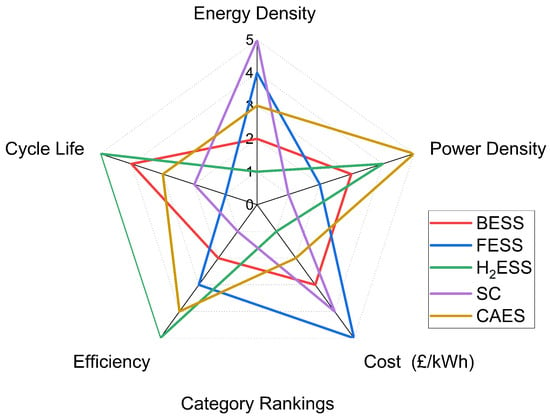
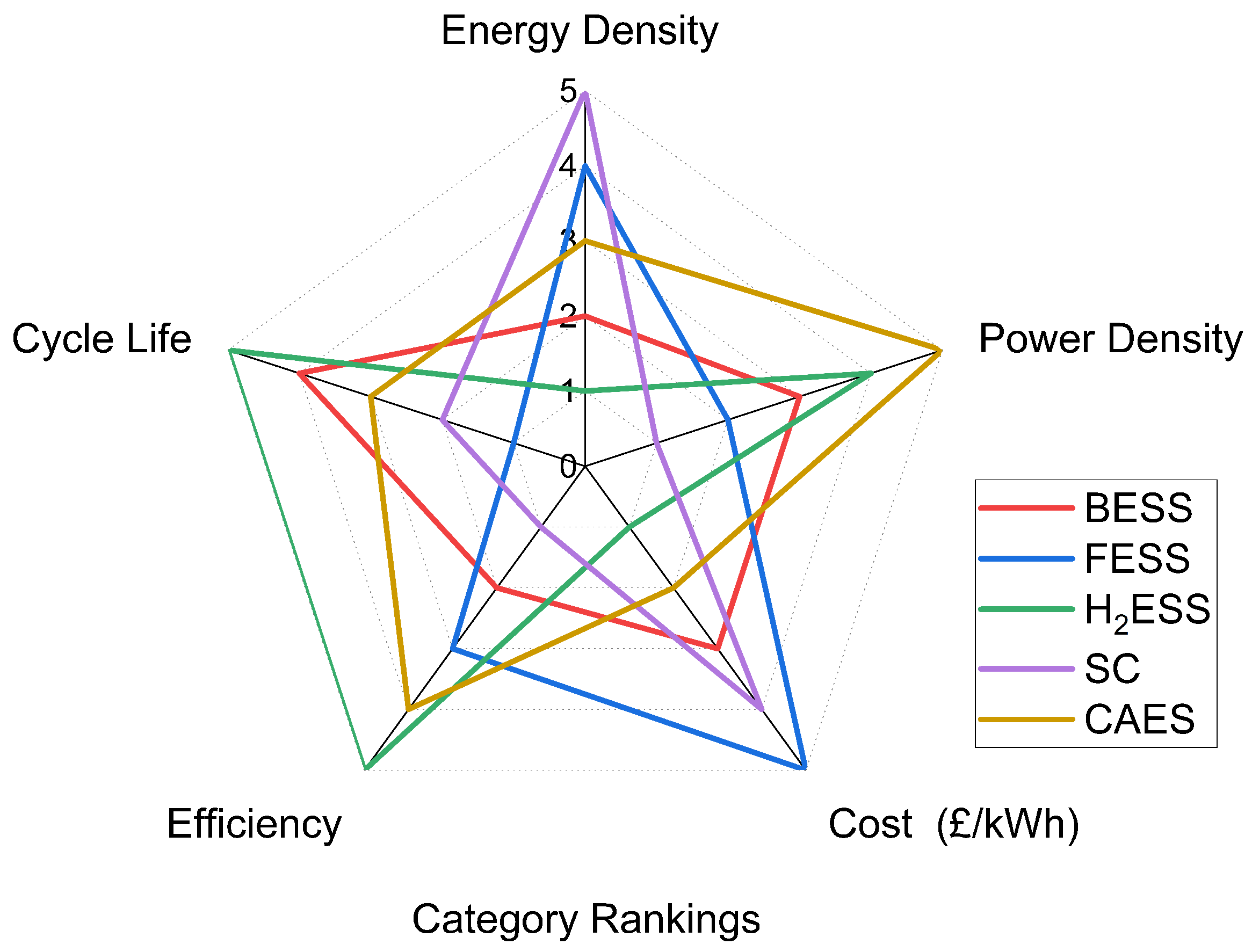
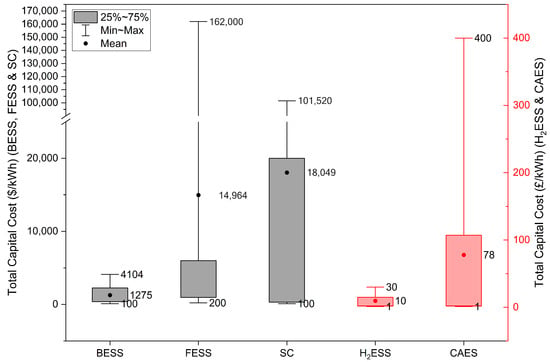
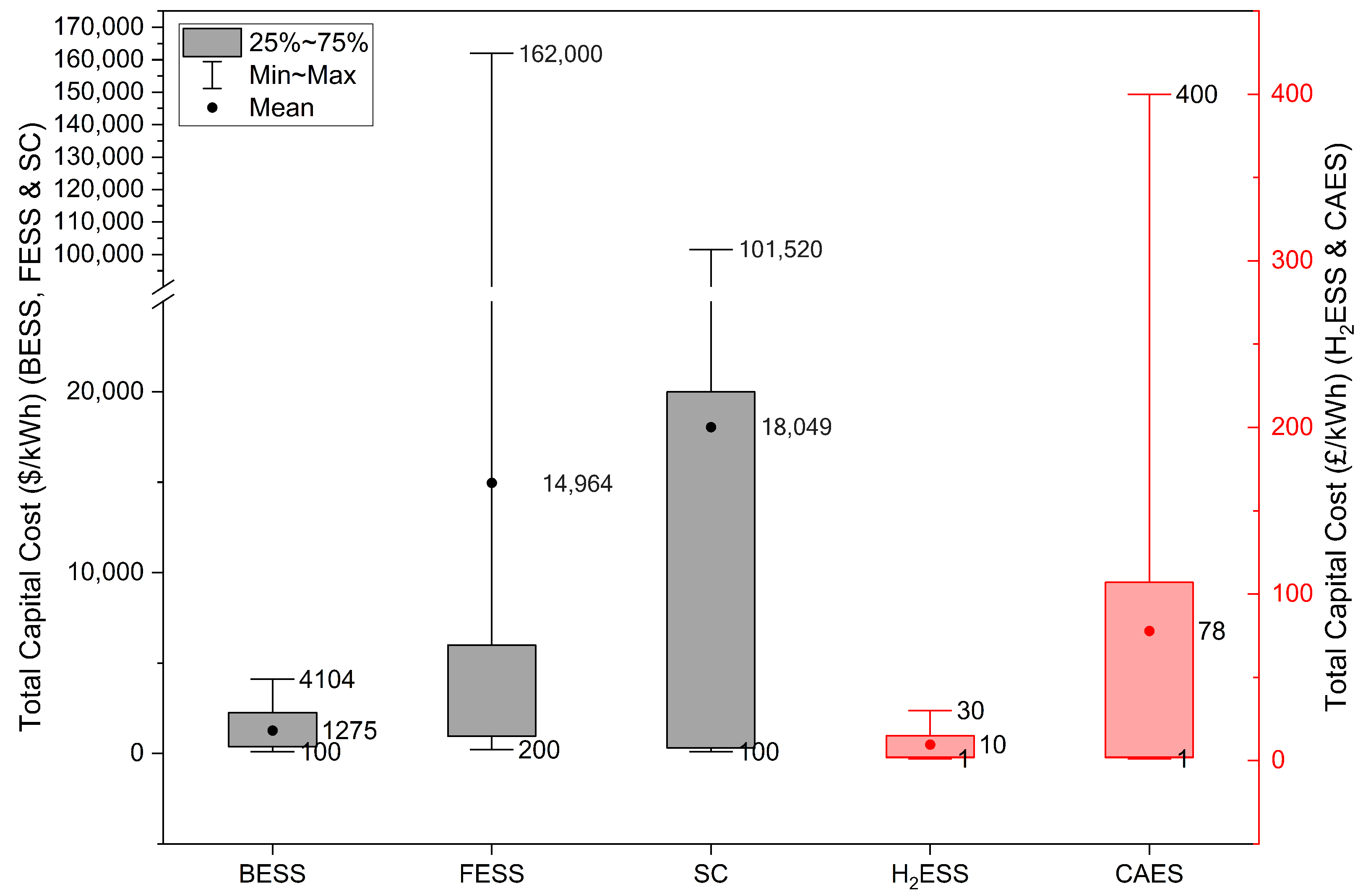
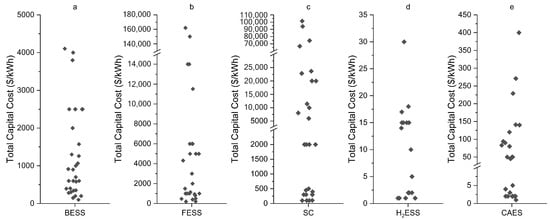
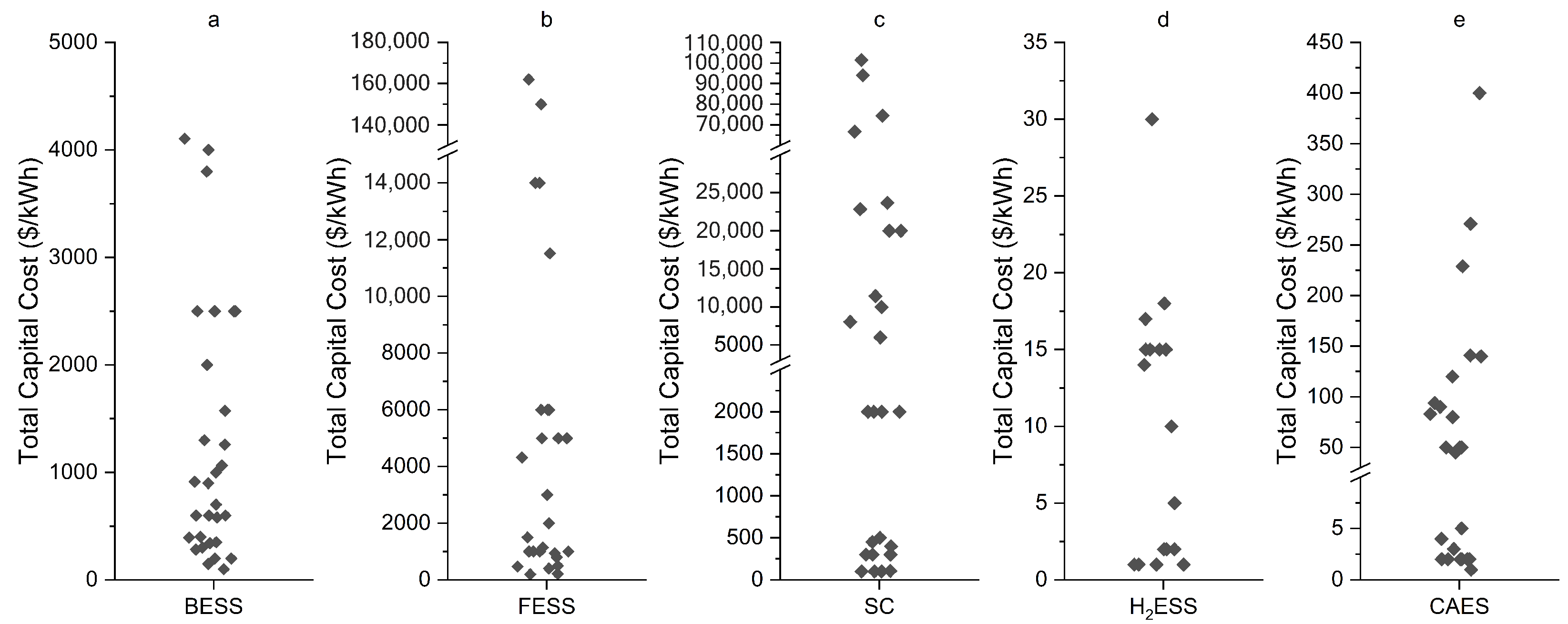
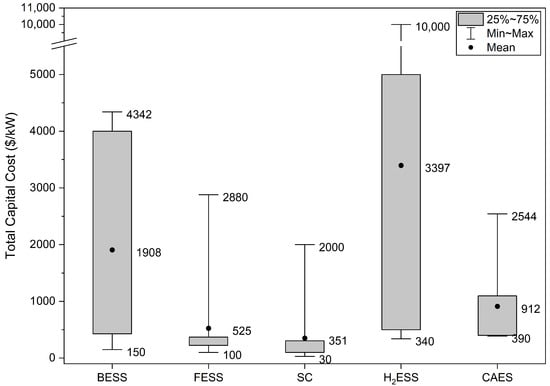
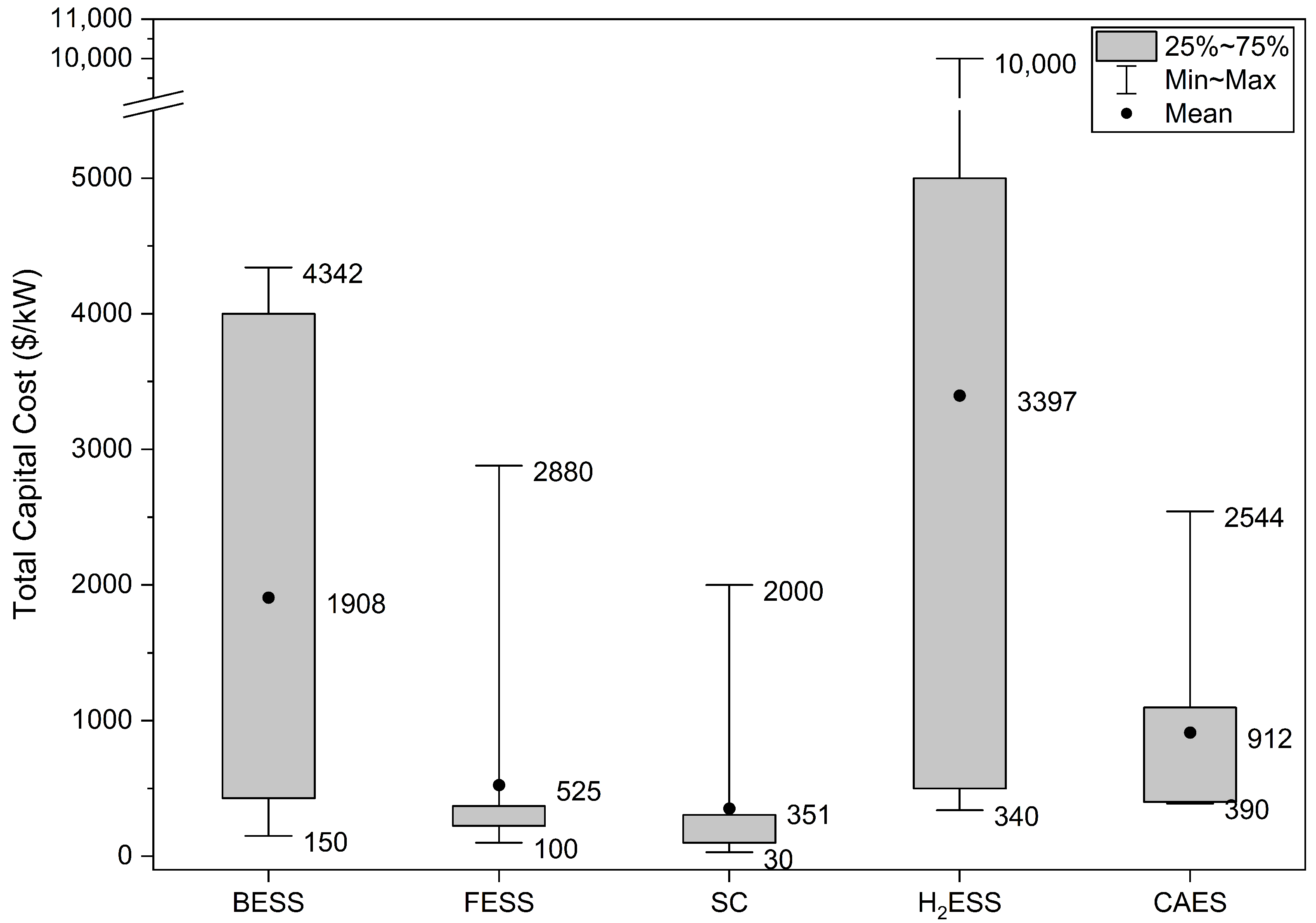
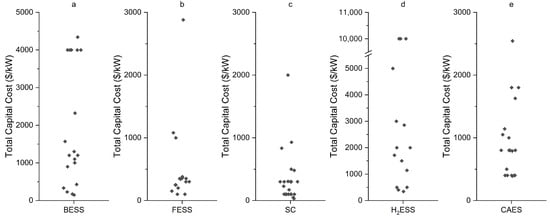
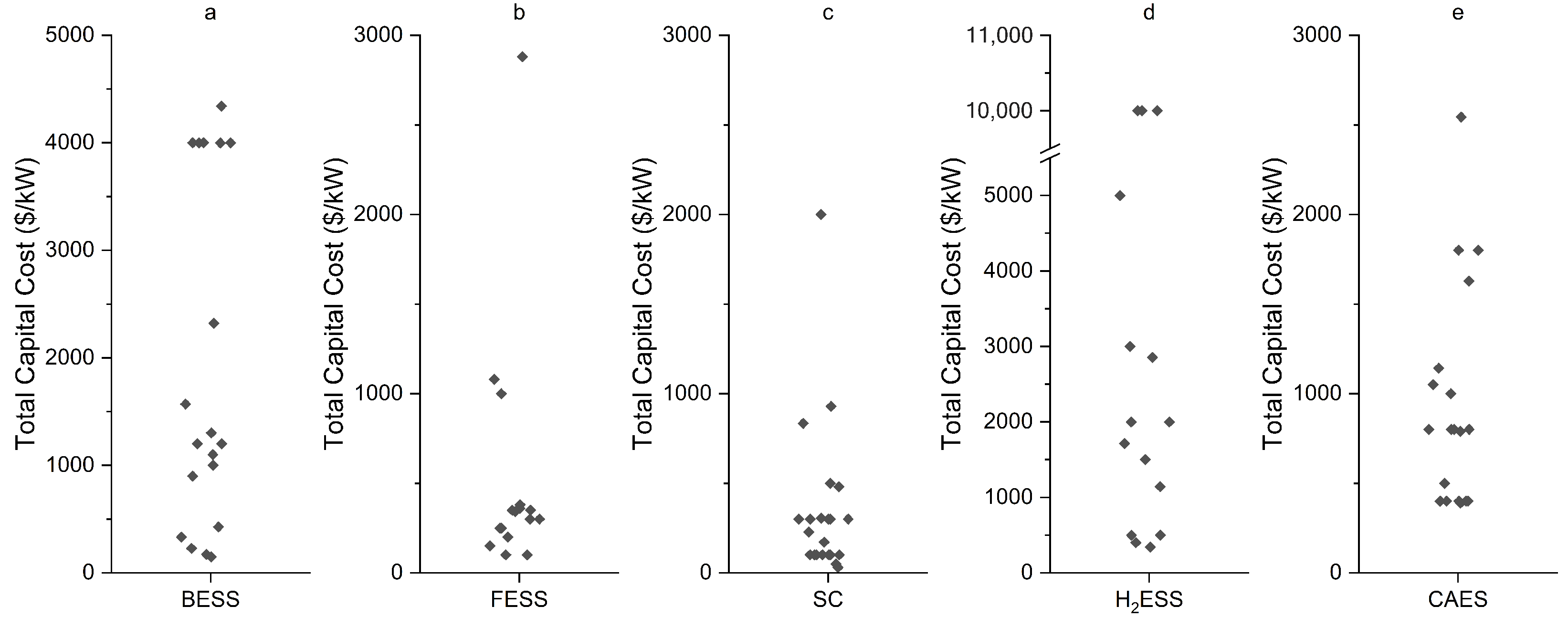
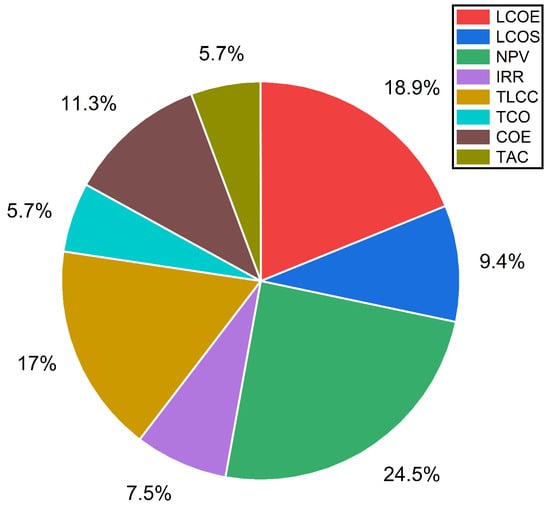
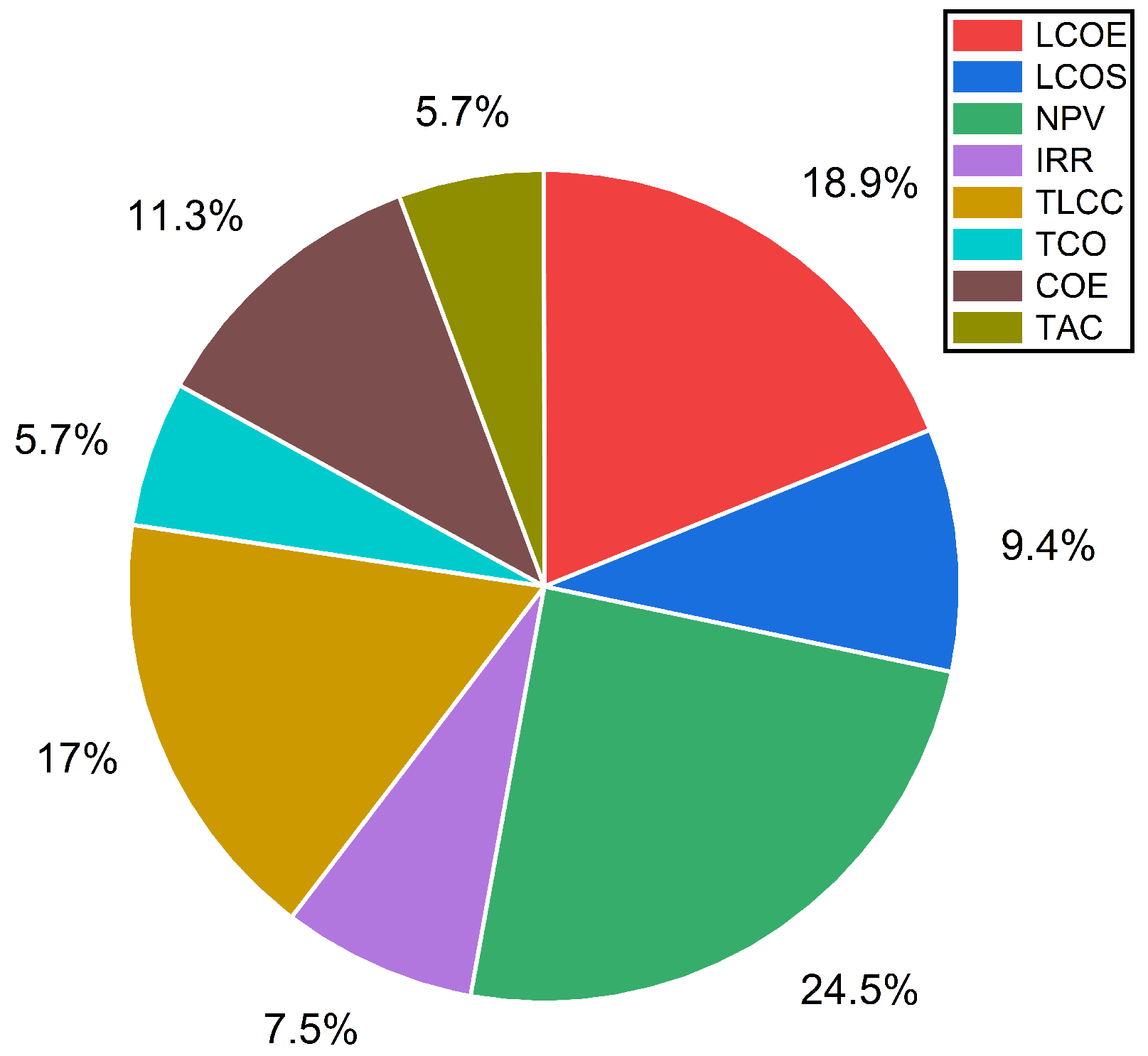
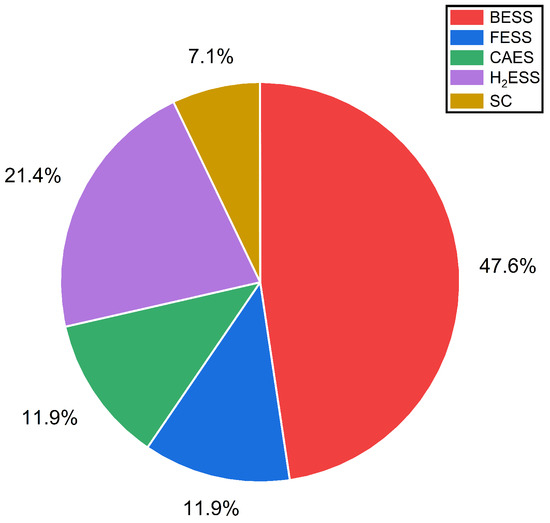

Disclaimer/Publisher’s Note: The statements, opinions and data contained in all publications are solely those of the individual author(s) and contributor(s) and not of MDPI and/or the editor(s). MDPI and/or the editor(s) disclaim responsibility for any injury to people or property resulting from any ideas, methods, instructions or products referred to in the content. |
© 2026 by the authors. Licensee MDPI, Basel, Switzerland. This article is an open access article distributed under the terms and conditions of the Creative Commons Attribution (CC BY) license.