


Abstract
Digital mental health is often framed as a problem of access that technology can solve through scalability, personalization, and continuous monitoring. Yet the expansion of apps, telepsychology, passive sensing, and generative artificial intelligence also transforms what counts as psychological knowledge, how distress is interpreted, and who assumes responsibility for care. This essay advances a relational–ecological account of digital mental health grounded in five propositions: psychological distress cannot be reduced to computational signals; digital access is not equivalent to meaningful care; personalization without contextual justice can intensify inequity; privacy and informed refusal are therapeutic conditions rather than merely regulatory constraints; and successful innovation must preserve human agency and accountable therapeutic relationships. Drawing on intervention research, implementation science, digital phenotyping, critical data studies, and minority-stress perspectives, the essay proposes the CARE framework—Context, Agency, Relationships, and Equity—as a normative evaluative heuristic for design, evaluation, and governance that complements existing app-evaluation and implementation frameworks. Privacy and informed refusal are treated as components of Agency, each domain is paired with indicators and illustrative failure conditions, and the framework is applied to three archetypal technologies. Rather than reject digital technologies, the argument identifies the conditions under which they can extend psychological care without reproducing surveillance, exclusion, or technological solutionism. Future research should test the six propositions derived from the framework and foreground clinically meaningful outcomes, subgroup validity, longitudinal harms, hybrid care pathways, and participatory governance.
1. Introduction: The Paradox of Digital Proximity
Digital mental health has moved from a peripheral mode of service delivery to a prominent site of psychological assessment, prevention, intervention, and governance (Bucci et al., 2019; Torous et al., 2021). Videoconferencing can connect clinicians and patients across distances (Rauschenberg et al., 2021; Torous et al., 2020); guided digital cognitive behavioral therapy can extend evidence-based techniques beyond consulting rooms (Andersson, 2016; Ebert et al., 2018); smartphones can collect ecological momentary assessments (Shiffman et al., 2008); wearables can approximate behavioral rhythms (Insel, 2017); and generative artificial intelligence can simulate responsive conversation (Torous et al., 2025). Each development addresses a real limitation of traditional services. However, the ability to reach someone digitally does not ensure that the person is understood, protected, or helped. We use the term digital proximity for this technical reachability of a person through a device or platform, and distinguish it from clinical proximity (being accurately understood and appropriately helped) and social proximity (being embedded in relationships of trust and accountability). The paradox of digital proximity is that gains in the first can coexist with, and even conceal, profound clinical and social distance.
The distinction matters because enthusiasm about scale has sometimes displaced reflection about mechanisms. Digital mental health is frequently presented as a response to a treatment gap that one-to-one services cannot close on their own (Kazdin & Blase, 2011; Naslund et al., 2017; Patel et al., 2018; Price et al., 2014). That framing is partly justified, but it can slide into what Morozov (2013) calls technological solutionism: the tendency to recast complex social, clinical, and institutional problems as well-defined puzzles with technical solutions (see also Lupton, 2014). A digital product can be accessible yet unusable, engaging yet ineffective, accurate on average yet biased for particular groups, and continuously available yet incapable of safely recognizing a crisis. Meta-analyses show potentially useful effects from smartphone interventions, but effect sizes and evidential certainty vary across conditions, comparators, and study designs (Firth et al., 2017a, 2017b; Goldberg et al., 2022; Linardon et al., 2019, 2024). The most important question is therefore not whether mental health can become digital—it already has—but what kinds of psychology and care digital systems enact.
This essay defends a central thesis: digital mental health should be judged by whether it strengthens human agency, contextual understanding, therapeutic relationships, and distributive justice, not by adoption metrics or computational novelty alone. We call this account relational–ecological: relational because psychological change arises substantially through relationships of trust, responsiveness, and accountability (Flückiger et al., 2018), and ecological because distress and its digital traces are embedded in nested interpersonal, institutional, cultural, and structural contexts (Bronfenbrenner, 1979). It is a critical conceptual essay, not a systematic review or a claim to have exhaustively identified the literature. Sources were identified through a purposive narrative approach: targeted searches of PubMed, PsycINFO, and Google Scholar for meta-analyses, systematic reviews, randomized trials, and key conceptual works on digital interventions, digital phenotyping, conversational agents, ethics, and equity, supplemented by backward citation tracking. Priority was given to the strongest available evidence on both the benefits and the harms of digital care, including recent evidence on generative artificial intelligence. The essay’s contribution is to integrate clinical, technological, and social levels of analysis into an explicit evaluative framework and to position that framework relative to existing evaluation and implementation models.
An essay about digital mental health must also distinguish three frequently conflated objects: digitized encounters (such as video therapy), digital psychological interventions (such as guided internet-based cognitive behavioral therapy), and data-driven systems that infer, predict, or shape behavior (such as passive sensing or generative AI). Their underlying mechanisms, levels of clinical autonomy, and risk profiles differ. Evidence for one cannot be casually transferred to another. Nor is digitization itself a therapeutic mechanism: a screen is a channel; a psychological intervention requires a plausible theory of change; and an algorithmic risk score is a claim about a person that demands external validation.
This distinction sharpens the essay’s normative proposition, which is organized as a single architecture (Table 1). Before any CARE domain is considered, a digital service must meet an evidential warrant: it addresses an important and user-defined need; its psychological mechanism and intended population are specified; and its benefits outweigh harms against a meaningful comparator. The service must then satisfy the four CARE domains developed in Section 8, which absorb two further requirements: that it can be implemented without eroding clinician or patient agency (Agency), and that its advantages do not depend upon transferring hidden costs to marginalized groups (Equity). The warrant and the four domains are jointly necessary and non-compensatory rather than sequential hurdles: strength on one cannot offset a serious failure on another, and no failure can be repaired by scale. The five propositions stated in the Abstract are developed in Section 2, Section 3, Section 4, Section 5, Section 6 and Section 7; each motivates one or more CARE domains, and each domain generates at least one of the testable propositions in Section 9.
Table 1.
Architecture of the argument: Propositions, CARE domains, and testable propositions.
2. What Constitutes Evidence in Digital Care?
Clinical usefulness requires a distinction among technical performance, engagement, symptom change, functional recovery, and implementation success. An algorithm may classify language or behavioral signals correctly without improving clinical decisions; an app may attract frequent use while having negligible effect on suffering. Evidence of feasibility or acceptability is neither proof of efficacy nor evidence of safety. Likewise, a short-term change on a symptom questionnaire need not indicate sustained changes in relationships, quality of life, participation, or help-seeking.
Digital interventions have an important evidence base, and its strongest findings deserve explicit statement. Guided internet-based cognitive behavioral therapy (iCBT) has produced effects broadly equivalent to face-to-face CBT across psychiatric and somatic conditions; an updated meta-analysis of 20 head-to-head trials found a pooled difference of g = 0.05 (95% CI −0.09 to 0.20) (Andersson et al., 2014; Carlbring et al., 2018). Computerized therapy for anxiety and depression has been judged effective, acceptable, and practical (Andrews et al., 2018; see also Christensen et al., 2004; Cuijpers et al., 2019), and an individual-participant-data network meta-analysis of 39 trials found that both guided and unguided iCBT outperformed control conditions, with guidance adding most for people with more than mild symptoms (Karyotaki et al., 2021). For smartphone apps, the 2024 meta-analysis of 176 randomized trials estimated small pooled effects on depression (g = 0.28) and generalized anxiety (g = 0.26), corresponding to a number needed to treat of approximately 12 for each (Linardon et al., 2024). Certainty in these estimates is limited: heterogeneity was substantial and largely unexplained, most trials used inactive controls such as waitlists, apps did not differ significantly from active comparators in the small number of such comparisons, and outcomes were assessed mainly at post-intervention, although effects remained robust when analyses were restricted to trials at lower risk of bias (Linardon et al., 2024; see also Firth et al., 2017a, 2017b; Goldberg et al., 2022; Linardon et al., 2019). Evidence among college students is encouraging (Lattie et al., 2019), whereas evidence for children and adolescents has been more limited (Hollis et al., 2017). These findings establish a credible but modest baseline benefit that depends on guidance, comparator quality, adherence, outcome selection, follow-up duration, and the populations included. An evidence-informed strategy must therefore ask for whom, under what circumstances, compared with what, and at what cost an intervention helps.
Three evaluation errors deserve special attention. First is the substitution of engagement for benefit: time spent in an app may reflect distress or compulsive reassurance seeking, a behavior known to maintain anxiety and obsessive–compulsive problems (Kobori & Salkovskis, 2013), rather than recovery. Real-world engagement is, moreover, typically low and highly skewed: in a panel-based analysis of popular mental health apps, median 30-day retention was 3.3% (Baumel et al., 2019; see also Perski et al., 2017). Second is the substitution of aggregate efficacy for equitable performance: averages conceal whose symptoms worsen or whose data are missing. Third is the substitution of short trials for long-term governance: digital services are modified, monetized, acquired, or discontinued after publication (Mohr et al., 2017). In such environments, effectiveness is a property not only of an intervention but also of its evolving institutional infrastructure.
The field therefore needs an explicit evidence hierarchy that is appropriate to the intended claim (Mohr et al., 2013). Feasibility studies can demonstrate uptake and workflow fit but cannot establish clinical effectiveness. Accuracy studies can support a bounded prediction claim but cannot show that acting on that prediction improves outcomes. Randomized trials can estimate intervention effects under specified conditions, whereas pragmatic trials and implementation evaluations test whether benefits survive routine clinical constraints. Cost-effectiveness must include clinician time, technology maintenance, security, exclusion-related costs, and downstream service use, rather than only the low marginal cost of distributing software. The broad and uneven evidence base, recently synthesized by Torous et al. (2025), makes these distinctions especially important.
Such standards require negative findings to be informative. Reporting should distinguish initial adoption from sustained use, adherence from compulsive engagement, average effects from differential harm, and statistical from clinically meaningful change. Protocol registration, transparent comparators, pre-specified primary outcomes, intervention versioning, and independent replication are not bureaucratic burdens; they prevent the continuous optimization of a product from becoming a moving target for evaluation.
3. The Irreducibility of Psychological Context
Digital phenotyping promises to infer clinically relevant states from patterns of movement, phone use, communication, sleep, and other streams (Insel, 2017; Torous et al., 2016, 2017). These data can reveal within-person changes that infrequent appointments might miss. Nevertheless, the relationship between a behavioral trace and mental experience is neither universal nor context-free. Reduced mobility might indicate depression, disability, remote work, caregiving, social isolation, environmental danger, a heatwave, or a deliberate period of rest. Increased night-time phone use might reflect insomnia, shift work, interpersonal support, or an acute crisis. Meaning emerges through interpretation, not through sensing alone (Lupton, 2016).
Recent systematic reviews have described major heterogeneity in devices, preprocessing, feature definitions, analytic methods, and settings, complicating translation to routine clinical use (Alam et al., 2026; Heckler et al., 2025; see also Shatte et al., 2019). These difficulties are not simply engineering problems. They challenge the assumption that psychological constructs can be derived directly from individual digital signatures without examining culture, structural conditions, and personal narratives. A predictor may be statistically useful while possessing limited explanatory validity.
A more defensible approach combines contextualized self-report, validated psychological constructs, clinician interpretation, and optional passive data, with uncertainty explicitly communicated (Bucci et al., 2019; Torous et al., 2021). Inference should be proportional to the quality of evidence, because an apparently predictive feature does not interpret its own causal or ethical significance, and its validity may decay when operating systems, device ownership, cultural practices, or social conditions change. Digital observations should therefore initiate curiosity and dialogue, not impose authoritative labels. Models should be evaluated for within-person calibration, measurement invariance, domain shift, and missingness, and monitored for distribution shift across settings and the life course. In clinical work, the person must retain the right to correct the model’s account of their experience without losing access to care.
These risks are acute for disabled and neurodivergent people, because the reference baselines used in digital phenotyping are typically derived from samples in which disabled and neurodivergent participants are rarely reported as distinct groups (S. S. Hall et al., 2026). Irregular night-time device use associated with sensory hypersensitivity, or atypical movement patterns associated with a physical disability, could be read automatically as a worsening risk score. This could lead to unwarranted contacts or interventions and, if such inferences leave the clinical setting, to wider disadvantages, for example in insurance, where AI-based risk assessment and pricing for life and health insurance are classified as high-risk under the European Union Artificial Intelligence Act (European Parliament & Council of the European Union, 2024). CARE therefore treats two features as reasonable accommodations in the sense of the Convention on the Rights of Persons with Disabilities (United Nations, 2006). First, users should be able to record personal context, such as a disability, a sensory profile, shift work, or a particular living environment, which adjusts or replaces the reference baseline against which deviations are judged and which the person can revise at any time. Second, the right to opt out of digital monitoring without losing access to equivalent in-person care should be recognized as a right to reasonable accommodation, not merely as a service preference (Section 6). Formally, deviations should be computed relative to a person-specific equilibrium rather than a population norm (Appendix A.1).
4. The Relational Core of Care
Psychotherapy is not merely delivery of content. Its effects arise through a complex arrangement of expectations, therapeutic alliance, emotional safety, responsiveness, meaning-making, and method; the alliance alone shows a robust association with outcome across treatments (Flückiger et al., 2018). Digital modalities can support these processes, including through synchronous telepsychology and guided online programs, and users can form alliance-like bonds even with automated agents (Bickmore et al., 2005). But it is a category error to equate textual fluency with relational responsibility. A conversational system can generate empathic language without bearing the professional, interpersonal, and legal obligations of a clinician.
Generative artificial intelligence may offer psychoeducation, low-intensity prompts, behavioral rehearsal, or support between appointments (D’Alfonso, 2020; Vaidyam et al., 2019). Its uses should nonetheless be differentiated from diagnosis, independent risk management, psychotherapy, and emergency response. Large language models can generate fluent but unsupported content (Ji et al., 2023), reproduce social bias, including debunked race-based clinical claims (Omiye et al., 2023), change behavior substantially between model versions (Chen et al., 2024), and fail to recognize contradictory or contextual clinical signals. Trust generated by an intimate conversational interface may exceed the system’s demonstrated reliability, a pattern well documented in research on automation bias and complacency (Parasuraman & Manzey, 2010). The ethical challenge is not simply whether an AI sounds compassionate, but whether its affordances are transparently bounded, its failures anticipated, and meaningful human recourse available.
The empirical evidence on conversational agents is now substantial enough to require balanced treatment. Earlier rule-based and hybrid agents showed short-term symptom benefits in a small trial and a real-world evaluation (Fitzpatrick et al., 2017; Inkster et al., 2018), and a meta-analysis of 15 randomized trials of AI-based conversational agents found reductions in depression (g = 0.64) and distress (g = 0.70) but no significant improvement in psychological well-being (Li et al., 2023). The first randomized trial of a fully generative therapy chatbot (n = 210) found larger reductions in depressive, anxiety, and eating-concern symptoms than a waitlist over four to eight weeks, with working alliance ratings comparable to outpatient psychotherapy; however, the comparator was inactive, follow-up was short, and research staff reviewed outputs and intervened for safety concerns and inappropriate responses (Heinz et al., 2025). Contrary evidence is also accumulating. Experimental evaluations found that general-purpose and therapy-oriented models expressed stigma towards some conditions and responded inappropriately to indirect expressions of suicidal ideation and to delusional content (Moore et al., 2025), and in a four-week randomized study of a general-purpose chatbot (n = 981), heavier voluntary use was associated with greater loneliness, while greater trust in the chatbot was associated with emotional dependence and problematic use (Fang et al., 2025). A systematic review of 27 studies of stakeholder experience identified 24/7 availability as the most frequently reported facilitator and inadequate crisis detection as the most frequently reported barrier, and recommended tiered implementation, independent safety certification, and equity-sensitive design (Shankar et al., 2026). This evidence supports cautious, bounded roles for generative agents rather than either dismissal or claims of therapeutic equivalence (Rousmaniere et al., 2026; Torous et al., 2025).
Which relational functions can ethically be delegated therefore depends on autonomy and consequence. Psychoeducation, rehearsal, appointment preparation, and structured self-reflection may be supportable at lower levels of autonomy. Diagnosis, crisis triage, major treatment changes, and interpretations with serious consequences require substantially stronger validation and accountable supervision. A chatbot’s fluent acknowledgement of suffering must not be presented as equivalent to clinical responsibility or reciprocal human concern (Rousmaniere et al., 2026).
Human oversight should accordingly be designed as an actual clinical pathway rather than a disclaimer. A tiered human-in-the-loop system should specify who holds responsibility for the initial assessment, what constitutes a safety trigger, whether a clinician actually receives the signal, the maximum acceptable response window, and what happens when the service is offline. Oversight is not meaningful if human reviewers lack time, authority, training, or access to the original context, so these requirements ought to be tested under realistic workload and failure conditions. Where therapeutic alliance is central to treatment, research should compare not only symptom endpoints but also trust, rupture and repair, autonomy, perceived invalidation, and disengagement. Digital assistance is defensible when it strengthens the capacity for human care rather than providing a lower-accountability substitute for it.
This requirement must be calibrated to settings where no clinician is available, including many low- and middle-income countries, rural areas, and services with long waiting lists (Naslund et al., 2017; Patel et al., 2018). There, insisting on clinician review of every digital interaction could withhold help that would otherwise be absent. However, the human in the loop need not be a specialist. Task-sharing models train non-specialist helpers to deliver or support psychological interventions (Singla et al., 2017); a meta-analysis of 22 trials of digital psychological interventions in low- and middle-income countries reported a pooled effect of g = 0.60, albeit with high heterogeneity (Fu et al., 2020); and a WHO digital program guided by non-specialist helpers reduced depression among displaced Syrians in Lebanon (Cuijpers et al., 2022). The Relationships domain therefore asks not whether a clinician is present, but whether a named and trained person is accountable for escalation within a response window appropriate to the setting, and whether the service is honest about what it cannot do. Where even this is infeasible, a bounded low-intensity tool with clear signposting may be preferable to no support, but it should not be presented as treatment.
5. Inequality Does Not Disappear at the Login Screen
Digital services are routinely described as democratizing because distribution is inexpensive relative to face-to-face care. This argument obscures the unequal distribution of connectivity, literacy, private space, stable devices, language access, disability accommodations, and confidence in institutions (Naslund et al., 2017). A service may be nominally free but demand data, time, attention, or digital competence that individuals cannot safely provide. Digital inclusion must therefore be treated as a multidimensional determinant of care quality rather than a binary variable.
A 2026 systematic review of decentralized mental health and neurodevelopmental trials found that diversity and equity-related reporting remained inconsistent, despite the inclusion potential of remote study designs (S. S. Hall et al., 2026). The appropriate response is not to abandon remote participation, but to measure who is missing, why they are missing, and whether the missingness is itself produced by the intervention. Intersectional approaches challenge the assumption that one single demographic characteristic adequately represents exposure to disadvantage (Crenshaw, 1989).
For sexual and gender minorities, psychological distress can be shaped by stigma, concealment demands, discrimination, rejection, and structural inequalities (Hatzenbuehler, 2009; Meyer, 2003). The same platform that offers confidential, identity-affirming support and community may create new risks through outing, metadata linkage, harassment, targeted misinformation, discriminatory moderation, or inadvertent disclosure to family, employers, and institutions. A system trained on majority-language expressions of distress or conventional assumptions about relationships may misconstrue minority experiences as pathological or fail to detect specific risks. Intersectionality matters because a tool may appear effective in a pooled sample while failing for users exposed simultaneously to poverty, disability, minority stress, low digital literacy, or insecure housing.
Evidence on digital-specific harms for other groups is thinner, but not absent. Depression classifiers trained on social media data have performed unevenly across gender and racial groups, worst for groups under-represented in training data (Aguirre et al., 2021), and large language models have reproduced race-based clinical misconceptions (Omiye et al., 2023). Older adults report barriers related to digital skills, low awareness, privacy concerns, and a preference for the face-to-face alliance (Pywell et al., 2020). For displaced and migrant populations, guided digital programs can be effective, but loss to follow-up can be high (Cuijpers et al., 2022). For disabled, neurodivergent, and low-literacy users, we found little direct evaluative evidence on harms specific to digital mental health; this absence is itself an equity finding, because such groups are rarely reported as distinct subgroups (S. S. Hall et al., 2026). Equity consequently requires more than language translation or a demographic table: it requires participatory development, subgroup-specific validation, accessible alternatives, context-sensitive outcomes, reporting of who was excluded, who withdrew, and who experienced adverse effects, and the option to decline digital participation without losing access to effective care.
Two kinds of boundary should be kept distinct in this discussion. Discriminatory boundaries are exclusions produced by the system itself: models fitted to the language, behavior, and device patterns of majority or non-disabled populations, which then treat other people’s ordinary behavior as noise, outliers, or pathology (Aguirre et al., 2021), and design requirements, such as recent hardware, stable connectivity, high literacy, or a private space in which to log in, that silently screen out those who cannot meet them. Ethical boundaries, by contrast, are deliberate limits on what a system is permitted to do and on the responsibility it can bear, such as confining a conversational agent to psychoeducation and support for reflection and excluding it from diagnosis and crisis intervention (Section 4). The former should be minimized and detected through subgroup evaluation (Appendix A.4 and Appendix A.5); the latter should be made explicit, communicated to users, and enforced by design. Confusing the two is itself a source of harm: an exclusion produced by overfitting may be defended as a safety limit, and a necessary safety limit may be relaxed in the name of inclusion.
6. Privacy, Consent, and the Right Not to Be Measured
Mental health information is uniquely sensitive because it may expose relationships, vulnerability, sexuality, trauma, medication use, suicidal thinking, or inferred diagnoses. Digital platforms can collect more than users knowingly disclose: metadata, location traces, typing patterns, interaction histories, and commercially valuable behavioral profiles. Even accredited health apps have been found to transmit personal information insecurely and inconsistently with their own privacy policies (Huckvale et al., 2015). The promise of continuous monitoring creates an ethical asymmetry. A clinician may gain additional observational power while a patient loses control over when care observes their life.
Consent is meaningful only when the person can understand what is collected, which inferences are drawn, who can access the data, whether secondary uses are possible, and what happens after withdrawal. Lengthy privacy notices are insufficient (Martinez-Martin & Kreitmair, 2018; Nebeker et al., 2017). Privacy should be understood as relational and psychological: perceived surveillance can alter self-disclosure, identity exploration, and willingness to seek help. Privacy-by-design requires data minimization, clear retention limits, robust security, granular permissions, separation of clinical and commercial purposes, and restrictions on downstream profiling.
The right to opt out of monitoring deserves explicit recognition. For some patients, declining passive sensing may be an exercise of agency, not non-adherence. Informed refusal must not become a basis for inferior treatment. Consent should be renewable because the clinical meaning of data collection changes as illness, work circumstances, legal conditions, and family relations change. Systems that cannot offer a credible explanation of their data practices should not be asked to hold clinical trust. For these reasons, CARE treats privacy and informed refusal as core components of the Agency domain rather than as a separate compliance layer.
Informed refusal is not absolute, however. It can conflict with duty of care when a clinician holds credible information about acute risk, with safety-monitoring obligations in trials (C. L. Hall et al., 2024), and with service capacity when non-digital alternatives are scarce. CARE does not resolve these conflicts by fiat; it requires that they be anticipated and governed. The limits of refusal, such as an obligation to act on an explicit disclosure of imminent risk, should be stated before consent. Refusal of passive monitoring should not entail refusal of care, even if the alternative is a different modality or a longer wait. Where capacity constraints make an equivalent alternative impossible, that constraint should be disclosed and recorded as an equity cost rather than presented as patient choice.
The right not to participate must also be guaranteed in system design rather than in policy statements alone. In practice, this means providing non-digital alternatives in parallel, such as scheduled telephone or in-person contact with the same clinical team, rather than as an exceptional route that must be requested; recording the choice between digital and non-digital pathways without penalty, so that it does not affect waiting-list position, eligibility, or the intensity of care; making monitoring components separable, so that a person can decline passive sensing while still using self-report or messaging; and allowing monitoring to be paused or withdrawn, with data deletion. In many jurisdictions, these requirements can be grounded in existing law on reasonable accommodation and non-discrimination. The Convention on the Rights of Persons with Disabilities defines the denial of reasonable accommodation as a form of disability-based discrimination (Article 2) and requires health care of the same range, quality, and standard for persons with disabilities (Article 25; United Nations, 2006). Japan’s Act for Eliminating Discrimination against Persons with Disabilities, as amended, has required private businesses to provide reasonable accommodation since April 2024 (Government of Japan, 2013). In the European Union, health data are a special category of personal data, and decisions based solely on automated processing that significantly affect a person are restricted (European Parliament & Council of the European Union, 2016, Articles 9 and 22).
Privacy protection should be designed into the research and care pathway, not deferred to a consent screen, and should include explicit governance of third-party processors. Researchers must distinguish directly reported mental health data from inferences generated from seemingly innocuous traces, because an inference about a sensitive characteristic can create comparable harm even when the underlying data were collected under a benign label. C. L. Hall et al. (2024) demonstrate how data protection intersects with trial recruitment, safety monitoring, exclusion, and regulatory ambiguity; these challenges are inseparable from scientific quality.
Generative AI introduces additional governance questions: whether prompts enter external services, whether outputs are reproducible across model updates, whether models reproduce stereotypes, and how harmful or unsupported recommendations are detected and remedied. The World Health Organization (2024) calls for explicit governance of large multimodal models in health, extending broader legal concerns about digital mental health technologies (Gooding, 2019). This essay accordingly treats model documentation, independent audit, consent for secondary use, and a clear complaints pathway as preconditions for high-stakes applications, rather than optional quality signals.
7. Digital Dependence and the Contradiction of Perpetual Engagement
Digital mental health also occupies a paradoxical ecosystem: psychological tools are often delivered through devices and platforms designed to maximize attention. Push notifications, reward loops, social comparison, and algorithmic personalization can support healthy behavior, but may also sustain compulsive checking, sleep disruption, or excessive reassurance seeking (Section 2).
Research on social media and adolescent mental health is not research on digital mental health tools, and its findings should be transferred with caution. It is nonetheless instructive by analogy: it points to small average associations, substantial heterogeneity, bidirectionality, and the importance of individual and contextual mechanisms rather than a single universal effect (Odgers & Jensen, 2020; Orben & Przybylski, 2019). The transferable lesson is methodological: engagement with a digital environment, including a therapeutic one, should not be assumed to have a uniform effect. This is consistent with direct evidence that heavier voluntary use of a general-purpose chatbot was associated with worse psychosocial outcomes (Fang et al., 2025). Social platforms can also form part of pathways to care, as among young people with psychotic and mood disorders (Birnbaum et al., 2017). A mental health intervention should be capable of recommending less use, not merely better use. It should distinguish purposeful engagement from compulsive repetition and accept that a successful outcome may be departure from the platform.
This tension also calls for institutional separation between clinical priorities and attention-based business models. When revenue depends on data accumulation or retention, the goals of the provider can diverge from the goals of the patient. Ethical deployment requires explicit incentive analysis, independent evaluation, and mechanisms for clinicians and users to challenge harmful design. A platform should not be rewarded for producing dependency under the banner of personalized support.
A further distinction is between harmful use and high-frequency use. Digital dependence is not established by screen time alone, and reduction in use is not necessarily a desirable outcome for people whose communities, accessibility tools, or help-seeking depend upon digital connection. Preventive interventions should therefore be evaluated by improvements in functioning and autonomy, including loss of control, interference with sleep and relationships, and exposure to manipulative or discriminatory environments, rather than a universal target of fewer minutes online.
8. A Relational–Ecological Framework: CARE
The arguments above suggest a practical framework for evaluating digital mental health. CARE names four interdependent conditions, Context, Agency, Relationships, and Equity, which follow the evidential warrant described in Section 1. CARE is best understood as a normative evaluative heuristic: it specifies what a defensible service must demonstrate, and its components can be translated into measurable indicators and testable hypotheses, but it is not itself a validated measurement instrument, consensus statement, or clinical standard. It does not propose a new clinical diagnosis or suggest that four domains exhaust the complexity of digital care.
8.1. Positioning CARE Relative to Existing Frameworks
CARE enters a crowded field, and its contribution should be stated precisely. App-evaluation models, such as the American Psychiatric Association’s hierarchical app evaluation model (Henson et al., 2019) and the Mobile App Rating Scale (MARS; Stoyanov et al., 2015), assess the properties of a product: access and background, privacy and security, clinical foundation, usability, and integration with care, or engagement, functionality, aesthetics, and information quality. Implementation frameworks, such as the updated Consolidated Framework for Implementation Research (CFIR; Damschroder et al., 2022), RE-AIM (Glasgow et al., 1999), and the NASSS framework (Greenhalgh et al., 2017), explain why technologies are adopted, implemented, sustained, or abandoned. Regulatory and governance frameworks, including the NICE evidence standards for digital health technologies (National Institute for Health and Care Excellence, 2022) and WHO guidance on large multimodal models (World Health Organization, 2024), set evidence and governance requirements proportionate to risk. The ethics literature on digital psychiatry has articulated concerns about accountability, consent, transparency, trust, and data protection (Gooding, 2019; Martinez-Martin & Kreitmair, 2018; Nebeker et al., 2017; Torous & Roberts, 2017).
Table 2 compares these approaches. CARE does not replace them, and much of what it asks can be evidenced with their instruments. Its intended additions are fourfold. First, it is specific to psychological care: it treats the therapeutic relationship and the delegability of relational functions as evaluative objects in their own right, which product-quality and implementation frameworks address only indirectly. Second, it treats informed refusal, and not only consent and data security, as a condition of agency, and it asks what happens to people who decline. Third, it makes distributive justice a necessary condition rather than a contextual factor or a reach statistic, requiring subgroup-specific evidence of benefit and harm. Fourth, it is explicitly non-compensatory and multilevel: a failure on one domain cannot be offset by strength on another, and each domain applies at the micro, meso, and macro levels. CARE is therefore best used as an evaluative overlay that identifies which questions must be answered, with existing frameworks supplying many of the methods for answering them.
Table 2.
CARE in relation to existing evaluation, implementation, and governance frameworks.
8.2. The Four Domains
Context asks whether the tool interprets psychological experiences against social, developmental, cultural, clinical, and situational conditions. Empirical indicators include measurement invariance, calibration across settings, model uncertainty, clinician–patient disagreement, and explanations of anomalous signals. Agency asks whether individuals understand, contest, control, and refuse digital processes; it therefore includes the privacy and informed-refusal conditions developed in Section 6, as well as the requirement that implementation does not erode clinician or patient agency. Indicators include comprehension of consent, data minimization, reversibility, data deletion, available alternatives, and perceived autonomy. Relationships ask whether technology supports safe therapeutic and social ties. Indicators include therapeutic alliance, continuity, responsive escalation, satisfaction with human oversight, and the handling of relational ruptures. Equity asks whether benefits, errors, burdens, and harms are fairly distributed, and whether a service’s advantages depend on transferring hidden costs to marginalized groups. Indicators include recruitment representativeness, accessibility, subgroup performance, differential dropout, and cost-related exclusion.
CARE can structure interventions at three linked levels. At the micro level, clinicians and users co-interpret data and preferences. At the meso level, services design hybrid pathways, governance boards, and incident-response procedures. At the macro level, funders and regulators demand independent validation, accessible alternatives, transparent procurement, and public accountability. A system may score well on one domain while failing another; for example, excellent predictive performance does not excuse involuntary surveillance. The domains should therefore be treated as jointly necessary principles rather than interchangeable points in a composite score.
8.3. Failure Conditions and Operationalization
Each domain is paired with a failure condition, which gives CARE testable implications rather than the status of a self-validating acronym. Under Context, an intervention fails if performance or meaning changes substantially across situations without recognition or recalibration. Under Agency, it fails if users cannot meaningfully decline monitoring or challenge recommendations. Under Relationships, it fails if automated support impedes access to accountable human care or reduces trust. Under Equity, it fails if benefits accrue mainly to already well-resourced groups while burdens concentrate elsewhere. Stated this way, however, the conditions lack thresholds, comparators, and measures. Table 3 therefore illustrates how each could be specified: a pre-registered indicator, a comparator (usual care, an active alternative, or a reference subgroup), and a threshold for unacceptable performance. The figures in Table 3 are placeholders that show the form of a failure condition; they are not proposed standards.
Table 3.
Summary of the CARE framework: guiding questions, levels, indicators, and illustrative failure conditions.
To make CARE operational, researchers could pre-register at least one patient-reported and one independently assessed indicator for each domain, together with a comparator and an explicit threshold for unacceptable harm. This proposed measurement architecture requires development and psychometric validation and should not be mistaken for an existing validated scale. Appendix A gives formal statements of the Context and Equity criteria, including a formulation of equity as a constrained optimization problem in which error-rate disparities between subgroups are bounded by a pre-specified tolerance.
8.4. Worked Application to Three Archetypes
To show how CARE discriminates between technologies, Table 4 applies it to three archetypes. The assessments are illustrative and refer to typical configurations rather than to specific products. A guided iCBT program for depression has the strongest evidential warrant (Section 2) and usually meets Relationships through named human guidance; its principal risks lie in Equity (literacy, language, and differential attrition) and, to a lesser degree, Agency (data processing by third-party platforms). A passive-sensing relapse-monitoring app may be technically promising but typically remains unproven on Context (limited external validation and drift) and is at high risk on Agency (continuous collection, inference of sensitive states, and the consequences of refusal). A large language model companion chatbot offered directly to consumers performs well on availability but, on current evidence, fails Relationships unless a defined escalation pathway exists, fails Agency where conversations are retained or used for model training without granular consent, and has largely unknown Equity performance. The non-compensatory rule is decisive here: the chatbot’s availability cannot offset an absent escalation pathway, and the sensing app’s predictive accuracy cannot offset involuntary surveillance.
Table 4.
Illustrative application of CARE to three archetypal digital mental health technologies.
8.5. Proportionality and the Costs of Evaluation
Insistence on subgroup validation and independent audit has costs. Adequately powered subgroup analyses require large samples, audits require funding and expertise, and both can delay access to tools that might help people who currently receive nothing. CARE therefore adopts the principle of proportionality already used in regulatory frameworks (Hopkin et al., 2025; National Institute for Health and Care Excellence, 2022): the depth of evidence required should scale with the risk and autonomy of the function. A psychoeducational app that collects minimal data may require little more than usability testing, transparent data practices, and post-deployment monitoring of differential uptake; a system that triages risk or allocates access requires prospective validation, subgroup analysis, and independent audit. Where subgroup samples are small, pre-specified post-deployment monitoring, pooled analyses across studies, and qualitative work with under-represented users can partly substitute for powered subgroup trials, provided that the remaining uncertainty is disclosed. As to who pays, the costs of validation and audit should fall primarily on those who deploy and profit from a technology, through procurement conditions and regulatory requirements, rather than on public services, community partners, or users. Public funders also have a role in supporting independent evaluation infrastructure, so that rigorous evidence is not available only to well-capitalized developers.
8.6. From Device to Regulator: An Illustrative Data Flow
The integration of the micro, meso, and macro levels can be made concrete by following the data of one person through a hypothetical passive-sensing relapse-monitoring service (Figure 1).
Figure 1.
Illustrative data flow linking the micro, meso, and macro levels of CARE for a passive-sensing relapse-monitoring service. Upward arrows show the data passed on at each level after minimization; downward arrows show feedback (standards, recalibration, and corrective action).
At the micro level, raw sensor data remain on the person’s device and are reduced locally to a small set of pre-specified features. These features are compared with a person-specific baseline that incorporates the context the person has entered, such as night-shift work or a mobility impairment (Section 3). When a deviation exceeds the threshold, it is shown first to the person, who can annotate, contest, or pause monitoring, and then to a named clinician, who interprets it with the person. A non-digital follow-up route remains available throughout.
At the meso level, only what governance requires leaves the device: flags, the person’s annotations, clinician–patient disagreements, escalation timestamps, and opt-out events, but not raw sensor streams. A clinical governance group within the service reviews the CARE indicators at fixed intervals and by subgroup (Table 3): calibration and false-positive rates, escalation latency, opt-out and dropout rates, and incidents. Breaches of pre-specified thresholds trigger recalibration, workflow changes, or suspension of the function, and each decision is logged.
At the macro level, de-identified aggregate indicators, incident reports, and version histories flow to the procurer and the regulator through post-market surveillance and audit. Regulators set or endorse thresholds, require re-evaluation after significant model updates, and can mandate corrective action. Their findings return to the meso level as updated standards and procurement conditions, and to the micro level as changes to thresholds, consent materials, and available alternatives. Each arrow in Figure 1 is therefore a governance decision point at which data minimization, purpose limitation, and accountability must be specified.
9. Research and Implementation Agenda
A first priority is to move from app-centered trials to person-centered, pragmatic evaluations. Comparator groups should reflect meaningful alternatives, including guided care, usual services, and well-designed non-digital interventions, and studies should adopt the broader outcomes, active elicitation of negative effects, and version control set out in Section 2.
Second, evaluation must become intersectional (Section 5). Studies should predefine clinically and ethically relevant subgroup analyses where adequately powered, report who could not enroll, and distinguish failure of adoption from exclusion by design. Multilingual and cross-cultural psychometric work should precede broad claims of generalizability, and participatory research ought to compensate community contributors, include marginalized users in governance, and preserve dissenting views.
Third, artificial intelligence requires staged evaluation. Before routine deployment, investigators should test reliability, subgroup differences, adversarial inputs, crisis handling, data leakage, clinician reliance, and the risk of falsely confident output. Post-deployment oversight should include update audits, incident registries, the ability to suspend unsafe functionality, and explicit professional responsibility, consistent with stakeholder calls for tiered implementation and independent safety certification (Shankar et al., 2026). Unsupervised claims of diagnostic competence or therapeutic equivalence should not be inferred from benchmark success.
Fourth, preventive digital mental health should address environments, not just individuals. Schools, workplaces, and social platforms shape attention, discrimination, belonging, and help-seeking. Interventions should integrate psychological literacy and self-regulation with organizational reforms, safe reporting mechanisms, and protections from harassment or excessive monitoring. Without structural action, mental health tools risk converting social harms into individual self-management tasks.
Fifth, implementation science should evaluate sustainability and opportunity costs. The relevant question is not whether digital care can be deployed widely, but whether its introduction improves the whole system—including access to human professionals, continuity of care, public trust, and the fair allocation of scarce resources. Equity and governance are not obstacles to innovation; they are among the conditions that make innovation clinically legitimate.
A stronger future research program would test six propositions, each linked to a CARE domain (Table 1) and to existing evidence that could support or contradict it. First (Context), greater prediction accuracy will not consistently produce better care unless predictions are linked to actionable, validated pathways; machine-learning research in mental health remains dominated by detection and prediction studies with little evidence of downstream clinical benefit (Shatte et al., 2019), and digital phenotyping has rarely progressed to routine use (Alam et al., 2026; Heckler et al., 2025). Second (Agency), improvements in engagement will be weak proxies for improvement in well-being when commercial attention incentives are present; engagement with popular apps is typically low and skewed (Baumel et al., 2019), and heavier voluntary chatbot use has been associated with worse psychosocial outcomes (Fang et al., 2025), whereas a consistent positive association between engagement and outcome in commercially deployed apps would count against the proposition. Third (Agency), patient control over data collection and interpretation will improve acceptability and trust, but the size of these effects will depend on clinical context; privacy concerns are a recurrent barrier to uptake (Pywell et al., 2020; Torous & Roberts, 2017), but direct experimental tests of control are scarce. Fourth (Relationships), carefully specified hybrid provision will outperform an indiscriminate digital-first policy for some high-complexity presentations; guidance adds most for people with more severe symptoms (Karyotaki et al., 2021), although the convergence of guided and unguided formats at longer follow-up in that analysis is contrary evidence that a test must address. Fifth (Equity), the effects of digital interventions will vary by social and structural conditions even when their average treatment effects are favorable; differential performance has been documented for algorithmic tools (Aguirre et al., 2021), but equity-related reporting in trials remains too inconsistent to estimate such variation reliably (S. S. Hall et al., 2026). Sixth (Context and governance), independent auditing and version-specific evaluation will detect safety and performance deterioration that routine satisfaction surveys miss; the behavior of widely used language models can change markedly between versions (Chen et al., 2024), and the first trial of a generative therapy chatbot relied on human monitoring to identify and correct unsafe or inappropriate outputs (Heinz et al., 2025). Each proposition admits counterevidence and thus provides a foundation for cumulative testing.
Methodologically, future studies should combine longitudinal clinical endpoints, qualitative accounts of lived experience, implementation and cost-effectiveness data, and explicit monitoring of adverse events. Where just-in-time adaptive interventions are proposed, micro-randomized or sequential designs can help test proximal mechanisms before large-scale rollout (Klasnja et al., 2015; Reininghaus et al., 2016). Where algorithms allocate access, prospective impact evaluations should examine consequences of decisions rather than classification accuracy alone. Co-design must extend beyond consultations with convenient users to include clinicians, whose interest and workflow constraints shape uptake (Schueller et al., 2016), service managers, individuals who decline digital care, and communities facing the greatest barriers. Regulatory evaluation should be proportionate to risk and sensitive to software changes, as argued by Hopkin et al. (2025).
Finally, the limitations of this essay should be explicit. The literature was selected purposively rather than systematically, and it draws from heterogeneous literatures with unequal maturity; some recommendations are precautionary rather than proven interventions. The worked application in Table 4 is illustrative, refers to archetypes rather than products, and has not been tested for inter-rater agreement, and the thresholds in Table 3 are placeholders. The next steps are Delphi-based refinement of definitions and thresholds, cognitive interviews with service users, pilot operationalization, and multi-site testing of whether CARE-guided decisions measurably improve outcomes, safety, and equity. Naming these limitations strengthens rather than weakens the case for a psychological science of digital mental health.
10. Conclusions
The central challenge of digital mental health is not technological insufficiency alone. It is the temptation to mistake measurable behavior for lived experience, availability for care, apparent empathy for clinical accountability, and population scale for justice. Digital tools can reduce barriers and support effective interventions, but their clinical value is conditional on evidence, context, and the distribution of power between users, professionals, organizations, and technology providers.
A mature digital mental health agenda should be clinically rigorous, psychologically literate, relationally grounded, and rights-preserving. The CARE framework offers one way to hold these commitments together by requiring context-sensitive interpretation, meaningful agency, accountable relationships, and substantive equity. The future worth pursuing is not mental health care with the most data or the most automated interactions. It is care in which technology expands people’s capacity to be understood, supported, and free to decide what happens to their minds and lives.
Author Contributions
Conceptualization, H.P.; writing—original draft preparation, H.P. and R.D.T.; writing—review and editing, H.P. and R.D.T. All authors have read and agreed to the published version of the manuscript.
Funding
This research received no external funding.
Institutional Review Board Statement
Not applicable (conceptual essay without human-participant data collection).
Informed Consent Statement
Not applicable.
Data Availability Statement
No new data were generated or analyzed. Further inquiries can be directed to the corresponding author.
Acknowledgments
During revision, the authors used Claude (Anthropic, Claude Opus 5.5) for the purposes of drafting revised passages and tables in response to the reviewers’ comments and checking bibliographic details. All AI-assisted text was reviewed and edited by the authors, and every cited source, bibliographic detail, and reported statistic was verified by the authors against the original publication. The authors take full responsibility for the content of this publication.
Conflicts of Interest
The authors declare no conflicts of interest.
Appendix A. Formal Specification of Selected CARE Criteria
The following statements illustrate how the Context and Equity criteria of CARE can be expressed formally. They are not exhaustive, and formalization does not by itself secure fairness: each criterion embodies a normative choice that should be pre-specified and justified (Section 8.3). Numerical values are illustrative.
Appendix A.1. Within-Person Dynamics and Personal Baselines
Let θi(t) denote a latent psychological state of person i (e.g., negative affect) inferred from repeated self-report or passive data. A widely used model of within-person dynamics is the Ornstein–Uhlenbeck stochastic differential equation (Oravecz et al., 2011):
where μi is the person’s equilibrium (baseline), βi > 0 is the rate of return to baseline, σi is the volatility, and Wi is a standard Wiener process. The stationary distribution of θi is normal with mean μi and variance σi2/(2βi). A person-specific alert can then be defined as a standardized deviation from the person’s own equilibrium rather than from a population norm:
with the threshold τ pre-specified (for illustration, τ = 2). The reasonable accommodation proposed in Section 3 corresponds to allowing user-entered context ci to inform the values of μi and σi, so that, for example, habitual night-time device use is part of the person’s equilibrium rather than a deviation from it. Multivariate extensions, including dynamic network models in which symptoms influence one another over time (Borsboom & Cramer, 2013; Bringmann et al., 2013), can be written as a person-specific vector autoregression, θi(t) = Bi θi(t − 1) + εi(t), whose coefficient matrix Bi plays the same role as βi.
dθi(t) = βi [μi − θi(t)] dt + σi dWi(t),
zi(t) = [θi(t) − μi]/[σi/√(2βi)], alert if zi(t) > τ,
Appendix A.2. Distribution Shift (Context)
Let P0(X, Y) be the joint distribution of features X and outcome Y in the development data, and Pt(X, Y) the distribution in deployment at time t. Covariate shift occurs when Pt(X) ≠ P0(X) while P(Y | X) is stable; concept drift occurs when Pt(Y | X) ≠ P0(Y | X) (Quiñonero-Candela et al., 2009). For a risk score S, the Context failure condition in Table 3 can be monitored by testing calibration in each setting s:
with failure declared when the estimated calibration slope falls outside a pre-specified interval (Table 3) and no recalibration or disclosure follows.
E[Y | S = p, setting = s] = p for all p,
Appendix A.3. Measurement Invariance
For a questionnaire or derived digital measure X intended to reflect a latent construct η, measurement invariance across the levels of a social attribute A requires that the measure relate to the construct in the same way in each group (Meredith, 1993):
P(X | η, A = a1) = P(X | η, A = a0).
This condition concerns the measurement model and is distinct from the fairness criteria for predictions in Appendix A.4.
Appendix A.4. Fairness of Predictions (Equity)
For a binary prediction Ŷ of an outcome Y, one widely used criterion is error-rate parity (equalized odds; Hardt et al., 2016):
which equalizes false-positive (y = 0) and true-positive (y = 1) rates across groups. Another is calibration within groups:
P(Ŷ = 1 | Y = y, A = a1) = P(Ŷ = 1 | Y = y, A = a0), y ∈ {0, 1},
P(Y = 1 | S = p, A = a) = p for all p and a.
When base rates differ across groups, these criteria cannot in general be satisfied simultaneously by an imperfect predictor (Chouldechova, 2017; Kleinberg et al., 2017). CARE therefore does not prescribe a single fairness criterion; it requires that the criterion, and the reason for choosing it in a given clinical context, be pre-specified. The equality P(Y | X, A = a1) = P(Y | X, A = a0) is a different statement: it says that the attribute carries no further information about the outcome once the features are known. It is a property of the data-generating process that can be tested but not imposed by a model, and it should not be confused with measurement invariance (A4) or error-rate parity (A5).
Appendix A.5. Equity as Constrained Optimization
Operationally, the Equity domain can be framed as a constrained learning problem (Agarwal et al., 2018; Hardt et al., 2016). For a model f with expected loss L(f), and with FPR(f; a) and FNR(f; a) denoting its false-positive and false-negative rates in subgroup a,
where the tolerances ε_FP and ε_FN are set in advance (for illustration, 0.05 on the absolute scale) according to the clinical consequences of each error type. In a crisis-detection tool, for example, a false negative may be far more costly than a false positive, whereas in a tool whose alerts trigger unsolicited contact the reverse may hold. Disparities should be estimated with confidence intervals, and small subgroups handled as described in Section 8.5.
min L(f) subject to |FPR(f; a) − FPR(f; b)| ≤ ε_FP and |FNR(f; a) − FNR(f; b)| ≤ ε_FN for all subgroups a, b,
References
- Agarwal, A., Beygelzimer, A., Dudík, M., Langford, J., & Wallach, H. (2018). A reductions approach to fair classification. In Proceedings of the 35th international conference on machine learning (Vol. 80, pp. 60–69). PMLR. Available online: https://proceedings.mlr.press/v80/agarwal18a.html (accessed on 4 September 2026).
- Aguirre, C., Harrigian, K., & Dredze, M. (2021). Gender and racial fairness in depression research using social media. In Proceedings of the 16th conference of the European chapter of the association for computational linguistics: Main volume (pp. 2932–2949). Association for Computational Linguistics. [Google Scholar] [CrossRef] [Scilit]
- Alam, N. B., Haque, T., Subedar, S., Giacco, D., Singh, S. P., & Jilka, S. (2026). Digital phenotyping for mental health conditions: A systematic review of implementation and application. Frontiers in Digital Health, 8, 1772744. [Google Scholar] [CrossRef] [Scilit] [PubMed]
- Andersson, G. (2016). Internet-delivered psychological treatments. Annual Review of Clinical Psychology, 12, 157–179. [Google Scholar] [CrossRef] [Scilit] [PubMed]
- Andersson, G., Cuijpers, P., Carlbring, P., Riper, H., & Hedman, E. (2014). Guided internet-based vs. face-to-face cognitive behavior therapy for psychiatric and somatic disorders: A systematic review and meta-analysis. World Psychiatry, 13(3), 288–295. [Google Scholar] [CrossRef] [Scilit] [PubMed]
- Andrews, G., Basu, A., Cuijpers, P., Craske, M. G., McEvoy, P., English, C. L., & Newby, J. M. (2018). Computer therapy for the anxiety and depression disorders is effective, acceptable and practical health care: An updated meta-analysis. Journal of Anxiety Disorders, 55, 70–78. [Google Scholar] [CrossRef] [Scilit] [PubMed]
- Baumel, A., Muench, F., Edan, S., & Kane, J. M. (2019). Objective user engagement with mental health apps: Systematic search and panel-based usage analysis. Journal of Medical Internet Research, 21(9), e14567. [Google Scholar] [CrossRef] [Scilit] [PubMed]
- Bickmore, T. W., Gruber, A., & Picard, R. W. (2005). Establishing the computer–patient working alliance in automated health behavior change interventions. Patient Education and Counseling, 59(1), 21–30. [Google Scholar] [CrossRef] [Scilit] [PubMed]
- Birnbaum, M. L., Rizvi, A. F., Correll, C. U., Kane, J. M., & Confino, J. (2017). Role of social media and the Internet in pathways to care for adolescents and young adults with psychotic disorders and non-psychotic mood disorders. Early Intervention in Psychiatry, 11(4), 290–295. [Google Scholar] [CrossRef] [Scilit] [PubMed]
- Borsboom, D., & Cramer, A. O. J. (2013). Network analysis: An integrative approach to the structure of psychopathology. Annual Review of Clinical Psychology, 9, 91–121. [Google Scholar] [CrossRef] [Scilit] [PubMed]
- Bringmann, L. F., Vissers, N., Wichers, M., Geschwind, N., Kuppens, P., Peeters, F., Borsboom, D., & Tuerlinckx, F. (2013). A network approach to psychopathology: New insights into clinical longitudinal data. PLoS ONE, 8(4), e60188. [Google Scholar] [CrossRef] [Scilit] [PubMed]
- Bronfenbrenner, U. (1979). The ecology of human development: Experiments by nature and design. Harvard University Press. [Google Scholar]
- Bucci, S., Schwannauer, M., & Berry, N. (2019). The digital revolution and its impact on mental health care. Psychology and Psychotherapy: Theory, Research and Practice, 92(2), 277–297. [Google Scholar] [CrossRef] [Scilit] [PubMed]
- Carlbring, P., Andersson, G., Cuijpers, P., Riper, H., & Hedman-Lagerlöf, E. (2018). Internet-based vs. face-to-face cognitive behavior therapy for psychiatric and somatic disorders: An updated systematic review and meta-analysis. Cognitive Behaviour Therapy, 47(1), 1–18. [Google Scholar] [CrossRef] [Scilit] [PubMed]
- Chen, L., Zaharia, M., & Zou, J. (2024). How is ChatGPT’s behavior changing over time? Harvard Data Science Review, 6(2). [Google Scholar] [CrossRef] [Scilit]
- Chouldechova, A. (2017). Fair prediction with disparate impact: A study of bias in recidivism prediction instruments. Big Data, 5(2), 153–163. [Google Scholar] [CrossRef] [Scilit] [PubMed]
- Christensen, H., Griffiths, K. M., & Jorm, A. F. (2004). Delivering interventions for depression by using the internet: Randomised controlled trial. BMJ, 328, 265. [Google Scholar] [CrossRef] [Scilit] [PubMed]
- Crenshaw, K. (1989). Demarginalizing the intersection of race and sex: A Black feminist critique of antidiscrimination doctrine, feminist theory and antiracist politics. University of Chicago Legal Forum, 1989(1), 139–167. [Google Scholar]
- Cuijpers, P., Heim, E., Abi Ramia, J., Burchert, S., Carswell, K., Cornelisz, I., Knaevelsrud, C., Noun, P., van Klaveren, C., van’t Hof, E., Zoghbi, E., van Ommeren, M., & El Chammay, R. (2022). Effects of a WHO-guided digital health intervention for depression in Syrian refugees in Lebanon: A randomized controlled trial. PLoS Medicine, 19(6), e1004025. [Google Scholar] [CrossRef] [Scilit] [PubMed]
- Cuijpers, P., Noma, H., Karyotaki, E., Cipriani, A., & Furukawa, T. A. (2019). Effectiveness and acceptability of cognitive behavior therapy delivery formats in adults with depression: A network meta-analysis. JAMA Psychiatry, 76(7), 700–707. [Google Scholar] [CrossRef] [Scilit] [PubMed]
- D’Alfonso, S. (2020). AI in mental health. Current Opinion in Psychology, 36, 112–117. [Google Scholar] [CrossRef] [Scilit] [PubMed]
- Damschroder, L. J., Reardon, C. M., Widerquist, M. A. O., & Lowery, J. (2022). The updated consolidated framework for implementation research based on user feedback. Implementation Science, 17, 75. [Google Scholar] [CrossRef] [Scilit] [PubMed]
- Ebert, D. D., Van Daele, T., Nordgreen, T., Karekla, M., Compare, A. T., Zarbo, C., Brugnera, A., Øverland, S., Trebbi, G., Jensen, K. L., Kaehlke, F., Baumeister, H., & Taylor, J. (2018). Internet- and mobile-based psychological interventions: Applications, efficacy, and potential for improving mental health. European Psychologist, 23(2), 167–187. [Google Scholar] [CrossRef] [Scilit]
- European Parliament & Council of the European Union. (2016). Regulation (EU) 2016/679 on the protection of natural persons with regard to the processing of personal data and on the free movement of such data (General Data Protection Regulation). Official Journal of the European Union, L 119, 1–88. Available online: http://data.europa.eu/eli/reg/2016/679/oj (accessed on 4 September 2026).
- European Parliament & Council of the European Union. (2024). Regulation (EU) 2024/1689 laying down harmonised rules on artificial intelligence (artificial intelligence act). Official Journal of the European Union, L, 2024/1689. Available online: http://data.europa.eu/eli/reg/2024/1689/oj (accessed on 4 September 2026).
- Fang, C. M., Liu, A. R., Danry, V., Lee, E., Chan, S. W. T., Pataranutaporn, P., Maes, P., Phang, J., Lampe, M., Ahmad, L., & Agarwal, S. (2025). How AI and human behaviors shape psychosocial effects of extended chatbot use: A longitudinal randomized controlled study [Preprint]. arXiv. [Google Scholar] [CrossRef] [Scilit]
- Firth, J., Torous, J., Nicholas, J., Carney, R., Pratap, A., Rosenbaum, S., & Sarris, J. (2017a). The efficacy of smartphone-based mental health interventions for depressive symptoms: A meta-analysis of randomized controlled trials. World Psychiatry, 16(3), 287–298. [Google Scholar] [CrossRef] [Scilit] [PubMed]
- Firth, J., Torous, J., Nicholas, J., Carney, R., Rosenbaum, S., & Sarris, J. (2017b). Can smartphone mental health interventions reduce symptoms of anxiety? A meta-analysis of randomized controlled trials. Journal of Affective Disorders, 218, 15–22. [Google Scholar] [CrossRef] [Scilit] [PubMed]
- Fitzpatrick, K. K., Darcy, A., & Vierhile, M. (2017). Delivering cognitive behavior therapy to young adults with symptoms of depression and anxiety using a fully automated conversational agent (Woebot): A randomized controlled trial. JMIR Mental Health, 4(2), e19. [Google Scholar] [CrossRef] [Scilit] [PubMed]
- Flückiger, C., Del Re, A. C., Wampold, B. E., & Horvath, A. O. (2018). The alliance in adult psychotherapy: A meta-analytic synthesis. Psychotherapy, 55(4), 316–340. [Google Scholar] [CrossRef] [Scilit] [PubMed]
- Fu, Z., Burger, H., Arjadi, R., & Bockting, C. L. H. (2020). Effectiveness of digital psychological interventions for mental health problems in low-income and middle-income countries: A systematic review and meta-analysis. The Lancet Psychiatry, 7(10), 851–864. [Google Scholar] [CrossRef] [Scilit] [PubMed]
- Glasgow, R. E., Vogt, T. M., & Boles, S. M. (1999). Evaluating the public health impact of health promotion interventions: The RE-AIM framework. American Journal of Public Health, 89(9), 1322–1327. [Google Scholar] [CrossRef] [Scilit] [PubMed]
- Goldberg, S. B., Lam, S. U., Simonsson, O., Torous, J., & Sun, S. (2022). Mobile phone-based interventions for mental health: A systematic meta-review of 14 meta-analyses of randomized controlled trials. PLoS Digital Health, 1(1), e0000002. [Google Scholar] [CrossRef] [Scilit] [PubMed]
- Gooding, P. (2019). Mapping the rise of digital mental health technologies: Emerging issues for law and society. International Journal of Law and Psychiatry, 67, 101498. [Google Scholar] [CrossRef] [Scilit] [PubMed]
- Government of Japan. (2013). Act for eliminating discrimination against persons with disabilities (Act No. 65 of 2013, as amended). Government of Japan.
- Greenhalgh, T., Wherton, J., Papoutsi, C., Lynch, J., Hughes, G., A’Court, C., Hinder, S., Fahy, N., Procter, R., & Shaw, S. (2017). Beyond adoption: A new framework for theorizing and evaluating nonadoption, abandonment, and challenges to the scale-up, spread, and sustainability of health and care technologies. Journal of Medical Internet Research, 19(11), e367. [Google Scholar] [CrossRef] [Scilit] [PubMed]
- Hall, C. L., Gómez Bergin, A. D., & Rennick-Egglestone, S. (2024). Research into digital health intervention for mental health: 25-year retrospective on the ethical and legal challenges. Journal of Medical Internet Research, 26, e58939. [Google Scholar] [CrossRef] [Scilit] [PubMed]
- Hall, S. S., Hall, C. L., Partlett, C., Jeayes, A., Rattu, N., Henshaw, H., Martin, J., & Shoesmith, E. (2026). Who gets included? Equity in digital and decentralised mental health and neurodevelopmental trials: A systematic review. PLoS Digital Health, 5(6), e0001466. [Google Scholar] [CrossRef] [Scilit] [PubMed]
- Hardt, M., Price, E., & Srebro, N. (2016). Equality of opportunity in supervised learning. In Advances in neural information processing systems 29 (pp. 3315–3323). Curran Associates. [Google Scholar]
- Hatzenbuehler, M. L. (2009). How does sexual minority stigma get under the skin? A psychological mediation framework. Psychological Bulletin, 135(5), 707–730. [Google Scholar] [CrossRef] [Scilit] [PubMed]
- Heckler, W. F., Feijó, L. P., de Carvalho, J. V., & Barbosa, J. L. V. (2025). Digital phenotyping for mental health based on data analytics: A systematic literature review. Artificial Intelligence in Medicine, 163, 103094. [Google Scholar] [CrossRef] [Scilit] [PubMed]
- Heinz, M. V., Mackin, D. M., Trudeau, B. M., Bhattacharya, S., Wang, Y., Banta, H. A., Jewett, A. D., Salzhauer, A. J., Griffin, T. Z., & Jacobson, N. C. (2025). Randomized trial of a generative AI chatbot for mental health treatment. NEJM AI, 2(4), AIoa2400802. [Google Scholar] [CrossRef] [Scilit]
- Henson, P., David, G., Albright, K., & Torous, J. (2019). Deriving a practical framework for the evaluation of health apps. The Lancet Digital Health, 1(2), e52–e54. [Google Scholar] [CrossRef] [Scilit] [PubMed]
- Hollis, C., Falconer, C. J., Martin, J. L., Whittington, C., Stockton, S., Glazebrook, C., & Davies, E. B. (2017). Annual research review: Digital health interventions for children and young people with mental health problems—A systematic and meta-review. Journal of Child Psychology and Psychiatry, 58(4), 474–503. [Google Scholar] [CrossRef] [Scilit] [PubMed]
- Hopkin, G., Branson, R., Campbell, P., Coole, H., Cooper, S., Edelmann, F., Gatera, G., Morgan, J., & Salmon, M. (2025). Building robust, proportionate, and timely approaches to regulation and evaluation of digital mental health technologies. The Lancet Digital Health, 7(1), e89–e93. [Google Scholar] [CrossRef] [Scilit] [PubMed]
- Huckvale, K., Prieto, J. T., Tilney, M., Benghozi, P.-J., & Car, J. (2015). Unaddressed privacy risks in accredited health and wellness apps: A cross-sectional systematic assessment. BMC Medicine, 13, 214. [Google Scholar] [CrossRef] [Scilit] [PubMed]
- Inkster, B., Sarda, S., & Subramanian, V. (2018). An empathy-driven, conversational artificial intelligence agent (Wysa) for digital mental well-being: Real-world data evaluation mixed-methods study. JMIR mHealth and uHealth, 6(11), e12106. [Google Scholar] [CrossRef] [Scilit] [PubMed]
- Insel, T. R. (2017). Digital phenotyping: Technology for a new science of behavior. JAMA, 318(13), 1215–1216. [Google Scholar] [CrossRef] [Scilit] [PubMed]
- Ji, Z., Lee, N., Frieske, R., Yu, T., Su, D., Xu, Y., Ishii, E., Bang, Y. J., Madotto, A., & Fung, P. (2023). Survey of hallucination in natural language generation. ACM Computing Surveys, 55(12), 248. [Google Scholar] [CrossRef] [Scilit]
- Karyotaki, E., Efthimiou, O., Miguel, C., Bermpohl, F. M. G., Furukawa, T. A., Cuijpers, P., Riper, H., Patel, V., Mira, A., Gemmil, A. W., Yeung, A. S., Lange, A., Williams, A. D., Mackinnon, A., Geraedts, A., van Straten, A., Meyer, B., Björkelund, C., Knaevelsrud, C., … Forsell, Y. (2021). Internet-based cognitive behavioral therapy for depression: A systematic review and individual patient data network meta-analysis. JAMA Psychiatry, 78(4), 361–371. [Google Scholar] [CrossRef] [Scilit] [PubMed]
- Kazdin, A. E., & Blase, S. L. (2011). Rebooting psychotherapy research and practice to reduce the burden of mental illness. Perspectives on Psychological Science, 6(1), 21–37. [Google Scholar] [CrossRef] [Scilit] [PubMed]
- Klasnja, P., Hekler, E. B., Shiffman, S., Boruvka, A., Almirall, D., Tewari, A., & Murphy, S. A. (2015). Microrandomized trials: An experimental design for developing just-in-time adaptive interventions. Health Psychology, 34, 1220–1228. [Google Scholar] [CrossRef] [Scilit] [PubMed]
- Kleinberg, J., Mullainathan, S., & Raghavan, M. (2017). Inherent trade-offs in the fair determination of risk scores. In 8th innovations in theoretical computer science conference (ITCS 2017) (Vol. 67, pp. 43:1–43:23). Schloss Dagstuhl–Leibniz-Zentrum für Informatik. [Google Scholar] [CrossRef]
- Kobori, O., & Salkovskis, P. M. (2013). Patterns of reassurance seeking and reassurance-related behaviours in OCD and anxiety disorders. Behavioural and Cognitive Psychotherapy, 41(1), 1–23. [Google Scholar] [CrossRef] [Scilit] [PubMed]
- Lattie, E. G., Adkins, E. C., Winquist, N., Stiles-Shields, C., Wafford, Q. E., & Graham, A. K. (2019). Digital mental health interventions for depression, anxiety, and enhancement of psychological well-being among college students: Systematic review. Journal of Medical Internet Research, 21(7), e12869. [Google Scholar] [CrossRef] [Scilit] [PubMed]
- Li, H., Zhang, R., Lee, Y.-C., Kraut, R. E., & Mohr, D. C. (2023). Systematic review and meta-analysis of AI-based conversational agents for promoting mental health and well-being. npj Digital Medicine, 6, 236. [Google Scholar] [CrossRef] [Scilit] [PubMed]
- Linardon, J., Cuijpers, P., Carlbring, P., Messer, M., & Fuller-Tyszkiewicz, M. (2019). The efficacy of app-supported smartphone interventions for mental health problems: A meta-analysis of randomized controlled trials. World Psychiatry, 18(3), 325–336. [Google Scholar] [CrossRef] [Scilit] [PubMed]
- Linardon, J., Torous, J., Firth, J., Cuijpers, P., Messer, M., & Fuller-Tyszkiewicz, M. (2024). Current evidence on the efficacy of mental health smartphone apps for symptoms of depression and anxiety. A meta-analysis of 176 randomized controlled trials. World Psychiatry, 23(1), 139–149. [Google Scholar] [CrossRef] [Scilit] [PubMed]
- Lupton, D. (2014). Critical perspectives on digital health technologies. Sociology Compass, 8(12), 1344–1359. [Google Scholar] [CrossRef] [Scilit]
- Lupton, D. (2016). The quantified self: A sociology of self-tracking. Polity Press. [Google Scholar]
- Martinez-Martin, N., & Kreitmair, K. (2018). Ethical issues for direct-to-consumer digital psychotherapy apps: Addressing accountability, data protection, and consent. JMIR Mental Health, 5(2), e32. [Google Scholar] [CrossRef] [Scilit] [PubMed]
- Meredith, W. (1993). Measurement invariance, factor analysis and factorial invariance. Psychometrika, 58(4), 525–543. [Google Scholar] [CrossRef] [Scilit]
- Meyer, I. H. (2003). Prejudice, social stress, and mental health in lesbian, gay, and bisexual populations: Conceptual issues and research evidence. Psychological Bulletin, 129(5), 674–697. [Google Scholar] [CrossRef] [Scilit] [PubMed]
- Mohr, D. C., Burns, M. N., Schueller, S. M., Clarke, G., & Klinkman, M. (2013). Behavioral intervention technologies: Evidence review and recommendations for future research in mental health. General Hospital Psychiatry, 35(4), 332–338. [Google Scholar] [CrossRef] [Scilit] [PubMed]
- Mohr, D. C., Weingardt, K. R., Reddy, M., & Schueller, S. M. (2017). Three problems with current digital mental health research … and three things we can do about them. Psychiatric Services, 68(5), 427–429. [Google Scholar] [CrossRef] [Scilit] [PubMed]
- Moore, J., Grabb, D., Agnew, W., Klyman, K., Chancellor, S., Ong, D. C., & Haber, N. (2025). Expressing stigma and inappropriate responses prevents LLMs from safely replacing mental health providers. In Proceedings of the 2025 ACM conference on fairness, accountability, and transparency. Association for Computing Machinery. [Google Scholar] [CrossRef] [Scilit]
- Morozov, E. (2013). To save everything, click here: The folly of technological solutionism. PublicAffairs. [Google Scholar]
- Naslund, J. A., Aschbrenner, K. A., Araya, R., Marsch, L. A., Unützer, J., Patel, V., & Bartels, S. J. (2017). Digital technology for treating and preventing mental disorders in low-income and middle-income countries: A narrative review of the literature. The Lancet Psychiatry, 4(6), 486–500. [Google Scholar] [CrossRef] [Scilit] [PubMed]
- National Institute for Health and Care Excellence. (2022). Evidence standards framework for digital health technologies. Available online: https://www.nice.org.uk/corporate/ecd7 (accessed on 4 September 2026).
- Nebeker, C., Harlow, J., Espinoza Giacinto, R., Orozco-Linares, R., Bloss, C. S., & Weibel, N. (2017). Ethical and regulatory challenges of research using pervasive sensing and other emerging technologies: IRB perspectives. AJOB Empirical Bioethics, 8(4), 266–276. [Google Scholar] [CrossRef] [Scilit] [PubMed]
- Odgers, C. L., & Jensen, M. R. (2020). Annual research review: Adolescent mental health in the digital age: Facts, fears, and future directions. Journal of Child Psychology and Psychiatry, 61(3), 336–348. [Google Scholar] [CrossRef] [Scilit] [PubMed]
- Omiye, J. A., Lester, J. C., Spichak, S., Rotemberg, V., & Daneshjou, R. (2023). Large language models propagate race-based medicine. npj Digital Medicine, 6, 195. [Google Scholar] [CrossRef] [Scilit] [PubMed]
- Oravecz, Z., Tuerlinckx, F., & Vandekerckhove, J. (2011). A hierarchical latent stochastic differential equation model for affective dynamics. Psychological Methods, 16(4), 468–490. [Google Scholar] [CrossRef] [Scilit] [PubMed]
- Orben, A., & Przybylski, A. K. (2019). The association between adolescent well-being and digital technology use. Nature Human Behaviour, 3, 173–182. [Google Scholar] [CrossRef] [Scilit] [PubMed]
- Parasuraman, R., & Manzey, D. H. (2010). Complacency and bias in human use of automation: An attentional integration. Human Factors, 52(3), 381–410. [Google Scholar] [CrossRef] [Scilit] [PubMed]
- Patel, V., Saxena, S., Lund, C., Thornicroft, G., Baingana, F., Bolton, P., Chisholm, D., Collins, P. Y., Cooper, J. L., Eaton, J., Herrman, H., Herzallah, M. M., Huang, Y., Jordans, M. J. D., Kleinman, A., Medina-Mora, M. E., Morgan, E., Niaz, U., Omigbodun, O., … Unützer, J. (2018). The lancet commission on global mental health and sustainable development. The Lancet, 392(10157), 1553–1598. [Google Scholar] [CrossRef] [Scilit] [PubMed]
- Perski, O., Blandford, A., West, R., & Michie, S. (2017). Conceptualising engagement with digital behaviour change interventions: A systematic review using principles from critical interpretive synthesis. Translational Behavioral Medicine, 7(2), 254–267. [Google Scholar] [CrossRef] [Scilit] [PubMed]
- Price, M., Yuen, E. K., Goetter, E. M., Herbert, J. D., Forman, E. M., Acierno, R., & Ruggiero, K. J. (2014). mHealth: A mechanism to deliver more accessible, more effective mental health care. Clinical Psychology & Psychotherapy, 21(5), 427–436. [Google Scholar] [CrossRef] [Scilit] [PubMed]
- Pywell, J., Vijaykumar, S., Dodd, A., & Coventry, L. (2020). Barriers to older adults’ uptake of mobile-based mental health interventions. Digital Health, 6, 2055207620905422. [Google Scholar] [CrossRef] [Scilit] [PubMed]
- Quiñonero-Candela, J., Sugiyama, M., Schwaighofer, A., & Lawrence, N. D. (Eds.). (2009). Dataset shift in machine learning. MIT Press. [Google Scholar]
- Rauschenberg, C., Schick, A., Hirjak, D., Seidler, A., Paetzold, I., Apfelbacher, C., Riedel-Heller, S. G., & Reininghaus, U. (2021). Evidence synthesis of digital interventions to mitigate the negative impact of the COVID-19 pandemic on public mental health: Rapid meta-review. Journal of Medical Internet Research, 23(3), e23365. [Google Scholar] [CrossRef] [Scilit] [PubMed]
- Reininghaus, U., Depp, C. A., & Myin-Germeys, I. (2016). Ecological interventionist causal models in psychosis: Targeting psychological mechanisms in daily life. Schizophrenia Bulletin, 42(2), 264–269. [Google Scholar] [CrossRef] [Scilit] [PubMed]
- Rousmaniere, T., Goldberg, S. B., & Torous, J. (2026). Large language models as mental health providers. The Lancet Psychiatry, 13(1), 7–9. [Google Scholar] [CrossRef] [Scilit] [PubMed]
- Schueller, S. M., Washburn, J. J., & Price, M. (2016). Exploring mental health providers’ interest in using web and mobile-based tools in their practices. Internet Interventions, 4, 145–151. [Google Scholar] [CrossRef] [Scilit] [PubMed]
- Shankar, R., Lim, A., & Xu, Q. (2026). Barriers and facilitators to the use of large language model-based conversational agents in mental healthcare: A systematic review. Healthcare, 14(10), 1267. [Google Scholar] [CrossRef] [Scilit] [PubMed]
- Shatte, A. B. R., Hutchinson, D. M., & Teague, S. J. (2019). Machine learning in mental health: A scoping review of methods and applications. Psychological Medicine, 49(9), 1426–1448. [Google Scholar] [CrossRef] [Scilit] [PubMed]
- Shiffman, S., Stone, A. A., & Hufford, M. R. (2008). Ecological momentary assessment. Annual Review of Clinical Psychology, 4, 1–32. [Google Scholar] [CrossRef] [Scilit] [PubMed]
- Singla, D. R., Kohrt, B. A., Murray, L. K., Anand, A., Chorpita, B. F., & Patel, V. (2017). Psychological treatments for the world: Lessons from low- and middle-income countries. Annual Review of Clinical Psychology, 13, 149–181. [Google Scholar] [CrossRef] [Scilit] [PubMed]
- Stoyanov, S. R., Hides, L., Kavanagh, D. J., Zelenko, O., Tjondronegoro, D., & Mani, M. (2015). Mobile app rating scale: A new tool for assessing the quality of health mobile apps. JMIR mHealth and uHealth, 3(1), e27. [Google Scholar] [CrossRef] [Scilit] [PubMed]
- Torous, J., Bucci, S., Bell, I. H., Kessing, L. V., Faurholt-Jepsen, M., Whelan, P., Carvalho, A. F., Keshavan, M., Linardon, J., & Firth, J. (2021). The growing field of digital psychiatry: Current evidence and the future of apps, social media, chatbots, and virtual reality. World Psychiatry, 20(3), 318–335. [Google Scholar] [CrossRef] [Scilit] [PubMed]
- Torous, J., Kiang, M. V., Lorme, J., & Onnela, J.-P. (2016). New tools for new research in psychiatry: A scalable and customizable platform to empower data driven smartphone research. JMIR Mental Health, 3(2), e16. [Google Scholar] [CrossRef] [Scilit] [PubMed]
- Torous, J., Linardon, J., Goldberg, S. B., Sun, S., Bell, I., Nicholas, J., Hassan, L., Hua, Y., Milton, A., & Firth, J. (2025). The evolving field of digital mental health: Current evidence and implementation issues for smartphone apps, generative artificial intelligence, and virtual reality. World Psychiatry, 24(2), 156–174. [Google Scholar] [CrossRef] [Scilit] [PubMed]
- Torous, J., Myrick, K. J., Rauseo-Ricupero, N., & Firth, J. (2020). Digital mental health and COVID-19: Using technology today to accelerate the curve on access and quality tomorrow. JMIR Mental Health, 7(3), e18848. [Google Scholar] [CrossRef] [Scilit] [PubMed]
- Torous, J., Onnela, J.-P., & Keshavan, M. (2017). New dimensions and new tools to realize the potential of RDoC: Digital phenotyping via smartphones and connected devices. Translational Psychiatry, 7, e1053. [Google Scholar] [CrossRef] [Scilit] [PubMed]
- Torous, J., & Roberts, L. W. (2017). Needed innovation in digital health and smartphone applications for mental health: Transparency and trust. JAMA Psychiatry, 74(5), 437–438. [Google Scholar] [CrossRef] [Scilit] [PubMed]
- United Nations. (2006). Convention on the rights of persons with disabilities. Available online: https://www.un.org/development/desa/disabilities/convention-on-the-rights-of-persons-with-disabilities.html (accessed on 4 September 2026).
- Vaidyam, A. N., Wisniewski, H., Halamka, J. D., Keshavan, M. S., & Torous, J. B. (2019). Chatbots and conversational agents in mental health: A review of the psychiatric landscape. The Canadian Journal of Psychiatry, 64(7), 456–464. [Google Scholar] [CrossRef] [Scilit] [PubMed]
- World Health Organization. (2024). Ethics and governance of artificial intelligence for health: Guidance on large multi-modal models. Available online: https://www.who.int/publications/i/item/9789240084759 (accessed on 4 September 2026).
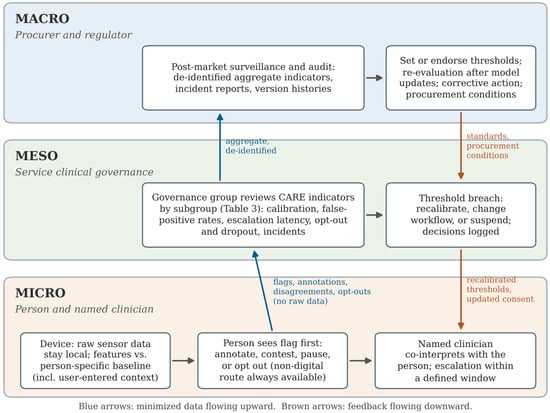
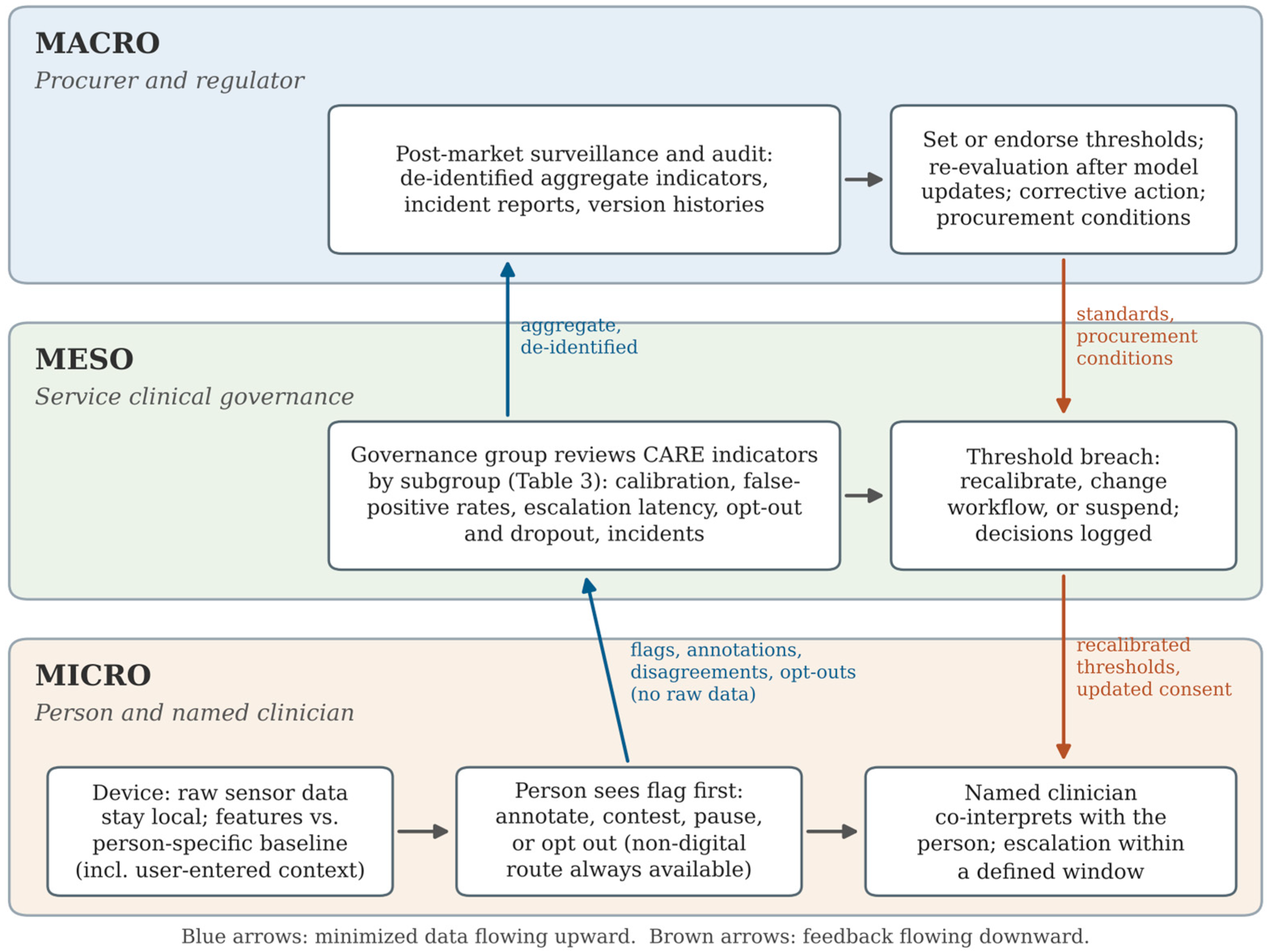

Disclaimer/Publisher’s Note: The statements, opinions and data contained in all publications are solely those of the individual author(s) and contributor(s) and not of MDPI and/or the editor(s). MDPI and/or the editor(s) disclaim responsibility for any injury to people or property resulting from any ideas, methods, instructions or products referred to in the content. |
© 2026 by the authors. Licensee MDPI, Basel, Switzerland. This article is an open access article distributed under the terms and conditions of the Creative Commons Attribution (CC BY) license.