


Abstract
Additive manufacturing (AM) is expanding solid-phase sample preparation by enabling extraction devices with independently engineered geometries, material compositions, and surface chemistries. However, most affordable commercial 3D-printing materials were developed primarily for structural fabrication. Consequently, they often lack the chemical selectivity, accessible surface area, and solvent compatibility required for efficient analyte extraction. This review critically evaluates current strategies for integrating sorbent functionality into 3D-printed extraction devices. We classify approaches by the origin and mode of incorporation of extractive functionality. These include direct use of materials with intrinsic sorptive properties, tailor-made photopolymerizable extraction phases, incorporation of functional sorbents into printable matrices, post-printing physical immobilization, and covalent surface functionalization. Current research also emphasizes porosity engineering as a means to control sorbent accessibility and mass transfer. This review provides a comprehensive literature background for the transition of 3D printing from primarily a device-fabrication tool to the rational engineering of functional devices ((i) direct use of printing materials possessing intrinsic sorptive properties; (ii) incorporation of functional sorbents into the printable material; (iii) post-printing physical immobilization or coating of extraction phases; and (iv) post-printing chemical functionalization through covalent surface modification). Future progress in 3D-printed sample preparation devices relies on the integration of chemical selectivity, accessible porosity, solvent compatibility, mechanical stability, and digitally controlled architecture while simultaneously improving fabrication reproducibility and material characterization.
1. Introduction
Sample preparation remains a critical stage of the analytical workflow, as it is responsible for the isolation, enrichment, and extraction of target analytes from matrix components prior to instrumental analysis [1]. Despite substantial advances in analytical instrumentation, sample treatment frequently remains one of the most time- and resource-intensive stages of the analytical process and an important source of analytical variability [2]. Consequently, researchers continue to develop simpler, miniaturized, automated, and more sustainable sample-preparation strategies. Over the past three decades, diverse miniaturized solvent- and sorbent-based sample-preparation techniques have emerged, offering significant environmental and practical advantages [3]. This ongoing evolution is propelled not only by novel extraction materials and devices but also by automation, digitalization, and smart manufacturing associated with the transition toward Industry 5.0 [4].
In this context, additive manufacturing (AM), commonly referred to as three-dimensional (3D) printing, has emerged as an attractive technology in analytical chemistry, resulting in substantial speeding up of the design, fabrication, and testing of new analytical devices [5]. Rather than removing material from a bulk substrate or assembling independently manufactured components, AM converts a computer-aided design (CAD) model into a physical object through digitally controlled, layer-by-layer fabrication [5]. This enables rapid prototyping, straightforward modification of device geometry, relatively low fabrication costs, and access to complex three-dimensional architectures that may be difficult to obtain using conventional manufacturing methods [6].
These capabilities have driven the application of 3D printing across relevant areas, including separation sciences, where a great part of the research has been devoted to the development of innovative devices for sample preparation. In liquid-phase microextraction, for example, AM has facilitated the fabrication of customized micro- and mesofluidic nanofiber membranes [7,8] and phase-separation components [9], whereas in sorbent-based approaches it has enabled the development of diverse types of devices and customized extraction systems [10]. Particularly interesting opportunities arise in solid-phase microextraction approaches based on sorbent-coated or self-supported extraction devices. In these formats, the geometric versatility of 3D printing can be exploited not only to define the overall shape of the extraction device but also to tailor its surface-to-volume ratio, surface architecture, and characteristic diffusion distances, thereby tuning sorbent accessibility and analyte mass-transfer kinetics [11]. Compared with conventional fibers, blades, disks, and other geometrically constrained extraction devices, AM therefore provides a route toward extraction devices in which geometry itself becomes an additional design variable alongside sorbent chemistry.
Nevertheless, several important limitations must be addressed to fully exploit the potential of 3D printing in modern sample preparation. Although a wide range of AM technologies is currently available, including techniques capable of processing materials with excellent mechanical and chemical resistance, such as selective laser sintering (SLS), as well as high-resolution approaches such as two-photon polymerization, their cost and technical requirements may limit their routine implementation in analytical laboratories [12]. At the moment, fused deposition modeling (FDM) and vat photopolymerization techniques, including stereolithography (SLA), digital light processing (DLP), and masked stereolithography (MSLA/LCD), remain among the most accessible alternatives for laboratory-scale fabrication [13]. These technologies combine relatively low equipment costs with straightforward operation and broad availability of commercial printing materials.
The preparation conditions of 3D-printed extraction devices also play an important role in determining their analytical performance. In FDM-based systems, filament composition, extrusion temperature, layer height, infill density, and printing orientation can influence surface morphology, accessible area, and mechanical integrity. In vat-photopolymerization approaches, resin composition, exposure dose, layer thickness, washing, and post-curing conditions affect polymer conversion, dimensional accuracy, solvent resistance, and the availability of reactive surface functionalities. When functional sorbents are incorporated into printable matrices, particle loading, dispersion homogeneity, and accessibility of the sorptive domains become additional critical variables. Detailed discussions of 3D-printing technologies, materials, fabrication conditions, and practical considerations for analytical applications are available in previous reviews and specialized publications [5,6,11,13,14,15], to which interested readers are referred.
Beyond these fabrication-related considerations, commercially available materials for FDM and vat photopolymerization have generally been developed to satisfy requirements related to printability, mechanical performance, and dimensional accuracy rather than analytical extraction [15]. FDM relies predominantly on thermoplastic polymers, whereas vat photopolymerization employs photocurable resins commonly based on acrylate or methacrylate chemistry [16]. Consequently, many of these materials exhibit limited intrinsic sorptive properties and relatively low accessible surface areas, restricting their direct use as efficient extraction media. 3D-printed devices may swell or delaminate upon exposure to aggressive organic solvents. These solvents may also promote the release of additives, residual monomers, oligomers, photoinitiators, plasticizers, or other formulation components, potentially compromising the microextraction device integrity and the overall analytical performance [15]. Thus, chemical stability (solvent resistance), as well as the potential for material-derived interferences, must therefore be carefully considered when 3D-printed components are placed in direct contact with samples and desorption media.
To overcome these limitations, research must shift from merely fabricating extraction-device geometries to engineering the chemical and morphological properties of the printed material [14]. In this context, the development of strategies for modifying and functionalizing 3D-printed materials represents an important innovation direction for expanding their role in sample preparation. Therefore, this review critically examines current strategies for the development and functionalization of 3D-printed materials and devices for modern solid-phase sample preparation, with particular emphasis on sorbent-coated devices.
Accordingly, this review critically examines current strategies for post-printing incorporation of sample-preparation functionalities over the 3D-printed devices. This discussion is organized around the integration of extractive functionality, rather than being sorted by printing technology or extraction device (Figure 1). Particular attention is given to (i) the direct use of printable materials with intrinsic sorptive properties; (ii) the formulation of functional printable materials and composites, including particle-doped systems and directly photopolymerizable extraction phases; (iii) the physical immobilization and coating of extractive materials onto printed structures; and (iv) chemical surface functionalization through covalent coupling strategies. Approaches for generating and controlling porosity are additionally discussed because of their central role in determining the accessibility of functional domains and coupling molecular recognition with mass transport. Through this framework, relationships among material chemistry, interfacial functionalization, porosity, printing parameters, and digitally controlled geometry are critically examined, together with the challenges that must be addressed to advance 3D printing from a versatile fabrication technology toward a platform for the rational design of reproducible, selective, and high-performance extraction media.
Figure 1.
Main strategies for introducing extraction functionality into 3D-printed devices for solid-phase sample preparation.
2. Direct Printing of Intrinsically Extractive Materials
The most straightforward approach for fabrication of functional 3D-printed extraction devices is direct use of the printed material as extraction sorbent so that the printed structure simultaneously provides the mechanical architecture of the device and the chemical functionality required for analyte extraction. This concept encompasses both the direct use of commercially available printing materials exhibiting some intrinsic sorptive properties and, more recently, the development of tailor-made printable formulations specifically designed for extraction. Representative applications of those approaches are summarized in Table 1, and to facilitate the reader’s selection of extraction materials for different analytical applications (as well as in the following tables), the physicochemical characteristics of the investigated analytes are considered alongside extraction performance. Where applicable, the octanol–water partition coefficient (logP) is reported as an indicator of analyte lipophilicity. However, these values should be interpreted as descriptors of the compounds experimentally evaluated rather than as definitive applicability limits of the corresponding sorbents. Extraction behavior also depends on the nature of the sorbent–analyte interactions, analyte ionization, sample pH, and the accessibility of the active extraction sites. For ionizable compounds, logD at the extraction pH may be more informative than logP alone.
Table 1.
Representative examples of the direct use of the 3D-printed material as an extractant sorbent, including commercial and lab-made tailored printable materials.
2.1. Commercial 3D-Printed Materials as Extraction Media
First attempts to use 3D-printed structures in solid-phase microextraction relied on the exploration of using 3D-printed material directly as sorbent media for analyte extractions. Su et al. [17] reported one of the earliest demonstrations of the direct use of a 3D-printed material as an extraction medium. They fabricated a fully 3D-printed SPE preconcentrator by SLA using a commercial acrylate-based photocurable resin (Figure 2A). In this case, extraction devices with ordered cuboidal features were fabricated, and the printed polymer itself provided the chemical functionality required for metal retention, enabling selective online extraction and preconcentration of Mn, Ni, Cu, Zn, Cd, and Pb from seawater without further surface modification. The authors attributed this behavior to electron-donor functionalities within the acrylate-based polymer and, more specifically, proposed interactions between ionized carboxyl groups and dissolved metal ions. This interpretation was supported by the pronounced pH dependence of extraction: retention increased from acidic conditions toward neutral/slightly alkaline media, reaching maximum responses around pH 8, consistent with increasing deprotonation of surface carboxylic groups and formation of negatively charged carboxylate sites capable of interacting with metal cations (Figure 2B). Further increases in pH were avoided because of the potential formation of metal hydroxide precipitates. Conversely, the retained metals could be eluted using dilute HNO3, a behavior chemically consistent with protonation of the ionized surface functionalities and disruption of the polymer–metal interactions. Importantly, the chemical identity and density of the proposed carboxylate binding sites were not directly characterized, and the precise coordination mechanism therefore remains inferential.
Figure 2.
Representative examples of the direct use of 3D-printing materials as extraction media. (A) Schematic representation of an SLA-printed polyacrylate device containing ordered cuboidal structures for the extraction and preconcentration of trace metal ions from seawater. (B) Effect of sample pH on the extraction of Mn, Ni, Zn, Cu, Cd, and Pb using the polyacrylate device, illustrating the pH-dependent interaction between metal ions and the intrinsic functional groups of the printed polymer. (C) Comparison of the extraction capabilities of 15 FDM-printable thermoplastic materials toward 43 structurally and physicochemically diverse analytes. (D) FDM-printed blade-type extraction devices fabricated from the different polymeric materials and evaluated as extraction phases in a 96-well plate-compatible format.
The feasibility of using FDM commercial materials as extraction media was investigated by Kołodziej et al. [18]. Fifteen printable thermoplastic filaments were compared, encompassing 11 different polymer compositions, for the extraction of 43 structurally and physicochemically diverse small molecules from oral fluid (Figure 2C). The extraction devices were fabricated as rectangular bars in a 96-well plate format directly from the commercial filaments (Figure 2D), and among the evaluated materials, PA6 reinforced with 15% carbon fiber (PA6 + CF15) exhibited the broadest extraction capability, enabling the determination of 40 of the 43 target analytes, spanning a wide range of hydrophobicities and molecular structures. This broad affinity was attributed primarily to the multimodal interaction environment provided by PA6, whose amide-containing polymer chains can participate in hydrogen-bonding and dipole–dipole interactions in addition to hydrophobic interactions. The incorporated carbon fibers may potentially contribute additional dispersion, hydrophobic, and π-associated interactions.
The potential contribution of carbonaceous fillers to the sorptive properties of commercially available FDM materials is also supported by an earlier study by Lagalante et al. [25], in which a commercial conductive PLA filament containing 21.83% carbon black was employed to fabricate sorbents for the removal of aromatic volatile organic compounds (VOCs) from water. Cylindrical sorbents incorporating an internal magnetic stir bar were printed with grid infill densities ranging from 15 to 50%, thereby allowing the amount of carbon-containing material and the dimensions of the fluid-accessible macropores to be digitally controlled. Devices printed from nonconductive PLA showed negligible retention, whereas the carbon-black/PLA structures progressively removed benzene, toluene, and ethylbenzene from water, reaching approximately 51, 81, and 92% removal, respectively, after 5 h at 50% infill. The increasing retention in the order benzene < toluene < ethylbenzene correlated with their organic carbon–water partition coefficients, supporting the contribution of the carbonaceous component to the sorptive behavior.
The contribution of carbonaceous fillers to extraction performance should nevertheless be interpreted cautiously. In PA6 + CF15, the polyamide matrix itself provides hydrogen-bonding and dipolar interaction sites that may contribute to the retention of relatively polar compounds, whereas the carbon fibers could introduce additional dispersion and hydrophobic interactions. However, the available experimental evidence does not establish the independent contribution of the carbon fibers to polar-analyte extraction. Likewise, the improved retention of benzene, toluene, and ethylbenzene by carbon-black-containing PLA, compared with unmodified PLA, demonstrates the contribution of the carbonaceous component to the sorption of aromatic organic compounds but does not necessarily indicate enhanced affinity toward polar analytes. The extraction characteristics of carbon-containing printable materials therefore depend on the combined chemistry of the polymer matrix, carbonaceous filler, and accessible surface rather than on carbon incorporation alone.
The second broadest analyte coverage after PA6 + CF15, in the study of Kołodziej et al. [18], was obtained with LAY-FOMM 60, a polyurethane/PVA composite. Using this material, following printing, the water-soluble PVA fraction is removed through prolonged aqueous conditioning, generating a highly porous surface and thereby increasing the accessible adsorptive area. The remaining porous polyurethane structure provided multiple potential interactions, including hydrophobic, hydrogen-bonding, and dipole–dipole interactions, while the enhanced porosity increased analyte access to these sites. This combination resulted in extraction efficiencies as high as 88.2% for nebivolol and 82.4% for stanozolol.
The extraction potential of porous LAY-FOMM 60 was previously demonstrated by Belka et al. [19], who directly employed this FDM-printable material to fabricate tube-shaped devices, adaptable to 1.5 mL conical tubes, for the extraction of glimepiride from aqueous samples (Figure 3A). In this case, the authors reported that despite the relatively modest surface area (~1 m2 g−1) of the material, it exhibited a pronounced affinity toward glimepiride, providing an extraction recovery of 82.24%. In addition, the applicability of this printed material was subsequently extended to high-throughput bioanalysis by fabricating LAY-FOMM 60-based scabbard-like structures fitted onto a 96-blade extraction platform [20]. Following the same PVA-removal procedure, the printed structures were directly employed for the extraction of a panel of steroids, including cortisol, aldosterone, testosterone, dihydrotestosterone, and β-estradiol in plasma samples representing compounds with approximate logP values spanning 1.1–4.0. Extraction recovery showed a general dependence on analyte lipophilicity, with the relatively hydrophilic cortisol exhibiting the lowest recovery (2–4%), whereas β-estradiol reached approximately 35–38%. These results suggest that hydrophobic interactions contribute substantially to analyte retention by the porous polyurethane-based material, although additional molecular interactions may also influence the observed extraction behavior. Although in this case the LAY-FOMM 60 devices provided lower recoveries than conventional C18-coated blades, the printed devices provided sufficient repeatability, accuracy, and matrix cleanup, with recoveries ranging from 2–4% for cortisol to 35–38% for β-estradiol, precision below 15%, and accuracy within 80–120%.
Figure 3.
Representative 3D-printed devices incorporating different material and geometrical strat-egies for solid-phase (micro)extractions. (A) Cylindrical extraction devices fabricated by FDM from porous LAY-FOMM 60, in which removal of the water-soluble PVA fraction generates an accessible sorptive polymeric structure. (B) Squematic representation of the minicolumn developed by Su et al. [26] SLA-printed, containing ordered cuboidal structures fabricated from a photocurable resin doped with TiO2 nanoparticles for the online extrac-tion and speciation of inorganic As and Se species. (C) X-cell volumetric lattice devices fabricated by DLP from an acrylate resin doped with C18-functionalized silica particles and employed for the extraction of benzodiazepines. Reproduced from Georgiev et al. [27] under the Creative Commons CC-BY 4.0 license. (D) Honeycomb microextraction devices fabricated by FDM from a PP/ABS filament containing C18-functionalized silica particles, with post-printing removal of the sacrificial ABS fraction to increase porosity and accessi-bility of the embedded sorbent.
Finally, the third-broadest analyte coverage in the systematic screening conducted by Kołodziej et al. [18] was obtained with S-FLEX 90A, a commercially available thermoplastic polyurethane (TPU), which enabled the determination of 25 of the 43 investigated analytes. In contrast to LAY-FOMM 60, S-FLEX 90A is also a TPU material employed directly after printing, but without any pre- or post-processing step to generate additional porosity. Nevertheless, the material exhibited substantial affinity toward several of the investigated compounds, particularly relatively nonpolar analytes, with extraction efficiencies reaching 89.5% for stanozolol, 66.6% for tamoxifen, 65.1% for buprenorphine, and 51.7% for agomelatine. The authors attributed this sorptive behavior to the combination of hydrophobic, hydrogen-bonding, and dipole–dipole interactions provided by the TPU matrix.
2.2. Tailored Photopolymerizable Materials for Direct 3D Printing of Extraction Phases
A particularly promising strategy for the development of functional 3D-printed extraction materials is the direct formulation of photocurable resins with intrinsic extractive properties. For example, Camilli et al. [21] demonstrated this concept by developing a photocurable molecularly imprinted polymer (MIP) formulation suitable for digital light processing (DLP), using oxytetracycline (OTC) as the template. MIPs are enhanced selectivity polymers whose extraction mechanism relies on the molecular recognition of the cavities created by synthesis in the presence of a template molecule. For 3D printing of MIP, the optimized formulation comprised methacrylic acid (MAA) as the functional monomer, dipropylene glycol diacrylate (DPGDA) as the crosslinker, dimethyl sulfoxide (DMSO) as the solvent, and phenylbis(2,4,6-trimethylbenzoyl)phosphine oxide (BAPO) as the photoinitiator. MAA was selected to establish non-covalent interactions with OTC, whereas DPGDA provided a suitable compromise between molecular imprinting requirements and printability. In particular, DPGDA avoided the cracking associated with polymerization shrinkage observed when the conventional MIP crosslinker, ethylene glycol dimethacrylate (EGDMA), was employed while retaining sufficient flexibility and swellability to facilitate solvent permeation during template removal and rebinding of the template. The incorporation of OTC also substantially affected photopolymerization, delaying its onset and decreasing the initial polymerization rate, thereby illustrating an important challenge associated with directly printing MIPs: the template and other components required for molecular recognition can interfere with the photochemistry required for additive manufacturing.
Initial experiments using disk-shaped devices showed preferential OTC binding by the MIP relative to the corresponding non-imprinted polymer (NIP), although nonspecific adsorption associated with the non-imprinted supporting structure limited the imprinting effect. The versatility of additive manufacturing was subsequently exploited to produce an entirely MIP-based microstructured filter with greater accessible surface area, increasing OTC removal to 32.5 ± 2.1% and providing a binding capacity of 93.7 ± 6.2 μg g−1. Preferential retention of OTC over sulfadimethoxine further suggested molecular recognition, although the authors emphasized that broader studies would be required to establish selectivity under practical conditions.
This relationship between material chemistry and digitally controlled architecture was explored in greater depth by Keitel et al. [22], who developed LCD-printed hierarchically porous MIP monoliths for the selective enrichment of cannabidiol (CBD). In this case, HEMA was employed as the functional monomer, EGDMA as the crosslinker, and BAPO as the photoinitiator. A binary cyclohexanol/1-decanol porogenic system (3.6:1, v/v) was incorporated into the photocurable formulation to induce polymerization-induced phase separation (PIPS). Consequently, two distinct levels of structural organization were generated within the same manufacturing process: intrinsic submicrometer/mesoporous domains arising from phase separation during polymerization and larger, digitally defined macropores established by the CAD-designed lattice geometry. The approach therefore combines non-covalent molecular imprinting with spatially controlled photopolymerization, producing freestanding MIP monoliths in which both the sorbent chemistry and its hierarchical architecture can be engineered.
The importance of this multiscale structural control was demonstrated by comparing two lattice geometries. The finer architecture (called S1), characterized by 760-μm openings and 380-μm polymer walls, provided a CBD adsorption capacity of 1.65 mg g−1 and an imprinting factor (IF) of 3.7, whereas the more compact architecture (called S2) achieved only 0.51 mg g−1 and an IF of 1.2. S1 also afforded a 10.3-fold CBD enrichment. The superior performance of the finer architecture was attributed to shorter diffusion pathways and improved accessibility of the imprinted binding sites. Particularly noteworthy is that this difference was not associated with a larger BET surface area: the investigated polymers exhibited relatively similar specific surface areas (80.5–95.2 m2 g−1), and S1 and S2 3D-MIPs showed values of 87.6 and 91.6 m2 g−1, respectively. Thus, materials with comparable intrinsic surface areas exhibited markedly different binding performances depending on their lattice architecture, demonstrating that surface area alone does not determine the efficiency of a 3D-printed sorbent; diffusion pathways and accessibility of the available binding sites are also critically controlled by the macroscopic geometry, which can be tuned through 3D printing.
Another example of the rational design of photopolymerizable materials specifically intended for sorbent-based microextraction was recently reported by Hsieh et al. [23], who developed directly SLA-printable polymeric ionic liquid (PIL) sorbents using photocurable formulations based on polymerizable 1-octyl-3-vinylimidazolium ([OVIM]+) monomers. Hydrophilic [OVIM][Br] and hydrophobic [OVIM][NTf2] monomers were investigated in combination with diurethane dimethacrylate (DUDMA) as crosslinker and TPO as photoinitiator. Increasing the IL content from 50 to 85 wt% remained compatible with LCD photopolymerization, allowing formulations containing 85 wt% IL, 12 wt% DUDMA, and 3 wt% TPO to be directly converted into self-supported extraction devices. Although both IL chemistries could be printed, the [OVIM][NTf2]-based material exhibited insufficient structural stability upon exposure to the organic solvents evaluated. Microextraction devices were printed in two geometries of blade-type devices (15 × 2.5 × 0.5 mm) for thin-film microextraction and cylindrical fibers (0.6 mm diameter × 12 mm length) for SPME. The latter were evaluated as self-supported direct-immersion SPME sorbents for ten organic contaminants in water, including bisphenol A, antimicrobial and UV-filter compounds, as well as several pesticides, spanning log p values of approximately 2.2–6.16. Following optimization, extraction was performed for 120 min, while analytes were desorbed into 100 μL ACN and subsequently determined by HPLC-DAD. According to the authors, In imidazolium-based PILs, analyte retention may involve a combination of hydrophobic and dispersion interactions associated with the organic domains of the polymer, as well as π–π interactions between the imidazolium rings and aromatic analytes. Hydrogen bonding may also contribute to the extraction of compounds containing suitable functional groups, while electrostatic interactions may become relevant depending on the ionic-liquid composition, analyte ionization state, and extraction conditions. The method provided coefficients of determination of 0.926–0.993, LODs of 0.13–45 μg L−1, and LOQs of 0.43–150 μg L−1. Importantly, fibers fabricated within the same printing batch and across independent batches showed comparable extraction performance, with RSDs below 20% and no statistically significant differences in the overall extraction responses. Reuse experiments indicated generally preserved extraction behavior after at least 20 extraction–desorption cycles.
Building upon this initial demonstration, Shamsaei et al. [24] investigated ionic liquids (ILs) and deep eutectic solvents (DESs) as the basis of photocurable formulations for the direct fabrication of solid-phase microextraction (SPME) fibers. A total of ten IL- and DES-based prepolymer formulations were investigated. The IL-based formulations employed polymerizable vinylimidazolium salts containing different alkyl substituents and counterions, including Br− and bis[(trifluoromethyl)sulfonyl]imide ([NTf2]−). These polymerizable ILs were combined with diphenyl(2,4,6-trimethylbenzoyl)phosphine oxide (TPO) as the photoinitiator and, in most formulations, diurethane dimethacrylate (DUDMA) as a crosslinker. In parallel, three DES formulations were investigated: choline chloride (ChCl)/acrylamide (AAm)/4-acryloylmorpholine (AcMo) at two different compositions and tetrabutylammonium chloride (TBACl)/N-(hydroxymethyl)acrylamide (NMA)/AcMo. In these formulations, the DES accounted for 97 wt% of the prepolymer mixture, with the remaining 3 wt% comprising equal amounts of TPO and Irgacure 184 as a dual photoinitiator system; no additional crosslinker was employed. Both classes of functional formulations proved amenable to vat photopolymerization. However, because the proposed workflow relied on direct thermal desorption followed by GC–MS, PDES devices did not show suitable thermal stability, and only the PIL-based sorbents were used for further optimization and analytical evaluation. The composition of the PIL formulation was optimized, and the formulation containing 85 wt% [HVIM][NTf2], 12 wt% DUDMA, and 3 wt% TPO (IL-2B) provided a suitable compromise between printability, thermal stability, and sorptive performance and was therefore selected for the subsequent SPME studies. Finally, the optimized PIL material was directly printed as cylindrical fibers and evaluated as a functional extraction sorbent for a chemically diverse group of 15 analytes, including terpenes, polycyclic aromatic hydrocarbons (PAHs), and alkylphenols, spanning log Kow values of approximately 2.5–5.8, demonstrating competitive extraction and enrichment capabilities.
3. Doping of 3D-Printing Materials with Extractive Phases
An alternative strategy for imparting extraction functionality to 3D-printed devices involves the incorporation of a pre-existing sorptive phase directly into the material used for additive manufacturing. The resulting composite material combines the processability and geometrical versatility of the polymeric matrix with the specific surface chemistry of the incorporated sorbent. Importantly, however, analytical performance depends not only on the intrinsic affinity of the embedded particles toward the target analytes, but also on their loading, homogeneous distribution, preservation during printing, and, particularly, accessibility at the surface of the printed structure. This concept has been demonstrated using both vat photopolymerization and extrusion-based printing, and Table 2 introduces representative examples, which will be discussed in the following sections.
Table 2.
Representative examples of 3D-printed extraction devices fabricated from printed material doped with a sorbent phase.
Su and Chen reported an early example of this strategy, incorporating TiO2 nanoparticles into a commercial acrylate-based photocurable SLA resin to fabricate an active cuboid packing for online SPE of inorganic As and Se species (Figure 3B) [26]. The authors showed that TiO2 nanoparticles on the surfaces of the printed cuboids remained accessible for extraction and retained their integrity after incorporation and photopolymerization. Increasing the TiO2 content enhanced extraction efficiency up to a limiting value; however, loadings above 1% (w/v) compromised the mechanical properties of the printed structures, illustrating the intrinsic trade-off between sorbent loading and printability in particle-doped photocurable materials. The extraction behavior was strongly dependent on sample pH and elemental speciation, reflecting the surface chemistry of the incorporated TiO2 rather than that of the surrounding acrylate matrix. By controlling sample acidity, the authors selectively manipulated the retention of As(III), As(V), Se(IV), and Se(VI), enabling nonchromatographic speciation of these species.
In a similar approach, Georgiev et al. [27] dispersed octadecyl-functionalized silica directly into a commercial acrylate photocurable resin and used the resulting suspension to fabricate extraction devices by DLP. C18-silica loadings ranging from 5 to 20 wt% were investigated, revealing a clear compromise between sorbent content and printability. Suspensions containing 20 wt% silica could not be printed reliably, whereas devices containing 15 wt% were reproducibly fabricated but were too brittle for routine handling. A loading of 10 wt% was therefore selected as the highest concentration providing both reliable printing and adequate mechanical robustness. Extraction devices were fabricated in a 5-mm cubic X-cell volumetric lattice (Figure 3C) with a 30% infill lattice and employed in the microextraction of diazepam and medazepam from water samples before GC-MS analysis. Control devices fabricated from the neat resin exhibited appreciable retention of medazepam and diazepam (55% and 29%, respectively), indicating an intrinsic contribution from the polymer matrix; nevertheless, incorporation of C18-silica increased extraction efficiency and improved repeatability (71% medazepam and 56% diazepam). In this case, the extraction devices were developed with single-use applications in mind, and no reuse experiments were performed.
Another implementation of the particle-doping concept was subsequently reported by Szynkiewicz et al. [29], who developed an FDM-printable composite containing C18-functionalized silica as the active extraction phase. Rather than incorporating the particles into a pre-existing commercial filament, PP, ABS, and C18-silica were compounded and repeatedly hot-melt extruded to produce a homogeneous 1.75-mm composite filament. The optimized formulation contained 15 wt% C18-silica, while the polymeric fraction consisted of PP and ABS at a 2.5:1 mass ratio. In this formulation, the three constituents performed distinct functions: PP acted as the chemically resistant structural matrix, C18-silica provided the hydrophobic extraction functionality, and ABS served as a sacrificial porogenic component. Following FDM printing, selective dissolution of ABS with acetone generated a porous PP framework and, critically, increased the accessibility of the embedded C18-silica particles to the sample. Gas-adsorption measurements indicated that more than 58% of the theoretical mesopore volume associated with the incorporated silica remained accessible after activation. After fabrication, devices with honeycomb geometry (Figure 3D) were assessed in the passive sorbent-based extraction of glimepiride, imipramine, and carbamazepine from water samples, demonstrating satisfactory recoveries (33–47%) and high precision and reproducibility (2–6%).
The practical potential of this C18-silica/PP/ABS composite was subsequently demonstrated by Kroll et al. [30], who adapted the material to the quantitative determination of 11 benzodiazepines in human serum. The sorbent was fabricated as a compact structure specifically dimensioned to fit the pointed bottom of a conventional 1.5-mL microcentrifuge tube, allowing complete immersion using only 300–500 μL of liquid. A 50% gyroid infill was employed without solid external perimeters or top/bottom layers, producing a corrugated and internally interconnected structure that facilitated penetration of the sample throughout the device during agitation. Following conditioning of the sorbent in methanol, extraction was performed directly in the microcentrifuge tube for 50 min under agitation, followed by a brief aqueous rinse and 20-min desorption into 500 μL of methanol. The resulting extract could be directly injected into the LC-MS system, and the method was fully validated according to ICH M10 over the 5–1000 ng mL−1 range.
4. Post-Printing Functionalization
Another advanced alternative to incorporating extraction functionality into 3D-printed structures is the postpinning immobilization of the extraction phase over the printed mechanically stable and geometrically controlled support. In this case the functional material does not necessarily need to satisfy the processing requirements of the printing process, expanding the scope of possibilities. Extraction phases has been physically immobilized onto the printed surface and chemically attached through covalent surface-functionalization strategies. Table 3 introduces some representative examples of 3D-printed extractive devices obtained by pos printing functionalization, highlighting the functionalization strategy and the incorporated extraction phase. Additional details are discussed in the following sections.
Table 3.
Representative examples of extractive 3D-printed devices obtained by post-printing functionalization.
4.1. Physical Coating of 3D-Printed Devices with Sorbent Materials
Physical immobilization represents a particularly straightforward strategy for introducing extraction functionality onto 3D-printed devices because it decouples the selection of the printing material from that of the sorptive phase. In this approach, the printed polymer primarily provides the mechanically stable and geometrically controlled support, whereas the extraction properties are introduced by immobilizing a preformed functional material onto its surface. Two main approaches have emerged for this purpose: direct immobilization onto incompletely cured photopolymer surfaces, generally referred to as the stick-and-cure strategy, and polymer-binder-assisted post-printing coatings, particularly those based on PVDF/DMF mixed-matrix dispersions.
4.1.1. Green-State Immobilization: The Stick-And-Cure Strategy
One of the simplest approaches for physically immobilizing sorptive particles exploits a characteristic feature of vat-photopolymerization printing: immediately after printing and before the final UV post-curing step, the external surface of the object remains comparatively soft and incompletely crosslinked. This intermediate condition, commonly referred to as the green state, can therefore be exploited as an adhesive interface for the direct immobilization of particulate materials. The sorbent is brought into contact with the freshly printed device, becomes embedded within or adheres to the superficial incompletely polymerized layer, and is subsequently fixed during UV post-curing.
This concept was initially introduced by Medina et al. [31] using a pyrrole-derived hyperporous carbon (HCP-carbon) with a specific surface area of 3361 m2 g−1. The freshly SLA-printed structure was placed directly in contact with 10 mg of HCP-carbon and vigorously shaken for 1 min, allowing the particles to adhere to the less-crosslinked surface. Subsequent UV irradiation at 365 nm for 4 h completed the curing process and permanently immobilized the carbon particles, while washing removed the non-retained material. No further particle detachment was observed during successive extractions/washing sequences. The device consisted of interconnected millimeter-scale cubes arranged within a cylindrical structure and used as stirred extraction devices for organic pollutants in water. Inter-device RSD of 2.9% for three independently prepared hyperporous carbon-coated devices, which also maintained repeatable extraction performance over ten consecutive cycles (RSDs of 4.8–7.1%).
The versatility of this strategy has been subsequently demonstrated using commercial extraction materials. For example, Ceballos et al. [32] immobilized 50–100 μm TEVA resin particles onto non-post-cured SLA devices for U(VI) extraction. Approximately 55 ± 12 mg of TEVA resin was retained per device following contact with the sticky printed surface and subsequent UV curing. The resulting device enabled extraction and preconcentration of U(VI) from sample volumes up to 30 mL, followed by ICP-MS determination, providing an LOD of 0.032 ng. The device maintained approximately 90% extraction efficiency over ten consecutive cycles, although progressive particle loss during prolonged agitation decreased the efficiency to 81% after 30 cycles.
Likewise, Barzallo eta al. [33], systematically assessed the immobilization of commercial SPE phases for sulfonamide extraction. Several sorbents—including C18, Bakerbond SDB-1, Oasis HLB, AttractSPE, and Oasis MCX—were immobilized by stick-and-cure and directly compared. Oasis MCX provided the highest extraction efficiencies, ranging from 32 to 87% for seven sulfonamides, and SEM observations indicated more extensive coverage of the printed surface than with the other tested materials (Figure 4). Approximately 31 ± 5 mg of MCX was immobilized per device, forming a coating approximately 25 μm thick. The interconnected cubic architecture then served as a stirred solid-phase extraction device, with 30-min extraction followed by 10-min desorption using only 3 mL of methanol/ammonia (95:5, v/v). Application to tap and wastewater samples followed by HPLC-DAD provided LODs of 0.6–6 μg L−1 for the seven sulfonamides, with interday RSDs of 2.2–5.5%.
Figure 4.
Scanning electron microscopy images of (A) unmodified 3D printed device and (B) device after immobilization of the HC-P carbon (C) devices coated with MOF by the stick & cure immobilization technique.
More recently, the same research group [34] also implemented the stick-and-cure strategy for the immobilization of Zn/Co-ZIF-derived carbon over 3D-printed SLA devices for the on-site extraction of five fluoroquinolones from wastewater. Approximately 51 ± 4 mg of carbon was retained per device after only 2 min of contact with the green-state structure, followed by 4 h of UV curing. The sorptive device was agitated directly in untreated wastewater for 40 min, after which the retained analytes were desorbed using an automated sequential-injection system coupled to HPLC-FL. The method achieved LODs of 3–9 ng L−1; intraday and interday RSDs of 1.5–5.3% and 2.8–5.7%, respectively; and recoveries of 91–104% in wastewater.
A further development used the same approach to immobilize Oasis HLB onto chemically resistant SLA structures fabricated from Rigid 10 K resin (chemically inert, methacrylate-based resin doped with glass nanoparticles) for on-site extraction of diclofenac from wastewater [35]. The stick-and-cure procedure deposited approximately 40 ± 4 mg of SPE material per device. The resulting extraction platform was operated directly at wastewater-treatment facilities, and the HLB-coated device could be reused for up to eight cycles without significant loss of extraction efficiency. Likewise, interday RSD, measured using different devices on different days, remained lower than 0.4%. Coupling the extraction to PTV-GC-MS provided detection and quantification limits of 0.019 and 0.055 μg L−1, respectively, a preconcentration factor of 46, and recoveries above 90% in wastewater samples.
4.1.2. Polymer-Binder-Assisted and Mixed-Matrix Coatings
Although green-state immobilization is exceptionally simple, it is inherently linked to the printing/post-curing sequence and relies on direct contact between the particulate material and the still-tacky surface. This can become restrictive for devices containing narrow channels or complex internal architectures. An alternative strategy is therefore to functionalize already cured printed structures using a suspension containing both the functional material and a polymeric binder.
This concept was introduced by Figuerola et al. for immobilization of the ZIF-67 metal–organic framework [40]. Submicrometric ZIF-67 crystals were initially dispersed in acetone and subsequently mixed with a 7.5 wt% solution of poly(vinylidene fluoride) (PVDF) in dimethylformamide (DMF), using a ZIF-67:PVDF mass ratio of 2:1. After removal of acetone, the resulting ZIF-67/PVDF/DMF dispersion could be deposited by dip coating or pumped through the internal channels of the printed structure. Heating at 60 °C removed DMF and induced PVDF precipitation, thereby physically entrapping the MOF crystals within a stable mixed-matrix coating. No detectable particle leaching was observed after subsequent washing. Although the developed devices were mainly employed for heterogeneous catalysis rather than analytical extraction, they provided an important proof of concept for the physical immobilization of highly porous materials on complex 3D-printed surfaces. The ZIF-67-coated devices activated peroxymonosulfate for degradation of organic dyes in either stirred-batch or flow-through configurations, degrading approximately 97–98% of 5 mg L−1 rhodamine B within 30 min and maintaining highly reproducible performance over ten consecutive cycles.
The mixed-matrix concept was subsequently transferred directly to analytical sample preparation and compared with stick-and-cure. For Oasis MCX, for example, coating cured SLA devices with an MCX/PVDF/DMF dispersion immobilized approximately 37 ± 6 mg of resin, compared with 31 ± 5 mg obtained by stick-and-cure, while combination of both approaches increased the loading to approximately 68 mg [33]. Interestingly, however, greater sorbent loading did not translate into better overall extraction. Stick-and-cure provided higher sulfonamide extraction efficiencies and was operationally simpler, whereas heating during PVDF-assisted coating generated a comparatively thick polymer layer containing small cracks.
Conversely, combining the two strategies can be advantageous when extensive surface loading is desirable. This was demonstrated using MIL-100(Fe)-coated 3D-printed paddle stirrers [36]. A first MOF layer was deposited by stick-and-cure, followed by application of a second MIL-100(Fe)/PVDF/DMF mixed-matrix layer. The resulting functionalized paddle simultaneously acted as the extraction phase and the mechanical agitator, eliminating the need for a separate magnetic stir bar. The device was used for solid-phase extraction of chlorophenols, p-nitrophenol, and bisphenol A directly from 1.5 L of sample, with 40 min of motor-driven agitation, followed by ultrasonic desorption and HPLC-DAD determination. LODs of 0.3–1.7 μg L−1 were obtained, with intraday RSDs of 1.2–5.1%, interday RSDs below 7%, and relative recoveries of 91.5–108.5% in wastewater effluent and biodigester supernatant.
The relative merits of the two approaches were further clarified in the Zn/Co-ZIF-derived carbon study [34]. Stick-and-cure, PVDF-assisted post-printing coating, and sequential combination of both immobilized approximately 51, 50, and 101 mg of carbon per device, respectively. Despite the approximately two-fold greater loading achieved with the combined procedure, the analytical response increased only slightly. Moreover, the PVDF/DMF treatment generated a thick external polymer layer and required additional solvent and thermal processing. Also, in this study, stick-and-cure was demonstrated to be the more practical and efficient approach.
4.2. Chemical Surface Functionalization of 3D-Printed Devices with Extractive Phases
In contrast to physical immobilization, chemical functionalization provides a more deliberate approach for tailoring the interfacial chemistry of 3D-printed devices through the formation of covalent bonds between the printed substrate and the desired functional species. Chemical functionalization can provide robust and stable attachment of extractive phases, while minimizing sorbent leaching during repeated extraction and desorption cycles. However, the limited availability of reactive groups on many printable polymers frequently requires an initial surface-activation step to generate suitable functionalities for subsequent derivatization. Depending on the chemistry of the printed material and the intended application, different coupling strategies have been explored, including glutaraldehyde-mediated immobilization, carbodiimide chemistry based on EDC/NHS activation, and organosilane-mediated surface modification. These approaches can introduce reactive groups directly onto the printed surface, provide molecular spacers for the subsequent attachment of functional species, or create polymerizable interfaces from which functional polymers can be covalently grown. Although several of these strategies were originally developed for applications outside sample preparation, such as biosensing, microfluidics, and enzyme or protein immobilization, their underlying surface chemistries are readily transferable to the development of 3D-printed extraction platforms.
4.2.1. Glutaraldehyde-Mediated Immobilization of Enzymes and Other Biomolecules
Glutaraldehyde (GA) is a bifunctional aldehyde commonly used as a crosslinking agent because its aldehyde functionalities can react with nucleophilic groups present in biomolecules, particularly primary amino groups of lysine residues and N-terminal amino groups in proteins. The reaction is generally described as involving nucleophilic addition of the amine to an aldehyde group, followed by dehydration and formation of an imine (Schiff base), although the actual chemistry of GA in aqueous media is considerably more complex because the reagent can exist as hydrated, cyclic, oligomeric, and polymeric species. Consequently, GA can provide an aldehyde-rich interfacial layer capable of coupling proteins to otherwise poorly reactive substrates.
A representative application of this approach to 3D-printed solid-phase microextraction devices was reported by Su et al., who immobilized glucose oxidase (GOx) within FDM-printed acrylonitrile–butadiene–styrene (ABS) flow reactors for Online Monitoring of Rat Brain Extracellular Glucose and Lactate [37]. The use of post-printing functionalization was particularly relevant because thermoplastic polymers such as ABS are chemically rather inert and provide limited surface functionality for stable biomolecule immobilization. In their strategy, the internal surface of the printed reactor was first exposed to a GA solution to promote GA polymerization on the ABS surface, after which residual reagent was removed with phosphate–citrate buffer. The GA-activated reactor was subsequently filled with a GOx-containing buffer, allowing the enzyme to couple to the modified surface, followed by washing to remove non-immobilized enzyme. The authors attributed GOx immobilization to interactions between amino groups of the enzyme and residual aldehyde functionalities of the polymerized GA layer, thereby converting the initially poorly reactive printed substrate into an interface suitable for biomolecule attachment. GA activation was enzyme-dependent. Whereas GOx required 10% GA activation, lactate oxidase (LOx) was immobilized directly on bare ABS without GA treatment; indeed, polymerized GA actually hindered LOx attachment. The authors attributed direct LOx immobilization mainly to hydrophobic interactions with the styrene units of ABS.
SLA 3D-printed devices have also been functionalized with biomolecules through GA-mediated approaches. Recently, Iakimova et al. modified a commercial acrylate photopolymer resin (Elegoo Translucent Standard) before printing by incorporating 0.6 mol L−1 acrylamide (AAm) [41]. The polymerizable vinyl group of AAm enabled its incorporation into the photopolymer network during printing while introducing pendant amide functionalities into the resulting material. Following fabrication, the AAm-modified structures were treated with 1% (v/v) GA for 1 h, generating a reactive interface that enabled the subsequent immobilization of bovine hemoglobin (BHb) and bovine serum albumin (BSA). Notably, substantial protein immobilization was observed only when AAm incorporation and GA activation were combined. Unlike conventional GA activation of amine-functionalized surfaces, the authors proposed that pendant amide groups may participate in acid-catalyzed interactions with GA, followed by GA oligomerization and the formation of an aldehyde-rich interface capable of reacting with nucleophilic groups of proteins. Changes in surface wettability provided evidence of the sequential functionalization process, with the water contact angle decreasing from 73.1 ± 2.5° for the unmodified resin to 63.1 ± 0.9° after AAm incorporation and 58.0 ± 0.6° following GA treatment and further decreasing to 28.4 ± 5.8° and 22.0 ± 3.9° after immobilization of BHb and BSA, respectively. Importantly, the immobilized proteins retained their molecular-recognition capability, as demonstrated by the selective binding of protein-specific fluorescent nanoMIPs to their corresponding immobilized targets under both static and continuous-flow conditions. Although this study was not specifically focused on sample preparation, it demonstrates a transferable surface-functionalization strategy for the development of 3D-printed bioaffinity extraction devices.
4.2.2. EDC/NHS-Mediated Amide Coupling
Carbodiimide-mediated coupling using 1-ethyl-3-(3-dimethylaminopropyl)carbodiimide (EDC) in combination with N-hydroxysuccinimide (NHS) is a versatile method for transforming carboxylated SLA printed surfaces into platforms that can covalently immobilize amine-containing molecules, polymers, biomolecules, or other extractive phases. EDC initially reacts with the carboxyl groups to generate a reactive O-acylisourea intermediate, which is relatively unstable in aqueous media. Addition of NHS converts this intermediate into a more stable NHS ester, increasing the efficiency of the subsequent nucleophilic reaction with primary amines.
In 3D-printed analytical devices, this strategy has been previously explored for the fabrication of biosensors [42]; however, it also provides a versatile route for tailoring the surface of 3D-printed microextraction devices. In a representative application, this chemistry was employed to functionalize an SLA 3D-printed device for the subsequent immobilization of a monoclonal antibody and its use as an immunoaffinity extraction phase, for the selective enrichment of diclofenac from water samples (Figure 5A) [38]. The ester functionalities remaining in the polymerized and cured SLA printed devices were first hydrolyzed by treatment with NaOH, generating surface carboxyl groups. These groups were subsequently activated with EDC/NHS and reacted with either hexamethylenediamine (HMD) or polyethyleneimine (PEI). In this manner, the original polymer surface was converted into an amine-rich interface suitable for further functionalization. HMD provided primary amino groups connected to the surface through a relatively small molecular spacer, whereas PEI introduced a branched polymeric layer containing primary, secondary, and tertiary amines. After surface amination, the researchers evaluated two routes for antibody immobilization. In the first, the antibody was directly coupled to the amine-functionalized surface through its accessible carboxyl groups using a second EDC/NHS reaction. The activated antibody carboxyl groups reacted with primary amines from HMD or PEI, producing covalent amide linkages. Although chemically straightforward, this approach places the biomolecule relatively close to the functionalized surface and therefore may suffer from steric limitations. In the second route, HMD- or PEI-modified surfaces were first reacted with glutaraldehyde (GA). The aldehyde groups then reacted with the antibody’s primary amino groups via Schiff-base formation. Finally, sodium cyanoborohydride was employed to reduce the resulting imine bond, stabilizing the antibody–surface linkage.
Figure 5.
EDC/NHS-mediated chemical functionalization strategies for 3D-printed devices. (A) Surface activation and subsequent covalent immobilization of a monoclonal antibody through HMD- or PEI-based routes, involving either direct EDC/NHS coupling or glutaraldehyde-mediated attachment. (B) Sequential functionalization of an acrylate-based SLA-printed surface by alkaline hydrolysis, EDC/NHS activation, HMD coupling, and reaction with glycidyl methacrylate (GMA), introducing pendant methacryloyl groups for subsequent in situ covalent anchoring of a methacrylate-based polymer monolith.
Antibody immobilization, estimated from the sulfur content determined by EDAX, was highest for the HMD/GA route, reaching 0.22 wt. % S, whereas direct EDC/NHS coupling through HMD resulted in only 0.01 wt.% S. The substantially greater immobilization obtained after incorporation of the GA spacer was attributed to reduced steric hindrance compared with direct zero-length EDC/NHS coupling. Replacing HMD with PEI increased the amount of antibody immobilized by direct EDC/NHS coupling to 0.06 wt.% S, due to the larger number of accessible amine functionalities provided by the PEI layer. However, further modification of PEI with GA did not improve immobilization and instead resulted in a lower sulfur content (0.02 wt.% S). This behavior was attributed to the fact that GA reacts predominantly with primary amines.
A related EDC/NHS-based strategy was employed by the same research group to introduce polymerizable methacrylate groups onto an SLA-printed channel so that a methacrylate monolith could subsequently grow in situ while becoming covalently integrated with the printed device [39]. The inner surface of the acrylate-based channel was first subjected to alkaline hydrolysis with NaOH, converting surface ester functionalities into carboxylic acid groups. These groups were subsequently activated with EDC/NHS and reacted with hexamethylenediamine (HMD), resulting in the formation of stable amide bonds and the introduction of pendant primary amine groups onto the printed surface (Figure 5B). The amine-functionalized surface was then reacted with glycidyl methacrylate (GMA) through nucleophilic opening of its epoxide group, thereby introducing methacryloyl functionalities while preserving the polymerizable vinyl groups of GMA. The resulting vinyl-functionalized surface acted as a covalent anchoring platform during the subsequent UV-initiated in situ copolymerization of GMA and ethylene glycol dimethacrylate (EDMA), allowing the growing poly(GMA-co-EDMA) monolith to become chemically anchored to the walls of the 3D-printed channel rather than being merely physically confined within it. The prepared column was used for online SPE of 4-hydroxybenzoic acid, methylparaben, phenylparaben, bisphenol A, and triclosan from human saliva as a ‘front-end’ to online liquid chromatographic separations.
4.2.3. Silanization-Mediated Surface Functionalization
Silanization represents one of the most established strategies for introducing reactive functionalities onto hydroxylated surfaces and provides a versatile intermediate platform for the subsequent functionalization of 3D-printed structures. Organosilanes essentially act as bifunctional molecular linkers, combining a hydrolysable silane moiety with an organofunctional group selected according to the intended downstream chemistry. Alkoxy groups, such as methoxy (–OCH3) or ethoxy (–OCH2CH3), are hydrolyzed to form silanols, which can subsequently undergo condensation with surface hydroxyl groups to establish Si–O–surface bonds, while condensation between adjacent silanols may additionally generate Si–O–Si networks. Chlorosilanes can undergo analogous hydrolysis/condensation reactions. Importantly, the organic functionality at the opposite end of the silane remains available for subsequent reactions and can therefore be selected to introduce, for example, vinyl or methacrylate groups for radical polymerization, amino groups for further coupling or adsorption, epoxide groups for reaction with nucleophiles, or fluorinated chains for controlling surface wettability and chemical resistance.
Although, to the best of our knowledge, there are currently no reports describing the use of silane chemistry for the functionalization of 3D-printed devices specifically designed for sample preparation, several studies demonstrate the potential transferability of this chemistry to the development of 3D-printed sorbent-based platforms. Silanization can provide a route for anchoring polymeric methacrylate sorbents, molecularly selective phases, affinity ligands, and many other functional materials.
Gupta et al. [43] fabricated Ti–6Al–4V chromatographic columns by selective laser melting and subsequently generated poly(butyl methacrylate-co-ethylene glycol dimethacrylate), poly(BuMA-co-EDMA) monoliths within the printed channels. In this case, 3-(trimethoxysilyl)propyl methacrylate (TMSPM) acts as the molecular bridge between the two materials. After activating the titanium surface, the trimethoxysilyl groups of TMSPM can hydrolyze and then condense with hydroxyl groups on the oxidized titanium surface, forming Ti–O–Si linkages. This reaction leaves the terminal methacrylate functionality of TMSPM available at the interface, so that, in the subsequent AIBN-initiated thermal polymerization of BuMA and EDMA, these pendant C=C groups participate in the free-radical polymerization, chemically integrating the growing poly(BuMA-co-EDMA) network with the silanized channel wall.
Silanization has also been employed for the functionalization of SLA 3D-printed devices fabricated from photocrosslinked acrylate- and methacrylate-based resins. In contrast to inherently hydroxylated inorganic surfaces, cured photopolymer resins do not necessarily expose a sufficient density of surface hydroxyl groups to support conventional silane coupling. Consequently, a preliminary surface-activation step may be required to generate suitable reactive functional groups. For example, Hussain et al. [44], for example, treated SLA-printed BioMed Clear resin by dielectric barrier discharge (DBD) plasma prior to functionalization with APTES and subsequent immobilization of bovine serum albumin (BSA). Plasma treatment increased the abundance of oxygen-containing surface functionalities and markedly increased surface wettability. APTES treatment then introduced nitrogen-containing functionalities and enhanced protein attachment. A similar approach was described by Binkley et al. [45] using (3-glycidyloxypropyl)trimethoxysilane (GLYMO/GPTMS) for ELISAs performed directly on SLA 3D-printed devices. The SLA printed substrate was first activated by air plasma and subsequently incubated with GLYMO-modified streptavidin, enabling subsequent immobilization of biotinylated anti-activin A antibodies. GLYMO is particularly attractive as a coupling reagent because it combines a hydrolysable trimethoxysilane group with a terminal epoxide, which can undergo nucleophilic ring opening by protein nucleophiles, particularly amino groups, providing a route for conjugating the biomolecule.
The required previous plasma-based surface hydroxylation could stand as a limiting factor for the implementation of silanization strategies in many laboratories. However, some studies have demonstrated that this stage is not always mandatory. For example, Catterton et al. [46] investigated direct fluorination of a commercial (meth)acrylate-based SLA resin (BV-007A) using a fluoroalkyl trichlorosilane and found that prior plasma oxidation was not required and, for this material, did not improve functionalization. Spectroscopic analysis showed that increasing fluorination was accompanied by consumption of a carbonyl-associated functionality of the parent SLA resin, leading the authors to propose direct covalent interaction of the silane with the native polymer surface.
5. Engineering Porosity in 3D-Printed Devices for Sample Preparation
Porosity is a particularly important structural feature in the design of 3D-printed devices for solid-phase extraction and microextraction. Increasing the accessible surface area of an extraction medium can increase the number of sorption sites exposed to the sample and shorten diffusion pathways, thereby improving extraction kinetics and sorbent utilization. In flow-through devices, interconnected porous architectures additionally facilitate convective mass transport while limiting pressure drop. Porous structures may also perform a purely mechanical function, acting as integrated frits or retaining filters that confine particulate extraction phases while permitting unrestricted passage of the sample. Importantly, porosity in additively manufactured devices can be introduced at different hierarchical levels: macroscopic voids can be directly encoded in the CAD geometry, whereas smaller-scale pores can be generated through sacrificial-material removal, post-printing foaming, or polymerization-induced phase separation.
As discussed above, commercially available thermoplastic elastomer/PVA composite filaments have been exploited to directly fabricate porous extraction phases by FDM. In these materials, the water-soluble PVA-containing fraction acts as a sacrificial component that can be selectively removed after printing, leaving a porous polymeric structure with increased accessibility to the sample. Beyond their direct use as sorbents, however, the same material concept has enabled the fabrication of permeable membranes and monolithic structures with functions extending from selective mass transport to flow-through solid-phase extraction.
An early demonstration of this concept was reported by Li et al. [8], who used multimaterial FDM to fabricate a microfluidic device containing an integrated porous membrane within an otherwise nonporous ABS structure. The device body was printed from transparent ABS, whereas a 400-μm-wide membrane was fabricated from the commercially available Lay-Felt composite filament. Following printing, the membrane was washed with water to dissolve the soluble component of the filament, thereby converting the initially dense printed structure into a permeable membrane. The complete microfluidic platform, including the ABS body, Lay-Felt membrane, and embedded Griess reagent, could be produced in a single printing process requiring approximately 30 min. Likewise, Tan et al. [47] employed a Lay-Felt filament to fabricate a porous acceptor compartment for electromembrane extraction (EME). The device combined two materials with distinct functions: conductive PLA was used to fabricate an outer hemispherical sample vial that also served as an electrode, whereas Lay-Felt was used to print a smaller concentric hemispherical acceptor vial. As in the previous study, the Lay-Felt consisted of a functional elastomer and a PVA-containing water-soluble fraction, which was removed after printing to generate the porous membrane required for ion transport.
In a more devoted application to sorbent-based extractions, Su and Lin [8] subsequently extended the same general material strategy to the direct fabrication of porous monolithic packings for flow-through SPE. In this case, porosity fulfilled a dual function: increasing the accessible surface area available for analyte retention while simultaneously providing interconnected pathways for convective sample transport through the extraction bed. The authors used multimaterial FDM to print an ABS column body together with an internal packing fabricated from several Poro-Lay composite filaments, including Lay-Fomm 40, Lay-Fomm 60, Gel-Lay, and Lay-Felt. After fabrication, the entire column was flushed with water for 24 h to remove the soluble PVA fraction and reveal the porous internal structure. Importantly, material-level porosity was combined with digitally defined macroscopic architecture. The monolithic packing consisted of interlacing cuboids arranged layer-by-layer with a 45° rotation. Thus, the device combined two distinct levels of structural control: macroscopic flow channels defined by CAD and smaller pores generated within the printed composite through post-printing dissolution of PVA. Among the investigated porous composites, Lay-Fomm 40 provided the highest extraction performance and was selected for online SPE of Mn, Co, Ni, Cu, Zn, Cd, and Pb from environmental waters before ICP-MS determination. Extraction efficiencies exceeded 99.2% for all seven metal ions, while method detection limits ranged from 0.3 to 6.7 ng L−1.
A conceptually related, but considerably more spatially programmable, sacrificial-template strategy was reported by Fei et al. [48] for the stereolithographic fabrication of graded porous materials. Although the method was not developed for sample-preparation applications, it provides an interesting route that could potentially be transferred to the fabrication of porous supports or extraction media for solid-phase sample preparation approaches. The authors formulated composite photocurable feedstocks by dispersing 10–40 vol% polymethyl methacrylate (PMMA) particles within a commercial photoresin. Following printing, PMMA served as a sacrificial particulate template that could be selectively dissolved with acetone, leaving pores within the crosslinked resin matrix. Importantly, however, filler removal was strongly dependent on the local degree of photopolymerization: regions receiving lower light exposure exhibited lower crosslinking densities and allowed for extensive PMMA dissolution, whereas more highly exposed regions restricted solvent penetration and retained a larger fraction of the filler. Consequently, the final porosity could be programmed not only through the initial PMMA loading but also digitally through the exposure dose applied to individual regions of the printed object. Using a formulation containing 40 vol% PMMA, the authors obtained structures with porosities ranging from approximately 6 to 31 vol% depending on exposure conditions.
An alternative strategy for generating porous structures directly during additive manufacturing was demonstrated by Ren et al. [49] using PolyJet printing for the fabrication of miniaturized SPE cartridges with integrated porous frits. In contrast to approaches based on the deliberate incorporation of sacrificial particles or soluble polymers into the printing formulation, this method exploited the interpenetration of the structural photopolymer and the water-soluble support material inherently employed during PolyJet fabrication. When sufficiently thin regions were printed, droplets of the support material partially intermixed with the building-material droplets before photopolymerization, thereby acting as sacrificial porogens. Subsequent removal of the support material generated interconnected pores within the cured photopolymer and produced an integrated porous frit without requiring the assembly of a separately fabricated porous component. The practical applicability of the concept was demonstrated by packing approximately 30 mg of commercial sorbent into the printed cartridges and applying them to the SPE of 4-tert-octylphenol and 4-nonylphenol. Silica-C18 provided the best overall extraction performance, and the optimized method afforded enrichment factors of 30.1 and 16.2 for 4-tert-octylphenol and 4-nonylphenol, respectively, with recoveries of 97–103% in spiked river-water and milk samples.
6. Final Considerations, Current Trends, and Future Perspectives
Although some recent studies are starting to demonstrate the direct fabrication of functional extraction materials by 3D printing, many reported applications still rely on printed structures as supports onto which commercially available or laboratory-developed sorbents are subsequently immobilized. In these cases, the extraction chemistry is primarily determined by the immobilized sorbent, whereas 3D printing provides additional flexibility in device geometry, surface architecture, and integration with analytical workflows. Consequently, the potential advantages of 3D-printed extraction devices should not necessarily be assessed in terms of superior sorbent chemistry, but rather through improvements in device customization, sorbent accessibility, mass-transfer characteristics, and operational integration. Nevertheless, these potential advantages must be demonstrated experimentally, particularly through comparisons with conventional extraction devices under equivalent conditions.
The strategies discussed throughout this review are fundamentally different routes for integrating extraction functionality into 3D-printed devices, with different compromises between fabrication simplicity, chemical versatility, sorbent accessibility, and structural stability. Based on the literature reviewed herein, these approaches can be broadly classified into four categories: (i) direct use of printing materials possessing intrinsic sorptive properties, (ii) incorporation of functional sorbents into the printable material, (iii) post-printing physical immobilization or coating of extraction phases, and (iv) post-printing chemical functionalization through covalent surface modification.
Each of these strategies presents distinct advantages and limitations (Table 4). The direct use of commercial printing materials offers simplicity and minimizes fabrication steps but provides relatively limited control over sorptive chemistry, selectivity, and chemical inertness. Incorporating sorbents into printable matrices substantially expands the range of available extraction chemistries, although a compromise must generally be established among sorbent loading, particle accessibility, printability, and mechanical integrity. Post-printing physical immobilization provides considerable flexibility because the structural material and extraction phase can be selected independently; nevertheless, coating homogeneity, accessibility of the immobilized sorbent, and potential particle leaching remain important considerations. Between the described strategies for physical coating of 3D-printed devices obtained via vat polymerization, the stick-and-cure strategy excels by its simplicity and efficiency. Covalent surface functionalization offers greater control over interfacial chemistry and can provide more stable attachment of functional species but generally requires additional activation and derivatization steps that increase fabrication complexity. Conversely, tailor-made printable functional materials, including MIPs and polymeric ionic-liquid-based phases, represent a particularly promising direction because molecular recognition or sorptive functionality can be incorporated directly into the material from which the extraction device is fabricated. Their development, however, requires the simultaneous optimization of extraction chemistry, polymerization and printing behavior, mechanical properties, and compatibility with the subsequent analytical workflow.
Table 4.
Comparative overview of the main strategies for introducing extraction functionality into 3D-printed devices, highlighting their principal advantages and limitations.
Another important consideration is the reproducibility and operational durability of functional 3D-printed extraction devices. Although these parameters are essential for practical analytical applications, systematic evaluations of device-to-device and batch-to-batch reproducibility, as well as extraction performance over repeated use, are not consistently reported in the literature. As already discussed, some low-cost 3D-printed extraction devices have been intentionally developed for single-use applications, but in many cases it has been demonstrated that reproducible fabrication and repeated use are achievable, although their extent depends strongly on the printing material, functionalization strategy, and operating conditions. Further studies in this area should include systematic investigations of independently fabricated batches; long-term stability and extraction performance over successive cycles are therefore necessary to establish the reliability of these devices for routine analytical applications.
Future developments are therefore expected to increasingly rely on the co-design of material chemistry and digital architecture rather than on their independent optimization. Tailor-made photocurable formulations, molecularly imprinted materials, polymeric ionic liquids, functional composites, and bioaffinity phases provide opportunities for introducing specific chemical functionality into printed extraction media. In parallel, sacrificial templating, phase separation, foaming, and digitally defined lattice or triply periodic minimal surface (TPMS) architectures offer complementary routes for controlling porosity and mass transport over multiple length scales. The combination of these strategies could enable hierarchically structured extraction media in which macroscopic channels facilitate fluid transport and material-level porosity maximizes the accessibility of sorptive sites.
In addition, materials such as graphene and other carbon nanostructures, metal–organic frameworks (MOFs), covalent organic frameworks (COFs), and ionic liquids (ILs), as well as new naturally derived green sorbents such as chitosan, alginate, cyclodextrins and their derivatives, could be explored as components of printable composites, surface coatings, or covalently immobilized extraction phases.
7. Conclusions
Additive manufacturing offers new opportunities for the design and fabrication of extraction devices for modern sorbent-based sample preparation. With 3D printing, device geometry becomes an additional design variable alongside sorbent chemistry and selectivity, enabling surface accessibility, porosity, and mass-transfer pathways to be studied and optimized. However, the low stability in organic solvents and the low extraction capabilities of most of the printable materials remain important obstacles to be overcome for full exploration of 3D printing in sample preparation. The strategies reviewed herein—including intrinsically sorptive printing materials, tailor-made printable extraction phases, sorbent-doped composites, post-printing physical immobilization, and covalent surface functionalization—provide complementary routes for overcoming these limitations and expanding the range of extraction chemistries compatible with additive manufacturing. The printing technique and material should be selected according to the intended extraction application, considering device geometry, surface accessibility, porosity, and the physicochemical characteristics of the target analytes. Printing parameters, such as layer thickness, exposure time, and curing conditions, must be appropriately adjusted to ensure structural integrity and fabrication consistency. Additionally, the chemical compatibility of the printed material with the sample matrix, conditioning solvents, and desorption conditions should be evaluated to prevent swelling, dissolution, or structural degradation. Adequate washing, post-curing, and conditioning procedures are also important to minimize the release of residual monomers, photoinitiators, additives, or other extractable components that could interfere with analytical measurements. Finally, the stability of the incorporated sorbent, the reproducibility of extraction performance, and the potential for repeated use should be considered according to the selected functionalization strategy.
Although important advances have been documented in the last 10 years, the functionalization of 3D-printed devices for solid-phase sample preparation remains relatively underexplored, with only a limited number of demonstrated applications described in the analytical chemistry literature. Moreover, many reported systems still rely on simple or conventional extraction formats, such as fibers, blades, paddles, and externally agitated devices, exploiting only part of the design freedom offered by additive manufacturing technology. This landscape also offers a to researcher in the area a gap for future innovation, in which new geometries, sorbent and functionalization strategies lead to the exploration of new integrated architectures capable of facilitating automation, parallelization, reduced sample and solvent consumption, and direct coupling with analytical instrumentation.
The transition toward an integrated design philosophy—combining sorbent chemistry, interfacial functionality, accessible porosity, mass-transfer pathways, and digitally controlled three-dimensional architecture—could move 3D printing beyond its role as a prototyping technology and establish it as a platform for the rational development of selective, efficient, automated, and application-specific sample-preparation systems.
Author Contributions
Conceptualization, D.A.V.M.; writing—original draft preparation, J.C.R.R., P.L.F., E.O.L., G.N.d.M., M.E.C.Q. and D.A.V.M.; writing—review and editing, D.A.V.M. and M.E.C.Q.; visualization, D.A.V.M.; project administration, D.A.V.M. All authors have read and agreed to the published version of the manuscript.
Funding
São Paulo Research Foundation (FAPESP)—grants 2026/12613-7, 2026/01705-8, and 2025/27144-0.
Institutional Review Board Statement
Not applicable.
Informed Consent Statement
Not applicable.
Data Availability Statement
No new data were created or analyzed in this study. Data sharing is not applicable to this article.
Acknowledgments
The authors gratefully acknowledge the São Paulo Research Foundation (FAPESP) for financial support through grants 2026/12613-7, 2026/01705-8, and 2025/27144-0, as well as the Coordination for the Improvement of Higher Education Personnel (CAPES) and the National Council for Scientific and Technological Development (CNPq) for their financial support.
Conflicts of Interest
The authors declare no conflicts of interest.
Abbreviations
The following abbreviations are used in this manuscript:
| 3D | three-dimensional |
| 3DMIP | 3D-printed molecularly imprinted polymer |
| AAm | acrylamide |
| ABS | acrylonitrile–butadiene–styrene |
| AcMo | 4-acryloylmorpholine |
| ACN | acetonitrile |
| AIBN | 2,2′-azobisisobutyronitrile |
| AM | additive manufacturing |
| APTES | (3-aminopropyl)triethoxysilane |
| BAPO | phenylbis(2,4,6-trimethylbenzoyl)phosphine oxide |
| BET | Brunauer–Emmett–Teller |
| BHb | bovine hemoglobin |
| BSA | bovine serum albumin |
| BuMA | butyl methacrylate |
| CAD | computer-aided design |
| CBD | cannabidiol |
| ChCl | choline chloride |
| DAD | diode-array detection |
| DBD | dielectric barrier discharge |
| DES | deep eutectic solvent |
| DLP | digital light processing |
| DMF | N,N-dimethylformamide |
| DMSO | dimethyl sulfoxide |
| DPGDA | dipropylene glycol diacrylate |
| DUDMA | diurethane dimethacrylate |
| EDAX | energy-dispersive X-ray analysis |
| EDC | 1-ethyl-3-(3-dimethylaminopropyl)carbodiimide |
| EDMA | ethylene glycol dimethacrylate |
| EGDMA | ethylene glycol dimethacrylate |
| ELISA | enzyme-linked immunosorbent assay |
| EME | electromembrane extraction |
| FDM | fused deposition modeling |
| FL | fluorescence detection |
| GA | glutaraldehyde |
| GC–MS | gas chromatography–mass spectrometry |
| GLYMO/GPTMS | (3-glycidyloxypropyl)trimethoxysilane |
| GMA | glycidyl methacrylate |
| GOx | glucose oxidase |
| HCP | hypercrosslinked polymer/hyperporous carbon (as used for HCP-carbon in the manuscript) |
| HEMA | 2-hydroxyethyl methacrylate |
| HLB | hydrophilic–lipophilic balance |
| HMD | hexamethylenediamine |
| HPLC | high-performance liquid chromatography |
| HPLC–DAD | high-performance liquid chromatography with diode-array detection |
| HVIM | 1-hexyl-3-vinylimidazolium |
| ICP–MS | inductively coupled plasma mass spectrometry |
| IF | imprinting factor |
| IL | ionic liquid |
| LCD | liquid-crystal display |
| LC–MS | liquid chromatography–mass spectrometry |
| LOD | limit of detection |
| LOQ | limit of quantification |
| LOx | lactate oxidase |
| MAA | methacrylic acid |
| MCX | mixed-mode cation-exchange |
| MIP | molecularly imprinted polymer |
| MOF | metal–organic framework |
| MSLA | masked stereolithography |
| NHS | N-hydroxysuccinimide |
| NIP | non-imprinted polymer |
| NMA | N-(hydroxymethyl)acrylamide |
| NTf2 | bis[(trifluoromethyl)sulfonyl]imide |
| OTC | oxytetracycline |
| OVIM | 1-octyl-3-vinylimidazolium |
| PA6 | polyamide 6 |
| PA6 + CF15 | polyamide 6 reinforced with 15% carbon fiber |
| PAH | polycyclic aromatic hydrocarbon |
| PDES | poly(deep eutectic solvent)/polymerized deep eutectic solvent |
| PEI | polyethyleneimine |
| PIL | polymeric ionic liquid |
| PIPS | polymerization-induced phase separation |
| PLA | poly(lactic acid) |
| PMMA | poly(methyl methacrylate) |
| PP | polypropylene |
| PTV | programmable temperature vaporization |
| PVA | poly(vinyl alcohol) |
| PVDF | poly(vinylidene fluoride) |
| RSD | relative standard deviation |
| SDB | styrene–divinylbenzene |
| SEM | scanning electron microscopy |
| SLA | stereolithography |
| SLS | selective laser sintering |
| SPE | solid-phase extraction |
| SPME | solid-phase microextraction |
| TBACl | tetrabutylammonium chloride |
| TEVA | TEVA extraction resin |
| TiO2 | titanium dioxide |
| TMSPM | 3-(trimethoxysilyl)propyl methacrylate |
| TPO | diphenyl(2,4,6-trimethylbenzoyl)phosphine oxide |
| TPU | thermoplastic polyurethane |
| UV | ultraviolet |
| VOC | volatile organic compound |
| ZIF | zeolitic imidazolate framework |
References
- Vishnu, K.N.; Aiswarya, K.N.; Sumesh, K. Recent Advances in Sample Preparation in Chromatographic Techniques. In Advances in Separation Sciences; Elsevier: Amsterdam, The Netherlands, 2025; pp. 87–105. [Google Scholar] [CrossRef] [Scilit]
- Vargas Medina, D.A.; Maciel, E.V.S.; Lanças, F.M. Modern Automated Sample Preparation for the Determination of Organic Compounds: A Review on Robotic and on-Flow Systems. TrAC Trends Anal. Chem. 2023, 166, 117171. [Google Scholar] [CrossRef] [Scilit]
- Peris-Pastor, G.; Azorín, C.; Grau, J.; Benedé, J.L.; Chisvert, A. Miniaturization as a Smart Strategy to Achieve Greener Sample Preparation Approaches: A View through Greenness Assessment. TrAC Trends Anal. Chem. 2024, 170, 117434. [Google Scholar] [CrossRef] [Scilit]
- Doloi, S.; Das, M.; Li, Y.; Cho, Z.H.; Xiao, X.; Hanna, J.V.; Osvaldo, M.; Ng Wei Tat, L. Democratizing Self-Driving Labs: Advances in Low-Cost 3D Printing for Laboratory Automation. Digit. Discov. 2025, 4, 1685–1721. [Google Scholar] [CrossRef] [Scilit]
- Nesterenko, P.N. 3D Printing in Analytical Chemistry: Current State and Future. Pure Appl. Chem. 2020, 92, 1341–1355. [Google Scholar] [CrossRef] [Scilit]
- Carrasco-Correa, E.J.; Maya, F.; Simó-Alfonso, E.F.; Miró, M. Tips and Tricks for Fabrication of 3D Printing Devices for Analytical Applications. In 3D Printing in Analytical Chemistry; Elsevier: Amsterdam, The Netherlands, 2025; pp. 61–85. [Google Scholar] [CrossRef] [Scilit]
- Díaz-Álvarez, M.; Turiel, E.; Martín-Esteban, A. Natural Deep Eutectic Solvent-Based Liquid Phase Microextraction in a 3D-Printed Millifluidic Flow Cell for the on-Line Determination of Thiabendazole in Juice Samples. Anal. Chim. Acta 2025, 1339, 343617. [Google Scholar] [CrossRef] [Scilit] [PubMed]
- Li, F.; Smejkal, P.; Macdonald, N.P.; Guijt, R.M.; Breadmore, M.C. One-Step Fabrication of a Microfluidic Device with an Integrated Membrane and Embedded Reagents by Multimaterial 3D Printing. Anal. Chem. 2017, 89, 4701–4707. [Google Scholar] [CrossRef] [Scilit] [PubMed]
- Medina, D.A.V.; Santos-Neto, Á.J.; Cerdà, V.; Maya, F. Automated Dispersive Liquid-Liquid Microextraction Based on the Solidification of the Organic Phase. Talanta 2018, 189, 241–248. [Google Scholar] [CrossRef] [Scilit] [PubMed]
- Aquino Monteiro, S.; Scheid, C.; Deon, M.; Merib, J. Fundamentals, Recent Applications, and Perspectives of 3D Printing in Sample Preparation Approaches. Microchem. J. 2023, 195, 109385. [Google Scholar] [CrossRef] [Scilit]
- Horstkotte, B.; Ren, X.; Maya, F. 3D-Printed Scaffolds for Sample Handling and Preparation. In 3D Printing in Analytical Chemistry; Elsevier: Amsterdam, The Netherlands, 2025; pp. 103–139. [Google Scholar] [CrossRef] [Scilit]
- Vergara-Barberán, M.; Jesús Lerma-García, M.; Beneito-Cambra, M.; Herrero-Martínez, J.M. 3D Printing and Smart Materials for Sample Preparation. In 3D Printing in Analytical Chemistry; Elsevier: Amsterdam, The Netherlands, 2025; pp. 175–197. [Google Scholar] [CrossRef] [Scilit]
- Conti, M.; Dimartino, S. Materials for 3D Printing of Chromatographic Stationary Phases. TrAC Trends Anal. Chem. 2025, 192, 118301. [Google Scholar] [CrossRef] [Scilit]
- Nesterenko, P.N.; Samokhin, A.S. 3D Printing in Analytical Chemistry—Quo Vadis? In 3D Printing in Analytical Chemistry; Elsevier: Amsterdam, The Netherlands, 2025; pp. 453–473. [Google Scholar] [CrossRef] [Scilit]
- Su, C.-K. 3D-Printed Materials in Solid-Phase Extraction and Microextraction. In 3D Printing in Analytical Chemistry; Elsevier: Amsterdam, The Netherlands, 2025; pp. 141–173. [Google Scholar] [CrossRef] [Scilit]
- Afridi, A.; Al Rashid, A.; Koç, M. Recent Advances in the Development of Stereolithography-Based Additive Manufacturing Processes: A Review of Applications and Challenges. Bioprinting 2024, 43, e00360. [Google Scholar] [CrossRef] [Scilit]
- Su, C.-K.; Peng, P.-J.; Sun, Y.-C. Fully 3D-Printed Preconcentrator for Selective Extraction of Trace Elements in Seawater. Anal. Chem. 2015, 87, 6945–6950. [Google Scholar] [CrossRef] [Scilit] [PubMed]
- Kołodziej, D.; Sobczak, Ł.; Goryński, K. Innovative, Simple, and Green: A Sample Preparation Method Based on 3D Printed Polymers. Talanta 2023, 257, 124380. [Google Scholar] [CrossRef] [Scilit] [PubMed]
- Belka, M.; Ulenberg, S.; Bączek, T. Fused Deposition Modeling Enables the Low-Cost Fabrication of Porous, Customized-Shape Sorbents for Small-Molecule Extraction. Anal. Chem. 2017, 89, 4373–4376. [Google Scholar] [CrossRef] [Scilit] [PubMed]
- Belka, M.; Konieczna, L.; Okońska, M.; Pyszka, M.; Ulenberg, S.; Bączek, T. Application of 3D-Printed Scabbard-like Sorbent for Sample Preparation in Bioanalysis Expanded to 96-Wellplate High-Throughput Format. Anal. Chim. Acta 2019, 1081, 1–5. [Google Scholar] [CrossRef] [Scilit] [PubMed]
- Camilli, E.; Bertana, V.; Frascella, F.; Cocuzza, M.; Marasso, S.L.; Roppolo, I. Digital Light Processing 3D Printing of Molecularly Imprinted Polymers for Antibiotic Removal. React. Funct. Polym. 2025, 208, 106164. [Google Scholar] [CrossRef] [Scilit]
- Keitel, B.; Schimana, S.; Huber, A.; Yoshida, Y.; Shioji, H.; Furushima, Y.; Sevinis Ozbulut, E.B.; Ohkawa, T.; Yoshimoto, S.; Kubo, T.; et al. From Pixels to Pores: 3D-(Im)Printed Hierarchically Porous Polymer Monoliths. iScience 2026, 29, 114539. [Google Scholar] [CrossRef] [Scilit] [PubMed]
- Hsieh, S.-A.; Shamsaei, D.; Ocaña-Rios, I.; Anderson, J.L. Batch Scale Production of 3D Printed Extraction Sorbents Using a Low-Cost Modification to a Desktop Printer. Anal. Chem. 2023, 95, 13417–13422. [Google Scholar] [CrossRef] [Scilit] [PubMed]
- Shamsaei, D.; Chandrasekara, I.U.; Katubig, E.L.; Ryan, S.J.; Anderson, J.L. Microliter-Scale Stereolithography Enables High-Resolution 3D Printing of Functional Extraction Sorbents. Anal. Chem. 2026, 98, 18019–18030. [Google Scholar] [CrossRef] [Scilit] [PubMed]
- Lagalante, L.A.; Lagalante, A.J.; Lagalante, A.F. 3D Printed Solid-Phase Extraction Sorbents for Removal of Volatile Organic Compounds from Water. J. Water Process Eng. 2020, 35, 101194. [Google Scholar] [CrossRef] [Scilit]
- Su, C.-K.; Chen, W.-C. 3D-Printed, TiO2 NP–Incorporated Minicolumn Coupled with ICP-MS for Speciation of Inorganic Arsenic and Selenium in High-Salt-Content Samples. Microchim. Acta 2018, 185, 268. [Google Scholar] [CrossRef] [Scilit] [PubMed]
- Georgiev, P.; Belka, M.; Kroll, D.; Bączek, T.; Opiełka, M.; Rutkowska, A.; Ulenberg, S. 3D-Printed Extraction Devices Fabricated from Silica Particles Suspended in Acrylate Resin. J. Chromatogr. A 2024, 1717, 464671. [Google Scholar] [CrossRef] [Scilit] [PubMed]
- Georgiev, P.; Belka, M.; Ulenberg, S.; Kroll, D.; Marciniak, B.; Drążkowska, I.; Bączek, T.; Płotka-Wasylka, J. Headspace Extraction onto a 3D-Printed Device for GC-MS Quantification of Polychlorinated Biphenyls in Newborn Urine. Int. J. Mol. Sci. 2025, 26, 2755. [Google Scholar] [CrossRef] [Scilit] [PubMed]
- Szynkiewicz, D.; Ulenberg, S.; Georgiev, P.; Hejna, A.; Mikolaszek, B.; Bączek, T.; Baron, G.V.; Denayer, J.F.M.; Desmet, G.; Belka, M. Development of a 3D-Printable, Porous, and Chemically Active Material Filled with Silica Particles and Its Application to the Fabrication of a Microextraction Device. Anal. Chem. 2023, 95, 11632–11640. [Google Scholar] [CrossRef] [Scilit] [PubMed]
- Kroll, D.; Ulenberg, S.; Georgiev, P.; Marciniak, B.; Desmet, G.; Bączek, T.; Belka, M. A Novel 3D-Printed Sample Preparation Method for Benzodiazepine Quantification in Human Serum. Anal. Chim. Acta 2025, 1337, 343552. [Google Scholar] [CrossRef] [Scilit] [PubMed]
- Medina, D.A.V.; Figuerola, A.; Rodriguez, F.; Santos-Neto, Á.J.; Cabello, C.P.; Palomino, G.T.; Cerdà, V.; Maya, F. Hyperporous Carbon-Coated 3D Printed Devices. Appl. Mater. Today 2019, 14, 29–34. [Google Scholar] [CrossRef] [Scilit]
- Rodas Ceballos, M.; González Serra, F.; Estela, J.M.; Cerdà, V.; Ferrer, L. 3D Printed Resin-Coated Device for Uranium (VI) Extraction. Talanta 2019, 196, 510–514. [Google Scholar] [CrossRef] [Scilit] [PubMed]
- Barzallo, D.; Palacio, E.; March, J.; Ferrer, L. 3D Printed Device Coated with Solid-Phase Extraction Resin for the on-Site Extraction of Seven Sulfonamides from Environmental Water Samples Preceding HPLC-DAD Analysis. Microchem. J. 2023, 190, 108609. [Google Scholar] [CrossRef] [Scilit]
- Barzallo, D.; Están, A.; Crespí, N.; Palomino, C.; Turnes, G.; Palacio, E.; Ferrer, L. On-Site Extraction Using a 3D Printed Device Coated with Zn/Co-ZIF-Derived Carbon Followed by an on-Line SIA-HPLC-FL System for Fluoroquinolones Determination in Wastewater. Talanta 2024, 273, 125897. [Google Scholar] [CrossRef] [Scilit] [PubMed]
- Castro-García, C.; Palacio, E.; Rodríguez-Maese, R.; Leal, L.O.; Ferrer, L. Green On-Site Diclofenac Extraction from Wastewater Matrices Using a 3D-Printed Device Followed by PTV-GC-MS Determination. Chemosensors 2025, 13, 212. [Google Scholar] [CrossRef] [Scilit]
- Vargas-Muñoz, M.A.; Palomino, C.; Turnes, G.; Palacio, E. A Sampling Platform Incorporating 3D-Printed Paddles-Stirrers Coated with Metal-Organic Framework MIL-100(Fe) for in-Situ Extraction of Phenolic Pollutants in Biodigester Supernatant and Wastewater Effluent Samples. J. Environ. Chem. Eng. 2023, 11, 110503. [Google Scholar] [CrossRef] [Scilit]
- Su, C.-K.; Yen, S.-C.; Li, T.-W.; Sun, Y.-C. Enzyme-Immobilized 3D-Printed Reactors for Online Monitoring of Rat Brain Extracellular Glucose and Lactate. Anal. Chem. 2016, 88, 6265–6273. [Google Scholar] [CrossRef] [Scilit] [PubMed]
- Carrasco-Correa, E.J.; Herrero-Martínez, J.M.; Simó-Alfonso, E.F.; Knopp, D.; Miró, M. 3D Printed Spinning Cup-Shaped Device for Immunoaffinity Solid-Phase Extraction of Diclofenac in Wastewaters. Microchim. Acta 2022, 189, 173. [Google Scholar] [CrossRef] [Scilit] [PubMed]
- Carrasco-Correa, E.J.; Cocovi-Solberg, D.J.; Herrero-Martínez, J.M.; Simó-Alfonso, E.F.; Miró, M. 3D Printed Fluidic Platform with In-Situ Covalently Immobilized Polymer Monolithic Column for Automatic Solid-Phase Extraction. Anal. Chim. Acta 2020, 1111, 40–48. [Google Scholar] [CrossRef] [Scilit] [PubMed]
- Figuerola, A.; Medina, D.A.V.; Santos-Neto, A.J.; Cabello, C.P.; Cerdà, V.; Palomino, G.T.; Maya, F. Metal–Organic Framework Mixed-Matrix Coatings on 3D Printed Devices. Appl. Mater. Today 2019, 16, 21–27. [Google Scholar] [CrossRef] [Scilit]
- Iakimova, T.M.; Bosch-Tamayo, T.; Takahashi, R.; Tanaka, A.; Shen, A.Q.; Sullivan, M.V. Chemical Functionalization of a Photopolymer Resin to Enable Protein Immobilization in 3D-Printed Microfluidic Devices. Bioprinting 2026, 58, e00501. [Google Scholar] [CrossRef] [Scilit]
- Araújo, D.A.G.; Oliveira, A.C.M.; Veloso, W.B.; Martins, B.R.; Richter, E.M.; Paixão, T.R.L.C.; Muñoz, R.A.A. 3D Printing for Biosensors: From Fabrication Methods towards Point-of-Care Testing Devices. TrAC Trends Anal. Chem. 2026, 201, 118872. [Google Scholar] [CrossRef] [Scilit]
- Gupta, V.; Talebi, M.; Deverell, J.; Sandron, S.; Nesterenko, P.N.; Heery, B.; Thompson, F.; Beirne, S.; Wallace, G.G.; Paull, B. 3D Printed Titanium Micro-Bore Columns Containing Polymer Monoliths for Reversed-Phase Liquid Chromatography. Anal. Chim. Acta 2016, 910, 84–94. [Google Scholar] [CrossRef] [Scilit] [PubMed]
- Hussain, S.; McIvor, M.J.; Bhattacharya, G.; McNamee, S.E.; Meenan, B.J.; Boyd, A.R. Protein Immobilization on 3D–Printed Biomedical Resins for Biochip Applications. Surf. Interface Anal. 2025, 57, 343–356. [Google Scholar] [CrossRef] [Scilit]
- Binkley, B.; Li, P. A Facile Surface Modification Strategy for Antibody Immobilization on 3D-Printed Surfaces. Biosensors 2025, 15, 211. [Google Scholar] [CrossRef] [Scilit] [PubMed]
- Catterton, M.A.; Montalbine, A.N.; Pompano, R.R. Selective Fluorination of the Surface of Polymeric Materials after Stereolithography 3D Printing. Langmuir 2021, 37, 7341–7348. [Google Scholar] [CrossRef] [Scilit] [PubMed]
- Tan, M.L.; Zhang, M.; Li, F.; Maya, F.; Breadmore, M.C. A Three-Dimensional Printed Electromembrane Extraction Device for Capillary Electrophoresis. J. Chromatogr. A 2019, 1595, 215–220. [Google Scholar] [CrossRef] [Scilit] [PubMed]
- Fei, G.; Parra-Cabrera, C.; Li, Y.; Kravchenko, D.E.; Dochy, R.; Van Looy, L.; Ameloot, R. Stereolithographic 3D Printing of Graded Porous Materials via an Integrated Digital Exposure and Selective Dissolution Strategy. Cell Rep. Phys. Sci. 2023, 4, 101504. [Google Scholar] [CrossRef] [Scilit]
- Ren, X.; Balavandy, S.K.; Li, F.; Breadmore, M.C.; Maya, F. Miniaturized 3D Printed Solid-Phase Extraction Cartridges with Integrated Porous Frits. Anal. Chim. Acta 2022, 1208, 339790. [Google Scholar] [CrossRef] [Scilit] [PubMed]
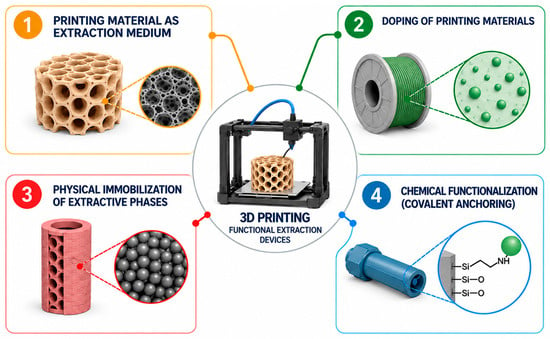
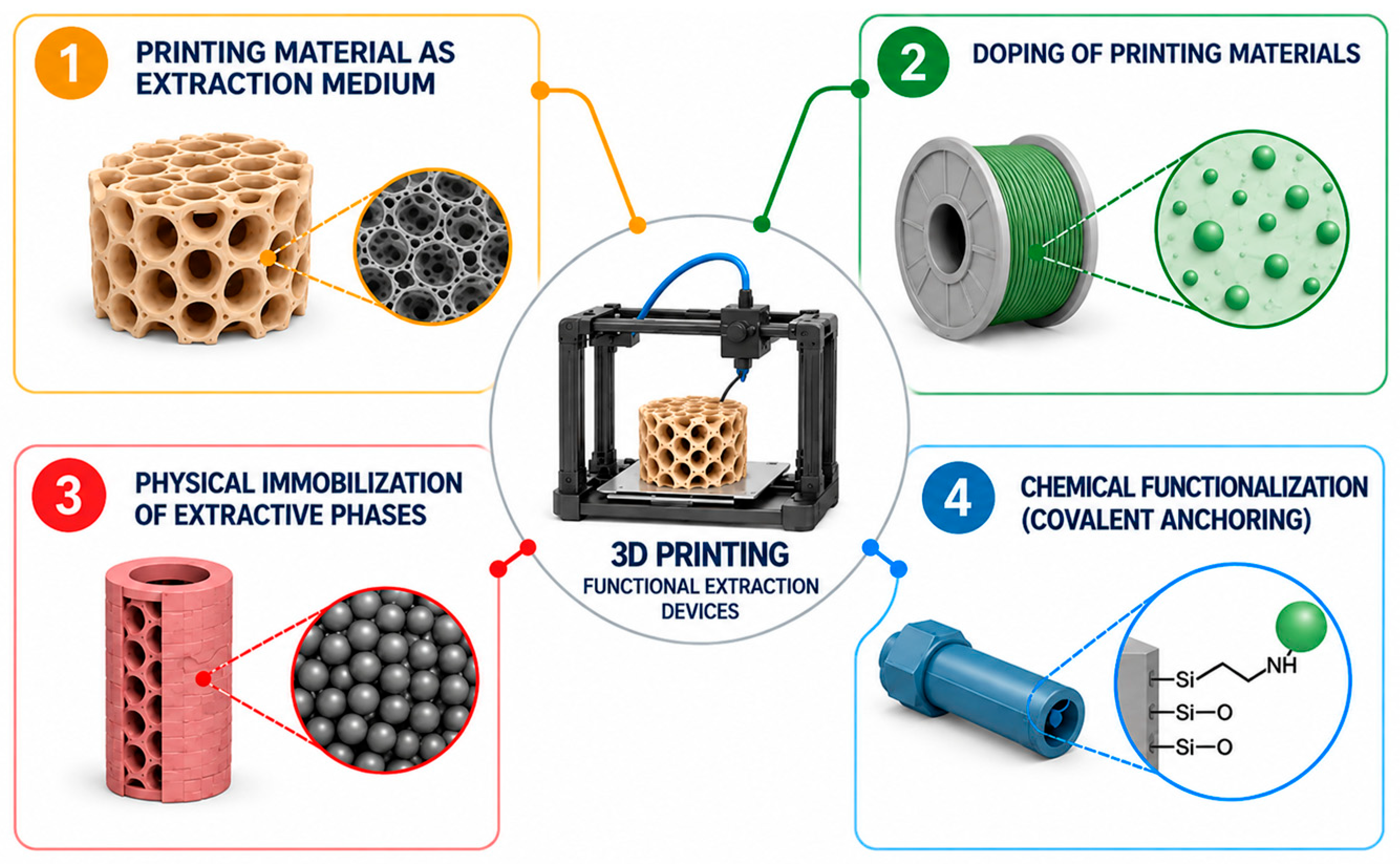
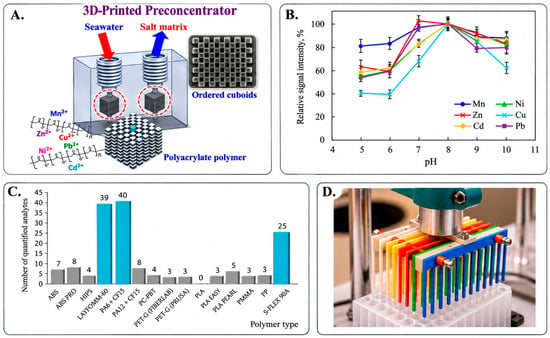
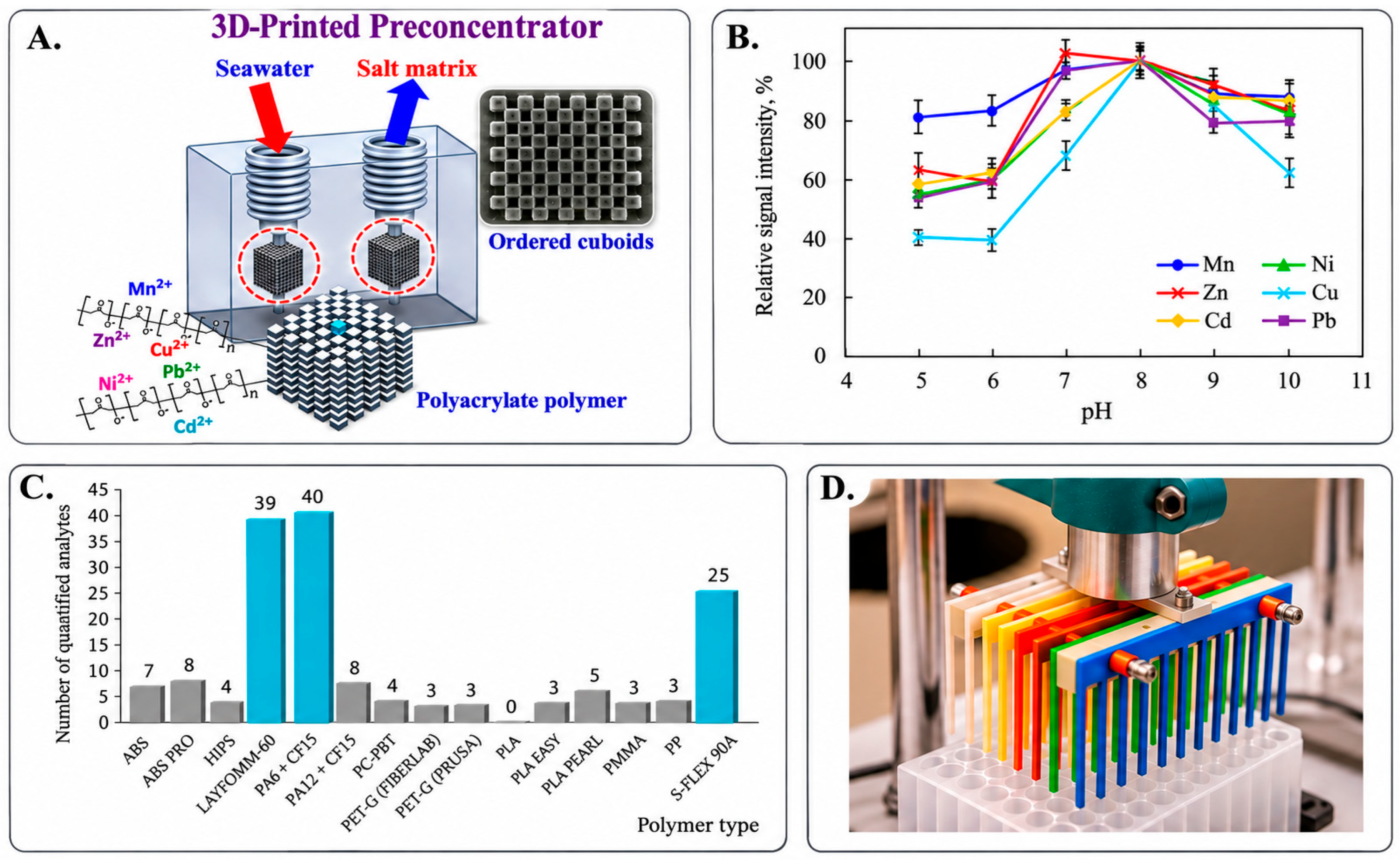
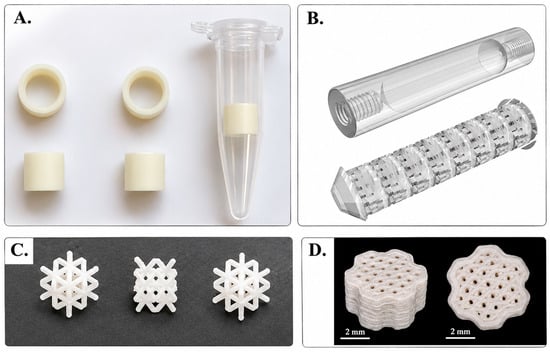
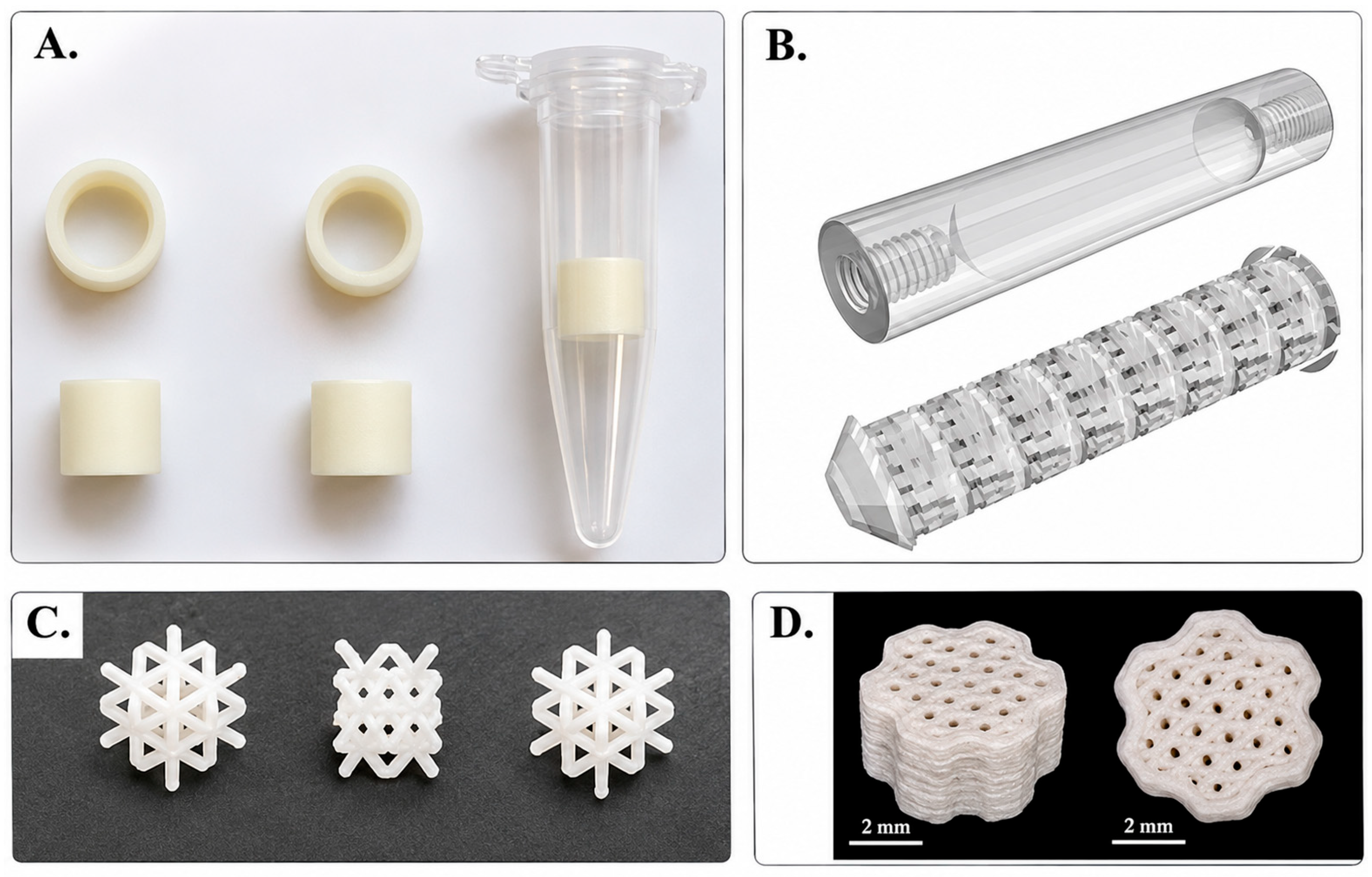
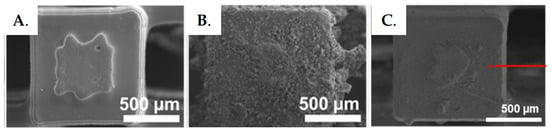
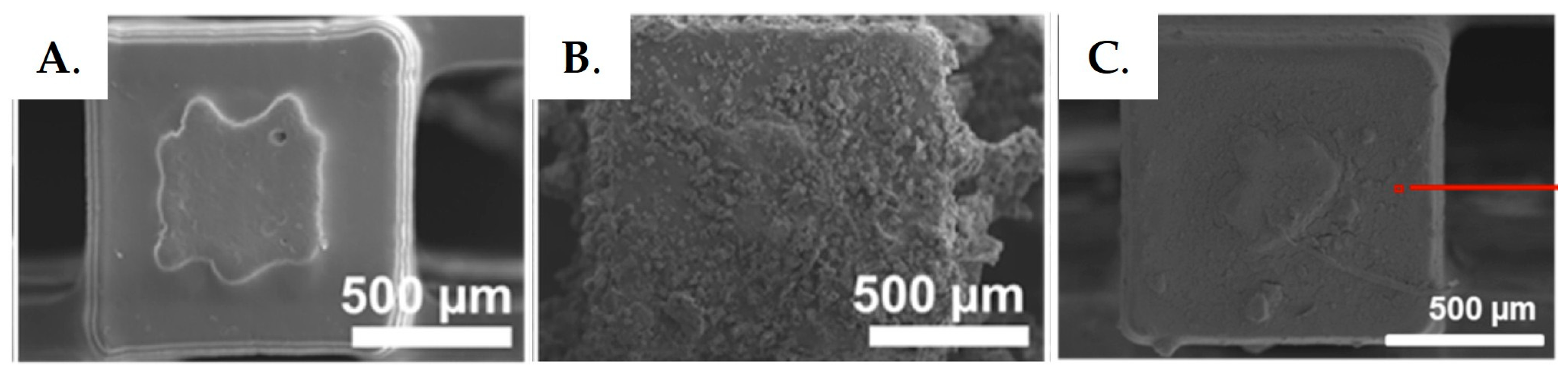
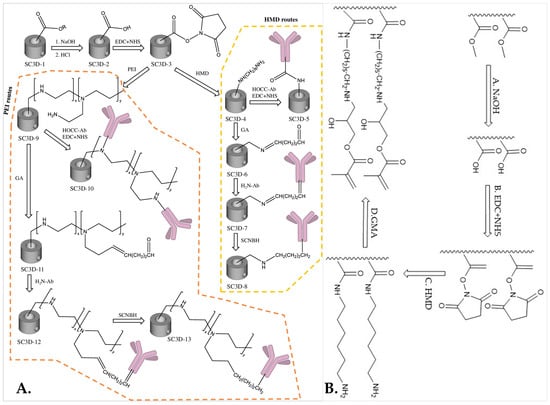
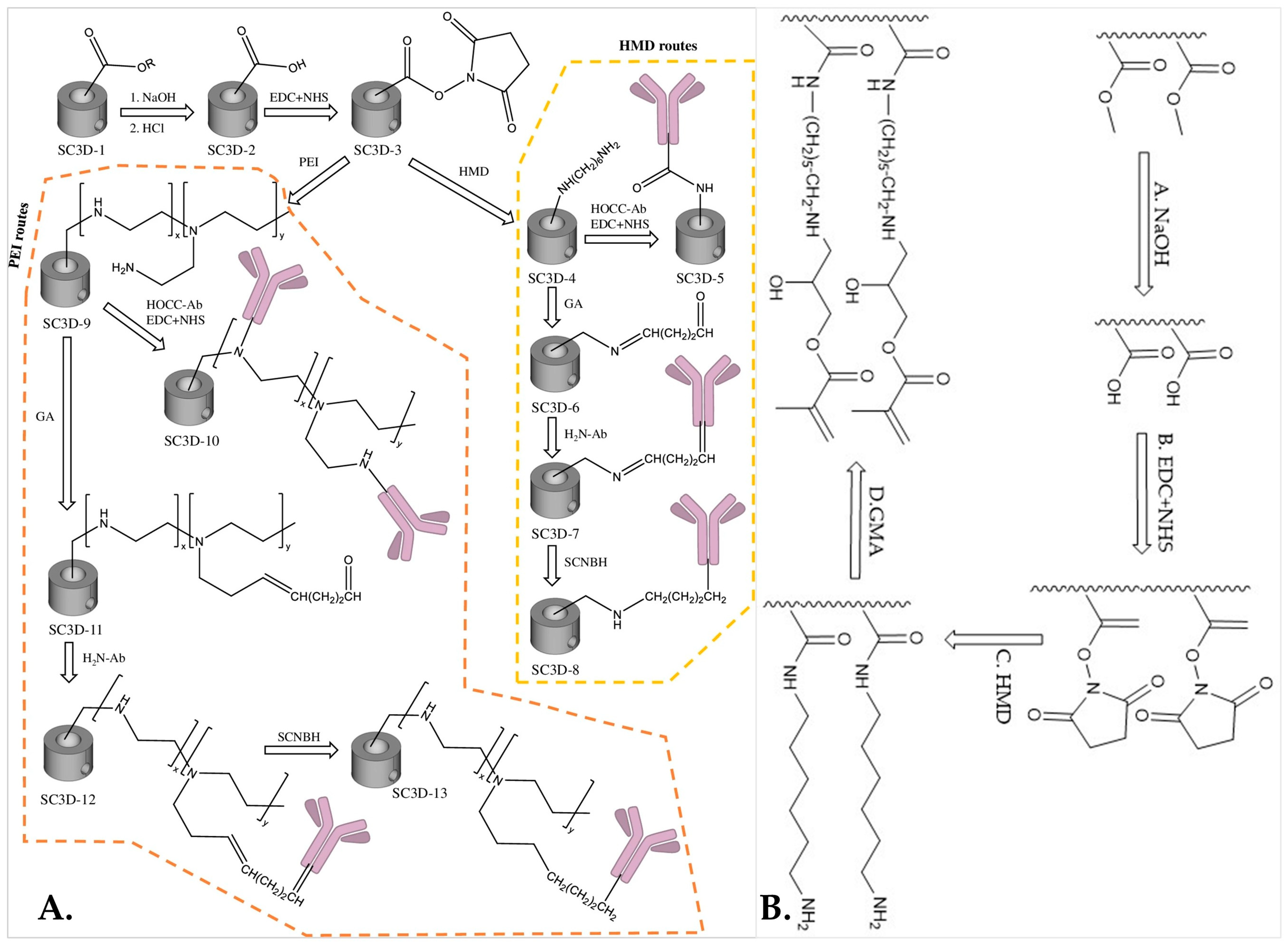

Disclaimer/Publisher’s Note: The statements, opinions and data contained in all publications are solely those of the individual author(s) and contributor(s) and not of MDPI and/or the editor(s). MDPI and/or the editor(s) disclaim responsibility for any injury to people or property resulting from any ideas, methods, instructions or products referred to in the content. |
© 2026 by the authors. Licensee MDPI, Basel, Switzerland. This article is an open access article distributed under the terms and conditions of the Creative Commons Attribution (CC BY) license.