


Abstract
Generative artificial intelligence (GAI) is increasingly used in higher education for explanation, content generation, feedback, and personalized learning. However, conventional prompt–response chatbots may provide insufficient support for complex academic tasks requiring planning, evidence organization, comparison, justification, verification, and reflection. This study proposes the Agentic GAI-Supported Learning Framework for Higher Education (AGAI-HE), which positions GAI agents as bounded, human-supervised learning partners rather than substitutes for students or instructors. Following an instructor-led demonstration, a convenience sample of 130 students rated three approaches applied to the same e-commerce task: traditional e-learning without GAI, standard prompt–response GAI-chatbot support, and a prompt-based simulation of the AGAI-HE workflow. Students observed rather than individually executed the three approaches; no autonomous agent, persistent agent environment, API-based workflow, or integrated multi-agent system was deployed. Both AI-supported approaches received higher ratings than traditional e-learning on an overall perceived-support score, with large pairwise effects and a parallel descriptive pattern across four strongly overlapping facets. No statistically significant difference was found between the GAI chatbot and the AGAI-HE simulation. The findings constitute an exploratory, perception-based evaluation and do not validate the framework’s educational effectiveness, demonstrate an additional advantage of agentic support, or establish improved learning performance. The evaluation was limited to student perceptions; instructor acceptance, implementation feasibility, workload, and educational effectiveness were not assessed.
1. Introduction
The digital transformation of higher education has shifted attention from access to online content toward the quality, adaptability, and interactivity of learning. Learning management systems, online lectures, and digital resources have substantially improved access, flexibility, and scalability. However, these technologies often provide limited support for higher-order learning processes such as problem structuring, evidence-based reasoning, decision-making, and reflective learning. Generative artificial intelligence (GAI) has intensified this transformation by enabling conversational explanation, content generation, translation, code support, formative feedback, and rapid adaptation of learning materials [1,2,3,4].
Universities are adopting GAI at unprecedented speed. Students employ GAI tools for explanation, summarization, ideation, coding, and assessment preparation, while instructors use them to create learning materials, activities, and feedback. Recent systematic reviews and meta-analyses report generally positive effects on engagement and selected learning outcomes, although benefits vary considerably depending on instructional design, learner characteristics, and assessment context [5,6,7,8].
Although the educational literature has extensively examined generative AI chatbots, fewer studies have proposed pedagogically grounded frameworks that explain how agentic GAI can support complex learning processes under conditions of human supervision and responsible governance. This gap motivates the development of the proposed AGAI-HE framework.
The educational value of agentic GAI depends on maintaining meaningful human involvement. When learners delegate problem framing, evidence evaluation, or justification of conclusions entirely to the system, the technology may improve task completion while simultaneously reducing opportunities for cognitive development and reflection. Concerns regarding academic integrity, authorship, privacy, bias, hallucinations, unequal access, and over-reliance therefore remain central to responsible implementation [1,9,10].
This study focuses on the responsible integration of agentic GAI into higher education learning and addresses three research questions:
RQ1: How do students evaluate traditional e-learning, GAI-chatbot-supported learning, and GAI-agent-supported learning in terms of learning enhancement, personalization, decision-making support, and workflow organization?
RQ2: What do students’ comparative evaluations indicate about combining traditional e-learning, GAI-chatbot support, and GAI-agent support, including their training and continued-use intentions?
RQ3: How do students perceive the risks, trustworthiness, and adoption potential of GAI agents, and how is perceived risk associated with continued-use intention?
This study makes two main contributions. First, it develops AGAI-HE as a three-layer framework connecting a structured pedagogical workflow, bounded agentic support, and human supervision and governance. Its novel elements are the explicit allocation of responsibilities among students, instructors, and GAI functions; the eight-stage task workflow; and the integration of evidence verification, reflection, and academic-integrity controls. Second, the exploratory, perception-based evaluation provides an important empirical qualification: respondents rated both demonstrated AI-supported approaches more positively than traditional e-learning on an overall perceived-support measure, with a consistent descriptive pattern across four strongly overlapping facets, but no statistically significant advantage of the prompt-based AGAI-HE simulation over standard chatbot support was identified. The empirical component therefore examines perceptions of the demonstrated approaches; it does not test whether a fully implemented AGAI-HE environment improves learning or performs better than standard chatbot support.
2. Related Work and Conceptual Background
This section synthesizes evidence on the progression from educational chatbots to agentic GAI, GAI-supported learning and decision making, and responsible use. It focuses on findings that inform the four evaluated domains and the governance requirements of AGAI-HE.
The emergence of agentic GAI systems adds a further layer of complexity. Unlike conventional prompt-response chatbots, such systems can support goal-directed, multi-step workflows involving task interpretation, planning, decomposition, evidence organization, comparison of alternatives, feedback, verification, and reflection. In this study, agentic GAI refers to GAI-enabled systems that do not merely respond to isolated prompts but support structured learning processes by maintaining task context, coordinating subtasks, organizing resources, and prompting verification and reflection under human supervision.
2.1. From Educational Chatbots to Agentic GAI
Educational interest in conversational AI did not begin with ChatGPT. Earlier chatbots and pedagogical agents were typically designed for bounded roles such as answering routine questions, delivering reminders, guiding practice, or supporting specific learning activities. Systematic reviews reported advantages in availability, response speed, and learner support, but also identified narrow knowledge domains, limited conversational flexibility, inconsistent pedagogical grounding, and a strong reliance on satisfaction-based evaluation measures [4,11,12]. These limitations reflected the architecture of many early systems: rule-based dialogue and intent classification worked well for anticipated questions but were less capable of explaining unfamiliar problems, adapting to open-ended learner input, or sustaining complex academic interaction.
Large language models have changed the functional boundary of conversational systems. Generative chatbots can produce new explanations and examples, respond to follow-up prompts, revise answers, adopt roles, and combine information across topics. This makes them potentially useful not only as access points to predefined content but also as partners in drafting, exploration, simulation, and formative dialogue [2,13,14]. The expansion is pedagogically consequential. A traditional course chatbot might retrieve the definition of a conversion rate; a generative system can construct a numerical example, explain why two campaigns with similar conversion rates may differ in profitability, challenge the student’s interpretation, and vary the scenario. The second interaction is richer, but it is also more difficult to validate because the response is generated rather than selected from an approved knowledge base. Therefore, pedagogical value cannot be inferred from fluency or responsiveness alone; it depends on how the interaction supports reasoning, evidence evaluation, and learner responsibility.
Recent reviews confirm that higher education research remains terminologically and methodologically fragmented. Studies use labels such as chatbot, conversational agent, GAI assistant, tutor, and learning companion, often without clearly distinguishing ordinary prompt-response interaction from agentic workflows that maintain task state, use tools, coordinate sub-roles, and include verification loops. This ambiguity is important for the present study because the expected benefit of GAI agents lies not simply in generating more fluent text, but in supporting workflow orchestration, structured reasoning, and responsible learning progression. This gap motivates the development of a framework that conceptualizes agentic GAI as a bounded, human-supervised learning partner rather than as an autonomous substitute for student reasoning or instructor judgment.
The transition from educational chatbots to agentic GAI should also be distinguished from the earlier traditions of classical software agents, intelligent tutoring agents, and pedagogical agents. Classical agents are commonly understood as software systems capable of autonomous action in an environment and are typically characterized by autonomy, reactivity, proactiveness, and social ability [15]. In educational research, pedagogical agents have usually appeared as bounded instructional or conversational entities, such as tutors, mentors, learning companions, evaluators, or animated guides; their effects depend strongly on design and learning context [16].
GAI-based agents differ from these earlier agent models in several important ways. First, they use large language models as a flexible reasoning and communication substrate, enabling them to process open-ended natural-language instructions and generate context-sensitive responses. Second, they can combine conversational interaction with planning, task decomposition, memory, tool use, reflection, and, in some cases, multi-agent coordination. Third, they can support not only isolated tutoring or feedback activities but also broader learning workflows in which students interpret tasks, organize evidence, compare alternatives, revise intermediate outputs, and justify final decisions. In this sense, GAI-based agents extend the agent concept from predefined educational assistance toward adaptive, multi-step learning orchestration.
However, the expanded generative and agentic capacity of GAI-based agents also creates new risks. Unlike classical pedagogical agents, which usually operate within predefined instructional boundaries, GAI-based agents may generate unsupported claims, over-assist learners, blur authorship, or influence the reasoning process itself. Their educational use therefore requires stronger human-in-the-loop governance, explicit AI-use rules, output verification, student disclosure, and instructor validation. Accordingly, the proposed advantage of GAI-based agents over classical agents is not full autonomy, but their ability to provide structured, adaptive, and explainable support for complex learning tasks under human supervision.
2.2. GAI-Supported Learning, Personalization, and Decision Making
The empirical literature presents a cautiously positive but heterogeneous picture [17]. Earlier meta-analytic evidence on educational chatbots found beneficial effects on learning and related outcomes, although effect estimates varied according to educational level, subject area, intervention duration, and chatbot design [12]. More recent experimental studies of ChatGPT have been synthesized by Deng et al. [7]. Their meta-analysis reported improvements in academic performance, affective-motivational states, and higher-order thinking propensities, together with reduced mental effort. However, no significant effect was found for self-efficacy. These findings indicate that GAI can contribute to learning, but they do not support a universal effect independent of pedagogy, task design, or assessment conditions.
Systematic reviews of implementation reinforce this interpretation. Qian [5] found that GAI is used across tutoring, feedback, content creation, writing, coding, assessment, and other educational activities, while Belkina et al. [6] showed considerable variation in how case studies integrate the technology into teaching. Differences in instructor involvement, task type, duration, learner preparation, and evaluation methods make simple comparisons difficult. The field also remains weighted toward immediate outputs and learner perceptions. Long-term retention, transfer to unaided performance, and the development of domain expertise are assessed less often than satisfaction, perceived usefulness, or performance on a single assignment [5,6,8,14]. This limitation is relevant for the present study, which uses perception-based evaluation and therefore interprets student responses as perceived support rather than as direct evidence of learning gains.
Two recent empirical strands sharpen the distinction between assistance and learning. Urban et al. [18] experimentally found that ChatGPT could improve creative problem-solving performance among university students, demonstrating genuine potential for idea generation and exploration. Pallant et al. [8], however, frame learning outcomes in terms of how students use GAI: constructive, mastery-oriented interaction is more educationally valuable than a performance-oriented approach in which the system is used mainly to complete a task. Together, these studies suggest that GAI’s effect is mediated by activity design. A system can widen the search space and stimulate reflection, but the learner must still interpret, evaluate, and integrate what is generated. This is precisely where agentic GAI may offer added pedagogical value, although this was not demonstrated by the present perception-based evaluation: not by generating more content, but by structuring the sequence of learning actions through which students engage with content, evidence, alternatives, feedback, and justification.
Personalized learning has long been a major objective of AI in education. Before the GAI era, adaptive systems used learner models, performance histories, and predefined content structures to recommend resources, adjust difficulty, or select the next activity. Reviews of AI-based personalization show potential for improving relevance and learner support, while also emphasizing concerns related to data quality, model transparency, privacy, and the role of educators [19]. GAI adds flexible natural-language generation to this landscape. A learner can request a simpler explanation, ask for an example from a familiar industry, change the output format, or engage in repeated questioning without requiring a separately authored resource for each variation.
In an agentic configuration, personalization can extend beyond individual responses to the sequencing of support across a learning workflow. A GAI agent may adjust when to provide hints, when to ask the learner to justify a choice, when to request additional evidence, when to prompt revision, and when to fade assistance. This makes personalization pedagogically meaningful only if it supports progression toward the intended learning outcomes rather than simply making task completion easier [20].
Yet conversational adaptation is not necessarily pedagogically sound personalization. A general-purpose model does not reliably know what the learner understands, which misconception is present, or how much help will preserve productive struggle. It may respond to a request for assistance by completing the difficult part of the task. It may also confirm a flawed premise instead of diagnosing it. Consequently, effective personalization requires instructor-defined boundaries, alignment with learning outcomes, learning evidence, and periodic human review. GAI should adapt the route to an outcome, not quietly lower the outcome itself.
Decision-making support is frequently mentioned among GAI’s potential applications, yet it is less often operationalized as an educational outcome. Multidisciplinary research suggests that GAI can support decision processes by synthesizing information, generating options, simulating scenarios, and communicating analyses in accessible language [21]. These capabilities are attractive in business education, where students often make judgments based on incomplete, heterogeneous, and uncertain information. However, decision quality depends on more than the number or fluency of generated alternatives. It requires appropriate criteria, valid evidence, recognition of uncertainty, and accountability for the selected action.
Because such tasks unfold across several reasoning stages, they are particularly suitable for agentic GAI support. A GAI agent can help maintain the decision context, track assumptions, prompt evidence verification, request comparison of alternatives, and guide reflection across the workflow. The proposed added value of agentic support lies not in producing a final recommendation for the student, but in structuring the learning process through which the student develops, tests, revises, and justifies a decision.
A pedagogically structured decision activity should preserve the sequence of reasoning. Students can first define the decision problem and formulate an initial position without AI assistance. They then identify relevant criteria and evidence, consult GAI to generate alternatives or critiques, verify all material claims, compare alternatives explicitly, and defend a final choice. A reflection stage should require them to identify which AI suggestions were accepted, modified, or rejected and why. The system thereby increases the breadth of deliberation without owning the conclusion.
2.3. Instructor Governance, Assessment, and Responsible Use
GAI also changes the instructor side of the learning environment. Reported applications include drafting lesson plans, generating examples and cases, preparing quizzes, adapting materials, providing preliminary feedback, and summarizing recurring student difficulties [4,5,6,22,23]. In applied courses, these functions can make authentic variability more feasible. An instructor can create several versions of an e-commerce case, generate customer-service dialogues, propose alternative campaign messages for critique, or build scenarios with different constraints. In agentic configurations, instructor support may extend beyond material generation to the design of structured learning workflows, including checkpoints, verification stages, reflection prompts, and criteria for acceptable AI assistance. Such outputs remain drafts: domain accuracy, curricular alignment, difficulty, inclusiveness, and legal or ethical suitability require human validation.
Educator evidence indicates both adoption and uncertainty. Lee et al. [23] found diverse views among higher education instructors and substantial concerns about academic integrity and assessment, alongside active changes to teaching practice. These findings imply that successful adoption depends on institutional support, professional learning, and clear responsibility. Instructors need more than prompt-writing techniques. They require competencies in selecting appropriate tasks, checking generated materials, protecting sensitive data, communicating AI-use rules, and evaluating learning processes that include AI assistance. Instructor competence should therefore include AI-aware pedagogy, not merely operational familiarity with GAI tools.
Curriculum design should begin with intended learning outcomes. If an outcome is the ability to formulate and justify an e-commerce strategy, unrestricted use of GAI to produce the final strategy is misaligned. If the outcome includes critically collaborating with AI, then interaction records, verification, and reflection may become part of the evidence. The same tool use can therefore be appropriate in one activity and inappropriate in another. In agentic workflows, the same assignment may also contain stages where AI use is prohibited, permitted, required, or explicitly reflected upon. Course policies should therefore be task-specific rather than relying on a single blanket rule.
Assessment redesign is necessary because generic unsupervised assignments may no longer demonstrate individual competence reliably. The literature recommends authentic and contextualized tasks, staged submissions, oral defense, process evidence, and reflective explanation [1,9,24]. In e-commerce education, students might submit the problem definition and criteria before AI use, an evidence table with verified sources, an annotated record of selected AI interactions, a decision matrix or structured comparison, and a final rationale. A brief oral defense can test whether the student understands the recommendation and can respond to a new constraint. In this way, assessment can combine product evidence, process evidence, verification evidence, and reflection evidence.
The literature consistently identifies hallucination, bias, privacy, opacity, unequal access, over-reliance, and academic misconduct as major risks of GAI use in education [1,2,9,10,13,24,25]. These risks are interconnected. A student who lacks domain knowledge may be more likely to trust a fabricated claim; a highly fluent response may increase automation bias; and unclear assessment rules may encourage undisclosed use even when students would have used the technology responsibly under explicit guidance. In agentic GAI-supported learning, these risks become more consequential because the system may influence not only the wording of an answer but also the framing of the problem, the sequencing of subtasks, the selection of criteria, and the interpretation of evidence.
Academic integrity requires a similarly nuanced response. GAI complicates conventional ideas of authorship because its contribution can range from minor language correction to complete production of an argument. Cotton et al. [9] emphasize proactive and ethical institutional responses rather than simple prohibition. Relevant safeguards include explicit statements of acceptable assistance, disclosure of material use, assessment of process, and opportunities for students to demonstrate understanding. A key distinction is not simply whether AI was used, but whether the student remains responsible for the assessed intellectual contribution. The purpose of disclosure is therefore not merely punitive; it enables instructors to interpret the submitted evidence and helps students develop professional norms of transparency.
Information and AI literacy are part of the educational intervention, not prerequisites that can be assumed. Students need to understand that generated content is provisional, distinguish claims from evidence, trace information to authoritative sources, recognize bias and uncertainty, and decide when human expertise is required. UNESCO’s guidance and student competency framework place these skills within a broader human-centered and ethical perspective [1,26]. E-commerce tasks add specific responsibilities: students should not enter personal customer data, confidential business information, unpublished institutional materials, or sensitive market data into public GAI services.
Responsible use can be summarized through six controls: purpose alignment, minimal necessary data, output verification, transparent acknowledgment, preservation of meaningful student effort, and final human accountability. These controls do not eliminate risk, but they make the role of GAI visible, discussable, and assessable. They also provide a basis for course-level governance that can adapt as tools change without rewriting the pedagogical principles each time. In this sense, responsible use is not an external constraint on agentic GAI-supported learning, but a governance layer of the proposed framework.
2.4. Research Gap and Framework Requirements
The literature identifies three related gaps. First, educational GAI research focuses predominantly on prompt–response chatbots rather than persistent, supervised workflows for complex tasks. Second, learning support, personalization, decision making, assessment, and responsible-use controls are often examined separately rather than integrated into one course-level framework. Third, studies frequently assess final outputs or student perceptions without making the allocation of responsibility, verification behavior, and retained student agency explicit.
AGAI-HE addresses these gaps by connecting pedagogical activity, bounded agentic functions, and human governance within a traceable workflow. Its contribution is not a claim that GAI agents are inherently superior to chatbots. It specifies the conditions under which agentic functions could become educationally meaningful and provides propositions and evaluation criteria for future testing.
3. Research Methodology and Framework Development
3.1. Research Design
This study applies a design-science-oriented methodology to develop the AGAI-HE conceptual framework and conduct an exploratory, perception-based evaluation of selected functions represented through an instructor-led demonstration. The empirical component examines students’ ratings of the demonstrated learning approaches. It does not validate the educational effectiveness of the complete framework or evaluate a deployed agentic system. The empirical component was limited to the student perspective: no instructor survey, expert appraisal, or instructor-led classroom implementation study was conducted. Consequently, the proposed instructor roles and governance procedures are design propositions rather than empirically evaluated implementation practices.
This study adopts a design-science-oriented methodology to develop an educational artifact: the AGAI-HE framework. Design science is appropriate when the research objective is not only to describe an existing phenomenon but also to construct and justify a purposeful model, method, or artifact for addressing a relevant problem [27,28]. The problem addressed in this study is the gap between the growing use of GAI in higher education and the limited pedagogical structure governing how agentic capabilities should support multi-step learning, personalization, and decision making without displacing student reasoning or instructor judgment.
The artifact is both a conceptual model and a procedural method. As a conceptual model, it specifies the relationships among educational context, learner characteristics, specialized AI-agent roles, learning workflow, instructor supervision, assessment, and governance. As a procedural method, it prescribes a sequence through which a complex academic task is interpreted, decomposed, supported, evaluated, verified, and reflected upon. The framework is therefore prescriptive and design-oriented rather than causal: it defines how agentic GAI should be organized and what conditions should be evaluated, but it does not claim that the framework has already produced statistically significant learning effects.
The Mendeley Data deposit [29] distinguishes between two documented files: AGAI_HE_Anonymous_Collected_Submissions_131.ods, which preserves all 131 anonymous submissions, and AGAI_HE_Anonymous_Analytical_Data_130.ods, which contains the 130 unique records used in every analysis reported in the manuscript. Duplicate submission R106 is retained and explicitly flagged in the 131-record file but is excluded from the analytical file. Original source identifiers are retained to provide an auditable link between the two files.
The questionnaire was anonymous from the outset, and no direct personal identifiers were collected. The released files contain the recorded survey variables, including timestamp, educational level, major, and the original Bulgarian open-ended response where supplied. The analytical file additionally contains the English comment translation, calculated composite and overall perceived-support scores, and the response-level sentiment-analysis audit fields. These variables were omitted from the previous Mendeley version but have been restored in the revised data package to document the collected and analyzed data transparently.
The research comprised four distinct but sequential elements: conceptual framework development, scenario-based illustration, instructor-led demonstration, and exploratory questionnaire evaluation. Section 3 and Section 4 develop and illustrate the complete eight-stage e-commerce instantiation without using participant data. Before completing the questionnaire, students observed three approaches applied to the same problem-based e-commerce task, including a prompt-based simulation of the AGAI-HE workflow. They did not execute the complete workflow, complete three standardized interventions, submit the proposed artifacts, or use a deployed autonomous or multi-agent system. Framework development and empirical evaluation therefore remained analytically separate, while the demonstration supplied a common context for the subsequent perception questionnaire.
3.2. Evidence Base and Requirement Derivation
Building on the related work reviewed in Section 2, framework construction was informed by an integrative synthesis rather than by a new systematic literature review. Integrative reviews are suitable for combining theoretical, methodological, empirical, technical, and policy sources when the purpose is concept development across adjacent research streams [30,31]. Accordingly, the synthesis was not reported as a PRISMA-based systematic review, and no claim of exhaustive literature coverage is made.
The evidence base was organized around four complementary streams: (1) educational chatbots and GAI in higher education; (2) large-language-model agents and agentic workflows; (3) personalized learning, adaptive scaffolding, decision support, and assessment; and (4) responsible AI, academic integrity, transparency, and risk governance. These streams were selected because together they define the educational problem addressed by the framework: how agentic GAI capabilities can be organized to support complex learning tasks while preserving student agency, instructor oversight, assessment validity, and responsible use.
The first stream establishes the functions and limitations of prompt-response chatbots and builds directly on the authors’ earlier course-lifecycle framework [4]. The second identifies the capabilities that distinguish agents from ordinary chatbots, including task decomposition, planning, memory, tool interaction, feedback loops, and coordination [32]. The third translates these capabilities into pedagogical requirements for personalization, scaffolding, decision-oriented learning, and assessment, drawing on higher education synthesis evidence that stresses structured instructional integration rather than unrestricted tool availability [5]. The fourth supplies safeguards for reliability, privacy, transparency, human oversight, and academic responsibility [1,33].
Sources were used in the synthesis when they contributed directly to at least one framework construct, relationship, design requirement, agent role, workflow stage, human checkpoint, or evaluation criterion. Preference was given to peer-reviewed syntheses, established methodological publications, primary research on agents, and authoritative institutional guidance. Technical capabilities were included only when they could be assigned a defensible pedagogical function; capabilities such as autonomous tool use were not treated as educational benefits in themselves.
To make the synthesis auditable, the evidence was translated through a source-to-design chain. Findings from the literature were first expressed as educational problems, affordances, or risks. These were then translated into design requirements and mapped to framework layers, specialized agent roles, workflow stages, human checkpoints, and candidate evaluation evidence. This chain is reported across Table 1, Table 2 and Table 3 and the component tables in Section 4. The purpose of the procedure is analytical traceability rather than bibliometric completeness.
Table 1.
Design-science phases used to construct and communicate AGAI-HE.
Table 2.
Design requirements for the agentic GAI learning framework.
Table 3.
Evaluation dimensions and candidate evidence sources.
3.3. Procedure for Framework Development
The framework was developed through the six design-science phases summarized in Table 1 [28]. The sequence connects problem identification and requirement derivation with framework construction, scenario demonstration, exploratory evaluation, and communication of the artifact.
3.4. Design Requirements and Traceability
Eight design requirements were specified as a traceability mechanism between the evidence synthesis and the framework architecture. As summarized in Table 2, each agent role and workflow stage supports an educational or governance requirement; the mapping links learning-outcome alignment, student agency, adaptive scaffolding, decision structure, verification, transparency, instructor control, privacy, and academic integrity to observable framework components.
3.5. Scenario-Based Demonstration in E-Commerce Education
The complete proposed classroom implementation of the framework is illustrated through a complex, decision-oriented higher education task in which students would evaluate alternative e-commerce business models and justify a recommendation. The disciplinary structure is provided by Laudon and Traver’s eight business-model elements: value proposition, revenue model, market opportunity, competitive environment, competitive advantage, market strategy, organizational development, and management team [34]. These elements provide a common analytical structure while allowing variation in selected firms, markets, and strategic alternatives. This section describes a scenario-based illustration and candidate implementation procedure; it does not imply that survey respondents completed the task or produced its artifacts.
The instructor-led scenario demonstration presented three learning approaches applied to the same problem-based e-commerce task. Traditional e-learning was represented through course materials, instructor guidance, and conventional analytical tools. GAI-chatbot-supported learning was demonstrated through ordinary prompt–response interactions providing explanations, ideas, drafts, and feedback. GAI-agent-supported learning was represented through a prompt-based simulation of selected AGAI-HE functions, including sequenced workflow stages, differentiated roles, checkpoints, evidence requirements, verification prompts, and reflection. The problem context and intended learning objective were held constant. Students observed the demonstrations but did not individually complete three standardized interventions. No autonomous agent, persistent agent environment, API-based workflow, or integrated multi-agent system was deployed.
A future full classroom implementation would produce a traceable set of intermediate artifacts: an AI-use contract, a task specification, an execution plan, an evidence register, a candidate solution set, a decision matrix, a revised solution, and a verified output with a reflection log. The instructor-led demonstration represented the form and sequencing of these artifacts through structured prompts; the respondents did not create or submit them. The scenario is illustrative and does not constitute an experimental result.
3.6. Evaluation Strategy
Evaluation is specified at three levels. Structural evaluation concerns framework completeness, internal consistency, clarity, and traceability to design requirements. Pedagogical evaluation concerns alignment with learning objectives, preservation of meaningful student effort, and appropriateness for assessment. Learning-outcome evaluation concerns understanding, decision justification, workflow quality, evidence use, critical agency, and risk. In the present study, internal design coherence was examined through literature-based requirement derivation, traceability between requirements and framework components, and scenario-based illustration. These procedures constitute an internal design assessment rather than independent expert evaluation. No instructors, educational-technology specialists, or institutional decision makers externally reviewed the framework, and direct performance-based outcome evaluation remains necessary for future validation.
Eight evaluation dimensions were selected: learning enhancement, personalization, decision-making support, workflow support, evidence use and verification, critical thinking and student agency, perceived risk, and trust and adoption intention. The first four capture expected educational benefits; the next two examine the quality and ownership of reasoning; and the final two assess responsible acceptance. This balanced structure reflects the human-centered position that agentic GAI should be evaluated by both what it enables and what cognitive or ethical burdens it may create [1,5,33].
The initial empirical evaluation used questionnaire responses and was limited to students’ perceptions of the demonstrated learning approaches; performance measures remained outside the design. Scale properties and dimensionality were examined before comparisons were interpreted. Because the nine agent-support items indicated one dominant general perceived-support factor rather than four clearly distinguishable dimensions, an overall perceived-support score was calculated for each demonstrated approach as the equally weighted mean of its learning-enhancement, personalization, decision-making-support, and workflow-support domain scores: OPSic = (LEic + PERSic + DMic + WFic)/4, where i denotes the respondent and c the demonstrated approach. Equal domain weighting prevented domains represented by more items from receiving greater weight. The overall score was the principal comparative summary; the four domain scores were retained as theoretically meaningful but strongly overlapping descriptive facets. Friedman’s repeated-measures test was applied to the overall score, followed by three two-sided Wilcoxon signed-rank comparisons with Holm correction across these three comparisons. Rank-biserial correlations were reported as pairwise effect sizes. Spearman rank correlation was used for associations involving risk, use frequency, and continued-use intention. The analysis remains exploratory and perception-based and does not evaluate learning performance or educational effectiveness.
3.7. Scope, Validity, and Ethical Boundaries
The methodology includes four safeguards against overclaiming. First, the framework is presented as a theoretically grounded educational artifact rather than as an empirically proven intervention. Second, agentic capabilities are bounded by instructor-defined goals, permitted tools, data restrictions, and checkpoints. Third, the demonstration uses a structured academic scenario rather than confidential company or student data. Fourth, the proposed evaluation criteria include both expected benefits and potential risks.
The framework construction and scenario demonstration used no confidential company or student data. The evaluation used anonymous questionnaire responses, while consent records were managed separately, as detailed in Section 5.2 and the ethics statements. Data collection and processing complied with the EU General Data Protection Regulation and applicable national legislation.
4. The AGAI-HE Framework for Agentic GAI-Supported Learning in Higher Education
Building on the distinction between classical educational agents, GAI chatbots, and GAI-based agents established in Section 2.1, this section presents the Agentic GAI-Supported Learning Framework for Higher Education (AGAI-HE). The framework conceptualizes agentic GAI as a bounded, human-supervised learning-support system rather than as an autonomous substitute for instructors or students. It specifies the framework architecture, entry conditions, educational agent roles, pedagogical workflow, course-lifecycle integration, e-commerce instantiation, governance mechanisms, and design propositions.
4.1. Conceptual Orientation and Scope of the Framework
AGAI-HE defines bounded agentic GAI as human-supervised, multi-step learning support that maintains task state, coordinates permitted functions, produces traceable intermediate artifacts, and pauses at instructor- or student-defined checkpoints. Goals, roles, data sources, tools, stopping conditions, and final decisions remain under human control. The framework is designed to examine the potential pedagogical benefits of persistent workflow support for complex tasks requiring planning, evidence use, comparison, justification, verification, and reflection [35,36,37]. Table 4 summarizes the operational distinctions among traditional e-learning, GAI-chatbot-supported learning, and GAI-agent-supported learning.
Table 4.
Operational distinction among traditional e-learning, GAI-chatbot-supported learning, and GAI-agent-supported learning.
4.2. Three-Layer Architecture and Human-in-the-Loop Governance
The framework is organized around three interacting layers (Figure 1). The first is the pedagogical workflow layer, which contains the instructional process itself: task interpretation and planning, instructional activity, formative assessment and feedback, verification and remediation, summative assessment, and course improvement. The second is the agentic support layer, which includes specialized educational agents for course design, content curation, tutoring, task decomposition, decision support, assessment support, learning analytics, verification, and reflection. The third is the human supervision and governance layer, which defines acceptable AI use, pedagogical boundaries, privacy rules, disclosure requirements, source verification, instructor checkpoints, academic integrity mechanisms, and final human accountability.
Figure 1.
Three-layer architecture of AGAI-HE. Note: Solid arrows indicate governance and support inputs to the learning workflow, while dashed arrows indicate feedback, process evidence, and adaptive information returned from the workflow.
These layers are deliberately interdependent. An agent may act only within a pedagogically meaningful workflow, and every agent-supported action is subject to governance. This design prevents the common problem of adding ethical, institutional, or assessment rules only after the technical system has already been defined. In AGAI-HE, permission boundaries, validation requirements, and human checkpoints are part of the workflow specification itself. Similarly, learning analytics agents do not make high-stakes academic decisions autonomously; they generate indicators for instructor interpretation and pedagogical judgment.
The framework can be implemented through a single orchestrating agent with modular functions or through several interacting agents [38]. Its contribution does not depend on a specific platform or implementation architecture. Instead, it lies in the principled allocation of educational responsibility among instructors, students, and GAI agents. The number and specialization of agents should therefore be determined by task complexity, transparency, maintainability, and pedagogical usefulness rather than by technical novelty alone.
The instructor responsibilities specified throughout the framework are proposed responsibilities, recommended checkpoints, and intended governance mechanisms derived from the literature and design requirements. Their feasibility, workload implications, acceptability, and institutional compatibility were not evaluated with instructors in the present study.
4.3. Entry Conditions, Learner Model, and AI-Use Contract
Before agentic support is introduced, the instructor specifies the educational context, learning outcomes, target competencies, assignment type, permitted resources, assessment evidence, and acceptable level of AI assistance. These entry conditions function as a suitability filter. Agentic support is most appropriate for tasks involving several linked operations, such as case analysis, business-model comparison, project planning, strategy development, data interpretation, or policy evaluation. It is less appropriate when the intended outcome is unaided recall, elementary skill practice, or directly observed individual performance.
A minimal pedagogical learner model then determines the initial level of scaffolding. Relevant attributes may include prior domain knowledge, academic level, AI literacy, information literacy, demonstrated misconceptions, and progress within the current task. The framework avoids inferring sensitive personal characteristics that are not necessary for learning. Personalization is process-based: a novice student may receive more decomposition prompts, examples, and concept checks, whereas an advanced student may receive counterarguments, uncertainty analysis, and fewer hints. The model is used to adjust and gradually fade support, not to lower expectations or automate judgment about the learner. The standard of evidence and the intended learning outcome remain constant.
At entry, the student receives an AI-use contract specifying the agent’s functions, limitations, permitted and prohibited data, disclosure requirements, verification responsibilities, and stages where independent work is required. This contract makes the distribution of cognitive responsibility explicit: the agent may support task interpretation, evidence organization, critique, or reflection, but the student remains responsible for judgment, justification, and final submission. The contract also provides a reference for assessment because assistance intentionally embedded in the task is different from unrestricted, undisclosed, or unverified AI-generated work [39].
4.4. Specialized Educational Agent Roles
AGAI-HE distinguishes the specialized educational roles summarized in Table 5. These are functional responsibilities rather than necessarily separate technical systems; they may be implemented as distinct agents, modular functions within one orchestrator, or visible modes within one interface. Their functions must remain transparent and traceable, and assessment or learning-analytics outputs remain subject to human interpretation and validation.
Table 5.
Specialized educational roles in the AGAI-HE support layer.
Roles may be combined when their functions remain visible, auditable, and bounded by instructor-defined permissions.
4.5. Core Pedagogical Process and Agentic Workflow
Figure 2 presents the course-level process and the eight-stage task workflow. Each stage produces a defined artifact, and progression is governed by human checkpoints, formative remediation, AI-use disclosure, and instructor validation.
Figure 2.
Core pedagogical process, agent orchestration, eight-stage task workflow, output artifacts, and human-in-the-loop checkpoints in AGAI-HE. Note: Within Figure 2, agent orchestration is an implementation component of the agentic support layer presented in Figure 1, rather than a fourth architectural layer. It maintains task state, coordinates agent roles, sequences workflow stages, and routes outputs to human checkpoints and remediation paths.
The workflow moves from task contracting and interpretation through decomposition, evidence organization, alternative generation, comparison and decision, feedback and refinement, and final verification and reflection. Returns to earlier stages are required when evidence, alternatives, or justification are inadequate; the instructor retains summative judgment. The complete stage-by-stage artifacts and prompts are documented in Supplementary File S1, Table S6 and Section S10.
4.6. Integration Across the Course Lifecycle
The task-level workflow is embedded within the five-stage course lifecycle summarized in Table 6: before the course, before class, during class, after class, and after the course. The table allocates instructor and student responsibilities for preparation, participation, assessment, reflection, and course improvement.
Table 6.
Instructor and student responsibilities across the agentic course lifecycle.
4.7. E-Commerce Instantiation
AGAI-HE is illustrated through an e-commerce business-model comparison task based on the analytical dimensions proposed by Laudon and Traver [34]. Students compare marketplace, direct-to-consumer, and subscription or membership models for a proposed digital venture. The agentic workflow structures task interpretation, evidence organization, alternative generation, comparison, verification, and reflection, while the student retains responsibility for the final recommendation.
This scenario demonstrates how the framework can support a complex decision-oriented assignment without delegating judgment to the system. Supplementary File S1 provides the complete case, prompts, workflow artifacts, assessment rubric, AI-use disclosure form, and implementation alternatives.
The procedure described in this section represents the complete proposed classroom implementation of AGAI-HE. In the reported empirical study, respondents did not personally complete the eight-stage task or produce the listed artifacts. Instead, the instructor demonstrated the workflow through a structured sequence of ChatGPT prompts applied to the same e-commerce scenario used for the traditional e-learning and chatbot demonstrations. This Mode A implementation was a prompt-based simulation of AGAI-HE functions, not a deployed autonomous agent or API-based multi-agent system. Supplementary File S1 distinguishes material used to represent the reported demonstration from the fuller protocol proposed for future classroom implementation.
The implementation protocol illustrates how the framework could be used in an e-commerce course. It was not independently reviewed by instructors or implemented as a complete classroom workflow in the present study. The feasibility of producing, monitoring, and assessing the proposed artifacts remains to be evaluated with instructors under authentic course conditions.
4.8. Governance, Expected Outcomes, and Design Propositions
The expected outcomes align the framework with the theoretically defined facets of learning enhancement, personalization, decision-making support, and workflow support, together with perceived risk, trust, and adoption intention. In the present questionnaire, the four support facets were strongly overlapping and are therefore treated descriptively rather than as independent empirical dimensions. Objective performance outcomes, instructor feasibility, and the effects of distinctive agentic mechanisms remain matters for future implementation-based research.
The design logic of AGAI-HE can be summarized through six propositions:
DP1.
Agentic GAI support is educationally valuable only when agent actions are aligned with explicit learning outcomes, assessment evidence, and instructor-defined boundaries.
DP2.
Agentic GAI can provide added pedagogical value over ordinary GAI chatbot support when it structures multi-step learning workflows rather than merely generating isolated responses.
DP3.
Student agency is preserved when students retain responsibility for problem framing, evidence selection, criteria justification, verification, and final judgment.
DP4.
Adaptive personalization is educationally appropriate when it changes the type and timing of scaffolding without lowering the academic standard or replacing productive struggle.
DP5.
Human-in-the-loop governance is intended to mitigate the risks of hallucination, over-reliance, unclear authorship, and academic misconduct by embedding verification, disclosure, checkpoints, and instructor validation into the workflow.
DP6.
The perceived usefulness and adoption potential of agentic GAI depend not only on learning support, personalization, and decision-making assistance, but also on trust, transparency, risk awareness, and responsible use.
5. Exploratory Perception-Based Evaluation of the AGAI-HE Framework
This section reports an exploratory, perception-based evaluation of three instructor-demonstrated learning approaches. It describes the evaluation design, demonstration procedure, respondent profile, measurement and scoring, the principal overall perceived-support comparison, descriptive facet-level patterns, perceived risks, and adoption intentions. The evaluation represents only the student perspective. It does not assess learning performance, validate a fully implemented AGAI-HE environment, test most proposed mechanisms, or determine whether instructors consider the workflow realistic, manageable, pedagogically appropriate, or compatible with assessment and governance requirements.
5.1. Evaluation Design, Demonstration Procedure, and Respondent Profile
An exploratory, perception-based evaluation was conducted between 12 May and 9 June 2026 at the Faculty of Economics and Social Sciences, University of Plovdiv Paisii Hilendarski. The demonstrations were delivered during six scheduled class sessions and lasted approximately 45 min. Before completing the questionnaire, all 130 retained respondents attended an instructor-led demonstration of three approaches to the same problem-based e-commerce task. The approaches were presented in the same fixed order in every session—traditional e-learning without GAI, standard GAI-chatbot-supported problem solving, and the prompt-based AGAI-HE simulation—and the order was neither randomized nor counterbalanced. The same task, presentation materials, prompts, and instructions were used across sessions. Participation was voluntary, and no incentive or course credit was provided.
The task involved comparing marketplace, direct-to-consumer, and subscription or membership business models for a proposed online sustainable-cosmetics venture. Traditional e-learning was represented through the course’s electronic and online learning materials without GAI. The chatbot and prompt-based AGAI-HE demonstrations used the OpenAI ChatGPT 5.5 interface. The standard-chatbot demonstration used ordinary prompt–response problem solving, whereas the AGAI-HE demonstration used a sequenced set of ChatGPT prompts to simulate the eight stages: task contracting; task interpretation; decomposition and planning; evidence organization; alternative generation; comparison and decision; feedback and refinement; and verification and reflection. The problem context and intended learning objective were held constant across the three demonstrations.
Respondents observed the three approaches but did not individually complete three standardized interventions, execute the complete eight-stage workflow, or submit its proposed artifacts. No autonomous agent, persistent agent environment, API-based workflow, or integrated multi-agent system was deployed. They completed the questionnaire after the demonstration and evaluated the approaches in light of the presented examples and, where applicable, their previous experience with GAI tools. Accordingly, the term ‘condition’ denotes a demonstrated learning approach rather than a randomized or participant-executed experimental condition. The questionnaire provides comparative perception data but does not test learning performance or the incremental educational value of the complete AGAI-HE framework. Supplementary File S1, Sections S1, S4, S8, and S10, documents the Mode A demonstration, its distinction from future Modes B and C, the represented workflow, and the prompt package; Section S16 and Table S9 reproduce the respondent information and questionnaire.
The study used a voluntary-response convenience sample recruited from selected university classes, predominantly involving students in non-STEM economics and business majors: Finance, Accounting, Marketing, International Economic Relations, and Economics and Business. Recruitment covered students taking the elective course *E-Commerce* or relevant compulsory courses, including *Management Information Systems* and the master’s-level course *Internet Technologies in Tourism*. For concise aggregate reporting, the two remaining programmes were combined into the “Other” category (Table 7).
Table 7.
Respondent profile and prior use of GAI chatbots and agents.
Following the instructor-led demonstration, students were informed that participation was voluntary and that questionnaire responses would be collected anonymously through Google Forms. Those who wished to participate remained in the classroom and completed an on-site paper-based informed-consent form; those who declined did not complete the form and were free to leave without adverse consequences. The signed forms were stored separately from the anonymous responses, and no information from them was entered into or linked with the analytical dataset. The survey generated 131 submissions. One duplicate record, identified as R106 in the original dataset, was removed during screening, leaving 130 unique usable responses. All retained respondents completed the 32 attitudinal Likert-scale items; therefore, no imputation was required.
According to the instructor’s estimate, participation was approximately 90% among bachelor’s students in the classes approached and substantially lower among master’s students. The lower participation among master’s students may reflect competing employment commitments alongside their studies; however, reasons for nonparticipation were not systematically assessed. These participation estimates should not be interpreted as a formally calculated overall response rate, because the exact invitation denominators were not retained. Voluntary self-selection and uneven participation across academic levels limit the generalizability of the findings.
The convenience sample comprised 90 women (69.2%) and 40 men (30.8%). Most students reported medium digital skills (75.4%), while 16.2% reported high digital skills and 8.5% reported low digital skills. Prior exposure to GAI chatbots was widespread: 94.6% reported at least some use, and 88.5% used chatbots at least sometimes. Prior exposure to GAI agents was lower but still substantial: 85.4% reported at least some use, and 61.5% used agents at least sometimes. The questionnaire recorded bachelor’s or master’s status and major, and both variables are included in the revised anonymous data files. The academic-level groups were highly unbalanced, with one subgroup containing only two respondents; therefore, no academic-level subgroup comparisons were interpreted. For concise aggregate reporting, the two singleton programmes are combined into the “Other” category in Table 7, while their recorded values remain available in the data files. The imbalance across academic levels and the predominance of economics and business students limit generalizability across degree levels and fields of study. Table 7 summarizes the respondent profile and prior GAI use.
The two multiple-response questions (Questions 6 and 8) addressed the purposes of GAI-supported learning. For GAI chatbots, the most frequently selected purpose was understanding concepts (n = 90, 69.2%), followed by examination preparation (n = 73, 56.2%), summarization (n = 61, 46.9%), problem solving (n = 46, 35.4%), and academic writing (n = 14, 10.8%). For GAI agents, respondents selected data analysis (n = 70, 53.8%), completing complex assignments (n = 62, 47.7%), analysis and comparison of business processes, scenarios, and strategies (n = 46, 35.4%), decision-making (n = 26, 20.0%), and preparation of written reports (n = 25, 19.2%). Percentages were calculated using all 130 retained respondents as the denominator and sum to more than 100% within each question because multiple selections were permitted. Seven respondents reporting no prior chatbot use and 19 reporting no prior agent use nevertheless selected purposes in the corresponding questions. These frequencies therefore describe respondents’ purpose selections; the inconsistencies with reported use frequency limit their interpretation as indicators of actual prior use.
The field questionnaire was originally developed and administered in Bulgarian; it was not translated from an English instrument for data collection. The English version reproduced in Supplementary File S1 was prepared by the authors after data collection for international reporting and transparency. It was not administered to respondents, and no formal forward–back-translation or separate psychometric evaluation of the English version was conducted.
5.2. Coding, Scale Construction, and Data Quality
The questionnaire contained sixteen questions: four student-profile questions (1–4), four questions concerning prior use of GAI chatbots and agents (5–8), 32 attitudinal items grouped in seven constructs, and one open-ended question. Before answering, respondents received definitions and examples of traditional e-learning, GAI-chatbot-supported learning, and GAI-agent-supported learning; the agent condition was represented by a prompt-based simulation of AGAI-HE functions. Items I01–I21 measured perceived learning enhancement, personalization, decision-making support, and workflow support across the three approaches. Items I22–I24 measured perceived risk, I25–I28 provided direct comparative evaluations, and I29–I32 measured trust, training interest, continued-use intention, and support for integration. All attitudinal items used a five-point scale ranging from 1 = ‘Strongly disagree’ to 5 = ‘Strongly agree.’ The English translation of the Bulgarian questionnaire administered to respondents and the coding rules are provided in Supplementary File S1, Section S16 and Table S9.
Likert responses were coded from 1 = “Strongly disagree” to 5 = “Strongly agree”. No item was reverse-coded. Higher perceived-risk scores therefore indicate greater concern rather than a more favorable evaluation. Multi-response purpose questions were converted into separate binary indicators, where 1 indicated that the purpose was selected or present in the response string and 0 indicated that it was not selected. Profile and use-frequency variables were coded through explicit lookup tables. Recognized spelling variants in the specialty field were harmonized into seven cleaned categories; unmatched entries were left uncoded, and all raw responses were retained for auditability.
Eleven primary multi-item composites and four single-item measures were calculated as respondent-level arithmetic means. The four single-item measures were traditional personalization, traditional decision-making support, traditional workflow support, and chatbot workflow support; internal-consistency coefficients are not applicable to these measures. In addition, the nine AGAI-HE items were averaged to form AGENT_SUPPORT_GENERAL for the exploratory dimensionality analysis. The principal cross-condition comparison used OPS_Trad, OPS_GenAI, and OPS_AGAI, each calculated as the equal-weight mean of the four corresponding domain scores. The approach-specific scores did not comprise identical parallel items and sometimes used different item counts: learning enhancement used two items per approach; personalization used one, two, and two items; decision-making support used one, two, and two items; and workflow support used one, one, and three items for traditional, chatbot, and AGAI-HE ratings, respectively. The three OPS scores therefore average the four domain scores with equal weights so that domains represented by more questionnaire items do not receive greater weight. AGENT_SUPPORT_GENERAL is a separate nine-item summary of the common factor among the AGAI-HE items and should not be confused with OPS_AGAI.
Table 8 summarizes the scale composition, descriptive statistics, and internal-consistency estimates, where applicable.
Table 8.
Scale composition, descriptives, and internal consistency.
The nine agent-support items showed very high internal consistency, Cronbach’s α = 0.948 [40]. Principal component analysis was used as an exploratory dimensionality check rather than as a formal latent-variable model. The Kaiser–Meyer–Olkin index was 0.905, and Bartlett’s test rejected the hypothesis of an identity correlation matrix, χ2(36) = 1064.137, p < 0.001 [41,42]. The first component had an eigenvalue of 6.364 and explained 70.7% of the variance, while all subsequent eigenvalues were below 1. Correlations among the four agent-support sub-scores ranged from 0.672 to 0.787. These results indicate one dominant general perceived-support factor and do not provide evidence that the four sub-scores represent empirically distinct dimensions in this sample.
Learning enhancement, personalization, decision-making support, and workflow support are therefore retained as theoretically defined and descriptively useful facets, but they are not interpreted as independent empirical constructs. The conceptual framework may continue to distinguish these functions for instructional-design purposes, but the present questionnaire evidence does not establish their empirical distinctiveness. A larger and more diverse sample would be required for confirmatory measurement analysis.
All reliability and dimensionality statistics reported in this study are based on responses to the original Bulgarian questionnaire. Because the English version was prepared only for reporting and was not administered, the reported coefficients should not be interpreted as evidence of the reliability or measurement equivalence of the English translation.
An exploratory response-level sentiment analysis was conducted on the English translations of the open-ended comments using the sentimentr package (version 2.9.0) in R 4.4.1. The procedure accounts for valence shifters, including negation, intensifiers, downtoners, and adversative conjunctions. Respondent R106, previously identified as a duplicate record, was excluded. Blank and non-substantive entries and one accidentally pasted questionnaire prompt were also excluded. A response was classified as mixed when it contained both positively and negatively scored sentences; otherwise, the sign of the aggregate polarity score determined its positive, neutral, or negative classification. Because the analysis used translated text and a general-purpose English lexicon, it was treated as supplementary descriptive evidence rather than as a validated measure of student attitude. The response-level inclusion decisions, scores, and classifications are provided in the analytical data file.
5.3. Overall and Facet-Level Perceptions of the Demonstrated Learning Approaches
Because the dimensionality analysis indicated one dominant perceived-support factor, the principal comparison used an overall score that gave equal weight to learning enhancement, personalization, decision-making support, and workflow support. Mean overall scores were 3.278 (SD = 0.700) for traditional e-learning, 3.697 (SD = 0.724) for GAI-chatbot-supported learning, and 3.729 (SD = 0.766) for the prompt-based AGAI-HE simulation. Friedman’s test identified differences among the three demonstrated approaches, χ2(2) = 47.501, p < 0.001, Kendall’s W = 0.183 [43] (Table 9). These within-respondent ratings should not be interpreted as effects of experimentally administered learning conditions.
Table 9.
Overall and facet-level perceived support across the demonstrated learning approaches.
Holm correction was applied across the three pairwise comparisons of the overall perceived-support score [44,45]. The four domain-level scores are retained for descriptive interpretation only and are not treated as separate inferential confirmations.
Holm-adjusted two-sided Wilcoxon signed-rank comparisons showed higher overall ratings for the GAI-chatbot approach than for traditional e-learning (mean difference = 0.419, adjusted p < 0.001, rank-biserial r = 0.696) and for the AGAI-HE simulation than for traditional e-learning (mean difference = 0.452, adjusted p < 0.001, r = 0.683). The difference between the AGAI-HE simulation and the standard GAI chatbot was not statistically significant (mean difference = 0.032, adjusted p = 0.106, r = 0.204). The four facet-level means followed the same general descriptive pattern, but their strong correlations and lack of empirical distinctiveness preclude interpreting them as four independent confirmations.
The principal empirical finding is therefore one general perceived-support pattern: respondents rated both demonstrated AI-supported approaches more positively than traditional e-learning, but no statistically significant additional perceived advantage of the prompt-based AGAI-HE simulation over standard chatbot support was identified. Because the agentic approach was represented through an instructor-led prompt-based simulation rather than participant use of a fully implemented agentic system, the nonsignificant difference should not be interpreted as evidence that chatbot and agentic learning are equivalent. It indicates only that respondents did not differentiate the two demonstrated AI-supported approaches significantly under the reported exposure conditions. The results neither validate the complete AGAI-HE framework nor demonstrate improved learning performance.
5.4. Risk, Trust, Adoption, and Direct Comparisons
Perceived risk was moderate (M = 3.333, SD = 0.893), whereas trust and adoption intention were more favorable (M = 3.615, SD = 0.805). Continued use of GAI agents was endorsed by 69.2% of respondents, and 63.1% supported their integration into learning activities. In addition, 61.5% of respondents wanted training in effective agent use. These results suggest that students did not evaluate agentic GAI as risk-free, but many nevertheless perceived it as sufficiently useful to justify continued and guided use.
The strongest direct comparative endorsement was for combining all three approaches: traditional e-learning, GAI-chatbot support, and GAI-agent support (69.2%, M = 3.885). By comparison, 33.1% agreed that GAI agents were more effective than chatbots, and 40.8% agreed that agents provided more structured support. Trust under instructor guidance received 45.4% agreement. This pattern is consistent with the comparative results reported in Section 5.3: respondents clearly favored AI-supported learning over traditional e-learning, but they did not strongly differentiate GAI-agent support from GAI-chatbot support. The preference for combining approaches suggests that students may perceive agentic GAI as a useful addition to, rather than a replacement for, existing e-learning and chatbot-supported learning.
Contrary to a simple risk-deterrence expectation, perceived risk correlated positively with continued-use intention (Spearman’s ρ = 0.317, p < 0.001, N = 130) [46]. Prior GAI-agent use frequency was likewise positively associated with continued-use intention (Spearman’s ρ = 0.318, p < 0.001, N = 130). In an exploratory sensitivity analysis, prior GAI-agent use frequency was not significantly associated with the within-respondent difference between OPS_AGAI and OPS_GenAI (Spearman’s ρ = 0.040, p = 0.650, N = 130). This result does not rule out familiarity effects because prior exposure was self-reported and the frequency groups were uneven. None of these associations should be interpreted causally; the cross-sectional design cannot distinguish awareness, exposure, self-selection, and reciprocal influence.
5.5. Proposition-Aligned Assessment
The questionnaire provides perception-based evidence relevant to several AGAI-HE design propositions, but it does not directly test all mechanisms specified by the framework. Table 10 therefore distinguishes propositions for which no distinct agent advantage was observed from propositions that require experimental, longitudinal, or process-based evidence.
Table 10.
Status of AGAI-HE design propositions in the questionnaire evidence.
In this context, ‘not directly tested’ means that the relevant agentic mechanism was not implemented, manipulated, behaviorally observed, assessed through performance evidence, or appraised by instructors or experts. The results should therefore be interpreted as an exploratory alignment check between the framework logic and student perceptions rather than as conclusive evidence of the educational effectiveness or operational feasibility of the full AGAI-HE model.
Because instructors and independent experts were not included, Table 10 should not be interpreted as confirmation of the framework’s instructor-facing feasibility or governance effectiveness.
5.6. Scope of the Exploratory Evaluation
The exploratory evaluation indicates that respondents differentiated both AI-supported approaches from traditional e-learning on overall perceived support. It does not show that the AGAI-HE simulation was perceived as more supportive than standard chatbot interaction, and it does not establish that any approach improved actual learning. The study included no random assignment, participant-executed experimental conditions, objective performance measures, baseline-to-posttest comparison, task artifacts, interaction logs, or longitudinal transfer measures. In addition, the four proposed support facets were not empirically distinguishable as independent dimensions.
Students observed an instructor-led prompt sequence rather than personally using a persistent agentic environment across an authentic multi-step assignment. Their ratings may therefore reflect the common demonstration, general familiarity with GAI tools, and the visual or functional similarity between extended chatbot prompting and the simulated agentic workflow. The present study cannot determine whether a fully implemented AGAI-HE environment would produce stronger perceived or objective benefits.
The nonsignificant AGAI-HE-simulation–chatbot difference is a central result. It should not be interpreted as evidence of equivalence; it shows only that respondents did not significantly differentiate the two demonstrated AI-supported approaches under the reported exposure conditions. The current data provide no support for a distinct perceived agent advantage, and possible explanations involving prior experience or insufficient differentiation remain hypotheses for future research.
The present evaluation should therefore be understood as an early exploratory assessment of students’ perceptions following an instructor-led demonstration. Future validation should implement the three approaches under comparable hands-on conditions using common tasks and rubrics, controlled exposure time, process traces, submitted artifacts, objective performance measures, delayed transfer tasks, and longitudinal evidence.
5.7. Student Attitudes Towards GAI-Based Applications in Higher Education Learning
Of the 64 non-empty comments in the final sample, 10 no-comment or non-substantive entries and one accidentally pasted questionnaire prompt were excluded, leaving 53 substantive responses for exploratory sentiment analysis. The response-level classification identified 44 positive responses (83.0%), 5 mixed responses (9.4%), 2 neutral responses (3.8%), and 2 negative responses (3.8%). The mean polarity score was 0.500 (SD = 0.376), with a median of 0.478. These findings provide a descriptive indication of the tone of the comments and do not constitute evidence of learning effectiveness or of a distinct advantage of the prompt-based AGAI-HE simulation over conventional chatbot support.
The open-ended comments add limited qualitative context to the quantitative ratings. The predominance of positive classifications indicates a broadly favorable tone among the 53 substantive comments, whereas the mixed and negative responses reflect concerns about dependence, misuse, academic integrity, and reduced independent thinking. This pattern should not be generalized to respondents who did not provide a substantive comment. Moreover, the comments concerned students’ general reactions to GAI-supported learning and were not based on direct interaction with a fully implemented agentic system. They therefore should not be interpreted as evidence of the educational effectiveness of AGAI-HE or of its superiority over conventional chatbot support.
6. Discussion
6.1. Interpretation in Relation to the Research Questions
The principal empirical finding is one general perceived-support pattern rather than four independent domain-specific findings. Respondents rated both demonstrated AI-supported approaches more positively than traditional e-learning on the overall score. Learning enhancement, personalization, decision-making support, and workflow support showed parallel descriptive patterns, but the dimensionality analysis indicated that respondents did not clearly distinguish these facets. The findings therefore support the perceived value of GAI assistance in general, not four independent benefits and not a distinct advantage of the AGAI-HE simulation over standard chatbot support.
The limited differentiation between the two AI-supported approaches may partly reflect the nature of the exposure. Students observed an instructor-led prompt sequence rather than personally using a persistent agentic environment across an authentic multi-step assignment. Their ratings may have been influenced by prior GAI experience and by the similarity between extended chatbot prompting and the simulated agentic workflow. The present study cannot determine whether a fully implemented AGAI-HE environment would produce stronger perceived or objective benefits.
Regarding the second research question, the findings support a hybrid human-AI design rather than an agent-only model. The most strongly endorsed comparative statement favored combining traditional e-learning, chatbot support, and agent support. Students also expressed interest in training and continued use. These results are consistent with a framework in which instructors define learning outcomes, acceptable assistance, checkpoints, data boundaries, and assessment evidence, while AI agents provide selected forms of explanation, decomposition, comparison, feedback, and formative scaffolding [20]. In this interpretation, student agency is preserved not by excluding AI, but by requiring students to formulate positions, verify evidence, disclose material AI assistance, and justify final decisions in their own words.
Regarding the third research question, respondents reported moderate concerns about dependence, reduced independent thinking, and difficulty validating AI outputs. At the same time, risk awareness did not suppress adoption intention. This coexistence suggests that students may recognize both the usefulness and the limitations of GAI, especially when they have prior exposure to such tools. The result supports a governance model based on explicit use rules, verification, disclosure, staged assessment, and AI literacy rather than on the assumption that favorable attitudes imply low concern [1,10,25,33]. In this sense, responsible integration should treat risk awareness as part of informed adoption, not simply as resistance to AI use.
6.2. Theoretical Implications
The absence of a statistically significant difference between the GAI-agent and GAI-chatbot approaches is theoretically important. AGAI-HE distinguishes agentic support through persistent task state, task decomposition, role differentiation, verification loops, and explicit checkpoints, but respondents did not rate these proposed features as producing significantly greater support than standard chatbot interaction. The study cannot determine whether this result reflects an absence of additional perceived benefit, limited respondent experience, or insufficient differentiation in the demonstration. These alternatives remain questions for future research; the current findings do not support a claim of agentic superiority.
The theoretical contribution of AGAI-HE is therefore not a claim of technological superiority but a specification of the conditions under which agentic support could become educationally meaningful: explicit roles, intermediate checkpoints, process evidence, verification, structured comparison, and reflection.
The dimensionality result reinforces this interpretation. The nine agent-support items formed one dominant general perceived-support factor rather than four empirically distinct dimensions. The four facets remain conceptually useful for instructional design and descriptive reporting, but the present instrument and sample do not establish their discriminant validity. Future measurement work should test correlated-factor, higher-order, and bifactor structures using larger, more diverse samples and confirmatory analysis.
The absence of statistically significant differences between chatbot and agent ratings indicates that agentic capability is not an educational treatment by itself; any proposed added value must be tested through authentic multi-step tasks, persistent artifacts, bounded tool use, verification requirements, and checkpoints that differ materially from ordinary conversation.
Theoretically, AGAI-HE therefore shifts the discussion from tool type to pedagogical organization. The relevant distinction is not only whether learners use no AI, a chatbot, or an agent, but whether AI-supported activity preserves student agency, exposes reasoning steps, requires evidence verification, and remains subject to human supervision. This perspective helps explain why students may value AI-supported learning in general while not yet differentiating the specific contribution of agentic orchestration.
6.3. Practical Implications for Course Design
Implementation should be staged, task-specific, and subject to feasibility appraisal. Traditional resources can preserve a stable knowledge base; chatbots can support low-stakes clarification and feedback; and instructors considering AGAI-HE could adapt the eight-stage workflow to tasks requiring persistent state, dependent steps, evidence tracking, comparison, verification, and revision. Any adoption should account for instructor workload, available resources, assessment requirements, student readiness, and institutional policy.
Students should retain responsibility for evidence and final judgment. The framework is designed to preserve instructor control through proposed boundaries, checkpoints, assessment evidence, and approval responsibilities; the effectiveness and feasibility of these mechanisms remain to be evaluated. Assessment could reward reasoning, evidence use, uncertainty treatment, and justification rather than fluent output alone. Supplementary File S1 provides proposed prompts, workflow artifacts, a rubric, a disclosure form, operational procedures, and an instructor/expert appraisal protocol for future evaluation.
6.4. Responsible Integration and the Risk–Adoption Coexistence
The positive association between perceived risk and adoption intention is especially important for responsible implementation. More active users may encounter more errors and therefore become more risk-aware, or students who are motivated to adopt the technology may also think more carefully about its limitations. Either pattern is compatible with informed adoption. Universities should therefore monitor understanding and behavior separately: adoption intention is not a proxy for trustworthiness, and risk concern is not necessarily resistance.
This finding has practical implications for governance. A student who intends to continue using GAI may still require support in verification, privacy protection, disclosure, and critical evaluation. Conversely, a student who expresses concern about risk may not reject AI use, but may need clearer guidance on appropriate boundaries and safeguards. Responsible integration should therefore avoid interpreting acceptance as uncritical enthusiasm or concern as opposition. Instead, both should be treated as signals for AI literacy, guided practice, and transparent course-level rules.
6.5. Limitations and Future Research
Study design and exposure constitute the first group of limitations. Respondents rated three instructor-demonstrated approaches rather than completing randomized, standardized, and experimentally comparable interventions. No integrated agentic system was deployed, and no artifacts, interaction logs, baseline-to-posttest changes, or objective performance measures were collected. Ratings may therefore reflect the common demonstration together with heterogeneous prior experience. Whether agentic orchestration provides added value under authentic and sustained implementation remains to be tested.
Measurement, language, recruitment, and sample constraints form a second group. The evaluation used a voluntary-response convenience sample that was women-dominated (69.2%) and highly uneven across academic levels; one academic-level subgroup contained only two respondents. Recruitment channels, institutional and course context, participation conditions, academic level, and programme are reported, but the exact invitation denominator and class-level invitation counts were not retained. A conventional overall response rate therefore cannot be calculated, nonresponse bias cannot be assessed through response-rate analysis, and voluntary self-selection may have favored students with greater interest in or experience with GAI. The approach-specific scores used nonparallel items, four measures were single-item indicators, and the agent items reflected one dominant perceived-support factor rather than four empirically distinct dimensions. The questionnaire was administered only in Bulgarian; reliability estimates apply to that field instrument, while the English supplementary version was prepared for reporting and was not independently evaluated for measurement equivalence.
A further limitation is the absence of instructor and expert perspectives. Although AGAI-HE assigns instructors responsibility for configuring the learning environment, defining acceptable AI use, supervising checkpoints, validating outputs, and retaining assessment authority, no instructors or independent experts evaluated these functions. The study therefore cannot establish instructor acceptance, pedagogical feasibility, workload sustainability, institutional compatibility, or the practical effectiveness of the proposed governance mechanisms.
Future research should begin with structured appraisal by instructors and relevant experts, followed by authentic classroom pilots. Appraisal should examine the clarity, pedagogical relevance, feasibility, workload, assessment alignment, human-oversight requirements, student-autonomy safeguards, evidence verification, privacy, and academic-integrity provisions of the eight-stage workflow. Subsequent studies should compare implemented traditional, chatbot-supported, and agent-supported approaches using common tasks and rubrics, controlled exposure time, process traces, student artifacts, objective performance, retention, transfer, implementation fidelity, and instructor workload. Larger multi-course samples should support confirmatory measurement analysis and examination of institutional governance.
7. Conclusions
This study developed AGAI-HE as a conceptual framework for organizing agentic GAI as bounded, human-supervised learning support. Its principal contribution is the integration of a pedagogical workflow, differentiated agent functions, evidence verification, reflection, assessment, and governance within a single three-layer structure. These mechanisms are design propositions whose educational and operational effects remain to be tested.
The exploratory, perception-based evaluation provides a limited empirical assessment of how students rated the demonstrated learning approaches. Respondents rated both demonstrated AI-supported approaches more positively than traditional e-learning on an overall perceived-support measure, with a consistent descriptive pattern across four strongly overlapping facets, but no statistically significant advantage of the prompt-based AGAI-HE simulation over standard chatbot support was identified. The findings therefore support the perceived relevance of GAI assistance in general but do not demonstrate agentic superiority or improved learning performance.
The framework’s instructor-facing responsibilities and operational feasibility were not evaluated; accordingly, the results provide no evidence of instructor acceptance or practical workability. These aspects require structured expert appraisal and authentic classroom implementation. The instructional effectiveness and distinctive agentic mechanisms of AGAI-HE must ultimately be tested through comparable hands-on conditions and objective learning, process, and performance evidence rather than inferred from favorable student perceptions or the agent label.
Supplementary Materials
The following supporting information can be downloaded at: https://www.mdpi.com/article/10.3390/higheredu5040108/s1, Supplementary File S1: Instructor-Led Demonstration, Questionnaire, and Implementation Protocol for GAI-Based Agents in an E-Commerce Course. This consolidated document contains 18 numbered sections, 12 supplementary tables, and supplementary references. It distinguishes materials documenting the instructor-led Mode A demonstration, including the represented workflow and prompt package, from protocols proposed for future classroom implementation and instructor/expert appraisal. Section S16 provides the English translation of the Bulgarian questionnaire administered from 12 May to 9 June 2026, including respondent definitions, items I01–I32, the response scale, and coding rules.
Author Contributions
Conceptualization, G.I. and T.Y.; methodology, T.Y.; software, M.R.; validation, P.G. and S.K.-B.; formal analysis, G.T.; investigation, G.I.; resources, S.K.-B.; data curation, M.R.; writing—original draft preparation, G.I.; writing—review and editing, G.I. and T.Y.; visualization, G.I. and T.Y.; supervision, G.T.; project administration, G.I.; funding acquisition, G.I., T.Y., S.K.-B. and G.T. All authors have read and agreed to the published version of the manuscript.
Funding
This research was partially supported by the Project “Digitalisation of the Economy in a Big Data Environment” BG16RFPR002-1.014-0013, funded by the European Regional Development Fund (ERDF) through the “Programme Research, Innovation and Digitalisation for Smart Transformation (PRIDST)”.
Institutional Review Board Statement
Ethical review and approval were not required for this voluntary, non-interventional, minimal-risk questionnaire study involving adult students. The anonymous questionnaire collected no sensitive or directly identifiable personal data. No formal ethics approval or waiver reference number was issued. The study procedures complied with the EU General Data Protection Regulation and applicable national legislation.
Informed Consent Statement
Students who agreed to participate completed an on-site paper-based informed-consent form containing their name, signature, and date before completing the anonymous Google Forms questionnaire. The signed forms were stored separately from the questionnaire responses, and no response-level link was created. Participants could decline or discontinue participation without submitting a response and without adverse consequences. After anonymous submission, an individual response could no longer be withdrawn because it contained no identifying information and could not be linked to the corresponding consent form.
Data Availability Statement
The anonymous data and coding materials supporting the findings are publicly available in Mendeley Data [29]. The revised deposit distinguishes the complete file of 131 collected submissions from the analytical file of 130 unique records after exclusion of duplicate R106 and includes the English questionnaire translation and coding rules.
Conflicts of Interest
The authors declare no conflicts of interest.
References
- UNESCO. Guidance for Generative AI in Education and Research; UNESCO: Paris, France, 2023; Available online: https://unesdoc.unesco.org/ark:/48223/pf0000386693 (accessed on 15 July 2026).
- Kasneci, E.; Seßler, K.; Küchemann, S.; Bannert, M.; Dementieva, D.; Fischer, F.; Gasser, U.; Groh, G.; Günnemann, S.; Hüllermeier, E.; et al. ChatGPT for good? On opportunities and challenges of large language models for education. Learn. Individ. Differ. 2023, 103, 102274. [Google Scholar] [CrossRef] [Scilit]
- Chan, C.K.Y.; Hu, W. Students’ voices on generative AI: Perceptions, benefits, and challenges in higher education. Int. J. Educ. Technol. High. Educ. 2023, 20, 43. [Google Scholar] [CrossRef] [Scilit]
- Ilieva, G.; Yankova, T.; Klisarova-Belcheva, S.; Dimitrov, A.; Bratkov, M.; Angelov, D. Effects of generative chatbots in higher education. Information 2023, 14, 492. [Google Scholar] [CrossRef] [Scilit]
- Qian, Y. Pedagogical applications of generative AI in higher education: A systematic review of the field. TechTrends 2025, 69, 1105–1120. [Google Scholar] [CrossRef] [Scilit]
- Belkina, M.; Daniel, S.; Nikolic, S.; Haque, R.; Lyden, S.; Neal, P.; Grundy, S.; Hassan, G.M. Implementing generative AI (GenAI) in higher education: A systematic review of case studies. Comput. Educ. Artif. Intell. 2025, 8, 100407. [Google Scholar] [CrossRef] [Scilit]
- Deng, R.; Jiang, M.; Yu, X.; Lu, Y.; Liu, S. Does ChatGPT enhance student learning? A systematic review and meta-analysis of experimental studies. Comput. Educ. 2025, 227, 105224. [Google Scholar] [CrossRef] [Scilit]
- Pallant, J.L.; Blijlevens, J.; Campbell, A.; Jopp, R. Mastering knowledge: The impact of generative AI on student learning outcomes. Stud. High. Educ. 2025, 51, 714–735. [Google Scholar] [CrossRef] [Scilit]
- Cotton, D.R.E.; Cotton, P.A.; Shipway, J.R. Chatting and cheating: Ensuring academic integrity in the era of ChatGPT. Innov. Educ. Teach. Int. 2024, 61, 228–239. [Google Scholar] [CrossRef] [Scilit]
- Zhai, C.; Wibowo, S.; Li, L.D. The effects of over-reliance on AI dialogue systems on students’ cognitive abilities: A systematic review. Smart Learn. Environ. 2024, 11, 28. [Google Scholar] [CrossRef] [Scilit]
- Okonkwo, C.W.; Ade-Ibijola, A. Chatbots applications in education: A systematic review. Comput. Educ. Artif. Intell. 2021, 2, 100033. [Google Scholar] [CrossRef] [Scilit]
- Deng, X.; Yu, Z. A meta-analysis and systematic review of the effect of chatbot technology use in sustainable education. Sustainability 2023, 15, 2940. [Google Scholar] [CrossRef] [Scilit]
- Pereira, D.S.M.; Falcão, F.; Costa, L.; Lunn, B.S.; Pêgo, J.M.; Costa, P. Here’s to the future: Conversational agents in higher education—A scoping review. Int. J. Educ. Res. 2023, 122, 102233. [Google Scholar] [CrossRef] [Scilit]
- McGrath, C.; Farazouli, A.; Cerratto-Pargman, T. Generative AI chatbots in higher education: A review of an emerging research area. High. Educ. 2025, 89, 1533–1549. [Google Scholar] [CrossRef] [Scilit]
- Wooldridge, M.; Jennings, N.R. Intelligent agents: Theory and practice. Knowl. Eng. Rev. 1995, 10, 115–152. [Google Scholar] [CrossRef] [Scilit]
- Heidig, S.; Clarebout, G. Do pedagogical agents make a difference to student motivation and learning? Educ. Res. Rev. 2011, 6, 27–54. [Google Scholar] [CrossRef] [Scilit]
- Lo, C.K.; Hew, K.F.; Jong, M.S.-Y. The influence of ChatGPT on student engagement: A systematic review and future research agenda. Comput. Educ. 2024, 219, 105100. [Google Scholar] [CrossRef] [Scilit]
- Urban, M.; Děchtěrenko, F.; Lukavský, J.; Hrabalová, V.; Svacha, F.; Brom, C.; Urban, K. ChatGPT improves creative problem-solving performance in university students: An experimental study. Comput. Educ. 2024, 215, 105031. [Google Scholar] [CrossRef] [Scilit]
- Bhutoria, A. Personalized education and artificial intelligence in the United States, China, and India: A systematic review using a human-in-the-loop model. Comput. Educ. Artif. Intell. 2022, 3, 100068. [Google Scholar] [CrossRef] [Scilit]
- Molenaar, I. Towards hybrid human–AI learning technologies. Eur. J. Educ. 2022, 57, 632–645. [Google Scholar] [CrossRef] [Scilit]
- Albashrawi, M. Generative AI for decision-making: A multidisciplinary perspective. J. Innov. Knowl. 2025, 10, 100751. [Google Scholar] [CrossRef] [Scilit]
- Lim, W.M.; Gunasekara, A.; Pallant, J.L.; Pallant, J.I.; Pechenkina, E. Generative AI and the future of education: Ragnarök or reformation? A paradoxical perspective from management educators. Int. J. Manag. Educ. 2023, 21, 100790. [Google Scholar] [CrossRef] [Scilit]
- Lee, D.; Arnold, M.; Srivastava, A.; Plastow, K.; Strelan, P.; Ploeckl, F.; Lekkas, D.; Palmer, E. The impact of generative AI on higher education learning and teaching: A study of educators’ perspectives. Comput. Educ. Artif. Intell. 2024, 6, 100221. [Google Scholar] [CrossRef] [Scilit]
- Farrokhnia, M.; Banihashem, S.K.; Noroozi, O.; Wals, A. A SWOT analysis of ChatGPT: Implications for educational practice and research. Innov. Educ. Teach. Int. 2024, 61, 460–474. [Google Scholar] [CrossRef] [Scilit]
- Tian, J.; Zhang, R. Learners’ AI dependence and critical thinking: The psychological mechanism of fatigue and the social buffering role of AI literacy. Acta Psychol. 2025, 260, 105725. [Google Scholar] [CrossRef] [Scilit] [PubMed]
- Miao, F.; Shiohira, K. AI Competency Framework for Students; UNESCO: Paris, France, 2024. [Google Scholar] [CrossRef] [Scilit]
- Hevner, A.R.; March, S.T.; Park, J.; Ram, S. Design science in information systems research. MIS Q. 2004, 28, 75–105. [Google Scholar] [CrossRef] [Scilit]
- Peffers, K.; Tuunanen, T.; Rothenberger, M.A.; Chatterjee, S. A design science research methodology for information systems research. J. Manag. Inf. Syst. 2007, 24, 45–77. [Google Scholar] [CrossRef] [Scilit]
- Ilieva, G.; Yankova, T.; Ruseva, M.; Klisarova-Belcheva, S.; Georgiev, P.; Totkov, G. Students’ Attitudes towards the Use of Generative Artificial Intelligence in Higher Education Learning. Mendeley Data, V2. 2026. Available online: https://data.mendeley.com/datasets/5w6vr73tc8/2 (accessed on 30 July 2026).
- Jabareen, Y. Building a conceptual framework: Philosophy, definitions, and procedure. Int. J. Qual. Methods 2009, 8, 49–62. [Google Scholar] [CrossRef] [Scilit]
- Snyder, H. Literature review as a research methodology: An overview and guidelines. J. Bus. Res. 2019, 104, 333–339. [Google Scholar] [CrossRef] [Scilit]
- Xi, Z.; Chen, W.; Guo, X.; He, W.; Ding, Y.; Hong, B.; Zhang, M.; Wang, J.; Jin, S.; Zhou, E.; et al. The rise and potential of large language model based agents: A survey. Sci. China Inf. Sci. 2025, 68, 121101. [Google Scholar] [CrossRef] [Scilit]
- NIST AI 600-1; Artificial Intelligence Risk Management Framework: Generative Artificial Intelligence Profile. National Institute of Standards and Technology: Gaithersburg, MD, USA, 2024. [CrossRef] [Scilit]
- Laudon, K.C.; Traver, C.G. E-Commerce 2023–2024: Business, Technology, Society, 18th Global ed.; Pearson: Harlow, UK, 2024. [Google Scholar]
- Aranda, L.; Sugimoto, K. The Agentic AI Landscape and Its Conceptual Foundations; OECD Artificial Intelligence Papers, No. 56; OECD Publishing: Paris, France, 2026. [Google Scholar] [CrossRef] [Scilit]
- Yao, S.; Zhao, J.; Yu, D.; Du, N.; Shafran, I.; Narasimhan, K.; Cao, Y. ReAct: Synergizing reasoning and acting in language models. In Proceedings of the Eleventh International Conference on Learning Representations (ICLR), Kigali, Rwanda, 1–5 May 2023. [Google Scholar]
- Shinn, N.; Cassano, F.; Berman, E.; Gopinath, A.; Narasimhan, K.; Yao, S. Reflexion: Language agents with verbal reinforcement learning. arXiv 2023, arXiv:2303.11366. [Google Scholar]
- Park, J.S.; O’Brien, J.C.; Cai, C.J.; Morris, M.R.; Liang, P.; Bernstein, M.S. Generative agents: Interactive simulacra of human behavior. In Proceedings of the 36th Annual ACM Symposium on User Interface Software and Technology, San Francisco, CA, USA, 29 October–1 November 2023. [Google Scholar]
- Furze, L.; Perkins, M.; Roe, J.; MacVaugh, J. The AI Assessment Scale in action: A pilot implementation of GenAI supported assessment. arXiv 2024, arXiv:2403.14692. [Google Scholar]
- Cronbach, L.J. Coefficient alpha and the internal structure of tests. Psychometrika 1951, 16, 297–334. [Google Scholar] [CrossRef] [Scilit]
- Kaiser, H.F. An index of factorial simplicity. Psychometrika 1974, 39, 31–36. [Google Scholar] [CrossRef] [Scilit]
- Bartlett, M.S. A note on the multiplying factors for various χ2 approximations. J. R. Stat. Soc. Ser. B 1954, 16, 296–298. [Google Scholar] [CrossRef] [Scilit]
- Friedman, M. The use of ranks to avoid the assumption of normality implicit in the analysis of variance. J. Am. Stat. Assoc. 1937, 32, 675–701. [Google Scholar] [CrossRef]
- Wilcoxon, F. Individual comparisons by ranking methods. Biom. Bull. 1945, 1, 80–83. [Google Scholar] [CrossRef] [Scilit]
- Holm, S. A simple sequentially rejective multiple test procedure. Scand. J. Stat. 1979, 6, 65–70. Available online: https://www.jstor.org/stable/4615733 (accessed on 15 July 2026).
- Spearman, C. The proof and measurement of association between two things. Am. J. Psychol. 1904, 15, 72–101. [Google Scholar] [CrossRef] [Scilit] [PubMed]
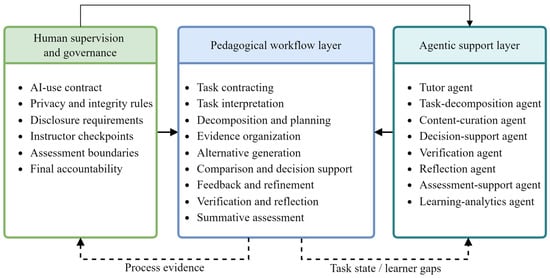
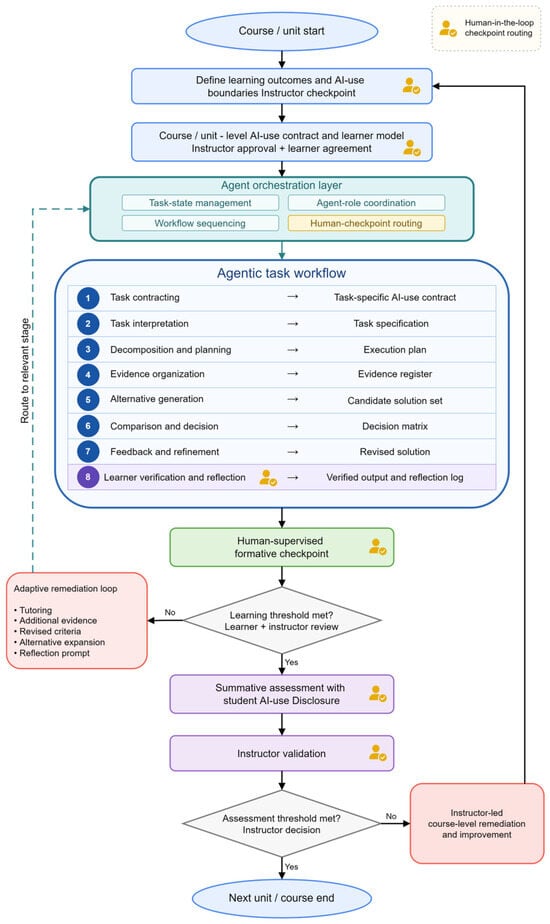
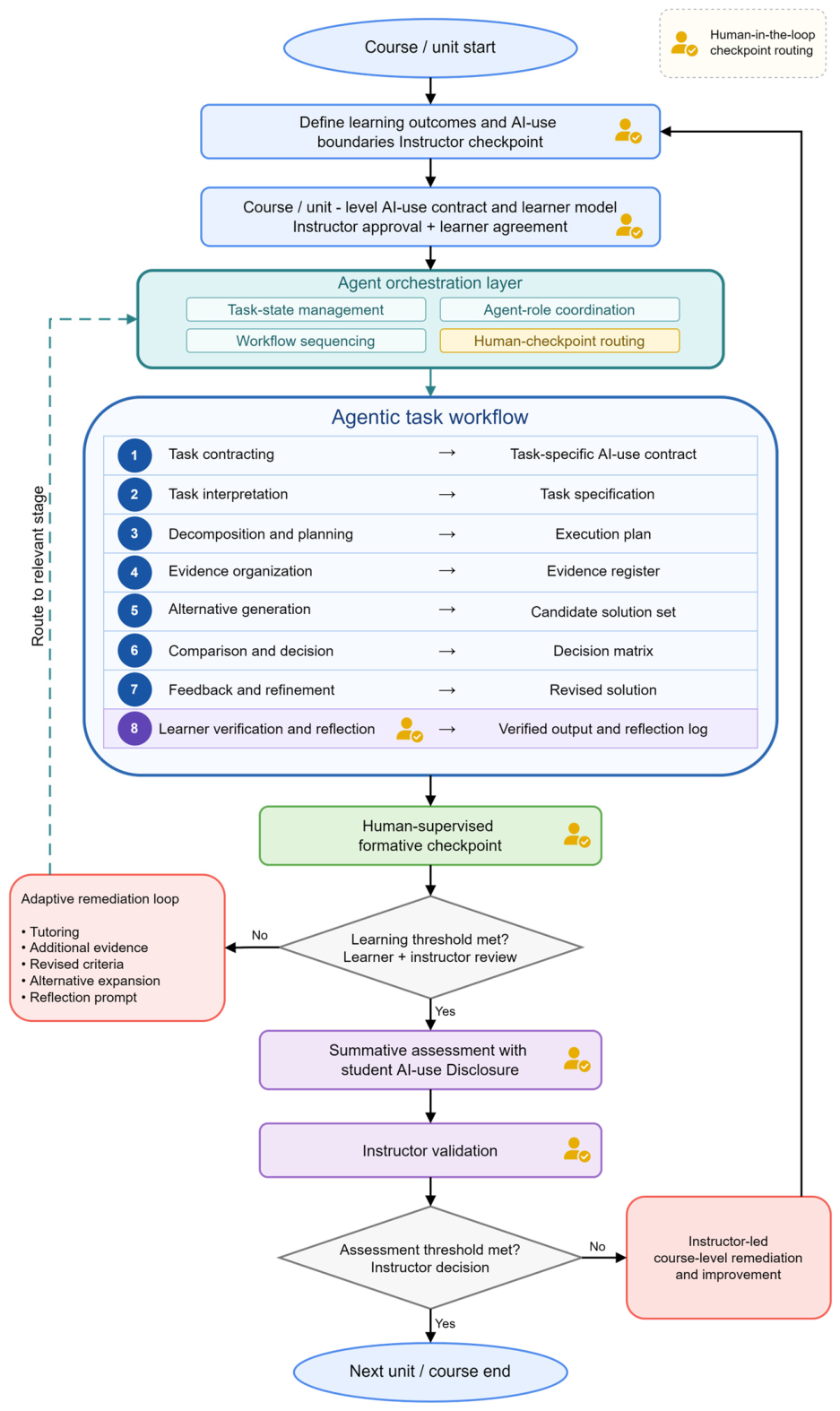

Disclaimer/Publisher’s Note: The statements, opinions and data contained in all publications are solely those of the individual author(s) and contributor(s) and not of MDPI and/or the editor(s). MDPI and/or the editor(s) disclaim responsibility for any injury to people or property resulting from any ideas, methods, instructions or products referred to in the content. |
© 2026 by the authors. Licensee MDPI, Basel, Switzerland. This article is an open access article distributed under the terms and conditions of the Creative Commons Attribution (CC BY) license.