


Abstract
The curriculum is the vehicle that drives teaching and learning processes. Regarding the South African teacher education curriculum (SATEC), scholars and researchers are negatively disposed and have contrasting views about its responsiveness to learners’ diverse learning needs and skill development. This study, therefore, explored the perceptions of teacher educators at a public university in South Africa with regard to the teacher education curriculum’s responsiveness (TECR) and potential in developing pre-service teachers’ 21st century skills (PT21Cs). Underpinned by the constructivist theory (CT), via the interpretivist paradigm, this study utilised a phenomenological case study design of the qualitative research approach. This study’s population consisted of lecturers in the education faculty at the sampled university. The purposive sampling technique was used in selecting seven participants (five females and two males). A semi-structured interview guide was used to collect data for this study, and analysed using Inductive Thematic Analysis (ITA) via ATLAS.ti software version 24. The findings reveal that SATEC is somewhat culturally and disciplinarily responsive but highly structured and is not adequately developing pre-service teachers’ 21st century skills as it should. The challenges in implementing a responsive curriculum and the development of pre-service teachers’ 21st century skills, as well as strategies for addressing these, were discussed. This study recommends that further teacher education curriculum reviews and evaluations, as Education 5.0 dictates and per the Sustainable Development Goals 2030 and 2063, as well as teacher educators’ professional development and training, be pursued and actualised.
1. Introduction
Teachers and the teaching profession are critical for the continued existence, development, and survival of nations, their economies, and ranking by continually fostering these nations’ human and capital development. The 21st century has seen major transformations in education, focusing more on preparing both teachers and students with the skills, knowledge, and abilities needed to thrive in a complex and interconnected world [1]. Moreover, the fast advancement of technology, the rising and evident student diversities, and the heightened awareness of the various roles of education in tackling global challenges such as sustainability, inequality, poverty, diseases and pandemics, hunger, social justice, and equality, amongst others, have highlighted the relevance of teacher education as an agent of change and development [2,3]. The authors of [4] further argue that the teacher education curriculum (TEC) helps equip educators with skills for addressing the challenges of the modern era. It is emphasised that an effective TEC should be flexible enough to respond to the evolving needs of students and society, enabling teachers (and teacher educators) to deliver relevant, engaging, and impactful instruction [5,6].
Some research posit that the curriculum teaches students how to be critical global citizens [7]. The TEC refers to the professional development and instruction designed to help pre- and in-service teachers develop the knowledge, skills, and attitudes required to meet societal standards and life-changing lessons [8,9]. It makes pre-service teachers more internationally aware and involved citizens, better preparing them to handle life’s challenges and the responsibilities of the teaching profession. Over time, teacher educators have advocated for an updated and adaptable curriculum that makes it easier for students to acquire the necessary skills and literacy [10]. Teacher education and training programmes require a curriculum that is socially just, sustainable, compassionate, and responsive [11].
Curriculum responsiveness involves focusing on and changing the content, syllabus, or programme of study and teaching methodologies in response to new trends, ideas, and knowledge in contemporary economies [12]. The four dimensions of a responsive curriculum are economic, cultural, disciplinary, and pedagogical or learning responsiveness [13]. A responsive curriculum enhances a country’s economy and learners’ quality by enriching their status, credentials, recognition, licensing, marketability, employability, training, and the development of their 21st century skills [14]. The ability of the curriculum to train skilled professionals in the various economic sectors is known as economic responsiveness; the curriculum’s capacity to access and address cultural dissonance in the classroom or school context is known as cultural responsiveness; the curriculum’s capacity to stay current with field research and foster discoveries within the discipline is known as disciplinary responsiveness; and the curriculum’s capacity to meet student needs is known as pedagogical or learning responsiveness.
The recent demonstrations in South Africa that have called for the decolonisation and reform of the nation’s higher education system speak to the need for a more responsive curriculum in higher education [11]. Given Education 5.0 and the disruptive technologies it has brought forth that are altering students’ lifestyles, the necessity for a more responsive TEC cannot be overstated [15,16]. Many higher education institutions in South Africa appear to be employing outdated teacher education curricula that do not provide students with the skills and training they will need for their future goals or sufficiently prepare them for the demands of the current labour markets [17].
As contended by [18], despite the increasing acknowledgment of the significance of teacher education and its curriculum in equipping educators for the 21st century, there is sparse research on how teacher educators view the adaptability of the teacher education curricula. This represents a critical gap, as teacher educators play a vital role in shaping and executing teacher education programmes, and their insights and experiences can shed light on the strengths and weaknesses of existing programmes and the curriculum in question. This study aims to enhance the current body of literature on teacher education by exploring the perceptions and experiences of teacher educators regarding the responsiveness of the TEC. Consequently, the results of this research become relevant to teacher educators, policymakers, and other stakeholders invested in creating effective teacher education programmes, curriculum reviews, evaluation, and implementation.
2. Research Problem
There are still issues with the details of what constitutes a responsive curriculum, how to apply it, and the challenges that come with it [19]. Higher education institutions in South Africa have failed to recognise the importance of a responsive curriculum [20]. There is a dearth of research on teacher educators’ opinions on the curriculum and how responsive it is to students and society’s expectations, which calls for more investigation [21,22]. One of the goals of the curriculum’s transformation agenda for South African higher education is to consolidate Africanisation while ensuring responsiveness in meeting students’ needs and desires and encouraging the development of their 21st century skills in the wake of the Fourth Industrial Revolution [23,24,25].
Although research on these topics is still in its infancy, South African studies are primarily concerned with the ideas and conceptualisations of curriculum responsiveness in the body of extant literature. There is a dearth of research on how South African higher education stakeholders, such as students and lecturers, feel about how relevant the TEC is to the 21st century and workplace requirements (Mlambo & Mpanza, 2024; Williams, 2018; Wyk & Chauke, 2026) [26,27,28]. This gap is intended to be filled by exploring teacher educators’ opinions regarding how responsive the TEC is to students’ learning needs, the obstacles to implementing a responsive curriculum, strategies they believe could improve its responsiveness, and how these affect the development of 21st century skills among students. Given these, this current study aims at providing answers to the following questions:
- How responsive is the TEC to pre-service teachers’ (economic, cultural, disciplinary, and learning) needs?
- How has the TEC helped develop pre-service teachers’ 21st century skills?
- What challenges militate against implementing a responsive curriculum?
- What challenges militate against attaining 21st century skills among pre-service teachers?
- How can the teacher education curriculum be more responsive and develop 21st century skills among pre-service teachers?
3. Literature Review
3.1. Curriculum Responsiveness
A responsive curriculum meets the evolving needs of students by connecting universal knowledge and theories with the dynamic, real-life situations and the workforce they are expected to encounter [29]. As such, developing responsive curricula necessitates a shift in the typical practices of higher education institutions. A research contends that certain universities in South Africa have focused on creating degree programmes with titles that imply they are relevant to the job market while raising concerns about their perceived responsiveness to the implementation of teaching and learning [30]. A responsive curriculum has been described as a reflective approach in teacher education that prompts students and educators to reconsider their experiences [31]. In contrast, a study states that a curriculum is responsive when its teaching and learning adapt to the evolving needs of teachers and students, ultimately producing graduates who are more aligned and competitive for the world of work [32]. For pre-service teachers, it is crucial to comprehend how the curriculum can be utilised (or made responsive) to promote their engagement and ultimately help them succeed in their learning [33].
Higher education institutions should enhance their responsiveness to societal needs and the job market by refining their curricula [34]. In response to this demand for increased responsiveness, both basic and higher education institutions in South Africa have adopted a shift from content-based to outcome-based education [35]. A responsive curriculum is inclusive and considers the diversity of learners, including their cultural backgrounds, abilities, and learning styles [36]. It integrates multiple subjects, disciplines, and learning areas to provide a holistic and interdisciplinary approach to learning. Additionally, a responsive curriculum has built-in feedback mechanisms allowing for ongoing assessment, evaluation, and improvement [37].
Similarly, a curriculum is adaptable to changing conditions, including technological advancements, evolving societal values, and new global challenges [29]. It also addresses the needs and interests of students, educators, and the wider community [35]. Meanwhile, it is believed that the responsiveness of a curriculum can be measured by how it encourages innovation, creativity, and experimentation to stay ahead of changing circumstances [38]. Adopting a responsive curriculum can be difficult, with considerable resources such as time, funding, and specialised knowledge, as it often necessitates substantial alterations to current practices and frameworks, which may face opposition [35,39].
3.2. TEC and the Development of the 21st Century Skills in Pre-Service Teachers
In the view of [40], the 21st century has ushered in significant transformations in education, highlighting the importance of providing learners with the skills, knowledge, and abilities needed to thrive in a complex and interconnected global landscape. It has been contended that teacher education is essential in preparing educators to address the challenges of this new age [41]. The curriculum for teacher education is a crucial element in assessing how effectively the teacher education programmes can equip future teachers with the skills required for the 21st century and the future of education. The skills needed for the 21st century encompass a range of abilities, knowledge, and competencies deemed crucial for achieving success in today’s world. These include critical thinking and problem-solving, communication and teamwork, creativity, innovation, information, media, and technology literacy [42].
Flexibility, adaptability, initiative, and self-initiative are essential and with research positing that teacher education programmes should weave these skills into the curriculum, offer practical experiences, focus on enhancing critical thinking and problem-solving abilities, and integrate technology to foster the development of these essential skills among students and teachers alike [43,44]. A thoughtful and organised strategy is essential to cultivate 21st-century skills in future teachers [45]. As such, teacher education programmes must implement various methods to foster these skills, such as project-based learning, collaborative learning, technology integration, and opportunities for reflection and self-assessment [46,47]. Further efforts are required to ensure that the curriculum is more responsive to students, educators, and societal needs and to foster 21st century skills among learners [48].
The constructivist theory (CT) underpins this study and was developed by Soviet psychologist Lev Vygotsky, and mainly emphasises how individuals (in this case, lecturers) construct their own knowledge and understanding through classroom pedagogical experiences and social interactions. The basis of this theory is the idea that knowledge is not merely a reflection of an objective reality; instead, it arises from the mind’s process of selecting, interpreting, and reconstructing experiences and suggests that knowledge is shaped by the interplay of subjective and environmental influences [49]. CT could emphasise how teacher educators form their views on the responsiveness of teacher education curricula and the cultivation of 21st century skills based on their experiences, reflections, and interactions with the TEC, peers, and other members of society.
In the context of this case study, it implies that the perceptions of teacher educators regarding curriculum responsiveness and the development of 21st century skills are influenced by their past and present experiences, knowledge, and understanding of the curriculum, their social interactions, reflections over time, and professional growth. The previous experiences of teacher educators in curriculum design, teaching, and professional development affect how they view a responsive curriculum. Their interactions with colleagues, administrators, and pre-service teachers also contribute to their understanding of curriculum responsiveness and the development of 21st century skills. Moreover, their reflections on their teaching methods, dialogues, student assessment results, and curriculum design play a role in shaping their perceptions of curriculum responsiveness, amongst other things.
3.3. Challenges Militating Against Responsive Curriculum Implementation
A responsive TEC’s ability to effectively fulfil the varied requirements of pre-service teachers may be hampered by several implementation-related issues that are pedagogical, contextual, and structural [50]. According to [51], teachers (pre-service teachers) do not have a thorough comprehension of the content that they would be teaching because the TEC and related programmes are rigid and do not consider the diverse students’ learning needs. This inflexibility may cause a gap between the competencies that are needed in the classroom and the curriculum content, which may eventually impact how prepared they are for the profession [52,53]. According to [54], logistical problems, like the delivery of necessary instructional materials, might cause disruptions to the academic schedule and impair efficient teaching and learning procedures. The theoretical knowledge taught in teacher education programmes and the practical abilities required in actual classroom situations frequently diverge pedagogically [55,56]. According to [57], the present curricula may not effectively educate teachers about the difficulties of inclusive education, indicating the need for further curriculum evaluation, teacher training, and re-training.
According to [58], most teacher education programmes fall short of equipping aspiring educators with the know-how and abilities needed to deal with global challenges. Contextually, difficulties may also arise from the sociocultural setting in which teacher education programmes are implemented. To advance equity and social justice, a study highlights the necessity of decolonising teacher education curriculum, pointing out that the curriculum is still based on Eurocentric viewpoints that do not reflect the variety of pre-service teachers’ experiences [59]. A study also points out that the adoption of blended learning models has brought to light deficiencies in technology integration and resource accessibility [54]. The excessive use of technology without sufficient guidance or assistance can lead to differences in pre-service teachers’ educational experiences, which makes the development of a responsive curriculum even more challenging.
The current educational system presents numerous challenges in implementing a flexible curriculum, and as such, creating a responsive curriculum can be difficult because of several factors related to institutions, teaching methods, technology, and stakeholders [60]. However, on an institutional level, resistance to change, lack of resources, insufficient infrastructure, and bureaucratic hurdles as prevailing obstacles [61]. For example, some teachers and administrators might be reluctant to adopt new curriculum changes, particularly if they are used to conventional approaches [62]. Additionally, implementing a responsive curriculum often demands substantial resources, such as funding, technology, and staff, which may not always be accessible [60].
A study has confirmed that pedagogically, teachers nowadays face challenges in implementing a responsive curriculum due to a lack of training, inadequate assessment methods, difficulty in integrating multiple disciplines, and managing diverse learning needs [63]. Furthermore, most teachers nowadays need training to effectively implement a responsive curriculum, which can be time-consuming and costly [64]. Additionally, traditional assessment methods may not be suitable for a responsive curriculum, which emphasises competencies and skills over knowledge recall [64]. Institutions lack the necessary technology for teaching and learning, and digital literacy and skills [63]. These challenges are connected to stakeholders, including parental opposition, community expectations, employer demands, and government [65]. Parents and employers do oppose curriculum changes, particularly if they are not acquainted with the new curriculum expected to be adopted [64].
3.4. Challenges Militating Against the Attainment of 21st Century Skills Among Pre-Service Teachers
The major challenge to implementing a responsive curriculum is the scarcity of resources [66]. Also, an outdated curriculum and insufficient teaching and learning infrastructure can restrict pre-service teachers’ chances to acquire practical skills [67]. The conventional teaching approaches, like lecture-based instruction, restrict pre-service teachers’ chances to cultivate critical thinking, problem-solving, and collaboration abilities [68]. Additionally, insufficient teacher training obstructs the successful incorporation of 21st century skills into teaching methods, while the traditional assessment techniques used in several classrooms by teachers do not encourage the development and growth of these skills.
Technological challenges are another significant barrier to the attainment of 21st century skills among students, as limited access to technology exacerbate existing inequalities, making it difficult for some pre-service teachers to access technology and develop digital literacy skills [67]. Similarly, studies affirm that personal challenges influence students’ acquisition of 21st century skills [69]. Factors such as low motivation, inadequate learning experiences, and lack of self-confidence affect pre-service teachers’ readiness and capability to cultivate these skills [67]. Involving stakeholders (by collaborating with parents, employers, and community members) is essential for enhancing the responsiveness of the TEC and ensuring that the curriculum meets students’ needs and remains relevant [70]. Therefore, it is essential to tackle these challenges to ensure that pre-service teachers possess the skills and knowledge needed to thrive in the 21st century.
3.5. Strategies for Improving TEC’s Responsiveness and Pre-Service Teachers’ 21st Century Skill Development
Enhancing the adaptability of the teacher education programme to support pre-service teachers’ acquisition of 21st century skills is crucial to training teachers who can successfully manage the intricacies of contemporary classrooms [71]. Several tactical methods that target professional development, pedagogical practices, and curriculum design can help achieve this. According to [72], for pre-service teachers to successfully integrate technology into their teaching practices, teacher education institutions must provide them with technological pedagogical content knowledge (TPACK). Future educators can acquire the skills necessary to use digital tools for improving learning experiences, boosting student engagement, and supporting creative teaching techniques that match 21st century learning objectives by integrating ICT training into the curriculum [73].
Improving curriculum responsiveness requires addressing the issues associated with insufficient professional development. According to [74], teachers’ ability to adopt curricula and deliver instruction effectively is greatly impacted by continuing professional development programmes. To ensure that the curriculum fulfils the needs of pre-service teachers and the communities they serve, it is essential to involve stakeholders in the curriculum development process. A study on teacher educators as curriculum design underlines the significance of collaboration among educators, administrators, and policymakers in designing effective teacher education programmes [75].
Using a competency-based approach in teacher education can improve the curriculum’s responsiveness to the 21st century skills needed, as it focuses on giving pre-service teachers the skills they need to teach and learn effectively. The goal of curriculum revisions should be to equip teachers with the know-how, abilities, and competencies required to fulfil the demands of modern society [76]. According to [77], teacher preparation programmes should prioritise diversified learning strategies to provide educators with the necessary tools to modify their pedagogical approaches to suit the needs of students with varied learning styles and capacities. For TEC to remain responsive, frequent evaluation procedures and feedback channels must be established [78].
On an institutional level, integrating requisite skills (e.g., critical thinking, problem-solving, and collaboration) into the curriculum, utilising project-based learning, offering experiential learning opportunities, and building partnerships with schools and communities are beneficial to students and teachers to thrive in the 21st century [79,80]. Another strategy for making the TEC more responsive and to develop 21st century skills among pre-service teachers, according to [81,82], is by implementing technology-enhanced learning, promoting self-directed learning, utilising formative assessments, and cultivating growth mindsets among these teachers. Furthermore, employing learning management systems, integrating digital tools and resources, offering training in digital literacy, and promoting the use of mobile devices aids the cultivation of 21st century skills [83]. Similarly, creating avenues for feedback and building partnerships with industry and communities aids pre-service teachers in acquiring the skills and knowledge necessary for success in the 21st century [84].
4. Methodology
4.1. Research Paradigm
The interpretivist paradigm was adopted for the current study. An interpretivist paradigm is a research paradigm that stresses the subjectivity of reality and the significance of comprehending people’s views and experiences within their social (immediate) contexts [85].
4.2. Research Design
This case study adopts the qualitative research approach that is subsumed in phenomenology to explore teacher educators’ perceptions of TEC’s responsiveness and development of the 21st century at the faculty of education of the university in South Africa. This is because, according to [86], a case study entails a thorough analysis of an individual, group, or situation. Utilising a case study design and the qualitative approach would enable the researchers to collect in-depth and detailed insights, opinions, and experiences of the sampled teacher educators on this research focus.
4.3. Population, Sampling Techniques, and Sample
The population of this study consists of lecturers in the faculty of education at the public university in South Africa. Seven teacher educators (five females and two males) who had teaching experience of at least 5 years (who supposedly have adequate knowledge, experience, or opinions relevant to the research focus) were purposively selected for this study, as they gave their informed consent and showed eagerness to participate in this study, and were subsequently interviewed. This sample is appropriate and suggested for qualitative research based on the body of existing literature [87,88,89,90,91].
4.4. Instruments and Instrumentation
A semi-structured interview guide was used to collect data for this study, with sample questions such as “How responsive is the TEC to pre-service teachers’ (economic, cultural, disciplinary, and learning) needs?”, “How has the TEC helped develop pre-service teachers’ 21st century skills?”, “What challenges do you think militate against implementing a responsive curriculum?”, “What challenges do you think militate against the attainment of 21st century skills among pre-service teachers?”, and “How can the TEC be made more responsive and able to develop 21st century skills among pre-service teachers?”. The interviews were conducted in English via Microsoft Teams, each lasting approximately 35 to 50 min. Upon participants’ consent, these interviews were recorded to ensure the accuracy of the content shared during the interviews and to avoid data mix-ups [92]. These audio recordings were transcribed verbatim, and we re-checked with the participants to confirm that everything was taken as it should have been. Three months were spent gathering the data (August to October 2024).
5. Analytical Procedure
Inductive Thematic Analysis (ITA) was used to analyse this study’s data via the ATLAS.ti software version 24. ITA is a widely used technique in qualitative research for analysing data, which involves recognising, analysing, and reporting patterns (themes) within the data [93,94]. It is particularly useful in studies aiming to comprehend people’s perceptions, experiences, and viewpoints [95]. ATLAS.ti is a powerful qualitative data analysis software that facilitates the coding and thematic analysis of interview transcripts [96,97]. The steps of the data analysis were familiarisation with data (reading transcripts, listening to interview recordings, making initial notes), coding process (open coding, code development, and organising the codes), identifying themes (developing the themes, reviewing the themes, and defining the themes), and interpretation of and reporting the findings [96,97].
Ethical Approval and Consent to Participate
This study adheres to the Declaration of Helsinki’s principles. Participants in this study gave their informed consent. The sampled University Research and Ethics Committee granted ethical approval for this study (Ethics Approval Reference number: 2024-EDU-0618-781).
6. Results
- RQ 1: How responsive is the TEC to pre-service teachers’ (economic, cultural, disciplinary, and learning) needs?
The effectiveness of teacher education curriculum is determined by its responsiveness to the diverse needs of pre-service teachers. A responsive curriculum should consider various aspects, including cultural sensitivity, disciplinary requirements, and societal alignment as generated from participants’ responses.
- Cultural sensitivity—cultural sensitivity is essential to a TEC, especially in a multicultural society like South Africa. One participant noted the challenges of incorporating cultural elements into the curriculum, stating,
“It’s in South Africa. The complexity of different cultures we have here. To specifically, maybe infuse a certain culture inside, I think it becomes very difficult. They don’t include any cultural issues because they know it is sensitive”(Participant 5).
This statement highlights the dilemma of inclusivity versus neutrality in curriculum design. On the other hand, some participants emphasised that the curriculum does consider diverse cultural perspectives. For instance, one participant stated,
“So I think first of all, we should be aware that our curriculum is underpinned by certain philosophies and approaches. For instance, our curriculum is underpinned by humanising pedagogy. And multilingualism and these philosophies, and in fact, this philosophy and approach, take into consideration the diverse nature of our students”(Participant 2).
This suggests an attempt to incorporate cultural responsiveness within the curriculum. Further reinforcing this, another participant noted,
“Since NMU is very much aware and has been busy decolonizing the curriculum…students’ different cultures are taken into account”(Participant 4).
Additionally, efforts to accommodate cultural needs were acknowledged, as stated,
“We try to accommodate students’ cultural needs as part of the education curriculum”(Participant 4).
Another participant illustrated a specific module designed to enhance cultural awareness,
“For instance, there is an inclusive education module that takes that into consideration to say… that gives them the awareness and the knowledge about the different cultures in the context and of the learners that they are going to teach as well”(Participant 6).
This highlights a structured approach to ensuring cultural sensitivity in teacher training. A participant also affirmed that efforts are being made to align the curriculum with cultural considerations,
“So with regard to aligning it to the culture and being sensitive to the topics that we teach, I think our curriculum really does address that, and we do attempt to incorporate culturally relevant topics, and we do… try to make room for our diverse perspectives in the curriculum”(Participant 7).
This supports the argument that the curriculum attempts to be inclusive and culturally responsive. In line with these participants’ views, the cultural responsiveness of SA’s TEC is generally mixed, with these participants seeing it as a work-in-progress rather than fully actualised. While the participants collectively agree that the curriculum should be culturally responsive, scepticism about how consistently and deeply this is implemented across universities and programmes remains high. Teacher educators and pre-service teachers describe the TEC cultural responsiveness as a core dimension of teaching, closely linked to equity, social justice, and preparing teachers for diverse classrooms. They emphasise that “culturally responsive” teaching means using learners’ cultural backgrounds, languages, and lived experiences as legitimate resources for learning, rather than treating them as deficits. As such, the SA TEC is still lagging in implementation, especially in terms of cultural and language-inclusive pedagogies.
- Highly disciplinary—the TEC is also designed to be highly structured and disciplinary. One participant emphasised that,
“Universities don’t make up their own curriculum. It’s very much guided by the Department of Higher Education and Training. We get very strict guidelines on what our curriculum should be”(Participant 1).
This highlights the rigid framework within which universities operate when structuring their teacher education programmes. Moreover, practical applications such as classroom management strategies are integrated into the curriculum,
“We do classroom management strategies in one of the modules. I also know that in one of the other modules… one of the school-based learning modules, they also had parts of classroom management in the module”(Participant 3).
This underscores the emphasis on subject-specific training within the curriculum. A participant further clarified the disciplinary aspect, stating,
“If I understand the question correctly, the term ‘disciplinary needs’ refers to subject-specific requirements. In this regard, the curriculum makes ample provision for students to be trained as subject disciplinary specialists according to the CAPS-document for the various subjects on offer in South African schools”(Participant 4).
This statement highlights how the curriculum is tailored to meet subject-specific educational standards. The views of these participants depict that the SA TEC is “disciplinary” in the sense that it is built around distinct subject-matter disciplines, alongside the professional discipline of teaching itself. Most programmes in the teacher training faculty are structured in such a way that future teachers master both the school subjects and the scholarly field of education (with its theories, methods, and policies). Pre-service teachers are required to study a particular discipline (their “teachable subject”), often with credit requirements that mirror degree-level disciplinary study. The SA Policy and curriculum frameworks emphasise that teachers must have a strong grasp of the theories, concepts, and methods of the subject they will teach so that they can teach it accurately and at an appropriate level. Alongside subject-matter study, teacher education is modelled as its own academic discipline: education or pedagogy. In practice, South African teacher-education curricula often reflect strong boundaries between subject disciplines and the “Education” discipline, with some movement toward interdisciplinary integration. Historically, programmes have been designed so that subject specialists and teacher-educator-specialists work in relatively separate domains, reinforcing the disciplinary divide.
- Societal mismatch—a significant concern raised by participants is the gap between the TEC and the actual needs of society. One participant expressed that,
“In my personal view, I feel there is a gap between what society needs currently with what we are actually providing to our student teachers at the moment. And I should feel that the change should just not start with us because we are implementing the curriculum, the change should start with the Ministry of Education”(Participant 5).
This critique suggests that the curriculum may not fully equip pre-service teachers for the realities of the current educational landscape. Similarly, another participant highlighted the disparity between theoretical knowledge and real-world application,
“I would think that there’s a gap between this theoretical knowledge that we provide and the real world out there. They need to move out here with all this theory, and now they need to go and apply it in the real world. But there’s a gap”(Participant 7).
This indicates a need for more practical exposure within the curriculum. According to the views of these participants, the SA TEC is described as a “societal mismatch” because its content, structure, and values seem not consistently to align with the realities, needs, and aspirations of South African society, along with its nuanced dynamics. This mismatch shows up in the way programmes prepare teachers for the school space, communities, economies, and cultures that differ markedly from those of their original backgrounds and contexts. The SA TEC still emphasises abstract theory and generic skills while under-preparing teachers for the concrete challenges of the current SA classrooms, as well as the future world of work. These views imply that SA TEC may not be preparing intern teachers for overcrowded, under-resourced, and multilingual classrooms, suggesting its inadequacy in integrating practical and context-specific competences in pre-service teachers. These intern teachers may not be fully equipped for dynamic, diverse school environments.
In summary and as indicated in Figure 1, the generated responses on the responsiveness of the TEC reveal mixed perspectives. While cultural sensitivity is acknowledged, some challenges remain in fully integrating cultural elements. The curriculum is highly structured, adhering to disciplinary guidelines set by regulatory bodies. However, concerns about a societal mismatch highlight gaps between theoretical training and practical teaching realities.
Figure 1.
Responsiveness of the TEC to pre-service teachers’ needs.
- RQ 2: How has the TEC helped develop pre-service teachers’ 21st century skills?
As generated from the responses, the rapid evolution of technology and the increasing demand for digital literacy have made it essential for education systems to integrate 21st century skills into their curricula. Critical thinking, problem-solving, creativity, teamwork, and technological competence are some of these skills. However, there is an ongoing debate about whether educational institutions, particularly universities, are adequately preparing pre-service teachers for this technological shift.
- Technologically lagging behind—one of the most pressing concerns regarding the curriculum’s ability to develop 21st century skills is the technological disparity among institutions. As one participant highlights,
“I say maybe to a certain extent, maybe 20% to those schools and to those universities who are really into technology. Yes, it is speaking to the 21st-century needs of the students. But you know our universities are not at the same level. Some are lagging behind. Look, some universities have already introduced robotics. And others are far, far behind, you know.”(Participant 3).
This statement illustrates the uneven implementation of technological advancements across universities, creating a gap in how future educators are prepared. Institutions that lack access to cutting-edge technological resources risk producing ill-equipped teachers to incorporate modern digital tools into their classrooms. Furthermore, another participant reinforces this concern by stating,
“Overall, there is not much done in education that prepares students for the 21st century in terms of skills required and skills they will have to teach to prepare learners for future careers.”(Participant 5).
In line with these participants’ allusions and as depicted in Figure 2, the SA TEC is perceived as technologically lagging and uneven in its ability to equip pre-service teachers with robust 21st-century skills, especially in digital literacy, technology-integrated pedagogy, and future-oriented competencies. While there is growing recognition of the need for technological preparation, implementation across institutions seems to be patchy, under-resourced, and often disconnected from real classroom practice. This critique highlights a fundamental weakness in the curriculum; while discussions about 21st century skills exist, the actual implementation of these competencies remains insufficient. Without practical exposure to advanced technological tools, pre-service teachers may struggle to effectively engage their future students in a digitalised learning environment.
Figure 2.
Curriculum’s influence on the acquisition of 21st century skills.
- RQ 3: What challenges militate against implementing a responsive curriculum?
The implementation of a responsive curriculum faces multiple challenges, particularly in contexts where resources, cultural diversity, security, manpower, and structural rigidity impact the effectiveness of educational strategies. These challenges (also highlighted in Figure 3) are often constrained by heavy academic workloads in universities, limited digital competence, and teacher education programmes that do not always prepare pre-service teachers for the complexities of SA schools and classrooms.
Figure 3.
Challenges of responsive teachers’ education curriculum implementation.
- Availability of limited resources—a major challenge identified is the lack of adequate resources necessary for effective curriculum implementation. The absence of technological infrastructure, learning materials, and financial support creates significant barriers to achieving curriculum objectives. One of the participants states,
“And you, irrespective of context, no, I mean I have students who’d never switched on a computer before they came here before they got to my first-year university module, had never switched on a computer.”(Participant 1).
The participant further expressed his concern for the non-availability of resources, as he reported,
“These students…you want students to teach computers, but they themselves have never had access to a computer. How does that work? And then when they go back into the context, there are no computers.”(Participant 1).
Similarly, the lack of essential teaching aids, such as books and laboratory equipment, was also mentioned by the same participant as a hindrance to the effective application of instructional strategies.
“So you’re telling people in the curriculum to go and do reading aloud with children because it’s a very good strategy. And I know it’s a good strategy. It’s a brilliant strategy. But for reading aloud to occur, you need to have books. And if teachers don’t have books, then how do they do the strategy?”(Participant 1).
Another participant pointed out that financial constraints in schools further limit the implementation of practical activities, particularly in technical and scientific subjects as it was reported that,
“In schools, they are not doing those practical activities because of so many reasons. The schools are poor, we don’t have laboratories, we don’t have equipment, we don’t have money”(Participant 5).
- Cultural and language diversity—the diverse cultural and linguistic landscape of the country also presents a unique challenge in curriculum implementation. Educators struggle to incorporate cultural inclusivity without alienating any specific group, and this poses a serious challenge to teachers, as noted by a participant.
“We try to accommodate students’ cultural needs as part of the education curriculum; however, this is not always possible due to a variety of factors, such as having so many different cultures in one classroom that it becomes almost impossible to do without offending someone by not attending to their cultural needs.”(Participant 4).
Similarly, multilingualism creates barriers to understanding content, as many students are not fluent in the language of instruction.
“Learners come from various diverse language backgrounds, and therefore it’s very important that as we are preparing our teachers, they are very much aware of that.”(Participant 6).
- Lack of manpower—a shortage of qualified educators poses a significant obstacle to responsive curriculum implementation. Introducing new subjects, such as robotics, requires specialised skills that are often lacking. One of the participants mentioned,
“For example, the issues of robotics in education—you need manpower. And to get that manpower is not easy. It’s very, very difficult.”(Participant 5).
Additionally, the workload on lecturers limits their ability to design and deliver innovative instructional methods as reported by another participant,
“Lecturers are very limited to their workload due to the institutional culture in which we must work”(Participant 4).
This participant said,
“Staff shortage is a challenge here…and staff not having sufficient time to create and prepare lectures which are more responsive in nature rather than the usual ‘talk and chalk.’”(Participant 4).
This implies that the number of available staff inhibits the implementation of the current curriculum.
- Rigid implementation context—the rigidity of the curriculum and its implementation structure hinders responsiveness to local needs. The standardised approach fails to accommodate contextual variations. One of the participants emphatically said,
“The challenge is that it’s fixed. And that it doesn’t consider exactly what context needs to take into account for learning to take place. So, it’s not flexible and it’s not responsive.”(Participant 1).
Institutional bureaucracy and red tape further complicate efforts to adapt the curriculum effectively. This was echoed by a participant,
“The challenge could be in terms of the structural constraints. You know, the red tape in the university and all of its processes, and it could be in terms of successful management and the implementation of the curriculum.”(Participant 2).
- Rigid structured system—the participants reported that the rigid nature of the education system, including the roles of curriculum advisors and policymakers, limits innovation and adaptation to real-world challenges. A participant said,
“All the systems built around the curriculum are very rigid. Curriculum advisors, subject advisors, district officials—all of them, are built around the curriculum, and so they’ve put the curriculum in a structure around it that is so rigid that no one else can be responsive to context or people.”(Participant 1).
Moreover, the centralisation of curriculum design excludes key stakeholders, preventing a democratic and inclusive approach to curriculum development, as reiterated by the same participant,
“The ways in which curriculum is done in this country—there is no stakeholder voice. The power is directly in the hands of so-called experts and the Department of Education and academia. Those are the people who determine what the curriculum is.”(Participant 1).
- Inadequate security—security concerns also impact curriculum delivery, particularly where theft and vandalism result in limited access to resources,
“There are schools 5 min from Missionvale campus that have been vandalised and robbed so many times that they literally lock the computer room, and they don’t open it again.”(Participant 1).
- RQ 4: What challenges militate against attaining 21st century skills among pre-service teachers?
The ability of pre-service teachers to acquire 21st century skills is influenced by several challenges, including confidence issues, inadequate support systems, poor reading culture, limited digital exposure among lecturers, and outdated assessment practices. These barriers limit how well pre-service teachers can build the collaboration, communication, critical thinking, and creativity skills associated with 21st century teaching. Twenty-first-century skills are not built by theory alone; they need repeated practice through inquiry-based, collaborative, and technology-supported learning experiences. When programmes are overloaded or poorly resourced, pre-service teachers may graduate with good subject knowledge but insufficient confidence in digital pedagogy, innovation, and adaptive problem-solving. The views of these participants further suggest that the curriculum does contribute to these skills, especially collaboration and communication, but structural and pedagogical bottlenecks still weaken full attainment. In practical terms, the problem is less about whether the curriculum values 21st-century skills and more about whether institutions have the capacity, assessment systems, and learning conditions to develop them consistently. See Figure 4 for further illustration.
Figure 4.
Challenges of the attainment of 21st century skills among pre-service teachers.
- Lack of confidence—pre-service teachers often struggle with a lack of confidence in using modern technological tools due to insufficient professional development. A participant alludes:
“The challenge, I think, maybe is we can say lack of confidence… They don’t have that confidence because no one has professionally developed them to that extent. Do some of them even know how to use the gadgets?”(Participant 5).
- Lack of support for learners—the participants mentioned that learners are often willing to engage in 21st-century skills, but they do not receive adequate support from key stakeholders such as schools, communities, and government bodies. One of them reported that,
“The school, the community, even the government itself. I wouldn’t say a lack of support for learners because learners are always ready to learn, as long as the teacher brings the right things to them.”(Participant 5).
- Laziness/lack of reading culture—in another view, a participant holds the view that many pre-service teachers display a passive approach to learning, often aiming for minimal effort rather than mastery,
“A lack of reading culture and students wanting to do as little as possible to obtain a degree, despite them not having all the knowledge and skills they require to be more than a mediocre teacher.”(Participant 4).
This observed nonchalant attitude among pre-service teachers was further re-echoed by another participant,
“Although some lecturers try to enhance general learning, students are extremely passive and unwilling to go beyond what is required of them”(Participant 4).
- Level of lecturers’ digital exposure—a participant mentioned that some lecturers who refuse to develop themselves may lack the necessary digital skills, making it difficult to instil these competencies in their students, as reported by a participant.
“If we as lecturers are not equipped with those skills, how do you expect students to be critical thinkers by possessing these skills?”(Participant 2).
- Outdated assessment practices—the current assessment structure does not encourage the development of 21st-century skills, as reported.
“If students are not given opportunities that require them to apply 21st century skills, then that becomes a major problem.”(Participant 2).
The lecturers have to update their mode of assessment for the pre-service teachers.
- RQ 5: How can the TEC be more responsive and develop 21st century skills among pre-service teachers?
As pointed out by participants (further illustrated in Figure 5), the education process is rapidly evolving, requiring teacher education programmes to be restructured to meet 21st century challenges. The development of 21st century skills among pre-service teachers is essential for fostering critical thinking, adaptability, and technological literacy. To achieve this, several key areas of curriculum enhancement must be considered, including curriculum reformation, democratisation of the curriculum process, early exposure to technology, insightful research, localised curriculum development, provision of resources, and staff professional development. These allusions indicate the need to make the TEC practice-based, inclusive, digitally enabled, and closely connected to the realities of diverse classrooms. The TEC can develop 21st century skills more effectively by reducing educators’ and pre-service teachers’ abstract overload and deliberately building collaboration, communication, critical thinking, creativity, and digital fluency through authentic teaching and learning tasks.
Figure 5.
Enhancing the TEC to help pre-service teachers acquire 21st century abilities.
- Curriculum reformation—a core aspect of improving teacher education is revisiting and reforming the curriculum to ensure its alignment with modern educational demands. As one participant noted,
“we really need a reflective session on our own where we go back, you know, to the curriculum and say let us re-look at this curriculum. How is it responsive to the needs of the learners? How is it responsive to the economical needs and their cultural needs?”(Participant 2).
This highlights the necessity for a curriculum that is adaptable and attuned to contemporary societal and technological shifts. Another participant emphasised,
“It’s unfortunate for our, umm, curriculum to be sort of adaptive. We have to adapt to technologies; it’s high time we have to adapt to these.”(Participant 7).
These perspectives reinforce the importance of continual curriculum assessment and revision to maintain relevance.
- Democratising the curriculum process—ensuring inclusivity in curriculum development is vital for making it responsive to the actual needs of students and educators. One participant expressed his frustration, stating,
“It is not democratic at all. So, you need to democratize the curriculum process. That’s what needs to happen.”(Participant 1).
Another emphasised the need to involve teachers and alumni in curriculum development, noting that,
“we can look at them and ask them if you look at a learner, what would be the curriculum if you could develop one now? What would you include?”(Participant 3).
This approach ensures that those directly engaged in the teaching-learning process have a voice in shaping the curriculum.
- Early Exposure of pre-service teachers to technology—technological proficiency is a key component of 21st century education. However, many teacher education programmes do not offer sufficient opportunities for pre-service teachers to engage with technology. One participant highlighted,
“The curriculum does not offer the opportunities for them to think critically, to use technology and so forth... They should start from as far as primary school to learn to solve problems, to learn, think critically, reflect, and use technology.”(Participant 6).
This underscores the need for an early and integrated approach to technology in teacher education.
- Insightful research—data-driven decision-making is crucial for meaningful curriculum reforms. One participant stated,
“I would definitely conduct research because without data, I cannot really convince anyone about anything. The solution can only be found from data”(Participant 2).
Another stressed the importance of securing funding for research, saying,
“We need to find initiatives to increase findings”(Participant 7).
Conducting research ensures that curriculum improvements are based on empirical evidence rather than assumptions.
- Localising the process of curriculum development—a one-size-fits-all approach to curriculum development may not be effective. One participant noted,
“I don’t believe in writing a curriculum in Pretoria and getting people to implement it in Kofi and Fava. I believe that a curriculum has to come from people for whom it is intended”(Participant 1).
This sentiment was reinforced by another participant who asserted,
“The determinant of what gets taught and learned is context and people.”(Participant 1).
Localising curriculum development ensures cultural relevance and responsiveness to regional needs.
- Provision of resources—adequate resources are essential for effective teaching and learning. One participant remarked,
“That issue can be solved if the government provides these—maybe Internet in schools so that the schools can do simulations.”(Participant 5).
Another highlighted the impact of staff shortages, stating,
“A lack of staff and staff being overloaded with modules limits their ability to make curriculum changes and to implement these changes”(Participant 4).
- Staff professional development schemes/training—ongoing professional development is necessary to equip educators with the skills required for modern teaching. One participant emphasised,
“A lot has to be done to professionally develop the current staff so that they can also maybe change their minds and think about the 21st century needs of the students”(Participant 5).
Another added,
“The Higher Education Department should put a lot of funds to professionally develop the current staff”(Participant 5).
These views highlight the need for structured professional development initiatives for teachers.
7. Discussion
Teaching and learning in any educational setting are driven by the curriculum. This study explored teacher educators’ perceptions of TEC’s responsiveness and the development of 21st century skills among pre-service teachers, utilising the university as a case. A finding of this study indicates that the TEC is somewhat culturally and disciplinarily responsive but highly structured. This denotes that the SATEC, given its multicultural and diverse nature, does cater to pre-service teachers’ cultures, as well as tailoring them on the tenets of the profession of teaching. This finding concurs with those of [35,36,38], which affirms that a responsive curriculum is inclusive and responsive to students’ diversities.
A finding of this study also shows that the TEC is not adequately developing pre-service teachers’ 21st-century skills as it should, and this has been attributed to their inadequate digital literacy and technological challenges. In this era of emerging technologies, the current curriculum is deficient in reality. Aligning the curriculum to meet the needs of contemporary times is essential to ensuring that it is 21st-century-oriented. Through this, graduates of such a curriculum can meet the expectations and demands of the workplace and the society at large. Accordingly, the importance of grooming students with the skills, knowledge, and abilities needed to thrive in a complex and interconnected global landscape through a responsive curriculum (in this case, the TEC) [40,41,42,43,44].
Another finding of this study reveals that the challenges in implementing a responsive curriculum stem from limited resources, cultural and linguistic diversity, security issues, workforce shortages, and structural rigidity. Similarly, this study’s findings indicate that the challenges militating against the development of pre-service teachers’ skills include confidence issues, inadequate support systems, poor reading culture, limited digital exposure (literacy) among lecturers, and outdated assessment practices. Given the context of this study and the limitations of curriculum evaluation processes in Africa, these challenges need a head-on approach. Previous studies had buttressed this finding [51,54,57,58,59,60,62,63,64,65,66,67,68,70].
Lastly, this study’s findings indicate the strategies for improving TECR responsiveness and pre-service teachers’ acquisition of 21st-century skills, to include reforming the curriculum, ensuring democratic involvement in curriculum development, integrating technology from an early teaching and learning stage, relying on insightful research, localising curriculum review processes, ensuring resource provision, and emphasising staff professional development. These strategies, that is, if adopted, could positively impact and enhance the responsiveness of TEC, the development of 21st-century skills among pre-service teachers, and the general perceptions of teacher educators concerning the TEC viability. This finding reiterates those of [74,75,76,77,79,80,82,83].
8. Conclusions and Recommendations
This study has explored the perceptions of teacher educators at NMU, South Africa, with regard to TEC’s responsiveness and potential in developing pre-service teachers’ 21st-century skills. For South Africa to attain its dream of an inclusive, equitable, decolonised, and democratic nation, having a responsive curriculum is germane. The findings of this study affirm that SATEC is somewhat culturally and disciplinarily responsive but highly structured and is not adequately designed to develop pre-service teachers’ 21st-century skills as it should. The challenges in implementing a responsive curriculum stem from limited resources, cultural and linguistic diversity, security issues, workforce shortages, and structural rigidity. The challenges militating against the development of pre-service teachers’ skills include confidence issues, inadequate support systems, poor reading culture, limited digital exposure among lecturers, and outdated assessment practices. The strategies for improving TEC’s responsiveness and pre-service teachers’ 21st-century skill acquisition include reforming the curriculum, ensuring democratic involvement in curriculum development, integrating technology from early teaching and learning stages, relying on insightful research, localising curriculum review processes, ensuring resource provision, and emphasising staff development.
The South African government and its education agencies should rethink the possibilities of conducting a comprehensive curriculum review and evaluation aimed at boosting their responsiveness to the diverse needs of students and educators (especially for the TEC). This becomes necessary given the current demands of Education 5.0 and the UN Sustainable Development Goals 2030 and 2063, respectively. The implementers of the TEC need further professional development and training on how, in the interim, to improve the current curriculum for improved students’ learning outcomes. Twenty-first-century skill development workshops and seminars for students and teacher educators are strongly recommended. Communities need to organise themselves to ensure that the education they receive from the South African education structure (or in similar contexts) is one that can improve their lives and well-being. For this to happen, pressure must be put upon such an educational structure to democratise curriculum development, evaluation, and improvement processes.
South African higher education institutions should ensure that their curricula suit the needs of their students while also being responsive to their context, vision, and mandates. Educational stakeholders must ask daring questions, such as who develops the curriculum and to what end? Who is excluded from the curriculum development processes and why? What processes are being followed to develop it, and how do these align with a democratic South Africa or the expectations of the citizenry? Why are democratic ideals not part and parcel of curriculum development? Should there be hope for a responsive curriculum vis-à-vis a responsive South African education system? For a positive change, these questions need to be sincerely answered!
8.1. Limitations of This Study
This study may not have accurately reflected the subjective and contextual experiences of South African teacher educators due to its qualitative design and methodology, and the sample is not representative of the total population. Additionally, the results of this study and their apparent generalisability may have been affected by bias in self-reporting and the purposive sampling of a university, a faculty, and teacher educators out of the various universities in South Africa.
8.2. Suggestions for Future Research
The mixed research methodology could be used in future research to address the issues raised by this study and offer a more comprehensive and in-depth understanding of this topic. Techniques for mediating and moderating analysis, and the Structural Equation Modelling (SEM) approach, may provide further useful findings. It would be pertinent to research the professional development frameworks and support available to curricular implementers, such as teachers and teacher educators. A longitudinal study, unlike this current study’s cross-sectional nature, might produce more comprehensive and broadly applicable findings.
Funding
No funding was obtained for this study.
Institutional Review Board Statement
Ethics approval for this study was granted by the University Research Committee, with approval Reference Number: 2024-EDU-0618-781, approval date 5 June 2025. Informed consent was sought and obtained from each respondent in this study. They were also told they could withdraw from this study whenever they wanted to. We assured all respondents that their responses would be confidential and anonymised.
Informed Consent Statement
The author has obtained informed consent from all participants.
Data Availability Statement
Data for this research can be obtained upon reasonable request from the corresponding author.
Conflicts of Interest
The author declares that there are no conflicts of interest.
References
- Akiba, M.; LeTendre, G. The Impact of Teacher Education on Student Learning: A Review of the Literature. Teach. Teach. Educ. 2022, 61, 341–353. [Google Scholar]
- Darling-Hammond, L. Teacher Education Around the World: What Can We Learn from International Practice? Routledge: London, UK, 2021. [Google Scholar]
- Kyle, C.W., Jr.; Belciak, A.E. The Goals of Science Education Should Be Linked to the Central Tenets of Sustainable Development, Equity, and Social Justice; IntechOpen: London, UK, 2024. [Google Scholar] [CrossRef] [Scilit]
- Cochran-Smith, M.; Zeichner, K.M. Studying Teacher Education: The Report of the AERA Panel on Research and Teacher Education; Routledge: London, UK, 2021. [Google Scholar]
- Collie, R.J.; Martin, A.J. Adaptability: An Important Capacity for Effective Teachers. Educ. Pract. Theory 2016, 38, 27–39. [Google Scholar] [CrossRef] [Scilit]
- Zeichner, K.M.; Darling-Hammond, L.; Berman, A.I.; Dong, D.; Sykes, G. Evaluating and Improving Teacher Education Programs; National Academy of Education: Washington, DC, USA, 2024; Available online: https://naeducation.org/evaluating-and-improving-teacher-preparation-programs-commissioned-paper-series/ (accessed on 17 October 2023).
- Blignaut, S. Transforming the Curriculum for the Unique Challenges Faced by South Africa. Curric. Perspect. 2021, 41, 27–34. [Google Scholar] [CrossRef] [Scilit]
- Osorio Vanegas, H.D.; Segovia Cifuentes, Y.d.M.; Sobrino Morrás, A. Educational Technology in Teacher Training: A Systematic Review of Competencies, Skills, Models, and Methods. Educ. Sci. 2025, 15, 1036. [Google Scholar] [CrossRef] [Scilit]
- Seufert, S.; Guggemos, J.; Sailer, M. Technology-Related Knowledge, Skills, and Attitudes of Pre- and In-Service Teachers: The Current Situation and Emerging Trends. Comput. Hum. Behav. 2020, 115, 106552. [Google Scholar] [CrossRef] [Scilit] [PubMed]
- Black, R. English-Language Learners, Fan Communities, and 21st-Century Skills. J. Adolesc. Adult Lit. 2009, 52, 688–697. [Google Scholar] [CrossRef] [Scilit]
- Fomunyam, K.G.; Teferra, D. Curriculum Responsiveness within the Context of Decolonisation in South African Higher Education. Perspect. Educ. 2017, 35, 196–207. [Google Scholar] [CrossRef] [Scilit]
- Adam, F. Curriculum Reform in Higher Education: A Humanities Case Study. Ph.D. Thesis, University of the Witwatersrand, Johannesburg, South Africa, 2009. [Google Scholar]
- Moll, I. Curriculum Responsiveness: The Anatomy of a Concept. In Curriculum Responsiveness: Case Studies in Higher Education, 1st ed.; Griesel, H., Ed.; South African Universities Vice-Chancellors’ Association: Pretoria, South Africa, 2004; pp. 1–19. [Google Scholar]
- Nkomo, M. The National Qualifications Framework and Curriculum Development; South African Qualification Authorities: Pretoria, South Africa, 2000. [Google Scholar]
- Dlamini, S.M.; Bayaga, A.; Moyo, G. Imperatives of Situating Teacher and Higher Education in the Context of the Fourth Industrial Revolution. In Higher Education in the Melting Pot: Emerging Discourses of the Fourth Industrial Revolution and Decolonisation; Maringe, F., Ed.; AOSIS: Cape Town, South Africa, 2021; pp. 31–43. [Google Scholar] [CrossRef] [Scilit]
- Xu, M.; David, J.M.; Kim, S.H. The Fourth Industrial Revolution: Opportunities and Challenges. Int. J. Financ. Res. 2018, 9, 90–95. [Google Scholar] [CrossRef] [Scilit]
- Mba, J.C. Challenges and Prospects of Africa’s Higher Education. Available online: https://www.globalpartnership.org/blog/challenges-and-prospects-africas-higher-education/ (accessed on 9 March 2024).
- Shulman, L.S. Teaching as Community Property: Essays on Higher Education; Jossey-Bass: San Francisco, CA, USA, 2020. [Google Scholar]
- Human-Hendricks, N.E.; Meier, C. A Critical Review of the Role of Responsive Curricula in Optimising Learning in Higher Education. S. Afr. J. High. Educ. 2020, 34, 77–94. [Google Scholar] [CrossRef] [Scilit]
- Stein, S. Beyond Higher Education as We Know It: Gesturing Towards Decolonial Horizons of Possibility. Stud. Philos. Educ. 2019, 38, 143–161. [Google Scholar] [CrossRef] [Scilit]
- Lumadi, M.W. Decolonising the Curriculum to Reinvigorate Equity in Higher Education: A Linguistic Transformation. S. Afr. J. High. Educ. 2021, 35, 37–53. [Google Scholar] [CrossRef] [Scilit]
- Maine, K.; Wagner, C. Student Voices in Studies on Curriculum Decolonisation: A Scoping Review. Psychol. Soc. 2021, 61, 27–79. [Google Scholar] [CrossRef] [Scilit]
- Marumo, P.O.; Motswaledi, T.R.; Amoge, I.H. Curriculum Digitalization and the Fourth Industrial Revolution: An Assessment of the Prospects and Challenges of South African Education. E-J. Humanit. Arts Soc. Sci. (EHASS) 2024, 5, 83–92. [Google Scholar] [CrossRef] [Scilit]
- Mashilo, P.P.; Govender, L. African Identity and Curriculum Transformation at Universities in South Africa. Afr. J. Teach. Educ. (AJOTE) 2023, 12, 119–143. [Google Scholar] [CrossRef] [Scilit]
- Ramrathan, L. Beyond Counting the Numbers: Shifting Higher Education Transformation into Curriculum Spaces. Transform. High. Educ. 2016, 1, a6. [Google Scholar] [CrossRef] [Scilit]
- Mlambo, V.H.; Mpanza, S. Current Challenges in South Africa’s in Higher Education Sector: A Literature Review. Alustath J. Hum. Soc. Sci. 2024, 63, 22–40. [Google Scholar] [CrossRef] [Scilit]
- Williams, A.C. Decolonising Knowledge: Reflections on Colonial Anthropology and a Humanities Seminar at the University of the Free State. Strateg. Rev. South. Afr. 2018, 40, 82–103. [Google Scholar]
- Wyk, C.V.; Chauke, T.A. Educational Stakeholders’ Perceptions of Factors Contributing to Resistance to Pedagogical and Policy Changes in a Rural School. Educ. Sci. 2026, 16, 424. [Google Scholar] [CrossRef] [Scilit]
- Andrade, M.S. A Responsive Higher Education Curriculum: Change and Disruptive Innovation; IntechOpen: London, UK, 2021. [Google Scholar] [CrossRef] [Scilit]
- Ensor, P. Contesting Discourses in Higher Education Curriculum Restructuring in South Africa. High. Educ. 2022, 48, 339–359. [Google Scholar]
- Manathunga, C. Enhancing a Culturally and Socially Responsive Curriculum; QUT Teaching and Learning Unit: Brisbane, Australia, 2021. [Google Scholar]
- Moll, I. Curriculum Responsiveness: The Anatomy of a Concept. In Curriculum Responsiveness: Case Studies in Higher Education, 2nd ed.; Griesel, H., Ed.; South African Universities Vice-Chancellors’ Association: Pretoria, South Africa, 2020; pp. 1–19. [Google Scholar]
- Bertram, C. Exploring Teachers’ Reading Competencies: A South African Case Study. Open Learn. 2021, 21, 5–16. [Google Scholar]
- Dowling, D.; Seepe, S. Towards a Responsive Curriculum. In Towards an African Identity of Higher Education; Seepe, S., Ed.; Vista University: Pretoria, South Africa, 2023; pp. 185–189. [Google Scholar]
- Fataar, D. Decolonising Education in South Africa: Perspectives and Debates. Educ. Res. Soc. Change (ERSC) 2022, 7, vi–ix. Available online: https://www.scielo.org.za/scielo.php?script=sci_arttext&pid=S2221-40702018000200001 (accessed on 9 March 2024).
- Biggs, J. Teaching for Quality Learning at University, 2nd ed.; SRHE and Open University Press: Buckingham, UK, 2022. [Google Scholar]
- Alexander, G.; Ivan, N. Outcomes in South African Higher Education: Imagine That! J. Soc. Sci. 2023, 24, 101–109. [Google Scholar]
- Mkhonto, T.J. Challenges Facing Higher Education Curriculum Reform, Design and Management in the 21st Century. Ph.D. Thesis, University of Johannesburg, Johannesburg, South Africa, 2022. [Google Scholar]
- Shalem, Y.; Slonimsky, L. Pedagogic Responsiveness for Academic Depth. In Curriculum Responsiveness: Case Studies in Higher Education; Griesel, H., Ed.; HESA: Pretoria, South Africa, 2022; pp. 38–52. [Google Scholar]
- Ab Kadir, M.A. What Teacher Knowledge Matters in Effectively Developing Critical Thinkers in the 21st Century Curriculum? Think. Ski. Creat. 2020, 23, 79–90. [Google Scholar]
- Gary, K. Preparing Teachers for a Changing World: What Teachers Should Learn and be Able to Do. Teach. Coll. Rec. Voice Scholarsh. Educ. 2006, 108, 165–168. [Google Scholar] [CrossRef] [Scilit]
- Csíkos, C.; Szitányi, J. Teachers’ Pedagogical Content Knowledge in Teaching Word Problem-Solving Strategies. ZDM-Math. Educ. 2020, 52, 165–178. [Google Scholar]
- Darling-Hammond, L. Powerful Teacher Education: Lessons from Exemplary Programs; The Jossey-Bass Education Series; Jossey-Bass: San Francisco, CA, USA, 2020. [Google Scholar]
- Rajandiran, D. Singapore’s Teacher Education Model for the 21st Century (TE21). In Implementing Deeper Learning and 21st Education Reforms; Reimers, F.M., Ed.; Springer Nature: Cham, Switzerland, 2020; pp. 59–77. [Google Scholar]
- Lonnie, M. How to Keep Good Teachers and Principals: Practical Solutions to Today’s Classroom Problems; Rowman & Littlefield Publishers: Plymouth, UK, 2021. [Google Scholar]
- Cansoy, R. 21st Century Skills According to International Frameworks and Building Them in the Education System. J. Hum. Soc. Sci. Res. 2022, 7, 3112–3134. [Google Scholar]
- Erten, P. Preservice Teachers’ Perceptions of 21st Century Skills Competence and Their Views on Gaining These Skills. J. Natl. Educ. 2022, 49, 33–64. [Google Scholar]
- Larrivee, B. Transforming Teaching Practice: Becoming the Critically Reflective Teacher. Reflective Pract. 2022, 1, 293–307. [Google Scholar]
- Piaget, J. Psychology and Epistemology: Towards a Theory of Knowledge; Grossman: New York, NY, USA, 1971. [Google Scholar]
- Önal, I. Building Critical Thinking in Pre-Service Teachers: Dispositions, Skills, and Standards. PLoS ONE 2025, 20, e0330536. [Google Scholar] [CrossRef] [Scilit] [PubMed]
- Mutmainah, A.; Widhiatama, D.A. Unveiling Success: Exploring Strategies of Pre-Service Teachers in Implementing Merdeka Curriculum in Indonesia. Asian J. Appl. Educ. (AJAE) 2024, 3, 23–42. [Google Scholar] [CrossRef] [Scilit]
- Kim, A. Impact of Systematic Support in Teacher Education and Professional Development on Training-Teaching Alignment and Instructional Quality. J. STEM Educ. Res. 2026, 9, 33–58. [Google Scholar] [CrossRef] [Scilit]
- Mgaiwa, S.J.; Milinga, J.R. Teacher Preparation and Continuous Professional Development: A Review of ‘Missing Links’. Soc. Sci. Humanit. Open 2024, 10, 100990. [Google Scholar] [CrossRef] [Scilit]
- Segbenya, M.; MensahMinadzi, V. Post-Covid Lockdown Assessment of Blended Learning Approach for Distance Education in Ghana: Implications for Human Resource Managers and Curriculum Implementers. Educ. Inf. Technol. 2023, 28, 7955–7973. [Google Scholar] [CrossRef] [Scilit] [PubMed]
- Tveitnes, M.S.; Helgevold, N.; Moen, V. Bridging the Gap between Theory and Practice? Working with Digital Problem-Based Cases to Strengthen Student Teachers as Research-Literate. Discov. Educ. 2025, 4, 228. [Google Scholar] [CrossRef] [Scilit]
- Whitehead, G.E.K.; Arslan, S. Bridging the Theory and Practice Divide in Pre-Service Language Teacher Education: A Focus on Teacher Educators’ Expertise from In-Service Teachers’ Vantage Point. Soc. Sci. Humanit. Open 2025, 12, 101656. [Google Scholar] [CrossRef] [Scilit]
- Murphy, M.R.; Marshall, K.J. Common Core Preparation in Special Education Teacher Education Programs. Teach. Educ. Spec. Educ. 2015, 38, 167–185. [Google Scholar] [CrossRef] [Scilit]
- Saperstein, E. Global Citizenship Education Starts with Teacher Training and Professional Development. J. Glob. Educ. Res. 2020, 4, 125–139. [Google Scholar] [CrossRef] [Scilit]
- Ajani, O.A. Decolonisation of Pre-Service Teacher Education Curriculum for Equity and Social Justice in Higher Education. Int. J. Innov. Technol. Soc. Sci. 2023, 3, 1–12. [Google Scholar] [CrossRef] [Scilit]
- Afibola, M.A. Innovation and Curriculum Implementation for Basic Education in Nigeria: Policy Priorities and Challenges of Practices and Implementation. Res. J. Int. Stud. Issues 2021, 8, 51–58. [Google Scholar]
- Amugo, M.B. Designing and Delivering Curriculum in Nigeria; Ibadan University Press: Ibadan, Nigeria, 2022. [Google Scholar]
- Akiezuilo, E.O. The New 9-Year Basic Science and Technology Curriculum and Challenges of Its Implementation. J. Curric. Instr. 2020, 6, 1–6. [Google Scholar]
- Omo-Ojugo, C.O.; Ohiole, O.F. School Factors Affecting the Teaching and Learning of Business Education Studies in Nigerian School. Pak. J. Soc. Stud. 2022, 5, 663–670. [Google Scholar]
- Ogbodo, C.M. Strengthening the Initial Quality Assurance Mechanism in the University. In Proceedings of the EFT Capacity Building Workshop for Knowledge Driven Growth for Nigerian Universities, Uyo, Nigeria, 25–27 September 2020. [Google Scholar]
- Enyiazu, F.A. The Problems of Educational Policy Implementation and Its Influence on the Welfare of Teacher Labor Market in Nigeria. Open Access Libr. J. 2022, 9, 1–22. [Google Scholar] [CrossRef]
- Oloruntegbe, K.O. Teachers’ Involvement, Commitment and Innovativeness in Curriculum Development and Implementation. J. Emerg. Trends Educ. Res. Policy Stud. 2022, 2, 443–449. [Google Scholar]
- Adesina, S. The Development of Modern Education in Nigeria; Heineman Education Books: Ibadan, Nigeria, 2021. [Google Scholar]
- Asiyai, R.I. Challenges of Quality in Higher Education in Nigeria in the 21st Century; Research India Publications: New Delhi, India, 2022; Available online: https://www.ripublication.com/ijepa/ijepav3n2_07.pdf (accessed on 2 August 2023).
- Borko, H.; Putnam, R. Expanding a Teachers’ Knowledge Base: A Cognitive Psychological Perspective on Professional Development. In Professional Development in Education: New Paradigms and Practices; Guskey, T., Huberman, M., Eds.; Teachers College Press: New York, NY, USA, 2020; pp. 35–66. [Google Scholar]
- Gibson, I.W. Policy, Practice and Need in the Professional Preparation of Teachers for Rural Teaching. J. Res. Rural Educ. 2022, 10, 68–77. [Google Scholar]
- Johnson, F.; Schmit, J.; Schneider, C.; Rossa, H.; Müller, L. Evaluating the Effectiveness of an Extracurricular Teacher Education Training Program for DigCompEdu Competences. Educ. Sci. 2024, 14, 1390. [Google Scholar] [CrossRef] [Scilit]
- Tondeur, J.; Roblin, N.P.; Van Braak, J.; Fisser, P.; Voogt, J. Technological Pedagogical Content Knowledge in Teacher Education: In Search of a New Curriculum. Educ. Stud. 2013, 39, 239–243. [Google Scholar] [CrossRef] [Scilit]
- Zou, Y.; Kuek, F.; Feng, W.; Cheng, X. Digital Learning in the 21st Century: Trends, Challenges, and Innovations in Technology Integration. Front. Educ. 2025, 10, 1562391. [Google Scholar] [CrossRef] [Scilit]
- Aslam, P.; Mushtaq, Q.; Noor, F.; Maqbool, S.; Khan, N.Y.; Sarfraz, J. The Literature Review on Curriculum Implementation Problems. J. Health Rehabil. Res. 2024, 4, 497–501. [Google Scholar] [CrossRef] [Scilit]
- Tep, V. Teacher Educators as Curriculum Developers: A Case Study of Teacher Education Colleges in Cambodia. Front. Educ. 2024, 9, 1328023. [Google Scholar] [CrossRef] [Scilit]
- Ntumi, S.; Agbenyo, S.; Tetteh, A.; Yalley, C.E.; Yeboah, A.; Nimo, D.G. Teacher Preparedness and Implementation of the implementation of the national pre-tertiary education curriculum framework in Ghana. J. Educ. Res. Pract. 2023, 13, 251–269. [Google Scholar] [CrossRef] [Scilit]
- Yunitasari, D.; Suastra, I.W.; Lasmawan, I.W. Implementation Challenges of Merdeka Curriculum in Primary Schools. Prism. Sains J. Pengkaj. Ilmu Pembelajaran Mat. IPA IKIP Mataram 2023, 11, 952–959. [Google Scholar] [CrossRef] [Scilit]
- Cheung, A.; Wong, P.M. Factors Affecting the Implementation of Curriculum Reform in Hong Kong. Int. J. Educ. Manag. 2012, 26, 39–54. [Google Scholar] [CrossRef] [Scilit]
- Murnane, R.J.; Levy, F. Teaching the New Basic Skills: Principles for Educating Children to Thrive in a Changing Economy; Free Press: New York, NY, USA, 2022. [Google Scholar]
- Van Nuland, S. Teacher Education in Canada. J. Educ. Teach. 2021, 37, 409–421. [Google Scholar]
- Schon, D.A. Educating the Reflective Practitioner: Toward a New Design for Teaching and Learning in the Professions; Jossey-Bass, Inc.: San Francisco, CA, USA, 2020. [Google Scholar]
- Eaton, S.E.; Dressler, R.; Gereluk, D.; Becker, S. A Review of the Literature on Rural and Remote Pre-Service Teacher Preparation with a Focus on Blended and E-Learning Models; Werklund School of Education Research & Publications: Calgary, AB, Canada, 2022. [Google Scholar]
- Meishar-Tal, H. Teachers’ Use of Technology with Their Students. Aust. J. Teach. Educ. 2021, 40, 126–140. [Google Scholar]
- Villegas, A.; Lucas, T. Preparing Culturally Responsive Teachers: Rethinking the Curriculum. J. Teach. Educ. 2020, 53, 20–32. [Google Scholar]
- Turin, C.T.; Mohammad, M.H.R.; Chowdhury, N.A. Paradigms of Approaches to Research. Bangabandhu Sheikh Mujib Med. Univ. J. 2024, 17, e73973. [Google Scholar] [CrossRef] [Scilit]
- Bromley, D.B. The Case-Study Method in Psychology and Related Disciplines; Wiley: Chichester, UK, 2020. [Google Scholar]
- Ahmed, S.K. Sample Size for Saturation in Qualitative Research: Debates, Definitions, and Strategies. J. Med. Surg. Public Health 2025, 5, 100171. [Google Scholar] [CrossRef] [Scilit]
- Hennink, M.; Kaiser, B.N. Sample Sizes for Saturation in Qualitative Research: A Systematic Review of Empirical Tests. Soc. Sci. Med. 2022, 292, 114523. [Google Scholar] [CrossRef] [Scilit] [PubMed]
- Sharma, S.K.; Mudgal, S.K.; Gaur, R.; Chaturvedi, J.; Rulaniya, S.; Sharma, P. Navigating Sample Size Estimation for Qualitative Research. J. Med. Evid. 2024, 5, 133–139. [Google Scholar] [CrossRef] [Scilit] [PubMed]
- Subedi, K.R. Determining the Sample in Qualitative Research. Sch. J. 2021, 4, 1–13. [Google Scholar] [CrossRef] [Scilit]
- Vasileiou, K.; Barnett, J.; Thorpe, S.; Young, T. Characterising and Justifying Sample Size Sufficiency in Interview-Based Studies: Systematic Analysis of Qualitative Health Research over a 15-Year Period. BMC Med. Res. Methodol. 2018, 18, 148. [Google Scholar] [CrossRef] [Scilit] [PubMed]
- Tolentino, A.C. Bullying of Teachers in the Workplace: A Phenomenological Study. Int. J. Learn. Teach. 2016, 2, 20–27. [Google Scholar] [CrossRef] [Scilit][Green Version]
- Dawadi, S. Thematic Analysis Approach: A Step-by-Step Guide. J. NELTA 2020, 25, 62–71. [Google Scholar] [CrossRef] [Scilit]
- Kiger, M.E.; Varpio, L. Thematic Analysis of Qualitative Data: AMEE Guide No. 131. Med. Teach. 2020, 42, 846–854. [Google Scholar] [CrossRef] [Scilit] [PubMed]
- Lee, Y.J.; Davis, R.O.; Lee, S.O. University Students’ Perceptions of Artificial Intelligence-Based Tools for English Writing Courses. Online J. Commun. Media Technol. 2024, 14, e202412. [Google Scholar] [CrossRef] [Scilit]
- ATLAS.ti.com. The Guide to Interview Analysis. Available online: https://atlasti.com/guides/interview-analysis-guide/analyzing-interviews (accessed on 13 February 2024).
- Jenkins, N.; Monaghan, K.; Smith, M. Did They Really Say That? An Agential Realist Approach to Using Computer Assisted Transcription Software in Qualitative Data Analysis. Int. J. Soc. Res. Methodol. 2021, 26, 97–109. [Google Scholar] [CrossRef] [Scilit]
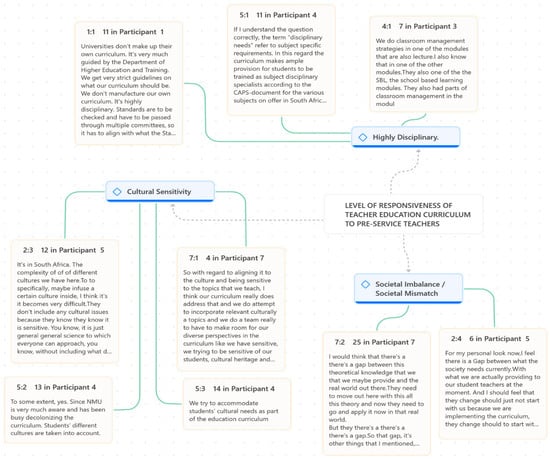
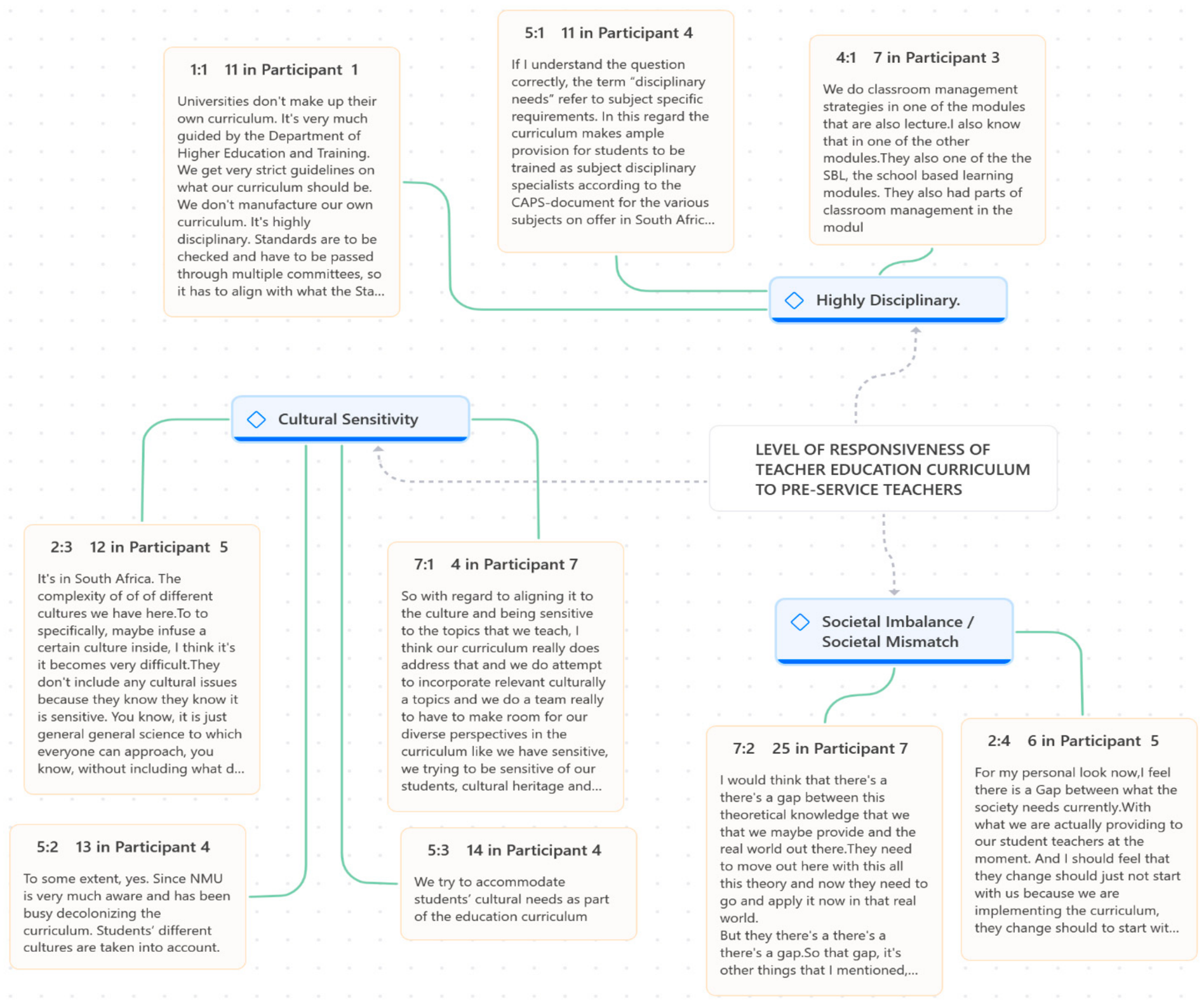
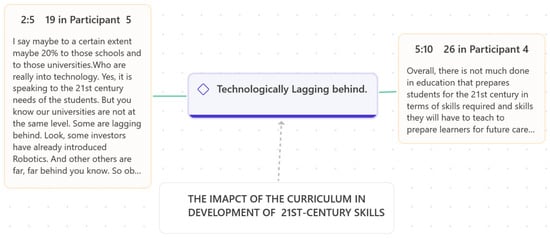
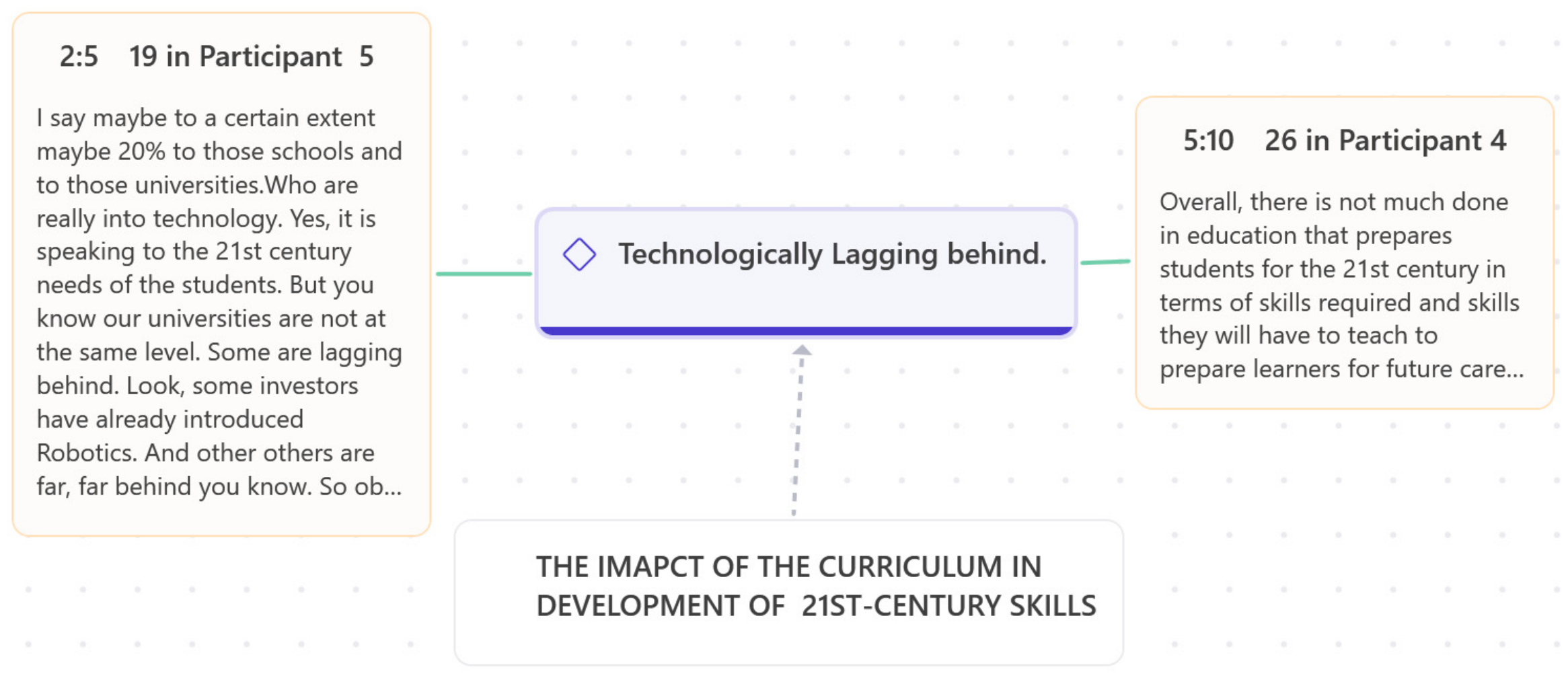
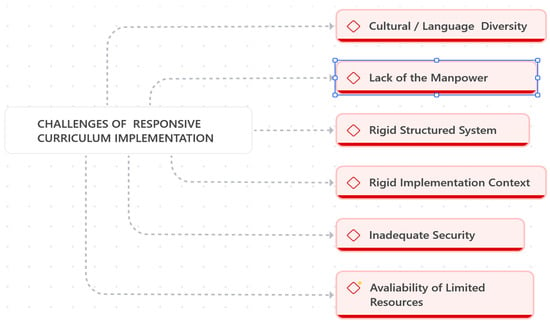
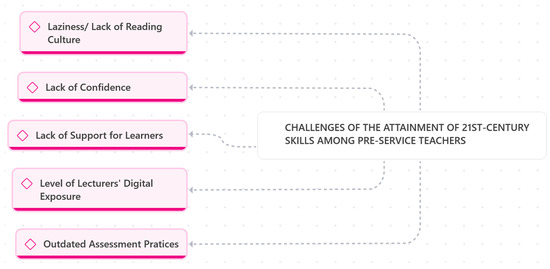
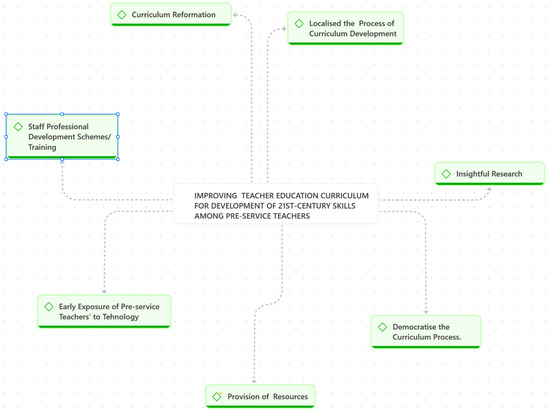
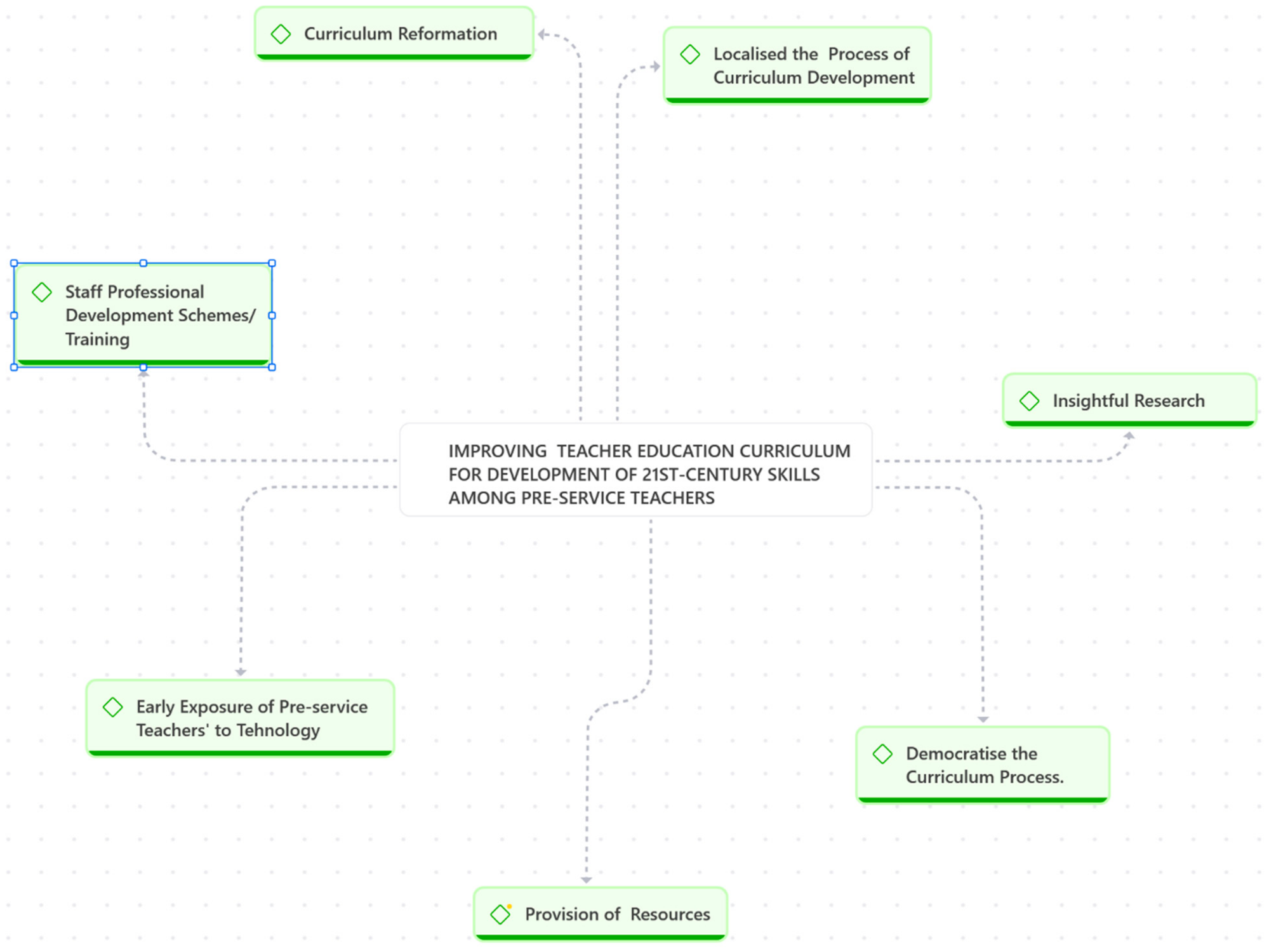
Disclaimer/Publisher’s Note: The statements, opinions and data contained in all publications are solely those of the individual author(s) and contributor(s) and not of MDPI and/or the editor(s). MDPI and/or the editor(s) disclaim responsibility for any injury to people or property resulting from any ideas, methods, instructions or products referred to in the content. |
© 2026 by the author. Licensee MDPI, Basel, Switzerland. This article is an open access article distributed under the terms and conditions of the Creative Commons Attribution (CC BY) license.