


Abstract
Emerging technologies provide promising opportunities to improve learning in construction and engineering education. In the current study, the interaction between students and AI-enhanced educational podcasts in undergraduate and postgraduate modules offered by two South African universities is analysed. Using a quantitative research design, the study noted a considerable increase in class average scores at the postgraduate level. However, the undergraduate class average scores remained at baseline, indicating no apparent improvement; therefore, no causation can be established based on these results. Furthermore, guided by the Cognitive Theory of Multimedia Learning, the Technology Acceptance Model (TAM), and Self-Determination Theory (SDT), student perceptions were assessed across learning effectiveness and engagement, accessibility and satisfaction, and motivation and intent to continue using podcasts. Rankings showed high satisfaction across all dimensions. Although access challenges were infrequent, PLS-SEM revealed a significant negative relationship between technical barriers and motivation and willingness to expand podcast use, highlighting human–technology interaction constraints. Findings underscore the importance of seamless access and curriculum alignment and conclude with strategies to strengthen adoption, engagement, and learning outcomes in AI-assisted podcast-based education.
1. Introduction
Traditional teaching in construction and engineering education is characterized by teacher-centred instruction, a standardized curriculum, assessment through examinations, and a focus on technical skills, due to the nature of the field [1,2]. Education in this field has prioritized an essentialist philosophy, emphasizing the teaching of core academic subjects and skills to instil the field’s fundamentals in learners through structured teaching approaches [3]. With globalization, continuous global changes, particularly in teaching and learning, and evolving industry expectations, it has become apparent that the traditional approach to education, where students mostly consume information, is not enough to produce industry-ready graduates, especially in construction and engineering, where most students are active learners [2,4,5].
Understandably, no single model or strategy for teaching is absolute; exploring multiple approaches can ensure effective and efficient learning. Hence, recent trends in teaching and learning have brought approaches such as cooperative learning, group learning, learning through teaching, case study-based learning and problem-solving in groups. Almost all these modes underscore the need for increased student participation [6]. One tool used to ensure student’s inclusion and participation in the learning process is podcasts [7]. With the adoption of online learning and the incorporation of technology into teaching and learning, podcasts have emerged as an innovative learning tool in higher education, offering an advanced platform that enriches the educational experience for students and educators [8]. Unlike traditional modes of learning, podcasts provide an interactive, flexible medium for reaching diverse learning styles, thereby facilitating broader and better access to education [9]. Besser et al. noted that although the use of podcasts in education is not new, there has been a resurgence due to recent changes in the education climate [10]. In a period when remote learning and digital content consumption are on the rise, this resurgence of podcasts as a means of delivering information outside the traditional classroom setting is not surprising. Moreover, podcasts provide an unrivalled avenue for representing complex subjects in a way that is both more digestible and enjoyable [11,12,13,14].
One of the key strengths of podcasts is the delivery of information through an informal yet informative means. For instance, it allows instructors to produce podcasts on the applied aspects of theoretical concepts and to invite industrial experts to elaborate on them [15,16]. Not only does this enrich the curriculum, but it also allows students to start integrating academic and professional insight. Students can listen to these episodes during their commutes, workouts, or study sessions, enabling each to absorb information in a manner that fits into their daily routine [17]. Moreover, podcasts provide a sense of community and collaboration among learners [18]. Institutions can allow students to create their own podcasts, enabling them to explore topics of interest and share their findings with colleagues. This participatory approach encourages engagement and critical thinking, as students must research, script, and present their ideas clearly and confidently. Furthermore, working on podcast projects can help tighten teamwork skills, an essential aspect in many professional fields [19].
Given its inherent benefits, studies continue to emerge on the application and importance of podcasts in students’ learning. For instance, Malecki et al. used a medical podcast to explore informal learning, demonstrating how audio supports education and multitasking [20]. Jafarian and Kramer employed a randomized trial of podcasts to boost motivation, engagement, and grades [21]. Chattopadhyay explored the use of podcasts as a key trend in education and concluded that audio, as both a traditional and digital medium, remains a powerful equalizer in inclusive and accessible education [22]. In South Africa, Ng’ambi explored the use of podcasts to expand postgraduate diploma students’ learning over two years [23]. It was concluded that for a podcast to be effective, learning activities must be designed for reflection, and podcasts should be used to scaffold that reflection. De Lange explored the use of podcasts to improve the performance of first-year economics students [24]. The study concluded that the introduction of podcasts has a significant positive impact on the performance of these sets of students. Similarly, Mugwanya et al. conducted a preliminary study of podcasting in higher education institutions in South Africa. The study was conducted from the perspectives of six academics, a technician, and content/curriculum developers at two universities in the country [25]. Mohale explored the accessibility challenges of using podcasts in distance learning and found that, although students had no accessibility issues, they preferred shorter podcasts [26]. Makina also made a similar observation while investigating the use of podcasts in open, distance and e-learning environments [11]. Ekambaram et al. explored the preferred podcast format of trainee emergency medicine specialists in four South African universities. It was concluded that podcast use was widespread among the study participants [27].
Although podcasts are increasingly used in teaching and learning across diverse fields and countries, including South Africa, to the authors’ knowledge, empirical research specifically examining the application of podcasts in construction and engineering education within the South African higher education context remains limited. This may partly be attributed to the continued prevalence of traditional teacher-led approaches in engineering education, where conventional instructional methods remain dominant [1]. Also, a notable issue in previous studies is that students sometimes struggle to understand the rapid speech and unfamiliar accents of the podcaster [28,29]. As such, Artificial intelligence (AI) assisted audio learning (including podcasting) has become one of the solutions for addressing this shortcoming in human-generated podcasts [21,30]. Studies have shown that students are already using AI-assisted audio learning to convert lecture notes into audio files they can listen to, and that performance has increased [31,32]. The irony remains that while students are already embracing audio learning, there is no evidence that lecturers within construction and engineering education are adopting this approach to develop podcasts that students can easily understand. In fields where this approach has been introduced, students have reported valuing the podcasts’ novelty, accessibility, and supportive tone [33]. This absence of evidence within construction and engineering education on this AI-assisted approach also creates a knowledge gap worth filling.
To this end, this study employed AI-assisted podcasting to generate podcast episodes from carefully designed presentations on construction and engineering modules. Before each class, these episodes are sent to students to prepare them better, and at the end of the module, a survey is used to assess students’ perceptions of the innovative concept. Unlike past studies that have measured students’ perceptions and satisfaction using generic variables, this study investigated students’ perceptions and satisfaction using three relevant theoretical perspectives: the cognitive theory of multimedia learning (CTML), the technology acceptance model (TAM), and self-determination theory (SDT) for a more theoretically grounded view. The study further reveals the challenges students face when integrating podcasts into their learning. Finally, the study offers suggestions for improving the use of podcasts to enhance effective teaching and learning in construction and engineering education in South Africa. The study provides practical guidelines for the effective use of AI-assisted podcasting in construction and engineering modules, guiding curriculum development and helping lecturers incorporate practical digital tools to foster interactive, flexible learning environments.
2. Theoretical Background
2.1. Podcasting in Teaching and Learning
The word ‘podcast’ combines ‘iPod’ and ‘broadcast’ and refers to a media file that can be easily downloaded via the internet [9]. Read noted that podcasts in higher education date back to 2004, when Duke University distributed iPods to all incoming first-year students, and observed high usage of these devices for class activities [34]. The following year, most university courses integrated the device into their design, incorporating podcasts from learners and lecturers. Thanks to advancements in digital technologies, podcasting in higher education teaching and learning has continued to gain prominence. Unfortunately, scholarly views on the usefulness of podcasting in teaching and learning, particularly in higher education, have been mixed [16]. Also, Palenque and Dai et al. noted that although podcasts are not new in education, their full potential and benefits remain largely underexplored [7,9].
Podcasting in higher education can take diverse forms, such as interviews, roundtable discussions, debates, narration of a topic, or even storytelling [35]. These can either be instructor-produced or student-generated. On the one hand, using the instructor-produced podcast, lecturers can record a short lecture, allowing students to easily review materials or catch up on missed lectures [16]. Moreover, they can be used as additional resources to aid effective student revision [36]. A variant of this instructor-produced podcast is the pre-recorded video lecture (also known as a vodcast), which became popular in higher education teaching and learning during the COVID-19 lockdown. Another interesting use of instructor-produced podcasting is to interview colleagues or a guest lecturer on a specific topic and play the recording in class. This can help break the monotony of the lecturer’s teaching alone and add variety to the day’s lessons [16]. Moreover, this can save the cost of bringing guest lecturers to attend these sessions in person, as they can be held at the convenience of the lecturer and the guest.
On the other hand, a student-generated podcast entails the students producing a recorded discussion on a particular area of knowledge. It is a way of allowing students to co-create knowledge [35]. This approach can encourage students to review course materials and collaborate to construct knowledge [37]. Moreover, when listened to by other students, SGP can help foster a sense of collaboration and open communication [19]. In addition, SGP can be a way for lecturers to promote engagement, cognition, learning, and creativity in experiential learning opportunities [27].
2.2. Understanding Students’ Perception and Satisfaction with Podcasting
Students’ perceptions and satisfaction with the podcast system as a supplementary learning tool can be examined through three theoretical perspectives—CTML, TAM, and SDT. The CTML, proposed by Richard Mayer, suggests that multimedia learning, such as podcasts, can enhance understanding by integrating auditory and visual information [38]. This framework provides a basis for understanding how students learn from multimedia, such as podcasts, and how they perceive and evaluate multimedia learning experiences. According to Mayer, CTML posits that multimedia learning is more efficient when designed to align with the brain’s learning processes [39]. The model stresses the dual-channel concept of processing the visual and auditory channels separately. It also emphasises the limited capacity of each channel and the need for cognitive processing to build meaning. By applying the principles of multimedia learning, such as coherence, signalling, and segmentation, multimedia can be made more effective by reducing cognitive overload. In the case of podcasting as support material for student learning, CTML principles such as modality, signalling, and segmentation will, to a significant extent, influence how students perceive cognitive load, usability, and the effectiveness of educational podcasts.
The modality principle of the CTML (i.e., the mode of delivery) is crucial in assessing students’ perceptions of podcasting. Neto et al. found that students who learned technical content through audio podcasts reported significantly lower perceived cognitive load and more efficient transfer performance than those using text-only materials [40]. This finding demonstrates how student perceptions of mental effort directly reflect the cognitive efficiency predicted by CTML. Similarly, Köhler et al. observed that most learners rated audio-based content as ‘easy to follow’, demonstrating high acceptability [41]. These perceptions reveal that students naturally recognize when instructional formats align with their mental ability. Additionally, principles of coherence and personalization in CTML design can explain why students tend to enjoy or benefit more from podcasts than others do. Students tend to be satisfied with these podcast lectures when conversational language is used, extraneous content is eliminated, and a clear focus is maintained, which are basically principles for designing a CTML [42,43,44]. Therefore, when podcasts adhere to the principles of coherence and personalization, students perceive them as more valuable and effective, thereby providing a measurable link between theoretical design principles and the learner experience [44]. Similarly, the segmenting principle of the CTML also plays a vital role in students’ perception of podcasting. Kay found that students reported high overall satisfaction with podcast learning but preferred shorter episodes [43]. This directly reflects CTML’s prediction that chunked information can reduce working memory overload. This implies that students often find short, organized podcast episodes more manageable and efficient than longer, uninterrupted recordings. It is for the same reason that students can process information presented through segmentation without overwhelming working memory [32].
TAM is a theory that helps describe user acceptance and use of technology [44]. TAM, created by Fred Davis in the 1980s, suggests that there are two key influencers of user acceptance of the technology: perceived usefulness (the extent to which an individual thinks using technology can improve their performance on the job) and perceived ease of use (the extent to which an individual thinks using technology can be accomplished without too much effort). Both elements eventually shape user attitudes toward technology and can affect user behavioural intention regarding usage, ultimately influencing technology usage [45]. TAM provides a valuable platform for understanding students’ perceptions of podcast learning by assessing their views on usefulness and usability. Hamilton-Maxwell used TAM items to measure perceived learning benefits, technical accessibility, and attitudes toward podcast integration in coursework [45]. It was found that podcasts enhanced students’ understanding of complex concepts, improved the efficiency of examination preparation, and provided flexible learning opportunities, thereby demonstrating high perceived usefulness. In the same vein, ref. [46] examined the combined use of lectures and podcasts in higher education and found that students who perceived podcasts as valuable supplementary resources were more satisfied and more likely to continue using them for revision and exam preparation [47]. Moreover, the use of TAM has been further strengthened by integrating complementary measures of satisfaction. Student satisfaction surveys have been integrated with educational podcasts questionnaires to quantify perceived content adequacy, technical usability, and learning utility. When combined with TAM’s predictive power, these instruments provide comprehensive insights into both acceptance mechanisms and satisfaction outcomes [48]. Evidently, understanding students’ acceptance of podcasts can effectively guide their integration and enhance learning experiences, ensuring that the podcasts are user-friendly and well aligned with learning objectives.
SDT is a psychological framework which focuses on intrinsic motivation and the basic psychological needs underlying human behaviour. The theory asserts that motivation and fulfilment come from meeting three basic needs: autonomy, competence, and relatedness [49,50]. When these needs are satisfied, learners will be more engaged, resilient, and more willing to accept challenges. SDT provides a framework for understanding how podcasts influence students’ motivation, perceptions, and satisfaction in educational contexts [51,52]. Khotimah et al. noted that in podcast learning, autonomy can be exercised when students have choices regarding topics, the pace of podcast listening, and podcast production [51]. It was further noted that there is a positive correlation between autonomy satisfaction and intrinsic motivation. Perry et al. also stated that the competence dimension of the SDT is achieved when podcasts offer focused learning outcomes and opportunities for skill building [52]. It has been shown that assessment methods using podcasts can improve students’ confidence and self-efficacy when feedback processes are integrated [52,53]. This facilitated approach, provided by podcasts, enables skill development and thus boosts satisfaction. Lastly, the aspect of relatedness is context-specific. Khotimah et al. viewed this dimension from the perspective of peer collaboration, group production, and a congenial classroom climate [51]. For a lecturer, this means carefully crafting podcasts to offer students maximum autonomy, competence, and social interaction, thereby maximizing student satisfaction and success within the educational setting.
Based on these theories and their relation to podcasts as a tool for teaching and learning, this study explored construction and engineering students’ perceptions and satisfaction with podcasts as a supplementary learning tool across three groups aligned with the three assessed theories. These are effectiveness and engagement with the podcast from the CTML perspective, accessibility and satisfaction from the TAM perspective and motivation and desire for expansion from the SDT perspective.
2.3. Challenges Students Face When Using Podcasting
With technological innovations come technical issues. Despite assumptions about global digital connectivity, many students struggle with the infrastructure requirements for podcast use. Abubakar et al. integrated podcasting to enhance preservice teachers’ public speaking at a public university in Nigeria. They found recurring issues with insufficient internet connectivity and technical barriers that limited their ability to access podcast content [54]. A similar observation was made in South Africa, where students faced difficulties with slow or limited internet, institutional internet quotas, and filtering policies that prevented timely access to podcast materials [55,56]. In addition to connectivity issues, large file sizes have caused long download delays, especially for students with slow internet connections [57], while insufficient storage capacity on mobile phones prevents students from downloading and storing podcast episodes [58,59]. Compatibility can also be an issue, as students sometimes encounter format incompatibilities across different devices [55,57]. For students in resource-constrained areas, the lack of initial training or technical guidance means they cannot independently overcome these setup and access problems. Similarly, some might find it challenging to navigate the virtual learning environment (VLE) to access these podcast episodes [54,55].
Aside from the technical issues, students struggle to engage with and stay focused when using podcasts as a learning tool. Rapid speech and unfamiliar accents can be a problem. Hendrawan et al. found that fast-paced delivery and native-speaker accents significantly reduced comprehension during podcast listening [28]. Hall and Jones earlier agreed that this situation can impair students’ ability to learn from the material [27]. The situation is worse for non-native speakers and students with lower language proficiency levels. Sevnarayan and Mohale also noted that, unlike text-based materials that students can scan, highlight, and revisit selectively, the audio nature of podcasts requires students to maintain sustained auditory attention and engage in sequential processing [57]. The absence of visual cues and the inability to quickly locate specific information within long recordings increase cognitive load. Also, studies on learning outcomes have yielded mixed results, underscoring these cognitive challenges. Although some studies have shown positive effects on motivation and engagement, others find no significant impact on comprehension or performance [60,61]. Long and Fabry noted that although students arrived in class better prepared after listening to podcasts of required readings, they still preferred traditional teacher-led discussions to grasp complex ideas fully [61]. This suggests that for better comprehension and critical thinking, audio-only delivery may be insufficient without complementary interactive elements.
Studies have noted that podcasts might not suit all students’ learning styles. Some students prefer learning visually, through hands-on practice, or through discussion. This group of students will struggle with podcasts as their sole source of learning [60]. Also, the effectiveness of podcast-based learning depends critically on content quality and pedagogical design. One common issue in past studies is that podcast episodes are too long or poorly structured, making it challenging to locate, review, or process key information [28,57]. Similarly, podcast production quality varies, affecting usability. Problems with uneven audio quality, lack of transcripts, and inconsistent instructional design have been noted in past studies [58,60]. These quality issues reduce the clarity of the podcast content. Furthermore, when podcasts are loosely integrated into course design rather than tightly coupled to curriculum and assessment, students perceive them as less valuable and engage with them less consistently [55].
Evidently, the challenges students face when using podcasts as learning tools can be viewed from three interconnected facets. First are the technical difficulties, including connectivity problems, device limitations, and compatibility issues, which limit access for many students, especially those in resource-constrained areas. Next is the problem of engagement and focus, due to issues such as attention limitations, podcast length, and self-regulation demands, which can reduce comprehension and motivation for learners. The last is integration and understanding, including issues such as learning style mismatches, difficulties integrating into students’ regular routines, and the absence of additional resources for in-depth understanding. As podcasting continues to evolve as an educational technology, understanding and addressing these student-facing challenges will be essential. It is based on this understanding, coupled with the absence of studies examining this issue from the construction and engineering education dimension, particularly in South Africa, that this current study is valuable for contributing to the existing discourse.
2.4. Research Questions and Hypotheses
Based on the theoretical foundations of CTML, TAM, and SDT, this study seeks to understand students’ perceptions and satisfaction with AI-assisted podcasts as a supplementary learning tool in construction and engineering education. Specifically, the study addresses the following research questions:
RQ1: What tools do construction and engineering students use to access AI-assisted podcasts, and what challenges do they experience when using podcasts as a supplementary learning resource?
RQ2: How do construction and engineering students perceive and evaluate AI-assisted podcasts in terms of effectiveness and engagement, accessibility and satisfaction, and motivation and desire for expansion?
RQ3: Does the introduction of AI-assisted podcasts correspond with changes in students’ academic performance compared with historical performance trends before podcast implementation?
RQ4: What is the relationship between the challenges experienced by students when using AI-assisted podcasts and their perceptions and satisfaction with podcast-based learning?
RQ5: What is the relationship between students’ suggestions for improving AI-assisted podcasts and their perceptions and satisfaction with podcast-based learning?
Based on the relationships proposed in the conceptual framework, the following hypotheses were tested using PLS-SEM:
H1.
The challenges students face when using the AI-assisted podcasts (1. technical difficulties, 2. engagement and focus, 3. integration and understanding) are negatively related to their perception in terms of (a) effectiveness and engagement, (b) accessibility and satisfaction, and (c) motivation and desire for expansion.
H2.
Students’ suggestions for improving AI-assisted podcasts are positively related to their perceptions of AI-assisted podcasts in terms of (a) effectiveness and engagement, (b) accessibility and satisfaction, and (c) motivation and desire for expansion.
H3.
The challenges students face when using the AI-assisted podcasts (1. technical difficulties, 2. engagement and focus, 3. integration and understanding) are positively related to their suggestions for improving the use of AI-assisted podcasts as a supplementary teaching and learning tool.
3. Research Methodology
This study adopts a post-positivist philosophical stance using a quantitative research design. Specifically, the study employed a cross-sectional survey design complemented by a historical cohort comparison of students’ academic performance before and after the introduction of AI-assisted podcasts. The historical cohort comparison was used as a baseline evaluation approach to examine changes in academic performance trends following the introduction of AI-assisted podcasts. However, this comparison should not be interpreted as a quasi-experimental evaluation because the cohorts were drawn from different academic years and were not randomly assigned. Differences in cohort characteristics, class size, teaching conditions, assessment approaches, and other contextual factors may have influenced observed academic performance. Therefore, the historical comparison was used only to identify descriptive trends before and after podcast implementation rather than to establish causal effects. However, because the comparison involved different student cohorts from different academic years, without random assignment or a concurrent control group, the design does not permit causal conclusions regarding the effectiveness of the podcasts. Instead, the comparison provides contextual evidence of changes in academic performance associated with the introduction of the AI-assisted podcast system. This approach was considered appropriate because the podcasts were integrated into existing teaching activities, making experimental manipulation or random allocation of students impractical within the educational setting.
The study gathered data from two groups of students (undergraduate and postgraduate) from two higher education institutions in South Africa. The institutions were purposively selected because both had integrated AI-assisted podcasts into construction- and engineering-related modules, thereby providing an appropriate context for evaluating students’ perceptions and satisfaction with this instructional approach. Including both undergraduate and postgraduate students enabled the study to examine the applicability of AI-assisted podcast learning across different academic levels and to determine whether students at different stages of their studies differed in their perceptions and experiences. Although the two groups represented distinct educational contexts, they shared a common intervention and were analysed separately where appropriate to account for differences in their responses. These two groups were not intended to represent a single homogeneous population; rather, they provided insights into the implementation of AI-assisted podcast learning across different educational levels and institutional contexts.
At one institution, an AI-assisted podcast was developed from carefully designed presentations for 10 learning units in a research methodology module, using Google NotebookLM, a free online AI podcast generator. These 10 episodes covered each learning unit, averaged 20 to 25 min, and were provided as part of the learning materials to 221 s-year undergraduate civil engineering students. The decision to use an AI-assisted approach to develop the podcasts was driven by the need for a uniform learning experience [21,30,62]. This Google AI-powered tool helps understand and synthesize information from uploaded documents (in this case, the presentations for each learning unit developed by the lecturer) by summarising, creating study guides, and generating a podcast-style audio overview that boosts productivity and learning [63].
To ensure the accuracy of the information contained in the podcasts, a rigorous quality assurance process was implemented. The transcripts generated by Google NotebookLM were carefully reviewed to verify the consistency, accuracy, and completeness of facts, figures, examples, and scenarios presented in each episode. In addition, beta listening was conducted by members of the research team, who independently reviewed the podcast episodes and provided feedback to improve clarity, consistency, and instructional quality before they were released to students. At the beginning of the module, students were informed about the integration of the AI-assisted podcast system as part of the module’s learning resources and were encouraged to use the podcasts as supplementary learning materials throughout the semester. Before each class, the podcast for the corresponding learning unit was uploaded to the virtual learning environment (VLE) in MP3 format to facilitate easy access. Students could log into the VLE to download or listen to the podcast before or after each class.
Although the VLE platform did not permit accurate tracking of the number of downloads or listening frequency for each episode, informal classroom feedback suggested that most students engaged with the podcasts as supplementary learning resources. This was evidenced by students’ active participation in class discussions relating to podcast content, the quality of questions raised during lectures, and references made to podcast examples during classroom interactions. A similar implementation approach was adopted at the second institution to support the learning of 16 postgraduate students enrolled in the module Construction Management Principles and Practices. Based on the module’s learning units, nine AI-assisted podcast episodes were developed and made available to students using the same procedures for content development, quality assurance, and distribution through the institutional VLE. At the end of the module, a questionnaire was administered to students at both institutions to assess their perceptions and satisfaction with the introduced learning method. The survey also assessed the challenges they faced when using the podcast for learning, and their suggestions for future improvement.
The study involved two distinct datasets: questionnaire responses and historical academic performance records. The questionnaire dataset was used to assess students’ perceptions, satisfaction, challenges, and suggestions regarding AI-assisted podcast learning, while the academic performance dataset was used separately to compare module-level performance before and after podcast implementation. The number of students included in the historical academic performance dataset differed from the questionnaire dataset because the performance analysis was based on available module-level academic records from different academic years, rather than students who participated in the questionnaire survey.
The questionnaire was administered to the entire population of 221 undergraduate and 16 postgraduate students. Of the 221 undergraduate students invited to participate, 108 completed the questionnaire, representing a response rate of 48.9%. Out of the 16 postgraduate students 14 completed the survey, representing a response rate of 87.5%. Only completed questionnaires were included in the perception, satisfaction, challenge, and structural model analyses. Since the target population was manageable and researchable, the entire population was invited to participate in the survey. However, participation was voluntary, and the final survey sample comprised only students who completed the questionnaire. To provide historical context for examining changes in students’ academic performance before and after the introduction of the podcast system, the average overall scores from the two academic years preceding the implementation of the podcast system were compared with the scores from the academic year in which podcasts were introduced. Because different student cohorts were compared, this analysis was intended to provide contextual evidence of changes in academic performance rather than establish causal effects. The data on students’ performance were evaluated using percentages (%), while that gathered on the tools used to access the podcast were analysed using frequencies (f). Mean score () was also used to rank the challenges, perception and suggestions for future improvement in descending order.
The questionnaire was divided into sections, with the first identifying the tool the student used to access the podcasts. The second section assessed the challenges they faced when using the podcast using a 5-point significance scale ranging from ‘very low’ to ‘very high’. The third and fourth sections assessed students’ perceptions of the introduction of podcasts and suggestions for future improvement on a 5-point agreement scale ranging from ‘strongly disagree’ to ‘strongly agree’. The development of the questionnaire items was guided by previous studies on podcast-based learning and the theoretical foundations adopted in this study, namely Cognitive Theory of Multimedia Learning (CTML), Technology Acceptance Model (TAM), and Self-Determination Theory (SDT). However, these theories were not treated as directly measured constructs; rather, they provided a conceptual basis for organizing the assessed dimensions and interpreting students’ experiences with AI-assisted podcast learning. Specifically, CTML informed the development of items related to the effectiveness and engagement dimensions by focusing on how podcast characteristics, such as content organization, length, and format, may influence students’ learning experiences and cognitive processing. TAM guided items related to accessibility, ease of use, usefulness, and satisfaction with podcast integration as a learning tool. SDT informed items related to students’ motivation, preparedness, engagement, and willingness to adopt podcasts in other learning contexts. Thus, the questionnaire dimensions represent theory-informed indicators of students’ perceptions and experiences rather than comprehensive measurements of all components of CTML, TAM, or SDT.
The questionnaire was distributed via Google Forms. Before data collection, the questionnaire was subjected to content validation to ensure that the measurement items adequately captured students’ perceptions, satisfaction, challenges, and suggestions regarding AI-assisted podcast learning. The instrument was reviewed by experts with relevant experience in engineering education, educational technology, and construction education. Their feedback was used to improve the clarity, relevance, and alignment of the questionnaire items with the study objectives and theoretical foundations (CTML, TAM, and SDT).
Before sending the survey link to the students, a session was held to inform them about the study, the nature of the data to be collected, and the implications for future teaching and learning in the module. The students were also informed of their autonomy and participation in the study. To ensure students’ anonymity, the survey did not ask for personal information. Written informed consent was obtained from all participating students prior to completing the survey, with the option to opt out provided in the cover information accompanying the survey instrument. Participation was voluntary, and students could withdraw at any time without penalty. Ethics approval was obtained on 25 August 2025 from the institution’s ethics review committee, with reference number FEBE_FEPC_01732, before data collection began.
At the end of data collection, 108 feedback responses were received from the 221 undergraduates, while 14 responses were received from the 16 postgraduate students sampled. These responses formed the basis for analysing students’ perceptions, satisfaction, challenges, and suggestions for future improvement. To provide a historical baseline for evaluating the potential impact of the introduced podcast system on students’ learning, the average overall scores from the two academic years preceding the implementation of the podcasts were compared with those from the year in which the podcasts were introduced. Because different student cohorts were compared, this analysis was intended to provide contextual evidence of changes in academic performance rather than establish causal effects. The comparison was conducted using percentage changes in the average overall scores across the three academic years to identify trends in student performance following the implementation of AI-assisted podcasts. The data on students’ performance were evaluated using percentages (%), while that gathered on the tools used to access the podcasts were analysed using frequencies (f). Mean score () was also used to rank the challenges, perception and suggestions for future improvement in descending order.
Following Ghasemi and Zahediasl’s suggestion that the Shapiro–Wilk (S-W) normality test is most suitable for data gathered from a sample size less than 2000, the S-W test was conducted, and the result revealed that the data collected were not normally distributed, as a significant p-value of 0.000 was derived for all variables in sections two to four [64]. Since the respondents were undergraduate and postgraduate students, the significant difference in their ratings was analyzed using the Mann–Whitney U test (M-W). The Mann–Whitney U test was used as the nonparametric equivalent of the independent-samples t-test to examine whether significant differences existed between undergraduate and postgraduate students’ ratings. This test was considered appropriate because the study compared two independent groups and the data were not normally distributed [65].
Furthermore, the relationship between the challenges, perception and suggestions for future improvement was assessed using partial least squares structural equation modelling (PLS-SEM). The PLS-SEM analysis was conducted using the 122 valid questionnaire responses obtained from both undergraduate (n = 108) and postgraduate (n = 14) students. Before assessing the structural relationships, the measurement model was evaluated to establish the reliability and validity of the constructs. Using Cronbach’s alpha (α), Rho coefficient (ρA), and composite reliability (ρc), the internal consistency of the model was assessed. In addition, indicator reliability, convergent validity, and discriminant validity were examined to confirm the adequacy of the measurement model. This second-generation multivariate analysis was adopted due to its suitability for determining cause-and-effect relationships in nonparametric data with small sample sizes [66,67], as in the current study. Figure 1 gives an overview of the research methodology adopted.
Figure 1.
Research approach.
4. Results and Discussions
The results are presented according to the research questions guiding the study. First, the tools used by students to access AI-assisted podcasts and the challenges experienced during usage are examined (RQ1). Second, students’ perceptions and satisfaction with AI-assisted podcast learning are evaluated (RQ2). Third, changes in academic performance following podcast implementation are explored using historical cohort comparisons (RQ3). Finally, the relationships among challenges, improvement suggestions, and students’ perceptions are assessed using PLS-SEM (RQ4 and RQ5).
4.1. Tools for Accessing Podcasts by Students
The results in Figure 2 show the tools used by students to access the podcasts. Since students could select more than one device, the reported frequencies represent the number of selections for each device rather than the total number of respondents. Laptop/desktop computers and smartphones were the most frequently selected devices, while tablets were less commonly reported. No students selected media players or MP3 devices (e.g., iPod) as a podcast access tool.
Figure 2.
Tools used to access the podcast (multiple responses permitted).
Historical comparison of academic performance before and after podcast implementation
The historical performance data from previous cohorts served as a baseline comparison rather than a concurrent control group. These historical cohorts provided contextual evidence of changes in academic performance before and after the introduction of AI-assisted podcasts; however, differences between cohorts and learning conditions may have influenced observed variations in performance. The results in Figure 3 show a higher descriptive class average in the postgraduate cohort during the year when podcasts were introduced compared with the two preceding cohorts. These students were assessed through examinations. While class averages of 69% (18 students in 2023) and 56% (13 students in 2024) were recorded in the years prior to the use of podcasts, a class average of 74% (16 students in 2025) was recorded in the year podcasts were introduced as a learning tool. The mean baseline of the two years prior to implementation of the system among this cohort was 62.5%, while the annual variation that was witnessed prior to implementation (13 percentage points, from 69% in 2023 to 56% in 2024) was greater than the 5-point rise witnessed in 2025 compared to the preceding year. This suggests that the improvement in the postgraduate class falls within the variability of the cohort prior to implementation and cannot be attributed to improved academic performance.
Figure 3.
Comparison of student academic performance before and after podcast implementation.
On the other hand, undergraduate students were assessed through continuous assessment using in-class tests. The results show a decline in the class average from 59% in 2023 to 50% in 2024. Following the introduction of podcasts, the class average increased to 54% in 2025; however, this remained lower than the 2023 average and was comparable to the two-year pre-implementation baseline average of 54.5%. Thus, the observed variations in the undergraduate and postgraduate groups cannot be viewed as an indication of improved performance due to the introduction of the podcast system. In both cases, the post-intervention mean scores lie within the natural variations that were seen before the interventions. Instead, the observed findings can be viewed as descriptive evidence of the performance patterns that existed before and after the introduction of the AI podcasts. Furthermore, because the comparison involved different student cohorts across academic years, and no inferential statistical test or effect size analysis was conducted using individual-level performance data, the findings should be interpreted cautiously. Also, the variation in class averages may be influenced by several factors, including differences in cohort characteristics, class size, student engagement with the podcast episodes, and other contextual factors affecting academic performance. The undergraduate students’ scores assessed were 143 (2023), 160 (2024) and 221 (2025). Furthermore, because not all students may have interacted with the podcast episodes, the observed improvement may not fully reflect the potential contribution of the learning tool. Future studies involving controlled comparisons and larger datasets could provide stronger evidence regarding the relationship between podcast use and academic performance.
4.2. Challenges Faced by Students in Accessing Podcasts
Nine challenges to the use of podcasts for learning were assessed from three perspectives: technical difficulties, engagement and focus, and integration and understanding. The results in Table 1 show the ratings of the challenges by undergraduate and postgraduate students. A cursory look at the rating by these two sets of students shows that all nine challenges had low -values. Overall, these challenges were rated low, below 2.5, indicating that they were not significant issues for the students while using the podcasts for learning. Further assessment using the M-W test shows no disparity in the rankings of these challenges between the two sets of students. This is because p-values above the 0.05 threshold were derived for all nine assessed challenges.
Table 1.
Challenges faced by students in using podcasts.
4.3. Students’ Perception and Satisfaction with the Use of Podcasts
To understand students’ perceptions and satisfaction with the podcast system as a supplementary tool for teaching and learning, 10 variables, grouped into three, were presented to students for rating. The results in Table 2 show no disparity in the ratings of these variables between undergraduate and postgraduate students, as assessed by the M-W test. All variables yielded p-values above 0.05, indicating consensus among both sets of students regarding the podcasting system as a learning tool. Further evaluation of the results shows that all 10 variables had -values of well above the average. Overall, the students rated the variables under the accessibility and satisfaction group higher, with a group of 4.31. The ease of access ( = 4.37), absence of technical difficulties ( = 4.31), and being satisfied with its inclusion as a learning tool in the module ( = 4.29) were rated very high. In the same vein, variables relating to effectiveness and students’ ability to engage with the podcasts (group = 4.09), as well as motivation and desire for expansion (group = 4.04), were rated considerably high. This result implies that, overall, students’ perceptions and satisfaction with the introduction of podcasts as a supplementary teaching and learning tool in their module were positive.
Table 2.
Students’ perception and satisfaction with podcasting.
4.4. Suggestion for Improving the Use of Podcasts
Based on past submissions, five suggestions to improve the podcast system were presented to students for rating, with an opportunity to submit additional suggestions. While no new suggestions were proposed, the two sets of students held a unified view on the importance of introducing them, as p-values above 0.05 were obtained from the M-W test (see Table 3). Further evaluation of the result revealed that the students would appreciate the inclusion of real-world examples and case studies in the podcasts, as this was ranked the highest, with a -value of 4.11. Also, having more interactive elements such as quizzes, Q&A, and discussions ( = 3.92), having the podcasts available in different formats ( = 3.78) and providing transcripts of the podcasts ( = 3.57) were rated high. Having shorter podcasts to increase engagement was rated average, with a -value of 3.23.
Table 3.
Suggestions for improving the use of podcasts.
4.5. Partial Least Squares Structural Equation Modelling
To further understand students’ views of the podcasting system as a supplementary teaching and learning resource in construction and engineering education, a PLS-SEM assessment of the relationships among the challenges, their perceptions, and suggestions for improvement was conducted. The structural relationship assessment was conducted on the assumption that the challenges students face when using the podcast system might be negatively related to their perception and satisfaction. At the same time, their suggestions for improvement might be positively related to it. Furthermore, the challenges faced are likely to directly inform relevant improvement suggestions, creating a feedback loop for continuous enhancement.
To this end, the reflective measurement model was first assessed by carefully evaluating the derived outer loading. These outer loadings represent the relationship between the constructs and their indicators, showing each indicator’s absolute contribution to the constructs’ validity [66]. To improve fit indices and model reliability, outer loadings below 0.7 were eliminated in an iterative process. In doing this, the significance of the variable and its impact on the reliability and validity of the overall model were first considered [68]. Table 4 shows that all variables for the challenges and perceptions were retained, as their outer loadings exceeded 0.7. This implies that the retained variables explain more than 70% of their variance. However, two variables were excluded from the suggestions for improving podcast use because they had low outer loadings. These are “I would prefer podcasts to be available in different formats (video, audio, written summaries)” and “Podcasts should be shorter to improve my engagement (STR5)” with outer loading of 0.683 and 0.400, respectively.
Table 4.
Reflective measurement model.
Using Cronbach’s alpha (α), Rho coefficient (ρA), and composite reliability (ρc), the internal consistency of the model was assessed. A threshold of 0.7 was set for the α, ρA, and ρc tests based on past submissions [66]. The results in Table 4 show that all groups in the model met the accepted threshold of 0.70 for these three tests, confirming that the model’s internal consistency was achieved. Convergent validity was also assessed using average variance extracted (AVE), with a threshold of 0.5 [67]. An AVE above 0.5 was obtained, indicating strong convergent validity across the groups in the model. For the technical difficulties, integration, and understanding challenges, ρA (0.995 and 0.957, respectively) is higher than the derived ρc, suggesting near-redundant item wording. However, this does not affect the derived AVE or ρc estimates because they were derived independently. Multicollinearity was also assessed using the variance inflation factor (VIF), with a threshold of 5.0 or lower [66]. The result in Table 4 also shows that all retained variables had VIFs below 5.0, indicating no multicollinearity issues in the data.
Finally, discriminant validity, which refers to the extent to which a construct is empirically distinct from other constructs in the model, was assessed using the hetero-trait-monotrait (HTMT) ratio, and the result is presented in Table 5. An HTMT value below 0.85 is generally considered a conservative indication of discriminant validity, while values below 1.0 are considered acceptable [69]. The results in Table 5 show that most pairs were below the conservative threshold of 0.85, indicating that most constructs in the model can still be considered empirically different from each other. However, six construct pairs surpassed the conservative threshold of 0.85, albeit still falling below 1.0. The highest issue is seen in the pair of engagement and focus vs. integration and understanding, with an HTMT of 0.979. This suggests a potential overlap, implying that the two constructs might not be empirically different despite their conceptual difference. The overlap suggests that respondents may not have clearly differentiated between these related dimensions when responding to the survey items. Based on this understanding, these two groups were merged into “integration and engagement” using the five retained measurement variables from the two groups in the final model structural relationship.
Table 5.
Discriminant validity.
Table 6 provides the output for the re-estimated structural model after merging the engagement and integration constructs. The inner-model VIFs ranged between 1.015 and 3.236, which is far below the limit of 5.0 that suggests multicollinearity is not influencing the estimates. Further assessment shows that technical challenges displayed somewhat mixed effects. In particular, the path from technical challenges to ‘motivation’ was significant and negative (β = −0.344, p = 0.018). That is, the higher the level of technical challenges, the lower the students’ perception of their motivation to use the podcast system. The paths from technical challenges to accessibility and satisfaction (p = 0.214), effectiveness and engagement (p = 0.068), and suggestions for improvement (p = 0.588) were not statistically significant. This suggests that technical challenges are related to students’ perception of their motivation and desire for expansion through the podcast system, but not their views regarding the accessibility and satisfaction, as well as the effectiveness, of the podcast system. Furthermore, these technical challenges do not influence the suggestions made by the students on how to improve the use of podcasts in their learning.
Table 6.
Structural relationship between the challenges, suggestions for improvement and students’ perception of podcasting.
The merged construct of ‘integration and engagement’ had an even stronger impact. This construct had a significant negative effect on both effectiveness and engagement (β = −0.517, p = 0.000) and motivation and desire for expansion (β = −0.671, p = 0.000). Also, the paths from the merged ‘integration and engagement’ construct to accessibility and satisfaction (p = 0.575) and suggestions for improvement (p = 0.215) were not statistically significant. The construct ‘suggestions for improvement’ had high significant relationship with all three outcomes—accessibility and satisfaction (β = 0.561, p = 0.000), both effectiveness and engagement (β = 0.613, p = 0.000), and motivation and desire for expansion (β = 0.553, p = 0.000).
Overall, the structural relationship assessment shows that while technical and integration and engagement challenges had some negative relationship with students’ view of their motivation and desire for expansion, it was students’ specific suggestions for improvement that shaped their view of the podcasting system. The two challenge constructs did not significantly relate to either accessibility and satisfaction or suggestions for improvement. This means that accessibility and satisfaction may be more related to other elements beyond the challenge dimensions considered in the study, and it provides a promising area of study moving forward.
PLS-SEM does not require several model fit analyses. However, the use of standardized root mean square residual (SRMR) and Bentler-Bonett normed fit index (NFI) is common in many PLS studies [67]. SRMR and NFI were therefore assessed in this study using thresholds of 0.08 for SRMR and 0.6–0.9 for NFI [66,70]. SRMR of 0.066 and NFI of 0.771 were obtained, indicating that the model was considered fit for adoption. Finally, the predictive accuracy of the overall model was assessed using the coefficient of determination (R2). While many studies have advocated high R2 values for acceptable predictive accuracy, particularly in pure science, Frost noted that a low R2 does not imply an unfit or poor model [71]. It was further stated that it is not uncommon to obtain low R2 values in social science studies, especially those involving human perspectives. As such, Hair et al. suggested that acceptable R2 depends on the field of application, and R2 values as low as 0.1 have been considered satisfactory in some fields of research [66]. Cohen suggested R2 of 0.26. 0.13, and 0.02 as acceptable, moderate, and weak [72]. The result in Figure 4 revealed R2 values of 0.435 (effectiveness and engagement), 0.357 (accessibility and satisfaction), and 0.433 (motivation and desire for expansion). This result implies that addressing the identified challenges and implementing suggestions, such as providing transcripts of the podcasts, adding more interactive elements, and including real-world examples and case studies, would considerably increase students’ perceptions and satisfaction with the use of podcasting as a supplementary tool in construction and engineering education.
Figure 4.
Structural model assessment.
5. Discussion and Implications of Findings
Based on the results, the study found that laptop/desktop computers and smartphones were the most commonly used devices among construction and engineering students to access shared podcasts. This finding is consistent with previous studies showing that, in recent times, many students access podcast series on their laptops and mobile phones [33,57,58], unlike in the early days, when podcasts were mainly accessed on iPods [34]. The study further noted a considerable increase in class average scores at the postgraduate level. However, at the undergraduate level, the class average scores remained at baseline, indicating no apparent improvement; therefore, no causation can be established based on these results. This result can be due to several factors and might require targeted strategies to boost student engagement with podcast content at that level. This can be achieved through integrating podcasts more closely with coursework and providing guidance on practical use, particularly in larger classes where individual attention is limited.
The students deemed the three perception and satisfaction groups important, as they were all ranked highly. From the effectiveness and engagement perspective rooted in the CTML, the study found that these students considered the length of each podcast episode crucial. This supports the CTML’s segmentation arm [38]. A similar finding was reported by Kay and Sturgeon-Delia, who noted that students preferred shorter series to longer sessions [33,42]. Also, the increase in understanding and interest in the module observed by the current students further buttresses the importance of the principle of coherence and personalization noted in the CTML. This confirms Rodgers et al.’s submission that students appreciate and value podcasts that are coherent (in style and language) and personalized to their learning [43]. Also, the students found the podcast’s format highly useful and supportive of their learning, underscoring the importance of the modality principle in CTML. A similar observation was reported by Neto et al. and Köhler et al. [39,40]. It was observed that when podcasts are easy to follow and understand, students’ cognitive load is lower, leading to greater acceptance of the initiative.
From the perspective of accessibility and satisfaction rooted in the TAM, the study found that ease of access and perceived usefulness of the innovative approach are crucial to students’ satisfaction with podcasts as a learning tool. This finding is consistent with past submissions that students who found podcasts applicable to their module and could easily access them were more satisfied with their inclusion in their learning process [46,47]. Finally, the motivation and desire for the expansion dimension, rooted in the SDT, also garnered positive feedback from the students. Students showed appreciation for the SDT principles of competence and autonomy offered by the podcast approach, as they were motivated to engage with diverse aspects of the podcasts as part of their study routine and felt more prepared for discussions and assessments after listening to them. This finding is consistent with past submissions, which have shown that when students have autonomy over which topic to listen to and at what pace, they tend to be more satisfied [50]. Also, when the podcasts offer focused learning and skill building, thereby leading to attaining competence, students tend to value it more [51].
The results further show that the students did not have serious challenges with the podcasts, as all three groups of challenges were rated low. A similar observation was made by Mohale in an exploration of the issues students face when using podcasts in a distance-learning university in South Africa [26]. However, the finding contradicts the submissions of Ng’ambi and Lombe and Gachago et al., who earlier noted limited internet access and institutional internet quotas as critical challenges to podcasting in universities in South Africa [54,55]. This disparity in views might be due to the time difference between these past studies and this current one. Over the years, the South African internet infrastructure has continued to improve, with faster speeds, greater reliability, and broader coverage [73].
Although the descriptive analysis indicated that students generally experienced relatively few technical and integration/engagement-related challenges, the structural model demonstrates that these challenges, while infrequent, have a significant negative relationship with students’ motivation and desire for expansion as well as the effectiveness of the podcast system. This suggests that, while such challenges were not widespread across the sample, they had a disproportionately strong relationship with the willingness of affected students to continue engaging with AI-assisted podcasts and to support their broader adoption in other modules. Consequently, even occasional technical or cognitive barriers may reduce students’ enthusiasm for sustained use, highlighting the importance of minimising these obstacles through user-friendly podcast design, adequate technical support, and seamless integration into course activities. Accordingly, implementing measures to address these three groups of challenges is likely to strengthen students’ motivation and desire for expansion, including their preparedness for discussions and assessments after learning with the podcasts, their motivation to engage with diverse aspects of the podcasts as part of their study routine, and their interest in using similar podcasts in other modules.
Practically, the findings of this study underscore the potential value of integrating technology into construction and engineering education. Given that students primarily used laptops, desktops, and smartphones to access educational content, educators and institutions within similar contexts may consider ensuring that digital learning resources are compatible across commonly used platforms. This technological integration is not only about infrastructure but also involves addressing technical challenges to support positive student experiences and sustained engagement with digital learning resources. In addition, the study noted that students identified ‘providing podcast transcripts’ as a potential improvement strategy that may enhance accessibility and support diverse learning preferences. This initiative could enable students to revisit complex content and engage with learning materials through alternative formats. Moreover, making podcasts more interactive through quizzes, Q&A, and discussions may further encourage active engagement with the learning content. Similarly, incorporating examples from real-life scenarios may help contextualize theoretical concepts and improve students’ understanding of engineering-related topics. However, these implications should be interpreted within the scope of the two institutional contexts examined in this study, and broader recommendations for large-scale adoption require further investigation.
Theoretically, the findings underscore the need to develop pedagogical approaches that can integrate digital media with traditional teaching methods. By drawing on three theoretical bases (i.e., CTML, TAM, and SDT) to understand students’ perceptions and satisfaction with AI-assisted podcast learning, this study contributes to existing knowledge by providing empirical insights into how students experience AI-assisted digital learning resources. Rather than validating the effectiveness of these theories or establishing causal relationships, the findings demonstrate how these frameworks can provide a useful lens for interpreting students’ perceptions, engagement, and acceptance of AI-assisted podcasts. Furthermore, this study highlights opportunities for exploring digital content integration within construction and engineering education. Future research involving larger samples, multiple institutions, and comparisons between AI-generated and human-recorded podcasts is needed to further establish the broader applicability and effectiveness of AI-assisted podcast learning.
6. Conclusions
The study concludes that students in the examined contexts are already equipped with the tools to access and use podcasts effectively in their learning. While an increase in postgraduate students’ average performance was observed following the introduction of AI-assisted podcasts, no change was observed at the undergraduate level. Nevertheless, the observed performance trends, together with students’ positive perceptions and satisfaction with the podcast system, highlight the potential value of integrating digital learning tools as supplementary resources in construction and engineering education. However, these findings should not be interpreted as evidence that AI-assisted podcasts directly improve academic performance, and further research using controlled designs is required to establish their effectiveness.
The study further concludes that although the students did not face significant technical difficulties or integration and engagement issues challenges are significantly related to their perception of motivation and desire for expansion. Furthermore, these construction and engineering students valued the introduction of podcasts into their learning, with high ratings in terms of (1) effectiveness and engagement, (2) accessibility and satisfaction, and (3) motivation and desire for expansion. Finally, the study concludes that potential improvements to the podcast system include (1) providing transcripts of the podcasts, (2) incorporating more interactive elements into the podcasts, and (3) including real-world examples and case studies in the podcasts. These recommendations reflect students’ reported preferences and should be further evaluated through future studies examining their influence on learning outcomes.
The study provides insights into the use of AI-assisted podcasting within the two South African higher education contexts examined. The findings suggest that AI-assisted podcasts may serve as a useful supplementary learning resource; however, broader claims regarding their applicability across institutions should be made cautiously. The results highlight the relationship between emerging technology-based learning tools and traditional didactic approaches in construction and engineering education. The findings also provide a foundation for future research investigating AI-assisted podcasts across multiple institutions, larger student populations, and comparative evaluations with other podcast delivery approaches.
Despite the study’s practical and theoretical value, there are some limitations worth noting. First, the historical cohort comparison used to examine changes in academic performance should be interpreted cautiously. Although comparing performance before and after the introduction of AI-assisted podcasts provided useful baseline evidence of changes in academic trends, the design did not involve random assignment or a concurrent control group. Therefore, observed differences between academic years may also reflect other factors beyond the introduction of podcasts, including variations in students’ prior academic abilities, cohort characteristics, teaching approaches, instructors, assessment difficulty, course content, and other contextual conditions. Furthermore, the assessment approaches differed between the two academic levels, with undergraduate students evaluated through continuous assessment using in-class tests and postgraduate students assessed through examinations. Therefore, comparisons across these groups should be interpreted cautiously because differences in assessment format may have contributed to variations in observed performance. Future studies could adopt stronger longitudinal or experimental designs involving the same cohort of students or concurrent comparison groups to provide more robust evidence regarding the causal effects of AI-assisted podcast learning.
Second, although the study included both undergraduate and postgraduate students, the sample was heavily skewed toward undergraduate participants. Consequently, findings related to postgraduate students should be interpreted with caution, as the relatively small postgraduate sample limits the statistical robustness and generalizability of conclusions drawn for this subgroup. Future studies should seek more balanced representation across academic levels to validate whether the observed effects are consistent among postgraduate students. Also, the study did not take into account the perspectives of the lecturers, tutors, or instructors responsible for implementing this innovative concept. As a result, the study provides a predominantly student-centred evaluation of AI-assisted podcast learning and does not capture institutional or instructional factors that may influence its implementation, such as educators’ digital literacy, workload, budgetary constraints, or the time and resources required for podcast development and content production. Future research should therefore incorporate the perspectives of educators, instructional designers, and institutional stakeholders to provide a more comprehensive understanding of the opportunities and challenges associated with implementing AI-assisted podcast learning in higher education. Finally, although the quantitative approach enabled systematic measurement of students’ perceptions and experiences, it may not fully capture the depth and contextual complexity of students’ learning experiences. Future studies could adopt qualitative approaches to provide richer insights into how and why students engage with AI-assisted podcast learning.
Author Contributions
Conceptualization, D.A.; Methodology, O.A., J.O.A. and L.A.; Software, D.A.; Validation, J.O.A.; Formal analysis, O.A., J.O.A. and L.A.; Resources, D.A., O.A. and L.A.; Data curation, D.A. and L.A.; Writing—original draft, D.A., O.A., J.O.A. and L.A.; Writing—review & editing, D.A., O.A., J.O.A. and L.A. All authors have read and agreed to the published version of the manuscript.
Funding
This research received no external funding.
Institutional Review Board Statement
This study ensured voluntary participation and obtained informed consent from all participants. Surveys were anonymous, and students could withdraw at any time without penalty. Ethical approval was granted by the institution’s ethics review committee on 25 August 2025 (Reference: FEBE_FEPC_01732).
Informed Consent Statement
Informed consent was obtained from all subjects involved in the study.
Data Availability Statement
The data presented in this study are available on request from the corresponding author.
Conflicts of Interest
The authors declare no conflicts of interest.
References
- Lakshmi, D.V.; Swamy, G.R. Engineering education: Redefining the roles of the teacher. Int. J. Innov. Res. Stud. 2020, 9, 17–21. [Google Scholar]
- Rajathi, R.; Kumar, V.; Tamilmani, G. A pedagogical approach for engineering education. Int. J. Civ. Eng. Technol. 2017, 8, 343–349. [Google Scholar]
- Aliu, J.O.; Aghimien, D.O.; Oke, A.E.; Ebekozien, A.; Aigbavboa, C. Gamification as a Catalyst for Effective Construction Management Education. Int. J. Hum.-Comput. Interact. 2025, 42, 2035–2056. [Google Scholar] [CrossRef] [Scilit]
- Neves, R.M.; Lima, R.M.; Mesquita, D. Teacher competences for active learning in engineering education. Sustainability 2021, 13, 9231. [Google Scholar] [CrossRef] [Scilit]
- Ochieng, E.G.; Price, A.D.F.; Ruan, X.; Melaine, Y. An evaluation of teaching methods used in teaching construction project management: Case United Kingdom. In Proceedings of the 119th ASEE Annual Conference and Exposition, San Antonio, TX, USA, 10–13 June 2012; ASEE: Washington, DC, USA, 2012; pp. 1–8. [Google Scholar]
- Mohamed, A. Innovative andragogical practices in engineering education. Educ. Pract. Innov. 2015, 2, 9–15. [Google Scholar] [CrossRef] [Scilit]
- Dai, Y.; Lee, J.; Kim, J.W. AI vs. human voices: How delivery source and narrative format influence the effectiveness of persuasion messages. Int. J. Hum.-Comput. Interact. 2024, 40, 8735–8749. [Google Scholar] [CrossRef] [Scilit]
- Edirisingha, P.; Salmon, G.; Fothergill, J.C. Profcasting: A Pilot Study and Guidelines for Integrating Podcasts in a Blended Learning Environment; BIS-Verlag: Leipzig, Germany, 2007; Volume 13, Available online: https://leicester.figshare.com/articles/chapter/Profcasting_a_pilot_study_and_guidelines_for_integrating_podcasts_in_a_blended_learning_environment/10077824 (accessed on 25 December 2025).
- Palenque, S.M. The power of podcasting: Perspectives on pedagogy. J. Instr. Res. 2016, 5, 4–7. [Google Scholar] [CrossRef] [Scilit]
- Besser, E.D.; Blackwell, L.E.; Saenz, M. Engaging students through educational podcasting: Three stories of implementation. Technol. Knowl. Learn. 2021, 27, 749–764. [Google Scholar] [CrossRef] [Scilit]
- Makina, A. Investigating the use of podcasts in an open, distance, and e-learning environment. Perspect. Educ. 2020, 38, 30–42. [Google Scholar] [CrossRef] [Scilit]
- Meden, E.; Radovan, M.; Štefanc, D. Podcasts and informal learning: Exploring knowledge acquisition and retention. Educ. Sci. 2024, 14, 1129. [Google Scholar] [CrossRef] [Scilit]
- Nugroho, B.; Cale, W.; Jie, L. The effect of educational podcasts on increasing understanding of concepts among students. J. Comput. Sci. Adv. 2024, 2, 213–221. [Google Scholar] [CrossRef] [Scilit]
- Lonn, S.; Teasley, S.D. Podcasting in higher education: What are the implications for teaching and learning? Internet High. Educ. 2009, 12, 88–92. [Google Scholar] [CrossRef] [Scilit]
- Reiman, R.A. Podcasting for teaching and research in history: A case study. In International Conference on Humanities, Social and Education Sciences, New York, NY, USA, 22–25 April 2021; International Society for Technology, Education, and Science (ISTES): San Antonio, TX, USA, 2021; pp. 1–8. [Google Scholar]
- Engzell, J.; Norrman, C.; Norberg, A.; Lundvall, C. Soundwaves of knowledge: Using podcasts to facilitate learning in higher education. Educ. Media Int. 2025, 62, 361–379. [Google Scholar] [CrossRef] [Scilit]
- Fox, M.; Singer, J.B. Podcasting as an innovative pedagogical tool in social work education. Soc. Sci. 2025, 14, 47. [Google Scholar] [CrossRef] [Scilit]
- Al Qasim, N.; Al Fadda, H. From call to mall: The effectiveness of podcasts on EFL higher education students’ listening comprehension. Engl. Lang. Learn. 2013, 6, 30–42. [Google Scholar] [CrossRef] [Scilit]
- Malecki, S.L.; Quinn, K.L.; Zilbert, N.R.; Razak, F.; Ginsburg, S.; Verma, A.A.; Melvin, L. Understanding the use and perceived impact of a medical podcast: Qualitative study. JMIR Med. Educ. 2019, 5, e12901. [Google Scholar] [CrossRef] [Scilit] [PubMed]
- Jafarian, N.R.; Kramer, A.-W. AI-assisted audio learning improves academic achievement through motivation and reading engagement. Comput. Educ. Artif. Intell. 2025, 8, 100357. [Google Scholar] [CrossRef] [Scilit]
- Chattopadhyay, T. The power of audio in education. Int. J. Multidiscip. Res. 2025, 7. [Google Scholar] [CrossRef]
- Ng’ambi, D. Podcasts for expansive learning: A case of reflective student stories. S. Afr. Comput. J. 2008, 42, 9–13. Available online: http://hdl.handle.net/11427/9856 (accessed on 26 December 2025).
- De Lange, A.J. Can Podcasts Significantly Help Improve First-Time, First-Year Economics Students’ Results? Master’s Dissertation, University of KwaZulu-Natal, Durban, South Africa, 2010. [Google Scholar]
- Mugwanya, R.; Marsden, G.; Boateng, R. A preliminary study of podcasting in developing higher education institutions: A South African case. J. Syst. Inf. Technol. 2011, 13, 268–285. [Google Scholar] [CrossRef] [Scilit]
- Mohale, N.E. Accessibility challenges of using podcasts and vodcasts in a South African distance learning university. Res. Soc. Sci. Technol. 2024, 9, 93–109. [Google Scholar] [CrossRef] [Scilit]
- Ekambaram, K.; Lamprecht, H.; Lalloo, V.; Caruso, N.; Engelbrecht, A.; Jooste, W. An electronic survey of preferred podcast format and content requirements among trainee emergency medicine specialists in four Southern African universities. Afr. J. Emerg. Med. 2021, 11, 3–9. [Google Scholar] [CrossRef] [Scilit] [PubMed]
- Hall, N.M.; Jones, J.M. Student-produced podcasts as a teaching and learning tool. Am. J. Distance Educ. 2021, 37, 53–65. [Google Scholar] [CrossRef] [Scilit]
- Hendrawan, S.Z.H.S.; Rachman, D.; Khatimah, K. Exploring university students’ perceptions and attitudes toward podcast in English learning. J. Engl. Lang. Teach. Lit. 2025, 6, 457–463. [Google Scholar] [CrossRef] [Scilit]
- Munir, H.; Vogel, B.; Jacobsson, A. Artificial intelligence and machine learning approaches in digital education: A systematic revision. Information 2022, 13, 203. [Google Scholar] [CrossRef] [Scilit]
- Avila, E.C.; Lavadia, M.K.S. Investigation of the acceptability and effectiveness of academic podcasts on college students’ scholastic performance in science. Indian J. Sci. Technol. 2019, 12, 1–8. [Google Scholar] [CrossRef] [Scilit]
- Furtado, M.; Arthungal, J.; Reynolds, A. Podcast implementation in an entry-level Doctor of Physical Therapy first-semester course: Student perceptions and impact on academic performance. J. Educ. Res. Pract. 2023, 13, 270–284. [Google Scholar] [CrossRef] [Scilit]
- Sturgeon-Delia, C. A pilot practitioner’s inquiry into students’ reflections on AI-generated podcasts in higher education. Educ. Sci. 2025, 15, 1680. [Google Scholar] [CrossRef] [Scilit]
- Read, B. Duke U. assesses iPod experiment and finds it worked—In some courses. Chron. High. Educ. 2005, 51, A28. [Google Scholar]
- Jolley, R. Active Learning: Student-Generated Podcasts; University of Sussex Open Press: Brighton, UK, 2022; Available online: https://openpress.sussex.ac.uk/ideasforactivelearning/chapter/active-learning-student-generated-podcasts/ (accessed on 27 December 2025).
- Brittain, S.; Glowacki, P.; Van Ittersum, J.; Johnson, L. Podcasting lectures. Educ. Q. 2006, 29, 24–31. [Google Scholar]
- Mayer, R.E. Cognitive theory of multimedia learning. In The Cambridge Handbook of Multimedia Learning, 3rd ed.; Mayer, R.E., Fiorella, L., Eds.; Cambridge University Press: Cambridge, UK, 2022; pp. 57–72. [Google Scholar] [CrossRef] [Scilit]
- Centre, Sheridan. Teaching with Podcasts; Brown University: Providence, RI, USA, 2024; Available online: https://sheridan.brown.edu/resources/classroom-practices/podcasts (accessed on 27 December 2025).
- Mayer, R.E. The past, present, and future of the cognitive theory of multimedia learning. Educ. Psychol. Rev. 2024, 36, 8. [Google Scholar] [CrossRef] [Scilit]
- Neto, J.D.O.; Huang, W.D.; Melli, N.C.A. Online learning: Audio or text? Educ. Technol. Res. Dev. 2015, 63, 555–573. [Google Scholar] [CrossRef] [Scilit]
- Köhler, D.; Serth, S.; Steinbeck, H.; Meinel, C. Integrating podcasts into MOOCs: Comparing effects of audio- and video-based education for secondary content. In Lecture Notes in Computer Science; Springer: Cham, Switzerland, 2022; pp. 131–144. [Google Scholar] [CrossRef] [Scilit]
- Kennedy, M.J.; Thomas, C.N.; Aronin, S.; Newton, J.R.; Lloyd, J.W. Improving teacher candidate knowledge using content acquisition podcasts. Comput. Educ. 2014, 70, 116–127. [Google Scholar] [CrossRef] [Scilit]
- Kay, R. Developing a framework for creating effective instructional video podcasts. Int. J. Emerg. Technol. Learn. 2014, 9, 22–30. [Google Scholar] [CrossRef] [Scilit]
- Rodgers, W.J.; Kennedy, M.J.; Alves, K.D.; Romig, J.E. A multimedia tool for teacher education and professional development. In Advances in Educational Technologies and Human Resources Management; IGI Global: Hershey, PA, USA, 2017; pp. 285–296. [Google Scholar] [CrossRef] [Scilit]
- Ouelfatmi, M.; Madani Alaoui, S.; Jai Lamimi, I. Exploring students’ perceptions of podcasts as a complementary educational tool: Insights from the technology acceptance model. J. Comput. Sci. Technol. Stud. 2025, 7, 674–679. [Google Scholar]
- Hamilton-Maxwell, K. A pilot study of optometry student perceptions, acceptance, and use of podcasting. J. Optom. Educ. 2016, 41, 1–8. [Google Scholar]
- Jiménez-Castillo, D.; Sánchez-Fernández, R.; Marín-Carrillo, G.M. Dream team or odd couple? Examining the combined use of lectures and podcasting in higher education. Innov. Educ. Teach. Int. 2017, 54, 448–457. [Google Scholar] [CrossRef] [Scilit]
- Gregana-Alcaraz, M.J.V.; Alcala, L.B.M.; Ablan, A.M.; Gamad, L.C. The impact of podcasting on learning outcomes in communication education: The mediating role of engagement and perceived usefulness. In Proceedings of the 2025 11th International Conference on Education and Training Technologies (ICETT), Macao, China, 23–25 May 2025; IEEE: Piscataway, NJ, USA, 2025; pp. 224–228. [Google Scholar] [CrossRef] [Scilit]
- Martela, F. Self-Determination Theory. In The Wiley Encyclopedia of Personality and Individual Differences; Wiley: Hoboken, NJ, USA, 2020. [Google Scholar] [CrossRef] [Scilit]
- Ryan, R.M.; Vansteenkiste, M. Self-determination theory: Metatheory, methods, and meaning. In The Oxford Handbook of Self-Determination Theory, online ed.; Oxford Academic: Oxford, UK, 2023. [Google Scholar] [CrossRef] [Scilit]
- Khotimah, K.; Cahyono, B.Y.; Batunan, D.A. Chronicling Indonesian EFL students’ engagement in podcast-based speaking in online learning milieu: A self-determination theory perspective. JALT CALL J. 2022, 18, 335–359. [Google Scholar] [CrossRef] [Scilit]
- Perry, S. Podcasting as a form of assessment: Increasing student motivation in academic English-speaking assessment. Lang. Test. Asia 2024, 14, 15. [Google Scholar] [CrossRef] [Scilit]
- Aghimien, D. Leveraging role-play and podcasting: Innovative student-centred pedagogies in construction education. In Proceedings of the 14th International Conference on Construction in the 21st Century (CITC-14), Rio de Janeiro, Brazil, 2–5 September 2024; pp. 814–823. [Google Scholar]
- Abubakar, U.; Soetan, A.K.; Ibrahim, H.A. Integrating podcasting to enhance public speaking and pedagogical excellence of preservice language communication teachers in Ilorin public universities. Lang. Technol. Soc. Media 2024, 3, 117. [Google Scholar] [CrossRef] [Scilit]
- Ng’ambi, D.; Lombe, A. Using podcasting to facilitate student learning: A constructivist perspective. Educ. Technol. Soc. 2012, 15, 181–192. Available online: https://dblp.uni-trier.de/db/journals/ets/ets15.html#NgambiL12 (accessed on 28 December 2025).
- Gachago, D.; Livingston, C.; Ivala, E. Podcasts: A technology for all? Br. J. Educ. Technol. 2016, 47, 859–872. [Google Scholar] [CrossRef] [Scilit]
- Sevnarayan, K.; Mohale, N.E. The implementation of supplementary e-learning tools: Analyzing the complexities of student challenges with podcasts and vodcasts in distance learning. Interact. Learn. Environ. 2023, 32, 5994–6006. [Google Scholar] [CrossRef] [Scilit]
- Yuniarti. Student perceptions of using Spotify for podcasters as a storytelling media. J. Pendidik. Anak Usia Dini Undiksha 2024, 12, 129–137. [Google Scholar] [CrossRef] [Scilit]
- Nur’aini, F.; Supriatna, N.; Ratmaningsih, N. The use of podcast as a creative learning resource in social studies. J. Paedagog. 2023, 10, 106. [Google Scholar] [CrossRef] [Scilit]
- Faramarzi, S.; Bagheri, A. Podcasting: Past issues and future directions in instructional technology and language learning. J. Appl. Linguist. Lang. Res. 2015, 2, 207–221. Available online: http://www.jallr.com/index.php/JALLR/article/download/74/pdf_70 (accessed on 28 December 2025).
- Long, R.P.; Fabry, D. Exploring podcasting of required reading in a graduate counselling course. J. Instr. Deliv. Syst. 2011, 12, 8. Available online: https://csuepress.columbusstate.edu/cgi/viewcontent.cgi?article=1047&context=pil (accessed on 28 December 2025).
- Fernandez, L. I upload audio, therefore I teach. Chron. High. Educ. 2007, 53, 385–392. [Google Scholar]
- Studio, Recast. Podcast Generator AI vs Human Editing: Pros and Cons; Recast Studio: Indore, India, 2025; Available online: https://recast.studio/blog/podcast-generator-ai-vs-human-editing-pros-and-cons (accessed on 26 December 2025).
- Brnakova, J. What Is NotebookLM and Why You Should Start Using it Right Now; Revolgy: Prague, Czech Republic, 2025; Available online: https://www.revolgy.com/insights/blog/what-is-google-notebooklm-and-why-you-should-start-using-it-right-now (accessed on 25 December 2025).
- Ghasemi, A.; Zahediasl, S. Normality test for statistical analysis: A guide for non-statisticians. Int. J. Endocrinol. Metab. 2012, 10, 486–489. [Google Scholar] [CrossRef] [Scilit] [PubMed]
- Pallant, J. SPSS Survival Manual: A Step-by-Step Guide to Data Analysis Using IBM SPSS, 6th ed.; McGraw-Hill Education: New York, NY, USA, 2020. [Google Scholar]
- Hair, J.F.; Risher, J.J.; Sarstedt, M.; Ringle, C.M. When to use and how to report the results of PLS-SEM. Eur. Bus. Rev. 2019, 31, 2–24. [Google Scholar] [CrossRef] [Scilit]
- Henseler, J.; Hubona, G.S.; Ray, P.A. Using PLS path modeling in new technology research: Updated guidelines. Ind. Manag. Data Syst. 2016, 116, 2–20. [Google Scholar] [CrossRef] [Scilit]
- Gotz, O.; Liehr-Gobbers, K.; Krafft, M. Evaluation of structural equation models using the Partial Least Squares (PLS) approach. In Handbook of Partial Least Squares; Vinzi, V.E., Chin, W.W., Henseler, J., Wang, H., Eds.; Springer: Berlin, Germany, 2010; pp. 47–82. [Google Scholar]
- Franke, G.; Sarstedt, M. Heuristics versus statistics in discriminant validity testing: A comparison of four procedures. Internet Res. 2019, 29, 430–447. [Google Scholar] [CrossRef] [Scilit]
- Singh, R. Does my structural model represent the real phenomenon? A review of the appropriate use of structural equation modeling model fit indices. Mark. Rev. 2009, 9, 199–212. [Google Scholar] [CrossRef] [Scilit]
- Frost, J. Regression Analysis: How Do I Interpret R-Squared and Assess the Goodness-of-Fit; Minitab Blog: State College, PA, USA, 2013; Available online: http://blog.minitab.com/blog/adventures-in-statistics-2/regression-analysis-how-do-i-interpret-r-squared-and-assess-the-goodness-of-fit (accessed on 22 December 2020).
- Cohen, J.A. Power primer. Psychol. Bull. 1992, 112, 155–159. [Google Scholar] [CrossRef] [PubMed]
- Kechiche, S. South Africa Fixed Broadband Speeds Up as Fiber Takes Off; Ookla: Seattle, WA, USA, 2022; Available online: https://www.ookla.com/articles/south-africa-fixed-broadband-performance-fiber-q3-2022 (accessed on 29 December 2025).
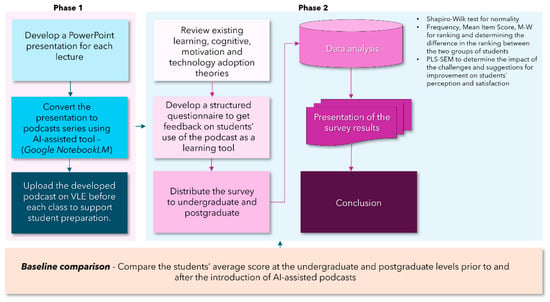
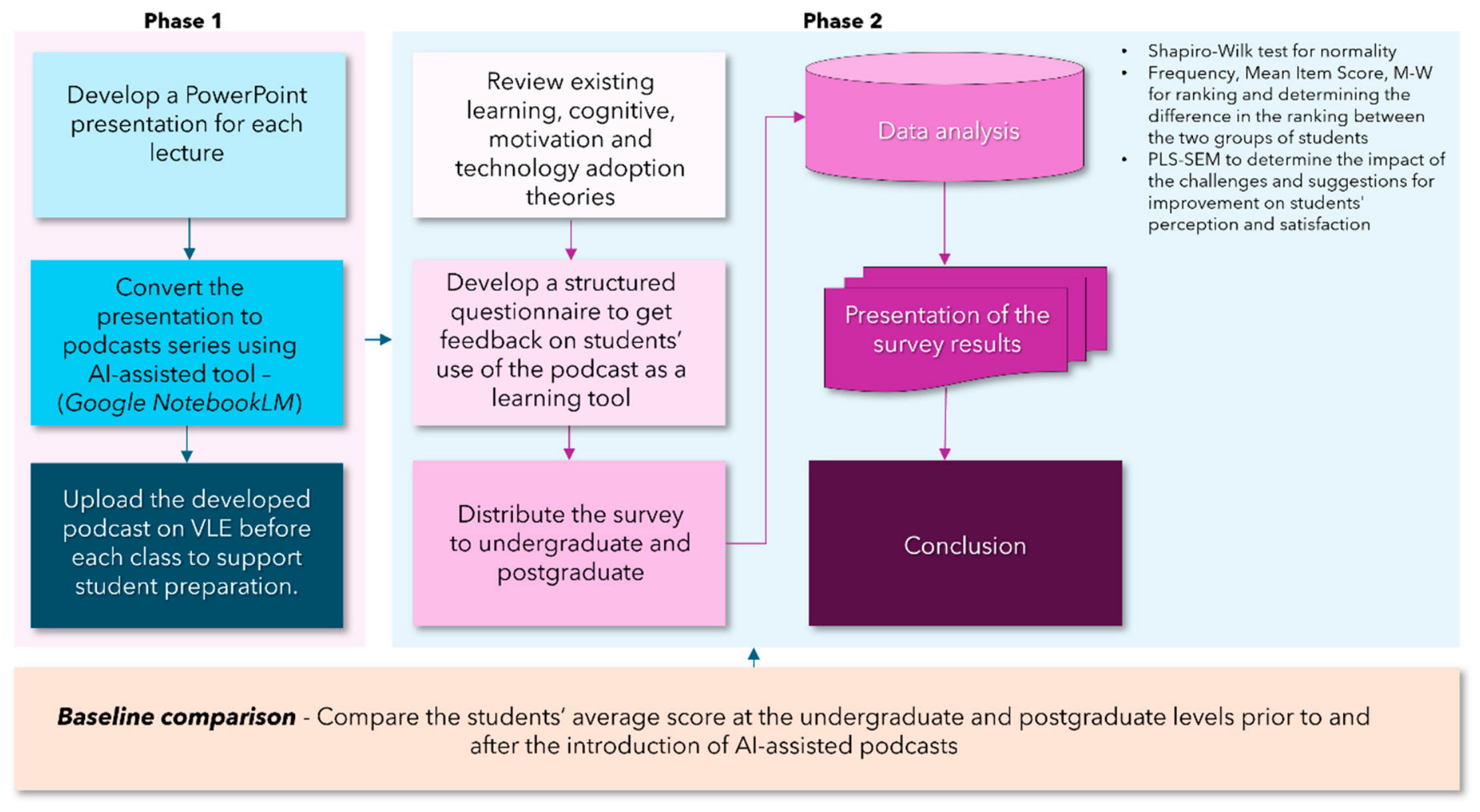
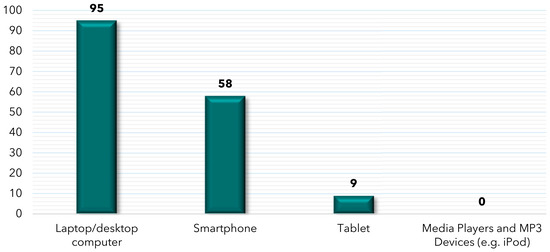
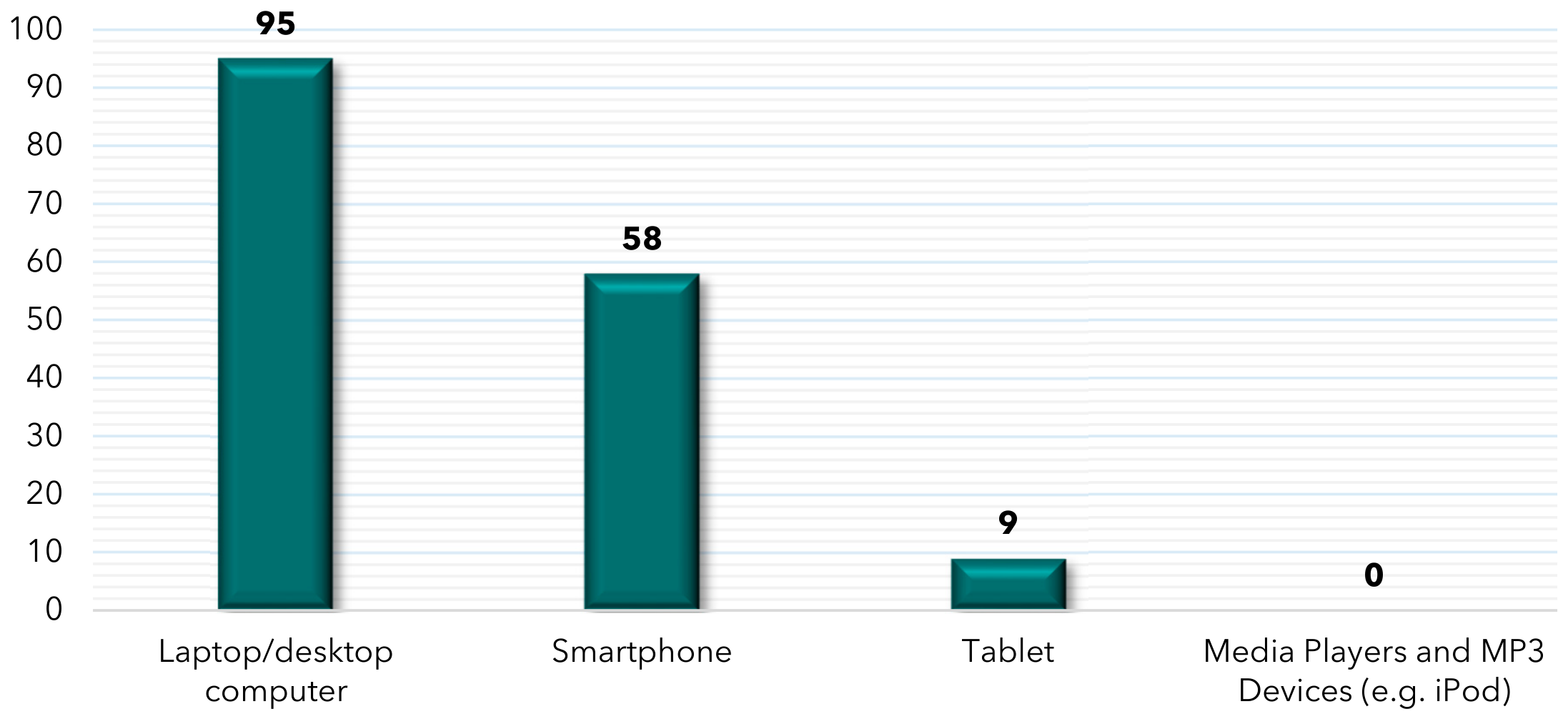
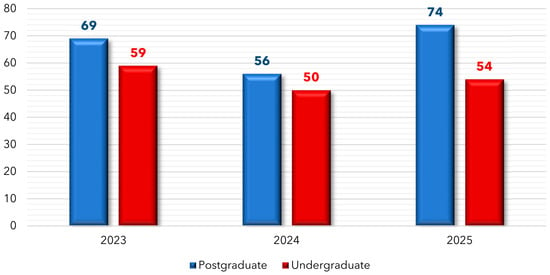
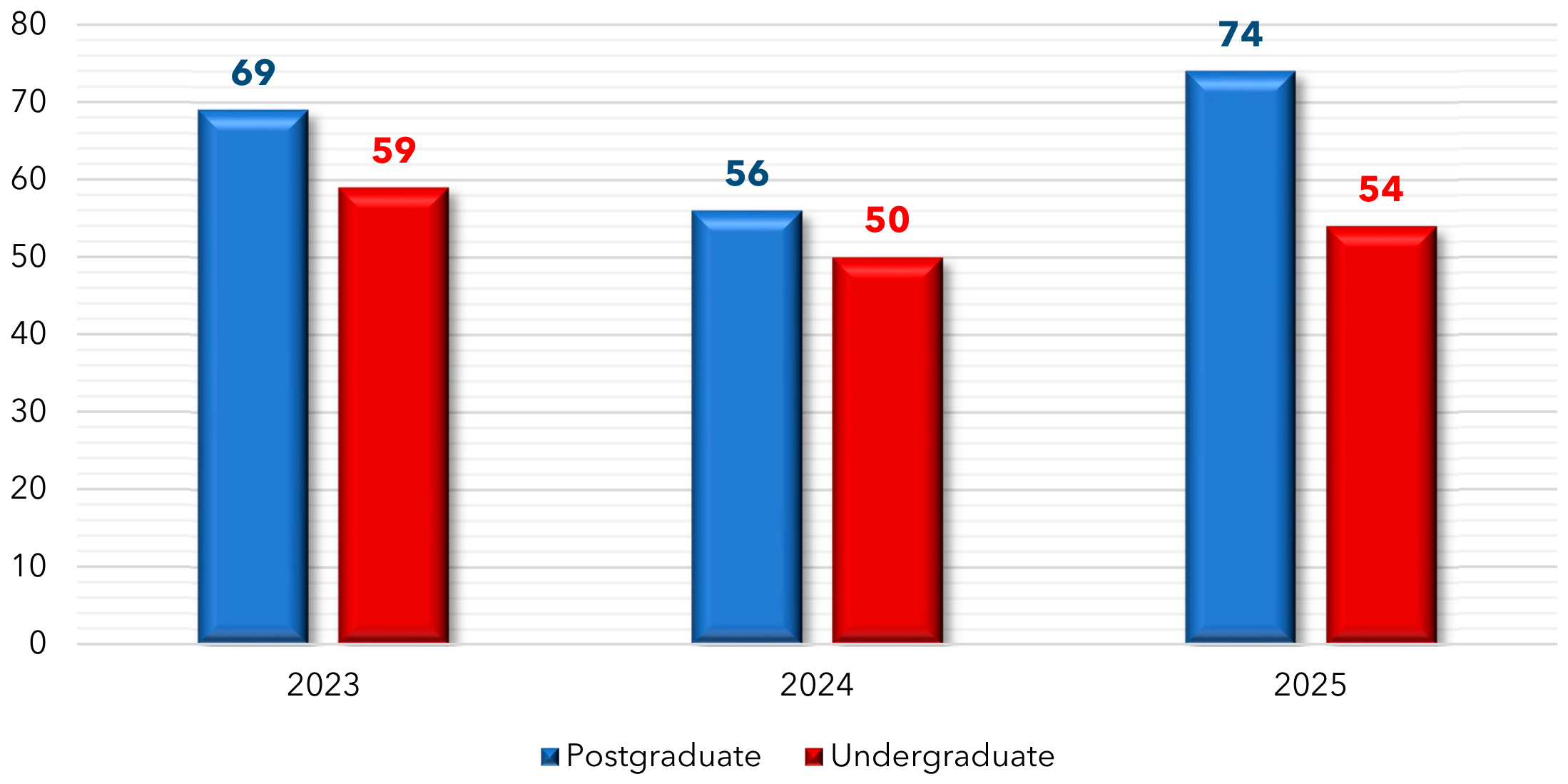
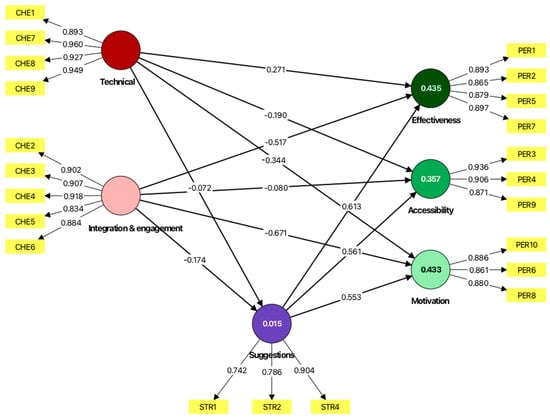
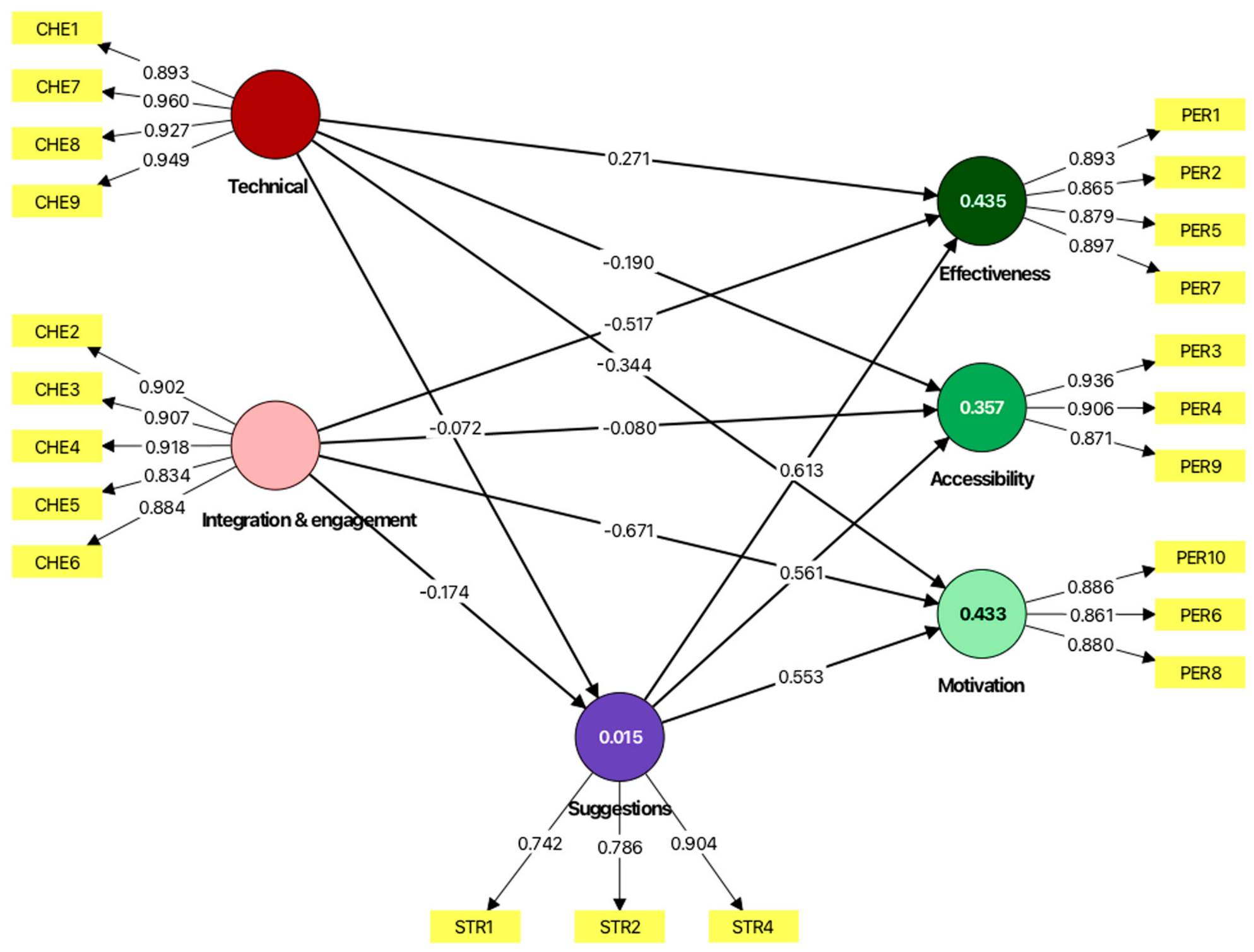

Disclaimer/Publisher’s Note: The statements, opinions and data contained in all publications are solely those of the individual author(s) and contributor(s) and not of MDPI and/or the editor(s). MDPI and/or the editor(s) disclaim responsibility for any injury to people or property resulting from any ideas, methods, instructions or products referred to in the content. |
© 2026 by the authors. Licensee MDPI, Basel, Switzerland. This article is an open access article distributed under the terms and conditions of the Creative Commons Attribution (CC BY) license.