


Abstract
Students at creative higher education (CHE) institutions frequently report boundary violations and other forms of misconduct, while prevention efforts have been described as insufficient. Drawing on a capabilities-informed perspective attentive to the environmental and institutional conditions of flourishing, we examine what structural and cultural conditions stakeholders consider necessary for misconduct prevention in CHE. Using a complementary multimethod qualitative design, we report two studies: 16 interviews with stakeholder groups analyzed through reflexive thematic analysis, and 228 open-ended responses from a national student survey analyzed through structured tabular thematic analysis. Interview participants identified three interconnected areas of transformation: community, institutions, and knowledge and norms. Seven themes generated from the survey responses were classified as confirmatory, and one theme as expanding, foregrounding material stability and students’ aspirations for cultural and institutional reform, a dimension addressed only implicitly in the interviews. Two themes had no direct counterpart, foregrounding students’ skepticism about the possibility of change and the societal recognition of artists. Across both studies, participants described prevention efforts as often reactive and insufficient, and called for systemic approaches in which institutions recognize their societal role and prioritize students’ flourishing. Our findings identify participant-informed starting points for developing and evaluating prevention strategies.
1. Introduction
Safe learning environments for artists are essential for emerging artists’ development [1,2]. Such environments should ideally combine creative freedom and experimentation with clear interpersonal boundaries, inclusive institutional cultures, and protection from misconduct. Research on the creative sector and creative higher education (CHE) institutions, however, indicates that such conditions are often far from reality [3,4,5,6]. Challenges such as hierarchical dependencies, misconduct, and boundary transgressions persist. In this article, we explore what preventive measures stakeholders and students consider necessary to create CHE environments that foster both safety and creative growth. Using the theoretical lens of the capabilities approach [7] and its specific applications within the creative sphere [8], our multimethod work innovatively integrates data from two qualitative sources: interviews with stakeholder groups at German CHE institutions and open-ended responses from an anonymous national student survey. These diverse first-hand insights help us to identify gaps in current prevention approaches and pathways toward artistic learning environments that support emerging artists’ access to their creative capabilities.
1.1. Higher Education Institutions as Changemakers in Society
Higher education institutions (HEIs) play a pivotal role in initiating and implementing social change, thereby contributing to the creation of fairer and safer societies [9]. Sustainable, inclusive education is one systemic area conducive to this aim, according to the fourth United Nations Sustainable Development Goal. The goals pertaining to health and well-being, gender equality, decent work, and the reduction of inequalities are likewise important in preventing misconduct and following the so-called third mission of engagement, according to which higher education institutions are important members of civil society. The potential of HEIs in advancing fairer and safer societies remains underutilized, particularly given that HEIs can be viewed as “living labs for sustainability” [10]. It is critical to recognize that HEIs are social actors and can facilitate change both externally and internally. This includes fostering conditions in which students can pursue their capabilities and aspirations freely [11]. This is particularly relevant in the creative sector, which often positions itself as progressive yet frequently fails to uphold safety and inclusivity within its own ranks [12].
1.2. Challenges in CHE
Acts of (sexual) misconduct including harassment, violence and abuses of power are major issues in the cultural and creative industries—they have a substantial negative impact on the safety and well-being of cultural workers [5,6,13,14,15,16]. Research from different regions further demonstrates that emerging artists face misconduct and abuses of all kinds even before engaging in paid jobs and while completing programs at higher education institutions [1,3,6,15,17,18].
Sexual harassment is a global issue in higher education across disciplines [19,20,21]. Nevertheless, some aspects of the cultural and creative industries, including CHE, seem to make it potentially more prone to misconduct in educational settings. These aspects include competitive access to degree programs, often small class sizes, and close year-long relationships characterized by imbalances of power with more experienced artists in a teacher-mentor position [4,22,23,24,25]. Intense curricula and pressure to succeed in a highly competitive environment may have adverse effects on art and music students’ mental health [2,26]. Added to this are the limited job opportunities after graduation and the general importance of social capital for careers in the economically precarious cultural sphere [27,28,29]. Dealing with misconduct can become existentially threatening and lead individuals to accept precarious conditions due to career insecurity, limited opportunities, and dependence on hierarchical structures and professional networks [22,30,31]. Marginalized individuals are particularly impacted by inequalities woven into the fabric of CHE institutions [29,32]. Data from the overarching research project that includes the present work further illustrate that these students are at greater risk of experiencing adverse behavior [17].
Experiencing (sexual) misconduct in professional and academic contexts has been shown to have a significant impact on the psychological and physical well-being of those affected [33,34], potentially resulting in long-term impairment and professional withdrawal [35]. Despite important advances from diversity, equity, and inclusion (DEI) experts in fostering more inclusive, power-sensitive CHE environments [4,24,36], preventive approaches currently appear to be insufficient in addressing the problem and offering unhindered access to healthy artistic thriving in CHE, as evidenced by the available research [18,19,37,38] and further work from the overarching research project, which this article is part of [17]. What might better misconduct prevention look like in CHE environments, and what key leverage points can be identified? One possible approach draws on justice-oriented perspectives from political philosophy, such as the capabilities approach (CA) [39,40].
1.3. Analyzing CHE from a Sociological and Environmental Psychological Perspective of the Capabilities Approach
The conditions under which people learn and work in CHE are not just educational concerns; they are fundamental ethical and political issues. Education serves as a means of creating opportunities for personal and professional development and thus fostering knowledge, practice, and creativity. Drawing on the CA, we can evaluate how institutional structures enable or hinder students’ ability to live and create freely. Nussbaum [41] highlights three key educational capabilities: critical thinking, world citizenship, and imaginative understanding. All of these are relevant to creative education spaces. To practically implement CA, both researchers and practitioners need context-specificity and an explicit formulation of relevant capabilities for each specific practice application [42]. A further core distinction within CA is that between resources, capabilities, and the conversion factors that determine whether resources translate into real opportunities. Alongside personal factors, these include social and environmental conversion factors, such as institutional structures, norms, relationships, and material conditions [43]. Our analysis is located at this level: we examine the social and environmental conditions that enable or constrain emerging artists’ opportunities to develop and practice their art safely. This focus is what we refer to as a sociological and environmental psychological reading of the capabilities approach: it treats learning environments as the object of analysis, and capabilities as what these environments make possible.
In their work on inclusiveness and sustainability in the cultural and creative industries in the UK, Comunian and colleagues [8] further develop nine capabilities that they deem particularly important across the proposed five stages of the “creative life cycle” (p. 11), with further and higher education, skills, and training representing the second stage [8]. For the purposes of our work, some capabilities related to this stage are of particular importance, including the capabilities to develop creative/cultural skills in creative higher education, to access creative/cultural work, and to sustain creative practice through education and training [8]. Following work on capabilities approaches in education [44], the question arises of how CHE institutions as environments can be reimagined so that they center young creatives’ capabilities. This perspective directs attention to both the material and cultural aspects of educational justice [44], particularly in addressing the conditions necessary for students to develop their artistic potential and flourish in a safe, supportive environment. For the creative education sector, key human capabilities such as bodily health and integrity, senses, imagination and thought, emotional development, affiliation and control over one’s environment [7] are just as relevant as the capabilities crucial for the development throughout creative life cycles [8]. Ultimately, reimagining CHE as a genuinely safe and inclusive space means ensuring that young creatives have the necessary conditions to thrive as artists and empowered individuals. Integrating the capabilities perspective into misconduct prevention in CHE requires bridging theory and practice through empirical research that amplifies the voices and experiences of affected stakeholders [44].
1.4. Current Studies
The two studies presented here examine what preventive measures stakeholders and students consider necessary to support aspiring artists at CHE institutions, and what gaps they identify in current approaches. Institutions are responsible for providing the material, institutional, and educational conditions necessary for human development and well-being [45], including the creation of safer learning environments. As structural change needs to address systemic issues holistically, this work looks at needs as formulated by those directly affected and brings their perspectives into dialogue with stakeholder accounts of misconduct prevention in CHE. Following the sociological reading of the CA outlined above, this research targets the social and environmental conditions that shape emerging artists’ capabilities rather than capabilities themselves. Our multi-perspectival research is thus guided by the following questions:
- What preventive measures against misconduct do various stakeholder groups within CHE institutions consider necessary?
- What do CHE students envision as characteristics of safe learning environments?
- How can these two perspectives be integrated to identify missing elements and advance current preventive approaches?
2. Materials and Methods
To comprehensively address the research questions, we employed a multimethod qualitative design. In this article, we report the studies in accordance with the Standards for Reporting Qualitative Research (SRQR) checklist [46] (detailed description: see Supplementary Materials Table S1). In the first study, we conducted semi-structured interviews with students, lecturers, equality officers, and senior professionals affiliated with CHE institutions in Germany and Austria. In the second study, we collected qualitative open-ended responses within a predominantly quantitative online survey among students at German CHE institutions. Each analytic approach was selected according to the nature of the resulting datasets and the epistemological assumptions appropriate to each. The interviews were analyzed following the reflexive thematic analysis (RTA) methodology [47], while the online survey responses were analyzed using the structured tabular thematic analysis (ST-TA) approach [48]. RTA focuses on in-depth, active, and reflexive analyses and emphasizes interpretation and meaning-making over quantification or intercoder reliability [47]. In contrast, ST-TA is guided by an integrated understanding of qualitative methodologies and allows for quantification, the use of agreement-finding processes between different coders, and the thorough qualitative analysis of large datasets containing brief texts [48]. Integrating both approaches enabled us to gain both broad insights from a large student sample and rich, in-depth understandings from extensive stakeholder interviews, while carefully acknowledging the differing analytical requirements of each body of data.
2.1. Ethics, Methodological Choices, and Researcher Reflexivity
Both bodies of data were collected in 2022 as part of a broader mixed-methods project on misconduct and prevention at CHE institutions in German-speaking countries. Findings from this project have been published sequentially [17,49]; the present study, integrating the stakeholder interviews with the open-text survey data, represents the third component, which accounts for the interval between data collection and publication. The project received ethical approval from the Charité–Universitätsmedizin Berlin Ethics Committee (approval no. EA2/295/21). Participants provided written informed consent for both survey and interview participation.
We chose to integrate interview and survey data to gain a nuanced understanding of preventive needs in CHE. Integrating distinct datasets and analytical methods allowed us to explore approaches to misconduct prevention strategies from multiple perspectives, thus generating rich, differentiated insights. We are aware of potential tensions between qualitative traditions—such as differing views on frequency counts and inter-analyst agreement [47,48]—yet believe that the benefits of methodological integration outweigh such concerns. As “there is no recipe for thematic analysis,” different TA approaches may be flexibly adapted to suit methodologically distinct research purposes [50]. The combination of two related yet epistemologically distinct methods offers particular value in this work. Multimethod integration has proven valuable in addressing complex questions in public health [51,52]. For this reason, we expect it to enrich the depth and scope of our analysis.
In both studies, the CA served as a sensitizing framework rather than a coding framework. It informed the design of the studies and the interpretation of findings—directing our attention to the conditions that enable or constrain emerging artists’ opportunities (see Section 1.3)—while theme generation in both analyses proceeded inductively from the data.
Our multidisciplinary team, which included both qualitatively and quantitatively oriented psychologists and a researcher from the medical-psychiatric field, brought diverse methodological and epistemological perspectives to the project. We addressed these diverse perspectives by pursuing ongoing reflexivity, making deliberate methodological choices and engaging in critical reflection on our disciplinary positions. This process took place within the author team, through collaboration with external interpretive research groups and at academic workshops.
Exchanges involved researcher colleagues from fields including public health, sociology, musicology, economics, medicine, and psychology. They led to iterative refinements of the interview themes and supported consensus-building for inter-analyst agreement on survey responses. While occasionally challenging, these additional reflexive steps enriched the analysis and enhanced both methodological rigor and critical engagement with our own positionalities as researchers.
2.2. Study 1 Methods: Semi-Structured In-Depth Interviews Analyzed Using Reflexive Thematic Analysis
2.2.1. Sample and Data Collection
In March 2022, four stakeholder groups were invited to participate using tailored invitation texts that were distributed via industry networks, equality officers, anti-discrimination bodies, and CHE student union bodies in Germany and Austria. This led to a blend of purposive and snowballing sampling of a broad range of perspectives from various career stages and disciplines. We considered a sample of 16 interviews analytically sufficient for the study aims based on the concept of information power [53]: the study pursued a focused aim (understanding of stakeholders’ sensemaking around structural conditions and preventive needs against misconduct in CHE), participants held specificity for this aim through direct professional or lived experience with the phenomenon across four complementary stakeholder positions, and the in-depth interviews yielded rich dialogues. In line with the RTA methodology, we treated sample adequacy as a matter of information richness rather than saturation [47].
The interview guidelines (see Supplementary Materials File S1) were designed based on existing research on issues of power and violence prevention in the creative industries and CHE [6,24]. The first author piloted and discussed the guidelines with two persons formerly affiliated with the creative industries. Core questions were designed with a broad focus to allow for intuitive expression of opinions, each underpinned by potential follow-up questions. The interview guide covered a broader thematic space than the analysis presented here: it opened with a vision question on safe working cultures in the cultural sector, framed analogously to the survey’s ‘miracle question’ prompt (see Section 2.3.1), and further addressed participants’ understandings and experiences of abuse of power and (digital) sexualized violence, structural risk factors and existing protective structures in the cultural sector, prevention needs specific to CHE, and wishes for future generations of cultural workers (full guide: Supplementary Materials File S1). For the present article, we analyzed interview responses addressing examples of good practice and unresolved challenges regarding misconduct prevention; the industry-wide framing of several guide questions means, however, that prevention-related accounts frequently touched on professional life beyond the institutional context. Our analysis is guided by a sociological and environmental psychological reading of the capabilities approach. It assumes that a safe learning environment in the arts is a fundamental condition enabling individuals to access opportunities for personal development and to lead a self-determined (professional) life [41,44].
The interviews with the four stakeholder groups associated with CHE institutions were conducted between 31 March and 1 September 2022 via video conferencing (15 interviews) or phone call (one interview on the participant’s request). The mean interview duration was 67 min. All interviews were conducted in German, audio-recorded, transcribed verbatim by the first author with the support of research assistants, and anonymized (all names, institutions and any content that could identify them were removed). Selected illustrative quotations were translated into English using DeepL free version (https://www.deepl.com/en/translator, accessed on 10 August 2026) and subsequently reviewed for accuracy by a professional translator fluent in both German and English. Editing of quotations was limited to the removal of fillers (e.g., “ehm”) and the insertion of contextual information in square brackets; no content-bearing wording was altered. The first author took field notes during the interviews and followed up using a research diary to reflect upon their own reactions and interview dynamics as they related to the research process.
2.2.2. Data Analysis
The interviews were organized and analyzed using the software MAXQDA 24 following the RTA methodology [47]. The first author conducted inductive, iterative coding of the original untranslated material, progressively grouping the codes into higher-order themes and refining the resulting theme structure into core themes and subthemes. The analysis was guided by a critical realist perspective, which acknowledges participants’ subjective meaning-making while also critically considering the structural contexts in which these meanings are produced. The data collection setting and the socio-structural positions of the interviewer and stakeholders were carefully considered, as they were regarded as crucial for interpreting the data and drawing conclusions [50]. The aim was to capture and make visible patterns of common meaning across the dataset as well as divergent meanings within and between stakeholder groups. The evolving theme structures were iteratively presented to and discussed with fellow authors and within interpretive researcher groups to allow for critical examination and interpretive coherence.
2.3. Study 2 Methods: Brief Online Survey Responses Analyzed Using Structured Tabular Thematic Analysis
2.3.1. Sample and Data Collection
The data in Study 2 represent brief responses to open-ended survey questions from a mixed-method, mostly quantitatively oriented online survey addressing hostile and violent behavior towards students, students’ demographic variables, and related mental health outcomes. The survey was conducted among students enrolled at state-accredited CHE institutions in Germany between 18 July and 1 September 2022. The complete study is described in detail in another publication related to the overarching research project [17]. The data presented in this article are taken from the final open-ended survey question. Participants were invited to respond to the following prompt: “Finally, we would like to invite you to describe what a safer training and working culture in your industry would look like from your point of view. How would you notice in your everyday life as an artist that everyone can develop freely and safely in their artistic training and profession?” The framing was developed and piloted following the “miracle question” technique borrowed from systemic counselling and solution-focused brief therapy [54,55]. This framing is especially relevant from a capabilities approach perspective, as it directly engages with participants’ visions of safe and empowering learning environments in the cultural sector that ultimately allow for human flourishing and thus the accessing of capabilities.
2.3.2. Data Analysis
The open-ended survey response data were organized and analyzed using MAXQDA 24, applying structured tabular thematic analysis (ST-TA). This qualitative method is specifically suitable for analyzing large volumes of brief texts [48]. In its core assumptions, ST-TA follows a critical realist epistemology by challenging the notion that quantification is a merely positivist research approach and thus incompatible with qualitative methods. It underscores that large sets of brief textual data offer insights into specific fields as broad and deep as those from smaller datasets containing longer textual data such as interviews. After familiarization with the dataset, the first author drafted initial codes and themes inductively for 30% of the (original, untranslated) data and discussed them within analysis sessions with external researchers. In the next step, the themes were tabulated against the remaining dataset, meaning the thematic structure in themes and subthemes could be iteratively refined. In a further step, we applied inter-analyst agreement checking (following ST-TA phase E [48]) to foster transparency and coding coherence. Two colleagues from unrelated projects served as independent external coders. They received the theme structure with extensive theme descriptions and applied the themes and subthemes to a randomly drawn 10% sample (n = 23 responses, drawn using MAXQDA 24’s random sampling function) working in Microsoft Excel 16.0. The coding unit was the complete open-text response, and multiple codes could be assigned per response. The coding patterns were merged, revealing shared and divergent coding decisions for the same data cells. Percentage agreement was calculated as the number of matching decisions relative to the total of matching and diverging decisions [48]. The initial agreement level prior to discussion was not retained in the study records; we therefore report the consensus-based procedure and acknowledge this as a limitation (see Section 4.3). Divergent decisions were discussed in two rounds to reach an agreement of at least 80% [48]. We note that the post-discussion figure reflects consensus and theme development rather than a reliability estimate [48]. Subsequently, the research team refined the thematic structure and theme names affected by these discussions and revised the affected sections of the coded dataset accordingly. As with the interview data, this reflexive engagement with the analytic process was crucial for an in-depth engagement with the data. Following coding agreement, the team explored theme frequencies and selected illustrative excerpts representing the respective themes and subthemes. These were translated following the same procedure as the interview quotations described above (DeepL free translation, subsequently reviewed for accuracy by a professional translator fluent in both German and English).
2.3.3. Integrative Analysis and Discussion
We understood the two studies as forming a complementary multimethod design [56]: both instruments shared a deliberately parallel vision prompt and an industry-encompassing framing (see Section 2.2.1), yet the studies differ in their populations, analytic foci (articulated prevention needs vs. envisioned safe environments), and epistemological approaches. Points of overlap between the findings therefore indicate consistency across perspectives, while divergences and extensions are treated as substantive findings in their own right.
Data collection was planned and implemented as part of an overarching research project on learning conditions in German-speaking CHE contexts. Although the interviews and online survey were conducted in two parallel but methodologically independent phases, the analysis was carried out sequentially: the interviews were analyzed in spring and summer 2024 and the online survey data in early 2025. To address our research questions comprehensively, we integrated the findings from both studies using the joint display method [57]. Although this technique and the integration principles we draw on originate in mixed-methods health research [57,58], their underlying logic (the systematic juxtaposition of findings from independently analyzed datasets and the assessment of their fit) is not tied to the qualitative–quantitative divide. Multimethod designs combining exclusively qualitative approaches have increasingly been conceptualized as a research strategy in their own right [56], and we adapted the joint display technique accordingly to enable a systematic comparison and synthesis of our two qualitative datasets. We distinguished three types of integration, extending the categories proposed by [57].
Relations were classified as confirmatory where a survey theme and an interview theme addressed the same issue or topic at the same level of intervention, for example, the interview theme ‘Strengthening internal and external support’ and the survey subtheme ‘Independent and effective complaint mechanisms’, both concerning independent institutional complaint structures. They were considered expanding where a survey theme addressed an issue or topic absent or only implicit in the interview material, such as ‘Solid foundations for work and learning’, where material conditions appeared in the interviews only indirectly through accounts of financial dependency. A relation was considered as divergent or not directly comparable where no direct relation was detectable or themes operated at a different, more general level of argumentation—for example, ‘Obstacles to change, doubts about progress’, which voiced skepticism about the possibility of change at a societal level, with no counterpart in the solution-oriented interview accounts. The classification was carried out by the first author on the basis of these criteria and documented in the resulting joint display.
3. Results
3.1. Study 1 Findings: Semi-Structured Interviews Analyzed Using Reflexive Thematic Analysis
The final sample consisted of 16 interviews with students, lecturers, equality officers, and senior professionals (see Table 1) affiliated with 11 different CHE institutions in Germany and Austria (senior professionals additionally drew on experience across multiple institutions). Participants’ gender was inferred indirectly from self-descriptions and the use of pronouns. As Table 1 shows, the interview sample was dominated by participants from music and music-research settings (11 of 16), with performing arts and general arts represented by fewer participants and several creative disciplines (e.g., fine arts, design) absent.
Table 1.
Interview participant characteristics.
Based on stakeholder assessments gathered through the semi-structured interviews, we generated three main themes concerning preventive measures that participants deemed necessary to tackle misconduct (see Table 2). The themes focused on transformations regarding the CHE community dynamics, specific academic institutional structures, and stakeholders’ norms and knowledge. In the following, we provide anchor quotations illustrating the topics discussed; for further excerpts, see Supplementary Materials Table S2.
Table 2.
Main themes and subthemes resulting from interviews.
3.1.1. Theme I: Transforming the Community
Interview participants across all groups emphasized the need to strengthen the overarching artistic community by broadening the range of perspectives that were represented and given voice. This included a call to more actively center students’ experiences and needs in institutional practices and wider creative industry dynamics. Further, participants underscored the importance of improving communication flows across generations of artists, encouraging mutual accountability between individuals at different hierarchical and experiential positions.
Focusing on students’ well-being. Several participants across stakeholder groups agreed that centering the needs and perspectives of students would improve institutional culture. They emphasized how important it is for students to have options to connect and build relationships of solidarity and mutual support, especially along axes of discrimination and shared social categories, as described by an equality officer here:
And otherwise, yes, there are also several opportunities to set up frameworks, generally, among students, and also to have spaces where those affected or, yes, people who may also have certain discrimination characteristics can communicate. In the sense of empowerment. So that they can also interact more.(E4)
Some students emphasized that the needs of emerging artists must be given special consideration, particularly in the highly hierarchical and dependent structures of CHE. The focus of academic institutions needs to shift in order to promote students’ opportunities for development:
I think the well-being of the students should matter in the first place, and not, what looks good and what’s good for the university. Because mainly we are at the bottom. Sometimes I don’t understand why it is like that, we’re there to study and we have to be okay.(S8, emphasis added by first author)
Improving communication flows. Participants further underscored the need for improved institutional communication flows to transform community processes within CHE. Some mentioned the need for deliberately improved metacommunication: the common establishment of shared communication principles, values, and an iterative feedback culture, as this performance arts student proposes:
And in the teaching itself, I think it would be possible, for example, at the beginning of each project, not every lesson, of course, but we’re getting a new professor (…) that you then say, “Okay, we’ll work together this year, I’d like to keep this and this and this in our communication, how do you feel about it, what do you say about it.” (…) That maybe every now and then, I don’t know, after three months, you could also say, “Let’s sit down and, away from the technical stuff, how do you feel about it, how do I feel about it.”(S9)
It is important to mention that while metacommunication was considered important, some participants expressed concerns that this kind of exchange could get out of hand and hinder the actual teaching. External support for moderation was suggested as a possible corrective: “A person who really knew their way around, so that the person can then say, ‘Okay folks, now you’re getting lost, this far and no further, let’s agree on this and that so that you can move forward’.” (L10). The fear that metacommunication might go “too far” and needs to be balanced with artistic work was a recurring theme in the interviews, particularly from the lecturers’ perspective.
Participants further emphasized the need to provide guidance and space for reliable peer-to-peer support relationships between students with different levels of experience. This was also seen as a useful way to promote solidarity and shared responsibility among the student body, to break up isolation, and to help students to take care of each other in possible situations of misconduct:
Maybe something like mentoring, maybe a connection between older and younger students (…) where then a bit of knowledge can be passed on, (…) so that people are not isolated right from the start, I think that’s important, just to bring people together, in terms of exchange, but also in terms of protection.(E4)
Mentoring was regarded as a beneficial communication tool for role models and realistic insights into professional life following graduation. Additionally, a transparent exchange of experiences was identified as valuable for addressing transgenerational cycles of recurring obstacles, a practice that has hitherto been lacking. This approach was also deemed to be advantageous for the teaching body:
And there isn’t one, I don’t have a role model, I don’t know of any female professors in their mid-forties or fifties who have achieved what I want for my life (…). And I think that’s very important, that there is something like that, so that you can talk about it.(L5)
3.1.2. Theme II: Transforming Institutional Structures
Another pivotal theme, mentioned consistently across all interviews, underscored the need for reforming institutional structures with a view to preventing misconduct and strengthening the capabilities of individuals and institutions to respond effectively. Participants particularly emphasized the importance of dismantling structural dependencies on powerful academic positions. They further called for the expansion and reinforcement of existing internal and external support services for affected individuals.
Breaking up student–teacher dependencies. Participants, especially from the student group, emphasized the importance of having the option to make flexible changes in supervision and individual examiners. They further underscored the need for a standardized rotation of primary supervisors and main subject teachers. Student Participant 7 describes the strong and ambiguous emotional bond resulting from the concentration of a single person’s artistic authority in the “upbringing” of emerging artists:
You somehow grow in such artistic and personal ways, also in artistic training. And if that is perhaps divided between two people, not one, so that not everything, all this emotionality, is focused on one person and also emanates from them, and so that you are not only raised artistically by one person.(S7)
Teachers themselves proposed opening up and dividing teaching processes and supervision between individuals in order to break up the closure of one-on-one teaching.
Maybe you could try teaching in tandems. (…) That would certainly also help with this focus, or concentrating on one person, and there would always be a corrective influence in there, who can look in from the outside and see what the other person is saying.(L10)
Simultaneously, participants critically evaluated the limits of this measure. Team teaching alone, without accompanying awareness-raising and strengthening of bystander accountability, would not necessarily ensure a safer learning culture. This underlines the necessity of interventions at different levels of CHEs, such as community accountability measures (Theme 1) and reflexivity-fostering interventions (Theme 3) such as supervision and mentorship: “Also team teaching for professors. That they are really together in the same room. On the other hand, I also know 50 stories of people where two professors abuse their power, and everyone just sits around.” (L13). For students, learning in groups was also seen as an opportunity to create synergies when jointly acquiring skills, to break through the isolation of the learning situation and to enable sustainable relationships based on solidarity: “I could imagine something more like the universities saying, ‘We’ll send someone to sit in on your class with you.’ To create a sense of solidarity in the first place.” (P14).
Strengthening internal and external support. Participants regarded the presence of contact points as important preventive measures, as these could serve as supportive spaces in the event of boundary violations and misconduct. However, the analysis highlighted that these contact points frequently lacked adequate resources. In conjunction with institutional dependencies, this resulted in limited scope for victims, bystanders, and support experts to act effectively in the event of misconduct.
First, the significance of the physical presence of contact points and of trust-building measures was underscored. Participants emphasized the relevance of accessible contact points and transparent and clear options for action, as an equality officer puts it here: “What I think is needed, and here we don’t yet have everything we want, are clear procedures.” (E1). In line with this, a music lecturer agreed with the need for a clear overview of options to handle misconduct right from the start:
I also think that raising awareness is the most important thing. When you start studying, you should get a kit that really says “This is how it works” and “This is what you do when this and that happens.”(P14)
Second, all groups agreed that there is also a need for significantly better resource allocation for support services. On the one hand, they thought that monetary resources needed to be expanded in order to give such facilities the necessary leeway in designing their services and to create the staff capacities for adequate care. On the other hand, participants called for the knowledge and processes pooled in these support services to be consolidated:
The structures only live with the people, and at the same time, when very special people leave, when it only works through these people, then it is perhaps also difficult again when perhaps one or another person leaves. So, I think that when there are processes that are somehow more set, then of course sometimes it’s not bad either.(E4)
In order to offer affected persons adequate support, participants also underscored the importance of comprehensive and diverse networks of support services, including both internal and external points of contact:
What actually helps, but is also an ongoing task, is that we repeatedly actually remind people that we are there for them as supporters (…): “We have this mission here. We are here for you. Come to us. You don’t have to come to us directly, there are also psychologists, lawyers, [name of external support organization], you can find all the information on the website. We are here for you and on your side. We look for solutions together.”(E1)
Internal DEI structures were problematized as often being institutionally dependent—partly due to the small size of the institutions and partly due to the limited resources mentioned above. Participants therefore called for these processes to have more authority to react to transgressions, for example by formulating concrete consequences for misconduct and associated sanctions, including consequences for those in powerful positions. Furthermore, participants supported a diversification of support options by offering low-threshold, independent counselling services, both internally and externally. Finally, the subject of teaching evaluation was repeatedly raised. Interview participants pinned hopes on the establishment of a more closely knit, standardized monitoring of teaching processes: “Regular, maybe even anonymous surveys or something similar should be created, and that one should look at certain lecturers and see if there is a pattern, so that one should take some kind of investigative action.” (S7).
3.1.3. Theme III: Transforming Knowledge and Norms
Participants underscored that a safe and informed response to misconduct in CHE contexts is only possible when all members are aware of their rights, obligations, and institutional guidelines. To support this, they proposed targeted awareness-raising initiatives and training programs at all levels and across stakeholder groups. Finally, participants highlighted the necessity for explicit codes of conduct, not only in teaching and leadership, but for all members of artistic institutions.
Training and empowerment formats. Participants rated training programs as necessary to educate employees about different forms of misconduct and to establish common standards and levels of knowledge. Target-group-specific offers were considered particularly important in order to account for the different positions and needs:
But I do think that you can demand that every university simply provide training. There are programs where you simply invite an external trainer, and they then run a workshop on preventing sexual violence, dealing with bullying situations, and bystander training. And that’s done separately by groups, so ideally for people, for students, for people from the administration, for, for university staff, and all of them, and it’s mandatory for both the lecturers and the professors.(L13)
Participants thought it necessary to oblige teachers and administrative staff to participate in mandatory formats to establish a common set of values:
I think it’s important that it’s not on a voluntary basis, but that when someone takes up a teaching position, the university offers seminars on it, further training, in some form or other, and that it’s mandatory for people to expose themselves to it, even if they don’t feel like it.(S9)
Furthermore, participants emphasized that pedagogy and reflexivity measures as part of the art and music teaching curriculum must be given a higher priority and offered on an obligatory basis throughout the curriculum. Both established and aspiring art and music lecturers emphasized that they often lack clarity regarding appropriate communication and behavior in the teaching context, boundary setting, and establishment of a balanced proximity-distance relationship with younger students: “So, I am still struggling a bit myself, what is allowed, what is not? I am still very afraid that it will be received the wrong way.” (S6).
The idea of preventive educational measures for students was also put forward. Participants emphasized the need for information about rights and standards of good practice in the teaching context. This included addressing hierarchical structures and explicitly formulating interpersonal boundaries. An equality officer stated directly: “The students need to know where the limit is— what do I have to put up with from the holy professor?” (E3).
A number of participants asserted that there is a fundamental need for reflective spaces to be incorporated into curricula. Within these spaces, traditional norms and supposedly inevitable features of artistic collaboration can be challenged. In order to facilitate such processes, participants deemed it essential to allocate time for collective reflection. In addition, it was considered important to invite and empower students to engage in these reflective processes at an early stage: “You would have to rethink entire curricula. (…) There should be a compulsory course on such topics. Where you think about such topics. Where everyone who studies music deals with it.” (L12).
Finally, participants emphasized the need to empower students to take advantage of the existing services (combined with visibility and trust-building measures, see Theme 2) and to openly address the challenges that may arise in the context of artistic training and how they can be met:
Draw more attention to it, also for students, to make them aware of their rights and encourage them to always turn to the contact points that exist for this, so that the students are made aware of these traps that they can fall into, so to speak, psychologically.(S7)
Clear guidelines of conduct. The final proposed measure was the establishment of binding codes of conduct with clear definitions and a frame of reference for all stakeholders in CHE. Standards of conduct should be clearly defined and accompanied by an explicit institutional commitment to provide support in the event of boundary violations.
You could try to explain what the institution understands by it, well, if you also talk about it, “Okay, we don’t find this and this and this acceptable in the classroom, and if that could or should happen, you can contact us,” that wouldn’t be bad, I think. And [information about] existing regulations, or, because of course students don’t know what’s written in the contract or what’s forbidden.(S8)
In line with the comment in the last quote, many participants agreed on the importance of definitions of standards and guidelines as part of contracts for university staff. They demanded that the contents of such contracts be made available as a reference framework for all groups involved. It was further considered important to specifically define the consequences and sanctions in the event of non-compliance:
So, to get them to do it, I think it should be stated in the employment contract, which principles the university has, for example, and that it is also clearly stated that it could lead to exclusion if things are not adhered to.(S9)
To sum up, interview participants suggested preventive measures in various areas of CHE institutions. Community-based, institutional, knowledge-based, and norm-oriented measures were proposed to counter misconduct in CHE. The different areas overlapped and were interrelated. This suggests that preventive approaches at CHE institutions may need to be holistic and coordinated across areas. A cross-cutting issue in all themes was the importance of institutional commitment and the responsibility of university management to give preventive measures the highest priority and to communicate this commitment accordingly—both internally and externally. With respect to our first research question, Table 3 characterizes how the perspectives of the four stakeholder groups related to one another: shared concerns, differing emphases, and points of tension across the three themes.
Table 3.
Comparison of stakeholder group perspectives across the three main themes.
3.2. Study 2 Findings: Open-Ended Online Survey Responses Analyzed Using Structured Tabular Thematic Analysis
In this section, we present findings from the ST-TA of visions of safe working and learning environments as provided by German students at CHE institutions. Of the 611 persons in the overall sample of the online survey, N = 233 students (38%) with a mean age of 27 years provided written accounts in the open text field following the miracle question. Responses lasted between 17 and 3253 characters (⌀ 366 characters). The accounts provided resulted in a demographically diverse sample (see Table 4).
Table 4.
Demographic characteristics of N = 233 online survey participants providing open text field responses.
Apart from four responses (2%), most responses were provided in German and translated prior to inclusion into the report. All responses were de-identified prior to further analysis by removing names of institutions or individuals. Of the 233 open-text responses, one was excluded as it stated only “prefer not to answer”. Four further responses did not address the open-text question but contained merely meta-comments on the overall survey (e.g., remarks on the covered topics) and were therefore not assigned to any theme. The final thematic analysis thus comprised N = 228 responses, which serves as the denominator for all reported frequency percentages.
Using ST-TA [48], we generated ten main themes with up to five subthemes. A thematic map of the resulting theme structure is presented in Figure 1.
Figure 1.
Thematic map of students’ visions for safer working and learning environments in CHE (Study 2; main themes and subthemes).
The extensive theme structure alongside occurrence rates in the data is displayed in Table 5. We report these percentages to characterize the coded material, not to quantify how common such views are among CHE students or to weigh themes against each other. Because the themes differ substantially in scope (some bundling several broad ideas, others capturing a single specific point), we treat frequency differences as descriptive information rather than as a ranking.
Table 5.
Main themes and subthemes: Students’ visions for safer working and learning environments in CHE resulting from structured tabular thematic analysis with frequency of mentions and percentages based on the analytic sample (N = 228).
The four main themes most frequently mentioned in connection with visionary considerations on learning and working environments focused on topics of communication quality (‘Open, empathetic communication’), material conditions (‘Solid foundations for work and learning’), DEI-informed institutional design (‘Inclusive and equitable institutions’), and reliable institutional structures (‘Institutional accountability and integrity’). Note that main-theme frequencies count unique respondents, while responses could be coded under multiple subthemes.
In the following section, we present the four most frequently coded themes in detail, supported by illustrative quotations from participant responses, participants’ ID numbers provided in brackets, e.g., (237). Due to space constraints and for improved clarity, we present the definitions and illustrative quotations for the remaining six themes in Section 3.2.5. Extended descriptions for these themes and a broad quotation database for all themes are available in the Supplementary Materials Files S2 and S3.
3.2.1. Theme 1: Open, Empathetic Communication
The most frequently coded main theme regarding safer artistic environments was ‘Open, empathetic communication’, highlighted by 45% of survey respondents. Within this theme, the most frequent subtheme (25%) was ‘Cultivating empathy’, focusing on non-discriminatory, considerate, appreciative, and mindful interactions between CHE members. This was particularly relevant in the expression of appraisals and critique, both in personal interactions and in examinations or competitive settings. Participants described corresponding visions as: That everyone expresses their opinions and feelings and that this is respected and appreciated by those around them. (24). A key aspect was the importance of one’s needs being taken seriously in interactions: That students’ concerns are taken seriously, in relation to all topics. Intersectionality is very important. If criticism is dismissed, it doesn’t help anyone except people in positions of power. (450).
Another common subtheme (15%) was ‘Embracing the tough conversations’, where we coded ideas concerning the fostering of a culture of constructive criticism and feedback, and space for disagreement. This was expressed in quotes such as: When an open atmosphere without taboos makes everyone feel welcome and encourages people to get involved, when there are no stupid questions and differences in opinion are respectfully discussed. (515).
Further subthemes focused on transparency and openness of communication within CHE institutions, creating spaces where individuals can show up as their authentic selves, express feelings and ideas without fear, and engage in supportive interactions both within and across groups. One participant highlighted the importance of transparent communication in this context:
It is particularly important that there is a basic trust between teachers and students. This is how a free exchange of ideas can take place. Likewise, transparent communication should be given a high priority, i.e., it should be clear to both sides what each group (teachers and students) hopes to achieve.(113)
3.2.2. Theme 2: Solid Foundations for Work and Learning
39% of respondents highlighted issues categorized under the second main theme ‘Solid foundations for work and learning’. The first subtheme focused on fundamental health-related conditions (‘Well-being at work and learning spaces’, 18%) to ensure a sustainable life as an artist. This included aspects such as emotionally and psychologically safer work environments, low-pressure and physically sustainable working conditions, and inclusive workspace design. Participants expressed needs such as: A better work–life balance and an end to the expectation on the part of students and employers that you have to work to the point of absolute exhaustion. (237) or More psychological support, perhaps even as a set part of the course! Points of contact for difficult times and support. (483).
The second most frequently occurring subtheme (18%) was ‘Ensuring fundamental economic stability’. Participants emphasized the need for financial independence and stability, fair and equal pay, targeted support for disadvantaged individuals, and stronger labor rights. They expressed visions such as:
Improving arts education also means promoting students’ chances of survival during their studies. Students from low-income households, non-academic backgrounds, foreign students, etc. often lack the networks for attractive job offers that are relevant to their studies.(677)
Other subthemes addressed the reduction of (bureaucratic) barriers and the accessibility of essential work resources: Less of a bureaucratic jungle when self-employed as an artist (439); Getting work done, having ideas for cost-effective and environmentally friendly materials, and also being able to afford them. There should also be a routine. (414).
3.2.3. Theme 3: Inclusive and Equitable Institutions
The third main theme was mentioned in 37% of the responses. Within this theme, most frequently coded texts (28%) fell under ‘Inclusive practices and fair treatment for all identities and backgrounds’. Participants emphasized the importance of awareness regarding societal marginalization (due to gender, care responsibilities, race, class and further dimensions) and its intersections within CHE institutions, as well as the need to remove corresponding barriers. The following quotation illustrates this subtheme: If I saw that everyone has the same opportunities for education and starting a career. (211).
14% of the responses were coded under the subtheme ‘Shared awareness of discrimination and violence’. Respondents highlighted the need for awareness-raising measures at all levels regarding active engagement with discrimination and violence, potentially discriminatory communication dynamics, and the deconstruction of normalized narratives around boundary violations in the cultural sector: Combating abuse of power and sexual assault in the long term through education. (423).
The final subtheme was ‘Valuing all disciplines equally’ (1%). Responses encompassed eliminating disparities between disciplines, such as the disadvantage of pedagogical programs compared to practice-based artistic fields, as illustrated in this vision: Music teachers are also seen as accomplished musicians, rather than just ‘worse’ musicians (abuse of power by individual teachers). (291).
3.2.4. Theme 4: Institutional Accountability and Integrity
In this theme (29% of the responses), we included subthemes related to structural institutional measures that can create safer learning and working environments: complaint structures, behavior guidelines, and evaluations. The most widely represented subtheme, with 15%, was ‘Independent and effective complaint mechanisms’. Responses coded under this subtheme highlighted the need for institutional investments and prioritization of functional, accessible, well-funded and qualified complaint structures, where affected individuals can turn with trust and willingness. The necessity of institutionally independent counselling services was frequently emphasized:
I would notice it if there were a neutral body that deals with complaints and concerns that people can turn to in such matters. Sometimes there are such bodies, but there is no neutrality, or the anonymity is violated, which leads to more difficulties.(562)
Other subthemes addressed clear behavior guidelines for all institutional stakeholders (‘Clear policies on conduct, boundaries, and complaints’, 12%): Officially prescribed and publicly displayed signposting of permitted touching and forms of interaction in one-to-one art lessons, on (rehearsal) stages, in classrooms, etc. (30); and training and education, particularly for those in responsible positions (‘Equipping leaders with accountability training’, 8%): Professors should be mandated to attend training or continuing education courses to develop their skills and sharpen their perception. (25).
Further, the regular monitoring and evaluation of leadership and managerial behavior, including faculty, was articulated in the subtheme ‘Regular and transparent evaluation’ (5%):
This does not apply exclusively to the arts industry, but also: in my opinion, teachers should not be allowed to hold their position as a professor or lecturer forever without any checks. A professor who is employed in their 30s may hold conservative, sexist or racist views in their 50s and continue to spread them as a teacher. If I knew that teachers would also have to undergo regular evaluation with students and neutral/mediating persons, disadvantaged groups could feel safer and better appreciated.(569)
Finally, in ‘Institutional solidarity with affected and marginalized individuals’ (6%), participants emphasized the importance of clear institutional normative stances. Sensitivity to power dynamics and the corresponding fundamental solidarity with affected and marginalized individuals (as opposed to those in more powerful positions within the system) was highlighted as a clear necessity, e.g., as expressed in Clearer positioning towards marginalized groups (298) or Real support for those affected, with personnel consequences and not just image-boosting statements and empty words. (550).
3.2.5. Themes 5–10: Power, Community, Curricula and Societal Conditions
The remaining six themes were coded in fewer responses yet address conditions that recur throughout the integration and discussion of our findings. They span institutional and interpersonal power relations (Theme 5), representation and diversity within artistic institutions (Theme 6), community building and shared responsibility (Theme 7), and critical curricular development (Theme 8), as well as the wider societal standing of artistic work (Theme 9) and, finally, participants’ skepticism regarding the possibility of change (Theme 10). Table 6 presents brief definitions and one illustrative quotation for each; extended descriptions and further quotations are provided in Supplementary Materials File S2 and File S3.
Table 6.
Definitions and illustrative quotes.
3.3. Integration of Findings from Both Studies
In the visual joint display (Figure 2), we present the integrated findings from both studies, highlighting areas where results address the same issue, as well as those that offer additional or extended insights [57].
Figure 2.
Joint display integrating findings and themes from both studies: Study 2 themes classified as confirmatory, expanding, or divergent in relation to the three areas of transformation identified in Study 1. Percentages indicate the proportion of open-text respondents coded under each theme (N = 228).
Confirmatory: The findings from both studies pertain to three areas: community, institutional structures, and knowledge and norms. In the interviews with the four stakeholder groups, these three areas appeared as central for specific prevention strategies against misconduct, based on existing possibilities and institutional structures. The survey responses, which drew on participants’ visionary ideas of safer learning environments, generated this thematic structure.
Within the community area, proposed changes focused on centering student well-being and improving communication flows. The student survey findings confirmed these priorities and underscored the need to improve conditions within the artistic community and move towards more caring and inclusive artistic networks. Participants specifically envisaged achieving this through better communication practices (mentioned in 45% of all responses, making it the most frequently addressed theme) and the strengthening of artistic communities (15%).
Within the institutional area, interview participants emphasized the importance of dismantling structural dependencies and associated power differentials, both between students and faculty and within institutional hierarchies. They advocated for a more equitable institutional culture that reflected the interests of all stakeholder groups. Additionally, they underscored the need to strengthen and institutionalize independent support services in cases of misconduct. These perspectives are mirrored in the survey themes of inclusive institutional structures (37%, the second most frequently mentioned confirmatory theme in the survey findings), the dismantling of existing power dynamics (20%), and a stronger emphasis on diversity within artistic institutions (18%).
Within the area of knowledge and norms, interview participants emphasized the need to expand shared, clearly defined behavioral standards and normative guidelines to protect against misconduct in CHE institutions. They also called for the development of targeted, empowering formats tailored to different stakeholder groups. The survey responses echo these priorities: 29% of survey respondents envisioned safe learning environments as grounded in institutional integrity, expressed through accountability training and clearly delineated behavioral norms and boundaries. Additionally, 6% of responses advocated for a critical revision of curricula, including the integration of awareness-raising content.
Expanding: The interviews only implicitly addressed the material aspects of student life in the arts that may contribute to the conditions conducive to misconduct. These were evident in references to the need for institutional transformation to reduce emerging artists’ dependency on faculty members who possess greater social and economic capital and, as a result, disproportionate influence over career trajectories.
In contrast, the survey data made these material concerns explicit. The theme of solid foundations for work and learning was the second most frequently coded theme at 39% and raised fundamental questions about the material preconditions necessary to study the arts. These included topics such as economic stability and predictability, the compatibility of studying and holding caregiving responsibilities, and access to the basic resources necessary for artistic work. These aspects also encompass well-being in artistic environments and both mental and physical health.
Divergent/not directly comparable: Additionally, the frequently precarious and insecure societal position of artists, along with a perceived lack of recognition for their contributions, was explicitly discussed in 3% of survey responses (theme: ‘Elevating artists’ recognition in society’). Moreover, the theme ‘Obstacles to change, doubts about progress’ (10%) offered a broader and more critical lens than the largely institution-focused accounts in the interviews. These responses point to systemic societal factors such as patriarchal, racist, and care-hostile structures as barriers to change. This broader framing highlights important intersectional perspectives on the conditions under which prevention efforts in CHE operate.
Overall, the survey findings partly expanded the interview-based insights and, in two themes, addressed concerns with no direct counterpart in the interview material. They highlighted the need to consider material realities and to more strongly acknowledge the embeddedness of CHE institutions within broader social and industry contexts when developing support and prevention strategies for aspiring artists. They also added insights to the exploration of educational contexts in CHE that may foster artists’ flourishing and support their access to capabilities, thus representing environmental and social conversion factors.
4. Discussion
In this work, we applied a multimethod qualitative design to explore approaches to misconduct prevention in CHE from different angles. Our use of different textual data sources and methodological approaches allowed us to generate multifaceted insights into a pervasive phenomenon within CHE. We aimed to integrate specifically articulated prevention needs from institutional stakeholder perspectives with visions of safe learning environments in CHE from a large student survey. Based on a social-justice-oriented capabilities approach to CHE, we ultimately sought insights to improve CHE environments that allow emerging artists to thrive.
To our knowledge, this is the first contribution that draws on multi-perspectival accounts from CHE participants in the German-speaking context and invokes the capabilities approach. Building on the work of Comunian and colleagues [8], among others, it argues for the necessity to place aspiring artists’ potential flourishing at the center of policy development in CHE.
Using in-depth RTA of interview data with CHE stakeholder groups, we generated three main themes, each differentiated by two subthemes. Preventive measures to achieve transformations that would combat misconduct in CHE were located within different areas, represented by the main themes: community, institutions, and knowledge and norms.
We juxtaposed and integrated these insights with findings from a large textual online survey among currently enrolled students in German CHE, analyzed using ST-TA. The ten resulting themes on visions of safe learning environments in CHE ranged from basic material conditions (39%) to individual interactional factors (communication, 45%), institutional factors (inclusion 37%, diversity 18%, community 15%, curricula 6%, complaints mechanisms 29%), and reshaped power structures (20%), to societal-level aspects (3%). These frequencies describe the coded student accounts and should not be read as a ranking of intervention priorities.
Survey and interview findings were consistent with one another regarding the importance of community building, communication, inclusivity, and the need for strong and independent support and complaint mechanisms. Stakeholders’ views largely aligned with the needs and visions expressed by affected individuals. However, economic vulnerabilities and material dependencies were largely absent from institutional stakeholders’ accounts in the interviews, particularly those of lecturers and equality officers. This gap highlights the need to include the voices of less powerful individuals and those potentially affected by misconduct in future research and structural measures.
By integrating the findings from both studies, we expanded current understandings of prevention gaps. Our findings embed measures deemed necessary by participants within broader structural debates on power imbalances, material conditions, and societal underpinnings of intersecting inequalities that, according to our participants’ accounts, hinder aspiring artists from thriving equally. We drew on data from various CHE perspectives (with interviews representing particularly deep insights into the field of music and music education) and integrated them systematically. The salience of material conditions, representing a theme explicitly articulated by students but largely absent from institutional stakeholders’ accounts, is a key finding of our research. It provides important guidance for developing needs-based preventive approaches in CHE. Some of our findings certainly have broader relevance for higher education as a whole and go beyond CHE. The increasingly discussed and criticized power differentials in broader academia and tertiary education are particularly worth noting, as they lead to misconduct, potential power abuse, and severe damage to the involved persons, particularly early career researchers [19,59,60].
At the same time, several insights are of specific importance to CHE, and the field of music education in particular. Many CHE areas are shaped by tightly knit, network-based structures [24], setting the scene for the development of the professional networks vital for future career paths. Our findings point to the cultivation of value-driven communities that are attentive to issues of exclusion and marginalization from the earliest stages as a candidate strategy. The sector is also characterized by more precarious working conditions than many others [28], calling for targeted efforts within CHE to promote more equitable living and working conditions, particularly for students from economically marginalized backgrounds. Our finding that reliable material conditions were central to students’ visions of flourishing lends empirical weight to this point. Finally, the highly personalized nature of one-to-one teaching and oftentimes close physical proximity in CHE, particularly in music education, where one-to-one tuition is most intensive [25] calls for the establishment of clear codes of conduct and independent oversight, which participants regarded as prerequisites for safe and respectful teaching and learning relationships.
Our work helps further develop a capabilities-informed perspective on CHE. We consider safe learning environments to be a fundamental condition for the use and expansion of capabilities. Both material and cultural aspects are relevant when applying the CA framework in education, integrating “distributional, recognitional and process elements of justice” [44], p. 129, which correspond to the level of social and environmental conversion factors outlined above [43]. Our results underscore this relevance by specifying prevention needs within CHE structures. Participants emphasized two distinct demands: to allocate and redistribute resources for safer and more sustainable professional artistic development and to dissolve institutional and structural dependencies across various areas of CHE. These findings align with descriptions of capabilities related to different stages of creative workers’ professional life courses [8], particularly those underlying the freedom to sustainably develop one’s creative endeavors. Table 7 presents an interpretive mapping of the themes from both studies onto the central human capabilities [7] and the creative life cycle capabilities [8] introduced in Section 1.3, together with the levels of conversion factor involved. The mapping makes visible where the two datasets converge and where they do not. Interestingly, our integrated research revealed that certain misconduct prevention needs, regarded as foundational for safer, capabilities-enhancing environments in CHE, were considered relevant by the surveyed students but were largely not mentioned by the CHE stakeholders. This lends credence to a key critique regarding the development of lists of capabilities as a means of evaluation [42] if these are based primarily on assessments by individuals who are not directly affected. This finding highlights the need to adopt community-based approaches and amplify the voices of students for policy development in CHE.
Table 7.
Mapping of capabilities onto empirical themes from both studies.
The CA can serve as a framework for evaluating and improving CHE institutions, particularly in the context of misconduct prevention in the post-#MeToo era. Misconduct prevention should not be understood merely as a framework that provides negative liberty [7] to CHE students, but as a proactive, positive duty of CHE institutions that gives students the right to a learning environment safe from harmful practices. We propose evaluating CHE policy approaches through a capabilities lens, using a list of capabilities tailored to CHE contexts. Our analyses suggest explicitly considering opportunities for emerging artists to flourish, grounded in material stability and the ability to plan sustainable careers. These aspects warrant greater attention, as they often remain marginal in concepts of artistic careers that tend to romanticize precarity [28]. Building on the call for cultural capabilities indices [61], we thus suggest extending this concept to develop a cultural education capabilities index.
4.1. Implications for Practice
The following implications for addressing misconduct and promoting equity in CHE institutions derive from participants’ proposals and should be understood as candidate strategies whose effectiveness requires evaluation (see Section 4.2). Preventive and responsive measures should be implemented across all institutional levels, starting proactively, well before misconduct occurs, by focusing on communication and structural changes that reduce relationships of dependence, including those tied to material conditions. Intervention strategies need to be sensitive to diversity and intersections of marginalization experiences, and to the specific support needs that arise as a result. In particular, the agency of marginalized students should be addressed. This includes broadening the access of underrepresented groups to CHE institutions and reliable and flexible scholarship opportunities tailored to vulnerable conditions.
Empowerment and communication trainings as well as reliable mentoring partnerships should be developed in co-creation with affected individuals. This should follow a bottom-up, target-group-specific approach rather than a top-down, generalized one. Participants across both studies called for institutional reforms that challenge power hierarchies and privileged positions, aimed at empowering students as equal participants in decision-making and complaint procedures.
At the level of education and cultural policy, structural barriers to thriving should be addressed by providing financial, staff, and spatial resources that enable more predictable and accessible artistic careers. These reforms should acknowledge how dimensions such as gender, race, class, (dis)ability, and care responsibilities affect access and development within the arts. CHE should be seen as a collective effort to build inclusive and supportive artistic communities, strengthening the creative capabilities of their members. This involves fostering a respectful and sustainable culture that centers the needs of the most vulnerable and dependent stakeholders, grounded in shared, value-based agreements that support dignified and nonviolent communication and learning. Existing initiatives by DEI expert networks, such as the AEC’s recommendations and toolkit for power relations in higher music education institutions [62], illustrate what such efforts can look like. They require long-term commitment and stable funding within individual institutions to become lasting institutional practice.
4.2. Further Research
Building on our findings, we suggest several directions for future research. Our exploratory studies provide starting points for longitudinal research assessing the impacts of holistic, multilevel misconduct prevention measures proposed by participants in the present work.
Diversity and equality research in organizations, based largely on corporate workplace data, indicates that some widely used DEI measures, particularly individualizing, stand-alone antibias trainings, have shown little effect on reducing inequalities [63]. Regarding sector-specific interventions, we identified limited published evaluation evidence aimed at the creative industries. The directions identified in our findings, which draw on participants’ perceptions and critiques, provide ways ahead for developing and assessing the effectiveness of preventive measures in CHE. Future studies should evaluate the long-term impacts of coordinated measures such as mentoring programs (community level), investments in reporting and support structures (institutional level), binding codes of conduct (norms and knowledge level), and economic support for aspiring artists, especially those from marginalized socioeconomic backgrounds or facing additional burdens (e.g., through accessible scholarships, structured career planning and accessible professional networks). Further research might also examine how reducing hierarchical dependencies affects students’ well-being and creative development over time, for instance by longitudinally tracking graduates from reformed institutions.
On a theoretical level, future preventive work should engage more deeply with the capabilities perspective on CHE. In line with Robeyns’s [42] emphasis on contextual specificity regarding capabilities perspectives, Nussbaum’s [7] list of central capabilities can be adapted to reflect emerging artists’ needs, as proposed by Comunian and colleagues [8]. These adaptations should be further tailored to specific disciplines within CHE. For example, performing arts students may face different challenges than young designers pursuing a degree. Such discipline-specific tailoring appears particularly relevant for developing preventive strategies against misconduct and sexual violence that fit the respective learning contexts. Our analyses also illustrate the value of incorporating students’ perspectives into prevention research in the creative sector: material concerns central to students’ accounts were largely absent from institutional stakeholders’ assessments. We encourage the implementation of participatory and community-based methodologies that involve students as co-researchers in developing policies and prevention measures in specific areas of CHE.
4.3. Strengths and Limitations
Our multimethod design enabled a rich exploration of prevention strategies in CHE by incorporating a broad range of perspectives in distinct yet complementary ways. The qualitative interviews delivered in-depth, nuanced insights through direct engagement with stakeholders, while the anonymous, wide-reaching student survey encouraged open expression and generated a diverse and extensive dataset. This combination of depth and breadth offered both detailed understanding and a wider range of student perspectives. First-hand experiences contributed to practice-oriented outcomes and the integration of independently collected and analyzed data enhanced credibility. Points of convergence between the datasets suggested consistency in key themes such as the need for preventive services at the levels of community, structures, and norms/knowledge, while the complementarity of methodologies supported an innovative, holistic view of misconduct prevention. This work’s grounding in the capabilities approach further anchored the findings in a social-justice-oriented framework attentive to real-world agency and structural (institutional and societal) constraints.
There are, however, several limitations to consider. The first set of limitations concerns the comparability of the two datasets. Although both instruments shared a parallel vision prompt and an industry-encompassing framing (Section 2.2.1), the studies differ in their analytic foci (articulated prevention needs vs. envisioned safe environments), their populations (four stakeholder groups vs. currently enrolled students), and their epistemological approaches. Points of overlap therefore indicate consistency across perspectives rather than mutual validation.
Another key issue in integrating the findings is that the same research team worked on both datasets and on the final integration into the joint display. Relatedly, the classification of theme relations against the criteria described in Section 2.3.3 was carried out by the first author and not independently duplicated. The mapping of empirical themes onto capabilities (Table 7) was likewise an interpretive step carried out after theme development, not a validated classification. To mitigate potential biases, we presented findings in various external contexts to incorporate additional perspectives and broaden our analytical lens. We also applied different analytical methods tailored to each data type and with a view to shifting analytical perspectives. Inter-analyst agreement procedures for the survey analysis and collaborative interpretation sessions for the interviews served to broaden the analytic perspectives brought to the data and to reduce the risk of overlooking relevant patterns. However, the level of agreement reached by the external coders prior to discussion was not retained in the study records; the agreement procedure therefore documents consensus rather than an independent reliability estimate. Furthermore, the analytical complementarity also introduced methodological tension. The inter-analyst agreement and frequency calculations used for the open-ended survey responses enhance transparency in large-scale datasets of brief texts [48] but may align with a more positivist analytical framework. This stands in contrast to the “Big Q” underpinnings of RTA used for the interviews [47]. We remained critically aware of these tensions, which mirror what has been described as the risk of dissolving methodological specificity in multimethod qualitative designs [56].
Another limitation concerns the relatively long timespan between data collection (2022) and publication. While public and scholarly attention to misconduct in higher education generally and CHE specifically has continued to evolve, the structural and institutional conditions of CHE and the creative industries addressed here (power asymmetries, inequalities, high pressure to succeed, resource constraints) change slowly; recent work indicates their continued relevance, e.g., [2,3,5]. Nevertheless, the interval should be considered when interpreting the findings.
Furthermore, the disciplinary composition of the interview sample limits transferability: music and music-research settings predominated, while other creative disciplines were minimally represented or absent. Although the survey sample covered a broader disciplinary range, the interview-based themes, and consequently parts of the integration, may primarily reflect the structures of higher music education, such as intensive one-to-one tuition. Claims regarding CHE as a whole should be read with this caveat. Additionally, although we now present a systematic overview of theme distribution across stakeholder groups (Table 3), the subsamples per group are small, so that differences between groups should be read as indicative rather than as systematic comparisons.
The online survey sample might be biased by self-selection into the survey. Moreover, not all participants in the online survey completed the open-ended section, which may introduce self-selection bias or fatigue due to the survey’s length. A comparison of open-text respondents and non-respondents (Table S3 in Supplementary Materials) shows that responding was not random and suggests that personal involvement with the subject matter increased the willingness to respond. The open-text data therefore provide broader coverage of student perspectives rather than a representative account.
Some participants may also have felt uncomfortable sharing sensitive views via online forms. The “miracle question” format, intended to elicit visionary thinking, may work better in live interviews, where clarifications are possible. In the absence of interaction, the responses’ framing varied: Some participants articulated specific visions, while others responded indirectly by describing existing deficiencies. This required interpretive effort, which was addressed through systematic inter-analyst agreement procedures. Conversely, the qualitative interviews required participants’ willingness to disclose personal or sensitive information, which may have limited the depth of some accounts. Finally, the purposive snowball sampling approach carries a risk of bias, despite efforts to ensure diversity in terms of disciplinary background and gender representation.
5. Conclusions
This work, using a multimethod qualitative design, illustrates how stakeholders in CHE advocate for holistic, multilevel approaches to misconduct prevention. The in-depth interviews—conducted primarily with stakeholders from music-related settings—pointed to targeted measures in the areas of community, institutional structures, and shared norms and knowledge. Findings from the open-ended survey responses of students across diverse disciplines of German CHE supported these themes and extended them by underscoring the need for fundamental material support and power-critical reforms. Participants proposed such measures to enable CHE students’ flourishing and to foster genuinely safe and inclusive learning environments. From a capabilities perspective, providing such environments represents a positive responsibility of CHE institutions. Our findings offer starting points for policymakers and institutional leaders aiming to design or refine misconduct prevention strategies within the creative education context, pointing to candidate measures such as independent reporting structures, integration of power-critical education into the curriculum, and the provision of reliable economic support systems.
Supplementary Materials
The following supporting information can be downloaded at: https://www.mdpi.com/article/10.3390/higheredu5030080/s1, Table S1 Standards for Reporting Qualitative Research (SRQR); Table S2 Extensive data study 1; Table S3 Comparison of open-text respondents and non-respondents on demographic and background characteristics; File S1 Interview guideline study 1; File S2 Extensive findings study 2; File S3 Extensive data study 2.
Author Contributions
Conceptualization, M.F. and G.S.; methodology, M.F.; software, M.F.; validation, M.F., S.V., P.B., and G.S.; formal analysis, M.F.; investigation, M.F.; resources, G.S., S.V.; data curation, M.F.; writing—original draft preparation, M.F.; writing—review and editing, M.F., S.V., P.B., and G.S.; visualization, M.F.; supervision, S.V., P.B., and G.S.; project administration, M.F.; funding acquisition, M.F. All authors have read and agreed to the published version of the manuscript.
Funding
This research was funded by the Hans-Böckler-Stiftung, grant number 411926.
Institutional Review Board Statement
The study was conducted in accordance with the Declaration of Helsinki and approved by the Ethics Committee of Charité–Universitätsmedizin Berlin (protocol code EA2/295/21, 11 April 2022).
Informed Consent Statement
Informed consent was obtained from all subjects involved in the study.
Data Availability Statement
The original contributions presented in this study are included in the article/Supplementary Materials. Further inquiries can be directed to the corresponding author.
Acknowledgments
We thank the participants for their time and openness in sharing their experiences in both studies. We are also grateful to Jesper Kempe and Siavash Valizadeh for their valuable assistance with the data analysis of Study 2. We further thank the Hans Böckler Foundation for funding this work.
Conflicts of Interest
The authors declare no conflicts of interest.
Abbreviations
The following abbreviations are used in this manuscript:
| CA | Capabilities Approach |
| CHE | Creative Higher Education |
| RTA | Reflexive Thematic Analysis |
| ST-TA | Structured Tabular Thematic Analysis |
References
- Larrinaga, I. Keyword: Violence. In Music, Power Relations and Beyond: Critical Positions in Higher Music Education; Brüstle, C., Di Cecca, L., Larrinaga, I., Piškor, M., Sæther, E., Wickström, D.-E., Eds.; Musikertuz bilduma; Musikene: Donostia-San Sebastián, Spain, 2024; Volume 3, pp. 29–36. Available online: https://musikene.eus/wp-content/uploads/2024/11/MUSIC-POWER-RELATIONS-AND-BEYOND.pdf (accessed on 19 July 2026).
- Shoebridge, A.; Osborne, M.S. Wellbeing for young elite musicians: Development of a health protocol from a student perspective. Front. Psychol. 2025, 16, 1401511. [Google Scholar] [CrossRef] [Scilit] [PubMed]
- Provansal, M. Gender-based violence in French art schools and the reproduction of gender inequality in contemporary art. In Gender-Based Violence in Arts and Culture; Buscatto, M., Karttunen, S., Provansal, M., Eds.; Open Book Publishers: Cambridge, UK, 2025; pp. 73–97. [Google Scholar] [CrossRef] [Scilit]
- Brüstle, C.; Di Cecca, L.; Larrinaga, I.; Piškor, M.; Sæther, E.; Wickström, D.-E. (Eds.) Music, Power Relations and Beyond: Critical Positions in Higher Music Education; Musikertuz bilduma; Musikene: Donostia-San Sebastián, Spain, 2024; Volume 3, Available online: https://musikene.eus/wp-content/uploads/2024/11/MUSIC-POWER-RELATIONS-AND-BEYOND.pdf (accessed on 19 July 2026).
- Bull, A. Sexual harassment as a cause of gender inequality in the UK film and television industry. Cult. Trends 2026, 1–17. [Google Scholar] [CrossRef] [Scilit]
- Schmidt, T. Macht und Struktur im Theater: Asymmetrien der Macht [Power and Structure in the Theater: Asymmetries of Power], 1st ed.; Springer Fachmedien: Wiesbaden, Germany, 2019. [Google Scholar] [CrossRef] [Scilit]
- Nussbaum, M. Capabilities as fundamental entitlements: Sen and social justice. Fem. Econ. 2003, 9, 33–59. [Google Scholar] [CrossRef] [Scilit]
- Comunian, R.; Dent, T.; Kim, S. Creative Workforce: Understanding Skills & Training Needs in the CCIs; Inequalities and Exclusion Report. 2022. Available online: https://disce.eu/wp-content/uploads/2022/07/DISCE-D3.3-updated.pdf (accessed on 26 June 2026).
- UNESCO Higher Education and the SDGs. 2022. Available online: https://unesdoc.unesco.org/ark:/48223/pf0000389861.locale=en (accessed on 26 June 2026).
- Kohl, K.; Hopkins, C.; Barth, M.; Michelsen, G.; Dlouhá, J.; Razak, D.A.; Sanusi, Z.A.B.; Toman, I. A whole-institution approach towards sustainability: A crucial aspect of higher education’s individual and collective engagement with the SDGs and beyond. Int. J. Sustain. High. Educ. 2022, 23, 218–236. [Google Scholar] [CrossRef] [Scilit]
- Chankseliani, M.; McCowan, T. Higher education and the Sustainable Development Goals. High. Educ. 2021, 81, 1–8. [Google Scholar] [CrossRef] [Scilit] [PubMed]
- Gill, R. Not all creatives are created equal. Nat. Hum. Behav. 2018, 2, 526–527. [Google Scholar] [CrossRef] [Scilit] [PubMed]
- Gross, S.A.; Musgrave, G. Can Music Make You Sick? Measuring the Price of Musical Ambition; University of Westminster Press: London, UK, 2020. [Google Scholar]
- Hennekam, S.; Bennett, D. Sexual harassment in the creative industries: Tolerance, culture and the need for change. Gend. Work Organ. 2017, 24, 417–434. [Google Scholar] [CrossRef] [Scilit]
- International Labour Organization. Policy Brief on Sexual Harassment in the Entertainment Industry; ILO: Geneva, Switzerland, 2020; Available online: https://www.ilo.org/sites/default/files/wcmsp5/groups/public/@ed_dialogue/@actrav/documents/publication/wcms_761947.pdf (accessed on 26 June 2026).
- The Hollywood Commission. 2022-23 Entertainment Industry Survey. 2024. Available online: https://static1.squarespace.com/static/6099a7247693533fc5285016/t/659f6e3719ebc112811060af/1704947267688/hc_surveyreport_2023_12.pdf (accessed on 26 June 2026).
- Fischer, M.; Veit, S.; Buspavanich, P.; Stadler, G. Turning the spotlight: Hostile behavior in creative higher education and links to mental health in marginalized groups. PLoS ONE 2025, 20, e0315089. [Google Scholar] [CrossRef] [Scilit] [PubMed]
- Payne, C.; Annetts, D.; Pohl, N. Dignity in Study: A Survey of Higher Education Institutions. 2018. Available online: https://www.ism.org/images/images/Equity-ISM-MU-Dignity-in-Study-report.pdf (accessed on 26 June 2026).
- Bondestam, F.; Lundqvist, M. Sexual harassment in higher education—A systematic review. Eur. J. High. Educ. 2020, 10, 397–419. [Google Scholar] [CrossRef] [Scilit]
- Lipinsky, A.; Schredl, C.; Baumann, H.; Humbert, A.; Tanwar, J. Gender-Based Violence and Its Consequences in European Academia. Summary Results from the UniSAFE Survey. Report (UniSAFE Project No. 101006261). 2022. Available online: https://unisafe-gbv.eu/wp-content/uploads/2022/11/UniSAFE-survey_prevalence-results_2022.pdf (accessed on 26 June 2026).
- Steele, B.; Martin, M.; Sciarra, A.; Melendez-Torres, G.J.; Degli Esposti, M.; Humphreys, D.K. The prevalence of sexual assault among higher education students: A systematic review with meta-analyses. Trauma Violence Abus. 2024, 25, 1885–1898. [Google Scholar] [CrossRef] [Scilit] [PubMed]
- Burwell, K. Power relations in the music teaching studio. Br. J. Music Educ. 2023, 40, 350–360. [Google Scholar] [CrossRef] [Scilit]
- Gaunt, H. One-to-one tuition in a conservatoire: The perceptions of instrumental and vocal students. Psychol. Music 2010, 38, 178–208. [Google Scholar] [CrossRef] [Scilit]
- Kirschning, A. Kunst braucht Nähe. Nähe braucht Regeln. Vom professionellen Umgang mit Grenzen in der musikalischen Ausbildung an Musikhochschulen [Art needs closeness. Closeness needs rules. On the professional handling of boundaries in music education at conservatoires]. In Sexualisierte Belästigung, Diskriminierung und Gewalt im Hochschulkontext [Sexualised Harassment, Discrimination and Violence in the Higher Education Context]; Pantelmann, H., Blackmore, S., Eds.; Springer Fachmedien: Wiesbaden, Germany, 2023; pp. 83–94. [Google Scholar]
- Wickström, D.-E. Inside looking in: Strategies to counteract misconduct in artistic teaching within higher music education. In Voices for Change in the Classical Music Profession: New Ideas for Tackling Inequalities and Exclusions; Bull, A., Scharff, C., Nooshin, L., Eds.; Oxford University Press: Oxford, UK, 2023; pp. 54–65. [Google Scholar] [CrossRef] [Scilit]
- Jääskeläinen, T. Music students’ workload, stress, and coping in higher education: Evidence-based policymaking. Front. Psychol. 2022, 13, 846666. [Google Scholar] [CrossRef] [Scilit] [PubMed]
- Gill, R.; Pratt, A.C. In the social factory? Immaterial labour, precariousness and cultural work. Theory Cult. Soc. 2008, 25, 1–30. [Google Scholar] [CrossRef] [Scilit]
- McRobbie, A. Be Creative: Making a Living in the New Culture Industries; Polity Press: Cambridge, UK, 2016. [Google Scholar]
- Whitaker, A.; Wolniak, G.C. Social exclusion in the arts: The dynamics of social and economic mobility across three decades of undergraduate arts alumni in the United States. Rev. Res. Educ. 2022, 46, 198–228. [Google Scholar] [CrossRef] [Scilit]
- Bull, A. Power relations and hierarchies in higher music education institutions. In Music, Power Relations and Beyond: Critical Positions in Higher Music Education; Musikertuz bilduma; Musikene: Donostia-San Sebastián, Spain, 2024; Volume 3, pp. 7–14. Available online: https://musikene.eus/wp-content/uploads/2024/11/MUSIC-POWER-RELATIONS-AND-BEYOND.pdf (accessed on 19 July 2026).
- Taylor, S.; Luckman, S. New pathways into creative work? In Pathways into Creative Working Lives, 1st ed.; Taylor, S., Luckman, S., Eds.; Palgrave Macmillan: Cham, Switzerland, 2020; pp. 267–281. [Google Scholar]
- Saner, P.; Vögele, S.; Vessely, P. Schlussbericht Art. School. Differences. Researching Inequalities and Normativities in the Field of Higher Art Education; Institute for Art Education der Zürcher Hochschule der Künste: Zürich, Switzerland, 2016. Available online: https://www.gendercampus.ch/public/user_upload/ASD_Schlussbericht_final.pdf (accessed on 26 June 2026).
- Chan, D.K.-S.; Chow, S.Y.; Lam, C.B.; Cheung, S.F. Examining the job-related, psychological, and physical outcomes of workplace sexual harassment: A meta-analytic review. Psychol. Women Q. 2008, 32, 362–376. [Google Scholar] [CrossRef] [Scilit]
- Hager, T.; Moreno, A.; Gillis, R. Breaking the brick wall of silence: Witnessing sexual misconduct in academia. High. Educ. 2025, 90, 941–956. [Google Scholar] [CrossRef] [Scilit]
- Dionisi, A.M.; Barling, J.; Dupré, K.E. Revisiting the comparative outcomes of workplace aggression and sexual harassment. J. Occup. Health Psychol. 2012, 17, 398–408. [Google Scholar] [CrossRef] [Scilit] [PubMed]
- Bull, A.; Bhachu, D.; Blier-Carruthers, A.; Bradley, A. Slow Train Coming? Equality, Diversity and Inclusion in UK Music Higher Education. Equality, Diversity and Inclusion in Music Studies Network. 2022. Available online: https://edims.network/wp-content/uploads/2022/11/EDIMS-Report.pdf (accessed on 19 July 2026).
- Dill, H.; Schubert, T.; Behringer, F.; Meyer, S.; Müller, C.; Pusti Dal, M. Vollerhebung zu Machtmissbrauch, Diskriminierung und sexualisierter Gewalt bei den Mitgliedern der Hochschule für Musik und Theater München—Abschlussbericht [Full Survey on Abuse of Power, Discrimination and Sexualised Violence Among Members of the Munich University of Music and Performing Arts—Final Report]; IPP: München, Germany, 2024; Available online: https://hmtm.de/wp-content/uploads/PDF/Abschlussbericht-IPP-HMTM_2024-04-18.pdf (accessed on 26 June 2026).
- Werner, A.; Ferm Almqvist, C.; Kuusi, T.; Kiilu, K.; Fazekas, G. Power and responsibility in higher music education: Issues of bullying and harassment. Trio 2025, 14, 7–22. [Google Scholar] [CrossRef] [Scilit]
- Sen, A. Development as Freedom; Oxford University Press: Oxford, UK, 1999. [Google Scholar]
- Nussbaum, M. Women and Human Development: The Capabilities Approach; Oxford University Press: Oxford, UK, 2000. [Google Scholar]
- Nussbaum, M. Education and democratic citizenship: Capabilities and quality education. J. Hum. Dev. 2006, 7, 385–398. [Google Scholar] [CrossRef] [Scilit]
- Robeyns, I. The capability approach in practice. J. Polit. Philos. 2006, 14, 351–376. [Google Scholar] [CrossRef] [Scilit]
- Robeyns, I. Wellbeing, Freedom and Social Justice: The Capability Approach Re-Examined; Open Book Publishers: Cambridge, UK, 2017. [Google Scholar] [CrossRef] [Scilit]
- Walker, M. The capability approach as a framework for reimagining education and justice. In Capabilities—Handlungsbefähigung und Verwirklichungschancen in der Erziehungswissenschaft [Capabilities—Agency and Opportunities for Realization in Educational Research]; Otto, H.-U., Ziegler, H., Eds.; VS Verlag für Sozialwissenschaften: Wiesbaden, Germany, 2008; pp. 116–130. [Google Scholar]
- Ziegler, H. Capabilities approach. In Soziale Arbeit. Eine elementare Einführung [Social Work: An Elementary Introduction]; Graßhoff, G., Renker, A., Schröer, W., Eds.; Springer VS: Wiesbaden, Germany, 2018; pp. 357–367. [Google Scholar]
- O’Brien, B.C.; Harris, I.B.; Beckman, T.J.; Reed, D.A.; Cook, D.A. Standards for reporting qualitative research: A synthesis of recommendations. Acad. Med. 2014, 89, 1245–1251. [Google Scholar] [CrossRef] [Scilit] [PubMed]
- Braun, V.; Clarke, V. Thematic Analysis: A Practical Guide; Sage Publications: London, UK, 2022. [Google Scholar]
- Robinson, O.C. Conducting thematic analysis on brief texts: The structured tabular approach. Qual. Psychol. 2022, 9, 194–208. [Google Scholar] [CrossRef] [Scilit]
- Fischer, M.; Veit, S.; Buspavanich, P.; Stadler, G. ‘Abuse of power comes as no surprise’? Sensemaking around power-abusive behaviour in creative higher education—A qualitative analysis. Eur. J. Educ. 2026, 61, e70574. [Google Scholar] [CrossRef] [Scilit]
- Hole, L. Handle with care; considerations of Braun and Clarke’s approach to thematic analysis. Qual. Res. J. 2024, 24, 371–383. [Google Scholar] [CrossRef] [Scilit]
- Farmer, T.; Robinson, K.; Elliott, S.J.; Eyles, J. Developing and implementing a triangulation protocol for qualitative health research. Qual. Health Res. 2006, 16, 377–394. [Google Scholar] [CrossRef] [Scilit] [PubMed]
- Johnson, M.; O’Hara, R.; Hirst, E.; Weyman, A.; Turner, J.; Mason, S.; Quinn, T.; Shewan, J.; Siriwardena, A.N. Multiple triangulation and collaborative research using qualitative methods to explore decision making in pre-hospital emergency care. BMC Med. Res. Methodol. 2017, 17, 11. [Google Scholar] [CrossRef] [Scilit] [PubMed]
- Malterud, K.; Siersma, V.D.; Guassora, A.D. Sample size in qualitative interview studies: Guided by information power. Qual. Health Res. 2016, 26, 1753–1760. [Google Scholar] [CrossRef] [Scilit] [PubMed]
- Hollingsworth, L.D.; Allen-Meares, P.; Shanks, T.R.; Gant, L.M. Using the miracle question in community engagement and planning. Fam. Soc. 2009, 90, 332–335. [Google Scholar] [CrossRef] [Scilit]
- Kayrouz, R.; Hansen, S. I don’t believe in miracles: Using the ecological validity model to adapt the miracle question to match the client’s cultural preferences and characteristics. Prof. Psychol. Res. Pr. 2020, 51, 223–236. [Google Scholar] [CrossRef] [Scilit]
- Alejandro, A.; Zhao, L. Multi-method qualitative text and discourse analysis: A methodological framework. Qual. Inq. 2024, 30, 461–473. [Google Scholar] [CrossRef] [Scilit]
- Guetterman, T.C.; Fetters, M.D.; Creswell, J.W. Integrating quantitative and qualitative results in health science mixed methods research through joint displays. Ann. Fam. Med. 2015, 13, 554–561. [Google Scholar] [CrossRef] [Scilit] [PubMed]
- Fetters, M.D.; Curry, L.A.; Creswell, J.W. Achieving integration in mixed methods designs: Principles and practices. Health Serv. Res. 2013, 48, 2134–2156. [Google Scholar] [CrossRef] [Scilit] [PubMed]
- Bravo-Moreno, A. Demystifying the academy: Resistance, ethics and abuse of power. Power Educ. 2022, 14, 140–156. [Google Scholar] [CrossRef] [Scilit]
- van Scherpenberg, C.; Bultema, L.; Jahn, A.; Löffler, M.; Minneker, V.; Lasser, J. Manifestations of power abuse in academia and how to prevent them. Elephant Lab 2021. [Google Scholar] [CrossRef]
- Gross, J.; Wilson, N. Cultural democracy: An ecological and capabilities approach. Int. J. Cult. Policy 2020, 26, 328–343. [Google Scholar] [CrossRef] [Scilit]
- Čorić, A.; Echeverria, J.; Härstedt Salmonson, L.; Jarosz, K.; Nass, E.; O Neill, M.; Wimmer, C. PRIhME Recommendations for HME Institutions; AEC: Brussels, Belgium, 2023; Available online: https://aec-music.eu/media/2023/07/Final-Output-2-1.pdf (accessed on 26 June 2026).
- Dobbin, F.; Kalev, A. Getting to Diversity: What Works and What Doesn’t; Harvard University Press: Cambridge, MA, USA, 2022. [Google Scholar] [CrossRef] [Scilit]
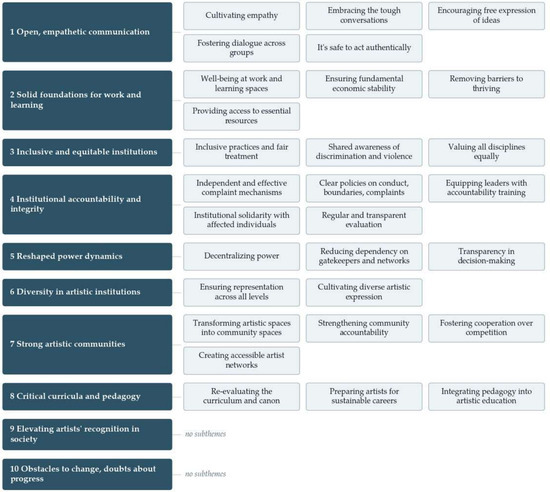
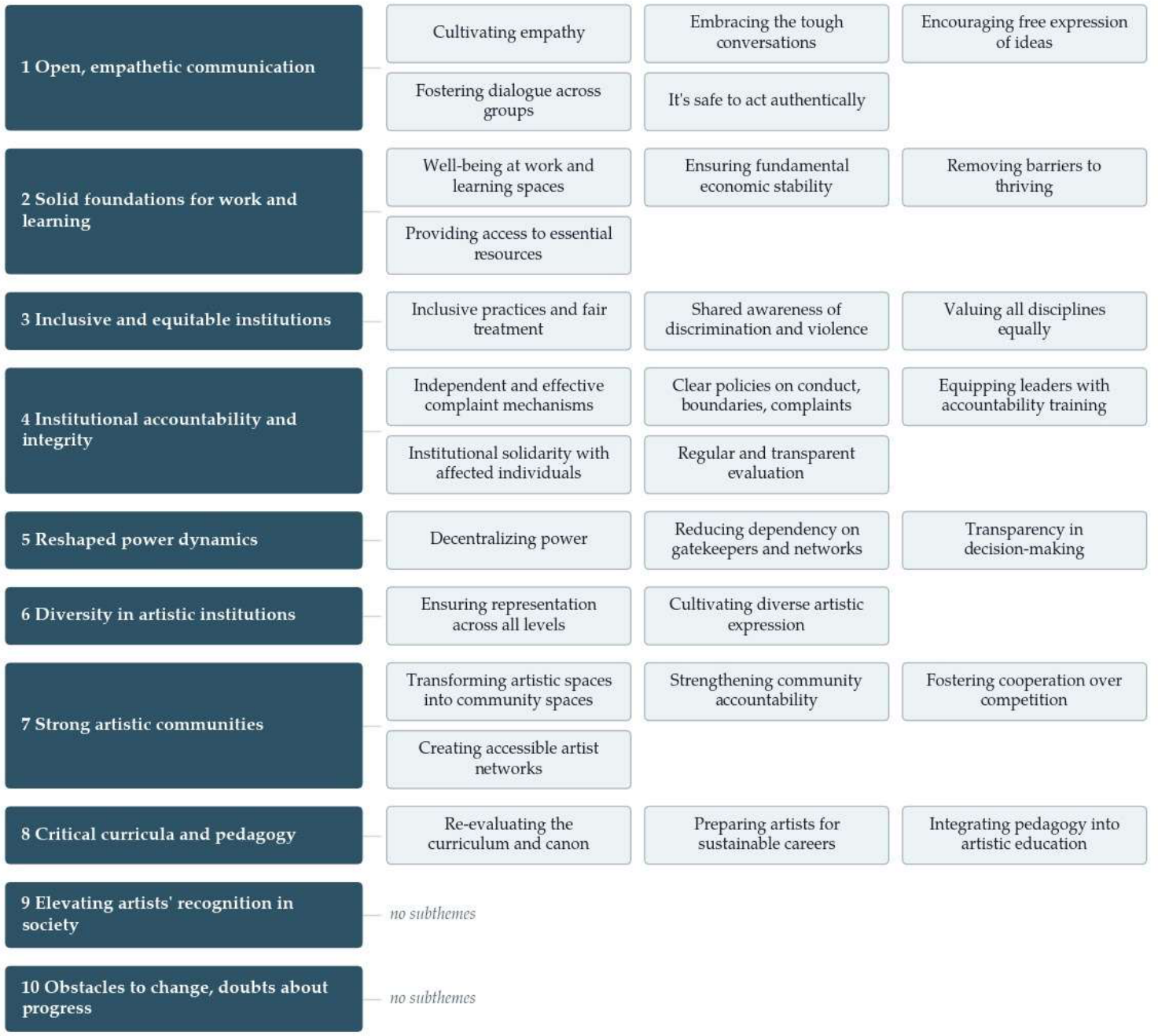
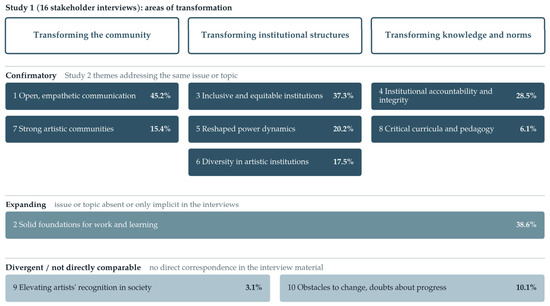
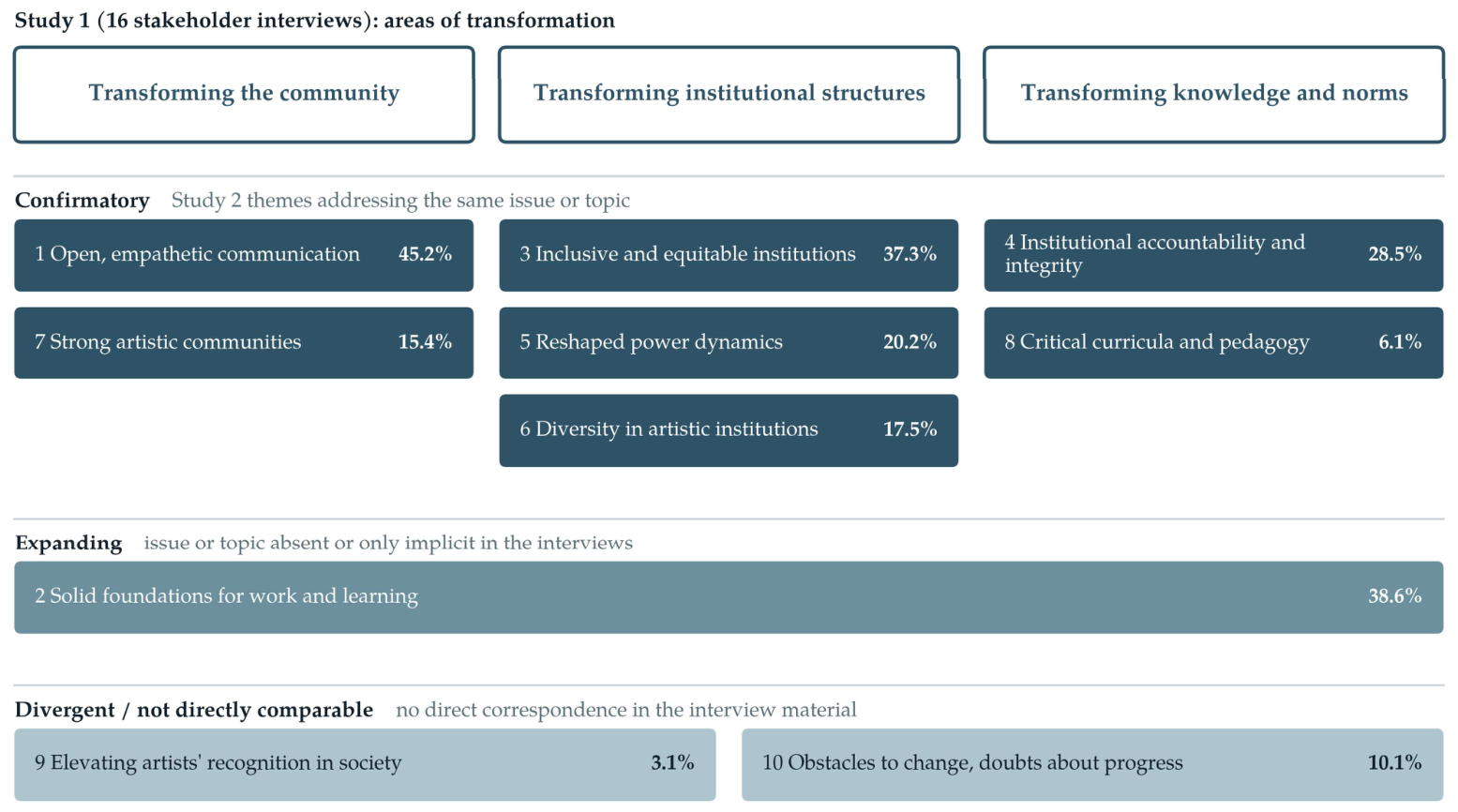

Disclaimer/Publisher’s Note: The statements, opinions and data contained in all publications are solely those of the individual author(s) and contributor(s) and not of MDPI and/or the editor(s). MDPI and/or the editor(s) disclaim responsibility for any injury to people or property resulting from any ideas, methods, instructions or products referred to in the content. |
© 2026 by the authors. Licensee MDPI, Basel, Switzerland. This article is an open access article distributed under the terms and conditions of the Creative Commons Attribution (CC BY) license.