


Highlights
- Megathyrsus maximus combines high forage productivity, nutritional quality, and good performance under shaded agroforestry conditions.
- Livestock–forest systems with M. maximus can improve forage quality and livestock performance, although excessive shading may reduce biomass production.
- Crop–livestock–forest systems can sustain dry-season forage production and reduce fertilizer requirements through suitable tree–forage associations.
- Successful integration depends on appropriate cultivar selection, tree density, long-term management, technical expertise, and monitoring strategies.
- Expanding M. maximus-based agroforestry systems could diversify agricultural production while supporting ecosystem restoration and climate-change mitigation.
Abstract
Agricultural and livestock activities play a central role in global food production and economic development but are also associated with environmental impacts such as deforestation, land-use conversion, and fires. Agroforestry systems (AFSs) can reduce these impacts by integrating agricultural, livestock, and forestry activities within the same area. The African species Megathyrsus maximus (syn. Panicum maximum) is the second most widely used forage grass in Brazil and performs well under shaded conditions, making it suitable for AFSs. This review synthesizes evidence from experimental and on-farm studies across nine countries on the benefits and impacts of integrating M. maximus into AFSs, with emphasis on Brazil, and discusses research gaps and priorities for improving its use in these systems. The strongest evidence is available for livestock–forest integrated systems, while the Mombasa cultivar has the broadest experimental support across different AFSs and environmental conditions. Reported benefits include improved forage and animal productivity, soil quality, erosion control, and reduced fertilizer requirements. However, system performance depends strongly on cultivar selection, tree density, shading, and long-term management. Overall, M. maximus-based AFSs represent a promising strategy for diversifying agricultural production while contributing to environmental sustainability and climate-change mitigation.
1. Introduction
Agricultural and livestock production are among the main pillars of the Brazilian economy, playing a key role in the country’s financial dynamics while generating significant social and environmental impacts [1]. Brazilian cattle production is predominantly pasture-based, with pastures occupying approximately 19% of the country’s territory, or about 164 million hectares [2]. Land use for agricultural and livestock activities is associated with pollution and contamination, as well as nutrient and soil component imbalances, leading to environmental degradation that, in turn, drives deforestation and consequently exacerbates ecological and climate-related problems [3,4]. According to the Annual Deforestation Report in Brazil 2024 [3], the country lost more than 1.24 million hectares of native vegetation in 2024, of which over 1.22 million hectares (98.66%) were attributed to agricultural and livestock activities. This contribution has consistently remained above 97% since 2019. Environmental degradation is particularly severe in regions known as agricultural frontiers, where extensive deforestation occurs to expand agricultural and livestock production into previously undisturbed areas [1]. In Brazil, the most prominent agricultural frontiers are AMACRO (Amazonas, Acre, and Rondônia states) and MATOPIBA (Maranhão, Tocantins, Piauí, and Bahia states), which correspond to the Amazon and Cerrado frontiers, respectively. Deforestation in the Amazon frontier decreased by 13% compared with 2023, totaling more than 89,000 hectares, whereas deforestation in MATOPIBA declined by 39%, reaching more than 516,000 hectares in 2024 [3]. Despite this reduction, MATOPIBA remains the country’s primary deforestation hotspot, accounting for approximately 42% of all native vegetation loss in Brazil.
Agroforestry systems (AFSs) have emerged worldwide as a promising approach by integrating crops, livestock, and forestry within the same land area, thereby providing an alternative for optimizing land use and natural resources [5,6]. It is rooted in ancestral forest-management practices that combined livestock with the production of food, fiber, and medicinal products while mimicking natural succession and promoting environmental balance [7]. Historical accounts indicate that Indigenous communities in the Americas cultivated and integrated more than 130 species before Columbus’s arrival. However, these traditional practices did not constitute systematically planned integration models. Over time, scientific research has contributed substantially to improving AFS productivity, efficiency, and sustainability [8]. In Brazil, planned AFSs were established throughout the 20th century following the arrival of immigrants, who implemented them based on experiences acquired in their countries of origin [9,10]. According to the most recent Agricultural Census, Brazil had more than 13.8 million hectares of AFSs in 2017, representing less than 4% of the agricultural land area [11].
AFSs can be classified in different ways; however, the most common approach is based on their structural composition, specifically the presence of trees, livestock, and crop/forage components. Accordingly, they are classified as agrisilvicultural, silvopastoral, and agrosilvopastoral systems [12]. When these systems are referred to as Integrated Production Systems, the corresponding terms are Integrated Crop–Forest (ICF), Integrated Livestock–Forest (ILF), and Integrated Crop–Livestock–Forest (ICLF), respectively (Figure 1). Agrisilvicultural or ICF systems can exhibit varying levels of biological complexity, with trees functioning either as windbreaks or shade providers, or as active components of the production system through the production of fruits, medicinal products, and timber. Combined with improvements in soil nutrient cycling and microclimatic conditions, these characteristics make ICF systems particularly attractive for implementation across different production scales [7,12,13]. In silvopastoral or ILF systems, trees once again contribute to soil and microclimate quality but may also impose limitations due to shading, as some forage species are highly sensitive to reduced light availability. Nevertheless, the arboreal component plays an even more important role in providing thermal comfort for livestock. Ruminants are known to reduce grazing activity under conditions of excessive heat, making ILF systems an effective strategy for minimizing the energetic costs associated with thermoregulation. This is particularly relevant in Brazil, where a large proportion of pasturelands are exposed to moderate or severe heat stress [14,15]. Agrosilvopastoral or ICLF systems combine tree–crop-livestock and tree–forage–livestock components within the same area, either simultaneously or in a temporal management arrangement, resulting in highly complex systems designed for intensive land use. In these systems, tree density generally determines the management of the other components. During the early stages of tree establishment, low canopy cover favors crop production. As trees grow and develop denser canopies, increasing shade gradually reduces crop suitability, allowing the introduction of livestock and the replacement of crops with pasture [16]. Following tree pruning or thinning, crop cultivation may be reintroduced, thereby establishing a cyclical production system. The temporal management must be carefully timed, as forage is generally established shortly before the main crop is harvested, allowing livestock to enter the system soon after harvest and thereby minimizing the period during which the land remains unproductive. From a socioeconomic perspective, ICLF systems also create a sustained demand for rural labor, contributing to continuous employment opportunities in agricultural areas [10,15,16,17].
Figure 1.
Diagram illustrating the relationships among AFSs and their forest, crop/forage and livestock components. Temporal management refers to the alternating use of land between periods of crop cultivation and periods of pasture and livestock grazing within agrosilvopastoral systems.
Since AFSs consist of mixtures of different organisms, the species selected for integration have a direct impact on their design. Initially, the economic value of each species should be considered during the planning process. For the tree component, species introduced into AFSs may be either native or exotic, with exotic species currently being the most widely used worldwide. Eucalyptus and Pinus are among the most used tree crops; however, species from the genera Acacia, Swietenia (mahogany), and Tectona (teak), as well as palm and fruit tree species, also represent significant components of these systems [16]. Inappropriate selection of the tree component can negatively affect the AFS, as trees are responsible for shading and for extracting nutrients and water from the soil. Selecting species that compete less with associated crops is therefore essential for maintaining system productivity [18]. The tree component can improve temperature and moisture conditions, support wildlife, reduce pests, enhance nutrient cycling, and provide additional income from timber, food, and other products. For the crop and forage component, it is necessary to understand species performance under intercropping conditions because of the competition for nutrients and water, resulting in stresses that may reduce yield [12,16]. Particularly for the forage component, studies addressing plant development are required because these characteristics directly affect forage quality and, consequently, the performance of animals consuming it. Such studies include evaluations of the amount of radiation required to achieve optimal photosynthetic potential, as well as assessments of forage nutritional value and digestibility [16,17]. Finally, the animal component depends on all other components of the system. Potential animals include poultry species, although the primary focus is generally on grazing livestock [19]. The selected species must exhibit good acceptance of the planted forage and be managed at stocking densities compatible with forage growth. Moreover, the consumption of trees and shrubs may cause health problems in livestock, as ingestion of woody plant material can lead to intoxication and digestive system disorders [18].
AFSs can reduce the land area required for agricultural production by combining different farming activities in the same area while providing multiple benefits to producers. The integration of different plant and animal species is intended to promote ecological balance and environmental sustainability while contributing to the maintenance of soil quality [14]. Consequently, the implementation of AFSs is closely aligned with sustainable development goals, as these systems enhance food security, reduce poverty, mitigate deforestation, promote the restoration of degraded lands, and strengthen natural processes involved in climate regulation, such as atmospheric CO2 sequestration and carbon storage [6,8,20]. According to the Brazilian Greenhouse Gas Emissions and Removals Estimation System (SEEG), Brazil emitted approximately 2.3 billion metric tons of CO2e in 2023 [21]. Emissions from the agricultural sector increased by 2.2%, reaching 631 MtCO2e, corresponding to 28% of the national total. When emissions associated with deforestation and land-use change for agricultural purposes are included, however, the sector accounts for approximately 74% of Brazil’s total greenhouse gas emissions (GGEs). This increase is largely attributable to the expansion of the national cattle herd, as enteric fermentation in ruminants generates substantial methane emissions, which alone accounted for 405.1 MtCO2e. In contrast, when net emissions, which consider both GGE and atmospheric CO2 removals, are evaluated, agriculture contributes 38% of total emissions. This reduction reflects the considerable carbon sequestration potential of agricultural systems, particularly pastures and AFSs, which removed an estimated 135.5 and 115.5 MtCO2e, respectively, in 2023 [21]. Together, these systems accounted for approximately 90% of the sector’s total carbon removals. In addition, the implementation of AFSs is associated with earlier finishing of livestock due to improved animal welfare and forage quality. This is particularly relevant because it results in lower GGE per unit of animal production [22]. Owing to these benefits, AFSs have been actively promoted by the Brazilian government through several public initiatives, including the Low-Carbon Agriculture Program (ABC Program) and the National Plan for Native Vegetation Recovery (PLANAVEG), both of which encourage the adoption of AFSs as an alternative to conventional production in order to mitigate their social, environmental, and climate-related impacts [20,23].
Given the extensive pastureland area in Brazil, integrating pastures with the other components of AFS represents an important opportunity to increase and diversify agricultural production while reducing the environmental impacts of livestock farming. However, the success of these production systems is closely dependent on a thorough understanding of the biological interactions among their components, especially forage species. One such species is the Poaceae Megathyrsus maximus (syn. Panicum maximum), which is currently the second most widely cultivated forage grass species in Brazil [24]. Owing to its agronomic importance, numerous studies have evaluated different M. maximus cultivars, highlighting the potential of this species for use in AFSs [14,24]. Therefore, this review aims to present the current knowledge on the benefits and impacts of integrating M. maximus into different types of AFSs worldwide, with particular emphasis on Brazil. We first provide a brief overview of the main forage species used in Brazil. We then discuss current research perspectives on AFSs, particularly those incorporating M. maximus, and identify future avenues for expanding and improving the germplasm repertoire of this species for use in AFSs, with the goal of supporting the development of new production systems based on this forage Poaceae.
2. Forage Poaceae in Brazil, with Emphasis on Megathyrsus maximus
In Brazil, pasturelands occupy a larger area than land dedicated to crop production [25]. The largest pasture areas are concentrated in the Central-West and North regions, followed by the Northeast, Southeast, and South, respectively. Pasture degradation is characterized by a decline in forage productivity, resulting in a reduced carrying capacity, whereby a given area is able to support progressively fewer grazing animals. This process may result from weed infestation or from excessive grazing pressure, which exposes the soil surface and increases its susceptibility to erosion. In 2023, of the 164 Mha of pastureland, 59.1 Mha were classified as high vigor, 69.2 Mha as medium vigor, and 36.2 Mha as low vigor (Figure 2), with particular emphasis on the fact that a portion of the high-vigor pastureland has been established through the clearing of native forests [2,21]. Given the role of AFSs in restoring degraded pastures, the 105.4 Mha of medium- and low-vigor pastureland in Brazil represent a major opportunity for their expansion, potentially increasing AFS land use from 4% to more than 30%. If sustainably managed, these areas could increase agricultural productivity while improving environmental sustainability. AFSs and high-vigor pastures also make important contributions to GHG removal within the agricultural sector.
Figure 2.
Pasture vigor across Brazil in 2023. The map was created using raw data from the MapBiomas database [2]. The data correspond to georeferenced pasture points classified by MapBiomas using remote sensing as high, moderate, or low vigor, representing progressively lower vegetation activity and cover density, from dense and active vegetation to sparse and degraded pasture. Based on the geographic coordinates of each point, a map was generated using QGIS (https://www.qgis.org/, accessed on 27 October 2025), with the points overlaid on a map of Brazil and displayed using a color scale: green for high-vigor, yellow for moderate-vigor, and red for low-vigor points.
Pasture restoration can be achieved through several strategies, including weed control, re-establishment or replacement of forage species, or the implementation of AFSs [26]. However, the success of these approaches depends on the forage species employed, highlighting the need for species-specific knowledge, as forage species differ in their environmental requirements and performance across the diverse regions of production. Forage species belong predominantly to the plant families Fabaceae and Poaceae, commonly known as legumes and grasses, respectively [27]. Fabaceae, the second most economically important plant family after Poaceae, includes forage trees, shrubs, and herbs such as Leucaena, Gliricidia, Medicago, and Arachis, which are widely used in livestock systems for their protein-rich forage and contribution to soil fertility.
Most forage Poaceae belong to the genera Brachiaria, Megathyrsus, Pennisetum, and Cynodon [22,28]. The genus Brachiaria (syn. Urochloa) originated in Africa and was introduced into Brazil during the 1960s, initially in the Amazon region before spreading throughout the country. Currently, approximately 80% of cultivated pastures in Brazil are established with species of this genus [29]. Brachiaria species generally require less fertile soils than other tropical forage grasses and have deep root systems that support rapid establishment, vigorous growth, and high livestock productivity. They exhibit strong competitive ability against weeds, allowing complete ground cover in both conventional pastures and AFSs, thereby enhancing overall system performance. The genus Pennisetum includes species popularly known as elephant grass (P. purpureum) and pearl millet (P. glaucum). Native to Africa, these species were introduced into Brazil during the 1920s [30]. Members of this genus are characterized by drought tolerance, high biomass productivity, vigorous growth, and excellent nutritional value. However, because of their large stature, regular cutting management is required to maintain forage accessibility for grazing animals, particularly smaller ruminants [30,31,32]. Cynodon species occupy the smallest pasture area and include species commonly known as African star grass (C. nlemfuensis) and bermudagrass (C. dactylon) [33,34]. These African species were introduced into Brazil at an uncertain date, although their use as forage has been documented since the 1960s [34]. They are characterized by high nutritional value, elevated biomass production, suitability for hay production, rapid establishment, tolerance to trampling, and good drought resistance, making them particularly valuable for pasture restoration and AFSs [33,34]. However, these species have relatively high soil fertility requirements, limited shade tolerance, and require moist, well-drained soils. They are also susceptible to a broader range of pests, including defoliating caterpillars and spittlebugs [28,33,34,35].
The genus Megathyrsus comprises only three species formerly classified within the genus Panicum: M. infestus, M. bivonanus, and M. maximus, of which only M. maximus occurs in Brazil [36]. Megathyrsus infestus and M. bivonanus are endemic to Africa and Italy, respectively, whereas M. maximus has been introduced into several countries as a forage grass, including Brazil, where it is the second most widely cultivated forage species for livestock production [24,36,37]. Megathyrsus maximus was introduced into Brazil during the colonial period through the transatlantic slave trade, when it was reportedly used as bedding material on slave ships. The cultivar Colonião, the first M. maximus cultivated in Brazil, marked the beginning of the widespread use of this species as forage and remained the dominant cultivated pasture grass until the introduction of Brachiaria species.
Megathyrsus maximus is a perennial tuft-forming grass that can reach up to 4.5 m in height [33]. It possesses erect culms bearing three to fifteen nodes, which may be glabrous or pubescent, and lanceolate leaves measuring up to 3.5 cm in width and 15–100 cm in length. The inflorescence is an open panicle reaching up to 25 cm in width and 60 cm in length, while the fruit is a caryopsis approximately 2 mm long. It is a C4 photosynthetic species, a characteristic closely associated with its high productivity [38]. This photosynthetic pathway, together with a deep, fibrous root system, contributes to the high biomass production and rapid growth of M. maximus. Under adequate fertilization, it may be widely used for grazed pastures, hay, and silage, while maintaining good palatability and forage quality for livestock. Its tall growth habit, abundant production of broad leaves, particularly during the rainy season, and resistance to common pests such as spittlebugs further enhance its agronomic value. Beyond its use as forage, several studies have highlighted the potential of M. maximus for bioenergy production, including charcoal and ethanol. As one of the most productive seed-propagated forage grasses, its adaptation to Brazilian edaphoclimatic conditions has facilitated its widespread adoption for multiple agricultural purposes throughout the country, including more intensive livestock production systems [33,37,38,39].
Research on M. maximus breeding began in 1982 through a collaborative program between Embrapa and the French Institute de Recherche pour le Développement (IRD). The exchange of germplasm and scientific knowledge enabled the development of improved cultivars, facilitating the expansion of the species throughout specific edaphoclimatic conditions of different regions of Brazil. Some of these cultivars are interspecific hybrids, whereas others originated from natural accessions collected in different regions of Africa without genetic modification [40,41]. Initially, the Agronomic Institute of the State of São Paulo released the cultivar Aruana in 1989 as an alternative to Colonião. Beginning in the 1990s, however, Colonião was progressively replaced by the cultivars Tanzânia-1, Mombaça, and Massai, released in 1990, 1993, and 2001, respectively [41]. These cultivars exhibited greater forage productivity, faster regrowth, improved canopy structure, and, most importantly, enhanced seed production and viability, facilitating their large-scale commercial dissemination. More recently, the cultivar BRS Zuri and the hybrid cultivars BRS Tamani and BRS Quênia were released in 2014, 2015, and 2017, respectively, incorporating additional improvements in agronomic performance [41]. Although highly productive, M. maximus remains relatively sensitive to both flooding and, particularly, drought stress. It also requires temperatures between 17 and 35 °C, and appropriate correction of soil pH and fertility, especially with respect to nitrogen and phosphorus availability. Outside these optimal conditions, forage productivity declines and pasture degradation may occur more rapidly [15,33,37,42,43].
In general, M. maximus cultivars exhibit greater forage yield and nutritional quality than Brachiaria cultivars [37]. The broad diversity of M. maximus cultivars enables their use under a wide range of production systems according to producer objectives. Short-stature cultivars, such as Massai and BRS Tamani, are particularly suitable for small- and medium-sized ruminants, including sheep and goats, whereas medium- and tall-growing cultivars are generally recommended for large ruminants and for hay production. Nevertheless, the applications of these cultivars extend beyond direct animal feeding. They may also contribute to weed suppression and function as trap or reservoir plants for agricultural pests, particularly in AFSs [14,28,44,45,46]. In addition, some studies have reported that diets based on M. maximus may reduce enteric methane emissions, potentially owing to its foliar chemical composition or to management strategies that accelerate animal finishing, thereby shortening the production cycle and mitigating GGE [47,48].
3. Megathyrsus maximus and Agroforestry Systems
The use of M. maximus cultivars in AFSs has historically encountered some resistance because grasses are generally regarded as invasive or weedy plants that establish spontaneously within cultivated areas [49]. This perception is rooted in traditional agricultural practices that prioritize monoculture systems through the elimination of spontaneous vegetation, commonly referred to as weeds. Despite this long-standing view, the incorporation of M. maximus cultivars into various AFSs has become increasingly widespread worldwide. In Brazil, this practice is particularly common among family farming, in which environmental restoration initiatives frequently involve families occupying lands degraded by previous agricultural activities and seeking strategies to restore their productive capacity [50,51]. Below, we summarize current knowledge on the use of M. maximus in the different types of AFSs.
3.1. Crop–Forest Integration (ICF) and Intercropping Systems
In ICF systems, the space between tree rows is generally used for the cultivation of annual crops, which has limited the adoption of perennial M. maximus in these systems. In addition, persistent misconceptions regarding the potential negative effects of M. maximus on forest productivity have hindered the acceptance of such practices [52]. However, several studies have demonstrated that the use of M. maximus in ICF, with the cut forage biomass applied as mulch around the planted area, can provide multiple benefits without negatively affecting the overall performance of the system. These can include improved soil moisture conservation, increased biomass input to the soil ecosystem, enhanced soil fertility, and even suppression of the establishment and proliferation of other spontaneous plant species by up to 80%, and a reduction of up to 75% in their diversity [44,53].
In Indian orchards, integrating M. maximus with sapodilla (Manilkara zapota) increased soil phosphorus availability, while its association with mango (Mangifera indica) increased Rhizobium and Azotobacter populations by 1.5- and 5-fold, respectively, benefiting nitrogen fixation and plant growth [54,55]. In both systems, M. maximus increased soil electrical conductivity by 56–75% [55]. Under non-saline conditions, electrical conductivity can indicate soil fertility because it reflects properties such as organic matter, clay content, porosity, and water-holding capacity [56].
Cultivating M. maximus with trees and crops for forage use or sale can be especially attractive where land is insufficient for separate crop and livestock systems. On farms in Vietnam, the effects of integrating M. maximus with trees and annual crops were evaluated [57]. This study showed that establishing M. maximus on sloping land contributed to soil and nutrient retention, reducing losses from leaching and runoff by up to 84%. Similar conclusions were reported for the integration of longan (Dimocarpus longan), mango, and M. maximus in Vietnam [58]. The stored water gradually infiltrated the soil, increasing soil water availability by up to 28 mm, a process further enhanced by the tree root systems, which increased water infiltration and redistribution through different soil layers, particularly in the upslope area adjacent to the tree rows. The improved soil moisture conditions and greater nutrient availability resulting from soil retained by the forage grass also contributed to higher maize grain yields upslope, despite the lower solar radiation received by the crop [58].
In Brazil, ICFs integrating eucalyptus and the native tree species angico (Anadenanthera colubrina var. cebil) and aroeira (Myracrodruon urundeuva var. Allemão) demonstrated that the establishment of M. maximus between tree rows can improve system profitability through forage sales. Moreover, when the additional revenue generated from carbon credits was considered, the overall economic viability increased by more than tenfold [59]. Carbon credits provide financial compensation for landowners and production systems capable of removing GEEs from the atmosphere. These findings also reflect a common situation in Brazil, where a substantial proportion of commercial forestry plantations, particularly eucalyptus stands, are established on sloping terrain that is often unsuitable for annual crop production or conventional livestock grazing [60]. Under these conditions, integrating forage grass can improve soil quality and generate additional income through forage production and commercialization.
Although intercropping systems without trees or shrubs are not classified as AFSs, they provide useful insights into the integration of M. maximus with other species [61]. As observed in forestry systems, one of the primary concerns associated with intercropping is the potential negative effect of the forage grass on the performance of the main crop. A study conducted in Brazil has shown that intercropping maize with M. maximus resulted in yields exceeding 5.17 t ha−1, which was lower than the yield obtained under monocropping with weed removal (7.01 t ha−1), but substantially higher than that obtained under monocropping without removal of spontaneous species (1.98 t ha−1) [46]. Integrating M. maximus with leguminous trees can convert conventional intercropping into ICF systems while providing protein-rich forage and improving soil nutrient availability [62,63]. Overall, these studies support the use of M. maximus in intercropping systems and ICFs, where different cultivars can improve soil quality and increase farm income. They further indicate that conventional intercropping systems may evolve into AFSs, thereby providing additional environmental benefits. However, these outcomes depend on cultivar selection and management, highlighting the need for further research to identify combinations that maximize AFS performance.
3.2. Livestock–Forest Integration (ILF)
Light availability strongly influences the establishment, growth, and productivity of tropical C4 forage grasses, and shading caused by the tree component in AFSs can reduce photosynthesis, tillering, root development, and regrowth capacity [22,64,65]. On the other hand, trees may also improve microclimatic conditions, soil fertility, forage quality, and seasonal production stability [22,66,67]. Therefore, forage species used in these systems should be well adapted to reduced light, with M. maximus standing out as a promising species based on its strong performance in studies conducted under artificial shading conditions [14,64,68].
Among AFSs, ILF systems with M. maximus have been the most extensively studied, and this forage species is widely recommended for their use [67,68,69]. A study conducted in the Central-West region of Brazil found that mixed pastures integrating the native tree species pequi (Caryocar brasiliense) with M. maximus produced, on average, higher fresh (1.8- and 144.9-fold) and dry (1.5- and 62.8-fold) forage biomass than systems based on forage species of the genera Urochloa and Stylosanthes, respectively [70]. Similar results were reported in Ecuador, where ILFs integrating native tree species promoted superior performance of M. maximus and improved livestock productivity, reaching an average gain per area of 24.82 kg LW ha−1 d−1, compared with 4.6 kg LW ha−1 d−1 under monocropping [71]. These findings reinforce the potential of integrating forage and native tree species, particularly because the use of native woody species can provide habitat for native wildlife, facilitating the preservation or recovery of native vegetation [72].
In Mexico, the shrub Leucaena leucocephala improved the productivity and nutritional quality of M. maximus. Under this association, the forage exhibited 4.3% less neutral detergent fiber (NDF) concentrations and 33.14% more crude protein content. These improvements were attributed to the nitrogen-fixing capacity of L. leucocephala and the delayed senescence of the forage leaf tissues [73]. Similar findings have been reported in Colombia and Venezuela [74,75]. On the other hand, a comparative study conducted in the Brazilian Amazon demonstrated that beef cattle performance and methane emissions did not differ significantly between ILF systems and monoculture pastures of M. maximus. However, during the dry season, under ILF systems, the forage exhibited superior nutritional quality [48]. In Mexico, an ILF combining C. nlemfuensis and M. maximus had lower milk production than a C. nlemfuensis monoculture [76]. However, forage quality improved, eliminating the need for nitrogen fertilization and herbicides and reducing methane emissions by 18%. This reduction resulted from better forage quality and lower supplemental feed requirements. Consequently, evaluating the financial performance of these systems requires consideration of multiple production components rather than cattle performance alone.
In southern Brazil, ILFs combining black wattle (Acacia mearnsii) with forage species, including M. maximus, were evaluated for the effects of tree density on forage yield and livestock performance [77]. Increasing tree density significantly improved livestock performance, underscoring the importance of evaluating interactions among system components to achieve an appropriate balance among production objectives. The relative performance of each system component can change over time due to several factors. Among these, higher tree densities may initially favor livestock productivity by improving thermal comfort, whereas subsequent thinning operations may enhance the productivity of both the forage and tree components.
These findings differ from those reported in Argentina, where pastures established beneath dispersed native trees composed primarily of Libidibia paraguariensis exhibited only a slight increase in M. maximus digestibility accompanied by a 46% to 63% reduction in aboveground net primary productivity, despite improvements in radiation-use efficiency [78]. The reduced productivity was attributed to the dense canopy architecture of L. paraguariensis, which reduced incident solar radiation by as much as 60%. Furthermore, the tree–forage combination was not well suited for ILFs because cattle preferentially grazed in shaded areas, where forage regrowth rates were insufficient to sustain grazing pressure. Reduced forage productivity, nutritional composition and digestibility were also observed in Panama, where M. maximus cultivars established beneath native and timber tree plantations produced up to 50% less biomass than those grown under full sunlight [79]. The presence of the tree component enhanced several soil physical properties associated with water infiltration; however, these improvements did not translate into measurable gains in system performance. The negative results likely resulted from the specific tree species, stand density, and tree age, which increased competition for water and reduced the expected benefits of the AFS. Nevertheless, under conditions of moderate shading, the cultivar Massai maintained satisfactory forage production even during a period of severe drought associated with the El Niño [79], whose intensity and frequency have increased in recent decades [80]. Collectively, these findings underscore the importance of carefully planning tree density and selecting compatible species when designing ILFs.
The available evidence suggests that M. maximus-based ILF systems are feasible when appropriately designed and managed. Poor planning, unsuitable species combinations, and inadequate long-term management can reduce productivity and economic viability. ILFs should therefore be evaluated as integrated systems considering forage, trees, and livestock together. Lower productivity of one component may be offset by gains in others, maintaining economic viability and environmental sustainability.
3.3. Crop–Livestock–Forest Integration (ICLF)
The integration of M. maximus into ICLF or agrosilvopastoral systems has considerable potential but remains relatively underexplored. As with other AFSs, the successful establishment of M. maximus depends heavily on careful planning and proper management. In ICLF, successive crop cycles often occur within the same area, requiring rapid pasture establishment to allow timely introduction of the livestock component during intervals between annual crops. In Mexico, flooding reduced the performance of a complex ICLF, but forage trees allowed patches of M. maximus to survive [81]. This is notable because the species generally has low tolerance to waterlogging and suggests that suitable tree–forage combinations may improve pasture persistence in seasonally flooded areas. In Brazil, Massai grass was evaluated as a monoculture and in ICLFs combining maize with different leguminous tree species [82]. The ICLF maintained satisfactory forage production during the dry season, with the species association producing approximately 13.75 t ha−1 of dry biomass, compared with approximately 14 t ha−1 produced by the M. maximus monoculture. This association achieved forage performance comparable to highly nitrogen-fertilized monocultures. Nitrogen-fixing trees may therefore reduce fertilizer costs, which can represent up to half of total production expenses.
In Brazil, an ICLF combining M. maximus, maize, and eucalyptus reduced Massai grass biomass by 9–38% under tree shade [63]. Nevertheless, milk production did not differ among shading levels, possibly becausegreater shade improve animal thermal comfort, an important factor influencing lactation performance. Furthermore, during periods when seasonal conditions limited forage growth, maize silage produced within the system was successfully used to supplement animal diets. On the other hand, in Brazil, an ICLF combining cattle, sheep, M. maximus, maize, eucalyptus, and teak (Tectona grandis) increased milk production by 1.21 kg per animal, reaching 8.31 kg/day under appropriate stocking rates [62]. In addition, maize yield and grain quality were not adversely affected by the integrated system; forage availability remained stable throughout the production cycle, and NDF concentrations in the forage were slightly lower, a characteristic that can positively influence milk production.
Collectively, different M. maximus cultivars perform well in ICLFs, supporting their use in AFSs. Their value reflects both good livestock attributes and strong performance when integrated with crops and trees. The compatibility between M. maximus and maize is particularly relevant, as maize is one of the world’s most important crops. Integrating these species in AFSs may therefore improve farm profitability while enhancing agricultural sustainability and competitiveness.
3.4. Possible Environmental Impacts of Using Megathyrsus maximus in AFSs
As discussed above, the integration of M. maximus into AFSs can provide numerous benefits for producers, society, and the environment. Nevertheless, its implementation requires careful planning and management, as inappropriate establishment and management practices may result in significant economic and ecological challenges. This concern arises because M. maximus is an exotic species in most of the countries where it is currently cultivated (Figure 3).
Figure 3.
Global distribution of M. maximus. Distribution status is classified as native, introduced, and introduced and invasive, referring to natural occurrence, controlled non-native occurrence, and non-native populations that spread beyond controlled areas into native ecosystems, respectively. Data were retrieved from Plants of the World Online [83,84]. The map was generated in Microsoft Excel by classifying each country according to the distribution status of M. maximus: orange for introduced and invasive, dark green for introduced, and light green for native.
Many of the traits that make M. maximus desirable as a forage species are also closely associated with its invasive potential. These traits have enabled the species to spread rapidly across the world, colonizing degraded lands and natural ecosystems, and establishing within agricultural fields [84,85,86]. Once established, the species disperses efficiently through stolons and rhizomes, allowing it to outcompete native vegetation and alter local ecosystems. Owing to its large stature and high biomass production, the invasion of forested areas by M. maximus can modify fire dynamics by creating continuous fuel layers that facilitate the spread of fire from the ground to the tree canopy. Moreover, because the species is highly fire-tolerant, extensive burning often favors its persistence and further establishment following fire events, thereby increasing its invasive success [84,85,87]. Breeding programs and cultivar selection have inadvertently enhanced M. maximus traits associated with invasiveness [84].
Recommended control methods include chemical control, mechanical removal, intensive grazing, prescribed burning, and biological control agents [84,85]. Megathyrsus maximus has been reported to exhibit resistance to certain general-purpose and post-emergence herbicides [88], potentially limiting the effectiveness of chemical control. Herbicide application also requires caution in areas containing native vegetation, where chemical drift may affect non-target species and exacerbate environmental impacts. Chemical control can be combined with mechanical or manual removal; however, these approaches are generally feasible only on a small scale, as repeated interventions may be necessary until native vegetation becomes sufficiently established to suppress M. maximus recolonization [89]. Intensive grazing may also represent an effective management strategy when grazing frequency and intensity are appropriately determined [90]. Additionally, prescribed burning has been successfully applied as a management strategy, contributing to increased native plant species richness [91]. Biological control agents have also been proposed as promising alternatives, as the identification of host-specific pathogens or monophagous organisms may enable targeted control of M. maximus while minimizing impacts on non-target species. Several studies have identified pathogens, fungi, and arthropods associated with M. maximus, including B. maydis [84], Drechslera gigantea, Exserohilum rostratum, and E. longirostratum [85]. Preventing the spread of M. maximus into native ecosystems deserves particular attention, as one of the fundamental principles of AFSs is to promote sustainable production while maintaining ecological integrity.
4. Perspectives
4.1. Climatic Suitability and Performance of Megathyrsus maximus in AFSs
A substantial body of knowledge is now available on the use of M. maximus in AFSs (Table 1). Research covers all three main AFS types and different climatic conditions but is concentrated in tropical environments, particularly ILFs, followed by ICLFs and ICFs. Most studies were conducted under Aw climates, indicating that the use of M. maximus in AFSs has been particularly explored under non-African seasonally dry tropical conditions, where M. maximus is considered an introduced and potentially invasive species. The Mombasa cultivar has the broadest experimental support and has been evaluated in ICF and ILF systems under Aw, Am, and Af climates. Mombasa is suitable for both crop-associated and livestock-based AFSs under a wide range of climatic and management conditions, particularly in tropical and humid subtropical regions. In Brazil, comparable climatic conditions occur in portions of the Cerrado, Amazon, and Atlantic Forest biomes. Tanzania, Massai and Tamani have also been evaluated under contrasting environmental conditions, including BSh, Aw, and Am climates, predominantly in ILF and ICLF systems. The available evidence therefore supports their potential use in livestock-oriented systems across environmental conditions broadly similar to those in which Mombasa has been evaluated, although its applicability to other climatic regions remains less well documented. Gatton and Aruana have been studied primarily in subtropical or relatively dry environments. Gatton was evaluated under Cfa, Cwa, and BSh conditions, corresponding to Brazilian environments such as the Pampa, southern Atlantic Forest, and Caatinga. Aruana, evaluated under Cfa conditions, appears particularly compatible to the Pampa and southern Atlantic Forest. Taken together, these findings suggest that the incorporation of M. maximus into AFSs could be particularly relevant for promoting more sustainable agricultural intensification in Brazilian agricultural frontiers such as AMACRO and MATOPIBA, where agricultural expansion has been strongly associated with deforestation pressure. However, this potential should be interpreted with caution, since these regions are characterized by high temperatures and, particularly in MATOPIBA, recurrent water limitations, whereas M. maximus generally shows limited tolerance to severe water deficit. Therefore, cultivar selection and the capacity of the tree component to mitigate heat and water stress will be critical for determining the long-term suitability of these systems.
Within the native range of M. maximus, some populations grow naturally beneath tree canopies, especially near large and nitrogen-fixing trees, when soil moisture is adequate and grazing pressure is low [84,85]. Trials under artificial shading have shown that M. maximus performs well at shading levels of up to 75%, with increased nitrogen accumulation and dry matter production under moderate shade of up to 54%, while maintaining yields comparable to full sun even at 81% shading [40,84,92]. In contrast, under AFS conditions, shading has been associated with biomass reductions of 10–65%, although digestibility and nutritional quality often improve (Table 1). These contrasting responses indicate that results from artificial shading experiments cannot be directly extrapolated to integrated AFS conditions. Additionally, the reduced water stress under shading plays a central role in maintaining forage growth, whereas nitrogen availability becomes the primary limiting factor under these conditions [67,93,94]. Nitrogen availability deserves particular attention because the growth of tropical Poaceae is strongly regulated by this nutrient, and species of the genus Megathyrsus are especially demanding with respect to nitrogen supply [64]. Regarding animal performance, several M. maximus-based AFSs showed improvements, including increases in milk yield, greater body-weight gain, and higher live-weight gain than under monocropping conditions [62,69,71]. These benefits were often associated with improved forage digestibility and nutritional quality, although responses varied among systems and management conditions [48,63,76].
Table 1.
Summary of studies on AFSs with Megathyrsus maximus.
4.2. Policy and Technological Context for Expansion of AFSs
Several barriers still hinder the widespread adoption of AFSs. Constraints to AFS establishment include insufficient technical expertise for system design and management, the lack or limited knowledge regarding machinery, access to financing, inadequate market valuation of AFS products, insufficient governmental support, and a shortage of cultivars specifically developed for AFSs [50,53]. From a technological perspective, the incorporation of emerging technologies into AFS monitoring represents a major opportunity for system improvement. Remote sensing technologies enable intensive data collection through the use of drones, ground-based sensors, and satellite imagery, providing a comprehensive understanding of system dynamics. The integration of these datasets with Artificial Intelligence, Deep Learning, and Machine Learning (ML) techniques allows simultaneous analysis of variables related to soil and plant growth parameters. The combined use of a smartphone camera, spectrometer, and ML has shown promising results for predicting the biomass and quality of Mombasa grass in an ILF system in Colombia [95]. This approach enabled the inference of pasture parameters without the need for laboratory analyses, predicting values slightly lower than those obtained through conventional destructive analyses. The accuracy achieved in this study was primarily associated with the analysis of a single wavelength rather than broader spectral ranges, which may help reduce noise and uncertainty in the predictive models. In addition, it was noted that AFSs in tropical regions tend to exhibit greater complexity and heterogeneity, which can affect the accuracy of computational models in such environments. However, this limitation can be addressed by incorporating information on climate, soil conditions, and associated plant species, particularly legumes, which are known to reduce the accuracy of prediction models in complex pasture systems. Therefore, combining climatic and historical data enables predictive analyses capable of forecasting system responses to environmental conditions. Such information can support more precise irrigation and fertilization management, thereby increasing the productivity of system components while reducing management costs.
Governmental support is also essential for expanding the adoption of AFSs, as many producers face financial and regulatory barriers that limit implementation. Brazilian forest legislation requires that a specified proportion of rural properties remain covered by native vegetation, with this requirement reaching up to 80% of the property area in the Amazon region [96]. AFSs represent a valuable opportunity in this context because they maintain native forest cover while simultaneously generating marketable products. By aligning environmental legislation with ecologically sustainable production practices, AFSs create opportunities to generate income, conserve native forests, and restore degraded areas along agricultural frontiers [7]. From a Brazilian perspective, this scenario gains particular relevance when considered together with the extent and spatial distribution of degraded pasturelands, including the extensive areas occurring in the Central-West, North, and Northeast regions. These areas represent a major opportunity for the expansion of AFSs. In this context, the adoption of AFSs incorporating M. maximus could contribute directly to the objectives of the ABC Program and the PLANAVEG by combining productive intensification with the recovery of degraded land [20,23]. Such systems may also support compliance with the Brazilian Forest Code by reconciling agricultural production with the maintenance or restoration of native vegetation within rural properties [96].
The carbon market represents another important area in which governmental support can facilitate the expansion of AFSs, given their potential to reduce GGE and generate carbon credits. Carbon credits are issued through certification systems in which producers demonstrate that their activities remove or sequester greenhouse gases, receiving credits corresponding to the quantity of carbon dioxide removed from the atmosphere. These credits can subsequently be traded with organizations seeking to offset their GGEs. In 2024, carbon credits were generally traded at values ranging from approximately USD 4 to USD 6 per metric ton of CO2e. However, prices vary according to the carbon removal methodology employed, with projects involving reforestation and ecological restoration typically commanding higher values, frequently exceeding USD 10 and, in some cases, reaching up to USD 50 per metric ton of CO2e [97]. Because this market is regulated by certification bodies that establish eligibility and pricing criteria, access to carbon trading remains limited for many smallholder farmers. To address this limitation, initiatives aiming to facilitate the participation of family farmers in carbon markets in partnership with the government can expand access to carbon markets through the establishment of new AFSs and the regularization of existing ones. Reliable methods to quantify CO2e sequestration and storage are essential for integrating AFSs into carbon markets and remain a major limitation for carbon credit certification [98]. Therefore, governmental participation encompasses not only direct financial incentives but also the establishment of legal and institutional frameworks that encourage AFS adoption in strategically important regions. Still, in parallel, the recovery of degraded pastures through AFSs may provide a practical pathway linking the agronomic evidence reviewed here with Brazil’s climate, restoration, land-use, and environmental policy objectives.
It is also important to recognize that improving AFSs requires overcoming cultural barriers. As discussed above, farmer resistance often reflects concerns that AFSs reduce productive land and increase competition for resources among plant species. These misconceptions can be addressed through the dissemination of scientific knowledge and practical information to producers. University outreach projects in Brazil have shown that clear and accessible communication about the ecological and economic benefits of AFSs can increase farmer acceptance and adoption [99]. Knowledge can be disseminated through educational materials, workshops, and public awareness campaigns that build technical capacity and reduce resistance to species integration in agricultural systems [20,50]. Furthermore, increasing the number of professionals specialized in the design and management of AFSs would likely make a substantial contribution to the broader dissemination and successful implementation of these production systems.
4.3. Enhancing Megathyrsus maximus for Use in AFSs
The improvement of M. maximus cultivars also represents a key strategy for enhancing the productivity and sustainability of livestock production. To date, breeding programs have primarily focused on increasing seed and leaf production while enhancing resistance to the fungal pathogen Bipolaris maydis, to which some cultivars remain susceptible [22]. Because M. maximus includes numerous apomictic genotypes, conventional breeding programs generally rely on crosses between apomictic and sexual individuals to generate heterotic elite genotypes that outperform their phenotypically contrasting parents [22,100]. This process produces both sexual and apomictic hybrids. Sexual hybrids are subsequently backcrossed until the desired traits are combined with apomixis, allowing propagation through seeds without meiosis and thereby fixing the selected genotype across successive generations. Despite the considerable opportunities for genetic improvement among existing M. maximus germplasm, only the cultivars BRS Tamani and BRS Quênia are artificially developed hybrids. The remaining commercial cultivars consist of naturally occurring genotypes selected for desirable agronomic traits [40]. This highlights the substantial natural genetic variability within the species and its potential for further improvement, including the enhancement of shade tolerance.
Furthermore, breeding programs targeting traits associated with invasiveness, such as plant height, seed dehiscence, and fertility, may represent a promising strategy to reduce the invasive potential of M. maximus. As previously discussed, biological control agents may also represent a promising approach, as the identification of host-specific pathogens or monophagous organisms could enable targeted control of M. maximus, potentially including genotype-specific interactions. However, this approach requires extensive research to establish host specificity, efficacy, and ecological safety, and may require additional selection efforts to optimize the desired host–pathogen interactions. Furthermore, the use of biological control agents is subject to stringent ecological and regulatory requirements concerning the transboundary movement and release of organisms, which may represent significant barriers to the broader implementation of these strategies worldwide.
Although the natural genetic diversity of M. maximus provides a foundation for identifying superior cultivars, improved genotypes can be further developed through biotechnological approaches. Nevertheless, progress in M. maximus breeding remains constrained by several factors, including the tetraploid genome, difficulties associated with tissue culture establishment, its reproductive biology, limited financial support, challenges in conducting controlled-environment experiments, and the relatively small number of active breeding programs [22,37]. Previous studies have demonstrated the feasibility of somatic embryogenesis and plant regeneration from different explant types, including leaf tissues, immature embryos, and inflorescences [101,102,103,104]. These techniques have also been applied to commercially important cultivars, such as Mombaça and Tanzânia [105]. Furthermore, induced mutagenesis has been successfully employed to generate M. maximus variants exhibiting morphological and physiological alterations [106,107], although the availability of such genetic resources remains limited. Despite these advances, the application of genetic engineering and genome-editing technologies to M. maximus remains largely unexplored. Future research could therefore focus, in the short term, on developing and optimizing genetic transformation protocols to enable gene overexpression, targeted gene knockout, and CRISPR/Cas-mediated genome editing, potentially facilitating the improvement of traits associated with invasiveness. For AFSs, breeding priorities should differ from those typically considered for open pastures, with particular emphasis on: (i) enhanced shade tolerance; (ii) improved drought tolerance, especially for regions such as MATOPIBA and AMACRO; (iii) reduced nitrogen requirements; and (iv) lower invasive potential. In the long term, advances in these breeding efforts could contribute to the development of cultivars better adapted to the specific environmental and management conditions of AFSs. Consequently, expanding research on the structural and functional genomics of M. maximus, together with increased investigation of naturally shade-adapted germplasm, represents a promising avenue for developing cultivars better suited to integration into AFSs.
5. Conclusions
The available evidence supports the potential of M. maximus for integration into AFSs (Figure 4), particularly in ILFs, for which the most extensive experimental evidence is available. Across different systems, M. maximus showed better forage quality and improved animal performance, sustained forage production, contributed to soil conservation, and reduced fertilizer requirements when appropriately associated with crops and trees. However, these benefits depend strongly on cultivar selection, tree density, environmental conditions, and long-term management. In Brazil, the 105.4 Mha of medium- and low-vigor pastureland represent a particularly important opportunity for AFS expansion. Incorporating even a portion of these areas into AFSs could contribute to agricultural diversification, restoration of degraded land, and climate-change mitigation. Nevertheless, realizing this expansion requires a coordinated research and implementation agenda focused on (i) validation of cultivar × AFS type × tree species/density combinations; (ii) determination of field-based shading thresholds that balance forage biomass, nutritional quality, and animal performance; (iii) development of cultivars that reduce fertilization requirements, improve drought and shade tolerance, and minimize invasion risks; (iv) expansion of remote-sensing and data-driven monitoring systems for pasture performance; and (v) alignment of financial incentives, carbon-market mechanisms, technical assistance, and environmental policies on AFSs. Addressing these priorities could translate the demonstrated agronomic potential of M. maximus into broader, economically viable, and environmentally responsible adoption of AFSs.
Figure 4.
Advantages and disadvantages of AFSs, the forage grass M. maximus, and their integration. Green and red arrows represent positive and negative interactions, respectively.
Author Contributions
Conceptualization, L.G.R.d.S.S. and N.d.S.; writing—original draft preparation, L.G.R.d.S.S.; writing—review and editing, L.G.R.d.S.S. and N.d.S.; supervision, N.d.S.; funding acquisition, N.d.S. All authors have read and agreed to the published version of the manuscript.
Funding
This study was financed, in part, by the São Paulo Research Foundation (FAPESP), Brasil. Process Number 2023/02414-9 to N.S. and Conselho Nacional de Desenvolvimento Científico e Tecnológico (CNPq), scholarship to L.G.R.d.S.S.
Data Availability Statement
No new data were created or analyzed in this study. Data sharing is not applicable to this article.
Acknowledgments
We thank Luiz Fernando de Almeida Costa for kindly providing the image of an established pasture of M. maximus cv. Mombaça in Nazário, GO, Brazil, used in the graphical abstract. During the preparation of this manuscript, the authors used ChatGPT (GPT-5.6 Sol) to improve grammar, syntax, wording, clarity, readability, and overall linguistic consistency. The authors have reviewed and edited the output and take full responsibility for the content of this publication.
Conflicts of Interest
The authors declare no conflicts of interest.
Abbreviations
The following abbreviations are used in this manuscript:
| ABC Program | Low-Carbon Agriculture Program |
| AFS | Agroforestry System |
| AMACRO | Amazonas, Acre, and Rondônia states |
| Embrapa | Brazilian Agricultural Research Corporation |
| GGE | Greenhouse Gas Emissions |
| ICF | Crop–Forest Integration |
| ICLF | Crop–Livestock–Forest Integration |
| ILF | Livestock–Forest Integration |
| IPCC | Intergovernmental Panel on Climate Change |
| IRD | French Institut de Recherche pour le Développement |
| MATOPIBA | Maranhão, Tocantins, Piauí, and Bahia states |
| ML | Machine Learning |
| NDF | Neutral Detergent Fiber |
| PLANAVEG | National Plan for Native Vegetation Recovery |
| SEEG | Brazilian GGE and Removals Estimation System |
References
- Pereira, I.G.d.S.; Goncalves, I.P.d.S. Quadro Socioambiental e Mudanças Climáticas No Cerrado Brasileiro: Uma Análise Bibliográfica. PhD Sci. Rev. 2025, 5, 22–37. [Google Scholar] [CrossRef]
- Projeto MapBiomas. Mapeamento Anual de Cobertura e Uso Da Terra No Brasil—Coleção 9. 2024. Available online: https://brasil.mapbiomas.org/wp-content/uploads/sites/4/2024/12/Factsheet-Pastagem_C9_05.12_v3.pdf (accessed on 2 September 2026).
- Del Lama, C.; Shimbo, J.; Teixeira, L.; Oliveira, M.; Coelho-Junior, M.G.; Rosa, M.; Crusco, M.; Alvez, P.; Azevedo, T. RAD 2024: Relatório Anual Do Desmatamento No Brasil. 2024. Available online: https://brasil.mapbiomas.org/downloads/relatorios/ (accessed on 2 September 2026).
- Conselho Nacional de Segurança Alimentar e Nutricional Recomendação No 2/2024/CONSEA/SG/PR 2024, 1–4. Available online: https://www.gov.br/secretariageral/pt-br/consea/acervo-consea/recomendacoes/consea_2024_recomendacao_2.pdf (accessed on 2 September 2026).
- Miccolis, A.; Peneireiro, F.M.; Marques, H.R.; Vieira, D.L.M.; Arco-verde, M.F.; Hoffman, M.R.; Rehder, T.; Pereira, A.V.B. Agroforestry Systems for Ecological Restoration, 1st ed.; Instituto Sociedade, População e Natureza—ISPN/World Agrofo-restry Centre: Brasília, Brazil, 2016. [Google Scholar]
- Melotto, A.M.; Alves, F.V.; Nicodemo, M.L.F.; Daniel, O.; de Almeida, R.G.; Laura, V.A. Sistemas Agroflorestais e Desenvolvimento Sustentável: 10 Anos de Pesquisa. 2013. Available online: https://www.embrapa.br/busca-de-publicacoes/-/publicacao/996606/safs--10-sistemas-agroflorestais-e-desenvolvimento-sustentavel-10-anos-de-pesquisa (accessed on 2 September 2026).
- Mangabeira, J.A.d.C.; Tosto, S.G.; Romeiro, A.R. Valoração de Serviços Ecossistêmicos: Estado Da Arte Dos Sistemas Agroflorestais (SAFs). 2011. Available online: http://www.infoteca.cnptia.embrapa.br/infoteca/handle/doc/929757 (accessed on 2 September 2026).
- Kumar, S.; Prasad, R.; Kumar, A.; Dhyani, S.K. Integration of Fruit Trees in Agroforestry for Sustainability and Profitability of Farming Systems in Arid and Semi-Arid Regions Integration of Fruit Trees in Agroforestry for Sustainability and Profitability of Farming Systems in Arid and Semi-Arid Regio. Indian J. Agrofor. 2019, 21, 95–99. [Google Scholar]
- Klein, L.; Iria, L. Como Funciona Uma Agrofloresta Na Amazônia. 2022. Available online: https://www.nationalgeographicbrasil.com/meio-ambiente/amazonia/infografico-como-funciona-agrofloresta#:~:text=Como funciona uma agrofloresta na Amazônia 1 A,... 4 Criação de cadeias de valor (accessed on 4 August 2025).
- Balbino, L.C.; Vilela, L.; Cordeiro, L.A.M.; de Oliveira, P.; Pulrolnik, K.; Kluthcouski, J.; de Silva, J.L.S. Integração Lavoura-Pecuária-Floresta (ILFP) Região Sul. 2012. Available online: https://www.infoteca.cnptia.embrapa.br/infoteca/handle/doc/956913 (accessed on 2 September 2026).
- IBGE. Censo Agropecuário. 2017. Available online: https://cidades.ibge.gov.br/brasil/pesquisa/24/76693 (accessed on 4 August 2025).
- Serviço Nacional de Aprendizagem Rural. Sistemas Agroflorestais (SAFs): Conceitos e Práticas Para Implantação No Bioma Amazônico; SENAR: Brasilia, Brazil, 2017. [Google Scholar]
- Bighi, A.R.; de Oliveira, C.H.R.; Sartorio, C.R.; Teixeira, I.d.C.; Souza, M.N. A Importância Do Componente Arbóreo Nos Sistemas Agroflorestais. In Tópicos em Recuperação de Áreas Degradadas; Souza, M.N., Ed.; Mérida Publishers: Canoas, Brazil, 2024; Volume VIII, pp. 191–216. [Google Scholar]
- Alves, F.V.; Laura, V.A.; de Almeida, R.G. Sistemas Agroflorestais: A Agropecuária Sustentável; EMBRAPA: Brasilia, Brazil, 2015; Available online: https://epubs.icar.org.in/index.php/IJA/article/view/96583 (accessed on 2 September 2026).
- Bungenstab, D.J. Sistemas de Integração Lavoura-Pecuária-Floresta: A Produção Sustentável, 2nd ed.; EMBRAPA: Brasilia, Brazil, 2012. [Google Scholar]
- Gontijo Neto, M.M.; Borghi, E.; Alvarenga, R.C.; Viana, M.C.M. Integração Lavoura-Pecuária-Floresta—ILPF. In Agricultura de Baixo Carbono: Tecnologias e Estratégias de Implantação; Nobre, M.M., de Oliveira, I.R., Eds.; EMBRAPA: Brasilia, Brazil, 2018; pp. 139–178. [Google Scholar]
- de Lima, M.C.D.; Gama, D.C. O Sistema De Integração Lavoura-Pecuária-Floresta No Brasil: Conceitos, Desafios E Novas Perspectivas. Agroforestalis News 2018, 3, 1–21. Available online: https://periodicos.ufs.br/AGRO/article/view/9752/8365 (accessed on 2 September 2026).
- de Aguiar Junior, A.L.; Abreu, G.M.; Neto, S.N.d.O.; Souza, D.M.S.C.; Obolari, A.d.M.M.; Guirardi, B.D.; de Melo, L.A. Arboreal Ideotype for Agroforestry Systems. Adv. For. Sci. 2021, 8, 1349–1362. [Google Scholar] [CrossRef] [Scilit]
- Grisa, S.; Coutinho, A.D.L. Sistema Agroflorestal Com Componente Animal: Caminho Da Inovação Produtiva Nas Pequenas Propriedades. In Proceedings of the Anais da Reunião Técnica Sobre Agroecologia—Agroecologia, Resiliência e Bem Viver; Cadernos de Agroecologia: Pelotas, Brazil, 2022; pp. 23–39. [Google Scholar]
- Assad, E.D.; Costa, L.C.; Martins, S.; Calmon, M.; Feltran-Barbieri, R.; Campanili, M.; Nobre, C.A. Papel Do Plano ABC e Do PLANAVEG Na Adaptação Da Agricultura e Da Pecuária Às Mudanças Climáticas. 2019. Available online: https://www.wribrasil.org.br/publicacoes/papel-do-plano-abc-e-do-planaveg-na-adaptacao-da-agricultura-e-da-pecuaria-mudancas (accessed on 2 September 2026).
- Tsai, D.; Potenza, R.; Quintana, G.; Cardoso, A.M.; Alvez, P.; Barcellos e Silva, F.; Graces, I.; Sousa, H.; Coluna, I.; Oliveira, J.; et al. Análise Das Emissões de Gases de Efeito Estufa e Suas Implicações Para as Metas Climáticas Do Brasil 1970–2023. 2024. Available online: https://seeg.eco.br/wp-content/uploads/2024/11/SEEG-RELATORIO-ANALITICO-12.pdf (accessed on 20 October 2025).
- Arruda, V.; Santos Junior, A.; Miranda, L.D.L. Forragicultura: Pesquisa e Ensino; Editora Atena: Ponta Grossa, Brazil, 2021. [Google Scholar]
- Araújo, M.D.M.; de Souza, H.A.; Deon, D.S.; Muniz, L.C.; Costa, J.B.; de Souza, I.M.; Reis, V.R.R.; Brasil, E.P.; Pompeu, R.C.F.F. Integrated Production Systems in a Plinthosol: Greenhouse Gas Emissions and Soil Quality. Aust. J. Crop Sci. 2022, 16, 184–191. [Google Scholar] [CrossRef] [Scilit]
- de Souza, D.P.; de Alencar, J.A.N. Análise de Crescimento Do Panicum maximum cv. Tamani Submetido a Doses de Fósforo, Na Região Nordeste Paraense. Undergraduate Thesis, Universidade Federal Rural da Amazôia, Capanema, Brazil, 2019. [Google Scholar]
- Parente, L.; Mesquita, V.; Miziara, F.; Baumann, L.; Ferreira, L. Assessing the Pasturelands and Livestock Dynamics in Brazil, from 1985 to 2017: A Novel Approach Based on High Spatial Resolution Imagery and Google Earth Engine Cloud Computing. Remote Sens. Environ. 2019, 232, 111301. [Google Scholar] [CrossRef] [Scilit]
- Dias-Filho, M.B. Degradação de Pastagens. O Que é e Como Evitar; EMBRAPA: Brasilia, Brazil, 2017. [Google Scholar]
- Sbrissia, A.F. Forragens: Produção e Manejo, 1st ed.; SENAR AR/PR: Curitiba, Brazil, 2023. [Google Scholar]
- Pereira, A.V.; Paciullo, D.S.C.; Gomide, C.A.d.M.; Lédo, F.J.d.S. Catálogo de Forrageiras Recomendadas Pela Embrapa; EMBRAPA: Brasilia, Brazil, 2016. [Google Scholar]
- Kluthcouski, J.; Cordeiro, L.A.M.; Ceccon, G.; de Oliveira, P. Braquiária Na Agropecuária Brasileira: Uma História de Sucesso. In Consórcio Milho-Braquiárial; Ceccon, G., Ed.; EMBRAPA: Brasilia, Brazil, 2013; pp. 17–26. [Google Scholar]
- da Silva, A.L.A.; Sayd, R.M. Levantamento e Descrição de Cultivares Forrageiras Utilizadas no Brasil. Available online: https://revistas.icesp.br/index.php/Real/article/view/4370/2230 (accessed on 2 September 2026).
- Valadares, J.C.; Tardin, F.D.; de Menezes Junior, J.A.; da Silveira, M.C.T.; dos Passos, A.M.A.; Souza, Y.A.; Machado, J.R.d.A. Desempenho Agronômico de Genétipos de Milheto Cultivados Na Safrinha Em Sete Lagoas. In Proceedings of the 34o Congresso Nacional de Milho e Sorgo: Sistemas de Produção em Fronteiras Agrícolas; Associação Brasileira de Milho e Sorgo; EMBRAPA: Sete Lagoas, Brazil, 2025; p. 49. [Google Scholar]
- da Rosa, P.P.; da Silva, P.M.; Chesini, R.G.; de Oliveira, A.P.T.; Sedrez, P.A.; Faria, M.R.; Lopes, A.A.; Roll, V.F.B.; Ferreira, O.G.L. Características Do Capim Elefante Pennisetum purpureum (Schumach) e Suas Novas Cultivares BRS Kurumi e BRS Capiaçu. Pesqui. Agropecuária Gaúcha 2019, 25, 70–84. [Google Scholar] [CrossRef] [Scilit]
- Jayme, D.G.; Gonçalves, L.C.; Ramirez, M.A.; de Menezes, R.A. Gramíneas Forrageiras Tropicais; Fepe: Belo Horizonte, Brazil, 2022. [Google Scholar]
- de Andrade, C.M.S.; de Assis, G.M.L.; Fazolin, M.; Gonçalves, R.C.; Sales, M.F.L.; Valentim, J.F.; Estrela, J.L.V. Grama-Roxa-Estrela: Gramínea Forrageira Para Diversificação de Pastagem No Acre; Embrapa Acre: Rio Branco, Brazil, 2009. [Google Scholar]
- Tavares, L.G.R.; de Carvalho, J.D.; Ferreira, L.C.; Bortolini, F.; Mittelman, A. Produtividade de Forragem de Genótipos Cynodon e Digitaria Na Região Sul Do Brasil. In Proceedings of the 7a Semana Integrada UFPEL and XXX CIC—Congresso de Iniciação Científica; Universidade Federal de Pelotas: Pelotas, Brazil, 2020; pp. 4–7. [Google Scholar]
- Silva, C. Megathyrsus. Available online: https://floradobrasil.jbrj.gov.br/FB25992 (accessed on 24 October 2025).
- Pedreira, C.G.S.; Tonato, F.; Lara, M.A.S. Forrageiras Brachiaria, Panicum e Cynodon. In Agrometeorologia dos Cultivos: O Fator Meteorológico na Produção Agrícola; Monteiro, J.E.B.A., Ed.; INMET: Brasilia, Brazil, 2009; pp. 427–447. [Google Scholar]
- Dondu Bilgin, F. Guinea Grass (Panicum maximum) Forage: A Review. MAS J. Appl. Sci. 2021, 6, 77–82. [Google Scholar] [CrossRef] [Scilit]
- Jank, L.; De Lima, E.A.; Simeão, R.M.; Andrade, R.C. Potential of Panicum maximum as a Source of Energy. Trop. Grassl.-Forrajes Trop. 2013, 1, 92–94. [Google Scholar] [CrossRef] [Scilit]
- Jank, L.; Resende, R.M.S.; do Valle, C.B.; Resende, M.D.V.; Chiari, L.; Cançado, L.J.; Simioni, C. Melhoramento Genético de Panicum maximum. In Melhoramento de Forrageiras Tropicais; Resende, M.S., do Valle, C.B., Jank, L., Eds.; Embrapa Gado de Corte: Campo Grande, Brazil, 2008; pp. 55–87. [Google Scholar]
- Jank, L.; Santos, M.F.; Braga, G.J. O Capim-BRS Zuri (Panicum maximum Jacq.) Na Diversificação e Intensificação Das Pastagens; Technical Report 163; EMBRAPA: Brasilia, Brazil, 2022. [Google Scholar]
- Righi, R.S.M.; Gomes, L.D.; Mota, L.G.; Duarte, C.F.D.; Cabral, C.H.A.; Cabral, C.E.A. Tolerance of Megathyrsus maximus Cultivars to Water Stress. Nativa 2024, 12, 249–254. [Google Scholar] [CrossRef] [Scilit]
- Valentim, J.F.; Carneiro, J.d.C.; Moreira, P.; Jank, L.; Sales, M.F.L. Capim Massai (Panicum maximum Jacq.): Nova Forrageira Para a Diversificação de Pastagens No Acre; Technical Report 41; Embrapa Acre: Rio Branco, Brazil, 2001. [Google Scholar]
- Moriconi, W.; Rabelo, L.C.; de Queiroga, J.L.; Ramos-Filho, L.O.; Rassi, D.B.; de Mira, Í.R.C.; da Silva, M.F.C.L.; Guarnieri, V. de L. Avaliação Da Quantidade de Capim-Mombaça Na Cobertura Do Solo Como Estratégia de Controle de Espécies Espontâneas Em Sistema Agroflorestal. In Proceedings of the XII Congresso Brasileiro de Agroecologia; Associação Brasileira de Agroecologia: Rio de Janeiro, Brazil, 2024. [Google Scholar]
- Koji, S.; Khan, Z.R.; Midega, C.A.O. Field Boundaries of Panicum maximum as a Reservoir for Predators and a Sink for Chilo Partellus. J. Appl. Entomol. 2007, 131, 186–196. [Google Scholar] [CrossRef] [Scilit]
- Severino, F.J.; Carvalho, S.J.P.; Christoffoleti, P.J. Interferências Mútuas Entre a Cultura de Milho, Espécies Forrageiras e Plantas Daninhas Em Um Sistema de Consórcio. I—Implicações Sobre a Cultura Do Milho (Zea mays). Planta Daninha 2005, 23, 589–596. [Google Scholar] [CrossRef] [Scilit]
- Raji, S.G.; Asmare, B.; Ewunetu, Y.; Dangura, T.; Jørgensen, M.; Berhanu, Y. Exploring Tropical Forage Options That Optimize Animal Production and Reduce Methane Emissions in Mixed Crop–Livestock Systems in Ethiopia. Crop Pasture Sci. 2025, 76. [Google Scholar] [CrossRef] [Scilit]
- da Frota, M.N.L.; Carneiro, M.S.d.S.; Pereira, E.S.; Berndt, A.; Frighetto, R.T.S.; Sakamoto, L.S.; Filho, M.A.M.; Júnior, J.A.A.C.; Carvalho, G.M.C. Enteric Methane in Grazing Beef Cattle under Full Sun, and in a Silvopastoral System in the Amazon. Pesqui. Agropecu. Bras. 2017, 52, 1099–1108. [Google Scholar] [CrossRef] [Scilit]
- Iha, M. A Concepção Do Trabalho Camponês e a Agroecologia: Controvérsias Na Elaboração de SAFs No Assentamento Mario Lago. In Proceedings of the IX Congresso Brasileiro de Agroecologia—Diversidade e Soberania na Construção do Bem Viver; Cadernos de Agroecologia: Belém, Brazil, 2015. [Google Scholar]
- Chiodi, L.; Antoniazzi, L.; Paiva, A.L.; Marangoni, N.; Tubenchlak, F.; Iguatemy, M.; Dib, V.; Monteiro, L.; Maioli, V.; Salcedo, C.; et al. Relatório de Experiências Com Sistemas Agroflorestais No Brasil; Agroicone: São Paulo, Brazil, 2022. [Google Scholar]
- Abdo, M.T.V.N.; Valeri, S.V.; Martins, A.L.M. Sistemas Agroflorestais E Agricultura Familiar: Uma Parceria. Rev. Tecnol. Inovação Agropecuária 2009, 1, 50–59. Available online: https://www.researchgate.net/publication/261706306_SISTEMAS_AGROFLORESTAIS_E_AGRICULTURA_FAMILIAR_UMA_PARCERIA_INTERESSANTE (accessed on 2 September 2026).
- Xavier, M.G.B.; Ramos-Filho, L.O.; Franco, F.S.; Morais, G.F.; Rosa, T.V.; Magalhães, T.M. Manejo Do Capim Mombaça (Megathyrsus maximus Jacq.) Em Sistemas Agroflorestais. In Proceedings of the XII Congresso Brasileiro de Agroecologia; Cadernos de Agroecologia: Rio de Janeiro, Brazil, 2024; pp. 1–7. [Google Scholar]
- Xavier, M.G.B.; Ramos-Filho, L.O.; de Campos, R.J.B.; Moriconi, W.; Siqueira, M.F.R.; Bevilaqua, L.J. Principais Fatores de Resistência dos Agricultores Familiares Ao Uso Do Capim Colonião (Panicum maximum Jacq) em Sistema Silviagrícola. In Proceedings of the VI Congresso Latino Americano, X Congresso Brasileiro e BA and V Seminário do DF e Entorno em Agroecologia; Cadernos de Agroecologia: Brasilia, Brazil, 2017; pp. 1–6. [Google Scholar]
- Dwivedi, A.; Gaur, R.; Verma, T. Synergistic Effect of Rhizobium, Azotobacter and Its Growth Response on Cowpea (Vigna unguiculata L.). J. Ecophysiol. Occup. Heal. 2025, 25, 191–199. [Google Scholar] [CrossRef] [Scilit]
- Shivakumar, B.G.; Kulkarni, N.S. Impact of Guinea Grass, Congo Signal and Stylosanthes hamata on Soil Physico-Chemical Properties and Benefical Micro Fauna in Mango and Sapota Plantations. In Proceedings of the International Grassland Congress; Roy, M.M., Malaviya, D.R., Yadav, V.K., Singh, T., Sah, R.P., Vijay, D., Radhakrishna, A., Eds.; Range Management Society of India: Jhansi, India, 2015; pp. 1977–2023. [Google Scholar]
- Smaniotto, A.O.; Alves, T.; Castoldi, G.; Moraes, V.H.; Cruz, S.C.S.; Tempesta, I.F.; Braz, M.G. Importância Da Condutividade Elétrica Aparente Do Solo; Technical Report 05; Instituto Federal Goiano: Goiânia, Brazil, 2021. [Google Scholar]
- Do, V.H.; La, N.; Bergkvist, G.; Dahlin, A.S.; Mulia, R.; Nguyen, V.T.; Öborn, I. Agroforestry with Contour Planting of Grass Contributes to Terrace Formation and Conservation of Soil and Nutrients on Sloping Land. Agric. Ecosyst. Environ. 2023, 345, 108323. [Google Scholar] [CrossRef] [Scilit]
- Pham, H.T.; Barron, J.; Bergkvist, G.; Öborn, I.; La, N.; Mulia, R.; Dahlin, A.S. Tree Rows and Grass-Strips Increase Water Availability in Fruit Tree-Crop Agroforestry Systems on Sloping Land. J. Agric. Food Res. 2025, 22, 102045. [Google Scholar] [CrossRef] [Scilit]
- Ferreira, J.C.S.; da Silva, J.A.A.; Ferreira, R.L.C. Economic Viability of a Silvopastoral System with and Without the Inclusion of Carbon Credits. Rev. Caatinga 2024, 37, e11721. [Google Scholar] [CrossRef] [Scilit]
- Rodrigues, G.S.d.S.C.; Ross, J.L.S.; Teixeira, G.; Santiago, O.R.P.L.; Franco, C. Eucalipto No Brasil: Expansão Geográfica e Impactos Ambientais, 1st ed.; Composer: Uberlândia, Brazil, 2021. [Google Scholar]
- Mello, C.E.L.; Jakelaitis, A.; Silva, C.H.D.L.; Silva, J.O.; Cunha, F.P.; Silva, E.J. Intercropping of Maize with Megathyrsus maximus cv. BRS Quênia Managed with Tembotrione. Rev. Bras. Eng. Agric. E Ambient. 2025, 29, e288175. [Google Scholar] [CrossRef] [Scilit]
- Fonseca, N.N. Diversidade Vegetal e Animal Em Integração Lavoura-Pecuáia-Floresta. Master’s Thesis, Instituto Federal de Educação, Ciência e Tecnologia Goiano, Rio Verde, Brazil, 2024. [Google Scholar]
- da Silva, A.B. Produção de Leite Em Pastagens de Capim-Massai Em Sistemas Agrossilvipastoris. Ph.D. Thesis, Universidade Federal Rural do Rio de Janeiro, Rio de Janeiro, Brazil, 2021. [Google Scholar]
- Lopes, A.d.R. Efeitos Do Sombreamento e Da Adubação Nitrogenada Nas Características Morfogênicas, Estruturais, Produtivas e Anatômicas Foliares de Dois Cultivares de Megathyrsus maximus. Master’s Thesis, Universidade Federal do Pará, Castanhal, Brazil, 2020. [Google Scholar]
- Santos, M.V.; Ferreira, E.A.; da Cruz, P.J.R.; Ribeiro, V.H.V.; Alencar, B.T.B.; Cabral, C.M.; Francino, D.M.T.; Aspiazú, I. Leaf Anatomy of “Marandu” Grass Cultivated in Plant Arrangements in Agrosilvopastoral Systems. Pesqui. Agropecu. Bras. 2018, 53, 1320–1328. [Google Scholar] [CrossRef] [Scilit]
- Monegi, P. Morphological and Productivity Responses of Guinea Grass (Panicum maximum) under Large Trees in a South African Savanna. Flora 2025, 323, 152669. [Google Scholar] [CrossRef] [Scilit]
- de Andrade, C.M.S.; Valentim, J.F.; Carneiro, J.d.C.; Vaz, F.A. Crescimento de Gramíneas e Leguminosas Forrageiras Tropicais Sob Sombreamento. Pesqui. Agropecu. Bras. 2004, 39, 263–270. [Google Scholar] [CrossRef] [Scilit]
- da Cruz, P.J.R.; Anésio, A.H.C.; Santos, M.V.; Dumont, M.A. Grazing Management of Megathyrsus maximus BRS Tamani under Shading: Effects of Morphogenetic, Physiological, and Herbage Characteristics. Agrofor. Syst. 2024, 98, 2087–2096. [Google Scholar] [CrossRef] [Scilit]
- Garcia, A.R.; Alvarez, W.F.M.; da Costa, N.A.; Nahúm, B.d.S.; Quinzeiro Neto, T.; de Castro, S.R.S. Evaluation of Beef Cattle Performance Maintained on Silvopastoral Systems in the Pará State. Amaz. Ciência Desenvolv. 2009, 4, 51–62. Available online: https://www.alice.cnptia.embrapa.br/alice/handle/doc/658953 (accessed on 2 September 2026).
- de Favare, H.G.; Filho, A.D.A.T.; Brito, R.; Pasa, M.C.; de Favare, L.G. De Desempenho de Forragens Em Sistema Silvipastoril Com Caryocar brasiliense Camb. Rev. Ciências Agronômicas 2018, 27, 340–353. [Google Scholar] [CrossRef] [Scilit]
- Marcillo, R.L.G.; Guamàn, W.E.C.; Pincay, A.E.G.; Zambrano, P.A.V.; Naveda, N.R.O.; Rivera, S.A.G. Assessment of Guinea Grass Panicum maximum under Silvopastoral Systems in Combination with Two Management Systems in Orellana Province. Ecuador. Agric. 2021, 11, 117. [Google Scholar] [CrossRef] [Scilit]
- de Maceno, A.B.; Devide, A.C.P.; Peruchi, F.; de Oliveira, G.B.; Barcellos, I.F.; Silva, K.C.B.; Nunes, R. Sistemas Agroflorestais Com Uso de Espécies Nativas, 1st ed.; SIMA: São Paulo, Brazil, 2021. [Google Scholar]
- Pérez-Luna, E.; Ruiz-Sesma, B.; Sánchez-Roque, Y.; Canseco-Pérez, M.A.; Pérez Luna, Y. del C. Rendimiento y Composición Química de Panicum maximum cv. Tanzania En Un Sistema Silvopastoril En Chiapas. Biotecnia 2023, 25, 97–104. [Google Scholar] [CrossRef] [Scilit]
- Barragán-Hernández, W.A.; Cajas-Girón, Y.S. Bromatological and Structural Changes in Megathyrsus maximus in Four Silvopastoral Arrangement Systems. Cienc. Tecnol. Agropecu. 2019, 20, 245–258. [Google Scholar] [CrossRef]
- Obispo, N.E.; Espinoza, Y.; Gil, J.L.; Ovalles, F.; Rodríguez, M.F. Efecto Del Sombreado Sobre La Producción y Calidad Del Pasto Guinea (Panicum maximun) En Un Sistema Silvopastoril. Zootec. Trop. 2008, 26, 285–288. Available online: https://ve.scielo.org/scielo.php?script=sci_arttext&pid=S0798-72692008000300027 (accessed on 2 September 2026).
- Flores-Coello, G.; Hernández-Medrano, J.H.; Ku-Vera, J.; Diaz, D.; Solorio-Sánchez, F.J.; Sarabia-Salgado, L.; Galindo, F. Intensive Silvopastoral Systems Mitigate Enteric Methane Emissions from Cattle. Atmosphere 2023, 14, 863. [Google Scholar] [CrossRef] [Scilit]
- Castilhos, Z.M.d.S.; Barro, R.S.; Savian, J.F.; do Amaral, H.R.B. Produção Arbórea e Animal Em Sistema Silvipastoril Com Acácia-Negra (Acacia mearnsii). Pesqui. Florest. Bras. 2009, 60, 39–47. [Google Scholar] [CrossRef] [Scilit]
- Baldassini, P.; Despósito, C.; Piñeiro, G.; Paruelo, J.M. Silvopastoral Systems of the Chaco Forests: Effects of Trees on Grass Growth. J. Arid Environ. 2018, 156, 87–95. [Google Scholar] [CrossRef] [Scilit]
- Dibala, R.; Jose, S.; Gold, M.; Hall, J.S.; Kallenbach, R.; Knapp, B. Tree Density Effects on Soil, Herbage Mass and Nutritive Value of Understory Megathyrsus maximus in a Seasonally Dry Tropical Silvopasture in Panama. Agrofor. Syst. 2021, 95, 741–753. [Google Scholar] [CrossRef] [Scilit]
- Rodrigues, M. A El Niño tem 80% de chance de ser de intensidade entre moderada e forte. Revista FAPESP, 27 July 2023. Available online: https://revistapesquisa.fapesp.br/el-nino-tem-80-de-chance-de-ser-de-intensidade-entre-moderada-e-forte/ (accessed on 2 September 2026).
- Ortega, J.A.; Jiménez, A.H.; Serrano, I.B.; Danés, A.G.; Flores, C.L.; Quirarte, A.R.; Prado, J.B. Efecto Edáfoclimático En El Desarrollo de Módulos de Agroforestería y Silvopastoril En La Llanura Costera de Nayarit, México. Zootec. Trop. 2008, 26, 309–313. Available online: https://ve.scielo.org/scielo.php?script=sci_arttext&pid=S0798-72692008000300033 (accessed on 2 September 2026).
- Gama, T.d.C.M.; Volpe, E.; Lempp, B. Biomass Accumulation and Chemical Composition of Massai Grass Intercropped with Forage Legumes on an Integrated Crop-Livestock-Forest System. Rev. Bras. Zootec. 2014, 43, 279–288. [Google Scholar] [CrossRef] [Scilit]
- POWO. Plants of the World Online. Facilitated by the Royal Botanic Gardens, Kew. Available online: https://powo.science.kew.org/ (accessed on 16 September 2026).
- Rhodes, A.C.; Plowes, R.M.; Goolsby, J.A.; Gaskin, J.F.; Musyoka, B.; Calatayud, P.A.; Cristofaro, M.; Grahmann, E.D.; Martins, D.J.; Gilbert, L.E. The Dilemma of Guinea Grass (Megathyrsus maximus): A Valued Pasture Grass and a Highly Invasive Species. Biol. Invasions 2021, 23, 3653–3669. [Google Scholar] [CrossRef] [Scilit]
- Soti, P.; Thomas, V. Review of the Invasive Forage Grass, Guinea Grass (Megathyrsus maximus): Ecology and Potential Impacts in Arid and Semi-Arid Regions. Weed Res. 2022, 62, 68–74. [Google Scholar] [CrossRef] [Scilit]
- Kanissery, R.; Mcavoy, C.; Zekri, M. Controlling difficult weeds in citrus groves. Citrus Industry, 12 July 2019; pp. 14–17.
- Benabderrahim, M.A.; Elfalleh, W. Forage Potential of Non-Native Guinea Grass in North African Agroecosystems: Genetic, Agronomic, and Adaptive Traits. Agronomy 2021, 11, 1071. [Google Scholar] [CrossRef] [Scilit]
- Chandramohan, S.; Charudattan, R.; Sonoda, R.M.; Singh, M. Field Evaluation of a Fungal Pathogen Mixture for the Control of Seven Weedy Grasses. Weed Sci. 2002, 50, 204–213. [Google Scholar] [CrossRef] [Scilit]
- Mantoani, M.C.; Torezan, J.M.D. Regeneration Response of Brazilian Atlantic Forest Woody Species to Four Yers of Megathysus maximus Removal. For. Ecol. Manag. 2016, 359, 141–143. [Google Scholar] [CrossRef] [Scilit]
- Frost, R.A.; Launchbaugh, K.L. Prescription Grazing for Rangeland Weed Management. Rangelands 2003, 25, 43–47. [Google Scholar] [CrossRef] [Scilit]
- Ramirez-Yanez, L.E.; Ortega, S.J.A.; Brennan, L.A.; Rasmussen, G.A. Use of Prescribed Fire and Cattle Grazing to Control Guineagrass. In Proceedings of the 23rd Tall Timbers Fire Ecology Conference: Fire in Grassland and Shrubland Ecosystems; Masters, R.E., Galley, K.E.M., Eds.; Tall Timbers Research: Bartlesville, OK, USA, 2007; pp. 240–245. [Google Scholar]
- de Castro, C.R.T.; Garcia, R.; Carvalho, M.M.; Couto, L. Produção Forrageira de Gramíneas Cultivadas Sob Luminosidade Reduzida. Rev. Bras. Zootec. 1999, 28, 919–927. [Google Scholar] [CrossRef] [Scilit]
- Jank, L.; Gontijo Neto, M.M.; Resende, M.D.V.; Laura, V.A.; Calixto, S.; Resende, R.M.S.; do Valle, C.B. A Exploração de Algumas Características Agronômicas e Morfológicas Na Seleção de Panicum maximum Para Condições Silvispastoris. In Proceedings of the 43a Reunião Anual da Sociedade Brasileira de Zootecnia; Sociedade Brasileira de Zootecnia: João Pessoa, Brazil, 2006; pp. 1–4. [Google Scholar]
- de Andrade, C.M.S.; Garcia, R.; Couto, L.; Pereira, O.G. Fatores Limitantes Ao Crescimento Do Capim-Tanzânia Em Um Sistema Agrossilvipastoril Com Eucalipto, Na Região Dos Cerrados de Minas Gerais. Rev. Bras. Zootec. 2001, 30, 1178–1185. [Google Scholar] [CrossRef] [Scilit]
- Serpa-Imbett, C.M.; Gómez-Palencia, E.L.; MedinaHerrera, D.A.; Mejía-Luquez, J.A.; Martínez, R.R.; Burgos-Paz, W.O.; Aguayo-Ulloa, L.A. In-Field Forage Biomass and Quality Prediction Using Image and VIS-NIR Proximal Sensing with Machine Learning and CovarianceBased Strategies for Livestock Management in Silvopastoral Systems. AgriEngineering 2025, 7, 111. [Google Scholar] [CrossRef] [Scilit]
- BRASIL. Dispõe Sobre a Proteção Da Vegetação Nativa; Altera as Leis Nos 6.938, de 31 de Agosto de 1981, 9.393, de 19 de Dezembro de 1996, e 11.428, de 22 de Dezembro de 2006; Revoga as Leis Nos 4.771, de 15 de Setembro de 1965, e 7.754, de 14 de Abril de 1989, E.; Presidência da República: Brasília, Brazil, 2012; Volume 66, p. 35. [Google Scholar]
- Bertão, N. Créditos de Carbono: Preços Seguem Baixos No Mundo, Entre US$4 e US$6 Por Tonelada de CO2. Valor Econômico, 10 December 2025.
- Brandão, A. Agroforestry Systems Provide Soil Carbon Stocks That Are 30% Higher Than Natural Vegetation. Notícias EMBRAPA, 5 May 2024.
- Ramos-Filho, L.O.; Szmrecsányi, T.; Pellegrini, J.B.R. Biodiversidade e Reforma Agrária: Uma Experiência Agroecolócica Na Região Canavieira de Ribeirão Preto, Brasil. Retratos De Assentamentos 2010, 13, 207–238. Available online: http://www.alice.cnptia.embrapa.br/alice/handle/doc/1070993 (accessed on 2 September 2026). [CrossRef] [Scilit]
- Paterniani, M.E.A.G.Z.; Bernini, C.S.; Guimarães, P.d.S.; Doná, S.; Gallo, P.B.; Duarte, A.P. Potencial Produtivo e Heterose de Híbridos de Populações F2 de Milho No Estado de São Paulo. Cad. Ciência Tecnol. 2010, 27, 29–46. [Google Scholar] [CrossRef]
- Hanna, W.W.; Lu, C.; Vasil, I.K. Uniformity of Plants Regenerated from Somatic Embryos of Panicum maximum Jacq. (Guinea Grass). Theor. Appl. Genet. 1984, 67, 155–159. [Google Scholar] [CrossRef] [Scilit]
- Akashi, R.; Adachi, T. High Frequency Somatic Embryo Formation in Cultures of Immature Embryos of Guineagrass, Panicum maximum Jacq. Jpn. J. Breed. 1991, 41, 85–93. [Google Scholar] [CrossRef] [Scilit]
- Chen, L.; Okabe, R.; Guan, L.; Adachi, T. A Simple and Efficient Culture of Leaflets for Plant Regeneration in Guineagrass (Panicum maximum). Plant Biotechnol. 2002, 19, 63–68. [Google Scholar] [CrossRef] [Scilit]
- Seo, M.; Takahara, M.; Ebina, M.; Takamizo, T. Evaluation of Tissue Culture Response from Mature Seeds of Panicum Spp. Grassl. Sci. 2008, 54, 125–130. [Google Scholar] [CrossRef] [Scilit]
- Dusi, D.M.A.; de Amorim, P.S.P.; Cabral, G.B.; Gomes, A.C.M.M.; Jank, L.; Carneiro, V.T.C. Regeneração de Plantas a Partir de Calos Embriogênicos Das Cultivares Mombaça e Tanzânia de Panicum maximum. 2019. Available online: http://www.infoteca.cnptia.embrapa.br/infoteca/handle/doc/1120647 (accessed on 3 November 2026).
- Fladung, M. Genetic Variants of Panicum maximum (Jacq.) in C4 Photosynthetic Traits. J. Plant Physiol. 1994, 143, 165–172. [Google Scholar] [CrossRef] [Scilit]
- Carrizo, I.M.; Cerve, J.J.; Nisi, M.M.; Bolla, G.; López, C.E. Generación de Variabilidad Genética En Megathyrsus maximus Mediante Mutagénesis y Selección de Genotipos Superiores. 2025. Available online: https://repositorio.inta.gob.ar/bitstream/handle/20.500.12123/22546/INTA_CIAP_InstitutodeFisiologíayRecursosGenéticosVegetales_Carrizo_I_M_Generación_de_variabilidad.pdf?sequence=2&isAllowed=y (accessed on 3 November 2026).
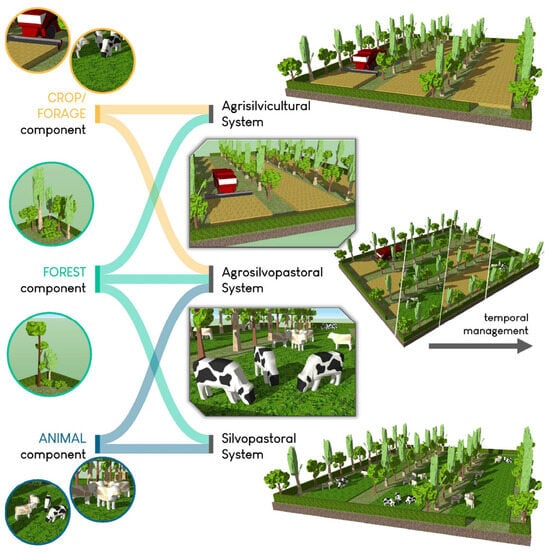
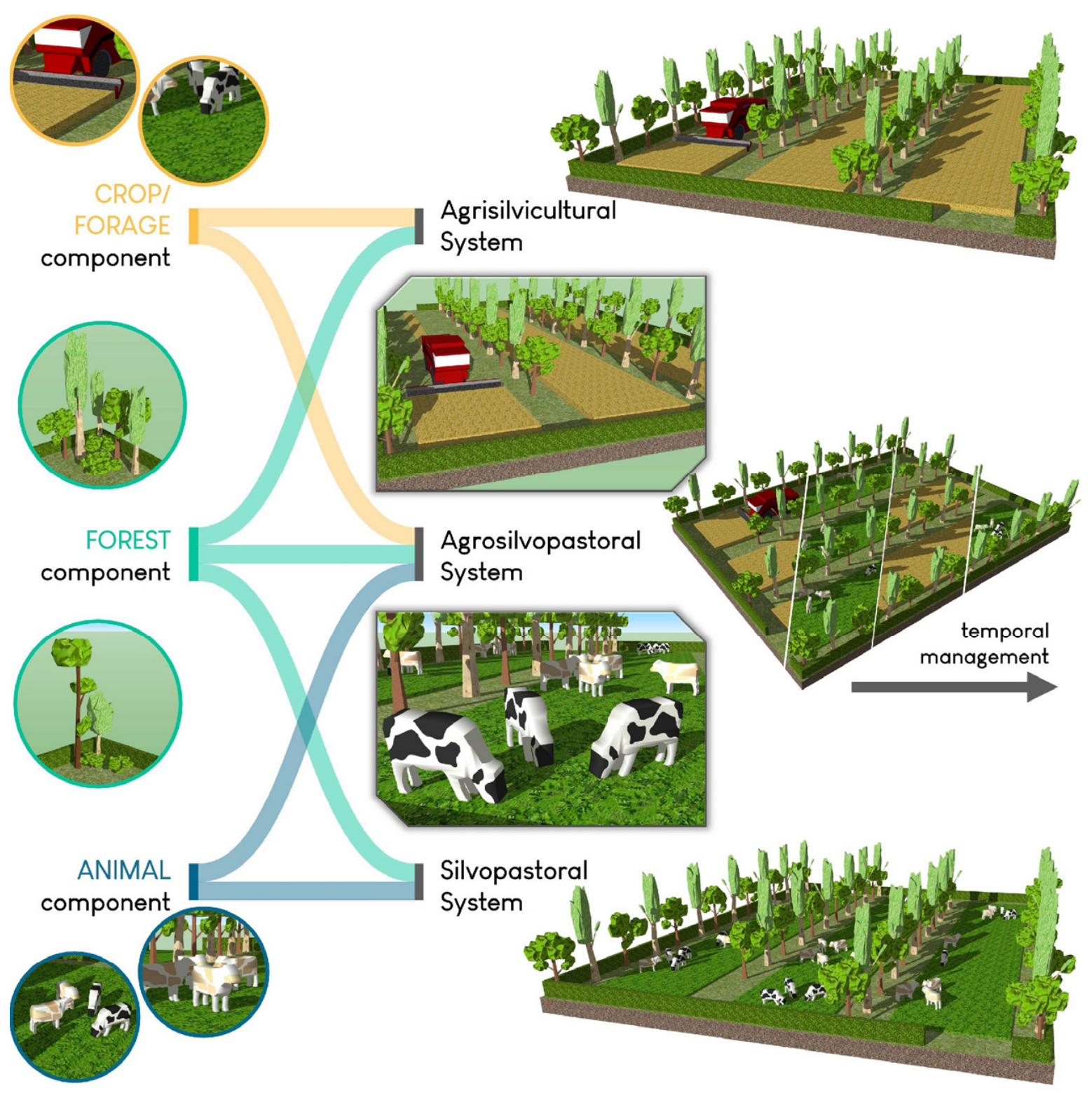
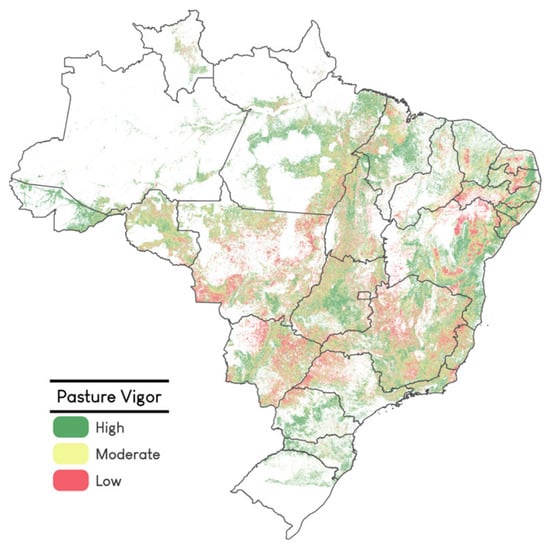
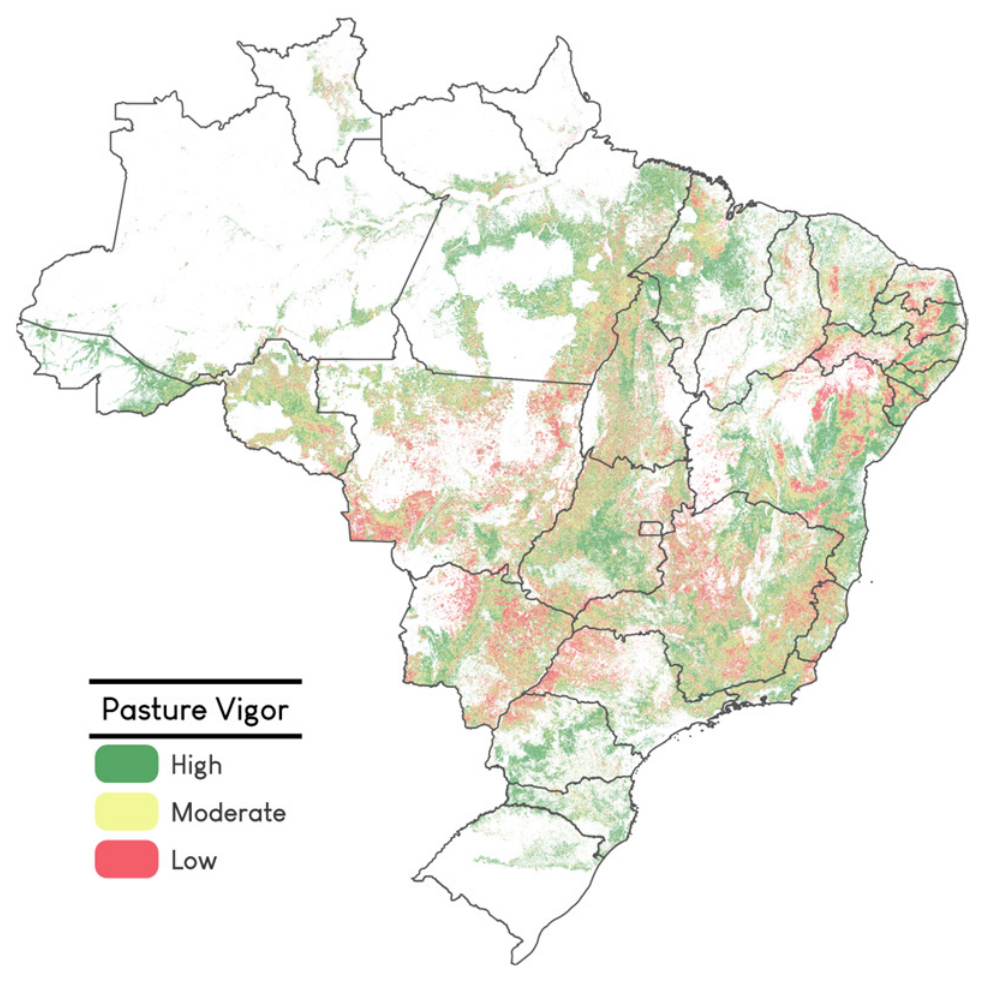
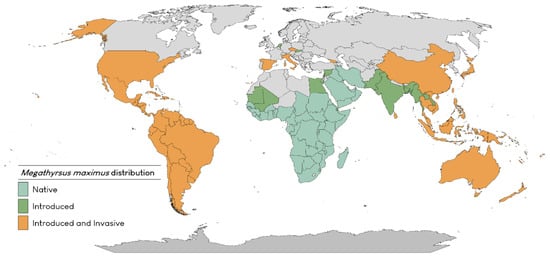
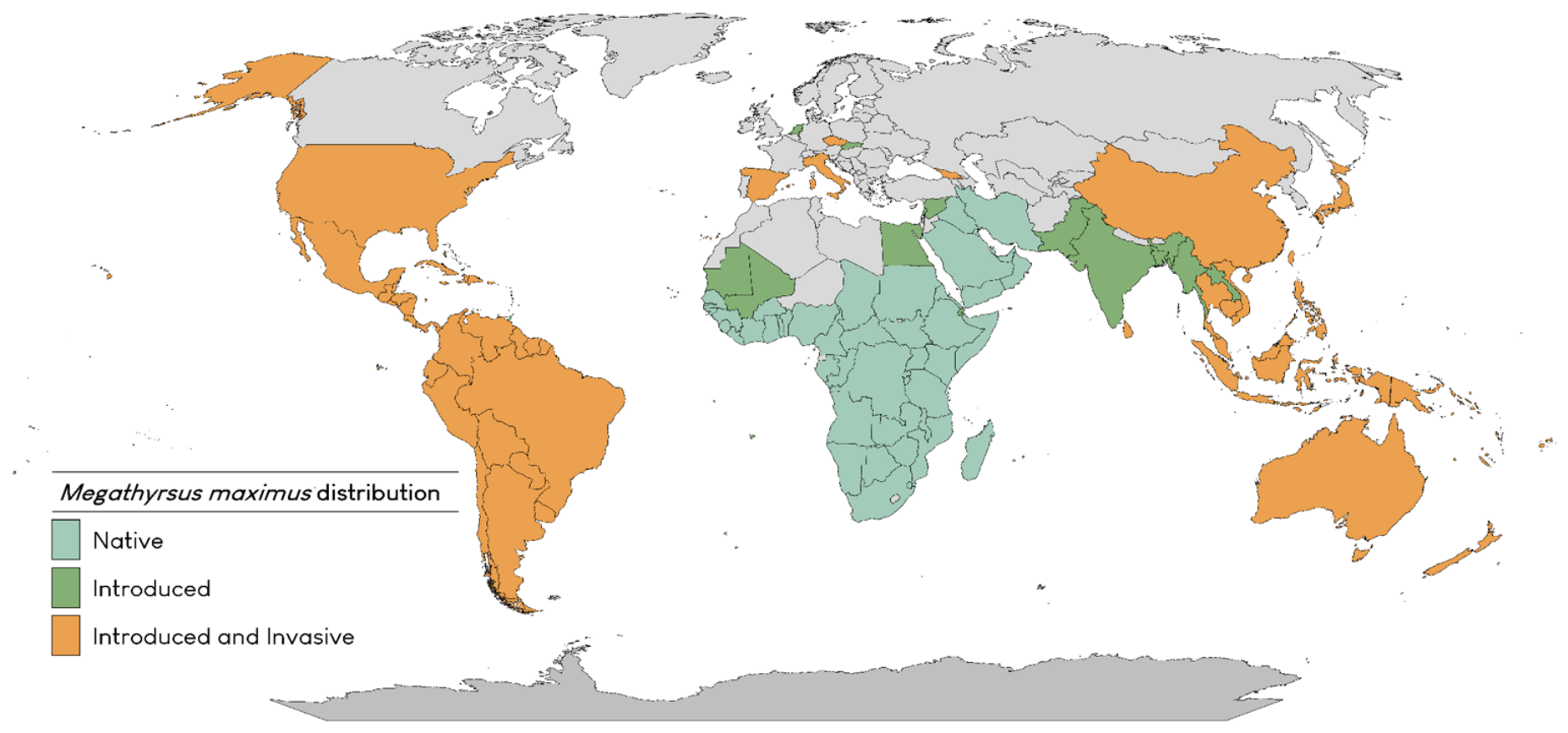
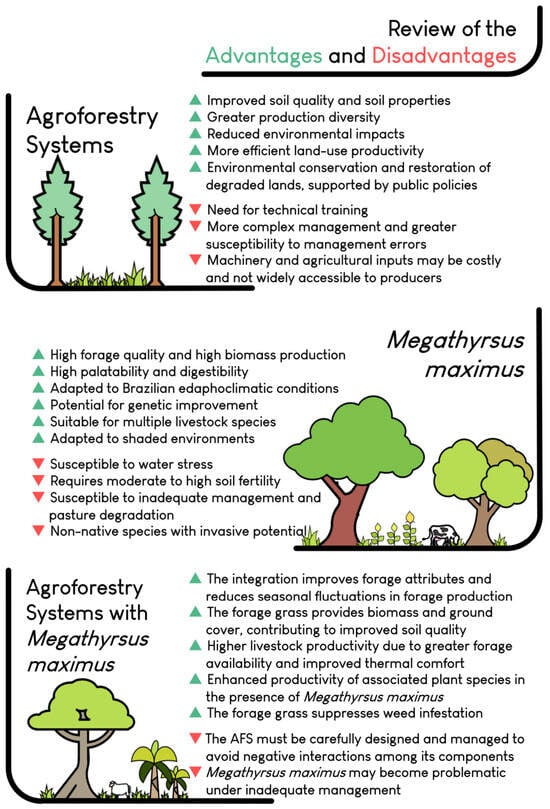
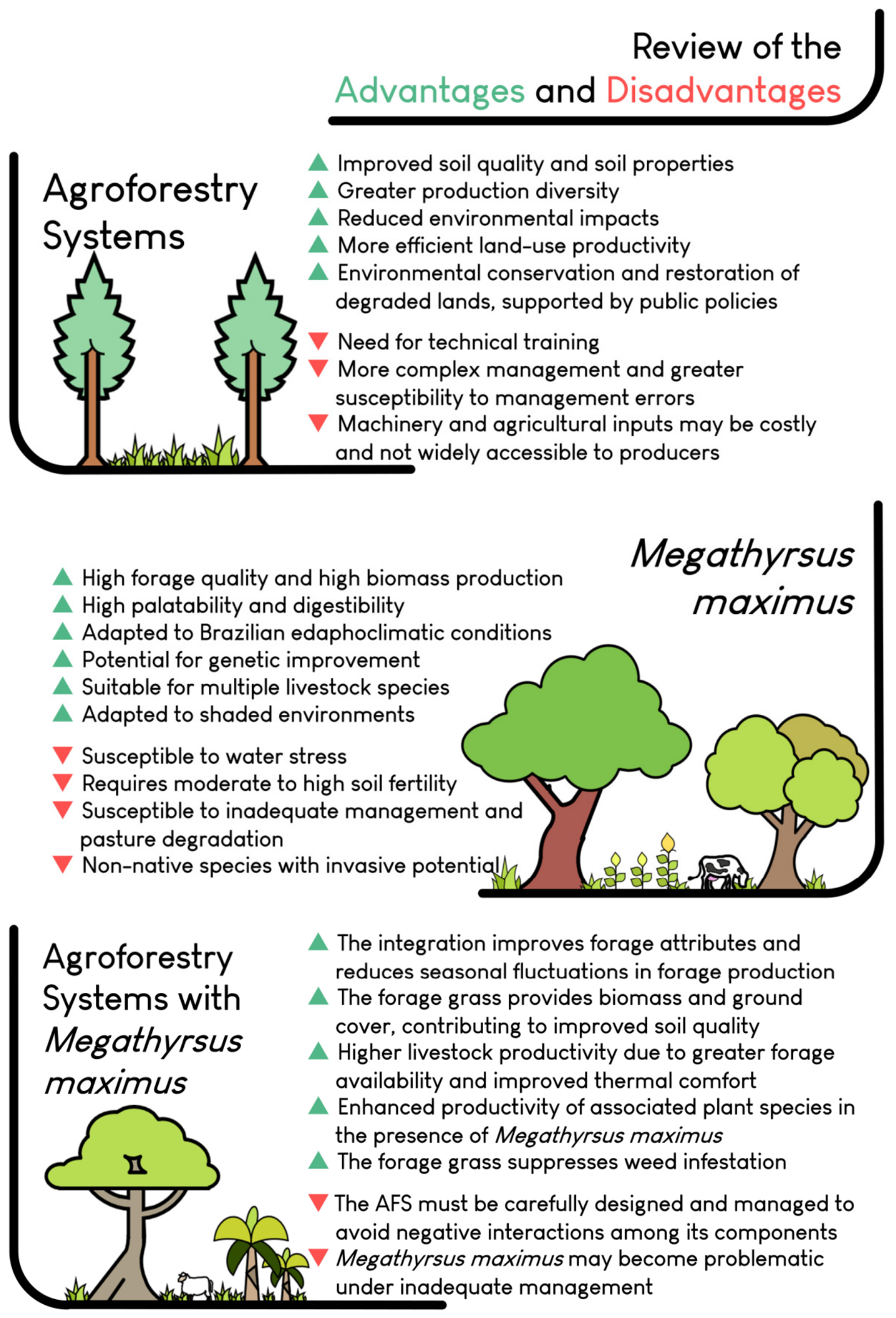
Disclaimer/Publisher’s Note: The statements, opinions and data contained in all publications are solely those of the individual author(s) and contributor(s) and not of MDPI and/or the editor(s). MDPI and/or the editor(s) disclaim responsibility for any injury to people or property resulting from any ideas, methods, instructions or products referred to in the content. |
© 2026 by the authors. Licensee MDPI, Basel, Switzerland. This article is an open access article distributed under the terms and conditions of the Creative Commons Attribution (CC BY) license.