


Abstract
Background/Objectives: Upper respiratory tract infections (URTIs), including common cold and influenza, remain a major global health burden, and their symptomatic management often includes the use of herbal medicines alongside conventional therapies. The aim of this study was to evaluate the real-world use of herbal medicines as drug candidates in the management of URTIs in Estonia, with a focus on differences between pharmacy customers and pharmacy professionals. Methods: A cross-sectional survey was conducted among 905 participants, including 400 pharmacy customers and 505 pharmacy professionals (pharmacists and pharmacy assistants). Standardized questionnaires were used to assess the frequency of use, perceived effectiveness, and safety considerations of commonly used herbal substances and home remedies in adults and children. Results: Herbal medicines and home remedies were widely used, reported by 68% (95% CI: 63.4–72.6%) of pharmacy customers and 71% (95% CI: 67.0–75.0%) of pharmacy professionals. The most commonly used herbal substances included lemon (79%), ginger (57%), garlic (56%), raspberry (55%), and chamomile (50%). While most respondents perceived these remedies as effective for symptom relief, notable discrepancies were observed between customer and professional assessments of efficacy. The use of several herbal substances in children did not consistently align with European Medicines Agency recommendations, highlighting potential safety concerns. The findings demonstrate that widely used herbal substances represent real-world candidates for supportive URTI management; however, their perceived effectiveness and patterns of use are not always supported by regulatory guidance or clinical evidence. These results underscore the need for further pharmacological and clinical studies, as well as improved evidence-based communication between healthcare professionals and patients. Conclusions: The results allow the identification and prioritization of herbal substances as real-world drug candidates for further pharmacological and clinical development.
1. Introduction
In this study, “real-world drug candidates” are defined as herbal substances that simultaneously fulfil three criteria: (1) high frequency of use in the population, (2) plausible pharmacological activity based on known bioactive constituents, and (3) potential for further standardisation and clinical validation. Real-world usage data may serve as a form of “preclinical selection filter,” identifying substances with high acceptability and long-term exposure in the population. The term ‘herbal drugs’ (HDs) refers to plant raw materials (herbal substances), whereas ‘herbal medicines’ is used in a broader sense to include traditional preparations and home remedies (HRs). In the present study, this concept also includes food-based medicinal substances and traditionally used nutraceuticals that are widely consumed for symptomatic relief of upper respiratory tract infections (URTIs) and may represent potential sources of bioactive compounds for further pharmacological investigation. Thus, commonly consumed products such as lemon or raspberry were evaluated not as pharmaceutical drugs per se, but as supportive medicinal substances with potential therapeutic relevance.
The proposed concept of “real-world drug candidates” is complementary to existing evaluation frameworks for herbal medicines, including the EMA HMPC approach to traditional herbal medicinal products and WHO strategies on traditional and integrative medicine. In this context, real-world use patterns may provide supportive information regarding long-term use, public acceptance, and practical relevance, while pharmacological efficacy and safety must remain grounded in regulatory and clinical evaluation criteria.
The URTIs, including common cold and influenza, are among the most prevalent infectious diseases worldwide and represent a substantial medical and socio-economic burden, with billions of cases occurring annually [1]. URTIs are diseases caused by multiple etiological factors, including various types of pathogens, such as bacteria: Staphylococcus, Streptococcus, Pneumococcus, Haemophilus influenzae, and Moraxella catarrhalis; viruses: Rhinoviruses, Adenoviruses, Respiratory syncytial virus, Reoviruses, Coronaviruses, Enteroviruses, Herpesviruses, Parainfluenza, and Influenza viruses; chlamydia: Chlamydia pneumoniae, Chlamydia psittaci, and Chlamydia trachomatis; and mycoplasmas: Mycoplasma pneumoniae [2,3].
These diseases remain one of the greatest medical and socio-economic challenges. During annual epidemics, influenza affects approximately 10% of the world’s population, while during a pandemic, the number of cases can increase four to fivefold [4]. Each year, influenza causes 400,000 deaths from respiratory complications and 300,000 deaths from cardiovascular complications [5]. It should be noted that URTIs primarily affect the most vulnerable populations, such as children, the elderly, and individuals with chronic diseases [6,7]. The prevention and treatment of URTIs remain a pressing issue in clinical medicine [4,8]. Currently, the most modern method of influenza prevention is vaccination [9]. In Estonia, the following antiviral drugs are registered for the treatment of influenza: oseltamivir (Tamiflu®, Ebilfumin), zanamivir (Relenza®), peramivir (Alpivab), and rimantadine [10].
Unlike influenza, there is no vaccine against other URTIs. The primary focus in treating URTIs is on symptomatic remedies, which serve as an essential supplement to pathogenetic and etiological therapy and which aim to improve the patient’s quality of life. Typically, antipyretic and analgesic effects are provided by paracetamol, acetylsalicylic acid, or ibuprofen. Paracetamol is widely used in paediatrics and during pregnancy because of its generally favourable safety profile when used at recommended doses [11,12].
The Estonian pharmaceutical market aligns with the standards of other EU Member States, with the majority of registered medicines being authorized via the centralized EU procedure. As of 2026, the retail landscape consists of 494 active pharmacies. The distribution of medicinal products to the general public is handled exclusively by private pharmacies. In total, Estonia’s pharmacy infrastructure includes three specific categories: 468 general pharmacies, 25 hospital pharmacies, and one veterinary pharmacy. A key player in the market is Magnum, a major wholesaler that oversees the Apotheka chain.
The Committee on Herbal Medicinal Products (HMPC) is the European Medicines Agency’s (EMA) committee responsible for compiling and assessing scientific data on herbal substances, preparations and combinations, to support the harmonisation of the European market.
There are two approaches to the use of herbal preparations in Estonia. The first approach is based on tradition and practical experience. The second approach is based on evidence-based medicine and scientific research. These approaches are not necessarily mutually exclusive. Estonian pharmacists are increasingly using herbal preparations. An expert assessment is currently being conducted to combine these approaches in accordance with the needs and expectations of their healthcare clients [13,14].
In Estonia, some companies have a license to produce herbal medicines, including OÜ EluJõud, OÜ Kubja Ürt, MK Loodusravi OÜ, and Raivo Küti ettevõte Loodusravi.
Despite the rapid development of pharmacology, herbal medicine substances (HDs) occupy a significant niche alongside new drugs. These include herbs, herbal materials, herbal preparations, and finished herbal products containing plant parts with active ingredients, other plant materials, or combinations thereof [13]. Modern randomised placebo-controlled trials and pharmacological studies have demonstrated the potential efficacy of HDs in the treatment of URTIs [15,16,17,18,19,20].
Phytotherapy is an effective treatment method due to the biologically active substances (BAS) found in plant raw materials—primarily polyphenols, flavonoids, saponins, and alkaloids [3,21]. During illness, it can be used as a concomitant, supportive measure to strengthen the immune system. During recovery, phytotherapy once again becomes a primary method for preventing relapses [22]. Phytotherapy for the treatment and prevention of ARVI includes a significant number of remedies [23,24,25]. Popular among the population are garlic, onion, ginger, lemon, Echinacea purpurea, chamomile, linden, Iceland moss (Cetraria islandica), blackcurrant, and raspberry [26].
A 2017 study among residents of Moldova, Romania, and Transnistria found that HDs are preferred for treating colds and influenza [27]. These results are comparable to data from a similar survey among residents of Estonia in 2011 [28]. In all of the mentioned regions, respondents actively utilised HDs for cold treatment and, in most cases, considered their effects to be effective or very effective. In Estonia, medicinal plants, including herbal remedies used for URTIs, are popular and widely used. The frequency of use of herbal blends for the treatment of common cold ranked second (17%), after their use for general well-being and mood (27%) [29].
Estonia has a long tradition of using medicinal plants in folk medicine, particularly for the treatment of respiratory tract infections and common cold-related symptoms. Ethnobotanical records indicate that herbal teas, decoctions, syrups, inhalations, and fresh plant preparations have historically been used to relieve fever, cough, sore throat, and nasal congestion. Frequently mentioned species in Estonian traditional medicine include chamomile (Matricaria chamomilla L.), linden flowers (Tilia cordata Mill.), raspberry (Rubus idaeus L.), blackcurrant (Ribes nigrum L.), garlic (Allium sativum L.), onion (Allium cepa L.), and Iceland moss (Cetraria islandica (L.) Ach.). Several of these remedies remain deeply integrated into contemporary home-based self-care practices [28].
The aim of this study was to evaluate the real-world use of herbal medicines as drug candidates for the management of URTIs in Estonia, with particular emphasis on patterns of use, perceived effectiveness, safety considerations, and differences between pharmacy customers and pharmacy professionals.
2. Results and Discussion
2.1. Characteristics of Respondents
The study involved 905 participants: 400 pharmacy visitors (visitor-respondents) and 505 pharmacy staff, consisting of 260 pharmacy assistants’ assistants and 245 pharmacists (specialist-respondents).
Among the pharmacy visitors, the majority were women (71%), while men accounted for only 29%. The most active age group was 36–50 years (28%), followed by 51–65 years (26%). Those over 65 and those aged 15–35 were represented equally (23% each). Thus, there was a sufficient representation across different generations. By education level, the respondents were distributed as follows: 44% held a higher education degree, 30% had vocational secondary education, 21% had a general secondary education, and 5% had only primary education.
The vast majority of specialist respondents were women (95%), with men making up only 5%. This was expected, as the majority of pharmacy professionals are female. The youngest specialist respondent was 21 years old, and the oldest was 72 (each representing 0.2% of the total). The largest age group was 15–35 years, comprising 241 individuals (48%). The distribution between pharmacy assistants and pharmacists (higher education/Master’s) was nearly equal: 52% and 48%. The longest professional tenure was 49 years (0.6%), while the shortest was 1 month (1%).
2.2. Symptoms of the Disease
The most common symptoms of URTIs were fatigue, weakness, and muscle and joint pain, reported by 77% of respondents and accounting for 25% of all manifestations (Figure 1). An increase in body temperature was reported by 75% of respondents, representing 24% of all manifestations. Headaches were reported in 66% of respondents, accounting for 21% of symptoms. Coughing and a runny nose were selected by 62% of respondents, accounting for 19% of all manifestations. A proportion of 33% of respondents reported a sore throat, accounting for 11% of all symptoms. Other symptoms were noted by nearly 4% of respondents, accounting for 1% of URTI manifestations.
Figure 1.
Number of manifestations of URTI symptoms among respondent-visitors.
The frequency of URTI symptoms reported by respondents did not differ significantly by age (Table 1).
Table 1.
The relationship between participants’ age and the more frequently occurring URTI symptoms.
2.3. Choice of Treatment Methods
As a result of the survey on treatment method selection, the 400 visitor-respondents provided a total of 705 responses, which is logical, as individuals almost always use multiple methods. The majority of visitor-respondents (68%) indicated that they chose HD and other nonpharmacological home remedies (HRs) for treatment (Figure 2). This was followed by those who preferred over-the-counter (OTC) medications (66%), specifically combination drugs like paracetamol and Coldrex, as well as Citrosept and Carmolis drops. Pharmacy medications are typically used to relieve symptoms such as nasal congestion or severe headaches. A proportion of 29% of those surveyed sought medical attention, primarily in cases of disease exacerbation: high fever that was difficult to reduce and a persistent worsening of health status. In some cases, contact was limited to a phone call to the doctor, resulting in the patient receiving consultation and treatment recommendations. A small portion—less than 4% of all respondents, predominantly men—chose to do nothing. Among other methods used to treat colds and flu, 10% reported rest, adequate sleep, increased fluid intake, and hot foot baths.
Figure 2.
The choice of treatment methods by respondent visitors.
Women chose HR and HD for the treatment of colds and influenza at nearly the same rate as men (39.1% and 37.4% of all responses within their respective groups) (Table 2). Regarding the use of OTC medications, women selected them slightly more often (38.1% of all responses) than men (35.4%).
Table 2.
The relationship between the gender, age, and education level of respondent-visitors and the chosen treatment methods.
The study established a correlation between the age of the visitor-respondents and their chosen treatment method. Young people selected HD treatment the least frequently (37% of all responses within their age group). As age increased, the trend toward using HRs and HDs grew: these methods were most popular among people over 65 (44% of responses within their group). Conversely, OTC medications were most commonly used by young and middle-aged individuals (40% and 42%, respectively). The “did nothing” option was chosen almost equally across all age categories. According to the previous survey results [30], prescription and OTC medicines were bought from community pharmacies almost equally. The most popular OTC medicines were analgesics (38%) and cold and cough medicines (21%).
A correlation can also be observed between education level and the chosen treatment method. People with higher education most often preferred treating colds and flu with HDs and HRs (41% of responses within their group). Notably, those with vocational secondary and higher education made up the majority of those using OTC drugs (40% and 38%, respectively). Respondents with a basic education sought medical attention most frequently (28%), while those with a higher education sought it least (14%) (Table 2). Among people with a basic education, none chose to “do nothing,” whereas this choice was most frequent among those with a higher education (4%).
Visitor-respondents were asked to evaluate the use of 10 specific medicinal plants in the treatment of URTIs (Figure 3). However, the number of patients using an individual HD was significantly higher than those who explicitly preferred “phytotherapy” as a treatment method. It is possible that the use of products such as lemon, ginger, currants, and raspberries is not perceived by them as formal medical treatment. Consequently, data on their consumption differ significantly from the survey results regarding the choice of treatment methods. Because several commonly used remedies are simultaneously viewed as foods, home remedies, and medicinal substances, the distinction between “home remedies” and “herbal drugs” may not always have been clearly understood by respondents.
Figure 3.
The use of HDs in the treatment of URTIs among different age groups of pharmacy visitors.
Pharmacy staff were asked to assess their own knowledge regarding the use of HDs for upper respiratory tract infections. The specialists rated their knowledge as follows: 59%—good, 31%—satisfactory, 10%—very good, and only 1%—unsatisfactory.
In the event of upper respiratory tract diseases, pharmacy staff most frequently use OTC medications from the pharmacy (92% of respondents). Alongside this, 71% also utilise HDs and HRs. Furthermore, 14% choose to consult a general practitioner, while 4.4% do nothing and wait for recovery. Generally, visiting a general practitioner is not the first choice for pharmacy professionals, as they possess sufficient knowledge to treat themselves and alleviate symptoms. They seek medical attention only if other methods fail or they suffer from complications of their URTIs.
A consistent gender-related pattern was observed in the selection of herbal medicines. Women preferred milder, traditionally used remedies such as chamomile, raspberry, and blackcurrant, whereas men preferred pungent plants such as garlic and onion. Women were also more likely to use herbal medicines in the treatment of children, suggesting greater involvement in family health management. These differences were statistically significant (χ2 test, p < 0.05) and align with previous studies showing that women are more likely to use complementary and alternative medicine, including herbal remedies [30], and to visit community pharmacies more frequently [31,32]. In addition, age and education level were significantly associated with treatment preferences, with older and more highly educated respondents showing a greater tendency to use herbal medicines.
A clear discrepancy was observed between pharmacy customers and pharmacy professionals in their perceptions and evaluations of herbal medicines. While customers widely used herbal remedies and generally considered them effective, professionals provided more critical and differentiated assessments (χ2 test, p < 0.05). Notably, commonly used remedies such as lemon and chamomile were not always rated as highly effective by professionals, whereas Iceland moss was more strongly valued. This gap reflects differences in information sources: customers rely mainly on informal knowledge, while professionals rely on formal education and clinical experience, and this has also been reported in previous studies [27]. The discrepancy is particularly relevant for safety, as the use of herbal medicines in children did not consistently align with EMA recommendations.
2.4. Use of HDs in URTIs in Children
A total of 221 individuals (55%) reported using HDs to treat colds in children under 12. It should be noted that the absolute majority of these respondents were women (50% of the total sample). Only 5% of men answered affirmatively to this question.
Respondents aged 36–50 (34%) most frequently reported using HDs to treat children’s colds. This was an expected result, as people in this age group are typically parents. Among respondents aged 51–65, 30% used HDs for treating children. Among those who preferred using HDs for children under 12, respondents aged 65 or older accounted for 25%. The lowest HD use in children was reported among younger individuals (11%). This can be explained by the range group beginning at 15, and there were likely many young respondents who did not yet have children.
Visitor-respondents were asked to evaluate the use of remedies derived from 10 medicinal plants in the treatment of URTIs in children (Figure 4). In total, 816 positive responses were recorded.
Figure 4.
The use of HDs by the visitor-respondents for the treatment of URTIs in children under 12 years old.
For treating URTIs in children, the frequency of use followed a different hierarchy: raspberry > chamomile > lemon > blackcurrant > linden > garlic > Iceland moss > ginger > onion > echinacea. The use of herbal medicines in children differed from that in adults and did not consistently align with regulatory recommendations, highlighting a potential gap in evidence-based paediatric use and raising important safety considerations.
The popularity of the use of herbal remedies in the treatment of URTIs in children in many countries around the world should be noted [17]. Thus, in Turkey, the most popular remedies are water infusions of linden, mint, lemon, ginger, and carob [33]. Among Saudi children, the prevalence of herbal medicine utilization for treating URTIs reached 59.3%. In addition to other remedies, sesame oil, fenugreek, olive oil, and dates were frequently employed [34]. In Australia, research shows that parents often treat children suffering from URTIs with elderberry, echinacea, ginger, mint, turmeric, and various herbal blends [35].
The use of herbal medicines in children showed a distinct pattern compared with adults, with a preference for milder, traditionally used remedies such as raspberry and chamomile. However, a notable discrepancy was observed between real-world use and regulatory recommendations, as several commonly used herbal substances are not fully aligned with EMA guidelines for paediatric use (χ2 test, p < 0.05). This mismatch is associated with several potential risks, including the use of age-inappropriate herbal substances, uncertainty in dosing and preparation forms, and the possibility of allergic reactions, particularly for plants such as chamomile. In addition, the perception that commonly used food-based remedies are inherently safe may lead to their use without consideration of clinical recommendations. Given that children represent a particularly vulnerable population, these findings highlight important safety concerns and emphasize the need for clearer guidance and education regarding the appropriate use of herbal medicines in paediatric care, as the evidence base for such use remains limited [17]. Given that children represent a particularly vulnerable population, the use of herbal medicines without clear age-specific evidence, dosing recommendations, or regulatory guidance may present important safety risks. These findings emphasise the need for improved evidence-based counselling and clearer communication regarding the safe paediatric use of herbal medicines.
2.5. The Use of Lemon (Citrus × limon (L.) Osbeck)
No EMA herbal monograph is currently available for lemon for URTI-related use. In traditional medicine, honey-lemon water is recommended as an adjunctive treatment for URTIs. Honey and lemon have antimicrobial and antifungal properties. Additionally, lemon juice with warm water is thought to have detoxifying and digestive benefits.
Lemon peel essential oil (4%), which contains D-limonene (up to 74%), β-pinene (up to 15%), γ-terpinene (up to 12%), and citral (up to 6%), in experiment exhibits antiseptic, immune-modulating, blood pressure-normalising, anti-sclerotic, adaptogenic, and antispasmodic effects when applied via inhalation, aromatherapy, baths, rinses, massages, or wet wraps [36,37]. Experimental studies show that the internal consumption of lemon juice, which contains up to 8% citric tricarboxylic acid, reduces the acidosis that develops during ARVI and dissolves uric acid crystals [38]. Citric acid is metabolised in the body within the Krebs cycle into CO2 and water; the accompanying cations promote the formation of bicarbonate (HCO3−), thereby increasing pH [39]. Ascorbic acid possesses antioxidant, immunomodulatory, and capillary-strengthening effects, acting as a synergist to hesperidin [40].
There is clinical evidence for orally administering a blend of essential oils of Eucalyptus globulus, Citrus sinensis, Myrtus communis and lemon Citrus limonum (Myrtol® and its successors GeloMyrtol® and GeloMyrtol®Forte) to reduce symptoms of acute sinusitis and acute bronchitis of viral origin(s). It has been used to treat high blood pressure, the common cold, and coughs [41]. EMA does not have a monograph on Citrus × limon.
Lemon was chosen by 79% of respondents for treating colds and influenza. It was selected more frequently by women, accounting for 80% of all surveyed women, compared with 75% of men. Usage was highest among the middle-aged group (36–50 years), accounting for 30% of all lemon users. It was chosen less frequently in the 51–65 and 15–35 age groups (27% and 23%, respectively), and least often (20%) by respondents aged 65 or older (Figure 3). Lemon was primarily used in tea form or consumed fresh.
In terms of efficacy, 54% of respondents who used it rated it as very high, stating that lemon helps “very well,” while 35% felt it “rather helps.” Among all lemon users, 2% each considered it “rather ineffective” or “completely ineffective” for treating flu and colds. Approximately 7% of respondents found it difficult to answer.
The obtained data correspond with research data from France and Switzerland, which indicate that in URTIs, the most commonly used remedies were honey/lemon/thyme/herbal teas [42].
In paediatric care, lemon was not the most popular medicinal plant, chosen by 31% of respondents who used HDs (Figure 4). While there are no strict age restrictions on using lemon, it is important to consider that all citrus fruits can trigger allergic reactions. For children, the most common method of use was fresh lemon slices with sugar. The obtained data correspond with the data of Turkish researchers, according to whom a water infusion of lemon combined with mint is one of the most frequently used remedies for treating URTIs in children in Turkey [33].
Among pharmacy staff, 60% (155 pharmacy assistants and 148 pharmacists) believed that lemon “rather helped” manage colds and flu, but 20% (49 pharmacy assistants and 53 pharmacists) claimed it “rather did not help.” A proportion of 15% (47 pharmacy assistants and 30 pharmacists) confirmed a “very good” result, while 5% (9 pharmacy assistants and 15 pharmacists) were convinced that the use of lemon was unsuccessful.
Eight of the ten objects under study are pharmacopoeial species for which there are monographs on raw materials or processed products: Limonis aetheroleum. Essential oil obtained by suitable mechanical means, without the aid of heat, from the fresh peel of Citrus limon (L.) Burm. f. (04/2022:0620. 1582-1583); Allium sativum ad praeparationes homoeopathicas. Fresh bulb of Allium sativum L. (07/2014:2023. 1811–1812); Matricariae flos (07/2019:0404. 1611–1612); Matricariae extractum fluidum. Liquid extract produced from Matricariae flower (01/2008:1544. 1612–1613); Matricariae aetheroleum (01/2008:1836.1613–1614); Rubi idaei folium (04/2020:2950. 1689–1690); Ribis nigri folium (07/2013:2528. 1430–1431); Lichen islandicus. Whole or cut, dried thallus of Cetraria islandica (L.) (07/2010:1439. 1561–1562); Zingiberis rhizoma (01/2011:1522. corrected 10.0. 1529–1530) [43]. There is also a monograph on the root of Echinacea purpurea—Echinaceae purpureae radix (01/2008:1824) [43].
2.6. The Use of Ginger (Zingiber officinale Roscoe)
The primary BAS of ginger are phenolic compounds: gingerols and shogaols (comprising 10–15% of the rhizomes). Among these, 6-gingerol, found in all members of the Zingiberaceae family, has been studied in the most detail. Experimental studies show that gingerols and their dehydrated derivatives, shogaols, exhibit the following effects, such as antioxidant and anti-inflammatory: reducing the production of inflammatory mediators such as cyclooxygenase-2 (COX-2) and tumour necrosis factor-alpha (TNF-α); hypoglycaemic and neuroprotective; antitumor: inducing cell death in glioblastoma cells; antiemetic: blocking serotonin receptors; cardioprotective: dilating blood vessels and improving lipid profiles; and analgesic: reducing menstrual pain at a level comparable to ibuprofen and anticoagulant [44].
In ethnomedicine, ginger is used as a tonic for memory and the digestive system; a remedy to open liver blockages; an aphrodisiac; to remove accumulated gas from the stomach and intestines; and for thinning and drying and as an emollient for phlegmatic and clot moisture that sticks to the stomach, intestines, brain and throat. Ginger is an anthelmintic and cure for paralysis and obstructive jaundice. This herbal medicine also treats diarrhoea caused by spoiled food [45]. The EMA monograph on ginger rhizomes classifies it as a “traditional herbal medicinal product used for the relief of symptoms of the common cold” [46].
A proportion of 57% of respondents chose ginger as a remedy for flu and colds. Among women, 58% chose the ginger treatment, compared with 53% among men. Ginger was equally popular among the middle-aged and older adult groups (30% and 30%, respectively). Usage was slightly lower among those aged 15–35 (27%) and lowest among seniors over 65 (13%). Among ginger users, 35% stated it was “very effective,” 58% replied that it “rather helps” combat symptoms, 3% considered the treatment “rather ineffective,” and 4% were unable to answer. One of the most popular uses was tea, often with lemon and honey, consistent with other research [27].
Among respondents using HDs for children, only 10% used ginger. This low figure may be attributed to the fact that the use of powdered raw material is not recommended for children under 6 years of age, and tinctures (1:2 or 1:10) are not recommended even for adolescents under 18 [46]. In addition, ginger is traditionally regarded as having warming properties and is widely used during respiratory infections [47].
Among pharmacy staff, 66% (175 pharmacy assistants and 156 pharmacists) confirmed it “rather helped,” 21% (58 pharmacy assistants and 46 pharmacists) believed it helped “very well,” 14% combined (24 pharmacy assistants and 46 pharmacists) noted it “rather did not help” or “did not help at all.” Notably, dietary supplements containing ginger—available as tablets, aqueous infusions, powders, or tinctures from several manufacturers—remain highly popular.
2.7. The Use of Garlic (Allium sativum L.) Bulbs
In the traditional medicine of many countries, garlic is used as a remedy with antibacterial, cardiovascular, and immune-boosting properties. Specific preparation methods, such as fermentation and aging, have contributed to the therapeutic versatility of garlic. Modern scientific research confirms a number of historical claims, emphasizing the relevance of garlic in contemporary medicine [48].
The sulphur-containing compounds in garlic exhibit antibacterial effects by damaging bacterial membranes, thereby blocking their enzymatic activity and replication. They also provide antioxidant and immunomodulatory benefits. Garlic should not be consumed alongside tinctures or alcohol, as allicin inhibits or blocks alcohol dehydrogenase. As a result, the breakdown of ethanol slows down, and alcohol circulates in the blood for a longer period, increasing the duration and intensity of intoxication. Additionally, the sulphur-containing compounds in garlic relax blood vessels and lower arterial blood pressure [49,50].
The compounds alliin, allicin, ajoene, glutamyl-S-allyl-cysteine, glutamyl-S-1-propenyl-cysteine, glutamyl-S-methyl-cysteine, etc. are capable of regulating asthmatic inflammation through various mechanisms, including antioxidant and antibacterial activity [51]. This potentially slows disease progression and controls exacerbations of bronchial asthma [52]; they also exhibit neuroprotective effects, aiding in the prevention of stroke [53].
The EMA monograph states that garlic is a “traditional herbal medicinal product used for the relief of the symptoms of common cold” [54]. Garlic preparations should be used with caution in patients taking oral anticoagulation therapy and/or anti-platelet therapy because they may increase bleeding times. The use of garlic preparations is not recommended for children under 12 or adolescents under 18 due to lack of adequate data.
More than half (56%) of the surveyed visitors chose garlic to fight colds. In most cases, men preferred garlic (70%). A clear trend was observed in garlic use, with frequency increasing with age. Specifically, garlic was most frequently used by individuals aged 65 or older (32% of all garlic users). It was used slightly less by respondents aged 51–65 (28%), even less by middle-aged (36–50) individuals (23%), and least frequently by those aged 15–35 (17%).
Among garlic users, 51% replied that it “rather helps,” 38% stated it helps “very well” in fighting colds. Only 3% considered its use for colds and flu to be “rather ineffective,” 0.4% believed it did not help at all, and 8% had difficulty answering the question. In most instances, visitor-respondents used fresh garlic or added it to food. Methods such as compresses, tinctures, and juice were mentioned less frequently. Garlic was often combined with honey and lemon.
For children under 12, it is recommended to use garlic in small quantities (half a clove) only with food [55]. However, 14% of respondents who used HD for children noted that they use garlic for treatment as well as for prevention, which does not align with EMA guidelines [54].
Among pharmacy staff, 71% (190 pharmacy assistants and 170 pharmacists) believe that garlic “rather helps” with colds and flu, 17% (40 pharmacy assistants and 46 pharmacists) believe it “rather does not help,” 6% (17 pharmacy assistants and 14 pharmacists) are convinced it helps “very well,” and 6% (13 pharmacy assistants and 15 pharmacists) found no benefit at all and selected “does not help at all”.
2.8. The Use of Raspberry (Rubus idaeus L.) Fruits
EMA monographs are available for raspberry leaves, but not for raspberry fruits. Raspberry leaves have been used in European and Native American herbalism for centuries. They were commonly used for treating digestive issues, as well as for women’s health, particularly to ease labour pains, menstrual cramps, and to support uterine health. The fruit was consumed for its nutritional value and its potential to aid in treating inflammation and infections [56].
The EMA has a monograph specifically for raspberry leaves [57]. Notably, the fruits are not considered official medicinal raw materials. However, the complex of BAS in raspberry fruits exhibits hypoglycaemic, hypolipidemic, anti-Alzheimer’s, anti-osteoporosis, hepatoprotective, anticancer, neuroprotective, antibacterial, anti-inflammatory, and antipyretic (fever-reducing) effects [58]. The antioxidant activity is attributed to anthocyanins (20–100 mg/100 g in red raspberries and 200–600 mg/100 g in black raspberries), such as cyanidin-3-O-sophoroside and cyanidin-3-O-glucoside, as well as ellagitannins like sanguiin H-6 and lambertianin C [59]. An infusion of dried raspberry fruits is used as a diaphoretic and antipyretic remedy for colds. It is included in diaphoretic collections. Fresh fruits have anti-atherosclerotic properties; the syrup (Sirupus Rubi idaei) improves the taste and smell of medicines.
A proportion of 55% of respondents used raspberries to alleviate cold and flu symptoms. This berry was most popular among women (59%) compared with 43% of men. Older individuals showed a preference for raspberries: among respondents aged 65+ and 51–65, 27% and 28%, respectively, chose this berry. This figure was slightly lower among middle-aged people (27%), while younger respondents used raspberries the least (18%).
Among those who used raspberries, 32% rated the treatment as effective, 59% as partially effective, 3% as insufficient, and 6% as difficult to answer. Respondents consumed raspberries either fresh or added them to tea, obtaining an excellent remedy against high fever.
Raspberry is one of the most common herbal remedies used for treating URTIs in children. In this study, it was the most frequently used remedy in paediatric care (Figure 4). It was reported by 40% of respondents who utilised HDs for children. Generally, there are no age restrictions, but, like blackcurrants, raspberries are not recommended for infants under 12 months due to lack of adequate data. Unlike the berries, the use of leaves and stems is discouraged for children under 12 years of age [57].
Among pharmacy staff 67% (184 pharmacy assistants and 156 pharmacists) were convinced that raspberry “rather helped” with upper respiratory tract infections, 15% (25 pharmacy assistants and 48 pharmacists) believed it “rather did not help,” 14% (41 pharmacy assistants and 28 pharmacists) rated raspberry very highly and 5% (10 pharmacy assistants and 13 pharmacists) did not see any positive results at all.
2.9. The Use of Chamomile (Matricaria chamomilla L.) Flowers
In the botanical database of Estonian folk medicine, chamomile is mentioned more than 95 times as a remedy for various diseases [60]. Chamomile preparations increase the secretory activity of digestive glands, stimulate bile secretion and appetite, relieve spasms of the abdominal organs, and exhibit analgesic, anti-inflammatory, anti-allergic, and antimicrobial effects. When applied externally, chamomile preparations exhibit anti-inflammatory, pain-relieving, epithelializing, antimicrobial, and antifungal effects. An infusion of chamomile flowers is used for rinsing in case of inflammation of the mucous membranes of the oral cavity, for washing purulent wounds, ulcers, hemorrhoidal nodes, and for douching in cases of colpitis, endocervicitis, etc.
The official monograph on herbal medicinal products from the EMA recognises the traditional use of chamomile for relieving the symptoms of the common cold [61]. No reliable data on interactions with other medicinal products have been recorded.
The primary components of chamomile flower essential oil are chamazulene and α-bisabolol, which inhibit the production of inflammatory mediators such as prostaglandins and leukotrienes, and reduce histamine activity [62,63]. These compounds are characterized by wound-healing, regenerative, anti-allergic, and antispasmodic effects.
The flavonoids are apigenin, luteolin, diosmetin, and quercetin, which exhibit various activities, such as antioxidant and antispasmodic (myotropic), anti-inflammatory and capillary-strengthening, antiviral and antibacterial against certain bacteria and viruses, and anti-allergic when acting synergistically with chamazulene [64]. A mild sedative effect is attributed to apigenin, which binds to benzodiazepine receptors in the brain. Furthermore, polysaccharides—including mucilage, pectins, and gums—exhibit coating, antitoxic, and antitussive properties, facilitating the expectoration of phlegm and soothing a dry cough.
Chamomile was chosen by 50% of all respondents. Women favoured it significantly more than men (56% versus 33% within their respective groups). The highest preference for chamomile was found among individuals aged 51 to 65 (27%), while usage was nearly identical among those over 65 and those aged 36–50 (26% and 25%, respectively). The youngest group of respondents used chamomile in 22% of cases.
The therapeutic effect of chamomile was highly rated: 43% of respondents who used it considered it very helpful for colds and flu. Partial efficacy was noted by 48% of respondents. Only 4% of users considered the remedy rather ineffective, 0.5% believed it did not help at all, and 4% had difficulty answering.
Chamomile was the second most popular medicinal plant for treating children under 12, chosen by 35% of respondents who used HDs for paediatric care. However, this does not align with EMA guidelines, which state that Matricaria flower medicines are usually intended for use in adults and adolescents (ages 12 and above) due to lack of adequate data. Only specific Matricaria flower preparations are recommended for use in children below 12 [61]. Restrictions on use for children are related to the lack of sufficient data regarding safety.
Among specialists, 63% (164 pharmacy assistants and 156 pharmacists) believe that chamomile rather helps, 18% of pharmacists (48 pharmacy assistants and 45 pharmacists) believe that it rather does not help, 13% (38 pharmacy assistants and 25 pharmacists) were very satisfied with its use, and 6% (12 pharmacy assistants and 17 pharmacists) were completely dissatisfied.
2.10. The Use of Blackcurrant (Ribes nigrum L.) Fruits
EMA monographs are available for blackcurrant leaves, but not for the fruits. Blackcurrant fruits used in traditional herbal medicine for their antioxidant and anti-inflammatory properties. All types of blackcurrant raw materials have diuretic, sudorific, antimicrobial, capillary-strengthening, astringent, and tonic properties, and they boost immunity [65].
The EMA has a monograph for blackcurrant leaves [66]. The fruits are not considered official medicinal raw materials (officinal); however, they have long been used as HRs. The anthocyanin complex of the berries (ranging from 200 to 480 mg per 100 g of fresh berries; 1100 to 1500 mg per 100 g of dried berries) consists primarily of delphinidin, delphinidin-3-glucoside, delphinidin-3-rutinoside, and cyanidin-3-rutinoside. Along with ascorbic acid (up to 570 mg/100 g of fresh berries; up to 1500 mg/100 g of dried berries), these compounds exhibit antioxidant and capillary-strengthening effects [67].
During the study, 42% of respondents chose blackcurrant fruits for cold treatment. Women used it more frequently (48%) compared with men (28%). Individuals aged 65 and older used this raw material the most (35%). Among 51–65-year-olds, usage was 27%; among middle-aged people (36–50 years), 24%; and among respondents aged 15–35, 14%. These results suggest that blackcurrant use is most prevalent among women and the elderly, likely because this crop is traditionally cultivated in home gardens.
Among those who used blackcurrant, 59% considered it “partially effective,” 31% stated it helped “very well,” 2% considered its use “rather ineffective,” 2% deemed it “completely ineffective,” and 7% found it difficult to answer. Respondents preferred consuming the berries fresh, or, in winter, frozen, as well as in the form of raw preserves, juice, or jam.
Blackcurrant products were used for childhood colds by 27% of respondents who utilised HDs for children. Generally, there are no age restrictions for consuming blackcurrant berries; however, they should not be given to infants under 12 months of age. In children prone to allergies, blackcurrants can cause a rash or redness; hypersensitivity is a contraindication for use [60].
Among surveyed pharmacy staff 66% (168 pharmacy assistants and 165 pharmacists) replied that blackcurrant “rather helped” them, 18% (41 pharmacy assistants and 51 pharmacists) believed it “likely did not,” 11.3% (32 pharmacy assistants and 25 pharmacists) were very satisfied with using blackcurrant for URTIs, and 5% (14 pharmacy assistants and 9 pharmacists) considered it ineffective.
2.11. The Use of Onion (Allium cepa L.)
No EMA herbal monograph is currently available for onion bulbs (Allium cepa L.), although an assessment report exists. In traditional medicine, onion has been used for centuries in various indigenous cultures to treat several diseases, including microbial infections, respiratory, gastrointestinal, skin and cardiovascular disorders, diabetes, kidney colic, rheumatism, sexual impotence, menstrual pain, and headache [68].
Modern experimental studies indicate that the antioxidant, antifertility, anticarcinogenic, analgesic, antiplatelet, anti-inflammatory, anti-hypertensive, diuretic, fibrinolytic, anthelmintic, hypolipidemic, anti-diabetic, immunoprotective, and angioprotective properties of onion in cardiovascular diseases [69] are provided by onion flavonoids: quercetin glucosides, quercetin, kaempferol, and anthocyanins, as well as specific flavonoids: cepaflavas A, B, cepadials A–D, and cepabiflas, which are found in the outer shell of the onion [70]. Antimicrobial, antifungal, and antiviral effects are exhibited by sulphur-containing compounds: isoalliin, S-allyl cysteine sulfoxide, methyl cysteine sulfoxide, dimethyl trisulfide, diallyl trisulfide, and S-S compounds: cepaenes. It should be emphasised that isoalliin, unlike alliin (found in garlic), does not hydrolyse into allicin; instead, it forms other S-containing compounds: propanethial-S-oxide in two isomeric forms (syn- and anti-), which induce tearing [71].
Unlike garlic, the EMA does not have a formal monograph for onion bulbs, though a report on its use does exist.
Onion was used for cold treatment by 33% of respondents. Its usage rate was higher among men (42%), while women reported its use in 29% of cases. As with garlic, onion was more frequently chosen by elderly and older individuals (35% and 36%, respectively). In the middle-aged group, this figure was 20%, while onion was the least popular among respondents aged 15–35 (10%).
In paediatric treatment, onion was used less frequently, in only 9% of cases (of all herbal options used for children). Regarding efficacy, 53% of users rated onion as “rather effective,” 34% as “very effective,” 5% as “rather ineffective,” 1% as “ineffective,” and 7% were unable to evaluate its impact. In most cases, people preferred consuming onions raw. In contrast, in France and Switzerland, the common practices are placing a cut onion on the bedside table or using onion syrup for coughs [42].
Among pharmacy staff, 67% (170 pharmacy assistants and 168 pharmacists) believed onion “rather helped” them, 19% (47 pharmacy assistants and 48 pharmacists) were convinced it “rather did not help” during illness, 10% (27 pharmacy assistants and 22 pharmacists) found no benefit at all. Only 5% (12 pharmacy assistants and 11 pharmacists) were highly satisfied, responding that it “helped very well.”
2.12. The Use of Linden (Tilia cordata Mill.) Flower
The linden flower has a long history of medicinal use for conditions such as colds and flu, digestive distress, anxiety, migraine headaches, and insomnia [72]. A water infusion of linden flowers in traditional medicine is used as an anti-inflammatory, demulcent, and immunostimulant agent.
The biological action of the linden flower is primarily provided by five groups of BAS. These include essential oil (0.1%), specifically its main component, the sesquiterpenoid farnesol, which possesses diaphoretic, anti-inflammatory, and sedative properties. Flavonoids (1.5–2.0%), including kaempferol, quercetin, rutin, astragalin, and the acylated flavonol tiliroside (kaempferol-3-O-β-D-(6″-E-p-coumaroyl)-glucopyranoside), exhibit antioxidant, anti-inflammatory, hypolipidemic, hepatoprotective, and cytotoxic effects against leukaemia, hepatoma, and colon cancer [73]. Pentacyclic triterpenoids like oleanolic acid and maslinic acid provide expectorant, diuretic, and anti-inflammatory effects, while polysaccharides (mucilage, 3% to 10%) offer coating and anti-inflammatory benefits.
The EMA monograph classifies linden flowers as a “traditional herbal medicinal product used for the relief of symptoms of common cold” [74]. No reliable data on interactions with other medicinal products have been recorded.
Linden was identified as an HD used for colds and flu by 22% of respondents, including 28% of women and only 9% of men. It was primarily chosen by respondents aged 65 and older (34%) and those aged 36 to 50 (31%), while the 51–65 age group accounted for 24%. Usage was lowest among the youngest group (11%), suggesting limited knowledge of the plant’s medicinal properties and less experience with its use.
Among the respondents who are pharmacy visitors, 40% noted its effectiveness and said it helps very well; 53% stated it “rather helps;” 3% each noted it “rather does not help” or “does not help at all.” All respondents consumed linden in the form of tea.
Linden was used for treating childhood colds by 22% of respondents who utilised HDs for children, mainly as a tea to reduce body temperature. It is important to note that it is not recommended for children under 4 years of age due to lack of adequate data [74]. Additionally, this raw material has a high allergenic potential [75]. Studies conducted by Turkish scientists indicate that, in Turkey, linden flower water infusion is the most frequently used herbal remedy for treating respiratory diseases in children [33].
Pharmacy staff value linden flowers significantly more than pharmacy visitors. Thus, 67% (177 pharmacy assistants and 163 pharmacists) believe that remedies made from linden flowers rather helped in recovery and 21% (55 assistants and 52 pharmacists) were very satisfied with their use. Only 9% (21 assistants and 26 pharmacists) think that linden flowers rather do not help and 2% (4 pharmacy assistants and 7 pharmacists) believe that they do not help at all.
2.13. The Use of Iceland Moss (Cetraria islandica (L.) Ach.)
Despite its name, Iceland moss is actually a lichen that has served as a staple in European and Nordic folk medicine for generations, chiefly for managing gastrointestinal and respiratory ailments. Historically prepared as a powder or decoction, it was prized for its nutrient density and emollient effects. Furthermore, it served as an emergency nutritional resource during periods of famine, where it was processed into flour for bread-making [76].
Modern practitioners of herbal medicine and naturopathy utilize Iceland moss to alleviate inflammation of the mucous membranes associated with respiratory ailments like dry coughs, bronchitis, asthma, and sore throats. Due to its mucilage content, it is also effective for addressing digestive complaints such as gastritis and dyspepsia. Furthermore, owing to its rich supply of polysaccharides, it is occasionally prescribed to stimulate appetite and support recovery during convalescence or periods of nutritional deficiency [76].
The mucilage of Iceland moss contains two polysaccharides: lichenin (β-1,3-1,4-glucan, which does not react with iodine reagent (as β-1-4 bonds make it indigestible, lichenin also functions as a dietary fibre), and isolichenin (a water-soluble α-glucan that gives a positive reaction with iodine). These provide a demulcent (soothing) effect, reduce throat irritation, soften coughs, and help thin viscous phlegm. Lichen acids, such as usnic, protolichesterinic, lichesterinic, and fumarprotocetraric acids, possess antibiotic, antiseptic, and immunomodulatory properties [76]. Due to the presence of dibenzofuran derivatives (usnic acid), depsidones (fumarprotocetratic and protocetratic acids), and fatty acids (lichesterinic and protolichesterinic acids), Iceland moss has an unpleasant, specific, and bitter taste. The EMA notes that “on the basis of its long-standing use, Iceland moss is a traditional herbal medicinal product used as a demulcent for the symptomatic treatment of oral or pharyngeal irritation and associated dry cough” [77].
Iceland moss was used for cold treatment by 22% of respondents. Half of the respondents who chose this plant preferred ready-made pharmaceutical products, especially throat lozenges containing Iceland moss extract. It was chosen by 25% of women and 13% of men. Preference for Iceland moss was highest among middle-aged respondents (36–50 years), who accounted for 33% of its users. In the 51–65 age group, it was chosen by 28%, and in the 15–35 age group by 22%. It was the least popular among the elderly (17%).
A proportion of 55% reported the effectiveness of this plant’s treatment, noting that it helped very well, 40% considered it rather effective, and only 1% reported that treatment with Icelandic moss was not effective, while 3% had difficulty answering.
Among those using HDs for children, 11% chose Iceland moss for URTIs. No side effects had been reported with these medicines. In the official EMA monograph, for each dosage form, a specific age is indicated from which treatment with Iceland moss can be started: syrup and lozenges from 4 years and decoction and “Pectolvan Phyto” drops from 12 years. The use of comminuted plant material in the form of herbal tea for children under 12 years old is not recommended. Soft extract is not recommended for use in children under 6 years of age. Use in the form of a tincture is recommended to be postponed until 18 years of age [77]. No reliable data on interactions with other medicinal products have been recorded.
Specialists’ assessment of Iceland moss was significantly higher than that of pharmacy visitors. In fact, among remedies considered to “help very well,” Iceland moss products received the highest rating—36% of specialists (97 pharmacy assistants and 87 pharmacists) held this view, 56% (148 pharmacy assistants and 137 pharmacists) replied that it “rather helped,” 6% (11 pharmacy assistants and 19 pharmacists) felt it “rather did not help,” and 1% (2 pharmacy assistants and 4 pharmacists) believed it had no effect at all.
2.14. The Use Coneflower (Echinacea purpurea (L.) Moench)
Indigenous to North America, Echinacea species have a long history of traditional medicinal use among Native American peoples, including for infections and snake bites [78].
Echinacea contains over 20 alkylamides, primarily in the roots; these are isobutylamides of unsaturated fatty acids (responsible for the burning taste) and exhibit anaesthetic, cytotoxic, anti-inflammatory, insecticidal, and antifungal properties. Individual alkylamides and crude extracts of Echinacea have shown moderate anti-inflammatory activity [79]. Numerous in vivo studies on the immunomodulatory and anti-inflammatory effects of E. purpurea show that its consumption boosts innate immunity and strengthens the immune system against pathogenic infections by activating neutrophils, macrophages, polymorphonuclear leukocytes, and natural killer cells. Additionally, calming, antidepressant, cytotoxic, and antimutagenic properties have been identified in Echinacea species [80]. Echinacea polysaccharides, when complexed with hyaluronic acid, stimulate fibroblast growth and collagen synthesis and exhibit immunostimulatory effects. Hydroxycinnamic acids (such as caffeic acid and its derivatives, such as cichoric acid) exhibit antibacterial activity. The phenylethanoid echinacoside—a trisaccharide of caffeic acid and hydroxytyrosol—exhibits neuroprotective, adaptogenic, antioxidant, and anti-inflammatory effects, especially during chemotherapy [81,82].
Clinical research through randomized controlled trials suggests that Echinacea purpurea can be effective in managing acute coughs and URTIs in children. High-dosage regimens, such as 2000 mg per day, have been linked to a decrease in infection frequency, lower viral loads, and less intense symptoms. Furthermore, specific data indicating reduced antibiotic use and faster resolution of fevers highlight the plant’s potential role in supporting broader public health outcomes [83].
The EMA has monographs for the roots and the fresh herb of E. purpurea, as well as the roots of two other species (E. angustifolia and E. pallida) [84,85,86,87]. Only preparations from Echinacea roots are recognized as a “Traditional herbal medicinal product for the relief of symptoms of common cold.” Fresh herbs are used only as topical wound-healing agents. No reliable data on interactions with other medicinal products have been recorded.
Echinacea is a relatively recent addition to the region; it was first cultivated in the 19th century and only began spreading in Estonia in 1990 [60]. The use of purple coneflower and preparations based on it was mentioned in only 13% of cases, making it the least demanded medicinal plant among all the options on the list. Among women, echinacea preparations were used by 15% and among men, 9%. Echinacea is most often chosen by middle-aged people (36–50 years), at 40%. It is used almost equally by people aged 65+ (23%) and those aged 51–65 (21%). The least (15%) use of this medicinal plant was recorded among respondents aged 15–35 years.
Only 10% responded that echinacea helped them very well. It should be noted that this is the lowest percentage of the response “helps very well” among all of the studied subjects. The response “rather helps” was chosen by 63% of survey participants, the response “rather does not help” by 12%; 6% replied that treatment with this medicinal plant did not help them; and 10% of respondents found it difficult to answer this question. Echinacea was used in the form of ready-made medicinal products, such as tinctures or tablets.
Only 6% of respondents chose Echinacea for childhood URTIs. Dry extracts and tinctures are not recommended for children below 12 years of age because a safe use has not been sufficiently documented [87]. However, chewable tablets containing E. purpurea combined with rosehip and elderberry extracts are permitted for children aged 1 year and older. Randomized clinical trials suggest that children receiving Echinacea as an adjunct to standard treatment recover faster from common cold symptoms [15].
Pharmacy staff rated it as follows: 65%—“rather helped,” 10%—“helped very well,” 26% (combined)—“rather not” or “not at all”.
A significant number of pharmacy specialist respondents—65% (174 pharmacy assistants and 153 pharmacists)—believe that echinacea rather helped, and 10% of respondents (23 assistants pharmacists and 25 pharmacists) confirmed that it helped very well, 15% (31 assistants and 47 pharmacists) did not notice any particular effect and answered that it rather did not help, and 10% (28 assistants and 24 pharmacists) are not at all confident in the effect of echinacea.
General information on the use of the studied medicinal plants by respondents is presented in Table 3.
Table 3.
The use of medicinal plants in diseases of the upper respiratory tract.
According to visitor respondents, the greatest effectiveness is shown by Icelandic moss, lemon, chamomile, and linden, while according to specialist respondents, the greatest effectiveness is shown by Icelandic moss (Figure 5).
Figure 5.
Assessment of the effectiveness of HDs which helped very well among respondents-visitors and respondents-specialist.
2.15. Some Other Medicinal Plants That Are Used to Treat URTIs
In addition to the suggested herbs, respondents identified others they successfully used to combat colds and flu. For sore throats, visitor-respondents most frequently mentioned calendula flower tincture and sage leaf infusion, used for their antimicrobial and anti-inflammatory properties. To further alleviate throat pain, respondents also utilised sea buckthorn oil (most often as a spray). Rosehip infusion was used as a restorative tonic, while cranberries and lingonberries were repeatedly mentioned as beverages. Eucalyptus essential oil was used for inhalations as an antimicrobial and soothing agent. To manage coughs, oregano, coltsfoot, and ivy extract were employed as expectorants to help thin and clear phlegm.
2.16. Allergic Reactions When Using HDs
When asked about allergic reactions to HD use, 12 visitor respondents (3%) answered affirmatively. Of these, the largest proportion of reactions was caused by chamomile, followed by preparations based on E. purpurea, and one case involving linden flowers. All individuals who reported experiencing allergy symptoms were women; no specific age-related patterns were identified. The majority of respondents noted that, during chamomile treatment, they observed symptoms such as a rash, skin redness, itching, and mild swelling.
Both Echinacea and chamomile belong to the Asteraceae family. It is known that these can trigger allergic reactions. An allergic reaction following the use of linden flowers may be a response to the pollen [75]. The pollen of many flowering plants can cause seasonal hay fever (pollinosis). Allergic reactions are associated with an individual intolerance to specific substances.
2.17. Sources of Information About Herbal Drugs
When analysing the responses to the question regarding the information sources used by visitor-respondents when choosing treatment methods, 748 answers were recorded. It was established that the majority of respondents (47% of all answers) chose their family, friends, and acquaintances as their primary source of information (Figure 6). The second most common source (17% of all answers) was literary sources available in libraries, bookstores, and electronic formats (encyclopaedias, handbooks, collections, and popular science literature). Information was also obtained from pharmacists (13%) and doctors (12%). However, according to comments from the visitor-respondents, doctors typically recommended using medicinal plants alongside primary treatment as a supplementary or preventive measure, such as to strengthen immunity. In 8% of responses, advertising and mass media (including magazines, newspapers, radio, and television) were cited as the source of information. Finally, the internet was mentioned as a supplementary source of information in 3% of the answers.
Figure 6.
Sources of information for study participants regarding the possibilities of using medicinal plants: 1—family, friends, acquaintances, 2—literature, 3—doctor, 4—pharmacist, 5—internet, 6—advertising, journalism.
The sources of information about herbal remedies among respondents differed depending on gender, age, and educational level (Table 4).
Table 4.
The relationship between gender, age, education level, and the main sources of information of pharmacy visitor respondents.
Naturally, it was crucial to determine the origin of the knowledge held by pharmacists and pharmacy assistants regarding medicinal plants, their efficacy, and safety. Most frequently, 81% of specialists utilised knowledge obtained at the university, which is entirely logical. Additionally, 75% cited personal experience, 74% supplement their knowledge independently, 59% take pharmacy visitors’ feedback into account, 58% gain knowledge through professional development courses, and 32% use recommendations from manufacturers.
Regarding their recommendation habits, 56% of specialist respondents frequently recommend HDs because they believe good results can be achieved with them, 38% stated they rarely recommend HDs because they are unsure of the treatment’s success, 4% claim they always suggest HDs as a first-line choice because they are well-versed in their effects and the conditions for which they can be used; 2% never recommend HDs.
When asked what their recommendations are based on, 87% of respondents cited professional knowledge, 73% take the pharmacy visitors’ wishes into account, 73% also rely on personal experience, 53% consider feedback from pharmacy visitors, and 30% utilise manufacturer recommendations.
2.18. Effectiveness of HDs in URTIs
In 83% of cases, pharmacy visitor-respondents indicated that treatment with herbal remedies and folk medicine methods generally has a positive effect on the course of the illness, and that plants “rather help.” In 25% of cases, it was stated that treatment with the aforementioned methods helps “very well.” Only 7% of those surveyed expressed the opinion that plants “rather do not help” them combat cold and flu symptoms. Those who found it difficult to decide on an answer accounted for 3%. Among the visitor-respondents, no one chose the option “do not help at all.” Responses varied by gender and age; however, educational level had almost no impact on the results (Table 5).
Table 5.
The relationship between the gender, age, and education level of study participants and the effectiveness of medicinal plants used for URTIs.
The highest number of “very effective” responses among pharmacy visitor-respondents was attributed to traditional remedies widely used in daily life, specifically linden, raspberry, blackcurrant, lemon, ginger, garlic, and onion. This indicates their public perception as effective supplementary aids for alleviating cold and flu symptoms. Conversely, Echinacea received the lowest percentage of “very effective” ratings, and a portion of visitor-respondents were unable to evaluate its efficacy. This may be explained by the fact that echinacea is primarily used in finished pharmaceutical products and is much less common in home remedies (HRs).
The survey results from pharmacy staff showed a predominantly positive perception among consumers of HDs’ efficacy in treating upper respiratory tract infections. Specifically, 88% of specialists noted that pharmacy visitors trust these remedies: 66% rate them as “rather effective” and 22% as “highly effective.” The proportion of sceptical feedback was negligible: 11% indicated visitors doubts regarding efficacy and 2% reported a complete lack of effect. Regarding safety, 59% of specialists believe that visitors consider the use of HDs for upper respiratory infections to be “rather safe;” 40% claim that patients view them as “completely safe;” and only 0.6% fear that the population considers them either “rather unsafe” or “unsafe”.
Thus, the application of phytotherapy is based on a rigorous scientific approach to the holistic treatment of the human body, grounded in the chemical composition of plants and the results of pharmacological and pharmacotherapeutic research, taking into account the polyvalent action of the plant’s BAS complex [60].
2.19. Drug Candidates and Future Perspectives
The findings identify several groups of herbal medicines as potential real-world drug candidates. Frequently used remedies such as lemon, ginger, and garlic may be considered high-demand candidates, reflecting strong public acceptance and potential market relevance. Widely used substances such as lemon illustrate the gap between real-world use and regulatory recognition, as no EMA monograph is currently available for this indication despite high public acceptance. In contrast, plants such as Iceland moss, which received high effectiveness ratings from pharmacy professionals despite more moderate use, may represent underutilized candidates with promising therapeutic potential. This pattern may partly be explained by the availability of standardized pharmaceutical preparations of Iceland moss in community pharmacies [88], which may influence professional familiarity and confidence in their use. At the same time, discrepancies between frequency of use and perceived effectiveness suggest that some widely used remedies may be overestimated in real-world practice. Taken together, these findings indicate that both user preference and professional evaluation should be considered when prioritizing herbal substances for further pharmacological and clinical investigation, particularly in the context of evidence-based phytotherapy development, as emphasized in recent global reports on traditional medicine use and research priorities [15].
From a drug development perspective, high-demand candidates such as garlic and ginger may represent priorities for standardization and safety evaluation, given their widespread use and well-characterized bioactive compounds (e.g., allicin and gingerols), whereas underutilized but highly rated substances such as Iceland moss may warrant further investigation of their bioactive constituents (e.g., lichenin and isolichenin) and clinical efficacy. Such an approach may facilitate the translation of traditional herbal use into evidence-based therapeutic agents.
Based on the combined assessment of real-world use, perceived effectiveness, and regulatory context, the studied herbal substances can be categorized as shown in Table 6.
Table 6.
Prioritisation of herbal substances as real-world drug candidates based on use frequency, perceived effectiveness, and regulatory context.
The discrepancy between public use and professional evaluation highlights an important selection pressure in drug development, where not only pharmacological activity but also user behaviour and acceptance play a critical role. The present study goes beyond descriptive analysis by enabling the prioritisation of herbal substances as real-world drug candidates. By integrating frequency of use, perceived effectiveness, and regulatory context, these findings provide a rational basis for identifying substances with the highest potential for further pharmacological and clinical development. In this context, real-world usage patterns may serve as an additional layer of evidence in the early-stage selection of plant-derived drug candidates.
3. Materials and Methods
The study was conducted in two community pharmacies belonging to the Apotheka pharmacy chain and located in different districts of Tallinn, the capital city of Estonia. One pharmacy was situated in the Läänemere Selver shopping centre in the Lasnamäe district, while the other was located in the Pärnamäe Centre Mustakivi district. Both pharmacies serve a broad urban population with diverse socio-demographic backgrounds. In addition, practising pharmacists and pharmacy assistants from different regions of Estonia participated in the online survey. Two standardized questionnaires were developed, comprising 17 questions for visitors and 15 for pharmacists and pharmacy assistants.
The questions for specialists differed from those for pharmacy visitors, focusing more on their beliefs regarding the efficacy and safety of HD use. The visitor survey was conducted both in paper format during their pharmacy visit and via the eFormular website within 12 months, while the specialist survey was conducted entirely online via eFormular.com. within 3 months. Respondents were selected randomly, and the questionnaire was open to any willing participant. To ensure responses from various age groups, the survey was conducted on weekdays between 12:00 and 20:00.
The questionnaires were developed by the authors based on previous ethnopharmacological surveys and relevant literature on the use of herbal medicines for upper respiratory tract infections. Prior to the study, the questionnaires were reviewed for clarity and pilot-tested with five respondents. Respondents were recruited through convenience sampling. Inclusion criteria comprised adult pharmacy visitors and practising pharmacy professionals in Estonia willing to participate voluntarily in the study. Incomplete questionnaires and respondents unwilling or unable to complete the survey were excluded.
The data obtained in the study were transferred from eFormular.com into Microsoft Excel and subsequently into IBM SPSS Statistics 25, where statistical analysis was performed. Descriptive statistics were used to calculate frequencies and percentages. Group differences according to gender, age, and education level were analysed using the χ2 test. A p-value < 0.05 was considered statistically significant.
According to Regulation (EU) 2016/679 (General Data Protection Regulation (GDPR)) [89] and the Estonian Personal Data Protection Act [90], data that cannot be linked to an identifiable individual are not considered personal data. In our study, no personal identifiers were collected, and the responses were fully anonymous, making it impossible to identify participants. Furthermore, according to the University of Tartu guidelines [91], research requiring ethics committee approval involves identifiable personal data and/or procedures that may impose a physical or psychological burden on participants. Our study design was fully aligned with these principles: (1) The study was based on an anonymous questionnaire administered to adult pharmacy customers and pharmacists; (2) no personal or identifiable data were collected; (3) the questionnaire did not include sensitive personal data; (4) the study was non-interventional and posed no physical or psychological risk to participants; and (5) participation was voluntary and informed consent was obtained from all respondents.
Based on these considerations, the study does not fall under the category of research requiring formal ethical approval. No formal application to the institutional ethics committee was submitted prior to the study, as it was assessed to fall outside the scope requiring approval. However, the study was conducted in accordance with the principles of the Declaration of Helsinki and applicable data protection regulations.
No formal statistical power calculation was performed, as the study was designed as an exploratory cross-sectional survey. Nevertheless, the large sample size was considered sufficient for descriptive and comparative analyses.
This study has several limitations. The pharmacy visitor survey was conducted in two Tallinn community pharmacies, which may limit the generalisability of the findings to the entire Estonian population. Patterns of herbal medicine use may differ in rural areas and smaller community pharmacies. In addition, frequent real-world use does not necessarily indicate pharmacological efficacy, as the popularity of herbal remedies may also be influenced by cultural traditions, accessibility, and public perceptions. Therefore, frequency of use should be interpreted as an indicator of public acceptance and relevance for further investigation rather than as direct evidence of clinical effectiveness. In addition, voluntary participation may have introduced selection bias, as individuals with greater interest in herbal medicines may have been more likely to participate in the survey. Pharmacy visitor respondents were recruited from Tallinn community pharmacies and therefore mainly represented an urban population, whereas pharmacy professionals were recruited from across Estonia. Information regarding the rural or urban residence of individual respondents was not collected.
4. Conclusions
This study demonstrates that herbal medicines are widely used as supportive treatments for upper respiratory tract infections, but their real-world use does not always align with professional evaluation or regulatory recommendations. A key finding is the discrepancy between patient perception and evidence-based assessment, which may have important implications for both effectiveness and safety. Gender-related differences indicate that the selection of herbal medicines is influenced by health behaviour and cultural practices. In children, patterns of use differed from those in adults and did not consistently follow EMA recommendations, highlighting potential safety concerns.
Importantly, the findings of this study extend beyond descriptive analysis by enabling the identification and prioritization of herbal substances as real-world drug candidates. By integrating real-world usage patterns with pharmacological plausibility and regulatory context, this approach provides a basis for more targeted pharmacological and clinical research.
These findings emphasize the need for improved evidence-based guidance and communication, as well as further pharmacological and clinical studies to support the development of herbal medicines as drug candidates.
This study highlights the importance of maintaining a balance between the practical use of herbal remedies and their scientific validity, as well as the need for further research to elucidate the mechanisms of their action in the treatment of acute respiratory viral infections, given their polyvalent nature and diverse targets.
Author Contributions
Conceptualization: A.R., T.I., A.K. and O.K.; data curation: A.R., J.M., A.U., N.B., T.I. and A.K.; formal analysis: J.M., A.U. and N.B.; investigation: A.R., T.I., A.K., T.G. and O.K.; methodology: A.R., T.I. and A.K.; project administration: A.R.; software: J.M., N.B., T.I., A.K. and T.G.; supervision: A.R. and O.K.; validation: A.R., T.I., A.K., T.G. and O.K.; visualization: J.M., A.U., N.B. and A.K.; writing—original draft: A.R., T.I., A.K., T.G. and O.K.; writing—review and editing: A.R., T.I., A.K. and O.K. All authors have read and agreed to the published version of the manuscript.
Funding
This research received no external funding.
Institutional Review Board Statement
Not applicable.
Informed Consent Statement
Not applicable.
Data Availability Statement
The original contributions presented in this study are included in the article. Further inquiries can be directed to the corresponding authors.
Conflicts of Interest
The authors declare no conflicts of interest.
References
- Sirota, S.B.; Doxey, M.C.; Dominguez, R.-M.V.; Bender, R.G.; Vongpradith, A.; Albertson, S.B.; Novotney, A.; Burkart, K.; Carter, A.; Abdi, P.; et al. Global, Regional, and National Burden of Upper Respiratory Infections and Otitis Media, 1990–2021: A Systematic Analysis from the Global Burden of Disease Study 2021. Lancet Infect. Dis. 2025, 25, 36–51. [Google Scholar] [CrossRef] [Scilit]
- Tobin, E.H.; Thomas, M.; Bomar, P.A. Upper Respiratory Tract Infection with on the Common Cold. In StatPearls [Internet]; StatPearls Publishing: Treasure Island, FL, USA, 2025. Available online: https://www.ncbi.nlm.nih.gov/books/NBK532961/ (accessed on 1 March 2026).
- Pietruszewska, W.; Barańska, M.; Wielgat, J. Place of Phytotherapy in the Treatment of Acute Infections of Upper Respiratory Tract and Upper Gastrointestinal Tract. Otolaryngol. Pol. 2018, 72, 42–50. [Google Scholar] [CrossRef] [Scilit]
- Global Trends in Infectious Respiratory Diseases. WHO Member State Briefing 19 December 2024. Available online: https://apps.who.int/gb/mspi/pdf_files/2024/12/Item1_19-12.pdf (accessed on 3 March 2026).
- Dattani, S.; Spooner, F.; Ritchie, H.; Roser, M. “Influenza” 2023. Available online: https://ourworldindata.org/influenza (accessed on 2 March 2026).
- Mokrani, D.; Timsit, J.-F. Role of Respiratory Viruses in Severe Acute Respiratory Failure. J. Clin. Med. 2025, 14, 3175. [Google Scholar] [CrossRef] [Scilit]
- World Health Organization. Global Influenza Strategy 2019–2030; World Health Organization: Geneva, Switzerland, 2019; Available online: https://www.who.int/publications/i/item/9789241515320 (accessed on 3 March 2026).
- Shehab, A.; Al Dhanhani, H.; Alhammadi, O.; Hassan, M.B.; Farghaly, M.; Hassoun, A.; Mahboub, B.; Tahlak, M.; Abutayeh, R.F.; Haridy, H.; et al. Strategies for the Prevention and Management of Respiratory Infections in Patients at High Risk in the UAE: A Cross-Disciplinary Position Paper. Pulm. Ther. 2025, 11, 405–421. [Google Scholar] [CrossRef] [Scilit]
- WHO. Next-Generation Influenza Vaccines Could Save Millions of Lives, Finds WHO. Available online: https://www.who.int/news/item/18-02-2026-next-generation-influenza-vaccines-could-save-millions-of-lives--finds-who (accessed on 2 March 2026).
- Register of Medicinal Products in Estonia. Human Medicines. Available online: https://www.ravimiregister.ee/default.aspx?pv=HumRavimid.Otsing (accessed on 4 March 2026). (In Estonian)
- D’Antonio, F.; Flacco, M.E.; Della Valle, L.; Prasad, S.; Manzoli, L.; Samara, A.; Khalil, A. Prenatal paracetamol exposure and child neurodevelopment: A systematic review and meta-analysis. Lancet Obstet. Gynaecol. Women’s Health 2026, 2, e190–e198. [Google Scholar] [CrossRef] [Scilit]
- EMA: Use of Paracetamol During Pregnancy Unchanged in the EU. Available online: https://www.ema.europa.eu/en/news/use-paracetamol-during-pregnancy-unchanged-eu (accessed on 7 March 2026).
- Volmer, D.; Lilja, J.; Hamilton, D.; Bell, J.S.; Veski, P. Self-reported competence of Estonian community pharmacists in relation to herbal products: Findings from a health-system in transition. Phytother. Res. 2011, 25, 381–386. [Google Scholar] [CrossRef] [Scilit] [PubMed]
- Raal, A.; Relve, P.; Kõivupuu, M. Modern beliefs regarding medicinal plants in Estonia. J. Balt. Stud. 2018, 49, 387–403. [Google Scholar] [CrossRef] [Scilit]
- WHO. Global Report on Traditional, Complementary and Integrative Medicine 2024. Available online: https://www.who.int/publications/i/item/9789240111387 (accessed on 4 March 2026).
- Choi, M.; Lee, S.H.; Chang, G.T. Herbal Medicine Treatment for Influenza: A Systematic Review and Meta-Analysis of Randomized Controlled Trials. Am. J. Chin. Med. 2020, 48, 1553–1576. [Google Scholar] [CrossRef] [Scilit] [PubMed]
- Kamin, W.; Seifert, G.; Zwiauer, K.; Bonhoeffer, J.; De Ketelaere, V.; D’Avino, A.; Štádler, J.; Bustamante-Ogando, J.C.; Kara, A. Phytotherapy for Acute Respiratory Tract Infections in Children: A Systematically Conducted, Comprehensive Review. Front. Pediatr. 2025, 13, 1423250. [Google Scholar] [CrossRef] [Scilit]
- Kowalczyk, A.; Przychodna, M.; Sopata, S.; Bodalska, A.; Fecka, I. Thymol and Thyme Essential Oil—New Insights into Selected Therapeutic Applications. Molecules 2020, 25, 4125. [Google Scholar] [CrossRef] [Scilit]
- Martin, D.; Konrad, M.; Adarkwah, C.C.; Kostev, K. Reduced Antibiotic Use after Initial Treatment of Acute Respiratory Infections with Phytopharmaceuticals-a Retrospective Cohort Study. Postgrad. Med. 2020, 132, 412–418, Erratum in Postgrad. Med. 2023, 135, 321. https://doi.org/10.1080/00325481.2020.1854437. [Google Scholar] [CrossRef] [Scilit] [PubMed]
- Sierocinski, E.; Holzinger, F.; Chenot, J.-F. Ivy Leaf (Hedera helix) for Acute Upper Respiratory Tract Infections: An Updated Systematic Review. Eur. J. Clin. Pharmacol. 2021, 77, 1113–1122. [Google Scholar] [CrossRef] [Scilit] [PubMed]
- Ciprandi, G.; Tosca, M.A. Non-Pharmacological Remedies for Post-Viral Acute Cough. Monaldi Arch. Chest Dis. 2021, 92. [Google Scholar] [CrossRef] [Scilit]
- WHO. Global Traditional Medicine Strategy 2025–2034. Available online: https://www.who.int/publications/i/item/9789240113176 (accessed on 4 March 2026).
- Mammari, N.; Albert, Q.; Devocelle, M.; Kenda, M.; Kočevar Glavač, N.; Sollner Dolenc, M.; Mercolini, L.; Tóth, J.; Milan, N.; Czigle, S.; et al. Natural Products for the Prevention and Treatment of Common Cold and Viral Respiratory Infections. Pharmaceuticals 2023, 16, 662. [Google Scholar] [CrossRef] [Scilit]
- Shahrajabian, M.H.; Sun, W.; Cheng, Q. Traditional Herbal Medicine for the Prevention and Treatment of Cold and Flu in the Autumn of 2020, Overlapped With COVID-19. Nat. Prod. Commun. 2020, 15, 1934578X20951431. [Google Scholar] [CrossRef] [Scilit]
- Shahrajabian, M.H.; Sun, W. Chinese Medicinal Plants with Antiviral Activities for Treatment of the Common Cold and Flu. Biol. Life Sci. Forum 2023, 26, 27. [Google Scholar] [CrossRef] [Scilit]
- Sa’id, A.S. Phytotherapy for Upper Respiratory Infections (URIs). In Medicinal Plants and Their Bioactives in Human Diseases; Kuca, K., Patocka, J., Kumar, V., Dhalaria, R., Eds.; Springer Nature: Cham, Switzerland, 2025; pp. 353–370. [Google Scholar]
- Chiru, T.; Fursenco, C.; Ciobanu, N.; Dinu, M.; Popescu, E.; Ancuceanu, R.; Volmer, D.; Raal, A. Use of Medicinal Plants in Complementary Treatment of the Common Cold and Influenza—Perception of Pharmacy Customers in Moldova and Romania. J. Herb. Med. 2020, 21, 100346. [Google Scholar] [CrossRef] [Scilit]
- Raal, A.; Volmer, D.; Sõukand, R.; Hratkevitš, S.; Kalle, R. Complementary Treatment of the Common Cold and Flu with Medicinal Plants—Results from Two Samples of Pharmacy Customers in Estonia. PLoS ONE 2013, 8, e58642. [Google Scholar] [CrossRef] [Scilit]
- Sepp, J.; Shepeleva, O.; Kask, A.; Nelis, G.; Huttunen, A.-P.; Kogermann, K.; Heinämäki, J.; Koshovyi, O.; Raal, A. Production, Marketing and Consumption of Herbal Drugs in Estonia. J. Appl. Res. Med. Aromat. Plants 2024, 40, 100544. [Google Scholar] [CrossRef] [Scilit]
- Villako, P.; Volmer, D.; Raal, A. Factors Influencing Purchase of and Counselling about Prescription and OTC Medicines at Community Pharmacies in Tallinn, Estonia. Acta Pol. Pharm. 2012, 69, 335–340. [Google Scholar]
- Bishop, F.L.; Lewith, G.T. Who Uses CAM? A Narrative Review of Demographic Characteristics and Health Factors Associated with CAM Use. Evid.-Based Complement. Altern. Med. 2010, 7, 11–28. [Google Scholar] [CrossRef] [Scilit]
- Villako, P.; Raal, A. A Survey of Estonian Consumer Expectations from the Pharmacy Service and a Comparison with the Opinions of Pharmacists. Pharm. World Sci. 2007, 29, 546–550. [Google Scholar] [CrossRef] [Scilit]
- Mancak Karakuş, M.; Tapisiz, A.; Mutlu Karakaş, N.; DeniZ, M.; Koca Çalişkan, U. Use of Herbal Tea/Herbal Preparations for Children with Symptoms of Viral Upper Respiratory Infections. Turk. J. Pharm. Sci. 2023, 20, 8–15. [Google Scholar] [CrossRef] [Scilit]
- Alharbi, N.S.; Alenizi, A.S.; Al-Olayan, A.M.; Alobaidi, N.A.; Algrainy, A.M.; Bahadhailah, A.O.; Alhunayni, A.A.; Alqurashi, H.D.; Alrohaimi, Y.A. Herbs use in Saudi children with acute respiratory illnesses. Sudan. J. Paediatr. 2018, 18, 20–24. [Google Scholar] [CrossRef] [Scilit] [PubMed]
- Lucas, S.; Kumar, D.S.; Leach, D.M.J.; Phillips, D.A.C. Complementary and alternative medicine use in Australian children with acute respiratory tract infection—A cross-sectional survey of parents. Complement. Ther. Clin. Pract. 2020, 39, 101171. [Google Scholar] [CrossRef] [Scilit]
- Klimek-Szczykutowicz, M.; Szopa, A.; Ekiert, H. Citrus Limon (Lemon) Phenomenon—A Review of the Chemistry, Pharmacological Properties, Applications in the Modern Pharmaceutical, Food, and Cosmetics Industries, and Biotechnological Studies. Plants 2020, 9, 119. [Google Scholar] [CrossRef] [Scilit] [PubMed]
- Yao, J.; Zhang, Y.; Wang, X.-Z.; Zhao, J.; Yang, Z.-J.; Lin, Y.-P.; Sun, L.; Lu, Q.-Y.; Fan, G.-J. Flavonoids for Treating Viral Acute Respiratory Tract Infections: A Systematic Review and Meta-Analysis of 30 Randomized Controlled Trials. Front. Public Health 2022, 10, 814669. [Google Scholar] [CrossRef] [Scilit] [PubMed]
- Scaravilli, V.; Di Girolamo, L.; Scotti, E.; Busana, M.; Biancolilli, O.; Leonardi, P.; Carlin, A.; Lonati, C.; Panigada, M.; Pesenti, A.; et al. Effects of Sodium Citrate, Citric Acid and Lactic Acid on Human Blood Coagulation. Perfusion 2018, 33, 577–583. [Google Scholar] [CrossRef] [Scilit]
- Haddad, A.; Mohiuddin, S.S. StatPearls; StatPearls Publishing: Treasure Island, FL, USA, 2023. Available online: https://www.ncbi.nlm.nih.gov/sites/books/NBK541072/ (accessed on 5 March 2026).
- Gęgotek, A.; Skrzydlewska, E. Ascorbic acid as antioxidant. Vitam Horm. 2023, 121, 247–270. [Google Scholar] [CrossRef] [Scilit] [PubMed]
- Prall, S.; Bowles, E.J.; Bennett, K.; Cooke, C.G.; Agnew, T.; Steel, A.; Hausser, T. Effects of Essential Oils on Symptoms and Course (Duration and Severity) of Viral Respiratory Infections in Humans: A Rapid Review. Adv. Integr. Med. 2020, 7, 218–221. [Google Scholar] [CrossRef] [Scilit]
- Sebo, P.; Winkler, N.E.; Moussa, M.A.; Haller, D.M.; Maisonneuve, H. Nonpharmacological Home Remedies for Upper Respiratory Tract Infections: A Cross-Sectional Study of Primary Care Patients in Switzerland and France. Fam. Pract. 2023, 40, 564–568. [Google Scholar] [CrossRef] [Scilit] [PubMed]
- EDQM. European Pharmacopoeia, 11th ed.; EDQM: Strasbourg, France, 2023. [Google Scholar]
- Maghraby, Y.R.; Labib, R.M.; Sobeh, M.; Farag, M.A. Gingerols and shogaols: A multi-faceted review of their extraction, formulation, and analysis in drugs and biofluids to maximize their nutraceutical and pharmaceutical applications. Food Chem. X 2023, 20, 100947. [Google Scholar] [CrossRef] [Scilit] [PubMed]
- Khodaie, L.; Sadeghpoor, O. Ginger from ancient times to the new outlook. Jundishapur J. Nat. Pharm. Prod. 2015, 10, e18402. [Google Scholar] [CrossRef] [Scilit]
- EMA: European Union Herbal Monograph on Zingiber Officinale Roscoe, Rhizoma. Available online: https://www.ema.europa.eu/en/documents/herbal-monograph/final-european-union-herbal-monograph-zingiber-officinale-roscoe-rhizoma-revision-1_en.pdf (accessed on 7 March 2026).
- Mbaoji, C.; Emeje, M.; Abdullahi, M.; Chukwuemeka, A.; Itopa, S.; Bello, I.; Zhang, X.; Wali, S.; Hu, X.-Y.; Willcox, M. Safety and Effectiveness of Ginger for Acute Respiratory Infections: A Systematic Review of Randomized Controlled Clinical Trials. Eur. J. Integr. Med. 2026, 81, 102585. [Google Scholar] [CrossRef] [Scilit]
- Bachrach, Y.Z. Garlic as a medicine throughout the ages (Review). World Acad. Sci. J. 2025, 7, 49. [Google Scholar] [CrossRef] [Scilit]
- Ansary, J.; Forbes-Hernández, T.Y.; Gil, E.; Cianciosi, D.; Zhang, J.; Elexpuru-Zabaleta, M.; Simal-Gandara, J.; Giampieri, F.; Battino, M. Potential Health Benefit of Garlic Based on Human Intervention Studies: A Brief Overview. Antioxidants 2020, 9, 619. [Google Scholar] [CrossRef] [Scilit]
- Azam, F.; Anwar, M.J.; Kahfi, J.; Almahmoud, S.A.; Emwas, A.-H. Cracking the Sulfur Code: Garlic Bioactive Molecules as Multi-Target Blueprints for Drug Discovery. Pharmaceuticals 2025, 18, 1766. [Google Scholar] [CrossRef] [Scilit] [PubMed]
- Bhatwalkar, S.B.; Mondal, R.; Krishna, S.B.N.; Adam, J.K.; Govender, P.; Anupam, R. Antibacterial Properties of Organosulfur Compounds of Garlic (Allium Sativum). Front. Microbiol. 2021, 12, 613077. [Google Scholar] [CrossRef] [Scilit]
- Bataduwaarachchi, V.; Liyanage, D.; Hansanie, S.; Perera, H.; D’Cruz, L. Therapeutic Potential of Garlic (Allium sativum L.) on New Models of Asthma Immune Pathobiology: A Review. Phytomed. Plus 2025, 5, 100749. [Google Scholar] [CrossRef] [Scilit]
- Meng, J.; Wen, C.; Lu, Y.; Fan, X.; Dang, R.; Chu, J.; Jiang, P.; Han, W.; Feng, L. Alliin from Garlic as a Neuroprotective Agent Attenuates Ferroptosis in Vitro and in Vivo via Inhibiting ALOX15. Food Funct. 2025, 16, 5278–5300. [Google Scholar] [CrossRef] [Scilit]
- EMA: European Union Herbal Monograph on Allium sativum L., Bulbus. Available online: https://www.ema.europa.eu/en/documents/herbal-monograph/draft-european-union-herbal-monograph-allium-sativum-l-bulbus_en.pdf (accessed on 8 March 2026).
- Britton, J. The Herbal Healing Bible; Chartwell Books: New York, NY, USA, 2013. [Google Scholar]
- Xiong, X.; Liu, Z.; Che, X.; Zhang, X.; Li, X.; Gao, W. Chemical composition, pharmacological activity and development strategies of Rubus chingii: A review. Chin. Herb. Med. 2024, 16, 313–326. [Google Scholar] [CrossRef] [Scilit] [PubMed]
- EMA: Community Herbal Monograph on Rubus idaeus L., Folium. Available online: https://www.pharmacie-homeopathie.com/files/boutique/produits/doc/186630-3-rubus-fruticosus.pdf (accessed on 8 March 2026).
- Chwil, M.; Matraszek-Gawron, R.; Kostryco, M. Rubi Idaei Fructus as a Source of Bioactive Chemical Compounds with an Important Role in Human Health and Comparison of the Antioxidant Potential of Fruits and Juice of Three Repeat-Fruiting Rubus idaeus L. Cultivars. Metabolites 2023, 13, 1124. [Google Scholar] [CrossRef] [Scilit]
- Tao, Y.; Bao, J.; Zhu, F.; Pan, M.; Liu, Q.; Wang, P. Ethnopharmacology of Rubus idaeus Linnaeus: A Critical Review on Ethnobotany, Processing Methods, Phytochemicals, Pharmacology and Quality Control. J. Ethnopharmacol. 2023, 302, 115870. [Google Scholar] [CrossRef] [Scilit]
- Raal, A.; Sarv, M.; Vilbaste, K. Eesti Ravimtaimed (The Medicinal Plants of Estonia); Varrak: Tallinn, Estonia, 2018; pp. 33–36, 96–99, 100–106, 124–126, 313–317, 324–328, 372–374. (In Estonian) [Google Scholar]
- EMA: Matricariae Flos—Herbal Medicinal Product. Available online: https://www.ema.europa.eu/en/medicines/herbal/matricariae-flos (accessed on 8 March 2026).
- A Comparative Analysis of the Anti-inflammatory Effects of Guaiazulene and Chamazulene. BenchChem Technical Support Team. Date: April 2026. Available online: https://pdf.benchchem.com/129/A_Comparative_Analysis_of_the_Anti_inflammatory_Effects_of_Guaiazulene_and_Chamazulene.pdf (accessed on 9 March 2026).
- Ramazani, E.; Akaberi, M.; Emami, S.A.; Tayarani-Najaran, Z. Pharmacological and Biological Effects of Alpha-Bisabolol: An Updated Review of the Molecular Mechanisms. Life Sci. 2022, 304, 120728. [Google Scholar] [CrossRef] [Scilit]
- Miraj, S.; Alesaeidi, S. A Systematic Review Study of Therapeutic Effects of Matricaria Recuitta Chamomile (Chamomile). Electron. Physician 2016, 8, 3024–3031. [Google Scholar] [CrossRef] [Scilit]
- Cortez, R.E.; Gonzalez de Mejia, E. Blackcurrants (Ribes nigrum): A Review on Chemistry, Processing, and Health Benefits. J. Food Sci. 2019, 84, 2387–2401. [Google Scholar] [CrossRef] [Scilit]
- EMA: Ribis Nigri Folium—Herbal Medicinal Product. Available online: https://www.ema.europa.eu/en/medicines/herbal/ribis-nigri-folium (accessed on 7 March 2026).
- Ejaz, A.; Waliat, S.; Afzaal, M.; Saeed, F.; Ahmad, A.; Din, A.; Ateeq, H.; Asghar, A.; Shah, Y.A.; Rafi, A.; et al. Biological Activities, Therapeutic Potential, and Pharmacological Aspects of Blackcurrants (Ribes nigrum L.): A Comprehensive Review. Food Sci. Nutr. 2023, 11, 5799–5817. [Google Scholar] [CrossRef] [Scilit]
- Elattar, M.M.; Darwish, R.S.; Hammoda, H.M.; Dawood, H.M. An ethnopharmacological, phytochemical, and pharmacological overview of onion (Allium cepa L.). J. Ethnopharmacol. 2024, 324, 117779. [Google Scholar] [CrossRef] [Scilit] [PubMed]
- Barti, H.; Shankar, G.; Singh, S. Review: (Allium cepa) to Study Phytochemistry and Health Benefit. J. Pharmacogn. Phytochem. 2022, 11, 245–257. [Google Scholar]
- Vu, N.K.; Kim, C.S.; Ha, M.T.; Ngo, Q.-M.T.; Park, S.E.; Kwon, H.; Lee, D.; Choi, J.S.; Kim, J.A.; Min, B.S. Antioxidant and Antidiabetic Activities of Flavonoid Derivatives from the Outer Skins of Allium cepa L. J. Agric. Food Chem. 2020, 68, 8797–8811. [Google Scholar] [CrossRef] [Scilit] [PubMed]
- Singh, N.; Gusain, A.; Nigam, M.; Mishra, A.P. The pharmacological and therapeutic versatility of Allium species: A comprehensive exploration of bioactive constituents and biological activities. Discov. Appl. Sci. 2025, 7, 349. [Google Scholar] [CrossRef] [Scilit]
- Linden’s Therapeutic Uses. EBSCO CAM Review Board. 2024. Available online: https://www.ebsco.com/research-starters/complementary-and-alternative-medicine/lindens-therapeutic-uses (accessed on 11 March 2026).
- Yüksel, G.; Özhan, Y.; Güreşçi, D.; Güzelmeriç, E.; Şen, N.B.; Bedir, İ.; Senol, O.; Emre, G.; Telci, D.; Petrikaitė, V.; et al. Tilia Species (Linden) Exert Anti-Cancer Effects on MIA PaCa-2 Cells through the Modulation of Oxidative Stress and Inflammation. Sci. Rep. 2025, 15, 2317. [Google Scholar] [CrossRef] [Scilit] [PubMed]
- EMA: Community Herbal Monograph on Tilia Cordata Miller, Tilia Platyphyllos Scop., Tilia x Vulgaris Heyne or Their Mixtures, Flos. Available online: https://www.e-lactancia.org/media/papers/Tila-EMA2012.pdf (accessed on 9 March 2026).
- Weryszko-Chmielewska, E.; Piotrowska-Weryszko, K.; Wolski, T.; Sulborska-Różycka, A.; Konarska, A. Variation in the Concentration of Tilia spp. Pollen in the Aeroplankton of Lublin and Szczecin, Poland. Plants 2023, 12, 1415. [Google Scholar] [CrossRef] [Scilit]
- Sánchez, M.; Ureña-Vacas, I.; González-Burgos, E.; Divakar, P.K.; Gómez-Serranillos, M.P. The Genus Cetraria s. Str.—A Review of Its Botany, Phytochemistry, Traditional Uses and Pharmacology. Molecules 2022, 27, 4990. [Google Scholar] [CrossRef] [Scilit]
- EMA: European Union Herbal Monograph on Cetraria islandica (L.) Acharius s.l., Thallus. Available online: https://www.ema.europa.eu/en/documents/herbal-monograph/final-european-union-herbal-monograph-cetraria-islandica-l-acharius-sl-thallus-first-version_en.pdf (accessed on 9 March 2026).
- Kakouri, E.; Talebi, M.; Tarantilis, P.A. Echinacea spp.: The cold-fighter herbal remedy? Pharmacol. Res. Mod. Chin. Med. 2024, 10, 100397. [Google Scholar] [CrossRef] [Scilit]
- Osman, A.; Ali, Z.; Pandey, P.; Zulfiqar, F.; Zhao, J.; Bharathi, A.; Katragunta, K.; Khan, S.I.; Chittiboyina, A.G.; Khan, I. Undescribed Alkamides From Echinacea Purpurea and Echinacea Angustifolia: Chemical Composition and Anti-inflammatory Activity. Chem. Biodivers. 2025, 22, e00407. [Google Scholar] [CrossRef] [Scilit] [PubMed]
- Manayi, A.; Vazirian, M.; Saeidnia, S. Echinacea Purpurea: Pharmacology, Phytochemistry and Analysis Methods. Pharmacogn. Rev. 2015, 9, 63–72. [Google Scholar] [CrossRef] [Scilit] [PubMed]
- Wang, W.; Jiang, S.; Zhao, Y.; Zhu, G. Echinacoside: A promising active natural products and pharmacological agents. Pharmacol. Res. 2023, 197, 106951. [Google Scholar] [CrossRef] [Scilit]
- Zou, Z.; Dong, L.; Wang, H.; Niu, J.; Zou, M.; Wu, N.; Yu, D.; Wang, Y. Echinacoside Induces Apoptotic Cancer Cell Death by Inhibiting the Nucleotide Pool Sanitizing Enzyme MTH1. OncoTargets Ther. 2015, 8, 3649–3664. [Google Scholar] [CrossRef] [Scilit]
- Mazi, A.; Alqahtani, R.M. Role of Echinacea in the management and prevention of acute respiratory tract infections in children: A systematic review of the evidence. J. Fam. Community Med. 2025, 32, 273–283. [Google Scholar] [CrossRef] [Scilit]
- EMA: Community Herbal Monograph on Echinacea Angustifolia DC., Radix. Available online: https://www.ema.europa.eu/en/documents/herbal-monograph/final-community-herbal-monograph-echinacea-angustifolia-dc-radix_en.pdf (accessed on 9 March 2026).
- EMA: European Union Herbal Monograph on Echinacea Pallida (Nutt.) Nutt., Radix. Available online: https://www.ema.europa.eu/en/documents/herbal-monograph/final-european-union-herbal-monograph-echinacea-pallida-nutt-nutt-radix-revision-1_en.pdf (accessed on 9 March 2026).
- EMA: European Union Herbal Monograph on Echinacea purpurea (L.) Moench, Herba Recens. Available online: https://www.ema.europa.eu/en/documents/herbal-monograph/final-european-union-herbal-monograph-echinacea-purpurea-l-moench-herba-recens_en.pdf (accessed on 9 March 2026).
- EMA: European Union Herbal Monograph on Echinacea purpurea (L.) Moench, Radix. Available online: https://www.ema.europa.eu/en/documents/herbal-monograph/final-european-union-herbal-monograph-onechinacea-purpurea-l-moench-radix-revision-1_en.pdf (accessed on 9 March 2026).
- Drug Information. Available online: https://www.raviminfo.ee/ (accessed on 9 March 2026).
- European Union: Regulation (EU) 2016/679 of the European Parliament and of the Council of 27 April 2016 on the Protection of Natural Persons with Regard to the Processing of Personal Data and on the Free Movement of Such Data, and Repealing Directive 95/46/EC (General Data Protection Regulation) (Text with EEA Relevance). Available online: https://eur-lex.europa.eu/eli/reg/2016/679/oj (accessed on 30 March 2026).
- Riigi Teataja: Estonian Personal Data Protection Act. Available online: https://www.riigiteataja.ee/en/eli/523012019001/consolide (accessed on 30 March 2026).
- University of Tartu guidelines: Research Ethics Committee of the University of Tartu. Available online: https://ut.ee/et/sisu/teaduseetika-komitee (accessed on 30 March 2026).
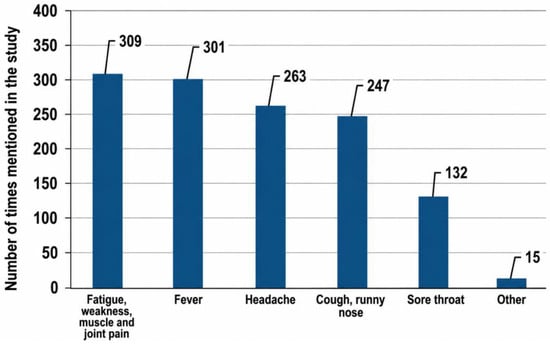
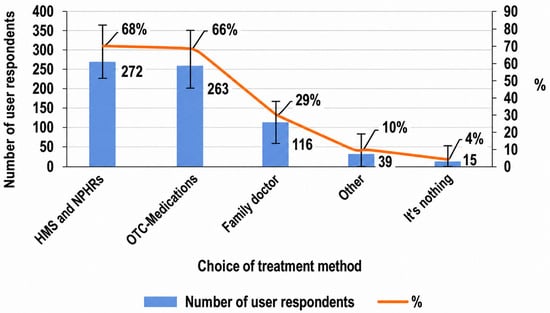
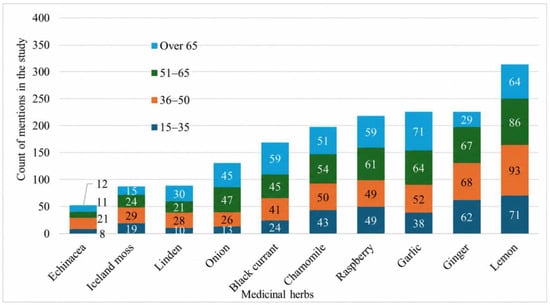
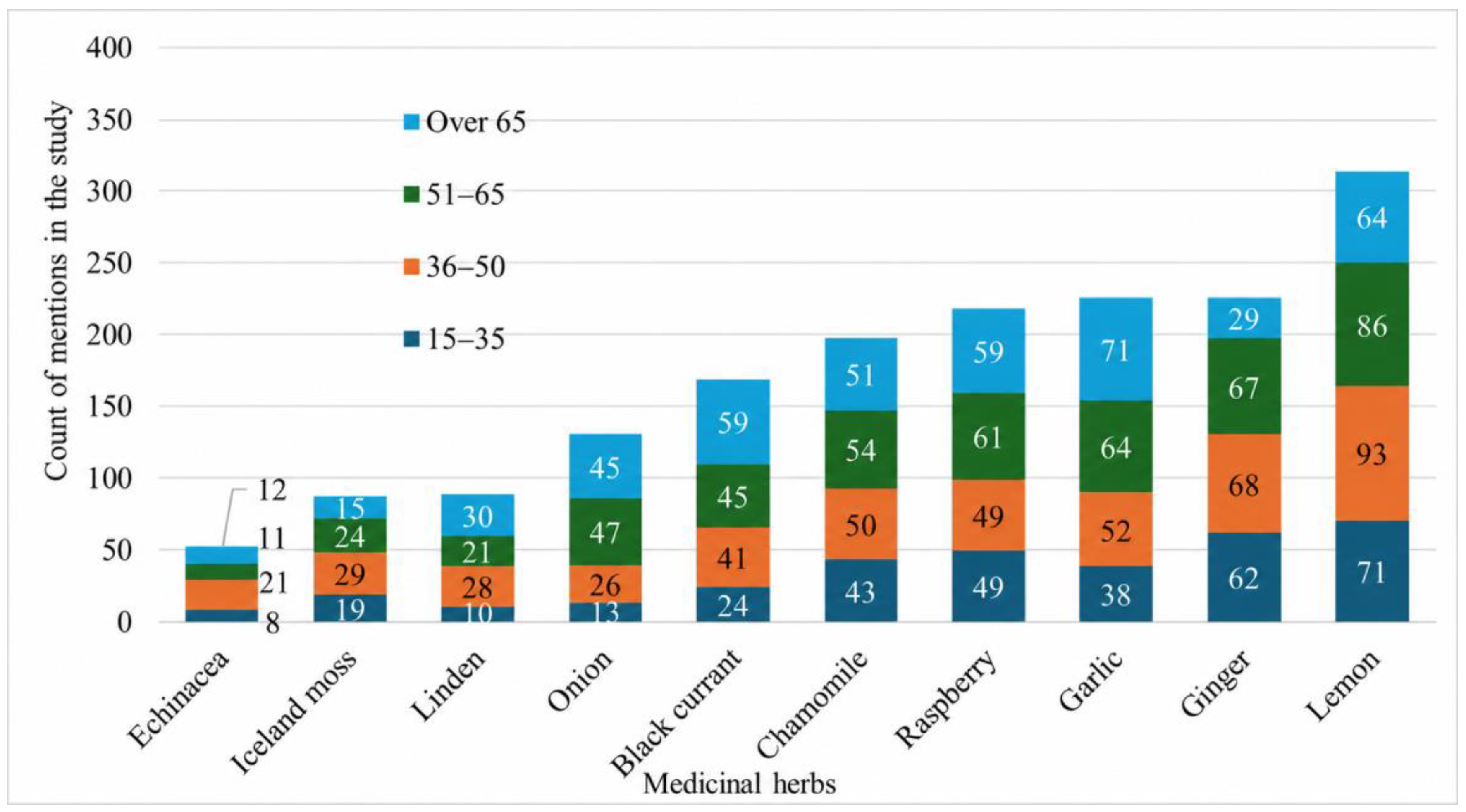
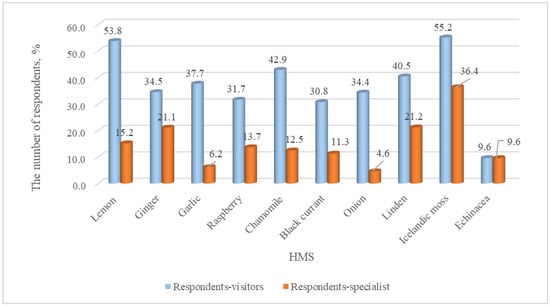
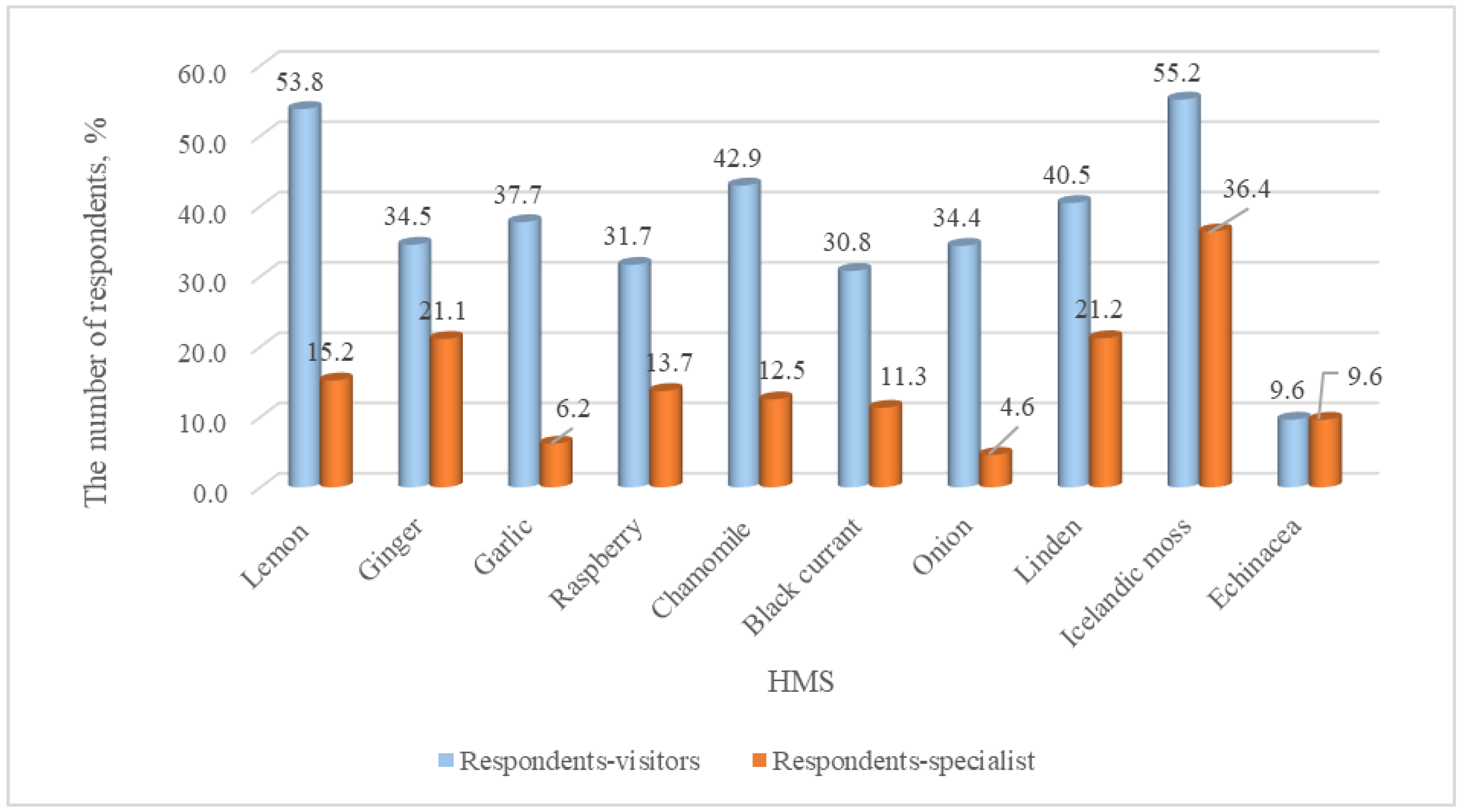
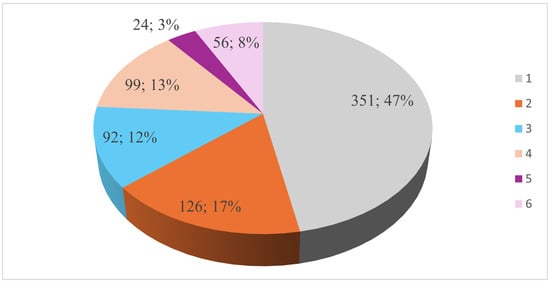
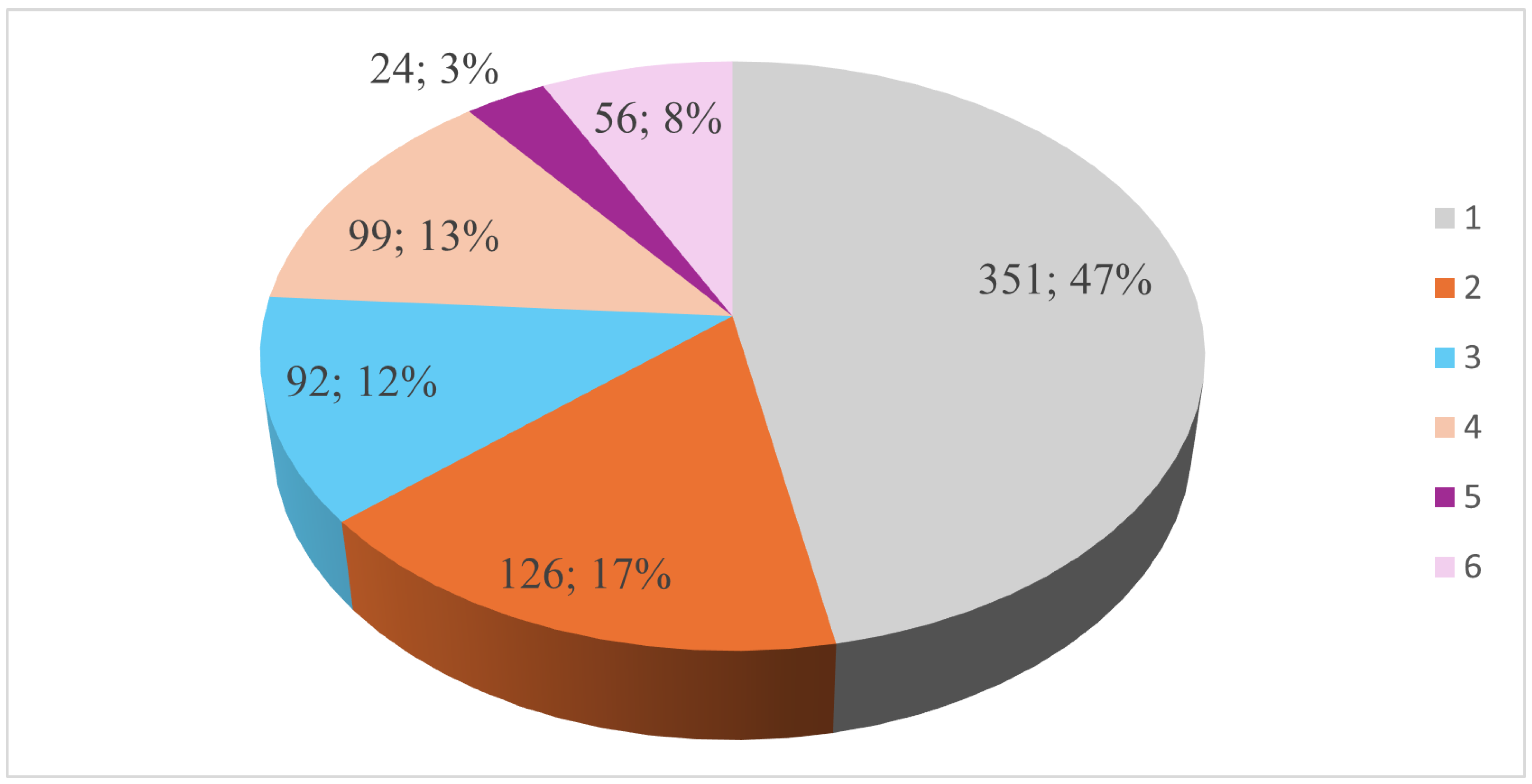

Disclaimer/Publisher’s Note: The statements, opinions and data contained in all publications are solely those of the individual author(s) and contributor(s) and not of MDPI and/or the editor(s). MDPI and/or the editor(s) disclaim responsibility for any injury to people or property resulting from any ideas, methods, instructions or products referred to in the content. |
© 2026 by the authors. Licensee MDPI, Basel, Switzerland. This article is an open access article distributed under the terms and conditions of the Creative Commons Attribution (CC BY) license.