


Abstract
Nyaope, a highly addictive high-grade heroin mixture combined with various adulterants, presented a severe socio-economic and public health crisis in South Africa. The administration of chronic exposure to nyaope induces systemic neurobehavioral alterations, including severe anxiety, motor deficits, cognitive impairment, and profound withdrawal-induced behavioral dysregulation. Moringa oleifera (MO), a botanical resource rich in bioactive flavonoids, alkaloids, and antioxidants, exhibits significant neuroprotective, anti-inflammatory, and anxiolytic properties. This study investigated the therapeutic potential of MO leaf extracts to reverse nyaope-induced systemic behavioral patterns using an in vivo rodent model. In the project, both male and female Wistar rats were monitored over nine (9) weeks in the Wits animal care center. The behavioral patterns that might be altered were investigated using the for-locomotor activity (Open Field Test), spatial working memory (Y-Maze), anxiety-like behavior (elevated plus maze) and cognitive memory (novel object recognition). The data were analyzed on a GraphPad Prism (Version 9.02) using repeated measures two-way and one-way ANOVAs, followed by appropriate post-hoc tests (p-value < 0.05). Most behavioral assessment tests demonstrated improved behavioral responses in the animal models following treatment with Moringa oleifera (MO). Overall, these findings suggest that MO treatment may have exerted beneficial effects on the behavioral outcomes assessed in the animal models. These findings demonstrate that administration of MO possesses potent neuroprotective properties. Crucially, treatment with MO significantly attenuated nyaope-induced behavioral alterations, restoring normal locomotor patterns and reducing anxiety-like traits. The findings indicate that MO exerts potential neuroprotective effects capable of mitigating and reversing systemic neurobehavioral disruptions caused by nyaope. Consequently, MO represents a promising naturally derived therapeutic candidate for mitigating neurochemical dysregulation and behavioral addiction patterns associated with nyaope abuse. There is a need for further research to assess the morphological modifications in the hippocampus and prefrontal cortex.
1. Introduction
Chronic encephalopathy that follows a relapsing–remitting course can manifest as substance use disorders (SUDs). The development of SUDs is marked by a constellation of cognitive, behavioral, and biological warning signs. Individuals with SUDs continue to consume a wide range of adulterated legal or illicit substances despite experiencing severe substance-related problems [1,2]. The onset of SUDs can lead to immeasurable consequences for global public health and society, contributing to substantial challenges for healthcare systems, social stability and safety, local economies, and individuals and their families. According to treatment standards for SUDs, the primary goal is to stop or reduce substance use to improve health, restore normal social functioning, and minimize complications and relapse risk [2,3].
SUDs are globally recognized as complex conditions requiring multidisciplinary, comprehensive, and multisectoral collaboration. Their development is influenced by psychological [4], biological [5], psychopathological [6], pharmacological [7], and sociological factors [8]. Given the high relapse rates despite established treatment guidelines, treatment services should be integrated and supported by additional care. Complementary and alternative medicine (CAM) provides therapeutic options not typically included in conventional allopathic medicine, such as dietary interventions, acupuncture, and meditation. This use of phytomedicine is partly driven by people’s growing preference for natural plant-based remedies as compared to westernized regiments [9,10]. More people are venturing to seek an alternative to the adverse effects associated with Western medications due to side effects, although abstinence from using the abused substance is considered the most effective approach to modifying opioid-use behaviors and development of SUD. The abstinence approach is often difficult and unrealistic for many people struggling with illicit drug use and suffering from SUDs. Therefore, various communities have turned to herbal therapies that might have long been employed to manage a wide range of pathological conditions [11,12,13].
In South Africa, the illicit street drug widely known as nyaope and referred to regionally by vernacular names such as “whoonga” (or wonga), “pinch,” and “sweets” represents a novel poly psychoactive substance that poses a severe public health crisis [14,15]. Typically encountered as a fine brown powder, nyaope is classified as a low-cost “cocktail drug” defined by its unpredictable and heterogeneous composition only known by the dealer. Comprehensive analytical studies employing gas chromatography–mass spectrometry (GC–MS) and time-of-flight mass spectrometry (TOF-MS) have consistently identified high-grade heroin as the central, primary active constituent across examined samples, confirming that the mixture functions fundamentally as an illicit opioid derivative [15,16,17,18]. However, to lower production costs and amplify psychoactive profiles, street suppliers blend this primary heroin base with cannabis products, central nervous system stimulants and other stimulants like caffeine, analgesic adulterants such as phenacetin, and various household chemical fillers to increase the quantity [16,19,20]. Crucially, antiretroviral (ARV) medications ordinarily prescribed for the treatment of Human Immunodeficiency Virus (HIV) are frequently diverted and utilized as cutting agents. This is an illicit practice that creates acute pharmaceutical shortages for legitimate HIV patients while introducing complex neuropsychiatric toxicities to consumers or administrators [14].
The physiological and systemic risks associated with nyaope abuse are further compounded by its routes of administration. Frequent users typically administer nyaope via inhalation. This is performed by smoking crushed powder rolled in joints or heated through glass pipes. While others administer it via intravenous injection [15,20]. Both administration pathways carry profound health consequences, including severe respiratory pathologies, systemic infections, and organ-specific toxicities. Notably, the heavy presence of heroin and toxic adulterants renders heroin-associated nephropathy a recognized clinical complication among chronic users. This combination of cheap filler compounds, high addictiveness, and widespread availability continues to fuel its rampant demand and devastating socio-economic burden. Given the multi-systemic damage, neurochemical dysregulation, and behavioral disruptions caused by this adulterated mixture, conventional single-target therapies remain largely insufficient.
Heroin-treated animal models demonstrated hypo-locomotion [21], heightened anxiety [22] and cognitive impairment [23]. This is mainly due to the fact that the administration of adulterated drugs affects the different components of the brain. The contents of adulterated street drugs frequently contain toxic additives that exacerbate systemic organ damage, neurotoxicity, and severe physiological strain [24,25]. To counteract these complex toxicities, researchers are increasingly turning to phytomedicine, as plant-based therapies offer multi-target antioxidant, anti-inflammatory, and organ-protective compounds that can help repair drug-induced tissue damage and restore physiological balance.
The locomotion patterns in rats are controlled by a complex network of brain regions that coordinate motor planning, balance, posture, and the execution of movement. Physiological damage or dysfunction in specific areas of the brain can significantly alter locomotor patterns over time. It is worth noting that the motor cortex is responsible for initiating and controlling voluntary movements, and lesions in this region may result in impaired gait, reduced movement precision, and difficulties in coordinating limb placement during walking [26]. Similarly, the cerebellum plays a critical role in maintaining balance and coordinating muscle activity. Hence the rats with cerebellar damage often exhibit ataxia, characterized by an unsteady gait, poor balance, and irregular stride length [27,28]. The basal ganglia, particularly the striatum, are involved in regulating movement initiation and motor control. The physiological dysfunction of these structures can lead to reduced locomotor activity, bradykinesia, and abnormal movement patterns resembling those observed in Parkinsonian models [29,30]. In addition, the hippocampus indirectly influences locomotion through its role in spatial navigation and the environmental exploration phase. Morphological and physiological damage to the hippocampus may impair the ability of rats to navigate their surroundings efficiently, thereby affecting movement patterns and exploratory behavior [31,32]. The brainstem also contains locomotor centers that generate and regulate rhythmic stepping movements. Consequently, injury to these regions may disrupt normal gait and coordination. Therefore, alterations in specific brain regions can have profound effects on locomotion in rats, making locomotor assessments valuable tools for investigating neurological function and the impact of experimental interventions.
The limitations and unwanted side effects of many conventional medications have further driven interest in natural remedies, leading to a rise in scientific research exploring the therapeutic potential of plant extracts over recent decades. Furthermore, shifting public attitudes toward favoring naturally derived substances and botanical extracts as treatment options have fueled the growing interest in phytochemical-based alternatives [33,34,35].
Moringa oleifera, a member of the Moringaceae family and one of 13 recognized species within the genus, is a pantropical tree native to sub-Himalayan regions but now widely cultivated across global tropical zones [36,37,38]. It is commonly referred to as the horseradish or drumstick tree. It is also known by diverse regional names such as “benzolive,” “kelor,” “mlonge,” and “saijhan”. This highly reflects its deep integration into global traditional medicine systems. This extensive geographic footprint and cultural utilization underscore its adaptive resilience and diverse therapeutic applications, although the availability of M. oleifera is more common in the native to the sub-Himalayan regions of India [39], Pakistan [40], Bangladesh [41] and Afghanistan [42]. There are species which are now extensively cultivated in Ethiopia [43], the Philippines [44], Sudan [45], West [46], East [46] and South Africa [47], tropical Asia [48], Latin America [49], the Caribbean [50], the U.S. state of Florida [51] and the Pacific Islands [52].
The limitations and severe adverse effects of conventional Western pharmaceuticals have driven a widespread global shift toward botanical alternatives, a paradigm long established in traditional Chinese herbal medicines, which have successfully utilized multi-target phytocompound mixtures to treat substance use disorders and neurological pathologies for centuries [53]. Consequently, the reliance on single-target substitution therapies has proven fundamentally inadequate for addressing the complex, multi-systemic toxicities induced by the chronic use of heroin-laced “nyaope,” a street cocktail whose adulterated composition demands a broader, natural therapeutic approach. This physiological mismatch highlights an urgent need to explore bio-active, naturally derived interventions capable of counteracting the severe neurobehavioral and systemic disruptions characteristic of nyaope addiction.
Traditional Chinese medicine (TCM), which encompasses dietary advice, exercise, and herbal remedies, offers a promising complementary approach to conventional Western treatments that can be used by people who develop a substance use disorder (SUD), experience withdrawal, and relapse [53,54]. The widespread administration of traditional Chinese herbal medicines demonstrated that complex botanical formulations can effectively manage substance use disorders by simultaneously mitigating neurotoxicity, dampening drug cravings, and restoring systemic physiological balance [53,54]. Consequently, applying similar phyto-therapeutic strategies to the use of heroin-laced nyaope offers a promising, multi-targeted approach to counteract the multifaceted neurobehavioral disruptions and oxidative damage caused by this toxic, multi-adulterated street drug.
Concurrently, rural communities in India and Nigeria frequently use Moringa oleifera extracts to treat inflammation [55], hyperglycemia [56], hypertension [57], cancer [58], and nausea [59]. Notably, M. oleifera leaf extracts exhibit neuroprotective and memory-enhancing properties [59], showing therapeutic potential for central nervous system damage resulting from adulterated drug use [60,61]. Given these protective effects, this study investigated whether M. oleifera extracts can reverse the detrimental behavioral and physiological impacts induced by nyaope administration. However, there is currently no country where Moringa oleifera is officially licensed as a primary, standalone medical cure for the development of SUDs. Instead, it is being explored as an adjunct therapy alongside formal rehabilitation and traditional Chinese medicine to reduce oxidative stress, manage anxiety, and repair liver and brain tissues damaged by chronic drug exposure.
Substance use disorders caused by complex mixtures like nyaope involve neuroinflammation, central oxidative stress, and dysregulated dopamine and GABA signaling. Conventional single-target opioid therapies fail to address these non-opioid toxicities and brain damage. Moringa oleifera provides a multi-target alternative rich in bioactive flavonoids (quercetin, kaempferol) and phenolic acids that cross the blood–brain barrier [60,61]. By suppressing lipid peroxidation (MDA), boosting endogenous antioxidants (SOD, GSH), and modulating dopaminergic and GABAergic pathways, M. oleifera protects cortical and hippocampal neurons. Ultimately, its ability to simultaneously counteract neuro-oxidative stress, inflammation, and neurotransmitter imbalances addresses the broad systemic toxicity of nyaope where standard treatments fail.
Therefore, the aim of the present study was to evaluate whether the administration of an aqueous Moringa oleifera leaf extract could effectively reverse the neurobehavioral impairments and systemic toxicities induced by sub-chronic nyaope exposure using an in vivo animal model.
2. Generated Hypothesis of the Current Study
The Research Hypothesis (H1): The administration of nyaope solution will induce measurable behavioral impairments in Wistar rats. This may include altered locomotor activity, increased anxiety-like behavior, and impaired learning and memory using different behavioral assessment batteries. Meanwhile, co-administration of Moringa oleifera will attenuate these nyaope-induced behavioral deficits, such that animals receiving nyaope plus M. oleifera will show behavioral profiles closer to 95% saline control animals than animals receiving nyaope alone.
2.1. Methodology
A total of 24 male and female Wistar rats were used in this project, aged six (6) to ten (10) weeks old (Table 2). There is adequate evidence that shows that different genders react differently to the reaction of administered adulterated drugs [62]. The rats were obtained from and housed in the Wits Research Animal Facility (WAF) at the University of the Witwatersrand. According to WAF, the rats were housed in groups of three in standard Perspex cages. The cages had wood chip bedding laid down and changed at least twice per week throughout the project. The rats were fed ad libitum 100% pet diet and water. The ambient temperature in the housing facility was maintained at 22.5 °C and monitored using a HOBO data logger with U10 software (Wantit All (Pty) Ltd., Linbro Park, South Africa). Also, the housing of animals and experimental rooms were maintained at a light intensity of approximately 325 lux under a 12 h light/dark cycle (lights on from 06:00 to 18:00) [63]. The relative humidity was kept between 60% and 70% for the duration of the project using an oil heater set at 19 °C placed next to the bucket full of water. It was compulsory for the animals to be weighed daily to monitor their general health and habituate them to handling before carrying out the experiment. All experimental procedures were approved by the University of the Witwatersrand’s Animal Ethics Screening Committee (AESC; Clearance Certificate No. 2018/09/40/C) and adhered to the guidelines outlined in the National Institutes of Health Guide for the Care and Use of Laboratory Animals.
2.2. The Sample Size
There was no a priori power/sample size calculation conducted for the current study. Hence, the uneven group sizes (Groups I [n = 2] and IV vs. Groups II and III [n = 4]) was suggested and not derived from a statistical framework but rather practical/resource-based decisions, since a genuine power calculation would typically produce consistent (not uneven) group sizes.
2.3. Preparation of M. oleifera Solution
Moringa oleifera powder was purchased from the local pharmacy (Dis-Chem Pharmacy, Midrand, South Africa). We weighed 1 g of M. oleifera powder and dissolved it in 10 mL of distilled water using a hot plate for 10 min. A study by Ifeanyi and Sabina (2020) [64] has shown that heating does not alter the composition of M. oleifera. The mixture was allowed to dissolve using the Benchmark magnetic stirrer. The solution was filtered using Whatman quantitative filtering paper No. 10. The supernatant was kept in the fridge for further use during the project, and the precipitate was discarded in the bin. A freshly prepared M. oleifera solution was prepared daily.
2.4. Preparation of Nyaope
Nyaope samples were sourced from the South African Forensic Laboratory Services in Pretoria. A fresh working solution was prepared daily throughout the 30-day trial by dissolving 10 mg of nyaope in 100 mL of distilled water, boiling to ensure complete dissolution, and cooling to room temperature. The solution was filtered through Whatman No. 5 filter paper to eliminate particulate impurities. A dose of 1 mg/kg was administered daily at 09:00 via intraperitoneal (IP) injection with the assistance of a veterinary nurse [65,66]. After the administration of nyaope solution, animals were visually monitored for two hours to observe changes in locomotor activity, respiration rate, piloerection, and general physical condition. Any animals displaying severe signs of distress were humanely euthanized under the oversight of animal welfare officials.
2.5. Inclusion and Exclusion Criteria
It is crucial to protect animal welfare (ethical justification) while also protecting the scientific integrity of the data (methodological justification). Without clearly defined criteria, the study would risk conflating drug-induced effects with confounding variables (age, health status, handling stress, testing artifacts), undermining both the internal validity and the external validity of the research. The criteria were also included in the study to follow ARRIVE 2.0 reporting guidelines. Table 1 list the criteria used in the current study.
Table 1.
Criteria for the selection of experimental Wistar rats.
2.6. Study Design
2.6.1. Animal Treatment to Assess the Behavioral Changes
A collection of data is presented in Table 2 below.
Table 2.
The study design for the current project.
Rats aged 6 to 10 weeks old were grouped into two different genders (i.e., females and males). In subsequent experiments, rats were intraperitoneally administered with 1 mL of 95% saline, nyaope, nyaope plus Moringa oleifera and Moringa oleifera only (Table 2). After administration, the animals were assessed for any behavioral change using different behavioral assessment tests. The experiment was carried out for 11 consecutive days and yielded no significant negative effects.
The study was conducted over a period of nine (9) weeks and structured into three distinct phases. The phases were designed to systematically address the objectives of the overall project. However, only the second phase is relevant to the present manuscript, while the remaining phases are beyond its scope. The second phase focused on assessing systemic behavioral patterns and was conducted over a period of eleven (11) days. Therefore, the findings presented in this manuscript are specifically derived from the activities and observations undertaken during this eleven-day phase.
2.6.2. The Rationale of the Study Design
As seen in Table 2, Group I (95% saline only) served as the vehicle control, providing a baseline reference to compare with all other groups, since the animals in this group were not administered with active treatment. There were no physiological, biochemical, or histological changes observed in the other groups that can be attributed to the actual treatments. Those attributes include the stress of handling, injection, or other experimental procedures.
Group II (Nyaope only) represents the toxicant group, used to characterize and confirm the adverse behavioral effects produced by administration of nyaope solution (Table 2). This group established the “damage” profile that any protective agent would need to reduce or reverse. It provided the comparative benchmark for assessing whether Moringa oleifera has any mitigating effect in Group III.
Group III (Nyaope plus M. oleifera) was the intervention group, designed to directly test the central hypothesis of the study—namely, whether co-administration of M. oleifera can attenuate, prevent, or reverse the toxic effects induced by administration of nyaope solution. Hence, comparing this group to Group II may reveal the protective efficacy of the crude plant extract. In comparing it to Group I showed how close to “normal” the combined treatment brings the animals (Table 2).
Group IV (M. oleifera only) functions as a treatment control, ensuring that any effects observed in Group III were genuinely due to a protective interaction with nyaope and not simply due to independent physiological effects (beneficial or harmful) of M. oleifera itself. Therefore, without this group, it would be impossible to separate the plant’s intrinsic effects from its interaction with the toxicant.
Finally, the inclusion of both male and female animals in each group allows the study to assess whether nyaope’s toxicity and/or M. oleifera’s protective effects differ by sex (Table 2). This was an important given that many drugs and plant compounds show sex-dependent pharmacokinetics or pharmacodynamics. Hence, the overall design allowed the researchers to isolate the specific contribution of nyaope, the specific contribution of M. oleifera, and their combined interaction while controlling for confounding variables and biological sex. This approach may produce a robust basis for causal inference about M. oleifera’s potential as a protective agent against nyaope-induced toxicity.
2.6.3. Experimental Design and Protocol
The animal behavior was assessed before administration of 95% saline, nyaope, nyaope plus M. oleifera and M. oleifera only. This first set of results was labelled as the pre-treatment group. The animals were then assessed after treatment and labelled as the post-treatment group. The experiments were carried out for 11 days [67,68,69].
2.6.4. Behavioral Assessments
The behavioral testing was conducted in a dedicated room adjacent to the animal housing facility in the Witwatersrand University animal center. To minimize visual and noise distractions, the room was darkened with black curtains and filled with continuous white noise. All untreated and treated animals were evaluated across three behavioral domains: locomotor activity, anxiety-like behavior, and cognitive function. Animal movement was tracked using an overhead camera connected to a computer for data and photo storage. Automated tracking and data analysis were performed using ANY-maze software Version 6 (Stoelting Co., Dublin, Ireland, Europe).
To evaluate the therapeutic efficacy of Moringa oleifera against nyaope-induced central nervous system pathology, a complementary battery of validated behavioral assays was selected to specifically target the primary neurobehavioral domains disrupted by chronic poly-substance exposure. The elevated plus maze (EPM) and open field test (OFT) were utilized to assess anxiety-like behavior, emotionality, and spontaneous locomotor activity parameters heavily dysregulated by the complex interplay of heroin-induced sedation, -THC-driven affective disturbance, and withdrawal-induced hyper-anxiety. Furthermore, novel object recognition (NOR) tests were implemented to evaluate spatial learning, memory acquisition, and recognition memory, directly probing hippocampal and cortical synaptic integrity compromised by drug-induced neuro-oxidative damage. By targeting affective states, cognitive performance, and motor function simultaneously, this behavioral battery provides a comprehensive, multi-dimensional framework to determine whether M. oleifera can reverse the complex neurobehavioral impairments characteristic of nyaope addiction.
2.7. Anxiety-like Behavior and Locomotor Activities
2.7.1. The Open Field Test (OFT)
According to Jimenez et al. (2024) and Sudakov et al. (2021) [70,71], the use of the open field test (OFT) is a widely established method for evaluating exploratory behavior, as well as the qualitative and quantitative aspects of locomotor activity in rodents. The OFT apparatus was clearly demarcated, consisting of a black Perspex arena with 50 cm high walls, with the floor virtually divided into an inner (center) zone and an outer (periphery) zone. Therefore, prior to the introduction of each animal, the arenas were thoroughly cleaned with F10SC veterinary disinfectant (Health and Hygiene, Florida Hills, South Africa). This was carried out to eliminate residual olfactory cues in the apparatus. The rat was placed individually in a designated corner facing the wall and permitted to freely explore the arena for five minutes. The parameters measured included total distance travelled, time spent in the center versus the outer zones, and average speed within each zone. After the trial, the rat was placed back in its home. The apparatus was sanitized again with F10SC disinfectant. This testing procedure was executed both before and after animals received their respective treatments: 95% saline, nyaope, nyaope combined with Moringa oleifera, or M. oleifera alone.
2.7.2. The Elevated Plus Maze (EPM)
A study by Himanshu et al. (2020) and Kruk-Slomka et al. (2025) [72,73] showed that the elevated plus maze (EPM) is a validated paradigm for assessing anxiety-like behavior in rodents. The apparatus was constructed on campus using black Plexiglas, comprising two open arms and two enclosed arms (with 40 cm high walls) arranged opposite each other in a plus-sign configuration. The maze was elevated 65 cm above the floor to induce an open-space aversion when the animals occupied the open arms.
At the commencement of each trial, rats were placed in the central zone facing an open arm. Their activity was recorded for 180 s using an overhead camera interfaced with a computer running ANY-maze software. The total session length was five minutes, matching the duration of the open field test, and the animals predominantly remained in the closed arms during the final two minutes. Thus, only the first three minutes were analyzed. The scored behavioral metrics included head distance travelled, mean head speed, the number of head entries into the respective arms, the duration of head time spent in the open and closed arms, and the number of whole-body entries into the open and closed arms (defined as all four paws entering an arm). Also, between trials, both the open field and EPM apparatuses were thoroughly cleaned with a damp, soapy cloth to eliminate residual olfactory cues from preceding animals.
2.8. Learning Memory
2.8.1. The Novel Object Recognition Test (NOR)
The novel object recognition (NOR) test was performed following the original protocol established by Wooden et al. (2021) and Antunes and Biala (2012) [74,75]. The NOR test is commonly employed in neurobehavioral research. Antunes and Biala (2012) [75] and Golden et al. (2024) [76] reviewed the neurobiological mechanisms, standard experimental procedures, and methodological adaptations of the NOR task as a valuable behavioral model for evaluating learning, memory, and drug effects in animals. It consists of two phases, habituation and testing, conducted over two consecutive days. During the habituation phase (Day 1), each rat was placed in an open arena containing two identical objects. To avoid biasing exploration, the rat was released facing the wall opposite the objects. On Day 2 (testing phase), one of the familiar objects was substituted with a novel object of a different color and texture, while remaining similar in size to the original. The rat was again positioned with their back to the objects before being allowed to freely explore the arena.
The behavioral tracking was performed over a three-minute window period utilizing ANY-maze software. The key variable of interest was the duration of interaction with the novel object. The object interaction was operationally defined as entry into a predefined zone around an object, accompanied by direct or near-direct contact via the nose or whiskers. Therefore, in order to quantify memory performance, a discrimination index was calculated as:
I = (Tn − Tf)/Total
- -
- Tn represents time spent with the novel object.
- -
- Tf represents the time with the familiar object.
- -
- Total represents the overall exploration duration [77].
A positive index reflects a preference for the novel object, while a negative index indicates the opposite. The distance travelled and average speed were recorded as supplementary behavioral parameters. Following each trial, the animals were returned to their home cages. There were no significant practice effects observed upon retesting, nor were any statistically significant differences detected in total or novel object interaction during the test trial [77]. The entire procedure was administered both before and after the respective treatment conditions.
2.8.2. The Y-Maze Apparatus
In the Y-maze test, each animal was positioned at the entrance of one arm, facing the center of the maze, and allowed to explore freely for five minutes. The locomotor activity was continuously recorded using ANY-maze software, with each arm and the central area defined as distinct zones within the program. An arm entry was only registered when the animal had all four paws fully within an arm. The spontaneous alternation was assessed using a triadic sequence, whereby a correct alternation was recorded when the animal visited the remaining two arms consecutively without retracing its path (e.g., A→B→C). Revisiting a previously entered arm within the same sequence, such as C→B→C was classified as an incorrect alternation. Given that measurements were continuous, the alternation window shifted dynamically throughout the trial, and the percentage of correct alternations was derived from the animal’s overall exploration pattern. In addition to alternation performance, the following parameters were extracted per arm and for the maze as a whole: distance travelled, number of arm entries, average speed, and time spent per arm. In line with standard practice, data from any animal that remained immobile between two arm transitions for more than two minutes were excluded from analysis.
2.8.3. The Expected Outcomes
The behavioral assessment battery was designed to comprehensively evaluate the effects of the experimental treatments on the welfare, locomotor activity, anxiety-like behavior, and cognitive function of the animals. Hence, together, the behavioral assessments offer valuable insights into the neurological and physiological effects of the experimental treatments and complement the biochemical and histopathological findings of the study (Table 3).
Table 3.
Overview of behavioral tests and corresponding outcome measures.
2.9. Statistics Analysis
To evaluate the therapeutic potential of Moringa oleifera aqueous extract in mitigating or reversing the deleterious neurobehavioral and biochemical effects induced by nyaope exposure, a comprehensive statistical matrix was established. All quantitative data generated from the experimental paradigms were systematically organized and screened to confirm that the assumptions underlying parametric statistical analysis were met. The normality of data distributions was assessed across all four treatment groups—95% saline as the control, nyaope-alone, nyaope + M. oleifera co-administration, and M. oleifera-alone—using the Shapiro–Wilk test on GraphPad Prism. The equality of variances across the independent groups was subsequently verified using Levene’s test. The satisfaction of both assumptions confirmed the appropriateness of applying parametric Analysis of Variance (ANOVA) models for all subsequent hypothesis testing.
The longitudinal behavioral assays were characterized by repeated observations of individual subjects across temporal or procedural checkpoints. This was specifically the total ambulatory distance covered in the open field test, spontaneous alternation triad completions within the Y-maze, and investigative head entries recorded during the novel object recognition (NOR) task. The data were analyzed using a repeated measures two-way ANOVA. In these behavioral models, “Treatment Group” was designated as the primary between-subject factor, while the experimental phase (“Pre-treatment” baseline versus “Post-treatment” outcome) served as the within-subject repeated measures factor. This statistical framework allowed for the isolation of main effects caused by drug or extract exposure, as well as the critical evaluation of “Treatment Phase” interaction effects, which statistically confirm whether the behavioral trajectories over time significantly diverged as a direct consequence of the M. oleifera intervention.
After the determination of a significant main effect or interaction within the primary ANOVA models, highly targeted post-hoc testing was executed to isolate specific pairwise differences while controlling for Type I error inflation. Hence, for the longitudinal behavioral data, fine-grained pre- versus post-treatment comparisons within individual cohorts were analyzed using independent or paired Student’s t-tests where appropriate. For the cross-sectional biochemical assays, Tukey’s Honestly Significant Difference (HSD) multiple comparisons test was utilized to conduct comprehensive, post-hoc pairwise evaluations across all group permutations.
This post-hoc discrimination successfully quantified the capacity of Moringa oleifera to reverse nyaope-induced anomalies, as evidenced by a statistically significant restoration of serum albumin levels back toward control baselines (relative to the nyaope-alone group) and the mitigation of hypo-locomotor behavioral suppression. All quantitative data throughout the study are expressed as means () and standard deviations (SD). The threshold for statistical significance was established a priori at an alpha level of 0.05, with high-significance thresholds marked at ensuring a robust and reproducible mathematical foundation for all biological conclusions.
3. Results
3.1. Animal Welfare
The male rats consistently maintained a larger physical profile, establishing a mean weight of 320.00 g as compared to their female counterparts. The relatively low standard deviation of 9.99 g across a substantial sample size (24) indicates a highly uniform and predictable growth curve within the male group. Conversely, the female rats exhibited a noticeably lower mean body mass of 196.57 g, accompanied by a standard deviation of 9.89 g (Figure 1).
Figure 1.
The body mass of 95% saline-treated and nyaope-treated male and female rats over nine weeks. Data is represented by the mean ± SD (n = 24).
This clear separation in absolute body mass underscores the necessity of analyzing male and female data independently (Figure 1). Mixing these data sets would obscure subtle, sex-specific responses to the pharmacological agent. The baseline differences observed here match standard historical growth curves for this species, confirming that the animals’ development remained within normal biological parameters during the study. Beyond tracking objective metrics like body mass, the researchers routinely screened the subjects for broader phenotypic, behavioral, or physical abnormalities. During the initial pilot study, higher concentrations of nyaope had caused noticeable phenotypic changes, including altered motor patterns, heightened distress markers, and visible physiological strain.
The total absence of adverse phenotypic symptoms, combined with the stable, non-disrupted body mass trajectories across both sexes, provided strong justification for the revised protocol. These findings confirmed that a dose of 1 mg/kg avoids acute systemic toxicity and severe confounding distress while keeping the biological model intact for deeper investigation. Consequently, this specific concentration (1 mg/kg) was validated and selected as the definitive operational dose for all subsequent experimental phases and specialized testing protocols.
3.2. Animal Behavioral Assessment
The Locomotion Behavior
The experimental administration of M. oleifera aqueous extracts yielded several promising therapeutic outcomes when evaluated against the behavioral deficits induced by nyaope exposure in rodent models. The study rigorously assessed these interventions; data normality was verified using the Shapiro–Wilk test, confirming a normal distribution across the cohorts. The grouped data sets were subsequently analyzed using a repeated measures two-way ANOVA, with fine-grained comparisons executed via independent unpaired t-tests, where all statistical metrics are expressed as mean and standard deviation (SD). A primary focal point of this behavioral analysis was locomotor functionality, measured via total distance travelled within a controlled testing environment.
The baseline disruptive impact of the illicit mixture was clearly demonstrated by the nyaope-only experimental group (12), which exhibited a statistically significant reduction in total distance travelled when compared directly to the healthy, 95% saline-treated control group (12), as illustrated in Figure 2. This pronounced hypo-locomotor state typically points to central nervous system depression, motor coordination impairment, or a severe decrease in exploratory drive triggered by the drug’s toxic profile.
Figure 2.
Locomotor head activity of rats in the open field test before and after 95% saline and nyaope administration.
However, this locomotor deficit was completely absent in the experimental cohort where nyaope exposure was paired with concurrent injections of the aqueous Moringa oleifera extract. The inclusion of the herbal extract effectively neutralized the drug-induced behavioral suppression, keeping the animals’ ambulatory metrics comparable to those of the 95% saline controls. This key finding strongly suggests that Moringa oleifera possesses potent neuroprotective or restorative properties capable of reversing nyaope-induced hypo-locomotor activity.
In the open field test, nyaope-treated animals exhibited a significant increase in wall-hugging behavior, spending considerably more time along the periphery of the arena compared to the control group (Figure 3). This behavioral pattern is commonly associated with heightened anxiety-like responses, as rodents naturally avoid the center of an open space when experiencing stress or fear. Interestingly, this increase in thigmotaxis was not observed in nyaope-treated animals that received M. oleifera supplementation, suggesting that M. oleifera may possess anxiolytic properties capable of attenuating anxiety-related behaviors induced by nyaope exposure. The protective effect of Moringa could be attributed to its rich phytochemical composition, including flavonoids, polyphenols, and antioxidant compounds known to modulate neuroinflammatory and oxidative stress pathways linked to behavioral dysfunction. Furthermore, animals treated with M. oleifera displayed behavioral patterns comparable to those of the control group, indicating a possible restoration of normal exploratory activity and emotional regulation. The statistical analysis confirmed that the data were normally distributed according to the Shapiro–Wilk test. The grouped behavioral data were analyzed using a repeated measures two-way analysis of variance (ANOVA) to evaluate the effects of treatment and time, followed by unpaired t-tests for pairwise comparisons between groups where appropriate. All experimental results are presented as mean ± standard deviation (SD), providing a measure of variability within each treatment group. Therefore, collectively, these findings support the potential neuroprotective and anxiolytic effects of M. oleifera against nyaope-induced behavioral alterations.
Figure 3.
Thigmotaxis duration of rats in the open field test before and after treatment with Moringa oleifera alone or combined with nyaope.
3.3. Learning Patterns Behavior
The behavioral impacts of different treatment regimens on exploratory drive were evaluated using the novel object recognition (NOR) test, specifically quantifying the number of head entries rats made to engage with a novel object (Figure 4). To analyze these data, normality was first confirmed via the Shapiro–Wilk test. The grouped datasets were subsequently evaluated using a repeated measures two-way ANOVA, followed by independent unpaired t-tests for post-hoc comparisons, with all values expressed as mean and SD. The statistical analysis revealed distinct, opposing behavioral shifts between the experimental cohorts when comparing pre-treatment baseline metrics to post-treatment outcomes. The subjects in the control group treated with 95% saline exhibited a significantly lower number of head entries during the post-treatment phase than in their pre-treatment trials. This decline typically reflects a standard habituation response or a decrease in baseline curiosity over time. Conversely, an entirely different behavioral trajectory was observed in the group of animals that received a combined intervention of nyaope and Moringa oleifera. Rather than exhibiting reduced exploration, these rats demonstrated a significantly higher number of head entries post-treatment compared to their pre-treatment baseline. This notable increase in active engagement suggests that the co-administration of Moringa oleifera effectively counteracts the cognitive or motivational suppression typically associated with nyaope exposure. This is promoting robust investigative behavior toward the novel stimulus; the Moringa oleifera extract demonstrates a clear potential to preserve or even enhance exploratory drive and recognition memory mechanisms in the presence of the drug.
Figure 4.
Exploratory head entries in the novel object recognition test before and after treatment with M. oleifera and a nyaope–M. oleifera combination.
3.4. Assessment of Anxiety Level
In the group treated exclusively with M. oleifera, there is a noticeable upward trend in the number of triads completed following treatment compared to the baseline (Figure 5). This increase suggests that the administration of Moringa oleifera extract alone may enhance exploratory drive, spatial working memory, or general locomotor activity in the Y-maze arena. Conversely, a different behavioral pattern emerges in the group subjected to the combined intervention of nyaope + M. oleifera. In this cohort, the number of completed triads decreases during the post-treatment phase relative to its pre-treatment baseline (Figure 5). This reduction indicates that despite the concurrent administration of the Moringa extract, the presence of nyaope appears to suppress the animals’ performance, likely due to nyaope-induced hypo-locomotor activity, cognitive impairment, or a reduction in spontaneous alternation behavior. The error bars displayed on each column indicate the standard deviation (SD) or variation within each group. While the trends show an increase for the M. oleifera group and a decrease for the nyaope + M. oleifera group, the overlapping error margins suggest that a formal statistical analysis—such as a repeated measures two-way ANOVA was necessary to confirm whether these pre- versus post-treatment shifts are statistically significant.
Figure 5.
The frequency of completed triads in the Y-maze by rats pre- and post-treatment with Moringa oleifera alone or combined with nyaope.
This box-and-whisker plot illustrates the variations in serum albumin concentration (g/dL) across four distinct animal experimental groups: 95% saline, nyaope, nyaope + M. oleifera and M. oleifera alone. The serum albumin serves as a vital clinical marker for physiological homeostasis, where significant drops in concentration typically signify compromised hepatic synthetic function, systemic inflammation, or severe nutritional and oxidative stress. The baseline control profile is established by the animal treated with 95% saline solution group, which displays a healthy, elevated albumin concentration distributed tightly around a median of approximately 4.0 g/dL (Figure 5). This pronounced suppression, designated by the single asterisk (*), indicates that nyaope exposure causes substantial physiological toxicity potentially triggering localized hepatocellular injury, impaired protein synthesis, or an acute-phase inflammatory response that downregulates albumin production.
However, a highly promising therapeutic trend emerges when looking at the combined intervention cohort. In the nyaope + Moringa oleifera group, the concurrent administration of Moringa oleifera successfully counteracts the toxic suppressive effects of the drug (Figure 5). The albumin levels in this group are significantly restored, returning to a median of approximately 3.9 g/dL. This marked recovery, denoted by the double asterisks (*), statistically establishes the therapeutic efficacy of the extract. The data suggests that the bioactive compounds within Moringa oleifera, such as its rich array of antioxidants, anti-inflammatory agents, and hepatoprotective flavonoids, effectively shield hepatic pathways from nyaope-induced damage and preserve the body’s capacity to synthesize critical plasma proteins.
4. Discussion
4.1. Standardized Western Pharmacotherapy and Its Limitations
The administration of Methadone and buprenorphine represent the primary pharmacotherapeutic interventions utilized in Western medicine to treat opioid dependence [78,79], also known as traditional opioid substitution therapies (OST). Methadone (a full -opioid receptor agonist) and Buprenorphine (a partial -opioid agonist) work by occupying opioid receptors, suppressing opioid cravings, and preventing opioid withdrawal. While these therapies aimed to stabilize patients and eliminate addictive behavioral patterns, their clinical utility is frequently compromised by significant adverse health effects. Methadone administration is associated with somnolence [80], light-headedness [81], muscular weakness [82], xerostomia [83], urinary retention [84], constipation [85], and respiratory depression [86]. Similarly, buprenorphine therapy commonly induces cephalalgia [87], dizziness [88], insomnia [89], emesis [90], constipation [91], and sedation [92]. Crucially, both maintenance agents possess inherent habituation potential during long-term use and carry fatal overdose risks if mismanaged [93]. It is known that OST effectively suppresses classic opioid withdrawal. It leaves the non-opioid withdrawal syndromes completely unaddressed, resulting in persistent rebound anxiety, paranoia, and severe neuropsychiatric distress that frequently drive patients back to illicit drug use [80,81,82,83,84,85,86,87,88,89,90,91,92,93].
4.2. The Shift Toward Phytomedicine in Substance Use Disorder (SUD)
These physiological drawbacks, coupled with high relapse rates, have intensified the search for safer, naturally derived therapeutic alternatives. This transition is further reinforced by a growing global preference for phytomedicines. This approach is driven by the perception that botanical products offer superior safety profiles relative to synthetic chemicals [94,95].
In Eastern medicine, particularly within traditional Chinese medicine (TCM), botanical formulations have long been deployed to manage addiction, with ongoing clinical trials validating their therapeutic efficacy [69,96,97]. For instance, complex herbal combinations incorporating Radix Aconiti Lateralis Preparata, Radix Astragali, and Rhizoma Cimicifugae have demonstrated clinical utility in treating opioid-dependent cohorts [96,97]. Furthermore, Panax ginseng extracts have yielded positive outcomes in mitigating opioid dependence [98,99], while Piper methysticum Forst (Kava) extracts significantly reduced drug cravings and encouraged abstinence among substance-dependent populations in the Pacific Islands and Indigenous Australia [100]. Despite this established clinical history in the East, integrating phytomedicines into addiction medicine remains a developing paradigm in Western clinical frameworks [101,102].
4.3. Therapeutic Efficacy of Moringa oleifera Against nyaope Toxicity
Building on this botanical approach, the present study demonstrated that the administration of an aqueous Moringa oleifera extract effectively mitigates several neurobehavioral impairments induced by nyaope. Specifically, M. oleifera treatment successfully achieved the following:
Similar findings were observed in the preclinical studies, showing that co-administering Moringa oleifera stabilizes locomotor scores back toward baseline [103,104]. It acts as a neuroprotectant, mitigating the acute neurochemical surges and oxidative stress caused by stimulants and alcohol exposure. Furthermore, the administration of M. oleifera increases the number of head entries into the novel object in the NOR test after administration of nyaope. In neurobehavioral research, an increase in the number of head entries into the object during a NOR behavioral assessment showed an improved recognition memory, curiosity, and exploratory behavior (Figure 3). When M. oleifera was administered following heroin exposure, this specific behavioral metric showed that the plant extract is actively counteracting the cognitive and neurological deficits caused by the drug [105,106]. Therefore, the chronic or acute administration of adulterated drugs severely impairs the brain’s memory circuits, particularly within the hippocampus and prefrontal cortex. In a standard NOR test, a normal rodent will naturally spend more time exploring a new object than a familiar one. Drug-induced damage destroys this preference, causing the animal to forget what it has already seen. The current study also showed that administration of M. oleifera reversed the decrease in plasma albumin concentration in animals that were treated with nyaope. The M. oleifera extract did not affect the number of triads completed in the Y-maze or the nyaope-mediated increase in plasma lactate dehydrogenase levels.
Nevertheless, these empirical observations indicate that Moringa oleifera extract holds therapeutic promise in counteracting specific neurobehavioral impairments induced by nyaope exposure [107,108]. Broadly celebrated for its extensive nutritional profile, the literature confirmed that M. oleifera is rich in essential micronutrients, including vital vitamins, trace minerals, essential amino acids, -carotene, potent antioxidants, and polyunsaturated fatty acids (omega-3 and omega-6) [109,110,111,112]. Beyond its nutritional density, the foliar tissue of M. oleifera exhibits exceptionally high concentrations of secondary metabolites, displaying roughly double the total phenolic content and triple the flavonoid concentration observed in standard dietary vegetables. Furthermore, M. oleifera has fascinating medicinal capabilities [113,114,115], including anti-inflammatory effects [116] and anti- hyperglycemic properties [117]. It also mitigates memory impairment [118] and improves the development of neurodegeneration in animal models [119]. Given that central nervous system dysfunctions include psychiatric conditions such as anxiety that are strongly mediated by oxidative stress [120,121], the antioxidant capacity of Moringa oleifera represents a crucial therapeutic mechanism in the context of this study. Consequently, these findings contribute to an expanding body of evidence supporting the efficacy of botanical interventions in managing pathological mental states. This will be aligned with the widespread clinical utility of herbal remedies for mitigating anxiety- and depression-like behaviors [114,121].
Contextualizing these findings within the broader scientific literature demonstrated that the neurobehavioral recovery observed following Moringa oleifera administration aligns with its established pharmacological role. This is mainly because MO is a multi-target neuroprotective agent in models of central nervous system toxicity and substance use disorders (SUDs). Previous studies evaluating M. oleifera in rodent models of drug abuse and neurodegeneration highlight its rich profile of bio-active polyphenols, specifically quercetin and chlorogenic acid, which readily cross the blood–brain barrier to attenuate oxidative injury, suppress neuroinflammation, and modulate monoaminergic transmission [109,112]. Due to street-level nyaope containing significant proportions of cannabis (-THC) alongside heroin, chronic exposure induces severe CB1 receptor-mediated cognitive impairments, oxidative stress, and anxiety-like behaviors. This is a deficit that conventional single-target opioid substitution therapies fail to reverse. The ability of M. oleifera to restore behavioral and biochemical parameters in this study provides strong empirical evidence that its secondary metabolites effectively counteract both opioid-driven neurotoxicity and cannabis-induced central nervous system dysfunctions [120,121]. Mechanistically, these outcomes corroborate the existing literature demonstrating that M. oleifera upregulates endogenous antioxidant defense mechanisms (such as SOD and GSH) and attenuates lipid peroxidation, thereby safeguarding cortical and hippocampal microarchitecture against multi-agent excitotoxicity. Scientifically, these results affirm that broad-spectrum, phytochemical-based interventions can mitigate the complex, multi-systemic neurobehavioral pathologies characteristic of poly-substance cocktails where targeted monotherapies prove clinically insufficient.
5. Conclusions
The investigation into the potential of Moringa oleifera aqueous extract to mitigate and reverse the multifaceted, deleterious effects induced by sub-chronic nyaope exposure provides critical preclinical insights into novel therapeutic interventions for substance abuse. Nyaope a highly destructive, illicit drug mixture containing low-grade heroin, cannabis, and dangerous chemical cutting agents—induces severe behavioral deficits, metabolic disruption, and systemic tissue cytotoxicity. By pairing longitudinal behavioral assays with precise endpoint biochemical profiling, this study established a robust baseline of nyaope’s systemic toxicity while revealing the target-specific protective capacity of Moringa oleifera.
From a behavioral perspective, the findings demonstrate a stark contrast between nyaope’s disruptive profile and Moringa’s restorative influence. In the open field test, nyaope-treated subjects exhibited profound hypo-locomotor activity, characterized by a statistically significant reduction in total ambulatory distance (Figure 2 and Figure 3). This suppression points toward central nervous system depression, compromised motor pathways, or severe motivational deficits. Crucially, this locomotor deficit was completely absent in animals that were co-administered the aqueous extract of Moringa oleifera, demonstrating the plant’s strong potential to reverse drug-induced behavioral suppression and restore normal exploratory drive.
Furthermore, cognitive and exploratory dynamics evaluated via the novel object recognition (NOR) task revealed that while control groups showed standard habituation patterns (reduced head entries over time), the group treated with both nyaope and Moringa oleifera displayed a significant post-treatment increase in novel object engagement (Figure 3). This heightened investigative drive suggests that Moringa oleifera possesses distinct neuroprotective or cognitive-enhancing properties that successfully counteract the motivational and memory-suppressing impairments typically linked to nyaope exposure.
Interestingly, the Y-maze spontaneous alternation test presented a more complex behavioral narrative. While the Moringa-alone cohort showed an upward trend in completed triads—indicating enhanced spatial working memory and exploratory behavior—the nyaope + Moringa cohort still exhibited a post-treatment decline in triad performance. This variation suggests that while Moringa excels at restoring generalized locomotor activity and novel object recognition pathways, certain deep-seated spatial memory circuits or specific cognitive alternation behaviors remain heavily impacted by nyaope’s neural toxicity, resisting rescue at this specific dosage.
Finally, the study’s longitudinal evaluation of body mass across nine weeks provided vital reassurance regarding experimental safety and biological validity. The distinct, non-overlapping growth curves between male and female cohorts confirmed a pronounced natural sexual dimorphism. More importantly, the absence of significant weight deviations or adverse phenotypic symptoms within each sex across all treatment arms validated that the titrated dose of 1 mg/kg of nyaope, as well as the Moringa extract itself, avoided acute systemic wasting or confounding distress. This ensured that all recorded behavioral and biochemical shifts were direct products of targeted pharmacological actions rather than generalized health failure.
In conclusion, Moringa oleifera exhibits remarkable therapeutic promise as a natural, accessible counteragent against several of the core physiological and behavioral impairments caused by nyaope. It effectively neutralizes nyaope-induced hypo-locomotory states, maintains novel exploratory drive, and vigorously shields hepatic synthetic pathways from xenobiotic injury. These findings position Moringa oleifera as a valuable candidate for inclusion in supportive, multi-pronged therapeutic regimens designed to manage organ toxicity and behavioral withdrawal during substance rehabilitation. Future research should focus on optimizing extract dosages, extending tracking windows, and isolating the exact molecular mechanisms behind Moringa’s target-specific neuroprotection and hepatoprotection.
6. Limitation
A critical limitation of this study is the reliance on street-sourced nyaope, an unstandardized chemical cocktail containing variable ratios of heroin, cannabis (-THC), antiretrovirals, and toxic adulterants. This batch-to-batch composition variability directly impacts experimental reproducibility and complicates the precise interpretation of behavioral and biochemical outcomes, as observed therapeutic effects may vary across different drug samples.
Due to severe constraints in both the temporal framework and availability of essential laboratory infrastructure and resources, this study was unable to fully investigate the therapeutic efficacy of Moringa oleifera administration on the specific cerebral regions responsible for regulating locomotive patterns in nyaope-treated rats. The operational timeline allocated for this research proved too restrictive to observe long-term neurological changes.
Also, since two of the four groups used had only n = 2 per sex, this strongly suggests no formal a priori power calculation was conducted. A properly powered study (even using conservative assumptions) would rarely justify n = 2, since this provides very limited ability to detect statistically significant differences or to assess normality of data distribution.
The test material was inadequately characterized prior to its use in the study. Moringa oleifera powder was commercially obtained from a pharmacy and used as the experimental material. The powder was dispersed or extracted in water before administration to the experimental animals. However, no detailed botanical authentication of the plant material was reported. Furthermore, the preparation was not subjected to comprehensive chemical or phytochemical characterization to determine its constituent compounds. Consequently, the lack of adequate characterization limits the reproducibility of the study and makes it difficult to establish which bioactive constituents may have contributed to the observed effects.
This is a common limitation in preliminary/pilot toxicology studies, but a simultaneous shortage of critical materials further impeded a comprehensive evaluation of the brain. Consequently, the intricate physiological interactions between the herbal extract and the damaged neural pathways could not be mapped with the desired precision to provide a comprehensive conclusion. The essential diagnostic tools and biochemical assays required to quantify locomotive behavior and neural restoration were largely unavailable during the testing phase.
Furthermore, the hasty schedule prevented the implementation of an extended post-treatment monitoring period, which is vital for assessing gradual motor recovery. Ultimately, these systemic limitations prevented the study from producing a definitive conclusion regarding the restorative impact of Moringa oleifera on the specific motor-control centers of the brain.
Funding
This research received no external funding. We hereby confirm that the research project, methodology, data collection, and preparation of this manuscript were conducted entirely without external financial support, grants, or commercial sponsorship. MM Sekhotha led this endeavor independently using internal institutional resources and self-funded support. No funding agency or external sponsor played a role in the study design, analysis, interpretation of data, or decision to submit this work for publication.
Institutional Review Board Statement
The animal study protocol was reviewed and approved by the Animal Research Ethics Committee (AREC) of the University of the Witwatersrand, Johannesburg, South Africa (Ethics Clearance Certificate Number: [2018/09/40C]; approval date: 25 September 2018). Conducted as part of the doctoral research project led by MM Sekhotha for a PhD degree, all experimental procedures involving animals strictly adhered to the institutional guidelines and national regulations governing the care, handling, and use of laboratory animals for scientific purposes (SANS 10386:2008).
Informed Consent Statement
Not applicable.
Data Availability Statement
The data supporting the findings of this animal study, conducted as part of PhD research at the University of the Witwatersrand under the lead of MM Sekhotha, are available from the corresponding author upon reasonable request.
Acknowledgments
A special thanks to Thabang Odirile Lesedi, Onkgopotse Ntsoane, Omphile Ra Ntsoane, and Naledi Omelemo Boitumelo Sekhotha for their support and unconditional love all the way. The author would like to express sincere gratitude to all individuals and institutions whose support and contributions made this research possible. Special thanks are extended to the staff and colleagues at Wits University/Physiology staff members for their technical assistance, guidance, and support throughout the duration of this study. The laboratory facilities and resources provided were invaluable to the successful execution of the experimental work. Appreciation is also extended to the animal care unit staff for their dedicated and ethical handling of the experimental animals, ensuring that all procedures were conducted in accordance with the relevant institutional and national ethical guidelines governing the use of animals in research. The author further acknowledge the contributions of William Daniels for their intellectual guidance, constructive feedback, and unwavering mentorship throughout the research process. Finally, heartfelt appreciation is owed to family and friends for their patience, encouragement, and emotional support throughout this academic journey. During the preparation of this work the author used [Matome Sekhotha] in order to make reading easy. After using this tool/service, the author reviewed and edited the content as needed. The author takes full responsibility for the content of the published article.
Conflicts of Interest
The author declares no conflicts of interest. The author, MM Sekhotha, declares no commercial, financial, or personal relationships that could be construed as a potential conflict of interest regarding the research, authorship, and publication of this manuscript. This animal study was conducted as part of the author’s PhD degree requirements at the University of the Witwatersrand, Johannesburg, South Africa. All animal procedures and experimental protocols were independently reviewed and approved by the Animal Ethics Screening Committee (AESC) of the University of the Witwatersrand to ensure strict adherence to international ethical standards for animal care and welfare. Neither the university, funding bodies, nor any third-party entities exerted undue influence on the study design, data collection, ethical considerations, statistical analysis, or interpretation of results. The author confirms that no financial incentives, industry sponsorships, or external commercial interests compromised the scientific objectivity, integrity, or reporting of this research.
References
- Havlik, J.L.; Rhee, T.G.; Rosenheck, R.A. Association of Mental Health Related Quality of Life and Other Factors with Treatment Seeking for Substance Use Disorders: A Comparison of SUDs Rooted in Legal, Partially Legal, and Illegal Substances. PLoS ONE 2024, 19, e0302544. [Google Scholar] [CrossRef] [Scilit] [PubMed]
- UNODC. Global Report on Trafficking in Persons 2020. 2020. Available online: https://www.unodc.org/unodc/en/data-and-analysis/glotip.html (accessed on 11 April 2026).
- WHO. WHO Expert Committee on Drug Dependence: Forty-Third Report; WHO Technical Report Series 1034; WHO: Geneva, Switzerland, 2021; Available online: https://iris.who.int/handle/10665/340712 (accessed on 11 April 2026).
- Choi, N.G.; Marti, C.N. Treatment Use among U.S. Adults with a substance use disorder: Associations with Symptom Severity, Problem Self-Perception, Comorbid Mental Illness, and Mental Health Treatment. Int. J. Environ. Res. Public Health 2025, 22, 640. [Google Scholar] [CrossRef] [Scilit]
- Villela, P.; Johnson, E. Chronic Pain and Substance Use Disorders: A Brief Narrative Review of Genetic, Neurobiological, and Environmental Contributions to Comorbidity. J. Psychiatry Brain Sci. 2025, 10, e250003. [Google Scholar] [CrossRef] [Scilit] [PubMed]
- Lin, E.R.-H.; Veenker, F.N.; Manza, P.; Yonga, M.-V.; Abey, S.; Wang, G.-J.; Volkow, N.D. The Limbic System in Co-Occurring Substance Use and Anxiety Disorders: A Narrative Review Using the RDoC Framework. Brain Sci. 2024, 14, 1285. [Google Scholar] [CrossRef] [Scilit] [PubMed]
- Marquez-Arrico, J.E.; Gonzalez-Sanchez, A.; Navarro, J.F.; Penadés, R.; Adan, A. Patients with Schizophrenia Showed Worse Cognitive Performance than Bipolar and Major Depressive Disorder in a Sample with Comorbid Substance Use Disorders. J. Clin. Med. 2022, 11, 6648. [Google Scholar] [CrossRef] [Scilit] [PubMed]
- Belfiore, C.I.; Galofaro, V.; Cotroneo, D.; Lopis, A.; Tringali, I.; Denaro, V.; Casu, M. A Multi-Level Analysis of Biological, Social, and Psychological Determinants of Substance Use Disorder and Co-Occurring Mental Health Outcomes. Psychoactives 2024, 3, 194–214. [Google Scholar] [CrossRef] [Scilit]
- Maroyi, A. Phytochemistry and Pharmacological Properties of Medicinal Plants. Plants 2026, 15, 1220. [Google Scholar] [CrossRef] [Scilit] [PubMed]
- Tsele-Tebakang, T.; Morris-Eyton, H.; Pretorius, E. Concurrent Use of Herbal and Prescribed Medicine by Patients in Primary Health Care Clinics, South Africa. Afr. J. Prim. Health Care Fam. Med. 2023, 15, e1–e7. [Google Scholar] [CrossRef] [Scilit] [PubMed]
- Halagali, P.; Inamdar, A.; Singh, J.; Anand, A.; Sadhu, P.; Pathak, R.; Sharma, H.; Biswas, D. Phytochemicals, Herbal Extracts, and Dietary Supplements for Metabolic Disease Management. Endocr. Metab. Immune Disord.-Drug Targets 2025, 25, 993–1016. [Google Scholar] [CrossRef] [Scilit] [PubMed]
- Mortada, E.M. Evidence-Based Complementary and Alternative Medicine in Current Medical Practice. Cureus 2024, 16, e52041. [Google Scholar] [CrossRef] [Scilit] [PubMed]
- Netala, V.R.; Teertam, S.K.; Li, H.; Zhang, Z. A Comprehensive Review of Cardiovascular Disease Management: Cardiac Biomarkers, Imaging Modalities, Pharmacotherapy, Surgical Interventions, and Herbal Remedies. Cells 2024, 13, 1471. [Google Scholar] [CrossRef] [Scilit] [PubMed]
- Strauss, L. Nyaope and Anaesthesia. South. Afr. J. Anaesth. Analg. 2022, 28, S150–S155. [Google Scholar] [CrossRef]
- Sekhotha, M. The Effects of a Street Cocktail Drug (Nyaope) on the Opioid Signalling System in the Rat Brain and Benefits of Moringa oleifera Extracts. Ph.D. Dissertation, University of the Witwatersrand, Johannesburg, South Africa, 2022. [Google Scholar]
- Daniels, W.M.U.; Sekhotha, M.M.; Morgan, N.; Manilall, A. The Cytotoxic Effects of Nyaope, a Heroin-Based Street Drug, in SH-SY5Y Neuroblastoma Cells. IBRO Neurosci. Rep. 2024, 16, 280–290. [Google Scholar] [CrossRef] [Scilit] [PubMed]
- Sisco, E.; Leber, D.D.; Moorthy, A.S. Capturing Current Practices and Characterizing Measurement Reproducibility for Seized Drug Analysis Using Ambient Ionization Mass Spectrometry: An Interlaboratory Study. J. Am. Soc. Mass Spectrom. 2025, 36, 2239–2252. [Google Scholar] [CrossRef] [Scilit] [PubMed]
- Mthembi, P.M.; Mwenesongole, E.M.; Cole, M.D. Research Letter: Chemical Profiling of the Street Drug Nyaope in South Africa Using GC–MS. Emerg. Trends Drugs Addict. Health 2024, 4, 100142. [Google Scholar] [CrossRef] [Scilit]
- Ratshisusu, L.; Simani, O.E.; Blackard, J.T.; Selabe, S.G. The Impact of Drugs and Substance Abuse on Viral Pathogenesis—A South African Perspective. Viruses 2024, 16, 971. [Google Scholar] [CrossRef] [Scilit] [PubMed]
- Kranenburg, R.F.; Ramaker, H.-J.; Sap, S.; van Asten, A.C. A calibration friendly approach to identify drugs of abuse mixtures with a portable near-infrared analyzer. Drug Test. Anal. 2022, 14, 1089–1101. [Google Scholar] [CrossRef] [Scilit] [PubMed]
- Calapai, F.; Cardia, L.; Calapai, G.; Di Mauro, D.; Trimarchi, F.; Ammendolia, I.; Mannucci, C. Effects of Cannabidiol on Locomotor Activity. Life 2022, 12, 652. [Google Scholar] [CrossRef] [Scilit] [PubMed]
- Yue, Y.; Zou, L.; Li, H.; Xia, Y.; Ren, Z.; Yang, F.; Kong, D.; Re, G.; Luo, H.; Zhang, Z.; et al. Therapeutic Effect of Implanted and Non-Invasive Vagus Nerve Stimulation on Heroin-Induced Anxiety. Biochem. Biophys. Res. Commun. 2023, 652, 46–54. [Google Scholar] [CrossRef] [Scilit] [PubMed]
- Ghosh, A.; Shaktan, A.; Nehra, R.; Basu, D.; Verma, A.; Rana, D.K.; Modi, M.; Ahuja, C.K. Heroin Use and Neuropsychological Impairments: Comparison of Intravenous and Inhalational Use. Psychopharmacology 2023, 240, 909–920. [Google Scholar] [CrossRef] [Scilit] [PubMed]
- Bani-Ahmad, M.A.; Mustafa, A.G.; Bani Ahmad, A.A.; Alkhazali, I.E.; Rahim, A.A. Evidence on the Heroin-Mediated Impairment of the Oxidative Status of Erythrocytes. J. Toxicol. 2022, 2022, 3996051. [Google Scholar] [CrossRef] [Scilit] [PubMed]
- Bogen, I.L.; Boix, F.; Andersen, J.M.; Steinsland, S.; Nerem, E.; Mørland, J. Heroin Metabolism in Human Blood and Its Impact for the Design of an Immunotherapeutic Approach against Heroin Effects. Basic Clin. Pharmacol. Toxicol. 2023, 133, 418–427. [Google Scholar] [CrossRef] [Scilit] [PubMed]
- Boschen, S.L.; Seethaler, J.; Wang, S.; Lujan, W.D.; Silvernail, J.L.; White, L.J.; Heckman, M.G.; Carter, R.E.; Chang, S.-Y.; Lujan, J.L. Dopaminergic Degeneration Differentially Modulates Primary Motor Cortex Activity and Motor Behavior in Hemiparkinsonian Rats. Brain Sci. 2025, 15, 1123. [Google Scholar] [CrossRef] [Scilit] [PubMed]
- Cabaraux, P.; Agrawal, S.K.; Cai, H.; Calabro, R.S.; Casali, C.; Damm, L.; Doss, S.; Habas, C.; Horn, A.K.E.; Ilg, W.; et al. Consensus Paper: Ataxic Gait. Cerebellum 2022, 22, 394–430. [Google Scholar] [CrossRef] [Scilit] [PubMed]
- Manto, M.; Adamaszek, M.; Apps, R.; Carlson, E.; Guarque-Chabrera, J.; Heleven, E.; Kakei, S.; Khodakhah, K.; Kuo, S.-H.; Lin, C.-Y.R.; et al. Consensus Paper: Cerebellum and Reward. Cerebellum 2024, 23, 2169–2192. [Google Scholar] [CrossRef] [Scilit] [PubMed]
- Rocha, G.S.; Freire, M.A.M.; Britto, A.M.; Paiva, K.M.; Oliveira, R.F.; Fonseca, I.A.T.; Araújo, D.P.; Oliveira, L.C.; Guzen, F.P.; Morais, P.L.A.G.; et al. Basal Ganglia for Beginners: The Basic Concepts You Need to Know and Their Role in Movement Control. Front. Syst. Neurosci. 2023, 17, 1242929. [Google Scholar] [CrossRef] [Scilit] [PubMed]
- Zhai, S.; Cui, Q.; Simmons, D.V.; Surmeier, D.J. Distributed Dopaminergic Signaling in the Basal Ganglia and Its Relationship to Motor Disability in Parkinson’s Disease. Curr. Opin. Neurobiol. 2023, 83, 102798. [Google Scholar] [CrossRef] [Scilit] [PubMed]
- Dong, L.L.; Fiete, I.R. Grid Cells in Cognition: Mechanisms and Function. Annu. Rev. Neurosci. 2024, 47, 345–368. [Google Scholar] [CrossRef] [Scilit] [PubMed]
- Rolls, E.T. Hippocampal Spatial View Cells, Place Cells, and Concept Cells: View Representations. Hippocampus 2023, 33, 667–687. [Google Scholar] [CrossRef] [Scilit] [PubMed]
- Kim, S.E.; Chung, G.; Kim, S.K. Phytochemical-Based Therapeutics from Traditional Eastern Medicine: Analgesic Effects and Ion Channel Modulation. Front. Pain Res. 2025, 6, 1537154. [Google Scholar] [CrossRef] [Scilit] [PubMed]
- Roy, L.; Kumar, S.P.J.; Bera, A.; Biswas, S. Phytochemicals in Plant-Based Alternatives: Enhancing Nutritional Value and Sensory Appeal. In Phytoceuticals in Food for Health and Wellness; Elsevier: Amsterdam, The Netherlands, 2025; pp. 593–613. [Google Scholar] [CrossRef] [Scilit]
- Shanmugam, Y.; Chokkalingam, D.; Gopinath, G.R.; Moses, A.C.; Thanikachalam, P.; Priya; Bharathy, P. Plant-Based Phytochemicals as Antibiotic Alternatives for Gangrene: A Sustainable Approach to Infection Management. Sustain. Chem. Clim. Action 2025, 6, 100089. [Google Scholar] [CrossRef] [Scilit]
- Akabari, A.H.; Shah, D.P.; Patel, S.P.; Patel, S.K. Ethanopharmacology, Phytochemistry, Pharmacology and Toxicology of Moringaceae Family: A Review. Syst. Rev. Pharm. 2022, 13, 909–929. [Google Scholar]
- Boopathi, N.M.; Abubakar, B.Y. Botanical Descriptions of Moringa spp. In The Moringa Genome; Boopathi, N.M., Raveendran, M., Kole, C., Eds.; Compendium of Plant Genomes; Springer International Publishing: Cham, Switzerland, 2021; pp. 11–20. [Google Scholar] [CrossRef] [Scilit]
- Boopathi, N.M.; Raveendran, M. Moringa and Its Importance. In The Moringa Genome; Boopathi, N.M., Raveendran, M., Kole, C., Eds.; Compendium of Plant Genomes; Springer International Publishing: Cham, Switzerland, 2021; pp. 1–9. [Google Scholar] [CrossRef] [Scilit]
- Islam, Z.; Islam, S.M.R.; Hossen, F.; Mahtab-ul-Islam, K.; Hasan, M.R.; Karim, R. Moringa oleifera Is a Prominent Source of Nutrients with Potential Health Benefits. Int. J. Food Sci. 2021, 2021, 6627265. [Google Scholar] [CrossRef] [Scilit] [PubMed]
- Villegas-Vazquez, E.Y.; Gómez-Cansino, R.; Marcelino-Pérez, G.; Jiménez-López, D.; Quintas-Granados, L.I. Unveiling the Miracle Tree: Therapeutic Potential of Moringa oleifera in Chronic Disease Management and Beyond. Biomedicines 2025, 13, 634. [Google Scholar] [CrossRef] [Scilit] [PubMed]
- Rahman, M.A.; Das, A.K.; Sultana, S.; Khan, S.; Das, C.; Paul, M.; Current, D. Exploring Knowledge and Uses of Moringa oleifera and Understanding Its Cultivation Constraints and Proposed Solutions: A Case from Bangladesh. Discov. Agric. 2024, 2, 62. [Google Scholar] [CrossRef] [Scilit]
- Sinha, A.; Priyanka, K.Y.; Khan, P.A.; Spill, M.K.; Foster, M.; Field, M.S.; Bailey, R.L.; Stover, P.J.; MacFarlane, A.J. Impact of Moringa oleifera Intake during Pregnancy and Lactation on Maternal and Child Health Outcomes—A Systematic Review. VeriXiv 2025, 2, 346. [Google Scholar] [CrossRef] [Scilit]
- Demisse, G.; Kechero, Y.; Yemane, N.; Mekasha, Y. Potentials of Moringa stenopetala Foliage as Livestock Feed, Southern Ethiopia. Cogent Food Agric. 2024, 10, 2382525. [Google Scholar] [CrossRef] [Scilit]
- Rizabal, Y.; Villegas, L.; Alburo, H.; Velasco, L.; Alburo, R. Lead Content in Moringa oleifera Linn. Leaves and Rootzone Soil in the Nine Cities of Cebu Province, Philippines. Philipp. J. Sci. 2024, 153, 133–145. [Google Scholar] [CrossRef] [Scilit]
- Abbas, R.K.; Elsharbasy, F.S.; Fadlelmula, A.A. Analysing the Nutritional Values of Moringa oleifera, under the Semi-Arid Conditions of Sudan. In Contemporary Research and Perspectives in Biological Science; BP International: City of Johannesburg, South Africa, 2025; Volume 9, pp. 51–58. [Google Scholar] [CrossRef] [Scilit]
- El Bilali, H.; Dan Guimbo, I.; Nanema, R.K.; Falalou, H.; Kiebre, Z.; Rokka, V.-M.; Tietiambou, S.R.F.; Nanema, J.; Dambo, L.; Grazioli, F.; et al. Research on Moringa (Moringa oleifera Lam.) in Africa. Plants 2024, 13, 1613. [Google Scholar] [CrossRef] [Scilit] [PubMed]
- Mashamaite, C.V.; Phiri, E.E.; Mandizvidza, T.C.; Mothapo, P.N.; Pieterse, P.J.; Albien, A.J. Assessing a Potential Conflict Associated with the Production of Moringa oleifera in the Limpopo Province of South Africa: A Systems Thinking Approach. Heliyon 2024, 10, e26906. [Google Scholar] [CrossRef] [Scilit] [PubMed]
- Bania, J.K.; Nath, A.J.; Das, A.K.; Sileshi, G.W. Integrating Moringa oleifera and Moringa stenopetala in Agroforestry for Adaptation and Mitigation of Climate Change in Asia and Africa. In Agroforestry for Sustainable Intensification of Agriculture in Asia and Africa; Sustainability Sciences in Asia and Africa; Dagar, J.C., Gupta, S.R., Sileshi, G.W., Eds.; Springer Nature: Singapore, 2023; pp. 719–737. [Google Scholar] [CrossRef] [Scilit]
- Chiu, B.C.; Olson, M.E.; Fahey, J.W. Exploring the Use of Moringa oleifera as a Vegetable in Agua Caliente Nueva, Jalisco, Mexico: A Qualitative Study. Food Front. 2021, 2, 294–304. [Google Scholar] [CrossRef] [Scilit]
- Fernández, M.; Reyes, Y. Use of Moringa oleifera in Culinary Preparations at the “La Barraca” Restaurant from the Hotel Nacional de Cuba. J. Food Sci. Gastron. 2025, 3, 22–28. [Google Scholar]
- Matias, S.L.; French, C.D.; Saavedra, J.; Shankar, A.; Rymland, A.S.; Rodriguez Beltran, I.; Collado, J.O.; Waterman, C. Acceptability of Moringa oleifera Leaf Powder among Healthy Adults in the United States. Prev. Med. Rep. 2025, 53, 103048. [Google Scholar] [CrossRef] [Scilit] [PubMed]
- Kamanga, B.M.; McGill, C.; Halloy, S.; Bhuker, A.; Malik, A.; Clavijo McCormick, A. Combining Climate Models and Risk Assessment Tools to Evaluate the Invasive Potential of Intentional Plant Introductions: A Case Study of Moringa oleifera in New Zealand. Discov. Plants 2025, 2, 195. [Google Scholar] [CrossRef] [Scilit]
- Cai, W.; Wang, Y. Family Support and Hope among People with Substance Use Disorder in China: A Moderated Mediation Model. Int. J. Environ. Res. Public Health 2022, 19, 9786. [Google Scholar] [CrossRef] [Scilit] [PubMed]
- Xu, C.; Acevedo, P.; Wang, L.; Wang, N.; Ozuna, K.; Shafique, S.; Karithara, A.; Padilla, V.; Mao, C.; Xie, X.; et al. Sleep Apnea and Substance Use Disorders Associated with Co-Occurrence of Anxiety Disorder and Depression among U.S. Adults: Findings from the NSDUH 2008–2014. Brain Sci. 2023, 13, 661. [Google Scholar] [CrossRef] [Scilit] [PubMed]
- Anzano, A.; Ammar, M.; Papaianni, M.; Grauso, L.; Sabbah, M.; Capparelli, R.; Lanzotti, V. Moringa oleifera Lam.: A Phytochemical and Pharmacological Overview. Horticulturae 2021, 7, 409. [Google Scholar] [CrossRef] [Scilit]
- Pareek, A.; Pant, M.; Gupta, M.M.; Kashania, P.; Ratan, Y.; Jain, V.; Pareek, A.; Chuturgoon, A.A. Moringa oleifera: An Updated Comprehensive Review of Its Pharmacological Activities, Ethnomedicinal, Phytopharmaceutical Formulation, Clinical, Phytochemical, and Toxicological Aspects. Int. J. Mol. Sci. 2023, 24, 2098. [Google Scholar] [CrossRef] [Scilit] [PubMed]
- Soto, J.A.; Gómez, A.C.; Vásquez, M.; Barreto, A.N.; Molina, K.S.; Zuniga-Gonzalez, C.A. Biological Properties of Moringa oleifera: A Systematic Review of the Last Decade. F1000Research 2024, 13, 1390. [Google Scholar] [CrossRef] [Scilit]
- Bhadresha, K.; Thakore, V.; Brahmbhatt, J.; Upadhyay, V.; Jain, N.; Rawal, R. Anticancer Effect of Moringa oleifera Leaves Extract against Lung Cancer Cell Line via Induction of Apoptosis. Adv. Cancer Biol.-Metastasis 2022, 6, 100072. [Google Scholar] [CrossRef] [Scilit]
- Azlan, U.K.; Khairul Annuar, N.A.; Mediani, A.; Aizat, W.M.; Damanhuri, H.A.; Tong, X.; Yanagisawa, D.; Tooyama, I.; Wan Ngah, W.Z.; Jantan, I.; et al. An Insight into the Neuroprotective and Anti-Neuroinflammatory Effects and Mechanisms of Moringa oleifera. Front. Pharmacol. 2023, 13, 1035220. [Google Scholar] [CrossRef] [Scilit] [PubMed]
- Kudlacek, O.; Senning, N.; Karden, A.; Ludwig, I.; Bicher, J.; Kooti, F.; Holy, M.; Stockner, T.; Luf, A.; Sitte, H.H. Health Risks of Cocaine Adulteration: Local Anesthetics as Modulators of Monoamine and Organic Cation Transporters. Front. Pharmacol. 2025, 16, 1699035. [Google Scholar] [CrossRef] [Scilit] [PubMed]
- Striley, C.W.; Hoeflich, C.C.; Viegas, A.T.; Berkowitz, L.A.; Matthews, E.G.; Akin, L.P.; Iheanyi-Okeahialam, C.; Mansoor, U.; McCurdy, C.R. Health Effects Associated with Kratom (Mitragyna Speciosa) and Polysubstance Use: A Narrative Review. Subst. Abus. Res. Treat. 2022, 16, 11782218221095873. [Google Scholar] [CrossRef] [Scilit] [PubMed]
- Shan, Y.; Cheung, L.; Zhou, Y.; Huang, Y.; Huang, R.S. A Systematic Review on Sex Differences in Adverse Drug Reactions Related to Psychotropic, Cardiovascular, and Analgesic Medications. Front. Pharmacol. 2023, 14, 1096366. [Google Scholar] [CrossRef] [Scilit] [PubMed]
- Lucas, R.J.; Allen, A.E.; Brainard, G.C.; Brown, T.M.; Dauchy, R.T.; Didikoglu, A.; Do, M.T.H.; Gaskill, B.N.; Hattar, S.; Hawkins, P.; et al. Recommendations for Measuring and Standardizing Light for Laboratory Mammals to Improve Welfare and Reproducibility in Animal Research. PLoS Biol. 2024, 22, e3002535. [Google Scholar] [CrossRef] [Scilit] [PubMed]
- Ifeanyi, O.; Sabina, A. Effects of Boiling Time on the Antioxidant Activity of Moringa Leaf Extract. Int. J. Res. Stud. Biosci. 2020, 8, 18–26. [Google Scholar] [CrossRef] [Scilit]
- Jacob, S.; Nair, A.B.; Morsy, M.A. Dose Conversion Between Animals and Humans: A Practical Solution. Indian J. Pharm. Educ. Res. 2022, 56, 600–607. [Google Scholar] [CrossRef] [Scilit]
- Janhavi, P.; Divyashree, S.; Sanjailal, K.P.; Muthukumar, S.P. DoseCal: A Virtual Calculator for Dosage Conversion between Human and Different Animal Species. Arch. Physiol. Biochem. 2022, 128, 426–430. [Google Scholar] [CrossRef] [Scilit] [PubMed]
- Floris, G.; Dabrowski, K.R.; Zanda, M.T.; Daws, S.E. Psilocybin Reduces Heroin Seeking Behavior and Modulates Inflammatory Gene Expression in the Nucleus Accumbens and Prefrontal Cortex of Male Rats. Mol. Psychiatry 2025, 30, 1801–1816. [Google Scholar] [CrossRef] [Scilit] [PubMed]
- Rakowski, E.A.; King, C.P.; Thompson, B.M.; Santos, G.; Holmes, E.; Solberg Woods, L.C.; Polesskaya, O.; Palmer, A.A.; Meyer, P.J. Dissociation of Intake and Incentive Sensitization during Intermittent- and Continuous-Access Heroin Self-Administration in Rats. Psychopharmacology 2025, 242, 867–883. [Google Scholar] [CrossRef] [Scilit] [PubMed]
- Zhao, H.; Li, H.; Meng, L.; Du, P.; Mo, X.; Gong, M.; Chen, J.; Liao, Y. Disrupting Heroin-Associated Memory Reconsolidation through Actin Polymerization Inhibition in the Nucleus Accumbens Core. Int. J. Neuropsychopharmacol. 2024, 28, yae065. [Google Scholar] [CrossRef] [Scilit] [PubMed]
- Jimenez, J.A.; McCoy, E.S.; Lee, D.F.; Zylka, M.J. The Open Field Assay Is Influenced by Room Temperature and by Drugs That Affect Core Body Temperature. F1000Research 2024, 12, 234. [Google Scholar] [CrossRef] [Scilit] [PubMed]
- Sudakov, S.K.; Alekseeva, E.V.; Nazarova, G.A.; Bashkatova, V.G. Age-Related Individual Behavioural Characteristics of Adult Wistar Rats. Animals 2021, 11, 2282. [Google Scholar] [CrossRef] [Scilit] [PubMed]
- Himanshu; Dharmila; Sarkar, D.; Nutan. A Review of Behavioral Tests to Evaluate Different Types of Anxiety and Anti-Anxiety Effects. Clin. Psychopharmacol. Neurosci. 2020, 18, 341–351. [Google Scholar] [CrossRef] [Scilit] [PubMed]
- Kruk-Slomka, M.; Dzik, A.; Biala, G. The Effects of Indirect and Direct Modulation of Endocannabinoid System Function on Anxiety-Related Behavior in Mice Assessed in the Elevated Plus Maze Test. Molecules 2025, 30, 867. [Google Scholar] [CrossRef] [Scilit] [PubMed]
- Wooden, J.I.; Spinetta, M.J.; Nguyen, T.; O’Leary, C.I.; Leasure, J.L. A Sensitive Homecage-Based Novel Object Recognition Task for Rodents. Front. Behav. Neurosci. 2021, 15, 680042. [Google Scholar] [CrossRef] [Scilit] [PubMed]
- Antunes, M.; Biala, G. The Novel Object Recognition Memory: Neurobiology, Test Procedure, and Its Modifications. Cogn. Process. 2012, 13, 93–110. [Google Scholar] [CrossRef] [Scilit] [PubMed]
- Golden, R.K.; Dilger, R.N. Determining Underlying Influences of Data Variability in the Novel Object Recognition Paradigm as Used with Young Pigs. Front. Behav. Neurosci. 2024, 18, 1434489. [Google Scholar] [CrossRef] [Scilit] [PubMed]
- Kampman, K.; Jarvis, M. American Society of Addiction Medicine (ASAM) National Practice Guideline for the Use of Medications in the Treatment of Addiction Involving Opioid Use. J. Addict. Med. 2015, 9, 358–367. [Google Scholar] [CrossRef] [Scilit] [PubMed]
- Mattick, R.P.; Breen, C.; Kimber, J.; Davoli, M. Methadone Maintenance Therapy versus No Opioid Replacement Therapy for Opioid Dependence. Cochrane Database Syst. Rev. 2009, CD002209. [Google Scholar] [CrossRef] [Scilit] [PubMed]
- Madjova, C.; Chokanov, S.; Milkov, M. Correlation between sleep apnea and methadone therapy. J. IMAB-Annu. Proceeding Sci. Pap. 2021, 27, 3817–3822. [Google Scholar] [CrossRef] [Scilit]
- Chao, C.R.; Perez Yordan, J.; Roberts, M.; Ma, X.; Holbrook, B.; Rayburn, W.; Bakhireva, L.N. Effects of Medications for Opioid Use Disorder (MOUD) on Fetal Brain and Cranial Measurements. Neurotoxicol. Teratol. 2023, 97, 107177. [Google Scholar] [CrossRef] [Scilit] [PubMed]
- Hirai, R.; Kei, M.; Uesawa, Y. Comprehensive Analysis of Strong Opioid Side Effects in Palliative Care Using the SIDER Database. J. Clin. Med. 2025, 14, 1410. [Google Scholar] [CrossRef] [Scilit] [PubMed]
- Miranda-Rius, J.; Brunet-Llobet, L.; Lahor-Soler, E.; Farré, M. Salivary Secretory Disorders, Inducing Drugs, and Clinical Management. Int. J. Med. Sci. 2015, 12, 811–824. [Google Scholar] [CrossRef] [Scilit] [PubMed]
- Verhamme, K.M.C.; Sturkenboom, M.C.J.M.; Stricker, B.H.C.; Bosch, R. Drug-Induced Urinary Retention: Incidence, Management and Prevention. Drug Saf. 2008, 31, 373–388. [Google Scholar] [CrossRef] [Scilit] [PubMed]
- Kandhi, S.; Chinta, S.; Urena Neme, A.P.; Victoria Guerrero, M.; Rodriguez Guerra, M.A. Acute Hydronephrosis Secondary to Methadone-Induced Constipation. Cureus 2022, 14, e25090. [Google Scholar] [CrossRef] [Scilit] [PubMed]
- Bateman, J.T.; Saunders, S.E.; Levitt, E.S. Understanding and Countering Opioid-induced Respiratory Depression. Br. J. Pharmacol. 2023, 180, 813–828. [Google Scholar] [CrossRef] [Scilit] [PubMed]
- Rhee, J.Y.; Miller, P.; Finnemore, A.; Tentor, Z.; Durieux, B.; Ardeljan, L.D.; Lindvall, C.; Fitzgerald Jones, K.; Sager, Z. Buprenorphine for the Treatment of Pain in Patients with Central Nervous System Tumors: A Case Series. Neuro-Oncol. Pract. 2026, 13, nag009. [Google Scholar] [CrossRef] [Scilit] [PubMed]
- White, L.D.; Hodge, A.; Vlok, R.; Hurtado, G.; Eastern, K.; Melhuish, T.M. Efficacy and Adverse Effects of Buprenorphine in Acute Pain Management: Systematic Review and Meta-Analysis of Randomised Controlled Trials. Br. J. Anaesth. 2018, 120, 668–678. [Google Scholar] [CrossRef] [Scilit] [PubMed]
- Mun, C.J.; Reid, M.J.; Sarandos, S.; Elam, K.K.; Lay, C.M.; Strickland, J.C. Improving Sleep to Address Co-Occurring Substance Use Disorder and Chronic Pain: Exploring the Potential of the Orexin (Hypocretin) System as a Clinical Target. Curr. Addict. Rep. 2024, 11, 952–964. [Google Scholar] [CrossRef] [Scilit]
- Straub, L.; Bateman, B.T.; Hernández-Díaz, S.; Zhu, Y.; Suarez, E.A.; Vine, S.M.; Jones, H.E.; Connery, H.S.; Davis, J.M.; Gray, K.J.; et al. Comparative Safety of In Utero Exposure to Buprenorphine Combined with Naloxone vs Buprenorphine Alone. JAMA 2024, 332, 805. [Google Scholar] [CrossRef] [Scilit] [PubMed]
- Lang-Illievich, K.; Bornemann-Cimenti, H. Opioid-Induced Constipation: A Narrative Review of Therapeutic Options in Clinical Management. Korean J. Pain 2019, 32, 69–78. [Google Scholar] [CrossRef] [Scilit] [PubMed]
- Eban-Rothschild, A.; Rothschild, G.; Giardino, W.J.; Jones, J.R.; De Lecea, L. VTA Dopaminergic Neurons Regulate Ethologically Relevant Sleep–Wake Behaviors. Nat. Neurosci. 2016, 19, 1356–1366. [Google Scholar] [CrossRef] [Scilit] [PubMed]
- Gaw, C.E.; Curry, A.E.; Osterhoudt, K.C.; Wood, J.N.; Corwin, D.J. Characteristics of Fatal Poisonings Among Infants and Young Children in the United States. Pediatrics 2023, 151, e2022059016. [Google Scholar] [CrossRef] [Scilit] [PubMed]
- Chakraborty, R.; Ahmad, F. Economical Use of Water in Cotton Knit Dyeing Industries of Bangladesh. J. Clean. Prod. 2022, 340, 130825. [Google Scholar] [CrossRef] [Scilit]
- Lourenço, S.C.; Moldão-Martins, M.; Alves, V.D. Antioxidants of Natural Plant Origins: From Sources to Food Industry Applications. Molecules 2019, 24, 4132. [Google Scholar] [CrossRef] [Scilit] [PubMed]
- Zhao, D.; Zhang, L.J.; Huang, T.Q.; Kim, J.; Gu, M.-Y.; Yang, H.O. Narciclasine Inhibits LPS-Induced Neuroinflammation by Modulating the Akt/IKK/NF-κB and JNK Signaling Pathways. Phytomedicine 2021, 85, 153540. [Google Scholar] [CrossRef] [Scilit] [PubMed]
- Zheng, L.; Fu, C.; Song, L.; Lu, X.; Jiang, H.; Yu, M.; Geng, A.; Zhang, L.; Hu, Z.; Wang, L.; et al. Efficacy of Yuxintong Capsule on Cardiorespiratory Fitness in Patients with Stable Coronary Heart Disease: A Multicentre, Randomized, Double-Blind, Placebo-Controlled, Parallel-Group Clinical Trial. J. Ethnopharmacol. 2026, 360, 121169. [Google Scholar] [CrossRef] [Scilit] [PubMed]
- Kim, H.; Shin, E.; Jang, C.; Lee, M.; Eun, J.; Hong, J.; Oh, K. Pharmacological Action of Panax Ginseng on the Behavioral Toxicities Induced by Psychotropic Agents. Arch. Pharm. Res. 2005, 28, 995–1001. [Google Scholar] [CrossRef] [Scilit] [PubMed]
- Yayeh, T.; Yun, K.; Jang, S.; Oh, S. Morphine Dependence Is Attenuated by Red Ginseng Extract and Ginsenosides Rh2, Rg3, and Compound K. J. Ginseng Res. 2016, 40, 445–452. [Google Scholar] [CrossRef] [Scilit] [PubMed]
- Husaini, D.C.; Chiroma, J.H.; Nwachukwu, I.E.; Sani, G.M.; Orisakwe, O.E. Substance Use Disorders (SUDs) in Latin America and the Caribbean: A Narrative Review of Native Medicinal Plants as Alternative Therapies. Beni-Suef Univ. J. Basic Appl. Sci. 2025, 14, 66. [Google Scholar] [CrossRef] [Scilit]
- Winkelman, M. Alternative and Traditional Medicine Approaches for Substance Abuse Programs: A Shamanic Perspective. Int. J. Drug Policy 2001, 12, 337–351. [Google Scholar] [CrossRef] [Scilit]
- Lu, L.; Liu, Y.; Zhu, W.; Shi, J.; Liu, Y.; Ling, W.; Kosten, T.R. Traditional Medicine in the Treatment of Drug Addiction. Am. J. Drug Alcohol Abus. 2009, 35, 1–11. [Google Scholar] [CrossRef] [Scilit] [PubMed]
- Aworeni, E.O.; Orjiewulu, V.C.; Charles-Ukeagu, L.; Anyanwu, L.T.; Olukoya, M.O.; Oyeyinka, B.O.; Iyiola, A.T. Neurotherapeutic Potential of Moringa oleifera Leaves: A Review of Preclinical Evidence from Rodent and Drosophila Melanogaster Ischemia Models. Path Sci. 2025, 11, 4001. [Google Scholar] [CrossRef] [Scilit]
- Barodia, K.; Cheruku, S.P.; Kanwal, A.; Menon, A.; Rajeevan, R.; Rukade, A.; Kumar Shenoy, R.U.; Prabhu, C.; Sharma, V.; Divya, K.P.; et al. Effect of Moringa oleifera Leaf Extract on Exercise and Dexamethasone-Induced Functional Impairment in Skeletal Muscles. J. Ayurveda Integr. Med. 2022, 13, 100503. [Google Scholar] [CrossRef] [Scilit] [PubMed]
- Monageng, E.; Offor, U.; Takalani, N.B.; Mohlala, K.; Opuwari, C.S. A Review on the Impact of Oxidative Stress and Medicinal Plants on Leydig Cells. Antioxidants 2023, 12, 1559. [Google Scholar] [CrossRef] [Scilit] [PubMed]
- Zul Aznal, A.N.; Mohamad Nor Hazalin, N.A.; Hassan, Z.; Mat, N.H.; Chear, N.J.-Y.; Teh, L.K.; Salleh, M.Z.; Suhaimi, F.W. Adolescent Kratom Exposure Affects Cognitive Behaviours and Brain Metabolite Profiles in Sprague-Dawley Rats. Front. Pharmacol. 2022, 13, 1057423. [Google Scholar] [CrossRef] [Scilit] [PubMed]
- Mashamaite, C.V.; Pieterse, P.J.; Mothapo, P.N.; Phiri, E.E. Moringa oleifera in South Africa: A Review on Its Production, Growing Conditions and Consumption as a Food Source. South Afr. J. Sci. 2021, 117, 21–27. [Google Scholar] [CrossRef] [Scilit] [PubMed]
- Sagona, W.C.J.; Chirwa, P.W.; Sajidu, S.M. The Miracle Mix of Moringa: Status of Moringa Research and Development in Malawi. South Afr. J. Bot. 2020, 129, 138–145. [Google Scholar] [CrossRef] [Scilit]
- Fejér, J.; Kron, I.; Pellizzeri, V.; Pľuchtová, M.; Eliašová, A.; Campone, L.; Gervasi, T.; Bartolomeo, G.; Cicero, N.; Babejová, A.; et al. First Report on Evaluation of Basic Nutritional and Antioxidant Properties of Moringa oleifera Lam. from Caribbean Island of Saint Lucia. Plants 2019, 8, 537. [Google Scholar] [CrossRef] [Scilit] [PubMed]
- Klimek-Szczykutowicz, M.; Gaweł-Bęben, K.; Rutka, A.; Blicharska, E.; Tatarczak-Michalewska, M.; Kulik-Siarek, K.; Kukula-Koch, W.; Malinowska, M.A.; Szopa, A. Moringa oleifera (Drumstick Tree)—Nutraceutical, Cosmetological and Medicinal Importance: A Review. Front. Pharmacol. 2024, 15, 1288382. [Google Scholar] [CrossRef] [Scilit] [PubMed]
- Patil, S.V.; Mohite, B.V.; Marathe, K.R.; Salunkhe, N.S.; Marathe, V.; Patil, V.S. Moringa Tree, Gift of Nature: A Review on Nutritional and Industrial Potential. Curr. Pharmacol. Rep. 2022, 8, 262–280. [Google Scholar] [CrossRef] [Scilit] [PubMed]
- Peñalver, R.; Martínez-Zamora, L.; Lorenzo, J.M.; Ros, G.; Nieto, G. Nutritional and Antioxidant Properties of Moringa oleifera Leaves in Functional Foods. Foods 2022, 11, 1107. [Google Scholar] [CrossRef] [Scilit] [PubMed]
- Abd Alkader Alabrahim, O.; Maher Abdeldayem, A.; Azzazy, H.M.E.-S. Enhanced Cytotoxic Activity of Moringa oleifera-Loaded Pharmacosomes against Neuroblastoma. Nanoscale Adv. 2026, 8, 1851–1870. [Google Scholar] [CrossRef] [Scilit] [PubMed]
- Alia, F.; Putri, M.; Anggraeni, N.; Syamsunarno, M.R.A.A. The Potency of Moringa oleifera Lam. as Protective Agent in Cardiac Damage and Vascular Dysfunction. Front. Pharmacol. 2022, 12, 724439. [Google Scholar] [CrossRef] [Scilit] [PubMed]
- Ariani, L.N.; Estiasih, T.; Sunarharum, W.B.; Khatib, A. Potential of Moringa (Moringa oleifera) Leaf Powder for Functional Food Ingredients: A Review. Czech J. Food Sci. 2023, 41, 8–20. [Google Scholar] [CrossRef] [Scilit]
- Husien, H.M.; Peng, W.; Essa, M.O.A.; Adam, S.Y.; Ur Rehman, S.; Ali, R.; Saleh, A.A.; Wang, M.; Li, J. The Anti-Inflammatory Properties of Polysaccharides Extracted from Moringa oleifera Leaves on IEC6 Cells Stimulated with Lipopolysaccharide In Vitro. Animals 2024, 14, 3508. [Google Scholar] [CrossRef] [Scilit] [PubMed]
- Mthiyane, F.T.; Dludla, P.V.; Ziqubu, K.; Mthembu, S.X.H.; Muvhulawa, N.; Hlengwa, N.; Nkambule, B.B.; Mazibuko-Mbeje, S.E. A Review on the Antidiabetic Properties of Moringa oleifera Extracts: Focusing on Oxidative Stress and Inflammation as Main Therapeutic Targets. Front. Pharmacol. 2022, 13, 940572. [Google Scholar] [CrossRef] [Scilit] [PubMed]
- Arozal, W.; Purwoningsih, E.; Lee, H.J.; Barinda, A.J.; Munim, A. Effects of Moringa oleifera in Two Independents Formulation and as Neuroprotective Agent Against Scopolamine-Induced Memory Impairment in Mice. Front. Nutr. 2022, 9, 799127. [Google Scholar] [CrossRef] [Scilit] [PubMed]
- Carrillo-Martinez, E.J.; Flores-Hernández, F.Y.; Salazar-Montes, A.M.; Nario-Chaidez, H.F.; Hernández-Ortega, L.D. Quercetin, A Flavonoid with Great Pharmacological Capacity. Med. Pharmacol. 2024, 29, 1000. [Google Scholar] [CrossRef] [Scilit]
- Allen, L.P.; Ellis, L.; Engleton, C.; Valerio, V.L.; Hatala, A.R. Plant Medicine Usage of People Living with Type 2 Diabetes Mellitus in Belize: A Qualitative Exploratory Study. PLoS ONE 2023, 18, e0289212. [Google Scholar] [CrossRef] [Scilit] [PubMed]
- El Hajj, M.; Holst, L. Herbal Medicine Use During Pregnancy: A Review of the Literature with a Special Focus on Sub-Saharan Africa. Front. Pharmacol. 2020, 11, 866. [Google Scholar] [CrossRef] [Scilit] [PubMed]
- Maes, M.; Almulla, A.F.; You, Z.; Zhang, Y. Neuroimmune, metabolic and oxidative stress pathways in major depressive disorder. Nat. Rev. Neurol. 2025, 21, 473–489. [Google Scholar] [CrossRef] [Scilit] [PubMed]
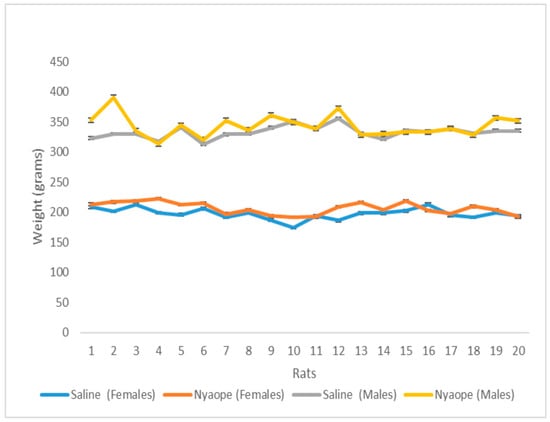
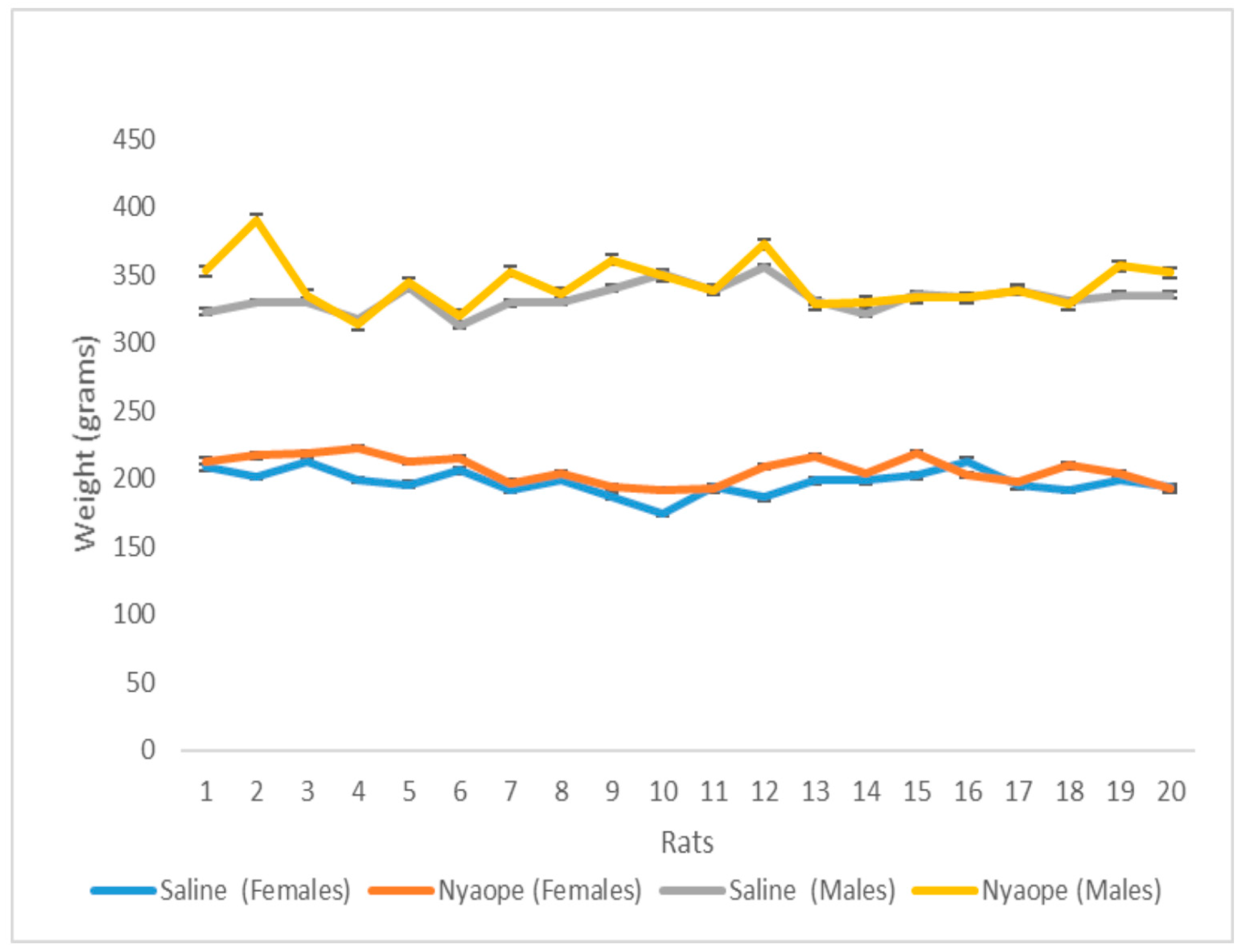
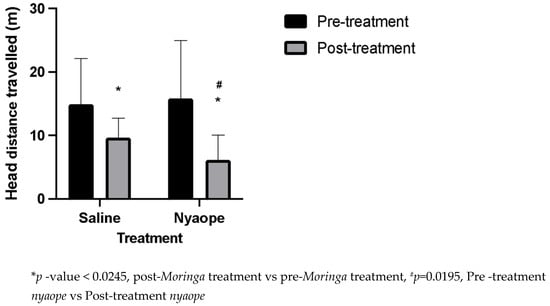
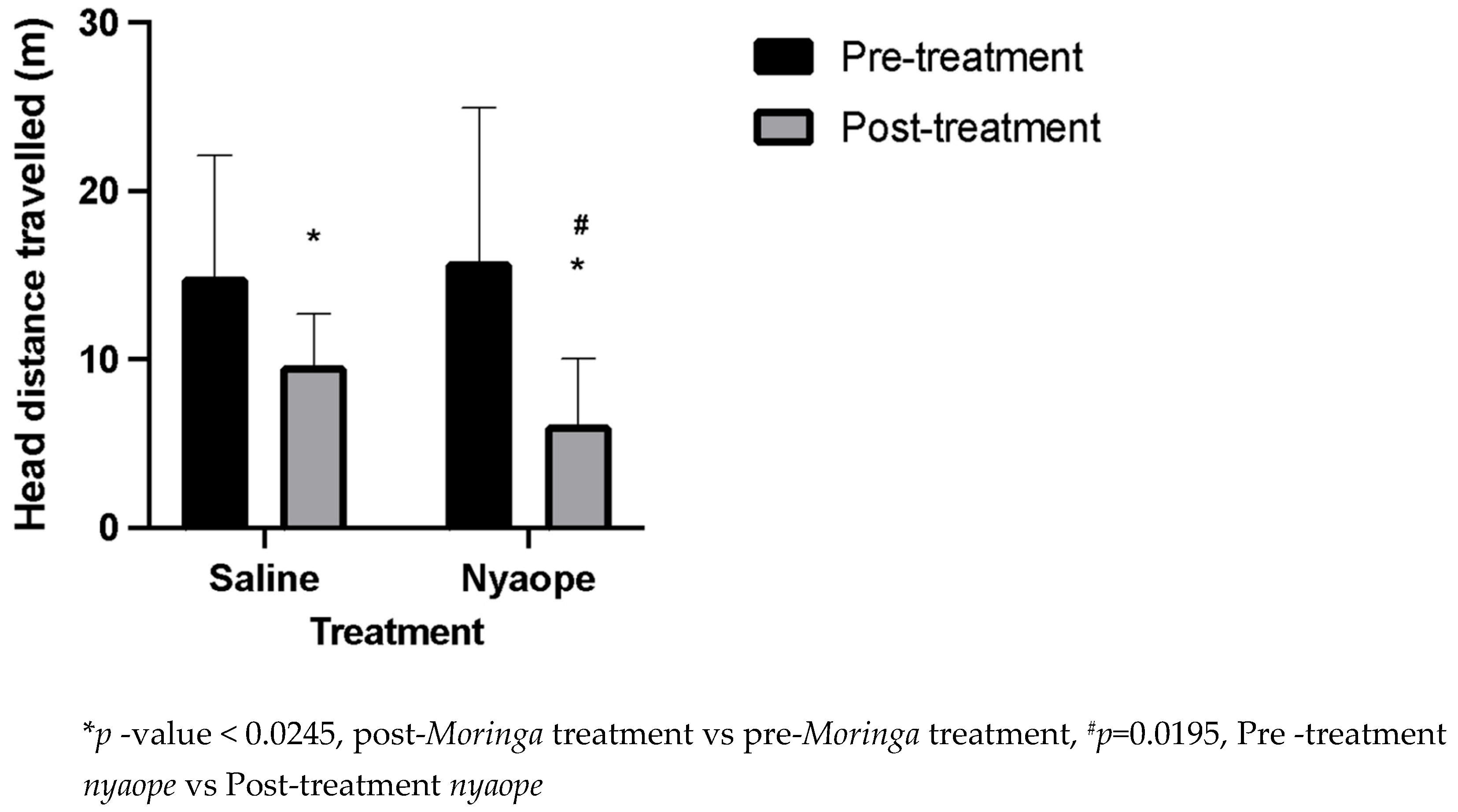
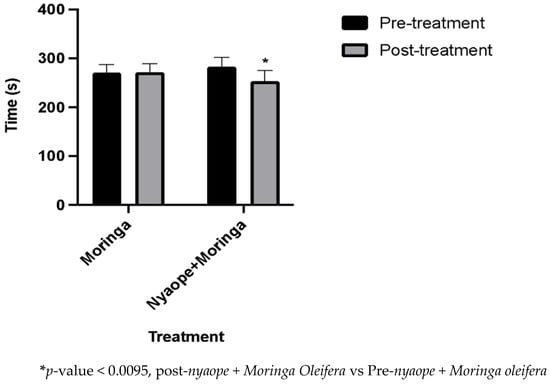
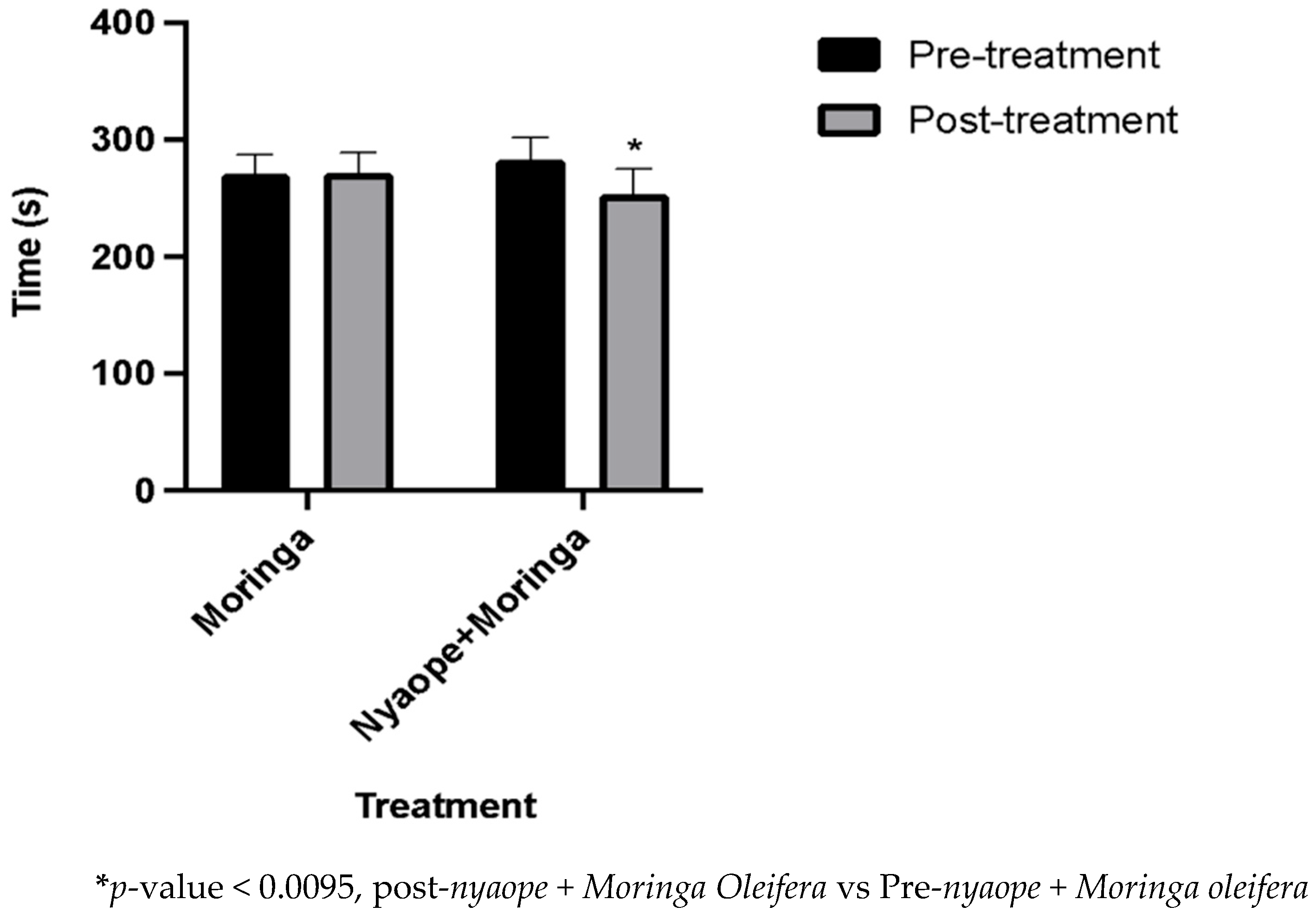
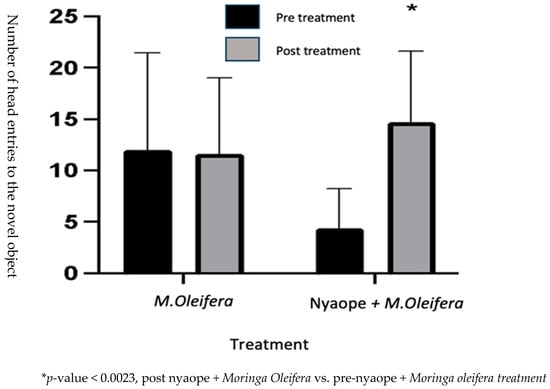
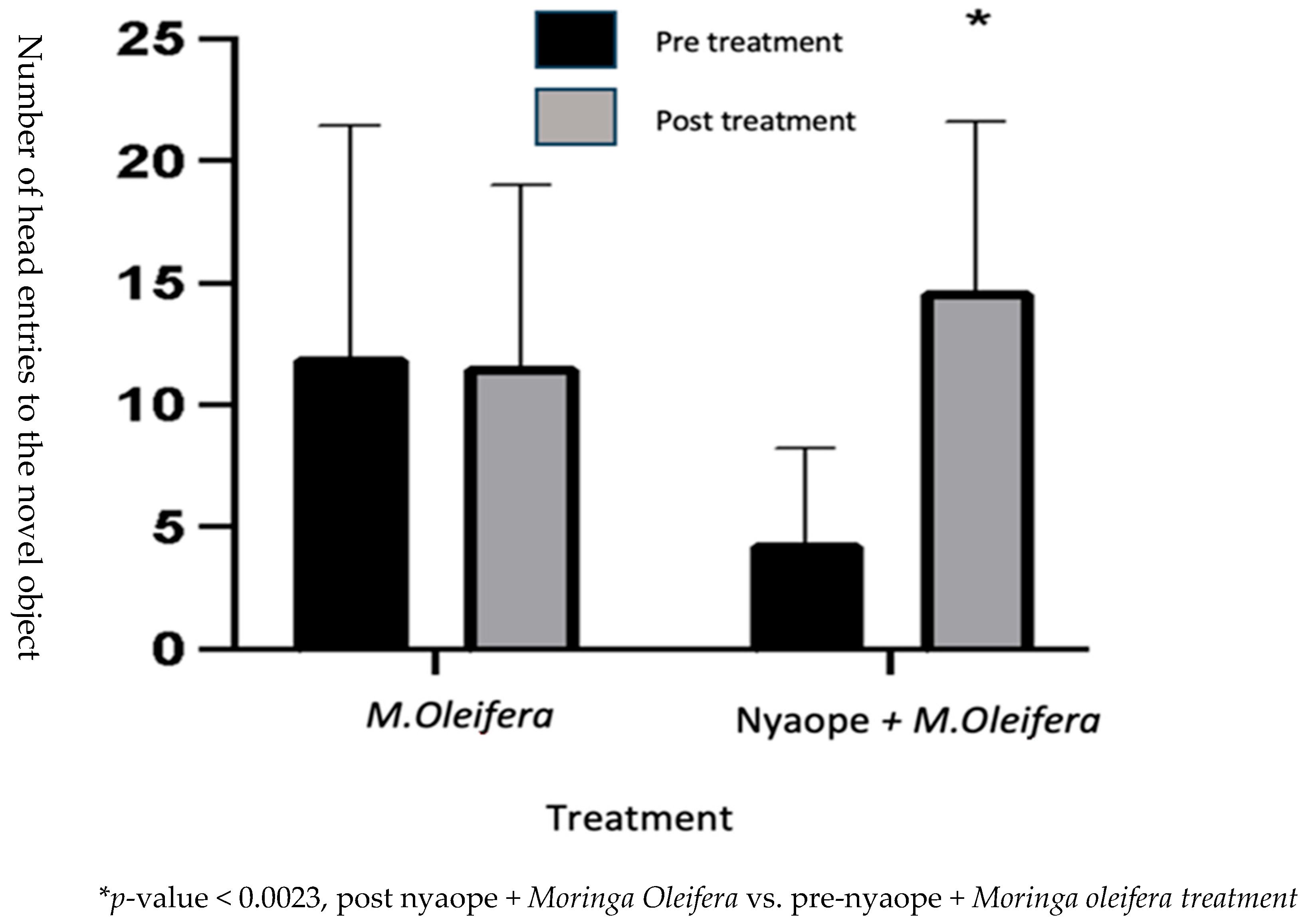
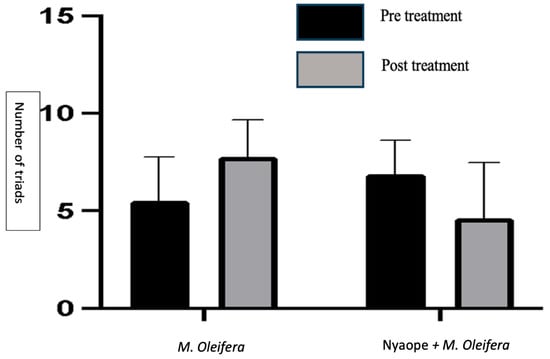
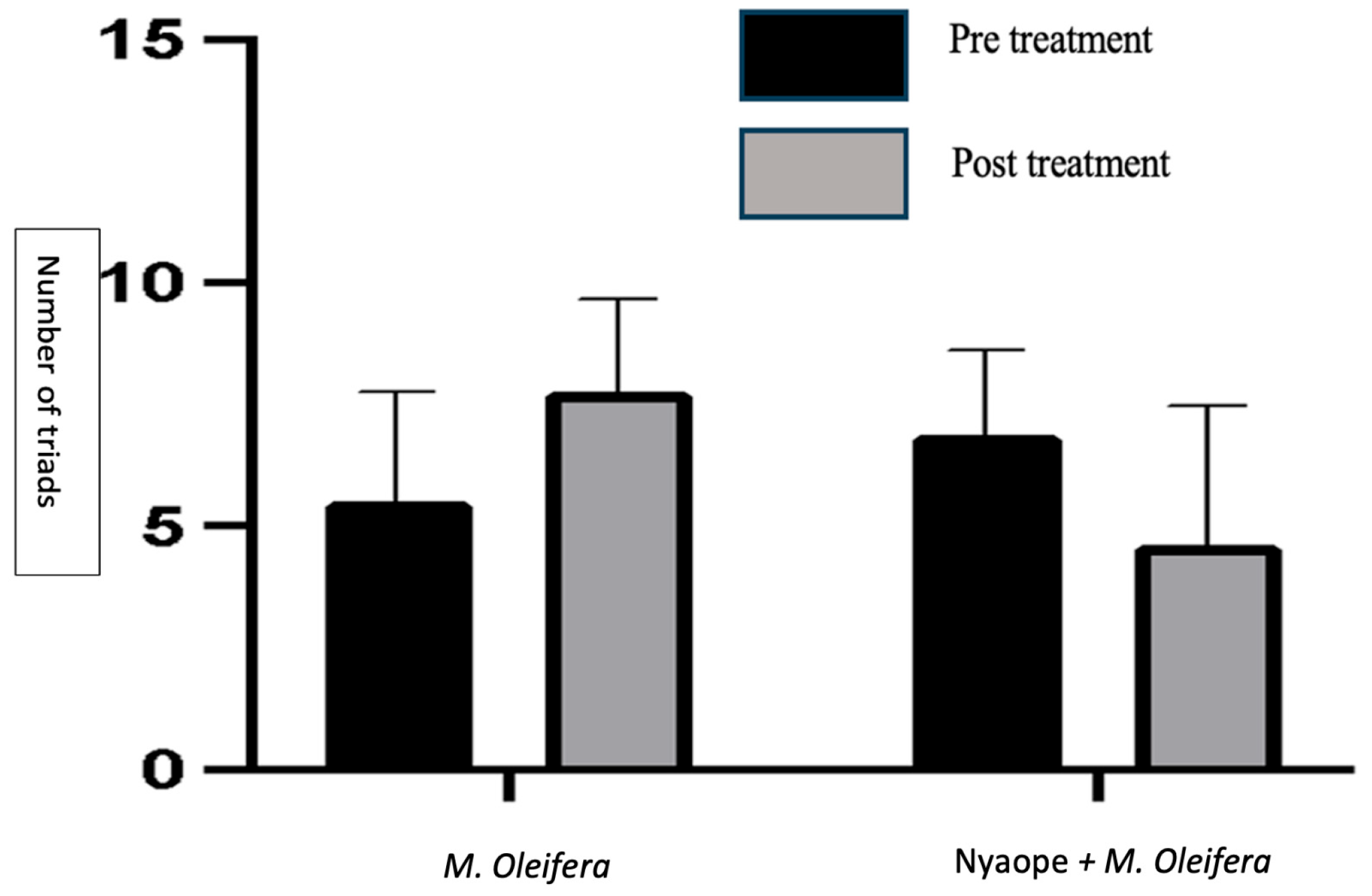

Disclaimer/Publisher’s Note: The statements, opinions and data contained in all publications are solely those of the individual author(s) and contributor(s) and not of MDPI and/or the editor(s). MDPI and/or the editor(s) disclaim responsibility for any injury to people or property resulting from any ideas, methods, instructions or products referred to in the content. |
© 2026 by the author. Licensee MDPI, Basel, Switzerland. This article is an open access article distributed under the terms and conditions of the Creative Commons Attribution (CC BY) license.