


Abstract
The global drug landscape is undergoing its most profound transformation since the emergence of the modern illicit drug market during the twentieth century. For decades, drug policies, analytical toxicology, forensic science, and public health responses have been developed around a relatively limited number of well-characterized substances, including heroin, cocaine, cannabis, and amphetamines such as 3,4-methylenedioxymethamphetamine (MDMA). Although new psychoactive substances (NPS) have received increasing attention over the last two decades, they are often considered an additional drug category rather than evidence of a much broader transformation affecting the entire drug ecosystem. This work argues that the contemporary challenge is no longer the emergence of isolated novel compounds but the transition from relatively stable drug markets to dynamic, synthetic, and continuously evolving psychoactive ecosystems. Drug production is increasingly detached from agricultural constraints, driven instead by advances in synthetic chemistry, global precursor markets, digital technologies, and highly adaptive criminal networks capable of rapidly modifying molecular structures to evade legislation and analytical detection. Simultaneously, counterfeit pharmaceuticals, semi-synthetic cannabinoids, highly potent synthetic opioids, novel stimulants, and complex patterns of polysubstance use are blurring traditional boundaries between illicit drugs, medicines, and consumer products. Future preparedness will depend less on identifying individual new substances than on developing integrated scientific predictive systems capable of anticipating rapidly evolving drug threats before they become widespread public health crises.
1. Introduction
For more than half a century, scientific understanding of illicit drug markets has been built upon a remarkably stable foundation. Despite continuous fluctuations in prevalence, trafficking routes, and patterns of consumption, the substances dominating global drug markets remained relatively unchanged. Cannabis, heroin, cocaine, amphetamine, and later 3,4-methylenedioxymethamphetamine (MDMA) represented the principal targets for analytical laboratories, law enforcement agencies, epidemiological surveillance, and public health interventions [1]. This relative stability enabled the development of legislative frameworks, robust analytical methodologies, and treatment systems specifically adapted to a finite number of molecules whose pharmacology, metabolism, and health consequences became progressively well understood. In other words, the remarkable success of modern forensic toxicology has largely been achieved within this relatively predictable environment. Analytical protocols, reference standards, toxicological interpretation, and quality assurance procedures evolved around compounds that changed little over decades. Likewise, international drug control conventions, scheduling systems, and national legislation assumed that illicit drug markets were composed of identifiable substances whose regulation could be achieved through substance-specific legal control. Although new drugs periodically emerged, they generally represented incremental additions rather than fundamental disruptions to the existing framework. However, this assumption is no longer valid. Indeed, evidence accumulated over the last decade demonstrates that the global drug market has entered an unprecedented phase of transformation characterized by increasing molecular diversity, accelerating chemical innovation, and growing integration between illicit drugs, pharmaceuticals, counterfeit medicines, and novel psychoactive compounds. Both the European Union Drugs Agency (EUDA) and the United Nations Office on Drugs and Crime (UNODC) have recently emphasized that drug markets are becoming increasingly complex, adaptive, and difficult to monitor, with synthetic substances playing an ever-expanding role in production, trafficking, and consumption [1,2].
Perhaps the most striking characteristic of this transformation is not simply the appearance of more new psychoactive substances (NPS), but rather the emergence of an entirely new drug ecosystem in which chemical innovation itself has become the defining feature of the illicit market [3]. Unlike traditional plant-derived drugs, synthetic compounds can be modified rapidly, manufactured independently of agricultural cycles, and distributed through highly flexible global supply chains. Advances in synthetic chemistry, the widespread availability of precursor chemicals, the online dissemination of chemical knowledge, encrypted communication platforms, and darknet marketplaces have collectively accelerated the rate at which novel compounds enter consumer markets. Indeed, the relentless pace of molecular innovation is reflected in the most recent surveillance data. In Europe, in 2025, the EU Early Warning System (EWS) identified 50 NPS for the first time, while approximately 400 previously reported NPS continued to circulate on the market, illustrating the persistence and diversification of synthetic drug ecosystems. At the global level, the UNODC World Drug Report 2026 documented 118 newly identified psychoactive substances in 2024, increasing the number of different NPS detected worldwide to 755. These figures highlight not only the continuous emergence of novel compounds but also the growing challenge posed by an expanding and rapidly evolving chemical landscape that increasingly exceeds the capacity of traditional surveillance, analytical toxicology, and regulatory systems.
Consequently, the traditional distinction between “established drugs” and “new psychoactive substances” is becoming increasingly blurred, as contemporary illicit markets are no longer organized around discrete drug categories but rather around dynamic mixtures of traditional narcotics, synthetic or semi-synthetic cannabinoids, synthetic opioids, designer benzodiazepines, veterinary sedatives, counterfeit pharmaceuticals, and newly emerging psychoactive compounds that frequently coexist within the same supply chains [4]. Consumers may unknowingly administer substances entirely different from those expected, substantially increasing the risk of overdose, severe intoxication, and unpredictable pharmacological interactions [5]. Indeed, synthetic cannabinoids have been identified in vaping products, counterfeit medicines increasingly contain potent synthetic opioids, while novel benzimidazole opioids such as nitazenes have appeared in products sold as heroin or pharmaceutical opioids [6,7].
These developments challenge virtually every component of current drug policy. Analytical laboratories struggle to obtain certified reference materials before new compounds become widespread and toxicological screening methods rapidly become outdated. Legislative scheduling often follows rather than precedes market evolution [8]. Clinical toxicologists increasingly encounter intoxications caused by substances that are absent from routine analytical panels, while forensic laboratories face growing uncertainty regarding the interpretation of postmortem findings involving previously unknown compounds. Importantly, this transformation extends beyond chemistry alone [9,10]. Drug markets themselves have become dynamic adaptive systems shaped by interactions among synthetic chemistry, organized crime, digital technologies, global logistics, consumer demand, and public policy. Unlike previous decades, where market evolution occurred over years, contemporary molecular innovation may occur within weeks or months as criminal organizations deliberately modify chemical structures to circumvent legislation or analytical detection.
Therefore, the current state represents more than the emergence of additional drugs; it reflects a fundamental change in the nature of the drug phenomenon itself. Scientific paradigms developed during the twentieth century are increasingly insufficient to address a market characterized by continuous molecular evolution rather than chemical stability. This work argues that contemporary drug science requires a conceptual shift comparable to those that transformed infectious disease surveillance or genomic medicine. Rather than focusing exclusively on identifying individual substances after their emergence, future systems must become predictive, integrative, and capable of anticipating evolving drug threats through real-time multidisciplinary intelligence. We propose that the central challenge of the coming decade will not be the discovery of the next psychoactive substance but the development of scientific infrastructures capable of responding to substances that have not yet been synthesized.
2. Biological and Clinical Consequences of New Psychoactive Substances
A growing body of experimental and clinical evidence demonstrates that NPS can produce substantial effects across multiple biological systems, although the available knowledge remains highly inconsistent among compounds and is often generated only after their emergence on the market. Small chemical modifications may alter receptor affinity and efficacy, interactions with neurotransmitter systems, metabolism, toxicokinetics, and downstream cellular responses, making extrapolation from one compound to another inherently uncertain. Consequently, the toxicological characterization of emerging NPS requires complementary evidence generated across experimental models and clinical settings [11,12,13,14].
2.1. Evidence from In Vitro and Mechanistic Studies
Cellular and mechanistic models have provided important insights into the biological actions of individual NPS, revealing effects that extend beyond their primary pharmacological targets. Depending on the substance and experimental system, NPSs have been associated with alterations in neurotransmitter signalling, oxidative stress, mitochondrial dysfunction, disruption of cellular homeostasis, genotoxicity, and activation of different cell death pathways [11,15,16,17]. These effects may be particularly relevant in the central nervous system. For example, α-pyrrolidinohexanophenone (α-PHP), a synthetic cathinone, reduced viability, proliferation, and clonogenic capacity in murine neural stem/progenitor cells and was associated with membrane depolarization, ultrastructural alterations, and the activation of apoptotic, autophagic, and necroptotic pathways [11]. Complementing these findings, a subsequent study using murine neural stem/progenitor cells cultured in both two-dimensional and three-dimensional neurosphere models showed that α-PHP also affected neuronal and glial differentiation, activated apoptotic pathways, and induced dose-dependent morphological and ultrastructural alterations, highlighting its potential to interfere with both neural cell survival and differentiation [18]. Evidence from other NPS classes further indicates that measurable cellular disturbances may occur even in the absence of overt cytotoxicity. In human SH-SY5Y neuronal cells, exposure to the synthetic cannabinoid JWH-018 did not significantly reduce cell viability or induce apoptosis, necrosis, or detectable DNA damage after 24 h. However, it disrupted antioxidant defences and increased markers of oxidative damage, including glutathione depletion, protein carbonylation, and lipid peroxidation, suggesting oxidative stress as a potential mechanism underlying its neurotoxicity [15]. Such findings illustrate how experimental models can identify potential mechanisms of toxicity that may not be predicted solely from the psychoactive effects of the compound or its structural similarity to other members of the same class.
2.2. Evidence from In Vivo Studies
Whole-organism models are essential to determine how these molecular and cellular effects translate into integrated biological responses. Experimental studies have demonstrated that NPS may produce marked behavioural, neurological, metabolic, cardiovascular, and other systemic effects, with outcomes influenced by dose, exposure pattern, sex, and the specific pharmacological properties of each compound [13,14,19,20,21]. For example, repeated administration of the synthetic cannabinoid AKB48 in mice produced sex-specific behavioural, metabolic, and immunohistochemical alterations, illustrating that repeated exposure may generate complex biological effects that cannot be inferred from receptor pharmacology alone [13]. Similarly, studies of synthetic cathinones have demonstrated adverse effects extending beyond acute psychostimulant activity. In the Caenorhabditis elegans model, exposure to synthetic cathinones methylone, pentedrone, and 4-methylethcathinone was associated with developmental arrest, reduced reproductive capacity, and shortened lifespan, highlighting the potential for broader biological consequences that are difficult to directly assess in humans, as well as the value of alternative whole-organism models for toxicological characterization [14]. Collectively, these findings demonstrate the importance of integrating mechanistic and whole-organism evidence, particularly because individual compounds may affect multiple biological pathways and produce effects that differ substantially across experimental systems.
2.3. Clinical Evidence and Translational Uncertainty
Clinical reports confirm that NPSs can cause severe and highly heterogeneous intoxications involving neurological, psychiatric, cardiovascular, respiratory, and other systemic manifestations [21,22,23,24]. The clinical presentation depends on the pharmacological class and individual compound, but severe agitation, psychosis, hallucinations, seizures, altered consciousness, hyperthermia, cardiovascular complications, respiratory depression, and fatal intoxications have all been reported across different groups of NPSs [24,25,26,27]. Synthetic cannabinoids and synthetic cathinones are particularly associated with severe neuropsychiatric manifestations, although the mechanisms and clinical profiles may differ markedly between compounds [24,25,26]. The importance of integrating experimental and clinical evidence is illustrated by recent work comparing MDPHP and MDPV, which combined the assessment of acute effects in mice with in silico pharmacokinetic predictions and available clinical reports [25]. Such approaches are particularly valuable because neither preclinical findings nor clinical case reports alone can fully characterize the toxicological profile of an emerging substance.
Nevertheless, the translation of experimental findings into human risk remains challenging. Most newly detected NPSs initially have limited or no human pharmacokinetic, pharmacodynamic, or controlled toxicological data, while clinical evidence frequently consists of isolated case reports, small case series, or retrospective observations complicated by uncertain exposure histories, variable doses, polysubstance use, and incomplete analytical confirmation [24,26,27]. Indeed, NPSs may remain clinically unsuspected even when analytically detected in patients presenting with recreational drug toxicity [28]. This uncertainty is further amplified by the rapid replacement of individual compounds on the market: by the time sufficient experimental and clinical evidence has accumulated for one substance, it may already have been replaced by newer analogues. Thus, the central challenge is not merely the existence of toxic effects associated with NPSs but the persistent gap between molecular innovation and toxicological knowledge.
3. The New Drug Era: From Stable Molecules to Dynamic Psychoactive Ecosystems
The history of illicit drugs can be viewed as a succession of distinct scientific eras. The first was dominated by naturally occurring psychoactive substances. Opium, coca leaves, and cannabis shaped drug consumption for centuries, with their production constrained by agricultural conditions, climate, geography, and seasonal variability. Although trafficking expanded internationally during the twentieth century, fluctuations in trafficking routes and political instability affecting supply did little to alter the analytical identification of these substances for governmental agencies. This stability enabled forensic laboratories to develop validated analytical methods, toxicologists to accumulate extensive pharmacological knowledge, and legislators to establish substance-specific regulatory frameworks. This paradigm is rapidly disappearing as the contemporary drug market progressively decouples from agriculture and becomes increasingly dependent on synthetic chemistry.
The second era emerged with industrial chemistry, introducing synthetic compounds such as amphetamine and methamphetamine, followed later by MDMA and other laboratory-produced stimulants. While these substances expanded the pharmacological landscape, they nevertheless became relatively stable components of illicit drug markets. Their molecular structures remained largely unchanged, allowing analytical science, forensic toxicology, and legislation to evolve alongside them;
The third era, represented by the emergence of NPS during the early twenty-first century, is often described as an extension of previous drug markets. However, this interpretation underestimates the magnitude of the transformation currently underway. Indeed, rather than constituting a new drug category, NPSs represent the first manifestation of a fundamentally different drug ecosystem.
Unlike traditional illicit drugs, modern synthetic compounds are characterized by continuous molecular evolution. Chemical structures are intentionally modified to avoid international scheduling, circumvent analytical detection, and maintain commercial attractiveness. Innovation itself has become a business strategy for organized criminal networks [29]. Consequently, the objective is no longer simply manufacturing psychoactive substances but maintaining permanent molecular adaptation.
One of the most profound consequences of this transition is the alteration of the traditional relationship between scientific research and illicit drug production. Historically, scientific research identified drugs only after they had become established in the market. Nowadays, however, scientific laboratories frequently identify substances only after criminal organizations have already developed multiple successive analogs. In this sense, illicit drug markets have become evolutionary systems, and from the researcher’s perspective, we are always multiple steps behind. Moreover, each regulatory intervention, analytical improvement, or legislative amendment creates selective pressures that favor new molecular variants. Indeed, criminal organizations rapidly exploit these pressures by introducing structurally modified molecules with similar psychoactive properties that fall outside existing regulatory definitions. The result resembles an evolutionary arms race in which scientific institutions increasingly operate reactively while illicit markets continuously innovate with successive generations of synthetic cannabinoids, fentanyl derivatives, nitazenes, synthetic cathinones, and novel benzodiazepines, appearing within remarkably short timeframes [30]. Simultaneously, counterfeit medicines containing unexpected psychoactive compounds have become increasingly common, blurring distinctions between pharmaceutical misuse, illicit drug use, and accidental poisoning [31].
Another, equally profound consequence of this evolutionary process is the increasing difficulty of predicting the biological and clinical consequences of substances that have never previously been encountered in humans. The diversification of molecular structures is not merely a regulatory problem; it is also a fundamental toxicological challenge. Small structural modifications may substantially alter receptor affinity, intrinsic activity, pharmacokinetics, metabolism, tissue distribution, active metabolite formation, blood–brain barrier penetration, and toxicological potency, meaning that the biological effects of a newly emerging compound cannot necessarily be inferred from those of its closest structural analogue. Indeed, the term novel psychoactive substances encompasses pharmacologically heterogeneous compounds whose toxicological profiles may differ dramatically even when their recreational effects appear superficially similar. Moreover, the clinical phenotype may be profoundly modified by dose, route of administration, formulation, active metabolites, tolerance, individual pharmacogenetic characteristics, co-exposure to alcohol or prescription medicines, and polysubstance use. This is particularly relevant to contemporary illicit markets, where substances may be deliberately combined or sold as counterfeit pharmaceutical products, making attribution of individual toxic effects increasingly difficult. Consequently, a clinical presentation such as severe agitation, seizures, or respiratory depression may provide an important early toxicological signal but cannot, by itself, reliably identify the responsible molecular entity. This creates a critical paradox in contemporary toxicology: the number of substances requiring toxicological characterization is increasing exponentially, whereas the experimental and clinical evidence available for each individual compound remains limited. As evidenced above, for many newly detected NPS, comprehensive in vitro and in vivo toxicological characterization becomes available only after the substance has already circulated among human populations, and clinical evidence may initially be restricted to isolated case reports, poison-centre notifications or postmortem investigations. Consequently, toxicological knowledge itself often follows the same reactive trajectory as drug surveillance: the toxicity is characterized after exposure has occurred rather than anticipating toxicity before widespread exposure.
These limitations indicate that improving existing surveillance systems alone may be insufficient to address the speed and complexity of contemporary drug markets. A broader conceptual shift is required, from predominantly reactive systems focused on identifying and characterizing substances after their emergence towards approaches capable of integrating heterogeneous data, prioritizing potential threats, and generating earlier actionable intelligence. In this manuscript, we propose Predictive Drug Science (PDS) as a conceptual framework for this transition. The PDS concept is developed throughout the following sections as an integrated approach linking surveillance, analytical and forensic toxicology, experimental evidence, computational methods, and clinical and public health information to support earlier detection, characterization, and prioritization of emerging drug threats.
4. Drug Market Transformation: From Plant-Based Drugs to Dynamic Synthetic Ecosystems
One of the defining characteristics of this new era is the progressive decoupling of drug production from natural resources. Although plant-based drugs remain important, synthetic manufacturing offers substantial strategic advantages to criminal organizations. Indeed, production no longer depends upon climate, harvest cycles, or cultivation areas. Instead, small laboratories supplied with globally sourced precursor chemicals can manufacture large quantities of potent substances with remarkable flexibility, shorten supply chains, reduce production costs, increase scalability, and facilitate rapid adaptation to market pressures. As highlighted in the 2026 World Drug Report [1], the continued expansion of synthetic drug markets, alongside constraints affecting traditional heroin production, may represent a historic turning point, especially for global opioid markets. Indeed, unlike plant-derived drugs, synthetic compounds can be modified almost indefinitely through relatively minor structural changes while maintaining psychoactive activity. Moreover, the implications extend well beyond manufacturing itself. Although discussions surrounding illicit drugs frequently focus on the emergence of NPS, this terminology only partially captures the magnitude of the ongoing transformation. The current transition is not merely the appearance of isolated novel compounds but rather a profound reconfiguration of the entire drug ecosystem, encompassing production, trafficking, distribution, marketing, consumption, toxicological risks, and public health consequences.
4.1. From Products to Molecular Platforms
Traditional discussions of illicit drugs generally assume that each drug represents a discrete product with relatively stable pharmacological characteristics. This assumption no longer reflects reality. Modern synthetic drug markets function more appropriately as molecular platforms that generate a continuous series of structurally related analogs. Synthetic cannabinoids provide perhaps the clearest illustration of this phenomenon. Since the first generation of compounds emerged nearly two decades ago, hundreds of structurally distinct cannabinoids have been synthesized, each designed to circumvent legislative control while preserving potent cannabinoid receptor activity [32,33]. Similar evolutionary trajectories have occurred among synthetic cathinones, designer benzodiazepines, fentanyl derivatives, phenethylamines, and, more recently, highly potent benzimidazole opioids such as nitazenes [7,34,35,36]. Rather than producing a single successful compound, illicit manufacturers increasingly develop families of chemically related molecules. When one analog becomes internationally controlled or incorporated into routine analytical methods, alternative structures rapidly replace it. This dynamic resembles evolutionary adaptation in biological systems. The result is an evolutionary arms race in which illicit drug production increasingly outpaces regulatory adaptation. Importantly, this molecular diversification also complicates toxicological interpretation. Minor structural modifications may substantially alter receptor affinity, metabolic pathways, elimination kinetics, and toxicological potency [37]. Predicting the pharmacological behavior of newly identified compounds based solely on structural similarity is becoming increasingly unreliable, further complicating both clinical management and forensic interpretation.
4.2. The Convergence of Traditional Drugs, Pharmaceuticals, and Novel Psychoactive Substances
Perhaps the most important characteristic of contemporary drug markets is the progressive disappearance of traditional boundaries separating illicit drugs from pharmaceutical products and newly synthesized psychoactive compounds. Historically, illicit drugs, prescription medicines, and novel psychoactive substances occupied relatively distinct markets. Nowadays, these categories increasingly overlap. Counterfeit medicines containing synthetic opioids, benzodiazepines, or stimulants have become widely documented [38]. Consumers purchasing tablets marketed as oxycodone, alprazolam, or other pharmaceutical products may unknowingly ingest nitazenes, fentanyl analogs, or novel benzodiazepines, in some cases with fatal outcomes [38,39,40,41]. Similarly, synthetic cannabinoids have been incorporated into vaping liquids marketed as cannabidiol products, while natural cannabis has increasingly been adulterated with synthetic cannabinoid receptor agonists to enhance psychoactive potency [42]. This creates a new category of unexpected exposure to toxicological risks. Unlike traditional illicit drug use, where consumers generally possessed at least approximate knowledge regarding the substance being consumed, contemporary markets frequently expose individuals to compounds that differ substantially from those expected. Consequently, overdose risk increasingly depends not only upon dose or individual susceptibility but also upon uncertainty regarding chemical identity itself. This phenomenon also challenges traditional epidemiological surveillance. Classification systems and statistical agencies, which produce data upon individual disclosures of substances they use, become progressively less informative when products frequently contain multiple active ingredients or entirely different compounds than those represented on packaging. Accordingly, surveillance systems that focus exclusively on drug names rather than on analytical confirmation increasingly underestimate market complexity and generate interpretative bias.
4.3. The Pharmaceutical Reservoir: How Abandoned Drug Discovery Became a Source of Emerging Psychoactive Substances
Drug discovery programs over the past 70 years have generated an enormous chemical archive of psychoactive molecules, many of which have already been described in patents, medicinal chemistry publications, or discontinued pharmaceutical pipelines. Although originally synthesized for therapeutic development, numerous compounds—including nitazenes, U-47700, MT-45, AH-7921, and several novel benzodiazepines—have subsequently been rediscovered by illicit manufacturers and introduced into recreational drug markets decades after their initial synthesis [36]. In this sense, the illicit drug market is increasingly exploiting the pharmaceutical reservoir rather than relying exclusively on de novo molecular innovation [43].
Several well-documented examples illustrate this phenomenon. The nitazenes, originally synthesized by researchers at CIBA Pharmaceuticals in the late 1950s as potential opioid analgesics, were abandoned because of their extreme potency and unfavorable therapeutic profile but re-emerged more than six decades later as highly potent illicit synthetic opioids associated with numerous fatal intoxications. Similarly, U-47700, developed by Upjohn during opioid analgesic research in the 1970s, never reached clinical use but resurfaced in illicit drug markets around 2014 and rapidly became implicated in multiple overdose deaths worldwide. Other opioid candidates followed comparable trajectories, including AH-7921, synthesized by Allen & Hanburys as a potential analgesic, MT-45, originally developed by Dainippon Pharmaceutical in Japan, and brorphine, another abandoned medicinal chemistry compound that later appeared in recreational drug markets [43,44]. A similar pattern is observed for several designer benzodiazepines, such as clonazolam and flubromazolam, among others, which originated from pharmaceutical research programmes but were never approved for therapeutic use before entering illicit markets [45]. Beyond opioids and benzodiazepines, many first-generation synthetic cannabinoids, including the JWH, CP and HU series, were originally synthesized within academic or pharmaceutical cannabinoid research programmes to investigate cannabinoid receptor pharmacology, yet were subsequently diverted into recreational products marketed as “Spice” or “herbal incense”. These examples demonstrate that a substantial proportion of contemporary NPS are not truly “new” molecules but rather previously described compounds repurposed for illicit consumption.
This observation has important implications. The future pool of emerging psychoactive substances may already exist within the scientific literature. As computational chemistry, open-access patent databases, and artificial intelligence (AI) facilitate rapid exploration of historical medicinal chemistry datasets, compounds previously abandoned because of toxicity, poor pharmacokinetics, or limited commercial value may become increasingly attractive to illicit producers. Consequently, anticipating future drug threats may require systematic surveillance not only of contemporary clandestine synthesis but also of historical pharmaceutical research itself. Paradoxically, decades of legitimate pharmaceutical innovation have unintentionally created a vast “chemical reserve” of bioactive molecules that illicit markets can repurpose, transforming historical medicinal chemistry into an unexpected source of future psychoactive substances.
4.4. The Rise in Hyper-Potent Synthetic Compounds
Another defining feature of the contemporary drug ecosystem is the emergence of compounds possessing extraordinary pharmacological potency. Although fentanyl dramatically transformed opioid markets in North America, recent years have witnessed the increasing detection of even more potent synthetic opioids, particularly benzimidazole derivatives collectively referred to as nitazenes, already implicated in fatal intoxications [46]. From the producer’s perspective, extremely high potency substantially reduces transportation and production costs. Milligram quantities are sufficient to produce thousands of individual doses, increasing profitability while simultaneously magnifying overdose risk. Moreover, analytical detection becomes considerably more challenging because concentrations present in different biological specimens frequently approach the limits of conventional analytical instrumentation, justifying even more expensive equipment and high expertise. This trend is readily observed among synthetic cannabinoid receptor full agonists, many of which exhibit receptor affinities 10–100 times greater than those of Δ9-tetrahydrocannabinol (Δ9-THC), which is only a partial agonist at CB1 receptors [32]. Consequently, relatively small manufacturing errors may result in marked dose variability and severe toxicity. Therefore, these developments illustrate an important transition within illicit drug markets. Historically, increasing purity generally reflected improvements in manufacturing quality. In contemporary synthetic markets, however, increasing potency represents an intrinsic pharmacological property of newly developed compounds rather than merely enhanced manufacturing efficiency.
4.5. Digitalization and the New Architecture of Drug Markets
The transformation of drug markets cannot be understood solely through chemistry. Equally important has been the digitalization of virtually every stage of the illicit supply chain. Darknet marketplaces, encrypted messaging applications, cryptocurrency-based payment systems, and social media platforms have profoundly altered drug distribution [47]. Information regarding novel psychoactive compounds now spreads globally within hours rather than years. Chemical structures, synthesis pathways, user experiences, and market availability are disseminated through online communities operating across multiple jurisdictions. Digital technologies have therefore reduced the time separating molecular innovation from consumer exposure [48]. Moreover, online markets facilitate direct interaction between manufacturers, wholesalers, and consumers, accelerating feedback regarding potency, subjective effects, and commercial demand. This rapid exchange of information encourages further molecular innovation and market diversification. AI may further accelerate this process. Machine learning algorithms capable of predicting receptor binding, optimizing synthetic pathways, or identifying novel chemical scaffolds are increasingly accessible within legitimate pharmaceutical research [49]. Although these technologies hold tremendous promise for therapeutic development, they also raise concerns regarding their potential misuse by illicit manufacturers. Consequently, the future evolution of drug markets will likely depend not only upon chemistry but increasingly upon computational sciences and digital technologies.
4.6. Polysubstance Use as the New Norm
The transformation of drug markets is also changing consumption patterns. Traditional epidemiological models often classify drug users according to a primary substance of abuse. Increasingly, however, this approach fails to adequately reflect contemporary reality. Modern drug markets encourage simultaneous exposure to multiple psychoactive compounds through intentional polysubstance use, adulteration, and counterfeit products [50]. Consumers may combine stimulants with opioids, benzodiazepines with synthetic cannabinoids, or NPS with alcohol and prescription medicines. Products marketed under the same name may contain markedly different chemical compositions. A striking example is the so-called “pink cocaine” (also known as tusi or tucibi), which rarely contains cocaine or 2C-B despite its name. Instead, forensic analyses have demonstrated highly variable mixtures of ketamine, MDMA, synthetic cathinones, cocaine, caffeine, benzodiazepines, opioids, and other psychoactive compounds, with compositions differing substantially between batches and regions [51]. Consequently, consumers are frequently exposed to unpredictable combinations of substances with diverse pharmacological targets, markedly increasing the risks of severe intoxication, overdoses, and clinically significant drug–drug interactions. Furthermore, many combinations occur unknowingly. This growing complexity challenges conventional toxicological interpretation because adverse clinical outcomes increasingly result from pharmacodynamic additive or synergistic interactions rather than isolated substances. Accordingly, future toxicological research must increasingly focus upon multidrug interactions rather than individual compounds.
4.7. But Are the Classical Drugs Disappearing?
The rapid expansion of synthetic drugs has prompted speculation that traditional plant-derived psychoactive substances may eventually become obsolete. However, current evidence suggests a far more complex scenario. Rather than disappearing, classical drugs are undergoing their own technological transformation. Cannabis, cocaine, and opium remain among the most widely consumed illicit substances worldwide, and global production continues to increase despite the remarkable expansion of synthetic drug markets. The future drug landscape is therefore unlikely to be defined by the replacement of plant-derived drugs with synthetic compounds but rather by the coexistence and convergence of both systems on an upward trajectory.
Cannabis provides perhaps the clearest example of this evolution. Modern cultivation has moved far beyond traditional agricultural practices. Decades of selective breeding, hybridization, and increasingly sophisticated genetic manipulation have produced cannabis varieties with unprecedented cannabinoid profiles [52,53]. Commercial strains now frequently contain concentrations of Δ9-THC exceeding 25–30%, compared with less than 5% commonly observed several decades ago [54,55]. At the same time, breeding programs have generated cultivars enriched in cannabidiol (CBD), cannabigerol (CBG), tetrahydrocannabivarin (THCV), and numerous minor phytocannabinoids with distinct pharmacological properties. Advances in plant genomics, marker-assisted breeding, tissue culture, controlled-environment agriculture, and CRISPR-based genome editing are likely to further accelerate this diversification, enabling increasingly precise manipulation of cannabinoid biosynthesis and terpene composition [56,57].
A similar intensification has occurred in other plant-derived drugs. Advances in agronomy, irrigation technologies, fertilization strategies, pest management, and crop genetics have substantially increased the productivity of Papaver somniferum and Erythroxylum coca, enabling greater alkaloid yields and more efficient cultivation. Improvements in extraction chemistry and precursor purification have simultaneously increased the efficiency with which morphine, cocaine, and related alkaloids are recovered from plant material. Consequently, natural drugs themselves have become technologically optimized products rather than static agricultural commodities.
Biotechnology is likely to further reshape this landscape [58,59]. Synthetic biology has already enabled microbial production of cannabinoids, opiates, and other secondary metabolites through engineered yeast and bacterial platforms [60]. Rather than relying exclusively on traditional cultivation, future production may increasingly integrate agricultural systems with industrial biomanufacturing, creating new supply chains that blur the distinction between natural and synthetic psychoactive substances [61]. Such developments could profoundly alter regulatory frameworks, forensic attribution, and international drug control.
Consequently, the distinction between “traditional” and “modern” drugs is becoming progressively less meaningful. The future drug landscape will likely comprise technologically enhanced natural products, semi-synthetic derivatives, fully synthetic compounds, and complex multidrug formulations existing simultaneously within interconnected global markets. From a toxicological perspective, the central challenge is therefore no longer distinguishing natural from synthetic drugs but understanding increasingly dynamic drug ecosystems in which biotechnology, medicinal chemistry, agriculture, and organized crime evolve together.
5. Why Current Surveillance Is Failing: Toxicology, Forensic Science, and Early Warning Systems
The transformation of illicit drug markets into rapidly evolving synthetic ecosystems exposes an increasingly important mismatch between the pace of market evolution and the scientific systems designed to monitor it. Drug surveillance has traditionally been regarded as one of the greatest public health achievements in addiction medicine, providing governments with epidemiological evidence to guide legislation, prevention strategies, and healthcare responses [1,2,9,62]. However, the underlying assumptions upon which these surveillance systems were built have changed fundamentally. Most national and international monitoring systems were developed during a period when drug markets were comparatively stable, substances changed slowly, and epidemiological trends evolved over years rather than weeks. Annual prevalence surveys, targeted toxicological analyses, and substance-specific legislation were therefore appropriate tools for understanding relatively predictable markets. As evidenced above, the contemporary drug environment no longer satisfies these assumptions. Synthetic drug markets now evolve at a pace that frequently exceeds the capacity of surveillance systems to detect, characterize, and communicate emerging threats [63]. New compounds appear continuously, disappear rapidly, and are replaced by successive generations of structurally modified analogs before conventional monitoring systems have fully documented their existence. Consequently, surveillance increasingly provides retrospective descriptions of drug markets rather than actionable intelligence to anticipate future threats. This distinction is fundamental. Public health responses based on retrospective surveillance inevitably remain reactive, whereas rapidly evolving synthetic ecosystems require predictive scientific infrastructure capable of identifying emerging risks before widespread population exposure [63]. The EUDA has repeatedly emphasized the need for more timely identification of new drugs, highlighting the increasing overlap between illicit drugs, counterfeit medicines, and NPS, as well as the importance of integrating multiple complementary monitoring systems into a more responsive surveillance framework [1,2]. But for that, a deep education in toxicology is needed to anticipate the problems. Indeed, perhaps the greatest limitation of current surveillance systems is their temporal nature. The lifecycle of an emerging psychoactive substance differs profoundly from the lifecycle of scientific evidence describing it. A novel compound may first appear within clandestine production facilities, rapidly enter online markets, spread internationally through darknet platforms, and cause multiple intoxications before toxicological laboratories obtain certified reference standards or validated analytical methods. Clinical recognition generally follows severe poisonings or clusters of unexplained overdoses. Only later do epidemiological reports quantify prevalence, while legislative scheduling frequently occurs months or years after market introduction. Thus, the chronology of scientific response is frequently inverted. In other words, drug markets evolve prospectively, while surveillance responds retrospectively. This temporal disconnect creates an expanding “knowledge gap” during which public health authorities possess limited information regarding exposure prevalence, pharmacological potency, toxicological mechanisms, and analytical detectability. Historically, this delay was acceptable because established drugs remained available for decades. In dynamic synthetic ecosystems, however, individual compounds may disappear before surveillance systems have completed their characterization. Much like rapidly changing fashion clothes collections, successive generations of psychoactive substances emerge, achieve brief market penetration, and are rapidly replaced by newer analogs, rendering traditional surveillance perpetually one step behind market evolution. Consequently, the objective of surveillance can no longer be limited to documenting individual molecules. Instead, surveillance must increasingly identify patterns of molecular evolution, emerging pharmacological classes, and adaptive changes within criminal supply chains.
5.1. Analytical Toxicology at a Crossroads
Analytical and forensic toxicology has historically represented one of the strongest pillars supporting drug surveillance. The remarkable progress achieved during recent decades—particularly through gas chromatography-mass spectrometry (GC-MS) and liquid chromatography coupled with tandem mass spectrometry (LC-MS/MS)—has enabled highly sensitive identification and quantification of numerous psychoactive substances in biological matrices. Nevertheless, the analytical paradigm underlying routine toxicology remains predominantly targeted [64,65]. Targeted analytical methods assume that the compounds of interest are known before analysis. Analytical standards are purchased, mass transitions are optimized, calibration curves are validated, and routine screening panels are established. However, unknown compounds, by definition, fall outside this analytical framework. Although targeted methods continue to perform exceptionally well for established drugs, they become progressively less effective within markets characterized by continuous molecular innovation. Each newly emerging NPS requires the acquisition of reference standards, optimization of chromatographic conditions, validation of analytical performance, and implementation into routine laboratory workflows. This process is scientifically rigorous but inherently time-consuming. Meanwhile, illicit markets continue to evolve, resulting in an analytical paradox. Indeed, the more rapidly drug markets evolve, the less representative routine analytical panels become, and this has not yet (at all) been accounted for by forensic laboratories, which continue to perform analyses only for a classical portfolio, without addressing toxicology in its holistic dimension [66]. This observation does not imply that targeted toxicology has become obsolete. Rather, it indicates that targeted methods alone are no longer sufficient for contemporary surveillance. Instead, laboratories increasingly require complementary analytical strategies to detect unexpected compounds.
This challenge is further compounded by the regulatory and quality assurance frameworks governing forensic and clinical toxicology laboratories. Most accredited laboratories operate under internationally recognized standards, such as ISO/IEC 17025 [67] or ISO 15189 [68], which require comprehensive validation, verification, and quality control procedures before new analytes can be incorporated into routine casework. Although these standards are essential for ensuring analytical reliability, traceability, and scientific robustness, they were developed primarily to guarantee the quality of individual laboratory examinations rather than to support the rapid adaptation required by contemporary synthetic drug markets. The acquisition of certified reference materials, optimization of analytical conditions, method validation, and accreditation compliance often require weeks or months, whereas illicit drug markets may introduce several successive analogs within the same period. This is not compatible with the current market of psychoactive substances. Consequently, laboratories frequently remain constrained to validated routine analytical panels that predominantly target established drugs, creating a structural gap between the pace of analytical implementation and the pace of molecular innovation. Such regulatory inertia, although scientifically justified, has become one of the principal obstacles preventing forensic toxicology from functioning as a truly real-time surveillance system.
More recently, the ISO 21043 [69] series has expanded this perspective by promoting a broader forensic data science paradigm that emphasizes the integration, interoperability, and interpretation of forensic information throughout the forensic process [70]. This emerging framework recognizes that the future value of forensic science extends beyond analytical measurement alone, encompassing the generation, sharing, and intelligent exploitation of forensic data to support timely decision-making, intelligence-led investigations, more responsive public health and security systems, and, more importantly, understanding the meaning of a toxicological qualitative or quantitative result, since several artifacts may appear [71]. However, translating these principles into routine toxicological surveillance will require flexible analytical infrastructures capable of adapting to the unprecedented pace of molecular innovation characterizing contemporary psychoactive substance markets, a feat that can only be achieved by toxicologists who adopt integrated One Health and One Forensics approaches.
5.2. Beyond Targeted Screening: The Emergence of Non-Targeted Toxicology
Recent advances in HRMS have substantially expanded the scope of analytical toxicology. In contrast to conventional targeted methods, HRMS supports suspect screening, non-targeted analysis, and retrospective interrogation of acquired datasets, enabling laboratories to detect and investigate compounds that were not anticipated or specifically targeted at the time of sample analysis.This represents one of the most significant methodological advances in modern forensic toxicology. Importantly, HRMS shifts analytical thinking from confirmation toward discovery. Instead of asking “Is a specific compound present?”, laboratories increasingly ask “Which compounds are present?”. This distinction is subtle but transformative, positioning forensic toxicology at the front line of emerging drug detection. However, the ability to detect an ever-growing number of compounds has not been matched by a comparable expansion in interpretative toxicology. While many forensic laboratories possess outstanding expertise in analytical chemistry and instrumental analysis, considerably less emphasis has traditionally been placed on the scientific interpretation of toxicological findings. Identifying a substance and accurately measuring its concentration does not, by itself, establish its pharmacological relevance, toxicological significance, contribution to impairment, or causal role in injury or death. The growing complexity of contemporary drug exposure—including NPS, highly potent synthetic opioids, active metabolites, chronic drug use, postmortem redistribution, tolerance, pharmacogenetic variability, and increasingly common patterns of polysubstance use—demands interpretation that extends well beyond analytical confirmation. Consequently, the major challenge for the next generation of forensic toxicology is not simply improving analytical sensitivity but strengthening the scientific framework for evidence interpretation, enabling toxicological findings to be translated into robust, biologically meaningful, and legally defensible conclusions. Retrospective data analysis allows archived analytical files to be re-examined months or years later as new substances become recognized. Consequently, laboratories may identify previously undetected compounds without repeating sample extraction or instrumental analysis. Future surveillance systems should therefore increasingly incorporate hybrid analytical workflows combining: (i) targeted quantitative toxicology; (ii) suspect screening; (iii) non-targeted HRMS acquisition; (iv) retrospective database interrogation; (v) machine-learning-assisted spectral interpretation; and (vi) international spectral library sharing. Collectively, these approaches transform analytical toxicology from a confirmatory discipline into an exploratory scientific platform. Paradoxically, the greatest limitation of contemporary forensic toxicology may no longer be analytical detection but scientific interpretation. While modern laboratories can identify an unprecedented number of compounds with remarkable analytical precision, they frequently lack the evidence base necessary to determine what those findings can—and equally importantly, cannot—reliably support in terms of pharmacological effects, impairment, toxicity, or causation [71].
5.3. Clinical Toxicology and the Problem of Unknown Intoxications
The analytical challenges described above also directly influence clinical medicine. Emergency physicians increasingly encounter patients presenting with severe intoxications caused by compounds absent from routine toxicological panels. This diagnostic uncertainty complicates clinical management in several ways. First, clinicians may incorrectly attribute symptoms to more familiar drugs. Second, toxicological confirmation often becomes unavailable during the period in which treatment decisions must be made. Third, poison centers may receive clusters of apparently unrelated cases that actually represent outbreaks involving previously unknown substances. Consequently, toxicological diagnosis increasingly depends upon syndromic recognition rather than analytical confirmation [66]. This situation resembles the early phases of emerging infectious diseases, where clinicians initially identify unusual clinical syndromes before microbiological characterization becomes available [72]. The analogy is instructive. Drug surveillance should increasingly adopt similar outbreak investigation principles, emphasizing rapid clinical signal detection combined with immediate analytical investigation.
Beyond strengthening surveillance, these developments also expose an important educational gap. As psychoactive substances become increasingly diverse, potent, and unpredictable, physicians are progressively more likely to encounter intoxications involving compounds that were not included in their undergraduate medical training. Nevertheless, clinical toxicology—and particularly the toxicology of psychoactive substances and emerging drugs—remains underrepresented in the curricula of many medical schools worldwide [73]. Since 2016, we have been teaching forensic and clinical toxicology of psychoactive substances to medical students as an optional curricular unit based on peer review. Although still far from sufficient, at least at the Faculty of Medicine of the University of Porto, students are much more open-minded [74]. Future medical education should therefore place greater emphasis on toxicological reasoning, the recognition and management of toxidromes, principles of analytical toxicology, and the interpretation of toxicological findings, equipping future physicians to manage intoxications caused not only by established drugs but also by rapidly emerging psychoactive substances. Strengthening toxicology education should be viewed as an essential component of medical preparedness, ensuring that clinicians can recognize unusual presentations, initiate appropriate supportive care, and collaborate effectively with poison centers, toxicologists, and forensic laboratories to identify emerging drug threats early. Therefore, in an era where NPS may emerge faster than medical curricula can be updated, the objective of undergraduate medical education should no longer be to teach individual drugs but to develop physicians capable of recognizing, interpreting, and responding to unknown toxicological threats.
5.4. Early Warning Systems: Successes and Emerging Limitations
The establishment of EWS represents one of the greatest achievements in international drug monitoring. Networks coordinated by the EUDA, together with national focal points, forensic laboratories, and toxicological experts, have dramatically improved the speed with which emerging substances are identified and risk assessed. Nevertheless, these systems remain constrained by several structural limitations. First, they remain heavily dependent upon laboratory confirmation before alerts can be issued. Second, reporting frequently occurs through a series of administrative pathways. Third, data integration across forensic laboratories, hospitals, poison centers, customs authorities, wastewater surveillance, and drug-checking services remains incomplete in many jurisdictions. Finally, most EWS continue to focus primarily upon substances rather than broader patterns of market evolution. This distinction is increasingly important since future surveillance should monitor not only which compounds appear, but also (i) changing synthesis strategies; (ii) precursor substitution; (iii) counterfeit pharmaceutical trends; (iv) regional molecular evolution; (v) emerging consumption behaviors; and (vi) unexpected toxicological syndromes. The objective should therefore evolve from EWS toward Early Intelligence Systems capable of continuously integrating multidimensional evidence and anticipating the evolution of drug markets.
One of the least discussed—but arguably most important—limitations of current surveillance is institutional fragmentation (Figure 1). Drug-related information is generated simultaneously by numerous independent sectors: clinical toxicologists observe intoxications, forensic pathologists investigate fatalities, analytical laboratories identify emerging compounds, wastewater epidemiologists estimate community consumption, poison centers detect unusual exposure patterns, usually without analysis, law enforcement identifies trafficking routes, drug-checking services characterize retail products, and academic researchers develop analytical methodologies. Nevertheless, these systems frequently operate in parallel rather than together, resulting in no single institution possessing a complete understanding of the evolving drug ecosystem, with information remaining compartmentalized. In other words, signals that appear insignificant within one discipline may become critically important when integrated with complementary evidence from another. The fragmentation of surveillance, therefore, represents not merely an organizational problem but a scientific limitation that restricts our capacity to understand complex drug systems.
Figure 1.
Conceptual framework illustrating the desired transition from fragmented drug surveillance to an integrated toxicological intelligence network for emerging psychoactive substances. Upper panel: Current surveillance systems operate largely in parallel, with clinical toxicologists, forensic pathologists, analytical laboratories, poison centres, wastewater epidemiologists, drug-checking services, law enforcement agencies, and academic researchers generating complementary but frequently disconnected information. This institutional fragmentation delays the recognition of emerging drug threats and limits the ability to generate timely public health responses. Bottom panel: Proposed integrated model centred on a Rapid Toxicological Response and Intelligence Centre, which continuously integrates multidirectional information from clinical, forensic, analytical, environmental, and public health sources. Supported by real-time data exchange, artificial intelligence-assisted analysis, high-resolution analytical toxicology and international collaboration, the system transforms isolated observations into actionable toxicological intelligence, enabling earlier detection of novel psychoactive substances, rapid dissemination of alerts, coordinated public health interventions and improved preparedness for future drug threats.
Collectively, these observations suggest that contemporary drug monitoring requires a conceptual transformation. The objective should no longer be surveillance alone. Instead, future systems should generate drug intelligence. Whereas surveillance describes what has already occurred, intelligence seeks to anticipate what is likely to occur next. Drug intelligence integrates chemistry, toxicology, epidemiology, forensic science, clinical medicine, environmental monitoring, computational modelling and public health into a continuously evolving scientific framework. Rather than asking, “What drugs are currently present?”, future systems should increasingly ask, “What drugs are most likely to emerge?”, “Which molecular families are evolving?”, “Which geographical regions are becoming innovation hubs?”, “Which precursor chemicals are entering supply chains?”, “Which analytical methods will become obsolete within the next two years?”. These questions extend beyond surveillance into preparedness. The figure above was prepared with AI contribution.
5.5. Beyond Concentration Tables: The Growing Gap Between Analytical Chemistry and Toxicological Interpretation
One of the least recognized limitations of contemporary toxicology is that scientific interpretation has not kept pace with analytical chemistry. Tremendous technological advances have enabled laboratories to detect increasingly small concentrations of hundreds or even thousands of compounds with remarkable analytical accuracy. However, the ability to measure a substance should not be confused with the ability to interpret its biological, clinical, or forensic significance. For decades, toxicological interpretation has relied heavily on compilations of reported therapeutic, toxic, and fatal blood concentrations. These reference databases have become indispensable tools in clinical and forensic toxicology, providing valuable contextual information for the interpretation of analytical findings [75]. Nevertheless, their use is frequently misunderstood. Concentration values are not diagnostic thresholds but probabilistic reference intervals derived from heterogeneous populations, different analytical methodologies, variable sampling conditions, and diverse clinical circumstances. Consequently, substantial overlap exists between therapeutic, toxic, and fatal concentration ranges for many drugs, making interpretation based solely on numerical values scientifically unsound [76]. This limitation becomes even more pronounced for NPS. For most emerging compounds, robust concentration—effect relationships do not exist. Published case reports are often scarce, involve small numbers of patients, and are complicated by polysubstance use, postmortem redistribution, individual pharmacogenetic variability, tolerance, comorbidities, and differences in sample collection. As a result, the analytical detection of a compound—even when accurately quantified—rarely provides sufficient evidence to establish causality or estimate toxicological significance without comprehensive contextual evaluation. Modern toxicological interpretation, therefore, extends far beyond analytical chemistry. It requires integration of pharmacology, toxicokinetics, toxicodynamics, physiology, pathology, clinical medicine, forensic pathology, analytical chemistry, postmortem phenomena, and case-specific circumstances [77]. Questions such as whether a measured concentration contributed to impairment, intoxication, or death cannot be answered by numerical comparison alone. Instead, they require scientific judgment based on the totality of the available evidence. As a consequence, advances in analytical capability do not necessarily translate into equivalent advances and competencies in interpretative toxicology [78]. This distinction becomes particularly important in the context of NPS, where reference data, concentration-effect relationships, metabolic information, and clinical evidence are frequently limited or rapidly evolving. Thus, the major challenge is not necessarily a deficiency in analytical capability but rather ensuring that the extraordinary expansion of analytical capacity is accompanied by equivalent development of interpretative toxicology and biological contextualization. Bridging this gap represents an important scientific priority for contemporary forensic toxicology and is essential if increasingly sophisticated analytical data are to be translated into scientifically robust conclusions regarding impairment, intoxication, toxicity, or causality.
6. Toward Predictive Drug Science: Artificial Intelligence, One Health, One Forensics, and Real-Time Monitoring
The previous sections argued that the principal weakness of current drug surveillance is not technological but conceptual. Contemporary monitoring systems remain predominantly reactive, designed to identify substances after they have entered illicit markets and produced measurable health consequences. This paradigm was appropriate when psychoactive substances remained relatively stable over decades. However, it becomes increasingly inadequate in synthetic drug ecosystems characterized by continuous molecular innovation, global digital distribution, and rapidly changing patterns of consumption. The challenge facing modern drug science is therefore no longer simply analytical identification. Instead, it is the anticipation.
6.1. Artificial Intelligence and Digital Toxicology: Building a Continuously Learning Toxicological Systems
AI has emerged as one of the most transformative technological developments across biomedical and, more recently, forensic sciences, with applications already extending from radiological interpretation and protein structure prediction to precision oncology, genomics, and pharmaceutical development [79,80]. As the complexity of contemporary drug markets continues to increase, traditional analytical workflows are becoming progressively more difficult to sustain using exclusively human interpretation. Current toxicological analyses remain heavily dependent upon expert review of mass spectra, manual evaluation of chromatographic anomalies, interpretation of fragmentation pathways, and extensive literature searches to identify potential metabolites and structurally related compounds. Although these procedures remain scientifically rigorous and indispensable, they are increasingly challenged by the exponential growth in chemical diversity and the continuous emergence of NPS. AI offers the opportunity not to replace expert toxicologists but to augment their analytical capabilities [81]. Machine learning algorithms are capable of recognizing fragmentation patterns across thousands of structurally related compounds simultaneously, identifying similarities that may escape conventional manual interpretation [82]. Moreover deep learning approaches have the potential to automate spectral annotation, predict molecular structures from unknown mass spectra, prioritize suspect compounds, retrospectively interrogate analytical databases, identify novel metabolic pathways, estimate receptor affinity and toxicological potency, and cluster chemically related emerging substances into pharmacologically meaningful families [83]. More importantly, AI should not be viewed merely as a computational tool for accelerating data analysis. Indeed, itsgreatest contribution lies in its ability to identify complex relationships across heterogeneous datasets that extend beyond human cognitive capacity, thereby transforming isolated analytical observations into actionable scientific knowledge.
The integration of AI into forensic toxicology also underpins the emergence of a broader concept that may define the next generation of toxicological sciences: Digital Toxicology [70]. Digital toxicology proposes a fundamentally different paradigm in which every analytical investigation contributes to an interconnected and continuously expanding digital ecosystem [84]. Every chromatogram, every high-resolution mass spectrum, every unidentified analytical peak, every detected metabolite, every poisoning, every overdose, and every postmortem investigation becomes a digital observation capable of informing future analyses through intelligent computational systems. This concept extends well beyond laboratory automation. Rather than simply generating analytical results, future toxicology laboratories may function as continuously learning digital observatories in which each new case refines and expands the collective analytical intelligence of the entire network. High-resolution full-scan datasets, when combined with AI, enable retrospective interrogation of archived analytical files, allowing compounds unknown at the time of sample analysis to be identified months or even years later without repeating sample preparation or instrumental acquisition. Such dynamic repositories could reveal emerging NPS before they are formally recognized by national or international monitoring systems and identify common fragmentation signatures across geographically distant laboratories, facilitating earlier recognition of evolving molecular families. The convergence of AI, high-resolution mass spectrometry, and globally interconnected analytical databases, therefore, represents more than a technological improvement; it constitutes a paradigm shift in the philosophy of forensic toxicology. Analytical laboratories are no longer merely instruments that produce toxicological results; they have become intelligent systems capable of continuously learning, adapting, and contributing to collective scientific knowledge. Such an approach transforms forensic toxicology from an isolated laboratory discipline into an integrated, data-driven scientific network capable of supporting real-time surveillance, predictive drug intelligence, and earlier public health intervention.
Importantly, the predictive capabilities of AI should not be interpreted as a substitute for experimental toxicological characterization or validation. AI-based models can accelerate the initial assessment of emerging substances by prioritizing compounds, identifying potential molecular targets, predicting pharmacological properties, estimating receptor interactions, and highlighting possible mechanisms of toxicity. However, these predictions generate hypotheses and estimates rather than definitive evidence of biological effects or human toxicity. Their performance depends fundamentally on the availability, quality, and representativeness of existing experimental and clinical data and may be particularly limited for genuinely novel chemical structures that fall outside the chemical and biological space represented in training datasets. These limitations are further compounded by biases and imbalances in training data, which may overrepresent well-characterized compounds, biological targets, populations, or experimental conditions while underrepresenting rare toxicological outcomes and genuinely novel substances. Depending on the application and decision threshold, AI models may also generate false-positive or false-negative predictions, potentially leading either to unnecessary prioritization of low-risk substances or, more critically, to underestimation of genuinely hazardous compounds. Interpretability remains an additional limitation, particularly for complex models whose predictions may be difficult to relate to identifiable chemical or biological mechanisms. Moreover, high predictive performance during model development does not necessarily indicate generalizability, making independent external validation essential to determine whether models remain reliable across different datasets, laboratories, populations, experimental conditions, or analytical platforms. This challenge is further complicated by heterogeneity in toxicological and analytical data, including differences in spectral acquisition, preprocessing, annotation quality, experimental conditions, toxicity endpoints, and reporting practices. Consequently, AI can support compound identification, spectral interpretation, and toxicological prioritization, but robust data curation and standardization, transparent model development, independent external validation, and experimental confirmation remain essential for establishing the biological relevance and toxicological consequences of its predictions.
6.2. One Health and One Forensics: Expanding Drug Surveillance Beyond the Human Patient
The increasing complexity of contemporary drug markets extends far beyond human exposure and challenges the traditional perception of illicit drugs as exclusively clinical, forensic, or law enforcement concerns. Instead, psychoactive substances should be viewed as components of a broader socio-ecological system in which human, animal, and environmental health are intrinsically interconnected. In this context, the One Health concept, originally developed to address complex interactions between human, animal, and environmental health, provides a highly relevant and largely underutilized framework for understanding the evolution of modern drug ecosystems [85]. Integrating One Health principles into drug surveillance, therefore, represents more than an expansion of existing monitoring activities; it constitutes a fundamental conceptual shift in how drug-related threats are understood and managed. Rather than viewing psychoactive substances solely as products of criminal activity or causes of human intoxication, the One Health framework recognizes them as dynamic agents circulating across interconnected biological, environmental, and societal systems. Such an approach not only strengthens preparedness for emerging NPS but also facilitates earlier detection of evolving threats, improves interdisciplinary collaboration, and supports more effective public health responses [86].
The transition from plant-derived drugs to synthetic and semi-synthetic compounds has fundamentally altered the pathways through which psychoactive substances are produced, distributed, and released into the environment. Drug manufacturing increasingly relies on globally distributed precursor chemicals that circulate through legitimate industrial supply chains before being diverted into illicit production. Synthetic compounds can be manufactured independently of agricultural constraints, transported rapidly across international borders, and introduced into local markets within remarkably short periods. At the same time, veterinary pharmaceuticals such as xylazine and medetomidine, originally developed for animal sedation and anesthesia, have become increasingly incorporated into illicit drug mixtures, illustrating how compounds originating in veterinary medicine can rapidly become significant public health threats [87]. Particularly, environmental surveillance has similarly become an indispensable component of contemporary drug monitoring. Wastewater-based epidemiology has transformed our ability to estimate community-level drug consumption in near real time while simultaneously providing one of the earliest indicators of the emergence of novel psychoactive substances [88]. The analytical capabilities of wastewater epidemiology have expanded considerably with the introduction of HRMS, enabling detection of an increasing number of known and previously unrecognized psychoactive substances [89]. Beyond wastewater, synthetic drugs and their metabolites are increasingly detected in surface waters, raising concerns regarding their environmental persistence, ecotoxicological consequences, and potential impacts on aquatic ecosystems [90]. These observations highlight that illicit drugs should not only be considered substances consumed by individuals but also environmental contaminants capable of circulating through interconnected ecological systems.
Accordingly, future surveillance systems should evolve beyond traditional human-centered approaches and incorporate multidimensional data generated across the entire One Health continuum. Human health surveillance should integrate emergency departments, clinical toxicology services, poison centers, addiction medicine programs, and forensic toxicology laboratories to provide timely information on intoxications, overdoses, and mortality. Environmental surveillance should combine wastewater epidemiology, surface water monitoring, industrial precursor tracking, and environmental persistence studies to characterize the broader ecological footprint of synthetic drug production and consumption. Animal health surveillance should monitor the diversion of veterinary pharmaceuticals, companion animal poisonings, and wildlife exposure to emerging psychoactive substances, recognizing that these events may provide early indicators of changing drug markets or environmental contamination. Importantly, these sectors should not function as isolated surveillance systems but as complementary components of an integrated intelligence network. Data generated within one domain frequently acquire greater significance when interpreted alongside information from others. For example, the detection of an emerging synthetic opioid in wastewater may precede clinical intoxications; unusual poison center consultations may signal the introduction of a counterfeit pharmaceutical; veterinary pharmaceutical diversion may predict the appearance of new adulterants in illicit drug markets; and forensic toxicology findings may validate environmental or epidemiological observations. Individually, each dataset provides only a partial representation of the evolving drug landscape. On the other hand, collectively, they describe the ecology of contemporary drug systems. Despite its considerable potential, the application of One Health principles to drug surveillance remains insufficiently explored within current drug policy and represents an important frontier for future research, toxicology, and global public health.
Finnaly, the integration of One Health principles into drug surveillance should be complemented by the emerging concept of One Forensics, which extends forensic science beyond its traditional role in criminal investigations towards a broader contribution to public health, environmental protection, veterinary medicine, and global security [91]. Rather than considering forensic disciplines as isolated providers of evidence for judicial proceedings, One Forensics recognizes that analytical findings generated by forensic toxicology, forensic pathology, forensic chemistry, forensic genetics, environmental forensics, and digital forensics constitute valuable intelligence capable of informing public health interventions, environmental monitoring, and policy development. Within this framework, forensic toxicology no longer functions solely to determine the cause of impairment, intoxication, or death, but also to identify emerging drug trends, validate early warning signals, characterize NPS, monitor environmental contamination, and support international surveillance networks. Integrating One Forensics with the One Health framework creates a multidisciplinary intelligence ecosystem in which forensic laboratories, clinicians, poison centers, environmental scientists, veterinarians, epidemiologists, regulatory agencies, and law enforcement contribute complementary information to a coordinated surveillance infrastructure. Such integration transforms forensic science from a predominantly reactive discipline focused on retrospective investigation into a proactive scientific resource capable of anticipating emerging threats, strengthening preparedness, and guiding evidence-based public health responses. In the era of rapidly evolving psychoactive substances, the convergence of One Health and One Forensics provides a comprehensive systems-based framework through which analytical science, toxicology, and public health can anticipate, rather than simply respond to, emerging drug threats.
6.3. Moving to Predictive Drug Science: Building Real-Time Toxicological Intelligence Networks
Modern drug surveillance should progressively resemble weather forecasting rather than conventional laboratory diagnostics. Meteorology does not attempt to predict tomorrow’s weather from a single thermometer but instead integrates millions of heterogeneous observations into continuously updated predictive models [92]. Drug surveillance should be evolving according to the same principles. Drug-checking services may detect a novel synthetic cannabinoid in recreational settings several weeks before the first hospital intoxications are reported. Wastewater analysis may subsequently reveal increasing community-level consumption, while poison centers and emergency departments begin documenting unusual clinical presentations. Forensic laboratories may later identify the same compound in seized materials or fatal intoxications. Viewed independently, each observation represents only a weak signal. Integrated in real time, however, these sequential observations enable earlier recognition of emerging threats before widespread public health consequences occur.
As introduced above, PDS represents the central conceptual contribution of this manuscript. Its novelty does not lie in proposing a new analytical technology or a single predictive model but in providing an integrative framework that connects information currently generated across largely separate surveillance, analytical, experimental, computational, forensic, clinical, and public health domains. By linking these complementary sources of evidence within a coordinated and iterative framework, PDS aims to support earlier signal detection, systematic threat prioritization, and the rapid generation and refinement of toxicological knowledge. Unlike traditional surveillance systems, which primarily aim to identify newly emerging compounds after they have entered the market, PDS seeks to anticipate the future evolution of psychoactive substance markets. Its objectives extend beyond analytical identification to include predicting molecular evolution, anticipating new pharmacological classes, identifying vulnerable populations, forecasting geographical dissemination, recognizing emerging precursor trends, estimating toxicological risks before widespread exposure occurs, guiding adaptive analytical method development, and informing proactive regulatory strategies. This represents a fundamental transition from descriptive toxicology towards anticipatory toxicology, shifting the central scientific question from “What substance caused this intoxication?” to “Which substances are most likely to become the next public health threat?” Such a change profoundly redefines the role of forensic toxicology, transforming it from a discipline primarily concerned with retrospective investigation into one that actively contributes to forecasting and preventing future drug-related harm.
Ultimately, the implementation of PDS depends upon a broader transition from reactive investigation towards scientific preparedness. Preparedness has become a defining principle in infectious disease surveillance, disaster medicine, and global health security, where the emphasis has progressively shifted from responding to crises towards establishing infrastructures capable of anticipating them [63,93,94]. The COVID-19 pandemic clearly demonstrated that surveillance alone is insufficient unless accompanied by integrated systems capable of rapidly generating, sharing, and interpreting scientific evidence before crises escalate [95]. Contemporary drug markets present an analogous challenge, although this concept remains comparatively underdeveloped within forensic toxicology and drug surveillance. The next generation of psychoactive substances will likely be increasingly synthetic, more potent, chemically diverse, digitally distributed, rapidly evolving, and analytically challenging. Consequently, preparedness rather than reaction should become the overarching objective of modern drug science.
However, achieving this objective requires more than technological innovation. It demands laboratories capable of rapidly adapting analytical methodologies, interoperable data infrastructures that continuously learn from accumulated evidence, international collaboration that transcends institutional and geographical barriers, AI that augments rather than replaces expert interpretation, real-time communication between scientific disciplines, and regulatory frameworks sufficiently flexible to respond to evolving pharmacological and toxicological classes rather than isolated molecules. Equally important is the development of multidisciplinary expertise capable of translating these predictions into timely regulatory, clinical, and public health action. In this context, the future of toxicology will not depend solely on improving analytical sensitivity or identifying an ever-expanding list of compounds. Instead, its success will be determined by its ability to integrate analytical chemistry, clinical medicine, computational sciences, epidemiology, and public health into intelligent systems capable of anticipating the synthesis of substances that have not yet been synthesized.
Importantly, several components of this proposed transition are no longer purely conceptual and have already demonstrated measurable improvements in the detection and characterization of emerging psychoactive substances. A recent example is provided by Huang et al. [96], who developed a non-targeted screening strategy combining electron-activated dissociation high-resolution mass spectrometry with intelligent mass-spectrometric elucidation for synthetic cannabinoids. The system was trained using 505 NPSs and achieved classification across eight NPS classes, with a maximum F1 score of 93.3%, while a model trained on 181 synthetic cannabinoids achieved classification across seven structural subclasses with a maximum F1 score of 95.3%. The associated intelligent elucidation workflow automated candidate structure generation, spectral prediction, candidate ranking, and fragment-ion matching, thereby reducing the extent of manual spectral interpretation required during the analytical workflow.. Such developments provide a concrete example of how advanced analytical technologies and artificial intelligence can improve the speed, breadth, and consistency of NPS detection and structural characterization [96]. Importantly, however, these advances should not be interpreted as evidence that predictive drug surveillance has already been validated at the population or public-health level. Rather, they demonstrate that individual components of the proposed PDS framework are already technically achievable and can generate measurable improvements in analytical intelligence.
6.4. The Regulatory Lag: Why Drug Control Can No Longer Keep Pace with Molecular Innovation
Scientific preparedness alone will not be sufficient if legislative frameworks continue to evolve more slowly than illicit drug markets. One of the greatest structural limitations of the current international drug control system is the inevitable delay between the emergence of a novel psychoactive substance and its formal control under the international drug conventions. Before a substance can be scheduled under the United Nations Single Convention on Narcotic Drugs (1961) [97], the Convention on Psychotropic Substances (1971) [98], or subsequent amendments, it must undergo toxicological assessment, epidemiological evaluation, international review, and regulatory consensus [99]. This process, although scientifically and legally justified, frequently requires several years. During this period, criminal organizations may already have introduced multiple successive analogs specifically designed to circumvent existing legislation. Consequently, the illicit drug market has progressively shifted from exploiting individual compounds to exploiting the inherent inertia of molecule-specific regulatory systems. This dynamic demonstrates that future drug policy cannot rely exclusively on legislative scheduling as the primary mechanism of protection. Scientific intelligence must increasingly precede legal control rather than merely supporting it retrospectively.
Portugal: From a Pioneer in Drug Policy to a Pioneer in Predictive Drug Science
Portugal provides a particularly illustrative example of the challenges faced by contemporary drug policies. Internationally recognized for pioneering the decriminalization of drug consumption through Law No. 30/2000 of 29 November, Portugal fundamentally transformed its approach to substance use by shifting the focus from criminal punishment towards public health, prevention, treatment, and social reintegration. This reform, subsequently supported by Decree-Law No. 183/2001 of 21 June, represented one of the most influential public health innovations in international drug policy and demonstrated that evidence-based interventions could reduce drug-related harm without increasing overall drug consumption. The Portuguese model has since become an international reference for balancing public health objectives with criminal justice responses.
Nevertheless, while the philosophical approach to drug dependence evolved profoundly, the legal mechanisms governing the identification and control of psychoactive substances remain largely dependent on the traditional international scheduling system. Under Decree-Law No. 15/93 of 22 January, the Portuguese drug law continues to classify controlled substances through schedules that are obligatorily updated following decisions adopted under the United Nations Single Convention on Narcotic Drugs (1961) [97], the Convention on Psychotropic Substances (1971) [98] and, where applicable, European Union legislation. Although this ensures international harmonization, it also means that national legislation inevitably inherits the delays associated with the global scheduling process. This dependency has become increasingly problematic in the era of rapidly evolving synthetic drug markets. Meanwhile, NPS may appear within a relatively short period, while their formal inclusion within the national legal framework often requires completion of an international scientific and regulatory process involving toxicological evaluation, epidemiological assessment, WHO Expert Committee review, United Nations scheduling decisions, and subsequent national legislative implementation. By the time these procedures have been completed, many compounds have already disappeared from the market and have been replaced by successive structural analogues specifically designed to circumvent existing legislation. Consequently, the contemporary illicit drug market increasingly exploits the temporal limitations of substance-based regulatory systems rather than merely exploiting individual psychoactive compounds.
Mor recent legislative developments also illustrate the continuing evolution of the Portuguese model. Portugal also established an important regulatory mechanism specifically addressing NPS through Decree-Law No. 54/2013 of 17 April, which established a legal framework for the prevention of the manufacture, importation, exportation, distribution, sale, advertising, and availability of NPS prior to their formal inclusion in the schedules of Decree-Law No. 15/93. Although this legislation represented an innovative attempt to limit the commercial circulation of emerging NPS during the interval preceding international scheduling, these compounds do not become controlled narcotic drugs or psychotropic substances under Portuguese drug law until they are formally incorporated into the schedules established by Decree-Law No. 15/93. By contrast, several European countries have adopted national early-warning scheduling mechanisms, temporary control measures, or generic legislation that allow more rapid regulatory responses independently of the United Nations scheduling process [100]. Nevertheless, even these approaches remain largely reactive, underscoring the need to complement legislative control with predictive toxicological intelligence that can anticipate molecular innovations before new substances enter illicit markets.
Portugal has already demonstrated its capacity to lead international drug policy by recognizing addiction primarily as a public health issue rather than exclusively a criminal justice problem. The next major opportunity may be to extend this leadership by pioneering a new generation of evidence-based drug governance founded upon PDS. Just as Portugal once helped redefine the relationship between drug dependence and public health, it is now uniquely positioned to lead the transition towards a new paradigm based on PDS, integrating toxicology, AI, One Health, One Forensics, and real-time scientific intelligence into future drug policy. Figure 2 illustrates the conceptual framework of PDS moving from reactive surveillance to integrated toxicological intelligence.
Figure 2.
Conceptual framework of Predictive Drug Science (PDS): from reactive surveillance to integrated toxicological intelligence. The figure summarizes the central paradigm proposed in this Perspective, illustrating the transition from traditional, fragmented, and predominantly reactive drug surveillance toward Predictive Drug Science, an integrated scientific framework designed to anticipate emerging drug threats before they become widespread public health crises. On the left, the current model is characterized by institutional fragmentation, delayed analytical detection, limited targeted toxicology, disconnected clinical and forensic information, reactive legislation, and late public health responses, resulting in preventable morbidity and mortality. At the center, Predictive Drug Science integrates seven complementary pillars: (1) multisource intelligence; (2) advanced analytical toxicology, including high-resolution and non-targeted mass spectrometry; (3) early warning and artificial intelligence-assisted surveillance; (4) toxicological risk assessment and prioritization; (5) integration of clinical, forensic, environmental, poison center, wastewater epidemiology, and drug-checking data; (6) coordinated public health response; and (7) evidence-informed regulatory and policy actions. This framework is underpinned by the concepts of Digital Toxicology, One Health, and One Forensics, which transform isolated analytical observations into continuously evolving scientific intelligence. On the right, the anticipated outcome is a predictive, adaptive, and evidence-driven surveillance ecosystem capable of anticipating, understanding, integrating, preventing, protecting against, and continuously adapting to rapidly evolving psychoactive substance markets. Ultimately, Predictive Drug Science shifts the emphasis from identifying drugs after harm has occurred to generating actionable intelligence that supports early intervention, informed policy, strengthened preparedness, and improved global public health. AI, artificial intelligence; ML, machine learning; ED, emergency department. The figure was prepared with AI contribution.
7. Conclusions and Future Perspectives
The global drug landscape is undergoing one of the most profound transformations since the emergence of the modern illicit drug market. While the twentieth century was largely characterized by the identification and regulation of relatively stable psychoactive substances, the twenty-first century is witnessing the emergence of highly dynamic synthetic drug ecosystems in which molecular innovation has become a defining feature of the illicit market. The rapid evolution of NPS such as synthetic opioids, synthetic and semi-synthetic cannabinoids, designer benzodiazepines, and increasingly complex patterns of polysubstance use demonstrates that traditional approaches to surveillance, legislation, and toxicological investigation are becoming progressively less capable of responding to contemporary drug threats.
Throughout this work, we have argued that the principal challenge is no longer simply the emergence of NPS, but the widening disparity between the speed at which illicit drug markets evolve and the capacity of scientific, regulatory, and public health systems to respond. We evidenced that the current surveillance remains predominantly retrospective, forensic laboratories continue to rely largely on targeted analytical strategies, and legislative responses frequently occur several years after substantial public health harm has already occurred. Consequently, toxicology should progressively evolve from a discipline primarily concerned with identifying compounds after intoxications or deaths have occurred into an anticipatory science capable of generating actionable intelligence before widespread exposure takes place. Achieving this transformation, however, requires not only new technologies but also a new generation of toxicology laboratories. All over the world, toxicologists are so named because they analyze toxic compounds (primarily in forensic contexts), but most of them do not practice toxicology in its full scope. Typically, they are excellent analytical chemists rather than toxicologists. And that occurred due to an evolutionary mistake and the belief that the toxicological result alone is sufficient to produce a toxicological report. Future correctly named toxicologists must move beyond the traditional boundaries of analytical chemistry to become integrative scientists capable of bridging chemistry, pharmacology, physiology, anatomy, pathology, medicine, epidemiology, environmental sciences, data science, and artificial intelligence. The complexity of contemporary health threats demands professionals who can not only identify hazardous substances but also understand their biological mechanisms, interpret their clinical and forensic significance, predict their population impact, and translate toxicological evidence into effective public health action.
More fundamentally, the definition of toxicology itself may require reconsideration. Traditionally regarded as the science of poisons or toxic substances, toxicology should increasingly be understood as the science of harmful exposures and their biological consequences, encompassing not only chemical agents but also physical, biological, environmental, and psychosocial stressors that can disrupt human health. Environmental pollution, emerging infectious agents, chronic psychological stress, occupational hazards, climate-related exposures, social determinants of health, and rapidly evolving psychoactive substances all represent interacting stressors that challenge biological homeostasis and contribute to disease. Within this broader framework, toxicology becomes the interdisciplinary science that seeks to understand how harmful exposures (regardless of their origin) interact with biological systems, compromise resilience, and influence individual and population health across the lifespan. Such a vision positions toxicology not simply as an analytical discipline but as a central scientific pillar of predictive medicine, public health preparedness, and One Health.
This transition of toxicology of psychoactive substances to a different level requires the implementation of PDS, an integrated framework combining high-resolution analytical toxicology, non-targeted mass spectrometry, AI, Digital Toxicology, wastewater epidemiology, drug-checking services, clinical toxicology, forensic sciences, and One Health surveillance into continuously learning systems capable of identifying weak molecular signals and anticipating future drug threats. Within this framework, analytical laboratories should increasingly adopt hybrid workflows integrating targeted and non-targeted screening, retrospective interrogation of full-scan HRMS datasets, international spectral library sharing, and AI-assisted interpretation. At the same time, clinical toxicology should evolve beyond confirmation of intoxication, positioning emergency departments, poison centres and syndromic surveillance systems as frontline components of early detection. Likewise, forensic toxicology should expand its traditional judicial role to become an active contributor to public health intelligence by routinely participating in EWS, wastewater surveillance, drug checking programs, national toxicological databases, and international data-sharing initiatives. Similarly, drug epidemiology should move beyond conventional prevalence surveys by integrating environmental monitoring, forensic toxicology, poison center data, clinical case reports, wastewater epidemiology, social media intelligence, and drug checking into multidimensional surveillance platforms that describe drug ecosystems rather than isolated substances.
Accordingly, we propose that the next generation of global drug preparedness should include establishing an International Toxicological Surveillance Network, or, preferably, a Global Toxicological Surveillance Center, operating alongside existing international monitoring structures. Rather than replacing the current EWS, such a center would integrate real-time analytical information generated by forensic laboratories, clinical toxicology services, poison centers, wastewater monitoring programs, drug-checking services, hospitals, academic institutions, and regulatory agencies into a continuously learning global intelligence platform. Supported by AI, advanced analytical chemistry, and interoperable digital infrastructures, this network would facilitate the rapid identification of emerging substances, monitor molecular evolution across geographical regions, predict toxicological risks, coordinate international analytical responses, and provide evidence-based alerts to clinicians, toxicologists, forensic scientists, and policymakers. Importantly, its mission would extend beyond identifying newly emerging drugs to understanding the mechanisms driving molecular innovation within contemporary synthetic drug ecosystems. Ultimately, the future of forensic toxicology should not be measured solely by its ability to detect increasingly small concentrations of an ever-growing number of compounds. Its success will instead depend upon its capacity to transform analytical information into predictive public health intelligence. If the twentieth century was defined by drug identification and the early twenty-first century by drug surveillance, the coming decades should be defined by drug prediction. Achieving this objective will require a paradigm shift from isolated analytical investigations to globally interconnected toxicological intelligence systems capable of anticipating, rather than merely documenting, the evolution of psychoactive substances. Only through such a transformation can science remain aligned with the unprecedented pace of molecular innovation that now characterizes the global drug market.
Persisting in the current structure, the next overdose crisis will not necessarily be caused by a drug that is already known. It may be caused by a molecule that has already been synthesized, published decades ago in medicinal chemistry literature, remains outside current legislation, is absent from routine toxicological methods, and has yet to be recognized by existing surveillance systems. The challenge for the next decade is therefore not simply to identify new drugs but to build scientific infrastructures capable of anticipating them.
Author Contributions
R.J.D.-O. conceived the idea, designed the conceptual framework of the manuscript, performed the literature review, developed the scientific concepts, wrote the original draft, prepared all figures and tables, critically revised the manuscript throughout its development, and approved the final version. D.J.B. critically reviewed the manuscript for important intellectual content, contributed to the scientific discussion, and approved the final version of the manuscript. All authors have read and agreed to the published version of the manuscript.
Funding
The author has no relevant affiliations or financial involvement with any organization or entity with a financial interest in or financial conflict with the subject matter or materials discussed in the manuscript. The potential conflicts include employment, consultancy, honoraria, stock ownership or options, expert testimony, grants, or patents received or pending, and royalties.
Data Availability Statement
No new data were created or analyzed in this study. Data sharing is not applicable to this article.
Acknowledgments
The author acknowledges the editorial support, namely, the constructive review of the manuscript and raised comments. Artificial intelligence was used solely as an assistive tool during the preparation of the graphical figures in this manuscript. The authors used OpenAI’s image-generation tool integrated into ChatGPT (GPT-5.6 Luna) to generate and refine graphical elements, visual layouts, and infographic representations of scientific concepts developed by the authors. AI was not used to generate the scientific hypotheses, interpret scientific evidence, perform the literature review, or determine the scientific conclusions of the manuscript. All scientific content, conceptual relationships, figure structure, interpretation, and final graphical representations were defined, critically evaluated, and approved by the authors. The authors remain fully responsible for the accuracy, originality and scientific integrity of the figures and the manuscript.
Conflicts of Interest
The author has no conflicts of interest to declare.
References
- United Nations Office on Drugs and Crime (UNODC). World Drug Report 2026; United Nations: Vienna, Austria, 2026; Available online: https://www.unodc.org/unodc/en/data-and-analysis/world-drug-report-2026-highlights.html (accessed on 1 July 2026).
- European Union Drugs Agency (EUDA). European Drug Report 2026: Trends and Developments; European Union Drugs Agency: Brussels, Belgium, 2026; Available online: https://www.euda.europa.eu/publications/european-drug-report/2026_en (accessed on 1 July 2026).
- Santos, I.C.; Maia, D.; Dinis-Oliveira, R.J.; Barbosa, D.J. New Psychoactive Substances: Health and Legal Challenges. Psychoactives 2024, 3, 285–302. [Google Scholar] [CrossRef] [Scilit]
- Jones, C.M.; Bekheet, F.; Park, J.N.; Alexander, G.C. The Evolving Overdose Epidemic: Synthetic Opioids and Rising Stimulant-Related Harms. Epidemiol. Rev. 2020, 42, 154–166. [Google Scholar] [CrossRef] [Scilit] [PubMed]
- Pergolizzi, J., Jr.; Raffa, R.; LeQuang, J.A.K.; Breve, F.; Varrassi, G. Old Drugs and New Challenges: A Narrative Review of Nitazenes. Cureus 2023, 15, e40736. [Google Scholar] [CrossRef] [Scilit] [PubMed]
- Almazrouei, E.S.; Bintamim, A.A.; Khalil, S.E.A.; Alremeithi, R.; Gewily, S. The identification of drugs of abuse in E-cigarette samples seized in Dubai between 2016 and 2020. Forensic Sci. Int. 2022, 333, 111233. [Google Scholar] [CrossRef] [Scilit] [PubMed]
- Pereira, J.R.P.; Quintas, A.; Neng, N.R. Nitazenes: The Emergence of a Potent Synthetic Opioid Threat. Molecules 2025, 30, 3890. [Google Scholar] [CrossRef] [Scilit] [PubMed]
- Miller, J.J.; Yazdanpanah, M.; Colantonio, D.A.; Beriault, D.R.; Delaney, S.R. New Psychoactive Substances: A Canadian perspective on emerging trends and challenges for the clinical laboratory. Clin. Biochem. 2024, 133–134, 110810. [Google Scholar] [CrossRef] [Scilit] [PubMed]
- Fitzgerald, N.D.; Cottler, L.B.; Palamar, J.J. Public health surveillance of new psychoactive substances: Recent developments. Curr. Opin. Psychiatry 2024, 37, 270–276. [Google Scholar] [CrossRef] [Scilit] [PubMed]
- Dinis-Oliveira, R.J. Metabolomics of drugs of abuse: A more realistic view of the toxicological complexity. Bioanalysis 2014, 6, 3155–3159. [Google Scholar] [CrossRef] [Scilit] [PubMed]
- Roda, E.; De Luca, F.; Priori, E.C.; Ratto, D.; Pinelli, S.; Corradini, E.; Mozzoni, P.; Poli, D.; Mazzini, G.; Bottone, M.G.; et al. The Designer Drug αPHP Affected Cell Proliferation and Triggered Deathly Mechanisms in Murine Neural Stem/Progenitor Cells. Biology 2023, 12, 1225. [Google Scholar] [CrossRef] [Scilit] [PubMed]
- Balloni, A.; Tini, A.; Prospero, E.; Busardò, F.P.; Huestis, M.A.; Lo Faro, A.F. Exposure to Synthetic Psychoactive Substances: A Potential Cause for Increased Human Hepatotoxicity Markers. Clin. Chem. 2024, 70, 597–628. [Google Scholar] [CrossRef] [Scilit] [PubMed]
- Corli, G.; Roda, E.; Tirri, M.; Bilel, S.; De Luca, F.; Strano-Rossi, S.; Gaudio, R.M.; De-Giorgio, F.; Fattore, L.; Locatelli, C.A.; et al. Sex-specific behavioural, metabolic, and immunohistochemical changes after repeated administration of the synthetic cannabinoid AKB48 in mice. Br. J. Pharmacol. 2024, 181, 1361–1382. [Google Scholar] [CrossRef] [Scilit] [PubMed]
- Mendes, C.; Maia, D.; Dinis-Oliveira, R.J.; Remião, F.; Silva, R.; Barbosa, D.J. Synthetic Cathinones Induce Developmental Arrest, Reduce Reproductive Capacity, and Shorten Lifespan in the C. elegans Model. J. Xenobiot. 2025, 15, 33. [Google Scholar] [CrossRef] [Scilit] [PubMed]
- Sezer, Y.; Jannuzzi, A.T.; Huestis, M.A.; Alpertunga, B. In vitro assessment of the cytotoxic, genotoxic and oxidative stress effects of the synthetic cannabinoid JWH-018 in human SH-SY5Y neuronal cells. Toxicol. Res. 2020, 9, 734–740. [Google Scholar] [CrossRef] [Scilit] [PubMed]
- Hondebrink, L.; Zwartsen, A.; Westerink, R.H.S. Effect fingerprinting of new psychoactive substances (NPS): What can we learn from in vitro data? Pharmacol. Ther. 2018, 182, 193–224. [Google Scholar] [CrossRef] [Scilit] [PubMed]
- Oliveira, N.G.; Dinis-Oliveira, R.J. Genotoxic Aspects of Psychoactive Substances. Psychoactives 2022, 1, 64–69. [Google Scholar] [CrossRef] [Scilit]
- De Luca, F.; Brenna, C.; Bassi, M.; Bilel, S.; Gregori, A.; Locatelli, C.A.; Neri, L.M.; Adami, R.; Bottai, D.; Marti, M.; et al. The MDPV Derivative α-PHP Regulates Cellular Differentiation and Triggers Apoptotic Cell Death and Ultrastructural Changes in Murine 3D Neurospheres. Molecules 2026, 31, 2453. [Google Scholar] [CrossRef] [Scilit] [PubMed]
- Costalonga Rodrigues, L.; Cristine Bueno Faria Dos Santos, N.; Locilento Denkena, I.; Flávia Dias Castro, T.; Geraldo de Campos, E.; Maurer-Morelli, C.V.; Costa, J.L. A dive into the new psychoactive substances: A review of the use of zebrafish (Danio rerio) as an in vivo model. Drug Chem. Toxicol. 2025, 48, 1471–1499. [Google Scholar] [CrossRef] [Scilit] [PubMed]
- Skowronek, R.; Suchodolski, A. Cardiotoxicity of new psychoactive substances—A review of experimental studies and real clinical and forensic cases. Ann. Acad. Med. Siles. 2026, 80, 184–189. [Google Scholar] [CrossRef] [Scilit]
- Daziani, G.; Lo Faro, A.F.; Montana, V.; Goteri, G.; Pesaresi, M.; Bambagiotti, G.; Montanari, E.; Giorgetti, R.; Montana, A. Synthetic Cathinones and Neurotoxicity Risks: A Systematic Review. Int. J. Mol. Sci. 2023, 24, 6230. [Google Scholar] [CrossRef] [Scilit] [PubMed]
- Maillot, A.; Guyon, J.; Ma-Tsi-Leong, M.; Berly, L.; Weisse, F.; Mahé, A.; Roux, G.L.; Nativel, F.; Daveluy, A.; Puech, B.; et al. Clinical and toxicological epidemiology of intoxications by new psychoactive substances in Reunion Island. Int. J. Emerg. Med. 2025, 18, 260. [Google Scholar] [CrossRef] [Scilit] [PubMed]
- Shafi, A.; Berry, A.J.; Sumnall, H.; Wood, D.M.; Tracy, D.K. New psychoactive substances: A review and updates. Ther. Adv. Psychopharmacol. 2020, 10, 2045125320967197. [Google Scholar] [CrossRef] [Scilit] [PubMed]
- Taflaj, B.; La Maida, N.; Tittarelli, R.; Di Trana, A.; D’Acquarica, I. New Psychoactive Substances Toxicity: A Systematic Review of Acute and Chronic Psychiatric Effects. Int. J. Mol. Sci. 2024, 25, 9484. [Google Scholar] [CrossRef] [Scilit] [PubMed]
- Bassi, M.; Bilel, S.; Tirri, M.; Corli, G.; Di Rosa, F.; Gregori, A.; Alkilany, A.M.; Rachid, O.; Roda, E.; De Luca, F.; et al. The synthetic cathinones MDPHP and MDPV: Comparison of the acute effects in mice, in silico ADMET profiles and clinical reports. Neurotoxicology 2024, 103, 230–255. [Google Scholar] [CrossRef] [Scilit] [PubMed]
- Roque-Bravo, R.; Silva, R.S.; Malheiro, R.F.; Carmo, H.; Carvalho, F.; da Silva, D.D.; Silva, J.P. Synthetic Cannabinoids: A Pharmacological and Toxicological Overview. Annu. Rev. Pharmacol. Toxicol. 2023, 63, 187–209. [Google Scholar] [CrossRef] [Scilit] [PubMed]
- Groenewegen, K.L.; Gresnigt, F.M.J.; Lonkhuyzen, J.J.N.; den Haan, C.; Franssen, E.J.F.; Riezebos, R.K.; Ohana, D.; de Lange, D.W. Cardiotoxicity After Synthetic Cathinone Use; Two Cases, A Case Series and Scoping Review. Cardiovasc. Toxicol. 2024, 24, 209–224. [Google Scholar] [CrossRef] [Scilit] [PubMed]
- Vallersnes, O.M.; Persett, P.S.; Øiestad, E.L.; Karinen, R.; Heyerdahl, F.; Hovda, K.E. Underestimated impact of novel psychoactive substances: Laboratory confirmation of recreational drug toxicity in Oslo, Norway. Clin. Toxicol. 2017, 55, 636–644. [Google Scholar] [CrossRef] [Scilit] [PubMed]
- Awuchi, C.G.; Aja, M.P.; Mitaki, N.B.; Morya, S.; Amagwula, I.O.; Echeta, C.K.; Igwe, V.S. New Psychoactive Substances: Major Groups, Laboratory Testing Challenges, Public Health Concerns, and Community-Based Solutions. J. Chem. 2023, 2023, 5852315. [Google Scholar] [CrossRef] [Scilit]
- Salgueiro-Gonzalez, N.; Béen, F.; Bijlsma, L.; Boogaerts, T.; Covaci, A.; Baz-Lomba, J.A.; Kasprzyk-Hordern, B.; Matias, J.; Ort, C.; Bodík, I.; et al. Influent wastewater analysis to investigate emerging trends of new psychoactive substances use in Europe. Water Res. 2024, 254, 121390. [Google Scholar] [CrossRef] [Scilit] [PubMed]
- O’Donnell, J.; Tanz, L.J.; Miller, K.D.; Dinwiddie, A.T.; Wolff, J.; Mital, S.; Obiekwe, R.; Mattson, C.L. Drug Overdose Deaths with Evidence of Counterfeit Pill Use—United States, July 2019–December 2021. Morb. Mortal. Wkly. Rep. 2023, 72, 949–956. [Google Scholar] [CrossRef] [Scilit] [PubMed]
- Banister, S.D.; Connor, M. The Chemistry and Pharmacology of Synthetic Cannabinoid Receptor Agonists as New Psychoactive Substances: Origins. In New Psychoactive Substances: Pharmacology, Clinical, Forensic and Analytical Toxicology; Springer: Cham, Switzerland, 2018; Volume 252, pp. 165–190. [Google Scholar] [CrossRef] [Scilit] [PubMed]
- Norman, C.; Halter, S.; Haschimi, B.; Acreman, D.; Smith, J.; Krotulski, A.J.; Mohr, A.L.A.; Logan, B.K.; NicDaéid, N.; Auwärter, V.; et al. A transnational perspective on the evolution of the synthetic cannabinoid receptor agonists market: Comparing prison and general populations. Drug Test. Anal. 2021, 13, 841–852. [Google Scholar] [CrossRef] [Scilit] [PubMed]
- Majchrzak, M.; Celiński, R.; Kuś, P.; Kowalska, T.; Sajewicz, M. The newest cathinone derivatives as designer drugs: An analytical and toxicological review. Forensic Toxicol. 2018, 36, 33–50. [Google Scholar] [CrossRef] [Scilit] [PubMed]
- Brunetti, P.; Giorgetti, R.; Tagliabracci, A.; Huestis, M.A.; Busardò, F.P. Designer Benzodiazepines: A Review of Toxicology and Public Health Risks. Pharmaceuticals 2021, 14, 560. [Google Scholar] [CrossRef] [Scilit] [PubMed]
- Ventura, L.; Carvalho, F.; Dinis-Oliveira, R.J. Opioids in the Frame of New Psychoactive Substances Network: A Complex Pharmacological and Toxicological Issue. Curr. Mol. Pharmacol. 2018, 11, 97–108. [Google Scholar] [CrossRef] [Scilit] [PubMed]
- Luethi, D.; Liechti, M.E. Designer drugs: Mechanism of action and adverse effects. Arch. Toxicol. 2020, 94, 1085–1133. [Google Scholar] [CrossRef] [Scilit] [PubMed]
- Lamy, F.R.; Daniulaityte, R.; Dudley, S., Jr. “Pressed OXY M30 Pills, Great Press, Potent, Fast Shipping!!!”: Availability of Counterfeit and Pharmaceutical Oxycodone Pills on One Major Cryptomarket. J. Psychoact. Drugs 2024, 56, 1–7. [Google Scholar] [CrossRef] [Scilit] [PubMed]
- Kimani, M.M.; Kern, S.; Lanzarotta, A.; Thatcher, M.; Lorenz, L.M.; Smith, S.W.; Collins, M.; Howe, G.W.; Wetherby, A.E., Jr. Rapid screening of 2-benzylbenzimidazole nitazene analogs in suspect counterfeit tablets using Raman, SERS, DART-TD-MS, and FT-IR. Drug Test. Anal. 2023, 15, 539–550. [Google Scholar] [CrossRef] [Scilit] [PubMed]
- Midttun, L.; Skarshaug, L.J.; Krabseth, H.M.; Gundersen, P.O.M.; Hansen, M.; Brekke, M.B.; Frost, J. Etonitazepyne in counterfeit oxycodone tablets-a fatal case report. J. Anal. Toxicol. 2026, 50, bkaf065. [Google Scholar] [CrossRef] [Scilit] [PubMed]
- Friedman, J.; Ciccarone, D. The public health risks of counterfeit pills. Lancet Public Health 2025, 10, e58–e62. [Google Scholar] [CrossRef] [Scilit] [PubMed]
- Chung, J.; Lim, C.C.W.; Stjepanović, D.; Hall, W.; Connor, J.P.; Chan, G.C.K. Adolescent Cannabis Vaping Trends (2021–2023): Delta-9-Tetrahydrocannabinol, Cannabidiol, and Synthetic Cannabinoids. Am. J. Prev. Med. 2025, 69, 107655. [Google Scholar] [CrossRef] [Scilit] [PubMed]
- Solimini, R.; Pichini, S.; Pacifici, R.; Busardò, F.P.; Giorgetti, R. Pharmacotoxicology of Non-fentanyl Derived New Synthetic Opioids. Front. Pharmacol. 2018, 9, 654. [Google Scholar] [CrossRef] [Scilit] [PubMed]
- Verougstraete, N.; Vandeputte, M.M.; Lyphout, C.; Cannaert, A.; Hulpia, F.; Van Calenbergh, S.; Verstraete, A.G.; Stove, C. First Report on Brorphine: The Next Opioid on the Deadly New Psychoactive Substance Horizon? J. Anal. Toxicol. 2021, 44, 937–946. [Google Scholar] [CrossRef] [Scilit] [PubMed]
- Manchester, K.R.; Lomas, E.C.; Waters, L.; Dempsey, F.C.; Maskell, P.D. The emergence of new psychoactive substance (NPS) benzodiazepines: A review. Drug Test. Anal. 2018, 10, 37–53. [Google Scholar] [CrossRef] [Scilit] [PubMed]
- Kozell, L.B.; Eshleman, A.J.; Wolfrum, K.M.; Swanson, T.L.; Bloom, S.H.; Benware, S.; Schmachtenberg, J.L.; Schutzer, K.A.; Schutzer, W.E.; Janowsky, A.; et al. Pharmacologic Characterization of Substituted Nitazenes at μ, κ, and Δ Opioid Receptors Suggests High Potential for Toxicity. J. Pharmacol. Exp. Ther. 2024, 389, 219–228. [Google Scholar] [CrossRef] [Scilit] [PubMed]
- Aldridge, J.; Décary-Hétu, D. Hidden wholesale: The drug diffusing capacity of online drug cryptomarkets. Int. J. Drug Policy 2016, 35, 7–15. [Google Scholar] [CrossRef] [Scilit] [PubMed]
- Moyle, L.; Childs, A.; Coomber, R.; Barratt, M.J. #Drugsforsale: An exploration of the use of social media and encrypted messaging apps to supply and access drugs. Int. J. Drug Policy 2019, 63, 101–110. [Google Scholar] [CrossRef] [Scilit] [PubMed]
- Stokes, J.M.; Yang, K.; Swanson, K.; Jin, W.; Cubillos-Ruiz, A.; Donghia, N.M.; MacNair, C.R.; French, S.; Carfrae, L.A.; Bloom-Ackermann, Z.; et al. A Deep Learning Approach to Antibiotic Discovery. Cell 2020, 180, 688–702.e613. [Google Scholar] [CrossRef] [Scilit] [PubMed]
- Dinis-Oliveira, R.J. New Choking Epidemic Trends in Psychoactive Drugs: The Zombifying Combination of Fentanyl and Xylazine Cause Overdoses and Little Hope in Rehabilitation. Psychoactives 2024, 3, 132–136. [Google Scholar] [CrossRef] [Scilit]
- Barbaro, L.; Bouchard, J.L. What Is Pink Cocaine? The Dark Reality behind a Colorful Name. J. Med. Chem. 2024, 67, 20733–20736. [Google Scholar] [CrossRef] [Scilit] [PubMed]
- Small, E. Evolution and Classification of Cannabis sativa (Marijuana, Hemp) in Relation to Human Utilization. Bot. Rev. 2015, 81, 189–294. [Google Scholar] [CrossRef] [Scilit]
- Fulvio, F.; Paris, R.; Montanari, M.; Citti, C.; Cilento, V.; Bassolino, L.; Moschella, A.; Alberti, I.; Pecchioni, N.; Cannazza, G.; et al. Analysis of Sequence Variability and Transcriptional Profile of Cannabinoid synthase Genes in Cannabis sativa L. Chemotypes with a Focus on Cannabichromenic acid synthase. Plants 2021, 10, 1857. [Google Scholar] [CrossRef] [Scilit] [PubMed]
- ElSohly, M.A.; Mehmedic, Z.; Foster, S.; Gon, C.; Chandra, S.; Church, J.C. Changes in Cannabis Potency Over the Last 2 Decades (1995–2014): Analysis of Current Data in the United States. Biol. Psychiatry 2016, 79, 613–619. [Google Scholar] [CrossRef] [Scilit] [PubMed]
- Freeman, T.P.; Craft, S.; Wilson, J.; Stylianou, S.; ElSohly, M.; Di Forti, M.; Lynskey, M.T. Changes in delta-9-tetrahydrocannabinol (THC) and cannabidiol (CBD) concentrations in cannabis over time: Systematic review and meta-analysis. Addiction 2021, 116, 1000–1010. [Google Scholar] [CrossRef] [Scilit] [PubMed]
- Hesami, M.; Baiton, A.; Alizadeh, M.; Pepe, M.; Torkamaneh, D.; Jones, A.M.P. Advances and Perspectives in Tissue Culture and Genetic Engineering of Cannabis. Int. J. Mol. Sci. 2021, 22, 5671. [Google Scholar] [CrossRef] [Scilit] [PubMed]
- Deguchi, M.; Kane, S.; Potlakayala, S.; George, H.; Proano, R.; Sheri, V.; Curtis, W.R.; Rudrabhatla, S. Metabolic Engineering Strategies of Industrial Hemp (Cannabis sativa L.): A Brief Review of the Advances and Challenges. Front. Plant Sci. 2020, 11, 580621. [Google Scholar] [CrossRef] [Scilit] [PubMed]
- Pyne, M.E.; Narcross, L.; Martin, V.J.J. Engineering Plant Secondary Metabolism in Microbial Systems. Plant Physiol. 2019, 179, 844–861. [Google Scholar] [CrossRef] [Scilit] [PubMed]
- Seshadri, K.; Abad, A.N.D.; Nagasawa, K.K.; Yost, K.M.; Johnson, C.W.; Dror, M.J.; Tang, Y. Synthetic Biology in Natural Product Biosynthesis. Chem. Rev. 2025, 125, 3814–3931. [Google Scholar] [CrossRef] [Scilit] [PubMed]
- Luo, X.; Reiter, M.A.; d’Espaux, L.; Wong, J.; Denby, C.M.; Lechner, A.; Zhang, Y.; Grzybowski, A.T.; Harth, S.; Lin, W.; et al. Complete biosynthesis of cannabinoids and their unnatural analogues in yeast. Nature 2019, 567, 123–126. [Google Scholar] [CrossRef] [Scilit] [PubMed]
- Galanie, S.; Thodey, K.; Trenchard, I.J.; Filsinger Interrante, M.; Smolke, C.D. Complete biosynthesis of opioids in yeast. Science 2015, 349, 1095–1100. [Google Scholar] [CrossRef] [Scilit] [PubMed]
- German, R.R.; Lee, L.M.; Horan, J.M.; Milstein, R.L.; Pertowski, C.A.; Waller, M.N. Updated guidelines for evaluating public health surveillance systems: Recommendations from the Guidelines Working Group. Morb. Mortal. Wkly. Rep. Recomm. Rep. 2001, 50, 1–35. [Google Scholar]
- Griffiths, P.; Parry, C.; Ambekar, A.; Vicknasingam, B.; Basutu, A.; Myers, B.; Bo, A.; Dietze, P.; Douglas, K.; Ezard, N.; et al. The Need to Revitalise Drug Use Monitoring to Keep Pace With a More Dynamic, Digitally Enabled and Globally Connected Drug Market. Drug Alcohol Rev. 2026, 45, e70029. [Google Scholar] [CrossRef] [Scilit] [PubMed]
- Dowling, G.M.; Meyer, M.R. Editorial: Current trends in targeted and non-targeted metabolomics in analytical toxicology. Front. Mol. Biosci. 2025, 12, 1614399. [Google Scholar] [CrossRef] [Scilit] [PubMed]
- Rygaard, K.; Pan, M.; Nielsen, M.K.K.; Dalsgaard, P.W.; Rasmussen, B.S.; Linnet, K. Overview of systematic toxicological analysis strategies and their coverage of substances in forensic toxicology. Anal. Sci. Adv. 2023, 4, 96–103. [Google Scholar] [CrossRef] [Scilit] [PubMed]
- Dinis-Oliveira, R.J. One image is worth more than a thousand words: Producing an atlas of medical signs for teaching clinical and forensic toxicology. Forensic Sci. Res. 2022, 7, 815–822. [Google Scholar] [CrossRef] [Scilit] [PubMed]
- ISO/IEC 17025:2017; General Requirements for the Competence of Testing and Calibration Laboratories. International Organization for Standardization: Geneva, Switzerland, 2017.
- ISO 15189:2022; Medical Laboratories—Requirements for Quality and Competence. International Organization for Standardization: Geneva, Switzerland, 2022.
- ISO 21043-3:2025; Forensic sciences—Part 1–5: Analysis. International Organization for Standardization: Geneva, Switzerland, 2025.
- Morrison, G.S.; Elliott, S.; Guiness, J.; Sonden, L.; Syndercombe Court, D. A guide to ISO 21043 Forensic Sciences from the perspective of the forensic-data-science paradigm. Sci. Justice 2025, 65, 101304. [Google Scholar] [CrossRef] [Scilit] [PubMed]
- Dinis-Oliveira, R.J. The Scientific Advances in Psychoactives Versus Artifacts in Amphetamine Analysis. Psychoactives 2025, 4, 12. [Google Scholar] [CrossRef] [Scilit]
- Henning, K.J. What is syndromic surveillance? Morb. Mortal. Wkly. Rep. Suppl. 2004, 53, 5–11. [Google Scholar] [CrossRef] [Scilit]
- Buchanan, J.; Windels, D.; Druck, J.; Heard, K. Assessment of toxicology knowledge in the fourth-year medical students: Three years of data. World J. Emerg. Med. 2018, 9, 191–194. [Google Scholar] [CrossRef] [Scilit] [PubMed]
- Dinis-Oliveira, R.J.; Magalhães, T. Teaching and learning based on peer review: A realistic approach in forensic sciences. F1000Research 2016, 5, 1048. [Google Scholar] [CrossRef] [Scilit] [PubMed]
- Schulz, M.; Schmoldt, A.; Andresen-Streichert, H.; Iwersen-Bergmann, S. Revisited: Therapeutic and toxic blood concentrations of more than 1100 drugs and other xenobiotics. Crit. Care 2020, 24, 195. [Google Scholar] [CrossRef] [Scilit] [PubMed]
- Dinis-Oliveira, R.J.; Vieira, D.N.; Magalhães, T. Guidelines for Collection of Biological Samples for Clinical and Forensic Toxicological Analysis. Forensic Sci. Res. 2016, 1, 42–51. [Google Scholar] [CrossRef] [Scilit] [PubMed]
- Wille, S.M.R.; Elliott, S. The Future of Analytical and Interpretative Toxicology: Where are We Going and How Do We Get There? J. Anal. Toxicol. 2021, 45, 619–632. [Google Scholar] [CrossRef] [Scilit] [PubMed]
- Soria, M.L. The improvements in forensic toxicology and its role in the forensic process. The interpretation of results (II). Span. J. Leg. Med. 2024, 50, 62–75. [Google Scholar] [CrossRef] [Scilit]
- Dinis-Oliveira, R.J. The future of toxicology research in the era of artificial intelligence: The vision of 1H-TOXRUN Hub. Sci. Lett. 2025, 1. [Google Scholar] [CrossRef]
- Dinis-Oliveira, R.J.; Azevedo, R.M.S. ChatGPT in forensic sciences: A new Pandora’s box with advantages and challenges to pay attention. Forensic Sci. Res. 2023, 8, 275–279. [Google Scholar] [CrossRef] [Scilit] [PubMed]
- Schneider, P.; Walters, W.P.; Plowright, A.T.; Sieroka, N.; Listgarten, J.; Goodnow, R.A., Jr.; Fisher, J.; Jansen, J.M.; Duca, J.S.; Rush, T.S.; et al. Rethinking drug design in the artificial intelligence era. Nat. Rev. Drug Discov. 2020, 19, 353–364. [Google Scholar] [CrossRef] [Scilit] [PubMed]
- Vamathevan, J.; Clark, D.; Czodrowski, P.; Dunham, I.; Ferran, E.; Lee, G.; Li, B.; Madabhushi, A.; Shah, P.; Spitzer, M.; et al. Applications of machine learning in drug discovery and development. Nat. Rev. Drug Discov. 2019, 18, 463–477. [Google Scholar] [CrossRef] [Scilit] [PubMed]
- Liebal, U.W.; Phan, A.N.T.; Sudhakar, M.; Raman, K.; Blank, L.M. Machine Learning Applications for Mass Spectrometry-Based Metabolomics. Metabolites 2020, 10, 243. [Google Scholar] [CrossRef] [Scilit] [PubMed]
- Nowak, P.M. Artificial Intelligence in Analytical Chemistry: Towards Yet Undiscovered Opportunities. Anal. Chem. 2026, 98, 5843–5853. [Google Scholar] [CrossRef] [Scilit] [PubMed]
- Dinis-Oliveira, R.J. No Boundaries for Toxicology in Clinical Medicine: One Health, One Society and One Planet for All of Us. J. Clin. Med. 2023, 12, 2808. [Google Scholar] [CrossRef] [Scilit] [PubMed]
- Rüegg, S.R.; Nielsen, L.R.; Buttigieg, S.C.; Santa, M.; Aragrande, M.; Canali, M.; Ehlinger, T.; Chantziaras, I.; Boriani, E.; Radeski, M.; et al. A Systems Approach to Evaluate One Health Initiatives. Front. Vet. Sci. 2018, 5, 23. [Google Scholar] [CrossRef] [Scilit] [PubMed]
- Ruiz-Colón, K.; Chavez-Arias, C.; Díaz-Alcalá, J.E.; Martínez, M.A. Xylazine intoxication in humans and its importance as an emerging adulterant in abused drugs: A comprehensive review of the literature. Forensic Sci. Int. 2014, 240, 1–8. [Google Scholar] [CrossRef] [Scilit] [PubMed]
- Rice, J.; Kannan, A.M.; Castrignanò, E.; Jagadeesan, K.; Kasprzyk-Hordern, B. Wastewater-based epidemiology combined with local prescription analysis as a tool for temporalmonitoring of drugs trends—A UK perspective. Sci. Total Env. 2020, 735, 139433. [Google Scholar] [CrossRef] [Scilit] [PubMed]
- Yi, R.; Zeng, T.; Chen, J.; Liu, D.; Yang, X.; Zhao, M.; Zhou, Z. Wastewater-Based Epidemiology: Assessing Illicit Drug Usage and Impact through an Innovative Approach. Water 2023, 15, 4192. [Google Scholar] [CrossRef] [Scilit]
- Wilkinson, J.L.; Boxall, A.B.A.; Kolpin, D.W.; Leung, K.M.Y.; Lai, R.W.S.; Galbán-Malagón, C.; Adell, A.D.; Mondon, J.; Metian, M.; Marchant, R.A.; et al. Pharmaceutical pollution of the world’s rivers. Proc. Natl. Acad. Sci. USA 2022, 119, e2113947119. [Google Scholar] [CrossRef] [Scilit] [PubMed]
- Dinis-Oliveira, R.J. Forensic science or sciences? The recognition as an independent science and redefinition of expert practices based on transdisciplinary. Forensic Sci. Res. 2025, 10, owaf012. [Google Scholar] [CrossRef] [Scilit] [PubMed]
- Bauer, P.; Thorpe, A.; Brunet, G. The quiet revolution of numerical weather prediction. Nature 2015, 525, 47–55. [Google Scholar] [CrossRef] [Scilit] [PubMed]
- Katz, R.; Attal-Juncqua, A.; Fischer, J.E. Funding Public Health Emergency Preparedness in the United States. Am. J. Public Health 2017, 107, S148–S152. [Google Scholar] [CrossRef] [Scilit] [PubMed]
- Rhodes, T.; Lancaster, K. Futures-oriented drugs policy research: Events, trends, and speculating on what might become. Int. J. Drug Policy 2021, 94, 103332. [Google Scholar] [CrossRef] [Scilit] [PubMed]
- Baker, R.E.; Mahmud, A.S.; Miller, I.F.; Rajeev, M.; Rasambainarivo, F.; Rice, B.L.; Takahashi, S.; Tatem, A.J.; Wagner, C.E.; Wang, L.F.; et al. Infectious disease in an era of global change. Nat. Rev. Microbiol. 2022, 20, 193–205. [Google Scholar] [CrossRef] [Scilit] [PubMed]
- Huang, Y.; Du, Y.; Hua, Z.; Liu, C.; Jia, W.; Di, B.; Su, M. A Novel Nontargeted Screening Strategy for New Psychoactive Substances: A Case Study of Synthetic Cannabinoids Based on Electron-Activated Dissociation High-Resolution Mass Spectrometry and Intelligent Elucidation. Anal. Chem. 2025, 97, 16841–16850. [Google Scholar] [CrossRef] [Scilit] [PubMed]
- United Nations. Single Convention on Narcotic Drugs, 1961; United Nations Treaty Series; United Nations: New York, NY, USA, 1964; Volume 520, pp. 151–274. [Google Scholar]
- United Nations. Convention on Psychotropic Substances, 1971; United Nations Treaty Series; United Nations: New York, NY, USA, 1976; Volume 1019, pp. 175–407. [Google Scholar]
- World Health Organization. Guidance on the WHO Review of Psychoactive Substances for International Control; World Health Organization: Geneva, Switzerland, 2010; Available online: https://www.who.int/publications/i/item/9789241500555 (accessed on 1 July 2026).
- European Union Drugs Agency (EUDA). EU Drug Market: New Psychoactive Substances—In-Depth Analysis; Publications Office of the European Union: Luxembourg, 2024; Available online: https://www.euda.europa.eu/system/files/documents/2025-05/2025-edmr-nps-full-pdf-31800-book.pdf (accessed on 1 July 2026).
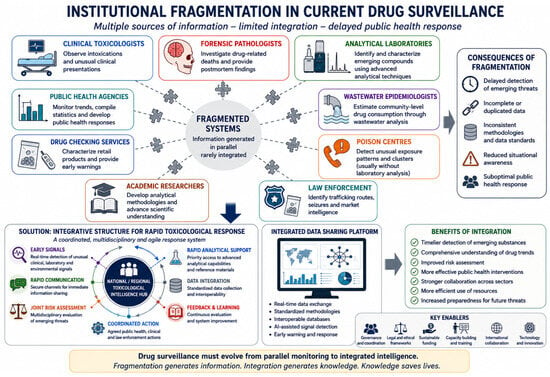
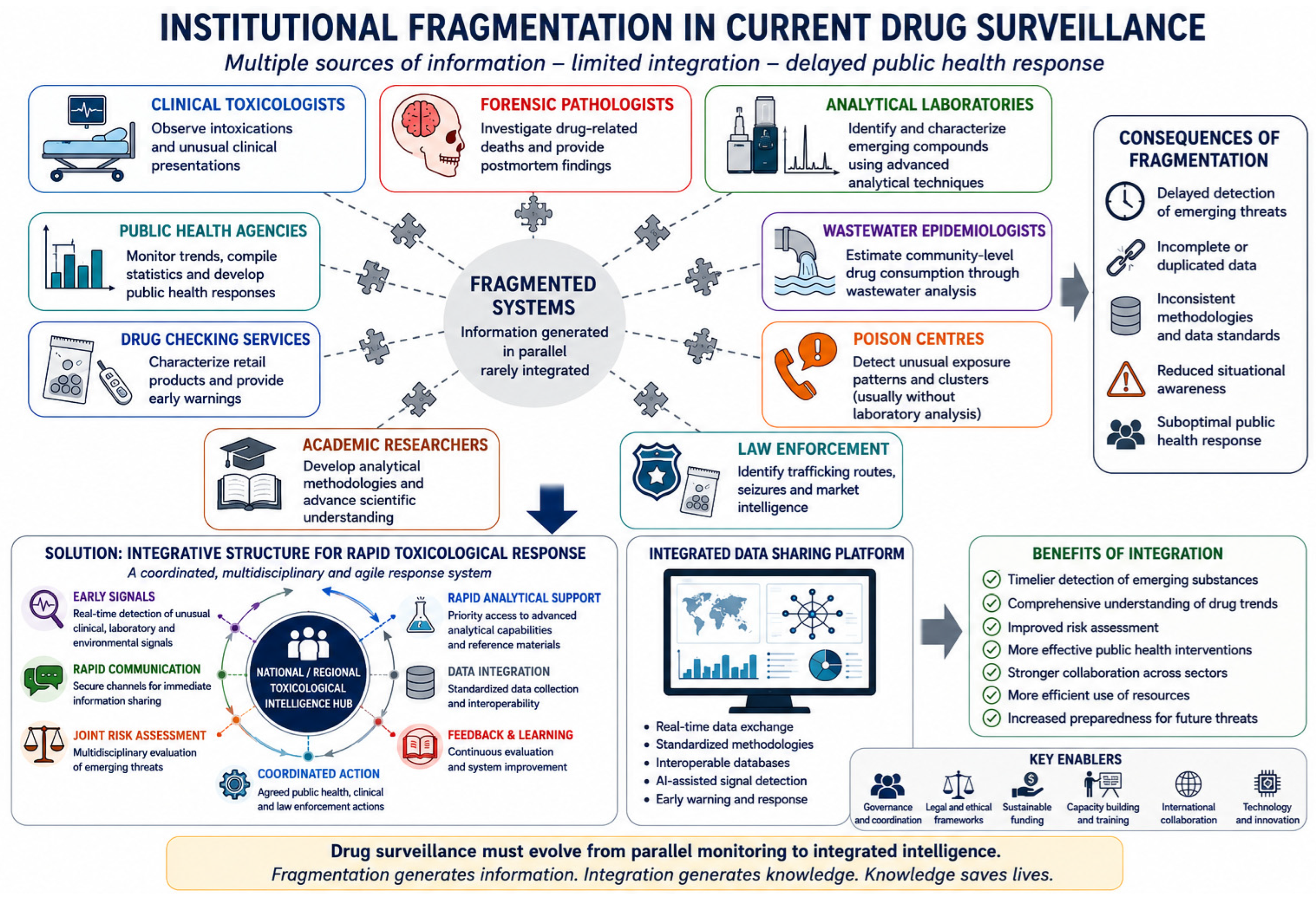
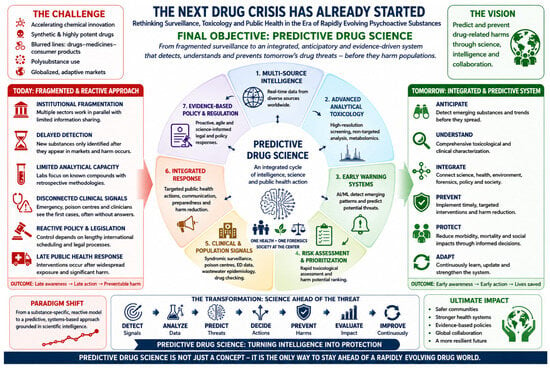
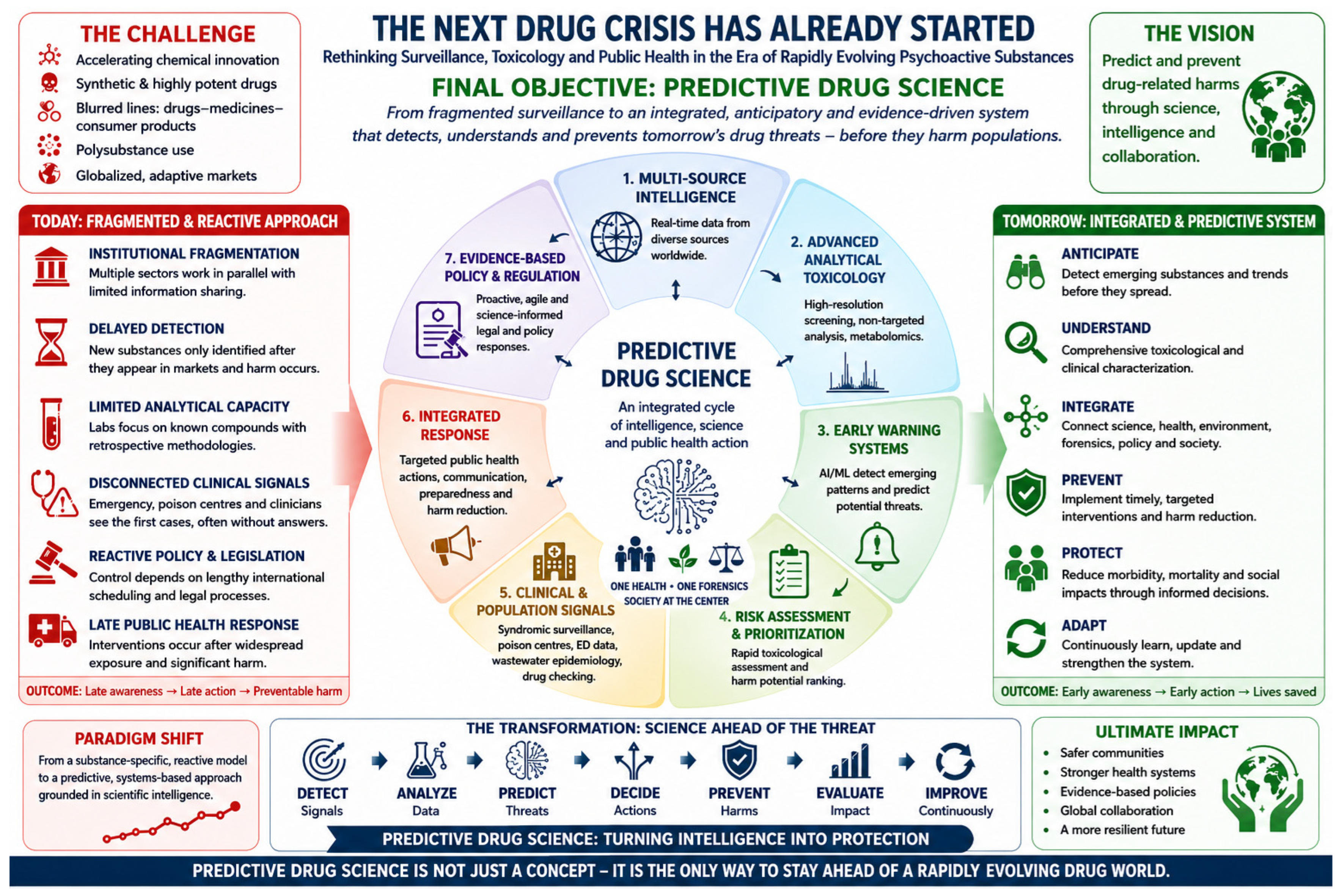
Disclaimer/Publisher’s Note: The statements, opinions and data contained in all publications are solely those of the individual author(s) and contributor(s) and not of MDPI and/or the editor(s). MDPI and/or the editor(s) disclaim responsibility for any injury to people or property resulting from any ideas, methods, instructions or products referred to in the content. |
© 2026 by the authors. Licensee MDPI, Basel, Switzerland. This article is an open access article distributed under the terms and conditions of the Creative Commons Attribution (CC BY) license.