


Abstract
The increasing prevalence of antimicrobial resistance, especially in methicillin-resistant Staphylococcus aureus (MRSA), underscores the need for alternative therapies from natural sources. This study investigated the chemical composition, antibacterial activity, and gene expression modulation of Melaleuca cajuputi essential oils. Gas chromatography–mass spectrometry (GC-MS) identified 91 compounds, with naphthalene (23.90%), guaiol (12.92%), caryophyllene oxide (9.69%), D-limonene 98% (8.59%), and gamma terpinene (7.54%) among the most abundant. In Silico molecular docking against MRSA virulence proteins revealed that alloaromadendrene had the strongest binding to toxic shock syndrome toxin-1 (TSST-1) (−7.948 kcal/mol), suggesting high inhibitory potential, while cyclohexane showed weak binding with staphylococcal enterotoxin A (SEA) (−3.532 kcal/mol). Antibacterial assays demonstrated concentration-dependent inhibition, with the zones ranging from 6.33 ± 0.33 mm to 16.67 ± 0.88 mm. MIC and MBC values ranged from 1.56 to 12.5% and 3.13 to 25%, respectively, with most isolates showing bactericidal effects (MBC/MIC ≤ 2). Gene expression analysis of MRSA isolate 4 indicated that sea was moderately upregulated (FC = 1.44), while sec remained unchanged (FC = 1.02). In contrast, fnbA (FC = 0.72), seb (FC = 0.33), and mecA (FC = 0.23) genes were downregulated, and the tsst-1 gene (FC = 0.05) was nearly silent. These findings highlight M. cajuputi essential oils as a promising candidate with both antibacterial efficacy and regulatory effects on MRSA virulence genes.
1. Introduction
Antibiotics are potent agents used against microbial infections, but their inappropriate or excessive use can cause adverse effects and accelerate the emergence of resistant strains. Antibiotic resistance is now a major global health threat, contributing to treatment failures, prolonged illnesses, increased healthcare costs, and higher mortality rates [1]. Resistance arises when bacteria develop strategies to withstand antibiotic action, including structural modification of target sites, enzymatic degradation or inactivation of drugs, active efflux pumps, and alterations of outer membrane components or receptors that reduce antibiotic uptake [2]. Furthermore, resistance genes can spread rapidly within microbial communities through horizontal gene transfer, amplifying the challenge of effective treatment. These limitations underscore the urgent need to explore alternative therapeutic strategies, including plant-derived natural products, bioactive phytochemicals, and microbial enzymes such as tannase, which have shown promising antimicrobial and synergistic properties against resistant pathogens [3,4].
Methicillin-resistant Staphylococcus aureus (MRSA) is one of the most clinically important antibiotic-resistant pathogens and is responsible for a wide range of infections, from skin and soft tissue infections to life-threatening conditions such as pneumonia, sepsis, and endocarditis. It is a major cause of hospital-acquired infections worldwide, posing a significant challenge to public health because of limited treatment options, high morbidity, and increased mortality rates [5]. The resistance mechanism in S. aureus is primarily attributed to the acquisition of the mecA gene located on the staphylococcal cassette chromosome mec (SCCmec). This gene encodes penicillin-binding protein 2a (PBP2a), an altered enzyme with a markedly reduced affinity for β-lactam antibiotics, thereby rendering methicillin, oxacillin, and related antibiotics ineffective. In addition to chromosomal acquisition, resistance traits can spread between S. aureus strains through horizontal gene transfer mediated by mobile genetic elements such as bacteriophages and plasmids, which facilitates the rapid dissemination of resistance [6].
Clinically, MRSA infections are classified into two categories. Hospital-associated MRSA (HA-MRSA) typically occurs in immunocompromised or hospitalized patients, especially those exposed to invasive procedures, medical devices, or prolonged antibiotic therapy, and these strains are often resistant to multiple classes of antibiotics [7]. In contrast, community-associated MRSA (CA-MRSA) arises in healthy individuals without recent healthcare exposure, most frequently presenting as skin and soft tissue infections, although it can also lead to severe invasive diseases. CA-MRSA strains are commonly associated with virulence factors such as Panton–Valentine leukocidin (PVL), which enhances their pathogenicity, and they generally remain susceptible to a broader range of non-β-lactam antibiotics compared to HA-MRSA [8]. The distinct molecular characteristics, virulence factors, and antibiotic susceptibility patterns of HA-MRSA and CA-MRSA strongly influence clinical outcomes and treatment strategies. Effective management of MRSA therefore requires continuous epidemiological surveillance, strict infection control measures, and prudent antibiotic stewardship to minimize resistance development and improve patient outcomes [9].
For centuries, essential oils have been used in different cultures around the world, such as in Chinese, Egyptians and Greek cultures. However, in the modern world, essential oils are still used as a different approach or alternative in the community and present in cosmetics, aromatherapy, perfumes and complementary medicines. Essential oils have a wide range of medicinal applications, including antimicrobial, anti-inflammatory, antioxidant, anticancer and many others [10,11,12,13,14]. Essential oils contain natural compounds that have the ability to inhibit the growth of pathogens. Some of the major compounds are alcohols, terpene (monoterpenes and sesquiterpenes), esters, acids, aromatic hydrocarbons, terpenoids, aldehydes and ketones, and may act together to contribute to their antibacterial activity [15,16,17].
Melaleuca cajuputi (family Myrtaceae) is distributed across Borneo, Cambodia, Java, Peninsular Malaysia, Sumatra, Thailand, and Vietnam. According to the Malaysia Biodiversity Information System (MyBIS), its common names include English (cajeput, paper bark tree, swamp tea tree) and Malay (gelam, kayu putih). This species typically forms colonies and is predominantly found in lowland ecosystems, shallow peat forests, and swampy wetlands [18,19]. Members of the genus Melaleuca exhibit notable ecophysiological adaptability, enabling them to tolerate acidic freshwater conditions, nutrient-poor soils, seasonal flooding, and climate variability [20]. Beyond their ecological role in stabilizing soils, regulating hydrological balance, and supporting wetland biodiversity, M. cajuputi is also valued for its bioactive secondary metabolites, particularly essential oils rich in terpenoids, which are traditionally used in folk medicine, aromatherapy, and as antimicrobial, anti-inflammatory, and antioxidant agents [21,22].
The biological activity of M. cajuputi has been investigated by many researchers, including its antimicrobial and antifilarial effects, among others [23,24,25,26]. Although other subspecies of M. cajuputi have been investigated, no dedicated study has yet explored the antimicrobial potential of M. cajuputi EO against MRSA. The extensive and inappropriate use of antibiotics, which has led to the emergence of antimicrobial resistance, has prompted researchers to search for new bioactive compounds from plants. Medicinal plants contain abundant bioactive compounds that can be used alone or in combination with antibiotics to enhance their antimicrobial efficacy in antimicrobial activity [27]. MRSA remains a significant concern in the region, with persistently high levels in several countries. MRSA is also listed in the high-priority category in the Bacterial Priority Pathogens Lists (BPPL) [28]. According to the National Surveillance of Antimicrobial Resistance (NSAR) report 2023, in Malaysia, from the total S. aureus (34,677) isolated from all clinical samples in 2023, 1893 (5.5%) isolates were confirmed to be MRSA [29]. MRSA poses a significant challenge as it continues to develop resistance to vancomycin, which is considered the last-resort antibiotic. Although cases of vancomycin-resistant MRSA have not yet been documented in Malaysia, a case of vancomycin-resistant S. aureus has been reported in Indonesia [30].
Developing an ideal antibacterial agent for MRSA poses a significant challenge due to limitations of current treatments, including resistance, adverse side effects, suboptimal efficacy against biofilms, and poor tissue penetration. Combination therapies also face multiple challenges, even though they are promising for severe infections. Some of the challenges are resistance, drug interactions, and limited clinical evidence to support the effectiveness of combination therapies [31]. HA-MRSA and CA-MRSA exhibit different antibiotic susceptibility patterns, along with distinct clinical characteristics and molecular profiles, which influence treatment strategies. The majority of MRSA bacteraemia cases are acquired in hospitals (52.7%) or other healthcare facilities (35.6%), a trend that has also been observed across other Southeast Asian countries [9].
Therefore, this study will be conducted to determine the antibacterial effect of M. cajuputi essential oils against MRSA. The objectives are to characterize the phytochemical composition of the essential oil, evaluate its antibacterial activity against MRSA using In Vitro assays, assess its effect on the expression of selected MRSA virulence and resistance genes, and explore its potential mechanism of action through molecular docking with MRSA target proteins. The overall aim of this study is to provide scientific evidence supporting the antibacterial potential of M. cajuputi essential oils as a natural therapeutic alternative or complementary approach for the management of MRSA infections.
2. Materials and Methods
2.1. Plant Collection
The leaves of M. cajuputi were collected from Gong Badak, Kuala Nerus, Terengganu, Malaysia, and subsequently deposited at the Herbarium, Faculty of Bioresources and Food Industry (FBIM), Universiti Sultan Zainal Abidin (UniSZA) for species identification and confirmation (Voucher No. UniSZA/A/000000045).
2.2. Essential Oils Extraction
Briefly, fresh leaves of M. cajuputi were subjected to steam distillation for 6 h per cycle. In this process, water vapor at atmospheric pressure and 100 °C was used to release the oil from the leaves, thereby isolating the essential oil from the crude plant material. The resulting oil–hydrosol emulsion was left to stand for 12 h to allow complete separation of the oil and hydrosol layers. The essential oil was then carefully collected and stored in dark glass vials at room temperature until further use [25]. Subsequently, the oil samples were analyzed by GC–MS.
2.3. GC-MS
Phytochemical characterization of M. cajuputi essential oils was carried out using an Agilent 7890A gas chromatograph (GC) (Agilent Technologies, Santa Clara, CA, USA) coupled to an Agilent 5975C inert mass spectrometer (MS) (Agilent Technologies) equipped with a triple-axis detector and fitted with a DB-5MS UI capillary column (Agilent Technologies) (30 m × 0.25 mm i.d., 0.25 µm film thickness, 5% phenyl methylpolysiloxane stationary phase). The oven temperature was initially set at 50 °C and increased at a rate of 6 °C/min to 280 °C, where it was held for 10 min. The injector temperature was maintained at 250 °C, with helium as the carrier gas at a constant flow rate of 1 mL/min. Sample injection was performed in splitless mode. The MS was operated with an electron multiplier voltage of 1094 eV, while the ion source and interface temperatures were set at 250 °C and 200 °C, respectively. Mass spectra were acquired over the m/z range of 45–600, with a solvent delay of 1.372 min, starting from 6 min to 50.333 min. Compound identification was conducted using MSD ChemStation software (Agilent Technologies, Santa Clara) and peaks were matched against the NIST/EPA/NIH mass spectral library (version 2.0). Identified constituents were subsequently compiled into a peak table [32,33].
2.4. In Silico Molecular Docking Analysis
Molecular docking was carried out to evaluate the interactions of M. cajuputi essential oils phytochemicals with MRSA virulence and resistance proteins, including staphylococcal enterotoxin A (SEA), staphylococcal enterotoxin B (SEB), staphylococcal enterotoxin C (SEC), toxic shock syndrome toxin-1 (TSST-1), fibronectin-binding protein A (FnBPA), and penicillin-binding protein 2a (PBP2a). Twenty major phytoconstituents identified through GC-MS profiling were selected as ligands. Their 3D structures were retrieved from PubChem, energy-minimized, and converted into PDBQT format using AutoDock MGLTools (The Scripps Research Institute, La Jolla, CA, USA). Protein crystal structures were obtained from the RCSB Protein Data Bank. Receptor preparation involved removing water molecules and heteroatoms, repairing incomplete residues, and adding polar hydrogens and Kollman charges. Docking simulations were performed using AutoDock 4.2.6 under blind docking conditions with the Lamarckian Genetic Algorithm (100 runs, population size 150, 2.5 × 10⁶ energy evaluations, 27,000 generations, mutation rate 0.02, crossover rate 0.8). Binding poses were clustered at 2.0 Å RMSD, and the best conformations were selected based on the lowest binding energies and largest clusters. Ligand–protein interactions were further analyzed in both 2D and 3D representations using Discovery Studio Visualizer (BIOVIA, Vélizy-Villacoublay, France) [14,34].
2.5. Tested Bacteria
Eight clinical isolates of methicillin-resistant Staphylococcus aureus (MRSA) obtained from Premier Integrated Labs Sdn Bhd were used as test organisms. Additionally, S. aureus ATCC 25923, used as a reference strain, was sourced from the Microbiology Laboratory culture stock at the Faculty of Medicine, Universiti Sultan Zainal Abidin.
2.6. Antibacterial Assay
2.6.1. Disc Diffusion Method
Antimicrobial activity of M. cajuputi essential oils was determined using the disc diffusion method. Bacterial inocula were prepared in Mueller–Hinton broth (MHB) and standardized to 0.5 McFarland turbidity. The suspensions were streaked uniformly onto Mueller–Hinton agar (MHA) plates using sterile cotton swabs. Sterile 6 mm discs were impregnated with 10 µL of essential oil at concentrations of 100%, 50%, 25%, 12.5%, 6.25%, and 3.13%, and positioned on the agar surface. Two controls were used. Vancomycin (30 µg/mL) was used as the positive control, while 10% DMSO in MHB was used as the negative control. Plates were incubated aerobically at 37 °C for 24 h. All assays were carried out in triplicate, and inhibition zone diameters were measured and recorded [35].
2.6.2. Minimum Inhibitory Concentration (MIC) and Minimum Bactericidal Concentration (MBC)
The MIC of the M. cajuputi essential oils was determined using a 96-well microdilution assay. Two-fold serial dilutions of the preparation were prepared to achieve final concentrations ranging from 100% to 3.13%. An equal volume of bacterial suspension was added to each well, and the plate was incubated aerobically at 37 °C for 24 h. Following incubation, 50 µL of MTT solution was added to each well, and the plate was further incubated for 2 h. Experiments were performed in triplicate. A yellow coloration indicated the absence of bacterial growth, while a purple coloration reflected active growth of the test organism. To determine the minimum bactericidal concentration (MBC), suspensions from MIC wells showing no visible growth were sub-cultured. Briefly, 50 µL of suspension from each selected well was mixed with 150 µL of fresh broth and incubated at 37 °C for 48 h. Subsequently, 100 µL aliquots were spread onto nutrient agar (NA) plates and incubated at 37 °C for 24 h. The absence of bacterial colonies on NA plates was interpreted as the MBC endpoint [23].
2.7. Quantitative Real Time-Polymerase Chain Reaction (qRT-PCR)
qRT-PCR was performed to assess the transcriptional response of MRSA virulence and antibiotic resistance genes to M. cajuputi essential oils. MRSA 4 was sub-cultured on nutrient agar and incubated at 37 °C for 24 h. Bacterial suspensions were prepared in Mueller–Hinton broth and adjusted to a 0.5 McFarland standard. Two experimental groups were established: (i) treated (T) with essential oils at a sub-minimum inhibitory concentration (sub-MIC) and (ii) untreated control (C). For the treated group, 100 µL of bacterial suspension was incubated overnight at 37 °C, followed by the addition of 100 µL EO (3.13% v/v) and further incubation under the same conditions. For the control group, 120 µL of bacterial suspension was incubated without essential oils. After overnight incubation, both cultures were diluted 1:50 in MHB and grown for an additional 4 h. Cultures were then centrifuged at 16,000× g for 3 min, and the supernatant was discarded [36]. Bacterial RNA was extracted using an RNA extraction kit (1st BASE, Singapore) and subjected to qRT-PCR using the Toyobo kit (Toyobo Co., Ltd., Osaka, Japan). The specific primers for qRT-PCR are listed in Table 1. Quantitative PCR (qPCR) was performed on a StepOnePlus™ Real-Time PCR System (Applied Biosystems, Carlsbad, CA, USA). The reaction began with a reverse transcription step at 61 °C for 20 min to synthesize complementary DNA (cDNA) from the RNA template, followed by polymerase enzyme activation at 95 °C for 10 min. The cycling stage consisted of 45 cycles of denaturation at 95 °C for 15 s, annealing for 15 s at temperatures optimized according to the melting temperature (Tm) of each primer, and extension/data collection at 74 °C for 45 s, during which fluorescence was monitored. The final melt-curve analysis included denaturation at 95 °C for 15 s, annealing at 60 °C for 1 min, and a gradual increase to 95 °C in 0.3 °C increments to determine the melting temperatures. Normalized relative expression levels were calculated using the 2−ΔΔCT method [37].
Table 1.
Primers for MRSA and housekeeping genes.
2.8. Statistical Analysis
Experiments were conducted in triplicate. Data were analyzed using Microsoft Excel 2019 and expressed as mean ± standard deviation (SD). Statistical significance was determined by one-way ANOVA, followed by Tukey’s post hoc test for multiple comparisons. Differences were considered significant at p < 0.05.
3. Results
3.1. Essential Oils
The dried leaves of M. cajuputi used for essential oil extraction weighed 2060.49 g. The extraction yielded 10 mL of essential oil, corresponding to an oil yield of 0.48%.
3.2. GC-MS Analysis
The GC–MS analysis of M. cajuputi essential oils demonstrated a complex chemical composition dominated by sesquiterpene hydrocarbons and their oxygenated derivatives (Table 2; see Supplementary Information for the GC–MS chromatogram of M. cajuputi essential oils).
Table 2.
Chemical composition of M. cajuputi essential oils analyzed by GC–MS.
GC–MS analysis of the sample revealed a total of 154 peaks, corresponding to 96 unique compounds. The chemical profile was dominated by monoterpenes, including β-Pinene, α-phellandrene, D-limonene, γ-terpinene, and 3-carene, which eluted between 7 and 15 min. Sesquiterpenes such as caryophyllene, isocaryophillene, alloaromadendrene, and α-guaiene were detected in the mid-range of 17–34 min. Oxygenated terpenes, including caryophyllene oxide and cis-Z-α-bisabolene epoxide, were present in lower amounts. Aromatic and polycyclic hydrocarbons, including naphthalene, anthracene, and azulene derivatives, were detected in trace quantities. Fatty acids and their esters, such as n-hexadecanoic acid (palmitic acid), hexadecanoic acid methyl ester, and methyl abietate, eluted later between 27 and 49 min. The most abundant compounds were guaiol (12.92%), (+)-4-carene (8.87%), D-limonene (8.59%), caryophyllene (7.65%), and γ-terpinene (6.98%), indicating that monoterpenes and sesquiterpenes are the major constituents. Match quality for most compounds ranged from 70 to 99%, while some minor components exhibited lower values. Overall, the GC–MS profile indicates that the sample is rich in monoterpenes and sesquiterpenes, with minor contributions from fatty acids, esters, and aromatic hydrocarbons, consistent with typical plant-derived essential oils.
The GC–MS analysis of the sample revealed a diverse range of compounds with potential antimicrobial activity. Among the major components, D-limonene was identified and is known to possess strong antibacterial activity, including inhibition of MRSA [38]. Limonene also exhibits synergistic effects when combined with antibiotics such as gentamicin and demonstrates antifungal activity against Candida albicans and Candida tropicalis, including the ability to disrupt biofilms [39].
β-pinene was also detected in the sample and is recognized for its antibacterial properties, particularly against S. aureus. It can act synergistically with other compounds in essential oils to enhance antimicrobial efficacy [40]. The analysis showed the presence of γ-terpinene, which has been reported to exert antibacterial effects against S. aureus and is commonly found in essential oils used for treating infections [41]. Caryophyllene and its oxygenated derivative, caryophyllene oxide, were identified as well; both compounds are known for their antibacterial and antibiofilm activity, including inhibitory effects against MRSA and E. coli [42].
γ-muurolene, a sesquiterpene detected in the sample, has been reported in essential oils with antimicrobial activity against both Gram-positive and Gram-negative bacteria. Additionally, 1H-3a,7-methanoazulene (octahydro-) was present, although there is limited direct evidence of its antimicrobial activity in the literature. Its role in the essential oil may be more modulatory, potentially contributing to synergistic effects alongside other bioactive compounds. The combination of monoterpenes, such as D-limonene, and sesquiterpenes, such as caryophyllene and γ-muurolene, in the sample suggests a synergistic effect that enhances antimicrobial potency [43].
Overall, the chemical composition identified in the GC–MS analysis supports the potential of the sample to exhibit antimicrobial activity, particularly against MRSA and fungal pathogens. The presence of both major and minor bioactive compounds contributes to a broad-spectrum antimicrobial potential, with monoterpenes primarily responsible for antibacterial and antifungal effects and sesquiterpenes enhancing synergistic activity. The results indicate that M. cajuputi essential oils are chemically characterized by a high proportion of sesquiterpene hydrocarbons and oxygenated sesquiterpenes, along with trace amounts of phenolic and aromatic compounds, highlighting its potential as a natural source of bioactive molecules with pharmacological and therapeutic applications.
3.3. In Silico Molecular Docking
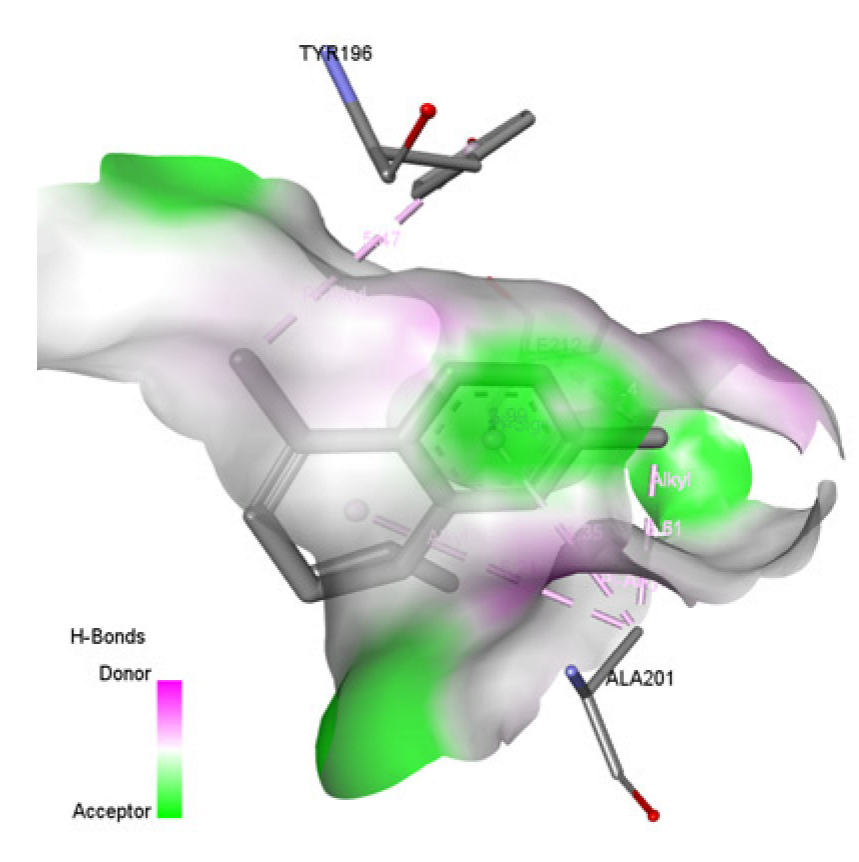
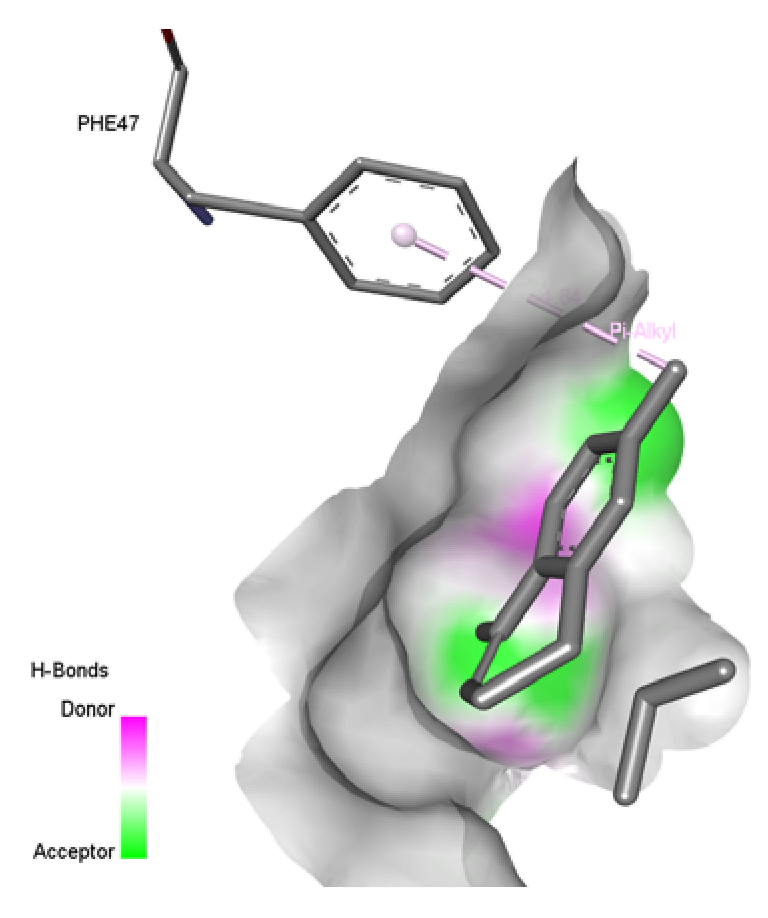
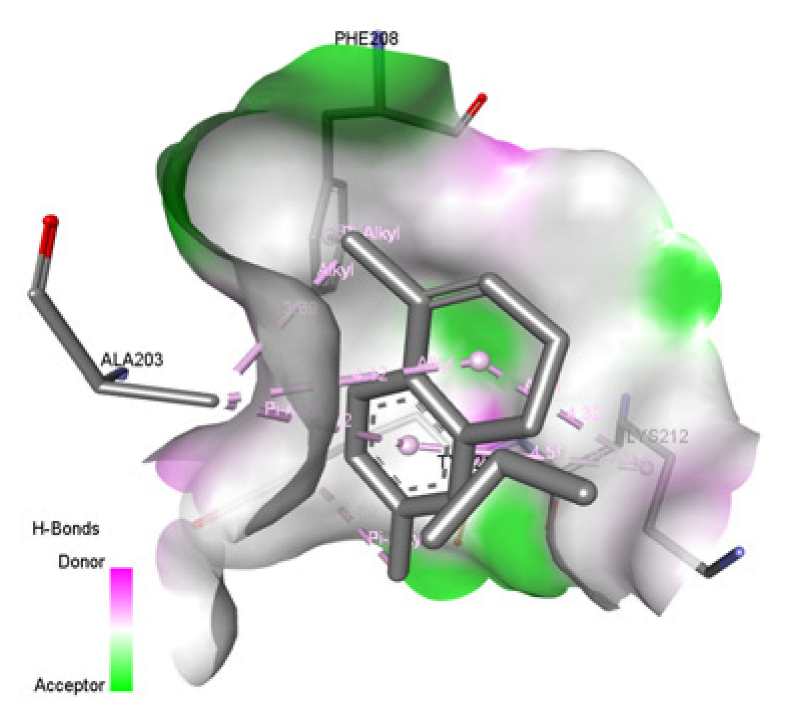
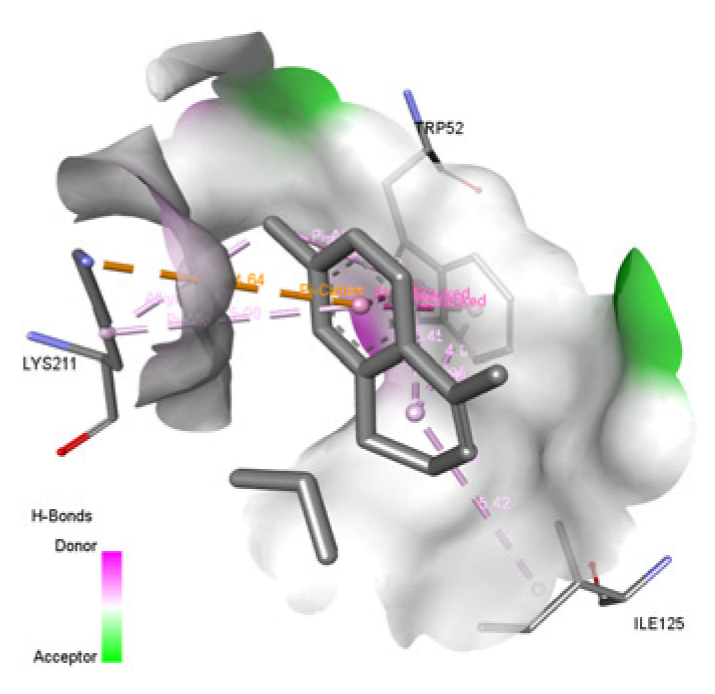
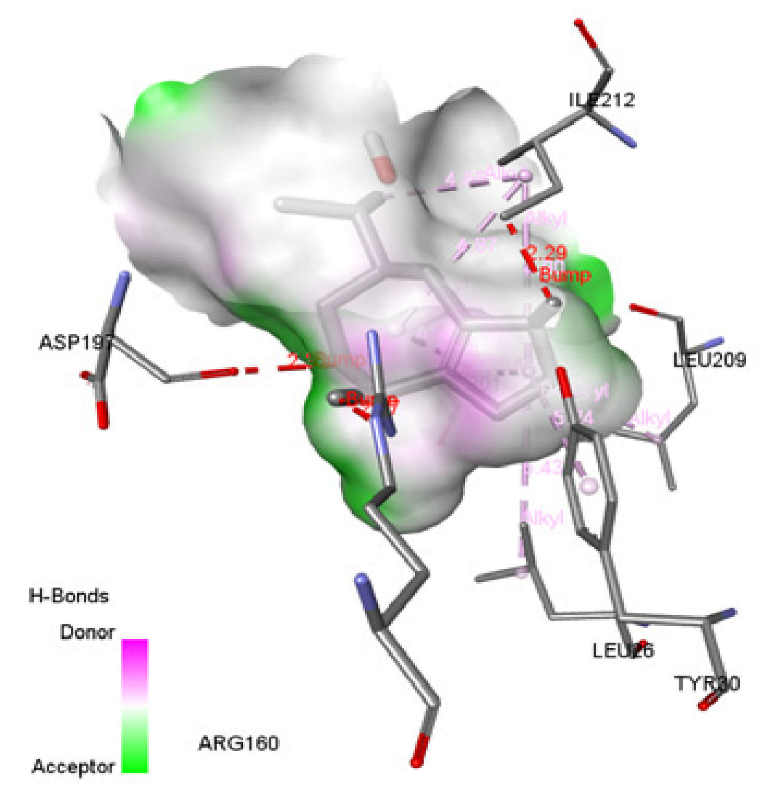
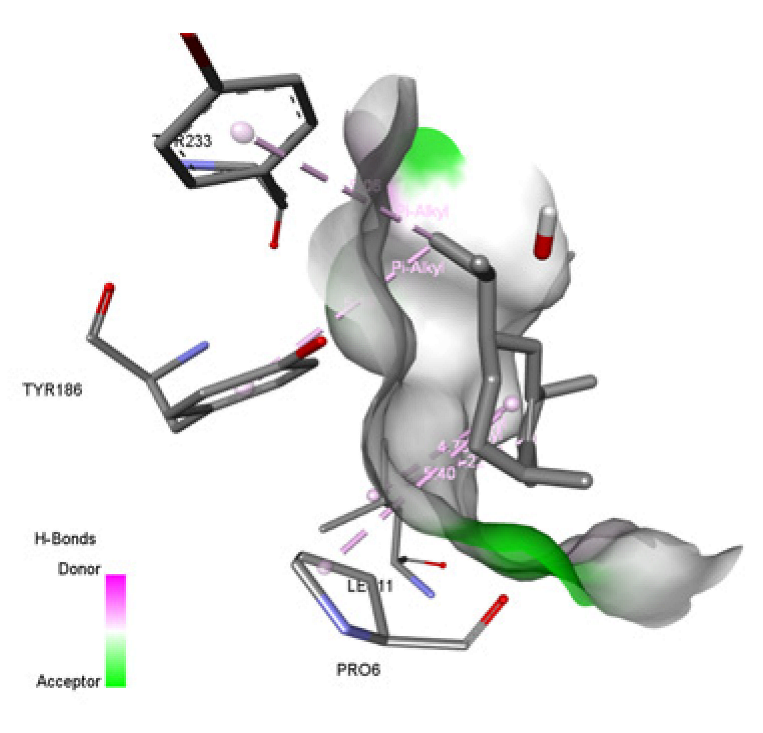
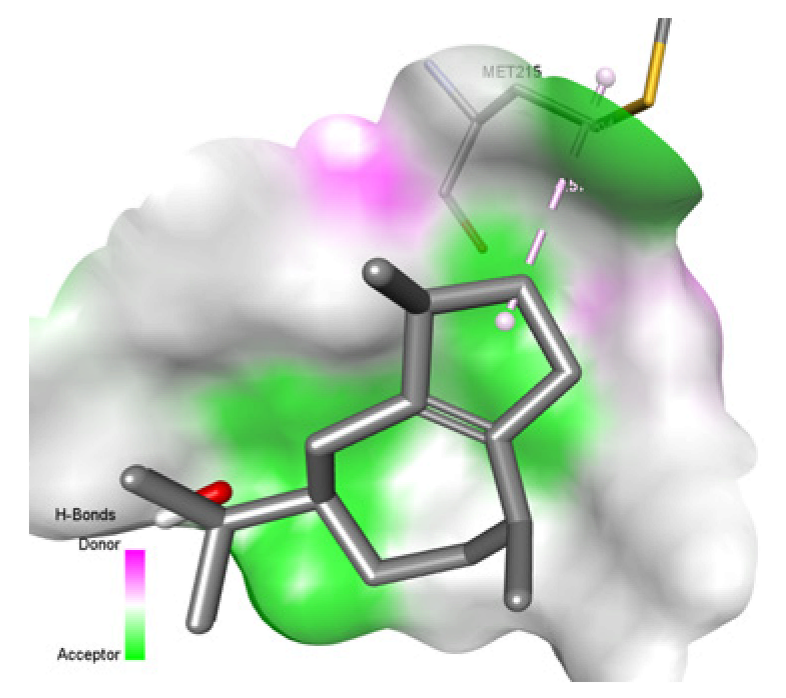
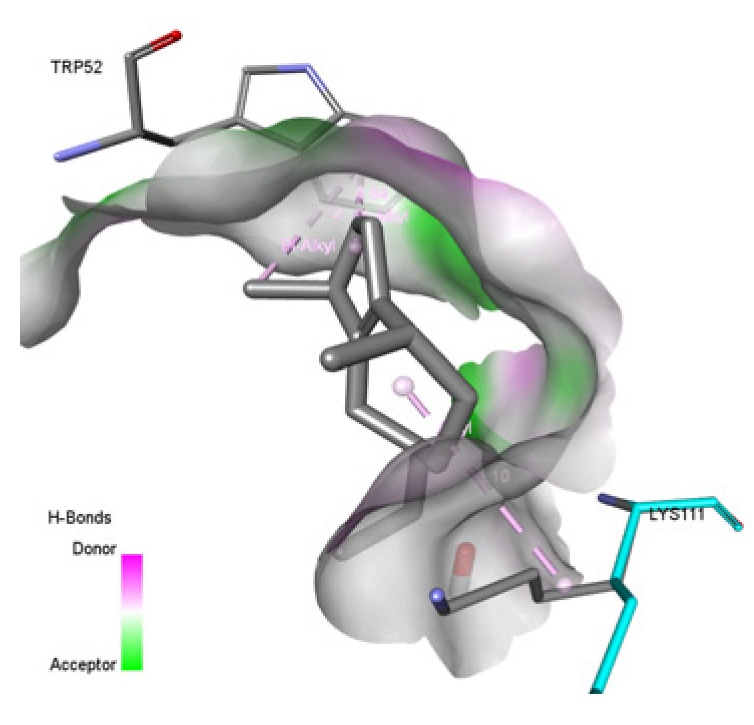
Table 3 presents the docking results, showing the 20 compounds from M. cajuputi EO with the strongest predicted binding affinities (lowest binding energies, kcal/mol) against MRSA target proteins, including SEA, SEB, SEC, TSST-1, FnBPA, and PBP2a.
Table 3.
Docking results of the 20 strongest compounds of M. cajuputi essential oils with the lowest estimated binding energies (kcal/mol) against MRSA SEA, SEB, SEC, TSST-1, FnBPA and PBP2a proteins.
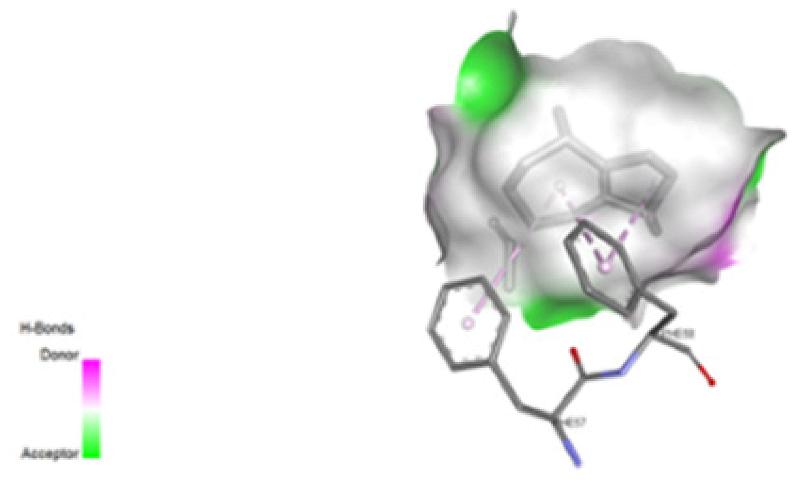
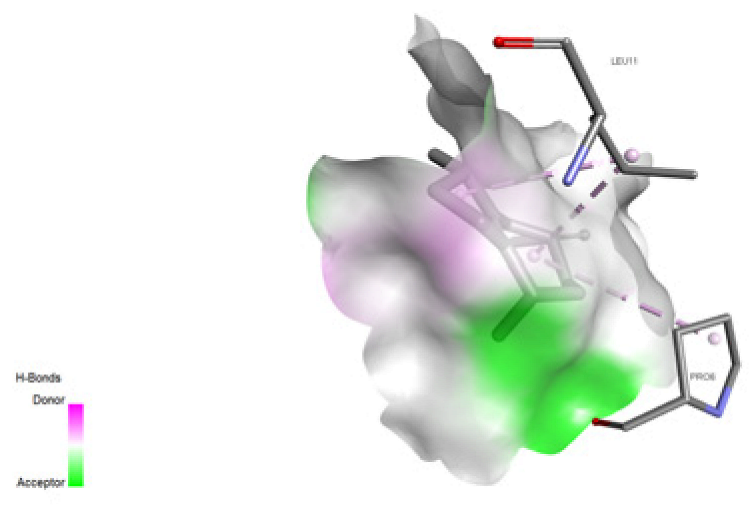
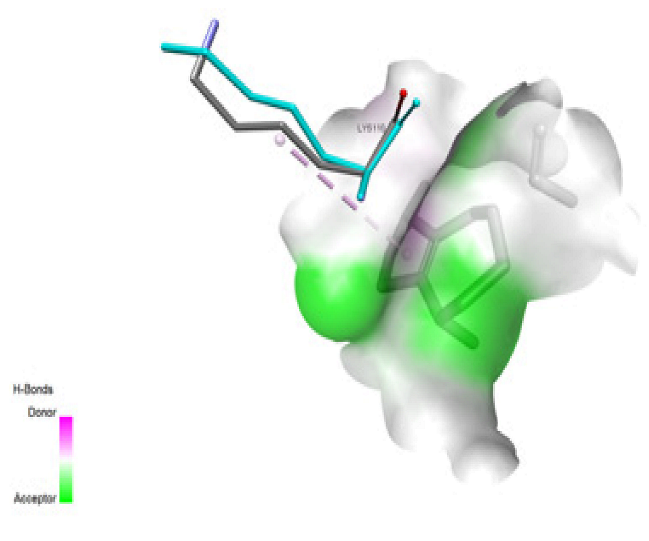
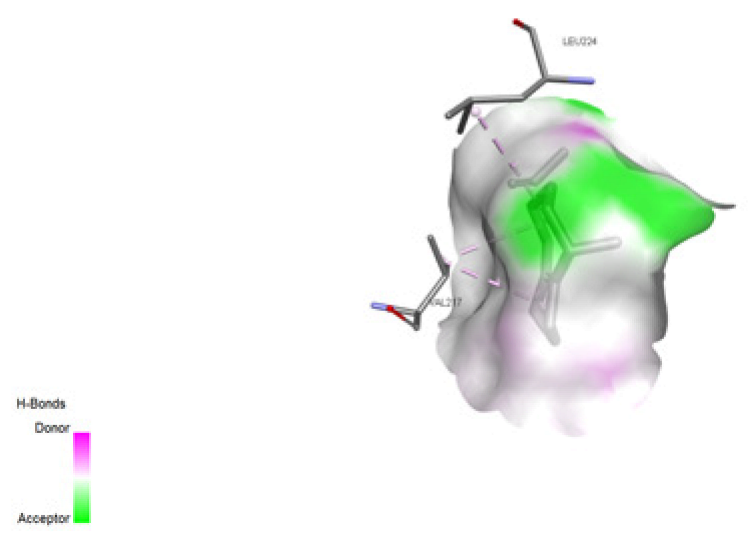
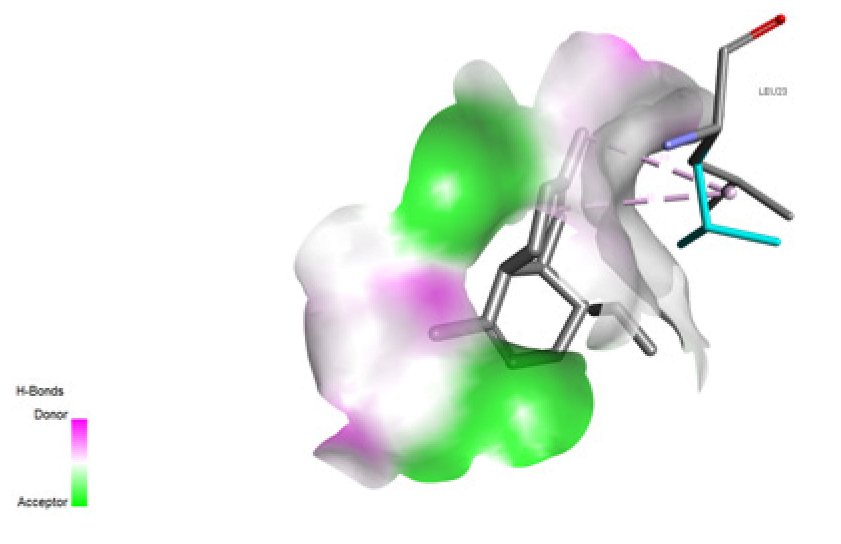
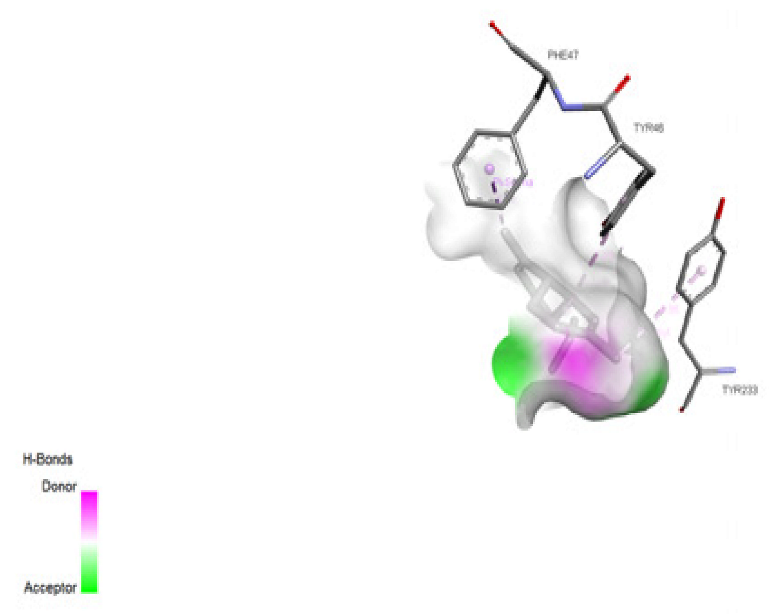
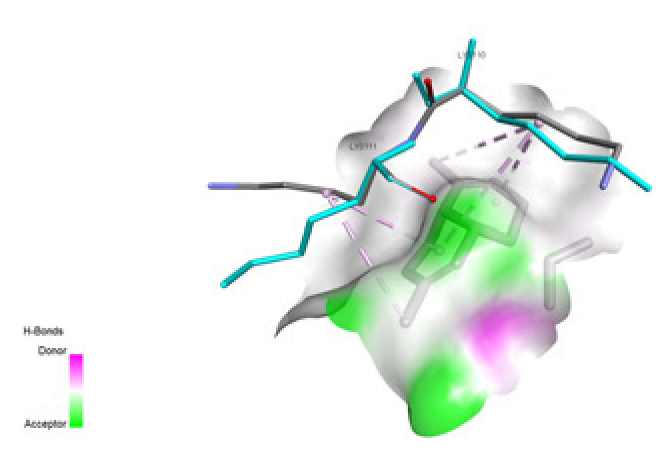
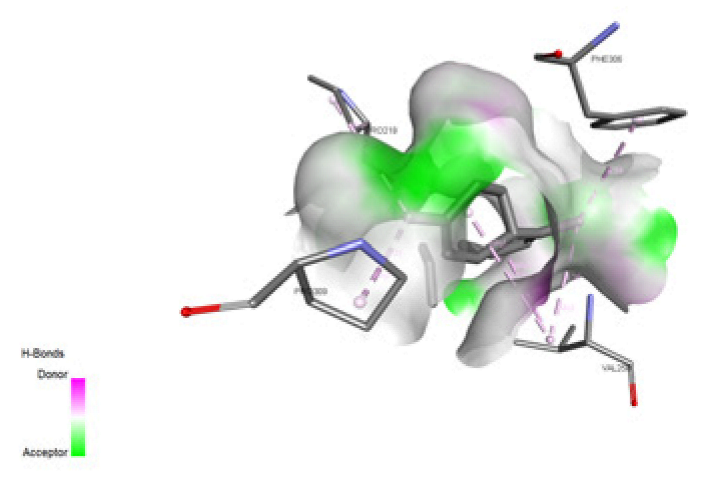
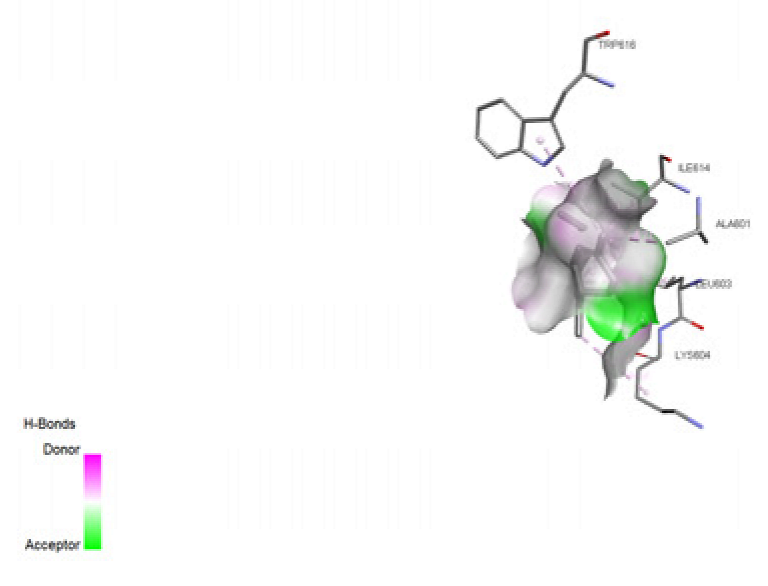
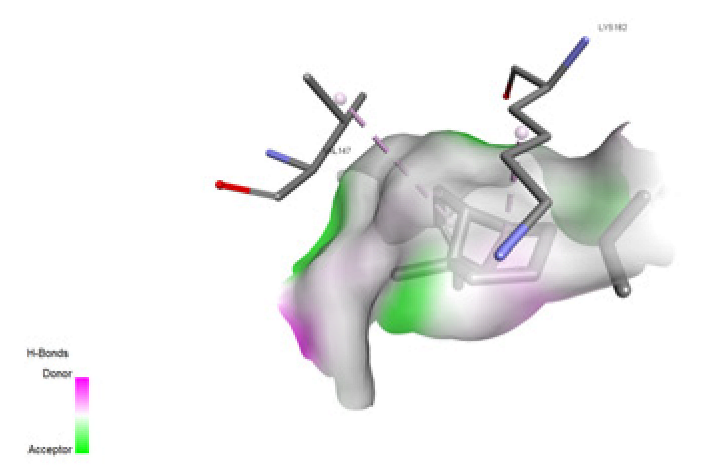
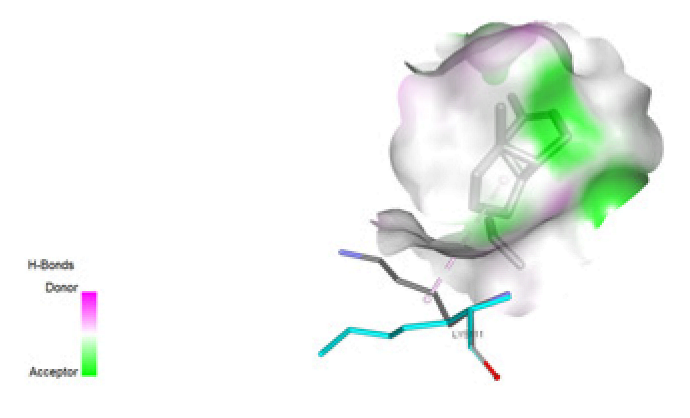
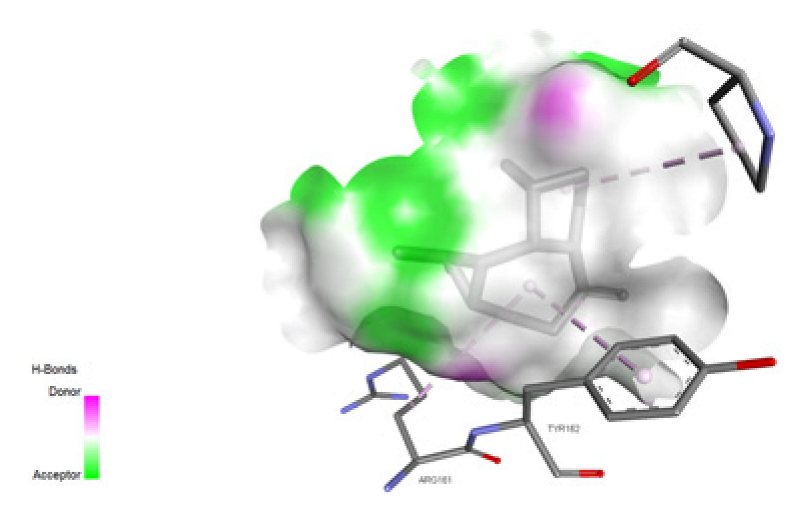
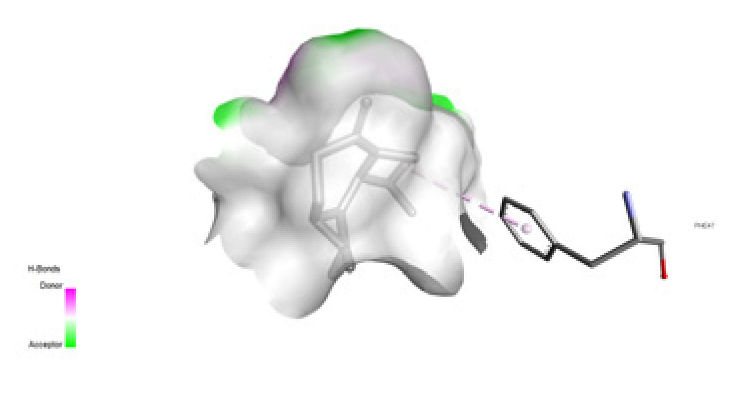
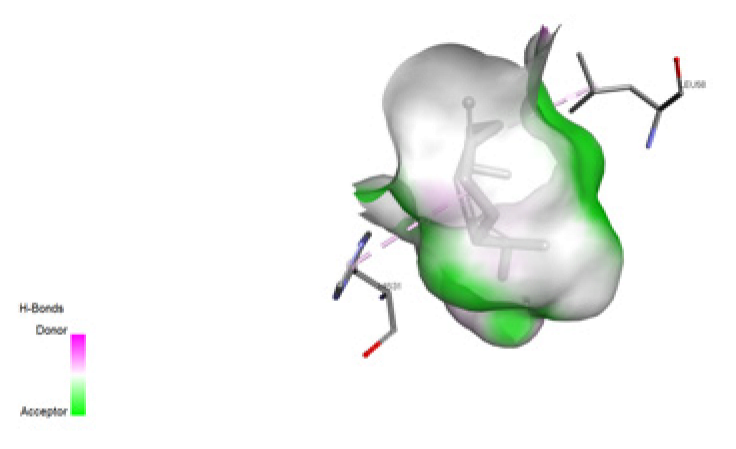
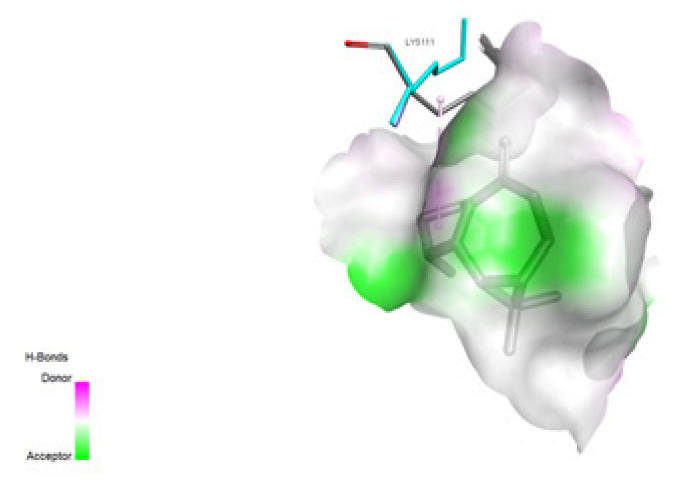
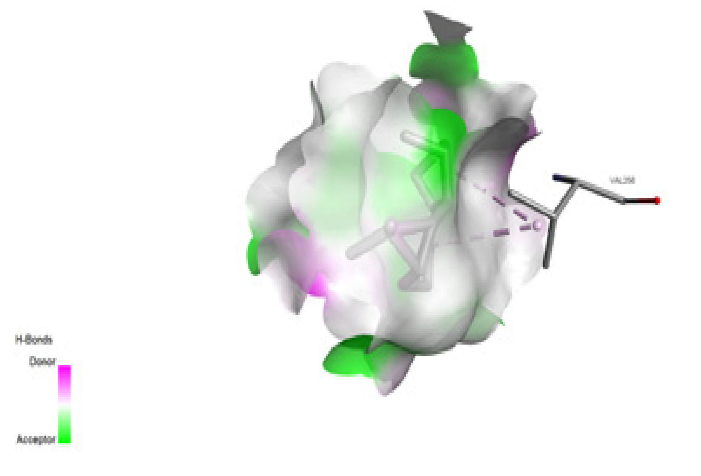
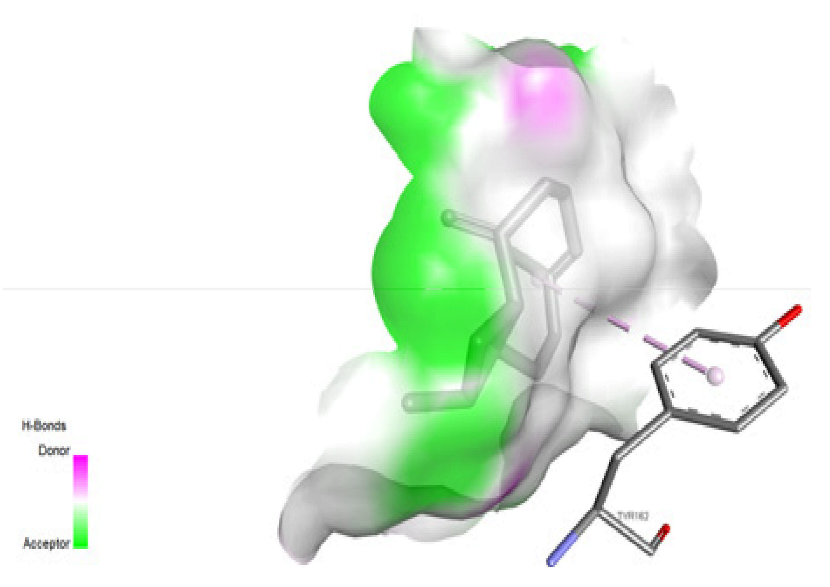
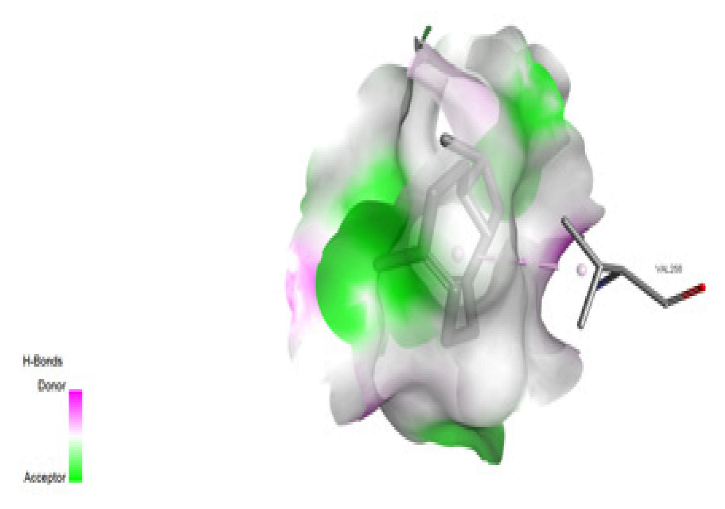
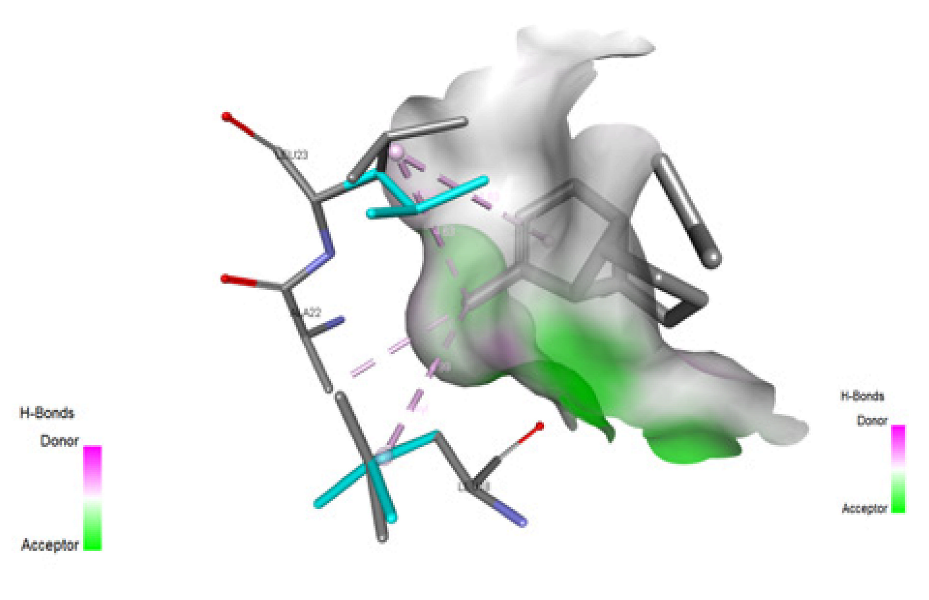
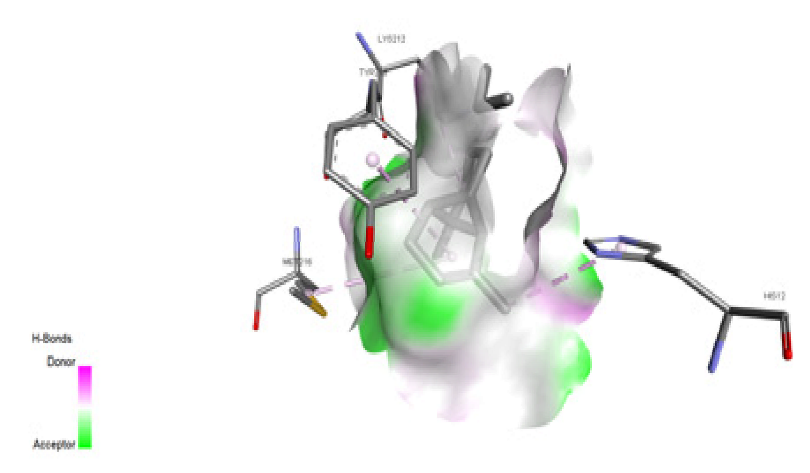
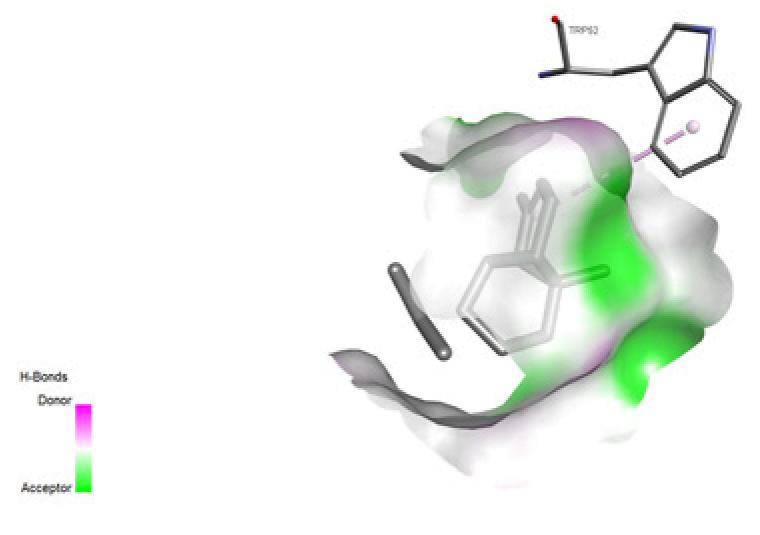
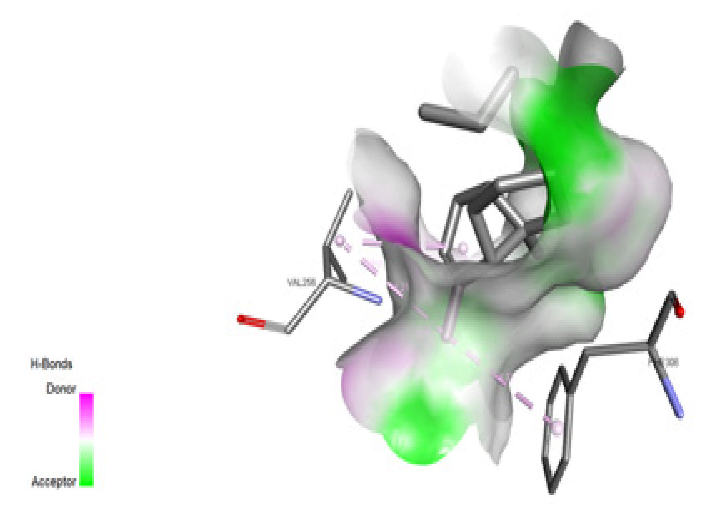
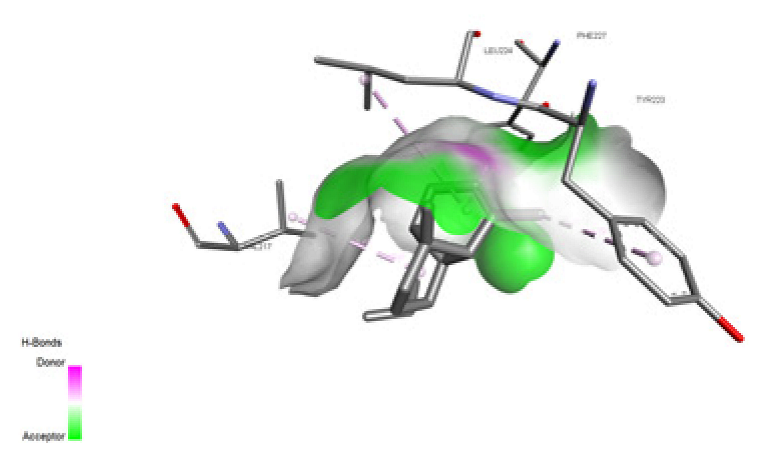
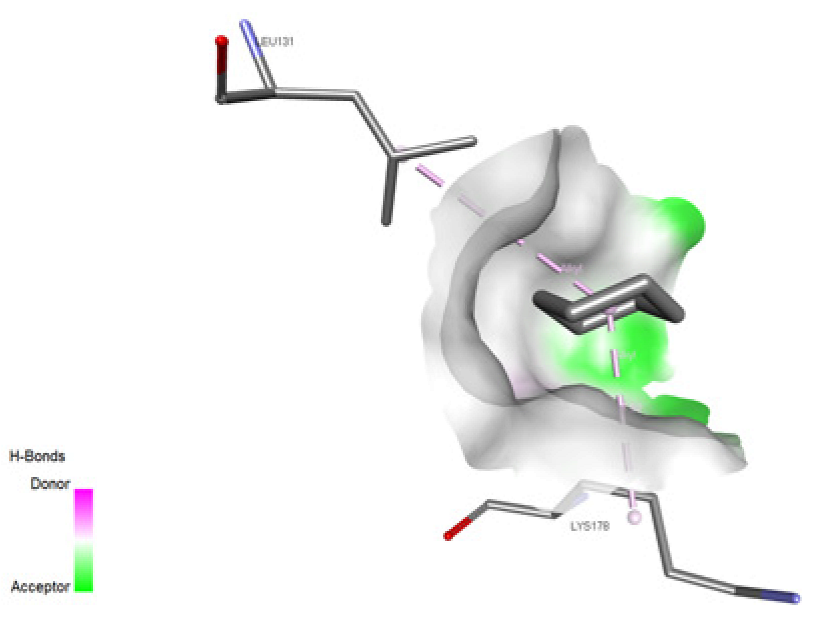
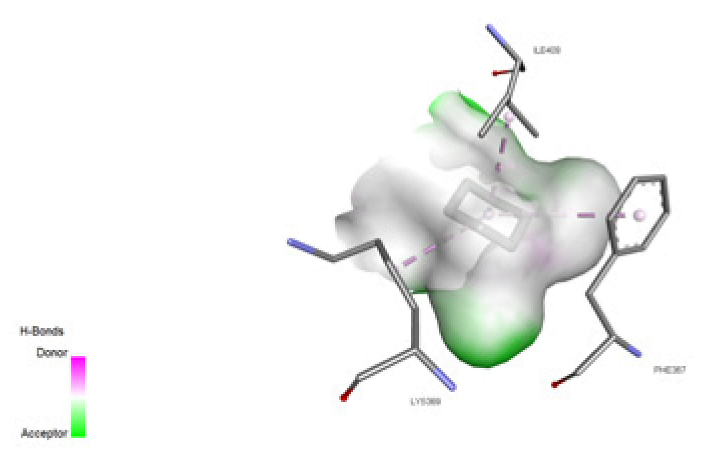
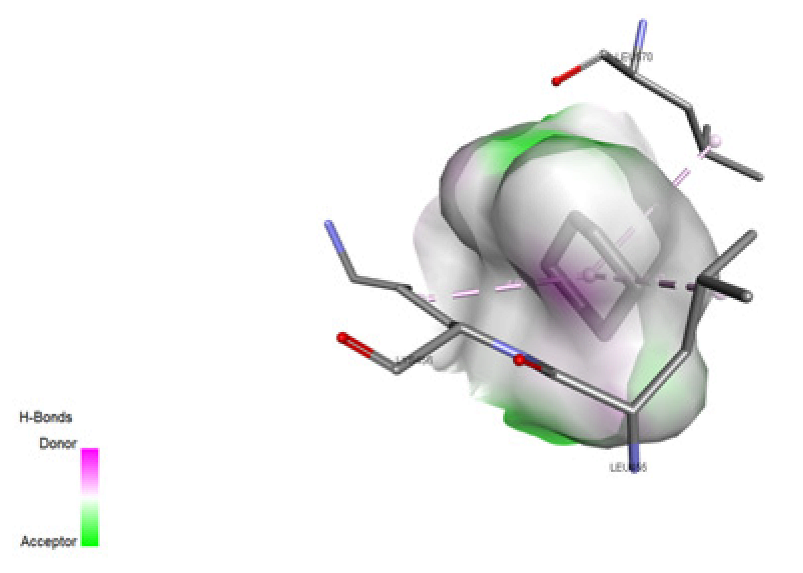
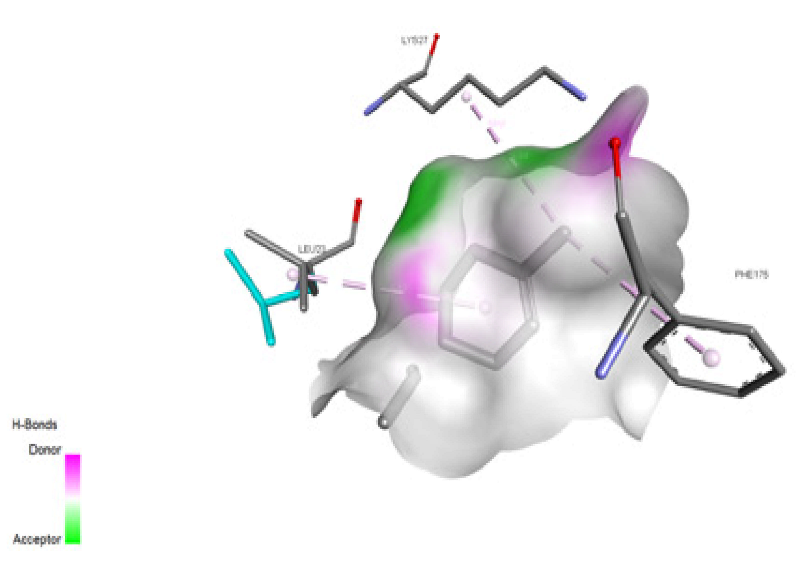
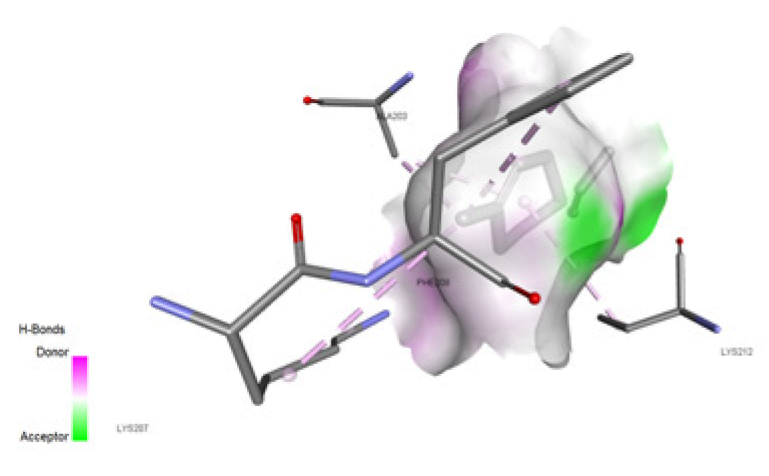
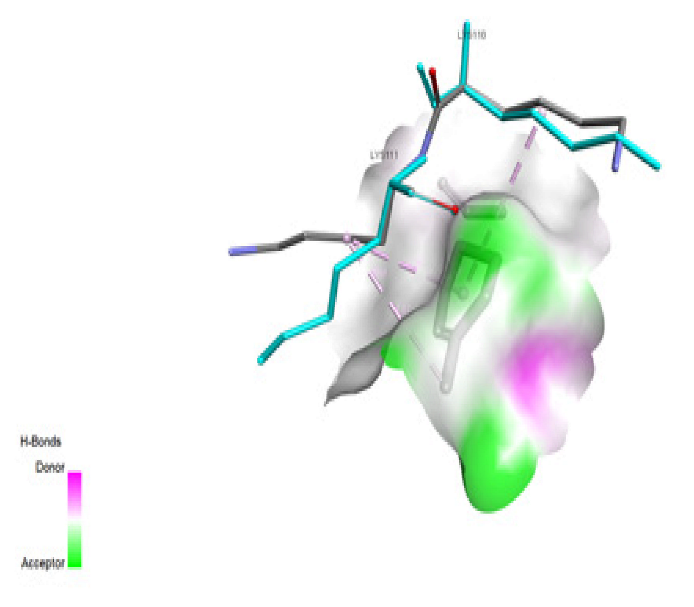
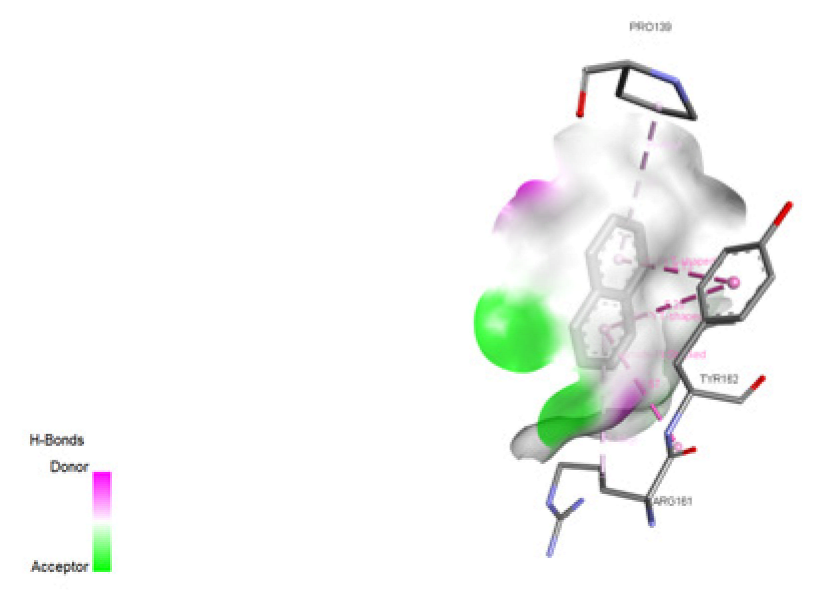
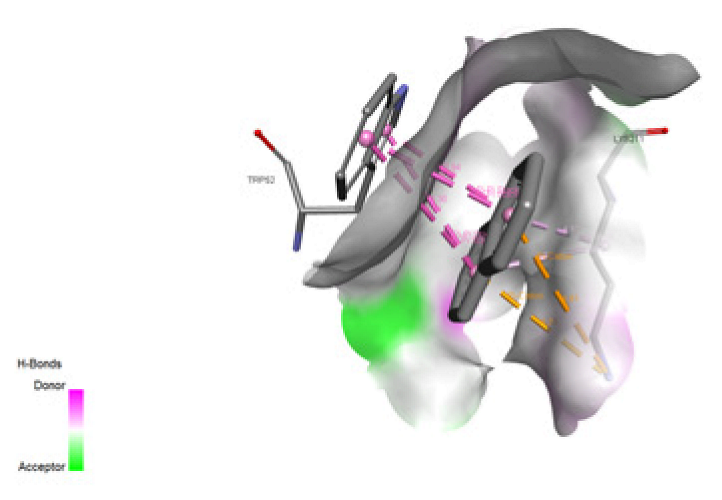
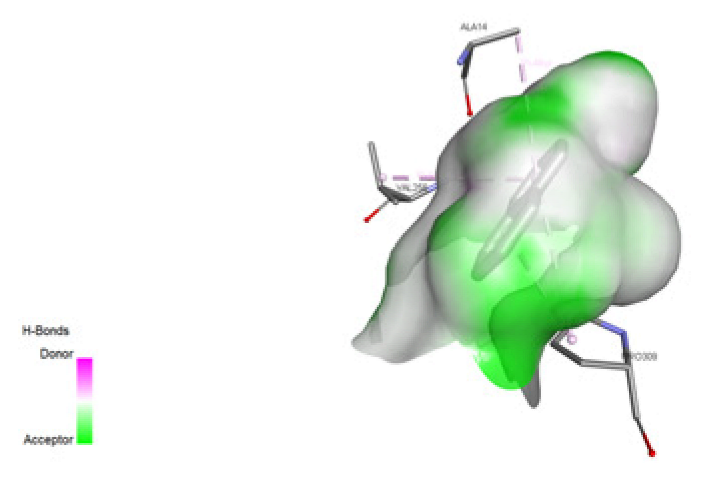
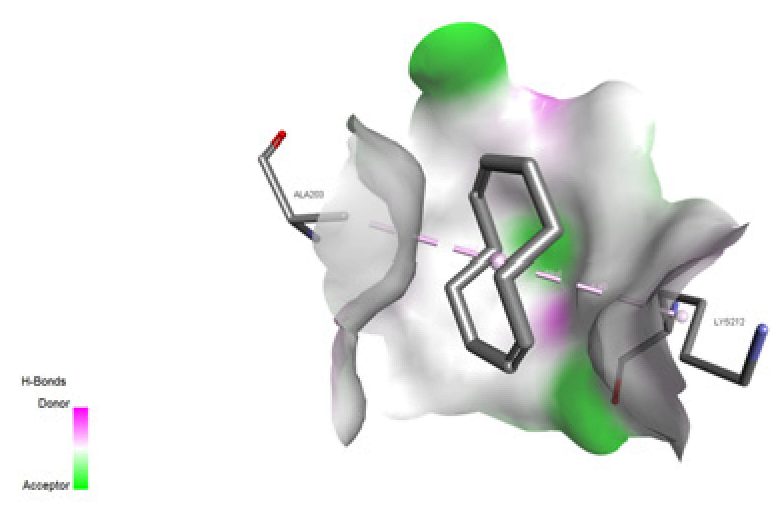
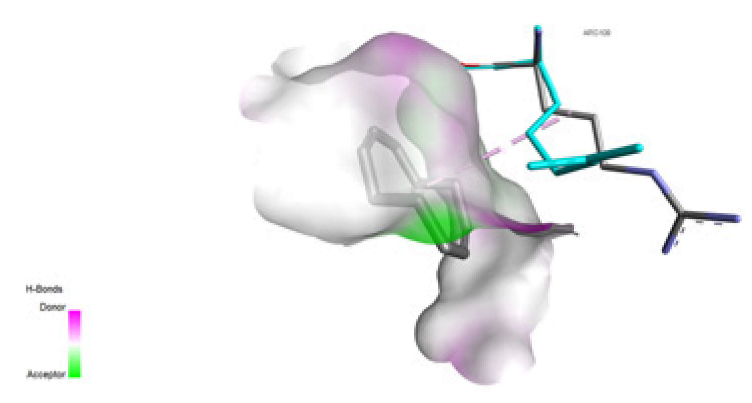
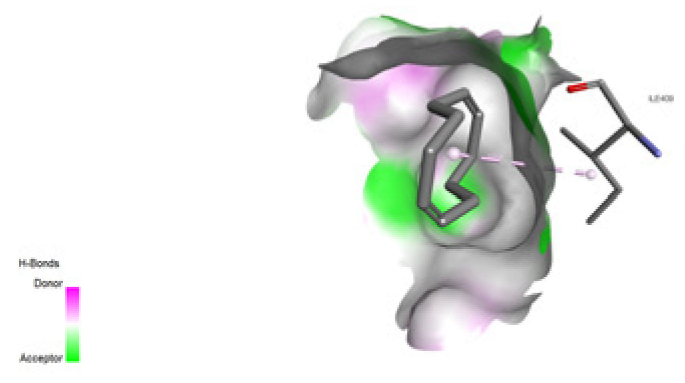
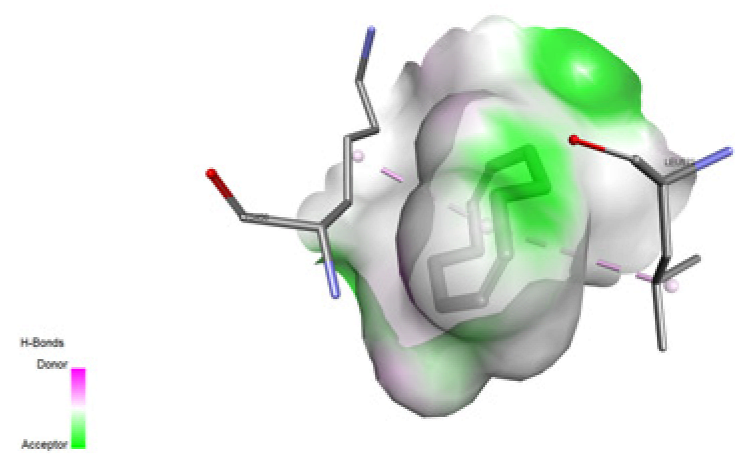
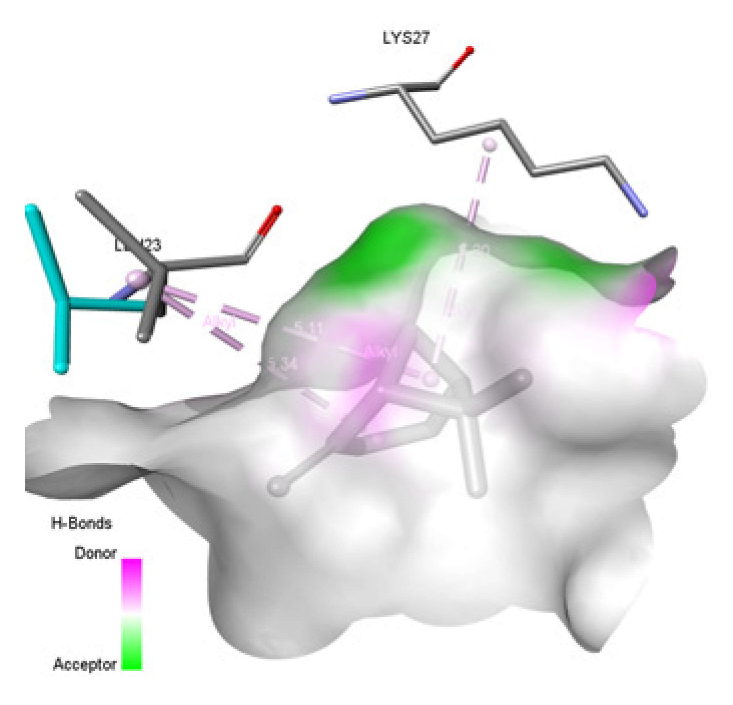
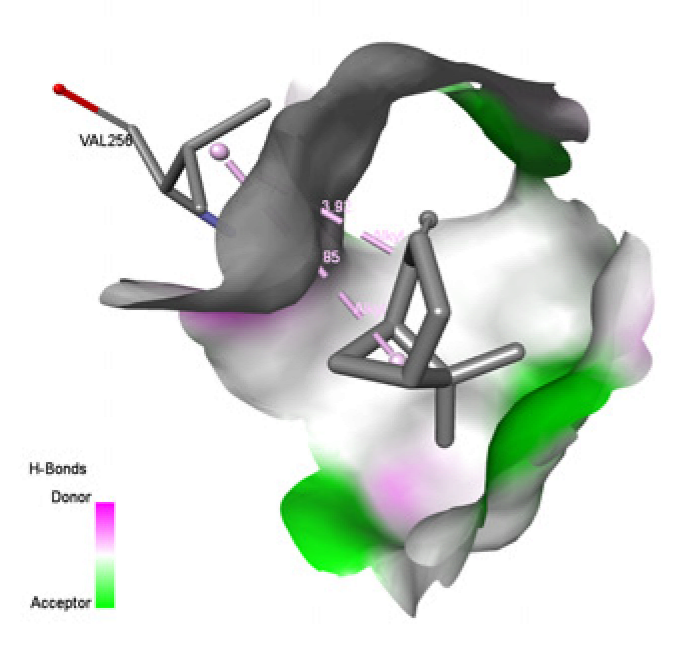
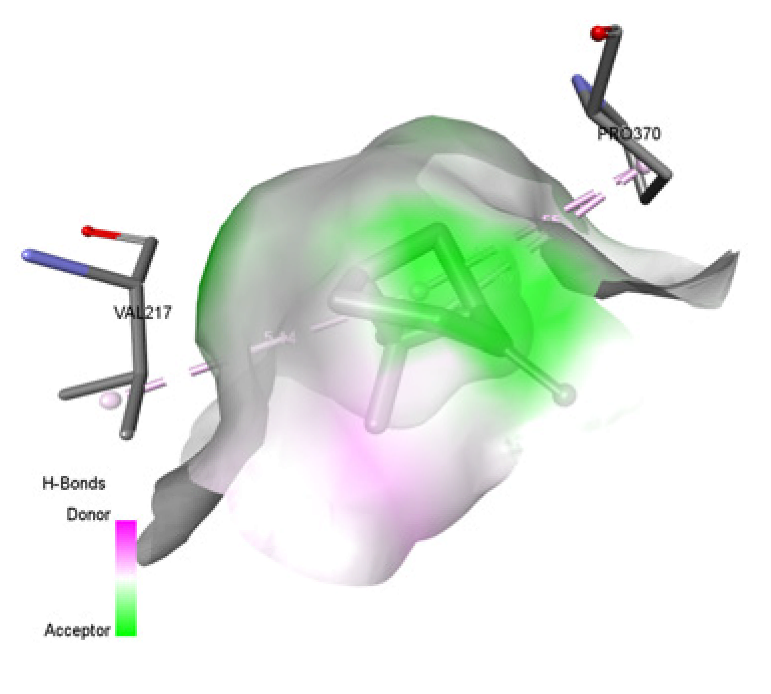
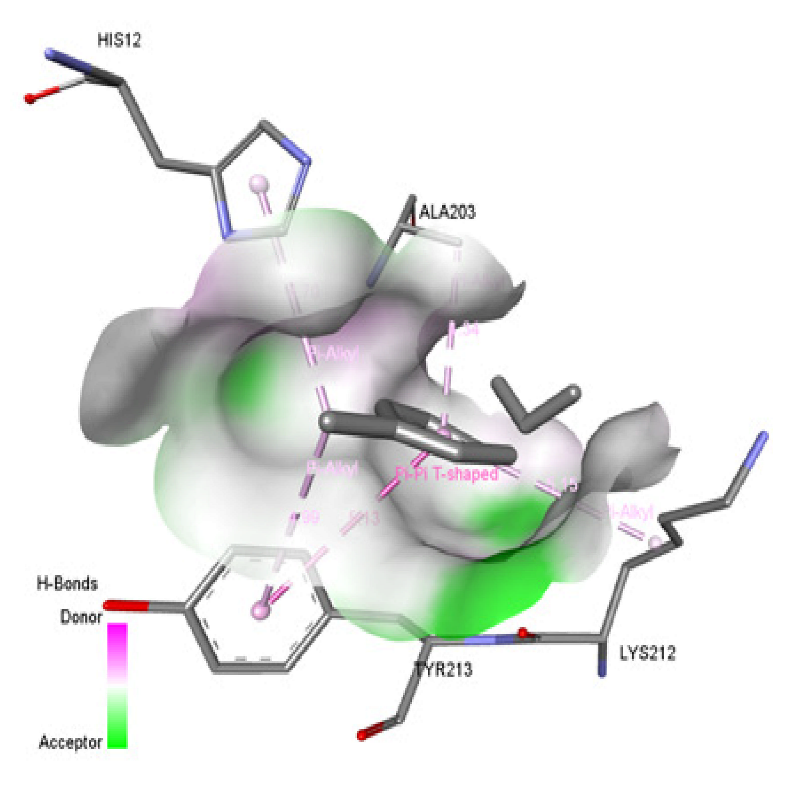
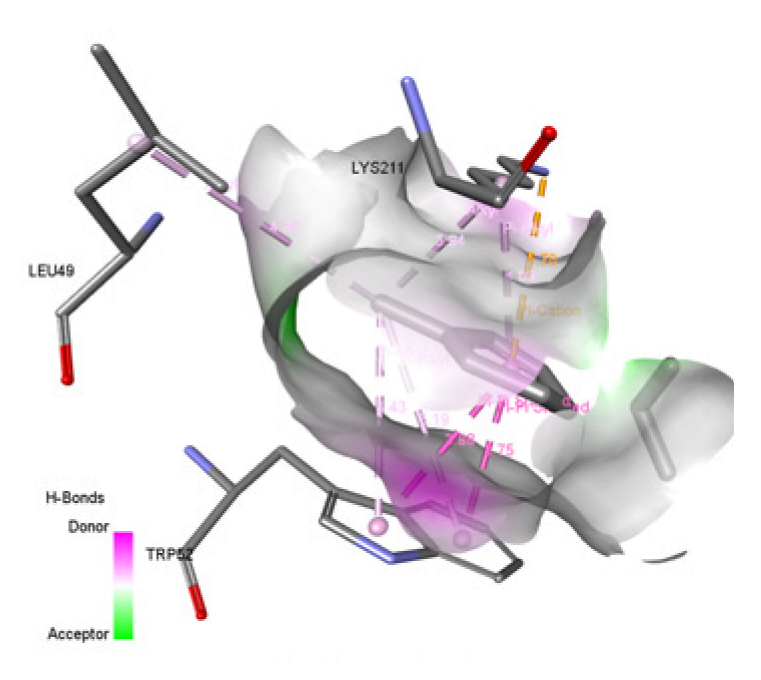
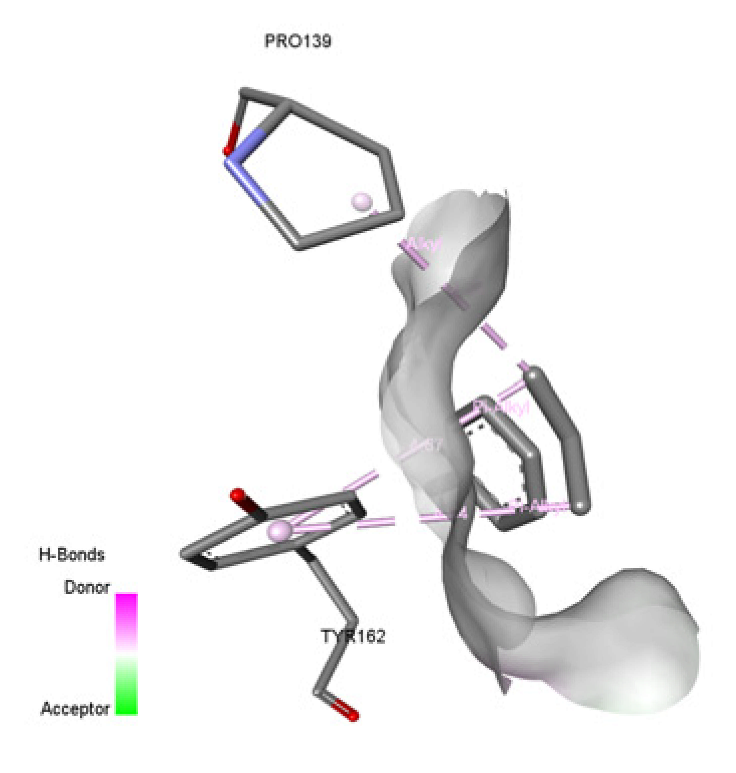
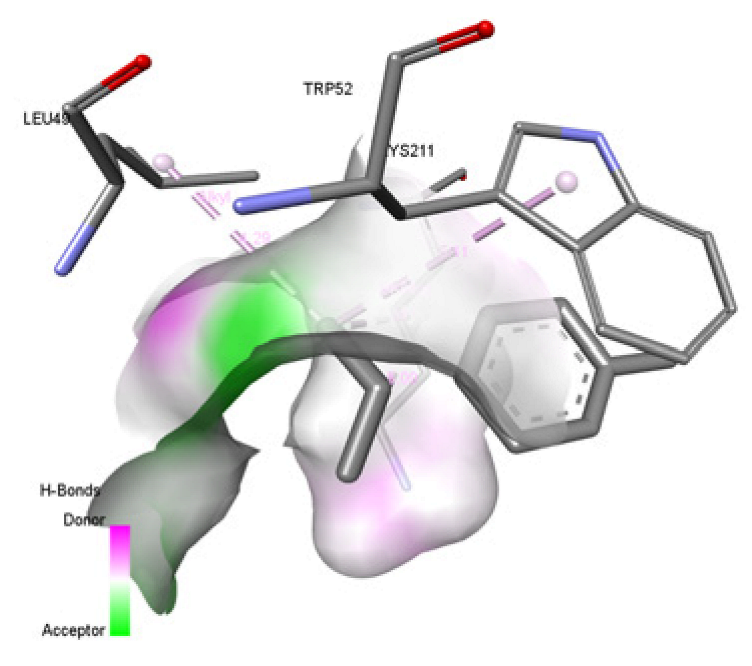
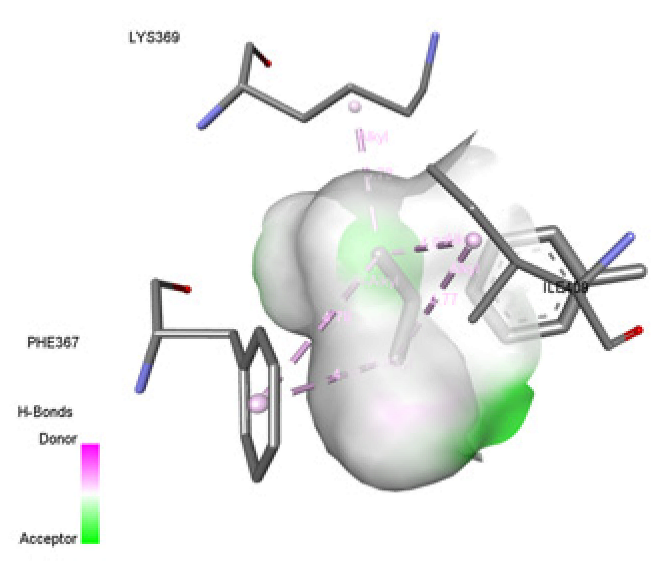
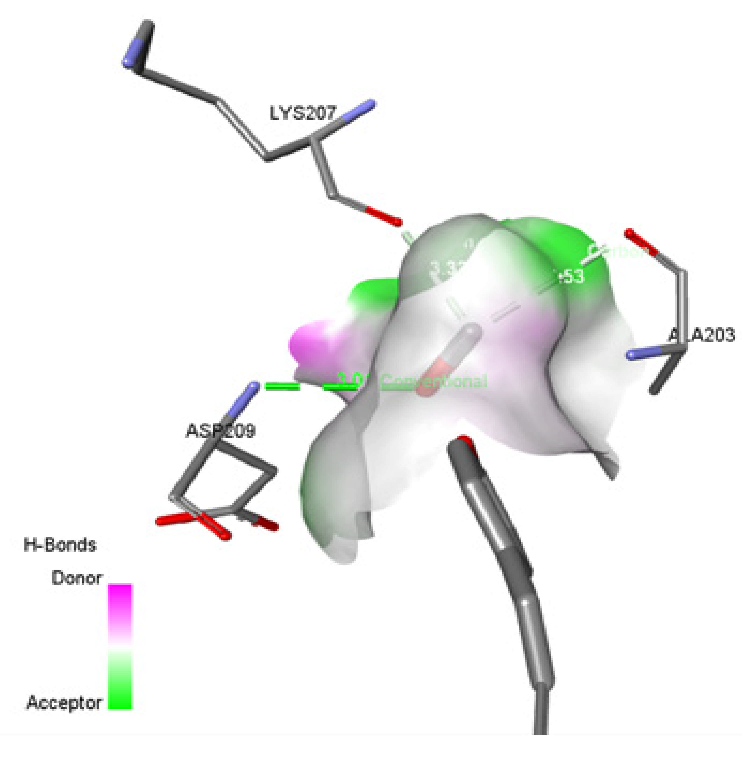
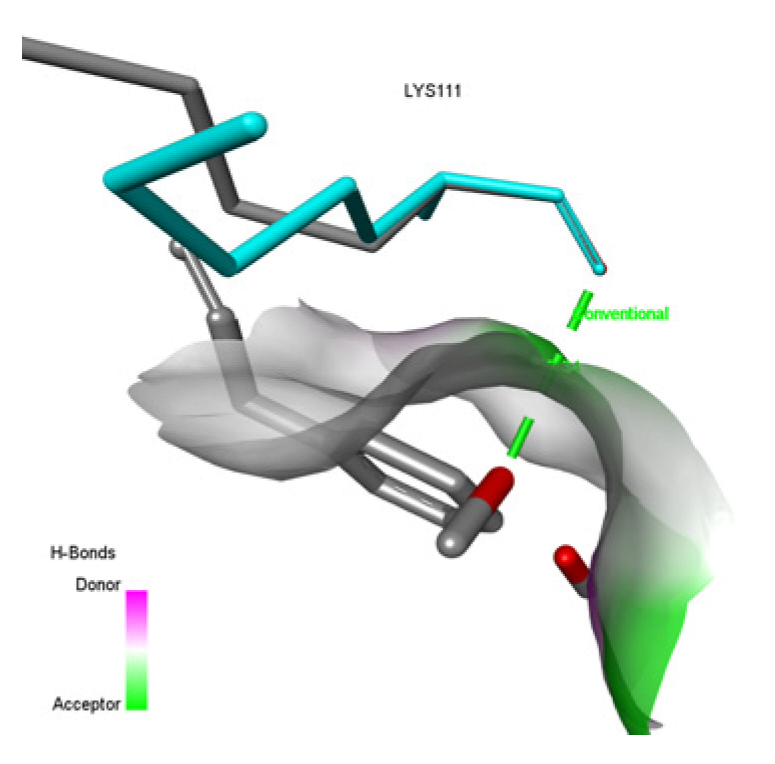
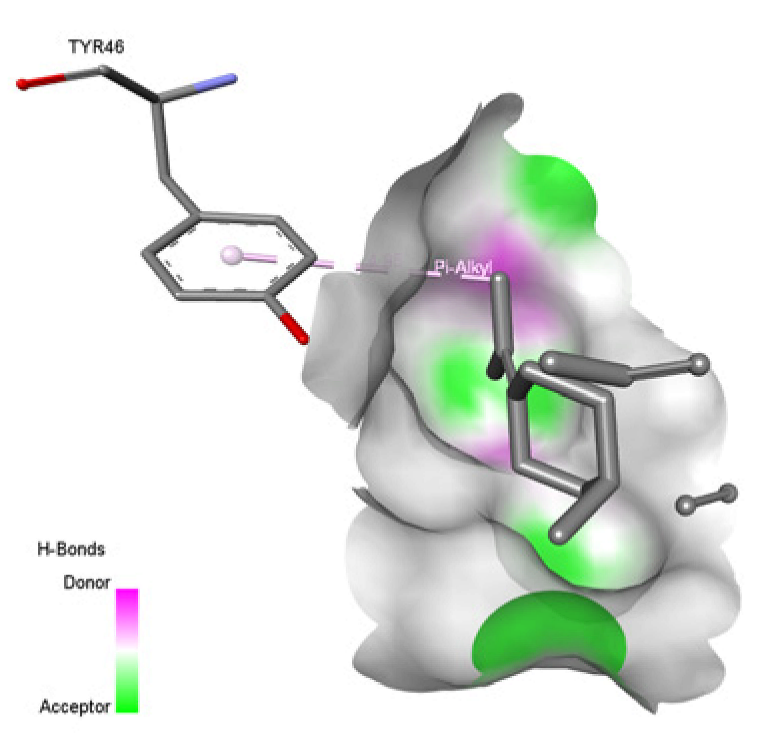
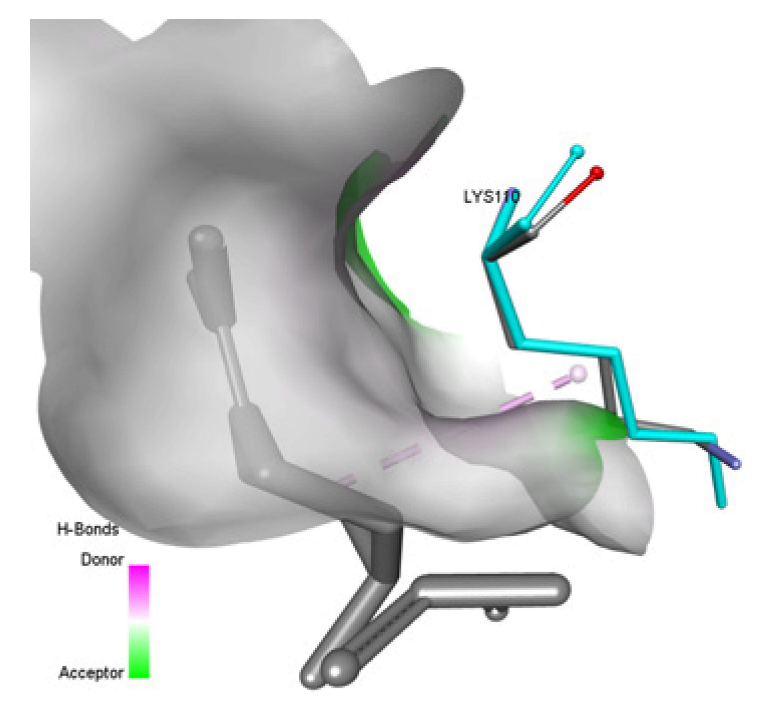
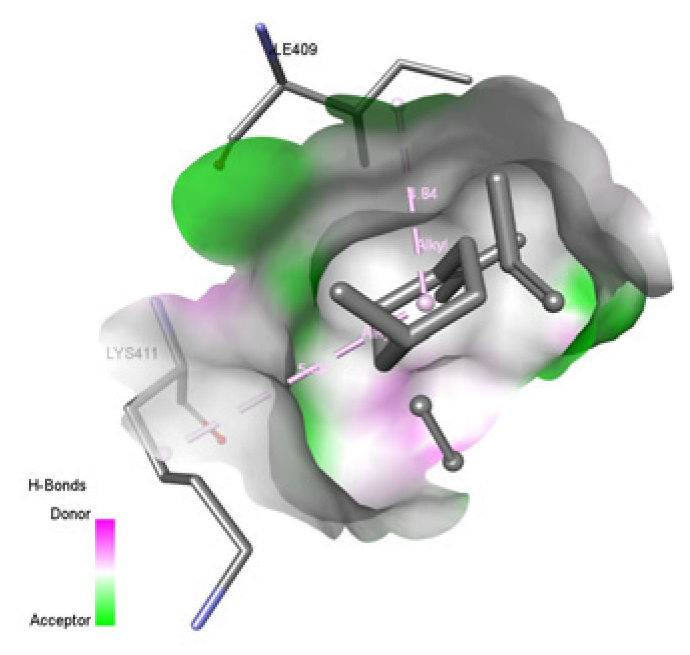
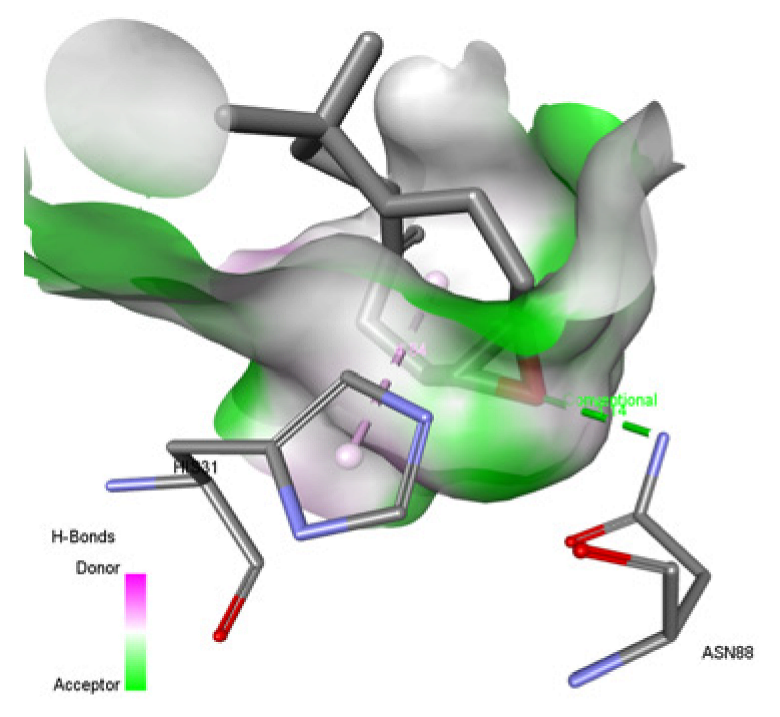
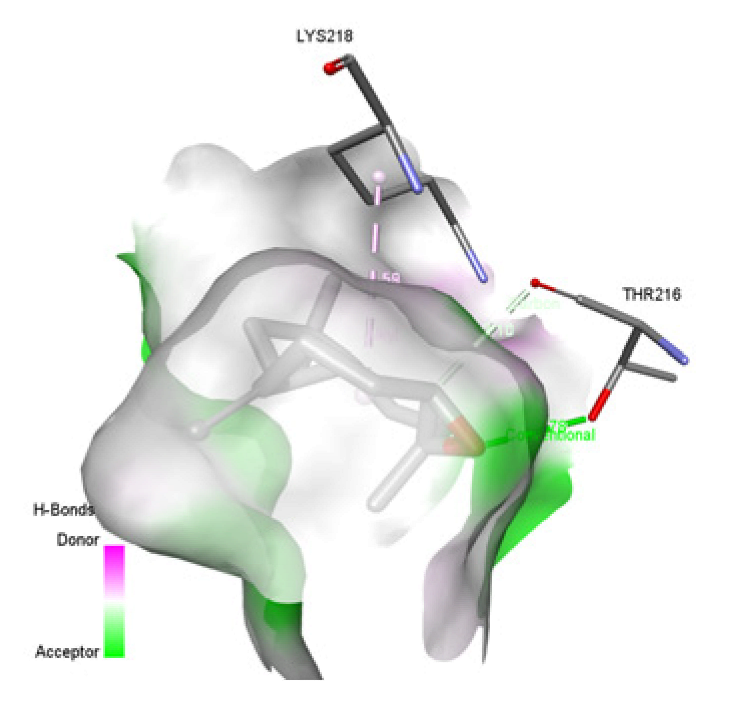
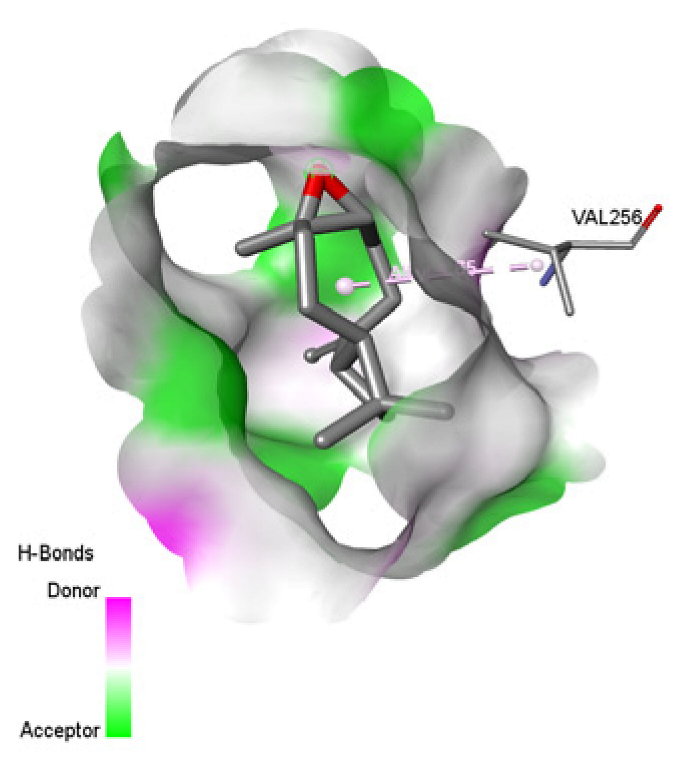
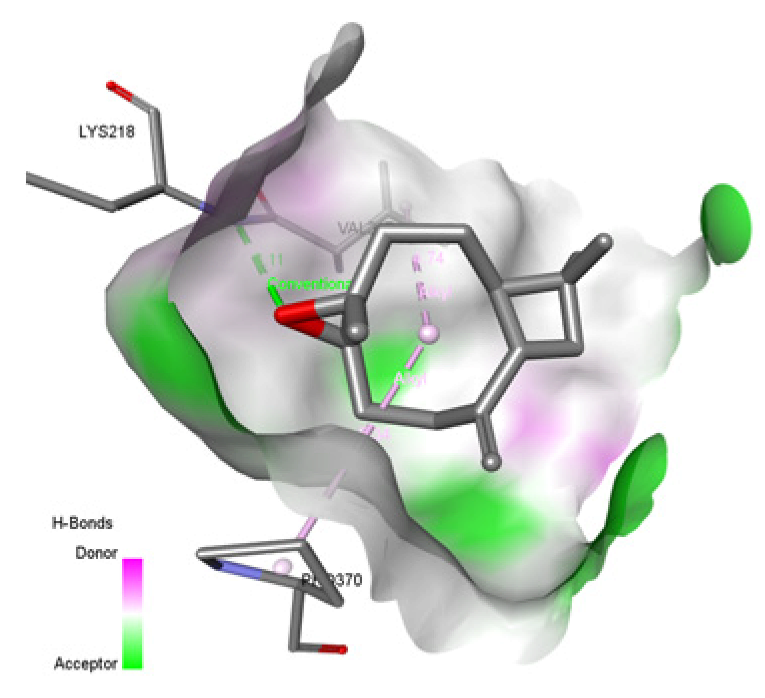
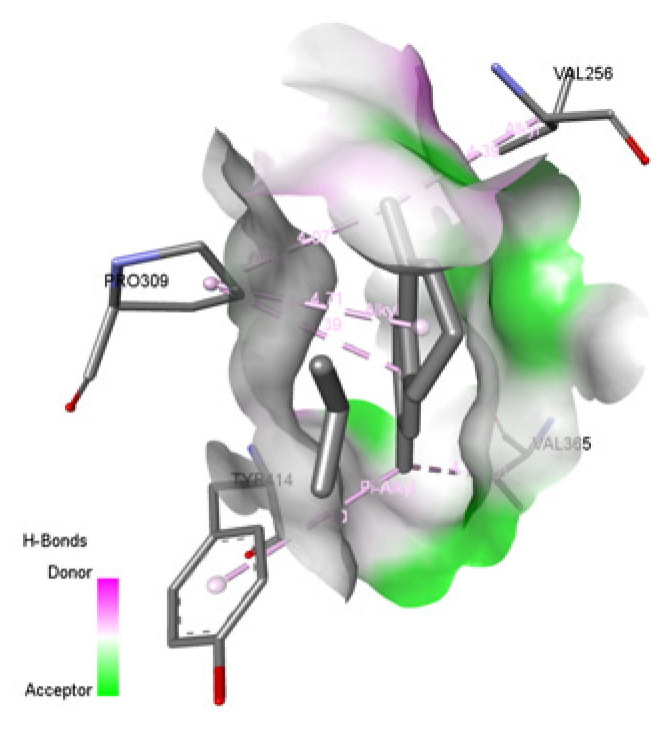
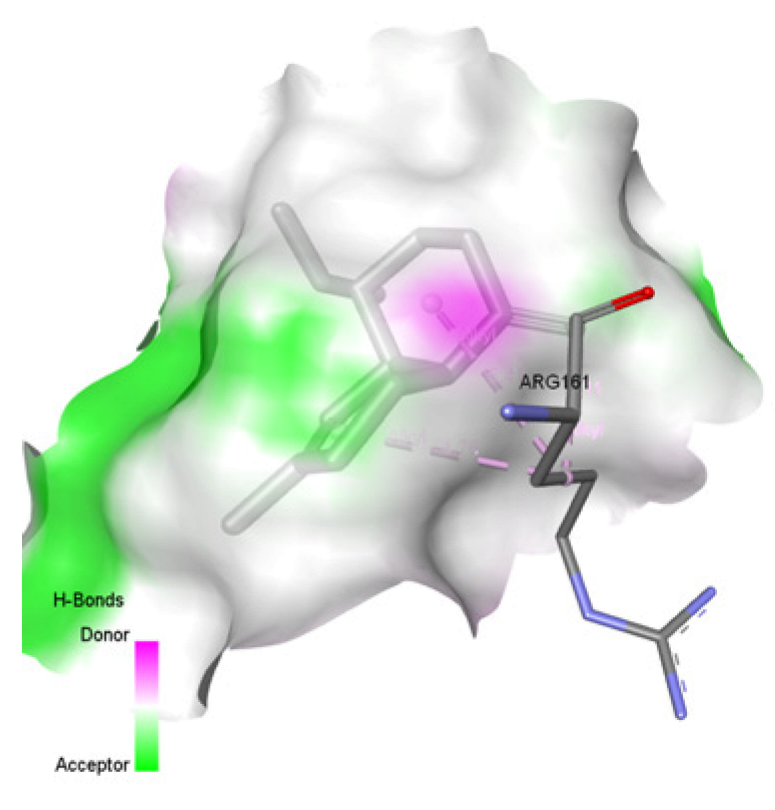
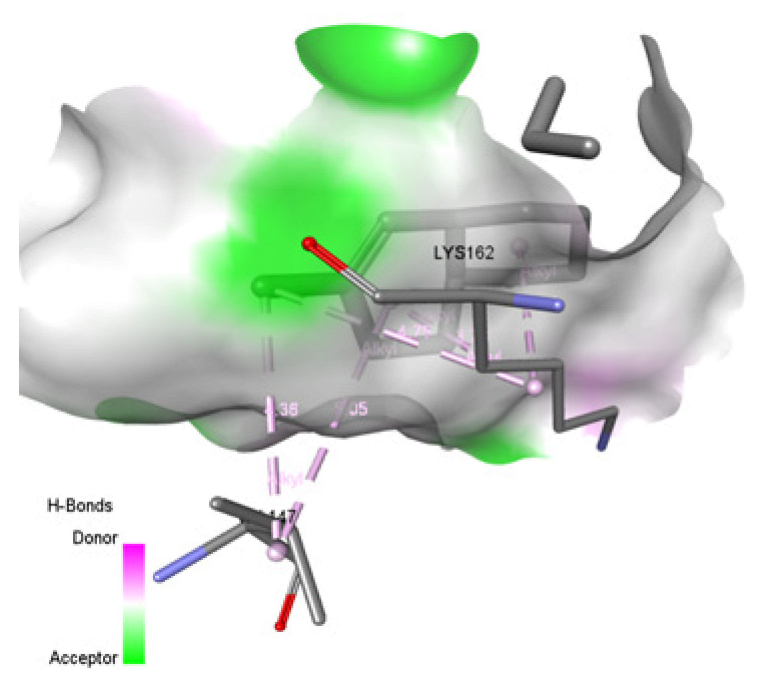
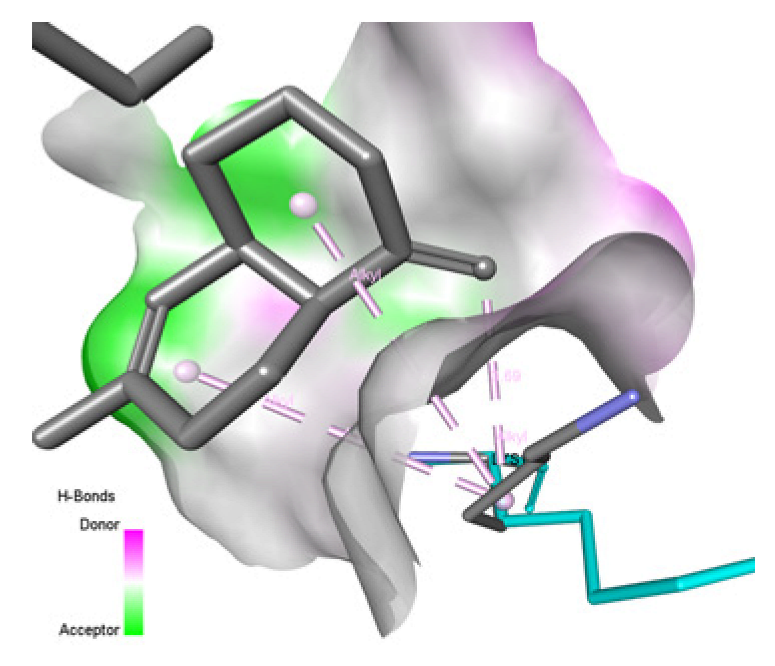
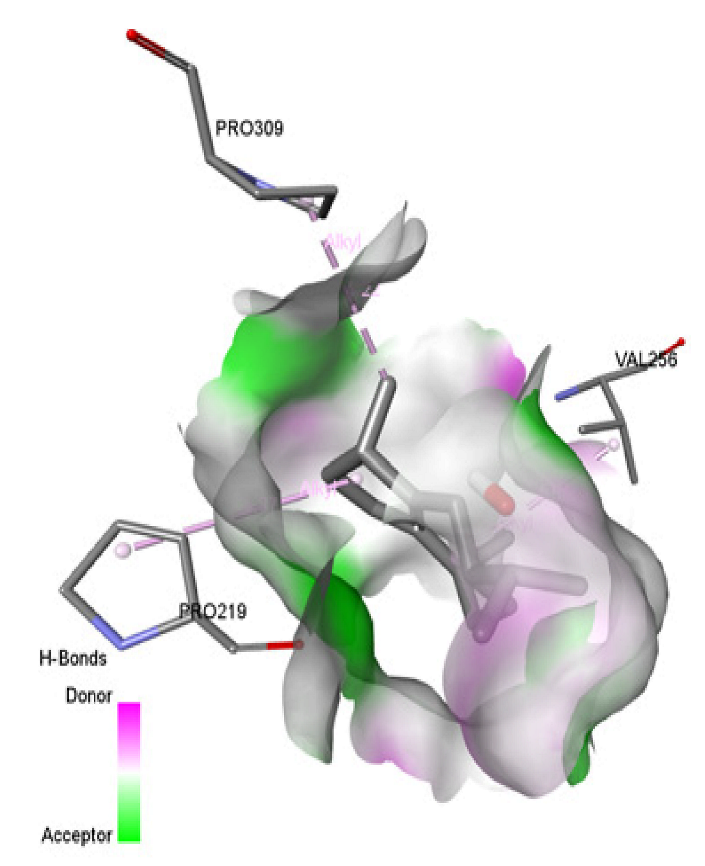
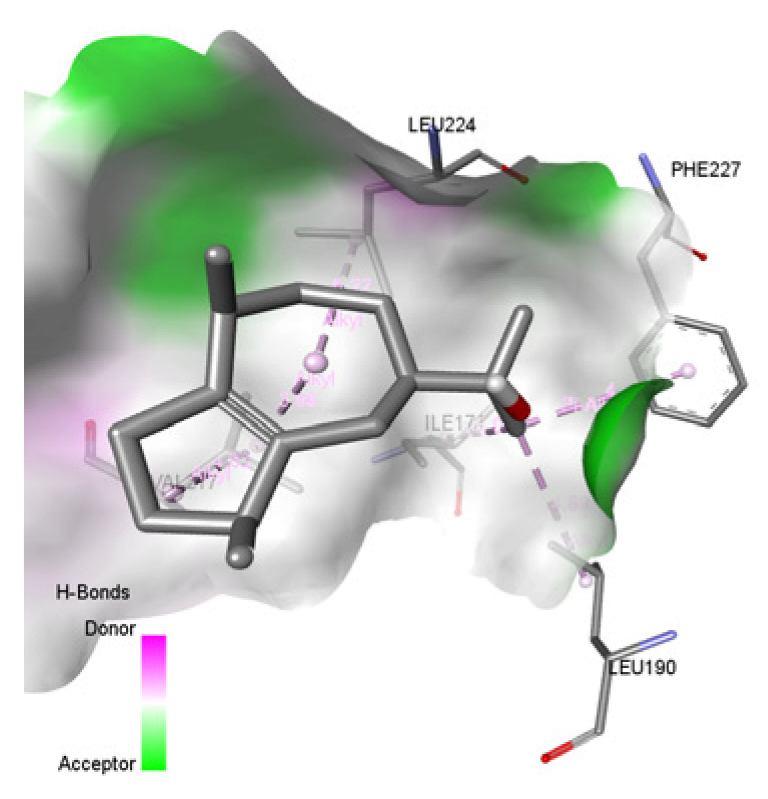
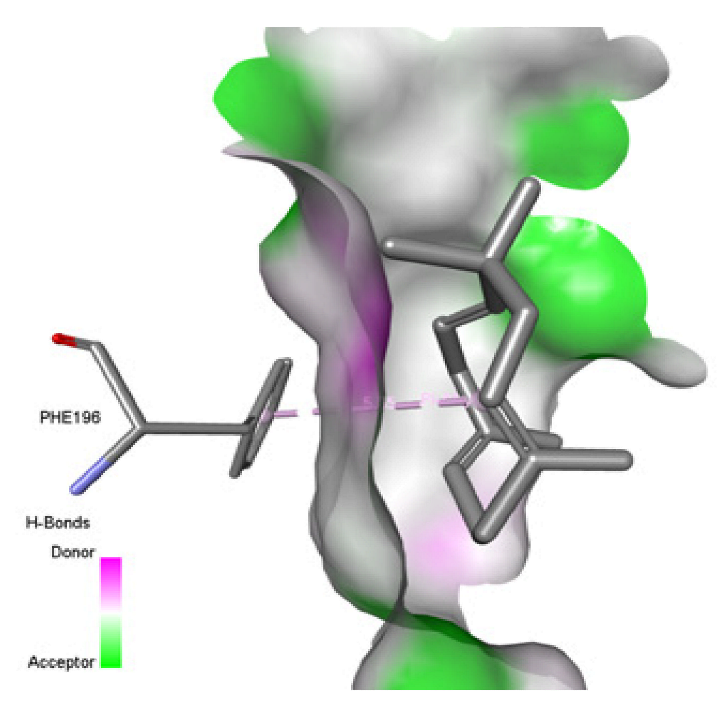
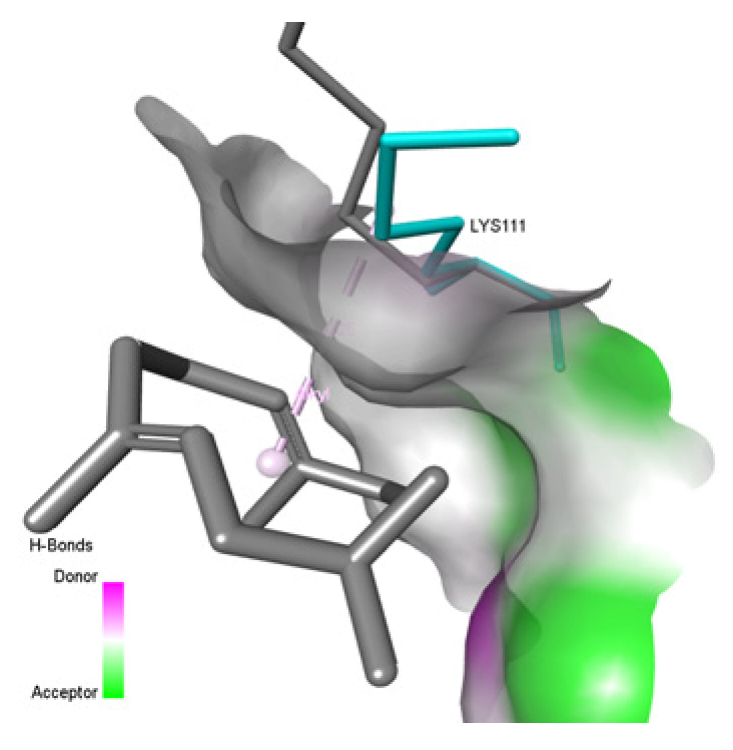
The docking study revealed that hydrophobic interactions dominated the binding of most plant-derived compounds with their respective protein targets, with docking scores ranging from approximately −7.0 to −8.0 kcal/mol. Such scores are generally considered indicative of favorable binding affinities in structure-based drug design studies [44]. Among the tested ligands, alloaromadendrene (−7.948 kcal/mol) and α-calacorene (−7.893 kcal/mol) showed the strongest binding to toxic shock syndrome toxin-1 (TSST-1) through multiple alkyl and π-alkyl interactions, particularly with residues such as LYS111 and TRP52. These residues have previously been implicated in the structural stability and functional activity of TSST-1 [45], suggesting that hydrophobic blockade at these positions could interfere with toxin-receptor recognition and subsequent pathogenic effects.
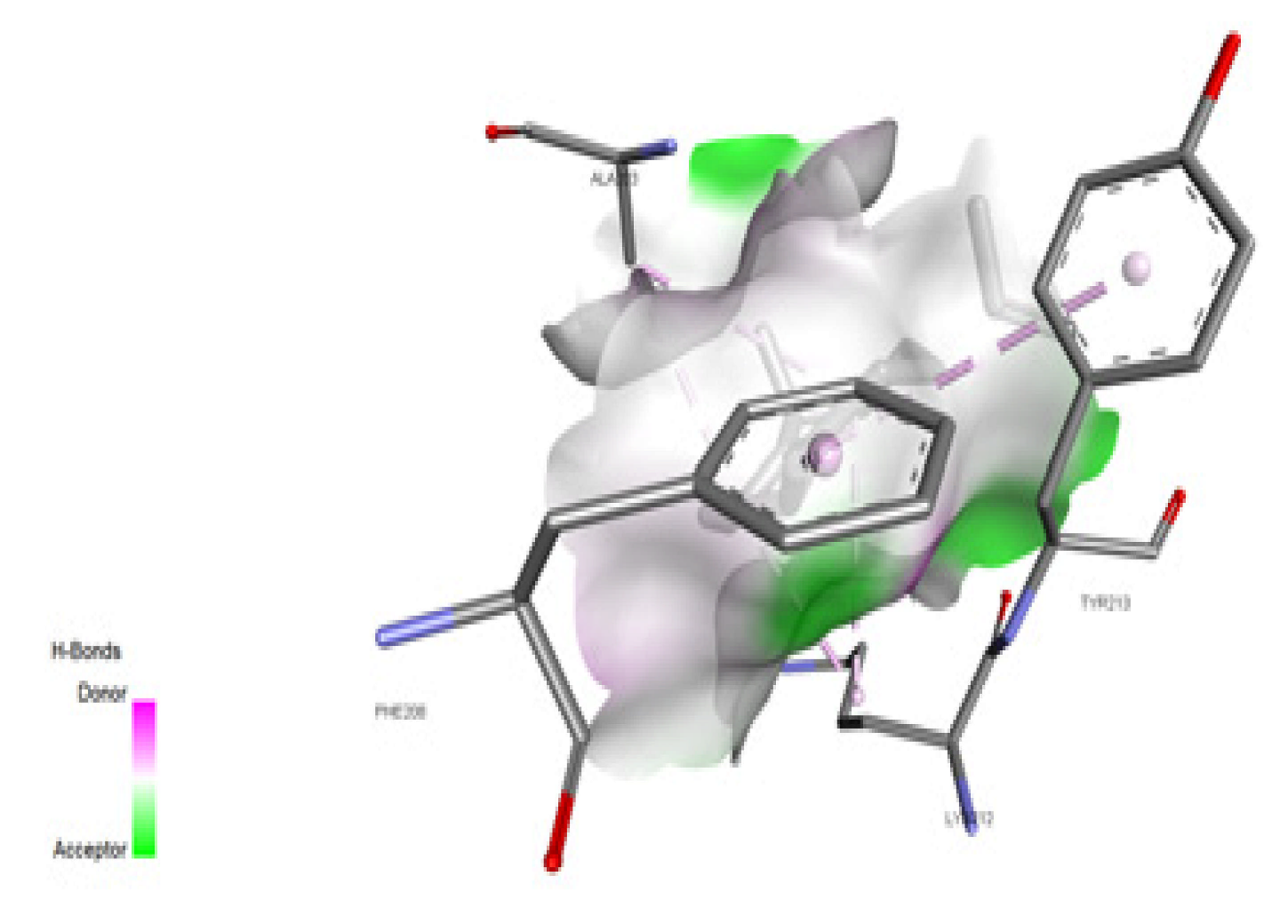
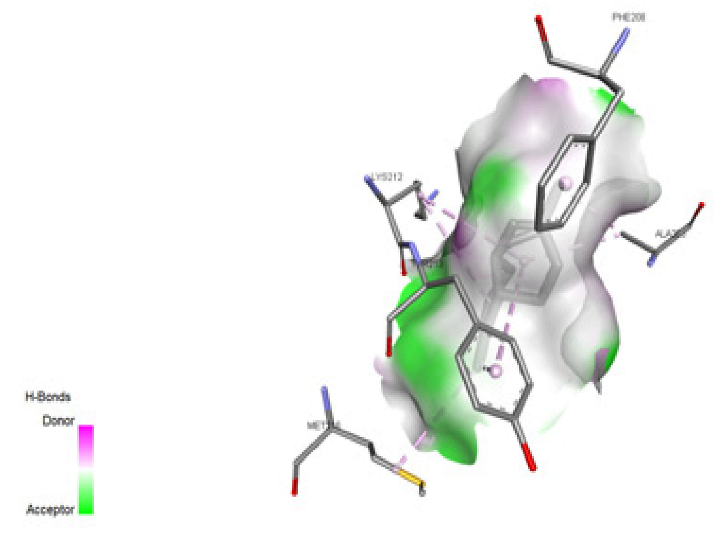
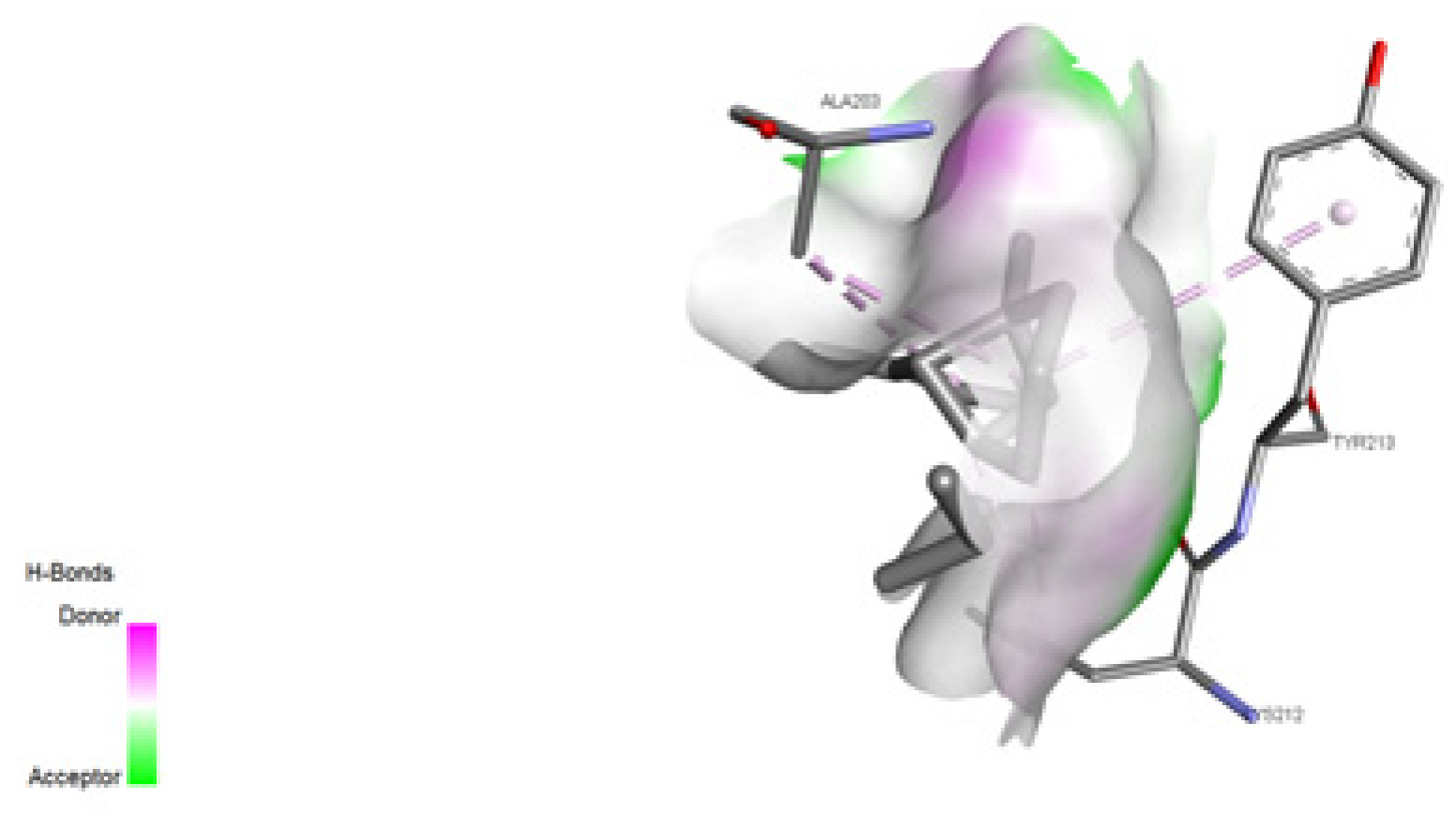
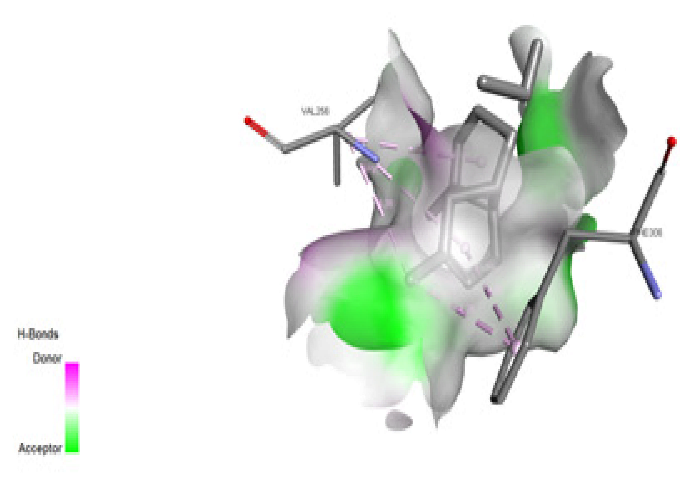
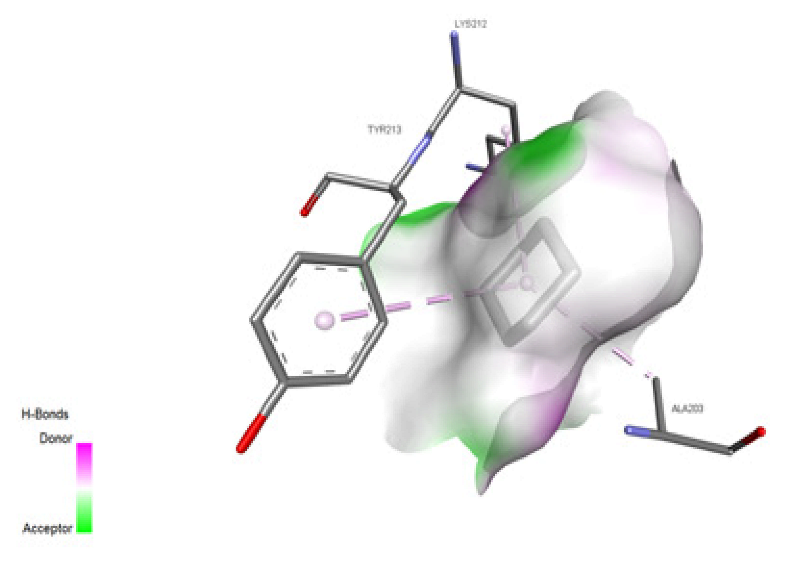
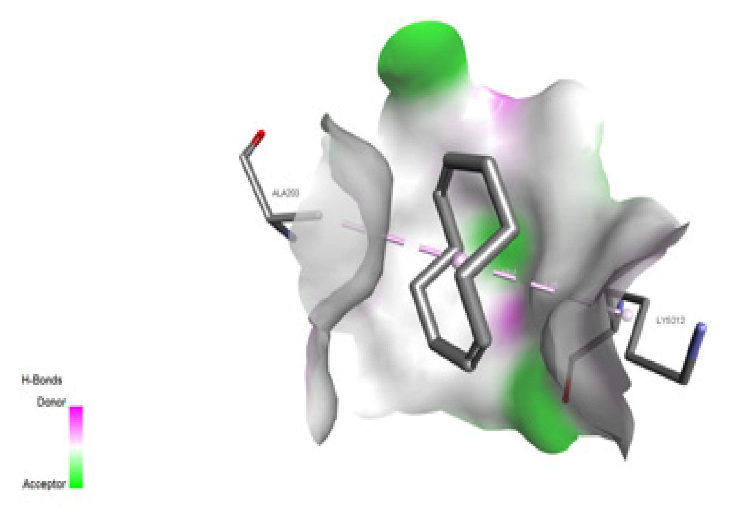
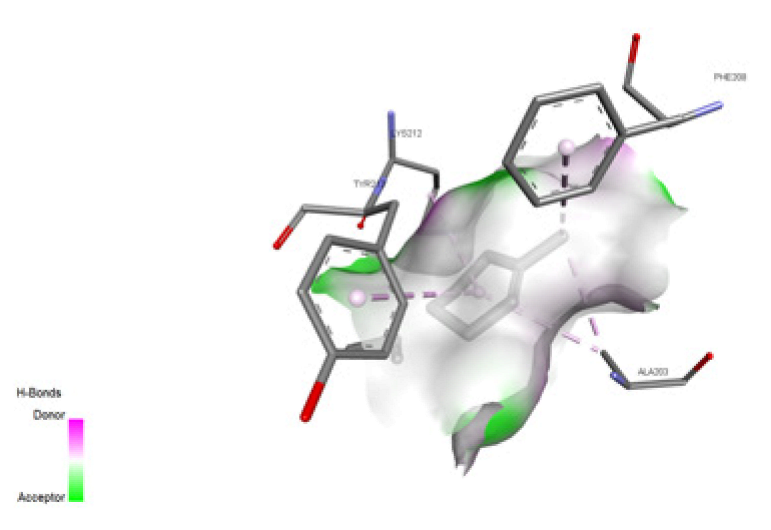
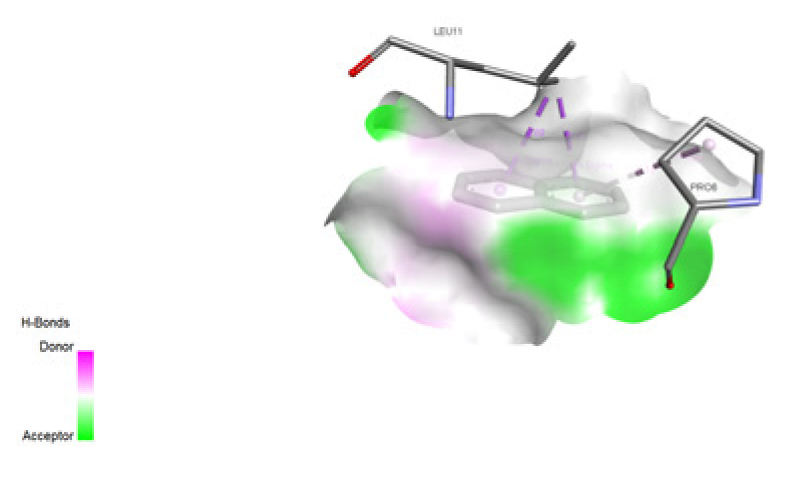
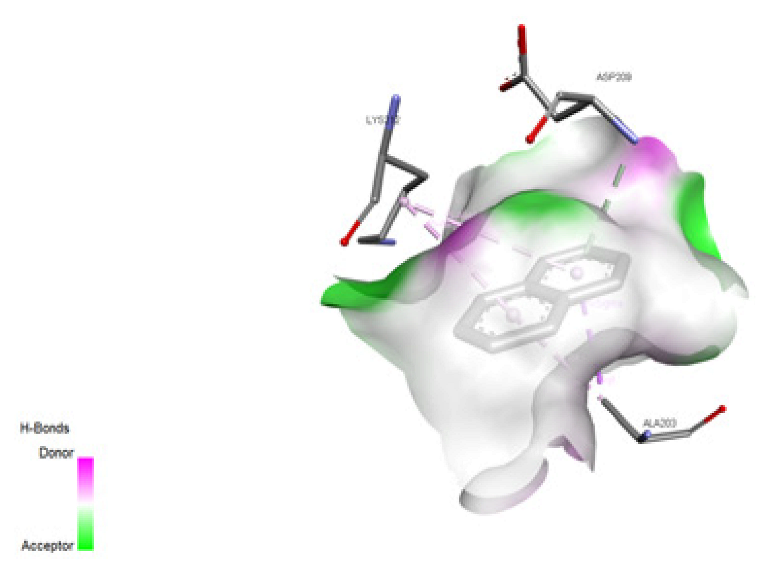
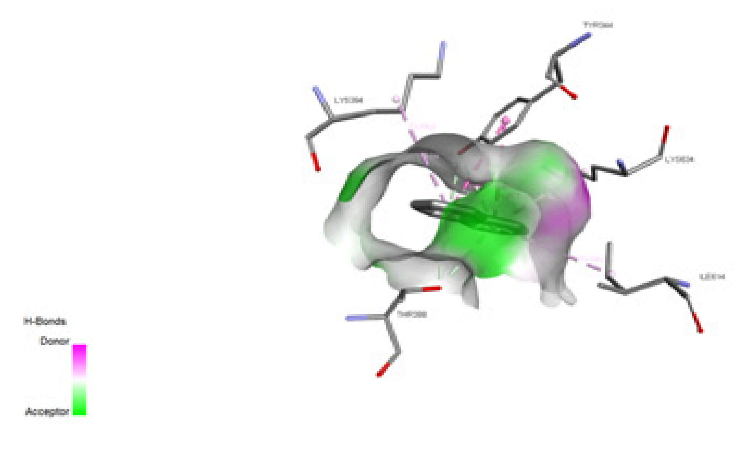
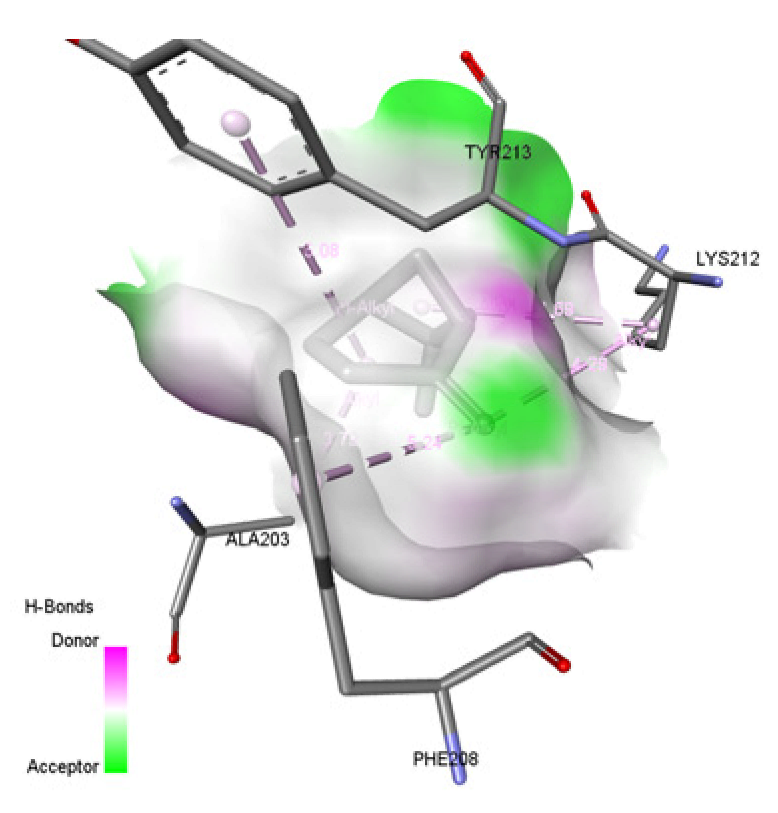
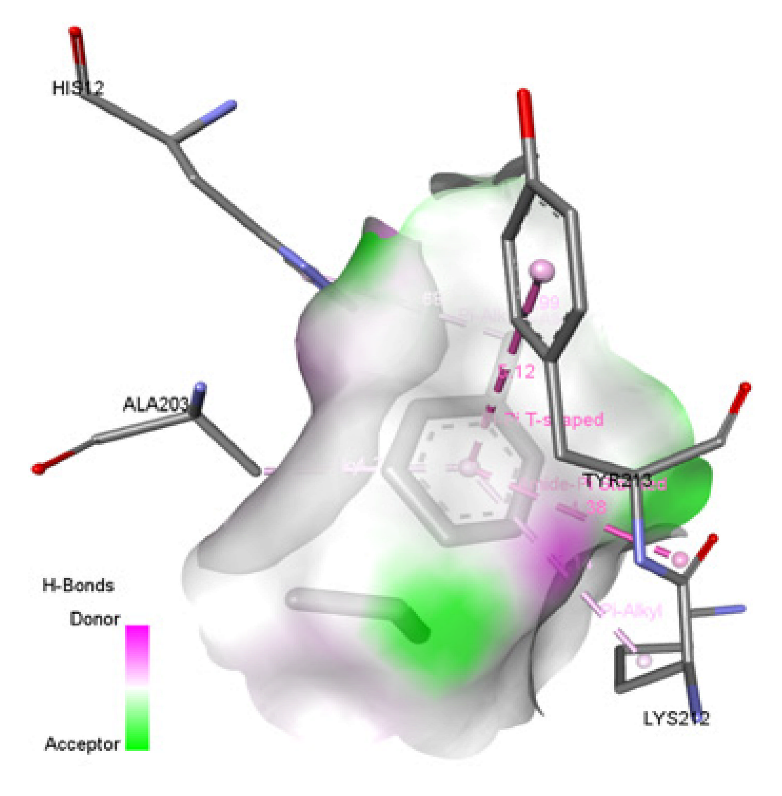
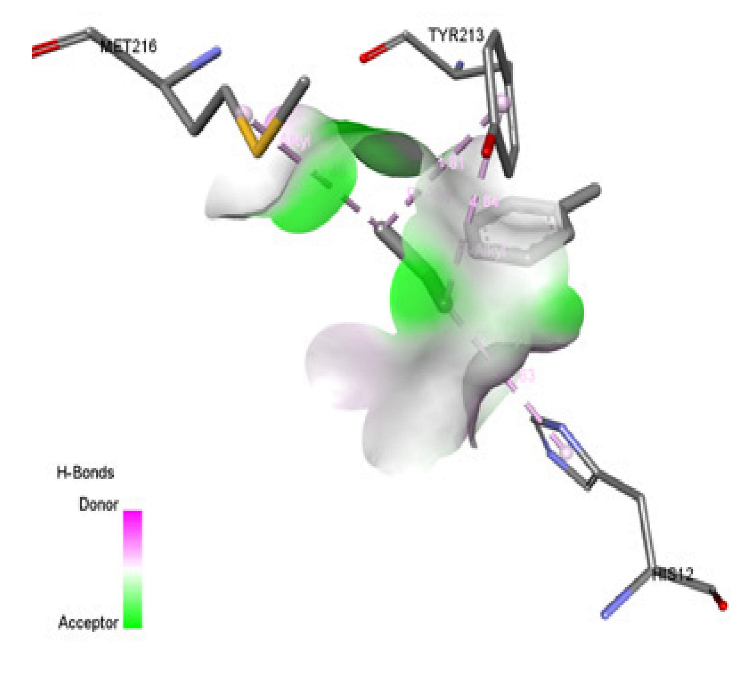
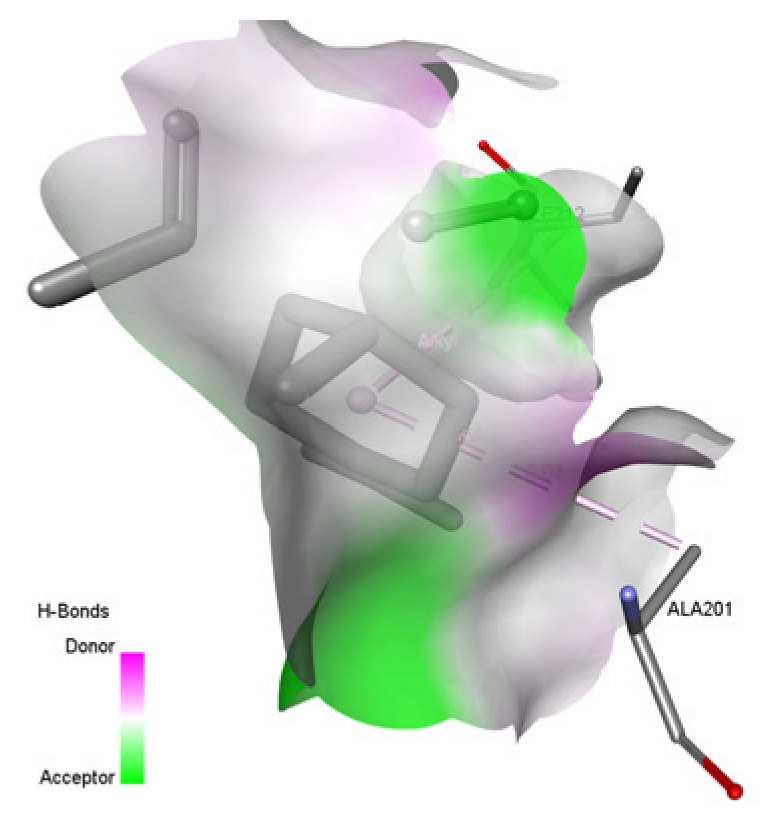
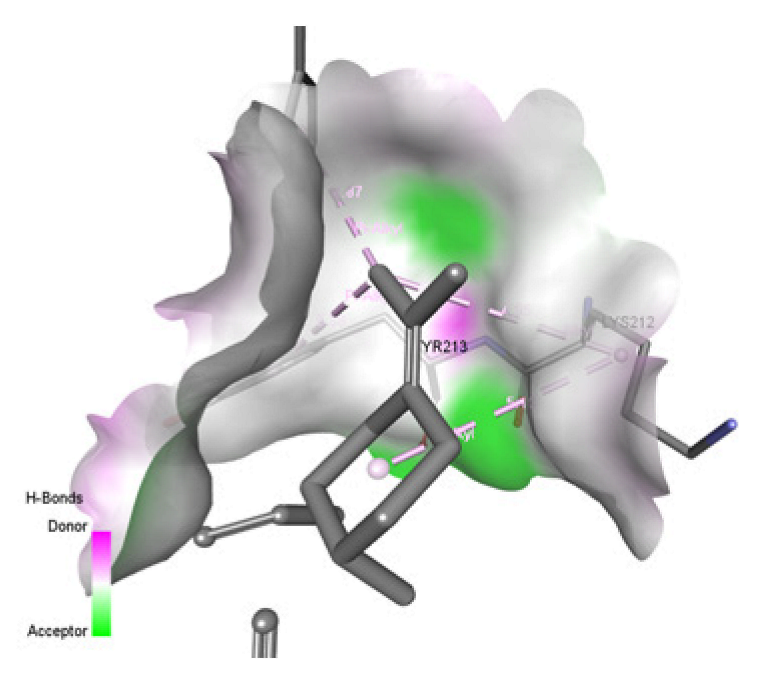
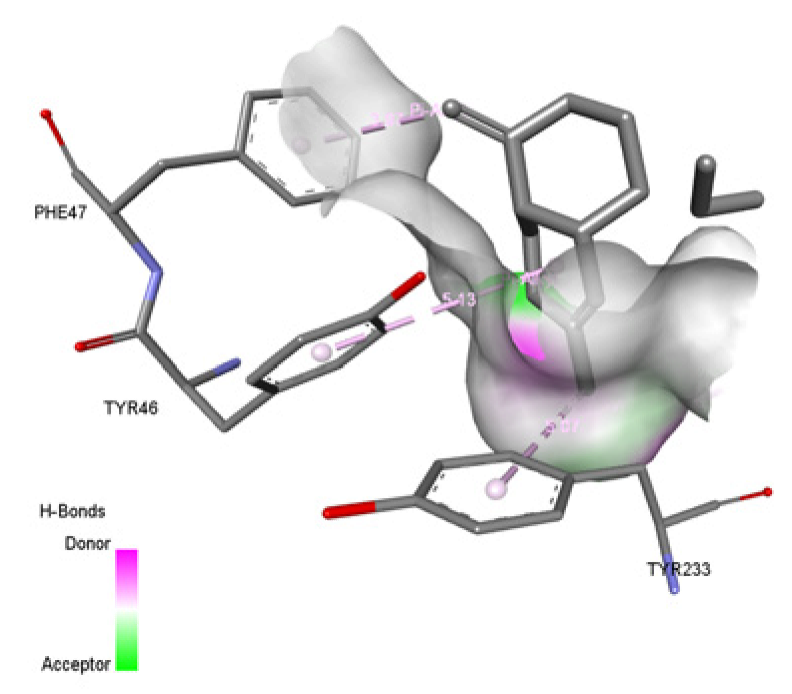
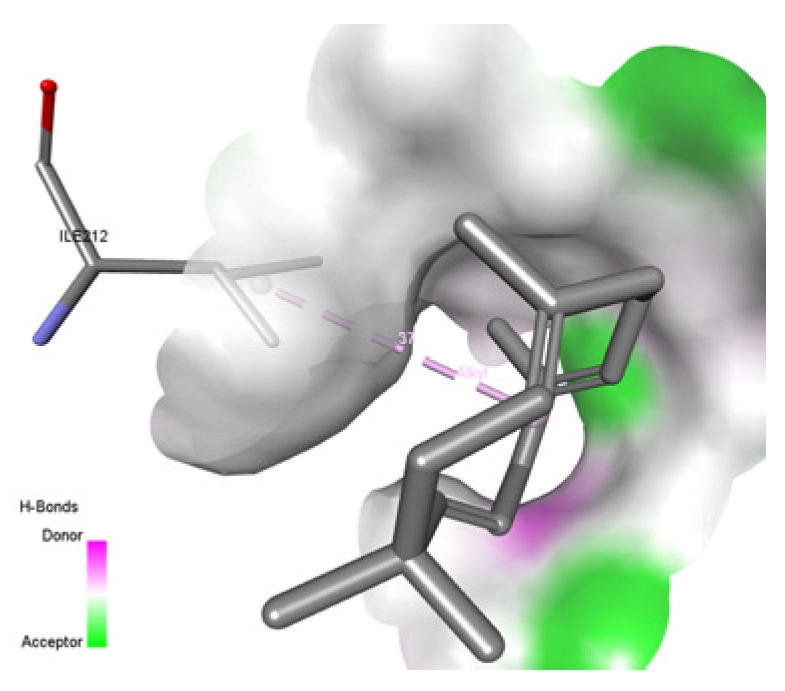
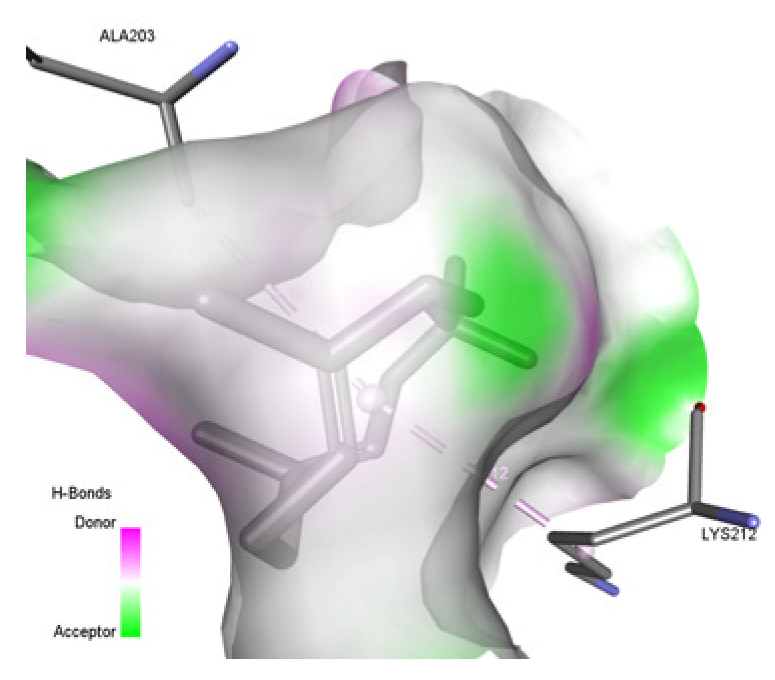
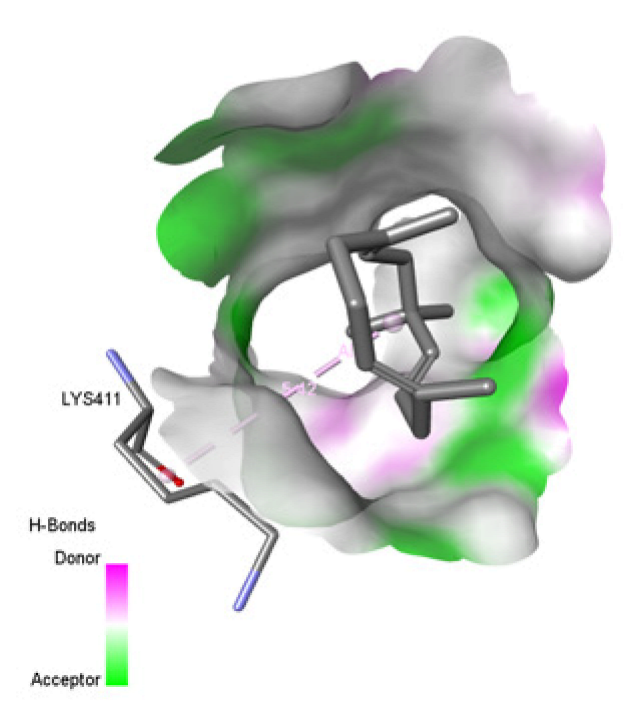
Similarly, alpha-murolene (−7.819 kcal/mol) exhibited the strongest binding to staphylococcal enterotoxin C (SEC), forming numerous hydrophobic contacts with key residues including MET216, LYS212, and TYR213. Hydrophobic interactions are critical in stabilizing staphylococcal enterotoxins, which are known for their robust tertiary structures [46]. The capacity of terpenoids like alpha-murolene to establish such interactions aligns with prior reports on the antimicrobial efficacy of hydrophobic phytochemicals, which often disrupt protein stability or membrane integrity [47].
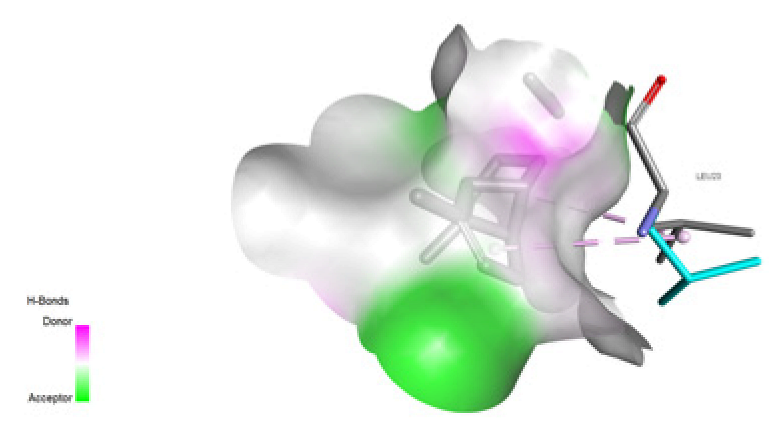
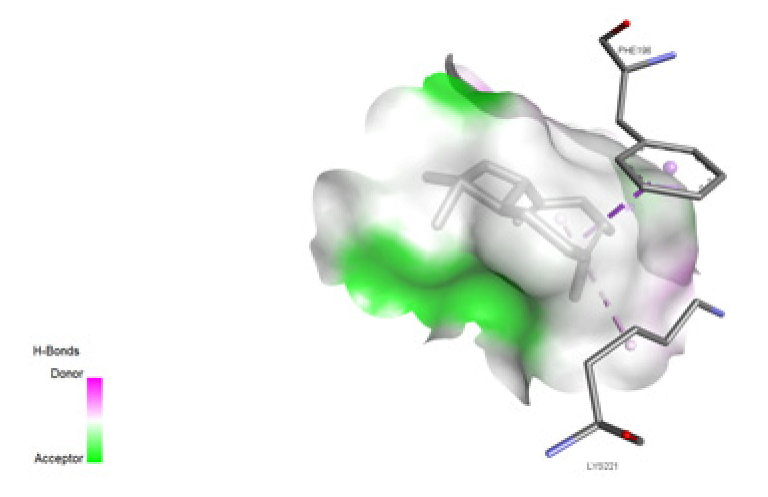
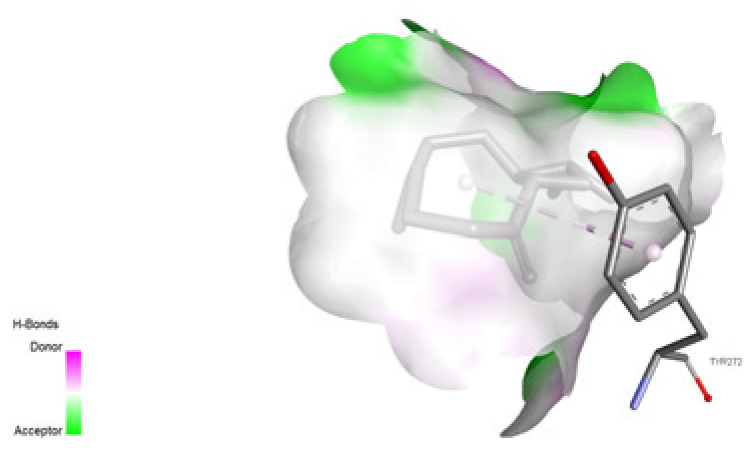
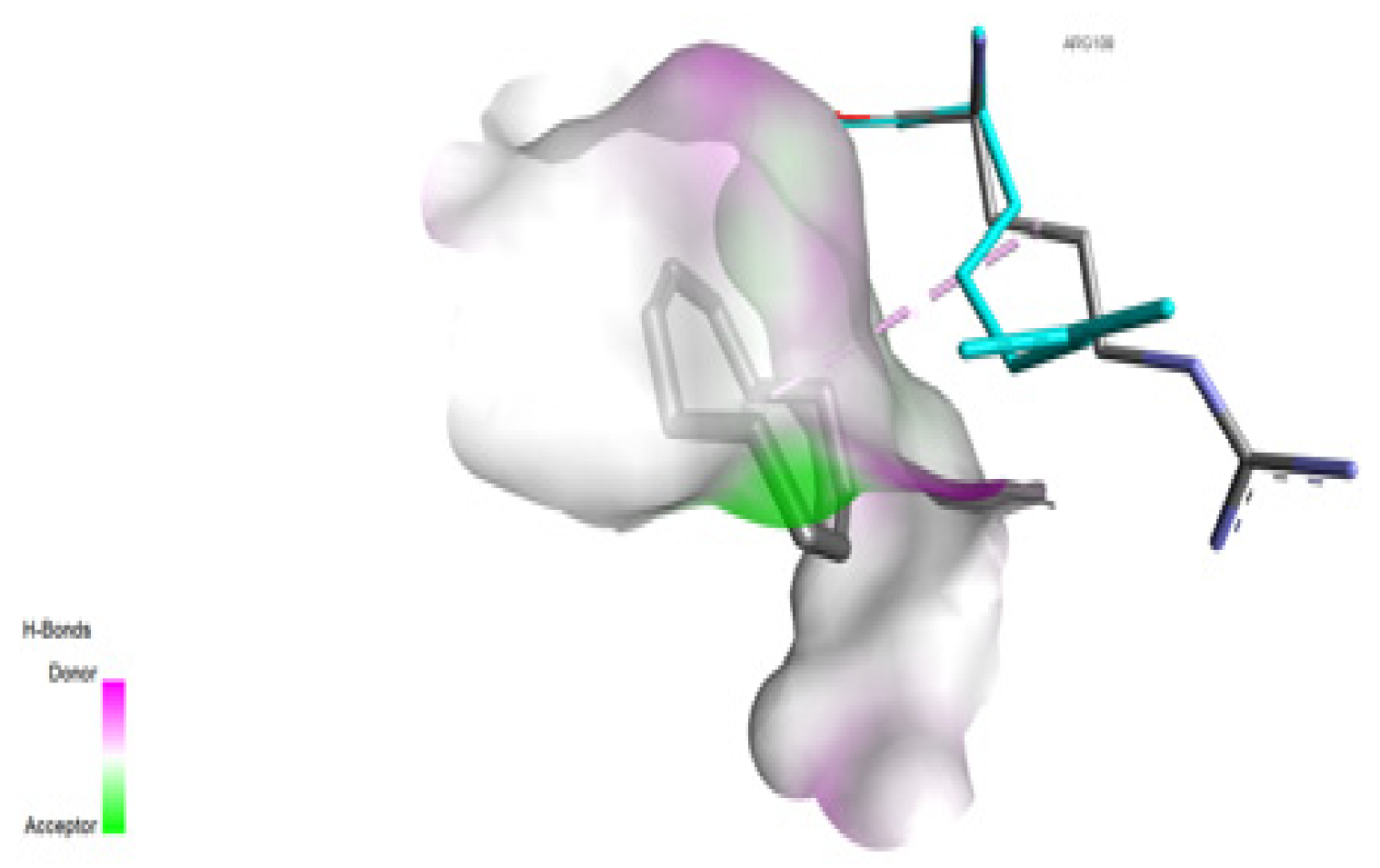
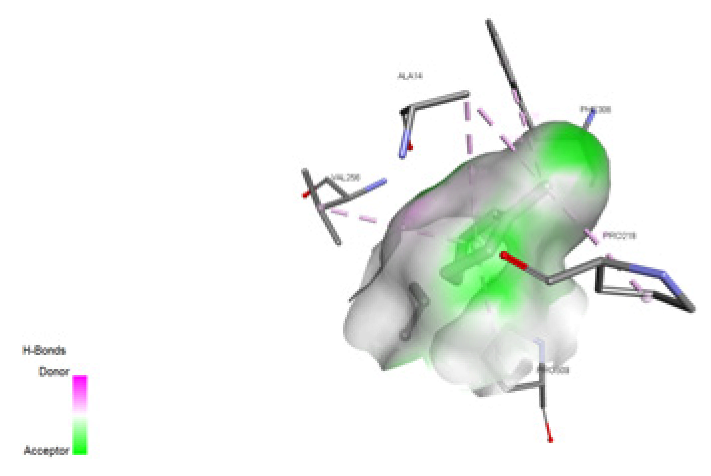
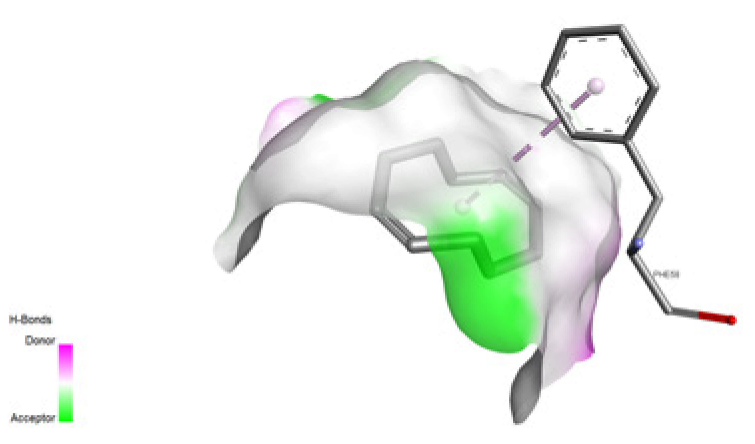
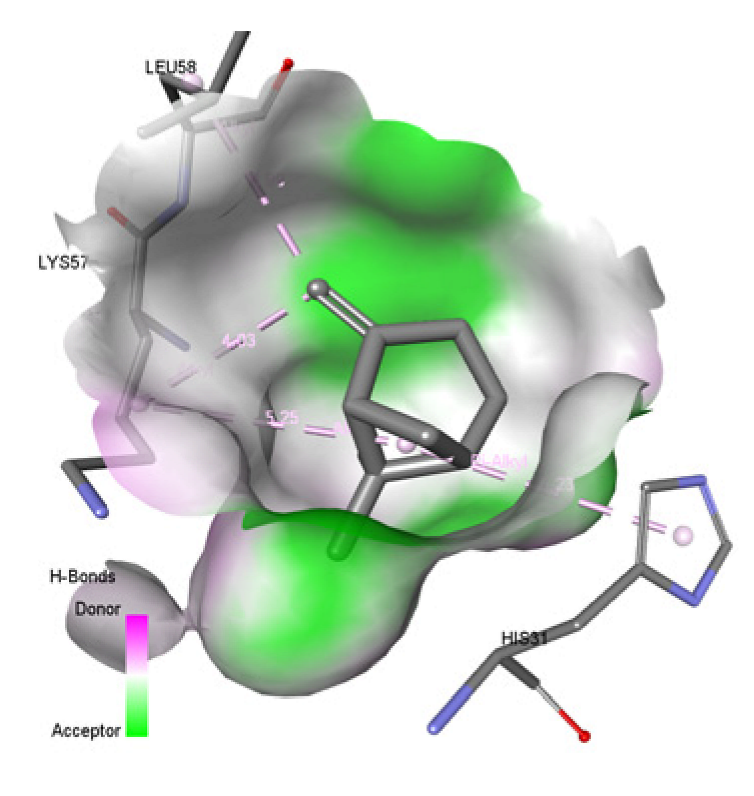
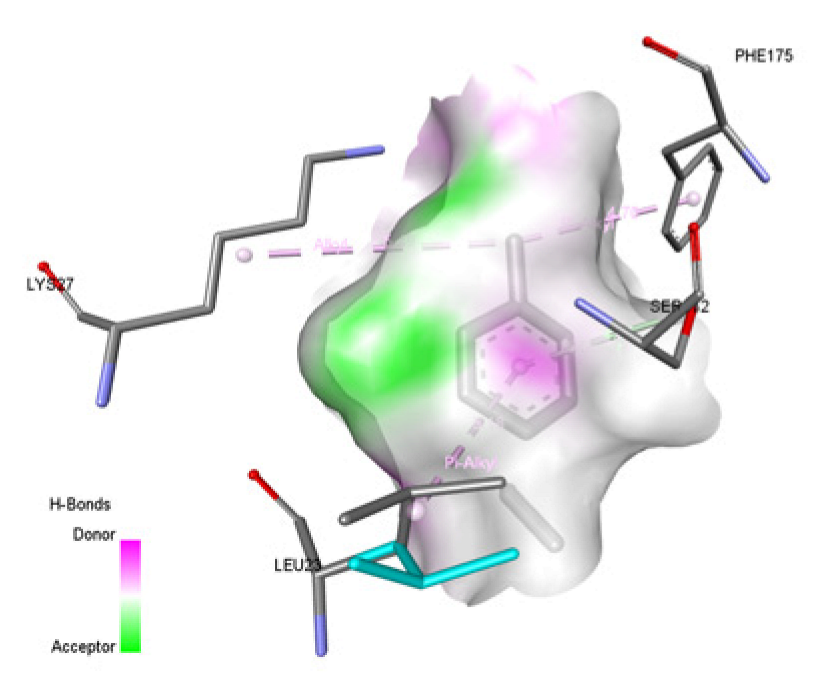
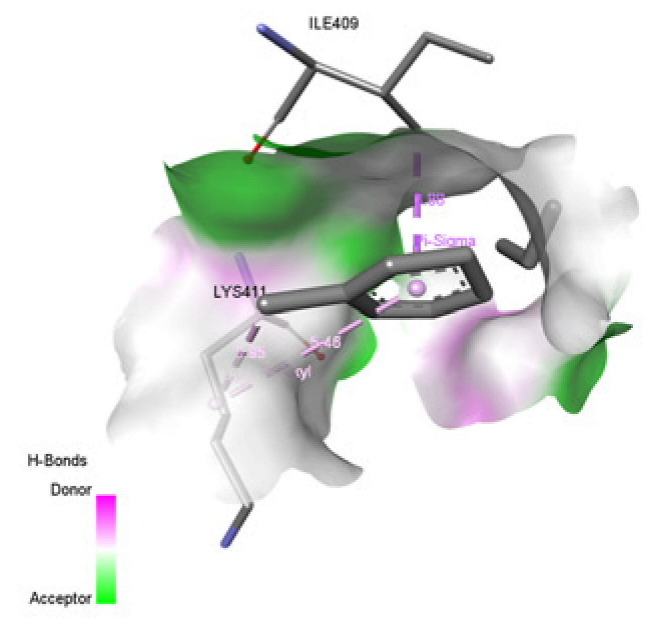
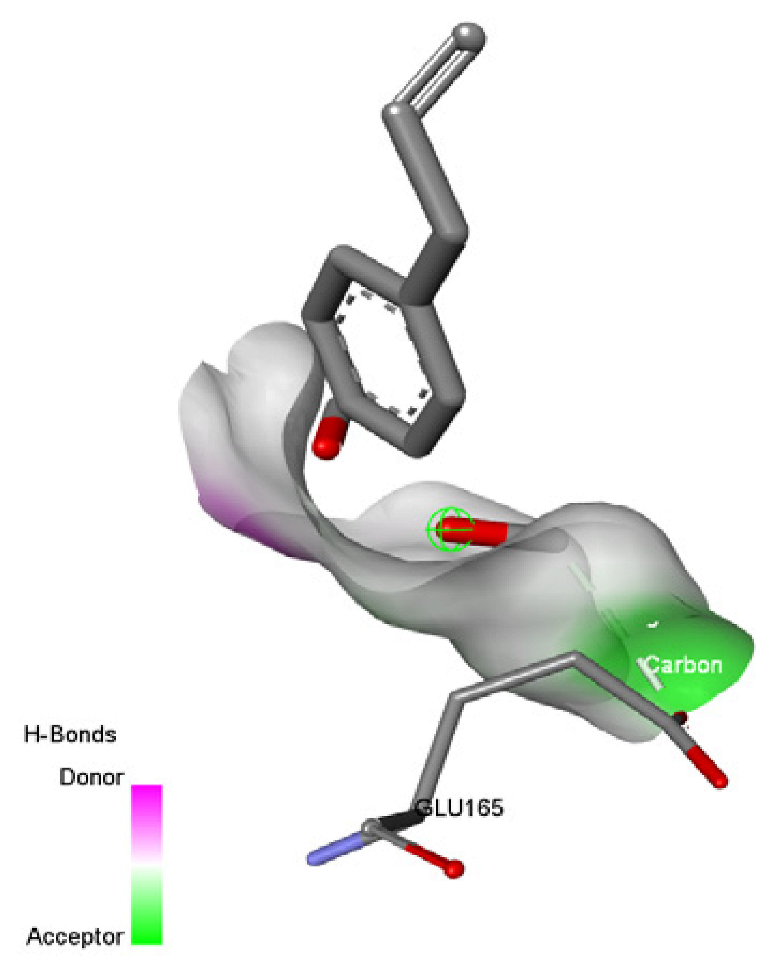
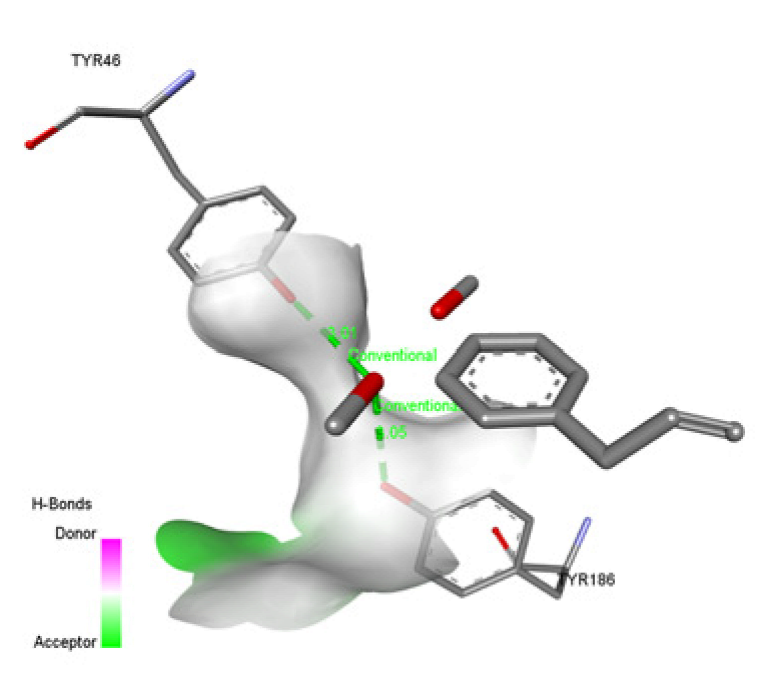
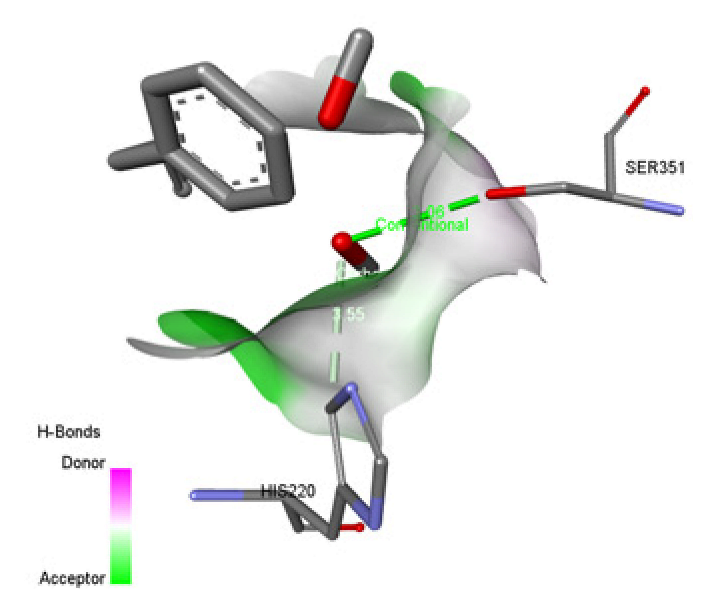
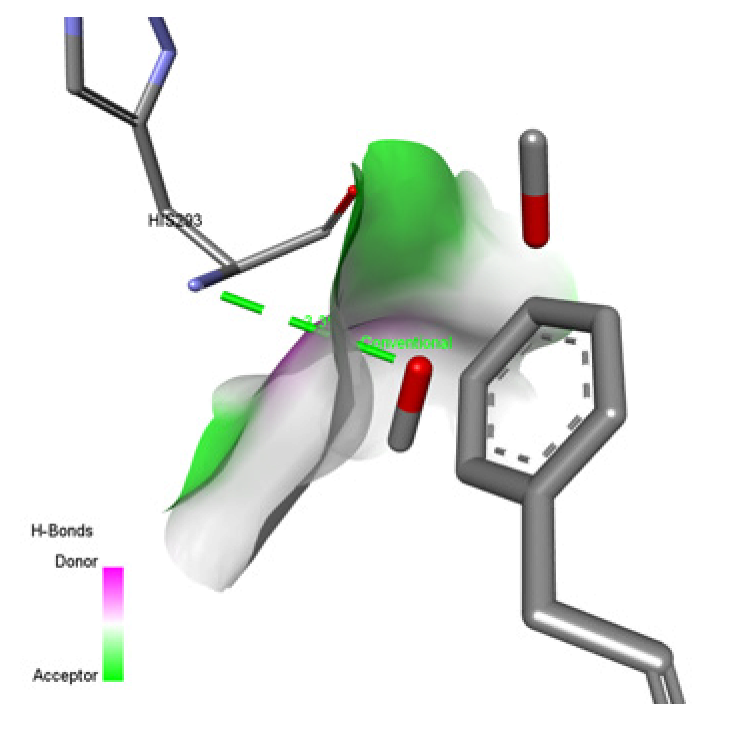
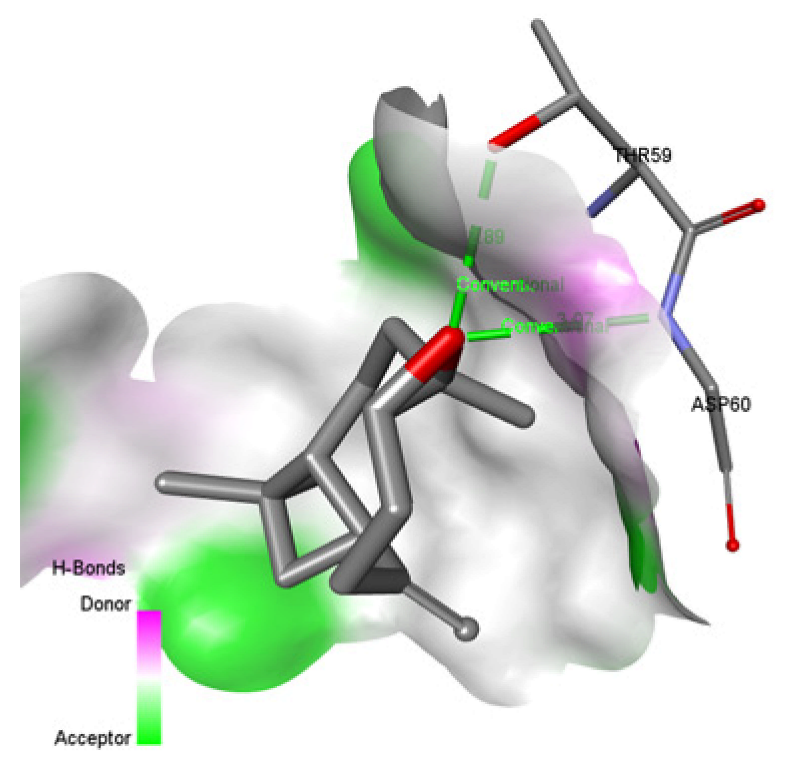
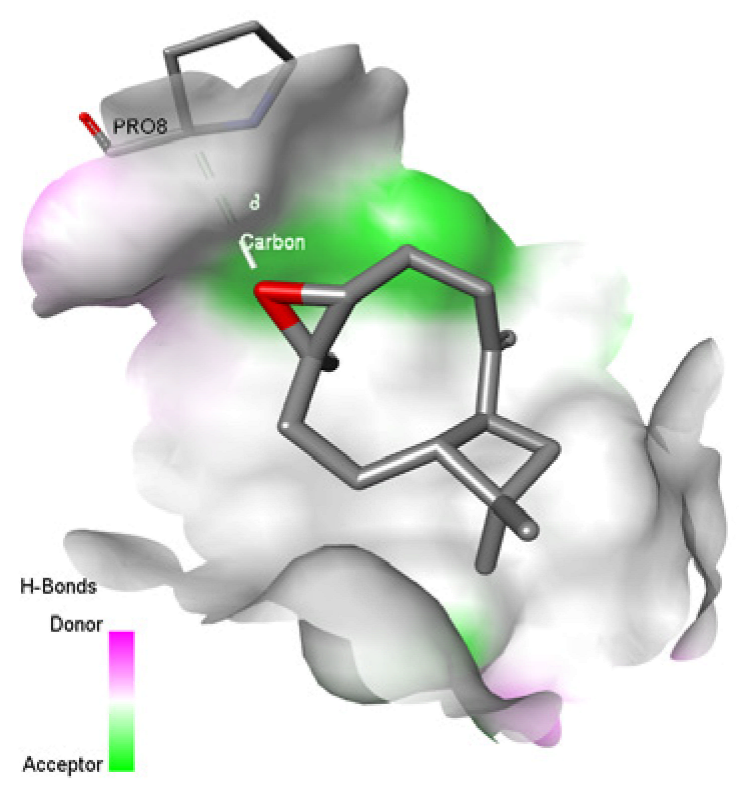
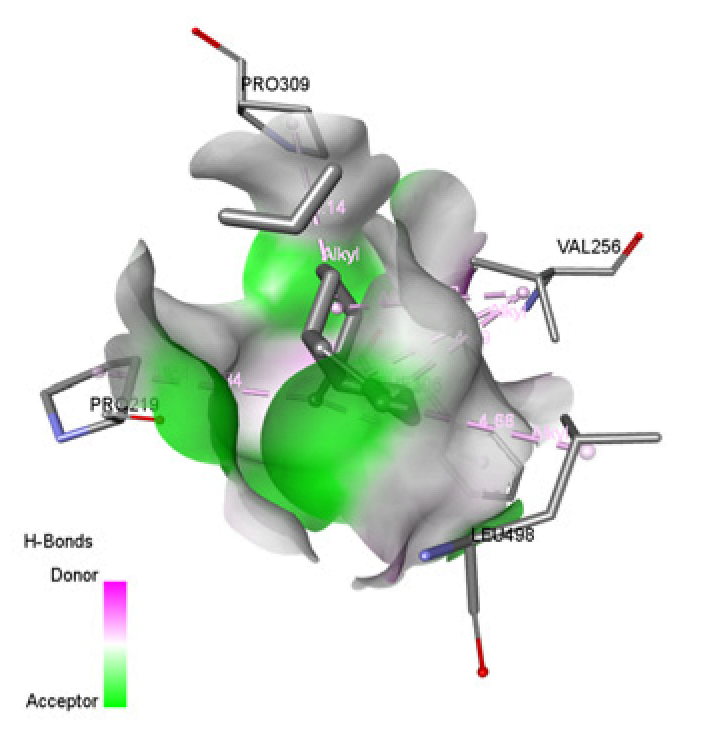
Interestingly, caryophyllene oxide (−7.396 kcal/mol) stood out in the case of fibronectin-binding protein A (FnBPA). Unlike most ligands that relied primarily on hydrophobic interactions, caryophyllene oxide also established conventional hydrogen bonds with THR59 and ASP60. Hydrogen bonding is a pivotal determinant of ligand specificity and stability in protein–ligand complexes [48]. The formation of hydrogen bonds by caryophyllene oxide suggests a more directed and specific interaction with FnBPA, which may enhance its inhibitory potential. Previous studies have also highlighted the antimicrobial properties of caryophyllene oxide, including its ability to compromise biofilm formation and bacterial adhesion [49].
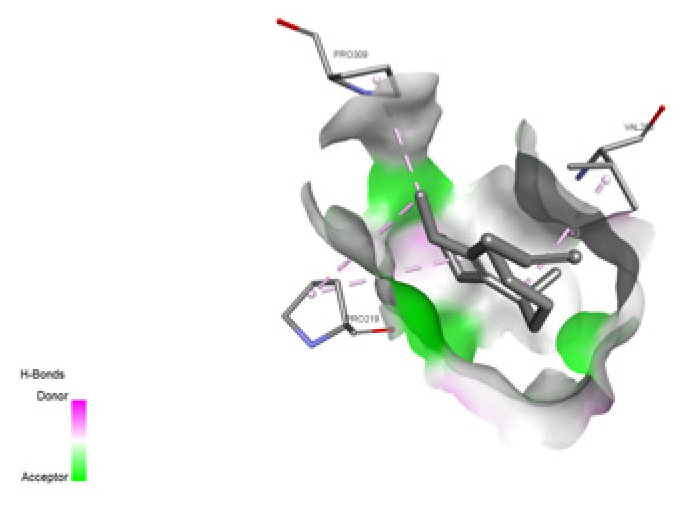
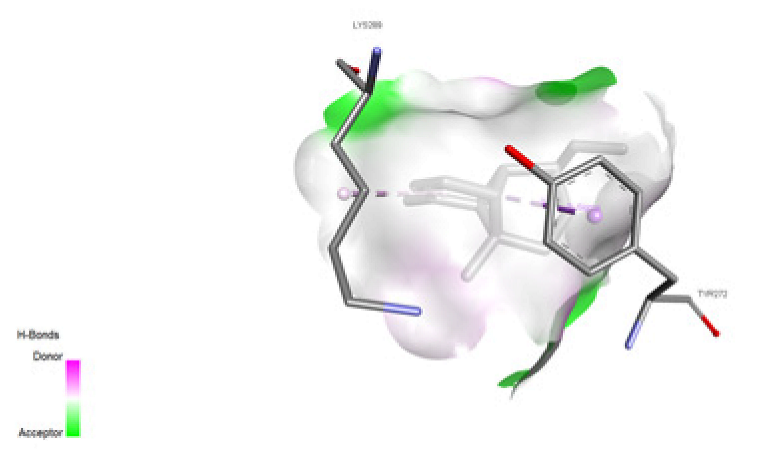
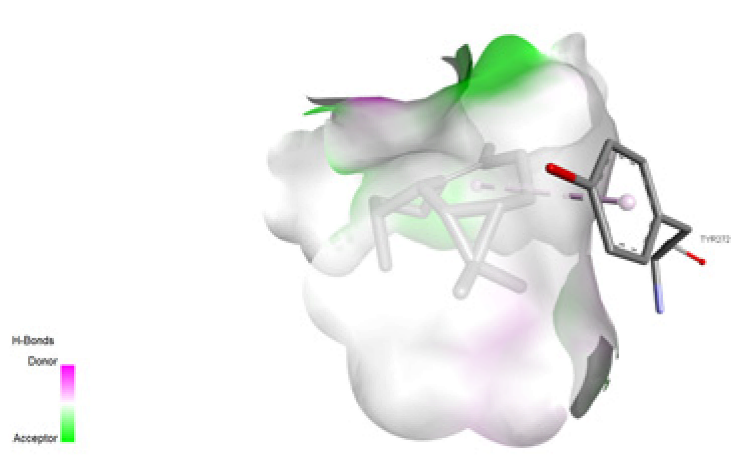
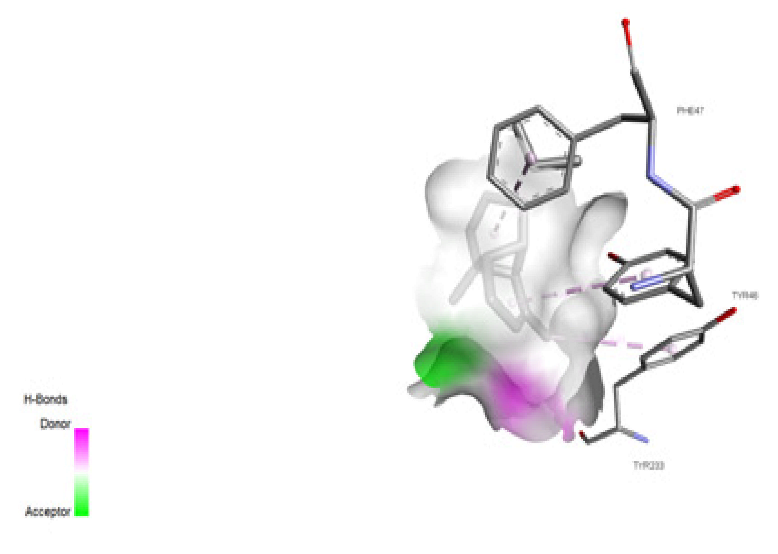
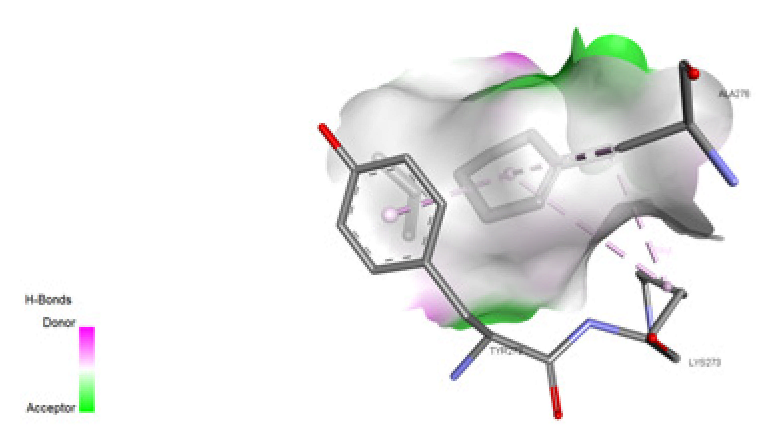
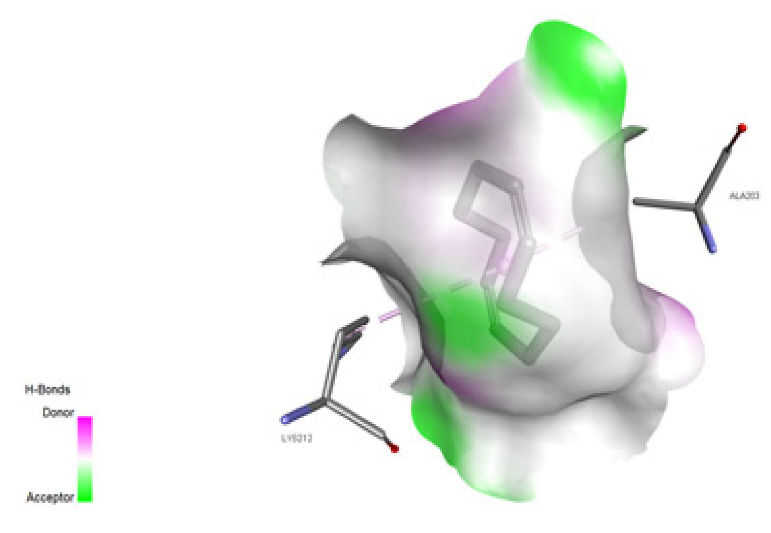
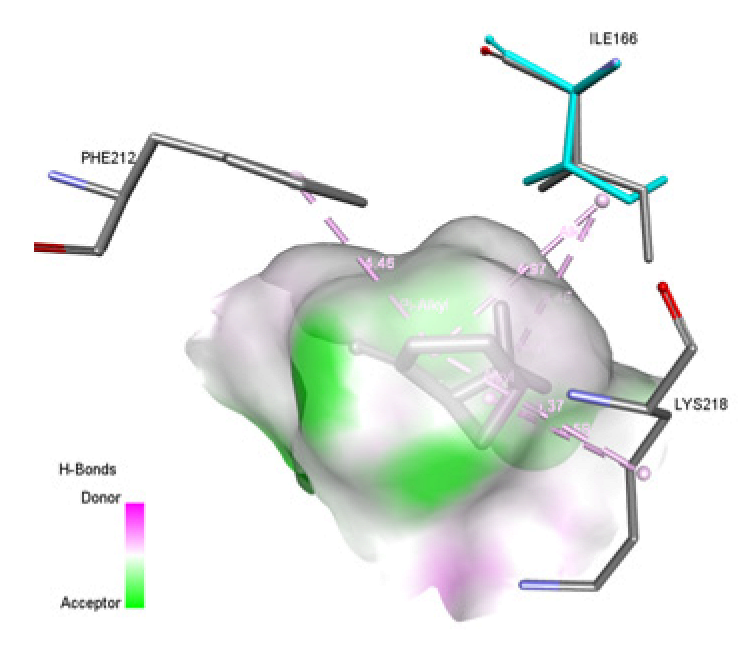
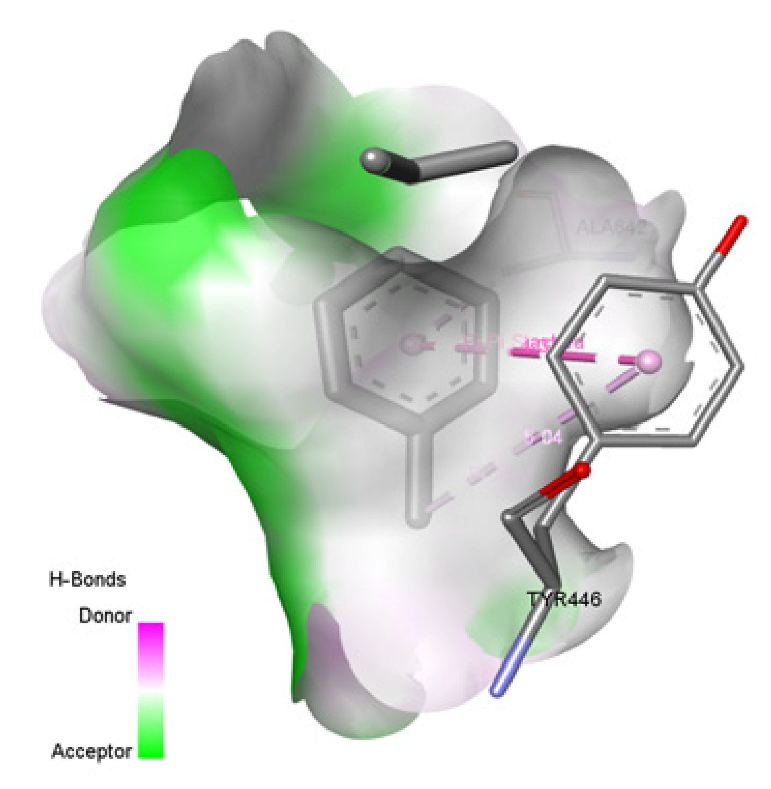
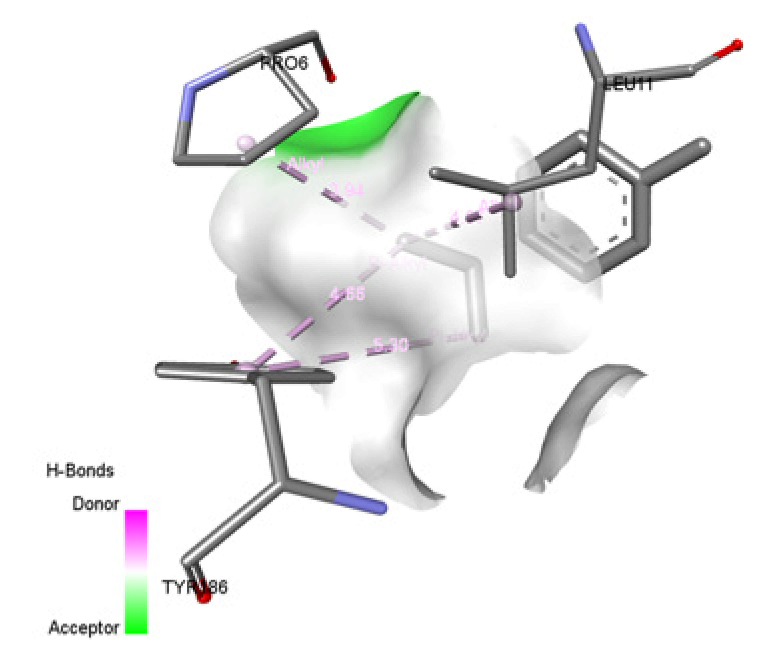
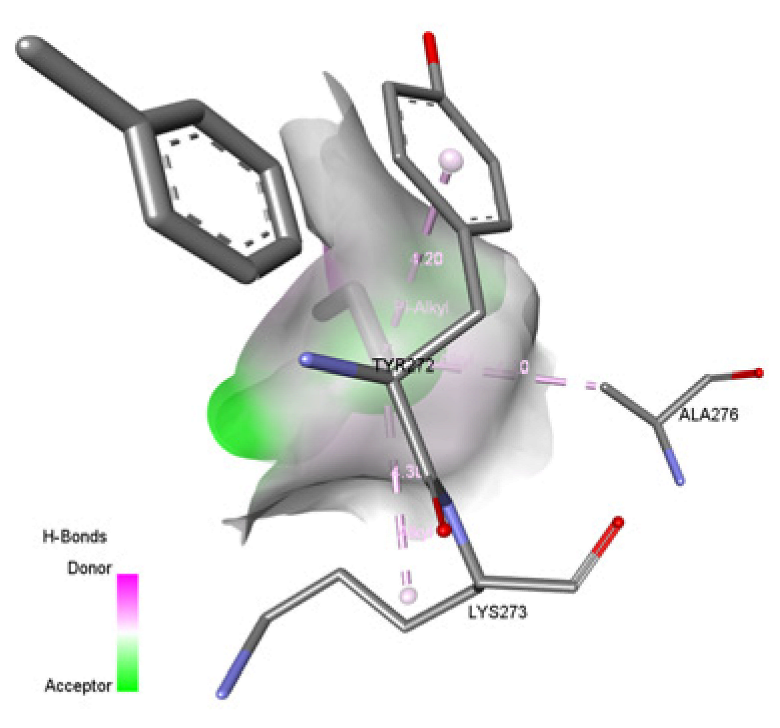
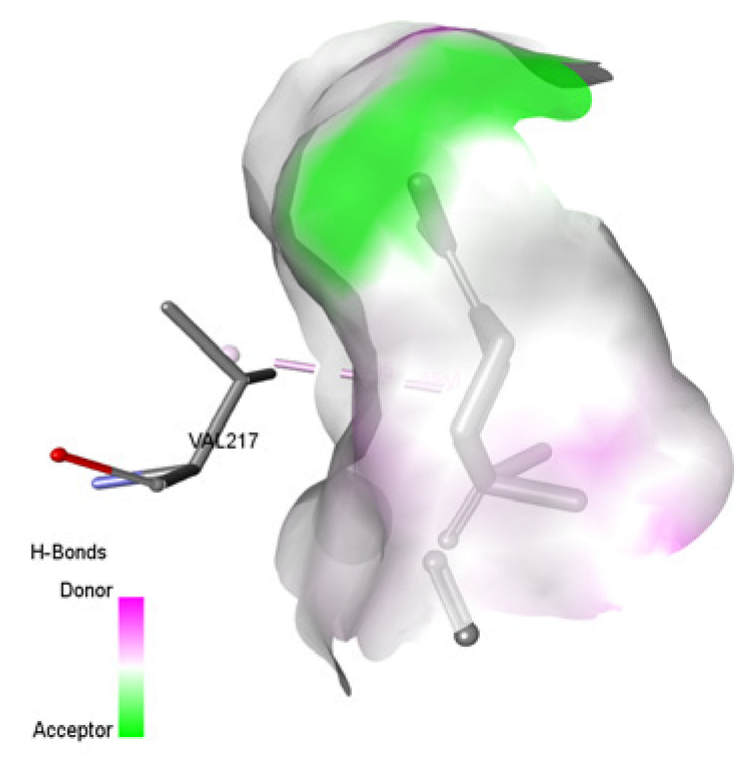
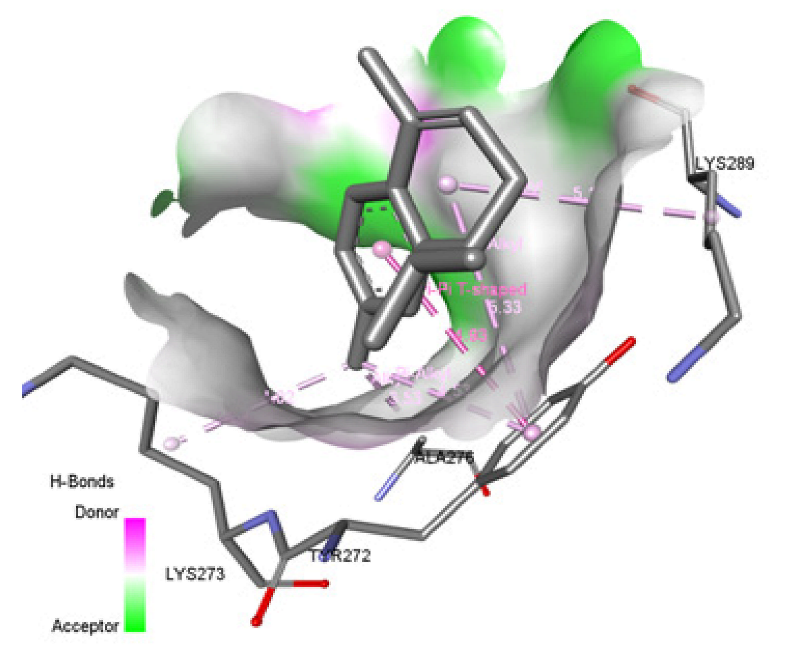
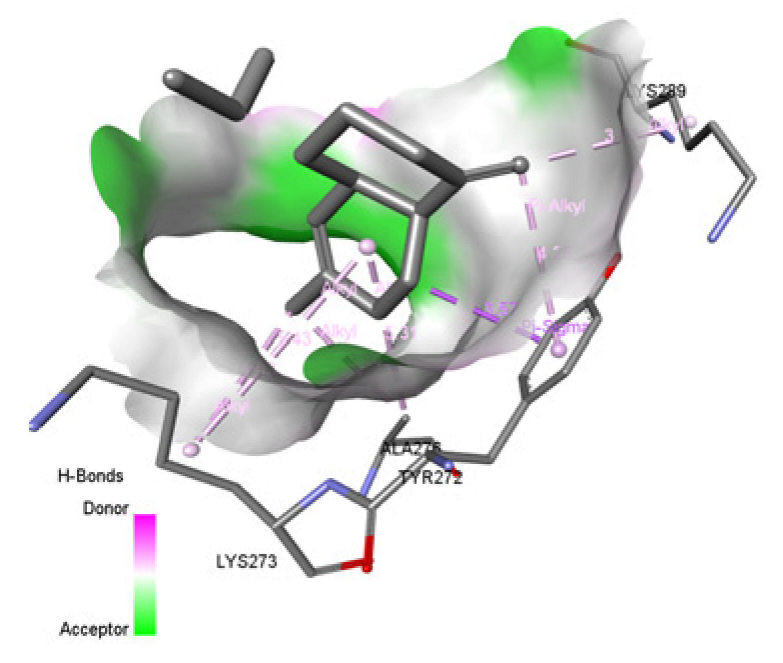
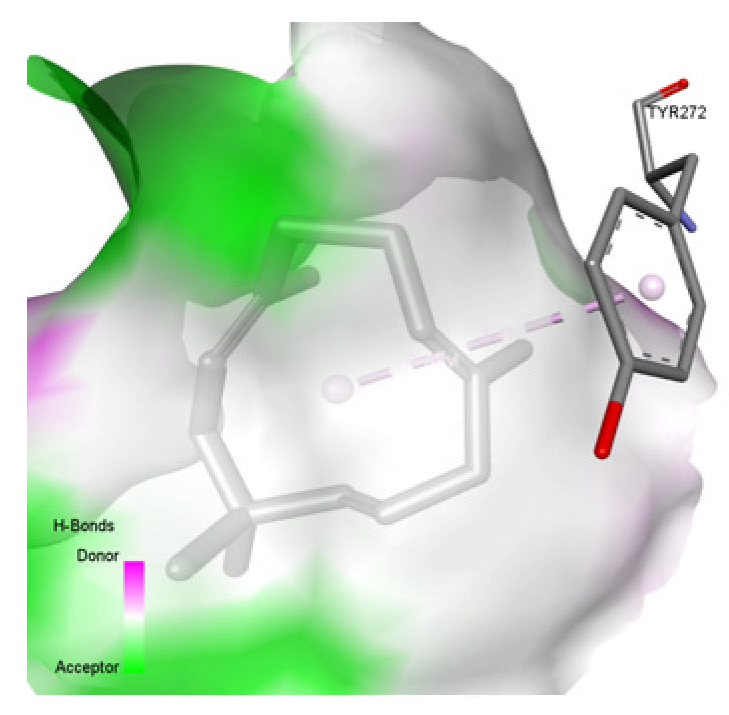
For penicillin-binding protein 2a (PBP2a), α-calacorene (−7.126 kcal/mol) and Humulene (−7.009 kcal/mol) emerged as the most promising ligands, displaying favorable hydrophobic interactions with residues such as TYR272, ALA276, and LYS273. PBP2a is a well-characterized mediator of MRSA due to its reduced affinity for β-lactam antibiotics [6]. The ability of terpenoids to interact with their allosteric or active site residues provides a rational basis for further exploration, particularly in the context of overcoming antimicrobial resistance. Natural terpenoids have previously been reported to enhance the susceptibility of MRSA to β-lactams by disrupting cell wall synthesis or interfering with PBP activity [50].
Taken together, the docking results suggest that α-calacorene, alloaromadendrene, α-murolene, caryophyllene oxide, and humulene are the most promising candidates across the four staphylococcal protein targets. Although hydrophobic interactions were the predominant binding mechanism, the presence of hydrogen bonding in some cases, particularly with caryophyllene oxide, indicates stronger and more specific binding [51,52]. These findings underscore the therapeutic potential of plant-derived terpenoids as antibacterial agents, particularly against virulence factors and resistance-associated proteins in S. aureus.
Nevertheless, it is important to note that molecular docking represents a predictive approach and may not fully capture the dynamic nature of protein–ligand interactions. Further validation through rescoring methods, molecular dynamics simulations, and binding free energy calculations is recommended to assess the stability of these complexes under physiologically relevant conditions [53]. Ultimately, experimental assays such as enzyme inhibition, bacterial growth kinetics, and cytotoxicity profiling will be critical to confirm the biological relevance of these interactions.
3.4. Antibacterial Assay
The M. cajuputi essential oils show notable antibacterial activity against MRSA as well as S. aureus. The antibacterial strength can be categorized into four groups, which are weak (<5 mm), moderate (5–10 mm), strong (10–20 mm), and very strong (20–30 mm), based on the zone of inhibition (ZOI) [54]. From the findings, all the MRSA clinical isolates, as well as S. aureus, displayed moderate to strong sensitivity at concentrations ranging from 25% to 100%, with ZOI values ranging from 6.33 ± 0.33 mm to 16.67 ± 0.88 mm. However, certain MRSA clinical isolates and S. aureus show sensitivity at the 12.5% concentration, with ZOI values ranging from 6.00 ± 0.00 mm to 7.00 ± 0.00 mm. At concentrations of 6.25% and 3.13%, all bacteria show no ZOI, which is 6.00 ± 0.00 mm. For the negative control, which is 10% DMSO, all bacteria show no inhibition as measured by the ZOI. In contrast, positive control, which is vancomycin, exhibited higher ZOI across all bacteria, ranging from 15.33 ± 0.33 mm to 18.00 ± 0.58 mm. These findings indicate that the ZOI of the bacteria is concentration-dependent and demonstrates moderate antibacterial activity (Table 4).
Table 4.
Zone of inhibition of disc diffusion method for M. cajuputi essential oils against MRSA clinical isolates.
The concentration-dependent activity observed in this study is consistent with previous reports on essential oils, in which higher concentrations generally enhance bacterial membrane disruption and increase the availability of bioactive compounds [55]. The strong activity at higher concentrations may be attributed to the high proportion of oxygenated monoterpenes, such as 1,8-cineole, terpineol, and linalool, which are major constituents of M. cajuputi essential oils and have been reported to exert broad-spectrum antibacterial properties. These compounds are known to integrate into lipid bilayers, increasing membrane fluidity and permeability, which ultimately leads to the leakage of vital intracellular components and cell death [56]. In addition to their membrane-disruptive effects, oxygenated monoterpenes can interfere with bacterial enzymatic systems and metabolic pathways, including the inhibition of ATP synthesis and the disruption of quorum-sensing mechanisms [57]. The synergistic interactions among multiple terpenoids and other minor constituents present in M. cajuputi essential oils may further potentiate their antibacterial efficacy, reflecting the complexity of essential oil bioactivity compared to individual isolated compounds. Collectively, these mechanisms highlight the potential of M. cajuputi essential oils as a natural antibacterial agent, particularly in combating multidrug-resistant pathogens.
The MIC values (3.13–12.5%) and MBC values (3.13–25%) obtained in this study further confirm the antibacterial potency of the essential oils (Table 5). Natural extracts with MIC values below 8 mg/mL, or equivalent low concentrations, are considered promising antibacterial agents [58]. Although the MIC values for M. cajuputi essential oils are higher than those of conventional antibiotics, they are comparable to or better than those of many other essential oils studied against MRSA and S. aureus. For example, Melaleuca alternifolia essential oils exhibited MICs ranging from 0.5% to 2% against MRSA isolates [59], while Cymbopogon citratus essential oils showed MICs of 2–4% [60]. The somewhat higher MIC observed in the present study could be attributed to differences in chemical composition, bacterial strain variability, or the inherent resistance mechanisms of MRSA.
Table 5.
Minimum inhibitory concentration (MIC) and minimal bactericidal concentration (MBC) of M. cajuputi essential oils against MRSA clinical isolates.
Importantly, the ability of M. cajuputi essential oils to exhibit both inhibitory and bactericidal effects suggest that their bioactive compounds may target multiple bacterial pathways. Essential oils are known to act primarily through the disruption of bacterial cell membranes, leakage of cellular contents, inhibition of enzyme activity, and interference with quorum sensing [61]. The broad range of MBC values (3.13–25%) indicates variability among the bacterial isolates, highlighting potential strain-specific susceptibility.
From a therapeutic perspective, these findings support the potential application of M. cajuputi essential oils as a natural antibacterial agent, particularly in addressing infections caused by antibiotic-resistant pathogens such as MRSA. With the growing global challenge of antimicrobial resistance, the exploration of natural products such as essential oils offers promising alternatives or complementary approaches to conventional antibiotics [62]. However, further investigations are warranted, including in vivo studies, cytotoxicity assessments, and formulation development, to evaluate the safety, efficacy, and potential synergism with existing antibiotics.
M. cajuputi essential oils demonstrate moderate to strong antibacterial activity against MRSA and S. aureus in a concentration-dependent manner, with promising MIC and MBC values. These results underline their potential as a natural antibacterial agent, although optimization and clinical validation are necessary before practical applications can be realized.
3.5. Gene Level Expression
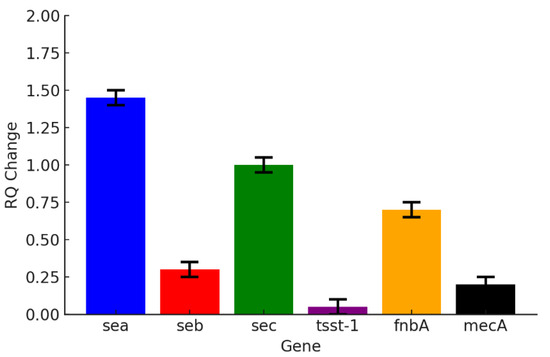
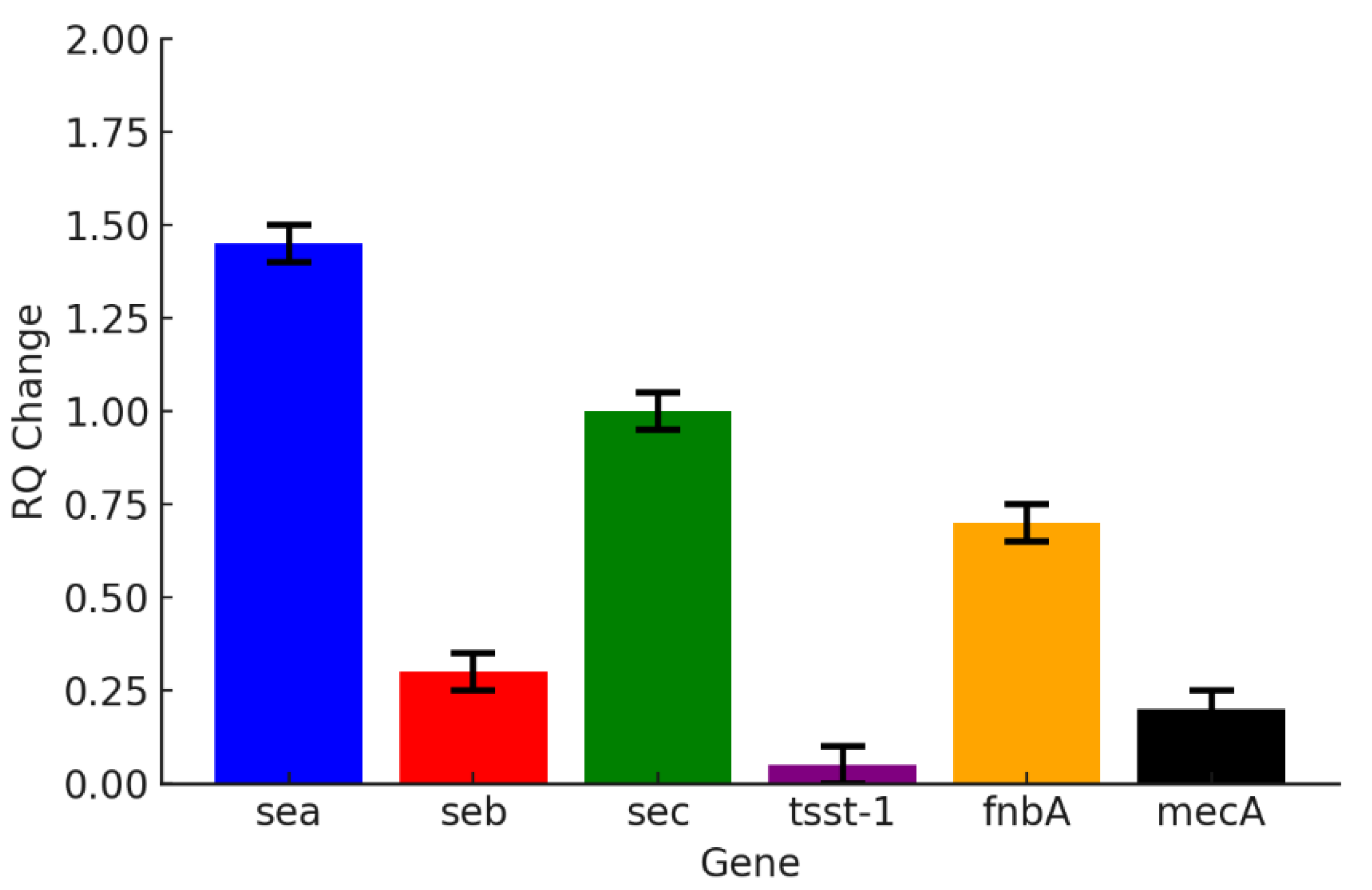
RT-qPCR was performed using OneStepPlus System by Applied Biosystem. In this study, relative quantification (RQ) change was used to assess the gene expression level of several virulence and toxin genes from MRSA, and the results are presented as fold changes. As presented in Figure 1, the sea gene exhibited the highest expression, with a fold change of 1.44, indicating moderate upregulation relative to the control. The sec gene showed a fold change of 1.02, suggesting expression comparable to baseline. The fnbA gene was modestly upregulated, with a fold change of 0.72. In contrast, seb and mecA showed reduced expression, with fold changes of 0.33 and 0.23, respectively. Notably, tsst-1 demonstrated minimal transcriptional activity, with a fold change of 0.05, indicating near absence of expression in this isolate. These results suggest that sea may play a dominant role in MRSA 4’s virulence, whereas tsst-1 appears transcriptionally silent under the tested conditions. Molecular analysis indicated that all treated groups with M. cajuputi essential oils showed a significant decrease in the expression of sea, seb, sec, tsst-1, fnbA, and mecA genes compared to the respective control groups (p < 0.05).
Figure 1.
Bar chart that represents gene expression level of MRSA treated with M. cajuputi EO compared to the expression of non-treated MRSA of sea, seb, sec, tsst-1, fnbA and mecA genes. p < 0.05.
The RT-qPCR analysis provided insights into the transcriptional profile of several virulence- and toxin-associated genes in MRSA. Among the tested genes, sea exhibited the highest expression with a fold change of 1.44, suggesting moderate upregulation relative to the control. Enterotoxin A (sea) is one of the most prevalent staphylococcal enterotoxins and has been strongly linked to foodborne illness and immune modulation in invasive infections [63]. Its upregulation in the present study indicates that sea may play a dominant role in maintaining the virulence potential of this MRSA isolate.
In contrast, sec demonstrated expression close to baseline (1.02-fold change), while seb showed clear downregulation (0.33-fold change). Enterotoxin B (seb) is commonly associated with severe systemic manifestations, including toxic shock-like syndromes [64]. Its reduced expression under the present experimental conditions may reflect strain-specific regulation of superantigenic toxins or possible suppression by environmental or stress-related factors. The fnbA gene, encoding fibronectin-binding protein A, showed a modest upregulation (0.72-fold change). Although the increase was not pronounced, even low-level upregulation of adhesin genes such as fnbA can facilitate bacterial attachment to host extracellular matrix proteins and promote biofilm initiation [65]. Adhesion and biofilm formation are critical for MRSA persistence, immune evasion, and antibiotic tolerance, underscoring the pathogenic relevance of fnbA expression in this isolate.
Interestingly, mecA, the genetic determinant of methicillin resistance, was markedly downregulated (0.23-fold change). While mecA expression is essential for the synthesis of penicillin-binding protein 2a (PBP2a) and resistance to β-lactam antibiotics, its expression can be influenced by environmental cues, regulatory systems, and potential stressors [66]. The observed reduction may indicate conditional modulation of resistance mechanisms, which could have important implications for therapeutic strategies aimed at attenuating resistance phenotypes. The transcriptional silence of tsst-1 (0.05-fold change) is particularly notable. tsst-1 encodes toxic shock syndrome toxin-1, a potent superantigen responsible for toxic shock syndrome. Its minimal expression in this study suggests that this isolate does not rely on tsst-1 for pathogenicity under the tested conditions.
Overall, these findings suggest a differential transcriptional program in MRSA 4, in which sea appears to be the dominant virulence determinant, while seb, mecA, and particularly tsst-1 are suppressed. Such gene expression patterns highlight the complexity of MRSA pathogenicity, where virulence factor expression is often coordinated and influenced by environmental stressors, including exposure to antimicrobial agents and host immune defenses [67]. These results have important implications for understanding the pathogenic potential of MRSA isolates. The upregulation of sea suggests a prominent role for enterotoxin-mediated virulence in this isolate, whereas the downregulation of mecA and seb may indicate potential vulnerabilities that could be exploited therapeutically.
4. Conclusions
This study demonstrates that Melaleuca cajuputi essential oils exhibit significant antibacterial activity against MRSA, as evidenced by concentration-dependent growth inhibition, favorable MIC and MBC values, and pronounced bactericidal effects. GC–MS analysis identified alloaromadendrene and other major compounds as key bioactive constituents, with molecular docking revealing strong interactions between selected terpenoids, particularly alloaromadendrene and MRSA virulence proteins. The M. cajuputi essential oils also modulated key virulence-associated genes, significantly suppressing mecA, seb, fnbA, and tsst-1, suggesting their potential to attenuate pathogenicity through interference with gene expression. Overall, these findings support the therapeutic potential of M. cajuputi essential oils as a natural anti-MRSA agent and highlight the need for in vivo validation, safety assessment, and formulation development to advance their application against antimicrobial-resistant infections.
Supplementary Materials
The following supporting information can be downloaded at: https://www.mdpi.com/article/10.3390/bacteria5010013/s1, Supplementary Information: the GC–MS chromatogram of M. cajuputi essential oil.
Author Contributions
Conceptualization, N.Z.A.W.; methodology, N.Z.A.W.; software, N.A.N.M.Y. and A.K.Y.; formal analysis, K.S.K.R.A., N.A.N.M.Y. and A.K.Y.; investigation, K.S.K.R.A., N.A.N.M.Y. and A.K.Y.; resources, F.S.W., S.M.S.F.S.A.K. and M.H.A.; data curation, N.Z.A.W.; writing—original draft preparation, N.Z.A.W. and K.S.K.R.A.; writing—review and editing, N.Z.A.W.; visualization, N.Z.A.W.; supervision, N.Z.A.W.; project administration, N.Z.A.W., S.M.S.F.S.A.K. and M.H.A. All authors have read and agreed to the published version of the manuscript.
Funding
This work was financially supported by the Universiti Sultan Zainal Abidin and Dtree Pharma Sdn Bhd Matching Grant for the year 2024 (Grant Number: UniSZA/2023/PGP/04).
Institutional Review Board Statement
Not applicable.
Informed Consent Statement
Not applicable.
Data Availability Statement
The original contributions presented in this study are included in the article/Supplementary Material. Further inquiries can be directed to the corresponding author.
Acknowledgments
We thank Universiti Sultan Zainal Abidin, Dtree Pharma Sdn Bhd and Premier Integrated Labs Sdn Bhd for providing facilities, materials and technical support throughout the entire project.
Conflicts of Interest
The authors declare no conflict of interest.
Abbreviations
The following abbreviations are used in this manuscript:
| GC-MS | Gas Chromatography–Mass Spectrometry |
| MBC | Minimum Bactericidal Concentration |
| MIC | Minimum Inhibitory Concentration |
| MRSA | Methicillin-Resistant Staphylococcus aureus |
References
- Muteeb, G.; Rehman, M.T.; Shahwan, M.; Aatif, M. Origin of antibiotics and antibiotic resistance, and their impacts on drug development: A narrative review. Pharmaceuticals 2023, 16, 1615. [Google Scholar] [CrossRef] [Scilit]
- Elshobary, M.E.; Badawy, N.K.; Ashraf, Y.; Zatioun, A.A.; Masriya, H.H.; Ammar, M.M.; Mohamed, N.A.; Mourad, S.; Assy, A.M. Combating antibiotic resistance: Mechanisms, multidrug-resistant pathogens, and novel therapeutic approaches: An updated review. Pharmaceuticals 2025, 18, 402. [Google Scholar] [CrossRef] [Scilit]
- Angelini, P. Plant-derived antimicrobials and their crucial role in combating antimicrobial resistance. Antibiotics 2024, 13, 746. [Google Scholar] [CrossRef] [Scilit] [PubMed]
- Vaou, N.; Stavropoulou, E.; Voidarou, C.; Tsigalou, C.; Bezirtzoglou, E. Towards advances in medicinal plant antimicrobial activity: A review study on challenges and future perspectives. Microorganisms 2021, 9, 2041. [Google Scholar] [CrossRef] [Scilit] [PubMed]
- Turner, N.A.; Sharma-Kuinkel, B.K.; Maskarinec, S.A.; Eichenberger, E.M.; Shah, P.P.; Carugati, M.; Holland, T.L.; Fowler, V.G., Jr. Methicillin-resistant Staphylococcus aureus: An overview of basic and clinical research. Nat. Rev. Microbiol. 2019, 17, 203–218. [Google Scholar] [CrossRef] [Scilit] [PubMed]
- Lade, H.; Kim, J.S. Molecular determinants of β-lactam resistance in methicillin-resistant Staphylococcus aureus (MRSA): An updated review. Antibiotics 2023, 12, 1362. [Google Scholar] [CrossRef] [Scilit]
- Algammal, A.M.; Hetta, H.F.; Elkelish, A.; Alkhalifah, D.H.H.; Hozzein, W.N.; Batiha, G.E.; El Nahhas, N.; Mabrok, M.A. Methicillin-resistant Staphylococcus aureus (MRSA): One health perspective approach to the bacterium epidemiology, virulence factors, antibiotic-resistance, and zoonotic impact. Infect. Drug Resist. 2020, 13, 3255–3265. [Google Scholar] [CrossRef] [Scilit]
- Choo, E.J. Community-associated methicillin-resistant Staphylococcus aureus in nosocomial infections. Infect. Chemother. 2017, 49, 158–159. [Google Scholar] [CrossRef] [Scilit]
- Junaidi, N.S.S.A.; Shakrin, N.N.S.M.; Desa, M.N.M.; Yunus, W.M.Z.W. Dissemination pattern of hospital-acquired methicillin-resistant Staphylococcus aureus and community-acquired MRSA isolates from Malaysian hospitals: A review from a molecular perspective. Malays. J. Med. Sci. 2023, 30, 26–41. [Google Scholar] [CrossRef] [Scilit]
- Mohd Yuseri, N.A.N.; Abd Wahab, N.Z.; Asmara, H.S.; Wan Taib, W.R.; Abdul Manap, A.S. The anticancer potential of plant essential oils: Mechanisms, applications, and challenges. Trop. J. Nat. Prod. Res. 2025, 9, 2992–3006. [Google Scholar] [CrossRef] [Scilit]
- Yahya, A.K.; Abd Wahab, N.Z.; Ibrahim, N. Bioactive compounds of plant essential oils and their antiviral properties: A comprehensive review. Malays. J. Chem. 2024, 26, 123–136. [Google Scholar] [CrossRef] [Scilit]
- Pezantes-Orellana, C.; German Bermúdez, F.; Matías De la Cruz, C.; Montalvo, J.L.; Orellana-Manzano, A. Essential oils: A systematic review on revolutionizing health, nutrition, and omics for optimal well-being. Front. Med. 2024, 11, 1337785. [Google Scholar] [CrossRef] [Scilit] [PubMed]
- Mirković, S.; Martinović, M.; Tadić, V.M.; Nešić, I.; Jovanović, A.S.; Žugić, A. Antimicrobial and antioxidant activity of essential oils from selected Pinus species from Bosnia and Herzegovina. Antibiotics 2025, 14, 677. [Google Scholar] [CrossRef] [Scilit] [PubMed]
- Abdalla, M.S.; Salem, A.A.; Hussien, E.T.; Ramadan, S.S. Broad-spectrum bioactivities and therapeutic potential of essential oils of certain aromatic and medicinal plants and their combination. Sci. Rep. 2025, 15, 32463. [Google Scholar] [CrossRef] [Scilit]
- Ji, X.; Liu, N.; Huang, S.; Zhang, C. A comprehensive review of licorice: The preparation, chemical composition, bioactivities and its applications. Am. J. Chin. Med. 2024, 52, 667–716. [Google Scholar] [CrossRef] [Scilit]
- Angane, M.; Swift, S.; Huang, K.; Butts, C.A.; Quek, S.Y. Essential oils and their major components: An updated review on antimicrobial activities, mechanism of action and their potential application in the food industry. Foods 2022, 11, 464. [Google Scholar] [CrossRef] [Scilit]
- Falleh, H. Demystifying the power of essential oils: A review of their antibacterial properties and potential as natural food preservatives. EXCLI J. 2025, 24, 828–850. [Google Scholar] [CrossRef] [Scilit]
- Yaakub, S.Y.; Misman, M.A.; Rosli, S.N. Melaleuca cajuputi Powell. In Malaysia Biodiversity Information System (MyBIS); 2025. Available online: https://www.mybis.gov.my/art/886 (accessed on 23 September 2025).
- Govaerts, R.; Sobral, N.; Ashton, P.; Barrie, F.; Holst, B.K.; Landrum, L.L.; Matsumoto, K.; Mazine, F.F.; Nic Lughadha, E.; Proença, C.; et al. World Checklist of Myrtaceae; Royal Botanic Gardens: Kew, UK, 2008; pp. 1–455. [Google Scholar]
- Yamanoshita, T.; Nuyim, T.; Masumori, M.; Tange, T.; Kojima, K.; Yagi, H.; Sasaki, S. Growth response of Melaleuca cajuputi to flooding in a tropical peat swamp. J. For. Res. 2001, 6, 217–219. [Google Scholar] [CrossRef] [Scilit]
- Isah, M.; Rosdi, R.M.; Wahab, W.N.A.W.A.; Ishak, W.R.W.; Abdullah, H.; Sul’ain, M.S. Phytoconstituents and biological activities of Melaleuca cajuputi Powell: A scoping review. J. Appl. Pharm. Sci. 2023, 13, 10–23. [Google Scholar] [CrossRef] [Scilit]
- Desdiani, D.; Fadilah, F.; Sutarto, A.P. The effects of Melaleuca cajuputi oil herbal treatment on clinical, laboratory, and radiological improvement and length of hospital stay in COVID-19 patients. J. Appl. Pharm. Sci. 2022, 12, 122–127. [Google Scholar] [CrossRef] [Scilit]
- Abd Wahab, N.Z.; Noor Azam, S.N.A.; Sayed Abdul Kadir, S.M.S.F.; Abdullah, M.H. Evaluation of antimicrobial and sporicidal activities, and stability testing of herbal skin wash preparations from Melaleuca cajuputi subsp. cumingiana essential oils and Kyllinga nemoralis aqueous extract. Trop. J. Nat. Prod. Res. 2025, 9, 14–23. [Google Scholar] [CrossRef] [Scilit]
- Isah, M.; Sul’ain, M.D.; Wahab, W.W.A.; Abdullah, H.; Jamil, S.; Syamira, N.; Shabudin, M.; Shuid, A.N.; Ishak, W.R.W. Chemical profiling and mechanistic insights into the antibacterial efficacy of Melaleuca cajuputi leaf extract. BMC Complement. Med. Ther. 2025, 25, 121. [Google Scholar] [CrossRef] [Scilit] [PubMed]
- Abd Wahab, N.Z.; Ja’afar, N.S.A.; Ismail, S.B. Evaluation of antibacterial activity of essential oils of Melaleuca cajuputi Powell. J. Pure Appl. Microbiol. 2022, 16, 549–556. [Google Scholar] [CrossRef] [Scilit]
- Al-Abd, N.M.; Zurainee, M.N.; Mansor, M.; Hasan, M.S.; Kassim, M. Antifilarial and antibiotic activities of methanolic extracts of Melaleuca cajuputi flowers. Korean J. Parasitol. 2016, 54, 273–280. [Google Scholar] [CrossRef] [Scilit]
- Jubair, N.; Rajagopal, M.; Chinnappan, S.; Abdullah, N.B.; Fatima, A. Review on the antibacterial mechanism of plant-derived compounds against multidrug-resistant bacteria (MDR). Evid.-Based Complement. Altern. Med. 2021, 2021, 3663315. [Google Scholar] [CrossRef] [Scilit]
- Sati, H.; Carrara, E.; Savoldi, A.; Hansen, P.; Garlasco, J.; Campagnaro, E.; Boccia, S.; Castillo-Polo, J.A.; Magrini, E.; Garcia-Vello, P.; et al. The WHO bacterial priority pathogens list 2024: A prioritisation study to guide research, development, and public health strategies against antimicrobial resistance. Lancet Infect. Dis. 2025, 25, 1033–1043. [Google Scholar] [CrossRef] [Scilit]
- Institute for Medical Research (IMR). National Antibiotic Resistance Surveillance Report 2023; Ministry of Health Malaysia: Kuala Lumpur, Malaysia, 2023. Available online: https://library.nih.gov.my/e-doc/imr/nsar-2023.pdf (accessed on 23 September 2025).
- Che Hamzah, A.M.; Yeo, C.C.; Puah, S.M.; Chua, K.H.; Chew, C.H. Staphylococcus aureus infections in Malaysia: A review of antimicrobial resistance and characteristics of the clinical isolates, 1990–2017. Antibiotics 2019, 8, 128. [Google Scholar] [CrossRef] [Scilit]
- Vanamala, K.; Tatiparti, K.; Bhise, K.; Sau, S.; Scheetz, M.H.; Rybak, M.J.; Andes, D.; Iyer, A.K. Novel approaches for the treatment of methicillin-resistant Staphylococcus aureus: Using nanoparticles to overcome multidrug resistance. Drug Discov. Today 2021, 26, 31–43. [Google Scholar] [CrossRef] [Scilit]
- Amin, E.; Elwekeel, A.; Alshariedh, N.F.; Abdel-Bakky, M.S.; Hassan, M.H.A. GC–MS analysis and bioactivities of the essential oil of Suaeda aegyptiaca. Separations 2022, 9, 439. [Google Scholar] [CrossRef] [Scilit]
- Toan, T.Q.; Thao, L.P.P.; Chien, N.Q.; Van, N.T.H.; Phuong, Ð.L.; Huong, T.T.; Quan, P.M.; Inh, C.T.; Minh, P.T.H.; Bich, H.T.; et al. Determination of chemical composition and antimicrobial activity of Melaleuca cajuputi essential oil from Quang Tri Province, Vietnam. Asian J. Chem. 2020, 32, 2203–2207. [Google Scholar] [CrossRef] [Scilit]
- Fouzi, S.S.; Abd Wahab, N.Z.; Yan, L.C.; Ibrahim, N. Styrylpyrone derivative from Goniothalamus sp.: A powerful drug for fighting against herpes simplex virus type 1. Pharmacogn. J. 2021, 13, 1598–1606. [Google Scholar] [CrossRef] [Scilit]
- Kebede, T.; Gadisa, E.; Tufa, A. Antimicrobial activities evaluation and phytochemical screening of some selected medicinal plants: A possible alternative in the treatment of multidrug-resistant microbes. PLoS ONE 2021, 16, e0249253. [Google Scholar] [CrossRef] [Scilit] [PubMed]
- Shahzad, M.A.; Yousaf, A.; Ahsan, A.; Irshad, H.; Riaz, A.; Khan, A.; Ullah, I.; Sattar, S.; Bostan, N.; Javed, S. Virulence and resistance profiling of Staphylococcus aureus isolated from subclinical bovine mastitis in the Pakistani Pothohar region. Sci. Rep. 2024, 14, 14569. [Google Scholar] [CrossRef] [Scilit] [PubMed]
- Abd Wahab, N.Z.; Ibrahim, N. Styrylpyrone derivative (SPD), a Novel DENV-2 NS3, NS5 and prM inhibitor; inhibited RNA replication, protein transcription and production of DENV-2 progeny particles. Sains Malays. 2025, 54, 1405–1416. [Google Scholar] [CrossRef] [Scilit]
- Mohammed, I.O.; Alrasheid, A.A.; Hussein Ayoub, S.M. GC-MS analysis and study of the antimicrobial activity of Citrus paradisi, Citrus aurantifolia, and Citrus sinensis peel essential oils as hand sanitizer. Int. J. Microbiol. 2024, 2024, 4957712. [Google Scholar] [CrossRef] [Scilit]
- Lin, H.; Li, Z.; Sun, Y.; Zhang, Y.; Wang, S.; Zhang, Q.; Cai, T.; Xiang, W.; Zeng, C.; Tang, J. D-Limonene: Promising and sustainable natural bioactive compound. Appl. Sci. 2024, 14, 4605. [Google Scholar] [CrossRef] [Scilit]
- Rivas da Silva, A.C.; Lopes, P.M.; Barros de Azevedo, M.M.; Costa, D.C.; Alviano, C.S.; Alviano, D.S. Biological activities of α-pinene and β-pinene enantiomers. Molecules 2012, 17, 6305–6316. [Google Scholar] [CrossRef] [Scilit]
- Mahizan, N.A.; Yang, S.-K.; Moo, C.-L.; Song, A.A.-L.; Chong, C.-M.; Chong, C.-W.; Abushelaibi, A.; Lim, S.-H.E.; Lai, K.-S. Terpene derivatives as a potential agent against antimicrobial resistance (AMR) pathogens. Molecules 2019, 24, 2631. [Google Scholar] [CrossRef] [Scilit]
- Sathish Kumar, K.; Visnuvinayagam, S.; Teena, G.; Elavarasan, K.; Bindu, J.; Balange, A.K.; Sivaranjani, R.; Narasimhamurthy, L. Biochemical, antioxidant, and antimicrobial profiling of essential oils of indian origin for culinary applications. Int. J. Food Sci. 2024, 2024, 9326683. [Google Scholar] [CrossRef] [Scilit]
- Bassolé, I.H.N.; Juliani, H.R. Essential oils in combination and their antimicrobial properties. Molecules 2012, 17, 3989–4006. [Google Scholar] [CrossRef] [Scilit]
- Abd Ghani, M.F.; Othman, R.; Nordin, N. Molecular Docking Study of Naturally Derived Flavonoids with Antiapoptotic BCL-2 and BCL-XL Proteins toward Ovarian Cancer Treatment. J. Pharm. Bioallied Sci. 2020, 12, S676–S680. [Google Scholar] [CrossRef] [Scilit]
- Alsedfy, M.Y.; Ebnalwaled, A.A.; Moustafa, M.; Said, A.H. Investigating the binding affinity, molecular dynamics, and ADMET properties of curcumin-IONPs as a mucoadhesive bioavailable oral treatment for iron deficiency anemia. Sci. Rep. 2024, 14, 22027. [Google Scholar] [CrossRef] [Scilit]
- Regenthal, P.; Hansen, J.S.; André, I.; Lindkvist-Petersson, K. Correction: Thermal stability and structural changes in bacterial toxins responsible for food poisoning. PLoS ONE 2017, 12, e0175989. [Google Scholar] [CrossRef] [Scilit]
- Lillehoj, H.; Liu, Y.; Calsamiglia, S.; Fernandez-Miyakawa, M.E.; Chi, F.; Cravens, R.L.; Oh, S.; Gay, C.G. Phytochemicals as antibiotic alternatives to promote growth and enhance host health. Vet. Res. 2018, 49, 76. [Google Scholar] [CrossRef] [Scilit]
- Ramírez-Santos, J.; Calzada, F.; García-Hernández, N.; Barbosa, E.; Velázquez, C.; Valdes, M. Caryophyllene Oxide, a Bicyclic Terpenoid Isolated from Annona macroprophyllata with Antitumor Activity: In Vivo, In Vitro, and In Silico Studies. Int. J. Mol. Sci. 2024, 25, 13355. [Google Scholar] [CrossRef] [Scilit] [PubMed]
- Yoo, H.J.; Jwa, S.K. Inhibitory effects of β-caryophyllene on Streptococcus mutans biofilm. Arch. Oral Biol. 2018, 88, 42–46. [Google Scholar] [CrossRef] [Scilit] [PubMed]
- Farha, M.A.; Leung, A.; Sewell, E.W.; D’Elia, M.A.; Allison, S.E.; Ejim, L.; Pereira, P.M.; Pinho, M.G.; Wright, G.D.; Brown, E.D. Inhibition of WTA synthesis blocks the cooperative action of PBPs and sensitizes MRSA to β-lactams. ACS Chem. Biol. 2013, 8, 226–233. [Google Scholar] [CrossRef] [Scilit] [PubMed]
- Almeida-Bezerra, J.W.; da Costa Silva, J.T.; Morais-Braga, M.F.B.; da Cruz, R.P.; Alencar, G.G.; Alves, D.S.; de Sousa Rodrigues, E.Y.; de Sousa, S.G.; de Menezes, I.R.A.; Rocha, J.E.; et al. ADME/Tox study and the effect of β-Caryophyllene on the resistant strain of Staphylococcus aureus carrying the QacA/B efflux pump gene. Toxicol. Rep. 2025, 14, 101929. [Google Scholar] [CrossRef] [Scilit]
- Dam, N.A.L.; Bui, V.H.; Dat, T.T.H.; Nguyen, K.T.; Nguyen, T.T.; Duong, Q.Q.; Vo, T.L.; Titok, V.V. In Vitro and In Silico Antimicrobial Activity against Methicillin-Resistant Staphylococcus aureus of Essential Oils from Four Medicinal Plants in Xuan Thuy Mangrove Forest. J. Microbiol. Biotechnol. 2025, 35, e2409006. [Google Scholar] [CrossRef] [Scilit]
- Terefe, E.M.; Ghosh, A. Molecular Docking, Validation, Dynamics Simulations, and Pharmacokinetic Prediction of Phytochemicals Isolated from Croton dichogamus Against the HIV-1 Reverse Transcriptase. Bioinform. Biol. Insights 2022, 16, 11779322221125605. [Google Scholar] [CrossRef] [Scilit]
- Abd Wahab, N.Z.; Malza, N.M.N.M.; Rukayadi, Y. Phytochemical Screening and Evaluation of Antibacterial, Anticandidal, and Sporicidal Properties of Euphorbia tirucalli Extract in Terengganu, Malaysia. Hayati J. Biosci. 2024, 31, 903–915. [Google Scholar] [CrossRef] [Scilit]
- Ike, K.A.; Omaliko, P.C.; Fernander, M.C.; Sanders, B.M.; Enikuomehin, J.M.; Alabi, J.O.; Adelusi, O.O.; Kholif, A.E.; Thomas, M.D.; Anele, U.Y. Evaluating the Effect of an Essential Oil Blend on the Growth and Fitness of Gram-Positive and Gram-Negative Bacteria. Biology 2025, 14, 437. [Google Scholar] [CrossRef] [Scilit] [PubMed]
- Qasim, M.; Islam, W.; Rizwan, M.; Hussain, D.; Noman, A.; Khan, K.A.; Ghramh, H.A.; Han, X. Impact of Plant Monoterpenes on Insect Pest Management and Insect-Associated Microbes. Heliyon 2024, 10, e39120. [Google Scholar] [CrossRef] [Scilit] [PubMed]
- Juszczuk-Kubiak, E. Molecular Aspects of the Functioning of Pathogenic Bacteria Biofilm Based on Quorum Sensing (QS) Signal-Response System and Innovative Non-Antibiotic Strategies for Their Elimination. Int. J. Mol. Sci. 2024, 25, 2655. [Google Scholar] [CrossRef] [Scilit] [PubMed]
- Famuyide, I.M.; Aro, A.O.; Fasina, F.O.; Eloff, J.N.; McGaw, L.J. Antibacterial and Antibiofilm Activity of Acetone Leaf Extracts of Nine Under-Investigated South African Eugenia and Syzygium (Myrtaceae) Species and Their Selectivity Indices. BMC Complement. Altern. Med. 2019, 19, 141. [Google Scholar] [CrossRef] [Scilit]
- Carson, C.F.; Hammer, K.A.; Riley, T.V. Melaleuca alternifolia (Tea Tree) Oil: A Review of Antimicrobial and Other Medicinal Properties. Clin. Microbiol. Rev. 2006, 19, 50–62. [Google Scholar] [CrossRef] [Scilit]
- Mukarram, M.; Choudhary, S.; Khan, M.A.; Poltronieri, P.; Khan, M.M.A.; Ali, J.; Kurjak, D.; Shahid, M. Lemongrass Essential Oil Components with Antimicrobial and Anticancer Activities. Antioxidants 2021, 11, 20. [Google Scholar] [CrossRef] [Scilit]
- Liu, Y.; Han, N.; Meng, F. Magnolia Essential Oil: A Preliminary Exploration of Chemical Composition and Its Antimicrobial and Antioxidant Potential. Front. Microbiol. 2025, 16, 1509796. [Google Scholar] [CrossRef] [Scilit]
- Kovačević, Z.; Čabarkapa, I.; Šarić, L.; Pajić, M.; Tomanić, D.; Kokić, B.; Božić, D.D. Natural Solutions to Antimicrobial Resistance: The Role of Essential Oils in Poultry Meat Preservation with Focus on Gram-Negative Bacteria. Foods 2024, 13, 3905. [Google Scholar] [CrossRef] [Scilit]
- Cieza, M.Y.R.; Bonsaglia, E.C.R.; Rall, V.L.M.; Santos, M.V.D.; Silva, N.C.C. Staphylococcal Enterotoxins: Description and Importance in Food. Pathogens 2024, 13, 676. [Google Scholar] [CrossRef] [Scilit]
- Pinchuk, I.V.; Beswick, E.J.; Reyes, V.E. Staphylococcal Enterotoxins. Toxins 2010, 2, 2177–2197. [Google Scholar] [CrossRef] [Scilit]
- Paharik, A.E.; Horswill, A.R. The Staphylococcal Biofilm: Adhesins, Regulation, and Host Response. Microbiol. Spectr. 2016, 4, 529–566. [Google Scholar] [CrossRef] [Scilit]
- Fishovitz, J.; Hermoso, J.A.; Chang, M.; Mobashery, S. Penicillin-Binding Protein 2a of Methicillin-Resistant Staphylococcus aureus. IUBMB Life 2014, 66, 572–577. [Google Scholar] [CrossRef] [Scilit]
- Cheung, G.Y.C.; Bae, J.S.; Otto, M. Pathogenicity and Virulence of Staphylococcus aureus. Virulence 2021, 12, 547–569. [Google Scholar] [CrossRef] [Scilit]

Disclaimer/Publisher’s Note: The statements, opinions and data contained in all publications are solely those of the individual author(s) and contributor(s) and not of MDPI and/or the editor(s). MDPI and/or the editor(s) disclaim responsibility for any injury to people or property resulting from any ideas, methods, instructions or products referred to in the content. |
© 2026 by the authors. Licensee MDPI, Basel, Switzerland. This article is an open access article distributed under the terms and conditions of the Creative Commons Attribution (CC BY) license.