


Abstract
Amid rising geopolitical fragmentation and growing uncertainty in global financial systems, Central Bank Digital Currencies (CBDCs) are increasingly viewed as a potential innovation in cross-border digital payments. This paper provides a systematic review of the literature on CBDCs, with a particular focus on their role in cross-border payment systems, while also considering broader implications for monetary power and geopolitical realignment. Using a PRISMA-based review approach, complemented by bibliometric mapping, the study synthesizes existing research across economic, technological, institutional, and geopolitical dimensions. Unlike prior studies that primarily examine technical design features or domestic monetary implications, this review develops an integrated framework that situates CBDCs within the evolving architecture of cross-border digital payment systems in a fragmented global environment. The evidence suggests that CBDCs can enhance cross-border payment efficiency by reducing transaction costs, shortening settlement times, and enabling more direct transfer mechanisms that bypass traditional correspondent banking networks. At the same time, the literature highlights several critical challenges, including interoperability constraints, regulatory divergence, privacy concerns, and cybersecurity risks. Importantly, the findings also point to the potential emergence of parallel digital currency ecosystems, which may reinforce existing financial fragmentation rather than fully resolve it. Overall, CBDCs should be understood not only as technological innovations in digital payments but also as strategic instruments with implications for monetary sovereignty and global economic influence. Their long-term impact on cross-border payment systems will depend on the development of interoperable standards, coordinated regulatory frameworks, and sustained international cooperation. By bringing together fragmented strands of research, this study contributes to a more comprehensive understanding of how CBDCs are reshaping both digital payment infrastructures and the broader global financial order.
Keywords:
Central Bank Digital Currencies (CBDCs); cross-border payments; monetary sovereignty; geopolitical fragmentation; financial infrastructure; systematic literature review; bibliometric map JEL Classification:
E42; E58; F33; F36; G15; O33
1. Introduction
The global economy entered 2025 in a period of profound transformation, marked by rising geopolitical tensions, shifting trade alliances, and declining trust in traditional financial systems. Over the past two decades, economic power has gradually shifted from advanced Western economies toward emerging markets, reflecting a broader rebalancing of the global economic order. At the same time, protectionist policies have reemerged, and regional alliances have become more pronounced, accompanied by renewed debates about the future of the international monetary system [1,2,3,4]. As a result, economic and financial systems are no longer driven solely by market forces but are increasingly shaped by political and geopolitical considerations, contributing to greater systemic complexity and reduced stability in the global economy.
A defining moment came in April 2025 when U.S. President Donald Trump implemented extensive tariff increases as part of his second-term economic strategy. This policy shift was accompanied by broader macro-financial repricing, as Trump’s return was linked to higher long-term Treasury yields and inflation expectations, signaling stronger market concerns about future inflation, interest rates, and policy uncertainty [5]. The average tariff rate jumped to 23%, nearly ten times higher than the previous year, triggering sharp volatility in global financial markets and disrupting trade flows across multiple sectors [3,6].
This development reflects a broader shift toward the use of economic and trade instruments as tools of strategic influence in an increasingly competitive global environment. Although some tariffs were later suspended, the episode signaled a broader retreat from multilateralism, prompting both allies and competitors to reconsider their economic strategies. Some analysts warn that these measures may lead to retaliatory trade policies and also can accelerate the fragmentation of global supply chains, while also increasing the search for alternative trade and payment channels.
Importantly, this fragmentation extends beyond trade relations and increasingly affects financial systems and cross-border payment infrastructures. Meanwhile, sanctions and financial exclusion mechanisms have evolved from temporary enforcement measures into permanent fixtures of global economic competition [7,8]. Financial messaging systems have become strategic instruments of economic statecraft, shaping financial sovereignty and the international economic order [9]. The Russia–Ukraine war highlighted how vulnerable countries are to restrictions on international payment networks, with Western sanctions cutting off major Russian banks from SWIFT and freezing overseas assets. Russia’s subsequent demand for energy payments in rubles emphasized the strategic importance of having independent payment systems during geopolitical crises [10,11]. These developments illustrate that access to global financial infrastructure is increasingly conditioned by geopolitical dynamics, raising critical concerns about dependency, resilience, and monetary autonomy.
The cross-border payment system has long been recognized as one of the most complex and slow-moving components of global finance, particularly for emerging and developing economies [12,13]. While initiatives such as SWIFT GPI have improved speed and transparency, they still operate within the same centralized framework and remain vulnerable to geopolitical leverage [14,15].
These developments have significantly reshaped the dynamics of international trade. The United States has tried to reduce its dependence on Chinese supply chains by redirecting trade through other countries such as India, while China has increased its trade relations with ASEAN, Africa, Brazil, and other developing countries. This diversification is not only economic but also strategic, reflecting efforts to reduce geopolitical risk and reconfigure global trade networks [16]. Importantly, these shifts are not confined to trade but extend to financial and payment systems, reinforcing broader structural transformations in the global economy.
In this changing environment, Central Bank Digital Currencies (CBDCs) have become more than just a technological innovation. Many governments now view CBDCs not only as payment innovations but also as instruments for safeguarding monetary sovereignty, enhancing financial inclusion, and strengthening resilience in a fragmented global system. Unlike traditional cross-border payment systems that depend on correspondent banking networks vulnerable to sanctions or compliance issues, CBDCs provide a direct, government-backed channel for international transactions. They can offer real-time liquidity and reduce transaction costs, while also helping countries avoid politically sensitive payment networks [17,18,19]. CBDCs should therefore be understood not only as efficiency-enhancing innovations but also as strategic instruments embedded within evolving geopolitical and monetary dynamics.
The momentum behind CBDC development is especially visible in Asia. China’s Digital Yuan (e-CNY), combined with its Cross-Border Interbank Payment System (CIPS), is designed to reduce reliance on the U.S. dollar and strengthen regional financial integration [20]. Collaborative projects with Thailand, the UAE, and Hong Kong are extending China’s influence in shaping future digital payment standards [21,22]. Russia has introduced its digital ruble to sustain domestic and cross-border transactions under sanctions, while Gulf states have piloted joint CBDC initiatives such as the Aber project between Saudi Arabia and the UAE [23]. These developments demonstrate that CBDCs are increasingly embedded within broader strategies of monetary positioning, regional cooperation, and financial sovereignty.
Recent reports and pilot results offer a clearer view of how countries are beginning to use CBDCs in cross-border payments. In China, the People’s Bank of China has noted that the e-CNY is increasingly being used within the Guangdong–Hong Kong–Macao Greater Bay Area. Some analyses also indicate that the digital yuan now accounts for a significant portion of cross-border trade transactions in that region. This upward trend aligns with China’s broader plan to connect the e-CNY with regional payment systems and gradually enhance the renminbi’s international role [24,25,26].
In a further development, the PBOC launched an International Operation Center for the Digital Yuan in Shanghai on 25 September 2025 to oversee cross-border e-CNY platforms, blockchain services, and digital asset infrastructure. This move, following the 2025 call by Governor Pan Gongsheng for a multipolar currency system, signals China’s strategic effort to internationalize the e-CNY and reduce reliance on dollar-based systems. Overall, these developments indicate that CBDCs are evolving into instruments of monetary influence and geopolitical positioning, rather than remaining purely technical innovations [27,28].
Emerging markets, particularly in Sub-Saharan Africa, also view CBDCs as tools to improve financial inclusion and reduce dependence on costly banking channels. In regions where cross-border payments are slow, expensive, and inaccessible to many, CBDCs have the potential to transform economic participation [29]. Taken together, these developments suggest that CBDCs are emerging as part of a broader systemic response to structural weaknesses in global financial and payment systems.
However, while the technical promise of CBDCs is widely recognized, their geopolitical implications remain underexplored. Much of the existing literature continues to frame CBDCs primarily as efficiency-enhancing innovations, with limited attention to their role in the broader restructuring of global monetary power. Empirical research on CBDCs remains limited, particularly in the context of geopolitical stress and sanctioned economies [30,31].
This paper addresses this gap by providing a systematic and integrative review of the literature, explicitly linking CBDCs to geopolitical fragmentation, monetary sovereignty, and the evolving architecture of cross-border payment systems. More specifically, the study examines how geopolitical conditions shape CBDC adoption, design, and implementation across different institutional contexts—an area that remains insufficiently explored in existing research.
In addition, existing studies often treat CBDCs as isolated innovations rather than as components of a broader transformation in the global financial system. This limits our understanding of how CBDCs interact with key structural trends such as financial fragmentation, regionalization, and the strategic use of economic instruments. Addressing this gap requires moving beyond descriptive analysis toward a more integrated framework that connects technological developments with underlying economic and geopolitical dynamics.
Building on this context of geopolitical fragmentation and emerging cross-border payment challenges, the next section develops a conceptual framework that identifies the key mechanisms through which CBDCs may influence monetary autonomy, capital flows, financial inclusion, disintermediation, reserve diversification, and digital dollarization. These emerging CBDC implementations, such as China’s e-CNY and the Aber project, serve as preliminary evidence for the mechanisms explored in the framework.
Recent geopolitical escalations in 2026, particularly tensions in the Middle East and renewed financial risks associated with sanctions regimes, further underscore the fragility of existing cross-border payment infrastructures. These developments reinforce the strategic motivation for CBDC adoption, not merely as efficiency-enhancing tools, but as instruments of monetary sovereignty and resilience in an increasingly fragmented global financial order [32,33]. At the same time, international institutions emphasize that cross-border interoperability remains a critical design priority for CBDCs [34].
Building on this context, this study seeks to bridge the gap between geopolitical and monetary perspectives by providing a structured analysis of how CBDCs interact with cross-border payment systems in an increasingly fragmented global economy. In particular, the study focuses on three interrelated dimensions: (i) the extent to which CBDCs address inefficiencies and structural vulnerabilities in existing payment infrastructures, (ii) the role of geopolitical tensions in shaping CBDC design, adoption, and governance, and (iii) the potential implications of CBDCs for global monetary stability, especially in smaller and less-developed economies. Emerging political and economic blocs are increasingly exploring CBDCs as part of broader de-dollarization strategies [22,35].
By adopting this integrated perspective, the study contributes to the literature by reframing CBDCs as both technological and geopolitical instruments, offering a more comprehensive understanding of their role in the evolving global financial system. It examines how CBDCs may reshape cross-border payments, influence monetary sovereignty, and alter the balance of financial power.
The rest of the paper is organized as follows. Section 2 develops a conceptual framework linking CBDCs to monetary power, financial fragmentation, and geopolitical dynamics. Section 3 describes the methodology, including the systematic review approach, database selection, screening process, and bibliometric analysis. Section 4 presents the results of the PRISMA screening and bibliometric mapping. Section 5 provides a thematic synthesis of the literature on CBDCs in cross-border payment systems, focusing on efficiency, interoperability, technical design, regulatory coordination, and associated risks and alternatives. Section 6 discusses the main findings and their policy implications. Finally, Section 7 concludes the paper and outlines key directions for future research.
2. Conceptual Framework: CBDCs, Monetary Power, and Financial Fragmentation
This section develops a conceptual framework that explains how Central Bank Digital Currencies (CBDCs) operate as strategic instruments within an evolving global financial system. It focuses on the interaction between monetary power, financial fragmentation, and digital innovation, emphasizing the mechanisms through which CBDCs may reshape cross-border payment structures and influence global financial dynamics.
The return of global inflation after 2021 again prompted people to seek money that feels more “stable”, which is very similar to what Keynes pointed out long ago—that when things become unstable, people tend to shift toward stronger foreign currencies [36]. This pattern of currency substitution remains very common in many emerging economies that face ongoing volatility and repeated devaluations [37].
Beyond their technical design, CBDCs are closely linked to broader institutional and political dynamics. Ideas from fiscal sociology and political economy show that the state and the market develop together—they overlap, influence each other, and reshape incentives and institutions over time. From that perspective, digital money is not only a payment tool; it also signals broader changes in how economic coordination and public authority function [38,39,40,41].
To strengthen the theoretical foundation of the analysis, this study places the discussion of Central Bank Digital Currencies (CBDCs) within the broader literature on monetary power and currency hierarchy. Drawing on Susan Strange’s Structural Power Theory [42], monetary sovereignty is viewed as a form of structural influence, where control over the financial system enables states to influence global financial relations. From this perspective, CBDCs are seen as tools for reclaiming this power through systems that are less dependent on Western intermediary institutions. Additionally, Benjamin Cohen’s Currency Power Framework [43] distinguishes between the “reach” of a currency meaning its international use, and its “range,” meaning the country’s ability to maintain policy independence. CBDCs can support both by providing increased digital connectivity and reducing external pressures on the monetary system. Similarly, Sahay and Gramont [44] explain that CBDCs may help small economies reduce dollarization and enhance their currencies’ independence. These perspectives suggest that monetary power is not only determined by currency dominance, but also by control over financial infrastructures and payment networks.
This perspective also aligns with broader international monetary economics literature, where payment networks, currency hierarchy, and cross-border settlement systems generate network effects that reinforce the dominance of major currencies and financial infrastructures [45,46].
The rapid digitalization of financial systems over the last decade has created both opportunities and vulnerabilities in the global payment ecosystem. Central Bank Digital Currencies (CBDCs) have emerged as a response to these shifting dynamics, positioned not merely as technical innovations but as strategic assets that can redefine the way value is transferred across borders. The justification for developing CBDCs is rooted in three interconnected realities: the inefficiencies of existing payment infrastructure, the acceleration of geopolitical fragmentation, and the growing strategic importance of monetary sovereignty [47,48].
Geopolitical events over the last decade have revealed another structural weakness: the system’s political vulnerability. The removal of financial institutions from SWIFT has become a standard sanctioning tool, capable of isolating entire economies from global markets almost overnight. This underscores the fragility of international payments and the role of resilient digital infrastructures like CBDCs in mitigating geopolitical risks [49].
Confidence in the U.S.-led global financial order has been gradually eroding. Perceptions of U.S. unilateralism in financial regulation and the politicization of payment infrastructure have raised concerns among many states, particularly in the Global South. For these countries, CBDCs represent an opportunity to establish greater monetary autonomy—to develop systems that align with national interests rather than being subject to the regulatory and political priorities of dominant economies [31]. In this context, financial fragmentation can be understood as a process in which global financial systems become increasingly divided along geopolitical, institutional, and technological lines.
The adoption of digital payment methods has been driven mainly by their speed, convenience, and adaptability to modern commerce. However, many existing digital platforms—especially those operated by the private sector—lack features historically associated with cash, such as anonymity, universal accessibility, and direct peer-to-peer settlement. This has created a gap in the digital ecosystem: the ability to combine the efficiency of electronic transfers with the inclusivity and privacy of traditional currency [50,51].
CBDCs aim to bridge this gap. Some are meant for everyday public use, known as retail CBDCs, while others are designed for transactions between banks, known as wholesale CBDCs. Retail CBDCs are generally associated with financial inclusion, payment accessibility, and user privacy concerns, while wholesale CBDCs focus more on interbank settlement efficiency, cross-border liquidity management, and institutional payment infrastructure. This distinction is important because each model generates different economic, regulatory, and geopolitical implications [52,53].
In principle, CBDCs can maintain the state-backed trust of fiat currency while offering the programmable, real-time capabilities of digital systems. This combination has attracted the attention of policymakers, particularly in contexts where access to cash is declining and reliance on private payment providers is rising [54].
Beyond their technical features, the literature increasingly discusses CBDCs as tools for addressing structural vulnerabilities in cross-border payment systems [55]. CBDCs may help reduce money laundering by making transactions more transparent and harder to hide [49]. Emerging political and economic blocs are actively exploring CBDCs as part of broader strategies of de-dollarization. From a conceptual perspective, CBDCs can be understood as strategic instruments operating through a sequence of mechanisms: reducing dependency on external financial infrastructures, enhancing monetary autonomy, and ultimately reshaping global monetary relations through processes of financial fragmentation.
From an economic perspective, the role of CBDCs in cross-border payments can be understood through several interconnected transmission channels. First, they may reduce transaction and settlement costs by lowering intermediary dependence and improving payment efficiency, as noted in policy analyses of cross-border CBDC frameworks [56,57]. Second, CBDCs may affect capital mobility and currency substitution by increasing access to alternative digital monetary instruments across jurisdictions [39]. Third, they may reshape monetary sovereignty by reducing reliance on dominant international payment infrastructures [47]. Additionally, CBDCs may create risks of financial disintermediation if large shifts occur from commercial bank deposits toward central bank-issued digital assets, potentially increasing capital-flow volatility in smaller economies [58]. Together, these mechanisms provide the economic foundation linking CBDCs to cross-border payments, financial stability, and geopolitical fragmentation.
To summarize these linkages, Figure 1 presents the conceptual economic transmission framework through which CBDCs may affect cross-border payments, monetary sovereignty, and financial stability.
Figure 1.
Conceptual Economic Transmission Framework of Cross-Border CBDCs. Source: Authors’ elaboration.
As shown in Figure 1, CBDCs are treated as monetary instruments that operate through several economic transmission channels rather than as purely technological innovations. These channels connect CBDC design and adoption to wider systemic outcomes, including cross-border payment efficiency, monetary autonomy, financial stability risks, reserve diversification, financial fragmentation, and geopolitical competition. This framework guides the thematic synthesis and discussion that follow, where these mechanisms are analyzed using supporting empirical and conceptual evidence to assess their implications for cross-border payments and monetary sovereignty.
3. Methodology
This study uses a systematic literature review (SLR) to examine the strategic role of CBDCs in transforming cross-border payments worldwide after 2025, as geopolitics becomes increasingly fragmented. The method combines qualitative review and bibliometric analysis to ensure scientific accuracy and transparency. It aims to capture academic and policy discussions related to CBDCs, monetary sovereignty, and digital payment interconnections.
The review process began with a systematic identification of relevant studies, followed by a multi-stage search strategy to avoid narrow results and ensure that the sample more accurately reflects the relevant literature. The study followed a three-stage search and screening process. In the first stage, general identification, the term “Central Bank Digital Currencies (CBDCs)” was searched in Scopus, Web of Science, and Google Scholar to collect all published peer-reviewed studies. In the second stage, functional filtering, only studies addressing cross-border payments, international settlements, or interoperability were retained. In the third stage, geopolitical extraction, a manual screening was conducted to include only those studies that incorporated geopolitical dimensions, such as sanctions, monetary sovereignty, or regional cooperation within the CBDC discussion.
This three-stage process helped maintain a balance between broad coverage and detailed analysis. The initial tests showed that using all three words (“CBDCs,” “geopolitical tensions,” and “cross-border payments”) together produced very few results, indicating that few studies discuss these topics simultaneously. Therefore, the geopolitical dimension was added later during the qualitative screening instead of as a search keyword.
All records were reviewed independently by two reviewers to ensure consistency and minimize selection bias. Any disagreements were resolved through discussion until both parties agreed. The data were collected manually using coding forms and checked again by the co-author to ensure accuracy and consistency across all variables.
The search was conducted for the period from January 2020 to June 2025. The year 2020 was selected as a starting point because it represents a clear shift in the global attention to central bank digital currencies (CBDCs). This shift was mainly related to the COVID-19 pandemic, the launch of important pilot projects such as China’s e-CNY, in addition to the increasing interest from central banks around the world in digital currencies [59].
At the beginning, the search identified 571 publications, but these were reduced step by step through different filtering stages. First, only peer-reviewed journal articles were included, while conference papers, working papers, white papers, and similar sources were excluded. After that, the studies were checked for relevance, and those that discussed digital currencies in general without a clear focus on CBDCs, or that did not address cross-border payments in adequately, were removed. Also, studies without a strong theoretical basis, sufficient empirical evidence, or a clear analytical contribution were excluded. Finally, to maintain quality and consistency, only articles published in journals indexed in Scopus or Web of Science were included.
The included studies focused on cross-border CBDC discussions, addressed sanctions, sovereignty, or fragmentation, emphasized international payment systems and interoperability, and linked CBDC research to international finance. Studies that were domestic-only, purely technical blockchain analyses, lacked geopolitical relevance, or were engineering-focused were excluded.
This study also provides additional methodological and ethical considerations. Potential reporting bias was minimized by using both policy and academic papers, helping the review maintain a balance between theoretical and practical perspectives. Confidence in the evidence was assessed qualitatively by examining the quality of the studies, and the degree of agreement among them. Effect measures were not used because the study follows a qualitative synthesis method and does not perform statistical meta-analysis or numerical estimation. Additionally, this review was not registered in advance, and no protocol was published beforehand.
To make the process more transparent, we documented each step using the PRISMA 2020 framework, which is the standard for reporting systematic reviews. PRISMA is a widely recognized standard for reporting systematic reviews in a clear and replicable way [60]. The PRISMA flow diagram for this study includes four main phases: identification, screening, eligibility, and inclusion.
To complement the qualitative part of the study, a bibliometric analysis was also carried out to better understand how CBDC research is structured conceptually and thematically, following Donthu et al. [61]. The main goal was to identify the dominant themes and clusters in the literature, as well as to identify underexplored areas, especially the link between CBDCs, cross-border payments, and geopolitics.
For this step, the Dimensions database was used instead of Scopus or Web of Science. Although Scopus and Web of Science were important for ensuring the quality of the main sample, Dimensions offers wider coverage, is easier to use with tools such as VOSviewer, and provides more flexible options for exporting data. Based on this, a larger dataset of more than 500 articles was collected for the keyword analysis.
The bibliometric analysis was conducted using VOSviewer version1.6.20 (Centre for Science and Technology Studies, Leiden University, Leiden, The Netherlands), a widely used tool for building and visualizing bibliometric networks. Two main techniques were applied. First, keyword co-occurrence mapping was used to identify clusters of frequently appearing terms in titles and abstracts. Second, overlay visualization was applied to capture how these themes evolved over time by assigning color gradients based on publication year.
A special phrasebook was created to unify similar words, such as “cross-border”, “international payments”, and “remittances”. In the visual maps, node size indicated how often the keyword appeared, while line thickness represented the strength of the connection between keywords.
4. Results and Thematic Synthesis
This section presents the results of the systematic review and bibliometric analysis, giving a clear picture of how the literature has evolved. The findings are organized around six key mechanisms from the conceptual framework: monetary autonomy, capital flows, financial inclusion, disintermediation, reserve diversification, and digital dollarization. Initially, 571 publications were identified from Scopus, Web of Science, and Google Scholar. After carefully screening titles, abstracts, and full texts when necessary, a core set of 32 peer-reviewed studies was selected. These studies form the empirical foundation for the analysis. Each thematic cluster and scenario discussed below is linked to one or more mechanisms, providing a smooth transition toward the discussion of policy and monetary implications.
Figure 2 presents the PRISMA flow diagram summarizing the study selection process, while Table 1 provides a structured overview of the screening results across databases. Together, they enhance the transparency and replicability of the selection procedure.
Figure 2.
PRISMA Flow Diagram Illustrating the Literature Selection Process. Source: Authors’ own elaboration based on PRISMA 2020 guidelines [60].
Table 1.
An overview of the screening results by database.
Following the PRISMA screening, this paragraph summarizes the core studies, linking mechanisms to their evidence, focus, contribution, and quality, thereby ensuring transparency and cumulative flow. The study identifies six core mechanisms of CBDCs in cross-border payments. Monetary autonomy is supported by FTI [17], Kuo [20], He [29], and Prasad [62], which show enhanced sovereignty and high-quality evidence. Capital flows, discussed by Lei & Wang [63] and Prasad [62], facilitate smoother regional cross-border payments, also high-quality. Financial inclusion, examined by Wang et al. [19], improves access to financial services, with medium-quality evidence. Disintermediation, discussed by He [29], Papadaki & Karamitsos [23], and Temperini et al. [64], lowers transaction costs but requires careful risk management, with medium-quality evidence. Reserve diversification, examined by Auer & Boehme [65], Lee et al. [21], and Auer et al. [32] strengthens resilience against USD dominance, with medium-quality evidence. Finally, Digital dollarization, discussed by Didenko et al. [54], Prasad [62], and Marmefelt [66], highlights dependency risks for smaller economies and is supported by high-quality evidence.
After the PRISMA-based screening, the analysis moves to examine the conceptual structure of the literature using bibliometric methods. First, keyword co-occurrence mapping was applied to identify groups of frequently used terms in titles and abstracts, and then these terms were combined into broader themes. For example, some clusters appeared around “blockchain” and “fintech” which reflect the technological side, and others like “transparency” and “digital transformation” related to institutional efficiency. Also, “economic growth” was linked to macroeconomic development, while “fiat currency” and “internationalization” were connected to global monetary systems.
Second, overlay visualization was used to show how these themes developed over time. In this step, the keywords were colored according to their average publication year, where earlier topics appeared in blue or purple (2020–2021), and more recent ones appeared in yellow or orange (2023–2025). This allowed the study to track changes in research focus, and it shows that technological and macroeconomic themes remained relatively stable, while explicit attention to cross-border payments is still limited.
A special phrasebook was created to unify similar words, such as “cross-border”, “international payments”, and “remittances”. In the visual maps, node size indicated how often the keyword appeared, while line thickness represented the strength of the connection between keywords. The analysis identified four main topic groups: the first focused on technological infrastructure, including blockchain, fintech, and digital systems; the second focused on institutional efficiency, discussing transparency, digital change, and new regulation; the third focused on macroeconomic development, including financial inclusion and growth; and the last focused on global monetary systems, including de-dollarization, monetary sovereignty, and international coordination. In the geopolitics section, small keywords like sanctions, monetary sovereignty, and de-dollarization often appear together, showing the growing link between technology design and geopolitical power.
The co-citation analysis also shows two main intellectual foundations: (1) monetary sovereignty and international finance, as explained by May [42], Cohen [43], and He [29]; and (2) payment infrastructure and interoperability, from BIS [67], Duffie [68], and Auer et al. [32]. Thematic evolution and burst detection reveal that topics shifted from the 2020–2022 focus on “financial inclusion” and “payment efficiency” to more 2023–2025 topics such as “geopolitical resilience”, “sanctions”, and “monetary sovereignty”. All these results indicate that CBDC research is shifting from a focus on technology and operations to a wider geo-economic and institutional view, where digital currencies are seen as tools for monetary influence and system stability. Figure 3 presents the keyword co-occurrence map, while Table 2 summarizes the four main thematic clusters and their temporal trends.
Figure 3.
Keyword Co-occurrence Map in CBDC Research (2020–2025). Source(s): Authors’ Compilation following VOSviewer guidelines.
Table 2.
Thematic Clusters and Temporal Trends in CBDC-Related Literature (2020–2025).
Following the bibliometric analysis, the review continues by organizing the final 32 examined studies into key analytical dimensions reflecting the evolution of the literature. These dimensions include efficiency, interoperability, monetary sovereignty, sanction resilience or geopolitical protection, financial inclusion and development, and regulatory and governance risks. This classification directly results from the bibliometric mapping and helps to clarify how the CBDC discussion has shifted from purely technical considerations to broader institutional and geopolitical dimensions, while also recognizing modern financial technologies as key components of financial systems that improve access, efficiency, and inclusion across different economic contexts [69,70].
Table 3 presents a selected set of representative studies from the 2020–2025 literature, highlighting key contributions and illustrating the evolution of CBDC research over this period.
Table 3.
Thematic Mapping of Selected CBDC Literature (2020–2025).
As shown in Table 3, the focus of CBDC research is gradually shifting in focus. Studies from 2020 to 2022 mainly focused on technical efficiency, interoperability, and the design of payment systems, representing the initial phase of CBDC experiments. Since 2023, many studies have started to frame CBDCs within geopolitical and institutional contexts, highlighting their potential as tools for exerting monetary influence, enforcing sanctions, and asserting digital sovereignty. This thematic shift sets the stage for the next section, which consolidates these ideas into four main points—efficiency, interoperability, monetary sovereignty, and geopolitical resilience—to explore how cross-border payments are evolving after 2025.
As presented in Table 4, the post-2025 CBDC landscape can be categorized into three main scenarios, each defined by its estimated likelihood, underlying triggers, and key systemic implications. Based on the patterns identified in the literature, the CBDC landscape after 2025 can be interpreted through three potential trajectories. One likely path is the formation of regional blocs, where groups of countries build their own interconnected CBDC systems, such as a digital yuan zone in Asia or initiatives such as the African eEcoZone (the African eEcoZone is a digitally native economic zone that enables global and African tech companies to operate virtually across Africa with regulatory support, low taxes, and digital infrastructure [81]), but with limited connections between regions, which could make the system more fragmented and politically driven. Another possibility is a more coordinated global approach, where institutions such as the BIS, IMF, and World Bank help set common standards, creating a “network of networks” that allows smoother and more transparent cross-border payments. A third, less orderly outcome is a kind of mixed or uneven scenario, where adoption happens at different speeds across countries, leading to a patchwork of systems that do not always work well together, leaving larger economies with more control while smaller ones become more exposed and dependent.
Table 4.
Scenario Framework for Cross-Border CBDC Development.
To clarify the analysis, the three scenarios are grouped by their likelihood, triggers, and main systemic outcomes. This organized framework offers a concise overview before the subsequent qualitative discussion. The scenario likelihoods are presented qualitatively based on patterns observed across the reviewed literature.
The framework indicates that fragmentation is the most likely short-term trajectory, while multilateral integration represents a more stable but less probable outcome. The hybrid chaos scenario serves as a warning, where weak and inconsistent rules could make the worldwide system more unequal and unstable.
The hybrid chaos scenario highlights the risks for smaller and non-aligned economies in the Global South. Uneven CBDC adoption, weak regulatory coordination, and limited digital infrastructure may leave these countries dependent on CBDCs issued by larger economies, making them rule-takers in emerging payment networks and increasing the risk of currency substitution, digital dollarization, or reliance on dominant regional CBDC systems.
5. Thematic Synthesis of CBDC Research in Cross-Border Systems
This section combines insights from both academic and policy literature to examine how CBDCs can improve cross-border payments. Each theme is explicitly mapped to one or more mechanisms identified in the conceptual framework. The discussion is based on the main themes that emerged from the review and the bibliometric analysis, such as payment efficiency, interoperability and technical design, policy and regulatory coordination, as well as the main risks, critiques, and possible alternatives. It also compares how different studies address these issues. While many studies focus mainly on the technical and economic aspects of CBDCs, this section looks more closely at their wider geopolitical and strategic implications, which are usually less discussed.
A key reason behind the growing interest in central bank digital currencies is their ability to tackle the persistent inefficiencies found in traditional cross-border payment systems, as digital payment solutions are generally viewed as powerful tools for improving efficiency, increasing transparency, and reducing transaction costs across modern financial infrastructures, while current systems still rely on multiple intermediaries, take longer to settle transactions, impose relatively high fees, and often provide limited access for underbanked populations [29,83,84]. These inefficiencies are particularly problematic for remittance-dependent economies, where transaction costs can erode a significant share of incoming funds.
He [29] and Papadaki & Karamitsos [23] highlight how CBDCs can reduce reliance on correspondent banking networks, enabling more direct and reliable settlement channels. These findings cumulatively support the mechanism of enhancing monetary autonomy through reduced dependence on correspondent banking networks. This, in turn, suggests that policymakers need to consider both technical design and regulatory coordination to ensure that monetary autonomy is achieved. This can also lower costs, reduce settlement times from days to seconds, and improve transparency for both regulators and market participants. However, these benefits are contingent on coordinated policy design and mutual recognition of digital currencies across jurisdictions.
Additionally, Prasad [62] connects CBDC-enabled efficiency gains to broader macroeconomic outcomes, such as facilitating smoother capital flows. Yet, he cautions that for smaller economies with less robust monetary frameworks, rapid liberalization of CBDC-based payments could introduce new volatility risks. Moreover, empirical evidence reinforces these theoretical claims. Lei & Wang [63] examine the Greater Bay Area of China, finding that the digital renminbi (e-CNY) improved trade settlements and reduced currency risk, especially during the pandemic. Their findings suggest that CBDCs can be particularly effective in tightly integrated economic regions that have clear policy alignment and established trade flows.
Institutional reports such as BIS [67] emphasize that efficiency gains will only be fully realized if CBDCs are designed for interoperability from the outset. Otherwise, CBDCs could end up as isolated national systems that repeat the same old problems instead of fixing them. Thus, interoperability is widely recognized as the linchpin of CBDCs’ effectiveness in cross-border contexts. Without the ability to interact seamlessly with other national systems, even the most advanced CBDC projects will remain limited in scope and impact.
Auer & Boehme [65] discuss the inherent trade-offs in CBDC design, including balancing privacy against monitoring, ensuring system flexibility, and providing offline operability in low-connectivity areas. They also highlight the emerging concept of multi-CBDC (m-CBDC) arrangements as a promising pathway for international interoperability. Themistocleous et al. [34] argue that cross-border interoperability should be considered a core design priority from the outset, rather than something addressed later. In their review, they outline three main models for how this can be achieved. The first is compatible systems, where different national CBDCs follow common technical standards. The second is interlinked systems, where separate platforms remain independent but are connected through interoperability gateways. The third is integrated systems, where multiple CBDCs operate on a shared technical infrastructure.
Auer et al. [32] provide a detailed plan for these models, emphasizing that early coordination among central banks is essential to avoid costly redesigns later. Technical innovation is progressing quickly in this area. Lee et al. [21] suggest a blockchain-based settlement system using atomic cross-chain swaps to allow real-time CBDC conversions without intermediaries. Lamberty et al. [73] introduce HybCBDC, a hybrid token-account model designed to balance privacy with AML/CFT compliance. Tunzina et al. [74] describe a decentralized multi-CBDC ecosystem that could bypass SWIFT entirely, lowering reliance on dollar-clearing intermediaries—especially important in politically sensitive payment corridors.
While technical interoperability is essential, it is not sufficient on its own. Regulatory alignment and political will are equally important for cross-border CBDC success. Thus, Prasad [62] and Ahnert et al. [76] warn that without regulatory harmonization, CBDCs could exacerbate systemic imbalances—especially in emerging markets vulnerable to external shocks or capital flight. This risk is heightened when CBDCs issued by large economies are used in smaller markets without adequate safeguards, potentially undermining monetary sovereignty.
Didenko et al. [54] advocate for public–private collaboration in CBDC design, arguing that fintech actors, central banks, and multilateral institutions must co-create interoperability standards. Without such cooperation, fragmentation is inevitable. At the same time, the literature also raises concerns about geopolitical dynamics. Auer & Boehme [65] emphasize the need for public policy to guide CBDC development to protect smaller economies from dependency on dominant issuers. Cesaratto & Febrero [75] take a more critical stance, suggesting that CBDCs could become instruments of digital economic coercion, reproducing inequalities in the current monetary order. Marmefelt [66] similarly warns that CBDCs could facilitate more centralized and potentially authoritarian monetary systems if governance frameworks are weak.
Not all perspectives on CBDCs are optimistic. Duffie [68] warns that tensions between privacy and state surveillance could undermine public trust and slow adoption. Privacy-preserving technical designs exist, but they often conflict with regulatory demands for transaction monitoring. Even though there are still many worries about surveillance, privacy, and financial stability, it is important to put CBDCs into their proper context by comparing them to other established and emerging cross-border payment systems.
Table 5 shows the main performance differences among CBDCs, SWIFT correspondent banking, and stablecoins in the operational, political, and regulatory terms. This comparison makes the advantages of CBDCs clearer, especially in relation to sanctions protection, transaction speed, and lower costs, but it also shows that there are still some risks that need to be addressed.
Table 5.
Comparative Features of Cross-Border Payment Instruments.
Table 5 shows that while SWIFT remains the main system, its high cost and political sensitivity make it more vulnerable in today’s fragmented financial landscape. Meanwhile, CBDCs offer the advantage of government backing through cheaper and faster transactions, but their ultimate success depends on how much interoperability and international governance can be achieved.
Jossey [85] argues that stablecoins—particularly those pegged to multiple fiat currencies and governed by decentralized protocols—may offer more agile and politically neutral solutions for cross-border payments. While stablecoins lack the institutional legitimacy of CBDCs, they are often faster to deploy and more adaptable to changing market needs. Other researchers explore the use of CBDCs for more ambitious policy innovations. Temperini et al. [64] discuss the potential for CBDCs to facilitate “helicopter money” and real-time fiscal transfers during crises. While such tools could improve policy responsiveness, they also raise concerns about monetary centralization and political misuse.
The literature converges on one point: CBDCs will not solve every problem. Whether they succeed will hinge on how well central banks balance technical design choices with regulatory cooperation and the realities of geopolitical tensions.
To strengthen the existing literature on CBDC-related vulnerabilities, this study categorizes the associated risks into three main groups—technical, policy, and geopolitical—in line with the frameworks outlined by the Bank for International Settlements BIS [67] and the International Monetary Fund [82]. Technical risks include cybersecurity breaches, data manipulation, and interoperability failures between national CBDC systems. Weak digital infrastructure or insufficient consensus mechanisms can make payment networks vulnerable to systemic shocks or cyberattacks. The BIS recommends implementing multi-layered security architectures and redundant validation processes to maintain transaction integrity and avoid single points of failure. From a macroeconomic standpoint, policy risks occur when CBDCs are introduced without proper safeguards against rapid capital outflows or currency substitution. Both the BIS [67] and the IMF [82] highlight the importance of tiered access frameworks, limits on cross-border holdings, and programmable policy tools that enable central banks to manage liquidity more effectively. Therefore, CBDC designs should incorporate monetary buffers and automatic stabilizers to reduce volatility in open capital markets.
Geopolitical risks, meanwhile, reflect the potential of CBDCs to reshape the global financial balance of power by enabling sanction evasion or fostering new forms of digital dependency among nations. For example, regional m-CBDC alliances might improve collective resilience but also deepen bloc-based divides in international finance. To address these risks, the IMF and the BIS recommend interoperability-by-design principles, legal harmonization, and the creation of multilateral clearing mechanisms under neutral governance frameworks to prevent geopolitical fragmentation. Overall, these insights highlight that the long-term stability of CBDC ecosystems relies not only on technological strength but also on ongoing international coordination and transparent governance structures.
To synthesize these insights, Table 6 presents a structured overview of the key contributions from the reviewed studies. The table categorizes each contribution by thematic focus, objective, key findings, and publication outlet. This comparative view highlights the diversity of approaches—ranging from purely technical frameworks to critical political economy analyses—and underscores the gaps in empirical, geopolitically informed research.
Table 6.
Summary of Key Academic Contributions on the Role of CBDCs in Enhancing Cross-Border Payments.
Overall, this thematic synthesis ensures that all empirical and conceptual findings are explicitly connected to the mechanisms outlined in the framework, thereby creating a clear cumulative link to the discussion and implications sections.
6. Discussion and Policy Implications
Most studies agree that CBDCs can change cross-border payments in a fundamental way. However, this effect is not automatic, because technical development alone is not enough. It must be accompanied by regulatory coordination and some level of cooperation between countries, even when political differences exist. In this context, interoperability appears as a key condition, both technically and regulatorily. Some solutions such as atomic cross-chain swaps or hybrid token–account models already show that implementation is possible. However, without aligned legal systems and common technical standards, these systems will remain limited and will not reach full scale.
The growth of CBDCs is occurring in a period of geopolitical fragmentation. Instead of being simply technical tools, CBDCs are now deeply associated with questions about monetary sovereignty, sanctions resilience, and geo-financial influence. Some countries increasingly view CBDCs as instruments for reducing dependence on dominant international payment infrastructures and mitigating exposure to external financial restrictions. This geopolitical dimension of CBDCs has raised concerns about increasing fragmentation in the global financial system and the weaponization of monetary technologies [17,87]). The Balkanization of global finance means that the world financial system is fragmenting into many regional or national segments, reducing international integration and increasing risks. This process accelerates amid political tensions, sanctions, and new payment systems designed to reduce reliance on the U.S. dollar and SWIFT—as shown in [88,89,90]. Additionally, weaponizing monetary technologies shows how countries use tools like CBDCs and payment networks for political and strategic purposes. These changes together make global finance more divided and more competitive than before—as shown in [91,92,93]. In this context, CBDCs can be interpreted as part of a broader transition from efficiency-driven financial integration toward sovereignty-driven financial architecture. This suggests that CBDCs may function as strategic instruments that enable countries to reduce dependence on traditional financial infrastructures, thereby reducing external dependence and reshaping monetary power relations.
However, the pursuit of monetary sovereignty through CBDCs also involves important trade-offs. Building and maintaining CBDC infrastructure requires significant investment in cybersecurity, digital identity systems, interoperability frameworks, and operational supervision. These challenges may place additional pressure on smaller economies with limited technological and financial capacity. Therefore, the benefits of sovereignty may come with considerable institutional and operational costs, especially in fragmented geopolitical environments [52,94].
If designed poorly, CBDCs could even become tools for central control, raising fears of digital authoritarianism. The term digital authoritarianism refers to when governments use digital technologies to monitor, control, or influence people’s behavior in the economy or society. It usually includes things like data surveillance, using algorithms for decisions, and limiting digital freedom and access—as shown in [95,96]. As highlighted by Marmefelt [66] and Cesaratto & Febrero [75], there is a thin line between monetary innovation and control. Especially in political systems with limited access, CBDCs could be used to monitor transactions, restrict financial choices, and limit individual financial autonomy. This introduces a critical trade-off between transparency and control, where design choices may simultaneously enhance efficiency while weakening individual financial freedoms. This indicates that CBDC design is not neutral, but inherently embeds political and institutional choices that determine whether digital currencies enhance financial inclusion or reinforce state control.
While some authors argue that stable coins are more agile and privacy-friendly, others suggest they might actually work best alongside CBDCs in a layered system rather than competing with them. In such a model, CBDCs offer stability and regulatory oversight, while stable coins boost end-user flexibility and innovation. Multi-tiered wallet systems and public–private interoperability could allow both to serve in complementary roles, balancing systemic security with market responsiveness [97]. This suggests that the future monetary system may not depend on one type of digital currency only, but on a mix of public and private digital currencies.
Customer acceptance is also a critical condition for the effectiveness of CBDCs. Even if CBDCs reduce settlement costs and improve cross-border payment efficiency, users may still prefer cash, cards, mobile wallets, or existing private payment applications if CBDCs do not offer clear advantages in convenience, trust, privacy, cost, security, and usability. In this sense, low adoption could limit the practical impact of CBDCs, regardless of their technical potential. Recent evidence from the Digital Euro context also shows that acceptance of digital currency-related systems depends on perceived usefulness, trust, perceived risk, and users’ willingness to adopt new digital payment infrastructures [98]. This also aligns with broader evidence that governance, trust in monetary authorities, privacy concerns, and behavioral resistance shape public acceptance of CBDCs across different contexts [99,100].
Many studies also show that CBDCs may create risks for smaller economies. Without strong regulations or capital controls, CBDCs from large economies can lead to currency substitution and weaken local monetary policy. This is more important now, given geopolitical tensions like the Russia–Ukraine war and U.S.–China competition, which already affect global payment systems. In this case, smaller countries may depend more on foreign digital currencies, leading to what can be called “digital dollarization” or the expansion of the renminbi [101]. This may also reduce the bargaining power of smaller and non-aligned economies within emerging digital payment networks dominated by major CBDC issuers. To reduce these risks, smaller economies may need stronger regional cooperation, interoperable payment arrangements, and greater investment in domestic digital financial infrastructure. This suggests that existing asymmetries in the global financial system may persist, and CBDCs may sometimes reinforce this imbalance instead of reducing it.
This study addresses this point by looking at CBDCs as dual-purpose instruments. On the one side, they improve payment efficiency, and on the other side, they also affect the distribution of monetary power in a more fragmented global system. This supports the idea that CBDCs should be analyzed not only technically, but also within a broader framework of monetary power and geopolitical competition.
Figure 4 illustrates the multi-level structure of a cross-border CBDC system by showing how different central banks interact through a shared blockchain infrastructure and a multi-digital currency reference database. It also shows transaction validation via consensus mechanisms, while highlighting the goals of transparency, reduced settlement times, and decentralized governance. This graphic supports the argument that interoperable blockchain frameworks are essential for allowing secure and effective cross-border payments in geopolitically fragmented environments. This technical architecture further reinforces the importance of interoperability as a prerequisite for geopolitical functionality.
Figure 4.
Multidimensional Interplay between CBDCs, Geopolitics, and Cross-Border Payments in a Post-2025 Global Context. Source(s): Authors’ Compilation.
The rapid rise of Central Bank Digital Currencies (CBDCs) marks a turning point in international finance. Their emergence increasingly reflects broader economic and geopolitical pressures affecting cross-border financial systems. As Cotugno et al. [102] note, the post-2018 surge in academic and policy interest in CBDCs reflects growing dissatisfaction with legacy cross-border payment systems—strained by sanctions, payment exclusions, and the politicization of platforms like SWIFT. This shift reflects the growing integration between payment infrastructures, monetary sovereignty, and geopolitical competition in the post-2025 financial environment.
Pilot projects such as mBridge and Project Jura show that distributed ledger technology (DLT) can enable faster, more transparent cross-border settlements. However, as the Financial Stability Board [30] warns, without trust-based legal and political coordination, CBDCs risk increasing financial fragmentation. Models identified by Auer et al. [32]—including compatible, interlinked, and single multi-CBDC platforms—illustrate different paths for global organization, but current implementations remain limited to alliances of trust, often excluding low-income or non-aligned countries. The challenge of interoperability goes beyond technical standards to include deeper issues of sovereignty, access, and governance. This shift appears more visible in the post-2025 context, where financial systems are increasingly influenced by political and geopolitical dynamics.
CBDCs carry significant inclusion potential if paired with interoperable infrastructure, cross-jurisdictional AML standards, and robust digital identity solutions. Expanding digital financial inclusion enhances access to financial services and supports inclusive economic development by integrating underserved populations into the formal financial system [103,104]. Evidence from the Greater Bay Area study by Lei & Wang [63] and the work on atomic cross-chain swaps by Lee et al. [21] supports this, although results are not universally replicable. The literature also warns of risks for smaller economies, including digital dollarization and monetary dependency, particularly under crisis conditions [64,66]. China’s e-CNY, integrated with the Blockchain-based Service Network, has raised discussions about the potential use of CBDCs for surveillance and centralized financial oversight in some political systems. This duality highlights the tension between inclusion and control in CBDC deployment.
At the macroeconomic level, while Prasad [62] argues that CBDCs will not easily displace the U.S. dollar without fundamental changes in market trust and liquidity, the IMF [105] and Boocker & Wessel [106] suggest a gradual diversification of reserve holdings. Alternatives such as the renminbi or BRICS-backed CBDCs may gain influence but still lack the transparency and depth of U.S. markets.
Looking ahead, there are three main possibilities for how CBDCs might develop after 2025. One is that regional blocs may form, where countries build systems that work inside their own regions but do not connect well globally, which can limit overall coordination. Another possibility is multilateral integration, where a “network of networks” using BIS and IMF standards links major economies, but smaller countries may become more dependent. The third possibility is an uneven, hybrid system, where adoption differs across regions, giving more control to some areas and leaving others more vulnerable, especially less prepared countries. These scenarios show the trade-off between sovereignty and integration.
The literature suggests that a mixed or hybrid system may emerge, marked by uneven access and ongoing geopolitical imbalances. Effective governance will require proactive legal coordination, shared governance frameworks, and equitable infrastructure access. In the end, CBDCs are increasingly associated with broader questions of state influence, monetary sovereignty, and geopolitical coordination. Their future will depend on whether they are deployed to promote inclusion and multilateral trust—or to consolidate control and deepen global inequality. These findings set the stage for a forward-looking analysis of how CBDCs may evolve within an increasingly fragmented global financial system.
7. Future Research and Conclusions
While global interest in CBDCs continues to grow, important research gaps remain. The current literature has focused heavily on technical feasibility, transaction efficiency, and pilot outcomes, but has given less attention to geopolitical dynamics, governance frameworks, and long-term systemic impacts—especially in the post-2025 environment. Addressing these gaps will require interdisciplinary approaches that integrate political economy, technology studies, and development finance. Key areas for future research are outlined in Table 7.
Table 7.
Proposed Future Research Directions on CBDCs.
Future studies should go beyond technical pilots alone and look at CBDCs in their full political, economic, and developmental context. Researchers should combine quantitative models with case studies, so that policy recommendations consider both the risks and the opportunities to make financial systems more fair and inclusive.
The findings also indicate that CBDC adoption can have direct economic implications. Central Bank Digital Currencies may enhance monetary autonomy by reducing reliance on dominant correspondent banking networks and external currencies. They can facilitate greater capital flows by enabling faster, lower-cost cross-border transactions, while posing potential risks of financial disintermediation if a significant share of deposits shifts from commercial banks to central bank digital assets. Moreover, CBDCs provide opportunities for reserve diversification by decreasing dependency on the traditional U.S. dollar, yet may also lead to varying degrees of digital dollarization, particularly in smaller or non-aligned economies. These dynamics highlight the necessity of carefully designed CBDC policies that balance efficiency, sovereignty, and financial stability.
These results show that CBDCs are no longer merely theoretical ideas; they are changing how cross-border payments work, influenced by digital technology and geopolitical forces. Their effects can be significant, but so are the risks, especially those related to fragmentation, governance, and monetary sovereignty. Ultimately, CBDCs will shape not only the future of cross-border payments, but also the future balance between monetary cooperation, sovereignty, and fragmentation in the global financial system.
Author Contributions
Conceptualization, A.M.S. and M.F.S.; methodology, A.M.S. and M.F.S.; software, A.M.S.; validation, A.M.S. and M.F.S.; formal analysis, A.M.S.; investigation, A.M.S. and M.F.S.; resources, A.M.S.; writing—original draft preparation, A.M.S. and M.F.S.; writing—review and editing, A.M.S. and M.F.S.; visualization, A.M.S. and M.F.S.; supervision, A.M.S.; project administration, A.M.S.; funding acquisition, A.M.S. All authors have read and agreed to the published version of the manuscript.
Funding
This work was supported and funded by the Deanship of Scientific Research at Imam Mohammad Ibn Saud Islamic University (IMSIU) (grant number IMSIU-DDRSP2604).
Institutional Review Board Statement
Not applicable.
Informed Consent Statement
Not applicable.
Data Availability Statement
No new data were created or analyzed in this study. Data sharing is not applicable to this article.
Acknowledgments
The authors would like to thank the editor and the anonymous reviewers for their constructive comments and helpful suggestions. Their careful reading of the manuscript helped us improve the clarity, structure, and overall quality of the paper. We are grateful for their time and valuable feedback.
Conflicts of Interest
The authors declare no conflicts of interest.
References
- Adrian, T. The Rise of Digital Money. Available online: https://www.imf.org/en/Publications/fintech-notes/Issues/2019/07/12/The-Rise-of-Digital-Money-47097 (accessed on 11 May 2025).
- Boston Consulting Group. Great Powers, Geopolitics, and the Future of Trade. Available online: https://www.bcg.com/publications/2025/great-powers-geopolitics-global-trade (accessed on 12 April 2025).
- Lazard. Top Geopolitical Trends in 2025. Available online: https://www.lazard.com/research-insights/top-geopolitical-trends-in-2025/ (accessed on 12 April 2025).
- WEF. Global Trade Is Changing—These Cities Are Seizing the Moment. Available online: https://www.weforum.org/stories/2025/03/cities-global-trade-changing-seize-moment/ (accessed on 12 April 2025).
- Sharaf, M.F.; Shahen, A.M.; Mansour, E.-H.I. From the Ballot to the Bond Market: The Impact of Donald Trump’s Return on US Treasury Yields and Inflation Expectations. J. Econ. Stud. 2025, 1–16. Available online: https://www.emerald.com/jes/article-abstract/doi/10.1108/JES-04-2025-0252/1308485/From-the-ballot-to-the-bond-market-the-impact-of?redirectedFrom=fulltext (accessed on 12 April 2025). [CrossRef] [Scilit]
- Carlsson-Szlezak, P.; Swartz, P.; Reeves, M. Understanding the Global Macroeconomic Impacts of Trump’s Tariffs. Harvard Business Review, 10 April 2025. Available online: https://hbr.org/2025/04/understanding-the-global-macroeconomic-impacts-of-trumps-tariffs (accessed on 12 April 2025).
- Economist. The Economist. Sanctions Are Now a Central Tool of Governments’ Foreign Policy. The Economist, 22 April 2021. Available online: https://www.economist.com/finance-and-economics/2021/04/22/sanctions-are-now-a-central-tool-of-governments-foreign-policy (accessed on 12 April 2025).
- Kumar, D.; Lokanan, M.E. Money Laundering Influence on Financial Institutions and Ways to Retaliate. J. Money Laund. Control 2022, 26, 133–147. [Google Scholar] [CrossRef] [Scilit]
- Sharaf, M.F.; Shahen, A.M.; Mansour, E.-H.I.; Elboghdadly, N.N. Financial Resilience in a Fragmented System: Assessing Russia’s SPFS and the Sustainability of Global Payment Networks. Int. Econ. Econ. Policy 2026, 23, 36. [Google Scholar] [CrossRef] [Scilit]
- James, H.; Landau, J.-P.; Brunnermeier, M. Sanctions and the International Monetary System. Available online: https://cepr.org/voxeu/columns/sanctions-and-international-monetary-system (accessed on 13 May 2025).
- Ongena, S.; Mamonov, M.; Pestova, A. “Crime and Punishment?” How Russian Banks Anticipated and Dealt with Global Financial Sanctions; CEPR Discussion Papers; Centre for Economic Policy Research: London, UK, 2021. [Google Scholar]
- Eichengreen, B.; Mehl, A.; Chitu, L. How Global Currencies Work; Princeton University Press: Princeton, NJ, USA, 2017; Available online: https://press.princeton.edu/books/hardcover/9780691177007/how-global-currencies-work (accessed on 9 May 2025).
- Qiu, T.; Zhang, R.; Gao, Y. Ripple vs. SWIFT: Transforming Cross Border Remittance Using Blockchain Technology. Procedia Comput. Sci. 2019, 147, 428–434. [Google Scholar] [CrossRef] [Scilit]
- Bindseil, U.; Pantelopoulos, G. Towards the Holy Grail of Cross-Border Payments. 2022. Available online: https://www.ecb.europa.eu/pub/pdf/scpwps/ecb.wp2693~8d4e580438.en.pdf (accessed on 9 May 2025).
- World Bank. What Does Digital Money Mean for Emerging Market and Developing Economies? Available online: https://openknowledge.worldbank.org/entities/publication/b1b5c7ec-2056-56d6-a657-b9c3abb5eefb (accessed on 5 May 2025).
- Seong, J.; White, O.; Birshan, M.; Smit, S.; Lamanna, C.; Devesa, T. Geopolitics and the Geometry of Global Trade: 2025 Update. McKinsey. Available online: https://www.mckinsey.com/mgi/our-research/geopolitics-and-the-geometry-of-global-trade-2025-update (accessed on 12 April 2025).
- FTI. Geopolitical Tensions Will Accelerate Restructurings. Available online: https://www.fticonsulting.com/insights/articles/geopolitical-tensions-will-accelerate-restructurings-corporate-integrations (accessed on 12 April 2025).
- Ozili, P. Global Developments in Central Bank Digital Currency; IGI Global Scientific Publishing: Hershey, PA, USA, 2024; ISBN 979-8-3693-5588-6. [Google Scholar]
- Wang, Y.; Lucey, B.M.; Vigne, S.A.; Yarovaya, L. The Effects of Central Bank Digital Currencies News on Financial Markets. Technol. Forecast. Soc. Change 2022, 180, 121715. [Google Scholar] [CrossRef] [Scilit]
- Kuo, M.A. China’s CIPS: A Potential Alternative in Global Financial Order. Available online: https://thediplomat.com/2022/04/chinas-cips-a-potential-alternative-in-global-financial-order/ (accessed on 2 May 2025).
- Lee, Y.; Son, B.; Jang, H.; Byun, J.; Yoon, T.; Lee, J. Atomic Cross-Chain Settlement Model for Central Banks Digital Currency. Inf. Sci. 2021, 580, 838–856. [Google Scholar] [CrossRef] [Scilit]
- Miao, Y.; Deng, T. China’s Capital Account Liberalization: A Ruby Jubilee and Beyond. China Econ. J. 2019, 12, 245–271. [Google Scholar] [CrossRef] [Scilit]
- Papadaki, M.; Karamitsos, I. Blockchain Technology in the Middle East and North Africa Region. Inf. Technol. Dev. 2021, 27, 617–634. [Google Scholar] [CrossRef] [Scilit]
- Hong Kong Monetary Authority Hong Kong Monetary Authority. Report on “Cross-Boundary Payment and Settlement Systems in the Greater Bay Area: Current Practices and Recent Developments”. Available online: https://www.hkma.gov.hk/eng/news-and-media/press-releases/2023/03/20230314-3/ (accessed on 13 November 2025).
- Hong Kong Monetary Authority. Expanding the Cross-Boundary e-CNY Pilot in Hong Kong. Available online: https://www.hkma.gov.hk/eng/news-and-media/press-releases/2024/05/20240517-3/ (accessed on 13 November 2025).
- Laband, J. Existential Threat or Digital Yawn: Evaluating China’s Central Bank Digital Currency. Harv. Int’l LJ 2022, 63, 515. [Google Scholar] [CrossRef] [Scilit]
- Daye, C. International Operation Center for Digital Yuan Starts Operation in Shanghai—Global Times. Global Times, 25 September 2025.
- Wong, F. China Opens Digital Yuan Hub in Shanghai to Boost Global Use. Bloomberg.com. 2025. Available online: https://news.bloomberglaw.com/crypto/china-opens-digital-yuan-hub-in-shanghai-to-boost-global-use-1 (accessed on 13 November 2025).
- He, D. Digitalization of Cross-Border Payments. China Econ. J. 2021, 14, 26–38. [Google Scholar] [CrossRef] [Scilit]
- Financial Stability Board. Enhancing Cross-Border Payments—Stage 1 Report to the G20. Available online: https://www.fsb.org/2020/04/enhancing-cross-border-payments-stage-1-report-to-the-g20/ (accessed on 9 May 2025).
- Sood, K.; Singh, S. Multi-Central Bank Digital Currencies Arrangements: A Multivocal Literature Review. China Financ. Rev. Int. 2024, 14, 813–841. [Google Scholar] [CrossRef] [Scilit]
- Auer, R.; Haene, P.; Holden, H. Multi-CBDC Arrangements and the Future of Cross-Border Payments. BIS Papers. 2021. Available online: https://www.bis.org/publ/bppdf/bispap115.htm (accessed on 15 May 2025).
- International Monetary Fund. Global Financial Stability Report: Safeguarding Financial Stability Amid High Inflation and Geopolitical Risks; Global Financial Stability Report; International Monetary Fund: Washington, DC, USA, 2023. [Google Scholar]
- Themistocleous, M.; Rupino da Cunha, P.; Tabakis, E.; Papadaki, M. Towards Cross-Border CBDC Interoperability: Insights from a Multivocal Literature Review. J. Enterp. Inf. Manag. 2023, 36, 1296–1318. [Google Scholar] [CrossRef] [Scilit]
- Wang, H. China’s Approach to Central Bank Digital Currency. Univ. Pa. Asian Law Rev. 2022, 18, 77. [Google Scholar] [CrossRef] [Scilit]
- Keynes, J.M. A Tract on Monetary Reform (1932); Macmillan and Co.: London, UK, 1932. [Google Scholar]
- Vegh, C. From Currency Substitution to Dollarization and beyond: Analytical and Policy Issues. In Money, Exchange Rates, and Output; MIT Press: Cambridge, MA, USA, 1996. [Google Scholar]
- Allen, D.; Berg, C.; Novak, M. Blockchain: An Entangled Political Economy Approach. J. Public Financ. Public Choice 2018, 33, 105–125. [Google Scholar] [CrossRef] [Scilit]
- Chen, H.; Siklos, P.L. Currency Substitution in a World of Looming Retail CBDCs: Suggestive Currency Substitution-Based Evidence. J. Int. Financ. Mark. Inst. Money 2023, 88, 101828. [Google Scholar] [CrossRef] [Scilit]
- Plante, J.W.; Richard, E. Wagner, Macroeconomics as Systems Theory: Transcending the Micro-Macro Dichotomy. New York: Palgrave Macmillan, 2020. Xiii +313 Pages. 119.99 USD (Hardback). Rev. Austrian Econ. 2022, 35, 561–566. [Google Scholar]
- Wagner, R.E. Fiscal Sociology and the Theory of Public Finance. Available online: https://www.e-elgar.com/shop/gbp/fiscal-sociology-and-the-theory-of-public-finance-9781847202468.html (accessed on 8 May 2025).
- May, C. Strange Fruit: Susan Strange’s Theory of Structural Power in the International Political Economy. Glob. Soc. 1996, 10, 167–189. [Google Scholar] [CrossRef] [Scilit]
- Cohen, B.J. Currency Power: Understanding Monetary Rivalry; Economics Books; Princeton University Press: Princeton, NJ, USA, 2015. [Google Scholar]
- Sahay, M.R.; Gramont, M.C.A.V. Dollarization in Transition Economies: Evidence and Policy Implications; International Monetary Fund: Washington, DC, USA, 1995; ISBN 978-1-4519-5008-3. [Google Scholar]
- He, D.; Yu, X. Network Effects in Currency Internationalisation: Insights from BIS Triennial Surveys and Implications for the Renminbi. J. Int. Money Financ. 2016, 68, 203–229. [Google Scholar] [CrossRef] [Scilit]
- Liu, T.; Wang, X.; Woo, W.T. Network Effect and International Currency. Scand. J. Econ. 2024, 126, 600–626. [Google Scholar] [CrossRef] [Scilit]
- Chia, C. Technology and Monetary Sovereignty: Understanding Motivations for Central Bank Digital Currencies. Compet. Change 2024, 28, 683–700. [Google Scholar] [CrossRef] [Scilit]
- Venturi, G.C. Central Bank Digital Currency: Motivations, Design, and Policy Debate. A Literature Review. 2024. Available online: https://doi.org/10.2139/ssrn.4931365 (accessed on 9 May 2025).
- Sharaf, M.F.; Shahen, A.M.; Mansour, E.-H.I. Tracing the Invisible: How CBDCs Can Strengthen Anti-Money Laundering in Small Open Economies. Banks Bank Syst. 2026, 21, 204–212. [Google Scholar] [CrossRef] [Scilit]
- Ahnert, T.; Hoffmann, P.; Monnet, C. Payments and Privacy in the Digital Economy. J. Financ. Econ. 2025, 169, 104050. [Google Scholar] [CrossRef] [Scilit]
- Auer, R.; Böhme, R.; Clark, J.; Demirag, D. Privacy-Enhancing Technologies for Digital Payments: Mapping the Landscape. 2025. Available online: https://www.bis.org/publ/work1242.htm (accessed on 9 May 2025).
- Said, J.E.; Lánský, J. Designing Retail Central Bank Digital Currencies: A Systematic Literature Review of Trade-Offs Between Security, Privacy, and Financial Stability. Int. J. Financ. Stud. 2026, 14, 122. [Google Scholar] [CrossRef] [Scilit]
- Sethaput, V.; Innet, S. Blockchain Application for Central Bank Digital Currencies (CBDC). Clust. Comput. 2023, 26, 2183–2197. [Google Scholar] [CrossRef] [Scilit]
- Didenko, A.N.; Zetzsche, D.A.; Arner, D.W.; Buckley, R.P. After Libra, Digital Yuan and COVID-19: Central Bank Digital Currencies and the New World of Money and Payment Systems. 2020. Available online: https://blogs.law.ox.ac.uk/business-law-blog/blog/2020/07/after-libra-digital-yuan-and-covid-19-central-bank-digital-currencies (accessed on 28 May 2025).
- Reslow, A.; Söderberg, G.; Tsuda, N. Cross-Border Payments with Retail Central Bank Digital Currencies: Design and Policy Considerations; IMF Fintech Notes; International Monetary Fund: Washington, DC, USA, 2024; ISBN 979-8-4002-7203-5. [Google Scholar]
- Genc, H.O.; Takagi, S. A Literature Review on the Design and Implementation of Central Bank Digital Currencies. Int. J. Econ. Policy Stud. 2024, 18, 197–225. [Google Scholar] [CrossRef] [Scilit]
- Shahen, A.M.; Sharaf, M.F. Analysis of the Role of Digital Currencies in Enhancing Financial Inclusion: Opportunities and Challenges. J. Fac. Econ. Political Sci. 2025, 26, 7–36. [Google Scholar] [CrossRef] [Scilit]
- Popescu, A. Cross-Border Central Bank Digital Currencies, Bank Runs and Capital Flows Volatility; IMF Working Papers; International Monetary Fund: Washington, DC, USA, 2022. [Google Scholar]
- Arner, D.W.; Buckley, R.P.; Zetzsche, D.A.; Veidt, R. Sustainability, FinTech and Financial Inclusion. Eur. Bus. Org. Law. Rev. 2020, 21, 7–35. [Google Scholar] [CrossRef] [Scilit]
- Page, M.J.; McKenzie, J.E.; Bossuyt, P.M.; Boutron, I.; Hoffmann, T.C.; Mulrow, C.D.; Shamseer, L.; Tetzlaff, J.M.; Akl, E.A.; Brennan, S.E.; et al. The PRISMA 2020 Statement: An Updated Guideline for Reporting Systematic Reviews. BMJ 2021, 372, n71. [Google Scholar] [CrossRef] [Scilit]
- Donthu, N.; Kumar, S.; Mukherjee, D.; Pandey, N.; Lim, W.M. How to Conduct a Bibliometric Analysis: An Overview and Guidelines. J. Bus. Res. 2021, 133, 285–296. [Google Scholar] [CrossRef] [Scilit]
- Prasad, E. How Will Digital Technologies Influence the International Monetary System? Oxf. Rev. Econ. Policy 2023, 39, 389–397. [Google Scholar] [CrossRef] [Scilit]
- Lei, W.C.; Wang, X. Impacts of Central Bank Digital Currency on Regional Economic Integration: Evidence from the Greater Bay Area of China. Chin. Econ. 2024, 57, 415–428. [Google Scholar] [CrossRef] [Scilit]
- Temperini, J.; D’Ippoliti, C.; Gobbi, L. Is the Time Ripe for Helicopter Money? Growth Impact and Financial Stability Risks of Outright Monetary Transfers. Struct. Change Econ. Dyn. 2024, 69, 24–36. [Google Scholar] [CrossRef] [Scilit]
- Auer, R.; Böhme, R. The Technology of Retail Central Bank Digital Currency. 2020. Available online: https://www.bis.org/publ/qtrpdf/r_qt2003j.htm (accessed on 27 May 2025).
- Marmefelt, T. Central Bank Digital Currencies and International Crises: Toward an Authoritarian International Monetary Order? Politics Gov. 2024, 12. [Google Scholar] [CrossRef] [Scilit]
- BIS Annual Economic Report. BIS. 2022. Available online: https://www.bis.org/publ/arpdf/ar2022e.htm (accessed on 27 May 2025).
- Duffie, D. Interoperable Payment Systems and the Role of Central Bank Digital Currencies. 2020. Available online: https://www.gsb.stanford.edu/faculty-research/working-papers/interoperable-payment-systems-role-central-bank-digital-currencies (accessed on 22 May 2025).
- Shahen, A.M.; Sharaf, M.F. The Role of Digital Payment Technologies in Promoting Financial Inclusion: A Systematic Literature Review. FinTech 2025, 4, 59. [Google Scholar] [CrossRef] [Scilit]
- Shahen, A.M.; Sharaf, M.F. Digital Financial Inclusion and Gender Inequality: Structural Drivers and Financial Participation Gaps in Nigeria. J. Risk Financ. Manag. 2026, 19, 345. [Google Scholar] [CrossRef] [Scilit]
- Zucker-Marques, M. Currency Internationalization, Payment Infrastructures and Central Banks: An Institutional Analysis of Renminbi Internationalization. Res. Int. Bus. Financ. 2025, 73, 102571. [Google Scholar] [CrossRef] [Scilit]
- Kalash, S.Y. How Central Banks Are Shaping the Future of Digital Currencies. Available online: https://www.cigionline.org/publications/how-central-banks-are-shaping-the-future-of-digital-currencies/ (accessed on 18 July 2025).
- Lamberty, R.; Kirste, D.; Kannengießer, N.; Sunyaev, A. HybCBDC: A Design for Central Bank Digital Currency Systems Enabling Digital Cash. IEEE Access 2024, 12, 137712–137728. [Google Scholar] [CrossRef] [Scilit]
- Tunzina, T.; Chayon, M.A.K.; Jitu, P.G.; Ankon, M.U.; Joy, S.N.; Shaha, R.K.; Islam, M.M.; Hussain, M.S.; Hassan, M.M.; Pham, P.H. Blockchain-Based Central Bank Digital Currency: Empowering Centralized Oversight With Decentralized Transactions. IEEE Access 2024, 12, 192689–192709. [Google Scholar] [CrossRef] [Scilit]
- Cesaratto, S.; Febrero, E. Central Bank Digital Currencies: A Proper Reaction to Private Digital Money? Rev. Keynes. Econ. 2023, 11, 529–553. [Google Scholar] [CrossRef] [Scilit]
- Ahnert, T.; Assenmacher, K.; Hoffmann, P.; Leonello, A.; Monnet, C.; Porcellacchia, D. The Economics of Central Bank Digital Currency. 2022. Available online: https://www.ecb.europa.eu/pub/pdf/scpwps/ecb.wp2713~91ddff9e7c.en.pdf (accessed on 7 May 2025).
- Marple, T. Bigger than Bitcoin: A Theoretical Typology and Research Agenda for Digital Currencies. Bus. Politics 2021, 23, 439–455. [Google Scholar] [CrossRef] [Scilit]
- Osmani, M.; El-Haddadeh, R.; Hindi, N.; Janssen, M.; Weerakkody, V. Blockchain for next Generation Services in Banking and Finance: Cost, Benefit, Risk and Opportunity Analysis. J. Enterp. Inf. Manag. 2021, 34, 884–899. [Google Scholar] [CrossRef] [Scilit]
- Bech, M.L.; Faruqui, U.; Shirakami, T. Payments Without Borders. 2020. Available online: https://www.bis.org/publ/qtrpdf/r_qt2003h.htm (accessed on 2 May 2025).
- European Central Bank Report on the Digital Euro (ECB). Management Solutions. Available online: https://www.managementsolutions.com/en/publications-and-events/regulatory-notes/technical-notes-on-regulations/report-on-the-digital-euro (accessed on 17 May 2025).
- Writer, S. AFC, Itana Partner to Develop Africa’s First Digital Economic Zone. Available online: https://itweb.africa/article/afc-itana-partner-to-develop-africas-first-digital-economic-zone/j5alrMQA1XLMpYQk (accessed on 17 July 2025).
- IMF. Global Financial Stability Report, April 2023: Safeguarding Financial Stability amid High Inflation and Geopolitical Risks. Available online: https://www.imf.org/en/Publications/GFSR/Issues/2023/04/11/global-financial-stability-report-april-2023 (accessed on 13 April 2025).
- Shahen, A.M.; Sharaf, M.F. Digital Payments as a Conceptual Pathway Linking COVID-19 and Financial Inclusion: A PRISMA-Based Systematic Review and Bibliometric Analysis. J. Theor. Appl. Electron. Commer. Res. 2026, 21, 108. [Google Scholar] [CrossRef] [Scilit]
- Adrian, T. A Cross-Border Payments, Exchange, and Contracting Platform for the 21st Century. 2022. Available online: https://www.imf.org/en/news/articles/2022/11/18/sp-cross-border-payments-exchange-contracting-platform-21st-century (accessed on 2 May 2025).
- Jossey, P.H. Central Bank Digital Currencies Threaten Global Stability and Financial Privacy. Available online: https://cei.org/studies/central-bank-digital-currencies-threaten-global-stability-and-financial-privacy/ (accessed on 8 May 2025).
- CBDCS for Cross-Border Payments: Report to the G20; Bank for International Settlements: Basel, Switzerland, 2021.
- Bag, S. Digital Ruble: Growing Influence amidst Sanctions? Available online: https://www.orfonline.org/expert-speak/digital-ruble (accessed on 18 July 2025).
- Ballis, A. Geopolitical Tensions and Financial Networks: Strategic Shifts Toward Alternatives. arXiv 2025, arXiv:2505.21480. [Google Scholar] [CrossRef] [Scilit]
- Boughton, J.; Lombardi, D.; Malkin, A. The Limits of Global Economic Governance after the 2007–09 International Financial Crisis. Glob. Policy 2017, 8, 30–41. [Google Scholar] [CrossRef] [Scilit]
- Wong, B. The Era of Financial Balkanization. Available online: https://www.yalejournal.org/publications/the-era-of-financial-balkanization (accessed on 11 November 2025).
- Buckley, R.; Arner, D.; Didenko, A.; Zetzsche, D. Ukraine, Sanctions and Central Bank Digital Currencies: The Weaponization of Digital Finance and the End of Global Monetary Hegemony? SSRN Electron. J. 2022. [Google Scholar] [CrossRef] [Scilit]
- Nölke, A. The Weaponization of Global Payment Infrastructures: A Strategic Dilemma. SAFE White Paper. 2022. Available online: https://safe-frankfurt.de/fileadmin/user_upload/editor_common/Policy_Center/SAFE_White_Paper_89.pdf (accessed on 9 May 2025).
- Satre, D. Weaponized Interdependence, Payment Systems, and Distributed Ledger Technologies: Examining Policy Challenges and Opportunities in Financial Infrastructure. SSRN Electron. J. 2024. [Google Scholar] [CrossRef] [Scilit]
- Allen, S.; Čapkun, S.; Eyal, I.; Fanti, G.; Ford, B.A.; Grimmelmann, J.; Juels, A.; Kostiainen, K.; Meiklejohn, S.; Miller, A.; et al. Design Choices for Central Bank Digital Currency: Policy and Technical Considerations; NBER Working Paper No. 27634; National Bureau of Economic Research: Cambridge, MA, USA, 2020. [Google Scholar]
- Deibert, R. Authoritarianism Goes Global: Cyberspace Under Siege. J. Democr. 2015, 26, 64–78. [Google Scholar] [CrossRef] [Scilit]
- G’sell, F. Digital Authoritarianism: From State Control to Algorithmic Despotism. SSRN Electron. J. 2025. [Google Scholar] [CrossRef] [Scilit]
- Baker, A. Cryptocurrency, Macroeconomics, and U.S. Financial Hegemony. SSRN 2025. Available online: https://ssrn.com/abstract=5188521 (accessed on 15 May 2025). [CrossRef] [Scilit]
- Vergallo, R.; Casciaro, S.; Ferilli, G.B.; Manco, L. Acceptance of IoT-Based E-Coin Track-and-Trace: A Case of the Digital Euro Project in Italy. J. Inf. Commun. Technol. 2024, 23, 421–464. [Google Scholar] [CrossRef] [Scilit]
- Ngo, V.M.; Van Nguyen, P.; Nguyen, H.H.; Thi Tram, H.X.; Hoang, L.C. Governance and Monetary Policy Impacts on Public Acceptance of CBDC Adoption. Res. Int. Bus. Financ. 2023, 64, 101865. [Google Scholar] [CrossRef] [Scilit]
- Plato-Shinar, R.; Maman, L. Public Attitudes Towards CBDC and the Role of Trust in the Central Bank. Law Rev. 2025, 42, 1. [Google Scholar]
- Wen, H.; Li, S. Hybrid Monetary Ecosystems: Integrating Stablecoins and Fiat in the Future of Currency Systems. arXiv 2025. [Google Scholar] [CrossRef] [Scilit]
- Cotugno, M.; Manta, F.; Perdichizzi, S.; Stefanelli, V. Ready for a Digital Euro? Insights from a Research Agenda. Res. Int. Bus. Financ. 2024, 67, 102117. [Google Scholar] [CrossRef] [Scilit]
- Sharaf, M.F.; Shahen, A.M.; Alharaib, M.A. Digital Financial Inclusion and Socioeconomic Sustainability in Saudi Arabia Examining Drivers Disparities and Policy Pathways. Discov. Sustain. 2026, 7, 19. [Google Scholar] [CrossRef] [Scilit]
- Basnayake, D.; Naranpanawa, A.; Selvanathan, S.; Bandara, J.S. Financial Inclusion through Digitalization and Economic Growth in Asia-Pacific Countries. Int. Rev. Financ. Anal. 2024, 96, 103596. [Google Scholar] [CrossRef] [Scilit]
- IMF Data. IMF Data Brief: Currency Composition of Official Foreign Exchange Reserves. Available online: https://data.imf.org/en/news/imf%20data%20brief%20jul%209 (accessed on 16 May 2025).
- Boocker, S.; Wessel, D. The Changing Role of the US Dollar. Brookings. 2024. Available online: https://www.brookings.edu/articles/the-changing-role-of-the-us-dollar/ (accessed on 8 May 2025).
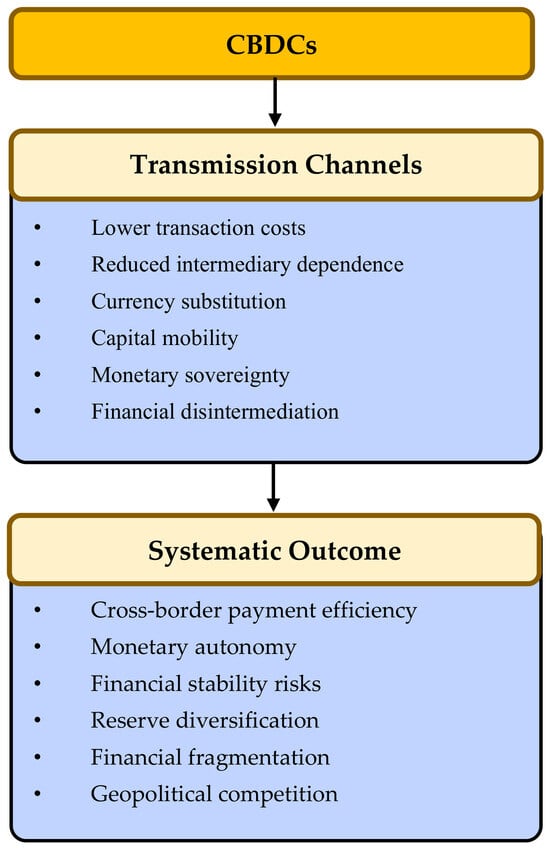
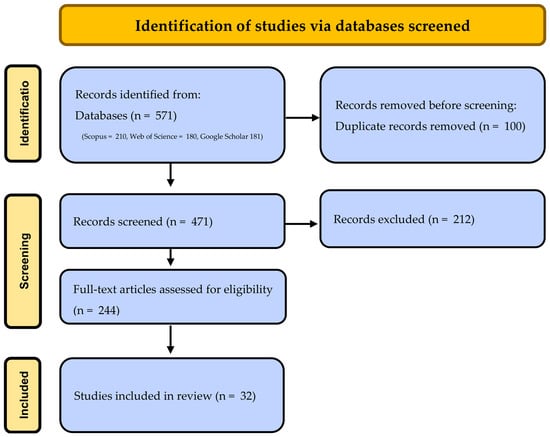
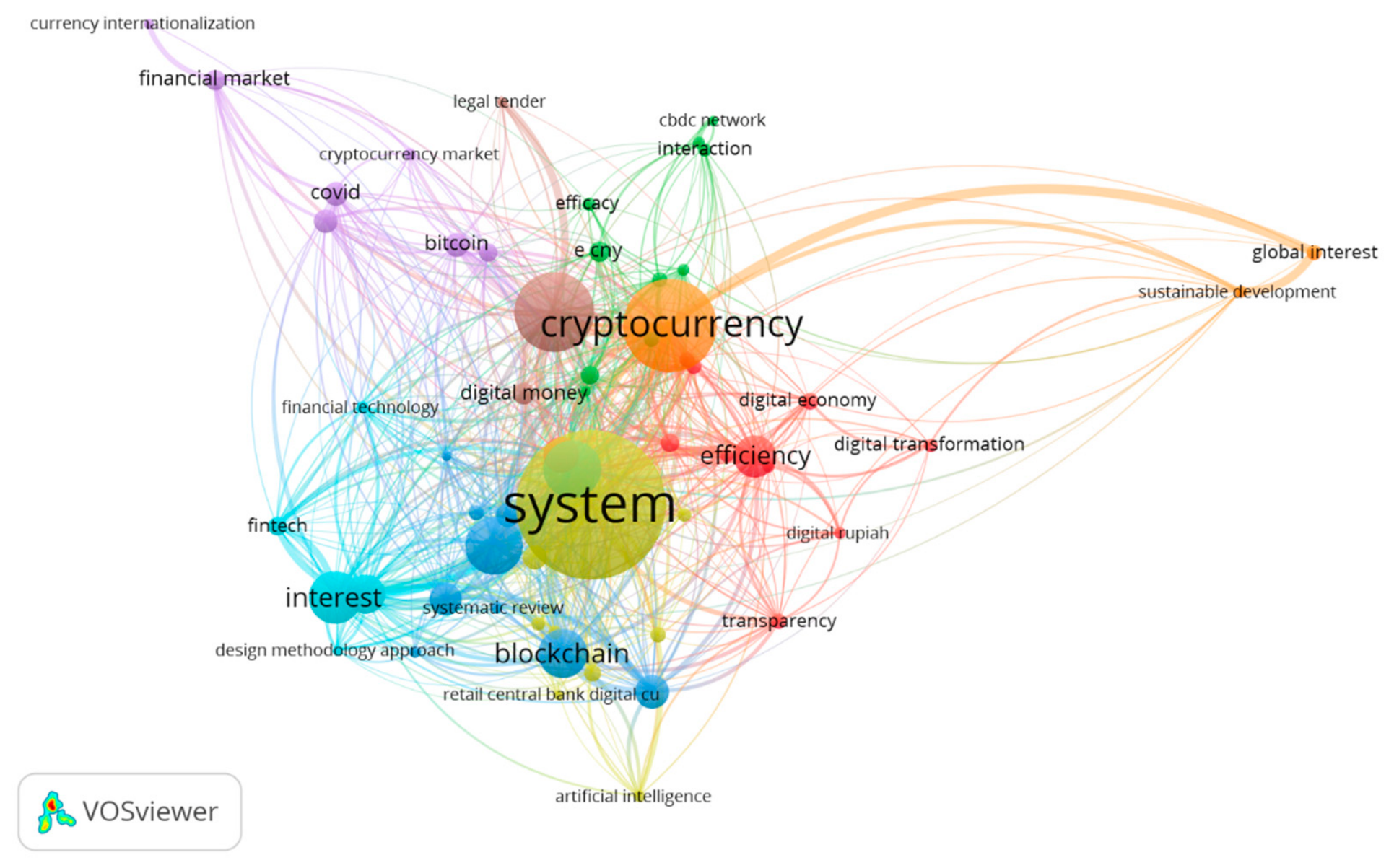
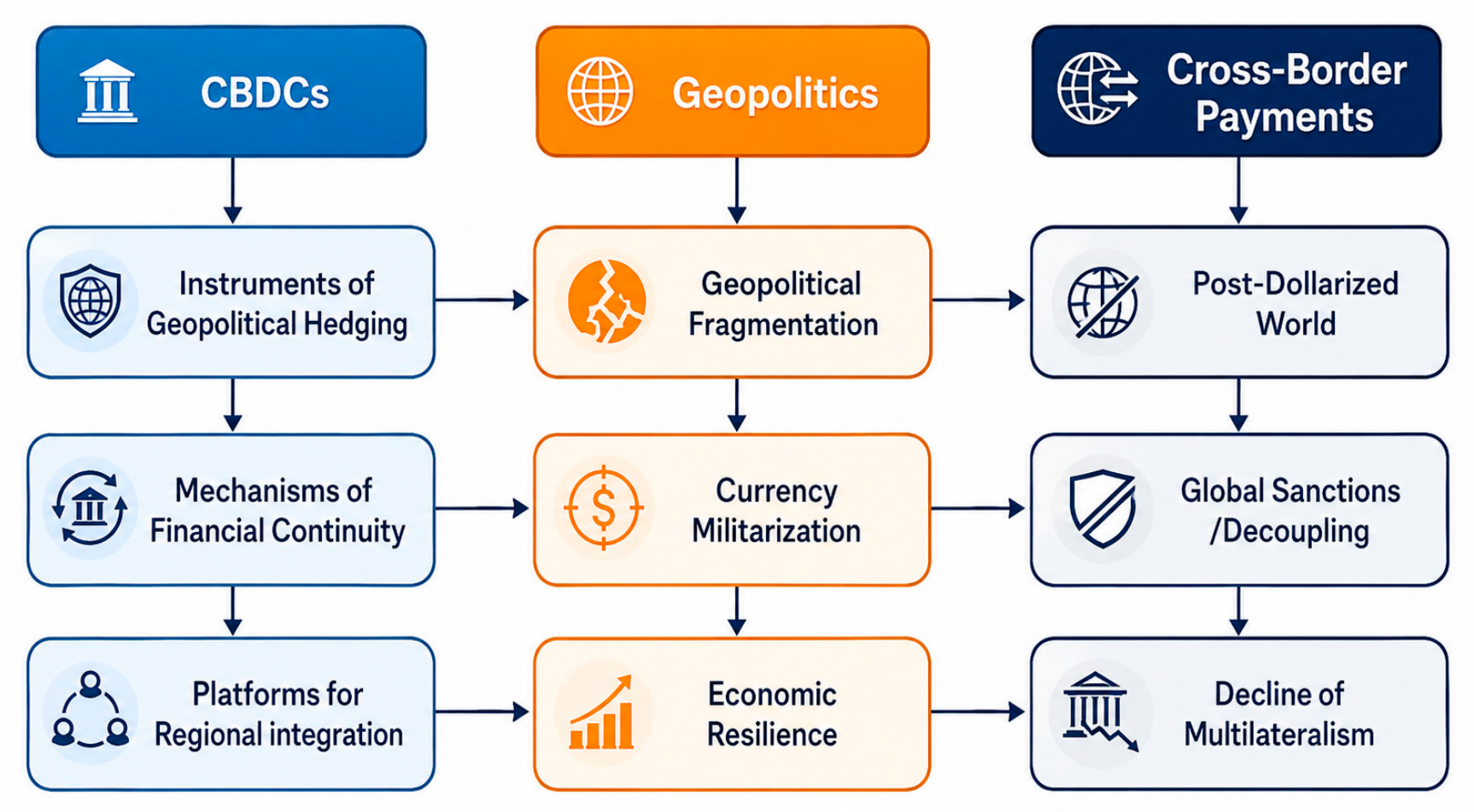

Disclaimer/Publisher’s Note: The statements, opinions and data contained in all publications are solely those of the individual author(s) and contributor(s) and not of MDPI and/or the editor(s). MDPI and/or the editor(s) disclaim responsibility for any injury to people or property resulting from any ideas, methods, instructions or products referred to in the content. |
© 2026 by the authors. Licensee MDPI, Basel, Switzerland. This article is an open access article distributed under the terms and conditions of the Creative Commons Attribution (CC BY) license.