


Abstract
Cryptocurrencies have become increasingly in demand in Ukraine’s wartime economy, yet little is known about how entrepreneurs perceive them in terms of trust, business use, and reputation. This study examines trust dynamics in cryptocurrencies among Ukrainian small-to-medium enterprise (SME) entrepreneurs under wartime conditions, exploring their association with business behavior, investment decisions, and reputational perceptions. The analysis is based on a survey of 561 Ukrainian entrepreneurs. The results show a statistically significant increase in trust in cryptocurrencies during the war. Higher trust is associated with more intensive operational use of cryptocurrencies and greater importance in investment portfolios. Entrepreneurs who associate cryptocurrencies with traditional liquid assets are more likely to assign them a stronger investment role. The use of cryptocurrencies affects both cryptoassets’ reputations and entrepreneurs’ business reputations. Greater engagement with cryptocurrencies is associated with a higher likelihood of viewing their use as a reputational advantage. However, overall assessments remain cautious due to regulatory uncertainty, financial risks, and potential involvement in tax evasion or speculative activities. Different perceived value propositions of cryptocurrencies are also linked to distinct behavioral strategies. Overall, the findings suggest that, in wartime Ukraine, trust in cryptocurrencies is shaped by their practical usefulness during periods of financial disruption and by their implications for entrepreneurs’ reputations.
Keywords:
cryptocurrency; cryptoasset; trust; business reputation; Ukrainian SME entrepreneurs; impact of war; Ukraine JEL Classification:
G41; G23; L26; R11; D83
1. Introduction
Blockchain’s immutable and decentralized architecture has reshaped entrepreneurs’ perceptions of trust, ownership, identity, and financial systems by enabling secure, transparent cryptocurrency payments [1]. Market statistics supported this emphasis: in 2025, the aggregate market capitalization of cryptoassets exceeded USD 4 trillion for the first time, and in October 2025, Bitcoin reached a new all-time high above USD 126,000 [2].
Given the terminological diversity in academic and regulatory literature, this article distinguishes between the terms “digital asset”, “cryptoasset”, “cryptocurrency”, and “virtual asset” based on interpretations previously proposed by other scholars. “A digital asset is any uniquely identifiable object that is stored in digital form and can be used to create value, whereas cryptoassets represent a narrower category of digital assets because they use cryptography to protect data and distributed ledger technology to record transactions” [3]. The term cryptoasset is used as “a broader analytical category referring to a digital representation of value or rights that can be transferred and stored electronically using distributed ledger technology or similar technology, and includes different types of blockchain-based tokens, such as payment tokens, e-money tokens, utility tokens, asset-referenced tokens, and security tokens, whose classification depends on their purpose, structure, legal status, economic function, and financial features” [4]. The term cryptocurrency refers to “a decentralized digital currency system that does not require a central authority, records cryptocurrency units and their ownership, relies on cryptographic proof of ownership, enables transactions that transfer ownership of such units, and prevents double spending” [5]. In this study, “cryptocurrency” is used as the main empirical term because this wording was used in the survey instrument and is directly related to respondents’ trust, use, investment perceptions, and reputational evaluations. The term virtual asset is used in “a regulatory sense to denote an electronic token with economic value that can be traded or transferred electronically, regardless of whether it is based on blockchain or distributed ledger technology” [6].
Whereas some entrepreneurs perceive cryptocurrency as a speculative asset, others actively apply it as an alternative form of money and a store of value [7]. The development of cryptocurrency markets helps explain these different perceptions. In 2025, major U.S. banks (Bank of America, JPMorgan, BNY Mellon, Wells Fargo, and Citibank) piloted and launched bitcoin-backed credit products [2]. In October 2025, JPMorgan began accepting BTC and ETH as collateral. These shifts can be interpreted as strengthening the legitimacy and reputational standing of cryptoassets within the financial system [2].
Intensive cryptocurrency use among entrepreneurs is driven by higher digital (financial) literacy and innovativeness, greater risk tolerance, strategic stakeholder collaboration, and stronger technological competence, cybersecurity capabilities, and a more developed institutional infrastructure [8].
Geopolitical risk, including war and armed military conflicts, affects economic cycles and financial markets and is frequently referenced by central bankers and investors as a significant factor in investment decisions [9,10].
The impact of the war on Ukrainian SME entrepreneurship is regionally uneven, reflecting differences in economic resilience and vulnerability to shocks across the country—from frontline regions highly exposed to business disruption to relatively safer western regions with more favourable conditions for business adaptation and continuity. The ability of Ukrainian regions to absorb economic losses and restore socio-economic stability also varies significantly across the country [11].
In the Ukrainian context, since February 2022, the war has affected the spatial organization of entrepreneurship, forcing SME entrepreneurs to reassess their regional operating environments. Amid uncertainty, Ukrainian business owners were deciding whether to leave their businesses, suspend operations, move employees and equipment to safer cities and regions, and search for new premises, suppliers, and international markets [12].
Under such conditions, Ukrainian SME entrepreneurs began to actively use digital assets to support their financial activity in global markets and to ensure stable payment flows in wartime conditions and economic and political restrictions [13].
The utilisation of virtual assets, which includes cryptocurrencies, has become predominant in the financial practices of Ukrainians, particularly among entrepreneurs. The primary factors that motivate this adoption are asset preservation, portfolio diversification, and the speed of cross-border transactions. At the same time, the reputational perception of cryptocurrencies in Ukraine has evolved from early associations with “financial pyramids” (mainly attributable to limited awareness of blockchain technologies and the pricing mechanisms of virtual assets) toward a more informed understanding of cryptoassets as a distinct class of financial instruments. Evidence of Ukraine’s involvement in the crypto market is proved by its position in Chainalysis’s [14,15,16,17,18,19] Global Crypto Adoption Index, which places it first in 2020, fourth in 2021, third in 2022, fifth in 2023, sixth in 2024, and eighth in 2025. Although Ukraine’s ranking declined by 7 positions over the past 5 years, the country has consistently remained among the top 10 jurisdictions globally in terms of cryptocurrency adoption.
Nevertheless, the legal and regulatory framework governing the use of cryptoassets in Ukraine remains transitional. Cryptocurrencies have not been granted legal tender status alongside the hryvnia, and the rules governing their circulation and taxation are still in the development process. This intermediate phase is characterized by the ongoing legislative process with regard to the regulation of the virtual asset market and the tax treatment of related transactions. This process includes the consideration of Draft Law No. 10225-d [20], On Amendments to the Tax Code of Ukraine and Certain Other Legislative Acts of Ukraine Regarding the Regulation of the Circulation of Virtual Assets in Ukraine [20]. In 2025, this was supported as a baseline text for further refinement. The decisions of entrepreneurs to utilize cryptoassets are influenced not solely by economic rationales but also by expectations of legal certainty, the predictability of state regulatory policy, and compliance-related risks. These factors have a direct impact on their business reputation within the community.
The reputational dimension is of notable significance in this regard, given that assessments of cryptocurrencies as “reliable” or “dubious” assets are frequently extended to their users. Such spillovers are facilitated by reputational signaling, perceived social acceptability and legitimacy, and scrutiny of the lawful origin of virtual assets. Against this backdrop, the increasing public visibility of cryptoassets is noteworthy. According to the National Agency on Corruption Prevention [21], the number of asset declarations reporting cryptoassets rose from 1.32 thousand (UAH 371 million) in 2022 to 1.71 thousand (UAH 526 million) in 2023 and 2.2 thousand (UAH 786 million) in 2024. The National Agency on Corruption Prevention [21] identified recurrent irregularities in reporting, including errors or manipulations concerning asset valuation, quantities, and acquisition dates. Although these data primarily relate to declarants within the public integrity system, they contribute to an ambivalent reputational environment for cryptocurrencies: cryptoassets are simultaneously normalized as investment instruments and remain associated with potential misconduct, particularly in the context of laundering illicitly acquired assets. This ambiguity motivates an empirical inquiry into how Ukrainian SME entrepreneurs assess the reputations of cryptocurrencies and how the business community forms judgements about the reputations of entrepreneurs who employ cryptoassets in their economic activity.
In previous studies, scholars have found that different types of crises can increase both the use of cryptocurrencies and trust in them. We focus our study on a more specific issue: how wartime conditions transform trust in cryptocurrencies into a reputational mechanism within the Ukrainian SME sector. The study extends existing research by linking trust dynamics with operational use, investment portfolio decisions, perceived value propositions, and reputation spillovers between cryptoassets and entrepreneurs who use them. In doing so, it provides empirical evidence on how cryptocurrencies are evaluated as signals of adaptability, innovativeness, regulatory risk, and business reputation in a wartime economy.
2. Literature Review
War-related scientific papers suggest that changes in Ukrainian SME entrepreneurs’ trust in cryptocurrency have occurred within a broader reassessment of institutional reliability and a growing societal intolerance of corruption-related offences. Research has shown a post-invasion shift in public attitudes toward corruption, marked by more decisive rejection of corrupt practices among Ukrainians [22]. For entrepreneurs, this creates a new trust environment in which transparency and accountability of financial flows become increasingly important, thereby increasing interest in instruments that reduce the role of intermediaries in shaping market outcomes. Blockchain-based reputation mechanisms can effectively bridge trust gaps in B2B interactions by reducing information asymmetry and providing immutable, tamper-proof quality signals that do not depend on traditional intermediaries [23]. In this context, reputation is viewed as a form of social influence that, along with financial capital, shapes entrepreneurs’ behavioral strategies in the crypto economy [24].
Understanding Ukrainian SME entrepreneurship requires an appreciation of the regional dimension of wartime economic transformation. Ukrainian SMEs function within regionally uneven wartime conditions characterized by economic disruptions, business relocation, and differences in territorial resilience. These conditions increase the need for adaptability, flexibility, and the reorientation of business strategies, including the choice of new financial instruments such as cryptocurrencies, and are shaped by the socio-economic structure and institutional environment of regions [11,12,25].
The war has reshaped perceptions of cryptocurrency—from a mainly speculative asset toward a functional payment tool. Donor funds can be transferred quickly and transparently from crypto wallets and channeled to support Ukrainians during the war [26]. After the National Bank of Ukraine introduced wartime constraints on electronic transfers and foreign-currency withdrawals, the value of alternative tools for transferring funds increased, including cryptocurrency remittances, especially when conventional channels were slower or less accessible [27]. It was a wartime reorientation from trading and mining toward broader applications of blockchain technologies [28]. For Ukrainian entrepreneurs, trust in cryptocurrency is built on speed, accessibility, and cross-border usability with strong expectations of high returns.
A safe-haven dimension of trust has also become more visible, with cryptoassets increasingly seen as a store-of-value option amid macro-financial uncertainty. At the beginning of the war, virtual assets served as a reliable means to safeguard funds for many Ukrainian entrepreneurs, among concerns about the banking system’s resilience and high inflation risks, which contributed to increased activity in the cryptocurrency market [29]. This pattern is consistent with crisis-period behavior in which investors seek safe-haven assets [30]. Within the crypto domain, interest in “clean” cryptocurrencies has been linked to diversification during crises [31], and gold-backed cryptocurrencies have been described as offering diversification and safe-haven properties [32]. Trust, therefore, can be reflected not only in willingness to use cryptocurrency for payments, but also in willingness to hold cryptoassets in business portfolios as a hedging instrument.
Studies on geopolitical conflicts have shown that many cryptocurrencies and traditional assets exhibit excessive war-induced volatility, which limits their suitability as safe-haven or hedging instruments [10]. Major cryptocurrencies such as Bitcoin act as net transmitters of volatility to other cryptoasset classes during turbulent times, such as the COVID-19 pandemic [33] and the Russia–Ukraine war [34]. The impact of volatility can significantly negatively impact entrepreneurs’ confidence in the perceived stability of cryptocurrencies as a means of payment and savings.
Related researches also underline the role of information attention and wartime news exposure in cryptocurrency market dynamics, with potential implications for business trust. War attention significantly impacts cryptocurrencies, with shorter-term investors responding by seeking liquidity and, over the long term, these assets being assessed as hedging and diversification instruments [34]. Empirical papers have demonstrated a positive relationship between increased search interest in the war and higher cryptocurrency returns after the invasion, attributed to greater cryptocurrency use during the war period [35]. For entrepreneurs, this effect is varied: perceived usefulness is more important, while volatility and speculative waves may weaken confidence among more cautious market participants. Regulatory legitimization remains central to securing trust. Proposed measures for Ukraine include the gradual, structured integration of cryptocurrencies into the financial system, stronger oversight and control mechanisms, and tax policies designed to increase transparency, all presented as conditions for strengthening regulatory trust [36]. Overall, the literature analysis showed a shift from a primarily investment–speculative view toward a more complex form of trust. It combining transactional practicality under wartime constraints, a protective savings function under inflation and institutional instability, and a reputational demand for transparency and control in an environment of corruption intolerance. Such premises form the theoretical basis for empirical testing of the war-related shift in trust (before/after 24 February 2022) among Ukrainian entrepreneurs and their connection to indicators of cryptocurrency use among Ukrainian SMEs.
3. Theoretical Analysis and Hypotheses
3.1. Wartime Conditions and Shifts in Trust in Cryptocurrencies
Geopolitical crises and wars lead to deep macro-financial uncertainty, prompting a reassessment of the reliability of national payment instruments and cryptoassets [10,35]. In Ukraine, the distribution of these processes is uneven across the country, with wartime disruptions varying by region depending on the intensity of military activity, the economic structure, and institutional resilience. Business activity and access to banking services are considerably more limited in regions on the front line, such as Kherson and Zaporizhzhia, than in regions that are relatively more stable, such as Kyiv and Lviv. Consequently, entrepreneurs across regions have unequal access to financial infrastructure and payment channels, which affects their willingness to trust new alternative financial instruments, such as cryptocurrencies. Moreover, in Ukraine, the war has changed public attitudes toward corruption and increased demand for financial transparency in settlements and transfers, particularly regarding donations supporting the military. In this context, the decentralized feature of blockchain provides a novel trust mechanism that mitigates risks associated with traditional payment channels. In this study, trust in cryptocurrencies is defined as a multidimensional perception that includes institutional trust in regulation and legal certainty, technological trust in blockchain infrastructure and transaction security, financial trust in the usefulness of cryptocurrencies as payment or investment instruments, and reputational trust related to their perceived legality, innovativeness, and ethical implications. Empirically, trust was measured as respondents’ overall perceived level of trust in cryptocurrencies, whereas we introduced these dimensions for conceptual clarification rather than as separately measured variables. As Ukrainian SMEs adapt to constraints in banking services, their trust in alternative financial instruments may shift from caution, driven by the speculative character of cryptocurrencies, to usual everyday use in financial operations as entrepreneurs’ financial literacy develops rapidly. Based on this argumentation, we put forward Hypothesis 1.
H1.
Among Ukrainian SME entrepreneurs, the level of trust in cryptocurrencies during the war differs statistically significantly from that prior to 24 February 2022.
3.2. Trust Dynamics, Use in Business Activities, and Role in Asset Portfolio
The growth of trust in cryptocurrencies among entrepreneurs, consequent to the global popularization of crypto assets, reduces risk perception when making financial decisions [21,28,30]. As business owners develop greater trust in digital assets, driven by the need for fast cross-border payments and asset preservation in inflationary environments, Ukrainian SMEs are more likely to implement these financial instruments into their business processes. This integration manifests itself in two ways: firstly, as a means of payment to overcome wartime restrictions; and secondly, as a hedging tool to build financial reserves for businesses. In the Ukrainian region context, cryptocurrencies are considered by SME entrepreneurs as alternative financial instruments that ensure transparent transactions, lower costs, and cross-border payments without intermediaries, thereby supporting both operational activities and investment attraction [37]. Based on this, we propose Hypothesis 2.
H2.
The greater the positive change in trust in cryptocurrencies during the war, the higher the Ukrainian entrepreneur’s engagement with cryptocurrencies:
- (a)
- In the form of operational use;
- (b)
- In the form of a more prominent role in the entrepreneur’s investment portfolio and/or investment plans.
3.3. The Characteristics of Entrepreneurs’ Perception of Cryptocurrency
The manner in which entrepreneurs perceive a particular asset determines its role and size in their investment portfolios [31,32]. In emerging economies, the broader acceptance of cryptocurrencies is also influenced by financial literacy, while perceived risk does not necessarily hinder their adoption [38]. Regional economies may exhibit different levels of resilience to economic shocks, which may influence SME entrepreneurs’ economic behavior and their financial decision-making regarding the adoption of cryptocurrencies [39]. Such regional heterogeneity influences SME entrepreneurs’ financial decision-making and their perceptions of emerging financial assets, including cryptocurrencies, particularly in countries experiencing asymmetric regional shocks, such as Ukraine in wartime. Entrepreneurs who regard cryptocurrencies as comparable to highly liquid conventional investment classes—such as foreign currency or publicly traded equities—are more likely to view them as financial instruments suitable for use in their operations. Conversely, perceiving cryptoassets as analogous to non-traditional or tangible assets (e.g., real estate or commodities) may assign them a more passive hedging function and frame them primarily as a means of wealth accumulation. This reasoning underlies Hypothesis 3.
H3.
Ukrainian entrepreneurs who compare cryptocurrency with traditional investment asset classes (foreign currency and/or stocks/funds) are more likely to give cryptocurrency a more significant role in their investment portfolio/plans than entrepreneurs who do not make such comparisons and/or associate cryptocurrency primarily with other instruments (deposits/cash, government bonds/bonds, real estate, gold/commodities, etc.).
3.4. Entrepreneurs’ Engagement with Cryptocurrencies and Perceptions of Their Business Reputation
The implementation of innovative technologies in business processes sends positive market signals regarding an entrepreneur’s adaptability and business agility [26]. In the context of business-to-business markets, business reputation plays a significant role in shaping decisions about establishing cooperative relationships with a specific entrepreneur. Entrepreneurs who demonstrate greater engagement in the cryptoassets market are more likely to view the integration of cryptocurrencies into financial settlements as a favorable reputational signal, thereby underscoring resilience and technological competence. Across advanced economies and emerging regions, the growing adoption of cryptocurrencies has been accompanied by regulatory concerns related to tax evasion, illicit financial flows, and the erosion of traditional tax bases, which shape how these assets are perceived by public authorities and market participants [40]. The anonymity and decentralized nature of cryptocurrencies make them vulnerable to misuse, including money laundering, terrorist financing, and other illicit financial activities [41]. This raises concerns among investors and policymakers regarding financial transparency and legal risks and, in some regions—particularly in the Middle East and Africa—may contribute to negative perceptions of the use of cryptocurrencies in business activities and reduce investment attractiveness [41]. Although Ukraine differs institutionally from Middle Eastern and African countries, this evidence suggests that in transition economies the reputational consequences of cryptocurrency use may depend on whether entrepreneurs perceive them as a signal of innovativeness or as an indicator of regulatory and fiscal risks. However, the transitional nature of Ukraine’s regulatory and legal framework implies that associations with tax evasion or speculative risks may simultaneously shape negative signals [21]. On this basis, Hypothesis 4 is proposed.
H4.
The higher the Ukrainian entrepreneur’s involvement with cryptocurrencies (experience/frequency of use and/or role in the portfolio), the greater the likelihood that the entrepreneur evaluates a businessperson’s use of cryptocurrencies as a factor that improves business reputation, rather than as neutral or negative. At the same time, selecting motives related to concerns about “grey” practices and/or tax avoidance and/or heightened risk/speculativeness statistically significantly increases the likelihood of assessments that reputation “deteriorates” or “does not change”.
3.5. Cryptocurrencies and Behavioral Differentiation in Entrepreneurship
The specific perceived value of an asset influences distinct entrepreneurial behavioral pathways. Trust in cryptocurrencies and, consequently, behavioral responses to them vary across national contexts due to differences in technological, economic, and social factors shaping users’ perceptions [42]. In the context of entrepreneurship, the perceived usefulness of digital assets is a multidimensional phenomenon [8]. When the value of a cryptoasset is perceived as transactional (e.g., 24/7 access, lower fees), rational, efficiency-oriented behavior tends to drive its adoption in operational activities [26]. When the value is perceived as protective (e.g., hedging against depreciation and inflation), it encourages portfolio diversification [32]. Finally, when the perceived value is linked to image or innovativeness, it primarily affects reputational evaluations of the entrepreneur as competitive. This reasoning underlies Hypothesis 5.
H5.
Ukrainian entrepreneurs’ dominant perceived value proposition of cryptocurrencies (transactional, investment–protective, or image-related) is statistically significantly associated with the type of their engagement in using cryptocurrencies in business:
- (a)
- Selecting transactional benefits (fast international payments/low fees/24/7 access) is associated with a higher likelihood of operational use;
- (b)
- Selecting investment–protective benefits (diversification/protection against depreciation and inflation) is associated with a greater role of cryptocurrencies in the investment portfolio;
- (c)
- Selecting image-related benefits (innovativeness/image) is associated with a higher likelihood of evaluating cryptocurrency use as improving a businessperson’s business reputation.
3.6. Determinants of Trust and the Reputation of Specific Cryptoassets
The trust in cryptocurrencies is shaped positively by institution-based trust, perceived gains, and knowledge-based assessments, and negatively by technological threats, while the relative importance of these determinants varies across national contexts: in mature markets such as the USA, trust depends more strongly on technological literacy, whereas in other regions it is influenced to a greater extent by institutional safeguards, regulatory frameworks, cultural norms, and user behavior [42]. Information asymmetry in cryptocurrency markets [31] compels investors to rely on a set of external and internal determinants—such as macroeconomic shocks, news of changes in state regulation of entrepreneurial activity and financial markets, and users’ personal experience—to establish a baseline level of trust. These determinants not only help explain the magnitude and direction of the overall shift in trust toward cryptocurrencies in Ukraine during the war but also shape an extensive “reputational map” of individual cryptoassets. For instance, a trust shift driven by a demand for stability may improve the perceived reputation of certain stablecoins. In contrast, a shift triggered by speculative news may affect the reputation of volatile altcoins. On this basis, we propose Hypothesis 6.
H6.
The dominant determinant of changes in trust in cryptocurrencies, identified by a Ukrainian entrepreneur, statistically significantly explains:
- (a)
- The direction and magnitude of the change in trust during the war;
- (b)
- The structure of the cryptocurrencies’ “reputational map” (i.e., which assets are classified as “best” or “worst” in terms of perceived business reputation among Ukrainian entrepreneurs).
4. Methodology
4.1. The Conceptual Framework
This study’s conceptual framework links wartime conditions, changes in trust in cryptocurrencies, entrepreneurial engagement with cryptoassets, and reputational perceptions of cryptocurrencies and the entrepreneurs who use them. The model assumes that wartime uncertainty reshapes trust, affecting operational use, investment portfolio decisions, and perceptions of business reputation. Accordingly, the empirical design examines how trust dynamics, perceived value propositions, and reputational signals are associated with different patterns of cryptocurrency use among Ukrainian SME entrepreneurs.
4.2. Research Design
Our study employs a quantitative empirical research design to examine the dynamics of trust in cryptocurrencies among Ukrainian SME entrepreneurs during wartime and their relationship with business behavior, investment decisions, and reputational perceptions. The empirical analysis we based on survey data and statistical hypothesis testing.
We focused the research on testing six hypotheses: (H1) wartime changes in Ukrainian SME entrepreneurs’ trust in cryptocurrencies; (H2) the relationship between trust dynamics and entrepreneurial engagement with cryptoassets; (H3) entrepreneurs’ perceptions of cryptocurrencies; (H4) the reputational implications of cryptocurrency use in business; (H5) the association between the perceived value of cryptocurrencies and patterns of entrepreneurial use; and (H6) the role of trust determinants in explaining both changes in trust and the reputation of specific cryptoassets.
4.3. Data Collection and Sample
We collected the empirical data through a structured survey of Ukrainian entrepreneurs, executives, and co-owners of small and medium-sized enterprises (SMEs). Data collection was conducted between 17 December 2025 and 17 February 2026 using two complementary approaches:
- An online questionnaire administered via Google Forms;
- Interviews conducted via video calls, telephone, or in-person meetings.
The study employed a purposive non-probability sampling strategy. We selected this approach because the target group consisted of Ukrainian SME entrepreneurs, executives, and co-owners who could assess the role of cryptocurrencies in business operations, investment decisions, and reputational perceptions under wartime conditions. Respondents were recruited through professional and business networks, SME-related communication channels, and direct invitations.
We designed the questionnaire as a short, thematic instrument focused on cryptocurrency-related trust, use, investment perceptions, and reputational evaluations to reduce respondent burden under wartime conditions and keep the survey focused on the variables directly required for testing the study hypotheses. The average time required to complete the questionnaire was less than five minutes, which increased the likelihood of receiving complete responses. As a result, the survey did not include questions on regional distribution, sectoral affiliation, age, gender, exact respondent role, or detailed firm-size categories beyond the SME inclusion criterion. This methodological limitation restricts our ability to report broader demographic and firm-level characteristics.
Moreover, because part of the survey was disseminated through professional and online networks, it was not possible to calculate an exact response rate. The final dataset consists of 561 valid responses from Ukrainian SME entrepreneurs who were accessible during the data collection period. To improve the transparency of the empirical sample, Table 1 summarizes the available sample characteristics and sampling information based on the original survey instrument and data collection procedure.
Table 1.
Sampling profile.
4.4. Questionnaire Design and Variables
The questionnaire consisted of 9 questions (see Figure 1) designed to capture experiences with cryptocurrencies, their perceived role in investment portfolios, trust dynamics, and reputational evaluations. The questionnaire was kept concise to maximize response quality and completion rates among SME respondents. Several survey items were designed to capture multiple analytical dimensions, enabling the testing of multiple hypotheses through cross-variable analysis. In the empirical analysis, we used the survey questionnaire to derive the following core variables.
Figure 1.
Mapping of survey question responses to the study hypotheses. Source: Author’s design.
4.4.1. Experience with Cryptocurrencies (Q1)
Respondents reported their level of engagement with cryptocurrencies using four categories: never used, one-time use, occasional use, and regular use. For certain analysis cases, to reach higher group sizes without losing logical meaning, we converted these responses into an ordinal scale:
0—Non-user;
1—Occasional or one-time user;
2—Regular user.
It should be noted that Q1 describes the frequency of cryptocurrency use, but not asset-specific use cases. Therefore, the category of regular users reflects the intensity of engagement. Functional differences in cryptocurrency use are examined separately through their role in investment portfolios (Q2) and their perceived value propositions, including transactional, investment-protective, and image-related benefits (Q5).
4.4.2. Role of Cryptocurrency in the Investment Portfolio (Q2)
Respondents evaluated the importance of cryptocurrencies in their investment plans using categories ranging from “not considered as an investment tool” to “primary investment instrument.” We recorded these responses for certain empirical testing into three levels:
0—Not important;
1—Experimental or minor role;
2—Important role (supplementary, key, or primary investment instrument).
4.4.3. Perceived Alternatives to Cryptocurrencies (Q3)
Respondents identified up to two financial instruments they perceived as the closest alternatives to cryptocurrencies. The response options included: deposits or cash, government bonds, stocks or investment funds, real estate, gold or commodities, foreign currency, or other. For some statistical tests, we grouped these responses for hypothesis testing into two categories:
- (1)
- Traditional investment assets (foreign currency, stocks, investment funds);
- (2)
- Non-traditional or passive assets (cash, deposits, real estate, gold, bonds, etc.).
4.4.4. Top 5 Cryptocurrencies by Business Reputation—Best (Q4a)
Respondents were asked to list the five cryptocurrencies they considered to have the strongest business reputation. This question was open-ended and allowed respondents to rank the selected assets. We cleaned and aggregated the responses to construct a positive reputational map of cryptocurrencies among Ukrainian SME entrepreneurs.
4.4.5. Top 5 Cryptocurrencies by Business Reputation—Worst (Q4b)
Respondents were asked to list the five cryptocurrencies they considered to have the weakest business reputation. This question was also open-ended and allowed respondents to rank the selected assets. We cleaned and aggregated the responses and used them to construct the negative reputational map of cryptocurrencies among Ukrainian SME entrepreneurs.
4.4.6. Perceived Value of Cryptocurrencies (Q5)
Respondents identified the primary value proposition they associate with cryptocurrencies. The response options included: fast international payments, low fees, 24/7 access without banking restrictions, investment diversification, protection against devaluation or inflation, innovation or business image, and others.
For some hypotheses testing we grouped these responses for empirical analysis into three broader categories: transactional benefits, investment–protective benefits, and image-related benefits.
4.4.7. Trust in Cryptocurrencies Before 24 February 2022 (Q6a)
Respondents evaluated their level of trust in cryptocurrencies before the start of the full-scale war. We measured trust on a 5-point Likert scale:
1—Do not trust at all;
2—Low level of trust;
3—Moderate level of trust;
4—High level of trust;
5—Fully trust.
4.4.8. Trust in Cryptocurrencies During the War (Q6b)
Respondents evaluated their current level of trust in cryptocurrencies during the war using the same 5-point Likert scale. It was used because it provides a balance between interpretability, respondent burden, and measurement sensitivity, particularly in strongly time-limited survey environments. We used the difference between Q6b and Q6a for empirical analysis to measure the direction and magnitude of trust change during wartime conditions.
4.4.9. Primary Reason for the Change in Trust Level (Q7)
Respondents indicated the main factor influencing their change in trust in cryptocurrencies. The response options included: trust has not changed, personal or business experience, experience of partners or clients, volatility and market risks, news of hacks, fraud, or bankruptcies, convenience for international settlements, and others. We used the dominant factors of trust change in statistical analyses to explain variations in trust dynamics and reputational perceptions.
4.4.10. Impact of Cryptocurrency Use on an Entrepreneur’s Business Reputation (Q8)
Respondents assessed how the use of cryptocurrencies in business activities affects the reputation of an entrepreneur. The response options included: improves business reputation, no change, worsens reputation, and difficult to answer. We used these responses in empirical analysis to evaluate the relationship between cryptocurrency engagement and reputational perceptions.
4.4.11. Rationale for Reputational Perception (Q9)
Respondents selected up to two reasons explaining their evaluation of the reputational impact of cryptocurrency use in business. The response options included: perception has not changed, appears innovative or modern, appears financially literate or flexible, suspicions of “grey” schemes or tax evasion, appears more risky or speculative, depends on industry, crypto type, or purpose, and others. We used these responses in qualitative analysis to interpret the motivations underlying respondents’ reputational assessments.
Figure 1 presents a diagram that maps the study hypotheses to the survey questions, highlighting which questionnaire responses were used to examine each hypothesis (H1–H6).
4.5. Statistical Methods
The empirical analysis was conducted using the R statistical programming environment (version 4.5.1; accessed 20 March 2026). Several complementary statistical methods were applied to test the research hypotheses and ensure robustness of the results.
4.5.1. Paired-Samples t-Test
To examine whether trust in cryptocurrencies changed during the war, we compared respondents’ evaluations before the war and during the war using the paired-samples t-test. This test determines whether the mean difference between two dependent samples is statistically significant.
4.5.2. Wilcoxon Signed-Rank Test
Because Likert-scale responses may deviate from normal distribution, we applied the Wilcoxon signed-rank test as a nonparametric alternative to confirm the robustness of the results.
4.5.3. Effect Size (Cohen’s d)
To quantify the magnitude of observed changes in trust, the Cohen’s d coefficient was calculated together with its confidence interval.
4.5.4. Linear Trend Analysis
To evaluate whether increases in trust were associated with higher levels of cryptocurrency engagement or portfolio importance, we applied F-tests for linear trends. These tests allow identification of systematic increases across ordered groups.
4.5.5. Chi-Square Test of Independence
We evaluated associations between categorical variables, such as cryptocurrency usage and reputational perceptions, using the χ2 (chi-square) test of independence.
4.5.6. Cramer’s V
We estimated strength of association between two categorical variables, for example, engagement with cryptocurrencies and perceptions of business reputation.
4.5.7. Cochran–Armitage Trend Test
To detect monotonic trends in binary outcomes (e.g., improvement vs. no improvement in reputation), we applied the Cochran–Armitage trend test.
4.5.8. Proportion Tests
In cases where comparisons between two proportions were required, we used a one-sided z-test for proportions.
4.5.9. Regression Analysis
We used regression analysis to examine how the dominant drivers of trust change explain the structure of the reputational map of cryptocurrencies identified by respondents.
4.5.10. Probability Analysis
Conditional and joint probability measures were also calculated to explore the relationship between trust dynamics and entrepreneurial engagement with cryptocurrencies.
4.5.11. Multiple Comparisons Adjustment
We used the Benjamini–Hochberg false discovery rate (FDR) correction procedure to reduce the risk of Type I error associated with multiple hypothesis testing.
5. Results
5.1. H1 (Wartime Conditions and Shifts in Trust in Cryptocurrencies)
During the war, Ukrainian SME entrepreneurs’ attitudes and trust toward cryptocurrencies changed. The level of trust of only 39.2% of respondents did not change, 55.3% revised their attitude in a positive direction, and only 5.5% worsened it. The statistical characteristics (Table 2) show a significant positive change in attitude. Respondents evaluated the level of trust on a 5-point scale before the start of the war and during (at 3.75–3.9 years since its beginning), where 1 is the lowest level of trust, and 5 is the highest. The average level of trust before the war was 1.84, and during the war it increased to 2.66. With an available sample size of 561 respondents and a standard sample deviation of 1.0324 and 1.252, the paired t-test and Wilcoxon signed-rank test showed that the growth in trust level of 0.82 is statistically significantly higher relative to the pre-war level of 1.84. The null hypothesis was rejected at all significance levels, higher than 0.001, which indicates a stable statistically significant excess of the mean value over a given threshold. The assessment of the effect by Cohen’s d coefficient is 0.71, which is slightly above the average level. The confidence interval for the Cohen’s d coefficient is [0.62; 0.79]. This increase in trust may also reflect the need for businesses to adapt to regionally differentiated wartime conditions in Ukraine, where entrepreneurs faced varying levels of constraints in accessing traditional financial services.
Table 2.
Paired t-test result and effect size for comparison with the reference value 1.84 (1.03).
One more point of interest is the transition matrix of score points before and during war (Table 3). If conventionally dividing the level of trust (Q6) into 1–2 low, 3—average, 4–5—high, then all Ukrainian SME entrepreneurs who had a high level of trust preserved it during the war. Among those with an average level before the war, 36.56% did not change their opinion, while 14.85% stopped trusting, and 48.51% increased their trust. For Ukrainian SME entrepreneurs with an initially low level of trust, 58% remained low, while the remaining 42% increased. Also, the decrease in trust among those whose initial attitude was at levels 4–5 remained stable (91% remained high), but it is worth noting that the share of those in the whole sample is just 8%.
Table 3.
Distribution of the number of entrepreneurs in the cross-section of joint trust assessments before and during the war.
The growth of cryptocurrency’s reputation during the war depends on the value it gives to Ukrainian SME entrepreneurs. A tool for diversifying investments and fostering innovation, or an image of business characteristics, contributes most to the reasoning behind the growth in trust levels among them. Smaller growth in trust is characterized by properties such as accelerated international payments and 24/7 access without banking restrictions. For entrepreneurs who see the main values of cryptocurrency in protection against devaluation and inflation, and in low fees, the level of trust showed the lowest increase among categories.
5.2. H2 (Trust Dynamics, Use in Business Activities, and Role in Asset Portfolio)
To quantify the level of engagement of Ukrainian SME entrepreneurs with cryptocurrency, we assigned ordinal scores to the experience categories (Q1) as follows: 0—non-user, 1—one-time or occasional user, 2—regular user. Using this coding scheme, together with the quantitative measure of trust in cryptocurrency, we found that across all experience levels, there was a statistically significant increase (Paired t-test) in its reputational assessment (Q6) during the war (Table 4). Specifically, among non-users, the mean level of trust increased by 45.5%; among one-time or occasional users, by 47.0%; and among frequent users, by 38.4%.
Table 4.
Statistical Characteristics of Trust in Cryptocurrencies by Usage Experience Groups.
Moreover, higher levels of operational use of cryptocurrencies are associated with greater increases in trust among Ukrainian SME entrepreneurs. Statistically, this pattern is supported by an F-test for a linear trend (F = 17.77, p < 0.001). In socio-economic terms, relative to groups with lower levels of use, the observed increases amount to 36.45% and 33.06%, indicating that this process is relatively uniform.
Higher trust in cryptocurrency is also associated with the perceived importance of cryptoassets within entrepreneurs’ investment portfolios or plans. To examine this, we converted the indicator capturing the importance of cryptocurrency in entrepreneurs’ plans (Q2) into a quantitative measure and recoded it as follows: 0—not important (not considered as an investment instrument), 1—low importance (being tested or used experimentally), and 2—important (a supplementary, key, or primary instrument in the portfolio). Using this structure, we found that the increase in reputational assessment/trust (Q6) was statistically significant at each level (Table 5). Specifically, for those who do not perceive value, the mean level increased by 37.6%; for those who do not intend to use it actively, by 46.0%; and for those who plan to use it actively, by 52.3%.
Table 5.
Statistical Characteristics of Trust in Cryptocurrencies by Their Role in the Investment Portfolio.
The statistical significance of the relationship between the increase in trust and the role and prospects of cryptocurrency in entrepreneurs’ investment plans is confirmed by an F-test for a linear trend (F = 49.729, p < 0.001). Therefore, it can be argued that the positive change in trust in cryptocurrencies during the war is significantly associated with greater engagement by Ukrainian SME entrepreneurs in cryptocurrencies, as reflected in their more prominent role in their investment portfolios or plans. We can also interpret the discovered relationship in light of the regionally uneven conditions for entrepreneurship in wartime Ukraine, where differences in access to financial infrastructure, cross-border payment channels, and restrictions on business continuity influence the degree of entrepreneurs’ reliance on cryptocurrencies for rapid use and portfolio diversification.
5.3. H3 (The Characteristics of Entrepreneurs’ Perception of Cryptocurrency)
We found that under wartime conditions, the perceived role of cryptocurrency in Ukrainian SME entrepreneurs’ investment plans differs depending on whether it is associated with traditional liquid investment assets or with other, more passive or non-traditional instruments. To statistically substantiate this, we formalized, renamed, and grouped the characteristics of the importance of cryptocurrency in entrepreneurs’ plans (Q2) following the approach used in H1, and we also defined two groups of cryptocurrency’s association with investment instruments (Q3): traditional and non-traditional. The first group included equity and investment funds, as well as currency. The second comprised cash and bank deposits, gold and commodities, real estate, domestic government and corporate bonds, and other assets, which were predominantly interpreted as high-risk or speculative. The estimated mean importance of cryptocurrency is statistically significantly higher in the first group, as indicated by the paired t-test (t = 4.6524 > 1.96, p < 0.001). Cohen’s d = 0.367 indicates an effect size in the small-to-moderate range. We can interpret this pattern in the aspect of regionally uneven wartime conditions in Ukraine, where differences in economic resilience, business adaptation, and access to financial instruments shape how entrepreneurs compare cryptocurrencies with conventional liquid assets when making portfolio decisions.
5.4. H4 (Entrepreneurs’ Engagement with Cryptocurrencies and Perceptions of Their Business Reputation)
An increase in Ukrainian SME entrepreneurs’ engagement with cryptocurrencies is associated with a higher likelihood of evaluating the use of cryptocurrencies in business as a reputationally positive factor. To confirm this, we applied a quantitative transformation of the cryptocurrency usage experience indicator (Q1), consistent with the approach in H2. Another indicator for analysis was the change in perceptions of the business reputation of an entrepreneur who uses cryptocurrency (Q8), expressed as two categories: “improves” and “does not improve”. A χ2 test of independence assessing the relationship between these variables revealed a statistically significant association (χ2 = 72.086, df = 2, p < 0.001), indicating substantial differences in the share of entrepreneurs whose attitudes toward cryptocurrency users improve across the usage-experience categories. The Cochran–Armitage test further confirmed the presence of a statistically significant monotonic trend, i.e., the proportion of respondents in the “improves” category increases linearly with higher levels of entrepreneurs’ engagement in the cryptocurrency market (χ2 ≈ 57.713, df = 1, p < 0.001). The strength of this association, measured by Cramer’s V = 0.358, indicates an average level of growth.
In a manner analogous to the previous test, we used a quantitative expression of the importance of cryptocurrency in entrepreneurs’ plans (Q2), following its use in hypothesis H2. The “change in perceptions of business reputation” variable (Q8) also consists of two categories: “improves” and “does not improve”. We assessed the association between the respective variables using a χ2 test. The analysis identified a statistically significant association (χ2 = 128.94, df = 2, p < 0.001), indicating substantial differences in the share of “improvement” across attitudes at different levels of role importance. To test for a linear trend, we applied the Cochran–Armitage test; the results indicate a statistically significant increasing trend in the proportion of “improves” as the importance level rises (χ2 ≈ 114.223, df = 1, p < 0.001). In this case, the strength of association is closer to a large effect size, with Cramer’s V = 0.479.
Awareness of the negative aspects of cryptocurrency use is also statistically associated with perceptions of other entrepreneurs’ business reputation. To examine this, we compared the share of respondents who perceive cryptocurrency as involving grey practices or as a high-risk, speculative instrument (Q9) with their attitudes toward the business reputation of business partners (Q8). A one-sided z-test was conducted to assess the hypothesis that the proportion of respondents reporting “does not improve” attitudes (32.3%) among those acknowledging the negative side of cryptocurrencies is higher than in the group reporting an “improves” perception of reputation (10.4%). The test confirmed that the difference is significant (z = 3.93, one-sided p < 0.001).
It is worth noting that the proportion of entrepreneurs who “improved” their attitude is small (12.96%), indicating a general acceptance of business relationships with individuals working with cryptocurrencies, without context for the reasons behind the perception. It is worth noting that the proportion of entrepreneurs who reported that cryptocurrency use improves business reputation remains small (12.96%), suggesting a generally cautious assessment of its reputational effect. In Ukraine’s regionally uneven wartime environment, such caution we explain by differences in local institutional conditions, exposure to informal economic practices, and the intensity of business risks across regions.
5.5. H5 (Cryptocurrencies and Behavioral Differentiation in Entrepreneurship)
To confirm the hypothesis of the association between transactional benefits and operational use frequency, we created a binary variable from the indicator (Q5), assigning 1 to the categories “fast international payments”, “low fees”, and “24/7 access” and 0 to all other cases. The indicator of operational use experience (Q1) was transformed into an ordinal quantitative characteristic, consistent with the hypotheses H1 and H4. The χ2 test revealed a statistically significant difference across experience groups (χ2 = 8.3, df = 2, p < 0.05), and the Cochran–Armitage trend test results confirmed a statistically significant increasing trend of the indicator (χ2 = 7.974, df = 1, p < 0.01) with a slight growth effect according to the Cramer’s V indicator (0.122).
Statistical testing of the hypothesis regarding the association between investment–protective benefits and the role of cryptocurrencies we conducted using a binary variable derived from indicator Q5, coded as 1 for the categories “investment diversification” and “protection against devaluation/inflation”, and 0 for all remaining categories. The variable capturing the role of cryptocurrency (Q2) was converted to a quantitative format using the approach applied to hypotheses H2, H3, and H4. The χ2 test indicated a statistically significant difference in the selection of protective benefits across role-based groups (χ2 = 14.967, df = 2, p < 0.01). An increasing trend was also statistically significant, as confirmed by the Cochran–Armitage test (χ2 = 10.085, df = 1, p < 0.01). The strength of association, measured by Cramer’s V = 0.163, falls between small and average.
To test the hypothesis that image-related benefits are associated with improved business reputation, a dummy variable for image-related benefits was constructed from Q5, taking the value 1 for the “innovativeness/image for business” category and 0 otherwise. This variable was tested for a statistically significant difference against the binary indicator of reputation improvement, created analogously to Q8 in hypothesis H4, using a one-sided z-test. The test showed that the share of respondents reporting “improves” (56.3%) among those who value innovativeness and image is significantly higher than in the “does not improve” group (23.8%). Test statistics: z = 6.5202, one-sided p < 0.001. Based on Cramer’s V = 0.2753, the effect size is small and closer to average.
Overall, these results indicate that different perceived value propositions of cryptocurrencies are associated with distinct patterns of entrepreneurial behavior, which, in the Ukrainian wartime context, may also reflect regionally uneven business conditions, as differences in access to international markets, financial infrastructure, and operational constraints can shape whether entrepreneurs prioritize transactional, investment–protective, or image-related benefits in their use of cryptocurrencies.
5.6. H6 (Determinants of Trust and the Reputation of Specific Cryptoassets)
To test the direction and magnitude of changes in trust in cryptocurrency (Q6) during the war, we created a dummy variable for the dominant factor. The peculiarity of its formation was that the “Trust has not changed” category had the highest frequency in question Q7. However, since we aimed to capture a specific driver of change, we selected the category with the next-highest frequency—“partners’/clients’ experience”. Thus, the category “Experience of partners/clients” we assigned the value 1, and all other responses were assigned the value 0. A one-sided paired t-test confirmed that for both quantitative categories, there was a significant increase in the average level of trust (for category 0: t = 9.3993, df = 384, p-value < 0.01, and for category 1: t = 28.097, df = 175, p-value < 0.01). Using the F-test of the linear trend (F = 191.6, p-value < 0.001) and the corresponding coefficient (β = 1.13, p < 0.01) of the model of the dependence of the growth of trust during the war on the key factor of change, both the direction and the magnitude of the growth were confirmed.
According to the survey data (Q4) we created a reputation map of cryptocurrencies. The positive setting is represented by 21 categories (Figure 2), including basic blockchain protocols (BTC, ETH), stablecoins and tokens of the digital money class or backed by gold, decentralized financial and infrastructure tokens, and a small number of meme-oriented or speculative assets. Some of the high-frequent categories are local names, which are absent in cryptocurrency lists and can be non-clear or mixed ones. We did not exclude them to reflect environment specificity and entrepreneurs’ terminological awareness of the study topic.
Figure 2.
Positive reputational map of cryptocurrencies of Ukrainian entrepreneurs view. Source: Author’s calculations based on conducted survey.
With regard to the negative set, it comprises 48 items (Figure 3). It is dominated by high-risk assets, including tokens of core blockchain protocols, scaling solutions, tokens of decentralized financial infrastructure, exchange tokens, assets from the interactive digital economy segment, as well as meme-oriented assets. Categories contain names that differ from listed cryptocurrencies or mixed terms, as in the positive reputation structure.
Figure 3.
Negative reputational map of cryptocurrencies of Ukrainian entrepreneurs view. Source: Author’s calculations based on conducted survey.
The strong concentration of positive reputation around BTC and ETH likely reflects their dominant market perception among SME respondents. While this may limit the transferability of findings to smaller cryptocurrencies, it also highlights the central role of flagship assets in shaping broader crypto-related trust perceptions.
We found that the dominant factors of the change in trust, derived from Q7, explain both the positive and negative reputational maps. To validate the explanation of the positive map, we constructed two variables. The first captured the frequency of positively evaluated cryptocurrencies across the full sample, while the second captured the corresponding frequency conditional on the dominant reason for the change in trust being present. The regression analysis showed that the association between these measures exceeds 99% (Adjusted R-squared = 0.9994) and is statistically significant (F-statistic = 35,290, p < 0.001). A similar analysis for the negative map also showed a statistically significant result; however, however, the correlation was slightly lower at 93% due to greater variability in the number of low frequencies (Adjusted R-squared = 0.9321, F-statistic = 645.7, p < 0.01).
We acknowledge that the near-perfect regression models fit primarily reflect the structural dependence between aggregated frequency measures derived from the same pool of respondents. Therefore, in the present context, the models yield descriptive associations rather than independent explanatory value.
Alternative classifications of cryptocurrencies, for example, those derived from responses to perceived alternatives, could offer additional insights into the robustness of the reputation-transfer effect. While this perspective was not incorporated into the present study, it represents a promising avenue for future research to explore further how classification choices may influence observed patterns.
These findings suggest that the determinants of trust shape both the dynamics of trust and the structure of the cryptocurrency reputational map and, in Ukraine’s wartime context, may also reflect regional differences between frontline and relatively safer regions, where entrepreneurs’ interactions with partners and clients under unequal business risks can influence how specific cryptoassets are evaluated.
To control the increased risk of Type I error arising from multiple hypothesis testing, all p-values were adjusted using the Benjamini–Hochberg false discovery rate (FDR) correction procedure.
6. Discussion
The findings of our study provide a comprehensive view of how wartime conditions reshape SME Ukrainian entrepreneurs’ trust in cryptocurrencies and their implications for entrepreneurial behavior, investment decisions, and reputational perceptions in Ukraine. We confirm that all proposed hypotheses were statistically supported, suggesting a consistent and systematic relationship between trust dynamics, behavioral responses, and the perceived role of cryptocurrencies in business activity.
We interpreted the observed increase in trust among Ukrainian SME entrepreneurs through the lens of crisis-driven financial behavior. In contrast to the usual peacetime business conditions, in which trust in cryptocurrencies is generally associated with innovation, adoption, or speculative motives, the war in Ukraine shifted how financial instruments are assessed. This change is occurring in conditions of institutional instability and regionally uneven business environments. This finding aligns with previous studies that have shown an acceleration in the adoption of alternative financial instruments during crises (see [28,30]. However, the present study goes beyond previous research by showing that trust itself acquires a functional role, thereby facilitating business continuity and reducing reliance on traditional financial intermediaries. In this regard, cryptocurrencies function not only as financial assets but also as an alternative financial infrastructure for payments and value storage during wartime.
We identified a relationship between trust dynamics and entrepreneurial engagement, confirming that trust serves as a behavioral driver, with its role amplified under crisis conditions. Extant scientific papers primarily view trust as a determinant of technology adoption [8]. However, our findings suggest another relationship: increased use of cryptocurrencies reinforces trust, while trust, in turn, facilitates deeper implementation of cryptocurrencies into business processes and investment strategies. This relationship is visible in wartime conditions, where entrepreneurial risk-taking, experience, and stakeholder interactions play an important role. This finding aligns with research on market development under geopolitical shocks [34,35], while extending it by shifting the focus to the level of entrepreneurial decision-making.
Our results noted the importance of perception in shaping financial behavior. Entrepreneurs who perceive cryptocurrencies as analogous to traditional liquid assets tend to assign them a significant role in their investment portfolios. This is consistent with prior research on asset perception and investment decision-making [31,32]. However, in the context of wartime Ukraine, this relationship is reinforced by structural constraints, including limited access to banking infrastructure and foreign-currency and cross-border restrictions. Thus, perception emerges not only as a cognitive process but also as one shaped by structural conditions.
The reputational effects of cryptocurrency use exhibit a dual signaling nature. Nevertheless, on the one hand, engagement with cryptoassets signals innovativeness, adaptability, and technological competence, in line with prior studies [11,26]. On the other hand, it can raise concerns related to regulatory uncertainty, tax evasion, and illicit financial activity [40,41]. This dual nature is particularly characteristic of transition economies with weak institutional development. The findings extend the existing literature by demonstrating that reputational effects are not uniform but depend on the level of entrepreneurial engagement and the interpretation of associated risks. Under such conditions, business reputation emerges as the outcome of signals of innovativeness and institutional uncertainty.
Our results noted the importance of perception in shaping financial behaviour. Entrepreneurs who perceive cryptocurrencies as analogous to traditional liquid assets tend to assign them a significant role in their investment portfolios. This is consistent with prior research on asset perception and investment decision-making [31,32]. However, in the context of wartime Ukraine, this relationship is reinforced by structural constraints, including limited access to banking infrastructure, foreign-currency and cross-border restrictions. Thus, perception emerges not only as a cognitive process but also as one shaped by structural conditions.
The reputational effects of cryptocurrency use exhibit a dual signaling nature. Nevertheless, on the one hand, engagement with cryptoassets signals innovativeness, adaptability, and technological competence, in line with prior studies [11,26]. On the other hand, it can raise concerns related to regulatory uncertainty, tax evasion, and illicit financial activity [40,41]. This duality is a characteristic of transition economies with incomplete institutional development. The findings extend the existing literature by demonstrating that reputational effects are not uniform but depend on the level of entrepreneurial engagement and the interpretation of associated risks. Under such conditions, business reputation emerges as the outcome of signals of innovativeness and institutional uncertainty.
The differentiation of behavioral strategies depending on the perceived value of cryptocurrencies confirms their multidimensional nature. Unlike prior studies that define usefulness primarily in economic terms [8], our findings demonstrate segmentation into transactional, investment-protective, and image-related motivations. Such types of motivation are associated with specific usage patterns. These motivations are based on external constraints, including access to financial infrastructure, as well as individual preferences. These findings suggest that behavioral heterogeneity among entrepreneurs is structurally based rather than the result of individual attitudes alone.
The analysis of trust determinants and the corresponding “reputational map” of cryptocurrencies underscores the role of information asymmetry and experiential knowledge in shaping market evaluations. Consistent with cross-national studies [42], trust is influenced by both institutional and cognitive factors. However, in wartime Ukraine, interactions with stakeholders play a dominant role. These interactions serve as key reference points in assessing both the overall reliability of cryptocurrencies and the reputational standing of specific cryptoassets. Under conditions of high uncertainty, trust formation relies less on formal institutional guarantees and more on experiential knowledge and information circulating within business networks regarding cryptocurrency use.
Our survey did not directly measure regional differences. Since the survey did not collect respondents’ region or business location, proximity to the frontline could not be statistically examined in relation to trust levels. This limitation is acknowledged as a direction for future research.
The sample may be subject to survivorship bias because the survey may have reached only entrepreneurs who remained accessible during wartime. SMEs that have ceased operations, relocated abroad, or lost connection with professional and business networks may therefore be underrepresented. It is necessary to interpret the findings as reflecting the perceptions of accessible, economically active Ukrainian SME entrepreneurs rather than those of the entire pre-war SME community.
However, we interpreted the findings within the broader context of Ukraine’s spatially uneven wartime economy. Wartime disruptions have affected regions differently in terms of risk exposure, infrastructure availability, and capacity to stabilize businesses. These factors influence entrepreneurs’ access to financial instruments, as well as their perceptions of the instruments’ usefulness and reputational implications. Accordingly, trust in cryptocurrencies in Ukraine should be understood as emerging within a territorially differentiated economic environment. Although this relationship requires direct empirical validation in future research.
This study makes three main contributions to scientific literature. First, it defines trust in cryptocurrencies as an adaptive economic mechanism influenced by crisis conditions. Second, it shows that using cryptocurrency during wartime compensates for disruptions to the financial infrastructure. Third, it emphasizes the significance of the regional aspect in shaping trust dynamics, behavioral responses, and reputational perceptions. From a policy perspective, the findings underscore the need to account for regional differences in cryptocurrency regulation in Ukraine during wartime while balancing innovation, financial inclusion, and risk mitigation. Finally, the results suggest the necessity of further research on the long-term implications of cryptocurrency use in armed conflicts. This includes studying the evolution of trust during the post-war period, the effect of regulatory stabilization on reputational perceptions, and the impact of regional differences on the implementation of cryptoassets into national financial systems.
7. Conclusions
Our study examined trust in cryptocurrencies among Ukrainian SME entrepreneurs under wartime conditions, focusing on business use, investment behavior, and reputational perceptions. Our findings reveal a statistically significant increase in trust in cryptocurrencies during the war. Higher levels of trust are associated with greater use of cryptocurrencies in business operations and investment portfolios. The findings also show that entrepreneurs’ perceptions of cryptocurrencies shape their role in investment decisions and patterns of use. The study further shows that cryptocurrency use is linked not only to the perceived reputation of cryptoassets but also to the perceived business reputation of entrepreneurs themselves. Greater engagement with cryptocurrencies is associated with a higher likelihood of viewing their use as a reputational advantage. However, overall assessments remain cautious, and concerns about regulatory uncertainty, “gray” practices, and financial risks persist. The findings suggest that trust in cryptocurrencies in wartime Ukraine is closely tied to their practical use as a financial instrument and their implications for the reputation of entrepreneurs operating under conditions of economic disruption.
We note that our findings may be relevant to countries or regions characterized by a similar combination of military or geopolitical upheaval, limited access to financial infrastructure, active use of cryptocurrencies, and regulatory uncertainty, and that a separate preliminary analysis of their institutional, legal, and market context is mandatory.
Author Contributions
K.P.: Methodology, Formal analysis, Data curation, Visualization, Writing—Review and Editing; O.N.: Conceptualization, Methodology, Writing—Original Draft; M.N.: Investigation, Acquisition of data, Visualization, Writing—Review and Editing; G.K.: Writing—Review and Editing; S.N.: Writing—Conceptualization, Methodology, Review and Editing. All authors have read and agreed to the published version of the manuscript.
Funding
This research received no external funding.
Institutional Review Board Statement
Ethical review and approval were waived for this study because, under the Law of Ukraine ‘On Personal Data Protection’, data that do not allow for the identification of individuals are not considered personal data. Since our survey did not collect personal information, it therefore does not fall under the regulations requiring ethical approval.
Informed Consent Statement
Informed consent was obtained from all subjects involved in the study.
Data Availability Statement
The data are available from the author upon request.
Acknowledgments
We would like to thank all anonymous respondents who participated in this study. The authors gratefully acknowledge the support of the Center for Global Studies, Lucian Blaga University of Sibiu, whose contribution was instrumental in the development of this research. During the preparation of this work, the authors used ChatGPT by OpenAI (GPT-5.4 Thinking, OpenAI, San Francisco, CA, USA; accessed 20 March–15 April 2026) in order to improve the language and clarity of the text and to optimize R program code, written for calculation. After using this tool, the authors reviewed and edited the content as needed and took full responsibility for the content of the published article.
Conflicts of Interest
The authors declare no conflicts of interest.
References
- Tripathi, G.; Ahad, M.A.; Casalino, G. A Comprehensive Review of Blockchain Technology: Underlying Principles and Historical Background with Future Challenges. Decis. Anal. J. 2023, 9, 100344. [Google Scholar] [CrossRef] [Scilit]
- Nagesh, M.; Wong, J.; JJ, M.; Lin, A.J. Full-Year 2025 & Themes for 2026; Binance Research. 2026. Available online: https://public.bnbstatic.com/static/files/research/full-year-2025-and-themes-for-2026.pdf (accessed on 20 March 2026).
- Jackson, A.B.; Luu, S. Accounting for Digital Assets. Aust. Account. Rev. 2023, 33, 302–312. [Google Scholar] [CrossRef] [Scilit]
- Parrondo, L. Cryptoassets: Definitions and Accounting Treatment Under the Current International Financial Reporting Standards Framework. Intell. Syst. Account. Financ. Manag. 2023, 30, 208–227. [Google Scholar] [CrossRef] [Scilit]
- Lánský, J. Possible State Approaches to Cryptocurrencies. J. Syst. Integr. 2018, 9, 19–31. [Google Scholar] [CrossRef] [Scilit]
- Jon, W.; Yang, W. Mapping South Korea’s Digital Asset Regulatory Landscape: From Criminal Code to the Recently Implemented Virtual Asset User Protection Act. Comput. Law Secur. Rev. 2025, 57, 106140. [Google Scholar] [CrossRef] [Scilit]
- Sharma, D.; Verma, R.; Sam, S. Adoption of Cryptocurrency: An International Perspective. Int. J. Technol. Transf. Commer. 2021, 18, 247–260. [Google Scholar] [CrossRef] [Scilit]
- Nazir, M.A.; Roomi, M.A.; Khan, M.R. Entrepreneurial Firms in the Crypto Era: Adoption Trajectories and Innovation Dynamics. J. Small Bus. Enterp. Dev. 2025, 32, 18–54. [Google Scholar] [CrossRef] [Scilit]
- Caldara, D.; Iacoviello, M. Measuring Geopolitical Risk. Am. Econ. Rev. 2022, 112, 1194–1225. [Google Scholar] [CrossRef] [Scilit]
- Mgadmi, N.; Abidi, A.; Hachicha, N.; Moussa, W. The Impacts of the Conflicts Between Israel and Hamas, as well as Between Russia and Ukraine, on Financial Assets and Crypto-Currencies. Comput. Econ. 2025, 66, 1671–1689. [Google Scholar] [CrossRef] [Scilit]
- Mulska, O.; Bil, M.; Leshchukh, I.; Baranyak, I.; Voronko, O. Socio-Economic Resilience vs Vulnerability: Spatial Modelling under Sustainable Development Conditions (the Case of Ukraine’s Regions). Agric. Resour. Econ. 2025, 11, 130–164. [Google Scholar] [CrossRef] [Scilit]
- Kazak, O.; Sulyma, M. Business Transformation in Ukraine during the Year of War. Eur. Sci. J. Econ. Financ. Innov. 2023, 1, 140–150. [Google Scholar] [CrossRef] [Scilit] [PubMed]
- Zhang, Y.; Chan, S.; Lord, N.; Chu, J.; Yang, H.; Chandrashekhar, D.; Liao, X.; Li, Q. Network Transitions in the Cryptocurrency Market: The Impact of Regional Conflicts. Phys. A Stat. Mech. Appl. 2025, 680, 131013. [Google Scholar] [CrossRef] [Scilit]
- Chainalysis. The 2020 Global Crypto Adoption Index: Cryptocurrency Is a Global Phenomenon. 2020. Available online: https://www.chainalysis.com/blog/2020-global-cryptocurrency-adoption-index-2020/ (accessed on 15 April 2026).
- Chainalysis. The 2021 Global Crypto Adoption Index: Worldwide Adoption Jumps over 880% with P2P Platforms Driving Cryptocurrency Usage in Emerging Markets. 2021. Available online: https://www.chainalysis.com/blog/2021-global-crypto-adoption-index/ (accessed on 15 April 2026).
- Chainalysis. The 2022 Global Crypto Adoption Index: Emerging Markets Lead in Grassroots Adoption, China Remains Active Despite Ban, and Crypto Fundamentals Appear Healthy. 2022. Available online: https://www.chainalysis.com/blog/2022-global-crypto-adoption-index/ (accessed on 15 April 2026).
- Chainalysis. The 2023 Global Crypto Adoption Index: Central & Southern Asia Are Leading the Way in Grassroots Crypto Adoption. 2023. Available online: https://www.chainalysis.com/blog/2023-global-crypto-adoption-index/ (accessed on 15 April 2026).
- Chainalysis. The 2024 Global Adoption Index: Central & Southern Asia and Oceania (CSAO) Region Leads the World in Terms of Global Cryptocurrency Adoption. 2024. Available online: https://www.chainalysis.com/blog/2024-global-crypto-adoption-index/ (accessed on 15 April 2026).
- Chainalysis. The 2025 Global Adoption Index: India and the United States Lead Cryptocurrency Adoption. 2025. Available online: https://www.chainalysis.com/blog/2025-global-crypto-adoption-index/ (accessed on 15 April 2026).
- Verkhovna Rada of Ukraine. Draft Law on Amendments to the Tax Code of Ukraine and Certain Other Legislative Acts of Ukraine Regarding the Regulation of the Circulation of Virtual Assets in Ukraine (No. 10225-d). 2025. Available online: https://itd.rada.gov.ua/billinfo/Bills/Card/56271 (accessed on 10 April 2026).
- National Agency on Corruption Prevention. Cryptocurrency Declaration: Amounts and Detected Violations. 2025. Available online: https://nazk.gov.ua/en/news/cryptocurrency-declaration-amounts-and-detected-violations/ (accessed on 15 April 2026).
- Markovska, A.; Serdiuk, O.; Soldatenko, I. Trust as a Weapon of War: Fighting Corruption and Corporate Crime in Ukraine. Crime Law Soc. Change 2025, 83, 12. [Google Scholar] [CrossRef] [Scilit]
- Hemmrich, S.; Nissen, V.; Beverungen, D.; Pauls, J.D.M. Blockchain-Based Reputation Systems for Business-to-Business Services: Designing a Reputation Mechanism to Reduce Information Asymmetry in Professional Consulting. Inf. Syst. E-Bus. Manag. 2025, 23, 809–844. [Google Scholar] [CrossRef] [Scilit]
- Yang, W.; Kim, Y.; Kim, T.H.; Lee, C.H.; Ceran, Y. From Whales to Minnows: The Impact of Crypto-Reward Fairness on User Engagement in Social Media. Decis. Support Syst. 2024, 185, 114289. [Google Scholar] [CrossRef] [Scilit]
- Rodríguez-Pose, A. The Revenge of the Places That Don’t Matter (and What to Do about It). Camb. J. Reg. Econ. Soc. 2018, 11, 189–209. [Google Scholar] [CrossRef] [Scilit]
- Parkhomenko, Y. Change of the Role of Cryptocurrencies in the Global Financial System Due to Armed Aggression against Ukraine. Nauk. Pr. NDFI 2022, 2, 21–26. [Google Scholar] [CrossRef] [Scilit]
- Polishchuk, Y.; Valko, Y.; Shuplat, O.; Vasylyshen, Y. Global Support at the Click of a Button: How Digital Remittances Help Ukraine during Crises. Geopolit. Glob. 2025, 5, 57–67. [Google Scholar] [CrossRef] [Scilit]
- Hedegaard, M.; Daher, K.; Hrytsenko, L.; Nikitchenko, Y.; Chumak, O. Promising Areas for the Development of the Cryptocurrency Industry in Ukraine as a Tool for Intensifying Foreign Trade Activities of Entrepreneurial Structures. Socio-Econ. Relat. Digit. Soc. 2023, 3, 2–13. [Google Scholar] [CrossRef] [Scilit]
- Nurgaliyeva, A.; Blikhar, M.; Oleksiv, R. Financial and Legal Principles of Cryptocurrency Market Regulation. Socio-Econ. Relat. Digit. Soc. 2023, 3, 116–123. [Google Scholar] [CrossRef] [Scilit]
- Kreuzer, C.; Laschinger, R.; Priberny, C.; Benninghoff, S. Cryptocurrencies as a Vehicle for Capital Exodus: Evidence from the Russian–Ukrainian Crisis. Financ. Res. Lett. 2024, 69, 106191. [Google Scholar] [CrossRef] [Scilit]
- Abdelmalek, W.; Ben Abdallah, F. Correlations and Volatility Spillovers Between Clean and Dirty Cryptocurrencies and Regional Stock Markets: New Evidence from COVID-19 and the Russia–Ukraine Conflict. Stud. Econ. Financ. 2025, 42, 945–978. [Google Scholar] [CrossRef] [Scilit]
- Manzli, Y.; Jeribi, A. Assessing Bitcoin, Gold and Gold-Backed Cryptocurrencies as Safe Havens for Energy and Agricultural Commodities: Insights from COVID-19, the Russia–Ukraine Conflict and the SVB Collapse. J. Financ. Econ. Policy 2024, 16, 656–689. [Google Scholar] [CrossRef] [Scilit]
- Yousaf, I.; Yarovaya, L. Static and Dynamic Connectedness between NFTs, DeFi and Other Assets: Portfolio Implication. Glob. Financ. J. 2022, 53, 100719. [Google Scholar] [CrossRef] [Scilit]
- Khalfaoui, R.; Gozgor, G.; Goodell, J.W. Impact of Russia-Ukraine War Attention on Cryptocurrency: Evidence from Quantile Dependence Analysis. Financ. Res. Lett. 2023, 52, 103365. [Google Scholar] [CrossRef] [Scilit]
- Verma, A.; Chakraborty, M. War-Driven Attention and Cryptocurrency Returns: The Case of the Russia–Ukraine War. IIMB Manag. Rev. 2025, 37, 100552. [Google Scholar] [CrossRef] [Scilit]
- Silagadze, A.; Gaganidze, G.; Zubiashvili, T.; Atanelishvili, T. Cryptocurrency Regulation in Post-Soviet Countries: Balancing Global Practices and Local Specifics. Sci. Bull. Mukachevo State Univ. Ser. Econ. 2025, 12, 103–117. [Google Scholar] [CrossRef] [Scilit]
- Malinov, V.; Zhebka, V.; Kokhan, I.; Storchak, K.; Dovzhenko, T. Cryptocurrency as a Tool for Attracting Investment and Ensuring the Strategic Development of the Bioenergy Potential of Processing Enterprises in Ukraine. In Data-Centric Business and Applications; Semenov, A., Yepifanova, I., Kajanová, J., Eds.; Springer: Cham, Switzerland, 2024; Volume 195. [Google Scholar] [CrossRef] [Scilit]
- Jariyapan, P.; Mattayaphutron, S.; Gillani, S.N.; Shafique, O. Factors Influencing the Behavioural Intention to Use Cryptocurrency in Emerging Economies during the COVID-19 Pandemic: Based on Technology Acceptance Model 3, Perceived Risk, and Financial Literacy. Front. Psychol. 2022, 12, 814087. [Google Scholar] [CrossRef] [Scilit]
- Lasarte-López, J.M.; Carbonero-Ruz, M.; Nekhay, O.; Rodero-Cosano, M.L. Why Do Regional Economies Behave Differently? A Modelling Approach to Analyse Region-Specific Dynamics along the Business Cycle. Appl. Econ. Lett. 2021, 28, 1391–1399. [Google Scholar] [CrossRef] [Scilit]
- Grijalva-Salazar, R.V.; Caicedo-Mendoza, J.A.; Zúñiga-Castillo, A.J.; Olivas-Valencia, E.; Fernández-Bedoya, V.H. Bridging Regulation and Innovation: A Systematic Review of Cryptocurrency Taxation and Fiscal Policy (2020–2025). J. Risk Financ. Manag. 2025, 18, 720. [Google Scholar] [CrossRef] [Scilit]
- Sestino, A.; Tuček, D.; Bresciani, S. The “Dark Side” and Negative Consequences of Cryptocurrencies Usage for Unethical Purposes as Barriers to Invest in Middle East and African (MEA) Countries. J. Small Bus. Enterp. Dev. 2025, 32, 672–704. [Google Scholar] [CrossRef] [Scilit]
- Perdana, A.; Lee, W.E.; Lim, C.Y.; Pan, G.; Seow, P.S. In Crypto We Trust: A Cross-National Comparison of Factors Affecting Trust in Cryptocurrencies. Pac. Asia J. Assoc. Inf. Syst. 2025, 17, 3. Available online: https://ink.library.smu.edu.sg/cgi/viewcontent.cgi?article=3113&context=soa_research (accessed on 15 April 2026).
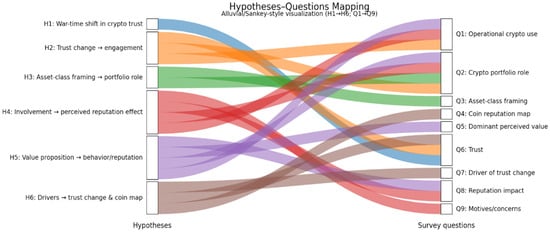
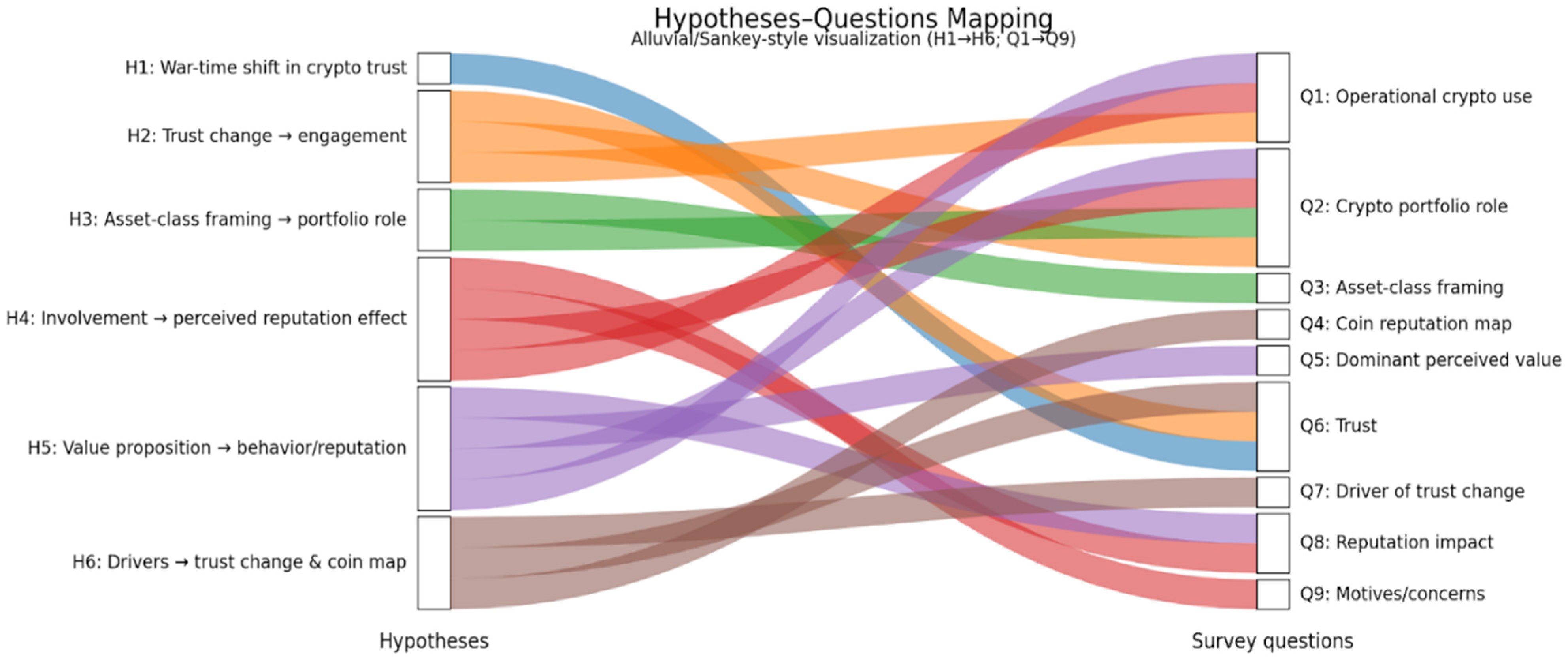
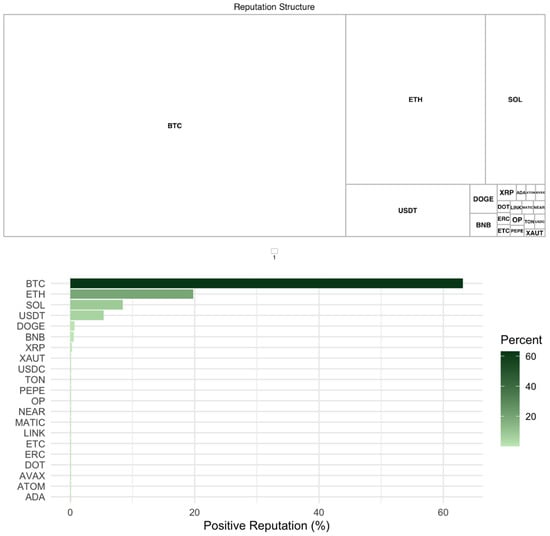
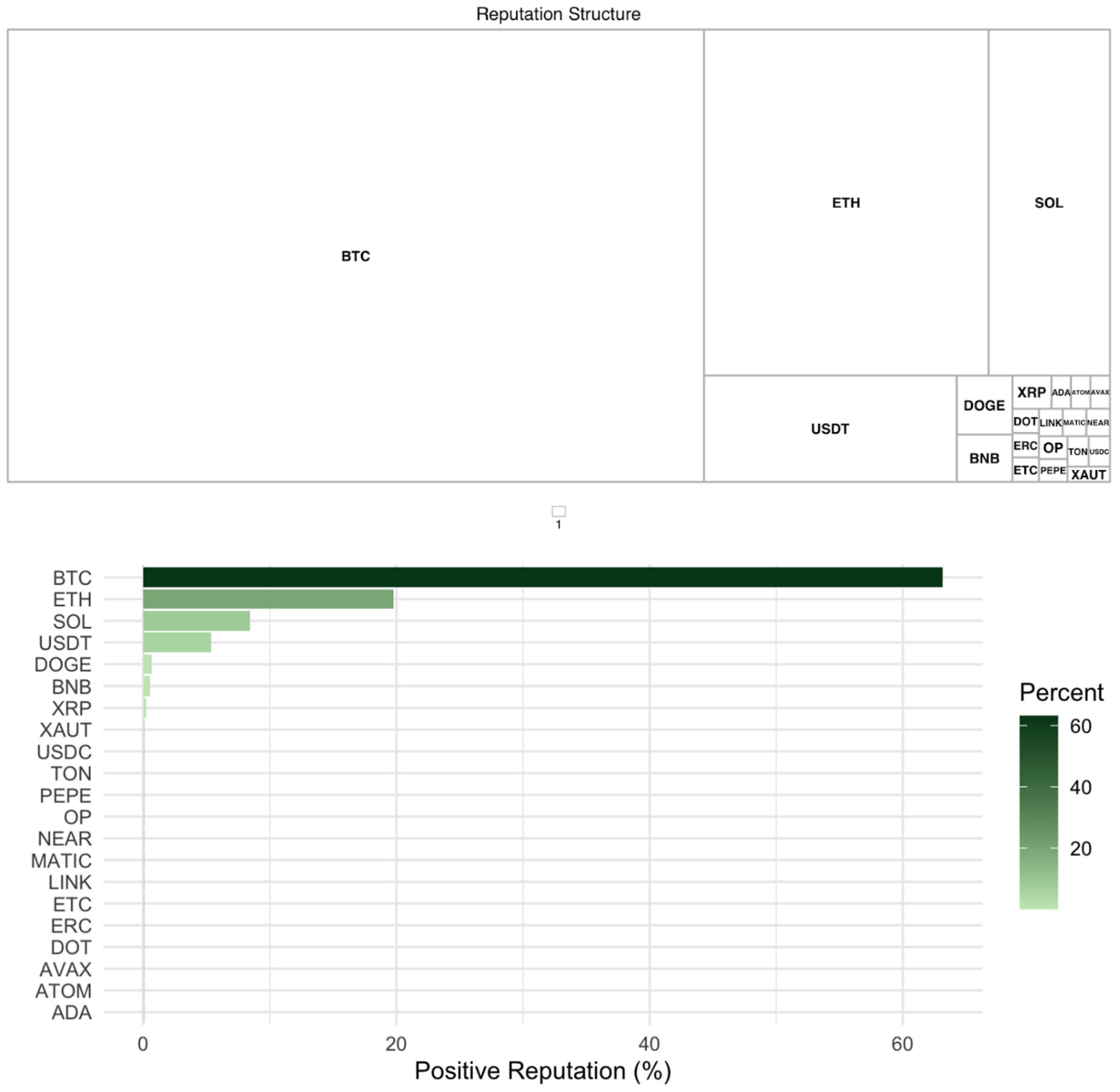
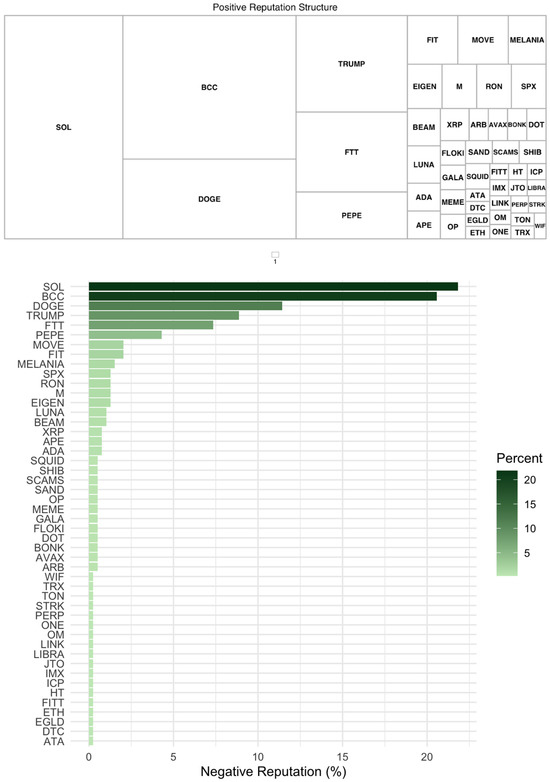
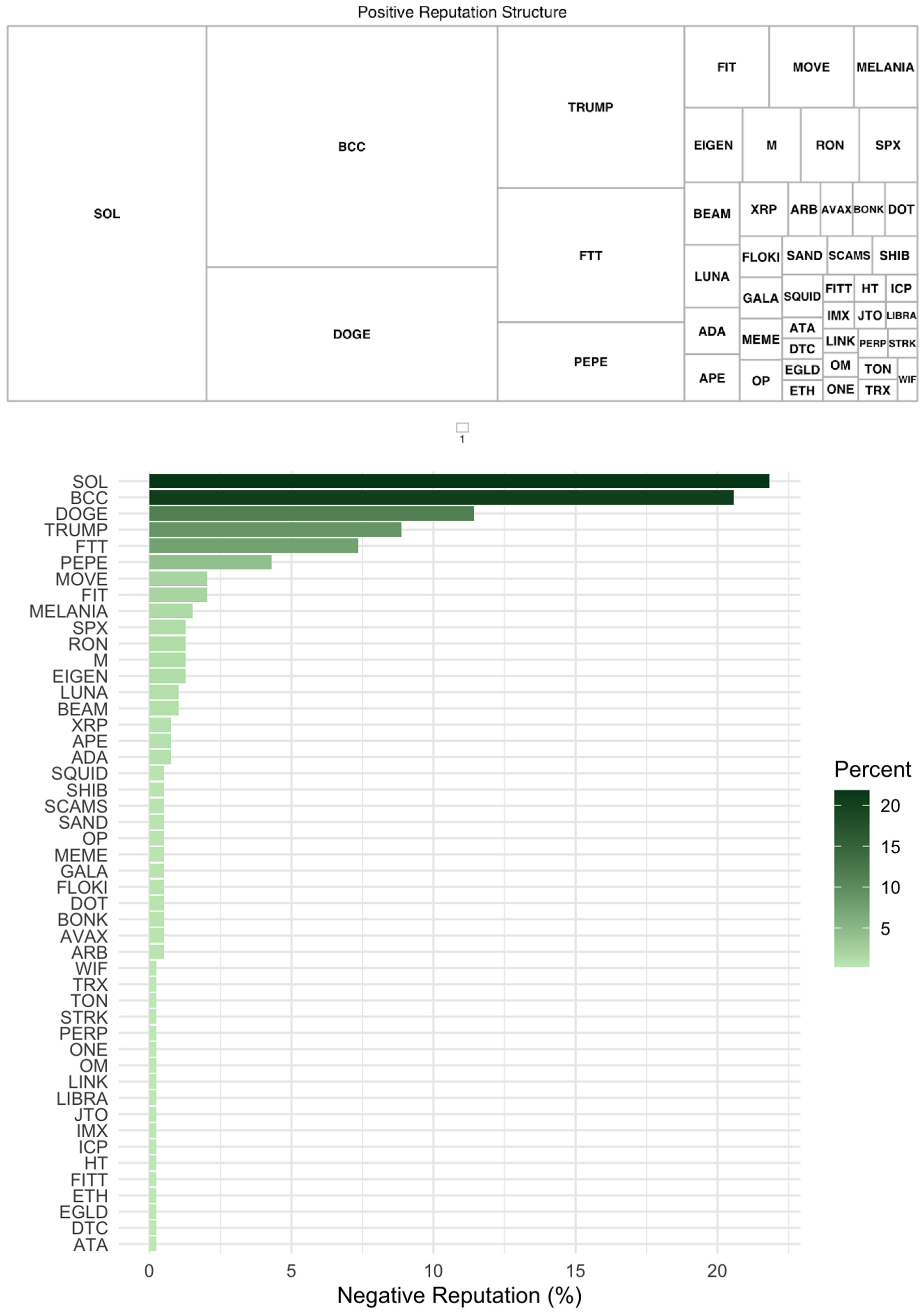

Disclaimer/Publisher’s Note: The statements, opinions and data contained in all publications are solely those of the individual author(s) and contributor(s) and not of MDPI and/or the editor(s). MDPI and/or the editor(s) disclaim responsibility for any injury to people or property resulting from any ideas, methods, instructions or products referred to in the content. |
© 2026 by the authors. Licensee MDPI, Basel, Switzerland. This article is an open access article distributed under the terms and conditions of the Creative Commons Attribution (CC BY) license.