


Abstract
Indian geothermal hot springs contain diverse thermal and hydrochemical habitats, yet their diatom communities remain poorly characterized. This structured narrative review synthesizes historical and recent records of Indian geothermal diatoms, supported by selected international geothermal observations and experimental studies. We identified the literature through Google Scholar, locality-specific searches, and reference screening, and we evaluated records for sampling context, temperature measurements, identification method, and evidence of thermal association. Indian studies document diatoms in spring tanks, outflows, microbial mats, and deposits, but differences in sampling effort, taxonomic resolution, and environmental reporting preclude reliable nationwide comparisons. Observations from selected Indian sites, consistent with international studies, suggest frequent occurrence in moderately heated waters and cooler spring margins; however, this is not a quantitatively established Indian pattern. Crucially, microscopy records, molecular detections, and preserved valves do not independently demonstrate active growth, thermotolerance, or thermophily. Temperature, pH, hydrochemistry, and silica plausibly influence these assemblages, but their independent effects on Indian assemblages remain unresolved. Experimental work involving geothermal and non-geothermal diatoms identifies potential heat-response mechanisms that require testing in Indian taxa. We propose an evidence-classification scheme and priorities for spatially matched sampling, integrative taxonomy, controlled growth experiments, and long-term monitoring to support future bioassessment, contingent on Indian calibration and independent validation.
1. Introduction
Surface geothermal systems provide natural settings for investigating biological responses to extreme conditions because they exhibit interacting gradients of temperature, pH, and water chemistry [1,2,3]. Research on these systems has advanced understanding of thermophilic microorganisms and their physiological adaptations [4,5,6]. However, geothermal systems are not thermally uniform environments. Spring sources, outflow channels, pools, microbial mats, and surrounding waters can differ substantially in temperature, chemical composition, and habitat characteristics [7]. These variations create distinct ecological conditions within the same geothermal system and complicate the interpretation of microbial distributions. In particular, detecting an organism within a geothermal environment does not necessarily demonstrate that it can grow at the highest temperatures recorded in that system. Understanding the ecological significance of geothermal microorganisms therefore requires distinguishing their occurrence in thermally influenced habitats from experimentally demonstrated physiological tolerance or adaptation [8].
India contains approximately 340 reported hot springs across diverse geological, thermal, and hydrochemical settings [9,10]. Researchers have investigated these geothermal systems for their geology, water chemistry, and microbial diversity. However, research has focused predominantly on bacteria, archaea, and geothermal processes, while information on diatoms remains scattered across historical taxonomic investigations and more recent ecological studies. Indian geothermal springs occur in contrasting geological regions, including the Himalayan geothermal belt, western and peninsular India, and eastern geothermal provinces [9,10]. These systems differ in their geological origins, hydrochemical characteristics, and thermal conditions, providing potentially valuable environments for examining how aquatic microorganisms respond to environmental gradients. Nevertheless, the geographical distribution of geothermal systems should not be confused with the extent of biological investigation. Many Indian geothermal localities have been characterized physicochemically without corresponding taxonomic or ecological assessments of their diatom communities [11,12,13]. Consequently, the available diatom literature represents an unevenly investigated subset of India’s geothermal environments, limiting broader conclusions about geographical distribution, diversity, and ecological preferences.
Diatoms (Bacillariophyceae) are key components of aquatic ecosystems, contributing to primary production and biogeochemical cycling while responding to environmental changes [14,15]. Several interacting factors influence their distribution and community composition, including temperature, pH, nutrient availability, conductivity, and hydrochemistry. Geothermal springs provide valuable settings for investigating these relationships because they contain pronounced thermal and chemical gradients, often within relatively small geographical areas [16,17,18,19]. However, interpreting diatom distributions in geothermal environments requires consideration of both ecological and physiological processes [16,17,18]. Temperature may constrain growth, photosynthetic performance, and cellular metabolism, whereas pH, dissolved silica, ionic composition, nutrient availability, and substrate characteristics can influence habitat suitability and assemblage composition [20]. Because these variables frequently change together along geothermal gradients, associations between diatom occurrence and temperature cannot automatically be interpreted as direct thermal responses. Furthermore, the presence of identifiable valves or cells does not independently establish sustained growth, thermotolerance, or thermophily. Distinguishing these processes is especially important where environmental measurements are incomplete or biological observations are not linked to the precise conditions at collection sites.
Investigations of Indian geothermal diatoms include early floristic observations from western Indian thermal springs [21,22,23,24,25,26,27], records from Bakreswar [28], and subsequent studies from Odisha, Jharkhand, Himachal Pradesh, Uttarakhand, and Ladakh [29,30,31,32,33,34,35], These investigations demonstrate that diatoms occur in several Indian geothermal systems and associated thermal habitats. However, the studies differ considerably in sampling methods, taxonomic resolution, habitat characterization, and environmental measurements, making direct comparisons difficult. In particular, temperatures were not always measured at the diatom collection sites, and reported richness may reflect pooled observations from multiple sampling sites. A further challenge is the interpretation of geothermal diatom records. Identifying diatoms in a hot spring does not necessarily show that they grow optimally at elevated temperatures. Some taxa may tolerate moderately heated environments, occupy cooler spring margins or outflows, or occur as transported material. For example, diatom valves in Puga geothermal sinter deposits may reflect deposition from adjacent cooler-water habitats rather than active growth under high-temperature conditions [36]. Distinguishing field occurrence from demonstrated thermal tolerance and experimentally confirmed thermophily is therefore essential for interpreting the ecological significance of these records.
Despite these investigations, Indian geothermal diatom records have not been critically integrated to establish the current evidence base and its principal limitations. The central problem is not simply the limited number of studies, but the lack of comparability among their biological observations, environmental measurements, and approaches to identifying diatoms. Historical morphological inventories, contemporary ecological surveys, molecular detections, and records of preserved valves address different biological questions and provide different levels of evidence. Without critically distinguishing these approaches, comparisons of reported richness, geographical occurrence, and thermal associations may lead to unsupported ecological or physiological interpretations. International geothermal investigations and experimental studies provide valuable comparative evidence concerning environmental influences and mechanisms of thermal responses, but their findings cannot be directly generalized to Indian geothermal populations without independent validation. Such a synthesis is needed to compare reported taxa and sampling conditions, evaluate the strength and limitations of existing evidence, and distinguish established observations from environmental and physiological hypotheses requiring further investigation. The contribution of this review therefore lies in evaluating the reliability and interpretation of existing Indian records rather than merely compiling published observations or attempting quantitative comparisons that the underlying data cannot support. Such an assessment can also provide a foundation for more standardized future investigations without assuming that existing data are sufficient to establish quantitative ecological relationships.
Accordingly, the primary aim of this structured narrative review is to critically evaluate the available evidence on diatoms associated with Indian geothermal springs and assess the extent to which published records support ecological and physiological interpretations. Historical and recent Indian investigations are examined alongside selected international geothermal observations and experimental studies to distinguish documented geothermal associations from unverified environmental relationships and proposed mechanisms of thermal tolerance. By identifying the strengths, limitations, and unresolved questions within the existing literature, this review seeks to establish evidence-based priorities for future taxonomic investigations, standardized ecological sampling, experimental thermal-performance studies, and the development of appropriately validated geothermal diatom bioassessment approaches in India.
2. Methodology
This review employed a structured narrative approach to identify, evaluate, and synthesize published evidence on diatoms associated with Indian geothermal environments. Literature searches were conducted using Google Scholar, Scopus AI, and scite, with Web of Science used as a supplementary source for identifying similar and related publications. Searches were supplemented by publisher websites, locality-specific investigations, and reference-list screening. The Google Scholar search was updated through 10 September 2026, followed by additional Scopus AI and scite searches through 14 October 2026. No lower publication-year restriction was imposed, allowing historical investigations and recent studies published through 2026 to be considered. Search terms included combinations of “diatoms,” “Bacillariophyta,” “Bacillariophyceae,” “thermal algae,” “algal flora,” “hot springs,” “thermal springs,” “geothermal,” “thermophilic,” “thermotolerant,” and “India,” using AND/OR operators where supported. Representative searches included “diatoms hot springs India” and “Bacillariophyceae thermal springs India,” alongside searches targeting individual geothermal localities. Scopus AI facilitated semantic literature discovery, yielding 300 records across three exports, representing 275 unique publications after duplicate removal. The retrieved records spanned 2003–2026, reflecting the publication years of the search results rather than an imposed restriction. These records were screened for relevance to Indian geothermal diatoms, international geothermal investigations, and experimental studies of thermal responses. scite was additionally used for citation-network screening and identification of historical and contemporary studies. English-language sources with accessible full texts were considered, including original research articles, historical taxonomic studies, doctoral theses, and preprints, with theses and preprints explicitly identified.
Original Indian studies reporting identifiable diatoms, microscopic cells, molecular detections, or preserved diatom material from geothermal springs and associated thermal habitats were evaluated for inclusion. Studies with sufficient original-source information to verify locality, reported records, and detection methods were compiled in Table 1 and Supplementary Table S1. Records identified through the expanded literature searches were cross-checked against the initial inventory to identify previously unconsidered investigations, avoid duplicate reporting, and assess their relevance to the regional synthesis. Newly identified eligible studies were evaluated for incorporation into the corresponding discussions of Indian geothermal environments, environmental factors, and diatom diversity, with original taxonomic and sampling information documented in the evidence tables and Supplementary Materials where available. Historically relevant publications lacking sufficient information for structured extraction were discussed separately in the narrative synthesis. Non-detections from otherwise eligible multi-site investigations were retained to document sampling coverage. Studies addressing geothermal geology, hydrochemistry, or microbial communities without direct diatom records were used for environmental context, whereas international geothermal observations and experimental studies involving geothermal and non-geothermal diatoms provided comparative ecological and physiological evidence. The literature was therefore organized according to its evidential relevance rather than treated as a single quantitatively comparable dataset.
Table 1.
Evidence-classified inventory of diatom records from Indian geothermal springs and associated thermal habitats, summarizing reported taxa, temperature context, detection methods, and limitations of thermal interpretation.
Records were evaluated for locality, habitat, taxonomic identification, detection method, temperature context, and strength of thermal association. Collection-point temperatures were distinguished from geothermal-system maxima, and locality-specific taxon counts from pooled inventories and total algal richness. Potentially overlapping records were identified to avoid duplication, while missing information was not interpreted as ecological absence. Morphological observations, microscopic cell detections, molecular assignments, and preserved valves were distinguished according to their evidential limitations. Thermophily required an experimentally demonstrated elevated growth optimum, whereas thermotolerance required evidence of active growth at elevated temperatures relative to reference conditions. Records without such evidence were classified as geothermal-associated or uncertain, with potential transport assessed separately. Experimental evidence from international studies was assessed separately from Indian field observations to avoid attributing physiological mechanisms or temperature tolerances to Indian geothermal taxa without direct supporting evidence. Because differences in sampling design, taxonomic resolution, and environmental measurements prevented reliable quantitative pooling, the review provides a critical narrative synthesis rather than a systematic review or meta-analysis.
3. Indian Geothermal Systems Relevant to Diatoms
3.1. Geographic Distribution
Geothermal springs in India occur across diverse geological and tectonic settings, resulting in substantial variation in their thermal and geochemical characteristics [50,51]. A major concentration of geothermal systems occurs within the Himalayan Geothermal Belt (HGB), which extends approximately 2500 km from Nanga Parbat in the northwest to Namche Barwa in the east and is associated with the tectonically active India–Eurasia collision zone [52]. Himalayan geothermal springs commonly occur where deep groundwater circulates along faults and fractures. In contrast, geothermal systems in the Deccan region are strongly influenced by water–rock interactions within basaltic formations [51]. The Puga geothermal field in Ladakh has received considerable microbiological and geochemical attention [53]. The Puga geothermal system is characterized by elevated concentrations of dissolved constituents, including boron, sulfate, and sodium. At the Shivlinga microbialite locality, Ref. [45] reported vent-water temperatures of 68–73 °C. The ~85 °C value discussed in that study reflects the local boiling point at high altitude, not a measured vent-water temperature. Studies of the Puga system, including the Shivlinga microbialites and associated sinter deposits, provide important environmental context for understanding geothermal-associated microbial communities [36,45]. Other geothermal systems, including Tattapani in Chhattisgarh, Anhoni-Samoni in Madhya Pradesh, Bakreswar and Kharasinpur in West Bengal, and hot springs in Odisha, have been investigated primarily through microbiological, metagenomic, or physicochemical approaches [28,30,51,54,55,56]. Although many of these studies were not specifically designed to investigate diatoms, their environmental datasets provide an important basis for identifying geothermal systems suitable for future targeted studies of diatom diversity and ecology. Figure 1 illustrates the selected geothermal localities, with mapped coordinates and source classifications provided in Supplementary Table S2.
Figure 1.
Geographic distribution of selected geothermal hot-spring localities in India. Six marker colors distinguish broad geographic regions for visual clarity. Localities were compiled from published geothermal inventories [10,57], locality-specific investigations, and available geographic mapping sources. The map illustrates selected hot springs, including locations without confirmed diatom records, and does not represent a complete inventory. Mapped coordinates and their source classifications are provided in Supplementary Table S2. Country boundaries were obtained from Natural Earth geographic data (WGS84).
3.2. Physicochemical Conditions and Potential Drivers of Diatom Occurrence
Diatom occurrence and distribution in geothermal systems are linked to interacting physicochemical gradients, particularly temperature, pH, hydrochemistry, and dissolved silica [58]. Temperature is a key physiological constraint because elevated temperatures can affect cellular metabolism, photosynthesis, and growth. International geothermal studies have generally documented diatoms in moderately thermal habitats, spring margins, and outflow channels rather than the hottest portions of geothermal systems [16,17,59]. However, these distributions may also reflect differences in substrate availability, water chemistry, hydrological conditions, and sampling intensity. Therefore, geothermal temperature alone cannot adequately explain differences in diatom occurrence or assemblage composition.
Historical and recent Indian investigations provide useful comparisons, although their findings differ in sampling design and environmental characterization. Refs. [21,22,23,24,25,26,27] reported non-living diatom material above approximately 52 °C at Tooral and Unai, demonstrating that occurrence in heated water does not necessarily indicate active growth. Ref. [28] reported Navicula and Cyclotella from the Bakreswar geothermal system, where temperatures of approximately 43–51 °C were described. Ref. [43] recorded 13 diatom entries in a Bakreswar bathing tank at 35–37 °C, compared with nine entries in a warmer reserve tank above 48 °C. Although this difference is consistent with temperature potentially influencing diatom occurrence, the two tanks may also differ in water residence time, substrate characteristics, disturbance, and other environmental conditions. Consequently, the observed difference in richness cannot be attributed to temperature alone. Similarly, Ref. [48] documented six diatom taxa at Anhoni (45–47 °C) and seven distinct taxa across two sampling habitats at Chawalpani (49–50 °C). However, differences in sampling habitats and hydrochemical conditions prevent these richness values from establishing a temperature-dependent relationship. Furthermore, identification of acid-digested diatom valves does not independently demonstrate active growth or thermal tolerance.
Comparable limitations are evident in investigations from other Indian geothermal regions. Ref. [29] reported Navicula sp. and Cyclotella sp. from the Atri main tank at 55 °C, although these observations do not establish active growth at this temperature. Ref. [30] reported locality-specific diatom records from Odisha thermal springs and associated habitats; however, the reported temperature ranges were not consistently linked to individual taxon observations, limiting comparisons of thermal associations among sites. Ref. [31] reported diatoms associated with cooler outer channels (45–50 °C) of two Jharkhand thermal springs, although individual taxa were not assigned to specific collection temperatures or localities. Ref. [32] reported diatoms from Kalath and Khirganga in Himachal Pradesh, while ref. [33] documented diatom occurrence at Badrinath but not Yamunotri during their survey. The authors also identified temperature, pH, and phosphate as influential variables in analyses of the combined cyanobacterial and microalgal communities, although these relationships cannot be interpreted as diatom-specific responses. Ref. [34] subsequently documented diatom assemblages along the Tapovan thermal gradient. However, differences in sampling coverage and the reporting of site-specific environmental conditions make comparisons among these investigations difficult. The Puga geothermal system presents an additional challenge. Ref. [45] documented diatom-associated observations in microbial habitats. In contrast, Ref. [36] reported preserved diatom valves in geothermal sinter deposits that may have originated from adjacent cooler-water habitats. These contrasting forms of evidence highlight the importance of distinguishing living assemblages, molecular detections, and transported or preserved valves when evaluating thermal associations. Together, the Indian studies establish diatom occurrence across diverse geothermal habitats, but do not yet provide sufficient standardized data to identify temperature-dependent community responses.
In addition to temperature, pH and hydrochemistry may influence geothermal diatom assemblages [18,60,61]. Indian geothermal springs differ in their water chemistry because of variations in geological setting, groundwater circulation, water–rock interactions, and mixing between geothermal and surface waters. For example, Bakreswar springs have reported pH values of approximately 7.4–9.2 [28], whereas Puga geothermal waters contain distinctive dissolved constituents, including boron, sulfate, and sodium [45]. These differences suggest that diatoms inhabiting geographically distinct geothermal systems may experience substantially different chemical conditions even where temperatures overlap. Because diatom taxa vary in their environmental preferences, pH may interact with ionic composition, conductivity, nutrient availability, and temperature to influence habitat suitability and community composition [62]. However, existing Indian investigations rarely combine taxon-specific assemblage data with sufficiently detailed, spatially matched hydrochemical measurements. Thus, the relative importance of these variables remains uncertain, and the observed differences among geothermal localities should not be interpreted as direct evidence of particular species–environment relationships.
Dissolved silica is another potentially important factor because silicic acid (H4SiO4) is required to form diatom siliceous frustules [63]. Geothermal fluids may acquire dissolved silica through high-temperature water–rock interactions before mixing with cooler waters near the surface [64]. Silica availability can influence diatom growth and silicification [65], but elevated silica concentrations do not necessarily imply greater diatom abundance or diversity. Its ecological effects depend on nutrient supply, temperature, pH, and other chemical conditions. Moreover, the preservation of diatom valves in silica-rich geothermal deposits may complicate the interpretation of contemporary assemblages, particularly where transported material cannot be excluded [36]. Therefore, dissolved silica should be examined both as a potential resource for living diatoms and as a factor influencing the preservation of their remains.
Overall, the available Indian literature shows diatom occurrence under varied thermal and hydrochemical conditions but does not establish the independent effects of individual environmental variables on assemblage composition. Differences in reported richness may reflect ecological variation, but they may also arise from unequal sampling effort, taxonomic resolution, habitat selection, and the use of system-wide rather than collection-point temperatures. Future investigations should therefore adopt standardized sampling across spring sources, margins, outflows, and mixing zones, with biological observations paired directly with measurements of temperature, pH, conductivity, dissolved silica, nutrients, and major ions. Replicated sampling across seasons, together with taxon-specific abundance data and appropriate multivariate analyses, would help separate the effects of interacting environmental gradients and provide a stronger basis for evaluating the factors structuring Indian geothermal diatom assemblages.
4. Diatoms in Geothermal Environments: Evidence from India and Global Comparisons
Published investigations of Indian geothermal diatoms reveal marked regional differences in taxonomic coverage, sampling approaches, environmental characterization, and evidence of thermal association (Table 1; Supplementary Table S1). Historical surveys by [21,22,23,24,25,26,27] provide particularly extensive morphological records from western Indian thermal springs, including 17 taxa from Akloli, eight from Ganeshpuri, 58 from Palli, 40 from Sav, 41 from Rajewadi, and 44 from Tuwa. Part VII of the same series documented 22 diatom taxa from Rajapur [27]. Despite this substantial historical coverage, reported richness cannot be directly compared among localities because sampling effort, habitat conditions, and taxonomic concepts differed. For example, Palli yielded 58 taxa across spring tanks at 36.5–45 °C, whereas Tuwa yielded 44 taxa across pools ranging from 25 to 65 °C. This contrast does not establish an inverse temperature–richness relationship, particularly because both inventories combine observations from multiple habitats. Moreover, Refs. [24,25,26,27] described diatoms encountered above approximately 52 °C as non-living at Tooral, Tuwa, and Unai. At Unapdeo, diatoms were recorded from a receiving tank near 39 °C rather than the approximately 60 °C spring source. These findings demonstrate the importance of distinguishing habitat-specific occurrence from whole-system temperatures and indicate that historical records cannot establish upper growth limits or thermophily. Subsequent monthly surveys of four Ratnagiri geothermal springs documented 109 diatom taxonomic entries across the investigated localities, but differences in sampling habitats, spring temperatures, and reporting practices prevent these records from establishing species-specific thermal optima or a temperature–richness relationship [42].
Eastern Indian investigations provide contrasting evidence, emphasizing geothermal gradients and ecological associations but generally offering less taxonomic resolution. Ref. [28] reported Navicula and Cyclotella from Bakreswar, while ref. [38] documented 10 diatom genera from Tantloi and three from Bakreswar. Notably, Ref. [38] described diatoms as prominent components of microbial mats near 60 °C, contrasting with the non-living diatom material reported above approximately 52 °C in western India. These contrasting observations caution against applying a single upper-temperature threshold to geothermal diatom records. However, differences in sampling habitats, viability assessment, and identification methods prevent conclusions about sustained growth at 60 °C. Early investigations at Swetganga combined plankton observations with measurements of silicate, phosphate, and other hydrochemical variables [66], while ref. [67] also documented relationships between diatom populations and dissolved silica and phosphorus in West Bengal thermal springs, providing early evidence of potential hydrochemical influences rather than experimentally established controls. Similarly, Ref. [40] reported Navicula and Cyclotella from the Rajgir springs, but genus-level identification limits ecological interpretation. More detailed records from Bakreswar by [43] identified 13 diatom entries in a bathing tank at 35–37 °C and nine in a reserve tank above 48 °C, representing 16 distinct entries across both habitats. Although comparing two tanks within the same geothermal system reduces variation in regional setting, differences in substrate conditions, water residence time, and disturbance prevent temperature from being isolated as the principal factor. Thus, the observed richness contrast suggests possible environmental filtering but cannot establish temperature as the independent driver.
Studies from Odisha and the Himalayas further demonstrate that apparent geographical differences in diatom richness may reflect sampling and reporting practices rather than consistent ecological patterns. At Atri, Ref. [29] reported Navicula sp. and Cyclotella sp. from the main tank at 55 °C, and ref. [41] subsequently documented Navicula membranacea. Ref. [30] nevertheless identified 12 distinct diatom taxa across the investigated Odisha thermal-spring systems, including records from Tarabela, Taptapani, and Deulajhari. These contrasting Atri observations highlight the importance of sampling conditions and detection methods, because non-detection in one investigation does not establish ecological absence. A subsequent Odisha investigation reported five diatom taxa from Tarabalo and Deulajhari outflows at 37–40 °C; although four Deulajhari taxa were also described as occurring at 55–60 °C, their taxon-specific habitat descriptions indicate collection at 40 °C, highlighting inconsistencies between reported collection temperatures and broader thermal interpretations [47]. Historical investigations reported 62 diatom taxa from Badrinath, primarily from Taptkund, where spring temperatures ranged from 55 to 60 °C [37], and 11 taxa from the Ladakh geothermal region [39]. More recent Himalayan investigations differ in their reporting units: Ref. [32] recorded 10 taxa each from Kalath and Khirganga, with 18 distinct taxa overall; Ref. [34] reported 31 taxa pooled across five Tapovan sampling sites; and ref. [44] documented 19 taxa across Dirang and Kitpi. Consequently, differences in reported richness among these Himalayan sites, including the genus-level records from Grengkhar hot spring in the Kitpi area [46], cannot be reliably attributed to geography or temperature without standardized sampling and taxon-specific environmental measurements.
Ladakh studies illustrate another distinction: biological detection does not necessarily indicate viable geothermal populations. Ref. [45] observed diatom cells in Shivlinga microbial mats and reported metagenomic assignments to Odontella, Phaeodactylum, and Thalassiosira. However, the microbial-mat temperature of approximately 52 °C differs from the 68–73 °C measured at a separate vent, and neither microscopy nor sequence detection independently confirms sustained growth. Ref. [35] provided morphology-based records from Chumathang and Puga, including Gogorevia exilis and Denticula thermaloides, but the reported geothermal temperature ranges cannot be assigned as species-specific tolerance limits. In contrast, Ref. [36] identified four preserved diatom taxa in Puga sinter, potentially transported from cooler habitats, while ref. [49] documented unidentified frustules in travertine. These studies therefore represent distinct forms of evidence—field occurrence, molecular detection, and mineral-associated preservation—that should not be interpreted as equivalent demonstrations of active geothermal growth.
Across regions, western Indian studies provide comparatively extensive historical taxonomic inventories, eastern investigations document thermal and hydrochemical gradients, and recent Himalayan studies broaden geographical coverage while adding molecular and depositional evidence. However, these differences largely reflect the nature and resolution of the available investigations rather than demonstrated regional ecological patterns. The principal limitation is not the absence of diatom records, but the lack of standardized biological data paired with collection-point environmental measurements and direct evidence of growth. The compiled evidence therefore provides a source-verified baseline of geothermal-associated diatoms rather than a quantitative assessment of regional richness or species–environment relationships. Establishing the independent roles of temperature, hydrochemistry, and habitat conditions will require replicated, spatially matched sampling and experimental thermal-performance studies. International geothermal investigations offer useful comparative approaches, but their findings cannot substitute for direct evidence from Indian geothermal diatom populations.
Because direct evidence from India remains limited, investigations of geothermal diatoms elsewhere provide important comparative context. These studies can be evaluated according to three levels of evidence: (i) field occurrence, based on diatom identification in geothermal habitats; (ii) in situ growth, supported by direct evidence of growth at measured habitat temperatures; and (iii) experimentally determined thermal optima, established through controlled growth experiments. Ref. [16] documented diverse diatom assemblages across geothermal systems in Iceland, New Zealand, and Kenya, with diatoms particularly prevalent below 45 °C despite broader thermal gradients. Comparative investigations of thermo-mineral springs in Galicia, Sardinia, and Auvergne demonstrated that diatom assemblage composition is associated with substrate characteristics and interacting environmental variables, including temperature, pH, conductivity, bicarbonate, and hydrogen sulfide, emphasizing the need to evaluate multiple environmental gradients rather than temperature alone [68,69,70]. However, Ref. [18] reported relatively high diatom richness and diversity in Sardinian springs classified as hyperthermal (52.7–71.5 °C), with assemblage composition also associated with conductivity, pH, bicarbonate, and sulfate. These findings caution against interpreting temperature as an independent or universally limiting factor, particularly where spring-level measurements cannot be assigned directly to individual taxa or microhabitats. Earlier investigations from the Kuril and Sakhalin Islands [71], South Africa [72], and northern Thailand [73] similarly demonstrate geothermal diatom occurrence and environmental associations, while [74] documented seasonal assemblage changes without experimentally establishing thermal growth optima.
Recent investigations further highlight the contributions and limitations of taxonomic and ecological approaches. Re-examination of historical thermal-spring material from Svalbard led to the description of Nanofrustulum fogedii, demonstrating the value of revisiting earlier geothermal records using modern taxonomic criteria [75]. At Haqlan hot springs in Iraq, Ref. [76] documented 11 Gomphonema species, including two new species, associated with submerged macrophytes in highly mineralized water. Although G. brockiae was described as thermophilic, the mean sampling temperature was approximately 31 °C, and no experimentally determined thermal optimum was established. Furthermore, sampling focused on a single substrate type, limiting broader ecological interpretation. These studies strengthen taxonomic documentation but do not independently establish physiological adaptation to elevated temperatures.
Recent Serbian investigations provide complementary evidence concerning habitat and hydrochemical influences. Ref. [60] identified differences in diatom composition among thermomineral springs and biofilm habitats, with ammonia, total nitrogen, and organic carbon showing significant associations with community structure. However, sampled water temperatures ranged from 8.5 to 25.1 °C, making these findings more informative about mineral-water ecology and habitat heterogeneity than high-temperature tolerance. Subsequently, Ref. [77] described Navicula teodorae from moderately warm, alkaline, mineral-rich Serbian springs, where it occurred prominently in epilithic and epipelic assemblages. Although these observations suggest an association with particular environmental conditions, they do not establish experimentally verified thermal preferences.
Collectively, international studies demonstrate that geothermal-associated diatom diversity reflects interacting influences of temperature, hydrochemistry, substrate availability, and habitat heterogeneity. However, morphological identification, environmental associations, and repeated field occurrence provide different levels of evidence and should not be interpreted as equivalent demonstrations of thermophily. For Indian geothermal systems, standardized sampling with collection-point environmental measurements, integrative taxonomy, and controlled thermal-performance experiments remain necessary to distinguish geothermal association, thermotolerance, thermophily, and possible transport from cooler habitats.
5. Experimental and Molecular Evidence of Thermal Responses in Diatoms
Experimental investigations have identified several physiological and molecular responses that may help diatoms cope with elevated temperatures, including heat-shock protein regulation, changes in membrane-lipid metabolism, photosynthetic adjustment, redox homeostasis, and altered cellular growth [78,79]. However, these findings must be interpreted in relation to the experimental endpoints measured. Molecular responses to heat exposure indicate cellular stress or acclimation but do not necessarily demonstrate sustained thermal tolerance, improved growth, or evolutionary adaptation. Moreover, most available experiments involve non-geothermal marine or freshwater species, limiting their direct applicability to Indian geothermal diatom populations. However, cultivation experiments with the geothermal diatom Achnanthidium exiguum demonstrated that alkaline pH improved thermal tolerance, with favorable growth at 40 °C and pH 9, indicating that temperature responses may depend on interacting environmental conditions [80].
Heat-shock proteins are among the most widely investigated components of thermal stress responses. Ref. [81] compared protein expression in Phaeodactylum tricornutum and Chaetoceros muelleri following short-term heat exposure and reported differences in stress-protein induction, including HSP70 and putative small heat-shock proteins. The authors proposed that the apparently greater constitutive abundance of stress proteins in C. muelleri may contribute to its higher thermal tolerance. However, the species were examined under different heat-exposure conditions, and the study did not directly establish whether individual proteins were responsible for improved survival or sustained growth. Thus, these findings identify candidate protective mechanisms but do not demonstrate the functional necessity of particular heat-shock proteins or their role in geothermal adaptation. Ref. [82] provided stronger mechanistic evidence, showing that overexpression of the heat-shock transcription factor PtHSF2 and its regulatory target, PtCdc45-like, improved high-temperature tolerance in P. tricornutum. Nevertheless, these genetic modifications also increased cell size and reduced growth rates under certain conditions, suggesting potential trade-offs between stress protection and cellular proliferation. Furthermore, PtHSF2 knockdown lines retained thermal tolerance comparable to wild-type cells, suggesting that residual gene expression or compensatory pathways may contribute to the response. These findings provide functional evidence for specific heat-responsive regulatory pathways but do not establish that equivalent mechanisms operate in natural geothermal populations.
Membrane-lipid metabolism may also contribute to thermal acclimation. Ref. [83] characterized fatty-acid desaturases in P. tricornutum, providing a molecular framework for understanding membrane-lipid composition and unsaturation. However, their genomic inventory did not directly test temperature-dependent growth, desaturase regulation under heat exposure, or experimentally enhanced thermal tolerance. Ref. [79] subsequently examined physiological and transcriptomic responses of P. tricornutum to warming from 20 to 25 °C under short-term exposure of approximately seven days and prolonged exposure of approximately 175 days. Short-term warming did not significantly affect growth but reduced photosynthetic efficiency. In contrast, prolonged exposure decreased both growth rates and photosynthetic efficiency and altered fatty-acid and nitrogen-metabolism pathways. These observations indicate substantial metabolic adjustment under persistent warming but do not demonstrate improved thermal performance following prolonged exposure. Consequently, altered gene expression should be interpreted as evidence of physiological reorganization rather than direct confirmation of beneficial adaptation. Together, these investigations suggest that membrane regulation and metabolic plasticity may contribute to thermal responses while highlighting the need to distinguish molecular changes from functional improvements in growth and survival.
Controlled experiments involving Indian diatom isolates provide particularly relevant comparative evidence, although these organisms were obtained from non-geothermal marine environments. Ref. [84] evaluated Chaetoceros wighami and Amphora coffeaeformis isolated from coastal waters associated with a thermal power station in India. Across experimental temperatures of 28–40 °C, C. wighami showed progressively reduced growth as temperature increased, whereas A. coffeaeformis maintained relatively stable growth between 28 and 33 °C before declining at higher temperatures. Acute exposure to 42 °C produced contrasting responses, with A. coffeaeformis showing greater resistance to short-term thermal shock. Previous acclimation influenced subsequent growth in C. wighami, but sustained performance at 42 °C remained limited. These findings demonstrate species-specific thermal sensitivity and the importance of exposure duration and thermal history. However, brief survival or recovery after heat shock does not equate to sustained growth at elevated temperatures, and marine experimental conditions differ substantially from those of geothermal springs. Similarly, Ref. [85] investigated the Indian marine diatom Navicula distans at 30 and 34 °C under different pCO2 conditions. Elevated temperature generally reduced diatom abundance and growth, whereas increased pCO2 alone could favor growth; their combined effects were more complex and frequently negative. Because the experiments included associated microorganisms and interacting environmental treatments, we cannot attribute the responses exclusively to temperature or interpret them as intrinsic thermal limits of the diatom. Together, these Indian studies demonstrate that thermal responses depend on species identity, exposure conditions, and interactions with other environmental factors, but they provide no direct evidence of adaptation in Indian geothermal diatom populations.
Experimental freshwater studies further demonstrate that community interactions can modify temperature-dependent performance. Ref. [86] examined five freshwater diatom species under controlled temperature treatments and compared responses in single-species and mixed-species cultures. Species differed markedly in their thermal responses: Asterionella formosa failed to grow at 30 °C, whereas Aulacoseira ambigua initially grew at 35 °C but subsequently exhibited declining cell density and photosynthetic efficiency. This distinction demonstrates that initial growth at elevated temperatures does not necessarily indicate sustained thermal tolerance. Moreover, temperature produced different outcomes in mixed cultures than in single-species cultures, indicating that interspecific interactions can modify apparent thermal responses. Consequently, thermal-performance relationships derived from isolated cultures may not fully predict natural community composition. However, the freshwater species and experimental conditions studied do not directly reflect the hydrochemical complexity or persistent thermal regimes of geothermal habitats.
Longer-term studies provide evidence of changes in thermal performance over multiple generations, although they address different questions from short-term physiological experiments. Ref. [87] conducted approximately 300 generations of experimental evolution in Thalassiosira pseudonana under moderate warming, severe warming, and fluctuating temperatures. Adaptation was comparatively rapid under moderate and fluctuating conditions, whereas recovery of growth under severe warming was considerably slower. Changes in thermal performance were accompanied by genomic divergence and variation in metabolic and redox-related traits, providing evidence that thermal tolerance can evolve under sustained laboratory selection. However, the rate and extent of adaptation depended strongly on the temperature regime, and responses of a laboratory population cannot be generalized to geothermal assemblages without further investigation. Complementary evidence from natural populations came from [88], who compared historical and contemporary Skeletonema marinoi strains and reported an approximately 1 °C increase in optimal growth temperature over six decades, accompanied by reduced performance at lower temperatures. Notably, this shift in thermal optimum was not accompanied by an increase in the upper thermal limit, indicating that improved performance under warming does not necessarily confer greater tolerance of extreme temperatures. Although these results are consistent with historical thermal adaptation, they do not establish equivalent evolutionary processes or temperature limits in Indian geothermal populations.
Collectively, the experimental literature shows that diatom thermal responses vary by species, exposure duration, environmental conditions, and biological level of organization (Table 2). Short-term molecular responses identify potential stress-protection pathways, controlled growth experiments establish temperature-dependent physiological performance, genetic manipulations provide evidence of specific regulatory functions, and multigeneration investigations evaluate adaptive potential. However, these approaches provide different levels of evidence and are not interchangeable. Although controlled experiments demonstrate thermal tolerance in a geothermal diatom isolate from outside India, experimentally verified thermophily remains unestablished for Indian geothermal diatom populations. Future investigations should therefore prioritize isolating and cultivating diatoms from Indian geothermal springs, followed by replicated thermal-performance experiments spanning collection-site temperatures and relevant environmental gradients. Measurements of growth, survival, photosynthetic efficiency, and recovery should be combined with controlled variation. Where feasible, comparisons with related non-geothermal populations and targeted molecular analyses could help distinguish short-term acclimation, sustained thermotolerance, and potential evolutionary adaptation. Such integrated approaches would provide a stronger experimental foundation for interpreting geothermal diatom occurrence and identifying the mechanisms underlying thermal responses in Indian populations.
Table 2.
Selected experimental studies of thermal responses in geothermal and non-geothermal diatoms, comparing exposure conditions, physiological and molecular endpoints, and evidence for thermal tolerance or adaptation. Short-term stress responses are distinguished from sustained growth, functional tolerance, and evolutionary changes in thermal performance.
6. Potential Climate-Related Influences on Geothermal Diatom Ecology
Direct evidence linking climate change to diatom assemblages in Indian geothermal systems is currently unavailable. Two plausible pathways could link climate-related hydrological changes to geothermal diatom communities. These pathways are proposed as testable hypotheses rather than established ecological responses. First, in monsoon-influenced geothermal systems, changes in precipitation and groundwater recharge may alter the mixing of geothermal fluids with cooler surface water, affecting temperature, conductivity, discharge, and habitat stability in spring margins and outflow channels [89,90]. Hydrochemical studies of the Bakreswar–Tantloi system suggest that deep geothermal waters may be less responsive to short-term seasonal variability than surface-influenced waters [91]. Consequently, a testable hypothesis is that seasonal changes in diatom assemblages will be more pronounced in peripheral mixing zones than near relatively stable geothermal sources. Second, in Himalayan geothermal systems, changes in snow and glacier melt may influence groundwater recharge, dilution of geothermal fluids, and dissolved silica availability [92,93,94]. These changes could affect diatom communities through altered temperature, water chemistry, and substrate stability. A testable hypothesis is that changes in meltwater contribution will correspond with shifts in environmental conditions and diatom assemblage composition in geothermal outflows. Evaluating both pathways will require repeated, matched biological and environmental observations, particularly across seasons and years. At present, these relationships remain hypotheses requiring direct investigation in Indian geothermal ecosystems.
7. Toward an India-Specific Geothermal Diatom Bioassessment Framework
Diatom-based indices are widely used in aquatic bioassessment because assemblage composition reflects environmental conditions and individual taxa differ in their ecological preferences and tolerances [95,96,97]. However, no calibrated diatom-based assessment framework currently exists specifically for Indian geothermal ecosystems. The primary objective of the proposed framework would be to assess ecological condition by identifying departures in diatom assemblage composition from minimally disturbed reference conditions within comparable geothermal habitats. It would pay particular attention to changes potentially linked to anthropogenic pressures, including nutrient enrichment, contamination, and altered water discharge. Natural variation in temperature and hydrochemistry would be treated as environmental context rather than evidence of degradation. Changes in diatom biodiversity and community composition could also be monitored as complementary ecological outcomes, but these would be distinguished from pressure-related assessments. This distinction is essential for interpreting future index values and avoiding the misclassification of naturally variable geothermal habitats as degraded. Such a framework should distinguish natural geothermal variability from anthropogenic disturbance, assess ecological conditions across different thermal habitats, and detect changes in diatom assemblages over time. Its development should follow a phased approach based on available evidence, resources, and methodological requirements.
The first essential stage is to establish a baseline of spatially matched biological and environmental observations. Standardized diatom sampling and light microscopy should be accompanied by measurements of temperature, pH, conductivity, and dissolved silica at the same collection locations. Sampling dates, site coordinates, substrate types, and habitat characteristics should also be recorded. This minimum dataset would allow preliminary comparisons of diatom assemblages across geothermal environments without requiring advanced molecular or remote-sensing technologies. Spatial and seasonal replication should be incorporated progressively to improve data reliability and identify environmental variability.
The second stage should address specific taxonomic and physiological uncertainties using targeted investigations. Scanning electron microscopy and molecular identification could resolve uncertain or cryptic taxa, while culture-based thermal experiments could establish growth optima and tolerance limits. Genomics and other multi-omics approaches may provide additional evidence of physiological mechanisms where justified by specific research questions. Once sufficient quantitative species–environment data are available, taxon-specific environmental optima and tolerances could be estimated through statistical calibration [98]. Weighted biological-index formulations could then be developed using empirically determined indicator values and weights [99].
The third stage would involve calibration, validation, and longer-term ecological assessment. Reference conditions should be defined according to geological setting, hydrochemical characteristics, and thermal regime. Within each reference class, observed assemblages should be compared with those at minimally disturbed sites under comparable thermal, hydrochemical, and seasonal conditions. Changes within this expected variability would be interpreted as natural ecological variation, whereas departures beyond this range could indicate potential ecological disturbance. Such departures should be evaluated alongside independent evidence of anthropogenic pressures, including nutrient enrichment, pollution, or altered discharge, rather than attributed to any single environmental factor. This approach would help distinguish natural geothermal heterogeneity from pressure-related ecological change without assuming that all differences in diatom assemblages indicate environmental degradation. After calibration, predictive performance should be evaluated using independent geothermal localities and sampling periods excluded from the calibration dataset. This geographical and temporal separation would help determine whether the assessment framework reliably identifies ecological departures beyond the original calibration dataset. With sufficient replicated observations, nonlinear statistical models, spatial analysis, GIS, and remote sensing could support the evaluation of environmental relationships and habitat changes. More advanced forecasting approaches would require long-term monitoring datasets and separate validation. These tools should therefore be considered future extensions rather than prerequisites for baseline surveys. A geothermal diatom bioassessment framework should only become operational after its indicator values, reference conditions, and assessment thresholds have been calibrated and independently validated using Indian geothermal data.
8. Research Gaps and Future Priorities
Despite historical investigations and recent ecological surveys, diatom communities remain poorly characterized across many Indian geothermal systems. The first priority is to establish a geographically representative baseline through standardized surveys across diverse Indian geothermal settings. Sampling should cover thermal gradients, microhabitats, and seasonal variation, with temperature, pH, conductivity, dissolved silica, nutrients, major ions, and relevant trace elements measured directly at each diatom sampling location. These observations would help distinguish environmental influences on community composition while addressing inconsistencies among existing studies. A second priority is integrative taxonomy and experimental thermal ecology. Light and scanning electron microscopy should be combined with molecular markers such as rbcL and 18S rRNA, supported by voucher specimens, cultures, images, and ecological metadata. A curated molecular reference library would improve taxonomic resolution and support subsequent metabarcoding and metagenomic investigations. Cultured geothermal diatoms should be examined in thermal-performance experiments to estimate growth optima and tolerance limits. Factorial experiments involving temperature, pH, silica, and other relevant environmental variables could clarify interacting stress responses. Comparisons with related non-geothermal populations, supported where appropriate by common-garden experiments, genomics, transcriptomics, proteomics, and metabolomics, would help distinguish physiological plasticity from potential thermal adaptation. Long-term ecological monitoring represents a third priority [100]. Researchers could combine continuous environmental sensors, GIS, UAV-based thermal imaging, and remote sensing with repeated biological sampling to investigate seasonal changes, hydrological connectivity, and habitat stability. Such studies are particularly relevant to geothermal systems influenced by monsoon variability and changing groundwater recharge. Geothermal sinter deposits also warrant targeted taphonomic and geochemical investigations to distinguish locally deposited diatom assemblages from transported or reworked valves. Together, these research priorities would strengthen the ecological and evolutionary understanding of Indian geothermal diatoms and generate the evidence needed for future bioassessment applications.
9. Conclusions
Published studies document diatom occurrence in geothermal springs and associated thermal habitats across several regions of India, including spring tanks, outflow channels, microbial mats, and mineral deposits. Historical taxonomic investigations and recent ecological surveys document diatoms across a range of geothermal-associated habitats, including moderately heated springs and outflows. However, reported richness varies among localities and sampling conditions. For example, the Bakreswar bathing tank (35–37 °C) contained 13 reported diatom entries, compared with nine entries in the warmer reserve tank (>48 °C), although this difference cannot be attributed to temperature alone. Historical observations also identified non-living diatom valves at temperatures above 52 °C, while studies of Puga geothermal sinter indicate that some preserved taxa may have originated from adjacent cooler-water habitats. Together, these records document diatom occurrence in geothermal settings but do not independently demonstrate active growth, thermotolerance, thermophily, or evolutionary thermal adaptation. The available evidence remains geographically uneven, with substantial differences in sampling methods, taxonomic resolution, and environmental measurements. Consequently, the relative influences of temperature, pH, dissolved silica, hydrochemistry, and hydrology remain incompletely resolved. Although studies involving geothermal and non-geothermal diatoms suggest potential physiological and molecular mechanisms of thermal tolerance, their relevance to Indian geothermal taxa remains untested. Future research should prioritize standardized ecological sampling, integrative taxonomy, and experimentally determined thermal responses. These efforts could generate the evidence needed to develop, calibrate, and independently validate an India-specific geothermal diatom bioassessment framework.
Supplementary Materials
The following supporting information can be downloaded at: https://www.mdpi.com/article/10.3390/hydrobiology5040039/s1; Table S1: Original diatom identifications and detection records reported from Indian geothermal springs and associated thermal habitats. Records are organized by published source and sampling locality. Taxonomic names and infraspecific designations are retained as reported in the original publications to preserve historical identification records. Table S2: Geographic coordinates and source classifications of the selected Indian geothermal localities displayed in Figure 1. Coordinate categories distinguish original diatom collection sites from published spring locations, regional estimates, mapped features, and geotagged photographic locations. Coordinate source classifications are defined as follows: D, original diatom collection position; F, published field or spring coordinate; R, regional review or inventory coordinate; O, OpenStreetMap-derived feature; and G, geotagged photographic location. Geographic groups are H, Himalayan/Trans-Himalayan; NW, northwestern India; C, central/peninsular India; E, eastern India; NE, northeastern India; and W, western/southwestern India.
Author Contributions
J.V. conceptualized and supervised the study and contributed to the original draft and methodological framework. J.R. conducted the literature review, compiled the published data, and prepared the Figures and Tables. A.T. contributed to scientific interpretation, critical review, and revision of the manuscript. H.P. contributed to the critical synthesis and interpretation of the literature, methodological refinement, scientific writing, and substantial revision of the manuscript. All authors have read and agreed to the published version of the manuscript.
Funding
This research received no external funding.
Institutional Review Board Statement
Not applicable.
Informed Consent Statement
Not applicable.
Data Availability Statement
No new primary field or experimental data were generated in this review. The study-level information was compiled from previously published literature. The reported diatom records, original taxonomic names, locality-specific temperature information, and corresponding source references are provided in Table 1 and Supplementary Table S1. The geographical coordinates, geographic classifications, and coordinate-source categories used to prepare Figure 1 are provided in Supplementary Table S2. All original publications used in the synthesis are cited in the manuscript.
Conflicts of Interest
The authors declare no conflicts of interest.
References
- Wirajana, I.N.; Vaghamshi, N.; Ariantari, N.P.; Sawur, A.B.; Ratnayani, K.; Antaliya, K.; Atara, S.; Ghelani, A.; Dudhagara, D.; Dudhagara, P. Hot Springs as Reservoirs of Valuable Microbes, Metabolites, and Minerals with Ecological, Biotechnological and Bioeconomic Perspectives. Bacteria 2026, 5, 12. [Google Scholar] [CrossRef] [Scilit]
- Izadi, G.; Freitag, H.C. Resource assessment and management for different geothermal systems (hydrothermal, enhanced geothermal, and advanced geothermal systems). In Geothermal Energy Engineering; Elsevier: Amsterdam, The Netherlands, 2025; pp. 23–72. [Google Scholar]
- Delgado, C.; Feio, M.J.; Pardo, I.; Almeida, S.F. Effects of water temperature over benthic diatom communities: Insights from thermal springs. Plant Ecol. Divers. 2020, 13, 325–337. [Google Scholar] [CrossRef] [Scilit]
- Palanivel, P.; Thajuddin, F.; Rajendran, P.J.; Elumalai, A.; Muralitharan, G. Exploring the phylogeny, molecular and genomic adaptations of thermophilic microalgae and cyanobacteria. Planta 2026, 263, 139. [Google Scholar] [CrossRef] [Scilit]
- Brock, T.D. Thermophilic Microorganisms and Life at High Temperatures; Springer Science & Business Media: Berlin/Heidelberg, Germany, 2012. [Google Scholar]
- Brock, T.D. Life at High Temperatures: Evolutionary, ecological, and biochemical significance of organisms living in hot springs is discussed. Science 1967, 158, 1012–1019. [Google Scholar]
- Khodayar, M.; Björnsson, S. Conventional geothermal systems and unconventional geothermal developments: An overview. Open J. Geol. 2024, 14, 196–246. [Google Scholar]
- O’Gorman, E.J.; Benstead, J.P.; Cross, W.F.; Friberg, N.; Hood, J.M.; Johnson, P.W.; Sigurdsson, B.D.; Woodward, G. Climate change and geothermal ecosystems: Natural laboratories, sentinel systems, and future refugia. Glob. Change Biol. 2014, 20, 3291–3299. [Google Scholar] [CrossRef] [Scilit]
- Parida, R.K.; Karmakar, B.; Chowdhury, A. Taptapani geothermal spring (∼Eastern Ghat Terrain, India): Investigating hydrogeochemistry, solute transport mechanisms, geothermometry, and water quality index. Environ. Forensics 2026, 27, 487–505. [Google Scholar] [CrossRef] [Scilit]
- Prajapati, M.; Shah, M.; Soni, B. A review on geothermal energy resources in India: Past and the present. Environ. Sci. Pollut. Res. 2022, 29, 67675–67684. [Google Scholar] [CrossRef] [Scilit]
- Dudhate, A.P.; Ray, L.; Kurakalva, R.M.; Chopra, N.; Maurya, V.P.; Podugu, N. Assessing the geothermal prospect of the West Coast Geothermal Province, India, through geochemical and geophysical investigations: An integrated approach. Geothermics 2026, 137, 103624. [Google Scholar] [CrossRef] [Scilit]
- Sircar, A.; Yadav, K.; Bist, N.; Oza, H. Geochemical characterization of geothermal spring waters occurring in southern part of Gujarat and West Coast Geothermal Province of Maharashtra, India. Sustain. Water Resour. Manag. 2022, 8, 7. [Google Scholar] [CrossRef] [Scilit]
- Badhai, J.; Ghosh, T.S.; Das, S.K. Taxonomic and functional characteristics of microbial communities and their correlation with physicochemical properties of four geothermal springs in Odisha, India. Front. Microbiol. 2015, 6, 1166. [Google Scholar] [CrossRef] [Scilit]
- Benoiston, A.S.; Ibarbalz, F.M.; Bittner, L.; Guidi, L.; Jahn, O.; Dutkiewicz, S.; Bowler, C. The evolution of diatoms and their biogeochemical functions. Philos. Trans. R. Soc. B Biol. Sci. 2017, 372, 20160397. [Google Scholar] [CrossRef] [Scilit]
- Parikh, H.S.; Dave, G.; Singh, P.K.; Tiwari, A. Exploring the significance of xenic and axenic cultures for diatoms: Methodological insights, scope, and biotechnological implications. Syst. Microbiol. Biomanuf. 2025, 5, 969–989. [Google Scholar] [CrossRef] [Scilit]
- Owen, R.B.; Renaut, R.W.; Jones, B. Geothermal diatoms: A comparative study of floras in hot spring systems of Iceland, New Zealand, and Kenya. Hydrobiologia 2008, 610, 175–192. [Google Scholar] [CrossRef] [Scilit]
- Angel, A.; Vila, I.; Díaz, C.; Molina, X.; Sepúlveda, P. Geothermal diatoms: Seasonal variability in the El Tatio geothermal field (Altiplano, Chile). Adv. Microbiol. 2018, 8, 211–234. [Google Scholar]
- Lai, G.G.; Ector, L.; Wetzel, C.E.; Lugliè, A.; Padedda, B.M. Environmental factors structuring diatom assemblages in thermo-mineral springs of Sardinia, Italy. Freshw. Sci. 2022, 41, 45–61. [Google Scholar] [CrossRef] [Scilit]
- Mitrović, M.; Kostešić, E.; Marković, T.; Selak, L.; Hausmann, B.; Pjevac, P.; Orlić, S. Microbial community composition and hydrochemistry of underexplored geothermal waters in Croatia. Syst. Appl. Microbiol. 2022, 45, 126359. [Google Scholar] [CrossRef] [Scilit]
- Parikh, H.; Patel, M.; Patel, H.; Dave, G. Assessing diatom distribution in Cambay Basin, Western Arabian Sea: Impacts of oil spillage and chemical variables. Environ. Monit. Assess. 2023, 195, 993. [Google Scholar] [CrossRef] [Scilit]
- Thomas, J.; Gonzalves, E.A. Thermal algae of Western India. I. Algae of the hot springs at Akloli and Ganeshpuri. Hydrobiologia 1965, 25, 330–340. [Google Scholar] [CrossRef] [Scilit]
- Thomas, J.; Gonzalves, E.A. Thermal algae of Western India. II. Algae of the hot springs at Palli. Hydrobiologia 1965, 25, 341–351. [Google Scholar] [CrossRef] [Scilit]
- Thomas, J.; Gonzalves, E.A. Thermal algae of Western India. III. Algae of the hot spring at Sav. Hydrobiologia 1965, 26, 21–28. [Google Scholar] [CrossRef] [Scilit]
- Thomas, J.; Gonzalves, E.A. Thermal algae of Western India. IV. Algae of the hot springs at Aravali, Tooral, and Rajewadi. Hydrobiologia 1965, 26, 29–40. [Google Scholar] [CrossRef] [Scilit]
- Thomas, J.; Gonzalves, E.A. Thermal algae of Western India. V. Algae of the hot springs at Tuwa. Hydrobiologia 1965, 26, 41–54. [Google Scholar] [CrossRef] [Scilit]
- Thomas, J.; Gonzalves, E.A. Thermal algae of Western India. VI. Algae of the hot springs at Unai, Lasundra and Unapdeo. Hydrobiologia 1965, 26, 55–65. [Google Scholar] [CrossRef] [Scilit]
- Thomas, J.; Gonzalves, E.A. Thermal algae of Western India. VII. Algae of the hot spring at Rajapur. Hydrobiologia 1965, 26, 66–71. [Google Scholar] [CrossRef] [Scilit]
- Jana, B.B. The thermal springs of Bakreswar, India physico-chemical conditions, Flora and Fauna. Hydrobiologia 1973, 41, 291–307. [Google Scholar] [CrossRef] [Scilit]
- Adhikary, S.P.; Sahu, J. Limnology of the thermal springs of Orissa, India. J. Bombay Nat. Hist. Soc. 1987, 84, 497–503. [Google Scholar]
- Bhakta, S.; Das, S.K.; Adhikary, S.P. Algal diversity in hot springs of Odisha. Nelumbo 2016, 58, 157. [Google Scholar] [CrossRef] [Scilit]
- Gupta, R.K. Mini review: Thermal algae of India with special reference to Jharkhand. Biospectra 2017, 12, 15–20. [Google Scholar]
- Singh, V.K.; Bharati, R.; Lavania, S. Diatom flora of Kalath and Khirganga thermal springs of Himachal Pradesh, India. Int. J. Plant Environ. 2020, 6, 182–188. [Google Scholar] [CrossRef] [Scilit]
- Ikram, S.F.; Kumar, D.; Singh, V.; Tripathi, B.N.; Kim, B.H. Microalgal and cyanobacterial diversity of two selected hot springs of Garhwal Himalaya, Uttarakhand, India. Fundam. Appl. Limnol. 2021, 195, 111–127. [Google Scholar] [CrossRef] [Scilit]
- Ikram, S.F.; Uniyal, V.; Kumar, D. Changes in species composition of cyanobacterial and microalgal communities along a temperature gradient in Tapovan Hot Spring, Garhwal Himalaya, Uttarakhand, India. Aquat. Ecol. 2022, 56, 573–584. [Google Scholar] [CrossRef] [Scilit]
- Pardhi, S.; Kokila, T.; Thacker, M.; Alakananda, B.; Karthick, B. Diatoms (Bacillariophyta) of the world’s highest aquatic environments from the Western Himalayas, India. Oceanol. Hydrobiol. Stud. 2023, 52, 172–205. [Google Scholar] [CrossRef] [Scilit]
- Shukla, S.K.; Chaddha, A.S.; Kumar, K.; Sharma, A.; Pandey, S.K.; Kapur, V.V.; Phartiyal, B.; Shivam, A.; Dabhi, A.; Bhushan, R. Hot spring diatoms are linked to extreme cold conditions: A new perspective for astrobiological implication from the sinter deposit of Puga hot spring, Ladakh, India. ESS Open Arch. (ESSOAr) 2023. [Google Scholar] [CrossRef] [Scilit]
- Suxena, M.R.; Venkateswarlu, V. Diatoms of the hot springs of Badrinath, Himalayas. Beih. Zur Nova Hedwig. 1970, 31, 633–665. [Google Scholar] [CrossRef] [Scilit]
- Jana, B.B.; Pal, D.N.; Sarkar, H.L. Spatial distribution of the biotic community in the thermal gradients of the two hot springs. Acta Hydrochim. Hydrobiol. 1982, 10, 101–108. [Google Scholar] [CrossRef] [Scilit]
- Prasad, B.N.; Jaitly, Y.C.; Misra, P.K. Some diatoms from the hot spring of Ladakh. Geophytology 1984, 14, 156–160. [Google Scholar]
- Jha, M. Hydrobiological studies on Suraj Kund and Chandrama Kund, hot springs of Rajgir, Bihar, India. Int. Rev. Hydrobiol. 1992, 77, 435–443. [Google Scholar] [CrossRef] [Scilit]
- Dash, A.; Panda, S.S.; Palita, S.K.; Patra, H.K.; Dhal, N.K. Spatial and temporal variation of phytoplankton in hot spring of Atri, Odisha, India. Curr. Bot. 2012, 3, 35–40. [Google Scholar]
- Pathan, A.A.A.R. Limnological and Biodiversity Studies of Algal Flora of Thermal Springs of Konkan Region of Maharashtra, India. Doctoral Dissertation, North Maharashtra University, Jalgaon, India, 2014. [Google Scholar]
- Mandal, M.; Sarkar, N.S. Study of diatom flora in geothermal springs of Bakreswar, West Bengal, India. Res. Rev. J. Bot. 2015, 4, 6–10. [Google Scholar]
- Das, S.K. Phycological explorations of thermal springs of India: Floristic updation from Arunachal Pradesh (Eastern Himalayas). In Algae (Biodiversity, Biology & Biotechnology); Nagaraj, S., Ed.; Centre for Advanced Studies in Botany, University of Madras: Chennai, India, 2019; pp. 41–63. [Google Scholar]
- Roy, C.; Rameez, M.J.; Haldar, P.K.; Peketi, A.; Mondal, N.; Bakshi, U.; Mapder, T.; Pyne, P.; Fernandes, S.; Bhattacharya, S.; et al. Microbiome and ecology of a hot spring-microbialite system on the Trans-Himalayan Plateau. Sci. Rep. 2020, 10, 5917. [Google Scholar] [CrossRef] [Scilit]
- Nanda, P.; Arya, O.P.; Choikey, U.; Rajkhowa, R. Physicochemical characteristics and plankton diversity of a thermal spring in Arunachal Himalaya, North-East India. ENVIS. Bull. Himal. Ecol. 2023, 31, 140–144. [Google Scholar]
- Satpati, G.G.; Basu, P.; Öztürk, S.; Gupta, R.K.; El-Sheekh, M. Taxonomic and ecological characteristics of algal assemblage in four geothermal springs of Odisha, India, including some new records. Rev. Bionatura 2023, 8, 110. [Google Scholar]
- Verma, P.; Thapliyal, K. Diatom analysis in thermophilic water bodies: A study on hot water springs of Madhya Pradesh. Indian J. Forensic Med. Pathol. 2023, 16, 133–143. [Google Scholar] [CrossRef] [Scilit]
- Chaddha, A.S.; Shukla, S.K.; Sharma, A.; Kumar, K.; Thakkar, M.G.; Patel, D.K.; Satyanarayana, G.N.V. Calcium carbonate as a potential template for the origin of life: Coupled inorganic–organic geochemistry of travertine deposit from Puga hot spring. ACS Earth Space Chem. 2025, 9, 1905–1926. [Google Scholar] [CrossRef] [Scilit]
- Vijayan, S.; Kimi, K.B.; Sahoo, R. Hot springs in India: Assessing their potential relevance for terrestrial analogue studies. In EPJ Web of Conferences; EDP Sciences: Les Ulis, France, 2026; Volume 382, p. 02003. [Google Scholar]
- Goswami, S.; Rai, A.K.; Tripathy, S. Re-visiting geothermal fluid circulation, reservoir depth and temperature of geothermal springs of India. J. Hydrol. 2022, 612, 128131. [Google Scholar] [CrossRef] [Scilit]
- Li, Q.; Hao, Y.; Liu, C.; Huang, J.; Yuan, X. Representative high-temperature hydrothermal activities in the Himalaya Geothermal Belt (HGB): A review and future perspectives. Water 2024, 16, 1378. [Google Scholar] [CrossRef] [Scilit]
- Kumari, S.; Choudhary, G.; Anu, K.; Devi, S. Metagenomics insight into Puga geothermal geyser located in Himalayan Geothermal Belt (Trans-Himalayan Plateau) Ladakh, India. Braz. J. Microbiol. 2024, 55, 2321–2334. [Google Scholar] [CrossRef] [Scilit]
- Soy, S.; Lakra, U.; Prakash, P.; Suravajhala, P.; Nigam, V.K.; Sharma, S.R.; Bayal, N. Exploring microbial diversity in hot springs of Surajkund, India through 16S rRNA analysis and thermozyme characterization from endogenous isolates. Sci. Rep. 2023, 13, 14221. [Google Scholar] [CrossRef] [Scilit]
- Verma, J.; Sourirajan, A.; Dev, K. Bacterial diversity in 110 thermal hot springs of Indian Himalayan Region (IHR). 3 Biotech 2022, 12, 238. [Google Scholar] [CrossRef] [Scilit]
- Saxena, R.; Dhakan, D.B.; Mittal, P.; Waiker, P.; Chowdhury, A.; Ghatak, A.; Sharma, V.K. Metagenomic analysis of hot springs in Central India reveals hydrocarbon degrading thermophiles and pathways essential for survival in extreme environments. Front. Microbiol. 2017, 7, 2123. [Google Scholar] [CrossRef] [Scilit]
- Poddar, A.; Das, S.K. Microbiological studies of hot springs in India: A review. Arch. Microbiol. 2018, 200, 1–18. [Google Scholar] [CrossRef] [Scilit]
- Mitrović, M.; Čačković, A.; Selak, L.; Marković, T.; Orlić, S. A preliminary study on the eukaryotic microbial diversity in Croatian geothermal waters. Water 2025, 17, 541. [Google Scholar] [CrossRef] [Scilit]
- Rogelja, M.; Cibic, T.; Pennesi, C.; De Vittor, C. Microphytobenthic community composition and primary production at gas and thermal vents in the Aeolian Islands (Tyrrhenian Sea, Italy). Mar. Environ. Res. 2016, 118, 31–44. [Google Scholar] [CrossRef] [Scilit]
- Milićević, A.; Popović, S.; Milovanović, V.; Karadžić, V.; Savković, Ž.; Bjelica, V.; Krizmanić, J.; Subakov-Simić, G.; Jakovljević, O. Phototrophs in unique habitats of thermomineral springs in Central Serbia. Life 2025, 15, 169. [Google Scholar] [CrossRef] [Scilit]
- Puy-Alquiza, M.J.; Noriega Luna, B.; Martínez Hernández, Y.J.; Miranda-Avilés, R.; Sánchez Gonzalez, A.; Miranda Puy, M.Y.; Moncada Sanchez, C.D. Diatom assemblages and microbialite facies as multiproxy records of hydrological variability in the La Playa thermal springs, Guanajuato, Mexico. Hydrobiologia 2026, 1–15. [Google Scholar] [CrossRef] [Scilit]
- Parikh, H.; Dave, G.; Tiwari, A. Diatoms in low pH environments: Diversity, adaptations, mechanisms, ecological roles, and applications. Arch. Microbiol. 2025, 207, 248. [Google Scholar] [CrossRef] [Scilit]
- Kolbe, F.; Brunner, E. Silicic acid uptake and storage by diatoms. In The Molecular Life of Diatoms; Springer International Publishing: Cham, Switzerland, 2022; pp. 345–365. [Google Scholar]
- Yang, P.; Chen, Z.; Zhou, M.; Zhou, J.; Ao, Y.; Geng, Z.; Li, C.; Yang, B. Water–rock interactions in Karst: Enrichment mechanisms of H2SiO3 in thermal mineral waters in the Shiqian fracture zone, China. Environ. Earth Sci. 2025, 84, 569. [Google Scholar] [CrossRef] [Scilit]
- Martin-Jézéquel, V.; Hildebrand, M.; Brzezinski, M.A. Silicon metabolism in diatoms: Implications for growth. J. Phycol. 2000, 36, 821–840. [Google Scholar] [CrossRef] [Scilit]
- Jana, B.B.; Sarkar, H.L. The limnology of “Swetganga”—A thermal spring of Bakreswar, West Bengal, India. Hydrobiologia 1971, 37, 33–47. [Google Scholar] [CrossRef] [Scilit]
- Jana, B.B. The plankton ecology of some thermal springs in West Bengal, India. Hydrobiologia 1978, 61, 135–144. [Google Scholar] [CrossRef] [Scilit]
- Leira, M.; Meijide-Faílde, R.; Torres, E. Diatom communities in thermo-mineral springs of Galicia (NW Spain). Diatom Res. 2017, 32, 29–42. [Google Scholar] [CrossRef] [Scilit]
- Lai, G.G.; Beauger, A.; Wetzel, C.E.; Padedda, B.M.; Voldoire, O.; Lugliè, A.; Allain, E.; Ector, L. Diversity, ecology and distribution of benthic diatoms in thermo-mineral springs in Auvergne (France) and Sardinia (Italy). PeerJ 2019, 7, e7238. [Google Scholar] [CrossRef] [Scilit]
- Lai, G.G.; Padedda, B.M.; Wetzel, C.E.; Cantonati, M.; Sechi, N.; Lugliè, A.; Ector, L. Diatom assemblages from different substrates of the Casteldoria thermo-mineral spring (Northern Sardinia, Italy). Bot. Lett. 2019, 166, 14–31. [Google Scholar] [CrossRef] [Scilit]
- Nikulina, T.V.; Kociolek, J.P. Diatoms from hot springs from Kuril and Sakhalin islands (Far East, Russia). In The Diatom World; Springer Netherlands: Dordrecht, The Netherlands, 2011; pp. 333–363. [Google Scholar]
- Jonker, C.Z.; Van Ginkel, C.; Olivier, J. Association between physical and geochemical characteristics of thermal springs and algal diversity in Limpopo Province, South Africa. Water SA 2013, 39, 95–103. [Google Scholar] [CrossRef] [Scilit]
- Pumas, C.; Pruetiworanan, S.; Peerapornpisal, Y. Diatom diversity in some hot springs of northern Thailand. Botanica 2018, 24, 69–86. [Google Scholar] [CrossRef] [Scilit]
- Stockner, J.G. The ecology of a diatom community in a thermal stream. Br. Phycol. Bull. 1968, 3, 501–514. [Google Scholar] [CrossRef] [Scilit]
- Van de Vijver, B.; Beauger, A.; Pottiez, M.; Wetzel, C.E. Nanofrustulum fogedii sp. nov., a new araphid diatom (Staurosiraceae, Bacillariophyta) from Spitsbergen (Svalbard archipelago). Phytotaxa 2024, 675, 177–184. [Google Scholar] [CrossRef] [Scilit]
- Al-Handal, A.Y.; Levkov, Z.; Abdullah, H.; Wulff, A. Species of the genus Gomphonema from Haqlan hot springs, Iraq, with the description of two new species. Diatom Res. 2025, 40, 93–119. [Google Scholar] [CrossRef] [Scilit]
- Milićević, A.; Popović, S.; Vasiljević, B.; Krizmanić, J.; Van de Vijver, B.; Jakovljević, O. Navicula teodorae, a new raphid diatom species (Naviculaceae, Bacillariophyceae) from thermomineral springs in Serbia. Fottea 2026, 26, 133–139. [Google Scholar] [CrossRef] [Scilit]
- Kaur, M.; Saini, K.C.; Ojah, H.; Sahoo, R.; Gupta, K.; Kumar, A.; Bast, F. Abiotic stress in algae: Response, signaling and transgenic approaches. J. Appl. Phycol. 2022, 34, 1843–1869. [Google Scholar] [CrossRef] [Scilit]
- Hong, T.; Huang, N.; Mo, J.; Chen, Y.; Li, T.; Du, H. Transcriptomic and physiological responses of a model diatom (Phaeodactylum tricornutum) to heat shock and heat selection. Ecol. Indic. 2023, 153, 110420. [Google Scholar] [CrossRef] [Scilit]
- Pruetiworanan, S.; Duangjan, K.; Pekkoh, J.; Peerapornpisal, Y.; Pumas, C. Effect of pH on heat tolerance of hot spring diatom Achnanthidium exiguum AARL D025–2 in cultivation. J. Appl. Phycol. 2018, 30, 47–53. [Google Scholar] [CrossRef] [Scilit]
- Rousch, J.M.; Bingham, S.E.; Sommerfeld, M.R. Protein expression during heat stress in thermo-intolerant and thermo-tolerant diatoms. J. Exp. Mar. Biol. Ecol. 2004, 306, 231–243. [Google Scholar] [CrossRef] [Scilit]
- Huang, D.; Cheng, C.Q.; Zhang, H.Y.; Huang, Y.; Li, S.Y.; Huang, Y.T.; Huang, X.-L.; Pei, L.-L.; Luo, Z.; Zou, L.-G.; et al. Heat shock transcription factor-mediated thermal tolerance and cell size plasticity in marine diatoms. Nat. Commun. 2025, 16, 3404. [Google Scholar] [CrossRef] [Scilit]
- Dolch, L.J.; Maréchal, E. Inventory of fatty acid desaturases in the pennate diatom Phaeodactylum tricornutum. Mar. Drugs 2015, 13, 1317–1339. [Google Scholar] [CrossRef] [Scilit]
- Rajadurai, M.; Poornima, E.H.; Narasimhan, S.V.; Rao, V.N.R.; Venugopalan, V.P. Phytoplankton growth under temperature stress: Laboratory studies using two diatoms from a tropical coastal power station site. J. Therm. Biol. 2005, 30, 299–305. [Google Scholar] [CrossRef] [Scilit]
- Baragi, L.V.; Khandeparker, L.; Anil, A.C. Influence of elevated temperature and pCO2 on the marine periphytic diatom Navicula distans and its associated organisms in culture. Hydrobiologia 2015, 762, 127–142. [Google Scholar] [CrossRef] [Scilit]
- Zhang, Y.; Peng, C.; Wang, Z.; Zhang, J.; Li, L.; Huang, S.; Li, D. The species-specific responses of freshwater diatoms to elevated temperatures are affected by interspecific interactions. Microorganisms 2018, 6, 82. [Google Scholar] [CrossRef] [Scilit]
- Schaum, C.E.; Buckling, A.; Smirnoff, N.; Studholme, D.J.; Yvon-Durocher, G. Environmental fluctuations accelerate molecular evolution of thermal tolerance in a marine diatom. Nat. Commun. 2018, 9, 1719, Correction in Nat. Commun. 2018, 9, 2813. https://doi.org/10.1038/s41467-018-05353-8. [Google Scholar] [CrossRef] [Scilit]
- Hattich, G.S.I.; Jokinen, S.; Sildever, S.; Gareis, M.; Heikkinen, J.; Junghardt, N.; Segovia, M.; Machado, M.; Sjöqvist, C. Temperature optima of a natural diatom population increases as global warming proceeds. Nat. Clim. Change 2024, 14, 518–525. [Google Scholar] [CrossRef] [Scilit]
- Nie, Y.; Pritchard, H.D.; Liu, Q.; Hennig, T.; Wang, W.; Wang, X.; Liu, S.; Nepal, S.; Samyn, D.; Hewitt, K.; et al. Glacial change and hydrological implications in the Himalaya and Karakoram. Nat. Rev. Earth Environ. 2021, 2, 91–106. [Google Scholar] [CrossRef] [Scilit]
- Pant, G.B.; Kumar, P.P.; Revadekar, J.V.; Singh, N. Climate Change in the Himalayas; Springer: Berlin/Heidelberg, Germany, 2017. [Google Scholar]
- Majumdar, N.; Majumdar, R.K.; Mukherjee, A.L.; Bhattacharya, S.K.; Jani, R.A. Seasonal variations in the isotopes of oxygen and hydrogen in geothermal waters from Bakreswar and Tantloi, Eastern India: Implications for groundwater characterization. J. Asian Earth Sci. 2005, 25, 269–278. [Google Scholar] [CrossRef] [Scilit]
- Ahmed, R. Decoding the fate of Himalayan glaciers under climate change: Impacts, Challenges, research Gaps, and policy pathways. Evol. Earth 2025, 3, 100082. [Google Scholar] [CrossRef] [Scilit]
- Wester, P.; Mishra, A.; Mukherji, A.; Shrestha, A.B. (Eds.) The Hindu Kush Himalaya Assessment: Mountains, Climate Change, Sustainability and People; Springer: Cham, Switzerland, 2019. [Google Scholar]
- Hawkings, J.R.; Hatton, J.E.; Hendry, K.R.; De Souza, G.F.; Wadham, J.L.; Ivanovic, R.; Kohler, T.J.; Stibal, M.; Beaton, A.; Lamarche-Gagnon, G.; et al. The silicon cycle impacted by past ice sheets. Nat. Commun. 2018, 9, 3210. [Google Scholar] [CrossRef] [Scilit]
- Celekli, A.; Lekesίz, H.; Yavuzatmaca, M. Bioassessment of water quality of surface waters using diatom metrics. Turk. J. Bot. 2021, 45, 379–396. [Google Scholar] [CrossRef] [Scilit]
- Lobo, E.A.; Heinrich, C.G.; Schuch, M.; Wetzel, C.E.; Ector, L. Diatoms as bioindicators in rivers. In River Algae; Springer International Publishing: Cham, Switzerland, 2016; pp. 245–271. [Google Scholar]
- Stevenson, R.J.; Pan, Y.; Van Dam, H. Assessing environmental conditions in rivers and streams with diatoms. Diatoms Appl. Environ. Earth Sci. 2010, 2, 57–85. [Google Scholar] [CrossRef] [Scilit]
- Ter Braak, C.J.F.; van Dam, H. Inferring pH from diatoms: A comparison of old and new calibration methods. Hydrobiologia 1989, 178, 209–223. [Google Scholar] [CrossRef] [Scilit]
- Zelinka, M.; Marvan, P. Zur Präzisierung der biologischen Klassifikation der Reinheit fließender Gewässer. Arch. Für Hydrobiol. 1961, 57, 389–407. [Google Scholar]
- Liang, Y.; Zou, Y.; Zhang, M.; Zhang, S.; Peng, Y.; Zhang, B.; Shi, J.; Xu, H.; Yin, Y.; Wang, L. Do lake diatoms reflect cyclic seasonal climate changes?–Evidence from a four-year modern monitoring of Yunlong Lake. Diatom Res. 2026, 1–19. [Google Scholar] [CrossRef] [Scilit]
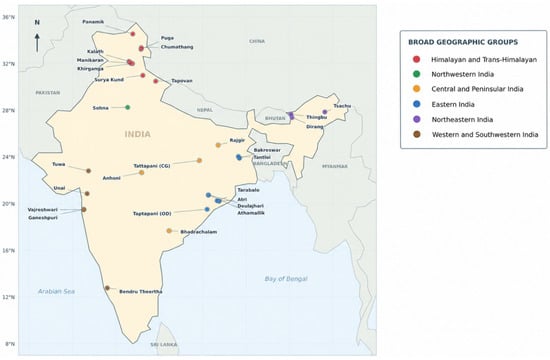
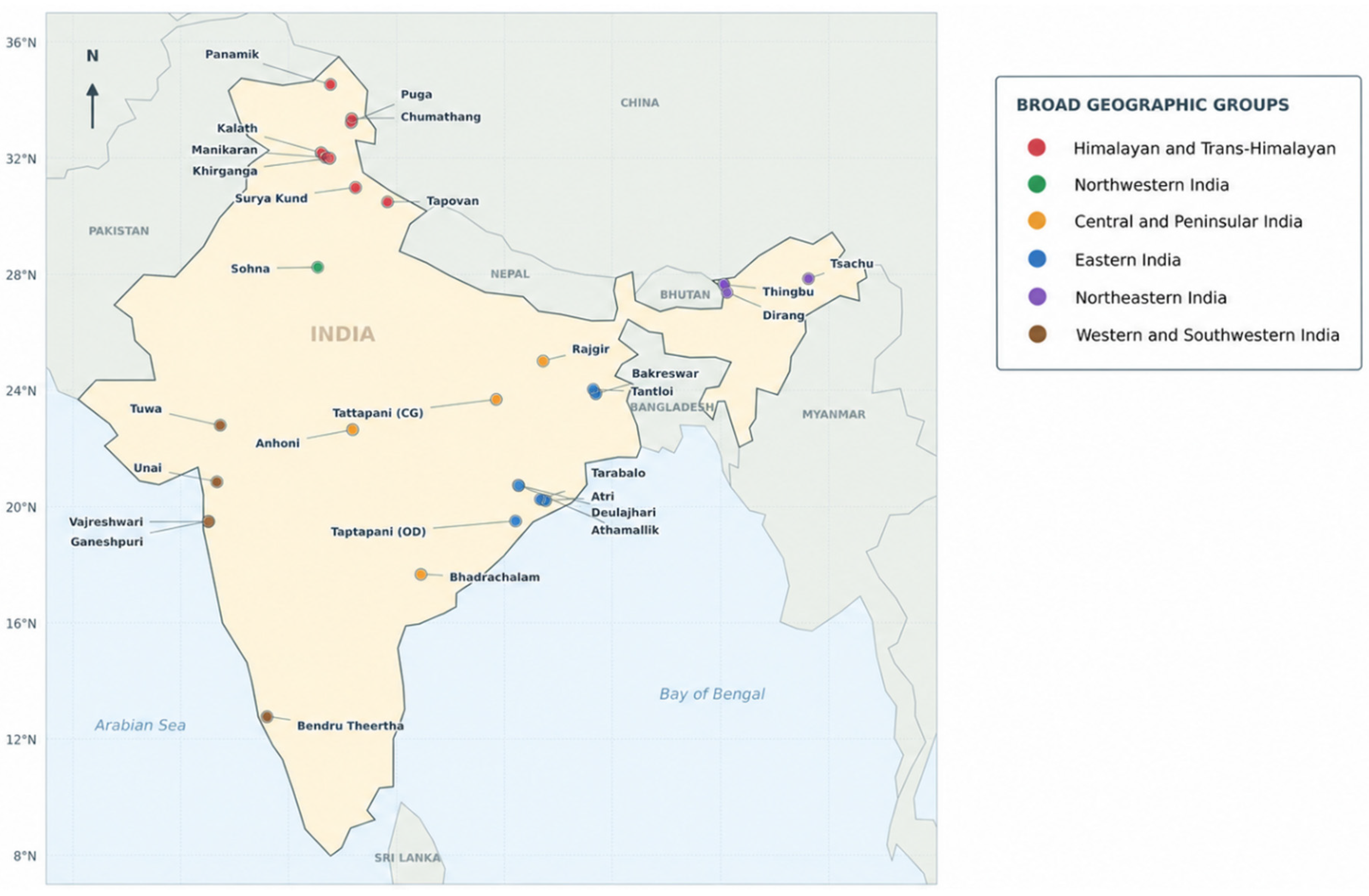

Disclaimer/Publisher’s Note: The statements, opinions and data contained in all publications are solely those of the individual author(s) and contributor(s) and not of MDPI and/or the editor(s). MDPI and/or the editor(s) disclaim responsibility for any injury to people or property resulting from any ideas, methods, instructions or products referred to in the content. |
© 2026 by the authors. Licensee MDPI, Basel, Switzerland. This article is an open access article distributed under the terms and conditions of the Creative Commons Attribution (CC BY) license.