


Abstract
Oncolytic viruses (OVs) can selectively lyse tumor cells and remodel the immunosuppressive tumor microenvironment. However, monotherapy is limited by low response rates, systemic delivery barriers and antiviral-mediated viral clearance. Combinatorial strategies with immune-checkpoint inhibitors, CAR-T cells, cancer vaccines, microbiota intervention, chemotherapy and radiotherapy produce potent synergistic antitumor effects. Herein, we review the spatiotemporal-dependent synergistic mechanisms by which OVs convert “cold” tumors into immunologically “hot” lesions, alongside recent pre-clinical and clinical progress of various combination regimens. We further discuss major bottlenecks including unstable efficacy, cumulative toxicity and translational obstacles. Several promising biomarkers, such as baseline TME immunophenotypes, dynamic neutralizing-antibody kinetics, STING-IFN signaling and gut microbiota, support individualized OV-based therapy. Finally, we outline near-term sequential-optimization strategies and long-term directions centered on intelligently engineered OVs and multi-modal combinatorial platforms, offering guidance for future rational design of oncolytic viro-immunotherapy.
1. Introduction
Cancer is defined by malignant proliferation and immune escape. The highly heterogeneous and immunosuppressive tumor microenvironment (TME) severely limits the efficacy of traditional immunotherapies [1], especially for “cold” tumors [2]. OVs represent promising therapeutic platforms that selectively infect, replicate in and lyse tumor cells while protecting normal tissues [3,4], exerting therapeutic effects beyond direct oncolysis by triggering systemic antitumor immune responses [5].
Although the clinical exploration of OVs began in the mid-20th century, the field has flourished since the approval of Gendicin in 2003 [6] and H101 in 2005 for head and neck cancer [7]. The FDA approval of T-VEC for melanoma in 2015 [8] mainstreamed OV-based cancer therapy, followed by the approval of Delytact (G47Δ) for malignant glioma in Japan in 2021 [9]. Novel engineered OVs such as VCN-01, which obtained FDA Rare Pediatric Disease Designation for retinoblastoma [10], have transformed OVs from local lytic agents into systemic immune-regulatory platforms. However, OV monotherapy yields a low objective response rate of 15–30% [11]. Moreover, intravenous OV delivery is restricted by neutralizing antibody-mediated clearance [12] and TME stromal barriers [13], limiting systemic anti-metastatic efficacy and restricting therapeutic benefits to local injection sites.
These inherent limitations drive the development of OV-based combination therapies. OVs remodel the TME to generate synergistic conditions for multiple treatments. The efficacy of combinatorial strategies relies on precise spatiotemporal coordination of viral replication, antiviral immunity and antitumor immunity. This review systematically summarizes the mechanistic basis and clinical evidence of diverse OV combinations of therapeutic regimens.
The major OV platforms currently engineered for cancer therapy include herpes simplex virus type 1 (HSV-1), adenovirus, vaccinia virus, coxsackievirus, and reovirus, each with distinct genome types, transgene capacities, immunogenicity profiles and safety considerations. A comparative overview of these platforms is provided in Table 1.
Table 1.
Comparison of major oncolytic virus delivery platforms. Data compiled from refs. [14,15,16,17,18,19].
2. Theoretical Basis of Combination Therapy
2.1. TME Remodeling
Immunosuppression and heterogeneity within the tumor microenvironment (TME) constitute major obstacles to tumor immunotherapy, which can be effectively resolved by oncolytic viruses (OVs) through multiple remodeling mechanisms. Genetically engineered oncolytic adenovirus Ad5-ApoA1 remodels tumor cholesterol metabolism, reduces intratumoral cholesterol accumulation and alleviates CD8+ T-cell exhaustion by downregulating PD-1 and LAG-3, thereby restoring antitumor immune function [20]. Broadly engineered OVs promote the expansion and infiltration of effector T and NK cells, modulate regulatory T cells and sustain durable systemic antitumor immune responses [21]. As pivotal stromal components, cancer-associated fibroblasts (CAFs) are susceptible to OV infection; targeted CAF elimination disrupts tumor-supportive stroma and removes physical barriers, enabling robust infiltration and activation of effector immune cells [22].
OVs also reverse multiple metabolic immunosuppressive states. Neutralizing the acidic TME via sodium bicarbonate reprograms macrophage and T-cell mitochondrial metabolism through the CaMKII/CREB/PGC1α pathway, potentiating the efficacy of CD47-modified oncolytic viruses [23]. Moreover, OV-based combination strategies block CD73-mediated adenosine production, abolish adenosine-induced immunosuppression and enhance macrophage antigen presentation to improve therapeutic outcomes [24]. Beyond conventional immune regulation, OVs induce ferroptosis via the circRNA/miRNA/GPX4 axis, as exemplified by coxsackievirus B3, expanding tumor-killing mechanisms and providing a novel strategy for treating apoptosis-resistant tumors [25]. Overall, OV-mediated TME remodeling is a dynamic process coordinated by viral replication, immune activation and host feedback, supporting refined design of combination regimens.
2.2. Synergistic Mechanisms
OV–immunotherapy combinations exert superior “1 + 1 > 2” synergistic efficacy rather than simple additive effects, which can be interpreted through a spatiotemporal tripartite framework of virus, tumor and immune crosstalk covering temporal, spatial and immunological dimensions.
In the temporal dimension, OV-triggered immunogenic cell death initiates antitumor immunity, while OVs simultaneously act as foreign antigens to induce neutralizing antidrug antibodies that clear intratumoral viruses, creating a temporal conflict between early innate antiviral responses and subsequent tumor-specific adaptive immunity [12]. Staged administration optimizes this balance: OV pre-priming followed by ICI treatment sustains and amplifies antitumor immune responses, and preclinical studies have verified the optimal efficacy of sequential OV and anti-PD-1 regimens [26].
In the spatial dimension, dense extracellular matrix and high interstitial pressure create physical barriers limiting viral and immune cell penetration [27]. Engineered OVs such as VCN-01 express hyaluronidase to degrade hyaluronic acid in the extracellular matrix, thereby reducing stromal barriers and facilitating viral spread and immune cell infiltration; however, it should be noted that hyaluronidase is not tumor specific and may also affect normal tissues [28]. Rational systemic administration—optimizing dosing schedule, route and timing based on viral pharmacokinetics, tumor targeting efficiency and the window for immune microenvironment remodeling—can avoid local immune overactivation and promote intratumoral viral spread, and modeling studies further indicate that the timing and mode of virus delivery critically shape therapeutic outcomes [29].
In the immunological dimension, OVs serve as immune initiators to trigger tumor lysis, release tumor and viral antigens, and activate innate and adaptive immunity, accompanied by IFN-dependent PD-L1 upregulation [30,31]. Naik et al. further highlighted that OV-mediated immune recruitment and therapeutic synergy with standard therapies are key to optimizing efficacy [32]. Additionally, virus-specific CD4+ T-cell responses play a central role in antiviral protection [33]. ICIs further reverse T-cell exhaustion, amplify OV-primed immune responses and establish systematic antitumor immunity, in which adaptive immunity plays a dominant role [34]. Optimized OVs achieve sustained therapeutic vaccination; the modified herpesvirus R-115 eradicates glioblastoma in mouse models and induces long-term immune memory to resist tumor rechallenge [35].
Based on this three-dimensional framework, precise spatiotemporal optimization further maximizes synergy. Conventional chemoradiotherapy induces ICD and should be administered within a specific window after OV priming. Short-term low-dose immunosuppressants alleviate premature viral clearance to ensure sufficient intratumoral viral replication. Combined targeted therapy eliminates OV-resistant tumor subpopulations, while OV-encoded BiTEs and improved CAR-T infiltration further broaden synergistic applications [36]. In summary, OV combination therapy achieves robust synergistic efficacy through temporal scheduling, spatial barrier elimination and multi-stage immune relay.
3. Combination Strategies
3.1. OVs + ICIs
(1) Synergy: OVs activate the innate immune system by infecting and lysing tumor cells and releasing viral particles and tumor antigens. Oncolytic viruses “heat up” the tumor microenvironment, increasing immune cell infiltration, whereas ICIs release immune brakes, promoting sustained T-cell activation and memory formation [37]. Anti-PD-1 antibodies restore the adaptive immune system (particularly CD8+ T cells) by blocking the PD-1/PD-L1 pathway, thereby enhancing the ability of the oncolytic virus to kill tumor cells [38]. Additionally, OVs can transform solid tumors from an immune-silent phenotype to an immune-infiltrated phenotype, and their combined application demonstrates significant antitumor efficacy [39] (Figure 1).
Figure 1.
Schematic illustration of synergistic anti-tumor effects of oncolytic viruses (OVs) combined with immune-checkpoint inhibitors (ICIs). OVs induce tumor-cell lysis, trigger dendritic cell activation, and cooperate with ICIs to reverse the immunosuppressive cold-tumor microenvironment. Increased CXCL9/10 and reduced TGF-β/IL-10 promote T-cell activation, convert cold tumors into hot tumors, enhance tumor-cell killing and support T-cell memory formation. Created in BioRender. Tao, Y. (2026) https://BioRender.com/qoon9lj, accessed on 26 September 2026.
(2) Clinical: Combination therapy involving the oncolytic virus T-VEC and the anti-PD-1 antibody pembrolizumab is among the standard of care and has demonstrated high response rates and manageable safety in patients with advanced melanoma [38]. In addition, this combination therapy addresses the issue of resistance in PD-1-resistant melanoma [40]. However, in a phase III clinical trial, it failed to significantly improve PFS or OS. This finding indicates that while combination therapy is safe, it faces the challenge of balancing efficacy gains with toxicity control [41]. Another classic combination, T-VEC combined with ipilimumab for advanced melanoma, has demonstrated stronger antitumor activity, particularly with systemic therapeutic effects in visceral lesions not injected, along with tolerable safety [42,43]. Current clinical practice also offers numerous novel oncolytic viruses and combination therapy options, such as the combination of the recombinant attenuated oncolytic virus MEDI5395 (NDV-GM-CSF) with durvalumab [44]. Additionally, novel genetically engineered viruses provide new insights for combination strategies. For instance, the oncolytic adenovirus OBP-702, which carries the p53 tumor suppressor gene, has been shown in preclinical osteosarcoma models to reshape the tumor immune microenvironment by inducing immunogenic cell death and upregulating PD-L1/PD-L2 expression, thereby significantly increasing the antitumor effects of PD-1 inhibitor combination therapy [45]. We have summarized preclinical and clinical studies on the combination of oncolytic adenoviruses (OAds) with ICIs (see Table 2).
Table 2.
Clinical research on OVs and ICIs.
(3) Challenges: First, the disconnect between preclinical and clinical findings must be addressed. Currently, only a limited number of high-quality randomized controlled trials support the efficacy of combination therapy. There is a lack of phase III clinical trials, and existing studies are mostly phase I/II or single-arm trials, with low-quality evidence. Moreover, direct comparisons with monotherapy are lacking, and the study designs are often single-arm or noncontrolled, making it difficult to evaluate whether combination therapy is superior to oncolytic virus or ICI monotherapy. The second factor is cumulative toxicity. Although combination therapy aims to synergistically activate immunity, it may also lead to immune-related adverse events, particularly grade ≥ 3 hematologic toxicity and systemic inflammatory responses. How to maximize efficacy while ensuring safety is the core challenge in clinical protocol design [71]. Third, patient heterogeneity presents complications. Heterogeneity among different types of cancer, different immune statuses (cold/hot tumors), and even different lesions in the same patient can lead to significant differences in response rates to combination therapy [72].
OV-ICI combination therapy is particularly adept at converting immunologically “cold” tumors into “hot” phenotypes, while offering marginal additional therapeutic benefits in highly inflamed, pre-existing “hot” tumors. Moreover, these therapeutics are still in the developmental stage, and more high-quality, large-scale and rigorously designed clinical studies are needed to optimize treatment regimens, identify applicable populations and ensure safety.
3.2. OVs + CAR-T/TILs
(1) Synergy: OVs can transform a “cold tumor” (immunosuppressed) into a “hot tumor” (immunologically activated) [73]. This process enhances the infiltration and function of immune cells such as CAR-T cells and NK cells [74], thereby improving the targeting, persistence and antitumor efficacy of CAR-T cells [75]. The risk of recurrence is reduced because of antigen escape [76]. Consequently, the combined application of OV and CAR-T-cell therapy can produce stronger antitumor effects, and recombinant OV may enhance the migration of CAR-T cells into the TME [77] (Figure 2).
Figure 2.
Synergistic antitumor effects of oncolytic virus (OVs) combined with CAR-T cells. OVs induce immunogenic cell death, activate dendritic cells, and deliver encoded stress-related molecules or chemokines. Cooperating with CAR-T cells with strong targeting and persistence, this combination remodels cold tumors into hot tumors, recruits immune effector cells, and achieves synergistically enhanced tumor killing. Created in BioRender. Tao, Y. (2026) https://BioRender.com/cyipyo2, accessed on 26 September 2026.
(2) Progress: The combination of oncolytic viruses (OVs) with chimeric antigen receptor (CAR) T-cell therapy represents a promising strategy to overcome three major bottlenecks limiting CAR-T efficacy against solid tumors: physical barriers blocking T-cell infiltration, immunosuppressive tumor microenvironments (TMEs) impairing CAR T persistence and function, and antigen escape driven by tumor heterogeneity. Based on OVs’ unique capacities to tackle these obstacles, current combinatorial approaches fall into three primary categories. First, OV mediated enhancement of CAR T infiltration via chemokine arming. Recent studies have demonstrated that oncolytic virus-derived nanovesicles markedly boosts the intratumoral infiltration and activation of CD8+ CAR T cells and improves therapeutic efficacy for solid tumors [77]. Chemokine-armed OVs have also yielded encouraging results: oncolytic adenovirus oAd CXCL11 locally secretes CXCL11 within tumors to recruit CXCR3 expressing CAR-T cells and remodel the immunosuppressive TME [78]. Myxovirus-infected tumor-specific T cells (TMYXV) engineered with CARs or TCRs suppress antigen escape and induce autophagy in solid tumor cells [79]. In mouse models, the immune gene encoding viral vector NG 3 [77] successfully recruits and activates both CAR-T cells and innate immune populations [80]. Second, OV mediated improvement in CAR-T persistence and effector function. Even after successful tumor infiltration, CAR-T cell activity is frequently blunted by checkpoint molecules such as PD-L1, metabolic exhaustion and insufficient survival signals within suppressive TMEs. Genetically modified OVs can deliver costimulatory ligands or cytokines locally inside tumors, providing critical supportive signals that sustain CAR-T cell viability and function. For instance, an HSV-1 based oncolytic virus targeting IL-15/IL-15Rα significantly enhanced the survival and cytotoxic activity of NK cells and CD8+ T cells [81]. Third, OVs act as a CAR target delivery platform and suicide switch for risk management. Antigen-negative tumor subpopulations constitute a leading cause of CAR-T failure in solid tumors. Engineered OVs can selectively express CAR targeted antigens in tumor tissue, converting antigen negative tumor cells into recognizable targets and broadening the killing spectrum of CAR-T cells. The solid tumor tropic oncolytic virus CF33 augments CD19 CAR-T cell immunogenicity [82]; similarly, vaccinia virus OVV 03 upregulates HER2 expression on glioblastoma cells to facilitate subsequent HER2 CAR-T recognition [83]. OVs’ tumor-restricted replication confines exogenous antigen expression exclusively to tumors, thereby avoiding off target toxicity. Conversely, OVs can express universal CAR-T recognizable tags (e.g., truncated CD19, CD19t) to establish a safety suicide switch: anti CD19 antibodies such as rituximab eliminate CD19t-positive infected tumor cells once severe CAR-T related toxicity occurs [84]. Nevertheless, this strategy requires rigorous risk–benefit evaluation. Although CD19t is designed as an inert marker, OV CAR-T regimens still face safety risks including vector immunogenic clearance, cytokine release syndrome and neurotoxicity [85]. While suicide switch systems HSV TK/GCV and iCasp9 are well established in cell therapy settings, their applicability within OV CAR-T combination regimens remain to be validated [86,87].
(3) Challenges: First, in solid tumors, virus-induced immune responses may lead to the clearance of CAR-T cells; certain oncolytic viruses (e.g., vesicular stomatitis virus (VSV) and vaccinia virus) cause vascular disruption, hindering CAR-T-cell infiltration into tumors; and high-dose viruses may trigger antiviral immune responses, decreasing efficacy [88]. Additionally, while combination strategies aim to reverse T-cell exhaustion, the depth of exhaustion and complex interactions with immune checkpoints remain critical barriers [89]. Second, in hematologic malignancies, the challenges include how to enhance CAR-T functionality by modifying the tumor microenvironment with oncolytic viruses, overcoming antigen escape, and synergistically increasing CAR-T activity [76]. Third, a challenge faced in treating all tumors is the lack of standardized dosing sequences and time intervals for oncolytic viruses and CAR-T cells; tumor type and immune status can influence the effects of oncolytic viruses on CAR-T cells [77], and the coexistence of synergistic effects and toxicity risks presents limitations in preclinical models [75].
In theory, the combination of oncolytic viruses and CAR-T cells has great synergistic potential and can overcome the limitations of individual therapies by reshaping the tumor immune microenvironment and enhancing T-cell infiltration and function. However, multiple challenges remain, including delivery efficiency, immunosuppression, viral clearance, vascular barriers and standardized dosing.
3.3. OVs + Cancer Vaccines
(1) Synergy: First, the local inflammation induced by oncolytic viruses provides a favorable immune microenvironment for cancer vaccines. After infection, the tumor-associated antigens (TAAs) and damage-associated molecular patterns (DAMPs) released by oncolytic viruses can be captured by dendritic cells (DCs) and presented to T cells. Second, oncolytic viruses can serve as antigen carriers to express tumor antigens (e.g., OVA and hDCT), promoting antigen-specific T-cell responses. TLR ligands can activate tumor-infiltrating DCs, restore their function and subsequently activate tumor-infiltrating lymphocytes (TILs). In certain models, the presence of regulatory T cells (Tregs) helps prevent premature viral clearance and maintain the efficacy of oncolytic therapy. Finally, synergistic or additive effects can be achieved through rational combinations (e.g., Prime-Boost combined with immunomodulators) [89].
(2) Strategy: (i) Prime boost: The combination of oncolytic viruses (e.g., adenovirus Ad) with tumor neoantigen peptides as an adjuvant vaccine platform [90]; (ii) mRNA/peptide vaccine combinations include the coadministration with HER2-targeting mRNA vaccines to enhance systemic immune responses [91]; (iii) OVs as integrated nano vaccines include the use of the virus MG1-E6E7 expressing HPV E6/E7, which has demonstrated potential in preclinical models [92]. Recent advances indicate that through cutting-edge genetic engineering and nanotechnology, oncolytic viruses themselves can be designed as a class of “integrated” therapeutic vaccines. For instance, an oncolytic adenovirus coated with tumor cell membranes and encoding a CD40 ligand (CD40L) has been successfully engineered as a potent nano vaccine. This system not only leverages the oncolytic and antigen-releasing functions of the virus itself but also utilizes CD40L to directly activate antigen-presenting cells, while the tumor cell membrane coating results in homologous targeting and immunocompatibility. In an ovarian cancer peritoneal metastasis model, this nano vaccine, when combined with a PD-1 inhibitor, achieved complete tumor clearance in 50% of mice; synergistic efficacy was also observed when it was coadministered with the first-line chemotherapy drug cisplatin. This strategy highlights the evolution of oncolytic viruses from vaccine adjuvants/carriers to intelligent, multifunctional therapeutic vaccine platforms, providing a transformative paradigm for solid tumor therapy by synergistically activating adaptive immunity and reshaping the immunosuppressive microenvironment [46].
(3) Challenges: (i) Timing: The primary immunization-boosting regimen may be more effective in the early stages of disease, but current OV clinical trials predominantly target advanced-stage patients. (ii) Antiviral immunity: Repeated use of the same viral vector may induce antiviral immunity, compromising subsequent efficacy. (iii) Antigen escape: Tumor heterogeneity leads to antigen escape and limits vaccine efficacy. (iv) Safety risks: Combination with TLR agonists may trigger systemic cytokine storm-like reactions [89]. (v) Translational bottlenecks: mRNA vaccine combination strategies currently rely predominantly on preclinical data and lack large-scale clinical validation; certain peptide vaccines exhibit in vivo instability, and preclinical models struggle to fully replicate the complex immune microenvironment of advanced human cancers [91].
The combination of oncolytic viruses and cancer vaccines represents a synergistic strategy of systemic immune priming with local immune remodeling, which offers the potential to overcome tumor heterogeneity, immunosuppression and antigen escape. Future developments will focus more on intelligent design, such as the development of integrated nano vaccine platforms; precision combination therapy; the optimization of the timing of combinations with immune checkpoint inhibitors, chemotherapy and other agents; and accelerated clinical translation.
3.4. OVs + Microbial Therapy
(1) Synergy: The combination of oncolytic viruses and the microbiome can reverse “cold tumors” into “hot tumors,” thereby improving the response rate to immunotherapy60. First, gut microbiota and OVs mutually promote immune activation. Oncolytic virus infection of tumor cells induces ICD, releasing tumor-associated antigens and viral antigens, which activate dendritic cells and initiate specific CD8+ T-cell responses. Concurrently, short-chain fatty acids (e.g., butyrate) produced by the gut microbiome can directly modulate T-cell function, enhancing antitumor immunity. Specific microbial communities (e.g., Bifidobacterium and Akkermansia) have also been demonstrated to potentiate the efficacy of immune checkpoint inhibitors (ICBs) and oncolytic viruses. Additionally, microbial modulation strategies (e.g., probiotics and fecal microbiota transplantation) can ameliorate the immunosuppressive tumor microenvironment by regulating mechanisms such as the tryptophan metabolic pathway (e.g., the AHR pathway) [93]. Oral oncolytic viruses (e.g., reovirus) can interact with the host immune system locally in the gut (e.g., Peyer’s aggregates), promoting the secretion of IgA+ antibodies in the intestinal mucosa via MAdCAM-1+ vessels and reshaping the gut microbiota structure (e.g., increasing the abundance of Lactobacillus and decreasing the abundance of Bacteroides). This local alteration further activates systemic tumor-specific CD8+ T-cell responses through Batf3+ dendritic cells and the type I interferon signaling pathway [94]. Second, microbial vesicles improve OV delivery. Recent research has further expanded the paradigm of “microbiotherapy” by directly utilizing engineered microbial components as delivery vehicles for oncolytic viruses. For instance, the oncolytic virus OH2 was encapsulated within outer membrane vesicles (OMVs) derived from the probiotic Escherichia coli Nissle 1917 (EcN). EcN-OMVs not only leverage their tumor-targeting properties to protect the virus from immune clearance and increase viral accumulation within tumors but also synergistically reshape the immunosuppressive tumor microenvironment (e.g., by modulating tumor-associated macrophages), thereby improving therapeutic efficacy at delivery and at the immunomodulatory level [95] (Figure 3).
Figure 3.
Schematic overview of the synergistic mechanisms between oncolytic viruses and gut-microbiota-related interventions in tumor immunotherapy. Oncolytic viruses (OVs) induce immunogenic cell death (ICD) in tumor cells, release tumor-associated antigens, and activate dendritic cells to trigger CD8+ T-cell-driven antitumor immunity. Gut microbiota participates in immunomodulation via butyric acid and tryptophan metabolism: butyric acid enhances therapeutic efficacy by promoting CD8+ T-cell function, whereas tryptophan metabolism supports immunosuppressive cell populations. Oral administration of oncolytic viruses acts through gut-systemic crosstalk involving Peyer’s patches, IgA secretion and type I interferon signals to remodel intestinal microbes and boost systemic CD8+ T-cell responses. Escherichia coli Nissle 1917-derived outer membrane vesicles (OMVs) enable immune protection and targeted delivery of OVs, promoting the polarization of tumor-associated macrophages from the M2 toward the M1 phenotype. Collectively, these pathways cooperate to convert cold tumors into hot tumors and improve the response rate of immunotherapy. Created in BioRender. Tao, Y. (2026) https://BioRender.com/05yrqjh, accessed on 26 September 2026.
(3) Challenges: First, the tumor microenvironment and inherent viral characteristics limit therapeutic efficacy. For instance, “cold tumors”, such as glioblastoma multiforme (GBM), exhibit an immunosuppressive microenvironment characterized by minimal immune cell infiltration and high expression of immunosuppressive molecules (e.g., IDO), which restricts the synergistic antitumor effects of oncolytic viruses with the immune system. Additionally, the high immunogenicity of oncolytic viruses leads to rapid clearance by the host immune system, impairing their sustained infection and replication in tumor tissues [93]. Although novel microbial vector strategies (e.g., bacterial OMV encapsulation) hold promises for overcoming delivery challenges, their manufacturing complexity, drug delivery efficiency and controllability of vivo behavior still require further optimization [95]. Second, microbial modulation strategies and mechanisms remain immature. Current methods for regulating the gut microbiota, such as probiotics or fecal microbiota transplantation (FMT), lack standardization, resulting in significant interindividual variability in efficacy. Moreover, the therapeutic effects are highly dependent on the gut microbiota, and antibiotic use or dysbiosis may completely negate the antitumor effects [94]. Finally, multiple barriers exist in clinical translation. Current clinical studies, particularly for brain tumors, are severely insufficient and lack large-scale validation [93]. Additionally, interindividual differences in gut microbiota composition, the potential neutralizing effect of preexisting antiviral antibodies and the potential exacerbation of immune-related adverse reactions (e.g., colitis) by combined immune checkpoint inhibitors all impact treatment safety and therapeutic consistency [94].
The combination therapy of oncolytic viruses and the gut microbiome demonstrate significant synergistic antitumor potential. Mechanistically, the two agents exert multilevel interactions by reshaping the tumor immune microenvironment, activating systemic immune responses, and modulating metabolic and inflammatory pathways, thereby providing novel insights for cross-disciplinary therapies, such as the “gut–brain axis” and “gut–tumor axis”. Future research should focus on the development of novel delivery systems, advancing clinical translation and the design of personalized treatment strategies.
3.5. OVs + Chemotherapy
(1) Synergy: The combination of chemotherapy and oncolytic viruses (OVs) builds upon their inherent complementarity in tumor-cell elimination and immune modulation. Rather than producing merely additive effects, this combinatorial strategy acts as a double-edged sword requiring precise clinical regulation, since chemotherapeutic agents may either boost intratumoral OV replication and spread or damage key antitumor immune components. Chemotherapeutics enhances OV efficacy via multiple pathways. They can suppress antiviral immunity, trigger immunogenic cell death (ICD) and facilitate viral propagation. Oxaliplatin improves intratumoral OV retention and reprograms tumor-associated macrophages by inhibiting type-I interferon signaling, promoting immune attack against distant non-injected tumors [96]. ICD induced by chemotherapy cooperates with OV-mediated oncolysis to release abundant tumor-associated antigens and danger-associated signals, eliciting potent systemic antitumor immunity. Certain drugs can also directly improve viral replication; for example, the proteasome inhibitor bortezomib triggers endoplasmic reticulum stress and markedly augments oncolytic herpes simplex virus replication in tumor cells [97]. Furthermore, viral genetic engineering can strengthen these synergistic effects. Vaccinia virus engineered to express constitutively active cAMP-effector element-activated protein remodels the tumor microenvironment by promoting angiogenesis and recruiting CD8+ T cells, achieving enhanced antitumor activity when combined with chemotherapy [98]. Notably, chemotherapy exerts bidirectional immunomodulatory impacts. Low-dose cyclophosphamide depletes regulatory T cells (Tregs) and relieves immunosuppression to amplify OV-triggered antitumor responses [99]. Yet, premature cyclophosphamide administration may impair native CD8+ cytotoxic T lymphocytes (CTLs). Priming and expansion weakens long-term therapeutic outcomes. This trade off underscores the importance of optimized timing and dosage. Mathematical modeling guided sequential schedules (OV priming followed by bortezomib or cyclophosphamide) yield improved tumor-killing effects [100]. In colorectal cancer models, FOLFOX synergizes with oncolytic coxsackievirus B3, although its optimal administration sequence remains to be determined [101].
(2) In preclinical clinical models, the combination of Newcastle disease virus (NDV) with doxorubicin for cervical cancer treatment significantly improved survival rates in mice and promoted the secretion of proinflammatory cytokines (e.g., TNF-α, IL-12, and IFN-γ) while reducing immunosuppressive factors (e.g., TGF-β and IL-4), indicating that chemotherapy can enhance the immune-activating effects of viral therapy [98]. The combination of reovirus with chemotherapeutic agents also demonstrated synergistic cytotoxic effects in gastric cancer models [99]. In clinical studies, a patient with colorectal cancer and massive lymph node metastasis achieved pathological complete response after the intratumoral injection of oncolytic adenovirus H101 combined with oral capecitabine, validating the safety and potential efficacy of this combination [100]. Oncolytic adenoviruses have been successfully combined with temozolomide, inducing autophagy and antitumor immune responses in cancer patients [102]. Additionally, the combination of vaccinia virus with paclitaxel showed synergistic effects, likely because paclitaxel induces cells to enter the S phase of the cell cycle, during which time the vaccinia virus is more likely to infect cells [103]. Furthermore, the combination of sorafenib with oncolytic vaccinia virus has demonstrated excellent anti-time efficacy, safety and clinical outcomes and has been approved for the systemic treatment of hepatocellular carcinoma, renal cell carcinoma and thyroid cancer [104]. Table 3 summarizes the trial data for OVs combined with chemotherapy.
Table 3.
Clinical research on OVs and chemotherapy.
(3) Challenges: The efficacy of an oncolytic virus combined with chemotherapy remains uncertain and even controversial. A meta-analysis indicated that adding Pelareorep to standard chemotherapy did not significantly improve overall survival or progression-free survival in patients with advanced solid tumors but instead increased the incidence of certain adverse events [4]. In randomized phase II trials for colorectal cancer, the combination of Pelareorep with a FOLFOX6 chemotherapy regimen and bevacizumab, although it improved the objective response rate, significantly shortened progression-free survival without providing an overall survival benefit [105]. These negative results suggest that the combination of chemotherapy and oncolytic viruses does not have a simple additive effect and that its efficacy may be highly dependent on the specific types of viruses and drugs, tumor type, administration sequence and dosage.
Therefore, future research should focus on optimizing the design of combination regimens under the guidance of a mechanistic understanding and identifying biomarkers to predict therapeutic efficacy, thereby enabling precise screening to identify the patient populations most likely to benefit from this treatment.
3.6. OVs + Radiotherapy
(1) Synergy: Radiotherapy (RT) is a localized cancer treatment that achieves local tumor control by inducing DNA damage, blocking the cell cycle, and directly destroying cancer cells [117,118]. The synergy between the two is primarily based on the following core mechanisms: First, the DNA damage induced by radiotherapy and ICD releases a large number of tumor-associated antigens and damage-associated molecular patterns (DAMPs), which, combined with the oncolytic and antigen release effects triggered by OV infection, significantly increase the intensity and breadth of the “in situ vaccine” [119]. Radiotherapy alters tumor vascular permeability and the local microenvironment, improving the diffusion and infection efficiency of subsequent intratumoral OV injections [120]. Second, the triple combination of OV, radiotherapy and ICIs can produce the strongest synergistic effects. Observations in mouse skin cancer models and patients confirmed that this triple therapy significantly improves treatment outcomes for ICI-resistant cancers by increasing CD8+ T-cell infiltration and IL-1α expression [120].
(2) Clinical Research Progress: In preclinical studies, melanoma and hepatocellular carcinoma models have demonstrated that OV combined with radiotherapy can synergistically inhibit tumor growth through CD8+ T-cell-dependent and IL-1α-dependent mechanisms. This combination regimen significantly upregulates PD-L1 expression in the tumor microenvironment, thereby providing a robust theoretical basis for the combination of PD-1/PD-L1 inhibitors 83. In glioblastoma, the most challenging solid tumor, oncolytic vaccinia virus (ΔF4LΔJ2R VACV) combined with radiotherapy, achieved superior tumor control and significantly prolonged mouse survival compared with either monotherapy. Mechanistic analysis revealed that this combination therapy was closely associated with an increased proportion of CD8+ effector T cells and regulatory T cells (Tregs) within the tumor, effectively reversing the immunosuppressive microenvironment [121]. Additionally, in preclinical models of radiation-resistant oral squamous cell carcinoma, the oncolytic adenovirus OBP-301 clearly synergized with radiotherapy, suggesting that this strategy holds promise for overcoming radiotherapy resistance [122].
On the basis of preclinical mechanisms, clinical translation studies of OV combined with radiotherapy are also actively underway. A phase II study in patients with metastatic non-small cell lung cancer (mNSCLC) explored the potential of a triple therapy regimen in the context of “chemotherapy tapering”. This protocol employed in situ oncolytic virus (ADV/HSV-tk) gene therapy combined with stereotactic body radiation therapy (SBRT), followed by pembrolizumab. The results demonstrated that this combined strategy was well tolerated and showed encouraging antitumor effects, providing a new option for patients who are not suitable for intensive chemotherapy [123]. In addition to classical radiotherapy, this study explored synergies between other physical therapies and OV. For example, in pancreatic cancer models, radiofrequency hyperthermia (RFH) was shown to increase the efficacy of intratumoral T-VEC injections, which manifested as increased tumor cell apoptosis and tumor shrinkage and enhanced CD8+ T-cell and NK-cell infiltration, suggesting a novel approach to physically enhance the efficacy of OV in deep or refractory tumors [124].
The combination of oncolytic viruses and radiotherapy, through multilevel and multimechanism synergy, not only enhances local tumor clearance but also, more critically, enables systemic remodeling of the antitumor immune response. This combined strategy, particularly when integrated with immune checkpoint inhibitors in a triple-modality regimen, has become a crucial new approach for overcoming tumor immunosuppression and treating refractory and metastatic cancers.
4. Biomarkers and Individualized Strategies for Combination Therapy
Wide inter-patient heterogeneity in therapeutic responses remains a key bottleneck limiting the clinical translation of oncolytic virus (OV) therapy. Multidimensional biomarkers are therefore required to guide precision viroimmunotherapy.
4.1. Baseline TME Immunophenotyping: Determining the Initiation Sequence of OV + ICI
Based on intratumoral CD8+ T-cell density, solid tumors are classified as “hot”, “cold” or “immune excluded”. Baseline CD8+ T-cell infiltration positively predicts OV efficacy, whereas an immune-excluded phenotype indicates resistance [125]. For cold tumors, OV-mediated immune pre-priming should be administered first to convert cold tumors into hot ones, followed by ICIs, forming an “OV-priming→ICI-maintenance” [125,126]. Prospective validation of this immunophenotype-guided sequencing strategy in larger clinical cohorts is warranted to confirm its predictive value.
4.2. Anti-OV Neutralizing Antibodies: Pharmacodynamic Biomarkers
Neutralizing antibodies (nAbs) were traditionally considered a barrier to systemic OV delivery, yet recent findings challenge this view. A pooled analysis of four TILT-123 trials (59 patients) showed that early high-titer nAb production (days 8–22) correlated with longer overall survival, an effect possibly mediated by nAb-dependent ADCC/ADCP. Dynamic nAb-titer kinetics exhibit greater prognostic value than single-time-point measurements [127]. Thus, nAbs can be regarded as functional markers of antiviral-dominant immunity rather than simple limiting factors [128]. Whether nAb kinetics can serve as a practical pharmacodynamic biomarker for treatment monitoring requires further prospective investigation.
4.3. STING/IFN Pathway Activity: A Double-Edged Predictive Factor
The IFN pathway exerts dual effects on OV therapy: over-activation restricts viral replication, while moderate signaling promotes antigen presentation and PD-L1 upregulation. BAP1-deficient renal cancers respond better to vaccinia virus JX-594, which induces IFN-β through IRF7 signaling and bypasses defective STING-IRF3 function [129]. VSV-S triggers PANoptosis to recruit CD8+ T cells and down-regulate PD-L1, supporting ICI synerg [130]. Higher OV replication can be achieved in BAP1-deficient tumors; for IFN-proficient tumors, IFN-pathway inhibitors or time-adjusted regimens represent potential strategies [129,130]. The therapeutic value of targeting STING/IFN pathway activity as a predictive factor warrants validation in prospective clinical trials.
4.4. Gut Microbiota: An Exploratory Indicator
Systematic-review evidence links favorable gut-microbe signatures to improved OV responses [129]. Engineered Akkermansia muciniphila vesicles enhanced immunotherapy effects in hepatocellular-carcinoma mouse models [131]. However, clinical data confirming associations between baseline microbiota and OV outcomes remain absent. Accordingly, gut microbiota is currently considered an exploratory biomarker [129]. Whether microbiota modulation can be translated into a clinically actionable biomarker for OV therapy remains to be determined.
5. Challenges and Future Outlook
5.1. Core Challenges
Current OV-based combination therapies face three major clinical bottlenecks: inconsistent efficacy, safety risks and translational limitations. In terms of efficacy, dual heterogeneity from tumors and patients leads to unstable clinical outcomes. Although certain OV-ICI combinations yield favorable responses, the phase III T-VEC plus pembrolizumab trial in advanced melanoma failed to improve patient survival [41]. Such variability is primarily attributed to inherent TME heterogeneity across different tumor types and individuals.
For safety concerns, multimodal combinations may exacerbate cumulative toxicity and excessive immune activation. Combined chemo-or radiotherapy increases systematic adverse events, especially in vulnerable patients. Co-activation of innate and adaptive immunity by OVs and ICIs may trigger systemic inflammation, high-grade hematologic toxicity and autoimmune reactions, while OV-TLR agonist combinations potentially induce severe cytokine storms.
In translational practice, multiple practical obstacles remain. Novel delivery systems including bacterial OMVs and cell-based vehicles are immature. Tumor stromal barriers such as cancer-associated fibroblasts and acidic TME restrict viral spread and immune infiltration. No validated biomarkers are currently available for precise patient stratification and individualized regimen design. In addition, the complex manufacturing procedures and high costs of multi-transgene engineered OVs limit large-scale clinical promotion and widespread application.
5.2. Future Directions
5.2.1. Near-Term Actionable Directions
Immunophenotype-guided adaptive dosage and sequencing optimization represent the most clinically feasible strategies. Tailoring OV-ICI treatment schedules according to “hot/cold/immune-excluded” TME status has been validated in the RP1-nivolumab trial [125]. Optimizing approved OVs (T-VEC, TILT-123) with the “OV-priming → ICI-maintenance” sequential paradigm can generate high-level clinical evidence under existing regulations. Furthermore, retrospective analysis of clinical data can establish predictive models based on dynamic neutralizing antibody kinetics, enabling low-cost patient stratification without new OV development [127].
5.2.2. Long-Term Exploratory Directions
Intelligently engineered OVs constitute the core breakthrough direction for future viroimmunotherapy. Viral capsid modification and cell-mediated “Trojan horse” delivery enhance tumor-targeting precision and systemic safety [132]. Advanced controllable replication and multi-gene arming systems achieve spatiotemporal viral regulation and simultaneous expression of multiple immune modulators, including cytokines, costimulatory molecules and checkpoint blockers [47,133,134]. Time-sequential treatment verified by mathematical and preclinical models confirms that OV-mediated TME preconditioning followed by ICIs or CAR-T therapy elicits superior antitumor immunity and immune memory [34,72]. Tumor hypoxia assessment also guides strain selection and timing optimization for chemoradiotherapy combination [135].
Multimodal triple or quadruple combination regimens integrating OVs with immunotherapy and conventional therapies show great potential to reverse ICI resistance [120,122]. Emerging disruptive platforms, including self-amplifying mRNA systems, novel viral vectors (Zika virus, chimeric poxvirus HOV-299) and three-dimensional hydrogel models, further expand the design dimension and clinical transformability of next generation OV therapies [136,137]. Innovative viral vectors targeting refractory solid tumors, such as the chimeric poxvirus HOV-2 [138], have also shown significant potential, and these new platforms are worthy of further exploration.
6. Conclusions
Oncolytic viruses exert favorable preclinical synergies with multiple therapies by remodeling the immunosuppressive tumor microenvironment. Nevertheless, heterogeneous clinical responses, poor systemic delivery, cumulative toxicity, lack of validated biomarkers and high manufacturing costs hinder their translation. TME immunophenotypes, neutralizing-antibody kinetics and gut microbiota may guide individualized treatment. Further vector optimization and large-scale clinical trials are required to advance OV-based combinatorial therapy.
Author Contributions
Conceptualization, J.L., Y.T. and X.C.; literature search and data curation, Y.T., X.C., A.Y., L.Z. and X.L. (Xuan Liu), Y.S., X.Y. and X.L. (Xiaoyu Liu); writing—original draft preparation, Y.T. and X.C.; writing—review and editing, J.L., Y.T. and X.C.; visualization, Y.T. and X.C.; supervision, J.L.; project administration, J.L.; funding acquisition, J.L. All authors have read and agreed to the published version of the manuscript.
Funding
This work was supported by National Natural Science Foundation of China (82673617),the Health Commission of Sichuan Province Medical Science and Technology Program (24QNMP087), The Sichuan Medical Association Youth Innovation Project (Q2024024), Organized research projects of Chengdu Medical College (CYYZZ25-08), The Clinical Science Research Fund Project at Chengdu Medical College (24LHXHZL-02), Chengdu Municipal Health Commission Industry Academia Research Joint Innovation Fund (WXLHCXJJ25-10).
Institutional Review Board Statement
Not applicable.
Informed Consent Statement
Not applicable.
Data Availability Statement
The original contributions presented in the study are included in the article; further inquiries can be directed to the corresponding author.
Acknowledgments
During the preparation of this manuscript, the figures were compiled using BioRender and Word. The authors have reviewed and edited the output and take full responsibility for the content of this publication.
Conflicts of Interest
The authors declare no conflicts of interest.
References
- Zhang, M.; Huang, K.; Yin, Q.; Wu, X.; Zhu, M.; Li, M. Spatial heterogeneity of the hepatocellular carcinoma microenvironment determines the efficacy of immunotherapy. Discov. Oncol. 2025, 16, 15. [Google Scholar] [CrossRef] [Scilit]
- Cai, L.; Chen, A.; Tang, D. A new strategy for immunotherapy of microsatellite-stable (MSS)-type advanced colorectal cancer: Multi-pathway combination therapy with PD-1/PD-L1 inhibitors. Immunology 2024, 173, 209–226. [Google Scholar] [CrossRef] [Scilit]
- Russell, S.J.; Peng, K.W.; Bell, J.C. Oncolytic virotherapy. Nat. Biotechnol. 2012, 30, 658–670. [Google Scholar] [CrossRef] [Scilit]
- Xie, R.; Huang, H.; Chen, T.; Huang, X.; Chen, C. Effectiveness and safety of pelareorep plus chemotherapy versus chemotherapy alone for advanced solid tumors: A meta-analysis. Front. Pharmacol. 2023, 14, 1228225. [Google Scholar] [CrossRef] [Scilit]
- Fukuhara, H.; Ino, Y.; Todo, T. Oncolytic virus therapy: A new era of cancer treatment at dawn. Cancer Sci. 2016, 107, 1373–1379. [Google Scholar] [CrossRef] [Scilit]
- Wilson, J.M. Gendicine: The first commercial gene therapy product. Hum. Gene Ther. 2005, 16, 1014–1015. [Google Scholar] [CrossRef] [Scilit]
- Wei, D.; Xu, J.; Liu, X.Y.; Chen, Z.N.; Bian, H. Fighting Cancer with Viruses: Oncolytic Virus Therapy in China. Hum. Gene Ther. 2018, 29, 151–159. [Google Scholar] [CrossRef] [Scilit]
- Bommareddy, P.K.; Patel, A.; Hossain, S.; Kaufman, H.L. Talimogene laherparepvec (T-VEC) and other oncolytic viruses for the treatment of melanoma. Am. J. Clin. Dermatol. 2017, 18, 1–15. [Google Scholar] [CrossRef] [Scilit]
- Sugawara, K.; Iwai, M.; Ito, H.; Tanaka, M.; Seto, Y.; Todo, T. Oncolytic herpes virus G47Δ works synergistically with CTLA-4 inhibition via dynamic intratumoral immune modulation. Mol. Ther. Oncolytics 2021, 22, 129–142. [Google Scholar] [CrossRef] [Scilit]
- TherivaTM Biologics Receives Rare Pediatric Drug Designation by the U.S. FDA for VCN-01 for the Treatment of Retinoblastoma; Theriva Biologics, Inc.: Rockville, MD, USA, 2024. [Google Scholar]
- Li, L.; Dong, G.; Cai, Q.; Cang, Y.; Liang, P.; Yu, J.; Yu, X. Efficacy and Safety of Oncolytic Viruses Immunotherapy in Advanced Malignancies. J. Evid. Based Med. 2026, 19, e70116. [Google Scholar] [CrossRef] [Scilit]
- Parra-Guillen, Z.P.; Trocóniz, I.F.; Freshwater, T. Role of Antidrug Antibodies in Oncolytic Viral Therapy: A Dynamic Modelling Approach in Cancer Patients Treated with V937 Alone or in Combination. Clin. Pharmacokinet. 2025, 64, 1549–1559. [Google Scholar] [CrossRef] [Scilit]
- Saravanakumar, K.; Park, S.; Cho, W.; Lee, J.; Kim, S.; Lee, H. Oncolytic virotherapy in cancer treatment: Challenges and optimization prospects. Mol. Cancer 2026, 25, 75. [Google Scholar]
- Wu, Y.-Y.; Chen, M.-S.; Liao, T.-L.; Munir, M.; Liu, H.-J. Oncolytic Viruses in Cancer Therapy: Exploring the Mechanisms and Clinical Potential of Mammalian and Avian Reoviruses. Tungs’ Med. J. 2025, 19, 19–26. [Google Scholar] [CrossRef] [Scilit]
- Sakunchotpanit, G.; Patil, M.K.; Venkatesh, K.; Rohan, T.Z.; Cheng, D.; Nambudiri, V.E. Treatment of Malignant Melanoma with Coxsackievirus A21 (V937): An Emerging Oncolytic Virotherapy. Exp. Dermatol. 2024, 33, e15169. [Google Scholar] [CrossRef] [Scilit]
- Zhou, M.; Shen, Z. Advanced Progress in the Genetic Modification of the Oncolytic HSV-1 Virus. Front. Oncol. 2025, 14, 1525940. [Google Scholar] [CrossRef] [Scilit]
- Xu, L.; Sun, H.; Lemoine, N.R.; Xuan, Y.; Wang, P. Oncolytic Vaccinia Virus: A Comprehensive Review. Front. Immunol. 2024, 14, 1324744. [Google Scholar]
- Romanenko, M.; Davydova, J. Advancing Clinical Translation of Oncolytic Adenoviruses. Adv. Cancer Res. 2026, 171, 267–319. [Google Scholar] [CrossRef] [Scilit]
- Inoue, H. Oncolytic Virotherapy and Immunogenic Cell Death: Mechanisms, Platforms, and Clinical Translation. Viruses 2026, 18, 461. [Google Scholar] [CrossRef] [Scilit]
- Xu, T.; Yu, L.; Cao, Y.; Li, B.; Li, Y.; Zhang, L.; Yu, D. Apolipoprotein A1-encoding recombinant adenovirus remodels cholesterol metabolism in tumors and the tumor microenvironment to inhibit hepatocellular carcinoma. Transl. Res. 2025, 275, 18–31. [Google Scholar] [CrossRef] [Scilit]
- Wu, C.; Liu, H.; Shi, Y.; Tang, J.; Sun, R.; Han, X.; Fan, Y. Potential strategies to improve the therapeutic efficacy of oncolytic viruses for cancer through T and NK cells targeting. Crit. Rev. Oncol. Hematol. 2026, 218, 105086. [Google Scholar] [CrossRef] [Scilit]
- Dam, N.; Ioannidis, G.; Hawinkels, L.; Kemp, V. Exploring the inherent susceptibility of cancer-associated fibroblasts to oncolytic virus infection. Expert Opin. Biol. Ther. 2026, 26, 51–64. [Google Scholar] [CrossRef] [Scilit]
- Zhao, J.; Hu, S.; Qi, Z.; Xu, X.; Long, X.; Huang, A.; Liu, J.; Cheng, P. Mitochondrial metabolic reprogramming of macrophages and T cells enhances CD47 antibody-engineered oncolytic virus antitumor immunity. J. Immunother. Cancer 2024, 12, e009768. [Google Scholar] [CrossRef] [Scilit]
- Murphy, S.A.; Li, J.; Sahu, U.; Swanner, J.; Lewis, C.T.; Anchang, B.; Cui, Y.; Chiocca, E.A.; Kaur, B. CD73 blockade enhances antitumor efficacy of oHSV in solid tumors by increasing macrophage-mediated antigen presentation. J. Immunother. Cancer 2026, 14, e013640. [Google Scholar] [CrossRef] [Scilit]
- Zhao, B.; Li, J.; Li, Z.; Li, J. Coxsackievirus B3 suppresses oral squamous cell carcinoma by inducing ferroptosis through the circ_0010074/miR-214-3p/GPX4 pathway. Life Sci. 2026, 386, 124153. [Google Scholar] [CrossRef] [Scilit]
- Samson, A.; Scott, K.J.; Taggart, D.; West, E.J.; Wilson, E.; Nuovo, G.J.; Thomson, S.; Corns, R.; Mathew, R.K.; Fuller, M.J.; et al. Intravenous delivery of oncolytic reovirus to brain tumor patients immunologically primes for subsequent checkpoint blockade. Sci. Transl. Med. 2018, 10, eaam7577. [Google Scholar] [CrossRef] [Scilit]
- Roy, D.G.; Bell, J.C. Cell carriers for oncolytic viruses: Current challenges and future directions. Oncolytic Virother. 2013, 2, 47–56. [Google Scholar] [CrossRef] [Scilit]
- Garcia-Carbonero, R.; Bazan-Peregrino, M.; Gil-Martín, M.; Álvarez, R.; Macarulla, T.; Riesco-Martinez, M.C.; Verdaguer, H.; Guillén-Ponce, C.; Farrera-Sal, M.; Moreno, R.; et al. Phase I, multicenter, open-label study of intravenous VCN-01 oncolytic adenovirus with or without nab-paclitaxel plus gemcitabine in patients with advanced solid tumors. J. Immunother. Cancer 2022, 10, e003255. [Google Scholar] [CrossRef] [Scilit]
- Bhatt, D.K.; Janzen, T.; Daemen, T.; Weissing, F.J. Effects of virus-induced immunogenic cues on oncolytic virotherapy. Sci. Rep. 2024, 14, 28861. [Google Scholar] [CrossRef] [Scilit]
- Boulton, S.; Singh, S.; Organ, B.; Thomas, J.; Rezaei, R.; Gill, R.; Vallati, S.; Guo, Q.; Dave, J.; Petryk, J.; et al. Oncolytic vaccinia virus encoding constitutively active EPAC remodels the tumor microenvironment to enhance therapeutic efficacy with chemotherapy and surgery. J. Immunother. Cancer 2026, 14, e013832. [Google Scholar] [CrossRef] [Scilit]
- Girod, M.; Geisler, A.; Hinze, L.; Elsner, L.; Dieringer, B.; Beling, A.; Kurreck, J.; Fechner, H. Combination of FOLFOXIRI Drugs with Oncolytic Coxsackie B3 Virus PD-H Synergistically Induces Oncolysis in the Refractory Colorectal Cancer Cell Line Colo320. Int. J. Mol. Sci. 2024, 25, 5618. [Google Scholar] [CrossRef] [Scilit]
- Lee, D.; de los Reyes, V.A.A.; Kim, Y. Optimal strategies of oncolytic virus-bortezomib therapy via the apoptotic, necroptotic, and oncolysis signaling network. Math. Biosci. Eng. 2024, 21, 3876–3909. [Google Scholar] [CrossRef] [Scilit]
- Cerullo, V.; Diaconu, I.; Kangasniemi, L.; Rajecki, M.; Escutenaire, S.; Koski, A.; Hemminki, A. Immunological effects of low-dose cyclophosphamide in cancer patients treated with oncolytic adenovirus. Mol. Ther. 2011, 19, 1737–1746. [Google Scholar] [CrossRef] [Scilit]
- Liao, K.L.; Watt, K.D. Adaptive Immunity Determines the Cancer Treatment Outcome of Oncolytic Virus and Anti-PD-1. Bull. Math. Biol. 2025, 87, 36. [Google Scholar] [CrossRef] [Scilit]
- Piaggio, F.; Riviera, C.; Alessandrini, F.; Marubbi, D.; Ceresa, D.; Appolloni, I.; Menotti, L.; Avitabile, E.; Campadelli-Fiume, G.; Malatesta, P. Therapeutic vaccination for glioblastoma elicited by retargeted oncolytic herpes virus. J. Immunother. Cancer 2026, 14, e012840. [Google Scholar] [CrossRef] [Scilit]
- Ajina, A.; Maher, J. Prospects for combined use of oncolytic viruses and CAR T-cells. J. Immunother. Cancer 2017, 5, 90. [Google Scholar] [CrossRef] [Scilit]
- DePeaux, K.; Delgoffe, G.M. Integrating innate and adaptive immunity in oncolytic virus therapy. Trends Cancer 2024, 10, 135–146. [Google Scholar] [CrossRef] [Scilit]
- Ribas, A.; Dummer, R.; Puzanov, I.; VanderWalde, A.; Andtbacka, R.H.I.; Michielin, O.; Olszanski, A.J.; Malvehy, J.; Cebon, J.; Fernandez, E.; et al. Oncolytic Virotherapy Promotes Intratumoral T Cell Infiltration and Improves Anti-PD-1 Immunotherapy. Cell 2018, 174, 1031–1032. [Google Scholar] [CrossRef] [Scilit]
- Groeneveldt, C.; van Hall, T.; van der Burg, S.H.; Ten Dijke, P.; van Montfoort, N. Immunotherapeutic potential of TGF-β inhibition and oncolytic viruses. Trends Immunol. 2020, 41, 406–420. [Google Scholar] [CrossRef] [Scilit]
- Obert, C.; Gastman, B.; Gogas, H.; Rutkowski, P.; Long, G.V.; Chaney, M.F.; Hoeller, C.; Conry, R.M.; Cowey, C.L.; Kaufman, H.L.; et al. Open-label, phase II study of talimogene laherparepvec plus pembrolizumab for the treatment of advanced melanoma that progressed on prior anti-PD-1 therapy: MASTERKEY-115. Eur. J. Cancer 2024, 207, 114480. [Google Scholar] [CrossRef] [Scilit]
- Chesney, J.A.; Ribas, A.; Long, G.V.; Kirkwood, J.M.; Dummer, R.; Puzanov, I.; Hoeller, C.; Gajewski, T.F.; Gutzmer, R.; Rutkowski, P.; et al. Randomized, Double-Blind, Placebo-Controlled, Global Phase III Trial of Talimogene Laherparepvec Combined With Pembrolizumab for Advanced Melanoma. J. Clin. Oncol. 2023, 41, 528–540. [Google Scholar] [CrossRef] [Scilit]
- Puzanov, I.; Milhem, M.M.; Minor, D.; Hamid, O.; Li, A.; Chen, L.; Chastain, M.; Gorski, K.S.; Anderson, A.; Chou, J.; et al. Talimogene Laherparepvec in Combination With Ipilimumab in Previously Untreated, Unresectable Stage IIIB-IV Melanoma. J. Clin. Oncol. 2016, 34, 2619–2626. [Google Scholar] [CrossRef] [Scilit]
- Chesney, J.; Puzanov, I.; Collichio, F.; Singh, P.; Milhem, M.M.; Glaspy, J.; Hauschild, A.; Chen, L.; Sharma, A.; Garbe, C.; et al. Randomized, Open-Label Phase II Study Evaluating the Efficacy and Safety of Talimogene Laherparepvec in Combination With Ipilimumab Versus Ipilimumab Alone in Patients With Advanced, Unresectable Melanoma. J. Clin. Oncol. 2018, 36, 1658–1667. [Google Scholar] [CrossRef] [Scilit]
- Davar, D.; Carneiro, B.A.; Dy, G.K.; Sheth, S.; Borad, M.J.; Harrington, K.J.; Patel, S.P.; Galanis, E.; Samson, A.; Agrawal, S.; et al. Phase I study of a recombinant attenuated oncolytic virus, MEDI5395 (NDV-GM-CSF), administered systemically in combination with durvalumab in patients with advanced solid tumors. J. Immunother. Cancer 2024, 12, e009336. [Google Scholar] [CrossRef] [Scilit]
- Kure, M.; Tazawa, H.; Demiya, K.; Kondo, H.; Mochizuki, Y.; Komatsubara, T.; Yoshida, A.; Uotani, K.; Hasei, J.; Fujiwara, T.; et al. P53-Armed Oncolytic Virotherapy Promotes the Efficacy of PD1 Blockade in Murine Osteosarcoma Tumors. Anticancer Res. 2026, 46, 69–84. [Google Scholar] [CrossRef] [Scilit]
- Li, Y.; Yuan, Y.; Dai, Y.; Xiong, S.; Zhang, X.; Dai, Z.; Ma, D.; Gao, Q.; Li, F. A Tumor Cell Membrane-Coated CD40 Ligand-Encoding Oncolytic Adenovirus Serves as a Potent Nano-Vaccine for Ovarian Cancer Immunotherapy. Adv. Healthc. Mater. 2026, 15, e03175. [Google Scholar] [CrossRef] [Scilit]
- Zhao, J.; Wang, H.; Wang, C.; Li, F.; Chen, J.; Zhou, F.; Zhu, Y.; Chen, J.; Liu, J.; Zheng, H.; et al. Single-cell data-driven design of armed oncolytic virus to boost cooperative innate-adaptive immunity against cancer. Mol. Ther. 2025, 33, 703–722. [Google Scholar] [CrossRef] [Scilit]
- Shigehisa, R.; Fukata, S.; Inoue, K. Evolving Pharmacotherapy for Disease-Development of Novel Therapies for BCG-Unresponsive NMIBC. Gan Kagaku Ryoho 2026, 53, 10–15. [Google Scholar]
- Tan, Z.; Wu, Y.; Fan, Z.; Gao, T.; Ding, S.; Han, L.; Luo, S.; Fan, Q.; Shi, J.; Bai, C.; et al. Intratumoral oncolytic virus OH2 injection in patients with locally advanced or metastatic sarcoma: A phase 1/2 trial. J. Immunother. Cancer 2025, 13, e010543. [Google Scholar] [CrossRef] [Scilit]
- Liu, J.; Wang, X.; Li, Z.; Gao, S.; Mao, L.; Dai, J.; Li, C.; Cui, C.; Chi, Z.; Sheng, X.; et al. Neoadjuvant oncolytic virus orienx010 and toripalimab in resectable acral melanoma: A phase Ib trial. Signal Transduct. Target. Ther. 2024, 9, 318. [Google Scholar] [CrossRef] [Scilit]
- Kelly, C.M.; Antonescu, C.R.; Bowler, T.; Munhoz, R.; Chi, P.; Dickson, M.A.; Gounder, M.M.; Keohan, M.L.; Movva, S.; Dholakia, R.; et al. Objective Response Rate Among Patients With Locally Advanced or Metastatic Sarcoma Treated With Talimogene Laherparepvec in Combination With Pembrolizumab. JAMA Oncol. 2020, 6, 402–408. [Google Scholar] [CrossRef] [Scilit]
- Andtbacka, R.H.I.; Ross, M.I.; Agarwala, S.S.; Taylor, M.H.; Vetto, J.T.; Neves, R.I.; Daud, A.; Khong, H.T.; Ungerleider, R.S.; Tanaka, M.; et al. Final Results of a Phase II Multicenter Trial of HF10, a Replication-Competent HSV-1 Oncolytic Virus, and Ipilimumab Combination Treatment in Patients with Stage IIIB-IV Unresectable or Metastatic Melanoma. J. Clin. Oncol. 2017, 35, 9510. [Google Scholar] [CrossRef] [Scilit]
- Yi, L.; Ning, Z.; Xu, L.; Shen, Y.; Zhu, X.; Yu, W.; Xie, J.; Meng, Z. The combination treatment of oncolytic adenovirus H101 with nivolumab for refractory advanced hepatocellular carcinoma: An open-label, single-arm, pilot study. ESMO Open 2024, 9, 102239. [Google Scholar] [CrossRef] [Scilit]
- Zhao, Q.; Xiao, M.; Ma, J.; Fu, C.; Gao, Q.; Bi, Y. Reverse resistance to immune checkpoint inhibitor in a patient with recurrent cardia cancer by intratumoral injection of recombinant human adenovirus type 5: A case report and literature review. Front. Oncol. 2024, 14, 1465664. [Google Scholar] [CrossRef] [Scilit]
- Kesari, S.; Bessudo, A.; Gastman, B.R.; Conley, A.P.; Villaflor, V.M.; Nabell, L.M.; Madere, D.L.; Chacon, E.; Larson, C.; Reid, T.R.; et al. BETA PRIME: Phase I study of AdAPT-001 as monotherapy and combined with a checkpoint inhibitor in superficially accessible, treatment-refractory solid tumors. Future Oncol. 2022, 18, 3245–3254. [Google Scholar] [CrossRef] [Scilit]
- Porosnicu, M.; Quinson, A.M.; Crossley, K.; Luecke, S.; Lauer, U.M. Phase I study of VSV-GP (BI 1831169) as monotherapy or combined with ezabenlimab in advanced and refractory solid tumors. Future Oncol. 2022, 18, 2627–2638. [Google Scholar] [CrossRef] [Scilit]
- Heiniö, C.; Clubb, J.; Kudling, T.; Quixabeira, D.; Cervera-Carrascon, V.; Havunen, R.; Grönberg-Vähä-Koskela, S.; Santos, J.M.; Tapper, J.; Kanerva, A.; et al. Effective Combination Immunotherapy with Oncolytic Adenovirus and Anti-PD-1 for Treatment of Human and Murine Ovarian Cancers. Diseases 2022, 10, 52. [Google Scholar] [CrossRef] [Scilit]
- Zhu, W.; Shao, M.; Tian, C.; Yang, J.; Zhou, H.; Liu, J.; Sun, C.; Liu, M.; Wang, J.; Wei, L.; et al. The Oncolytic virus VT1092M and an Anti-PD-L1 antibody synergize to induce systemic antitumor immunity in a murine bilateral tumor model. Transl. Oncol. 2024, 46, 102020. [Google Scholar] [CrossRef] [Scilit]
- Yu, H.; Sun, F.; Xu, Y.; Yang, H.; Tian, C.; Li, C.; Kang, Y.; Hao, L.; Yang, P. Combination Immunotherapy of Oncolytic Flu-Vectored Virus and Programmed Cell Death 1 Blockade Enhances Antitumor Activity in Hepatocellular Carcinoma. Hum. Gene Ther. 2024, 35, 177–191. [Google Scholar] [CrossRef] [Scilit]
- Tang, S.; Lyles, K.V.; Wang, Y.; Fan, D.; Luo, M. Enhancing the Efficacy of Breast Cancer Immunotherapy Using a Smac-Armed Oncolytic Virus. Cancers 2024, 16, 3248. [Google Scholar] [CrossRef] [Scilit]
- Sasaki, Y.; Maeda, T.; Hojo, M.; Miura, T.; Ishikawa, K.; Funayama, E.; Okada, K.; Yamamoto, Y. Synergistic anti-tumor effects of oncolytic virus and anti-programmed cell death protein 1 antibody combination therapy: For suppression of lymph node and distant metastasis in a murine melanoma model. Biochem. Biophys. Res. Commun. 2024, 740, 151011. [Google Scholar] [CrossRef] [Scilit]
- Ju, Y.; Dai, F.; Wang, Y.; Ye, Z.; Li, Y.; Ju, S.; Ge, Y.; Chen, W. Oncolytic vaccinia virus armed with 4-1BBL elicits potent and safe antitumor immunity and enhances the therapeutic efficiency of PD-1/PD-L1 blockade in a pancreatic cancer model. Transl. Oncol. 2024, 50, 102151. [Google Scholar] [CrossRef] [Scilit]
- Finizio, A.; Pagano, P.; Napolano, A.; Froechlich, G.; Infante, L.; De Chiara, A.; Amiranda, S.; Vitiello, E.; Totaro, S.; Capasso, C.; et al. Integrating system biology and intratumor gene therapy by trans-complementing the appropriate co-stimulatory molecule as payload in oncolytic herpes virus. Cancer Gene Ther. 2024, 31, 1335–1343. [Google Scholar] [CrossRef] [Scilit]
- Armstrong, E.; Chiu, M.K.L.; Foo, S.; Appleton, L.; Nenclares, P.; Patrikeev, A.; Mohan, N.; Mclaughlin, M.; Bozhanova, G.; Hoebart, J.; et al. Combination of oncolytic Maraba virus with immune checkpoint blockade overcomes therapy resistance in an immunologically cold model of advanced melanoma with dysfunctional T-cell receptor signalling. J. Immunother. Cancer 2024, 12, e009443. [Google Scholar] [CrossRef] [Scilit]
- Zhang, J.; Guo, Y.; Fang, H.; Guo, X.; Zhao, L. Oncolytic virus oHSV2 combined with PD-1/PD-L1 inhibitors exert antitumor activity by mediating CD4+ T and CD8+ T cell infiltration in the lymphoma tumor microenvironment. Autoimmunity 2023, 56, 2259126. [Google Scholar] [CrossRef] [Scilit]
- Kagabu, M.; Yoshino, N.; Murakami, K.; Kawamura, H.; Sasaki, Y.; Muraki, Y.; Baba, T. Treatment of HPV-Related Uterine Cervical Cancer with a Third-Generation Oncolytic Herpes Simplex Virus in Combination with an Immune Checkpoint Inhibitor. Int. J. Mol. Sci. 2023, 24, 1988. [Google Scholar] [CrossRef] [Scilit]
- Zhou, P.; Wang, X.; Xing, M.; Yang, X.; Wu, M.; Shi, H.; Zhu, C.; Wang, X.; Guo, Y.; Tang, S.; et al. Intratumoral delivery of a novel oncolytic adenovirus encoding human antibody against PD-1 elicits enhanced antitumor efficacy. Mol. Ther. Oncolytics 2022, 25, 236–248. [Google Scholar] [CrossRef] [Scilit]
- Araki, H.; Tazawa, H.; Kanaya, N.; Kajiwara, Y.; Yamada, M.; Hashimoto, M.; Kikuchi, S.; Kuroda, S.; Yoshida, R.; Umeda, Y.; et al. Oncolytic virus-mediated p53 overexpression promotes immunogenic cell death and efficacy of PD-1 blockade in pancreatic cancer. Mol. Ther. Oncolytics 2022, 27, 3–13. [Google Scholar] [CrossRef] [Scilit]
- Hu, H.-J.; Liang, X.; Li, H.-L.; Wang, H.-Y.; Gu, J.-F.; Sun, L.-Y.; Xiao, J.; Hu, J.-Q.; Ni, A.-M.; Liu, X.-Y. Enhanced anti-melanoma efficacy through a combination of the armed oncolytic adenovirus ZD55-IL-24 and immune checkpoint blockade in B16-bearing immunocompetent mouse model. Cancer Immunol. Immunother. 2021, 70, 3541–3555. [Google Scholar] [CrossRef] [Scilit]
- Christie, J.D.; Appel, N.; Canter, H.; Achi, J.G.; Elliott, N.M.; de Matos, A.L.; Franco, L.; Kilbourne, J.; Lowe, K.; Rahman, M.M.; et al. Systemic delivery of TNF-armed myxoma virus plus immune checkpoint inhibitor eliminates lung metastatic mouse osteosarcoma. Mol. Ther. Oncolytics 2021, 22, 539–554. [Google Scholar] [CrossRef] [Scilit]
- Liu, X.; Zhang, J.; Feng, K.; Wang, S.; Chen, L.; Niu, S.; Lu, Q.; Fang, Y. Efficacy and safety of oncolytic virus combined with chemotherapy or immune checkpoint inhibitors in solid tumor patients: A meta-analysis. Front. Pharmacol. 2022, 13, 1023533. [Google Scholar] [CrossRef] [Scilit]
- Nguyen, H.M.; Bommareddy, P.K.; Silk, A.W.; Saha, D. Optimal timing of PD-1 blockade in combination with oncolytic virus therapy. Semin. Cancer Biol. 2022, 86, 971–980. [Google Scholar] [CrossRef] [Scilit]
- Zhang, L.; Guo, S.; Chang, S.; Jiang, G. Revolutionizing Cancer Treatment: Unleashing the Power of Combining Oncolytic Viruses with CAR-T Cells. Anticancer Agents Med. Chem. 2024, 24, 1407–1418. [Google Scholar] [CrossRef] [Scilit]
- Wang, Y.; Zhu, M.; Chi, H.; Liu, Y.; Yu, G. The combination therapy of oncolytic virotherapy. Front. Pharmacol. 2024, 15, 1380313. [Google Scholar] [CrossRef] [Scilit]
- Chen, C.; Jung, A.; Yang, A.; Monroy, I.; Zhang, Z.; Chaurasiya, S.; Deshpande, S.; Priceman, S.; Fong, Y.; Park, A.K.; et al. Chimeric Antigen Receptor-T Cell and Oncolytic Viral Therapies for Gastric Cancer and Peritoneal Carcinomatosis of Gastric Origin: Path to Improving Combination Strategies. Cancers 2023, 15, 5661. [Google Scholar] [CrossRef] [Scilit]
- Gao, X.; Liu, J.; Sun, R.; Zhang, J.; Cao, X.; Zhang, Y.; Zhao, M. Alliance between titans: Combination strategies of CAR-T cell therapy and oncolytic virus for the treatment of hematological malignancies. Ann. Hematol. 2023, 103, 2569–2589. [Google Scholar] [CrossRef] [Scilit]
- Huang, G.; He, Y.; Chen, X.; Yin, T.; Ma, A.-Q.; Zhu, L.; Chen, L.; Liang, R.; Zhang, P.; Pan, H.; et al. Bioorthogonal oncolytic-virus nanovesicles combined bio-immunotherapy with CAR-T cells for solid tumors. Biomater. Sci. 2025, 13, 457–465. [Google Scholar] [CrossRef] [Scilit]
- Wang, G.; Zhang, Z.; Zhong, K.; Wang, Z.; Yang, N.; Tang, X.; Li, H.; Lu, Q.; Wu, Z.; Yuan, B.; et al. CXCL11-armed oncolytic adenoviruses enhance CAR-T cell therapeutic efficacy and reprogram tumor microenvironment in glioblastoma. Mol. Ther. 2023, 31, 134–153. [Google Scholar] [CrossRef] [Scilit]
- Zheng, N.; Fang, J.; Xue, G.; Wang, Z.; Li, X.; Zhou, M.; Jin, G.; Rahman, M.M.; McFadden, G.; Lu, Y. Induction of tumor cell autosis by myxoma virus-infected CAR-T and TCR-T cells to overcome primary and acquired resistance. Cancer Cell 2022, 40, 973–985.e977. [Google Scholar] [CrossRef] [Scilit]
- Sonzogni, O.; Zak, D.E.; Sasso, M.S.; Lear, R.; Muntzer, A.; Zonca, M.; West, K.; Champion, B.R.; Rottman, J.B. T-SIGn tumor reengineering therapy and CAR T cells synergize in combination therapy to clear human lung tumor xenografts and lung metastases in NSG mice. Oncoimmunology 2022, 11, 2029070. [Google Scholar] [CrossRef] [Scilit]
- Ma, R.; Lu, T.; Li, Z.; Teng, K.-Y.; Mansour, A.G.; Yu, M.; Tian, L.; Xu, B.; Ma, S.; Zhang, J.; et al. An Oncolytic Virus Expressing IL15/IL15Rα Combined with Off-the-Shelf EGFR-CAR NK Cells Targets Glioblastoma. Cancer Res. 2021, 81, 3635–3648. [Google Scholar] [CrossRef] [Scilit]
- Chen, C.; Park, A.K.; Monroy, I.; Ren, Y.; Kim, S.I.; Chaurasiya, S.; Priceman, S.J.; Fong, Y. Using Oncolytic Virus to Retask CD19-Chimeric Antigen Receptor T Cells for Treatment of Pancreatic Cancer: Toward a Universal Chimeric Antigen Receptor T-Cell Strategy for Solid Tumor. J. Am. Coll. Surg. 2024, 238, 436–447. [Google Scholar] [CrossRef] [Scilit]
- Tang, Y.; Qian, E.; Ma, L.; Li, X.; Zhang, Y.; Wang, W.; Zhou, Y.; Shi, Y.; Wang, X.; Li, Y.; et al. Oncolytic virus OVV-03 enhances CAR-T cell therapy against glioblastoma via immune modulation and specific HER2 upregulation. Oncoimmunology 2026, 15, 2612377. [Google Scholar] [CrossRef] [Scilit]
- Park, A.K.; Fong, Y.; Kim, S.I.; Yang, J.; Murad, J.P.; Lu, J.; Jeang, B.; Chang, W.C.; Chen, N.G.; Thomas, S.H.; et al. Effective combination immunotherapy using oncolytic viruses to deliver CAR targets to solid tumors. Sci. Transl. Med. 2020, 12, eaaz1863. [Google Scholar] [CrossRef] [Scilit]
- Ajmal, I.; Du, B.; Huang, N.; Huang, Q.; Jiang, D.; Farooq, M.A.; Xu, G. Advanced strategies to enhance the safety, persistence, and efficacy of CAR-T cells in solid tumors. Front. Immunol. 2026, 17, 1813730. [Google Scholar] [CrossRef] [Scilit]
- Wu, T.; Huang, C.; Du, Z.L.; Yao, Y.R.; Liu, Z.J. Research progress of ultrasound-targeted microbubble destruction technology mediating suicide genes in malignant tumors. J. Clin. Ultrasound Med. 2022, 24, 374–377. [Google Scholar]
- Yu, S.; Yi, M.; Qin, S.; Wu, K. Next generation chimeric antigen receptor T cells: Safety strategies to overcome toxicity. Mol. Cancer 2019, 18, 125. [Google Scholar] [CrossRef] [Scilit]
- Stilpeanu, R.I.; Secara, B.S.; Cretu-Stancu, M.; Bucur, O. Oncolytic Viruses as Reliable Adjuvants in CAR-T Cell Therapy for Solid Tumors. Int. J. Mol. Sci. 2024, 25, 11127. [Google Scholar] [CrossRef] [Scilit]
- Bartlett, D.L.; Liu, Z.; Sathaih, M.; Ravindranathan, R.; Guo, Z.; He, Y.; Guo, Z.S. Oncolytic Viruses as Therapeutic Cancer Vaccines. Mol. Cancer 2013, 12, 103. [Google Scholar] [CrossRef] [Scilit]
- Roy, D.G.; Geoffroy, K.; Marguerie, M.; Khan, S.T.; Martin, N.T.; Kmiecik, J.; Bobbala, D.; Aitken, A.S.; de Souza, C.T.; Stephenson, K.B.; et al. Adjuvant oncolytic virotherapy for personalized anti-cancer vaccination. Nat. Commun. 2021, 12, 2626. [Google Scholar] [CrossRef] [Scilit]
- Jia, W. Tumor Vaccines and Oncolytic Virotherapy: Systemic Immunity vs. Tumor Microenvironment. Cancer Res. 2024, 84, C005. [Google Scholar] [CrossRef] [Scilit]
- Atherton, M.J.; Stephenson, K.B.; Nikota, J.K.; Hu, Q.N.; Nguyen, A.; Wan, Y.; Lichty, B.D. Preclinical development of peptide vaccination combined with oncolytic MG1-E6E7 for HPV-associated cancer. Vaccine 2018, 36, 2181–2192. [Google Scholar] [CrossRef] [Scilit]
- Meléndez-Vázquez, N.M.; Gomez-Manzano, C.; Godoy-Vitorino, F. Oncolytic Virotherapies and Adjuvant Gut Microbiome Therapeutics to Enhance Efficacy Against Malignant Gliomas. Viruses 2024, 16, 1775. [Google Scholar] [CrossRef] [Scilit]
- Lee, W.S.; Lee, S.J.; Lee, H.J.; Yang, H.; Go, E.-J.; Gansukh, E.; Song, K.-H.; Xiang, X.; Park, D.G.; Alain, T.; et al. Oral reovirus reshapes the gut microbiome and enhances antitumor immunity in colon cancer. Nat. Commun. 2024, 15, 9092. [Google Scholar] [CrossRef] [Scilit]
- Sun, J.-X.; Ma, S.-Y.; Xu, J.-Y.; Abudureyimu, M.; An, Y.; Xu, J.-Z.; Zhang, S.-H.; Zhang, Z.-Y.; Guo, C.-X.; Liu, B.-L.; et al. Escherichia coli Nissle 1917 outer membrane vesicles encapsulating oncolytic virus remodel tumor-associated macrophages and kill prostate cancer cells. J. Control. Release 2026, 390, 114514, Corrigendum in J. Control. Release 2026, 394, 114936. https://doi.org/10.1016/j.jconrel.2026.114936. [Google Scholar] [CrossRef] [Scilit]
- Tomita, K.; Yamashita, M.; Ikegami, K.; Shimizu, Y.; Amino, N.; Nakao, S. Combination with oxaliplatin improves abscopal effect of oncolytic virotherapy through reorganization of intratumoral macrophages. Mol. Ther. 2025, 33, 401–414. [Google Scholar] [CrossRef] [Scilit]
- Yoo, J.Y.; Hurwitz, B.S.; Bolyard, C.; Yu, J.-G.; Zhang, J.; Selvendiran, K.; Rath, K.S.; He, S.; Bailey, Z.; Eaves, D.; et al. Bortezomib-Induced Unfolded Protein Response Increases Oncolytic HSV-1 Replication Resulting in Synergistic Antitumor Effects. Clin. Cancer Res. 2014, 20, 3787–3798. [Google Scholar] [CrossRef] [Scilit]
- Rasekhi Kazeruni, A.; Babaei, N.; Esmaeili Gouvarchin Ghaleh, H.; Doosti, A.; Farzanehpour, M. Newcastle disease virus enhances the antitumor efficacy of Doxorubicin in a cervical cancer mouse model. BMC Cancer 2024, 24, 1253. [Google Scholar] [CrossRef] [Scilit]
- Mori, Y.; Nishikawa, S.G.; Fratiloiu, A.R.; Tsutsui, M.; Kataoka, H.; Joh, T.; Johnston, R.N. Modulation of Reoviral Cytolysis (I): Combination Therapeutics. Viruses 2023, 15, 1472. [Google Scholar] [CrossRef] [Scilit]
- Wang, Y.; Wang, T.; Zhang, Y. A Case Report of Pathologically Complete Response of a Huge Lymph Node Metastasis of Colorectal Cancer After Treatment with Intratumoral Oncolytic Virus H101 and Capecitabine. Immunotargets Ther. 2024, 13, 343–348. [Google Scholar] [CrossRef] [Scilit]
- Prestwich, R.J.; Errington, F.; Ilett, E.J.; Morgan, R.S.; Scott, K.J.; Kottke, T.; Thompson, J.; Morrison, E.E.; Harrington, K.J.; Pandha, H.S.; et al. Tumor infection by oncolytic reovirus primes adaptive antitumor immunity. Clin. Cancer Res. 2008, 14, 7358–7366. [Google Scholar] [CrossRef] [Scilit]
- Liikanen, I.; Ahtiainen, L.; Hirvinen, M.L.; Bramante, S.; Cerullo, V.; Nokisalmi, P.; Hemminki, O.; Diaconu, I.; Pesonen, S.; Koski, A.; et al. Oncolytic adenovirus with temozolomide induces autophagy and antitumor immune responses in cancer patients. Mol. Ther. 2013, 21, 1212–1223. [Google Scholar] [CrossRef] [Scilit]
- Huang, B.; Sikorski, R.; Kirn, D.H.; Thorne, S.H. Synergistic anti-tumor effects between oncolytic vaccinia virus and paclitaxel are mediated by the IFN response and HMGB1. Gene Ther. 2011, 18, 164–172. [Google Scholar] [CrossRef] [Scilit]
- Heo, J.; Breitbach, C.J.; Moon, A.; Kim, C.W.; Patt, R.; Kim, M.K.; Lee, Y.K.; Oh, S.Y.; Woo, H.Y.; Parato, K.; et al. Sequential therapy with JX-594, a targeted oncolytic poxvirus, followed by sorafenib in hepatocellular carcinoma: Preclinical and clinical demonstration of combination efficacy. Mol. Ther. 2011, 19, 1170–1179. [Google Scholar] [CrossRef] [Scilit]
- Jonker, D.J.; Tang, P.A.; Kennecke, H.; Welch, S.A.; Cripps, M.C.; Asmis, T.; Chalchal, H.; Tomiak, A.; Lim, H.; Ko, Y.-J.; et al. A Randomized Phase II Study of FOLFOX6/Bevacizumab With or Without Pelareorep in Patients With Metastatic Colorectal Cancer: IND.210, a Canadian Cancer Trials Group Trial. Clin. Colorectal Cancer 2018, 17, 231–239.e7. [Google Scholar] [CrossRef] [Scilit]
- Wang, Y.-Y.; Wang, J.; Wang, S.; Yang, Q.-C.; Song, A.; Zhang, M.-J.; Wang, W.-D.; Liu, Y.-T.; Zhang, J.; Wang, W.-M.; et al. Dual-Responsive Epigenetic Inhibitor Nanoprodrug Combined with Oncolytic Virus Synergistically Boost Cancer Immunotherapy by Igniting Gasdermin E-Mediated Pyroptosis. ACS Nano 2024, 18, 20167–20180. [Google Scholar] [CrossRef] [Scilit]
- Davola, M.E.; Cormier, O.; Vito, A.; El-Sayes, N.; Collins, S.; Salem, O.; Revill, S.; Ask, K.; Wan, Y.; Mossman, K. Oncolytic BHV-1 Is Sufficient to Induce Immunogenic Cell Death and Synergizes with Low-Dose Chemotherapy to Dampen Immunosuppressive T Regulatory Cells. Cancers 2023, 15, 1295. [Google Scholar] [CrossRef] [Scilit]
- Cousin, S.; Toulmonde, M.; Kind, M.; Guegan, J.P.; Bessede, A.; Cantarel, C.; Bellera, C.; Italiano, A. Phase 2 trial of intravenous oncolytic virus JX-594 combined with low-dose cyclophosphamide in patients with advanced breast cancer. Exp. Hematol. Oncol. 2022, 11, 104. [Google Scholar] [CrossRef] [Scilit]
- Moreno, V.; Barretina-Ginesta, M.-P.; García-Donas, J.; Jayson, G.C.; Roxburgh, P.; Vázquez, R.M.; Michael, A.; Antón-Torres, A.; Brown, R.; Krige, D.; et al. Safety and efficacy of the tumor-selective adenovirus enadenotucirev with or without paclitaxel in platinum-resistant ovarian cancer: A phase 1 clinical trial. J. Immunother. Cancer 2021, 9, e003645. [Google Scholar] [CrossRef] [Scilit]
- Hajda, J.; Leuchs, B.; Angelova, A.L.; Frehtman, V.; Rommelaere, J.; Mertens, M.; Pilz, M.; Kieser, M.; Krebs, O.; Dahm, M.; et al. Phase 2 Trial of Oncolytic H-1 Parvovirus Therapy Shows Safety and Signs of Immune System Activation in Patients With Metastatic Pancreatic Ductal Adenocarcinoma. Clin. Cancer Res. 2021, 27, 5546–5556. [Google Scholar] [CrossRef] [Scilit]
- Forte, I.M.; Indovina, P.; Montagnaro, S.; Costa, A.; Iannuzzi, C.A.; Capone, F.; Camerlingo, R.; Malfitano, A.M.; Pentimalli, F.; Ferrara, G.; et al. The Oncolytic Caprine Herpesvirus 1 (CpHV-1) Induces Apoptosis and Synergizes with Cisplatin in Mesothelioma Cell Lines: A New Potential Virotherapy Approach. Viruses 2021, 13, 2458. [Google Scholar] [CrossRef] [Scilit]
- Mahalingam, D.; Wilkinson, G.A.; Eng, K.H.; Fields, P.; Raber, P.; Moseley, J.L.; Cheetham, K.; Coffey, M.; Nuovo, G.; Kalinski, P.; et al. Pembrolizumab in Combination with the Oncolytic Virus Pelareorep and Chemotherapy in Patients with Advanced Pancreatic Adenocarcinoma: A Phase Ib Study. Clin. Cancer Res. 2020, 26, 71–81. [Google Scholar] [CrossRef] [Scilit]
- Roulstone, V.; Pedersen, M.; Kyula, J.; Mansfield, D.; Khan, A.A.; McEntee, G.; Wilkinson, M.; Karapanagiotou, E.; Coffey, M.; Marais, R.; et al. BRAF- and MEK-Targeted Small Molecule Inhibitors Exert Enhanced Antimelanoma Effects in Combination With Oncolytic Reovirus Through ER Stress. Mol. Ther. 2015, 23, 931–942. [Google Scholar] [CrossRef] [Scilit]
- Rao, C.V.; Bagheri, N.; Shiina, M.; Lauffenburger, D.A.; Korn, W.M. A Dynamical Systems Model for Combinatorial Cancer Therapy Enhances Oncolytic Adenovirus Efficacy by MEK-Inhibition. PLoS Comput. Biol. 2011, 7, e1001085. [Google Scholar] [CrossRef] [Scilit]
- Eigl, B.J.; Chi, K.; Tu, D.; Hotte, S.J.; Winquist, E.; Booth, C.M.; Canil, C.; Potvin, K.; Gregg, R.; North, S.; et al. A randomized phase II study of pelareorep and docetaxel or docetaxel alone in men with metastatic castration resistant prostate cancer: CCTG study IND 209. Oncotarget 2018, 9, 8155–8164. [Google Scholar] [CrossRef] [Scilit]
- Li, W.; Yin, Y.; Cui, J.; Wang, H.; Sun, T.; Liu, Y.; Wang, S.; Zhang, J.; Xu, B.H. A multicenter, single-arm, open-label Phase I study of AN1004 (Pelareorep) oncolytic virus plus paclitaxel in Chinese patients with Hormone receptor-positive and HER2-negative advanced/metastatic breast cancer (REO 026-1). Cancer Res. 2023, 83, P3-07-04. [Google Scholar] [CrossRef] [Scilit]
- Baskar, R.; Lee, K.A.; Yeo, R.; Yeoh, K.W. Cancer and radiation therapy: Current advances and future directions. Int. J. Med. Sci. 2012, 9, 193–199. [Google Scholar] [CrossRef] [Scilit]
- Takahashi, J.; Nagasawa, S. Immunostimulatory Effects of Radiotherapy for Local and Systemic Control of Melanoma: A Review. Int. J. Mol. Sci. 2020, 21, 9324. [Google Scholar] [CrossRef] [Scilit]
- Malfitano, A.M.; Di Somma, S.; Iannuzzi, C.A.; Pentimalli, F.; Portella, G. Virotherapy: From single agents to combinatorial treatments. Biochem. Pharmacol. 2020, 177, 113986. [Google Scholar] [CrossRef] [Scilit]
- Jhawar, S.R.; Wang, S.-J.; Thandoni, A.; Bommareddy, P.K.; Newman, J.H.; Giurini, E.F.; Marzo, A.L.; Kuzel, T.M.; Gupta, V.; Reiser, J.; et al. Correction: Combination oncolytic virus, radiation therapy, and immune checkpoint inhibitor treatment in anti-PD-1-refractory cancer. J. Immunother. Cancer 2024, 12, e006780corr1. [Google Scholar] [CrossRef] [Scilit]
- Storozynsky, Q.T.; Agopsowicz, K.C.; Noyce, R.S.; Bukhari, A.B.; Han, X.; Snyder, N.; Umer, B.A.; Gamper, A.M.; Godbout, R.; Evans, D.H.; et al. Radiation combined with oncolytic vaccinia virus provides pronounced antitumor efficacy and induces immune protection in an aggressive glioblastoma model. Cancer Lett. 2023, 562, 216169. [Google Scholar] [CrossRef] [Scilit]
- Gohara, S.; Shinohara, K.; Yoshida, R.; Kariya, R.; Tazawa, H.; Hashimoto, M.; Inoue, J.; Kubo, R.; Nakashima, H.; Arita, H.; et al. An oncolytic virus as a promising candidate for the treatment of radioresistant oral squamous cell carcinoma. Mol. Ther. Oncolytics 2022, 27, 141–156. [Google Scholar] [CrossRef] [Scilit]
- Guan, J.; Sun, K.; Guerrero, C.A.; Zheng, J.; Xu, Y.; Mathur, S.; Teh, B.S.; Farach, A.; Zhang, J.; Butler, E.; et al. A Phase 2 Study of In Situ Oncolytic Virus Therapy and Stereotactic Body Radiation Therapy Followed by Pembrolizumab in Metastatic Non-Small Cell Lung Cancer. Int. J. Radiat. Oncol. Biol. Phys. 2024, 118, 1531–1540. [Google Scholar] [CrossRef] [Scilit]
- Li, Q.; Zhou, Y.; Zhang, F.; McGregor, H.; Yang, X. Radiofrequency Hyperthermia Enhances Locally Delivered Oncolytic Immuno-Virotherapy for Pancreatic Adenocarcinoma. Cardiovasc. Interv. Radiol. 2022, 45, 1812–1821. [Google Scholar] [CrossRef] [Scilit]
- Harrington, K.J.; Aroldi, F.; Sacco, J.J.; Melcher, A. Clinical biomarker studies with two fusion-enhanced versions of oncolytic HSV (RP1 and RP2) alone and in combination with nivolumab in cancer patients indicate potent immune activation. Cancer Res. 2021, 81, LB180. [Google Scholar] [CrossRef] [Scilit]
- Appleton, E.S.; Patrikeev, A.; Roulstone, V.; Portillo, M.; Hassan, J.; Foo, S.; Hubbard, L.; Kyula-Currie, J.; Dean, I.W.; Lopez, E.; et al. Intratumoural Oncolytic HSV-1 Reshapes the Local and Systemic Immune Landscape Through CD8+ T Cell Reprogramming. bioRxiv 2026. [Google Scholar] [CrossRef] [Scilit]
- Arias Illana, V.; Clubb, J.H.A.; Kudling, T.; Hemminki, A. Neutralizing antibodies as functional effectors and predictive biomarkers in oncolytic adenovirus therapy. Immuno-Oncol. Technol. 2025, 28, 101091. [Google Scholar] [CrossRef] [Scilit]
- Jirovec, E.; Jalkanen, K.J.; Quixabeira, D.C.A.; Hemminki, A. Fully intravenous split-dose administration of the oncolytic adenovirus TILT-123 in advanced solid tumors. Mol. Ther. 2026, 34, 4670–4686. [Google Scholar] [CrossRef] [Scilit]
- Park, J.S.; Jang, W.S.; Lee, M.E.; Kim, S. BAP1 as a predictive biomarker of therapeutic response to oncolytic vaccinia virus for metastatic renal cell carcinoma therapy. Cancer Immunol. Immunother. 2025, 74, 282. [Google Scholar] [CrossRef] [Scilit]
- Chen, F.; Lang, L.; Tang, S.; Wang, H. Enhancing antitumor immunity by inducing PANoptosis using a new generation of vesicular stomatitis virus. Cancer Res. 2025, 85, 650. [Google Scholar] [CrossRef] [Scilit]
- Huang, L.; Rong, Y.; Guo, M.; Zhang, J. Engineered Akkermansia muciniphila vesicles for targeted pyroptosis and trained immunity to enhance immunotherapy in hepatocellular carcinoma. Cell Rep. Med. 2026, 7, 102524. [Google Scholar] [CrossRef] [Scilit]
- Peng, Z.; Kalim, M.; Lu, Y. Improving systemic delivery of oncolytic virus by cellular carriers. Cancer Biol. Med. 2025, 21, 1104–1119. [Google Scholar] [CrossRef] [Scilit]
- Tian, Y.; Xie, D.; Yang, L. Engineering strategies to enhance oncolytic viruses in cancer immunotherapy. Signal Transduct. Target. Ther. 2022, 7, 117. [Google Scholar] [CrossRef] [Scilit]
- Wang, G.; Kang, X.; Chen, K.S.; Jehng, T.; Jones, L.; Chen, J.; Huang, X.F.; Chen, S.Y. An engineered oncolytic virus expressing PD-L1 inhibitors activates tumor neoantigen-specific T cell responses. Nat. Commun. 2020, 11, 1395. [Google Scholar] [CrossRef] [Scilit]
- Morselli, D.; Chiari, G.; Frascoli, F.; Delitala, M.E. A phenotype-structured mathematical model for the influence of hypoxia on oncolytic virotherapy. Math. Biosci. 2026, 391, 109570. [Google Scholar] [CrossRef] [Scilit]
- Ma, H.L.; Garcia, L.S.A.; Ishiba, R.; Dametto, L.C.; da Silva Moraes, K.A.; Oliveira Ferreira, R.; Okamoto, O.K.; Zatz, M. Modeling glioblastoma in 3D hydrogels enables investigation of Zika virus targeting and immune modulation in oncolytic virotherapy. Biomater. Adv. 2026, 179, 214492. [Google Scholar] [CrossRef] [Scilit]
- Hu, M.; Li, Y.; Cai, Y.; He, X.; Fan, J.; Wang, J.; Mu, Y.; Shen, Y.; Chen, J.; Zhou, Q.; et al. A versatile self-amplifying mRNA system consolidates oncolytic virus benefits into a single flexible backbone for cancer therapy. Mol. Ther. 2026, 34, 2134–2153. [Google Scholar] [CrossRef] [Scilit]
- Chen, C.; Cillis, J.; Kim, S.-I.; Vashi, Y.; Yang, A.; Zhang, Z.; Park, A.K.; Woo, Y.; Chaurasiya, S.; Fong, Y. Oncolytic Properties of the Chimeric Poxvirus HOV-2 in Cholangiocarcinoma Models. J. Am. Coll. Surg. 2026, 242, 90–101. [Google Scholar] [CrossRef] [Scilit]
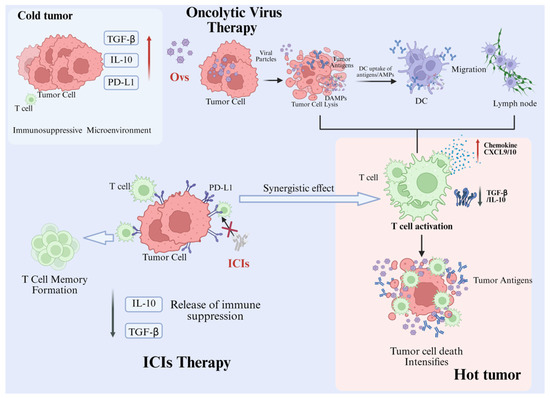
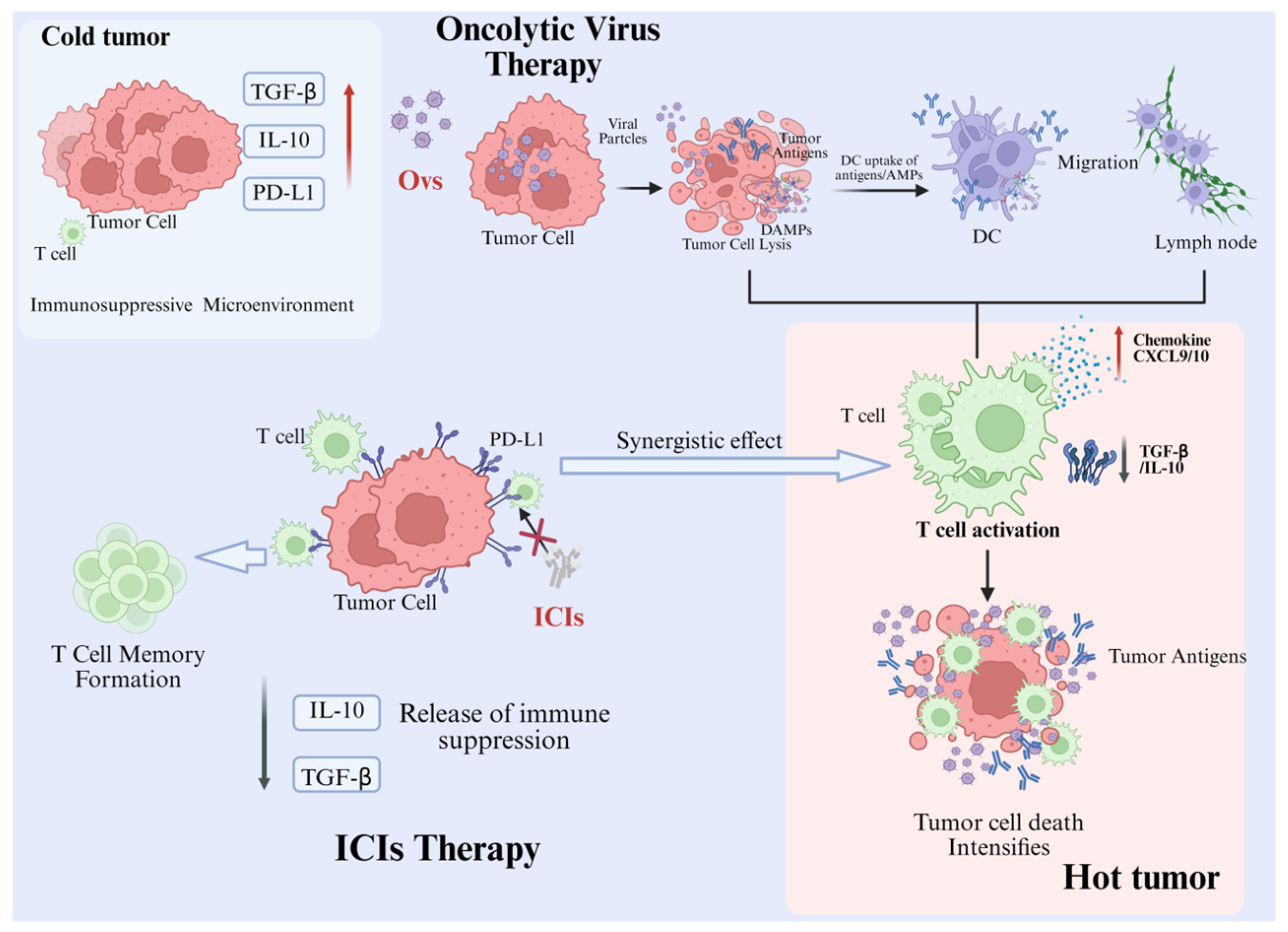
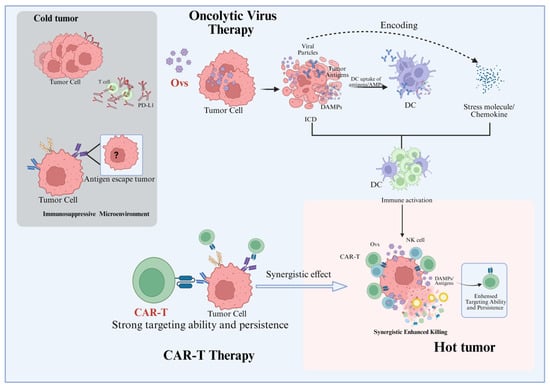
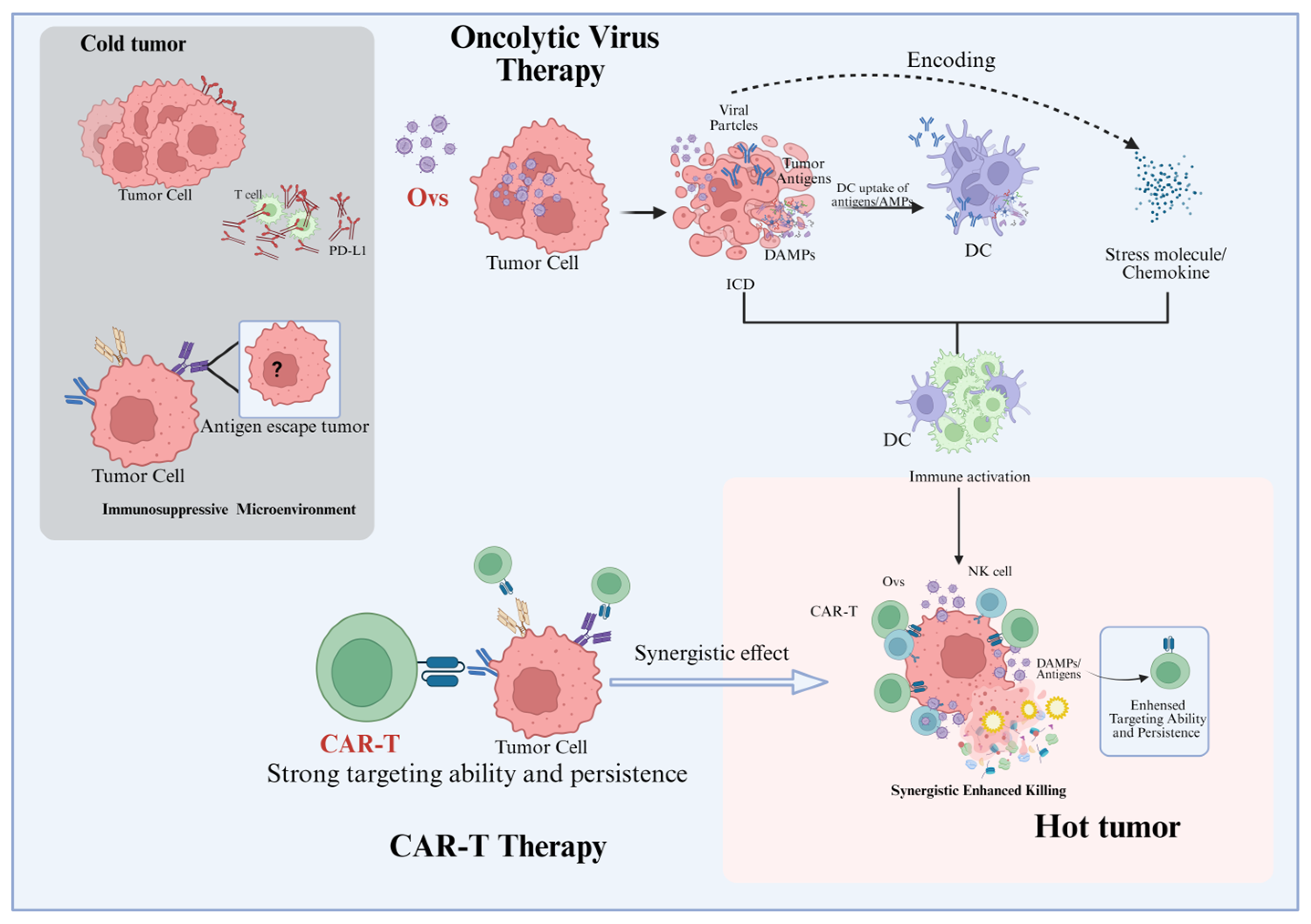
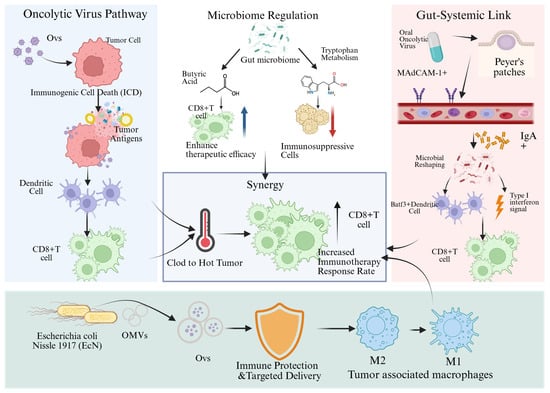
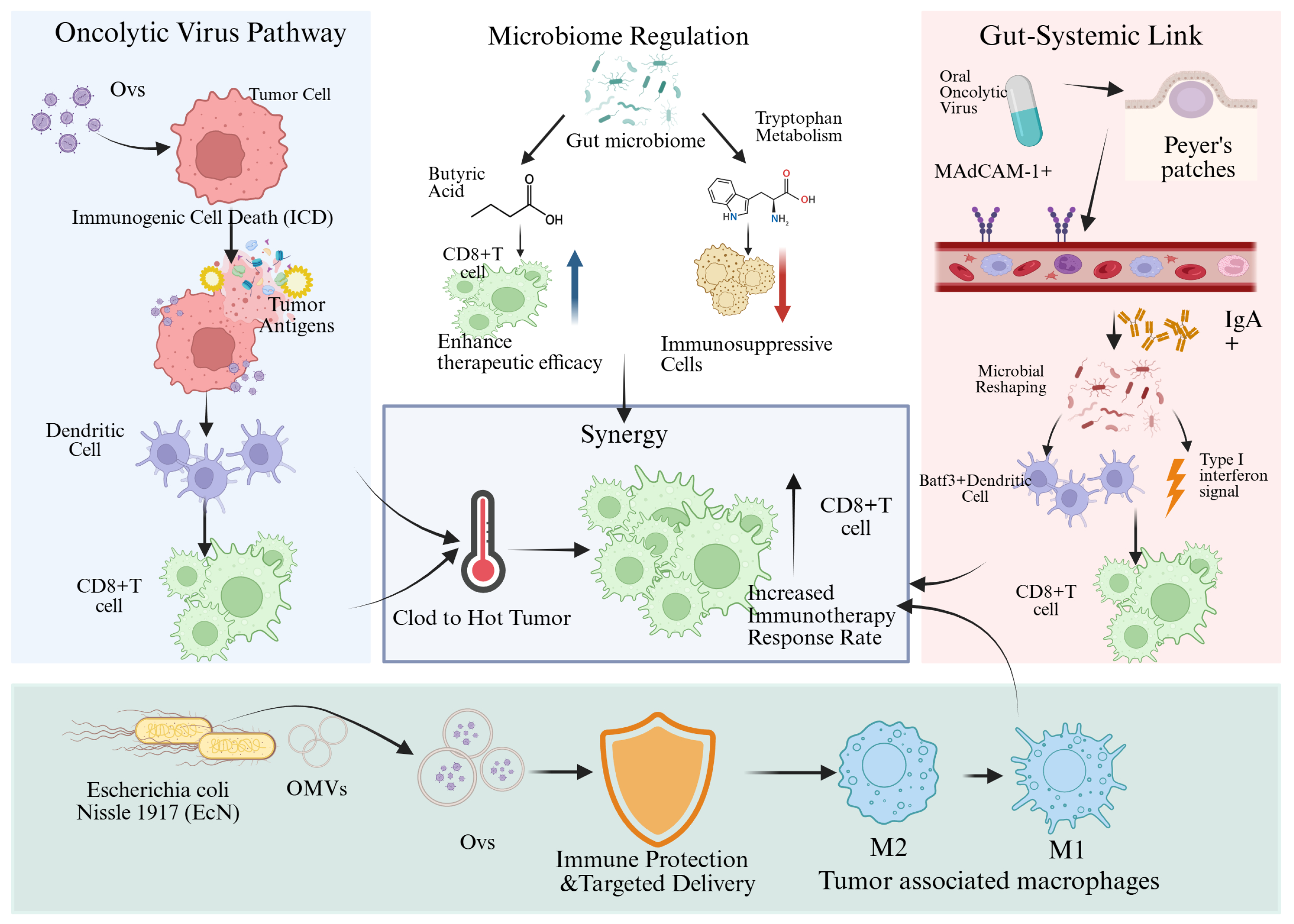

Disclaimer/Publisher’s Note: The statements, opinions and data contained in all publications are solely those of the individual author(s) and contributor(s) and not of MDPI and/or the editor(s). MDPI and/or the editor(s) disclaim responsibility for any injury to people or property resulting from any ideas, methods, instructions or products referred to in the content. |
© 2026 by the authors. Licensee MDPI, Basel, Switzerland. This article is an open access article distributed under the terms and conditions of the Creative Commons Attribution (CC BY) license.