


Abstract
The aim of this study was to determine the influence of the application of different types of essential oils in the preparation of white brine cheese, with the addition of essential oils in different concentrations, on the organoleptic, physicochemical and biochemical indicators and assessment of the fat fraction. White brine cheese was obtained by the standard method and six concentrations of essential oils were used to determine the optimal dose of the additive. The organoleptic indicators of the cheese have the best ratings at 0.75 and 1% mint oil, 0.5 and 0.75% thyme, 0.5 and 0.75% oregano, 0.75% rosemary, 0.5% lemon balm, 0.5% basil and 0.75% turmeric and black pepper oil /3:1/. The use of essential oils increases the fat and protein content in the brine cheese at 24 h, but after ripening and storage for 6 and 12 months the influence of the ongoing lipolysis and proteolytic changes is established, as a result of which both indicators decrease. The use of different types of essential oils in six concentrations reduces the antioxidant activity of white brine cheese by 8 to 10 times, while the total polyphenols increase by 4–5 times. Saturated fatty acids decrease with the addition of mint, oregano, rosemary, lemon balm, and basil to 1.5% (p ≤ 0.001), and increase with thyme and turmeric with black pepper (p ≤ 0.001) at the expense of unsaturated/mono and polyunsaturated/fatty acids (p ≤ 0.001).
1. Introduction
Functional food products have been the most promising area in the dairy industry in the last decade. Products of this type take into account the balanced nutrition of different population groups and are able to satisfy the physiological needs of energy and essential substances [1,2].
In addition to traditional cheeses, new functional types of cheese are being produced to respond to new lifestyles, increase economic income and also for religious reasons [3,4,5,6]. In this regard, milk is mainly used for new cheese productions and so far innovations in its production include the addition of fruit and vegetable by-products to obtain functional cheeses [7,8], natural food colours to produce more attractive coloured products [9], and the inclusion of cereals as prebiotics to support the development of probiotic bacteria in the intestine [10]. Studies on the physicochemical and biochemical changes in white brine cheese with plant additives are scarce and incomplete but are of interest to science [11,12,13].
The judicious use of herbal extracts and oils in dairy products can lead to an increase in their nutritional and medical parameters and provide an opportunity for the development of the quality of dairy products. Enriching dairy products with aromatic plant oils would allow for the production of high-quality functional dairy products and an increase in their consumption [13]. The antimicrobial and antioxidant properties of these oils allow them to be applied as preservatives [14,15,16,17,18,19,20]. Mint, lemon balm, thyme, basil and rosemary are aromatic plants widely used in traditional Bulgarian cuisine, as well as their application in the form of infusions, herbal teas and oils. Their use in dairy products can improve human health status.
The use of essential oils in milk and dairy products is not well studied; therefore, in-depth research is required during technological processing. Essential oils are secondary metabolites that provide them with effective protection against bacteria, fungi, insects and herbivores. They are a natural source of protection against pathogenic microorganisms, which is why they are applied in milk and dairy products, but the mechanisms of interaction are not yet known [21]. Peppermint is used in the treatment of the upper respiratory tract and bronchitis. It has antiseptic and analgesic properties [22,23,24,25,26]. In folk medicine, peppermint was a suitable herb for the treatment of dizziness, insomnia, headache, depression, epilepsy, colds, coughs, sinusitis, fatigue, shock, nervous tension, skin rashes, bruises, boils and menstrual disorders. It is widely used in the food and confectionery industry, for the production of soft drinks, and in cosmetics for perfumes, soaps, toothpastes and mouthwashes and aroma therapy.
Thyme has been used since ancient times for its culinary, aromatic and medicinal properties [16]. Rosemary is an aromatic plant with applications in the food, pharmaceutical and cosmetic industries, which has antitumor, antioxidant and antimicrobial activities [18].
A number of studies have been carried out on the use of essential oils for the preservation of milk and dairy products and the extension of their shelf life [27,28,29,30].
Ducková et al. [31] studied the addition of thyme and thyme essential oil to yogurt, and found that the fermentation process was prolonged due to a decrease in the number of lactic acid bacteria, as well as consumer preference for low concentrations of the addition—0.45% salt, 0.25% thyme and 0.004% thyme essential oil. According to Guirguis and Meleka [32], thyme essential oil is a food additive that replaces synthetic ones due to its ability to preserve foods due to its antimicrobial activity. The addition of thyme oil to yogurt production changes the reducing and acidifying activity of starter cultures, which changes the fermentation time and product quality, but improves sensory qualities and inhibits pathogenic bacterial and fungal strains. The use of thyme essential oil to obtain fresh cheese with a concentration of 10 mL/kg increases the fat content compared to the control cheese, and lowers the pH, and the protein content is unchanged during storage but higher compared to the control cheese [33].
Rosemary is an aromatic plant with applications in the food, pharmaceutical and cosmetic industries, which has antitumor, antioxidant and antimicrobial activities [34]. Kamel et al. [35] added 0.5 and 0.7% essential oil of oregano to yogurt, where they found an increase in fat without change during storage for 16 days, that treatable acidity increased, except at 0.7% on day 16, that total solids decreased after 8 days to 16 days in all variants, and variation in protein during storage, with high values being found on days 4 and 12. Olmedo et al. [36] applied essential oil of rosemary and oregano in a concentration of 0.2% to cream cheese and monitored storage from 0 to 35 days. Smeti et al. [37], when adding rosemary to sheep feed, found a decrease in milk yield, protein and fat content and polyunsaturated fatty acids.
The combination of turmeric and black pepper in warm milk was recommended for sore throats, coughs, colds and other acute respiratory infections. Turmeric contains the lipophilic bioactive compound curcumin with antioxidant and anti-inflammatory properties [38]. Idowu-Adebayo et al. [39] studied the effect of turmeric addition to soy milk and hibiscus drink on organoleptic properties and consumer acceptability.
Idowu-Adebayo et al. [40] investigated the nutritional value and antioxidant activity of soy milk and hibiscus drink with turmeric addition. Idowu-Adebayo et al. [41] investigated the effect of adding turmeric paste to soy milk with and without heat treatment, which increased the nutritional and chemical value of all variants and reported an increase in protein, iron, zinc, TPC (total phenolic content) and antioxidant activity.
Dosoky and Setzer [42] reviewed the literature on turmeric essential oil and found that it was characterized by anti-inflammatory, anticancer, antiproliferative, hypocholesterolemic, antidiabetic, antihepatotoxic, antidiarrheal, carminative, diuretic, antirheumatic, hypotensive, antioxidant, antimicrobial, antiviral, insecticidal, larvicidal, antivenom and antithrombogenic properties.
Avanço et al. [43] found antioxidant, antifungal and antimycotoxigenic effects of C. longa essential oil on F. Verticillioides and that the oil can be applied as a food preservative and would increase the shelf life of agricultural products. In addition, the oil can reduce lipid peroxidation and other processes mediated by post-harvest free radical formation.
Rodrigues et al. [44] in their literature review present black pepper essential oil as a reliable source for preserving and improving food quality, as it was characterized by antioxidant, antimicrobial and anti-inflammatory properties based on the content of the substance piperine, which inhibits the development of pathogenic microflora. They found an increase in the total content of saturated fatty acids depending on the added amount of black pepper essential oil in chicken pâté and a variation in the content of mono- and polyunsaturated fatty acids compared to the control group.
The aim of this study is to determine the influence of the use of different types of essential oils in the preparation of white brine cheese, with the use of essential oils in different concentrations, on the organoleptic, physicochemical and biochemical indicators and assessment of the fat fraction.
2. Materials and Methods
Bulk tank milk from highly productive Bulgarian Rhodope cattle cows was used, collected every month for one year from Research Centre of Stockbreeding and Agriculture, Smolyan. The milk was pasteurized (4 L) and technologically processed into cheese in 6 batches—n = 6 (Figure 1), with the addition of aromatic plant additives in the form of essential oils—mint (EOP), thyme (EOT), oregano (EOO), rosemary (EOR), lemon balm (EOLB), basil (EOB) and a combination of turmeric and black pepper in a ratio of 3:1 (EOCBP)—obtained by cold extraction by the company “Buzhdak” LTD, village Father Paisievo, Bulgaria, in concentrations of 0%—control (C)and 0.5%, 0.75%, 1%, 1.5%, 2% and 2.5%. The homogenization of each sample was performed manually after adding the starter culture, enzyme and essential oil.
Figure 1.
Technological scheme for obtaining cheese with additives.
The technological scheme is presented in Figure 1.
An organoleptic evaluation of the white brine cheese and the cheese with the additives in different concentrations was carried out to determine the most appropriate concentration based on the sensory perceptions of consumers (10 pcs.). The sensory evaluation in this study was designed as a descriptive screening test and not as a consumer acceptance study. It was conducted in accordance with the guidelines for ethical and nutritional research set by the European Union [45], which included a minimum of 10 participants with a five-point rating of 5 indicators. The panel consisted of trained assessors with previous experience in sensory evaluation of milk and dairy products. All panellists were affiliated with the Food Technology Department and had previous experience in descriptive sensory evaluation of milk and dairy products. The panel included four male and six female assessors aged 39–63 years.
The appearance, texture, smell, aroma and taste were examined with ratings from 1 to 5, where 1 was extremely disliked and 5 was extremely liked.
The physicochemical and fatty acid composition of the control and treated cheese were carried out on the 45th day of ripening.
Total protein—ISO 9622, BDS EN ISO 8968-1:2002
Fats—BDS EN ISO 1211:2002, ISO 9622
pH—with pH meter model MW102-FOOD
The extraction of total lipids was carried out according to the methods of Roese and Gottlieb and Bligh and Dyer. Fatty acid methyl esters (FAMEs) were analysed using a Shimadzu-2010 gas chromatograph (Shimadzu Corporation, Kyoto, Japan) equipped with a flame ionization detector and an automatic injection system (AOC-2010i). The analysis was performed on a CP 7420 capillary column (100 m × 0.25 mm i.d., 0.2 μm film, Varian Inc., Palo Alto, CA, USA). Hydrogen was used as the carrier gas, and as a make-up gas—nitrogen. Four-step furnace mode was programmed—the column’s initial temperature was 80 °C/min, maintained for 15 min, then increased by 12 °C/min to 170 °C and maintained for 20 min, followed by a further increase of 4 °C/min to 186 °C for 19 min and up to 220 °C with 4 °C/min until the process is complete. The qualitative assessment of the fat fraction of the resulting samples includes the following: lipid preventive score (LPS), atherogenic index (AI) and thrombogenic index (TI) [46,47], the ratio between hyper- and hypocholesterolemic (h/H) fatty acids.
LPS = FAT + 2 × SFA − MUFA − 0.5PUFA,
AI = 12:0 + 4 × 14:0 + 16:0/[ΣMUFAs + PUFA n-6 + PUFAn-3]
TI = (14:0 + 16:0 + 18:0)/[0.5 × ΣMUFAs + 0.5 × PUFAn-6 + 3 × PUFAn-3 + PUFAn-3/PUFA n-6]
h/H = (C18:1n-9 + C18:1n-7 + C18:2n-6 + C18:3n-3 + C18:3n-6 + C20:3n-6 + C20:4n-6 + C20:5n-3 + C22:4n-6 + C22:5n-3 + C22:6n-3)/(C14:0 + C16:0).
Preparation of samples for analysis of total phenolic content and antioxidant activity
White brine cheese was extracted with 95% ethanol at a sample: extracting ratio of 1:5 (w/v) for 6 h at room temperature and in the dark. All samples after centrifugation (10 °C, 2060 g/4000 rmp/, 10 min) and filtration (Whatman No 4 paper, Merck KGaA, Darmshtad, Germany) were stored at (−20) ℃ for subsequent analyses.
Determination of antioxidant activity by DPPH
The antioxidant capacity of the samples was assessed by determining the 1,1-diphenyl-2-picrylhydrazyl (DPPH, Merck KGaA, Darmshtad, Germany) radical scavenging capacity according to the method of Brand-Williams et al. [48] with a slight modification: 0.6 mL of a 0.2 mM solution of DPPH in methanol was mixed with 0.9 mL of methanol and 0.5 mL of the corresponding sample dilution. The absorbance was measured after standing (60 min) at room temperature in the dark with a UV–Vis spectrophotometer (Onda V-10 PLUS, Giorgio Bormac S.r.l., Carpi, Italy), at 517 nm against methanol. In the control, the sample solution was replaced with 0.5 mL 80% methanol. The antioxidant activity was calculated against a Trolox standard curve (1.0 to 15.0 µg·m–1) and expressed as Trolox equivalents—µg TE·g–1.
Different concentrations of Trolox were used as standards for calibration, and the results were expressed as milligrams of TE per 100 g of sample.
Determination of total phenolic content
For the quantitative determination of total phenolic content (TPC), the method of Singleton et al. [49] was used with the modification of Valyova et al. [50]. Briefly, 3.0 mL of distilled water and 0.25 mL of Folin–Ciocalteu reagent were added to 0.5 mL of the sample (with the appropriate dilution). After a 2 min stand, 0.75 mL of 20% sodium carbonate solution and 0.5 mL of distilled water were added to the mixture. The absorbance was measured at 765 nm (UV–Vis spectrophotometer, Onda V-10 PLUS, Giorgio Bormac S.r.l., Carpi, Italy) after a 120 min stand in the dark at room temperature. TPC was calculated from the standard gallic acid line and expressed as gallic acid (GA) equivalents in mg/100 g fresh sample (FW)—(mg GA/100 g of FW).
Statistical analysis. The results of the studies were analysed using ANOVA for Excel and the Student test. Data are presented as means (X) ± standard deviation (SD).
3. Results
3.1. Organoleptic Parameters
The organoleptic study conducted with consumers provides us with information on the change in five indicators when using different types of aromatic plant oil additives. White brine cheese in its pure form received the highest score. The odour indicator has the highest score when adding 0.75% and 1% mint essential oil, 0.75% thyme essential oil, 0.75% and 1% oregano essential oil, 0.75% rosemary essential oil, 0.5% lemon balm and basil essential oil and 0.75% and 1% turmeric and black pepper essential oil (p ≤ 0.001). In terms of taste, the addition of 0.5% basil oil ranked first, followed by 0.75% turmeric and black pepper, 0.75% oregano and 0.75% mint, and 0.75% thyme and rosemary, and the lowest rated was 0.75%, 1%, and 1.5% lemon balm (p ≤ 0.01). The aroma of the white brine cheese was highest when 0.5% basil oil was added and lowest with 0.75%, 1%, and 1.5% lemon balm. The consistency of the white brine cheese with 0.5% basil essential oil was highest and equal to that of the base cheese, while at 0.5% and 1.5% it received the lowest rating from consumers. The colour as an indicator does not undergo significant changes and it is evident from Table 1 that it is well evaluated in all experimental variants when using the different types of essential oils.
Table 1.
Organoleptic evaluation of white brine cheese with the addition of essential oil, n = 10.
3.2. Physicochemical Composition
3.2.1. pH
The white brine cheese at 24 h has a pH of 6.65 and the technological processing of milk to cheese with the addition of essential oils reduces its active acidity, with the exception of the cheese with the addition of 2% lemon balm—7.37, and 2.5% turmeric with black pepper—6.62. After 45 days of ripening, the pH decreases to 5.80 and increases again during storage for 6 and 12 months, respectively, to 6.90 and 6.82. The active acidity in the preparation of white brine cheese changes minimally when essential oils are added in a low concentration in the range of 0.05 to 0.1%, as a result of which the lactic acid cultures develop normally and the fermentation process proceeds as usual. In the application of a concentration of essential oils from 0.5 to 2.5%, in the production of a cheese with the strong antibacterial properties of the oils, the fermentation process of lactose is slowed down due to the suppression of lactic acid bacteria, as a result of which the pH slowly decreases during ripening. During the ripening process, hydrolysis of phospholipids and triglycerides occurs in white brine cheese and free fatty acids are released, which increases acidity [51]. Lipid oxidation is associated with the formation of peroxides from secondary oxidation reactions including aldehydes, ketones and epoxides [52,53].
3.2.2. Fat and Protein
The total fat content in the analysed white brine cheeses at 24 h and after ripening remains relatively constant, but after 6 m storage increases to 15.75% and 12 m decreases to 14.67%. The application of additives of various types of essential oils during the technological processing of white brine cheeses increases their fat content with few exceptions at 24 h, such as 1.5% and 2% oregano, 0.5%, 2 and 25% rosemary, 0.5%, 0.75% and 2.5% lemon balm, 0.5%, 1.0%, 1.5%, 2% and 2.5% basil and 0.5% turmeric and black pepper oil (Table 2). After the ripening process of the white brined cow’s milk cheese for a period of 45 days, the fat content was found to be preserved in the control group of cheeses, while when using different types of essential oils, we do not have a constant relationship between the concentration of the added additive and its type. The application of 0.5%, 1% and 2% EOP during ripening of the cheese decreased the amount of fat, while that of protein decreased with the exception of 0.75% added oil. During storage for 6 months, an increase in the amount of fat was found with the exception of the cheese with 1.5% addition of mint essential oil and a decrease in protein with the exception of the cheese with 2.5% addition of mint essential oil. It was found that during storage, the fat content increased and the protein content decreased. The results obtained for the physicochemical analysis of the brined cheeses with the addition of essential oils are not statistically reliable (Table 2).
Table 2.
Physicochemical evaluation of white brine cheese with the addition of essential oil, n = 6.
Oregano and rosemary oils have been shown to inhibit lipid oxidation and fermentation in high-fat cheeses [54,55]. Low doses of EO in the range of 0.1–0.2% lead to stable fat and protein content. Concentrations above 0.75% used in the milk matrix reduce the amount of protein and fat in it [56]. The addition of EO (e.g., from mint or thyme) has been shown to increase the levels of volatile fatty acids and soluble nitrogen during storage. This stimulates the specific lipolytic and proteolytic profile of the cheese [56].
3.3. Biochemical Composition
3.3.1. Antioxidant Activity and Total Polyphenols
The results obtained for the antioxidant activity and total polyphenols are presented in Table 3.
Table 3.
Antioxidants ant total polyphenols evaluation of white brine cheese with the addition of essential oil, n = 6.
White brine cheese at 24 h has an antioxidant activity of 17.01 TE mg/100 g product and after ripening for 45 days it decreases to 10.87 TE mg/100 g product. After storage for 6 months, an increase to 14.38 TE mg/100 g product was found and it increased by 7.65 times after 12 m of storage. The same trend of variation was found for total polyphenols as for the antioxidant activity. At 24 h, total polyphenols in the control group were 555.71 GAE mg/100 g product and decreased during ripening for 45 days to 168.44 GAE mg/100 g product, after which their increase to 442.41 GAE mg/100 g product was observed after 6 m of storage and twice after 12 m of storage. The addition of essential oils to white brine cheese reduces its antioxidant activity at 24 h; after ripening and storage for 6 and 12 months compared to the control, many times, depending on the type of additive. On the other hand, the amount of total polyphenols is maintained or increases at 24 h, and increases after ripening and storage for 6 and 12 months, which is an indicator of interactions between essential oils and cheese components.
The use of EPO reduces the antioxidant activity in white brine cheese at 24 h (1.20–2.03 TE mg/100 g product), decreases 2 to 10 times after ripening (0.16–0.38 TE mg/100 g product) and increases after 6 months (1.21–2.00 TE mg/100 g product) with a tendency to maintain after 12 months of storage (1.41–1.84 TE mg/100 g product). The results obtained for total polyphenols at 24 h and after cheese ripening and storage for 6 and 12 months are identical. The highest content of total polyphenols was achieved with the addition of 1% mint oil at 24 h, at 2.5% after ripening, at 1% after 6 months of storage and at 1.5% after one year, which gives reason to believe that a concentration of up to 1.5% is optimal for enriching the cheese with total polyphenols. The use of oregano oil at 24 h and after ripening provokes low antioxidant activity of the resulting cheeses, but after storage for 6 months it increases between 3 and 4 times, and it decreases after one year of refrigerated storage. The use of oregano at 24 h (1.49–2.10 TE mg/100 g product) and after ripening (1.10–1.75 TE mg/100 g product) gives the best results for antioxidant activity, after storage of 6 months with the addition of basil oil (2.08–2.40 TE mg/100 g product) and 12 months with 0.5% basil—5.00 TE mg/100 g product. The addition of turmeric and black pepper essential oils leads to the highest values for total polyphenols at 24 h (527.65–716.38 GAE mg/100 g product), of thyme after ripening (520.83–1035.87 GAE mg/100 g product), of 0.5% basil after 6 months of storage (1872.57 GAE mg/100 g product) and 2% thyme after 12 months of storage (2491.43 GAE mg/100 g product, Table 3). The results obtained are probably due to structural changes caused by the ripening and storage process associated with oxidation, polymerization or isomerization, which in turn leads to a decrease in the DPPH scavenging capacity and an increase in phenolic compounds [56,57].
3.3.2. Fatty Acids Composition
Saturated fatty acids in the control group of white brine cheese at 45 days of ripening were 70.01 g/100 g fat, decreased slightly to 69.53 g/100 g fat and increased to 71.82 g/100 g fat during storage in refrigerated conditions (p ≥ 0.001), which is due to lipolytic processes in the product and oxidation of unsaturated fatty acids to saturated ones. Monounsaturated fatty acids increased from 23.63 g/100 g fat at 45 days to 25.58 g/100 g fat at 6 months of storage and decreased again after 12 months of storage to 24.34 g/100 g fat, which is probably caused by the isomerization of fatty acids under the action of lactic acid bacteria. A steady increase was found in polyunsaturated fatty acids from 3.79 g/100 g fat at day 45 to 4.22 g/100 g fat after 12 months of storage (p ≥ 0.001, Figure 2).
Figure 2.
Saturated (SFA), monounsaturated (MUFA) and polyunsaturated (PUFA) fatty acids, g/100 fat in the control group.
Saturated fatty acids in white brine cheese with the addition of mint essential oil decreased at 45 days of ripening to 69.38 g/100 g fat at 0.5% (p ≥ 0.001); 69.69 g/100 g fat at 0.75% (p ≥ 0.001); to 67.73 g/100 g fat at 1.5% (p ≥ 0.01); 69.11 g/100 g fat at 2% (p ≥ 0.001); and to 57.40 g/100 g fat at 2.5%, while at 1% an increase to 70.31 g/100 g fat was found compared to the control cheese group (p ≥ 0.001, Figure 3). The storage of cheese with additives leads to variations in the content of saturated fatty acids within narrow limits, except for the variant with the addition of 2.5%, in which a decrease to 42.69 g/100 g of fat was found after 6 months of storage and an increase to 63.03 at 12 months of storage, which is probably due to interactions between the added essential oil and milk fat. The addition of 0.5 and 0.75% of peppermint essential oil reduces saturated fatty acids. The use of peppermint essential oil stabilizes the content of monounsaturated fatty acids depending on the concentration, except for the variants with 1, 2 and 2.5% addition. After 45 days of ripening, the white brine cheese significantly increased compared to the control at 0.50, 0.75, 1 and 1.50%, respectively, to 26.28, 26.65, 24.96 and 26.20 g/100 g fat (p ≥ 0.001), and increased to 31.51 g/100 g fat at 2.5% addition and decreased at 2.0% addition to 20.96 g/100 g fat. Higher MUFA content was achieved after 6 months of storage compared to the control group of cheeses only at 1% addition of mint essential oil, while at 0.5 and 0.75% they were maintained compared to the original cheese and decreased at the other concentrations. PUFAs in brine cheese with the addition of mint essential oil were at a lower concentration after ripening at 0.5 and 1.5% compared to the control and were higher in the other variants. During storage for 6 months, only with 1% addition, the amount of polyunsaturated fatty acids was lower compared to the control group, while during storage for 12 months, their decrease was found, with the exception of cheeses with the addition of 2 and 2.5% essential oil. Depending on the applied concentration and during storage of brine cheese with the addition of mint essential oil, relatively stable content of polyunsaturated fatty acids was found, with the exception of cheeses enriched with 2 and 2.5%, in which higher values were found after 45 days of ripening—5.26 and 8.87 g/100 g of fat, decreasing at 6 months to 4.50 and 4.79 g/100 g of fat and after 12 months of storage at 2% it decreased to 4.46 g/100 g of fat, while at 2.5% it increased to 7.03 g/100 g of fat.
Figure 3.
SFA, MUFA and PUFA, g/100 fat in cheese with addition of peppermint essential oil.
Saturated fatty acids in white brine cheese with the addition of thyme essential oil decreased depending on the amount of the additive and compared to the original cheese at 45 days of ripening, with the exception of 0.5% additive, in which the variation increased (p ≥ 0.001) compared to the control cheese and after storage for 6 and 12 months (p ≥ 0.001). After storage for 6 months and 12 months, the cheese with the addition of thyme showed a decrease in saturated fatty acids at all concentrations compared to the control and to the lowest concentration. The addition of thyme oil led to a decrease in the content of monounsaturated fatty acids at the expense of an increase in polyunsaturated fatty acids depending on the concentration and compared to the control cheese. An increase in polyunsaturated fatty acids was found from 3.79 g/100 g of fat in the control group after ripening to 4.98 g/100 g of fat at 0.5% addition of thyme essential oil, by 1.95 times at 0.75%, by 2.6 times at 1%, by 2.49 times at 1.5%, and by 3 times at 2.5%, while at 2% it was 3.94 g/100 g of fat. After storage of the cheese for 6 months, PUFAs in the brined cheese with the addition of thyme essential oil decreased compared to the cheese at 45 days at all concentrations and decreased at storage for 12 months, except for the variant with 2% addition of essential oil (Figure 4).
Figure 4.
SFA, MUFA and PUFA, g/100 fat in cheese with supplementation of thyme essential oil.
Saturated fatty acids in white brine cheese with the addition of oregano essential oil decreased at 45 days of maturation compared to the control group of cheese, at 0.5% and 1.5% by 1.21 times, at 2% by 1.16 times and at 2.5% by 1.40 times, while at 0.75 and 1% they were close to those of the original cheese. The lowest concentration of saturated fatty acids was found at 2.5% addition at 45 days, 6 and 12 months of storage with an increasing trend (Figure 5). At 6 and 12 months of storage, saturated fatty acids decreased compared to 45 days at 0.75—65.45 and 63.98 g/100 g of fat; 1.0—67.65 and 57.93 g/100 g fat; and 259.94 and 57.36 g/100 g fat; while at 0.5—68.46 and 67.48, and 1.5—62.45 and 58.51 g/100 g fat, the addition of oregano essential oil increased them at 6 months and decreased them again after 12 months of storage. The decrease in saturated fatty acids was accompanied by an increase in mono- and polyunsaturated fatty acids in brine cheese with the addition of oregano essential oil. Monounsaturated fatty acids have the highest concentration on day 45 with the addition of 2.5% essential oil of oregano—35.72 g/100 g fat, followed by white brine cheese with 0.56% addition—35.20 g/100 g fat; at 1.5 and 2% they are 34.67 and 34.71 g/100 g fat, respectively, and at 1% and 0.75% the lowest concentrations were established. From the presented graph it is evident that at 0.5, 1.5 and 2.5% addition of essential oil after 6 months of storage MUFAs decrease and increase again after 12 months, while at 0.75 and 1% they increase, and at 2% they decrease during storage. Polyunsaturated fatty acids have a higher content compared to the control cheese during the period under consideration. The application of oregano essential oil in different concentrations gives relatively low variations in their concentration after storage. The use of 0.5, 1.5 and 2.5% additives reduces the content of polyunsaturated fatty acids in brine cheese, as follows, from 5.06 to 4.32 g/100 g fat, from 5.05 to 4.79 g/100 g fat and from 6.49 to 5.09 g/100 g fat, while at the remaining concentrations an inverse correlation is observed and the highest content of polyunsaturated fatty acids is recorded at 1% after 12 months of storage—5.91 g/100 g fat (Figure 5).
Figure 5.
SFA, MUFA and PUFA, g/100 fat in cheese with addition of oregano essential oil.
Saturated fatty acids in white brine cheese with the addition of rosemary essential oil decreased at 45 days of ripening compared to the control group of cheese, at 0.5% by 1.27 times, at 0.75% by 1.30 times, at 1% by 1.24 times, at 1.5 and 2% by 1.26 times and at 2.5% by 1.12 times. During storage, an increase in the content of saturated fatty acids was found, due to the occurrence of lipolytic oxidation. The highest concentrations of saturated fatty acids during storage of 12 months were found with the addition of 0.5% and 2.5% rosemary essential oil, respectively, 69.30 and 68.16 g/100 g of fat. Their content was relatively stable at 1% addition after ripening, 6 and 12 months storage—56.29, 56.95 and 56.73 g/100 g fat. The decrease in saturated fatty acids is accompanied by an increase in mono- and polyunsaturated fatty acids in brine cheese with the addition of rosemary essential oil. The application of 1% rosemary oil addition is with a relatively stable concentration of mono- and polyunsaturated fatty acids after 45 days of ripening, 6 and 12 months storage, respectively, 37.65, 37.27 and 37.11 g/100 g fat and 4.31, 4.90 and 4.89 g/100 g fat. The results obtained for monounsaturated fatty acids show a decrease at 0.5% and 1.5%, an increase at 0.75%, and an increase after 6 months and a subsequent decrease after 12 months storage at 2 and 2.5% (Figure 6). Polyunsaturated fatty acids decrease during storage of 6 and 12 months at 0.5%, and 2 and 2.5% addition, while at 0.75 they are preserved after 6 months storage and decrease after 12 months, and at 1.5% rosemary essential oil they increase from 5.69 to 6.92 g/100 g of fat.
Figure 6.
SFA, MUFA and PUFA, g/100 fat in cheese with supplementation of rosemary essential oil.
Saturated fatty acids in white brine cheese with the addition of lemon balm essential oil generally decrease after 45 days of ripening and storage for 6 and 12 months compared to the control cheese. It was found that the variations in their content are weakly expressed at high concentrations of 1.5–2.5%, while at low concentrations their amount increases during storage, due to lipolytic processes (Figure 7). Monounsaturated fatty acids increase insignificantly with the addition of lemon balm essential oil compared to the control group of white brine cheese (Figure 2 and Figure 7). The use of 1 and 1.5% concentration of the additive in the cheese shows the least variation in their content with a tendency to decrease, respectively, from 38.25 to 35.47 g/100 g of fat and from 36.94 to 36.14 g/100 g of fat. Polyunsaturated fatty acids were higher in content than in the control cheese during the period under consideration. The application of lemon balm essential oil in different concentrations gave relatively low variations in their concentration after storage and the highest content was found at 2.5% addition at 45 days—6.95 g/100 g fat, at 1%—6.29 g/100 g fat after 6 months of storage and at 2.5%—6.08 g/100 g fat after 12 months of storage (Figure 7).
Figure 7.
SFA, MUFA and PUFA, g/100 fat in cheese with addition of lemon balm essential oil.
The application of basil essential oil as an additive in white brine cheese reduces the content of saturated fatty acids at 45 days of ripening at all applied concentrations, the lowest being at 0.75%—54.98 g/100 fat, after 6 months of storage at 0.5%—49.23 g/100 fat and after 12 months of storage at 0.5% additive—53.47 g/100 fat compared to the control (Figure 2 and Figure 8). The fluctuations at 1 and 1.5% basil addition in terms of saturated and mono- and polyunsaturated fatty acids in white brine cheese are the least pronounced. The application of 2 and 2.5% basil oil addition increases the content of saturated fatty acids and reduces that of unsaturated ones (Figure 8).
Figure 8.
SFA, MUFA and PUFA, g/100 fat in cheese with supplementation of basil essential oil.
The application of turmeric essential oil with black pepper in a ratio of 3:1 as an additive in white brine cheese reduces the content of saturated fatty acids at 45 days of ripening to 67.49 g/100 fat; after storage for 6 months it increases to 73.88 g/100 fat and again decreases to 68.54 g/100 fat at 0.5% compared to the control. The remaining concentrations increase the content of saturated fatty acids after ripening and during storage for 6 months, but after 12 months of storage a lower content is established compared to the control (Figure 2 and Figure 9). The presented results show a decrease in monounsaturated and an increase in polyunsaturated fatty acids. The use of turmeric essential oil with black pepper does not have a positive role on the fatty acid composition of white brine cheese. The highest content on day 45 for monounsaturated fatty acids was found at 0.5% addition—27.60 g/100 fat; after 6 months of storage at 0.5% addition—22.92 g/100 fat; and after 12 months of storage at 2.5% addition—29.29 g/100 fat. Similarly for polyunsaturated fatty acids after 45 days it was at 1.5% addition of turmeric essential oil with black pepper—5.11 g/100 fat; after 6 months of storage at 1% addition—5.34 g/100 fat; and after 12 months of ripening at 0.75%—8.09 g/100 fat (Figure 9).
Figure 9.
SFA, MUFA and PUFA, g/100 fat in cheese with addition of curcuma and black pepper essential oil.
The trans isomers of oleic acid after cheese ripening are 9.24 g/100 g fat and a decrease is found after 6 months of storage to 8.91 g/100 g fat (p ≥ 0.001) and a significant increase to 10.85 g/100 g fat (p ≥ 0.01) after 12 months of storage. The cis isomers of C:18:1 after 6 months of storage increase to 13.15 g/100 g fat (p ≥ 0.05) and decrease again to 11.35 g/100 g fat (p ≥ 0.05), but are significantly higher than the results obtained after 45 days of ripening (p ≥ 0.001, Figure 10).
Figure 10.
Sum of 18:1Trans-fatty acids (STFA) and sum of 18:1Cis-fatty acids (SCFA), g/100 fat in the control group.
The trans isomers of oleic acid when using mint essential oil at all used concentrations and storage varied in the group, with the highest values being after ripening at 1.5%—9.91 g/100 g fat (p ≥ 0.001); after storage of 6 months at 1.5%—10.46 g/100 g fat (p ≥ 0.001); and a significant increase to 11.40 g/100 g fat (p ≥ 0.01) after 12 months of storage in the group and compared to the control cheese. The cis isomers of C:18:1 when adding mint essential oil in different concentrations increase compared to the control white brine cheese after ripening, with the highest content being found at 2.5% addition—18.95 g/100 g fat; after 6 months of storage at 0.75%—14.16 g/100 g fat; and after 12 months of storage at 0.5% addition—12.88 g/100 g fat (Figure 11).
Figure 11.
STFA and SCFA, g/100 fat in the cheese with addition of peppermint essential oil.
The trans isomers of oleic acid when using thyme essential oil after ripening are highly significantly lower compared to the control cheese (p ≥ 0.001) and the highest content was found at 2.5% addition—8.06 g/100 g fat (p ≥ 0.001), after storage for 6 months. They vary significantly in the group and compared to the control cheese, with the highest content being found at 2%—10.80 g/100 g fat (p ≥ 0.001), and significantly decrease after storage for 12 months, compared to the control cheese and depending on the concentration, with the highest content obtained at 1%—10.63 g/100 g fat (p ≥ 0.01) after 12 months storage. The cis isomers of C:18:1 when adding thyme essential oil after ripening and 6 months of storage decreased depending on the applied concentration and compared to the control cheese (p ≥ 0.001; Figure 10 and Figure 12). After 12 months of storage, a decrease was found in the low concentrations from 0.5 to 1% and an increase in the remaining variants, probably predetermined by the interaction between milk fat and essential oil and the lipolytic processes occurring during ripening. The white brine cheese with 0.5% thyme essential oil added had the highest content of cis isomers of oleic acid after ripening and 6 months of storage—13.16 and 12.70 g/100 g of fat, and after 12 months of storage with 2.5% addition—13.24 g/100 g of fat (Figure 12).
Figure 12.
STFA and SCFA, g/100 fat in the cheese with supplementation of thyme essential oil.
The application of oregano essential oil reduces the content of trans isomers of oleic acid at 0.5%, 0.75 and 1% addition after ripening compared to the control group of cheeses and one to another (p ≥ 0.001), and when using 1.5, 2 and 2.5% of the addition they increase by 1.58, 1.5 and 1.43 times, respectively, compared to the control cheese (Figure 10 and Figure 13). After storage for 6 and 12 months, the content of trans fatty acids in the analyzed cheeses increases depending on the concentration and compared to the starting cheese, with the exception of white brine cheese with 0.5% oregano oil, where a decrease was found compared to the control cheese (p ≥ 0.001). In the course of natural interaction processes as a result of which trans fatty acids increase after ripening and storage, the best results were found with 1.5% addition of oregano essential oil (Figure 13). The cis isomers of C:18:1 with the addition of oregano essential oil increase during ripening and 6 months and 12 months of storage depending on the applied concentration and compared to the control cheese (Figure 10 and Figure 13). The presented results show that the highest concentrations of cis fatty acids were found with 2.5% addition, respectively, 20.45; 20.07 and 21.09 g/100 g of fat (Figure 13).
Figure 13.
STFA and SCFA, g/100 fat in the cheese with addition of oregano essential oil.
The application of rosemary essential oil increased the content of trans fatty acids (p ≥ 0.001) in BSS after ripening, except for cheeses with the addition of 0.75 and 2.5% (p ≥ 0.001). The application of 1.5% rosemary oil reduced the amount of trans fatty acids and after storage for 6 and 12 months. The highest content for TFA was found at 1% after ripening and storage—11.89; 12.58 and 12.54 g/100 g fat (Figure 14). The use of rosemary oil increased the amount of cis fatty acids depending on the concentration and relative to the starting cheese, with the best results being obtained at 1%—21.09, 21.08 and 20.99 g/100 g fat (Figure 14).
Figure 14.
STFA and SCFA, g/100 fat in the cheese with supplementation of rosemary essential oil.
The application of lemon balm essential oil at concentrations of 0.5% and 2% is unsuitable for use due to a decrease in the natural content of trans fatty acids compared to the control cheese (p ≥ 0.001 Figure 10 and Figure 15), while with increasing concentration, TFAs in BSS and compared to the original cheese increase. The highest TFA content was found in 2.5% lemon balm after ripening and storage—12.66, 13.37 and 13.01 g/100 g fat (Figure 14). The use of lemon balm oil increases the amount of cis fatty acids depending on the concentration and compared to the original cheese, with the best results being obtained at 0.75%—24.19, 23.09 and 18.43 g/100 g fat (Figure 15).
Figure 15.
STFA and SCFA, g/100 fat in the cheese with addition of lemon balm essential oil.
The addition of basil essential oil in concentrations of 2% and 2.5% is unsuitable for use due to a decrease in the natural content of trans fatty acids compared to the control cheese by two times after ripening and storage (Figure 10 and Figure 16), while at the other concentrations used it increases, and relatively stable changes were found at 0.5% compared to the starting cheese—15.37, 15.68 and 15.52 g/100 g of fat. The changes in the content of cis fatty acids are similar (Figure 16).
Figure 16.
STFA and SCFA, g/100 fat in the cheese with supplementation of basil essential oil.
The addition of turmeric and black pepper essential oil at all concentrations reduced the natural content of TFA (Figure 10 and Figure 17) compared to the control cheese. The best results were obtained with the addition of 0.5% of the additive—7.46, 6.82 and 6.96 g/100 g of fat. The changes in the content of cis fatty acids were similar (Figure 17).
Figure 17.
STFA and SCFA, g/100 fat in the cheese with addition of curcuma and black pepper essential oil.
Conjugated linoleic acid in white brine cheese varied within narrow limits after 6 and 12 months of storage. The results obtained after 6 months of storage were the lowest, 0.21 g/100 g fat (p ≥ 0.001), compared to cheese after 45 days of ripening and 12 months of storage. The total CLA content increased during storage from 0.31 g/100 g fat (45 days) to 0.46 g/100 g fat (12 months, Figure 18).
Figure 18.
Sum of conjugated linoleic acid (CLA) and conjugated linoleic acid 9c,11t (CLA9c,11t) g/100 fat in the control cheese.
The addition of mint essential oil reduces the CLA content regardless of the concentration compared to the original cheese after ripening and storage for 6 and 12 months, with the exception of the 1.5% addition, where it increases to 0.29, 0.26 and 0.28 g/100 g of fat (Figure 18 and Figure 19).
Figure 19.
CLA and CLA9c,11t, g/100 fat in the cheese, with addition of peppermint essential oil.
The total amount of CLA increases compared to the control cheese, with the exception of the cheese with the addition of 1%, where preservation and reduction are established. The variations in their amount are least pronounced when adding 0.5%—0.51, 0.59 and 0.55 g/100 g of fat (Figure 19).
The use of thyme essential oil reduces the CLA content regardless of the concentration compared to the original cheese after ripening and storage of 6 and 12 months, and the highest amount is the cheese with the addition of 2.5%—0.33, 0.29 and 0.25 g/100 g of fat (Figure 18 and Figure 20).
Figure 20.
CLA and CLA9c,11t, g/100 fat in the cheese with supplementation of thyme essential oil.
The total amount of CLA increases compared to the control cheese with the exception of the cheese with the addition of 0.5%, in which a decrease and preservation are found. The highest content of the total amount of CLA is found in 2.5% thyme with a tendency to decrease after storage of 6 and 12 months—2.37, 1.42 and 0.48 g/100 g of fat (Figure 20).
The application of oregano essential oil at concentrations of 0.5 and 0.75% decreased the CLA content at 1% after ripening and increased it after storage for 6 and 12 months, while at the other concentrations it increased as a result of lipolytic interactions and microbiological activity. The best and closest results were achieved with 1.5 and 2.5% addition of oregano essential oil (Figure 18 and Figure 21). The total amount of CLA changed in a similar way.
Figure 21.
CLA and CLA9c,11t, g/100 fat in the cheese with addition of oregano essential oil.
The application of rosemary essential oil at all concentrations reduces the CLA content compared to the control cheese during ripening and storage. The highest content was found at 1% rosemary—0.39, 0.36 and 0.36 g/ 100 g of fat. The total amount of CLA increases from 2 (1%) to 7 (0.75%) times after ripening, from 2 (0.5%) to 5.7 (0.75%) times after 6 months of storage and from 1.12 (0.5%) to 2.5 (0.75%) after 12 months of storage compared to the control group of cheeses, which allows us to assume that lipolytic processes and interactions between fats occur during ripening and storage (Figure 18 and Figure 22).
Figure 22.
CLA and CLA9c,11t, g/100 fat in the cheese with supplementation of rosemary essential oil.
Lemon balm essential oil preserves and increases the CLA content in the studied BSS up to 1.5% concentration, while at 2 and 2.5% it decreases and the best results were obtained when using 0.75% additive (Figure 18 and Figure 23). The total CLA content is two to three times higher than in the original cheese. The highest results were achieved with 0.75% lemon balm additive with a tendency to decrease after storage of 6 and 12 months—1.52, 1.05 and 0.63 g/100 g fat (Figure 23).
Figure 23.
CLA and CLA9c,11t, g/100 fat in the cheese with addition of lemon balm essential oil.
Basil essential oil at 0.5% and 0.75% preserves and increases the concentration of CLA, at 1 and 1.5% it increases and at 2 and 2.5% it decreases compared to the original cheese during the period considered (Figure 18 and Figure 24). The highest CLA content was found at 1.5% addition: 0.60 g/100 g fat after ripening, 0.42 g/100 g fat after storage for 6 months and 0.51 g/100 g fat after 12 months of storage. The total CLA content in the studied BSS is highest when adding 1% of the additive with a tendency to decrease after storage for 6 and 12 months, as follows: 2.21, 1.56 and 1.10 g/100 g fat (Figure 24). The total amount of CLA increases in cheese with additives and varies during storage depending on its concentration.
Figure 24.
CLA and CLA9c,11t, g/100 fat in the cheese with supplementation of basil essential oil.
Turmeric and black pepper essential oil reduced the CLA content by two times regardless of the applied concentration and did not undergo significant changes as a result of storage (Figure 18 and Figure 25). These changes are probably due to a change in the activity of the starter culture during ripening and storage, which produces CLA as a result of its vital activity. The total CLA content increased during storage for 12 months, with the exception of cheese with an addition of 2.5% compared to the control. Relatively optimal results were obtained with 1 and 1.5% turmeric and black pepper essential oil, respectively, 0.75 and 1.09 g/100 g fat after ripening, 1.32 and 1.20 g/100 g fat after storage for 6 months and 1.89 and 1.49 g/100 g fat after 12 months of storage (Figure 25).
Figure 25.
CLA and CLA9c,11t, g/100 fat in the cheese with addition of curcuma and black pepper essential oil.
The content of omega-3 fatty acids in the studied control cheeses decreases twofold after 6 months of storage and increases twofold after 12 months of storage, while omega-6 fatty acids are relatively stable and increase during storage to 3.76 g/100 g fat after 6 months (p ≥ 0.001) and to 4.00 g/100 g fat after 12 months of storage (p ≥ 0.001). The ratio between the two groups of fatty acids follows the course of their change during storage, which is why an increase of 1.76 times after 6 months of storage and a decrease of 1.38 times after 12 months of storage is established (Figure 26).
Figure 26.
Total content of omega-3 (n-3) and omega-6 (n-6) fatty acids, g/100 fat and their ratio n-6/n-3 in control cheese.
The content of omega-3 fatty acids in the studied cheeses with the addition of mint oil is maintained at 0.5% after ripening, decreases at 1 and 1.5% addition and increases at the other concentrations. After storage for 6 months, omega-3 increases, except for the cheese with 1% addition. After storage for 1 month, omega-3 fatty acids are maintained at 0.5 and 2%, increase at 2.5%, and decrease in the other variants. Omega-6 fatty acids decrease, with the highest values being found at 2%—4.74, 3.88 and 4.10 g/100 g fat. The ratio between the two groups of fatty acids follows the course of their change depending on the concentration. The lowest ratio is found at 2.5% mint addition—2.86 after ripening, 3.20 after 6 months and 3.25 after 12 months storage, which is lower than that in the control cheese (Figure 26 and Figure 27).
Figure 27.
Total content of omega-3 (n-3) and omega-6 (n-6) fatty acids, g/100 fat and their ratio n-6/n-3 in cheese with addition of peppermint essential oil.
The content of omega-3 fatty acids in the studied cheeses with the addition of thyme oil increased at all concentrations of the additive compared to the control cheese (Figure 26 and Figure 28). The highest content was found for them when adding 1% thyme essential oil after ripening—4.00 g/100 g fat, with a tendency to decrease after 6 months of storage to 2.20 g/100 g fat and 0.39 g/100 g fat after 12 months of storage. The addition of thyme oil increased the content of omega-6 fatty acids, with the results being highly reliable at 0.5, 0.75, 1 and 2% compared to the initial white brine cheese (p ≥ 0.001). The addition of 2% thyme essential oil to the white brine cheese gives the lowest values for omega-6 fatty acids during ripening and storage, respectively, 3.32, 3.78 and 3.84 g/100 g fat. The ratio between the two groups of fatty acids is determined by their change after ripening and storage. The lowest ratio between the two groups was found for the cheese with the addition of 1% thyme essential oil—1.14 after ripening, 1.97 after storage for 6 months and 10.37 after storage for 12 months, which is 6.75 times lower during ripening and 6.78 times after storage for 6 months, and exceeds by 7% the ratio of the control white brine cheese (Figure 26 and Figure 28).
Figure 28.
Total content of omega-3 (n-3) and omega-6 (n-6) fatty acids, g/100 fat and their ratio n-6/n-3 in cheese supplementation thyme essential oil.
The content of omega-3 fatty acids in the studied cheeses with the addition of oregano oil increased twofold after ripening, with the exception of the addition of 0.75 and 1%. After 6 months of storage, their content increased twofold at 0.5, 0.75, 1 and 1.5%, while at 2 and 2.5% they increased threefold compared to the control BSS (Figure 26 and Figure 29). After 12 months of storage, the cheese with 0.5 and 0.75% added oregano essential oil had a similar amount of omega-3 fatty acids as the control, while at the other concentrations, the content of omega-3 fatty acids was twofold higher compared to the baseline. The amount of omega-6 fatty acids in the studied oregano addition did not change significantly in relation to the control group of cheeses and depending on the increase in concentration (Figure 26 and Figure 29). The ratio of omega-6 to omega-3 fatty acids with the addition of oregano essential oil decreased compared to the control cheese, except for the variant with 0.75% addition and after ripening with 1% addition. The use of 1.5 to 2.5% addition reduced the omega-6/omega-3 ratio by half, which is below 5, making it a balanced and healthy product (Figure 29).
Figure 29.
Total content of omega-3 (n-3) and omega-6 (n-6) fatty acids, g/100 fat and their ratio n-6/n-3 in cheese with addition of oregano essential oil.
The content of omega-3 fatty acids in the studied cheeses with the addition of rosemary oil increased at 0.5 and 0.75% addition from 3 to 5 times compared to the original cheese (Figure 26 and Figure 30), while at higher concentrations they increased twice. Omega-6 fatty acids change similarly to omega-3 fatty acids depending on the amount of the additive, which is why the ratio between omega-6 and omega-3 in all applied concentrations is below 5 and defines it as a balanced and healthy product (Figure 30).
Figure 30.
Total content of omega-3 (n-3) and omega-6 (n-6) fatty acids, g/100 fat and their ratio n-6/n-3 in cheese with supplementation of rosemary essential oil.
The addition of lemon balm essential oil to white brine cheese increases the amount of omega-3 fatty acids, with the highest values obtained at 0.5%, with a tendency to decrease during storage of 6 and 12 months, respectively, 1.23, 0.87 and 0.50 g/100 g of product (Figure 26 and Figure 31). The amount of omega-6 fatty acids in the investigated variants varies within narrow limits, but is higher compared to the original white brine cheese (p ≥ 0.001; Figure 26 and Figure 31). The ratio between omega-6 and omega-3 fatty acids when using lemon balm essential oil decreases compared to the original white brine cheese and variations are established depending on their content. The lowest ratio after ripening was obtained at 0.5% addition—4.50, after storage of 6 months at 5% lemon balm essential oil and after storage of 12 months at 1.5% addition—5.5, which is twice lower compared to the control cheese and is below 5, to be defined as a balanced and healthy product (Figure 31).
Figure 31.
Total content of omega-3 (n-3) and omega-6 (n-6) fatty acids, g/100 fat and their ratio n-6/n-3 in cheese with addition of lemon balm essential oil.
White brine cheese with the addition of basil essential oil increased the content of omega-3 and omega-6 fatty acids at 0.5, 0.75, 2 and 2.5% compared to the control cheese (Figure 26 and Figure 32). Cheese with the addition of 1 and 1.5% essential oil retained the same content of omega-6 fatty acids as in the original cheese and this reduced the ratio between omega-6 and omega-3 fatty acids by 2 to 3 times, which qualifies it as a balanced and healthy product (Figure 32).
Figure 32.
Total content of omega-3 (n-3) and omega-6 (n-6) fatty acids, g/100 fat and their ratio n-6/n-3 in cheese with supplementation of basil essential oil.
White brine cheese with the addition of turmeric and black pepper essential oils has a similar effect on omega-3 and omega-6 fatty acids after ripening and storage as basil (Figure 26, Figure 32 and Figure 33). Cheese with the addition of 1 and 1.5% turmeric and black pepper essential oils retains the same omega-6 fatty acid content as in the original cheese and this reduces the ratio between omega-6 and omega-3 fatty acids by 2 to 3 times, which qualifies it as a balanced and healthy product (Figure 33).
Figure 33.
Total content of omega-3 (n-3) and omega-6 (n-6) fatty acids, g/100 fat and their ratio n-6/n-3 in cheese with addition of curcuma and black pepper essential oil.
Compared to our previous studies, the addition of essential oils to white brine cheese resulted in higher results for the content of saturated fatty acids, conjugated linoleic acid, omega-3, omega-6 and their ratio, and lower results for poly- and monounsaturated fatty acids and trans and cis fatty acids [58].
3.3.3. Qualitative Assessment of the Fat Fraction
The lipid preventive score in the studied white brine cheese after ripening is 26.92 g/100 g product and increases during storage for 6 months to 33.32 g/100 g product, then during storage for 12 months it decreases to 24.02 g/100 g product (Figure 34). The atherogenic index in the white brine cheese after ripening is 3.08 and decreases to 2.93 after 6 months of storage and retains its value after 12 months of refrigerated storage. The behaviour of the thrombogenic index is identical, but with a lower cost. An increase in the hypo-hypercholesterolemic index is found, increasing to 0.3 after storage for 6 and 12 months in the control cheese. The results obtained are higher compared to a previous study of white brine cheese with the addition of aromatic plants in dry form [58]. The atherogenic index gives the correlation between the sum of the main saturated fatty acids and the unsaturated fatty acids, the former being considered proatherogenic (favouring the adhesion of lipids in the cells of the immune and circulatory system) and the second are anti-atherogenic (inhibit plaque aggregation and decrease levels of esterified fatty acids, cholesterol and phospholipids, thus preventing the occurrence of micro- and macro-coronary diseases). The thrombogenic index reflects the tendency to clot formation in blood vessels and is defined as the ratio between prothrombogenic (saturated) and antithrombogenic (monounsaturated and polyunsaturated omega-3 and omega-6) fatty acids [59]. The thrombogenic and atherogenic indices, as indicators, should not exceed 1.00 while the cholesterol index is above 1.00 [60].
Figure 34.
Lipid preventive score (LPS, g/100 g product), atherogenic index (AI), thrombogenic index (TI) and hypo-hypercholesterolemic (h/H) index in control cheese.
The addition of 1% basil essential oil reduces the indicator to 16.43, which is the lowest recorded value at day 45, 17.17 at 0.75% basil after 6 months of storage and 16.92 at 0.5% basil after 12 months of storage. The atherogenic and thrombogenic index decrease with the addition of essential oils. The lowest values were achieved with essential oils of oregano, rosemary and basil in low concentrations, and the highest values for the hypo-hypercholesterolemic index. Ivanova et al. 2024 [58] in a study of white brine cheese with aromatic cheese additives found the lowest value for lipid preventive score when using 0.05% of the additives thyme, basil and a combination of turmeric with black pepper, respectively, 16.16, 16.98 and 19.95, which is close to the results obtained with the application of essential oils, as well as the lowest thrombogenic and atherogenic indices with 0.3% addition of oregano—1.56 and 1.72. The results for the hypo-hypercholesterolemic index are lower when using essential oils compared to using aromatic plants. The addition of 1% rosemary oil gives the highest value for h/H 0.64–0.69. Trans fatty acids and saturated fatty acids increased with the addition of essential oils compared to the control white brine cheese, with the lowest value found at 1.5% turmeric and black pepper after ripening and storage, as follows: 0.26–0.72 and 3.16–9.33 g/100 g product.
The lipid preventive score in the studied white brine cheese after addition of mint essential oil decreased when applying 1 and 1.5% to 18.82 and 24.22 g/100 g product (Figure 35). The atherogenic index in the white brine cheese after ripening and storage remained relatively constant at different concentrations of mint essential oil, but at 2.5% addition it decreased compared to the original cheese, respectively, 1.73, 1.73 and 2.40 (p ≥ 0.001; Figure 34 and Figure 35). The thrombogenic index varied with the addition of mint essential oil and was lowest at 1% addition—1.65 after ripening, 1.65 after 6 months of storage and 1.96 after 12 months of storage. The hypo-hypercholesterolemic index is relatively constant with the addition of the specified concentrations of peppermint oil, but with a 2.5% addition it increases from 0.32 after ripening to 0.57 after storage for 6 and 12 months and is higher than that of the control cheese (Figure 34 and Figure 35). The results obtained are higher than in the previous study of white brine cheese with the addition of aromatic plants in dry form [58].
Figure 35.
LPS, g/100 g product, AI, TI and h/H index in cheese with addition of peppermint essential oil.
The lipid preventive score after application of the thyme essential oil supplement increases compared to the control cheese after ripening and storage. Cheese with the addition of 1.5% thyme oil is the lowest at 45 days of ripening—21.16 g/100 g product and after 6 months of storage—23.14 g/100 g product, after which it increases to 36.46 g/100 g product, due to an increase in the content of saturated fatty acids (Figure 36). The atherogenic index in white brine cheese after ripening and storage decreases compared to the control cheese, with the exception of white brine cheese with 0.5% supplement. The best results for AI were achieved with 2.5% supplement—1.67 at ripening, 2.29 after 6 months of storage and 1.90 after 12 months of storage. The thrombogenic index follows similar changes and is lowest with the addition of 2.5% thyme essential oil, respectively, 1.45 after ripening, 1.94 after 6 months of storage and 1.61 after 12 months of storage (Figure 36). The hypo-hypercholesterolemic index is relatively constant with the addition of the specified concentrations of mint oil, but with 2.5% addition it increases to 0.47 after ripening and decreases to 0.36 after 6 months of storage and increases again after 12 months of storage to 0.42, being higher compared to that of the control cheese (Figure 34 and Figure 35).
Figure 36.
LPS, g/100 g product, AI, TI and h/H index in cheese with supplementation of thyme essential oil.
The use of oregano addition in the preparation of white brine cheese increases the LPS at 0.5% and 0.75%, while the others show a decrease after ripening or storage. Cheese with 1.5% oregano oil addition has the lowest LPS and is lower than that of the control cheese, respectively, 24.55 g/100 g product after ripening, 25.82 g/100 g product after 6 months of storage and 20.55 g/100 g product after 12 months of storage (Figure 37). The lowest atherogenic index was found at 2.5% addition—1.41, 1.47 and 1.46, which is two times lower than in the control cheese. The addition of oregano essential oil generally reduces AI. The change in TI in the studied cheeses is identical. The hypo-hypercholesterolemic index varies during the ripening and storage process, but is higher than the control cheese. The highest result was obtained with the application of 2.5% additive—0.66 during ripening and storage of 6 and 12 months, which is twice as high as the control cheese (Figure 34 and Figure 37).
Figure 37.
LPS, g/100 g product, AI, TI and h/H index in cheese with addition of oregano essential oil.
The use of rosemary additive increases the LPS value in all variants of the additive compared to the control cheese, except for the cheese with 1.5% additive, in which the LPS decreases compared to the control cheese to 24.91 g/100 g product after ripening, 26.20 g/100 g product after 6 months of storage and 25.19 g/100 g product after 12 months of storage (Figure 38). The atherogenic and thrombogenic indices decrease by twofold with the addition of rosemary essential oil after ripening and storage, while the hypo-hypercholesterolemic index increases by twofold, with the exception of the cheese after 12 months of storage with the addition of 1.5% additive (Figure 34 and Figure 38).
Figure 38.
LPS, g/100 g product, AI, TI and h/H index in cheese with supplementation of rosemary essential oil.
The use of lemon balm supplement with a concentration of 0.75 to 2.5% reduces LPS, reduces AI and TI by two times and increases the hypo-hypercholesterolemic index by two times compared to the control cheese. LPS is lowest at 1.5% supplement, respectively, 16.70, 18.56 and 21.10 g/100 g product; AI is lowest at 0.75% supplement—1.34 after ripening and 6 months of storage, and the thrombogenic index at 2.5% supplement—1.22 after ripening and storage for 6 months; and h/H at 0.75% is highest—0.71 after ripening and storage for 6 months (Figure 34 and Figure 39).
Figure 39.
LPS, g/100 g product, AI, TI and h/H index in cheese with addition of lemon balm essential oil.
Cheese with basil essential oil addition has low LPS at concentrations of 0.5 to 1.5% addition, with the lowest values being recorded at 1%—16.43 g/100 g product after ripening and 19.25 g/100 g product after 6 months of storage. The use of basil addition reduces AI and TI in the same range, with the lowest values being found at 0.75% basil addition after ripening and storage for 6 months, 1.28 and 1.27, respectively. The hypo-hypercholesterolemic index compared to the control cheese increases twofold when applying the addition concentration from 0.5 to 1.5%, with the highest values being found at 0.5% addition after ripening and storage—0.49, 0.86 and 0.71 (Figure 34 and Figure 40).
Figure 40.
LPS, g/100 g product, AI, TI and h/H index in cheese with addition of basil essential oil.
Addition of turmeric and black pepper essential oil to cheese reduces LPS at a concentration in the range of 0.75 to 2.5% compared to the control. The lowest LPS was found at 1% addition—18.54 g/100 g product after ripening and 19.26 g/100 g product after 6 months of storage. The use of turmeric and black pepper additives increased AI and TI in the same range. The lowest values for both indices were found at 0.5% addition, as follows: 2.63, 3.56 and 2.93 and 2.21, 2.43 and 2.23. The hypo-hypercholesterolemic index compared to the control cheese decreased in all variants compared to the control cheese, except for 0.5% addition after ripening and storage—0.40, 0.24 and 0.35 (Figure 34 and Figure 40).
4. Discussion
Cheeses, especially fresh cheeses, undergo biochemical processes such as lipolysis and proteolysis, and high water activity makes them susceptible to oxidation and microbiological deterioration and reduces their shelf life [52,61]. Fresh cheeses are considered perishable foods and it is recommended that they be stored at temperatures below 5 °C [62]. The addition of carbonates, citrates, gums, sorbates and propionates to fresh cheeses can increase their shelf life [8] by reducing water activity, regulating acidity and thus stabilizing and better preserving the cheese. However, consumers are increasingly looking for cheeses free from preservatives and chemicals with potential health effects, leading to a search for natural additives to promote preservation, such as essential oils (EOs) from aromatic plants. Oregano essential oil (OEO) has antioxidant and antimicrobial properties that can slow down oxidation in food, preserving its physicochemical properties, extending its shelf life and thus improving its acceptance by consumers [52]. To date, very few studies have been conducted on the use of essential oils (EOs) as preservatives in cheese or dairy products [62]. Oregano and rosemary essential oils reduce lipid oxidation and fermentation in cheeses made from high-fat milk [62].
The addition of OEO to organic curd reduces the rate of deterioration of quality parameters during storage, suggesting its use as a natural preservative in perishable foods [52]. The use of 0.05 g OEO/L milk in the production of panela cheese did not significantly affect the physicochemical, textural and sensory characteristics during storage compared to the control group. In terms of softness, cheeses produced with 0.1 g OEO/L milk showed the lowest shear strength and hardness values overall. Sensory acceptability was most consistent for the cheese containing no OEO, although the acceptability of the one containing 0.1 g OEO/L milk increased slightly after 15 days of storage. The present results show that natural alternatives, such as oregano essential oil, can be used in fresh cheeses to improve storage performance, as long as the levels are controlled to avoid deterioration of quality parameters [43]. The active acidity when adding additives at different concentrations is higher compared to the starting white brine cheese, which is a prerequisite for a more intensive fermentation process during ripening [63]. Cheese is a dynamic biochemical product that undergoes changes during the ripening process compared to many processed food products. Mijačević and Bulajić [64] found protein content of 17%, water content of 55% and dry matter of 45% in cheese after ripening for 30 days. Shahab Lavasani et al. [65] found that the amount of protein decreased during the ripening process from 15.81 to 11.52%, fat from 15.7 to 13.15%, and dry matter from 40.15 to 13.05% in sheep milk cheese. Bioactive peptides can be released by enzymes derived from microorganisms or plants [66]. Milk and cheese are an important part of a balanced human diet with a positive role when consumed in moderation. The demand for high-quality, healthy dairy products is increasing as consumers become increasingly aware of the link between diet and health. Avanço et al. [43] found that the antioxidant activity of turmeric essential oil is most likely the result of synergy between its components. Overall, the main compounds are responsible for the overall antioxidant activity of the essential oil [67]. The essential oil of C. longa showed a dose-dependent DPPH radical scavenging activity, indicating that the oil acts as a hydrogen donor antioxidant. The expected IC50 value was 10.03 mg/mL, which is satisfactory compared to the IC50 value of 4.5 mg/mL reported by Gounder and Lingamallu [68]. This difference is most likely due to the low percentage of ar-turmerone (12.9%), as reduced ar-turmerone reduces the DPPH radical scavenging activity of turmeric oil [68].
Antioxidants can delay or inhibit oxidative damage to proteins, nucleic acids and lipids caused by free radicals that cause oxidative stress [69,70,71] through autoxidation. Lipid oxidation leads to undesirable changes in the taste, texture and nutritional value of foods [72]. Milk proteins are characterized by their ability to absorb reactive oxygen species or free radicals [73,74,75,76,77] and are used as natural antioxidants in the food industry due to the fact that they are tasteless and odourless, but nutritious. Phenolic compounds are widely present in dairy products, but the literature data regarding their study in milk and dairy foods are scarce. Ertan et al. [78] found an increase in antioxidant activity and polyphenol content in milk with increasing fat content in UHT milk. According to Calligaris et al. [79], the application of different temperature regimes for pasteurization of milk increases antioxidant activity. Fardet and Rock [80] found that antioxidant activity in cheese is determined by the production process depending on technological losses and the ripening time of the cheese during which proteolysis and microbiological activity processes occur.
Branciari et al. [27], when supplementing sheep with rosemary leaves, found that high antioxidant activity leads to a decrease in proteolysis and lipolysis in cheese. Oxidation processes and fermentation stability were studied by Fernandes et al. [28] when adding essential oils of oregano and rosemary as a natural antioxidant to cream cheese, in which the acidity is lower and the pH is higher compared to the original cheese and allows storage for a period of 30 days in refrigerated conditions. A number of studies exist on the addition of essential oils for the preservation of dairy products and extension of their shelf life [29,81,82,83].
Akram et al. [84], after studying the application of essential oils in different types of white soft cheese, found that the application of EO from the fruits of Schinus terebinthifolius at a concentration of 20 mg/mL showed a significant inhibitory effect against the natural microbiota, suggesting its potential as a natural preservative. The use of Origanum vulgare L. (OEO) at a concentration of 0.02% (v/v) to control toxin-producing mould during ripening in ‘Minas’ cheese [85] was effective when artificially contaminated with A. flavus, F. oxysporum and P. Citrinum, while the addition in ‘Wagashi’ cheese of 800 to 1000 mg/L Ocimum gratissimum (basil), which contains thymol at a high concentration of 28.1%, and β-terpinene 21.3% and p-cymene 16.5%, was effective in inhibiting A. flavus, A. tamarii, P. citrinum, P. griseofulvum, F. poae and F. verticillioides [65]. Treatment of “Iranian white” cheeses with Zataria multiflora (thyme) at 400 ppm and Syzygium aromaticum (clove) at 150 ppm significantly reduced the growth of Aspergillus flavus, with the etiological extract of clove being more effective than the etiological extract of thyme [68]. Application of the etiological extract of Thymus algeriensis up to 0.132 mg/mL in soft cheese inhibited the growth of P. Aurantiogriseum [81]. Mozzarella cheese was tested with the addition of 200 and 400 ppm Zataria multiflora to control the growth of Penicillium citrinum and citrinin production, with their numbers decreasing but not suppressing the growth of fungi and mycotoxin production [86]. Abbas et al. [87], found a reduction in the growth of moulds, especially A. parasiticus and A. flavus, and improvement in the sensory qualities of the cheese, which were studied at intervals of 15, 30 and 60 days, when treating soft buffalo cheese with 0.075% basil essential oil; meanwhile, by treating cheese with oregano essential oil at 0.34 mg per gram of cheese recipe or dried oregano leaves (10 g/kg cheese), based on artisanal production practices, Laranjo et al. [88] effectively controlled mould development and extended the shelf life of soft goat cheese from 6 to 8 days at 5 °C. Foltinová et al. [30] investigated the use of EOs from cloves, basil, rosemary, dill and thyme to reduce the growth of G. candidum, which is used as a culture for the production of cheese and some traditional fermented milks [89] but causes spoilage of specific dairy products, including unsalted cheese, cream, cottage cheese and butter, and found that EOs from cloves and thyme had a 100% inhibitory effect on the growth of all strains tested, while EOs from basil, dill and rosemary had no significant inhibitory effect.
Xiong et al. [90] observed a decrease in the content of saturated fatty acids and an increase in the content of unsaturated. The atherogenic index gives the correlation between the sum of the main saturated fatty acids and the unsaturated fatty acids, the former being considered proatherogenic (favouring the adhesion of lipids in the cells of the immune and circulatory system) and the second are anti-atherogenic (inhibit plaque aggregation and decrease levels of esterified fatty acids, cholesterol and phospholipids, thus preventing the occurrence of micro- and macro-coronary diseases). The thrombogenic index reflects the tendency to clot formation in blood vessels and is defined as the ratio between prothrombogenic (saturated) and antithrombogenic (monounsaturated and polyunsaturated omega-3 and omega-6) fatty acids [59]. The thrombogenic and atherogenic indices, as indicators, should not exceed 1.00 while the cholesterol index is above 1.00 [60].
5. Conclusions
The organoleptic indicators of the cheese have the best ratings at 0.75 and 1% mint oil, 0.5 and 0.75% thyme, 0.5 and 0.75% oregano, 0.75% rosemary, 0.5% lemon balm, 0.5% basil and 0.75% turmeric and black pepper oil /3:1/. The use of essential oils increases the fat and protein content in the brine cheese at 24 h, but after ripening and storage for 6 and 12 months the influence of the ongoing lipolysis and proteolytic changes is established, as a result of which both indicators decrease. The use of different types of essential oils in six concentrations reduces the antioxidant activity of white brine cheese by 8 to 10 times, while the total polyphenols increase by 4–5 times in all variants.
Saturated fatty acids decrease with the addition of mint, oregano, rosemary, lemon balm, and basil to 1.5% (p ≤ 0.001), and increase with thyme and turmeric with black pepper (p ≤ 0.001) at the expense of unsaturated/mono and polyunsaturated/fatty acids (p ≤ 0.001).
Author Contributions
Conceptualization, S.I. and D.M.; methodology, S.A. and D.M.; formal analysis, S.I., S.A., G.A. and I.K.; investigation, NSF; resources, NSF; supervision, S.I.; data curation, S.I., D.M., I.K. and G.A.; writing—original draft, S.I.; writing—review and editing, S.I.; visualization, S.I.; project administration, S.I.; funding acquisition, S.I. All authors have read and agreed to the published version of the manuscript.
Funding
This research was funded by the National Scientific Found (NSF), grant number No KP-06-H-56/3/10.11.2021.
Institutional Review Board Statement
In Bulgarian legislation (Law on Medicinal Products in Human Medicine), approval by the Ethics Committee for Clinical Trials (ECCT) is required only when testing medicines, medical devices, or new therapeutic methods, or when conducting invasive biomedical research that poses a risk to human health. The results of this study are based on a standard sensory analysis for quality control, conducted by an internal expert panel according to established methodologies. It is considered a sensory evaluation of a food product for adult volunteers and does not involve clinical or biomedical procedures, thus it does not fall within the scope of this legislation; current approval by the ethical committee is not required.
Informed Consent Statement
Informed consent was obtained from all subjects involved in this study.
Data Availability Statement
The original contributions presented in this study are included in the article. Further inquiries can be directed to the corresponding author(s).
Acknowledgments
This study was carried out with the financial support of the National Science Fund, Ministry of Education and Science, within the framework of the implementation of the project “Study of the influence of aromatic plants and their essential oils on the quality of milk and milk products” (Contract with NSF No. KP-06-N56/3/10.11.2021).
Conflicts of Interest
The authors declare no conflicts of interest.
References
- Gorlov, F.; Nelepov, Y.N.; Slozhenkina, M.I.; Korovina, E.Y.; Simon, M.V. Development of new functional products based on the use of sprouted chickpeas. Everything About Meat 2014, 1, 28–31. [Google Scholar]
- Slozhenkina, M.I.; Gorlov, I.F.; Kryuchkova, V.V.; Serkova, A.D.; Belik, S.N. Vegetable ingredient in cheese product Potravinarstvo Slovak. J. Food Sci. 2019, 1, 1018–1025. [Google Scholar]
- Gaglio, R.; Todaro, M.; Settanni, L. Improvement of raw milk cheese hygiene through the selection of starter and non-starter lactic acid bacteria: The successful case of PDO Pecorino Siciliano cheese. Int. J. Environ. 2021, 18, 1834. [Google Scholar] [CrossRef] [Scilit] [PubMed]
- Gaglio, R.; Barbaccia, P.; Barbera, M.; Restivo, I.; Attanzio, A.; Maniaci, G.; Grigoli, A.D.; Francesca, N.; Tesoriere, L.; Bonanno, A. The Use of Winery by- Products to Enhance the Functional Aspects of the Ovine “Primosale” Cheese. Foods 2021, 10, 461. [Google Scholar] [CrossRef] [Scilit] [PubMed]
- García-Gómez, B.; Vázquez-Odériz, M.L.; Muñoz-Ferreiro, N.; Romero-Rodríguez, M.A.; Vázquez, M. Novel cheese with vegetal rennet and microbial transglutaminase: Effect of storage on consumer acceptability, sensory and instrumental properties. Int. J. Dairy Technol. 2021, 74, 202–214. [Google Scholar] [CrossRef] [Scilit]
- Fu, W.; Yano, H. Development of “New” Bread and Cheese. Processes 2020, 8, 1541. [Google Scholar] [CrossRef] [Scilit]
- Barbaccia, P.; Busetta, G.; Barbera, M.; Alfonzo, A.; Garofalo, G.; Francesca, N.; Moscarelli, A.; Moschetti, G.; Settanni, L.; Gaglio, R. Effect of grape pomace from red cultivar “Nero d’Avola” on the microbiological, physicochemical, phenolic profile and sensory aspects of ovine Vastedda-like stretched cheese. J. Appl. Microbiol. 2022, 133, 130–144. [Google Scholar] [CrossRef] [Scilit] [PubMed]
- Lucera, A.; Costa, C.; Marinelli, V.; Saccotelli, M.A.; Del Nobile, M.A.; Conte, A. Fruit and vegetable by-products to fortify spreadable cheese. Antioxidants 2018, 7, 61. [Google Scholar] [CrossRef] [Scilit] [PubMed]
- Jiao, J.; Liu, Z.; Zheng, Y.; Liu, J. A novel application of Monascus purpureus in semi-soft cheese making. J. Food Process. Preserv. 2021, 45, e15209. [Google Scholar] [CrossRef] [Scilit]
- Plessas, S.; Ganatsios, V.; Mantzourani, I.; Bosnea, L. White brined cheese production by incorporation of a traditional milk-cereal prebiotic matrix with a candidate probiotic bacterial strain. Appl. Sci. 2021, 11, 6182. [Google Scholar] [CrossRef] [Scilit]
- Basant, B.; Lokesh, T.; Jorawar, S. Herbs: A Way to Enhance Functionality of Traditional Dairy Products. Dairy Vet. Sci. J. 2018, 6, 555689. [Google Scholar] [CrossRef] [Scilit]
- El- Kholy, W.M.; Aamer, R.A.; Mailam, M.A. Effect of some essential oils on the quality of uf-soft cheese during storage. Alex. J. Food Sci. Technol. 2017, 14, 13–27. [Google Scholar] [CrossRef] [Scilit]
- Oraon, L.; Atanu, J.; Prajapati, P.S.; Suvera, P. Application of herbs in functional dairy products—A review. J. Dairy Vet. Anim. Res. 2017, 5, 109–115. [Google Scholar] [CrossRef] [Scilit]
- Kunnumakkara, A.B.; Chung, J.G.; Koca, C.; Dey, S. Mint and its constituants. In Molecular Targets and Therapeutic Uses of Spices; AggarwalB, B., Kunnumakkara, A.B., Eds.; World Scientific: Singapore; Hackensack, NJ, USA, 2009; pp. 373–401. [Google Scholar]
- Miraj, S.; Rafieian-Kopaei; Kiani, S. Melissa officinalis L: A Review Study With an Antioxidant Prospective. J. Evid.-Based Complement. Altern. Med. 2017, 22, 385–394. [Google Scholar] [CrossRef] [Scilit] [PubMed]
- Aljabeili, H.S.; Barakat, H.; Abdel-Rahman, H.A. Chemical Composition, Antibacterial and Antioxidant Activities of Thyme Essential Oil (Thymus vulgaris). Food Nutr. Sci. 2018, 9, 433–446. [Google Scholar] [CrossRef]
- Kamelnia, E.; Mohebbati, R.; Kamelnia, R.; El-Seedi, H.R.; Boskabady, M.H. Anti-inflammatory, immunomodulatory and anti-oxidant effects of Ocimum basilicum L. and its main constituents: A review. Iran. J. Basic Med. Sci. 2023, 26, 617–627. [Google Scholar] [CrossRef] [Scilit] [PubMed]
- Elyemni, M.; El Ouadrhiri, F.; Lahkimi, A.; Elkamli, T.; Bouia, A.; Eloutassi, N. Chemical Composition and Antimicrobial Activity of Essential Oil of Wild and Cultivated Rosmarinus officinalis from Two Moroccan Localities. J. Ecol. Eng. 2022, 23, 214–222. [Google Scholar] [CrossRef] [Scilit]
- Walasek-Janusz, M.; Grzegorczyk, A.; Malm, A.; Nurzyńska-Wierdak, R.; Zalewski, D. Chemical Composition, and Antioxidant and Antimicrobial Activity of Oregano Essential Oil. Molecules 2024, 29, 435. [Google Scholar] [CrossRef] [Scilit] [PubMed]
- da Silveira Almeida, B.C.; Ludke, M.D.C.M.M.; Bertol, T.M.; Ludke, J.V.; Bernardi, D.M.; Cunha, A., Jr.; Coldebella, A. Growth Performance, Meat Quality, and Lipid Oxidation in Pigs’ Fed Diets Containing Grape Pomace. Appl. Biosci. 2024, 3, 378–391. [Google Scholar] [CrossRef] [Scilit]
- Indu, B.; Divya, S.; Aiswarya, V. Application of Essential Oils in the Dairy Industry: A Review. J. Dairy Res. Tech. 2023, 5, 026. [Google Scholar]
- McKay, D.L.; Blumberg, J.B. A review of the bioactivity and potential health benefits of peppermint tea (Mentha piperita L.). Phytotheapy Res. 2006, 20, 619–633. [Google Scholar] [CrossRef] [Scilit] [PubMed]
- Meamarbashi, A.; Rajabi, A. The effects of peppermint on exercise performance. J. Int. Soc. Sports Nutr. 2013, 10, 15. [Google Scholar] [CrossRef] [Scilit] [PubMed]
- Akbari, M.; Ezati, P.; Nazari, M.; Moradi Kor, N. Physiological and pharmaceutical properties of peppermint as a multipurpose and valuable medicinal plant. Sci. J. Med. Sci. 2015, 4, 413–420. Available online: https://www.semanticscholar.org/paper/Physiological-and-pharmaceutical-properties-of-as-a-Akbari-Ezati/e8100d757271246da4640eb1eab819b0af7e69fc (accessed on 3 August 2026).
- Khursheed, A.; Banday, M.T.; Khan, A.A.; Adil, S.; Ganai, A.M.; Sheikh, I.U.; Sofi, A.H. Effect of mint leaves with or without enzyme supplementation on blood biochemistry, carcass characteristics and sensory attributes of broiler chicken. Adv. Anim. Vet. Sci. 2017, 5, 449–455. [Google Scholar] [CrossRef] [Scilit]
- Baker, P.B.; Grant, A.J.; Malakar-Kuenen, R. Peppermint & peppermint oil profile. In Community IPM, Integrated Pest Management; New York State IPM Program: Geneva, NY, USA, 2018; pp. 1–18. Available online: https://ecommons.cornell.edu/handle/1813/56135 (accessed on 3 August 2026).
- Branciari, R.; Ranucci, C.; Trabalza, M.; Codini, M. Evaluation of the antioxidant properties and oxidative stability of pecorino cheese made from the raw milk of ewes fed Rosmarinus officinalis L. leaves. Int. J. Food Sci. Technol. 2015, 50, 558–565. [Google Scholar] [CrossRef] [Scilit]
- Fernandes, R.; Botrel, D.A.; Monteiro, P.S.; Borges, S.V. Microencapsulated oregano essential oil in grated parmesan cheese conservation. Int. Food Res. J. 2018, 25, 661–669. [Google Scholar]
- Caleja, C.; Lillian, B.; Amilcar, L.A.; Ana, C.; João, C.M.; Marina, S.; Oliveira, M.B.P.P.; Celestino, S.B.; Isabel, C.F.R. Development of a functional dairy food: Exploring bioactive and preservation effects of chamomile (Matricaria recutita L.). J. Funct. Foods 2015, 16, 114–124. [Google Scholar] [CrossRef] [Scilit]
- Foltinová, D.; Tančinová, D.; Císarová, M. Inhibitory effect of essential oils on the growth of Geotrichum candidum. J. Microbiol. Biotechnol. Food Sci. 2021, 2021, 380–384. [Google Scholar]
- Ducková, V.; Kročko, M.; Kňazovická, V.; Čanigová, M. Evaluation of yoghurts with thyme, thyme essential oil and salt. Acta Univ. Agric. Silvic. Mendel. Brun. 2018, 66, 39. [Google Scholar] [CrossRef] [Scilit]
- Guirguis, E.H.; Meleka, M.B. Effect of thyme (Thymus vulgaris L.) essential oil on the quality parameters of stirred yoghurt. J. Med. Sci. Res. 2020, 3, 4. [Google Scholar] [CrossRef] [Scilit] [PubMed]
- Ismael, F.N.; Hadi, S.T. The effect of thyme, rosemary, and lemongrass oils on extension of the shelf life and qualitative characteristics of iraqi soft cheese. Funct. Foods Health Dis. 2024, 14, 1–13. [Google Scholar] [CrossRef] [Scilit]
- Oliva, M.M.; Lorello, I.M.; Baglio, C.; Posadaz, A.; Carezzano, M.E.; Paletti Rovey, M.F.; Huallpa, C.; Juliani, H.R. Chemical composition, antioxidant, and antimicrobial activities of rosemary (Salvia rosmarinus Spenn.) essential oils from Argentina. J. Med. Act. Plants 2022, 12, 38–52. [Google Scholar]
- Kamel, D.G.; Mansour, A.I.A.; El-diin, M.A.H.N.; Hammam, A.R.A.; Mehta, D.; Abdel-Rahman, A.M. Using rosemary essential oil as a potential natural preservative during stirred-like yogurt making. Foods 2022, 11, 1993. [Google Scholar] [CrossRef] [Scilit] [PubMed]
- Olmedo, R.H.; Nepote, V.; Grosso, N.R. Preservation of sensory and chemical properties in flavoured cheese prepared with cream cheese base using oregano and rosemary essential oils. LWT—Food Sci. Technol. 2013, 53, 409–417. [Google Scholar] [CrossRef] [Scilit]
- Smeti, S.; Hajji, H.; Joy, M.; Atti, N. Effects of rosemary essential oil on the milk production and fatty acid profiles of ewes fed oat hay or silage. Arch. Anim. Breed. 2024, 67, 177–184. [Google Scholar] [CrossRef] [Scilit] [PubMed]
- Hewlings, S.J.; Kalman, D.S. Curcumin: A review of its effects on human health. Foods 2017, 6, 92. [Google Scholar] [CrossRef] [Scilit] [PubMed]
- Idowu-Adebayo; Fogliano, F.V.; Oluwamukomi, M.O.; Oladimeji, S.; Linnemann, A.R. Food neophobia among Nigerian consumers: A study on attitudes towards novel turmeric-fortified drinks. J. Sci. Food Agric. 2021, 101, 3246–3256. [Google Scholar] [CrossRef] [Scilit] [PubMed]
- Idowu-Adebayo, F.; Toohey, M.J.; Fogliano, V.; Linnemann, A.R. Enriching street-vended zobo (Hibiscus sabdariffa) drink with turmeric (Curcuma longa) to increase its health-supporting properties. Food Funct. 2021, 12, 761–770. [Google Scholar] [CrossRef] [Scilit] [PubMed]
- Idowu-Adebayo; Fogliano, F.V.; Linnemann, A. Turmeric-Fortified Cow and Soya Milk: Golden Milk as a Street Food to Support Consumer Health. Foods 2022, 11, 558. [Google Scholar] [CrossRef] [Scilit] [PubMed]
- Dosoky, N.S.; Setzer, W.N. Chemical Composition and Biological Activities of Essential Oils of Curcuma Species. Nutrients 2018, 10, 1196. [Google Scholar] [CrossRef] [Scilit] [PubMed]
- Avanço, G.B.; Ferreira, F.D.; Bomfim, N.S.; dos Santos, P.A.d.S.R.; Peralta, R.M.; Brugnari, T.; Mallmann, C.A.; Filho, B.A.d.A.; Mikcha, J.M.G.; Machinski, M., Jr.; et al. Essential oil composition, antioxidant effect, and effect on Fusarium verticillioides and fumonisin production. Food Control 2017, 73, 806–813. [Google Scholar] [CrossRef] [Scilit]
- Rodrigues, S.S.Q.; Leite, A.; Vasconcelos, L.; Pereira, E.; Seixas, N.L.; Estevinho, L.; Teixeira, A. Use of Black Pepper Essential Oil to Produce a Healthier Chicken Pâte. Appl. Sci. 2025, 15, 1733. [Google Scholar] [CrossRef] [Scilit]
- Alfonsi, A.; Coles, D.; Hasle, C.; Koppel, J.; Ladikas, M.; von Koch, J.S.; Schroeder, D.; Sprumont, D.; Verbeke, W.; Zaruk, D. Guidance Note—Ethics and Food-Related Research. In Ethics Review and Food-Related Research; European Commission Ethics Review Sector: Brussels, Belgium, 2012. [Google Scholar]
- Ulbricht, T.; Southgate, D. Coronary heart-disease: Seven dietary factors. Lancet 1991, 338, 985–998. [Google Scholar] [CrossRef] [Scilit] [PubMed]
- Regulation (EC) No 1924/2006 of the European Parliament and of the Council, 20 December2006: “On nutrition and health claims made on foods”. Trans. Fat. Acids Insul. Resist.//Atheroscler. 2006, 7, 37–39.
- Brand-Williams, W.; Cuvelier, M.E.; Berset, C. Use of a free radical method to evaluate antioxidant activity. LWT—Food Sci. Technol. 1995, 28, 25–30. [Google Scholar] [CrossRef] [Scilit]
- Singleton, V.; Orthofer, R.; Lamuela-Raventós, R.M. Analysis of Total Phenols and Other Oxidation Substrates and Antioxidants by Means of Folin– Ciocalteu Reagent. In Methods Enzymology; Singleton, V., Orthofer, R., Lamuela-Raventós, R.M., Eds.; Academic Press: San Diego, CA, USA, 1999; Volume 299, pp. 152–178. [Google Scholar]
- Valyova, M.; Stoyanov, S.; Markovska, Y.; Ganeva, Y. Evaluation of in vitro antioxidant activity and free radical scavenging potential of variety of Tagetes erecta L. flowers growing in Bulgaria. Int. J. Appl. Res. Nat. Prod. 2012, 5, 19–25. [Google Scholar]
- Suri, K.; Singh, B.; Kaur, A.; Singh, N. Influence of Dry Air and Infrared Pre-Treatments on Oxidative Stability, Maillard Reaction Products and Other Chemical Properties of Linseed (Linum usitatissimum l.) Oil. J. Food Sci. Technol. 2021, 59, 366–376. [Google Scholar] [CrossRef] [Scilit] [PubMed]
- Cao, S.N.; Xiang, F.; Li, S.S.; Ma, X.J.; Hu, H.; Guo, Q.; Jiao, B.; Agyei, D.; Wang, Q.; Shi, A.M. Characteristics of Walnut Oil and the Residual Cake Prepared Using Various Pretreatment and Extraction Methods. LWT 2024, 206, 116596. [Google Scholar] [CrossRef] [Scilit]
- Xiao, X.; Cao, Y.; Li, J.; Jiang, Z.; Shao, J.; Jiang, H.; Jiang, L. Effects of Pretreatment Technologies on the Physicochemical Properties, Fatty Acid Composition, Active Components, Antioxidant Capacity, and Volatile Flavor Compounds of Cold-Pressed Litsea cubeba Kernel Oil. Food Sci. Nutr. 2026, 14, e72138. [Google Scholar] [CrossRef] [Scilit] [PubMed]
- Asensio, C.M.; Grosso, N.R.; Juliani, H.R. Quality preservation of organic cottage cheese using oregano essential oils. LWT—Food Sci. Technol. 2015, 60, 664–671. [Google Scholar] [CrossRef] [Scilit]
- Ermenlieva, N.; Stamova, S.; Georgieva, E.; Tsankova, G.; Mihaylova, Y.; Varlyakov, K.; Mehmed, F. Potencial application of essential oils as a preservative in storage and production of white brine cheese. Varna Med. Forum 2024, 13, 301–304. [Google Scholar] [CrossRef] [Scilit]
- Harivaindaran, K.V.; Tiến, N.H.; Đinh, T.N.S.; Samsudin, H.; Ariffin, F.; Nafchi, A.M. The Effects of Superheated Steam Roasting on Proximate Analysis, Antioxidant Activity, and Oil Quality of Black Seed (nigella sativa). Food Sci. Nutr. 2023, 11, 7296–7310. [Google Scholar] [CrossRef] [Scilit] [PubMed]
- Li, H.; Zhu, H.; Yao, Q.; Gao, D.; Wang, L.; Xue, S.J.; Shi, J.; Li, X. Composition, Physicochemical Property and Stability of Canola Seed Oil: Impact of Different Pretreatment. Food Biosci. 2025, 64, 105933. [Google Scholar] [CrossRef] [Scilit]
- Ivanova, S.; Miteva, D.; Odzhakova, T.; Solak, A.; Kostadinova, E. Effect of the addition of aromatic plants on the quality of brined cow’s milk cheese. AgroLife Sci. J. 2024, 13, 107–123. Available online: https://www.webofscience.com/wos/alldb/full-record/CABI:20250075603 (accessed on 3 August 2026). [CrossRef] [Scilit]
- Ghaeni, M.; Ghahfarokhi, K.N.; Zaheri, L. Fatty acids profile, atherogenic (IA) and thrombogenic (IT) health lipid indices in Leiognathusbindus and Upeneussulphureus. J. Mar. Sci. Res. Dev. 2013, 3, 1–3. [Google Scholar]
- Ivanova, A.; Hadzhinikolova, L. Evaluation of nutritional quality of common carp (Cyprinus carpio L.) lipids through fatty acid ratios and lipid indices. Bulg. J. Agric. Sci. 2015, 21, 180–185. [Google Scholar]
- Luo, F.; Fei, X.Q.; Qi, Y.T.; Wang, C.; Hu, L.S. Effects of Heating Temperatures on Physical and Chemical Quality Changes of Walnut Oil. J. Chin. Cereals Oils Assoc. 2018, 33, 51–58. [Google Scholar] [CrossRef]
- Teng, D.; Wilcock, A.; Aung, M. Cheese quality at farmer’s markets: Observation of vendor practices and survey of consumer perceptions. Food Control 2003, 15, 579–587. [Google Scholar] [CrossRef] [Scilit]
- Ivanov, G.; Balabanov, T.; Baltadzhieva, M.; Vassilev, K. Effect of ripening temperature on the fermentation process in Bulgarian white brined cheese produced from cow and buffalo milk. J. Mt. Agric. Balk. 2015, 18, 47–60. [Google Scholar]
- Mijačević, Z.; Bulajić, S. Sensory evaluation and microbiological characterization of autochthonous sombor cheese. Acta Vet. 2008, 58, 531–541. [Google Scholar] [CrossRef] [Scilit][Green Version]
- Shahab Lavasani, A.R. Effect of Different Concentrations of Rennet on Some Parameters of White Brine Cheese. Adv. Environ. Biol. 2013, 8, 235–238. [Google Scholar]
- Korhonen, H. Pihlanto: Fermented milks popular in Europe and North America. In Handbook of Food Products Manufacturing; Hui, Y.H., Ed.; John Wiley and Sons: Hoboken, NJ, USA, 2007; pp. 411–426. [Google Scholar]
- Singh, G.; Kapoor, I.P.S.; Singh, P.; Heluani, C.S.; Lampasona, M.P.; Catalan, C.A.N. Comparative study of chemical composition and antioxidant activity of fresh and dry rhizomes of turmeric (Curcuma longa Linn.). Food Chem. Toxicol. 2010, 48, 1026e1031. [Google Scholar] [CrossRef] [Scilit] [PubMed]
- Gounder, D.K.; Lingamallu, J. Comparison of chemical composition and antioxidant potencial of volatile oil from fresh dried and cured turmeric (Curcuma longa) rhizomes. Ind. Crops Prod. 2012, 38, 124–131. [Google Scholar] [CrossRef] [Scilit]
- Baardseth, P. Effect of selected antioxidants on thestability of dehydrated mashed potatoes. Food Addit. Contam. 1989, 6, 201–207. [Google Scholar] [CrossRef] [Scilit] [PubMed]
- Zheng, W.; Wang, S.Y. Antioxidant activity and phenolic compounds in selected herbs. J. Agric. Food Chem. 2001, 49, 5165–5170. [Google Scholar] [CrossRef] [Scilit] [PubMed]
- Norshazila, S.; Syed Zahir, I.; Mustapha Suleiman, K. Antioxidant levels and activities of selected seeds of Malaysian tropical fruits. Malays. J. Nutr. 2010, 16, 149–159. [Google Scholar]
- Wang, Y.C.; Yu, R.C.; Chou, C.C. Antioxidative activities of soymilk fermented with lactic acid bacteria and bifidobacteria. Food Microbiol. 2006, 23, 128–135. [Google Scholar] [CrossRef] [Scilit] [PubMed]
- Karakaya, S.; Ei, S.N.; Tas, A.A. Antioxidant activity of some foods containing phenolic compounds. Int. J. Food Sci. Nutr. 2001, 52, 501–508. [Google Scholar] [CrossRef] [Scilit]
- Hambraeus, L.; Lönnerdal, B. The Physiological role of lactoferrin. In Medical/Nutritional Aspects; International Dairy Federation: Brussels, Belgium, 2003; Chapter 18. [Google Scholar]
- Lindmark-Månsson, H.; Åkesson, B. Antioxidative factors in milk. Br. J. Nutr. 2000, 84, 103–110. [Google Scholar] [CrossRef] [Scilit] [PubMed]
- Furst, P. The role of antioxidants in nutritional support. Proc. Nutr. Soc. 1996, 55, 945–961. [Google Scholar] [CrossRef] [Scilit] [PubMed]
- Suetsuna, K.; Ukeda, H.; Ochi, H. Isolation and characterization of free radical scavenging activities. J. Nutr. Biochem. 2000, 11, 128–131. [Google Scholar] [CrossRef] [Scilit] [PubMed]
- Ertan, K.; Bayana, D.; Gokce, O.; Alatossava, T.; Yilmaz, Y.; Gursoy, O. Total antioxidantcapacity and phenolic content of pasteurized and UHT-treated cow milk samples marketed in Turkey. Akad. Gıda 2017, 15, 103–108. [Google Scholar]
- Calligaris, S.; Manzocco, L.; Anese, M.; Nicoli, M.C. Effect of heat-treatment on the antioxidant and pro-oxidant activity of milk. Int. Dairy J. 2003, 14, 421–427. [Google Scholar] [CrossRef] [Scilit]
- Fardet, A.; Rock, E. In vitro and in vivo antioxidant potential of milks, yoghurts, fermented milks and cheeses: A narrative review of evidence. In Nutrition Research Reviews; Cambridge University Press (CUP): Cambridge, UK, 2017; pp. 1–19. [Google Scholar] [CrossRef] [Scilit] [PubMed]
- Hala, M.; Ebtisam, I.; Sanaa, G.; Badran, M.A.; Gad, A.S.; El-Said, M.M. Manufacture of low fat UF-soft cheese supplemented with rosemary extract (as natural antioxidant). J. Am. Sci. 2010, 6, 570–579. [Google Scholar]
- Bukvicki, D.; Giweli, A.; Stojkovic, D.; Vujisic, L.; Tesevic, V.; Nikolic, M.; Sokovic, M.; Marin, P.D. Cheese supplemented with Thymus algeriensis oil, a potential natural food preservative. J. Dairy Sci. 2018, 101, 3859–3865. [Google Scholar] [CrossRef] [Scilit] [PubMed]
- Mohamed, F.A.E.F.; Salama, H.H.; El-Sayed, S.M.; El-Sayed, H.S.; Zahran, H.A. Utilization of natural antimicrobial and antioxidant of Moringa oleifera leaves extract in manufacture of cream cheese. J. Biol. Sci. 2018, 18, 92–106. [Google Scholar] [CrossRef] [Scilit]
- Akram, S.; Pavone, V.; Munir, S.; Chaves Lopez, C. Essential oils (EOs) as natural preservatives in cheese: Exploring mechanisms and matrix interactions for mold control. Appl. Food Res. 2025, 5, 101504. [Google Scholar] [CrossRef] [Scilit]
- DeCampos, A.C.L.P.; Nandi, R.D.S.; Scandorieiro, S.; Gonçalves, M.C.; Reis, G.F.; Dibo, M.; Kobayashi, R.K.T. Antimicrobial effect of Origanum vulgare (L.) essential oil as an alternative for conventional additives in the Minas cheese manufacture. LWT 2022, 157, 113063. [Google Scholar] [CrossRef] [Scilit]
- Noori, N.; Yahyaraeyat, R.; Khosravi, A.; Atefi, P.; Akhondzadeh Basti, A.; Akrami, F.; Misaghi, A. Effect of Zataria multiflora boiss. Essential oil on growth and citrinin production by Penicillium citrinum in culture Media and Mozzarella Cheese. J. Food Saf. 2012, 32, 445–451. [Google Scholar] [CrossRef] [Scilit]
- Abbas, H.M.; Kassem, J.M.; Mohamed, S.H.S.; Zaky, W.M. Quality appraisal of ultra-filtered soft buffalo cheese using basil essential oil. Acta Sci. Pol. Technol. Aliment. 2018, 17, 305–312. [Google Scholar] [CrossRef] [Scilit] [PubMed]
- Laranjo, M.; Fernández-León, A.M.; Agulheiro-Santos, A.C.; Potes, M.E.; Elias, M. Essential oils of aromatic and medicinal plants play a role in food safety. J. Food Process. Preserv. 2022, 46, e14278. [Google Scholar] [CrossRef] [Scilit]
- Fuquay, J.W.; McSweeney, P.L.; Fox, P.F. Encyclopedia of Dairy Sciences; Academic Press: Cambridge, MA, USA, 2011. [Google Scholar]
- Xiong, M.; Han, X.M.; Wu, S.X.; Dong, Z.; Cai, Y.J.; Zhou, D.R. Effect of Thermal Pretreatment on Quality of Camellia oleifera Seed Oil by Wet Extraction: Focusing on Bioactive Components, Flavor and Lipid Composition. Food Chem. 2025, 467, 142279. [Google Scholar] [CrossRef] [Scilit] [PubMed]
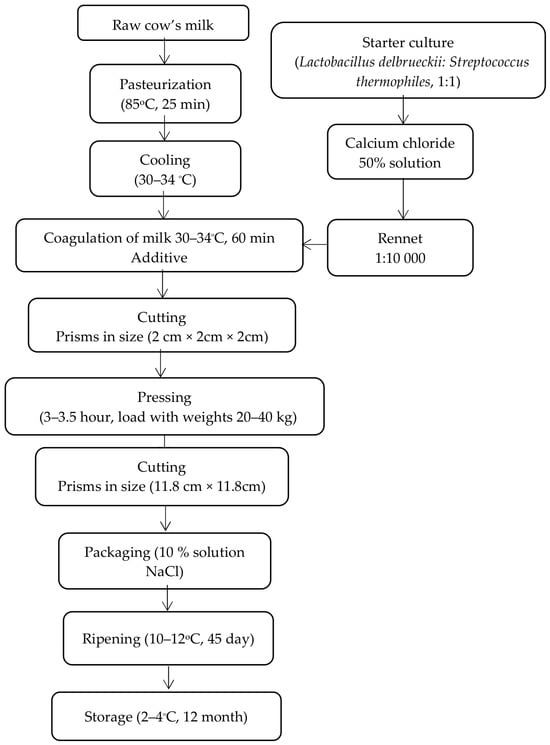
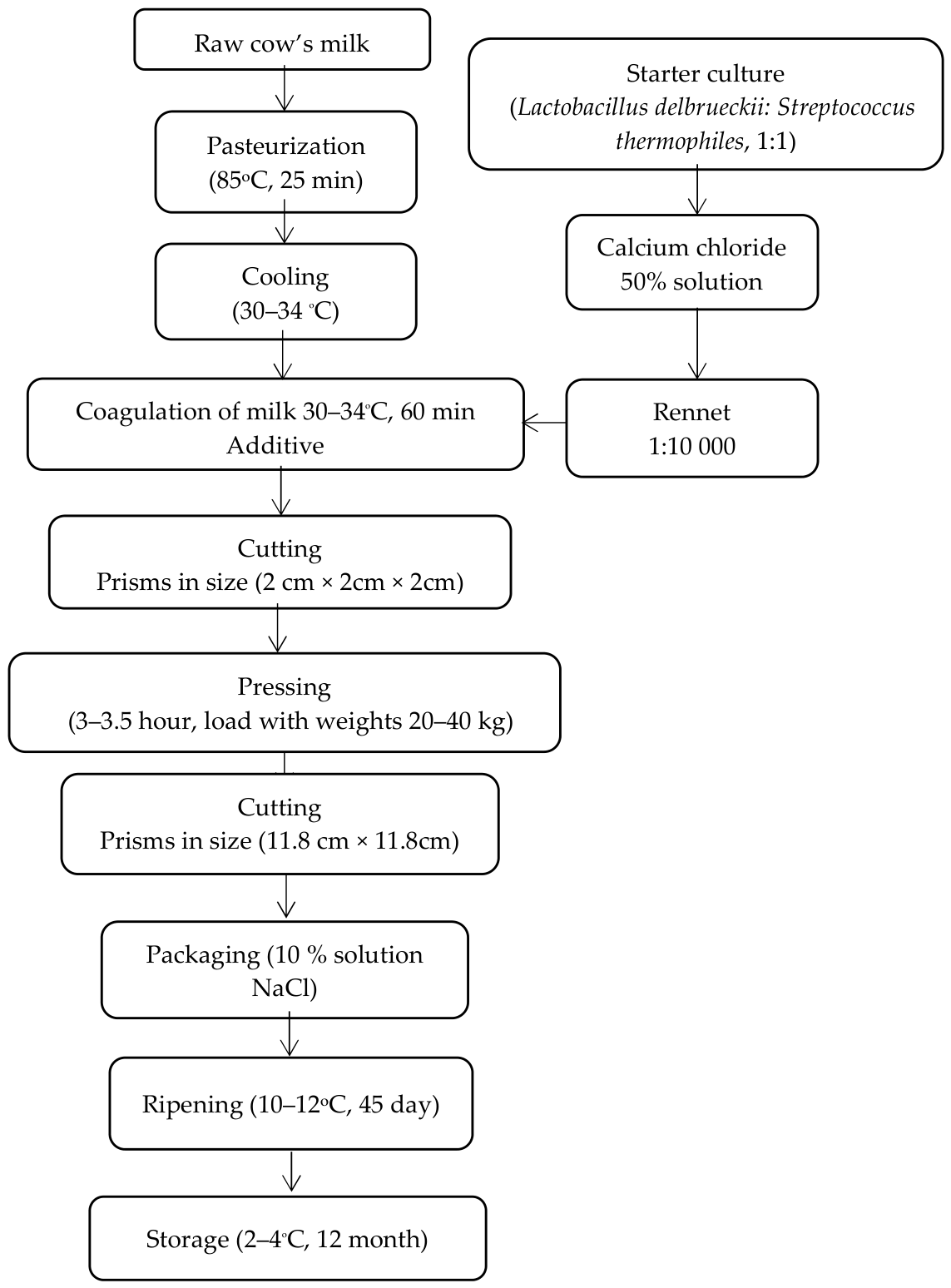
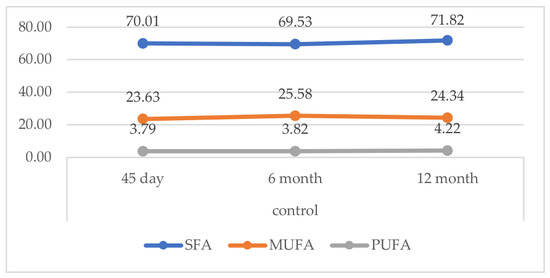
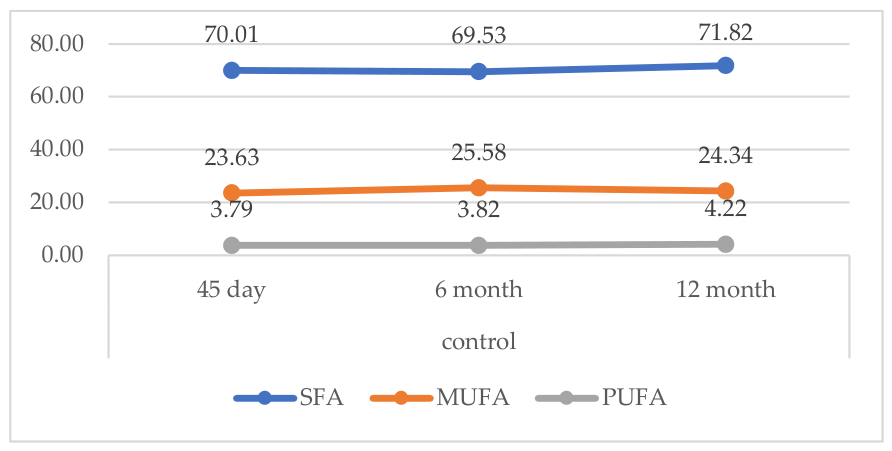
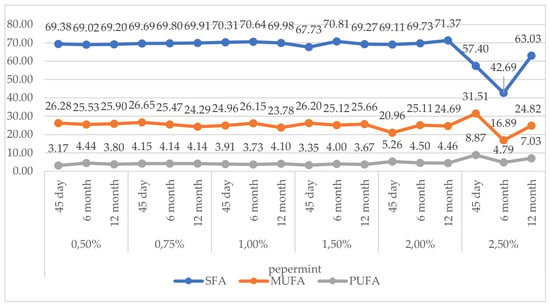
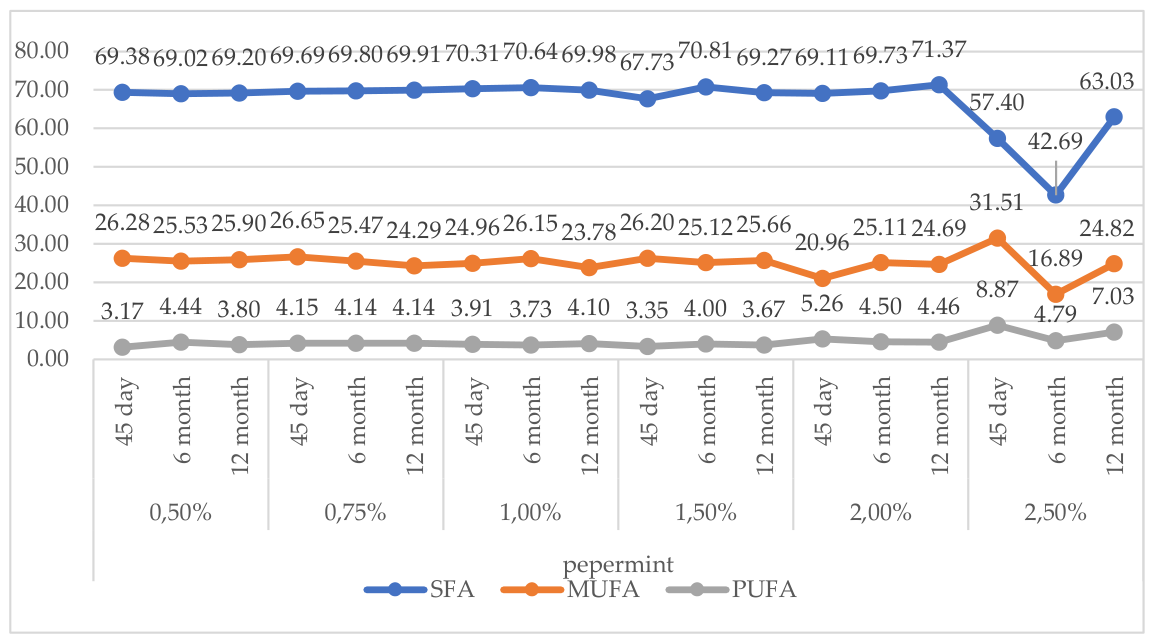
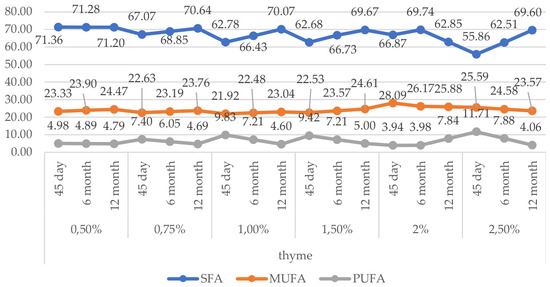
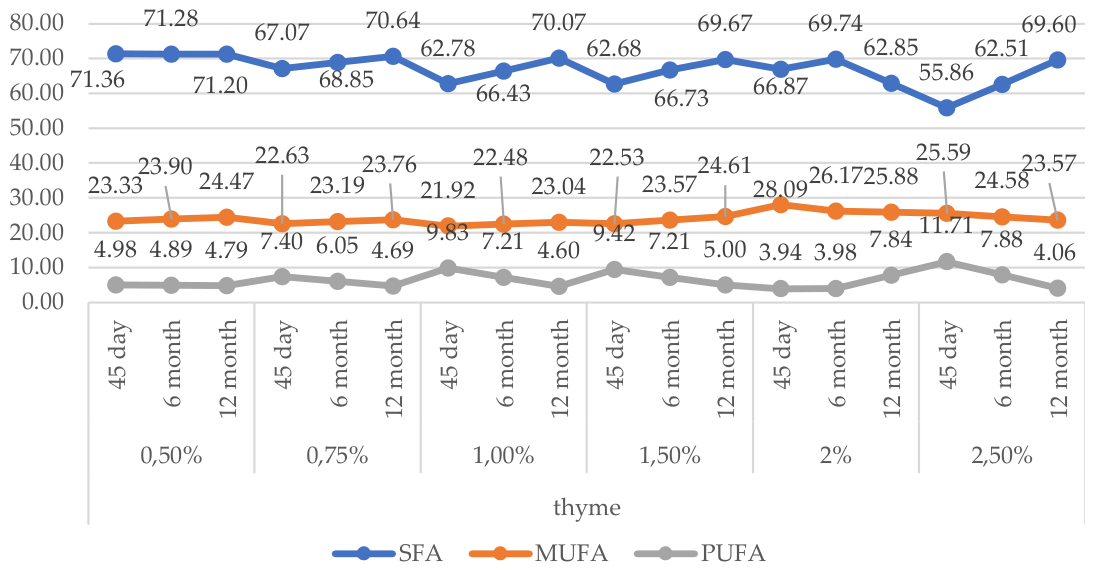
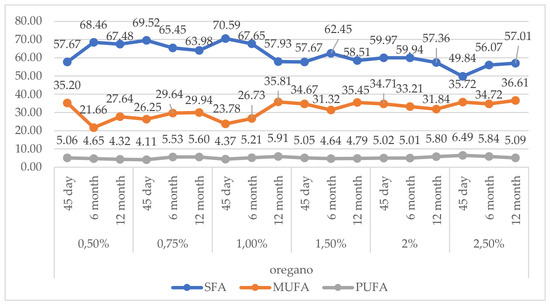
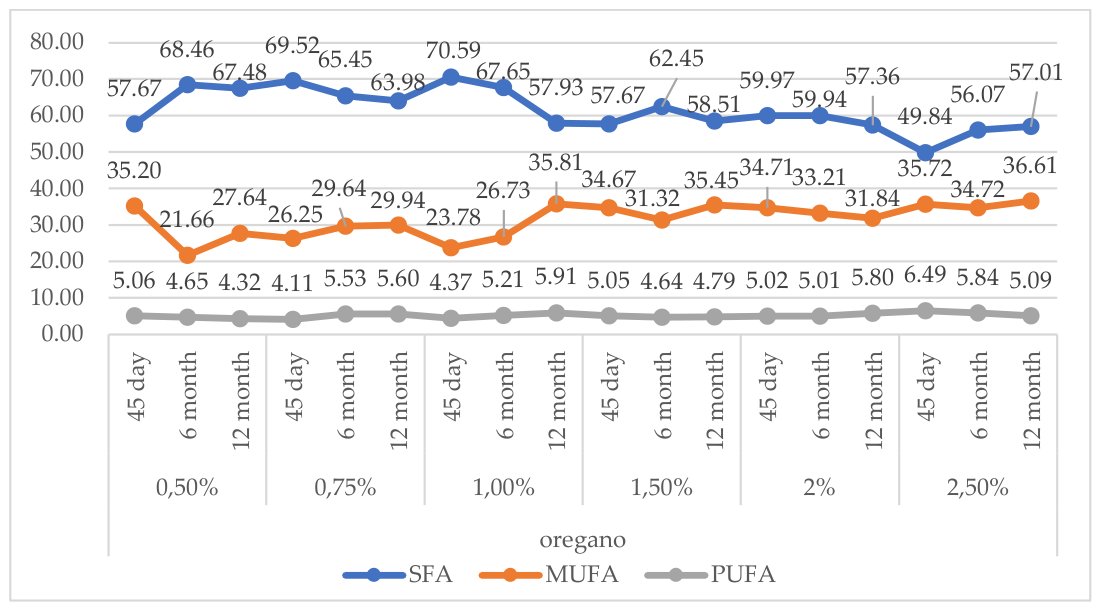
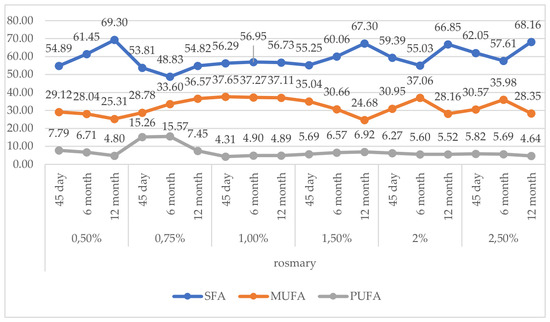
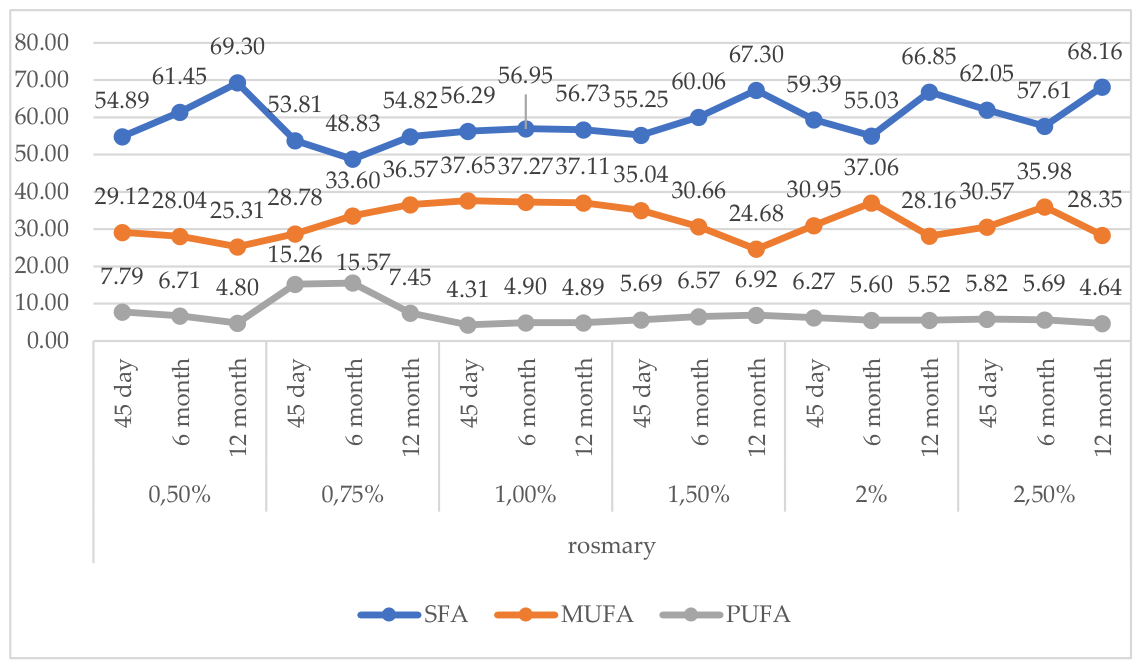
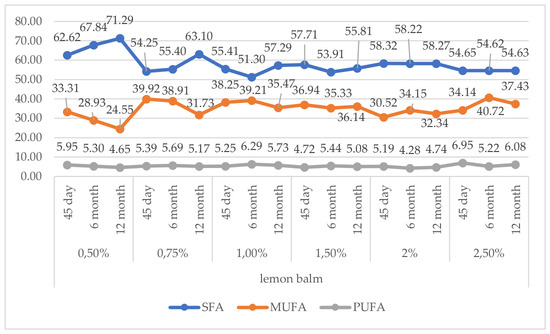
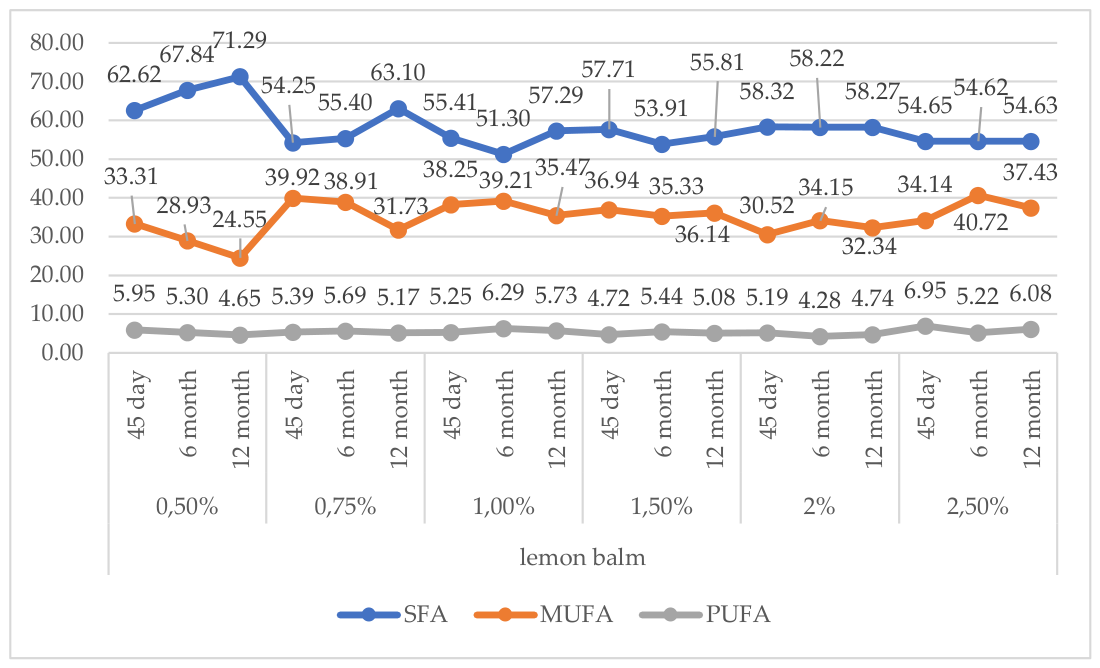
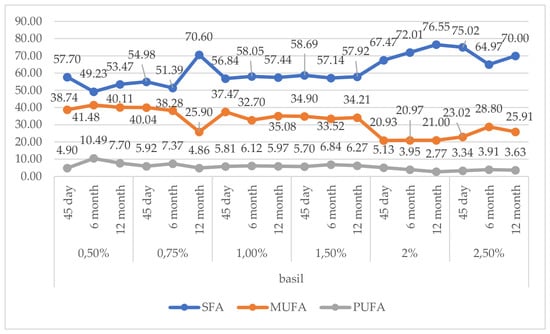
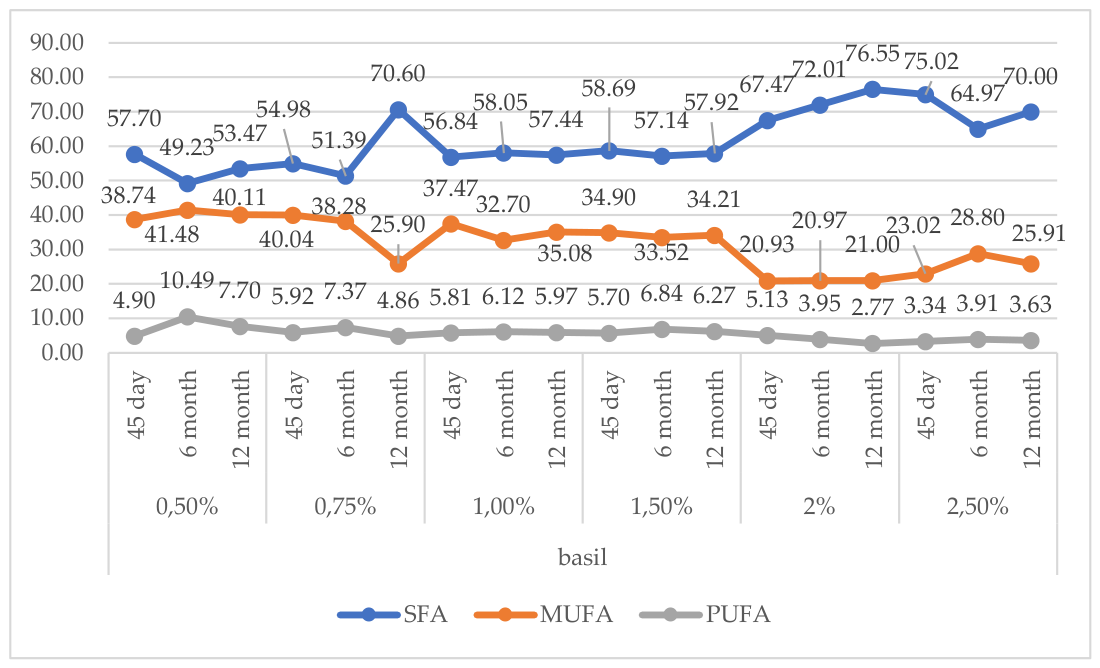
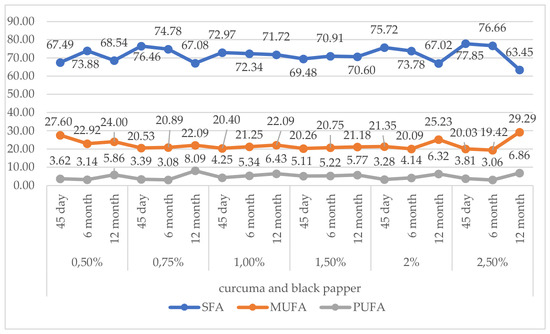
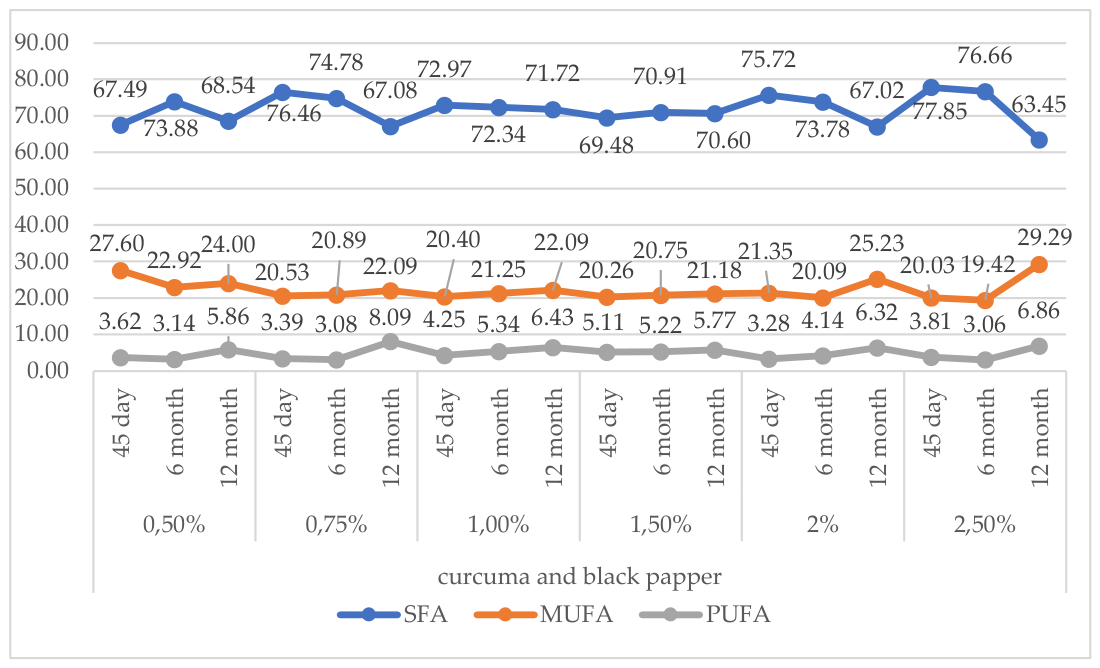
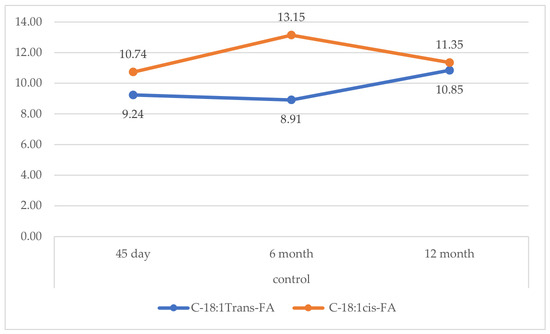
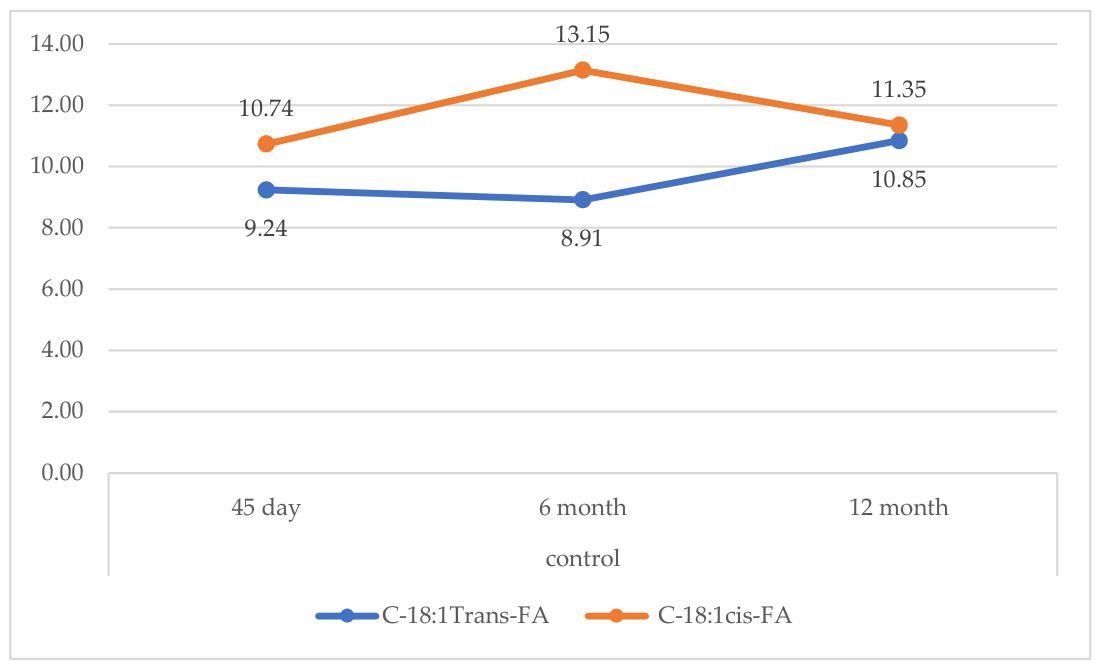
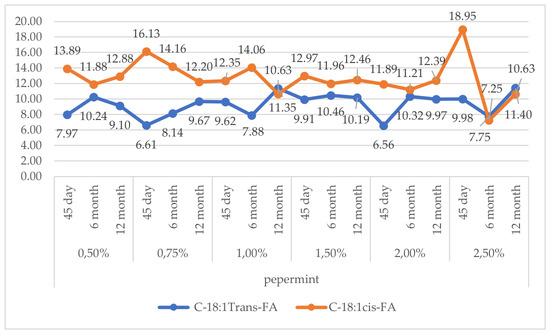
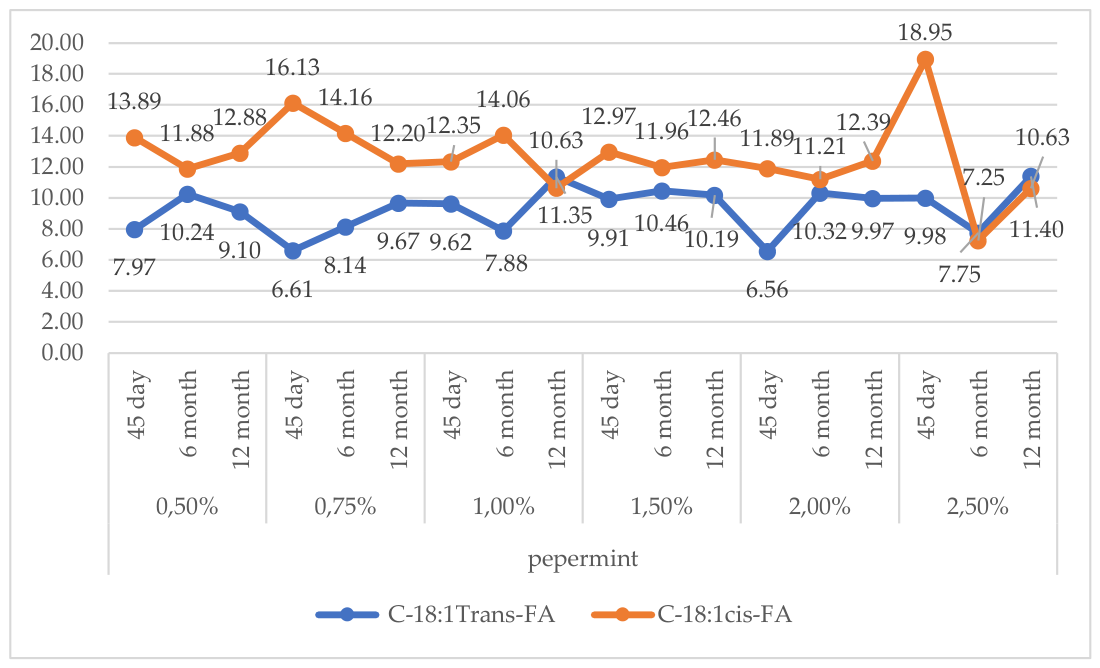
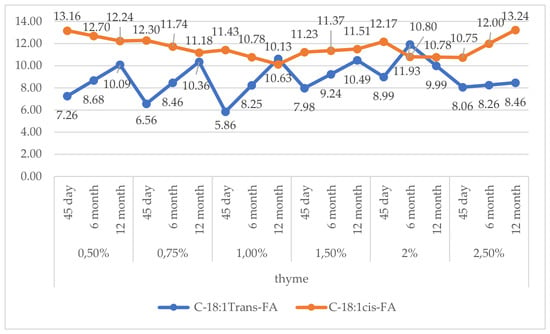
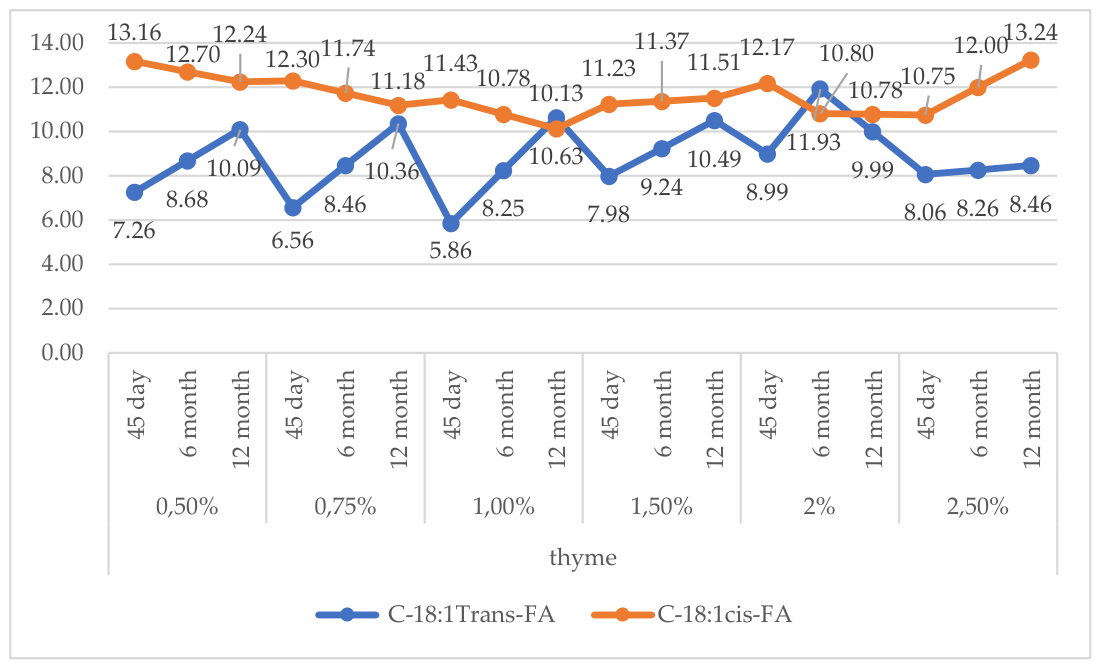
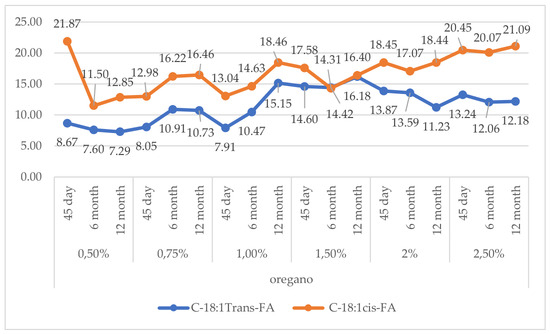
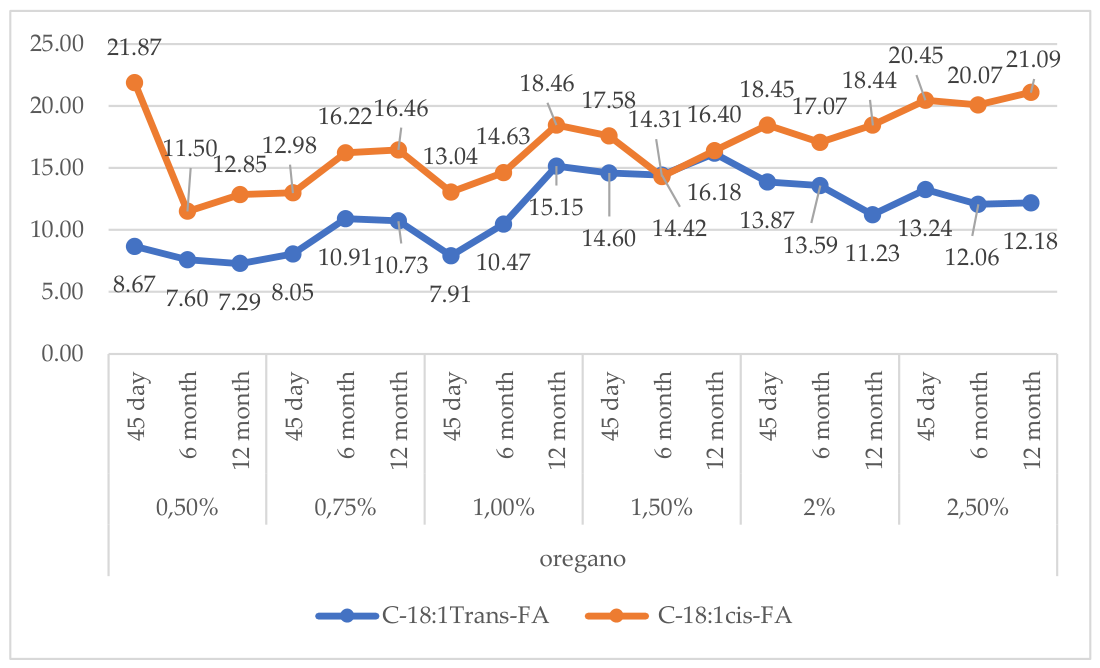
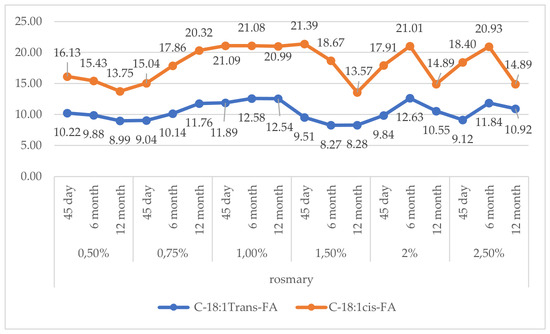
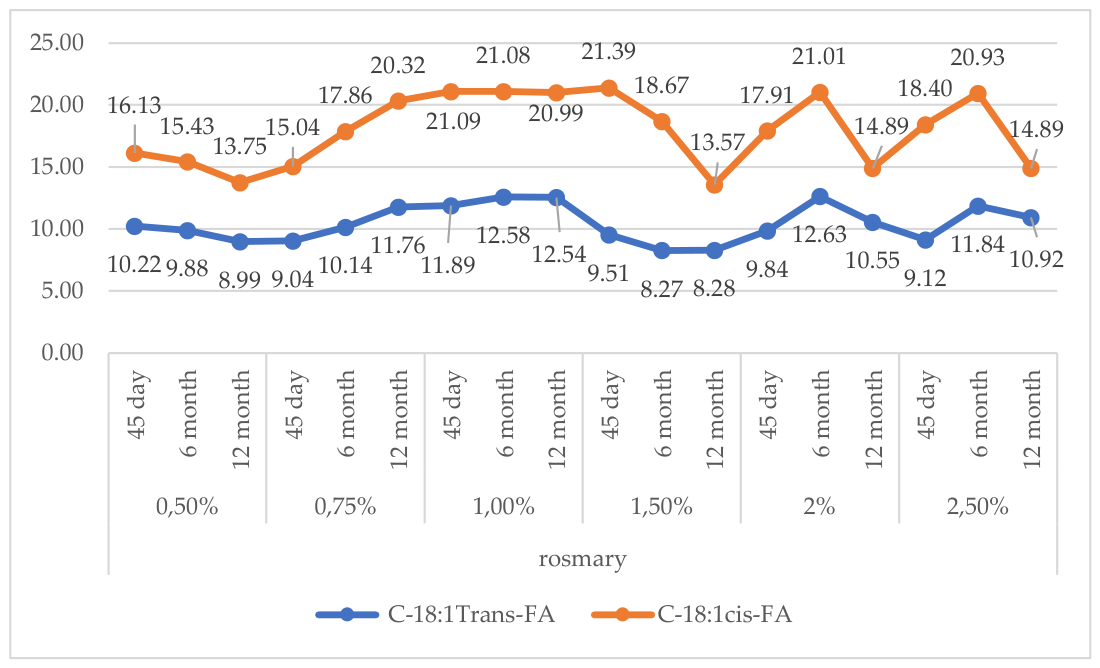
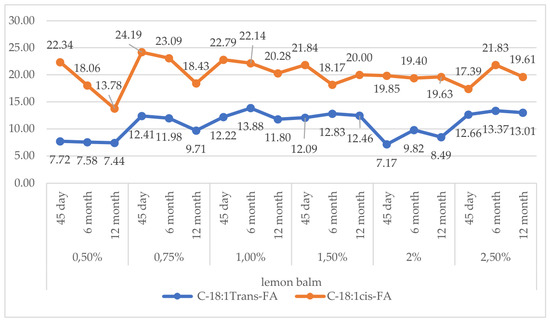
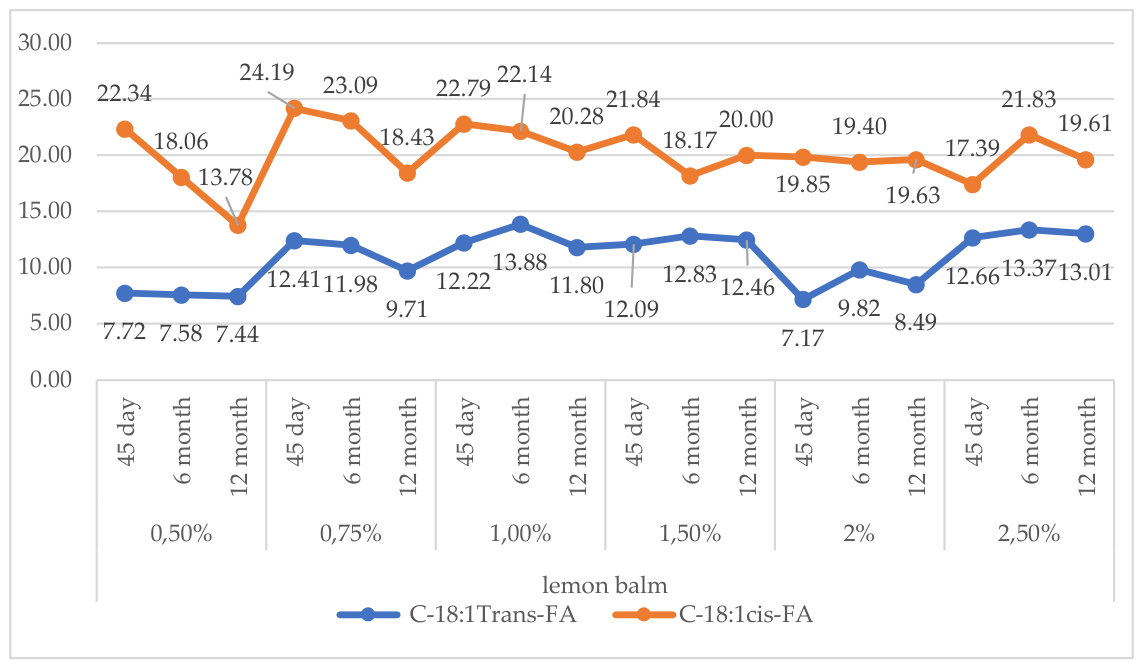
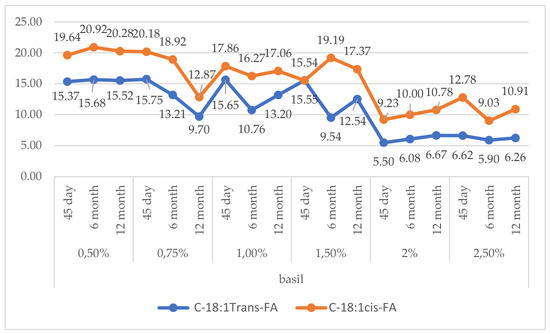
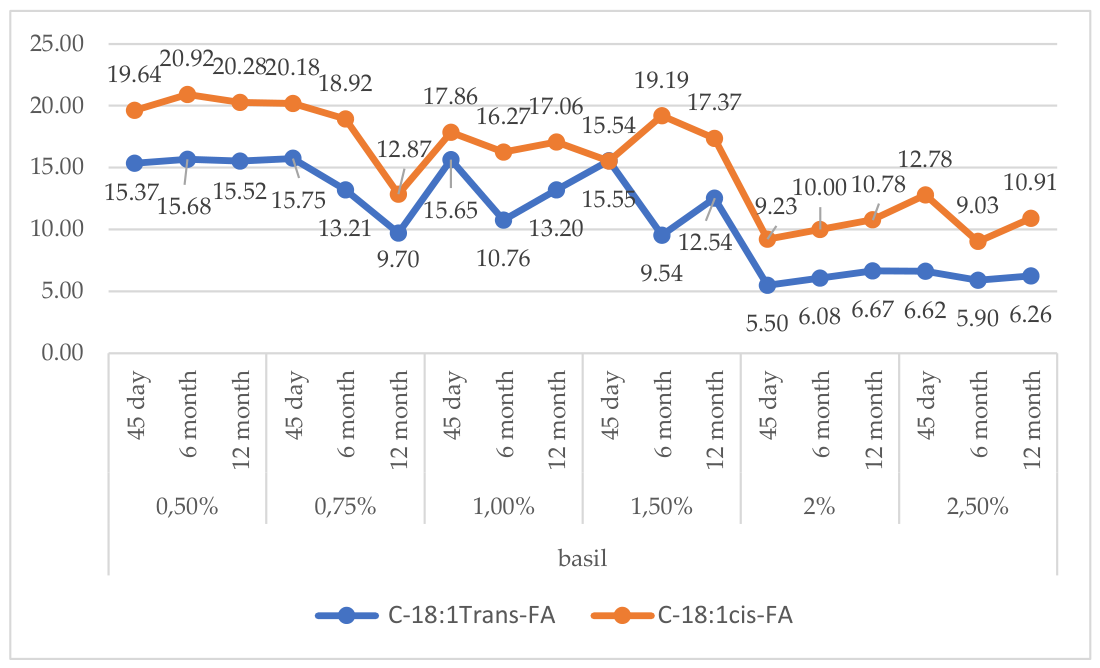
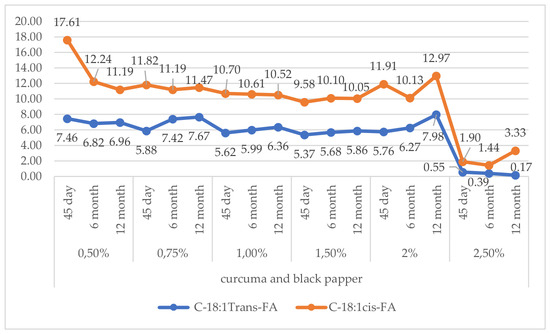
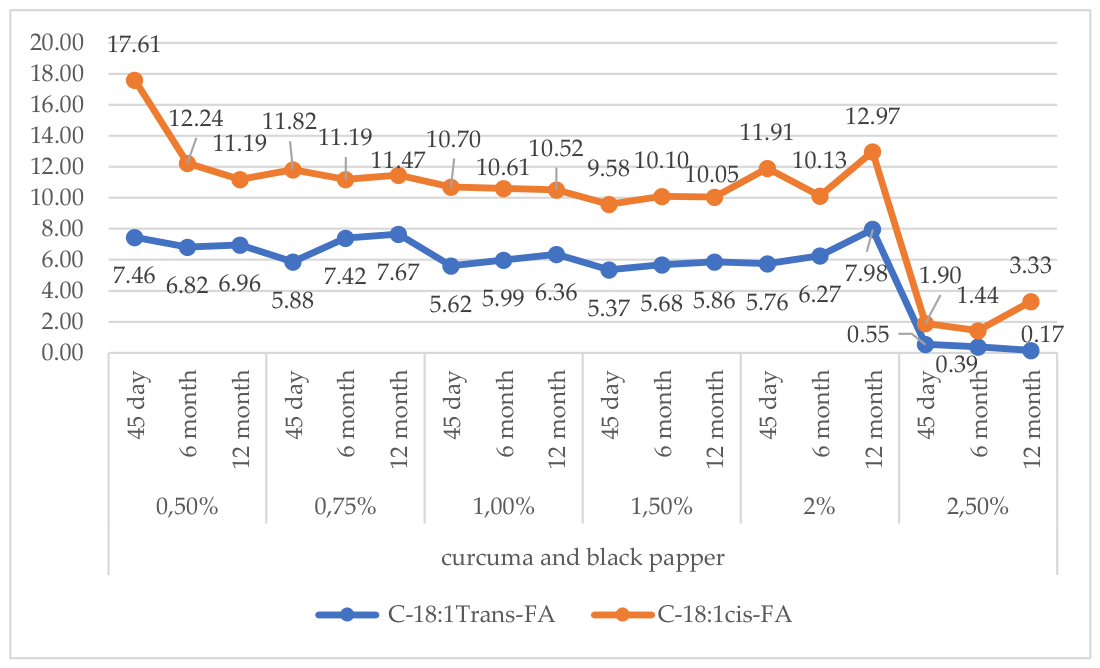
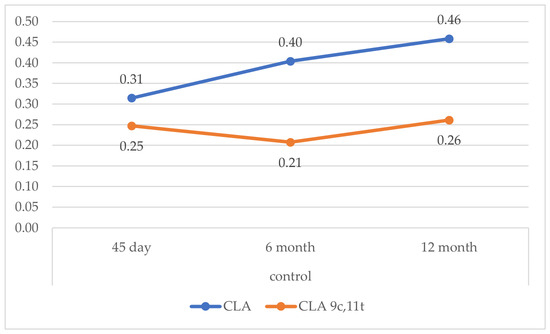
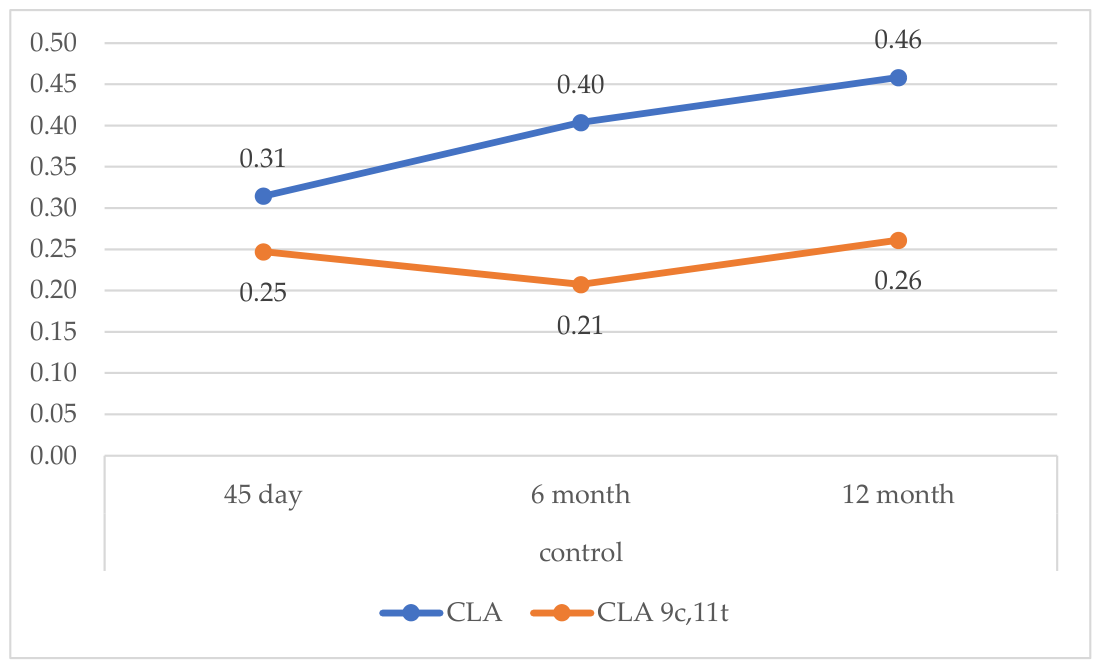
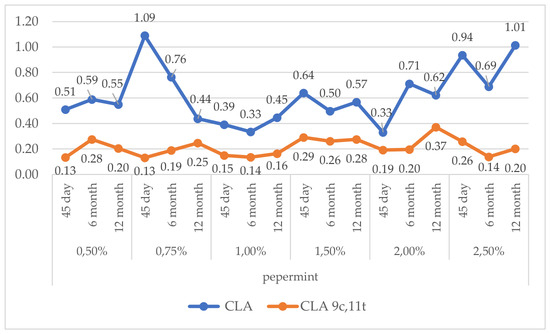
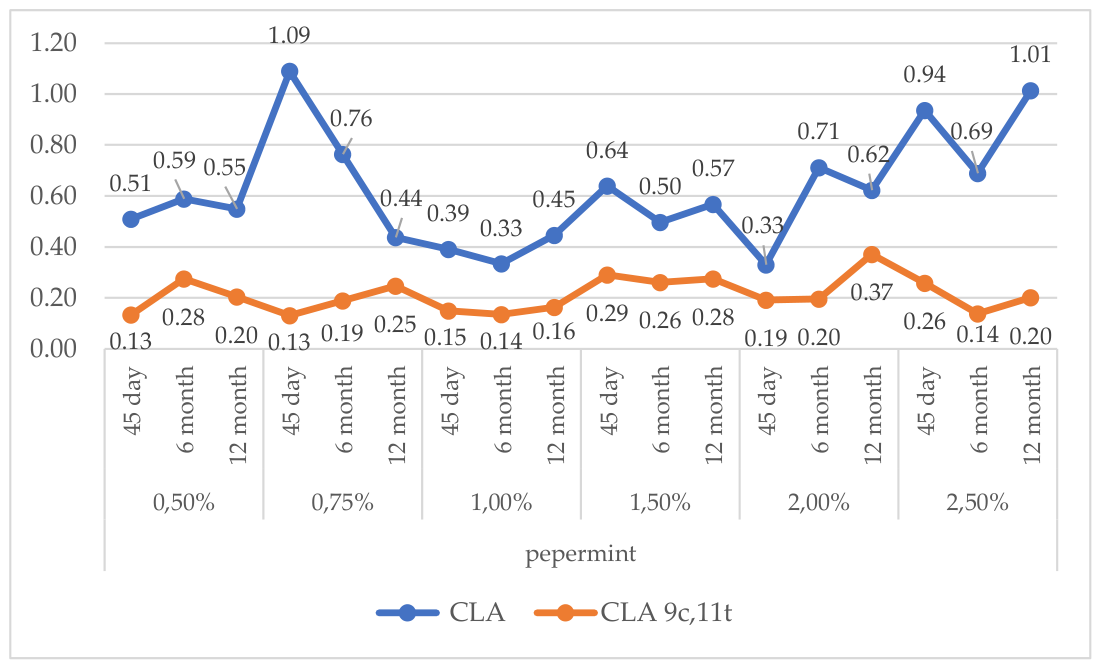
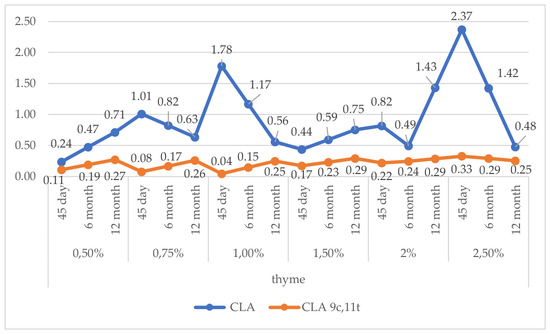
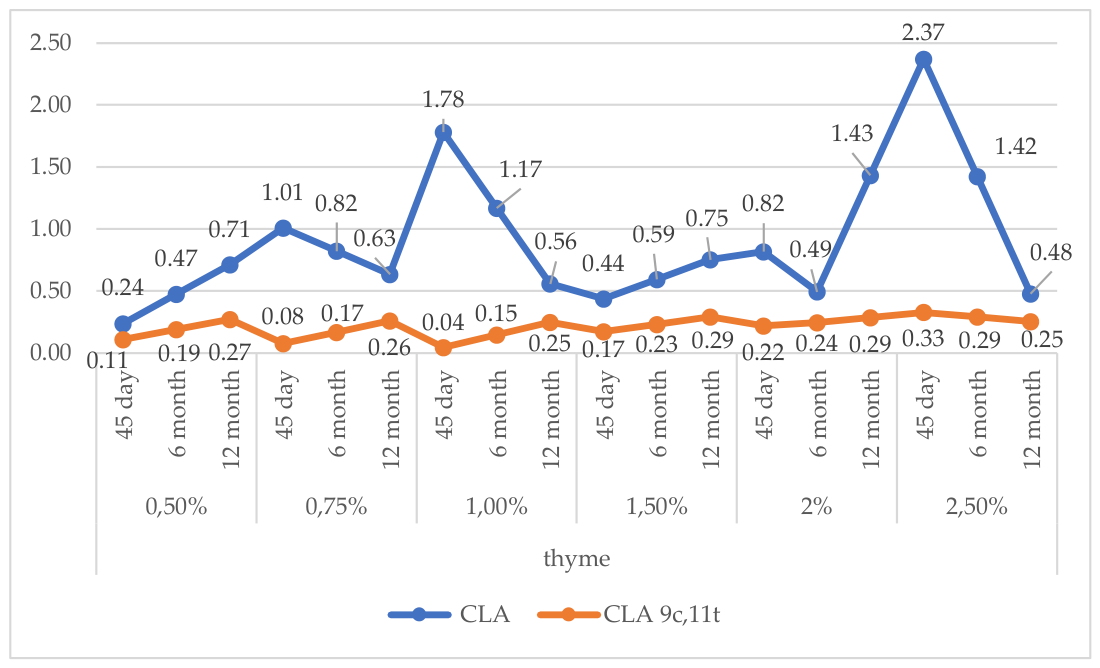
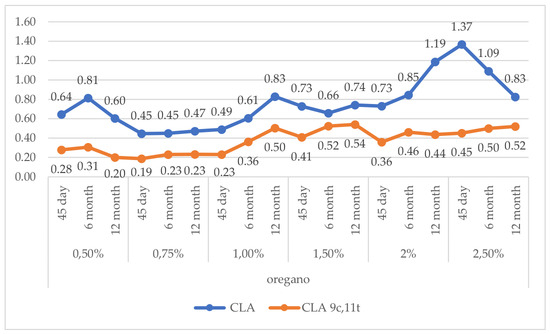
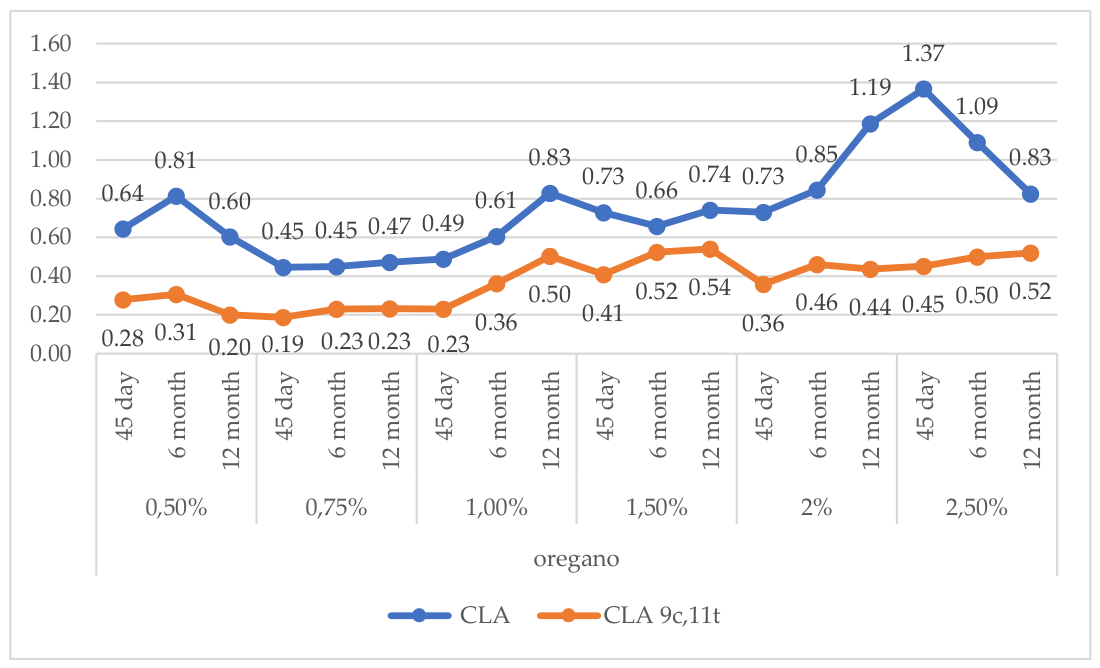
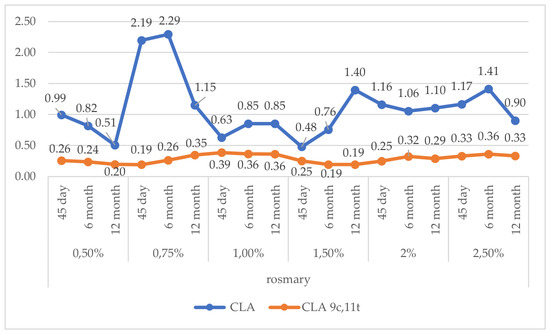
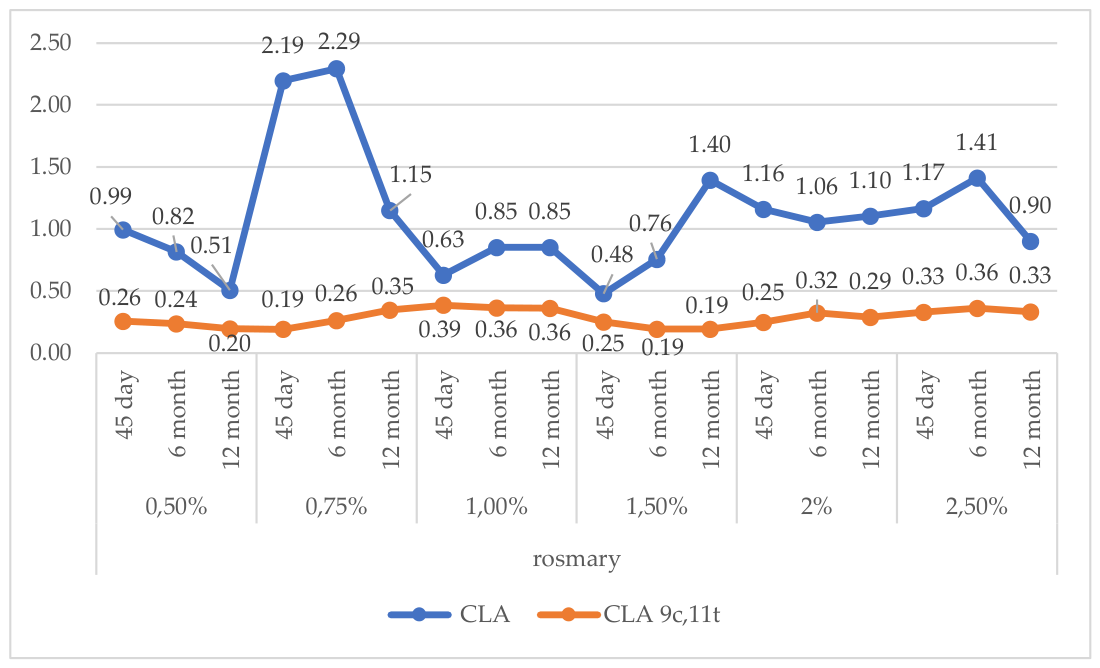
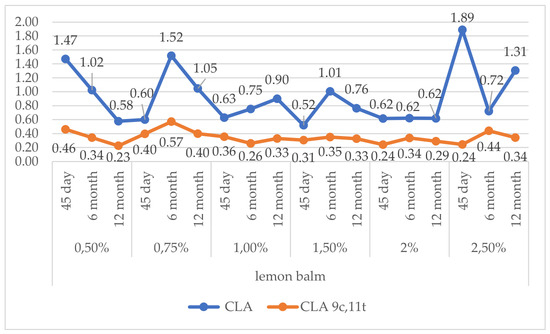
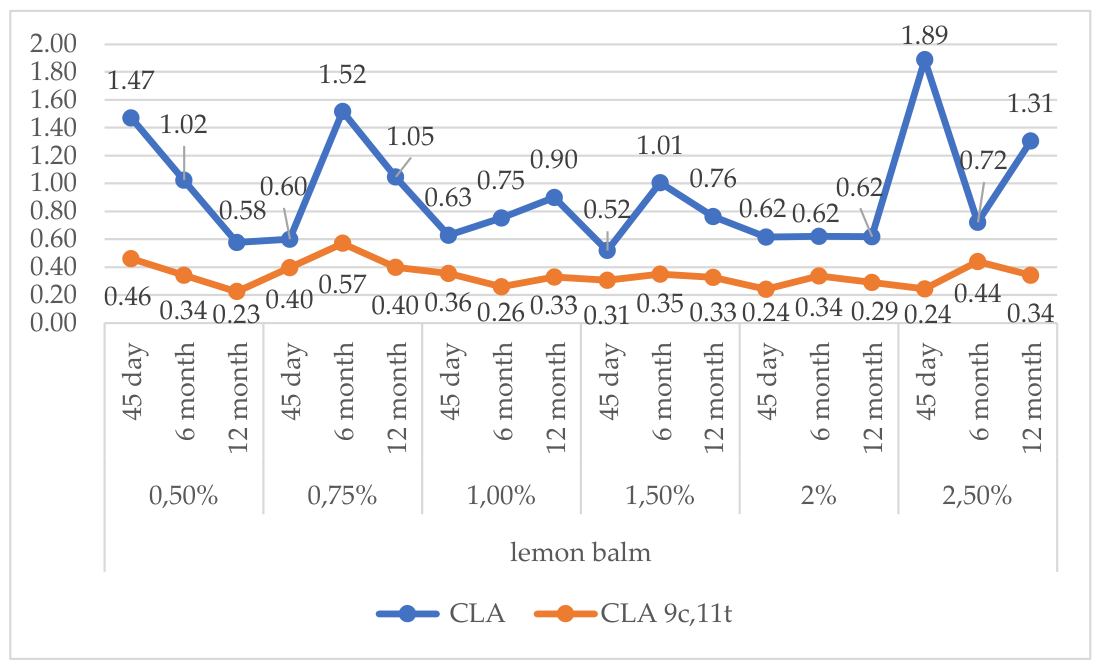
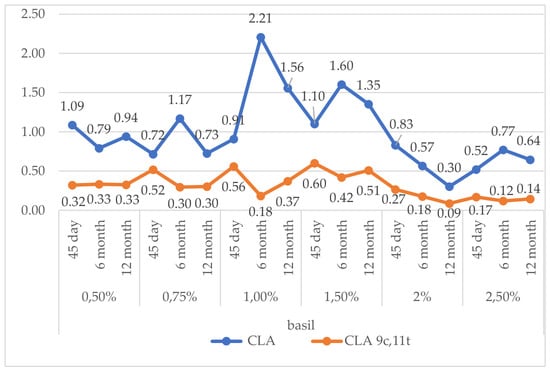
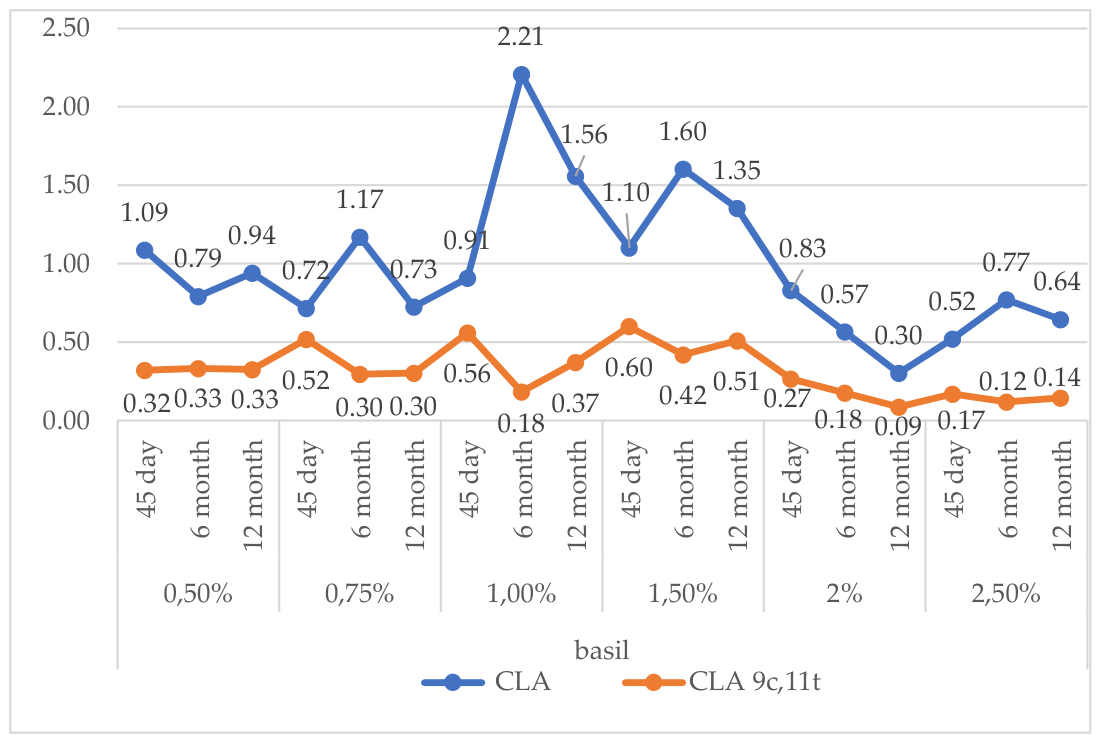
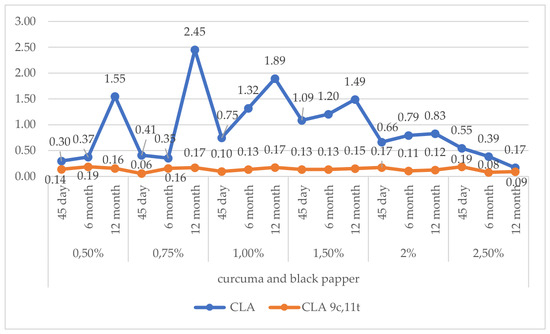
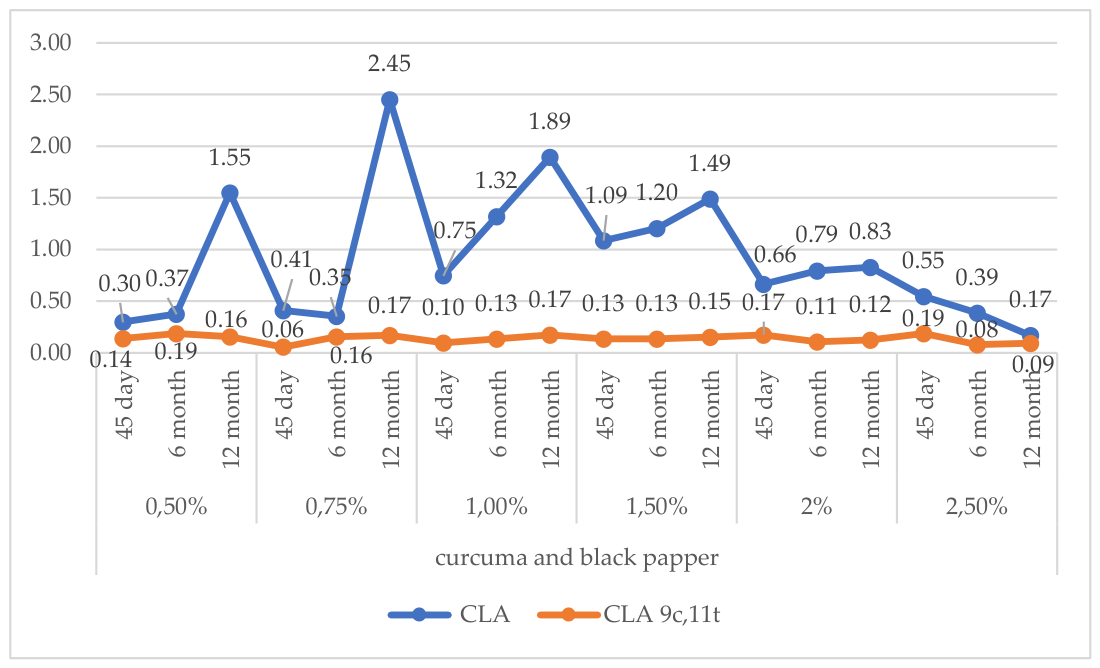
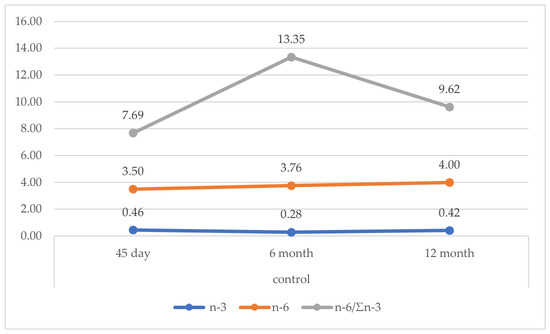
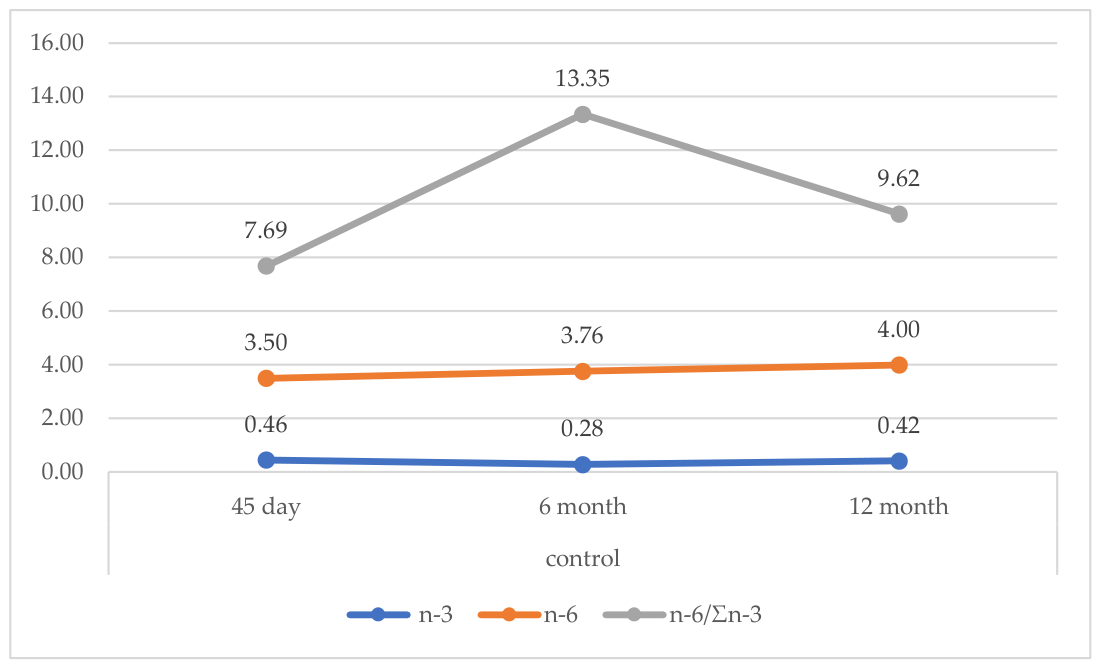
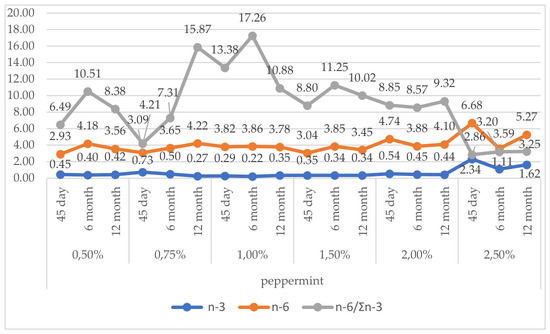
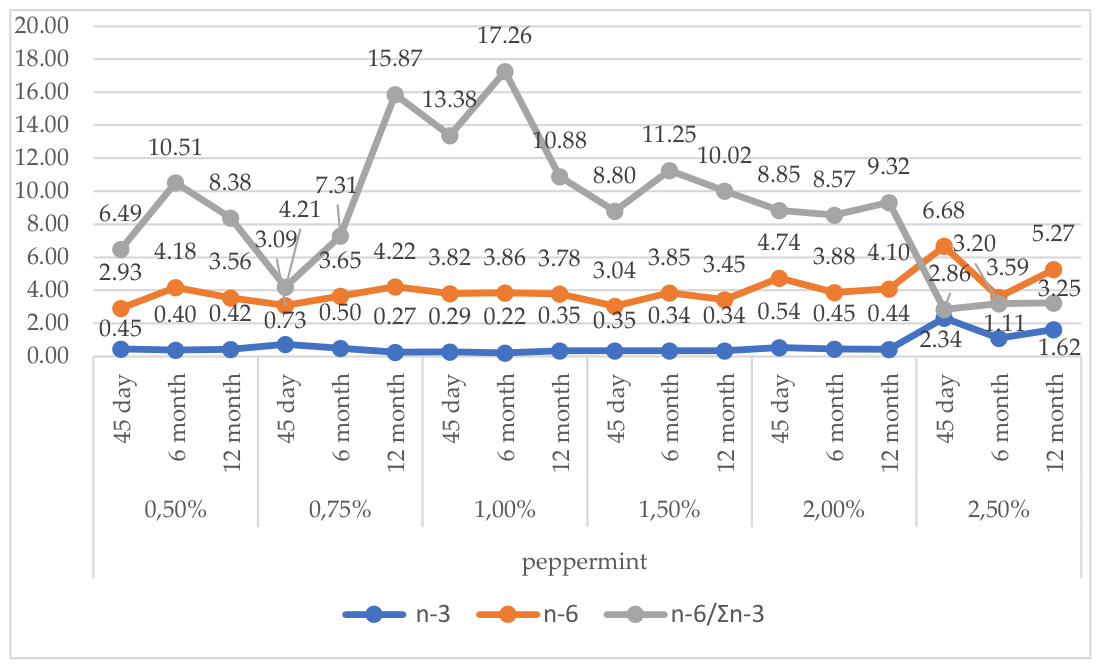
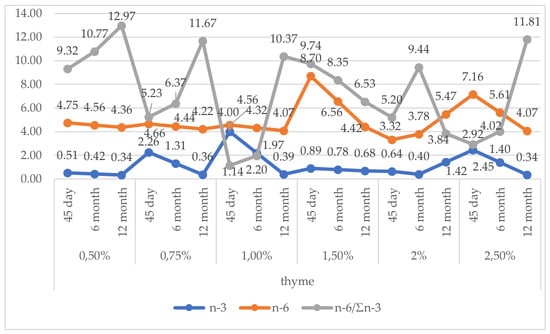
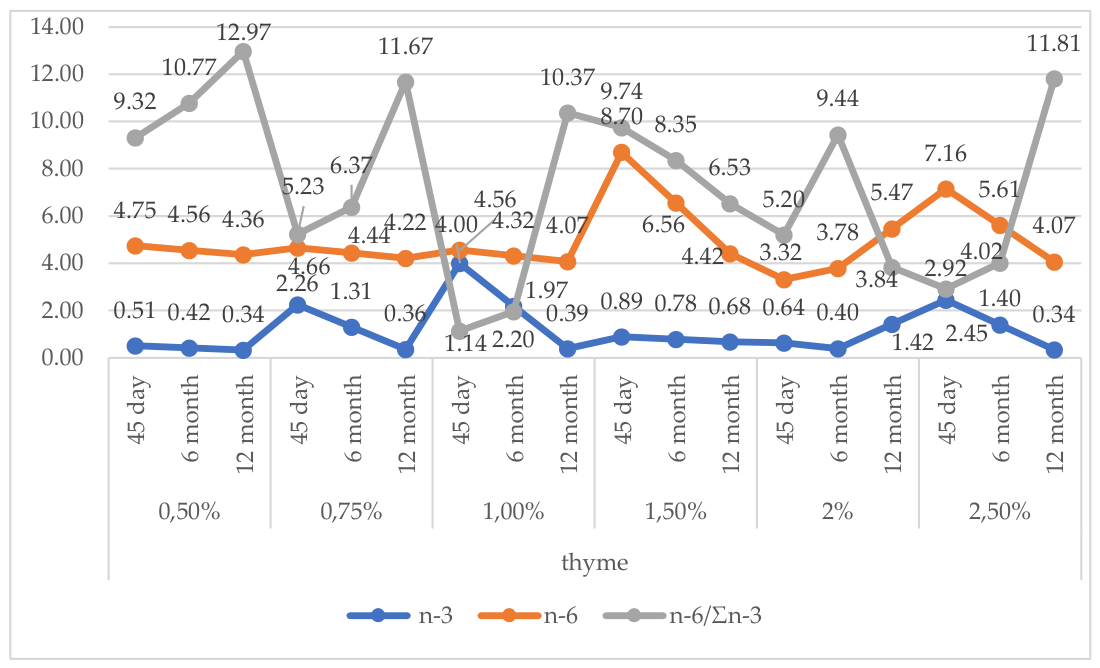
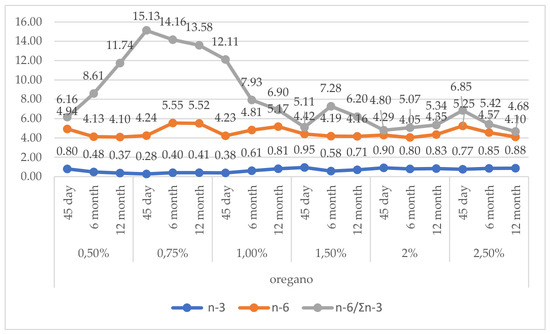
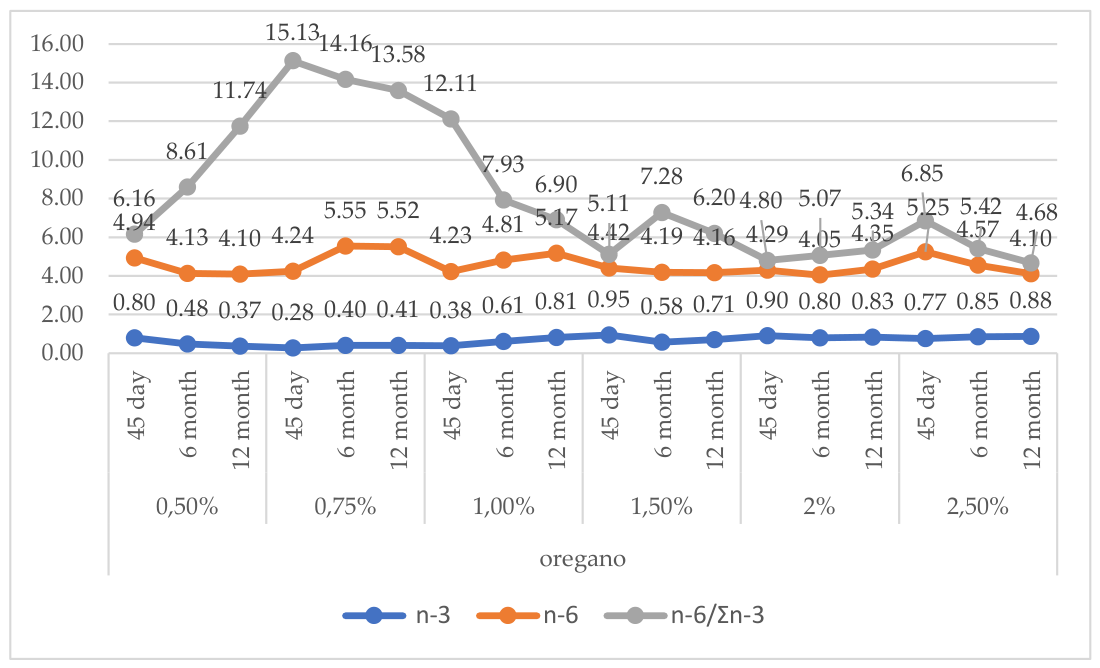
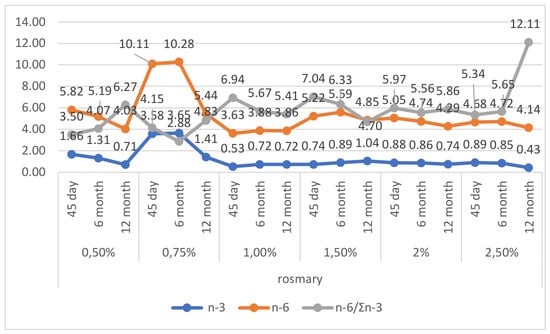
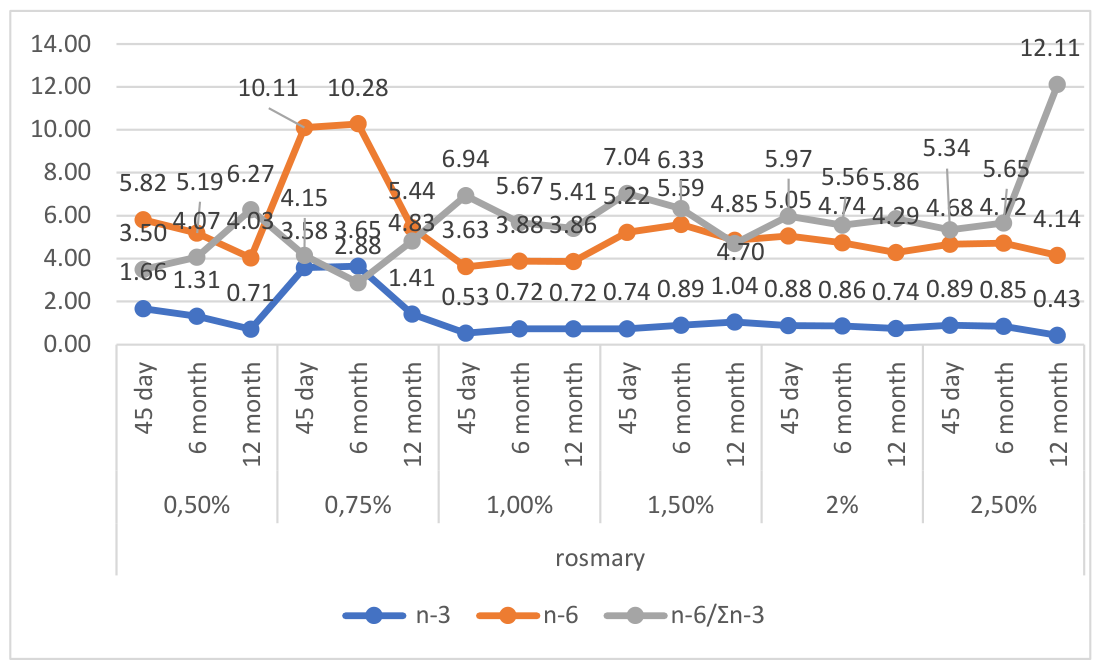
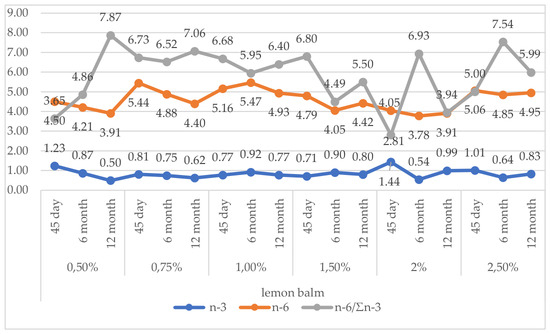
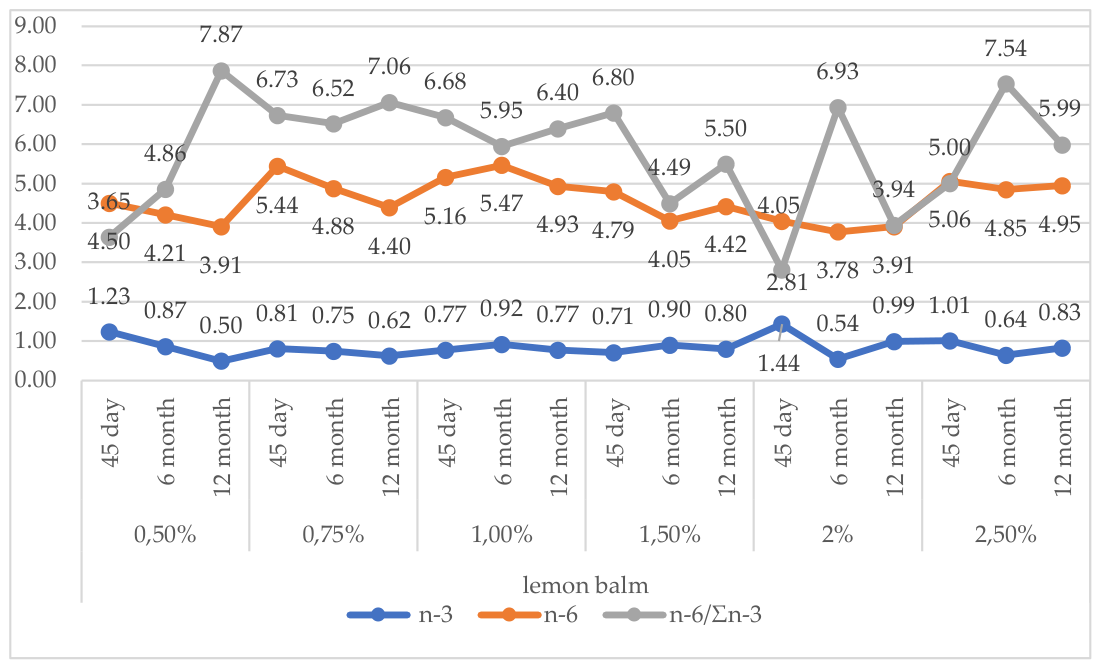
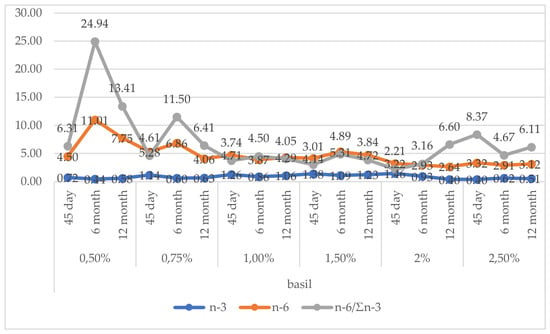
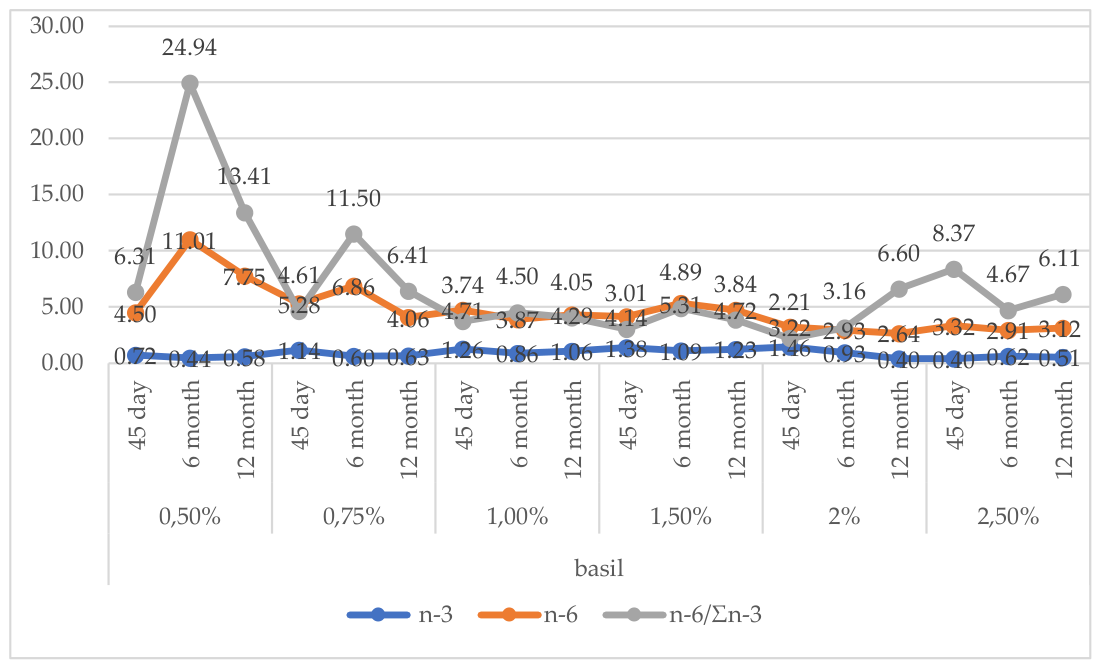
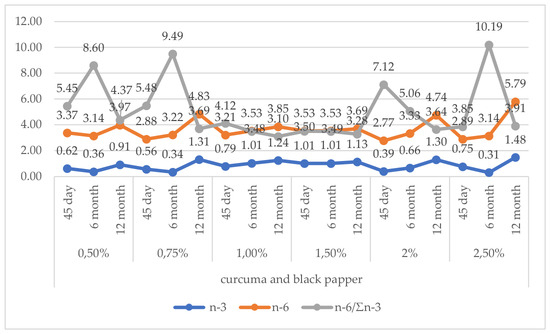
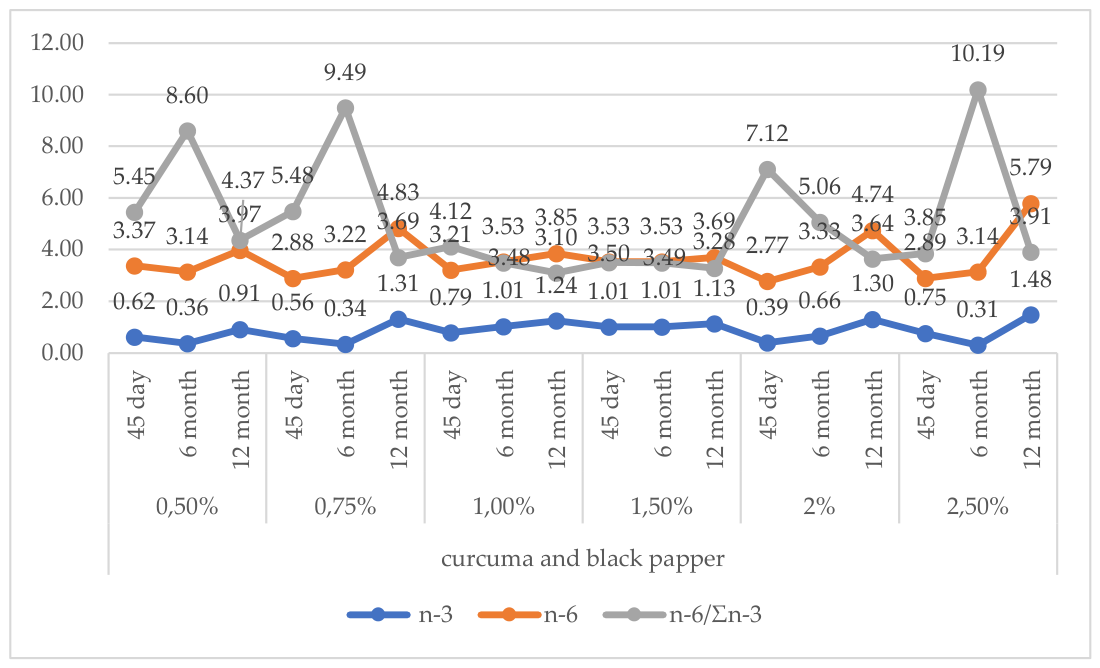
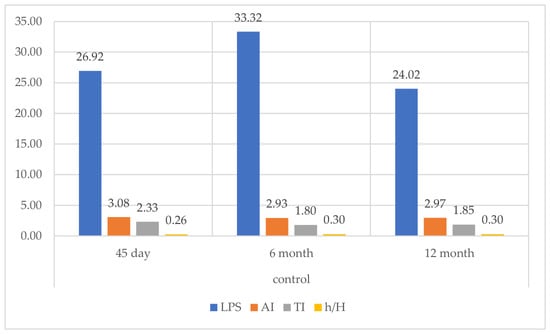
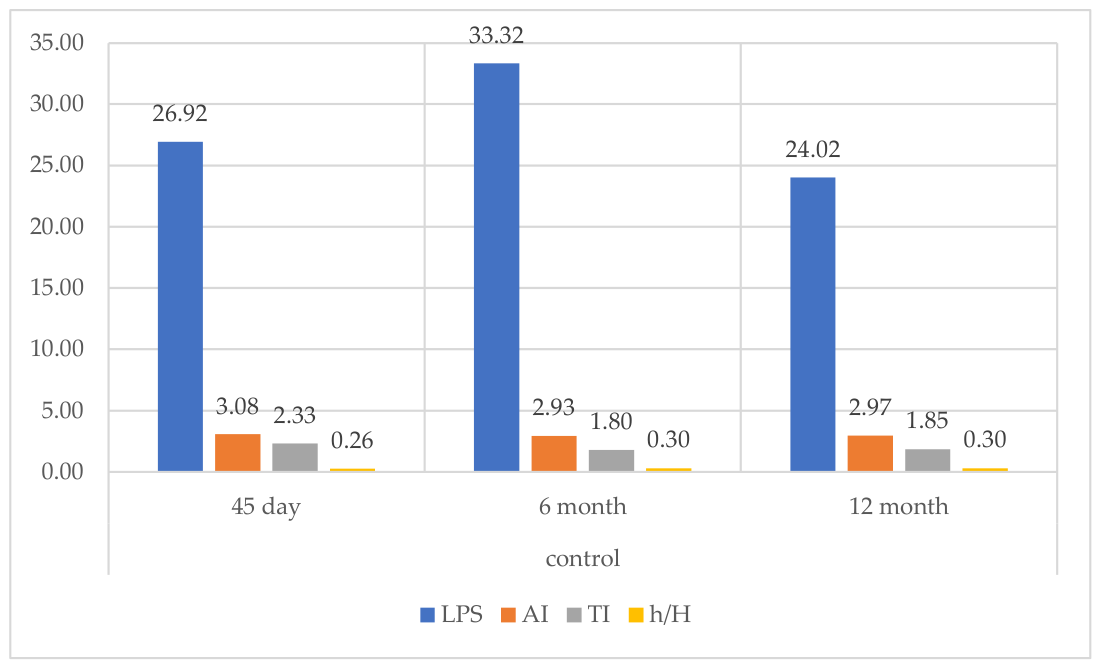
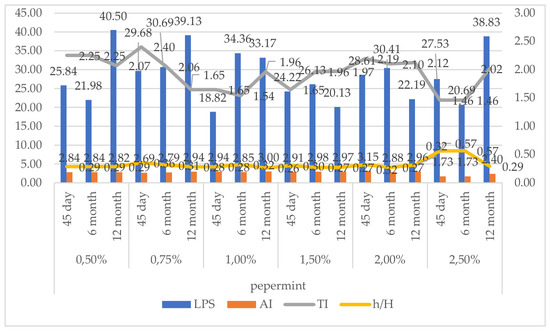
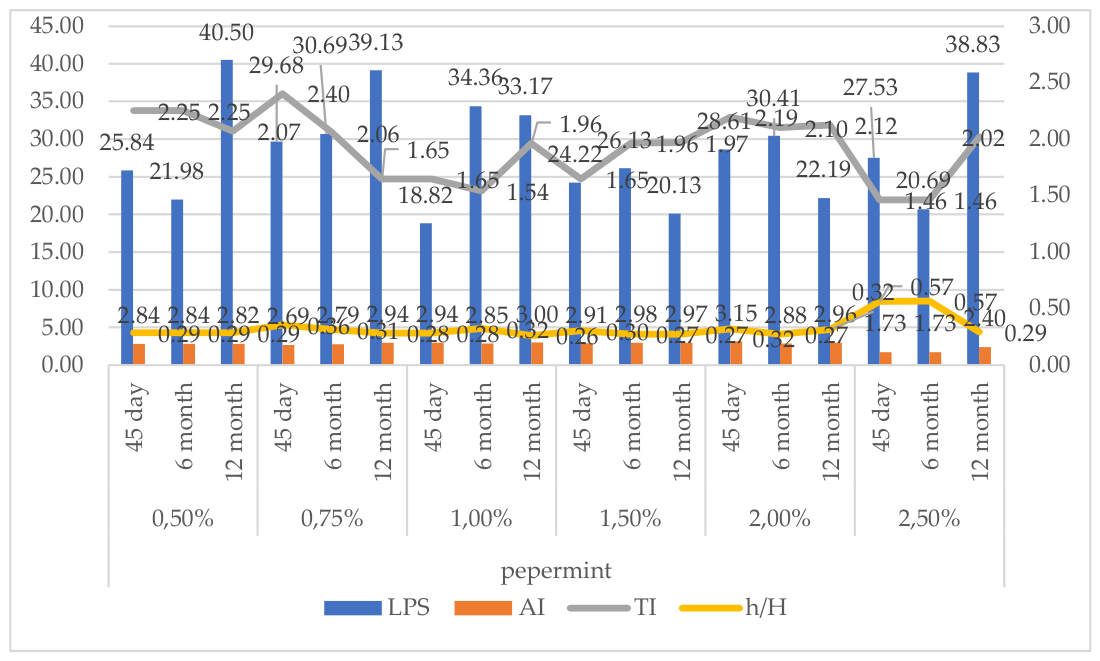
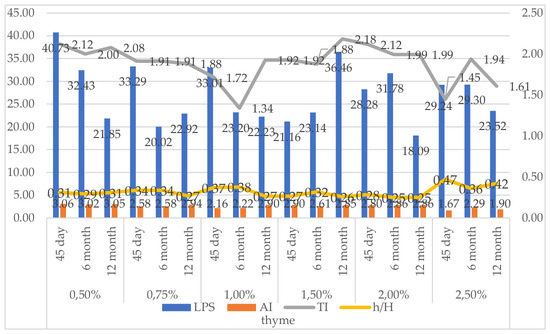
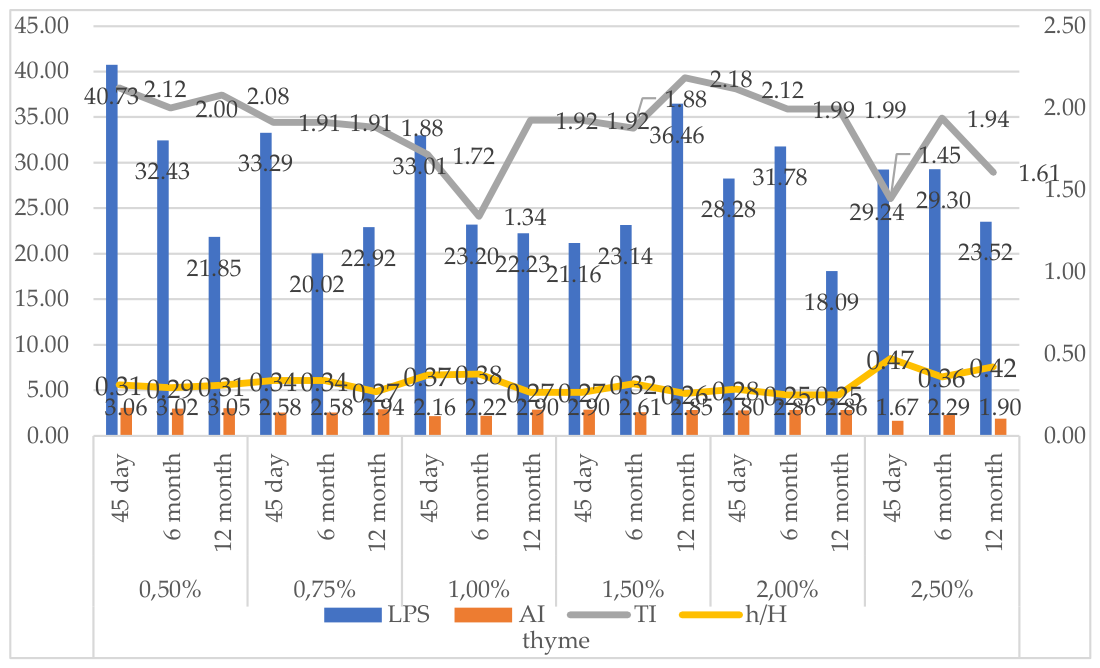
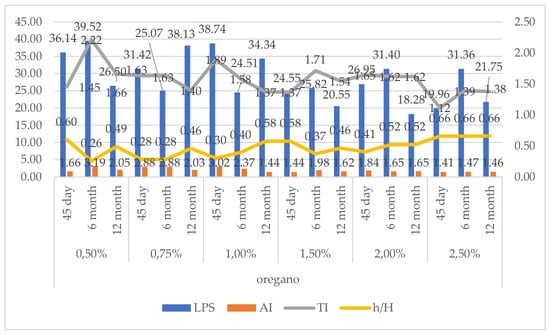
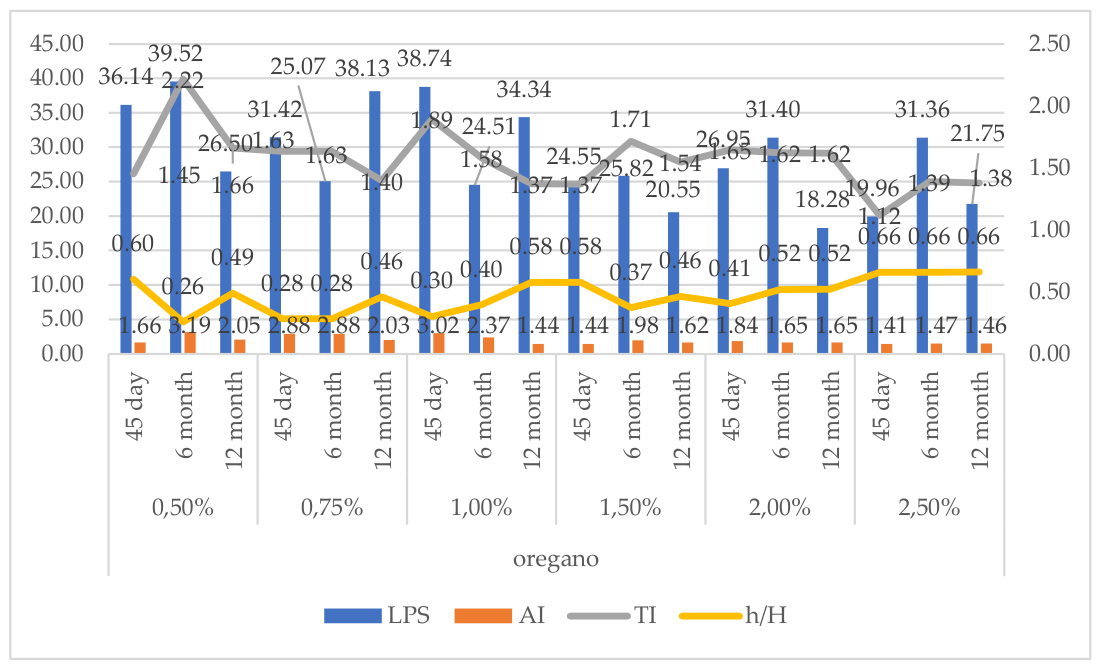
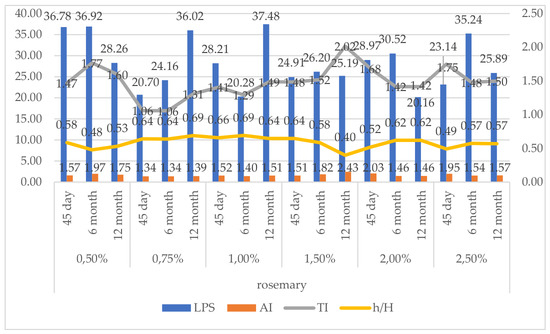
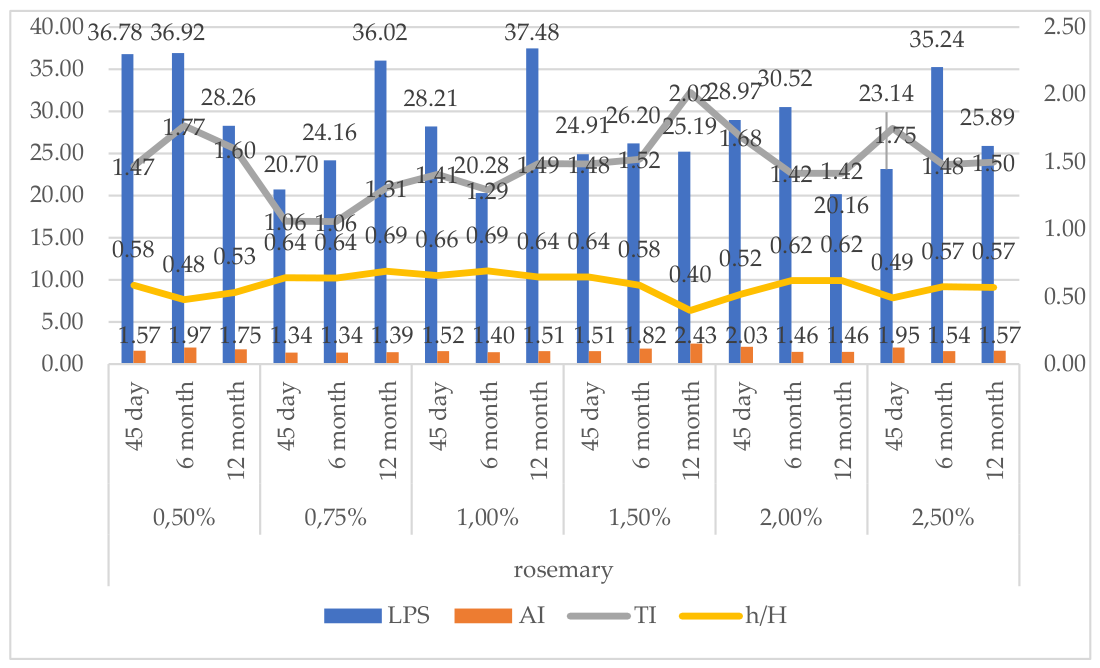
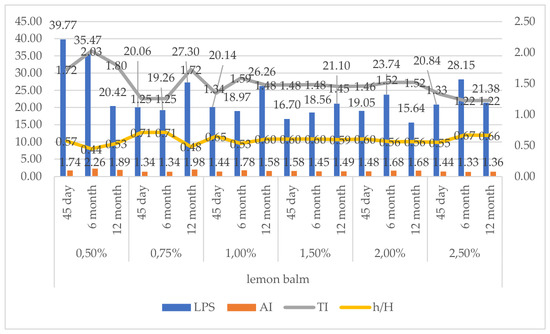
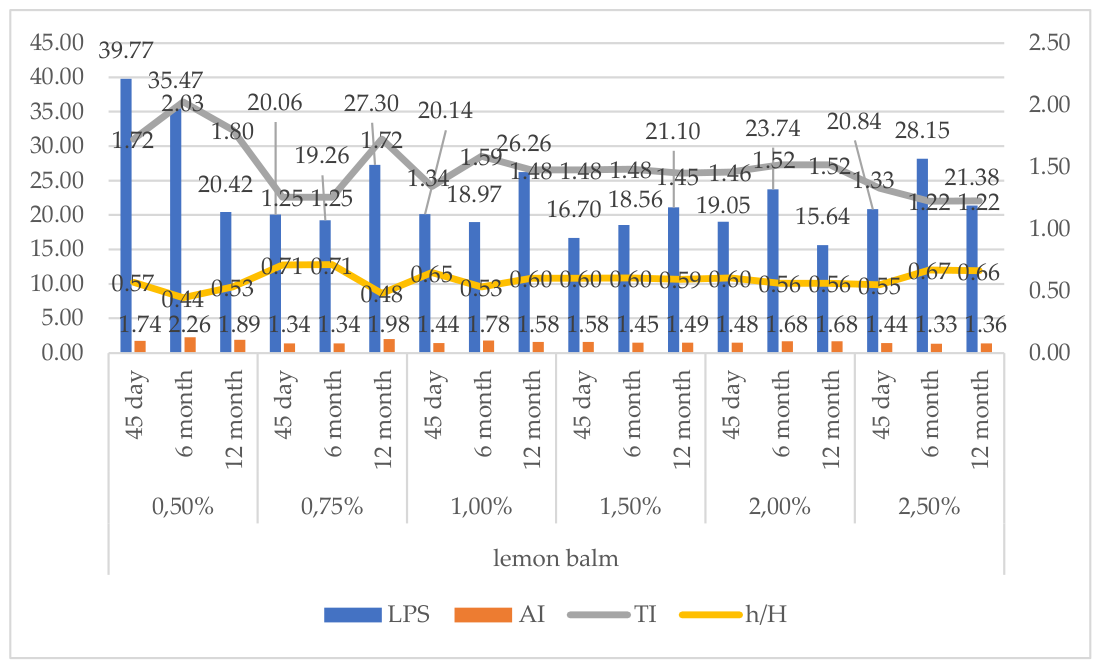
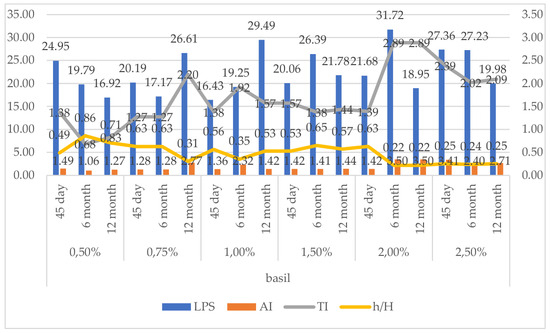
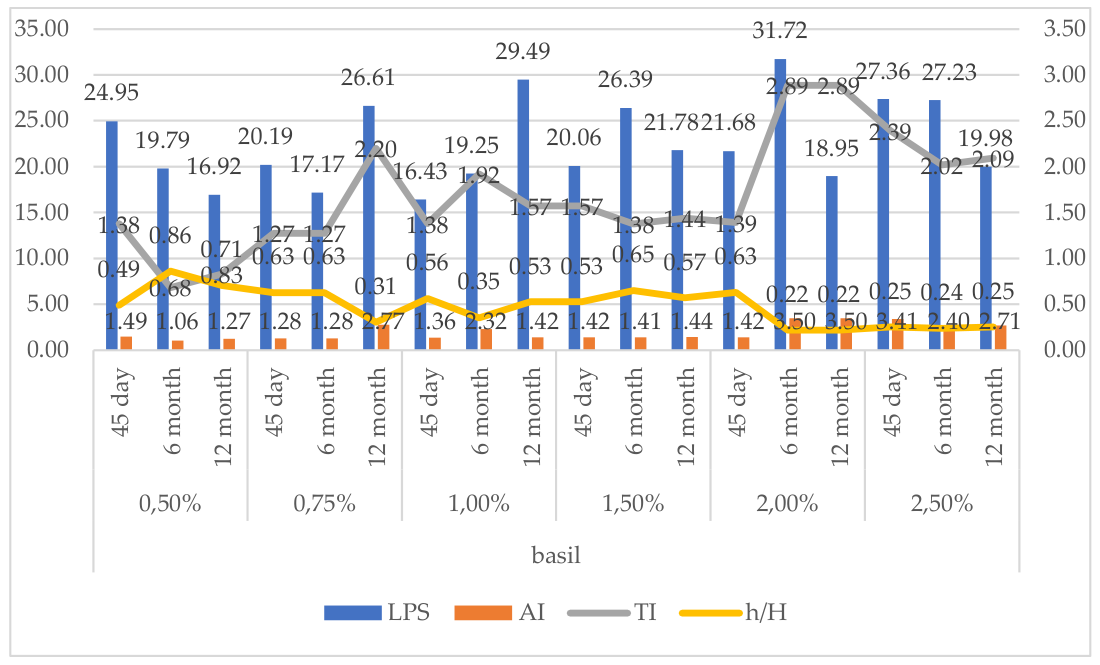

Disclaimer/Publisher’s Note: The statements, opinions and data contained in all publications are solely those of the individual author(s) and contributor(s) and not of MDPI and/or the editor(s). MDPI and/or the editor(s) disclaim responsibility for any injury to people or property resulting from any ideas, methods, instructions or products referred to in the content. |
© 2026 by the authors. Licensee MDPI, Basel, Switzerland. This article is an open access article distributed under the terms and conditions of the Creative Commons Attribution (CC BY) license.