


Abstract
Unnecessary antibiotic use for endodontic emergencies and odontogenic infections remains a stewardship concern despite guidance that prioritizes operative source control for pulpal and localized periapical disease. This structured narrative review examined clinical indications, prescribing practices, determinants of discordance, and stewardship education in dental care. PubMed/MEDLINE, Scopus, and Web of Science were searched for English-language publications from 2020 to September 2026, supplemented by citation tracking and official institutional sources. Forty-nine primary studies were classified by clinical setting and outcome type and thematically synthesized; eight reviews and one perspective article informed interpretation, and 23 institutional documents were charted separately. Most studies were conducted in community practice or dental education; only ten measured recorded prescribing, whereas hospital, population-level, and clinical-sample studies provided context. Surveys found stated intentions to prescribe for irreversible pulpitis and apical conditions ordinarily managed without systemic treatment, but diagnostic codes and hypothetical responses do not permit a common estimate of inappropriate prescribing. Diagnostic uncertainty, perceived patient expectations, and restricted access to operative care shaped reported decisions. Among students, awareness and confidence did not consistently align with appropriate scenario choices. Educational and multimodal interventions improved selected knowledge or prescribing measures, but direct evidence from endodontic emergency encounters remains limited. A proposed diagnosis-to-decision framework links indication, source control, treatment access, documentation, and review; future evaluations should measure guideline-concordant prescribing alongside operative care and patient safety.
1. Introduction
Antimicrobial resistance (AMR) has made appropriate antibiotic use a central concern in healthcare. Every avoidable prescription exposes a patient to potential harm, including adverse drug reactions, drug interactions, and Clostridioides difficile infection (Section 4.6), and adds selection pressure beyond the immediate episode of care [1,2,3]. Dentistry has a defined role in this response: professional guidance calls for diagnosis-led prescribing, definitive treatment, clear documentation, patient communication, and review of prescribing practices [4,5]. Endodontic emergencies provide a demanding test of these principles because severe pain and swelling create an urgent need for treatment without necessarily creating an indication for systemic antibiotics.
The distinction between local treatment and systemic therapy is clinically decisive. Symptomatic irreversible pulpitis and uncomplicated symptomatic apical periodontitis generally require operative care and pain management; a localized acute apical abscess requires drainage and treatment of the causative tooth [6,7,8]. Antibiotics have an adjunctive role when infection is spreading, systemic involvement is present, or patient-specific risk warrants them, with additional provisions in guidance for circumstances in which definitive treatment cannot be provided promptly [8,9,10]. Clinical evidence concerning odontogenic abscesses reinforces the importance of removing the infectious focus; antibiotics cannot compensate for inadequate source control [11,12,13].
Despite broad agreement across specialty and dental prescribing guidance, antibiotics continue to be selected for conditions commonly managed without them. A systematic review of surveys documented prescribing for pulpitis, although marked heterogeneity and risk of bias limit any single estimate of its prevalence [14]. Clinical records provide a complementary view: antibiotics were issued for some visits coded as irreversible pulpitis and apical periodontitis, while a prospective practice-based study recorded prescriptions for approximately one in five patients undergoing nonsurgical root-canal treatment [15,16]. Diagnostic codes and prescription counts cannot establish the appropriateness of every individual decision without information on systemic signs, host risk, and access to treatment. Together, however, these different sources identify a persistent gap between clinical recommendations and prescribing practice [14,15,16].
Prescribing patterns vary across countries, clinical settings, and professional groups. Comparative analyses have documented differences in dental antibiotic use between European countries, while national data show changes over time in both prescription volume and antibiotic selection [17,18]. In surveys addressing endodontic conditions, general dental practitioners have more frequently selected antibiotics for non-indicated scenarios than specialists, although differences in case mix, training, and survey design limit causal interpretation of this association [19,20]. Clinical decisions are also influenced by diagnostic uncertainty, perceived patient expectations, concern about deterioration, and the availability of timely operative care [21,22,23]. These findings suggest that variation in prescribing reflects both individual decisions and the conditions under which dental care is delivered.
Dental education addresses part of this problem, but awareness of AMR does not consistently translate into accurate responses to endodontic scenarios [24,25,26]. Educational programs and practice-based stewardship interventions have reported improvements in knowledge or prescribing outcomes, yet these are different endpoints, and evidence concerning the durability of behavioral change remains limited [27,28]. A systematic review found that distributing guidance alone did not reliably improve dental antibiotic prescribing, indicating that implementation requires attention to how decisions are made and reviewed in practice [29].
Existing reviews have examined prescribing for pulpitis, dentists’ knowledge and attitudes, stewardship interventions, and education in dental schools as related but largely separate questions [14,28,29,30]. Their findings leave a need to examine, within a single endodontic perspective, how clinical indications and source control relate to reported and observed prescribing, why departures from guidance occur, and which educational or organizational approaches have demonstrated changes in practice. The available evidence includes clinical cohorts, prescription audits, surveys, qualitative studies, and interventions with different populations and outcome measures. Under this concept, a structured narrative synthesis can examine their relationships while retaining these methodological distinctions.
Accordingly, this review addresses three questions: (1) How do observed and reported antibiotic-prescribing practices in endodontic emergencies align with clinical guidance? (2) Which professional, patient-related, educational, and organizational factors help explain departures from that guidance? (3) What evidence shows that stewardship and educational interventions improve clinical decision-making or actual prescribing, and where do important evaluation gaps remain? The review distinguishes therapeutic prescribing from prophylaxis and clinical recommendations from rules governing the supply of prescription medicines. Its purpose is to identify the points at which evidence fails to reach practice and the outcomes that future interventions must measure.
2. Materials and Methods
2.1. Review Design and Scope
A structured narrative review of systemic antibiotic use in endodontic emergencies was conducted. The review brought together primary clinical and prescribing studies, research on professional decision-making and education, relevant evidence syntheses, and institutional guidance. A narrative approach was appropriate because the studies addressed different conditions, populations, and outcomes that could not be meaningfully combined in a single meta-analysis. Search methods, eligibility criteria, evidence charting, and thematic synthesis were documented to support transparent interpretation. This approach was informed by the quality criteria described in the Scale for the Assessment of Narrative Review Articles (SANRA) [31]. The review focused on therapeutic prescribing for pulpal, periapical, and related acute odontogenic conditions. Antibiotic prophylaxis for infective endocarditis, prosthetic joints, or unrelated procedures was considered separately where it helped interpret stewardship interventions.
2.2. Information Sources and Search Period
PubMed/MEDLINE, Scopus, and Web of Science Core Collection were searched for articles published from 1 January 2020 to 19 September 2026. The 2020 starting point was chosen to capture prescribing evidence generated after the publication of the European Society of Endodontology position statement (2018) and the American Dental Association clinical practice guideline (2019), which established the current benchmarks for antibiotic use in endodontic emergencies [6,8], and to include the period of disrupted dental service provision during and after the COVID-19 pandemic. Evidence published before 2020 has been summarized in previous systematic reviews, which were used to contextualize the findings [14,29,30]. Google Scholar was used as a supplementary source rather than as a primary database, applying simplified combinations of the core terms of each search domain to identify recently published or not yet indexed studies and to verify full-text availability. Results were screened by title in order of relevance, and potentially eligible records were assessed against the same eligibility criteria as the database records. Backward searching of reference lists and forward citation searching of relevant studies and reviews were also performed. Earlier sources were retained only when they remained pertinent and authoritative, chiefly clinical guidelines and medicines legislation.
Institutional evidence was identified through targeted searches of official websites, including those of the World Health Organization, FDI World Dental Federation, European Union, European Centre for Disease Prevention and Control, European Society of Endodontology, American Dental Association, American Association of Endodontists, UK Health Security Agency, Royal College of Surgeons of England, Scottish Dental Clinical Effectiveness Programme, and the competent authorities in Greece and Cyprus. This search was restricted to official guidance, policy documents, legislation, surveillance materials, and implementation resources. Greek and Cypriot sources were included because the review was undertaken to inform antimicrobial stewardship teaching and practice in the authors’ dental schools in Greece and Cyprus. They were limited to the legal and regulatory framework governing antibiotic prescribing and supply in these two countries; no primary study from Greece or Cyprus met the eligibility criteria, and the clinical benchmarks applied were therefore the European and international guidelines in Table 1.
2.3. Search Strategy
The search was organized into six complementary domains: clinical management of endodontic and odontogenic infections; dental antibiotic-prescribing patterns; guideline concordance; determinants of prescribing; dental education and stewardship interventions; and antimicrobial resistance relevant to dental care. Each domain was searched separately to avoid excluding studies that addressed only one aspect of the review question. The following core Boolean strings guided the database searches:
A. Endodontic and odontogenic infection management (“endodontic emergency” OR “endodontic emergencies” OR “acute endodontic condition” OR “endodontic infection” OR “root canal infection” OR “irreversible pulpitis” OR “symptomatic apical periodontitis” OR “acute apical abscess” OR “odontogenic infection” OR “odontogenic abscess” OR “severe odontogenic infection”) AND (antibiotic* OR antimicrobial* OR “systemic antibiotic” OR “source control” OR “clinical management” OR “treatment outcome”)
B. Dental antibiotic-prescribing practices (dentist* OR endodontist* OR “general dental practitioner” OR “dental practice” OR dentistry) AND (“antibiotic prescribing” OR “antibiotic prescription” OR “antimicrobial prescribing” OR “antibiotic use” OR “antibiotic utilization” OR “antibiotic consumption”) AND (pattern* OR practice* OR rate* OR trend* OR audit* OR survey* OR questionnaire* OR “prescribing record”)
C. Guidelines and prescribing appropriateness (dentist* OR endodontist* OR dentistry OR “dental practice”) AND (“antibiotic prescribing” OR “antimicrobial prescribing” OR “antibiotic use”) AND (guideline* OR “guideline adherence” OR “guideline concordance” OR “appropriate prescribing” OR “inappropriate prescribing” OR overprescri* OR “clinical decision-making” OR “clinical decision making”)
D. Prescribing determinants and professional behaviour (dentist* OR endodontist* OR “dental practitioner” OR “dental professional” OR patient*) AND (“antibiotic prescribing” OR “antibiotic use” OR “antimicrobial prescribing”) AND (knowledge OR attitude* OR perception* OR belief* OR confidence OR behavior OR behaviour OR “patient expectation” OR “patient demand” OR barrier* OR facilitator* OR “clinical uncertainty” OR “patient knowledge”)
E. Dental education and stewardship interventions (“dental student” OR “dental students” OR “dental intern” OR “dental interns” OR “clinical teacher” OR “dental faculty” OR dentist* OR “dental education”) AND (antibiotic* OR “antimicrobial resistance” OR “antimicrobial stewardship” OR “antibiotic stewardship”) AND (knowledge OR attitude* OR curriculum OR competenc* OR education* OR training OR “educational intervention” OR “continuing professional development” OR “case-based learning” OR “clinical audit” OR “audit and feedback” OR “before-and-after” OR “pre-post”)
F. Antimicrobial resistance in dentistry and endodontics (dentistry OR “dental practice” OR endodontic* OR “root canal” OR “odontogenic infection” OR “oral infection”) AND (“antimicrobial resistance” OR “antibiotic resistance” OR resistome OR “resistance gene” OR “resistance genes” OR “antimicrobial susceptibility” OR “antibiotic susceptibility”) AND (clinical OR patient* OR prescribing OR stewardship OR microbiolog* OR metatranscriptom*).
Search terms, field restrictions, controlled vocabulary, and truncation were adapted to each database. PubMed/MEDLINE searches incorporated relevant Medical Subject Headings where appropriate; Scopus searches used primarily TITLE-ABS-KEY fields; and Web of Science Core Collection searches used Topic fields. Reference-list screening and forward citation searching supplemented the database searches. Search reporting was informed by PRISMA-S principles without classifying this narrative review as a systematic review [32].
2.4. Eligibility Criteria
We included full-text, peer-reviewed primary studies published in English from 1 January 2020 to 19 September 2026, if they addressed the clinical management of endodontic or acute odontogenic conditions, therapeutic antibiotic prescribing, guideline concordance, prescribing determinants, antimicrobial resistance, or related stewardship education. Eligible designs included surveys, audits, observational and qualitative studies, and intervention evaluations. Studies of dentists, endodontists, students, interns, clinical teachers, patients, or prescribing records were considered when they reported an outcome relevant to the review questions. We further excluded case reports, abstracts without full articles, commentary without primary data, and laboratory studies without a direct clinical or prescribing implication. Laboratory-based microbiological studies and purely in vitro or animal studies were considered only when their findings had a clear contextual relevance to endodontic or odontogenic infections, particularly regarding microbial composition, antimicrobial resistance, or susceptibility patterns. These studies were used to provide microbiological context and were not treated as direct evidence of clinical antibiotic effectiveness or prescribing appropriateness. Studies analysing clinical samples obtained from patients with endodontic or odontogenic infections (microbiological culture, susceptibility testing, resistome analysis or serum biomarkers) were eligible, but they were classified as contextual evidence on microbial composition and antimicrobial resistance and were not treated as direct evidence of clinical antibiotic effectiveness or prescribing appropriateness. Studies confined to unrelated antibiotic prophylaxis or exclusively pediatric care were excluded unless they provided a separately identifiable outcome directly relevant to the review questions. Reviews were used to contextualize the Introduction and Discussion but were not counted as primary studies. Current guidelines, professional statements, legislation, surveillance documents, and implementation resources issued by authoritative bodies were charted separately from the peer-reviewed evidence.
2.5. Study Selection
Database records were exported to a reference-management file and consolidated for duplicate removal. Titles and abstracts were screened against the eligibility criteria, followed by full-text assessment of potentially relevant publications. Screening at both stages was performed independently by two authors (E.S. and M.A.); disagreements or uncertainties regarding eligibility were resolved through discussion until consensus was reached, with the third author (A.Y.) consulted when necessary. The principal reason for exclusion was recorded for articles removed at the full-text stage. Backward and forward citation searching and targeted searches of institutional websites supplemented the database screening. The identification, screening, eligibility, and classification of evidence are presented in an adapted flow diagram (Figure 1). As complete retrieval and deduplication counts were not retained for every supplementary identification route, the diagram reports verified counts only. Its use does not imply that this narrative review followed a systematic-review protocol.
Figure 1.
Identification, selection, and classification of evidence for the narrative review.
As this review was designed as a structured narrative synthesis rather than a systematic review, the selection process was intended to identify and critically integrate relevant evidence across complementary clinical, educational, prescribing, and policy domains. Although database searching and supplementary citation searching were undertaken, complete search-level records and deduplication counts were not retained for all identification routes. Detailed Google Scholar search histories were unavailable. Consequently, only verified selection counts are reported in Figure 1, and missing counts have not been estimated. These methodological limitations should be considered when interpreting the comprehensiveness of the evidence identification process.
2.6. Evidence Classification and Charting
The evidence was organized into two distinct streams. Forty-nine primary studies formed the empirical basis of narrative synthesis and are charted in Supplementary Table S1. Also, twenty-three institutional documents, including clinical guidance, professional policy, legislation, surveillance standards, and implementation tools, are summarized in Table 1. These included clinical guidelines, position statements, policy documents and other authoritative resources relevant to antibiotic prescribing and antimicrobial stewardship in dentistry. Nine secondary publications were used to contextualize the Introduction and Discussion but were not counted as primary studies (Supplementary Table S2): five systematic reviews, including one meta-analysis and two Cochrane reviews [14,29,30,33,34]; one scoping review [28]; two narrative reviews, one of which proposes an educational competency framework [35,36]; and one perspective article [13].
Table 1.
Institutional Clinical, Policy, and Stewardship Documents.
Research ethics and data protection instruments were not charted in Table 1, because the review analysed only published studies and publicly available documents and involved no human participants or personal data [50,51]. Because the primary studies differed substantially in where they were conducted and what they measured, each study was further classified by clinical setting and outcome type (Table 2). This classification was introduced to make the scope of the evidence base explicit and to prevent findings from different sources from being interpreted as equivalent. Only a minority of studies recorded prescribing in actual clinical encounters; most reported stated decisions in hypothetical scenarios, knowledge and attitudes, or qualitative accounts, while hospital, population-level and clinical-sample laboratory studies addressed related but distinct questions. Each category was therefore assigned a specific role in the synthesis, as shown in Table 2, and findings were compared only within, not across, outcome types.
Table 2.
Classification of the 49 primary studies by clinical setting and outcome type, and their role in the narrative synthesis.
2.7. Narrative Synthesis and Critical Appraisal
Evidence was synthesized thematically, with emphasis on differences between clinical guidance and prescribing practice, professional and geographic groups, reported intentions and observed behaviour, and knowledge gains and sustained prescribing change. Findings were interpreted according to their consistency, clinical relevance, study design, sampling, outcome definitions, and potential sources of bias; studies using objective prescribing data and explicit guideline benchmarks received greater interpretive weight. Meta-analysis was inappropriate because populations, clinical scenarios, denominators, measures of appropriateness, interventions, and follow-up varied substantially. Quantitative estimates were therefore used selectively and considered alongside qualitative evidence. As a structured narrative review, formal risk-of-bias assessment of individual studies was not undertaken, because no single tool suits this heterogeneous evidence base [31]. Instead, the methodological characteristics recorded during charting (design, sampling or data source, sample size and, where reported, response rate) were used to weight findings. Statements about the frequency or appropriateness of prescribing were based primarily on studies using recorded prescribing linked to diagnosis [15,16] or assessed against an explicit guideline benchmark [15,80]. Surveys were interpreted as stated rather than observed behaviour, and those with low response rates were reported but not used to characterize prevalence [25,59]; laboratory findings were not used to infer prescribing quality, and qualitative studies informed explanations of determinants rather than estimates of frequency. Cross-sectional associations were not interpreted causally. Institutional sources were assessed according to their purpose and authority, distinguishing binding legislation from clinical guidance and policy statements.
3. Results
3.1. Types of Evidence and How They Are Reported
The included studies measured three different outcomes, and this distinction applies throughout the Results. Questionnaires and clinical vignettes record what respondents state they would do; clinical records document prescriptions issued in identified encounters; and national datasets measure prescribing or dispensing across populations [17,19,76]. Few recorded datasets were linked to diagnosis, and none captured all the clinical features that determine whether an individual prescription was appropriate, such as systemic involvement or access to definitive care [15,16]. Percentages from these sources are therefore reported separately and are not pooled or ranked. Survey findings are described as stated decisions, and recorded prescriptions are described as appropriate or inappropriate only where the original study assessed them against an explicit benchmark.
3.2. Guideline Benchmarks for Systemic Antibiotics
Clinical guidance distinguishes conditions confined to the tooth or adjacent tissues from infection with systemic involvement or clinically significant spread; pain intensity alone does not establish an indication for systemic antibiotics [7,8,41]. Symptomatic irreversible pulpitis, symptomatic apical periodontitis, and a localized acute apical abscess in a systemically well patient are managed by pulpotomy, pulpectomy, root canal treatment, drainage, or extraction, supported by analgesia; systemic antibiotics cannot replace source control [6,7,8,9]. Postoperative pain or an endodontic flare-up likewise warrants reassessment of the tooth, the course of swelling, and systemic or host-related risk rather than an automatic prescription [6,7,9]. The randomized evidence on which these recommendations rest is limited and of low certainty; it is considered in Section 4.3.
The guidance distinguishes two levels of concern. Signs of systemic involvement or local spread, such as fever above 38 °C, malaise, regional lymphadenopathy, trismus, or diffuse or progressing swelling, indicate that adjunctive antibiotics may be required alongside drainage and treatment of the source [6,8,41]. Difficulty breathing or swallowing, inability to manage saliva, swelling extending to the floor of the mouth, neck, or periorbital region, elevation of the tongue, marked trismus, signs of sepsis, dehydration, or rapid deterioration despite initial treatment warrant same-day specialist or hospital assessment; immunocompromised patients and infections that fail to respond to source control require a low threshold for escalation [8,10,41].
Because guideline concordance can only be judged against an explicit benchmark, the principal guidance documents cited in the included studies are compared in Table 3 across five domains: clinical indications, delayed access to definitive care, host factors, antibiotic selection, and treatment duration and review. The included studies did not use a common reference: concordance was assessed, for example, against the ADA guideline [15], national standard treatment guidelines [80], or specialty guidance [59], and several surveys used scenario answer keys derived from more than one source. In this review, the ESE position statement and S3 guideline [6,7] were used as the primary European benchmark, with the other documents used to interpret findings from their respective jurisdictions.
Table 3.
Comparison of principal guidance used as benchmarks for systemic antibiotic use in endodontic emergencies.
The guidance converges on three points: systemic antibiotics are not indicated for irreversible pulpitis, symptomatic apical periodontitis, or a localized abscess without systemic involvement; they are an adjunct to, not a substitute for, drainage and treatment of the source; and spreading infection, systemic signs, or medical compromise define the main indications. Where an antibiotic is indicated, all documents link the choice of agent, dose, and duration to infection severity, a verified allergy history, relevant comorbidities, and planned review, rather than to a habitual regimen [6,8,10,41]. The documents diverge in three respects that affect how concordance is classified. First, only the ADA and UK guidance explicitly address delayed access to definitive care, through a delayed prescription [8] or antibiotics when drainage cannot be achieved [10,41]. Second, the ADA guideline is restricted to immunocompetent adults, whereas the ESE and AAE documents list medical compromise as an indication [6,8,9]. Third, first-line agents (phenoxymethylpenicillin in UK guidance versus amoxicillin in ADA and AAE guidance), penicillin-allergy alternatives, and recommended duration (up to 5 days versus 3–7 days) differ. The same prescription may therefore be classified as concordant under one guideline and discordant under another.
Table 4 summarizes, for the agents most often reported in the included studies, their activity against the predominant endodontic microbiota, their WHO AWaRe category, the adult regimens recommended by the principal guidelines, and their main safety considerations. Endodontic infections are polymicrobial and dominated by obligate anaerobes, such as Prevotella, Porphyromonas, Fusobacterium, Parvimonas, and Peptostreptococcus species, together with facultative streptococci [35]. Phenoxymethylpenicillin and amoxicillin are active against most of these organisms and belong to the AWaRe Access group, which explains their first-line position in all guidance [2,6,8,41]. Some Prevotella, Porphyromonas, and Fusobacterium strains produce β-lactamases that can inactivate penicillins [35]. Amoxicillin–clavulanate extends activity to β-lactamase-producing organisms and broadens Gram-negative coverage, whereas metronidazole targets obligate anaerobes. Recommendations on when to use these agents vary across guidance documents [6,8,9,41]. Clindamycin and metronidazole are Access agents, but clindamycin is associated with more frequent and severe adverse reactions, including Clostridioides difficile infection, than other agents used in dentistry; macrolides and third-generation cephalosporins are Watch agents with inconsistent anaerobic activity [2,45]. Recommended courses range from 3–7 days in the ADA and ESE documents to a maximum of 5 days in UK guidance, with re-evaluation at 2–3 days and discontinuation once signs of infection resolve [6,8,10,41].
Table 4.
Antibiotics reported in the included studies: activity relevant to endodontic infections, WHO AWaRe category, adult regimens in the principal guidelines, and key safety considerations.
3.3. Prescribing Frequency
3.3.1. Recorded Prescriptions
The largest diagnosis-linked dataset examined 470,039 US Veterans Affairs dental visits with oral infection codes recorded in 2017 [15]. Because these data predate the 2019 ADA guideline [8], the authors applied the guideline retrospectively to establish a baseline rather than to assess adherence to a recommendation then in force. Antibiotics were recorded at 12% of visits coded as irreversible pulpitis, 17% coded as apical periodontitis, and 28% coded as acute apical abscess; these are percentages within each diagnostic group, and the codes do not distinguish localized from spreading infection [15]. The authors concluded that most visits for irreversible pulpitis and apical periodontitis were concordant with the later guideline and identified duration as the principal stewardship concern: the median days’ supply was 7 days, and 42–49% of courses exceeded 7 days [8,15].
In a prospective US practice-based cohort, antibiotics were prescribed after nonsurgical root canal treatment to 322 of 1723 patients (19%), more often when tenderness to palpation or radiographic apical periodontitis was present [16]. The cohort included 991 teeth with vital pulps and no swelling, but systemic involvement was not recorded, so the study did not classify individual prescriptions as appropriate or inappropriate; nor can the figure be read as a flare-up prescribing rate [16]. The Ghanaian hospital audit was the only included study to classify recorded prescriptions against a national benchmark: antibiotics were given to 88.6% of patients, and nearly all recorded prescriptions were non-compliant with national guidance, in a service where most patients were treated by dental nurses [80].
3.3.2. Stated Decisions in Surveys
Scenario-based surveys locate potential discordance by diagnosis. Among 320 Colombian respondents, 43.7% stated that they would prescribe for irreversible pulpitis and 57.2% for symptomatic apical periodontitis, with higher proportions among general practitioners than specialists (57.5% versus 20.1% and 74.1% versus 28.4%, respectively) [19]. Surveys from Pakistan and Malaysia also reported variation in endodontic prescribing decisions, but their samples and case descriptions differ [20,56]. In Italy, Licata et al. (2021) identified non-indicated choices in both therapeutic and prophylactic scenarios [61], and D’Ambrosio et al. (2022) found that respondents named abscesses (39.6%), extractions (24.5%), and pulpitis (14.1%) among their main reasons for prescribing, categories that mix treatment and procedure-related use [58]. In a questionnaire answered by 1310 dentists in Israel and former Soviet Union states, decisions for endodontic and postoperative-pain scenarios diverged from the guidance used for comparison, although the 17.5% response rate limits generalization [59].
3.3.3. Population-Level Data
National datasets answer a different question. The Indian national prescription analysis estimated 403 prescriptions per 1000 persons per year for dental ailments in 2015–2016, a population rate rather than an endodontic prescribing rate [76]. Croatian prescription records described changes in dental antibiotic consumption and agent choice, and cross-national data from England, Scotland, Norway, and Sweden showed marked differences in volume and agent distribution, without diagnostic information to judge individual prescriptions [17,18,75]. Taken together, the recorded, stated, and population-level data show recurrent prescribing in diagnostic groups and scenarios where antibiotics are often unnecessary, but they do not provide a single estimate of inappropriate use [15,16,19].
3.4. Determinants of Prescribing Decisions
Diagnostic uncertainty and perceived patient expectations were the most frequently reported influences. In a Croatian survey, 41.5% of respondents identified treatment uncertainty and 43.4% identified patient request or expectation as factors associated with prescribing more frequently; these are reported influences, not the proportion of prescriptions attributable to each factor [60]. Qualitative studies described pressure to provide rapid pain relief and medico-legal concern in Germany [21], fear of an adverse outcome, workload, exhaustion, and concern about patient trust in Spain despite awareness of antimicrobial resistance [54], and the continued use of antibiotics as a temporary response to a dental problem among Canadian stakeholders [22]. US interviews organized around the capability–opportunity–motivation framework found that practice and patient circumstances shaped whether dentists could act on prescribing guidance [23].
Access to operative care emerged as a structural determinant. When routine dental care was suspended in Scotland during COVID-19 restrictions, dental antibiotic prescribing increased by 49%, and dentists expressed concern about reducing use as services resumed; concurrent changes in consultation methods and patient presentations prevent attribution of the entire increase to loss of operative access [77].
3.5. Hospital and Laboratory Evidence on Severe Infection
Hospital studies addressed severe odontogenic infection rather than routine endodontic emergencies. In a retrospective study of 210 patients undergoing incision for odontogenic abscess, removal of the causative focus during initial treatment was associated with fewer operations, a shorter mean hospital stay (4.8 versus 7.6 days), and shorter antibiotic treatment, although differences between patients prevent a causal interpretation [11]. Among 258 patients with severe odontogenic infection, approximately 65% received supplementary postoperative antibiotics after surgical incision, without improvement in the measured therapeutic outcomes; because allocation was observational, the study cannot show that antibiotics are unnecessary for every patient with severe infection [12]. In 311 hospitalized patients, intravenous clindamycin was associated with more recorded treatment failures than intravenous amoxicillin–clavulanate (14.0% versus 2.2%) and a longer intravenous course [78].
Laboratory and biomarker studies provided context rather than evidence of clinical benefit. In 46 patients with acute apical abscess and trismus, serum IL-6 and IL-10 declined after antibiotic treatment, whereas TNF-α declined only after subsequent root canal disinfection; without a comparison group, these changes cannot be attributed to antibiotics alone [83]. Culture of primary endodontic infections showed susceptibility to most agents tested [82], metatranscriptomic analysis of ten infected root canals identified expressed resistance genes, notably for tetracyclines and lincosamides [81], and pus from odontogenic abscesses yielded growth in 30 of 50 samples [84]. In vitro susceptibility of anaerobes also depends on the testing method and the breakpoints applied, which differ between EUCAST and CLSI and have changed over time [86,87]; the susceptibility results of the Brazilian and Indian studies are therefore not directly comparable [82,84]. These small samples from different sites cannot establish resistance prevalence, and microbiological variation does not by itself create an indication for antibiotics [6,81,82,84]. Read cautiously, they nevertheless link mechanism, agent, and stewardship: β-lactamase production by some anaerobes explains the reserved role of clavulanate or metronidazole when penicillins fail, expressed lincosamide resistance genes are consistent with concerns about clindamycin, and each broader-spectrum course exerts selection pressure on oral and gut microbiota beyond the treated infection [2,9,35,81].
3.6. Agent Selection and Duration
Agent choice varied across populations and data sources and can be read against the benchmarks in Table 4. In scenarios answered by 4226 students across 19 countries and assessed against ESE and AAE guidance, 57.6% selected amoxicillin and 18.4% amoxicillin–clavulanate as first-line options, with marked variation between countries [63]. In Croatia, by contrast, electronic prescribing records identified amoxicillin–clavulanate as the most frequently prescribed agent, followed by amoxicillin, clindamycin, metronidazole, and cefalexin, and a practitioner survey also reported a preference for amoxicillin–clavulanate [60,75]; the longitudinal Croatian analysis showed increasing broad-spectrum use [18]. Although amoxicillin–clavulanate is classified as an Access antibiotic [2], its role differs across guidance documents. The ESE position statement lists it among the options when systemic antibiotics are indicated and as a switch option after failure of phenoxymethylpenicillin [6]. The ADA guideline lists it as an escalation option after failure of initial therapy [8], while UK guidance does not include it among routine first-line dental regimens [41]. Penicillin selection also differed between Italian and Albanian respondents [57]. Because these sources do not record the indication, they show variation in choice but do not establish whether a particular agent was appropriate. AWaRe categories support stewardship monitoring but do not by themselves determine the quality of an individual prescription [2,6].
Penicillin allergy was assessed only in scenarios. Students’ choices in a separate allergy scenario varied across countries [63], and in Türkiye 9.4% of students selected a penicillin derivative despite a reported allergy [65]. Duration can be compared with the regimens in Table 4. The median days’ supply of 7 days in the Veterans Affairs data lay at the upper limit of the ADA range, and the 42–49% of courses exceeding 7 days fell outside all guidance [8,15]. The mean course of 5.87 ± 1.45 days proposed by Moroccan students lies within the 3–7-day range of the ADA and ESE documents but exceeds the 5-day maximum of UK guidance; because it was a stated preference without a linked indication or review point, it indicates a need to teach review-based stopping rather than a fixed course length [6,8,10,41,72].
3.7. Knowledge, Attitudes, and Stated Decisions of Dental Students
Student surveys consistently distinguished awareness of antimicrobial resistance from the ability to make an appropriate prescribing decision. In a US student–faculty survey, 71% of students reported needing further education about antibiotics [24]. Among 569 Iraqi clinical students and interns, theoretical knowledge and awareness of prudent use were relatively strong, yet reported prescribing practices did not consistently follow these principles [64], and surveys of Saudi interns and Nigerian clinical students used different questions and benchmarks [26,69]. Diagnosis-specific scenarios showed where awareness was insufficient: in a survey of 1144 final-year students and interns from all ten Polish dental universities, students more often than interns selected antibiotics for localized infection without systemic involvement [62], and in Türkiye senior students selected antibiotics in scenarios without systemic infection, including retreatment cases [65]. Iranian dentists gave inappropriate responses in scenarios involving immunocompromised patients, although knowledge of first-line agents was more often correct [52].
Confidence and year of training were imperfect markers of competence. A French national survey of 415 students identified groups with different scores on a 34-point stewardship assessment [67]; Spanish fifth-year students reported high confidence while knowledge gaps persisted [70]; and in a US institution, confidence increased with training level without resolving all knowledge gaps [73]. Perceived pressure was also reported: among final-year students in four Asia–Pacific countries, 59.7% felt pressured by patients and 56.8% by limited time [71]. A survey with a 28.6% response rate across Norway, Canada, and Brazil identified educational needs [25]. At curriculum level, stewardship competencies appeared in a limited number of courses at one South African school [68], and clinical teachers at another school showed variation in prescribing knowledge and practice [66]. None of these studies followed learners into supervised patient care.
3.8. Educational and Stewardship Interventions
None of the intervention studies identified within the 2020–2026 window was randomized: the Australian and Japanese evaluations used uncontrolled before–after designs, the Indian study was a single-group feasibility study, and the Scottish evaluation was a qualitative analysis of student responses [27,53,74,79]. Their findings therefore indicate associations with change rather than intervention effects; randomized evidence from earlier trials is considered in Section 4.4. Scottish students described improved understanding of stewardship after online training, without assessment of subsequent decisions [74]. In India, an intervention co-produced with local practitioners comprised a chairside guide, a training module, and a patient information sheet [55]; in the subsequent feasibility study, the mean assessment score of 32 dentists rose from 6.53 to 15.9, but prescriptions were not measured [53].
Two studies measured prescribing. In a 12-week Australian pilot involving 26 dentists, education and access to a prescribing website were followed by a 44.6% reduction in prescriptions for inappropriate indications and a 40.5% reduction in total prescriptions, based on dentists’ own records [27]. At a Japanese university-hospital dental clinic, pharmacist feedback, penicillin-allergy guidance, student tutorials, and formulary review were associated with an increase in penicillins from 45.6 to 84.1 per 100 oral antimicrobial prescriptions and a decrease in third-generation cephalosporins from 43.0 to 7.3, without assessment of the indication for each prescription [79]. This shift from Watch to Access agents corresponds to an improvement in the AWaRe-based indicator adopted in the 2024 UN Political Declaration, which set a target of at least 70% of human antibiotic use from the Access group [3], although the study did not report the overall Access proportion [79]. The Australian study thus provides a preliminary indication-based outcome and the Japanese study a change in agent selection; neither establishes sustained improvement in endodontic prescribing.
4. Discussion
4.1. What the Prescribing Evidence Can Establish
The principal finding is a mismatch between a well-defined clinical threshold for adjunctive antibiotics and the information ordinarily available in prescribing datasets. Guidance centers the decision on infection spread, systemic involvement, host vulnerability, and access to definitive care, whereas surveys usually record intended choices and administrative records often lack these clinical features [6,7,8,15]. The distinction matters in both directions: a prescription linked to an abscess code may be justified by features absent from the dataset, while an apparently suitable agent remains unnecessary when the diagnosis calls for operative treatment alone [13,15,75]. Clinical accounts of odontogenic infection place drainage and elimination of the focus at the center of care; the value of an antibiotic must therefore be judged alongside the treatment delivered [11,12,35]. This explains why the studies should be read for the location and nature of discordance rather than assembled into one headline prevalence. The pulpitis meta-analysis found overprescribing across surveyed settings, but substantial heterogeneity and risk of bias make its pooled estimate unsuitable as a benchmark for an individual service [14]. The prospective root-canal cohort adds evidence of antibiotics issued during care, yet its missing systemic-involvement data limit case-level classification; the Italian and Colombian surveys instead expose how respondents reason through described indications [16,19,61]. An informative future audit would link diagnosis and its severity features to operative care, prescription details, review, and outcome at the encounter level, retaining separate denominators for therapeutic and prophylactic use [16,29,61].
4.2. Where Knowledge Becomes Difficult to Apply
The review suggests a sequence of potentially measurable transitions: evidence becomes guidance; guidance is recognized and interpreted; the clinical presentation is classified; definitive care is made available; a prescribing decision is documented; and patient outcomes are observed. These transitions should be analyzed separately because a correct answer in a vignette establishes neither access to drainage nor concordant prescribing under clinical pressure [23,71,77]. The systematic review of dentists’ knowledge and perceptions identifies modifiable professional influences, while qualitative studies describe uncertainty, anticipated deterioration, patient expectations, and organizational constraints that may interrupt the sequence after the recommendation is already known [21,22,30,54]. These associations and accounts support an explanatory evidence-to-practice model, although they cannot allocate a causal share of inappropriate prescriptions to any single influence [30,60].
Opportunity is a particularly important link. The increase in Scottish dental antibiotic use during COVID-19 service restrictions illustrates what can happen when operative pathways are disrupted, but concurrent changes prevent attribution of the whole increase to one cause [77]. Differences between general dentists and specialists in scenario responses may reflect training, case exposure, referral options, and local norms as well as knowledge; cross-sectional comparisons cannot isolate these explanations [14,19,59]. Country-level consumption adds useful policy context, yet differences in surveillance coverage, access to dental care, and the mix of drugs prevent a ranking of national clinical appropriateness without linked indications [17,18]. The proposed contribution of this review is therefore a testable account of several distinct gaps -recognition, interpretation, clinical application, treatment opportunity, and observed action- rather than a generic claim that dentists need more knowledge [23,28,30].
4.3. A Diagnosis-to-Decision Framework for Teaching and Practice
To make the evidence-practice gap clinically actionable, Figure 2 presents a diagnosis-to-decision framework: a sequence of four decision gates leading from diagnosis and assessment of infection severity to source control, the prescribing decision, documentation, and reassessment. The framework draws on clinical guidance and the prescribing gaps identified in the included studies. It is intended to support teaching and audit; it has not been validated as a clinical decision rule and does not replace examination or professional judgement [6,7,8,16]. After pulpal and periapical diagnosis and assessment of swelling, systemic signs, host risks and allergy history, Gate 1 addresses immediate risk: airway compromise, suspected deep-space infection, or severe systemic illness require urgent specialist or hospital assessment, with antibiotics considered only as an adjunct to specialist care [10,41]. Gate 2 identifies spreading or systemic infection (fever, malaise, lymphadenopathy, trismus, or diffuse or progressive swelling), for which source control is combined with an adjunctive antibiotic [6,8,10]. Gate 3 is conditional: relevant host risks, such as immunosuppression or uncontrolled diabetes, call for individual assessment, with source control first and an antibiotic only where guidance or medical advice supports it, rather than automatic prescribing [6,9]. Localized conditions are then separated by diagnosis. Irreversible pulpitis is managed operatively with analgesia and does not warrant antibiotics, even when definitive care is delayed [7,8]. For pulp necrosis with symptomatic apical periodontitis or a localized abscess, Gate 4 asks whether definitive care or drainage can be provided promptly; if it cannot, delay alone is not an indication, and management relies on analgesia and timed referral, with a delayed prescription only where guidance allows [8,41]. Before any antibiotic is prescribed, the allergy history, potential drug interactions, and contraindications are reviewed. All pathways, including urgent referral, end with documentation of the decision and the reasons for prescribing or not prescribing, explanation and safety-net advice, and planned reassessment; worsening, new systemic signs, or failure to respond return the patient to Gate 1 [6,8,10,41]. For students, a supervisor can assess the clinical finding that supports each branch, including a justified decision not to prescribe; for practicing clinicians, the same record permits feedback on the decision rather than on prescription volume alone [36,88]. Prospective testing must establish usability, inter-rater consistency, prescribing concordance, access to definitive care, and safety before the framework can be claimed to improve outcomes [28,29]. The thresholds used in the framework also rest on limited randomized evidence, and this uncertainty should be made explicit when the framework is taught. The 2024 Cochrane review of systemic antibiotics for symptomatic apical periodontitis and acute apical abscess in adults identified only two small placebo-controlled trials (62 participants), in which all patients also received initial endodontic treatment and analgesia; neither trial found clear differences in pain or swelling, and the certainty of the evidence was very low [33]. For irreversible pulpitis, the earlier Cochrane review identified a single small trial (40 participants) comparing penicillin with placebo, both alongside analgesics, and found no difference in pain intensity or analgesic use, with low-certainty evidence [34]. These reviews do not show that antibiotics are ineffective; they show that the benefit of adding them to operative treatment for these diagnoses has not been demonstrated, and that the risks of unnecessary exposure are therefore not offset by a proven clinical gain. The recommendations against routine prescribing in Table 3 are thus grounded mainly in this absence of demonstrated benefit, in the biological rationale for source control, and in stewardship considerations, rather than in large trials [6,7,8].
Figure 2.
Proposed diagnosis-to-decision framework for endodontic emergencies. After pulpal and periapical diagnosis and patient assessment, Gate 1 identifies immediate risk requiring urgent specialist or hospital assessment; Gate 2 identifies spreading or systemic infection, for which an adjunctive antibiotic accompanies source control; and Gate 3 identifies host risks that require individual, conditional assessment rather than automatic prescribing. Localized conditions are separated by diagnosis: irreversible pulpitis is managed without antibiotics even when care is delayed, whereas for pulp necrosis with symptomatic apical periodontitis or a localized abscess, Gate 4 assesses access to definitive care, and delay alone does not constitute an indication. Before any prescription, allergy history, drug interactions, and contraindications are reviewed; all pathways, including urgent referral, include documentation of the decision, explanation and safety-net advice, and reassessment; worsening or failure to respond returns the patient to Gate 1 (dashed line). Colours denote decision gates (amber), urgent escalation (red), pathways in which an antibiotic may be indicated (blue), conditional case-by-case consideration (purple, dashed), no routine antibiotic (green) and steps common to all patients (grey). The framework is an educational and audit aid derived from current guidance [6,7,8,10,41]; it has not been validated as a clinical decision rule and does not replace clinical examination or professional judgement.
The framework is intended to complement, not replace, existing clinical decision tools. National and professional tools, such as the ADA guideline and its chairside guide, SDCEP prescribing guidance, and the UKHSA dental antimicrobial stewardship toolkit, provide jurisdiction-specific indications, regimens, and audit resources [8,41,42]. Each, however, is anchored in a single guideline and is organized mainly around whether and what to prescribe. The diagnosis-to-decision framework adds four elements derived from the gaps identified in this review. First, it integrates the points on which the principal guidelines converge (Table 3) into one diagnosis-based sequence that separates pulpal from periapical conditions, where scenario surveys showed the most frequent errors [19,56,63]. Second, it makes explicit two decisions that existing tools address inconsistently: delayed access to definitive care does not by itself justify antibiotics, and host risk calls for conditional rather than automatic prescribing [8,9,41]. Third, it treats a justified decision not to prescribe as an outcome to be documented, so that each gate becomes an auditable criterion rather than a prescription count [27,42]. Fourth, it includes an explicit reassessment loop and is designed for teaching as well as practice, so that students’ reasoning at each gate can be assessed during supervised care. Its added value is therefore primarily educational and organizational; whether it improves prescribing beyond existing tools has not been tested.
4.4. Education and Stewardship as Linked Interventions
Educational interventions should be judged against the decision they are intended to change. Online teaching may improve understanding of antimicrobial resistance, case-based exercises may strengthen recognition of antibiotic indications, and a chairside guide may help clinicians apply that reasoning during a consultation. These are useful but distinct outcomes: a higher knowledge score does not establish that fewer unnecessary prescriptions were issued [28,53,55,74]. The stewardship competency proposed by Kyles and Spivakovsky (2022) gives this distinction practical force [36]. Students need to connect diagnosis and source control with drug selection, communication, documentation, and review, including the ability to explain a decision not to prescribe.
That competency requires assessment beyond a single written test. Surveys identify errors in endodontic scenarios and variation in perceived clinical pressure, but they cannot show how a student acts during supervised patient care [62,71]. The educational literature mapped by Dick et al. (2026) similarly spans different teaching content and outcomes, making an undifferentiated claim that “stewardship education works” too broad [28]. A more informative sequence would assess diagnostic classification in standardized cases, the proposed operative and antibiotic plan, the review of allergy history, drug interactions, and contraindications, communication with the patient, and subsequently the quality of decisions documented in clinical encounters [28,36].
Practice-level studies reach closer to prescribing behaviour, although they answer a different question from educational surveys. In an Australian pilot, education combined with a prescribing website was followed by reductions in both prescriptions for inappropriate indications and total antibiotic prescriptions [27]. At a Japanese dental university hospital, a programme combining pharmacist feedback, allergy guidance, teaching, and formulary changes shifted prescribing towards penicillins and away from third-generation cephalosporins and other broad-spectrum oral agents [79]. The first study examined indication as well as volume; the second demonstrated a change in agent distribution. Neither design can isolate the effect of education from the other components of its programme. These findings should be distinguished from the randomized evidence, which predates the 2020 starting date of this review and is summarized in the systematic review by Teoh et al. (2025) [29]. In a randomized trial in Welsh general dental practice, guidelines and patient leaflets sent by post did not change prescribing, whereas the same materials combined with an educational outreach visit by a trained pharmacist reduced both total antibiotic prescriptions (OR 0.63, 95% CI 0.41–0.95) and prescriptions without signs of spreading infection (OR 0.33, 95% CI 0.21–0.54) [89]. The largest trial, the RAPiD cluster randomized trial in 795 Scottish practices, showed that individualized audit and feedback, in which dentists received graphs of their own prescribing rate compared with that of their peers, reduced antibiotic prescribing by 5.7% relative to control over 12 months (95% CI 1.1–10.2%); the effect was greater when the feedback was accompanied by a written behaviour change message [88]. Together, these trials provide the strongest evidence that personalized feedback and interactive outreach, rather than passive distribution of guidance, can change dental prescribing at scale. However, they measured prescribing volume across all dental indications rather than guideline concordance in endodontic emergencies, and the effect of audit and feedback was modest. The uncontrolled studies included in this review [27,79] are consistent with these trials but cannot by themselves establish effectiveness. Accordingly, future evaluations should measure guideline concordance per relevant encounter alongside access to definitive treatment, agent and duration when an antibiotic is indicated, follow-up, adverse events, and persistence of any change. Patient volume, case mix, and concurrent service changes also need to be reported. A fall in prescription counts is encouraging only when patients with spreading or systemic infection continue to receive timely, appropriate care [8,29].
4.5. Clinical and Policy Implications
The diagnosis-to-decision framework has an organizational condition: clinicians must be able to examine the patient, provide or arrange source control, and reassess when symptoms progress. Restricted access to operative care can make a prescription appear to be the only immediately available action, even though it does not remove an odontogenic source [13,23,77]. Decision support should therefore specify both the clinical threshold for adjunctive antibiotics and the route to drainage, definitive treatment, referral, or urgent escalation. The distinction is especially important when a localized presentation progresses towards deep-space or systemic infection [8,35].
Audit can make each gate of the framework visible. A useful review of prescribing records would link the diagnosis and severity features to the procedure provided, the antibiotic regimen, and the follow-up plan; a count of prescriptions alone cannot distinguish avoidable exposure from appropriate treatment of a serious infection [27]. Feedback should be paired with patient-facing explanations that identify the active treatment and describe the symptoms that require reassessment. This responds to the uncertainty and expectations reported by dentists without attributing every inappropriate decision to patient pressure [5,22,30].
At policy level, dentistry should be included in antimicrobial surveillance and stewardship, with therapeutic treatment distinguished from procedural prophylaxis wherever records permit [4,5,38]. International studies show both the value and the limits of the data currently available: comparisons of England, Scotland, Norway, and Sweden reveal differences in dental prescription volume, Croatian national data track changes in antibiotic selection over time, and Indian prescription data relate antibiotic classes to recorded dental diagnoses [17,18,76]. These sources can identify trends and priorities for audit, but prescription totals or broad diagnostic categories rarely show whether infection was spreading, source control was provided, or an individual course was justified. Surveillance systems should therefore link indication and severity to operative treatment, drug and duration, review, and patient outcomes where feasible, while retaining the distinction between therapeutic and prophylactic use [42,75,76]. The proportion of Access antibiotics, for which the 2024 UN Political Declaration set a target of at least 70% of human use, offers a simple quantitative indicator for dental audit, provided that it is interpreted alongside indication and duration [2,3]. Greek electronic prescribing rules and Cypriot medicines controls govern aspects of access, issuing, or recording medicines; neither determines the clinical appropriateness of a prescription for a particular endodontic diagnosis [46,48]. Linked studies of diagnosis, treatment, prescribing, and follow-up would provide a sound basis for locally adapted interventions in Greece and Cyprus, as in other healthcare systems, rather than targets derived from prescription counts alone [27,39,42].
4.6. Patients, Equity, Harms, and Penicillin-Allergy Assessment
Patient perspectives were represented directly in only one included study. In a survey of 550 Spanish patients, lower educational attainment was associated with poorer understanding of antibiotic use and resistance, although actual requests for antibiotics and their effect on prescribing were not observed [85]. Dentists’ perceptions of patient pressure were reported more often: 59.7% of Asia–Pacific dental students and 43.4% of Croatian practitioners cited patient pressure or requests as influences on prescribing, and qualitative studies described pressure to provide rapid pain relief and concern about retaining patient trust [21,54,60,71]. Taken together, these findings suggest that perceived expectation may be partly a problem of health literacy and communication rather than fixed demand, which supports the use of brief, explicit explanations and patient information material linked to the treatment plan [5,55,85].
The included studies also point to inequalities in the conditions under which antibiotics are prescribed, although none was designed to measure them. In a Ghanaian municipal hospital where most patients were attended by dental nurses, antibiotics were given to 88.6% of patients and nearly all recorded prescriptions were non-compliant with national guidance [80]. National data from India and cross-national comparisons in Europe show marked differences in prescribing volume and agent choice [17,57,76]. The 49% increase in Scottish dental prescribing when routine care was suspended during COVID-19 indicates that restricted access to operative treatment translates directly into antibiotic exposure [77]. Greece and Cyprus have consistently reported among the highest community antibiotic consumption in the EU/EEA, although the dental contribution cannot be separated in aggregate data [40]. Stewardship strategies should therefore address workforce, access to definitive care, and health literacy, rather than prescriber knowledge alone.
Antibiotic-related harms are the counterpart of the limited benefit described in Section 4.3. Unnecessary exposure carries risks of adverse drug reactions, gastrointestinal effects including Clostridioides difficile infection, and selection of resistant organisms, in addition to population-level resistance [1,43]. These risks differ between agents: the American Heart Association no longer recommends clindamycin for dental prophylaxis because of its association with more frequent and severe adverse reactions, including C. difficile infection [45], and in a hospital cohort clindamycin was associated with more treatment failures than amoxicillin–clavulanate [78]. Clinically relevant drug interactions add a further, patient-level risk: metronidazole potentiates the anticoagulant effect of warfarin and should not be combined with alcohol, whereas clarithromycin inhibits CYP3A4, is contraindicated with simvastatin, and, like other macrolides, can prolong the QT interval [10,41]. These considerations make a medication history part of every prescribing decision. Harms were rarely measured in the included studies, which limits assessment of the net effect of prescribing patterns [29,33].
Penicillin-allergy assessment links these themes. Most patients labelled as penicillin-allergic are not allergic on formal evaluation, and an unverified label commonly leads to broader-spectrum or less effective alternatives such as clindamycin [90]. Structured allergy assessment and, where appropriate, delabeling through allergy referral or direct oral challenge pathways can therefore reduce the use of second-line agents and their associated harms [90]. Scenario studies showed that students handled reported allergy inconsistently: in Türkiye, 9.4% selected a penicillin derivative despite a reported allergy [65], and choices in a separate allergy scenario varied across 19 countries [63]. Iranian dentists also gave inappropriate responses in scenarios involving immunocompromised patients, indicating that host-related decisions are a specific training need [52]. Current guidance distinguishes patients without a history of anaphylaxis, angioedema or urticaria, for whom a cephalosporin may be considered, from those with a severe reaction history [8], and an institutional programme that included allergy guidance shifted prescribing towards penicillins [79]. A structured allergy history recording the agent, the nature and timing of the reaction, and the reason for any alternative should therefore form part of both the diagnosis-to-decision framework and stewardship teaching [10,90].
4.7. Limitations of the Review
This structured narrative review integrates evidence that differs in design, population, and outcome; it cannot provide a single prevalence estimate for inappropriate prescribing or a pooled intervention effect. Although predefined search domains and structured charting made the synthesis more transparent, incomplete retrieval counts for supplementary searches and the absence of a uniform formal risk-of-bias assessment leave scope for selection and interpretive bias [31,32]. The English-language restriction and 2020–2026 primary-study window may have excluded relevant evidence, including local research from Greece and Cyprus, and the earlier randomized trials of educational outreach and audit and feedback, which are therefore discussed as contextual evidence rather than synthesized as included studies [88,89]. Interpretation is further constrained by the underlying studies: survey responses describe intended decisions, diagnostic codes often omit severity and operative care, and educational evaluations frequently measure short-term learning rather than prescriptions issued in practice [14,16,28]. Differences in intervention components, comparators, and follow-up also prevent firm conclusions about durable behavioural change [29]. The evidence-to-practice model (Section 4.2) and the diagnosis-to-decision framework (Figure 2) proposed here are therefore interpretive and educational tools, not validated causal or clinical decision models. Their usefulness should be tested prospectively by linking diagnoses and severity, source control, prescribing decisions, and patient-safety outcomes within the same encounters.
5. Conclusions
Antibiotic stewardship in endodontic emergencies depends on distinguishing inflammatory pain and localized infection from conditions that warrant adjunctive systemic treatment, while ensuring timely operative source control. Because much of the available evidence derives from general dental prescribing, educational surveys, hospital care and population-level data rather than from endodontic emergencies alone, these conclusions apply to the stewardship of endodontic and odontogenic infections in dental care, and direct evidence from emergency encounters remains limited. The reviewed evidence documents prescribing in clinical categories where antibiotics are often unnecessary, but differences between hypothetical decisions, recorded prescriptions, and population consumption preclude a single estimate of inappropriate use. Diagnostic uncertainty, patient expectations, and limited access to definitive care help explain why clinical guidance does not consistently govern practice. Educational initiatives can improve knowledge, and some multimodal programmes have improved measured prescribing; their sustained effects on endodontic care and patient outcomes remain uncertain. The proposed diagnosis-to-decision framework offers a way to teach and audit the steps between assessment and prescribing but requires prospective validation. Future stewardship studies should link indication, operative treatment, regimen, review, and patient safety in the same clinical encounters.
Supplementary Materials
The following supporting information can be downloaded at https://www.mdpi.com/article/10.3390/hygiene6040086/s1: Table S1: Evidence Charting Table for Endodontic Emergency Management and Antibiotic Stewardship; Table S2: Secondary publications used to contextualize the Introduction and Discussion.
Author Contributions
Conceptualization, E.S. and M.A.; methodology, E.S. and M.A.; validation, E.S., A.Y. and M.A.; formal analysis, E.S. and M.A.; investigation, E.S. and M.A.; resources, E.S., A.Y. and M.A.; data curation, E.S., A.Y. and M.A.; writing—original draft preparation, E.S. and M.A.; writing—review and editing, E.S., A.Y. and M.A.; visualization, E.S., A.Y. and M.A.; supervision, M.A.; project administration, M.A.; All authors have read and agreed to the published version of the manuscript.
Funding
This research received no external funding.
Institutional Review Board Statement
Not applicable.
Informed Consent Statement
Not applicable.
Data Availability Statement
No new data were created or analyzed in this study. Data sharing is not applicable.
Conflicts of Interest
The authors declare no conflicts of interest.
References
- World Health Organization. The WHO AWaRe (Access, Watch, Reserve) Antibiotic Book; WHO: Geneva, Switzerland, 2022; Available online: https://www.who.int/publications/i/item/9789240062382 (accessed on 20 September 2026).
- World Health Organization. The Selection and Use of Essential Medicines, 2025: WHO AWaRe (Access, Watch, Reserve) Classification of Antibiotics for Evaluation and Monitoring of Use; WHO: Geneva, Switzerland, 2025; Available online: https://www.who.int/publications/i/item/B09489 (accessed on 20 September 2026).
- United Nations General Assembly. Political Declaration of the High-Level Meeting on Antimicrobial Resistance; United Nations: New York, NY, USA, 2024; Available online: https://www.un.org/pga/wp-content/uploads/sites/108/2024/09/FINAL-Text-AMR-to-PGA.pdf (accessed on 20 September 2026).
- FDI World Dental Federation. Antibiotic Stewardship in Dentistry; FDI: Geneva, Switzerland, 2019; Available online: https://www.fdiworlddental.org/antibiotic-stewardship-dentistry (accessed on 20 September 2026).
- Thompson, W.; Williams, D.; Pulcini, C.; Sanderson, S.; Calfon, P.; Verma, M. The Essential Role of the Dental Team in Reducing Antibiotic Resistance; FDI World Dental Federation: Geneva, Switzerland, 2020; Available online: https://www.fdiworlddental.org/fdi-white-paper-essential-role-dental-team-reducing-antibiotic-resistance (accessed on 20 September 2026).
- Segura-Egea, J.J.; Gould, K.; Şen, B.H.; Jonasson, P.; Cotti, E.; Mazzoni, A.; Sunay, H.; Tjäderhane, L.; Dummer, P.M.H. European Society of Endodontology position statement: The use of antibiotics in endodontics. Int. Endod. J. 2018, 51, 20–25. [Google Scholar] [CrossRef] [Scilit] [PubMed]
- Duncan, H.F.; Kirkevang, L.-L.; Peters, O.A.; El-Karim, I.; Krastl, G.; Del Fabbro, M.; Chong, B.S.; Galler, K.M.; Segura-Egea, J.J.; Kebschull, M.; et al. Treatment of pulpal and apical disease: The European Society of Endodontology (ESE) S3-level clinical practice guideline. Int. Endod. J. 2023, 56, 238–295. [Google Scholar] [CrossRef] [Scilit] [PubMed]
- Lockhart, P.B.; Tampi, M.P.; Abt, E.; Aminoshariae, A.; Durkin, M.J.; Fouad, A.F.; Gopal, P.; Hatten, B.W.; Kennedy, E.; Lang, M.S.; et al. Evidence-based clinical practice guideline on antibiotic use for the urgent management of pulpal- and periapical-related dental pain and intraoral swelling: A report from the American Dental Association. J. Am. Dent. Assoc. 2019, 150, 906–921.e12. [Google Scholar] [CrossRef] [Scilit] [PubMed]
- American Association of Endodontists. AAE Guidance on the Use of Systemic Antibiotics in Endodontics; AAE: Chicago, IL, USA, 2017; Available online: https://www.aae.org/specialty/wp-content/uploads/sites/2/2017/06/aae_systemic-antibiotics.pdf (accessed on 20 September 2026).
- Faculty of Dental Surgery; Royal College of Surgeons of England; Faculty of General Dental Practice (UK). Antimicrobial Prescribing in Dentistry: Good Practice Guidelines, 3rd ed.; Royal College of Surgeons of England: London, UK, 2020; Available online: https://www.rcseng.ac.uk/-/media/files/rcs/fds/publications/fds-amp-2020.pdf (accessed on 20 September 2026).
- Baum, S.H.; Ha-Phuoc, A.-K.; Mohr, C. Treatment of odontogenic abscesses: Comparison of primary and secondary removal of the odontogenic focus and antibiotic therapy. Oral Maxillofac. Surg. 2020, 24, 163–172. [Google Scholar] [CrossRef] [Scilit] [PubMed]
- Böttger, S.; Lautenbacher, K.; Domann, E.; Howaldt, H.-P.; Attia, S.; Streckbein, P.; Wilbrand, J.-F. Indication for an additional postoperative antibiotic treatment after surgical incision of serious odontogenic abscesses. J. Craniomaxillofac. Surg. 2020, 48, 229–234. [Google Scholar] [CrossRef] [Scilit] [PubMed]
- Joachim, M.V.; Abramson, A. Operative stewardship: Reclaiming the role of surgical source control in dental antimicrobial stewardship. Front. Oral Health 2026, 7, 1868747. [Google Scholar] [CrossRef] [Scilit] [PubMed]
- Delgado-Giugni, V.; León-López, M.; Crespo-Gallardo, I.; Saúco-Márquez, J.J.; Montero-Miralles, P.; Martín-González, J.; Cabanillas-Balsera, D.; Segura-Egea, J.J. Over-prescription of antibiotics for pulpitis: A systematic review and meta-analysis of cross-sectional surveys. Antibiotics 2026, 15, 13. [Google Scholar] [CrossRef] [Scilit] [PubMed]
- Carlsen, D.B.; Durkin, M.J.; Gibson, G.; Jurasic, M.M.; Patel, U.; Poggensee, L.; Fitzpatrick, M.A.; Echevarria, K.; McGregor, J.; Evans, C.T.; et al. Concordance of antibiotic prescribing with the American Dental Association acute oral infection guidelines within Veterans’ Affairs (VA) dentistry. Infect. Control Hosp. Epidemiol. 2021, 42, 1422–1430. [Google Scholar] [CrossRef] [Scilit] [PubMed]
- Law, A.S.; Coro Nguyen, Q.; Funkhouser, E.; Mungia, R.; Nixdorf, D.R.; Lam, E.W.; Gilbert, G.H. Antibiotics after non-surgical root canals: National Dental Practice-Based Research Network findings. J. Dent. 2026, 174, 106891. [Google Scholar] [CrossRef] [Scilit] [PubMed]
- Smith, A.; Al-Mahdi, R.; Malcolm, W.; Palmer, N.; Dahlen, G.; Al-Haroni, M. Comparison of antimicrobial prescribing for dental and oral infections in England and Scotland with Norway and Sweden and their relative contribution to national consumption 2010–2016. BMC Oral Health 2020, 20, 172. [Google Scholar] [CrossRef] [Scilit] [PubMed]
- Šutej, I.; Bašić, K.; Šegović, S.; Peroš, K. Antibiotic prescribing trends in dentistry during ten years’ period—Croatian national study. Antibiotics 2024, 13, 873. [Google Scholar] [CrossRef] [Scilit] [PubMed]
- Dias, N.M.; Moreno, J.O.; Alves, F.R.F.; Gonçalves, L.S.; Provenzano, J.C. Antibiotic indication in endodontics by Colombian dentists with different levels of training: A survey. Acta Odontol. Latinoam. 2022, 35, 198–205. [Google Scholar] [CrossRef] [Scilit] [PubMed]
- Al-Haddad, A.; Azmi, N.N.; Penukonda, R.; Chia, M.A.; Lee, X.W.; Anuar, A.F.K. The pattern of antibiotics prescription for endodontic infections in Malaysia: Cross-sectional survey study. Aust. Endod. J. 2025, 51, 55–63. [Google Scholar] [CrossRef] [Scilit] [PubMed]
- Böhmer, F.; Hornung, A.; Burmeister, U.; Köchling, A.; Altiner, A.; Lang, H.; Löffler, C. Factors, perceptions and beliefs associated with inappropriate antibiotic prescribing in German primary dental care: A qualitative study. Antibiotics 2021, 10, 987. [Google Scholar] [CrossRef] [Scilit] [PubMed]
- Martine, C.; Sutherland, S.; Born, K.; Thompson, W.; Teoh, L.; Singhal, S. Dental antimicrobial stewardship: A qualitative study of perspectives among Canadian dentistry sector leaders and experts in antimicrobial stewardship. JAC Antimicrob. Resist. 2024, 6, dlae082. [Google Scholar] [CrossRef] [Scilit] [PubMed]
- Ramanathan, S.; Yan, C.; Suda, K.J.; Evans, C.T.; Khouja, T.; Hershow, R.C.; Rowan, S.A.; Gross, A.E.; Sharp, L.K.; National Dental PBRN Collaborative Group. Barriers and facilitators to guideline-concordant dental antibiotic prescribing in the United States: A qualitative study of the National Dental PBRN. J. Public Health Dent. 2024, 84, 163–174. [Google Scholar] [CrossRef] [Scilit] [PubMed]
- Holz, M.; Naavaal, S.; Stilianoudakis, S.; Carrico, C.; Byrne, B.E.; Myers, G.L. Antibiotics and antimicrobial resistance: Evaluation of the knowledge, attitude, and perception among students and faculty within US dental schools. J. Dent. Educ. 2021, 85, 383–391. [Google Scholar] [CrossRef] [Scilit] [PubMed]
- Bajalan, A.; Bui, T.; Salvadori, G.; Marques, D.; Schumacher, A.; Rösing, C.K.; Dahle, U.R.; Petersen, F.C.; Ricomini-Filho, A.P.; Nicolau, B.F.; et al. Awareness regarding antimicrobial resistance and confidence to prescribe antibiotics in dentistry: A cross-continental student survey. Antimicrob. Resist. Infect. Control 2022, 11, 158. [Google Scholar] [CrossRef] [Scilit] [PubMed]
- Abuhassna, M.A.; Aldajani, H.A.; AlQahtani, K.W.; Alzahrani, A.K.; AlAwwad, D.A.; Suliman, O.; Rajeh, M.T.; Ashraf, S.; Al-Maweri, S.A. Antibiotic prescription during endodontic treatment: Knowledge and practices of dental interns in Saudi Arabia. Adv. Med. Educ. Pract. 2022, 13, 1321–1328. [Google Scholar] [CrossRef] [Scilit] [PubMed]
- Teoh, L.; Stewart, K.; Marino, R.J.; McCullough, M.J. Improvement of dental prescribing practices using education and a prescribing tool: A pilot intervention study. Br. J. Clin. Pharmacol. 2021, 87, 152–162. [Google Scholar] [CrossRef] [Scilit] [PubMed]
- Dick, M.; Mao, A.; Nicolau, B.; Hong, Q.N. Educational antimicrobial stewardship interventions in dental schools: A scoping review. Community Dent. Health 2026, 0265539X261447218. [Google Scholar] [CrossRef] [Scilit] [PubMed]
- Teoh, L.; Löffler, C.; Mun, M.; Agnihotry, A.; Kaur, H.; Born, K.; Thompson, W. A systematic review of dental antibiotic stewardship interventions. Community Dent. Oral Epidemiol. 2025, 53, 245–255. [Google Scholar] [CrossRef] [Scilit] [PubMed]
- Vázquez-Cancela, O.; Zapata-Cachafeiro, M.; Herdeiro, M.T.; Figueiras, A.; Rodríguez-Fernández, A. Dentists’ knowledge, attitudes and perceptions of antibiotic prescribing: A systematic review. Prev. Med. 2024, 185, 108043. [Google Scholar] [CrossRef] [Scilit] [PubMed]
- Baethge, C.; Goldbeck-Wood, S.; Mertens, S. SANRA—A scale for the quality assessment of narrative review articles. Res. Integr. Peer Rev. 2019, 4, 5. [Google Scholar] [CrossRef] [Scilit] [PubMed]
- Rethlefsen, M.L.; Kirtley, S.; Waffenschmidt, S.; Ayala, A.P.; Moher, D.; Page, M.J.; Koffel, J.B.; PRISMA-S Group. PRISMA-S: An extension to the PRISMA statement for reporting literature searches in systematic reviews. Syst. Rev. 2021, 10, 39. [Google Scholar] [CrossRef] [Scilit] [PubMed]
- Cope, A.L.; Francis, N.; Wood, F.; Thompson, W.; Chestnutt, I.G. Systemic antibiotics for symptomatic apical periodontitis and acute apical abscess in adults. Cochrane Database Syst. Rev. 2024, 5, CD010136. [Google Scholar] [CrossRef] [Scilit] [PubMed]
- Agnihotry, A.; Thompson, W.; Fedorowicz, Z.; van Zuuren, E.J.; Sprakel, J. Antibiotic use for irreversible pulpitis. Cochrane Database Syst. Rev. 2019, 5, CD004969. [Google Scholar] [CrossRef] [Scilit] [PubMed]
- Lou, Y.; Sun, Z.; Ma, H.; Cao, D.; Sun, M.; Wang, Q.; Wang, J.; Zhuo, Q.; Tao, R.; Ying, B.; et al. Odontogenic infections in the antibiotic era: Approach to diagnosis, management, and prevention. Infection 2024, 52, 301–311. [Google Scholar] [CrossRef] [Scilit] [PubMed]
- Kyles, B.J.; Spivakovsky, S. Toward the development of an antibiotic stewardship competency in dental education. J. Dent. Educ. 2022, 86, 883–886. [Google Scholar] [CrossRef] [Scilit] [PubMed]
- World Health Assembly. Global Action Plan on Antimicrobial Resistance 2026–2036; Decision WHA79(19); WHO: Geneva, Switzerland, 2026; Available online: https://apps.who.int/gb/ebwha/pdf_files/WHA79/A79_(19)-en.pdf (accessed on 20 September 2026).
- Council of the European Union. Council Recommendation of 13 June 2023 on stepping up EU actions to combat antimicrobial resistance in a One Health approach (2023/C 220/01). Off. J. Eur. Union 2023, C 220, 1–20. Available online: https://eur-lex.europa.eu/legal-content/EN/TXT/?uri=CELEX:32023H0622(01) (accessed on 20 September 2026).
- European Commission. EU Guidelines for the prudent use of antimicrobials in human health (2017/C 212/01). Off. J. Eur. Union 2017, C 212, 1–12. Available online: https://eur-lex.europa.eu/legal-content/EN/TXT/?uri=CELEX:52017XC0701(01) (accessed on 20 September 2026).
- European Centre for Disease Prevention and Control. Antimicrobial Consumption in the EU/EEA (ESAC-Net): Annual Epidemiological Report for 2024; ECDC: Stockholm, Sweden, 2025; Available online: https://www.ecdc.europa.eu/en/publications-data/antimicrobial-consumption-eueea-esac-net-annual-epidemiological-report-2024 (accessed on 20 September 2026).
- Scottish Dental Clinical Effectiveness Programme. Drug Prescribing for Dentistry: Dental Clinical Guidance, 3rd ed.; SDCEP: Dundee, UK, 2016 (bacterial infections section updated May 2026). Available online: https://www.sdcep.org.uk/published-guidance/drug-prescribing/ (accessed on 20 September 2026).
- UK Health Security Agency. Dental Antimicrobial Stewardship: Toolkit; UKHSA: London, UK. Available online: https://www.gov.uk/guidance/dental-antimicrobial-stewardship-toolkit (accessed on 20 September 2026).
- American Dental Association. Antibiotic Stewardship; ADA: Chicago, IL, USA, 2023; Available online: https://www.ada.org/resources/ada-library/oral-health-topics/antibiotic-stewardship (accessed on 20 September 2026).
- Centers for Disease Control and Prevention. Core Elements of Outpatient Antibiotic Stewardship; CDC: Atlanta, GA, USA, 2026. Available online: https://www.cdc.gov/antibiotic-use/hcp/core-elements/outpatient-antibiotic-stewardship.html (accessed on 20 September 2026).
- American Heart Association. Prevention of viridans group streptococcal infective endocarditis: A scientific statement from the American Heart Association. Circulation 2021, 143, e963–e978. [Google Scholar] [CrossRef] [Scilit] [PubMed]
- Hellenic Republic. Law 4675/2020, Article 18: Provisions on the Prescription and Dispensing of Antibiotic Medicinal Products. Government Gazette 2020, A′ 54/11.03.2020. Available online: https://www.e-nomothesia.gr/kat-ygeia/nomos-4675-2020-phek-54a-11-3-2020.html (accessed on 20 September 2026).
- IDIKA S.A. Instructions for Access to the New Electronic Prescribing Application; IDIKA: Athens, Greece. Available online: https://www.idika.gr/odigies-syndesis-sti-nea-efarmogi-tis-ilektronikis-syntagografisis/ (accessed on 20 September 2026).
- Republic of Cyprus, Ministry of Health, Pharmaceutical Services. Pharmaceutical Services: Official Medicines Portal; Ministry of Health: Nicosia, Cyprus. Available online: https://www.phs.moh.gov.cy/index_en.html (accessed on 20 September 2026).
- European Parliament; Council of the European Union. Directive 2001/83/EC of 6 November 2001 on the Community code relating to medicinal products for human use, consolidated text. Off. J. Eur. Communities 2001, L 311, 67–128. Available online: https://eur-lex.europa.eu/legal-content/EN/TXT/?uri=CELEX:02001L0083-20220101 (accessed on 20 September 2026).
- World Medical Association. WMA Declaration of Helsinki: Ethical Principles for Medical Research Involving Human Participants; WMA: Ferney-Voltaire, France, revision adopted 2024; Available online: https://www.wma.net/policies-post/wma-declaration-of-helsinki (accessed on 20 September 2026).
- European Parliament; Council of the European Union. Regulation (EU) 2016/679 of 27 April 2016 on the Protection of Natural Persons with Regard to the Processing of Personal Data and on the Free Movement of Such Data (General Data Protection Regulation). Off. J. Eur. Union 2016, L 119, 1–88. Available online: https://eur-lex.europa.eu/eli/reg/2016/679/oj (accessed on 20 September 2026).
- Nazari, M.; Bakhtiar, M.; Alimardani, F.; Sarvestani, S.A.M.; Asheghi, B. Evaluation of knowledge and performance of general dentists in Shiraz, Iran, regarding antibiotic prescription in endodontic treatments (2024). J. Dent. 2026, 27, 111–119. [Google Scholar] [CrossRef] [Scilit] [PubMed]
- Bhuvaraghan, A.; King, R.; Aggarwal, V.R.; Walley, J. Reducing inappropriate antibiotic prescribing behaviour among dental practitioners in a south Indian city through an educational intervention: A mixed methods feasibility study. BMC Public Health 2026, 26, 2278. [Google Scholar] [CrossRef] [Scilit] [PubMed]
- Vázquez-Cancela, O.; Zapata-Cachafeiro, M.; Figueiras, A.; Rodríguez-Fernández, A. Understanding dentists’ antibiotic prescribing behaviour in Spain: A focus group study. JAC Antimicrob. Resist. 2025, 7, dlaf185. [Google Scholar] [CrossRef] [Scilit] [PubMed]
- Bhuvaraghan, A.; Walley, J.; King, R.; Aggarwal, V.R. Co-producing an intervention to reduce inappropriate antibiotic prescribing among dental practitioners in India. Antibiotics 2025, 14, 984. [Google Scholar] [CrossRef] [Scilit] [PubMed]
- Yaqoob, H.; Naved, N.; Khan, S.A.; Jabeen, S.F.; Raza, S.S.; Khalid, T. Evaluation of dentists’ clinical practices and antibiotic use in managing endodontic emergencies in Karachi, Pakistan: A cross-sectional survey. BMC Oral Health 2024, 24, 1565. [Google Scholar] [CrossRef] [Scilit] [PubMed]
- Manciocchi, E.; Xhajanka, E.; D’Addazio, G.; Tafuri, G.; Santilli, M.; Rexhepi, I.; Caputi, S.; Sinjari, B. Antibiotic prescribing patterns among dentists in Italy and Albania: A comparative questionnaire analysis. Heliyon 2024, 10, e33575. [Google Scholar] [CrossRef] [Scilit] [PubMed]
- D’Ambrosio, F.; Di Spirito, F.; Amato, A.; Caggiano, M.; Giudice, R.L.; Martina, S. Attitudes towards antibiotic prescription and antimicrobial resistance awareness among Italian dentists: What are the milestones? Healthcare 2022, 10, 1585. [Google Scholar] [CrossRef] [Scilit] [PubMed]
- Shemesh, A.; Batashvili, G.; Shuster, A.; Slutzky, H.; Moshonov, J.; Buchkovskii, O.; Lvovsky, A.; Azizi, H.; Levin, A.; Ben Itzhak, J.; et al. International questionnaire study on systemic antibiotics in endodontics. Part 1. Prescribing practices for endodontic diagnoses and clinical scenarios. Clin. Oral Investig. 2022, 26, 2921–2926. [Google Scholar] [CrossRef] [Scilit] [PubMed]
- Farkaš, M.; Ivančić Jokić, N.; Mavrinac, M.; Andrašević, A.T. Antibiotic prescribing habits and antimicrobial resistance awareness of dental practitioners in Primorsko-Goranska County, Croatia. Microb. Drug Resist. 2021, 27, 1482–1488. [Google Scholar] [CrossRef] [Scilit] [PubMed]
- Licata, F.; Di Gennaro, G.; Cautela, V.; Nobile, C.G.A.; Bianco, A. Endodontic infections and the extent of antibiotic overprescription among Italian dental practitioners. Antimicrob. Agents Chemother. 2021, 65, e00914-21. [Google Scholar] [CrossRef] [Scilit] [PubMed]
- Nijakowski, K.; Zdrojewski, J.; Owecki, W.; Krokosz, S.; Lis, V.E.; Ziobro, P.; Zawilska, A.; Feret, R.; Szczeklik, K.; Sitarz, M.; et al. Knowledge and awareness of systemic antibiotic therapy in dentistry among final-year dental students and dental interns in Poland: A multi-institutional study. Eur. J. Dent. Educ. 2026. advance online publication. [Google Scholar] [CrossRef] [Scilit] [PubMed]
- Elsayed, M.A.; Hatipoğlu, F.P.; Taha, N.; Farook, M.S.; AlShehadat, S.; Fernández-Grisales, R.; Ayyad, D.M.; Yesenovna, B.O.; Omarova, B.A.; Karobari, M.I.; et al. Are antibiotic prescribing patterns for endodontic infections among undergraduate dental students consistent with current guidelines? A multinational cross-sectional study. Eur. J. Dent. Educ. 2026. advance online publication. [Google Scholar] [CrossRef] [Scilit] [PubMed]
- Al-Hasani, N.R.; Ibrahim, A.I.; Al-Taai, N.; Al-Jumaili, A.A.; Danadneh, M.; Saleh, R.; Kateeb, E. From knowledge to practice: Antibiotic prescribing behaviors and antimicrobial stewardship awareness among Iraqi dental students. AIMS Public Health 2026, 13, 432–448. [Google Scholar] [CrossRef] [Scilit] [PubMed]
- Uygun, A.D.; Doğan, S. Patterns of antibiotic use for endodontic treatment among final-year dentistry students: A questionnaire-based study. J. Dent. Educ. 2026, 90, 482–490. [Google Scholar] [CrossRef] [Scilit] [PubMed]
- Ahmed, S.; Ahmed, R.; Adam, R.Z.; Coetzee, R. Antibiotic prescribing and antimicrobial resistance: An evaluation of clinical teachers’ knowledge, attitude and practices at a South African dental school. PLoS ONE 2026, 21, e0344962. [Google Scholar] [CrossRef] [Scilit] [PubMed]
- Constant, M.-L.; Kimmoun, A.; Baudet, A.; Lefèvre, B.; Thilly, N.; Simon, M.; Guillet-Thibault, J. Knowledge in oral infectiology and antibiotic stewardship of French dental students: A national cross-sectional survey. Eur. J. Dent. Educ. 2026, 30, 54–62. [Google Scholar] [CrossRef] [Scilit] [PubMed]
- Ahmed, S.; Adam, R.Z.; Coetzee, R.; Maart, R. Antimicrobial resistance and stewardship in a dental curriculum in South Africa: A single-site curriculum mapping study. BMC Med. Educ. 2025, 25, 1719. [Google Scholar] [CrossRef] [Scilit] [PubMed]
- Okereke, P.U.; Okereke, W.O.; Okafor, M.C.; Umeh, C.V.; Eze, A.V.; Okwor, O.E.; Chukwumaeze, C.E.; Okeke, A.C.; Oti, C.V.; Akaji, E.A. Antimicrobial stewardship competencies in undergraduate dental education: A multicentre cross-sectional study of clinical dental students in Southern Nigeria. BMC Med. Educ. 2025, 25, 1611. [Google Scholar] [CrossRef] [Scilit] [PubMed]
- Salgado-Peralvo, Á.-O.; Kewalramani, N.; Boullosa-Bernárdez, I.-A.; Oteo-Morilla, C.; Lenguas-Silva, A.-L.; Garcillán-Izquierdo, M.-R.; Mateos-Moreno, M.-V. Self-perception and assessment of antibiotic therapy knowledge in dental students in Spain: A cross-sectional observational study. Antibiotics 2025, 14, 755. [Google Scholar] [CrossRef] [Scilit] [PubMed]
- Ghafoor, S.; Salvadori, G.; Kino, S.; Nguyen, V.T.N.; Nguyen, T.T.-T.; Ishimaru, M.; Ricomini-Filho, A.P.; Rösing, C.K.; De Silva, D.; Aida, J.; et al. Insights into antimicrobial resistance from dental students in the Asia-Pacific region. Int. Dent. J. 2025, 75, 263–272. [Google Scholar] [CrossRef] [Scilit] [PubMed]
- Khalaf, L.H.; Kabbaj, S.; Toure, B. Attitudes of dental students towards the prescription of antibiotics during endodontic treatment. Antibiotics 2024, 13, 913. [Google Scholar] [CrossRef] [Scilit] [PubMed]
- Schneider-Smith, E.G.; Suda, K.J.; Lew, D.; Rowan, S.; Hanna, D.; Bach, T.; Shimpi, N.; Foraker, R.E.; Durkin, M.J. How decisions are made: Antibiotic stewardship in dentistry. Infect. Control Hosp. Epidemiol. 2023, 44, 1731–1736. [Google Scholar] [CrossRef] [Scilit] [PubMed]
- Cooper, L.; Sneddon, J.; Thompson, W.; Guise, T.; Robertson, D.; Smith, A. Tackling antimicrobial resistance in practice: Dental students’ evaluation of university teaching supplemented by an online course. JAC Antimicrob. Resist. 2022, 4, dlac039. [Google Scholar] [CrossRef] [Scilit] [PubMed]
- Petrac, L.; Gvozdanovic, K.; Perkovic, V.; Zugaj, N.P.; Ljubicic, N. Antibiotics prescribing pattern and quality of prescribing in Croatian dental practices—5-year national study. Antibiotics 2024, 13, 345. [Google Scholar] [CrossRef] [Scilit] [PubMed]
- Mathur, M.R.; Nagrath, D.; Mishra, V.K.; Harris, R.; Saeed, S.S.; Selvaraj, S.; Mehta, A.; Farooqui, H.H. Antibiotic prescriptions for oral diseases in India: Evidence from national prescription data. BMC Oral Health 2023, 23, 170. [Google Scholar] [CrossRef] [Scilit] [PubMed]
- Duncan, E.M.; Goulao, B.; Clarkson, J.; Young, L.; Ramsay, C.R. ‘You had to do something’: Prescribing antibiotics in Scotland during the COVID-19 pandemic restrictions and remobilisation. Br. Dent. J. 2021, 23, 1–6. [Google Scholar] [CrossRef] [Scilit] [PubMed]
- Mahmoud, R.; Arbel, S.; Ianculovici, C.; Peleg, O.; Kleinman, S.; Shuster, A. Antimicrobial therapy in the management of odontogenic infections: The penicillin-allergic patient. Int. J. Oral Maxillofac. Surg. 2024, 53, 251–257. [Google Scholar] [CrossRef] [Scilit] [PubMed]
- Okihata, R.; Michi, Y.; Sunakawa, M.; Tagashira, Y. Pharmacist-led multi-faceted intervention in an antimicrobial stewardship programme at a dental university hospital in Japan. J. Hosp. Infect. 2023, 136, 30–37. [Google Scholar] [CrossRef] [Scilit] [PubMed]
- Sefah, I.A.; Sneddon, J.; Essah, D.O.; Kurdi, A.; Fadare, J.; Jairoun, A.A.; Godman, B. Evaluation of antibiotic prescribing for ambulatory patients seeking primary dental care services in a public hospital in Ghana: A clinical audit study. JAC Antimicrob. Resist. 2022, 4, dlac079. [Google Scholar] [CrossRef] [Scilit] [PubMed]
- Pinheiro, E.T.; Karygianni, L.; Candeiro, G.T.; Vilela, B.G.; Dantas, L.O.; Pereira, A.C.; Gomes, B.P.; Attin, T.; Thurnheer, T.; Russo, G. Metatranscriptome and resistome of the endodontic microbiome. J. Endod. 2024, 50, 1059–1072. [Google Scholar] [CrossRef] [Scilit] [PubMed]
- Mariano, L.S.S.; Nakamura-Silva, R.; Macedo, L.M.D.; de Oliveira-Silva, M.; Goulart, R.d.S.; Pelisson, M.; Vespero, E.C.; Silva-Sousa, Y.T.C.; Pitondo-Silva, A. Identification and antimicrobial susceptibility profile of bacteria isolated from primary endodontic infections. Braz. Oral Res. 2024, 38, e024. [Google Scholar] [CrossRef] [Scilit] [PubMed]
- Palafox-Sánchez, C.A.; Cruz, A.; Salazar-Camarena, D.C.; Gascón, L.G.; Cintra, L.T.A.; Muñoz-Valle, J.F.; García-Arellano, S.; Estrela, C.; Menchaca-Tapia, P.A. Evaluation of serum levels of cytokines in acute apical abscess: A longitudinal observational study. J. Endod. 2023, 49, 1090–1098. [Google Scholar] [CrossRef] [Scilit] [PubMed]
- Judith, M.J.; Aswath, N.; Padmavathy, K. Microbiota of dental abscess and their susceptibility to empirical antibiotic therapy. Contemp. Clin. Dent. 2022, 13, 369–374. [Google Scholar] [CrossRef] [Scilit] [PubMed]
- Domínguez-Domínguez, L.; Castelo Baz, P.; Cabrera-Fernandez, A.; Cabanillas-Balsera, D.; Pabon-Carrasco, M.; Segura-Egea, J.J.; Martin-Gonzalez, J. Patients’ opinions on antibiotics in the treatment of dental infections: A cross-sectional survey. J. Clin. Med. 2024, 13, 2099. [Google Scholar] [CrossRef] [Scilit] [PubMed]
- European Committee on Antimicrobial Susceptibility Testing. Breakpoint Tables for Interpretation of MICs and Zone Diameters, Version 15.0; EUCAST: Växjö, Sweden, 2025; Available online: https://www.eucast.org/clinical_breakpoints (accessed on 20 September 2026).
- Clinical and Laboratory Standards Institute. Performance Standards for Antimicrobial Susceptibility Testing, 35th ed.; CLSI Supplement M100; CLSI: Wayne, PA, USA, 2025. [Google Scholar]
- Elouafkaoui, P.; Young, L.; Newlands, R.; Duncan, E.M.; Elders, A.; Clarkson, J.E.; Ramsay, C.R. An audit and feedback intervention for reducing antibiotic prescribing in general dental practice: The RAPiD cluster randomised controlled trial. PLoS Med. 2016, 13, e1002115. [Google Scholar] [CrossRef] [Scilit] [PubMed]
- Seager, J.M.; Howell-Jones, R.S.; Dunstan, F.D.J.; Lewis, M.A.O.; Richmond, S.; Thomas, D.W. A randomised controlled trial of clinical outreach education to rationalise antibiotic prescribing for acute dental pain in the primary care setting. Br. Dent. J. 2006, 201, 217–222. [Google Scholar] [CrossRef] [Scilit] [PubMed]
- Blumenthal, K.G.; Peter, J.G.; Trubiano, J.A.; Phillips, E.J. Antibiotic allergy. Lancet 2019, 393, 183–198. [Google Scholar] [CrossRef] [Scilit] [PubMed]
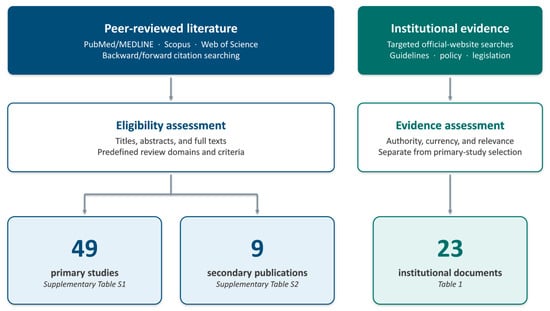
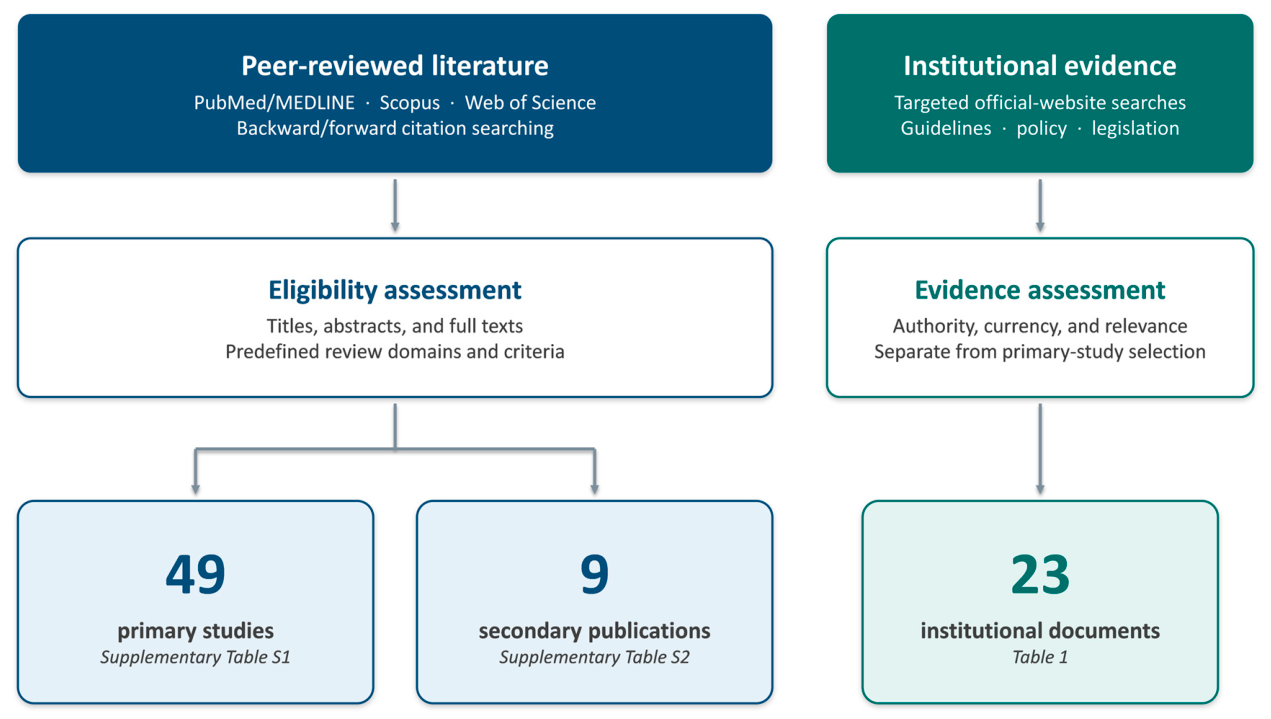
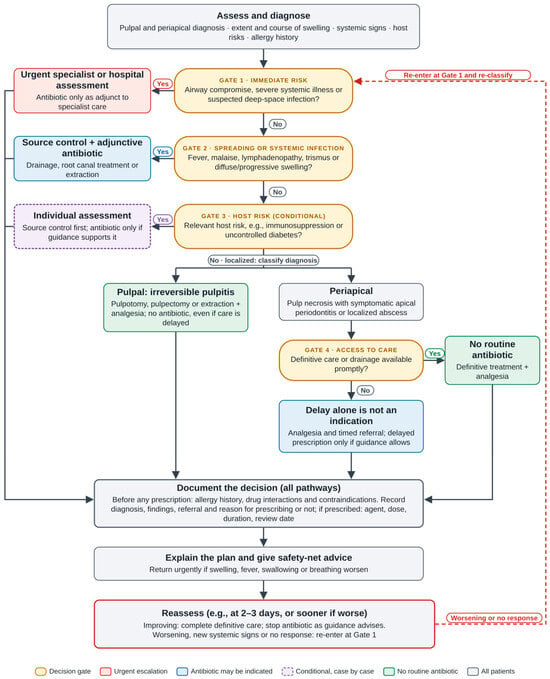
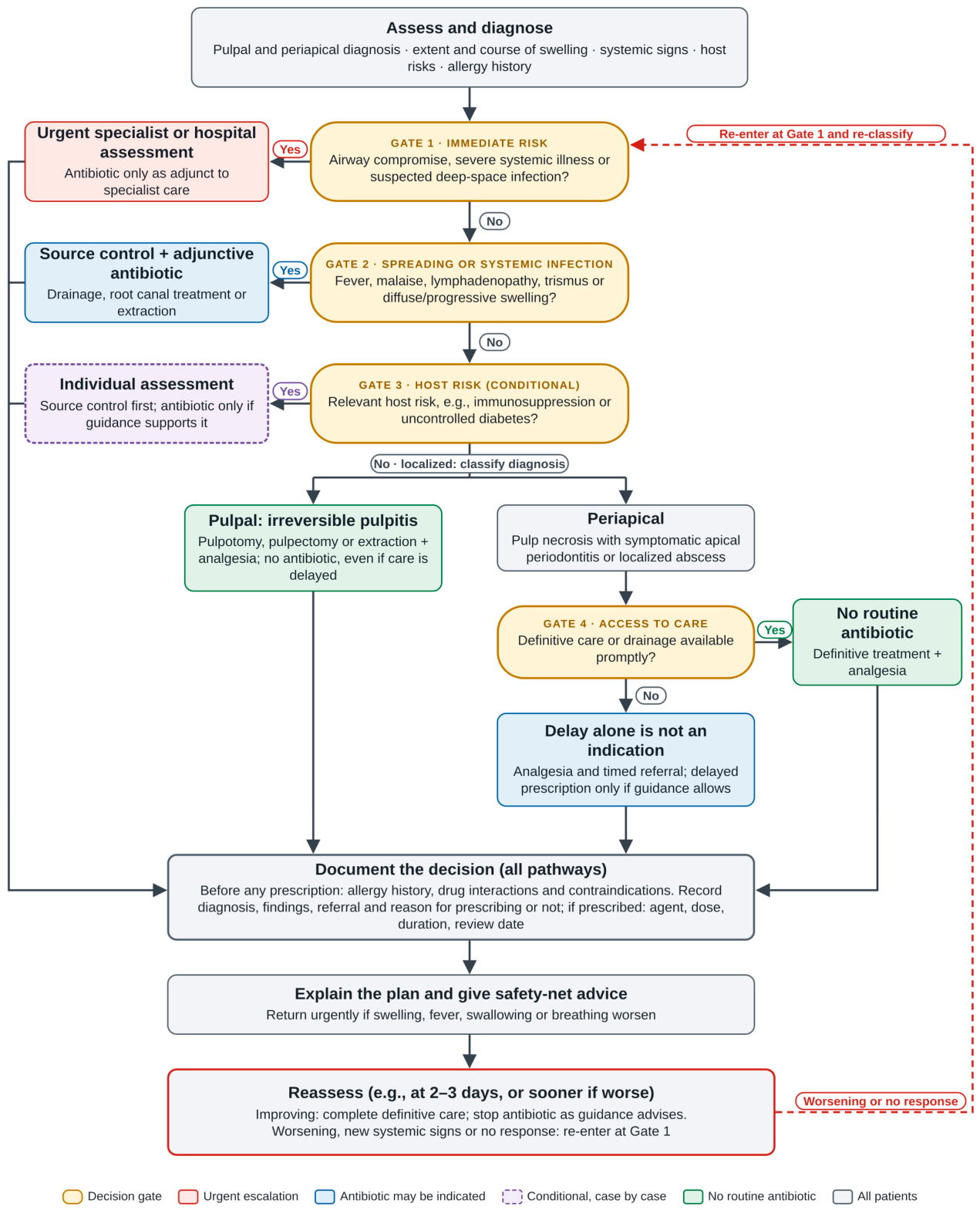

Disclaimer/Publisher’s Note: The statements, opinions and data contained in all publications are solely those of the individual author(s) and contributor(s) and not of MDPI and/or the editor(s). MDPI and/or the editor(s) disclaim responsibility for any injury to people or property resulting from any ideas, methods, instructions or products referred to in the content. |
© 2026 by the authors. Licensee MDPI, Basel, Switzerland. This article is an open access article distributed under the terms and conditions of the Creative Commons Attribution (CC BY) license.