


Abstract
Soil algae are important photoautotrophs, yet drivers of their diversity in peri-urban landscapes and across soil horizons remain poorly resolved. We used ITS2 metabarcoding to profile eukaryotic algal and fungal communities in 34 samples from Mexico City’s peri-urban conservation soils. Samples represented three Soil Systems: agricultural mineral soil, forest mineral soil, and forest litter, collected in two boroughs (Xochimilco and Tlalpan). We inferred amplicon sequence variants (ASVs), then alpha diversity and Bray–Curtis turnover were analyzed against edaphic and stoichiometric variables using random forests and PERMANOVA, and compared algal with fungal turnover. We recovered 662 algal ASVs spanning eight classes dominated by Trebouxiophyceae and Chlorophyceae. Litter was the richest and most distinct compartment with a high prevalence and abundance of lichen-associated taxa, whereas mineral soils were dominated by Chlorophyceae. Random forests ranked N/P ratio as the top predictor of both diversity indices. PERMANOVA indicated that the Soil System explained the largest single fraction of turnover. Algal and fungal turnover were positively correlated in mineral soils. Together, soil management practices, vertical compartmentalization and measured edaphic gradients were associated with community differences. These results point to potential algal management practices that could enhance peri-urban soil conservation and agroecological productivity.
1. Introduction
Soils represent one of the largest reservoirs of terrestrial organic carbon and play a central role in regulating atmospheric CO2 through the balance of carbon inputs and mineralization. Plant litter and root inputs dominate soil carbon fluxes. However, microbial photoautotrophs can provide an additional source of primary production at the soil–atmosphere interface, especially in surface microhabitats where intermittent light and moisture allow photosynthesis [1,2,3]. Soil microbial phototrophic communities are mainly composed of blue-green algae (phylum Cyanobacteriophyta), which are the core of soil phototrophs and are key nodes of the carbon and nitrogen cycle in soil, and eukaryotic algae, which include green algae (Chlorophyta and Klebsormidiophyceae within Streptophyta), diatoms (Bacillariophyta), yellow-green algae (Xantophyceae), and eustigmatophytes (Eustigmatophyceae) [4,5,6]. In soil ecosystems, eukaryotic microalgae contribute to soil formation and stability, influence nutrient cycling, and can affect microaggregate structure through the production of extracellular polymeric substances [7,8,9].
In terrestrial settings, algae occur across a continuum of habitats at the soil-air interface, including true edaphic communities within mineral soils as well as subaerial assemblages on litter surfaces, bark, rocks, and artificial substrata. Aeroterrestrial communities are typically dominated by coccoid and colony-forming life forms (e.g., sarcinoid packets, mucilage-embedded biofilms) that persist through recurring desiccation/rehydration cycles, high irradiance/UV, and pulsed nutrient availability [10,11]. Physiological reviews highlight that persistence in these habitats depends on rapid recovery after dehydration, photoprotective pigmentation and UV screening, and the production of extracellular matrices that buffer cells and can bind mineral particles-traits that also connect aeroterrestrial algae to soil aggregation and surface stabilization [8,9]. Soil algae present differential diversity responding to biotic and abiotic environmental variables including temperature, precipitation and vegetation, with agricultural land presenting specific diversity [4]. In aeroterrestrial ecosystems other than soil, subaerial eukaryotic algae can form biofilms that enable them to grow on surfaces such as tree bark and stone. Further, some algae can serve as photobionts in associations with fungi to form lichens [4,5,6].
Despite these functions, the biodiversity and biogeography of soil algae remain comparatively under-characterized relative to bacteria and fungi. This knowledge gap is partly methodological: terrestrial algae often exhibit strong morphological plasticity, cryptic diversity, and life cycles with resistant stages that complicate identification using microscopy alone [7,8]. Culture-based surveys have provided key insights into aeroterrestrial lineages and stress-tolerant taxa for over a century (e.g., Trebouxiophyceae and Chlorophyceae) [12,13], but they can underrepresent community composition in situ and miss uncultured diversity. Increasingly, environmental DNA metabarcoding has enabled higher-throughput inventories of microbial eukaryotes and can reveal fine-scale community turnover across environmental gradients [14].
A central dimension of soil heterogeneity is vertical compartmentalization. The litter layer differs from mineral soil in substrate chemistry, nutrient stoichiometry, moisture dynamics, and light penetration, and it can also receive direct “canopy-derived” inocula such as bark- and leaf-associated algae and lichen photobionts. Recent work suggests that litter and other organic substrates can harbor distinctive algal assemblages enriched in aeroterrestrial green algae [15,16]. Similarly, it has also been observed that aeroterrestrial algae present a vertical structure in desert crusts [17]. However, most terrestrial algal surveys have emphasized mineral topsoil or biocrust-like communities, leaving the litter compartment comparatively understudied, particularly in peri-urban systems. Similarly, the interactions between algae and fungi, one of the dominant groups of nutrient recyclers in soil, have been studied predominantly in the context of biocrust formation and biotechnological applications [18]. While it has been found that algae frequently co-occur and interact with fungi in terrestrial microhabitats, including lichenized and decomposer-associated settings [19,20], the dynamics between fungal and algal communities in peri-urban conservation soils remain understudied. The study of continental algae in Mexico has spanned almost two centuries producing over 4000 observations of eukaryotic taxa, with most of the research being produced from a reduced number of regions, such as Mexico City [21,22]. Mexico City (~2240 m a.s.l.) lies in the enclosed Valley of Mexico on Mexico’s central plateau and is administratively divided into 16 boroughs. The basin lies within the Trans-Mexican Volcanic Belt and the absence of a natural drainage outlet produces a heterogeneous soil hydrology. While in 2022 there were 807 registered taxa of eukaryotic algae in Mexico City, until now the vast majority of the work has focused on freshwater algae and interest on soil ecosystems has remained virtually absent in the literature [23].
Approximately 88,442 hectares in the Mexico City area have been designated as conservation soils and are managed through the “Altepetl” Program, which aims to promote conservation, agroecological production, and the preservation of biocultural heritage [24]. Peri-urban conservation soils in Mexico City comprise both conserved patches of temperate forests, grasslands, and wetlands, as well as traditional agroecosystems such as milpas and chinampas [25]. These landscapes are particularly relevant for understanding soil algal diversity because they concentrate sharp gradients in land use, disturbance, nutrient inputs, and microclimate over relatively short distances. Such mosaics can generate heterogeneous soil environments that may filter phototrophic microbial communities differently across land uses and soil compartments [26,27,28]. Yet, the extent to which land-use type versus local edaphic conditions structures algal diversity in these soils remains poorly resolved. Two contrasting boroughs in Mexico City arise as examples of this heterogeneity: Xochimilco and Tlalpan.
Xochimilco lies in the remnants of what was the southern shore of Lake Xochimilco, at the lowlands of the Valley of Mexico, and presents a canal system of around 170 km2. This borough is known for its remnant chinampas, artificial islands historically built to enable crop production in freshwater ecosystems since precolonial times, and has been recognized as UNESCO World Heritage since 1987 [29]. Chinampas are an example of ancestral agricultural technology which relies on directly accessible sediments to fertilize the soil and canals to rinse the crops, while also creating a hotspot of local biodiversity [30]. Tlalpan is the largest borough in Mexico City which includes both urbanized areas in its northern border and wooded mountain ranges from the Trans-Mexican Volcanic Belt in the south. While this borough hosts 83% of the conservation soil in this city, hosting both remnant forests and agroecological systems, it has been affected by illegal settlements and logging [31]. Conservation soils from these two boroughs, with contrasting environmental characteristics under agroecological and forest management regimes, represent a unique opportunity to assess algal diversity.
Here, we assessed the effect of land management and vertical compartmentalization on the diversity of eukaryotic soil algae across peri-urban conservation soils in Mexico City. To this end, we use ITS2 metabarcoding at the genotype level to characterize and explicitly compare forest mineral soil, agricultural mineral soil, and forest litter communities from two contrasting municipalities: Xochimilco and Tlalpan. Using taxonomic assignments supported by a curated, eukaryote-wide rRNA/ITS reference database, we quantify algal alpha diversity and beta diversity. We combine machine-learning predictor ranking with multivariate community analyses to identify environmental determinants of algal diversity and turnover across peri-urban soil systems. Finally, we assess cross-kingdom concordance between algal and fungal community turnover as a first step toward understanding multi-kingdom structuring processes in peri-urban soils.
2. Materials and Methods
2.1. Sampling, Sample Processing, and Data Acquisition
The sampling locations were distributed among peri-urban conservation soils in Mexico City (Figure 1A and Figure S1) from the Xochimilco and Tlalpan boroughs (municipalities) and collection occurred from 23 October through 28 November 2023. Soil samples were collected within a 2500 m2 plot at each site by combining 40 soil cores (5 cm diameter, 10 cm depth) into a single composite sample (~200 g). From this sample, 5 g were subsampled into three tubes containing 10 mL of RNAlater buffer and stored at 5 °C for subsequent DNA extraction. The remaining ~185 g were dehydrated in closed ziplock bags at 4 °C and used for physicochemical and enzymatic analyses. In sites corresponding to forest conservation regime, the litter layer was separated and processed independently from mineral soil each time. A total of 34 samples were recovered: 8 from agricultural management soils, 13 from forest management soils, and 13 from forest management litter; 21 from Tlalpan and 13 from Xochimilco.
Figure 1.
Sampling locations and selected explanatory variables. (A) Political map of Mexico City divided by municipalities showing the location of each sample. Forest samples were partitioned in litter and mineral soil during sampling. Although sample 60 was taken from a site in the La Magdalena Contreras borough, this site has been historically managed by a community located in Tlalpan. (B) PCA of samples indicating the loadings of selected variables after a redundancy analysis and additional variables selected for our study.
Climatic data (mean annual temperature and precipitation) for 1980–2009 were extracted from CONABIO bioclimatic layers [32,33]. Environmental and edaphic variables were obtained from the “Portal de Geoinformación” [34]. From CONABIO geospatial layers [34], we extracted land cover/vegetation, mean annual precipitation, mean annual temperature, and elevation (layer identifiers listed in Table S2). Data was query extracted from shape files with sample locations using the intersect function in Qgis v3.36 [35].
2.2. Soil and Litter Physicochemical Analyses
Moisture content was determined gravimetrically by oven-drying subsamples at 105 °C to constant mass. We measured pH and electrical conductivity (EC) in a 1:10 (w/v) slurry of fresh material (soil or litter) with deionized water using an Orion Versa Star Pro multiparameter meter (Thermo Scientific, Waltham, MA, USA) [36]. For in vitro carbon potential mineralization the samples were placed in PVC cylinders and capillary moistened to 60% of the field capacity. The cylinders were placed in airtight glass flasks with a capacity of 1 L and a vial with 10 mL of 1N NaOH. The samples were incubated in the dark at a constant temperature of 25 °C for 15 days. The CO2 captured in the NaOH traps was quantified by titration with HCl and reported as accumulated CO2 [37].
2.3. DNA Extraction, ITS Amplification and Sequencing
The environmental DNA was extracted with the PowerMax Soil DNA Isolation Kit according to manufacturer instructions (QIAGEN® N.V. Venlo, The Netherlands). During the DNA extraction step, we included a negative control consisting of a pooled RNAlater sample processed using the same extraction protocol as the soil samples to assess potential contamination associated with the preservation reagent. The PCR using the ITS primers ITS3 (GCATCGATGAAGAACGCAGC) and ITS4 (TCCTCCGCTTATTGATATGC) [38], together with library preparation and sequencing was performed at Macrogen® (Seoul, Republic of Korea) using the Illumina MiSeq 2 × 300 paired-end technology (Illumina®, San Diego, CA, USA). We used the ITS3 and ITS4 primers in order to explore the whole eukaryotic communities of these samples together with eukaryotic algae, which in spite of being designed for fungal diversity assessment, have been previously explored for eukaryotic algal assessment using the ITS2 molecular marker [39]. The amplified marker gene misses prokaryotic blue-green algae, a key component of soil algal communities, and all analyses in this work are referred to eukaryotic algae.
2.4. Bioinformatic Analyses
Raw FASTQ sequences were processed using the “UNOISE3 ASVs (zero-radius OTUs) workflow with vsearch for demultiplexed Illumina data” pipeline implemented in PipeCraft2 v1.1 [40]. Because ITS variants cannot be interpreted one-to-one as species, we treat amplicon sequence variants (ASVs) as operational genetic variants. We used ASVs to capture fine-scale turnover and to avoid arbitrary clustering cutoffs that are sensitive to lineage-specific substitution rates [41,42]. Sequence quality was initially assessed with FastQC v0.12 (https://github.com/s-andrews/fastqc, accessed on 19 November 2025) and summarized using MultiQC v1.0 (Table S1) [43]. Primer sequences were removed and paired-end reads were merged using a minimum overlap of 12 bp and a minimum merged length of 32 bp. Quality filtering was applied using the same minimum length threshold (32 bp). Zero-radius OTUs, hereby referred to as amplicon sequence variants (ASVs), were inferred using the UNOISE3 algorithm [44] with the minsize parameter set to 8, which also included chimera removal. To reduce potential tag-jump artifacts, ASV tables were curated using a tag-jump filtering threshold of f = 0.03. We discarded each ASV that was present in the negative control to remove potential contamination that originated during sample processing and sequencing. Taxonomic annotation of ASV was performed using the SINTAX classifier [45] against the Eukaryome full ITS2 reference database v2 [46], applying a confidence cutoff of 0.8 [47]. Later, ASVs were renamed according to their lowest resolved taxonomic rank followed by a numerical epithet for distinguishing identical classifications. We used underscores to highlight the interpretation of these names as codes, as opposed to taxon names. For example: the first ASV classified as Trebouxia (Chlorophyta) has the code Trebouxia_0001. Unclassified ranks in the taxonomy table were denoted with a “.U” suffix appended to the last confidently assigned taxonomic level. Annotated fungal genera were functionally classified using the FungalTraits database [48], which was used to assign ecological traits such as primary lifestyle categories. All ASVs annotated to the Chrysophyceae, Mediophyceae, Euglenophyceae, Pedinophyceae, Bacillariophyceae, Synchromophyceae, Ulvophyceae, Chlorophyceae, and Trebouxiophyceae classes were extracted from the data and used to build an algae-specific dataset composed of an ASV by sample count table and a taxonomic classification table. We discarded 1 sample from forest litter from Xochimilco that included no algal sequences for further analyses. Additionally, ASV classified within the kingdom Fungi were extracted to generate a fungal abundance matrix used to characterize fungal community composition based on their primary lifestyles.
Sequences assigned to Vulcanochloris (Chlorophyta) were further analyzed to confirm their correct identification, as their presence in the area was unexpected. New sequences and all available records of the ITS molecular marker in GenBank of Vulcanochloris were aligned with MAFFT 7.490 [49] and manually corrected. The outgroup was selected following Vančurová et al. [50]. A maximum likelihood (ML) analysis with 550 bootstrapping replicates and the GTR GAMMA model was performed using RAxML v. 8.2.11 [51] in Geneious Prime 2026.0.2. To test if sequences assigned to Trebouxia or Trebouxiaceae correspond to species previously associated with lichens, we incorporated their new sequences into the global phylogeny proposed by Muggia et al. [52].
2.5. Statistical Analyses
To identify environmental determinants of soil algal diversity and community turnover, we used a multi-step workflow. First, we screened predictors to reduce redundancy. Second, we ranked predictors of alpha diversity using Boruta followed by random forest regression, allowing for non-linear responses. Third, we evaluated community turnover using PERMANOVA, ASV-environment correlations, Mantel correlograms, and algal-fungal concordance. Machine-learning results are interpreted primarily as predictive importance, and subsequent analyses serve as robustness checks and complementary inference on community composition.
2.6. Study Design and Categorical Predictors
In agricultural systems, surface litter is typically removed or does not accumulate as part of routine management practices. As a result, the litter compartment is effectively absent in these systems, whereas it remains a prominent feature in forest soils. To capture this ecologically meaningful contrast, we defined a composite variable (“Soil System”) integrating both management (forest vs. agricultural) and vertical compartment (mineral soil vs. litter).
2.7. Predictor Screening and Retention
We screened 20 candidate variables (Table S2) to reduce redundancy. Categorical predictors were one-hot encoded (OneHotEncoder; Python scikit-learn v1.6.1) [53], and all predictors were standardized (StandardScaler). We then ran a PCA and calculated each variable’s loading distance from the origin. Variables above the 0.8 quantile of loading distance were retained and further screened using a Spearman correlation matrix. For pairs with |ρ| ≥ 0.9, we retained the variable with the larger loading distance. This filtering retained seven variables (mean annual temperature, total carbon (TC), C/N, C/P, N/P, Soil System, and Municipality). We then added altitude, moisture, and pH a priori because they are known to influence algal communities and are central to our study design. This yielded ten explanatory variables in total (Figure 1B).
2.8. Alpha-Diversity Estimation
To estimate the diversity between samples, we used the iNEXT v3.0 [54,55] R package v4.4.3 [56]. We estimated sample coverage using iNEXT and calculated Hill numbers [57] for q = 0 (richness), q = 1 (Hill–Shannon; exp[Shannon]), and q = 2 (Hill–Simpson; 1/Simpson) [54,58]. Coverage and diversity were visualized with ggiNEXT. We selected Hill–Shannon for our analyses to take into account ASVs with low frequency and further minimize the effects of differences in sampling efforts and Hill–Simpson to evaluate the effective sample size driven by dominant ASVs [59].
2.9. Alpha-Diversity Drivers: Two-Step Machine Learning
To further identify environmental drivers of soil algal diversity (i.e., Hill–Shannon and Hill–Simpson), we employed a two-step machine learning approach. First, we performed all-relevant feature selection using the Boruta algorithm [60], which iteratively compares the importance of filtered variables against randomized shadow attributes to identify features with statistically significant contributions to model performance. We implemented Boruta with 100 iterations using the R package ‘Boruta’ v9.0.0 (maxRuns = 100, p-value threshold = 0.01). Variables confirmed as important by Boruta were subsequently used to construct a random forest regression model [61] with 1000 trees (ntree = 1000) using the ‘randomForest’ package v4.7-1.1 [62]. Model performance was assessed using out-of-bag (OOB) error estimates, with variable importance quantified through percent increase in mean squared error (%IncMSE) upon variable permutation. The number of variables randomly sampled at each split (mtry) was optimized using 10-fold cross-validation. This two-step approach was used to prioritize candidate drivers of alpha diversity under potential non-linear responses as a predictor ranking and exploration step, taking into account that a small sample size could inflate model performance [63]. Inference about community-level effects and broader robustness was addressed with PERMANOVA, correlation, and spatial/cross-kingdom analyses described below.
2.10. Random-Forest Validation and Confounding Diagnostics
It has been shown that variable importance can be biased under correlated predictors and mixed variable types [61,64]. Similarly, model importance can be inflated depending on sample size, even with a sample size of 1000 [63]. For these reasons, our random forest analyses should be considered exploratory. We used three diagnostics to assess whether carbon/stoichiometry variables mainly proxy Soil System rather than adding independent predictive information.
- (1)
- Soil System-predictor association: for TC and each stoichiometric ratio (C/N, C/P, N/P), we fitted one-way linear models on log1p-transformed predictors and reported R2 (η2).
- (2)
- Model comparison: for each diversity response, we compared RF models using Soil System-only, stoichiometry-only, and combined predictors to test whether stoichiometry improves prediction beyond Soil System.
- (3)
- Permutation importance: using repeated v-fold cross-validation stratified by Soil System (5 folds, 50 repeats), we calculated ΔRMSE after permuting each predictor globally and (for continuous predictors) within Soil System. Importance was summarized as mean ΔRMSE with empirical 2.5–97.5% quantiles.
2.11. Community Turnover and Environmental Effects
To quantify the explanatory power of each retained sample variable on the community composition at the ASV level, we used a permutational multivariate analysis of variance (PERMANOVA) [65]. We calculated the Bray–Curtis dissimilarity matrix using the ASV count table and then executed the adonis2 function for the vegan v2.7 library [66] in R using model formula including main effects and the Soil System*Municipality interaction using 1000 permutations. We used betadisper (vegan) to test homogeneity of multivariate dispersions; p-values > 0.05 indicated no evidence that PERMANOVA results were driven by dispersion differences.
2.12. ASV-Level Environmental Correlations
We also assessed the relationship between environmental variables and algal ASV abundance through a correlation analysis. We calculated the Spearman correlation coefficients between ASV abundances and environmental numeric variables from the previously selected set using the “spearmanr” function in Scipy and adjusting p-values using the “multipletests” function from the statsmodels v0.14 python module [67]. p-values smaller than 0.05 were considered statistically significant.
2.13. Spatial Structure
To assess spatial patterns in soil algal community composition, we performed Mantel correlogram analysis examining the correlation between community dissimilarity and geographic distance using Spearman’s ⍴ correlation coefficient. Community dissimilarity matrices were calculated from ASV count tables using the Bray–Curtis index implemented in SciPy v1.16 [68]. Geographic distances between sampling sites were computed using the geodesic distance formula (WGS84 ellipsoid) via the GeoPy library v2.4 (https://github.com/geopy/geopy accessed on 20 November 2025).
2.14. Cross-Kingdom Concordance and Co-Occurrence
We also analyzed the relationship between algal and fungal beta diversity between soil samples. To that end, we calculated a Bray–Curtis dissimilarity matrix from the fungal ASV count table and performed Mantel tests using Spearman’s rank correlation coefficient using the algal Bray–Curtis including mineral (Agricultural Soil and Forest Soil) layers. To visualize the spatial concordance between algal and fungal community structures, we performed a Procrustes superimposition analysis on the NMDS ordination coordinates. The fungal ordination configuration was rotated, scaled, and translated to minimize the sum of squared differences (disparity, D) relative to the algal ordination (target configuration). The resulting Procrustes residuals, representing the vector distance between matched samples, were plotted to assess the goodness-of-fit for individual sites. The analysis was implemented in Python using the “procrustes” function from the “scipy.spatial” module. p-values smaller than 0.05 were considered statistically significant.
To find inter kingdom co-occurrence patterns, we also calculated Spearman correlation coefficients between the abundances of algal and fungal ASVs using the “spearmanr” function in Scipy, adjusting p-values with the “multipletests” function in python. We only considered those pairs in which both partners were found together in at least 3 samples. Finally, we built a graph using the correlation data and calculated degree centrality, betweenness centrality, and closeness centrality metrics by ASV using the networkx v3.5 python module [69].
3. Results
3.1. Eukaryotic Algal Diversity
The processing of 34 samples from peri-urban soils of Mexico City resulted in a total of 2,349,581 sequences collapsed into 23,034 ASVs (Table S3) spanning 20 eukaryotic kingdom-level groups. Sampling was found to be near-complete with an estimated mean coverage value of 0.99 (Figure S2). After extracting 662 ASVs classified into algal classes, 33 samples presented a near-complete sample coverage estimation with a minimum of 0.89 and average of 0.97 (Figure S3) representing a total of 36,751 reads assigned to algal classes (Table S4). We found 8 eukaryotic algal classes being represented in these soils, with the most abundant being Trebouxiophyceae (number of sequences = 28,264), Chlorophyceae (n = 7217), and Ulvophyceae (n = 832, Figure S4A). These classes also showed the largest richness, measured as the number of different ASVs, with 425 ASVs for Trebouxiophyceae, 180 for Chlorophyceae, and 26 for Ulvophyceae (Figure S4B).
Microalgal diversity varied significantly among soil systems (Figure 2) with exclusivity at the ASV level reflecting a combination of lineage turnover and within-lineage environmental filtering. Forest Litter samples presented the largest richness within Trebouxiophyceae (n = 396), with Trebouxiophyceae incertae sedis (n = 170), Prasiolales (n = 95) and Trebouxiales (n = 83) as the predominant orders (Figure 2A). Forest soils showed high Chlorophyceae richness (n = 64) and Trebouxiophyceae (n = 63), with Chlamydomonadales being the most diverse order with 48 ASVs (Figure 2B). Agricultural soils presented the largest richness of Chlorophyceae (n = 97), with a large richness for Chlamydomonadales and Sphaeropleales with 57 and 33 ASVs, respectively (Figure 2C). The Venn diagram analysis revealed that Forest Litter samples harbored the highest richness (491 total ASVs), with 398 ASVs (81% of litter ASVs) found exclusively in this system (Figure 2D). In contrast, Forest and Agricultural Soils contained lower richness (150 and 147, respectively), with 51 and 99 unique ASVs each. Only 12 ASVs were shared among all three systems, representing a small shared community. Taken together, the large pools of ASVs that are unique to agricultural vs. forest mineral soils (99 vs. 51 unique ASVs, respectively) indicate that management acts as a primary filter on the mineral-soil algal genotype pool. Within forest management, the litter horizon adds a second, strongly distinct assemblage (81% unique ASVs), consistent with an additional vertical-compartment filter.
Figure 2.
Taxonomic composition by Soil System and shared ASVs. (A–C) Pie charts showing the proportion of ASVs classified for each algal taxonomic group per land-use system. Slices are colored by the taxonomic classification at the class level. The inner ring shows the classification at the order level and the outer ring shows the classification at the family level. The gray slices correspond to classes with abundance < 5%. Unclassified and taxa with abundance < 5% are unlabeled. (D) Venn diagram showing the shared and unique ASVs across systems.
The algae community was largely structured by land-use Soil System, with distinct overall-shared, shared, and unique components (Table S5). The overall-shared community comprised 12 ASVs present across all systems, dominated by Chlorophyceae including taxa such as Chromochloris zofingiensis, Parietochloris, and Chlamydomonas (for example ASV Chromochloris_zofingiensis_0001, and ASV Parietochloris_0001), with highest abundances typically observed in agricultural soils. System-specific ASVs revealed pronounced habitat specialization. Agricultural Soils harbored unique Chlorophyceae including the highly abundant Coelastrella vacuolata (ASV: Coelastrella_vacuolata_0002) and Bracteamorpha trainorii (ASV: Bracteamorpha_trainorii_0003). Forest Soil-specific ASVs included Desmochloris (ASV: Desmochloris_0002) and notably the diatom Stephanocyclus (ASV: Stephanocyclus_0004). Forest Litter samples exhibited a taxonomically distinct community dominated by Trebouxiophyceae, with Trebouxiophyceae incertae sedis (ASV: Trebouxiophyceae_fam_incertae_sedis_0001; 99.46% identity to Apatococcus sp. S2MWC-02) representing one of the most abundant (756) and prevalent (0.3) ASV in the study, alongside the lichen-associated genus Trebouxia and the mostly free-living genus Apatococcus. Pairwise intersections further differentiated habitat associations. The Forest Soil-Litter intersection was characterized by Trebouxiophyceae such as Elliptochloris spp., Pseudochlorella and Trebouxia (ASV: Pseudochlorella_0001, ASV; Trebouxia_0004), suggesting canopy-derived inputs to both substrates. The Agricultural Soil–Forest Litter intersection included Chlorophyceae such as Spongiochloris spp. and Bracteacoccus (ASV: Bracteacoccus_0009), with abundances concentrated in agricultural soils. The Agricultural Soil–Forest Soil intersection comprised exclusively mineral soil-associated Chlorophyceae such as Chlorosarcinopsis and Bracteamorpha (ASVs Chlorosarcinopsis_0002 and Bracteamorpha_trainorii_0001), completely absent from litter, highlighting the distinction between mineral soil and organic substrate communities.
Algal ASV richness varied geographically, with the Tlalpan borough exhibiting substantially higher (1.8×) overall diversity compared to Xochimilco (Figure 3). In Xochimilco (total 264 ASVs), richness was relatively balanced between the classes Chlorophyceae (n = 116) and Trebouxiophyceae (n = 115), with notable but smaller contributions from Synchromophyceae (n = 14) and Ulvophyceae (n = 14; Figure 3A). Conversely, Tlalpan’s algal community (total 496 ASVs) was heavily dominated by Trebouxiophyceae (n = 361), presenting a comparatively lower richness of Chlorophyceae (n = 102) (Figure 3B). A qualitative analysis of community overlap revealed that the two boroughs shared 98 ASVs (Figure 3C; Table S6). The overall-shared community was dominated by Trebouxiophyceae incertae sedis (ASV: Trebouxiophyceae_fam._incertae_sedis_0001; prevalence = 0.30, total abundance = 756), alongside Parietochloris (ASV: Parietochloris_0001; prevalence = 0.30, abundance = 97) and Heterochlamydomonas (ASV: Heterochlamydomonas_0001 prevalence = 0.27, abundance = 83). The remaining unshared diversity highlighted distinct local signatures. Unique ASVs in Xochimilco were characterized by Trebouxiaceae (ASV: Trebouxiaceae_0005; prevalence = 0.25, abundance = 25), Chlamydomonadales (ASV: Chlamydomonadales_0003; prevalence = 0.16, abundance = 375), and Enallax (Enallax_0002; prevalence = 0.16, abundance = 87). In contrast, the extensive pool of exclusive ASVs in Tlalpan was typified by subaerial and soil-associated genera, including Chlamydomonas (ASV: Chlamydomonas_0001; prevalence = 0.47, abundance = 161), Apatococcus (ASV: Apatococcus_0001; prevalence = 0.33, abundance = 126), and Elliptochloris (ASV: Elliptochloris_0004; prevalence = 0.33, abundance = 58). These differences highlight an additional municipality-scale filter that acts within land-use regimes and soil compartments, superimposed on the broader management-associated and vertical-compartment structuring of algal communities.
Figure 3.
Taxonomic composition by Municipality (borough) and shared ASVs. (A,B) Pie charts showing the proportion of ASVs classified for each algal taxonomic group per Municipality. Slices are colored by the taxonomic classification at the class level. The inner ring shows the classification at the order level and the outer ring shows the classification at the family level. The gray slices correspond to classes with abundance < 5%. Unclassified and taxa with abundance < 5% are unlabeled. (C) Venn diagram showing the shared and unique ASVs across Municipalities.
A qualitative intersection analysis across municipalities and Soil Systems identified only one ASV (Sphaeropleales) shared across all municipality-system combinations (Table S7). The forest litter system had the largest cross-municipality overlap (37 shared ASVs; Table S7), but it also showed strong municipality specificity. Xochimilco contained 65 litter-exclusive ASVs, dominated by Elliptochloris (ASV: Elliptochloris_0010; prevalence = 0.06; total abundance = 75). Tlalpan contained 286 litter-exclusive ASVs, dominated by Apatococcus (ASV: Apatococcus_0001; prevalence = 0.21; total abundance = 126). In forest mineral soils, municipalities shared only one ASV classified within Chlamydomonadales (ASV: Chlamydomonadales_0080). Each municipality nevertheless harbored 25 unique ASVs. In Tlalpan, one classified within Chlamydomonadales (ASV: Chlamydomonadales_0033) and Lobosphaera (ASV: Lobosphaera_0005) were among the most prevalent unique ASVs (prevalence = 0.06). In Xochimilco, another ASV classified within Chlamydomonadales (ASV: Chlamydomonadales_0003) and Desmochloris (ASV: Desmochloris_0002) were among the most prevalent (0.06) and abundant (total abundance = 375 and 107, respectively). In agricultural mineral soils, six ASVs were shared between municipalities, with Bracteacoccus (ASV: Bracteacoccus_0008) and Coelastrella vacuolata (ASV: Coelastrella_vacuolata_0002) showing the highest prevalence (0.12). Municipality-specific ASVs remained common (63 exclusive to Xochimilco, dominated by Enallax (ASV: Enallax_0002); 30 exclusive to Tlalpan, dominated by Bracteamorpha trainorii (ASV: Bracteamorpha_trainorii_0003) with prevalence = 0.09). Overall, the extremely small overall-shared (one shared ASV) together with large municipality- and compartment-specific ASV pools might indicate both pronounced community turnover across the peri-urban mosaic and genotype-specific environmental preferences, most strongly expressed in the litter horizon.
Hierarchical clustering of samples based on algal community composition at the family level revealed distinct groupings associated with land-use system, taxonomic composition, and main environmental variables (Figure 4). The dendrogram identified 9 major clusters (Cluster I–IX). Clusters II and III; samples X53, X51, X60, X61, X49, X54) composed a larger cluster and were formed by litter samples presenting relatively high diversity (Hill–Shannon mean = 33.63) and relatively high moisture content (mean = 13.51%), dominated by Trebouxiophyceae fam. incertae sedis (mean relative abundance = 0.3) and Trebouxiaceae (mean relative abundance = 0.2). Cluster IV (samples X48, X39, X46) comprised exclusively Tlalpan Forest Litter samples characterized by high relative abundances of Trebouxiophyceae fam. incertae sedis (mean relative abundance = 0.3) and Prasiolaceae (mean relative abundance = 0.29), elevated Hill–Simpson diversity values (mean = 33.27), and slightly acidic pH (mean pH = 5.30). A large cluster of forest samples (Cluster IX; B39, B49, B46, B48, B52, B53), mainly from Tlalpan, showed communities dominated by Chlamydomonadaceae (mean relative abundance = 0.43) and unclassified Chlamydomonadales (mean relative abundance = 0.2), with low Hill–Shannon diversity (mean = 11.06) and acidic pH (mean = 4.94). Agricultural samples showed distinct composition from forest samples, with Scenedesmaceae more prevalent in agricultural systems (mean relative abundance Δ = 0.16) and Chlamydomonadaceae characteristic of Forest Soils (mean relative abundance Δ = 0.06), consistent with management-level filtering within mineral soils. Overall, litter samples clustered almost exclusively separately from mineral soils and were distinguished by Trebouxiophyceae dominance, high diversity, pH, and moisture. The abundance of certain algal families varied with altitude within specific soil systems; for example, Scenedesmaceae and Bracteamorphaceae increased proportionally with altitude in Agricultural Soils from Xochimilco (Figure S5). These results indicate differential sensitiveness of environmental conditions for some algal taxa that ultimately shape soil communities.
Figure 4.
Community composition and diversity across samples. Complete linkage clustering from the Bray–Curtis dissimilarity matrix generated from the count table of each family across sites. Sample clusters were defined at 0.7 times the maximum dendrogram cophenetic distance value (dashed line) and are indicated using Roman numerals. Stacked bars show the relative frequency of eukaryotic algal families for each sample. Trebouxiophyceae.fam.: Trebouxiophyceae family incertae sedis; Trebouxiophyceae.ord.: Trebouxiophyceae order incertae sedis.
Hierarchical clustering of community composition at the genus level for the most abundant genera (proportion ≥ 0.01) revealed a distinct separation of sample sites into two primary clusters (Figure 5). This separation was largely driven by the Soil System variable, with a clear divergence between Forest Litter samples and mineral soil-based systems (agricultural and forest). Cluster I (Soil-Associated Systems), the upper clade of the dendrogram, was dominated by agricultural and forest soil samples. These communities were characterized by a higher relative abundance of taxa belonging to the order Chlamydomonadales, specifically Chlamydomonas (mean proportion = 0.16) and Coelastrella (mean = 0.06) which were enriched in Xochimilco. Cluster II (Litter-Associated Systems), the lower clade consisted almost exclusively of Litter samples, primarily from the Tlalpan borough. This cluster was defined by a distinct taxonomic signature dominated by genera of the class Trebouxiophyceae, including Pseudochlorella, Apatococcus, Elliptochloris, and Trebouxia (means = 0.11, 0.1, 0.09, 0.07 respectively). The heatmap indicates a strong exclusion pattern, where these taxa were notably abundant in Litter samples but scarce or absent in the Agricultural/Forest Soil cluster. Although the dominant split at the genus level separates litter from mineral soils, the mineral-soil cluster still shows management-associated compositional differences at finer taxonomic resolution (e.g., Scenedesmaceae vs. Chlamydomonadaceae in Figure 4), consistent with management acting as the first filter within the mineral horizon.
Figure 5.
Most abundant eukaryotic algal genera in peri-urban soils. Heatmap showing the relative abundance (Log10(abundance %)) of the most abundant algal genera (relative abundance > 0.01). Rows (samples) and columns (alga genera) are each ordered according to a complete linkage clustering from the Bray–Curtis dissimilarity matrix generated from the count table of genera across sites. Trebouxiophyceae.fam.: Trebouxiophyceae family incertae sedis; Trebouxiophyceae.ord.: Trebouxiophyceae order incertae sedis.
3.2. Drivers of Algal Diversity and Community Composition
We utilized Random Forest analysis to identify the primary environmental drivers of algal alpha diversity, measured as Hill–Shannon (emphasizing richness and evenness) and Hill–Simpson (emphasizing dominance) indices (Figure S6). The model identified N/P ratio, Total Carbon (TC), Soil System (management and compartment), C/P ratio, and C/N ratio as the most significant predictors (Table 1, Figure 6A). For the Hill–Shannon index, the N/P ratio was the strongest predictor, showing the highest increase in mean squared error (%IncMSE = 11.34), followed by Soil System (11.03) and TC (10.43). In terms of node purity (IncNodePurity), stoichiometric variables ranked highest, with N/P ratio (1474.89) TC (1467.72), and C/P ratio (1271.04) surpassing the Soil System (865.74). Similarly, for the Hill–Simpson index, which is more sensitive to dominant ASVs, the N/P ratio was the most influential predictor (%IncMSE = 12.95), followed by TC (12.10) and Soil System (10.32). While most variables were found nested within the Soil System variable, when evaluating between-system separation, N/P ratio showed high global permutation importance and retained within-system importance (Table S8), suggesting that stoichiometry modulates diversity even after accounting for Soil System. A similar trend was observed for node purity, where N/P ratio (657.76), TC (639.02), and C/P ratio (579.75) showed the highest values. It is important to point out that the random forest analysis ranks variables by predictive utility and does not imply causation. Only two ASVs showed significant correlations with the environmental variables (⍴ > 0.6, adjusted p < 0.05; Figure S7): Trebouxiophyceae incertae sedis (ASV: Trebouxiophyceae_fam_incertae_sedis_0001) and Apatococcus (ASV: Apatococcus_0001). Both were positively correlated with TC, C/N, and C/P. Trebouxiophyceae incertae sedis (ASV: Trebouxiophyceae_fam_incertae_sedis_0001) was additionally positively correlated with N/P. These results suggest a functional divergence in diversity drivers: while nutrient stoichiometry (particularly N/P and C) acts as a primary filter for community establishment and overall diversity, the Soil System appears to exert a relatively stronger control over richness and evenness specifically.
Table 1.
Importance of random forest models using variables selected by Boruta.
Figure 6.
Environmental variables shaping algal diversity. (A) Distribution of Hill numbers Hill–Shannon (q = 1) and Hill–Simpson (q = 2) diversity values across nutrient concentrations. (B) NMDS biplot from the Bray–Curtis dissimilarity matrix generated from the ASV count table across sites. TC: Total carbon.
A PERMANOVA on Bray–Curtis dissimilarities, using the filtered environmental variables, identified Soil System (agricultural mineral vs. forest mineral vs. forest litter) as the single strongest driver of algal community structure, explaining 10% of the total variation (R2 = 0.10, F2,19 = 1.80; Table 2). Further, the interaction of the Soil System and Municipality variables produced the second largest and significant determination coefficient (R2 = 0.07) indicating an important combined effect of management and substrate regulating community turnover. Edaphic and physical factors also acted as significant environmental filters, with pH, moisture, N/P ratio, and TC each explaining approximately 4% of the variance. Conversely, other nutrient stoichiometry ratios (C/P and C/N), municipality, and mean annual temperature were not statistically significant predictors of community turnover. The model left a substantial portion of variation unexplained (Residual R2 = 0.52), indicating high heterogeneity within the samples that is not captured by the measured environmental gradients. Soil system explained a larger fraction of variance than municipality alone (R2 = 0.10 vs. 0.03) but overall explanatory power was modest and high residual variance indicates substantial within-system heterogeneity (Figure 6B). While pH and moisture are statistically significant drivers, their relatively low individual explanatory power (R2~0.04) compared to the high residual variance suggests that community assembly is likely driven by unmeasured micro-scale heterogeneity or stochastic processes typical of patch-dynamic soil environments. When restricting the analysis to mineral soils only, management (forest vs. agroecological agriculture) remained a significant predictor of turnover (PERMANOVA: R2 = 0.07, F1,9 = 1.52, p = 0.022; Table S9), supporting management as the primary filter within the mineral horizon.
Table 2.
Explained variance of physicochemical variables on Bray–Curtis dissimilarity.
To assess the influence of geographical distance on community similarity, we performed Mantel tests based on Spearman’s rank correlation. Soil communities (Agricultural Soil vs. Forest Soil) exhibited a significant, but weak, distance-decay relationship (⍴ = 0.23, p < 0.05). This significance suggests a weak distance-decay pattern consistent with some spatial structuring in mineral soils.
Finally, we evaluated the cross-kingdom concordance between algal and fungal community turnover (beta diversity) using Spearman’s rank correlations and Procrustes analyses. We observed statistically significant positive correlations (p < 0.05) in mineral soils (⍴ = 0.55), while the high Procrustes disparity (D = 0.97) suggests limited overall alignment in ordination space. Functional profiles of fungal communities revealed that the presence of lichenized fungi was rare and communities were dominated by ectomycorrhizal fungi, saprotrophs, and plant pathogens (Figure S9). Cross-kingdom co-abundance revealed 615 significantly correlated pairs with ⍴ ≥ 0.99 (Table S10) and subsequent network analyses identified four algal ASVs acting as core structural nodes across both Forest and Agricultural Soil communities: Chlamydomonadaceae (ASV: Chlamydomonadaceae_0001), Chlamydomyxales (ASV: Chlamydomyxales_0002), Pedinomonas (ASV: Pedinomonas_0001), and Protosiphonaceae (ASV: Protosiphonaceae_0003). These ASVs exhibited the highest network connectivity, each demonstrating high degree (0.09) and closeness (0.09) centralities (Table S11). Furthermore, the network resolved distinct correlated pairs involving established lichen-associated genera, most notably Trebouxia, Apatococcus, and Elliptochloris associated frequently with fungal genera categorized as saprotrophs such as Genolevuria, Massariosphaeria, and Teunia. Collectively, these results suggest a vertical stratification in assembly processes: while the litter layer recruits a transient, dispersal-dominated community, the mineral soil acts as a stabilizing filter, favoring the establishment of spatially structured, resident algal assemblages.
3.3. Contributions of Forest Litter to Lichen Associated Algae
Forest Litter samples exhibited abundant members of Trebouxiaceae, the most common algal family associated with lichens, representing up to 5.59% of algal sequences (Trebouxiaceae n = 1675). However, lichenized fungi, the dominant member in terms of biomass within the lichen symbiosis, represented 0.93% of sequences (n = 1081) in those same litter samples. To further test if the algae present in litter samples were known lichen photobionts, we did a more focused analysis on two genera Vulcanochloris and Trebouxia.
Sequences assigned to the genus Vulcanochloris represent eight different ASVs distributed across four litter samples throughout Tlalpan and associated with grasslands, pine forest and oak forest. A phylogenetic analysis (Figure S10) confirmed their placement in the genus and resolved the eight ASVs as the single species Vulcanochloris canariensis. This mapping of multiple ASVs to a single phylogenetically supported species underscores that ITS2-ASV richness can represent within-species or intragenomic sequence variation in addition to species richness. This represents a new record at the genus and species level to North America. The species V. canariensis is a known lichen photobiont; however, none of the lichenized fungi previously associated with it were present in any of our samples across the study. Fungal genera associated with Vulcanochloris in our correlation analysis included litter saprotrophs such as Dinemasporium, Rhexodenticula, and Pseudodactylaria.
Sequences assigned to Trebouxia and Trebouxiaceae represent 71 ASVs, a phylogenetic analysis (Figure S11) resolved 70 of them as members of Trebouxia across 21 putative species. Eleven of them match phylogenetic species concepts sensu Muggia et al. (2020) [52] that are associated with lichenized fungi and 10 represent new lineages. Interestingly, none of the Trebouxia/Trebouxiaceae sequences were associated with lichenized fungi in the cross-kingdom co-abundance correlation analysis nor in the network correlation analysis. Fungal genera associated with Trebouxia in our correlation analysis included wood saprotrophs such as Allophaeosphaeria, Massariosphaeria, and Orbilia, and plant pathogens such as Massarina, Strelitziana, and Taphrina.
4. Discussion
Multiple genetic markers have been applied to survey phototrophic diversity in soils and other aeroterrestrial habitats, with plastid markers such as 23S rDNA, rbcL and tufA providing broad coverage across algae and cyanobacteria [70], and nuclear rDNA regions (18S/28S) capturing algae within broader microeukaryote assemblages [71]. ITS markers, by contrast, were developed primarily for fungi and are widely used for fungal metabarcoding [38,42], but can also recover eukaryotic algal lineages in mixed soil communities [39]. We used ITS2 to enable cross-kingdom comparisons with fungi and to leverage the extensive ITS reference content in Eukaryome [46], while acknowledging key limitations: ITS3/ITS4 primer design and reference bias may under-represent parts of algal diversity, and ITS does not capture cyanobacteria (a major component of the broader “soil algal” fraction) or many diatom lineages as effectively as plastid or diatom-targeted markers. Consistent with multi-marker comparisons showing limited overlap at lower taxonomic ranks between universal and lineage-targeted markers [72], our inferences should be interpreted as describing the eukaryotic algal component detectable with ITS2. Future work combining ITS with plastid (23S/rbcL/tufA) and 18S/28S markers, and microscopy-based validation, would refine inference about habitat specialization, dispersal, and functional roles across peri-urban soil compartments.
To clarify terminology and better align with classic and modern syntheses, we recommend using “aeroterrestrial algae” as an umbrella term (with “soil algae” reserved for edaphic communities), because hydration and exposure regimes impose strong microhabitat filtering across subaerial surfaces, litter, and soil [6,73]. Within this framing, our ITS2 survey supports a hierarchical filtering model: land-use management (forest vs. agroecological agriculture) differentiates mineral-soil assemblages, and within forests, vertical compartmentalization (litter vs. mineral soil) adds a second, strongly distinct community pool. Importantly, the proportion of turnover explained by Soil System was modest (PERMANOVA R2 = 0.10), indicating substantial within-system heterogeneity and highlighting that “System” is best interpreted as a composite, coarse-grained descriptor of multiple unmeasured habitat features [74,75,76].
Across mineral soils, communities were dominated by Chlorophyceae, including shared taxa such as Chromochloris zofingiensis and Chlamydomonas spp. This pattern is consistent with evidence that many Chlorophyceae include edaphic or facultatively terrestrial lineages that exploit transient wetting events and persist via resistant stages in heterogeneous microsites [6,10,11,73]. Agricultural management likely contributes additional filters through disturbance and nutrient inputs that restructure microbial communities and resource availability [74,77]. The prominence of Chlamydomonas-like taxa is also functionally plausible because some soil-associated chlorophytes can influence aggregation and soil physical properties, providing a potential link between dominant algal taxa and soil structural dynamics in disturbed systems [7].
Within mineral soils, we detected land-use-associated specialization, including Scenedesmaceae and Deasonia in agricultural sites, and Chlorococcum and Desmochloris in Forest Soils, consistent with niche selection under land-use-specific environmental conditions [78]. However, some taxa with primarily aquatic records may be introduced via irrigation/runoff or persist as dormant propagules in intermittently wet soils, so these assignments should be interpreted as DNA occurrence rather than direct evidence of active growth in situ. This caution is particularly relevant for our detection of Stephanocyclus-assigned ASVs. Stephanocyclus is primarily treated as a freshwater diatom rather than a characteristic soil-diatom genus [79,80,81], so its occurrence in soil ITS data likely reflects transport from nearby aquatic habitats or transient deposition rather than a resident soil diatom assemblage.
Because diatoms can colonize soils and have been explored as bioindicators of disturbance [82,83], targeted diatom markers and microscopy would be needed to evaluate the ecological status of Stephanocyclus-like sequences in these samples. By contrast, the presence of Bracteamorpha trainorii and the high prevalence of Coelastrella vacuolata in agricultural soils are congruent with known aeroterrestrial distributions: Bracteamorpha was described from semi-arid terrestrial material [84] and Coelastrella is well documented from soils and other aeroterrestrial habitats [85,86,87].
The strongest compositional shift occurred along the vertical gradient within forests: litter supported the highest ASV richness and a taxonomic signature dominated by Trebouxiophyceae, including Apatococcus and other taxa typical of subaerial habitats [8,15,16]. Because coccoid trebouxiophytes are frequent on exposed organic substrates and in surface horizons [6,11,73], litter likely acts as a specialized interface with stronger similarity to subaerial substrates (e.g., bark, rock, exposed organic surfaces) than to the mineral soil matrix [88]. Several lines of evidence support this interpretation. Apatococcus is known for physiological traits enabling persistence under fluctuating hydration and exposure, and it can display mixotrophy, potentially facilitating success on organic substrates where light, dissolved organic compounds, and variable moisture co-occur [89,90]. Further, the overlap between Forest Soil and Litter included lichen-associated lineages such as Trebouxia and Elliptochloris, consistent with canopy-derived inputs (“lichen rain”) contributing propagules to the forest floor [91,92]. This linkage is further supported by syntheses emphasizing that many lichen photobionts can occur in free-living states and contribute to terrestrial algal pools beyond lichen thalli [93], or could form lichen associations with yet-to-be-characterized fungal partners. The strong exclusion pattern of many Trebouxiophyceae from adjacent mineral soil further supports niche partitioning between exposure-prone organic horizons favoring stress-tolerant lineages and mineral soil environments dominated by more opportunistic Chlorophyceae [8,94].
Municipality-level contrasts reinforce that local environmental context and land-use history shape aeroterrestrial algal assembly. Tlalpan, which contributes more forest samples in our design, showed pronounced enrichment of Trebouxiophyceae and subaerial taxa (e.g., Apatococcus, Elliptochloris), consistent with microhabitats favoring desiccation-tolerant guilds [93] and previous observations that facultatively lichenized or subaerial trebouxiophytes can be enriched in soils [95]. In contrast, the strong and balanced presence of Chlorophyceae in Xochimilco, with a larger number of sampled agricultural sites, could reflect the influence of its moisture-rich, traditional agricultural wetland systems (Chinampas), which select for moisture-dependent, opportunistic algal lineages [96]. Although we lack light-microscopy surveys from our exact sampling sites, freshwater surveys from Xochimilco report Chlamydomonas spp. and Scenedesmaceae in canals and lakes [97], suggesting that hydrological connectivity and propagule exchange could contribute to the overlap between aquatic and soil-detected taxa in this borough. At the same time, our community differs from some urban greenspace surveys that report taxa such as Chloroidium saccharophila and Nitzschia [98], emphasizing that Mexico City’s peri-urban conservation soils may represent a distinct algal habitat template rather than a generic “urban soil” assemblage.
Across models, N/P ratio emerged as a top predictor of alpha diversity, but this signal should be interpreted as a correlation rather than direct causation: soil N/P likely integrates nutrient limitation regimes and coupled biogeochemical processes rather than acting as a single mechanistic driver. Ecological stoichiometry predicts that shifts in relative N vs. P availability reorganize microbial allocation to nutrient acquisition and organic matter processing [99,100,101]. Resource-competition theory further predicts that nutrient ratios can shift competitive balance among guilds (phototrophs vs. heterotrophs such as fungi) by changing which resources are limiting and which strategies are favored [102,103]. Under nutrient stress, phototrophs may also divert carbon to overflow metabolism and EPS release, which can promote aggregation and stabilize moist microsites, potentially feeding back on community assembly [10,104,105]. Soil System emerged as the second strongest predictor of Hill–Shannon diversity (q = 1), consistent with studies showing that broad land-use categories can cap richness and evenness by defining physicochemical and disturbance envelopes [76,78]. Total carbon also ranked highly, which is compatible with findings that organic carbon supports diverse soil microflora by influencing resource availability, structure, and water retention [77]. More broadly, these patterns map onto resource-competition theory, where resource availability and ratios shape which taxa become abundant within a community [103]. Given our small sample size (n = 34) and correlated predictors, random-forest rankings should be viewed as hypothesis-generating prioritization rather than effect-size estimates, and future work should test the stoichiometry hypotheses with manipulations that decouple nutrient ratios from correlated land-use and carbon gradients.
Beta-diversity analyses similarly indicate that turnover is structured by broad habitat categories and local context. Soil System explained the largest single fraction of turnover, and its interaction with municipality suggests that management effects depend on borough-specific conditions and histories [76,106]. Similarly, studies focused on soil diatoms growing on urban soils have found significant correlations between community composition and soil nutrients [107]. In addition, pH and moisture emerged as contributing filters, consistent with global syntheses in which pH is a strong determinant of soil microbial structure and with well-established physiological constraints of aeroterrestrial algae on hydration dynamics [8,9,76]. Mean annual temperature was not significant in our local-scale model. This contrasts with broad-scale studies that identify temperature as a major driver of photoautotrophic diversity and assembly processes [108]. The discrepancy supports scale dependence, within the relatively constrained geographic extent of this study, land-use and edaphic heterogeneity may dominate over coarse climatic averages. The substantial unexplained variance is consistent with patchy soil habitats and likely reflects unmeasured micro-scale drivers (e.g., light penetration through litter, short-term wetting/drying dynamics, microsite structure), as well as stochasticity in community assembly [108].
Community-overlap patterns provide a complementary view consistent with hierarchical filtering. The presence of only a single ubiquitous ASV across all municipality-system combinations implies a very small overall-shared generalist community, while most ASVs are restricted to specific contexts. Litter showed comparatively higher overlap between boroughs, consistent with the litter layer acting as an “open” interface that can receive regionally mixed inoculum via wind and rain deposition [90,109], including canopy-derived photobiont propagules [91,93]. Conversely, the minimal overlap in Forest Soils is consistent with stronger and more persistent environmental filtering within the soil matrix and limited effective exchange among sites [76]. Agricultural pools differed between boroughs in ways plausibly linked to peri-urban management intensity and land-use pressures between Xochimilco and Tlalpan conservation contexts [26,27,28]. The increased frequency of Bracteamorphaceae at high altitude may reflect lower water availability. Conversely, sites belonging to chinampa crops, such as B80 and B81, showed an increased abundance of members of the Chlamydomonas genus, a flagellated, mostly aquatic algae. This observation can be linked to management practices of chinampa agreoecology, which includes rinsing crops using canal-derived water [84,110]. The weak distance-decay signal in mineral soils (⍴ = 0.23) suggests spatial structuring consistent with dispersal limitation interacting with local filtering, and mineral soils may act as a comparatively stabilizing filter less sensitive to short-term propagule influx than the litter layer [76,111].
A substantial proportion of turnover remained unexplained by our measured predictors, pointing to additional microhabitat filters that are likely important in aeroterrestrial algae. Light availability can vary sharply under forest canopies due to canopy openness, understory structure, and litter thickness, potentially controlling whether surface horizons experience sufficient irradiance for photosynthetic activation [8,9]. Disturbance intensity (tillage, trampling, surface disruption) can reset successional stages and homogenize microhabitats [74,76]. Organic matter quality (litter chemistry and decomposition stage) may be more informative than bulk total carbon for explaining litter-associated specialization [15,16]. Finally, near-surface hydrology, wetting frequency, drying rates, and short moisture pulses, likely structures algal activity and persistence in ways not captured by snapshot gravimetric moisture [8,9]. Explicitly quantifying these variables (e.g., PAR/canopy cover, litter depth and chemistry, disturbance indices, and high-frequency moisture dynamics) should increase mechanistic resolution and help explain residual variance.
Beyond turnover, the strong differentiation between litter and mineral-soil communities implies that distinct algal life forms occupy microhabitats with different potentials to influence soil functions. Soil algae can act as ecosystem engineers by forming biofilms and producing EPS that bind particles, promote microaggregate formation, and increase wet aggregate stability, effects demonstrated for eukaryotic microalgae under field conditions and synthesized for microbial EPS more broadly [7,112]. Experiments in agricultural soils show that indigenous photosynthetic microbial communities (algae + cyanobacteria) can measurably increase aggregate stability under light exposure [113], underscoring that the broader soil phototroph community, including cyanobacteria not captured well by ITS2, can contribute to physical stabilization. Because aggregation also contributes to physical protection of organic matter, algal-mediated aggregation provides a plausible link between community structure and carbon retention potential, even if net effects depend on substrate supply and turnover [114]. At larger scales, cryptogamic covers contribute substantially to global carbon and nitrogen fluxes [3], and recent syntheses argue that soil algae should be explicitly incorporated into terrestrial carbon-cycle frameworks [115].
The positive concordance between algal and fungal turnover in mineral soils is intriguing but should not be interpreted as evidence of direct interaction. Matrix correlations can arise when both groups respond independently to shared edaphic gradients. One explanation is co-response to pH, moisture regime, and nutrient stoichiometry that simultaneously structure phototrophs and heterotrophs [116]. Such cross-domain covariance is consistent with urban soil patterns where phototrophic protist beta diversity tracks soil C/N and fungal turnover [20]. A second explanation is that direct or indirect interactions within shared microhabitats contribute to synchronized turnover, including facilitation via labile carbon exchange or habitat stabilization. For example, in early colonization contexts algae can provide photosynthate that supports fungal growth [117], while fungal hyphae and microbial EPS can enhance aggregation and water/nutrient retention, potentially creating more persistent microhabitats for algal biofilms [112,118,119]. Conversely, fungi could indirectly reduce algal persistence through shading or substrate modification in organic horizons.
The high degree and closeness centralities of the four mineral-soil algal ASVs, namely Chlamydomonadaceae (ASV: Chlamydomonadaceae_0001), Chlamydomyxales (ASV: Chlamydomyxales_0002), Pedinomonas (ASV: Pedinomonas_0001, and Protosiphonaceae (ASV: Protosiphonaceae_0003), position them as keystone “hub” genotypes within the cross-kingdom microbiome. Their central structural role suggests they may function as generalist primary producers, providing foundational carbon resources that stabilize and support a broad network of interacting fungal heterotrophs, regardless of the overarching System. Conversely, the strong co-occurrence observed among Trebouxia, Apatococcus, and Elliptochloris suggests atmospheric deposition (e.g., “lichen rain” from the canopy) [91,93], or highlights tightly coupled, highly specific mutualisms within the aeroterrestrial micro-niches of the soil interface [19].
A different explanation is the possibility that the algal species typically associated with lichens such as those in the genera Vulcanochloris and Trebouxia are in a mostly free-living stage in our Forest Litter samples. Support for this conclusion comes from the notably scarce presence of lichenized fungi sequences in our dataset vs. the abundant sequences of algae typically associated with lichens. The presence of Vulcanochloris in this context is significant because of its very limited set of known fungal partners [50,120,121], none of which was detected in our samples. Species of the genus Trebouxia, historically regarded as exclusively lichenized, are now better understood as frequently having a free-living alternative stage [93,122,123]. The 21 putative species of Trebouxia found in our dataset represent around 20% of the candidate species world-wide proposed by Muggia et al. [52], 10 of which represent previously unrecognized lineages. Interestingly most of the diversity in our samples corresponds to clade A—arboricola/gigantea group and clade I—impressa/gelatinosa group, which in turn are the most and least diverse groups respectively [52].
From a management perspective, our results emphasize that maintaining both forest and agroecological habitats in Mexico City’s peri-urban conservation soils can broaden regional algal diversity by preserving contrasting habitat templates. Forest sites uniquely provide an intact litter horizon and buffered microclimate supporting stress-tolerant aeroterrestrial lineages and photobiont-rich assemblages [8,15,16,93]. These reservoirs are vulnerable to land-use fragmentation and soil sealing driven by peri-urban expansion [27], emphasizing that conservation and management strategies that maintain litter cover and minimize surface disturbance may be important for sustaining algal diversity and associated soil functions. Management actions that protect forest litter cover (limiting litter removal, reducing trampling and soil sealing, preventing illegal logging and settlement expansion) should therefore help conserve aeroterrestrial algal reservoirs under peri-urban pressure [27,28,31].
In agroecological systems, priority actions include avoiding intensification pathways that elevate salinity or degrade chinampa soils [26], maintaining continuous organic surface cover (mulch/compost) to create stable microhabitats, minimizing disruptive tillage, and managing nutrient inputs to avoid strong imbalances in stoichiometry that may favor dominance by a narrow subset of opportunists [103,124,125]. Promoting native soil phototroph communities through habitat-friendly practices, rather than introducing external inocula, could contribute to more sustainable food production by strengthening functions that underpin yield stability (surface stabilization, improved water retention, and local carbon inputs via photosynthesis) while aligning with broader calls to leverage soil microbiomes for sustainable agriculture [3,7,74]. Field trials that explicitly manipulate organic cover, light exposure, moisture retention, and nutrient ratios would provide a direct test of whether “algal-friendly” management enhances soil structure and resilience in peri-urban agroecological systems.
5. Conclusions
Across peri-urban sites in Mexico City, eukaryotic algal communities exhibited strong compartment-level structuring, with Forest Litter supporting a markedly distinct assemblage compared with mineral soils. Litter contained the largest unique fraction of algal ASVs, consistent with organic-surface microhabitats acting as reservoirs for aeroterrestrial and canopy-associated taxa (including Trebouxiophyceae). In contrast, mineral soils were dominated by more typical edaphic Chlorophyceae lineages. Among tested predictors, System accounted for the largest single share of turnover, while pH, moisture, total carbon, and N/P each explained smaller proportions. Nutrient stoichiometry (especially N/P and carbon-related metrics) was more closely associated with alpha-diversity patterns. This suggests that habitat filtering governs which taxa establish across compartments, whereas local resource balance modulates evenness and dominance within communities. Cross-kingdom comparisons indicated significant concordance between algal and fungal beta diversity, supporting the view that shared environmental filters and/or tight ecological coupling may contribute to community assembly. Collectively, these results highlight the litter compartment as an important component of peri-urban soil algal biodiversity. Maintaining litter cover and minimizing disturbance of organic surface horizons may therefore help conserve microbial phototroph diversity and the functions they support in peri-urban conservation landscapes.
Supplementary Materials
The following supporting information can be downloaded at: https://www.mdpi.com/article/10.3390/phycology6020055/s1, Table S1: Sequencing and QC results. Table S2: Sample metadata. Table S3: Sample diversity metrics for all community members. Table S4: Sample diversity metrics for algae. Table S5: ASV qualitative analysis across Systems. Table S6: ASV qualitative analysis across Municipalities. Table S7: ASV qualitative analysis across Soil System-Municipality pairs. Table S8: Random forest variable importance tests results. Table S9: PERMANOVA results on mineral soils. Table S10: Algal and fungal abundance correlation results. Table S11: Correlation network structure metrics for algal ASVs. Figure S1: Location of Mexico City in Mexico. Figure S2: A. Richness rarefaction/extrapolation curve for the 34 samples used in this study. Figure S3: A. Richness rarefaction/extrapolation curve for the 33 samples that presented algal sequences. Figure S4: Diversity and abundance of each algal class. Figure S5: Community composition and diversity across samples and variables. Figure S6: Random forest selection of explanatory variables for alpha diversity. Figure S7: Correlations between ASV abundances and environmental variables. Figure S8: Procrustes analysis between Algal and Fungal beta diversity for mineral soils. Figure S9: Primary lifestyles across fungal communities in soil and litter. Figure S10: Phylogeny of Vulcanochloris based on maximum likelihood (ML) analysis of the molecular marker ITS. Figure S11: Phylogeny outline of Trebouxia based on maximum likelihood (ML) analysis of the molecular marker ITS and the phylogeny presented in Muggia et al. [52]. File S1: ASV information including counts by sample, representative sequences, taxonomic annotations and functional annotations for fungi. File S2: Vulcanochloris maximum likelihood (ML) tree in Newick format. File S3: Trebouxia maximum likelihood (ML) tree in Newick format.
Author Contributions
Conceptualization, M.F.R.-G. and R.G.-O.; Methodology, M.F.R.-G., B.Á. and R.M.-G.; Software, M.F.R.-G. and B.Á.; Validation, M.F.R.-G., B.Á. and R.M.-G.; Formal Analysis, M.F.R.-G., B.Á. and R.M.-G.; Investigation, M.F.R.-G., B.Á. and R.M.-G.; Resources, R.G.-O.; Data Curation, M.F.R.-G. and B.Á.; Writing—Original Draft Preparation, M.F.R.-G.; Writing—Review and Editing, M.F.R.-G., B.Á., R.M.-G., A.E.E. and R.G.-O.; Visualization, M.F.R.-G., B.Á. and R.M.-G.; Supervision, R.G.-O.; Project Administration, R.G.-O.; Funding Acquisition, R.G.-O. All authors have read and agreed to the published version of the manuscript.
Funding
This research was funded to R.G.-O. by UNAM PAPIIT IV200223. M.F.R.-G. and B.A. received a postdoctoral fellowship by UNAM PAPIIT IV200223.
Data Availability Statement
Original sequence data reported in this work is available at NCBI SRA under the accessions SRR37489479-SRR37489512 and SRR38251011 within BioProject ID PRJNA1432919.
Acknowledgments
We would like to thank Eberto Novelo Maldonado for reviewing the manuscript prior to submission.
Conflicts of Interest
All authors declare no conflicts of interest.
References
- Jobbágy, E.G.; Jackson, R.B. The vertical distribution of soil organic carbon and its relation to climate and vegetation. Ecol. Appl. 2000, 10, 423–436. [Google Scholar] [CrossRef]
- Lal, R. Soil carbon sequestration impacts on global climate change and food security. Science 2004, 304, 1623–1627. [Google Scholar] [CrossRef] [Scilit]
- Elbert, W.; Weber, B.; Burrows, S.; Steinkamp, J.; Büdel, B.; Andreae, M.O.; Pöschl, U. Contribution of cryptogamic covers to the global cycles of carbon and nitrogen. Nat. Geosci. 2012, 5, 459–462. [Google Scholar] [CrossRef] [Scilit]
- Barthel, S.; Çakır, Y.T.; Friedl, T. Biodiversity of soil algae and algae of subaerial biofilms. In Aerophytic Algae and Cyanobacteria; Academic Press: Cambridge, MA, USA, 2026; pp. 171–227. [Google Scholar] [CrossRef] [Scilit]
- Baumann, K.; Jung, P. Soil algae. In Encyclopedia of Soils in the Environment, 2nd ed.; Academic Press: Cambridge, MA, USA, 2023. [Google Scholar] [CrossRef] [Scilit]
- Ettl, H.; Gärtner, G. Syllabus der Boden-, Luft- und Flechtenalgen, 2nd ed.; Springer Spektrum: Berlin/Heidelberg, Germany, 2014. [Google Scholar] [CrossRef] [Scilit]
- Metting, B. Population dynamics of Chlamydomonas sajao and its influence on soil aggregate stabilization in the field. Appl. Environ. Microbiol. 1986, 51, 1161–1164. [Google Scholar] [CrossRef] [Scilit]
- Holzinger, A.; Karsten, U. Desiccation stress and tolerance in green algae: Consequences for ultrastructure, physiological and molecular mechanisms. Front. Plant Sci. 2013, 4, 327. [Google Scholar] [CrossRef] [Scilit]
- Karsten, U.; Holzinger, A. Green algae in alpine biological soil crust communities: Acclimation strategies against ultraviolet radiation and dehydration. Biodivers. Conserv. 2014, 23, 1845–1858. [Google Scholar] [CrossRef] [Scilit]
- Metting, B. The systematics and ecology of soil algae. Bot. Rev. 1981, 47, 195–312. [Google Scholar] [CrossRef] [Scilit]
- Rindi, F.; Allali, H.A.; Lam, D.W.; López-Bautista, J.M. An overview of the biodiversity and biogeography of terrestrial green algae. In Biodiversity Hotspots; Rescigno, V., Maletta, S., Eds.; Nova Science Publishers: New York, NY, USA, 2009; Available online: https://hdl.handle.net/11566/54282 (accessed on 1 April 2026).
- Fritsch, F.E.; John, R.P. An ecological and taxonomic study of the algae of British soils: II. Consideration of the species observed. Ann. Bot. 1942, 6, 371–395. Available online: http://www.jstor.org/stable/42906870 (accessed on 27 April 2026). [CrossRef] [Scilit]
- Roach, B.M.B. On the algae of some normal English soils. J. Agric. Sci. 1927, 17, 563–588. [Google Scholar] [CrossRef] [Scilit]
- Taberlet, P.; Coissac, E.; Hajibabaei, M.; Rieseberg, L.H. Environmental DNA. Mol. Ecol. 2012, 21, 1789–1793. [Google Scholar] [CrossRef] [Scilit] [PubMed]
- Maltsev, Y.I.; Pakhomov, A.Y.; Maltseva, I.A. Specific features of algal communities in forest litter of forest biogeocenoses of the Steppe zone. Contemp. Probl. Ecol. 2017, 10, 71–76. [Google Scholar] [CrossRef] [Scilit]
- Maltsev, Y.I.; Maltseva, I.A. The influence of forest-forming tree species on diversity and spatial distribution of algae in forest litter. Folia Oecologica 2018, 45, 72–91. [Google Scholar] [CrossRef] [Scilit]
- Hu, C.; Zhang, D.; Huang, Z.; Liu, Y. The vertical microdistribution of cyanobacteria and green algae within desert crusts and the development of the algal crusts. Plant Soil 2003, 257, 97–111. [Google Scholar] [CrossRef] [Scilit]
- Joseph, J.; Ray, J.G. A critical review of soil algae as a crucial soil biological component of high ecological and economic significance. J. Phycol. 2024, 60, 229–253. [Google Scholar] [CrossRef] [Scilit]
- Bonito, G. Ecology and evolution of algal–fungal symbioses. Curr. Opin. Microbiol. 2024, 79, 102452. [Google Scholar] [CrossRef] [Scilit]
- Shangguan, H.Y.; Geisen, S.; Li, Z.P.; Yao, H.F.; Li, G.; Breed, M.F.; Scheu, S.; Sun, X. Urban greenspaces shape soil protist communities in a location-specific manner. Environ. Res. 2024, 240, 117485. [Google Scholar] [CrossRef] [Scilit]
- Novelo, E.; Tavera, R. Current floristic panorama of Mexican continental algae. Hidrobiológica 2022, 32, 235–243. [Google Scholar] [CrossRef] [Scilit]
- Novelo, E.; Tavera, R. Un panorama gráfico de las algas de agua dulce de México. Hidrobiológica 2011, 21, 333–341. [Google Scholar]
- Novelo, E.; Tavera, R. bdLACET. Un Buscador de Algas Pensado para Ficólogos y no tan Ficólogos. 2022. Available online: https://bdlacet.mx/ (accessed on 20 November 2025).
- Gobierno de la Ciudad de México. Aviso Por el Cual se da a Conocer el Informe Final de la Evaluación Interna del Programa “Altépetl Bienestar, Para el Ejercicio Fiscal 2021” [Notice]; Gaceta Oficial de la Ciudad de México: Ciudad de México, Mexico, 2022; pp. 42–93. Available online: https://data.consejeria.cdmx.gob.mx/portal_old/uploads/gacetas/e7a8ec38d1a5d64ae606844df58efa2b.pdf (accessed on 20 November 2025).
- Altieri, M.A.; Toledo, V.M. The agroecological revolution in Latin America: Rescuing nature, ensuring food sovereignty and empowering peasants. J. Peasant Stud. 2011, 38, 587–612. [Google Scholar] [CrossRef] [Scilit]
- Merlín-Uribe, Y.; González-Esquivel, C.E.; Contreras-Hernández, A.; Zambrano, L.; Moreno-Casasola, P.; Astier, M. Environmental and socio-economic sustainability of chinampas (raised beds) in Xochimilco, Mexico City. Int. J. Agric. Sustain. 2013, 11, 216–233. [Google Scholar] [CrossRef] [Scilit]
- Aguilar, A.G.; Flores, M.A.; Lara, L.F. Peri-urbanization and land use fragmentation in Mexico City. Informality, environmental deterioration, and ineffective urban policy. Front. Sustain. Cities 2022, 4, 790474. [Google Scholar] [CrossRef] [Scilit]
- Torres-Lima, P.; Madrigal-Gómez, J. Assessment of periurban dynamics and agricultural traditionality in a mega-city by using a hybrid geospatial model. A case study in Mexico City. In Modern Cartography Series; Academic Press: Cambridge, MA, USA, 2024; Volume 11, pp. 663–685. [Google Scholar] [CrossRef] [Scilit]
- UNESCO World Heritage Centre. Historic Centre of Mexico City and Xochimilco (World Heritage List No. 412). 1987. Available online: https://whc.unesco.org/en/list/412/ (accessed on 20 November 2025).
- Zambrano, L.; Rivas, M.I.; Uriel-Sumano, C.; Rojas-Villaseñor, R.; Rubio, M.; Mena, H.; Vázquez-Mendoza, D.L.; Tovar-Garza, A. Adapting wetland restoration practices in urban areas: Perspectives from Xochimilco in Mexico City. Ecol. Restor. 2020, 38, 114–123. [Google Scholar] [CrossRef] [Scilit]
- Aguilar, A.G.; Santos, C. Informal settlements’ needs and environmental conservation in Mexico City: An unsolved challenge for land-use policy. Land Use Policy 2011, 28, 649–662. [Google Scholar] [CrossRef] [Scilit]
- Cuervo-Robayo, A.P. Bioclimas, Periodo 1970 (1950–1979). Comisión Nacional Para el Conocimiento y Uso de la Biodiversidad (CONABIO). 2019. Available online: http://www.conabio.gob.mx/informacion/gis/?vns=gis_root/clima (accessed on 20 November 2025).
- Cuervo-Robayo, A.P.; Ureta, C.; Gómez-Albores, M.A.; Meneses-Mosquera, A.K.; Téllez-Valdés, O.; Martínez-Meyer, E. One hundred years of climate change in Mexico. PLoS ONE 2020, 15, e0209808. [Google Scholar] [CrossRef] [Scilit]
- Comisión Nacional para el Conocimiento y Uso de la Biodiversidad (CONABIO). Geoportal del Sistema Nacional de Información Sobre Biodiversidad. 2025. Available online: http://www.conabio.gob.mx/informacion/gis/?vns=gis_root/usv/inegi/usv250s7gw (accessed on 20 November 2025).
- Qgis.org, QGIS Geographic Information System. QGIS Association. 2023. Available online: http://www.qgis.org (accessed on 21 November 2025).
- Choreño-Parra, E.M.; Ángeles-Pérez, G.; Villegas-Ríos, M.; Beltrán-Paz, O.; Pérez-Pazo, E.; Quinte-ro-Gradilla, S.; Chávez-Vergara, B. Tree stratum alteration decreases C use efficiency and the stability of litter decomposition in a sacred fir (Abies religiosa) forest. Bot. Sci. 2022, 100, 857–876. [Google Scholar] [CrossRef] [Scilit]
- Chávez-Vergara, B.; Merino, A.; Vázquez-Marrufo, G.; García-Oliva, F. Organic matter dynamics and microbial activity during decomposition of forest floor under two native neotropical oak species in a temperate deciduous forest in Mexico. Geoderma 2014, 235–236, 133–145. [Google Scholar] [CrossRef] [Scilit]
- White, T.J.; Bruns, T.D.; Lee, S.B.; Taylor, J.W. Amplification and direct sequencing of fungal ribosomal RNA genes for phylogenetics. In PCR Protocols: A Guide to Methods and Applications; Academic Press: New York, NY, USA, 1990; Volume 18, pp. 315–322. [Google Scholar] [CrossRef] [Scilit]
- Rybalka, N.; Blanke, M.; Tzvetkova, A.; Noll, A.; Roos, C.; Boy, J.; Boy, D.; Nimptsch, D.; Godoy, R.; Friedl, T. Unrecognized diversity and distribution of soil algae from maritime Antarctica (Fildes peninsula, King George Island). Front. Microbiol. 2023, 14, 1118747. [Google Scholar] [CrossRef] [Scilit] [PubMed]
- Anslan, S.; Bahram, M.; Hiiesalu, I.; Tedersoo, L. PipeCraft: Flexible open-source toolkit for bioinformatics analysis of custom high-throughput amplicon sequencing data. Mol. Ecol. Resour. 2017, 17, e234–e240. [Google Scholar] [CrossRef] [Scilit] [PubMed]
- Callahan, B.J.; McMurdie, P.J.; Holmes, S.P. Exact sequence variants should replace operational taxonomic units in marker-gene data analysis. ISME J. 2017, 11, 2639–2643. [Google Scholar] [CrossRef] [Scilit]
- Nilsson, R.H.; Kristiansson, E.; Ryberg, M.; Hallenberg, N.; Larsson, K.H. Intraspecific ITS variability in the kingdom Fungi as expressed in the international sequence databases and its implications for molecular species identification. Evol. Bioinform. 2008, 4, 193–201. [Google Scholar] [CrossRef] [Scilit]
- Ewels, P.; Magnusson, M.; Lundin, S.; Käller, M. MultiQC: Summarize analysis results for multiple tools and samples in a single report. Bioinformatics 2016, 32, 3047–3048. [Google Scholar] [CrossRef] [Scilit]
- Edgar, R.C. UNOISE2: Improved error-correction for Illumina 16S and ITS amplicon sequencing. bioRxiv 2016, 081257. [Google Scholar] [CrossRef] [Scilit]
- Edgar, R.C. SINTAX: A simple non-Bayesian taxonomy classifier for 16S and ITS sequences. bioRxiv 2016, 074161. [Google Scholar] [CrossRef] [Scilit]
- Tedersoo, L.; Moghaddam, M.S.H.; Mikryukov, V.; Hakimzadeh, A.; Bahram, M.; Nilsson, R.H.; Yatsiuk, I.; Geisen, S.; Schwelm, A.; Piwosz, K.; et al. EUKARYOME: The rRNA gene reference database for identification of all eukaryotes. Database 2024, 2024, baae043. [Google Scholar] [CrossRef] [Scilit] [PubMed]
- Edgar, R.C. Accuracy of taxonomy prediction for 16S rRNA and fungal ITS sequences. PeerJ 2018, 6, e4652. [Google Scholar] [CrossRef] [Scilit] [PubMed]
- Põlme, S.; Abarenkov, K.; Henrik Nilsson, R.; Lindahl, B.D.; Clemmensen, K.E.; Kauserud, H.; Nguyen, N.; Kjøller, R.; Bates, S.T.; Baldrian, P.; et al. FungalTraits: A user-friendly traits database of fungi and fungus-like stramenopiles. Fungal Divers. 2020, 105, 1–16. [Google Scholar] [CrossRef] [Scilit]
- Katoh, K.; Standley, D.M. MAFFT multiple sequence alignment software version 7: Improvements in performance and usability. Mol. Biol. Evol. 2013, 30, 772–780. [Google Scholar] [CrossRef] [Scilit]
- Vančurová, L.; Peksa, O.; Němcová, Y.; Škaloud, P. Vulcanochloris (Trebouxiales, Trebouxiophyceae), a new genus of lichen photobiont from La Palma, Canary Islands, Spain. Phytotaxa 2026, 219, 118–132. [Google Scholar] [CrossRef] [Scilit]
- Stamatakis, A. RAxML version 8: A tool for phylogenetic analysis and post-analysis of large phylogenies. Bioinformatics 2014, 30, 1312–1313. [Google Scholar] [CrossRef] [Scilit]
- Muggia, L.; Nelsen, M.P.; Kirika, P.M.; Barreno, E.; Beck, A.; Lindgren, H.; Lumbsch, H.T.; Leavitt, S.D.; Trebouxia Working Group. Formally described species woefully underrepresent phylogenetic diversity in the common lichen photobiont genus Trebouxia (Trebouxiophyceae, Chlorophyta): An impetus for developing an integrated taxonomy. Mol. Phylogenet. Evol. 2020, 149, 106821. [Google Scholar] [CrossRef] [Scilit]
- Pedregosa, F.; Varoquaux, G.; Gramfort, A.; Michel, V.; Thirion, B.; Grisel, O.; Blondel, M.; Prettenhofer, P.; Weiss, R.; Dubourg, V.; et al. Scikit-learn: Machine learning in Python. J. Mach. Learn. Res. 2011, 12, 2825–2830. Available online: https://jmlr.org/papers/v12/pedregosa11a.html (accessed on 22 November 2025).
- Chao, A.; Gotelli, N.J.; Hsieh, T.C.; Sander, E.L.; Ma, K.H.; Colwell, R.K.; Ellison, A.M. Rarefaction and extrapolation with Hill numbers: A framework for sampling and estimation in species diversity studies. Ecol. Monogr. 2014, 84, 45–67. [Google Scholar] [CrossRef] [Scilit]
- Hsieh, T.C.; Ma, K.; Chao, A. iNEXT: An R package for rarefaction and extrapolation of species diversity (Hill numbers). Methods Ecol. Evol. 2016, 7, 1451–1456. [Google Scholar] [CrossRef] [Scilit]
- R Core Team. R: A Language and Environment for Statistical Computing; R Foundation for Statistical Computing: Vienna, Austria, 2025; Available online: https://cran.r-project.org/doc/manuals/r-release/fullrefman.pdf (accessed on 25 November 2025).
- Hill, M.O. Diversity and evenness: A unifying notation and its consequences. Ecology 1973, 54, 427–432. [Google Scholar] [CrossRef] [Scilit]
- Jost, L. Entropy and diversity. Oikos 2006, 113, 363–375. [Google Scholar] [CrossRef] [Scilit]
- Roswell, M.; Dushoff, J.; Winfree, R. A conceptual guide to measuring species diversity. Oikos 2021, 130, 321–338. [Google Scholar] [CrossRef] [Scilit]
- Kursa, M.B.; Rudnicki, W.R. Feature selection with the Boruta package. J. Stat. Softw. 2010, 36, 1–13. [Google Scholar] [CrossRef] [Scilit]
- Breiman, L. Random forests. Mach. Learn. 2001, 45, 5–32. [Google Scholar] [CrossRef] [Scilit]
- Liaw, A.; Wiener, M. Classification and regression by randomForest. R News 2002, 2, 18–22. Available online: https://journal.r-project.org/articles/RN-2002-022/RN-2002-022.pdf (accessed on 26 November 2025).
- Vabalas, A.; Gowen, E.; Poliakoff, E.; Casson, A.J. Machine learning algorithm validation with a limited sample size. PLoS ONE 2019, 14, e0224365. [Google Scholar] [CrossRef] [Scilit] [PubMed]
- Strobl, C.; Boulesteix, A.-L.; Zeileis, A.; Hothorn, T. Bias in random forest variable importance measures: Illustrations, sources and a solution. BMC Bioinform. 2007, 8, 25. [Google Scholar] [CrossRef] [Scilit]
- Anderson, M.J. A new method for non-parametric multivariate analysis of variance. Austral Ecol. 2001, 26, 32–46. [Google Scholar] [CrossRef] [Scilit]
- Oksanen, J.; Simpson, G.; Blanchet, F.; Kindt, R.; Legendre, P.; Minchin, P.; O’Hara, R.; Solymos, P.; Stevens, M.; Szoecs, E.; et al. vegan: Community Ecology Package. R Package Version 2.7-1. 2025. Available online: https://github.com/vegandevs/vegan (accessed on 26 November 2025).
- Seabold, S.; Perktold, J. Statsmodels: Econometric and statistical modeling with python. Scipy 2010, 7, 92–96. [Google Scholar] [CrossRef] [Scilit]
- Virtanen, P.; Gommers, R.; Oliphant, T.E.; Haberland, M.; Reddy, T.; Cournapeau, D.; Burovski, E.; Peterson, P.; Weckesser, W.; Bright, J.; et al. SciPy 1.0: Fundamental algorithms for scientific computing in Python. Nat. Methods 2020, 17, 261–272. [Google Scholar] [CrossRef] [Scilit]
- Hagberg, A.; Swart, P.J.; Schult, D.A. Exploring Network Structure, Dynamics, and Function Using NetworkX (No. LA-UR-08-05495; LA-UR-08-5495); Los Alamos National Laboratory (LANL): Los Alamos, NM, USA, 2007. [CrossRef] [Scilit]
- Saunders, G.W.; Kucera, H. An evaluation of rbcL, tufA, UPA, LSU and ITS as DNA barcode markers for the marine green macroalgae. Cryptogam. Algol. 2010, 31, 487–528. [Google Scholar]
- Rippin, M.; Lange, S.; Sausen, N.; Becker, B. Biodiversity of biological soil crusts from the Polar Regions revealed by metabarcoding. FEMS Microbiol. Ecol. 2018, 94, fiy036. [Google Scholar] [CrossRef] [Scilit]
- Lentendu, G.; Wubet, T.; Chatzinotas, A.; Wilhelm, C.; Buscot, F.; Schlegel, M. Effects of long-term differential fertilization on eukaryotic microbial communities in an arable soil: A multiple barcoding approach. Mol. Ecol. 2014, 23, 3341–3355. [Google Scholar] [CrossRef] [Scilit]
- Ettl, H.; Gärtner, G. Syllabus der Boden-, Luft- und Flechtenalgen; Gustav Fischer: Stuttgart, Germany, 1995; Available online: https://d-nb.info/944208258/04 (accessed on 20 November 2025).
- Trivedi, P.; Delgado-Baquerizo, M.; Anderson, I.C.; Singh, B.K. Response of soil properties and microbial communities to agriculture: Implications for primary productivity and soil health indicators. Front. Plant Sci. 2016, 7, 990. [Google Scholar] [CrossRef] [Scilit]
- Chang, C.; Gao, L.; Zamyadi, A.; Wang, H.; Li, M. Spatial dynamics of soil algae: Insights into abundance, community structure, and ecological roles in mixed biocrusts across China. Appl. Soil Ecol. 2025, 208, 105974. [Google Scholar] [CrossRef] [Scilit]
- Vasar, M.; Davison, J.; Sepp, S.-K.; Mucina, L.; Oja, J.; Al-Quraishy, S.; Anslan, S.; Bahram, M.; Bueno, C.G.; Cantero, J.J.; et al. Global soil microbiomes: A new frontline of biome-ecology research. Glob. Ecol. Biogeogr. 2022, 31, 1120–1132. [Google Scholar] [CrossRef] [Scilit]
- Joseph, J.; Ray, J.G. Critical analysis of ecology and diversity of soil green algae of rubber plantations as a crucial biological component in soils for environmental monitoring and assessment. Environ. Monit. Assess. 2025, 197, 1087. [Google Scholar] [CrossRef] [Scilit]
- Yoon, J.-H.; Adhikari, M.; Jeong, S.S.; Lee, S.P.; Kim, H.S.; Lee, G.S.; Park, D.H.; Kim, H.; Yang, J.E. Microbial diversity of soils under different land use and chemical conditions. Appl. Biol. Chem. 2024, 67, 111. [Google Scholar] [CrossRef] [Scilit]
- Kociolek, J.P. A checklist and preliminary bibliography of the recent, freshwater diatoms of inland environments of the continental United States. Proc. Calif. Acad. Sci. 2005, 56, 395. Available online: https://research.calacademy.org/research/scipubs/pdfs/v56/proccas_v56_n27.pdf (accessed on 21 April 2026).
- Kulikovskiy, M.; Genkal, S.; Maltsev, Y.; Glushchenko, A.; Kuznetsova, I.; Kapustin, D.; Gusev, E.; Martynenko, N.; Kociolek, J.P. Resurrection of the diatom genus Stephanocyclus (Coscinodiscophyceae: Stephanodiscaceae) on the basis of an integrated molecular and morphological approach. Fottea 2022, 22, 181–191. [Google Scholar] [CrossRef] [Scilit]
- Holmes, M.; Campbell, E.E.; de Wit, M.; Taylor, J.C. Preliminary checklist for freshwater diatom species of the Karoo, South Africa. Bothalia-Afr. Biodivers. Conserv. 2025, 55, 1–19. [Google Scholar] [CrossRef] [Scilit]
- Minaoui, F.; Hakkoum, Z.; Douma, M.; Mouhri, K.; Loudiki, M. Diatom communities as bioindicators of human disturbances on suburban soil quality in arid Marrakesh area (Morocco). Water Air Soil Pollut. 2021, 232, 146. [Google Scholar] [CrossRef] [Scilit]
- Antonelli, M.; Wetzel, C.E.; Ector, L.; Teuling, A.J.; Pfister, L. On the potential for terrestrial diatom communities and diatom indices to identify anthropic disturbance in soils. Ecol. Indic. 2017, 75, 73–81. [Google Scholar] [CrossRef] [Scilit]
- Fučíková, K.; Lewis, P.O.; Lewis, L.A. Putting incertae sedis taxa in their place: A proposal for ten new families and three new genera in Sphaeropleales (Chlorophyceae, Chlorophyta). J. Phycol. 2014, 50, 14–25. [Google Scholar] [CrossRef] [Scilit]
- Tschaikner, A.; Ingolic, E.; Gärtner, G. Observations in a new isolate of Coelastrella terrestris (Reisigl) Hegewald & Hanagata (Chlorophyta, Scenedesmaceae) from alpine soil (Tyrol, Austria). Phyton 2007, 46, 237–245. Available online: https://www.zobodat.at/pdf/PHY_46_2_0237-0245.pdf (accessed on 20 April 2026).
- Novakovskaya, I.V.; Patova, E.N.; Shabalina, J.N. Soil Algae of Mountain Tundra Communities of the Pre-Polar Urals (Yugyd VA National Park). 2012. Available online: https://www.cabidigitallibrary.org/doi/full/10.5555/20123216297 (accessed on 6 January 2026).
- Wipplingerová, M.; Pokorný, J.; Kaštovský, J. Cyanobacteria and algae from Chýnov and Koněprusy caves (Czech Republic). Int. J. Speleol. 2025, 54, ijs2514. [Google Scholar] [CrossRef] [Scilit]
- Darienko, T.; Friedl, T. Eukaryotic algal communities of rock surfaces. In Life at Rock Surfaces; De Gruyter: Berlin, Germany, 2023; pp. 189–212. [Google Scholar] [CrossRef] [Scilit]
- Gustavs, L.; Schumann, R.; Karsten, U.; Lorenz, M. Mixotrophy in the terrestrial green alga Apatococcus lobatus (Trebouxiophyceae, Chlorophyta). J. Phycol. 2016, 52, 311–314. [Google Scholar] [CrossRef] [Scilit]
- Saraphol, S.; Rindi, F.; Sanevas, N. Diversity of Epiphytic Subaerial Algal Communities in Bangkok, Thailand, and Their Potential Bioindicator with Air Pollution. Diversity 2024, 16, 55. [Google Scholar] [CrossRef] [Scilit]
- Kantnerová, V.; Škaloud, P. The diverse world within: Age-dependent photobiont diversity in the lichen Protoparmeliopsis muralis. FEMS Microbiol. Ecol. 2025, 101, fiaf096. [Google Scholar] [CrossRef] [Scilit]
- Xiong, Q.; Zheng, L.; Zhang, Q.; Li, T.; Zheng, L.; Song, L. Comparative genomic insights into ecological adaptations and evolutionary dynamics of Trebouxiophyceae algae. BMC Genom. 2025, 26, 764. [Google Scholar] [CrossRef] [Scilit]
- Veselá, V.; Malavasi, V.; Škaloud, P. A synopsis of green-algal lichen symbionts with an emphasis on their free-living lifestyle. Phycologia 2024, 63, 317–338. [Google Scholar] [CrossRef] [Scilit]
- Nayaka, S.; Toppo, K.; Verma, S. Adaptation in algae to environmental stress and ecological conditions. In Plant Adaptation Strategies in Changing Environment; Springer: Singapore, 2017; pp. 103–115. [Google Scholar] [CrossRef] [Scilit]
- Hoffmann, L.; Ector, L.; Kostikov, I. Algal flora from limed and unlimed forest soils in the Ardenne (Belgium). Syst. Geogr. Plants 2007, 77, 15–90. Available online: https://www.jstor.org/stable/pdf/20649729.pdf (accessed on 15 January 2026).
- Lokhande, S.; Andhale, S. Epiphytic algal flora on aquatic macrophytes of the Godavari river system diversity interactions and environmental influences. Discov. Plants 2025, 2, 337. [Google Scholar] [CrossRef] [Scilit]
- Figueroa-Torres, M.G.; Arana-Magallón, F.; Almanza-Encarnación, S.; Ramos-Espinosa, M.G.; Ferrara-Guerrero, M.J. Microalgas del Área Natural Protegida Ejidos de Xochimilco San Gregorio Atlapulco, México. CienciaUAT 2015, 9, 15–29. [Google Scholar] [CrossRef] [Scilit]
- Delgado-Baquerizo, M.; Eldridge, D.J.; Liu, Y.-R.; Sokoya, B.; Wang, J.-T.; Hu, H.-W.; He, J.-Z.; Bastida, F.; Moreno, J.L.; Bamigboye, A.R. Global homogenization of the structure and function in the soil microbiome of urban greenspaces. Sci. Adv. 2021, 7, eabg5809. [Google Scholar] [CrossRef] [Scilit]
- Sterner, R.W.; Elser, J.J. Ecological Stoichiometry: The Biology of Elements from Molecules to the Biosphere; Princeton University Press: Princeton, NJ, USA, 2002. [Google Scholar] [CrossRef] [Scilit]
- Cleveland, C.C.; Liptzin, D. C:N:P stoichiometry in soil: Is there a “Redfield ratio” for the microbial biomass? Biogeochemistry 2007, 85, 235–252. [Google Scholar] [CrossRef] [Scilit]
- Sinsabaugh, R.L.; Hill, B.H.; Follstad Shah, J.J. Ecoenzymatic stoichiometry of microbial organic nutrient acquisition in soil and sediment. Nature 2009, 462, 795–798. [Google Scholar] [CrossRef] [Scilit]
- Tilman, D. Resource Competition and Community Structure; Princeton University Press: Princeton, NJ, USA, 1982; Available online: https://press.princeton.edu/books/paperback/9780691083025/resource-competition-and-community-structure (accessed on 15 January 2026).
- Tilman, D. Niche tradeoffs, neutrality, and community structure: A stochastic theory of resource competition, invasion, and community assembly. Proc. Natl. Acad. Sci. USA 2004, 101, 10854–10861. [Google Scholar] [CrossRef] [Scilit]
- Kronusová, O.; Kaštánek, P.; Koyun, G.; Kaštánek, F.; Brányik, T. Factors influencing the production of extracellular polysaccharides by the green algae Dictyosphaerium chlorelloides and their isolation, purification, and composition. Microorganisms 2002, 10, 1473. [Google Scholar] [CrossRef] [Scilit]
- Zhou, Y.; Cui, X.; Wu, B.; Wang, Z.; Liu, Y.; Ren, T.; Xia, S.; Rittmann, B.E. Microalgal extracellular polymeric substances (EPS) and their roles in cultivation, biomass harvesting, and bioproducts extraction. Bioresour. Technol. 2024, 406, 131054. [Google Scholar] [CrossRef] [Scilit]
- Iram, N.; Ren, Y.; Zhao, R.; Zhao, S.; Dong, C.; Han, Y.; Zhang, Y. Deciphering soil keystone microbial taxa: Structural diversity and co-occurrence patterns from peri-urban to urban landscapes. Microorganisms 2025, 13, 1726. [Google Scholar] [CrossRef] [Scilit]
- Zhang, Y.; Ouyang, S.; Nie, L.; Chen, X. Soil diatom communities and their relation to environmental factors in three types of soil from four cities in central-west China. Eur. J. Soil Biol. 2020, 98, 103175. [Google Scholar] [CrossRef] [Scilit]
- Chang, C.; Gao, L.; Zamyadi, A.; Liu, S.; Qu, N.; Li, M. Temperature-driven deterministic assembly processes facilitate the coexistence of photoautotrophic communities in greenfield biocrusts across China. Plant Soil 2025, 516, 435–454. [Google Scholar] [CrossRef] [Scilit]
- Evans, S.; Martiny, J.B.; Allison, S.D. Effects of dispersal and selection on stochastic assembly in microbial communities. ISME J. 2017, 11, 176–185. [Google Scholar] [CrossRef] [Scilit]
- Figueroa, F.; Puente-Uribe, M.B.; Arteaga-Ledesma, D.; Espinosa-García, A.C.; Tapia-Palacios, M.A.; Silva-Magaña, M.A.; Mazari-Hiriart, M.; Arroyo-Lambaer, D.; Revollo-Fernández, D.; Sumano, C.; et al. Integrating agroecological food production, ecological restoration, peasants’ wellbeing, and agri-food biocultural heritage in Xochimilco, Mexico City. Sustainability 2022, 14, 9641. [Google Scholar] [CrossRef] [Scilit]
- Shukla, S.; Upadhyay, D.; Mishra, A.; Jindal, T.; Shukla, K. The Impact on Soil Ecology of the Algal Community. In Soil Algae: Morphology, Ecology and Biotechnological Applications; Springer Nature: Singapore, 2025; pp. 193–219. [Google Scholar] [CrossRef] [Scilit]
- Costa, O.Y.A.; Raaijmakers, J.M.; Kuramae, E.E. Microbial extracellular polymeric substances: Ecological function and impact on soil aggregation. Front. Microbiol. 2018, 9, 1636. [Google Scholar] [CrossRef] [Scilit]
- Crouzet, O.; Consentino, L.; Pétraud, J.-P.; Marrauld, C.; Aguer, J.-P.; Bureau, S.; Le Bourvellec, C.; Touloumet, L.; Bérard, A. Soil photosynthetic microbial communities mediate aggregate stability: Influence of cropping systems and herbicide use in an agricultural soil. Front. Microbiol. 2019, 10, 1319. [Google Scholar] [CrossRef] [Scilit]
- Six, J.; Conant, R.T.; Paul, E.A.; Paustian, K. Stabilization mechanisms of soil organic matter: Implications for C-saturation of soils. Plant Soil 2002, 241, 155–176. [Google Scholar] [CrossRef] [Scilit]
- Jassey, V.E.J.; Walcker, R.; Kardol, P.; Geisen, S.; Heger, T.; Lamentowicz, M.; Hamard, S.; Lara, E. Contribution of soil algae to the global carbon cycle. New Phytol. 2022, 234, 64–76. [Google Scholar] [CrossRef] [Scilit] [PubMed]
- Chemidlin Prévost-Bouré, N.; Dequiedt, S.; Thioulouse, J.; Lelièvre, M.; Saby, N.P.A.; Jolivet, C.; Arrouays, D.; Plassart, P.; Lemanceau, P.; Ranjard, L. Similar processes but different environmental filters for soil bacterial and fungal community composition turnover on a broad spatial scale. PLoS ONE 2014, 9, e111667. [Google Scholar] [CrossRef] [Scilit]
- Borchhardt, N.; Baum, C.; Thiem, D.; Köpcke, T.; Karsten, U.; Leinweber, P.; Hrynkiewicz, K. Soil microbial phosphorus turnover and identity of algae and fungi in biological soil crusts along a transect in a glacier foreland. Eur. J. Soil Biol. 2019, 91, 9–17. [Google Scholar] [CrossRef] [Scilit]
- de Goede, S.P.C.; Hannula, S.E.; Jansen, B.; Morriën, E. Fungal-mediated soil aggregation as a mechanism for carbon stabilization. ISME J. 2025, 19, wraf074. [Google Scholar] [CrossRef] [Scilit] [PubMed]
- Zhang, H.; Huang, Y.; An, S.; Zeng, Q.; Wang, B.; Bai, X.; Huang, Q. Decay stages and meteorological factors affect microbial community during leaf litter in situ decomposition. Soil Ecol. Lett. 2023, 5, 220160. [Google Scholar] [CrossRef] [Scilit]
- Vančurová, L.; Malíček, J.; Steinová, J.; Škaloud, P. Choosing the right life partner: Ecological drivers of lichen symbiosis. Front. Microbiol. 2021, 12, 769304. [Google Scholar] [CrossRef] [Scilit]
- Vaiglová, Z. Dynamika Lišejníkové Symbiózy. Diplomová Thesis, Univerzita Karlova, Přírodovědecká Fakulta, Katedra botaniky, Prague, Czech Republic, 2017. Available online: http://hdl.handle.net/20.500.11956/91282 (accessed on 8 January 2026).
- Metz, S.; Singer, D.; Domaizon, I.; Unrein, F.; Lara, E. Global distribution of Trebouxiophyceae diversity explored by high-throughput sequencing and phylogenetic approaches. Environ. Microbiol. 2019, 21, 3885–3895. [Google Scholar] [CrossRef] [Scilit]
- Sanders, W.B.; Masumoto, H. Lichen algae: The photosynthetic partners in lichen symbioses. Lichenologist 2021, 53, 347–393. [Google Scholar] [CrossRef] [Scilit]
- Rizhinashvili, A.L. An outline of the theory of the functioning of aquatic ecosystems: Nutrient limitation. Biol. Bull. Rev. 2022, 12, 596–608. [Google Scholar] [CrossRef] [Scilit]
- Zhou, X.; Jiang, X.; Chen, J.; Gao, P. Interspecific competition between Microcystis aeruginosa and Chlamydomonas microsphaera stressed by tetracyclines. Environ. Sci. Pollut. Res. 2022, 29, 83262–83272. [Google Scholar] [CrossRef] [Scilit]
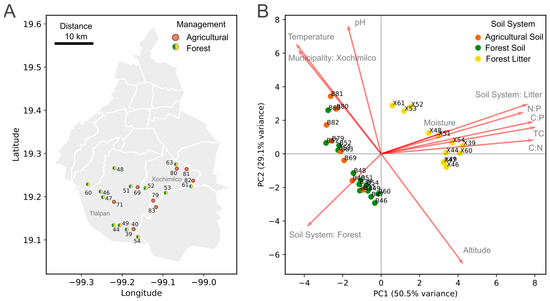
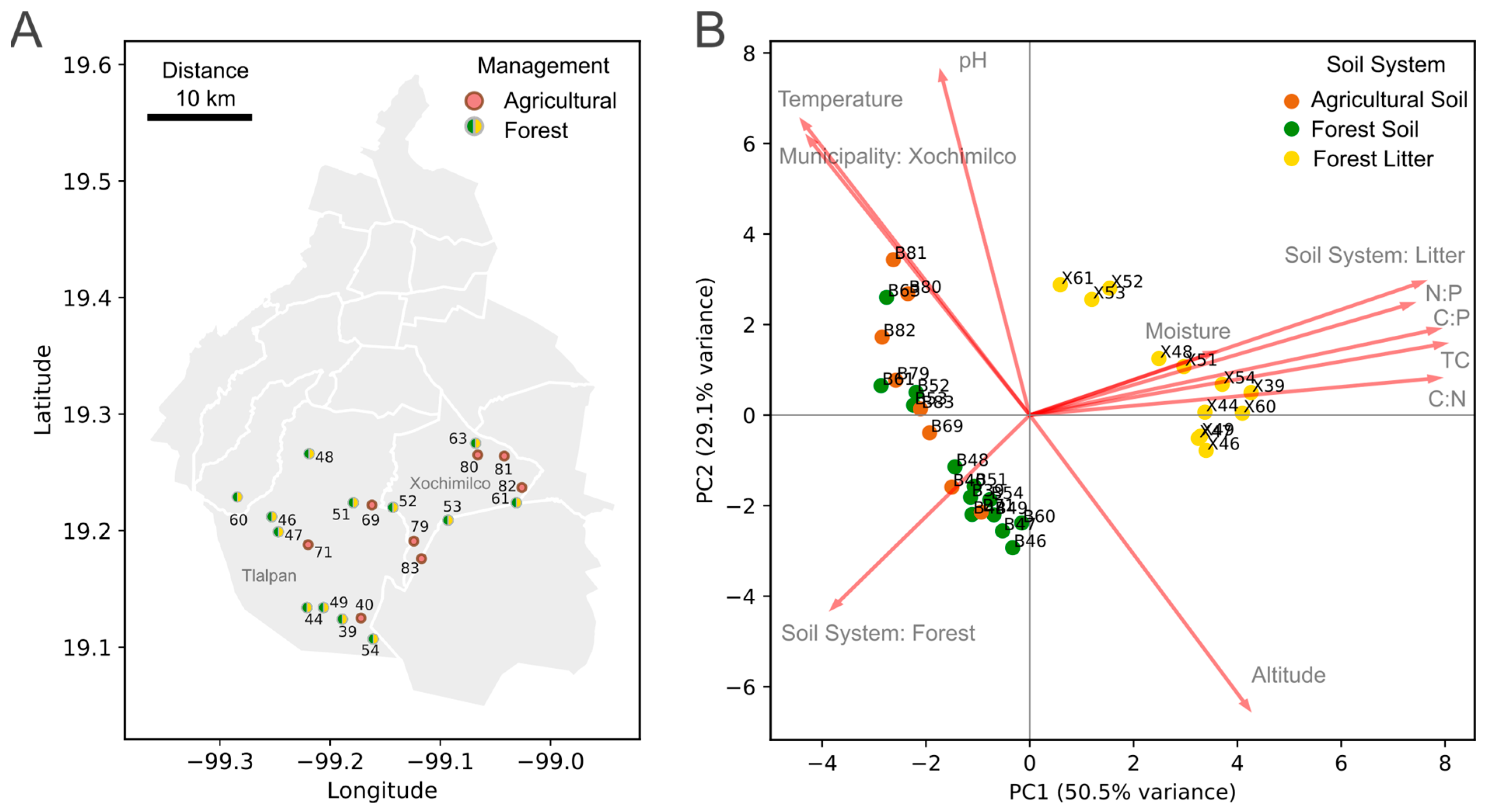
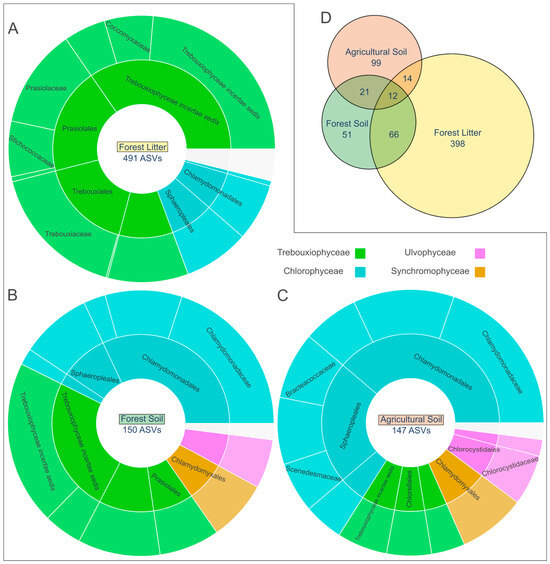
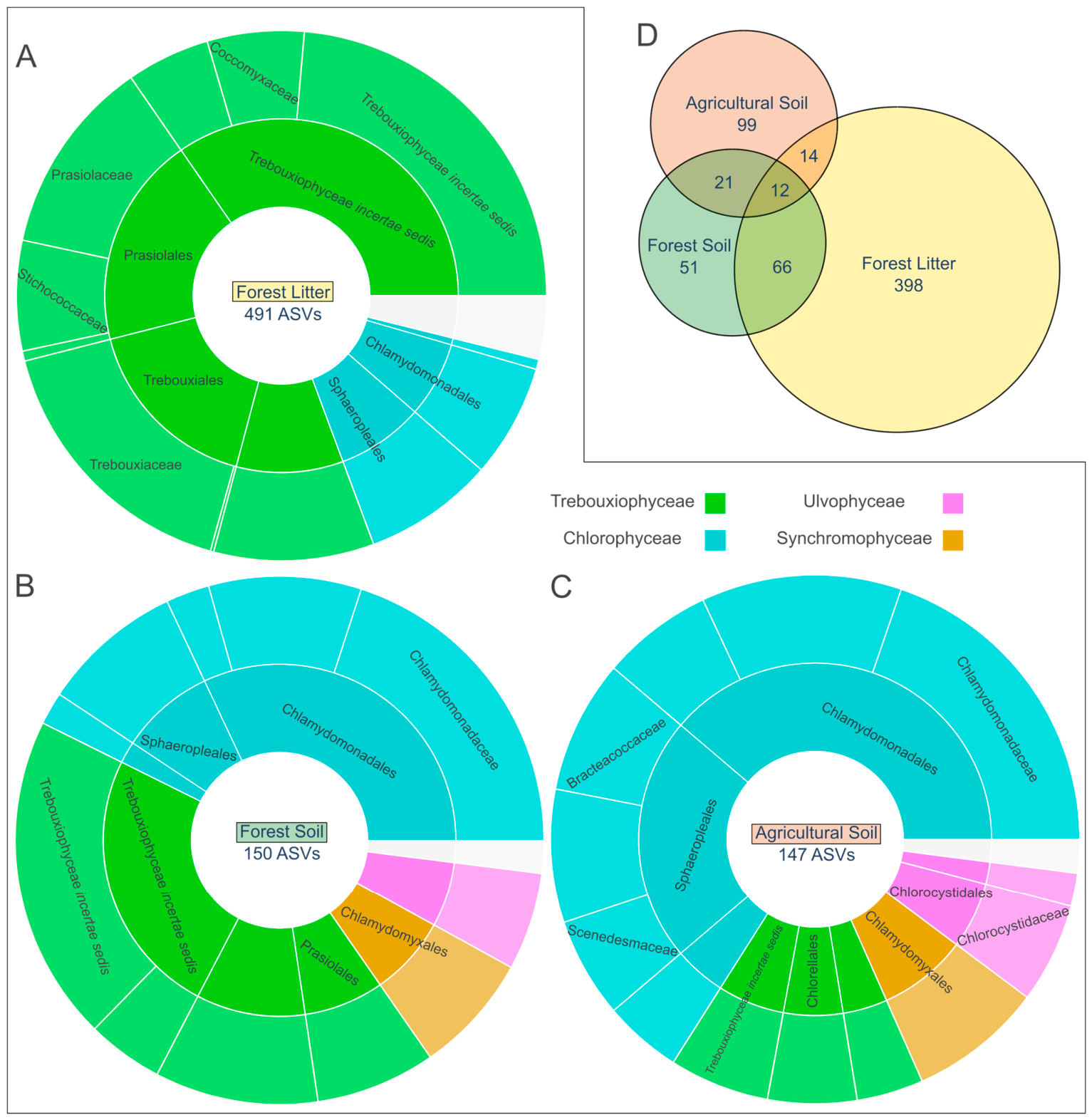
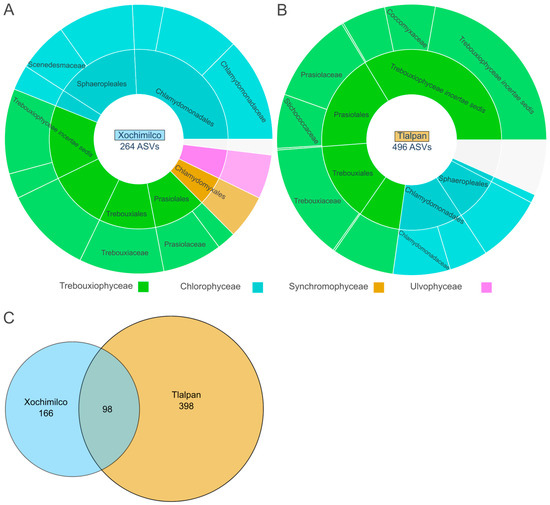
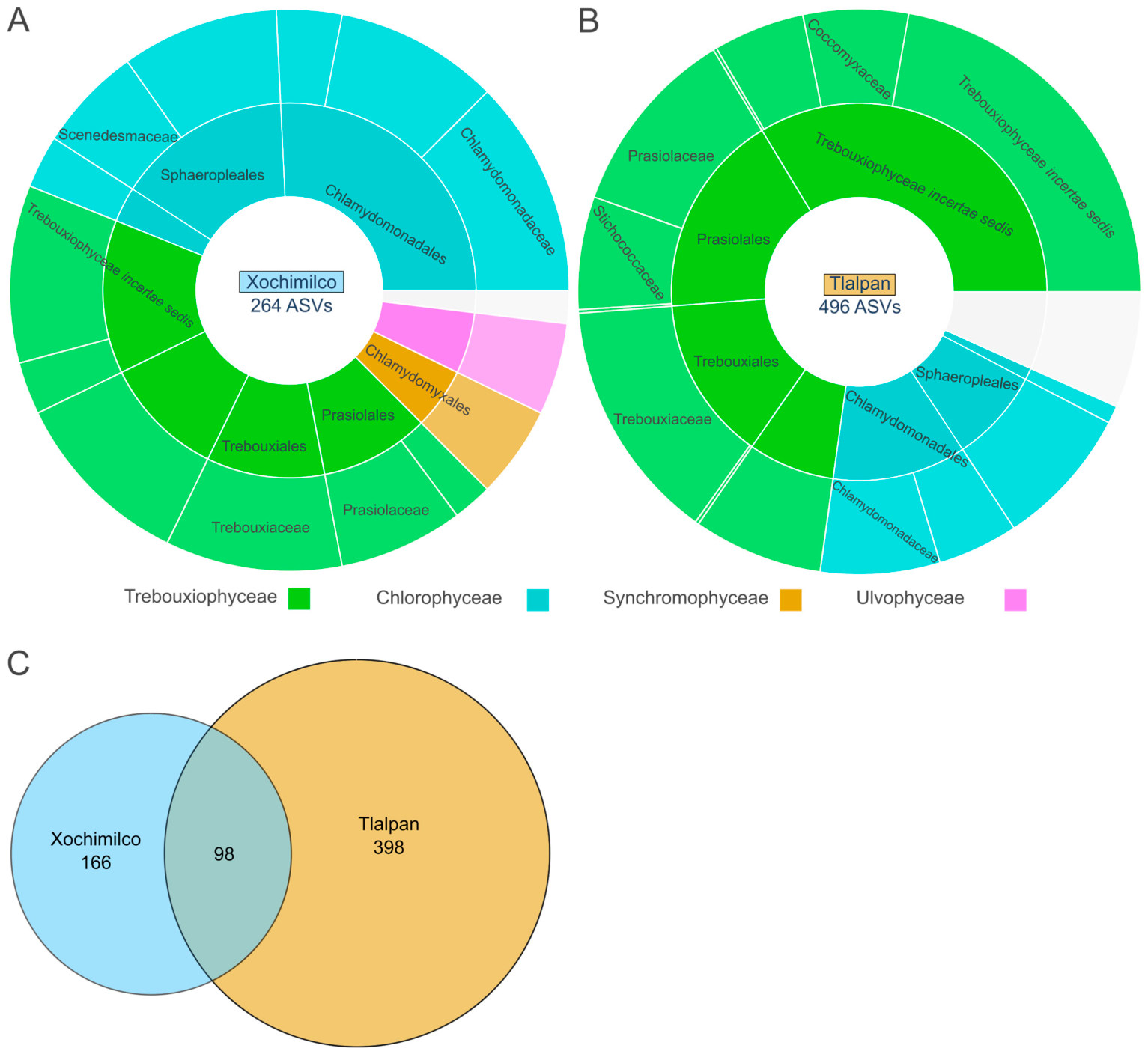
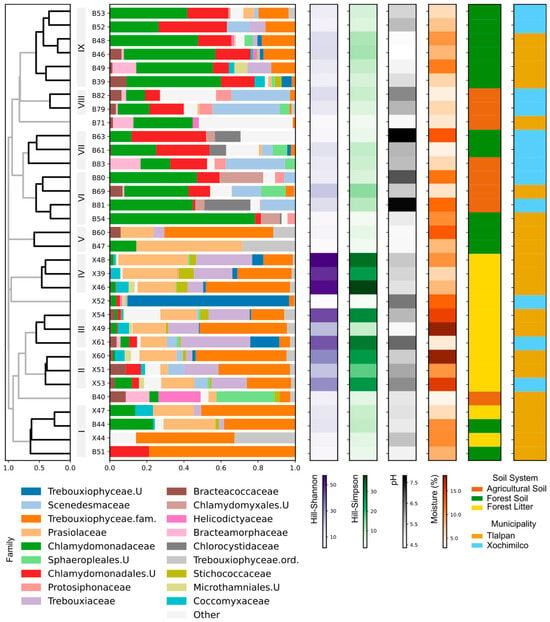
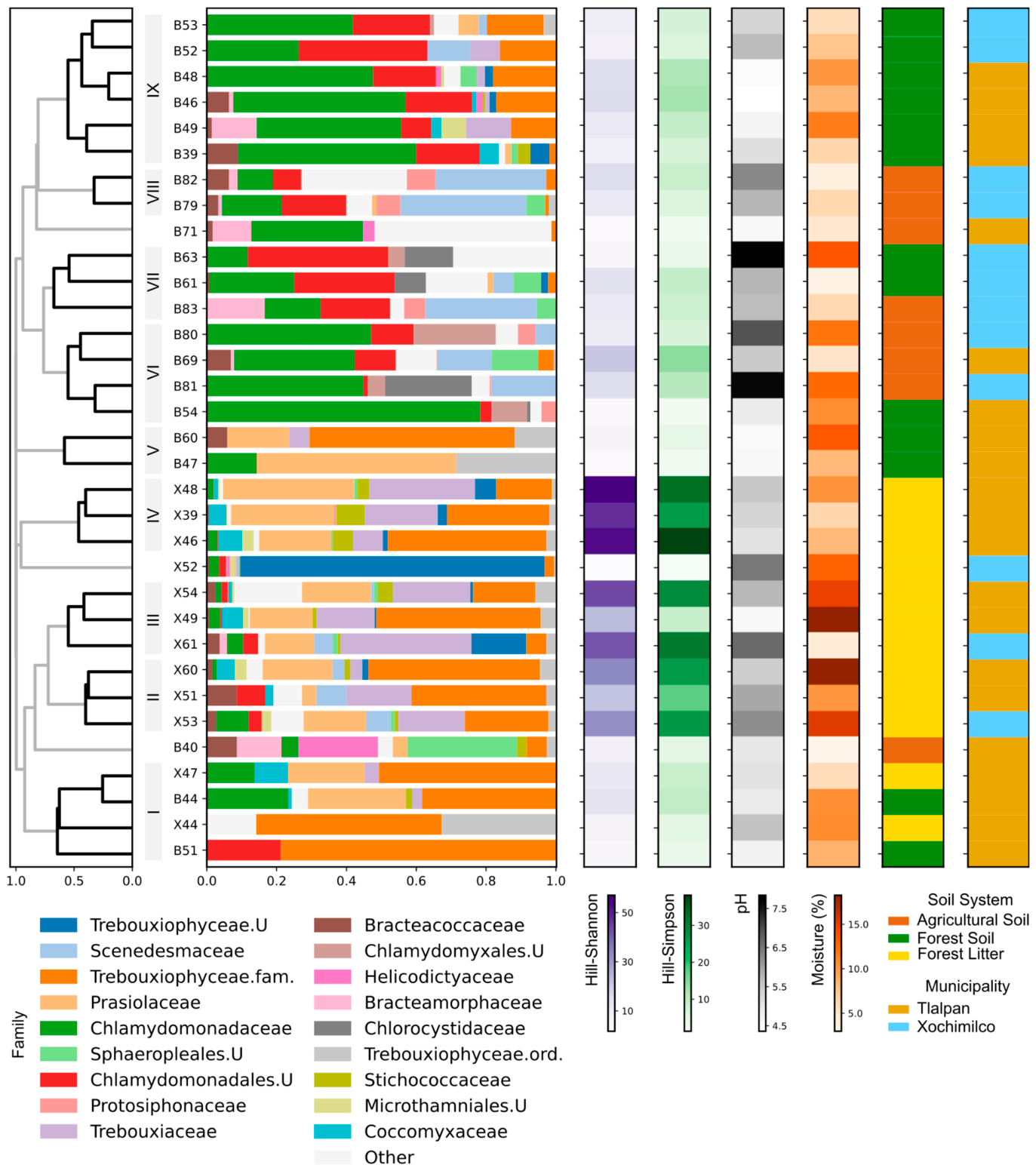
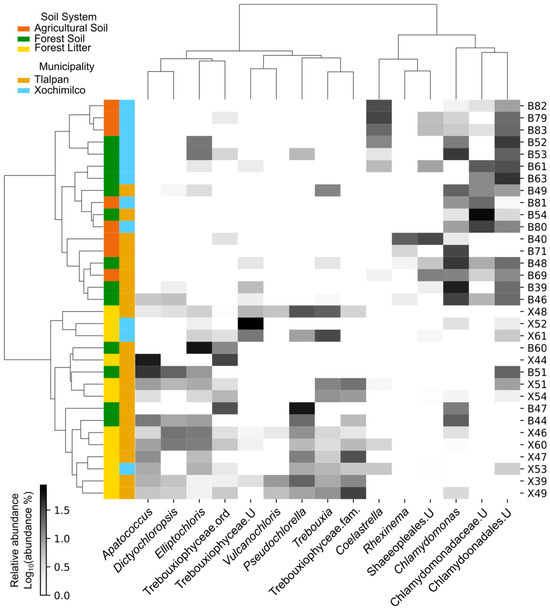
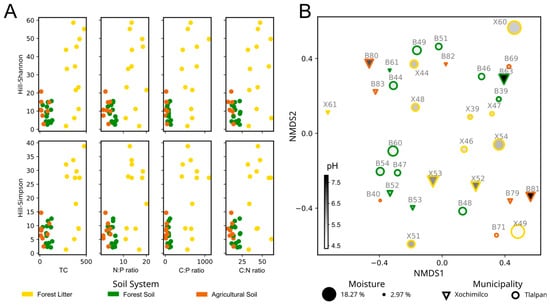

Disclaimer/Publisher’s Note: The statements, opinions and data contained in all publications are solely those of the individual author(s) and contributor(s) and not of MDPI and/or the editor(s). MDPI and/or the editor(s) disclaim responsibility for any injury to people or property resulting from any ideas, methods, instructions or products referred to in the content. |
© 2026 by the authors. Licensee MDPI, Basel, Switzerland. This article is an open access article distributed under the terms and conditions of the Creative Commons Attribution (CC BY) license.