


Simple Summary
This review examines four groups of additives used in intensive sheep production: gluconeogenic precursors, which supply the liver with raw material to make glucose; β-adrenergic agonists (β-AAs), which redirect nutrients from fat into muscle; exogenous enzymes, which help rumen microbes break down plant fiber; and phytochemicals, plant compounds that modify rumen fermentation and protect meat from oxidation. For each group, we summarize how it works; what it does to growth, carcass composition, and meat quality; and where the evidence is weak, breed-specific, or contradictory. We also weigh each group against its likely cost, regulatory status, and environmental impact, since β-AAs give the largest gains in lean meat but face substantial restrictions in many importing countries, while phytochemicals give smaller gains but also lower methane emissions and generally face fewer regulatory restrictions. We conclude that no single additive class is universally superior: the right choice depends on diet, market, and sustainability goals, and combining classes with complementary mechanisms may offer additional benefits, although this strategy remains insufficiently tested.
Abstract
In ruminant nutrition, functional feed additives are defined as non-nutritive or bioactive substances added to diets to intentionally alter rumen microbial populations, enhance nutrient digestibility, or modulate metabolic pathways beyond standard baseline nutrition. This review evaluates four additive classes used to address the feed-efficiency gap in sheep: gluconeogenic precursors, β-adrenergic agonists (β-AAs), exogenous enzymes, and phytochemicals. We place specific emphasis on their comparative productive performance, carcass and meat quality, economic feasibility, environmental impact, and regulatory status. Among the compounds reviewed, calcium propionate and zilpaterol hydrochloride yield the largest increases in growth rate and lean yield, though these effects remain breed-, diet-, and dose-dependent. Exogenous enzymes and phytochemicals offer smaller performance gains but generally face fewer regulatory restrictions; notably, phytochemicals reduce enteric methane emissions by 10–25% and improve meat oxidative stability, aligning well with modern sustainability goals. While combination strategies across additive classes show mechanistic promise, they remain empirically under-tested. To guide practical adoption, this review provides a cross-additive synthesis alongside qualitative cost–return profiles. Addressing critical research gaps—specifically multi-additive interactions, breed-specific validation, and the development of on-farm tools from precision-nutrition biomarkers—will determine the long-term viability of these strategies under growing market and environmental pressures.
1. Introduction
Sheep (Ovis aries) are a cornerstone of global livestock production, supplying meat, wool, and milk to populations across six continents. Global sheep inventory exceeds one billion head, with total production of approximately 10 million tons of sheep meat per year, a figure projected to rise by 30–40% by 2050 in response to demographic growth, urbanization, and shifting dietary preferences in emerging economies [1,2]. Intensive lamb finishing systems—characterized by high stocking densities, controlled feeding with energy-dense complete diets, and slaughter at 90–180 d of age—have emerged as the dominant commercial model in many producing regions because they concentrate production over short feeding periods and generate consistent carcass uniformity that satisfies industrial processors and retailers [2,3].
Despite genetic progress in growth rate and feed efficiency through selection programs, intensive lamb production faces persistent challenges at the intersection of productivity, economics, and sustainability. Feed costs represent 65–75% of variable production costs in confined systems [4], and the gain-to-feed ratio (G:F) of finishing lambs—typically 0.15–0.20, occasionally reaching up to 0.22 kg live weight gain per kg dry matter intake (DMI) [5,6]—remains markedly lower than that of broilers (0.56–0.70, depending on market age) [7] and pigs (0.33–0.40) [8,9]; this comparison is presented for illustrative purposes only, since ruminants, poultry, and pigs differ fundamentally in digestive physiology, maintenance energy requirements, and growth trajectory, and G:F values are therefore not directly interchangeable across production systems, reflecting the inherent energetic losses of rumen fermentation, primarily methane (CH4) and heat of fermentation, and the lower efficiency of gluconeogenesis compared to direct glucose absorption [3,10]. Carcass fat deposition at a young slaughter age poses a quality penalty in markets that prize lean yield, while the management of meat tenderness, color stability, and oxidative shelf life presents ongoing technical challenges [10,11].
Within this context, functional feed additives have gained significant scientific and commercial attention as tools capable of modulating specific metabolic pathways to overcome these limitations. Four major categories dominate the current evidence base in sheep nutrition. Gluconeogenic precursors—including propylene glycol (PG), calcium propionate (CaPr), glycerol, and sodium propionate (NaPr)—bypass the rumen fermentation bottleneck by delivering substrates directly available for hepatic phosphoenolpyruvate carboxykinase (PEPCK)-mediated glucose synthesis, thereby increasing portal glucose supply, stimulating insulin secretion, and creating the systemic hormonal milieu that facilitates muscle protein synthesis via the mechanistic target of rapamycin (mTOR) pathway [12,13]. The β-adrenergic agonist (β-AA) class, exemplified by ractopamine hydrochloride (RH) and zilpaterol hydrochloride (ZH), redirect nutrient partitioning from adipose anabolism toward skeletal muscle hypertrophy through β2-adrenergic receptors (β2-ARs), simultaneously activating the cyclic adenosine monophosphate (cAMP)–protein kinase A (PKA)–mTOR anabolic cascade [14]. Exogenous enzyme complexes—combining cellulases, xylanases, β-glucanases, amylases, and proteases—attack the structural and chemical barriers that limit microbial access to dietary nutrients, increasing volatile fatty acid (VFA) production and modifying the rumen microbiome toward more productive fermentation profiles [15,16]. Phytochemicals, encompassing essential oils (EOs), tannins, saponins, flavonoids, phenolic acids, terpenoids, organosulfur compounds, and alkaloids, are emerging as multifunctional alternatives in production systems where synthetic growth promotants face regulatory restrictions, with mechanisms spanning antioxidant enzyme induction, pathogen-specific antimicrobial activity, methanogen inhibition, immunomodulation, and direct effects on meat oxidative stability and fatty acid composition [17,18].
The present review addresses four specific objectives: (1) to establish the molecular metabolic framework governing energy partitioning, protein synthesis, and lipid deposition in growing lambs as the mechanistic context for additive action; (2) to critically review the biological mechanisms, dose–response relationships, productive outcomes, and limitations of each of the four major additive classes in intensive sheep production; (3) to provide a quantitative cross-additive comparative analysis—understood here as a structured narrative synthesis of ranges and directional effects reported across independent primary studies, not a formal meta-analysis with pooled effect sizes, given the heterogeneity of breeds, diets, and outcome metrics across the retrieved literature—across production, carcass, meat quality, sustainability, and economic dimensions; and (4) to identify emerging research frontiers in precision sheep nutrition incorporating omics sciences, microbiome engineering, and computational feed formulation.
The relevant literature was identified through structured searches of PubMed, Web of Science, and Scopus (2000–2026) using combinations of “sheep”/“lamb”/“ovine” AND “feed additive” AND each additive class or compound name (e.g., “calcium propionate”, “zilpaterol”, “fibrolytic enzyme”, “essential oil”, “tannin”). Peer-reviewed original research and reviews reporting productive, carcass, meat-quality, or rumen-fermentation outcomes in sheep were prioritized; evidence from other ruminant species was retained only when no sheep-specific data existed and flagged as such throughout the text. Conference abstracts without full data and non-English/Spanish sources were excluded.
2. Energy and Muscle Metabolism in Growing Lambs
2.1. The Propionate–Glucose–Insulin Axis
The metabolic architecture of the growing lamb reflects its evolutionary specialization for deriving most of its energy from microbial fermentation of structural carbohydrates that mammalian enzymes cannot digest. This specialization defines the pharmacological landscape in which every additive reviewed in this manuscript operates: propionate supply, hepatic glucose output, and the hormonal signals that couple energy status to muscle growth are the shared targets of gluconeogenic additives, β-AAs, exogenous enzymes, and phytochemicals alike. Rather than treat each signaling pathway in isolation, this section summarizes the functional logic of ruminant energy metabolism at the level needed to interpret additive performance in later sections and flags where the evidence base is thinner than commonly assumed. An integrated schematic is provided in Figure 1, and Table 1 summarizes the key signaling molecules governing this axis, together with their regulatory interactions and relevance to additive pharmacology.
Figure 1.
Integrated energy metabolism in growing sheep: from rumen volatile fatty acid fermentation through hepatic gluconeogenesis (PEPCK), pancreatic insulin secretion, and mTORC1-mediated skeletal muscle protein synthesis. Box colors indicate distinct anatomical/functional compartments and carry no additional coded meaning; arrows indicate the direction of metabolite or hormonal signal flow between compartments.
Table 1.
Key signaling molecules governing energy metabolism and muscle protein synthesis in growing sheep, with their regulatory interactions and relevance to functional feed additive pharmacology.
2.2. Rumen Fermentation and Volatile Fatty Acid Supply
The rumen-reticulum functions as a continuous anaerobic fermenter in which bacteria, protozoa, fungi, and methanogenic archaea convert dietary carbohydrate into VFAs, which supply approximately 78% of maintenance energy in sheep [28]. Under high-roughage diets, acetate:propionate:butyrate molar ratios are typically near 65:20:15; concentrate-based finishing diets shift this ratio markedly toward propionate [28,29]. This shift matters because propionate is the principal gluconeogenic substrate in ruminants, supplying 50–70% of hepatic glucose production [12,13], a dependency with no direct equivalent in monogastric species, and one that explains why strategies to increase propionate supply (Section 3) or its downstream utilization (Section 4) are as central to sheep nutrition as they are irrelevant to pigs or poultry.
The dominant cellulolytic taxa include Fibrobacter succinogenes, Ruminococcus albus, and R. flavefaciens, which drive acetate production from structural carbohydrates, whereas propionate is generated mainly via the succinate pathway by Prevotella spp., Selenomonas ruminantium, and Megasphaera elsdenii, and via the acrylate pathway to a lesser extent; butyrate arises principally from Butyrivibrio fibrisolvens and related butyrate-producing Firmicutes. Fibrolytic enzymes and phytochemicals reviewed in Section 5 and Section 6 act directly on these populations—enzymes by increasing substrate accessibility for cellulolytic bacteria and phytochemicals (tannins, saponins, essential oils) by selectively suppressing protozoa, methanogens, and specific biohydrogenating or fibrolytic taxa—providing the mechanistic link between microbial community shifts and the VFA profile changes reported throughout this review [28,29,30].
Multi-omics comparisons of sheep with divergent G:F support this link directly: more efficient animals show higher ruminal propionate concentrations, enrichment of propionate-producing bacterial taxa, and greater expression of hepatic gluconeogenic genes than their less efficient counterparts [30], indicating that variation in propionate handling—not simply total energy intake—contributes to G:F differences within a flock.
2.3. Hepatic Gluconeogenesis
Because intestinal glucose absorption is negligible in mature ruminants, hepatic gluconeogenesis supplies all systemic glucose [12,13]. Propionate absorbed from the rumen is converted through propionyl-CoA and methylmalonyl-CoA to succinyl-CoA, enters the tricarboxylic acid cycle, and is ultimately converted to glucose via PEPCK, the rate-limiting enzyme of the pathway [23]. PEPCK activity responds to the hormonal balance between glucagon and glucocorticoids (stimulatory) and insulin (suppressive) [23,24]. This single control point explains a recurring pattern in this review: any additive that increases propionate supply to the liver—whether through rumen fermentation (enzymes, phytochemicals) or direct absorption (PG, CaPr, glycerol)—acts on the same rate-limiting step, which is why their downstream effects on insulin and muscle growth are qualitatively similar despite differing chemistries.
2.4. Nutrient Sensing and the Growth–Energy Balance
Skeletal muscle protein synthesis in growing lambs is governed by the balance between two opposing signaling systems. The mechanistic target of rapamycin complex 1 (mTORC1) integrates nutrient availability, particularly amino acids such as leucine, growth factor signaling through insulin and insulin-like growth factor 1 (IGF-1) via the phosphoinositide 3-kinase/protein kinase B (PI3K/Akt) pathway, and cellular energy status to promote ribosomal protein synthesis and muscle fiber hypertrophy [19,20]. AMP-activated protein kinase (AMPK) acts as the counterbalancing energy sensor: when cellular energy is depleted—during undernutrition, heat stress, or subclinical disease—AMPK activity rises and actively suppresses mTORC1, redirecting the animal’s metabolism toward energy conservation rather than growth [21,22].
This balance, rather than any single step within either pathway, is the functional variable of interest for this review. It explains why interventions that improve metabolic efficiency (adequate energy and propionate supply, low physiological stress) establish the required conditions under which anabolic additives are effective, and why the same additive can appear efficacious in one trial and ineffective in another depending on the animal’s baseline energy status. Most of the molecular detail underlying this mTOR–AMPK relationship, including the specific intermediate kinases and their phosphorylation sites, has been characterized in rodent and cell-culture systems [19,20,21,22]; direct confirmation in ovine muscle tissue remains comparatively limited, a point we return to in Section 2.8. Where mechanistic statements in this and subsequent sections are not explicitly qualified, they should be understood as extrapolated from non-ovine models unless a sheep-specific citation is given.
2.5. Lipid Metabolism and Its Relevance to Meat Quality
Ruminant lipid metabolism differs from that of monogastric species in a way directly relevant to meat quality: adipose tissue, not the liver, is the principal site of de novo fatty acid synthesis in sheep, and acetate—not glucose—is its main lipogenic precursor [31,32]. Intramuscular fat (IMF) deposition, a key determinant of meat palatability, depends on the differentiation and lipid-loading of intramuscular preadipocytes under the influence of insulin and related transcriptional regulators [32,33]. This distinction matters practically because dietary strategies that increase propionate and glucose supply (Section 3) can be expected to favor lean muscle accretion over fat deposition to a greater extent in sheep than equivalent interventions would in pigs, where hepatic lipogenesis from glucose predominates.
2.6. Satellite Cells and Postnatal Muscle Growth
Postnatal muscle growth in lambs occurs almost entirely through hypertrophy of existing fibers, which requires new myonuclei donated by satellite cells—quiescent muscle progenitor cells that activate, proliferate, and fuse with existing fibers in response to anabolic signals such as IGF-1 [25,26]. Myostatin is the principal endogenous inhibitor of this process and represents the main biological brake on muscle hypertrophy in the growing lamb [34]. Because satellite cell numbers and activity, rather than muscle fiber number, set the ceiling for postnatal muscle growth, interventions that enhance IGF-1 signaling or suppress myostatin activity—as several of the additives reviewed here appear to do—have a plausible route to increasing lean growth independent of any direct effect on DMI.
2.7. Hormonal Regulation
The growth hormone–IGF-1 axis is the principal endocrine driver of postnatal growth in sheep, with IGF-1 activating the same PI3K/Akt/mTOR pathway described above while simultaneously suppressing muscle protein breakdown [27]. Insulin, secreted in response to propionate-derived hepatic glucose, reinforces this anabolic state. Glucocorticoids act in the opposite direction, promoting muscle protein breakdown and hepatic PEPCK activity, the physiological basis for the growth-retarding effects of [23,27] chronic stress, and a reminder that additive efficacy cannot be considered independently of the animal’s overall stress and management context.
2.8. Critical Synthesis and Implications for Additive Pharmacology
Four points emerge from this section that recur throughout this review. First, propionate supply to the liver is the single most consistent lever by which the additives reviewed here influence growth, whether that supply is increased through fermentation (enzymes, phytochemicals) or bypassed through direct absorption (gluconeogenic additives). Second, the mTOR–AMPK balance—not the fine molecular detail of either pathway—determines whether a given additive will translate into measurable growth under a specific animal’s energy status, a plausible explanation for much of the between-study variability documented in Section 3, Section 4, Section 5 and Section 6. Third, satellite cell availability and myostatin activity set a biological ceiling on muscle hypertrophy that is largely independent of energy supply and the more direct target of β-AAs (Section 4). Fourth, and important for interpreting the strength of the evidence in this field, much of the mechanistic detail underlying these pathways—particularly the intracellular signaling intermediates—has been characterized in rodents, cattle, or cell culture rather than in sheep directly; where sheep-specific confirmation exists, we note it, but the reader should be cautious about assuming full mechanistic equivalence across species.
- Key Messages
- Hepatic gluconeogenesis from propionate, not intestinal glucose absorption, is the metabolic bottleneck that essentially all additive classes reviewed in this manuscript act upon, directly or indirectly.
- The mTOR–AMPK energy balance, rather than the identity of any single signaling intermediate, is the functional variable that determines whether an animal responds anabolically to a given additive.
- Satellite cell availability and myostatin activity—not substrate supply—set the ceiling on postnatal muscle hypertrophy and are the more direct targets of β-AAs (Section 4).
- Much of the molecular detail underlying mTOR–AMPK signaling has been established in non-ruminant models; sheep-specific validation remains comparatively limited.
- Current Knowledge Gaps
- Direct confirmation of mTOR–AMPK signaling responses to feed additives in ovine skeletal muscle, as opposed to extrapolation from cattle or rodent models, is largely absent.
- The relationship between rumen microbial propionate production and hepatic gluconeogenic gene expression has been characterized in only a small number of G:F studies and has not been evaluated across breeds.
- No studies have directly linked satellite cell activity or myostatin expression to additive-induced growth responses in sheep.
3. Gluconeogenic Feed Additives
3.1. Metabolic Rationale
Gluconeogenic feed additives address a specific metabolic vulnerability of intensively managed finishing lambs: the propionate–glucose–insulin anabolic axis introduced in Section 2 can become limiting when dietary energy density or rumen fermentation efficiency constrains hepatic glucose output. By supplying exogenous substrates that either enter hepatic gluconeogenesis directly or are fermented to propionate in the rumen, these additives augment glucose supply and stimulate the insulinotropic cascade independently of dietary starch content [35,36]. Four compounds dominate the commercial and research literature: PG, CaPr, glycerol, and NaPr. Figure 2 illustrates the convergent gluconeogenic pathways, and Table 2 compares these four compounds by chemistry, ruminal fate, metabolic route, productive response, and meat quality effects.
Figure 2.
Gluconeogenic pathways of the major feed additive precursors in ruminants. Box colors indicate distinct anatomical/functional compartments and carry no additional coded meaning; arrows indicate the direction of metabolite or hormonal signal flow between compartments.
Table 2.
Major gluconeogenic feed additives in intensive sheep production: chemistry, ruminal fate, metabolic route, productive response, carcass and meat quality effects, and principal limitations.
3.2. Propylene Glycol
PG undergoes three concurrent fates in the rumen: direct absorption (~50% within 1–2 h), microbial fermentation to propionate, and passage to the lower digestive tract [37,38]. Its primary hepatic fate is oxidation to L-lactate rather than direct propionate conversion, and oral dosing produces plasma insulin increases of 200–400% within 30 min [37]. In Akkaraman lambs, PG significantly increased blood glucose at 60 d, but this response was not sustained through d 90 and 120, suggesting metabolic adaptation with continued use [35]. In practice, PG appears best suited to short-term metabolic support—around parturition, transport, or other acute stress—rather than as a sustained growth promoter, an important nuance often overlooked in the literature.
3.3. Calcium Propionate
Calcium propionate dissociates in the rumen to release propionate anions directly available for hepatic gluconeogenesis. Beyond its metabolic effect, CaPr modulates hypothalamic appetite-regulating neuropeptide expression in a manner consistent with CaPr-induced hyperinsulinemia feeding back on arcuate nucleus insulin-sensing neurons [39].
The productive response to CaPr follows a reproducible quadratic dose–response, with 10 g/lamb/d for approximately 25–42 d consistently producing the largest reported gains: Carrillo-Muro. [40] reported average daily gain (ADG) improvements of up to 27% and G:F of 22% in Dorper × Katahdin lambs, and Carrillo-Muro et al. [41] confirmed an optimal inclusion window of approximately 25 d, with fat deposition increasing disproportionately beyond this duration. These figures, however, derive almost entirely from Dorper × Katahdin crosses finished on concentrate-supplemented diets; whether the same magnitude of response occurs in other breeds, or under forage-based feeding, has not been directly tested and should not be assumed. The most strategically important finding for intensive systems is the synergistic interaction between CaPr and ZH: 28 d of CaPr combined with 28 d of ZH produced greater improvements in final body weight (FBW), ADG, dressing percentage, and longissimus muscle area (LMA) than either additive alone [48], although, to date, this finding derives from a single trial by the same research group and awaits independent replication, the clearest demonstration in this literature that mechanistically distinct additive classes can be combined for additive, rather than redundant, benefit.
3.4. Glycerol
Glycerol enters the diet primarily as crude glycerin, a biodiesel by-product typically containing 60–95% glycerol. Unlike PG, glycerol is predominantly fermented in the rumen to propionate and butyrate rather than absorbed intact [42,43] and competitively inhibits hepatic enzymes involved in amino acid catabolism, exerting a modest protein-sparing effect [44]. Productive inclusions of 5–10% of dietary dry matter (DM) produce modest ADG improvements (4–12%), while inclusions above 15% DMI produce an effect attributed mainly to methanol impurities in crude glycerin rather than to glycerol itself [43,45]. Response magnitude is therefore highly dependent on glycerin source and purity, a source of inconsistency across studies that is rarely acknowledged explicitly.
3.5. Sodium Propionate and Calcium Salts
Sodium propionate delivers propionate by the same rumen mechanism as CaPr but without the calcium cation. A direct comparison found no meaningful differences between the two salts in growth, rumen fermentation, or meat quality [46], indicating that the propionate anion, not the counter-ion, is the active principle; the practical implication is that choice between CaPr and NaPr can reasonably be based on cost and availability rather than expected productive difference. Calcium salts of long-chain fatty acids act by a different, complementary route, providing rumen-protected energy that reduces the metabolic demand on hepatic gluconeogenesis rather than augmenting it directly [47].
3.6. Comparative Analysis and Practical Considerations
Across all four compounds, the dose–response relationship is non-linear, and the effective dose range is narrower than commonly assumed from cattle-derived recommendations. The main source of between-study variability is dietary context: gluconeogenic additives consistently improve performance on concentrate-supplemented finishing diets, but show little or no benefit in forage-only systems where dietary propionate supply is not otherwise limiting [39,40]. This context dependency underscores the need for caution against generalized recommendations regarding the use of these additives across diverse basal diets. Comparing across compounds, CaPr shows the most consistent and best-replicated response, PG is better positioned as a short-duration metabolic support tool, and glycerol’s variability is driven as much by feedstock quality as by biology. Practically useful research priorities include systematic dose–response evaluation in breeds beyond Dorper crosses, duration-optimization trials that quantify the fat/lean trade-off at extended inclusion periods, and testing of gluconeogenic additives in combination with classes other than β-AAs.
- Key Messages
- CaPr shows the most consistent productive response among gluconeogenic additives, but the evidence base is concentrated in Dorper × Katahdin crosses on concentrate diets and should not be extrapolated uncritically to other contexts.
- PG is best positioned as a short-term metabolic support tool rather than a sustained growth promoter, given evidence of diminishing response with continued use.
- Glycerol responses are strongly dependent on glycerin source and purity, which limits direct comparison across published trials.
- The CaPr + ZH combination remains the only multi-additive strategy in sheep with reproducible synergistic evidence; other combinations are essentially untested.
- Current Knowledge Gaps
- Dose–response data in breeds other than Dorper crosses and Rambouillet are essentially absent.
- No transcriptomic or metabolomic studies have characterized hepatic or muscle-level responses to gluconeogenic additives in sheep specifically.
- No studies have evaluated gluconeogenic additives under extensive grazing conditions, as opposed to confined feedlot systems.
4. β-Adrenergic Agonists in Intensive Sheep Production
4.1. Pharmacological Rationale
β-adrenergic agonists are the highest-potency growth-promoting compounds used in commercial sheep finishing where their use is authorized. By activating adrenergic receptors (β-ARs) on skeletal muscle and adipose tissue, β-AAs redirect nutrient partitioning away from fat deposition toward muscle protein accretion, producing gains in ADG, G:F, hot carcass weight (HCW), LMA, and dressing percentage that exceed those of any single nutritional additive reviewed in this manuscript [49,50]. Four compounds have been evaluated in sheep: cimaterol, L-644,969, RH, and ZH [50,51,52]. Their productive potency is inseparable from a well-documented cost, discussed in Section 4.5, that distinguishes this class from the other three reviewed here. Table 3 compares these compounds by receptor selectivity, dose, supplementation duration, productive outcomes, and regulatory status.
Table 3.
β-adrenergic agonists evaluated in sheep production: receptor selectivity, dose, supplementation duration, productive outcomes, meat tenderness effects, and regulatory status.
4.2. Receptor Pharmacology and the Anabolic Cascade
Three β-AR subtypes mediate productive effects in livestock: β1-AR (cardiac and some muscle/adipose tissue), β2-AR (the principal anabolic receptor, abundant in fast-twitch myofibers and the primary target of ZH and cimaterol), and β3-AR (predominantly adipose, thermogenesis, and lipolysis) [58]. Ractopamine shows near-equal β1/β2 affinity, whereas ZH is β2-selective, which explains its more pronounced hypertrophic and adipolytic effects but greater cardiovascular potential at high doses [49,50,58].
Receptor activation triggers a cAMP–PKA signaling cascade that branches into three functionally distinct outcomes, and this branching is worth retaining in some mechanistic detail because it explains the central trade-off of this additive class. PKA, once activated, phosphorylates: (1) the cAMP response element-binding protein (CREB), driving expression of myosin heavy chain (MHC), IGF-1, follistatin, and—critically—calpastatin; (2) components of the mTOR pathway, activating protein synthesis largely independently of the insulin feedback that constrains gluconeogenic additives (Section 3); and (3) calpastatin, directly inhibiting the calcium-dependent protease calpain [58,59,60]. This parallel, insulin-independent route to mTOR activation is the most plausible mechanistic explanation for why β-AAs and gluconeogenic additives produce additive, rather than redundant, growth responses when combined [60]. Figure 3 illustrates this receptor-to-effector signaling cascade in full.
Figure 3.
β-adrenergic signaling pathway in ovine skeletal muscle. Box colors group functionally related steps of the signaling cascade for visual clarity and carry no additional coded meaning; arrows indicate the direction of signal flow, including divergence downstream of PKA into three parallel pathways (CREB, Akt/mTORC1, and calpastatin).
A related and pharmacologically distinctive effect of β2-agonism is induction of a fast-to-faster muscle fiber-type transition: 6-d cimaterol administration to lambs induced de novo expression of MHC-IIB—an isoform not normally present in ovine longissimus muscle—while reducing slower fiber-type proportions [53]. This shift accelerates protein deposition but also produces a fiber-type context with lower intrinsic calpain activity, compounding the calpastatin-mediated reduction in postmortem proteolysis discussed in Section 4.4 [51,53].
4.3. Productive Evidence in Sheep
López-Carlos et al. [54] evaluated RH and ZH step-up programs over 42 d in Dorper × Katahdin ram lambs: β-AA-fed lambs showed greater FBW (+9.6%), ADG (+24.4%), and G:F (+28.2%) than controls, with ZH specifically improving dressing percentage, LMA (+12.8%), and fat thickness reduction (−18.5%). A subsequent trial [52] established 0.15–0.20 mg/kg BW as the productive optimum for ZH in this genotype. Webb et al. [57] documented additive effects of ZH combined with a non-steroidal growth implant, and Barnes et al. [61] found that ZH—but not RH—maintained hypertrophic muscle growth in heat-stressed lambs, consistent with the β2-selective mechanism conferring greater thermal robustness. As with CaPr in Section 3, however, this evidence base is concentrated in a narrow set of genotypes and finishing conditions, and the magnitude of response reported here should not be assumed to generalize automatically to other breeds, climates, or management systems.
Dosing pattern matters as much as dose: a multi-strategy ZH trial found that sustained receptor stimulation (split-dose administration) was required for muscle hypertrophy, whereas intermittent dosing reduced fat deposition without improving HCW, dressing percentage, or LMA [62], indicating that muscle accretion requires continuous mTORC1 activation rather than episodic stimulation. As noted in Section 3, combining CaPr with ZH produced improvements in BW, ADG, dressing percentage, and LMA exceeding either additive alone [48], the strongest evidence in this literature for genuine mechanistic complementarity between additive classes.
4.4. Meat Quality: The Calpain–Calpastatin Trade-Off
β-AA treatment consistently increases Warner–Bratzler shear force (WBSF) by 10–30% relative to untreated controls, and this should be regarded as a near-certain consequence of use rather than an occasional side effect. The mechanism follows directly from Section 4.2: calpastatin upregulation inhibits μ-calpain, which reduces the postmortem proteolytic degradation of myofibrillar proteins that normally tenderizes meat during ageing [49,51,63]. Foundational work with the β2-selective compound L-644,969 in wether lambs confirmed this chain directly, showing reduced calpain activity, elevated calpastatin, reduced postmortem proteolysis, and increased WBSF in a single coordinated response [51]. Practical mitigation strategies—adequate dietary protein during treatment, electrical stimulation at slaughter, and mandatory extended ageing—can partially offset but do not eliminate this effect [54,64].
4.5. Regulatory Status and Animal Welfare
The regulatory landscape for β-AAs is the most fractured of any additive class reviewed here. Ractopamine is approved in roughly 27 countries but banned in more than 160, including the EU, China, Russia, and Taiwan; ZH is approved only in Mexico and South Africa, was voluntarily withdrawn from the US market in 2013, and remains banned in the EU [55,56]. Neither compound is registered for sheep specifically in the USA or EU, meaning that any sheep meat with detectable residues is non-compliant in most major importing markets, a constraint that, in practice, may limit market opportunities for this additive class in many international markets, regardless of its productive advantages. Readers should verify current regulatory status directly with national competent authorities, as approvals, bans, and maximum residue limits are periodically revised and may differ for sheep relative to cattle within the same jurisdiction.
4.6. Receptor Desensitization and the Supplementation Window
Prolonged β-AR stimulation triggers receptor internalization and downregulation, defining an effective productive window of approximately 20–28 d for ZH, extendable to 30–35 d with step-up dosing [52,54]. Beyond this window, returns diminish and, particularly with RH, behavioral excitability can emerge, limiting the practical benefit-to-risk ratio of extended use.
- Key Messages
- Zilpaterol hydrochloride and RH produce the largest single-additive gains in lean yield reviewed in this manuscript, but this advantage is increasingly confined to domestic markets given exclusion from most import destinations.
- Meat tenderness impairment is a mechanistically predictable, near-certain consequence of β-AA use—not an occasional risk—and should be planned for accordingly.
- Productive response depends strongly on dosing pattern (sustained vs. intermittent) and duration; single ADG figures cited without this context understate real variability.
- The evidence base for both ZH and RH in sheep derives predominantly from Dorper × Katahdin crosses; generalization to other genotypes has not been directly tested.
- Current Knowledge Gaps
- Controlled welfare assessments of β-agonist use in sheep under commercial stocking density and heat stress are lacking.
- No sheep-specific pharmacokinetic data exist to inform withdrawal periods matching current export-market residue standards.
- Long-term, multi-cohort data on receptor desensitization patterns in sheep, as opposed to cattle, remain limited.
5. Exogenous Enzymes in Intensive Sheep Production
5.1. The Fiber Digestibility Constraint
Plant cell walls are the primary energetic substrate for ruminants, yet rumen microorganisms degrade only 30–65% of the neutral detergent fiber (NDF) fraction of most practical diets, reflecting the physicochemical complexity of plant cell walls and the kinetic constraints of microbial colonization within rumen retention time [65,66]. Exogenous enzyme preparations amplify this hydrolytic capacity and represent a regulatory-compliant, residue-free strategy for improving nutritional efficiency, first demonstrated when pre-ingestive application of fibrolytic enzymes to forage increased NDF digestibility and ADG in beef steers [65,67]. Table 4 summarizes the principal exogenous enzyme classes evaluated in sheep, their target substrates, dose ranges, and effects on rumen fermentation and growth.
Table 4.
Exogenous enzyme classes evaluated in intensive sheep production: enzymatic activities, commercial sources, target substrates, dose ranges, effects on rumen fermentation, growth response, and practical considerations.
5.2. Enzymatic Classes and Mechanisms
Fibrolytic enzymes (endo-glucanases, cellobiohydrolases, β-glucosidases) form the core cellulolytic system; xylanases and feruloyl esterases target hemicellulose and its lignin cross-links; β-glucanases are relevant in barley- or oat-based diets; and amylolytic enzymes and proteases improve starch and protein accessibility in concentrate-based finishing diets [65,68,69,70,71,72]. Pre-ingestive liquid application—spraying enzyme onto the total mixed ration 30–60 min before feeding—offers the enzyme physical and structural protection against rumen proteolysis and consistently outperforms dry blending or direct rumen infusion [65,74,75]. Morgavi et al. [68] demonstrated true synergy between exogenous and microbial enzymes, with combined hydrolytic activity exceeding additive predictions. Figure 4 depicts this mechanism of exogenous fibrolytic enzyme action and its synergy with endogenous microbial enzymes.
Figure 4.
Mechanism of action of exogenous fibrolytic enzymes in the ovine rumen. Box colors group functionally related steps for visual clarity and carry no additional coded meaning; the same color may recur at non-adjacent steps of the cascade. Arrows indicate the direction of the sequential enzymatic and fermentation cascade, from pre-ingestive enzyme application through to metabolizable energy supply.
5.3. Productive Evidence in Sheep
Meta-analyses show that exogenous fibrolytic enzymes (EFEs) produce inconsistent results in sheep compared to dairy cattle and beef steers, failing to significantly improve ADG [76]. This species discrepancy stems from trial design rather than additive failure: sheep studies often used forage diets in which potentially digestible NDF (pdNDF) was already high, leaving little room for enzymatic improvement, and ovine studies more often used dry blending rather than the more effective pre-ingestive liquid application [76]. Where both conditions are favorable, results are consistently positive: cellulase supplementation improved digestibility and ADG in lambs fed cereal-straw diets [77], and a multi-enzyme complex produced linear improvements in ADG (+4–13%), net energy (+5–10%), and feed conversion ratio (FCR; +7–14%) in feedlot lambs [73]—these figures derive from a single commercial product trial and should not be generalized across all multi-enzyme formulations without further confirmation. Combining fibrolytic enzymes with a phytochemical (wormwood) improved carcass traits beyond either treatment alone [78], a pattern echoed by the enzyme–phytochemical synergy discussed further in Section 7. Meat quality is generally unaffected at productive enzyme doses—no consistent adverse effects on pH, color, WBSF, or cooking loss have been reported—making this the most commercially conservative quality profile among the four additive classes reviewed [71].
5.4. Factors Explaining Response Variability
Six factors account for most of the inconsistency reported across the sheep enzyme literature: baseline dietary pdNDF (the dominant moderator), application method (pre-ingestive liquid vs. dry blending), the match between the cellulase/xylanase ratio and diet fiber composition, dose (with a quadratic optimum near 0.2–0.5% of DM for multi-enzyme products), the source of rumen fluid used in in vitro screening (cattle rumen fluid tends to overestimate the in vivo ovine response), and interaction with other dietary additives. In practice, this means that a negative enzyme trial in sheep is at least as likely to reflect an unfavorable combination of these factors as a true absence of biological effect, a distinction that the primary literature does not always make explicit.
- Key Messages
- Productive response depends critically on baseline dietary fiber digestibility; enzyme supplementation is unlikely to improve performance where potentially digestible NDF is not limiting.
- Pre-ingestive liquid application consistently outperforms dry blending; much of the inconsistency reported in the sheep literature likely reflects application method rather than enzyme inefficacy.
- Multi-enzyme complexes carry no demonstrated meat quality penalty and face substantially fewer regulatory restrictions than β-AAs in most jurisdictions, although specific product registration requirements still vary by country, making them a comparatively low-risk addition regardless of production system.
- Current Knowledge Gaps
- No metagenomic or metatranscriptomic studies have characterized how exogenous enzymes alter the sheep rumen microbiome in vivo.
- Enzyme blends optimized specifically for ovine, as opposed to bovine, rumen conditions have not been developed or tested.
- Cost-effectiveness data under commercial sheep feedlot conditions are essentially unpublished.
6. Phytochemicals as Functional Feed Additives in Intensive Sheep Production
6.1. Chemical Diversity and Rationale
Plant secondary metabolites—phytochemicals or phytogenics—are the most chemically diverse additive class reviewed here, spanning EOs, condensed tannins (CTs), hydrolysable tannins (HTs), saponins, flavonoids, phenolic acids, terpenoids, organosulfur compounds, and alkaloids [79,80]. Their appeal as alternatives to synthetic growth promotants rests on three converging properties: modulation of rumen fermentation toward more productive, lower-CH4 profiles; antioxidant and immunomodulatory activity; and transfer to edible tissue, where they improve oxidative stability, fatty acid composition, and sensory quality of lamb meat [79,81]. Figure 5 illustrates the multi-target mechanisms of action of these phytochemical families. Additionally, Table 5 summarizes their botanical sources, primary mechanisms, and meat quality outcomes.
Figure 5.
Multi-target mechanisms of phytochemicals in intensive sheep production. Box colors group functionally related steps for visual clarity and carry no additional coded meaning; arrows indicate the direction of mechanistic flow, including convergence of paired mechanisms into each outcome category and convergence of both outcome categories into final carcass and meat quality outcomes. a*, redness coordinate of the CIELAB color space (red–green axis); higher a* values indicate greater redness and are used as an index of meat color stability.
Table 5.
Major phytochemical families evaluated in intensive sheep production: representative compounds, botanical sources, primary mechanisms, effective doses, effects on rumen fermentation, meat quality outcomes, and key limitations.
6.2. Essential Oils
Essential oils are volatile lipophilic compounds—predominantly monoterpenes (thymol, carvacrol) and phenylpropanoids (cinnamaldehyde, eugenol)—that disrupt bacterial membrane function, selectively suppressing fermentation pathways at sub-lethal rumen doses [79,81]. Calsamiglia et al. [81] established the foundational dose–response relationship, showing that thymol and carvacrol reduce the acetate/propionate ratio and ammonia production in rumen batch culture. In sheep, a cinnamaldehyde–carvacrol blend reduced the relative abundance of major biohydrogenating bacteria and increased longissimus polyunsaturated fatty acid (PUFA) content [82], linking microbiome modulation directly to meat fatty acid enrichment, and an EO blend reduced in vitro CH4 production without impairing performance [83] (in vivo CH4 data for this specific blend in sheep are not yet available). The persistent limitation is microbial adaptation: rumen bacteria develop tolerance to EOs compounds within 4–8 weeks, meaning that trial durations shorter than this window likely overstate sustained field performance [84].
6.3. Tannins
Condensed tannins (from quebracho, mimosa, and Cistus ladanifer) and hydrolysable tannins (from chestnut and tara) act through complementary mechanisms: protein precipitation that increases rumen-undegradable protein, direct inhibition of methanogenic archaea, reduction of protozoal populations, and suppression of the biohydrogenating bacterium Butyrivibrio fibrisolvens [85,86,87,89]. This last mechanism is the most reproducible outcome in the tannin literature: individual trials consistently report decreased saturated fatty acid (SFA) proportion and increased unsaturated, polyunsaturated, and conjugated linoleic acid (CLA) fractions in longissimus muscle [86,87], while growth-performance responses (ADG, FCR) vary considerably by tannin source and inclusion level [88,89], indicating that tannins are more consistently supported as a meat-quality intervention than as a growth promoter per se. Chestnut tannin extract improved ADG alongside antioxidant capacity and fatty acid profile in Tan sheep [89], and Acacia mearnsii CTs improved carcass yield and fatty acid profile in confined lambs [88], though both findings derive from single-breed trials and should be read as illustrative rather than general. At the whole-diet level, CT supplementation of 2–4% of DM achieves CH4 reductions of 10–25% per unit of organic matter digested [85,86].
6.4. Saponins
Saponins from Yucca schidigera and Quillaja saponaria act primarily by complexing cholesterol in rumen protozoal membranes, causing defaunation that reduces methanogen activity, increases bacterial diversity, and improves microbial protein synthesis efficiency [79]. In sheep, saponins at optimal doses produce 9–15% CH4 reduction and 5–10% ADG improvement in forage-based systems, but protozoal adaptation within 3–5 weeks limits sustained efficacy, the same continuous-dosing limitation seen with EOs [79].
6.5. Flavonoids and Phenolic Acids
Flavonoids (quercetin, resveratrol, and curcumin) and phenolic acids (rosmarinic, ferulic, and chlorogenic acids) act mainly as post-absorptive antioxidants. They activate the nuclear factor erythroid 2-related factor 2 (Nrf2) cellular antioxidant defense pathway and suppress nuclear factor kappa B (NF-κB)-mediated inflammatory signaling, the two principal mechanisms underlying their reported benefits [90,91,92,93]. In practical terms, this translates into reduced pro-inflammatory cytokine expression under immune challenge [92], improved immune markers under heat stress [93], and—most consistently across trials—reduced meat lipid oxidation (TBARS) and better color retention during refrigerated storage [94], positioning rosmarinic acid in particular as a natural alternative to synthetic antioxidants such as BHT/BHA [94].
6.6. Non-Volatile Terpenoids
Non-volatile diterpenes and triterpenoids—principally carnosic acid and carnosol from Rosmarinus officinalis, together with monoterpene- and sesquiterpene-rich essential oils from Artemisia spp. and Salvia spp.—act mainly as lipid-peroxidation chain-breakers and membrane stabilizers, a mechanism that distinguishes this family from the fermentation-modifying essential oils discussed in Section 6.2 [95,96]. In lambs, dietary carnosic acid at 0.12% of the diet reduced myoglobin oxidation and slowed meat discoloration in the gluteus medius of fattening lambs [95], and comparable benefits on meat quality were reported in suckling lambs given carnosic acid directly [97]. Rosemary diterpene extracts standardized to carnosic acid and carnosol content, at inclusion levels of 200–400 mg/kg feed, reduced volatile rancidity markers and improved the oxidative stability of lamb meat stored under high-oxygen modified atmosphere packaging, performing comparably to—though generally less persistently than—dietary vitamin E [98,99]. Oral administration of Artemisia herba-alba and Rosmarinus officinalis essential oils similarly improved the antioxidant status and oxidative stability of lamb muscle [96], and Vasta et al. [94] independently detected sesquiterpene volatile markers (copaene, β-caryophyllene) in the meat of lambs supplemented with the same two botanical sources. The evidence is not uniformly positive: a rosemary extract embedded in a fat matrix produced no measurable effect on production parameters, lipid oxidation, or meat color at any dose tested in one lamb trial [100], underscoring that formulation and bioavailability—not the mere presence of carnosic acid—determine in vivo efficacy. Beyond rosemary and Artemisia, ovine evidence for other genera in this family remains essentially limited to a single trial: a Salvia sclarea (clary sage) extract rich in linalyl acetate and linalool improved average daily gain, nutrient digestibility, and antioxidant enzyme activity (superoxide dismutase, catalase, glutathione peroxidase) in growing lambs [101], offering the first ovine evidence for this genus, though the active compounds involved are monoterpenes rather than the non-volatile diterpenes that dominate the rosemary literature. Overall, the ovine evidence base for this family, while real and growing, remains concentrated in a small number of research groups working primarily with rosemary diterpenes, and systematic dose–response and cross-genus comparisons remain largely untested.
6.7. Organosulfur Compounds
Garlic-derived compounds (allicin and its sulfide derivatives) inhibit methanogen enzymes and reduce protozoal populations while increasing propionate-producing bacteria [102,103,104]. The clearest limitation in this literature is the large discrepancy between in vitro and in vivo efficacy: CH4 reductions of 25–70% [102,103,104] reported in vitro fall to only 5–15% in vivo, most plausibly because rumen bacteria possess glutathione-dependent enzymes that inactivate allicin with continued exposure [104]. This gap is a useful general caution for the phytochemical class as a whole—in vitro screening results should not be taken as predictive of in vivo magnitude without confirmatory animal trials.
6.8. Integrated Effects on Meat Quality
Across the phytochemical families reviewed, four mechanisms recur in explaining improved meat quality: direct antioxidant deposition in muscle tissue, reducing postmortem TBARS by 20–50% [79,94]; inhibition of biohydrogenating bacteria, increasing PUFA and CLA content [82,87]; reduced metmyoglobin formation, extending color stability during retail display [94]; and, at high doses of some compounds, altered sensory notes, generally positive for EO phenolics but potentially negative (sulfurous) for organosulfur compounds at excessive inclusion [81].
- Key Messages
- Phytochemicals are the only additive class reviewed that combines growth support, meat quality improvement, and quantifiable CH4 mitigation, although this generalization masks substantial heterogeneity among phytochemical families—effects, doses, and mechanisms differ markedly between essential oils, tannins, saponins, flavonoids, terpenoids, and organosulfur compounds, as detailed in Section 6.2, Section 6.3, Section 6.4, Section 6.5, Section 6.6 and Section 6.7 and Table 5, aligning this class most closely with current sustainability expectations.
- Efficacy is consistently limited by rumen microbial adaptation within 3–8 weeks; continuous single-compound feeding likely overstates sustained field performance.
- Reported effects vary substantially with plant chemotype and extraction method; results from one tannin or EO source do not necessarily generalize to others.
- In vitro CH4-mitigation results, particularly for organosulfur compounds, substantially overstate in vivo efficacy and should not be extrapolated without confirmatory animal trials.
- Current Knowledge Gaps
- No microbiome-guided (individualized) phytochemical supplementation strategies have been tested in sheep.
- Rotational or cyclical dosing protocols designed to delay microbial adaptation have not been evaluated.
- Life cycle assessment data quantifying the net system-level emissions impact of phytochemical supplementation are absent.
- Systematic dose–response and cross-genus comparisons among non-volatile terpenoid sources (Rosmarinus, Artemisia, Salvia) remain largely untested in sheep, and evidence beyond rosemary diterpenes is limited to single trials.
7. Comparative Analysis of Functional Feed Additives
7.1. Cross-Additive Performance Hierarchy
The magnitude of ADG improvement follows a consistent hierarchy under intensive finishing conditions: β-AAs (10–25%) > gluconeogenic additives (20–27% at optimal dose and duration) > exogenous enzymes (5–15%, diet-dependent), broadly similar to phytochemicals (0–12%, compound- and dose-dependent) [40,54,76]. These ranges overlap substantially and derive from heterogeneous studies, so the ordering above should be read as a general tendency rather than a precise ranking. This ordering should be read with an important caveat: it reflects best-case results from the most favorable dosing and dietary conditions reported for each class, not the average outcome a producer should expect under field conditions, where diet composition, breed, and management deviate from the controlled-trial ideal. Improvement in feed conversion ratio (FCR) tracks closely with ADG but is additionally shaped by intake effects—β-AAs typically reduce DMI while increasing ADG, producing disproportionate G:F of 15–30%, compared with 20–26% for gluconeogenic additives and 5–10% for enzymes and phytochemicals [40,54,76].
β-AAs remain the only class with a demonstrated capacity to substantially alter carcass composition: ZH increases dressing percentage by 2–5% and LMA by 8–15% and reduces subcutaneous fat by 15–25%, a genuine repartitioning effect not reproduced by any other single additive at practical doses [54,105]. CaPr produces more modest HCW and LMA gains without this dramatic fat-to-lean shift [40], while the CaPr + ZH combination exceeds either compound alone [48], the clearest practical evidence in this literature that additive classes complement rather than substitute for one another.
7.2. Meat Quality: Divergent Class Effects
Meat quality is where the four classes diverge most sharply, and this divergence has a direct practical implication for additive selection: β-AAs consistently impair tenderness (WBSF +10–30%) through the calpain–calpastatin mechanism detailed in Section 4 [51,59], while phytochemicals consistently improve oxidative stability (TBARS reduced by 20–50%) and color retention through antioxidant mechanisms [82,94]. Exogenous enzymes and gluconeogenic additives are largely meat-quality neutral. This pattern suggests a mechanistically coherent multi-additive strategy—combining ZH for lean yield with a phytochemical antioxidant to offset its tenderness cost—that is plausible on paper but has not, to our knowledge, been directly tested in a single controlled trial; this represents one of the more actionable research gaps identified in this review.
7.3. Environmental and Regulatory Dimensions
Phytochemicals—CT (10–25% CH4 reduction), saponins (9–15%), Eos, and organosulfur compounds (5–15% in vivo)—are the only class with demonstrated anti-methanogenic activity in sheep [85,104]. Gluconeogenic additives and β-AAs are CH4-neutral at the animal level, though improved feed conversion from β-AA use indirectly reduces land and resource use per unit of product, a benefit better captured by system-level life cycle assessment than by per-animal CH4 measurement. Regulatory access is unrestricted or only lightly restricted in most major markets for gluconeogenic additives, exogenous enzymes, and most phytochemicals, although specific product registration is still required nationally but severely constrained for β-AAs, with RH banned in more than 160 countries and ZH excluded from all major import markets except Mexico and South Africa [55]. In practice, this regulatory asymmetry means that additive strategy is no longer a purely biological decision: for export-oriented producers, the three non-restricted classes are the only available options regardless of the productive ceiling that β-AAs could otherwise offer. Table 6 summarizes these productive, meat quality, environmental, and feasibility comparisons across all four additive classes, and Figure 6 integrates these mechanisms into a single schematic model.
Table 6.
Comparative analysis of the four functional feed additive classes in intensive sheep production across productive, meat quality, environmental, and feasibility dimensions.
Figure 6.
Integrated model of functional feed additive action in intensive sheep production, showing convergence of the four additive classes on rumen, hepatic, pancreatic, and muscle metabolic nodes and their translation into carcass and meat quality outcomes. Box colors group boxes by physiological compartment and may recur at non-adjacent tiers of the cascade (e.g., Rumen and Carcass/meat quality outcomes; Muscle and Skeletal muscle) with no additional coded meaning. Solid arrows indicate the fermentation-dependent pathway shared by gluconeogenic precursors, exogenous enzymes, and phytochemicals via the rumen; the dashed arrow indicates the direct, rumen-independent action of β-adrenergic agonists on skeletal muscle β2-adrenergic receptors, distinguishing this pharmacological route from the other three additive classes.
7.4. Economic Considerations
Figure 7 summarizes these comparative performance and meat quality ranges across all five metrics discussed below. Published cost-effectiveness data specific to intensive sheep systems are notably scarce across all four additive classes; the comparative cost profile in Table 7 is therefore necessarily qualitative rather than based on verified per-head cost figures and should be treated as a starting framework for producer decision-making rather than a substitute for local economic analysis. Gluconeogenic additives are generally low-cost relative to their productive return, but that return is realized only on concentrate-based diets, making them a poor investment in forage-only systems regardless of unit cost. β-AAs offer the largest productive return per animal, but that return is contingent on market access—the same compound that is highly cost-effective in a domestic market becomes unusable, and, therefore, a wasted cost, in an export-oriented operation. Exogenous enzymes carry a moderate cost that is only justified when baseline dietary fiber digestibility is genuinely limiting; applied to an already low-fiber, high-quality diet, the marginal return may not cover the additive cost. Phytochemical cost varies widely by compound and extraction method, but where CH4 mitigation or premium-market certification carries a price signal, this class is increasingly likely to justify its cost on sustainability grounds alone, independent of its direct growth effect.
Figure 7.
Illustrative comparative range summary of average daily gain, feed conversion ratio, hot carcass weight/dressing percentage, longissimus muscle area, and shear force change across the four functional feed additive classes reviewed. Colors correspond to additive class and are consistent across all panels (orange = gluconeogenic precursors; red = β-adrenergic agonists; green = exogenous enzymes; purple = phytochemicals); gray markers without a bar indicate a neutral or inconsistent effect where no defined range was reported.
Table 7.
Approximate cost–return profile of functional feed additive classes in intensive sheep finishing. Cost and return are qualitative, given the scarcity of verified per-head cost data in the published sheep literature.
- Key Messages
- Performance rankings across additive classes reflect best-case trial conditions, not average field outcomes; diet, breed, and management context should be checked against the specific conditions under which each figure was generated before extrapolating.
- The apparent complementarity between β-AAs (lean yield) and phytochemicals (tenderness/oxidative offset) is mechanistically plausible but empirically untested in a single controlled trial, making it one of the more immediately actionable research priorities identified in this review.
- Regulatory access, not biological efficacy alone, increasingly determines which additive classes are viable for a given production system and target market.
- Verified, sheep-specific cost-effectiveness data are largely absent from the published literature across all four additive classes; economic recommendations in this review should be treated as directional rather than definitive.
- Current Knowledge Gaps
- No factorial trial has directly tested a β-agonist + phytochemical-antioxidant combination for simultaneous lean-yield and tenderness outcomes.
- Verified per-head cost and return data for any of the four additive classes under commercial sheep production conditions are largely unpublished.
- System-level life cycle assessment comparing additive classes on a common environmental-impact basis has not been undertaken for sheep.
8. Conclusions
Functional feed additives offer a genuine opportunity to close the long-standing efficiency gap between sheep and monogastric livestock, but no single class is universally superior. Gluconeogenic precursors and β-AAs deliver the largest gains in growth and lean yield, yet their value is increasingly constrained by breed-specific responses, meat quality trade-offs, and, for β-AAs, exclusion from most export markets. Exogenous enzymes and phytochemicals produce more modest gains but carry no regulatory restrictions, and phytochemicals in particular combine growth support with real reductions in enteric CH4 and improved meat quality, making them well suited to producers facing sustainability or market-access pressures. In practice, the right additive strategy depends on diet, breed, target market, and environmental goals rather than on growth performance alone, and combining additives with complementary mechanisms may offer additional benefits in specific contexts, although, as noted throughout this review, such combination strategies remain largely untested and should not yet be adopted as a general recommendation.
Moving this field forward will depend on closing three practical gaps: testing multi-additive combinations that current evidence suggests should work well together but that have not yet been directly trialed; generating real cost and environmental impact data under commercial conditions, rather than relying on trial-scale estimates; and validating early precision-nutrition tools so that additive use can be tailored to individual animals or flocks rather than applied uniformly. Bridging these gaps is critical to align additive strategies with the evolving productivity, sustainability, and market demands of the sheep industry.
In practice, this means: gluconeogenic additives are best prioritized on concentrate-based finishing diets where propionate supply is limiting; β-AAs should be reserved for domestic markets that accept residues and where the tenderness trade-off is commercially acceptable; exogenous enzymes are justified once baseline dietary fiber digestibility is confirmed to be limiting (e.g., via a pdNDF assay); and phytochemicals should be prioritized where methane mitigation or premium/export-market certification carries a direct economic or regulatory incentive. These are directional decision rules derived from the evidence reviewed here, not a validated decision-support algorithm, and should be adapted to local conditions.
Author Contributions
Conceptualization, J.I.A.-S., O.C.-M., and M.A.L.-C.; methodology, M.A.L.-C., O.C.-M., and A.R.-V.; investigation, J.I.A.-S., F.M.-L., and C.A.M.-F.; data curation, M.A.L.-C. and P.H.-B.; writing—original draft preparation, J.I.A.-S., O.C.-M., and M.A.L.-C.; writing—review and editing, M.A.L.-C., F.M.-L., C.A.M.-F., P.H.-B., and A.R.-V.; visualization, O.C.-M. and A.R.-V.; supervision, P.H.-B. and M.A.L.-C. All authors have read and agreed to the published version of the manuscript.
Funding
This research received no external funding.
Institutional Review Board Statement
Not applicable.
Informed Consent Statement
Not applicable.
Data Availability Statement
No new data were created or analyzed in this study. Data sharing is not applicable to this article.
Acknowledgments
The authors thank the Academic Unit of Veterinary Medicine and Animal Science, Universidad Autónoma de Zacatecas, for institutional support. During the preparation of this manuscript, the authors used Claude (Anthropic, Claude Sonnet 5) to help verify compliance with the journal’s formatting guidelines, reorder in-text citations according to their order of appearance, and generate the figures. The authors have reviewed and edited the output and take full responsibility for the content of this publication.
Conflicts of Interest
The authors declare no conflicts of interest.
Abbreviations
The following abbreviations are used in this manuscript:
| ADG | Average daily gain |
| Akt | Protein kinase B |
| AMPK | AMP-activated protein kinase |
| ARE | Antioxidant response element |
| β-Aas | β-adrenergic agonists |
| β-ARs | β-adrenergic receptors |
| BHA | Butylated hydroxyanisole |
| BHT | Butylated hydroxytoluene |
| BW | Body weight |
| cAMP | Cyclic adenosine monophosphate |
| CaPr | Calcium propionate |
| CAT | Catalase |
| CLA | Conjugated linoleic acid |
| CoA | Coenzyme A |
| CREB | cAMP response element-binding protein |
| CTs | Condensed tannins |
| DHAP | Dihydroxyacetone phosphate |
| DM | Dry matter |
| DMI | Dry matter intake |
| EC | Enzyme commission (number) |
| EFE | Exogenous fibrolytic enzyme |
| EO | Essential oil |
| FA | Fatty acid |
| FBW | Final body weight |
| FCR | Feed conversion ratio |
| G:F | Gain-to-feed ratio |
| GH | Growth hormone |
| GPx | Glutathione peroxidase |
| HCW | Hot carcass weight |
| HTs | Hydrolysable tannins |
| IGF-1 | Insulin-like growth factor 1 |
| IKK | IκB kinase |
| IL-1β | Interleukin-1 beta |
| IMF | Intramuscular fat |
| LMA | Longissimus muscle area |
| MHC | Myosin heavy chain |
| mTOR | Mechanistic target of rapamycin |
| mTORC1 | Mechanistic target of rapamycin complex 1 |
| NaPr | Sodium propionate |
| NDF | Neutral detergent fiber |
| NE | Net energy |
| NEFAs | Non-esterified fatty acids |
| NF-κB | Nuclear factor kappa B |
| Nrf2 | Nuclear factor erythroid 2-related factor 2 |
| OAA | Oxaloacetate |
| pdNDF | Potentially digestible neutral detergent fiber |
| PEPCK | Phosphoenolpyruvate carboxykinase |
| PG | Propylene glycol |
| PI3K | Phosphoinositide 3-kinase |
| PKA | Protein kinase A |
| PUFAs | Polyunsaturated fatty acids |
| RH | Ractopamine hydrochloride |
| SFAs | Saturated fatty acids |
| SOD | Superoxide dismutase |
| TBARSs | Thiobarbituric acid reactive substances |
| TNF-α | Tumor necrosis factor alpha |
| VFAs | Volatile fatty acids |
| WBSF | Warner–Bratzler shear force |
| ZH | Zilpaterol hydrochloride |
References
- FAO. FAOSTAT Statistical Database; FAO: Rome, Italy, 2023. [Google Scholar]
- Boyazoglu, J.; Morand-Fehr, P. Mediterranean Dairy Sheep and Goat Products and Their Quality: A Critical Review. Small Rumin. Res. 2001, 40, 1–11. [Google Scholar] [CrossRef] [Scilit] [PubMed]
- Sañudo, C.; Enser, M.E.; Campo, M.M.; Nute, G.R.; María, G.; Sierra, I.; Wood, J.D. Fatty Acid Composition and Sensory Characteristics of Lamb Carcasses from Britain and Spain. Meat Sci. 2000, 54, 339–346. [Google Scholar] [CrossRef] [Scilit] [PubMed]
- Kırkpınar, F.; Açıkgöz, Z. Feeding. In Animal Husbandry and Nutrition; Yücel, B., Taşkin, T., Eds.; IntechOpen: London, UK, 2018; pp. 3–61. [Google Scholar]
- National Research Council. Nutrient Requirements of Small Ruminants: Sheep, Goats, Cervids, and New World Camelids; National Academies Press: Washington, DC, USA, 2007. [Google Scholar]
- Ríos-Rincón, F.G.; Estrada-Angulo, A.; Plascencia, A.; López-Soto, M.A.; Castro-Pérez, B.I.; Portillo-Loera, J.J.; Robles-Estrada, J.C.; Calderón-Cortes, J.F.; Dávila-Ramos, H. Influence of Protein and Energy Level in Finishing Diets for Feedlot Hair Lambs: Growth Performance, Dietary Energetics and Carcass Characteristics. Asian-Australas. J. Anim. Sci. 2014, 27, 55–61. [Google Scholar] [CrossRef] [Scilit] [PubMed]
- Aviagen. Ross 308/Ross 308 FF Broiler: Performance Objectives; Aviagen Group: Huntsville, AL, USA, 2022; Available online: https://aviagen.com/assets/Tech_Center/Ross_Broiler/RossxRoss308-BroilerPerformanceObjectives2022-EN.pdf (accessed on 7 September 2026).
- Patience, J.F.; Rossoni-Serão, M.C.; Gutiérrez, N.A. A Review of Feed Efficiency in Swine: Biology and Application. J. Anim. Sci. Biotechnol. 2015, 6, 33. [Google Scholar] [CrossRef] [Scilit] [PubMed]
- National Research Council. Nutrient Requirements of Swine, 11th ed.; National Academies Press: Washington, DC, USA, 2012. [Google Scholar]
- Owens, F.N.; Dubeski, P.; Hanson, C.F. Factors That Alter the Growth and Development of Ruminants. J. Anim. Sci. 1993, 71, 3138–3150. [Google Scholar] [CrossRef] [Scilit] [PubMed]
- Hopkins, D.L.; Fogarty, N.M. Diverse Lamb Genotypes—2. Meat pH, Color and Tenderness. Meat Sci. 1998, 49, 477–488. [Google Scholar] [CrossRef] [Scilit] [PubMed]
- Aschenbach, J.R.; Kristensen, N.B.; Donkin, S.S.; Hammon, H.M.; Penner, G.B. Gluconeogenesis in Dairy Cows: The Secret of Making Sweet Milk from Sour Dough. IUBMB Life 2010, 62, 869–877. [Google Scholar] [CrossRef] [Scilit] [PubMed]
- Young, J.W. Gluconeogenesis in Cattle: Significance and Methodology. J. Dairy Sci. 1977, 60, 1–15. [Google Scholar] [CrossRef] [Scilit] [PubMed]
- Mersmann, H.J. Overview of the Effects of β-Adrenergic Receptor Agonists on Animal Growth Including Mechanisms of Action. J. Anim. Sci. 1998, 76, 160–172. [Google Scholar] [CrossRef] [Scilit] [PubMed]
- Beauchemin, K.A.; Colombatto, D.; Morgavi, D.P.; Yang, W.Z. Use of Exogenous Fibrolytic Enzymes to Improve Feed Utilization by Ruminants. J. Anim. Sci. 2003, 81, E37–E47. [Google Scholar]
- Nsereko, V.L.; Morgavi, D.P.; Rode, L.M.; Beauchemin, K.A.; McAllister, T.A. Effects of Fungal Enzyme Preparations on Hydrolysis and Subsequent Degradation of Alfalfa Hay Fiber by Mixed Rumen Microorganisms In Vitro. Anim. Feed Sci. Technol. 2000, 88, 153–170. [Google Scholar] [CrossRef] [Scilit]
- Benchaar, C.; Calsamiglia, S.; Chaves, A.V.; Fraser, G.R.; Colombatto, D.; McAllister, T.A.; Beauchemin, K.A. A Review of Plant-Derived Essential Oils in Ruminant Nutrition and Production. Anim. Feed Sci. Technol. 2008, 145, 209–228. [Google Scholar] [CrossRef] [Scilit]
- Burt, S. Essential Oils: Their Antibacterial Properties and Potential Applications in Foods—A Review. Int. J. Food Microbiol. 2004, 94, 223–253. [Google Scholar] [CrossRef] [Scilit] [PubMed]
- Zoncu, R.; Efeyan, A.; Sabatini, D.M. mTOR: From Growth Signal Integration to Cancer, Diabetes and Ageing. Nat. Rev. Mol. Cell Biol. 2011, 12, 21–35. [Google Scholar] [CrossRef] [Scilit] [PubMed]
- Taniguchi, C.M.; Emanuelli, B.; Kahn, C.R. Critical Nodes in Signaling Pathways: Insights into Insulin Action. Nat. Rev. Mol. Cell Biol. 2006, 7, 85–96. [Google Scholar] [CrossRef] [Scilit] [PubMed]
- Hardie, D.G.; Ross, F.A.; Hawley, S.A. AMPK: A Nutrient and Energy Sensor That Maintains Energy Homeostasis. Nat. Rev. Mol. Cell Biol. 2012, 13, 251–262. [Google Scholar] [CrossRef] [Scilit] [PubMed]
- Inoki, K.; Zhu, T.; Guan, K.L. TSC2 Mediates Cellular Energy Response to Control Cell Growth and Survival. Cell 2003, 115, 577–590. [Google Scholar] [CrossRef] [Scilit] [PubMed]
- Hanson, R.W.; Reshef, L. Regulation of Phosphoenolpyruvate Carboxykinase (GTP) Gene Expression. Annu. Rev. Biochem. 1997, 66, 581–611. [Google Scholar] [CrossRef] [Scilit] [PubMed]
- Hanson, R.W.; Patel, Y.M. Phosphoenolpyruvate Carboxykinase (GTP): The Gene and the Enzyme. Adv. Enzymol. Relat. Areas Mol. Biol. 1994, 69, 203–281. [Google Scholar] [CrossRef] [Scilit] [PubMed]
- Mauro, A. Satellite Cell of Skeletal Muscle Fibers. J. Biophys. Biochem. Cytol. 1961, 9, 493–495. [Google Scholar] [CrossRef] [Scilit] [PubMed]
- Charge, S.B.P.; Rudnicki, M.A. Cellular and Molecular Regulation of Muscle Regeneration. Physiol. Rev. 2004, 84, 209–238. [Google Scholar] [CrossRef] [Scilit] [PubMed]
- Breier, B.H. Regulation of Protein and Energy Metabolism by the Somatotropic Axis. Domest. Anim. Endocrinol. 1999, 17, 209–218. [Google Scholar] [CrossRef] [Scilit] [PubMed]
- Bergman, E.N. Energy Contributions of Volatile Fatty Acids from the Gastrointestinal Tract in Various Species. Physiol. Rev. 1990, 70, 567–590. [Google Scholar] [CrossRef] [Scilit] [PubMed]
- Van Soest, P.J. Nutritional Ecology of the Ruminant, 2nd ed.; Cornell University Press: Ithaca, NY, USA, 1994. [Google Scholar]
- Jia, X.; Zhang, Y.; Tian, B.; Zhang, G.; Mao, S.; Qian, W.; Sun, D.; Liu, J. Integrative Analysis of Rumen Microbiota and Host Multi-Organ Interactions Underlying Feed Conversion Efficiency in Hu Sheep. J. Anim. Sci. Biotechnol. 2026, 17, 27. [Google Scholar] [CrossRef] [Scilit] [PubMed]
- Hood, R.L.; Allen, C.E. Lipogenesis in Isolated Intramuscular Adipose Tissue from Lambs. J. Anim. Sci. 1973, 37, 1181–1187. [Google Scholar]
- Urrutia, O.; Mendizabal, J.A.; Alfonso, L.; Soret, B.; Insausti, K.; Arana, A. Adipose Tissue Modification through Feeding Strategies and Their Implication on Adipogenesis and Adipose Tissue Metabolism in Ruminants. Int. J. Mol. Sci. 2020, 21, 3183. [Google Scholar] [CrossRef] [Scilit] [PubMed]
- Scollan, N.; Hocquette, J.F.; Nuernberg, K.; Dannenberger, D.; Richardson, I.; Moloney, A. Innovations in Beef Production Systems That Enhance the Nutritional and Health Value of Beef Lipids and Their Relationship with Meat Quality. Meat Sci. 2006, 74, 17–33. [Google Scholar] [CrossRef] [Scilit] [PubMed]
- Gundersen, K.; Anas, M. Developmental Programming and Postnatal Modulations of Muscle Development in Ruminants. Biology 2025, 14, 929. [Google Scholar] [CrossRef] [Scilit] [PubMed]
- Yakan, A.; Özkan, H.; Kaya, U.; Keçeli, H.H.; Dalkiran, S.; Karaaslan, İ.; Ünal, N.; Akçay, A.; Arslan, K.; Akyüz, B.; et al. Effects of Propylene Glycol Used at Different Doses in Akkaraman Lambs’ Rations on Metabolism-Related Parameters and Liver Gene and Protein Expression during Different Feeding Periods. Anim. Sci. J. 2023, 94, e13886. [Google Scholar] [CrossRef] [Scilit] [PubMed]
- López Vargas, A.; Quezada Tristán, T.; Haubi Segura, C.U.; Macedo Barragán, R.; Valdivia Flores, A.G.; Ortiz Martínez, R.; Hernández Millán, C.L. Effect of Propylene Glycol on Blood Metabolites, Ruminal and Productive Parameters of Growing-Finishing Lambs. Trop. Subtrop. Agroecosyst. 2022, 25, 80. [Google Scholar] [CrossRef] [Scilit]
- Nielsen, N.I.; Ingvartsen, K.L. Propylene Glycol for Dairy Cows: A Review of the Metabolism of Propylene Glycol and Its Effects on Physiological Parameters, Feed Intake, Milk Production and Risk of Ketosis. Anim. Feed Sci. Technol. 2004, 115, 191–213. [Google Scholar]
- Kristensen, N.B.; Raun, B.M.L. Ruminal and Intermediary Metabolism of Propylene Glycol in Lactating Holstein Cows. J. Dairy Sci. 2007, 90, 4707–4717. [Google Scholar] [CrossRef] [Scilit] [PubMed]
- Cifuentes-Lopez, O.; Lee-Rangel, H.A.; Mendoza, G.D.; Delgado-Sanchez, P.; Guerrero-Gonzalez, L.; Chay-Canul, A.; Pinos-Rodríguez, J.M.; Flores-Ramírez, R.; Roque-Jiménez, J.A.; Relling, A.E. Effects of Dietary Calcium Propionate Supplementation on Hypothalamic Neuropeptide Messenger RNA Expression and Growth Performance in Finishing Rambouillet Lambs. Life 2021, 11, 566. [Google Scholar] [CrossRef] [Scilit] [PubMed]
- Carrillo-Muro, O.; Rivera-Villegas, A.; Hernández-Briano, P.; López-Carlos, M.A.; Aguilera-Soto, J.I.; Estrada-Angulo, A.; Medina-Flores, C.A.; Méndez-Llorente, F. Effect of Calcium Propionate Level on the Growth Performance, Carcass Characteristics, and Meat Quality of Feedlot Ram Lambs. Small Rumin. Res. 2022, 207, 106618. [Google Scholar] [CrossRef] [Scilit]
- Carrillo-Muro, O.; Rivera-Villegas, A.; Hernandez-Briano, P.; Lopez-Carlos, M.A.; Castro-Perez, B.I. Effect of Dietary Calcium Propionate Inclusion Period on the Growth Performance, Carcass Characteristics, and Meat Quality of Feedlot Ram Lambs. Agriculture 2023, 13, 1577. [Google Scholar] [CrossRef] [Scilit]
- Werner Omazic, A.; Kronqvist, C.; Zhongyan, L.; Martens, H.; Holtenius, K. The Fate of Glycerol Entering the Rumen of Dairy Cows and Sheep. J. Anim. Physiol. Anim. Nutr. 2015, 99, 258–264. [Google Scholar] [CrossRef] [Scilit] [PubMed]
- Hidalgo-Hernández, U.; Ortega-Cerrilla, M.E.; Zetina-Córdoba, P.; Herrera-Haro, J.G.; Vian, J. The Effect of Different Amounts of Glycerol Fed to Lambs on Their Growth, Rumen Fermentation, Carcass Traits, Meat Characteristics, and Shelf Life. Agriculture 2025, 15, 1185. [Google Scholar] [CrossRef] [Scilit]
- Lage, J.F.; Paulino, P.V.R.; Pereira, L.G.R.; Duarte, M.S.; Valadares Filho, S.C.; Oliveira, A.S.; Souza, N.K.P.; Lima, J.C.M. Carcass Characteristics of Feedlot Lambs Fed Crude Glycerin Contaminated with High Concentrations of Crude Fat. Meat Sci. 2014, 96, 108–113. [Google Scholar] [CrossRef] [Scilit] [PubMed]
- Hangdong, Q.; Cuifang, Y.; Ying, N.; Mengting, X.; Baihui, J.; Nuerli, A.; Zongsheng, Z. Effect of Dietary Glycerol Addition on Growth Performance, Serum Biochemical Indexes, Carcass Traits, Fat Deposition, and Meat Quality in Fattening Period Kazakh Sheep. Kafkas Univ. Vet. Fak. Derg. 2024, 30, 275–282. [Google Scholar] [CrossRef] [Scilit]
- Velázquez-Cruz, L.A.; Hernández-García, P.A.; Mendoza-Martínez, G.D.; Espinosa-Ayala, E.; Lee-Rangel, H.A.; Vázquez-Silva, G.; Razo-Ortíz, P.B.; Díaz-Galván, C.; Orzuna-Orzuna, J.F.; de la Torre-Hernández, M.E. Growth Performance and Meat Quality of Finishing Lambs Supplemented with Calcium Propionate or Sodium Propionate. Vet. Sci. 2024, 11, 604. [Google Scholar] [CrossRef] [Scilit] [PubMed]
- Maeng, W.J.; Lim, J.H.; Lee, S.R. Effects of calcium salts of long-chain fatty acids on ruminal digestibility, microbial protein yield and lactation performance. Korean J. Anim. Sci. 1993, 35, 221–230. [Google Scholar]
- Carrillo-Muro, O.; Rivera-Villegas, A.; Hernandez-Briano, P.; Lopez-Carlos, M.A.; Plascencia, A. Effects of Duration of Calcium Propionate Supplementation in Lambs Finished with Supplemental Zilpaterol Hydrochloride: Productive Performance, Carcass Characteristics, and Meat Quality. Animals 2023, 13, 3113. [Google Scholar] [CrossRef] [Scilit] [PubMed]
- Smith, D.J. The Pharmacokinetics, Metabolism, and Tissue Residues of β-Adrenergic Agonists in Livestock. J. Anim. Sci. 1998, 76, 173–194. [Google Scholar] [CrossRef] [Scilit] [PubMed]
- Baker, P.K.; Dalrymple, R.H.; Ingle, D.L.; Ricks, C.A. Use of a β-Adrenergic Agonist to Alter Muscle and Fat Deposition in Lambs. J. Anim. Sci. 1984, 59, 1256–1261. [Google Scholar] [CrossRef] [Scilit]
- Koohmaraie, M.; Shackelford, S.D.; Muggli-Cockett, N.E.; Stone, R.T. Effect of the β-Adrenergic Agonist L644,969 on Muscle Growth, Endogenous Proteinase Activities, and Postmortem Proteolysis in Wether Lambs. J. Anim. Sci. 1991, 69, 4823–4835. [Google Scholar] [CrossRef] [Scilit] [PubMed]
- López-Carlos, M.A.; Ramírez, R.G.; Aguilera-Soto, J.I.; Aréchiga, C.F.; Méndez-Llorente, F.; Rodríguez, H.; Silva, J.M. Effect of Ractopamine Hydrochloride and Zilpaterol Hydrochloride on Growth, Diet Digestibility, Intake and Carcass Characteristics of Feedlot Lambs. Livest. Sci. 2010, 131, 23–30. [Google Scholar] [CrossRef] [Scilit]
- Hemmings, K.M.; Daniel, Z.C.T.R.; Buttery, P.J.; Parr, T.; Brameld, J.M. Differential Effects of Short-Term β Agonist and Growth Hormone Treatments on Expression of Myosin Heavy Chain IIB and Associated Metabolic Genes in Sheep Muscle. Animal 2015, 9, 285–294. [Google Scholar] [CrossRef] [Scilit] [PubMed]
- López-Carlos, M.A.; Ramírez, R.G.; Aguilera-Soto, J.I.; Rodríguez, H.; Aréchiga, C.F.; Méndez-Llorente, F.; Chávez, J.J.; Medina, C.A.; Silva, J.M. Effect of the Administration Program of 2 β-Adrenergic Agonists on Growth Performance and Carcass and Meat Characteristics of Feedlot Ram Lambs. J. Anim. Sci. 2012, 90, 1521–1531. [Google Scholar] [CrossRef]
- Centner, T.J.; Alvey, J.C.; Stelzleni, A.M. Beta Agonists in Livestock Feed: Status, Health Concerns, and International Trade. J. Anim. Sci. 2014, 92, 4234–4240. [Google Scholar] [CrossRef] [Scilit] [PubMed]
- Merck Veterinary Manual. Use of Beta-Adrenergic Receptor Agonists in Animals; MSD: Rahway, NJ, USA, 2024. [Google Scholar]
- Webb, E.C.; Allen, J.; Morris, S.D. Effects of Non-Steroidal Growth Implant and Dietary Zilpaterol Hydrochloride on Growth and Carcass Characteristics of Feedlot Lambs. S. Afr. J. Anim. Sci. 2018, 48, 601–608. [Google Scholar] [CrossRef] [Scilit]
- Lynch, G.S.; Ryall, J.G. Role of β-Adrenoceptor Signaling in Skeletal Muscle: Implications for Muscle Wasting and Disease. Physiol. Rev. 2008, 88, 729–767. [Google Scholar] [CrossRef] [Scilit] [PubMed]
- Bardsley, R.G.; Allcock, S.M.; Dawson, J.M.; Dumelow, N.W.; Higgins, J.A.; Lasslett, Y.V.; Lockley, A.K.; Parr, T.; Buttery, P.J. Effect of Beta-Agonists on Expression of Calpain and Calpastatin Activity in Skeletal Muscle. Biochimie 1992, 74, 267–273. [Google Scholar] [CrossRef] [Scilit] [PubMed]
- Berdeaux, R.; Stewart, R. cAMP Signaling in Skeletal Muscle Adaptation: Hypertrophy, Metabolism, and Regeneration. Am. J. Physiol. Endocrinol. Metab. 2012, 303, E1–E17. [Google Scholar] [CrossRef] [Scilit] [PubMed]
- Barnes, T.L.; Cadaret, C.N.; Beede, K.A.; Schmidt, T.B.; Petersen, J.L.; Yates, D.T. Hypertrophic Muscle Growth and Metabolic Efficiency Were Impaired by Chronic Heat Stress, Improved by Zilpaterol Supplementation, and Not Affected by Ractopamine Supplementation in Feedlot Lambs. J. Anim. Sci. 2019, 97, 4101–4113. [Google Scholar] [CrossRef] [Scilit] [PubMed]
- Dávila Ramos, H.; Sánchez Pérez, J.N.; Mejía Delgadillo, M.A.; Pérez Linares, C.; Contreras López, G.; Cervantes Noriega, A.; Romero, A.G.; Molina Gámez, G.; Gutiérrez Piña, F.J.; Robles Estrada, J.C. Effect of the Zilpaterol Hydrochloride Supplementation Strategies in Feedlot Lambs: Growth Performance, Dietary Energetics, Carcass Traits, and Meat Quality. Ruminants 2026, 6, 22. [Google Scholar] [CrossRef] [Scilit]
- Koohmaraie, M.; Geesink, G.H. Contribution of Postmortem Muscle Biochemistry to the Delivery of Consistent Meat Quality with Particular Focus on the Calpain System. Meat Sci. 2006, 74, 34–43. [Google Scholar] [CrossRef] [Scilit] [PubMed]
- Ryall, J.G.; Lynch, G.S. The Potential and the Pitfalls of β-Adrenoceptor Agonists for the Management of Skeletal Muscle Wasting. Pharmacol. Ther. 2008, 120, 219–232. [Google Scholar] [CrossRef] [Scilit] [PubMed]
- Adesogan, A.T.; Ma, Z.X.; Romero, J.J.; Arriola, K.G. Ruminant Nutrition Symposium: Improving Cell Wall Digestion and Animal Performance with Fibrolytic Enzymes. J. Anim. Sci. 2014, 92, 1317–1330. [Google Scholar] [CrossRef] [Scilit] [PubMed]
- Sujani, S.; Seresinhe, R.T. Exogenous Enzymes in Ruminant Nutrition: A Review. Asian J. Anim. Sci. 2015, 9, 85–99. [Google Scholar] [CrossRef] [Scilit]
- Beauchemin, K.A.; Rode, L.M.; Sewalt, V.J.H. Fibrolytic Enzymes Increase Fiber Digestibility and Growth Rate of Steers Fed Dry Forages. Can. J. Anim. Sci. 1995, 75, 641–644. [Google Scholar] [CrossRef] [Scilit]
- Morgavi, D.P.; Beauchemin, K.A.; Nsereko, V.L.; Rode, L.M.; Iwaasa, A.D.; Yang, W.Z.; McAllister, T.A.; Wang, Y. Synergy between Ruminal Fibrolytic Enzymes and Enzymes from Trichoderma longibrachiatum. J. Dairy Sci. 2000, 83, 1310–1321. [Google Scholar] [CrossRef] [Scilit] [PubMed]
- Tricarico, J.M.; Johnston, J.D.; Dawson, K.A. Dietary Supplementation of Ruminant Diets with an Aspergillus oryzae α-Amylase. Anim. Feed Sci. Technol. 2008, 145, 136–150. [Google Scholar] [CrossRef] [Scilit]
- Amaro, F.X.; Kim, D.; Agarussi, M.C.N.; Silva, V.P.; Fernandes, T.; Arriola, K.G.; Jiang, Y.; Cervantes, A.P.; Adesogan, A.T.; Ferraretto, L.F.; et al. Effects of Exogenous α-Amylases, Glucoamylases, and Proteases on Ruminal In Vitro Dry Matter and Starch Digestibility, Gas Production, and Volatile Fatty Acids of Mature Dent Corn Grain. Transl. Anim. Sci. 2021, 5, txaa222. [Google Scholar] [CrossRef] [Scilit] [PubMed]
- Mousa, G.A.; Allak, M.A.; Shehata, M.G.; Hashem, N.M.; Hassan, O.G.A. Dietary Supplementation with a Combination of Fibrolytic Enzymes and Probiotics Improves Digestibility, Growth Performance, Blood Metabolites, and Economics of Fattening Lambs. Animals 2022, 12, 476. [Google Scholar] [CrossRef] [Scilit] [PubMed]
- Xue, Y.; Sun, H.; Guo, H.; Nie, C.; Nan, S.; Lu, Q.; Chen, C.; Zhang, W. Effect of the Supplementation of Exogenous Complex Non-Starch Polysaccharidases on the Growth Performance, Rumen Fermentation and Microflora of Fattening Sheep. Front. Vet. Sci. 2024, 11, 1396993. [Google Scholar] [CrossRef] [Scilit] [PubMed]
- Mendoza-Martínez, G.D.; Hernández-García, P.A.; Díaz-Galván, C.; Razo-Ortíz, P.B.; Ojeda-Carrasco, J.J.; Sánchez-López, N.; de la Torre-Hernández, M.E. Evaluation of Increasing Dietary Concentrations of a Multi-Enzyme Complex in Feedlot Lambs’ Rations. Animals 2024, 14, 1215. [Google Scholar] [CrossRef] [Scilit] [PubMed]
- Ribeiro, G.O.; Gruninger, R.J.; Jones, D.R.; Beauchemin, K.A.; Yang, W.Z.; Wang, Y.; Abbott, D.W.; Tsang, A.; McAllister, T.A. Effect of Ammonia Fiber Expansion-Treated Wheat Straw and a Recombinant Fibrolytic Enzyme on Rumen Microbiota and Fermentation Parameters, Total Tract Digestibility, and Performance of Lambs. J. Anim. Sci. 2020, 98, skaa116. [Google Scholar] [CrossRef] [Scilit] [PubMed]
- Pinos-Rodríguez, J.M.; Miranda, L.A. Effects of Exogenous Fibrolytic Enzymes on In Sacco and In Vitro Degradation of Diets and on Growth Performance of Lambs. Ital. J. Anim. Sci. 2010, 9, e2. [Google Scholar] [CrossRef] [Scilit]
- Tirado-González, D.N.; Miranda-Romero, L.A.; Ruíz-Flores, A.; Medina-Cuéllar, S.E.; Ramírez-Valverde, R.; Tirado-Estrada, G. Meta-Analysis: Effects of Exogenous Fibrolytic Enzymes in Ruminant Diets. J. Appl. Anim. Res. 2017, 46, 771–783. [Google Scholar] [CrossRef] [Scilit]
- Togtokhbayar, N.; Otgonjargal, A.; Munkhnasan, T.; Odongo, N.E. Effects of Exogenous Cellulase and Xylanase Enzyme Preparations on Feed Intake, Nutrient Digestibility, Growth, and Economics of Rearing Mongolian Lambs. J. Agric. Rural Dev. Trop. Subtrop. 2017, 118, 81–89. [Google Scholar]
- Beigh, Y.A.; Ganai, A.M.; Ahmad, H.A.; Shafi, M. Dietary Incorporation of Exogenous Fibrolytic Enzymes Cocktail and Wormwood (Artemisia absinthium L.) Herb Synergistically Enhances Immunity and Carcass Traits in Sheep. Span. J. Agric. Res. 2026, 24, e21426. [Google Scholar] [CrossRef] [Scilit]
- Patra, A.K.; Saxena, J. Exploitation of Dietary Tannins to Improve Rumen Metabolism and Ruminant Nutrition. J. Sci. Food Agric. 2011, 91, 24–37. [Google Scholar] [CrossRef] [Scilit] [PubMed]
- Simitzis, P.E. Enrichment of Animal Diets with Essential Oils—A Great Perspective on Improving Animal Performance and Quality Characteristics of the Derived Products. Medicines 2017, 4, 35. [Google Scholar] [CrossRef] [Scilit] [PubMed]
- Calsamiglia, S.; Busquet, M.; Cardozo, P.W.; Castillejos, L.; Ferret, A. Invited Review: Essential Oils as Modifiers of Rumen Microbial Fermentation. J. Dairy Sci. 2007, 90, 2580–2595. [Google Scholar] [CrossRef] [Scilit] [PubMed]
- Ma, Z.; Zhang, X.; Wang, H. Effects of an Essential Oil Blend Rich in Cinnamaldehyde and Carvacrol on Rumen Biohydrogenation and Fatty Acid Profile in the Longissimus lumborum of Growing Lambs. J. Sci. Food Agric. 2024, 104, 9581–9591. [Google Scholar] [CrossRef] [Scilit] [PubMed]
- Lileikis, T.; Razmaitė, V.; Uchockis, V.; Bliznikas, S. Effects of an Essential Oil Blend on In Vitro Methane Production, In Vitro and In Vivo Nutrient Digestibility, Growth Performance, and Meat Quality in Lithuanian Blackface Lambs. Animals 2026, 16, 1362. [Google Scholar] [CrossRef] [Scilit] [PubMed]
- García-Rodríguez, J.; Saro, C.; Mateos, I.; Carro, M.D.; Ranilla, M.J. Effects of Garlic Oil and Cinnamaldehyde on Sheep Rumen Fermentation and Microbial Populations in Rusitec Fermenters in Two Different Sampling Periods. Animals 2024, 14, 1067. [Google Scholar] [CrossRef] [Scilit] [PubMed]
- Niu, X.; Xing, Y.; Wang, J.; Bai, L.; Xie, Y.; Zhu, S.; Sun, M.; Yang, J.; Li, D.; Liu, Y. Effects of Caragana korshinskii Tannin on Fermentation, Methane Emission, Community of Methanogens, and Metabolome of Rumen in Sheep. Front. Microbiol. 2024, 15, 1334045. [Google Scholar] [CrossRef] [Scilit] [PubMed]
- Guerreiro, O.; Alves, S.P.; Costa, M.; Duarte, M.F.; Jerónimo, E.; Bessa, R.J.B. Effects of Increasing Doses of Condensed Tannins Extract from Cistus ladanifer L. on In Vitro Ruminal Fermentation and Biohydrogenation. Animals 2021, 11, 761. [Google Scholar] [CrossRef] [Scilit] [PubMed]
- Valenti, B.; Campidonico, L.; Natalello, A.; Lanza, M.; Salami, S.A.; Priolo, A.; Serra, A.; Pauselli, M.; Luciano, G. Fatty Acid Metabolism in Lambs Supplemented with Different Condensed and Hydrolysable Tannin Extracts. PLoS ONE 2021, 16, e0258265. [Google Scholar] [CrossRef] [Scilit] [PubMed]
- Brunetto, A.L.R.; dos Santos, A.L.F.; Zago, I.; Deolino, G.L.; Nora, L.; Molosse, V.L.; Lago, R.V.P.; Machado, A.D.C.; Wagner, R.; Nauderer, J.N.; et al. Intake of Condensed Tannins (Acacia mearnsii) by Lambs in Confinement and Its Impact on Growth Performance, Rumen Environment, and Meat. Fermentation 2024, 10, 630. [Google Scholar] [CrossRef] [Scilit]
- Gao, C.; Qi, M.; Zhou, Y. Chestnut Tannin Extract Modulates Growth Performance and Fatty Acid Composition in Finishing Tan Lambs by Regulating Blood Antioxidant Capacity, Rumen Fermentation, and Biohydrogenation. BMC Vet. Res. 2024, 20, 23. [Google Scholar] [CrossRef] [Scilit] [PubMed]
- Fraga, C.G.; Croft, K.D.; Kennedy, D.O.; Tomás-Barberán, F.A. The Effects of Polyphenols and Other Bioactives on Human Health. Food Funct. 2019, 10, 514–528. [Google Scholar] [CrossRef] [Scilit] [PubMed]
- Rauf, A.; Imran, M.; Butt, M.S.; Nadeem, M.; Peters, D.G.; Mubarak, M.S. Resveratrol as an Anti-Cancer Agent: A Review. Crit. Rev. Food Sci. Nutr. 2018, 58, 1428–1447. [Google Scholar] [CrossRef] [Scilit] [PubMed]
- Liang, Y.; Zhou, J.; Ji, K.; Liu, H.; Degen, A.; Zhai, M.; Jiao, D.; Guo, J.; Zhao, Z.; Yang, G. Protective Effect of Resveratrol Improves Systemic Inflammation Responses in LPS-Injected Lambs. Animals 2019, 9, 872. [Google Scholar] [CrossRef] [Scilit] [PubMed]
- Jiang, Z.; Wan, Y.; Li, P.; Xue, Y.; Cui, W.; Chen, Q.; Chen, J.; Wang, F.; Mao, D. Effect of Curcumin Supplement in Summer Diet on Blood Metabolites, Antioxidant Status, Immune Response, and Testicular Gene Expression in Hu Sheep. Animals 2019, 9, 720. [Google Scholar] [CrossRef] [Scilit] [PubMed]
- Vasta, V.; Aouadi, D.; Brogna, D.M.R.; Scerra, M.; Luciano, G.; Priolo, A.; Ben Salem, H. Effect of the Dietary Supplementation of Essential Oils from Rosemary and Artemisia on Muscle Fatty Acids and Volatile Compound Profiles in Barbarine Lambs. Meat Sci. 2013, 95, 235–241. [Google Scholar] [CrossRef] [Scilit] [PubMed]
- Morán, L.; Rodríguez-Calleja, J.M.; Bodas, R.; Prieto, N.; Giráldez, F.J.; Andrés, S. Carnosic Acid Dietary Supplementation at 0.12% Rate Slows Down Meat Discoloration in Gluteus Medius of Fattening Lambs. Meat Sci. 2012, 90, 789–795. [Google Scholar] [CrossRef] [Scilit] [PubMed]
- Aouadi, D.; Luciano, G.; Vasta, V.; Nasri, S.; Brogna, D.M.R.; Abidi, S.; Priolo, A.; Ben Salem, H. The Antioxidant Status and Oxidative Stability of Muscle from Lambs Receiving Oral Administration of Artemisia herba alba and Rosmarinus officinalis Essential Oils. Meat Sci. 2014, 97, 237–243. [Google Scholar] [CrossRef] [Scilit] [PubMed]
- Morán, L.; Andrés, S.; Mateo, J.; Blanco, C.; Soto, S.; Giráldez, F.J. Effect of Dietary Carnosic Acid on Meat Quality from Suckling Lambs. Small Rumin. Res. 2014, 121, 314–319. [Google Scholar] [CrossRef] [Scilit]
- Ortuño, J.; Serrano, R.; Bañón, S. Antioxidant and Antimicrobial Effects of Dietary Supplementation with Rosemary Diterpenes (Carnosic Acid and Carnosol) vs Vitamin E on Lamb Meat Packed under Protective Atmosphere. Meat Sci. 2015, 110, 62–69. [Google Scholar] [CrossRef] [Scilit] [PubMed]
- Ortuño, J.; Serrano, R.; Bañón, S. Use of Dietary Rosemary Diterpenes to Inhibit Rancid Volatiles in Lamb Meat Packed under Protective Atmosphere. Animal 2016, 10, 1391–1401. [Google Scholar] [CrossRef] [Scilit] [PubMed]
- Leal, L.N.; Beltrán, J.A.; Bellés, M.; Bello, J.M.; den Hartog, L.A.; Hendriks, W.H.; Bakker, G.C.M. Supplementation of Lamb Diets with Vitamin E and Rosemary Extracts on Meat Quality Parameters. J. Sci. Food Agric. 2020, 100, 2922–2931. [Google Scholar] [CrossRef] [Scilit] [PubMed]
- Ma, X.; Niu, Y.; Nan, S.; Zhang, W. Effect of Salvia sclarea L. Extract on Growth Performance, Antioxidant Capacity, and Immune Function in Lambs. Front. Vet. Sci. 2024, 11, 1367843. [Google Scholar] [CrossRef] [Scilit] [PubMed]
- Panthee, A.; Matsuno, A.; Al-Mamun, M.; Sano, H. Effect of Feeding Garlic Leaves on Rumen Fermentation, Methane Emission, Plasma Glucose Kinetics, and Nitrogen Utilization in Sheep. J. Anim. Sci. Technol. 2017, 59, 14. [Google Scholar] [CrossRef] [Scilit] [PubMed][Green Version]
- Sari, N.F.; Ray, P.; Rymer, C.; Kliem, K.E.; Stergiadis, S. Garlic and Its Bioactive Compounds: Implications for Methane Emissions and Ruminant Nutrition. Animals 2022, 12, 2998. [Google Scholar] [CrossRef] [Scilit] [PubMed]
- Ma, T.; Chen, D.; Tu, Y.; Zhang, N.; Si, B.; Deng, K.; Diao, Q. Effect of Supplementation of Allicin on Methanogenesis and Ruminal Microbial Flora in Dorper Crossbred Ewes. J. Anim. Sci. Biotechnol. 2016, 7, 1. [Google Scholar] [CrossRef] [Scilit] [PubMed]
- Cayetano-De-Jesús, J.A.; Rojo-Rubio, R.; Grajales-Lagunes, A.; Avendaño-Reyes, L.; Macías-Cruz, U.; González-del-Prado, V.; Chay-Canul, A.; Olmedo-Juárez, A.; Lee-Rangel, H. Effect of Zilpaterol Hydrochloride on Performance and Meat Quality in Finishing Lambs. Agriculture 2020, 10, 241. [Google Scholar] [CrossRef] [Scilit]
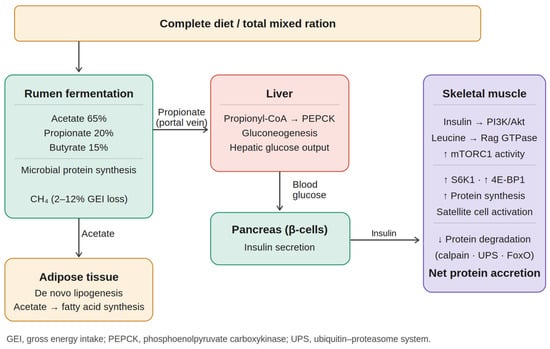
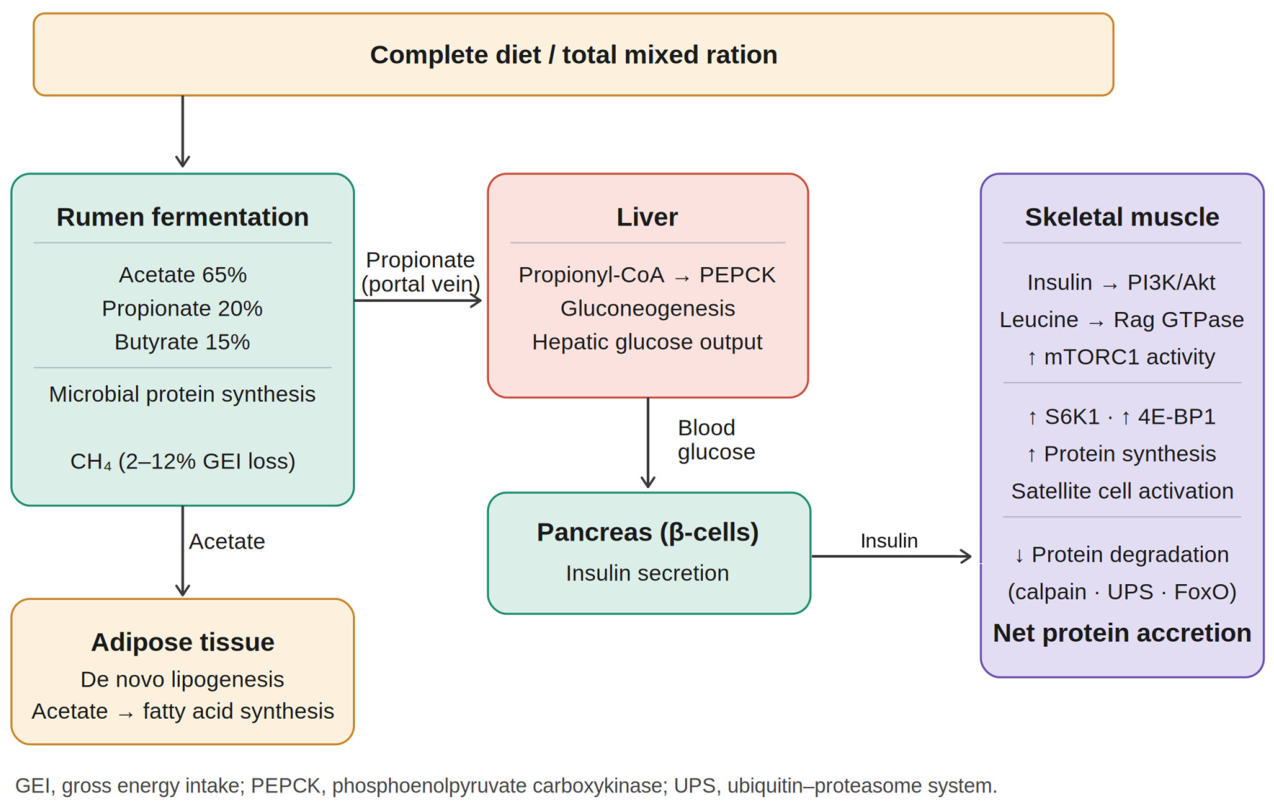
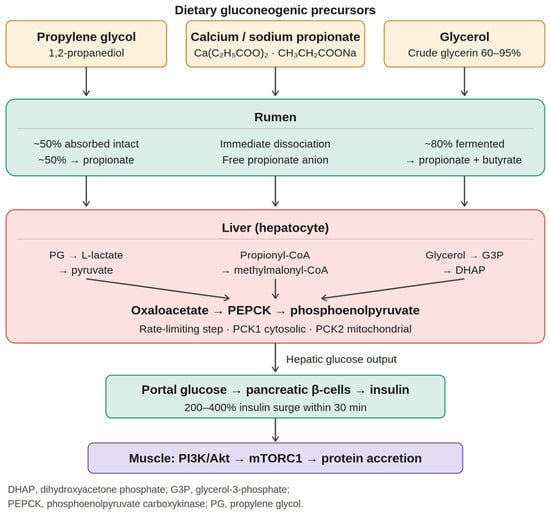
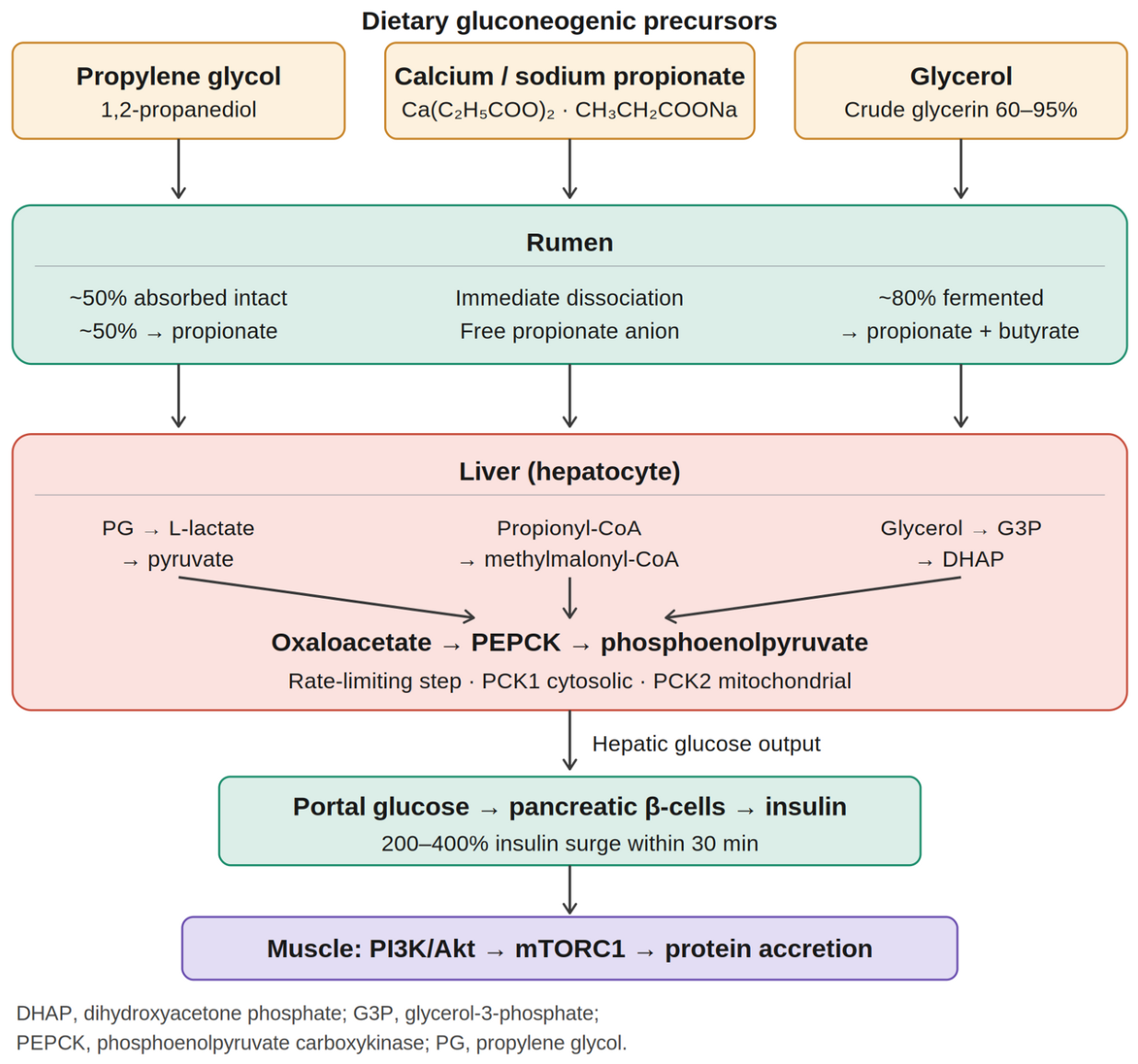
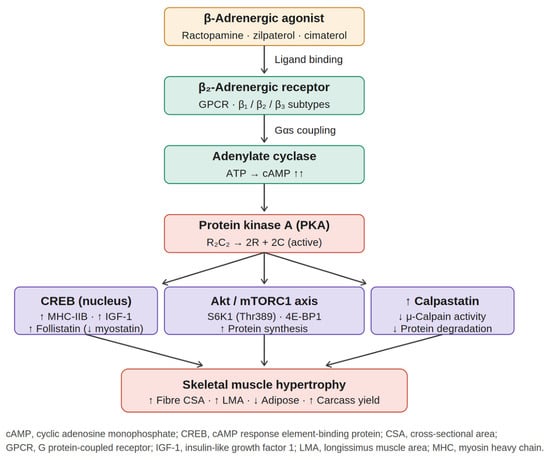
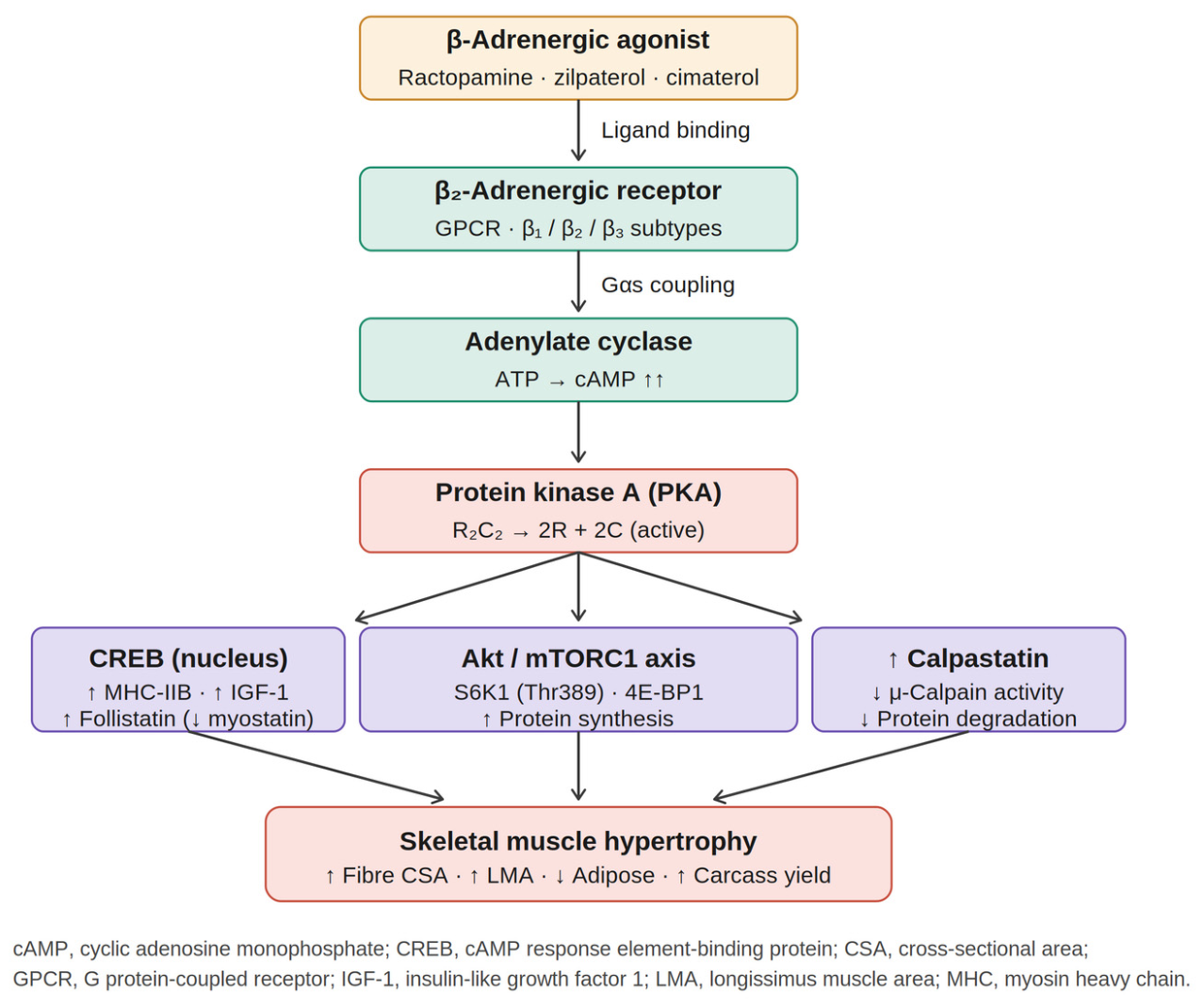
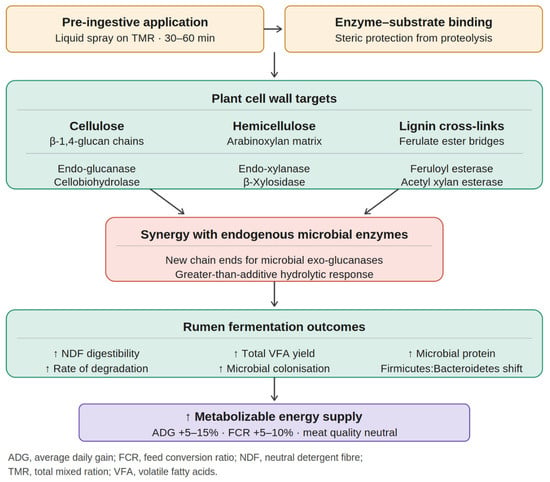
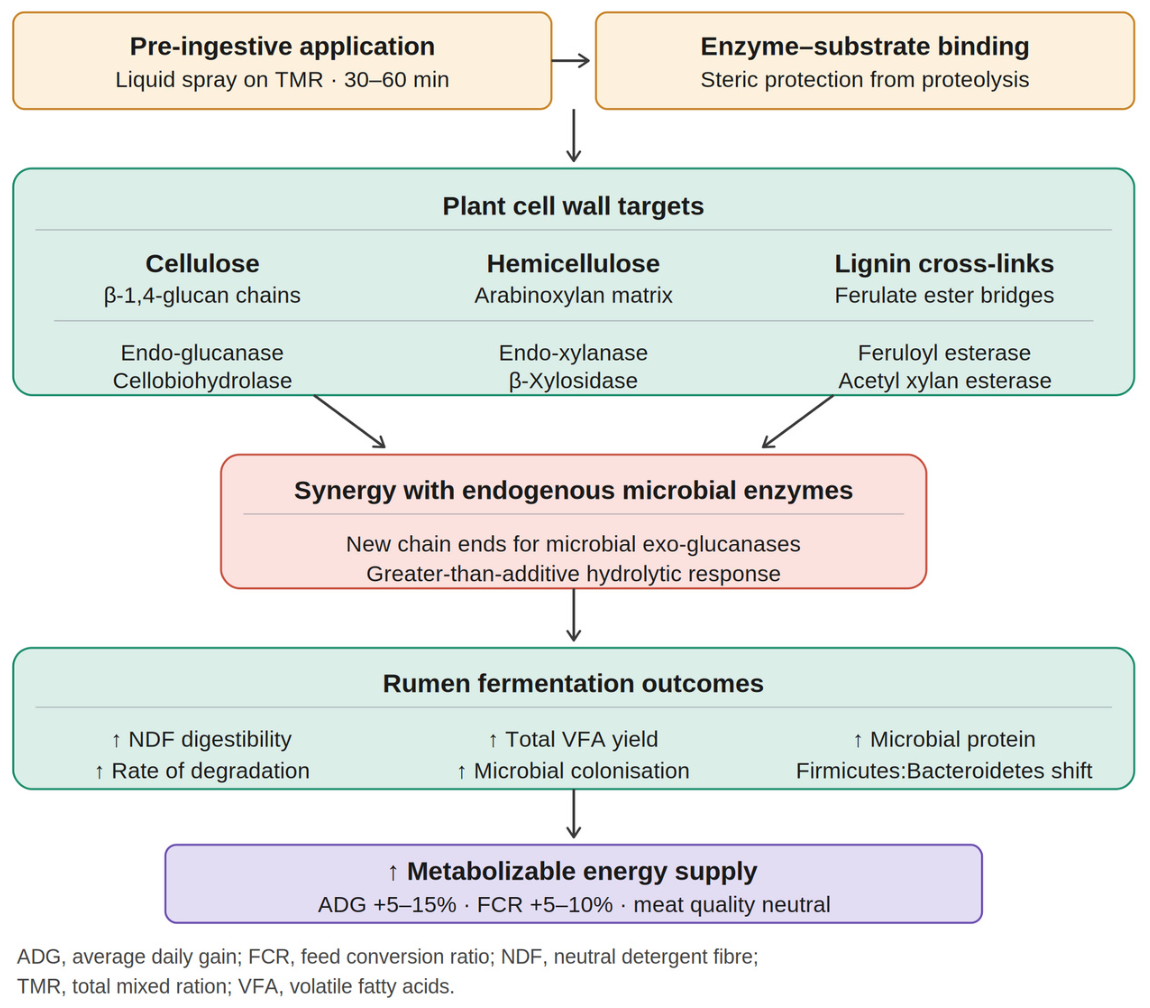
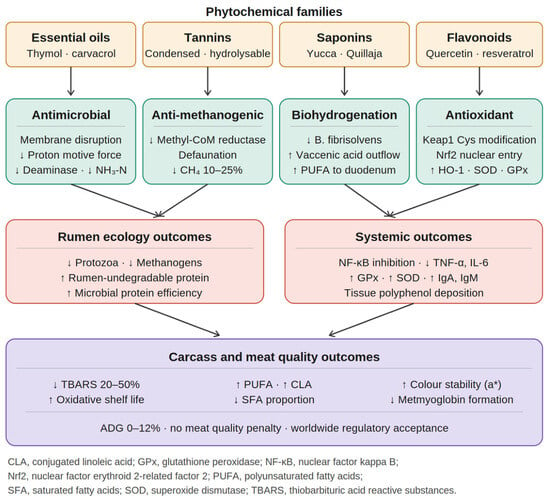
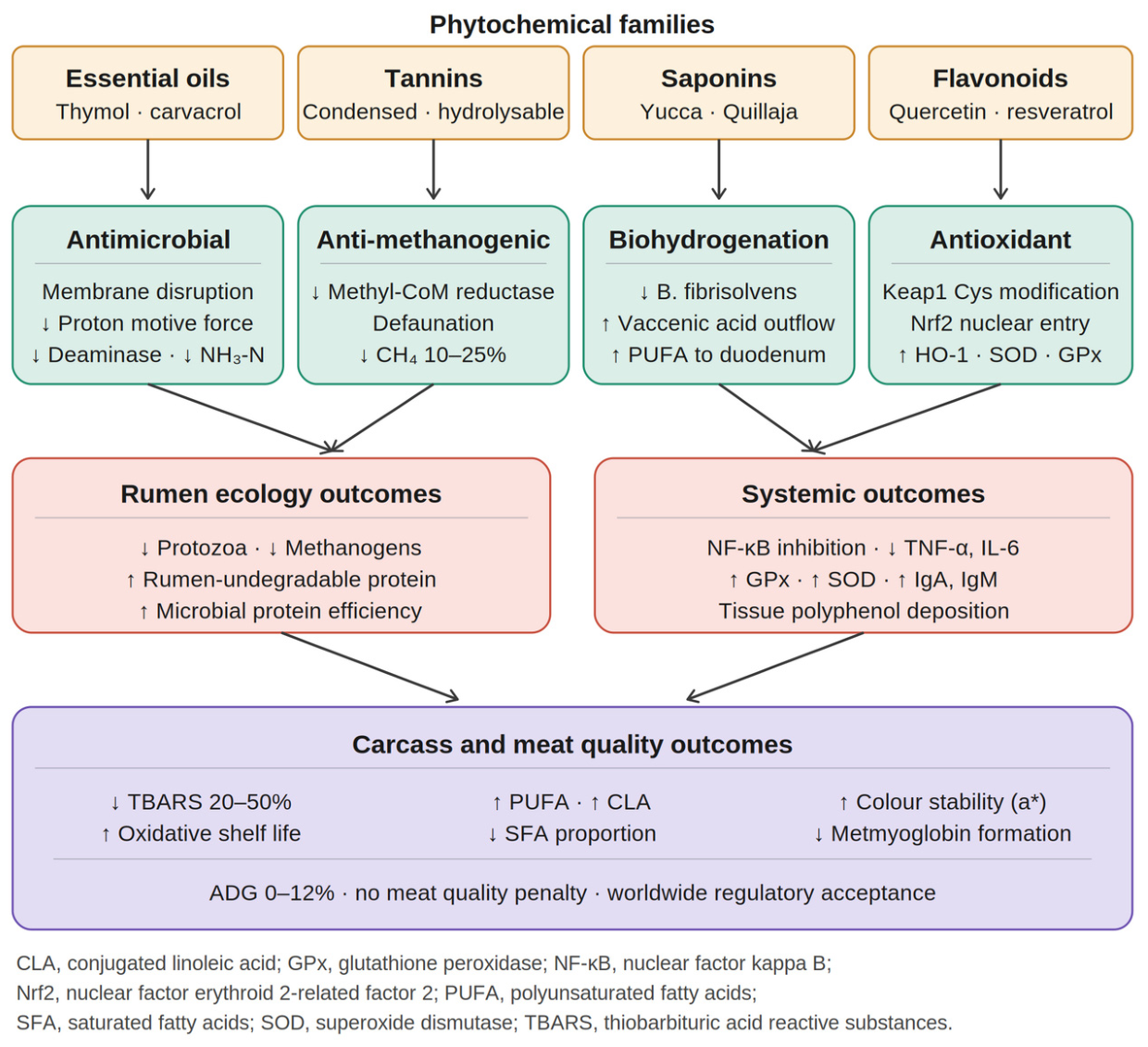
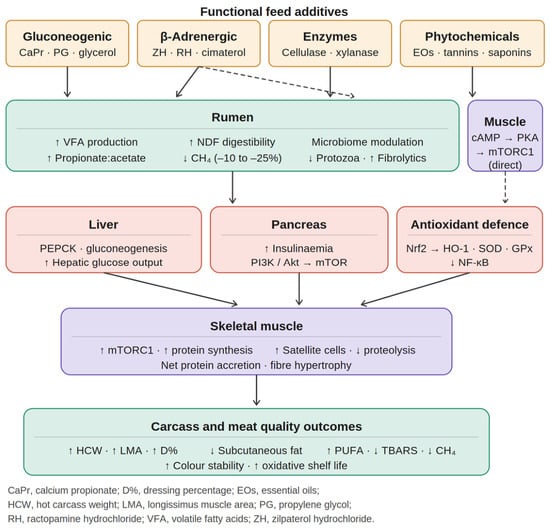
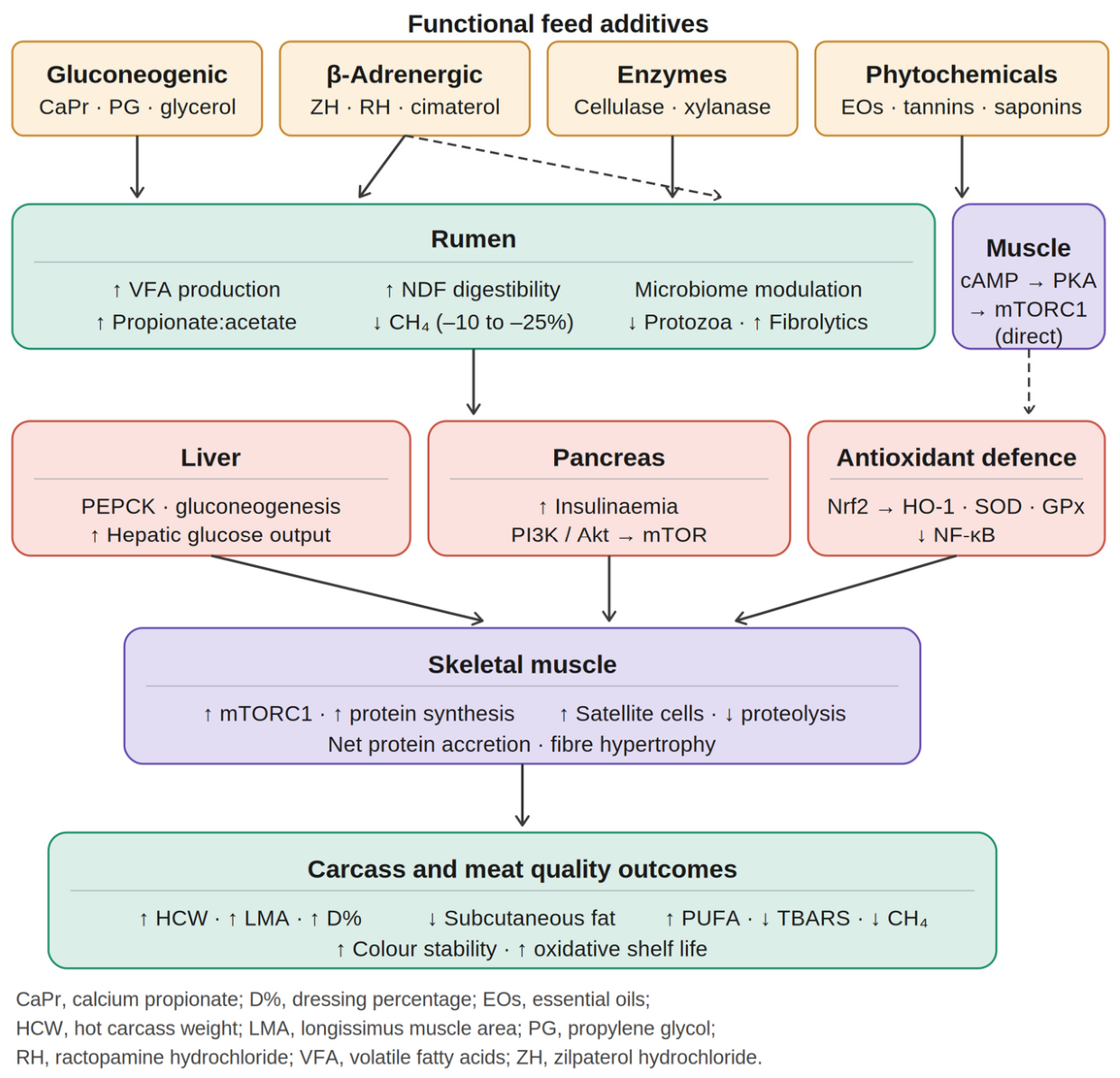
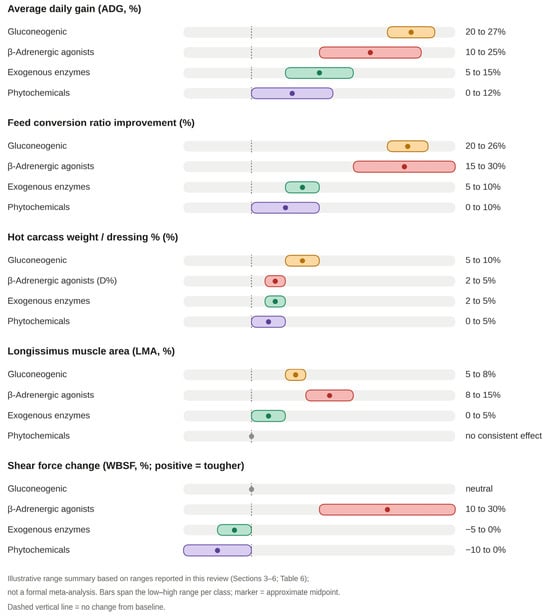
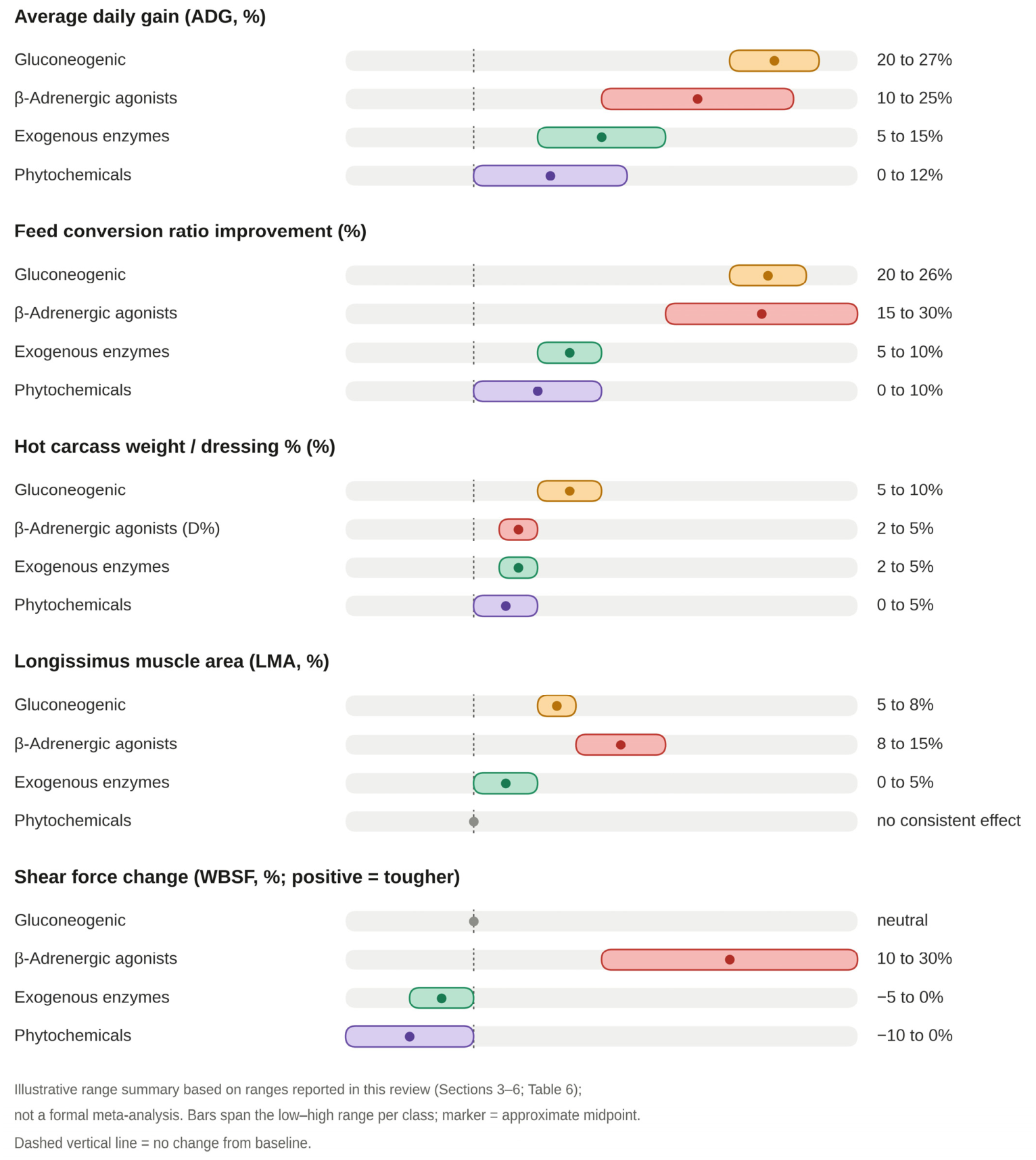

Disclaimer/Publisher’s Note: The statements, opinions and data contained in all publications are solely those of the individual author(s) and contributor(s) and not of MDPI and/or the editor(s). MDPI and/or the editor(s) disclaim responsibility for any injury to people or property resulting from any ideas, methods, instructions or products referred to in the content. |
© 2026 by the authors. Licensee MDPI, Basel, Switzerland. This article is an open access article distributed under the terms and conditions of the Creative Commons Attribution (CC BY) license.