


Simple Summary
This study analyzes global research on the use of Moringa oleifera Lam, 1785 in sheep and goat production between 2000 and 2025. Scientific interest increased strongly after 2020, with India and Egypt leading publications. Most studies focused on animal nutrition and productive performance, highlighting the potential of Moringa oleifera as a sustainable feed resource for small ruminants. Recent research has also explored reproductive biology and methane mitigation, reflecting the search for more environmentally sustainable livestock systems. However, important gaps remain, particularly regarding methodological standardization and the economic impacts of its use in production systems. Overall, the findings demonstrate the growing scientific relevance of Moringa oleifera and identify key areas for future research and practical application in sheep and goat farming.
Abstract
The multifunctionality of Moringa oleifera is widely recognized; however, its application in small ruminant production remains limited. This study aimed to analyze research trends, scientific structures, and knowledge gaps related to the use of Moringa oleifera in sheep and goat production through a bibliometric approach. A total of 203 articles published between 2002 and 2025 were retrieved from the Scopus and Web of Science databases and analyzed using VOSviewer (version 1.6.20). Data mining identified contributions from 41 countries, 804 authors, 241 institutional/organization affiliations and 109 journals. Publication output increased markedly after 2020, with India, Egypt, and Mexico leading scientific production. Keyword co-occurrence analysis revealed animal nutrition and productive performance as the main research themes, with recent expansion toward reproductive biology and enteric methane mitigation. A. E. Kholif and G. A. Gouda were the most cited authors. Bibliographic coupling network analysis of journals identified four thematic clusters, indicating disciplinary expansion beyond traditional animal science. Important gaps remain regarding the economic impacts of Moringa oleifera use and the standardization of preparation methods, including plant parts, extraction procedures, solvents, and dosages.
1. Introduction
Moringa oleifera is a multifunctional plant recognized for its high nutritional value and the presence of bioactive compounds with antioxidant, antimicrobial, antiparasitic, and anti-inflammatory properties [1,2]. Its potential as a functional feed additive has attracted increasing interest in small ruminant production, with studies reporting effects on nutrient utilization, ruminal fermentation, milk quality, meat quality, reproductive performance, and enteric methane mitigation [3,4,5,6,7]. This growing scientific interest reflects the search for nutritional strategies capable of improving productive efficiency and sustainability in sheep and goat production systems. However, despite the expansion of research, the available evidence remains methodologically fragmented, limiting the consolidation of current knowledge.
In vivo evidence in sheep and goats represents the majority of the scientific literature on the subject in relation to claims derived from in vitro and in situ studies, which demonstrates significant advances in validating the use of Moringa oleifera in these species. However, considerable methodological heterogeneity is observed regarding the way the plant is used. This diversity is manifested in the part of the plant employed, predominantly leaves, but also seeds, fruits, bark, flowers, pods and the whole plant [8,9], in the type of processing; fresh, dried powder or meal, silage, aqueous, ethanolic, methanolic or hydroalcoholic extracts, oils, polysaccharides, nanoemulsions and even nanoparticles [10,11] and in the dosages administered; varying from percentage concentrations in the dry matter of the diet to oral administrations in mL or mg/kg of live weight, or even in g/animal/day [12,13,14].
The diversity of response variables investigated further intensifies this limitation, hindering the identification of consistent trends and the formulation of practical recommendations. Despite the progressive increase in the number of publications, no systematic bibliometric mapping of this field has yet been conducted.
Bibliometric analyses provide quantitative tools to identify research trends, collaboration networks, thematic clusters, and knowledge gaps that are often not evident through narrative reviews [15]. The software VOSviewer has been widely used for this purpose in animal science and related fields [16,17,18]. In this context, bibliometric approaches may contribute to a broader understanding of the structure and evolution of research involving Moringa oleifera in small ruminant production.
Therefore, this study aimed to analyze the structure, evolution, and trends of the global scientific production related to the use of Moringa oleifera in the nutrition, health, reproduction, and production of sheep and goats, as well as its applications in the quality and processing of meat and milk derived from these species, through bibliometric analyses of authorship, citation patterns, institutional affiliations, journals, countries, keyword co-occurrence, co-citation, and bibliographic coupling. Additionally, the study sought to characterize the temporal evolution of publications, identify the most influential journals, authors, and geographic regions in the field, and map knowledge gaps and future research perspectives involving Moringa oleifera in small ruminants and their products.
2. Materials and Methods
The literature search was conducted on 12 June 2026, using the following key-word combination: (“Moringa oleifera” OR “Moringa olifera” OR “M. oleifera” OR “Moringa”) AND (“sheep” OR “ewe” OR “lamb*” OR “ovine” OR “ram” OR “goat *” OR “caprine”) AND NOT Title (“Moringa peregrina” OR “Moringa stenopetala” OR “Meta-analysis” OR “review”). In the Scopus database, searches were conducted in the Title-Abs-Key field, and in Web of Science, in the Topic field. Initially, 253 were identified in Scopus and 163 in Web of Science (WoS), respectively. The use and combination of multiple databases are highly recommended for bibliometric analysis; in this research, the Scopus and WoS databases were used because they are the most comprehensive and widely used in the academic community, ensuring broad and representative coverage of the scientific production relevant to the area of study [19,20].
Only original research articles were included in the analysis. A preliminary search across the corpus period (2000–2025) confirmed that original articles constitute the dominant document type in both databases consulted, representing 90.6% of records in Scopus and 97.2% in Web of Science, whereas reviews, conference papers, book chapters, and editorial materials collectively account for a small and methodologically heterogeneous minority, as detailed in the PRISMA flow diagram [21] (Figure 1).
Figure 1.
PRISMA flow diagram for bibliographic search and screening.
The restriction to original articles was adopted for the following reasons: (i) original articles represent primary sources of empirical data, directly reflecting experimental knowledge generated on the topic; (ii) the inclusion of review articles and conference papers would introduce systematic distortion in citation-based metrics, since reviews inherently accumulate higher citation counts by aggregating evidence from multiple primary studies, thereby inflating co-citation network centrality and authorship impact indicators in ways that do not reflect original knowledge production, a methodological concern explicitly raised by Donthu et al. [15]; (iii) original articles published in indexed journals have undergone standardized peer review, providing a minimum quality threshold not consistently available in conference proceedings or book chapters; and (iv) restricting the corpus to original articles ensures conceptual coherence with the study objective of mapping where and how primary scientific knowledge on Moringa oleifera in small ruminant production has been generated, rather than how it has been subsequently synthesized or disseminated.
The files were downloaded in BibTeX format from the databases. Subsequently, an R project (RStudio, version 2026.04.0+526) was created; the bibliometrix package (version 4.3.0) was used to unify the files and exclude duplicates, and the write.csv (M, “dataset.csv”) command was used to download the unified file in CSV format compatible with VOSviewer (version 1.6.20), used for bibliographic mapping [16].
Following data importation, the files were cleaned using the text spreadsheet editor, the thesaurus_authors and thesaurus_terms files, according to the VOSviewer manual. This process included standardization of author names (e.g., “Piñeiro-Vázquez Á.T.” and “Piñeiro-Vázquez Á.” unified as “Piñeiro-Vázquez A.T.”; “El-ghandour M.M.Y.” and “Elghandour M.M.” unified as “Elghandour M.M.Y.”), keyword harmonization (singular and plural forms, such as “anthelmintics” standardized to “anthelmintic”, and synonymous terms such as “ewe’s” and “goat’s” standardized to “ewe” and “goat”, respectively), and unification of institutional affiliation names to generate bibliometric maps based on the selected data types [16].
Bibliographic coupling occurs when two different works (original scientific articles) cite a third work, whereas co-citation occurs when two separate documents are jointly referenced by a third document [22]. Similar to bibliographic coupling, co-citation is considered a measure of semantic similarity among documents based on citation analysis [23].
In the generated network maps, node size reflects the frequency of occurrence, colors indicate membership within algorithmically defined clusters, and edge thickness represents the strength of the links between elements, following the standard methodology of VOSviewer (version 1.6.20) [16].
Links, or total link strength, represent the number of times that terms (authors, citations, co-citations, affiliations, and keyword co-occurrences) appear together within the same article. The stronger the connection between two terms, the more frequently they co-occur, indicating a possible relationship between concepts [22,23,24].
VOSviewer is a software tool designed for constructing and visualizing bibliometric maps. Fractional counting was applied, in which each document receives a fractional unit according to the number of co-authors. The methodological foundations of bibliometric analysis, including the construction of co-authorship, co-citation, and keyword co-occurrence maps, are described in detail by Donthu et al. [15] and van Eck and Waltman [16,24]. The VOSviewer software grouped the different keywords into clusters, and an analysis of the 203 articles was carried out, considering the type of research (in vivo, in vitro, in situ), objectives, plant part used (green leaf, dried leaf, ground leaf, bark, root), type of extract or formulation (powder, liquid, green forage, silage), dosage/inclusion level used, animal species and category, main results, and authors (Supplementary Table S2). This analysis helped to identify the existing gaps in the literature.
3. Results
3.1. Research Trend Analysis
A total of 203 original articles on the use of Moringa oleifera in small ruminants, including sheep and goats, were retrieved from the Scopus and WoS databases between 2000 and 2025. All documents were published in English (194), Spanish (7), French (1) and Portuguese (1). Overall, 804 authors from 41 countries contributed to the scientific literature on the use of MO in sheep and goat production, distributed across 109 journals. These authors were affiliated with 241 different institutions, generating 448 keyword co-occurrences and 5.94 document average age (Table 1).
Table 1.
Main information about data (database unified Scopus and WoS).
No articles related to the research topic were published in the Scopus and Web of Science databases in 2000, 2001 or 2004. Furthermore, before the adopted time frame (before 2000), no eligible publications meeting the applied search criteria were identified. Although the expansion of Moringa oleifera research in other scientific fields has been widely documented since the early 2000s, studies involving sheep and goats are relatively recent and have become predominantly concentrated between 2020 and 2025. In addition, articles published in 2012 received the highest citation counts; the highest number of published articles was recorded in the year 2025 (Figure 2).
Figure 2.
Temporal evolution of annual scientific production and total citation counts related to the use of Moringa oleifera in sheep and goat research between 2000 and 2025, based on bibliometric analysis of publications indexed in Scopus and Web of Science.
3.2. Country Participation in Research on the Use of Moringa oleifera in Sheep and Goats
Global research participation by country revealed that 41 countries published original articles on the use of Moringa oleifera in sheep and goat production. India (47 publications), Egypt (37), Mexico (21), Indonesia (19), and Nigeria (16) were the countries with the highest number of publications.
In terms of total citations, Egypt ranked first with 900 citations, followed by South Africa (641), India (435), the United States (379), and Mexico (393). South Africa (58.27) and the United States (54.14) showed the highest average citations per publication, whereas India recorded an average of 9.26 citations per publication (Table 2).
Table 2.
The 15 leading countries with the highest number of publications on the use of Moringa oleifera in sheep and goat research.
Regarding total link strength (TLS), Egypt (25), Mexico (21), the United States (11) and Spain (11) exhibited the strongest international research connections. Despite its high number of publications, India showed a relatively low TLS value (10). In contrast, South Africa presented a high mean citation rate per publication and a low TLS value (1), indicating limited international collaboration. The strongest international cooperation links were observed among Egypt, Saudi Arabia, and the United States (Figure 3).
Figure 3.
International collaboration network among countries with at least five publications on the use of Moringa oleifera in sheep and goat research. Node size represents publication volume, line thickness indicates collaboration strength between countries, and colors denote collaboration clusters identified by VOSviewer (version 1.6.20).
3.3. Participation of Institutions/Organizations in Research on the Use of Moringa oleifera in Sheep and Goats
The number of publications and citations by institutions is presented in Table 3. A total of 202 institutions/organizations contributed to research involving Moringa oleifera in sheep and goats, of which 23 institutions published at least four articles.
Table 3.
Representation of the leading institutions/organizations with at least four original research articles published on the use of Moringa oleifera in sheep and goat research.
The National Research Center (Egypt) was the institution with the highest scientific output, totaling 22 published articles, followed by the Universidad Autónoma del Estado de México with ten documents and the Central Institute for Research on Goats (India) with nine publications. The Agriculture Research Center (Egypt) and the Evangelical Presbyterian University College (Ghana) completed the group of the five most productive institutions.
The National Research Center also recorded the highest total number of citations (719) and the highest mean citation rate per publication (33.62). Among the institutions with at least four published articles, five were located in Egypt, five in India, and four in Mexico. Saudi Arabia, Botswana, Nigeria, Venezuela, and Ghana each contributed two institutions, while South Africa and Tanzania contributed one institution each. The highest total link strength (TLS) values were observed for the National Research Center (Egypt), West Bengal University of Animal and Fishery Sciences (India), and King Saud University (Saudi Arabia).
3.4. Journal Participation in Research on the Use of Moringa oleifera in Sheep and Goats
Publications related to Moringa oleifera in sheep and goat research were distributed across 109 journals. Among these, 19 journals published at least three original articles (Table 4), whereas 17 journals published two articles each and 73 journals published only one original article.
Table 4.
Representation of the leading journals (minimum of three publications) publishing original research articles on the use of Moringa oleifera in sheep and goat research.
The journals with the highest number of publications were Tropical Animal Health and Production and Livestock Research for Rural Development, with ten documents each, followed by Animals and Indian Journal of Animal Sciences, both with eight publications. Advances in Animal and Veterinary Sciences and Veterinary Practitioner published six articles each. Regarding citation impact, Elsevier journals stood out, with Animal Feed Science and Technology (70.00), Small Ruminant Research (66.80), and Livestock Science (52.33) presenting the highest average citations per article.
Journals with higher impact factors (IF) also tend to have higher CiteScores (CS), as observed for Environmental Science and Pollution Research (Springer Nature), Animals (MDPI), Frontiers in Veterinary Science (Frontiers Media S.A.), Animal Feed Science and Technology (Elsevier), and Livestock Science (Elsevier), with IFs of 5.80, 2.70, 2.60, 2.50, and 1.80, and CS of 12.10, 5.50, 5.30, 5.40, and 4.30, respectively (Table 4).
Regarding mean citations per publication, the most prominent journals were Animal Feed Science and Technology (77.00), Small Ruminant Research (66.80), and Livestock Science (52.33). Journals published by Elsevier exhibited the highest mean citation rates per publication.
The dispersion of 203 publications across 109 journals highlights the broad thematic distribution of the scientific literature. Among the 15 leading journals, six had an impact factor below 1.0, and two did not present an impact factor. Together, these journals accounted for 54 of the 203 published articles on the topic.
Citation analysis of sources identified 109 journals. The minimum number of documents required for a source was set at three, and the minimum number of citations per source was set at one. A total of 19 journals met these thresholds out of the 109 identified sources. Visualization weighting in VOSviewer was alternately defined by the number of documents (Figure 4a), total citations (Figure 4b), total link strength (Figure 4c), and temporal evolution of publications (Figure 4d). The maximum number of displayed lines was reduced from 1000 to 200 to improve network visualization clarity. Overall, 11 clusters, 58 links, and a total link strength of 78 were identified.
Figure 4.
Citation analysis of journals contributing to research on the use of Moringa oleifera in sheep and goat studies, generated using VOSviewer software (version 1.6.20), considering journals with a minimum of three publications, according to (a) total number of documents, (b) total citations, (c) total link strength, and (d) temporal evolution of journal publications. Node size represents journal relevance within the network, colors indicate citation clusters, and line thickness reflects the strength of citation relationships among journals.
The clusters were distinguished by 11 different colors. Tropical Animal Health and Production (lime green cluster) and Livestock Research for Rural Development (pink cluster) were the most productive journals, with ten documents published each (Figure 4a). In terms of total citations, Small Ruminant Research (TC: 334) and Animal Feed Science and Technology (TC: 210) showed the highest values, as can be observed in Figure 4b, which reflects the data presented in Table 3. The highest total link strength values were observed for Small Ruminant Research (TLS: 38) and Animal Nutrition and Feed Technology (TLS: 4) (Figure 4c). Temporal analysis revealed that Small Ruminant Research, Agroforestry Systems, Livestock Science and Animal Feed Science and Technology have not published new studies on the topic since 2012–2014, a pattern also observed for Livestock Research for Rural Development after 2012 (Figure 4d).
The 11 clusters identified in Figure 5 reveal a high degree of thematic fragmentation, with a clear prevalence of regional journals, particularly from India and other developing regions, which dominate the publication landscape on this topic. This pattern underscores the geographical and thematic concentration of research on Moringa oleifera in sheep and goats, often driven by local agricultural interests and the search for low-cost feed alternatives.
Figure 5.
Bibliographic coupling network of journals publishing research on the use of Moringa oleifera in sheep and goat production systems. Each node represents a journal, node size reflects citation impact, colors indicate thematic clusters identified by VOSviewer (version 1.6.20), and line thickness represents the strength of bibliographic coupling between journals based on shared references. Journals positioned closer together exhibit greater thematic similarity and stronger intellectual connectivity within the field.
The bibliographic coupling analysis of sources identified, among the 109 journals, those with the highest degree of interconnection throughout the analyzed period. The minimum number of documents required for a source was set at three, and the minimum number of citations per source was set at one. A total of 19 sources met these thresholds out of the 109 identified journals. For each of the 19 journals, the total strength of bibliographic coupling links with other journals was calculated, and the journals with the highest total link strength were selected. In VOSviewer, the visualization weighting was changed from documents to citations. The minimum link strength was set to five, and the maximum number of displayed lines was reduced from 1000 to 200 to improve network visualization clarity. Overall, four clusters, 294 links, and a total link strength of 1794 were identified. The clusters were distinguished by four different colors: red, green, blue, and yellow (Figure 5).
The red cluster grouped journals with broad thematic coverage from regional journals such as Indian Journal of Animal Sciences, Veterinary Practitioner, Advances in Animal and Veterinary Sciences, Journal of Advanced Veterinary Research, Indian Journal of Animal Production and Management, Animal Nutrition and Feed Technology, Indian Journal of Animal Research, whose publications on Moringa oleifera cover nutrition, growth, milk quality, health, reproduction (semen cryopreservation) and heat stress relief, demonstrating benefits such as improved performance and cholesterol reduction, especially in goat species.
The green cluster includes journals such as Livestock Research for Rural Development, Livestock Science, West African Journal of Applied Ecology, and Tropical Agriculture; research focuses on nutrition, performance, milk quality, health and reproduction. Studies evaluate its inclusion in diets, replacement of bran, effects on rumen fermentation, microbiota, thermal stress, lipid and antioxidant profile, and semen cryopreservation, mainly in goat species.
The blue cluster included Animals, Indian Journal of Small Ruminants, Frontiers in Veterinary Science and Environmental Science and Pollution Research and focused on nutrition, reproduction and product quality. The studies evaluate dietary supplementation, performance, health, heat stress, milk lipid profile, and semen cryopreservation, in addition to effects on rumen microbiota and methane production, mainly in goat species.
The yellow cluster included Elsevier’s three most influential journals in the field, such as Small Ruminant Research and Animal Feed Science and Technology and Springer Nature’s Agroforestry Systems. The thematic axis is animal nutrition, covering food supplementation, bran replacement, digestibility, ruminal fermentation, productive performance, milk and meat quality, and animal health, which is consistent with the highest average citation rates per publication observed for these journals in the performance analysis.
3.5. Authorship in Research on the Use of Moringa oleifera in Sheep and Goats
A total of 804 authors were identified in studies involving the use of Moringa oleifera in sheep and goat research. A. E. Kholif and G. A. Gouda, both affiliated with the National Research Center, were the most cited authors, with 554 and 546 citations, respectively. They were followed by P. J. Masika, B. Moyo, and V. Muchenje, all from the University of Fort Hare, with 500 citations each (Table 5).
Table 5.
The 20 most cited authors in research on the use of Moringa oleifera in sheep and goat studies.
The co-authorship analysis, considering authors with at least two publications, grouped researchers into five clusters. A. E. Kholif, G. A. Gouda, T. A. Morsy, A. Z. M. Salem and M.M.Y. Elghandour exhibited the strongest collaboration links among authors. Co-authorship relationships were observed since the early years of research on Moringa oleifera in sheep and goats and remained active through 2025 (Figure 6a).
Figure 6.
Co-authorship network of authors with a minimum of two publications on the use of Moringa oleifera in sheep and goat research, generated using VOSviewer software (version 1.6.20). The network visualization illustrates collaborative relationships among authors based on average annual scientific production between 2000 and 2025. Node size represents author productivity, colors indicate collaboration clusters, and line thickness reflects the strength of co-authorship links between researchers (a,b).
Most authors remained scientifically active in recent years, particularly researchers affiliated with Egyptian (A. E. Kholif, G. A. Gouda, T. A. Morsy) and Mexican institutions (A. Z. M. Salem, M.M.Y. Elghandour). Emerging authors stand out, such as Amgad A. Abu Elella (Agriculture Research Center, Egypt), Ameer Khusro (Saveetha University, India), Aristide Maggiolino (University of Bari Aldo Moro, Italy), and Ahmed Abdelkader Aboamer (National Research Center, Egypt) (Figure 6b).
The most cited articles are presented in Table 6. Studies investigating the antioxidant potential of Moringa oleifera leaves using aqueous and acetone extracts, as well as their application in goat diets, received the highest number of citations (189). These were followed by studies evaluating the antioxidant potential, chemical composition, and fatty acid profiles in meat from goats supplemented with MO leaves, sunflower cake, and grass hay, which collectively received 179 citations.
Table 6.
Top 15 most cited articles on the use of Moringa oleifera in sheep and goat research.
Research involving Moringa oleifera leaf meal as a protein source for lactating goats received 111 citations. Studies examining the use of Moringa oleifera leaf extract as a natural antioxidant to reduce lipid peroxidation in cooked goat meat hamburgers recorded 91 citations. In addition, investigations evaluating Moringa oleifera leaf meal in goat diets accumulated 91 citations, completing the five most cited studies in the field.
3.6. Author Co-Citation Network in Research on the Use of Moringa oleifera in Sheep and Goats
The author co-citation network presented a total link strength (TLS) of 26,690, considering authors with a minimum of 15 citations. Under this criterion, 27 authors reached the established threshold and were distributed into four distinct clusters (Figure 7).
Figure 7.
Author co-citation network considering a minimum threshold of 15 citations in research on the use of Moringa oleifera in sheep and goats, generated using VOSviewer software (version 1.6.20). Node size represents the citation relevance of each author, colors indicate co-citation clusters, and line thickness reflects the strength of co-citation relationships between authors within the scientific network.
Among the most co-cited authors, K. Becker (cluster 2, green), V. Muchenje (cluster 3, blue), A. M. Kholif (cluster 1, red), and M. L. Galyean (cluster 4, yellow) were the most prominent co-cited authors. The strongest link was observed between V. Muchenje and A. A. Mohammed (TLS = 630).
The distribution of authors across different clusters demonstrates the existence of multiple thematic nuclei within the literature on Moringa oleifera applied to sheep and goat production. Despite the relatively small number of highly co-cited authors, a high degree of connectivity was observed among the leading researchers in the field.
3.7. Co-Occurrence Analysis of Author Keywords on the Use of Moringa oleifera in Sheep and Goat Production
Among the 448 keywords identified in the literature, 23 reached the minimum threshold of six occurrences (Figure 8a). The analysis resulted in a total link strength (TLS) of 4004, with “Moringa oleifera” presenting the highest TLS value (317). Other prominent keywords included goat (27), growth performance (26), digestibility (17), rumen fermentation (16), Moringa oleifera leaf meal (15), sheep (13), milk (10), blood metabolites (10) and anthelmintic (10) (Supplementary Table S1).
Figure 8.
Network visualization of author keywords with a minimum threshold of six co-occurrences (a) and overlay visualization with temporal trend analysis (b) in publications related to the use of Moringa oleifera in sheep and goat research, generated using VOSviewer software (version 1.6.20). Node size represents keyword occurrence frequency, colors indicate thematic clusters or average publication year, and line thickness reflects the strength of co-occurrence relationships among keywords within the scientific literature.
The most frequent keywords became more prominent after 2015. Terms such as cryopreservation, ram, antioxidant, methane, Moringa oleifera leaf meal and antimicrobial showed greater occurrence from 2021 onward (Figure 8b).
The analysis of the 203 articles revealed that 130 studies conducted in vivo research [7,8,9,12,13,14,25,26,27,28,30,31,35,39,40,41,42,43,44,45,46,47,48,49,50,51,52,53,54,55,56,57,58,59,60,61,62,63,64,65,66,67,68,69,70,71,72,73,74,75,76,77,78,79,80,81,82,83,84,85,86,87,88,89,90,91,92,93,94,95,96,97,98,99,100,101,102,103,104,105,106,107,108,109,110,111,112,113,114,115,116,117,118,119,120,121,122,123,124,125,126,127,128,129,130,131,132,133,134,135,136,137,138,139,140,141,142,143,144,145,146,147,148,149,150,151,152,153,154] 57 conducted in vitro research [10,11,32,36,37,38,155,156,157,158,159,160,161,162,163,164,165,166,167,168,169,170,171,172,173,174,175,176,177,178,179,180,181,182,183,184,185,186,187,188,189,190,191,192,193,194,195,196,197,198,199,200,201,202,203,204,205], eight studies combined in vitro and in vivo [34,206,207,208,209,210,211,212], two studies combined in vivo and in situ [213,214], two analyzed food products [29,215], product development [216], forage analysis [217], perception study [218] and one study that combined in vitro and in situ [219], respectively (Supplementary Table S2). Of these, 93 studies were conducted with goats and 88 with sheep, while the remaining ones combined goats, sheep, or cattle. This analysis of the 203 articles allowed the identification of research gaps in this bibliometric analysis.
The results demonstrated a predominance of studies related to animal nutrition, productive performance, ruminal metabolism, physiological parameters, and the antioxidant and antimicrobial effects of the plant. Keywords such as digestibility, Moringa oleifera, growth performance, and goat were mainly associated with studies on feed efficiency and ruminal fermentation, whereas antioxidant, blood metabolites, and anthelmintic were linked to functional and therapeutic investigations.
The keywords were grouped into four distinct clusters (Figure 8a), defined based on relativity and similarity indices, as detailed in Table 7.
Table 7.
Main keywords, clusters, and research themes related to the use of Moringa oleifera in sheep and goat studies.
Cluster one (red) represents studies on the effects of Moringa oleifera supplementation on rumen fermentation, methane, and digestibility in lambs.
Cluster two (green) includes studies associated with the antioxidant and anthelmintic effects of Moringa oleifera, as well as its applications in cryopreservation, semen quality, and reproductive performance of small ruminants.
Cluster three (blue) indicates that productive performance in sheep was the predominant outcome in studies using the leaf meal form of Moringa oleifera.
Cluster four (yellow): this pattern reflects the substantial body of research conducted in lactating does, evaluating the effects of different forms of Moringa oleifera on milk yield and composition, fatty acid profile, and metabolic blood parameters, a thematic axis that has generated the highest citation counts in the corpus.
4. Discussion
To the best of our knowledge, this is the first bibliometric analysis focused exclusively on the use of Moringa oleifera in sheep and goats. The marked growth observed after 2020, with the majority of publications concentrated within the last five years, is consistent with the expansion pattern documented in broader bibliometric analyses of Moringa oleifera [220,221,222,223], in which scientific production also accelerated during the 2020s, driven in part by the increasing demand for sustainable alternatives to conventional nutritional feed additives, including the use of Moringa oleifera as a modulator of ruminal fermentation and as a strategy for enteric methane mitigation in ruminant production systems [224].
India’s leadership in publication volume (47 articles; 23.2% of the total), combined with a low mean citation rate per publication (9.26 MCP) and limited international collaboration strength (TLS = 10), reflects a pattern reported in other agricultural science fields: high regional productivity with limited integration into global scientific networks [225]. This pattern is contextually understandable given that Moringa oleifera is widely cultivated in tropical and subtropical regions of India, which sustains a structural regional interest in evaluating the plant as a low-cost feed resource for local ruminant production systems [193,224]. In contrast, Egypt accumulated the highest total citations (900 TC) and the strongest international collaboration links (TLS = 25), a pattern largely attributable to the prolific and collaborative output of the National Research Center, which alone accounted for 22 articles and 719 citations driven primarily by the systematic contributions of A. E. Kholif and G. A. Gouda. South Africa, despite contributing only eleven publications, exhibited the highest mean citation rate per publication (58.27 MCP) and almost no international collaboration (TLS = 1), indicating that the contributions of P. J. Masika, B. Moyo, and V. Muchenje exert disproportionate influence relative to the size of the group, although remaining relatively isolated from broader international co-production networks.
The dispersion of 203 publications across 109 journals, of which 73 published only a single article on the topic, highlights the regionalization and low consolidation of the field. The predominance of low-impact journals among the most productive outlets, six of the fifteen leading journals had an impact factor below 1.0, and two lacked Journal Citation Reports indexing, suggests that a significant portion of scientific production has not yet reached high-impact international audiences. In contrast, Elsevier journals such as Small Ruminant Research, Animal Feed Science and Technology, and Livestock Science, despite publishing relatively few articles on the specific topic, accumulated the highest mean citation rates per publication (66.80, 70.00, and 52.33, respectively), reinforcing the well-established association between editorial prestige and citation accumulation [226], although this relationship is not strictly linear. The editorial inactivity observed in these high-impact journals since 2012–2014, contrasting with the sharp increase in publications in lower-impact journals after 2020, may indicate a geographic democratization of scientific production; however, this pattern alone does not allow inferences about the methodological quality of recent publications, an assessment that would require complementary qualitative analysis beyond the scope of this bibliometric study.
The bibliographic coupling analysis of sources complements this perspective by revealing that the 19 journals meeting the minimum thresholds were grouped into four clusters with distinct thematic profiles. The red cluster was composed predominantly of regional South Asian journals, including Indian Journal of Animal Sciences, Veterinary Practitioner, Advances in Animal and Veterinary Sciences, Journal of Advanced Veterinary Research, Indian Journal of Animal Production and Management, and Animal Nutrition and Feed Technology, whose publications on Moringa oleifera cover nutrition, growth, milk quality, health, and reproduction, with emphasis on caprine species. The green cluster grouped Livestock Research for Rural Development, Livestock Science, West African Journal of Applied Ecology, and Tropical Agriculture, focusing on nutrition, productive performance, milk quality, health, and reproduction, predominantly in goats. The blue cluster included Animals, Indian Journal of Small Ruminants, Frontiers in Veterinary Science, and Environmental Science and Pollution Research, with studies on dietary supplementation, performance, health, heat stress, milk lipid profile, semen cryopreservation, and ruminal methane production.
The yellow cluster integrated the Elsevier journals Small Ruminant Research and Animal Feed Science and Technology, and the Springer Nature journal Agroforestry Systems, whose dominant thematic axis was animal nutrition encompassing supplementation, digestibility, ruminal fermentation, productive performance, and meat and milk quality, consistent with the highest mean citation rates per publication observed for these journals in the performance analysis. This clustering pattern indicates that research on Moringa oleifera in small ruminants is expanding beyond the traditional disciplinary boundaries of animal science, attracting audiences from environmental science and agricultural sustainability. It should be noted that the thematic attribution of each cluster represents the authors’ interpretive synthesis of the grouping patterns generated by VOSviewer and does not constitute an output produced directly by the software.
This thematic dissemination structure is partially shaped by the trajectories of the field’s most influential authors. V. Muchenje is the only author in the present analysis who also appears among the most cited researchers in broader bibliometric analyses of Moringa oleifera [221,222,223,227,228], reflecting his pioneering contributions, together with P. J. Masika and B. Moyo, to foundational studies on the nutritional composition of Moringa oleifera leaves and their effects on meat quality and hepatic antioxidant metabolism in goats [25,26]. The fact that all five of the most cited articles involved goats and were published between 2011 and 2016 indicates that this species served as the preferred experimental model during the early stages of the field, a pattern that contrasts with the more recent expansion of sheep studies observed after 2015. A. E. Kholif exhibited the highest total link strength among the most co-cited authors (TLS = 44) and the highest scientific output within the corpus (10 original articles), with systematic contributions involving leaf extracts and leaf meal supplementation in dairy goats [14,27,28,30,35], which explains his central position within the co-authorship and co-citation networks identified in this study.
The keyword co-occurrence analysis revealed that the field is structured around four thematic clusters: ruminal metabolism and methane (Cluster 1), bioactive properties and reproductive biology (Cluster 2), productive performance in sheep (Cluster 3), and lactation and blood metabolism in goats (Cluster 4). It is important to emphasize that Clusters 1 and 4, although algorithmically distinct, share a strong functional and biological interdependency that should not be overlooked when interpreting the results: nutrient digestibility the central variable of Cluster 1 directly influences ruminal fermentation efficiency, volatile fatty acid profiles, and the metabolic substrates available for milk synthesis, all represented by the keywords of Cluster 4 (blood metabolites, fatty acid, milk). This interconnection is consistent with the literature, in which studies documenting increases in ruminal propionate concentration and reductions in the acetate-to-propionate ratio in goats supplemented with Moringa oleifera also observed concomitant improvements in milk fat yield and blood glucose and albumin concentrations [14,27,28].
Rather than representing isolated research axes, these clusters should be understood as complementary dimensions of an integrated nutritional framework: the modulation of ruminal fermentation by Moringa oleifera constitutes the proximal mechanism through which downstream effects on productive performance, blood metabolite profiles, and milk quality emerge. The recent emergence of terms such as cryopreservation, ram, methane, and antimicrobial, gaining greater prominence from 2021 onward, signals the expansion of the field toward reproductive biology and enteric methane mitigation as consolidating research lines. In reproductive biology, eleven articles have been published since 2020 [13,55,56,159,162,163,164,165,166,201,207], focusing on the effects of leaf extracts on semen cryopreservation in rams and bucks. Regarding methane mitigation, the available studies indicate promising potential; however, existing in vitro findings still require robust in vivo validation [37,38,39,119,167], and the heterogeneity of experimental protocols employed limits direct comparisons among studies.
The h-index values reported in Table 5 correspond to the global author profiles in Scopus at the time of data extraction and do not reflect the specific influence of each author within the analyzed corpus, an aspect that should be considered when interpreting author relevance in this specific field. Furthermore, the author co-citation analysis may be influenced by citation biases inherent to the formation of closed collaboration networks or by self-citation patterns, which should be considered when interpreting the structural relationships among the most influential researchers.
Important research gaps emerge directly from the analysis of the 203 articles in the corpus and deserve priority attention. Of the total studies, only one incorporated economic impact analysis among its declared objectives. This absence is critical, since the operational feasibility of Moringa oleifera use in production systems ultimately depends on cost–benefit assessments that integrate documented nutritional effects with real productive contexts. Future studies should determine the cost–benefit relationship of different forms of Moringa oleifera preparation compared with conventional protein sources in sheep and goat production systems across different regional contexts.
Similarly, only two studies in the corpus evaluated the microbiological safety of Moringa oleifera-enriched animal products, a gap of scientific and regulatory relevance, given that plant-derived extracts and meals incorporated into meat or dairy matrices may alter microbial growth profiles, either through the antimicrobial activity of the plant’s bioactive compounds or through changes in water activity, pH, or lipid composition induced by their inclusion. Future studies should evaluate the effects of different concentrations of aqueous extracts or leaf meal of Moringa oleifera on microbiological safety indicators, including total aerobic mesophilic count, total coliforms, Staphylococcus aureus, and Salmonella spp., in sheep and goat meat and dairy products under different storage conditions.
The corresponding research question is: What are the effects of different concentrations of Moringa oleifera aqueous extract or leaf meal on microbiological safety indicators, including total aerobic mesophilic count, total coliforms, Staphylococcus aureus, and Salmonella spp., in sheep and goat meat and dairy products under different storage conditions? The third gap, and the one with the greatest operational impact identified in the corpus, is the absence of standardization in preparation and dosage protocols. Among the 203 articles analyzed, doses were expressed in mutually incompatible units: percentage of dry matter (ranging from 3% to 100% substitution), milliliters per animal per day (2–40 mL), grams per animal per day (5–15 g), milligrams per liter, and milligrams per kilogram of body weight across studies that also differed in plant part used, processing form, and animal species.
This multidimensional heterogeneity renders quantitative meta-analysis infeasible and prevents the identification of consistent dose–response relationships. The central research question that this gap demands is: which combination of plant part, preparation method, and dose expressed in a standardized unit of bioactive compounds per kilogram of body weight produces consistent and reproducible effects on ruminal fermentation, nutrient digestibility, and productive performance in sheep and goats? Future studies employing factorial designs that compare preparation forms under equivalent experimental conditions represent the necessary methodological step toward enabling both quantitative synthesis of available evidence and the development of evidence-based nutritional guidelines for the use of Moringa oleifera in small ruminant production systems.
5. Conclusions
This first bibliometric analysis mapped the global structure, evolution, and thematic trends of scientific production on Moringa oleifera in sheep and goat research between 2000 and 2025, based on 203 original articles retrieved from Scopus and Web of Science. Scientific production has expanded markedly since 2020, with India leading in publication volume, Egypt dominating citation networks and international collaboration, and South Africa exerting the highest citation impact per publication through a small group of foundational researchers. Publications are dispersed across 109 journals, with Elsevier outlets concentrating the highest citation rates despite recent editorial inactivity on the topic, while regional journals from South Asia and West Africa account for the largest share of recent output. Bibliographic coupling of sources identified four thematic clusters that reflect both the consolidation of animal nutrition journals as the field’s primary dissemination channels and the emergence of environmental and sustainability journals as new outlets, signaling an ongoing interdisciplinary expansion. Keyword co-occurrence analysis structured the field into four clusters: ruminal metabolism and methane, bioactive properties and reproductive biology, productive performance in sheep, and lactation and blood metabolism in goats, with Clusters 1 and 4 showing strong biological interdependency that positions ruminal fermentation modulation as the proximal mechanism underlying downstream effects on milk production and blood metabolite profiles. Goats served as the dominant experimental model during the field’s foundational period (2011–2016), whereas sheep studies have expanded notably since 2015. Three specific research gaps were identified directly from the corpus: the near-total absence of economic impact analyses, the limited coverage of microbiological safety assessments for Moringa oleifera-enriched products, and the pronounced heterogeneity in preparation protocols and dosage units across studies, which currently prevents quantitative synthesis and the formulation of evidence-based feeding guidelines. Addressing these gaps, particularly through the development of standardized experimental protocols and harmonized dosage criteria, will be essential to enable quantitative evidence synthesis and support the development of evidence-based nutritional recommendations for the use of Moringa oleifera in sheep and goat production systems.
Supplementary Materials
The following supporting information can be downloaded at: https://www.mdpi.com/article/10.3390/ruminants6030077/s1, Table S1: The 15 most frequent keywords in the literature on the use of Moringa oleifera in sheep and goat research.; Table S2: Classification of Articles on the Use of Moringa oleifera in Sheep and Goat Nutrition.
Author Contributions
Conceptualization, G.D.V.-B., T.F. and F.M.d.V.J.; methodology, G.D.V.-B.; software, G.D.V.-B.; validation, G.D.V.-B., T.F., E.S.d.R.G. and F.M.d.V.J.; formal analysis, G.D.V.-B.; investigation, G.D.V.-B., B.B.N.R., A.B.d.S., N.d.S.A. and R.A.S.; data curation, G.D.V.-B.; writing—original draft preparation, G.D.V.-B.; writing—review and editing, G.D.V.-B., N.M.V.d.S. and F.M.d.V.J.; visualization, G.D.V.-B.; supervision, F.M.d.V.J. All authors have read and agreed to the published version of the manuscript.
Funding
This work was supported by Coordination for the Improvement of Higher Education Personnel—CAPES (Scholarship and PROAP; PDPG-Consolidação 3-4, Processo Nº 88881.745570/2022-01); the Foundation for the Support of Education, Science, and Technology Development in the State of Mato Grosso do Sul—FUNDECT (PDPG Centro-Oeste, Processo Nº 83/035.027/2024, FUNDECT Projeto TO Nº 274/2024, SIAFIC Nº 1481; PDPG Estados FUNDECT Projeto TO Nº 133/2023, SIAFEM Nº 33108); National Council for Scientific and Technological Development—CNPQ (PQ Researcher).
Institutional Review Board Statement
Not applicable.
Informed Consent Statement
Not applicable.
Data Availability Statement
The raw data supporting the conclusions of this article will be made available by the authors on request.
Acknowledgments
The authors thank the Ovinotecnia research group and the SISPEC network (Network of Smart and Sustainable Livestock Systems, funded by CYTED ref. 125RT0167).
Conflicts of Interest
The authors declare no conflict of interest.
References
- Anwar, F.; Latif, S.; Ashraf, M.; Gilani, A. Moringa oleifera: A food plant with multiple medicinal uses. Phytother. Res. 2007, 21, 17–25. [Google Scholar] [CrossRef] [Scilit] [PubMed]
- Mahaveerchand, H.; Abdul Salam, A. Environmental, industrial, and health benefits of Moringa oleifera. Phytochem. Rev. 2024, 23, 1497–1556. [Google Scholar] [CrossRef] [Scilit]
- Makkar, H.; Becker, K. Nutrients and antiquality factors in different morphological parts of the Moringa oleifera tree. J. Agric. Sci. 1997, 128, 311–322. [Google Scholar] [CrossRef] [Scilit]
- Makkar, H.; Becker, K. Nutrional value and antinutritional components of whole and ethanol extracted Moringa oleifera leaves. Anim. Feed Sci. Technol. 1996, 63, 211–228. [Google Scholar] [CrossRef] [Scilit]
- Soliva, C.; Kreuzer, M.; Foidl, N.; Foidl, G.; Machmüller, A.; Hess, H. Feeding value of whole and extracted Moringa oleifera leaves for ruminants and their effects on ruminal fermentation in vitro. Anim. Feed Sci. Technol. 2005, 118, 47–62. [Google Scholar] [CrossRef] [Scilit]
- Reyes Sánchez, N.; Spörndly, E.; Ledin, I. Effect of feeding different levels of foliage of Moringa oleifera to creole dairy cows on intake, digestibility, milk production and composition. Livest. Sci. 2006, 101, 24–31. [Google Scholar] [CrossRef] [Scilit]
- Webb, E.; Hassen, A.; Olaniyi, M.; Pophiwa, P. Effect of dietary inclusion of Azadirachta indica and Moringa oleifera leaf extracts on the carcass quality and fatty acid composition of lambs fed high forage total mixed rations. Animals 2022, 12, 2039. [Google Scholar] [CrossRef] [Scilit] [PubMed]
- López Benavides, K.; Rocha, L.; Serrano, E.; Bartolomé Filella, J. Feeding preferences of domestic and wild ungulates for forage trees in the dry tropics. Sustainability 2022, 14, 13430. [Google Scholar] [CrossRef] [Scilit]
- Kumar, R.; Dixit, A.K.; Kumar, A.; Sharma, D.K. Nutritional evaluation of green moringa (Moringa oleifera) foliage in barbari goats. Indian J. Small Rumin. 2023, 29, 152–154. [Google Scholar] [CrossRef] [Scilit]
- Akanmu, A.; Hassen, A.; van Marle-Köster, E.; Azaizeh, H.; Apostolides, Z.; Landau, S. Synergistic effects of bioactive plant extract mixtures on methane reduction and rumen fermentation of Eragrostis curvula hay in vitro. Sci. Rep. 2025, 15, 34878. [Google Scholar] [CrossRef] [Scilit] [PubMed]
- Grijalva-Hinojos, A.; Arnau, V.; Díaz, W.; Piquer, S.; Díaz-Plascencia, D.; Castillo-Castillo, Y.; Domínguez-Viveros, J.; Ordoñez-Baquera, P. Metatranscriptome analysis of sheep rumen reveals methane production changes induced by Moringa oleifera as a dietary supplement. Fermentation 2025, 11, 568. [Google Scholar] [CrossRef] [Scilit]
- Chagas, R.; Fernandes, T.; Barbosa, C.; de Carvalho Pantoja, J.; Navarro, S.; Morais de Oliveira, M.; Cardoso, C.; Vargas Junior, F. Moringa extract to modulate rumen fermentation and lactation performance of ewes. Dairy 2025, 6, 70. [Google Scholar] [CrossRef] [Scilit]
- Khalil, W.; Gad, A.; Ismail, A.; Grawish, S.; Elkashef, A.; Iamail, R.; Abdelnour, S. Enhancing rahmani ram semen cryosurvival through oral moringa oil and microencapsulation: In vivo and in silico mechanistic insights. Reprod. Domest. Anim. 2025, 60, e70117. [Google Scholar] [CrossRef] [Scilit] [PubMed]
- Kholif, A.; Gouda, G.; Anele, U.; Galyean, M. Extract of Moringa oleifera leaves improves feed utilization of lactating nubian goats. Small Rumin. Res. 2018, 158, 69–75. [Google Scholar] [CrossRef] [Scilit]
- Donthu, N.; Kumar, S.; Mukherjee, D.; Pandey, N.; Lim, W. How to conduct a bibliometric analysis: An overview and guidelines. J. Bus. Res. 2021, 133, 285–296. [Google Scholar] [CrossRef] [Scilit]
- van Eck, N.; Waltman, L. Software survey: Vosviewer, a computer program for bibliometric mapping. Scientometrics 2010, 84, 523–538. [Google Scholar] [CrossRef] [Scilit] [PubMed]
- McManus, C.; Pimentel, F.; Ferraz, J.; Núñez-Domínguez, R.; Guimarães, R.; Pimentel, D.; da Gama, L.; Costa, N.D.S.; Peripolli, V. Mapping the composite cattle worldwide using bibliometric analysis. Livest. Sci. 2024, 290, 105593. [Google Scholar] [CrossRef] [Scilit]
- Abdul, S.; Gul, Z.; Xu, M. Tracing the contribution of cattle farms to methane emissions through bibliometric analyses. J. Integr. Agric. 2025, 24, 1220–1233. [Google Scholar] [CrossRef] [Scilit]
- Kumpulainen, M.; Seppänen, M. Combining web of science and scopus datasets in citation-based literature study. Scientometrics 2022, 127, 5613–5631. [Google Scholar] [CrossRef] [Scilit]
- Lim, W.; Kumar, S.; Donthu, N. How to combine and clean bibliometric data and use bibliometric tools synergistically: Guidelines using metaverse research. J. Bus. Res. 2024, 182, 114760. [Google Scholar] [CrossRef] [Scilit]
- Page, M.; McKenzie, J.; Bossuyt, P.; Boutron, I.; Hoffmann, T.; Mulrow, C.; Shamseer, L.; Tetzlaff, J.; Akl, E.; Brennan, S.; et al. The PRISMA 2020 statement: An updated guideline for reporting systematic reviews. BMJ 2021, 372, n71. [Google Scholar] [CrossRef] [Scilit] [PubMed]
- Vieira, R.; McManus, C. Bibliographic mapping of animal genetic resources and climate change in farm animals. Trop. Anim. Health Prod. 2023, 55, 259. [Google Scholar] [CrossRef] [Scilit] [PubMed]
- Ma, L.; Ma, J.; Teng, M.; Li, Y. Visual analysis of colorectal cancer immunotherapy: A bibliometric analysis from 2012 to 2021. Front. Immunol. 2022, 13, 843106. [Google Scholar] [CrossRef] [Scilit] [PubMed]
- van Eck, N.; Waltman, L. Citation-based clustering of publications using citnetexplorer and vosviewer. Scientometrics 2017, 111, 1053–1070. [Google Scholar] [CrossRef] [Scilit] [PubMed]
- Moyo, B.; Oyedemi, S.; Masika, P.; Muchenje, V. Polyphenolic content and antioxidant properties of Moringa oleifera leaf extracts and enzymatic activity of liver from goats supplemented with Moringa oleifera leaves/sunflower seed cake. Meat Sci. 2012, 91, 441–447. [Google Scholar] [CrossRef] [Scilit] [PubMed]
- Qwele, K.; Hugo, A.; Oyedemi, S.; Moyo, B.; Masika, P.; Muchenje, V. Chemical composition, fatty acid content and antioxidant potential of meat from goats supplemented with moringa (Moringa oleifera) leaves, sunflower cake and grass hay. Meat Sci. 2013, 93, 455–462. [Google Scholar] [CrossRef] [Scilit] [PubMed]
- Kholif, A.; Gouda, G.; Morsy, T.; Salem, A.; Lopez, S.; Kholif, A. Moringa oleifera leaf meal as a protein source in lactating goat’s diets: Feed intake, digestibility, ruminal fermentation, milk yield and composition, and its fatty acids profile. Small Rumin. Res. 2015, 129, 129–137. [Google Scholar] [CrossRef] [Scilit]
- Kholif, A.; Morsy, T.; Gouda, G.; Anele, U.; Galyean, M. Effect of feeding diets with processed Moringa oleifera meal as protein source in lactating anglo-nubian goats. Anim. Feed Sci. Technol. 2016, 217, 45–55. [Google Scholar] [CrossRef] [Scilit]
- Das, A.; Rajkumar, V.; Verma, A.; Swarup, D. Moringa oleiferia leaves extract: A natural antioxidant for retarding lipid peroxidation in cooked goat meat patties. Int. J. Food Sci. Technol. 2012, 47, 585–591. [Google Scholar] [CrossRef] [Scilit]
- Kholif, A.; Gouda, G.; Olafadehan, O.; Abdo, M. Effects of replacement of Moringa oleifera for berseem clover in the diets of Nubian goats on feed utilisation, and milk yield, composition and fatty acid profile. Animal 2018, 12, 964–972. [Google Scholar] [CrossRef] [Scilit] [PubMed]
- Babiker, E.; Juhaimi, F.; Ghafoor, K.; Abdoun, K. Comparative study on feeding value of Moringa leaves as a partial replacement for alfalfa hay in ewes and goats. Livest. Sci. 2017, 195, 21–26. [Google Scholar] [CrossRef] [Scilit]
- Pal, K.; Patra, A.; Sahoo, A.; Kumawat, P. Evaluation of several tropical tree leaves for methane production potential, degradability and rumen fermentation in vitro. Livest. Sci. 2015, 180, 98–105. [Google Scholar] [CrossRef] [Scilit]
- Aregheore, E. Intake and digestibility of Moringa oleifera–batiki grass mixtures by growing goats. Small Rumin. Res. 2002, 46, 23–28. [Google Scholar] [CrossRef] [Scilit]
- Soltan, Y.; Hashem, N.; Morsy, A.; El-Azrak, K.; Nour El-Din, A.; Sallam, S. Comparative effects of Moringa oleifera root bark and monensin supplementations on ruminal fermentation, nutrient digestibility and growth performance of growing lambs. Anim. Feed Sci. Technol. 2018, 235, 189–201. [Google Scholar] [CrossRef] [Scilit]
- Kholif, A.; Gouda, G.; Galyean, M.; Anele, U.; Morsy, T. Extract of Moringa oleifera leaves increases milk production and enhances milk fatty acid profile of nubian goats. Agrofor. Syst. 2019, 93, 1877–1886. [Google Scholar] [CrossRef] [Scilit]
- Cabardo, D.; Portugaliza, H. Anthelmintic activity of Moringa oleifera seed aqueous and ethanolic extracts against Haemonchus contortus eggs and third stage larvae. Int. J. Vet. Sci. Med. 2017, 5, 30–34. [Google Scholar] [CrossRef] [Scilit] [PubMed]
- Morsy, T.; Gouda, G.; Kholif, A. In vitro fermentation and production of methane and carbon dioxide from rations containing Moringa oleifera leave silage as a replacement of soybean meal: In vitro assessment. Environ. Sci. Pollut. Res. 2022, 29, 69743–69752. [Google Scholar] [CrossRef] [Scilit] [PubMed]
- Elghandour, M.; Vallejo, L.; Salem, A.; Mellado, M.; Camacho, L.; Cipriano, M.; Olafadehan, O.; Olivares, J.; Rojas, S. Moringa oleifera leaf meal as an environmental friendly protein source for ruminants: Biomethane and carbon dioxide production, and fermentation characteristics. J. Clean. Prod. 2017, 165, 1229–1238. [Google Scholar] [CrossRef] [Scilit]
- Leitanthem, V.; Chaudhary, P.; Maiti, S.; Mohini, M.; Mondal, G. Impact of Moringa oleifera leaves on nutrient utilization, enteric methane emissions, and performance of goat kids. Animals 2023, 13, 97. [Google Scholar] [CrossRef] [Scilit] [PubMed]
- Kewan, K.; Salem, F.; Salem, A.; Abdou, A.; El-Sayed, H.; Eisa, S.; Zaki, E.; Odongo, N. Nutritive utilization of Moringa oleifera tree stalks treated with fungi and yeast to replace clover hay in growing lambs. Agrofor. Syst. 2019, 93, 161–173. [Google Scholar] [CrossRef] [Scilit]
- Best, D.; Lara-Lara, P.; Aguilar-Urquizo, E.; Cen-Chuc, F.; Ku-Vera, J.; Sanginés-García, J. In vivo digestibility and nitrogen balance in sheep diets with foliage of fodder trees in substitution for soybean meal. Agrofor. Syst. 2017, 91, 1079–1085. [Google Scholar] [CrossRef] [Scilit]
- Bhokre, S.; Neeradi, R.; Nagalakshmi, D.; Venkata Ramana, D. Effect of feeding moringa leaf-based diets on haematological and biochemical parameters in growing Deccani sheep under different rearing systems. Appl. Biol. Res. 2025, 27, 465–471. [Google Scholar] [CrossRef] [Scilit]
- Sagaf; Zainal; Perdana, S.; Pribudi, R.; Naharuddin. Efforts to enhance etawa crossbred goat production through innovative utilization of local moringa plants (Moringa oleifera) in concentrate. Indian J. Anim. Res. 2025, 59, 1420–1427. [Google Scholar] [CrossRef] [Scilit]
- Cohen-Zinder, M.; Shor-Shimoni, E.; Glasser, T.; Leibovich, H.; David, T.; Argov-Argaman, N.; Shabtay, A. Dietary Moringa oleifera improves goat milk quality: Benefits for human nutrition and the dairy industry. Food Chem. 2025, 479, 143786. [Google Scholar] [CrossRef] [Scilit] [PubMed]
- Dubey, A.; Vaswani, S.; Kumar, V.; Anand, M.; Kumar, M. Replacement of soybean meal with dried Moringa leaf powder in concentrate feed on nutrient utilization and body weight gain in Barbari bucks. Indian J. Small Rumin. 2025, 31, 41. [Google Scholar] [CrossRef] [Scilit]
- Pandey, R.; Fahim, A.; Singh, R.; Ali, N.; Maurya, P.; Chandra, G. Replacing concentrate with dried moringa leaves and studying its effect on growth performance and parasitic load in goat kids. Indian J. Anim. Sci. 2025, 95, 295–298. [Google Scholar] [CrossRef] [Scilit]
- Bhokre, S.; Rajanna, N.; Chandra, A.; Nagalakshmi, D.; Ramana, D.; Shasi Kumar, M. Effect of inclusion of Moringa oliefera leaf meal on the growth performance, nutrient digestibility and carcass characteristics of Deccani lambs. Asian J. Dairy Food Res. 2023, 42, 478–483. [Google Scholar] [CrossRef] [Scilit]
- Khairuddin; Fahim, A.; Singh, R.; Ali, N.; Sahu, D.; Kumar, A.; Roy, D. Effect of feeding Moringa oleifera dried leaves on growth performance, blood biochemical status and economy of production in barbari goats. Range Manag. Agrofor. 2023, 44, 363–369. [Google Scholar] [CrossRef] [Scilit]
- Gumede, L.; Tyasi, T.; Chitura, T.; Mbatha, K. Immune and growth response of indigenous Pedi goats vaccinated with blanthrax to an inclusion of Moringa oleifera (drumstick tree) in Cenchrus ciliaris (buffel grass) hay based diet. Adv. Anim. Vet. Sci. 2022, 10, 573–581. [Google Scholar] [CrossRef] [Scilit]
- Ukey, A.; Vir Singh, S.; Biswal, S.; Misra, A.; Somagond, Y.; Kumar, G.; Bhalakiya, N. Seasonal effects of Moringa oleifera as a concentrate replacement on health parameters and production performance in Barbari goats. Anim. Prod. Sci. 2025, 65, AN24311. [Google Scholar] [CrossRef] [Scilit]
- Afzal, A.; Hussain, T.; Hameed, A.; Shahzad, M.; Mazhar, M.; Yang, G. Dietary Moringa oleifera alters periparturient plasma and milk biochemical indicators and promotes productive performance in goats. Front. Vet. Sci. 2022, 8, 787719. [Google Scholar] [CrossRef] [Scilit] [PubMed]
- Kumar, R.; Sharma, D.; Swaroop, K.; Arif, M. Effect of feeding maize silage containing moringa (Moringa oleifera) leaves on growth, blood metabolites, serum antioxidant and coccidial egg count in Barbari goats under stall-fed condition. Indian J. Anim. Sci. 2022, 92, 1097–1101. [Google Scholar] [CrossRef] [Scilit]
- Kholif, A.; Gouda, G.; Abu Elella, A.; Patra, A. Replacing the concentrate feed mixture with Moringa oleifera leaves silage and Chlorella vulgaris microalgae mixture in diets of Damascus goats: Lactation performance, nutrient utilization, and ruminal fermentation. Animals 2022, 12, 1589. [Google Scholar] [CrossRef] [Scilit] [PubMed]
- Zaher, H.; Alawaash, S.; Tolba, A.; Swelum, A.; Abd El-Hack, M.; Taha, A.; Abdelnour, S. Impacts of Moringa oleifera foliage substituted for concentrate feed on growth, nutrient digestibility, hematological attributes, and blood minerals of growing goats under Abu Dhabi conditions. Sustainability 2020, 12, 6096. [Google Scholar] [CrossRef] [Scilit]
- Ismail, R.; Khalil, W.; Grawish, S.; Mahmoud, K.; Abdelnour, S.; Gad, A. Putative effects of Moringa oil or its nano-emulsion on the growth, physiological responses, blood health, semen quality, and the sperm antioxidant-related genes in ram. BMC Vet. Res. 2025, 21, 11. [Google Scholar] [CrossRef] [Scilit] [PubMed]
- Ramírez-Bautista, M.; Ramón-Ugalde, J.; Aguilar-Urquizo, E.; Cetzal-Ix, W.; Sanginés-García, R.; Domínguez-Rebolledo, Á.; Piñeiro-Vázquez, Á. Semen quality of hair sheep supplemented with Moringa oleifera (moringaceae) and Trichanthera gigantea (acanthaceae). Rev. Mex. Cienc. Pecu. 2020, 11, 393–407. [Google Scholar] [CrossRef] [Scilit]
- Raju, S.; Nagalakshmi, D.; Nalini Kumari, N.; Rajanna, N.; Swathi, B.; Roupesh, G. Effect of moringa, subabul and guava leaves either sole or in combination on nutrient utilization, nitrogen balance of ram lambs. Indian J. Anim. Res. 2025, 59, 804–810. [Google Scholar] [CrossRef] [Scilit]
- Kumar, R.; Gupta, D. Evaluation of moringa (Moringa olifera) and other tree leaves based complete pellet on growth, nutrient utilization and serum metabolites in growing Barbari goats. Indian J. Anim. Sci. 2025, 95, 239–245. [Google Scholar] [CrossRef] [Scilit]
- Nehra, C.; Harshini, V.; Shukla, N.; Chavda, P.; Bhure, M.; Savaliya, K.; Patil, S.; Shah, T.; Pandit, R.; Patil, N.; et al. Ruminal microbial responses to Moringa oleifera feed in lactating goats (Capra hircus): A metagenomic exploration. New Biotechnol. 2025, 86, 87–96. [Google Scholar] [CrossRef] [Scilit] [PubMed]
- Ukey, A.; Singh, S.; Biswal, S.; Misra, A.; Gujalkar, P.; Kumar, G.; Vaidya, M.; Bhalakiya, N. Moringa oleifera as a concentrate replacer for enhancing immune status and ameliorating stress of Barbari goats during thermal stress. J. Livest. Sci. 2025, 16, 536–544. [Google Scholar] [CrossRef] [Scilit]
- Yahya, M.; Ismartoyo, I.; Islamiyati, R. Degradation characteristics of crude protein and crude fiber of legume forages in the rumen of goat. Online J. Anim. Feed Res. 2025, 15, 228–236. [Google Scholar] [CrossRef] [Scilit]
- Abuelmagd, S.; Ismail, T.; Aboelmaaty, A.; Elnady, I. Ovarian dynamics and hemodynamics of pubertal fat-tail ewes supplemented moringa seed cake before and after exogenous progesterone synchronization. J. Adv. Vet. Res. 2025, 15, 189–196. [Google Scholar]
- Ghanem, S.; Alsaffar, S.; Ramadan, S.; Alani, Z. Thermotolerance and immunity in stressed Shami goats through supplementation of Moringa oleifera and turmeric in the presence of heat stress. J. Food Sci. Technol. 2025, 164, 22. [Google Scholar] [CrossRef]
- Ramadani, R.; Natsir, A.; Ismartoyo; Syahrir, S.; Islamiyati, R.; Rinduwati. Balancing forage and legumes: Impact on goat feed intake and nutrient digestibility. J. Glob. Innov. Agric. Sci. 2025, 13, 965–973. [Google Scholar] [CrossRef] [Scilit]
- Salih, W.M.; Abdallah, M.N.; Al-Farha, A.A.A. Effects of various proportions of Moringa oleifera supplementation on productivity and physiological traits of ewes and lambs. J. Dairy Foods Home Sci. 2025, 44, 702–708. [Google Scholar] [CrossRef] [Scilit]
- Sarkwa, F.; Madibela, O.; Adogla-Bessa, T.; Perkins, J.; Mphinyane, W.; Timpong-Jones, E.; Pelane-Modutlwe, G.; Otu, B.; Coffie, S.; Tudeka, C. Can feeding dried browse leaves to sheep reduce methane emissions and improve weight gain? W. Afr. J. Appl. Ecol. 2025, 33, 102–117. [Google Scholar]
- Chandwade, V.; Vasan, P.; Sankar, V.; Sri Balaji, N.; Dharan, M.; Vasanthakumar, P. Growth performance of Mecheri lambs and economics by replacing dietary protein with Moringa oleifera leaf meal. Anim. Nutr. Feed Technol. 2025, 25, 187–195. [Google Scholar] [CrossRef] [Scilit]
- Sarkwa, F.; Timpong-Jones, E.; Madibela, O.; Osei, D.; Adogla-Bessa, T.; Boadu, S.; Adu Boahene, F.; Tamatey, P.; Perkins, J.; Pelane-Modutlwe, G. Perception and preference of consumers on the quality of mutton-based on the type of feed fed to sheep in Ghana. Afr. J. Food Agric. Nutr. Dev. 2025, 25, 26655–26679. [Google Scholar] [CrossRef] [Scilit]
- Sarkwa, F.; Timpong-Jones, E.; Adogla-Bessa, T.; Antwi, V. Methane emission of goats fed fifteen diets: On-farm observations. Online J. Anim. Feed Res. 2025, 15, 69–78. [Google Scholar] [CrossRef] [Scilit]
- Obiad, R.; Taha, D.; Abdalwahab, D.; Ahmed, M. Dietary supplementation with Moringa oleifera and turmeric synergistically enhances immuno-antioxidant status and alleviates heat stress in shami goats. J. Food Sci. Technol. 2025, 164, 22. [Google Scholar] [CrossRef]
- Liu, J.; Chen, J.; Fang, S.; Sun, B.; Li, Y.; Guo, Y.; Deng, M.; Zhou, D.; Liu, D.; Liu, G. Effects of moringa polysaccharides on growth performance, immune function, rumen morphology, and microbial community structure in early-weaned goat kids. Front. Vet. Sci. 2024, 11, 1461391. [Google Scholar] [CrossRef] [Scilit] [PubMed]
- da Silva, E.; de Araújo, T.; Pereira, M.; da Silva, J.; da Costa Lima, G.; da Silva, N.; de Macedo, M.; Medeiros, F.; Urbano, E.; Oliveira, M.; et al. Effect of replacing tifton 85 hay with moringa hay (Moringa oleifera L.) on the nutrient metabolism, metabolic profile, and water balance of sheep. Trop. Anim. Health Prod. 2024, 56, 292. [Google Scholar] [CrossRef] [Scilit] [PubMed]
- Raju, S.; Nagalakshmi, D.; Kumari, N.; Rajanna, N.; Swathi, B. Effect of dietary inclusion of tree leaves on growth, antioxidant status and blood biochemical constituents in ram lambs during summer stress. Indian J. Anim. Sci. 2024, 94, 979–986. [Google Scholar] [CrossRef] [Scilit]
- Abdoun, K.; Suliman, G.; Alsagan, A.; Altahir, O.; Alsaiady, M.; Babiker, E.; Al-Badwi, M.; Alshamiry, F.; Al-Haidary, A. Replacing alfalfa-based total mixed ration with Moringa leaves for improving carcass and meat quality characteristics in lambs. Heliyon 2024, 10, e36863. [Google Scholar] [CrossRef] [Scilit] [PubMed]
- Kumar, R.; Vaswani, S.; Arif, M. Effect of feeding Moringa oleifera based complete pellet feed on milk yield, composition, fatty acids, somatic cell count and cell mediated immunity in lactating goats. Indian J. Anim. Sci. 2024, 94, 442–446. [Google Scholar] [CrossRef] [Scilit]
- da Silva, J.; da Silva, A.; Lima, G.; Rangel, A.; da Silva, G.; Santos, L.; de Medeiros, M.; Saraiva, J.; de Macedo, M.; de Araújo, T.; et al. Cactus species and tree forage hay in the diet of dairy goats. Trop. Anim. Health Prod. 2024, 56, 83. [Google Scholar] [CrossRef] [Scilit] [PubMed]
- Rahmawati, R.; Yusiati, L.; Bintara, S.; Agus, A. Moringa oleifera leaf meal to substitute soybean meal increase the performance of Javanese thin-tailed ewes. J. Adv. Vet. Res. 2024, 14, 209–213. [Google Scholar]
- López-García, J.; Madrigal-López, M.; De Gyves-Cordova, M.; Albores-Flores, V.; Grajales-Conesa, J. Evaluation of in vivo encapsulated biopolymers of moringa leaves (Moringa oleifera) in ruminal overrun. World J. Environ. Biosci. 2024, 13, 15–21. [Google Scholar] [CrossRef] [Scilit]
- Omotoso, O.; Adeniran, C.; Fajemisin, A.; Alokan, J. Performance, digestibility and rumen fermentation characteristics of goats fed leaf meals of Vernonia amygdalina or Moringa oleifera. Acta Sci. Anim. Sci. 2024, 46, e68714. [Google Scholar] [CrossRef] [Scilit]
- Kishore, A.; Sharma, T.; Kumar, P. Partial replacement of concentrate feed with dried Moringa oleifera leaf powder in Barbari goats. Indian J. Small Rumin. 2024, 30, 258–262. [Google Scholar] [CrossRef] [Scilit]
- Sagaf, S.; Naser, A.; Nirwana, N.; Cakrawati, S.; Zainal, Z.; Mustafa, M.; Naharuddin, N. Effects of moringa leaf and fruit powder supplementation on hematological parameters and growth performance in kacang goats. Int. J. Des. Nat. Ecodynamics 2024, 19, 963–969. [Google Scholar] [CrossRef] [Scilit]
- Ranvir, S.; Siddiqui, M.; Kharwadkar, M.; Ali, S.; Wankhede, S.; Wankar, A. Effect of feeding Moringa oleifera leaf powder on the growth and performance of osmanabadi kids. Indian J. Anim. Prod. Manag. 2024, 40, 28–35. [Google Scholar] [CrossRef] [Scilit]
- Farrag, B. Effect of the addition of Moringa oleifera leaves on reproduction, hematological, biochemical parameters, and milk yield and composition of goats under arid conditions of siwa oasis. AJVS 2024, 82, 1–10. [Google Scholar] [CrossRef] [Scilit]
- Divya, S.; Kalyana Chakravarthi, M.; Venkataseshaiah, C.; Rajakishore, K.; Muralidhar, M. Study on cost economics of incorporation of Moringa oleifera on growth performance in nellore lambs. Indian J. Anim. Prod. Manag. 2024, 40, 256–259. [Google Scholar] [CrossRef] [Scilit]
- Du Preez, D.; Akanmu, A.; Adejoro, F.; Hassen, A. The effect of monensin vs. Neem, and moringa extracts on nutrient digestibility, growth performance, methane, and blood profile of merino lambs. Animals 2023, 13, 3514. [Google Scholar] [CrossRef] [Scilit] [PubMed]
- Sarkar, S.; Bhatt, R.; Mahla, A.; Kumar, A. Supplementation of Moringa oleifera leaf concentrate pellets on nutrient utilization, antioxidant status, and reproductive performance of prolific ewes during extreme summer months in semi-arid tropical conditions. Trop. Anim. Health Prod. 2023, 55, 241. [Google Scholar] [CrossRef] [Scilit] [PubMed]
- Sarkwa, F.; Adogla-Bessa, T.; Madibela, O.; Mphinyane, W.; Perkins, J.; Timpong-Jones, E.; Gyimah, A.; Otu, B.; Tudeka, C. The effects of feeding dried browse leaves on rumen ammonia levels, methanogens and protozoa amplification of sheep in the coastal savannah of Ghana. Trop. Anim. Health Prod. 2023, 55, 80. [Google Scholar] [CrossRef] [Scilit] [PubMed]
- Liang, J.; Wu, T.; Wang, T.; Ma, Y.; Li, Y.; Zhao, S.; Guo, Y.; Liu, B. Moringa oleifera leaf ethanolic extract benefits Cashmere goat semen quality via improving rumen microbiota and metabolome. Front. Vet. Sci. 2023, 10, 1049093. [Google Scholar] [CrossRef] [Scilit] [PubMed]
- Gertrude, M.; Jeannette, Y.; Gabriel, T.; Arlette, N.; Stephanie, M.; Mbida, M. The nematicidal activity of Moringa oleifera leaves extract against gastro-intestinal strongyles of small goats. J. Complement. Med. Res. 2023, 14, 158–164. [Google Scholar] [CrossRef] [Scilit]
- Prusty, S.; Tiwari, S.; Gendley, M.; Krishnan, K.; Dubey, M.; Parveen, K.; Doneria, R.; Gade, N. Effect of replacement of concentrate feed with moringa leaves on dietary nutrient utilization in non-descript Chhattisgarh goats. Indian J. Dairy Sci. 2023, 76, 100–103. [Google Scholar] [CrossRef] [Scilit]
- Srivastav, J.; Nehra, R.; Dhuria, R.; Srivastav, J.; Goswami, K. Effects of dietary supplementation of Moringa oleifera leaves on feed intake, growth performance and nutrient utilization in goat kids. Vet. Pract. 2023, 24, 14–18. [Google Scholar]
- Mafruchati, M.; Ismail, W. The aqueous leaf extract of Moringa oleifera had immunomodulatory effects on sheep that had been infected by Fasciola gigantica, Clostridium novyi naturally and impact to Fasciola gigantica non-embryonated. Pharmacogn. J. 2023, 15, 304–309. [Google Scholar] [CrossRef] [Scilit]
- Tanuwiria, U.; Mushawwir, A.; Zain, M.; Despal, D. Lipid regulation and growth on native ram lambs in the south coast of west Java, Indonesia fed legume foragesa. Biodiversitas 2023, 24, 4183–4192. [Google Scholar] [CrossRef] [Scilit]
- Al-Mufarji, A.; Al-Suwaiegh, S.; Mohammed, A. Influence of organic Moringa oleifera leaves supplemented during gestation and lactation periods: Modulation of production efficiency, blood and metabolic parameters of ewes and lambs in subtropics. Adv. Anim. Vet. Sci. 2023, 11, 385–393. [Google Scholar] [CrossRef] [Scilit]
- Singh Maravi, D.; Dixit, P.; Dixit, A.; Vandre, R. Comparative efficacy of crude seed powders of Caesalpinia bonducella, Butea monosperma and Moringa oleifera against benzimidazole susceptible gastrointestinal nematodes of goats. J. Vet. Parasitol. 2023, 37, 55–59. [Google Scholar] [CrossRef] [Scilit]
- Punitha, G.; Prabhu, T.; Gowda, N.; Pal, D.; Giridhar, K.; Girish, C.; Dey, D.; Bharathi, K.; Nagaraj, K.; Chethan, K.; et al. Evaluation of Moringa (Moringa oleifera) forage meal in feeding of adult sheep. Anim. Nutr. Feed Technol. 2023, 23, 25–38. [Google Scholar] [CrossRef] [Scilit]
- Kumar, T.; Dholpuria, S.; Kumar, A.; Chaudhary, A.; Legha, R.; Chopra, A.; Bhalothia, S.; Prakash, B.; Sharma, K.; Mehara, M. Influence of dietary supplementation of Moringa oleifera leaves extract on testicular biometry and body weight of Marwari pubertal rams. Vet. Pract. 2023, 24, 222–226. [Google Scholar]
- Divya, S.; Kalyana Chakravarthi, M.; Venkataseshaiah, C.; Raja Kishore, K.; Sudheer, K. Effect of Moringa oleifera leaf meal on haematology of nellore lambs. Indian J. Anim. Prod. Manag. 2023, 37, 260–264. [Google Scholar] [CrossRef] [Scilit]
- Yadav, S.; Goswami, S.; Ashok, K.; Jhirwal, A.; Vyas, J.; Jhajhria, K.; Pilaniya, P.; Sharma, K.; Sharma, P. Effect of Moringa oleifera leaves extract supplementation on serum glucose of Marwari rams. Vet. Pract. 2023, 24, 130. [Google Scholar]
- Utari, A.; Warly, L.; Hermon; Suyitman; Evitayani. Metabolic response and meat quality of goats fed Artocarpus heterophyllus and Moringa oleifera. Int. J. Vet. Sci. 2023, 12, 498–503. [Google Scholar] [CrossRef] [Scilit]
- Morsy, T.; Hadhoud, F.; Kholif, A.; Abu Elella, A.; Olafadehan, O. Potential of Moringa oleifera silage to replace concentrate feed mixture in diet of lactating Damascus goats. Ann. Anim. Sci. 2022, 22, 1373–1383. [Google Scholar] [CrossRef] [Scilit]
- Babiker, E.; Abdoun, K.; Al Juhaimi, F.; Ghafoor, K.; Aljumaah, R.; Al-Haidary, A. Effect of moringa-supplemented pelleted diets on the blood oxidative status and vitamin C, cholesterol and glucose concentrations of ewes and goats. Pak. J. Zool. 2021, 54, 817–824. [Google Scholar] [CrossRef] [Scilit]
- Morsy, T.; Farahat, E.; Azzaz, H.; Mohamed, A. Quality evaluation of processed cheese made from milk of ewes fed diets supplemented with Moringa oleifera or Echniacea purpurea. Egypt. J. Chem. 2022, 65, 241–248. [Google Scholar] [CrossRef] [Scilit]
- Mendoza-Taco, M.; Cruz-Hernández, A.; Ochoa-Flores, A.; Hernández-Becerra, J.; Gómez-Vázquez, A.; Moo-Huchin, V.; Piñeiro-Vázquez, Á.; Chay-Canul, A.; Vargas-Bello-Pérez, E. Physicochemical characteristics of yogurt from sheep fed with Moringa oleifera leaf extracts. Animals 2022, 12, 110. [Google Scholar] [CrossRef] [Scilit] [PubMed]
- Susilorini, T.E.; Kuswati; Wahyuni, R.; Surjowardojo, P.; Suyadi. Production of feed crops for local dairy goats using an integrated farming system. Agrivita J. Agric. Sci. 2022, 44, 344–354. [Google Scholar] [CrossRef] [Scilit]
- Kumar, R.; Gupta, D.; Arif, M. Evaluation of maize silage containing Moringa (Moringa oleifera) leaves for quality and nutrient utilization in goats. Indian J. Small Rumin. 2022, 28, 303–306. [Google Scholar] [CrossRef] [Scilit]
- Datta, F.; Ndaong, N.; Detha, A.; Foeh, N.; Utomo, R.; Neto, L. Behaviour and growth of housed indigenous does from two distinct rearing backgrounds fed ammoniated grass hay and a concentrate with or without ground Moringa oleifera leaves. Vet. Pract. 2022, 23, 283–285. [Google Scholar]
- Adogla-Bessa, T.; Sarkwa, F.; Adjorlolo, L.; Timpong-Jones, E.; Idan, F.; Gyimah, N.; Tudeka, C. Performance indicators of sheep fed rice straw supplemented with browse leaves. Afr. J. Food Agric. Nutr. Dev. 2022, 22, 20401–20414. [Google Scholar] [CrossRef] [Scilit]
- Al Mufarji, A.; Mohammed, A. Chemical composition and fatty acid profiles of organic Moringa oleifera: Effects on modulation of blood and plasma parameters of ewes in subtropics. Adv. Anim. Vet. Sci. 2022, 10, 1227–1232. [Google Scholar] [CrossRef] [Scilit]
- Ndaong, N.; Foeh, N.; Detha, A.; Datta, F.; Gana, P. In vitro evaluation of anthelmintic activities of kelor (Moringa oleifera lam) plants against gastrointestinal nematodes of indigenous goats, east Nusa Tenggara. Vet. Pract. 2022, 23, 250–251. [Google Scholar]
- Al-Mufarji, A.; Mohammed, A.; Al-Zeidi, R.; Al-Masruri, H. Modulation impacts of Moringa oleifera on thermo tolerance parameters and blood indices in subtropical ewes under heat stress. Adv. Anim. Vet. Sci. 2022, 10, 1641–1648. [Google Scholar] [CrossRef] [Scilit]
- Al-Mufarji, A.; Mohammed, A.; Al-Zeidi, R.; Al-Masruri, H.; Mohammed, A. Effects of Moringa oleifera on follicular development, blood and metabolic profiles of subtropical ewes during peripartum. Adv. Anim. Vet. Sci. 2022, 10, 1706–1712. [Google Scholar] [CrossRef] [Scilit]
- Tambe, M.; Dutta, N.; Singh, P.; Wankhede, S.; Aderao, G.; Kaur, N.; Jadhav, S.; Pattanaik, A.; Verma, M. Effect of Moringa oleifera foliage supplementation on carcass characteristics and meat quality in growing kids. Anim. Nutr. Feed Technol. 2022, 22, 563–574. [Google Scholar] [CrossRef] [Scilit]
- Ojoawo, O.; Akinlade, J.; Akingbade, A.; Aderinola, O.; Okunlola, A. Reproductive and lactation characteristics of West African dwarf goats offered Moringa oleifera herbage supplement. Iran. J. Appl. Anim. Sci. 2021, 11, 789–797. [Google Scholar]
- Afzal, A.; Hussain, T.; Hameed, A. Moringa oleifera supplementation improves antioxidant status and biochemical indices by attenuating early pregnancy stress in Beetal goats. Front. Nutr. 2021, 8, 700957. [Google Scholar] [CrossRef] [Scilit] [PubMed]
- Pedraza-Hernández, J.; Elghandour, M.; Khusro, A.; Salem, M.; Camacho-Diaz, L.; Barbabosa-Pliego, A.; Salem, A. Assessment on bioactive role of Moringa oleifera leaves as anthelmintic agent and improved growth performance in goats. Trop. Anim. Health Prod. 2021, 53, 318. [Google Scholar] [CrossRef] [Scilit] [PubMed]
- Novianti, J.; Purwanto, B.P.; Astuti, D.A.; Atabany, A. Milk production and metabolite profile of saanen goat fed with Moringa oleifera, Sauropus androgynous L. Merr and Coleus amboinicus lour leaves. Livest. Res. Rural Dev. 2021, 33, 111. [Google Scholar]
- Abdou Malam, M.; Gomma Dan, A.; Issa, S.; Yahoussa, G.; Karimou, M.; Bagnan, S.; Moussa, Y. Performance zootechnique des jeunes ovins mâles nourris en complémentation au résidu de moringa (Moringa oleifera lam.) au niger. Int. J. Biol. Chem. Sci. 2021, 15, 2050–2057. [Google Scholar] [CrossRef] [Scilit]
- Akanmu, A.; Hassen, A.; Adejoro, F. Haematology and serum biochemical indices of lambs supplemented with Moringa oleifera, Jatropha curcas and Aloe vera leaf extract as anti-methanogenic additives. Antibiotics 2020, 9, 601. [Google Scholar] [CrossRef] [Scilit] [PubMed]
- Shokry, D.; Badr, M.; Orabi, S.; Khalifa, H.; El-Seedi, H.; Abd Eldaim, M. Moringa oleifera leaves extract enhances fresh and cryopreserved semen characters of barki rams. Theriogenology 2020, 153, 133–142. [Google Scholar] [CrossRef] [Scilit] [PubMed]
- Olvera-Aguirre, G.; Mendoza-Taco, M.; Arcos-Aguilar, D.; Piñeiro-Vázquez, A.; Moo-Huchin, V.; Canul-Solís, J.; Castillo-Sánchez, L.; Ramírez-Bautista, M.; Chay-Canul, A.; Vargas-Bello-Pérez, E. Effect of feeding lactating ewes with Moringa oleifera leaf extract on milk yield, milk composition and preweaning performance of ewe/lamb pair. Animals 2020, 10, 1117. [Google Scholar] [CrossRef] [Scilit] [PubMed]
- Selmi, H.; Bahri, A.; Ferchichi, A.; Rouissi, H. Effect of supplementing Moringa oleifera essential oils on milk quality and fatty acid profile in dairy sheep. Indian J. Anim. Res. 2019, 53, 1615–1620. [Google Scholar] [CrossRef] [Scilit]
- Al-Juhaimi, F.; Alsawmahi, O.; Abdoun, K.; Ghafoor, K.; Babiker, E. Antioxidant potential of moringa leaves for improvement of milk and serum quality of aardi goats. S. Afr. J. Bot. 2020, 129, 134–137. [Google Scholar] [CrossRef] [Scilit]
- Okoruwa, M.I.; Ikhimioya, I. Influence of browse-tree leaves supplementation on digestibility, rumen fermentation and performance of goats fed mixed grass hay. Livest. Res. Rural Dev. 2020, 32, 93. [Google Scholar]
- Wahjuningsih, S.; Ciptadi, G.; Ihsan, M.N.; Isnaini, N.; Rahayu, S. Supplementation of Moringa oleifera leaves’ extract in tris-egg yolk extender on the quality and fertility of cryopreserved senduro goat sperm. Livest. Res. Rural Dev. 2019, 31, 185. [Google Scholar]
- El Shanawany, E.; Fouad, E.; Keshta, H.; Hassan, S.; Hegazi, A.; Abdel-Rahman, E. Immunomodulatory effects of Moringa oleifera leaves aqueous extract in sheep naturally co-infected with fasciola gigantica and clostridium novyi. J. Parasit. Dis. 2019, 43, 583–591. [Google Scholar] [CrossRef] [Scilit] [PubMed]
- Redekar, M.; Bhalerao, S.; Khanvilkar, A.; Patodkar, V.; Doiphode, A. “Moringa oleifera” leaf meal supplementation on the performance of growing sheep. Haryana Vet. 2019, 58, 213–216. [Google Scholar]
- Abdel-Rahman, H.; Abdel-Shafy, S.; Nasr, S.; El-Nomeary, Y.; Abd El-Aziz, T.; Shoukry, M.; Abdalla, A.; Mohamed, M. Effect of feeding of Moringa oleifera seed meal as a new protein source on performance, digestibility and blood constituents of male goats under desert conditions. J. Anim. Health Prod. 2019, 7, 131–141. [Google Scholar] [CrossRef] [Scilit][Green Version]
- Jadhav, R.; Chaudary, L.; Agarwal, N.; Kamra, D. Influence of Moringa oleifera foliage supplementation on feed intake, rumen fermentation and microbial profile of goats. Indian J. Anim. Sci. 2018, 88, 69–74. [Google Scholar] [CrossRef] [Scilit]
- Yusuf, A.; Mlambo, V.; Iposu, S. A nutritional and economic evaluation of Moringa oleifera leaf meal as a dietary supplement in West African dwarf goats. S. Afr. J. Anim. Sci. 2018, 48, 81–87. [Google Scholar] [CrossRef] [Scilit]
- Cohen-Zinder, M.; Orlov, A.; Trofimyuk, O.; Agmon, R.; Kabiya, R.; Shor-Shimoni, E.; Wagner, E.; Hussey, K.; Leibovich, H.; Miron, J.; et al. Dietary supplementation of Moringa oleifera silage increases meat tenderness of Assaf lambs. Small Rumin. Res. 2017, 151, 110–116. [Google Scholar] [CrossRef] [Scilit]
- Jiwuba, P.; Ahamefule, F.; Ogbuewu, I.; Ikwunze, K. Blood chemistry and haematology of West African dwarf goats fed Moringa oleifera leaf meal (MOLM) in their diet. Comp. Clin. Pathol. 2017, 26, 621–624. [Google Scholar] [CrossRef] [Scilit]
- El-Naggar, S.; Abou-Ward, G.; Tawila, M.; Gad, S.; Ali, A. Impact of incorporating Moringa oleifera seed cake as protein source in growing lambs ration. Agric. Eng. Int. CIGR J. 2017, 19, 289–292. [Google Scholar]
- Babiker, E.; AL Juhaimi, F.; Ghafoor, K.; Mohamed, H.; Abdoun, K. Effect of partial replacement of alfalfa hay with Moringa species leaves on milk yield and composition of Najdi ewes. Trop. Anim. Health Prod. 2016, 48, 1427–1433. [Google Scholar] [CrossRef] [Scilit] [PubMed]
- Azzaz, H.; Farahat, E.; Morsy, T.; Aziz, H.; Hahdouh, F.; Abd-Alla, M. Moringa oleifera and Echinacea purpurea as supplements for Rhamani lactating ewes diets and their effect on rumen characteristics, nutrients digestibility, blood parameters, milk production, composition and its fatty acid profile. Asian J. Anim. Vet. Adv. 2016, 11, 684–692. [Google Scholar] [CrossRef] [Scilit][Green Version]
- Sultana, N.; Alimon, A.; Huque, K.; Baba, M.; Hossain, J. Evaluation of moringa foliage (Moringa oleifera) as goat feed. Iran. J. Appl. Anim. Sci. 2015, 5, 865–871. [Google Scholar]
- Mulyati; Kusmartono; Hartutik; Rusdi. Effects of cassava (Manihot utilissima. Pohl) and moringa (Moringa oliefera. Lam) leaves on nitrogen utilization and growth of sheep on maize (Zea mays) stover based diet. Livest. Res. Rural Dev. 2015, 27, 138. [Google Scholar]
- Jelali, R.; Ben Salem, H. Daily and alternate day supplementation of Moringa oleifera leaf mealor soyabean meal to lambs receivin goat hay. Livest. Sci. 2014, 168, 84–88. [Google Scholar] [CrossRef] [Scilit]
- Moyo, B.; Masika, P.; Muchenje, V. Effect of feeding moringa (Moringa oleifera) leaf meal on the physico-chemical characteristics and sensory properties of goat meat. S. Afr. J. Anim. Sci. 2014, 44, 64–70. [Google Scholar] [CrossRef] [Scilit]
- Arigbede, O.; Tan, Z.; Anele, U.; Sun, Z.; Tang, S.; Han, X.; Zhou, C.; Zeng, B. Effects of age and species on agronomic performance, chemical composition and in vitro gas production of some tropical multi-purpose tree species. J. Agric. Sci. 2012, 150, 725–737. [Google Scholar] [CrossRef] [Scilit]
- Asaolu, O.; Akinlade, J.; Aderinola, O.; Okewoye, A.; Alalade, J. Performance of grazing West African dwarf goats on Moringa multinutrient block supplementation. Asian J. Anim. Sci. 2012, 6, 263–277. [Google Scholar] [CrossRef] [Scilit]
- Fadiyimu, A.; Fajemisin, A.; Alokan, J. Chemical composition of selected browse plants and their acceptability by West African dwarf sheep. Livest. Res. Rural Dev. 2011, 23, 256. [Google Scholar]
- Asaolu, V.; Binuomote, R.; Akinlade, J.; Oyelami, O.; Kolapo, K. Utilization of Moringa oleifera fodder combinations with Leucaena leucocephala and Gliricidia sepium fodders by West African dwarf goats. Int. J. Agric. Res. 2011, 6, 607–619. [Google Scholar] [CrossRef] [Scilit]
- Asaolu, V.O.; Odeyinka, S.M.; Akinbamijo, O.O.; Sodeinde, F.G. Effects of moringa and bamboo leaves on groundnut hay utilization by West African dwarf goats. Int. Livest. Res. Rural Dev. 2010, 22, 12. [Google Scholar]
- Ben Salem, H.; Makkar, H. Defatted Moringa oleifera seed meal as a feed additive for sheep. Anim. Feed Sci. Technol. 2009, 150, 27–33. [Google Scholar] [CrossRef] [Scilit]
- Garcia, D.; Medina, M.; Clavero, T.; Humbria, J.; Baldizan, A.; Dominguez, C. Goats preference of fodder tree in the Venezuelan Andes low zone. Rev. Cient. 2008, 18, 549–555. [Google Scholar]
- García, D.; Medina, M.; Cova, L.; Soca, M.; Pizzani, P.; Baldizán, A.; Domínguez, C. Aceptabilidad de follajes arbóreos tropicales por vacunos, ovinos y caprinos en el Estado Trujillo, Venezuela. Zootec. Trop. 2006, 26, 191–196. [Google Scholar]
- Ndemanisho, E.E.; Kimoro, B.N.; Mtengeti, E.J.; Muhikambele, V.R.M. In vivo digestibility and performance of growing goats fed maize stover supplemented with browse leaf meals and cotton seed cake based concentrates. Livest. Res. Rural Dev. 2007, 19, 105. [Google Scholar]
- Ndemanisho, E.; Kimoro, B.; Mtengeti, B.; Muhikambele, V. The potential of Albizia lebbeck as a supplementary feed for goats in Tanzania. Agrofor. Syst. 2006, 67, 85–91. [Google Scholar] [CrossRef] [Scilit]
- Manh, L.; Dung, N.X.; Ngoi, T. Introduction and evaluation of Moringa oleifera for biomass production and as feed for goats in the Mekong delta. Livest. Res. Rural Dev. 2005, 17, 104. [Google Scholar]
- Murro, J.; Muhikambele, V.; Sarwatt, S. Moringa oleifera leaf meal can replace cottonseed cake in the concentrate mix fed with rhodes grass (Chloris gayana) hay for growing sheep. Livest. Res. Rural Dev. 2003, 15, 84. [Google Scholar]
- Sarwatt, S.; Kapange, S.; Kakengi, A. Substituting sunflower seed-cake with Moringa oleifera leaves as a supplemental goat feed in Tanzania. Agrofor. Syst. 2002, 56, 241–247. [Google Scholar] [CrossRef] [Scilit]
- Nehra, C.; Harshini, V.; Shukla, N.; Chavda, P.; Savaliya, K.; Patil, S.; Shah, T.; Pandit, R.; Patil, N.; Patel, A.; et al. Moringa leaf meal exerts growth benefits in small ruminants through modulating the gastrointestinal microbiome. Appl. Microbiol. Biotechnol. 2024, 108, 438. [Google Scholar] [CrossRef] [Scilit] [PubMed]
- Garcia, D.; Medina, M.; Cova, L.; Clavero, T.; Torres, A.; Perdomo, D.; Santos, Y.O. Integral evaluation of fodder resources for ruminants in Trujillo State, Venezuela. Rev. Fac. Agron. 2009, 26, 555–582. [Google Scholar]
- Faniyi, T.; Adewumi, M.; Jack, A.; Adegbeye, M.; Elghandour, M.; Barbabosa- Pliego, A.; Salem, A. Extracts of herbs and spices as feed additives mitigate ruminal methane production and improve fermentation characteristics in West African dwarf sheep. Trop. Anim. Health Prod. 2021, 53, 312. [Google Scholar] [CrossRef] [Scilit] [PubMed]
- Akanmu, A.; Hassen, A.; Adejoro, F. Gas production, digestibility and efficacy of stored or fresh plant extracts to reduce methane production on dierent substrates. Animals 2020, 10, 146. [Google Scholar] [CrossRef] [Scilit] [PubMed]
- Quintanilla-Medina, J.; López-Aguirre, D.; Martínez-González, J.; Limas-Martínez, A.; Lucero-Magaña, F.; Ruíz-García, S.; Hernández-Meléndez, J. In vitro digestibility of diets with different levels of inclusion of moringa (Moring olifera) for growing lambs. Rev. Inv Vet. Perú 2020, 31, e16840. [Google Scholar] [CrossRef] [Scilit]
- Elghandour, M.; Pacheco, E.; Khusro, A.; Tirado-González, D.; Lackner, M.; Ponce-Covarrubias, J.; De Palo, P.; Maggiolino, A.; Salem, A. Deciphering the role of Moringa oleifera seeds and probiotic bacteria on mitigation of biogas production from ruminants. AMB Express 2024, 14, 86. [Google Scholar] [CrossRef] [Scilit] [PubMed]
- Kamel, A.; Abd El-Hamid, I.; Khalifa, M.; Shaker, Y.; Rateb, S. Influence of incorporating L-carnitine or Moringa oleifera leaves extract into semen diluent on cryosurvival and in vitro fertilization competence of buck sperm. Anim. Reprod. Sci. 2024, 268, 107562. [Google Scholar] [CrossRef] [Scilit] [PubMed]
- Gangwar, C.; Kumar, A.; Gururaj, K.; Mishra, A.; Ranjan, R.; Kumar, M.; Rai, A.; Mittal, N. Impact of varying doses of Moringa leaf extract supplementation in the cryopreservation media on sperm quality, antioxidant capacity and antimicrobial activity of frozen-thawed buck spermatozoa. Indian J. Anim. Sci. 2024, 94, 362–368. [Google Scholar] [CrossRef] [Scilit]
- Leitanthem, V.; Chaudhary, P.; Bhakat, M.; Mohini, M.; Mondal, G. Impact of Moringa oleifera on rumen fermentation and methane emission under in vitro condition. AMB Express 2022, 12, 141. [Google Scholar] [CrossRef] [Scilit] [PubMed]
- Carrera-Chávez, J.; Jiménez-Aguilar, E.; Acosta-Pérez, T.; Núñez-Gastélum, J.; Quezada-Casasola, A.; Escárcega-Ávila, A.; Itza-Ortiz, M.; Orozco-Lucero, E. Effect of Moringa oleifera seed extract on antioxidant activity and sperm characteristics in cryopreserved ram semen. J. Appl. Anim. Res. 2020, 48, 114–120. [Google Scholar] [CrossRef] [Scilit]
- Guedea-Betancourt, J.; Quezada-Casasola, A.; Núñez-Gastélum, J.; Orozco-Lucero, E.; Escárcega-Ávila, A.; Soler Valls, A.; Carrera-Chávez, J. Effect of Moringa oleifera seed extract on antimicrobial activity and in vitro fertilization ability of cryopreserved ram semen. Reprod. Domest. Anim. 2022, 57, 1564–1571. [Google Scholar] [CrossRef] [Scilit] [PubMed]
- Perumal, P.; Sunder, J.; De, A.; Nahak, A.; Chaurasia, D.; Balamurugan, T.; Bhattacharya, D. Effect of Moringa oleifera on semen quality profiles in endangered Teressa goat under tropical humid island ecosystem. Asian Pac. J. Reprod. 2024, 13, 89–96. [Google Scholar] [CrossRef] [Scilit] [PubMed]
- Alam, K.; Saurabh; Verma, R.; Alam, A. Effect of moringa leaf extract- added diluent on post-thaw semen quality in Barbari bucks. Indian J. Small Rumin. 2025, 31, 93–96. [Google Scholar] [CrossRef] [Scilit]
- El-Seadawy, I.; Kotp, M.; El-Maaty, A.; Fadl, A.; El-Sherbiny, H.; Abdelnaby, E. The impact of varying doses of moringa leaf methanolic extract supplementation in the cryopreservation media on sperm quality, oxidants, and antioxidant capacity of frozen-thawed ram sperm. Trop. Anim. Health Prod. 2022, 54, 344. [Google Scholar] [CrossRef] [Scilit] [PubMed]
- Akanmu, A.; Hassen, A. The use of certain medicinal plant extracts reduced in vitro methane production while improving in vitro organic matter digestibility. Anim. Prod. Sci. 2018, 58, 900–908. [Google Scholar] [CrossRef] [Scilit]
- Dhote, V.; Chaudhary, S.; Choubey, M.; Singh, A.; Singh, A.; Kumar, A.; Tewari, D. Exploring comparative nutritional dynamics of conventional and hybrid varieties of Moringa oleifera in goat rumen inoculum. Range Manag. Agrofor. 2025, 46, 75–80. [Google Scholar] [CrossRef] [Scilit]
- Gómez-Chávez, J.; Castillo-Castillo, Y.; Castillo-Rangel, F.; Domínguez-Viveros, J.; Ordóñez-Baquera, P. Effect of Moringa oleifera in in vitro rumen fermentation tests and its impact on greenhouse gases. Rev. Mex. Cienc. Pecu. 2025, 16, 16–30. [Google Scholar] [CrossRef] [Scilit]
- Rodríguez-Mínguez, E.; Calzada, J.; Sanchez, C.; Vazquez, M.; Avila, M.; Garde, S.; Picon, A. Symbiotic sheep milk cheese containing Moringa oleifera extract and Bifidobacterium pseudolongum INIA P2. Int. J. Food Microbiol. 2025, 427, 110942. [Google Scholar] [CrossRef] [Scilit] [PubMed]
- Ammar, H.; Kholif, A.; Horst, E.; de Haro Marti, M.; Almeida Teixeira, I.; Hlel, N.; Morsy, T.; Fahmy, M.; Gouda, G.; Mateos, I.; et al. Chemical composition and in vitro rumen fermentation kinetics of leaves and stems of Moringa oleifera and Leucaena leucocephala as potential feedstuffs for sheep. Cogent Food Agric. 2024, 10, 2405881. [Google Scholar] [CrossRef] [Scilit]
- Das, A.; Biswas, S.; Nanda, P.; Chatterjee, N.; Pal, S.; Dhar, D.; Verma, A.; Bhattacharya, D.; Koshyf, R.; Das, A. Moringa pod derived antioxidant dietary fibre as a quality enhancer in goat meat nuggets. Sustain. Food Technol. 2024, 2, 232–242. [Google Scholar] [CrossRef] [Scilit]
- Awad, A.; Kumar, P.; Ahmed, M.; Hayat, M.; Abubakar, A.; Ismail-Fitry, M.; Ab Aziz, M.; Jusoh, S.; Sazil, A. Effect of Moringa oleifera leaves aqueous extract on the physicochemical, color, shear force, and lipid oxidation of various goat muscles. Carpathian J. Food Sci. Technol. 2024, 16, 102–114. [Google Scholar] [CrossRef] [Scilit]
- Ibrahim, G.; Altammar, K. Moringa oleifera as a potential antimicrobial against pathogenic Clostridium perfringens isolates in farm animals. Open Vet. J. 2024, 14, 242–255. [Google Scholar] [CrossRef] [Scilit] [PubMed]
- Allhyani, A.; Baeshen, M.; Elsharawy, N. Influence of Moringa oleifera leaf extracts on the microbiological and physical properties of chevon meat. Adv. Anim. Vet. Sci. 2024, 12, 14–23. [Google Scholar] [CrossRef] [Scilit]
- da Silva Guimarães, V.; dos Santos Silva, R.; Barberino, R.; Mota, I.; da Costa Pinto, J.; Torres, M.; Silva, N.; Queiroz, M.; de Matos, M.; do Monte, A. Effect of the acidified extract of Moringa oleifera leaves as a supplement in the in vitro culture medium of sheep preantral follicles. Semin. Agrar. 2023, 44, 1991–2010. [Google Scholar] [CrossRef] [Scilit]
- de Mello Seal, D.; Monteiro, M.; Pereira Arruda, L.; de Souza, J.; de Vasconcelos Alves, R.; Lira Soares, L.; Napoleao, T.; Guedes Paiva, P.; Bezerra de Lima, P.; Bressan Queiroz de Figueiredo, R.; et al. Aqueous extract of Moringa oleifera lam leaves added to freezing extenders damages goat sperm membranes. Cryoletters 2023, 44, 151–159. [Google Scholar] [CrossRef] [Scilit]
- Alvarado-Ramírez, E.; Maggiolino, A.; Elghandour, M.; Rivas-Jacobo, M.; Ballesteros-Rodea, G.; Palo, P.; Salem, A. Impact of co-ensiling of maize with Moringa oleifera on the production of greenhouse gases and the characteristics of fermentation in ruminants. Animals 2023, 13, 764. [Google Scholar] [CrossRef] [Scilit] [PubMed]
- Aguilar-Urquizo, E.; Marcín-Marrufo, E.; Magaña-Magaña, M.; Piñeiro-Vázquez, Á.; Torres-Acosta, J.J.; Itza-Ortiz, M. Potential of plant extracts to inhibit egg hatching and migration of Haemonchus contortus larvae. Vet. Mex. 2023, 10, e1258. [Google Scholar] [CrossRef] [Scilit]
- Ronquillo, M.; Vázquez, A.; Pérez, E.; Hernández, A.; Ochoa-Flores, A.; Hernández-Becerra, J.; Gómez-Vázquez, A.; Moo-Huchin, V.; Piñeiro-Vázquez, A.; Chay-Canul, A. Effects of plant extracts on in-vitro gas production kinetics and ruminal fermentation of four fibrous feeds: Towards sustainable animal diets. Chil. J. Agric. Anim. Sci. 2023, 39, 319–326. [Google Scholar] [CrossRef] [Scilit]
- Kholif, A.; Gouda, G.; Morsy, T.; Matloup, O.; Sallam, S.; Patra, A. Associative effects between Chlorella vulgaris microalgae and Moringa oleifera leaf silage used at different levels decreased in vitro ruminal greenhouse gas production and altered ruminal fermentation. Environ. Sci. Pollut. Res. 2023, 30, 6001–6020. [Google Scholar] [CrossRef] [Scilit] [PubMed]
- Raheel, I.; Hassan, W.; Salam, H.; Abed, A.; Salem, S. Antifungal effect of some natural substances on fluconazole-resistant candida species recovered from mastitis. J. Adv. Vet. Res. 2023, 13, 1583–1587. [Google Scholar]
- Mohamed, F.; Ismail, S.; Abdelrahman, H. Evaluation of the effect of Moringa oleifera leaf extract and powder on the shelf life and safety of oriental sausage. J. Adv. Vet. Res. 2023, 13, 1944–1948. [Google Scholar]
- Wang, S.; Liu, S.; Hao, G.; Zhao, L.; Lü, X.; Wang, H.; Wang, L.; Zhang, J.; Ge, W. Antimicrobial activity and mechanism of isothiocyanate from Moringa oleifera seeds against Bacillus cereus and Cronobacter sakazakii and its application in goat milk. Food Control 2022, 139, 109067. [Google Scholar] [CrossRef] [Scilit]
- Rafique, A.; Mahmood, M.; Abbas, R.; Ali, S.; Mian, A.; Rizwan, A. Anthelmintic activity of Moringa oleifera and Azadirachta indica against gastrointestinal nematodes of wild sheep. J. Hell. Vet. Med. Soc. 2022, 73, 3989–3996. [Google Scholar] [CrossRef] [Scilit]
- Wulansari, P.; Nurliyani; Endah, S.; Nofriyaldi, A.; Harmayani, E. Microbiological, chemical, fatty acid and antioxidant characteristics of goat milk kefir enriched with Moringa oleifera leaf powder during storage. Food Sci. Technol. 2022, 42, e71621. [Google Scholar] [CrossRef] [Scilit]
- Dapawole, R.; Simarmata, Y. The effect of Moringa leaf exract (Moringa oleifera lamk) in citrate egg-yolk extender to intact plasma membrane and intact acrosome hood sperm of crossbred goat semen stored at 3–5 °C. Vet. Pract. 2022, 23, 225–228. [Google Scholar]
- Khomola, G.; Ramatsetse, K.; Ramashia, S.; Mashau, M. The incorporation of Moringa oleifera leaves powder in mutton patties: Influence on nutritional value, technological quality, and sensory acceptability. Open Agric. 2021, 6, 738–748. [Google Scholar] [CrossRef] [Scilit]
- Jack, H.; Burke, J.; Cranston, L.; Morel, P.; Knights, M. Fermentation kinetics and in vitro digestibility of tropical forages used in sheep and goat production systems in the caribbean. Trop. Agric. 2021, 98, 380–394. [Google Scholar]
- El-Sayed, M.; Abdeen; Ibrahim, O.; Kholif, A. Utility of Moringa oleifera waste as a coagulant in goat soft cheese production. Heliyon 2021, 7, e07536. [Google Scholar] [CrossRef] [Scilit] [PubMed]
- Mashau, M.; Munandi, M.; Ramashia, S. Exploring the influence of Moringa oleifera leaves extract on the nutritional properties and shelf life of mutton patties during refrigerated storage. CyTA-J. Food 2021, 19, 389–398. [Google Scholar] [CrossRef] [Scilit]
- El-Amrawi, G.; Metwally, K.; El-Halag, B. Improvement of semen quality in rams by adding some biostimulants during cooling. AJVS 2021, 69, 136–142. [Google Scholar] [CrossRef] [Scilit]
- Santra, A.; Karim, S. Nutritional evaluation of some Indian tree pods for livestock feeding. Indian J. Anim. Sci. 2020, 90, 1535–1540. [Google Scholar] [CrossRef] [Scilit]
- Jack, H.; Cranston, L.; Burke, J.; Knights, M.; Morel, P. Determining the chemical composition and in vitro digestibility of forage species used in small ruminant production systems in the english speaking Caribbean—Part 1. Trop. Agric. 2020, 97. Available online: https://journals.sta.uwi.edu/ojs/index.php/ta/article/view/7861 (accessed on 25 May 2026).
- Jack, H.; Burke, J.; Cranston, L.; Morel, P.; Knights, M. The mineral content of some tropical forages commonly used in small ruminant production systems in the caribbean—Part 2. Trop. Agric. 2020, 97. Available online: https://journals.sta.uwi.edu/ojs/index.php/ta/article/view/7862 (accessed on 25 May 2026).
- Sarkwa, F.; Madibela, O.; Adogla-Bessa, T.; Mphinyane, W.; Perkins, J.; Timpong-Jones, E. Chemical composition, in vitro dry matter digestibility and gas production of four browse species and their combinations used as feed for small ruminants. West Afr. J. Appl. Ecol. 2020, 28, 106–117. [Google Scholar]
- Saadah, A.; Widjiati; Hendarto, H. Moringa leaf (Moringa oleifera lam) nanoparticle supplementation on zygote cleavage in goat embryo culture in vitro. Indian J. Forensic Med. Toxicol. 2020, 14, 1752–1757. [Google Scholar]
- Pedraza-Hernández, J.; Elghandour, M.; Khusro, A.; Camacho-Diaz, L.; Vallejo, L.; Barbabosa-Pliego, A.; Salem, A. Mitigation of ruminal biogases production from goats using Moringa oleifera extract and live yeast culture for a cleaner agriculture environment. J. Clean. Prod. 2019, 234, 779–786. [Google Scholar] [CrossRef] [Scilit]
- Faniyi, T.; Prates, Ê.; Adegbeye, M.; Adewumi, M.; Elghandour, M.; Salem, A.; Ritt, L.; Zubieta, A.; Stella, L.; Ticiani, E.; et al. Prediction of biogas and pressure from rumen fermentation using plant extracts to enhance biodigestibility and mitigate biogases. Environ. Sci. Pollut. Res. 2019, 26, 27043–27051. [Google Scholar] [CrossRef] [Scilit] [PubMed]
- Medeiros, M.; Moura, M.; Napoleão, T.; Paiva, P.; Coelho, L.; Bezerra, A.; Silva, M. Nematicidal activity of a water soluble lectin from seeds of Moringa oleifera. Int. J. Biol. Macromol. 2018, 108, 782–789. [Google Scholar] [CrossRef] [Scilit] [PubMed]
- Barakat, I.; Khalil, W.; Al-Himaidi, A. Moringa oleifera extract modulates the expression of fertility related genes and elevation of calcium ions in sheep oocytes. Small Rumin. Res. 2015, 130, 67–75. [Google Scholar] [CrossRef] [Scilit]
- Salles, H.; Braga, A.; Nascimento, M.; Sousa, A.; Lima, A.; Vieira, L.; Cavalcante, A.; Egito, A.; Andrade, L. Lectin, hemolysin and protease inhibitors in seed fractions with ovicidal activity against Haemonchus contortus. Braz. J. Vet. Parasitol. 2014, 23, 136–143. [Google Scholar] [CrossRef] [Scilit] [PubMed][Green Version]
- Kurmi, R.; Ganeshpurkar, A.; Bansal, D.; Agnihotri, A.; Dubey, N. Ethanol extract of Moringa oliefera prevents in vitro glucose induced cataract on isolated goat eye lens. Indian J. Ophthalmol. 2014, 62, 154–157. [Google Scholar] [CrossRef] [Scilit] [PubMed]
- Garcia, D.; Medina, M.; Clavero, T.; Cova, L.; Dominguez, C.; Baldizan, A. Nutritional characterization of six fodder species foliage with emphasis in their polyphenolic profiles. Rev. Cient. 2008, 18, 188–196. [Google Scholar]
- Al-Masri, M. An in vitro evaluation of some unconventional ruminant feeds in terms of the organic matter digestibility, energy and microbial biomass. Trop. Anim. Health Prod. 2003, 35, 155–167. [Google Scholar] [CrossRef] [Scilit] [PubMed]
- Moyo, B.; Masika, P.; Muchenje, V. Effect of supplementing crossbred Xhosa lop-eared goat castrates with Moringa oleifera leaves on growth performance, carcass and non-carcass characteristics. Trop. Anim. Health Prod. 2012, 44, 801–809. [Google Scholar] [CrossRef] [Scilit] [PubMed]
- Shokry, D.; Abd Eldaim, M.; Badr, M.; Khalifa, H.; Orabi, S.; Hassan, A.; Dohreig, R. Enhancement impact of Moringa oleifera leaves extract–base extender on cryopreservation and fertilization of Barki ram sperms: Comparative study with vitamin e and selenium combination. Ital. J. Anim. Sci. 2021, 20, 1175–1186. [Google Scholar] [CrossRef] [Scilit]
- Oliveira, M.; Costa, H.; Teixeira, D.; Sousa, D.; Gadelha, C.; Guedes, M.; van Tilburg, M. Comparison of different encapsulation techniques in exosomes obtained from goat and bovine milk. ACS Omega 2025, 10, 63202–63212. [Google Scholar] [CrossRef] [Scilit] [PubMed]
- Garofalo, G.; Buzzanca, C.; Ponte, M.; Barbera, M.; D’Amico, A.; Greco, C.; Mammano, M.; Franciosi, E.; Piazzese, D.; Guarrasi, V.; et al. Comprehensive analysis of Moringa oleifera leaves’ antioxidant properties in ovine cheese. Food Biosci. 2024, 61, 104974. [Google Scholar] [CrossRef] [Scilit]
- Astuti, D.; Baba, A.; Wibawan, I. Rumen fermentation, blood metabolites, and performance of sheep fed tropical browse plants. Media Peternak. 2011, 34, 201–206. [Google Scholar] [CrossRef] [Scilit]
- Achmadi, J.; Pangestu, E.; Surahmanto, S.; Muktiani, A.; Sutrisno, S.; Christiyanto, M.; Surono, S.; Nuswantara, L.; Subrata, A. Moringa oleifera leaf for replacing protein portion of soybean meal in the diet of young growing meat goats. J. Indones. Trop. Anim. Agric. 2023, 48, 315–321. [Google Scholar] [CrossRef] [Scilit]
- Aboamer, A.; Ebeid, H.; Shaaban, M.; Gawad, R.; Mostafa, M.; Abdalla, A. Effect of feeding Moringa seed cake as an alternative protein source in lactating ewe’s rations. Int. J. Dairy Sci. 2020, 15, 80–87. [Google Scholar] [CrossRef] [Scilit]
- Ebeid, H.; Aboamer, A.; Elella, A.; Khattab, I.; Matloup, O.; Hadhoud, F. Evaluation of ruminal degradation characteristics of dehulled moringa seed cake and its influence on performance of lactating Damascus goats. J. Anim. Health Prod. 2022, 10, 466–474. [Google Scholar] [CrossRef] [Scilit]
- Sarkwa, F.; Adogla-Bessa, T.; Timpong-Jones, E.; Adjorlolo, L. Seasonal changes in chemical composition, preference and in sacco degradation of eight different fodder tree leaves. West Afr. J. Appl. Ecol. 2021, 29, 11–22. [Google Scholar]
- Verma, A.; Rajkumar, V.; Kumar, M.; Jayant, S. Antioxidative effect of drumstick (Moringa oleifera L.) flower on the quality and stability of goat meat nuggets. Nutr. Food Sci. 2020, 50, 84–95. [Google Scholar] [CrossRef] [Scilit]
- Asaolu, V. Development of moringa multi-nutrient block as a dry season feed supplement for ruminants. Livest. Res. Rural Dev. 2012, 24, 46. [Google Scholar]
- García, D.; Medina, M.; Moratinos, P.; Torres, A.; Cova, L.; Perdomo, D.; Santos, O. Potencial forrajero para cabras de veinte especies leñosas en el estado Trujillo, Venezuela. Zootec. Trop. 2009, 27, 221–232. [Google Scholar]
- Odeyinka, S.M.; Torimiro, D.O.; Oyedele, J.O.; Asaolu, V. Farmer’s awareness and knowledge of Moringa oleifera in southwestern Nigeria: A perceptional analysis. Asian J. Plant Sci. 2007, 6, 320–325. [Google Scholar] [CrossRef] [Scilit][Green Version]
- Seradj, A.; Morazán, H.; Fondevila, M.; Liang, J.; de la Fuente, G.; Balcells, J. In vitro and in situ degradation characteristics and rumen fermentation products of Moringa oleifera harvested at three different ages. Trop. Anim. Sci. J. 2019, 42, 39–45. [Google Scholar] [CrossRef] [Scilit]
- Dou, H.; Kister, J. Research and development on Moringa oleifera—Comparison between academic research and patents. World Pat. Inf. 2016, 47, 21–33. [Google Scholar] [CrossRef] [Scilit]
- George, T.; Obilana, A.; Oyenihi, A.; Rautenbach, F. Moringa oleifera through the years: A bibliometric analysis of scientific research (2000–2020). S. Afr. J. Bot. 2021, 141, 12–24. [Google Scholar] [CrossRef] [Scilit]
- Okaiyeto, K.; Oguntibeju, O. A web of science-based analysis of global research trends on Moringa oleifera from 2010–2019. J. Nat. Rem. 2021, 21, 333–349. [Google Scholar] [CrossRef] [Scilit]
- Arbab, A.; Musa, T.; Musa, H.; Idris, A.; Omer, E.; Oderinde, O.; Akintunde, Y. Mapping of global 100 top-cited articles on Moringa oleifera lam. From documents indexed in web of sciences database. Trop. J. Nat. Prod. Res. 2022, 6, 1778–1789. [Google Scholar]
- Amad, A.; Zentek, J. The use of Moringa oleifera in ruminant feeding and its contribution to climate change mitigation. Front. Anim. Sci. 2023, 4, 1137562. [Google Scholar] [CrossRef] [Scilit]
- Gupta, B.; Mueen Ahmed, K. Moringa oleifera: A bibliometric analysis of India’s publications during 1980–2019. J. Young Pharm. 2020, 12, 207–214. [Google Scholar] [CrossRef] [Scilit]
- Lozano, G.; Larivière, V.; Gingras, Y. The weakening relationship between the impact factor and papers’ citations in the digital age. J. Am. Soc. Inf. Sci. Technol. 2012, 63, 2140–2145. [Google Scholar] [CrossRef] [Scilit]
- Gupta, B.; Mueen Ahmed, K. Moringa oleifera: A bibliometric analysis of international publications during 1935–2019. Pharmacogn. Rev. 2020, 14, 82–90. [Google Scholar] [CrossRef] [Scilit]
- Saleh, A.; Saputra, D.; Valentina, R.; Susanto, T. The miracle Moringa oleifera tree: A bibliometric review of its neuroprotective properties. Pharmacogn. J. 2025, 17, 258–276. [Google Scholar] [CrossRef] [Scilit]
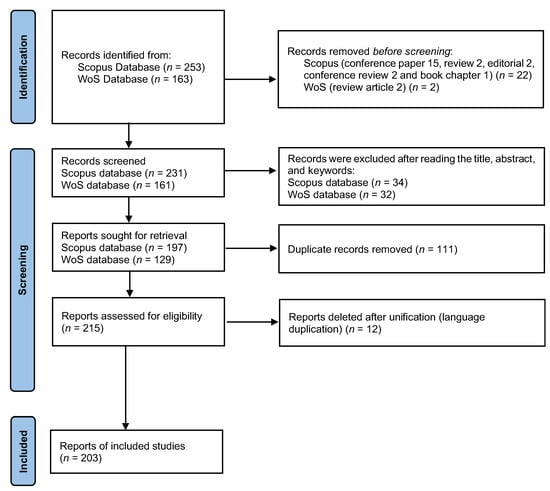
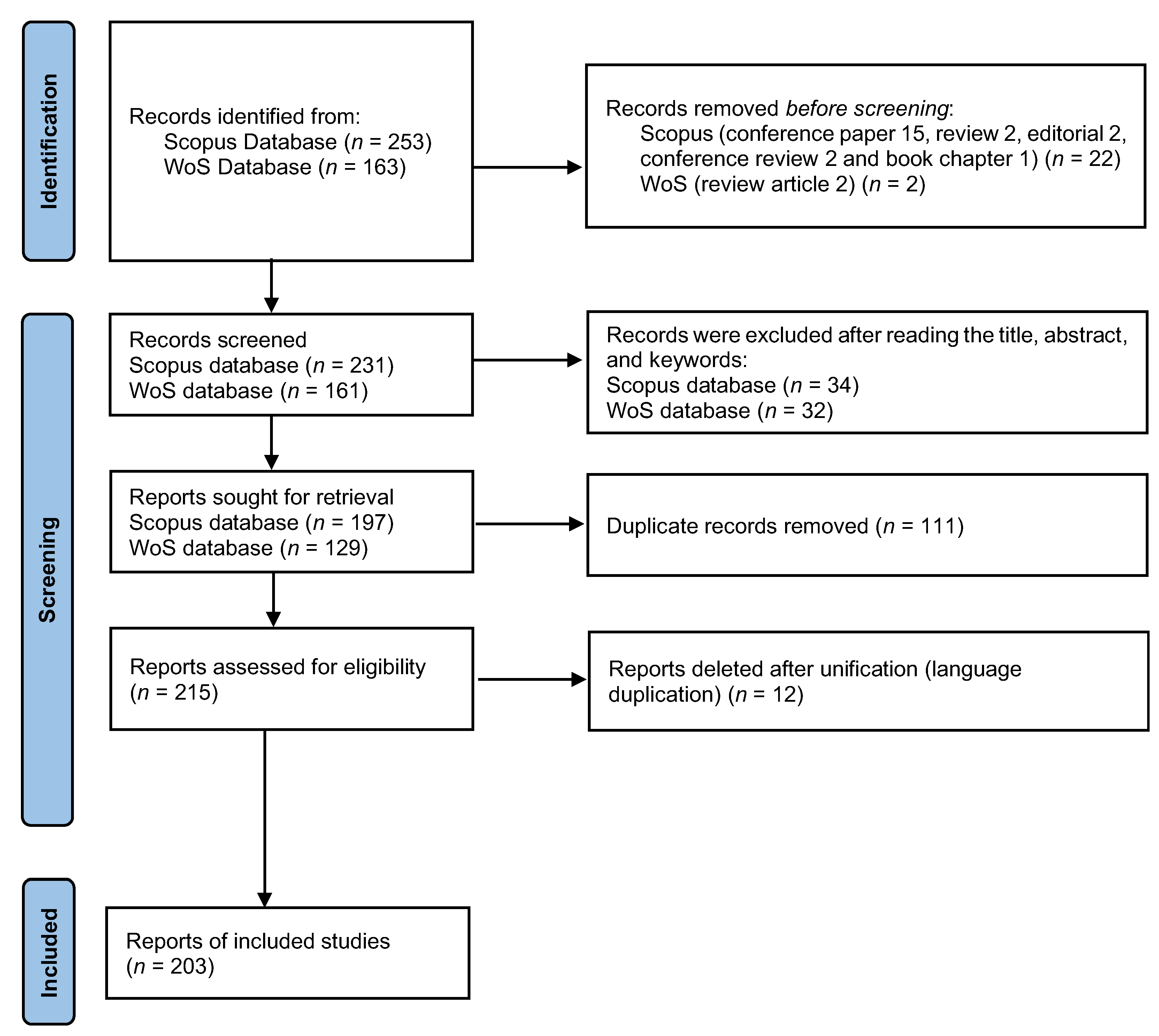
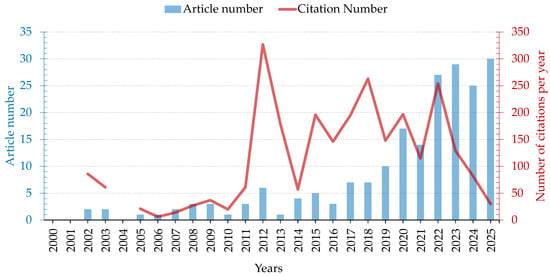
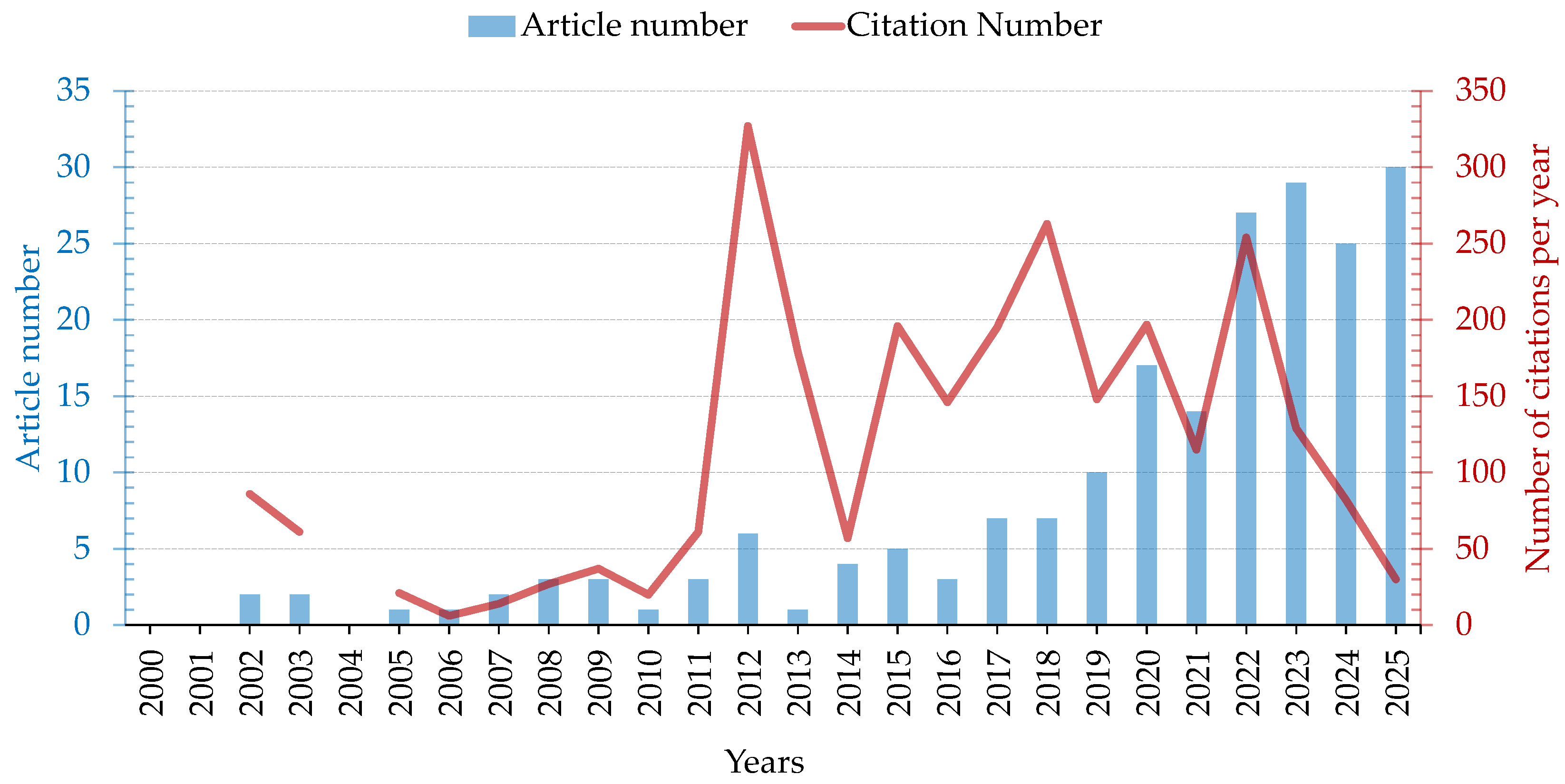
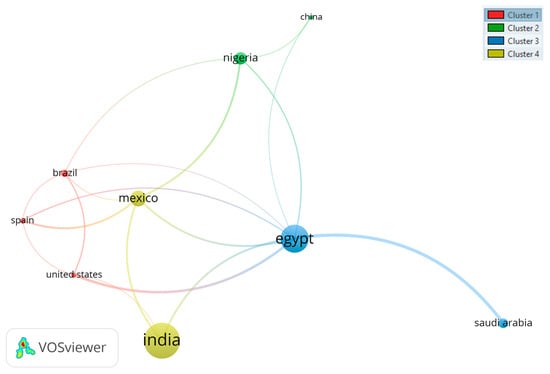
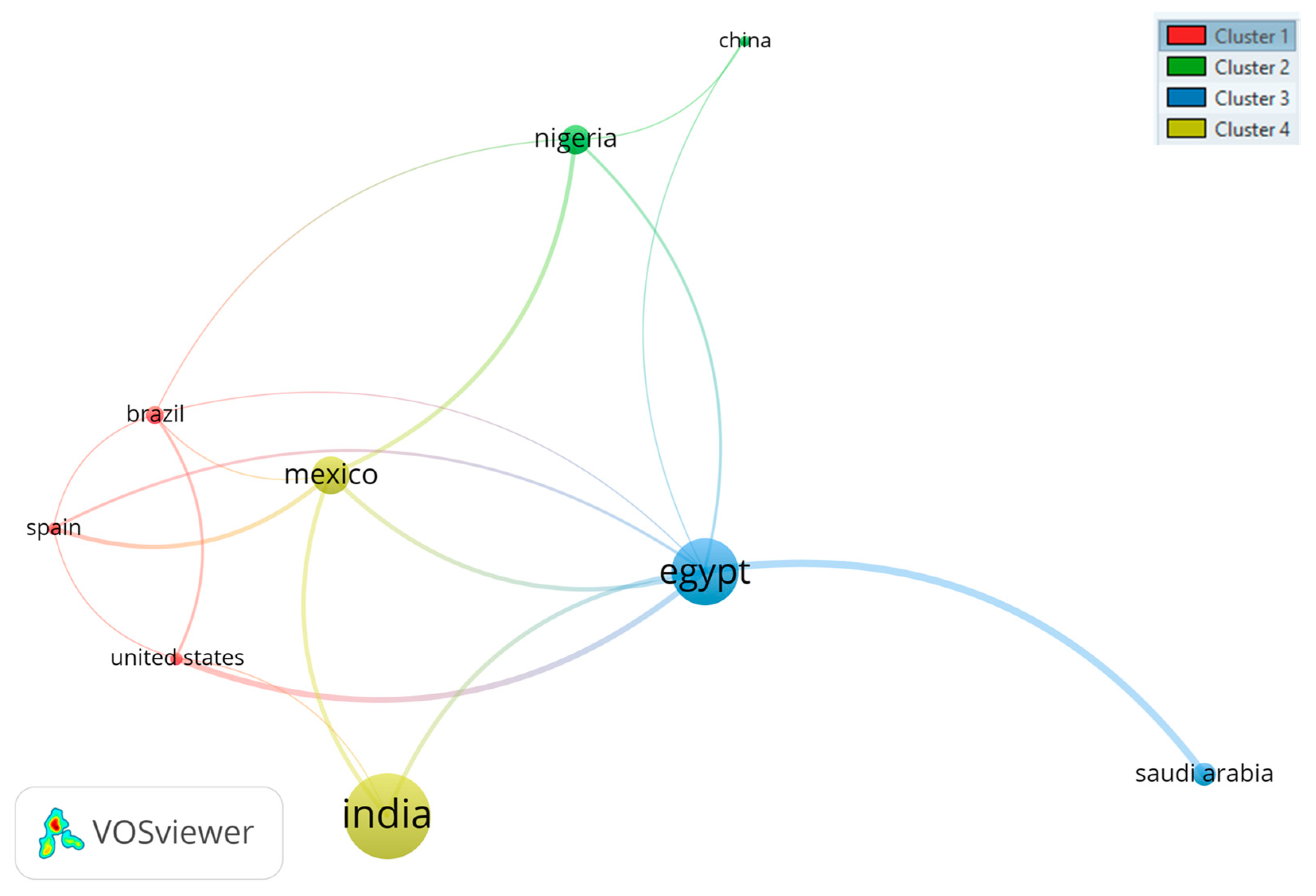
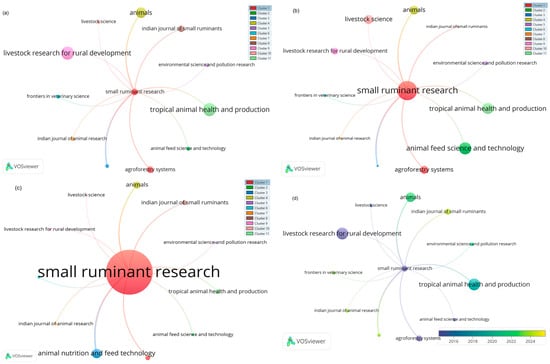
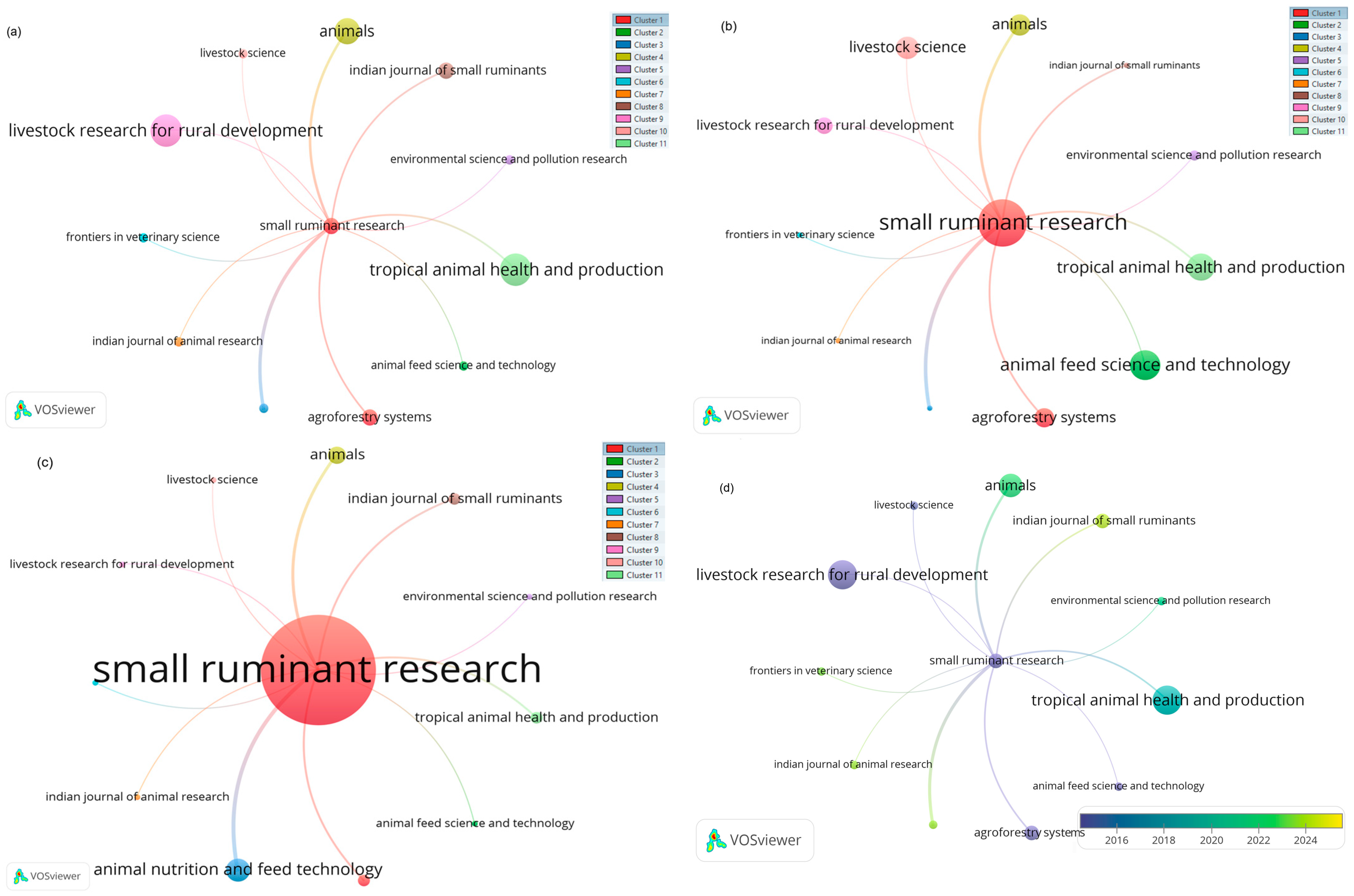
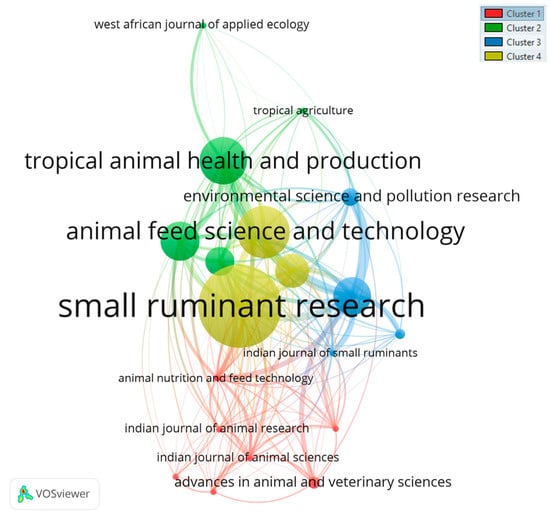
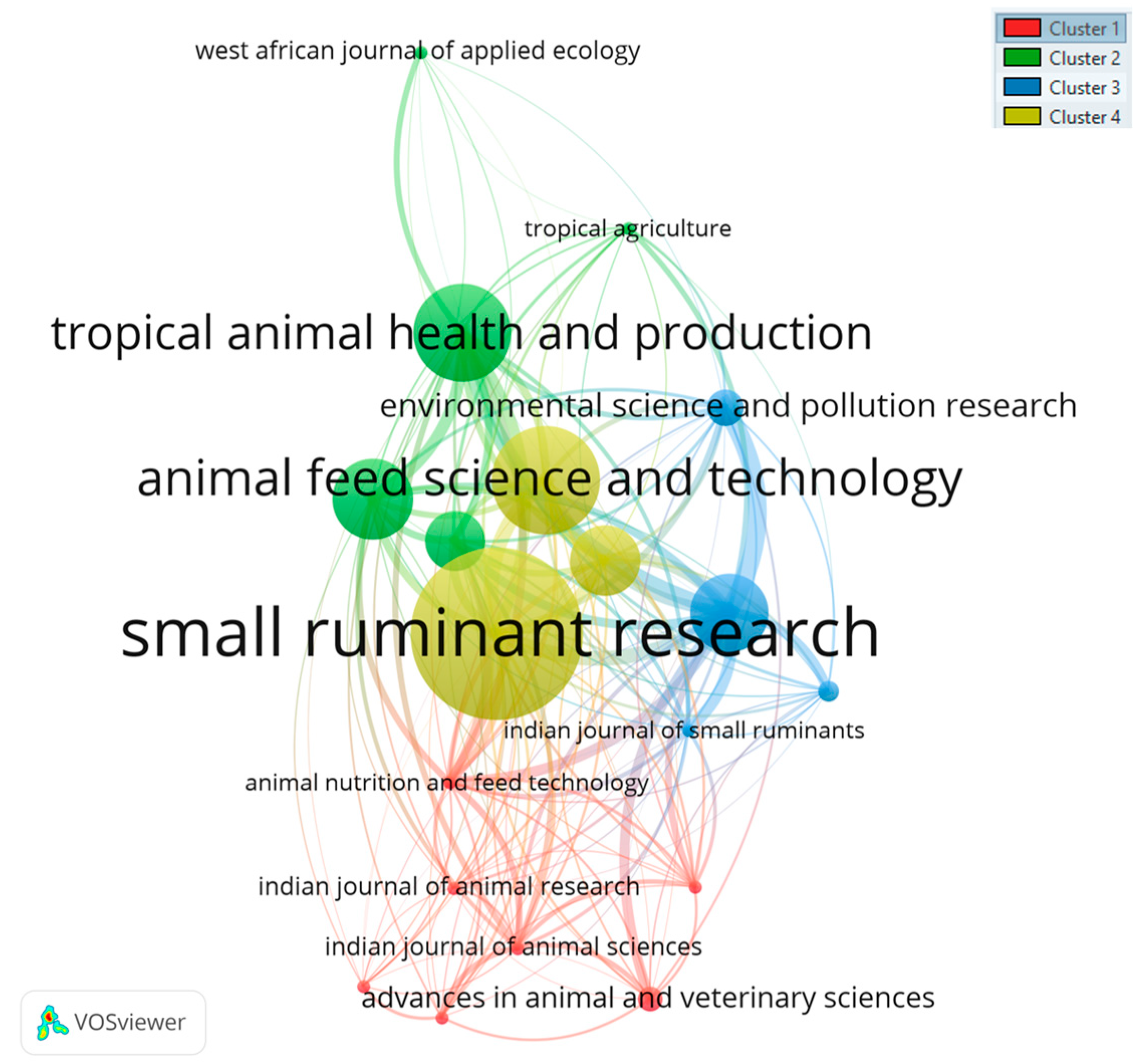
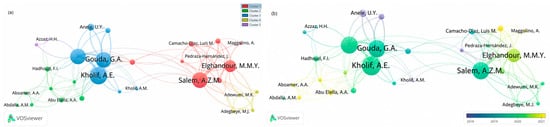
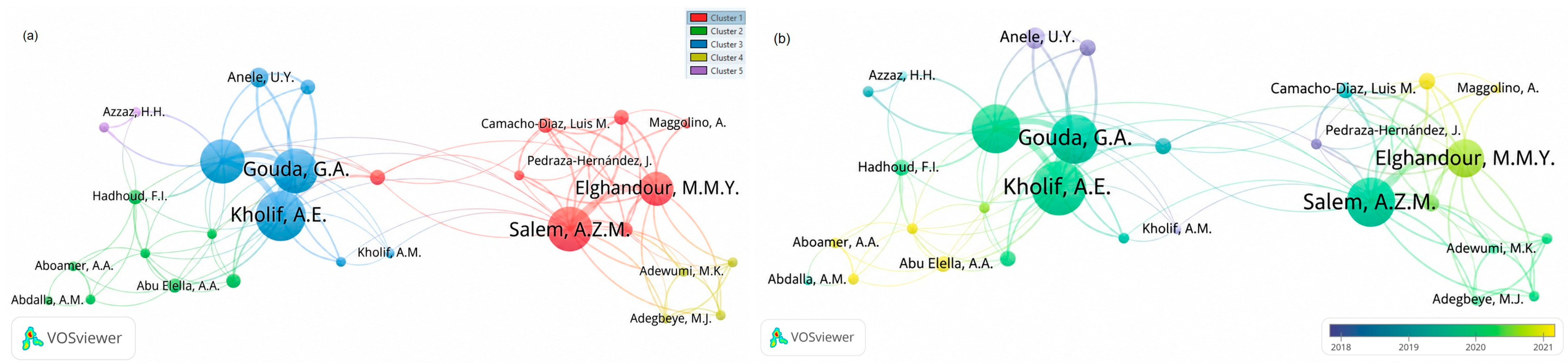
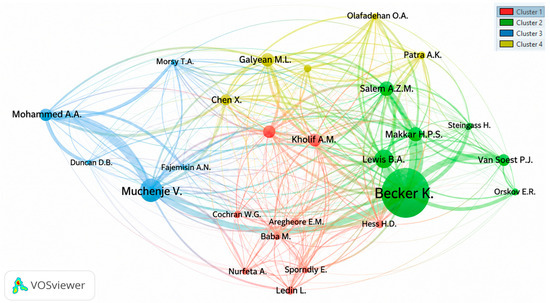
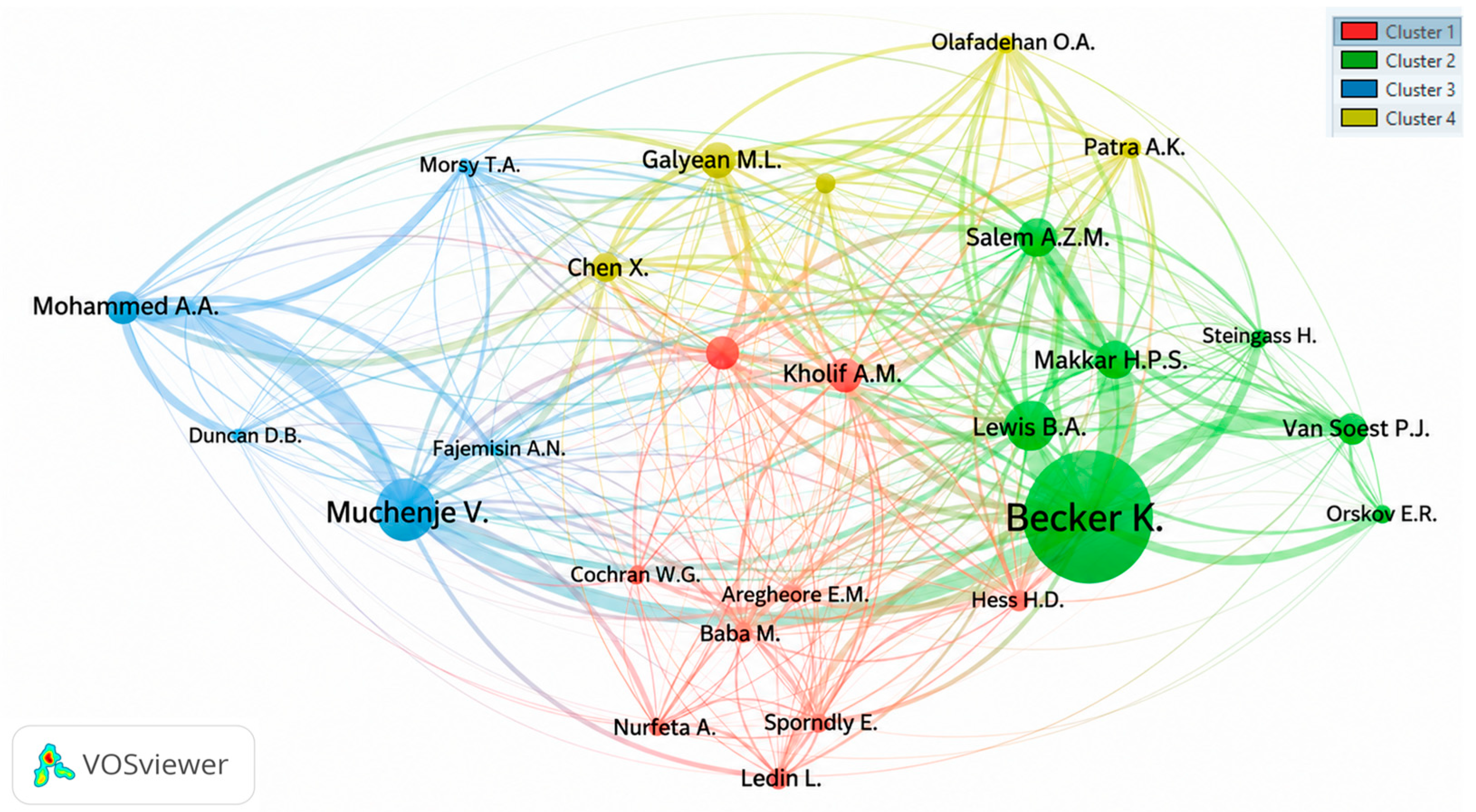
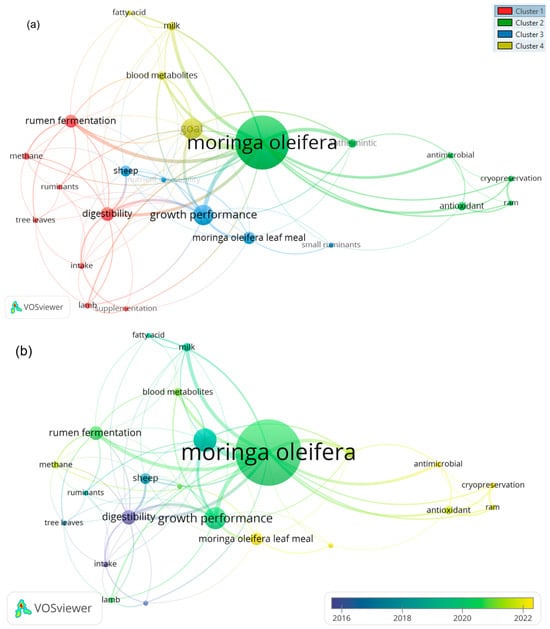
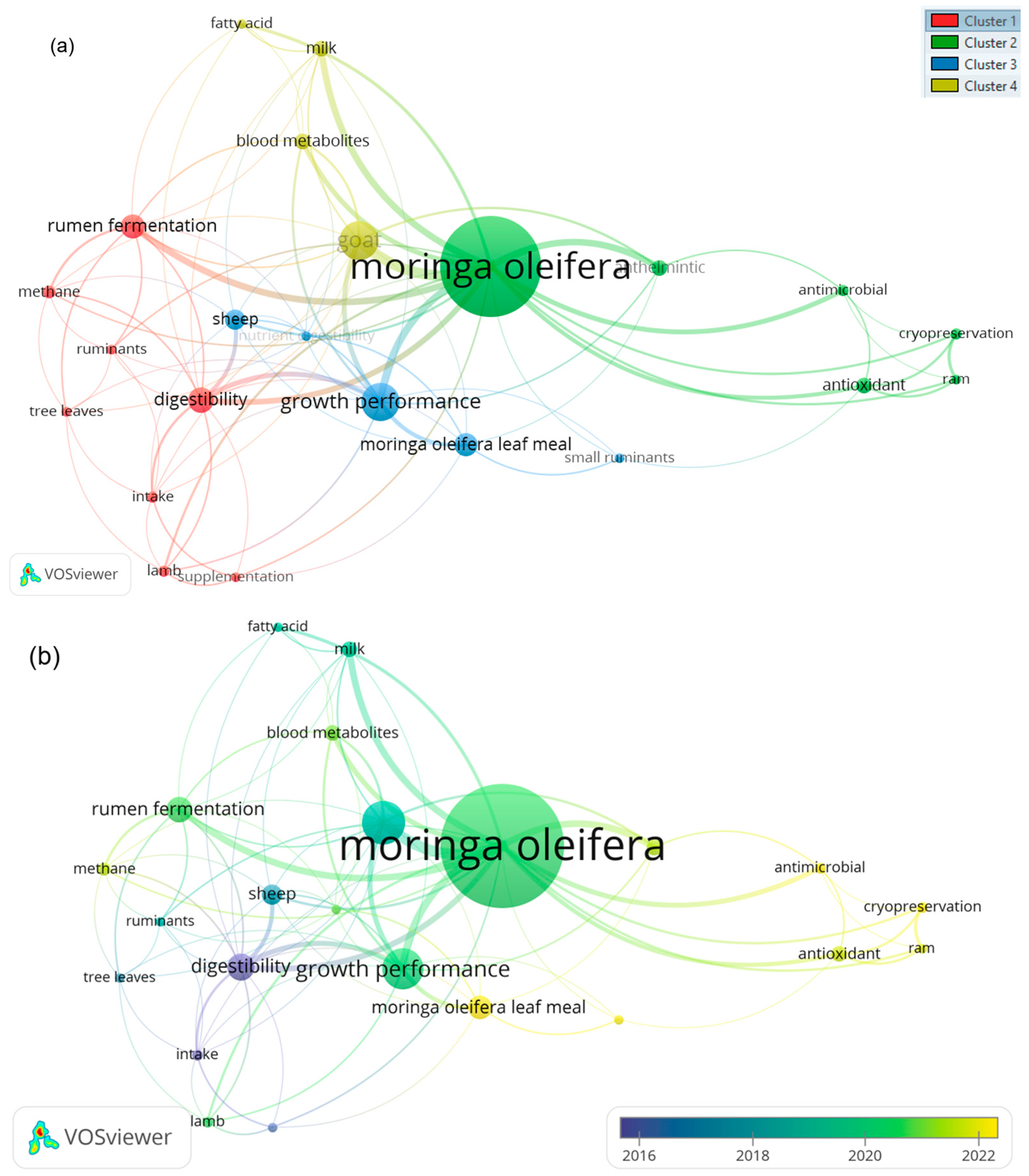

Disclaimer/Publisher’s Note: The statements, opinions and data contained in all publications are solely those of the individual author(s) and contributor(s) and not of MDPI and/or the editor(s). MDPI and/or the editor(s) disclaim responsibility for any injury to people or property resulting from any ideas, methods, instructions or products referred to in the content. |
© 2026 by the authors. Licensee MDPI, Basel, Switzerland. This article is an open access article distributed under the terms and conditions of the Creative Commons Attribution (CC BY) license.