


Abstract
The purpose of this review is to synthesize the existing qualitative literature exploring healthcare experiences of older adults who identify as part of the LGBTQ+ community in all healthcare settings globally. While older adults are faced with numerous healthcare challenges, those within the LGBTQ+ community often experience stigma and discrimination when accessing care. Barriers to holistic care are associated with heterosexism, biphobia, and transphobia and a lack of health provider knowledge. Synthesis of the literature examining those experiences is the focus of the review. This review includes peer reviewed qualitative literature, from inception, up to and including December 2025 that focuses on LGBTQ+ older adults’ experiences in healthcare settings. Participants were individuals age (60+) who identify as part of the lesbian, gay, bisexual, transgender, or queer community or individuals who do not identify as being heterosexual and/or cisgender, who have access to the healthcare system. For this review, healthcare refers to any setting or service in which formal care is provided, including hospitals, clinics, physician offices, emergency departments, and long-term care homes, as well as community living settings. This also encompasses preventative, curative, rehabilitative, long-term and palliative care. This systematic review was conducted in accordance with the Joanna Briggs Institute methodology for systematic reviews of qualitative evidence. A systematic search of the peer-reviewed literature up to and including December 2025 was conducted using the following databases: CINAHL, Pubmed, PsycInfo, Ageline, ASSIA, social services abstracts, social work abstracts, Sociological Abstracts, SocINDEX with fulltext; JBI Database of Systematic Reviews and Implementation Reports; and Cochrane Database of Systematic Reviews. Article reference lists were cross-referenced with the search findings. Titles and abstracts were screened by two reviewers, and conflicts were resolved by consensus with input from a third reviewer. Screened articles were analyzed to ensure methodological quality using the JBI critical appraisal checklist for qualitative research. Two reviewers conducted data extraction. Findings were pooled with a meta-aggregation Preferred Reporting Items for Systematic Reviews and Meta-analyses (PRISMA) approach. These synthesized findings were graded to establish confidence in the output. Twenty studies published between 2000 and 2024 were included in this review. Common themes derived from the review included: (1) discussions of the stigma and barriers to accepting and affirming identities, (2) references to the lack of knowledge and services regarding LGBTQ+ healthcare for aging individuals, (3) the importance of connection and community among LGBTQ+ older adults, and (4) the need for and recommendations for improving care for LGBTQ+ older adults. These findings were discussed with recognition of the multitude of multifaceted and complex identities and perspectives within the LGBTQ+ community with recommendations for future research, that is, inclusive of the diversity within this community, with consideration to structural influences on care.
Keywords:
lesbian; gay; bisexual; transgender; older adult; healthcare; long-term care; qualitative research 1. Background
It is well understood that the global population is aging. According to the World Health Organization (WHO) [1], the population of people aged 60 years and older continues to climb significantly, now outnumbering children under 5 years. This population of older adults is expected to double to 2.1 billion by 2050. Older adults globally face specific health challenges as they are at risk of functional decline, poorer health outcomes, social isolation, and financial insecurity [2,3]. While older adults are often disadvantaged in their respective healthcare systems, there are unique challenges faced by lesbian, gay, bisexual, transgender, queer and other older adults who do not identify as heterosexual and/or cisgender (LGBTQ+) [4,5]. The intersection of age, sexual orientation, and gender identity and the associated impacts of ageism and stigma present many specific barriers in relation to health and healthcare for older LGBTQ+ adults. These barriers include the absence of LGBTQ+ older adults in health policy, a lack of attention to their specific needs [6], and a general mistrust of healthcare systems from LGBTQ+ older adults themselves [7,8,9]. This mistrust stems from the historical discrimination of people within the LGBTQ+ community, resulting in a reluctance to share their sexual orientation, to voice concerns to healthcare practitioners, and/or to use healthcare services [10,11].
The fear of stigma and discrimination is justified as medical discrimination against the LGBTQ+ community and has a long history which continues to shape health-seeking behavior and access to care for LGBTQ+ individuals [12,13]. For example, until the early 1970s, homosexuality was listed as a disorder in the Diagnostic and Statistical Manual of Mental Disorders; thus, many older adults have lived through a time with less acceptance for the LGBTQ+ community where explicit hostility and violence toward gay, lesbian, bisexual, and gender-diverse individuals were considered acceptable [14].
Everyday threats to LGBTQ+ health have been linked to current heterosexism, biphobia, transphobia, and a lack of health provider knowledge, which are embedded in all social institutions and which contribute to social exclusion, stigma, and negative experiences in healthcare [8,15]. An ongoing concern for LGBTQ+ older adults is that they will continue to experience various forms of discrimination and cultural violence in healthcare [10]. This discrimination impacts all facets of health and well-being. While homophobia is a common form of discrimination within the healthcare system, it is also important to note that discrimination against LGBTQ+ individuals may be subtle or hidden, which can happen through silence or by not affirming, acknowledging, or recognizing same-sex relationships, or assuming someone is straight or cisgender without asking [16]. Stigma and discrimination against the LGBTQ+ community can contribute to exclusion, discomfort with caregivers and healthcare professionals, fear of discrimination and disclosing health information, and unfair treatment [17].
As the global population continues to age, it is important to focus on healthcare accessibility for older adults, or individuals over 60 years of age. Consideration must be given to LGBTQ+ friendly long-term care and community care options [10,18]. The literature highlights the mental and social health impacts on LGBTQ+ older adults in relation to living in long-term care. For older adults who identify as LGBTQ+, the inability to share their identity to caregivers contributes to their risk of developing mental health issues [19]. Even outside of long-term living centers, depression and mental illness have been found to be the greatest mental health concerns of LGBTQ+ older adults, and some of these individuals have used unhealthy coping mechanisms, such as substance abuse, to cope with these issues [19]. For transgender people, lack of access to both hormonal and surgical treatment can adversely impact their mental health [20]. Likewise, research has shown that having strong social support is also an important asset that positively affects older adults’ healthcare experience [21]; however, often for LGBTQ+ older adults, their social and romantic relationships are not honored or respected in long-term living centers [22,23]. Quality care, therefore, should ensure recognition, acknowledgment, and remembrance of significant others and the provision of spaces for social interaction with other aging LGBTQ+ adults [24].
There is acknowledgement in the literature that age-related issues are often experienced earlier for those in the LGBTQ+ community due to issues of minority stress and discrimination. Findings from these studies highlight issues such as disclosure and concealment, issues of trust and affirming health relationships, and discrimination, as well as visibility and recognition in heteronormative environments [25,26,27,28]. These studies often highlight the need for inclusive care and resilience in navigating healthcare and are similar in many elements to the experiences of those 60+. While some researchers choose to expand inclusion criteria to include a younger age group, there is also come concern that this may dilute the examination of issues such as frailty, functional decline and residential or home care [29,30]. While several studies have been conducted that explore the experiences of the LGBTQ+ population in healthcare, fewer studies have been conducted that specifically address experiences of LGBTQ+ older adults. We chose a systematic review as the goal was to provide a synthesis of the existing qualitative literature related to the experiences of LGBTQ+ older adults in healthcare, unlike a scoping review, which does not typically synthesize experiential evidence [31,32].
Healthcare refers to any setting or service in which formal care is provided, including hospitals, clinics, physician offices, emergency departments, and long-term care homes, as well as community living settings. This also encompasses preventative, curative, rehabilitative, long-term and palliative care.
2. Aims and Research Question
This systematic review explored the experiences of LGBTQ+ older adults that were shared in peer-reviewed literature, from inception up to and including December 2025. It addresses the ever-present stigma and discrimination surrounding identity and sexuality, accessibility to services, quality of healthcare for LGBTQ+ older adults in long-term care facilities and other areas of healthcare such as hospitals, homecare, emergency departments, clinics, etc. Through this review, gaps within the healthcare system are identified, and a direction to overcome these barriers is explored in order to ensure safe and equitable healthcare for all. The review focused specifically on the qualitative literature, which allows for an in-depth understanding of the nuanced experiences and meaning making related to these experiences.
3. Review Question
What are the healthcare experiences of older adults who identify as members of the LGBTQ+ community?
4. Methods
The systematic review was conducted in accordance with the Joanna Briggs Institute (JBI) methodology for systematic reviews of qualitative evidence using the JBI critical appraisal checklist for qualitative research [33]. This is considered the appropriate approach given that the intention is to examine experiences and meaning versus descriptive mapping, as outlined in a scoping review [34]. This review considers studies that focus on qualitative data including, but not limited to, designs such as phenomenology, grounded theory, ethnography, narrative inquiry, action research and feminist research. The review also includes any other qualitative data reported in mixed-methods studies where information focusing on LGBTQ+ personal healthcare experiences has been collected. Published articles written in English, from inception up to the end of 2025, were included.
5. Inclusion Criteria
The studies reviewed included participants who are LGBTQ+ individuals, aged 60+ who identify as part of the lesbian, gay, bisexual, transgender, or queer community, or individuals who do not identify as being heterosexual and/or cisgender (e.g., men who have sex with men/MSM, women who have sex with women/WSW, etc.), who have accessed the healthcare system. While 60 + is generally utilized as an operational definition for aging in the literature [1], a younger age threshold (e.g., 45–50+) has been utilized by many researchers in relation to the LGBTQ+ community. This acknowledges the reality of many LGBTQ+ individuals who experience health and social disparities related to minority stress and discrimination [35]. While we acknowledge and support this approach, we decided not to use a younger age range in this review because this may increase heterogeneity of the sample and not capture the full richness of later life experiences in relation to healthcare such as long-term care, chronic illness, and end-of-life care. We acknowledge why some researchers choose to lower the age range as this may reflect the effects of stigma and minority stress, as well as illnesses such as HIV/AIDS which can result in accelerated aging. However, we chose 60+ to ensure that we did not broaden the scope beyond what our question intended. We therefore drew on the narratives of participants 60 years of age and over to ensure we captured a more nuanced understanding of healthcare experiences in later life. This is consistent with two recently published reviews [29,30].
6. Phenomena of Interest
This systematic review included qualitative studies that explored the experiences of LGBTQ+ older adults in healthcare. We utilized the Beryl Institute’s definition of healthcare experiences as the phenomenon of interest. They define healthcare experiences as “the sum of all interactions, shaped by an organization’s culture that influence patient perceptions, across the continuum of care” [36] (para. 3). The objective of the review was to explore the experiences of LGBTQ+ older adults in healthcare. This includes all aspects of healthcare ranging from interactions with health professionals from a preventative, curative, rehabilitative, long term, community, and palliative perspective.
7. Types of Studies
For this review, the qualitative data that was collected and analyzed includes, but is not limited to, designs such as phenomenology, ethnography, personal narratives, and action research. The review also considered any other qualitative data reported in quantitative studies, where information focusing on personal LGBTQ+ healthcare experiences has been collected. Published articles written in English up to 2025 were included.
8. Search Strategy
The search strategy, devised in 2023, aimed to find published studies limited to the English language. An initial search of PROSPERO, MEDLINE, the Cochrane Database of Systematic Reviews, and the JBI Database of Systematic Reviews and Implementation Reports was conducted. This was followed by analysis of the text words contained in the title and abstract and of the index terms used to describe the article. A search using all identified index terms and keywords was then undertaken across all included databases.
9. The Databases Searched Included the Following:
- CINAHL;
- Pubmed;
- PsycInfo;
- Ageline;
- ASSIA (Applied Social Sciences Index & Abstracts);
- Social services abstracts;
- Social work abstracts;
- Sociological abstracts;
- SocINDEX with full text.
Article reference lists were checked and cross-referenced with the search findings.
10. Study Selection
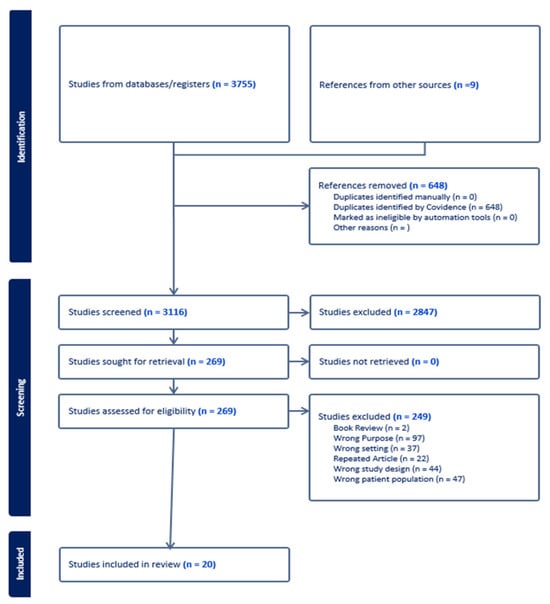
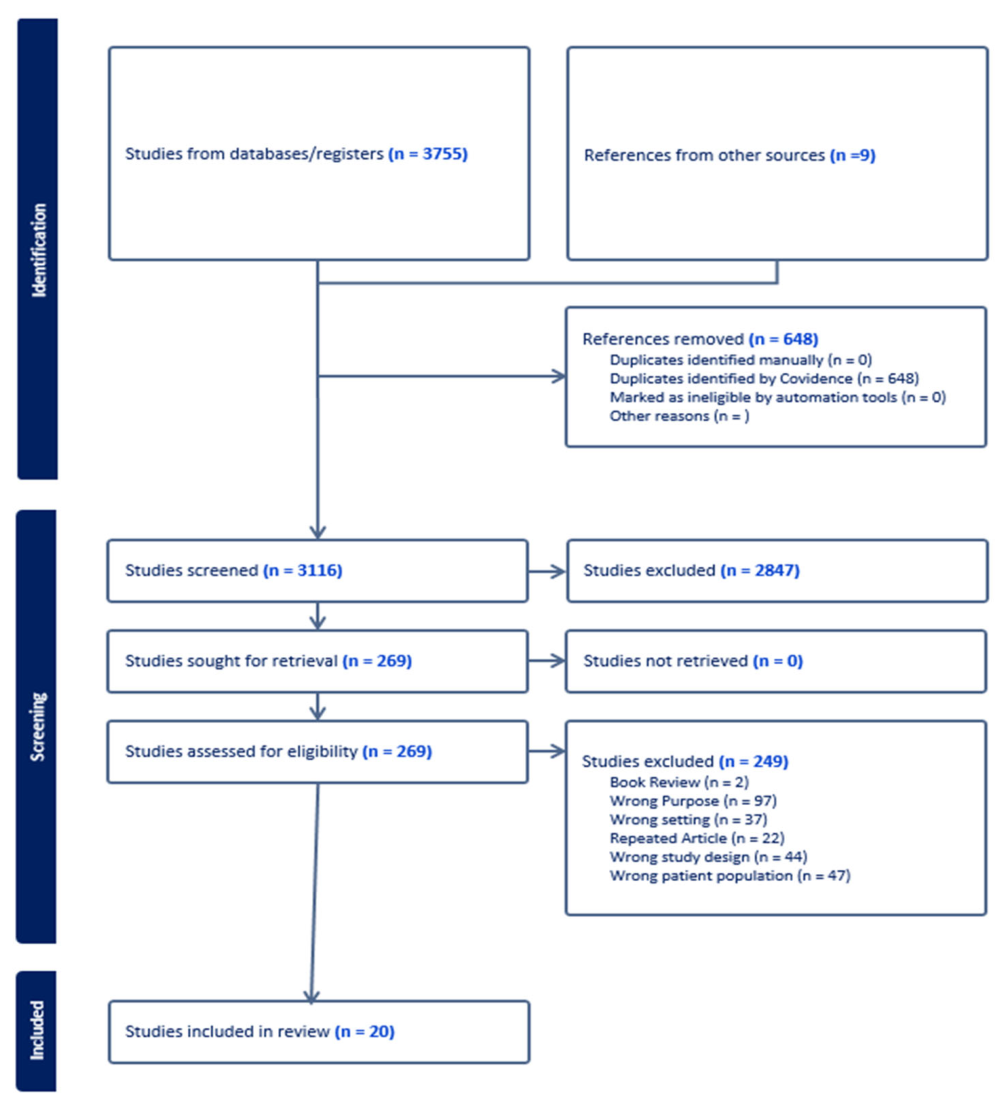
Following the search, all identified citations were collated and uploaded into Covidence (Veritas Health Innovation, Melbourne, Australia), and duplicates were removed. Titles and abstracts were screened by two independent reviewers for assessment against the inclusion criteria for the review. Potentially relevant studies were retrieved in full, and their citation details were imported into JBI SUMARI. The full texts of selected citations were assessed in detail against the inclusion criteria by two independent reviewers. Reasons for exclusion of full-text studies that did not meet the inclusion criteria were recorded and reported in the systematic review. Any disagreements that arose between the reviewers at each stage of the study selection process were resolved through discussion, or with a third reviewer. The results of the search are presented in a Preferred Reporting Items for Systematic Reviews and Meta-analyses (PRISMA) flow diagram—Figure 1 [37]. The PRISMA checklist (Table S1) and the PRISMA abstract checklist (Table S2) are presented in the Supplementary Material.
Figure 1.
PRISMA flow diagram.
11. Assessment of Methodological Quality
Studies that met the inclusion criteria were critically appraised by two independent reviewers for methodological quality using the standard JBI Critical Appraisal Checklist for Qualitative Research. Any potential conflicts between the two independent reviewers were addressed through discussion or with the perspective of a third reviewer until consensus was reached. All studies, regardless of the results of their methodological quality, underwent data extraction and synthesis wherever possible.
12. Data Extraction and Synthesis
Data were extracted from studies included in the review by two independent reviewers using the standardized JBI data extraction tool. The data extracted included information about the population, context, geographical location, study methods, and the phenomena of interest relevant to the objective of the study review. In terms of data synthesis, qualitative research findings were pooled using JBI SUMMARI with the meta-aggregation approach.
13. Review of Findings
Figure 1 presents the PRISMA flow diagram of identifying articles for the systematic review that met our inclusion criteria. A total of 3755 studies were initially gathered from literature searches, with 648 duplicates removed. Then, a total of 3116 studies were screened based on their titles and abstracts that determined their eligibility. Two thousand, eight hundred and forty-seven studies were excluded after screening, with 269 studies assessed in full text for eligibility. In this analysis, 249 studies were excluded for reasons such as incorrect population, incorrect purpose, incorrect study design, incorrect setting, book reviews, or because the article was repeated. Finally, 20 studies discussing LGBTQ+ older adults’ healthcare experiences, published between 2000 and 2024, met the inclusion criteria for the systematic review. As a result of analyzing these 20 eligible studies, four themes were identified, including (1) stigma and barriers to accepting and affirming identities, (2) lack of knowledge and services regarding LGBTQ+ healthcare for aging individuals, (3) the importance of connection and community among LGBTQ+ older adults, and (4) improving care for LGBTQ+ older adults. While each of these themes will be thoroughly discussed, it is important to note that the discourse in the literature contains many differing views from study participants. The aging LGBTQ+ population encompasses a variety of multifaceted, complex identities and perspectives; therefore, each theme reflects the most frequently occurring patterns found in the studies eligible for this review.
14. Stigma and Barriers to Accepting and Affirming Identities
Within the literature reviewed, LGBTQ+ older adults shared a recurring sentiment, emphasizing how stigma shaped their experiences in healthcare. Participants across studies placed emphasis on the importance of being able to maintain all aspects of their identity, including their sexual orientation and gender identity. While findings of stigma and discrimination were relatively consistent across studies, there is a noticeable shift in focus over time in relation to how the results were interpreted. Earlier studies focused largely on interpersonal discrimination e.g., [22,38,39,40], with recommendations for education and improved interpersonal communication. These studies highlighted perceived barriers to care preventing older adults in the LGBTQ+ community from feeling safe to disclose their sexual orientation/identities in healthcare and long-term living settings. They note the role of historical discrimination that produced stigma and fear of disclosure, often resulting in individuals not coming out to family and healthcare providers [39,41]. Recent studies were more likely to situate the experiences within the broader systems, conceptualizing stigma as a product of heteronormative and cisnormative policies and practices that are embedded in organizational cultures within healthcare and educational institutions e.g., [42,43,44,45]. While the patients’ experiences remain a focus, and there is acknowledgement that individual behavior is still important, this approach exposes the underlying mechanisms that sustain systems that continue to marginalize the LGBTQ+ older adult population. These authors highlighted the impact of historical discrimination but also discussed the notion of anticipated stigma as one that is embedded within in broader heteronormative/cisnormative structural contexts out of which policies and specific interactions arise. For example, Candrian et al. [42] noted how identity hiding, due to historical discrimination, for older lesbian participants impacted their perceptions today. Participants in this study talked about the impact of discrimination as a consequence of coming out to their family and social circles, as well as in previous employment. As one participant stated,
No, you couldn’t be out, no not at all. Truth be known, I got fired from the job because somebody in the hospital picked up on the fact that I was lesbian and I was talking to another lesbian, and we had lunch together and everything, and I ended up losing my job after 10 years [42] (p. 599).
In another study by Siverskog [46], a participant stated “It has been a threat level that someone would find out that I was interested in wearing women’s clothes. I felt I would be completely estranged and left out if I did that” (pp. 386–406).
While anticipated discrimination in healthcare was a common theme throughout the studies reviewed, actual experiences of discrimination were highlighted by many authors [39,47,48]. In a study by Rosati et al. [49], for example, a 70-year-old gay male participant stated, “I was looking for a psychoanalyst […] at the 3rd session he mistreated me by telling me: “I deal with real problems and you don’t have any problem! Don’t waste my time… even with the homosexual aspects of your person” (p. 69). Another participant in a study by Clover [50], describing an interaction with his physician, stated “I went there and I was there as a gay person. He couldn’t get near me! He couldn’t get near me! The way he was, his body language… he wouldn’t touch me. I haven’t been there since” (p. 46).
Not all experiences were perceived as negative, however, as some participants highlighted the positive aspects of identity affirmation. In a study by Sharek et al. [51], for example, a number of participants stated that attitudes and experiences with healthcare providers were becoming more positive. One participant, a 66-year-old gay male, stated, “I’ve been seeing the consultant every 6 weeks since I had [names medical condition] and [names partner] comes in with me and she accepts that completely. That’s not a problem. He’s my partner and that’s that. No problem.”(p. 234). Another participant in a study by Williams et al. [5] stated, “Actually, my partner went with me and for the first time in my life said this is my partner and the doctor didn’t even bat her eyes” (p. 226). While this is encouraging, concerns still arose regarding trans care. A trans participant in a study by Mackenzie Jones and Willis [52] stated,
They [the staff] are very aware of gay and lesbian issues and very respectful about that but at times also willfully ignorant of trans issues […] like how to use the right pronouns or respect their name when it is different from what their legal name is, stuff like that, really basic stuff (p. 55).
15. Lack of Knowledge and Services Regarding LGBTQ+ Healthcare for Aging Individuals
Even with great advances for LGBTQ+ rights in social and political spheres, there is still a significant gap between what this population of older adults needs in healthcare and what is available to them [49]. Participants across studies voiced concerns regarding healthcare providers’ lack of knowledge and preparedness in providing care that was informed and affirmative [41,51,52]. A number of earlier studies highlighted participant concerns regarding interactions with healthcare providers that lacked insight and sensitivity, where they felt stigmatized due to underlying assumptions about the participant’s sexuality that reflected heteronormative beliefs. For example, a participant from one study noted “It was really horrible and… it was very badly handled and she made me feel really sort of dirty, as if [I was] doing some sort of peculiar thing that nobody else does” [39] (p. 194). This lack of knowledge was also noted by participants from the trans community. For example, Siverskog [46], in a study that explored transgender aging, noted situations where participants had to educate physicians and other health professionals. One participant talked about how she had to bring information materials to the doctor. The study also demonstrated how the participants repeatedly had to explain themselves, educating and addressing common misconceptions related to what being transgender means. This is also illustrated by a trans participant in a later study by Willis et al. [48], who, after seeking support and informing her physician that she felt like a woman her entire life, stated “And the first thing she said is “what do I know about that, then?” (p. 1235). Such knowledge gaps have been consistently reported in the literature with participants feeling invisible, stigmatized, and responsible for teaching the health professionals.
There is, however, a notable distinction in relation to the interpretation of these findings across studies. Earlier studies focus on the impact of the interactions in relation to the knowledge gap [22,38,50]. The recent literature emphasizes the lack of educational preparation and infrastructure within healthcare systems to accommodate for LGBTQ+ older adults’ healthcare, rendering this population invisible within the larger heteronormative system [5,43,53]. For example, a participant in a study by Williams et al. [5] stated, “I visited a number of rehabilitative retirement homes and long-term care facilities and I (sigh) see only invisibility on the part of LGBT people and… I don’t want to be relegated to invisibility in old age” (p. 229). While part of this may be attributed to stigma, as noted above, the lack of knowledge on the part of healthcare professionals has been consistently noted throughout the studies reviewed. For example, a participant in a study by Sharek et al. [51] stated that “if the health service is not homophobic, I would think a very large percentage of the workers are not particularly well-informed or intuitive about gay ageing people’s rights” (p. 236). According to Williams et al. [5], providers must consider the concerns at a macro level with a focus on nondiscriminatory policy development, enhancing standards in care facilities, and focusing on services designed for LGBTQ+ older adults. In addressing this need, Lappan et al. [43], who explored the healthcare experiences of racially diverse lesbian and bisexual older women, built on these recommendations, stating that their participants voiced the need for healthcare systems to address inequities and disparities with a focus on education and collaboration. As one of their participants noted, “I think people in the medical industry are gonna have to start being sensitive to the changing demographics… and I think those diverse needs start back at medical school or nursing school or social work to start dealing with this community” (p. 841).
The literature also presents a consistent lack of outreach and healthcare services for this population, such as support groups and programs that recognize the intersectionality of needs that patients in this community may have [5,38]. Participants throughout several studies discussed the need for either LGBTQ+ exclusive care or LGBTQ+ friendly care. For example, Stein et al. [40] highlighted the need for gay-friendly services where staff did not assume heterosexuality, providing care that was respectful, while upholding the dignity of the person and their lived reality. Participants in this study were positive about gay-friendly and gay-specific care, suggesting that even within mainstream long-term care, consideration should be given to “a separate floor for gay residents because they said they would feel safer” (p. 431). More recent studies have also described limited access to affirming care in various contexts, including a lack of LGBTQ+ friendly/exclusive long-term care facilities [43,52,54].
16. The Importance of Connection and Community Among LGBTQ+ Older Adults
The literature has shown that feeling a strong sense of belonging and camaraderie among LGBTQ+ older adults significantly increases quality of life and provides positive mental and social health benefits [55]. Unfortunately, LGBTQ+ older adults are at a higher risk of having less social support, and there are few long-term living centers that provide formal avenues for LGBTQ+ older adults to interact with each other [56]. Encouraging this sense of connection to other individuals who identify as LGBTQ+ helps members of the community feel supported and less isolated, as noted in several studies reviewed here.
The importance of close connections and “chosen families” in reducing loneliness and fostering identity affirmation was supported in the literature [22,38,46,50]. Consistent with the noted evolution of the literature, Grigorovich [57] broadened this sense of community to include healthcare relationships and inclusive care environments. Grigorovich, in this study exploring older lesbian and bisexual women’s access to publicly funded homecare, highlighted the importance of access to social support networks. The study reported that relationships with biological families were often strained because of families’ homophobic attitudes and behaviors toward participants and their partners. Overall, the analysis indicated that the 16 participants experienced barriers to care. Several participants identified that they had some support of friends and family members. However, they did not feel they could rely on them for everyday care. For example, one participant in this study stated, “most of my friends that are alive are in their 60s, 70s and 80s…why would I burden them?” [57] (p. 776).
In addition to feeling more connected, creating a community for older adults who identify as part of the LGBTQ+ community helps affirm identities, while making individuals feel safer, more welcomed, and resilient [40,55].
There is consensus in the literature relating to the connection members have with each other within the community and with the healthcare system. The literature also highlights some inequities such as rural isolation, limitations in caregiving responsibilities, and increased risk of isolation [45,46]. Mackenzie-Jones and Willis [52] conducted a study exploring trans peoples’ experiences, concerns, and suggestions regarding how agencies providing elder care can better meet their expectations. Their research highlights the importance of active engagement in community and community support networks. Many of their participants discussed the importance of broader social networks that acted as substitutes for families or built upon existing family relationships. These relationships served as supportive structures that enhanced their daily lives. They also discussed the importance of programs and policies that were intentionally designed to support LGBTQ+ socialization and peer support, such as gay-only units within long-term care settings, a focus on bereavement support, and end-of-life care. This was consistent with the recent literature that emphasizes the role of health systems in producing and sustaining knowledge gaps and not engaging with the community to develop and implement programs and policies to improve equitable access to affirming care [5,49,53].
17. Improving Care for LGBTQ+ Older Adults
As with the other themes arising from this review, the call for improved care for LGBTQ+ older adults was consistent across the reviewed studies. However, they do differ somewhat in their prioritization of structural versus interpersonal interventions. The early reviewed studies [22,38,39,50] recognized the need for improving care but tended to focus recommendations on the promotion of enhancing respectful communication and recognition of chosen families or partners on a more individual or service-based level rather than broader structural/institutional solutions. As previously noted, while many participants recalled healthcare providers’ lack of knowledge and competency regarding LGBTQ+ health issues due to a lack of training at all levels, solutions often focused on improving training without necessarily addressing broader institutional policies or organizational structures. For example, in a mixed-methods study by Sharek et al. [51] results demonstrated an overall concern related to the preparedness of healthcare providers. As one participant stated, “one of the big issues is they (practitioners) don’t know the issues, can’t deal with them, have never been trained to deal with them… so there is a massive gap” (p. 236). While participants in Sharek’s study did not feel overall that their providers were homophobic, other studies have found that participants’ perceptions of healthcare settings suggested they did not anticipate a welcoming environment that allowed them to feel safe and able to disclose their identities [38,42,46]. Waling et al. [54], in a study of 10 older trans women’s perception of care, found there was a belief for some that residential older adult care was poor even for cisgender people; thus, participants anticipated an added fear around transphobic care that would complicate this further. As one participant stated,
“I have doubts how just good aged care for transgender people is going to be. Because transgender is such a new, well it’s not new, but it’s suddenly become such a new item everybody’s talking about, and that’s all that’s really happening at the moment is just talk. No real action” (p. 1312).
These concerns were also seen by many older adults planning for future healthcare directives. Older adults who identify as LGBTQ+ may have an even more complex experience during these difficult transitions, as many LGBTQ+ older adults are at high risk for poorer quality of care [58]. While participants in the reviewed studies outlined their fears related to future healthcare needs, including long-term care and community supportive care, participants in the study by Valenti et al. [44,59] highlighted the need for more explicit discussions with healthcare providers regarding advanced care planning. They noted they experienced incomplete care often informed by heteronormative systems of care. Findings in this study, along with other studies reviewed, suggest that heteronormative practices in healthcare resulted in a lack of advance care planning and palliative care discussions, ultimately impacting the preparedness of the participants for this stage [42,55].
As noted by authors in the reviewed studies, improvements in healthcare for LGBTQ+ adults require care and support beyond the individual level and should also include organizational, educational, and policy considerations. Affirming care should depend on organizational commitment through inclusive policies, leadership support and health professional education [44,53,55,58,59]. Recent studies have elicited recommendations for more comprehensive environmental, cultural and systems-based solutions utilizing a trauma-informed and intersectional lens considering histories of discrimination, sexuality, socioeconomic status and geographic location [42,43,45]. Waling et al. [45] referred to this as an “ambitious whole of organisation” change process that embeds within the organisation a commitment to address disadvantage and celebrate diversity” (p. 1318). These structural approaches support affirming policies and practices such as inclusive intake forms, relevant symbols, and respectful communication that is not rushed [44,49]. Valenti et al. [59] noted that for advanced care planning, incomplete information based on a lack of inclusion equals incomplete care. As one participant noted, “While she was in the hospital, the hard part was they were talking about putting her in long term palliative care. And I didn’t understand. They glossed over it” (p. 381). A description of the of the qualitative research articles that met the review criteria is included below in Table 1.
Table 1.
Description of the qualitative research articles that met review criteria. * Five studies have more than one publication.
The articles aligning with each theme are outlined in Table 2.
Table 2.
Themes per included study.
18. Discussion
The findings from this systematic review provide important insights into the ways in which LGBTQ+ older adults consider how their sexual orientation/identity interacts with their healthcare experiences. The themes focus on the importance of the LGBTQ+ community maintaining their sense of identity and having that identity affirmed and supported by their environment. While this remains one of the most crucial aspects of care for older adults who identify as LGBTQ+, there are many barriers that prevent individuals from feeling safe and sharing their identity in healthcare settings [60]. Historical discrimination has contributed to a complex relationship between the LGBTQ+ community and healthcare institutions, leaving many LGBTQ+ older adults feeling fearful of discrimination and distrusting of healthcare providers [10,49]. It is this fear that creates a culture of identity hiding, where LGBTQ+ older adults felt it was a safer option to purposefully deny or simply not disclose their sexual or gender identity [55]. Many who have done so state they believed their healthcare treatment would be affected if they disclosed this part of their identity and that they would receive lower quality care [51,55]. Notable instances of discrimination faced by LGBTQ+ older adults in long-term care environments include refusal of admission, refusal of basic care, harassment from staff, restriction of visitors, denial of treatment, lack of acknowledgement of the medical power of attorney of the spouse, and even abuse [47].
In the mental health context, transgender individuals reported disclosing their identity would dilute their therapy as some therapists would focus on “curing” their sexual or gender diversity [61]. This fear of discrimination, combined with heteronormativity, or the assumption that someone is straight, results in a belief that they must hide their sexual or gender identities, even though many older adults emphasized the importance of feeling accepted for who they are [17,62]. LGBTQ+ older adults felt the constant need to guard against potential homophobia so that even subtle disapproval or indifference, while not explicitly derogatory, is stressful and isolating [57]. While there has been progress related to affirmation and inclusion [56], there remains a lack of understanding related to LGBTQ+ older adults [15,63].
Participants in the studies reviewed had experienced healthcare providers violating their rights and their partner being treated as a friend instead of a romantic partner, which led to partners being excluded from important conversations [5]. This injustice occurs not only in hospital and clinic settings, but also in homecare and long-term care. Heteronormative attitudes, poor LGBTQ+ awareness, and homophobia are prevalent in homecare staff workers and residents, which further leads to inequality and concealment of sexual and gender identities [17]. In long-term care centers, the literature reports a lack of inclusivity and protection for older adults who identify as LGBTQ+, as well as sexuality-based discrimination and poor-quality care [64,65]. Likewise, many LGBTQ+ older adults have experienced healthcare providers dismissing their romantic partners and spouses when they are ill or receiving palliative care. Then, after their passing, their spouse is treated as a “friend” and not given adequate support for their grief [53]. This continues to ignite an internal conflict for members of the community, who wish to be “out” to healthcare providers, but also feel they need to hide their identity to avoid discrimination. This struggle contributes to a lower quality of social and mental health, especially when past traumas and microaggressions are added to the equation [66].
A major concern highlighted in the studies reviewed is the lack of knowledge and formal education on LGBTQ+ older adults’ needs. Participants in the studies noted deficits in healthcare knowledge and the lack of specialized resources. They were uncertain whether staff in residential care services have been educated about the experiences and needs of individuals in the LGBTQ+ community [43,45,47,57,67,68]. This is supported by the literature, which states that the needs of the LGBTQ+ community are often ignored or misunderstood [62,69]. This disparity results in a lack of personalized LGBTQ+ care and necessary measures such as trauma-informed care approaches [66]. To compensate for the lack of knowledge, many transgender patients have described being “reluctant educators” to providers to get the care that they need. This is an additional burden for LGBTQ+ older adults that is not placed on older adults who are heterosexual [46,48]. Similarly, some older gay and lesbian adults expressed stress caused by having to explain their situation and educate healthcare providers about their lifestyles [38]. These shortcomings in healthcare systems deepen a growing disconnect between providers and LGBTQ+ patients which further impairs their healthcare experience [5].
When LGBTQ+ older adults are treated by providers who are knowledgeable, competent, and work to affirm their identity, there is a positive correlation with future interactions, increased utilization of services, a feeling of safety in healthcare settings, and overall satisfaction with care [49]. This is consistent with findings of studies with LGBTQ+ across age groups [70]. There are several strategies highlighted by the participants in the studies reviewed to address these concerns, including more training and the creation of inclusive environments that openly supports sexual and gender-diverse people [22,38,41]. For example, some older lesbian and bisexual women recommend healthcare providers offer extended appointment times for building rapport and developing a deeper understanding of their needs, specifically emotional and psychological needs [43]. Display of gay-friendly images and targeted health promotion information in the healthcare environment was also noted to promote inclusivity [38,41,50]. This is consistent with other literature that noted that when staff members explicitly state their support for LGBTQ+ older adults, it creates an environment that ensures older adults feel safe and respected [62]. To feel safe to disclose their identities, the literature emphasizes the importance of sensitivity training for healthcare professionals and how crucial it is for LGBTQ+ to have a sense of belonging and connection among their members as they age in order to embrace this part of their identity and feel accepted [71].
As previously noted, the need for a sense of community for LGBTQ+ older adults is credible and complex. It is well documented that LGBTQ+ older adults are less likely to have children, which decreases the amount of social support they have available to them as they age [12,56]. In long-term care settings, it is vital to create an environment of belonging and camaraderie, which many LGBTQ+ older adults find in communities with other LGBTQ+ members [71]. As identified in our review and supported in other literature, many LGBTQ+ older adults find comfort and a strong sense of connectedness to each other through shared or similar histories, which contributes to older adults feeling seen, supported, and more at ease [52,55]. There is also a need for informal and formal support groups for LGBTQ+ older adults [55] and programs that consider intersectionality in the aging LGBTQ+ population, as many significant factors are often overlooked [71]. Studies also show that when LGBTQ+ individuals feel that they have a community, it also acts to affirm their identity and improve resiliency and overall well-being [71,72].
This affirmation has also been found to be important when planning for end-of-life care [73]. Overall, the literature states that older adults who identify as LGBTQ+ have many obstacles they must face when planning for advanced healthcare directives, which can be mitigated through designing healthcare settings such as homecare, long-term care, and hospices with this unique population and their needs in mind [74]. It is also integral that relationships are valued and that spouses of LGBTQ+ older adults are treated with dignity and respect, and that when considering end of life, grieving family members have a support system within the LGBTQ+ community after the death of their loved one [44].
While the issues highlighted in this review arise from individual experiences, it is evident from the literature that structural inequities within and across various healthcare systems are implicated in the delivery of care that is not inclusive or affirming, along with associated negative health outcomes [75]. While each of the themes highlighted speaks to how care was delivered and received, often through individual interactions, it is important to acknowledge that each of these interactions were shaped by structural elements of healthcare systems that vary in terms of legislation, governance, funding, professional education, as well as organizational and societal contexts. These structural inequities are ultimately linked to structural stigma [76], suggesting that the experiences highlighted within the findings of this review are greatly influenced by the complex set of systems within which the care is experienced. Structural stigma has been defined as “societal-level conditions, cultural norms, and institutional policies that constrain the opportunities, resources, and well-being of the stigmatized” ([77], p. 742). According to Hatzenbuehler et al. [77], structural stigma is associated with fear of engaging with health systems and negative mental and physical health outcomes for people within the LGBTQ+ community. This is quite evident in the literature reviewed, not only in instances where health professionals have provided personal care that is non-inclusive and stigmatizing, but also in care that is clearly being shaped a system developed within a heteronormative design. Such design privileges heterosexual individuals and families, often to the exclusion of the LGBTQ+ population in institutional policies, regulation and legal recognition [7,78]. This often renders those from the LGBTQ+ population invisible within the healthcare system [79]. This was clearly evident for participants in the studies reviewed, who highlighted the health professional knowledge gap and the lack of attention to inclusive and affirming spaces. Such systemic exclusions fail to acknowledge how ageism, heterosexism, genderism, racism and other forms of marginalization impact the experiences of LGBTQ+ older adults.
The existing research on structural inequities points to the historical and ongoing invisibility of the LGBTQ+ community within health and social systems. This research, however, has predominantly emerged from Western, higher-income countries where policies and legislation have evolved to incorporate greater recognition and legal protections for the LGBTQ+ community. Our conclusions and recommendations are based upon findings that reflect this reality. Unfortunately, in areas with discriminatory laws and policies, where identities remain marginalized or even criminalized, the voices of these LGBTQ+ individuals may be silenced and structural stigma may be even more dangerous and damaging.
19. Limitations of This Review
Although measures were taken to ensure accurate and relevant analysis and findings, there are a few limitations that must be addressed. While the review highlighted themes in the literature that was analyzed, the inclusion criteria only allowed for literature published in English, which may have excluded other healthcare experiences from LGBTQ+ older adults as well as limiting global representativeness. As previously noted, the current literature related to the healthcare experiences of LGBTQ+ older adults has largely emerged from Western countries where LGBTQ+ rights movements and legal reform have been active for a number of years. This reflects the global variation in the level of rights recognition and protections for LGBTQ+ individuals. Thus, the voices of those individuals who are marginalized and even criminalized are often predominantly absent from the literature, therefore limiting our understanding of experiences of discrimination and marginalization at a global level. Additionally, while healthcare experiences were analyzed in depth and grouped into themes for discussion, there were a multitude of opposing and intricate experiences shared in previous studies, some of which were not highlighted within the scope of this review. Also, there may have been some disparity in healthcare systems across different countries that were included in this study. Of the literature that was extracted, not all published works included a variety of participants that reflected individuals of all races, socioeconomic status, gender identities, nationalities, and other lifestyle and societal factors. It is likely that not all relevant experiences and intersectionalities were included in this systematic review. Lastly, limiting the age to participants to 60+ could exclude experiences of those who experience age-related issues at a younger age due to the discrimination and minority stress experienced buy this community.
20. Suggestions for Future Research and Practice
To further the research related to LGBTQ+ older adults’ healthcare experiences, new studies must be conducted with consideration to the complexity and diversity within the LGBTQ+ community, including those with disabilities, low socioeconomic status, people of color, and Indigenous peoples. While systemic restraints exist, research is needed in areas of the globe where laws and policies remain anti-LGBTQ+ to explore the experiences of those whose identities continue to be marginalized or criminalized. By gathering these experiences and adding to the pre-existing literature regarding LGBTQ+ experiences in healthcare using an intersectional lens, research will provide more opportunities to hear the voices of individuals who may not be well represented in current studies. Additionally, many studies introduce the concept of creating exclusive LGBTQ+ services or healthcare settings; however, not many studies exist that explore these services, particularly for older adults. For future research, it would be valuable to focus on creating and analyzing the impact of these environments to determine the potential positive effects of these centers. Additionally, it is important to focus on the efficacy of interventions that already exist for older adults who identify as LGBTQ+, as many studies have demonstrated that not all older adults have access to or knowledge of safe spaces that were available to them. This research should also utilize a structural focus, considering the broader systems that not only produce marginalizing and non-affirming practitioners but the very policies and environments which inform their care.
The findings of this research should be appraised and synthesized to inform practice. Based upon the research reviewed, we recommend an LGBTQ+ friendly focus through all policies and program development within given healthcare systems. This would ensure that the physical, spiritual and psychosocial needs of LGBTQ+ older adults are taken into consideration at all levels of program planning and development. This should be done in partnership with the community members with a focus on collaboration and intersectoral cooperation.
21. Conclusions
In this review, we discussed the importance of having one’s identity supported by healthcare providers, while also addressing the barriers, stigma and deficits in services that prevent LGBTQ+ older adults from receiving quality care. We noted that throughout history, LGBTQ+ individuals have faced many challenges in society, especially in relation to healthcare institutions. As people within the LGBTQ+ community age, healthcare systems must focus on the intersectionality of needs and barriers that must be addressed to provide the best possible care. To help alleviate the burden that is unfairly placed on this population, we must advocate for more formal and informal spaces that explicitly welcome and affirm LGBTQ+ identities and work to ensure that pre-existing programs are accessible to LGBTQ+ populations. While the literature demonstrates that this population is resilient and thrives on community connection, there is a need for recognition of the impact of heteronormative systems on healthcare delivery. The voices of the participants across studies in this review speak to the need for a shift beyond the focus of individual training and education to an examination of systems and a focus on structural stigma. By analyzing the literature on LGBTQ+ older adults’ experiences with healthcare services, this review highlights these vital areas for improvement and offers recommendations to ensure a more positive healthcare experience for LGBTQ+ older adults.
Supplementary Materials
The following supporting information can be downloaded at https://www.mdpi.com/article/10.3390/jal6040068/s1, Table S1: PRISMA 2020 Main Checklist; Table S2: PRISMA Abstract Checklist.
Author Contributions
Conceptualization, P.W. and S.A.M.-A.; methodology, P.W., S.A.M.-A. and M.H.; software, P.W., S.A.M.-A. and M.H.; validation, P.W., S.A.M.-A. and M.H.; formal analysis, P.W., S.A.M.-A. and M.H.; investigation, P.W., S.A.M.-A. and M.H.; resources, P.W., S.A.M.-A., M.H. and A.M.; data curation, P.W., S.A.M.-A. and M.H.; writing—original draft preparation, P.W., S.A.M.-A. and M.H.; writing—review and editing, P.W., S.A.M.-A., M.H. and A.M.; visualization, P.W., S.A.M.-A. and M.H.; supervision, P.W.; project administration, P.W.; funding acquisition, S.A.M.-A. and P.W. All authors have read and agreed to the published version of the manuscript.
Funding
This project was supported by the College of Registered Nurses of Newfoundland and Labrador (CRNNL) Research and Education Trust.
Institutional Review Board Statement
Not applicable.
Informed Consent Statement
Not applicable.
Data Availability Statement
The original contributions presented in this study are included in the article/Supplementary Material. Further inquiries can be directed to the corresponding author.
Acknowledgments
The authors would like to acknowledge Karen Hutchens, B.A., MLIS, Librarian for the Centre for Nursing Studies, for her support in the development of the search strategy for this review. Hutchens, Ward and Mandville-Anstey have all completed the JBI Comprehensive Systematic Review Training Program (CSRTP).
Conflicts of Interest
The authors declare no conflict of interest.
References
- World Health Organization. Ageing and Health. Available online: https://www.who.int/news-room/fact-sheets/detail/ageing-and-health (accessed on 29 October 2025).
- Dingell, D. A wide range of challenges facing seniors. Harv. J. Legis. 2015, 52, 309–325. [Google Scholar]
- Khan, H.T.; Addo, K.M.; Findlay, H. Public health challenges and responses to the growing ageing populations. Public Health Chall. 2024, 3, e213. [Google Scholar] [CrossRef] [Scilit]
- Murray, E.; Numer, M.; Merritt, B.; Gahagan, J.; Comber, S. Healthy aging among LGBT seniors in Canada: A review of the literature. Int. J. Health Wellness Soc. 2012, 1, 179–192. [Google Scholar] [CrossRef] [Scilit]
- Williams, K.A.; Dakin, E.K.; Lipschutz, A. LGBT+ older adults in rural South Central Appalachia: Perceptions of current and future formal service needs. J. Gerontol. Soc. Work 2022, 65, 217–238. [Google Scholar] [CrossRef] [Scilit]
- McCann, E.; Brown, M.J. The mental health needs and concerns of older people who identify as LGBTQ+: A narrative review of the international evidence. J. Adv. Nurs. 2019, 75, 3390–3403. [Google Scholar] [CrossRef] [Scilit]
- Brotman, S.; Ryan, B.; Collins, S.; Chamberlain, L.; Cormier, R.; Julien, D.; Meyer, E.; Peterkin, A.; Richard, B. Coming Out to Care: Caregivers of Gay and Lesbian Seniors in Canada; Canadian Institutes of Health Research and Social Sciences and Humanities Research Council of Canada: Ottawa, ON, Canada, 2007. [Google Scholar]
- Nowaskie, D.Z.; Blackwood, D.; Garcia, F. Pervasive Systemic Disparities: Medical-Related Gaslighting, Trauma, and Distrust among LGBTQ+ People in the United States. Front. Sociol. 2025, 10, 1488888. [Google Scholar] [CrossRef] [Scilit]
- You, J.; Ganann, R.; Wilson, M.; Carusone, S.C.; MacNeil, M.; Whitmore, C.; Dafel, A.; Dhamanaskar, R.; Ling, E.; Dingman, L.; et al. Public engagement in health policy-making for older adults: A systematic search and scoping review. Health Expect. 2024, 27, e70008. [Google Scholar] [CrossRef] [Scilit]
- Eliason, M.J.; Chinn, P.L. LGBTQ Cultures: What Health Care Professionals Need to Know About Sexual and Gender Diversity, 2nd ed.; Lippincott Williams & Wilkins: Philadelphia, PA, USA, 2017. [Google Scholar]
- Ribeiro-Goncalves, J.A.; Jesus, J.C.; Costa, P.A.; Leal, I. Sexual stigma and mental health of LGB older adults: A systematic scoping review. Sex. Res. Soc. Policy 2025, 22, 467–489. [Google Scholar] [CrossRef] [Scilit]
- Ard, K.L.; Makadon, H.J. Improving the Health Care of Lesbian, Gay, Bisexual and Transgender (LGBT) People: Understanding and Eliminating Health Disparities; The National LGBT Health Education Center, The Fenway Institute: Boston, MA, USA, 2012. [Google Scholar]
- Berkman, C.; Stein, G.L.; Rosa, W.E.; Acquaviva, K.D.; Godfrey, D.; Woody, I.; Maingi, S.; González-Rivera, C.; Candrian, C.; O’Mahony, S.; et al. Discriminatory health care reported by seriously ill LGBTQ+ persons and partners: Project Respect. Palliat. Support. Care 2025, 23, e101. [Google Scholar] [CrossRef] [Scilit]
- Hurd, L.; Mahal, R. Older LGBTQ+ Canadians’ Experiences of Prejudice and Discrimination over the Life Course. Gerontologist 2025, 65, gnaf074. [Google Scholar] [CrossRef] [Scilit]
- Mulé, N.J.; Smith, M. Invisible Populations: LGBTQ People and Federal Health Policy in Canada. Can. Public Adm. 2014, 57, 234–255. [Google Scholar] [CrossRef] [Scilit]
- Nadal, K.L.; Whitman, C.N.; Davis, L.S.; Erazo, T.; Davidoff, K.C. Microaggressions toward lesbian, gay, bisexual, transgender, queer, and genderqueer people: A review of the literature. J. Sex Res. 2016, 53, 488–508. [Google Scholar] [CrossRef] [Scilit]
- Smith, S.K.; Turell, S.C. Perceptions of healthcare experiences: Relational and communicative competencies to improve care for LGBT people. J. Soc. Issues 2017, 73, 637–657. [Google Scholar] [CrossRef] [Scilit]
- Brotman, S.; Ryan, B.; Meyer, E. The Health and Social Service Needs of Gay and Lesbian Seniors and Their Families in Canada; Canadian Institutes of Health Research and Social Sciences and Humanities Research Council of Canada: Ottawa, ON, Canada, 2006; pp. 1–19. [Google Scholar]
- Tinney, J.; Dow, B.; Maude, P.; Purchase, R.; Whyte, C.; Barrett, C. Mental health issues and discrimination among older LGBTI people. Int. Psychogeriatr. 2015, 27, 1411–1416. [Google Scholar] [CrossRef] [Scilit]
- Coleman, E.; Bockting, W.; Botzer, M.; Cohen-Kettenis, P.T.; DeCuypere, G.; Feldman, J.; Fraser, L.; Green, J.; Knudson, G.; Meyer, W.J.; et al. The World Professional Association for Transgender Health (WPATH) Standards of Care for the Health of Transsexual, Transgender, and Gender Nonconforming People; WPATH: Minneapolis, MN, USA, 2012. [Google Scholar]
- Loeb, A.J.; Wardell, D.; Johnson, C.M. Coping and Healthcare Utilization in LGBTQ Older Adults: A Systematic Review. Geriatr. Nurs. 2021, 42, 833–842. [Google Scholar] [CrossRef] [Scilit]
- Hughes, M. Older lesbians and gays accessing health and aged-care services. Aust. Soc. Work 2007, 60, 197–209. [Google Scholar] [CrossRef] [Scilit]
- Löf, J.; Olaison, A. ‘I don’t want to go back into the closet just because I need care’: Recognition of older LGBTQ adults in relation to future care needs. Eur. J. Soc. Work 2020, 23, 253–264. [Google Scholar] [CrossRef] [Scilit]
- Furlotte, C.; Gladstone, J.W.; Cosby, R.F.; Fitzgerald, K.-A. “Could we hold hands?” Older lesbian and gay couples’ perceptions of long-term care homes and home care. Can. J. Aging 2016, 35, 432–446. [Google Scholar] [CrossRef] [Scilit]
- Boggs, J.M.; Dickman Portz, J.; King, D.K.; Wright, L.A.; Helander, K.; Retrum, J.H.; Gozansky, W.S. Perspectives of LGBTQ Older Adults on Aging in Place: A Qualitative Investigation. J. Homosex. 2017, 64, 1539–1560. [Google Scholar] [CrossRef] [Scilit]
- Kia, H.; Pang, C.; Göncü, K.; Jakubiec, B.; MacKinnon, K.R.; Handlovsky, I.; Ross, L.E. “I Needed to Be That Voice”: A Multi-Party Study of the Healthcare and Social Service Experiences and Needs of Transgender and Gender-Diverse Older Adults in Canada. J. Appl. Gerontol. 2025, 44, 1039–1046. [Google Scholar] [CrossRef] [Scilit]
- Muraco, A.; Fredriksen-Goldsen, K. “That’s What Friends Do”: Informal Caregiving for Chronically Ill Midlife and Older Lesbian, Gay, and Bisexual Adults. J. Soc. Pers. Relat. 2011, 28, 1073–1092. [Google Scholar] [CrossRef] [Scilit]
- Niemet, C.J.; Rice, K. LGBTQ&A: Development of a Needs Assessment to Define Access, Needs, and Barriers to Health Care Services among LGBTQ Older Adults. J. Prev. Interv. Community 2022, 50, 8–22. [Google Scholar] [CrossRef] [Scilit]
- Huntley, R.; Svärd, A.; Petersson Hjelm, A.C.; Wurm, M.; Bratt, A.S. Lived Experiences of Older LGBTQI+ Adults Aged 60 or Older: A Systematic Review and Qualitative Synthesis. J. Homosex. 2026, 73, 26–63. [Google Scholar] [CrossRef] [Scilit]
- Johansen, A.V.; Swane, C.E.; Evron, L.; Bay, L.T.; Vasantharajan, S.; Nielsen, D.S. Healthcare Experiences of Older Adults with an LGBT+ Identity: An Integrative Review. Healthcare 2026, 14, 1110. [Google Scholar] [CrossRef] [Scilit]
- Aromataris, E.; Lockwood, C.; Porritt, K.; Pilla, B.; Jordan, Z. (Eds.) JBI Manual for Evidence Synthesis; JBI: Adelaide, Australia, 2024. [Google Scholar] [CrossRef] [Scilit]
- Munn, Z.; Peters, M.D.J.; Stern, C.; Tufanaru, C.; McArthur, A.; Aromataris, E. Systematic review or scoping review? Guidance for authors when choosing between a systematic or scoping review approach. BMC Med. Res. Methodol. 2018, 18, 143. [Google Scholar] [CrossRef]
- Munn, Z.; Aromataris, E.; Tufanaru, C.; Stern, C.; Porritt, K.; Farrow, J.; Lockwood, C.; Stephenson, M.; Moola, S.; Lizarondo, L.; et al. The Development of Software to Support Multiple Systematic Review Types: The Joanna Briggs Institute System for the Unified Management, Assessment and Review of Information (JBI SUMARI). Int. J. Evid. Based Healthc. 2019, 17, 36–43. [Google Scholar] [CrossRef] [Scilit]
- Pollock, D.; Peters, M.D.J.; Khalil, H.; McInerney, P.; Alexander, L.; Tricco, A.C.; Evans, C.; de Moraes, É.B.; Godfrey, C.M.; Pieper, D.; et al. Recommendations for the extraction, analysis, and presentation of results in scoping reviews. JBI Evid. Synth. 2023, 21, 520–532. [Google Scholar] [CrossRef] [Scilit]
- Lee, Y.F.; Chang, T.S.; Wan-Ru, W.; An-Chi, O. Health Care Experiences among LGBTQ+ Adults: A Qualitative Systematic Review and Meta-Synthesis. J. Nurs. Res. 2026, 34, e463. [Google Scholar] [CrossRef] [Scilit]
- The Beryl Institute. Defining Patient and Human Experience. Available online: https://theberylinstitute.org/defining-patient-experience/ (accessed on 27 August 2025).
- Page, M.J.; McKenzie, J.E.; Bossuyt, P.M.; Boutron, I.; Hoffmann, T.C.; Mulrow, C.D.; Shamseer, L.; Tetzlaff, J.M.; Akl, E.A.; Brennan, S.E.; et al. The PRISMA 2020 Statement: An Updated Guideline for Reporting Systematic Reviews. BMJ 2021, 372, n71. [Google Scholar] [CrossRef] [Scilit]
- Hughes, M. Imagined futures and communities: Older lesbian and gay people’s narratives on health and aged care. J. Gay Lesbian Soc. Serv. 2008, 20, 167–186. [Google Scholar] [CrossRef] [Scilit]
- Platzer, H.; James, T. Lesbians’ experiences of healthcare. NT Res. 2000, 5, 194–202. [Google Scholar] [CrossRef] [Scilit]
- Stein, G.L.; Beckerman, N.L.; Sherman, P.A. Lesbian and gay elders in long-term care: Identifying the unique psychosocial perspectives and challenges. J. Gerontol. Soc. Work 2010, 53, 421–435. [Google Scholar] [CrossRef] [Scilit]
- LaVaccare, S.; Diamant, A.L.; Friedman, J.; Singh, K.T.; Baker, J.A.; Rodriguez, T.A.; Cohen, S.R.; Dary, F.Y.; Pregler, J. Healthcare experiences of underrepresented lesbian and bisexual women: A focus group qualitative study. Health Equity 2018, 2, 131–138. [Google Scholar] [CrossRef] [Scilit]
- Candrian, C.; Wright, L.; Callwood, A.; Condolora, J.; Kuka, K.; Sills, J.; Thiele, P.; Tropeano, L.; Kline, D.; Mullen, R. In her own words: Understanding the health needs of older lesbians. J. Women Aging 2022, 34, 596–604. [Google Scholar] [CrossRef] [Scilit]
- Lappan, S.; Valenti, K.; Elk, R. Enhancing health care experiences for racially diverse, lesbian, and bisexual older women: Insights on perceived inclusivity and equity. Health Equity 2024, 8, 833–846. [Google Scholar] [CrossRef] [Scilit]
- Valenti, K.G.; Janssen, L.M.; Enguidanos, S.; de Medeiros, K. We speak a different language: End-of-life and bereavement experiences of older lesbian, gay, and bisexual women who have lost a spouse or partner. Qual. Health Res. 2021, 31, 1670–1679. [Google Scholar] [CrossRef] [Scilit]
- Waling, A.; Lyons, A.; Alba, B.; Minichiello, V.; Barrett, C.; Hughes, M.; Fredriksen-Goldsen, K.; Edmonds, S. Trans women’s perceptions of residential aged care in Australia. Br. J. Soc. Work 2020, 50, 1304–1323. [Google Scholar] [CrossRef] [Scilit]
- Siverskog, A. “They just don’t have a clue”: Transgender aging and implications for social work. J. Gerontol. Soc. Work 2014, 57, 386–406. [Google Scholar] [CrossRef] [Scilit]
- Butler, S.S. Older lesbians’ experiences with home care: Varying levels of disclosure and discrimination. J. Gay Lesbian Soc. Serv. 2017, 29, 378–398. [Google Scholar] [CrossRef] [Scilit]
- Willis, P.; Dobbs, C.; Evans, E.; Raithby, M.; Bishop, J. Reluctant educators and self-advocates: Older trans adults’ experiences of healthcare services and practitioners in seeking gender-affirming services. Health Expect. 2020, 23, 1231–1240. [Google Scholar] [CrossRef] [Scilit]
- Rosati, F.; Pistella, J.; Baiocco, R. Italian sexual minority older adults in healthcare services: Identities, discriminations, and competencies. Sex. Res. Soc. Policy 2021, 18, 64–74. [Google Scholar] [CrossRef] [Scilit]
- Clover, D. Overcoming barriers for older gay men in the use of health services: A qualitative study of growing older, sexuality and health. Health Educ. J. 2006, 65, 41–52. [Google Scholar] [CrossRef] [Scilit]
- Sharek, D.B.; McCann, E.; Sheerin, F.; Glacken, M.; Higgins, A. Older LGBT people’s experiences and concerns with healthcare professionals and services in Ireland. Int. J. Older People Nurs. 2015, 10, 230–240. [Google Scholar] [CrossRef] [Scilit]
- Mackenzie-Jones, S.M.; Willis, P. Are you delivering trans positive care? Qual. Ageing Older Adults 2016, 17, 50–59. [Google Scholar] [CrossRef] [Scilit]
- Candrian, C.; Cloyes, K.G. “She’s dying and I can’t say we’re married?”: End-of-life care for LGBT older adults. Gerontologist 2021, 61, 1197–1201. [Google Scholar] [CrossRef] [Scilit]
- Waling, A.; Lyons, A.; Alba, B.; Minichiello, V.; Barrett, C.; Hughes, M.; Fredriksen-Goldsen, K.; Edmonds, S. Experiences and perceptions of residential and home care services among older lesbian women and gay men in Australia. Health Soc. Care Community 2019, 27, 1251–1259. [Google Scholar] [CrossRef] [Scilit]
- Candrian, C.; Hinrichs, K.L. The impact of intersectional stigma on health outcomes: The case of an older lesbian veteran. J. Gay Lesbian Soc. Serv. 2021, 33, 291–299. [Google Scholar] [CrossRef] [Scilit]
- Pereira, H.; de Vries, B.; Serzedelo, A.; Serrano, J.P.; Afonso, R.M.; Esgalhado, G.; Monteiro, S. Growing older out of the closet: A descriptive study of older LGB persons living in Lisbon, Portugal. Int. J. Aging Hum. Dev. 2019, 88, 422–439. [Google Scholar] [CrossRef] [Scilit]
- Grigorovich, A. Restricted access: Older lesbian and bisexual women’s experiences with home care services. Res. Aging 2015, 37, 763–783. [Google Scholar] [CrossRef] [Scilit]
- Smith, R.; Wright, T. Older lesbian, gay, bisexual, transgender, queer and intersex peoples’ experiences and perceptions of receiving home care services in the community: A systematic review. Int. J. Nurs. Stud. 2021, 118, 103907. [Google Scholar] [CrossRef] [Scilit]
- Valenti, K.G.; Janssen, L.M.; Enguidanos, S.; de Medeiros, K. “By the time she got sick it was just kind of too late”: A qualitative study on advanced care planning among bereaved lesbian, gay, and bisexual older women. Palliat. Med. 2022, 36, 375–385. [Google Scholar] [CrossRef] [Scilit]
- Burton, C.W.; Lee, J.-A.; Waalen, A.; Gibbs, L.M. “Things are different now but”: Older LGBT adults’ experiences and unmet needs in health care. J. Transcult. Nurs. 2020, 31, 492–501. [Google Scholar] [CrossRef] [Scilit]
- Elder, A.B. Experiences of older transgender and gender nonconforming adults in psychotherapy: A qualitative study. Psychol. Sex. Orientat. Gend. Divers. 2016, 3, 180–186. [Google Scholar] [CrossRef] [Scilit]
- Nair, J.M.; Waad, A.; Byam, S.; Maher, M. Barriers to care and root cause analysis of LGBTQ+ patients’ experiences. Nurs. Res. 2021, 70, 417–424. [Google Scholar] [CrossRef] [Scilit]
- Bonvicini, K.A. LGBT healthcare disparities: What progress have we made? Patient Educ. Couns. 2017, 100, 2357–2361. [Google Scholar] [CrossRef] [Scilit]
- Green, M. The Experience of Living in Long-Term Care for LGBT Individuals: Perspectives from Residents and Stakeholders; Mount Saint Vincent University, Department of Family Studies and Gerontology: Halifax, NS, Canada, 2016. [Google Scholar]
- Schwinn, S.; Dinkel, S. Changing the culture of long-term care: Combating heterosexism. Online J. Issues Nurs. 2015, 20, 7. [Google Scholar] [CrossRef] [Scilit]
- Livingston, N.A.; Berke, D.S.; Ruben, M.A.; Matza, A.R.; Shipherd, J.C. Experiences of trauma, discrimination, microaggressions, and minority stress among trauma-exposed LGBT veterans: Unexpected findings and unresolved service gaps. Psychol. Trauma 2019, 11, 695–703. [Google Scholar] [CrossRef] [Scilit]
- Butler, S.S. Older lesbians receiving home care: Formal and informal dimensions of caregiving. J. Women Aging 2018, 30, 91–110. [Google Scholar] [CrossRef] [Scilit]
- Grigorovich, A. Negotiating sexuality in home care settings: Older lesbians and bisexual women’s experiences. Cult. Health Sex. 2015, 17, 947–961. [Google Scholar] [CrossRef] [Scilit]
- Lampe, N.M.; Barbee, H.; Tran, N.M.; Bastow, S.; McKay, T. Health disparities among lesbian, gay, bisexual, transgender, and queer older adults: A structural competency approach. Int. J. Aging Hum. Dev. 2024, 98, 39–55. [Google Scholar] [CrossRef] [Scilit]
- Menkin, D.; Tice, D.; Flores, D. Implementing inclusive strategies to deliver high quality LGBTQ+ care in health care systems. J. Nurs. Manag. 2022, 30, O46–O51. [Google Scholar] [CrossRef] [Scilit]
- Cummings, C.R.; Dunkle, J.S.; Mayes, B.C.; Bradley, C.A.; Petruzzella, F.; Maguire, K. As we age: Listening to the voices of LGBTQ older adults. Soc. Work Public Health 2021, 36, 509–525. [Google Scholar] [CrossRef] [Scilit]
- Zajac, C.; Godshall, K.C. Empowerment through accessibility: Community needs assessment data for LGBTQ communities. Soc. Work Public Health 2020, 35, 483–493. [Google Scholar] [CrossRef] [Scilit]
- Tee, M.; Ong, E.J.; Woon, S.; Connolly, D.J.; Chan, C.M.J.; Neo, P.; Wee, Y.X.; Teerawichitchainan, B.; Howard, N.; Tan, R.K.J. Ageing Well in the LGBTQ+ Community: A Systematic Review and Meta-Ethnography. Res. Sq. 2025. [Google Scholar] [CrossRef] [Scilit]
- Daley, A.; Brotman, S.; MacDonnell, J.A.; St. Pierre, M. A framework for enhancing access to equitable home care for 2SLGBTQ+ communities. Int. J. Environ. Res. Public Health 2020, 17, 7533. [Google Scholar] [CrossRef] [Scilit]
- Lattanner, M.R.; McKetta, S.; Pachankis, J.E.; Hatzenbuehler, M.L. State of the Science of Structural Stigma and LGBTQ+ Health: Meta-Analytic Evidence, Research Gaps, and Future Directions. Annu. Rev. Public Health 2025, 46, 213–231. [Google Scholar] [CrossRef] [Scilit]
- Fredriksen-Goldsen, K.I.; Kim, H.-J.; Bryan, A.E.B.; Shiu, C.; Emlet, C.A. The Cascading Effects of Marginalization and Pathways of Resilience in Attaining Good Health among LGBT Older Adults. Gerontologist 2017, 57, S72–S83. [Google Scholar] [CrossRef] [Scilit]
- Hatzenbuehler, M.L.; Lattanner, M.R.; McKetta, S.; Pachankis, J.E. Structural stigma and LGBTQ+ health: A narrative review of quantitative studies. Lancet Public Health 2024, 9, e109–e127. [Google Scholar] [CrossRef] [Scilit]
- Donald, C.A.; DasGupta, S.; Metzl, J.M.; Eckstrand, K.L. Queer frontiers in medicine: A structural competency approach. Acad. Med. 2017, 92, 345–350. [Google Scholar] [CrossRef] [Scilit]
- Mitchell, L.A.; Jacobs, C.; McEwen, A. (In)Visibility of LGBTQIA+ People and Relationships in Healthcare: A Scoping Review. Patient Educ. Couns. 2023, 114, 107828. [Google Scholar] [CrossRef] [Scilit]

Disclaimer/Publisher’s Note: The statements, opinions and data contained in all publications are solely those of the individual author(s) and contributor(s) and not of MDPI and/or the editor(s). MDPI and/or the editor(s) disclaim responsibility for any injury to people or property resulting from any ideas, methods, instructions or products referred to in the content. |
© 2026 by the authors. Licensee MDPI, Basel, Switzerland. This article is an open access article distributed under the terms and conditions of the Creative Commons Attribution (CC BY) license.