


Abstract
Microplastic (MP) pollution is an increasing environmental concern in coastal areas exposed to anthropogenic pressure, although its ecological and human-health implications depend on exposure, bioavailability, and potential effects. This study assesses MP contamination across seven beaches in the Gulf of Gabès, Tunisia, by integrating environmental characterization, polymer identification, and spatial analysis within the context of coastal sustainability. The mean MP abundance was 170.38 ± 17.14 items kg−1 of dry sediment. Microplastics were characterized by shape, color, and size, with fibers and fragments being the most prevalent forms. Fourier-transform infrared spectroscopy (FTIR) identified polyethylene (PE), polypropylene (PP), and polystyrene (PS) among the analyzed particles. Some foam particles exhibited spectral features tentatively consistent with the antioxidant additive Cyanox 53; however, this assignment requires independent analytical confirmation. Spatial variability was explored using the Microplastic Pollution Index (MPPI), the Coefficient of Microplastic Impact (CMPI), hierarchical cluster analysis (HCA), and principal component analysis (PCA). Based on the adopted MPPI classification scheme, five beaches were classified as high, one as very high, and one as moderate. The observed spatial patterns may be associated with local anthropogenic activities, including tourism, fishing, and waste discharge, although these potential sources were not directly investigated. The findings provide baseline information on MP contamination across the surveyed beaches and may inform future monitoring and coastal management initiatives relevant to Sustainable Development Goals 14, 12, and 8. The results should be interpreted in light of the study’s spatial and temporal scope and methodological limitations and should not be considered direct evidence of ecological effects or human-health risks.
1. Introduction
Plastics are synthetic polymeric materials composed of numerous additives and manufactured as thermoplastics and thermosets [1]. Since their invention in 1907, plastics have become essential in daily life and a wide range of industrial applications [2]. To meet global demand, plastic production has rapidly increased, reaching 436 million metric tons in 2023, according to the United Nations Conference on Trade and Development (UNCTAD) [3,4]. This surge is partly attributed to the COVID-19 pandemic and the growing reliance on single-use plastics [5]. However, only 9% of plastic waste is recycled, while the remaining fraction is mismanaged, with 22% ending up as solid waste on beaches and in the marine environment. Continued mismanagement of plastic waste, combined with ever-increasing production, is projected to result in approximately 12 billion tons of plastic debris entering the oceans by 2050 (Organization for Economic Co-operation and Development [OECD]) [6,7]. Plastics are considered hazardous due to their persistence and associated chemical additives, and their accumulation in marine ecosystems poses severe risks to human health and marine biodiversity [8]. Consequently, marine plastic pollution has become an alarming and emerging global environmental challenge [9]. Once released into the marine environment, plastics can persist for hundreds to thousands of years. Large plastic debris is gradually fragmented through physical abrasion, ultraviolet (UV) radiation, and other biotic and abiotic processes, producing smaller particles that integrate with beach sediments [10]. These particles are classified by size into macroplastics (>2.5 cm), mesoplastics (0.5–2.5 cm), and microplastics (MPs; <5 mm) [11]. MPs are the most abundant category and are typically divided by origin: primary MPs, manufactured at microscopic size for specific applications such as cosmetic microbeads, resin pellets, and abrasive blasting media; and secondary MPs, derived from the fragmentation and photodegradation of larger plastic items such as bottles, single-use packaging, and face masks [12]. MPs occur in diverse morphologies, including fibers, fragments, films, foams, pellets, and spherical beads [13,14]. Their small size and similarity to planktonic organisms make them bioavailable to a wide range of marine fauna, increasing the risk of ingestion and potential adverse ecological effects [15]. Growing evidence indicates that numerous marine species, including seabirds, fish, bivalves, sea turtles, stingrays, and zooplankton, ingest MPs, often mistaking them for food [8,16,17].
Sun et al. [18] reported MP retention ranging from 0.13 to 0.35 particles per zooplankton individual in the East China Sea, highlighting the pervasiveness of this phenomenon. MP ingestion has been linked to various ecotoxicological effects, including neurotoxicity, oxidative stress, growth inhibition, immune dysfunction, and liver damage [15,19]. In addition to physical impacts, MPs act as vectors for toxic additives used in their manufacture and exhibit high sorption capacity for environmental contaminants such as pharmaceuticals, persistent organic pollutants, and heavy metals, due to their non-polar surfaces and high specific surface area [8,20]. These combined properties exacerbate their potential risk to marine food webs. For instance, Rochman et al. [21] detected plastic debris in 28% of fish species sampled from an Indonesian market and 25% of those from a Californian market. Similarly, Selvam et al. [22] identified multiple trace metals (Cr, Fe, Mn, As, and Hg) in the muscle and intestines of edible fish from the Gulf of Mannar (Indian Ocean), showing a strong correlation between MPs and metal contamination. Such findings indicate that MPs ingested by marine organisms can serve as vectors of metal transfer through trophic chains. Importantly, seafood consumption represents a direct pathway of MP exposure for humans, with potential health consequences including oxidative stress, enzymatic dysfunction, cellular damage, inflammation, and gastrointestinal lesions, effects comparable to those observed in marine organisms [23].
The Mediterranean region, which hosts approximately 10% of the global coastal population, is both environmentally valuable and highly vulnerable to anthropogenic pressures, as reflected by its exceptional biodiversity and diverse coastal geomorphology [24,25]. Oceanographic models have consistently identified the Mediterranean Sea as one of the world’s most critical hotspots for plastic pollution, where debris can persist for decades to centuries [26,27,28,29]. Plastic litter concentrations in this semi-enclosed basin are estimated to reach approximately 250,000 items km−2 [30]. Numerous field studies have reported substantial marine debris accumulation along Mediterranean beaches, including the southwestern [25,31,32], eastern [26,33,34], and northern shores [35,36,37,38].
Tunisia, located on the southwestern Mediterranean coast, faces growing anthropogenic pressures including rapid urbanization, unregulated industrial effluent discharge, tourism expansion, overexploitation of coastal resources, and inadequate solid waste management [39]. Despite the ecological significance of its coastal ecosystems, research on microplastic (MP) pollution in Tunisian marine environments remains scarce and relatively recent [40]. Existing studies nevertheless highlight substantial contamination. For example, beach sediments in the Sidi Mansour area (southeastern Tunisia) showed MP abundances ranging from 252 to 5332 particles m2 [31]. Jaouani et al. [41] documented plastic debris along a gradient from lake to lagoon to beach on the northern coast, while Missawi et al. [42] reported MP presence at eight coastal sediment sites, and Abidli et al. [43] identified significant plastic accumulation in the Bizerte Lagoon-Channel system. Collectively, the studies of Abidli et al. [43], Jaouani et al. [41], and Missawi et al. [42] confirm widespread plastic pollution along Tunisian shores while underscoring significant gaps in understanding MP distribution and impacts.
The Gulf of Gabès (GG), located in southeastern Tunisia, was selected as the focus of this study because of its exceptional marine biodiversity and productive coastal ecosystems [44]. However, these assets are increasingly threatened by multiple stressors, including phosphogypsum discharge from phosphate processing, unregulated coastal activities, and other anthropogenic inputs [45,46]. Such pressures, combined with the introduction of invasive species, exacerbate the vulnerability of local fisheries and habitats [47].
Despite the growing body of research on microplastics in Tunisia, important differences remain in the spatial coverage and environmental compartments investigated. In the Gulf of Gabès, previous studies have documented microplastics in surface waters and marine biota, including their abundance, characteristics, polymer composition and spatial distribution [24,48]. Other Tunisian studies have investigated microplastics in coastal sediments and beaches [39,41,49,50]. However, spatially distributed information on microplastic characteristics specifically in beach sediments across multiple locations within the Gulf of Gabès remains limited. The present study addresses this specific gap by characterizing microplastic abundance, morphology, color, size and polymer composition across seven selected beaches.
Sediment samples were collected from seven selected coastal sites representing different geographical settings and levels and types of anthropogenic influence. Site selection was purposive and considered proximity to urban areas, industrial activities, fishing ports and recreational beaches, with the aim of capturing a range of potential contamination settings. The selected sites were intended to provide spatial contrasts among investigated beaches and should not be considered statistically representative of all coastal environments within the Gulf of Gabès.
The specific objectives were to (i) quantify MP abundance and characterize their morphological and polymeric composition, (ii) evaluate spatial distribution patterns using statistical tools, and (iii) compare the Gulf of Gabès with other national and international coastal environments. The results provide a spatial baseline for the investigated beaches during the October 2024 sampling period and can support future monitoring and comparative studies. Because sampling was conducted during a single campaign, the dataset does not allow assessment of seasonal variability or temporal trends in microplastic contamination across the Gulf of Gabès.
Beyond environmental diagnostics, the study situates its findings within a sustainable development framework, emphasizing their relevance to Sustainable Development Goal (SDG 14) (Life Below Water), SDG 12 (Responsible Consumption and Production), and SDG 8 (Decent Work and Economic Growth). The research advocates for integrated coastal management, enhanced waste governance, and stakeholder-driven mitigation initiatives in Tunisia’s vulnerable southern coastal regions.
2. Materials and Methods
2.1. Study Area
The Gulf of Gabès (GG), located in southeastern Tunisia, features one of the widest continental shelves in the Mediterranean, encompassing approximately 33% of the national coastline and extending over half of Tunisia’s 700 km shoreline [45,51].
The gulf plays a pivotal socio-economic role, hosting nearly 52% of the national fishing fleet, around 13,000 vessels, and contributing approximately 39.3% of Tunisia’s total marine fish production [46]. Despite its ecological and economic importance, the GG has undergone progressive environmental degradation driven by multiple anthropogenic pressures. These include uncontrolled disposal of solid waste and the discharge of untreated industrial and domestic effluents, which collectively introduce large quantities of pollutants into coastal habitats each year [52].
Such inputs represent a potential source of plastic contamination and MP accumulation in the marine environment. For this study, sediment samples were collected from seven coastal sites representing different levels and types of anthropogenic influence (Figure 1). Site selection considered proximity to urban areas, industrial activities, fishing ports, and recreational beaches to capture a range of contamination scenarios.
Figure 1.
Map of the study area showing the distribution of the seven sampling sites (S1–S7) along the Gulf of Gabès coastline. Insets include photographs of the surveyed beaches and illustrate the sediment sampling procedure.
2.2. Sampling of Microplastics
Sediment sampling was conducted in October 2024 on each of the seven beaches surveyed along the Gulf of Gabès coastline, where a 100 m transect parallel to the shoreline was established along the high-tide line. Along each transect, three sampling positions were established at 0 m (starting point), 50 m, and 100 m (end point). At each position, three replicate quadrats (20 × 20 cm) were sampled, resulting in nine quadrats per beach. Within each quadrat, surface sediment (top 50 mm) was carefully scraped using a stainless-steel spoon to minimize external contamination. The three quadrats collected at each transect position were treated as subsamples and pooled to form one composite sample per position. The three resulting position-level composite samples were subsequently processed and analyzed independently and were used as the three replicates for calculating beach-level mean microplastic abundance and standard deviation. Sediment samples were immediately wrapped in aluminum foil, labelled, and transported to the laboratory for analysis.
Sampling was conducted during a single campaign in October 2024; therefore, the resulting dataset was designed to provide a spatially comparable snapshot of microplastic contamination among the investigated beaches rather than to characterize seasonal or annual variability.
2.3. Extraction and Classification of Microplastics
Strict measures were applied throughout sampling and laboratory procedures to prevent microplastic contamination, including the avoidance of plastic tools and the use of clean laboratory coats and cotton gloves [53,54,55]. Sediment samples were dried at 50 °C for 24–48 h to remove moisture and facilitate sieving. Dried samples were weighed and sieved using stainless-steel meshes of 2 mm and 1 mm. All particles >1 mm were manually sorted, and obvious non-plastic materials were removed.
Regarding quality control, field and procedural blanks were not included in this study, preventing the assessment of potential background contamination and blank correction. Although measures were taken to minimize contamination during sample handling, some contribution from external contamination cannot be excluded. Future studies should incorporate appropriate blanks and airborne-contamination controls to further strengthen the reliability of microplastic quantification.
Density separation was performed following the U.S. National Oceanic and Atmospheric Administration (NOAA) protocol [16], using a saturated sodium chloride (NaCl) solution (360 g L−1; density approximately 1.2 g mL−1) as the flotation medium. For each sample, 100 g of dried sediment was mixed with 300 mL of NaCl solution, stirred for 2 min at 1400 rpm, and allowed to settle for 24 h. The supernatant was then vacuum-filtered through 5 µm filter paper, which was dried overnight at 50 °C. NaCl was selected because of its accessibility, low cost, relatively low hazard, and widespread use in microplastic studies involving sediments [56]. However, its relatively low density may limit the recovery of denser polymers, particularly polyethylene terephthalate (PET) and polyvinyl chloride (PVC) [57,58]. Consequently, the polymer composition reported in this study represents the NaCl-recoverable fraction and may underestimate the contribution of these higher-density polymers.
Organic matter was removed by alkaline digestion using 50% sodium hydroxide (NaOH; Sigma-Aldrich)solution (4 mL solution per 1 g sample) at 50 °C for 24 h. Digestion was repeated when necessary. The samples were then vacuum-filtered, rinsed thoroughly with distilled water to eliminate residual NaOH, and dried overnight at 50 °C. Isolated particles were retrieved using metallic tweezers and stored in clean glass tubes for further characterization. The alkaline digestion procedure was selected to facilitate the removal of residual organic matter prior to particle identification. Previous studies have shown that the effects of chemical digestion on microplastics depend on polymer type and treatment conditions, including reagent concentration, temperature, and exposure time [59,60,61]. However, the specific treatment used in this study (50% NaOH at 50 °C for 24 h) was not independently validated through polymer-spiking and recovery experiments. Therefore, potential polymer-specific effects cannot be entirely excluded.
2.4. Visual Counting and FTIR Spectroscopy
Microplastic particles were visually identified and classified under a LEICA EZ4W stereomicroscope (Leica Microsystems, Wetzlar, Germany) equipped with an integrated HD camera, enabling high-resolution imaging and documentation. Particles were categorized by morphology (e.g., fibers, fragments, filaments, films, pellets, foams) and color, following standardized protocols. Microplastic abundance was expressed as the number of particles per kilogram of dry sediment.
For polymer identification, selected particles representing each morphological category were analyzed using Fourier-transform infrared (FTIR) spectroscopy. Spectra were acquired using a Spectrum Two spectrometer (PerkinElmer, Waltham, MA, USA) equipped with a diamond attenuated total reflectance (ATR) accessory, over the spectral range of 4000–400 cm−1 at a resolution of 2 cm−1. The measured spectra were compared with reference spectra from the PerkinElmer Spectrum IR spectral library (version 10.6.2). A minimum spectral similarity threshold of 60% was used for preliminary polymer assignment. Spectral matching scores were not considered sufficient on their own to confirm polymer identity; assignments were evaluated by examining characteristic absorption bands and their overall agreement with the reference spectra. Particles that did not meet the minimum similarity threshold or showed insufficient agreement with the reference spectra were classified as unidentified. This approach acknowledges that spectral matching may be influenced by spectral quality, reference-library characteristics, and potential particle alteration.
FTIR characterization was performed on 718 selected particles whose size and geometry were compatible with the technical requirements of ATR-FTIR analysis, representing 20.08% of the total visually identified particles. The spectral results indicated that approximately 98% of the analyzed particles exhibited features consistent with synthetic plastic materials. However, these spectral features do not necessarily confirm the identity of a specific polymer in every case. FTIR analysis was restricted to particles larger than 1 mm because smaller particles were difficult to handle and position on the ATR crystal while maintaining adequate contact [62]. Consequently, the spectroscopic findings apply only to the selected fraction analyzed and cannot be extrapolated to the entire collected particle population, particularly particles smaller than 1 mm. Future studies should consider micro-FTIR or Raman microspectroscopy to improve the chemical characterization of smaller particles [63,64,65].
2.5. Data Analysis
Two complementary indices were used to characterize microplastic contamination levels and morphological composition across the investigated beaches:
- Microplastic Pollution Index (MPPI)—was used as a complementary indicator to compare microplastic contamination levels among the investigated beaches, following the classification adopted from the relevant literature [32,66,67]. Microplastic abundance was independently expressed as the number of particles per kilogram of dry sediment (items kg−1). The total physical area covered by the three non-overlapping quadrats measuring 20 × 20 cm was 0.12 m2, corresponding to a reciprocal area factor of 8.33 m−2. This factor represents the inverse of the surveyed area and is distinct from the mass-based abundance measurement. Accordingly, sediment-based abundance and MPPI are treated as distinct indicators and should not be considered directly interchangeable. MPPI values were interpreted according to the classification categories presented in Table 1. This interpretation is limited to the definition of the index and its methodological assumptions; the resulting categories provide a comparative classification and do not represent direct measurements of ecological effects or toxicity.Table 1. Classification categories for the Microplastic Pollution Index (MPPI), based on the thresholds adopted from the reference [66].
- Coefficient of Microplastic Impact (CMPI)—was used to characterize the relative contribution of different microplastic (MP) morphological categories, following the method described in references [20,66] and is calculated as:
According to the classification scheme adopted in this study, CMPI values were assigned to four categories: minimum (0.0001–0.10), average (0.11–0.50), maximum (0.51–0.80), and extreme (0.81–1.00). These categories describe the values obtained under the adopted index classification and should not be interpreted as direct measurements of ecological effects or toxicity.
To explore spatial patterns among the investigated beaches, hierarchical cluster analysis (HCA) was performed using the observed microplastic density and morphological characteristics. Principal component analysis (PCA) was subsequently applied to visualize associations between microplastic morphological variables and sampling sites. Given the limited number of investigated beaches (n = 7), both HCA and PCA were used as exploratory and descriptive tools to identify spatial similarities and differences within the investigated dataset, rather than to establish statistically robust relationships or population-level patterns. Differences in microplastic abundance and morphological composition among beaches were examined descriptively using the available summary statistics. No inferential statistical tests were performed to assess the statistical significance of differences among beaches. Consequently, the observed variations and multivariate patterns were interpreted cautiously and were not considered evidence of statistically significant differences or generalizable relationships across the entire Gulf of Gabès. All statistical analyses and graphical outputs were conducted using OriginPro 2021 (OriginLab Corporation, Northampton, MA, USA).
3. Results and Discussion
3.1. Abundance of Microplastics
Microplastics were detected at all sampling sites, confirming their widespread occurrence throughout the study area, with an average abundance of 170.38 ± 17.14 items kg−1 of dry sediment across the seven surveyed beaches (Table 2). However, MP abundance varied substantially among sites and within individual transects (Figure 2, Table 2). The highest abundance was recorded at site S6 in the southern part of the study area (216.67 ± 68.15 items kg−1 of dry sediment), whereas the lowest abundance (118 ± 20.07 items kg−1 of dry sediment) occurred at site S2 located on the northern coast.
Table 2.
Microplastic abundance (items kg−1 of dry sediment) at the seven Gulf of Gabès sites, categorized by morphological type. Values are presented as mean ± standard deviation based on three independent transect-position samples (0, 50, and 100 m) per beach; the three quadrats collected at each position were pooled as subsamples before analysis.
Figure 2.
Boxplot of microplastic abundance (items kg−1 of dry sediment) across the seven surveyed beaches of the Gulf of Gabès, Tunisia.
The abundance patterns observed in this study align with previous findings demonstrating that MP distribution can be strongly influenced by beach morphology, hydrodynamics, and proximity to anthropogenic sources [12,68]. To enable comparisons, only studies using similar extraction density solutions (1.2 g mL−1 NaCl) and reporting abundance in items kg−1 were considered (Table 3).
The average MP abundance reported here is comparable to values recorded in several coastal environments worldwide. For example, similar concentrations were reported from beach sediments along the Phuket coastline in Thailand (188 items kg−1), [69] and from beaches of the Baja California Peninsula, Mexico (135 items kg−1) [70]. Our results are also consistent with MP abundances on Mediterranean beaches. Constant et al. [71] reported 166 items kg−1 along French Mediterranean beaches, whereas Filgueiras et al. [72] and Fischer et al. [73] found mean abundances of 113 and 117 items kg−1 along the Spanish Mediterranean shelf and Italian lakes, respectively. Comparable results (173 items kg−1) have also been documented on the northern Tunisian coast [41]. By contrast, some regions exhibit lower MP contamination levels, such as the Caribbean coast of Guatemala (30 items kg−1) [14] and sandy beaches of Puerto Rico (17 items kg−1) [19]. Conversely, far higher concentrations have been reported from mangroves in southern China (2249 items kg−1) [74], Tokyo Bay canal sediments (1800 items kg−1) [75], Lebanese beaches (1126 items kg−1), and Moroccan urban beaches (1109 items kg−1) [32]. Our results are approximately 1.94 times lower than those reported for a highly touristic sandy beach in Argentina (330 items kg−1) [76] and 2.93 times lower than concentrations observed on the German Baltic coast (532 items kg−1) [77].
Table 3.
Comparison of microplastic (MP) abundance, predominant shapes, and polymer types reported in beach sediments from various global locations. Concentrations are given in items kg−1 of dry sediment.
To further characterize and compare microplastic contamination among the investigated beaches, two complementary indicators were considered: the Microplastic Pollution Index (MPPI) and the Coefficient of Microplastic Impact (CMPI). The MPPI values reported for the seven surveyed beaches (Table 4) ranged from 14.16 ± 2.41 at S2 to 26.01 ± 8.18 at S6.
Table 4.
MPPI values and corresponding classification categories for the seven beaches surveyed along the Gulf of Gabès, Tunisia.
According to the classification thresholds presented in Table 1, S2 fell within the moderate MPPI category, five beaches (S1, S3, S4, S5, and S7) were classified in the high category, and S6 was classified in the very high category. The mean MPPI across the seven beaches was 20.45 ± 2.06, corresponding to the high category under the adopted classification scheme. These classifications provide a comparative description of the index values across the investigated sites; however, they should be interpreted in the context of the MPPI definition and calculation procedure and should not be considered direct measurements of ecological impact or toxicity. The MPPI categories are therefore discussed as a complementary assessment and are considered alongside the measured sediment-based microplastic abundance, expressed as items kg−1 of dry sediment.
3.2. Microplastic Shape Distribution
Microplastics collected from the Gulf of Gabès exhibited a wide diversity of morphologies, reflecting the mechanical and chemical degradation of larger plastic debris and the influence of ultraviolet (UV) radiation. Six distinct shape categories were identified: fragments, fibers, foams, pellets, filaments, and films. Morphological analysis using stereomicroscopy revealed cracks, surface roughness, and cavities, indicating oxidative aging, polymer weathering, and physical abrasion during environmental exposure (Figure 3). Additionally, the presence of tar residues on some particles suggests interactions with organic pollutants during transport and deposition.
Figure 3.
Representative microplastic particles collected from the beaches of the Gulf of Gabès: (a,b) filaments, (c,d) fragments, (e,f) fibers, (g,h) films, (i,j) pellets, and (k,l) foams.
Fibers were the predominant microplastic morphology, accounting for 83.16% of the recovered particles, followed by fragments (11.10%) (Figure 4; Table 2). The Coefficient of Microplastic Impact (CMPI), as defined by Rangel-Buitrago et al. [66], provided a complementary description of the relative contribution of each morphological category to the total microplastic assemblage. Fibers had an overall CMPI value of 0.83, corresponding to the extreme category (0.81–1.00), whereas fragments had a value of 0.11 (average category), indicating a substantially lower relative contribution. Site-specific results showed that fibers reached the extreme CMPI category at beaches S1, S2, S3, S4, and S5, while S6 and S7 fell into the maximum category. Fragments showed lower relative contributions, with minimum CMPI categories at S1-S5 and average categories at S6 and S7. Filaments accounted for 3.27% of the recovered particles, while films, pellets, and foams were less represented. Their overall CMPI values were 0.033, 0.017, 0.002, and 0.006 for filaments, films, pellets, and foams, respectively, all falling within the minimum category. Overall, these results demonstrate that the recovered microplastic assemblage was strongly dominated by fibers across the investigated beaches, although the relative contribution of individual morphologies varied among sites.
Figure 4.
Percentage distribution of microplastic shapes across the sampling sites.
These results are consistent with previous studies on Tunisian and Mediterranean beaches, where fibers and fragments dominate the microplastic profiles (Table 3). For instance, Jaouani et al. [41] reported similar trends on the northern Tunisian coast, while Constant et al. [71] found that fibers (59%) and fragments (25%) were the most common shapes on beaches in the Gulf of Lion (NW Mediterranean). A predominance of fibrous particles is also reported globally, including Puerto Rico (40% fibers) [19], Slovenia [35], Italy [79], and Iran [15]. In contrast, foamed and pellet-shaped particles dominate other locations, such as El Quetzalito Beach (Guatemalan Caribbean, 64.5% foams) [14] and Portuguese beaches (50% pellets) [80].
Hierarchical cluster analysis (HCA) was used to explore similarities and differences among the surveyed sites based on microplastic abundance and morphological composition (Figure 5a). Two main groups emerged:
Figure 5.
Grouping and similarity patterns among the seven surveyed beaches based on microplastic abundance, derived from (a) Hierarchical cluster analysis (HCA) and (b) Principal Component Analysis (PCA). The PCA scatterplot shows the first two components (PC1 and PC2), with sampling sites represented as active observations and microplastic abundances by shape category as active variables.
- Group A: Beaches S1-S5, accounting for 66.30% of the total MPs (average abundance: 158 items kg−1). Fibers represented 58.83% (140 items kg−1), fragments 3.57% (8 items kg−1), and filaments 2.15% (5 items kg−1). Four beaches fell in the high MPPI category and one in the moderate MPPI category (Table 4).
- Group B: Beaches S6 and S7, representing 33.70% of total MPs (average abundance: 201 items kg−1). Fibers contributed 24.27% (145 items kg−1), fragments 7.52% (45 items kg−1), and filaments 1.11% (7 items kg−1). S6 fell in the very high MPPI category and S7 in the high MPPI category (Table 4).
Principal component analysis (PCA) was used as an exploratory tool to examine the relationships between microplastic morphological categories and the seven investigated beaches (Figure 5b). The first two principal components (PC1 and PC2) explained 72.2% of the total variance. PC1 showed a separation between sites characterized by comparatively lower microplastic abundances, located on the left side of the PCA plot, and sites with higher abundances, located on the right side. Sites S4, S5, S6, and S7, which were characterized by relatively high fiber abundances, also showed associations with fragments, foams, and pellets in the PCA ordination, whereas S1 displayed a distinct association with films. These patterns provide a descriptive overview of similarities and differences in morphological composition among the surveyed beaches. However, because the PCA was based on only seven site-level observations, these relationships should be interpreted as exploratory patterns within the sampled sites rather than as statistically robust associations or evidence of general patterns across the entire Gulf of Gabès.
The morphology and distribution of microplastics observed in the investigated beaches may provide indications of potential sources, although particle characteristics alone cannot establish definitive source attribution. The predominance of fibers may be consistent with inputs from several sources, including the release of textile fibers through domestic wastewater and surface runoff, as well as the degradation or loss of synthetic fibers from fishing gear and other materials used in coastal activities [16,81,82]. However, fibers can originate from multiple sources, and their presence does not independently demonstrate the relative contribution of any specific activity. Fragments and films may be associated with the weathering and fragmentation of larger plastic items, including packaging and other consumer products [83,84]. Similarly, the occurrence of pellets and foam particles may be compatible with inputs from industrial materials, packaging, fishing-related equipment, or aquaculture activities, depending on the local context. The presence of foam particles at sites S5-S7 may warrant further investigation of nearby coastal activities, but it does not establish a direct link with fishing or aquaculture [14]. Overall, these interpretations should be regarded as source-related hypotheses rather than confirmed attributions. Future investigations combining detailed surveys of potential sources, characterization of local wastewater and runoff pathways, and appropriate chemical or polymer-fingerprint analyses would help clarify the origins and transport pathways of microplastics in the Gulf of Gabès.
3.3. Microplastic Color Distribution
The color of MPs is an important parameter influencing their ingestion by marine organisms, as many predators rely on visual cues to identify potential food sources [13]. In the surveyed area, MPs exhibited a variety of colors, including black, white, green, blue, and pink (Figure 6). Among these, black particles were dominant, accounting for 82.49% of the total MPs, followed by white particles (10.15%). The remaining 7.35% consisted of green, blue, and pink items.
Figure 6.
Color distribution of microplastic particles across the seven investigated beaches of the Gulf of Gabès, Tunisia.
This predominance of dark-colored MPs is consistent with previous studies on Tunisian beaches, which also reported black and white as the most abundant colors [49]. However, our findings contrast with those of Chouchene et al. [31], who observed that the Sidi Mansour Harbor beach (Southeast Tunisia) was primarily contaminated by white and red MPs. The high proportion of black particles observed in our study is likely associated with the dominance of microfibers, which are frequently derived from textiles and fishing gear.
The distribution of white MPs (10.15%) showed that fragments represented the majority (90.9%), followed by filaments (5.78%), pellets, and foams (3.3%). White fragments, often originating from the degradation of drinking water bottles and food packaging, were particularly abundant at sites S6 and S7. Blue, green, and pink particles were present in smaller proportions, mostly as fragments, fibers, and filaments. Green and blue fibers are commonly linked to fishing activities, as they are often derived from nets and ropes.
Colored MPs pose a significant ecological risk, as their resemblance to natural prey increases the likelihood of ingestion by marine species [16]. For instance, transparent, white, and blue MPs have been documented in the gastrointestinal tracts of 17 marine species from the Western Ionian Sea [85], while transparent and blue-yellow MPs are frequently detected in edible bivalves. Furthermore, black and red MPs were reported in dolphins from the Western Mediterranean Sea [86], and various MP colors have been observed in the intestines and muscles of fish species collected from the Gulf of Mannar in the Indian Ocean [22].
3.4. Microplastic Size Distribution
A broad range of MP sizes was observed in the surveyed area, as illustrated in Figure 7. The MPs were classified into three size categories: >2 mm, 2–1 mm, and <1 mm. More than half of the collected particles were smaller than 1 mm, highlighting the extensive fragmentation and weathering of larger plastic debris in the region. The prevalence of small-sized MPs (<1 mm) is consistent with previous studies conducted in various marine environments [16,85,87,88].
Figure 7.
Percentage distribution of microplastic sizes across the sampling sites.
The size distribution of MPs varied among the sampling sites, but in all cases, the proportion of particles <1 mm exceeded that of larger particles, indicating that degradation processes such as mechanical abrasion, UV radiation, and chemical oxidation are actively occurring in the Gulf of Gabès. The predominance of small MPs has important ecological implications. Particles <1 mm can be easily ingested by a wide range of marine organisms due to their size similarity to planktonic prey, which forms the basis of many marine food webs [13]. Additionally, smaller MPs have been associated with increased toxicity, as they are more likely to translocate into tissues and cause cellular-level effects [85]. Their higher surface area-to-volume ratio also facilitates the adsorption and transport of environmental contaminants such as persistent organic pollutants and heavy metals, increasing the risk of pollutant bioavailability in marine ecosystems [89].
3.5. Microplastic Polymer Identification via FTIR Spectroscopy
Representative MP particles from each morphological category (fragments, fibers, films, filaments, foams, and pellets) were analyzed using Fourier-transform infrared (FTIR) spectroscopy. Characteristic absorption bands were compared with reference spectra to identify polymer types and provide insight into potential sources of plastic pollution along the Gulf of Gabès coastline (Figure 8). However, the use of saturated sodium chloride (NaCl) solution (density approximately 1.2 g mL−1) for density separation may have limited the recovery of higher-density polymers, particularly polyethylene terephthalate (PET) and polyvinyl chloride (PVC). Consequently, these polymers may be underrepresented among the particles analyzed by FTIR, and the identified polymer composition should not be considered an exhaustive representation of all polymers potentially present in the sediments.
Figure 8.
FTIR spectra of representative microplastic samples collected from the Gulf of Gabès beaches: (a) fragment, (b) film, (c) fiber, (d) filament, (e) pellet, and (f) foam. In the foam sample, illustrated by the incorporated image, additional absorption bands were observed, similar to those reported for 2,2′-thiobis(3-methyl-5-tert-butylphenol), the active component of the phenolic antioxidant additive Cyanox 53.
- Polyethylene (PE)
Spectra of fragments (Figure 8a), films (Figure 8b), and fibers (Figure 8c) exhibited characteristic PE bands, including strong asymmetric and symmetric -CH2- stretching vibrations at 2915 and 2848 cm−1, CH2 bending vibrations at 1472 and 1462 cm−1, and doublet rocking modes at 730 and 720 cm−1, confirming long-chain polymer structures [90,91]. Additional peaks at 1717 and 1652 cm−1 suggested the formation of carbonyl groups, indicative of photooxidative degradation during environmental exposure [92].
- Polypropylene (PP)
Filament samples (Figure 8d) displayed diagnostic PP peaks at 2950 and 2800 cm−1 (C-H stretching of CH3 and CH2 groups), with additional peaks at 1457 and 1375 cm−1 corresponding to CH3 and CH2 bending vibrations [49]. Minor peaks near 1738 and 1650 cm−1 reflected early-stage oxidative weathering, consistent with environmental aging [65].
- Polystyrene (PS)
Pellet samples (Figure 8e) were identified as polystyrene (PS) based on aromatic C-H stretching (~3025 cm−1), aliphatic C-H stretching (2920–2851 cm−1), and aromatic C=C stretching vibrations at 1600 and 1493 cm−1 [90,93]. Peaks at 1452, 1028, 755, and 695 cm−1 corresponded to in-plane and out-of-plane aromatic C-H bending, confirming mono-substituted benzene rings typical of PS [94,95,96]. All analyzed pellet samples matched polystyrene reference spectra, a polymer widely used in packaging and aquaculture-related materials [91,97].
- Polymer additives: Cyanox 53-like spectral features in foam MPs
The FTIR spectra of some foam MP particles (Figure 8f) exhibited additional absorption bands that differed from the characteristic features of the polymer backbone. These bands included a broad absorption region at approximately 3600–3200 cm−1, signals near 2954 and 2851 cm−1, and additional bands around 1650, 1420, and 1080 cm−1. The overall spectral pattern showed similarities to those reported for 2,2′-thiobis(3-methyl-5-tert-butylphenol), the active compound associated with the antioxidant additive Cyanox 53 [98]. These spectral similarities suggest the possible presence of an antioxidant-related compound associated with the foam particles, although they do not establish its chemical identity conclusively.
Antioxidants are incorporated into certain polymer formulations to improve material stability and limit oxidative degradation. Accordingly, the observed spectral features may be consistent with a compound originating from an additive incorporated into the original polymer matrix. Such a compound could migrate toward the particle surface and potentially be released into the surrounding environment. Alternatively, the observed features could reflect a compound acquired through environmental sorption during exposure to seawater and sediments. Both additive migration and environmental sorption are recognized processes governing interactions between plastics and associated chemicals [99,100,101,102]. However, the available results do not allow these mechanisms to be distinguished or the origin of the observed compound to be established.
The possible association of antioxidant-related compounds with foam MPs highlights the importance of considering chemical constituents alongside polymer composition when investigating marine plastic pollution. Complementary analytical techniques, such as gas chromatography–mass spectrometry (GC-MS), liquid chromatography–mass spectrometry (LC-MS), and nuclear magnetic resonance (NMR) spectroscopy, together with appropriate reference standards, would help verify the compound’s identity and investigate its possible origin [103]. Further investigations of additive release and environmental interactions could also improve understanding of the occurrence, fate, and potential ecological relevance of these compounds in the coastal environment.
Microplastics have attracted increasing attention because of their potential interactions with marine organisms and their possible implications for environmental and human health. However, the occurrence and characteristics of microplastics do not, by themselves, demonstrate biological uptake, adverse effects, or a measurable level of risk. The World Health Organization has highlighted important knowledge gaps concerning exposure to environmental microplastics and their potential implications for human health [104]. In the present study, no biological samples, exposure pathways, or toxicological endpoints were investigated. Therefore, the observed abundance, morphology, color, size, and polymer composition cannot be used to establish ecological damage or health effects attributable to microplastics at the investigated beaches.
The wider environmental context of the Gulf of Gabès nevertheless supports the importance of continued environmental monitoring. Previous research has documented trace-metal contamination in coastal sediments surrounding the industrial complex of Gabès [105]. In addition, a regional clinical study investigated associations between outdoor air-pollution indicators and the severity and outcomes of community-acquired pneumonia [106]. These studies concern pollutants and exposure pathways different from those investigated here and do not establish a causal relationship between microplastic contamination and health outcomes among local residents. Accordingly, the present findings provide baseline information for further environmental monitoring and future studies of exposure and toxicity rather than a direct assessment of ecological or human-health risk.
3.6. Integrated Sustainable Development Perspective
The findings of this study have significant implications for sustainable development strategies in the Gulf of Gabès. The high levels of MPs, especially in areas near fishing, tourism, and urban activities, highlight the connection between environmental degradation and socioeconomic vulnerabilities. Gabès, which depends on coastal fisheries, artisanal aquaculture, and ecotourism, faces a dual challenge: sustaining economic livelihoods while preserving ecosystem services. The presence of polymers such as PE and PP, along with the possible Cyanox 53-related spectral features, may indicate an influx of industrial and consumer waste, revealing deficiencies in regional waste management infrastructure and policy enforcement. This situation aligns with previous spatial-environmental studies in Tunisia, which show that unchecked industrialization and poor resource governance exacerbate environmental injustice and hinder long-term development prospects [107]. Consequently, addressing MP pollution in Gabès should be part of a comprehensive sustainable coastal governance framework that integrates solid waste management, community-based monitoring, green innovation and inclusive policymaking [108,109,110]. Such measures are vital not only for ecological restoration but also for improving public health, enhancing the resilience of the blue economy [111,112], and fulfilling Tunisia’s commitments to the SDGs, particularly SDG 14 (Life Below Water), SDG 12 (Responsible Consumption and Production), and SDG 8 (Decent Work and Economic Growth).
The Table 5 summarizes the implications of the study’s findings across environmental, economic, social, and policy dimensions, illustrating the systemic nature of microplastic pollution in the Gulf of Gabès [113]. Ecologically, the high microplastic levels threaten marine ecosystems, while economically, they exert pressure on fisheries and tourism-key sectors for local livelihoods. The possible presence of a Cyanox 53-related compound further underscores the relevance of chemical constituents associated with plastic waste. These observations highlight structural policy gaps in waste management and enforcement that must be addressed through an integrated sustainable development framework. Aligning intervention strategies with SDG 14, SDG 12, and SDG 8 can help position Gabès as a model for sustainable coastal governance in Tunisia and the broader Mediterranean region [114,115].
Table 5.
Summary of microplastic pollution impacts and their implications for sustainable development in Gabès, Tunisia.
4. Conclusions
This study provides a spatial assessment of beached MP pollution across seven selected beaches in the Gulf of Gabès, southern Tunisia. The mean MP abundance was 170.38 ± 17.14 items kg−1 of dry sediment, with variability among the investigated sites. Fibers and fragments were the predominant morphologies. Their occurrence may be consistent with inputs from multiple sources, potentially including synthetic textiles, fishing-related activities, wastewater pathways, and the fragmentation of plastic consumer products. However, these potential sources were not directly identified or quantified in the present study. FTIR analysis identified polyethylene (PE), polypropylene (PP), and polystyrene (PS) among the spectroscopically characterized particles. In addition, some foam particles exhibited spectral features tentatively consistent with a Cyanox 53-related compound, a synthetic antioxidant additive of environmental concern. This interpretation remains preliminary and requires confirmation using complementary analytical techniques.
The observed variability in MP abundance and morphology highlights spatial differences in contamination among the investigated beaches. Exploratory hierarchical cluster analysis (HCA) and principal component analysis (PCA) further illustrated similarities and differences among the seven sites. These findings complement previous investigations of microplastics in the Gulf of Gabès by providing additional information on the beach-sediment compartment. Nevertheless, the limited number of sites, the single sampling campaign in October 2024, and the exploratory nature of the multivariate analyses restrict the temporal and spatial generalizability of the results. Moreover, although the observed patterns may reflect differences in local anthropogenic pressures, the contributions of specific sources cannot be established from the available data.
Importantly, this study assessed microplastic occurrence and characteristics but did not investigate biological uptake, trophic transfer, bioaccumulation, organism-level effects, human exposure, or toxicological endpoints. Therefore, the observed contamination cannot, by itself, establish ecological damage or adverse human-health effects. Likewise, the potential presence of a Cyanox 53-related compound does not confirm its chemical identity, release into the environment, bioavailability, or associated health risks. These aspects require further investigation using appropriate chemical characterization, exposure assessment, and biological or toxicological analyses.
The results provide baseline information on microplastic contamination at the investigated beaches during the October 2024 sampling campaign and may support future monitoring and evidence-informed coastal management. Further research should expand spatial coverage, incorporate repeated seasonal sampling, strengthen contamination-control procedures, validate particle recovery and identification methods, and improve the chemical characterization of particles, particularly those smaller than 1 mm. Complementary analyses are also needed to confirm the identity and investigate the possible origin of plastic-associated additives. Continued efforts to improve waste management, reduce plastic inputs, and promote stakeholder collaboration may contribute to more sustainable coastal environments. Overall, this study provides site-specific information that may inform the sustainable management of coastal resources in the Gulf of Gabès and contribute to broader efforts related to SDG 14 (Life Below Water) and SDG 12 (Responsible Consumption and Production). Its potential relevance to SDG 8 (Decent Work and Economic Growth) is indirect, as the present study did not assess economic impacts or employment outcomes.
Author Contributions
Conceptualization, A.G.; methodology, A.G., M.Y. and R.B.A.; software, M.Y., K.G., R.B.A. and A.G.; validation, A.G. and R.B.A.; formal analysis, M.Y., K.G., D.B.A. and R.B.A.; investigation, M.Y., K.G., A.G. and R.B.A.; resources, A.G.; data curation, M.Y., K.G. and R.B.A.; writing—original draft preparation, M.Y., R.B.A. and A.G.; writing—review and editing, A.G., R.B.A., K.G. and D.B.A.; visualization, R.B.A. and A.G.; supervision, A.G.; project administration, A.G.; funding acquisition, A.G. All authors have read and agreed to the published version of the manuscript.
Funding
This work was supported by the Tunisian Ministry of Higher Education and Scientific Research [grant for UR22ES04].
Institutional Review Board Statement
Not applicable.
Informed Consent Statement
Not applicable.
Data Availability Statement
The original contributions presented in this study are included in the article. Further inquiries can be directed at the corresponding author.
Conflicts of Interest
The authors declare no conflicts of interest.
References
- Silva, L.I.; Ronda, A.C.; Sosa Morales, M.C.; Tomba, J.P. Practical Guidelines and Challenges in the Isolation and Characterization of Microplastics/Microfibers by Raman Microscopy. Mar. Pollut. Bull. 2024, 209, 117133. [Google Scholar] [CrossRef] [Scilit] [PubMed]
- Goswami, S.; Samanta, P.; Adhikari, M.D. Micro- and Nano-Plastics, the Globally Emerging Environmental and Public Health Crisis. In Sustainable Development Goals Serie; Springer: Singapore, 2025; pp. 1–15. [Google Scholar] [CrossRef] [Scilit]
- UN Trade and Development. Global Trade Update (August 2025): Mobilising Trade to Curb Plastic Pollution; UN Trade and Development: Geneva, Switzerland, 2025; Available online: https://unctad.org/publication/global-trade-update-august-2025-mobilising-trade-curb-plastic-pollution (accessed on 1 September 2026).
- Bussarakum, J.; Drohan, P.J.; Najjar, R.G.; Arriola, J.M.; Emili, L.A.; Warner, N.R. Microplastic Polymer Accumulation, Distribution, and Toxicity in Sediment of a Freshwater Tidal Marsh, USA. Mar. Pollut. Bull. 2025, 221, 118566. [Google Scholar] [CrossRef] [Scilit] [PubMed]
- Anwar, M.; Konnova, M.E.; Dastgir, S. Circular Plastic Economy for Sustainable Development: Current Advances and Future Perspectives. RSC Sustain. 2025, 3, 3724–3840. [Google Scholar] [CrossRef] [Scilit]
- Organisation for Economic Co-operation and Development (OECD). Global Plastics Outlook: Policy Scenarios to 2060; OECD Publishing: Paris, France, 2022. [Google Scholar] [CrossRef] [Scilit]
- Dokl, M.; Copot, A.; Krajnc, D.; Fan, Y.V.; Vujanović, A.; Aviso, K.B.; Tan, R.R.; Kravanja, Z.; Čuček, L. Global Projections of Plastic Use, End-of-Life Fate and Potential Changes in Consumption, Reduction, Recycling and Replacement with Bioplastics to 2050. Sustain. Prod. Consum. 2024, 51, 498–518. [Google Scholar] [CrossRef] [Scilit]
- Ali, S.S.; Alsharbaty, M.H.M.; Al-Tohamy, R.; Schagerl, M.; Al-Zahrani, M.; Kornaros, M.; Sun, J. Microplastics as Persistent and Vectors of Other Threats in the Marine Environment: Toxicological Impacts, Management and Strategical Roadmap to End Plastic Pollution. Environ. Chem. Ecotoxicol. 2025, 7, 229–251. [Google Scholar] [CrossRef] [Scilit]
- Le, V.G.; Nguyen, M.K.; Lin, C.; Nguyen, H.L.; Nguyen, T.Q.H.; Hue, N.K.; Truong, Q.M.; Chang, S.W.; Nguyen, X.H.; Nguyen, D.D. Review on Personal Protective Equipment: Emerging Concerns in Micro(Nano)Plastic Pollution and Strategies for Addressing Environmental Challenges. Environ. Res. 2024, 257, 119345. [Google Scholar] [CrossRef] [Scilit] [PubMed]
- Yang, Y.; Jalalah, M.; Alsareii, S.A.; Harraz, F.A.; Thakur, N.; Zheng, Y.; Koutb, M.; Yoon, Y.; Salama, E.S. Plastic Wastes (PWs) and Microplastics (MPs) Formation: Management, Migration, and Environmental Impact. J. Environ. Chem. Eng. 2024, 12, 112926. [Google Scholar] [CrossRef] [Scilit]
- Recabarren, T.; Torres, M.; Jacobsen, C.; Aybar, M.; Martínez, C.; Ahumada-Rudolph, R.; Nova, M.; Novoa, V.; Bermúdez, R.A.; Pozo, K. Tracking Microplastics and the Associated Ecological Risk in the Southwestern Pacific Ocean. Mar. Pollut. Bull. 2026, 222, 118613. [Google Scholar] [CrossRef] [Scilit] [PubMed]
- Islam, T.; Li, Y.; Rob, M.M.; Cheng, H. Microplastic Pollution in Bangladesh: Research and Management Needs. Environ. Pollut. 2022, 308, 119697. [Google Scholar] [CrossRef] [Scilit] [PubMed]
- Rabari, V.; Patel, K.; Patel, H.; Trivedi, J. Quantitative Assessment of Microplastic in Sandy Beaches of Gujarat State, India. Mar. Pollut. Bull. 2022, 181, 113925. [Google Scholar] [CrossRef] [Scilit] [PubMed]
- Mazariegos-Ortíz, C.; de los Ángeles Rosales, M.; Carrillo-Ovalle, L.; Cardoso, R.P.; Muniz, M.C.; dos Anjos, R.M. First Evidence of Microplastic Pollution in the El Quetzalito Sand Beach of the Guatemalan Caribbean. Mar. Pollut. Bull. 2020, 156, 111220. [Google Scholar] [CrossRef] [Scilit] [PubMed]
- Manbohi, A.; Mehdinia, A.; Rahnama, R.; Dehbandi, R.; Hamzehpour, A. Spatial Distribution of Microplastics in Sandy Beach and Inshore-Offshore Sediments of the Southern Caspian Sea. Mar. Pollut. Bull. 2021, 169, 112578. [Google Scholar] [CrossRef] [Scilit] [PubMed]
- Prarat, P.; Hongsawat, P. Microplastic Pollution in Surface Seawater and Beach Sand from the Shore of Rayong Province, Thailand: Distribution, Characterization, and Ecological Risk Assessment. Mar. Pollut. Bull. 2022, 174, 113200. [Google Scholar] [CrossRef] [Scilit] [PubMed]
- Dulta, K.; Shankdhar, D.; Bhardwaj, V.; Bhardwaj, N.; Peter, L.; Aman, J.; Nagraik, R.; Ravi, K.; Sharma, A. MICROPLASTIC: FROM Marine Pollution to the Human Food Chain. Food Biosci. 2025, 73, 107613. [Google Scholar] [CrossRef] [Scilit]
- Sun, X.; Liu, T.; Zhu, M.; Liang, J.; Zhao, Y.; Zhang, B. Retention and Characteristics of Microplastics in Natural Zooplankton Taxa from the East China Sea. Sci. Total Environ. 2018, 640–641, 232–242. [Google Scholar] [CrossRef] [Scilit] [PubMed]
- Pérez-Alvelo, K.M.; Llegus, E.M.; Forestier-Babilonia, J.M.; Elías-Arroyo, C.V.; Pagán-Malavé, K.N.; Bird-Rivera, G.J.; Rodríguez-Sierra, C.J. Microplastic Pollution on Sandy Beaches of Puerto Rico. Mar. Pollut. Bull. 2021, 164, 112010. [Google Scholar] [CrossRef] [Scilit] [PubMed]
- Arias, A.H.; Alvarez, G.; Pozo, K.; Pribylova, P.; Klanova, J.; Rodríguez Pirani, L.S.; Picone, A.L.; Alvarez, M.; Tombesi, N. Beached Microplastics at the Bahia Blanca Estuary (Argentina): Plastic Pellets as Potential Vectors of Environmental Pollution by POPs. Mar. Pollut. Bull. 2023, 187, 114520. [Google Scholar] [CrossRef] [Scilit] [PubMed]
- Rochman, C.M.; Tahir, A.; Williams, S.L.; Baxa, D.V.; Lam, R.; Miller, J.T.; Teh, F.-C.; Werorilangi, S.; Teh, S.J. Anthropogenic Debris in Seafood: Plastic Debris and Fibers from Textiles in Fish and Bivalves Sold for Human Consumption. Sci. Rep. 2015, 5, 14340. [Google Scholar] [CrossRef] [Scilit] [PubMed]
- Selvam, S.; Manisha, A.; Roy, P.D.; Venkatramanan, S.; Chung, S.Y.; Muthukumar, P.; Jesuraja, K.; Elgorban, A.M.; Ahmed, B.; Elzain, H.E. Microplastics and Trace Metals in Fish Species of the Gulf of Mannar (Indian Ocean) and Evaluation of Human Health. Environ. Pollut. 2021, 291, 118089. [Google Scholar] [CrossRef] [Scilit] [PubMed]
- Kushwaha, M.; Shankar, S.; Goel, D.; Singh, S.; Rahul, J.; Rachna, K.; Singh, J. Microplastics Pollution in the Marine Environment: A Review of Sources, Impacts and Mitigation. Mar. Pollut. Bull. 2024, 209, 117109. [Google Scholar] [CrossRef] [Scilit] [PubMed]
- Zayen, A.; Sayadi, S.; Chevalier, C.; Boukthir, M.; Ben Ismail, S.; Tedetti, M. Microplastics in Surface Waters of the Gulf of Gabes, Southern Mediterranean Sea: Distribution, Composition and Influence of Hydrodynamics. Estuar. Coast. Shelf Sci. 2020, 242, 106832. [Google Scholar] [CrossRef] [Scilit]
- Grini, H.; Metallaoui, S.; González-Fernández, D.; Bensouilah, M. First Evidence of Plastic Pollution in Beach Sediments of the Skikda Coast (Northeast of Algeria). Mar. Pollut. Bull. 2022, 181, 113831. [Google Scholar] [CrossRef] [Scilit] [PubMed]
- Celine, M.; Sharif, J.; Maria, K.; El Rahman, H.A.; Myriam, L.; Myriam, G.; Anthony, O.; Rachid, A.; Milad, F. First Assessment of Microplastics in Offshore Sediments along the Lebanese Coast, South-Eastern Mediterranean. Mar. Pollut. Bull. 2023, 186, 114422. [Google Scholar] [CrossRef] [Scilit] [PubMed]
- Elseblani, R.; Cobo-Golpe, M.; Godin, S.; Jimenez-Lamana, J.; Fakhri, M.; Rodríguez, I.; Szpunar, J. Study of Metal and Organic Contaminants Transported by Microplastics in the Lebanese Coastal Environment Using ICP MS, GC-MS, and LC-MS. Sci. Total Environ. 2023, 887, 164111. [Google Scholar] [CrossRef] [Scilit] [PubMed]
- Fastelli, P.; Blašković, A.; Bernardi, G.; Romeo, T.; Čižmek, H.; Andaloro, F.; Russo, G.F.; Guerranti, C.; Renzi, M. Plastic Litter in Sediments from a Marine Area Likely to Become Protected (Aeolian Archipelago’s Islands, Tyrrhenian Sea). Mar. Pollut. Bull. 2016, 113, 526–529. [Google Scholar] [CrossRef] [Scilit] [PubMed]
- Pinna, M.S.; Bacchetta, G.; Cogoni, D.; Fenu, G. Is Vegetation an Indicator for Evaluating the Impact of Tourism on the Conservation Status of Mediterranean Coastal Dunes? Sci. Total Environ. 2019, 674, 255–263. [Google Scholar] [CrossRef] [Scilit] [PubMed]
- Expósito, N.; Rovira, J.; Sierra, J.; Folch, J.; Schuhmacher, M. Microplastics Levels, Size, Morphology and Composition in Marine Water, Sediments and Sand Beaches. Case Study of Tarragona Coast (Western Mediterranean). Sci. Total Environ. 2021, 786, 147453. [Google Scholar] [CrossRef] [Scilit] [PubMed]
- Chouchene, K.; da Costa, J.P.; Wali, A.; Girão, A.V.; Hentati, O.; Duarte, A.C.; Rocha-Santos, T.; Ksibi, M. Microplastic Pollution in the Sediments of Sidi Mansour Harbor in Southeast Tunisia. Mar. Pollut. Bull. 2019, 146, 92–99. [Google Scholar] [CrossRef] [Scilit] [PubMed]
- Ben-Haddad, M.; Abelouah, M.R.; Hajji, S.; Rangel-Buitrago, N.; Hamadi, F.; Alla, A.A. Microplastics Pollution in Sediments of Moroccan Urban Beaches: The Taghazout Coast as a Case Study. Mar. Pollut. Bull. 2022, 180, 113765. [Google Scholar] [CrossRef] [Scilit] [PubMed]
- Said, R.M.; Nassar, S.E.; Mohamed, A.A. Assessment of Microplastic and Trace Element Pollution in the Southeastern Mediterranean Coasts, Egypt, Using Shellfish Arca Noae as a Bioindicator. Mar. Pollut. Bull. 2022, 177, 113493. [Google Scholar] [CrossRef] [Scilit] [PubMed]
- Yabanlı, M.; Yozukmaz, A.; Şener, İ.; Ölmez, Ö.T. Microplastic Pollution at the Intersection of the Aegean and Mediterranean Seas: A Study of the Datça Peninsula (Turkey). Mar. Pollut. Bull. 2019, 145, 47–55. [Google Scholar] [CrossRef] [Scilit] [PubMed]
- Laglbauer, B.J.L.; Franco-Santos, R.M.; Andreu-Cazenave, M.; Brunelli, L.; Papadatou, M.; Palatinus, A.; Grego, M.; Deprez, T. Macrodebris and Microplastics from Beaches in Slovenia. Mar. Pollut. Bull. 2014, 89, 356–366. [Google Scholar] [CrossRef] [Scilit] [PubMed]
- de Carvalho, A.R.; Riem-Galliano, L.; ter Halle, A.; Cucherousset, J. Interactive Effect of Urbanization and Flood in Modulating Microplastic Pollution in Rivers. Environ. Pollut. 2022, 309, 119760. [Google Scholar] [CrossRef] [Scilit] [PubMed]
- Kermenidou, M.; Frydas, I.S.; Moschoula, E.; Kousis, D.; Christofilos, D.; Karakitsios, S.; Sarigiannis, D. Quantification and Characterization of Microplastics in the Thermaic Gulf, in the North Aegean Sea. Sci. Total Environ. 2023, 2, 164299. [Google Scholar] [CrossRef] [Scilit] [PubMed]
- Munari, C.; Scoponi, M.; Mistri, M. Plastic Debris in the Mediterranean Sea: Types, Occurrence and Distribution along Adriatic Shorelines. Waste Manag. 2017, 67, 385–391. [Google Scholar] [CrossRef] [Scilit] [PubMed]
- Abdelkader, N.; Ben Ismail, S.; Zakhama-Sraieb, R. Macro-, Meso- and Microplastic Debris in Three Sandy Beaches of North-Eastern Tunisian Coasts. Reg. Stud. Mar. Sci. 2023, 67, 103229. [Google Scholar] [CrossRef] [Scilit]
- Ouri, A.; Guesmi, M.; Jlalia, I.; Grassl, B.; Abderrazak, H.; Souissi, R. Assessing Microplastic Presence and Distribution in Sandy Beaches: A Case Study of the Gulf of Tunis Coastline. Euro-Mediterr. J. Environ. Integr. 2025, 10, 437–450. [Google Scholar] [CrossRef] [Scilit]
- Jaouani, R.; Mouneyrac, C.; Châtel, A.; Amiard, F.; Dellali, M.; Beyrem, H.; Michelet, A.; Lagarde, F. Seasonal and Spatial Distribution of Microplastics in Sediments by FTIR Imaging throughout a Continuum Lake—Lagoon- Beach from the Tunisian Coast. Sci. Total Environ. 2022, 838, 156519. [Google Scholar] [CrossRef] [Scilit] [PubMed]
- Missawi, O.; Bousserrhine, N.; Belbekhouche, S.; Zitouni, N.; Alphonse, V.; Boughattas, I.; Banni, M. Abundance and Distribution of Small Microplastics (≤3 Μm) in Sediments and Seaworms from the Southern Mediterranean Coasts and Characterisation of Their Potential Harmful Effects. Environ. Pollut. 2020, 263, 114634. [Google Scholar] [CrossRef] [Scilit] [PubMed]
- Abidli, S.; Toumi, H.; Lahbib, Y.; Trigui El Menif, N. The First Evaluation of Microplastics in Sediments from the Complex Lagoon-Channel of Bizerte (Northern Tunisia). Water Air Soil Pollut. 2017, 228, 262. [Google Scholar] [CrossRef] [Scilit]
- Oueslati, W.; Jlassi, A.; Ben Mna, H.; Mesnage, V.; Rahmouni, R.; Added, A.; Trabelsi, L.; Aleya, L. Blue Carbon Stock in Tunisian Coastal Sediments: First Assessment and Implications for Ecosystem Conservation and Climate Change Mitigation. Mar. Pollut. Bull. 2025, 215, 117909. [Google Scholar] [CrossRef] [Scilit] [PubMed]
- El Zrelli, R.; Hcine, A.; Yacoubi, L.; Roa-Ureta, R.H.; Gallai, N.; Castet, S.; Grégoire, M.; Courjault-Radé, P.; Rabaoui, L.J. Economic Losses Related to the Reduction of Posidonia Ecosystem Services in the Gulf of Gabes (Southern Mediterranean Sea). Mar. Pollut. Bull. 2023, 186, 114418. [Google Scholar] [CrossRef] [Scilit] [PubMed]
- Zaghden, H.; Barhoumi, B.; Jlaiel, L.; Guigue, C.; Chouba, L.; Touil, S.; Sayadi, S.; Tedetti, M. Occurrence, Origin and Potential Ecological Risk of Dissolved Polycyclic Aromatic Hydrocarbons and Organochlorines in Surface Waters of the Gulf of Gabès (Tunisia, Southern Mediterranean Sea). Mar. Pollut. Bull. 2022, 180, 113737. [Google Scholar] [CrossRef] [Scilit] [PubMed]
- Annabi-Trabelsi, N.; Guermazi, W.; Karam, Q.; Ali, M.; Uddin, S.; Leignel, V.; Ayadi, H. Concentrations of Trace Metals in Phytoplankton and Zooplankton in the Gulf of Gabès, Tunisia. Mar. Pollut. Bull. 2021, 168, 112392. [Google Scholar] [CrossRef] [Scilit] [PubMed]
- Ben Ismail, S.; Costa, E.; Jaziri, H.; Morgana, S.; Boukthir, M.; Ben Ismail, M.A.; Minetti, R.; Montarsolo, A.; Narizzano, R.; Sammari, C.; et al. Evolution of the Distribution and Dynamic of Microplastic in Water and Biota: A Study Case From the Gulf of Gabes (Southern Mediterranean Sea). Front. Mar. Sci. 2022, 9, 786026. [Google Scholar] [CrossRef] [Scilit]
- Abidli, S.; Antunes, J.C.; Ferreira, J.L.; Lahbib, Y.; Sobral, P.; Trigui El Menif, N. Microplastics in Sediments from the Littoral Zone of the North Tunisian Coast (Mediterranean Sea). Estuar. Coast. Shelf Sci. 2018, 205, 1–9. [Google Scholar] [CrossRef] [Scilit]
- Barhoumi, B.; Metian, M.; Zaghden, H.; Derouiche, A.; Ben Ameur, W.; Ben Hassine, S.; Oberhaensli, F.; Mora, J.; Mourgkogiannis, N.; Al-Rawabdeh, A.M.; et al. Microplastic-Sorbed Persistent Organic Pollutants in Coastal Mediterranean Sea Areas of Tunisia. Environ. Sci. Process. Impacts 2023, 25, 1347–1364. [Google Scholar] [CrossRef] [Scilit] [PubMed]
- Béjaoui, B.; Ben Ismail, S.; Othmani, A.; Ben Abdallah-Ben Hadj Hamida, O.; Chevalier, C.; Feki-Sahnoun, W.; Harzallah, A.; Ben Hadj Hamida, N.; Bouaziz, R.; Dahech, S.; et al. Synthesis Review of the Gulf of Gabes (Eastern Mediterranean Sea, Tunisia): Morphological, Climatic, Physical Oceanographic, Biogeochemical and Fisheries Features. Estuar. Coast. Shelf Sci. 2019, 219, 395–408. [Google Scholar] [CrossRef] [Scilit]
- El Zrelli, R.; Yacoubi, L.; Castet, S.; Grégoire, M.; Josse, C.; Olive, J.F.; Courjault-Radé, P.; van Beek, P.; Zambardi, T.; Souhaut, M.; et al. PET Plastics as a Trojan Horse for Radionuclides. J. Hazard. Mater. 2023, 441, 129886. [Google Scholar] [CrossRef] [Scilit] [PubMed]
- Prata, J.C.; Reis, V.; da Costa, J.P.; Mouneyrac, C.; Duarte, A.C.; Rocha-Santos, T. Contamination Issues as a Challenge in Quality Control and Quality Assurance in Microplastics Analytics. J. Hazard. Mater. 2021, 403, 123660. [Google Scholar] [CrossRef] [Scilit] [PubMed]
- Belontz, S.L.; Corcoran, P.L. Prioritizing Suitable Quality Assurance and Control Standards to Reduce Laboratory Airborne Microfibre Contamination in Sediment Samples. Environments 2021, 8, 89. [Google Scholar] [CrossRef] [Scilit]
- Aminah, I.S.; Ikejima, K. Potential Sources of Microplastic Contamination in Laboratory Analysis and a Protocol for Minimising Contamination. Environ. Monit. Assess. 2023, 195, 808. [Google Scholar] [CrossRef] [Scilit] [PubMed]
- Cutroneo, L.; Reboa, A.; Geneselli, I.; Capello, M. Considerations on Salts Used for Density Separation in the Extraction of Microplastics from Sediments. Mar. Pollut. Bull. 2021, 166, 112216. [Google Scholar] [CrossRef] [Scilit] [PubMed]
- Duong, T.T.; Le, P.T.; Nguyen, T.N.H.; Hoang, T.Q.; Ngo, H.M.; Doan, T.O.; Le, T.P.Q.; Bui, H.T.; Bui, M.H.; Trinh, V.T.; et al. Selection of a Density Separation Solution to Study Microplastics in Tropical Riverine Sediment. Environ. Monit. Assess. 2022, 194, 65. [Google Scholar] [CrossRef] [Scilit] [PubMed]
- Quinn, B.; Murphy, F.; Ewins, C. Validation of Density Separation for the Rapid Recovery of Microplastics from Sediment. Anal. Methods 2017, 9, 1491–1498. [Google Scholar] [CrossRef] [Scilit]
- Pfeiffer, F.; Fischer, E.K. Various Digestion Protocols Within Microplastic Sample Processing—Evaluating the Resistance of Different Synthetic Polymers and the Efficiency of Biogenic Organic Matter Destruction. Front. Environ. Sci. 2020, 8, 572424. [Google Scholar] [CrossRef] [Scilit]
- Gulizia, A.M.; Brodie, E.; Daumuller, R.; Bloom, S.B.; Corbett, T.; Santana, M.M.F.; Motti, C.A.; Vamvounis, G. Evaluating the Effect of Chemical Digestion Treatments on Polystyrene Microplastics: Recommended Updates to Chemical Digestion Protocols. Macromol. Chem. Phys. 2022, 223, 2100485. [Google Scholar] [CrossRef] [Scilit]
- Schrank, I.; Möller, J.N.; Imhof, H.K.; Hauenstein, O.; Zielke, F.; Agarwal, S.; Löder, M.G.J.; Greiner, A.; Laforsch, C. Microplastic Sample Purification Methods—Assessing Detrimental Effects of Purification Procedures on Specific Plastic Types. Sci. Total Environ. 2022, 833, 154824. [Google Scholar] [CrossRef] [Scilit] [PubMed]
- Weisser, J.; Pohl, T.; Ivleva, N.P.; Hofmann, T.F.; Glas, K. Know What You Don’t Know: Assessment of Overlooked Microplastic Particles in FTIR Images. Microplastics 2022, 1, 359–376. [Google Scholar] [CrossRef] [Scilit]
- Rathore, C.; Saha, M.; Gupta, P.; Kumar, M.; Naik, A.; de Boer, J. Standardization of Micro-FTIR Methods and Applicability for the Detection and Identification of Microplastics in Environmental Matrices. Sci. Total Environ. 2023, 888, 164157. [Google Scholar] [CrossRef] [Scilit] [PubMed]
- Cabernard, L.; Roscher, L.; Lorenz, C.; Gerdts, G.; Primpke, S. Comparison of Raman and Fourier Transform Infrared Spectroscopy for the Quantification of Microplastics in the Aquatic Environment. Environ. Sci. Technol. 2018, 52, 13279–13288. [Google Scholar] [CrossRef] [Scilit] [PubMed]
- Käppler, A.; Fischer, D.; Oberbeckmann, S.; Schernewski, G.; Labrenz, M.; Eichhorn, K.J.; Voit, B. Analysis of Environmental Microplastics by Vibrational Microspectroscopy: FTIR, Raman or Both? Anal. Bioanal. Chem. 2016, 408, 8377–8391. [Google Scholar] [CrossRef] [Scilit] [PubMed]
- Rangel-Buitrago, N.; Arroyo-Olarte, H.; Trilleras, J.; Arana, V.A.; Mantilla-Barbosa, E.; Gracia, C.A.; Mendoza, A.V.; Neal, W.J.; Williams, A.T.; Micallef, A. Microplastics Pollution on Colombian Central Caribbean Beaches. Mar. Pollut. Bull. 2021, 170, 112685. [Google Scholar] [CrossRef] [Scilit] [PubMed]
- Rangel-Buitrago, N.; Mendoza, A.V.; Mantilla-Barbosa, E.; Arroyo-Olarte, H.; Arana, V.A.; Trilleras, J.; Gracia, C.A.; Neal, W.J.; Williams, A.T. Plastic Pollution on the Colombian Central Caribbean Beaches. Mar. Pollut. Bull. 2021, 162, 111837. [Google Scholar] [CrossRef] [Scilit] [PubMed]
- Fracchiolla, T.; Lisco, S.N.; Rizzo, A.; Sasso, C.; Veneziano, F.; Trani, R.; de Luca, A.; Stufano, A.; Lo Bue, G.; Moretti, M. From Dunes to the Shelf: Identifying Microplastic Traps in a Mediterranean Beach Natural Laboratory. Microplastics 2026, 5, 101. [Google Scholar] [CrossRef] [Scilit]
- Akkajit, P.; Tipmanee, D.; Cherdsukjai, P.; Suteerasak, T.; Thongnonghin, S. Occurrence and Distribution of Microplastics in Beach Sediments along Phuket Coastline. Mar. Pollut. Bull. 2021, 169, 112496. [Google Scholar] [CrossRef] [Scilit] [PubMed]
- de Jesus Piñon-Colin, T.; Rodriguez-Jimenez, R.; Pastrana-Corral, M.A.; Rogel-Hernandez, E.; Wakida, F.T. Microplastics on Sandy Beaches of the Baja California Peninsula, Mexico. Mar. Pollut. Bull. 2018, 131, 63–71. [Google Scholar] [CrossRef] [Scilit] [PubMed]
- Constant, M.; Kerhervé, P.; Mino-Vercellio-Verollet, M.; Dumontier, M.; Sànchez Vidal, A.; Canals, M.; Heussner, S. Beached Microplastics in the Northwestern Mediterranean Sea. Mar. Pollut. Bull. 2019, 142, 263–273. [Google Scholar] [CrossRef] [Scilit] [PubMed]
- Filgueiras, A.V.; Gago, J.; Campillo, J.A.; León, V.M. Microplastic Distribution in Surface Sediments along the Spanish Mediterranean Continental Shelf. Environ. Sci. Pollut. Res. 2019, 26, 21264–21273. [Google Scholar] [CrossRef] [Scilit] [PubMed]
- Fischer, E.K.; Paglialonga, L.; Czech, E.; Tamminga, M. Microplastic Pollution in Lakes and Lake Shoreline Sediments—A Case Study on Lake Bolsena and Lake Chiusi (Central Italy). Environ. Pollut. 2016, 213, 648–657. [Google Scholar] [CrossRef] [Scilit] [PubMed]
- Li, R.; Yu, L.; Chai, M.; Wu, H.; Zhu, X. The Distribution, Characteristics and Ecological Risks of Microplastics in the Mangroves of Southern China. Sci. Total Environ. 2020, 708, 135025. [Google Scholar] [CrossRef] [Scilit] [PubMed]
- Matsuguma, Y.; Takada, H.; Kumata, H.; Kanke, H.; Sakurai, S.; Suzuki, T.; Itoh, M.; Okazaki, Y.; Boonyatumanond, R.; Zakaria, M.P.; et al. Microplastics in Sediment Cores from Asia and Africa as Indicators of Temporal Trends in Plastic Pollution. Arch. Environ. Contam. Toxicol. 2017, 73, 230–239. [Google Scholar] [CrossRef] [Scilit] [PubMed]
- Truchet, D.M.; López, A.D.F.; Ardusso, M.G.; Rimondino, G.N.; Buzzi, N.S.; Malanca, F.E.; Spetter, C.V.; Severini, M.D.F. Microplastics in Bivalves, Water and Sediments from a Touristic Sandy Beach of Argentina. Mar. Pollut. Bull. 2021, 173, 113023. [Google Scholar] [CrossRef] [Scilit] [PubMed]
- Stolte, A.; Forster, S.; Gerdts, G.; Schubert, H. Microplastic Concentrations in Beach Sediments along the German Baltic Coast. Mar. Pollut. Bull. 2015, 99, 216–229. [Google Scholar] [CrossRef] [Scilit] [PubMed]
- Guesmi, M.; Ouri, A.; Jlalia, I.; Cherni, M.; Ben Ammar, H.; Chatti, S.; Grassl, B.; Souissi, R.; Abderrazak, H. Characterization and Distribution of Microplastics on the Beaches of Southern Tunisia: A Case Study of the Island of Djerba. Euro-Mediterr. J. Environ. Integr. 2025, 10, 2661–2677. [Google Scholar] [CrossRef] [Scilit]
- Lots, F.A.E.; Behrens, P.; Vijver, M.G.; Horton, A.A.; Bosker, T. A Large-Scale Investigation of Microplastic Contamination: Abundance and Characteristics of Microplastics in European Beach Sediment. Mar. Pollut. Bull. 2017, 123, 219–226. [Google Scholar] [CrossRef] [Scilit] [PubMed]
- Antunes, J.C.; Frias, J.G.L.; Micaelo, A.C.; Sobral, P. Resin Pellets from Beaches of the Portuguese Coast and Adsorbed Persistent Organic Pollutants. Estuar. Coast. Shelf Sci. 2013, 130, 62–69. [Google Scholar] [CrossRef] [Scilit]
- Helm, P.A. Improving Microplastics Source Apportionment: A Role for Microplastic Morphology and Taxonomy? Anal. Methods 2017, 9, 1328–1331. [Google Scholar] [CrossRef] [Scilit]
- Weis, J.S.; De Falco, F. Microfibers: Environmental Problems and Textile Solutions. Microplastics 2022, 1, 626–639. [Google Scholar] [CrossRef] [Scilit]
- Goswami, P.; Vinithkumar, N.V.; Dharani, G. First Evidence of Microplastics Bioaccumulation by Marine Organisms in the Port Blair Bay, Andaman Islands. Mar. Pollut. Bull. 2020, 155, 111163. [Google Scholar] [CrossRef] [Scilit] [PubMed]
- Li, W.; Zu, B.; Yang, Q.; Guo, J.; Li, J. Sources, Distribution, and Environmental Effects of Microplastics: A Systematic Review. RSC Adv. 2023, 13, 15566–15574. [Google Scholar] [CrossRef] [Scilit] [PubMed]
- Galli, M.; Tepsich, P.; Baini, M.; Panti, C.; Rosso, M.; Vafeiadou, A.; Pantelidou, M.; Moulins, A.; Fossi, M.C. Microplastic Abundance and Biodiversity Richness Overlap: Identification of Sensitive Areas in the Western Ionian Sea. Mar. Pollut. Bull. 2022, 177, 113550. [Google Scholar] [CrossRef] [Scilit] [PubMed]
- Novillo, O.; Raga, J.A.; Tomás, J. Evaluating the Presence of Microplastics in Striped Dolphins (Stenella Coeruleoalba) Stranded in the Western Mediterranean Sea. Mar. Pollut. Bull. 2020, 160, 111557. [Google Scholar] [CrossRef] [Scilit] [PubMed]
- Peng, G.; Xu, P.; Zhu, B.; Bai, M.; Li, D. Microplastics in Freshwater River Sediments in Shanghai, China: A Case Study of Risk Assessment in Mega-Cities. Environ. Pollut. 2018, 234, 448–456. [Google Scholar] [CrossRef] [Scilit] [PubMed]
- Bošković, N.; Joksimović, D.; Perošević-Bajčeta, A.; Peković, M.; Bajt, O. Distribution and Characterization of Microplastics in Marine Sediments from the Montenegrin Coast. J. Soils Sediments 2022, 22, 2958–2967. [Google Scholar] [CrossRef] [Scilit] [PubMed]
- Pan, Z.; Liu, Q.; Jiang, R.; Li, W.; Sun, X.; Lin, H.; Jiang, S.; Huang, H. Microplastic Pollution and Ecological Risk Assessment in an Estuarine Environment: The Dongshan Bay of China. Chemosphere 2021, 262, 127876. [Google Scholar] [CrossRef] [Scilit] [PubMed]
- Mecozzi, M.; Pietroletti, M.; Monakhova, Y.B. FTIR Spectroscopy Supported by Statistical Techniques for the Structural Characterization of Plastic Debris in the Marine Environment: Application to Monitoring Studies. Mar. Pollut. Bull. 2016, 106, 155–161. [Google Scholar] [CrossRef] [Scilit] [PubMed]
- Athulya, P.A.; Chandrasekaran, N. Interactions of Natural Colloids with Microplastics in Aquatic Environment and Its Impact on FTIR Characterization of Polyethylene and Polystyrene Microplastics. J. Mol. Liq. 2023, 369, 120950. [Google Scholar] [CrossRef] [Scilit]
- Rodrigues, M.O.; Abrantes, N.; Gonçalves, F.J.M.; Nogueira, H.; Marques, J.C.; Gonçalves, A.M.M. Spatial and Temporal Distribution of Microplastics in Water and Sediments of a Freshwater System (Antuã River, Portugal). Sci. Total Environ. 2018, 633, 1549–1559. [Google Scholar] [CrossRef] [Scilit] [PubMed]
- Ghorbal, A.; Ben Arfi, R.; Bistac, S.; Brogly, M. Polystyrene Chains Orientation: A Rubbed and Non-Rubbed Polymer Comparative Study. Chem. Phys. Lett. 2007, 443, 352–355. [Google Scholar] [CrossRef] [Scilit]
- Elzein, T.; Kreim, V.; Ghorbal, A.; Bistac, S. Structural Anisotropy in Friction-Deposited Layers of Polystyrene. J. Polym. Sci. Part B Polym. Phys. 2006, 44, 3272–3281. [Google Scholar] [CrossRef] [Scilit]
- Dilshad, A.; Taneez, M.; Younas, F.; Jabeen, A.; Rafiq, M.T.; Fatimah, H. Microplastic Pollution in the Surface Water and Sediments from Kallar Kahar Wetland, Pakistan: Occurrence, Distribution, and Characterization by ATR-FTIR. Environ. Monit. Assess. 2022, 194, 511. [Google Scholar] [CrossRef] [Scilit] [PubMed]
- Veerasingam, S.; Ranjani, M.; Venkatachalapathy, R.; Bagaev, A.; Mukhanov, V.; Litvinyuk, D.; Mugilarasan, M.; Gurumoorthi, K.; Guganathan, L.; Aboobacker, V.M.; et al. Contributions of Fourier Transform Infrared Spectroscopy in Microplastic Pollution Research: A Review. Crit. Rev. Environ. Sci. Technol. 2021, 51, 2681–2743. [Google Scholar] [CrossRef] [Scilit]
- Ding, J.; Li, J.; Sun, C.; Jiang, F.; Ju, P.; Qu, L.; Zheng, Y.; He, C. Detection of Microplastics in Local Marine Organisms Using a Multi-Technology System. Anal. Methods 2019, 11, 78–87. [Google Scholar] [CrossRef] [Scilit]
- Bendell, L.I.; LeCadre, E.; Zhou, W. Use of Sediment Dwelling Bivalves to Biomonitor Plastic Particle Pollution in Intertidal Regions; A Review and Study. PLoS ONE 2020, 15, e0232879. [Google Scholar] [CrossRef] [Scilit] [PubMed]
- Bridson, J.H.; Gaugler, E.C.; Smith, D.A.; Northcott, G.L.; Gaw, S. Leaching and Extraction of Additives from Plastic Pollution to Inform Environmental Risk: A Multidisciplinary Review of Analytical Approaches. J. Hazard. Mater. 2021, 414, 125571. [Google Scholar] [CrossRef] [Scilit] [PubMed]
- Do, A.T.N.; Ha, Y.; Kwon, J.-H. Leaching of Microplastic-Associated Additives in Aquatic Environments: A Critical Review. Environ. Pollut. 2022, 305, 119258. [Google Scholar] [CrossRef] [Scilit] [PubMed]
- Fred-Ahmadu, O.H.; Bhagwat, G.; Oluyoye, I.; Benson, N.U.; Ayejuyo, O.O.; Palanisami, T. Interaction of Chemical Contaminants with Microplastics: Principles and Perspectives. Sci. Total Environ. 2020, 706, 135978. [Google Scholar] [CrossRef] [Scilit] [PubMed]
- da Costa, J.P.; Avellan, A.; Tubić, A.; Duarte, A.C.; Rocha-Santos, T. Understanding Interface Exchanges for Assessing Environmental Sorption of Additives from Microplastics: Current Knowledge and Perspectives. Molecules 2024, 29, 333. [Google Scholar] [CrossRef] [Scilit] [PubMed]
- Sghaier, D.B.; Zaaboub, N.; Chniti, I.; Barhoumi-Slimi, T.; Rijkenberg, M.J.A.; Bour, M. El Microplastic Accumulation in Deep-Sea and Surface Sediments on the GEOTRACE Med Black Sea Cruise: Composition, Distribution, and Polymer Characterization. Microplastics 2026, 5, 143. [Google Scholar] [CrossRef] [Scilit]
- World Health Organization. Dietary and Inhalation Exposure to Nano- and Microplastic Particles and Potential Implications for Human Health; World Health Organization: Geneva, Switzerland, 2022; ISBN 978-92-4-005460-8. Available online: https://iris.who.int/handle/10665/362049 (accessed on 1 September 2026).
- El Zrelli, R.; Courjault-Radé, P.; Rabaoui, L.; Castet, S.; Michel, S.; Bejaoui, N. Heavy Metal Contamination and Ecological Risk Assessment in the Surface Sediments of the Coastal Area Surrounding the Industrial Complex of Gabes City, Gulf of Gabes, SE Tunisia. Mar. Pollut. Bull. 2015, 101, 922–929. [Google Scholar] [CrossRef] [Scilit] [PubMed]
- Kwas, H.; Rangareddy, H.; Rajhi, H.H. Impact of Outdoor Air Pollutants Exposure on the Severity and Outcomes of Community-Acquired Pneumonia in Gabes Region, Tunisia. Cureus 2024, 16, e66578. [Google Scholar] [CrossRef] [Scilit] [PubMed]
- Ben Amara, D.; Qiao, J. From Economic Growth to Inclusive Green Growth: How Do Carbon Emissions, Eco-Innovation and International Collaboration Develop Economic Growth and Tackle Climate Change? J. Clean. Prod. 2023, 425, 138986. [Google Scholar] [CrossRef] [Scilit]
- Kumar, M.; Chaudhary, V.; Kumar, R.; Yadav, M.K.; Chauhan, C.; Prakash, S.; Shukla, D.; Motla, R.; Kaushik, K.; Pal, V.; et al. Advanced Biotechnological Tools towards Achieving United Nations Sustainable Development Goals (UNSDGs) for Mitigation of Microplastics from Environments: A Review. Discov. Sustain. 2025, 6, 264. [Google Scholar] [CrossRef] [Scilit]
- Ben Amara, D.; Ben Arfi, R.; Rafique, M.; Ghorbal, A.; Shuai, Y. Economic Growth and Sustainable Material Innovation in the Circular Economy: Dynamic ARDL Evidence on Environmental and Technological Moderators. J. Environ. Manag. 2025, 394, 127410. [Google Scholar] [CrossRef] [Scilit] [PubMed]
- Liu, T.K.; Chang, H.; Chen, Y.S. Public Awareness of Marine Environmental Quality and Its Relationship for Policy Support on Marine Waste Management. Mar. Pollut. Bull. 2023, 195, 115456. [Google Scholar] [CrossRef] [Scilit] [PubMed]
- Keen, M.R.; Schwarz, A.-M.; Wini-Simeon, L. Towards Defining the Blue Economy: Practical Lessons from Pacific Ocean Governance. Mar. Policy 2018, 88, 333–341. [Google Scholar] [CrossRef] [Scilit]
- Voyer, M.; Quirk, G.; McIlgorm, A.; Azmi, K. Shades of Blue: What Do Competing Interpretations of the Blue Economy Mean for Oceans Governance? J. Environ. Policy Plan. 2018, 20, 595–616. [Google Scholar] [CrossRef] [Scilit]
- Walker, T.R. (Micro)Plastics and the UN Sustainable Development Goals. Curr. Opin. Green Sustain. Chem. 2021, 30, 100497. [Google Scholar] [CrossRef] [Scilit]
- Choudhury, M.; Roy, P. Challenges with Microplastic Pollution in the Regime of UN Sustainable Development Goals. World Dev. Sustain. 2025, 6, 100216. [Google Scholar] [CrossRef] [Scilit]
- Elliff, C.; Mansor, M.T.C.; Feodrippe, R.; Turra, A. Microplastics and the UN Sustainable Development Goals. In Handbook of Microplastics in the Environment; Springer: Cham, Switzerland, 2022; pp. 1345–1362. [Google Scholar] [CrossRef] [Scilit]
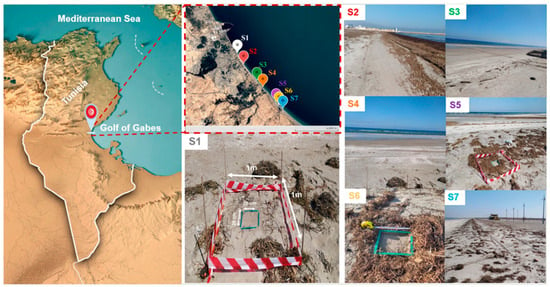
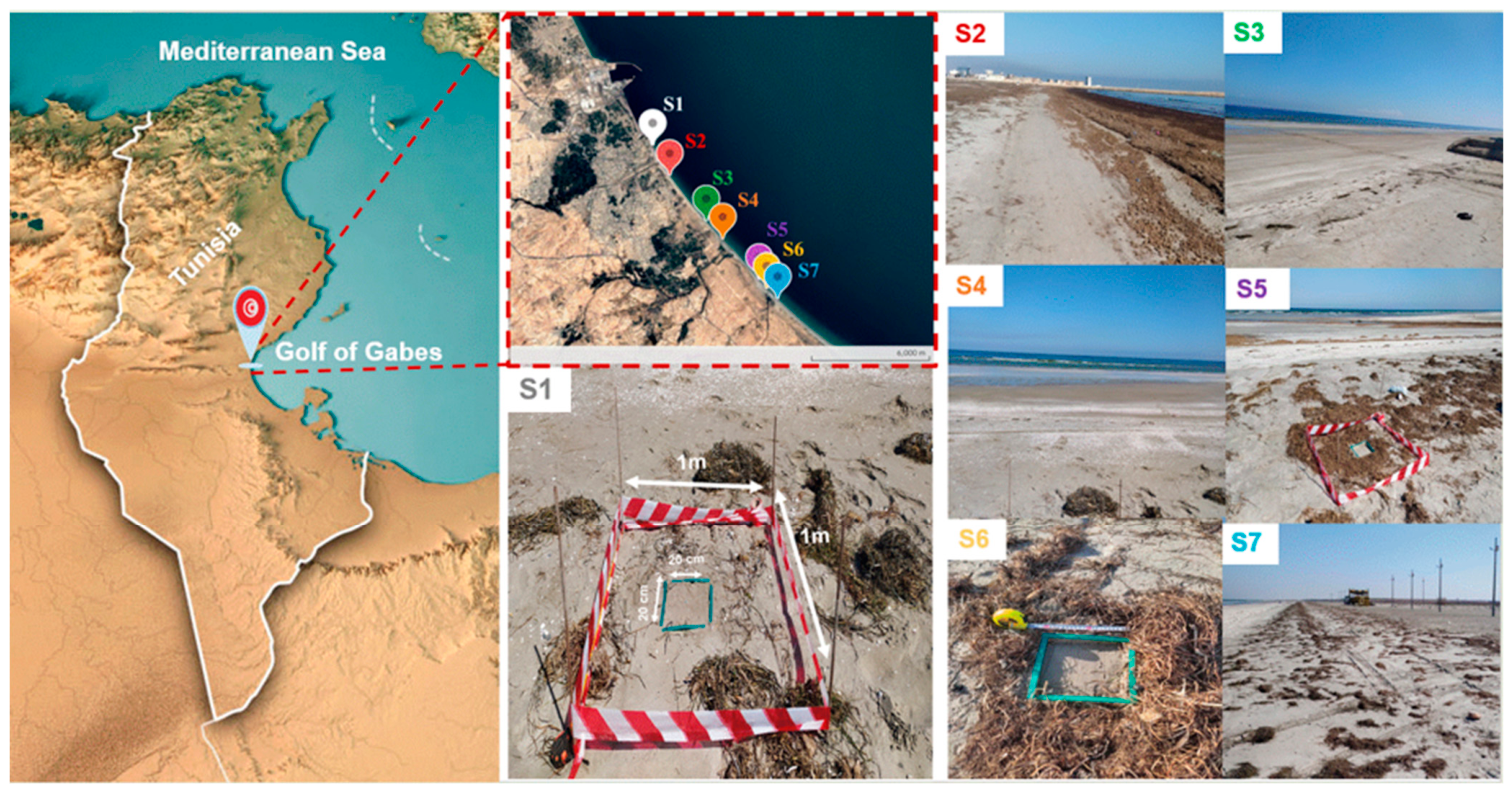
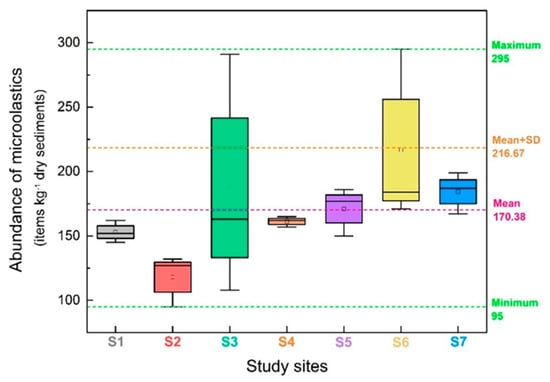
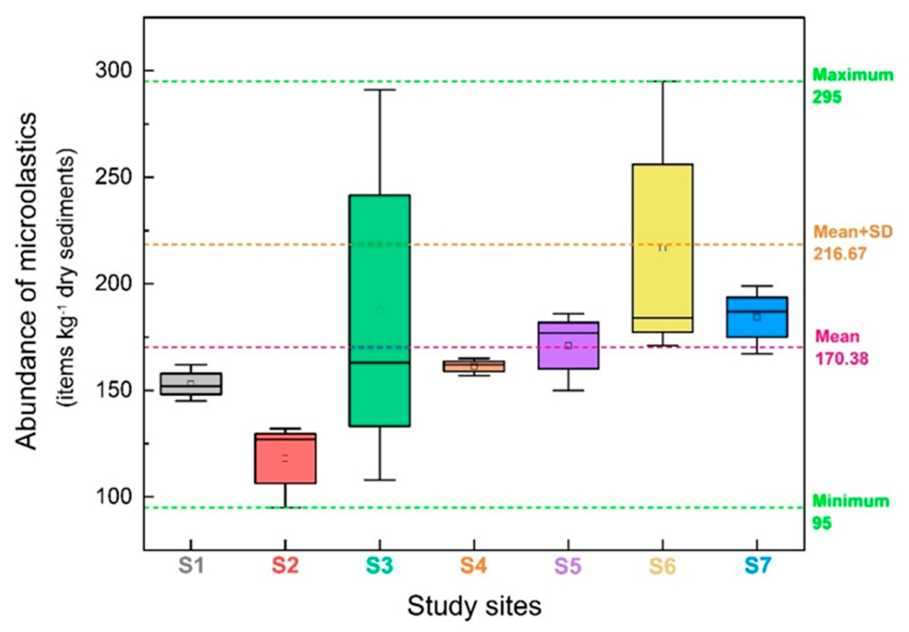
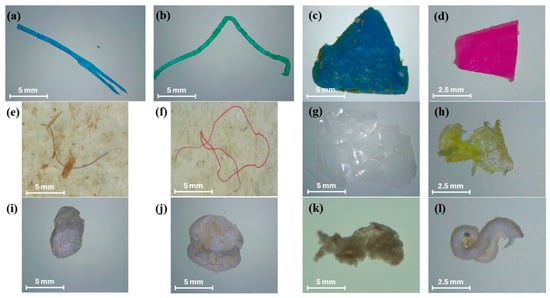
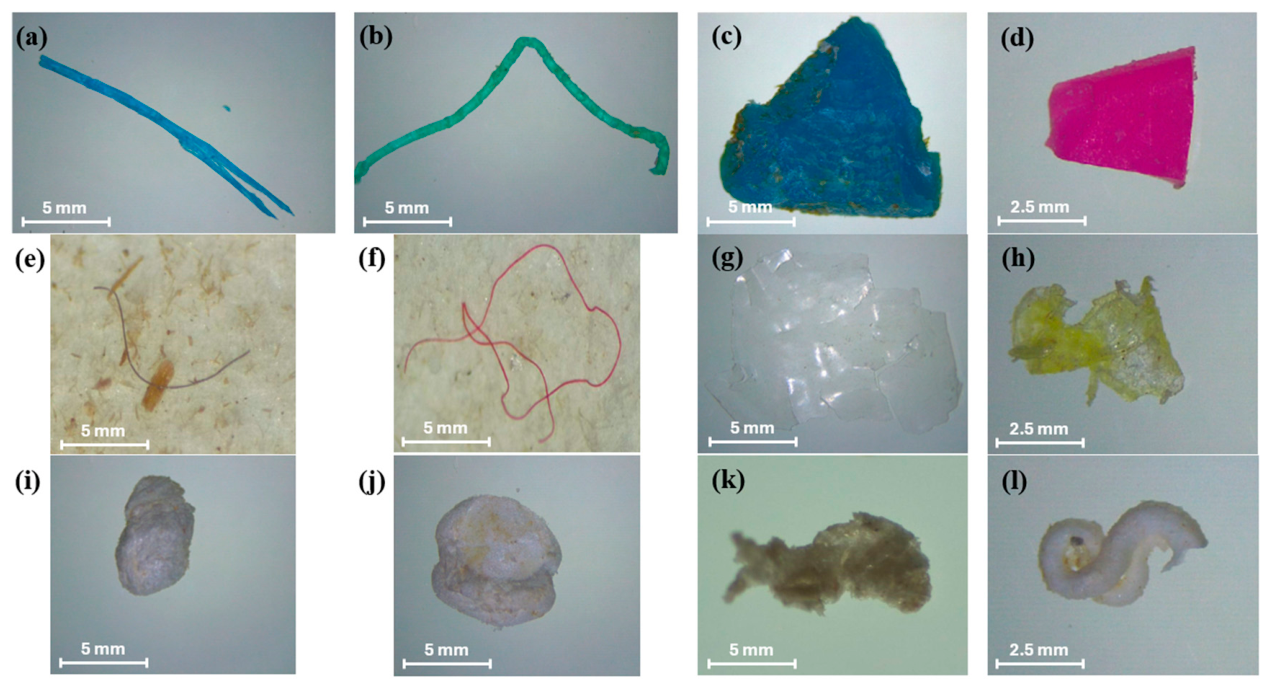
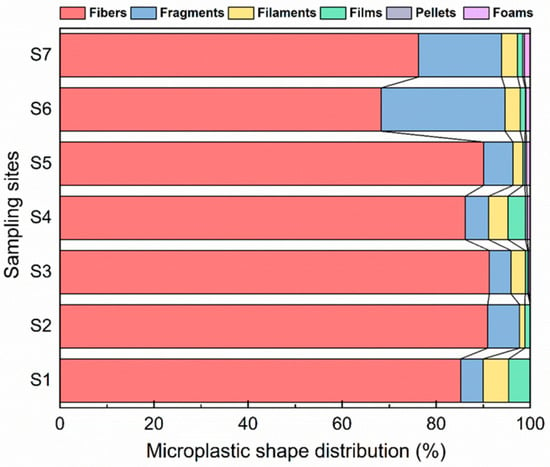
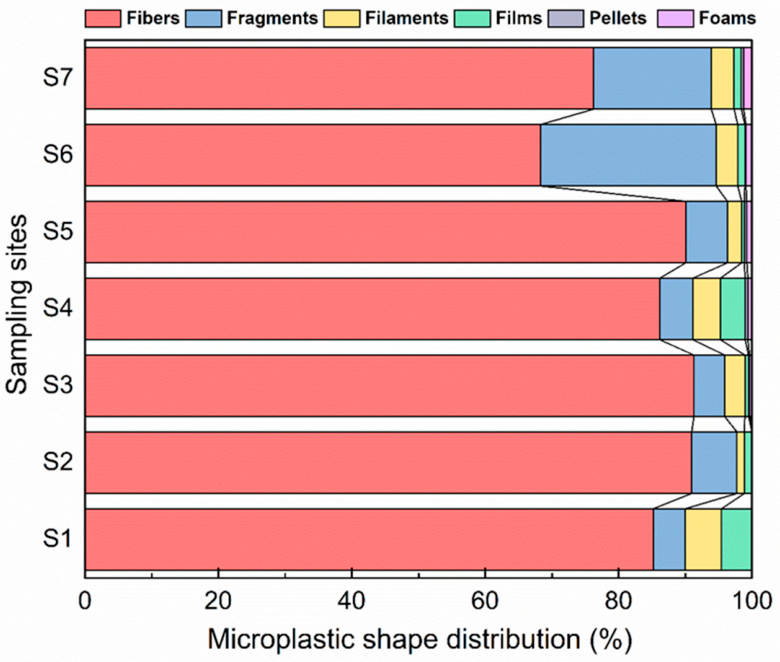
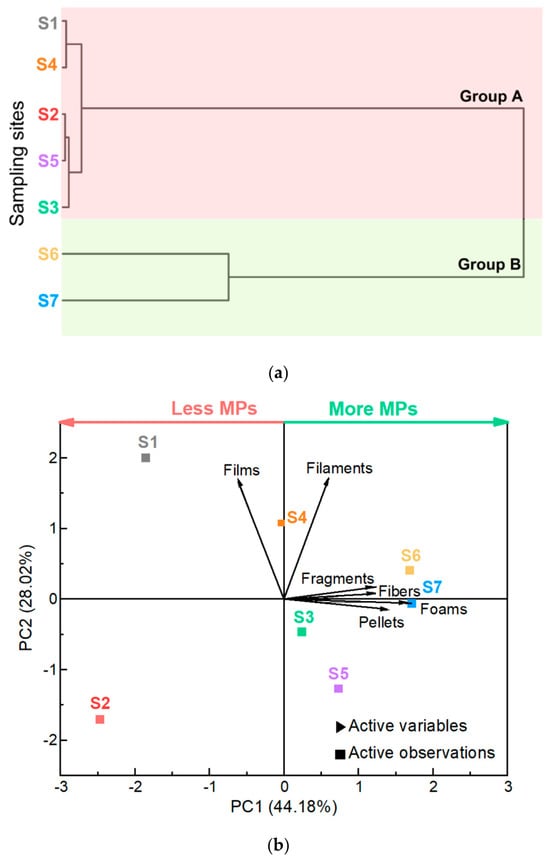
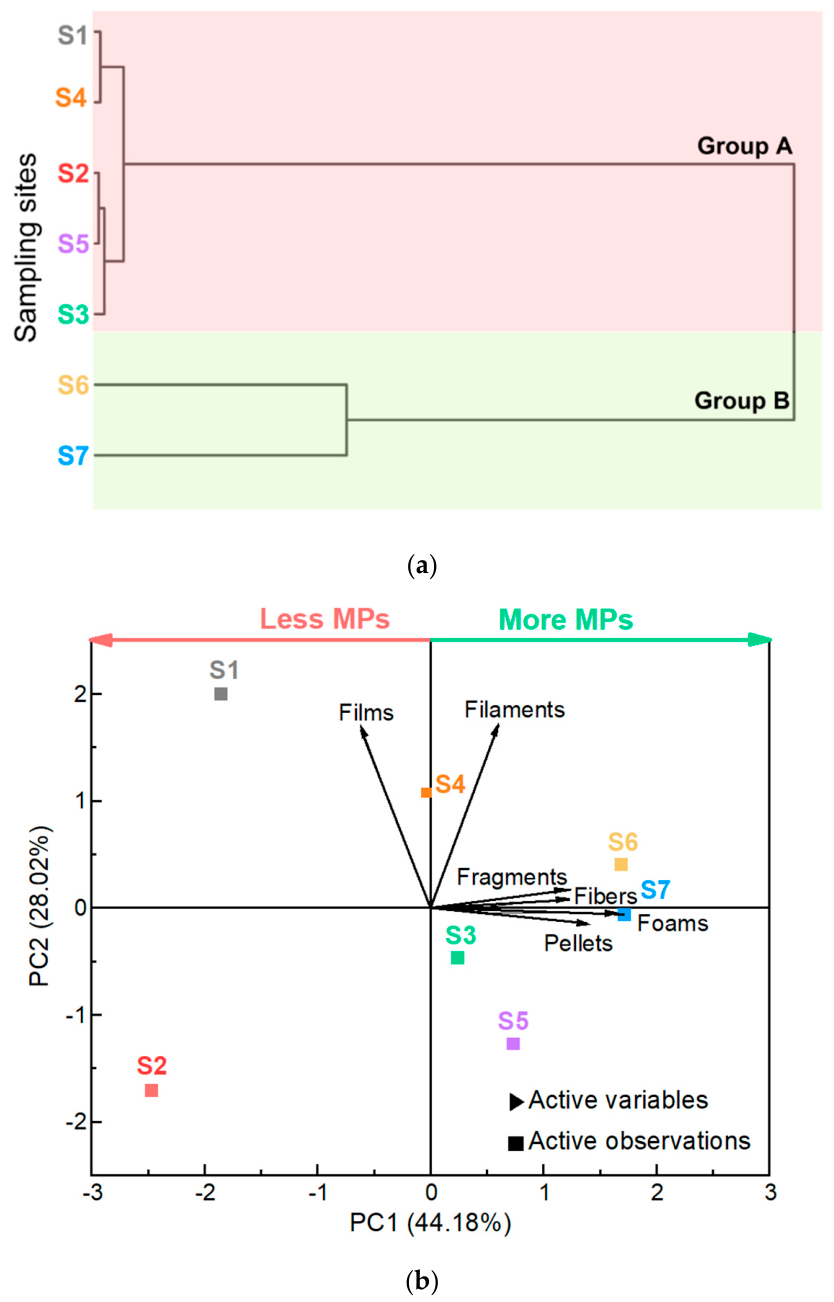
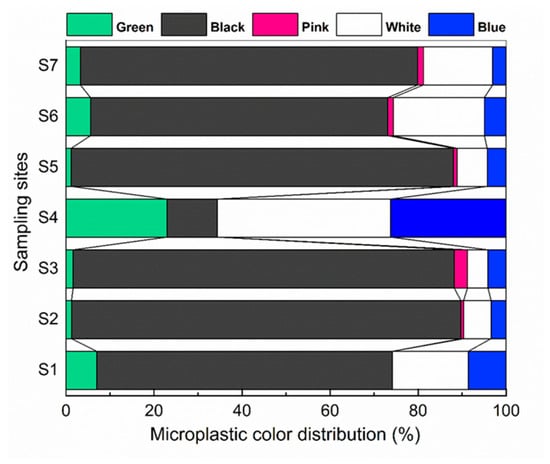
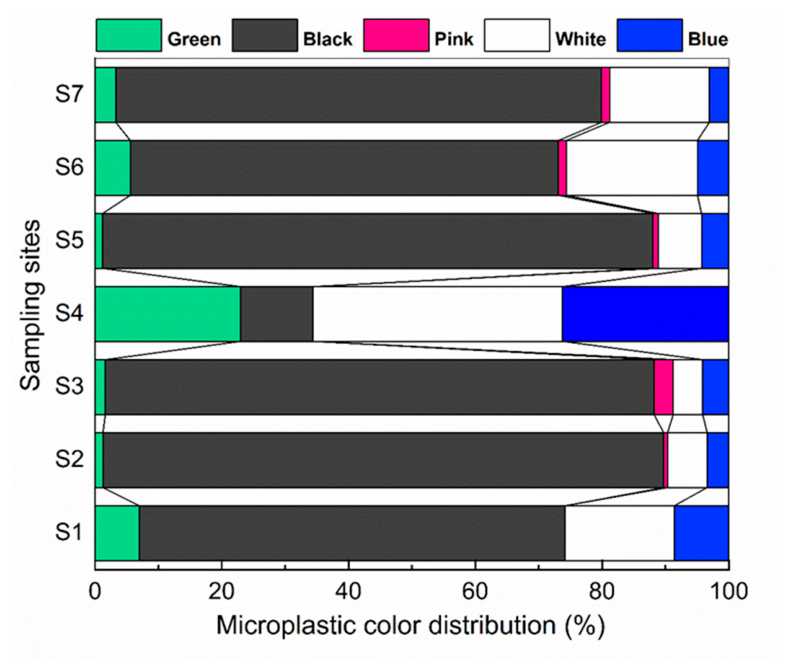
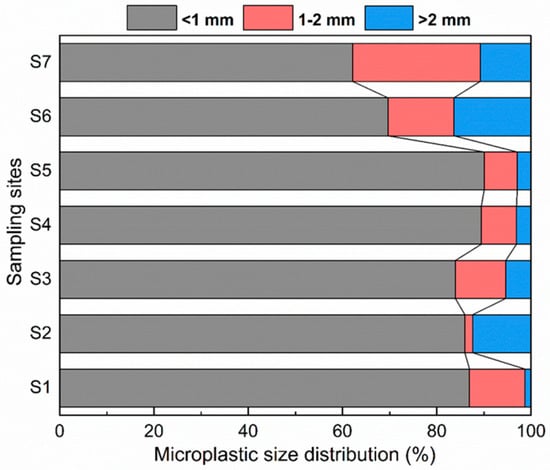
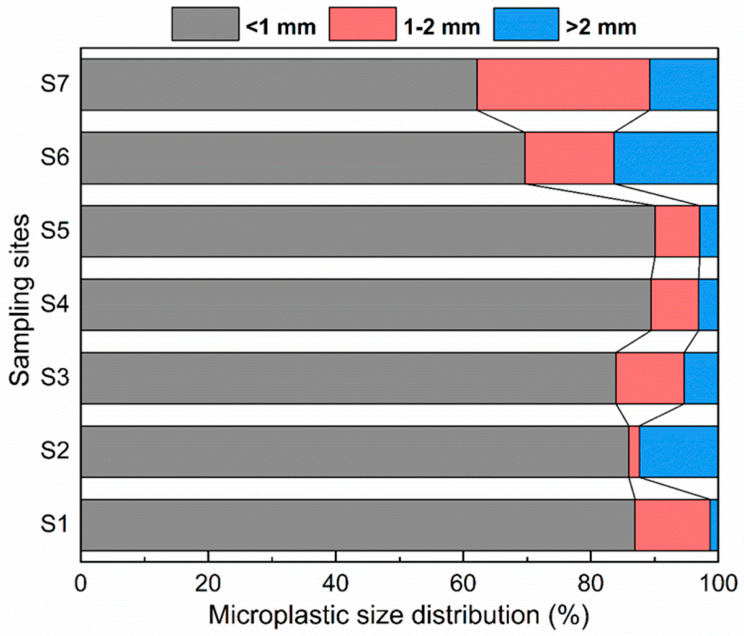
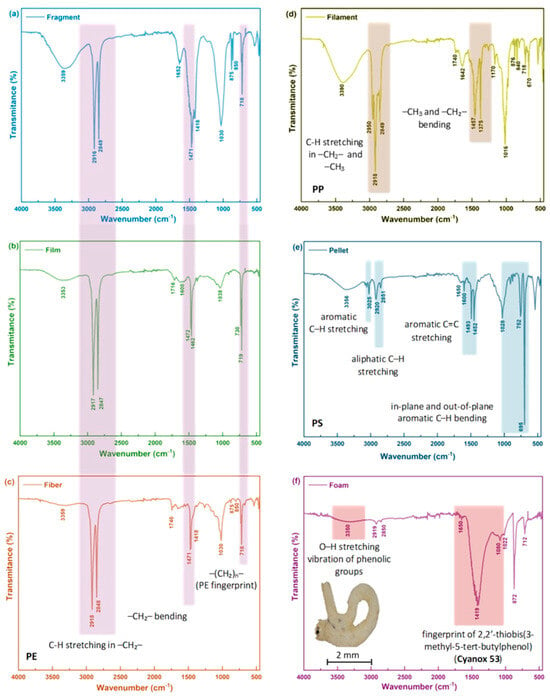
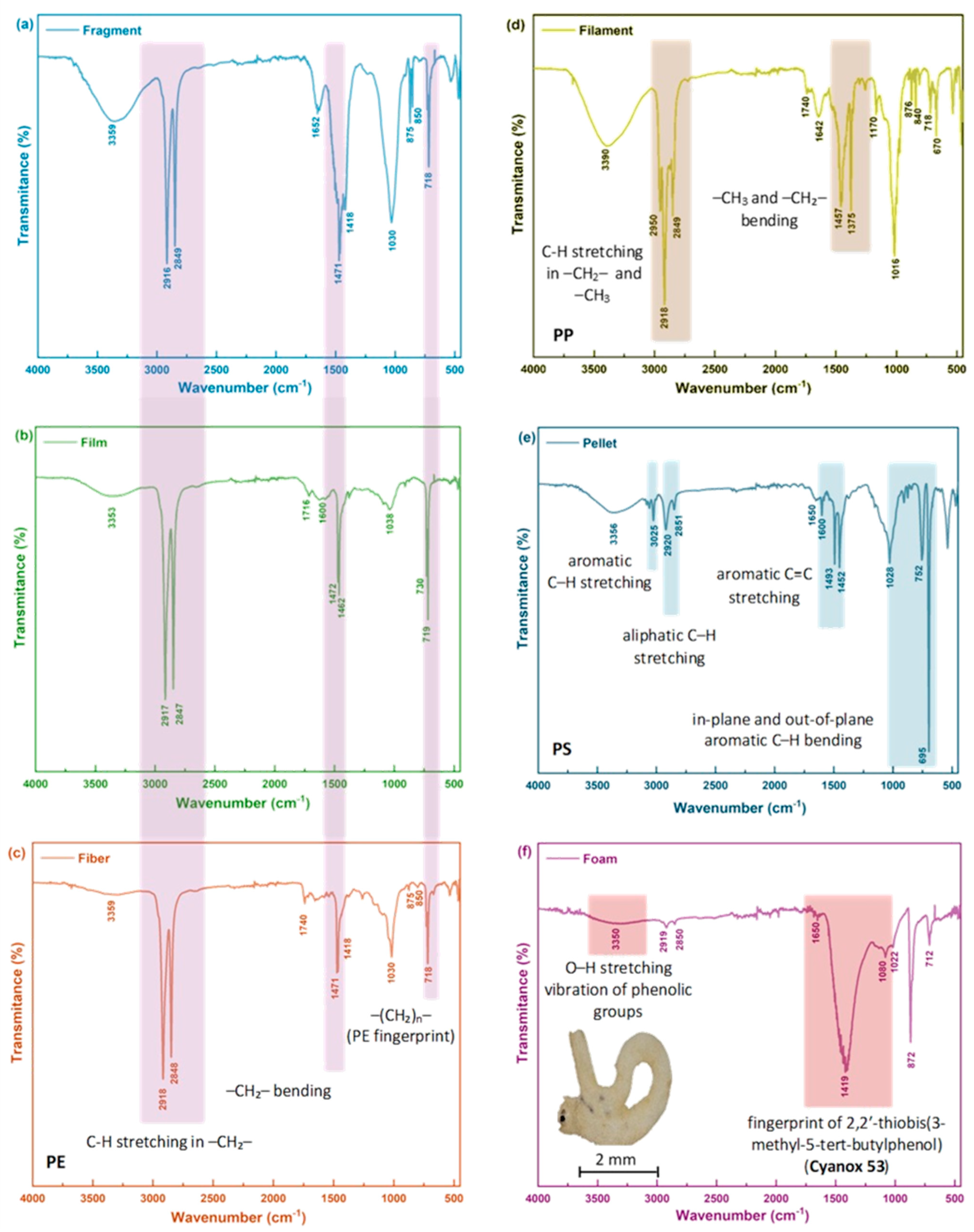

Disclaimer/Publisher’s Note: The statements, opinions and data contained in all publications are solely those of the individual author(s) and contributor(s) and not of MDPI and/or the editor(s). MDPI and/or the editor(s) disclaim responsibility for any injury to people or property resulting from any ideas, methods, instructions or products referred to in the content. |
© 2026 by the authors. Licensee MDPI, Basel, Switzerland. This article is an open access article distributed under the terms and conditions of the Creative Commons Attribution (CC BY) license.