


Abstract
Microplastics are now pervasive across environmental compartments, ingested by more than 1500 species, and detected in human tissues, yet policy responses remain fragmented and inadequate. Annual microplastic inputs to the environment are estimated at 10–40 million tonnes and are projected to double by 2040. Most governance has relied on voluntary industry initiatives, consumer behaviour change, recycling campaigns, and narrow restrictions on selected products. There is little evidence that these approaches have materially reduced microplastic pollution, and plastic production and leakage have continued to grow. With negotiations for a global plastics treaty stalled over production controls, national governments can act through existing and emerging regulatory tools. This paper identifies ten priority policy actions that target production volumes, product design standards, and point-source discharge controls rather than downstream capture alone. These priorities span wastewater and stormwater management, regulation of tyres, synthetic textiles, paints, manufactured microplastics and pre-production pellets, elimination of unnecessary single-use plastics, and limits on primary polymer production. Binding legal precedents exist in at least one jurisdiction for most of these priorities, although several have been adopted but are not yet applicable; the final priority, capping primary polymer production, is ambitious but under negotiation. After two decades of research, the sources and pathways of microplastic pollution are clear enough to regulate; what is now needed is the political will to apply the tools already available.
Keywords:
microplastics; freshwater; marine; policy; regulation; water quality; tyre wear; synthetic fibres; plastic pollution 1. Introduction
Microplastics are an emerging threat to freshwater and marine environments. The term microplastic was coined by Thompson et al. [1] to describe the accumulation of microscopic anthropogenic debris in coastal sediments and is now widely defined as solid plastic particles 1 µm to 5 mm in size. An estimated 10–40 million tonnes of microplastics are released to the environment each year, and this could double by 2040 [2]. Research activity has grown accordingly: prior to 2010 only a handful of research articles had been published on the topic, by 2019 more than 1000 papers were published in a single year, and more than 7000 publications now address microplastics [2].
The occurrence of microplastics in aquatic environments is well established across all environmental compartments. Microplastics have been found in rivers, lakes, wetlands, estuaries, coastal and marine environments, terrestrial environments, and the atmosphere [3,4,5,6]. Research initially concentrated in North America and Europe, but contamination has since been recorded across all continents, including remote areas such as the summit of Mount Everest and the deep sea [7,8]. Plastic ingestion has been recorded in >1500 species globally, from invertebrates at the base of food webs to apex predators [9]. Microplastics have been found to have a range of impacts on ecological communities and their functioning [10,11,12]. For humans, microplastics are now pervasive in our food, water, and air and have been detected in human tissue with emerging evidence of potential adverse health effects [13,14].
Understanding the full scale of microplastic contamination remains complicated by methodological difficulty and heterogeneity. There is no universally adopted size range used in publications: the most commonly cited upper limit is 5 mm, but lower detection limits in studies range from 0.2 µm to 1 mm [15]. Studies that have characterised smaller size fractions generally find the microplastic pool to be dominated by particles <200 µm [16], meaning most studies have likely underestimated total abundance by orders of magnitude. Multi-stage isolation and identification procedures introduce additional opportunities for contamination and analytical error, complicating comparisons across studies and the derivation of ecologically relevant exposure thresholds [17].
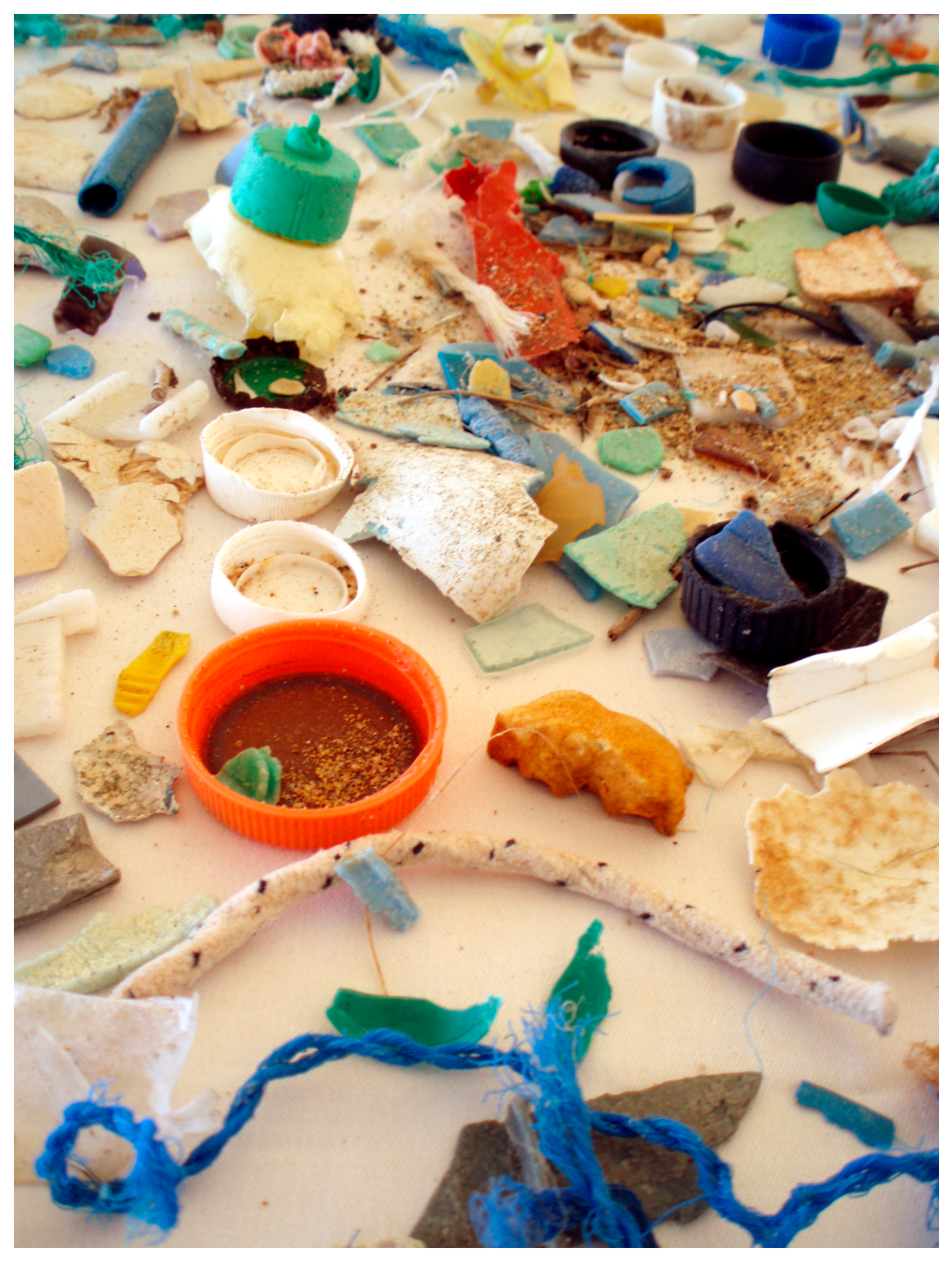
Multiple primary and secondary sources contribute to microplastic loads in aquatic environments. The majority of microplastics in coastal and marine systems originate from rivers and estuaries [18,19], and concentrations in waterways are significantly elevated following rainfall events that mobilise particles accumulated during dry periods [20,21]. Primary sources, that is entering waterways as microplastics, include tyre and road wear particles, pre-production resin pellets, synthetic fibres from textile washing, paints and coatings, and microbeads used in personal care and cleaning products [22]. Tyre wear particles are a major source; European emissions to surface water alone are estimated at around 94,000 tonnes per year [23]. Secondary microplastics, generated by the fragmentation of larger plastic debris, predominantly packaging and single-use items, are likely the largest overall source globally (Figure 1). Stormwater is the dominant transport pathway for road-derived particles [24], while wastewater systems are the main pathway for fibres and microbeads [25]. Whilst studies apportioning loads from different sources may vary due to scale, methods, and definitions, the same key pathways are common.
Figure 1.
Plastics collected from the marine environment. The fragmentation of large plastic debris constitutes a major source microplastic in inland and ocean waters. Photograph: NOAA Marine Debris Program (Licensed under Creative Commons Attribution 2.0 Generic, CC 2.0, Flickr).
The physiological consequences of microplastic ingestion span physical and chemical harm. Ingestion can cause gastrointestinal blockage, impaired feeding behaviour, false satiation, and physiological stress [26]. Exposure to chemicals associated with plastics, including manufacturing additives such as flame retardants and UV stabilisers and persistent organic pollutants sorbed from the water column, is an additional toxicological concern [27,28,29]. A distinct microbial community, termed the plastisphere, colonises plastic particles in waterways and may act as a vector for pathogen dispersal and the transport of invasive organisms [30]. Population-level impacts on aquatic biota remain difficult to quantify from field data, but laboratory evidence of reduced growth, survival, and reproduction at environmentally relevant concentrations is accumulating [31].
Despite this evidence of a problem, the policy responses have been fragmented. The dominant approach has combined voluntary industry initiatives, consumer-directed recycling campaigns, and the regulation of a narrow subset of manufactured microplastics, primarily microbeads in rinse-off cosmetics [32]. As of 2026, there are 20 microbead regulatory policies across multiple jurisdictions [33]. The strongest policy is that of the EU, which has expanded its previous microbead ban on cosmetics to include all intentional additions of microplastics across all products [34]. These measures address only a small fraction of total microplastic emissions. Despite two decades in which voluntary and consumer-directed approaches have dominated, there is little evidence that they have materially reduced microplastic pollution. Global plastic production doubled between 2000 and 2019 and projected growth in plastic waste exceeds even ambitious mitigation commitments [35]. Voluntary corporate commitments have concentrated on packaging and recycling rather than reductions in virgin plastic use, and few have been linked to measurable reductions in pollution [32,36]. On their own, voluntary and consumer-directed approaches have not matched the scale of plastic pollution [37].
An international legally binding instrument to address plastic pollution has been under negotiation under the United Nations Environment Programme since 2022, yet six negotiating sessions have failed to reach agreement [38]. Over 100 nations now support draft text that includes provisions for legally binding caps on plastic production, restrictions on plastics made from fossil fuels, phase-out of hazardous chemicals, and a number of other upstream and life-cycle regulations. Whilst negotiations remain stalled due to resistance from a group of petrochemical states, individual countries and regions such as the EU are moving forward with implementing new regulations. The following ten priorities address the materially meaningful and impactful policy levers available to countries to reduce microplastic inputs to waterways, spanning immediate regulatory actions within existing frameworks to those requiring new legislation or international agreement.
2. Ten Actions to Stem Microplastic Inputs to Waterways
The ten priorities set out below are an expert-informed set of policy options, not the result of a systematic comparative assessment of effectiveness. They were selected according to four criteria: (i) the source or pathway is a quantitatively significant contributor of microplastics to freshwater or marine environments; (ii) the intervention acts at the production, product-design, or point-source stage, so it does not depend mainly on individual consumer behaviour; (iii) a legal instrument, regulatory precedent or standardised test method generally already exists or could readily be adapted from related instruments; and (iv) there is measured or modelled evidence that the intervention can reduce releases. The priorities are ordered from downstream interception and point-source controls (1–3), through product and supply-chain regulation (4–9), to upstream limits on production (10); the numbering does not imply a ranking. Some important sources fall outside this scope. Several important sources fall outside this scope. Lost and abandoned fishing and aquaculture gear is a source of microplastics through fragmentation in the ocean [39], though it is primarily addressed through dedicated fisheries and maritime policy. Agricultural plastics such as mulch films are important sources of secondary microplastics in soils [40] and may be an important source in waterways with intensive use in agriculture, though they have generally not been considered a bigger contributor in microplastic inventories than the priorities listed below [41]. These priorities are not exhaustive. Rather, they are the areas where the evidence for intervention is strongest and regulatory tools are available, and they shift the emphasis from consumer and voluntary approaches, which on their own have not stemmed plastic pollution, to production-stage regulation, product performance standards, and point-source discharge controls.
2.1. Integration of Microplastics into Urban Stormwater Management
Stormwater is a primary transport mechanism that conveys microplastics generated on road surfaces and in-built areas to receiving waterways. Concentrations in waterways are substantially elevated following rainfall events that mobilise particles accumulated in the catchment between storms [21]. Despite this, most jurisdictions do not systematically include microplastics in stormwater management plans, permit conditions, or monitoring programs. In the EU, the recast Urban Wastewater Treatment Directive requires representative monitoring of stormwater overflows and urban runoff discharges, including their microplastic content, for larger agglomerations (Article 21(2)) [42]; this is a monitoring requirement that takes effect when Member States transpose the Directive by July 2027. Microplastics need to be monitored alongside conventional pollutants in regulatory procedures, with the longer-term goal of establishing load-based reduction targets. Infrastructure such as gross pollutant traps, vegetated swales, sedimentation basins, and constructed wetlands all provide microplastic removal co-benefits when sized and maintained appropriately [43]. Planning controls can mandate that new developments with high impervious cover have such infrastructure whilst implementing retrofit programs prioritizing high-traffic corridors where existing tyre wear particle loads are greatest [44]. While governments are beginning to monitor microplastics, these efforts are still largely framed as separate projects rather than integrated into standard mandated procedures.
2.2. Optimizing Wastewater Treatment Processes for Microplastic Removal
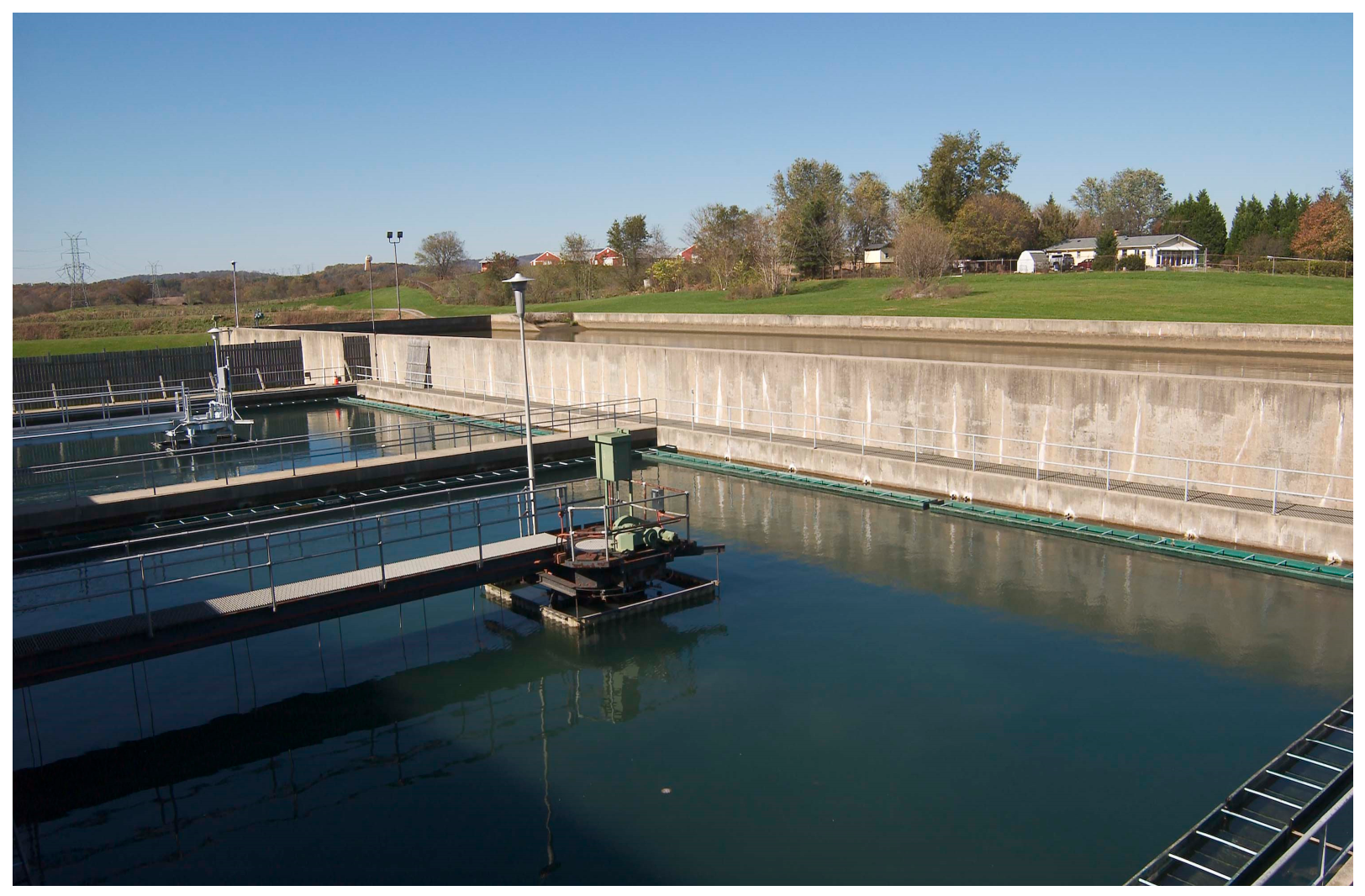
Wastewater treatment plants (WWTPs) process water containing synthetic fibres from washing machines and microbeads from personal care and cleaning products. Modern facilities with tertiary treatment can achieve microplastic removal efficiencies exceeding 90%, but such treatment is not universal (Figure 2) [45,46]. Technologies that have the highest removal rates include membrane bioreactors and sand filtration combined with coagulation [47]. Fine screening and dissolved air flotation are key processes in the pretreatment stages that have been shown to remove high rates of particles [47]. Amending licence conditions is the most direct lever available to regulators. These conditions should generally be performance-based, specifying required removal efficiencies or, once harmonised methods are available, effluent concentrations, though they could also prescribe particular technologies where appropriate. Removal is not elimination: most retained particles are transferred to sludge, so the application of biosolids to land must be regulated so that removed microplastics are not simply returned to the environment elsewhere [48].
Figure 2.
Modern wastewater treatment plants can be highly efficient at removing microplastic contamination. Photograph: USEPA (Licensed under Creative Commons Attribution 2.0 Generic, CC 2.0, Wikimedia Commons).
2.3. Regulating Microplastic Discharge as a Point-Source Pollutant
Unlike conventional pollutants such as nutrients and suspended solids, microplastics are not currently designated as regulated pollutants under most environmental protection legislation, meaning there is no legal basis to set discharge limits or compel systematic monitoring from point sources. The most advanced step towards this is the recast EU Urban Wastewater Treatment Directive, which requires Member States to monitor the presence of microplastics at the inlets and outlets of urban wastewater treatment plants serving populations of 10,000 population equivalents and above and in sludge where relevant, particularly where it is reused in agriculture, with Member States required to transpose the Directive by 31 July 2027 [42]. Whilst this is only a monitoring requirement, microplastics are also to be included in the EU surface-water and groundwater watch lists once reliable monitoring methods are available [49] to explicitly determine whether environmental quality standards are needed, which would form the first steps towards imposing point-source release limits. By contrast macroplastic litter is already regulated at the point of discharge in some jurisdictions. California, for example, prohibits trash discharges and requires stormwater systems to capture all particles ≥5 mm [50], which shows that such approaches are feasible. A major barrier has been the lack of standard methods for microplastic analysis. ISO 24187:2023 now establishes minimum principles for analysis across environmental compartments [51], but harmonised methods suitable for regulatory monitoring are still being developed; in the EU they are due by 2 July 2027 (Article 21(4)). The most impactful action in most jurisdictions is to work on finalising and adopting a standard monitoring and reporting approach and bring microplastics within the scope of existing point-source monitoring and planning by including them as designated pollutants under environmental licences and water quality guidelines.
2.4. Regulating Production and Sale of Manufactured Primary Microplastics
Microbead restrictions, mostly limited to rinse-off cosmetics, have been adopted through at least 20 regulatory policies across multiple jurisdictions. The EU’s 2023 REACH restriction on intentionally added microplastics extended this to all product categories [34]. Outside the EU, however, most bans remain limited to rinse-off cosmetics, leaving uses such as industrial abrasives, drilling fluids, agricultural applications, and sports-pitch infill unregulated; within the EU, several of these uses remain subject to transitional periods. New Zealand’s regulations provide a broader model than most national bans, extending to other wash-off personal care and cleaning products. Regulatory approaches need to systematically identify all applications of manufactured microplastics, require disclosure of intentional use in product formulations, and extend prohibitions or reduction targets beyond rinse-off cosmetics. International harmonisation is essential to ensure compliance and prevent manufacturing from relocating to jurisdictions without equivalent controls.
2.5. New Regulation on Tyre Production and Sale
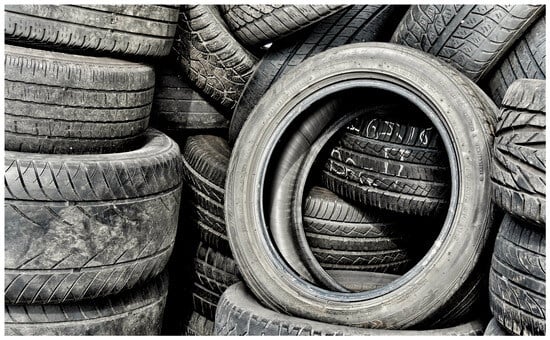
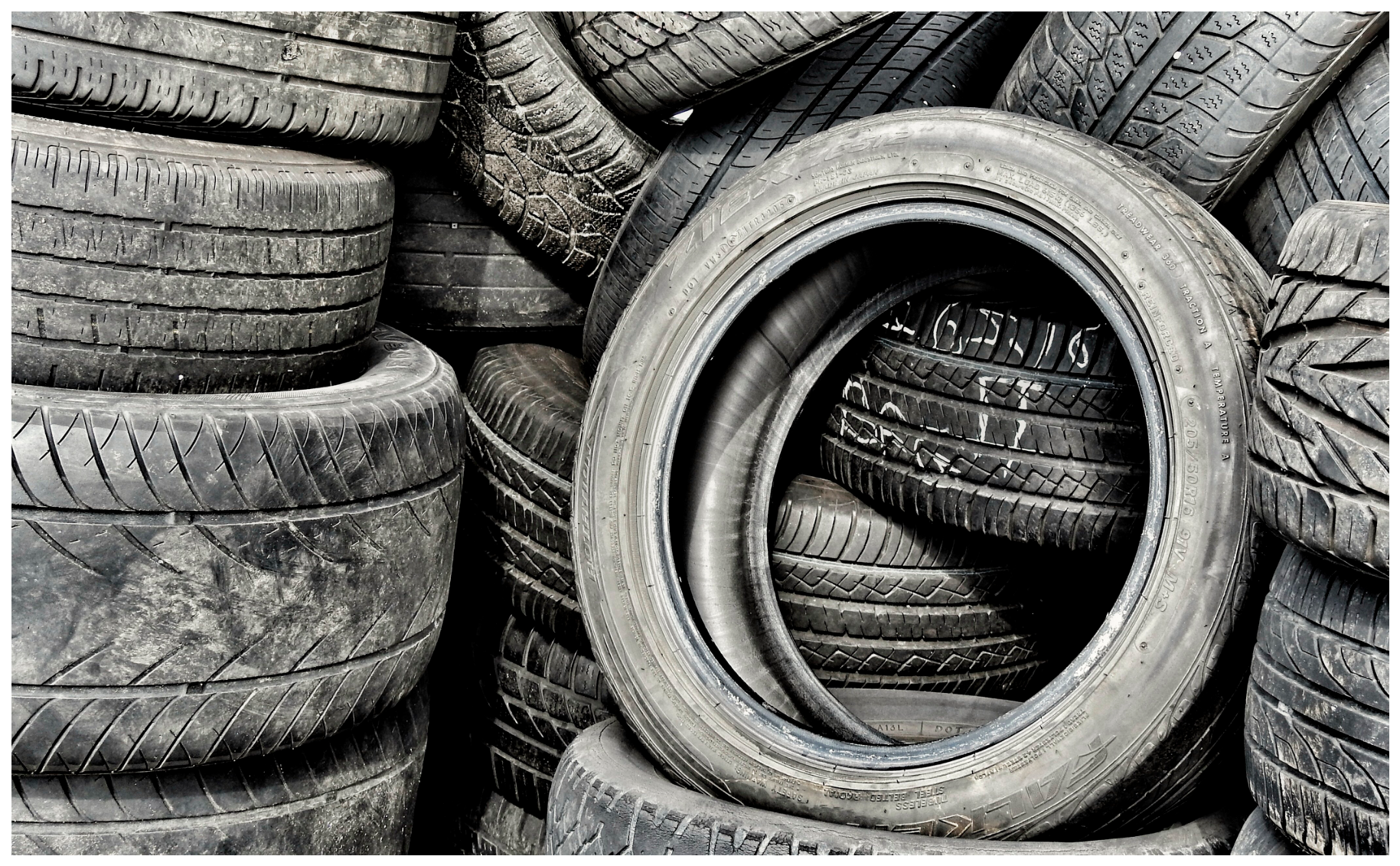
Tyre and road wear particles (TRWP) are consistently identified as one of the largest sources of primary microplastics reaching waterways via road runoff and stormwater (Figure 3) [52]. In addition to their physical form, TRWP contain chemicals of concern including zinc compounds, polycyclic aromatic hydrocarbons, and the compound 6PPD, which transforms in the environment to 6PPD-quinone, shown to cause acute mortality in coho salmon at environmentally relevant concentrations [53]. In June 2026, the UNECE World Forum for Harmonization of Vehicle Regulations (WP.29) adopted a new UN Regulation setting the first binding abrasion limits for passenger car tyres [54]. Tyres are assessed against a standard reference tyre using harmonised on-road or laboratory tests, and limits will be introduced in two stages: new tyre types must comply from 30 June 2028 and all passenger tyres from 30 June 2030, with tighter stage 2 limits to follow. UNECE estimates that the initial limits will reduce overall tyre abrasion by more than 10% and drive the replacement of about 30% of higher-abrasion tyres sold in Europe and Japan [52]. The requirements apply in Contracting Parties to the 1958 Agreement that adopt the Regulation and in the EU through the Euro 7 Regulation. Work to extend the limits to light commercial and heavy vehicle tyres is under way and should be completed as a priority, because heavier vehicles generate disproportionately high abrasion.
Figure 3.
Tyre and road wear particles are one of the largest sources of microplastic contamination. Regulations limiting tyre abrasion can reduce inputs to the environment. Photograph: PeobeLongneck (licensed under universal public domain dedication, CC0 1.0, Wikimedia Commons).
2.6. Alternatives to Synthetic Paints for Road Markings, Vessels, and Buildings
Road markings, marine anti-fouling coatings, and architectural paints collectively contribute high microplastic loads to waterways through wear during service and waste generation during maintenance [55]. Road marking materials in the European Union alone were estimated to contribute approximately 15,000 tonnes of microplastics to surface waters per year [23]. Marine anti-fouling coatings are a direct-to-water emission source that additionally has toxicological problems with biocide additives, including legacy compounds like tributyltin [56,57]. To my knowledge, no jurisdiction has yet adopted binding requirements targeting microplastic emissions from paints specifically. Three regulatory measures are required: life-cycle reporting of microplastic emissions from paint products as a condition of market authorisation; mandatory capture of paint waste during vessel maintenance and dry-docking operations; and funded research and development for polymer-free road marking alternatives. Where road infrastructure alternatives to conventional thermoplastic markings exist, such as physical delineation and road design, their adoption can be incentivised through procurement standards and planning policy, and alternative marking technology with lower emissions can be adopted if viable [58].
2.7. Eliminating Unnecessary Single-Use Plastics and Strengthening Packaging Standards
The fragmentation of larger plastic debris into microplastics, largely from single-use items, is a major and diverse source of contamination globally [59]. The physical degradation of plastic litter in waterways, on shorelines, and in terrestrial environments produces a continuous and growing source of particles that, once generated, cannot be recovered. Critically, plastic debris already present in the environment is a future contamination load that will continue to fragment for decades regardless of reductions in new inputs, meaning that the longer action on upstream elimination is delayed, the larger the legacy burden becomes. Eliminating unnecessary single-use plastic items at the point of production is therefore a higher-order priority than any downstream capture strategy.
Regulating the production of single-use plastics is a key contested area in UNEP negotiations. Bans on particular products are becoming common globally. Bangladesh was the first country to ban single-use plastic bags [60] and has been followed by others, including Australia, Belize, Chile, Kenya, Rwanda, and Uganda [61,62,63,64,65]. The EU Single-Use Plastics Directive (Directive EU 2019/904) banned a defined set of items including plates, cutlery, straws, stirrers, cotton buds, and polystyrene food and beverage containers [66]. Standards for retained plastic packaging have been largely absent from regulatory frameworks, though the EU’s Packaging and Packaging Waste Regulation (EU 2025/40) is a significant step toward harmonised packaging design requirements, including recyclability mandates and packaging minimisation targets [67]. Other countries around the world are acting to ban single-use items, including Colombia, Canada, India, and Vanuatu [65,68,69,70]. Extended Producer Responsibility schemes have the scope to price in the downstream environmental costs of plastic pollution, including microplastic generation from packaging fragmentation, providing a financial incentive for producers to transition toward materials with lower environmental persistence [71]. The UNEP global plastics treaty negotiations offer the most significant opportunity for internationally consistent packaging and single-use plastic standards that would prevent the displacement of manufacturing to countries with less strict regulations [72].
2.8. Regulating Pre-Production Plastic Pellet Loss Throughout the Supply Chain
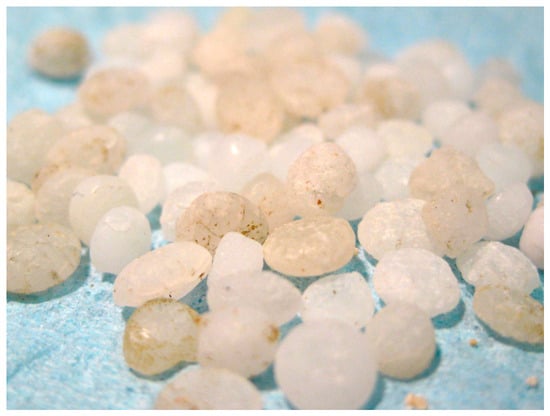
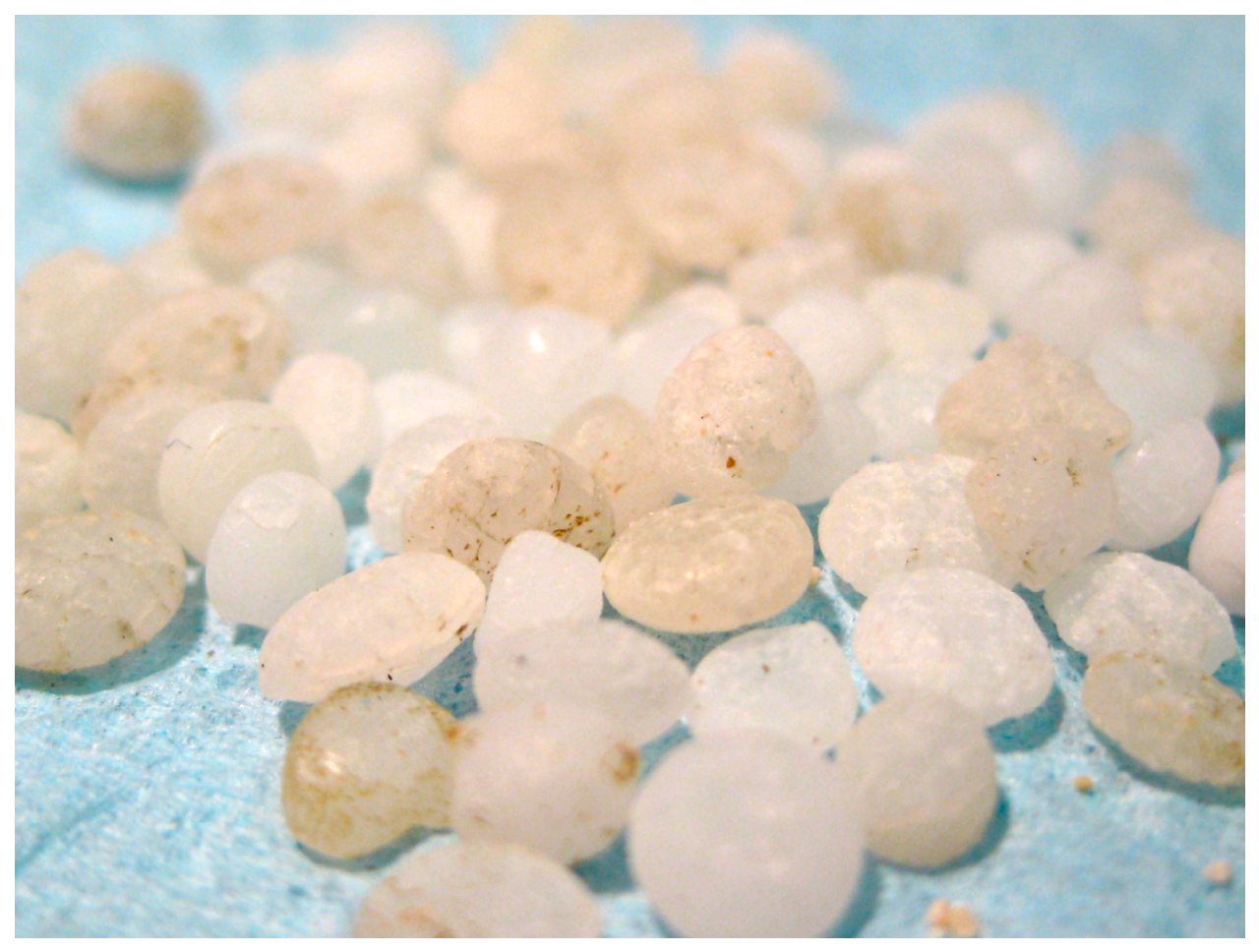
Pre-production resin pellets, the industrial feedstock from which most plastic products are manufactured, are a consistently documented and preventable source of marine microplastic contamination (Figure 4) [73]. Pellets are routinely found on beaches worldwide and have been recorded in rivers and coastal sediments across all regions where plastics are produced or traded. An estimated 446,000 tonnes of pellets enter the environment annually [74]. The plastic industry’s voluntary containment programme, Operation Clean Sweep, has grown in recent years to include thousands of companies across multiple countries [75]. However, there is little evidence of effectiveness. Moore et al. [76] monitored plastic processing and handling facilities in the Los Angeles region before and after voluntary implementation of management practices drawn from Operation Clean Sweep. Pellets and particles showed no major changes, and the authors concluded that the improvements were insufficient to prevent significant losses to storm drains, and no facility retained pellets on site during heavy rain. Recent compliance inspections in Australia found non-compliance at four of ten industrial sites inspected that had signed up to the programme [77]. It appears that voluntary participation without mandatory compliance standards and meaningful independent enforcement has not been sufficient to stem pellet losses at scale.
Figure 4.
Voluntary procedures have not been enough to stop the ongoing loss of pre-production pellets in rivers and oceans. Photograph: NOAA Marine Debris Program (Licensed under Creative Commons Attribution 2.0 Generic, CC 2.0, Flickr).
Regulation (EU) 2025/2365 requires all economic operators handling more than five tonnes of plastic pellets to implement risk management plans, with mandatory independent certification for operators handling above 1500 tonnes annually [78]. It also applies to EU and non-EU carriers and to the shippers, operators, agents, and masters of seagoing vessels transporting pellets to or from EU ports. The Regulation entered into force in December 2025 and applies generally from December 2027, with maritime provisions applying from December 2028. It is estimated it will reduce pellet losses by up to 74% [79]. This comprehensive approach, combining supply chain accreditation and independent audit, warrants adoption beyond Europe. Effective regulation must extend to all pellet-producing and pellet-trading countries to prevent regulatory arbitrage, with the UNEP treaty process a potential place to develop enforcement procedures.
2.9. Regulating the Production and Sale of Synthetic Fabrics
Synthetic textiles such as polyester and nylon are consistently identified among the largest sources of primary microplastics to aquatic environments, releasing fibres during both manufacture and laundering [41]. A single typical washing machine load of polyester fabrics can shed in excess of 6 million microfibres, with release rates varying by fabric type, detergent, and wash conditions [80]. Machine washing accounts for the substantial majority of laundry-derived fibre emissions globally, though handwashing contributes an estimated 6.3%, a non-trivial proportion given that it constitutes the principal approach in much of the world [81]. Regulatory action is needed at multiple points in the supply chain. Product standards need to set maximum fibre shedding rates for synthetic textiles placed on the market; the publication of ISO 4484-1:2023, which provides the first international standardised test method for determining material loss from fabrics during washing, removes the principal technical barrier to such standards being set [82]. The EU Ecodesign for Sustainable Products Regulation (Regulation (EU) 2024/1781) provides a legal framework under which ecodesign requirements, including on microplastic release, can be set for textiles [83]. The textile delegated act is scheduled for adoption in 2027 [84], and to my knowledge no binding maximum fibre-shedding limit is yet in force in any jurisdiction. The revised Waste Framework Directive (Directive (EU) 2025/1892) [85] requires Member States to establish extended producer responsibility schemes for textiles and footwear, with fees modulated according to sustainability criteria. Such schemes could be extended to require textile producers to contribute to the costs of fibre capture, giving them an incentive to reformulate yarns and fabrics toward lower-shedding alternatives. Although no regulations yet target microfibre shedding directly, enforceable laws already restrict chemical additives in clothing, such as California’s ban on PFAS in textile articles [86].
Microfibre filters fitted to domestic washing machines can intercept fibres before they enter wastewater. Available devices have captured up to 80–90% of fibres under test conditions, although performance varies widely between technologies [87]. France legislated in 2020 to require a microfibre filter or equivalent solution in new washing machines from 1 January 2025 (Loi n° 2020-105, Article 79). However, the implementing decree had not been published as of October 2026, so the requirement is not yet operational [88]. Similar proposals elsewhere have stalled amid sustained opposition from appliance manufacturers, who argued that filters are costly [89]. A California bill passed both houses of the state legislature but was vetoed in 2023, with the Governor citing costs and the need for further research [90], and a bill requiring filters in new machines in England by 2030 is currently before the UK Parliament. Mandates should be supported by minimum performance standards for filter efficiency and by recommendations for the disposal of captured material [91].
2.10. Plastic Budgets and Limiting Fossil Fuel Extraction for Plastic Production
Downstream and product-level measures can slow microplastic inputs, but production volumes ultimately set the upper bound on future loads. Every tonne of primary polymer adds to the stock of plastic in use and in waste streams, and once released to the environment, plastic persists and continues to fragment into microplastics for decades [92,93]. Global production reached approximately 460 million tonnes in 2019 and is projected to reach 736 million tonnes by 2040 under business-as-usual conditions [94]. Growth at this rate is expected to outpace even ambitious improvements in waste management and recovery [35]. Limiting production would also deliver climate co-benefits. Approximately 98% of polymer feedstock is derived from fossil fuels [95]. Plastic production is a material source of greenhouse gas emissions; it contributes an estimated 1.8 Gt of CO2-equivalent annually from extraction and refining, polymerisation and manufacturing to incineration at end of life [94,96]. Despite this, no national or international policy to date has addressed limits on primary polymer production as a mechanism for reducing plastic pollution.
The concept of a plastic budget, analogous to carbon budgets under climate frameworks, has been proposed as a mechanism to progressively reduce the production of persistent and problematic polymers [97]. Production controls have been among the most contested provisions in negotiations on a global plastics treaty and have contributed to repeated stalling [38]. An agreement that addresses only downstream waste management, without constraining production growth, is unlikely to deliver long-term reductions in environmental contamination. In the short term, removing fossil fuel subsidies would shift market dynamics without direct production mandates. Subsidies to primary polymer production in the top 15 producing countries are estimated at USD 80 billion annually in 2024, rising to USD 150 billion by 2050 under baseline projections, and modelling by Eunomia [98] found that full removal of these subsidies would result in substantial reductions in polymer production volumes while having minimal impact on consumer prices. Production limits will nonetheless have economic and distributional consequences, particularly for producer economies. Care should be taken that policies are aimed at reducing plastic use rather than simply changing to alternative bioproducts which are typically not free of environmental impacts [99].
3. Conclusions
Many of the examples above come from the European Union, where a large market and established regulatory capacity have enabled early action, and their transferability varies. Measures with a low monitoring and administrative burden are feasible in most jurisdictions. These include restrictions on manufactured microplastics and unnecessary single-use items, pellet containment at ports and industrial sites, and adoption of international product standards such as the UN tyre abrasion regulation. Many low- and middle-income countries have already introduced single-use bag bans. In contrast, advanced wastewater treatment, routine microplastic monitoring and numeric discharge limits depend on infrastructure and analytical capacity that are often lacking. Approximately 44% of the world’s wastewater is not adequately treated [100], and in many low- and middle-income countries, mismanaged solid waste, rather than wastewater, dominates plastic leakage [18]. In these settings, waste collection and the elimination of unnecessary single-use plastics are likely to be top priorities. Product standards adopted by large markets can also reach other countries through global supply chains, while an international agreement could prevent production shifting to jurisdictions with weaker controls. The development of a global plastics budget should balance historical accountability with equity in the development of production caps, and in particular with financing of waste infrastructure and a just transition for informal waste pickers [101,102].
Each priority also involves trade-offs that regulation should anticipate. Advanced wastewater treatment carries significant energy and capital costs and transfers microplastics to sludge rather than destroying them. Material captured by washing-machine filters requires appropriate disposal. Lower-abrasion tyres must not compromise safety performance such as wet grip. Substitute materials can carry their own environmental burdens, and bans on single-use items can shift consumption to heavier or alternative single-use products [62]. Limits on primary polymer production will have economic and distributional effects, particularly for producer economies. These trade-offs are not reasons for inaction, but they favour performance-based requirements, life-cycle assessment of substitutes, and a policy hierarchy that places reduction and reuse ahead of material substitution.
Microplastics are an industrial pollutant, and reducing their flow to waterways requires the same instruments used for other industrial pollutants: discharge limits, licence conditions, product standards, and production constraints. The ten priorities set out here differ in how quickly they can be delivered. Several require no new legislation. Microplastics can be added to the parameters monitored under existing environmental licences and stormwater permits, and treatment process requirements can be written into licence conditions at the next scheduled review. A second group of priorities depends on product standards for tyres, textiles, and paints. Some have been adopted and await application, such as tyre abrasion limits. Standardised test methods now exist for tyre abrasion and textile fibre loss, so for these sources the principal barrier is no longer technical. A third group, covering pellet loss, intentionally added microplastics, and single-use items, is more effective when harmonised across jurisdictions, although the EU pellet regulation and single-use directive show that unilateral action is both possible and consequential where the market is large enough. The tenth priority, limiting primary polymer production, is the most ambitious, and it also determines whether the other nine can ultimately succeed, because management and regulatory measures will eventually be outpaced if production continues to grow. Progress towards a global plastics treaty has been slow, but national governments need not wait to act. Twenty years of research have characterised the sources and pathways of microplastics in enough detail to regulate them. Binding precedents already exist for most of the measures set out here, and what is now needed is the political will to implement them, extend them across jurisdictions, and evaluate their effectiveness.
Funding
This research received no external funding.
Data Availability Statement
No new data were created or analysed in this study. Data sharing is not applicable to this article.
Acknowledgments
This work was conducted on the lands of the Gadigal people. I pay respect to their elders, past, present, and emerging.
Conflicts of Interest
The author declares no conflicts of interest.
Abbreviations
The following abbreviations are used in this manuscript:
| EU | European Union |
| ISO | International Organization for Standardization |
| TRWP | Tyre and road wear particles |
| UNEP | United Nations Environment Programme |
| WWTP | Wastewater treatment plants |
References
- Thompson, R.C.; Olsen, Y.; Mitchell, R.P.; Davis, A.; Rowland, S.J.; John, A.W.; McGonigle, D.; Russell, A.E. Lost at sea: Where is all the plastic? Science 2004, 304, 838. [Google Scholar] [CrossRef] [Scilit] [PubMed]
- Thompson, R.C.; Courtene-Jones, W.; Boucher, J.; Pahl, S.; Raubenheimer, K.; Koelmans, A.A. Twenty years of microplastic pollution research—What have we learned? Science 2024, 386, eadl2746. [Google Scholar] [CrossRef] [Scilit] [PubMed]
- Li, J.; Liu, H.; Chen, J.P. Microplastics in freshwater systems: A review on occurrence, environmental effects, and methods for microplastics detection. Water Res. 2018, 137, 362–374. [Google Scholar] [CrossRef] [Scilit] [PubMed]
- Hitchcock, J.N.; Mitrovic, S.M. Microplastic pollution in estuaries across a gradient of human impact. Environ. Pollut. 2019, 247, 457–466. [Google Scholar] [CrossRef] [Scilit]
- de Souza Machado, A.A.; Kloas, W.; Zarfl, C.; Hempel, S.; Rillig, M.C. Microplastics as an emerging threat to terrestrial ecosystems. Glob. Change Biol. 2018, 24, 1405–1416. [Google Scholar] [CrossRef] [Scilit]
- Zhang, Y.; Kang, S.; Allen, S.; Allen, D.; Gao, T.; Sillanpää, M. Atmospheric microplastics: A review on current status and perspectives. Earth-Sci. Rev. 2020, 203, 103118. [Google Scholar] [CrossRef] [Scilit]
- Napper, I.E.; Davies, B.F.; Clifford, H.; Elvin, S.; Koldewey, H.J.; Mayewski, P.A.; Miner, K.R.; Potocki, M.; Elmore, A.C.; Gajurel, A.P.; et al. Reaching new heights in plastic pollution—Preliminary findings of microplastics on Mount Everest. One Earth 2020, 3, 621–630. [Google Scholar] [CrossRef] [Scilit]
- Peng, X.; Chen, M.; Chen, S.; Dasgupta, S.; Xu, H.; Ta, K.; Du, M.; Li, J.; Guo, Z.; Bai, S. Microplastics contaminate the deepest part of the world’s ocean. Geochem. Perspect. Lett. 2018, 9, 1–5. [Google Scholar] [CrossRef] [Scilit]
- Santos, R.G.; Machovsky-Capuska, G.E.; Andrades, R. Plastic ingestion as an evolutionary trap: Toward a holistic understanding. Science 2021, 373, 56–60. [Google Scholar] [CrossRef] [Scilit]
- Green, D.S.; Boots, B.; O’Connor, N.E.; Thompson, R. Microplastics affect the ecological functioning of an important biogenic habitat. Environ. Sci. Technol. 2017, 51, 68–77. [Google Scholar] [CrossRef] [Scilit]
- Hitchcock, J.N. Microplastics can alter phytoplankton community composition. Sci. Total Environ. 2022, 819, 153074. [Google Scholar] [CrossRef] [Scilit]
- Li, C.; Gillings, M.R.; Zhang, C.; Chen, Q.; Zhu, D.; Wang, J.; Zhao, K.; Xu, Q.; Leung, P.H.; Li, X.; et al. Ecology and risks of the global plastisphere as a newly expanding microbial habitat. Innovation 2024, 5, 100543. [Google Scholar] [CrossRef] [Scilit]
- WHO. Dietary and Inhalation Exposure to Nano-and Microplastic Particles and Potential Implications for Human Health; World Health Organization: Geneva, Switzerland, 2022. [Google Scholar]
- Lamoree, M.H.; van Boxel, J.; Nardella, F.; Houthuijs, K.J.; Brandsma, S.H.; Béen, F.; van Duursen, M.B. Health impacts of microplastic and nanoplastic exposure. Nat. Med. 2025, 31, 2873–2887. [Google Scholar] [CrossRef] [Scilit] [PubMed]
- Filella, M. Questions of size and numbers in environmental research on microplastics: Methodological and conceptual aspects. Environ. Chem. 2015, 12, 527–538. [Google Scholar] [CrossRef] [Scilit]
- Enders, K.; Lenz, R.; Stedmon, C.A.; Nielsen, T.G. Abundance, size and polymer composition of marine microplastics ≥ 10 μm in the Atlantic Ocean and their modelled vertical distribution. Mar. Pollut. Bull. 2015, 100, 70–81. [Google Scholar] [CrossRef] [Scilit]
- Pirvu, F.; Paun, I.; Chiriac, F.L. Microplastics in Aquatic Ecosystems: Sources, Environmental Fate, and Policy Perspectives. Microplastics 2026, 5, 130. [Google Scholar] [CrossRef] [Scilit]
- Lebreton, L.C.; Van der Zwet, J.; Damsteeg, J.-W.; Slat, B.; Andrady, A.; Reisser, J. River plastic emissions to the world’s oceans. Nat. Commun. 2017, 8, 15611. [Google Scholar] [CrossRef] [Scilit]
- Cheung, P.K.; Cheung, L.T.O.; Fok, L. Seasonal variation in the abundance of marine plastic debris in the estuary of a subtropical macro-scale drainage basin in South China. Sci. Total Environ. 2016, 562, 658–665. [Google Scholar] [CrossRef] [Scilit]
- Moore, C.J.; Lattin, G.; Zellers, A. Quantity and type of plastic debris flowing from two urban rivers to coastal waters and beaches of Southern California. Rev. Gestão Costeira Integr.-J. Integr. Coast. Zone Manag. 2011, 11, 65–73. [Google Scholar] [CrossRef] [Scilit]
- Hitchcock, J.N. Storm events as key moments of microplastic contamination in aquatic ecosystems. Sci. Total Environ. 2020, 734, 139436. [Google Scholar] [CrossRef] [Scilit]
- An, L.; Liu, Q.; Deng, Y.; Wu, W.; Gao, Y.; Ling, W. Sources of microplastic in the environment. In Microplastics in Terrestrial Environments: Emerging Contaminants and Major Challenges; Springer: Berlin/Heidelberg, Germany, 2020; pp. 143–159. [Google Scholar]
- Hann, S.; Sherrington, C.; Jamieson, O.; Hickman, M.; Kershaw, P.; Bapasola, A.; Cole, G. Investigating Options for Reducing Releases in the Aquatic Environment of Microplastics Emitted by (But Not Intentionally Added In) Products; Report for DG Environment of the European Commission; Eunomia: Bristol, UK, 2018; Volume 335, p. 2018-04. [Google Scholar]
- Liu, F.; Olesen, K.B.; Borregaard, A.R.; Vollertsen, J. Microplastics in urban and highway stormwater retention ponds. Sci. Total Environ. 2019, 671, 992–1000. [Google Scholar] [CrossRef] [Scilit]
- Sun, J.; Dai, X.; Wang, Q.; Van Loosdrecht, M.C.; Ni, B.-J. Microplastics in wastewater treatment plants: Detection, occurrence and removal. Water Res. 2019, 152, 21–37. [Google Scholar] [CrossRef] [Scilit] [PubMed]
- Hasan, A.M.; Hamed, M.; Hasan, J.; Martyniuk, C.J.; Niyogi, S.; Chivers, D.P. A review of the neurobehavioural, physiological, and reproductive toxicity of microplastics in fishes. Ecotoxicol. Environ. Saf. 2024, 282, 116712. [Google Scholar] [CrossRef] [Scilit]
- Chua, E.M.; Shimeta, J.; Nugegoda, D.; Morrison, P.D.; Clarke, B.O. Assimilation of polybrominated diphenyl ethers from microplastics by the marine amphipod, Allorchestes compressa. Environ. Sci. Technol. 2014, 48, 8127–8134. [Google Scholar] [CrossRef] [Scilit]
- Tanaka, K.; Takada, H.; Yamashita, R.; Mizukawa, K.; Fukuwaka, M.-a.; Watanuki, Y. Facilitated leaching of additive-derived PBDEs from plastic by seabirds’ stomach oil and accumulation in tissues. Environ. Sci. Technol. 2015, 49, 11799–11807. [Google Scholar] [CrossRef] [Scilit]
- Sharmin, S.; Peters, S.J.; Colville, A.; Hitchcock, J.N.; Booth, D.J.; Bishop, D.P.; Mitrovic, S.M. Limited Potential of Polystyrene Microplastic as a Vector of Microcystin-LR in Diluted Lysate of Microcystis aeruginosa Strain MASH01-A05 in Laboratory Freshwater and Brackish Water Conditions. Toxins 2026, 18, 87. [Google Scholar] [CrossRef] [Scilit]
- Zettler, E.R.; Mincer, T.J.; Amaral-Zettler, L.A. Life in the “plastisphere”: Microbial communities on plastic marine debris. Environ. Sci. Technol. 2013, 47, 7137–7146. [Google Scholar] [CrossRef] [Scilit]
- Foley, C.J.; Feiner, Z.S.; Malinich, T.D.; Höök, T.O. A meta-analysis of the effects of exposure to microplastics on fish and aquatic invertebrates. Sci. Total Environ. 2018, 631, 550–559. [Google Scholar] [CrossRef] [Scilit]
- Diana, Z.; Reilly, K.; Karasik, R.; Vegh, T.; Wang, Y.; Wong, Z.; Dunn, L.; Blasiak, R.; Dunphy-Daly, M.M.; Rittschof, D. Voluntary commitments made by the world’s largest companies focus on recycling and packaging over other actions to address the plastics crisis. One Earth 2022, 5, 1286–1306. [Google Scholar] [CrossRef] [Scilit]
- Kumbukattu Alex, R.; Sadasivan, P.; Maes, T.; Purushothaman Devipriya, S. Quantitative evaluation of global microbead policies: A PMC index approach towards microplastic pollution. Policy Sci. 2026, 59, 53–76. [Google Scholar] [CrossRef] [Scilit]
- Catone, T.; Alivernini, S.; Attias, L.; Orrù, M.A. The European legislation on the restriction on intentionally added microplastics. Ann. dell’Istituto Super. Sanita 2024, 60, 243–246. [Google Scholar] [CrossRef] [Scilit]
- Borrelle, S.B.; Ringma, J.; Law, K.L.; Monnahan, C.C.; Lebreton, L.; McGivern, A.; Murphy, E.; Jambeck, J.; Leonard, G.H.; Hilleary, M.A.; et al. Predicted growth in plastic waste exceeds efforts to mitigate plastic pollution. Science 2020, 369, 1515–1518. [Google Scholar] [CrossRef] [Scilit]
- Rhein, S.; Sträter, K.F. Corporate self-commitments to mitigate the global plastic crisis: Recycling rather than reduction and reuse. J. Clean. Prod. 2021, 296, 126571. [Google Scholar] [CrossRef] [Scilit]
- Dauvergne, P. Why is the global governance of plastic failing the oceans? Glob. Environ. Change 2018, 51, 22–31. [Google Scholar] [CrossRef] [Scilit]
- De-la-Torre, G.E.; Walker, T.R. Deadlock at INC-5.2: Understanding the blocked progress of the global plastics treaty negotiations. Camb. Prism. Plast. 2026, 4, e8. [Google Scholar] [CrossRef] [Scilit]
- Sharma, D.; Dhanker, R.; Bhawna; Tomar, A.; Raza, S.; Sharma, A. Fishing gears and nets as a source of microplastic. In Microplastic Pollution; Springer: Berlin/Heidelberg, Germany, 2024; pp. 127–140. [Google Scholar]
- Ren, S.; Wang, K.; Zhang, J.; Chen, L.; Graf, M.; Florent, P.; Qi, R.; Cui, J.; Liu, X.; Qu, K.; et al. The contribution of plastic film mulch to microplastics in agricultural soils was highly overestimated. npj Sustain. Agric. 2026, 4, 59. [Google Scholar] [CrossRef] [Scilit]
- Boucher, J.; Friot, D. Primary Microplastics in the Oceans: A Global Evaluation of Sources; IUCN: Gland, Switzerland, 2017; Volume 10. [Google Scholar]
- EU. Directive (EU) 2024/3019 of the European Parliament and of the Council of 27 November 2024 Concerning Urban Wastewater Treatment; European Union: Brussels, Belgium, 2024. [Google Scholar]
- Ahmad, T.; Gul, S.; Peng, L.; Mehmood, T.; Huang, Q.; Ahmad, A.; Ali, H.; Ali, W.; Souissi, S.; Zinck, P. Microplastic mitigation in urban stormwater using green infrastructure: A review. Environ. Chem. Lett. 2025, 23, 999–1024. [Google Scholar] [CrossRef] [Scilit]
- Müller, A.; Österlund, H.; Marsalek, J.; Viklander, M. The pollution conveyed by urban runoff: A review of sources. Sci. Total Environ. 2020, 709, 136125. [Google Scholar] [CrossRef] [Scilit]
- Iyare, P.U.; Ouki, S.K.; Bond, T. Microplastics removal in wastewater treatment plants: A critical review. Environ. Sci. Water Res. Technol. 2020, 6, 2664–2675. [Google Scholar] [CrossRef] [Scilit]
- Sparaventi, E.; Nuez, R.; Yeste, M.P.; Cauqui, M.Á.; Sendra, M. Quantification and Characterization of Microplastics in Seven Urban Wastewater Treatment Plants. Microplastics 2026, 5, 122. [Google Scholar] [CrossRef] [Scilit]
- Bodzek, M.; Pohl, A.; Rosik-Dulewska, C. Microplastics in wastewater treatment plants: Characteristics, occurrence and removal technologies. Water 2024, 16, 3574. [Google Scholar] [CrossRef] [Scilit]
- Crossman, J.; Hurley, R.R.; Futter, M.; Nizzetto, L. Transfer and transport of microplastics from biosolids to agricultural soils and the wider environment. Sci. Total Environ. 2020, 724, 138334. [Google Scholar] [CrossRef] [Scilit]
- EU. Council of the European Union. Directive (EU) 2026/805 of the European Parliament and of the Council of 30 March 2026 amending Directive 2000/60/EC establishing a framework for Community action in the field of water policy, Directive 2006/118/EC on the protection of groundwater against pollution and deterioration and Directive 2008/105/EC on environmental quality standards in the field of water policy. Off. J. Eur. Union 2026, L 2026/805, 1–84. [Google Scholar]
- SWRCB. Trash Provisions: Amendment to the Water Quality Control Plan for Ocean Waters of California and Part 1 of the Water Quality Control Plan for Inland Surface Waters, Enclosed Bays, and Estuaries; SWRCB: Sacramento, CA, USA, 2015.
- ISO 24187:2023; Principles for the Analysis of Microplastics Present in the Environment. ISO: Vernier, Switzerland, 2023.
- Sun, Y.; van Wijnen, J.; Ragas, A.M. Quantification and mapping of tyre wear emissions: From EU regional analysis to global projections. Environ. Int. 2025, 203, 109720. [Google Scholar] [CrossRef] [Scilit]
- Tian, Z.; Zhao, H.; Peter, K.T.; Gonzalez, M.; Wetzel, J.; Wu, C.; Hu, X.; Prat, J.; Mudrock, E.; Hettinger, R.; et al. A ubiquitous tire rubber–derived chemical induces acute mortality in coho salmon. Science 2021, 371, 185–189. [Google Scholar] [CrossRef] [Scilit]
- UNECE. UN Regulation No. 186: Uniform Provisions Concerning the Approval of Tyres with Regard to Abrasion Performance WP.29 Document ECE/TRANS/WP.29/2026/138; UNECE: Geneva, Switzerland, 2026. [Google Scholar]
- Diana, Z.T.; Chen, Y.; Rochman, C.M. Paint: A ubiquitous yet disregarded piece of the microplastics puzzle. Environ. Toxicol. Chem. 2025, 44, 26–44. [Google Scholar] [CrossRef] [Scilit]
- Soon, Z.Y.; Tamburri, M.N.; Kim, T.; Kim, M. Estimating total microplastic loads to the marine environment as a result of ship biofouling in-water cleaning. Front. Mar. Sci. 2024, 11, 1502000. [Google Scholar] [CrossRef] [Scilit]
- Gondikas, A.; Mattsson, K.; Hassellöv, M. Methods for the detection and characterization of boat paint microplastics in the marine environment. Front. Environ. Chem. 2023, 4, 1090704. [Google Scholar] [CrossRef] [Scilit]
- Burghardt, T.E. Sustainable road markings for sustainable urban mobility–selection guidelines based on environmental and durability parameters. Arch. Transp. 2025, 74, 131–156. [Google Scholar] [CrossRef] [Scilit]
- Kvale, K.; Andrews, Z.A.; Egger, M. Mind the fragmentation gap. Nat. Commun. 2024, 15, 9831. [Google Scholar] [CrossRef] [Scilit]
- Mourshed, M.; Masud, M.H.; Rashid, F.; Joardder, M.U.H. Towards the effective plastic waste management in Bangladesh: A review. Environ. Sci. Pollut. Res. 2017, 24, 27021–27046. [Google Scholar] [CrossRef] [Scilit]
- Behuria, P. Ban the (plastic) bag? Explaining variation in the implementation of plastic bag bans in Rwanda, Kenya and Uganda. Environ. Plan. C Politics Space 2021, 39, 1791–1808. [Google Scholar] [CrossRef] [Scilit]
- Macintosh, A.; Simpson, A.; Neeman, T.; Dickson, K. Plastic bag bans: Lessons from the Australian capital territory. Resour. Conserv. Recycl. 2020, 154, 104638. [Google Scholar] [CrossRef] [Scilit]
- Frey, M.; Cifuentes, L.A. Goodbye plastic bags? Lessons from the shopping plastic bag ban in Chile. Sustainability 2024, 16, 3690. [Google Scholar] [CrossRef] [Scilit]
- Mendez, M.F. Combating plastic pollution in Belize through trade. In Think Trade, Think Green; Commonwealth Secretariat: London, UK, 2024; pp. 23–27. [Google Scholar] [CrossRef] [Scilit]
- Farrelly, T.A.; Borrelle, S.B.; Fuller, S. The strengths and weaknesses of Pacific Islands plastic pollution policy frameworks. Sustainability 2021, 13, 1252. [Google Scholar] [CrossRef] [Scilit]
- EU. Directive (EU) 2019/904 on the Reduction of the Impact of Certain Plastic Products on the Environment; European Union: Brussels, Belgium, 2019. [Google Scholar]
- EU. Regulation (EU) 2025/40 on Packaging and Packaging Waste; European Union: Brussels, Belgium, 2025. [Google Scholar]
- Husaini, D.C.; Mendez, R.K.; Arzu, M.; Harris-Thurton, L. Plastic waste in Latin America and the Caribbean (LAC): Impact on the environment and public health—A systematic review. J. Toxicol. 2024, 2024, 5698516. [Google Scholar] [CrossRef] [Scilit]
- Ahmadi, L.; Shadbahr, J.; Shim, G.W.; Hawco, M. Review of the global evolution of regulations on single-use plastics and lessons drawn for Canada. Waste Manag. Res. 2024, 42, 308–320. [Google Scholar] [CrossRef] [Scilit]
- Mukherjee, I. Plastic Waste Management in India: Issues, Solutions, and Opportunities. In Management of Waste to Control Environmental Pollutions: Sustainability and Economic Feasibility; Springer: Berlin/Heidelberg, Germany, 2025; pp. 105–113. [Google Scholar]
- Brown, A.; Laubinger, F.; Börkey, P. New Aspects of EPR: Extending Producer Responsibility to Additional Product Groups and Challenges Throughout the Product Lifecycle; OECD Environment Working Papers; OECD Publishing: Paris, France, 2023. [Google Scholar]
- Taggart, J.; Ralston, R.; Tilsted, J.P. The battle for plastic hegemony: The petrochemical historical bloc and the UN Global Plastics Treaty. Rev. Int. Political Econ. 2026, 33, 1989–2023. [Google Scholar] [CrossRef] [Scilit]
- Karlsson, T.M.; Arneborg, L.; Broström, G.; Almroth, B.C.; Gipperth, L.; Hassellöv, M. The unaccountability case of plastic pellet pollution. Mar. Pollut. Bull. 2018, 129, 52–60. [Google Scholar] [CrossRef] [Scilit]
- Galgani, F.; Rangel-Buitrago, N. White tides: The plastic nurdles problem. J. Hazard. Mater. 2024, 470, 134250. [Google Scholar] [CrossRef] [Scilit]
- Calero, M.; Godoy, V.; Quesada, L.; Martín-Lara, M.Á. Green strategies for microplastics reduction. Curr. Opin. Green Sustain. Chem. 2021, 28, 100442. [Google Scholar] [CrossRef] [Scilit]
- Moore, C.; Lattin, G.; Zellers, A. Measuring the effectiveness of voluntary plastic industry efforts: AMRF’S analysis of Operation Clean Sweep. In Proceedings of the Plastic Debris Rivers to Sea Conference, Algalita Marine Research Foundation, Long Beach, CA, USA, 7–9 September 2005. [Google Scholar]
- NSWEPA. Pellet Patrol: Cracking Down on Microplastic Pollution; NSWEPA: Armidale, Australia; Bathurst, Australia, 2025.
- EU. Regulation (EU) 2025/2365 on Preventing Plastic Pellet Losses to Reduce Microplastic Pollution; European Union: Brussels, Belgium, 2025. [Google Scholar]
- EC. Proposal for a Regulation of the European Parliament and of the Council on Preventing Plastic Pellet Losses to Reduce Microplastic Pollution, COM(2023) 645 Final; European Commission: Brussels, Belgium, 2023. [Google Scholar]
- De Falco, F.; Gullo, M.P.; Gentile, G.; Di Pace, E.; Cocca, M.; Gelabert, L.; Brouta-Agnésa, M.; Rovira, A.; Escudero, R.; Villalba, R.; et al. Evaluation of microplastic release caused by textile washing processes of synthetic fabrics. Environ. Pollut. 2018, 236, 916–925. [Google Scholar] [CrossRef] [Scilit]
- Wang, C.; Song, J.; Nunes, L.M.; Zhao, H.; Wang, P.; Liang, Z.; Arp, H.P.H.; Li, G.; Xing, B. Global microplastic fiber pollution from domestic laundry. J. Hazard. Mater. 2024, 477, 135290. [Google Scholar] [CrossRef] [Scilit]
- ISO 4484-1: 2023; Textiles and Textile Products—Microplastics from Textile Sources Part 1: Determination of Material Loss from Fabrics During Washing. ISO: Geneva Switzerland, 2023.
- EU. Regulation (EU) 2024/1781 Establishing a Framework for the Setting of Ecodesign Requirements for Sustainable Products; European Union: Brussels, Belgium, 2024. [Google Scholar]
- EC. Ecodesign for Sustainable Products and Energy Labelling Working Plan 2025–2030, Communication from the Commission COM(2025) 187 Final; European Commission: Brussels, Belgium, 2025. [Google Scholar]
- EU. Directive (EU) 2025/1892 of the European Parliament and of the Council of 10 September 2025 Amending Directive 2008/98/EC on Waste; European Union: Brussels, Belgium, 2025. [Google Scholar]
- CL. AB 1817: Product Safety: Textile Articles: Perfluoroalkyl and polyfluoroalkyl Substances (PFAS); Chapter 762, Statutes of 2022; PFAS Central: Berkeley, CA, USA, 2022. [Google Scholar]
- McIlwraith, H.K.; Lin, J.; Erdle, L.M.; Mallos, N.; Diamond, M.L.; Rochman, C.M. Capturing microfibers–marketed technologies reduce microfiber emissions from washing machines. Mar. Pollut. Bull. 2019, 139, 40–45. [Google Scholar] [CrossRef] [Scilit]
- Assemblée Nationale. Question Écrite n° 18344: Décret D’application de la loi AGEC Relatif aux Filtres à Microfibres. Journal Officiel, 22 September 2026; p. 8701. Available online: https://www.assemblee-nationale.fr/dyn/17/questions/QANR5L17QE18344 (accessed on 14 October 2026).
- AHAM. Clothes Washer Filter Requirement Will Hand Consumers a Mess, Set Efficiency Back; Association of Home Appliance Manufacturers: Washington, DC, USA, 2023; Available online: https://www.aham.org/AHAM/News/Latest_News/Clothes-Washer-Filter-Requirement-Will-Hand-Consumers-a-Mess.aspx (accessed on 14 October 2026).
- Office of the Governor California. Veto Message: Assembly Bill 1628, 8 October. Available online: https://www.gov.ca.gov/wp-content/uploads/2023/10/AB-1628-VETO.pdf (accessed on 14 October 2026).
- Ostridge, H. Microplastic Filters (Washing Machines) Bill [HL]: HL Bill 21 of 2026–27. House of Lords Library Briefing LLN-2026-0046; House of Lords Library: London, UK, 2026. Available online: https://lordslibrary.parliament.uk/research-briefings/lln-2026-0046/ (accessed on 14 October 2026).
- Geyer, R.; Jambeck, J.R.; Law, K.L. Production, use, and fate of all plastics ever made. Sci. Adv. 2017, 3, e1700782. [Google Scholar] [CrossRef] [Scilit] [PubMed]
- MacLeod, M.; Arp, H.P.H.; Tekman, M.B.; Jahnke, A. The global threat from plastic pollution. Science 2021, 373, 61–65. [Google Scholar] [CrossRef] [Scilit]
- OECD. Policy Scenarios for Eliminating Plastic Pollution by 2040: A Global Plastic Outlook Model-Based Analysis; OECD: Paris, France, 2024. [Google Scholar]
- Houssini, K.; Li, J.; Tan, Q. Complexities of the global plastics supply chain revealed in a trade-linked material flow analysis. Commun. Earth Environ. 2025, 6, 257. [Google Scholar] [CrossRef] [Scilit]
- Ritchie, H. How much of global greenhouse gas emissions come from plastics? Our World Data, 5 October 2023. [CrossRef] [Scilit]
- Bauer, F.; Holmberg, K.; Olsen, T.; Stripple, J.; Tilsted, J.P. Limits to Plastic Growth: Towards a global cap on primary plastics production. In Environmental and Energy Systems Studies; Lund University: Lund, Sweden, 2024. [Google Scholar]
- Eunomia. Plastic Money: Turning Off the Subsidies Tap—Phase 3. Briefing Note for INC 5.2; Eunomia: Bristol, UK, 2025. [Google Scholar]
- Zimmermann, L.; Dombrowski, A.; Völker, C.; Wagner, M. Are bioplastics and plant-based materials safer than conventional plastics? In vitro toxicity and chemical composition. Environ. Int. 2020, 145, 106066. [Google Scholar] [CrossRef] [Scilit]
- UNICEF. Joint Monitoring Programme (JMP) for Water Supply and Sanitation (WASH). Available online: https://washdata.org/ (accessed on 14 October 2026).
- Barrowclough, D.; Birkbeck, C.D. Transforming the global plastics economy: The role of economic policies in the global governance of plastic pollution. Soc. Sci. 2022, 11, 26. [Google Scholar] [CrossRef] [Scilit]
- O’Hare, P.; Nøklebye, E. “The human face of the UN plastics treaty”? The role of waste pickers in intergovernmental negotiations to end plastic pollution and ensure a just transition. Camb. Prism. Plast. 2024, 2, e12. [Google Scholar] [CrossRef] [Scilit]
Disclaimer/Publisher’s Note: The statements, opinions and data contained in all publications are solely those of the individual author(s) and contributor(s) and not of MDPI and/or the editor(s). MDPI and/or the editor(s) disclaim responsibility for any injury to people or property resulting from any ideas, methods, instructions or products referred to in the content. |
© 2026 by the author. Licensee MDPI, Basel, Switzerland. This article is an open access article distributed under the terms and conditions of the Creative Commons Attribution (CC BY) license.