


Abstract
Micro(nano) plastics (MNPs) are an unquestionable and significant environmental problem because of their greater persistence, widespread use and possible incursion into terrestrial ecosystems, particularly plants. The complex interactions between MNPs and soil are highlighted in this study, with particular attention paid to their absorption, fate, transport, and ensuing physiological consequences in the plant system. However, very little is known about the dangers of these particles being consumed by people via food contaminated with MNPs. Therefore, the purpose of this work was also to do a preliminary dietary exposure estimation of MNPs in VFs and to critically analyze the data that is currently available for MNPs in actual VFs. MNP concentrations in VFs ranged widely, from 1.8 to 195,500 p/g and 0.08–19.84 µg/g. Three indicators, pollution load index (PLI), estimated daily intake (EDI), and chronic daily intake (CDI) for adults and children for each type of VF, were chosen and established for a thorough assessment. Broccoli had the greatest pollution load index (PLI = 290) with a relative pollution level of IV. The EDI and CDI of MPs obtained for VFs varied from a minimum of 0.191 and 0.465 to a maximum of 6.408 × 10⁵ MP/kg BW/day and 5.681 × 10¹³ MP/kg BW/day, respectively. Given the findings, toxicological and epidemiological research must be done to look at the potential health impacts of MNPs.
1. Introduction
The world’s plastic industry began in 1907 with the production of Bakelite, the first synthetic plastic. However, it was not until the 1950s that the world’s plastic output began to rise rapidly. The yearly production of plastics has nearly doubled over the past 70 years, reaching 460 million tons in 2019 [1]. This spread has been fueled by plastic’s low cost, light weight, convenience, durability, and marketing-friendly capacity to be created in a variety of colours and shapes. It is being utilized in thousands of applications and numerous industries, including construction, automotive, and packaging, and its production is predicted to double once again by 2040 [2]. The quantity of plastics in the environment has increased significantly due to the rise in plastic production and consumption [3]. About 60% of all plastic waste is believed to end up in landfills or the environment due to its widespread manufacturing and utilization in various areas [4]. Approximately 59% of the plastic waste produced in 2016 was recycled, incinerated, or disposed of in reasonably well-managed landfills, according to a Pew Trusts report. The remaining residual plastic garbage is visible all over the world. A certain amount of plastic (3–5% yearly) finds its way into the world’s oceans, where it has proliferated and become a major environmental concern [5]. Everywhere in the world, plastic waste has been building up in different ecological sectors, which are broken down over time by UV light or mechanical abrasion since the 1950s, when industrial mass production of plastics began and has continued to grow ever since. These processes, however, do not entirely break down the plastics; instead, they form secondary small particles called microplastics (MPs) [6]. MPs are minuscule particles smaller than 5 mm of synthetic polymers, plastics, and their by-products. MPs can be a waste product from the breakdown of bigger plastic components, or they can be purposefully added to products, such as in cleaning or cosmetics [7]. Depending on how they are made, MPs are divided into primary and secondary polymers. MPs are classified and regarded as a chemical by primary MP type A. Types that are directly added to products fall under this category (e.g., personal care products, cleaning agents, paints, etc.). Water-soluble polymers are already widely replacing this component (liquid MPs). Then, it is common to advertise products as “MP-free” or “without MPs”. Plastic particles produced from the use of plastic products and discharged into the environment directly (without diversions) are included in the primary MP type B category. Tire abrasion and synthetic garment fibres are two examples. All MP particles produced by the gradual breakdown of large plastic components or plastic waste in the environment are referred to as secondary MPs, which are primarily driven by external factors such as microbes, UV radiation, or friction [8]. Although MPs have no formal lower size restriction, 1 μm is currently universally accepted, and particles smaller than 1 μm are typically referred to as nano-plastics (NPs) [9]. Plastics can be made from fossil fuels as well as biomass from different sources. The process of producing both natural and synthetic polymers, as well as the formation of macro- and MNPs from the former, is depicted in Figure 1 [6].
Figure 1.
Production process of both natural and synthetic polymers as well as the generation of macro- and micro(nano) plastics (Modified from Dar et al. [6]).
MNPs’ pervasiveness in the surroundings and ability to harm ecosystems and human health have made them an urgent concern. To protect the environment and public health, the issue of MNPs must be addressed [10]. MNPs have been found in many water bodies worldwide and have remained there for centuries, building up in sediments, organisms, and food webs. In addition to interfering with an organism’s nutrition, metabolism, and behaviour, consuming these MNPs can cause physical injury and the introduction of dangerous substances [11]. Because of their hydrophobic qualities, plastic particles found in freshwater and marine environments can disperse over a large region, including currents and hydrodynamic processes in aquatic and terrestrial ecosystems [12]. One essential living element of terrestrial ecosystems is plants. Terrestrial plants will unavoidably interact with MNPs due to their prevalence in soils. Given the importance of plants to terrestrial ecosystems and the continuous release of MNPs, there is rising concern about the potential effects of MNPs on terrestrial plants. According to some preliminary research, terrestrial plants exposed to MNPs may experience a variety of changes in appearance, physiology, and even community organization [13]. MNPs pose a serious risk to human consumption because they can also be absorbed or moved to aboveground tissues by plant roots, where they can build up in the edible parts of plants (leaf, fruit, and stem) [14]. Furthermore, MNPs are considerably more dangerous since they can carry pathogens and other chemical contaminants, such as pesticides and heavy metals [15]. MNPs can also be introduced into plant systems by contaminated soil, fertilizer, compost, and water [16]. According to recent research, various kinds of MNPs have been discovered in human excrement, suggesting that MNPs have infiltrated the human body [17]. The primary source of MNPs in humans is the food and water that people consume [18]. Between 39,000 and 52,000 MPs are thought to be consumed annually, and 5 g of MPs are thought to be consumed weekly from food [19]. Given that numerous studies have already demonstrated that plastics are present in human blood, this is even more worrying [20]. In recent years, MNPs have been found in a variety of human diets, such as meat, fish, vegetables, condiments, and drinks [15,21]. Plastics are already widely present in soil [22], surface waterways [6], and agricultural areas [23].
VFs are thought to be essential for preserving health. Half of our plate should be made up of VFs, according to the Dietary Guidelines for Americans (2010) [24]. A vast range of plant-based foods with notable variations in their energy and nutrient makeup are represented by VFs [24]. However, because MNPs are also vectors for other contaminants, their presence in VFs may have detrimental impacts on human health instead. There are not many studies that look at the MNPs that are already in the fresh VFs that people buy and eat every day, which could affect their health. Using model plants, most of the research focuses on how MNPs are absorbed by the plant through its roots, leaves, and stems and how this affects the plant [14]. It has been demonstrated that a high intake of VFs is linked to a lower risk of several chronic illnesses, such as cardiovascular disease [25]. To improve overall health and reduce the risk of non-communicable illnesses, the World Health Organisation advises consuming 400 g of VFs per day as part of a diet reduced in fat, sugar, and sodium [26]. However, the existence of MNPs draws attention to the concerning number of plastic particles that adults and children are thought to consume each day through edible VFs [27]. Therefore, it is essential to closely monitor food quality, especially considering the significant amount of MNPs in the environment and the absence of national and international norms or standards for controlling plastic contamination in food. This emphasizes how crucial it is to assess MNPs in VFs and the dangers involved.
Some review articles have concentrated on the interactions between MNPs and terrestrial plants, despite the growing number of publications describing the incidence, fate, and ecological impacts of plastic pollution in terrestrial systems [28,29]. Additionally, there is growing evidence that terrestrial plants can absorb MNPs, which can have a variety of impacts on plant physiological and biochemical processes [30,31,32,33]. With an emphasis on VF plants, this work attempts to present a summary of the state of knowledge about the uptake, transport, and biological effects of MNPs in terrestrial plants. To accomplish this goal, we present the most recent experimental data on the uptake and translocation of MNPs in terrestrial plants and the effects of MNP exposure on plants’ morphological, physiological, and biochemical traits. On the other hand, very few studies evaluating the health risks associated with MNPs from VFs have been conducted. Hence, a thorough worldwide MNPs pollution assessment in VFs is desperately needed, as VFs are an unavoidable part of our diet. In view of the dearth of information regarding the hazards that MNPs pose to human health [34], the second goal of this study was to systematically examine the consumption of MNPs via VFs in the literature and evaluate the preliminary dietary exposure estimation of detected MNPs based on each study. This study will provide a fresh perspective on the sources, incidence, abundance, and research trends of MNPs and their hazard to human health. This information would warn people to adjust their eating habits and practices and to be mindful of what they consume.
2. MNPs Distribution and Fate in Soil Systems
The environment is seriously threatened by the discharge of plastic materials produced during the mass manufacture of plastics, even though plastics have developed over the past 60 years into a versatile commodity with a broad scope of characteristics, interfaces, and applications. Septic systems, packing and wrapping materials, mulch, airborne debris, and inappropriate waste disposal are just a few of the ways that plastics get into the soil [35]. Due to its small size, plastic is technologically very challenging to recycle or remove from the site once it has accumulated in soil. With the help of physicochemical, biological, and UV radiation, the accumulated films in the fields may gradually decompose, contaminating the soil with MNPs [36]. Weathering causes changes in surface characteristics of primary and secondary MNPs, particularly upon exposure to oxygen, water, and light. Weathering makes the particles more hydrophilic and frequently negatively charged by adding oxygen-containing functional groups (such as hydroxyl, carbonyl, and carboxyl groups) to their surface [37]. The surface charge of MNPs is further modified by interaction with soil minerals and organic matter [38]. An eco-corona, or a coating of the plastic surface with biomolecules like exoproteome and extracellular polymeric compounds, can be created by association with microbes and microbial exudates [7]. Compared to unaltered plastic particles, all of these changes will make the MNPs more mobile in porous media [39].
A complicated and dynamic process, the vertical and horizontal distribution of MNPs in soil is impacted by several geological, human, and environmental factors [40]. Figure 2 illustrates how abiotic and biotic factors continuously cause MNPs in soil to exhibit diverse migratory characteristics. Abiotic (soil pores, leaching, runoff, and wind action) and biotic (soil fauna, bacteria, and plant roots) factors cause MNPs to travel both horizontally and vertically [41]. The migration process may also be wedged by the characteristics of MNPs, including their sizes, kinds, forms, and surfaces. For instance, ryegrass’s fine roots appear to keep MNPs in soil by ensnaring them in their network and preventing their movement, in contrast to corn’s thick roots [42]. According to Rillig et al. [29], these factors include agronomic methods like ploughing and harvesting as well as soil properties like macropores (pores > 75 μm), soil aggregation, and soil cracking. Plastic transfer in various soil strata is facilitated by a variety of agricultural techniques, including tillage, irrigation, and soil organisms. Deep ploughing, moldboard, and deep tillage techniques disrupt various soil layers and encourage MNPs to deeply penetrate the subsurface [36]. According to a recent study, wet–dry cycles can encourage MPs to descend. Soil fractures caused by a dry climate may make it easier for plastic to travel through deep soil [38]. Through the actions of soil organisms (plants, insects, and collembolans), the MPs in the topsoil layers may go to even deeper soil layers [43]. MNPs can be carried by soil organisms through attachment to their exterior, egestion and pushing, burrowing, or ingestion, and casting [44]. PE MPs penetrated up to 10 cm into the topsoil, whereas MPs (710–850 μm) were primarily found in the deepest layer. This finding indicates that smaller MPs penetrate deeper into the soil than larger MPs and that earthworms carry plastic by size. Additionally, earthworms can drag both large and tiny plastic particles into their burrows without consuming them [36,45].
Figure 2.
Distribution of micro(nano) plastics in soil environment (Modified from Panwar et al. [40] and Zhao et al. [41]).
MNPs can pass through several soil layers and eventually find their way into groundwater [29]. Soil can operate as both an origin of MNPs into aquatic environments (e.g., groundwater) and a significant long-term sink of MNPs. Soil is a porous medium due to its constant pores and fissures, which range in size from µm to mm [46]. MNPs must travel through these connecting pathways to go from soil to groundwater. Furthermore, it has been suggested that MNPs may migrate simply downhill when they pass through geological material whose pore-throat size is smaller than their own. Plastic debris may eventually find its way into groundwater and the aquatic ecosystem as a whole because of this [47]. For example, an assessment by Li et al. [48] on an agricultural area where plastic films were used for thirty-two years found that there were 7183–10,586 MP particles/kg of soil in the topsoil (0–10 cm) and 2268–3529 MP particles/kg of soil in the subsoil (80–100 cm). Because MNPs are found in deep soil strata, they have been regarded as significant evidence of downward migration. Furthermore, it was previously noted that a sandy soil column’s MP penetration depth increased with an increase in wet–dry cycles [38]. Due to the possibility of greater soil freeze–thaw cycles, climate change may make the aquatic ecosystem, including groundwater, more susceptible to MP contamination in mild and cold climates [46]. However, there is a need for field inquiry data about the downward transport of MNPs from soil into groundwater and/or aquatic environments, often due to methodological problems [47].
3. MNPs Uptake and Transport in Plants
Since MNPs are ubiquitous contaminants in both terrestrial and aquatic ecosystems, their uptake by plants is a growing subject of concern in environmental research and agriculture [36]. Although their effects on aquatic ecosystems have been the subject of much research, there is mounting evidence that MNPs can also penetrate terrestrial food chains via plants [40]. The possibility of MNPs being absorbed by plants is a significant issue in this problem. One of the vascular plants, crops, is extensively researched for their potential relevance to human life. Carrots, radish, cucumber, cress, lettuce, onion, tomato, and peas have all been shown to absorb MNPs [49,50,51,52,53,54,55,56]. SEM or TEM and CLSM are the primary methods used to investigate plant uptake and transport of MNPs (Table 1). Based on their relevance to the uptake and translocation of MNPs in plants, the studies presented in Table 1 were compiled from the pertinent literature during the review process rather than a systematic compilation of all available studies.
Table 1.
Analysis of micro(nano) plastic accumulation in fruits and vegetables under diverse environmental conditions.
Recently, ICP-MS and pyrolysis-GC-MS have also been effectively used to analyze MNPs in plants [62]. Accurate tracking and quantification of MNPs in plants is made possible by the development of microplastic detection methods, including spectroscopy and optical and electron microscopy. Each of these methods has special benefits for illuminating the biophysical and biochemical relationships between plant tissues and MNPs [63]. Because of the intricate cell walls and selective absorption processes, earlier researchers thought that plants could not absorb MNPs. Nonetheless, there has been a recent increase in research and trials showing that a variety of plant species may absorb and transport MNPs (Table 1). According to these investigations, under specific circumstances, MNPs in soil and water can be absorbed by plant roots, translocated via the vascular cylinder to plant stems, and then proceed to spread upward to plant leaves. There are various places in plants where MNPs can be carried, and each stage has a unique transport mechanism and impact on plants. Plant roots are one of the main ways that MNPs are absorbed by plants. MNPs present in the soil environment can adhere to the root surface or be ingested through the root structure through the processes of adhesion (because of their small size and electrostatic properties), internalization (because they can be taken up into the plant cells through endocytosis, a process where the plant cell membrane engulfs the MNPs, forming vesicles within the cell), and transport (because once inside the plant, they can be transported through the plant’s vascular system, allowing them to move throughout the plant) [40]. However, studies involving MNPs have shown that root entry can also occur via lateral-root emergence-related cracks and discontinuities, followed by apoplastic movement and translocation via the vascular system, without essentially necessitating endocytosis [58]. Additionally, it is important to exercise caution when interpreting fluorescently labelled particles found within or close to root tissues because fluorescence by itself might not be able to clearly differentiate between intracellular internalization and particle attachment to the root surface or accumulation within the apoplast. The separation of surface-associated particles from truly ingested particles is still a significant methodological issue, as MNPs have been shown to cling substantially to root and leaf surfaces [64]. Therefore, rather than being a widely recognized method for MP uptake, endocytosis should now be considered a possible, size- and particle-dependent process. When complementary methods like high-resolution electron microscopy, polymer chemical identification, optical sectioning, or methods that can distinguish between intracellular and surface-bound particles are used in conjunction with fluorescence-based observations, the evidence for cellular internalization becomes more compelling. In general, whether plastic particles stay affixed to the root surface, penetrate through fissures or extracellular spaces, or undergo cellular internalization can be significantly influenced by particle size, surface charge, polymer properties, plant species, and experimental settings [63,65]. Also, roots of plants may produce more mucus in reaction to exposure to MNPs [66]. Then, because of the hydrophobic interaction of MNPs with the cell wall and the high adsorption of root mucus, the majority of MNPs are adsorbed to the root surface [67]. Plastics were shown to be adsorbed and accumulated at the root surface, cap cells, and root hairs of A. thaliana and T. aestivum by Taylor et al. [67]. Since MPs are predicted to be unable to pass through plant cell walls due to their huge molecular weight, they are often not expected to be carried into plant tissues [30]. Despite NP’s ability to directly enter plant cells, a study employing Nicotiana tabacum cells revealed that tobacco plants cannot absorb 100 nm PS particles; however, 20–40 nm beads were able to enter the plant [68].
To reach the vascular system and be delivered to the shoots, MNPs must pass through several physiological barriers, including the cuticle, epidermis, cortex, endodermis, and Casparian strip. As a result, one crucial element preventing particles from entering plants is their size [69]. PS (0.2 µm) can enter crops via fissures in the lateral root connections [53], while 0.2 µm PS can be absorbed by the root (crop) apex, according to a recent study [58]. All things considered, MNPs can mostly enter the vascular system via irregular areas in plant roots’ Casparian strips (lateral root fractures and root apex). NPs can go to the leaves after being absorbed through the roots. Transpiration pull has a major impact on how plastic particles are absorbed and transported by plants. NPs can be swiftly transferred to the stem, leaves, and even fruits by the water transportation system [36]. Studies by Li et al. [51] and Xu et al. [70] have shown that MPs are translocated not only to the leaves of cucumber and lettuce plants, but also to their flowers and fruits. Plastic particles can be absorbed via leaves in addition to the roots, and from there they can go to other organs, just like those absorbed by the roots [71]. Plant leaves are their initial line of defense against water loss, unwanted air exchange, and herbivore attacks. They may absorb 5 nm particles through lipophilic and hydrophilic pathways because of the size of their stomata, which are about 25 µm in length and 3–10 µm in width [72]. Even though direct foliar uptake is less frequent than root uptake, it can nevertheless cause MNPs to build up in plants. Although the most well-researched mechanism is root uptake, there is evidence that MNPs can also be absorbed through the leaves. MNPs can stick to leaf surfaces and, in some cases, may be absorbed through stomata, which are microscopic holes on leaf surfaces that allow gas exchange and are transferred to other plant sections [13,32]. Huang et al. [73] discovered that when PS NPs were applied topically to cucumber seedlings, the NPs accumulated within the plant, causing modifications to metabolic pathways and gene expression that impacted the growth and development of cucumber plants. NP concentrations had a substantial impact on the results, with greater concentrations producing more noticeable effects. Ilyas et al. [74] discovered that four different kinds of leafy vegetables have NP absorption and accumulation in their leaves (pak choi, Chinese flowering cabbage, garlic chives and amaranth). Their findings, which indicate that NPs are absorbed through the stoma, showed that NPs are mostly found in the epidermal tissue around the stoma rather than in the cuticle (epicuticular wax). To fully comprehend the uptake processes and mechanisms of MNPs, it is essential to quantify and track their mobility in plants. To measure and visualize MNPs in crops, Luo et al. [53] doped PS MNPs (200 nm) with lanthanide chelates (Eu-b-diketonate). The outcome indicates that less than 3% of PS might be transferred to the shoots. Currently, there is still a lack of knowledge about MNP uptake in different crops and accumulation in the plant shoots. The processes by which MNPs are absorbed and transported in plant shoots need to be thoroughly investigated.
4. MNP Toxicity to Plants After Uptake
MNPs seem to have a significant negative impact on plant growth and development in the agroecosystem. A few studies have documented the effects of MNPs on vascular plants, notwithstanding the current paucity of evidence regarding their impacts on agricultural plants. Physiological and biochemical markers have been the primary focus of plant stress responses to MNP particles [36]. It has been demonstrated that MNPs can directly or indirectly affect a plant’s morpho-physiological characteristics. Additionally, depending on the species and characteristics of the plastic, exposure to MNPs can have different effects [14]. The physiological and cellular impacts of plastic particles on VF seedlings have been the subject of numerous studies. The primary impacts of MNPs on different plants that have been studied by numerous researchers are shown in Table 2. With a focus on experimental data regarding the impacts and toxicity of MNPs in plants, the papers listed in Table 2 were carefully chosen from the pertinent literature found during the review process. The table is not meant to be an entire systematic dataset; rather, it offers exemplary studies that are pertinent to the subject. Most of the research has been on how MNPs affect morphology and physiology at the individual level. Among the markers that have drawn the greatest interest are growth, nutrient content, photosynthesis, and antioxidant enzyme activity [33,52].
Table 2.
Effects of micro(nano) plastics on fruits and vegetables.
The start of the metabolic processes required for seed germination, starting with water intake, is a critical stage in the life cycle of plant growth [85]. Seed germination can be impacted by plastic particles in a variety of ways. The accumulation of minute particles on the surface of seeds due to their broad adsorption capability can physically clog the pores and inhibit water absorption, which is essential for seed swelling and germination [13]. The effects of MNPs on seed germination have been documented in various studies. For instance, after 8 h at 103 to 107 particles/mL of NPs and MPs (50, 500, and 4800 nm), respectively, germination rates in garden cress (Lepidium sativum) were decreased by 56%, 46%, and 21% [52]. The decrease in germination was brought on by plastic particles obstructing spore surfaces or holes, which decreased water absorption [86]. Shi et al. [78] showed inhibitory effects on tomato seed germination percentage when PS, PE, and PP average particle sizes (52–368 μm) with irregular shapes and doses (10–1000 mg/L) were utilized in the testing. In this study, the concentration of microparticles also boosted the inhibitory impact [78]. Additionally, after 72 h, 0.01, 0.1, and 1 g/L of PS NPs (50 nm) in onions (Allium cepa) did not affect germination rates, but at 1 g/L, root growth was 41.5% lower than in control treatments [54].
The roots and aboveground mass of plants undergo a variety of modifications when exposed to MNPs, whether they are present in the soil, water, or air. Following seed germination, MNPs frequently have detrimental effects on the length of the roots and shoots of plants (Table 2). According to Shi et al. [78], MPs decreased the fresh weight and root length of tomato seedlings exposed to PS, PE, and PP. According to Li et al. [76], cucumber plantlets’ biomass dropped after being exposed to PS particles (50 mg/L) with diameters ranging from 10 to 700 nm. Dong et al. [49] found that when the growth environment’s PS concentration rose from 10 to 20 mg/L, carrot roots and leaves lost biomass. The response of pumpkin plants varied according to the kind and concentration of the four MPs studied, which were PE, PVC, PP, and PET. After studies employing plastic particle levels from 0.02 to 0.1 percent, PVC was determined to be the most hazardous material and PE to be the least [77]. Further, MNP toxicity was linked to changes in leaf size as well as decreased biomass in the roots and shoots. Additionally, Kim et al. [56] found no discernible effects on the growth and development of peas following treatment with PS particles at a concentration of 20 mg/kg and an average diameter of 0.02 µm. However, they found that the reproductive variables were complexly hazardous. In a separate radish study, Cui et al. [75] discovered that 2 percent PVC had a major impact on cherry radish growth over the course of 30 days of cultivation, but 2 percent PA and PP soil contamination had negligible effects. Additionally, compared to the control, the fresh weight of the shoots and roots as well as the number of leaves significantly dropped following PVC exposure. Plastic pieces in plants have the capacity to disrupt intracellular molecules and harm cells [72]. For example, Shi et al. [78] showed that exposure to PS, PE, and PP decreased the amount of soluble sugar in tomato plants. Plants’ soluble sugar content steadily declined as the concentration of MPs rose. Analysis of the amount of soluble protein revealed a similar pattern. When exposed to MPs, the soluble protein content was often more responsive than the soluble sugar amount [78]. When four MPs were evaluated, reduced photosynthetic efficiency and chlorophyll content in pumpkin plants were linked to MP toxicity [77]. Li et al. [76] discovered that cucumbers’ metabolism of sugar and chlorophyll was reduced after they were exposed to 50 mg/L PS particles, which ranged in size from 10 to 700 nm. When PS microspheres (0.01–1.0 g/L) were used to germinate onion seedlings for 72 h, significant cytotoxicity, genotoxicity, and oxidative damage were found [54]. Numerous other studies have also demonstrated the impact of MNPs on various crop plant activities, such as decreased nutrient translocation, plant biomass, photosynthesis, oxidative stress, and tissue features [74,79,80,81,82,83,84].
5. Methodology
5.1. Data Collection and Extraction
Scopus database was searched extensively for bibliometric records as part of this analysis. All research published up until 22 September 2025 was included in the analysis; there was no restriction on the publication date. Various search phrases were used, including ‘Microplastic’ AND ‘Food’ OR ‘Nanoplastic’ AND ‘Food’; ‘Microplastic’ AND (‘Fruit’ OR ‘Vegetable’) OR ‘Nanoplastic’ AND (‘Fruit’ OR ‘Vegetable’). The literature search was focused on fruit and vegetable-related topics. We took precautions during data extraction to guarantee the reliability and quality of our study. We first restricted our search to English-language publications and arranged the selected articles according to the “Author’s Surname and Year” format, eliminating duplicates, books, chapters, irrelevant articles, reviews, studies looking at non-VF items, and other issues. We assumed that the selected database maintained good quality throughout the peer-review process by adhering to all criteria. Initially, 2549 research studies were found using the above-mentioned strings from the Scopus database, with an emphasis on peer-reviewed publications. Following the exclusion of nonexperimental research articles using the criteria mentioned above, a review of the title, abstract and original text of the research articles was carried out. Although there is proof that crops can absorb soil MNPs, nothing is known about how MNPs can contaminate VFs in actual settings. Therefore, we further excluded research articles that did not include actual samples collected from the environment and did not report the characteristics of MNPs. Only 5 records were found that report the actual contamination level of MPs in VFs and 23 records of MP presence in 16 different types of VFs. Data on particle size, abundance, shape, polymer type, analytical techniques for MP detection and other information from individual studies were retrieved as indicated in Table 3.
Table 3.
Characteristics of the studies included for systematic review.
Depending on the techniques used for sample collection and analysis, the data from the included publications measuring MPs in VFs were reported in both particle count (p/g) and mass concentration (µg/g). So, for the data points where MP concentrations were already reported in p/g, no further modifications were made, and the values were used directly in the calculations. However, for studies that represent the MP concentration in µg/g, the baseline concentration C0 (p/g) was standardized to µg/g for PLI calculations using the volumetric conversion formula (Equation (1)) [34]:
represents the MPs concentration in µg/g, is the particle concentration (p/g), is the average side length of the particle, and is the density of the microplastic polymer. For this conversion, the average side length (a) of the particles was assumed to be 0.1 cm, as more than 86% of the observed MP fell within the 0.1 to 1000 µm range in the study, which represents the lowest reported average (C0) MNP concentrations in VFs among the datasets considered in the present assessment [89]. Furthermore, because polyethylene (PE) was the predominantly identified polymer (>60%) in the same study [89] with the lowest reported average C0 across the current datasets, PE density was adopted as the representative density. Its standard density ( was utilized in the calculation to ensure uniform mass-based metrics across all datasets. The density values used in these calculations were essential to accuracy. Since each polymer has a unique density: PS is 1.05 g/cm3, PVC is about 1.4 g/cm3, PE is about 0.94 g/cm3, and PMMA is 1.2 g/cm3 [91].
5.2. Data Analysis
5.2.1. Pollution Load of MPs
By analyzing MNPs’ pollutant load, the preliminary dietary exposure estimation of the retrieved data was evaluated. VFs were considered an environmental medium for MNP contamination, and the pollution load index (PLI) described the MNPs’ pollution load in this case [92]. The high PLI value indicates that MPs were causing a significant amount of pollution in VFs. The following Equations (2) and (3) were applied:
where C0 is the lowest reported average MNPs concentration in fruits and vegetables, denoted by the values of (3.1 p/g) and (1.5 p/g), respectively [89]. However, rather than being uncontaminated background concentrations, regulatory limits, or benchmarks for food safety, the C0 values used for PLI computation (1.5 and 3.1 p/g) represent the lowest documented concentrations within the studies included in the current dataset. Therefore, rather than being absolute indications of exposure, the computed PLI values should be understood as relative indicators of contamination among the food categories evaluated in this study. The PLI values should be interpreted within the parameters and constraints of the current dataset since the C0 value is dataset-dependent and may alter with the inclusion of additional studies reporting lower or higher concentrations. The concentration factor (CFi), which was determined by dividing the MNPs concentration in each VF (Ci) by C0, was associated with the PLI of a VF product. Xu et al. [93] provided the criteria for the danger category concerning MNPs pollution load (Table S1).
CFi = Ci/C0
PLI = √CFi
5.2.2. Estimated Daily Intake (EDI)
The term “EDI” describes the amount of a substance (MP or NP) that a person is expected to consume each day from food, water, or other sources. To evaluate the dietary exposure to MNPs of three population groups, male/female adults (Ad) and children (Ch), the EDI (p/kg BW/day or µg/kg BW/day) of MNPs from VFs was measured. The following Equation (4) was used to determine the EDI [27].
where “C” represents the average MNP concentration (p/g or µg/g); “IR” represents population’s per capita consumption rate of Nori (8.3 and 6.8 g/day for Ads and Chs, respectively), broccoli and lettuce (53 and 24.2 g/day for Ads and Chs, respectively), Carrot (20.3 and 18.0 g/day for Ads and Chs, respectively), pepper (36.39 and 14.56 g/day for Ads and Chs, respectively), Tomato (300 g/day for both Ads and Chs), peas (27.3 and 16.7 g/day for Ads and Chs, respectively), Ice plant (38 and 25 g/day for Ads and Chs, respectively), asparagus (23.7 g/day for both Ads and Chs), cabbage (100, 55 g/day for Ads and Chs, respectively), eggplant (4 g/day for both Ads and Chs), potato (140 g/day for both Ads and Chs), cucumber (50 g/day for Ads and Chs), onion (60 g/day for both Ads and Chs, respectively), pear and apple (165.3 and 115.7 g/day for Ads and Chs, respectively) [27,51,89,94,95,96,97,98,99]. Lastly, “BW” is the average body weight of adults (Male 78.1, female 65.4 kg) and children (35.3 kg) [94]. The BWs and nutritional consumption rates that were used to estimate exposure came from published sources that represented various populations and geographical areas, and they were not always correlated with the locations of the contamination investigations. As a result, the estimated dietary exposure is a preliminary population scenario that is prone to ambiguity due to variations in body weight and consumption patterns.
EDI = (C × IR)/BW
5.2.3. Chronic Daily Intake (CDI)
CDI refers to the average daily dose of a substance (e.g., MP or NP) received over an extended period (years or lifetime). Exposure from MNP intake through VF consumption is considered in the CDI calculation (p/kg BW/day or µg/kg BW/day). It is adjusted for age and gender variability, normalized to body weight, and considers the concentration of MPs in VFs as well as ingestion rates. The concentration of plastic particles in VFs (C, p/g or µg/g), intake rate of VFs (IR, g/day), exposure duration (ED-year), exposure frequency (EF-days/year), body weight (BW, kg), and average time (AT, days) are explicitly provided in Table S1 and are all taken into account in Equation (5) that is employed.
6. Results and Discussion
6.1. Data Collection and Extraction
Since Scopus-indexed journals are well known for their excellent quality, legitimacy, and influence on scholarly research, we thought that all articles should be published there. Because of their stringent peer-review procedure, thorough and trustworthy indexing, worldwide recognition and accessibility, quality control, and ethical standards, researchers, institutions, and funding agencies favour studies that are Scopus-indexed. A total of 2549 articles were discovered after a search for the primary search queries in the Scopus database. Only five research papers were included for data extraction after the inclusion and exclusion criteria were applied. This is because only these five records were found to report the actual contamination level of MNPs in VFs and provided 23 records of the presence of MNPs in 16 distinct types of VFs (Table 3). Most of the research on MNP exposure for VFs was performed in China, and most of the studies were about lettuce. All studies were published after 2019, which can be attributed to the fact that since 2013, there has been a rise in interest in MP research [100]. To make it easier to observe and identify MNPs later, a variety of digestion solutions were employed to eliminate organic and inorganic materials from VFs. H2O2 was the most used digestion solution. According to a study by Bai et al. [15], KOH was the most often utilized digestion solution, followed by H2O2 and HNO3, and it was employed in 60 out of 77 trials. However, the kinds and quantities of digestion solutions affect how much MNPs degrade in food. For instance, when HNO3 was employed for digestion, the colours of LDPE, PP, and PS MPs altered, and their surfaces significantly deteriorated [101,102]. Most food studies do not employ the typical density separation technique of floating MPs on the separation solution, which separates MPs from other compounds [15]. Therefore, it was discovered that ZnCl2, DCM, and NaCl were utilized in VF investigations. For example, PP and PA MPs, which have a density of 0.80–1.13 g/cm3, can be separated using a NaCl solution (1.00–1.20 g/cm3) [103]. Consequently, a separation solution that is appropriate for the possible MP polymer types must be used. Researchers now find it challenging to detect and tally MNPs using the human eye. Therefore, SOM, FTIR, and SEM were the most popular analysis techniques for identifying MNPs. The colours, forms, and sizes (>1 mm) of MPs are typically distinguished visually using eyesight or microscopes [104]. The MNPs’ characteristics were reported according to size, colour, shape, and polymer type. Fibre and fragment were the most prevalent particle forms, whereas PS and PES were the most common polymer kinds. Depending on the study sample, MNPs ranged in size from 0.1 μm to 5000 μm, and the most prevalent hues were blue, green, black, and yellow (Table 3).
6.2. Pollution Load of MPs in VFs
In VFs, the concentration of MNPs varied greatly, ranging from 1.8 p/g to 195,500 p/g and 0.08–19.84 µg/g (Table 4). With a relative pollution level of IV, broccoli had the highest pollutant load index (PLI = 290; Table 4), followed by carrot (PLI = 261). The lowest PLI, 1, was found in pear and apple in one study and in potatoes, followed by nori with a PLI of 1.1. The relative pollution category of MP pollution in 25% of substances was determined to be category IV, whereas the remaining 75% had lower levels of pollution (relative pollution category I). MP contamination in ambient saltwater was linked to the quantity of MPs in commercially packaged nori, and MP adhesion to nori was noted. Furthermore, Li et al. [87] proposed that regardless of the environmental background concentration of MPs, a significant number of MPs can be added during the processing phase. Numerous routes, including absorption from polluted soil and water, atmospheric deposition, and contact with plastic products during cultivation, harvesting, processing, and packaging, can lead to MP contamination in VFs [105]. MPs were found in a study of frequently consumed VFs in Turkey. According to this study, MP contamination happens both during growth and during post-harvest processing [89]. Furthermore, the growth environment can affect the amount of MP contamination. For example, up to 29 MP/g was found in lettuce cultivated in Portuguese cities, with higher contamination levels seen in urban gardens that were visited often [90]. This implies that because urban agriculture is more exposed to air pollution and tainted water sources, it may be especially vulnerable to MP contamination. Size-dependent absorption patterns have been found in studies on MP uptake in plants. According to a Chinese study, 0.2 μm particles could enter through leaves, while 1 μm particles could pass through the intercellular layers of carrot roots but not the cytoplasm. While 607 nm particles could only enter leaves, larger particles up to 1220 nm could enter both roots and leaves [49]. According to these results, MPs of different sizes may be accumulated by plants, with smaller particles having a higher capacity for uptake and transportation inside plant tissues.
Table 4.
PLI, EDI and CDI of micro- and nanoplastics associated with fruit and vegetable diets.
6.3. Dietary Exposure of MPs via VFs
The process of determining the nature and probability of harmful health effects in people who might be exposed to pollutants in contaminated environmental media is known as human health risk assessment. Three methods are generally employed to expose people to MNPs: oral intake, inhalation, and skin contact. However, oral intake is thought to be the primary exposure pathway for MNPs in food [106]. The EDI and CDI of MNPs in VFs were computed for this route, and our EDI and CDI calculations are presented as exposure estimates rather than definitive indicators of health risk. The parameters listed in Table S2 were used to compute the EDI and CDI of MNPs through each VF item. Compared to the other VFs, the EDI and CDI of Broccoli, lettuce, carrot, apple and pear were noticeably greater in some cases (Table 4). The EDI and CDI of MPs obtained for VFs varied from a minimum of 0.191 and 0.465 to a maximum of 6.408 × 10⁵ MP/kg BW/day and 5.681 × 10¹³ MP/kg BW/day, respectively. The highest EDI and CDI were found in apple, for both adults and children, ranging from 4.138 × 10⁵ to 6.408 × 10⁵ MP/kg BW/day and 4.757 × 10¹³ to 5.681 × 10¹³ MP/kg BW/day, respectively. MP concentration (C), IR, and ED are the primary determinants of EDI and CDI values. Because of their high MP content and relatively substantial daily consumption, vegetables, particularly Broccoli, lettuce, carrot, apple and pear, can pose higher estimated microplastic exposure levels than any VF. Despite having a low MP abundance, other foods with a high daily intake, like potatoes, tomatoes, cucumbers, and onions, still pose an estimated dietary exposure. The consumption of nori results in the lowest EDIs (male adults: 1.91 × 10⁻¹; female adults: 2.28 × 10⁻¹; children: 3.46 × 10⁻¹), while the consumption of apple results in the greatest EDIs for male adults (4.138 × 10⁵), female adults (4.941 × 10⁵), and children (6.408 × 10⁵) MP/kg BW/day, respectively. The low IR of nori (8.3 and 6.8 g/day for adults and children, respectively) and high IR of pear and apple (165.3 and 115.7 g/day for adults and children, respectively) may be the source of the greatest and lowest EDIs. Moreover, the number of MPs in the diet is another factor. Since children have lower BW than adults, they have higher EDIs for most of the investigated edible VFs. In reality, children consume smaller amounts of all the analyzed VFs, but when BW is considered, their exposures are higher than those of adults [27]. In terms of plastic particles, this study showed the concerning EDI and CDI for both adults and children. Conclusions on the possible impacts of naturally existing MNP levels on agrifood products are currently premature. Understanding nanotoxicity in plants and humans through nutrition should be the specific focus of future studies. As with research in animal cell systems, it is crucial to evaluate the persistence of MNPs in plants based on their size and chemistry. It should be mentioned that this study has several limitations because of a lack of relevant data, which can somewhat compromise the accuracy of preliminary dietary exposure estimation. It is stated that the danger and pollution load of these VFs may be unintentional because, for instance, there is currently only one report on the MP content of nori, broccoli, carrot, pepper, peas, ice plants, eggplant, asparagus, cabbage, potatoes, cucumber, and onion.
7. Conclusions and Prospects
The pervasiveness of plastics in modern life raises serious questions about MNP bioaccumulation and human exposure. Humans are regularly exposed to MNPs through the food chain, which is thought to be the most significant of several environmental sources. Most of the research in the literature focuses on plastic particles found in seafood and water. However, VFs are advised for consumption because of their health benefits, but there is still a lack of information about their presence in VFs. This review article primarily examines the distribution in the soil system, as well as the fate and movement of plastic in agricultural plants. The widespread occurrence of MNPs in soil is a complex issue with broad effects on the environment, particularly on plant ecosystems. The absorption, fate, movement, and ensuing impacts on plant development highlight the complex interactions between pollutants created by humans and the fragile equilibrium of natural systems. According to scientific data from multiple studies, MNPs can penetrate the soil matrix and build up in different amounts based on variables such as soil type, land usage, and plastic properties. These particles may interact with plant roots in the soil before being absorbed and transported throughout the tissues of the plant. Endocytosis, apoplastic transport, crack-entry mode, and stomatal entry are some of the particular transport methods. Concerns regarding the possible spread of MNPs via the food chain and their effects on human health are raised by these transport routes. Although leaves are also entry points, the primary routes for MNPs from different kinds of plastics to enter plants are through the roots of the plants. The plant tissues used in the literature research were generally pierced by tiny particles, which prevented plant growth, caused oxidative stress, and upset the nutritional balance. So, a thorough grasp of the endpoints of MNP trafficking in crops is crucial for evaluating food and agricultural safety. Nevertheless, there is still a lack of thorough research on the mechanisms of MNP uptake and transport in plants. For instance, nothing is known about how differently shaped MNPs are absorbed and transported by plants. Thus, additional research should be performed in the future to determine how various MNP forms affect the uptake and transport of these particles in plants. Since most plants are exposed to MNPs for many months during the agricultural season, the brief durations that have been the focus of most investigations in the literature are inconclusive. As a result, comprehensive experimental studies in realistic, long-term outdoor settings are needed. MNPs in soil are a problem that needs to be addressed with cooperation. A complete strategy must include measures to decrease the production and consumption of plastic, enhance waste management procedures, and provide sustainable substitutes.
Additionally, this study focused on research that found MNPs in real environmental VF samples, and we attempted to evaluate their preliminary dietary exposure. PLI, EDI, and CDI of MNPs were assessed considering the literature study on MNPs in VFs. Broccoli had the highest PLI of any type of VF, with a relative pollution level of IV. The EDI and CDI for VFs ranged from a minimum of 0.191 and 0.465 to a maximum of 6.408 × 10⁵ MP/kg BW/day and 5.681 × 10¹³ MP/kg BW/day, respectively. The highest EDI and CDI were found in apple, for both adults and children, ranging from 4.138 × 10⁵ to 6.408 × 10⁵ MP/kg BW/day and 4.757 × 10¹³ to 5.681 × 10¹³ MP/kg BW/day, respectively, in the current reported dataset. Children were found to show comparatively higher estimated microplastic exposure levels from MPs in VFs than adults. Only these few studies, which we included in this study, truly look at the MPs that are already in the fresh VFs that people eat daily, which could affect their health. Therefore, it is important to know how much plastic is in the edible VFs that wind up on customers’ plates. Consequently, lowering the contamination of MNPs in the agricultural system may be a useful strategy to lessen the exposure of MNPs to VFs. Studies examining MNPs in real agricultural products should offer more thorough information, such as particle size, degree of ageing, and the adsorption behavior of pollutants, to properly evaluate the dietary exposure to MNPs. Chronic toxicity studies on extended low-dose MNP exposure should be given priority in future research, especially for susceptible groups like children. Risk models will be improved by looking into the synergistic impact of MNPs and co-contaminants. To reduce the increasing risk of MNP contamination to public health, sophisticated regulatory frameworks that are based on improved exposure pathways and interaction risk factors are necessary.
Supplementary Materials
The following supporting information can be downloaded at: https://www.mdpi.com/article/10.3390/microplastics5040198/s1, Table S1 Pollution load of micro(nano) plastics; Table S2 Assignment of parameters used for calculating estimated daily intake (EDI) and Chronic daily intake of micro(nano) plastics from processed foods.
Author Contributions
M.A.D.: Writing—Original Draft, Investigation, Formal Analysis, Data Curation, Conceptualization, Funding Acquisition. J.F.N.: Review and Editing. A.K.: Data Curation. G.K.: Review and Editing. S.S.: Visualization. M.H.: Review and Editing. E.K.A.: Review and Editing, Supervision, Resources, Project Administration. All authors have read and agreed to the published version of the manuscript.
Funding
This work has received funding support from the European Union’s Horizon Europe research and innovation program under the Marie Sklodowska-Curie Grant Agreement No. 101126655 and was partially supported by a research grant from the Scientific and Technological Research Council of Türkiye (TÜBİTAK) under the scope of Agreement No. 123C459.
Institutional Review Board Statement
Not applicable.
Informed Consent Statement
Not applicable.
Data Availability Statement
All data come from the cited sources, and the complete underlying data, extraction details, and calculation procedures can be made available upon reasonable request.
Conflicts of Interest
The authors declare no conflicts of interest.
References
- Ritchie, H.; Roser, M. Plastic Pollution, Our World in Data. 2018. Available online: https://ourworldindata.org/plastic-pollution (accessed on 28 September 2025).
- World Economic Forum; Ellen MacArthur Foundation; McKinsey & Company. The New Plastics Economy: Rethinking the Future of Plastics. 2016. Available online: http://www3.weforum.org/docs/WEF_The_New_Plastics_Economy.pdf (accessed on 2 September 2025).
- Jeong, J.; Choi, J. Adverse outcome pathways potentially related to hazard identification of microplastics based on toxicity mechanisms. Chemosphere 2019, 231, 249–255. [Google Scholar] [CrossRef] [Scilit] [PubMed]
- Geyer, R.; Jambeck, J.R.; Law, K.L. Production, use, and fate of all plastics ever made. Sci. Adv. 2017, 3, e1700782. [Google Scholar] [CrossRef] [Scilit] [PubMed]
- Pew Charitable Trusts. Breaking the Plastic Wave. 2020. A Comprehensive Assessment of Pathways Towards Stopping Ocean Plastic Pollution. Available online: https://www.pew.org/-/media/assets/2020/07/breakingtheplasticwave_report.pdf (accessed on 2 September 2025).
- Dar, M.A.; Palsania, P.; Satya, S.; Dashora, M.; Bhat, O.A.; Parveen, S.; Kaushik, G. Microplastic pollution: A global perspective in surface waters, microbial degradation and corresponding mechanisms. Mar. Pollut. Bull. 2025, 210, 117344. [Google Scholar] [CrossRef] [Scilit] [PubMed]
- Galloway, T.S.; Cole, M.; Lewis, C. Interactions of microplastic debris throughout the marine ecosystem. Nat. Ecol. Evol. 2017, 1, 0116. [Google Scholar] [CrossRef] [Scilit] [PubMed]
- Wasser. Microplastics: Knowledge Database. 2025. Available online: https://wasserdreinull.de/en/knowledge/microplastics/ (accessed on 5 October 2025).
- Ramsperger, A.F.; Bergamaschi, E.; Panizzolo, M.; Fenoglio, I.; Barbero, F.; Peters, R.; Laforsch, C. Nano- and microplastics: A comprehensive review on their exposure routes, translocation and fate in humans. NanoImpact 2023, 29, 100441. [Google Scholar] [CrossRef] [Scilit] [PubMed]
- Matavos-Aramyan, S. Addressing the microplastic crisis: A multifaceted approach to removal and regulation. Environ. Adv. 2024, 17, 100579. [Google Scholar] [CrossRef] [Scilit]
- Gaston, E.; Woo, M.; Steele, C.; Sukumaran, S.; Anderson, S. Microplastics differ between indoor and outdoor air masses: Insights from multiple microscopy methodologies. Appl. Spectrosc. 2020, 74, 1079–1098. [Google Scholar] [CrossRef] [Scilit] [PubMed]
- Ng, K.L.; Obbard, J.P. Prevalence of microplastics in Singapore’s coastal marine environment. Mar. Pollut. Bull. 2006, 52, 761–767. [Google Scholar] [CrossRef] [Scilit] [PubMed]
- Wang, W.; Yuan, W.; Xu, E.G.; Li, L.; Zhang, H.; Yang, Y. Uptake, translocation, and biological impacts of micro(nano)plastics in terrestrial plants: Progress and prospects. Environ. Res. 2022, 203, 111867. [Google Scholar] [CrossRef] [Scilit] [PubMed]
- Lazar, N.N.; Călmuc, M.; Milea, Ș.A.; Georgescu, P.L.; Iticescu, C. Micro and nano plastics in fruits and vegetables: A review. Heliyon 2024, 10, e28291. [Google Scholar] [CrossRef] [Scilit] [PubMed]
- Bai, C.L.; Liu, L.Y.; Hu, Y.B.; Zeng, E.Y.; Guo, Y. Microplastics: A review of analytical methods, occurrence and characteristics in food and potential toxicities to biota. Sci. Total Environ. 2022, 806, 150263. [Google Scholar] [CrossRef] [Scilit] [PubMed]
- Sewwandi, M.; Wijesekara, H.; Rajapaksha, A.U.; Soysa, S.; Vithanage, M. Microplastics and plastics-associated contaminants in food and beverages: Global trends, concentrations and human exposure. Environ. Pollut. 2023, 317, 120747. [Google Scholar] [CrossRef] [Scilit] [PubMed]
- Schwabl, P.; Köppel, S.; Königshofer, P.; Bucsics, T.; Trauner, M.; Reiberger, T.; Liebmann, B. Detection of various microplastics in human stool: A prospective case series. Ann. Intern. Med. 2019, 171, 453–457. [Google Scholar] [PubMed]
- Shruti, V.C.; Pérez-Guevara, F.; Elizalde-Martínez, I.; Kutralam-Muniasamy, G. First study of its kind on the microplastic contamination of soft drinks, cold tea and energy drinks-Future research and environmental considerations. Sci. Total Environ. 2020, 726, 138580. [Google Scholar] [CrossRef] [Scilit] [PubMed]
- Jung, Y.S.; Sampath, V.; Prunicki, M.; Aguilera, J.; Allen, H.; LaBeaud, D.; Veidis, E.; Barry, M.; Erny, B.; Patel, L.; et al. Characterization and regulation of microplastic pollution for protecting planetary and human health. Environ. Polut. 2022, 315, 120442. [Google Scholar] [CrossRef] [Scilit] [PubMed]
- Leslie, H.A.; van Velzen, M.J.; Brandsma, S.H.; Vethaak, A.D.; Garcia-Vallejo, J.J.; Lamoree, M.H. Discovery and quantification of plastic particle pollution in human blood. Environ. Int. 2022, 163, 107199. [Google Scholar] [CrossRef] [Scilit] [PubMed]
- Toussaint, B.; Raffael, B.; Angers-Loustau, A.; Gilliland, D.; Kestens, V.; Petrillo, M.; Rio-Echevarria, I.M.; Van den Eede, G. Review of micro- and nanoplastic contamination in the food chain. Food Addit. Contam. Part A 2019, 36, 639–673. [Google Scholar] [CrossRef] [Scilit] [PubMed]
- Chang, X.; Fang, Y.; Wang, Y.; Wang, F.; Shang, L.; Zhong, R. Microplastic pollution in soils, plants and animals: A review of distributions, effects and potential mechanism. Sci. Total Environ. 2022, 850, 157857. [Google Scholar] [CrossRef] [Scilit] [PubMed]
- Zantis, L.J.; Borchi, C.; Vijver, M.G.; Peijnenburg, W.; Di Lonardo, S.; Bosker, T. Nano-and microplastics commonly cause adverse impacts on plants at environmentally relevant levels: A systematic review. Sci. Total Environ. 2023, 867, 161211. [Google Scholar] [CrossRef] [Scilit] [PubMed]
- Slavin, J.L.; Lloyd, B. Health benefits of fruits and vegetables. Adv. Nutr. 2012, 3, 506–516. [Google Scholar] [CrossRef] [Scilit] [PubMed]
- Woodside, J.V.; Young, I.S.; McKinley, M.C. Fruit and vegetable intake and risk of cardiovascular disease. Proc. Nutr. Soc. 2013, 72, 399–406. [Google Scholar] [CrossRef] [Scilit] [PubMed]
- World Health Organization. Nutrition: Data and Statistics. 2021. Available online: https://www.who.int/europe/news-room/photo-stories/item/data-and-statistics (accessed on 25 August 2025).
- Conti, G.O.; Ferrante, M.; Banni, M.; Favara, C.; Nicolosi, I.; Cristaldi, A.; Fiore, M.; Zuccarello, P. Micro- and nanoplastics in edible fruit and vegetables. The first diet risks assessment for the general population. Environ. Res. 2020, 187, 109677. [Google Scholar] [CrossRef] [Scilit] [PubMed]
- Khalid, N.; Aqeel, M.; Noman, A. Microplastics could be a threat to plants in terrestrial systems directly or indirectly. Environ. Pollut. 2020, 267, 115653. [Google Scholar] [CrossRef] [Scilit] [PubMed]
- Rillig, M.C.; Ingraffia, R.; de Souza Machado, A.A. Microplastic incorporation into soil in agroecosystems. Front. Plant Sci. 2017, 8, 1805. [Google Scholar] [CrossRef] [Scilit] [PubMed]
- Li, L.; Yang, J.; Zhou, Q.; Peijnenburg, W.J.; Luo, Y. Uptake of microplastics and their effects on plants. In Microplastics in Terrestrial Environments: Emerging Contaminants and Major Challenges; Springer: Berlin, Germany, 2020; pp. 279–298. [Google Scholar]
- Pignattelli, S.; Broccoli, A.; Renzi, M. Physiological responses of garden cress (L. sativum) to different types of microplastics. Sci. Total Environ. 2020, 727, 138609. [Google Scholar] [CrossRef] [Scilit] [PubMed]
- Lian, J.; Liu, W.; Meng, L.; Wu, J.; Chao, L.; Zeb, A.; Sun, Y. Foliar-applied polystyrene nanoplastics (PSNPs) reduce the growth and nutritional quality of lettuce (Lactuca sativa L.). Environ. Pollut. 2021, 280, 116978. [Google Scholar] [CrossRef] [Scilit] [PubMed]
- Urbina, M.A.; Correa, F.; Aburto, F.; Ferrio, J.P. Adsorption of polyethylene microbeads and physiological effects on hydroponic maize. Sci. Total Environ. 2020, 741, 140216. [Google Scholar] [CrossRef] [Scilit] [PubMed]
- Priya, P.S.; Tanushree, P. Synergistic human health risks of microplastics and co-contaminants: A quantitative risk assessment in water. J. Hazard. Mater. 2025, 491, 137809. [Google Scholar] [CrossRef] [Scilit] [PubMed]
- Dehghanian, Z.; Lajayer, B.A.; Biglari, Z.; Nayeri, S.; Ahmadabadi, M.; Taghipour, L.; Senapathi, V.; Astatkie, T.; Price, G.W. Micro(nano)plastics uptake, toxicity and detoxification in plants: Challenges and prospects. Ecotoxicol. Environ. Saf. 2023, 268, 115676. [Google Scholar] [CrossRef] [Scilit] [PubMed]
- Azeem, I.; Adeel, M.; Ahmad, M.A.; Shakoor, N.; Jiangcuo, G.D.; Azeem, K.; Rui, Y. Uptake and accumulation of nano/microplastics in plants: A critical review. Nanomaterials 2021, 11, 2935. [Google Scholar] [CrossRef] [Scilit] [PubMed]
- Yu, Y.; Flury, M. Current understanding of subsurface transport of micro-and nanoplastics in soil. Vadose Zone J. 2021, 20, e20108. [Google Scholar] [CrossRef] [Scilit]
- O’Connor, D.; Pan, S.; Shen, Z.; Song, Y.; Jin, Y.; Wu, W.M.; Hou, D. Microplastics undergo accelerated vertical migration in sand soil due to small size and wet-dry cycles. Environ. Pollut. 2019, 249, 527–534. [Google Scholar] [CrossRef] [Scilit] [PubMed]
- Yan, X.; Yang, X.; Tang, Z.; Fu, J.; Chen, F.; Zhao, Y.; Ruan, L.; Yang, Y. Downward transport of naturally-aged light microplastics in natural loamy sand and the implication to the dissemination of antibiotic resistance genes. Environ. Pollut. 2020, 262, 114270. [Google Scholar] [CrossRef] [Scilit] [PubMed]
- Panwar, H.; Panwar, H.; Vashistha, H.; Kumar, P. Microplastics in soil-uptake, fate, transport and effects on the growth of plants. In Microplastics; Elsevier: Amsterdam, The Netherlands, 2025. [Google Scholar]
- Zhao, S.; Zhang, Z.; Chen, L.; Cui, Q.; Cui, Y.; Song, D.; Fang, L. Review on migration, transformation and ecological impacts of microplastics in soil. Appl. Soil Ecol. 2022, 176, 104486. [Google Scholar] [CrossRef] [Scilit]
- Li, H.; Lu, X.; Wang, S.; Zheng, B.; Xu, Y. Vertical migration of microplastics along soil profile under different crop root systems. Environ. Pollut. 2021, 278, 116833. [Google Scholar] [CrossRef] [Scilit] [PubMed]
- Sajjad, M.; Huang, Q.; Khan, S.; Khan, M.A.; Liu, Y.; Wang, J.; Guo, G. Microplastics in the soil: A critical review. Environ. Technol. Innov. 2022, 27, 102408. [Google Scholar] [CrossRef] [Scilit]
- Adeel, M.; Shakoor, N.; Ahmad, M.A.; White, J.C.; Jilani, G.; Rui, Y. Bioavailability and toxicity of nanoscale/bulk rare earth oxides in soil: Physiological and ultrastructural alteration in Eisenia fetida. Environ. Sci. Nano 2021, 8, 1654–1666. [Google Scholar] [CrossRef] [Scilit]
- Zhang, G.S.; Liu, Y.F. The distribution of microplastics in soil aggregate fractions in southwestern China. Sci. Total Environ. 2018, 642, 12–20. [Google Scholar] [CrossRef] [Scilit] [PubMed]
- Xu, J.; Zuo, R.; Shang, J.; Wu, G.; Dong, Y.; Zheng, S.; Xu, Z.; Liu, J.; Xu, Y.; Wu, Z.; et al. Nano- and micro-plastic transport in soil and groundwater environments: Sources, behaviors, theories, and models. Sci. Total Environ. 2023, 904, 166641. [Google Scholar] [CrossRef] [Scilit] [PubMed]
- Habumugisha, T.; Zhang, Z.; Uwizewe, C.; Yan, C.; Ndayishimiye, J.C.; Rehman, A.; Zhang, X. Toxicological review of micro- and nano-plastics in aquatic environments: Risks to ecosystems, food web dynamics and human health. Ecotoxicol. Environ. Saf. 2024, 278, 116426. [Google Scholar] [CrossRef] [Scilit] [PubMed]
- Li, S.; Ding, F.; Flury, M.; Wang, Z.; Xu, L.; Li, S.; Jones, D.L.; Wang, J. Macro- and microplastic accumulation in soil after 32 years of plastic film mulching. Environ. Pollut. 2022, 300, 118945. [Google Scholar] [CrossRef] [Scilit] [PubMed]
- Dong, Y.; Gao, M.; Qiu, W.; Song, Z. Uptake of microplastics by carrots in presence of As (III): Combined toxic effects. J. Hazard. Mater. 2021, 411, 125055. [Google Scholar] [CrossRef] [Scilit] [PubMed]
- Gong, W.; Zhang, W.; Jiang, M.; Li, S.; Liang, G.; Bu, Q.; Xu, L.; Zhu, H.; Lu, A. Species-dependent response of food crops to polystyrene nanoplastics and microplastics. Sci. Total Environ. 2021, 796, 148750. [Google Scholar] [CrossRef] [Scilit] [PubMed]
- Li, Z.; Li, Q.; Li, R.; Zhou, J.; Wang, G. The distribution and impact of polystyrene nanoplastics on cucumber plants. Environ. Sci. Pollut. Res. 2021, 28, 16042–16053. [Google Scholar] [CrossRef] [Scilit] [PubMed]
- Bosker, T.; Bouwman, L.J.; Brun, N.R.; Behrens, P.; Vijver, M.G. Microplastics accumulate on pores in seed capsule and delay germination and root growth of the terrestrial vascular plant Lepidium sativum. Chemosphere 2019, 226, 774–781. [Google Scholar] [CrossRef] [Scilit] [PubMed]
- Luo, Y.; Li, L.; Feng, Y.; Li, R.; Yang, J.; Peijnenburg, W.J.; Tu, C. Quantitative tracing of uptake and transport of submicrometre plastics in crop plants using lanthanide chelates as a dual-functional tracer. Nat. Nanotechnol. 2022, 17, 424–431. [Google Scholar] [CrossRef] [Scilit] [PubMed]
- Giorgetti, L.; Spanò, C.; Muccifora, S.; Bottega, S.; Barbieri, F.; Bellani, L.; Castiglione, M.R. Exploring the interaction between polystyrene nanoplastics and Allium cepa during germination: Internalization in root cells, induction of toxicity and oxidative stress. Plant Physiol. Biochem. 2020, 149, 170–177. [Google Scholar] [CrossRef] [Scilit] [PubMed]
- Sahasa, R.G.K.; Dhevagi, P.; Poornima, R.; Ramya, A.; Moorthy, P.S.; Alagirisamy, B.; Karthikeyan, S. Effect of polyethylene microplastics on seed germination of Blackgram (Vigna mungo L.) and Tomato (Solanum lycopersicum L.). Environ. Adv. 2023, 11, 100349. [Google Scholar] [CrossRef] [Scilit]
- Kim, D.; An, S.; Kim, L.; Byeon, Y.M.; Lee, J.; Choi, M.J.; An, Y.J. Translocation and chronic effects of microplastics on pea plants (Pisum sativum) in copper-contaminated soil. J. Hazard. Mater. 2022, 436, 129194. [Google Scholar] [CrossRef] [Scilit]
- Tympa, L.E.; Katsara, K.; Moschou, P.N.; Kenanakis, G.; Papadakis, V.M. Do microplastics enter our food chain via root vegetables? A Raman based spectroscopic study on Raphanus sativus. Materials 2021, 14, 2329. [Google Scholar] [CrossRef] [Scilit] [PubMed]
- Li, L.; Luo, Y.; Li, R.; Zhou, Q.; Peijnenburg, W.J.G.M.; Yin, N.; Yang, J.; Tu, C.; Zhang, Y. Effective uptake of submicrometre plastics by crop plants via a crack-entry mode. Nat. Sustain. 2020, 3, 929–937. [Google Scholar] [CrossRef] [Scilit]
- Monikh, F.A.; Holm, S.; Kortet, R.; Bandekar, M.; Kekäläinen, J.; Koistinen, A.; Kukkonen, J.V. Quantifying the trophic transfer of sub-micron plastics in an assembled food chain. Nano Today 2022, 46, 101611. [Google Scholar] [CrossRef] [Scilit]
- Wang, Y.; Xiang, L.; Wang, F.; Wang, Z.; Bian, Y.; Gu, C.; Wen, X.; Kengara, F.O.; Schaffer, A.; Jiang, X.; et al. Positively charged microplastics induce strong lettuce stress responses from physiological, transcriptomic, and metabolomic perspectives. Environ. Sci. Technol. 2022, 56, 16907–16918. [Google Scholar] [CrossRef] [Scilit] [PubMed]
- Zhao, Y.; Hu, C.; Wang, X.; Cheng, H.; Xing, J.; Li, Y.; Wang, Z. Water spinach (Ipomoea aquatica F.) effectively absorbs and accumulates microplastics at the micron Level-A study of the Co-Exposure to microplastics with varying particle sizes. Agriculture 2024, 14, 301. [Google Scholar] [CrossRef] [Scilit]
- Herrera, R.G.; Doblado-Onieva, A.; Montoro-Leal, P.; Guerrero, M.L. Advancing microplastic and associated pollutants detection: A comprehensive review on high-sensitivity analysis using mass spectrometry techniques. TrAC Trends Anal. Chem. 2025, 194, 118534. [Google Scholar] [CrossRef] [Scilit]
- Yu, Z.; Xu, X.; Guo, L.; Jin, R.; Lu, Y. Uptake and transport of micro/nanoplastics in terrestrial plants: Detection, mechanisms, and influencing factors. Sci. Total Environ. 2024, 907, 168155. [Google Scholar] [CrossRef] [Scilit] [PubMed]
- Li, Y.; Zhao, L.; An, Y.; Qin, L.; Qiao, Z.; Chen, D.; Li, Y.; Geng, H.; Yang, Y. Bibliometric analysis and systematic review of the adherence, uptake, translocation, and reduction of micro/nanoplastics in terrestrial plants. Sci. Total Environ. 2024, 906, 167786. [Google Scholar] [CrossRef] [Scilit] [PubMed]
- Mandal, M.; Roy, A.; Sarkar, A. Understanding the possible cellular responses in plants under micro (nano)-plastic (MNPs): Balancing the structural harmony with functions. Sci. Total Environ. 2024, 957, 177732. [Google Scholar] [CrossRef] [Scilit] [PubMed]
- Schwab, S.E.; Zhai, G.; Kern, M.; Turner, A.; Schnoor, J.L.; Wiesner, M.R. Barriers, pathways and processes for uptake, translocation and accumulation of nanomaterials in plants–Critical review. Nanotoxicology 2016, 10, 257–278. [Google Scholar] [CrossRef] [Scilit] [PubMed]
- Taylor, S.E.; Pearce, C.I.; Sanguinet, K.A.; Hu, D.; Chrisler, W.B.; Kim, Y.M.; Wang, Z.; Flury, M. Polystyrene nano- and microplastic accumulation at Arabidopsis and wheat root cap cells, but no evidence for uptake into roots. Environ. Sci. Nano 2020, 7, 1942–1953. [Google Scholar] [CrossRef] [Scilit]
- Ebere, E.C.; Wirnkor, V.A.; Ngozi, V.E. Uptake of microplastics by plants: A reason to worry or to be happy. World Sci. News 2019, 131, 256–267. [Google Scholar]
- Yang, J.; Tu, C.; Li, L.; Li, R.; Feng, Y.; Luo, Y. The fate of micro (nano) plastics in soil–plant systems: Current progress and future directions. Curr. Opin. Environ. Sci. Health 2023, 32, 100438. [Google Scholar] [CrossRef] [Scilit]
- Xu, G.; Li, Y.; Lin, X.; Yu, Y. Effects and mechanisms of polystyrene micro- and nano-plastics on the spread of antibiotic resistance genes from soil to lettuce. Sci. Total Environ. 2024, 912, 169293. [Google Scholar] [CrossRef] [Scilit] [PubMed]
- Srećkov, Z.; Mrkonjić, Z.; Bojović, M.; Nikolić, O.; Radić, D.; Vasić, V. Microplastic uptake in vegetables: Sources, mechanisms, transport and food safety. Toxics 2025, 13, 609. [Google Scholar] [CrossRef] [Scilit] [PubMed]
- Gan, Q.; Cui, J.; Jin, B. Environmental microplastics: Classification, sources, fates, and effects on plants. Chemosphere 2023, 313, 137559. [Google Scholar] [CrossRef] [Scilit] [PubMed]
- Huang, D.; Shi, Z.; Shan, X.; Yang, S.; Zhang, Y.; Guo, X. Insights into growth-affecting effect of nanomaterials: Using metabolomics and transcriptomics to reveal the molecular mechanisms of cucumber leaves upon exposure to polystyrene nanoplastics (PSNPs). Sci. Total Environ. 2023, 866, 161247. [Google Scholar] [CrossRef] [Scilit] [PubMed]
- Ilyas, M.; Liu, X.; Yang, J.; Xu, G. Foliar implications of polystyrene nanoplastics on leafy vegetables and its ecological consequences. J. Hazard. Mater. 2024, 480, 136346. [Google Scholar] [CrossRef] [Scilit] [PubMed]
- Cui, M.; Yu, S.; Yu, Y.; Chen, X.; Li, J. Responses of cherry radish to different types of microplastics in the presence of oxytetracycline. Plant Physiol. Biochem. 2022, 191, 1–9. [Google Scholar] [CrossRef] [Scilit] [PubMed]
- Li, Z.; Li, R.; Li, Q.; Zhou, J.; Wang, G. Physiological response of cucumber (Cucumis sativus L.) leaves to polystyrene nanoplastics pollution. Chemosphere 2020, 255, 127041. [Google Scholar] [CrossRef] [Scilit] [PubMed]
- Colzi, I.; Renna, L.; Bianchi, E.; Castellani, M.B.; Coppi, A.; Pignattelli, S.; Gonnelli, C. Impact of microplastics on growth, photosynthesis and essential elements in Cucurbita pepo L. J. Hazard. Mater. 2022, 423, 127238. [Google Scholar] [CrossRef] [Scilit] [PubMed]
- Shi, R.; Liu, W.; Lian, Y.; Wang, Q.; Zeb, A.; Tang, J. Phytotoxicity of polystyrene, polyethylene and polypropylene microplastics on tomato (Lycopersicon esculentum L.). J. Environ. Manag. 2022, 317, 115441. [Google Scholar] [CrossRef] [Scilit] [PubMed]
- Shorobi, F.M.; Vyavahare, G.D.; Seok, Y.J.; Park, J.H. Effect of polypropylene microplastics on seed germination and nutrient uptake of tomato and cherry tomato plants. Chemosphere 2023, 329, 138679. [Google Scholar] [CrossRef] [Scilit] [PubMed]
- Pinto-Poblete, A.; Retamal-Salgado, J.; López, M.D.; Zapata, N.; Sierra-Almeida, A.; Schoebitz, M. Combined effect of microplastics and Cd alters the enzymatic activity of soil and the productivity of strawberry plants. Plants 2022, 11, 536. [Google Scholar] [CrossRef] [Scilit] [PubMed]
- Bai, H.; Yang, Y.; Huang, Y. Distribution of microplastics and their effects on nutrient absorption in strawberry plants. Sci. Hortic. 2024, 332, 113214. [Google Scholar] [CrossRef] [Scilit]
- de Souza Machado, A.A.; Lau, C.W.; Kloas, W.; Bergmann, J.; Bachelier, J.B.; Faltin, E.; Becker, R.; Gorlich, A.S.; Rillig, M.C. Microplastics can change soil properties and affect plant performance. Environ. Sci. Technol. 2019, 53, 6044–6052. [Google Scholar] [CrossRef] [Scilit] [PubMed]
- Yar, S.; Ashraf, M.A.; Rasheed, R.; Farooq, U.; Hafeez, A.; Ali, S.; Shahid, M.; Sarker, P.K. Taurine decreases arsenic and microplastic toxicity in broccoli (Brassica oleracea L.) through functional and microstructural alterations. BioMetals 2025, 38, 597–621. [Google Scholar] [CrossRef] [Scilit] [PubMed]
- Pan, B.; Pan, B.; Lu, Y.; Cai, K.; Zhu, X.; Huang, L.; Mo, C.H. Polystyrene microplastics facilitate the chemical journey of phthalates through vegetable and aggravate phytotoxicity. J. Hazard. Mater. 2024, 480, 135770. [Google Scholar] [CrossRef] [Scilit] [PubMed]
- Kumari, A.; Rajput, S.; Arora, S.; Kaur, R. Temperature rising patterns and insights into the impacts of consequent heat stress on edible plants. In Environmental Stress Physiology of Plants and Crop Productivity; Bentham Science Publishers: Sharjah, United Arab Emirates, 2021; pp. 56–74. [Google Scholar]
- Yuan, W.; Zhou, Y.; Liu, X.; Wang, J. New perspective on the nanoplastics disrupting the reproduction of an endangered fern in artificial freshwater. Environ. Sci. Technol. 2019, 53, 12715–12724. [Google Scholar] [CrossRef] [Scilit] [PubMed]
- Li, Q.; Feng, Z.; Zhang, T.; Ma, C.; Shi, H. Microplastics in the commercial seaweed nori. J. Hazard. Mater. 2020, 388, 122060. [Google Scholar] [CrossRef] [Scilit] [PubMed]
- Liu, X.; Shao, J.; Peng, C.; Gong, J. Novel insights related to soil microplastic abundance and vegetable microplastic contamination. Hazard. J. Mater. 2025, 484, 136727. [Google Scholar] [CrossRef] [Scilit] [PubMed]
- Aydın, R.B.; Yozukmaz, A.; Şener, İ.; Temiz, F.; Giannetto, D. Occurrence of microplastics in most consumed fruits and vegetables from Turkey and public risk assessment for consumers. Life 2023, 13, 1686. [Google Scholar] [CrossRef] [Scilit] [PubMed]
- Canha, N.; Jafarova, M.; Grifoni, L.; Gamelas, C.A.; Alves, L.C.; Almeida, S.M.; Loppi, S. Microplastic contamination of lettuces grown in urban vegetable gardens in Lisbon (Portugal). Sci. Rep. 2023, 13, 14278. [Google Scholar] [CrossRef] [Scilit] [PubMed]
- Jones, J.I.; Vdovchenko, A.; Cooling, D.; Murphy, J.F.; Arnold, A.; Pretty, J.L.; Resmini, M. Systematic analysis of the relative abundance of polymers occurring as microplastics in freshwaters and estuaries. Int. J. Environ. Res. Public Health 2020, 17, 9304. [Google Scholar] [CrossRef] [Scilit] [PubMed]
- Tomlinson, D.L.; Wilson, J.G.; Harris, C.R.; Jeffrey, D.W. Problems in the assessment of heavy-metal levels in estuaries and the formation of a pollution index. Helgol. Meeresunters. 1980, 33, 566–575. [Google Scholar] [CrossRef] [Scilit]
- Xu, P.; Peng, G.; Su, L.; Gao, Y.; Gao, L.; Li, D. Microplastic risk assessment in surface waters: A case study in the Changjiang Estuary, China. Mar. Pollut. Bull. 2018, 133, 647–654. [Google Scholar] [CrossRef] [Scilit] [PubMed]
- Lin, Q.; Zhao, S.; Pang, L.; Sun, C.; Chen, L.; Li, F. Potential risk of microplastics in processed foods: Preliminary risk assessment concerning polymer types, abundance, and human exposure of microplastics. Ecotoxicol. Environ. Saf. 2022, 247, 114260. [Google Scholar] [CrossRef] [Scilit] [PubMed]
- Lučić, M.; Miletić, A.; Savić, A.; Lević, S.; Ignjatović, I.S.; Onjia, A. Dietary intake and health risk assessment of essential and toxic elements in pepper (Capsicum annuum). J. Food Compos. Anal. 2022, 111, 104598. [Google Scholar] [CrossRef] [Scilit]
- Kaimila, Y.; Olotu, O.A.; Clegg, M.E.; Jackson, K.G.; Lovegrove, J.A. Pulse and legume consumption is associated with a more optimal nutrient intake and a higher EAT-Lancet index in a representative UK population. Eur. J. Nutr. 2025, 64, 139. [Google Scholar] [CrossRef] [Scilit] [PubMed]
- Reicks, M.; Jonnalagadda, S.; Albertson, A.M.; Joshi, N. Total dietary fiber intakes in the US population are related to whole grain consumption: Results from the National Health and Nutrition Examination Survey 2009 to 2010. Nutr. Res. 2014, 34, 226–234. [Google Scholar] [CrossRef] [Scilit] [PubMed]
- Di Matteo, A.; Paolillo, A.; Ciriaco, L.; Silva, J.L.D.; De Pascale, S.; Izzo, L. Effect of cooking and in vitro digestion on the polyphenols and antioxidant properties of Asparagus officinalis L. cultivars. Foods 2025, 14, 2367. [Google Scholar] [CrossRef] [Scilit] [PubMed]
- Akbari, N.; Aslani, R.; Sadighara, P.; Yazdanfar, N.; Yousefi, M. Heavy metals in canned eggplant in Tehran, Iran: A health risk assessment study using Monte Carlo simulation. J. Agric. Food Res. 2025, 21, 101996. [Google Scholar] [CrossRef] [Scilit]
- Heo, S.J.; Moon, N.; Kim, J.H. A systematic review and quality assessment of estimated daily intake of microplastics through food. Rev. Environ. Health 2025, 40, 371–392. [Google Scholar] [CrossRef] [Scilit] [PubMed]
- Karami, A.; Golieskardi, A.; Choo, C.K.; Romano, N.; Ho, Y.B.; Salamatinia, B. A high-performance protocol for extraction of microplastics in fish. Sci. Total Environ. 2017, 578, 485–494. [Google Scholar] [CrossRef] [Scilit] [PubMed]
- Yu, Z.; Peng, B.; Liu, L.Y.; Wong, C.S.; Zeng, E.Y. Development and validation of an efficient method for processing microplastics in biota samples. Environ. Toxicol. Chem. 2019, 38, 1400–1408. [Google Scholar] [CrossRef] [Scilit] [PubMed]
- Stock, F.; Kochleus, C.; Bänsch-Baltruschat, B.; Brennholt, N.; Reifferscheid, G. Sampling techniques and preparation methods for microplastic analysis in the aquatic environments-A review. TrAC Trends Anal. Chem. 2019, 113, 84–92. [Google Scholar] [CrossRef] [Scilit]
- Gong, J.; Xie, P. Research progress in sources, analytical methods, eco-environmental effects, and control measures of microplastics. Chemosphere 2020, 254, 126790. [Google Scholar] [CrossRef] [Scilit] [PubMed]
- Kumar, V.; Sharma, N.; Umesh, M.; Gupta, P.; Sharma, P.; Basheer, T.; Pasrija, R. Microplastics in food: Occurrence, toxicity, green analytical detection methods and future challenges. Green Anal. Chem. 2024, 11, 100152. [Google Scholar] [CrossRef] [Scilit]
- Jahedi, F.; Fard, N.J.H. Micro-and nanoplastic toxicity in humans: Exposure pathways, cellular effects, and mitigation strategies. Toxicol. Rep. 2025, 14, 102043. [Google Scholar] [CrossRef] [Scilit] [PubMed]
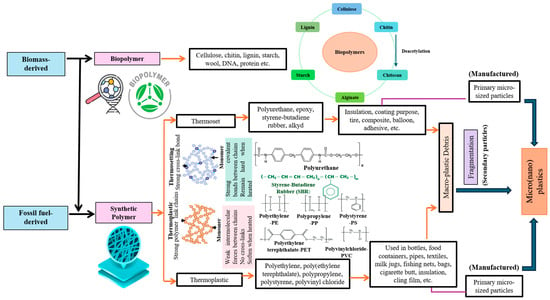
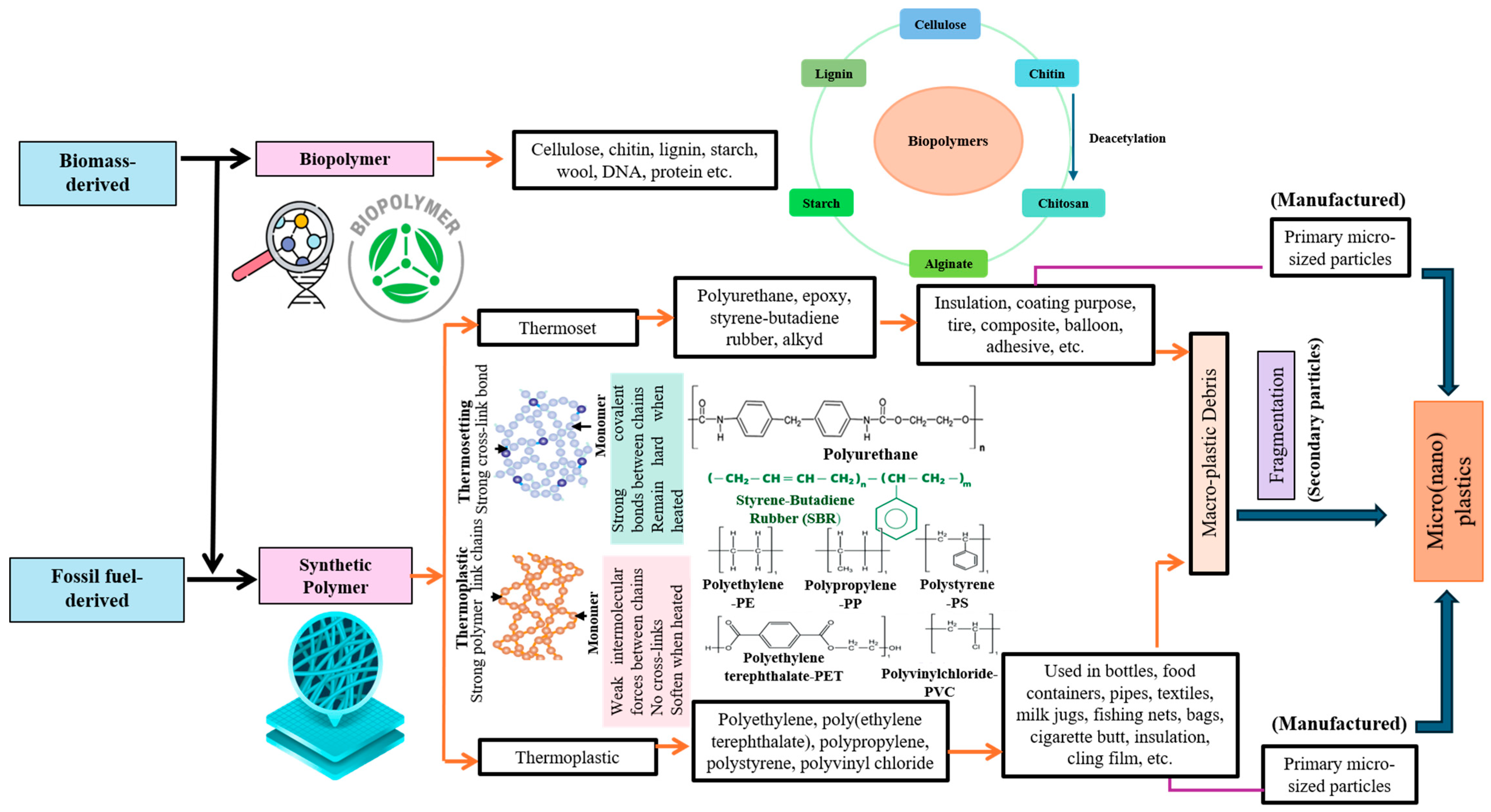
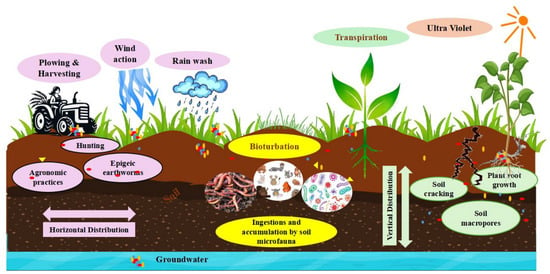
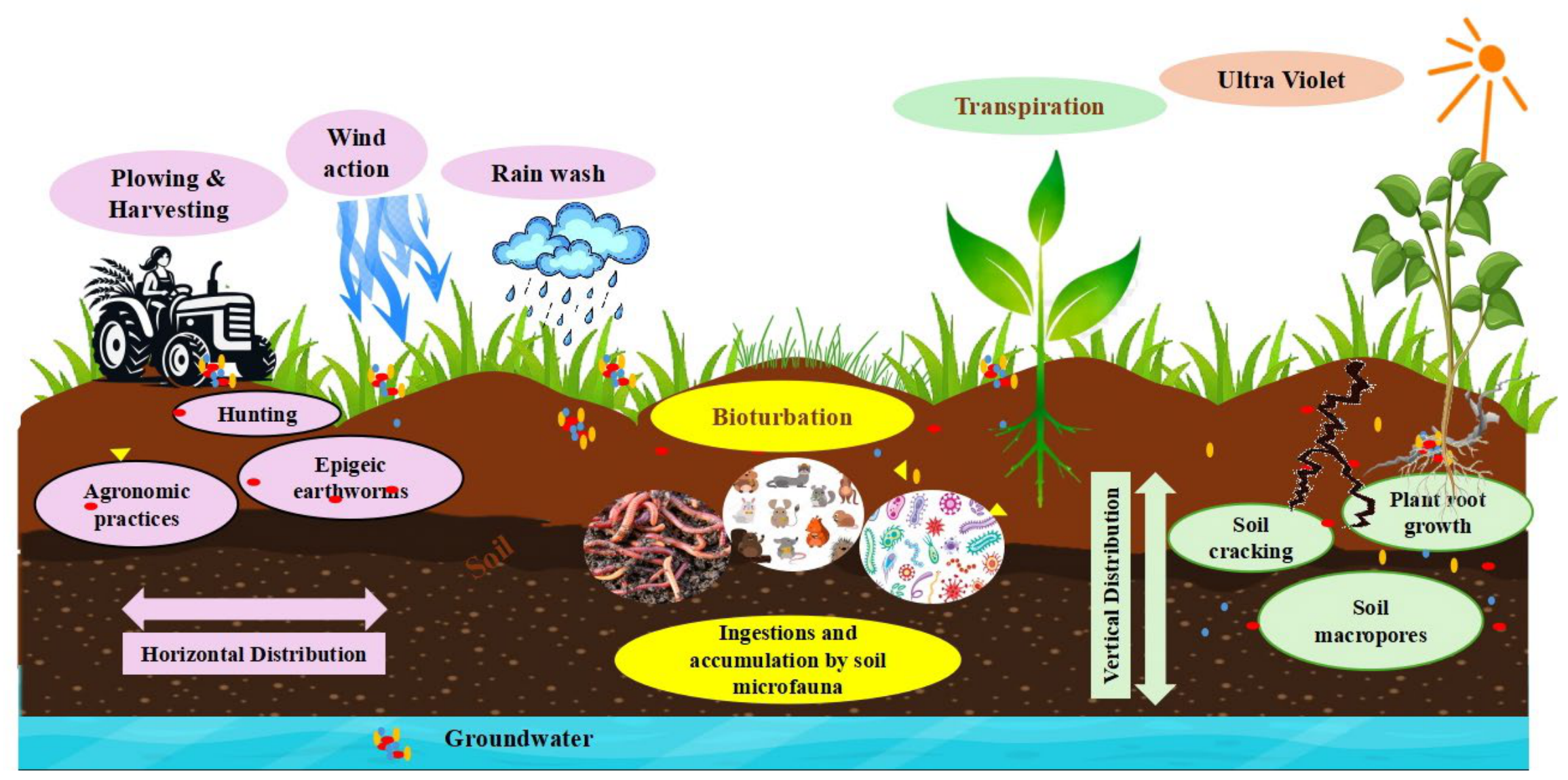

Disclaimer/Publisher’s Note: The statements, opinions and data contained in all publications are solely those of the individual author(s) and contributor(s) and not of MDPI and/or the editor(s). MDPI and/or the editor(s) disclaim responsibility for any injury to people or property resulting from any ideas, methods, instructions or products referred to in the content. |
© 2026 by the authors. Licensee MDPI, Basel, Switzerland. This article is an open access article distributed under the terms and conditions of the Creative Commons Attribution (CC BY) license.