


Abstract
Microplastics are increasingly recognized as prevalent contaminants in freshwater ecosystems, where they interact with a wide range of co-occurring pollutants, including heavy metals, pesticides, pharmaceuticals, and persistent organic pollutants. Evidence indicates that microplastics can act as vectors, enhancing pollutant mobility and facilitating trophic transfer, while also modulating toxicity through synergistic or antagonistic effects. Ecotoxicological studies reveal adverse impacts on aquatic organisms, ranging from physiological stress and impaired reproduction to altered community dynamics, with implications for ecosystem functioning and human health. Despite growing knowledge, significant gaps remain in understanding long-term environmental behavior, standardized methodologies, and risk assessment frameworks. This review synthesizes current findings on microplastic–pollutant interactions in freshwater systems, highlights emerging ecotoxicological risks, and identifies critical research needs to inform effective management and policy interventions.
1. Introduction
Microplastics have emerged as a ubiquitous contaminant in aquatic environments, with freshwater ecosystems increasingly recognized as critical sinks and transport pathways. Generated from the fragmentation of larger plastic debris or directly introduced as primary microplastics, these particles are characterized by diverse physicochemical properties that influence their environmental behavior [1,2]. Their persistence, small size, and high surface-area-to-volume ratio make them particularly prone to interactions with co-occurring pollutants, including heavy metals, pesticides, pharmaceuticals, and persistent organic pollutants [3,4]. This review aims to synthesize current knowledge on microplastic interactions with co-occurring pollutants in freshwater ecosystems, focusing on mechanisms of environmental fate and ecotoxicological risks.
2. Methodology of Literature Review
This study was conducted as a narrative review using a structured literature search approach to synthesize current knowledge on the role of microplastics as carriers of co-occurring pollutants in freshwater ecosystems and their implications for ecological risk assessment. The review focused on studies investigating the interactions between microplastics and chemical contaminants, including heavy metals, pesticides, pharmaceuticals, personal care products, persistent organic pollutants, and other emerging contaminants in freshwater environments.
A comprehensive literature search was conducted using Scopus, Web of Science, ScienceDirect, PubMed, and Google Scholar. Search terms included combinations of keywords such as “microplastics”, “freshwater ecosystems”, “co-occurring pollutants”, “heavy metals”, “pesticides”, “pharmaceuticals”, “persistent organic pollutants”, “contaminant transport”, “sorption”, “desorption”, “vector effect”, “ecological risk”, and “combined toxicity”. Boolean operators (AND, OR) were used to refine search results.
The literature search primarily covered studies published between 2010 and 2025, with particular emphasis on publications from 2018 onwards to capture recent advances in microplastic–pollutant interaction research. Additional relevant studies were identified through manual screening of reference lists from key review articles and highly cited publications. The literature search and study selection process were conducted and reported in accordance with the PRISMA 2020 guidelines (Figure 1) [5]. A total of 465 records were identified through database searches, and 84 duplicate records were removed prior to screening. Following title and abstract screening, 162 articles were assessed for eligibility. After applying the inclusion and exclusion criteria, 89 studies were included in the final narrative synthesis.
Figure 1.
PRISMA-style flow diagram illustrates the literature search, screening, eligibility assessment, and study selection process used in this narrative review.
Studies were included if they (i) investigated interactions between microplastics and chemical pollutants in freshwater systems; (ii) evaluated adsorption, desorption, transport, bioavailability, or toxicity of contaminants associated with microplastics; (iii) reported experimental, field-based, or modeling evidence relevant to freshwater environments; or (iv) discussed ecological or human health implications of microplastic–pollutant interactions. Review articles were also considered to provide broader conceptual and mechanistic understanding.
Studies were excluded if they focused exclusively on marine environments without freshwater relevance, lacked sufficient methodological information, were conference abstracts without full-text availability, or were not published in peer-reviewed sources.
The selected literature was critically evaluated to identify major contaminant groups associated with microplastics, mechanisms governing pollutant adsorption and transport, factors influencing contaminant bioavailability, ecological effects, and implications for risk assessment. Particular attention was given to methodological limitations, environmental realism, and uncertainties associated with laboratory-based exposure studies. The findings were synthesized narratively to provide an integrated understanding of the role of microplastics as vectors of co-occurring pollutants in freshwater ecosystems.
The literature search and study selection process were conducted and reported in accordance with the PRISMA 2020 guidelines. The detailed selection process and reasons for exclusion are presented in Figure 1, and the PRISMA checklist is provided in the Supplementary Material.
3. Sources and Characteristics of Microplastics
Microplastics originate from both primary sources, such as microbeads in personal care products and industrial abrasives, and secondary sources, resulting from the fragmentation of larger plastic debris through mechanical, photolytic, and biological processes [6]. In freshwater ecosystems, inputs are diverse, including urban runoff, wastewater effluents, agricultural drainage, and atmospheric deposition. Rivers act as major conduits, transporting microplastics from terrestrial environments into lakes and reservoirs, where they accumulate and interact with co-occurring pollutants [7]. The physicochemical properties of microplastics strongly influence their environmental behavior. Particle size, shape, and polymer type determine sorption capacity and mobility. Fibers, fragments, and films exhibit distinct hydrodynamic behaviors, while polymers such as polyethylene, polypropylene, and polystyrene differ in density and surface chemistry [8]. Aging processes, including UV exposure and biofilm colonization, further modify surface characteristics, enhancing the affinity of microplastics for organic and inorganic pollutants [9]. These transformations complicate predictions of pollutant fate and highlight the dynamic nature of microplastic–pollutant interactions.
Microplastics also serve as substrates for microbial colonization, forming so-called plastisphere communities [10]. Biofilm development alters particle buoyancy and sorption dynamics, while simultaneously introducing new ecological risks, such as the transport of pathogenic microorganisms and antibiotic resistance genes. The interplay between microplastic properties, environmental conditions, and biological colonization underscores the complexity of their role as pollutant vectors in freshwater systems. Figure 2 summarizes the principal sources, environmental pathways, and common polymer types associated with microplastic contamination in aquatic environments.
Figure 2.
Major sources, polymer types, and environmental pathways of microplastics in freshwater ecosystems. Microplastics originating from personal-care products, textiles, indoor particulate emissions, urban dust, agriculture, industrial activities, paints and protective coatings, road transportation, and freshwater boating activities enter rivers and lakes, where they may remain suspended, accumulate in sediments, or be ingested by aquatic organisms.
3.1. Freshwater-Specific Processes Affecting Microplastic–Pollutant Interactions
Although several microplastic–pollutant interaction mechanisms occur in both freshwater and marine environments, their relative importance can differ because freshwater systems have distinct physicochemical, hydrological and contaminant-input characteristics [7,11]. Freshwaters generally have lower ionic strength than seawater and may exhibit greater spatial and temporal variability in pH, dissolved organic matter and concentrations of suspended particles, particularly in rivers receiving urban and agricultural runoff [7,12]. These variables influence microplastic surface charge, particle aggregation and the sorption of ionizable contaminants [13,14]. For example, Liu et al. [14] demonstrated that increasing salinity suppressed the sorption of ciprofloxacin onto both pristine and aged microplastics, demonstrating that sorption behavior observed in seawater cannot be transferred directly to freshwater conditions.
Hydrological variability represents another important distinction between freshwater and marine environments. In rivers and streams, microplastics are repeatedly transported, deposited, retained and remobilized according to flow velocity, channel characteristics and storm events [15,16]. Hoellein et al. [15] demonstrated that microplastic deposition in streams differed according to particle type and biofilm colonization, with biofilm development generally increasing particle deposition. Storm flows can subsequently resuspend microplastics retained within river sediments, thereby reintroducing both the particles and their associated contaminants into the water column [16]. Consequently, pollutant exposure in rivers may occur as intermittent pulses rather than the comparatively continuous exposure conditions commonly used in laboratory experiments.
Freshwater systems also receive direct point-source and diffuse inputs from wastewater effluents, combined sewer overflows, urban stormwater and agricultural drainage [17,18]. These pathways can introduce microplastics simultaneously with pharmaceuticals, pesticides, metals, PFAS and other contaminants, increasing the probability of interaction close to their sources [11,18]. River catchments may nevertheless retain a substantial proportion of microplastics within soils and sediments, indicating that rivers function as both pollutant-transport pathways and temporary storage compartments [19]. The repeated exchange of particles between the water column and benthic sediments may alter contaminant loading, desorption and exposure to benthic organisms [11,20].
Natural suspended particles, organic colloids and sediments are also abundant sorption phases in freshwater systems and may compete with microplastics for available contaminants [4]. The ecological significance of microplastics as pollutant vectors therefore depends not only on their sorption capacity but also on their abundance relative to natural particles, residence time, environmental aging and likelihood of ingestion [4,11,14]. These freshwater-specific conditions demonstrate why evidence derived from marine systems should be applied cautiously when evaluating contaminant transport and ecological risk in rivers, lakes, reservoirs and wetlands [7,21].
3.2. Influence of Polymer and Particle Characteristics
Microplastics cannot be considered a single homogeneous contaminant because their interactions with chemicals and organisms depend on polymer chemistry, particle size, shape, crystallinity, surface area and functional-group composition [22]. Differences among these properties affect pollutant sorption, particle transport, biological ingestion and the subsequent release of associated contaminants [23].
Polymer composition influences contaminant sorption through differences in hydrophobicity, polarity, aromaticity and molecular structure [22]. Hüffer and Hofmann [22] reported that the sorption of non-polar organic compounds increased in the order polyamide < polyethylene < polyvinyl chloride < polystyrene. The relatively high sorption by polystyrene was partly attributed to interactions between its aromatic structure and aromatic contaminants, whereas sorption into polyethylene was associated predominantly with partitioning into the bulk polymer phase [22]. Consequently, the contaminant-loading capacity observed for one polymer should not be generalized to other polymer types.
Polymer crystallinity also affects contaminant sorption because crystalline and amorphous regions differ in molecular organization and accessibility [22]. Highly ordered crystalline regions generally provide less free volume for contaminant diffusion, whereas amorphous or rubbery regions may permit greater partitioning into the polymer matrix [22]. The influence of crystallinity nevertheless depends on the contaminant and sorption mechanism because surface adsorption, pore filling and specific chemical interactions may occur simultaneously [11]. Crystallinity should therefore be characterized experimentally rather than inferred solely from the nominal polymer type.
Particle size affects both contaminant interactions and biological availability [23,24]. Smaller particles generally have a larger surface-area-to-volume ratio and may provide more externally accessible binding sites per unit mass [24]. However, particle size does not affect every sorption parameter in the same manner. Cui et al. [24] found that microplastic size did not significantly change sorption isotherms for the tested organic contaminants but influenced the time required to reach equilibrium and the predicted maximum sorption capacity. These findings indicate that differences attributed to size should be interpreted together with polymer chemistry, surface area and contaminant properties.
Size and shape also influence particle ingestion and retention by freshwater organisms [23]. Scherer et al. [23] found that the ingestion of 1, 10 and 90 µm polystyrene particles differed among freshwater invertebrates according to species, feeding strategy and developmental stage. Daphnia magna did not ingest the 90 µm particles, whereas some benthic species ingested particles across the three tested size classes [23]. Fibers, fragments, films and spherical particles may also differ in their settling behavior, contact with biological surfaces and potential for physical retention [23]. Consequently, experiments based exclusively on uniform spherical particles may not represent the exposure and effects of the heterogeneous fibers and fragments commonly found in freshwater environments.
3.3. Analytical Methods for Microplastics and Associated Pollutants
Reliable assessment of microplastic occurrence and contaminant-vector potential requires analytical procedures capable of determining particle abundance, size, morphology, polymer composition and associated chemical burdens [8,25]. Analytical workflows generally include representative sampling, sample preservation, matrix digestion, density separation, filtration, microscopic examination and chemical confirmation of recovered particles [8,26]. Differences in sampling mesh, filter pore size, digestion procedure and instrumental detection limit can produce substantial differences in reported microplastic concentrations [8,27]. For example, sampling of 29 Great Lakes tributaries using a 333 µm net produced a median concentration of 1.9 particles m−3 and a maximum of 32 particles m−3, but particles smaller than the net mesh were not captured and were therefore excluded from these estimates [28]. In contrast, automated spectroscopic analysis targeting particles around 20 µm can produce substantially higher particle counts because microplastic abundance generally increases as the lower particle-size limit decreases [27].
Water samples may be collected using surface nets, pumps, bulk-water sampling or in situ filtration, whereas sediment samples are commonly obtained using grabs or sediment cores [8,28]. Net sampling can process relatively large water volumes but underestimates fibers and particles smaller than the selected mesh size [28]. Bulk-water sampling and filtration can recover smaller particles but generally process smaller water volumes and may be affected by filter clogging in waters containing high concentrations of suspended solids or organic matter [8]. Organic material in water, sediment and biological samples can be removed using hydrogen peroxide, Fenton reagent, alkaline digestion or enzymatic digestion [26,29]. However, comparative experiments have demonstrated that some acidic, alkaline and oxidative treatments can modify polymer mass, surface chemistry or molecular structure; therefore, digestion procedures should be validated for the polymers targeted in each study [26,29]. Density separation is subsequently used to separate plastic particles from denser mineral material, but recovery depends on the density of the separation solution and the polymer [8]. Saturated sodium chloride solution is inexpensive and suitable for recovering low-density polymers such as PE and PP, but it may incompletely recover denser polymers such as PVC and PET [8].
Visual identification alone is insufficient because natural fibers, paint fragments and organic particles can be misidentified as plastics [8,25]. Fourier-transform infrared spectroscopy and Raman microscopy provide polymer-specific vibrational spectra and are therefore widely used to confirm particle composition [8,30]. Automated micro-FTIR imaging has been applied to particles in the approximate size range of 20–500 µm in freshwater sediments and invertebrates, revealing that 88% of particles recovered from sediments and 92% of those recovered from organisms were smaller than 75 µm [27]. However, even when 20 µm filters were used, particles close to or smaller than 20 µm were probably underestimated because of filtration and instrumental limitations [27]. Raman microscopy can provide a higher spatial resolution than conventional FTIR microscopy and may detect particles only a few micrometers in diameter, although fluorescence from pigments, biofilms and residual organic material can interfere with Raman spectra [30]. Experimental comparisons have demonstrated the detection of PS and polymethyl methacrylate particles between 6 and 20 µm using ATR-FTIR and Raman spectroscopy, although analytical sensitivity differed according to particle size and polymer type [30].
Spectroscopic methods provide information on particle number, size, shape and polymer identity but do not directly measure the total polymer mass present in a sample [31]. Thermal methods, including pyrolysis–gas chromatography–mass spectrometry and thermal-desorption–GC–MS, identify polymers through characteristic thermal-degradation products and provide mass-based concentrations [31]. Pyrolysis–GC–MS has quantified micro-bioplastics in complex environmental matrices with recoveries of 74–116% and limits of quantification between 0.02 and 0.05 mg g−1 [31]. However, thermal methods destroy the analyzed particles and therefore cannot simultaneously provide information on particle number, size and morphology [31]. Organic matter may also generate pyrolysis products that interfere with polymer identification and cause overestimation, particularly for PE, making matrix-matched calibration and appropriate background correction essential [32]. Consequently, spectroscopic and thermal methods should be regarded as complementary rather than interchangeable analytical approaches.
Determining contaminants associated with microplastics requires analytical steps additional to polymer identification. Hydrophobic organic contaminants, including PCBs, pesticides, PAHs, PCDD/Fs and flame retardants, are commonly extracted from isolated plastic particles using organic solvents and measured using GC–MS, GC–MS/MS or high-resolution GC–MS [33]. For example, Velzeboer et al. [33] quantified 17 PCB congeners associated with PE and PS particles at aqueous concentrations between 10−5 and 10−1 µg L−1 using congener-specific chemical analysis. Wang et al. separately analyzed surface and total concentrations of PCDD/Fs, PBDD/Fs, PBDEs, PCBs and PBBs in environmental microplastic pellets, demonstrating the importance of analytical procedures capable of assessing contaminants incorporated within the polymer matrix. Ionizable and relatively polar contaminants, including pharmaceuticals and PFAS, are generally extracted using methanol or suitable solvent mixtures and measured by LC–MS/MS [34]. Microplastic-associated metals can be quantified after acid digestion using ICP–MS or ICP–optical emission spectrometry [35]. Contaminant concentrations should be reported per unit mass of plastic and, where feasible, per particle or surface area because particle size and specific surface area can strongly influence the apparent sorption capacity [33].
Strict quality assurance and quality control are necessary because airborne fibers, laboratory clothing, plastic equipment and filtration materials can introduce microplastic contamination during sample processing [25]. In an interlaboratory assessment involving 12 laboratories, procedural blanks contained between 7 and 511 suspected particles, with an average of 80 ± 134 particles per blank, demonstrating the potentially substantial contribution of laboratory contamination to reported results [25]. Sampling blanks, procedural blanks, recovery experiments, replicate samples, non-plastic equipment and covered glassware should therefore be incorporated throughout sample collection and analysis [25]. Laboratories should report the proportion of visually identified particles confirmed spectroscopically, method detection and quantification limits, recovery percentages and blank-corrected concentrations [25]. Combining particle-based spectroscopy with mass-based thermal analysis and targeted chemical analysis currently provides the most comprehensive characterization, although methodological differences continue to limit direct comparison among freshwater studies [8].
4. Interactions with Co-Occurring Pollutants
Microplastics in freshwater ecosystems rarely occur as isolated contaminants; instead, they coexist with numerous chemical pollutants originating from industrial discharges, wastewater effluents, agricultural runoff, urban stormwater, and atmospheric deposition. Their interactions with co-occurring contaminants have attracted considerable scientific attention because these associations may significantly influence contaminant transport, environmental persistence, bioavailability, and ecological toxicity [14]. Due to their small particle size, large specific surface area, and physicochemical stability, microplastics can function as carriers or vectors for both organic and inorganic contaminants within freshwater systems [36,37].
However, the extent to which microplastics contribute to contaminant transport relative to natural particulate matter such as sediments, dissolved organic matter, and organic colloids remains debated. While laboratory studies frequently demonstrate strong pollutant adsorption onto microplastic surfaces, field-based evidence often suggests that environmental conditions including pH, ionic strength, dissolved organic matter, and biofilm formation substantially modify adsorption behavior and contaminant mobility. Pollutant interactions are governed by multiple mechanisms, including hydrophobic partitioning, electrostatic attraction, surface complexation, hydrogen bonding, π–π interactions, and biofilm-mediated adsorption, although the dominant mechanism varies depending on polymer type, contaminant properties, and environmental conditions [38]. Consequently, understanding pollutant–microplastic interactions requires consideration of both physicochemical processes and environmental realism in order to accurately assess ecological exposure pathways and long-term freshwater risks. Figure 3 illustrates the principal adsorption and interaction mechanisms involved in contaminant binding onto microplastic surfaces.
Figure 3.
Principal interaction mechanisms governing the adsorption of pollutants onto microplastic surfaces, including hydrophobic interactions, π–π interactions, van der Waals forces, electrostatic interactions, hydrogen bonding, pore filling, and biofilm-mediated adsorption.
4.1. Interactions with Heavy Metals
Microplastics can interact with a wide range of inorganic contaminants, particularly heavy metals such as cadmium (Cd), lead (Pb), mercury (Hg), copper (Cu), and zinc (Zn) [39,40]. The adsorption of metal ions onto microplastic surfaces is primarily controlled by electrostatic attraction, surface complexation, ion exchange, and interactions with oxygen-containing functional groups generated during environmental aging [38,41]. However, metal adsorption behavior varies substantially depending on polymer composition, surface oxidation, particle size, and surrounding water chemistry. Weathered microplastics generally exhibit greater metal-binding capacities than pristine plastics because oxidation increases surface roughness and introduces negatively charged functional groups that enhance complexation with metal ions. Environmental variables including pH, ionic strength, salinity, temperature, and dissolved organic matter further regulate adsorption efficiency and desorption potential [42]. Although laboratory studies consistently demonstrate the ability of microplastics to sorb heavy metals, the environmental significance of these interactions under natural freshwater conditions remains uncertain because natural sediments and organic particulates may represent more dominant sorption phases. Nevertheless, contaminated microplastics may still contribute to metal transport and exposure following ingestion by aquatic organisms, particularly in heavily contaminated freshwater systems. Table 1 summarizes the major polymer metal interactions, dominant adsorption mechanisms, and environmental factors influencing metal sorption onto microplastic surfaces.
Adsorption capacity alone does not determine the ecological risk associated with metal-contaminated microplastics because the adsorbed metals must first be released before they can become available for intestinal uptake [43]. Following ingestion, the acidic pH and chemical composition of gastrointestinal fluids may weaken metal–microplastic interactions and promote metal desorption [44]. Li et al. [43] demonstrated that Pb(II) and Cd(II) adsorbed onto polypropylene and polystyrene microplastics underwent substantial desorption under simulated gastrointestinal conditions, with the extent of release influenced by particle size. Chen et al. [44] similarly reported the release of Mn, Zn, As, Cr, Cu, Pb and Ni from simulated naturally aged microplastics prepared from artificially broken macroplastics in gastrointestinal solutions, with greater release under acidic gastric conditions. However, desorption varies according to metal speciation, binding strength, particle size, polymer characteristics and gastrointestinal conditions [43,44]. Consequently, ecological risk assessment should consider both environmental adsorption and gastrointestinal desorption because adsorption measurements alone cannot establish the fraction of a metal that may become bioaccessible following ingestion [43,44].
Table 1.
Experimental conditions, interaction mechanisms and environmental relevance of heavy-metal sorption by microplastics.
4.2. Interactions with Organic Contaminants
Organic contaminants differ considerably in hydrophobicity, polarity, ionization, molecular size, and environmental persistence, resulting in different affinities for microplastic particles [4,50]. Their interactions with microplastics include hydrophobic partitioning, π–π interactions, hydrogen bonding, pore filling, and electrostatic attraction [50]. These processes are influenced by polymer composition, particle size, environmental aging, water chemistry, and competition with dissolved organic matter and natural particles [4,14,50]. However, strong sorption under laboratory conditions does not necessarily demonstrate that microplastics are important contaminant vectors under freshwater field conditions [4]. Their contribution depends on microplastic abundance, contaminant desorption, ingestion, and the relative importance of water, sediments, food, and natural particles as alternative exposure pathways [4].
4.2.1. Pesticides and Agricultural Chemicals
Pesticides enter freshwater ecosystems through agricultural runoff, irrigation return flows, spray drift, and soil erosion [51]. Their sorption to microplastics depends on pesticide hydrophobicity and ionization as well as polymer composition and surface chemistry [50]. Hydrophobic pesticides such as DDT generally exhibit greater affinity for non-polar polymers through hydrophobic partitioning, whereas the adsorption of ionic herbicides may involve electrostatic attraction and hydrogen bonding [51]. Environmental aging may alter these interactions by increasing microplastic surface roughness and introducing oxygen-containing functional groups [14].
Fatema and Farenhorst [51] compared the sorption of DDT, glyphosate, atrazine, and 2,4-D to microplastics, charcoal, ash, and river sediments. Individual microplastics sorbed more than 50% of DDT, whereas sorption of the current-use herbicides was generally below 6% [51]. An exception was glyphosate, for which PVC sorbed 32–36% in deionized water and 0.01 M KCl [51]. Glyphosate sorption decreased substantially when river water was used, indicating competition from naturally occurring ions and dissolved constituents [51]. In mixtures containing sediment and 5% microplastics by mass, microplastics did not significantly change the sorption of the four pesticides, whereas charcoal and ash strongly increased the retention of several compounds [51]. These findings demonstrate that microplastics can bind selected pesticides but may be less important than natural sorbents under realistic freshwater conditions. Their vector potential should therefore be evaluated through direct comparisons with sediments, suspended particles, and dissolved organic matter [4]. Table 2 summarizes the experimental conditions, interaction mechanisms and environmental relevance of organic contaminant sorption by microplastics.
Table 2.
Experimental conditions, interaction mechanisms and environmental relevance of organiccontaminant sorption by microplastics.
4.2.2. Pharmaceuticals and Personal Care Products (PPCPs)
Pharmaceuticals and personal-care products, including antibiotics, analgesics, antidepressants, hormones, antimicrobial agents, and cosmetic ingredients, enter freshwater ecosystems primarily through wastewater discharges and improper disposal [34]. Because many PPCPs are polar or ionizable, their sorption to microplastics depends on compound charge, solution pH, polymer polarity, and the functional groups present at the particle surface [34]. Hydrophobic partitioning may be important for neutral compounds, whereas electrostatic interactions and hydrogen bonding can become more influential for ionizable pharmaceuticals [34,50]. Environmental aging can further modify PPCP sorption by producing cracks, surface pits, and oxygen-containing functional groups that create additional binding sites [34].
Kalaronis et al. [34] examined the adsorption of a mixture of seven pharmaceuticals onto virgin, ultraviolet-aged, and simulated-sunlight-aged polylactic acid microplastics. Both aging treatments produced cracks and surface pits, and the aged particles generally adsorbed more pharmaceuticals than the virgin particles [34]. The adsorption data were described more effectively by the Freundlich model than by the Langmuir model, indicating heterogeneous binding sites and potentially multilayer sorption [34]. Adsorption also varied with pH and water matrix, demonstrating that results obtained in purified water cannot be transferred directly to wastewater, rivers, or lakes [34]. Although microplastics may alter PPCP persistence and transport, strong adsorption can either enhance contaminant transport or reduce immediate bioavailability by retaining the chemical [4]. Ecological significance therefore depends on desorption in digestive fluids and on the relative contributions of dissolved PPCPs, contaminated food, sediments, and natural particles [4].
4.2.3. Polycyclic Aromatic Hydrocarbons (PAHs)
PAHs enter freshwater ecosystems through incomplete combustion, petroleum contamination, industrial discharges, atmospheric deposition, and urban stormwater runoff [56]. Their hydrophobicity and aromatic structures promote sorption to microplastics through partitioning into polymer matrices and, for aromatic polymers such as polystyrene, π–π interactions [50,56]. Polyethylene can also accumulate PAHs through absorption into its amorphous polymer regions, with sorption influenced by polymer density, crystallinity, and PAH hydrophobicity [56]. Environmental aging may either increase surface adsorption by generating cracks and additional binding sites or alter absorption by changing the polymer structure [14].
Fries et al. [56] demonstrated the sorption of seven PAHs, including acenaphthylene, acenaphthene, fluorene, phenanthrene, anthracene, and fluoranthene, to low- and high-density polyethylene. Sorption generally increased with PAH hydrophobicity and was influenced by differences in polymer structure and diffusion within the polyethylene matrix [56]. Short-term real-time measurements showed that sorption-rate constants for naphthalene, anthracene, and pyrene on low-density polyethylene were 0.5, 2.0, and 2.2 h−1, respectively [57]. Particle size and temperature also influence PAH sorption. Experiments using 10–200 µm PE and PS particles showed that surface adsorption was relatively more important for smaller particles, whereas absorption into the polymer matrix became more important for larger particles [58]. However, PAHs strongly retained by microplastics may be less bioavailable than the same chemicals in dissolved form [58]. Microplastics should therefore not automatically be assumed to increase PAH exposure because their effect depends on contaminant fugacity, desorption kinetics, particle ingestion, and competition with natural sorbents [4].
4.2.4. Per and Polyfluoroalkyl Substances (PFAS)
PFAS are environmentally persistent compounds characterized by fluorinated carbon chains and polar functional groups [59]. Their amphiphilic structures produce complex interactions with microplastics involving hydrophobic, electrostatic, and interfacial forces [59,60]. PFAS sorption generally increases with fluorinated-chain length, while perfluoroalkyl sulfonates frequently exhibit greater affinity than corresponding perfluoroalkyl carboxylates [59]. Polymer aromaticity, particle aging, surface charge, pH, ionic strength, and natural organic matter can further modify PFAS adsorption [59,60].
Llorca et al. [59] examined the sorption of 18 PFAS to high-density polyethylene, polystyrene, and carboxylated polystyrene. Perfluoroalkyl sulfonates and sulfonamides generally exhibited stronger sorption than perfluoroalkyl carboxylates, while polystyrene and carboxylated polystyrene exhibited greater PFAS affinity than high-density polyethylene. Using secondary PET microplastics generated from water bottles, Salawu et al. [60] found that PFAS adsorption reached equilibrium within approximately 7–9 h. Gibbs free-energy values ranged from −16 to −23 kJ mol−1 at 25 °C, indicating spontaneous sorption. Increasing ionic strength shifted the PET zeta potential from approximately −36.7 mV at 0.1 mM NaCl to −20.5 mV at 100 mM NaCl, reducing electrostatic repulsion and increasing PFAS adsorption. These results demonstrate that PFAS adsorption cannot be predicted solely from polymer hydrophobicity. Evidence concerning the biological transfer of microplastic-associated PFAS in freshwater organisms remains limited, and observed combined toxicity should not be interpreted as proof that microplastics substantially increase PFAS exposure under field conditions.
4.2.5. Flame Retardants (BFRs and OPFRs)
Flame retardants include brominated compounds such as PBDEs and HBCD and organophosphate flame retardants such as TCEP, TCPP, and TDCPP [61,62]. These chemicals may become associated with microplastics through two distinct processes: sorption of environmental flame retardants onto particle surfaces and release of additives originally incorporated into the polymer [61,62]. This distinction is important because additive-containing microplastics may function as direct contaminant sources rather than only as passive environmental carriers [61]. The subsequent release of flame retardants depends on polymer composition, particle size, additive molecular size, temperature, environmental aging, and diffusion through the polymer matrix [61,62].
Sun et al. [62] investigated the release of PBDEs and 1,2-bis(2,4,6-tribromophenoxy) ethane from millimeter-sized plastic particles in water. Release rates decreased with increasing molecular size, demonstrating that diffusion through the polymer matrix can control the transfer of brominated flame retardants from microplastics to water. Aging may accelerate this process by producing cracks and shortening diffusion distances, whereas dissolved organic matter may alter the apparent solubility and transfer of released compounds. Deng et al. [63] reported that 90-day co-exposure to polyethylene or polystyrene microplastics and the organophosphorus flame retardants TCEP or TDCPP altered oxidative-stress-related biochemical markers and amino-acid and energy metabolism in mice, with some effects being greater than those produced by the flame retardants alone. However, this mammalian experiment does not establish equivalent effects at environmentally realistic freshwater concentrations. Further studies using freshwater organisms, naturally aged particles, measured additive burdens, and realistic exposure concentrations are needed to distinguish particle effects from those caused by sorbed or leached flame retardants.
4.2.6. Chemical Additives (Plasticizers, UV Stabilizers, Antioxidants)
Microplastics may contain or accumulate plasticizers, bisphenols, ultraviolet stabilizers, antioxidants, and other formulation chemicals, including DEHP, DBP, BPA, UV-327, and UV-328 [64,65]. It is important to distinguish additives incorporated into a polymer during manufacture from contaminants subsequently sorbed from the surrounding environment [64]. Incorporated additives may diffuse out of the polymer during environmental aging, whereas externally sorbed chemicals may either desorb or remain retained according to their chemical-fugacity gradients [4,65].
Weathering may accelerate additive release by producing surface cracks, increasing exposed surface area, and reducing diffusion distances within the polymer [14,61]. Conversely, surface oxidation can increase the subsequent sorption of polar contaminants by introducing carbonyl and hydroxyl groups that support hydrogen bonding and dipole interactions [14]. Consequently, environmental aging may simultaneously promote the release of originally incorporated additives and increase the sorption of some external contaminants [14,64].
Experimental evidence indicates that additive transfer following microplastic ingestion can occur. Hasegawa et al. [65] exposed prey organisms to microplastics containing brominated flame retardants and UV stabilizers and subsequently detected the transferred additives in fish. Herrera et al. [65] similarly detected plastic additives and associated contaminants in European seabass exposed to environmental microplastics. However, these findings do not demonstrate that microplastics always dominate chemical exposure relative to contaminated water and food [4]. Future investigations should report the initial additive concentration in the polymer, release kinetics, dissolved contaminant concentrations, particle-ingestion rates, and internal tissue burdens to distinguish exposure caused by microplastics from exposure through other environmental media.
4.2.7. Persistent Organic Pollutants: PCBs, PCDDs and PCDFs
Polychlorinated biphenyls (PCBs), polychlorinated dibenzo-p-dioxins (PCDDs), and polychlorinated dibenzofurans (PCDFs) are persistent, hydrophobic, and bioaccumulative contaminants that can associate with microplastics through hydrophobic partitioning, van der Waals interactions, and diffusion into the polymer matrix [33]. Velzeboer et al. [33] found that PCB sorption to 70 nm PS particles was one to two orders of magnitude greater than sorption to 10–180 µm PE particles, although PCB affinity for PE was comparable to that of sediment organic matter. Field studies have also reported PCB concentrations of 4–117 ng g−1 in polypropylene pellets from Japanese coastal locations [66] and 21.5–323.2 ng g−1 in pellets from Chinese beaches [67]. PCDD/Fs have similarly been detected on plastic-pellet surfaces and within their polymer matrices, with total-to-surface concentration ratios reaching 355.2, indicating that surface measurements may underestimate the incorporated contaminant burden [68]. However, these findings are derived mainly from coastal environments and do not demonstrate that microplastics are more important contaminant carriers than sediments or natural organic matter. Their contribution to exposure depends on particle abundance, contaminant desorption, and chemical-fugacity gradients [4]. Further freshwater studies comparing POP burdens in microplastics, suspended particles, and sediments under the same environmental conditions are therefore required.
4.2.8. Synthetic Surfactants
Synthetic surfactants, including anionic compounds such as linear alkylbenzene sulfonates (LAS), alkyl sulfates, sodium dodecylbenzenesulfonate (SDBS), and sodium dodecyl sulfate, enter freshwater ecosystems mainly through domestic and industrial wastewater [69]. Their amphiphilic structures enable them to adsorb at plastic–water interfaces and modify microplastic hydrophobicity, surface charge, aggregation, and interactions with co-occurring contaminants [70]. For example, SDBS increased methylene-blue adsorption onto PVC from 172 to 4417 mg kg−1, while surfactant modification produced approximately three- to twenty-six-fold increases in the adsorption of oppositely charged pollutants to PVC, PE, PP, and PS [70]. Similarly, SDBS increased maximum Pb adsorption capacities from 2.01 to 7.20 mg g−1 for PE and from 1.57 to 7.02 mg g−1 for PP [35]. However, nonionic surfactants may reduce contaminant adsorption by creating steric resistance at microplastic surfaces [70]. These effects depend on surfactant type and concentration, polymer characteristics, contaminant charge, and water chemistry; nevertheless, evidence involving environmentally aged microplastics and realistic freshwater concentrations remains limited [35,70].
4.3. From Pollutant Adsorption to Biological Availability
Pollutant adsorption onto microplastics does not necessarily indicate increased biological exposure because a sorbed contaminant must become bioaccessible and cross a biological membrane before it can exert an internal toxic effect [4]. Following ingestion, gastrointestinal conditions may promote contaminant desorption; however, the desorbed fraction represents potential bioaccessibility rather than confirmed absorption by the organism [43]. Bioavailability is therefore governed by sequential processes involving microplastic ingestion, contaminant desorption, intestinal absorption, tissue distribution and elimination [4].
Microplastics may either increase or decrease pollutant bioavailability depending on the direction of contaminant transfer between the particles, gastrointestinal fluids, and organism tissues [4]. When the chemical activity of a pollutant associated with ingested microplastics exceeds that in the organism, desorption may increase internal exposure; conversely, strongly sorbed pollutants may remain bound to the particles and be eliminated without substantial absorption [4]. Polymer type and particle characteristics can also influence the in vivo bioavailability of hydrophobic organic contaminants because polymers differ in their sorption affinity and desorption behavior [43].
The relative contribution of microplastics should also be evaluated against other exposure pathways, including dissolved contaminants, natural particles, and contaminated food [4]. Model-based evidence indicates that exposure through natural prey may exceed chemical transfer from ingested microplastics under many environmentally realistic conditions [4]. Consequently, adsorption coefficients obtained from aqueous laboratory experiments should not be interpreted directly as evidence of increased bioavailability or ecological risk without complementary measurements of desorption, internal contaminant concentrations and biological responses.
5. Environmental Fate of Microplastics
Microplastics in freshwater ecosystems exhibit highly dynamic transport and distribution patterns influenced by hydrodynamic conditions, particle properties, and environmental variables. Rivers act as major conduits that mobilize microplastics from urban, industrial, and agricultural sources into lakes, reservoirs, and downstream aquatic environments, where particles may either remain suspended in the water column or accumulate within sediments depending on their density, size, and morphology [7,71]. Low-density polymers such as polyethylene and polypropylene generally exhibit greater buoyancy and long-range transport potential, whereas denser polymers including polyvinyl chloride and polyester fibers are more likely to settle into benthic environments, thereby altering ecological exposure pathways. However, polymer density alone cannot explain the environmental fate of microplastics because biofilm formation, aggregation with natural particles, and environmental weathering can progressively modify particle properties, transport behavior, and contaminant interactions under natural freshwater conditions [14,15].
Among these processes, environmental weathering, and aging play particularly important roles in determining microplastic fate and contaminant interactions in freshwater ecosystems. Microplastics undergo physical, chemical, and biological aging through ultraviolet radiation, oxidation, mechanical abrasion, temperature fluctuations, and microbial colonization [14,55]. These processes can generate surface cracks, increase surface roughness, and introduce oxygen-containing functional groups such as hydroxyl and carbonyl groups [14,55]. Consequently, aged microplastics may differ substantially from pristine particles in their surface polarity, charge, porosity, and contaminant-binding behavior [14,55]. However, aging does not uniformly increase contaminant sorption because its effects depend on the polymer type, contaminant properties, and aging pathway. For example, aged polystyrene and polyvinyl chloride exhibited increased sorption of ciprofloxacin because oxidation and surface cracking generated additional interaction sites [14]. Conversely, ultraviolet aging reduced the sorption of several hydrophobic organic compounds by polystyrene, potentially because increased surface polarity weakened hydrophobic polymer–contaminant interactions [55]. Biological aging and biofilm formation may provide additional binding sites for organic contaminants while modifying the surface charge and hydrophilicity of microplastic particles [24]. Biofilm colonization may also increase particle density and promote deposition or retention in streambeds, thereby modifying the transport and residence time of microplastics in freshwater systems [15]. Aging can further influence contaminant desorption and bioavailability because metals associated with naturally aged microplastics may occur in relatively mobile fractions and be released under gastrointestinal conditions following ingestion [44]. Environmental variables, including pH, temperature, ionic strength, dissolved organic matter, and seasonal hydrological fluctuations, further regulate the transport of aged microplastics and the partitioning of their associated contaminants [14]. Nevertheless, predicting the long-term environmental fate of weathered microplastics remains challenging because accelerated laboratory treatments do not fully reproduce the simultaneous effects of sunlight, abrasion, water chemistry, microbial colonization, and hydrological variability experienced in natural freshwater environments [14,55].
6. Ecotoxicological Risks of Microplastics
Microplastics pose multifaceted ecotoxicological risks in freshwater ecosystems, acting both as physical stressors and as vectors for chemical pollutants. Their ingestion by aquatic organisms can lead to physiological, biochemical, and behavioral disturbances, often exacerbated by the presence of co-adsorbed contaminants. Laboratory and field studies have demonstrated that microplastic exposure induces oxidative stress, inflammation, and impaired energy metabolism in invertebrates and fish [72]. The combined effects of particle size, polymer type, and pollutant load determine toxicity outcomes, with smaller particles (<100 µm) exhibiting greater bioavailability and cellular penetration.
6.1. Molecular and Cellular Biomarkers and Adverse Outcome Pathways
Molecular and cellular biomarkers can identify early biological responses to microplastic–pollutant exposure before adverse effects become evident at the organismal or population level [73,74]. Commonly evaluated biomarkers include reactive oxygen species generation, antioxidant enzyme activity, lipid peroxidation, DNA damage, inflammatory signaling, apoptosis, neurotoxicity and altered expression of genes involved in growth and endocrine regulation [75,76]. These biomarkers provide mechanistic information but should not be interpreted independently as evidence of long-term ecological harm because many represent reversible or nonspecific stress responses.
Oxidative stress is among the most frequently reported early responses to microplastic exposure. In zebrafish, polystyrene microplastics accumulated in the gills, gastrointestinal tract and liver and altered antioxidant responses and lipid metabolism in hepatic tissue [76]. Relevant oxidative-stress biomarkers include reactive oxygen species, superoxide dismutase, catalase, glutathione, glutathione-S-transferase and malondialdehyde. Changes in antioxidant enzyme activity indicate activation or impairment of cellular defense mechanisms, whereas increased malondialdehyde indicates oxidative damage to membrane lipids.
Co-occurring pollutants may modify these molecular responses by changing contaminant accumulation and internal exposure [75]. Following three weeks of combined exposure, microplastics increased cadmium accumulation in the liver, intestine and gills of zebrafish and enhanced oxidative damage and inflammatory responses compared with cadmium exposure alone [75]. The study also demonstrated that responses differed among tissues, indicating that whole-organism measurements may conceal organ-specific mechanisms of combined toxicity [75]. These findings support the use of multibiomarker approaches that combine biochemical measurements, histopathology and expression of genes associated with antioxidant defense, inflammation, and metal detoxification.
Genotoxicity and apoptosis represent additional cellular events that may connect early oxidative stress with tissue-level injury [74]. Microplastic exposure has been associated with changes in DNA repair and cell-signaling pathways, although the responses depend strongly on polymer type, particle size and exposure concentration [74]. Kim et al. [74] identified the nucleotide-excision-repair and transforming growth factor-β signaling pathways as relevant responses to high-density polyethylene microplastic exposure using Caenorhabditis elegans and zebrafish models. However, these mechanistic associations require further validation across different polymers, pollutants, and environmentally realistic exposure conditions before they can be considered general microplastic toxicity pathways [74].
The adverse outcome pathway framework can organize these responses into a biologically plausible sequence linking an initial molecular interaction to cellular changes and ultimately to ecologically relevant effects [73]. For microplastic–pollutant mixtures, a potential pathway may begin with particle uptake or contaminant desorption, followed by excessive reactive oxygen species formation, oxidative damage, inflammation, mitochondrial dysfunction, or apoptosis, and subsequently tissue dysfunction, impaired growth, reduced reproduction or mortality [73,74]. However, the causal relationships between these events have not been fully established for most microplastic–pollutant combinations. Biomarker changes should therefore be interpreted as mechanistic evidence supporting a potential adverse outcome pathway rather than as definitive proof that population-level effects will occur.
6.2. Organismal-Level Effects
Microplastic exposure can induce a wide range of organismal-level effects in freshwater biota, particularly when particles act simultaneously as physical stressors and contaminant carriers. In benthic invertebrates, ingestion of microplastic–pollutant complexes have been associated with disrupted feeding behavior, reduced digestive efficiency, oxidative stress, enzyme inhibition, impaired reproduction, and decreased survival [77]. Filter-feeding organisms such as mussels and zooplankton are especially vulnerable because suspended microplastics can easily be mistaken for food particles and accumulate within digestive tissues. Beyond physical blockage and abrasion, contaminant-loaded microplastics may increase internal exposure to heavy metals, pharmaceuticals, and persistent organic pollutants following desorption within the gastrointestinal tract [4]. However, the magnitude of these effects varies considerably depending on particle size, polymer type, contaminant composition, exposure duration, and species-specific physiology.
Fish exposed to contaminated microplastics frequently exhibit histopathological alterations in gill, liver, and intestinal tissues, as well as endocrine disruption, altered lipid metabolism, behavioral abnormalities, and immune dysregulation. Smaller particles, particularly nanoplastics, may penetrate biological membranes and induce mitochondrial dysfunction, inflammatory responses, and DNA damage [78]. Amphibians and zooplankton also demonstrate increased sensitivity to microplastic-associated pollutants due to their permeable biological surfaces and ecological roles within aquatic food webs. Nevertheless, most current ecotoxicological evidence is derived from short-term laboratory studies employing exposure concentrations that may exceed those commonly observed in natural freshwater systems. Consequently, uncertainties remain regarding the long-term ecological significance of organismal responses under environmentally realistic conditions.
6.3. Trophic Transfer and Biomagnification
Microplastics may facilitate the trophic transfer of contaminants within freshwater food webs by acting as carriers for hydrophobic organic pollutants, heavy metals, and other persistent contaminants. Following ingestion by lower trophic organisms, contaminant-loaded microplastics can be transferred to predators through feeding interactions, potentially increasing exposure across multiple trophic levels [7,79]. Experimental studies have demonstrated that pollutants adsorbed onto microplastic surfaces may desorb under simulated digestive conditions, thereby increasing contaminant bioavailability within exposed organisms [1,80]. Trophic transfer has been documented between invertebrates, fish, amphibians, and other aquatic organisms, raising concerns regarding ecological stability and potential implications for human health through contaminated freshwater resources and aquaculture systems.
Despite increasing evidence of trophic transfer, the extent to which microplastics contribute significantly to biomagnification relative to natural dietary and environmental exposure pathways remains uncertain. Some studies suggest that sediments, dissolved organic matter, and naturally occurring particulates may represent more important contaminant sources than microplastics under environmentally realistic conditions [1]. Furthermore, trophic transfer efficiency may vary substantially depending on polymer characteristics, contaminant properties, organism feeding strategies, and environmental conditions [81,82]. Consequently, additional long-term field studies are required to clarify the ecological significance of microplastic-mediated contaminant transfer within complex freshwater food webs. Figure 4 illustrates the trophic transfer and biomagnification pathways of microplastics and associated pollutants within aquatic food webs.
Figure 4.
Trophic transfer and biomagnification of microplastics and associated pollutants in aquatic food webs, illustrating the movement and increasing accumulation of contaminants from primary producers to higher trophic-level organisms.
6.4. Synergistic Toxicity of Microplastics
The simultaneous presence of microplastics and co-occurring pollutants may produce synergistic, additive, or, in some cases, antagonistic toxicological effects that differ substantially from those caused by individual contaminants alone. Numerous studies have demonstrated that contaminant-loaded microplastics can enhance oxidative stress, inflammatory responses, metabolic disruption, and reproductive toxicity in aquatic organisms [83]. These interactions are often attributed to the ability of microplastics to act as mobile sorbents that increase the bioavailability of hydrophobic contaminants following ingestion. Experimental studies have shown that pollutants adsorbed onto microplastic surfaces may desorb under simulated physiological conditions, thereby increasing internal exposure within aquatic organisms [4,84]. For example, zebrafish exposed to microplastics carrying PAHs exhibited greater oxidative stress and reproductive impairment than organisms exposed solely to dissolved contaminants. Similarly, combined exposure to microplastics and heavy metals has been associated with altered antioxidant enzyme activity, neurotoxicity, tissue damage, and mitochondrial dysfunction in fish and invertebrates. Studies involving bivalves exposed to cadmium- or lead-contaminated microplastics reported impaired filtration activity, immune dysregulation, and enhanced cellular stress responses compared with exposure to metals alone [85,86]. Nevertheless, the ecological significance of microplastic-mediated vector effects remains debated because many laboratory studies employ contaminant concentrations and exposure scenarios that exceed those typically observed in freshwater environments. Increasing evidence suggests that environmental factors such as particle aging, biofilm formation, dissolved organic matter, and sediment interactions strongly influence contaminant transfer, partitioning behavior, and toxicity [87]. Consequently, evaluating microplastics as components of complex contaminant mixtures rather than isolated pollutants is essential for accurately assessing ecological risks in freshwater ecosystems.
Collectively, the studies summarized in Table 3 demonstrate that microplastics do not uniformly enhance the toxicity of co-occurring pollutants. Synergistic effects were reported for PP or PVC combined with Cd in zebrafish, PE fragments containing benzophenone-3, and some PET–PFAS exposure combinations in Daphnia magna [88,89]. Conversely, antagonistic, or endpoint-specific responses occurred during co-exposure to PS and roxithromycin, as well as under several PS–ammonium perfluorooctanoate concentration ratios [90,91]. The PET-fiber and silver study further demonstrated that mixture effects may be evident at the subcellular level without producing a corresponding increase in acute organism-level toxicity [92]. These contrasting findings indicate that interaction type is governed by particle size, morphology, polymer composition, aging status, pollutant properties, exposure ratio and biological endpoint. However, several experiments employed microplastic concentrations considerably higher than those measured in freshwater ecosystems, which limits direct extrapolation of the observed effects to natural conditions.
Table 3.
Comparison of biological effects reported following combined exposure to microplastics and co-occurring pollutants in freshwater organisms.
6.5. Ecological Implications of Microplastics
Beyond organismal toxicity and trophic transfer, microplastic–pollutant interactions may influence broader ecosystem processes and freshwater ecological stability. The persistence of microplastics within water columns and sediments creates long-term contamination sources capable of modifying habitat quality, microbial activity, and nutrient cycling [95]. In freshwater sediments, accumulated microplastics may interfere with benthic biogeochemical processes by altering oxygen diffusion, microbial metabolism, and denitrification pathways [96]. These disturbances may ultimately influence nutrient availability, primary productivity, and ecosystem resilience, particularly in urbanized or industrialized freshwater systems exposed to multiple environmental stressors.
Microplastic-associated pollutants may also contribute to shifts in species composition and ecological interactions within aquatic communities. Sensitive organisms may decline under chronic exposure conditions, while more tolerant species become dominant, potentially reducing biodiversity, and altering ecological balance [97]. In addition, microplastics provide surfaces for microbial colonization and biofilm development, facilitating the transport of pathogenic microorganisms, invasive species, and antibiotic-resistant bacteria across freshwater environments [98]. Although increasing evidence suggests that microplastics can influence ecological functioning at multiple biological scales, the long-term ecosystem-level consequences remain insufficiently understood due to limited field-based investigations and the complexity of natural freshwater systems. Figure 5 summarizes the major ecological implications associated with microplastic–pollutant interactions in freshwater ecosystems.
Figure 5.
Ecological implications of microplastic–pollutant interactions in freshwater systems, highlighting impacts on ecosystem processes, species composition, habitat quality, microbial transport, and long-term ecological stability. Colored arrows indicate the pathways through which microplastic–pollutant interactions contribute to different ecological processes, while the downward arrow represents the cumulative progression toward long-term ecosystem consequences.
6.6. Laboratory Evidence Versus Environmentally Realistic Exposure
Laboratory studies provide controlled conditions for identifying mechanisms of microplastic–pollutant interactions and establishing concentration–response relationships. However, their ecological relevance is frequently limited by exposure conditions that differ substantially from those encountered in natural freshwater systems [99]. Many laboratory experiments use microplastic concentrations above reported environmental levels to produce measurable biological responses within relatively short exposure periods [99,100]. Such studies also commonly use pristine, uniformly shaped and monodisperse particles, whereas environmental microplastics consist of heterogeneous mixtures of fragments, fibers and films that have undergone weathering, aggregation, and biofilm colonization [100]. Consequently, adverse effects observed at high concentrations of pristine microplastics cannot be directly interpreted as evidence of equivalent risk under field conditions [101].
Laboratory studies nevertheless remain important for identifying causal mechanisms because microplastic characteristics, pollutant concentrations and environmental variables can be controlled independently [100]. For example, controlled freshwater sediment bioassays can establish effect thresholds and determine whether responses vary among species with different feeding strategies and ecological traits [102]. However, high exposure concentrations used to establish such thresholds should be clearly distinguished from concentrations intended to represent current environmental exposure [102]. Laboratory results should therefore be interpreted as evidence of potential hazard unless the tested concentrations, particle characteristics and exposure pathways correspond to those measured in the environment [101].
Field studies provide greater environmental realism by incorporating naturally weathered particles, mixed pollutants, seasonal variability, hydrodynamic processes, dissolved organic matter, sediments, and biological interactions [103]. However, field observations generally cannot isolate the contribution of microplastics from other co-occurring stressors, making it difficult to establish causal relationships between microplastic-associated pollutants and observed biological effects [103]. Differences in sampling, particle-size detection limits and polymer-identification methods further restrict direct comparisons among field studies and between field and laboratory datasets [103].
Ecological risk should therefore be evaluated by integrating mechanistic laboratory evidence with field-measured exposure data rather than relying on either evidence type independently [102]. Greater weight should be assigned to experiments that use environmentally relevant concentrations, naturally aged or representative microplastic mixtures, realistic pollutant loads, chronic exposure periods and appropriate natural-particle controls [102]. This integrated approach would help distinguish effects that demonstrate a theoretical hazard from those that are likely to occur under realistic freshwater conditions.
7. Knowledge Gaps and Future Directions
Despite considerable progress in understanding interactions between microplastics and co-occurring pollutants, the environmental significance of the microplastic vector effect remains unresolved. Most available evidence demonstrates that microplastics can sorb contaminants under laboratory conditions, but this does not necessarily establish that they are important contaminant carriers under environmentally realistic freshwater conditions [4,11]. The research priorities identified from the reviewed literature are therefore presented below according to their scientific and environmental importance. The highest priority is to quantify the relative contribution of microplastics compared with natural particulate matter, followed by the need to establish environmentally realistic evidence of contaminant transfer and toxicity, strengthen mechanistic and predictive understanding, and harmonize methods for comparative risk assessment.
7.1. Relative Importance of Microplastics and Natural Particles as Contaminant Vectors
The highest research priority is to determine whether microplastics make a quantitatively important additional contribution to contaminant transport and bioavailability compared with naturally occurring particulate matter. Freshwater systems contain suspended sediments, organic detritus, microorganisms, colloids, black carbon, and other natural particles that can also bind and transport contaminants. Because these natural materials are often more abundant than microplastics, their overall contribution to contaminant partitioning may exceed that of plastic particles even when some polymers possess relatively high contaminant-sorption capacities [4].
Model-based evaluations indicate that only a small proportion of hydrophobic organic contaminants may be associated with microplastics compared with other environmental media and that dietary exposure through natural prey may exceed exposure from ingested microplastics in many aquatic environments [4]. However, these conclusions have primarily been developed from marine data and remain insufficiently tested in freshwater ecosystems, where suspended sediment loads, hydrological conditions, dissolved organic matter, particle residence times, and contaminant sources vary considerably among rivers, lakes, reservoirs, and wetlands [11]. The relative contribution of microplastics may also differ among contaminant classes because hydrophobic organic compounds, ionizable pesticides, metals, pharmaceuticals, and per- and polyfluoroalkyl substances interact with particle surfaces through different mechanisms [11].
Direct comparisons between microplastics and natural particles are consequently required under equivalent and environmentally realistic experimental conditions. These studies should compare particle abundance, surface area, contaminant concentration, sorption and desorption kinetics, ingestion rates, and contaminant transfer to organisms. One freshwater experiment comparing polyvinyl chloride microplastics with kaolin and diatomite showed that particle effects were material-specific, and that polyvinyl chloride caused stronger adverse effects than the tested natural particles at high exposure concentrations [93]. However, the concentration required to produce these effects were substantially higher than those generally detected in aquatic environments, limiting their direct environmental relevance [93]. Determining whether microplastics increase contaminant exposure beyond existing pathways involving water, food, sediments, and natural suspended particles is therefore essential for establishing the actual importance of the microplastic vector effect.
7.2. Environmentally Realistic Evidence of Contaminant Transfer and Toxicity
The second research priority is to establish whether contaminant transfer and combined toxicity observed in laboratory studies occur under environmentally realistic freshwater conditions. Many experimental studies employ pristine spherical particles, a single polymer type, short exposure periods, and microplastic concentrations that are substantially higher than measured environmental concentrations [100]. These designs are useful for identifying possible mechanisms but may overestimate exposure and cannot fully represent the heterogeneous mixtures of fibers, fragments, films, and weathered particles found in freshwater ecosystems [100].
Environmental aging can either increase or decrease contaminant sorption depending on the polymer, contaminant properties, and aging conditions [14,55]. Biofilm colonization can further modify particle density, surface charge, contaminant binding, ingestion, and sedimentation, producing behavior that differs from that of pristine laboratory particles [11]. Consequently, results obtained using pristine microplastics cannot automatically be extrapolated to naturally weathered and biofilm-colonized particles.
Future experiments should employ concentrations and particle characteristics derived from field measurements and should include natural food, sediments, dissolved organic matter, competing particles, and fluctuating water-chemistry conditions. Long-term mesocosm and field studies are particularly important because they can integrate aging, biofilm development, hydrodynamic transport, trophic interactions, and repeated contaminant exposure. These studies should determine whether microplastics cause a measurable increase or decrease in contaminant body burdens relative to exposure from water, sediment, and diet. This distinction is essential because detecting a contaminant on an ingested microplastic does not, by itself, demonstrate that the contaminant is desorbed, becomes biologically available, or produces an additional toxic effect [4,11].
7.3. Mechanistic Understanding and Predictive Modeling
The third priority is to develop a mechanistic and quantitative understanding of the conditions under which microplastics enhance, reduce, or have no measurable effect on contaminant exposure. Sorption to microplastics does not always increase bioavailability because strongly retained contaminants may remain associated with the polymer and pass through the digestive system without substantial desorption [4]. Conversely, contaminants may be released when ingested particles encounter gastrointestinal conditions that differ from the surrounding water in pH, temperature, surfactant concentration, and organic-matter composition [11]. Experimental studies should therefore measure sorption, desorption, internal contaminant concentrations, and biological effects within the same exposure design rather than inferring vector effects solely from contaminant concentrations measured on microplastic surfaces.
More attention is also required to distinguish toxic effects caused by the plastic particle from those caused by sorbed contaminants, plastic additives, pathogens, or the combined action of multiple stressors. Comparisons should include microplastic-only, contaminant-only combined-exposure, natural-particle, and solvent-control treatments to determine whether interactions are additive, synergistic, or antagonistic. Mechanistic biomarkers and omics-based approaches can support this assessment by linking molecular responses to organism- and population-level effects, but these responses must be interpreted together with measured internal contaminant concentrations.
Predictive models should integrate polymer properties, particle size and shape, environmental aging, biofilm formation, contaminant characteristics, water chemistry, hydrodynamics, ingestion, desorption, and dietary exposure. Existing models indicate that microplastic-mediated exposure may be less important than conventional exposure pathways under many conditions, but freshwater-specific parameters and field validation remain limited [4]. Models should therefore identify the combinations of polymer type, contaminant, particle concentration and environmental conditions under which microplastics could become significant vectors rather than assuming that all contaminant-loaded particles represent an equivalent ecological risk.
7.4. Methodological Harmonization and Risk Assessment
Methodological harmonization is an essential enabling priority because inconsistent experimental and analytical approaches currently limit quantitative comparisons among studies. Differences in the size ranges examined, concentration units, polymer characterization, exposure durations, recovery procedures and contamination controls can produce results that are difficult to compare or integrate into risk assessments [100]. A critical evaluation of aquatic microplastic effect studies found substantial weaknesses in particle characterization, experimental design, environmental relevance, and reporting of effect thresholds [100].
Future investigations should report microplastic exposures using both particle-number and mass-based concentrations and should provide detailed information on particle size distribution, shape, polymer composition, density, surface chemistry, aging status, and biofilm coverage. Studies examining contaminant-vector effects should additionally report aqueous contaminant concentrations, contaminant burdens on microplastics, sorption and desorption coefficients, equilibration time, internal concentrations in organisms and appropriate treatment controls. Reporting these parameters would allow researchers to distinguish the amount of contaminants merely associated with microplastics from the amount transferred to organisms.
Standardized quality-assurance criteria are also required for field sampling, laboratory contamination control, polymer identification and toxicity testing. Environmentally measured concentrations should be used to justify experimental exposure ranges, while dose–response designs should include sufficient concentrations to calculate effect thresholds and their uncertainty [100]. Harmonization in these areas would improve cross-study comparability and provide more reliable evidence for ecological risk assessment. Most importantly, it would enable risk assessors to determine whether microplastic-associated contaminants constitute a significant additional exposure pathway or a comparatively minor component of the total contaminant burden in freshwater ecosystems.
8. Conclusions
Microplastics have emerged as pervasive contaminants in freshwater ecosystems, where their interactions with co-occurring pollutants significantly influence contaminant transport, environmental fate, and ecotoxicological risks. Acting as both particulate stressors and contaminant carriers, microplastics can modify pollutant mobility, bioavailability, and trophic transfer within aquatic food webs. Current evidence indicates that these interactions are governed by complex physicochemical and biological processes, including hydrophobic partitioning, electrostatic attraction, surface complexation, aging, and biofilm-mediated adsorption. However, the environmental significance of microplastic-associated vector effects remains uncertain because natural particulates, dissolved organic matter, and environmental variability may strongly influence contaminant behavior under real freshwater conditions. Although numerous laboratory studies report enhanced toxicity associated with contaminant-loaded microplastics, translating these findings to environmentally realistic exposure scenarios remain a major challenge. Furthermore, methodological inconsistencies, limited long-term field data, and insufficient integration of microplastic dynamics into ecological risk assessment frameworks continue to hinder comprehensive understanding. Future research should prioritize standardized methodologies, environmentally relevant exposure conditions, long-term field investigations, and interdisciplinary approaches that integrate chemistry, ecotoxicology, microbiology, and environmental modeling. Advanced knowledge in these areas will be essential for improving freshwater pollution management and protecting ecosystem integrity in the face of increasing plastic contamination.
Supplementary Materials
The following supporting information can be downloaded at: https://www.mdpi.com/article/10.3390/microplastics5030154/s1.
Author Contributions
Conceptualization, R.O. and J.L.; methodology, R.O.; data curation, R.O.; visualization, R.O.; investigation, R.O.; writing—original draft preparation, R.O.; writing—review and editing, T.M. and J.L.; supervision, J.L.; project administration, J.L.; conceptual guidance, T.M. and J.L. All authors have read and agreed to the published version of the manuscript.
Funding
This work is based on the research supported in part by the National Research Foundation of South Africa (Ref Number. CSUR240410213406).
Data Availability Statement
This article is a review paper; therefore, all data discussed are derived from previously published studies, and the rights to the original data remain with the respective authors.
Acknowledgments
The authors are grateful to Sefako Makgatho Health Sciences University for supporting this research. Microsoft 365 Copilot was used to generate conceptual illustrations, including the graphical abstract and selected figures. The generated content was reviewed, edited, and verified by the authors, who take full responsibility for the accuracy and integrity of the manuscript.
Conflicts of Interest
The authors declare that they have no known competing financial interests or personal relationships that could have appeared to influence the work reported in this paper.
References
- Akhbarizadeh, R.; Moore, F.; Keshavarzi, B. Investigating microplastics bioaccumulation and biomagnification in seafood from the Persian Gulf: A threat to human health? Food Addit. Contam. 2019, 36, 1696–1708. [Google Scholar] [CrossRef] [Scilit] [PubMed]
- Kye, H.; Kim, J.; Ju, S.; Lee, J.; Lim, C.; Yoon, Y. Microplastics in water systems: A review of their impacts on the environment and their potential hazards. Heliyon 2023, 9, e14359. [Google Scholar] [CrossRef] [Scilit] [PubMed]
- Matavos-Aramyan, S. Addressing the microplastic crisis: A multifaceted approach to removal and regulation. Environ. Adv. 2024, 17, 100579. [Google Scholar] [CrossRef] [Scilit]
- Koelmans, A.A.; Bakir, A.; Allen Burton, G.; Janssen, C. Microplastic as a Vector for Chemicals in the Aquatic Environment: Critical Review and Model-Supported Reinterpretation of Empirical Studies. Environ. Sci. Technol. 2016, 50, 3315–3326. [Google Scholar] [CrossRef] [Scilit] [PubMed]
- Page, M.J.; McKenzie, J.E.; Bossuyt, P.M.; Boutron, I.; Hoffmann, T.C.; Mulrow, C.D.; Shamseer, L.; Tetzlaff, J.M.; Akl, E.A.; Brennan, S.E.; et al. The PRISMA 2020 statement: An updated guideline for reporting systematic reviews. BMJ 2021, 372, n71. [Google Scholar] [CrossRef] [Scilit] [PubMed]
- Wu, Y.; Yi, R.; Wang, Y.; Zhang, C.; Zheng, J.; Ning, P.; Shan, D.; Wang, B. Light-driven degradation of microplastics: Mechanisms, technologies, and future directions. J. Hazard. Mater. Adv. 2025, 17, 100628. [Google Scholar] [CrossRef] [Scilit]
- Eerkes-Medrano, D.; Thompson, R.C.; Aldridge, D.C. Microplastics in freshwater systems: A review of the emerging threats, identification of knowledge gaps and prioritisation of research needs. Water Res. 2015, 75, 63–82. [Google Scholar] [CrossRef] [Scilit] [PubMed]
- Hidalgo-Ruz, V.; Gutow, L.; Thompson, R.C.; Thiel, M. Microplastics in the Marine Environment: A Review of the Methods Used for Identification and Quantification. Environ. Sci. Technol. 2012, 46, 3060–3075. [Google Scholar] [CrossRef] [Scilit] [PubMed]
- Mousazadehgavan, M. Microplastics in Aquatic Systems: Dual Roles as Pollutant Carriers and Emerging Functional Materials for Water Treatment. Water Air Soil Pollut. 2026, 237, 449. [Google Scholar] [CrossRef] [Scilit]
- Zhang, X.; Dong, Z.; Zhang, S.; Ma, J.; Liu, S. Microplastic biofilm as hotspots of antibiotic resistance genes and potential pathogens. NPJ Biofilms Microbiomes 2025, 12, 24. [Google Scholar] [CrossRef] [Scilit] [PubMed]
- Hartmann, N.B.; Rist, S.; Bodin, J.; Jensen, L.H.; Schmidt, S.N.; Mayer, P.; Meibom, A.; Baun, A. Microplastics as vectors for environmental contaminants: Exploring sorption, desorption, and transfer to biota. Integr. Environ. Assess. Manag. 2017, 13, 488–493. [Google Scholar] [CrossRef] [Scilit] [PubMed]
- Atugoda, T.; Piyumali, H.; Liyanage, S.; Mahatantila, K.; Vithanage, M. Fate and Behavior of Microplastics in Freshwater Systems. In Handbook of Microplastics in the Environment; Springer International Publishing: Cham, Switzerland, 2020; pp. 1–31. [Google Scholar] [CrossRef] [Scilit]
- Cai, L.; Hu, L.; Shi, H.; Ye, J.; Zhang, Y.; Kim, H. Effects of inorganic ions and natural organic matter on the aggregation of nanoplastics. Chemosphere 2018, 197, 142–151. [Google Scholar] [CrossRef] [Scilit] [PubMed]
- Liu, G.; Zhu, Z.; Yang, Y.; Sun, Y.; Yu, F.; Ma, J. Sorption behavior and mechanism of hydrophilic organic chemicals to virgin and aged microplastics in freshwater and seawater. Environ. Pollut. 2019, 246, 26–33. [Google Scholar] [CrossRef] [Scilit] [PubMed]
- Hoellein, T.J.; Shogren, A.J.; Tank, J.L.; Risteca, P.; Kelly, J.J. Microplastic deposition velocity in streams follows patterns for naturally occurring allochthonous particles. Sci. Rep. 2019, 9, 3740. [Google Scholar] [CrossRef] [Scilit] [PubMed]
- Ockelford, A.; Cundy, A.; Ebdon, J.E. Storm Response of Fluvial Sedimentary Microplastics. Sci. Rep. 2020, 10, 1865. [Google Scholar] [CrossRef] [Scilit] [PubMed]
- Murphy, F.; Ewins, C.; Carbonnier, F.; Quinn, B. Wastewater Treatment Works (WwTW) as a Source of Microplastics in the Aquatic Environment. Environ. Sci. Technol. 2016, 50, 5800–5808. [Google Scholar] [CrossRef] [Scilit] [PubMed]
- Wang, J.; Bucci, K.; Helm, P.; Hoellein, T.; Hoffman, M.; Rooney, R.; Rochman, C. Runoff and discharge pathways of microplastics into freshwater ecosystems: A systematic review and meta-analysis. FACETS 2022, 7, 1473–1492. [Google Scholar] [CrossRef] [Scilit]
- Nizzetto, L.; Bussi, G.; Futter, M.N.; Butterfield, D.; Whitehead, P.G. A theoretical assessment of microplastic transport in river catchments and their retention by soils and river sediments. Environ. Sci. Process. Impacts 2016, 18, 1050–1059. [Google Scholar] [CrossRef] [Scilit] [PubMed]
- Besseling, E.; Quik, J.T.; Sun, M.; Koelmans, A.A. Fate of nano- and microplastic in freshwater systems: A modeling study. Environ. Pollut. 2017, 220, 540–548. [Google Scholar] [CrossRef] [Scilit] [PubMed]
- Horton, A.A.; Walton, A.; Spurgeon, D.J.; Lahive, E.; Svendsen, C. Microplastics in freshwater and terrestrial environments: Evaluating the current understanding to identify the knowledge gaps and future research priorities. Sci. Total Environ. 2017, 586, 127–141. [Google Scholar] [CrossRef] [Scilit] [PubMed]
- Hüffer, T.; Hofmann, T. Sorption of non-polar organic compounds by micro-sized plastic particles in aqueous solution. Environ. Pollut. 2016, 214, 194–201. [Google Scholar] [CrossRef] [Scilit] [PubMed]
- Scherer, C.; Brennholt, N.; Reifferscheid, G.; Wagner, M. Feeding type and development drive the ingestion of microplastics by freshwater invertebrates. Sci. Rep. 2017, 7, 17006. [Google Scholar] [CrossRef] [Scilit] [PubMed]
- Cui, W.; Hale, R.C.; Huang, Y.; Zhou, F.; Wu, Y.; Liang, X.; Liu, Y.; Tan, H.; Chen, D. Sorption of representative organic contaminants on microplastics: Effects of chemical physicochemical properties, particle size, and biofilm presence. Ecotoxicol. Environ. Saf. 2023, 251, 114533. [Google Scholar] [CrossRef] [Scilit] [PubMed]
- Munno, K.; Lusher, A.L.; Minor, E.C.; Gray, A.; Ho, K.; Hankett, J.; Lee, C.-F.T.; Primpke, S.; McNeish, R.E.; Wong, C.S.; et al. Patterns of microparticles in blank samples: A study to inform best practices for microplastic analysis. Chemosphere 2023, 333, 138883. [Google Scholar] [CrossRef] [Scilit] [PubMed]
- Schrank, I.; Möller, J.N.; Imhof, H.K.; Hauenstein, O.; Zielke, F.; Agarwal, S.; Löder, M.G.; Greiner, A.; Laforsch, C. Microplastic sample purification methods—Assessing detrimental effects of purification procedures on specific plastic types. Sci. Total Environ. 2022, 833, 154824. [Google Scholar] [CrossRef] [Scilit] [PubMed]
- Pan, C.-G.; Mintenig, S.M.; Redondo-Hasselerharm, P.E.; Neijenhuis, P.H.M.W.; Yu, K.-F.; Wang, Y.-H.; Koelmans, A.A. Automated μFTIR Imaging Demonstrates Taxon-Specific and Selective Uptake of Microplastic by Freshwater Invertebrates. Environ. Sci. Technol. 2021, 55, 9916–9925. [Google Scholar] [CrossRef] [Scilit] [PubMed]
- Baldwin, A.K.; Corsi, S.R.; Mason, S.A. Plastic Debris in 29 Great Lakes Tributaries: Relations to Watershed Attributes and Hydrology. Environ. Sci. Technol. 2016, 50, 10377–10385. [Google Scholar] [CrossRef] [Scilit] [PubMed]
- Pfohl, P.; Roth, C.; Meyer, L.; Heinemeyer, U.; Gruendling, T.; Lang, C.; Nestle, N.; Hofmann, T.; Wohlleben, W.; Jessl, S. Microplastic extraction protocols can impact the polymer structure. Microplast. Nanoplast. 2021, 1, 8. [Google Scholar] [CrossRef] [Scilit]
- Nava, V.; Frezzotti, M.L.; Leoni, B. Raman Spectroscopy for the Analysis of Microplastics in Aquatic Systems. Appl. Spectrosc. 2021, 75, 1341–1357. [Google Scholar] [CrossRef] [Scilit] [PubMed]
- Okoffo, E.D.; Chan, C.M.; Rauert, C.; Kaserzon, S.; Thomas, K.V. Identification and Quantification of Micro-Bioplastics in Environmental Samples by Pyrolysis–Gas Chromatography–Mass Spectrometry. Environ. Sci. Technol. 2022, 56, 13774–13785. [Google Scholar] [CrossRef] [Scilit] [PubMed]
- Fischer, M.; Scholz-Böttcher, B.M. Simultaneous Trace Identification and Quantification of Common Types of Microplastics in Environmental Samples by Pyrolysis-Gas Chromatography–Mass Spectrometry. Environ. Sci. Technol. 2017, 51, 5052–5060. [Google Scholar] [CrossRef] [Scilit] [PubMed]
- Velzeboer, I.; Kwadijk, C.J.A.F.; Koelmans, A.A. Strong Sorption of PCBs to Nanoplastics, Microplastics, Carbon Nanotubes, and Fullerenes. Environ. Sci. Technol. 2014, 48, 4869–4876. [Google Scholar] [CrossRef] [Scilit] [PubMed]
- Kalaronis, D.; Evgenidou, E.; Kyzas, G.Z.; Bikiaris, D.N.; Lambropoulou, D.A. Investigation on the adsorption mechanism of a mixture of seven pharmaceutical compounds on virgin and aged biodegradable microplastics. Colloids Surf. A Physicochem. Eng. Asp. 2024, 702, 135019. [Google Scholar] [CrossRef] [Scilit]
- Shen, M.; Song, B.; Zeng, G.; Zhang, Y.; Teng, F.; Zhou, C. Surfactant changes lead adsorption behaviors and mechanisms on microplastics. Chem. Eng. J. 2021, 405, 126989. [Google Scholar] [CrossRef] [Scilit]
- Ghosh, S.; Sinha, J.K.; Ghosh, S.; Vashisth, K.; Han, S.; Bhaskar, R. Microplastics as an Emerging Threat to the Global Environment and Human Health. Sustainability 2023, 15, 10821. [Google Scholar] [CrossRef] [Scilit]
- De Falco, F.; Di Pace, E.; Cocca, M.; Avella, M. The contribution of washing processes of synthetic clothes to microplastic pollution. Sci. Rep. 2019, 9, 6633. [Google Scholar] [CrossRef] [Scilit] [PubMed]
- Gao, Y.; Gao, W.; Chen, L.; Liu, Y.; Zhao, J. Microplastic-heavy metal ions interactions in aquatic environments: Sources, biofilm-driven adsorption mechanisms, ecological risks, and remediation frontiers. J. Environ. Chem. Eng. 2026, 14, 121774. [Google Scholar] [CrossRef] [Scilit]
- dos Santos, C.R.; Drumond, G.P.; Moreira, V.R.; Santos, L.V.d.S.; Amaral, M.C.S. Microplastics in surface water: Occurrence, ecological implications, quantification methods and remediation technologies. Chem. Eng. J. 2023, 474, 144936. [Google Scholar] [CrossRef] [Scilit]
- Sıkdokur, E.; Belivermiş, M.; Sezer, N.; Pekmez, M.; Bulan, Ö.K.; Kılıç, Ö. Effects of microplastics and mercury on manila clam Ruditapes philippinarum: Feeding rate, immunomodulation, histopathology and oxidative stress. Environ. Pollut. 2020, 262, 114247. [Google Scholar] [CrossRef] [Scilit] [PubMed]
- Bi, S.; Liu, S.; Liu, E.; Xiong, J.; Xu, Y.; Wu, R.; Liu, X.; Xu, J. Adsorption behavior and mechanism of heavy metals onto microplastics: A meta-analysis assisted by machine learning. Environ. Pollut. 2024, 360, 124634. [Google Scholar] [CrossRef] [Scilit] [PubMed]
- Narwal, N.; Kakakhel, M.A.; Katyal, D.; Yadav, S.; Rose, P.K.; Rene, E.R.; Rakib, R.J.; Khoo, K.S.; Kataria, N. Interactions Between Microplastic and Heavy Metals in the Aquatic Environment: Implications for Toxicity and Mitigation Strategies. Water Air Soil Pollut. 2024, 235, 567. [Google Scholar] [CrossRef] [Scilit]
- Li, W.; Zu, B.; Yang, Q.; Huang, Y.; Li, J. Adsorption of lead and cadmium by microplastics and their desorption behavior as vectors in the gastrointestinal environment. J. Environ. Chem. Eng. 2022, 10, 107379. [Google Scholar] [CrossRef] [Scilit]
- Chen, G.; Fu, Q.; Tan, X.; Yang, H.; Luo, Y.; Shen, M.; Gu, Y. Speciation and release risk of heavy metals bonded on simulated naturally-aged microplastics prepared from artificially broken macroplastics. Environ. Pollut. 2022, 295, 118695. [Google Scholar] [CrossRef] [Scilit] [PubMed]
- Zhou, Y.; Yang, Y.; Liu, G.; He, G.; Liu, W. Adsorption mechanism of cadmium on microplastics and their desorption behavior in sediment and gut environments: The roles of water pH, lead ions, natural organic matter and phenanthrene. Water Res. 2020, 184, 116209. [Google Scholar] [CrossRef] [Scilit] [PubMed]
- Tang, S.; Lin, L.; Wang, X.; Feng, A.; Yu, A. Pb(II) uptake onto nylon microplastics: Interaction mechanism and adsorption performance. J. Hazard. Mater. 2020, 386, 121960. [Google Scholar] [CrossRef] [Scilit] [PubMed]
- Wang, Q.; Zhang, Y.; Wangjin, X.; Wang, Y.; Meng, G.; Chen, Y. The adsorption behavior of metals in aqueous solution by microplastics effected by UV radiation. J. Environ. Sci. 2020, 87, 272–280. [Google Scholar] [CrossRef] [Scilit] [PubMed]
- Fan, T.; Zhao, J.; Chen, Y.; Wang, M.; Wang, X.; Wang, S.; Chen, X.; Lu, A.; Zha, S. Coexistence and Adsorption Properties of Heavy Metals by Polypropylene Microplastics. Adsorpt. Sci. Technol. 2021, 2021, 4938749. [Google Scholar] [CrossRef] [Scilit]
- Holmes, L.A.; Turner, A.; Thompson, R.C. Adsorption of trace metals to plastic resin pellets in the marine environment. Environ. Pollut. 2012, 160, 42–48. [Google Scholar] [CrossRef] [Scilit] [PubMed]
- Yu, F.; Yang, C.; Zhu, Z.; Bai, X.; Ma, J. Adsorption behavior of organic pollutants and metals on micro/nanoplastics in the aquatic environment. Sci. Total Environ. 2019, 694, 133643. [Google Scholar] [CrossRef] [Scilit] [PubMed]
- Fatema, M.; Farenhorst, A. Sorption of pesticides by microplastics, charcoal, ash, and river sediments. J. Soils Sediments 2022, 22, 1876–1884. [Google Scholar] [CrossRef] [Scilit]
- Wang, W.; Wang, J. Comparative evaluation of sorption kinetics and isotherms of pyrene onto microplastics. Chemosphere 2018, 193, 567–573. [Google Scholar] [CrossRef] [Scilit] [PubMed]
- Wang, W.; Wang, J. Different partition of polycyclic aromatic hydrocarbon on environmental particulates in freshwater: Microplastics in comparison to natural sediment. Ecotoxicol. Environ. Saf. 2018, 147, 648–655. [Google Scholar] [CrossRef] [Scilit] [PubMed]
- Yari, M.; Bonyadi, Z.; Najafpoor, A.; Barikbin, B. Polyethylene microplastics as adsorbent of diazinon in aqueous environments: Optimization, and modeling, isotherm, kinetics, and thermodynamic studies. Appl. Water Sci. 2024, 14, 148. [Google Scholar] [CrossRef] [Scilit]
- Hüffer, T.; Weniger, A.-K.; Hofmann, T. Sorption of organic compounds by aged polystyrene microplastic particles. Environ. Pollut. 2018, 236, 218–225. [Google Scholar] [CrossRef] [Scilit] [PubMed]
- Fries, E.; Zarfl, C. Sorption of polycyclic aromatic hydrocarbons (PAHs) to low and high density polyethylene (PE). Environ. Sci. Pollut. Res. 2012, 19, 1296–1304. [Google Scholar] [CrossRef] [Scilit] [PubMed]
- Zvekic, M.; Vandergrift, G.W.; Tong, C.C.; Gill, C.G.; Krogh, E.T. Monitoring microplastic–contaminant sorption processes in real-time using membrane introduction mass spectrometry. Environ. Sci. Process. Impacts 2023, 25, 1169–1180. [Google Scholar] [CrossRef] [Scilit] [PubMed]
- Sørensen, L.; Rogers, E.; Altin, D.; Salaberria, I.; Booth, A.M. Sorption of PAHs to microplastic and their bioavailability and toxicity to marine copepods under co-exposure conditions. Environ. Pollut. 2020, 258, 113844. [Google Scholar] [CrossRef] [Scilit] [PubMed]
- Llorca, M.; Schirinzi, G.; Martínez, M.; Barceló, D.; Farré, M. Adsorption of perfluoroalkyl substances on microplastics under environmental conditions. Environ. Pollut. 2018, 235, 680–691. [Google Scholar] [CrossRef] [Scilit] [PubMed]
- Salawu, O.A.; Olivares, C.I.; Adeleye, A.S. Adsorption of PFAS onto secondary microplastics: A mechanistic study. J. Hazard. Mater. 2024, 470, 134185. [Google Scholar] [CrossRef] [Scilit] [PubMed]
- Cheng, H.; Luo, H.; Hu, Y.; Tao, S. Release kinetics as a key linkage between the occurrence of flame retardants in microplastics and their risk to the environment and ecosystem: A critical review. Water Res. 2020, 185, 116253. [Google Scholar] [CrossRef] [Scilit] [PubMed]
- Sun, B.; Hu, Y.; Cheng, H.; Tao, S. Releases of brominated flame retardants (BFRs) from microplastics in aqueous medium: Kinetics and molecular-size dependence of diffusion. Water Res. 2019, 151, 215–225. [Google Scholar] [CrossRef] [Scilit] [PubMed]
- Deng, Y.; Zhang, Y.; Qiao, R.; Bonilla, M.M.; Yang, X.; Ren, H.; Lemos, B. Evidence that microplastics aggravate the toxicity of organophosphorus flame retardants in mice (Mus musculus). J. Hazard. Mater. 2018, 357, 348–354. [Google Scholar] [CrossRef] [Scilit] [PubMed]
- Herrera, A.; Acosta-Dacal, A.; Pérez Luzardo, O.; Martínez, I.; Rapp, J.; Reinold, S.; Montesdeoca-Esponda, S.; Montero, D.; Gómez, M. Bioaccumulation of additives and chemical contaminants from environmental microplastics in European seabass (Dicentrarchus labrax). Sci. Total Environ. 2022, 822, 153396. [Google Scholar] [CrossRef] [Scilit] [PubMed]
- Hasegawa, T.; Mizukawa, K.; Yeo, B.G.; Sekioka, T.; Takada, H.; Nakaoka, M. The significance of trophic transfer of microplastics in the accumulation of plastic additives in fish: An experimental study using brominated flame retardants and UV stabilizers. Mar. Pollut. Bull. 2022, 185, 114343. [Google Scholar] [CrossRef] [Scilit] [PubMed]
- Mato, Y.; Isobe, T.; Takada, H.; Kanehiro, H.; Ohtake, C.; Kaminuma, T. Plastic Resin Pellets as a Transport Medium for Toxic Chemicals in the Marine Environment. Environ. Sci. Technol. 2001, 35, 318–324. [Google Scholar] [CrossRef] [Scilit] [PubMed]
- Zhang, W.; Ma, X.; Zhang, Z.; Wang, Y.; Wang, J.; Wang, J.; Ma, D. Persistent organic pollutants carried on plastic resin pellets from two beaches in China. Mar. Pollut. Bull. 2015, 99, 28–34. [Google Scholar] [CrossRef] [Scilit] [PubMed]
- Wang, L.-C.; Lin, J.C.-T.; Dong, C.-D.; Chen, C.-W.; Liu, T.-K. The sorption of persistent organic pollutants in microplastics from the coastal environment. J. Hazard. Mater. 2021, 420, 126658. [Google Scholar] [CrossRef] [Scilit] [PubMed]
- Freeling, F.; Alygizakis, N.A.; von der Ohe, P.C.; Slobodnik, J.; Oswald, P.; Aalizadeh, R.; Cirka, L.; Thomaidis, N.S.; Scheurer, M. Occurrence and potential environmental risk of surfactants and their transformation products discharged by wastewater treatment plants. Sci. Total Environ. 2019, 681, 475–487. [Google Scholar] [CrossRef] [Scilit] [PubMed]
- Xia, Y.; Zhou, J.-J.; Gong, Y.-Y.; Li, Z.-J.; Zeng, E.Y. Strong influence of surfactants on virgin hydrophobic microplastics adsorbing ionic organic pollutants. Environ. Pollut. 2020, 265, 115061. [Google Scholar] [CrossRef] [Scilit] [PubMed]
- Wagner, M.; Lambert, S. Freshwater Microplastics; Springer Nature: Durham, NC, USA, 2018. [Google Scholar] [CrossRef] [Scilit]
- Smith, M.; Love, D.C.; Rochman, C.M.; Neff, R.A. Microplastics in Seafood and the Implications for Human Health. Curr. Environ. Health Rep. 2018, 5, 375–386. [Google Scholar] [CrossRef] [Scilit] [PubMed]
- Ankley, G.T.; Bennett, R.S.; Erickson, R.J.; Hoff, D.J.; Hornung, M.W.; Johnson, R.D.; Mount, D.R.; Nichols, J.W.; Russom, C.L.; Schmieder, P.K.; et al. Adverse outcome pathways: A conceptual framework to support ecotoxicology research and risk assessment. Environ. Toxicol. Chem. 2009, 29, 730–741. [Google Scholar] [CrossRef] [Scilit] [PubMed]
- Kim, Y.; Jeong, J.; Lee, S.; Choi, I.; Choi, J. Identification of adverse outcome pathway related to high-density polyethylene microplastics exposure: Caenorhabditis elegans transcription factor RNAi screening and zebrafish study. J. Hazard. Mater. 2020, 388, 121725. [Google Scholar] [CrossRef] [Scilit] [PubMed]
- Lu, K.; Qiao, R.; An, H.; Zhang, Y. Influence of microplastics on the accumulation and chronic toxic effects of cadmium in zebrafish (Danio rerio). Chemosphere 2018, 202, 514–520. [Google Scholar] [CrossRef] [Scilit] [PubMed]
- Lu, Y.; Zhang, Y.; Deng, Y.; Jiang, W.; Zhao, Y.; Geng, J.; Ding, L.; Ren, H.-Q. Uptake and Accumulation of Polystyrene Microplastics in Zebrafish (Danio rerio) and Toxic Effects in Liver. Environ. Sci. Technol. 2016, 50, 4054–4060. [Google Scholar] [CrossRef] [Scilit] [PubMed]
- Cole, M.; Lindeque, P.; Fileman, E.; Halsband, C.; Goodhead, R.; Moger, J.; Galloway, T.S. Microplastic Ingestion by Zooplankton. Environ. Sci. Technol. 2014, 47, 6646–6655. [Google Scholar] [CrossRef] [Scilit] [PubMed]
- Liu, H.; Li, H.; Yao, X.; Yan, X.; Peng, R. Environmental nanoplastics induce mitochondrial dysfunction: A review of cellular mechanisms and associated diseases. Environ. Pollut. 2025, 382, 126695. [Google Scholar] [CrossRef] [Scilit] [PubMed]
- Carbery, M.; O’Connor, W.; Palanisami, T. Trophic transfer of microplastics and mixed contaminants in the marine food web and implications for human health. Environ. Int. 2018, 115, 400–409. [Google Scholar] [CrossRef] [Scilit] [PubMed]
- Bakir, A.; Rowland, S.J.; Thompson, R.C. Competitive sorption of persistent organic pollutants onto microplastics in the marine environment. Mar. Pollut. Bull. 2012, 64, 2782–2789. [Google Scholar] [CrossRef] [Scilit] [PubMed]
- Dantas, D.V.; Ribeiro, C.I.; Ito, L.S.; Pezzin, A.P.; Silveira, V.F.; Cardozo, A.L.; Gentil, E.; Monteiro, I.B.; Ribeiro, S.A.; Lorenzi, L.; et al. Influence of trophic overlaps and trophic niche amplitude on microplastic intake of fish species in shallow areas of a neotropical coastal lagoon. Sci. Total Environ. 2024, 927, 172235. [Google Scholar] [CrossRef] [Scilit] [PubMed]
- Farrell, P.; Nelson, K. Trophic level transfer of microplastic: Mytilus edulis (L.) to Carcinus maenas (L.). Environ. Pollut. 2013, 177, 1–3. [Google Scholar] [CrossRef] [Scilit] [PubMed]
- Qiao, R.; Sheng, C.; Lu, Y.; Zhang, Y.; Ren, H.; Lemos, B. Microplastics induce intestinal inflammation, oxidative stress, and disorders of metabolome and microbiome in zebrafish. Sci. Total Environ. 2019, 662, 246–253. [Google Scholar] [CrossRef] [Scilit] [PubMed]
- Bakir, A.; Rowland, S.J.; Thompson, R.C. Enhanced desorption of persistent organic pollutants from microplastics under simulated physiological conditions. Environ. Pollut. 2014, 185, 16–23. [Google Scholar] [CrossRef] [Scilit] [PubMed]
- Paul-Pont, I.; Lacroix, C.; González Fernández, C.; Hégaret, H.; Lambert, C.; Le Goïc, N.; Frère, L.; Cassone, A.-L.; Sussarellu, R.; Fabioux, C.; et al. Exposure of marine mussels Mytilus spp. to polystyrene microplastics: Toxicity and influence on fluoranthene bioaccumulation. Environ. Pollut. 2016, 216, 724–737. [Google Scholar] [CrossRef] [Scilit] [PubMed]
- Revel, M.; Châtel, A.; Mouneyrac, C. Micro(nano)plastics: A threat to human health? Curr. Opin. Environ. Sci. Health 2018, 1, 17–23. [Google Scholar] [CrossRef] [Scilit]
- Na, J.; Song, J.; Achar, J.C.; Jung, J. Synergistic effect of microplastic fragments and benzophenone-3 additives on lethal and sublethal Daphnia magna toxicity. J. Hazard. Mater. 2021, 402, 123845. [Google Scholar] [CrossRef] [Scilit] [PubMed]
- Soltanighias, T.; Umar, A.; Abdullahi, M.; Abdallah, M.A.-E.; Orsini, L. Combined toxicity of perfluoroalkyl substances and microplastics on the sentinel species Daphnia magna: Implications for freshwater ecosystems. Environ. Pollut. 2024, 363, 125133. [Google Scholar] [CrossRef] [Scilit] [PubMed]
- Li, H.; Yang, Z.; Liu, Y.; Sun, P.; Wu, B.; Chen, L. Combined effects of polyvinyl chloride or polypropylene microplastics with cadmium on the intestine of zebrafish at environmentally relevant concentrations. Sci. Total Environ. 2024, 954, 176289. [Google Scholar] [CrossRef] [Scilit] [PubMed]
- Zhang, S.; Ding, J.; Razanajatovo, R.M.; Jiang, H.; Zou, H.; Zhu, W. Interactive effects of polystyrene microplastics and roxithromycin on bioaccumulation and biochemical status in the freshwater fish red tilapia (Oreochromis niloticus). Sci. Total Environ. 2019, 648, 1431–1439. [Google Scholar] [CrossRef] [Scilit] [PubMed]
- Chen, C.C.; Shi, Y.; Zhu, Y.; Zeng, J.; Qian, W.; Zhou, S.; Ma, J.; Pan, K.; Jiang, Y.; Tao, Y.; et al. Combined toxicity of polystyrene microplastics and ammonium perfluorooctanoate to Daphnia magna: Mediation of intestinal blockage. Water Res. 2022, 219, 118536. [Google Scholar] [CrossRef] [Scilit] [PubMed]
- Tourinho, P.S.; Silva, A.R.R.; Santos, C.S.A.; Prodana, M.; Ferreira, V.; Habibullah, G.; Kočí, V.; van Gestel, C.A.M.; Loureiro, S. Microplastic Fibers Increase Sublethal Effects of AgNP and AgNO3 in Daphnia magna by Changing Cellular Energy Allocation. Environ. Toxicol. Chem. 2022, 41, 896–904. [Google Scholar] [CrossRef] [Scilit] [PubMed]
- Scherer, C.; Wolf, R.; Völker, J.; Stock, F.; Brennhold, N.; Reifferscheid, G.; Wagner, M. Toxicity of microplastics and natural particles in the freshwater dipteran Chironomus riparius: Same same but different? Sci. Total Environ. 2020, 711, 134604. [Google Scholar] [CrossRef] [Scilit] [PubMed]
- An, G.; Nam, G.; Jung, J.; Na, J. Increased adsorption of diflubenzuron onto polylactic acid microplastics after ultraviolet weathering can increase acute toxicity in the water flea (Daphnia magna). Sci. Total Environ. 2024, 957, 177600. [Google Scholar] [CrossRef] [Scilit] [PubMed]
- Rios, L.M.; Moore, C.; Jones, P.R. Persistent organic pollutants carried by synthetic polymers in the ocean environment. Mar. Pollut. Bull. 2007, 54, 1230–1237. [Google Scholar] [CrossRef] [Scilit] [PubMed]
- Chen, C.; Pan, J.; Xiao, S.; Wang, J.; Gong, X.; Yin, G.; Hou, L.; Liu, M.; Zheng, Y. Microplastics alter nitrous oxide production and pathways through affecting microbiome in estuarine sediments. Water Res. 2022, 221, 118733. [Google Scholar] [CrossRef] [Scilit] [PubMed]
- Besseling, E.; Wegner, A.; Foekema, E.M.; van den Heuvel-Greve, M.J.; Koelmans, A.A. Effects of Microplastic on Fitness and PCB Bioaccumulation by the Lugworm Arenicola marina (L.). Environ. Sci. Technol. 2013, 47, 593–600. [Google Scholar] [CrossRef] [Scilit] [PubMed]
- Glaser, J.A. The Importance of Biofilms to the Fate and Effects of Microplastics; Bacterial Bio-films; IntechOpen: London, UK, 2020. [Google Scholar] [CrossRef] [Scilit]
- Lenz, R.; Enders, K.; Nielsen, T.G. Microplastic exposure studies should be environmentally realistic. Proc. Natl. Acad. Sci. USA 2016, 113, E4121–E4122. [Google Scholar] [CrossRef] [Scilit] [PubMed]
- de Ruijter, V.N.; Redondo-Hasselerharm, P.E.; Gouin, T.; Koelmans, A.A. Quality Criteria for Microplastic Effect Studies in the Context of Risk Assessment: A Critical Review. Environ. Sci. Technol. 2020, 54, 11692–11705. [Google Scholar] [CrossRef] [Scilit] [PubMed]
- Besseling, E.; Redondo-Hasselerharm, P.; Foekema, E.M.; Koelmans, A.A. Quantifying ecological risks of aquatic micro- and nanoplastic. Crit. Rev. Environ. Sci. Technol. 2019, 49, 32–80. [Google Scholar] [CrossRef] [Scilit]
- Redondo-Hasselerharm, P.E.; Falahudin, D.; Peeters, E.T.H.M.; Koelmans, A.A. Microplastic Effect Thresholds for Freshwater Benthic Macroinvertebrates. Environ. Sci. Technol. 2018, 52, 2278–2286. [Google Scholar] [CrossRef] [Scilit] [PubMed]
- Koelmans, A.A.; Mohamed Nor, N.H.; Hermsen, E.; Kooi, M.; Mintenig, S.M.; De France, J. Microplastics in freshwaters and drinking water: Critical review and assessment of data quality. Water Res. 2019, 155, 410–422. [Google Scholar] [CrossRef] [Scilit] [PubMed]
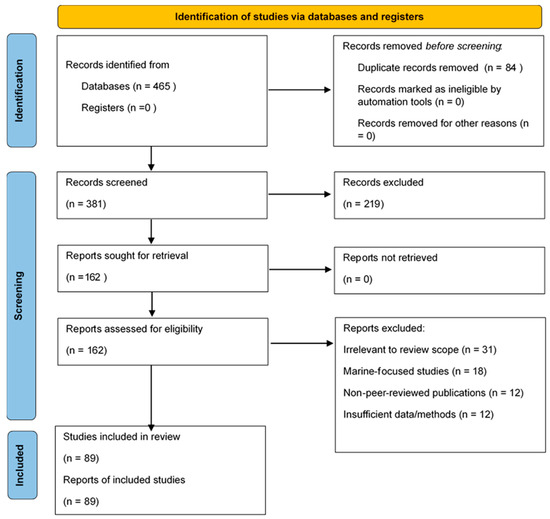
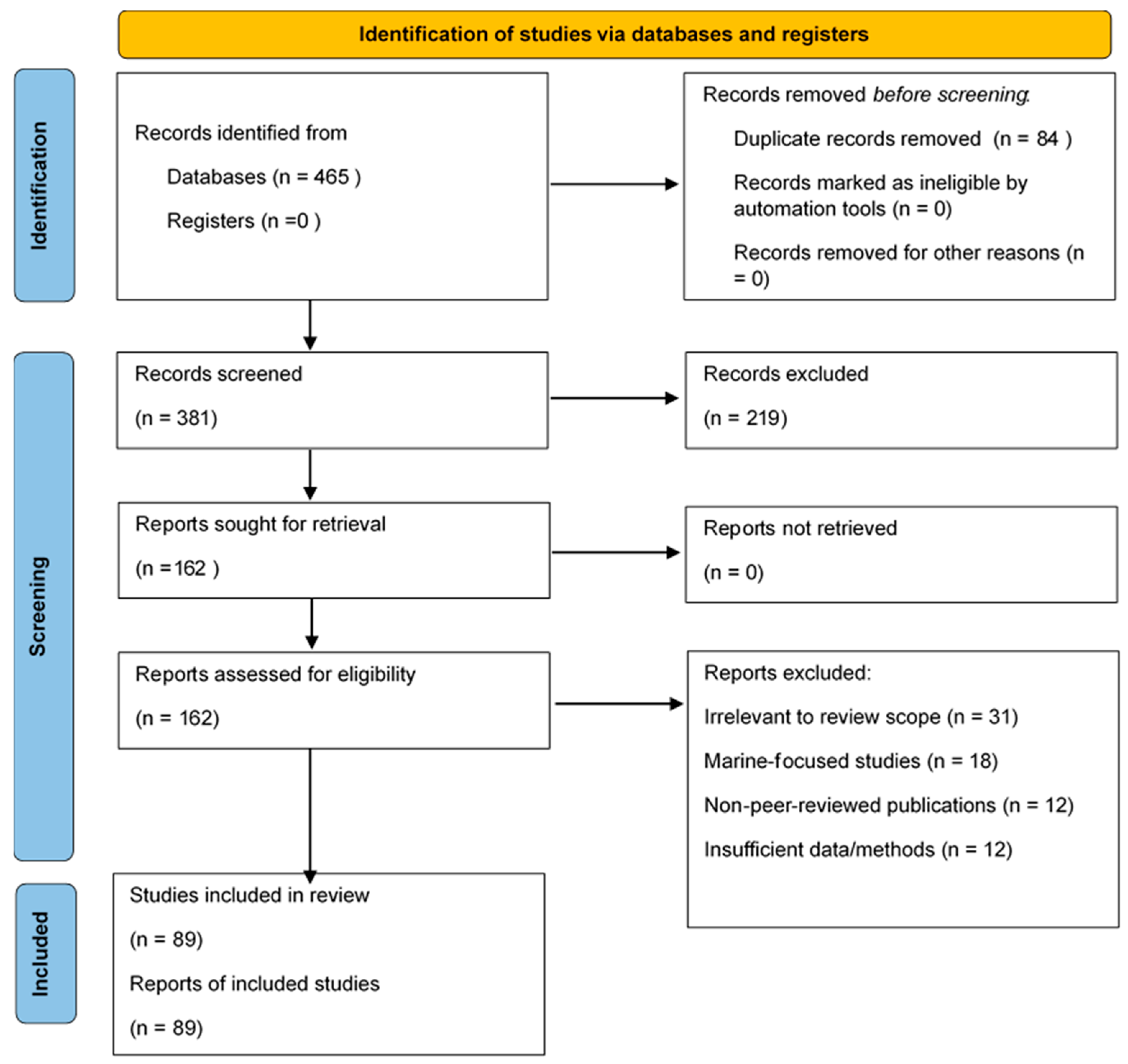
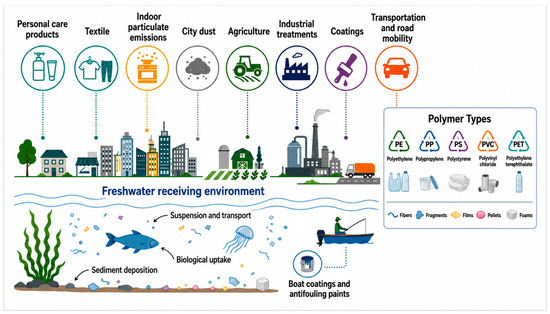
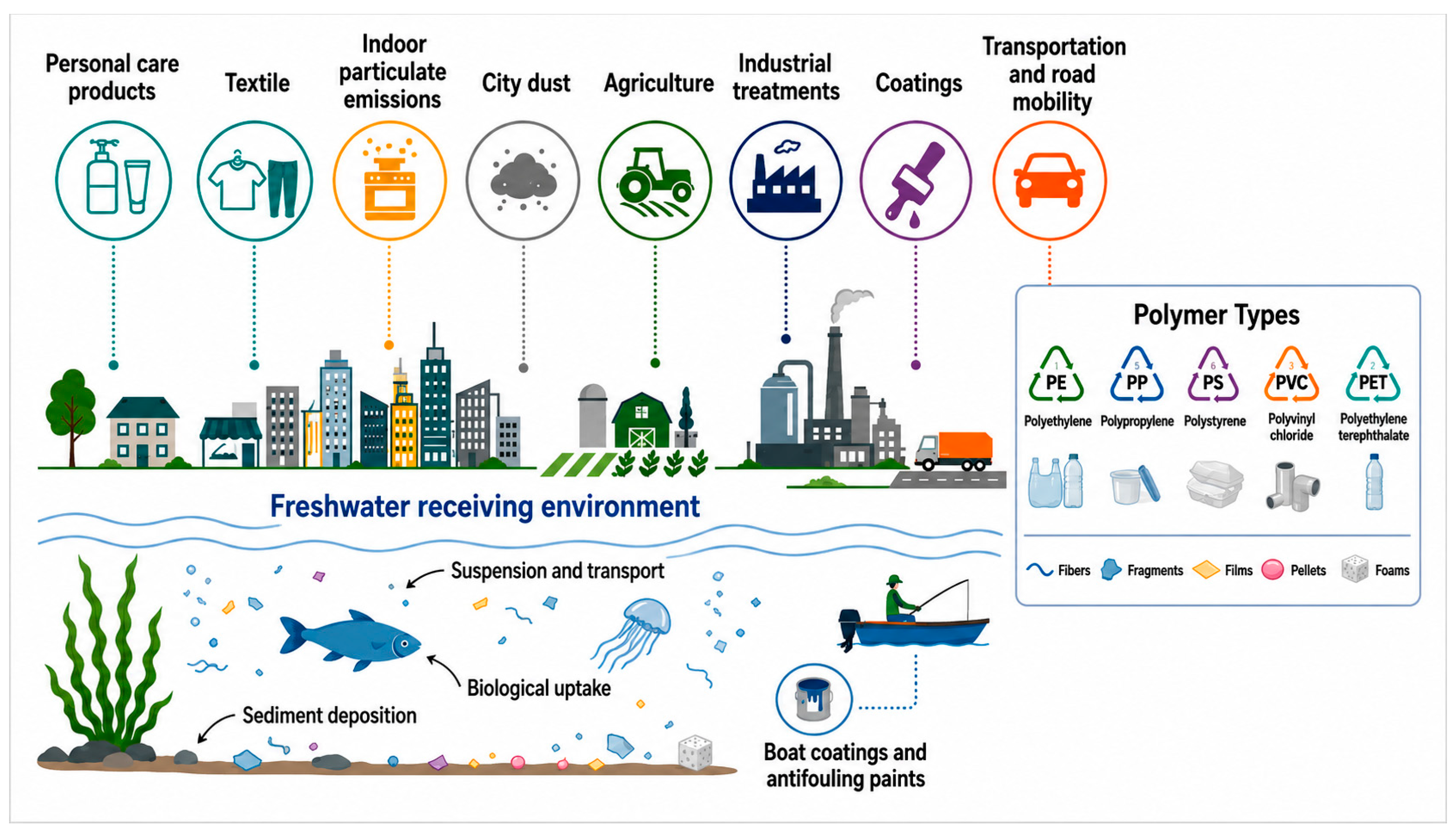
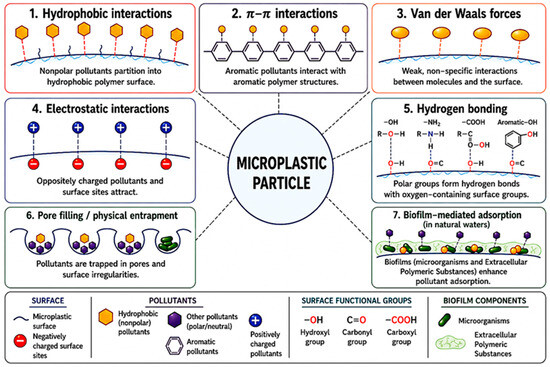
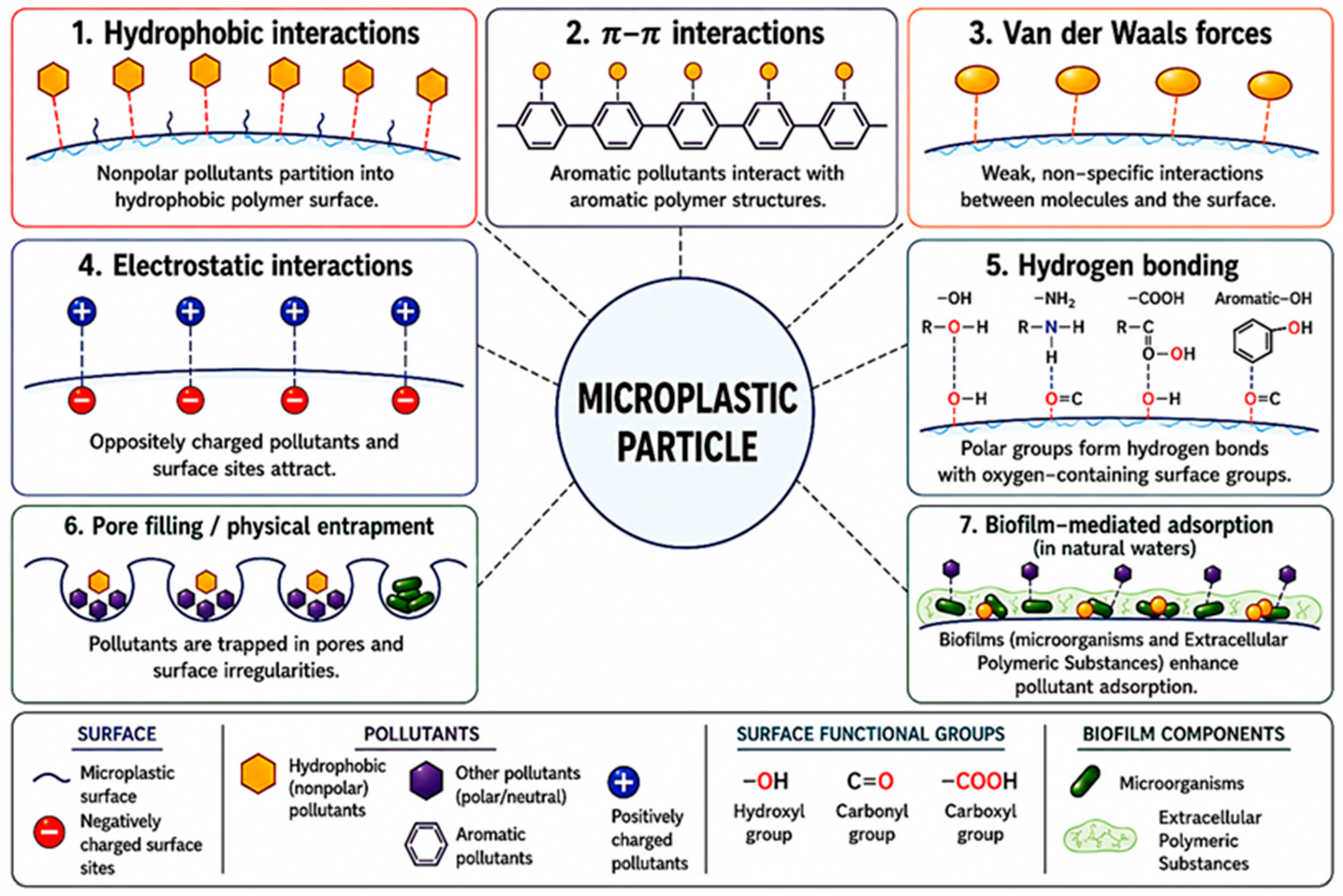
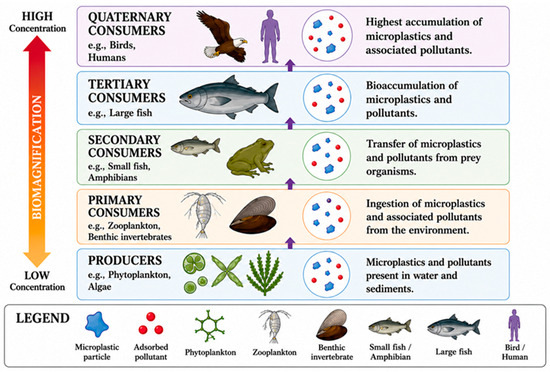
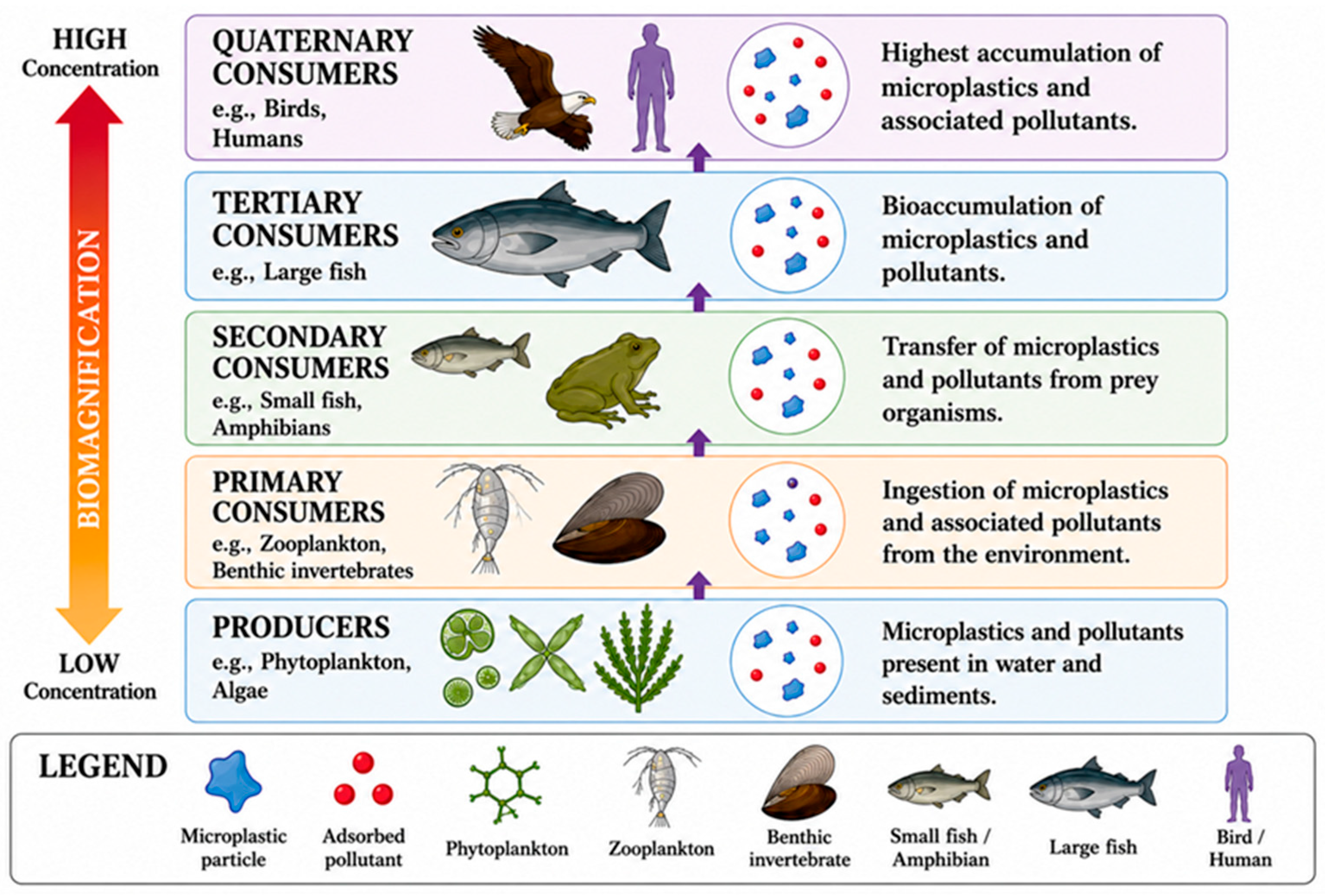
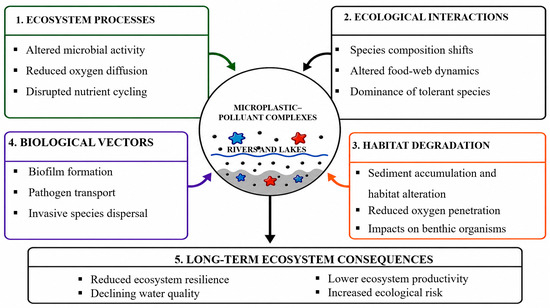
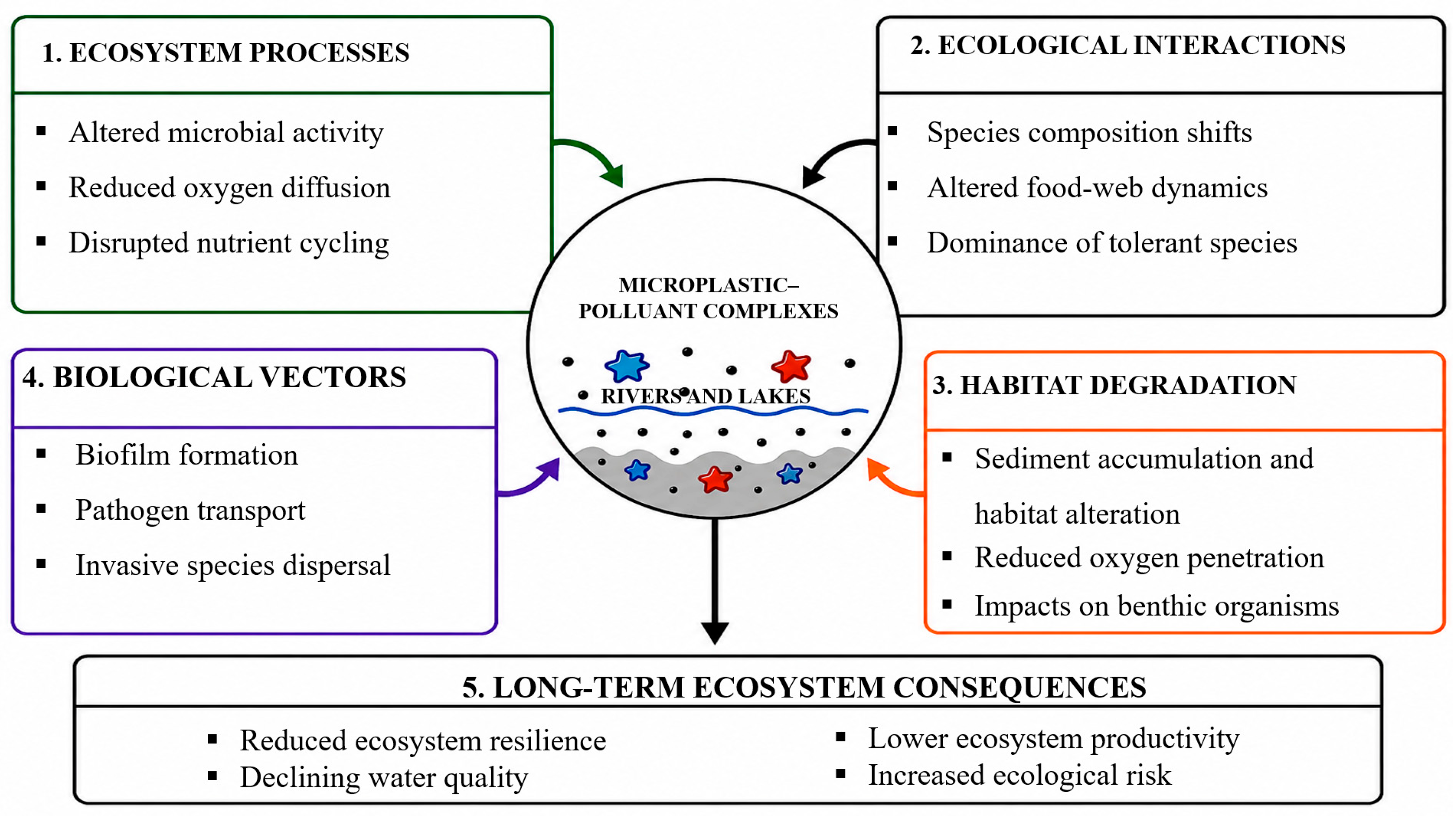
Disclaimer/Publisher’s Note: The statements, opinions and data contained in all publications are solely those of the individual author(s) and contributor(s) and not of MDPI and/or the editor(s). MDPI and/or the editor(s) disclaim responsibility for any injury to people or property resulting from any ideas, methods, instructions or products referred to in the content. |
© 2026 by the authors. Licensee MDPI, Basel, Switzerland. This article is an open access article distributed under the terms and conditions of the Creative Commons Attribution (CC BY) license.