


Abstract
Polyethylene terephthalate (PET) is a common plastic widely used in food packaging, especially plastic bottles, and in fibers and textiles. The widespread use of PET and its intentional and unintentional release and disposal over the past few decades have placed significant pressure on the environment, necessitating the development of green, low-cost, and efficient recycling technologies to mitigate this impact. This article reviews recent advances in microwave-assisted catalytic depolymerization of PET. It begins by outlining the fundamental principles of PET materials science and depolymerization mechanisms. The article then reviews the historical evolution of this research and presents a benchmark comparison of different depolymerization methodologies. Finally, through a critical analysis and comparison of state-of-the-art approaches, the article identifies emerging trends and highlights promising directions for future research in the field. A comprehensive comparison of conventional and microwave heating methods is presented, indicating that catalyst-assisted microwave systems can shorten reaction times and achieve high product yields under optimized conditions. Key advantages and limitations are highlighted, and persistent challenges are discussed. Overall, this article surveys the latest progress in the chemical recycling of PET and provides critical insights for future research and further development of microwave-assisted catalytic PET depolymerization technology.
1. Introduction
Plastics are a widely used class of materials mainly composed of polymeric substances. Owing to their excellent plasticity, tunable mechanical properties, ease of processing, durability, and low cost, plastics have been widely adopted in numerous industries and daily life. Their extensive use has profoundly shaped the development of modern society [1]. However, most commercial plastics are synthetic materials derived from fossil resources. Because of their chemical stability and resistance to degradation, they decompose very slowly in natural environments. Consequently, plastic waste can accumulate persistently in the environment, causing severe and long-lasting ecological impacts [2].
According to the Organization for Economic Co-operation and Development (OECD) report “Global Plastics Outlook”, global plastic waste generation increased from 156 million tons in 2000 to 353 million tons in 2019. If current policies remain unchanged, this amount is expected to nearly triple by 2060, reaching approximately 1.014 billion tons. Figure 1 summarizes the global plastic waste management pathways in 2019. Only 9% of plastic waste was recycled, while 19% was treated through incineration with energy recovery. In contrast, 50% was disposed of in sanitary landfills, and the remaining 22% was managed through uncontrolled disposal, including uncontrolled dumping, open-air burning, or direct release into the environment. As a result, the OECD projects that annual plastic leakage into the environment will increase from 22 million tons in 2019 to 44 million tons in 2060, with the cumulative stock of plastic in rivers and oceans reaching approximately 493 million tons [3]. Consistent with this trend, approximately 8 to 12 million tons of plastic currently enter the ocean each year, further accelerating the long-term accumulation of plastics in aquatic environments [4].
Figure 1.
Global Plastic Waste Management Pathways in 2019.
The global plastic pollution challenge is further complicated by the wide diversity of plastic types in use, as shown in Figure 2. Major commodity plastics include low-density polyethylene, commonly used in plastic bags and films, and its more rigid counterpart, high-density polyethylene, widely used for detergent bottles and piping. Polyethylene terephthalate (PET) is particularly prevalent in the packaging industry for plastic bottles and food containers, as well as some types of PET fibers. Other representative plastic materials include polypropylene (PP), which is heat-resistant and used in microwaveable containers; polystyrene (PS), commonly found in disposable tableware and foam packaging; and polyvinyl chloride (PVC), an essential and highly durable material used in applications ranging from building pipes to medical catheters [5]. Together, these diverse polymers occur across a vast array of consumer and industrial products, underscoring the complexity and scale of the global plastic waste problem.
Figure 2.
Common plastic types.
Among major commodity plastics, PET is of particular concern because it is closely linked to three key issues in plastic waste management: large-scale packaging and textile waste, microplastic fiber pollution, and chemically accessible recycling pathways. PET is the most widely used polyester and is extensively applied in packaging and textiles. Its chemical recycling can depolymerize PET into monomers or value-added intermediates, thereby providing a pathway toward improved circularity [6]. The textile dimension is particularly relevant to microplastic pollution, as synthetic textiles, including PET fiber and recycled polyester, can release microplastic fibers during household washing [7]. Unlike polyolefins such as PE and PP, PET contains cleavable ester bonds, making selective depolymerization via solvolysis or biocatalysis more feasible under relatively mild conditions.
A potential challenge is that PET is not a uniform material, as its products range from beverage bottles to PET fibers. Although they share the same underlying chemical structure, substantial variability and diversity are observed in crystallinity levels and molecular weights. This heterogeneity even exists within a single item; for example, the neck, wall, and base of a PET bottle exhibit different degrees of crystallinity [8]. These physical differences can translate into chemical resistance, solvent accessibility, and density variations [9], which in turn profoundly impact how the material behaves during chemical recycling. Consequently, such structural variability must be accurately characterized and explicitly considered when developing and optimizing effective depolymerization strategies.
In addition to structural heterogeneity, a further source of heterogeneity is the difference between transparent and colored or opaque PET formulations. Colored PET contains organic dyes or inorganic pigments such as copper/cobalt-based organometallics, phthalocyanines, and carbon black, while opaque-white PET typically contains titanium dioxide (TiO2) as an opacifying agent. In general, colored and opaque PET formulations provide increased opacity and enhanced ultraviolet (UV) shielding, which in turn improve the thermal and photostability of the material [10]. The presence of these additives severely hinders physical recycling, as they degrade polymer purity and reduce the degree of polymerization of the resulting recyclate. Consequently, colored and opaque PET waste are often excluded from closed-loop, bottle-to-bottle recycling systems and are instead downcycled into lower-value products [11]. Within the context of chemical recycling, this additive-induced heterogeneity makes decolorization a critical pretreatment or integrated process step.
Without effective color removal, the recovered monomers or intermediates, such as terephthalic acid (TPA) and bis(2-hydroxyethyl) terephthalate (BHET), may remain colored and contaminated, limiting their reuse potential [12]. For microwave-assisted solvolysis, colored and opaque PET are important not only because of their depolymerization behavior, but also because of their influence on product purification and catalyst recovery. Residual dyes, pigments, and opacifying agents can remain in the liquid or solid residues after depolymerization, resulting in colored BHET or TPA products and increasing the burden of filtration, washing, and downstream purification. This issue becomes especially relevant for microwave systems using heterogeneous catalysts, nanocatalysts, ionic liquids (ILs), or deep eutectic solvents (DESs), where catalyst recyclability and product purity are key advantages. Thus, for colored or opaque PET, the choice of catalyst and solvent system should be evaluated together with decolorization and separation strategies.
Several strategies have been explored to address this challenge. For instance, in 2008, Gupta et al. [13] employed oxidative bleaching with H2O2 to decolorize blue and green PET bottles, but this process resulted in a decrease in the product’s intrinsic viscosity. More advanced approaches have also been developed. In 2022, Li et al. [14] developed a tandem reaction-hydrolysis/glycolysis process that simultaneously depolymerizes and decolorizes PET, yielding high-purity TPA or high-yield BHET. In 2025, Wang et al. [15] further achieved efficient decolorization of recycled BHET using DESs, enabling a closed-loop recycling process. Despite these promising lab-scale advancements, the development of robust, scalable industrial processes for effective recycling of colored and opaque PET remains a challenge and an important area for further innovation.
2. Plastic Waste Treatment Methods and Strategies
2.1. Conventional Plastic Treatment Strategies
Conventional plastic waste treatment strategies, notably landfilling and incineration, have long been associated with severe environmental and public health impacts. Incineration, in particular, presents substantial risks due to the incomplete combustion of polymers and the complex thermally-mediated reactions involving plastic additives [16]. This process generates acidic gases (e.g., HCl, NOx, SO2) and particulate matter [17]. Even for relatively “cleaner” plastics such as PET, co-incineration with contaminants under realistic waste-treatment conditions can still result in the generation of acidic and toxic substances [18]. Although modern incineration facilities employ advanced flue gas treatment systems, emissions levels and their associated health risks remain highly sensitive to feedstock composition, operational parameters, and the effectiveness of pollution control technologies. Moreover, incineration can lead to the formation of highly toxic byproducts, notably dioxins and furans [19].
Halogenated polymers, such as PVC, along with plastics containing brominated flame retardants serve as major precursors for dioxin and furan formation during thermal treatment or uncontrolled burning. More importantly, even chlorine-free polyolefins like polyethylene (PE) and polypropylene (PP) can generate chlorinated dioxins when combusted in the presence of inorganic chlorine sources [20]. As persistent organic pollutants, dioxins are of particular concern, due to their environmental persistence, bioaccumulation potential, and severe health impacts, including carcinogenicity and endocrine-disrupting effects [21].
Landfilling, while often perceived as a less immediate environmental threat than incineration, introduces distinct and potentially severe contamination risks. Within landfill environments, plastics progressively fragment into micro- and nanoplastics, which can be mobilized through landfill leachate. This leachate is frequently contaminated with chemical additives leached from plastic debris, such as phthalates and bisphenol A, which are known for their endocrine-disrupting and ecotoxicological effects [22]. Furthermore, persistent subsurface landfill fires pose a severe hazard. Such smoldering can persist for months, releasing high levels of toxic smoke, odorous compounds, and greenhouse gases. The plastic content of the waste can further exacerbate the toxicity of these emissions and pose serious risks to public health [23]. For example, the Ghazipur landfill in Delhi has been identified through satellite observations as a significant methane super-emitter, where recurrent summer fires occur; a major fire in 2024 released large volumes of toxic smoke, posing serious health risks to nearby communities. Comparable incidents have also been reported at the Brahmapuram landfill in Kerala and the Pirana landfill in Ahmedabad. Collectively, these profound drawbacks underscore the urgent need to develop and adopt more sustainable alternatives to traditional disposal methods.
2.2. Plastic Recycling Strategies
Currently, plastic recycling methodologies are broadly categorized as either physical or chemical processes [24]. Physical recycling, often termed mechanical recycling, reprocesses plastic waste into new products without altering the polymer’s fundamental molecular structure. The process typically involves washing, shredding, melting, and re-pelletizing the waste material, which is then remolded into new goods through techniques such as injection molding, extrusion, or blow molding, including the production of plastic lumber [25].
However, this approach faces significant limitations. The thermal and mechanical stress during processing inevitably degrades the polymer chains, leading to a significant reduction in strength and mechanical properties, a phenomenon known as down-cycling [26,27]. Furthermore, the melt reprocessing stage can release toxic volatile organic compounds, such as aldehydes and aromatic hydrocarbons, posing health risks to workers and the environment [28]. Another critical drawback is the contamination of the recycled material. Recyclates often contain non-intentionally added substances, including degradation byproducts, impurities, as well as residual additives such as phthalates, flame retardants, and heavy metals [29]. These contaminants compromise final product safety, substantially restricting its suitability for high-value product applications, particularly those involving food contact materials.
To address the challenges of plastic waste, various chemical recycling methods have been developed to convert polymers back into valuable feedstocks. Among these, thermochemical processes are well-established. Pyrolysis, for instance, operates at 400–600 °C to convert mixed plastics into a combination of oil, gas, and char [30]. At even higher temperatures (>800 °C) and with oxygen input, gasification transforms plastic waste into combustible synthesis gas (syngas) [31]. Another thermochemical route, hydrocracking, decomposes plastic at temperatures of 200–450 °C to yield fuel oil and hydrocarbons under high-pressure hydrogen [32].
In contrast, there exist other approaches providing greater selectivity under milder conditions. Solvolysis employs specific solvents and catalysts at lower temperatures to break down polymers into their constituent monomers or oligomers [33]. Similarly, biocatalysis utilizes enzymes to achieve degradation at temperatures often below 60 °C [34]. A critical limitation, however, is that both solvolysis and biocatalysis are primarily effective for heteroatom-containing polymers like PET and are largely inapplicable to polyolefins such as PE and PP [35,36]. While cutting-edge methods like photocatalysis and electrolysis offer environmentally benign conversion at ambient temperatures, they remain limited in their application because of low reaction efficiency and scalability challenges [37,38]. Consequently, pyrolysis and solvolysis-based techniques remain the most extensively studied approaches, offering a compelling balance between feedstock tolerance and the potential for high-value chemical recovery [33]. Of the two, solvolysis is particularly attractive due to its versatility across catalyst–solvent systems, relatively mild operating conditions, and potential to recover well-defined monomers or oligomers. The aforementioned methods are summarized in Table 1.
Table 1.
Common chemical recycling methods.
2.3. Microwave Heating Method
Compared with conventional conductive heating, microwave irradiation has emerged as a superior energy source for solvolysis, primarily due to its unique non-contact, volumetric heating mechanism. As early as 1992, the use of microwave energy as a heat source for thermally driven chemical reactions had already attracted broad attention. Lewis and co-workers discussed that microwaves could promote polymer depolymerization mainly by accelerating the temperature ramp of reaction media, while additional non-thermal effects have also been proposed but remain debated and have not been conclusively demonstrated [39,40]. In 2006, Nikje et al. experimentally examined this idea and showed that, in the presence of heavy-metal salt catalysts, microwave irradiation can accelerate PET solvolysis depolymerization [41]. Building on these efforts, Shukla et al. in 2008 further demonstrated that microwaves can markedly shorten reaction time without sacrificing the yield of the target product BHET, while also exploring the substitution of conventional heavy-metal salts with more environmentally benign catalysts [42]. Along the same sustainability-oriented narrative of catalyst recyclability and reduced toxicity, Alnaqbi et al. in 2015 employed 1-butyl-3-methylimidazolium bromide ([BMIm]Br, C8H15BrN2) as a catalyst to convert PET to BHET under microwave conditions, reporting high conversion and systematically discussing the temperature–time operating window; this study can be viewed as one of the logical starting points for later developments in DES/ionic liquid (IL)-catalyzed microwave glycolysis [43].
Between 2022 and 2023, Zangana et al. and Selvam et al. introduced heterogeneous-catalysis concepts into microwave glycolysis and evaluated simple metal oxides such as CaO and ZnO, achieving high BHET yields and providing a practical, greener, and recyclable catalyst option for subsequent studies [44,45]. Research on DES-based systems continued to advance in 2024: Ha et al. reported BHET yields exceeding 99% using a DES composed of choline chloride (ChCl, C5H14ClNO) and zinc acetate [Zn(OAc)2, Zn(CH3COO)2] as the catalytic system. The high efficiency of Zn(OAc)2-containing systems can be rationalized by a Lewis acid-assisted glycolysis mechanism, in which Zn2+ coordinates with the carbonyl oxygen of PET ester groups, increases the electrophilicity of the carbonyl carbon, and thereby facilitates nucleophilic attack by ethylene glycol and subsequent ester-bond cleavage [46]. Ricci et al. adopted a zinc chloride (ZnCl2)–urea [CO(NH2)2] type-IV DES and emphasized the importance of energy input and power–time combination strategies [47,48].
Beyond glycolysis, microwave-assisted heating has also been applied to other PET depolymerization pathways. Compared with glycolysis, hydrolysis is typically more demanding, but it produces TPA, which has more direct and widespread downstream applications. In 2016, Ikenaga et al. performed microwave-assisted PET hydrolysis under high-pressure conditions, achieving complete degradation and discussing the effects of homogeneous catalysts such as HCl and NaOH on TPA yield [49]. Microwave-assisted catalytic depolymerization of PET remains an active topic to this day. In 2025, McCrea et al. reported a methanolysis process converting PET to dimethyl terephthalate (DMT) using a recyclable protic IL prepared from sulfuric acid and triethylamine; under optimized conditions, they achieved 100% conversion and approximately 98% isolated DMT yield. This work not only extends microwave-assisted ionic-liquid catalytic systems from glycolysis to methanolysis, but also demonstrates an inexpensive and recyclable protic ionic liquid catalyst that remains effective for complex PET waste, such as dyed carpet fibres with latex backing [50].
A key advantage of microwave-assisted solvolysis is the substantial reduction in the reaction’s activation energy. For PET glycolysis, activation energies of as low as 29 kJ/mol have been reported under microwave heating, in stark contrast to the >80 kJ/mol typically required using conventional methods [51]. In addition to its kinetic benefits, microwave energy accelerates the physical degradation of the polymer matrix. Microstructural evidence from scanning electron microscopy imaging reveals that microwaves promote the formation of more significant surface fissures, thereby facilitating faster solvent penetration and internal swelling [47]. This improvement in mass transfer, combined with rapid and uniform volumetric heating, enhances reaction homogeneity and substantially improves product selectivity by suppressing the formation of undesirable byproducts often associated with slow temperature ramping and thermal gradients inherent to conventional heating systems [52]. Figure 3 illustrates the schematic representation. Collectively, these advantages position microwave-assisted solvolysis as a highly promising strategy for polymer depolymerization, motivating a more detailed examination of its principles and applications.
Figure 3.
Schematic diagram of temperature gradient and volumetric heating.
3. Microwave-Assisted Solvolysis Methods
3.1. Overview
Solvolysis is a chemical recycling strategy that depolymerizes PET through the cleavage of ester linkages using a solvent, such as water, alcohol, or glycol, typically under elevated temperatures and catalytic conditions [5]. This process yields constituent monomers and oligomers, like TPA or BHET, which can be purified and repolymerized to produce virgin-quality PET.
3.1.1. Development and Mechanistic Considerations of Microwave-Assisted Solvolysis
In the 1990s, before solvolysis studies were widely applied to PET, microwaves were discussed more broadly as a reaction-heating method for material and polymer processing. In an MRS Bulletin article, Lewis and co-workers [39] summarized progress in microwave processing of polymers and suggested that microwaves might influence reactions and material transformations through rapid heating (i.e., a fast temperature ramp) as well as potential non-thermal effects. Since 2000, research attention has increasingly shifted toward the PET glycolysis context. For example, Pingale and Shukla [53] explicitly applied microwave irradiation to PET glycolysis and attributed the enhanced performance to direct energy coupling into the reaction mixture via dipole rotation and ionic conduction, enabling more efficient reaction progress.
In the past decade, researchers began to examine microwave-assisted solvolysis from a more kinetics-oriented perspective. Chen et al. (2013) investigated the kinetics of PET glycolysis under microwave conditions and, using an Arrhenius analysis, reported a lower apparent activation energy compared with conventional heating [54]. Since 2020, the role of ethylene glycol (EG) as both reactant and reaction medium has been extensively explored. In particular, Zangana et al. (2022) and Selvam et al. (2023) demonstrated that high catalytic efficiency under microwave glycolysis can be achieved even with simple catalysts, and proposed that, within a microwave field, EG—as a polar medium—may couple more strongly with catalyst surfaces and interfacial regions, potentially allowing the system to reach effective reaction temperatures more rapidly and increasing the likelihood of localized reactive events [44,45]. In 2024, Ha et al. achieved quantitative depolymerization within 9 min with a 99% BHET yield, and interpreted the exceptionally high yield in terms of a hydrogen-bonding network formed among the DES components, EG, PET, and zinc acetate [47].
At the physical level, microwave heating is generally attributed to dielectric energy dissipation through dipolar polarization or rotation in polar molecules and ionic conduction in media containing mobile ions [55,56,57]. These mechanisms describe the conversion of electromagnetic energy into heat and provide the established physical basis for microwave heating. In heterogeneous systems, differences in dielectric properties among the solvent, polymer, and catalyst phases may also produce selective heating, interfacial polarization, and spatial temperature gradients. Localized hot spots have been observed or proposed in some microwave-assisted heterogeneous catalytic systems, although their formation and persistence depend strongly on the dielectric properties, field distribution, catalyst structure, and heat-transfer characteristics of the specific system [57,58,59].
For microwave-assisted PET glycolysis, interactions among polar EG, catalyst surfaces, and Lewis acidic sites have been proposed to contribute to rapid heating and enhanced catalyst–solvent contact. Studies using nano-ZnO and Mn-loaded ZnO have related the observed reaction enhancement to catalyst polarity, surface structure, hydrogen bonding, and the availability of Lewis acid sites [45,60]. However, these interpretations do not by themselves establish a universal microwave-specific mechanism for PET depolymerization. Selective heating, interfacial polarization, localized temperature gradients, and enhanced mass transfer should therefore be regarded as plausible and system-dependent explanations rather than universally demonstrated mechanisms in PET solvolysis.
The magnitude and practical importance of these effects remain uncertain because the available PET solvolysis studies generally do not provide matched thermal histories, rigorous internal or spatial temperature measurements, and controls capable of separating bulk thermal effects from localized microwave-induced phenomena. Studies in broader microwave chemistry have shown that improved internal temperature monitoring and agitation can eliminate some apparent differences between microwave and conventional heating [55,61]. Consequently, a broadly applicable non-thermal microwave effect has not been conclusively demonstrated, and its existence and practical significance remain controversial [56,61].
3.1.2. Major PET Solvolysis Pathways
Solvolysis encompasses several distinct chemical pathways for PET depolymerization, classified by the nucleophilic agent employed, namely aminolysis, ammonolysis, hydrolysis, alcoholysis and glycolysis [62,63,64].
Among these, glycolysis is the most widely utilized for microwave-assisted PET recycling systems due to its favorable reaction kinetics, solvent compatibility and suitability for efficient dielectric heating. Glycolysis relies on the use of polyols, typically EG, to cleave the ester bonds through transesterification. While the process is noted for its simplicity and rapid reaction rates, the resulting products often require substantial downstream purification, as the glycolysis mixture may contain oligomeric intermediates and other impurities, while residual EG must also be recovered and separated after the reaction [5,65,66]. Figure 4 illustrates the molecular formulas and simplified reaction scheme [62,64].
Figure 4.
Simplified reaction schematic diagram of glycolysis.
Hydrolysis, based on the principle of ester hydrolysis, uses water (H2O) under acidic or alkaline catalysis to break the ester linkages, yielding the corresponding acid and alcohol. This route can produce high-purity TPA but often requires harsh reaction conditions [67]. The molecular formulas and simplified reaction scheme are shown in Figure 5 [62,64].
Figure 5.
Simplified reaction schematic diagram of hydrolysis.
In contrast, alcoholysis, particularly methanolysis, reacts PET with alcohols such as methanol or ethanol to generate their respective diesters, such as DMT, making it compatible with industrial processes that utilize DMT as a feedstock [68]. Figure 6 provides a schematic representation of the molecular formulas and reaction pathway [62,64].
Figure 6.
Molecular formulas and simplified reaction schematic diagram of methanolysis.
Other related methods include ammonolysis and aminolysis, which involve reacting PET with ammonia (NH3) or amines, respectively, to produce the corresponding diamides. However, the commercial value and market size of the products generated by these two methods are considerably more limited, making them less attractive for industrial applications [68]. Figure 7 and Figure 8 show the molecular formulas and simplified reaction schemes [62,64].
Figure 7.
Molecular formulas and simplified reaction schematic diagram of ammonolysis.
Figure 8.
Molecular formulas and simplified reaction schematic diagram of aminolysis.
In industrial applications, hydrolysis and glycolysis are the most prevalent methods for PET recycling when considering factors such as reaction conditions, catalysts, and final products. Between the two, glycolysis is generally favored due to its comparatively milder operational conditions.
3.2. Glycolysis of PET Pellets
The advantages of glycolysis for PET recycling are multifaceted. First, from an environmental perspective, the process is compatible with heterogeneous catalysts and can avoid the corrosive acids, strong bases, or toxic organic solvents employed in some other solvolysis routes, such as the methanol used in methanolysis [69]. Second, with optimized solvent and catalyst systems, glycolysis can achieve mild reaction conditions without compromising product yield. Indeed, laboratory-scale studies have demonstrated that the process can proceed under mild conditions to achieve sizable conversion of PET [70]. From the perspective of catalyst development, conventional PET glycolysis has evolved from soluble metal salts toward bulk and mixed metal oxides, nanostructured and magnetically recoverable catalysts, porous solid catalysts, and supported organocatalysts. This progression reflects a gradual shift in research priorities. Early studies primarily sought to accelerate PET conversion and increase BHET yield, whereas more recent work has placed increasing emphasis on catalyst recovery, product selectivity, metal leaching, reuse stability, and downstream purification. Given that reaction time is significantly influenced by temperature and catalyst selection, research in this field has predominantly focused on catalyst development and the elucidation of reaction kinetics.
The pronounced temperature dependence and sluggish kinetics of the uncatalyzed reaction were recently quantified by Gabrič et al. [71]. Under conventional heating, more than 3000 min was required to achieve a final BHET yield of approximately 95% at 190 °C. At 170 °C, the BHET yield decreased to approximately 80%, whereas at 150 °C, only a 14% yield was obtained even after 4000 min. These results demonstrated that catalysis is clearly indispensable for practical PET glycolysis, motivating extensive investigations into a wide range of catalytic systems. López-Fonseca et al. [69] demonstrated that the introduction of a catalyst dramatically accelerated PET glycolysis. Using zinc acetate as the catalyst, they observed complete PET conversion within one hour. In their comparative study, other sodium and potassium salts, including sodium carbonate (Na2CO3), sodium bicarbonate (NaHCO3), sodium sulfate (Na2SO4), and potassium sulfate (K2SO4), all exhibited lower catalytic activity than zinc acetate.
In addition to soluble metal salts, several metal oxides have been investigated as potential alternative catalysts. Imran et al. [72] found that complex oxides such as ZnMn2O4 exhibited superior catalytic performance and produced higher BHET yields than simple oxides such as ZnO. Building on this approach, Alzuhairi et al. [73] explored the benefits of nanostructuring and reported that nano-ZnO achieved a higher BHET yield than its bulk ZnO counterpart. To address the common challenge of nanocatalyst recovery, Du et al. [74] investigated the performance of nanoscale CoFe2O4. They found that this catalyst not only maintained high catalytic efficiency but also allowed easy magnetic separation, offering a more environmentally friendly alternative to nanomaterials that are difficult to recover.
Whereas mixed, nanoscale, and magnetic oxides were primarily developed to improve accessible catalytic activity and catalyst recovery, porous solids and supported catalysts represent a parallel strategy aimed at enhancing structural stability, reusability, and control over catalyst residues. Chen et al. [75] synthesized solid base catalysts (Zn/Al hydrotalcites) via calcination in 2014. While this catalyst significantly increased the reaction rate, it paradoxically led to a lower final BHET yield, highlighting the complex trade-offs between reaction kinetics and product selectivity in catalyst design. The efficacy of conventional zeolites as catalysts for PET glycolysis has been found to be limited. For instance, a study by Shukla et al. [42] reported that both -zeolites and Y-zeolite exhibited sluggish reaction kinetics and achieved only low product yields. In 2024, based on a commercial zeolite catalyst (500-FAU) with modest catalytic activity, Yang et al. [76] prepared a nanoscale FAU-type zeolite, 100-FAU, which achieved superior catalytic efficiency due to its higher Lewis acidity and basicity.
Considering the environmental risks posed by heavy-metal-containing or hard-to-recover nanocatalysts, Fehér et al. [77], demonstrated the ecological advantages of thermally stable organocatalysts such as Si-TBD and Si-TEA in 2022. Taken together, these studies demonstrate that no catalyst class is universally superior for conventional PET glycolysis. Zinc acetate remains an effective benchmark because of its high catalytic activity, but its solubility increases the burden of catalyst separation, metal-residue control, and product purification. Mixed and nanostructured metal oxides can provide high BHET yields by increasing the number and accessibility of surface active sites, although these advantages may be offset by synthesis complexity, particle aggregation, metal leaching, and recovery difficulties. Magnetically separable catalysts offer a promising compromise between activity and recoverability, but their long-term durability and metal-release behavior remain insufficiently characterized. Porous catalysts and supported organic bases may facilitate catalyst reuse and reduce soluble metal residues, but their performance can be limited by diffusion resistance, restricted accessibility of active sites, catalyst leaching, or gradual deactivation.
The overall research trend therefore extends beyond maximizing the reported BHET yield toward balancing catalytic efficiency, selectivity, recovery, durability, and downstream processing requirements. Future studies should prioritize standardized comparisons using consistent PET feedstocks, PET-to-EG ratios, catalyst loadings, reaction and product-isolation procedures, and should report not only conversion and BHET yield, but also catalyst leaching, recovery efficiency, multi-cycle stability, and purification demand. Such information is required to determine whether the high activity observed at the laboratory scale can translate into practical and scalable glycolysis processes.
In order to estimate the thermal power associated with maintaining the reaction system at a given temperature, a simplified steady-state heat-loss model was adopted under the assumptions of constant ambient temperature (), similar convection conditions, and a fixed external surface area (A):
where represents the useful thermal power (in W) required to maintain the system at temperature T; (in W K−1) is the coefficient associated with convective and conductive heat losses, defined as the product of the heat transfer coefficient h and the surface area A; and (in W K−4) is the coefficient associated with radiative heat loss, defined as the product of the surface emissivity , the Stefan–Boltzmann constant , and the surface area A.
For the present estimation, the following parameters were assumed: , , , and . Here, was adopted as a representative natural-convection heat transfer coefficient in air [78], while was taken as a reasonable emissivity estimate for a practical, non-polished engineering surface [79]. From these assumptions, was calculated.
It should be noted that this model estimates the useful thermal power required at the sample level, rather than the actual electrical input power of the heating device. A substantial fraction of the input energy in a typical oven may be absorbed by the oven structure itself or lost through the walls and ventilation. In addition, oven efficiency varies substantially depending on appliance type, loading condition, and testing method: the overall efficiency of a simple oven is often relatively low, on the order of 10% [80], whereas some heavily loaded laboratory convection ovens may reach much higher benchmark values, around 65% [81]. Therefore, in the present study, was adopted as an intermediate representative estimate rather than an exact measured value, and the corresponding oven input power was estimated as .
A parameter sensitivity analysis was also conducted using oven efficiencies of , , and . Relative to the baseline value of , the estimated oven input power increased by 50% at and decreased by 25% at . Although the assumed efficiency substantially affects the absolute energy estimates, it does not alter the relative ranking among the conventional-heating systems because the same efficiency factor is applied consistently. The calculated values should therefore be interpreted as sensitivity-dependent, screening-level estimates rather than experimentally validated energy-consumption data.
Based on this treatment, the model was subsequently used only as a first-order, screening-level estimate to support a qualitative comparison of the reviewed catalyst-assisted glycolysis methods. The calculated values should therefore be interpreted as indicative reference values rather than validated experimental energy-consumption data.
Throughout this review, we highlight sustainability-related considerations for different PET depolymerization schemes rather than assigning categorical environmental-performance rankings. These considerations are discussed qualitatively based on reported or inferable process features, including estimated energy demand, EG and catalyst recovery, product and byproduct usability, catalyst residues, solvent or salt management, and potential waste streams [82,83]. Because the summarized studies differ in feedstock type, catalyst loading, solvent ratio, reactor configuration, reaction time, purification procedure, and system boundary, these considerations should be interpreted as qualitative screening factors rather than as a quantitative life-cycle assessment or direct environmental ranking.
Table 2 summarizes the calculated P values, the corresponding estimated energy demand, the reported product yields, and the sustainability-related considerations for the different schemes.
Table 2.
Comparison of calculated , sustainability-related considerations, and yield across different PET pellet depolymerization schemes.
3.3. Glycolysis of PET Fiber
The catalyst trends discussed for bottle- and pellet-derived PET cannot be directly transferred to PET fibers because catalyst performance is also influenced by feedstock morphology and polymer structure. Although bottle-grade and fiber-grade materials share the same PET backbone, they differ in crystallinity, molecular weight, molecular orientation, surface morphology, and additive composition, all of which can affect solvent penetration, ester-bond accessibility, and the observed glycolysis performance. Owing partly to differences in isophthalic acid content, bottle-grade PET generally exhibits lower crystallinity than fiber-grade PET, resulting in different crystallization behavior during recycling [84]. This distinction is particularly relevant to chemical depolymerization because reactions in semicrystalline PET preferentially proceed through the amorphous regions, where reagents such as ethylene glycol and methanol can penetrate more readily [85]. In addition, the intrinsic viscosity (IV) of bottle-grade PET, approximately 0.80 dL g−1, is generally higher than that of fiber-grade PET (0.55–0.67 dL g−1). Because IV is positively correlated with molecular weight, this difference may further contribute to their distinct depolymerization behavior [86]. A qualitative comparison of the major catalyst classes used for PET glycolysis is provided in Table 3.
Table 3.
Qualitative comparison of major catalyst classes for PET glycolysis.
Early research on the glycolysis of PET fibers typically employed simple salts or weak acid/base catalysts. Despite extensive investigations by Shukla et al. [42,87], a catalyst capable of significantly enhancing the BHET yield has not been identified yet. A more recent trend is the application of novel catalytic systems. For instance, Chen et al. [88] explored mixed catalysts to achieve high BHET yields in short reaction times in 2015, while Dai et al. [89] developed an advanced heterogeneous catalyst, Zn-MCM-41, based on zinc oxide to improve the final product yield in 2024.
However, overall, research focusing specifically on the catalytic glycolysis of PET fibers remains relatively scarce. Furthermore, these studies seldom provide a mechanistic analysis of the differences between PET fibers and other PET forms, such as bottle-grade pellets, which arise from their distinct crystallinities and molecular weights. There is a clear lack in the field of comparative, side-by-side studies on the glycolysis of different grades of PET.
Table 4 summarizes the calculated , sustainability-related considerations, and yield across different PET fiber depolymerization schemes. However, in the existing literature, it is rare to find a detailed, quantitative report of reaction time, temperature, and yield. Our recent benchmark analysis of the available data revealed an interesting trend: when lower-performing catalysts under the reported conditions are employed, such as zeolites for PET pellet or acetic acid for PET fibers, the final BHET yields for both feedstocks are comparable (around 60%). However, a clear divergence appears when representative high-performing catalysts and reaction times reported in the literature are considered. Pellet PET can achieve a BHET yield of up to 90%, whereas the yield for PET fibers reaches only 82%. This discrepancy suggests a difference in the reported attainable yield between these two grades of PET. Nevertheless, this trend should be regarded as indicative rather than conclusive, because the present cross-study comparison does not fully account for differences in catalyst chemistry, feedstock crystallinity, molecular weight, particle size, solvent ratio, and purification procedures.
Table 4.
Comparison of calculated , sustainability-related considerations, and yield across different PET fiber depolymerization schemes.
3.4. Microwave-Assisted PET Glycolysis
Microwave irradiation has been identified as an effective heating approach for PET solvolysis, including glycolysis and hydrolysis [90]. Research on microwave-assisted PET glycolysis can be traced back to the late 1990s [91]. Unlike conventional glycolysis, the performance of microwave-assisted systems is jointly influenced by solvent selection, catalyst chemistry, and operating conditions. Accordingly, the development of this field has progressed from the screening of solvent systems toward kinetic analysis, heterogeneous metal-oxide catalysts, nanostructured catalysts, and integrated catalyst–solvent systems.
Early studies primarily focused on solvent selection and examined methanol, diethylene glycol, propylene glycol, and other reaction media [41,53,92]. Among these solvents, ethylene glycol (EG) became the predominant reaction medium for microwave-assisted PET glycolysis because its relatively high dielectric loss tangent (tan) enables effective microwave absorption [45]. In this system, EG functions both as the glycolysis reagent and as the polar medium that couples with microwave irradiation. The establishment of EG as the principal reaction medium subsequently shifted research attention toward catalyst development and reaction kinetics.
Soluble metal salts provided an early catalytic basis for microwave-assisted glycolysis. A kinetic framework for Zn(OAc)2-catalyzed glycolysis under microwave conditions showed lower apparent activation energies and substantially shorter reaction times than those reported for conventional heating [54]. Subsequent studies extended catalyst development toward heterogeneous metal oxides. CaO was shown to substantially reduce the time required for PET depolymerization [44], while nanostructured and modified metal oxides were investigated to improve surface activity and catalyst–solvent interactions. In particular, the high surface area and polar facets of nano-ZnO were associated with enhanced hydrogen bonding and stronger interactions between the catalyst and solvent under microwave irradiation [45]. Mn-loaded ZnO was further used to examine the proposed intensification of contact between reactants and Lewis acidic surface sites under microwave conditions [60]. Taken together, these studies indicate a progression from soluble metal salts toward heterogeneous, nanostructured, and modified metal oxides, reflecting increasing interest in both catalytic surface activity and catalyst recoverability.
More recent research has moved beyond the optimization of an individual catalyst toward the integrated design of catalyst–solvent systems. A ChCl–Zn(OAc)2 deep eutectic solvent (DES) system achieved a BHET yield of up to 99% after systematic optimization [47]. The same study showed that excessive reaction time, large PET particle size, and an inappropriate PET-to-EG ratio could substantially reduce the final BHET yield. These observations demonstrate that the performance of microwave-assisted glycolysis cannot be determined by catalyst identity alone. Instead, high conversion and product yield require coordinated optimization of the catalyst system, PET particle size, PET-to-EG ratio, microwave power, and irradiation time.
Table 5 summarizes the reported catalyst loading, reaction time, microwave power, BHET yield, calculated apparent energy demand, and sustainability-related considerations for representative microwave-assisted PET glycolysis systems. A qualitative comparison of the major catalyst classes used in microwave-assisted PET glycolysis is presented in Table 6.
Table 5.
Comparison of calculated , sustainability-related considerations, and yield across different PET microwave-assisted depolymerization schemes.
Table 6.
Qualitative comparison of major catalyst classes for microwave-assisted PET glycolysis.
Comparison of Table 5 with Table 2 and Table 4 suggests that microwave-assisted glycolysis can achieve shorter reaction times and lower calculated apparent energy demand under the reported laboratory-scale conditions. Metal-oxide and DES-based systems, in particular, have achieved high reported BHET yields over reaction times ranging from several minutes to less than one hour. Nevertheless, the reviewed studies differ in catalyst loading, PET feedstock, particle size, solvent ratio, microwave power, and reactor configuration. The numerical comparison therefore reflects the performance reported under individual experimental conditions rather than a standardized ranking of catalyst systems.
The apparent energy comparison is also based on a simplified heat-loss model and literature-reported reaction parameters rather than measured industrial energy-consumption data. The calculated values should therefore be interpreted as screening-level estimates of apparent reaction-stage energy demand rather than conclusive evidence that microwave heating universally requires less energy than conventional heating. Further experimental and process-level measurements are required to determine whether the shorter reaction times observed at the laboratory scale translate into lower overall energy consumption during scale-up and industrial operation.
Despite the broad range of catalysts and operating conditions already investigated, several important research gaps remain. First, the microscopic mechanisms responsible for the observed enhancement under microwave irradiation have not been systematically evaluated. In particular, the relative contributions of microwave heating, catalyst activity, and changes in reactant contact or mass transfer remain insufficiently distinguished. Second, different PET feedstocks, including colored PET, bottle-grade PET, and fiber-grade PET, may exhibit different depolymerization behavior, but only a limited number of studies have compared these materials under consistent microwave conditions. Third, most reported systems remain at the laboratory scale, and their industrial relevance has not yet been fully validated despite promising laboratory-scale reaction times and yields.
Future research should establish a more systematic comparative framework for microwave-assisted PET glycolysis. This framework should include mechanistic evaluation of microwave-assisted glycolysis and the operating parameters that control its performance, together with direct comparisons of different PET feedstocks under consistent catalyst, solvent, microwave, and product-isolation conditions. Such comparisons are needed to clarify how feedstock characteristics, including crystallinity, molecular weight, morphology, particle size, and additive composition, affect PET conversion, BHET yield, product selectivity, and purification requirements.
In parallel, greater attention should be given to catalyst performance and reaction kinetics. Future catalyst development should focus not only on achieving high activity, but also on identifying systems that combine catalytic performance with low cost, limited environmental impact, facile recovery, and stable reuse. Reaction time should also be systematically evaluated because different catalysts may exhibit distinct reaction-time–yield profiles. Rather than reporting only the final yield at a single reaction time, future studies should quantify how PET conversion and BHET yield evolve throughout the reaction, identify the time required to reach the maximum yield, and assess whether prolonged irradiation promotes product degradation, oligomer formation, or other secondary reactions.
Beyond laboratory-scale optimization, the scale-up and industrial applicability of microwave-assisted glycolysis should be evaluated using process-level data on energy consumption, catalyst recovery, product yield and purity, solvent recovery, and downstream purification. Addressing these questions is necessary to determine whether the high reaction rates and BHET yields reported at the laboratory scale can be translated into practical, economically viable, and environmentally sustainable microwave-assisted PET glycolysis processes.
4. Technology Development, Scale-Up, and Future Research Directions
Recent research in microwave-assisted catalytic PET depolymerization has increasingly focused on catalyst design, reaction engineering, process control, and scale-up. These aspects are closely connected and are essential for determining whether the advantages observed in laboratory-scale experiments can be translated into practical industrial applications.
4.1. Microwave-Responsive Catalyst and Solvent Design
Regarding catalyst development, designing novel systems tailored to maximize the inherent advantages of microwave irradiation remains a critical research focus. For example, DESs and ILs can serve dual roles as both microwave-absorbing media and active catalytic components. This dual functionality may enable rapid heating and high energy density within the reaction system, thereby reducing reaction times and enhancing selectivity [93].
Concurrently, heterogeneous catalytic systems are rapidly emerging as a primary area of interest due to their tunability and ease of recovery [94]. An important direction within this domain is the structural engineering of these catalysts. By establishing more robust structure–activity relationships based on crystal facets, morphology, and defect engineering, researchers may be able to tailor catalysts to promote localized heating effects, interfacial interactions, and possible “hot-spot” formation under microwave irradiation. These localized phenomena have been discussed as important factors in microwave-assisted heterogeneous catalysis and may contribute to improved catalytic efficiency and product yields [95]. However, their direct role in PET glycolysis still requires further validation through dielectric characterization, temperature mapping, and controlled thermal comparisons. Furthermore, the development of doped or composite materials, such as mixed metal oxides, represents a promising design strategy for advanced catalyst systems. These materials are expected to provide opportunities for accelerated reaction kinetics, improved tolerance to feed impurities, and stronger resistance to deactivation [60].
4.2. Reactor Engineering and Process Control
Beyond catalyst and solvent design, continuous microwave systems and automated control strategies are being explored to mitigate issues related to microwave penetration depth, uneven heating, and temperature control during scale-up.
In academia, current research focuses on developing novel reactors and alternative strategies to overcome the inherent limitations of microwave penetration depth and uneven heating. Within reactor design, structured configurations such as silicon carbide honeycombs have emerged as a promising solution. Because of their geometrically optimized heat-transfer characteristics and microwave-absorbing properties, these structured reactors may offer advantages over conventional industrial fixed-bed systems under microwave irradiation [96].
To address the complexities of microwave reaction mechanisms, multi-scale simulation provides a compelling new perspective. Microwave multiphase reactors are governed by coupled multiphysics phenomena—specifically fluid dynamics, electromagnetics, heat transfer, and chemical kinetics—spanning dimensions from micron-sized catalyst particles to meter-scale resonant cavities. To manage this complexity, researchers have proposed advanced multi-scale modeling techniques such as homogenization. This method can reduce the computational burden at the macro-scale while preserving key micro-scale details, thereby helping to connect theoretical models with experimental data and guide the scale-up of microwave reactors [97].
However, such models require systematic experimental validation. Future studies should validate the dielectric properties of PET, solvents, catalysts, and reaction mixtures under relevant temperatures; compare predicted temperature fields with infrared thermography, fiber-optic temperature probes, or other in situ temperature-mapping methods; and benchmark simulated kinetics against measured PET conversion, BHET yield, oligomer distribution, and reaction-rate data. Matched thermal-history comparisons between microwave and conventional heating systems would also help distinguish microwave-specific effects from conventional bulk thermal effects.
4.3. Industrial Scale-Up and Technology Assessment
These developments in catalyst design, reactor configuration, and process control are beginning to support pilot-scale and planned industrial applications. However, publicly available operating, energy-consumption, and economic data remain limited.
For instance, gr3n’s microwave-assisted depolymerization technology is reportedly being scaled up to a planned 40,000 t/year industrial facility in Spain. Expected to begin operations in 2027, this plant targets the closed-loop recycling of hard-to-recycle PET plastics and related PET fibers through TPA/EG recovery and repolymerization [98,99,100]. A key engineering feature of this system is the decoupling of hardware and software within its automation framework. This open architecture allows equipment to interface across different layers, potentially facilitating dynamic feed adjustment and continuous reaction control during scale-up [101].
However, publicly available data on long-term operational performance, product quality, energy consumption, and economic feasibility remain limited. Therefore, this example is presented as evidence of growing industrial interest and planned scale-up rather than definitive proof of robust commercial scalability.
To place these developments in a broader technological context, Table 7 qualitatively compares conventional and microwave heating across reaction performance, catalyst compatibility, energy assessment, reactor requirements, scalability, and industrial readiness.
Table 7.
Comparison of conventional and microwave heating for PET solvolysis.
Overall, the clearest laboratory-scale advantage of microwave heating is its rapid energy delivery, which can substantially shorten PET depolymerization times, particularly in polar or ionic catalyst–solvent systems. However, shorter reaction times do not necessarily indicate lower process-level energy consumption or operating cost, because microwave performance also depends on field uniformity, penetration depth, reactor geometry, and control requirements. Conventional heating therefore retains advantages in reactor simplicity, established scale-up, and industrial maturity. Microwave heating is better regarded as a promising process-intensification strategy whose practical benefits still require validation through continuous operation, process-level energy measurements, and techno-economic assessment.
5. Conclusions
The history of PET glycolysis is reviewed, a significant body of research in the literature is compared, and several promising directions for future research are identified. Laboratory-scale studies indicate that variations in PET grade, particularly in crystallinity and relative molecular weight, significantly influence catalyst suitability and, consequently, the optimal reaction temperature and residence time. Although systematic studies are currently lacking, this analysis could be further extended to distinct structural regions of PET bottles, which may exhibit different physicochemical responses during glycolysis.
Moreover, the reviewed studies indicate that microwave-assisted glycolysis is a promising strategy for improving reaction efficiency under laboratory-scale conditions. Under optimized conditions, microwave irradiation can accelerate PET depolymerization and improve BHET selectivity by promoting rapid heating and reducing prolonged exposure to secondary reactions. However, these advantages should be considered together with the practical limitations of microwave-assisted systems. Most reported studies remain confined to laboratory-scale reactors, and translation to industrial implementation requires further advances in reactor design, microwave penetration depth, field uniformity, catalyst recovery and reuse, feedstock tolerance, product purification, and process control. Large reaction volumes may introduce non-uniform microwave energy distribution, localized overheating, and potential hot-spot formation, which could accelerate undesirable side reactions if not properly controlled. In addition, the cost of specialized microwave reactors, long-term catalyst recyclability, energy efficiency under continuous operation, and overall economic feasibility remain insufficiently evaluated. Although significant progress has been achieved in catalyst design, reactor engineering, and pilot-scale implementation, large-scale microwave-assisted PET glycolysis still faces critical knowledge gaps. Accordingly, future research should place greater emphasis on experimentally validated scale-up strategies, techno-economic assessment, life-cycle assessment, and long-term operational studies.
Author Contributions
Conceptualization, X.D., J.I.G. and B.Y.; methodology, X.D., J.I.G. and B.Y.; formal analysis, X.D. and Y.-J.J.; investigation, X.D.; data curation, X.D.; writing—original draft preparation, X.D.; writing—review and editing, J.I.G., H.Y. and B.Y.; visualization, X.D.; supervision, J.I.G.; project administration, J.I.G. and B.Y.; funding acquisition, H.Y. and B.Y. All authors have read and agreed to the published version of the manuscript.
Funding
This research was funded by the NOAA Marine Debris Project and the Columbia University Research Stabilization Fund (2025). The APC was funded by Columbia University under grant number NA24OARX417C0407-T1-01.
Institutional Review Board Statement
Not applicable.
Informed Consent Statement
Not applicable.
Data Availability Statement
Data sharing is not applicable to this review article, as no new data were generated or analyzed. All information discussed in this manuscript is available from the published literature cited in the reference list.
Acknowledgments
The authors gratefully acknowledge the NOAA Laundry Downstream team for valuable technical guidance and constructive discussions. The authors also thank James Ross of Lamont-Doherty Earth Observatory for his support and advice regarding microwave-assisted experimental systems. The authors further acknowledge the Goes–Gomes Laboratory and Helga do Rosario Gomes for providing laboratory support and access to research facilities. OpenAI ChatGPT 5.4 thinking was used solely for language polishing and formatting assistance. All scientific content, interpretations, references, and final text were reviewed and edited by the authors.
Conflicts of Interest
The authors declare no conflicts of interest. The funders had no role in the design of the study; in the collection, analyses, or interpretation of data; in the writing of the manuscript; or in the decision to publish the results.
Abbreviations
The following abbreviations are used in this manuscript:
| PET | Polyethylene terephthalate |
| BHET | Bis(2-hydroxyethyl) terephthalate |
| TPA | Terephthalic acid |
| DMT | Dimethyl terephthalate |
| EG | Ethylene glycol |
| DES | Deep eutectic solvent |
| IL | Ionic liquid |
| IV | Intrinsic viscosity |
| PE | Polyethylene |
| PP | Polypropylene |
| PS | Polystyrene |
| PVC | Polyvinyl chloride |
| PU | Polyurethane |
| PC | Polycarbonate |
| PLA | Polylactic acid |
| RT | Room temperature |
| UV | Ultraviolet |
| LED | Light-emitting diode |
| ChCl | Choline chloride |
| HT | Hydrotalcite |
| OECD | Organization for Economic Co-operation and Development |
| OAc | Acetate |
References
- Guo, Z.; Wu, J.; Wang, J. Chemical degradation and recycling of polyethylene terephthalate (PET): A review. RSC Sustain. 2025, 3, 2111–2133. [Google Scholar] [CrossRef] [Scilit]
- Webb, H.K.; Arnott, J.; Crawford, R.J.; Ivanova, E.P. Plastic degradation and its environmental implications with special reference to poly (ethylene terephthalate). Polymers 2013, 5, 1–18. [Google Scholar] [CrossRef] [Scilit]
- OECD. Global Plastics Outlook: Policy Scenarios to 2060; Technical Report; Organisation for Economic Co-Operation and Development: Paris, France, 2022. [Google Scholar] [CrossRef] [Scilit]
- Jambeck, J.R.; Geyer, R.; Wilcox, C.; Siegler, T.R.; Perryman, M.; Andrady, A.; Narayan, R.; Law, K.L. Plastic waste inputs from land into the ocean. Science 2015, 347, 768–771. [Google Scholar] [CrossRef] [Scilit] [PubMed]
- Enache, A.C.; Grecu, I.; Samoila, P. Polyethylene Terephthalate (PET) Recycled by Catalytic Glycolysis: A Bridge toward Circular Economy Principles. Materials 2024, 17, 2991. [Google Scholar] [CrossRef] [Scilit] [PubMed]
- Zhang, S.; Zhao, X.; Liu, X.; Chen, L.; Bai, L.; Xu, S.; Wang, Y.Z. Chemical depolymerization of polyethylene terephthalate and its blends: Enhanced strategies for efficient circularity. Prog. Polym. Sci. 2025, 164, 101958. [Google Scholar] [CrossRef] [Scilit]
- Akyildiz, S.H.; Fiore, S.; Bruno, M.; Sezgin, H.; Yalcin-Enis, I.; Yalcin, B.; Bellopede, R. Release of microplastic fibers from synthetic textiles during household washing. Environ. Pollut. 2024, 357, 124455. [Google Scholar] [CrossRef] [Scilit] [PubMed]
- Thomsen, T.B.; Almdal, K.; Meyer, A.S. Significance of poly(ethylene terephthalate) (PET) substrate crystallinity on enzymatic degradation. New Biotechnol. 2023, 78, 162–172. [Google Scholar] [CrossRef] [Scilit] [PubMed]
- Demirel, B.; Yaraş, A.; Elçiçek, H. Crystallization behavior of PET materials. BAÜ Fen Bilim. EnstitüSü Derg. 2011, 13, 26–35. [Google Scholar]
- Korycki, A.; Garnier, C.; Irusta, S.; Chabert, F. Evaluation of fatigue life of recycled opaque PET from household milk bottle wastes. Polymers 2022, 14, 3466. [Google Scholar] [CrossRef] [Scilit] [PubMed]
- Schloss, F.M. Amber PET Bottles: Recycling Challenges and Opportunities. 2018. Available online: https://www.plastictechnologies.com/wp-content/uploads/2018/08/Amber-PET-Bottles-Recycling-Challenges-and-Opportunities.pdf (accessed on 9 November 2025).
- Vaishali, M.; Gopal, S.; Sreeram, K. A facile approach towards recycling of polyurethane coated PET fabrics. RSC Sustain. 2024, 2, 2324–2334. [Google Scholar] [CrossRef] [Scilit]
- Gupta, M.; Bandi, S.A.; Mehta, S.; Schiraldi, D.A. Decolorization of colored poly(ethylene terephthalate) bottle flakes using hydrogen peroxide. J. Appl. Polym. Sci. 2008, 107, 3212–3220. [Google Scholar] [CrossRef] [Scilit]
- Li, Y.; Yi, H.; Li, M.; Ge, M.; Yao, D. Synchronous degradation and decolorization of colored poly(ethylene terephthalate) fabrics for the synthesis of high purity terephthalic acid. J. Clean. Prod. 2022, 366, 132985. [Google Scholar] [CrossRef] [Scilit]
- Wang, Z.; Tang, Y.; Zhu, L.; Liu, N.; Yu, G.; Xu, R.; Wang, N.; Chen, B.; Dai, C. Efficient decolorization of recovered bis(hydroxyethylterephthalate) from waste polyester textiles by hydrophobic deep eutectic solvents. ChemSusChem 2025, 18, e202402593. [Google Scholar] [CrossRef] [Scilit] [PubMed]
- Burke, R. Plastics & Polymerization: What Firefighters Need to Know. 1999. Available online: https://www.firehouse.com/rescue/article/10544313/plastics-polymerization-what-firefighters-need-to-know (accessed on 13 July 2026).
- Liu, X.; Duan, L.; Zhou, Z.; Zhou, M. NO/SO2/HCl emissions from solid waste combustion via oxygen-carrier-aided combustion in rotary kiln. Fuel 2024, 357, 129902. [Google Scholar] [CrossRef] [Scilit]
- Hahladakis, J.N.; Velis, C.A.; Weber, R.; Iacovidou, E.; Purnell, P. An Overview of Chemical Additives Present in Plastics: Migration, Release, Fate and Environmental Impact during Their Use, Disposal and Recycling. J. Hazard. Mater. 2018, 344, 179–199. [Google Scholar] [CrossRef] [Scilit] [PubMed]
- Baca, D.; Monroy, R.; Castillo, M.; Elkhazraji, A.; Farooq, A.; Ahmad, R. Dioxins and plastic waste: A scientometric analysis and systematic literature review of the detection methods. Environ. Adv. 2023, 13, 100439. [Google Scholar] [CrossRef] [Scilit]
- Terada, A.; Fujimori, T.; Takaoka, M. Evaluation of the formation of chlorinated dioxins from the incineration of various types of plastic. Organohalogen Compd. 2021, 82, 41–44. [Google Scholar]
- World Health Organization. Exposure to Dioxins and Dioxin-Like Substances: A Major Public Health Concern; World Health Organization: Geneva, Switzerland, 2019; Available online: https://iris.who.int/handle/10665/329485 (accessed on 24 April 2026).
- Vrat, S.A. Microplastics in landfill leachate: Sources, abundance, characteristics, remediation approaches and future perspective. Desalin. Water Treat. 2024, 319, 100445. [Google Scholar] [CrossRef] [Scilit]
- Kannankai, M.P.; Devipriya, S.P. Air quality impacts of landfill fires: A case study from the Brahmapuram Municipal Solid Waste Treatment Plant in Kochi, India. Sci. Total Environ. 2024, 916, 170289. [Google Scholar] [CrossRef] [Scilit] [PubMed]
- Ragaert, K.; Ragot, C.; Van Geem, K.M.; Kersten, S.; Shiran, Y.; De Meester, S. Clarifying European terminology in plastics recycling. Curr. Opin. Green Sustain. Chem. 2023, 44, 100871. [Google Scholar] [CrossRef] [Scilit]
- Al-Salem, S.M.; Lettieri, P.; Baeyens, J. Recycling and recovery routes of plastic solid waste (PSW): A review. Waste Manag. 2009, 29, 2625–2643. [Google Scholar] [CrossRef] [Scilit] [PubMed]
- Ragaert, K.; Delva, L.; Van Geem, K. Mechanical and chemical recycling of solid plastic waste. Waste Manag. 2017, 69, 24–58. [Google Scholar] [CrossRef] [Scilit] [PubMed]
- Santomasi, G.; Todaro, F.; Petrella, A.; Notarnicola, M.; Thoden van Velzen, E.U. Mechanical Recycling of PET Multi Layer Post Consumer Packaging: Effects of Impurity Content. Recycling 2024, 9, 93. [Google Scholar] [CrossRef] [Scilit]
- Cabanes, A.; Valdés, F.J.; Fullana, A. A review on VOCs from recycled plastics. Sustain. Mater. Technol. 2020, 25, e00179. [Google Scholar] [CrossRef] [Scilit]
- Kato, L.S.; Conte Junior, C.A. Safety of plastic food packaging: The challenges about non intentionally added substances (NIAS) discovery, identification and risk assessment. Polymers 2021, 13, 2077. [Google Scholar] [CrossRef] [Scilit] [PubMed]
- Hasan, M.M.; Haque, R.; Jahirul, M.I.; Rasul, M.G. Pyrolysis of plastic waste for sustainable energy recovery: Technological advancements and environmental impacts. Energy Convers. Manag. 2025, 326, 119511. [Google Scholar] [CrossRef] [Scilit]
- Bashir, M.A.; Ji, T.; Weidman, J.; Soong, Y.; Gray, M.L.; Shi, F.; Wang, P. Plastic waste gasification for low-carbon hydrogen production: A comprehensive review. Energy Adv. 2025, 4, 330–363. [Google Scholar] [CrossRef] [Scilit]
- Azam, M.U.; Afzal, W.; Graça, I. Advancing Plastic Recycling: A Review on the Synthesis and Applications of Hierarchical Zeolites in Waste Plastic Hydrocracking. Catalysts 2024, 14, 450. [Google Scholar] [CrossRef] [Scilit]
- Luo, H.; Tyrrell, H.; Bai, J.; Ibrahim Muazu, R.; Long, X. Fundamental, technical and environmental overviews of plastic chemical recycling. Green Chem. 2024, 26, 11444–11467. [Google Scholar] [CrossRef] [Scilit]
- Khan, S.; Nadir, S.; Iqbal, S.; Xu, J.; Gui, H.; Khan, A.; Hussain, M.; Ullah, I. Biocatalyzed plastic degradation: A review. Circ. Agric. Syst. 2022, 2, 5. [Google Scholar] [CrossRef] [Scilit]
- Coates, G.W.; Getzler, Y.D.Y.L. Chemical recycling to monomer for an ideal, circular polymer economy. Nat. Rev. Mater. 2020, 5, 501–516. [Google Scholar] [CrossRef] [Scilit]
- Bergeson, A.R.; Silvera, A.J.; Alper, H.S. Bottlenecks in biobased approaches to plastic degradation. Nat. Commun. 2024, 15, 4715. [Google Scholar] [CrossRef] [Scilit] [PubMed]
- Koe, W.S.; Lee, J.W.; Chong, W.C.; Pang, Y.L.; Sim, L.C. An overview of photocatalytic degradation: Photocatalysts, mechanisms, and development of photocatalytic membrane. Environ. Sci. Pollut. Res. 2020, 27, 2522–2565. [Google Scholar] [CrossRef] [Scilit] [PubMed]
- Kim, J.; Masoumilari, S.; Park, Y.; Lee, S.; Kyung, D.; Masoumi, Z. Advancements in the electrochemical upcycling of waste plastics into high-value products. Crystals 2025, 15, 293. [Google Scholar] [CrossRef] [Scilit]
- Lewis, D.A. Microwave Processing of Polymers—An Overview. In Proceedings of the Symposium L—Microwave Processing of Materials III, San Francisco, CA, USA, 27 April–1 May 1992; MRS Proceedings. Volume 269, pp. 21–31. [Google Scholar] [CrossRef] [Scilit]
- Lewis, D.A.; Shaw, J.M. Recent Developments in the Microwave Processing of Polymers. MRS Bull. 1993, 18, 37–40. [Google Scholar] [CrossRef]
- Nikje, M.M.A.; Nazari, F. Microwave-assisted depolymerization of poly(ethylene terephthalate) [PET] at atmospheric pressure. Adv. Polym. Technol. 2006, 25, 242–246. [Google Scholar] [CrossRef] [Scilit]
- Shukla, S.R.; Palekar, V.; Pingale, N. Zeolite catalyzed glycolysis of poly(ethylene terephthalate) bottle waste. J. Appl. Polym. Sci. 2008, 110, 501–506. [Google Scholar] [CrossRef] [Scilit]
- Alnaqbi, M.A.; Mohsin, M.A.; Busheer, R.M.; Haik, Y. Microwave Assisted Glycolysis of Poly(ethylene Terephthalate) Catalyzed by 1-Butyl-3-methylimidazolium Bromide Ionic Liquid. J. Appl. Polym. Sci. 2015, 132, 41666. [Google Scholar] [CrossRef] [Scilit]
- Zangana, K.H.; Fernandez, A.; Holmes, J.D. Simplified, fast, and efficient microwave-assisted chemical recycling of poly(ethylene terephthalate) waste. Mater. Today Commun. 2022, 33, 104588. [Google Scholar] [CrossRef] [Scilit]
- Selvam, E.; Luo, Y.; Ierapetritou, M.; Lobo, R.F.; Vlachos, D.G. Microwave-assisted depolymerization of PET over heterogeneous catalysts. Catal. Today 2023, 418, 114124. [Google Scholar] [CrossRef] [Scilit]
- Schlüter, M.; Enomoto, R.; Makino, S.; Weihs, L.; Stamm, C.L.; Wohlgemuth, K.; Held, C. Boosting the kinetics of PET glycolysis. React. Chem. Eng. 2024, 9, 3038–3046. [Google Scholar] [CrossRef] [Scilit]
- Ha, G.S.; Rashid, M.; Ha, J.M.; Yoo, C.J.; Jeon, B.H.; Jeong, K.; Kim, K. Enhancing polyethylene terephthalate conversion through efficient microwave-assisted deep eutectic solvent-catalyzed glycolysis. Chemosphere 2024, 349, 140781. [Google Scholar] [CrossRef] [Scilit] [PubMed]
- Ricci, C.; Gontrani, L.; Bauer, E.M.; Ciufolini, G.; Lembo, A.; Casoli, L.; Carbone, M. Metal Ion Microwave-Assisted Depolymerization of Poly(Ethylene Terephthalate): A Zinc Salts-Based Deep Eutectic Solvent as Case Study. Crystals 2024, 14, 567. [Google Scholar] [CrossRef] [Scilit]
- Ikenaga, K.; Inoue, T.; Kusakabe, K. Hydrolysis of PET by Combining Direct Microwave Heating with High Pressure. Procedia Eng. 2016, 148, 314–318. [Google Scholar] [CrossRef] [Scilit]
- McCrea, E.; Goodrich, P.; Holbrey, J.D.; Swadźba-Kwaśny, M. Methanolysis of polyethylene terephthalate (PET) using non-stoichiometric protic ionic liquids. RSC Sustain. 2025, 3, 3987–3996. [Google Scholar] [CrossRef] [Scilit]
- Sangalang, A.; Bartolome, L.; Kim, D. Generalized kinetic analysis of heterogeneous PET glycolysis: Nucleation-controlled depolymerization. Polym. Degrad. Stab. 2015, 115, 45–53. [Google Scholar] [CrossRef] [Scilit]
- Casey, É.; Breen, R.; Pareras, G.; Rimola, A.; Holmes, J.D.; Collins, G. Guanidine functionalized porous SiO2 as heterogeneous catalysts for microwave depolymerization of PET and PLA. RSC Sustain. 2024, 2, 1040–1051. [Google Scholar] [CrossRef] [Scilit]
- Pingale, N.D.; Shukla, S.R. Microwave assisted ecofriendly recycling of poly(ethylene terephthalate) bottle waste. Eur. Polym. J. 2008, 44, 4151–4156. [Google Scholar] [CrossRef] [Scilit]
- Chen, F.; Wang, G.; Shi, C.; Zhang, Y.; Zhang, L.; Li, W.; Yang, F. Kinetics of glycolysis of poly(ethylene terephthalate) under microwave irradiation. J. Appl. Polym. Sci. 2013, 127, 2809–2815. [Google Scholar] [CrossRef] [Scilit]
- Kappe, C.O. Controlled Microwave Heating in Modern Organic Synthesis. Angew. Chem. Int. Ed. 2004, 43, 6250–6284. [Google Scholar] [CrossRef] [Scilit] [PubMed]
- de la Hoz, A.; Díaz-Ortiz, Á.; Moreno, A. Microwaves in Organic Synthesis. Thermal and Non-Thermal Microwave Effects. Chem. Soc. Rev. 2005, 34, 164–178. [Google Scholar] [CrossRef] [Scilit] [PubMed]
- Sun, J.; Wang, W.; Yue, Q. Review on Microwave-Matter Interaction Fundamentals and Efficient Microwave-Associated Heating Strategies. Materials 2016, 9, 231. [Google Scholar] [CrossRef] [Scilit] [PubMed]
- Conner, W.C.; Tompsett, G.A. How Could and Do Microwaves Influence Chemistry at Interfaces? J. Phys. Chem. B 2008, 112, 2110–2118. [Google Scholar] [CrossRef] [Scilit] [PubMed]
- Horikoshi, S.; Osawa, A.; Abe, M.; Serpone, N. On the Generation of Hot-Spots by Microwave Electric and Magnetic Fields and Their Impact on a Microwave-Assisted Heterogeneous Reaction in the Presence of Metallic Pd Nanoparticles on an Activated Carbon Support. J. Phys. Chem. C 2011, 115, 23030–23035. [Google Scholar] [CrossRef] [Scilit]
- Yuan, Z.; Yang, J.; Manos, G.; Tang, J. Microwave catalytic depolymerization of polyethylene terephthalate plastic to the monomers. CCS Chem. 2023, 5, 2818–2831. [Google Scholar] [CrossRef] [Scilit]
- Herrero, M.A.; Kremsner, J.M.; Kappe, C.O. Nonthermal Microwave Effects Revisited: On the Importance of Internal Temperature Monitoring and Agitation in Microwave Chemistry. J. Org. Chem. 2008, 73, 36–47. [Google Scholar] [CrossRef] [Scilit] [PubMed]
- Paszun, D.; Spychaj, T. Chemical Recycling of Poly(ethylene terephthalate). Ind. Eng. Chem. Res. 1997, 36, 1373–1383. [Google Scholar] [CrossRef] [Scilit]
- Cao, F.; Wang, L.; Zheng, R.; Guo, L.; Chen, Y.; Qian, X. Research and progress of chemical depolymerization of waste PET and high-value application of its depolymerization products. RSC Adv. 2022, 12, 31564–31576. [Google Scholar] [CrossRef] [Scilit] [PubMed]
- Damayanti; Wu, H.S. Strategic Possibility Routes of Recycled PET. Polymers 2021, 13, 1475. [Google Scholar] [CrossRef] [Scilit] [PubMed]
- Kim, H.T.; Ryu, M.H.; Jung, Y.J.; Lim, S.; Song, H.M.; Park, J.; Hwang, S.Y.; Lee, H.S.; Yeon, Y.J.; Sung, B.H.; et al. Chemo-Biological Upcycling of Poly(ethylene terephthalate) to Multifunctional Coating Materials. ChemSusChem 2021, 14, 4251–4259. [Google Scholar] [CrossRef] [Scilit] [PubMed]
- Duque-Ingunza, I.; López-Fonseca, R.; de Rivas, B.; Arnaiz, S.; Gutiérrez-Ortiz, J.I. Process optimization for catalytic glycolysis of post-consumer PET wastes. J. Chem. Technol. Biotechnol. 2014, 89, 97–103. [Google Scholar] [CrossRef] [Scilit]
- Abedsoltan, H. A focused review on recycling and hydrolysis techniques of polyethylene terephthalate. Polym. Eng. Sci. 2023, 63, 2651–2674. [Google Scholar] [CrossRef] [Scilit]
- Babaei, M.; Jalilian, M.; Shahbaz, K. Chemical recycling of polyethylene terephthalate: A mini review. J. Environ. Chem. Eng. 2024, 12, 112507. [Google Scholar] [CrossRef] [Scilit]
- López-Fonseca, R.; Duque-Ingunza, I.; De Rivas, B.; Arnaiz, S.; Gutiérrez-Ortiz, J.I. Chemical recycling of post-consumer PET wastes by glycolysis in the presence of metal salts. Polym. Degrad. Stab. 2010, 95, 1022–1028. [Google Scholar] [CrossRef] [Scilit]
- Olazabal, I.; Luna Barrios, E.Y.; De Meester, S.; Jehanno, C.; Sardon, H. Overcoming the limitations of organocatalyzed glycolysis of poly(ethylene terephthalate) to facilitate the recycling of complex waste under mild conditions. ACS Appl. Polym. Mater. 2024, 6, 4226–4232. [Google Scholar] [CrossRef] [Scilit] [PubMed]
- Gabrič, M.; Lavrič, Ž.; Schwiderski, M.; Marc, L.; Temmel, E.; Grilc, M.; Likozar, B. Polyethylene terephthalate glycolysis: Kinetic modeling and validation. Polymers 2025, 17, 2246. [Google Scholar] [CrossRef] [Scilit] [PubMed]
- Imran, M.; Kim, D.H.; Al-Masry, W.A.; Mahmood, A.; Hassan, A.; Haider, S.; Ramay, S.M. Manganese-, cobalt-, and zinc-based mixed-oxide spinels as novel catalysts for the chemical recycling of poly(ethylene terephthalate) via glycolysis. Polym. Degrad. Stab. 2013, 98, 904–915. [Google Scholar] [CrossRef] [Scilit]
- Alzuhairi, M.A.H.; Khalil, B.I.; Hadi, R.S. Nano ZnO catalyst for chemical recycling of polyethylene terephthalate (PET). Eng. Technol. J. 2017, 35, 831–837. [Google Scholar] [CrossRef] [Scilit]
- Du, J.T.; Wu, H.; Jie, Y.; Xia, Y.; Yang, Z.; Yan, H.; Wang, Q.; Wang, J.X.; Chen, J.F. Magnetically recyclable CoFe2O4 nanocatalysts for efficient glycolysis of polyethylene terephthalate. Chem. Eng. Sci. 2025, 304, 121042. [Google Scholar] [CrossRef] [Scilit]
- Chen, F.; Yang, F.; Wang, G.; Li, W. Calcined Zn/Al hydrotalcites as solid base catalysts for glycolysis of poly(ethylene terephthalate). J. Appl. Polym. Sci. 2014, 131, 41053. [Google Scholar] [CrossRef] [Scilit]
- Yang, G.; Wu, H.; Huang, K.; Ma, Y.; Chen, Q.; Chen, Y.; Lin, S.; Guo, H.; Li, Z. The recyclable dual-functional zeolite nanocrystals promoting the high-efficiency glycolysis of PET. J. Polym. Environ. 2024, 32, 5071–5085. [Google Scholar] [CrossRef] [Scilit]
- Fehér, Z.; Kiss, J.; Kisszékelyi, P.; Molnár, J.; Huszthy, P.; Kárpáti, L.; Kupai, J. Optimisation of PET glycolysis by applying recyclable heterogeneous organocatalysts. Green Chem. 2022, 24, 8447–8459. [Google Scholar] [CrossRef] [Scilit]
- Incropera, F.P.; DeWitt, D.P.; Bergman, T.L.; Lavine, A.S. Fundamentals of Heat and Mass Transfer, 6th ed.; Wiley: Hoboken, NJ, USA, 2007. [Google Scholar]
- The Engineering ToolBox. Emissivity Coefficients of Common Materials: Data and Reference Guide. 2003. Available online: https://www.engineeringtoolbox.com/emissivity-coefficients-d_447.html (accessed on 6 April 2026).
- Shaughnessy, B.M.; Newborough, M. Energy Performance of a Low-Emissivity Electrically Heated Oven. Appl. Therm. Eng. 2000, 20, 813–830. [Google Scholar] [CrossRef] [Scilit]
- Illinois Energy Efficiency Stakeholder Advisory Group. Illinois Statewide Technical Reference Manual for Energy Efficiency; Version 4.0; Illinois Energy Efficiency Stakeholder Advisory Group: Chicago, IL, USA, 2015. Available online: https://www.icc.illinois.gov/downloads/public/Illinois_Statewide_TRM_Effective_060115_Final_022415_Clean.pdf (accessed on 2 April 2026).
- Sheldon, R.A. Metrics of Green Chemistry and Sustainability: Past, Present, and Future. ACS Sustain. Chem. Eng. 2018, 6, 32–48. [Google Scholar] [CrossRef] [Scilit]
- Martínez, J.; Cortés, J.F.; Miranda, R. Green Chemistry Metrics, A Review. Processes 2022, 10, 1274. [Google Scholar] [CrossRef] [Scilit]
- Wu, L.; Lienhart, G.W.; Basak, S.; Jana, S.C.; Cavicchi, K.A.; Eagan, J.M. Crystallinity of recycled PET fibers from chemical and mechanical reprocessing. Tire Sci. Technol. 2024, 52, 289–293. [Google Scholar] [CrossRef] [Scilit]
- Cao, J.; Liang, H.; Yang, J.; Zhu, Z.; Deng, J.; Li, X.; Elimelech, M.; Lu, X. Depolymerization mechanisms and closed-loop assessment in polyester waste recycling. Nat. Commun. 2024, 15, 6266. [Google Scholar] [CrossRef] [Scilit] [PubMed]
- Al-Sabagh, A.M.; Yehia, F.Z.; Eshaq, G.; Rabie, A.M.; ElMetwally, A.E. Greener routes for recycling of polyethylene terephthalate. Egypt. J. Pet. 2016, 25, 53–64. [Google Scholar] [CrossRef] [Scilit]
- Shukla, S.R.; Harad, A.M. Glycolysis of polyethylene terephthalate waste fibers. J. Appl. Polym. Sci. 2005, 97, 513–517. [Google Scholar] [CrossRef] [Scilit]
- Chen, F.; Zhou, Q.; Bu, R.; Yang, F.; Li, W. Kinetics of poly(ethylene terephthalate) fiber glycolysis in ethylene glycol. Fibers Polym. 2015, 16, 1213–1219. [Google Scholar] [CrossRef] [Scilit]
- Dai, C.; Liu, Y.; Wang, Z.; Yu, G. Efficient glycolysis of waste polyethylene terephthalate textiles over Zn-MCM-41 catalysts. Catal. Today 2024, 440, 114827. [Google Scholar] [CrossRef] [Scilit]
- Trejo-Carbajal, N.; Ambriz-Luna, K.I.; Herrera-González, A.M. Efficient method and mechanism of depolymerization of PET under conventional heating and microwave radiation using t-BuNH2/Lewis acids. Eur. Polym. J. 2022, 175, 111388. [Google Scholar] [CrossRef] [Scilit]
- Kržan, A. Poly(ethylene terephthalate) glycolysis under microwave irradiation. Polym. Adv. Technol. 1999, 10, 603–606. [Google Scholar] [CrossRef] [Scilit]
- Achilias, D.S.; Redhwi, H.H.; Siddiqui, M.N.; Nikolaidis, A.K.; Bikiaris, D.N.; Karayannidis, G.P. Glycolytic depolymerization of PET waste in a microwave reactor. J. Appl. Polym. Sci. 2010, 118, 3066–3073. [Google Scholar] [CrossRef] [Scilit]
- Cheng, W.H.; Mat Salleh, M.Z.; Abdul Fattah, N.; Wan Isahak, W.N.R. Microwave-assisted depolymerization of polyethylene terephthalate using deep eutectic solvent as catalyst. AIP Conf. Proc. 2025, 3324, 050011. [Google Scholar] [CrossRef] [Scilit]
- Lakhani, P.; Srifa, A. Emerging Heterogeneous Catalysis for Valorization of Biomass-Derived Platform Molecules: The Systematic Review Toward Sustainable Biorefinery Applications. Adv. Energy Sustain. Res. 2026, 7, e202500402. [Google Scholar] [CrossRef] [Scilit]
- Breen, R.; Holmes, J.D.; Collins, G. Recent advances in chemical upcycling of plastic waste: Microwave-assisted heating and heterogeneous catalysis. EES Catal. 2026, 4, 249–269. [Google Scholar] [CrossRef] [Scilit]
- Malhotra, A.; Chen, W.; Goyal, H.; Plaza-Gonzalez, P.J.; Julian, I.; Catala-Civera, J.M.; Vlachos, D.G. Temperature Homogeneity under Selective and Localized Microwave Heating in Structured Flow Reactors. Ind. Eng. Chem. Res. 2021, 60, 6835–6847. [Google Scholar] [CrossRef] [Scilit]
- Goyal, H.; Chen, T.Y.; Chen, W.; Vlachos, D.G. A review of microwave-assisted process intensified multiphase reactors. Chem. Eng. J. 2022, 430, 133183. [Google Scholar] [CrossRef] [Scilit]
- Tullo, A.H. Polyester Recycler to BUILD SPANISH Plant. 2023. Available online: https://cen.acs.org/environment/recycling/Polyester-recycler-build-Spanish-plant/101/i25 (accessed on 2 March 2026).
- PETCORE Europe. gr3n SA and Intecsa Industrial Intend to Produce 40,000 Tons of Recycled PET per Year by 2027. 2023. Available online: https://www.petcore-europe.org/images/news/pdf/Press_relese_industrial_plant.pdf (accessed on 2 March 2026).
- gr3n Communication. gr3n to build in Spain – the first-of-a-kind manufacturing plant for microwave assisted depolymerization of PET in partnership with Intecsa Industrial. Available online: https://blog.gr3n-recycling.com/2023/07/24/gr3n-to-build-in-spain-the-first-of-a-kind-manufacturing-plant-for-microwave-assisted-depolymerization-of-pet-in-partnership-with-intecsa-industrial/ (accessed on 2 March 2026).
- Lingle, R. New (Micro) Wave of PET Recycling Technology Arrives. 2024. Available online: https://www.plasticstoday.com/advanced-recycling/new-micro-wave-of-pet-recycling-technology-arrives (accessed on 2 March 2026).
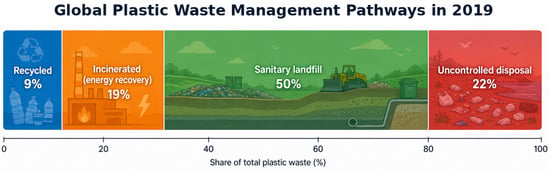
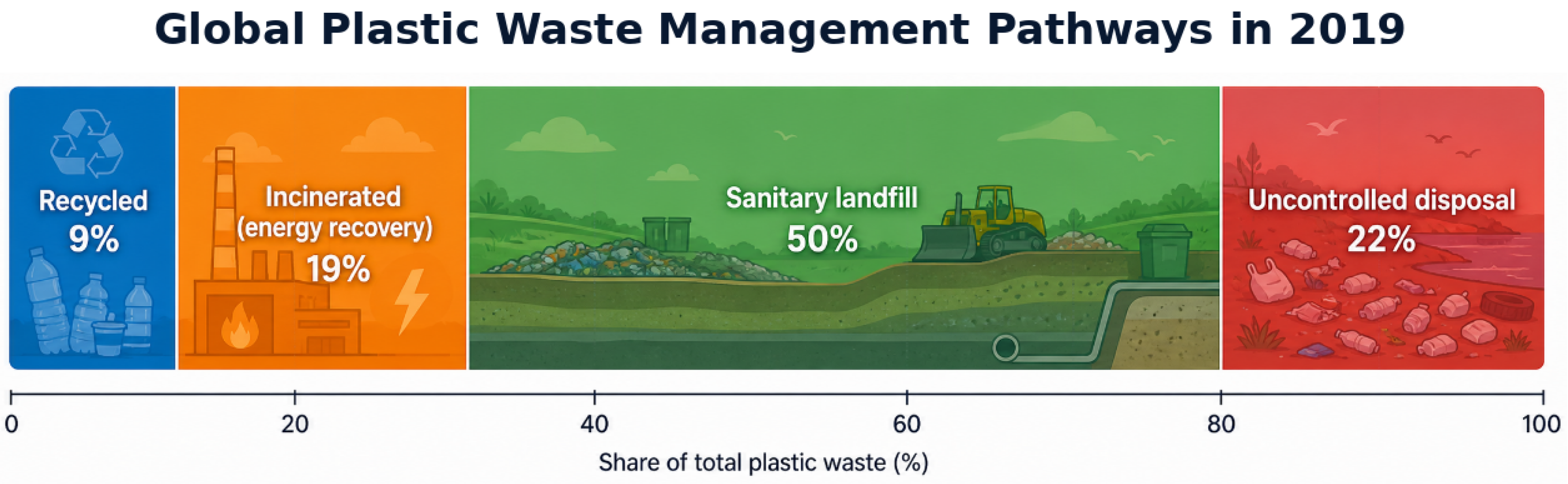
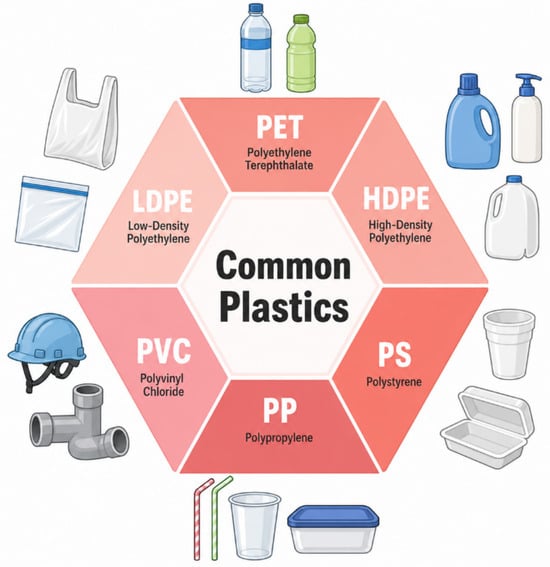
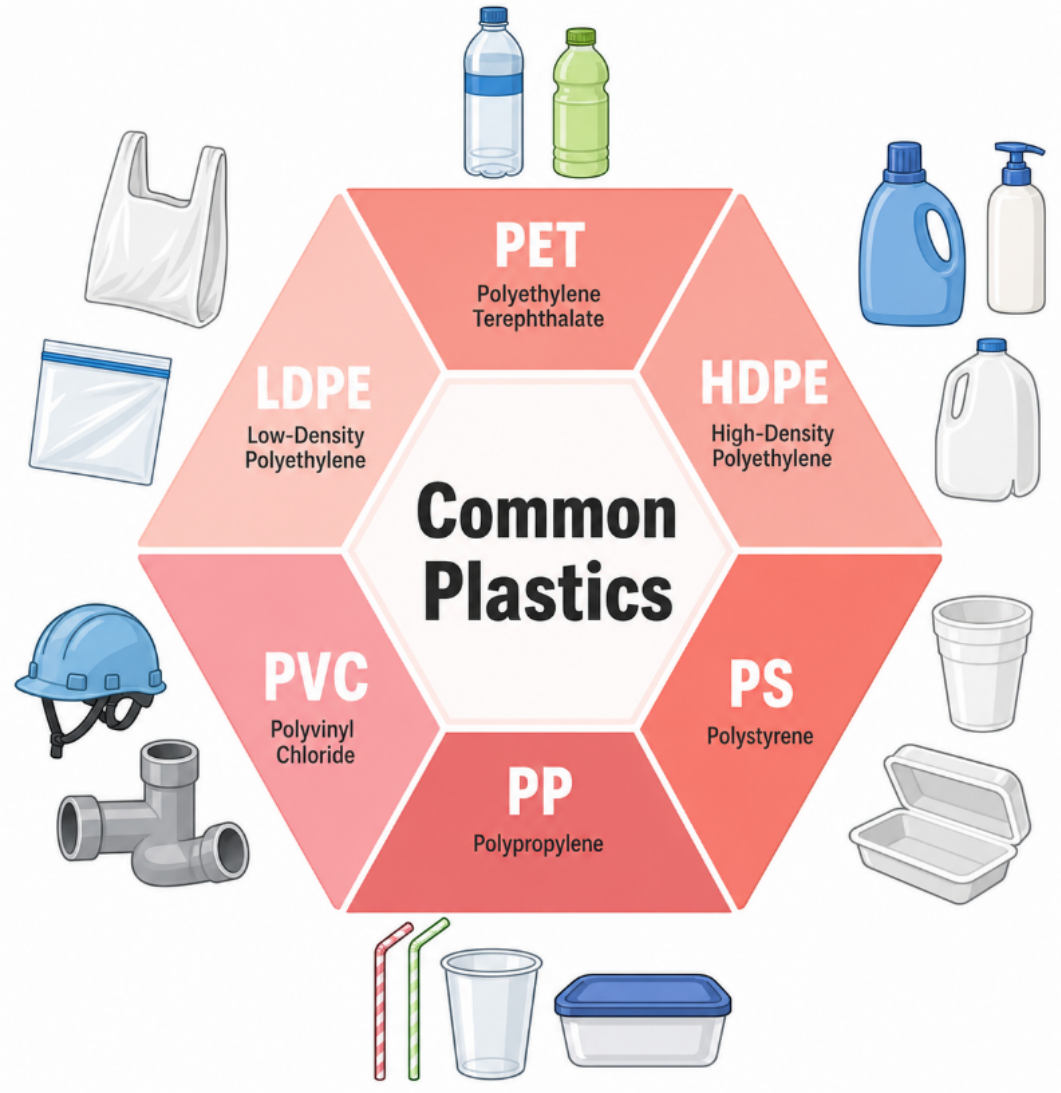
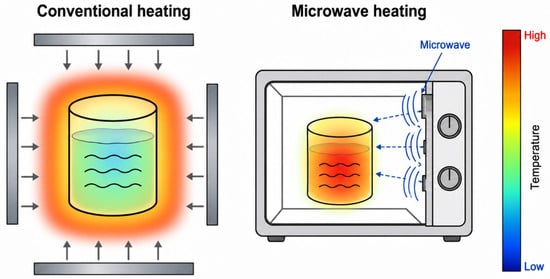
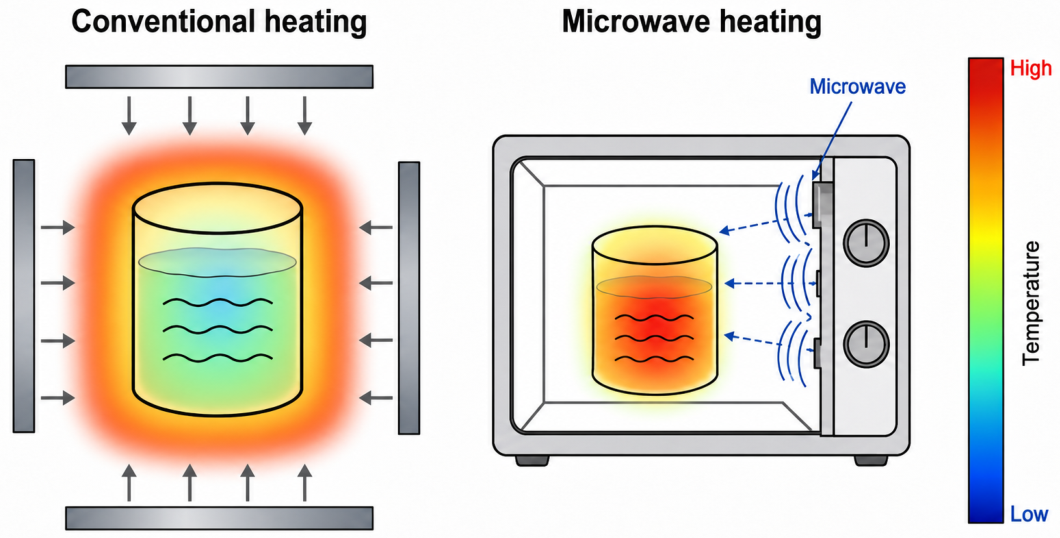
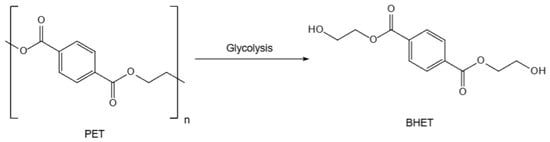
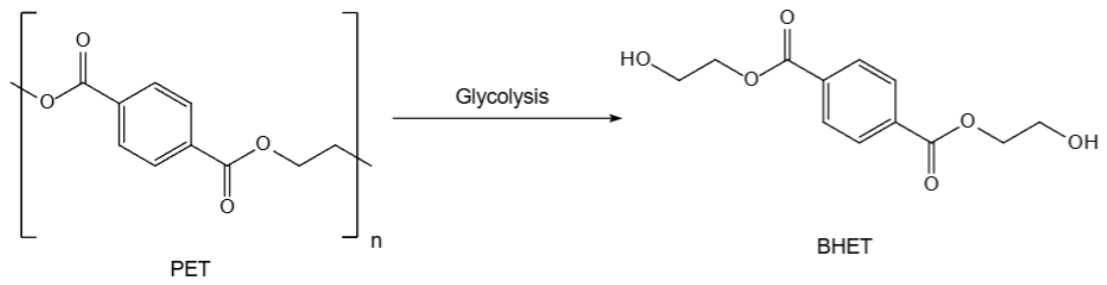
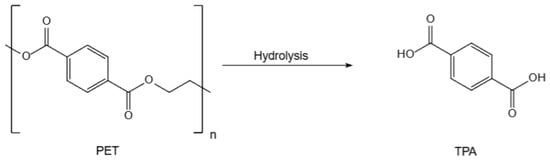
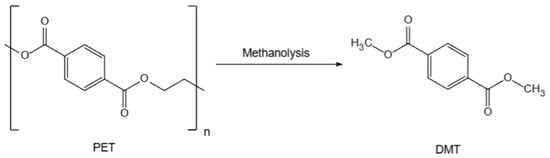
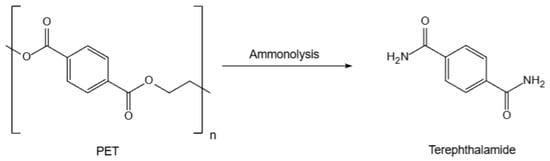
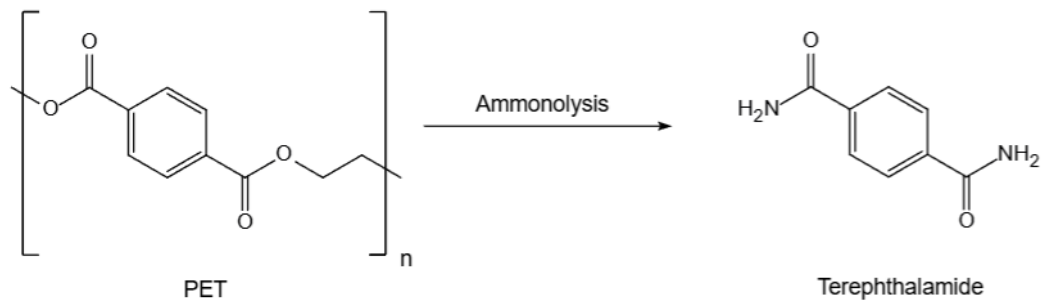
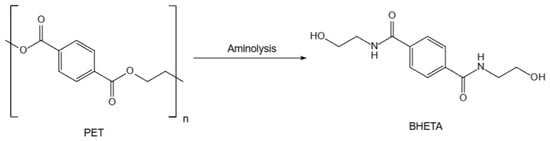
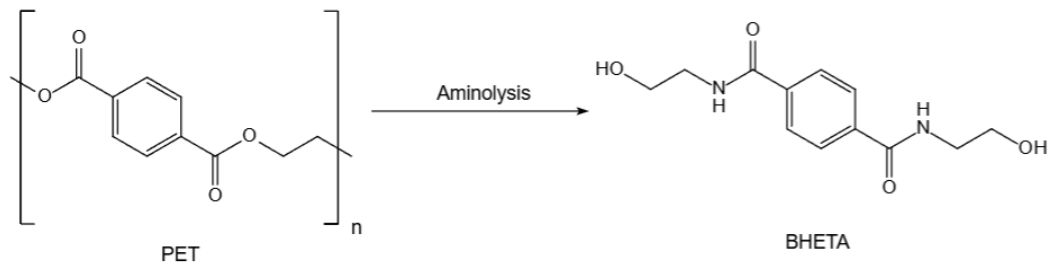

Disclaimer/Publisher’s Note: The statements, opinions and data contained in all publications are solely those of the individual author(s) and contributor(s) and not of MDPI and/or the editor(s). MDPI and/or the editor(s) disclaim responsibility for any injury to people or property resulting from any ideas, methods, instructions or products referred to in the content. |
© 2026 by the authors. Licensee MDPI, Basel, Switzerland. This article is an open access article distributed under the terms and conditions of the Creative Commons Attribution (CC BY) license.