


Abstract
In contemporary Information Technology (IT) enterprises, workforce role configuration decisions sit at the intersection of leadership strategy, corporate Artificial Intelligence (AI) transformation and sustainable operational governance. This study investigates how heterogeneous workforce role configurations affect Service Level Agreement (SLA) compliance in SLA-aware Business Process Model and Notation (BPMN) IT business processes, framing this as a people management and leadership decision problem with explicit Environmental, Social and Governance (ESG)-oriented trade-offs. A validated MATLAB Simulink simulation tool is employed to conduct structured scenario testing across combinations of human role configurations and AI maturity levels, measuring their impact on key Service Level Objectives (SLOs) and Key Performance Indicators (KPIs). To support leadership decision making, a Workforce Sustainability Index (WSI) is introduced that integrates SLA compliance with workforce cost and AI dependency risk, where AI dependency risk captures the social dimension of ESG by emphasizing workforce skill development, upskilling and reskilling pathways, human oversight and responsible AI adoption. The simulation results reveal that no universally optimal configuration exists; the best-performing workforce design depends on organizational context and leadership priorities, as captured through scenario-based weight configurations representing performance-driven, cost-driven, human-centric and balanced governance orientations. These findings provide IT leaders and organizational decision-makers with actionable, evidence-based guidance for sustainable workforce design in the context of corporate AI transformation, contributing to the broader discourse on people management, merit-based organizational performance, responsible AI governance and sustainable digital operations management.
1. Introduction
In contemporary IT enterprises, corporate AI transformation is increasingly pursued as a strategic imperative for productivity, service quality and competitive differentiation [1,2,3]. At the same time, IT operations remain governed by stringent SLAs and SLOs that codify performance expectations such as availability and response times [4,5,6,7,8]. This dual pressure introduces a leadership challenge that is both operational and socio-technical: decisions regarding how work is allocated across business process activities, whether executed by human roles, AI-enabled systems or hybrid human–AI teams, must satisfy measurable performance constraints while also supporting long-term organizational resilience and sustainability. These decisions are, at their core, people management decisions: they determine how human talent is deployed, how workforce skills are utilized and developed, how accountability is distributed between human and AI actors and how organizations balance the efficiency gains of AI augmentation against the imperative to preserve meaningful human roles and oversight. In practice, these decisions are not merely technical optimizations. They represent governance choices that shape workforce development and establish accountability structures across organizations. At the same time, they guide the responsible adoption of AI technologies. By doing so, they create a link between leadership strategy and operational governance mechanisms. This alignment ultimately reinforces the social and governance pillars of ESG commitments [9,10,11,12,13]. The Introduction proceeds as follows: The next paragraph situates the study within the SLA-aware BPM and BPMN literature, identifying the gap between aggregate resource modeling and activity-level workforce configuration analysis. The following paragraphs develop the corporate AI transformation and human–AI teaming dimensions, establishing the theoretical context for the AI maturity continuum and its people management implications. The sustainable leadership and ESG governance framing is then introduced, culminating in the formal statement of the research problem, the five research questions and the paper’s organizational structure.
A plethora of works has examined BPM and performance analysis in operational settings, including the use of BPMN as the standardized representation for workflows, roles and activity dependencies [6,14,15,16]. BPMN is widely used because it offers a transparent abstraction of how service delivery is structured and where bottlenecks, handoffs and control points occur, making it suitable for analyzing operational behavior under different resource assumptions. In parallel, research on performance-aware and SLA-aware processes has advanced methods to relate process execution to service-level constraints by associating activities, paths and resource allocations with performance outcomes and compliance measures. These approaches have contributed important insights into the conditions under which SLA compliance can be achieved, the sensitivity of outcomes to workload variation and the role of resource provisioning in maintaining service quality [17,18]. A structured methodological foundation for this transformation is provided by the interdepartmental SLA definition framework of [5,7,19]. This framework formalizes the pathway through which a conventional BPMN IT business process evolves into a fully operationalized SLA-aware process. In addition, it facilitates the integration of big data analytics, simulation techniques and AI capabilities into process management. Through this integration, organizations can achieve more accurate optimization of SLOs and KPIs. Moreover, the framework supports collaboration among multiple stakeholders within a shared governance structure. Consequently, it strengthens the alignment between operational performance objectives and broader governance requirements. Nevertheless, many SLA-aware analyses treat “resources” at a relatively aggregate level, focusing on capacity or generic service agents rather than explicitly representing heterogeneous workforce compositions that capture human seniority levels (say, junior, middle and senior roles), differentiated responsibilities and the evolving role of AI systems across maturity tiers. This aggregation obscures the people management dimension of SLA governance: different human seniority levels carry different skill profiles, availability characteristics and performance variability that have direct consequences for service delivery outcomes and workforce development trajectories. As AI capabilities continue to evolve and reshape organizational structures, understanding their implications for process performance becomes increasingly important. In this context, the effects of specific combinations of human seniority levels and AI maturity tiers on SLA outcomes at the level of individual process activities remain underexplored. Existing research has not yet fully examined the interaction between these factors and its impact on service performance. Consequently, this topic constitutes an emerging area of inquiry with significant implications for leadership and organizational governance.
A complementary stream of literature focuses on workforce planning and resource allocation in IT service environments, highlighting classical trade-offs between cost efficiency and reliability [20]. Workforce configurations—particularly the composition of human seniority levels and the degree of AI augmentation—carry significant people management effects: they affect skill utilization patterns, career development opportunities, knowledge transfer dynamics and the conditions under which employees can maintain meaningful oversight of AI-assisted process. Workforce studies often emphasize organizational-level staffing or team-level productivity without tightly coupling the analysis to process models that explicitly encode where and how roles intervene in the execution flow. This disconnect can limit the usefulness of the results for leaders who must decide, at the level of process design and execution governance, what role should perform which activity under SLA constraints. Similarly, although the emergence of AI-enabled tools has intensified interest in automation and augmentation, a significant portion of AI adoption research discusses benefits and risks at a strategic or functional level rather than providing activity-level evidence within SLA-constrained process execution.
Within the domain of corporate AI transformation, a growing consensus recognizes that AI capability should not be treated as a binary variable but rather as a continuum that evolves across maturity tiers. In contemporary organizational and information systems research, this stratified view of AI maturity is increasingly framing institutional advancement, with the degree of autonomy delegated to AI systems serving as the primary indicator of digital sustainability capacity [5,21,22,23]. Organizations typically progress through successive stages of AI adoption and integration. The initial stage is Tool-Based AI, where intelligent systems function as passive instruments under direct human control. This stage is followed by Assisted AI, in which algorithms generate recommendations that support human decision-making without assuming final authority [24,25]. Organizations may subsequently advance to Automated AI, which enables the independent execution of activities within narrowly defined procedural boundaries [26,27]. As AI capabilities mature further, Agentic AI emerges, allowing AI agents to autonomously set objectives, plan actions, adapt strategies, and act as process owners [28,29,30,31]. The most advanced stage is Organizational AI Governance, where multiple AI agents coordinate collectively and orchestrate portfolios of business processes. In this context, AI systems operate as a distributed management layer that supports organization-wide governance and decision-making processes [32]. This maturation has profound people management consequences: as AI autonomy advances, human roles are fundamentally redesigned—shifting from direct execution toward supervision, exception handling and governance oversight—with impacts on workforce skill requirements, training needs, job satisfaction and the preservation of human agency in organizational decision-making. The literature on human–AI teaming underscores that effective outcomes depend on carefully designed task allocations, appropriate human-in-the-loop mechanisms and clarity of responsibility. Recent frameworks further classify human–AI relationships into symbiotic, augmented, assisted and substituted intelligence configurations according to the degree of AI autonomy and human involvement. These classifications directly inform workforce role configuration decisions [33,34]. Yet, operational environments governed by SLAs add an additional layer of complexity, as performance thresholds are explicit and failure carries contractual and reputational consequences. Consequently, the human–AI continuum must be evaluated not only through perceptions of usefulness or adoption rates, but also through measurable impacts on SLA compliance and operational resilience under realistic conditions of role reconfiguration.
These considerations connect directly to sustainable leadership, which emphasizes decision-making that balances short-term performance objectives with long-term organizational viability and resilience. In SLA-constrained IT operations, sustainability is not merely an abstract aspiration; it can be operationalized in terms of a process’s ability to meet defined performance thresholds reliably while remaining adaptable under changing workforce conditions [5]. In this sense, resilience refers to the capacity to maintain service performance despite variability in role availability, shifts in skill composition and evolving AI capabilities. Therefore, a sustainable leadership approach must be capable of managing performance, cost and risk simultaneously, while accounting for the broader societal and governance implications of workforce transformation. This is where ESG-oriented governance becomes essential. The social dimension is implicated by how AI dependency affects workforce skill development, upskilling and reskilling pathways, job redesign and the preservation of meaningful human oversight [35,36,37]. The governance dimension is implicated by accountability, auditability and control mechanisms that ensure responsible AI adoption, including safeguards against overreliance, deskilling and opaque decision-making. Taken together, these social and governance dimensions position workforce role configuration not merely as an operational decision but as a people management responsibility with direct effects for employee well-being, skill sustainability, organizational culture and the ethical conduct of AI-enabled enterprises. Despite increased attention to responsible AI and ESG reporting, there remains a gap in decision-support approaches that translate these considerations into operational metrics that can be evaluated alongside SLA compliance and cost at the process level [38].
Motivated by these gaps, this study frames workforce role configuration as a people management and leadership decision problem in SLA-aware BPMN IT business processes with explicit ESG-oriented performance trade-offs. Specifically, it investigates how heterogeneous workforce role configurations, including varying human seniority roles and AI maturity tiers, affect SLA compliance and associated performance indicators in processes where service delivery is explicitly governed by SLO and KPI thresholds. Sustainability is operationally defined as the capacity of IT business processes to consistently satisfy SLA-defined performance thresholds for key SLOs, including availability and response times, under varying workforce configurations, while remaining adaptable to role reconfigurations over time [5]. This operational definition is intentionally aligned with the realities of IT operations, where leaders must ensure stable service performance while continuously adapting organizational roles in response to technological change, market demands and governance requirements.
To examine these issues with process-level granularity and under controlled variation, the study employs a validated MATLAB Simulink simulation tool to conduct structured scenario testing across combinations of human–AI role configurations and AI maturity levels [5]. The simulation design enables systematic evaluation of how alternative human–AI allocations influence key SLOs and broader KPIs under comparable conditions. Building on this evidence base, the paper introduces a WSI as a people management and leadership-oriented composite measure that integrates SLA compliance with workforce cost and AI dependency risk. Importantly, AI dependency risk is conceptualized to reflect the social and governance dimensions of ESG by emphasizing workforce skill development, the preservation of effective human oversight and the responsible adoption of AI in operational settings. This integration is intended to support sustainable leadership decision-making in contexts where optimizing a single objective is insufficient and where governance trade-offs must be made explicit rather than implicit.
The analysis further acknowledges that leadership priorities vary across organizations and over time. Accordingly, the study evaluates multiple governance orientations through scenario-based weight configurations that represent performance-driven, cost-driven, human-centric and balanced governance perspectives. Each orientation encodes a distinct people management philosophy that shapes how organizations invest in human talent, design AI-augmented roles and balance workforce accountability against operational efficiency. This approach allows the investigation of a critical practical question: whether a universally optimal workforce configuration exists or whether “best” configurations are contingent on organizational context, AI maturity and leadership values. The simulation results demonstrate that no single configuration dominates across all contexts; instead, preferred workforce designs emerge as a function of the chosen governance orientation and the relative importance assigned to performance, cost and ESG-aligned risk. These findings underscore the need for leadership frameworks that treat workforce and AI role allocation as a people management and multi-criteria governance decision rather than a purely technical optimization.
This paper addresses the following research questions:
- Q1: To what extent do specific combinations of human seniority levels and AI maturity tiers, which are evaluated at the level of individual BPMN IT process activities, shape SLA compliance outcomes beyond the generalized simulation results established in [5], and what additional governance insights emerge from this activity-level analysis?
- Q2: How can sustainability be operationally defined in the context of SLA-constrained IT business processes with explicit workforce role configurations, extending the foundational definition introduced in [5] to encompass the adaptability and resilience dimensions introduced by human seniority and AI maturity variability?
- Q3: How can ESG-oriented performance trade-offs be systematically captured through a composite WSI that integrates SLA compliance, workforce cost and AI dependency risk, reflecting the social and governance dimensions of ESG, so as to provide a structured basis for evaluating alternative workforce role configurations?
- Q4: Under what conditions does a specific workforce role configuration emerge as optimal, and how do competing leadership orientations—performance-driven, cost-driven, human-centric and balanced—shape the relationship between workforce design choices and sustainable operational outcomes?
- Q5: What actionable, simulation-based guidance can be provided to IT leaders and organizational decision-makers pursuing corporate AI transformation while navigating ESG-oriented performance trade-offs and maintaining responsible AI governance and sustainable digital operations management?
The remainder of this paper is organized as follows. Section 2 reviews the theoretical and methodological foundations underpinning this study, including the interdepartmental SLA definition framework, SLA-aware BPMN IT process governance, MATLAB Simulink Simulation Tool, AI maturity frameworks and human–AI teaming. This section establishes the conceptual links between AI transformation and core human resource management constructs, including workforce configuration, role allocation and sustainable leadership perspectives that frame human–AI collaboration. Section 3 presents the materials and methods adopted in this study. This section describes the simulation environment and the validated MATLAB Simulink foundation on which the analysis is based. It also presents the workforce role configuration scenarios that combine different human seniority levels with varying AI maturity tiers. In addition, the section introduces the ESG-oriented sustainability framework that provides the context for examining the governance trade-offs addressed in this study. Attention is given to the ways in which different human–AI workforce configurations represent alternative organizational design choices. These configurations also reflect distinct approaches to workforce management within AI-enabled transformation initiatives. The analysis highlights how decisions regarding the allocation of human and AI responsibilities can influence both operational performance and governance outcomes. Central to this section is the formal definition of the WSI which serves as the primary analytical instrument through which all scenario comparisons, leadership orientations and performance trade-offs are evaluated throughout the paper. WSI is further positioned as a management-oriented governance tool that links workforce structure, leadership priorities and ESG-aligned performance outcomes. Section 4 reports the simulation and numerical results across all human–AI role configurations and leadership orientations, analyzing the impact of human seniority levels and AI maturity tiers on SLA compliance and WSI outcomes. Beyond technical performance evaluation, this section explicitly examines how different workforce configurations influence organizational effectiveness, employee role distribution and leadership decision-making in human–AI environments. Section 5 discusses the implications of the findings for sustainable leadership and ESG-oriented operational governance, with particular attention to research questions Q1–Q5 concerning leadership trade-offs and corporate AI transformation. The discussion further elaborates on the implications for human resource management, including workforce structuring, performance management, role redefinition and the integration of responsible AI governance principles into managerial practice. Section 6 identifies limitations of the present study and proposes directions for future research. These limitations and future directions are explicitly framed in terms of advancing people management, workforce governance and sustainable leadership research in AI-enabled organizational contexts. Section 7 concludes this paper. The conclusions synthesize the study’s contributions with emphasis on its relevance for human resource management, organizational design and leadership in Ai-driven business environments.
2. Theoretical Framework: Interdepartmental SLA Definition Framework, SLA-Aware BPMN IT Process Governance, MATLAB Simulink Simulation Tool, AI Maturity Frameworks and Human–AI Relationship
This section establishes the foundations of the study by integrating four complementary streams of knowledge. First, the interdepartmental SLA definition framework provides the governance environment within which SLA-aware BPMN IT business processes are defined, monitored and continuously improved, while also supplying the performance compliance metrics that underpin the WSI. Second, the validated MATLAB Simulink simulation framework provides the modeling and analytical infrastructure used to evaluate alternative workforce configurations. Third, AI maturity frameworks offer the conceptual basis for classifying AI-enabled workforce roles across different levels of autonomy. Fourth, human–AI teaming theory provides the leadership and governance perspective necessary to interpret workforce allocation decisions within a broader sustainability and ESG context. Together, these foundations support the development of the WSI and the simulation-based governance analysis presented in this paper.
2.1. Interdepartmental SLA Definition Framework
This subsection provides a concise overview of the interdepartmental SLA definition framework [7,19], which constitutes the governance foundation upon which the simulation-based analysis of this paper is built. As illustrated in Figure 1, the framework delineates the structured transformation pathway through which a conventional BPMN IT business process evolves into a fully operationalized SLA-aware BPMN IT process, from the initial management decision through to its operation and execution phase. Throughout this transformation, internal departments and external partners converge to collaboratively define the SLA governing the target process, with the Decision Group overseeing the specification, optimization and finalization of SLOs and KPIs for inclusion in the signed SLA.
Figure 1.
The interdepartmental SLA definition framework for a BPMN IT business process (reproduced with permission from [7]).
Central to the framework is the simulation module, which is shown in yellow in Figure 1, that benchmarks and improves SLO/KPI scenarios by exploiting current and desired performance targets, stakeholder proposals and extended BPMN process diagrams, enabling safe negotiation and rapid experimentation prior to live deployment. The framework relies on big data analytics, simulation and AI to ensure accurate optimization of SLOs and KPIs as well as their continuous refinement [5,7,19]. For fine-tuning purposes, the big data analytics infrastructure embedded within the framework serves as the primary source of operational information during the execution phase. It enables the systematic exploitation of SLA compliance metrics through continuous data collection and analysis. This capability supports more accurate performance evaluation and strengthens the findings of the WSI presented in Section 3.4. As a result, the framework enhances the reliability of workforce configuration assessments and their associated SLA outcomes.
From a sustainability perspective, the interdepartmental SLA definition framework enables proactive, evidence-based decision-making and anticipatory risk mitigation prior to deployment, minimizing irreversible resource expenditure. Its AI integration follows a stratified maturity continuum from Tool-Based and Assisted AI to Automated, Agentic and Organizational AI Governance tiers thus accommodating both current embedded AI functionality and structured escalation toward higher autonomy levels depending on the governance maturity of the adopting organization [5].
2.2. MATLAB Simulink Simulation Tool
The MATLAB Simulink Simulation Tool of [5] constitutes a visual, modular extension of the MATLAB/Octave simulation methodology established in [8], transitioning from a code-based execution environment to a graphical block diagram interface that significantly lowers the technical barrier for process modeling and simulation of SLA-aware BPMN IT business processes. Beyond its technical capabilities, the tool operationalizes sustainable SLA-aware BPMN IT process governance by embedding SLA compliance evaluation through the formally defined SLOs and KPIs of [7,8] directly into the simulation architecture, enabling continuous monitoring, structured scenario testing and evidence-based governance of IT business processes against service-level guarantees in a sustainability-oriented manner. This governance-oriented perspective ensures that the validated MATLAB Simulink Simulation Tool serves not merely as a simulation instrument. Rather, it provides a structured decision-support environment for evaluating alternative process configurations, workforce role allocations and AI-driven interventions. These elements can be systematically assessed against established SLA performance thresholds. Such assessments enable evidence-based decision-making and support the identification of optimal operational arrangements. Moreover, the framework facilitates the examination of governance implications before deployment in real operating environments. As a result, it strengthens long-term operational resilience and advances the objectives of sustainable digital governance.
The MATLAB Simulink Simulation Tool is built upon MATLAB Simulink that is a graphical programming environment integrated with MATLAB, designed for modeling, simulating and analyzing dynamic systems [39,40]. Each BPMN construct, encompassing extended BPMN basic elements, SLA/SLO/KPI specifications and supporting simulation components, is represented by a corresponding MATLAB Simulink module, with complex logic, conditional behavior and mathematical computations implemented through customizable MATLAB function blocks. This modular architecture enables detailed modeling of both structural and behavioral aspects of BPMN constructs without requiring manual code development, while fully leveraging the computational robustness of MATLAB.
The complete set of MATLAB Simulink modules available in the MATLAB Simulink Simulation Tool is catalogued in Table 3 of [5], organized by BPMN construct type and classified according to the MATLAB/Octave code fragment categories of [8]. The MATLAB Simulink Simulation Tool operates through two interconnected MATLAB Simulink files: (i) The file Process.slx implements the SLA-aware BPMN IT business process using modules (1.1)–(1.5) and supporting modules (S.1)–(S.9) of Table 3 of [5]. Upon simulation completion, it generates two output vectors: TotalAvailability, which records for each simulation run whether the BPMN IT business process completed successfully within the defined availability threshold, and TotalDuration, which records the total end-to-end process duration for each successful simulation run. (ii) The file SLA.slx retrieves the TotalAvailability and TotalDuration vectors from the MATLAB workspace and evaluates SLA compliance through the KPI modules (2.1)–(2.5) of Table 3 of [5]. In [5], SLO A computes the percentage of simulation runs in which the overall process availability meets or exceeds the defined availability target; SLO B1 computes the percentage of successful simulation runs in which the total process duration remains at or below an upper response time threshold; and SLO B2 computes the percentage of successful simulation runs in which the total process duration remains at or below a more stringent response time threshold, thereby capturing tail compliance behavior. Graphical progress outputs for SLO A, SLO B1 and SLO B2 are produced as defined in Table 2 of [5]. Representative module configurations for the Activity and Gateway modules are illustrated in Figures 2 and 3 of [5]. Figure 2a,b of the present paper, which are reproduced from Figure 3a,b of [5], respectively, present representative implementations of the SLO A and SLO B modules within the MATLAB Simulink Simulation Tool, illustrating how SLA compliance may be computed and graphically presented for SLO A, SLO B1 and SLO B2. Both Figures employ color-coded annotations to support interpretation: cyan denotes input data flows, green counter configuration parameters, purple flag-module activation conditions and pink plot-based graphical outputs. A comprehensive technical specification of the MATLAB Simulink Simulation Tool modules, including their functions, input/output structures and code-level integration, is provided in Appendix A of [5].
Figure 2.
Example module integration of SLOs in the MATLAB Simulink Simulation Tool, as implemented in the MATLAB Simulink file SLA.slx of [5]. (a) SLO A. (b) SLOs B1 and B2 (reproduced with permission from [5]).
The MATLAB Simulink Simulation Tool is freely distributed as Supplementary Material of [5]. The simulation package includes the files Library.slx, Process.slx and SLA.slx. Together, these files constitute a reproducible simulation asset designed for sustainable SLA-aware BPMN IT process governance. The tool enables organizations to model business processes within a structured simulation environment. It also supports the continuous monitoring and evaluation of process performance. More specifically, organizational performance can be assessed against formally defined service-level guarantees. This capability facilitates a systematic and evidence-based approach to process analysis and decision-making. Furthermore, the simulation environment supports the assessment of governance and operational alternatives before their implementation. As a result, it promotes sustainability-oriented process management and contributes to the effective governance of SLA-aware business processes. The validated MATLAB Simulink Simulation Tool constitutes the governance and simulation infrastructure for evaluating SLA compliance across alternative human–AI workforce configurations. Through WSI-based analysis, its modular architecture enables the comparison of human seniority structures and progressively autonomous AI substitutions and augmentations prior to deployment. The AI maturity framework introduced subsequently provides the conceptual foundation for their systematic classification within a sustainable governance and operational resilience context.
2.3. AI Maturity Frameworks
Building on the governance infrastructure established by the interdepartmental SLA definition framework and the simulation capabilities of the MATLAB Simulink Simulation Tool reported in Section 2.1 and Section 2.2, respectively, this subsection introduces the AI maturity framework that provides the conceptual foundation for classifying and comparing AI-driven workforce configurations across progressively autonomous tiers. As formally developed in [5], the adoption of AI within IT business processes is not adequately described by a binary distinction between AI-enabled and AI-absent configurations. Instead, a stratified view of AI maturity has emerged, in which the degree of autonomy delegated to AI systems serves as the primary indicator of institutional advancement and digital sustainability capacity [21,22,23].
Five discrete AI maturity tiers are recognized in [5]:
- Tool-Based AI, at the most foundational level, operates as a passive instrument executing predefined commands under direct human control, with no capacity for independent judgment or adaptive behavior.
- Assisted AI introduces algorithmic recommendations and predictions that support human decision-making without assuming final authority. Assisted AI enhances consistency and responsiveness while preserving human oversight [24,25].
- Automated AI enables the independent execution of activities and gateways within narrowly defined procedural boundaries, typically triggered by event-based mechanisms. Automated AI still operates under human-defined rules and constraints [26,27].
- Agentic AI marks a paradigmatic shift, endowing AI agents with the capacity to autonomously set SLOs in agreement with the interdepartmental SLA definition framework, plan multi-step actions, adapt strategies, act as process owners and iteratively optimize process outcomes, thereby functioning analogously to digital employees within a concentrated AI management layer [28,29,30,31].
- Organizational AI Governance, at the highest tier, enables AI agents to not only act autonomously within individual IT processes but also coordinate collectively, negotiate resources and orchestrate a portfolio of SLA-aware BPMN IT business processes. Organizational AI governance effectively forms a distributed AI management layer that supports systemic sustainability and adaptive enterprise governance [32].
This progression from passive tool to autonomous governance agent reflects a fundamental transition in the nature of sustainable leadership and corporate AI transformation: as AI maturity advances, the locus of decision-making authority shifts progressively from human executors to AI systems, with human leaders assuming supervisory, validation and governance oversight roles—a transformation encapsulated in [5] as the shift “from process workers to process watchers”. Within SLA-aware BPMN IT business processes, this transition carries direct implications for sustainable process governance; the manner in which autonomy is delegated across AI maturity tiers determines not only operational performance but also the long-term resilience, adaptability and ESG alignment of the organization’s digital operations. Importantly, AI maturity does not operate in isolation: its governance implications are inherently shaped by the human workforce configurations alongside which it is deployed. The seniority composition of human actors directly influences the baseline values of availability probability , duration mean and duration standard deviation at the activity level, and it is the interaction between these human-driven baselines and the parameter improvements introduced by progressively higher AI maturity tiers that determines the ultimate SLA compliance profile of the process. This observation motivates the systematic study of varying human seniority mixes in combination with AI maturity tiers as a joint leadership decision problem.
In the context of the present study, this maturity continuum directly informs the specification of workforce configuration scenarios. The validated MATLAB Simulink Simulation Tool provides a unified framework for operationalizing both human seniority configurations and AI maturity tiers. Within this framework, human and AI capabilities are represented through a common parameter space. Human seniority levels establish the baseline performance characteristics of process activities. AI maturity tiers, in turn, introduce parameter improvements associated with increasing levels of technological capability and autonomy. These two dimensions are treated as complementary rather than independent components of process execution. Consequently, they can be jointly configured and evaluated within the same simulation environment. This approach enables the systematic examination of alternative workforce arrangements and their effects on SLA performance outcomes. Furthermore, it supports the analysis of governance decisions concerning the allocation of responsibilities between human employees and AI systems. As a result, the framework facilitates evidence-based assessments of workforce design strategies under AI-enabled transformation conditions. The combined impact of these configurations on SLA compliance and WSI outcomes is systematically evaluated in Section 4. Crucially, however, the governance repercussions of these parameter modifications extend beyond their technical outcomes: they reshape the allocation of roles, responsibilities and accountability between human and AI actors in ways that entail organizational and ESG-oriented sustainability effects. It is precisely this intersection of AI maturity, human seniority, role allocation and sustainable governance that the following subsection addresses through the lens of human–AI teaming theory, situating workforce configuration choices within a broader organizational context and providing the leadership framework through which the simulation findings of this paper are interpreted.
2.4. Human–AI Teaming
The governance implications of human–AI role allocation have been systematically examined in the human–AI teaming literature, which has evolved from early instrumental delegation models toward more sophisticated co-creation and teaming architectures. A foundational distinction in this domain is between the human-in-the-loop configuration, wherein human participation is necessary for system functioning through active decision involvement or action authorization and the human-on-the-loop configuration, wherein human monitoring is optional while allowing for possible intervention [33]. Singh and Szajnfarber proposed a more nuanced taxonomy that distinguishes Human-in-the-Loop, Human-on-the-Loop, Human-over-the-Loop, Human-under-the-Loop and Human-along-the-Loop configurations [41], each implying different relationships in terms of power, responsibility and interaction rate between humans and AI systems. Human-over-the-Loop positions humans in authority over system goals and constraints; Human-under-the-Loop describes AI systems influencing or controlling human behavior; and Human-along-the-Loop describes humans and AI performing related tasks in parallel with lateral interaction [41]. The choice among these configurations depends on multiple factors, including the stakes involved in decisions, the reliability of AI components, regulatory requirements and the availability of qualified human operators [42], with high-stakes applications typically requiring stronger human control mechanisms to ensure safety and accountability [43].
Building on and extending these foundational distinctions, ref. [34] proposes a two-dimensional conceptual framework that classifies human–AI relationships along two axes: AI autonomy and human involvement, the two poles of sociotechnical interaction as operationalized by Zhang et al. [44]. The intersection of these axes yields four intelligence archetypes: symbiotic, augmented, assisted and substituted intelligence. These four intelligence archetypes capture distinct modes of sociotechnical interaction ranging from configurations in which AI operates as a tool under human supervision to collaborative scenarios where humans and AI systems co-evolve through shared agency [34]. This typology integrates partial perspectives from the literature including co-creation [45], collaborative intelligence [46] and levels of integration [47] within a coherent relational structure, enabling a unified conceptual vocabulary for analyzing human–AI relationships [34]. These archetypes are not mutually exclusive and may coexist within a single organization depending on the type of process, operational context or strategic objective [34]. While this relational typology offers valuable conceptual richness for understanding the full complexity of human–AI interaction, including its bidirectional, adaptive and evolving dimensions [48,49], its flexibility also introduces analytical challenges when the objective is to evaluate workforce configurations in a structured, comparable and operationally traceable manner.
In contexts where IT business processes are governed by explicit SLA performance thresholds and where workforce design decisions must be systematically benchmarked against measurable compliance outcomes, a more structured analytical lens is required. For this purpose, maturity-based progressive models—such as those proposed by Microsoft [50], Deloitte [51] and Gartner [52]—which depict AI capability development as a sequence of discrete and progressively autonomous integration stages [5,44,53] offer a more tractable and operationally compatible framework. Although such models have been criticized for oversimplifying the relational complexity of human–AI interaction [34], they remain valuable for analytical and simulation purposes. Their stage-based structure provides a clear framework for the development of simulation-ready workforce configuration scenarios. Within this framework, each AI maturity tier, ranging from Tool-Based AI to Organizational AI Governance, can be associated with specific and quantifiable parameter modifications. These modifications capture the progressive effects of increasing AI capability and autonomy on process execution. Consequently, AI maturity levels can be systematically represented within the simulation environment. This approach facilitates direct comparison across alternative workforce configurations. It also enables the assessment of different governance orientations under consistent evaluation conditions. As a result, the framework supports a structured examination of how varying combinations of human and AI capabilities influence SLA performance and organizational governance outcomes.
In the context of the present study, the maturity-based progressive framework adopted here provides the operational foundation for constructing human–AI workforce configuration scenarios that combine human seniority levels with AI maturity tiers in a structured and simulation-ready manner. Each scenario is defined by a specific pairing of a human role configuration ranging from junior to senior or mixed team compositions with an AI maturity tier drawn from the five-level continuum established in Section 2.3. Representative combinations include Junior + Tool-Based AI, where a less experienced workforce operates alongside passive AI instruments; Senior + Assisted AI, where expert human judgment is supported by algorithmic recommendations; Mixed Team + Automated AI, where a heterogeneous workforce delegates routine execution to automated triggers; Junior + Agentic AI, where limited human seniority is compensated by high AI autonomy; and Senior + Agentic AI, where experienced human governance oversight is combined with self-optimizing AI agents. Beyond these representative cases, the framework accommodates a broader combinatorial space of human–AI configurations, reflecting the diversity of real-world organizational contexts and leadership orientations. Across all configurations, differences in human seniority and AI maturity tier are expected to produce systematically different values of availability probability , duration mean and duration standard deviation at the activity level, which in turn translate into different SLA compliance outcomes as measured through SLO A, SLO B1 and SLO B2. These performance differences, combined with the workforce cost and AI dependency risk implications of each configuration, yield distinct WSI values that enable structured, evidence-based comparison across governance orientations. The theoretical foundations established in this section, which span the interdepartmental SLA definition framework, the MATLAB Simulink Simulation Tool, the AI maturity framework and the human–AI teaming typology, collectively converge in the materials and methods of Section 3, where the workforce configuration scenarios are formally specified, the ESG-oriented sustainability framing is operationalized and the WSI is formally defined as the primary analytical instrument through which all role configurations, leadership orientation scenarios and performance trade-offs are evaluated throughout the paper.
3. Materials and Methods: Simulation Environment, Workforce Role Configuration Scenarios, ESG-Oriented Sustainability Framing and WSI Definition
Building on the foundations established in Section 2, this section presents the Materials and Methods framework adopted for the simulation-based leadership analysis. It describes the simulation environment, workforce role configurations, ESG-oriented sustainability context, and the mathematical formulation of the Workforce Sustainability Index (WSI), which integrates SLA compliance, workforce cost and AI dependency risk. Together, these elements constitute the analytical framework used to generate and evaluate the results presented in Section 4.
3.1. Simulation Environment and MATLAB Simulink Foundation (SLA Compliance)
The simulation environment of the present study is built exclusively upon the validated MATLAB Simulink Simulation Tool of [5]. As established in Section 2.2, the tool operationalizes sustainable SLA-aware BPMN IT process governance through a modular, graphical simulation infrastructure that directly extends the MATLAB/Octave simulation methodology of [8]. By design, the tool supports the modeling and simulation of diverse SLA-aware BPMN IT business processes through the configuration of process-specific modules drawn from the Library.slx repository, enabling its application across a broad range of organizational contexts and process topologies. For each scenario, 100,000 simulation runs are executed to capture the probabilistic behavior of the SLA-aware BPMN IT business process, ensuring statistical significance and stable SLA metrics across all evaluated configurations. This large-scale experimentation is essential for the reliable estimation of SLA compliance that is the primary performance dimension of the present study. This estimation is derived directly from the simulation outputs TotalAvailability, recording whether each simulation run completed successfully within the defined availability threshold, and TotalDuration, recording the total end-to-end process duration for each successful run, generated by the file Process.slx. These simulation outputs are subsequently retrieved by the file SLA.slx, which functions as the monitoring and evaluation layer, incorporating the SLA specification comprising SLOs A and B and their respective KPIs as defined in Table 2 of [5], consistent with the operational settings established in [7] and adopted in [5]. These two categories of SLOs are evaluated across all workforce configuration scenarios. SLO A is an availability-oriented objective that assesses whether the overall process availability meets or exceeds a defined target threshold, reflecting the capacity of the process to complete successfully under the stochastic conditions of the simulation. SLO B is a response time-oriented objective that evaluates whether the total process duration remains within prescribed time thresholds across a sufficient proportion of simulation runs, capturing both typical performance compliance through SLO B1 and tail compliance behavior through SLO B2. The graphical progress outputs for all three SLOs are generated through the Plot modules of SLA.slx, as illustrated in Figure 2a,b. The resulting SLA compliance metrics—specifically the percentage of simulation runs satisfying SLO A, SLO B1 and SLO B2 in this paper—constitute the performance foundation upon which the WSI is constructed, as formally defined in Section 3.4, where they are integrated with workforce cost proxy and AI dependency risk to yield a composite, ESG-oriented governance instrument for comparing alternative workforce configurations and leadership orientations.
The complete simulation asset that comprises Library.slx, Process.slx and SLA.slx is freely available as Supplementary Material of [5] and constitutes the reproducible computational foundation upon which all workforce role configuration scenarios and WSI-based analyses of this paper are conducted, as formally specified in the following subsection.
3.2. Workforce Role Configuration Scenarios (Workforce Cost Proxy)
This subsection formally specifies the workforce role configuration scenarios examined in this study, grounded in the human–AI teaming typology and AI maturity framework established in Section 2. Each scenario is defined by the intersection of two dimensions: a human seniority configuration and an AI maturity tier, yielding a combinatorial space of human–AI workforce designs whose SLA compliance implications are systematically evaluated through the simulation environment described in Section 3.1. A direct outcome of this specification is the derivation of the workforce cost proxy that is the second component of the WSI formally defined in Section 3.4 and captures the relative economic burden of each configuration through salary band differentials between seniority levels and the training and integration costs associated with progressively higher AI maturity tiers.
3.2.1. Human–AI Workforce Role Configurations
Drawing on the five AI maturity tiers of Section 2.3 and the human seniority levels informed by the human–AI teaming literature of Section 2.4, workforce role configurations are specified along two dimensions. The human seniority dimension captures the experience and expertise profile of the human workforce assigned to process activities, ranging from entry-level configurations, which are characterized by higher baseline values of duration mean and duration standard deviation and lower availability probability , through intermediate mixed team compositions, to senior expert configurations characterized by lower and and higher . In practice, any organization-specific seniority profile can be mapped onto this parameter space, reflecting the diversity of real-world workforce compositions across IT enterprises. Each human seniority configuration is paired with an AI maturity tier—Tool-Based, Assisted, Automated, Agentic or Organizational AI Governance—which introduces incremental improvements to the baseline parameter values, as established in Section 2.3. For the purposes of this study, five representative configurations are examined, reflecting key positions along the human–AI teaming spectrum:
- Junior + Tool-Based AI: limited human experience combined with passive AI instrumentation, representing the lowest combined performance baseline;
- Senior + Assisted AI: expert human judgment supported by algorithmic recommendations, preserving strong human oversight while introducing modest AI-driven parameter improvements;
- Junior + Agentic AI: limited human seniority compensated by high AI autonomy, representing a high AI dependency configuration with strong parameter improvements;
- Senior + Agentic AI: experienced human governance oversight combined with self-optimizing AI agents, representing the highest combined performance configuration;
- Mixed Team + Automated AI: a heterogeneous workforce with automated execution of routine activities, balancing human diversity with procedural AI support.
These five configurations do not exhaust the combinatorial space of possible human–AI workforce designs; rather, they constitute a representative selection that spans the full range of the human–AI teaming spectrum from assisted to substituted intelligence, as defined in [34], and from Tool-Based to Agentic AI maturity, as defined in [5].
3.2.2. Leadership Orientation Scenarios
The evaluation of workforce role configurations is further contextualized through four leadership orientation scenarios that reflect the diversity of sustainable governance, organizational priorities and strategic contexts within which IT leadership decisions are made:
- Performance-Driven: characteristic of organizations operating critical IT services with high availability requirements, such as banking and healthcare IT, where SLA compliance takes clear precedence over cost and AI risk considerations;
- Cost-Driven: characteristic of organizations with constrained budgets, such as SMEs and public sector entities, where workforce and AI investment costs are the primary governance constraint;
- Human-Centric: characteristic of IT environments where human expertise, judgment and accountability are paramount, such as legal IT and consulting, where AI dependency risk is weighted heavily against the potential performance gains of higher AI autonomy;
- Balanced: characteristic of general IT business process environments where no single governance dimension dominates, representing a default equilibrium across performance, cost and AI risk considerations.
3.2.3. Combined Scenario Matrix and Workforce Cost Proxy
The full analytical matrix of this study is formed by the intersection of the five human–AI workforce role configurations and the four leadership orientation scenarios, yielding twenty evaluation cells. For each cell, the simulation environment of Section 3.1 produces SLA compliance metric, which is combined with the workforce cost proxy and AI dependency risk values associated with each configuration to compute the WSI as formally defined in Section 3.4. The workforce cost proxy captures the relative economic burden of each workforce role configuration and constitutes the second component of the WSI. Its specification draws on two complementary levels of analysis, namely a general level and an organization-specific level, each of which is elaborated in the following paragraphs.
At the general level, salary band differentials between junior and senior roles are well-documented in authoritative HR governance sources. Occupational wage statistics and compensation surveys consistently demonstrate that senior IT professionals command significantly higher compensation than entry-level counterparts, reflecting accumulated expertise, reduced supervision requirements and higher decision-making accountability [54,55,56]. Beyond base compensation, seniority differentials extend to recruitment costs, onboarding overhead and knowledge transfer investments, all of which contribute to the total workforce cost burden of a given role configuration [57,58]. IT compensation trend analyses further confirm that these differentials are not static but evolve with market demand for specialized skills, organizational size and sector-specific talent scarcity [57]. Similarly, the integration of progressively higher AI maturity tiers introduces escalating costs associated with AI system procurement, customization, deployment and continuous monitoring. Research on AI maturity and digital value documents that organizations transitioning from Tool-Based and Assisted AI configurations to Automated and Agentic AΙ tiers incur substantially higher investment in model development, validation infrastructure, human oversight mechanisms and organizational change management [51]. Per-employee AI training costs vary significantly with team size, sector and maturity level, with financial services and large enterprises facing particularly pronounced investment requirements at higher autonomy tiers [59,60]. For small and medium-sized enterprises, AI integration costs relative to organizational capacity can be disproportionately burdensome, reinforcing the importance of cost-aware governance decisions [61]. At the highest maturity tiers, Agentic and Organizational AI Governance configurations additionally require investment in multi-agent coordination frameworks, observability tooling and regulatory compliance infrastructure, further amplifying the total cost of AI integration [51,60].
At the organization-specific level, the most operationally accurate and contextually grounded estimates of workforce cost parameters do not originate from generic literature benchmarks but from the big data analytics infrastructure embedded in the interdepartmental SLA definition framework presented in Section 2.1 and illustrated in Figure 1. This infrastructure presently serves as a primary source for SLA compliance metrics, although it does not yet fully support the systematic derivation of workforce costs and AI dependency indicators. It is, however, conceived to evolve toward this extended role through further operationalization and the development of dedicated applications that update the big data foundation of the interdepartmental SLA definition framework, as envisaged in the future research agenda of Section 6, towards a real-time sustainable governance. Through the analytics pipeline, operational records, HR data streams and AI deployment logs are processed to produce organization-specific salary band distributions, training cost profiles and AI integration expenditure patterns. These outputs reflect the actual economic conditions of the enterprise rather than generalized industry averages. As such, they provide a representation of workforce costs that is grounded in the organization’s operational context. The workforce cost proxy values assigned to each configuration in this study are therefore derived from empirically generated organizational data. This data is produced through the enterprise’s governance and monitoring infrastructure. Consequently, the cost assumptions used in the analysis are aligned with observed organizational realities rather than externally derived estimates. This approach enhances the validity and contextual relevance of the simulation results. Furthermore, it reduces the dependence on generalized industry benchmarks that may not accurately capture organization-specific characteristics. As a result, the evaluation of workforce configurations is supported by evidence that is both operationally grounded and governance-informed.
This cost dimension ensures that the WSI reflects not only operational performance but also the resource efficiency and ESG-oriented sustainability effects of each workforce design decision, providing IT leaders with a structured, evidence-based instrument for navigating the governance trade-offs examined in Section 4.
3.3. ESG-Oriented Sustainability Framing (AI Dependency Risk)
This subsection introduces the third component of the WSI that is the AI dependency risk. Also, the ESG-oriented sustainability framing is established within which the governance trade-offs examined in this paper are contextualized. Together with SLA compliance and the workforce cost proxy, AI dependency risk completes the tripartite structure of the WSI, ensuring that workforce configuration decisions are evaluated not only on operational performance and economic efficiency grounds but also on their broader organizational and societal sustainability dimensions.
3.3.1. AI Dependency Risk and the ESG Dimensions of Sustainable Leadership
The progressive delegation of operational agency to AI systems across the maturity continuum from Tool-Based to Organizational AI Governance carries governance implications that extend well beyond process performance. As AI maturity advances, organizations become increasingly reliant on AI systems for the execution, monitoring and optimization of core business process activities. This reliance introduces a category of risk that is directly relevant to the social and governance dimensions of ESG commitments [9,10,11,12,13]. From a social perspective, higher AI dependency affects workforce skill development trajectories, constraining upskilling and reskilling pathways, reshaping job roles and potentially eroding the capacity for meaningful human oversight [35,36,37]. From a governance perspective, increasing AI autonomy raises questions of accountability, auditability and control: as AI systems assume greater decision-making authority, the mechanisms through which human leaders can intervene, audit and correct process behavior become more complex and potentially less transparent, creating risks of overreliance, deskilling and opaque governance [38].
These considerations position AI dependency risk as a leadership-relevant governance variable rather than a purely technical one. Workforce configuration decisions that prioritize AI autonomy for performance gains must be evaluated against the organizational costs of reduced human agency, attenuated skill development and weakened accountability structures. Sustainable leadership in the context of corporate AI transformation therefore requires not only the optimization of SLA compliance and cost efficiency but also the deliberate management of AI dependency as an ESG-oriented governance obligation [9,10,11,12].
For the purposes of this study, AI dependency risk is operationalized using a five-point ordinal scale ranging from 1, which denotes minimal AI dependency characteristic of configurations in which human actors retain full operational control and AI systems function solely as passive instruments, to 5, which denotes maximal AI dependency characteristic of configurations in which AI agents operate with high levels of autonomy, assume process ownership and exhibit self-optimizing behavior with limited human intervention. The assignment of each scale value is grounded in three mutually reinforcing criteria: the degree of operational autonomy delegated to AI systems, the corresponding reduction in direct human oversight and the associated ESG governance implications in terms of workforce skill displacement, accountability attenuation and responsible AI adoption risk. Specifically, a score of 1 corresponds to Tool-Based AI configurations wherein no operational agency is delegated, human control is absolute and ESG governance risk is negligible. A score of 2 corresponds to Assisted AI configurations where human decision-making authority is preserved but algorithmically supported. A score of 3 corresponds to Automated AI configurations where routine execution is delegated to AI within narrowly defined boundaries. A score of 4 corresponds to configurations approaching Agentic AI, where AI assumes substantial operational agency while human oversight is retained primarily at the governance and exception-handling level. A score of 5 corresponds to Organizational AI Governance configurations wherein AI agents coordinate collectively and autonomously across process portfolios, representing the maximum degree of AI dependency and the most pronounced ESG governance implications. This ordinal scoring is grounded in the AI maturity framework of Section 2.3 and is calibrated against the responsible AI and ESG reporting literature [38,51] ensuring conceptual consistency between the governance narrative and the quantitative instrument. Organization-specific calibration of these scores, reflecting sector-specific regulatory requirements, workforce composition and levels of AI governance maturity, can be further enabled by the operational data available through the interdepartmental SLA definition framework described in Section 2.1.
3.3.2. ESG-Oriented Governance Trade-Off Framing
The ESG-oriented sustainability framing adopted in this paper operationalizes the considerations established in Section 3.3.1 at the level of individual workforce configuration scenarios. Each scenario, defined by a specific combination of human seniority level and AI maturity tier, is associated with an AI dependency risk score that reflects the extent to which the configuration relies on AI autonomy at the expense of human oversight and skill preservation. Configurations characterized by higher AI maturity tiers, particularly Agentic AI and Organizational AI Governance, are assigned higher AI Dependency Risk scores, whereas configurations that preserve strong human involvement, such as tool-based or assisted AI paired with senior human roles, are associated with lower scores. This scoring approach is grounded in the responsible AI and ESG reporting literature [38] and can be further calibrated using organization-specific operational data derived from the big data analytics infrastructure of the interdepartmental SLA definition framework, as described in Section 2.1.
The governance trade-offs that emerge from this framing are neither trivial nor unidirectional. A configuration that maximizes SLA compliance may simultaneously maximize AI dependency risk, creating a tension that cannot be resolved by optimizing a single objective. Conversely, a configuration that minimizes AI dependency risk by preserving strong human oversight may incur higher workforce costs or lower SLA compliance outcomes. These multi-dimensional tensions reflect a broader leadership challenge: in contexts of corporate AI transformation, optimizing a single governance dimension is insufficient and trade-offs must be made explicit rather than implicit. The study addresses this challenge by employing the validated MATLAB Simulink Simulation Tool of [5] to conduct structured scenario testing across combinations of human role configurations and AI maturity levels, enabling systematic evaluation of how alternative human–AI allocations influence SLO compliance outcomes under comparable and controlled conditions. This simulation-driven evidence base provides the empirical foundation upon which the governance trade-offs between performance, cost and ESG-aligned AI dependency risk are made tractable and actionable for IT leaders.
The analysis further acknowledges that leadership priorities vary across organizations and over time, and that no universally optimal workforce configuration can be assumed to exist. It is precisely this context-dependency across performance-driven, cost-driven, human-centric and balanced governance orientations that motivates the multi-criteria governance instrument formally defined in the following subsection, where SLA compliance, workforce cost proxy and AI dependency risk are integrated into the WSI as the primary analytical instrument for evaluating all scenario comparisons and leadership orientations throughout the paper.
3.4. WSI Definition
WSI constitutes the primary analytical instrument of this study, integrating the ESG-oriented governance dimensions developed in Section 3.1, Section 3.2 and Section 3.3 into a unified and comparable metric for evaluating workforce role configurations. The index is designed to support sustainable leadership decision-making by systematically capturing the trade-offs among operational performance, workforce cost, and responsible AI adoption. The development of the WSI proceeds through four stages: the establishment of its multi-criteria decision-making foundation, the specification of its mathematical formulation and normalization procedure, the definition of leadership-oriented weighting schemes, and the presentation of its application across representative workforce role configurations.
3.4.1. Conceptual Foundation
The WSI is grounded in a multi-criteria decision-making logic that reflects the multidimensional nature of sustainable IT governance. Three governance dimensions are integrated:
- SLA Compliance: The operational performance dimension of the WSI, derived directly from the simulation environment described in Section 3.1. For each workforce configuration scenario, SLA compliance is measured through the percentage of simulation runs satisfying SLO A, SLO B1 and SLO B2, as evaluated through the MATLAB Simulink Simulation Tool of [5]. This dimension is to be maximized, as higher SLA compliance indicates greater process reliability and stronger alignment with service-level guarantees.
- Workforce Cost Proxy: The economic burden dimension of the WSI, grounded in the workforce role configuration scenarios formally specified in Section 3.2. For each configuration, the workforce cost proxy captures the relative economic burden arising from salary band differentials between human seniority levels and the training and integration costs associated with progressively higher AI maturity tiers. This dimension is to be minimized, as higher workforce cost burdens reduce the economic sustainability of the configuration relative to its performance gains.
- AI Dependency Risk: The ESG-oriented governance risk dimension of the WSI, grounded in the sustainability framing formally established in Section 3.3. For each configuration, AI dependency risk captures the degree to which the configuration relies on AI autonomy at the expense of human oversight and workforce skill preservation, reflecting the social and governance dimensions of ESG commitments as operationalized through the five-point ordinal scale defined in Section 3.3.1 and contextualized within the governance trade-off framing of Section 3.3.2. This dimension is intended to be minimized not because AI adoption is inherently detrimental to organizational performance. On the contrary, higher AI maturity tiers consistently deliver measurable improvements in SLA compliance, as demonstrated throughout this study. However, increasing levels of AI autonomy also introduce important governance considerations. In particular, the unchecked expansion of autonomous decision-making may create risks when not accompanied by adequate human oversight mechanisms. Similar challenges may arise in the absence of appropriate workforce skill development and adaptation strategies. Furthermore, insufficiently defined accountability structures can reduce transparency and complicate responsibility allocation. For this reason, the benefits associated with advanced AI capabilities must be balanced against the governance requirements necessary to ensure their responsible use. Consequently, organizations should pursue AI adoption in a manner that combines performance optimization with effective oversight, accountability and human-centered governance. As a result, sustainable improvements in SLA outcomes can be achieved without compromising organizational control and governance integrity. Managing these risks explicitly constitutes a core responsibility of responsible and sustainable leadership within an ESG-oriented decision-making framework.
Workforce Cost Proxy and AI Dependency Risk capture distinct governance dimensions and are therefore treated separately within the WSI. The former reflects the economic implications of a workforce configuration through salary requirements and AI integration costs, whereas the latter assesses ESG-related concerns associated with reduced human oversight, diminished skill development, and increased reliance on AI systems. Although some configurations may exhibit overlap between higher costs and greater AI dependency, this relationship does not imply conceptual equivalence. Maintaining both dimensions independently enables the WSI to capture the trade-offs between economic efficiency and responsible AI governance, thereby providing a more comprehensive basis for sustainable leadership decision-making.
The recognition of these three distinct and non-redundant governance dimensions naturally raises the question of how they should be aggregated into a single composite score. As the preceding analysis demonstrates, no universally correct weighting of these dimensions exists: the relative importance of SLA compliance, workforce cost proxy and AI dependency risk varies across organizational contexts, sector-specific constraints and leadership priorities. Accordingly, the formal aggregation of these dimensions into the WSI is governed by a set of positive weights whose sum is constrained to unity, ensuring a normalized and interpretable composite score. The formal mathematical definition of the WSI is presented in Section 3.4.2. This section introduces the normalization procedure applied to the underlying performance dimensions. It also specifies the composite scoring formula used to aggregate the individual evaluation criteria. Furthermore, the mathematical constraint imposed on the weight vector is formally defined to ensure methodological consistency. The specific weight configurations employed in the analysis are presented separately in Section 3.4.3. These configurations correspond to distinct leadership orientation scenarios and reflect different governance priorities. More specifically, they represent performance-driven, cost-driven, human-centric, and balanced organizational orientations. By assigning different weights to the evaluation dimensions, each scenario emphasizes a particular decision-making perspective. Consequently, the framework enables the systematic examination of how alternative leadership priorities influence workforce configuration assessment and governance outcomes.
3.4.2. Mathematical Definition
Prior to aggregation, all WSI components are normalized to a common dimensionless scale within the interval [0, 1], ensuring comparability across dimensions and preventing any individual component from disproportionately influencing the composite score. This normalization facilitates the integration of heterogeneous governance criteria and is consistent with established practices in composite indicator construction [62,63]. The normalized components are subsequently combined through a weighted additive structure, producing a transparent and interpretable measure of workforce sustainability performance aligned with economic and ESG-oriented leadership priorities [62,63].
Let
denote the normalized values of SLA compliance, workforce cost proxy and AI dependency risk, respectively, for a given human–AI workforce role configuration . Higher values of indicate superior service-level performance, whereas higher values of and reflect, respectively, increased workforce-related cost burden and elevated dependency on autonomous AI capabilities.
Formally, WSI for human–AI workforce role configuration , evaluated under a specific leadership orientation scenario , is defined as a weighted additive utility function:
where the weights , , satisfy the convexity constraint:
The positive contribution of reflects its interpretation as a benefit dimension, while the negative contributions of and reflect their classification as cost dimensions within the sustainability evaluation framework. The WSI formulation captures the trade-offs inherent in workforce configuration decisions by balancing service performance, workforce cost, and AI-related governance risk. Accordingly, higher WSI values indicate configurations that are better aligned with the priorities of the selected leadership orientation. The specific values of the weighting vector (, , ) vary across leadership orientations and are defined in Section 3.4.3, where they are linked to the underlying governance priorities and subsequently applied in the simulation analysis.
3.4.3. Leadership Orientation Scenario Weights
The weight vector (, , ) is not fixed but varies across the four leadership orientation scenarios defined in Section 3.2.2, thus reflecting the diversity of organizational priorities within which IT workforce design decisions are made. More specifically, in a Performance-Driven orientation, is assigned the highest weight, reflecting the primacy of SLA compliance in high-availability IT environments. In a Cost-Driven orientation, is elevated to reflect budget constraints as the binding governance consideration. In a Human-Centric orientation, is weighted most heavily, reflecting the organizational priority of preserving human oversight and minimizing AI dependency risk. In a Balanced orientation, the weights are distributed more evenly across all three dimensions, reflecting a default equilibrium governance perspective. The specific numerical values of these weights, together with the resulting WSI scores for all workforce configuration scenarios, are reported and analyzed in Section 4, where they are applied to a representative SLA-aware BPMN IT business process. For each leadership orientation scenario, the weight configuration is formally specified and the corresponding WSI scores are computed from simulation-derived SLA compliance metrics and formally defined cost and risk parameters, enabling structured cross-scenario comparison and evidence-based leadership recommendations.
3.4.4. Illustrative WSI Structure
To provide an intuitive overview of the WSI framework prior to the full numerical analysis of Section 4, two illustrative tables are presented. Table 1 summarizes the governance priorities embedded in each leadership orientation scenario, clarifying how alternative leadership orientations translate into different evaluation logics for workforce design decisions. Table 2 maps the expected qualitative WSI outcomes across the five representative workforce role configurations and four leadership orientation scenarios, indicating the directional relationships between configuration characteristics and composite governance performance.
Table 1.
Leadership orientation scenarios and their corresponding governance priorities as reflected in the WSI weight structures.
Table 2.
Qualitative WSI outcomes across human–AI workforce role configurations and leadership orientation scenarios, indicating expected directional relationships between configuration characteristics and composite governance performance prior to numerical analysis.
Several observations emerge from Table 1 and Table 2. Workforce role configurations that prioritize high AI maturity tiers tend to yield stronger SLA compliance outcomes but at the cost of elevated AI dependency risk, while configurations that preserve strong human oversight tend to exhibit more favorable ESG-oriented governance profiles at the expense of operational performance. This fundamental tension confirms that no single configuration can be expected to dominate across all leadership orientations and that the relative ranking of configurations is sensitive to the governance priorities embedded in the weight structure. Configurations combining intermediate human seniority with moderate AI maturity levels occupy a middle ground that proves more stable across orientations, suggesting a potential governance sweet spot that balances performance, cost and responsible AI adoption without extreme trade-offs in any single dimension. These qualitative patterns are directional rather than definitive: the precise magnitude of WSI differences across configurations and orientations, as well as the identification of which configurations emerge as optimal under each leadership orientation, require simulation-derived SLA compliance metrics and formally specified parameter values, such as those reported and analyzed in Section 4.
The numerical analysis of Section 4 operationalizes the WSI framework presented in this section by applying the formally specified weight configurations to simulation results generated by the validated MATLAB Simulink Simulation Tool of [5] across all workforce configuration scenarios and leadership orientations. For each combination, SLA compliance metrics for SLO A, SLO B1 and SLO B2 are derived and integrated with the workforce cost proxy and AI dependency risk parameters to yield comparable WSI scores. These scores constitute the primary evidence base upon which the leadership recommendations and ESG-oriented governance perspectives developed in Section 5 are grounded. In Section 5, the findings are interpreted within the broader context of sustainable leadership, ESG-oriented trade-offs and corporate AI transformation, following the analytical compass provided by research questions Q1–Q5 introduced in Section 1.
4. Simulation Results and Numerical Analysis of Workforce Role Configuration Scenarios: SLA Compliance and WSI Outcomes
Building on the theoretical and methodological foundations established in Section 2 and Section 3, this section presents the simulation results and numerical analysis across all workforce configurations and leadership orientations. First, the reference SLA-aware BPMN process and its baseline simulation results establish the operational context. Second, the parameters of each human–AI workforce configuration are specified in terms of availability probability , duration mean , and duration standard deviation . The corresponding SLA compliance, Workforce Cost Proxy and AI Dependency Risk values provide the inputs required for the WSI calculation. Finally, leadership-specific weights are applied to calculate the WSI scores and identify the resulting governance trade-offs, providing the empirical basis for the recommendations presented in Section 5.
4.1. Reference Process and Baseline Simulation Results
The reference SLA-aware BPMN IT business process is based on the validated real-world process introduced in [6], subsequently refined in [7,8], and fully implemented in MATLAB Simulink in [5]. Its extended BPMN diagram is reproduced in Figure 3. As established across [5,6,7,8], this process is executed on a daily basis within an interdepartmental enterprise context, involving two departments and two subdepartments and comprises twenty extended BPMN basic elements including one Start Event, five Activities, four Data Objects, six Messages, one Database, one Exclusive Gateway, one Event-Based Exclusive Gateway governing QoS control and one End Event. In accordance with Table 1 of [5], for flow objects and artifact categories, the annotation takes the form [ ], where denotes the availability probability, denotes the duration mean and denotes the duration standard deviation of the element. For decision gateways, the annotation is extended to [ ], where and denote the appearance probabilities of the two alternative branching paths. Non-executive elements including Messages and Data Objects carry annotations of [1 0 h 0 h], reflecting their unit availability and instantaneous execution behavior (see the following default operation settings of the simulation environment). Its simulation parameters are derived from actual operational measurements collected through the big data analytics infrastructure of the interdepartmental SLA definition framework of Section 2.1, ensuring realistic parameterization grounded in real-world process behavior.
Figure 3.
The extended BPMN diagram of the IT business process with the SLO and KPI attributes appropriate for SLOs A and B of this paper (reproduced with permission from [6]).
The process of Figure 3 serves as an ideal reference for the workforce configuration analysis of this study for several reasons. Its moderate structural complexity, real-world operational grounding, validated SLO and KPI attribute values and established simulation history across multiple publications make it a robust and transparent benchmark. Furthermore, its SLO and KPI configuration that comprises SLO A targeting overall process availability and SLOs B1 and B2 targeting response time compliance thresholds is retained unchanged from [5]. Therefore, the process of Figure 3 enables direct comparability of simulation results and provides a stable baseline against which the impact of alternative workforce role configurations can be cleanly isolated and measured.
As the default operation settings of the simulation environment are concerned, these follow those formally established in [7] and adopted in [5], namely:
- Number of Simulation Runs: 100,000 simulation runs are executed per simulation to capture the probabilistic behavior of the SLA-aware BPMN IT business process, ensuring statistical significance and stable SLA metrics across all evaluated configurations.
- Zero Duration for Non-Executive Elements: Timer Triggers, End Events, Gateways, Messages and Data Objects are assumed to have zero mean and zero standard deviation for their durations, reflecting their instantaneous behavior and focusing the simulation effort on the time-consuming activities.
- Distributional Assumptions for Extended BPMN Basic Elements: Extended BPMN basic elements, excluding those mentioned in (ii), are modeled using a Bernoulli distribution for availability and a normal distribution for durations, following the standardized input format of Table 1 of [5].
- Gateway02 NOT OK Flow Behavior: Gateway02 operates under normal conditions during its first evaluation, with branching probabilities of 0.90 (OK) and 0.10 (NOT OK), while during its subsequent evaluation it deterministically follows the OK branch. The practical implications of this one-loop assumption for SLA compliance estimates are acknowledged as discussed in [5].
- Operation Parameter Ranges: The availability probabilities, duration means, duration standard deviations and appearance probabilities of the extended BPMN basic elements are derived from the operational records of the interdepartmental SLA definition framework, ensuring alignment with real-world conditions.
- SLA Management: The SLO and KPI configuration comprises SLOs A and B as defined in Table 2 of [5], whose qualitative governance impacts are presented in Section 2.2 and whose quantitative targets are formally specified here. SLO A targets overall process availability, verifying whether the percentage of simulation runs in which the BPMN IT business process completes successfully meets or exceeds the threshold of 95%. SLO B1 targets response time compliance under a half-day schedule constraint, verifying whether the total process duration remains at or below 11 h in at least 85% of simulation runs. SLO B2 targets tail response time compliance, verifying whether the total process duration remains at or below 23 h in at least 99.5% of successful simulation runs, thereby capturing the behavioral extremes of the process duration distribution. As illustrated in Figure 2a of the present paper, SLO A compliance is evaluated through a counter-based availability tracking mechanism within the SLA.slx file, while Figure 2b shows the corresponding response time evaluation modules for SLOs B1 and B2. Together, these three SLOs provide a comprehensive, multi-dimensional SLA compliance profile for each workforce configuration scenario, constituting the primary simulation-derived performance evidence upon which the WSI is computed in Section 4.3.
The workforce configuration analysis of this study focuses on Activity04 as the primary intervention point, consistent with the approach adopted in [5]. This selection is motivated by two complementary reasons, as established in [5]. First, improvement actions for Activity01, Activity02, Activity03 and Activity05 have already been investigated in [7], making Activity04 the natural next candidate for systematic analysis within the same BPMN IT business process. Second, Activity04 resides on the main process flow of Department B—Subdepartment A and can be activated up to two times depending on the aforementioned assumption of Gateway02 NOT OK Flow Behavior, amplifying its impact on both total availability (SLO A) and total response time (SLO B1 and SLO B2). Its position within the process topology renders it a high-leverage intervention point whose workforce configuration is expected to yield measurable and compounding effects across all examined SLOs.
The default parameter values of Activity04 shown in Figure 3—specifically, = 0.99, = 4 h and = 2 h—are derived from actual operational measurements as established in [5] and serve as the reference point for the simulation-based analysis of this study. From a leadership orientation perspective, the default governance context is the Balanced orientation (S4 of Table 1), which distributes weight evenly across SLA compliance, workforce cost and AI dependency risk, representing a general-purpose IT enterprise governance baseline against which the more specialized orientations of S1, S2 and S3 are contrasted. From a workforce configuration perspective, the default parameter values are interpreted as corresponding to a Senior human workforce configuration without AI augmentation. This configuration does not appear as a standalone entry in Table 2 but serves as the foundational parameter baseline from which all five Human–AI Workforce Role Configurations of Table 2 are derived. This interpretation is grounded in the observation that the parameter values reflect a skilled and experienced human worker operating under real-world conditions: the relatively high availability probability of 0.99 is consistent with a senior professional’s reliability, while the duration mean of 4 h and standard deviation of 2 h reflect the inherent variability of complex, expertise-dependent tasks even when performed by experienced personnel. This baseline Senior configuration without AI augmentation therefore serves as the primary reference point for the seniority dimension, representing the default operational state of Activity04 as derived from real-world measurements, against which both human seniority variations and AI maturity tier improvements are systematically measured in Section 4.2.
As the complete MATLAB Simulink implementation of this process is concerned, this comprises files Process.slx, SLA.slx and Library.slx and is available as Supplementary Material of [5], as illustrated in Figure 5 of [5]. Importantly, as demonstrated through the SLA equivalence verification conducted in Section 4.4 of [5], the MATLAB Simulink Simulation Tool produces results that are fully consistent with those of the MATLAB/Octave Simulation Methodology Framework of [7,8] and the relevant theory, confirming the fidelity and reliability of the simulation infrastructure adopted in the present study.
The baseline simulation results that correspond to the default parameter configuration of the process as specified in [5] and represent the Senior workforce configuration without AI augmentation under the Balanced leadership orientation (S4) establish the reference SLA compliance profile against which all workforce role configuration scenarios of Section 4.2 are evaluated. Figure 4a,b present the total availability percentage and SLO A accomplishment progress, respectively, as functions of the availability value of Activity04, with the baseline simulation result indicated. Figure 5a,b present the percentage of successful simulation runs whose total process duration remains at or below 11 h and the SLO B1 accomplishment progress, respectively, as functions of the duration mean and duration standard deviation of Activity04, with the baseline simulation result indicated. Figure 6a,b present the percentage of successful simulation runs whose total process duration remains at or below 23 h and the SLO B2 accomplishment progress, respectively, as functions of the duration mean and duration standard deviation of Activity04, with the baseline simulation result indicated. In all figures, the baseline simulation result—corresponding to the default parameter values of Activity04 as specified in [5]—is explicitly marked to facilitate direct visual comparison with the alternative workforce configuration scenarios of Section 4.2. Additionally, the parameter positions of the five Human–AI workforce role configurations C1–C5 of Table 2 are indicated in each figure, providing a visual overview of their relative placement within the SLA compliance space; their full numerical analysis and governance implications are developed in Section 4.2. For the default availability value of Activity04 of = 0.99, the MATLAB Simulink Simulation Tool yields a total availability of 95.21%, marginally satisfying the SLO A target of 95% with an accomplishment value of 1, as illustrated in Figure 4a,b. For the default duration mean of = 4 h and duration standard deviation of = 2 h, the percentage of successful simulation runs whose total process duration remains at or below 11 h is equal to 76.01%, falling below the SLO B1 target of 85% and yielding an accomplishment value of 0, as illustrated in Figure 5a,b. For the same default duration parameters, the percentage of successful simulation runs whose total process duration remains at or below 23 h is equal to 99.97%, comfortably exceeding the SLO B2 target of 99.5% with an accomplishment value of 1, as illustrated in Figure 6a,b. This baseline profile, in which SLO A is marginally satisfied, SLO B1 is not satisfied, and SLO B2 is comfortably satisfied, defines the starting governance position of the reference process and is consistent with the findings reported in [5]. Deviations from this baseline, driven by the systematic variation of , and across human seniority levels and AI maturity tiers, constitute the primary analytical evidence of this study and are formally developed in the following section.
Figure 4.
SLO A compliance of the BPMN IT business process of Figure 3 under varying availability values of Activity04, including the baseline simulation result and the parameter positions of the five Human–AI workforce role configurations C1–C5 of Table 2 (SLO A target: 95%). (a) Total availability percentage as a function of Activity04 availability, with baseline simulation result and C1–C5 configuration positions indicated. (b) SLO A accomplishment progress as a function of Activity04 availability, with baseline simulation result and C1–C5 configuration positions indicated.
Figure 5.
SLO B1 compliance of the BPMN IT business process of Figure 3 under varying duration mean and duration standard deviation values of Activity04, including the baseline simulation result and the parameter positions of the five Human–AI workforce role configurations C1–C5 of Table 2 (SLO B1 target: 85% for response times ≤ 11 h). (a) Percentage of successful simulation runs whose total process duration is equal to or lower than 11 h, as a function of Activity04 duration mean and duration standard deviation, with the baseline simulation result indicated in cyan box and C1–C5 configuration positions indicated in beige boxes. (b) SLO B1 accomplishment progress as a function of Activity04 duration mean and duration standard deviation, with the baseline simulation result indicated in cyan box and C1–C5 configuration positions indicated in beige boxes.
Figure 6.
SLO B2 compliance of the BPMN IT business process of Figure 3 under varying duration mean and duration standard deviation values of Activity04, including the baseline simulation result and the parameter positions of the five Human–AI workforce role configurations C1–C5 of Table 2 (SLO B2 target: 99.5% for response times ≤ 23 h). (a) Percentage of successful simulation runs whose total process duration is equal to or lower than 23 h, as a function of Activity04 duration mean and duration standard deviation, with the baseline simulation result indicated in cyan box and C1–C5 configuration positions indicated in beige boxes. (b) SLO B2 accomplishment progress as a function of Activity04 duration mean and duration standard deviation, with the baseline simulation result indicated in cyan box and C1–C5 configuration positions indicated in beige boxes.
Section 4.2 formally specifies the parameter triplets (, , ) associated with each of the five Human–AI Workforce Role Configurations of Table 2, translating human seniority levels and AI maturity tiers into concrete simulation-ready values. For each configuration, the corresponding SLA compliance results for SLO A, SLO B1 and SLO B2 are reported alongside the formally quantified workforce cost proxy and AI dependency risk values, collectively providing the three-component input structure upon which the WSI scores are computed in Section 4.3.
4.2. Human–AI Workforce Role Configuration Parameter Specifications, SLA Compliance Results and ESG Component Quantification
This section translates the human–AI workforce role configurations presented in Table 2 into simulation-ready parameter triplets (, , ) for Activity04. Using the validated MATLAB Simulink tool developed in [5], it reports the corresponding SLA compliance results for SLO A, SLO B1, and SLO B2 and quantifies the Workforce Cost Proxy and AI Dependency Risk for each configuration. Together, these measures constitute the three-component input structure used to calculate the WSI scores in Section 4.3.
Each configuration is defined relative to the baseline Senior workforce configuration without AI augmentation, which is characterized by = 0.99, = 4 h and = 2 h as established in Section 4.1, through principled upward or downward adjustments that reflect the governance implications of seniority and AI maturity as established in Section 2.3 and Section 2.4. For each configuration, the corresponding SLA compliance results for SLO A, SLO B1 and SLO B2 are derived from Figure 4, Figure 5 and Figure 6 of Section 4.1 and reported in Table 3, establishing the simulation-derived performance dimension of the WSI. Additionally, Table 3 reports the SLA compliance for each Human–AI workforce role configuration. The SLA compliance metric is defined as a composite performance score that reflects the extent to which a given Human–AI workforce role configuration meets the complete set of SLA obligations across all three SLOs. Formally, it is computed as the arithmetic mean of the three binary SLO accomplishment values—SLO A, SLO B1 and SLO B2—expressed as a percentage:
Table 3.
Parameter specifications and SLA compliance results for the baseline and five Human–AI workforce role configurations of Activity04.
This formulation treats each SLO as an equally weighted governance obligation, consistent with the multi-criteria composite indicator logic established in Section 3.4. A configuration that satisfies all three SLOs achieves an SLA compliance of 100%, while a configuration that satisfies none achieves 0%.
Table 3 presents the parameter specifications and the resulting SLA compliance outcomes for the baseline configuration and the five Human–AI workforce role configurations, including an analytical comparison of the achieved SLO A, SLO B1, SLO B2, and aggregate SLA compliance for each role configuration as follows:
- The baseline Senior without AI corresponds to the default operational measurements of [5] with = 0.99, = 4 h and = 2 h, reflecting the real-world performance profile of an experienced worker executing Activity04 under normal operational conditions. This configuration yields a total availability of 95.21%, a percentage of successful simulation runs whose total process duration remains at or below 11 h of 76.01% and a percentage of successful simulation runs whose total process duration remains at or below 23 h of 99.97%, resulting in SLO A and SLO B2 accomplishment but SLO B1 non-accomplishment, and an SLA Compliance of 66.67%. This baseline profile establishes the governance reference point against which all five Human–AI Workforce Role Configurations are evaluated.
- Configuration C1 Junior + Tool-Based AI reflects an entry-level workforce operating with passive AI instrumentation. Lower seniority implies reduced reliability and greater execution uncertainty relative to the Senior baseline, while Tool-Based AI introduces no parameter improvement beyond the human baseline itself. Accordingly, is set to 0.970, reflecting the higher incidence of availability failures characteristic of less experienced personnel, while is set to 5.00 h and to 3.00 h, reflecting the slower and more variable execution associated with limited task familiarity and reduced process mastery. These parameter values yield a total availability of 93.07%, falling below the SLO A target of 95%, a percentage of successful simulation runs whose total process duration remains at or below 11 h of 57.34%, well below the SLO B1 target of 85%, and a percentage of successful simulation runs whose total process duration remains at or below 23 h of 99.20%, marginally below the SLO B2 target of 99.5%. All three SLOs are therefore not accomplished, resulting in an SLA Compliance of 0.00% that is the lowest percentage across all configurations. This complete non-compliance profile underscores the governance risk of deploying junior workforce configurations without meaningful AI augmentation in SLA-constrained IT business process environments.
- Configuration C2 Senior + Assisted AI retains the high reliability of the Senior baseline while introducing modest AI-driven improvements consistent with the consistency and responsiveness gains of algorithmic decision support. is marginally increased to 0.9925, reflecting the reduced failure rate achievable through AI-generated recommendations, while is modestly reduced to 3.50 h and to 1.75 h, reflecting the marginal reduction in execution time and variability attributable to structured AI guidance without full task delegation. These parameter values yield a total availability of 95.47%, satisfying SLO A, a percentage of successful simulation runs whose total process duration remains at or below 11 h of 83.50%, marginally below the SLO B1 target of 85% and therefore not accomplishing SLO B1, and a percentage of successful simulation runs whose total process duration remains at or below 23 h of 99.99%, comfortably satisfying SLO B2. The resulting SLA compliance of 66.67% is identical to that of the baseline Senior configuration, indicating that Assisted AI augmentation, despite improving individual performance metrics, is insufficient to enhance the overall governance profile when response time compliance remains the binding constraint.
- Configuration C3 Junior + Agentic AI combines the lower seniority baseline with substantial AI-driven parameter improvements. Despite the lower human baseline, Agentic AI significantly compensates through autonomous task orchestration, predictive error recovery and adaptive resource reallocation. is set to 0.9950, recovering and exceeding the Senior baseline availability through AI-driven fault tolerance, while is reduced to 2.50 h and to 1.50 h, reflecting the substantial reduction in execution time and variability achievable through agentic automation of sub-tasks including document retrieval, compliance verification and analytical modeling. These parameter values yield a total availability of 95.71%, satisfying SLO A, a percentage of successful simulation runs whose total process duration remains at or below 11 h of 91.96%, comfortably satisfying SLO B1, and a percentage of successful simulation runs whose total process duration remains at or below 23 h of 100.00%, fully satisfying SLO B2. All three SLOs are accomplished. This results in an SLA compliance of 100.00%, representing the maximum attainable level and demonstrating that Agentic AI autonomy can fully compensate for limited human seniority under sufficiently advanced parameter enhancements.
- Configuration C4 Senior + Agentic AI represents the highest combined performance configuration, pairing the Senior reliability baseline with the full parameter improvement potential of Agentic AI autonomy. is set to 0.9975, reflecting near-perfect availability achievable through the combination of senior professional reliability and AI-driven fault prevention, while is reduced to 2.00 h and to 1.00 h, reflecting the compounding benefits of expert human judgment and agentic AI orchestration in minimizing both execution time and its variability. These parameter values yield a total availability of 95.97%, satisfying SLO A, a percentage of successful simulation runs whose total process duration remains at or below 11 h of 95.04%, substantially satisfying SLO B1, and a percentage of successful simulation runs whose total process duration remains at or below 23 h of 100.00%, fully satisfying SLO B2. All three SLOs are fulfilled, yielding an SLA compliance of 100.00% and the highest individual performance metrics across all evaluated dimensions, thereby confirming that the integration of senior expertise with Agentic AI autonomy produces the most robust and resilient SLA compliance profile.
- Configuration C5 Mixed Team + Automated AI reflects intermediate human seniority combined with the moderate parameter improvements of Automated AI operating within narrowly defined procedural boundaries. is set to 0.9850, reflecting the intermediate reliability of a heterogeneous team partially supported by automated execution triggers, while is set to 3.75 h and to 2.00 h, reflecting the partial execution time reduction and unchanged variability characteristic of automation that handles routine sub-tasks but leaves complex judgment-dependent elements to the human workforce. These parameter values yield a total availability of 94.66%, falling below the SLO A target of 95% and therefore not accomplishing SLO A, a percentage of successful simulation runs whose total process duration remains at or below 11 h of 78.88%, below the SLO B1 target of 85% and therefore not accomplishing SLO B1, and a percentage of successful simulation runs whose total process duration remains at or below 23 h of 99.98%, satisfying SLO B2. The resulting SLA compliance of 33.33% reflects the governance limitations of intermediate human seniority combined with procedurally constrained automation that lacks the parameter improvement magnitude required for full availability and response time compliance.
The SLA compliance analysis presented above establishes the first and primary component of the WSI for each Human–AI workforce role configuration, revealing a clearly stratified governance performance landscape in which configurations C3 and C4 achieve full SLA compliance while configurations C1, C2 and C5 exhibit partial or complete non-compliance. Notably, the SLA compliance dimension alone is insufficient to identify the optimal workforce configuration from a sustainable leadership perspective: Configurations C3 (Junior + Agentic AI) and C4 (Senior + Agentic AI) achieve identical SLA compliance values of 100.00%, yet differ substantially in terms of QoS, workforce cost and AI dependency risk profiles, dimensions that carry direct ESG oriented governance implications, as established in Section 3.3. Similarly, the baseline Senior configuration and C2 Senior + Assisted AI share identical SLA compliance values of 66.67% despite differing in both QoS, cost burden and AI maturity level. These observations confirm that SLA compliance alone cannot serve as a sufficient basis for sustainable leadership decision making. Instead, the full WSI, which integrates SLA compliance with the workforce cost proxy and AI dependency risk, is required to effectively differentiate configurations and identify governance optimal designs across alternative leadership orientations.
The workforce cost proxy and AI dependency risk values collectively constitute the ESG component quantification of the present Section, operationalizing the social and governance dimensions of ESG at the level of individual workforce configuration scenarios. The workforce cost proxy reflects the social dimension of ESG through its capture of salary band differentials and AI integration investment costs, both of which carry direct implications for workforce economic sustainability and organizational resource allocation responsibility. The AI dependency risk reflects the governance dimension of ESG by quantifying the degree to which operational agency is delegated to AI systems at the expense of human oversight, workforce skill development and responsible AI adoption accountability. Together, these two ESG-oriented components complement the SLA compliance dimension to form the complete three-component input structure of the WSI. Therefore, sustainable leadership decisions are ensured that are evaluated not only on operational performance grounds but also on their broader social and governance sustainability implications.
In accordance with Section 3.2, the workforce cost proxy quantifies the relative economic burden of each Human–AI workforce role configuration in terms of salary band differentials between human seniority levels and the training and integration costs associated with progressively higher AI maturity tiers. Following the five-point ordinal scale defined therein and grounded in the HR and AI governance literature [54,55,56,57,58,59,60,61], the workforce cost proxy values are assigned to each configuration according to the following scoring logic: a value of 1 denotes minimal cost burden, corresponding to entry-level salary bands and negligible AI integration expenditure; a value of 3 denotes intermediate cost burden, corresponding to either mixed team salary compositions or moderate AI integration investment; and a value of 5 denotes maximal cost burden, corresponding to senior professional compensation compounded by the full integration cost of high-autonomy AI systems. Intermediate values of 2 and 4 reflect graduated combinations of these cost drivers. Under this logic, the baseline Senior without AI is assigned a value of 4, reflecting the high compensation level of experienced IT professionals [54,55,56,57] without AI integration costs. Configuration C1 Junior + Tool-Based AI is assigned the lowest value of 1, reflecting entry-level salary bands [54,56,58] and negligible AI integration expenditure consistent with passive AI instrumentation [51]. Configuration C2 Senior + Assisted AI is assigned a value of 4, retaining the high salary burden of the Senior baseline with the addition of modest AI integration costs for algorithmic decision support tools [51,59]. Configuration C3 Junior + Agentic AI is assigned a value of 3, reflecting the lower salary burden of junior personnel [54,56,58] offset by the substantially higher AI integration costs associated with Agentic AI deployment, including multi-step orchestration infrastructure and human-in-the-loop escalation mechanisms [51,60,61]. Configuration C4 Senior + Agentic AI is assigned the highest value of 5, reflecting the compounding of senior professional compensation [54,55,57] with the full AI integration cost burden of Agentic AI autonomy [51,60]. Configuration C5 Mixed Team + Automated AI is assigned a value of 3, reflecting intermediate salary costs of a heterogeneous team combined with moderate AI integration expenditure for automated execution triggers within narrowly defined procedural boundaries [51,55,57,58,59,61]. Table 4 summarizes these values and provides brief justifications for both the reported metrics and the associated AI dependency risk scores, with their formal definitions presented in the subsequent paragraph.
Table 4.
Workforce cost proxy and AI dependency risk values for the baseline and five Human–AI workforce role configurations.
The AI dependency risk values follow the five-point ordinal scale formally defined in Section 3.3.1 and are assigned to each configuration based on the degree of operational autonomy delegated to AI systems, as summarized in Table 4. Configurations C1 Junior + Tool-Based AI and the baseline Senior without AI are both assigned the minimum value of 1, reflecting configurations in which human actors retain full operational control and AI systems function solely as passive instruments without any capacity for independent judgment or adaptive behavior. Configuration C2 Senior + Assisted AI is assigned a value of 2, reflecting the introduction of algorithmic recommendations that support human decision-making without assuming final authority, preserving strong human oversight while introducing a modest degree of AI involvement. Configuration C5 Mixed Team + Automated AI is assigned a value of 3, reflecting the delegation of routine execution to AI within narrowly defined procedural boundaries, with human oversight retained for complex and judgment-dependent tasks. Configurations C3 Junior + Agentic AI and C4 Senior + Agentic AI are both assigned the maximum value of 5 These configurations represent the paradigmatic shift associated with Agentic AI autonomy, wherein AI agents assume process ownership, plan multi-step actions and self-optimize outcomes with limited human intervention. This introduces the highest degree of AI dependency and the most pronounced ESG-oriented governance risk implications in terms of workforce skill development, human oversight preservation and responsible AI adoption [9,10,11,12,38], as established in Section 3.3.1.
At this stage, the WSI input framework is fully specified for all six Human–AI workforce role configurations, including the baseline and configurations C1 through C5. SLA compliance metrics are obtained from simulation results, workforce cost proxy values are informed by established HR management and AI governance literature and AI dependency risk scores are operationalized using the ESG oriented ordinal scale introduced in Section 3.3.1. Table 4 aggregates these ESG related components across all configurations, thereby providing the complete parameter set necessary for WSI calculation. Importantly, these values are not treated as static quantities: as formally established in Section 2.1, the big data analytics infrastructure embedded within the interdepartmental SLA definition framework constitutes the primary source during the operation and execution phase from which workforce cost proxies, SLA compliance metrics, workforce cost proxy values and AI dependency indicators can be systematically exploited and refined. Therefore, the interdepartmental SLA definition framework can enable the dynamic improvement of WSI findings as organizational operational data accumulates over time. Anyway, an initial comparison across these three dimensions already highlights governance trade-offs that cannot be addressed through single objective optimization. These multi-dimensional tensions between operational effectiveness, economic sustainability and responsible AI governance are precisely the complexities that the WSI is designed to surface and systematically evaluate across alternative leadership orientations. Section 4.3 proceeds to formalize the weighting schemes associated with each leadership orientation scenario, computes the WSI scores for all configuration leadership orientation combinations and examines the resulting governance trade-offs that underpin the leadership recommendations presented in Section 5.
4.3. Weight Specifications and WSI Score Computation
Building on Section 4.2, this section defines the leadership-specific weights and calculates the WSI scores for all workforce configurations, providing the quantitative basis for the analysis and recommendations in Section 5.
The weight configurations for the four leadership orientation scenarios are formally specified in Table 5. Table 5 is the translation of the qualitative governance priorities summarized in Table 1 into concrete numerical values. In the S1 Performance-Driven orientation, the SLA compliance weight is set to 0.80, reflecting the primacy of operational performance in high-availability IT environments while the remaining weight is allocated to workforce cost ( = 0.05) and AI dependency risk ( = 0.15). In the S2 Cost-Driven orientation, the workforce cost proxy weight is set to 0.60, reflecting the binding governance constraint of budget efficiency in organizations with = 0.30 assigned to SLA compliance and w3 = 0.10 to AI dependency risk. In the S3 Human-Centric orientation, the AI dependency risk weight w3 is set to 0.60, reflecting the organizational priority of preserving human oversight and minimizing AI dependency in environments with = 0.30 assigned to SLA compliance and = 0.10 to workforce cost. In the S4 Balanced orientation, the weights are distributed evenly across all three dimensions with = 0.334, = = 0.333, reflecting a default equilibrium governance perspective characteristic of general IT business process environments. In all four scenarios, the weight constraint of Equation (3) is satisfied, ensuring a normalized and interpretable composite score as formally specified in Section 3.4.2.
Table 5.
Weight configuration for the four leadership orientation scenarios S1–S4.
Building on the formally specified weight configurations of Table 5, the computation of the WSI proceeds with the derivation of the normalized component values , and of Equation (1) for each Human–AI workforce role configuration C1–C5, as defined in Section 3.4.2. Each governance component is normalized relative to the baseline reference configuration, corresponding to the current operational state of the organization as defined in Section 4.1. Rather than mapping values to global extrema across the full simulation space, normalization is performed with respect to the baseline values, which serve as the zero-reference point for subsequent comparative assessment. Specifically, for any Human–AI Workforce Role Configuration c, the normalized components are defined as:
where denotes the normalized value of governance component i for configuration c, denotes the corresponding raw value of component i for configuration c, denotes the raw value of component i for the baseline Senior configuration without AI augmentation, which serves as the zero-reference point of the normalization scheme, denotes the maximum attainable raw value of component i across the full set of evaluated configurations, which serves as the scaling denominator ensuring dimensional comparability across heterogeneous governance dimensions, and the index ranges over the three governance components of the WSI, corresponding to SLA compliance, workforce cost proxy and AI dependency risk, respectively. Under this reference-anchored normalization scheme, the baseline configuration attains for all components by construction. Any configuration c that exceeds the baseline in SLA compliance attains , contributing positively to the WSI score through the positive weight in Equation (2). Conversely, any configuration c that exceeds the baseline in workforce cost or AI dependency risk attains or , respectively, which contributes negatively to the WSI score due to the negative signs applied to these components in Equation (2). These negative signs of Equation (2) penalize configurations that impose greater economic burden or governance risk relative to the baseline. Symmetrically, configurations that reduce workforce cost or AI dependency risk below the baseline yield a positive contribution to the WSI score, rewarding configurations that improve upon the baseline governance profile in these dimensions.
For the baseline Human–AI workforce role configuration that corresponds to a Senior human workforce without AI augmentation these normalized values are subsequently aggregated using the S4 Balanced leadership orientation weights defined in Table 5. Applying Equation (2), the resulting WSI score represents a composite governance performance measure that equally balances operational performance, cost exposure and AI dependency considerations. Table 6 presents the WSI computation for all Human–AI workforce role configurations under the S4 Balanced leadership orientation scenario. For each configuration, the raw SLA compliance, workforce cost proxy and AI dependency risk values of Table 3 and Table 4 are normalized according to Equation (5) using the baseline Senior configuration as the zero-reference point and the maximum attainable values across all configurations as the scaling denominators. The resulting normalized components , and are subsequently aggregated using Equation (2) with weights = 0.334, = = 0.333, yielding the WSI score for each configuration. The baseline Senior configuration attains a WSI of 0 by construction, serving as the reference point against which all alternative configurations are comparatively evaluated. While the resulting WSI value is not interpreted in absolute terms, it serves as a reference point whose analytical significance emerges through comparative evaluation against alternative configurations and leadership orientations.
Table 6.
Normalized governance component values and WSI scores for all Human–AI workforce role configurations under the S4 Balanced leadership orientation scenario.
Table 7 extends the WSI computation of Table 6 across all four leadership orientation scenarios of Table 5 yielding the complete quantitative WSI outcome matrix for all Human–AI workforce role configurations. For each configuration-orientation combination, the normalized component values , and derived from Table 6 are aggregated using the corresponding weight vectors of Table 5 according to Equation (2), producing a WSI score that reflects the composite governance performance of each configuration under the specific leadership priorities of each orientation. The resulting matrix enables direct cross-scenario comparison, revealing how the relative ranking of configurations shifts as governance priorities transition from performance-maximization to cost-efficiency, human-centric risk management or balanced trade-off logic. The green bold entries in each column identify the configurations attaining the highest WSI score under the corresponding leadership orientation and represent the WSI-suggested governance-optimal workforce design for that organizational context, whereas the red bold entries highlight configurations that are explicitly not recommended despite their prominence. At the same time, the resulting WSI scores provide the numerical foundation for structured governance trade-off analysis and directly inform the interdepartmental SLA definition framework by enabling cross-functional comparison of workforce strategies within a unified and interpretable index.
Table 7.
Quantitative WSI outcomes across Human–AI workforce role configurations and leadership orientation scenarios. Green bold entries denote the governance-optimal configuration for each leadership orientation scenario, while red bold entries indicate configurations that are explicitly not recommended.
Table 7 reports the complete quantitative WSI outcome matrix across all Human–AI workforce role configurations and leadership orientation scenarios. The following analysis examines the results from three complementary perspectives, namely:
- By Leadership Orientation Scenario: The WSI scores reveal distinct governance hierarchies that shift substantially across orientations. Under S1 Performance-Driven, C3 Junior + Agentic AI attains the highest WSI of 0.157, followed by C4 Senior + Agentic AI at 0.137, confirming that Agentic AI augmentation is the primary driver of governance performance when SLA compliance is the dominant priority. This condition holds irrespective of the examined level of human seniority. It is noteworthy that C4 would attain a substantially higher WSI under S1 if SLA compliance were measured as a continuous performance metric rather than through the binary SLO accomplishment structure of Equation (4), since C4 achieves superior values across all three SLO dimensions relative to C3. Under S2 Cost-Driven, the ranking inverts: C1 Junior + Tool-Based AI leads at 0.160, followed by C3 at 0.140, demonstrating that cost-prioritizing governance systematically favors junior configurations irrespective of AI maturity. Under S2 Cost-Driven, the ranking inverts: C1 (Junior + Tool-Based AI) emerges as the top configuration with a score of 0.160, followed by C3 at 0.140. This result is particularly revealing, as C1 exhibits zero raw SLA compliance in accordance with Table 6, effectively rendering it operationally ineffective. Its top ranking therefore underscores a structural distortion introduced by extreme cost prioritization, whereby configurations with minimal economic burden are favored even when they fail to meet basic performance requirements. In this sense, cost-driven governance, when applied in isolation, can lead to systematically suboptimal and potentially unsustainable outcomes, favoring junior configurations irrespective of their inability to deliver acceptable service levels. Under S3 Human-Centric, all configurations attain negative WSI scores, with C4 Senior + Agentic AI reaching −0.400 and C3 Junior + Agentic AI −0.360, reflecting the severe ESG governance penalty imposed on high-autonomy AI configurations when human oversight preservation is the primary obligation. Under S4 Balanced, all alternative configurations underperform the baseline, with C1 attaining the least adverse score of −0.023, indicating that no configuration unambiguously dominates when all three governance dimensions are weighted equally.
- By Human–AI Workforce Role Configuration: The WSI scores identify distinct deployment contexts for each configuration: C1 Junior + Tool-Based AI exhibits the most context-dependent profile, ranging from 0.160 under S2 to −0.503 under S1, confirming its appropriateness exclusively in budget-constrained organizational contexts where SLA compliance and AI governance risk are secondary considerations. C2 Senior + Assisted AI demonstrates consistently moderate performance across all orientations (−0.020 to −0.120), representing a stable but suboptimal governance choice that neither excels nor severely underperforms under any orientation. C3 Junior + Agentic AI exhibits the widest WSI range (0.157 to −0.360), emerging as strongly favorable under performance-driven and cost-driven orientations but severely penalized under human-centric governance, reflecting the fundamental tension between its SLA compliance gains and its maximum AI dependency risk. C4 Senior + Agentic AI follows a similar pattern to C3 but is consistently more penalized under cost-driven and balanced orientations due to its compounding of maximum workforce cost and maximum AI dependency risk, limiting its governance advantage to strictly performance-oriented contexts. C5 Mixed Team + Automated AI consistently attains negative WSI scores across all orientations (−0.020 to −0.320), confirming that intermediate human–AI configurations that satisfy no single governance objective sufficiently fail to provide a compelling advantage under any leadership orientation.
- Three structurally recurring governance trade-offs: These three trade-offs emerge from Table 7 and require deeper examination in Section 5:
- ○
- A performance–cost trade-off between C3 and C4 under S1 versus C1 under S2, confirming that the configurations best suited for high-availability IT environments are precisely those most penalized in budget-constrained contexts; however, this contrast reveals a dysfunction risk, as extreme cost prioritization may elevate configurations such as C1 that are economically optimal yet operationally non-viable and sustainable.
- ○
- A performance-risk trade-off manifest in the systematic inversion of Agentic AI configurations between S1 and S3, reflecting the fundamental ESG tension between AI-driven performance gains and responsible AI adoption obligations.
- ○
- A cost-risk asymmetry between C1 and C3 under S2, where both attain positive WSI scores through qualitatively distinct and governance-incompatible pathways, namely minimal cost combined with underperformance and zero AI risk, and moderate cost reduction combined with high AI performance gains.
The WSI conclusions from Table 7 confirm broad consistency between the qualitative directional relationships of Table 2 and the simulation-derived quantitative outcomes, validating the WSI as a structured and leadership-relevant governance instrument. Although the specific numerical values are anchored to the reference BPMN IT business process examined in this study, several generalizable governance insights emerge: no single configuration dominates across all orientations; the relative ranking of configurations is highly sensitive to the weight assigned to AI dependency risk; and junior configurations with high AI maturity emerge as competitive under cost-driven and performance-driven orientations, challenging the conventional assumptions about the primacy of human seniority in IT governance performance. These results directly inform the interdepartmental SLA definition framework of Section 2.1, providing the Decision Group with quantifiable, cross-functionally comparable governance scores that support responsible and sustainable workforce design decisions throughout the operational lifecycle of the SLA-aware BPMN IT business process.
The governance trade-offs identified in this section constitute the primary analytical foundation for the leadership discussion of Section 5, where their ramifications for sustainable leadership strategy, ESG-oriented governance and corporate AI transformation are further examined and translated into actionable recommendations for IT leaders and organizational decision-makers.
5. Discussion: Sustainable Leadership, ESG-Oriented Trade-Offs and Corporate AI Transformation
This section interprets the findings of Section 4 from a sustainable leadership and ESG governance perspective, translating the WSI results into actionable insights for corporate AI transformation. Structured around the five research questions, it examines SLA performance, governance trade-offs across leadership orientations and the contribution of progressive AI adoption to organizational resilience and sustainable IT governance.
As Q1 is concerned, the simulation results of Section 4.2 provide activity-level evidence that specific combinations of human seniority and AI maturity significantly influence SLA compliance in SLA-aware BPMN IT business processes. From a people management perspective, the findings show that workforce configuration decisions have measurable and non-linear effects on service delivery performance, driven by the combined interaction of availability, duration and variability parameters. Extending the generalized findings of [5], the study demonstrates that governance outcomes range from complete non-compliance to near-optimal satisfaction of all SLOs, depending on the selected human–AI workforce configuration. Importantly, performance differences cannot be explained by any single parameter, highlighting the need to evaluate workforce configurations holistically. The results further indicate that high AI maturity can partially or fully offset limited human seniority, whereas high human seniority alone is insufficient to meet the most demanding SLOs without substantial AI support. Overall, the findings advance the governance understanding of human–AI workforce interactions in SLA-constrained IT environments by providing concrete activity-level simulation evidence.
As Q2 is concerned, the present study extends the operational definition of sustainability introduced in [5] wherein sustainability denotes the capacity of IT business processes to consistently meet SLA-defined performance thresholds under varying workload conditions while remaining adaptable to role reconfigurations and resilient to performance degradation over time by explicitly incorporating the adaptability and resilience dimensions introduced by human seniority and AI maturity variability. While [5] established sustainability as a process-level governance property anchored in SLA compliance, the analysis of the present study demonstrates that this property is not static but is fundamentally shaped by the workforce configuration decisions made at the activity level. In people management terms, this means that organizational sustainability is not solely a function of process design or technology deployment but is co-produced by the human workforce configurations that animate those processes—making workforce role allocation a sustainability-critical management decision. The simulation results of Section 4.2 reveal that adaptability that is defined as the capacity to reconfigure workforce roles in response to changing operational requirements is operationalized through the systematic variation in availability, duration and variability parameters across human seniority levels and AI maturity tiers, each yielding a distinct SLA compliance profile. Resilience that is defined as the capacity to resist performance degradation under adverse conditions is shown to be directly governed by the degree of AI autonomy embedded in the configuration: higher AI maturity tiers consistently reduce duration variability and increase availability, thereby strengthening the process’s resistance to performance degradation. Furthermore, the WSI framework introduced in this study extends the sustainability definition beyond the process-performance dimension to encompass the economic and ESG-oriented governance dimensions of workforce design, recognizing that sustainable IT operations require not only consistent SLA compliance but also responsible resource allocation and accountable AI adoption. Sustainability, in the context of this study, is therefore operationally defined as the capacity of SLA-aware BPMN IT business processes to consistently meet service-level performance thresholds across diverse workforce configurations, while remaining economically efficient, adaptable to human–AI role reconfigurations and resilient to performance degradation that are simultaneously quantified through the WSI and evaluated across alternative leadership orientation scenarios.
As Q3 is concerned, the WSI framework demonstrates that ESG-oriented performance trade-offs can be systematically captured through the structured integration of SLA compliance, workforce cost and AI dependency risk into a single, leadership-relevant composite index. The simulation results of Section 4.3 reveal three structurally recurring governance trade-offs: (i) a performance-cost trade-off, wherein configurations that maximize SLA compliance under performance-driven governance are precisely those most penalized under cost-driven governance; (ii) a performance-risk trade-off, wherein high-autonomy AI configurations that lead under performance-driven orientations attain the most adverse scores under human-centric governance, reflecting the fundamental ESG tension between operational performance gains and responsible AI adoption; and (iii) a cost-risk asymmetry, wherein cost efficiency can be achieved through qualitatively distinct and governance-incompatible pathways carrying fundamentally different ESG implications. These three-trade-offs are simultaneously people management dilemmas: the performance-cost trade-off determines how organizations invest in human talent versus AI systems; the performance-risk trade-off determines how much human oversight and skill development are sacrificed in pursuit of operational efficiency; and the cost-risk asymmetry reveals that workforce cost reduction strategies carry fundamentally different impacts on workforce sustainability depending on whether they are achieved through reduced human seniority or through AI substitution. These trade-offs are not merely analytical constructs but constitute the concrete governance dilemmas that IT leadership must navigate when designing human–AI workforce configurations and, more broadly, they reflect the strategic choices that define the governance philosophy of the organization as a whole. The weight vector (, , ) of the WSI serves as the formal expression of this governance philosophy, providing a structured and auditable mechanism through which the strategic vision of senior leadership—including the CEO’s organizational orientation, the CFO’s financial discipline, the COO’s operational priorities, the CHRO’s workforce strategy, the CTO’s technological direction, and the CSO’s sustainability and ESG commitments—is operationalized and systematically cascaded to the level of individual process activity configurations, ensuring coherent alignment between strategic intent and operational workforce design decisions.
As Q4 is concerned, the simulation results of Section 4.3 confirm that no single human–AI workforce role configuration emerges as universally optimal across all leadership orientations. The conditions under which a specific human–AI workforce role configuration is preferred are fundamentally determined by the governance philosophy of the organization as formally captured through the WSI weight vector established in Q3. The performance-driven orientation favors high AI maturity configurations that maximize SLA compliance, the cost-driven orientation systematically rewards junior configurations with minimal economic burden, the human-centric orientation penalizes high AI autonomy irrespective of performance gains and the balanced orientation reveals that no configuration unambiguously dominates the baseline when all governance dimensions are weighted equally. From a people management standpoint, this dependency implies that there is no universally optimal workforce design: the right balance of human seniority and AI maturity is contingent on what the organization values, what it can afford and how it chooses to govern the human–AI relationship. However, the analysis also reveals a second, equally consequential dimension of leadership decision-making that operates upstream of the leadership orientation choice itself: the organization’s commitment to service quality and operational excellence. This commitment determines the ambition level embedded in the SLA thresholds and SLO targets of Equation (4), which in turn shapes the SLA compliance landscape within which workforce configurations are evaluated. Organizations can be broadly classified along this QoS commitment dimension: from compliance-oriented enterprises that treat SLA targets as minimum acceptable thresholds, through performance-oriented enterprises that pursue consistent overachievement of service-level targets, to excellence-driven enterprises that institutionalize continuous SLA improvement as a strategic governance norm. This classification directly influences the WSI outcome matrix, as demonstrated by the narrow but governance-consequential performance differential between C3 Junior + Agentic AI and C4 Senior + Agentic AI under S1 Performance-Driven, which would widen substantially under more demanding SLA thresholds reflective of an excellence-driven organizational commitment. The integration of service quality ambition into the SLA compliance formulation of Equation (4) is identified as a concrete future research direction that would further refine the WSI’s capacity to discriminate between configurations under performance-oriented and QoS-driven governance contexts. Ultimately, sustainable operational outcomes in AI-enabled IT environments emerge at the intersection of two leadership decisions: the choice of governance orientation, which determines how performance, cost and ESG risk are balanced, and the choice of service quality commitment, which determines the ambition level against which configurations are measured. Organizations that harmonize advanced governance maturity with a steadfast commitment to superior service quality cultivate the institutional conditions under which preeminence and sustainability evolve as mutually reinforcing rather than competing imperatives, with AI maturity acting as the principal catalyst of this alignment.
As Q5 is concerned, the simulation-based findings of Section 4.3 demonstrate that the WSI functions as an evidence-based decision-support instrument that translates complex human–AI workforce design choices into leadership-relevant governance outcomes. The results provide actionable guidance by showing how organizations can evaluate workforce configurations according to changing governance priorities and external conditions. A key insight is that transitions between leadership orientations may require corresponding adjustments in workforce design, as configurations that are optimal under one governance philosophy may become suboptimal under another. From a people management perspective, such transitions necessitate targeted interventions, including role redesign, workforce upskilling and reskilling, revised recruitment practices and adapted performance evaluation mechanisms. The findings also suggest that future research should explore how WSI-aligned governance priorities can be translated into employee and team KPIs and integrated throughout the organizational hierarchy. This would ensure that strategic decisions regarding SLA performance, workforce costs, ESG considerations and AI dependency are reflected in incentive systems and talent management practices. Overall, the study defines corporate AI transformation as the strategic delegation of operational responsibilities to AI systems in alignment with governance, sustainability and performance objectives, while sustainable digital operations management is characterized by the continuous ability to maintain SLA compliance, responsible AI adoption and economic efficiency through adaptive workforce configurations and evidence-based governance mechanisms such as the WSI.
The five research questions (Q1–Q5) articulated in Section 1 are comprehensively addressed herein, collectively substantiating that sustainable workforce design in AI-enabled IT environments presupposes the concurrent alignment of operational performance, economic sustainability and ESG-oriented governance. At its core, this alignment is a people management challenge. Organizations must make deliberate and evidence-based decisions regarding the configuration, development and governance of human talent and AI systems across process activities. These decisions directly affect service-level performance. They also influence workforce sustainability, organizational culture and the ethical operation of AI-enabled enterprises. This alignment can be supported by the WSI framework in a structured and evidence-based manner. Several dimensions of this framework invite further development and methodological refinement, which are formally addressed in the following Section.
6. Limitations and Future Research Directions
This section discusses the principal limitations of the present study and systematically synthesizes the most consequential directions for future research, drawing together and extending those previously outlined throughout the paper into a unified research agenda. These limitations concern the scope of the simulation validation, the parameter specification methodology and the structural assumptions of the WSI framework. Importantly, these limitations are examined not only from a technical or methodological perspective but also from a people management and organizational design standpoint, emphasizing how the current model captures the complexity of human resource configuration, leadership decision-making and workforce governance in AI-enabled environments. The future research directions build directly on the open questions identified across Section 4 and Section 5, spanning methodological extensions of the WSI, broader process validation, the integration of QoS ambition into the governance framework and the downward diffusion of governance priorities into organizational performance evaluation systems.
Several limitations of the present study warrant explicit acknowledgement. First, the simulation validation relies on a single reference SLA-aware BPMN IT business process. While real-world grounded, rigorously validated across multiple prior publications and structurally representative of enterprise IT workflows, this simulation validation does not in itself demonstrate the generalizability of the WSI framework across different process topologies, SLA configurations or organizational contexts. This also implies that the diversity of human–AI workforce configurations and leadership styles across industries and organizational cultures is not yet fully captured, limiting the current model’s ability to reflect heterogeneity in real-world people management practices. Second, the parameter triplets (, , ) assigned to each human–AI workforce role configuration are derived from a combination of simulation evidence, HR and AI governance literature and expert-informed inference rather than from direct empirical measurement of real-world human–AI configurations. This introduces a degree of parametric uncertainty. However, this limitation is expected to be progressively mitigated through the operationalization and continuous tuning of organization-specific big data streams generated within the interdepartmental SLA definition framework (as illustrated in Figure 1), which enables systematic empirical calibration of workforce parameters based on real-time performance and interaction data. Third, the workforce cost proxy and AI dependency risk values are operationalized through ordinal scales that, while grounded in established literature, involve inherent subjectivity in their assignment and calibration. This subjectivity constitutes a methodological limitation; however, it is expected to be progressively reduced through the systematic exploitation of high-volume, organization-specific data streams generated by the operational database of the interdepartmental SLA definition framework, enabling data-driven refinement, empirical validation and dynamic recalibration of these ordinal constructs over time. Fourth, the WSI weight configurations examined in this study represent four archetypal leadership orientations and do not exhaust the full space of organizational governance priorities, which in practice may involve more nuanced, context-specific and QoS-sensitive weight distributions than those formalized in Table 5. This extensibility is further reinforced by the data-driven capabilities of the framework, as the continuous integration of organization-specific big data enables the empirical identification, validation and refinement of alternative weight configurations that more accurately reflect dynamic, context-dependent governance priorities.
Building on the limitations identified above and the open questions recognized throughout this paper, the following directions for future research are identified:
- Multi-process validation: Extension of the WSI framework validation across multiple real-world SLA-aware BPMN IT business processes of varying topology, SLA configuration and organizational context, to establish the generalizability of the governance instrument beyond the single reference process examined in this study. This extension is particularly critical for capturing variation in workforce structures, managerial practices and leadership approaches across sectors, thereby enhancing the framework’s relevance to diverse people management environments.
- SLA compliance refinement: Refinement of the SLA compliance formulation of Equation (4) to incorporate continuous performance metrics and service quality ambition levels. This enables finer discrimination between high-performing configurations and supporting the high-QoS-driven governance orientations, but also across intermediate configurations, particularly those combining intermediate human seniority with moderate AI maturity levels, that occupy a balanced middle ground. Such refinements would allow for more nuanced assessment of employee performance, role effectiveness and leadership decision quality within AI-augmented work systems.
- Empirical calibration: Organization-specific calibration of workforce cost proxy and AI dependency risk values through operational data extracted from the big data analytics infrastructure of the interdepartmental SLA definition framework, reducing parametric uncertainty and enhancing the real-world fidelity of WSI inputs. This will directly contribute to evidence-based human resource management by grounding workforce configuration decisions in measurable organizational outcomes.
- KPI cascading: Investigation of how WSI-aligned governance priorities can be translated into individual employee KPIs that are coherently connected to the organization’s strategic governance philosophy. Employee performance against these KPIs should be evaluated through merit-based assessment frameworks, wherein consistent achievement of WSI-aligned targets is rewarded through structured bonus incentives while persistent non-compliance triggers malus adjustments, thereby creating direct and transparent links between individual workforce behavior and the organization’s ESG-oriented governance commitments. At the collective level, individual KPIs should be aggregated into team-level indicators and hierarchically cascaded through the organizational structure to achieve full vertical alignment between strategic governance intent and operational workforce behavior. This cascading architecture would embed ESG-oriented governance accountability directly into the enterprise’s human capital management practices, ensuring that sustainability commitments are reflected not only in process-level WSI scores but also in the individual performance evaluation, merit recognition and incentive structures that govern workforce development trajectories.
- AIaaS integration: Incorporation of AIaaS offerings including sector-specific algorithms, analytics services and cloud-native AI enablement layers into the workforce configuration parameter space, extending the WSI to evaluate hybrid insourcing-outsourcing human–AI configurations within SLA-constrained process environments. This also opens important questions for people management, including task redesign, outsourcing governance, employee reskilling and redefinition of managerial control boundaries.
- DaaS exploitation: Exploitation of DaaS infrastructures and large-scale operational data platforms including data lakes, warehouses and real-time analytics pipelines to enable dynamic and continuously updated WSI parameter calibration reflecting real-time workforce performance. This supports the development of data-driven HR analytics capabilities, enabling continuous monitoring of employee roles, productivity and human–AI interaction quality.
- Real-time governance: Development of AI-driven analytics services for enterprise decision-making that automate WSI computation and scenario comparison, transforming the framework from a periodic governance assessment instrument into a continuous, real-time decision-support system embedded within the interdepartmental SLA definition framework. Such systems would significantly enhance managerial decision-making capabilities, enabling leaders to dynamically reconfigure workforce structures in response to evolving operational and strategic conditions.
- Sovereign AI platforms: Exploration of platform services for corporate and sovereign AI applications including B2B AI enablement layers and governance-as-a-service architectures as deployment vehicles for the WSI framework, enabling cross-organizational governance benchmarking and sector-level assessment of human–AI governance maturity and ESG-aligned operational performance. This creates opportunities for comparative analysis of workforce governance models and leadership practices across organizations and institutional environments.
The limitations and future research directions identified in this section collectively delineate the current operational boundaries of the proposed framework while simultaneously charting a coherent and ambitious trajectory for its extension. The methodological refinements, empirical validation extensions and organizational integration pathways outlined above confirm that the WSI framework and the simulation-based governance methodology may constitute a foundational platform upon which progressively more sophisticated, organizationally embedded and ESG-aligned approaches to sustainable human–AI workforce governance can be developed. Crucially, the evolution of the framework is expected to strengthen its contribution to the field of human resource management, organizational design, sustainable leadership and responsible AI governance.
7. Conclusions
This paper addressed the intersection of sustainable leadership, corporate AI transformation and SLA-aware BPMN IT process governance through a simulation-based workforce governance framework centered on the WSI. By combining human seniority levels and AI maturity tiers within a validated simulation environment, the study demonstrated that workforce role allocation decisions at the process activity level have measurable and non-linear effects on SLA compliance. As such, workforce configuration emerges as a critical people management decision that shapes the distribution of human expertise, AI autonomy, accountability and operational performance.
The WSI integrates SLA compliance, workforce cost and AI dependency risk into a unified governance instrument and evaluates workforce configurations across four leadership orientations: Performance-driven, Cost-driven, Human-centric and Balanced. The results confirm that no single human–AI workforce configuration is optimal under all governance philosophies. Instead, organizations must navigate three recurring governance trade-offs: performance versus cost, performance versus risk and cost versus risk. These findings reinforce that sustainable workforce design in AI-enabled environments is inherently a multi-criteria governance challenge rather than a single-objective optimization problem.
The implications extend across all organizational levels. Leadership decisions regarding AI adoption directly influence workforce development, role design, accountability structures and performance management practices. At the individual level, the framework provides a foundation for aligning employee KPIs and incentive mechanisms with WSI-driven governance priorities. At the organizational level, the WSI weight vector enables the systematic translation of strategic leadership philosophy into operational workforce design decisions and supports deliberate transitions between governance orientations as organizational conditions evolve. More broadly, the study contributes to discussions on responsible AI adoption, workforce sustainability and effective human–AI teaming governance.
By linking simulation-derived workforce evidence with the proposed interdepartmental SLA framework, the study advances a view of corporate AI transformation in which people management, operational performance and ESG-oriented accountability function as mutually reinforcing elements of a unified governance architecture. Within this architecture, operational excellence results from the strategic alignment of human seniority and AI maturity rather than from any inherently superior configuration. The framework is structured, auditable and adaptable, allowing organizations to evolve their governance approach as priorities change.
Future research directions include empirical calibration of WSI parameters, integration of WSI priorities into talent management systems, enhancement of SLA compliance models to reflect different service quality ambitions, cascading WSI-aligned KPIs across organizational levels and applying the framework as a governance benchmarking instrument. Together, these developments point toward a new generation of sustainable enterprise governance in which simulation-driven decision support, responsible AI adoption and people-centered human capital development become key organizational capabilities. Ultimately, this convergence embodies an integrated model of sustainable leadership and corporate AI transformation, culminating in a form of organizational phronesis.
Funding
This research received no external funding.
Institutional Review Board Statement
Not applicable.
Informed Consent Statement
Not applicable.
Data Availability Statement
The data presented in this study is available on request from the corresponding author.
Conflicts of Interest
The author declares no conflicts of interest.
Abbreviations
The following abbreviations are used in this manuscript:
| AI | Artificial Intelligence |
| AIaaS | Artificial Intelligence as a Service |
| B2B | Business-to-Business |
| BPM | Business Process Management |
| BPMN | Business Process Model and Notation |
| CEO | Chief Executive Officer |
| CHRO | Chief Human Resources Officer |
| CFO | Chief Financial Officer |
| COO | Chief Operating Officer |
| CSO | Chief Strategy Officer |
| CTO | Chief Technology Officer |
| DaaS | Data-as-a-Service |
| ESG | Environmental, Social and Governance |
| HR | Human Resources |
| IT | Information Technology |
| KPI | Key Performance Indicator |
| QoS | Quality of Service |
| SLA | Service Level Agreement |
| SLO | Service Level Objectives |
| SME | Small and Medium-sized Enterprises |
| WSI | Workforce Sustainability Index |
References
- Damnjanović, A.M.; Rašković, M.; Janković, S.D.; Jevtić, B.; Skoropad, V.N.; Marković, Z.D.; Lukić-Vujadinović, V.; Injac, Z.; Marinković, S. AI-Enabled Strategic Transformation and Sustainable Outcomes in Serbian SMEs. Sustainability 2025, 17, 8672. [Google Scholar] [CrossRef] [Scilit]
- Asiedu, E. AI-Driven Strategic Management: Navigating the Future of Business; Bentham Science Publishers: Sharjah, United Arab Emirates, 2025. [Google Scholar]
- Yan, J.; Ahmad, F. Bridging Institutional Voids in a Volatile Emerging Economy: Role of Regulatory Cultural Stewardship as a Dynamic Capability for Sustainable AI-Enabled Digital Transformation in SMEs. Sustainability 2025, 17, 10397. [Google Scholar] [CrossRef] [Scilit]
- Bayzid, L.H.; Kar, T.S.; Islam, M.T.; Islam, M.S.; Ahmed, F. Defending the Distributed Skies: A Comprehensive Literature Review of the Arena of Multi-Cloud Environment. Future Internet 2025, 17, 548. [Google Scholar] [CrossRef] [Scilit]
- Lazaropoulos, A.G. Simulation-Based Analysis of Performance Role Transformation in SLA-Aware BPMN IT Processes: The Enabling Role of AI in Sustainable Process Governance. Sustainability 2026, 18, 3369. [Google Scholar] [CrossRef] [Scilit]
- Lazaropoulos, A.G. Business Education and Training during the Enterprises’ Digital Transformation: Notation Alignment and Equivalence Rules Among the Enterprises’ Business Process Models. Reg. Econ. Dev. Res. 2021, 2, 51–70. [Google Scholar] [CrossRef] [Scilit]
- Lazaropoulos, A.G. SLAs, KPIs and BPMN Standard for the Digital Transformation of the Enterprises’ IT Business Processes. Int. J. Synerg. Eng. Technol. 2022, 3, 103–142. [Google Scholar]
- Lazaropoulos, A.G.; Leligou, H.C. SLAs, KPIs and BPMN Standard for the Digital Transformation of the Enterprises’ IT Business Processes—The SLO Cases of Service Desk Response Time and Fault Detection. Int. J. Synerg. Eng. Technol. 2023, 4, 1–36. [Google Scholar]
- López, S.M.C.; Guerra, I.R.; Pernas, J.B. Sustainable Leadership as a Governance Mechanism in the ESG Era: A Systematic Review of Organizational Transformation in the Hospitality Sector. Merits 2025, 5, 22. [Google Scholar] [CrossRef] [Scilit]
- Niu, S.; Park, B.I.; Jung, J.S. The Effects of Digital Leadership and ESG Management on Organizational Innovation and Sustainability. Sustainability 2022, 14, 15639. [Google Scholar] [CrossRef] [Scilit]
- Mansour, M.; Zobi, M.A.; Alomair, M. Artificial Intelligence, ESG Governance, and Green Innovation Efficiency in Emerging Economies. Economies 2026, 14, 11. [Google Scholar] [CrossRef] [Scilit]
- Pluskota, P.; Słupińska, K.; Wawrzyniak, A.; Wąsikowska, B. The Application of Artificial Intelligence (AI) in the Implementation of ESG-Oriented Sustainable Development Strategies in the Banking Sector: A Case Study. Sustainability 2026, 18, 732. [Google Scholar] [CrossRef] [Scilit]
- Abed Alhameed, A.A.; Emeagwali, O.L. Strategic Digital Leadership for Sustainable Transformation: The Roles of Organizational Agility, Digitalization, and Culture in Driving Superior Performance. Sustainability 2026, 18, 837. [Google Scholar] [CrossRef] [Scilit]
- Chinosi, M.; Trombetta, A. BPMN: An introduction to the standard. Comput. Stand. Interfaces 2012, 34, 124–134. [Google Scholar] [CrossRef] [Scilit]
- ISO/IEC 19510:2013; Information Technology–Object Management Group Business Process Model and Notation. International Organization for Standardization: Geneva, Switzerland, 2013.
- White, S.A. Business Process Modeling Notation, Version 1.0; Business Process Management Initiative (BPMI): Westboro, MA, USA, 2004. [Google Scholar]
- Ahmad, T.; Van Looy, A. Business Process Management and Digital Innovations: A Systematic Literature Review. Sustainability 2020, 12, 6827. [Google Scholar] [CrossRef] [Scilit]
- Gomes, P.; Verçosa, L.; Melo, F.; Silva, V.; Filho, C.B.; Bezerra, B. Artificial Intelligence-Based Methods for Business Processes: A Systematic Literature Review. Appl. Sci. 2022, 12, 2314. [Google Scholar] [CrossRef] [Scilit]
- Cho, M.; Song, M.; Müller, C.; Fernandez, P.; del-Río-Ortega, A.; Resinas, M.; Ruiz-Cortés, A. A new framework for defining realistic SLAs: An evidence-based approach. In Proceedings of the International Conference on Business Process Management, Barcelona, Spain, 10–15 September 2017; pp. 19–35. [Google Scholar]
- Giotopoulos, K.C.; Michalopoulos, D.; Vonitsanos, G.; Papadopoulos, D.; Giannoukou, I.; Sioutas, S. Dynamic Workload Management System in the Public Sector: A Comparative Analysis. Future Internet 2025, 17, 119. [Google Scholar] [CrossRef] [Scilit]
- Almalki, S.S. AI-Driven Decision Support Systems in Agile Software Project Management: Enhancing Risk Mitigation and Resource Allocation. Systems 2025, 13, 208. [Google Scholar] [CrossRef] [Scilit]
- Sliż, P. The role of ChatGPT in elevating customer experience and efficiency in automotive after-sales business processes. Appl. Syst. Innov. 2024, 7, 29. [Google Scholar] [CrossRef] [Scilit]
- Zhang, Z.; Kang, Y.; Lu, Y.; Li, P. The Role of Artificial Intelligence in Business Model Innovation of Digital Platform Enterprises. Systems 2025, 13, 507. [Google Scholar] [CrossRef] [Scilit]
- Adamyk, O.; Benson, V.; Adamyk, B.; Al-Khateeb, H.; Chinnaswamy, A. Does artificial intelligence help reduce audit risks? In Proceedings of the 13th International Conference on Advanced Computer Information Technologies (ACIT); IEEE: New York, NY, USA, 2023; pp. 294–298. [Google Scholar]
- Caiazzo, B.; Murino, T.; Petrillo, A.; Piccirillo, G.; Santini, S. An IoT-based and cloud-assisted AI-driven monitoring platform for smart manufacturing: Design architecture and experimental validation. J. Manuf. Technol. Manag. 2023, 34, 507–534. [Google Scholar] [CrossRef] [Scilit]
- Balakayeva, G.; Zhanuzakov, M.; Zhapbasbayev, U.; Nurlybayeva, K. An intelligent enterprise system with processing and verification of business documents using big data and AI. J. Intell. Syst. 2025, 34, 20240446. [Google Scholar] [CrossRef] [Scilit]
- Tiwari, D.V.K.; Singh, P.; Jain, A.; Singh, R. Automating AI: Streamlining the Development and Deployment Process. J. Inf. Comput. Sci. India 2024, 14, 43–47. [Google Scholar]
- Allam, H.; Dempere, J. Agentic AI for IT and Beyond: A Qualitative Analysis of Capabilities, Challenges, and Governance. Artif. Intell. Bus. Rev. 2025, 1, 1. [Google Scholar] [CrossRef] [Scilit]
- Bandi, A.; Kongari, B.; Naguru, R.; Pasnoor, S.; Vilipala, S.V. The Rise of Agentic AI: A Review of Definitions, Frameworks, Architectures, Applications, Evaluation Metrics, and Challenges. Future Internet 2025, 17, 404. [Google Scholar] [CrossRef] [Scilit]
- Hosseini, S.; Seilani, H. The role of agentic AI in shaping a smart future: A systematic review. Array 2025, 26, 100399. [Google Scholar] [CrossRef] [Scilit]
- Sawant, P. Agentic AI: A Quantitative Analysis of Performance and Applications. J. Adv. Artif. Intell. 2025, 3, 132–140. [Google Scholar] [CrossRef] [Scilit]
- Mäntymäki, M.; Minkkinen, M.; Birkstedt, T.; Viljanen, M. Defining organizational AI governance. AI Ethics 2022, 2, 603–609. [Google Scholar] [CrossRef] [Scilit]
- Lazaros, K.; Vrahatis, A.G.; Kotsiantis, S. Human-in-the-Loop Artificial Intelligence: A Systematic Review of Concepts, Methods, and Applications. Entropy 2026, 28, 377. [Google Scholar] [CrossRef] [Scilit] [PubMed]
- Gómez-Cruz, N.A.; Rodríguez Castro, D.Y.; Rey-Sarmiento, F.; Zarate-Torres, R.; Moncada Niño, A. Mapping Human–AI Relationships: Intellectual Structure and Conceptual Insights. Technologies 2026, 14, 83. [Google Scholar] [CrossRef] [Scilit]
- Surmanidze, N. Strategic Human Resource Innovations for Sustainable Organizational Futures: Scenario Planning, Resilience Strategies, and Ethical Innovation. In Exploring Human Resource Innovations in E-Economy; IGI Global Scientific Publishing: Palmdale, PA, USA, 2026; pp. 381–408. [Google Scholar] [CrossRef] [Scilit]
- Boudabbous, S. Change Management and Skills Development in the Age of AI. In Agile AI-Powered Project Management for Modern Delivery Organizations; IGI Global Scientific Publishing: Palmdale, PA, USA, 2026; p. 389. [Google Scholar]
- Qi, Y.; Yu, G. Does AI Application Enhance Corporate ESG Performance? The Role of Human Capital Structure. Sustainability 2025, 17, 11100. [Google Scholar] [CrossRef] [Scilit]
- Agrawal, V.V.; Atasu, A.; Van Wassenhove, L.N. OM Forum—New Opportunities for Operations Management Research in Sustainability. Manuf. Serv. Oper. Manag. 2019, 21, 1–125. [Google Scholar] [CrossRef] [Scilit]
- Asadi, F. Signals and Systems with MATLAB® and Simulink®; Springer: Cham, Switzerland, 2024. [Google Scholar]
- Patankar, P.; Kulkarni, S. MATLAB and Simulink In-Depth: Model-Based Design with Simulink and Stateflow, User Interface, Scripting, Simulation, Visualization and Debugging; BPB Publications: New Delhi, India, 2022. [Google Scholar]
- Singh, A.; Szajnfarber, Z. Architecting Human-AI Systems for Effective Collaboration and Oversight: Making Sense of Human/AI-in/on/over/Under/Along-the-Loop. Syst. Eng. 2025, 29, e70024. [Google Scholar] [CrossRef] [Scilit]
- Kanzler, D.; Bertovic, M. Human-in-the-Loop: Decision Making in AI-Supported Non-Destructive Testing. Res. Rev. J. Nondestruct. Test. 2025, 3, 1–10. [Google Scholar] [CrossRef] [Scilit] [PubMed]
- Owen, A.; Martins, A.; Walker, J. Proactive AI for Cybersecurity: Human-in-the-Loop Collaboration in Intelligent Threat Detection and Alerting. 2025. Available online: https://www.researchgate.net/publication/395551895_Proactive_AI_for_Cybersecurity_Human-in-the-Loop_Collaboration_in_Intelligent_Threat_Detection_and_Alerting (accessed on 18 May 2026).
- Zhang, S.; Wang, H.; Yi, X. Exploring Collaboration Patterns and Strategies in Human-AI Co-creation through the Lens of Agency: A Scoping Review of the Top-tier HCI Literature. arXiv 2025, arXiv:2507.06000. [Google Scholar]
- Frenette, J. Human–AI Collaboration Models: Frameworks for Effective Integration of Human. Oversight and AI Insights in Business Processes. Int. J. Res. Appl. Sci. Eng. Technol. 2024, 12, 1475–1487. [Google Scholar] [CrossRef] [Scilit]
- Kolbjørnsrud, K. Designing the Intelligent Organization: Six Principles for Human–AI Collaboration. Calif. Manag. Rev. 2024, 66, 44–64. [Google Scholar] [CrossRef] [Scilit]
- Puerta-Beldarrain, M.; Gomez-Carmona, O.; Sanchez-Corcuera, R.; Casado-Mansilla, D.; Lopez-De-Ipina, D.; Chen, L. A Multifaceted Vision of the Human-AI Collaboration: A Comprehensive Review. IEEE Access 2025, 13, 29375–29405. [Google Scholar] [CrossRef] [Scilit]
- Zercher, D.; Jussupow, E.; Heinzl, A. When AI Joins the Team: A Literature Review on Intragroup Processes and Their Effect on Team Performance in Team-AI Collaboration. In ECIS 2023 Research Papers; AIS Electronic Library: Kristiansand, Norway, 2023; p. 307. Available online: https://aisel.aisnet.org/ecis2023_rp/307 (accessed on 18 May 2026).
- Lebovitz, S.; Lifshitz-Assaf, H.; Levina, N. To Engage or Not to Engage with AI for Critical Judgments: How Professionals Deal with Opacity When Using AI for Medical Diagnosis. Organ. Sci. 2022, 33, 126–148. [Google Scholar] [CrossRef] [Scilit]
- Vorvoreanu, M.; Heger, A.; Passi, S.; Dhanorkar, S.; Kahn, Z.; Wang, R. Responsible AI Maturity Model; Microsoft Research: Redmond, WA, USA, 2023; Available online: https://www.microsoft.com/en-us/research/publication/responsible-ai-maturity-model/ (accessed on 18 May 2026).
- Deloitte. AI Maturity and Digital Value. Available online: https://www.deloitte.com/us/en/insights/topics/emerging-technologies/ai-maturity-digital-value.html (accessed on 22 April 2026).
- Gartner. When to Augment Decisions with Artificial Intelligence: Guides for Effective Business Decision Making; Gartner, Inc.: Stamford, CT, USA, 2025. [Google Scholar]
- Walther, C.C. WHAT: Optimizing Natural and Artificial Assets to Thrive in a Hybrid Society. In Human Leadership for Humane Technology; Walther, C.C., Ed.; Palgrave Macmillan: Cham, Switzerland, 2024; pp. 247–290. [Google Scholar]
- U.S. Bureau of Labor Statistics. Occupational Outlook Handbook and Occupational Employment and Wage Statistics. Available online: https://www.bls.gov/ (accessed on 22 April 2026).
- Mercer. US Compensation Planning Survey 2025. Available online: https://www.mercer.com/ (accessed on 22 April 2026).
- Robert Half. 2026 Salary Guide. Available online: https://www.roberthalf.com/us/en/insights/salary-guide.html (accessed on 22 April 2026).
- Gartner. IT Compensation Trends 2026 and IT Talent Market Trends 2026. Available online: https://www.gartner.com/ (accessed on 22 April 2026).
- Randstad USA. 2026 Salary Guide. Available online: https://www.randstadusa.com/employers/salary-guide/ (accessed on 22 April 2026).
- Pertama Partners. Cost Per Employee: Budgeting AI Training for Teams of 50, 500, 5000. Available online: https://www.pertamapartners.com/insights/cost-per-employee-ai-training-budgeting (accessed on 22 April 2026).
- Pertama Partners. AI Training Pricing for Financial Services: Complete Cost Analysis. Available online: https://www.pertamapartners.com/insights/ai-training-pricing-financial-services (accessed on 22 April 2026).
- Pertama Partners. AI Costs for Small & Medium Business. Available online: https://www.pertamapartners.com/insights/ai-costs-small-medium-business (accessed on 22 April 2026).
- Kalbar, P.P.; Karmakar, S.; Asolekar, S.R. Selection of an appropriate wastewater treatment technology: A scenario-based multiple-attribute decision-making approach. J. Environ. Manag. 2012, 113, 158–169. [Google Scholar] [CrossRef] [Scilit] [PubMed]
- Magableh, G.M. An integrated model for rice supplier selection strategies and a comparative analysis of fuzzy multicriteria decision-making approaches based on the fuzzy entropy weight method for evaluating rice suppliers. PLoS ONE 2024, 19, e0301930. [Google Scholar] [CrossRef] [Scilit] [PubMed]
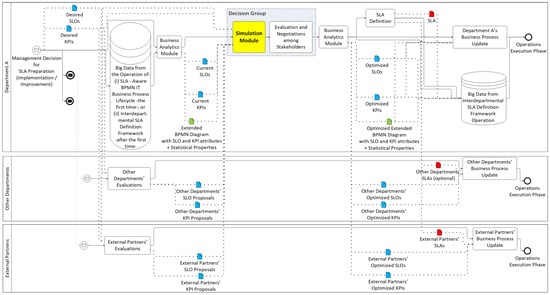
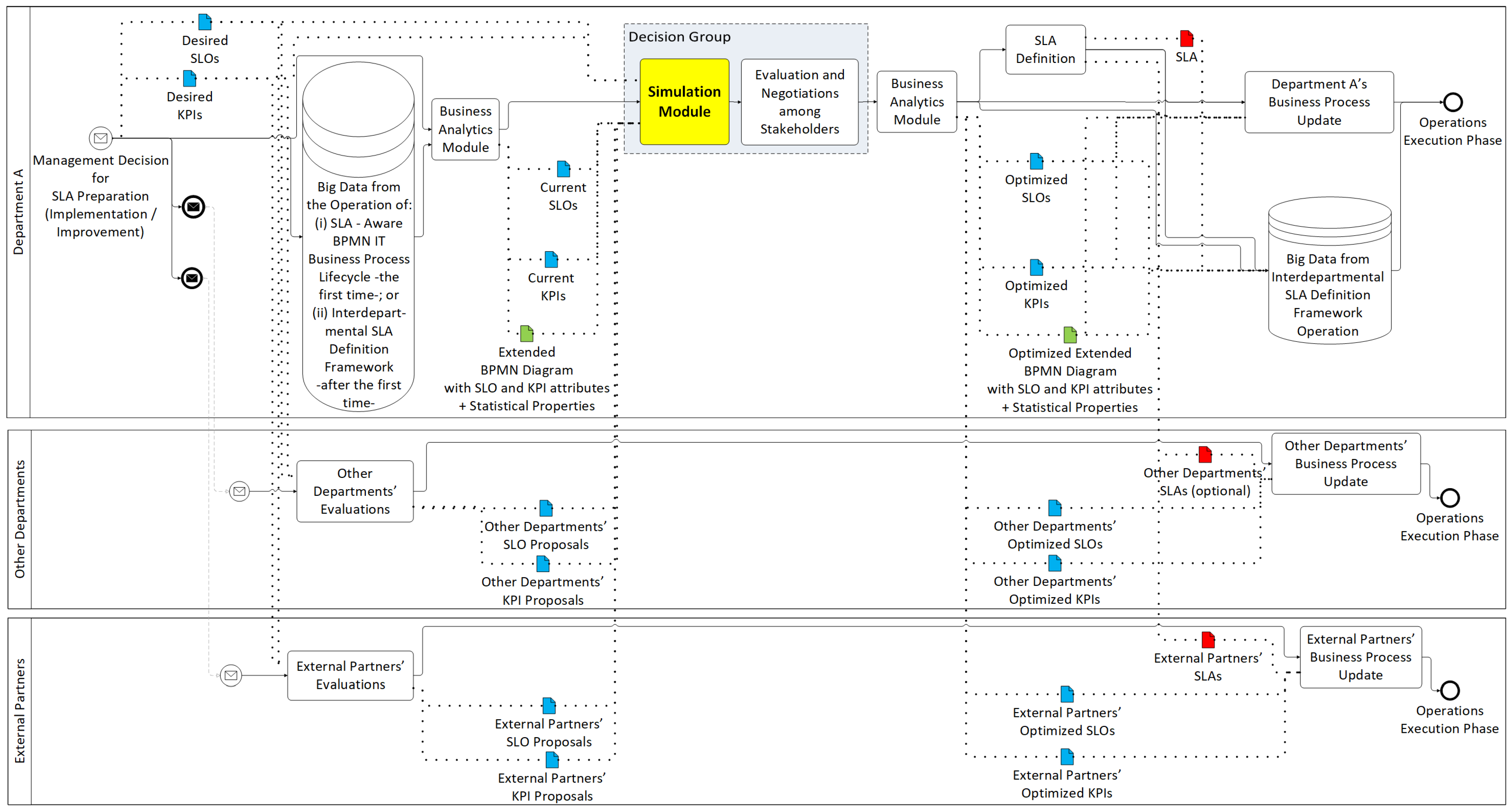
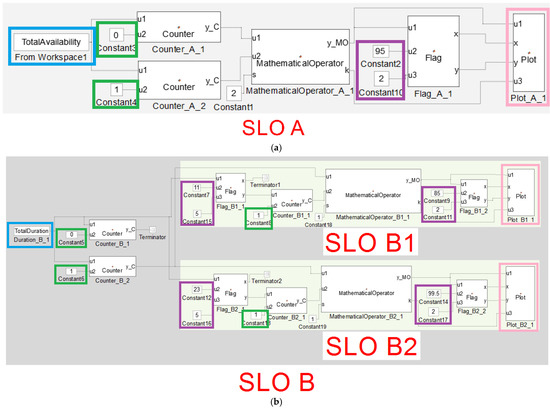
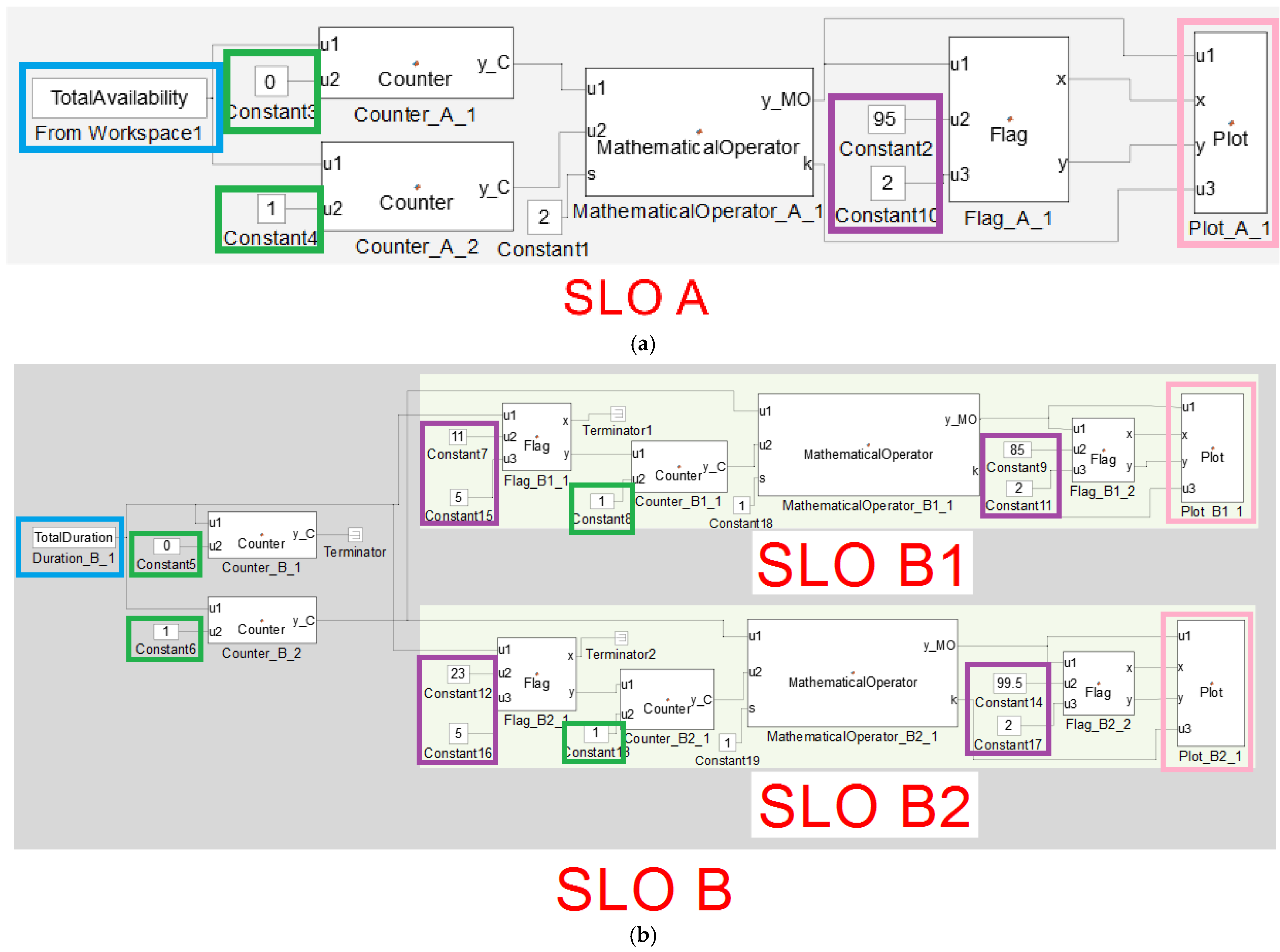
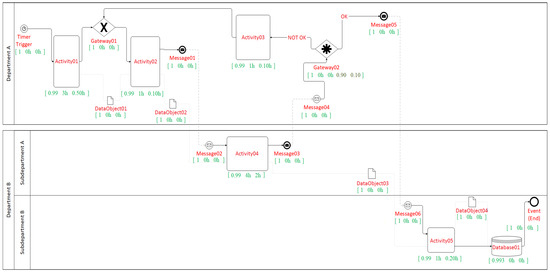
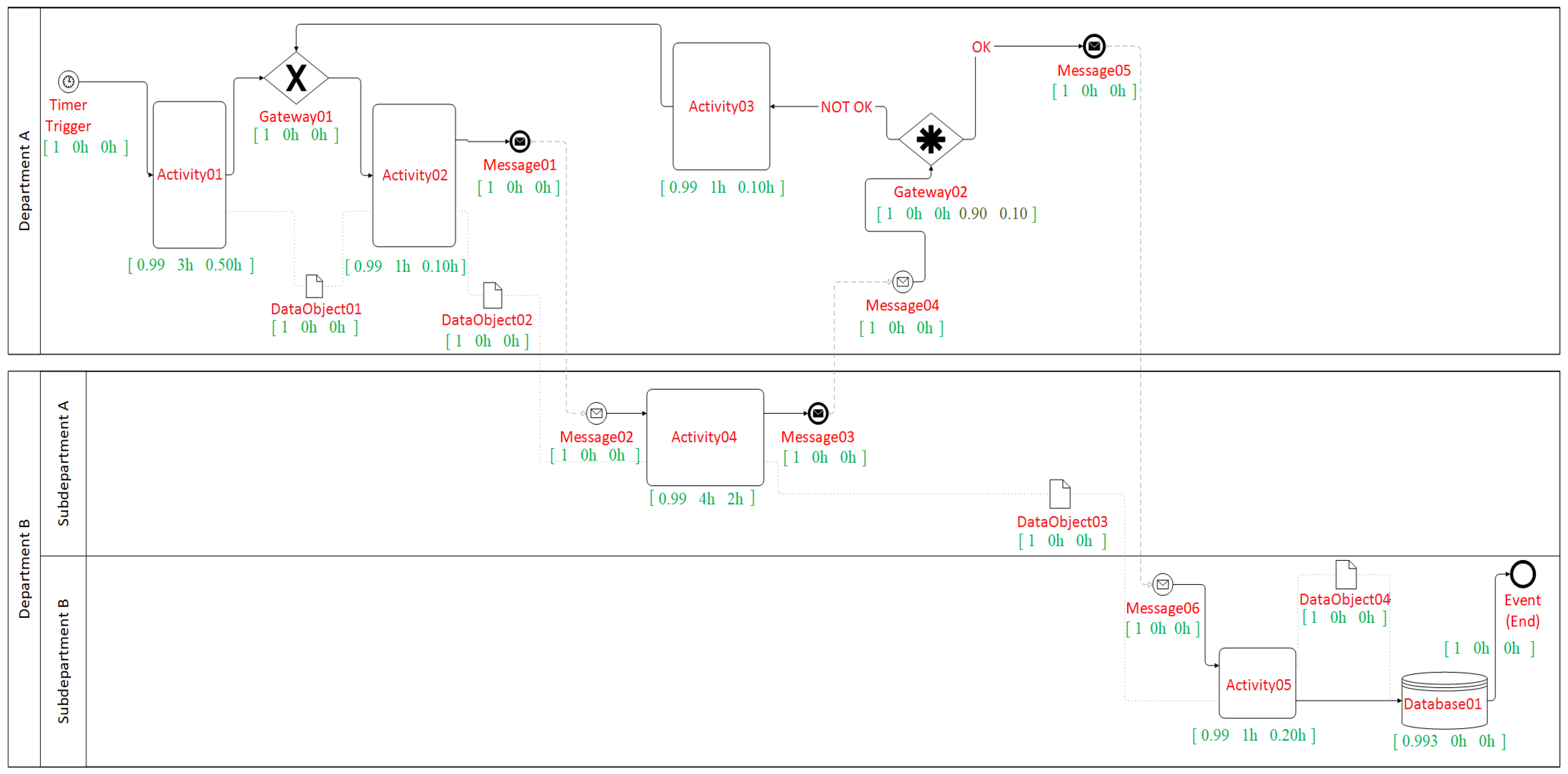
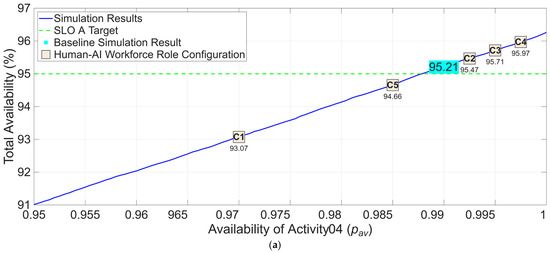
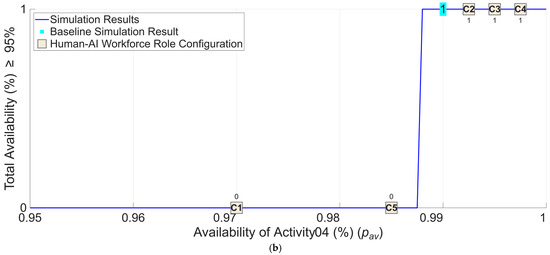
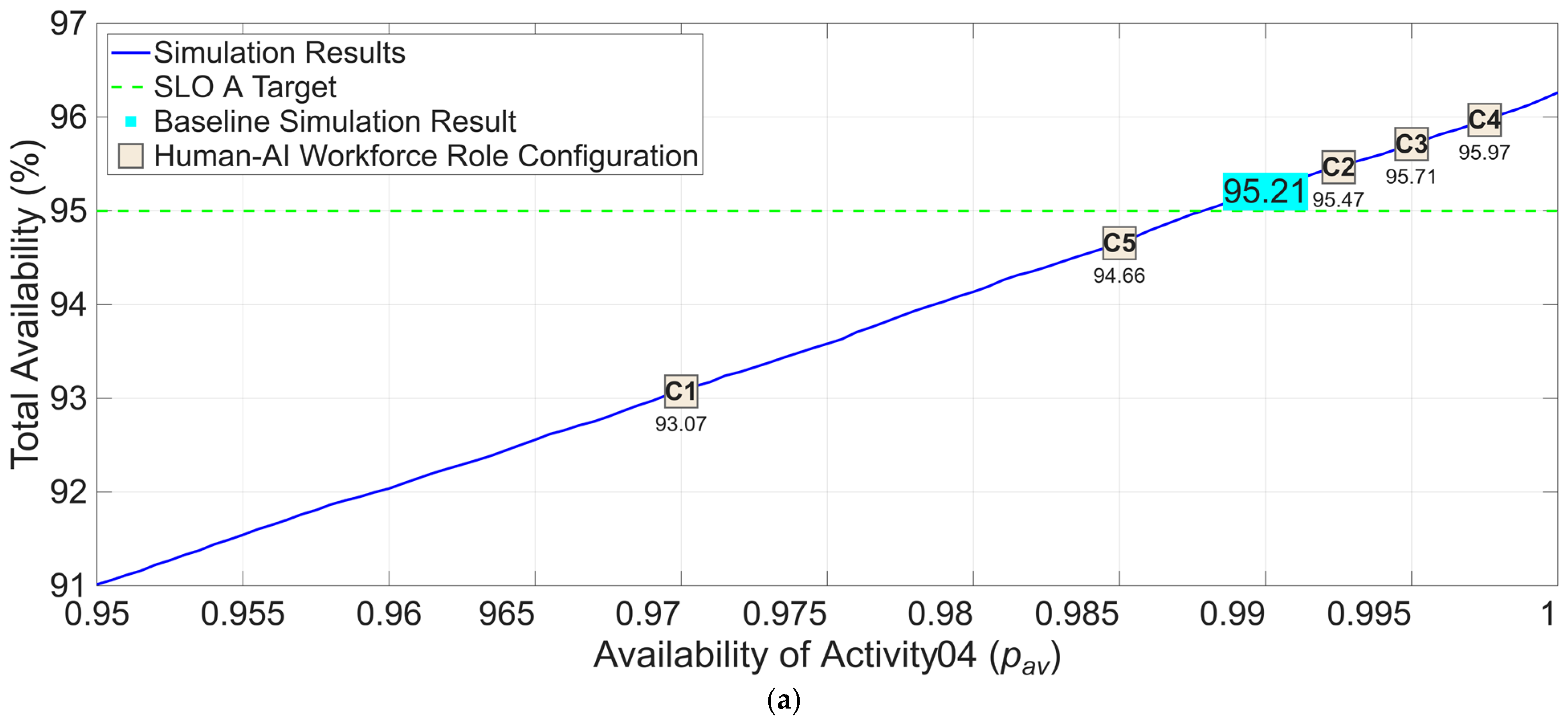
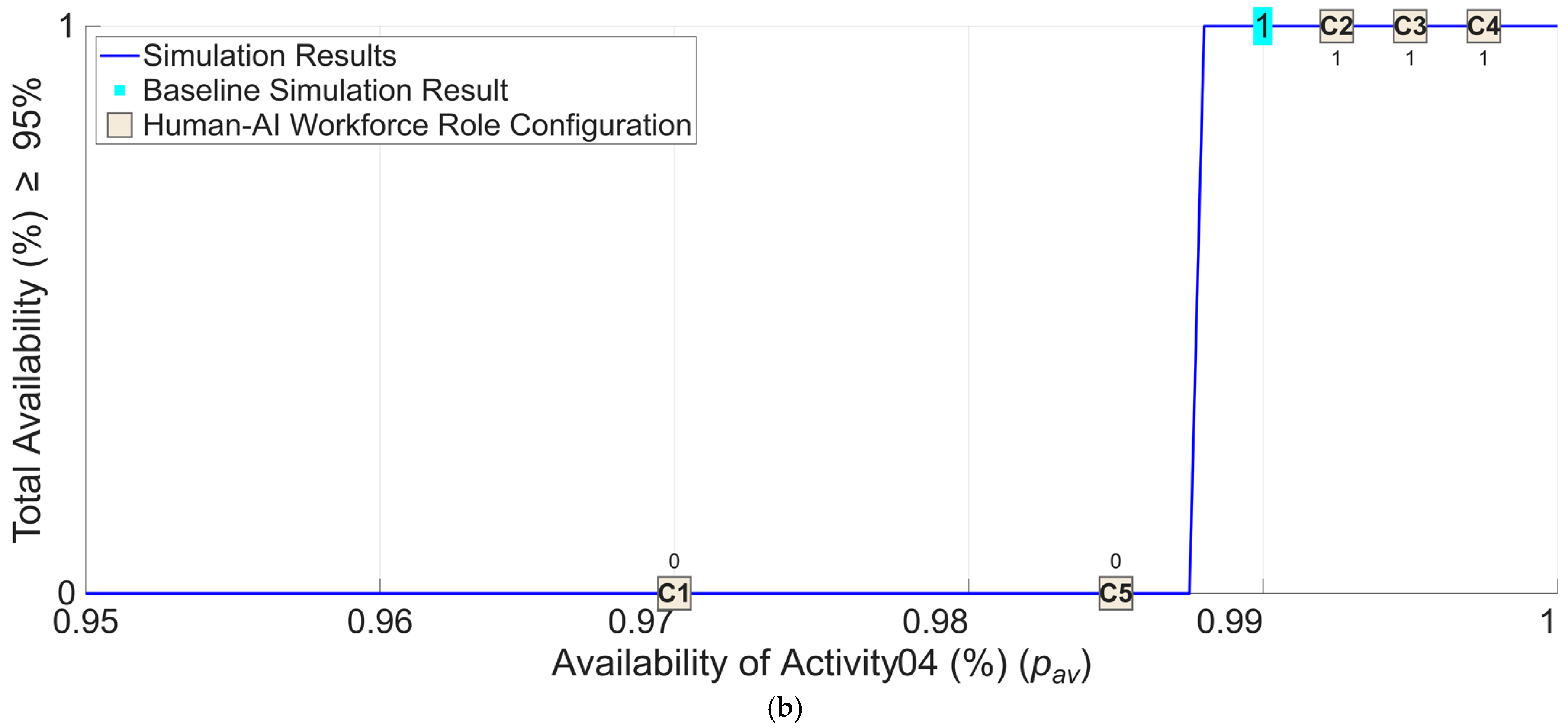
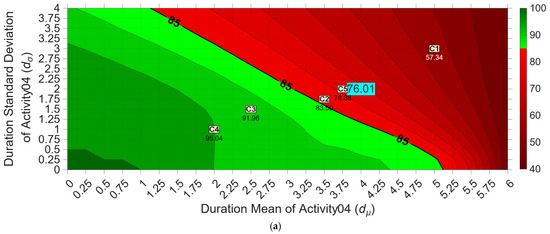
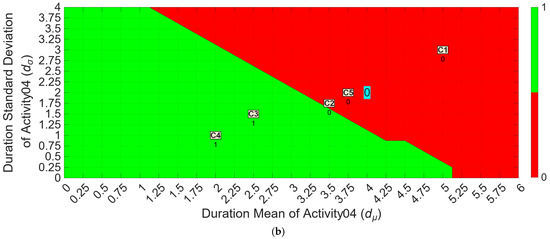
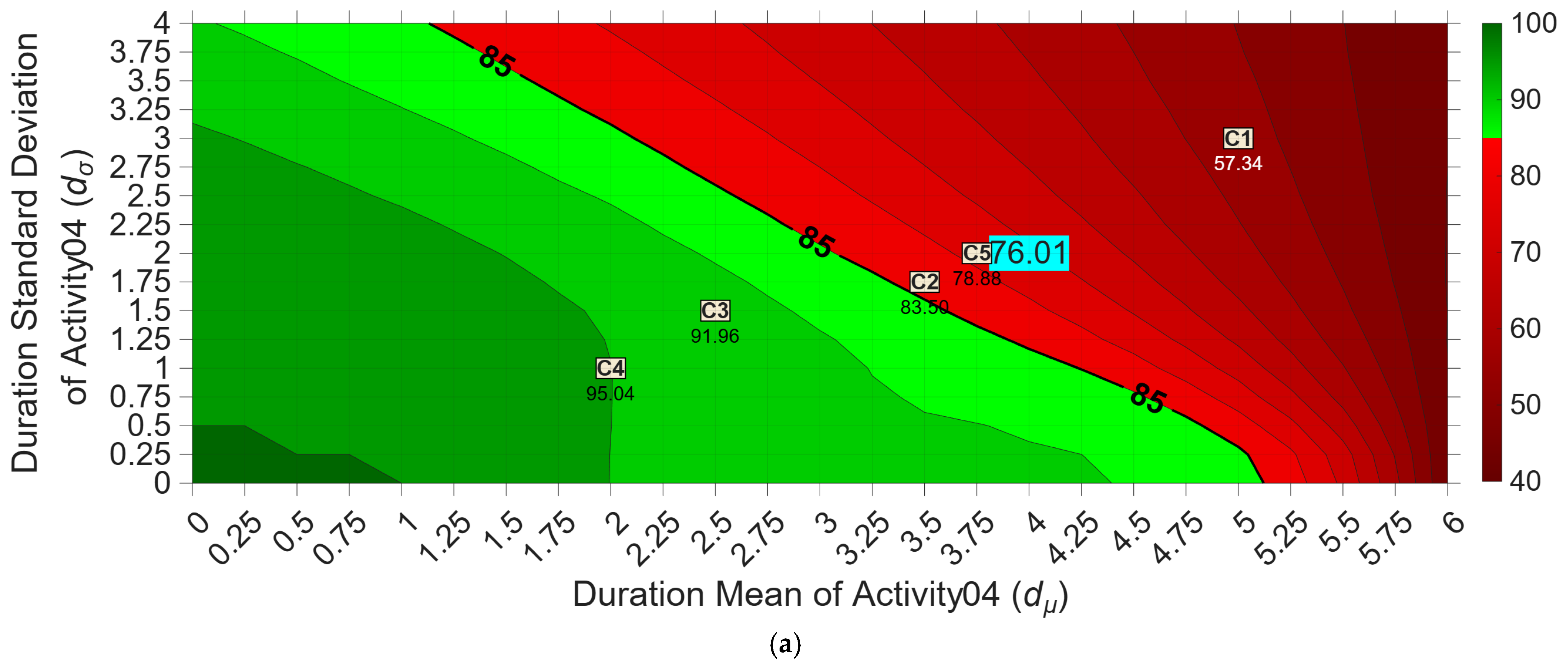
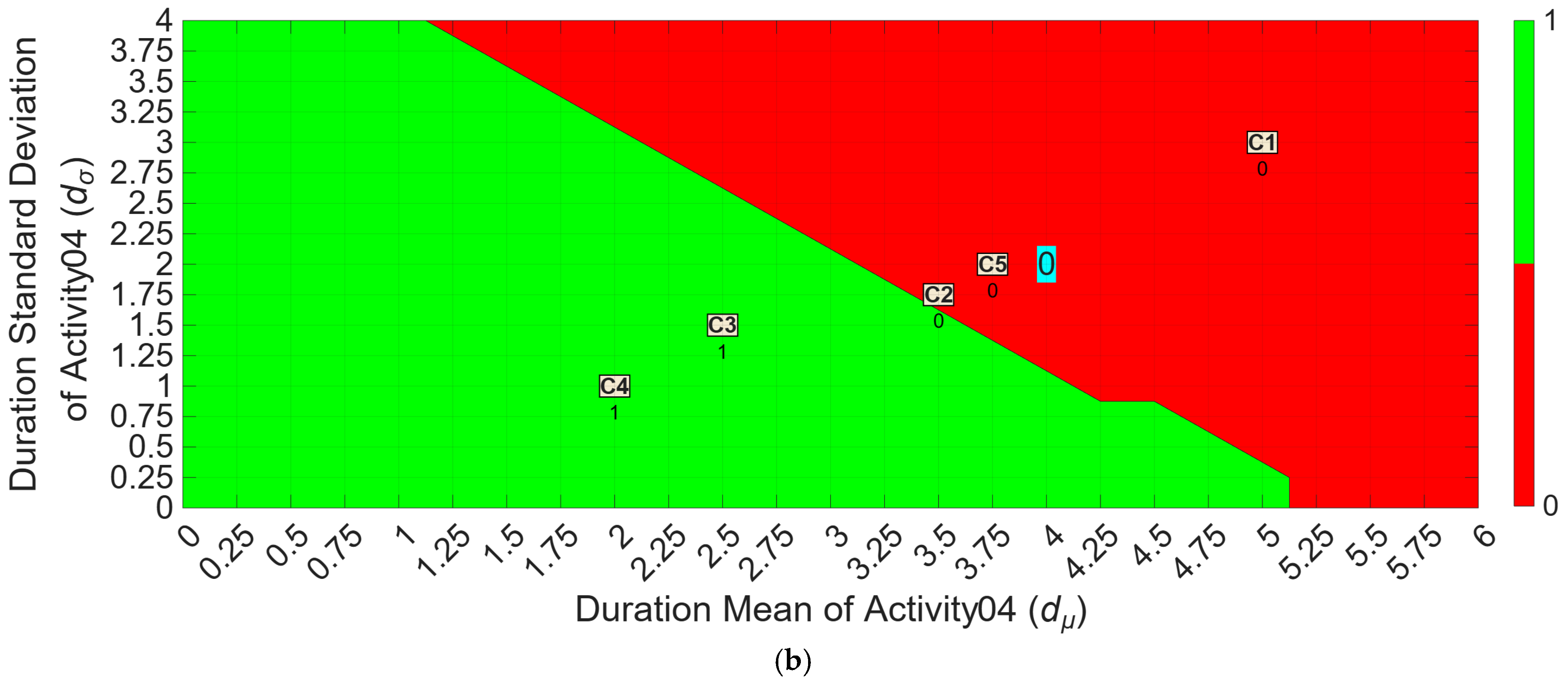
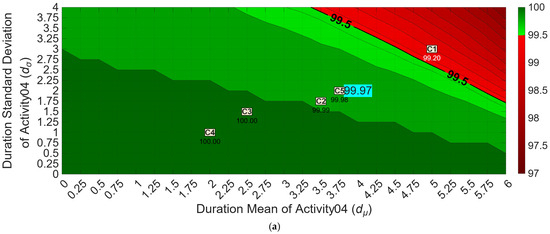
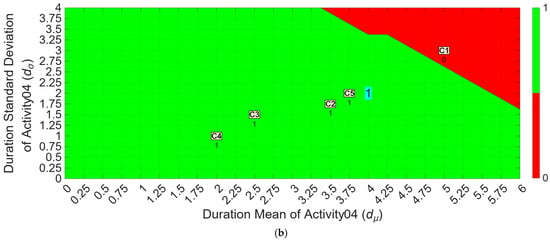
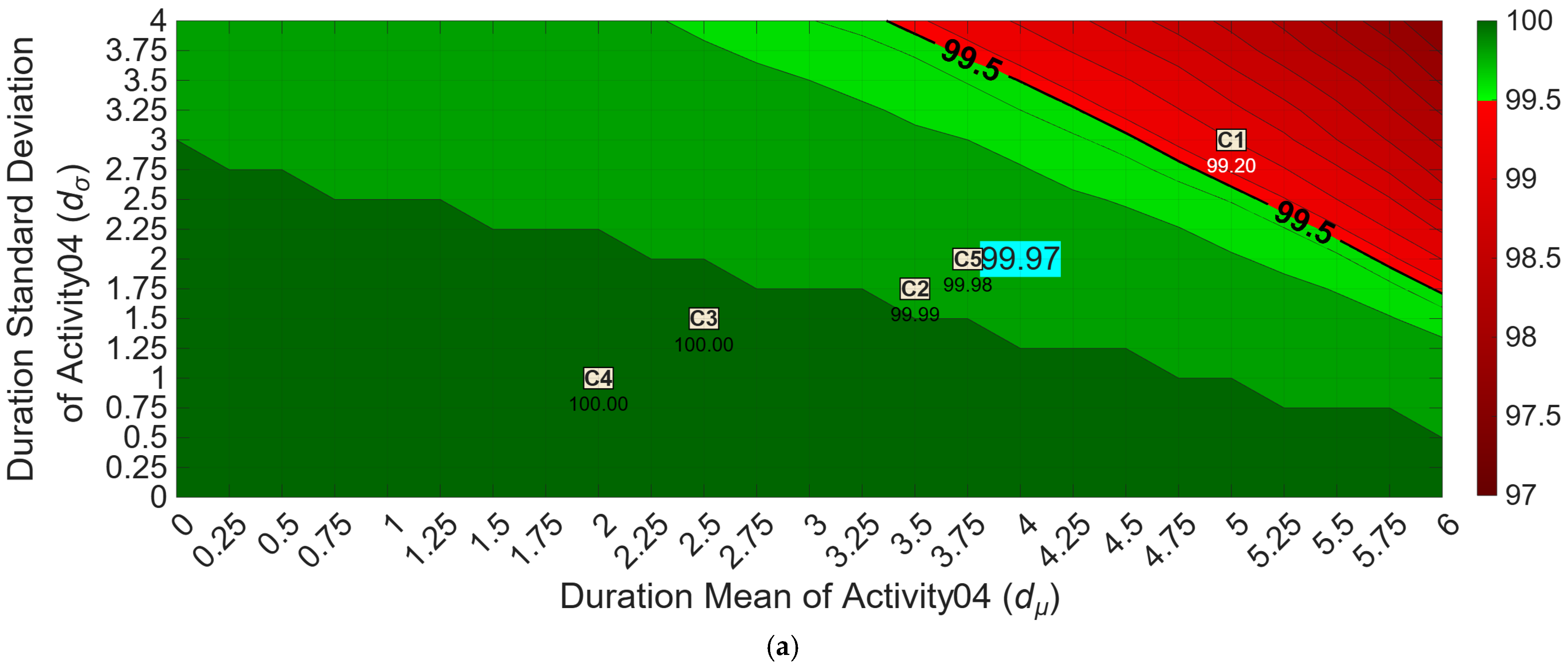
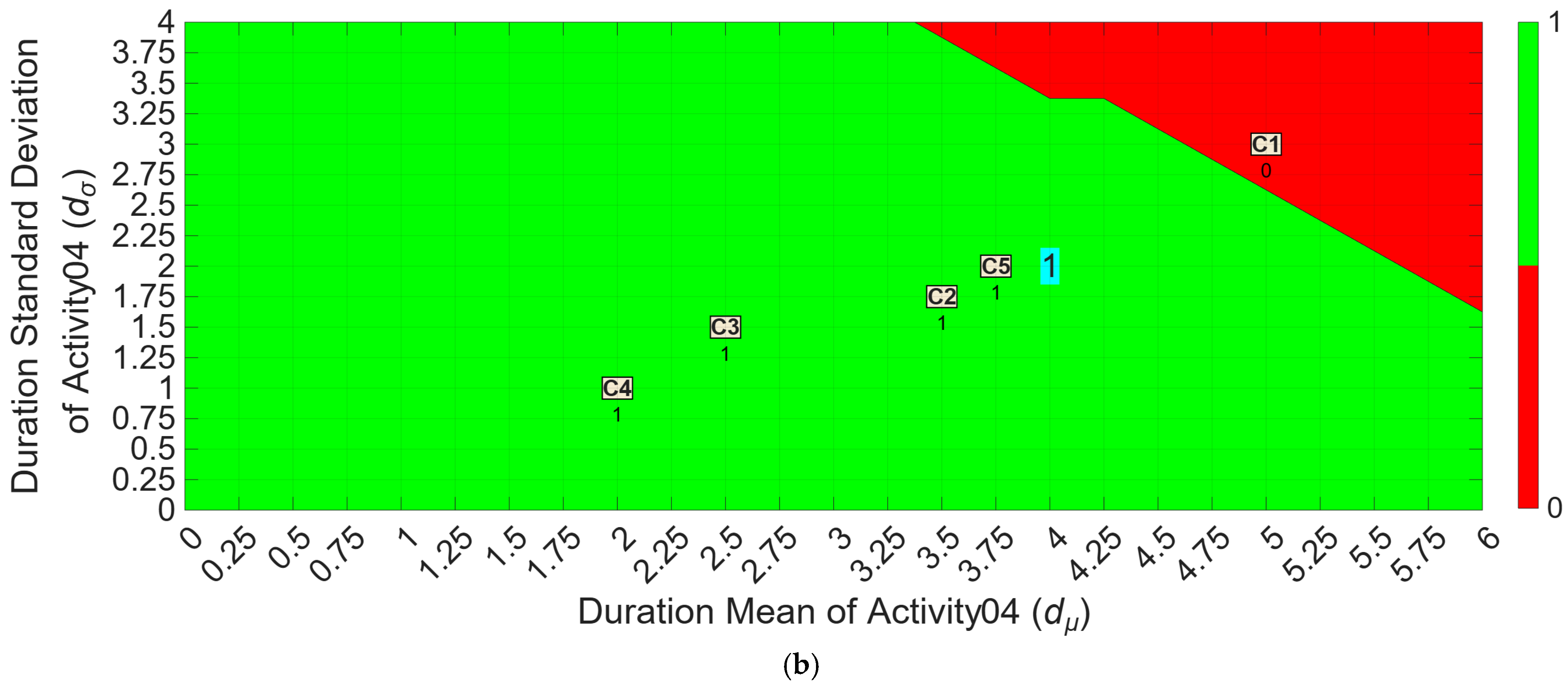

Disclaimer/Publisher’s Note: The statements, opinions and data contained in all publications are solely those of the individual author(s) and contributor(s) and not of MDPI and/or the editor(s). MDPI and/or the editor(s) disclaim responsibility for any injury to people or property resulting from any ideas, methods, instructions or products referred to in the content. |
© 2026 by the author. Licensee MDPI, Basel, Switzerland. This article is an open access article distributed under the terms and conditions of the Creative Commons Attribution (CC BY) license.