


Abstract
This study examines how venture capital investors in Kazakhstan evaluate women-led enterprises within a frontier-emerging market context characterized by institutional transition and evolving entrepreneurial ecosystems. Addressing a gap in the literature on gendered investment behavior beyond mature markets, the research adopts an exploratory mixed-methods design combining survey data (n = 21) with open-ended qualitative responses from VC professionals. Descriptive and bivariate analyses are used to examine associations between investor characteristics and evaluation criteria, while exploratory factor analysis is employed as a heuristic tool to assess whether survey items cluster around broadly interpretable evaluative orientations shaping investment judgments. The findings suggest the presence of two indicative evaluative orientations—market orientation and impact orientation—that appear to structure how respondents in this sample prioritize dimensions such as scalability, innovation, teamwork, and social value. These orientations are interpreted as context-specific and exploratory rather than statistically generalizable. The study contributes to entrepreneurial finance and institutional theory by developing an exploratory evaluative framework that captures the coexistence of commercial and developmental considerations in venture investment decision-making within a transitional economy. The findings further highlight how gendered investment dynamics are shaped by both market criteria and institutional environments, offering implications for policymakers, investors, and scholars seeking to understand capital allocation processes in underexplored venture ecosystems.
1. Introduction
Venture capital (VC) has become a cornerstone of innovation-driven growth, enabling the scaling of new technologies, accelerating market entry, and shaping the competitive trajectory of entrepreneurial ecosystems. While VC allocation is often portrayed as meritocratic and grounded in objective assessments of innovation quality and growth potential, a growing body of research suggests that investment decisions are influenced by cognitive biases, gendered expectations, and institutional norms that systematically disadvantage women founders [1,2,3]. Globally, women-led ventures receive less than 3% of annual VC funding despite comparable or superior performance on several growth indicators [4]. Understanding the mechanisms behind these disparities remains a central challenge in entrepreneurial finance research.
Although extensive scholarship has examined gendered investment patterns in mature VC ecosystems such as the United States, Western Europe, and East Asia, significantly less is known about how these dynamics unfold in frontier and emerging markets, where institutional logics, cultural norms, and investor behaviors differ substantially from those in high-income economies [5,6]. Emerging markets often exhibit less formalized VC infrastructure, higher regulatory uncertainty, stronger reliance on informal networks, and more pronounced gender norms—conditions that may amplify or reshape the biases documented in Western VC settings [7,8]. As a result, global theories of gendered investment behavior may not fully capture the distinct mechanisms shaping investor decision-making in these contexts.
In this paper, the term “frontier-emerging market” refers to an economy characterized by evolving financial institutions, relatively shallow capital markets, limited venture capital maturity, a high reliance on relational networks, and ongoing integration into regional and global investment systems [9]. The term is used analytically to capture Kazakhstan’s position between mature emerging markets and less-developed frontier ecosystems, where formal market-building efforts coexist with institutional uncertainty and concentrated investor networks.
Kazakhstan represents one such underexplored setting. Positioned as Central Asia’s largest economy and undergoing a national transition toward innovation-led development, the country has made strategic investments in startup support programs, digital infrastructure, and the development of its entrepreneurial ecosystem [10,11,12,13,14,15,16]. Yet despite these advances, Kazakhstani women remain significantly underrepresented in high-growth sectors and face persistent barriers to accessing external equity finance [17,18]. Available evidence suggests that cultural expectations around gender roles, the dominance of male-led investor networks, and the absence of gender-sensitive investment policies create structural disadvantages for women entrepreneurs. However, academic research on gender and VC in Kazakhstan and Central Asia more broadly remains virtually nonexistent, resulting in limited theoretical or empirical understanding of how investors evaluate women-led ventures in such transitional economies. This study, therefore, asks: How do venture capital investors in Kazakhstan evaluate women-led startups, and what underlying decision-making logic shapes their investment criteria, priorities, and risk perceptions in an emerging-economy context?
This study addresses this gap by providing one of the first empirical analyses of venture capital investors’ attitudes, evaluation criteria, and decision-making logic regarding women-led startups in Kazakhstan. Using a mixed-methods design that integrates quantitative survey data with qualitative insights, the study examines how investor characteristics—such as organizational type, geographic scope, professional experience, and strategic objectives—influence the assessment of key investment criteria (e.g., scalability, innovation, teamwork, and founder quality). Given the small and highly specialized nature of Kazakhstan’s venture capital community, the study adopts an exploratory, theory-building orientation rather than a confirmatory design aimed at statistical generalization. Most critically, through exploratory factor analysis, the study suggests the presence of two emergent evaluative orientations that appear to structure how respondents prioritize commercial and developmental considerations when assessing women-led ventures that have not been previously documented in research on frontier-emerging market VC systems:
- Market Orientation—prioritizing scalability, product–market fit, innovation, and return on investment.
- Impact Orientation—prioritizing sustainability, diversity, social value, and long-term ecosystem development.
By identifying exploratory patterns in how respondents prioritize investment criteria, this study contributes to theoretical discussions on gendered entrepreneurial finance and institutional complexity in emerging markets. Rather than assuming a single rational framework for venture evaluation, the findings suggest that investors in Kazakhstan may assess women-led ventures through partially competing evaluative orientations that combine commercial and developmental considerations. The study, therefore, extends entrepreneurial finance research beyond mature Western ecosystems by examining how investor reasoning may be shaped by institutional transition, relational business networks, and evolving inclusion norms within a frontier-emerging market context. Through the integration of quantitative pattern analysis and qualitative interpretation, the study further illustrates how institutional expectations, network access, and investor values interact in shaping perceptions of women-led ventures.
These contributions expand current understanding of gender and finance in transitional economies and offer practical implications for policymakers, accelerators, and investors seeking to build more inclusive and competitive VC ecosystems. The following sections review the relevant literature, outline the study’s mixed-methods approach, and present the empirical findings that inform the proposed evaluative-logic framework.
Building on identified gaps and emerging opportunities, the study advances a conceptual framework that connects investor characteristics, institutional conditions, and underlying evaluative logics to the criteria used to assess women-led ventures. Grounded in literature on gendered entrepreneurial finance, institutional complexity, and decision-making heuristics in emerging markets, the framework proposes exploratory expectations on how organizational type, investment experience, geographic scope, and strategic objectives influence evaluation patterns and risk perception. The model further integrates the two latent value orientations, market orientation and impact orientation, suggested through exploratory factor analysis. Collectively, these elements establish the foundation for the mixed-methods research design and guide subsequent empirical examination, while also informing theoretical, policy, and practice-directed implications.
2. Literature Review
Understanding how venture capital investors evaluate women-led ventures requires integrating insights from entrepreneurial finance, gender studies, and institutional theory. This section synthesizes the relevant literature across four domains: venture capital decision-making, gender disparities in entrepreneurial finance, women’s entrepreneurship in emerging markets, and institutional conditions shaping frontier VC ecosystems. Together, these strands of scholarship suggests substantial conceptual and empirical gaps, particularly in Central Asia, which this study addresses through a mixed-methods analysis of Kazakhstani investors.
2.1. Venture Capital and Investment Decision-Making
Venture capital (VC) is characterized by high uncertainty, asymmetric information, and reliance on subjective judgments, making investor evaluations particularly sensitive to heuristics and cognitive cues. Classic research emphasizes that VCs prioritize scalability, product–market fit, innovative potential, and team competence when screening early-stage ventures [1,19,20]. Beyond financial capital, VCs influence governance, strategic direction, and network access, thereby shaping long-term firm trajectories [21,22].
Decision-making in VC contexts is often framed by behavioral theories that highlight pattern recognition, biases, and reliance on non-financial signals amid uncertainty [23,24]. Investors rely on mental schemas derived from past experiences, typically modeled on male, tech-driven entrepreneurial archetypes, which can exclude founders whose profiles deviate from these norms [25,26]. These insights are especially relevant in emerging markets, where formal evaluation systems are less established and informal judgments carry greater weight.
Despite advances in entrepreneurial finance research, most theoretical models are derived from Western VC ecosystems, where institutions, investor experience, and capital depth differ markedly from frontier markets [21,27]. Relatively little is known about how investor decision-making criteria vary in settings where regulatory frameworks are evolving, networks are highly relational, and cultural norms shape perceptions of entrepreneurial legitimacy [28,29].
2.2. Gender Disparities in Venture Capital Allocation
Extensive evidence documents systematic gender gaps in VC funding. Women-led ventures receive a disproportionately small share of global VC investment, often less than 3% annually, despite comparable performance outcomes [2,30]. These disparities have been linked to multiple mechanisms:
- Bias in evaluation processes—Women founders are more likely to be questioned about risks than about growth potential, receive lower valuations, and face heightened scrutiny during due diligence [31,32].
- Stereotype-driven expectations—Investors often associate technological competence, leadership potential, and scalability with male founders, perpetuating gendered assumptions about entrepreneurial capability [33,34].
- Network exclusion—Access to VC funding strongly depends on social capital, yet women remain underrepresented in elite investor networks and accelerator pipelines [35,36].
- Investor homophily: The underrepresentation of women in VC leadership—typically 10–15% of partners—reinforces funding patterns that favor male-led ventures [37,38].
The literature shows that gender inequalities stem not only from differences in business fundamentals but also from cognitive, structural, and relational biases built into VC ecosystems [39,40]. At the same time, emerging movements like gender lens investing (GLI) aim to incorporate gender-equity goals into investment criteria, although adoption varies across regions [41,42].. However, despite extensive research in Western settings, little is known about how these dynamics appear in transitional economies, especially those with unique institutional histories, cultural norms, and entrepreneurial structures.
2.3. Women’s Entrepreneurship in Emerging Markets
Women entrepreneurs in emerging economies encounter structural, cultural, and institutional barriers that often exceed those documented in advanced-market settings [12,43]. Key constraints include limited access to formal finance, gendered labor market segmentation, weaker property rights, and disproportionate caregiving responsibilities [44,45]. These barriers inhibit entrepreneurial mobility and reduce participation in high-growth sectors such as technology, manufacturing, and innovation-driven industries.
Women entrepreneurship scholarship cautions against interpreting these patterns through a deficit lens that treats women-led ventures as lacking the attributes required by venture capital markets [46,47]. Rather, scholars have argued that dominant entrepreneurial and investment norms are themselves gendered, privileging masculinized assumptions about risk-taking, growth, technological ambition, and founder legitimacy [48,49]. From this perspective, the underrepresentation of women in VC-backed ventures should not be understood primarily as a problem of women’s capabilities or preferences, but as the outcome of institutionalized evaluation practices that define “fundability” through norms historically shaped around male entrepreneurial archetypes. This reframing is important for the present study because it shifts the analytical focus from whether women-led ventures conform to conventional VC expectations to how investors interpret them within gendered institutional and discursive conditions.
Culturally, traditional gender norms shape perceptions of entrepreneurial legitimacy and risk-taking, often framing women’s entrepreneurial activities as extensions of household responsibilities rather than engines of innovation and growth [50,51]. These conditions often channel women entrepreneurs toward sectors and venture models that are less visible to conventional VC investors, not because such ventures are inherently less valuable, but because dominant investment criteria tend to privilege particular forms of growth, scalability, and technological legitimacy [52,53].
In many emerging markets, financial exclusion further limits women’s access to credit and investment. Banks may require collateral that women do not legally control, while informal financing channels are typically embedded in male-dominated networks [54,55,56]. These patterns reinforce systemic biases and hinder women-led ventures from scaling to the point where VC becomes accessible.
Poststructuralist feminist perspectives further emphasize that women’s entrepreneurship is shaped by discourse, representation, and institutional norms rather than by individual traits alone. This perspective is useful for examining venture capital evaluation because investor judgments are not simply technical assessments of business quality; they are also interpretive acts shaped by assumptions about gender, growth, credibility, and entrepreneurial legitimacy [57].
Comparative research across emerging economies has documented persistent structural barriers affecting women entrepreneurs [14,30,43]. Similar patterns have recently been observed in post-transition and frontier-emerging contexts [58,59]. These insights underscore the importance of analyzing women’s entrepreneurship in context, where formal policies may coexist with informal norms that limit opportunity.
2.4. Institutional Conditions in Frontier VC Ecosystems: The Case of Kazakhstan
Kazakhstan provides a particularly relevant context for examining how institutional conditions shape venture capital evaluation in frontier-emerging economies. Since gaining independence, the country has pursued a long-term strategy of economic diversification to reduce dependence on extractive industries and foster innovation-driven growth. As part of this transition, Kazakhstan has invested in technology infrastructure, startup incubation, digitalization initiatives, and entrepreneurial finance through state-supported modernization programs. Institutions such as Astana Hub, QazInnovations, and various public innovation initiatives have contributed to the gradual expansion of the entrepreneurial ecosystem and the visibility of startup activity within the country [10,60,61].
Despite this progress, Kazakhstan’s venture capital ecosystem remains relatively limited in scale and institutional depth when compared to more mature emerging markets. Venture capital activity remains concentrated primarily in urban centers such as Almaty and Astana, with relatively low levels of early-stage capital deployment, limited exit opportunities, and a comparatively small number of active VC funds. The ecosystem also continues to rely heavily on relational business networks, state-supported modernization efforts, and quasi-public innovation structures rather than the deep private capital markets characteristic of mature venture ecosystems [11,12,13,15,16]. As a result, investment evaluation in Kazakhstan occurs within a context where market-building objectives, developmental priorities, and commercial expectations frequently intersect.
In this study, the term frontier-emerging market refers to an economy characterized by evolving financial institutions, relatively shallow capital markets, limited venture capital maturity, concentrated investor networks, and ongoing integration into regional and global investment systems. Kazakhstan exemplifies this hybrid condition, occupying an intermediate position between mature emerging markets and less-developed frontier ecosystems. Such environments are particularly important for institutional analysis because formal market mechanisms coexist with institutional uncertainty, state-led economic coordination, and evolving entrepreneurial norms.
Women entrepreneurs in Kazakhstan operate within these broader institutional conditions while also confronting gendered entrepreneurial dynamics common across many venture ecosystems. Although women in Kazakhstan demonstrate high levels of educational attainment and growing participation in entrepreneurship, women-led ventures continue to face challenges related to investment visibility, access to influential business networks, and perceptions of founder legitimacy [18]. Importantly, these challenges should not be interpreted through a deficit lens suggesting that women-led ventures inherently lack investment potential. Rather, feminist entrepreneurship scholarship suggests that venture capital ecosystems themselves are structured around historically gendered assumptions regarding growth, scalability, risk-taking, and entrepreneurial credibility. In this sense, women founders are often evaluated against norms that privilege masculinized entrepreneurial archetypes and conventional venture growth trajectories.
At the same time, Kazakhstan offers a valuable setting for exploring how these gendered investment dynamics intersect with institutional transition and ecosystem development. Unlike mature Western VC ecosystems, where gender-lens investing and ESG-oriented venture strategies are increasingly institutionalized, Kazakhstan’s venture capital market remains at an earlier stage of development, in which inclusion-oriented investment norms coexist unevenly with traditional commercial evaluation criteria. This creates a context in which investors may simultaneously prioritize market-oriented expectations related to scalability and return on investment while also expressing interest in broader developmental, social, or ecosystem-building objectives. The coexistence of these partially competing expectations makes Kazakhstan particularly useful for examining how evaluative orientations emerge and operate within frontier-emerging venture capital ecosystems.
While this study focuses primarily on investor-side evaluation processes, venture-level capabilities also shape how women-led ventures are perceived and assessed within VC ecosystems. Entrepreneurial competence frameworks and research on entrepreneurial capital formation suggest that capabilities in opportunity recognition, strategic communication, innovation development, team formation, and network mobilization influence how ventures signal legitimacy and investment readiness to external stakeholders. From this perspective, investor evaluation and venture capability development should be understood as relationally interconnected processes rather than as isolated dimensions of entrepreneurial finance. This perspective is particularly relevant in frontier-emerging ecosystems, where access to entrepreneurial support infrastructure, mentoring, and capability-building opportunities may remain uneven [62,63].
2.5. Institutional Complexity and Evaluative Logics
Institutional theory provides a useful lens for interpreting venture capital decision-making in transitional economies because investors operate within environments shaped by multiple, and sometimes competing, expectations. Scholars [64,65] define institutional complexity as the condition in which organizations confront multiple institutional logics that prescribe different norms, values, and criteria for legitimate action.
In venture capital, this complexity may emerge when commercial expectations for rapid growth, scalability, and financial return coexist with developmental, social, or policy-oriented expectations related to inclusion, sustainability, and ecosystem building. Rather than assuming that investors follow a single rational logic of return maximization, an institutional complexity perspective allows for the possibility that investment judgment is shaped by plural evaluative orientations. This perspective is particularly relevant in Kazakhstan, where market-building, state-led modernization, global investment norms, and gender-equity discourses intersect within a still-developing venture ecosystem.
In this study, the proposed market-oriented and impact-oriented evaluative logics are not treated as fixed theoretical constructs or universally stable investor categories. Rather, they are conceptualized as exploratory analytical orientations that help interpret how respondents in this sample appeared to organize and prioritize investment judgments. The framework is therefore intended as a context-sensitive interpretive lens for examining venture evaluation in frontier-emerging ecosystems rather than as a finalized typology of investor behavior.
2.6. Literature Gaps and the Need for a Contextualized Framework
A review of the existing scholarship suggests three interconnected gaps that justify the present study. First, there is a clear geographic gap in research on gendered venture capital allocation [1,30]. While the literature on women’s entrepreneurship and investment behavior is growing, nearly all empirical studies originate from North America, Europe, or affluent Asian markets. Very little work examines how gender influences venture funding decisions in Central Asia or in post-Soviet economies, where institutional histories, market maturity, and cultural norms diverge substantially from those in Western ecosystems [66,67]. As a result, little is known about how investors in Kazakhstan and similar environments perceive, evaluate, and ultimately finance women-led ventures.
A theoretical gap also persists in the application of existing investor-behavior frameworks to emerging markets. Most dominant models assume institutional logics common to Western venture capital, such as rapid scaling, aggressive growth, and liquidity-driven exits [68,69]. Yet these assumptions may not hold in transitional economies with evolving capital markets, hybrid public–private funding mechanisms, and varied perceptions of entrepreneurial legitimacy. Without contextual adaptation, Western-derived theories risk overlooking the values, constraints, and socio-political environments that structure decision-making in Kazakhstan.
Another limitation is analytical. Much of the existing research on gender and venture capital relies on descriptive comparisons or single-method designs that identify disparities but offer limited insight into the evaluative assumptions that shape investors’ interpretations of women-led ventures. This creates a need for exploratory mixed-methods approaches to examine both patterned evaluation criteria and the meanings investors attach to them. Few studies use latent-value modeling or mixed-methods statistical approaches that can identify underlying evaluative frameworks, leaving the predictors of investment decisions only partially understood.
This study addresses these three gaps by introducing an evaluative framework that distinguishes between two underlying orientations shaping VC assessment in Kazakhstan: market orientation and impact orientation. These evaluative orientations are not treated as fixed investor typologies or objectively existing categories; rather, they represent exploratory analytical structures suggested by how theoretically informed survey items clustered within the present sample. By examining whether evaluative patterns cluster around distinct orientations, the study contributes exploratory insight into how investors in a frontier-emerging market interpret risk, legitimacy, growth potential, and social value when evaluating women-led ventures.
The following section builds from this conceptual foundation to develop the exploratory expectations examined in the empirical analysis.
2.7. Conceptual Framework and Exploratory Expectations
Building on the identified gaps and contextual specifics of Kazakhstan’s venture capital ecosystem, the study advances a conceptual framework that links investor characteristics, institutional conditions, and underlying evaluative logics to the criteria used to assess women-led ventures. Grounded in the literature on gendered entrepreneurial finance, institutional complexity, and decision-making heuristics in emerging markets, the framework proposes a set of exploratory expectations rather than confirmatory hypotheses [70,71]. Given the limited sample size and the exploratory nature of the study, these expectations are intended to guide analytical interpretation and identify theoretically meaningful patterns, rather than to establish statistically generalizable relationships.
Furthermore, existing literature [72,73] suggests that investors tend to rely on a combination of market-oriented considerations (e.g., scalability, innovation, return potential) and impact-oriented motivations (e.g., diversity, sustainability, social value). Because the study is exploratory and grounded in a small, elite sample, the following propositions are intended to guide analytical interpretation rather than serve as hypotheses in a confirmatory statistical sense. Their purpose is to organize the inquiry around theoretically relevant expectations concerning investor characteristics, evaluative criteria, and latent decision logics. These dual evaluative logics form the cornerstone of our conceptual model and underpin the following exploratory expectations:
- P1: Organizational type is associated with the sectoral focus applied when evaluating women-led ventures.
- P2: Years of investment experience influence the perceived importance of key investment risks, including market uncertainty, scalability, and funding continuity.
- P3: The geographic scope of investment (national, regional, global) is associated with differences in the monitoring frequency of women-led ventures.
- P4: Organizational and demographic characteristics of investors predict the relative importance assigned to evaluative criteria such as scalability, teamwork, founder quality, and innovation.
- P5: Investor value orientations cluster into latent dimensions that represent distinct evaluative logics (market orientation and impact orientation), structuring decision-making.
These exploratory expectations establish the empirical foundation for the study’s mixed-methods analysis and guide the investigation of how Kazakhstan’s institutional context shapes investor attitudes toward women-led ventures. As shown in Figure 1, the conceptual model depicts how investor characteristics, organizational type, investment experience, geographic scope, and strategic objectives explore whether investor responses cluster around two broadly interpretable evaluative orientations—market orientation and impact orientation—that may help explain how respondents prioritized commercial and developmental considerations when assessing women-led ventures. It presents an exploratory conceptual framework that illustrates the associative relationships among institutional context, investor characteristics, evaluative orientations, and venture assessment criteria. The framework is interpretive rather than causal and is intended to guide exploratory analysis within frontier-emerging VC ecosystems. These logics, in turn, shape the criteria used to assess women-led ventures, collectively shaping investors’ perceptions of their viability and risk within Kazakhstan’s emerging venture capital ecosystem.
Figure 1.
Conceptual framework of investor decision-making for women-led ventures in Kazakhstan. SOURCE: Authors.
3. Research Methodology
This study employs a mixed-methods research design to examine how venture capital (VC) investors in Kazakhstan evaluate women-led ventures and how their underlying value orientations shape decision-making. The methodological approach integrates quantitative survey data with qualitative insights, enabling a comprehensive analysis of both measurable evaluation criteria and the cognitive logics investors rely upon in a transitional entrepreneurial ecosystem. Mixed-methods research is particularly suited to emerging markets, where institutional complexity, limited data transparency, and informal decision norms require methodological triangulation to produce robust insights [74].
3.1. Research Design
A convergent mixed-methods design was adopted, wherein quantitative and qualitative data were collected simultaneously and analyzed in parallel [75]. This design supports the study’s objective of identifying not only statistical patterns but also underlying reasoning and contextual factors influencing investor behavior, elements that are insufficiently captured by quantitative analysis alone.
The qualitative component deepens interpretation by uncovering investor beliefs, perceptions of gendered barriers, and contextual nuances that help explain quantitative patterns. Likewise, the quantitative component enhances generalizability and enables the identification of significant relationships among organizational characteristics, investment criteria, and value orientations. These two strands produce a richer understanding of VC decision-making in Kazakhstan’s frontier market environment. Accordingly, inferential techniques are used as heuristic tools to identify patterns within the sample rather than to establish statistically generalizable relationships.
3.2. Sampling and Data Collection
Primary data were collected between January and June 2025 via an online Qualtrics survey distributed to VC professionals operating in Kazakhstan and the broader Central Asian region. Respondents were recruited through purposive sampling, targeting individuals with decision-making authority or direct involvement in the evaluation of early-stage ventures. Recruitment channels included professional investor networks, LinkedIn outreach, innovation hubs, and direct contact with VC firms.
Purposive sampling was selected due to the relatively small and highly specialized nature of the venture capital community in Kazakhstan. Participant inclusion was contingent upon two criteria: each respondent had to have prior experience evaluating startup investment opportunities and to be familiar with women-led ventures, either through direct investment or consistent exposure to relevant deal flow. These conditions ensured that all data were drawn from individuals actively engaged in investment decision-making rather than from peripheral or observational stakeholders.
The final dataset comprises 21 complete responses from partners, directors, analysts, and senior investment managers across private, public, and hybrid organizations. While the sample is modest, it aligns with studies in comparable frontier markets where VC ecosystems are small, and investor access is limited. The survey’s anonymity encouraged candid responses regarding gendered perceptions and organizational practices.
The survey instrument comprised five structured components. The first captured demographic attributes and professional background, establishing respondent profiles by role, experience, and sector exposure. The second focused on investment strategy and organizational characteristics, including fund structure, geographic scope, and sectoral orientation. The third evaluated respondents’ criteria for assessing women-led ventures through a series of Likert-scale items designed to quantify the relative importance of factors such as teamwork, scalability, and innovation. The fourth examined risk perceptions and investment objectives, enabling comparison across experience levels and institutional mandates. Finally, the instrument concluded with open-ended questions to elicit narrative insight, allowing respondents to articulate perspectives and contextual nuances that structured response formats might not fully capture.
3.3. Ethical Considerations
Although this study involved human participants, institutional review board (IRB) approval was not required because the research did not involve any interviews, clinical interventions, vulnerable subjects, or the collection of personal or sensitive data. The study complied with ethical principles consistent with the Declaration of Helsinki and professional standards for research involving adult professionals. Respondents were briefed on the study’s purpose, the non-sensitive nature of the questions, and their right to discontinue at any point. Participation was entirely voluntary, and informed consent was obtained electronically prior to survey completion. No names, organizational identifiers, or deal-specific information were requested, and all responses were anonymized at the point of data capture. Data were stored securely on encrypted, password-protected devices accessible only to the research team.
Given the small and interconnected nature of Kazakhstan’s venture capital ecosystem, particular care was taken to avoid deductive disclosure. Findings are presented only in aggregated form, ensuring that no individual participant or firm can be identified. These measures ensured ethical integrity while enabling open and candid participation.
3.4. Quantitative Analytical Strategy
The quantitative phase of the study was designed to explore theoretically informed relationships between investor characteristics and the evaluation of women-led ventures. Given the small and highly specialized sample, the analysis adopts a pattern-based exploratory approach rather than formal multivariate estimation. Descriptive statistics were first used to profile respondent characteristics and investment preferences. Bivariate techniques, including Chi-square tests and one-way ANOVA, were then applied to examine associations between key variables such as organizational type, experience, and perceived risk dimensions.
To identify underlying value structures, exploratory factor analysis (EFA) was conducted using principal component extraction with Varimax rotation. The objective was to detect latent evaluative dimensions shaping investment judgments rather than to confirm a predefined measurement model. Across all analytical stages, emphasis was placed on identifying directional consistencies and convergent patterns rather than estimating statistically generalizable effects. This approach is appropriate for frontier-emerging market research contexts, where access to elite respondents is limited and analytical robustness is achieved through triangulation rather than large-sample inference.
Given the relatively small sample size (n = 21), the exploratory factor analysis should be interpreted cautiously and not as evidence of stable latent constructs within the broader VC investor population. Rather than serving as a confirmatory statistical procedure, the EFA was employed as an exploratory heuristic tool intended to examine whether survey items clustered around broadly interpretable evaluative orientations within the present sample. The resulting dimensions are therefore treated as provisional analytical structures useful for exploratory interpretation rather than as statistically generalizable factors. This approach is consistent with exploratory mixed-methods research conducted in small and difficult-to-access professional populations, where the objective is interpretive insight rather than population-level inference.
All statistical analyses were conducted in RStudio (version 2025.09.2+418, macOS) using established analytical packages, including psych for factor extraction.
3.5. Qualitative Analytical Strategy
In addition to the quantitative analysis, open-ended survey responses were analyzed qualitatively to capture the interpretive depth of investors’ perceptions and behaviors. The qualitative component aimed to uncover how respondents frame gendered barriers, articulate investment opportunities, and perceive ecosystem constraints. These insights enrich and contextualize the statistical patterns identified in the previous section.
A thematic content analysis approach was employed, structured through a three-stage inductive coding procedure. The process began with open coding, during which the data were reviewed line by line to identify discrete ideas, evaluative cues, and references to decision norms or gendered assumptions. These initial codes were then reorganized through axial coding, consolidating similar concepts into broader thematic categories that reflected patterns in investor reasoning and experience. Finally, selective coding was used to refine and integrate these categories around the study’s central analytical insight, the emergence of two latent evaluative logics: market-orientation and impact-orientation investment reasoning.
The qualitative analysis followed an iterative mixed-methods logic. Open coding and axial coding were conducted inductively to identify themes emerging from participant language. However, the later stage of selective coding was informed by the evaluative orientations suggested by the quantitative analysis. In this sense, the qualitative strand was not treated as fully independent or purely inductive; rather, it was used to interpret, contextualize, and refine the patterns identified through the survey and exploratory factor analysis. This approach is consistent with the study’s convergent exploratory design, in which quantitative and qualitative evidence are brought into dialogue. The qualitative material should therefore be understood as providing interpretive depth and contextual explanation, rather than as an independent validation of the factor structure. The qualitative strand therefore served primarily as an interpretive bridge, helping contextualize the quantitative patterns and illuminate how respondents articulated investment reasoning in relation to women-led ventures.
3.6. Researcher Positionality and Reflexivity
Given the small and relational nature of Kazakhstan’s venture capital ecosystem, the research team remained attentive to the possibility that participants might frame responses strategically, particularly when discussing gender, inclusion, and investment bias. The authors’ academic and professional engagement with entrepreneurship, emerging markets, and venture ecosystem development informed the interpretation of the data, while care was taken to avoid imposing predetermined meanings on participant responses. Reflexive attention was given to the distinction between respondents’ stated commitments to inclusion and the structural conditions that may shape actual investment behavior. To protect confidentiality and reduce deductive disclosure, findings are presented in aggregated form, and quotations are anonymized.
3.7. Reliability and Validity
Construct validity was supported through EFA, with sampling adequacy confirmed by the Kaiser–Meyer–Olkin statistic and the significance of Bartlett’s test of sphericity. These indicators verified that the dataset was suitable for factor extraction and supported the identification of two latent evaluative orientations. The credibility of the analytical interpretation was further strengthened through methodological triangulation, integrating descriptive patterns, bivariate associations, factor structure, and qualitative insights. This multi-layered approach enhances interpretive validity despite the constraints of a small, specialized sample.
3.8. Limitations of the Methodological Approach
Although the mixed-methods strategy employed in this study provides a robust basis for interpretation, several methodological limitations should be acknowledged. The sample size, while reflective of the scale and concentration of the venture capital community in Kazakhstan, inevitably restricts statistical power and limits the extent to which findings can be generalized beyond comparable frontier ecosystems. The reliance on self-reported survey data introduces the possibility of social desirability bias, particularly in responses related to gender, equality, and impact-driven investment narratives. Some participants may have overstated inclusivity or minimized bias to meet professional expectations or protect their reputations.
Given the small and highly concentrated nature of Kazakhstan’s venture capital community, the study is designed for exploratory inference rather than statistical generalization. The limited sample reflects structural constraints inherent to elite and confidentiality-sensitive investment networks in transitional economies, where access to decision-makers is restricted, and participation rates are typically low. Accordingly, the quantitative component is used to identify patterns, directional tendencies, and latent evaluative structures rather than to estimate population-level effects.
Another important limitation concerns this study’s exclusive focus on investor-side perspectives. Although the objective was to examine how venture capital actors evaluate women-led ventures, the absence of direct interviews with women founders limits the ability to compare investor perceptions with entrepreneurs’ lived experiences of fundraising, exclusion, negotiation, and ecosystem participation. Future research would benefit substantially from incorporating founder perspectives through interviews, longitudinal case studies, or matched investor–entrepreneur designs capable of examining how evaluative judgments are experienced, interpreted, and contested by women entrepreneurs themselves.
In addition, the absence of follow-up interviews or longitudinal observation constrains the depth of qualitative interpretation. While open-ended responses captured valuable perspectives, a second round of engagement would have enabled a deeper interrogation of emergent themes, such as perceived risk asymmetries, negotiation dynamics, and institutional pressure points affecting women-led ventures. Despite these limitations, integrating quantitative modeling with thematic qualitative analysis provides a methodologically sound platform for examining evaluative logics in an understudied investment context. The study, therefore, remains well-positioned to contribute meaningfully to the literature on gendered venture capital decision-making, particularly in transitional economies where empirical evidence remains scarce.
4. Research Analysis and Findings
Survey responses were obtained from 21 venture capital professionals representing a cross-section of Kazakhstan’s investment ecosystem. A majority (62.5%) were affiliated with private VC firms, with the remainder distributed across public and hybrid funding entities. Respondents were largely senior-level decision-makers, including Partners (33.3%), Directors (28.5%), and CEOs (23.8%), indicating that the responses reflect the perspectives of individuals with direct influence over capital allocation and investment selection. While these descriptive patterns provide an initial profile of the sample and investment orientations, they do not by themselves establish analytically generalizable relationships. The following sections, therefore, examine these patterns in an exploratory manner, identifying directional consistencies that are interpreted alongside qualitative evidence.
Given the exploratory nature of this study and the limited sample size, the quantitative findings should be interpreted cautiously. Statistically significant relationships are distinguished from exploratory or directional patterns that may suggest areas for future investigation but do not provide sufficient evidence for robust inferential conclusions. Accordingly, non-significant findings are discussed primarily as contextually suggestive tendencies rather than as empirically confirmed relationships.
Experience levels varied across the sample, with a substantial proportion reporting more than 15 years of industry engagement, suggesting seasoned evaluative judgment. Investment reach was geographically diverse: 50% operated primarily in Kazakhstan, while 37.5% held Central Asian portfolios, and approximately 18.75% were active across both Central Asia and the CIS, or globally. This distribution suggests that while most VC deployment remains domestically anchored, cross-regional and global engagement is well represented.
Evaluation priorities suggests clear thematic weighting. Networking emerged as the most influential enabler in respondents’ professional activities (26.82%), followed by structured accelerators and programs (15.2%). In early-stage screening of women-led ventures, teamwork was the most important criterion (20.93%), followed by scalability (16.27%) and founder-market quality measures (11.62% each for founder competency and opportunity potential). Financial projections and pure technological advancement ranked comparatively low, indicating that human capital alignment and growth trajectory outweigh formal financial indicators in early decisions.
Investment motivations were similarly layered. Economic growth was cited most frequently (38.8%), followed by innovation motivation (27.7%) and profitability/product value (16.6% each). Core investment values reflected alignment with ESG-oriented paradigms: sustainable development was the top value driver (35.7%), followed by diversity and innovation (21.42% each), indicating a strong inclination toward inclusive, impact-generative entrepreneurship. Finally, sectoral focus was split between innovation-led verticals (FinTech, HealthTech, EdTech, AI) and theme-agnostic investment strategies, with 40% reporting no fixed sector preference. In comparison, a notable segment (20%) participated in social-impact and creative-economy ventures.
A full descriptive summary is presented in Table 1, including distributions for years of experience, organizational class, sector priority, geographic range, and stated investment mandate. These descriptive values confirm a heterogeneous sample, which is advantageous for proposition testing because it reduces the likelihood of model homogeneity.
Table 1.
Demographic and Investment Profile of VC Respondents (n = 21).
While these descriptive patterns provide a clear profile of investor composition, strategic orientation, and evaluation preferences, they do not by themselves establish whether the observed differences are analytically meaningful. The following sections, therefore, examine bivariate relationships and latent value structures in an exploratory manner, using quantitative evidence to identify directional patterns that can be interpreted alongside qualitative themes. In this study, the analytical strength lies in the convergence of evidence across descriptive distributions, bivariate associations, factor-based structures, and narrative insight.
4.1. Bivariate Statistical Tests
To further examine the patterns observed in the descriptive analysis, a series of exploratory statistical tests was conducted. These analyses were designed to assess whether observable relationships between investor characteristics, strategic orientations, and evaluative priorities for women-led ventures exhibit consistent directional tendencies within the sample. Given the limited sample size, the purpose of these tests is not to establish statistical generalizability, but to support pattern identification and analytical interpretation. Depending on the nature of the variables, appropriate exploratory techniques, including one-way ANOVA, Chi-square tests, and EFA, were applied.
First, Chi-square tests were used to examine whether organizational type is associated with industry focus and whether geographic scope is associated with the monitoring frequency of women-led ventures. Second, a one-way ANOVA was used to explore whether years of investment experience are associated with differences in the relative importance assigned to key risk factors. Third, descriptive comparisons of evaluation criteria were used to examine how priorities such as scalability, teamwork, and innovation vary across investor profiles. Finally, EFA was applied to responses on core values to identify latent value dimensions, such as impact orientation and market orientation, that underpin strategic investment choices.
By linking these analytical techniques to descriptive patterns, the analysis provides a structured interpretation of the structural, perceptual, and value-based factors that shape venture capital allocation to women-led enterprises in Kazakhstan. Table 2 provides a structured overview linking each descriptive finding to its corresponding analytical approach and interpretive purpose.
Table 2.
Mapping of Descriptive Findings to Statistical Tests.
4.1.1. Association Between Organization Type and Investment Focus
This subsection tests Proposition 1 (P1), which proposes that an investor’s organizational affiliation—private, governmental, or hybrid—predicts their preferred sectoral focus when evaluating women-led ventures. Sectoral focus was classified into three categories: technology-driven, impact-oriented, or sector-agnostic. The analysis explores whether institutional identity systematically shapes strategic investment priorities in emerging markets.
A Chi-square test of independence was conducted to assess the association between organization type and sectoral focus (Figure 2). The results indicated no statistically significant relationship, χ2(4, N = 21) = 4.77, p = 0.31, suggesting that observed differences in sectoral preferences across organization types may be attributable to sampling variation. While private entities appeared more inclined toward technology-focused, scalable ventures, and government or hybrid organizations showed relatively higher representation in impact-oriented investments, these trends were not statistically robust within the present sample.
Figure 2.
Sectoral Investment Focus by Organizational Type. Source: The authors.
4.1.2. Differences in Risk Perception Based on Years of Experience
To examine Proposition 2 (P2), whether the level of venture capital experience influences perceptions of investment risk, a one-way ANOVA was conducted. The analysis compared three distinct experience cohorts (5–10 years, 10–15 years, and 15+ years) across the importance assigned to three risk factors: market risk, scalability, and funding continuity. The ANOVA framework was selected as it allows for statistical comparison of mean scores across more than two independent groups, testing the proposition that all group means are equal against the alternative that at least one differs significantly. The procedure involved calculating the between-group variance (differences in group means relative to the overall mean) and the within-group variance (variability of individual responses within each experience group). The F-statistic was obtained by dividing the mean square between groups by the mean square within groups for each risk dimension, with statistical significance assessed at the 5% level.
Descriptively, Figure 3 suggests that investors with more than 15 years of experience tended to rate market risk and scalability as slightly more critical compared to mid-career respondents, whereas early-career investors (5–10 years) appeared more concerned with funding continuity.
Figure 3.
Differences in Perceived Investment Risks by Years of VC Experience. Source: The authors.
However, the ANOVA results, as shown in Table 3, indicated no statistically significant differences in mean scores across the three experience groups for any risk factor (p > 0.05 in all cases). This suggests that, within the Kazakhstani VC context, perceptions of these investment risks are broadly consistent across experience levels. The lack of significance may be partly attributable to the limited sample size, which reduces statistical power, but the observed directional trends remain relevant for understanding potential experience-driven nuances in risk prioritization. While the observed patterns tentatively support the expectation that senior investors emphasize scalability, these trends did not reach statistical significance. This consistency in risk assessment across cohorts may reflect shared evaluative norms within Kazakhstan’s VC ecosystem, although the limited sample size constrains statistical power.
Table 3.
One-Way ANOVA Results: Risk Perception by Years of VC Experience.
4.1.3. Geographic Scope and Monitoring Frequency
Proposition 3 (P3) proposed that firms with broader geographic investment mandates would adopt more flexible or intensive monitoring practices for women-led ventures, given the logistical and informational demands of managing cross-border portfolios. To test this, a Chi-square test of independence was employed to assess the association between investment region (Kazakhstan-only, Central Asia, global) and reported monitoring frequency (monthly, quarterly, flexible).
As shown in Figure 4, firms with global investment portfolios were more likely to use flexible or monthly monitoring schedules. In contrast, Kazakhstan-focused firms were more likely to use fixed quarterly reviews. The Chi-square test yielded χ2(4, N = 21) = 4.94, p = 0.293, indicating that the observed distribution could be due to chance within the sample. Nonetheless, the directional trend aligns with the proposition that broader geographic scope may incentivize adaptive monitoring strategies, even if the association is not statistically significant, whereas Kazakhstan-based firms tend to favor fixed periodicity.
Figure 4.
Monitoring Frequency by Investment Region. Source: The authors.
Notably, none of the bivariate statistical relationships examined in this study met conventional thresholds for statistical significance (p < 0.05). As a result, the quantitative findings should not be interpreted as evidence of robust inferential relationships in the broader population of VC investors. Rather, the analyses are used exploratorily to identify directional tendencies, associative patterns, and areas of conceptual convergence that may inform future research in frontier-emerging venture ecosystems. In this context, the study’s analytical contribution lies less in statistical confirmation and more in integrating descriptive trends, exploratory clustering, and qualitative interpretation.
4.2. Exploratory Analysis of Evaluative Structures
To move beyond bivariate associations and capture underlying patterns in investor decision-making, EFA was applied. While the preceding analyses examined how investor and organizational characteristics relate to the prioritization of specific investment criteria, EFA identifies latent value orientations that structure these evaluative preferences. Together, these analytical steps provide a more integrated perspective on the structural, perceptual, and value-based factors associated with capital allocation to women-led ventures in Kazakhstan.
Given the exploratory orientation of the study and the absence of an established measurement model for venture capital evaluative logics in frontier-emerging markets, EFA was selected as an appropriate analytical technique. Principal component extraction with Varimax rotation was employed to identify interpretable latent structures while maintaining analytical transparency. The assumption of orthogonality was adopted as a simplifying heuristic to facilitate factor interpretation, recognizing that in practice, value orientations may exhibit partial overlap. Factor retention was guided by standard criteria, including eigenvalues greater than one and visual inspection of the scree plot. While confirmatory factor analysis (CFA) would provide a more rigorous test of exploratory orientations, its application was not feasible given the limited sample size and the absence of a validated a priori measurement structure for this research context. These latent dimensions should be interpreted as emergent analytical constructs derived from the sample rather than as fixed or generalizable typologies of investor behavior.
Exploratory Factor Analysis: Underlying Value Dimensions
The final quantitative stage focused on identifying latent evaluative structures underlying investor judgments. In keeping with the exploratory orientation of the study, factor analysis was used to detect emergent value dimensions rather than to confirm a pre-specified measurement model. To identify the latent dimensions underlying investor values and decision-making, an EFA was conducted on Likert-scale items that capture core evaluative principles, such as diversity, sustainability, innovation, and product–market fit. The analytical objective was to indicate whether these items clustered into coherent value orientations, thereby suggesting the underlying strategic logics that shape investment in women-led ventures. Principal Component Analysis (PCA) was employed as the extraction method, followed by orthogonal Varimax rotation to enhance interpretability. Such a technique was selected to maximize factor interpretability by maximizing the variance of squared loadings for each factor. This procedure produces a simpler, more interpretable structure in which each variable loads strongly on a single factor and minimally on the others, thereby reducing cross-loadings and clarifying conceptual boundaries. The method assumes independence among factors, which is conceptually consistent with the observed distinction between social-impact-driven and commercially driven investment logics.
The EFA suggested a two-factor structure that grouped the survey items into two broadly interpretable evaluative orientations, accounting for a substantial proportion of the total variance. The first factor, Impact Orientation, encompassed high loadings for diversity (0.74), sustainability (0.69), and social impact (0.66), reflecting a values-driven perspective that prioritizes environmental and societal outcomes. The second factor, Market Orientation, was characterized by strong loadings on product–market fit (0.73), return on investment (ROI) (0.70), and innovation (0.65), indicating a commercially oriented perspective focused on competitive positioning and financial returns. All primary loadings exceeded 0.60, with minimal cross-loadings, thereby providing preliminary support for the interpretability of the extracted dimensions within the present sample.
The Varimax-rotated factor plot in Figure 5 illustrates the orthogonal structure of the extracted dimensions, with market-oriented variables loading predominantly on the horizontal axis (Factor 1: Market Orientation) and impact-oriented variables loading on the vertical axis (Factor 2: Impact Orientation). Results from an EFA using PCA with Varimax rotation suggest two clearly delineated investor value orientations. Impact Orientation is defined by high loadings for diversity, sustainability, and social impact, reflecting a prioritization of social and environmental outcomes. Conversely, Market Orientation clusters market fit, return on investment (ROI), and innovation, indicating a commercially driven focus on competitive performance and scalability. The angular proximity of vectors within each cluster, substantially less than 90°, suggests strong positive correlations and similar loading patterns, whereas the near-orthogonal positioning between clusters suggests minimal correlation between market-oriented and impact-oriented variables. This clear separation, combined with minimal cross-loading, is consistent with the interpretation of two distinct evaluative logics within the sample, impact-first and market-first, within the Kazakhstani venture capital ecosystem, each with different implications for the evaluation, positioning, and support of women-led ventures.
Figure 5.
Exploratory Factor Analysis of Investor Value Orientations. SOURCE: The Authors.
The analysis revealed a two-factor solution, as shown in greater detail in Table 4, which explains a significant portion of the variance. The first factor, labeled Impact Orientation, grouped items related to diversity, sustainability, and societal impact, suggesting a values-driven mindset where social and environmental outcomes are central to the investment rationale. The second factor, labeled Market- Orientation, included items such as product-market fit, financial return/ROI, and competitive positioning (innovation), reflecting a more traditional commercial investment logic. Factor loadings for both dimensions were strong (above 0.60), with minimal cross-loading, supporting the interpretability and internal consistency of the constructs. These dimensions were used in subsequent analyses to explore alignment between investor identity (e.g., organizational type, region) and dominant value orientation.
Table 4.
Factor Loadings for Investor Value Dimensions.
Overall, these findings indicate that Kazakhstani venture capital investors in the sample appear to cluster into two indicative strategic profiles: impact-first investors, who emphasize diversity, sustainability, and societal contribution, and market-first investors, who prioritize financial returns, market viability, and innovation. Recognizing these orientations is critical for entrepreneurs seeking capital, as it highlights the need to align venture narratives with the evaluative logics of target investor segments, particularly in emerging markets where capital allocation remains strongly shaped by institutional and ideological contexts.
4.3. Qualitative Patterns from Open-Ended Responses
To complement the quantitative analysis, the survey included open-ended questions designed to elicit deeper insight into how venture capital investors perceive women-led ventures in Kazakhstan. These responses offered nuance that numerical rankings alone could not capture, suggesting how investors articulate opportunities, risks, and structural constraints within an emerging-market environment. The qualitative narratives illuminate not only how decisions are made but also why specific evaluative logics hold influence in practice, thereby enriching the explanatory power of the mixed-methods approach.
Three dominant thematic strands emerged through inductive analysis of the qualitative data. This theme can be interpreted alongside the factor-analytic identification of impact-oriented evaluation by showing how social legitimacy and institutional norms shape investor perceptions beyond commercial criteria. The first concerns the persistence of systemic barriers. Respondents frequently acknowledged the continued presence of implicit gender bias and institutional exclusion, which they felt limited women’s access to growth-oriented funding even where entrepreneurial capability was evident. Several investors indicated that women founders often face higher thresholds of proof or credibility than their male counterparts, illustrating a structural asymmetry that is not fully observable through quantitative modeling alone:
Women founders come in with solid business plans, but they have to prove themselves twice over before we consider them investment-ready. With men, we assume potential. With women, they must demonstrate it first.(Respondent 13)
The capability is there, but the system still favors male-led teams. Investors want more traction, more metrics, more credibility from women compared to men at the same stage.(Respondent 4)
A second thread relates to ecosystem gaps. This theme complements the market-oriented logic by illustrating how scalability is judged not only in venture-specific terms but also through the availability of ecosystem support and institutional readiness. Many participants pointed to insufficient support mechanisms, such as growth accelerators, mentorship pathways, and strategically targeted public–private partnerships, as contributing factors that constrain the scalability of women-led ventures. These responses suggest that even when individual investors are inclined toward inclusive capital allocation, the structural scaffolding remains underdeveloped, leaving women entrepreneurs with fewer opportunities to access pipelines that lead to institutional investment:
There just aren’t enough accelerator programs tailored to women founders. The talent is there, but the support pathways to scale are still missing.(Respondent 11)
Even investors who want to fund women-led startups struggle because the pipeline is thin—mentorship, networks, and visibility all need to be strengthened.(Respondent 18)
If we had more structured programs connecting women entrepreneurs to capital, we’d see a different landscape. Right now, the ecosystem isn’t mature enough to move them from early-stage to institutional investment.(Respondent 6)
Finally, respondents expressed a desire for broader policy and institutional reform. This theme links both evaluative logics by showing how public frameworks may simultaneously reduce perceived investment risk and reinforce inclusive development goals. Comments emphasized the potential value of government involvement, including fiscal incentives, regulatory frameworks, or procurement policies designed to normalize gender-inclusive investing. This theme recognizes that investor decision-making is shaped not only by market logic but also by institutional signals and policy environments that reduce friction and amplify equitable access to capital:
We need policy that signals gender inclusivity as a national priority, tax incentives or guarantees could shift investor behavior quickly.(Respondent 16)
If the government established procurement or funding mandates for women-led startups, we’d see more capital flowing into these businesses almost immediately.(Respondent 20)
Investors respond to structure. Clear regulatory frameworks would lower risk and make gender-inclusive investing the norm rather than the exception.(Respondent 3)
These qualitative insights provide contextual interpretation of the quantitative patterns observed within the sample by showing how biases, capacity constraints, and policy-level enablers intersect to shape the funding landscape for women-led ventures. They appears consistent with a system in which market opportunity exists, but structural alignment is still evolving, providing important direction for future scholarly inquiry and practical intervention. These themes should be interpreted as context-specific interpretations that complement, rather than validate, the quantitative patterns observed.
5. Discussion
This study is designed as an exploratory mixed-methods inquiry and does not test causal relationships between investor characteristics, evaluative orientations, and investment outcomes. Accordingly, the findings should be interpreted as identifying associative and interpretive patterns within the present sample rather than causal mechanisms operating across the broader VC population.
The findings of this study shed light on the evolving landscape of venture capital investment in women-led enterprises in Kazakhstan, offering exploratory empirical insights into investor behavior, strategic values, and the systemic constraints that shape women founders’ access to capital. This section interprets the results in relation to the existing literature, offers conceptual contributions, identifies policy and practice implications, and highlights the contextual relevance of these findings for frontier-emerging market ecosystems such as Kazakhstan. These dual evaluative logics should be interpreted as emergent analytical constructs derived from the present sample, rather than as a fixed or universally generalizable typology of investor behavior.
The discussion distinguishes among patterns observed in the sample, latent value structures identified through exploratory analysis, and theoretical interpretations derived by integrating them with the existing literature.
5.1. Investor Priorities and Value Orientations
The study’s results suggest that venture capital professionals operating in or around Kazakhstan place considerable emphasis on human capital attributes, such as teamwork and founder quality, as well as scalability and innovation potential. These priorities resonate with global patterns documented in the literature [10,11,12,13,76,77,78], which emphasize founder fit, team execution capacity, and market traction as core VC criteria. However, the relatively high ranking of teamwork and sustainable development among Kazakhstani investors suggests a shift toward more holistic investment philosophies that combine financial viability with long-term impact. These tendencies are drawn from descriptive and exploratory evidence within the sample and should not be interpreted as statistically generalizable behavioral patterns.
The emergence of values such as diversity and inclusivity, noted by over one-fifth of respondents, also aligns with the growing global trend of gender lens investing (GLI). This suggests early signs of ideological alignment with international frameworks, even in the absence of formalized local GLI structures (e.g., [42,79]. Nonetheless, the persistence of perceived risks, such as market fit and access to post-investment funding, suggests the presence of structural constraints within Kazakhstan’s investment ecosystem, particularly for women founders, who face additional institutional and network barriers.
The market orientation identified in this study should not be interpreted as unique to Kazakhstan. Its emphasis on scalability, product–market fit, innovation, and financial return closely resembles conventional VC evaluation criteria documented in mature Western ecosystems. What is contextually significant, however, is how this market logic appears within a frontier-emerging setting where exit markets, follow-on capital, and institutional supports remain less developed. In this context, market-oriented evaluation may operate less as a standardized professional norm and more as an aspirational benchmark imported from global VC practice and adapted to local constraints.
Similarly, the impact orientation observed in the sample should be interpreted in relation to the global rise in ESG and gender-lens investing, rather than as a purely Kazakhstan-specific phenomenon. Its local significance lies in how impact-oriented criteria are filtered through Kazakhstan’s institutional environment, including state-led modernization, limited gender-sensitive investment infrastructure, and an emerging policy interest in inclusive entrepreneurship. Thus, the study’s contribution is not to claim that market and impact orientations are unique to Kazakhstan, but to show how these orientations coexist and take on context-specific meaning in a transitional VC ecosystem.
5.2. Barriers to Gender-Inclusive Investment
Interpreted through the lens of women’s entrepreneurship scholarship, these findings suggest that the barriers facing women-led ventures are not simply the result of individual-level constraints, limited ambition, or insufficient readiness for investment. Rather, they reflect the gendered organization of entrepreneurial finance, where dominant VC norms privilege particular constructions of scalability, risk appetite, founder confidence, and network legitimacy. The qualitative responses reinforce this interpretation by showing that women founders are often required to provide stronger proof of credibility than comparable male founders. This suggests that the evaluation process itself may reproduce gendered expectations, even when investors express openness to gender-inclusive investing.
While investor responses showed openness to gender-balanced investing, the data indicate persistent concerns over the scalability and financial sustainability of women-led startups. These concerns mirror global trends [31,80], but in Kazakhstan’s emerging VC landscape, they are amplified by limited deal flow, weak availability of follow-on capital, and underdeveloped exit markets.
The study’s qualitative data underscore the role of informal bias, network inaccessibility, and limited mentorship as additional friction points. These findings align with prior research on the importance of social capital in venture financing [81,82] and suggest that women’s exclusion from relational investment networks remains a critical barrier. As in other emerging markets, structural reforms and targeted interventions, such as women-focused accelerators, investor education programs, and inclusive due diligence processes, are necessary to overcome these bottlenecks.
5.3. Strategic Implications for Kazakhstan’s VC Ecosystem
The findings point to the potential importance of embedding gender equity into Kazakhstan’s nascent innovation and investment frameworks. Given the country’s stated ambition to become a regional tech hub [83,84], failing to incorporate gender inclusivity at this early stage may risk reinforcing existing inequities and limiting entrepreneurial diversity.
Institutional actors, including government agencies, development finance institutions, and private LPs, may have a strategic opportunity to shape the direction of Kazakhstan’s VC market by incentivizing inclusive practices. This could include tax benefits for funds investing in women-led startups, establishing gender-balanced investment committees, and improving the transparency of capital allocation data. In tandem with other emerging markets that have experimented with GLI frameworks, such as the Kyrgyz Republic, Tajikistan, Turkmenistan, and Uzbekistan, Kazakhstan can integrate gender equity into its innovation agenda with policy coherence and stakeholder alignment [85,86,87]. Of note, Kazakhstan has demonstrated greater progress than these listed countries through practical initiatives, such as collaboration with the EBRD’s Women in Business program, which aims to increase financing and advisory support for women entrepreneurs. Although not strictly labeled as GLI, this initiative encompasses several key objectives of gender-focused investing, including expanding access to capital and promoting women’s economic participation.
These interpretations should be understood as contextually grounded insights derived from a small, specialized sample and are intended to inform theory-building and future empirical investigation rather than to establish generalizable causal relationships.
6. Implications, Limitations, Future Research, and Conclusions
This study examined the attitudes, investment criteria, and strategic priorities of VC professionals toward women-led startups in Kazakhstan. Drawing on a mixed-methods survey design, the findings appear consistent with a complex and evolving investment landscape characterized by openness to gender-inclusive entrepreneurship alongside persistent structural and perceptual barriers. The data suggest that investors increasingly recognize the strategic importance of sustainable development, innovation, and diversity. Yet women-led ventures continue to face skepticism about their scalability, financial sustainability, and alignment with traditional VC models. While global discourses on gender lens investing have gained momentum, their translation into practice within Kazakhstan’s VC ecosystem remains limited. Investor decisions are shaped by a combination of institutional weaknesses, limited pipeline visibility, and entrenched gender norms that constrain both supply and demand for inclusive capital. The study helps address a significant gap in the literature on gender and venture capital in emerging markets, particularly in Central Asia, with support from extant literature [88,89]. By emphasizing the interaction between investor values, risk perceptions, and broader ecosystem constraints, it provides a well-founded understanding of the opportunities and challenges faced by women entrepreneurs seeking equity investment in Kazakhstan.
6.1. Policy Implications
Translating these findings into meaningful structural change requires alignment between policymakers, financiers, and ecosystem actors. While investor sentiment in Kazakhstan suggests an emerging willingness to engage women-led ventures, the persistence of systemic bias and institutional fragmentation continues to constrain equitable access to capital. The dual-logic structure identified in this study, where market-first and impact-first rationalities operate simultaneously, suggests that policy interventions must be adaptive rather than uniform, calibrated to the motivations that guide different investor profiles.
For market-oriented investors, the most effective policy drivers are likely those that reduce perceived risk and increase confidence in early-stage deal flow. Instruments such as co-investment schemes, government-backed guarantees, and intellectual property protection can lower barriers to investing in women-led firms without distorting commercial decision-making. In parallel, impact-oriented funds may respond more strongly to incentives that reinforce social and developmental value, including tax benefits for gender-diverse portfolios, public gender-lens investment mandates, and targeted capital programs within sovereign wealth or development finance structures.
Beyond capital incentives, capacity-building emerges as a critical enabling mechanism. Women-focused accelerators, mentorship networks, and investment-readiness programs can improve venture visibility and negotiation leverage, strengthening the pipeline of fundable firms. Dedicated public–private–university innovation hubs may further support scalability by offering technical assistance, internationalization pathways, and structured links to private capital markets.
Long-term progress will depend on institutionalizing transparency and accountability. Standardized gender metrics, inclusive due diligence frameworks, and portfolio-level reporting would bring Kazakhstan closer to global best practices in gender-lens investing, while routine publication of gender-disaggregated funding data would support evidence-based regulation. Strengthening coordination between ministries, VC funds, accelerators, and limited partners would ensure that gender inclusivity is embedded not only in programs but in the architecture of national entrepreneurship policy. These interventions would shift Kazakhstan’s venture ecosystem from sporadic inclusion toward a systemic model of equitable capital allocation—one in which women-led ventures are evaluated not as exceptions, but as integral contributors to innovation, growth, and national competitiveness.
6.2. Implications for Practice
For investors, the findings suggest that awareness of one’s dominant evaluative logic, market-first, impact-first, or hybrid, may enhance clarity and consistency in screening decisions. Women entrepreneurs may strategically leverage this insight by aligning their venture narratives with the prevailing logic of the target fund. A firm pitching to market-first investors may emphasize defensible technology, scalability potential, and comparative advantage, while a firm engaging impact-oriented funds may foreground societal outcomes, inclusion models, and long-run sustainable value. This logic-matching approach transforms fundraising from a generic exercise into a targeted negotiation of expectations.
From a feminist entrepreneurship perspective, these findings suggest that the barriers facing women-led ventures should not be interpreted solely as the consequence of individual-level deficits or insufficient entrepreneurial ambition. Rather, the findings support scholarship that argues venture capital ecosystems are structured around gendered assumptions about leadership, scalability, risk tolerance, and founder legitimacy. In this sense, women founders are not simply evaluated against neutral market criteria; they are evaluated within institutional and discursive systems that privilege historically masculinized entrepreneurial archetypes. The Kazakhstani context appears to reproduce many of these dynamics, even as respondents simultaneously express growing openness toward diversity and inclusion-oriented investment narratives.
Investment organizations may also benefit from integrating structured evaluation rubrics that include both commercial and impact-oriented indicators, reducing bias introduced by subjective interpretation of founder characteristics or gendered predispositions. Capacity development programs, particularly those centered on negotiation, market expansion, and internationalization, could strengthen women founders’ readiness for institutional investment. Finally, ecosystem actors such as accelerators, incubators, and universities can serve as bridging institutions by translating venture narratives across evaluative logics, thereby increasing the likelihood that high-potential founders secure appropriate capital and avoid premature exits due to misaligned expectations.
6.3. Implications for Theory
This study contributes to theory by proposing and exploring a dual-orientation perspective on venture capital decision-making that distinguishes between market-oriented and impact-oriented evaluative tendencies observed among investors in this sample. Rather than assuming a single evaluative framework, the findings suggest that investors may emphasize different combinations of financial and developmental considerations when assessing women-led ventures in a frontier-emerging market context. It contributes to entrepreneurial finance and institutional theory by offering exploratory evidence that venture capital investors in Kazakhstan may navigate venture evaluation using plural evaluative orientations rather than a single, unified logic of return maximization [14,30]. Drawing on institutional complexity theory, the findings suggest that market-oriented considerations, such as scalability, product–market fit, innovation, and return on investment, may coexist with impact-oriented concerns related to diversity, sustainability, ecosystem development, and social value. These orientations should not be interpreted as fixed investor types or statistically generalizable population-level logics, but rather as emergent analytical constructs that help explain how commercial and developmental expectations may coexist within frontier-emerging venture capital ecosystems.
The study further extends entrepreneurial finance research by illustrating how investor decision-making in transitional economies may be shaped not only by financial evaluation criteria but also by institutional conditions, relational business networks, developmental priorities, and evolving norms of inclusion. In contrast to dominant venture capital frameworks derived primarily from mature Western ecosystems, the findings suggest that evaluative reasoning in frontier-emerging markets may reflect hybrid institutional pressures in which commercial imperatives intersect with broader social and ecosystem-building objectives. This contributes to ongoing discussions within institutional theory concerning how competing logics coexist, interact, and become operationalized within evolving organizational and financial environments.
The findings also contribute to the scholarship on women’s entrepreneurship by reinforcing arguments that venture capital evaluation is neither fully neutral nor purely meritocratic. Rather, investor assessments appear to be shaped by institutionalized assumptions regarding entrepreneurial legitimacy, growth potential, leadership, and founder credibility. From this perspective, women-led ventures are not simply evaluated against objective market standards; they are interpreted within gendered institutional and discursive systems that privilege historically masculinized entrepreneurial archetypes. The Kazakhstani context appears to reproduce many of these dynamics, even as respondents simultaneously express growing openness toward diversity and inclusion-oriented investment narratives.
Methodologically, the study may demonstrate the value of combining exploratory quantitative pattern analysis with qualitative interpretation in underexplored, data-constrained entrepreneurial ecosystems. By integrating descriptive distributions, bivariate associations, exploratory factor analysis, and open-ended qualitative responses, the research provides a context-sensitive framework for examining investor reasoning in frontier-emerging markets. Although the findings are exploratory and not statistically generalizable, they offer a useful foundation for future comparative and longitudinal research examining how institutional complexity, gender norms, and evaluative orientations shape venture capital allocation across transitional economies.
6.4. Limitations and Future Research
This study offers one of the first empirical examinations of venture capital evaluation patterns for women-led enterprises in Kazakhstan; however, several methodological and conceptual limitations must be acknowledged. The findings are based on a relatively small and specialized sample of 21 respondents drawn from Kazakhstan’s concentrated VC ecosystem. While purposive sampling ensured that participants possessed direct experience in venture evaluation and investment decision-making, the limited sample size restricts statistical power and prevents the findings from being interpreted as statistically generalizable beyond comparable frontier-emerging market environments. Accordingly, the study is positioned as exploratory and interpretive rather than confirmatory.
Another important limitation concerns the study’s exclusive focus on investor-side perspectives. Although the objective was to examine how venture capital actors evaluate women-led ventures, the absence of direct engagement with women founders limits the ability to compare investor perceptions with entrepreneurs’ lived experiences of fundraising, exclusion, negotiation, and ecosystem participation.
6.4.1. Findings-Based Directions for Future Research
Several avenues for future research emerge directly from the present findings. First, future studies could further investigate how commercial growth expectations, social impact considerations, sustainability priorities, and inclusion-oriented narratives interact within frontier-emerging venture capital ecosystems. Comparative research across Central Asia and other frontier markets could help determine whether similar evaluative patterns emerge in institutional environments characterized by evolving entrepreneurial infrastructure, relational business networks, and hybrid public–private investment systems.
Second, future research could explore how gendered perceptions of legitimacy, leadership, scalability, and entrepreneurial credibility influence investor evaluations of women-led ventures. The present findings suggest that investment assessments may reflect broader institutional and discursive expectations surrounding entrepreneurship and founder identity. Additional qualitative inquiry could therefore provide deeper insight into how women entrepreneurs experience, negotiate, and respond to these evaluative conditions.
6.4.2. Methodological Extensions
The exploratory nature of the study also points to several methodological opportunities for future scholarship. None of the bivariate statistical relationships examined in the present study reached conventional thresholds of statistical significance, and the exploratory factor analysis should therefore be interpreted as a heuristic analytical tool rather than as evidence of stable latent constructs within the broader VC investor population. Future research using larger, more geographically diverse samples would strengthen analytical robustness and allow researchers to examine whether similar evaluative patterns emerge across different institutional contexts.
Additional methodological extensions could include longitudinal designs, matched investor–entrepreneur studies, and comparative cross-country analyses to examine how evaluative orientations evolve over time and across ecosystems. Future mixed-methods research incorporating interviews, ethnographic observation, and ecosystem-level network analysis may also provide deeper insight into how informal relationships, institutional norms, and investment narratives shape capital allocation processes in frontier-emerging venture environments.
6.4.3. Broader Theoretical Development
The study also opens several opportunities for broader theoretical development within entrepreneurial finance and institutional theory. Future research could examine how institutional complexity shapes venture evaluation in transitional economies where commercial, developmental, and inclusion-oriented expectations coexist. Additional work may also contribute to feminist entrepreneurship scholarship by exploring how gendered assumptions surrounding growth, risk-taking, and founder legitimacy become embedded within venture capital evaluation systems.
Finally, future research could more explicitly integrate investor evaluation processes with venture-side capability formation, including entrepreneurial competencies, signaling strategies, innovation development, and the creation of entrepreneurial capital. Examining these relational dynamics may help scholars better understand how women-led ventures navigate institutional constraints and communicate investment readiness within frontier-emerging entrepreneurial ecosystems.
6.5. Conclusions
This study examined how venture capital investors in Kazakhstan evaluate women-led enterprises and identified two distinct evaluative logics, market orientation and impact orientation, that shape investment decisions in an emerging entrepreneurial ecosystem. Descriptive analysis suggested heterogeneity in investors’ backgrounds, sectoral focus, and investment priorities. At the same time, descriptive patterns, bivariate analyses, and exploratory factor analysis suggest that organizational identity, geographic scope, and strategic priorities are associated with how investors weigh evaluation criteria such as scalability, innovation, teamwork, and social value. Exploratory Factor Analysis further indicated that these preferences are not purely random or attitudinal but can be interpreted as reflecting two latent evaluative structures that coexist within the national VC context.
These findings suggest an important contribution: within this context, women-led ventures do not appear to be assessed within a single market-rational system, but rather at the intersection of economic and developmental expectations. This dual-logic structure appears to diverge from dominant representations of Western venture capital models and highlights the importance of contextual theorization when examining entrepreneurial finance beyond mature markets. By integrating quantitative modeling with qualitative thematic insights, the research suggests that investor reasoning may be simultaneously commercial and institutional, shaped by growth expectations and ecosystem values.
The study also extends understanding of gendered investment behavior in frontier markets and offers both analytical and practical pathways forward. For policymakers, the results point toward the potential value of differentiated incentive design that acknowledges multiple investor logics. For practitioners, the findings suggest that women founders may improve funding outcomes by aligning their pitch framing with investors’ orientations. For scholars, the research signals a need to explore further how value logics evolve as ecosystems mature and whether similar patterns are present in other post-transition economies. Given the exploratory and context-specific nature of the study, these contributions are best understood as theory-building rather than theory-testing.
Kazakhstan now stands at a pivotal moment: investor awareness is growing, entrepreneurial capacity is strengthening, and policy instruments are emerging. If leveraged strategically, this convergence may contribute to a shift from sporadic inclusion toward more systemic equity, advancing not only women entrepreneurs but the nation’s innovation trajectory as a whole. Nonetheless, while the findings provide a theoretically meaningful lens on investor decision-making in a frontier-market context, they should be interpreted as exploratory and context-specific, offering a foundation for further empirical refinement rather than definitive generalization.
Author Contributions
Conceptualization, M.V.G. and G.S.; methodology, G.S. and M.V.G.; software, G.S. and M.V.G.; validation, G.S., M.V.G. and A.N.; formal analysis, M.V.G.; investigation, G.S., M.V.G. and A.N.; resources, G.S. and M.V.G.; data curation, M.V.G.; writing—original draft preparation, M.V.G.; writing—review and editing, M.V.G.; visualization, G.S. and M.V.G.; supervision, M.V.G.; project administration, M.V.G. All authors have read and agreed to the published version of the manuscript.
Funding
This research received no external funding.
Institutional Review Board Statement
Ethical review and approval were waived for this study due to the following reasons: in the methodology section, there is a paragraph that states the ethical approach adopted, indicating we used informed consent in English and Farsi, and IRB approval was not necessary as the questions asked of participants were exogenous to their personal lives and well-being, only related to their business.
Informed Consent Statement
Informed consent was obtained formal subjects involved in the study.
Data Availability Statement
Under the MDPI/Merits “Share upon reasonable request” policy, the anonymized transcripts supporting this article’s conclusions will be made available by the authors, without undue reservation, to any qualified researcher. Requests for access to these data should be addressed to the corresponding authors. Please note that digital recordings of the interviews were not available to protect participants’ privacy and maintain their anonymity.
Conflicts of Interest
The authors declare no conflict of interest.
References
- Gompers, P.A.; Mukharlyamov, V.; Weisburst, E.; Xuan, Y. Gender gaps in venture capital performance. J. Financ. Quant. Anal. 2022, 57, 485–513. [Google Scholar]
- Snellman, K.; Solal, I. Does investor gender matter for the success of female entrepreneurs? Gender homophily and the stigma of incompetence in entrepreneurial finance. Organ. Sci. 2023, 34, 680–699. [Google Scholar] [CrossRef] [Scilit]
- Goncalves, M.; Ahumada, E.D.L.V. Women’s Entrepreneurship Landscape: Empowering Sustainable Development: A Systematic Literature Review and Bibliometric Analysis. 2025. Available online: https://hdl.handle.net/2144/50370 (accessed on 14 April 2026).
- WEF. Women Founders and Venture Capital—Some 2023 Snapshots. 2024. Available online: https://www.weforum.org/stories/2024/03/women-startups-vc-funding/#:~:text=Women%2Dfounded%20startups%20accounted%20for,funding%20for%20more%20mature%20companies (accessed on 4 August 2025).
- Worakantak, J.; Newbery, R.; Kimmitt, J. Entrepreneurial finance and institutional logics in an emerging economy. Int. Small Bus. J. 2024, 42, 901–936. [Google Scholar] [CrossRef] [Scilit]
- Taj, H.M. De-Biasing Venture Capital: Mapping Gendered Frictions in Investment Decisions Through Behavioral, Institutional, and AI-Augmented Lenses—A Literature Review of 50 Studies with Analytical Extensions. Available online: https://ssrn.com/abstract=5407802 (accessed on 7 August 2025).
- Mahn, D.; Poblete, C.; Wang, C.; Heaton, C. The role of culture as an informal institution in cross-border venture capital investments. J. Institutional Econ. 2024, 20, e42. [Google Scholar] [CrossRef] [Scilit]
- AlMarzooqi, N. Developing a Networking Structure for Women Entrepreneurs in the MENA Region: Formal and Informal Networking Elements. Doctoral Dissertation, Durham University, Durham, UK, 2025. [Google Scholar]
- Kashif, M. The Financial Risks and Opportunities of Investing in Frontier Markets in 2025 and Beyond. Econ. Trends Bus. Rev. 2025, 3, 1–6. [Google Scholar]
- Smagulova, G.; Goncalves, M. Drivers for women entrepreneurship in Central Asia: A case analysis of Kazakhstani enterprises. J. Transnatl. Manag. 2023, 28, 249–303. [Google Scholar] [CrossRef] [Scilit]
- Smagulova, G.; Goncalves, M. Fostering Innovation through Venture Capital in Kazakhstan. J. Int. Bus. Manag. 2024, 7, 1–27. [Google Scholar]
- Smagulova, G.; Goncalves, M. Thriving Amidst Challenges: The Future of Venture Capital in Kazakhstan. In Proceedings of the 2024 IEEE International Conference on Engineering, Technology, and Innovation (ICE/ITMC); IEEE: Funchal, Portugal, 2024; pp. 1–9. [Google Scholar] [CrossRef] [Scilit]
- Smagulova, G.; Goncalves, M. The Role of Governmental Support in Strengthening Venture Capital Ecosystems in Developing Economies: Case of Kazakhstan. In Proceedings of the 2025 IEEE International Conference on Engineering, Technology, and Innovation (ICE/ITMC); IEEE: Valencia, Spain, 2025; pp. 1–10. [Google Scholar] [CrossRef] [Scilit]
- Baker, R.T. Entrepreneurial ecosystems. In The Palgrave Encyclopedia of Private Equity; Springer Nature: Cham, Switzerland, 2025; pp. 373–385. [Google Scholar]
- Medetov, D. Business Incubators as Institutional Intermediaries in Emerging Countries: The Case Study of Kazakhstan. Doctoral Dissertation, University of Reading, Reading, UK, 2025. [Google Scholar]
- Zhaishylyk, A.; Abdimomynova, A. The regional entrepreneurial ecosystem and its impact on entrepreneurial development: Insights from Kazakhstan. J. Entrep. Public Policy 2025, 14, 671–692. [Google Scholar] [CrossRef] [Scilit]
- Hausmann, R.; Barrios, D.; Brenot, C.; Taniparti, N.; Protzer, E.; Henn, S. The Economic Complexity of Kazakhstan: A Roadmap for Sustainable and Inclusive Growth; Harvard University: Cambridge, MA, USA, 2023. [Google Scholar]
- Adambayeva, I. Gender Inequality and Women’s Leadership in Scientific Fields: The Case of Kazakhstan. 2025. Available online: https://hdl.handle.net/20.500.12608/83552 (accessed on 5 August 2025).
- Lee, P. Enhancing the innovative capacity of venture capital. Yale J. Law Technol. 2022, 24, 611. [Google Scholar]
- Isakas, S. Navigating Innovation: Proposing a Framework for Technology Forecasting in Venture Capital. Master’s Thesis, KTH Royal Institute of Technology, Stockholm, Sweden, 2024. Available online: https://urn.kb.se/resolve?urn=urn:nbn:se:kth:diva-35331 (accessed on 2 October 2025).
- Alvi, F.H.; Ulrich, K. Innovation finance ecosystems for entrepreneurial firms: A conceptual model and research propositions. J. Bus. Res. 2023, 156, 113450. [Google Scholar]
- Hong, M.; Spigel, B. Actor/role configurations within entrepreneurial ecosystems. In Entrepreneurial Ecosystems in Cities and Regions: Emergence, Evolution, and Future; Oxford University Press: Oxford, UK, 2024; Volume 64. [Google Scholar]
- Haidari, M.N. Impact of decision-making on investment performance: A comprehensive analysis. J. Asian Dev. Stud. 2023, 12, 980–990. [Google Scholar] [CrossRef] [Scilit]
- Mader, K.A.; Olsson, L. Gendered Questions, Gendered Outcomes: Exploring Bias in Startup Funding Pitches and Its Impact on Female Entrepreneurs; Department of Business Administration: Singapore, 2025. [Google Scholar]
- Weiss, D. Heuristics in Corporate Accelerator Evaluation Process: An Empirical Analysis. Master’s Thesis, Universidade NOVA de Lisboa, Lisbon, Portugal, 2023. [Google Scholar]
- Jose, E.M.K.; Kushwaha, B.P. Technopreneurship in startups and understanding their entrepreneurial mindset: An empirical evidence. Int. J. Manag. Enterp. Dev. 2024, 23, 335–354. [Google Scholar] [CrossRef] [Scilit]
- Frimanslund, T.; Kwiatkowski, G.; Oklevik, O. The role of finance in the literature of entrepreneurial ecosystems. Eur. Plan. Stud. 2023, 31, 372–391. [Google Scholar]
- Spanuth, A.; Urbano, D. Exploring social enterprise legitimacy within ecosystems from an institutional approach: A systematic literature review and research agenda. Int. J. Manag. Rev. 2024, 26, 211–231. [Google Scholar]
- Donaldson, C.; Villagrasa, J.; Theodoraki, C. Inside-out and outside-in: How entrepreneurial ecosystems can build legitimacy through signaling. J. Small Bus. Manag. 2025, 63, 1552–1593. [Google Scholar]
- Howell, S.T.; Nanda, R. Networking frictions in venture capital, and the gender gap in entrepreneurship. J. Financ. Quant. Anal. 2024, 59, 2733–2761. [Google Scholar]
- Mayer-Besting, E.; Diaz, S.; Linares, J.; Tomar, A.; Gwatimba, L.; Roy, T.; Marquez, L.; Grossman-Crist, S.; Mejia, G. Equity Lens Toolkit for Venture Capital Investors: Mitigating Gender Bias Within Investment Processes; ESCAP: Bangkok, Thailand, 2024. [Google Scholar]
- Luo, Y.; Salterio, S.E. The effect of gender on investors’ judgments and decision-making. J. Bus. Ethics 2022, 179, 237–258. [Google Scholar]
- Daunt, A.I. Does Gender Matter? Entrepreneurs and Funding Outcomes; University of Pittsburgh: Pittsburgh, PA, USA, 2023. [Google Scholar]
- Mkalama, B.; Ouma, S. Making sense of funding inequalities in the venture capital space: A state of the art review paper with views from Africa. Socio-Econ. Rev. 2025, 23, mwaf007. [Google Scholar] [CrossRef] [Scilit]
- Danho, E.J.M. Toward a More Inclusive Entrepreneurial Ecosystem: An Exploration of the Lived Experience of Disadvantaged Women Entrepreneurs and the Supportive or Barrier-Breaking Role of the French Entrepreneurial Ecosystem. Doctoral Dissertation, University of Essex, Colchester, UK, 2023. [Google Scholar]
- Wang, X.; Wu, L.; Hitt, L.M. Social media alleviates venture capital funding inequality for women and less connected entrepreneurs. Manag. Sci. 2024, 70, 1093–1112. [Google Scholar] [CrossRef] [Scilit]
- Åstebro, T.; Rafih, R.; Serrano, C.J. Venture Capital Financing in Europe: Gender and Ethnic Diversity in Founder Teams. J. Portf. Manag. 2022, 48, 250–271. [Google Scholar] [CrossRef] [Scilit]
- Ewens, M. Race and Gender in Entrepreneurial Finance; National Bureau of Economic Research: Cambridge, MA, USA, 2022. [Google Scholar]
- Ozkazanc-Pan, B.; Muntean, S.C. Entrepreneurial Ecosystems: A Gender Perspective; Cambridge University Press: Cambridge, UK, 2021. [Google Scholar]
- Steenblock, C.; Sundermeier, J. Men and masculinities in entrepreneurial ecosystems: Entrepreneurial leaders’ perspectives on gender bias interventions. Int. J. Gend. Entrep. 2025, 17, 469–497. [Google Scholar] [CrossRef] [Scilit]
- Eriksson, A.; Leijon, E. Patience, the Feminine Virtue of Investing: A Mixed-Methods Approach to Studying Gender-Based Investment Behaviours and the Investment Gap. Master’s Thesis, Jönköping University, Jönköping, Sweden, 2023. [Google Scholar]
- Thorarinsdottir, F.V.; Óladóttir, Á.D.; Darmstadt, G.L.; Benediktsdóttir, S. Gender lens investing: A scoping review from theoretical foundations to public equity applications. Sustainability 2024, 16, 8916. [Google Scholar] [CrossRef] [Scilit]
- Henry, C.; Coleman, S.; Lewis, K.V. Introduction to Women’s Entrepreneurship Policy: Taking stock and moving forward. In Women’s Entrepreneurship Policy; Edward Elgar Publishing: Cheltenham, UK, 2023; pp. 1–13. [Google Scholar]
- Kabeer, N. Gender equality, inclusive growth, and labour markets. In Women’s Economic Empowerment; Routledge: Oxfordshire, UK, 2021; pp. 13–48. [Google Scholar]
- Mashapure, R.; Nyagadza, B.; Chikazhe, L.; Msipa, N.; Ngorora, G.K.P.; Gwiza, A. Challenges hindering women entrepreneurship sustainability in rural livelihoods: Case of Manicaland province. Cogent Soc. Sci. 2022, 8, 2132675. [Google Scholar] [CrossRef] [Scilit]
- Gabay, P. Venture Capital and Sustainable Entrepreneurship: A Cross-Sector Analysis of Gender Equality and Capital Attraction Amongst Women-Led Companies and Women Venture Capitalists. Master’s Thesis, Sustainable Entrepreneurship (SE), Groningen, The Netherlands, 2025. Available online: https://campus-fryslan.studenttheses.ub.rug.nl/id/eprint/724 (accessed on 12 November 2025).
- Pradhan, J. Women Entrepreneurship: Challenges, Opportunities, And Future Prospects. Adv. Consum. Res. 2025, 2, 1718. [Google Scholar]
- Stoker, S.; Rossano-Rivero, S.; Davis, S.; Wakkee, I.; Stroila, I. Pursuing entrepreneurial opportunities is not a choice: The interplay between gender norms, contextual embeddedness, and (in) equality mechanisms in entrepreneurial contexts. Int. J. Entrep. Behav. Res. 2024, 30, 1725–1749. [Google Scholar]
- Yousafzai, S.; Aljanova, N.; Omran, W. Masquerade of power: Women entrepreneurs reshaping gender norms in Kazakhstan’s male-dominated sectors. Int. J. Gend. Entrep. 2024, 17, 347–374. [Google Scholar]
- Che Hashim, R.; Jayasingam, S.; Mohd Mustamil, N.; Abu Bakar, R.; Omar, S. Navigating Inequities, Roles, and Economic Recognition: Women Beyond Boundaries. In Women’s Economic Empowerment and Wellbeing: Perspectives from a Developing Nation; Springer Nature: Singapore, 2025; pp. 1–12. [Google Scholar]
- Khan, J. Gendered Spaces: Examining the Role of Public and Private Spheres in Women’s Empowerment. J. Gend. Power Soc. Transform. 2025, 2, 1–11. [Google Scholar]
- Xheneti, M.; Karki, S.T.; Madden, A. Negotiating business and family demands within a patriarchal society–the case of women entrepreneurs in the Nepalese context. In Understanding Women’s Entrepreneurship in a Gendered Context; Routledge: Oxfordshire, UK, 2021; pp. 93–112. [Google Scholar]
- Cantet, N.; Feld, B.; Peña-Rojas, E. Women-led ventures: Target margins in emerging markets. Small Bus. Econ. 2024, 4, 1707–1721. [Google Scholar] [CrossRef] [Scilit]
- Singh, S.; Dash, B.M. Gender discrimination in accessing finance by women-owned businesses: A review. J. Int. Women’s Stud. 2021, 22, 381–399. [Google Scholar]
- Berger, M. Key issues on women’s access to and use of credit in the micro-and small-scale enterprise sector. In Women in Micro-and Small-Scale Enterprise Development; Routledge: Oxfordshire, UK, 2021; pp. 189–215. [Google Scholar]
- Pavlova, E.; Gvetadze, S. Female Access to Finance: A Survey of Literature; European Investment Fund: Luxembourg, 2023. [Google Scholar]
- Baum, L.; Holtorf, L. Beyond the Norm: Women Entrepreneurship in Gendered Contexts: A Poststructuralist Feminist Perspective on Entrepreneuring. Master’s Thesis, Linnaeus University, Växjö, Sweden, 2025. [Google Scholar]
- Goncalves, M.; Haidar, N.; Celik, E. Navigating Challenges and Opportunities: A Qualitative Exploration of Women’s Entrepreneurship in Lebanon. In Entrepreneurship, Innovation, and Technology: A Holistic Analysis of Growth Factors; Palgrave Macmillan: London, UK, 2024; pp. 33–62. [Google Scholar]
- Goncalves, M.; Papagelis, S.; Nicolitsas, D. Drivers for Women Entrepreneurship in Greece: A Case Analysis of Early-Stage Companies. Businesses 2025, 5, 1. [Google Scholar] [CrossRef] [Scilit]
- Kenzhetayeva, A. Small and Medium-Sized Entrepreneurship in Central Asia Thirty Years After the Transition to a Market Economy: A Comparative Analysis of Kazakhstan and Uzbekistan. Doctoral Dissertation, Kent State University, Kent, OH, USA, 2025. [Google Scholar]
- Pavlovskyi, S.; Abuselidze, G.; Nurgaliyeva, A.; Hryvkivska, O.; Kobyelyev, V.; Lysyi, V. Government Support for Innovative Entrepreneurship: Advancing Sustainable and Resilient Business Growth. Eur. J. Sustain. Dev. 2025, 14, 307. [Google Scholar] [CrossRef] [Scilit]
- Teodoro, J. A competence framework for entrepreneurship: The case of the EICAA framework. Open Res. Eur. 2025, 5, 178. Available online: https://open-research-europe.ec.europa.eu/articles/5-178 (accessed on 21 May 2026). [CrossRef] [Scilit]
- Teodoro, J. Entrepreneurial capital creation in higher education institutions: The case of the Start for Future program. Triple Helix J. 2025, 11, 379–406. Available online: https://brill.com/view/journals/thj/11/3/article-p379_6.xml (accessed on 21 May 2026). [CrossRef] [Scilit]
- Greenwood, R.; Raynard, M.; Kodeih, F.; Micelotta, E.R.; Lounsbury, M. Institutional complexity and organizational responses. Acad. Manag. Ann. 2011, 5, 317–371. [Google Scholar] [CrossRef] [Scilit]
- Mountford, N.; Cai, Y. Towards a flatter ontology of institutional logics: How logics relate in situations of institutional complexity. Int. J. Manag. Rev. 2023, 25, 363–383. [Google Scholar]
- Karabchuk, T.; Kumo, K.; Gatskova, K.; Skoglund, E. Gendering Post-Soviet Space; Springer: Singapore, 2021. [Google Scholar]
- Iskandarov, R.A.; Mussabayev, Y. Economic Metamorphosis in Central Asia: Navigating Entrepreneurial Landscapes and Market Dynamics in the Post-Soviet Era. Front. Strateg. Manag. 2025, 2, 1–12. [Google Scholar]
- Mittal, S.K. Behavior biases and investment decision: Theoretical and research framework. Qual. Res. Financ. Mark. 2022, 14, 213–228. [Google Scholar]
- Sharma, M.; Gupta, S. Investor Behaviour and Regulatory Reforms: A Comparative Study of Emerging Markets Authors. 2025. Available online: https://ssrn.com/abstract=5205092 (accessed on 22 October 2025).
- Howard, M.D.; Kolb, J.; Sy, V.A. Entrepreneurial identity and strategic disclosure: Founder CEOs and new venture media strategy. Strateg. Entrep. J. 2021, 15, 3–27. [Google Scholar]
- Shen, R.; Lu, Q.; Yang, J.; Li, C. Governors’ Tenure and Venture Capital Firms’ Early-stage Investing: A Subnational Institutional Perspective. Small Bus. Econ. 2025, 65, 613–642. [Google Scholar] [CrossRef] [Scilit]
- Martins, I.; Nunez, M.A.; Perez, J.P.; Villanueva, E. Scrutinizing informal female entrepreneurship: A systematic review and research agenda. J. Small Bus. Enterp. Dev. 2024, 33, 355–383. [Google Scholar] [CrossRef] [Scilit]
- Olugbenga, A.F.; Bali, O.J.; Ofoama, C.; Aluko, O.R.; Aladesanmi, A.; Adeiza, L.A. The Evolution of Impact Investing: Measuring Social and Financial Returns Across Sectors. Asian Bus. Res. J. 2025, 10, 76–91. [Google Scholar] [CrossRef] [Scilit]
- Cartwright, E.; Igudia, E. The case for mixed methods research: Embracing qualitative research to understand the (informal) economy. Rev. Dev. Econ. 2024, 28, 1947–1970. [Google Scholar]
- Younas, A.; Fàbregues, S.; Creswell, J.W. Generating metainferences in mixed methods research: A worked example in convergent mixed methods designs. Methodol. Innov. 2023, 16, 276–291. [Google Scholar] [CrossRef] [Scilit]
- Bass, A.E.; Huang, L.; Milosevic, I.; Paterson, T.A. From startup to success: The power of PsyCap for new venture growth. Organ. Dyn. 2024, 53, 101083. [Google Scholar] [CrossRef] [Scilit]
- Hanifzadeh, F.; Talebi, K.; Jafari-Sadeghi, V. Scalability of startups: The impact of entrepreneurial teams. J. Glob. Entrep. Res. 2024, 14, 15. [Google Scholar] [CrossRef] [Scilit]
- Barghini, S.; Sassetti, S.; Bonti, M. Characteristics of entrepreneurial teams: A literature review of human and social capital. J. Enterprising Communities People Places Glob. Econ. 2025, 19, 1467–1494. [Google Scholar] [CrossRef] [Scilit]
- Hull, K. An Investment Philosophy for a Diverse Future. J. Financ. Plan. 2024, 37, 30. [Google Scholar]
- Radhakrishnan, C.V.; Ho, H.H.P. Gender Disparities in Technology Entrepreneurship and Implications for Global Innovation. In The Palgrave Handbook of Global Social Problems; Springer Nature: Cham, Switzerland, 2025; pp. 1–16. [Google Scholar]
- Hj Talip, S.N.S.; Wasiuzzaman, S. Influence of human capital and social capital on MSME access to finance: Assessing the mediating role of financial literacy. Int. J. Bank. Mark. 2024, 42, 458–485. [Google Scholar]
- Jiang, W.; Zhang, H.; Nakonieczny, J.; Jamaani, F. Social capital, financial intelligence, and entrepreneurial financial performance: Evidence from the post-pandemic challenges. Ventur. Cap. 2024, 26, 467–495. [Google Scholar]
- Mortada, R.; Chijioke, N. A Review of Venture Capital in Six Global Markets. J. Innov. Bus. Ind. 2025, 3, 309–316. [Google Scholar] [CrossRef] [Scilit]
- Nauryzbaeva, A.; Nepshina, V.; Muratova, D. Development of the Innovation Ecosystem in the Republic of Kazakhstan; ECONOMIC Series of the Bulletin of the LN Gumilyov ENU: Astana, Kazakhstan, 2024; pp. 193–208. [Google Scholar]
- Ualiyeva, A. Women in social entrepreneurship in Kazakhstan. In Proceedings of the 12th UUM International Legal Conference 2023 (UUMILC 2023); Springer Nature: Berlin/Heidelberg, Germany, 2024; Volume 15, p. 234. [Google Scholar]
- Palomo-Vadillo, M.; Ortega-Larrea, A.L.; Bordonado-Bermejo, M.J.; De-Pablos-Heredero, C. Developing an index for measuring gender lens investing in organizations: The GLIMETRICS framework. Front. Psychol. 2025, 16, 1534355. [Google Scholar] [CrossRef] [Scilit] [PubMed]
- Baker, A. Venture Capital and Economic Growth: Analyzing the Role of VCs in Driving GDP Expansion on a Global Scale. 2024. Available online: https://ssrn.com/abstract=5033522 (accessed on 10 October 2025).
- Brush, C.G.; Elam, A.B. Clearing the hurdles: Revisiting the under-performance hypothesis for women-led VC funded firms. J. Small Bus. Manag. 2024, 62, 2287–2321. [Google Scholar]
- Bahri, A. Trade Agreements and Women: Transcending Barriers; Oxford University Press: Oxford, UK, 2025. [Google Scholar]
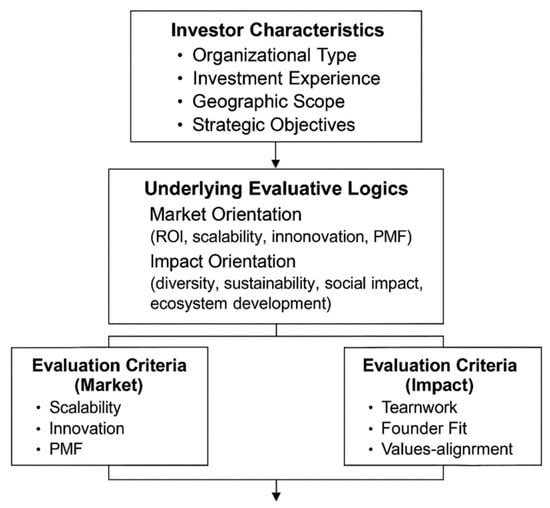
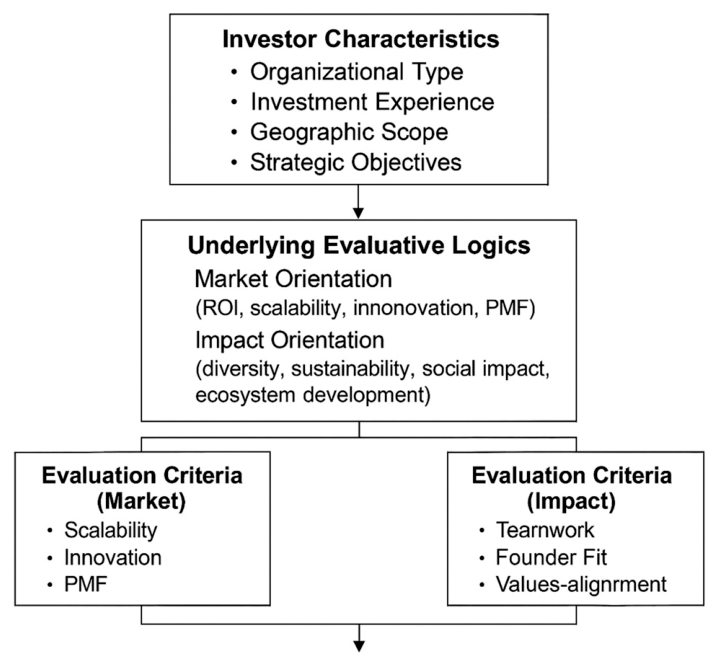
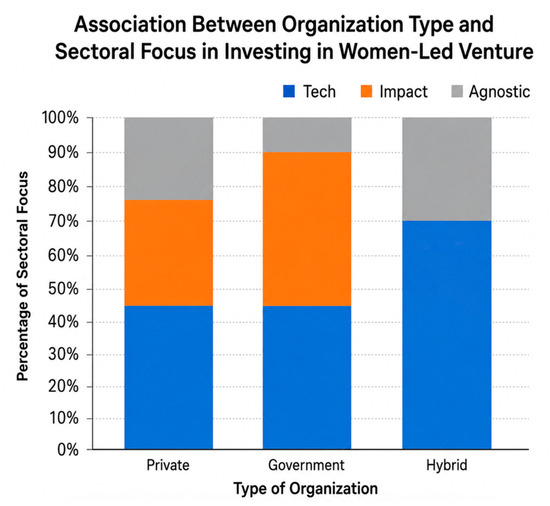
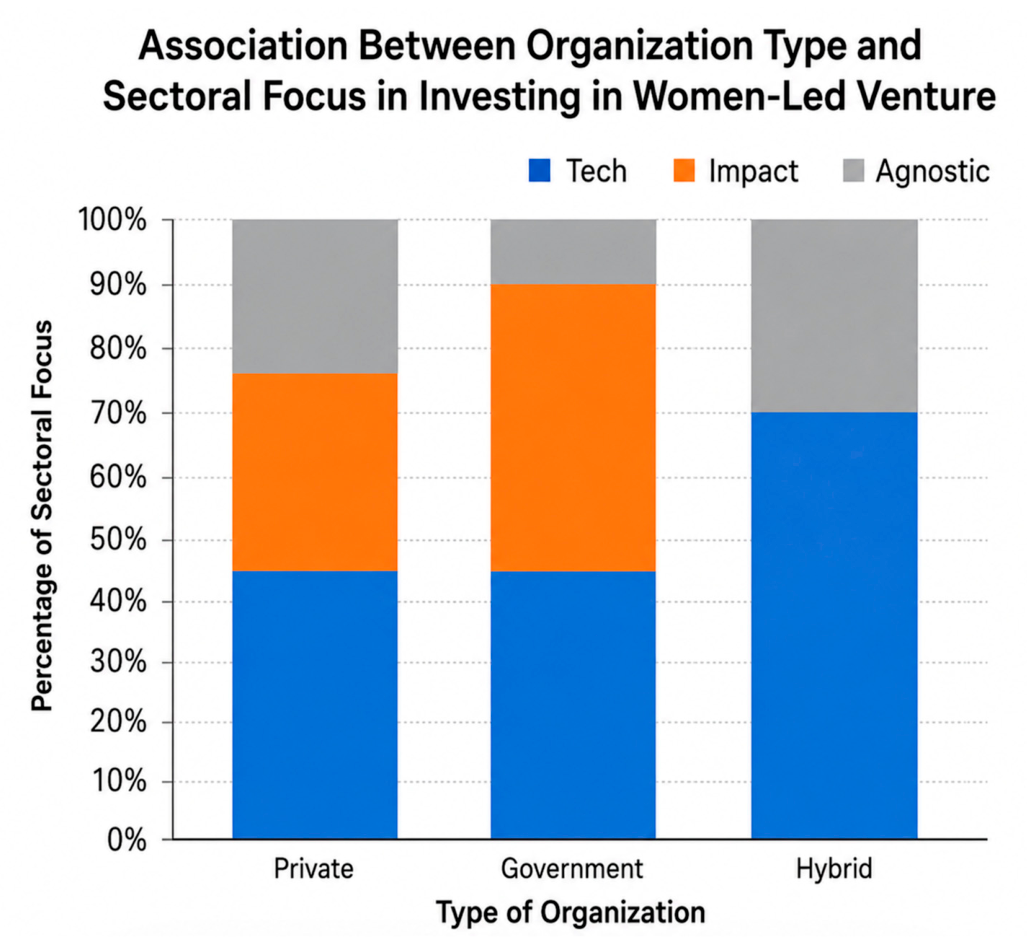
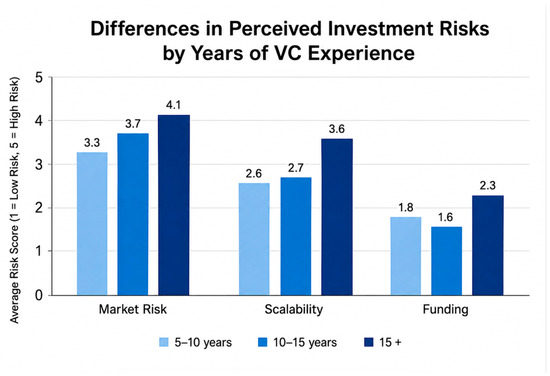
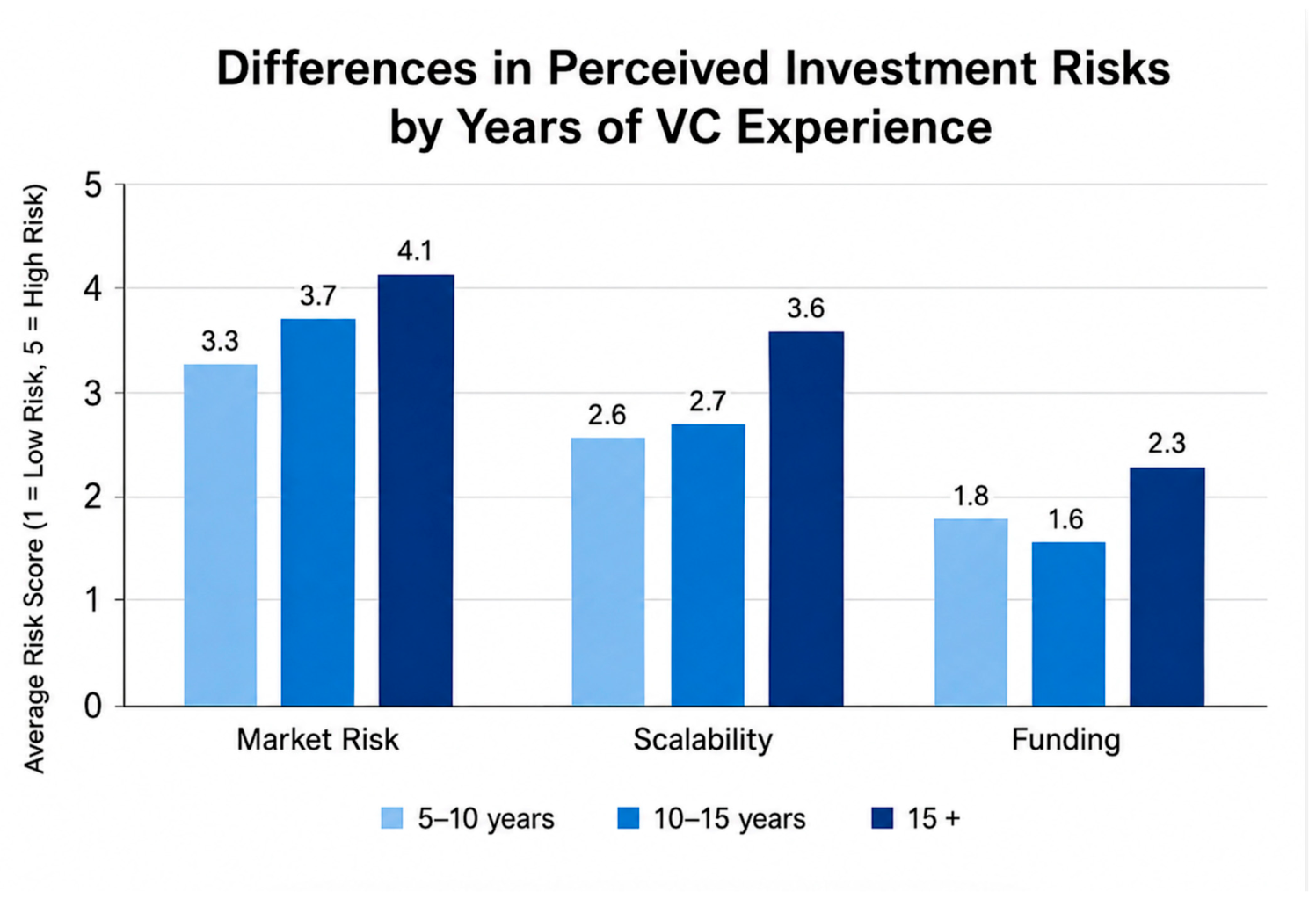
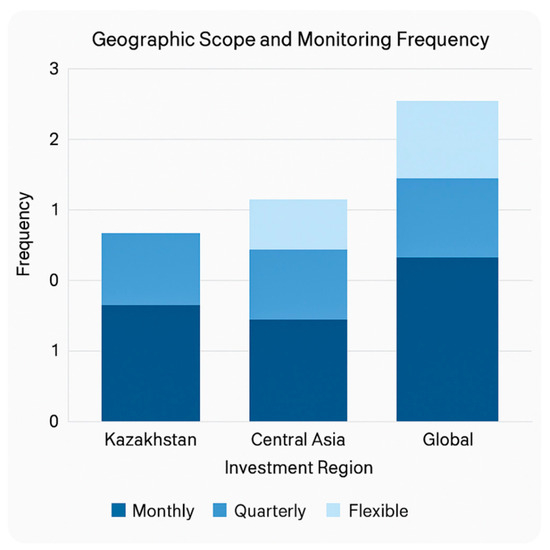
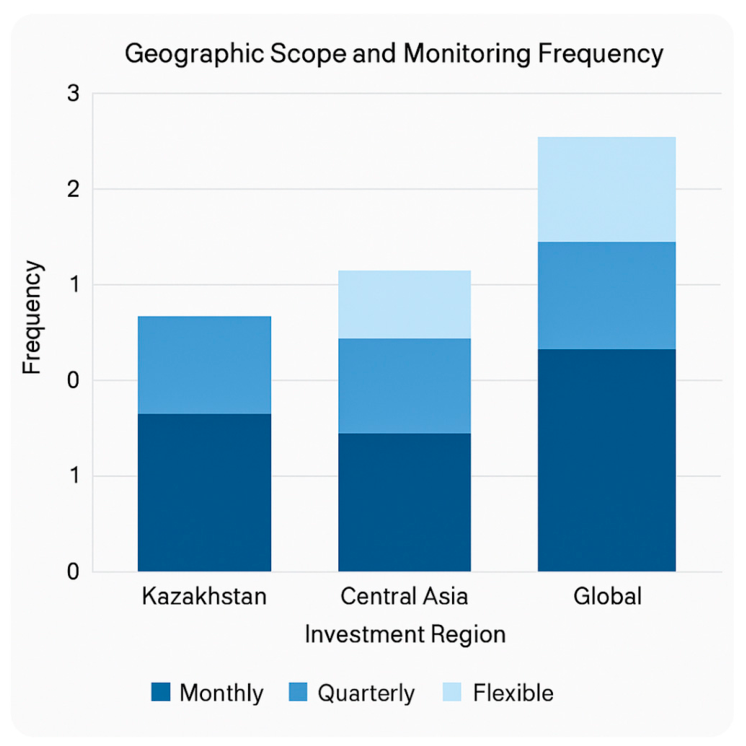
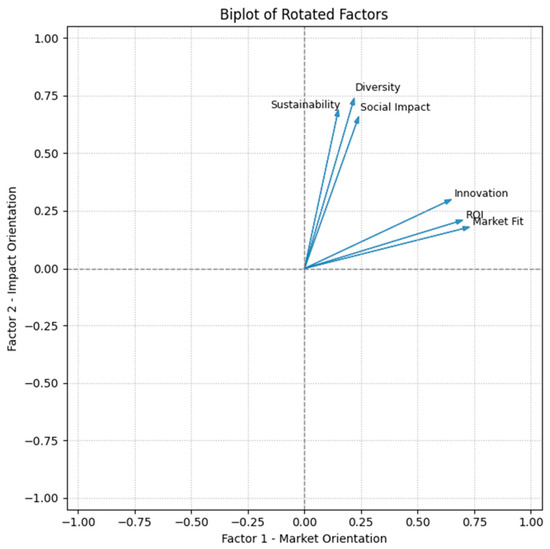
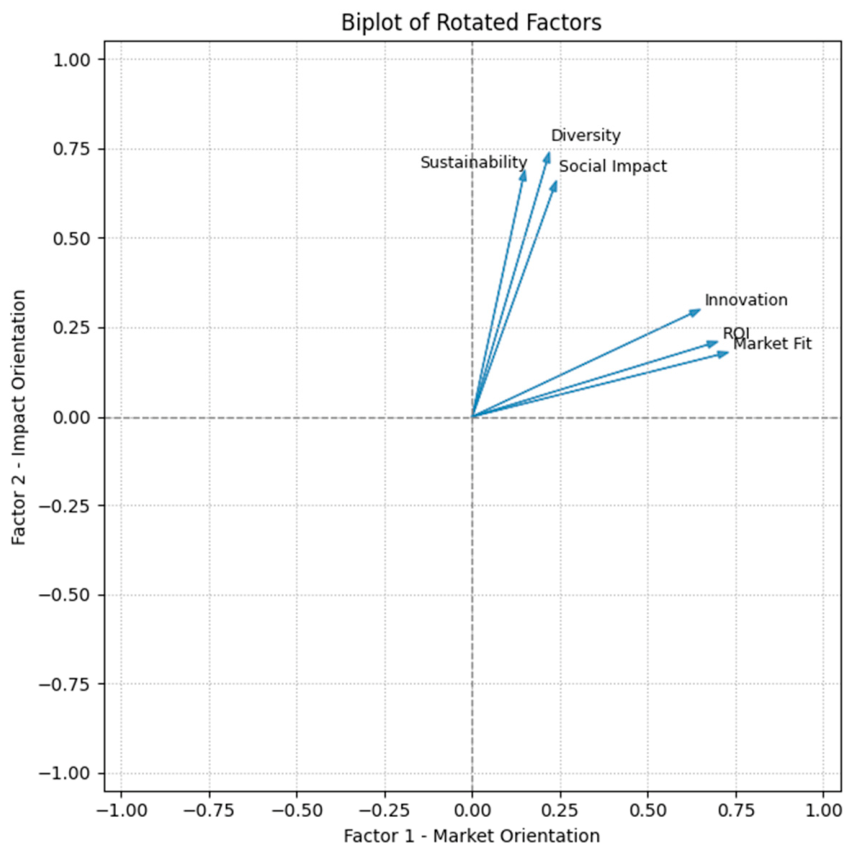

Disclaimer/Publisher’s Note: The statements, opinions and data contained in all publications are solely those of the individual author(s) and contributor(s) and not of MDPI and/or the editor(s). MDPI and/or the editor(s) disclaim responsibility for any injury to people or property resulting from any ideas, methods, instructions or products referred to in the content. |
© 2026 by the authors. Licensee MDPI, Basel, Switzerland. This article is an open access article distributed under the terms and conditions of the Creative Commons Attribution (CC BY) license.