


Abstract
Increasing freshwater scarcity has intensified the need for energy-efficient and sustainable desalination technologies, making solar-assisted Direct Contact Membrane Distillation (DCMD) an attractive solution due to its low-temperature operation, high salt rejection, and compatibility with renewable energy. The PRISMA 2020 framework was used to systematically review and analyze the literature published on Scopus during the period 1974–2026 from a bibliometric and critical technical perspective. The study combines bibliometric analysis with critical analysis of technological development to investigate the development of solar-assisted DCMD and its use for sustainable production of freshwater, which was not incorporated in previous reviews. The analysis identifies rapid research momentum since 2017, with China, the USA, Saudi Arabia, Australia and Turkey being major contributors, and shows how the research focus has shifted to include the use of membrane materials, integration with renewable energy, fouling prevention, temperature polarization and energy efficiency. Significant advances have been made, yet commercialization is severely hampered by wetting of membranes, thermal losses, and low numbers of pilot-scale validations and inadequate standardized testing of performance. The review highlights the major research gaps and future directions, such as the development of advanced membrane materials and advanced hybrid renewable energy systems, the use of artificial intelligence (AI) for process optimization, conducting a comprehensive techno-economic and life-cycle assessment, and pilot-scale demonstration over a long duration. The results offer a comprehensive plan for the further development of solar-assisted DCMD for reliable and sustainable water production.
1. Introduction
Freshwater scarcity is an increasing global challenge driven by population growth, urbanization, industrial development, agricultural demand, and climate variability [1,2,3,4,5]. Desalination of seawater, brackish water, and concentrated saline streams is therefore an important strategy for expanding freshwater availability, particularly in water-stressed regions [6,7,8,9,10]. However, the environmental and economic sustainability of conventional desalination remains a concern because of high energy requirements, greenhouse gas emissions, concentrate management, and dependence on conventional energy sources [11,12,13,14]. These limitations have intensified the search for desalination processes that can operate efficiently with low-grade and renewable energy [15,16,17,18,19].
Membrane Distillation (MD) is a thermally driven membrane process that uses a temperature-induced vapor pressure difference across a hydrophobic microporous membrane. Unlike pressure-driven membrane processes, MD can utilize low-temperature heat sources while achieving very high salt rejection, making it attractive for desalination and concentration applications [20,21,22]. Among the different MD configurations, Direct Contact Membrane Distillation (DCMD) has received considerable research attention because of its relatively simple configuration, atmospheric-pressure operation, suitability for highly saline feeds, and compatibility with low-grade thermal energy [23,24,25,26,27]. However, the practical performance of DCMD is strongly affected by membrane wetting and fouling, temperature and concentration polarization, conductive heat losses, membrane durability, and module-scale heat and mass transfer limitations [28,29,30]. Consequently, improving membrane materials alone is insufficient; sustainable DCMD requires simultaneous optimization of membrane characteristics, thermal management, module configuration, and energy integration [28,29].
Solar-assisted DCMD has emerged as a promising approach for addressing the energy requirements of thermally driven desalination. Solar thermal energy can provide the relatively low-temperature heat required by DCMD, while thermal storage, heat recovery, photovoltaic–thermal systems, and hybrid renewable energy configurations can improve energy availability and system flexibility [30,31,32]. This approach is particularly relevant for decentralized freshwater production in remote, arid, coastal, and off-grid regions where solar resources are abundant and conventional energy infrastructure is limited. Recent research has therefore expanded beyond membrane development toward renewable energy integration, thermal management, fouling mitigation, process optimization, computational modeling, and intelligent control [31,33]. Nevertheless, the transition from laboratory-scale solar-assisted DCMD to reliable freshwater production remains constrained by membrane wetting and degradation, thermal losses, variable solar availability, limited long-term validation, and insufficient system-level economic and environmental assessment.
Several review studies have examined MD from different perspectives, including membrane materials and fabrication, transport mechanisms, module configuration, fouling and wetting, renewable energy integration, and hybrid desalination systems [34]. Recent reviews and research studies have further expanded the discussion toward solardriven desalination, renewable energy utilization, and advanced process configurations [31]. These contributions have substantially advanced understanding of MD and solar-assisted desalination; however, important gaps remain. Existing reviews often focus on individual technological components or provide predominantly narrative summaries of technical developments. Moreover, the evolution of research activity, emerging research themes, geographical and collaborative patterns, and their relationship with technological development are not consistently examined within the same framework. The recent literature on advanced membranes, renewable energy integration, artificial intelligence, computational modeling, and sustainable system assessment also makes it necessary to reassess the direction and maturity of the field.
A further gap concerns the limited integration between what the research community is studying and what the technology needs to achieve practical deployment. Bibliometric indicators can reveal changes in research priorities, emerging keywords, scientific collaborations, and underrepresented research areas, but publication counts alone cannot explain the technological significance of these trends. Conversely, a purely technical review may identify membrane, energy, and process challenges without demonstrating how these challenges correspond to the broader evolution of the research field. An integrated assessment is therefore needed to connect bibliometric evidence with experimental and engineering developments and to identify research themes that require greater attention for the transition from laboratory-scale studies to practical freshwater production.
Accordingly, this review addresses the following research questions:
RQ1.
How has research on DCMD evolved from conventional Membrane Distillation toward solar-assisted DCMD and, more specifically, solar-assisted DCMD for freshwater production?
RQ2.
Which geographical, disciplinary, thematic, and collaborative trends characterize this evolution, and what do these trends reveal about emerging research priorities?
RQ3.
How have developments in membrane materials, transport phenomena, fouling and wetting mitigation, module design, renewable energy integration, and process optimization contributed to the performance of solar-assisted DCMD?
RQ4.
Which scientific and technological gaps currently limit long-term operation, scale-up, economic feasibility, and sustainable freshwater production?
RQ5.
What emerging approaches, including artificial intelligence, computational fluid dynamics, hybrid renewable energy systems, thermal energy storage, and zero liquid discharge (ZLD), offer the greatest potential for advancing solar-assisted DCMD toward practical implementation?
To answer these questions, the present study integrates PRISMA 2020-based systematic literature selection, comparative bibliometric analysis, and critical technical assessment. Three related research categories—conventional DCMD, solar-assisted DCMD, and solar-assisted DCMD for freshwater production—are comparatively examined to trace the evolution of the field. Bibliometric evidence is subsequently connected with the technical literature to interpret developments in membrane materials, transport mechanisms, module configurations, renewable energy integration, fouling and wetting control, process optimization, techno-economic assessment, sustainability, and ZLD applications. The review further identifies underrepresented research areas and formulates specific priorities for future investigation, including long-term pilot-scale validation, standardized performance evaluation, advanced membrane development, intelligent process optimization, hybrid renewable energy integration, and comprehensive techno-economic and life-cycle assessment.
The principal contribution of this review is therefore not simply to summarize published studies, but to establish an integrated link between research evolution, technological development, and future deployment requirements of solar-assisted DCMD. Particular attention is given to the emerging application of solar-assisted DCMD for sustainable freshwater production and to the scientific gaps that must be addressed to move the technology from laboratory-scale development toward reliable, scalable, and commercially viable desalination systems.
2. Materials and Methods
2.1. Overall Review Framework
A systematic and integrated review methodology was followed to systematically assess the research progress of DCMD technologies for sustainable desalination. The review methodology merges quantitative bibliometric analysis with a critical technological assessment in order to establish a direct link between the evolution of the scientific research and advances in MD technology. The present study combines the two aspects of conventional review articles, bibliometric and technical, in a unified analytical framework, thus providing a comprehensive picture of the current state of research, technological advances and future research priorities.
Seven sequential stages of the review methodology were performed:
- Discussion of planning and research goals;
- Systematic literature search;
- PRISMA-based study selection;
- Data extraction and bibliometric analysis;
- Critical thematic review;
- Determination of research gaps and synthesis;
- Specification of future directions.
Each stage was developed to be methodologically transparent and reproducible and consistent across the review process.
A comprehensive literature search was first conducted to find publications on DCMD, solar-assisted MD and freshwater production. After identification and screening, eligible studies were analyzed bibliometrically, with the aim of examining the trends of publications, citation patterns, international cooperation, influential journals, research productivity, and the evolution of the theme. The bibliometric evidence obtained was then used to organize the critical technology review, enabling the understanding of the scientific developments in the context of their evolution in time.
The technical assessment does not review the publications in chronological order but instead is organized by the dominant themes of the research identified with bibliometric mapping. Themes include membrane materials and fabrication, transport phenomena, membrane fouling and wetting, integration with renewable energy, thermal and energy performance, TEL, and ZLD applications. This organization of the review allows for a comprehensive comparison of technological advancements, aids in the identification of outstanding scientific questions, and sets a logical course for future research directions.
The overall methodological workflow used in this study is shown in Figure 1, summarizing the sequential steps, starting from the identification of the literature and finishing with the integrated bibliometric and technological synthesis.
Figure 1.
Overall methodological workflow of the systematic review incorporating the PRISMA 2020 framework, bibliometric analysis, and critical technical evaluation.
2.2. Literature Search and Study Selection
To cover the maximum volume of peer-reviewed research on solar-assisted DCMD, a systematic literature search (SLS) was performed using the Scopus database. Scopus was selected because it provides one of the largest curated multidisciplinary bibliographic databases, offering broad coverage of the peer-reviewed literature in engineering, environmental science, materials science, energy, and water resources [31]. In addition to its extensive journal coverage, Scopus provides standardized bibliographic metadata and citation information that are fully compatible with established bibliometric software packages, including Biblioshiny (Bibliometrix Rpackage bibliometrix 5.1.1) and VOSviewer, thereby ensuring reliable, consistent, and reproducible bibliometric analyses [34]. The use of a single, standardized database also minimized inconsistencies in bibliographic metadata and reduced potential duplication of records during data extraction and network analysis. Nevertheless, it is acknowledged that publications indexed exclusively in other scientific databases, such as Web of Science, IEEE Xplore, Dimensions, or Google Scholar, were not included in the present bibliometric dataset.
The literature search included papers published from 1974 to 2026, including those early papers that helped develop MD technology, as well as the many papers on renewable energy-driven desalination systems that have been published recently. Searches were conducted in the following areas to maximize the number of relevant publications retrieved and minimize the number of non-relevant publications retrieved: title, abstract, and keywords.
Boolean operators (AND, OR) along with phrase searching were used to integrate keywords related to MD, solar energy, desalination, freshwater production, membrane performance, fouling, wetting, polarization, integration with renewable energy, and thermal efficiency in order to achieve an extensive and reproducible search strategy. The search strategy was iterative in order to maintain both sensitivity and specificity, in order to capture publications directly relevant to the objectives of the present review. Boolean search terms applied in the Scopus database are shown in Table 1.
Table 1.
Representative Boolean search strategy used for literature retrieval from the Scopus database.
After conducting the literature search, all data that were retrieved were exported in CSV format along with bibliographic details such as publication year, document type, author, institution, country, journal, number of citations, abstract and author keywords. Both the bibliometric evaluation and the thematic organization of the technical review were based on these metadata.
The retrieved publications were then screened following the Preferred Reporting Items for Systematic Reviews and Meta-Analyses (PRISMA 2020) guidelines such that the study selection process was systematic and transparent. Initially, duplicate records were identified and removed. Across the remaining publications, a title-and-abstract screening was conducted to eliminate papers that did not relate to MD, solar-assisted desalination or freshwater production. Full-text assessment then took place to determine whether the article was relevant to the pre-established objectives according to the review and eligibility criteria. Publications that met all the inclusion criteria were kept in the final bibliometric dataset and critical technological assessment [35].
Only scientifically relevant and methodologically appropriate studies were included in the review, hence the PRISMA-based screening procedure.
2.3. Eligibility Criteria and Quality Assessment
Pre-defined eligibility criteria were set up to guarantee the scientific quality, relevance and consistency of the literature reviewed in detail before the publications were retrieved. Those criteria were set to provide a restriction that would allow us to identify studies which directly concern solar-assisted DCMD and to exclude those that were not related to the goals of the present review. Table 2 summarizes all the inclusion and exclusion criteria.
Table 2.
Inclusion and exclusion criteria adopted for literature selection.
Journal articles published between 1974 and 2026 in journals indexed in the PubMed search engine and published in English were eligible for inclusion in the review. Eligible studies emphasized MD, in particular, DCMD, and included membrane materials, membrane fabrication, modular configurations, transport phenomena, renewable energy integration, membrane fouling and wetting, thermal and energy performance, techno-economic analysis, and zero liquid discharge (ZLD) applications. Studies were included which covered broader desalination technologies, provided useful information on the development of DCMD and/or the development of MD technologies used in combination with solar energy.
To ensure that the scientific quality and the reporting standards were kept consistent, publications like conference proceedings, book chapters, editorials, notes, dissertations, patents, and non-English publications were excluded. Likewise, studies that were not sufficiently technically informed, experimental or performance-evaluated for the goals of this review were not included in the detailed synthesis. The publications that passed the screening process continued to be assessed as full articles using the PRISMA processes. All the articles were assessed for their scientific relevance, methodology, experimental or modeling information, and contribution to the further development of the research in solar-assisted DCMD. Papers giving detailed descriptions of membrane characteristics, operating conditions, process performance, integration with renewable energy and/or technological innovations were prioritized for the critical review.
While the current study was not quantitative, the methodological quality of the literature reviewed was assessed systematically, and only publications of high methodological quality were included to ensure the reliability of the synthesized evidence. Special attention was paid to the transparency of experimental setups, membrane characterization techniques, operating parameters, validation methods, and reporting of key performance indicators like permeate flux, salt rejection, thermal efficiency, specific energy consumption, membrane fouling, membrane wetting, and long-term operational stability [36]. This qualitative assessment helped to show a balanced interpretation of the literature available and minimize the impact of the studies that did not report enough methodological detail.
The literature identification, screening, eligibility assessment, and study selection procedures were conducted following the PRISMA 2020 guidelines, as illustrated in Figure 2.
Figure 2.
PRISMA 2020 flow diagram of the literature selection process for the systematic review of solar-assisted DCMD.
2.4. Data Extraction
Following the final selection of eligible publications, relevant bibliographic and technical information was systematically extracted using a standardized data extraction framework to ensure consistency throughout the review. The information retrieved was used as the basis for the bibliometric analysis as well as the critical technological assessment that followed.
Bibliographic information included publication year, document type, journal name, authors, institutional affiliations, countries, citation counts, author keywords, and indexed keywords. The data were analyzed in terms of publication trends, scientific productivity, collaboration network, impact of publications, thematic changes and hot topics in the solar-assisted DCMD research field. Bibliographic metadata were collected from each study, and detailed technical information was extracted from each study. This encompassed the membrane material and fabrication technique, membrane properties (pore size, porosity, thickness, hydrophobicity, and liquid entry pressure (LEP)), module configuration, feedwater characteristics, thermal conditions, flow conditions, permeate flux, salt rejection, specific energy consumption, renewable energy source, mechanism of heat recovery, membrane fouling, wetting behavior, and technological limitations mentioned so far. Data on pilot-scale applications, techno-economic analysis, life-cycle analysis, and ZLD systems were also gathered, where available.
The retrieved data were structured into thematic categories that matched the main research themes determined with the bibliometric mapping. The classification allowed the systematic comparison of studies based on membrane performance, transport mechanisms, integration of renewable energy, process optimization, and commercial feasibility. Therefore, the data extraction process also served as the bridging element between the quantitative bibliometric assessment and the qualitative critical review, thereby enabling the subsequent discussion to be based on a consistent and transparent evaluation of the literature published.
2.5. Bibliometric Analysis
A bibliometric analysis was performed to quantitatively examine the development of the world’s research on DCMD, solar-assisted DCMD (SADCMD) and solar-assisted DCMD for freshwater production (SADCM) from 1974 to 2026. The bibliographic records obtained from the Scopus database were exported as a CSV file and analyzed with the Biblioshiny (Bibliometrix R-package) and VOSviewer (version 1.6.20). This software combination allowed for complete descriptive analysis, scientific mapping, network visualization, and thematic interpretation of the retrieved literature [37].
Biblioshiny was employed to evaluate descriptive bibliometric indicators, including annual scientific production, publication growth, document types, source journals, author productivity, institutional productivity, country-wise scientific output, citation analysis, thematic evolution, and trend topic analysis. These indicators provided a quantitative overview of the growth and maturity of research in solar-assisted DCMD while identifying influential publications, leading contributors, and emerging areas of investigation [38].
VOS viewer was utilized to construct bibliometric network maps illustrating scientific relationships between authors, institutions, countries, journals, references, and research topics. Co-authorship analysis was performed to examine patterns of international scientific collaboration, whereas keyword co-occurrence analysis was conducted to identify dominant research themes and emerging technological trends. Citation and co-citation analyses were further employed to investigate the intellectual structure of the research field by identifying highly influential publications and the relationships between frequently cited references [39].
To ensure meaningful interpretation of the bibliometric networks, minimum occurrence thresholds and normalization procedures were applied in accordance with the recommendations provided in the VOS viewer and Bibliometrix documentation. The resulting networks were grouped into thematic clusters using the association strength normalization algorithm implemented within VOS viewer. Network characteristics such as node size, link strength, cluster formation, and Total Link Strength (TLS) were interpreted to evaluate research productivity, collaboration intensity, and the interrelationships between major scientific themes [40].
Unlike conventional bibliometric studies that primarily present publication statistics and visualization maps, the bibliometric analysis in the present review serves a broader analytical purpose. The identified thematic clusters, collaboration patterns, and research hotspots were subsequently used to organize the critical technological review. Consequently, bibliometric evidence was integrated with a qualitative literature synthesis to establish a direct relationship between the evolution of scientific research and technological developments in solar-assisted DCMD [41].
The principal bibliometric indicators evaluated in this study include:
- Annual scientific production and publication growth.
- Document type and language distribution.
- Subject area classification.
- Source journal productivity and citation impact.
- Author, institutional, and country productivity.
- International collaboration and co-authorship networks.
- Citation and co-citation analysis.
- Keyword co-occurrence networks.
- Thematic evolution and trend topic analysis.
- Comparative bibliometric assessment of the three research domains.
The integrated interpretation of these indicators provided the scientific foundation for identifying research trends, evaluating the maturity of different technological areas, and establishing the thematic structure adopted in the subsequent critical review.
2.6. Critical Technical Review Framework
Following the bibliometric analysis, a comprehensive critical technical review was undertaken to evaluate the technological progress achieved in solar-assisted DCMD. Rather than reviewing the selected publications chronologically or summarizing individual studies independently, the present review adopts a theme-oriented analytical framework in which the dominant research themes identified through bibliometric mapping serve as the basis for the critical synthesis of the literature.
The bibliometric analysis identified several major research domains that have driven the evolution of solar-assisted DCMD over the past five decades. Accordingly, the technical review was organized into thematic sections covering membrane materials and fabrication techniques, transport phenomena, membrane fouling and wetting, temperature and concentration polarization, renewable energy integration, thermal and energy performance, TEA, pilot-scale demonstrations, and zero liquid discharge (ZLD) applications. The thematic organization allowed the systematic analysis of technological innovations and the linking of the evolution of research with innovations in science.
The selected studies were then compared within the respective thematic domains in terms of experimental methodology, membrane characteristics, operating conditions, feedwater composition, module configurations, permeate flux, salt rejections, thermal efficiency, specific energy consumption, renewable energy utilization, membrane durability, fouling behavior, wetting mechanisms, and reported technological limitations. The results were presented through a focus on commonalities, discrepancies, strengths and weaknesses in methodology, and unanswered scientific questions found throughout the literature.
In contrast to the traditional narrative review, which mainly presents a summary of each publication, the present study focuses on comparative synthesis and critical interpretation. Technological developments are analyzed as a whole to identify research trends, to evaluate the maturity of the different approaches, to assess the practical importance of the found results, and to point out the areas which merit further investigation. It allows for a more comprehensive understanding of the status quo of solar-assisted DCMD technology, while avoiding the drawbacks of a view-by-view discussion of each study.
Moreover, the recent developments in the field of membrane engineering, renewable energy use, process optimization, heat recovery, and system design are examined for their practical applications and contribution to improving desalination efficiency, reliability, and commercial viability. In addition, techno-economic analyses, life-cycle sustainability evaluations and pilot-scale implementations are critically evaluated to gauge the readiness of solar-assisted DCMD deployment on a large scale. The framework of the proposed review is a hybrid of quantitative bibliometric evidence and qualitative technological assessment, thus creating a direct link between scientific development and engineering innovation. This methodology is integrated, thus enabling the identification of emerging research priorities, evidence-based interpretation of technological progress, and a comprehensive roadmap for advancing solar-assisted DCMD towards sustainable and commercially viable desalination systems.
2.7. Methodological Limitations
It is worth noting that even though the methodology used in this study gives a systematic and comprehensive evaluation of solar-assisted DCMD research, there are several limitations which should be considered for proper interpretation of the results.
The authors’ first limitation in the bibliometric analysis is that it was performed only with the Scopus database. The choice of Scopus was made due to the fact that it covers a large number of disciplines, the metadata are standardized, it provides a wide range of bibliographic citations, and it is compatible with popular bibliometric analysis tools such as Biblioshiny and VOS viewer [42]. Publications indexed exclusively in other scientific databases, such as Web of Science, Dimensions, IEEE Xplore, or Google Scholar, were not included in the analysis. Consequently, slight variations in publication counts, citation metrics, collaboration networks, and thematic clustering may occur when different databases are used. Despite this limitation, previous bibliometric studies have demonstrated that Scopus provides sufficient coverage for reliable trend analysis in engineering and environmental sciences, making it an appropriate database for the objectives of the present review [43,44].
Second, this study was designed as an integrated bibliometric and critical review rather than a quantitative meta-analysis. The selected publications encompass diverse membrane materials, fabrication techniques, module configurations, feedwater compositions, renewable energy systems, operating conditions, and performance evaluation methods. Such methodological heterogeneity limits the direct statistical comparison of reported results and precludes the application of pooled effect-size estimation or other quantitative meta-analytical techniques. Consequently, the findings presented in this review should be interpreted as a qualitative synthesis of current knowledge rather than statistically generalized performance estimates [45,46].
Third, the quality and completeness of the synthesized evidence are inherently dependent on the information reported in the original publications. Variations in experimental design, membrane characterization methods, operating parameters, reporting standards, and performance indicators may influence the direct comparability of individual studies. In addition, there are publications that give a good characterization of a membrane but less energy analysis; there are also publications that focus on process performance without any comprehensive reporting of membrane properties or long-term process stability. These inconsistencies were taken into account in the critical evaluation, and conclusions were drawn by comparing the trends of various studies and not by using individual findings.
Another limitation is the fast development of MD research. At the same time, there are significant advancements in the development of advanced membrane materials, hybrid renewable energy systems, AI-assisted process optimization, pilot-scale desalination technologies, etc. Therefore, studies that were published since the literature search was conducted may not be included in this review. The time period chosen for the publications (1974–2026) covers the historical development, current research focus, and significant technological progress of solar-assisted DCMD, thus creating a sound basis for assessing long-term research trends.
In spite of such restrictions, there are some important strengths of the methodological approach used in this study. The systematic literature review, inclusion of a study selection based on PRISMA, structured data extraction, bibliometric analysis and critical thematic synthesis are both transparent and reproducible and offer a comprehensive approach for analyzing the development of solar-assisted DCMD studies. Most importantly, the inclusion of quantitative bibliometric data in the qualitative technological assessment allows the identification of research trends, scientific gaps, technological challenges and future research priorities through a single analysis [47]. This integrated methodology not only enhances confidence in the present review but also serves as a useful tool to inform future research and the commercialization of sustainable membrane-based desalination technologies.
3. Comparative Bibliometric Analysis
Recent years have seen a surge in the interest and development of DCMD and its combination with renewable energy systems for freshwater desalination, which has led to a remarkable acceleration in research efforts. The field has developed over the last 50 years, and the areas of research have gradually moved from the fundamental study of membrane materials and transport phenomena to the development of more energy-efficient, environmentally friendly and commercially viable desalination systems. It is crucial to understand this scientific development to determine research maturity, new technological avenues, and the remaining challenges that impede widespread deployment.
To explore these developments, a comparative bibliometric analysis was conducted on three increasingly narrowed sets of the literature obtained from the Scopus database (as described in the Section 2). The three sets of data are from three stages of the development of the research field:
Category I: Direct Contact Membrane Distillation (DCMD).
Category II: Solar-assisted Direct Contact Membrane Distillation (solar-assisted DCMD).
Category III: Solar-assisted Direct Contact Membrane Distillation (DCMD) plant for freshwater production.
The selected categories were chosen to show a progressive shift from traditional MD to renewable energy-based desalination technologies for sustainable freshwater production. Category II shows the growing integration of solar energy in MD systems, while Category III is devoted to the practical application of MD systems with the aim of producing freshwater in sustainable operating conditions.
The approach taken in the present study is not an analysis of each of these datasets separately, but a comparative approach to search for shifts in research priorities at various stages of technological development. The analysis covers the geographical distribution of scientific contributions, characteristics of publications, the growth of scientific research over time, changes in the disciplines over time, and emerging research themes. The changes in scientific focus, the maturity of each research domain, and the progress of the convergence of advances in membrane science with renewable energy engineering and water resource management sustainability can be identified by comparing these bibliometric indicators. The comparative bibliometric analysis also offers valuable information on the distribution of research activities on a global level. It pinpoints countries, institutions and scientific communities that are innovating in solar-assisted DCMD and showcases areas where research and innovation lag in the face of growing freshwater demand. These observations can yield information useful for international collaboration, technology transfer and future research possibilities, especially for developing countries that have plenty of solar resources and are facing increasing water shortages.
Beyond describing publication statistics, the bibliometric analysis serves as the foundation for the subsequent critical technological assessment presented in this review. The thematic clusters identified through publication trends, collaboration networks, subject area distribution, and keyword analysis provide a structured framework for evaluating recent advances in membrane materials, module configurations, renewable energy integration, fouling mitigation, thermal performance enhancement, process optimization, and techno-economic feasibility. Consequently, the bibliometric findings are not presented as an isolated quantitative exercise but are integrated with the technical review to establish a direct relationship between the evolution of scientific research and technological innovation in solar-assisted DCMD.
Accordingly, this section presents a comparative evaluation of the three bibliometric datasets through five complementary perspectives: (i) country-wise scientific contribution, (ii) document characteristics, (iii) publication growth, (iv) subject area evolution, and (v) major bibliometric insights and future research implications. Together, these analyses provide a comprehensive overview of the intellectual development of solar-assisted DCMD and establish the scientific context for the detailed technical review presented in the subsequent sections.
3.1. Evolution of Global Research Contributions
The geographical distribution of scientific publications provides valuable insight into the global evolution of DCMD research and highlights the countries that have driven technological innovation in membrane-based desalination. Beyond reflecting scientific productivity, the spatial distribution of publications illustrates how regional priorities, research infrastructure, water scarcity, and renewable energy availability have collectively influenced the direction of DCMD development. The three bibliometric datasets are also compared, showing a gradual shift from basic membrane science to renewable energy for desalination and most recently to sustainable freshwater production systems.
The research on conventional DCMD (Category I) is mainly carried out by China, followed by the United States and Australia. These countries’ leadership is the result of long-term investment in membrane science, advanced materials research and desalination engineering. Their work does not stop at the publishing of studies; many of their papers have laid the scientific groundwork for the current status of DCMD, such as the development of hydrophobic membrane fabrication, membrane surface modification, module configuration, heat and mass transfer modeling, membrane fouling mitigation and process optimization. It is these major scientific institutions that have largely produced the technological themes that are identified later in this review—some of which are involved in research related to ‘Membrane Engineering’, ‘Transport Phenomena’ and ‘Thermal Performance Enhancement’. This observation reflects the close correlation between publication productivity and the technological maturity of the researcher, not merely quantitative measures of research activity.
It was found that there is a significant difference in contributions to solar-assisted DCMD in Category II, with Saudi Arabia being one of the leading contributors. The shift is from the performance enhancement of membranes to integrating renewable energy into desalination systems, highlighting an important shift in research interest. There is a strong relationship between Middle Eastern countries and the challenges that these regions face, such as scarcity of freshwater resources, high solar irradiance, and reliance on energy-intensive desalination technologies. These factors have promoted studies on solar thermal collectors, energy-efficient DCMD configurations, thermal energy storage and energy-efficient hybrid RE systems. Therefore, the geographical trend revealed by the bibliometric analysis is directly linked to the technological trend that is discussed in the following sections of this review, with an increasing focus on the integration of renewable energy, thermal management and system sustainability.
This trend is even clearer in Category III (solar-assisted DCMD for freshwater production). This dataset is small but shows a developing phase where the interest is now shifting from laboratory-scale membrane development to actual freshwater production. The rising share of Pakistan is an indication of the increasing demand for decentralized desalination technologies that can meet regional water needs by utilizing locally available solar resources. In contrast to previous years of DCMD research studies, publications in this class are now increasingly reviewing entire desalination systems, pilot-scale applications, and the potential for renewable energy production of freshwater. This trend is moving towards optimizing systems rather than components, and the large-scale demonstration and long-term operation of the field is still relatively limited.
A comparative analysis of the three bibliometric categories shows that the priorities of research in the world have clearly changed. Initial investigations were carried out in countries with a long history of membrane engineering and thermal desalination. With growing water security, energy sustainability and climate change concerns, research activities gradually shifted to areas where renewable energy sources and water scarcity are linked. This geographical shift is not only in terms of the number of publications but also in the goals of DCMD research, which have shifted from maximizing the performance of membranes towards developing integrated, energy-efficient, environmentally friendly desalination systems. The bibliometric analysis results are thus used to explain the thematic development in the technical literature from the various sections that follow, specifically the increasing focus on incorporating renewable energy, hybrid system configurations, and sustainable desalination approaches.
Although solar-assisted DCMD is gaining worldwide interest, the geographical distribution of research is uneven. There are still many developing countries with large resources of solar power and growing freshwater needs that continue to produce relatively few publications, such as India and some African countries. The network of international collaborations around solar-assisted DCMD (Figure S1) shows that a relatively small number of established research groups remain involved in the field, while the network of collaborations for solar-assisted DCMD for freshwater production (Figures S2 and S3) suggests that collaborations in this newly emerging field are still in the process of developing. This limited international cooperation may contribute to the relatively slow pace at which innovations developed at the laboratory scale are translated to pilot-scale and commercial applications, as multidisciplinary expertise is spread out across various research communities, such as membrane science, solar thermal engineering, process modeling, and TEA. Robust international cooperation and collaboration between research groups would then help speed up the transfer of technology, ease the process of standardized performance evaluation, encourage pilot-scale testing validation, and facilitate commercialization of solar-assisted DCMD technologies.
Overall, the country-wise analysis shows that the global development of DCMD research has been driven by both scientific capability but also by the challenges in regions and societies. The sequence of geographical events is accompanied by a corresponding sequence of technological developments, from basic membrane studies to integration with renewable energy to sustainable production of freshwater. Therefore, the bibliometric results offer a valuable scientific context for the technical developments highlighted in the remainder of this review and demonstrate the direct impact of evolving global research priorities on developments in membrane materials, thermal management, integration of renewable energy, and practical desalination system development.
3.2. Evolution of Publication Characteristics
The type of publication distribution shows important information about the scientific maturity, dissemination of knowledge and technological evolution of DCMD. Document-type analysis not only signals the preferred ways of communication, but also represents the technological level of a research area. For all three bibliometric categories, the number of experimentally validated and reproducible peer-reviewed journal articles constitutes more than 90% of the publications retrieved, meaning that the development of DCMD has focused mainly on experimentally validated and reproducible research publications and not on preliminary communications or non-peer-reviewed literature. The high proportion of journal publications reflects the development of the field from exploratory investigations to systematic scientific validation and thus a solid basis for future technological innovations.
Conventional (Category I) DCMD has the highest number of publications, as it is the most developed field in MD studies. The overwhelming dominance of peer-reviewed journal articles is reflective of decades of continuous research on membrane fabrication, surface modification of membranes, transport phenomena, mechanisms of heat and mass transfer in membranes, membrane module design, enhancement of permeate flux, fouling mitigation, and process optimization. These studies have laid foundations for the basic science of modern MD technologies. The high journal publication rate is in fact not just a bibliometric characteristic but also a sign of the technological maturity of conventional DCMD, as newly gained knowledge in membrane science has been moving from fundamental to optimized process performance. This evolution will be the technical background for the following sections on membrane materials, transport mechanisms and fouling control (Section 4.1, Section 4.2, Section 4.3 and Section 4.4).
Meanwhile, relatively few publications are found in Categories II (solar-assisted DCMD) and III (solar-assisted DCMD for freshwater production), even though these categories have a high percentage of peer-reviewed journal articles (Supplementary Figures S4 and S5). These frequencies of publications are not a signal of limited scientific interest but rather the newness of renewable energy-integrated MD technologies. The increasingly popular integration of membrane systems with solar thermal collectors, PV-assisted membrane systems, thermal energy storage, hybrid renewable energy systems, and sustainable freshwater production under realistic operating conditions are the topics of increasing research within these categories. The continued focus on experimental studies, which are peer-reviewed, reflects that these technologies are still in an active research phase, moving from laboratory research to pilot-scale testing and application.
The changes in publication characteristics also reflect the overall shift in DCMD research from discipline-based research on membranes to interdisciplinary engineering applications. Early studies primarily focused on membrane material development, pore structure optimization, and transport phenomena, while recent studies are increasingly involving renewable energy integration, thermal management, computational modeling, process optimization, environmental sustainability and TEA. This transition shows that, in the future, technological advances in solar-assisted DCMD will not only be related to membrane technology improvements but more and more related to membrane technology integration with energy systems, process control and sustainability analysis. The topics published are therefore diversifying in line with the complexity and interdisciplinary nature of next-generation MD technologies, which are explored in detail in the technical review.
While original research articles are the prevailing format in the literature, the relatively small number of review papers shows there is a need for in-depth, evidence-based reviews that can synthesize developments in membrane science, renewable energy engineering, modeling, and environmental sustainability. This dispersion of knowledge within these various disciplines creates difficulties in determining trends and research priorities over the broad area of technology. Similarly, the number of techno-economic analyses, LCAs and system-level studies is relatively small, suggesting that commercialization issues are underrepresented. Based on these observations, future research could be improved by combining experimental studies with integrated system evaluation, economic feasibility studies and sustainability assessment to make the transition from innovation in the laboratory to commercial desalination technologies.
The document-type analysis shows that, generally, DCMD is a scientifically well-developed research field with a good amount of experimental, peer-reviewed literature. But the relative smallness of publications in solar-assisted DCMD categories suggests that renewable energy-beaten MD is still a new technology with a huge potential for innovation. To ensure further advancements, the bibliometric evidence indicates that the future will require multidisciplinary studies combining solar energy systems, computational modeling, pilot-scale validation and techno-economic optimization of membranes. The trends discussed here facilitate technical advances and future research priorities that follow in the next sections of the present review and contribute to moving from fundamental membrane science to practical and sustainable freshwater production systems.
3.3. Evolution of Scientific Growth
The temporal development of the scientific research published gives a valuable insight into the technological evolution of DCMD and shows how the research emphasis has shifted from fundamental membrane science to integrated renewable energy-driven desalination systems. The figures of growth shown for the three bibliometric categories are not just due to increased numbers of publications, but rather to the successive stages of the scientific maturity of DCMD. The comparative analysis of the publication trends shows a clear shift from an understanding of basic transport mechanisms to the development of sustainable technologies for the production of freshwater, which can be used to solve global water and energy problems.
Category 1 (Conventional DCMD) is the basic level of research, in which investigations were mainly oriented towards the definition of the scientific principles of MD. Initial research focused on hydrophobicity properties of membranes, pore structure, heat and mass transfer, membrane wetting, transport mechanisms, and design of membrane modules. The number of publications was relatively low during the first few years and started to rise quickly after 2007, as illustrated in Supplementary Figure S6 [37]. This acceleration corresponded with a marked development in membrane fabrication, computational modeling and experimental validation techniques and allowed moving beyond proof-of-concept studies to systematic optimization of membrane performance. The increases in publications are thus not just the result of increased scientific interest but also the development of the basic technologies that enable present-day DCMD systems. The technical groundwork for the following discussion on membrane materials, transport mechanisms, temperature polarization and fouling mitigation (in Section 4.1, Section 4.2, Section 4.3 and Section 4.4) is provided by these developments.
The second phase of the scientific evolution is symbolized by Category II (solar-assisted DCMD), which experienced an increasing number of publications representing a transfer of investigations from the membrane-centered phase to integrated renewable energy desalination systems. As indicated in Supplementary Figures S7 and S8, scientific activity has grown continuously since 2007, which aligns with the increased focus on sustainable desalination technologies throughout the world due to a shortage of freshwater, climate change, rising energy prices, and decarbonization efforts. Unlike traditional DCMD, studies of this type focus more and more on the integration of MD with solar thermal collectors, photovoltaic systems, thermal energy storage, waste heat recovery, and hybrid renewable energy (hybrid RE) configurations. This shift indicates that progress in technology is not just measured by the performance of the membrane but by the system’s efficiency, reliability and sustainability. The bibliometric development is, therefore, directly associated with a broadening of the technical scope, which will be discussed in later sections, in the fields of renewable energy integration, energy management, and system optimization.
The most recent development in the solar DMD field is Category III (solar-assisted DCMD for freshwater production) that focuses on implementation aspects and sustainability for freshwater production. While there are comparatively fewer publications for solar-assisted DCMD, the trend of increased publications in the years following 2011 suggests increased recognition of solar-assisted DCMD as a viable solution for decentralized freshwater production in water-scarce regions. In contrast to the earlier stages of research, which mostly worked on enhancing individual system components, a recent series of investigations increasingly focused on integrated desalination systems under realistic operation conditions, addressing issues such as long-term performance, energy efficiency, freshwater productivity, and environmental sustainability. However, the relatively small number of publications indicate that this research field is still in the early phase of technology deployment, offering significant opportunities for innovations in membrane engineering, thermal energy management, intelligent process control, and pilot-scale system validation.
The comparative analysis of the three trends in publication shows easily the chronological development of the priorities of DCMD research. Initial research focused mainly on the understanding of membrane properties and transport phenomena, laying the scientific groundwork for further developments in technology. As the technologies of renewable energy grew more sophisticated and the problems of water and energy sustainability became more acute, research started to focus more and more on solar-assisted MD, hybrid renewable energy integration, and environmentally friendly desalination systems. More recently, TEA, life-cycle sustainability, pilot-scale demonstrations, AI-assisted optimization, and digital modeling came to be included among the areas covered in the literature. This development reflects a complete paradigm shift in research; improvement comes not from new materials but rather more from the coming together of different disciplines.
As illustrated by the continuous rise in the number of scientific publications, the growing interest in DCMD as an emerging desalination technology, an alternative to conventional thermal desalination technologies, is also reflected (Figure S9). The energy requirement for the desalination process has been reduced to relatively low temperatures, allowing the use of low-grade or renewable heat sources, and these systems can be used in a wide range of desalination scenarios in which feedwaters are highly saline. More recently, a greater focus has been placed on improving the overall long-term performance and durability of systems, rather than just on the membrane properties of the desalination membranes, with challenges ranging from membrane durability, fouling resistance, thermal efficiency, and energy recovery to intelligent process optimization.
However, there are still some uncertainties that hinder the deployment of solar-assisted DCMD on a large scale. Despite significant scientific advances, there are still some issues that prevent the widespread implementation of solar-assisted DCMD. The bibliometric trends show that the majority of studies still focus on laboratory-scale experiments, and a comparably lower number of studies focus on pilot-scale demonstrations, operational reliability for a long time, standardized performance evaluation, economic feasibility and life-cycle environmental assessment. This imbalance reveals a significant research gap between technological innovation and commercialization. Future investigations should therefore prioritize multidisciplinary research integrating membrane engineering, renewable energy systems, computational modeling, AI, and techno-economic optimization to accelerate the translation of laboratory-scale advances into commercially viable desalination technologies.
Overall, the publication trend analysis demonstrates that DCMD research has undergone a systematic evolution over the past five decades, progressing from fundamental membrane science to integrated renewable energy-assisted freshwater production systems. More importantly, the temporal growth of the literature reflects corresponding technological advances in membrane materials, thermal management, renewable energy integration, and system-level optimization. The bibliometric findings therefore provide an analytical framework for understanding the technical developments discussed throughout the remainder of this review while identifying the key scientific gaps that must be addressed to facilitate large-scale commercialization of solar-assisted DCMD technologies.
3.4. Evolution of Research Disciplines
The distribution of research disciplines provides valuable insight into the scientific evolution of DCMD and illustrates how the field has progressively transformed from a membrane-centered research topic into an interdisciplinary technology integrating membrane engineering, renewable energy, computational sciences, and environmental sustainability. Rather than representing a simple diversification of publication categories, the disciplinary evolution reflects the changing scientific priorities required to overcome the technical limitations of conventional DCMD and to enable sustainable freshwater production. Consequently, the subject-area distribution provides an important framework for understanding the technological developments discussed in the subsequent sections of this review.
During the initial stage of DCMD research, Chemical Engineering, Chemistry, and Materials Science constituted the dominant disciplines, establishing the scientific foundation for MD technology. As illustrated in Supplementary Figure S10, Chemical Engineering and Materials Science account for the largest proportion of publications within conventional DCMD. Research in these disciplines primarily focused on membrane fabrication, surface modification, pore structure optimization, transport mechanisms, thermodynamic analysis, and membrane durability. These investigations have added greatly to the understanding of the fundamental principles underlying membrane performances, such as hydrophobicity, permeate flux, salt rejection, and anti-fouling and anti-wetting. But the dominance of these disciplines is simply indicative of the technological focus on understanding and optimizing the individual characteristics of the membranes, as discussed in Section 4.1, Section 4.2, Section 4.3 and Section 4.4, in terms of membrane materials, membrane transport mechanisms, temperature polarization and fouling control.
With the development of DCMD research toward renewable energy-assisted desalination, the disciplines of Engineering, Energy and Environmental Science became an ever more important part of the research. The disciplinary distribution of solar-assisted DCMD (Supplementary Figure S11) shows that work shifted from membrane optimization to system integration, energy management and sustainable process design. This shift was fueled by the increasing focus on freshwater shortages, climate change and the energy efficiency of desalination processes. Thus, solar thermal collectors, PAD, thermal energy storage, heat recovery, hybrid renewable energy systems, and integrated optimization of the process were increasingly explored. This transition illustrates that membrane performance improvement is not enough to desalinate sustainably; thus, the integration of membrane technology with renewable energy engineering and thermal management should be successful to achieve overall system efficiency. The scientific foundations for the technical discussion on solar-assisted configurations, hybrid systems and energy optimization presented later herein are interdisciplinary developments.
The interdisciplinary change is more apparent when looking at research on solar-assisted DCMD for freshwater production (Supplementary Figure S12). In this new field of research, the importance of engineering fields is enhanced with the increasing role of environmental sciences, sustainability and water resource management. Recent studies have begun to study complete desalination systems using the lenses of freshwater security, resource efficiency, carbon emissions, life-cycle sustainability, and climate resilience, instead of just assessing the performance of the membrane. This shift means that the characterization of technological development is no longer restricted to an increase in permeate production or energy efficiency, but also incorporates the contribution of integrated desalination system towards sustainable development goals. Therefore, the increased number of publications devoted to environmental and sustainability areas is a reflection of the shift from laboratory-scale membrane studies to real-life freshwater production systems for long-term societal and environmental improvement.
An important result of the bibliometric analysis is the growing role of computational and data-driven disciplines, as indicated by the importance of Computer Science, AI, Mathematical Modeling, and CFD. While the disciplines are not as well represented in the publications as the traditional engineering disciplines, their influence has increased rapidly in recent years. Machine learning algorithms are increasingly used to predict permeate flux, optimize operational parameters, estimate energy consumption, and the fouling behavior of membranes, and CFD can be used to simulate the coupled heat and mass transfer phenomena inside membrane modules in detail. These computational fields have emerged as an extension of the overall technological shift to intelligent, data-driven desalination systems that can optimize processes in real-time in the face of changing renewable energy conditions. In addition, their increasing significance marks the synergy between experiments and numerical modeling with a view to advancing technology development but limiting the number of experiments.
The development of the research fields obviously shows that the development of innovation in solar-assisted DCMD is increasingly becoming more interdisciplinary-oriented than science-field-oriented. The combined efforts of membrane science, thermal engineering, renewable energy technologies, computational modeling, and AI have led to the creation of more efficient and sustainable desalination systems. But the bibliometric analysis also shows that there are other areas of research that have not been sufficiently represented but which are still crucial for commercialization. In particular, comparatively few studies investigate TEA, life-cycle assessment (LCA), policy and regulatory frameworks, digital twin development, commercialization strategies, standardized pilot-scale validation, and long-term operational reliability. The limited representation of these disciplines indicates that future research must increasingly focus on bridging the gap between technological innovation and industrial implementation by integrating engineering advances with economic, environmental, and policy considerations.
Overall, the evolution of research disciplines demonstrates that the future development of solar-assisted DCMD will depend on continued interdisciplinary integration rather than incremental improvements in membrane materials alone. Future technological progress will require the combined application of advanced membrane engineering, renewable energy integration, AI, computational modeling, environmental sustainability assessment, and techno-economic optimization to develop resilient, energy-efficient, and commercially viable desalination systems. Consequently, the disciplinary evolution identified through the bibliometric analysis provides a scientific framework for interpreting the technological advances, remaining challenges, and future research opportunities discussed throughout the subsequent sections of this review.
3.5. Key Bibliometric Insights and Implications for Future Research
The comparative bibliometric analysis provides a comprehensive perspective on the scientific evolution of DCMD, demonstrating how the field has progressed from fundamental membrane research to an interdisciplinary technology integrating renewable energy, computational intelligence, and sustainable freshwater production. Rather than representing independent bibliometric observations, the combined analyses of publication trends, geographical distribution, publication characteristics, and subject-area evolution collectively illustrate the technological maturation of DCMD. These bibliometric patterns provide a scientific framework for interpreting the subsequent technical review by identifying the major technological transitions, emerging research themes, and unresolved challenges that have shaped the development of solar-assisted DCMD.
One of the most significant findings is the chronological evolution of research priorities over the past five decades. Early investigations focused primarily on understanding membrane properties, transport phenomena, heat and mass transfer, and process optimization, thereby establishing the scientific foundation of conventional DCMD. As concerns regarding freshwater scarcity, energy consumption, and climate change intensified, research progressively shifted toward integrating renewable energy technologies with MD systems. More recently, scientific attention has expanded to encompass complete solar-assisted DCMD systems capable of sustainable freshwater production. The keyword co-occurrence network (Supplementary Figure S13) clearly reflects this technological transition, illustrating the progression from membrane development and transport studies to renewable energy integration, process optimization, environmental sustainability, and intelligent system design. Thus, the bibliometric evidence demonstrates that technological advances have evolved through successive stages of scientific development rather than isolated improvements in membrane materials. Although the keyword co-occurrence network (Supplementary Figure S13) demonstrates increasing research activity in renewable energy integration, membrane optimization, and sustainable desalination, it also reveals comparatively limited attention to themes such as long-term pilot-scale validation, TEA, life-cycle assessment, digital twin development, and commercialization. The relatively weak representation of these topics indicates that they remain important conceptual gaps within the current research landscape. Addressing these underrepresented areas will be essential for translating laboratory-scale advances into practical, commercially viable solar-assisted DCMD systems.
The geographical distribution of publications further demonstrates that technological development has been strongly influenced by regional environmental and societal challenges. Countries with well-established expertise in membrane science, including China, the United States, and Australia, have driven fundamental advances in membrane fabrication, module design, and transport modeling. In contrast, countries experiencing severe freshwater scarcity and abundant solar resources, such as Saudi Arabia and Pakistan, have increasingly contributed to the development of renewable energy-assisted desalination technologies. The author collaboration network (Supplementary Figure S14) indicates that international scientific partnerships have played a critical role in accelerating knowledge exchange and technological innovation. However, the relatively limited participation of many developing regions suggests that broader international collaboration remains essential for transferring advanced membrane technologies, promoting interdisciplinary research, and accelerating the global implementation of solar-assisted DCMD.
The bibliometric analysis also highlights a significant expansion in the scientific disciplines contributing to DCMD research. While Chemical Engineering and Materials Science continue to provide the fundamental knowledge required for membrane development, increasing contributions from Energy, Environmental Science, AI, CFD, and Mathematical Modeling demonstrate the transition toward integrated system-level research. This disciplinary convergence reflects an important technological shift in which improvements in membrane performance alone are no longer sufficient to achieve sustainable desalination. Instead, advances increasingly depend on integrating membrane engineering with renewable energy systems, intelligent process control, computational modeling, and environmental sustainability assessment. These multidisciplinary interactions directly underpin the technical developments reviewed in subsequent sections, including membrane materials, renewable energy integration, fouling mitigation, process optimization, and intelligent system operation.
Despite substantial scientific progress, the bibliometric findings reveal several persistent research gaps that continue to limit the large-scale implementation of solar-assisted DCMD. Most published investigations remain focused on laboratory-scale experimental studies, whereas comparatively fewer studies evaluate long-term pilot-scale operation, industrial implementation, membrane durability under continuous operation, standardized performance assessment, and commercial deployment. Similarly, techno-economic analysis, life-cycle assessment, environmental impact assessment, and policy-oriented investigations remain underrepresented despite their importance for evaluating technology readiness. These gaps indicate that future research should increasingly emphasize integrated system validation and commercialization rather than continuing to focus predominantly on component-level optimization.
Another emerging trend identified through the bibliometric analysis is the growing application of digital technologies to MD research. AI, machine learning, CFD, and advanced computational modeling are increasingly employed to predict membrane performance, optimize operating conditions, reduce fouling, improve thermal efficiency, and support intelligent process control. The cited author collaboration network (Supplementary Figure S15) further illustrates how leading researchers have facilitated the dissemination of these emerging computational approaches across interdisciplinary research communities. The convergence of experimental research with data-driven modeling represents a significant technological advancement that is expected to accelerate system optimization while reducing experimental time, operational costs, and energy consumption.
The bibliometric evidence further suggests several strategic priorities for future research. Greater emphasis should be placed on developing advanced membrane materials with enhanced fouling resistance and long-term stability, integrating hybrid renewable energy systems with efficient thermal energy storage (TES) and heat recovery, expanding the application of AI for predictive process control, and validating system performance through pilot-scale demonstrations under realistic operating conditions. Equally important is the incorporation of comprehensive TEA, life-cycle sustainability assessment, and standardized performance evaluation to establish the commercial feasibility of solar-assisted DCMD technologies. Addressing these priorities will facilitate the transition from laboratory-scale innovation to reliable and economically viable freshwater production systems.
Overall, the comparative bibliometric analysis demonstrates that DCMD research has evolved into a technologically mature and increasingly interdisciplinary field. More importantly, the bibliometric findings reveal that scientific progress has consistently followed major technological transitions—from membrane material development to renewable energy integration, intelligent system optimization, and sustainable freshwater production. Consequently, the bibliometric analysis serves not only as a quantitative assessment of research activity but also as an analytical framework for understanding the technological evolution of solar-assisted DCMD. This integrated perspective provides the foundation for the technical review presented in the following sections, where the scientific advances, remaining limitations, and future opportunities associated with membrane materials, transport mechanisms, renewable energy integration, fouling mitigation, process optimization, and next-generation solar-assisted DCMD systems are critically evaluated.
The bibliometric analysis demonstrates that the evolution of research activity has been closely associated with major technological developments in membrane materials, transport mechanisms, renewable energy integration, fouling mitigation, and intelligent process optimization. Building upon these bibliometric insights, the following technical review critically evaluates the experimental advances, engineering challenges, and emerging technologies that have driven the development of solar-assisted DCMD systems.
4. Direct Contact Membrane Distillation: Principles, Components, and Emerging Developments
Freshwater scarcity has become one of the most pressing global challenges of the twenty-first century due to rapid population growth, industrialization, urban expansion, and climate change. Increasing demand for potable water, coupled with the depletion and contamination of conventional freshwater resources, has intensified the need for alternative water supply technologies capable of providing reliable and sustainable freshwater production [48]. According to recent global assessments, nearly half of the world’s population experiences water stress for at least part of the year, while many arid and semi-arid regions continue to face severe shortages of accessible freshwater resources. Consequently, desalination has emerged as a strategic solution for augmenting freshwater supplies by converting saline water from seawater, brackish water, and industrial wastewater into potable water [49].
Conventional desalination technologies can generally be classified into two broad categories based on the primary driving force used for water–salt separation: thermal desalination processes and membrane-based desalination processes [9,50]. Thermal technologies use heat energy to vaporize water; the vapor is then condensed to obtain the water. Membrane processes use pressure, an osmotic gradient or an electrical potential to selectively separate water from dissolved salts [9,51]. Every technology has its own advantages and disadvantages, and the choice of a desalination process depends on the feedwater characteristics, availability of energy, capacity of the plant, environmental considerations and economic feasibility [20,52,53].
Thermal desalination technologies which are widely used for large-scale seawater desalination are MSF Distillation, MED and MVC [54,55]. They have proved to be reliable and to have excellent salt rejection capabilities, especially in areas where there is a surplus of thermal energy. However, the challenge to their widespread implementation is that they need a significant amount of thermal energy, high capital investment, and plants with complex infrastructure and high operating costs. These systems are also highly reliant on the thermal energy provided by fossil fuels, which is also one of the reasons for their long-term environmental unsustainability [56,57].
However, membrane-based desalination technologies have achieved significant technological developments over the last three decades due to their relatively lower energy consumption, modularity and flexibility of operation [36,58,59]. Due to its relatively low specific energy consumption and high freshwater recovery, RO is the most commonly used desalination technology in the world, and it has a higher percentage of installed desalination capacity. FO, Electrodialysis (ED), and High-Pressure Reverse Osmosis (HPRO) are some other membrane processes that have been developed to meet the various needs of water treatment processes [60,61,62].
Although these improvements have been made, there are still some problems with operating pressure-driven membrane methods. RO systems are expensive because they necessitate high-pressure pumps, extensive pretreatment and periodic chemical cleaning to reduce fouling and scaling on the membrane. In addition, membrane degradation, concentrate disposal, and high electrical energy consumption are still important drawbacks, especially for locations far from the grid, where electrical power is not readily available [63,64]. These limitations have spurred scientists to investigate other membrane processes that can be used under more benign conditions and yet have high desalination efficiency [65,66].
MD has been the subject of a lot of interest among the emerging membrane technologies due to its ability to combine the best aspects of both conventional thermal desalination and membrane separation. MD utilizes a hydrophobic microporous membrane which allows water vapor to cross the membrane, while liquid water and dissolved salts are not transported [30,67,68]. The vapor pressure difference caused by the temperature difference across the membrane, not hydraulic pressure, is the driving force for separation. Consequently, water can be salt-rejected and the operation of MD can be carried out at atmospheric pressure and relatively low feedwater temperatures [22,69]. The use of low-grade thermal energy is one of the most attractive features of MD. The process can be effectively performed using heat sources whose temperature is generally in the range of 40–80 °C, thus allowing the use of industrial waste heat sources and geothermal and renewable energy sources, including solar thermal energy [70,71,72]. This is because compared to traditional thermal desalination processes, which need much higher operating temperatures, MD can achieve a substantial reduction in fossil fuel consumption and carbon emissions. MD, therefore, is a promising alternative to conventional energy-based desalination technologies for decentralized applications, especially in remote areas where conventional energy systems are not available [21,72,73].
One of the other significant benefits of MD is the relatively low requirements for pretreatment. Unlike other pressure-driven membrane systems, MD is generally less prone to fouling by suspended solids and colloidal particles because these do not cause irreversible fouling in the process when it is operated without high hydraulic pressure [34,74,75]. Furthermore, MD shows very good tolerance to highly concentrated saline solutions, such that it can be applied to the treatment of seawater, hypersaline brines, industrial wastewater, and RO concentrate streams [21,22]. The aforementioned properties have enabled the utilization of MD for other applications than conventional desalination, such as wastewater treatment, waste resource recovery, food processing, pharmaceutical purification, and zero liquid discharge (ZLD) systems [76,77].
To enhance heat utilization and desalination performance, several MD configurations have been developed, such as DCMD, Air-Gap Membrane Distillation (AGMD), Vacuum Membrane Distillation (VMD), and Sweeping Gas Membrane Distillation (SGMD) [23]. DCMD has been the most heavily studied configuration due to its simplicity of design, operation and fabrication and effective permeate productivity [27,45,78]. The heated saline feed and the cold permeate stream are brought in direct contact with the opposite side of the hydrophobic membrane in DCMD, which will maximize the vapor pressure difference and simplify the module design and operation [22]. The popularity of DCMD is attributed to its simplicity of operation and its compatibility with renewable thermal energy sources, thus making it a preferred platform for laboratory investigations, pilot-scale demonstrations and hybrid desalination systems [26,31].
Additionally, the compatibility of DCMD with sustainable energy systems has also contributed to its growing interest. Many studies have shown that it is possible to integrate DCMD with solar thermal collectors, photovoltaic-assisted heaters, geothermal sources and industrial waste heat recovery units to make it efficient [31]. Such hybrid systems can have a significant impact on the use of traditional energy sources and improve the efficiency of freshwater generation and reduction of greenhouse gas emissions [79,80]. Furthermore, recent innovations in membrane manufacturing, module design, intelligent process control and AI-driven optimization have further enhanced the capabilities of DCMD for decentralized and off-grid water treatment applications [27,81].
Although these benefits exist, there are still a number of technical hurdles to widespread commercialization of DCMD. However, temperature polarization, concentration polarization, membrane wetting, scaling, fouling, conductive heat loss and long-term membrane durability are still significant factors that must be overcome to maintain high thermal efficiency and economic competitiveness in a system. Therefore, current research efforts are directed towards the improvement of membrane materials, the optimization of module design, heat recovery improvement, interconnection of renewable energy systems and the development of control strategies that will improve the overall process performance [31,45,82].
The principle of operation, energy performance, membrane materials, module designs, fouling mechanisms, pre-treatment, economic viability and possible integration with zero liquid discharge systems for DCMD are discussed critically in the following sections. These discussions offer a holistic understanding of the technological advancements that are driving the future of sustainable MD systems.
4.1. Evolution of Desalination Technologies and the Emergence of Direct Contact Membrane Distillation
Consistent with the bibliometric trends identified in Section 3, membrane materials remain the most extensively investigated component of DCMD research because they fundamentally determine permeate flux, salt rejection, fouling resistance, and long-term system performance.
The global water demand is increasing so much that the search for sustainable desalination technologies that provide water of good quality with less environmental impact has also been enhanced [20]. The pressure on traditional freshwater sources has been brought about by rapid population growth, industrialization, and urbanization, as well as by depletion of groundwater resources and sea-water intrusion in certain areas, causing water scarcity to grow to alarming levels. Therefore, desalination has become an essential part of water management in modern societies, especially in arid and semi-arid areas where freshwater resources are scarce [20,83].
There are basically two types of desalination technology based on the process which drives water–salt separation: thermal-based and membrane-based. In contrast to thermal desalination, which is based on evaporation and condensation, membrane processes utilize pressure, concentration gradients or an electrical potential to selectively separate water molecules from salts present in a solution [9,49,84]. Both have played a major role in freshwater production, but their operational characteristics, energy needs and applicability depend on feedwater quality, plant capacity and the energy resources available [85].
Various thermal desalination technologies have been widely used for the desalination of large water quantities, such as MSF Distillation, MED, MVC and TVC [55]. These technologies offer very good salt rejection and stable performance with the most saline feedwaters. However, their common use is hindered by the high thermal energy requirement, high capital costs, complex plant structures and reliance on conventional energy sources [86,87]. These restrictions add to operating costs and raise greenhouse gas emissions, making them less sustainable in the long term.
In the past, the development of membrane-based desalination technologies gave rise to an alternative approach that has allowed the achievement of high desalination performance with high energy efficiency. Because of its relatively low specific energy consumption, high salt rejection and modular design, RO has become the preferred commercial desalination technology [15,59,88]. FO, ED, and HPRO are other processes where membranes are used in desalination that have extended the applications of membrane desalination. Although these advancements have been achieved, pressure-driven membrane systems are still subject to membrane fouling, scaling, concentrate handling problems and high electrical energy costs. They are also highly dependent on high-pressure pumping systems and therefore cannot be used at remote and off-grid sites where electricity is not available [15,62,64,89].
The above challenges have encouraged increasing interest in the emerging desalination technology called MD, which incorporates the benefits of both thermal and membrane separation processes. MD utilizes a hydrophobic membrane with a microporous structure to enable the permeation of water vapor only, while completely rejecting the permeation of water and dissolved salts, unlike pressure-driven technologies [90]. The vapor pressure difference, generated by an intermediate temperature difference between different sides of the membrane, is the driving force for separation, which allows separation under atmospheric pressure and a relatively low feed temperature. This special operating principle reduces the hydraulic pressure demands and maintains the salt rejection efficiency, making MD a desirable process for treating seawater, hypersaline brines, industrial wastewater and RO concentrate [30,72,91].
The use of low-grade thermal energy, in the range of 40–80 °C [71,72,92], is one of the main strengths of MD. This enables direct use of industrial waste heat, the use of geothermal heat and the use of renewable heat sources such as solar thermal energy, which reduces the need for fossil fuels and lowers greenhouse gas emissions [93,94]. In addition, the lower operating pressure and minimized pretreatment requirements make MD much less prone to irreversible fouling than the conventional pressure-driven membrane processes. The properties have made MD more than just a seawater desalination technology but applicable to wastewater reclamation, resource recovery, food processing, purification of pharmaceuticals and zero liquid discharge systems [21,76]. Various MD configurations have been developed to enhance thermal efficiency and process performance, such as DCMD, AGMD, VMD and SGMD [23]. While there are certain benefits for each configuration, DCMD has been studied the most because of its simplicity in terms of module design, ease of operation, high permeate productivity and its compatibility with renewable energy systems. In DCMD, the vapor pressure difference is maximized, and the construction and operation of the module is simplified by having the heated feed solution and the cold permeate stream separated by opposite sides of the hydrophobic membrane [78].
These advantages of DCMD have made it increasingly popular, as it makes use of renewable energy, recovers waste heat from industries and yields high salt rejection with a comparatively simple system architecture. The characteristics of DCMD are especially appealing to decentralized freshwater production in remote and water-scarce areas where access to traditional energy infrastructure is restricted, as shown in [31,95]. In the past few years, there have been considerable developments toward the feasibility of DCMD for sustainable desalination applications in terms of membrane fabrication, DCMD module design, thermal energy management, and intelligent process optimization [23].
Yet a number of technical challenges remain to prevent widespread commercialization, such as membrane wetting, fouling, scaling, membrane temperature polarization, conductive heat losses, and long-term membrane stability [96]. To address these challenges, a thorough understanding of the mechanisms of transport, membrane properties, module design, and operating conditions that affect the performance of DCMD is essential. For this reason, the operating mechanisms, energy efficiency, membrane materials, fouling behavior, cost assessment and emerging applications of DCMD are discussed in the following sections [45,97] to give an in-depth understanding of the current status of this technology and future research pathways.
4.2. Working Principle and Process Configuration of Direct Contact Membrane Distillation
MD is a thermally driven separation process that utilizes a hydrophilic microporous membrane as a separation barrier between a hot saline feed solution and a colder permeate stream. MD does not require high hydraulic pressure for separation, as in pressure-driven membrane technologies such as RO. Instead, the process is powered by the water-vapor pressure differential created in a temperature difference across the membrane [98]. As only water vapor is able to pass through the pores of the membrane, dissolved salts and other nonvolatile contaminants are left behind, making MD capable of producing high-purity freshwater with excellent salt rejection even for highly concentrated saline solutions [22].
The main force driving mass transfer in MD is the vapor pressure difference between the feed and permeate sides of the membrane. The vapor pressure at the membrane surface will rise when saline feed is heated. At the same time, the temperature on the permeate side is reduced, which results in lower vapor pressure. This pressure difference will cause evaporation at the feed membrane interface, vapor movement across the membrane pores and condensation on the permeate side. Under normal operating conditions, liquid water will not enter the pores of the membrane, which will remain hydrophobic, thus maintaining the effective separation throughout the process [99].
MD performance is related to the simultaneous heat and mass movement through the membrane. There are three main mechanisms of heat transfer between the hot feed and the cold permeate: sensible heat transfer in the flowing fluid streams, latent heat transfer because of the evaporation and the condensation of water, and conductive heat transfer between the feed stream and the membrane material [100,101]. Some of these mechanisms include latent heat transfer, which is directly responsible for freshwater production, and conductive heat transfer, which is an energy loss and decreases thermal efficiency. Therefore, one of the key objectives of MD research is to optimize the heat and mass transfer balance.
There are a number of operating parameters that will affect vapor transport and permeate production. The most important factor is the feed temperature, as the higher the temperature, the greater the driving force for evaporation (saturation vapor pressure). On the other hand, as the salinity of the feed increases, the water activity decreases, as does the vapor pressure, leading to a decrease in permeate flux [102]. The thickness of the thermal and concentration boundary layers near the membrane surface is also influenced by the flow velocities of the feed and permeate. The higher the flow rate, the more turbulent the flow will be, the smaller the boundary-layer resistance will be, and the better the heat and mass transfer will be, resulting in greater desalination performance [65].
However, due to its pros, temperature polarization and concentration polarization often restrict the performance of MD. Temperature polarization happens when the temperature on the surface of the membrane is lower than the bulk temperature of the feed due to heat loss in the evaporation process. This effect will decrease the effective temperature difference across the membrane and hence the vapor pressure driving force. During water evaporation, salts at the membrane surface cause concentration polarization, which increases the concentration of salts and further decreases the vapor pressure. Both factors reduce permeate flux and the overall thermal efficiency. Hence, significant research efforts have been devoted towards designing fewer polarizing modules, optimizing the flow hydrodynamics, and developing more sophisticated membrane designs to reduce polarization effects [103].
There are four different configurations of MD, namely, DCMD, AGMD, VMD, and SGMD. All configurations use the same principle of vapor transport through the hydrophobic membrane but vary in how the vapor is collected and condensed, resulting in different thermal efficiencies, permeate fluxes and system complexities [104]. In DCMD, the hot saline feed and the cold permeate stream flow directly along opposite sides of the membrane. The water vapor produced from the feed side passes through the pores of the membrane and instantly condenses in the cold permeate channel. There are no intermediate air gaps or vacuum systems, leading to a low construction and operation complexity and compact module design. This configuration is usually used to get a higher permeate flux than other MD configurations, as the vapor faces least transport resistance. There is, however, a risk of conductive heat loss due to direct mixing of the two liquid streams as well [105].
In AGMD, a “dead space” of stagnant air is created between the membrane and the condensation surface. This air gap decreases the conductive heat losses and increases thermal efficiency. The extra diffusion resistance of the air layer, however, reduces vapor transport, thus decreasing permeate flux when compared with DCMD. This makes AGMD a popular choice for applications where energy conservation is a more significant constraint than the greatest water output possible [106].
In VMD, a vacuum pump is used to quickly extract water vapor from the permeate side of the membrane. The vapor is then condensed outside of the membrane module. The low pressure significantly enhances the vapor pressure difference, which allows higher permeate flux than most other MD configurations. However, vacuum equipment, extra condensers, and leak monitoring add to system complexity and operation expenses [107].
In SGMD process, water vapor is continually swept away from the permeate side of the membrane before being condensed externally using an inert carrier gas. This configuration is used in desalination for specific industrial applications because it is a method of reducing conductive heat losses but requires a supplementary gas handling system to increase the equipment requirement and energy consumption, which restricts its use in conventional desalination processes [23,108].
DCMD is the one of the four configurations that has been most extensively investigated due to its balance of simplicity of the system, system stability and desalination performance. It is compact, which allows for lab experimentation, numerical modeling, characterization of membranes and/or pilot-scale implementation. Moreover, it can be easily coupled with solar thermal collectors, geothermal energy systems, industrial waste heat recovery systems and hybrid renewable energy technologies, which makes it especially appealing for decentralized water production from renewable sources in areas where there is a significant amount of renewable energy sources available [95].
The heated saline feed is introduced into the membrane module and flows along one side of the hydrophobic membrane, while simultaneously a cold permeate stream is fed in the other channel. The temperature difference created between the two streams creates the vapor pressure gradient which causes water evaporation, vapor diffusion through the pores of the membrane, and condensation in the permeate channel. Operating conditions, such as temperature (T1–T3) and pressure (P1–P2), are continuously monitored and thus the thermal performance, permeate flux and system stability can be accurately evaluated. The ease of this configuration, along with its ability to use low-grade heat and renewable energy sources, has made DCMD the standard configuration for MD studies and the subject of many recent advances in the technology [82].
Despite the high potential of sustainable desalination offered by DCMD, there is still a need for further enhancement of the membrane material, module geometry, heat recovery and operating strategies to address thermal losses, membrane wetting and fouling. The factors that affect energy performance, membrane properties, fouling behavior, economic viability and the large-scale application of DCMD are therefore investigated in the following sections.
4.3. Energy Performance of Direct Contact Membrane Distillation
One of the most important factors that controls the technical feasibility and the commercial viability of desalination technologies is energy consumption. The separation of water molecules from dissolved salts in the desalination process requires continuous input of energy, in the form of thermal energy, electrical energy, or both. Hence, the choice of desalination technology also depends on its energy efficiency, operation cost, environmental impact and compatibility with available energy resources [9].
DCMD is a pressure-independent MD process in which the driving force for the water evaporation is heat, with relatively low electrical power consumption for circulation pumps [26]. The operating principle is different from that of RO, in which high-pressure pumps are the dominant cause of energy consumption. Since DCMD works at atmospheric pressure and moderate temperatures, typically between 40 and 80 °C, it is possible to use low-grade thermal energy sources, such as industrial waste heat, geothermal heat, or solar thermal collectors, to enhance the performance of the DCMD system [51]. One of the main benefits of DCMD is its capacity to recover and reuse heat that is lost with conventional thermal desalination processes, which makes it more sustainable than other thermal desalination methods [26].
While thermal energy input is necessary for phase change, it is not the absolute amount of energy that is important to the overall energy efficiency of DCMD, but rather how well the energy input is utilized. While the heat is being supplied to the system, some of the heat is used for evaporation of water (latent heat transfer), and the remaining heat is lost as it is transferred by conduction across the membrane and the sensible heat transfer between the feedwater and permeate. These unavoidable thermal losses will decrease the overall system thermal efficiency and increase the specific energy consumption. Thus, much research has been directed towards the optimization of the membrane properties, the design of membrane module geometry and the installation of systems for heat recovery to enable the best utilization of latent heat and minimize conductive heat losses [78].
The energy performance of DCMD is significantly affected by several operating parameters. The higher the feed temperature, the greater the vapor pressure difference across the membrane and the greater the permeate flux. Higher operating temperatures will, however, also increase the temperature polarization and conductive heat transfer, which will diminish the thermal efficiency.
Likewise, higher salinity of feeds reduces water activity and vapor pressure, leading to reduced mass transfer rates and hence higher energy requirements for water production. The balance between heat transfer and vapor transport is also affected by membrane thickness, porosity, pore size, flow velocity, module configuration and heat recovery efficiency. So, these coupled thermodynamic and hydrodynamic factors should be taken into account when evaluating the performance of a DCMD, rather than just relying on reported energy consumption values [109].
The conventional thermal processes, like MSF and MED, are energy-intensive processes, since a lot of feedwater has to be evaporated and condensed repeatedly. Such technologies are very reliable in operation and have high salt rejection rates but are not economically competitive due to their high energy consumption, especially if low-cost thermal energy is not available [55].
RO has the lowest overall specific energy consumption of all the commercially available desalination technologies. However, RO requires expensive pumps, complex pre-treatment systems and regular cleaning of membranes to operate without problems. In addition, control issues of concentrate management and membrane fouling are significant issues to consider for its operation, especially for highly saline feedwaters [110].
DCMD falls between conventional thermal desalination and pressure-driven membrane processes. Its thermal energy demand thus seems quite high, but much of this energy can be provided by renewable or waste heat sources with very low incremental operating costs. Therefore, it is important to compare both the quality and source of energy when comparing direct energy use of DCMD and pressure-driven technologies. DCMD can use low-grade heat, greatly enhancing its overall sustainability and lessening reliance on fossil-fuel-based electricity [23].
The other important performance indicator is permeating flux, which is an indication of the productivity of the membrane system. With optimum operation, the permeate flux for DCMD is reported at around 25–40 kg m−2 h−1 considering the membrane properties, operating temperature, feed salinity and the module design. Furthermore, water recovery rates of 50–70% have been reported, which are in favor of this technology, compared to several conventional desalination technologies, where water recovery is less important. However, it should be noted that these performance indicators are very sensitive to experimental conditions and can only be compared on a case-by-case basis with other independent studies [23].
It should be noted that the performance data have been drawn from various literature sources using a variety of feedwater compositions, membrane materials, module geometries, operating temperatures, flow rates and measurement methods. These differences have a significant effect on thermal efficiency, permeate flux and specific energy consumption. The values should therefore be considered as a representative performance range to highlight the relative performance of various desalination technologies and not as a benchmark value obtained under the same operating conditions [111].
In general, the comparative analysis reveals that there is no definite best desalination technology for all situations. Although conventional thermal technologies are still used in areas with large quantities of low-cost thermal energy, RO is the method of choice for large-scale desalination of seawater in places with reliable electrical power. The special advantage of DCMD is that it is also able to use low-grade thermal energy, and the salt rejection and water recovery is comparatively high, making it suitable for decentralized and renewable energy-driven desalination. Future sustainable desalination systems are expected to further decrease energy consumption through continued advancement of heat recovery technology, membrane material and module design and increase the commercial competitiveness of DCMD [9].
4.4. Membrane Materials and Module Configurations for Direct Contact Membrane Distillation
The membrane is the key element of a DCMD system, as it controls the vapor transport, thermal efficiency and salt rejection, and long-term stability. Since the membrane is not a selective barrier as a result of pore size, the membrane in DCMD acts as a hydrophobic barrier, allowing water vapor to enter the membrane without liquid water penetrating the pores. Therefore, the membrane’s properties have a significant effect on both mass transfer and heat transfer in the system and limit the desalination performance [112] of the system as a whole.
An ideal DCMD membrane should have high hydrophobicity, high porosity, low thermal conductivity, a narrow pore-size distribution, high mechanical strength, and excellent chemical and thermal stability. High hydrophobicity would help to maintain the stability of the liquid–vapor interface in the pores of the membrane, while high porosity would help to increase the effective area for vapor transport, which would increase the permeate flux. Meanwhile, the thermal conductivity is low, and conductive heat loss through the membrane is reduced, which also enhances thermal efficiency. Membrane thickness is also significant, as it can decrease the mass transfer resistance but can increase the conductive heat transfer and decrease the membrane mechanical durability. Thus, membrane design must ensure a good compromise between high vapor transport and low heat losses [45].
Commercial membranes are mostly produced using Polytetrafluoroethylene (PTFE), Polyvinylidene Fluoride (PVDF) and Polypropylene (PP) as the hydrophobic material because of their superior chemical resistance and hydrophobic nature. Overall, PTFE has the highest level of hydrophobicity among these materials, and it is also more resistant to harsh chemical environments, thus being especially suitable for long-term desalination use. The difficulty of its fabrication is, however, rather complicated due to the fact that PTFE cannot be dissolved in conventional solvents and is usually fabricated by thermal stretching or extrusion process [113].
PVDF has been one of the most intensively studied membrane materials due to its relatively easy preparation and very good flexibility for modification of the membrane. PVDF is also soluble in common organic solvents and therefore can be easily fabricated by phase inversion, electrospinning and other membrane preparation processes that can control with precision the pore structure, porosity and surface morphology of the membranes [114]. In addition, different surface modification methods such as incorporating nanoparticles and fluorination treatment have been used to increase its hydrophobicity, fouling resistance and mechanical strength. Compared to PTFE, PVDF is less intrinsically hydrophobic, but it has proven to be one of the most commonly used membrane materials in laboratory and pilot-scale DCMD studies [115].
PP membranes are also relatively inexpensive and have good chemical stability and hydrophobic properties. However, in general, the thermal stability of PP membranes is inferior to that of PTFE, and they are less commonly used in research on advanced membrane fabrication. As a result, selection of the membrane material is determined by the operating conditions, membrane lifetime, fabrication requirements and economic considerations [116].
In addition to the membrane material, the structure is an important factor that affects DCMD performance. Parameters like pore size, pore volume, thickness of the membrane, LEP, tortuosity and thermal conductivity determine together the vapor transport resistance (VTR) and the durability of the membrane. The higher the pore size, the greater the vapor permeability and permeate flux, but too large a pore size can lower LEP and increase the chance for membrane wetting. Likewise, the higher the permeability of the membrane, the better its ability to transfer vapor, but it also allows for more conductive heat transfer through the membrane. These competing effects are examples of the fact that the optimization of the membrane should be based on the consideration of various transport phenomena and not on the sole optimization of any single phenomenon in the membrane [117].
Other than the factors previously mentioned, the physical structure of the membrane module has an influence on heat transfer, hydrodynamics and overall desalination efficiency. Of the different types of modules, flat-sheet and hollow-fiber modules are the ones most frequently used in research and commercialization of DCMD [118].
Flat-sheet membrane modules are composed of flat membranes, which are situated in close proximity to each other and separated by narrow flow channels. These flow channels are usually provided with spacers to increase turbulence and turbulence-induced heat and mass transfer. Their simple geometry provides a uniform flow distribution, simple membrane replacement, and easy cleaning and maintenance. Additionally, flat-sheet modules offer easy access for membrane characterization and experimental investigation, thus making them very suitable for lab-scale studies. Their modular construction also allows them to be easily scaled up by arranging them in series or in parallel. However, the packing density of flat-sheet modules is typically lower than that of hollow-fiber modules, and leakages in inadequate sealing of gasket joints can occur.
Membrane modules made from hollow fibers consist of many small tubular membranes packed into a cylindrical shape, which offer a very high membrane surface area to volume ratio. This high packing density allows for small-module design and a higher water production capacity, making hollow-fiber systems appealing for large-scale desalination. However, non-uniformity of the flow distribution; the existence of some dead spaces; and concentration polarization, especially at low flow rates, are often observed. Cleaning and replacement of the membrane are also more challenging in the case of a bundle of fibers which are not flat-sheet, as each fiber is difficult to access [119].
Comparative studies have shown a significant effect of module geometry on DCMD performance. Normally, flat-sheet modules have better heat transfer properties and higher permeate flux because more effective control of feed flow can be achieved by means of spacers, which are turbulence promoters. Hollow-fiber modules, on the other hand, have a higher membrane area in a smaller package; however, they might create more temperature polarization and concentration polarization because of limited hydrodynamic mixing. Recent investigations also demonstrated that the use of modified hollow-fiber designs such as helical and wavy geometry designs can significantly enhance secondary flow development, decrease the boundary-layer thickness and increase the permeate productivity in comparison with straight-fiber, hollow-fiber modules [27].
Important structural features of flat-sheet and hollow-fiber membrane modules and membrane module configurations have been reported in the literature. These comparisons clearly show that none of the module designs is universally superior, but that each has different characteristics that are preferable for different applications, operating conditions, and system scales.
In general, the performance of DCMD has been significantly improved in the last decade, due to the developments of new membrane materials and module design. However, wetting, fouling, scaling, thermal polarization and long-term material degradation still hinder its long-term operation in practical desalination conditions. Therefore, further research is needed to design and develop next-generation membranes in order to improve its hydrophobicity, decrease its thermal conductivity, and increase mechanical durability and antifouling surfaces, and while optimizing the hydrodynamics of the module for the best heat and mass transfer performance. These are important developments for promoting the sustainable production of freshwater in DCMD for commercial applications [45].
4.5. Fouling, Scaling, Membrane Wetting, and Pretreatment Strategies
Although DCMD offers many benefits, it cannot sustain long-term performance due to membrane fouling, inorganic scaling, pore wetting and progressive flux decline. These phenomena lead to lower permeate productivity, higher thermal resistance, lower membrane life, and higher operating and maintenance costs. Therefore, it is crucial to understand the mechanisms leading to the deterioration of membranes to enhance the long-term durability and commercial feasibility of DCMD systems [45].
Different from the pressure-driven membrane processes, DCMD is operated at atmospheric pressure, which renders the process more immune to severe membrane compaction and irreversible fouling. The hydrophobic membrane rejects dissolved salts and suspended contaminants while allowing only water vapor to pass, thus minimizing the direct deposition of many foulants. However, scaling of the membrane surface and in pores will always occur during longer periods of operation with hypersaline feed solutions or complex wastewater streams. These deposits disrupt heat and mass transfer, lower the effective vapor pressure gradient, and gradually reduce freshwater production [45].
There are four kinds of fouling in DCMD: inorganic scaling, organic fouling, particulate fouling, and biofouling. Inorganic scaling is reported most frequently and occurs when sparingly soluble salts like calcium carbonate (CaCO3), calcium sulphate (CaSO4), magnesium hydroxide and silica precipitate. The salt concentration close to the surface of the membrane is continuously raised due to the continuous evaporation of water through the membrane. Mineral crystals nucleate and grow on the surface of the membrane when the concentration of the minerals in the local solution exceeds the solubility limit, thus blocking vapor transport and causing an increase in thermal resistance [120].
Organic fouling results from the process of adsorption and deposition of natural organic matter, oils, proteins, surfactants and humic substances in the feedwater. These materials generate a thin organic film in the pores that prevents other foulants from attaching. Organic fouling is a major culprit in long-term flux decline, especially when the source water is municipal wastewater or industrial effluents, even though it typically takes longer to form than inorganic scaling [121].
Particulate fouling is caused by the presence of suspended solids, colloidal particles and fine sediments on the membrane surface. These deposits increase hydraulic resistance, can serve as nuclei for further mineral scaling and may also delay scaling. Biofouling can be problematic in pressure-driven membrane systems, even though it is not as prevalent as in conventional pressure-driven membrane systems, since microorganisms can settle on the membrane surface during extended use. The biofilm further decreases the mass transfer resistance and rates of degradation in the performance of the membranes.
One of the most critical limitations of DCMD is the need to prevent the wetting of the membrane. In order to have a successful MD, the membrane pores should be filled with air or vapor during the desalination process. If the hydrophobic properties of the membrane are lost, the liquid feed enters into the pores and the dissolved salts are released into the permeate. This effect leads to less salt rejection and reduces the efficiency and quality of the water in the system considerably [122].
Hydrophobic surfaces are used to exclude the passage of liquids in commercial membranes produced by PTFE, PVDF and PP. Repeatedly having concentrated saline solutions, surfactants, or deposited salts, however, will slowly change the surface properties of membranes. Salt crystallization on the membrane surface can decrease the water contact angle, increase wettability of the surface and promote pore wetting. During the wetting process, vapor transport is further reduced; the resistance to permeate conductively increases; and, eventually, irreversible damage to the membranes may be caused. Therefore, it is important to keep the membrane highly hydrophobic during long-term operation, which is a current research priority.
The level of fouling and wetting depends on various operating factors such as feed salinity, feed temperature, concentration factor, flow velocity, membrane properties and module hydrodynamics. Increasing the feed temperature raises the evaporation rate, but it also escalates the supersaturation of the salt in the vicinity of the membrane surface, which will accelerate the growth of crystals. Likewise, concentration polarization increases with the concentration of brines as well, which can lead to scaling and wetting of the membranes. These problems are exacerbated by low flow velocities because of the development of thick concentrations and thermal boundary layers near the membrane’s surface. Hence, it is imperative to optimize the operating conditions in order to ensure a compromise between permeate productivity and membrane stability [123].
It is impractical to fully eliminate fouling, and effective pretreatment of the feed stream is therefore important to extend membrane life and ensure that the membrane functions normally. The pretreatment process decreases the number of suspended solids, colloids, microorganisms, and scaling precursors in the feed prior to their introduction into the membrane module. Selecting a proper pretreatment method is a function of feedwater condition, membrane configuration and application. Physical pretreatment usually includes multimedia filtering with gravel, sand and anthracite filters, followed by filtering with fine suspended particulate removal filters, such as cartridge filters or micron filters. These processes help decrease particulate fouling and blockage of the membrane surface. Typical chemical treatments involve pH adjustment, dosing with antiscalants, and softening to inhibit the formation of any sparingly soluble salts. In feeds with a high calcium and magnesium content, antiscalants have a good effect on the prevention of crystal nucleation and inorganic scale deposits.
In wastewater and industrial effluent applications, other pre-treatment technologies, such as ultrafiltration, microfiltration, activated carbon adsorption and biological treatment, are often used to eliminate dissolved organic matter and microorganisms from the wastewater or effluent prior to MD. Hybrid pretreatment methods provide a dramatic improvement in long-term membrane stability and in the frequency and duration of membrane cleaning.
Despite proper pretreatment, periodic cleaning of membranes is still required to restore the permeate flux. The use of chemical cleaning agents (dilute citric acid and oxalic acid solutions) as effective means of removing carbonate and metal oxide scales without causing substantial membrane degradation has been well documented. When choosing cleaning protocols, it is important to keep in mind the membrane material, as it should remain hydrophobic and structurally intact throughout multiple cleaning cycles.
In recent years, more focus has been placed on advanced techniques in mitigating fouling and membrane wetting by engineering membrane surfaces. Nanostructured superhydrophobic coatings, omniphobic membranes, electrospun nanofiber membranes, photocatalytic self-cleaning surfaces and zwitterionic surface modifications have shown great promise for minimizing foulant adhesion while simultaneously preserving a high vapor permeability. On the other hand, CFD and machine learning methods are used to optimize module hydrodynamics and to predict fouling behavior under different operating conditions, offering new opportunities for process control and predictive maintenance for modules.
4.6. Economic Feasibility and Techno-Economic Assessment of Direct Contact Membrane Distillation
Technical performance is not enough for commercial adoption of any desalination technology; it also needs to be economically viable. Despite its excellent salt rejection, high water recovery and suitability for renewable energy sources, economic considerations have hindered the wide-spread implementation of DCMD. The total freshwater production cost is a combination of capital investment, operating cost, membrane replacement cost, thermal requirement, and plant size. Thus, it is necessary to undertake a techno-economic evaluation in order to assess the practicality of DCMD in comparison to existing desalination technologies [124].
A DCMD system has two types of costs: capital expenditure (CAPEX) and operational expenditure (OPEX). Capital costs comprise the costs of membrane modules, pumps, heat exchangers, solar collectors, waste heat recovery systems, piping, instrumentation and plant installation. Operational costs are mainly due to thermal energy consumption, energy consumption for fluid circulation, membrane replacement, chemical cleaning, maintenance, labor and water pretreatment. Of these factors, energy use is typically the largest cost in operation, hence the interest in increasing thermal efficiency and heat recovery.
The cost-effectiveness of the DCMD process is highly sensitive to the source of thermal energy as compared to conventional thermal desalination methods. If fossil fuel heating is used, the operating costs become significantly higher due to the consumption of fuel. A combination of DCMD and low-grade waste heat sources, such as solar thermal collectors, geothermal energy or industrial excess heat, can significantly lower the energy costs, however. The cost of operation of DCMD may be very competitive in remote areas where conventional energy infrastructure is limited, as these types of energy sources are often available at little or no extra fuel cost [31].
When compared with other desalination technologies, the reported costs should be used with caution as they are sensitive to plant capacity, feedwater characteristics, membrane configuration, energy cost, recovery ratio, local labor cost and economic assumptions. In most cases, RO is the most economically viable option for use in large-scale seawater desalination because the specific energy consumption is relatively low and the commercial facilities are well developed. RO is, however, very complicated to operate, uses high-pressure pumps, and has a high demand for concentrate management, all of which increase maintenance cost and complexity.
Conventional thermal technology, like MSF and MED, has a much higher capital investment and thermal energy requirement. These systems are reliable and have long service lives, but they are generally not cost-competitive unless the cost of their thermal energy is low. Unlike conventional thermal desalination, the distinctive feature of DCMD is its use of low-temperature heat sources that cannot be used in conventional thermal desalination. This allows the use of a wider variety of economically viable energy sources, together with a decrease in greenhouse gas emissions.
There have been several techno-economic studies that have shown that the integration of DCMD with renewable energy systems greatly enhances the economics of freshwater production. The water production costs of solar-powered DCMD systems, especially when combined with flat-plate collectors, evacuated tube collectors, or solar power tower technologies, have been reported to be competitive in favorable climates. Similarly, hybrid systems based on industrial waste heat or geothermal heat have demonstrated significant promise in lowering operational costs and enhancing energy use. The results show that the economic viability of DCMD is closely related to the efficient use of thermal energy and not only to the performance of the membrane [31].
The comparison suggests that, in general, the thermal desalination processes consume more energy than membrane ones, while RO has the lowest reported production costs for large-scale plants. While it may not seem as competitive at first glance when only direct thermal energy consumption is taken into account, this may not reflect the low economic value of waste heat and renewable thermal energy. Therefore, when alternative heating sources exist, the actual operating cost of DCMD can be significantly reduced.
The economic indicators are from independent studies using different system capacities, operating parameters, membrane materials, feed salinities, economic assumptions, and regional energy prices, so it is important to note that they are not meant to reflect the similarities and differences between the various studies performed. Instead, the reported values should be viewed as ranges of representative performance. More consistent methodologies for economic assessment are needed to facilitate comparison of different desalination technologies [85].
Technological progress that can boost permeate flux, increase the durability of the membrane and minimize heat loss can further improve the economic performance of DCMD. Highly porous membranes with lower thermal conductivities, advanced heat recovery systems, modules with optimized hydrodynamics and intelligent process control can significantly lower capital and operating costs. Furthermore, extending the service life of membranes by using improved antiwetting and antifouling surfaces will reduce the frequency of replacement and maintenance costs, thus enhancing long-term economic sustainability.
However, the key role of incorporating techno-economic analysis (TEA) and LCA to assess desalination technologies from both economic and environmental perspectives has been highlighted in recent studies. A life-cycle approach takes into account the environmental impacts, resource consumption, and greenhouse gas emissions throughout the system’s life cycle, while techno-economic analysis calculates the investment costs and operational costs. These can be used together to conduct a more holistic assessment of sustainability and to help guide decision making when selecting technologies and designing systems [109].
Although significant advances have been made, there are still some issues that hinder large-scale commercialization of DCMD, such as the lack of standard module designs, few long-term field tests, relatively high membrane production costs, and a lack of industrial-scale testing. For this to happen, further developments in membrane production and in the integration of renewable energy, modular system design and process optimization are needed. With the development of membrane technology and a further reduction in manufacturing prices, DCMD is anticipated to be more competitive for decentralized desalination and industrial wastewater treatment, as well as for the production of freshwater using renewable energy sources.
In summary, techno-economic considerations suggest that the future competitiveness of DCMD will be less reliant on reducing the absolute amount of energy consumed and more on maximizing the use of low-cost thermal energy, increasing membrane life, and increasing overall system efficiency. The increased use of advanced membrane materials, renewable energy technologies, and intelligent operational strategies is anticipated to further expedite the commercialization of DCMD as a sustainable desalination technology [125].
4.7. Future Research Outlook and Scientific Agenda
Although DCMD has undergone remarkable technological advancements over the past two decades, several fundamental scientific and engineering challenges continue to limit its large-scale commercialization. Although great strides have been made in the development of membranes, studies on membrane transport phenomena, integration with renewable energy, and optimization of the process have been limited to laboratory-scale studies performed under controlled operating conditions. Thus, future research needs to transition from the improvement of each component to integrated system validation in realistic operating environments [126].
One of the key research needs is to develop the next generation of membrane materials that can withstand high-saline and highly chemically aggressive feedwaters for long periods of time. While commercially available PTFE, PVDF and PP membranes have a high initial hydrophobicity, they have a significant drawback of membrane wetting, fouling, scaling and chemical degradation during long-term operation. Hence, future membrane research should emphasize the development of omniphobic and Janus membranes, electrospun nanofibrous membranes, grapheneoxide and carbon nanotube nanocomposite membranes, MOF-modified membranes, biomimetic membrane architectures with high vapor permeability, low thermal conductivity, and high fouling and wetting resistance. There are other significant scientific voids still to be addressed, such as the long-term stability, multi-scale manufacturing, mechanical robustness and economic viability of membranes for continuous industrial use [127].
Another significant research issue is the design of membrane modules and the transport phenomena. The resulting vapor transport polarization, as well as concentration polarization, further diminishes the driving force for vapor transport and hence decreases the productive yield of permeate. The next step in future research would be to create high-fidelity three-dimensional transient CFD models that can simulate conjugate heat transfer, mass transfer, multiphase flow, membrane wetting, and fouling simultaneously under varying operating conditions. This will enable optimization of spacer geometry, the packing density of hollow fibers, flow channel geometry and heat recovery system design, while minimizing costly trial-and-error. Also, physics-informed neural networks (PINNs) combined with CFD is a potential area for rapid predictive simulation without loss of physical consistency [128].
Another important area where significant research is still needed is energy management. While use of solar-assisted DCMD technologies can substantially decrease fossil fuel reliance, intermittent solar exposure still impacts thermal stability and freshwater generation. Combined hybrid renewable energy systems, comprising solar thermal collectors and photovoltaic (PV) systems, geothermal energy, energy from industrial waste heat, thermal batteries and phase-change material (PCM) thermal energy storage, should therefore be investigated in future research. To maximize freshwater productivity, minimize specific thermal energy consumption, and maximize overall system efficiency simultaneously under dynamic environmental conditions, multi-objective optimization techniques such as the Non-Dominated Sorting Genetic Algorithm II (NSGA-II), Particle Swarm Optimization (PSO) and Bayesian optimization should be used [129].
In the future, AI and digital technologies will change the way that DCMD functions, moving from traditional process control to intelligent autonomous desalination. However, the extent to which the current AI applications are available is still limited to prediction models for laboratories. Advanced machine learning-based frameworks like Artificial Neural Networks (ANNs), Long Short-Term Memory (LSTM) networks, Random Forest, Extreme Gradient Boosting (XGBoost), Gaussian Process Regression (GPR) and reinforcement-learning algorithms should be developed to predict permeate flux, membrane fouling, thermal efficiency, and energy consumption in real time. Another important scientific challenge is the incorporation of AI into Internet of Things (IoT) sensor networks and digital twin technologies that enable continuous monitoring of membrane condition, forecasting of maintenance needs, and self-optimization of operating parameters in the context of variable renewable energy availability.
A major drawback in achieving commercialization is the absence of long-term pilot-scale validation. Although a large number of laboratory studies have shown good salt rejection and permeate flux, there are relatively few reports of long-term continuous system operation with real seawater, hypersaline brines, industrial wastewater and/or varying climatic conditions. Therefore, future research should focus on pilot-scale demonstrations with longer durations (several months) to assess membrane durability, fouling development, cleaning procedures, thermal stability, membrane lifetime, operational reliability and maintenance. To validate predictive models and develop confidence in solar-assisted DCMD technology, it will be crucial to establish standardized pilot-scale datasets.
More comprehensive sustainability perspectives should also be adopted in future investigations. Permeate flux and salt rejection are still key performance metrics, but the potential for integrated LCA, TEA, exergy analysis, GHG emissions assessment, W-E nexus evaluation, and resource recovery should be emphasized. Technical, economic, and environmental performance are the three areas of sustainability that are typically assessed, but standardized frameworks or tools that can evaluate all three of these aspects simultaneously are still not widely available and are a methodological gap in the current body of DCMD literature.
Another research direction which is promising is the combination of DCMD with ZLD systems. Hybrid systems of DCMD with RO, Membrane Crystallization (MCr), evaporative crystallization and selective mineral recovery units provide great potential for high water recovery and extraction of valuable salts and critical minerals. But there are key scientific issues yet to be resolved, such as scaling control, the crystallization rate, continuous operation, energy optimization, and economic viability. Solving these challenges will be critical in moving towards a circular water management system characterized by resource recovery rather than wastewater disposal.
There is also a need to standardize the methods used in experiments. There is a difficulty in directly comparing the published studies at present because of the variations in membrane characteristics, module configurations, operating conditions, feedwater composition, and performance indicators. Future research is required to develop common test procedures, standardized reportable measures and reference operating conditions to assess membrane properties, thermal efficiency, specific energy consumption, fouling behavior, membrane lifetime and long-term operating stability. This would significantly enhance the repeatability of the analyses and enable easy comparison of different membrane technologies.
Besides technological innovation, the scalability of manufacturing, reduction in cost, and industrial integration will be key to future success from a commercialization point of view. Lowering the cost of membrane fabrication, increasing the strength of membranes, and incorporating renewable energy systems with intelligent energy management, as well as creating reliable prediction-based maintenance strategies, will be key to commercialization. The use of solar energy in regions with high solar irradiation, low freshwater availability and low-grade industrial waste heat is still a better prospect for early implementation. Future applications include, but are not limited to, industrial wastewater treatment, concentration of hypersaline brine, food processing, pharmaceutical production, recovery of lithium and critical minerals, and decentralized drinking-water systems—beyond seawater desalination.
In summary, it will take tight cooperation between membrane scientists, thermal engineers, computational modelers, AI researchers, environmental scientists and industrial stakeholders to develop solar-assisted DCMD in the future. Future research needs to include in-service energy AI systems, hybrid renewable energy configurations, digital twin platforms, pilot-scale testing at a long time horizon, standardized sustainability assessment, and engineering design for commercialization. Resolving these scientific and technological challenges will help to move solar-assisted DCMD from lab-scale experiments to a reliable, economically competitive, and environmentally friendly freshwater production technology.
5. Discussion on Emerging Trends and Future Perspectives of Solar-Assisted Direct Contact Membrane Distillation
The bibliometric analysis carried out in Section 3 and Section 4 shows that a clear evolution can be observed in the research on MD during the last 20 years. The initial studies primarily were concerned with membrane manufacturing, transport mechanisms, and module design, whereas recent studies are more inclined towards integration with renewable energy sources, process optimization and sustainable freshwater production. This is due to the increasing demand for desalination technologies that can not only respond to the immediate need for freshwater, but also efficiently use energy and have minimal environmental impact [130]. The various configurations of MD were studied some years ago, and one of the most widely studied configurations is DCMD, which is simple in configuration, has a high salt rejection ratio and can be implemented with low-grade heat sources.
Conventional desalination technologies are based on either high hydraulic pressure or intensive thermal energy; DCMD is based on a temperature difference between the two sides of a hydrophobic membrane [22]. This unique operating concept allows the use of waste heat and renewable thermal energy, thus making DCMD especially suitable for de-centralized desalination in remote and water-scarce areas. However, even though considerable strides have been made in the development of membrane materials and in system design, there are still some technological and economic hurdles to large-scale commercialization. These include membrane fouling, pore wetting, temperature polarization, energy efficiency and operational stability in the long term. In this context, this section reviews the latest developments in solar-assisted DCMD and discusses the technological developments, operational challenges, economic assessment and further research trends that could be beneficial to take the technology from the laboratory to practical applications.
5.1. Evolution of Desalination Technologies and the Emergence of DCMD
With the growing demand for freshwater in the world and depleting water resources, there has been significant advancement in desalination technologies. Traditional desalination methods can be categorized based on their separation mechanisms and their main energy needs into thermal and membrane technologies [49]. Thermal desalination methods, such as MSF, MED, MVC, and TVC, are processes that separate freshwater using phase-change temperatures that are achieved by heating the water with thermal energy. These methods are already in use and applicable to very salty feedwaters, but are limited by their high energy use, complex infrastructure and significant operating costs [55].
Membrane-based technologies like RO, FO and ED have been widely accepted due to their relatively low energy consumption and high desalination efficiencies. Of these, RO has emerged as the current leader in the global desalination market because of its relatively low specific energy consumption and high freshwater recovery rate.
RO, however, is limited to high-pressure systems and requires significant pretreatment to reduce the formation of deposits on the membrane and fouling; it is also more complex, and the maintenance costs of such systems are higher. Furthermore, concentrated brine disposal is a significant environmental issue [62,131].
The restrictions have encouraged research on other desalination processes which can be used in more mild conditions and have high separation efficiency. MD has thus been developed as a hybrid process that combines the benefits of both thermal and membrane separation processes. MD uses a hydrophobic microporous membrane which only lets water vapor through while rejecting dissolved salts and non-volatile impurities. The drive force is the vapor pressure difference, which originates from the temperature difference between the two sides of the membrane, instead of by means of high hydraulic pressure, and therefore the process can be carried out at relatively low temperatures, 40–80 °C, typically [132].
A comparative evaluation of the main desalination technologies is presented in Table 3 in order to gain a better insight into the technological position of DCMD compared to traditional desalination processes. The comparison outlines the distinct differences in driving force, energy requirements, recovery efficiency, water production cost and operational characteristics, thus illustrating the benefits and existing challenges of DCMD in the context of sustainable desalination applications.
Table 3.
Comparative techno-economic performance of representative desalination technologies.
DCMD, AGMD, SGMD and VMD are the four main MD configurations, and DCMD has been the focus of more research than any of the others due to its simple design, ease of operation, and relatively high permeate flux [23]. A DCMD system is a system where saline feed is fed along one side of the hydrophobic membrane and a cold permeates stream is fed on the other side of the membrane. This temperature differential creates a vapor pressure difference which allows the water vapor to move through the pores of the membrane, condense on the permeate side, and yield high-quality freshwater. The salt rejection is usually > 99.9%, even for highly concentrated saline solutions, as only the vapor passes through the membrane [22].
The increasing interest in DCMD is closely associated with the global transition towards renewable energy-driven desalination. DCMD can effectively use the low-grade heat from solar thermal collectors, geothermal sources, industrial waste heat and other renewable energy sources, which is not the case with conventional thermal processes that need high-temperature steam. This feature greatly enhances the sustainability of the process, reducing reliance on fossil fuels and minimizing greenhouse gas emissions. Therefore, solar-assisted DCMD has emerged as a desirable solution to decentralized water treatment applications for water treatment systems in remote coastal areas, small islands and off-grid regions, where the availability of conventional energy infrastructure is limited [31,95,133].
Despite these benefits, DCMD has not been commercially implemented at a large scale. The major drawbacks are related to heat loss across the membrane, concentration and temperature polarization, membrane wetting, fouling, and poor data from short-term tests [24]. Moreover, the lack of standardized module designs and large-scale demonstration projects has hindered the adoption of the technology by industry. These constraints show that further advances will require integrated optimization of module design, thermal management, use of renewable energy, and system operation, as well as enhanced membrane materials [134].
Overall, the development of desalination technologies highlights a progressive transition from conventional desalination technologies with high energy consumption towards sustainable membrane-based technologies that are capable of utilizing renewable thermal energy. In this transition, one of the most promising technologies is DCMD technology, which has a high desalination efficiency, simple operation and can be used in combination with renewable energy sources. For successful commercialization, however, advances in membrane engineering, thermal system integration and intelligent process optimization will be needed.
5.2. Energy Performance and Sustainability of DCMD
Consumption of energy is still one of the most significant parameters to affect the economic and environmental sustainability of desalination processes. While pressure-driven membrane processes mostly rely on electrical energy for pumping, conventional thermal processes like MSF and MED require significant amount of thermal energy for repeated evaporation and condensation. Therefore, desalination research has established reducing energy consumption with a high freshwater recovery rate as a key goal [9].
Unlike traditional thermal technologies, DCMD has an added benefit that it can use relatively low-temperature feed and can even take advantage of low-grade thermal energy that cannot be used by other thermal technologies. Thermal energy from industrial waste heat, geothermal and solar thermal collectors, and other renewables can be used to maintain the vapor pressure gradient across the membrane [82]. This capability not only significantly decreases reliance on traditional energy sources but also improves the environmental sustainability of the desalination process.
The comparative performance of major desalination technologies includes representative ranges of thermal energy consumption, electrical energy demand, permeate flux and water recovery reported in the literature. The electrical energy requirement is usually lowest for RO, usually in the range of 3 to 8 kWh m−3, and it is the technology of choice for large-scale seawater desalination systems [9,135]. Its performance is, however, strongly conditioned on the quality of the feedwater, pretreatment requirements and the life of the membrane. Thermal desalination technologies have strong performance characteristics when the feedwaters are very saline, but the thermal energy cost is substantial.
The performance of DCMD is reported as being relatively high, but care must be taken to compare it directly with other technologies since the performance of other desalination methods has a strong dependence on various operating conditions such as feed temperature, feed salinity, membrane properties, the configuration of the desalination module, flow velocity, and heat recovery methods. In contrast to MSF or MED, a large percentage of the thermal energy supplied to DCMD can be provided from renewable and/or waste heat sources, significantly lowering its effective environmental footprint [23,31,136]. Therefore, assessing only the specific energy consumption could underestimate the sustainability benefits of DCMD.
Thus, recent efforts have centered on improving the thermal efficiency of DCMD by heat recovery, optimized flow channel design, development and utilization of new membrane materials, etc., and on integrating it into solar thermal systems. Hybrid systems such as heat exchangers, thermal storage tanks and photovoltaic thermal (PVT) collectors have been shown to have significant potential to achieve a lower total energy consumption with constant freshwater production. In addition, with the help of progress in computational modeling, operating conditions are being optimized and energy is being used as efficiently as possible under changing climate conditions [95].
Environmentally, the use of DCMD in conjunction with renewable sources is very beneficial from a sustainability point of view. Solar-assisted DCMD systems can help to lower GHGs, reduce dependence on fossil fuels, and enable decentralized freshwater generation in areas with poor power supply. The characteristics are similar to the sustainability goals worldwide and reflect the increased research focus in the bibliometric analysis. However, significant enhancements in system durability, long-term operational performance, and thermal efficiency are still required for DCMD to be a viable commercial desalination technology compared to existing desalination technologies [31,137].
5.3. Advances in Membrane Materials and Module Design
The performance of a DCMD system is governed not only by operating conditions but also by the physicochemical properties of the membrane and the design of the membrane module. The membrane is the selective barrier between the hot feed and the cold permeate stream, so its properties directly affect the vapor transport, thermal efficiency, salt rejection and long-term operational stability. As a result, the development of membranes is one of the most exciting research fields in DCMD [138].
Commercially available DCMD membranes are mainly made of PTFE, PVDF, and PP due to their high hydrophobic property, chemical stability and thermal resistance. In this group, PTFE is the most hydrophobic and has the best resistance to membrane wetting and is thus especially well suited to the desalination of highly saline feedwaters [139]. Typically, however, it is fabricated using thermal extrusion, which adds to manufacturing complexity and cost. Unlike PVDF membranes, however, the flexibility of membrane modification and surface engineering is greater for PVDF membranes, as they can be readily produced via phase inversion. PVDF is less hydrophobic than PTFE but has been extensively used in experimental and pilot-scale DCMD systems due to its ease of fabrication. PP membranes are less thermally stable than PTFE and, in general, have poorer chemical resistance and hydrophobicity [140].
In addition to the membrane material, structural properties such as pore size, porosity, membrane thickness, tortuosity and LEP are crucial to DCMD performance. Increased pore diameter and porosity tend to lead to increased vapor transport and permeate flux within the membrane because they decrease the resistance to mass transfer. Excessive pore enlargement, however, reduces the LEP and thus the risk for wetting the membrane and the degradation of salt rejection [117]. The same applies to reducing the thickness of the membrane, which creates a shorter diffusion path for the water vapor and raises the permeate production but, at the same time, increases the conductive heat transfer across the membrane, which lowers the thermal efficiency again. Therefore, it is important to optimize the design of the membrane to get a suitable compromise between mass transfer and heat loss.
There are two types of modules, flat-sheet membrane and hollow-fiber membrane modules, both of which have different geometries, as illustrated in Figure 3.
Figure 3.
Comparison of the two principal membrane module configurations used in DCMD, (a) hollow-fiber module and (b) flat-sheet module, illustrating their structural characteristics and flow arrangements.
As illustrated in Figure 3, hollow-fiber modules provide a high membrane packing density and compact design, making them attractive for large-scale desalination systems. In contrast, flat-sheet modules offer simpler fabrication, easier membrane replacement, and improved control over hydrodynamics, making them suitable for laboratory-scale investigations and module optimization. The selection of module configuration depends on the desired balance between packing density, pressure drop, fouling behavior, and manufacturing complexity.
Although Figure 3 illustrates the structural differences between flat-sheet and hollow-fiber modules, their principal geometric and transport characteristics are quantitatively compared in Table 4.
Table 4.
Comparison of structural and transport characteristics of flat-sheet and hollow-fibber membrane modules used in DCMD.
Flat-sheet modules provide relatively uniform flow distribution and facilitate membrane cleaning, inspection, and replacement. Their simple plate-and-frame construction also enables flexible module design and straightforward scale-up. However, their comparatively low packing density limits the membrane surface area per unit volume, potentially increasing the system footprint for large-scale applications.
Hollow-fiber modules, in contrast, provide a significantly higher packing density and larger membrane surface area within a compact volume, making them attractive for industrial-scale desalination. Nevertheless, the complex fiber arrangement often leads to non-uniform flow distribution, dead zones, and enhanced concentration polarization, reducing overall mass transfer efficiency. Recent investigations have demonstrated that modifying fiber geometry through helical or wavy configurations can improve turbulence, reduce boundary-layer thickness, and enhance permeate flux compared with conventional straight fibers [141].
Overall, recent advances in membrane fabrication and module engineering demonstrate that improvements in DCMD performance cannot be achieved through membrane material development alone. Instead, simultaneous optimization of membrane morphology, module geometry, hydrodynamics, and heat transfer characteristics is required to maximize productivity while minimizing thermal losses. Future membrane development is therefore expected to focus on advanced nanocomposite materials, omniphobic surface coatings, and bio-inspired membrane architectures capable of simultaneously improving permeability, fouling resistance, and long-term durability [27].
5.4. Operational Challenges: Fouling, Wetting and Pretreatment Strategies
Although significant advances have been made in membrane materials and module designs, various interrelated phenomena, such as membrane fouling, scaling, pore wetting, temperature polarization and concentration polarization, still limit the long-term operation of DCMD. These processes can result in a decrease in permeate flux, a decrease in thermal efficiency and a decrease in membrane life, which are some of the barriers to commercialization of MD technology [24].
Of these, membrane fouling is the one that has been the most widely studied. Fouling is caused by the deposition of suspended solids, colloidal particles, dissolved organic matter, microorganisms and inorganic precipitates on the membrane surface and/or in the pores of the membrane [142]. DCMD is not affected by hydraulic pressure and normally has a lower fouling tendency compared to the pressure-driven membrane process. Eventually, however, if feedwaters are very salty or if they are contaminated with dust and dirt, the fouling of the heat exchanger results in a decrease in vapor transport and an increase in thermal resistance.
Another major operational issue is the occurrence of inorganic scaling, especially in seawater and hypersaline brine desalination. When the water evaporates, salts begin to concentrate in the vicinity of the membrane until they precipitate as sparingly soluble compounds, CaCO3, calcium sulphate, magnesium hydroxide and silica [143]. These crystals block the pores of membranes, decrease the effective membrane area and increase the membrane wetting rate. This scaling is more pronounced at higher feed temperatures at which the salt solubility drops, which makes it important to operate conditions carefully.
A related problem is the wetting of the membrane caused by saline feed entering the hydrophobic membrane pores. The presence of wetting will break the vapor-only transport mechanism that is the basis of DCMD and impair its ability to reject salt, leading to contamination of the permeate stream.
Thus, hydrophobicity is one of the most important characteristics of the membrane. The membrane contact angle can, however, be lowered by a long-term exposure to surfactants and/or organic contaminants or crystalline salt deposits, which can cause a gradual change from a hydrophobic to a partially wettable surface [24]. Recent research has therefore been directed towards the design of membranes that are omniphobic, that is, that resist both water and low-surface tension contaminants.
Temperature polarization and concentration polarization are also important factors that affect the performance of DCMD other than fouling and wetting. Heat is consumed during evaporation at the membrane surface, resulting in the interface temperature of the membrane being lower than that of the feed bulk, which is the cause of temperature polarization. Therefore, this phenomenon reduces the effective vapor pressure difference across the membrane, reducing permeate flux. Likewise, concentration polarization is caused by concentration of the rejected salts around the surface of the membrane, which decreases the water activity, thereby reducing the driving force for vapor transport [29]. These phenomena are accentuated under low flow velocities and poor hydrodynamic mixing.
Pretreatment is thus crucial for stable long-term operation. Common pretreatment methods range from multimedia filtration to cartridge filtration to antiscalant dosing to pH adjustment and, if needed, to microfiltration or ultrafiltration. In the pretreatment process, the removal of suspended solids, colloidal particles, and scale-forming ions precedes the process of entering the membrane module and thus reduces fouling and prolongs the service life of the membrane. Another periodic membrane maintenance technique is to clean the membrane with a dilute solution of an acid or base, which also helps eliminate any irreversible degradation of the membrane [144].
Despite the significant advances in fouling control, future research should be targeted more towards integrated fouling control systems that incorporate advanced membrane materials, optimized module hydrodynamics, intelligent process monitoring, and predictive modeling. The value of such multidisciplinary solutions is expected to be in terms of increased operational stability and reduced maintenance and life-cycle costs.
5.5. Techno-Economic and Environmental Assessment
Although the technical feasibility of DCMD has been demonstrated in numerous laboratory and pilot-scale investigations, its widespread commercialization ultimately depends on achieving favorable economic performance alongside environmental sustainability. Consequently, recent research has increasingly shifted from evaluating membrane performance alone towards comprehensive techno-economic and LCA that consider capital investment, operating costs, energy consumption, environmental impacts, and long-term system reliability.
The comparative techno-economic performance of representative desalination technologies is summarized in Table 3. The comparison demonstrates that the cost of freshwater production varies considerably between desalination technologies because of differences in energy requirements, plant capacity, feedwater characteristics, membrane lifespan, and system configuration. The specific energy consumption is relatively low and the equipment is commercially available and well developed for seawater desalination, which makes RO the most economically competitive method for large-scale desalination. On the other hand, the traditional thermal desalination (TTD) processes typically have a higher operating cost because of their high thermal energy requirement [9].
While the thermal energy demand of DCMD is higher than that of RO, a direct economic evaluation of the two should be taken with a pinch of salt since there is low-grade thermal energy (waste heat) and renewable thermal energy which DCMD can utilize, whereas RO cannot. The effective operating cost of DCMD can be significantly reduced if combined with solar thermal collectors or geothermal systems or industrial waste heat recovery without increasing greenhouse gas emissions. Thus, the economic competitiveness of DCMD also relies on the availability and use of sustainable energy sources [31,109].
For consistency in the TEA of DCMD systems, Table 5 lists the typical assumptions found in the literature. These parameters are used to estimate the capital and operating costs, economics over the system life, membrane replacement requirements, and overall feasibility of the system.
Table 5.
Typical assumptions adopted for techno-economic analysis of DCMD systems.
Environmental considerations further strengthen the potential of DCMD as a sustainable desalination technology. The ability to operate using renewable energy, combined with comparatively high water recovery and lower chemical pretreatment requirements, contributes to reduced environmental impacts compared with many conventional desalination processes. Nevertheless, comprehensive LCA and TEA remain relatively scarce, particularly for pilot-scale and commercial systems [23]. Future investigations should therefore integrate environmental and economic analyses with long-term operational performance to identify optimal system configurations under realistic field conditions.
Overall, the successful commercialization of DCMD will require simultaneous optimization of membrane performance, thermal efficiency, renewable energy integration, and economic viability. Rather than evaluating these aspects independently, future research should adopt holistic system-level approaches capable of balancing technical performance with sustainability and life-cycle cost considerations.
5.6. Pretreatment, Zero Liquid Discharge, Research Challenges, and Future Perspectives
While MD is relatively resistant to fouling compared to pressure-driven membrane processes, pretreatment is still a critical part of the process for achieving long-term stable operation.
Unlike RO, where fouling of the membrane is more severe due to the high hydraulic pressure, DCMD uses hydrophobic membranes that prevent the liquid water from passing through the membrane while allowing the passage of water vapor. However, inorganic scaling, organic fouling, biofouling and wetting of the membrane still cause a decrease in permeate flux, thermal efficiency and membrane life, especially when the feed solution is highly saline for a longer period of time [24].
Fouling severity will vary based on feedwater composition, operating temperature, concentration factor, membrane properties and module hydrodynamics. The major seawater desalination fouling mechanism is inorganic scaling, which is mainly caused by CaCO3, CaSO4, silica, and magnesium salts. Organic matter and microbial growth also exacerbate membrane wetting, which results in changes in surface properties of membranes and decreases the hydrophobicity. The crystallization of salt inside the pores is especially harmful due to the opposite effect on salt rejection, leading to membrane performance degradation, i.e., pore wetting effects.
Therefore, it is necessary to do the pretreatment process before the feedwater goes into a DCMD system. Oftentimes, conventional pretreatment involves multimedia filtration for suspended solids, cartridge filtering for fine particles, and chemical dosing with antiscalants to prevent mineral precipitation. Activated carbon filtration, ultrafiltration or microfiltration can also be used to remove organic contaminants and microorganisms, depending on the quality of the feedwater. However, the pretreatments required for DCMD are not as intensive as those required in RO, and the process can tolerate very concentrated brines.
In recent years, a number of research efforts have been dedicated to the surface modification of membranes to achieve anti-fouling properties. Nanocomposite membranes, omniphobic coatings, fluorinated surface treatment, graphene-based materials, electrospun nanofibers, and superhydrophobic membrane surfaces have been shown to exhibit superior scale resistance and permeability. Likewise, fouling or concentration polarization can be minimized by design changes to the modules that increase turbulence at the membrane surface. The above developments suggest that the engineering of membranes and optimization of hydrodynamics should be linked.
In addition to membrane improvement, DCMD has received much attention due to its compatibility with ZLD strategies. The goal of ZLD is to maximize the recovery of the stream water from saline streams and to produce solid salts for recovery instead of disposal of liquid streams.
Typical RO systems are not very efficient at rejecting high concentrations of brines because higher operating pressures are required to produce more rejections. Unlike osmotic pressure-driven DCMD, however, vapor pressure-driven DCMD is capable of treating hypersaline solutions with salinities greater than those usually achievable with RO systems [145].
DCMD performance is especially well suited to the processing of highly concentrated brines as a polishing stage after RO. In a hybrid RO–DCMD system, the RO system does bulk desalination, and the DCMD system further concentrates the reject brine, improving water recovery and significantly reducing the amount of reject brine to be disposed of. Such “integrated” systems offer an attractive route towards sustainable desalination, in which the environmental impacts of discharges of concentrated brine into marine ecosystems are reduced. In addition, concentrated brines can also be used to recover valuable minerals, such as sodium chloride, magnesium salts, lithium compounds and other dissolved minerals, which can enhance the economic viability of implementing ZLD systems [146].
Although such benefits exist, a number of technological hurdles remain for the widespread commercialization of solar-assisted DCMD. Thermal efficiency is the biggest hurdle. While low-grade heat is available to be used by DCMD, conductive heat transfer in the membrane also decreases the energy use by the system since part of the delivered thermal energy is lost. The lower the effective driving force across the membrane, the greater the need to lower the temperature difference across the membrane interface [100] to achieve the temperature polarization. Likewise, there is a concentration polarization effect which decreases the local vapor pressure and hence causes the permeate flux to be less than expected.
Another constraint is the durability of the membrane. Extended periods of high temperatures, high salinity and frequent wet/dry conditions could lead to changes in the morphology and the hydrophobicity of the membrane over time. Existing commercial membranes were more often designed for conventional use of membranes and not for long-term MD operation. Hence, future advancements in membrane development should be targeted at enhancing their mechanical strength, chemical stability, anti-fouling properties and resistance to pore wetting, while maintaining their high vapor permeability [67].
Economic factors are also still significant hurdles to commercialization. While their operating energy use is significantly lower (solar energy and industrial waste heat), their investment costs are still relatively high for solar collectors, heat storage systems, heat ex-changers, and membrane modules. In addition, their long-term reliability and operational performance in actual environments still have not been thoroughly evaluated in large-scale field demonstrations. Most of the published investigations continue to use experimental systems at the laboratory scale, where conditions are controlled, making direct extrapolation to industrial-scale applications challenging [147].
Several of these limitations can be overcome with recent progress in computational modeling and AI. Permeate flux prediction, fouling behavior, thermal efficiency, and membrane degradation prediction under different operating conditions are becoming increasingly possible with the help of machine learning algorithms, CFD, digital twins, and optimization techniques. These data-driven techniques can facilitate intelligent process control, predictive maintenance and preempt experimental costs by determining the optimum process parameters prior to the physical implementation of the process [46]. AI integration with renewable energy prediction could take this integration to a new level, enhancing the dynamics of solar-assisted DCMD systems in variable solar irradiance.
Ongoing research efforts should therefore be multidisciplinary and involve the combination of membrane science, renewable energy engineering, thermal system optimization, computational modeling and sustainability assessment. Special attention should be given to the development of future membranes with stronger anti-wetting properties, optimization of module configurations to minimize the temperature polarization, inclusion of efficient TES systems, pilot-scale testing of solar-assisted DCMD, and detailed techno-economic and life-cycle analysis. Such integrated investigations will serve as a scientific basis to develop MD for commercial desalination.
In summary, this section shows that solar-assisted DCMD technology has advanced much in the last decade and is one of the most advantageous approaches to sustainable desalination. Capable of using renewable energy and recovering freshwater from highly saline streams, and with relatively mild operation and conditions, it offers a number of advantages over conventional desalination technologies. However, additional improvements in membrane material properties, thermal management and process optimization, and large-scale validation are necessary to enable the commercialization of the technology on a wider scale. Solving these problems through interdisciplinary research and scaling up these solar-assisted DCMD systems to actual pilot system scale will be a key in making solar-assisted DCMD a viable, efficient, environmentally friendly and economically beneficial option for future freshwater production.
6. Transport Mechanisms, Performance Limitations, and Future Research Directions in Solar-Assisted DCMD
DCMD has emerged as one of the most promising membrane-based desalination technologies owing to its ability to utilize low-grade thermal energy and renewable heat sources for freshwater production. Unlike conventional pressure-driven membrane processes, DCMD operates through a hydrophobic microporous membrane that permits only water vapor to pass while rejecting dissolved salts and other non-volatile contaminants. The overall desalination performance depends on the coupled heat and mass transfer phenomena occurring across the membrane and is strongly influenced by membrane characteristics, module configuration, and operating conditions [82]. Although significant advances have been achieved in membrane fabrication, renewable energy integration, and system optimization, several transport limitations continue to restrict the large-scale commercialization of DCMD. This section critically discusses the fundamental transport mechanisms governing DCMD performance, the major operational limitations, recent technological developments, and future research priorities for improving the efficiency and commercial viability of solar-assisted DCMD systems [31,95].
6.1. Mass Transfer Mechanism
In the case of DCMD, mass transfer is brought about by vapor transport in a dry hydrophobic membrane. The vapor pressure difference created by the temperature difference of the hot feed solution and cold permeate stream is the driving force for the process [148]. The vapor pressure will increase exponentially with the temperature of the feed, which will increase the water vapor transport and result in higher permeate flux. By operating at atmospheric pressure, DCMD always achieves a very high salt rejection [97] because only vapor molecules pass through the membrane.
The most prominent of these transport mechanisms is dependent on the ratio between the mean free path of the water vapor molecules and the pore size of the membrane [149]. There are three established transport regimes. When a membrane has extremely small pores, the vapor molecules collide mostly with the walls of the pores, causing Knudsen diffusion [150]. For relatively large pore sizes and mass transfer controlled by intermolecular collisions, molecular diffusion will dominate [151]. Most membranes used in commercial DCMD are in the transition diffusion regime, in which both Knudsen and molecular diffusion play a role in the vapor transport [152].
The efficiency of mass transfer is largely determined by membrane properties. Thicker membranes and higher tortuosity increase the diffusion path length and thus decrease mass transfer, while lower porosity and/or smaller pores increase the diffusion resistance and decrease permeate flux. Therefore, it is important to optimize the membrane design in order to improve its vapor permeability without sacrificing mechanical strength or wetting [153].
6.2. Performance Limitations
Despite its attractive operating characteristics, DCMD is affected by several transport-related limitations that reduce desalination efficiency and long-term operational stability. The most significant challenges include membrane wetting, temperature polarization, concentration polarization, membrane fouling, and scaling.
6.2.1. Membrane Wetting
Membrane wetting remains one of the principal obstacles limiting long-term DCMD operation. Under ideal conditions, the hydrophobic membrane prevents liquid water from entering its pores while allowing only water vapor to diffuse across the membrane. However, prolonged operation or adverse feed conditions may reduce the LEP, allowing liquid penetration into the membrane pores [117].
Wetting may result from high feed salinity, the presence of surfactants, organic contaminants, membrane degradation, or pore enlargement. Partial wetting causes localized reductions in permeate flux and salt rejection, whereas complete wetting leads to direct liquid transport through the membrane and eventual process failure [154].
Recent studies have proposed several mitigation strategies, including the development of omniphobic and superhydrophobic membranes, nanocomposite membrane fabrication, fluorinated surface coatings, and low-surface-energy membrane modifications. Optimizing operating conditions below the membrane LEP and implementing effective fouling control strategies also contribute significantly to improving long-term membrane stability [155].
6.2.2. Temperature Polarization
One of the significant thermal constraints faced in DCMD systems is the temperature polarization. When operating, evaporator condensation cools the temperature on the feed-side surface of the membrane and condensing raises the temperature on the permeate side of the membrane. Thus, the actual temperature difference over the membrane is significantly reduced from the bulk temperature difference between the feed and permeate streams [82].
This reduction will reduce the vapor pressure gradient and thus reduce permeate flux and thermal efficiency. This phenomenon is typically represented by the Temperature Polarization Coefficient (TPC), where a larger value represents a better heat transfer [156].
The strategies that have been studied to reduce the polarization effect due to temperature include modified module geometry, spacer design, turbulence promoters, use of nanofluids and improved feed circulation, which increase the heat transfer and decrease the thermal boundary-layer resistance.
6.2.3. Concentration Polarization, Fouling and Scaling
Concentration polarization develops as water evaporates from the membrane surface, causing salts to accumulate near the feed-side interface. This localized increase in salt concentration reduces vapor pressure and diminishes the effective driving force for mass transfer. Under prolonged operation, concentration polarization often promotes inorganic scaling, particularly in highly saline feed streams [157].
Membrane fouling further decreases system performance through the deposition of organic matter, microorganisms, colloidal particles, and inorganic precipitates on the membrane surface. Fouling increases transport resistance, lowers permeate flux, and accelerates membrane wetting [142]. Therefore, improving feed pretreatment, developing anti-fouling membrane materials, optimizing cleaning protocols, and designing effective flow configurations remain important research priorities for enhancing long-term operational reliability.
6.3. Flux–Energy Trade-Off
Energy efficiency and water productivity are two of the basic problems of DCMD. The vapor pressure gradient is increased significantly and permeate flux is increased by raising the feed temperature. But at the same time, higher operating temperatures elevate conductive heat losses through the membrane, which in turn diminish the thermal efficiency [23,82].
Likewise, membranes with a larger pore size have higher permeate flux but are more prone to wetting, while smaller pores offer higher wetting resistance at the cost of higher mass transfer resistance. An increase in the flow velocity of the feed results in a decrease in temperature polarization but will increase pumping energy cost.
These opposite effects show that generation of the highest permeate flux does not lead to the most efficient energy use for desalination. In practice, however, optimizing membrane morphology, operating temperature, flow configuration, module design and RE utilization requires simultaneous optimization of the system [23]. With the advancement of CFD, AI and multi-objective optimization algorithms, significant potential has been identified in the identification of optimal operating conditions to maximize freshwater production and minimize specific energy consumption.
6.4. Emerging Research Trends
The bibliometric and technical analyses presented in this review demonstrate that solar-assisted DCMD is evolving from a membrane-centered desalination process toward an integrated intelligent water treatment platform that combines advanced materials, renewable energy systems, computational modeling, and digital technologies. Rather than focusing solely on improving membrane performance, recent research increasingly emphasizes the simultaneous optimization of energy efficiency, operational stability, environmental sustainability, and system-level performance.
One of the most significant emerging trends is the integration of DCMD with hybrid renewable energy systems. Recent investigations have explored combinations of solar thermal collectors, photovoltaic-assisted heating, geothermal energy, industrial waste heat recovery, and PCM-based TES to provide stable low-grade heat for desalination [31]. Despite these advances, important research gaps remain regarding dynamic energy management under fluctuating solar irradiance, optimal sizing of hybrid energy systems, and long-term operational reliability. Future studies should therefore develop integrated energy management strategies supported by multi-objective optimization algorithms to simultaneously maximize freshwater production while minimizing specific thermal energy consumption and operating costs [158].
Rapid advances in membrane engineering continue to drive improvements in desalination performance. Electrospun nanofibrous membranes, graphene-based materials, MXene-coated membranes, nanocomposite membranes, omniphobic membranes, and Janus membrane architectures have demonstrated enhanced hydrophobicity, higher permeate flux, improved fouling resistance, and superior thermal and mechanical stability [158]. However, the long-term durability, large-scale manufacturability, cost-effectiveness, and industrial scalability of these advanced membranes remain insufficiently investigated. Addressing these challenges will be essential for translating laboratory-scale membrane innovations into commercially viable desalination technologies.
Another important research direction involves the development of integrated hybrid desalination systems. Increasing attention is being given to coupling DCMD with RO, FO, MCr, adsorption desalination, and ZLD technologies to improve water recovery, reduce brine disposal, and enable resource recovery from concentrated saline streams [159]. Although these hybrid systems show considerable promise, further research is required to optimize process integration, energy distribution, scaling control, salt recovery efficiency, and overall techno-economic performance under realistic operating conditions.
Digital technologies are also transforming the future development of MD. AI, ML, CFD, IoT-based monitoring, and digital twin technologies are increasingly being employed to predict membrane fouling, estimate permeate flux, optimize operating conditions, and support intelligent process control [160]. Future research should move beyond conventional predictive models by developing hybrid AI–CFD frameworks, PINN, LSTM models, reinforcement-learning algorithms, and digital twin platforms capable of real-time system monitoring, predictive maintenance, and autonomous operational optimization under dynamic renewable energy conditions. The integration of these advanced computational approaches with experimental validation represents a major research opportunity for accelerating the commercialization of intelligent solar-assisted DCMD systems.
Overall, the emerging research trends indicate that future advances in solar-assisted DCMD will increasingly depend on interdisciplinary integration rather than incremental improvements in individual system components. Progress in advanced membrane materials, hybrid renewable energy systems, intelligent computational modeling, digital process control, and large-scale integrated desalination systems will collectively determine the successful transition of solar-assisted DCMD from laboratory-scale research to sustainable, energy-efficient, and commercially deployable freshwater production technologies.
6.5. Future Research Directions
Despite substantial scientific and technological progress, several critical challenges continue to limit the large-scale commercialization of solar-assisted DCMD. Although numerous laboratory investigations have demonstrated excellent desalination performance using synthetic saline solutions under controlled operating conditions, relatively few studies have evaluated long-term operation using real seawater, hypersaline brines, industrial wastewater, or highly variable environmental conditions. Consequently, one of the foremost research priorities is the establishment of long-duration pilot-scale demonstration systems capable of assessing membrane durability, fouling evolution, wetting behavior, operational stability, cleaning protocols, and system reliability under practical operating environments. Such studies are essential for validating laboratory findings and improving the technology readiness level of solar-assisted DCMD [10].
Future membrane research should move beyond improving initial desalination performance toward developing highly durable membranes capable of maintaining long-term stability under harsh operating conditions. Advanced membrane architectures, including omniphobic membranes, Janus membranes, electrospun nanofibrous membranes, graphene- and MXene-based nanocomposite membranes, and biomimetic membranes, offer considerable potential for improving fouling resistance, anti-wetting behavior, thermal efficiency, and vapor permeability. However, important scientific gaps remain regarding their large-scale manufacturability, mechanical durability, chemical stability, membrane aging, and cost-effective industrial production. In parallel, internationally standardized testing protocols should be developed to enable consistent evaluation and comparison of membrane properties, energy consumption, thermal efficiency, fouling resistance, and long-term operational performance across different research groups.
The integration of renewable energy technologies represents another important research frontier. Although solar thermal energy has been widely investigated, future systems should increasingly explore hybrid renewable energy configurations combining PVT collectors, concentrated solar thermal systems, industrial waste heat, geothermal energy, TES, and PCMs to ensure continuous freshwater production under fluctuating climatic conditions [161]. Future investigations should also employ advanced multi-objective optimization techniques, such as NSGA-II, PSO and Bayesian optimization, to optimize system efficiency, energy consumption, freshwater productivity, and operational costs simultaneously.
Digitalization is expected to play an increasingly important role in the next generation of solar-assisted DCMD systems. Future research should develop integrated AI, ML, and CFD frameworks capable of accurately predicting membrane fouling, permeate flux, thermal efficiency, and system degradation under dynamic operating conditions. In particular, LSTM networks, ANNs, PINNs, reinforcement-learning algorithms, and digital twin platforms represent promising approaches for intelligent process control, predictive maintenance, and autonomous optimization of desalination systems. Despite their significant potential, relatively few studies have integrated these computational techniques with experimental validation, highlighting an important scientific gap that warrants further investigation.
Future studies should also adopt a comprehensive sustainability perspective by integrating TEA, LCA, exergy analysis, carbon footprint assessment, environmental impact evaluation, and water–energy nexus analysis into system design and performance evaluation. While these assessment tools are increasingly recognized as essential for technology commercialization, they remain comparatively underrepresented in the current solar-assisted DCMD literature. Their broader adoption will facilitate objective comparison of competing desalination technologies and support evidence-based decision-making for large-scale implementation.
Another promising direction involves integrating solar-assisted DCMD with ZLD and resource recovery technologies. Hybrid systems combining DCMD with RO, MCr, and selective mineral recovery processes have the potential to maximize water recovery while simultaneously recovering valuable salts and critical minerals from concentrated brines. However, further research is required to address challenges associated with scaling control, crystallization behavior, process integration, energy optimization, and economic feasibility before these systems can be widely implemented.
Overall, the future development of solar-assisted DCMD will depend on interdisciplinary collaboration among membrane scientists, thermal engineers, computational modelers, renewable energy specialists, environmental researchers, and industrial stakeholders. Future research should prioritize integrated membrane–energy–AI systems, standardized performance evaluation protocols, long-term pilot-scale validation, advanced sustainability assessment, and commercialization-oriented engineering design. Addressing these scientific and technological gaps will accelerate the transition of solar-assisted DCMD from laboratory-scale research to a reliable, economically competitive, and environmentally sustainable technology capable of contributing significantly to global freshwater security.
7. Conclusions
The review comprised a detailed bibliometric analysis and critical technical review of recent advances in membrane materials, module designs, renewable energy integration, transport mechanisms, operational problems and future research directions for solar-assisted DCMD. This study involved the bibliometric evidence to first identify the evolution of research priorities and then to act as a guide for the technical assessment in order to create a structured understanding of the current status and future prospects of solar-assisted DCMD.
The bibliometric analysis indicated that the number of articles published over the last 10 years rose significantly, demonstrating a growing interest in the research of sustainable desalination technologies to meet the current water-scarcity problem worldwide. Basic studies of membrane fabrication and transport phenomena have been followed by studies on renewable energy integration, process optimization, and sustainable production of freshwater. Although research activity continues to be limited to a handful of countries, the volume of research outputs from emerging markets in the developing world suggests that solar-assisted MD is garnering growing interest around the world as a low-carbon desalination technology.
It was found that DCMD has numerous benefits compared to the traditional desalination methods, such as operating at room pressure, high salt rejection, low-grade thermal energy requirements, and the use of renewable and waste heat. The above properties render solar-assisted DCMD especially appealing for decentralized production of freshwater in remote and water-stressed locations. Improvements in the process performance of membranes and modules, as well as thermal management and hybrid renewable energy systems, have greatly enhanced the practical application potential of the technology.
Notwithstanding these developments, there are still some obstacles to the commercialization of these advances. Most of the technical challenges that remain are membrane wetting, fouling, scaling, temperature and concentration polarization, thermal losses, and the lack of standardized operating procedures that affect long-term system performance. Additionally, the practical implementation of solar-assisted DCMD is still limited due to the lack of comprehensive LCA studies, insufficient pilot-scale demonstrations, and TEA.
The review also identifies some promising new research areas that are likely to significantly speed up the evolution of next-generation DCMD systems. Advanced membrane materials with superior anti-wetting and anti-fouling properties, optimized module geometries, improved heat recovery methods, integration of renewable energy, AI systems to optimize the process, and hybrid desalination systems that allow for maximum water recovery and minimum energy consumption should be of specific interest for future developments. There is also a need to give more importance to long-term field validation, standardized performance assessment and thorough environmental and economic analysis to enable transfer of technology from lab-scale research to commercial use.
Overall, solar-assisted DCMD is a promising technology that can be used to produce freshwater sustainably while also utilizing renewable energy. Continued interdisciplinary research integrating membrane science, thermal engineering, renewable energy technologies, computational modeling, and sustainability assessment will be essential for overcoming current limitations and advancing the large-scale deployment of DCMD systems. The integrated bibliometric and technical framework presented in this review provides a comprehensive reference for researchers, engineers, and policymakers while identifying the key priorities that will shape future research and commercialization of solar-assisted Membrane Distillation technologies.
Supplementary Materials
The following supporting information can be downloaded at: https://www.mdpi.com/article/10.3390/liquids6030027/s1, Figure S1: Trend of distinct subject group on research in DCMD. Figure S2: Worldwide research on DCMD with solar in year 2007 to 2026. Figure S3: Trend of distinct subject group on solar with DCMD from year 2007 to 2026. Figure S4: A country network analysis diagram for freshwater manufacturing utilizing DCMD with solar from 2010 to 2026, based on author collaboration. Figure S5: Document type distribution on Solar with DCMD from year 2007 to 2026. Figure S6: Country network analysis diagram for solar using DCMD from 2007 to 2026, based on author collaboration. Figure S7: Document type distribution on direct contact membrane distillation. Figure S8: Diagram of network analysis using indexed keywords. Figure S9: Document type distribution on Solar with DCMD from year 2007 to 2026. Figure S10: A network analysis diagram for solar using DCMD from 2007 to 2026, based on cited author collaboration. Figure S11: Subject area distribution of publications related to solar-assisted Direct Contact Membrane Distillation (DCMD) research. Figure S12: Trend of solar with DCMD articles by year from 2007 to 2026. Figure S13: Trend of research articles related to desalination using direct contact membrane distillation. Figure S14: Diagram of the network analysis based on the author’s collaboration for DCMD between 1974 and 2026. Figure S15: Worldwide research on membrane distillation for producing freshwater with solar from the year 2010 to 2026.
Author Contributions
S.S.: Methodology, investigation, writing—original draft preparation; M.K.: data curation, validation, supervision; S.D.: writing—review and editing, visualization; A.R.: conceptualization, data curation, validation, supervision; A.D.: formal analysis; K.K.: validation, supervision; S.L.: data curation, validation, supervision. All authors have read and agreed to the published version of the manuscript.
Funding
This research received no external funding.
Data Availability Statement
All the data is available in the manuscript and Supplementary Materials file.
Conflicts of Interest
Author Anindita Roy was employed by the company Grattitude Synergy LLP. The remaining authors declare that the researclh was conducted in the absence of any commercial or financial relatonships thatcould be construed as a potential conlict of interest.
Abbreviations
The following abbreviations are used in this manuscript:
| DCMD | Direct Contact Membrane Distillation |
| MSF | Multi-Stage Flash |
| MED | Multi-Effect Distillation |
| MVC | Mechanical Vapor Compression |
| TVC | Thermal Vapor Compression |
| RO | Reverse Osmosis |
| FO | Forward Osmosis |
| MD | Membrane Distillation |
| CFD | Computational Fluid Dynamics |
| SLS | Systematic Literature Search |
| SADCMD | Solar-Assisted DCMD |
| TLS | Total Link Strength |
| LCA | Life-Cycle Assessment |
| ED | Electrodialysis |
| HPRO | High-Pressure Reverse Osmosis |
| AGMD | Air-Gap Membrane Distillation |
| VMD | Vacuum-Type Distillation |
| SGMD | Sweeping Gas-Type Distillation |
| PTFE | Polytetrafluoroethylene |
| PVDF | Polyvinylidene Fluoride |
| PP | Polypropylene |
| LEP | Liquid Entry Pressure |
| VTR | Vapor Transport Resistance |
| CaCo3 | Calcium Carbonate |
| CaSo4 | Calcium Sulfate |
| TEA | Techno-Economic Assessment |
| MOF | Metal–Organic Framework |
| PINN | Physics-Informed Neural Network |
| PCM | Phase-Change Material |
| NSGA | Non-Dominated Sorting Genetic Algorithm |
| PSO | Particle Swarm Optimization |
| AI | Artificial Intelligence |
| ANN | Artificial Neural Network |
| LSTM | Long Short-Term Memory |
| Iot | Internet of Things |
| Mcr | Membrane Crystallization |
| TPC | Temperature Polarization Coefficient |
| PVT | Photovoltaic–Thermal |
| TES | Thermal Energy Storage |
References
- Alam, S.; Roy, L.C.; Gala, T.; Ray, D. Global Water Resource Challenges; Igi Global Scientific: Hershey, PA, USA, 2025; pp. 39–80. [Google Scholar] [CrossRef] [Scilit]
- Rahman, A.; Kumar, P.; Dominguez, F. Increasing freshwater supply to sustainably address global water security at scale. Sci. Rep. 2022, 12, 20262. [Google Scholar] [CrossRef] [Scilit] [PubMed]
- Kocher, J.; Menon, A. Addressing Global Water Stress Using Desalination and Atmospheric Water Harvesting: A Thermodynamic and Technoeconomic Perspective; American Chemical Society: Washington, DC, USA, 2023. [Google Scholar] [CrossRef] [Scilit]
- Madhav, S.; Singh, V.B.; Shukla, S.K.; Shekhar, R. Global Water Scarcity; Wiley: Hoboken, NJ, USA, 2025. [Google Scholar] [CrossRef] [Scilit]
- Murtazaev, F. Harnessing Water Reuse Technologies to Support Sustainable Development. Eur. Int. J. Multidiscip. Res. Manag. Stud. 2025, 5, 23–27. [Google Scholar] [CrossRef] [Scilit]
- Dasanayake, R. Desalination as a Sustainable Alternative Water Supply Technology: Taking the Nexus Approach. In World Congress on Sustainable Technologies (WCST-2024); Infonomics Society: London, UK, 2024; pp. 54–55. [Google Scholar] [CrossRef] [Scilit]
- Angelakis, A.N.; Valipour, M.; Choo, K.-H.; Ahmed, A.T.; Baba, A.; Kumar, R.; Toor, G.S.; Wang, Z. Desalination: From Ancient to Present and Future. Water 2021, 13, 2222. [Google Scholar] [CrossRef] [Scilit]
- Oviroh, P.O.; Ukoba, K.; Jen, T.C. Renewable Energy Resources in the Long-Term Sustainability of Water Desalination as a Freshwater Source; American Society of Mechanical Engineers: New York, NY, USA, 2023. [Google Scholar] [CrossRef] [Scilit]
- Loirdighi, F.; Assir, A. Comparative Analysis of Desalination Technologies: Energy Performance and Renewable Energy Integration with Focus on Reverse Osmosis Systems. E3S Web Conf. 2025, 680, 00031. [Google Scholar] [CrossRef] [Scilit]
- Fatima, A.; Akhtar, J.; Thebo, K.H.; Kazi, M. Enhanced Photocatalytic Degradation of Doxycycline over Titania under Visible Light. Arab. J. Sci. Eng. 2025, 50, 6639–6653. [Google Scholar] [CrossRef] [Scilit]
- Ettouney, H.; El-Dessouky, H.; Al-Juwayhel, F. Performance of the once-through multistage flash desalination process. Proc. Inst. Mech. Eng. Part A J. Power Energy 2002, 216, 229–241. [Google Scholar] [CrossRef] [Scilit]
- Chebli, H.; Fornarelli, F.; Bellantuono, N. Comparison of Desalination Technologies and Assessment of Their Sustainability. J. Phys. Conf. Ser. 2023, 2648, 012021. [Google Scholar] [CrossRef] [Scilit]
- Faroon, M.; Al Saad, Z.; Hamdan, A. A Review on Water Desalination Technology and Economics. Acad. J. Res. Sci. Publ. 2022, 4, 21–33. [Google Scholar] [CrossRef] [Scilit]
- Wang, J.; Huo, E. Opportunities and Challenges of Seawater Desalination Technology. Front. Energy Res. 2022, 10, 960537. [Google Scholar] [CrossRef] [Scilit]
- Gomaa, M.R.; Al-Bawwat, A.K.; Alhumade, H.; Rezk, H. Seawater Reverse Osmosis Desalination-Based Renewable Energy: Classifications, Challenges, Methods of Driving, and Future Prospects. Int. J. Energy Res. 2025, 2025, 5544777. [Google Scholar] [CrossRef] [Scilit]
- Vaishnav, J.; Soloman, P.E.; Lal, C.; Jain, P.K. RO Reject Water Characteristics, Environmental Impacts and Management. J. Kejuruter. 2023, 35, 557–566. [Google Scholar] [CrossRef] [Scilit] [PubMed]
- Jashrapuria, K.; Singh, S.P. Forward Osmosis in Desalination and Wastewater Treatment; Springer: Singapore, 2021; pp. 157–175. [Google Scholar] [CrossRef] [Scilit]
- Ibraheem, B.M.; Aani, S.A.; Alsarayreh, A.A.; Alsalhy, Q.F.; Salih, I.K. Forward Osmosis Membrane: Review of Fabrication, Modification, Challenges and Potential. Membranes 2023, 13, 379. [Google Scholar] [CrossRef] [Scilit] [PubMed]
- Elewa, M.M. Emerging and Conventional Water Desalination Technologies Powered by Renewable Energy and Energy Storage Systems toward Zero Liquid Discharge. Separations 2024, 11, 291. [Google Scholar] [CrossRef] [Scilit]
- Zolghadr-Asli, B.; McIntyre, N.; Djordjevic, S.; Farmani, R.; Pagliero, L.; Martínez-Alvarez, V.; Maestre-Valero, J.F. A review of limitations and potentials of desalination as a sustainable source of water. Environ. Sci. Pollut. Res. 2023, 30, 118161–118174. [Google Scholar] [CrossRef] [Scilit] [PubMed]
- Kaleekkal, N.J.; John, J. Grand Challenges in Membrane Distillation for Desalination and Water Recovery. J. Appl. Membr. Sci. Technol. 2022, 26, 27–36. [Google Scholar] [CrossRef] [Scilit]
- Jatoi, A.H.; Soomro, F.; Maqbool, I.; Iqbal, M.; Chandio, W.A.; Memon, A.A.; Thebo, K.H. Molybdenum Sulfide Nanomaterial: A Potential Candidate for Separation Membranes. ChemBioEng Rev. 2024, 11, 153–170. [Google Scholar] [CrossRef] [Scilit]
- Chong, K.C.; Kuek, S.Y.; Lai, S.O.; Thiam, H.S.; Chong, W.C.; Shuit, S.H.; Lee, S.S. Effect of Configurations and Operating Parameters on the Desalination Performance of Membrane Distillation: A Review. J. Appl. Membr. Sci. Technol. 2022, 26, 49–60. [Google Scholar] [CrossRef] [Scilit]
- Saeidiharzand, S.; Sadaghiani, A.K.; Koşar, A. Effect of membrane surface wetting on the performance of direct contact membrane distillation for seawater desalination. Clean. Eng. Technol. 2022, 8, 100495. [Google Scholar] [CrossRef] [Scilit]
- Ramos, A.V.; Habert, A.C. Optimisation of Membrane Design for Pervaporation Using Desirability Profiling; Even: Recife, Brazil, 2023. [Google Scholar] [CrossRef] [Scilit]
- Oh, S.J.; Kim, Y.; Hong, Y.; Kim, J.W.; Kang, B. Numerical Study on the performance of a heat pump-driven-DCMD for sustainable desalination. Front. Energy Res. 2022, 10, 1053219. [Google Scholar] [CrossRef] [Scilit]
- Khatab, M.Z.; Abdelsamie, M.M.; Arafat, H.A.; Ali, M.I.H. A novel planar module design for improved direct contact membrane distillation: Experimental and computational fluid dynamics insights. Int. J. Thermofluids 2025, 29, 101391. [Google Scholar] [CrossRef] [Scilit]
- Ahmad, H.M.; Khalifa, A.E.; Antar, M.A. Water Desalination Using Direct Contact Membrane Distillation System; American Society of Mechanical Engineers: New York, NY, USA, 2015. [Google Scholar] [CrossRef] [Scilit]
- Alessandro, F.; Macedonio, F.; Drioli, E. New Materials and Phenomena in Membrane Distillation. Chemistry 2023, 5, 65–84. [Google Scholar] [CrossRef] [Scilit]
- Parani, S.; Oluwafemi, O.S. Membrane Distillation: Recent Configurations, Membrane Surface Engineering, and Applications. Membranes 2021, 11, 934. [Google Scholar] [CrossRef] [Scilit] [PubMed]
- Shahzad, M.K.; Khan, M.A.; Soomro, F.; Zaman, Q.-U.; Sultan, K.; Thebo, K.H. Mass characterisation of elemental toxicants in popular cigarettes sale in Pakistan using ICP-OES. Int. J. Environ. Anal. Chem. 2024, 104, 5337–5350. [Google Scholar] [CrossRef] [Scilit]
- Dos Anjos, E.B.; Gomez, A.O.C.; Chenche, L.E.P.; Lima, J.A.; Naveira-Cotta, C.P.; Cotta, R.M.; Lisboa, K.M. Enhancing DCMD Efficiency for Desalination at Module Scale Through Dual Heat Recovery and Retentate Recirculation; Begellhouse: Danbury, CT, USA, 2022; pp. 533–540. [Google Scholar] [CrossRef] [Scilit]
- Osman, A.I.; Nasr, M.; Farghali, M.; Bakr, S.S.; Eltaweil, A.S.; Rashwan, A.K.; El-Monaem, E.M.A. Machine learning for membrane design in energy production, gas separation, and water treatment: A review. Environ. Chem. Lett. 2024, 22, 505–560. [Google Scholar] [CrossRef] [Scilit]
- Kaur, R.; Goyat, R.; Singh, J.; Umar, A.; Chaudhry, V.; Akbar, S. An Overview of Membrane Distillation Technology: One of the Perfect Fighters for Desalination. Eng. Sci. 2022, 21, 771. [Google Scholar] [CrossRef] [Scilit]
- Shestakova, A.Y.; Korolev, D.O.; Afanasyev, A.A.; Nikiforov, I.V.; Yusupova, O.A. Scopus publications database analysis using its API. In Society of Photo Optical Instrumentation Engineers; SPIE: Bellingham, WA, USA, 2023; p. 14. [Google Scholar] [CrossRef] [Scilit]
- Politano, A.; Al-Juboori, R.; Alnajdi, S.; Alsaati, A.; Athanassiou, A.; Bar-Sadan, M.; Beni, A.N.; Campi, D.; Cupolillo, A.; D’oLimpio, G.; et al. 2024 roadmap on membrane desalination technology at the water-energy nexus. J. Phys. Energy 2024, 6, 021502. [Google Scholar] [CrossRef] [Scilit]
- Abrofarakh, M.; Moghadam, H.; Abdulrahim, H.K. Investigation of direct contact membrane distillation (DCMD) performance using CFD and machine learning approaches. Chemosphere 2024, 357, 141969. [Google Scholar] [CrossRef] [Scilit] [PubMed]
- Moreno, J.T.; Penaloza, C.A.; Salcedo, M.C. Applied Bibliometric in the Advancement of Solar Energy Research. Int. J. Energy Econ. Policy 2022, 12, 424–429. [Google Scholar] [CrossRef] [Scilit]
- Iakovakis, C. Mapping Research Landscapes: Visualizing Citation Networks and Exploring Emerging Fields; Cassyni: London, UK, 2025. [Google Scholar] [CrossRef] [Scilit]
- Kumar, R. Bibliometric Analysis: Comprehensive Insights into Tools, Techniques, Applications, and Solutions for Research Excellence. Spec. Eng. Man. Sci. 2025, 3, 45–62. [Google Scholar] [CrossRef] [Scilit]
- Berana, Y.; Saleem, M.W.; Ali, H.; Mohmmed, A. Visualizing the Landscape and Evolution of Solar Energy-Integrated Desalination Systems via Scientometric Analysis. Energies 2024, 17, 2857. [Google Scholar] [CrossRef] [Scilit]
- Yıldız, M.; Karakuş Yılmaz, T. Bibliometric Analysis in Scientific Research Using R: A Review of Scopus and Web of Science Databases. J. Data Appl. 2024, 8, 31–46. [Google Scholar] [CrossRef] [Scilit]
- Visser, M.; Van Eck, N.J.; Waltman, L. Large-scale comparison of bibliographic data sources: Scopus, Web of Science, Dimensions, Crossref, and Microsoft Academic. Quant. Sci. Stud. 2021, 2, 20–41. [Google Scholar] [CrossRef] [Scilit]
- Thelwall, M.; Sud, P. Scopus 1900–2020: Growth in articles, abstracts, countries, fields, and journals. Quant. Sci. Stud. 2022, 3, 37–50. [Google Scholar] [CrossRef] [Scilit]
- Warsinger, D.E.; Swaminathan, J.; Guillen-Burrieza, E.; Arafat, H.A.; Lienhard V, J.H. Scaling and Fouling in Membrane Distillation for Desalination Applications: A Review. Desalination 2015, 356, 294–313. [Google Scholar] [CrossRef] [Scilit]
- Al-Kathiri, D.; Rao, G.B.; Qahoor, N.M.S.; Banerjee, S.; Babu, N.R.; Kavitha, G.; Lakkimsetty, N.R.; Namdeti, R. Membrane Fouling Prediction and Control Using AI and Machine Learning: A Comprehensive Review. J. Environ. Earth. Sci. 2025, 7, 315–350. [Google Scholar] [CrossRef] [Scilit]
- Garakani, S.S.; Chew, J.W. Development of physics-informed machine-learning models to enhance understanding and prediction of membrane fouling. J. Membr. Sci. 2025, 728, 124133. [Google Scholar] [CrossRef] [Scilit]
- Voutchkov, N. How Can We Make Desalination More Reliable, Efficient and Sustainable? Adv. Oceanogr. Mar. Biol. 2020, 1. [Google Scholar] [CrossRef] [Scilit]
- Oraby, H.; Ezz, A.A.; Hegazy, G.E. Advances in desalination: Pioneering methods and the future of water sustainability. Discov. Water 2025, 5, 88. [Google Scholar] [CrossRef] [Scilit]
- Farahbod, F. A novel approach to desalination: Producing potable water from seawater. Appl. Water Sci. 2025, 15, 179. [Google Scholar] [CrossRef] [Scilit]
- Criscuoli, A.; Carnevale, M.C. Localized Heating to Improve the Thermal Efficiency of Membrane Distillation Systems. Energies 2022, 15, 5990. [Google Scholar] [CrossRef] [Scilit]
- Xu, P.; Wang, G.; Cath, T.; Drewes, J.E.; Ruetten, J. Consider the Pros and Cons of Desalination. Opflow 2009, 35, 10–13. [Google Scholar] [CrossRef] [Scilit]
- Hekimoğlu, M.; Savun Hekimoğlu, B.; Erbay, B.; Gazioğlu, C. Multi-Criteria Decision-Making Analysis for the Selection of Desalination Technologies. Int. J. Environ. Geoinform. 2022, 9, 207–216. [Google Scholar] [CrossRef] [Scilit]
- Feria-Díaz, J.; López-Méndez, M.C.; Sandoval-Herazo, L.; Correa-Mahecha, F.; Rodríguez-Miranda, J. Commercial Thermal Technologies for Desalination of Water from Renewable Energies: A State of the Art Review. Processes 2021, Preprint. [Google Scholar] [CrossRef] [Scilit]
- Feria-Díaz, J.; López-Méndez, M.; Rodríguez-Miranda, J.; Sandoval-Herazo, L.; Correa-Mahecha, F. Commercial Thermal Technologies for Desalination of Water from Renewable Energies: A State of the Art Review. Processes 2021, 9, 262. [Google Scholar] [CrossRef] [Scilit]
- Chamsa-Ard, W.; Fawcett, D.; Fung, C.C.; Poinern, G. Solar Thermal Energy Stills for Desalination: A Review of Designs, Operational Parameters and Material Advances. J. Energ. Power Technol. 2020, 2, 1–48. [Google Scholar] [CrossRef] [Scilit]
- Esfahani, I.J.; Rashidi, J.; Ifaei, P.; Yoo, C. Efficient thermal desalination technologies with renewable energy systems: A state-of-the-art review. Korean J. Chem. Eng. 2016, 33, 351–387. [Google Scholar] [CrossRef] [Scilit]
- Dalanta, F.; Arutanti, O.; Kusworo, T.D. Advancements in Intensified Membrane Technology for Enhanced Desalination Process; Wiley: Hoboken, NJ, USA, 2025; pp. 527–571. [Google Scholar] [CrossRef] [Scilit]
- Poonguzhali, E.; Prabhakar, S. Membrane based desalination systems for seawater. J. Ind. Geophys. Union 2025, 29, 164–170. [Google Scholar] [CrossRef] [Scilit] [PubMed]
- Asif, I.; Hammad Baig, M.; Hasnain, S.; Ahmed, S. Experimental Study of a Brackish Water Desalination Plant. Mem. Investig. Ing. 2024, 27, 129–144. [Google Scholar] [CrossRef] [Scilit]
- Kumargaurao, D.P. A review of reverse osmosis process for seawater desalination. J. Futur. Eng. Technol. 2022, 18, 26. [Google Scholar] [CrossRef] [Scilit]
- Racha, S.M.; Mitra, S.; Shown, B.; Mandal, S.; Das, A.K. Emerging membrane technologies for low-cost desalination. Proc. Inst. Civ. Eng.-Water Manag. 2023, 177, 112–122. [Google Scholar] [CrossRef] [Scilit]
- Mohammed, H.A.; Sachit, D.E.; Al-Furaiji, M. Applications and challenges of the reverse osmosis membrane process: A review. J. Eng. Sustain. Dev. 2023, 27, 630–646. [Google Scholar] [CrossRef] [Scilit]
- Al Maawali, H.; Adewole, J.K.; Al Kharusi, A.; Al-Qartoubi, J.; Al Maamari, M.; Al Balushi, R.; Al Mazrui, R. Comparative Studies of Membrane Distillation and Reverse Osmosis for Seawater Desalination. J. Stud. Res. 2021, 10. [Google Scholar] [CrossRef] [Scilit]
- Aliyu, U.M.; Rathilal, S.; Isa, Y.M. Membrane desalination technologies in water treatment: A review. Water Pract. Technol. 2018, 13, 738–752. [Google Scholar] [CrossRef] [Scilit]
- Govindharaj, P.; Girigoswami, A.; Girigoswami, K. Desalination and Non-potable Water Remediation Using Nanotechnology Based Membranes—A Review. Curr. Appl. Sci. Technol. 2023, 24, e0256991. [Google Scholar] [CrossRef] [Scilit]
- Chiam, C.-K.; Sarbatly, R. Evolution of Membrane Surface Properties for Membrane Distillation: A Mini Review. J. Appl. Membr. Sci. Technol. 2022, 26, 45–64. [Google Scholar] [CrossRef] [Scilit]
- Biniaz, P.; Torabi Ardekani, N.; Makarem, M.A.; Rahimpour, M.R. Water and Wastewater Treatment Systems by Novel Integrated Membrane Distillation (MD). ChemEngineering 2019, 3, 8. [Google Scholar] [CrossRef] [Scilit]
- Bahar, R.; Bappy, M.J.P. Enhanced production from an Air Gap Membrane Distillation Desalination system by varying the feed entry angle. IOP Conf. Ser. Earth Environ. Sci. 2021, 945, 012026. [Google Scholar] [CrossRef] [Scilit]
- Zhang, H.; Xian, H. Review of Hybrid Membrane Distillation Systems. Membranes 2024, 14, 25. [Google Scholar] [CrossRef] [Scilit] [PubMed]
- Santos, P.G.; Scherer, C.M.; Fisch, A.G.; Rodrigues, M.A.S. Water–Energy Nexus in Membrane Distillation: Process Design for Enhanced Thermal Efficiency. Ind. Eng. Chem. Res. 2021, 60, 4430–4439. [Google Scholar] [CrossRef] [Scilit]
- Khanum, U.; Shabbir, M.K.; Shaikh, Q.-U.; Ali, A.; Akhtar, J.; Thebo, K.H.; Yangi, J.; Kazi, M. Synthesis of graphene-based nanocomposites with superior doxycycline removal efficiency and antimicrobial studies. J. Photochem. Photobiol. A Chem. 2024, 456, 115865. [Google Scholar] [CrossRef] [Scilit]
- Adewole, J.K.; Al Maawali, H.M.; Jafary, T.; Firouzi, A.; Oladipo, H. A review of seawater desalination with membrane distillation: Material development and energy requirements. Water Supply 2022, 22, 8500–8526. [Google Scholar] [CrossRef] [Scilit]
- Yan, Z.; Jiang, Y.; Liu, L.; Li, Z.; Chen, X.; Xia, M.; Fan, G.; Ding, A. Membrane Distillation for Wastewater Treatment: A Mini Review. Water 2021, 13, 3480. [Google Scholar] [CrossRef] [Scilit]
- Lim, J.; Kang, S.M.; Kim, C.; Chae, D.; Lee, H.; Lee, S.; Choi, J.-S.; Park, P.-K. Performance Restoration of Membranes Degraded by Fouling and Wetting in Membrane Distillation. Environ. Sci. Water Res. Technol. 2026, 12, 1319–1330. [Google Scholar] [CrossRef] [Scilit]
- Julian, H.; Nurgirisia, N.; Sutrisna, P.D.; Wenten, I.G. Advances in seawater membrane distillation (SWMD) towards stand-alone zero liquid discharge (ZLD) desalination. Rev. Chem. Eng. 2021, 38, 959–990. [Google Scholar] [CrossRef] [Scilit]
- Renda, S. Membrane Distillation and Other Membrane-Related Applications for Water Cleaning and Desalination. Membranes 2026, 16, 81. [Google Scholar] [CrossRef] [Scilit] [PubMed]
- Criscuoli, A. Thermal Performance of Integrated Direct Contact and Vacuum Membrane Distillation Units. Energies 2021, 14, 7405. [Google Scholar] [CrossRef] [Scilit]
- Das, U.; Nandi, C.; Mandal, S.; Bhattacharjee, S. A systematic literature review on hybrid energy system. Energy Environ. 2022, 34, 3417–3449. [Google Scholar] [CrossRef] [Scilit]
- Salem, S.A.; Abed, K.A.; Moawed, M.A.; Abdelrahman, M. Hybrid Renewable Energy System for Reverse Osmosis Desalination Unit: A Review. J. Int. Soc. Sci. Eng. 2024, 6, 7–17. [Google Scholar] [CrossRef] [Scilit]
- Gaudio, M.T.; Coppola, G.; Zangari, L.; Curcio, S.; Greco, S.; Chakraborty, S. Artificial Intelligence-Based Optimization of Industrial Membrane Processes. Earth Syst. Environ. 2021, 5, 385–398. [Google Scholar] [CrossRef] [Scilit]
- Perdue, D.; Chen, L.; Schaefer, L. Exergetic Relationship Between the Thermal Properties of Direct Contact Membrane Distillation. J. Heat Transf. 2020, 142, 033001. [Google Scholar] [CrossRef] [Scilit]
- Khondoker, M.; Mandal, S.; Gurav, R.; Hwang, S. Freshwater Shortage, Salinity Increase, and Global Food Production: A Need for Sustainable Irrigation Water Desalination—A Scoping Review. Earth 2023, 4, 223–240. [Google Scholar] [CrossRef] [Scilit]
- Bharadwaj, R.; Singh, D.; Mahapatra, A. Seawater desalination technologies. Int. J. Nucl. Desalin. 2008, 3, 151. [Google Scholar] [CrossRef] [Scilit]
- Al Nasser, H.A.; Al-Radhi, F.; Al-Hamzah, A.A.; Fellows, C.M. The transition from thermal to membrane-based seawater desalination—Industry insights article. Sustain. Sci. Technol. 2025, 2, 023001. [Google Scholar] [CrossRef] [Scilit]
- Carpenter, C. Produced-Water Desalination Approach Uses Renewable Thermal Energy. J. Pet. Technol. 2023, 75, 88–90. [Google Scholar] [CrossRef] [Scilit]
- Khlaifat, A.; Fakher, S.; Ibrahim, A.D.; Elsese, M.; Nour, A. High-salinity produced water treatment and desalination. LHB 2023, 109, 2284957. [Google Scholar] [CrossRef] [Scilit]
- Touati, K.; Dudchenko, A.V.; Mauter, M.S.; Rahaman, M.S. Desalination Process Design Assisted by Osmotic Power for High Water Recovery and Low Energy Consumption. ACS Sustain. Chem. Eng. 2022, 10, 2409–2419. [Google Scholar] [CrossRef] [Scilit]
- Moneer, A.A.; Elewa, M.M. The innovative technologies for desalination and their cost benefits. Egypt. J. Aquat. Res. 2024, 50, 431–446. [Google Scholar] [CrossRef] [Scilit]
- Hussain, A.; Janson, A.; Matar, J.M.; Adham, S. Membrane distillation: Recent technological developments and advancements in membrane materials. Emergent Mater. 2021, 5, 347–367. [Google Scholar] [CrossRef] [Scilit]
- Yarlagadda, S.; Camacho, L.; Gude, V.; Wei, Z.; Deng, S. Membrane Distillation for Desalination and Other Separations. Recent Pat. Chem. Eng. 2009, 2, 128–158. [Google Scholar] [CrossRef] [Scilit]
- Alkhudhiri, A.; Darwish, N.; Hilal, N. Membrane Distillation: A Comprehensive Review. Desalination 2012, 287, 2–18. [Google Scholar] [CrossRef] [Scilit]
- Turek, V.; Kilkovský, B.; Daxner, J.; Babička Fialová, D.; Jegla, Z. Industrial Waste Heat Utilization in the European Union—An Engineering-Centric Review. Energies 2024, 17, 2084. [Google Scholar] [CrossRef] [Scilit]
- Garofalo, E.; Bevione, M.; Cecchini, L.; Mattiussi, F.; Chiolerio, A. Waste Heat to Power: Technologies, Current Applications, and Future Potential. Energy Technol. 2020, 8, 2000413. [Google Scholar] [CrossRef] [Scilit]
- Morosanu, S.; Morciano, M. Solar-driven membrane distillation with direct ambient-temperature feed heating: Design, modeling, and experimental validation. Desalination 2026, 620, 119660. [Google Scholar] [CrossRef] [Scilit]
- Mohd Sokri, M.N. Book Review: Fundamentals of Membrane Separation Technology authored by Zhan Wang. J. Appl. Membr. Sci. Technol. 2026, 30, 91–95. [Google Scholar] [CrossRef] [Scilit]
- Mohd Ramli, M.R.; Mat Radzi, N.H.; Mohamad Esham, M.I.; Alsebaeai, M.K.; Ahmad, A.L. Advanced Application and Fouling Control in Hollow Fibre Direct Contact Membrane Distillation (HF-DCMD). Arab. J. Sci. Eng. 2021, 46, 6439–6456. [Google Scholar] [CrossRef] [Scilit]
- Alias, N.H.; Sufianasuri, N.F. Recent Progress on Tailoring and Modification of Membranes for Membrane Distillation: A Review. J. Appl. Membr. Sci. Technol. 2021, 25, 93–117. [Google Scholar] [CrossRef] [Scilit]
- Zhang, Y.; Guo, F. Breaking the Saturated Vapor Layer with a Thin Porous Membrane. Membranes 2022, 12, 1231. [Google Scholar] [CrossRef] [Scilit] [PubMed]
- Ali, E.; Hadj-Kali, M.; Orfi, J. Understanding and enhancing the direct contact membrane distillation performance by modified heat transfer correlation. Can. J. Chem. Eng. 2020, 98, 2599–2617. [Google Scholar] [CrossRef] [Scilit]
- Dong, Y.; Dai, X.; Zhao, L.; Gao, L.; Xie, Z.; Zhang, J. Review of Transport Phenomena and Popular Modelling Approaches in Membrane Distillation. Membranes 2021, 11, 122. [Google Scholar] [CrossRef] [Scilit] [PubMed]
- Hardikar, M.; Marquez, I.; Achilli, A. Emerging investigator series: Membrane distillation and high salinity: Analysis and implications. Environ. Sci. Water Res. Technol. 2020, 6, 1538–1552. [Google Scholar] [CrossRef] [Scilit]
- Martínez-Díez, I.; Vázquez-González, M.I. Temperature and Concentration Polarization in Membrane Distillation of Aqueous Salt Solutions. J. Membr. Sci. 1999, 156, 265–273. [Google Scholar] [CrossRef] [Scilit]
- Kalla, S.; Upadhyaya, S.; Singh, K. Principles and advancements of air gap membrane distillation. Rev. Chem. Eng. 2018, 35, 817–859. [Google Scholar] [CrossRef] [Scilit]
- Ho, C.-D.; Li, C.-Y.; Chew, T.L.; Lin, Y.-T. Theoretical and Experimental Studies of Permeate Fluxes in Double-Flow Direct-Contact Membrane Distillation (DCMD) Modules with Internal Recycle. Membranes 2026, 16, 37. [Google Scholar] [CrossRef] [Scilit] [PubMed]
- Mesquita, C.R.S.; Cárdenas-Gómez, A.O.; Naveira-Cotta, C.P.; Cotta, R.M. Comparison of DCMD and AGMD Membrane Distillation Configurations for Different Polymeric Membranes. Membrane 2024, Preprint. [Google Scholar] [CrossRef] [Scilit]
- Najib, A.; Mana, T.; Ali, E.; Al-Ansary, H.; Almehmadi, F.A.; Alhoshan, M. Experimental Investigation on the Energy and Exergy Efficiency of the Vacuum Membrane Distillation System with Its Various Configurations. Membranes 2024, 14, 54. [Google Scholar] [CrossRef] [Scilit] [PubMed]
- Boukhriss, M.; Ben Hmida, M.B.; Maatoug, M.A.; Zarzoum, K.; Marzouki, R.; Ben Bacha, H. The design of a unit sweeping gas membrane distillation: Experimental study on a membrane and operating parameters. Appl. Water Sci. 2020, 10, 110. [Google Scholar] [CrossRef] [Scilit]
- Ve, Q.L.; Do, M.C.; Nguyen, T.C.; Nguyen, Q.H.; Nguyen, Q.L. Energy aspects and cost analysis in direct contact membrane distillation using commercial PTFE membranes. Indian J. Eng. 2024, 21, 1–16. [Google Scholar] [CrossRef] [Scilit]
- Sharshir, S. Reverse Osmosis Desalination Systems Powered by Renewable Energy: Preheating Techniques and Brine Disposal Challenges. Proc. Int. Exch. Innov. Conf. Eng. Sci. 2022, 8, 27–28. [Google Scholar] [CrossRef] [Scilit] [PubMed]
- Irwan, D.R.; Zohri, M. Mathematical Modelling and Performance Review of Desalination Technology Based Renewable Energy. Math. Model. Eng. Probl. 2024, 11, 1491–1504. [Google Scholar] [CrossRef] [Scilit]
- Ameen, N.A.M.; Ibrahim, S.S.; Alsalhy, Q.F.; Figoli, A. Highly Saline Water Desalination Using Direct Contact Membrane Distillation (DCMD): Experimental and Simulation Study. Water 2020, 12, 1575. [Google Scholar] [CrossRef] [Scilit]
- Al-Ogaili, M.F.A.; Othman, M.H.D.; Rava, M.; Tai, Z.S.; Puteh, M.H.; Jaafar, J.; Rahman, M.A.; Kurniawan, T.A.; Samuel, O.; Imtiaz, A. Enhancing Hydrophobic/Hydrophilic Dual-Layer Membranes for Membrane Distillation: The Influence of Polytetrafluoroethylene (PTFE) Particle Size and Concentration. Sustainability 2023, 15, 14931. [Google Scholar] [CrossRef] [Scilit]
- Zeitoun, Z.; El-Shazly, A.; Sameh, M.; Ragab, M.; Nosier, S.; Moharram, M. Electrospinning of polyvinylidene fluoride membranes: Effect of membrane composition and fabrication conditions. Egypt. J. Chem. 2021, 65, 41–50. [Google Scholar] [CrossRef] [Scilit]
- Chen, Z.; Wang, Y.; Chen, X.; Huang, C.; Xu, S.; Xu, Q.; Zhao, S.; Kujawski, W.; Zhang, P. Ultrathin Nanocomposite Membrane with Robust Anti-Wettability for Stable Membrane Distillation. Interdiscip. Mater. 2025, 4, 610–619. [Google Scholar] [CrossRef] [Scilit]
- Akkus, B. Comparative Evaluation of Pressure-Driven Polymeric Membranes. Int. J. Enhanc. Res. Sci. Technol. Eng. 2026, 15, 5–8. [Google Scholar] [CrossRef] [Scilit]
- Ahmad, S.N.A.; Matsuura, T.; Jaafar, J.; Jiang, L.Y.; Ismail, A.F.; Othman, M.H.D.; Rahman, M.A. Modeling pore wetting in direct contact membrane distillation—Effect of interfacial capillary pressure. Front. Membr. Sci. Technol. 2024, 3, 1355598. [Google Scholar] [CrossRef] [Scilit]
- Nthunya, L.N.; Mamba, B.B. Membrane Distillation for Water Desalination: Assessing the Influence of Operating Conditions on the Performance of Serial and Parallel Connection Configurations. Membranes 2025, 15, 235. [Google Scholar] [CrossRef] [Scilit] [PubMed]
- Akhondi, E.; Zamani, F.; Tng, K.H.; Leslie, G.; Krantz, W.B.; Fane, A.G.; Chew, J.W. The Performance and Fouling Control of Submerged Hollow Fiber (HF) Systems: A Review. Appl. Sci. 2017, 7, 765. [Google Scholar] [CrossRef] [Scilit]
- Alkhatib, A.; Ayari, M.A.; Hawari, A.H. Fouling mitigation strategies for different foulants in membrane distillation. Chem. Eng. Process.-Process Intensif. 2021, 167, 108517. [Google Scholar] [CrossRef] [Scilit]
- Sisay, E.J.; Al-Tayawi, A.N.; László, Z.; Kertész, S. Recent Advances in Organic Fouling Control and Mitigation Strategies in Membrane Separation Processes: A Review. Sustainability 2023, 15, 13389. [Google Scholar] [CrossRef] [Scilit]
- Mpala, T.J.; Etale, A.; Richards, H.; Nthunya, L.N. Biofouling phenomena in membrane distillation: Mechanisms and mitigation strategies. Environ. Sci. Adv. 2023, 2, 39–54. [Google Scholar] [CrossRef] [Scilit]
- Ray, S.S.; Deb, C.K.; Chang, H.-M.; Chen, S.-S.; Ganesapillai, M. Fouling and Wetting: A Major Challenge for Membrane Distillation; Springer: Berlin/Heidelberg, Germany, 2020; pp. 161–192. [Google Scholar] [CrossRef] [Scilit]
- Elboughdiri, N.; Cosma, R.; Amari, A.; Spalevic, V.; Dudic, B.; Skataric, G. Evaluating the feasibility of direct contact membrane distillation and nanofiltration in ground water treatment through a techno-economic analysis. Appl. Water Sci. 2024, 14, 130. [Google Scholar] [CrossRef] [Scilit]
- Saleh, J.; Orfi, J.; Esrafili, A.; Najib, A. Water cost analysis of different membrane distillation process configurations for brackish water desalination. Membr. Water Treat. 2021, 11, 363–374. [Google Scholar] [CrossRef]
- Wang, C.; Qiu, Y.; Li, J.; Li, R.; Wang, C.; Ren, L.-F.; Shao, J. Tailoring Structural Property and Surface Wettability of Omniphobic Membranes for Superhigh Flux and Competent Wetting Resistance in Membrane Distillation. ACS EST Water 2023, 4, 268–278. [Google Scholar] [CrossRef] [Scilit]
- Ali, A.; Shirazi, M.M.A.; Nthunya, L.; Castro-Muñoz, R.; Ismail, N.; Tavajohi, N.; Zaragoza, G.; Quist-Jensen, C.A. Progress in module design for membrane distillation. Desalination 2024, 581, 117584. [Google Scholar] [CrossRef] [Scilit]
- Foorginezhad, S.; Zerafat, M.M.; Ismail, A.F.; Goh, P.S. Emerging membrane technologies for sustainable water treatment: A review on recent advances. Environ. Sci. Adv. 2025, 4, 530–570. [Google Scholar] [CrossRef] [Scilit]
- Fernandez, G.T.; He, Z.; Kessie, J.; Yu, J. Zero Liquid Discharge of High-Salinity Produced Water via Integrated Membrane Distillation and Crystallization: Experimental Study and Techno-Economic Analysis. Membranes 2025, 15, 281. [Google Scholar] [CrossRef] [Scilit] [PubMed]
- Ghaffour, N.; Missimer, T.M.; Amy, G.L. Technical Review and Evaluation of the Economics of Water Desalination: Current and Future Challenges for Better Water Supply Sustainability. Desalination 2013, 309, 197–207. [Google Scholar] [CrossRef] [Scilit]
- Abdel-Aal, E.-S.A.; Abdel-Ghafar, H.M.; Gomaa, M.G.; Salah, B.A.; Kandil, A.-H.T. Membrane-Based Processes for Water Treatment and Desalination: A Comprehensive Review. Int. J. Mater. Technol. Innov. 2025, 5, 1–21. [Google Scholar] [CrossRef] [Scilit]
- Camacho, L.; Dumée, L.; Zhang, J.; Li, J.-D.; Duke, M.; Gomez, J.; Gray, S. Advances in Membrane Distillation for Water Desalination and Purification Applications. Water 2013, 5, 94–196. [Google Scholar] [CrossRef] [Scilit]
- Meo, R.R.; Craveri, L.; Bertozzi, E.; Malaguti, M.; Tiraferri, A.; Morciano, M.; Fasano, M. Systematic exploration of direct solar absorption potential to enhance direct contact membrane distillation. Desalination 2025, 606, 118740. [Google Scholar] [CrossRef] [Scilit]
- Kabay, N.; A Shirazi, M.M.; Güler, E.; Bryjak, M. Editorial: Reviews in membrane modules and processes. Front. Membr. Sci. Technol. 2025, 3, 1542869. [Google Scholar] [CrossRef] [Scilit]
- Goh, P.S.; Liang, Y.Y.; Ismail, A.F. Energy Efficient Seawater Desalination: Strategies and Opportunities. Energy Technol. 2021, 9, 2100008. [Google Scholar] [CrossRef] [Scilit]
- Alawad, S.M.; Rabie, M.; Elkiki, L.; Al-Sharafi, A.; Namatallah, M.; Khalifa, A.E. Technoeconomic analysis of different multistage membrane distillation configurations with heat recovery. Case Stud. Therm. Eng. 2026, 79, 107835. [Google Scholar] [CrossRef] [Scilit]
- Boukhriss, M.; Timoumi, M.; Bacha, H.B. Experimental of membrane distillation unit coupled with a DCMD using solar energy. Sol. Compass 2023, 7, 100055. [Google Scholar] [CrossRef] [Scilit]
- Kim, D.; Caspar, J.; Romero, C.; Neti, S.; Oztekin, A. Experimental and Computational Study of Direct Contact Membrane Distillation; American Society of Mechanical Engineers: New York, NY, USA, 2021. [Google Scholar] [CrossRef] [Scilit]
- Floros, I.N.; Kouvelos, E.P.; Pilatos, G.I.; Hadjigeorgiou, E.P.; Gotzias, A.D.; Favvas, E.P.; Sapalidis, A.A. Enhancement of Flux Performance in PTFE Membranes for Direct Contact Membrane Distillation. Polymers 2020, 12, 345. [Google Scholar] [CrossRef] [Scilit] [PubMed]
- Almarzooqi, F.A.; Bilad, M.R.; Arafat, H.A. Improving Liquid Entry Pressure of Polyvinylidene Fluoride (PVDF) Membranes by Exploiting the Role of Fabrication Parameters in Vapor-Induced Phase Separation VIPS and Non-Solvent-Induced Phase Separation (NIPS) Processes. Appl. Sci. 2017, 7, 181. [Google Scholar] [CrossRef] [Scilit]
- Zrelli, A.; Debaya, J.; Doucoure, A.; Chaouachi, B. Applications of Helical Versus Straight Hollow Fiber Membranes: A Review. Eng. Technol. J. 2022, 41, 1–11. [Google Scholar] [CrossRef] [Scilit]
- Fortunato, L.; Lipnizki, F.; Dumée, L.F. Editorial: Fouling in Membrane Filtration Systems. Front. Chem. Eng. 2021, 3, 812625. [Google Scholar] [CrossRef] [Scilit]
- Shen, J.; Wang, X.; Zhu, X.; Tang, B.; Liu, C.; Li, W.; Gao, X. Scaling in reverse osmosis seawater desalination: Mechanism and prevention—A literature review. Can. J. Chem. Eng. 2024, 103, 503–523. [Google Scholar] [CrossRef] [Scilit]
- Taimur Khan, M.M. Role of Pretreatment Option for the Membrane Based Water Purification System. J. Membr. Sci. Technol. 2015, 14, 5. [Google Scholar] [CrossRef]
- Yan, Z.; Yang, H.; Yu, H.; Qu, F.; Liang, H.; Van der Bruggen, B.; Li, G. Reverse osmosis brine treatment using direct contact membrane distillation (DCMD): Effect of membrane characteristics on desalination performance and the wetting phenomenon. Environ. Sci. Water Res. Technol. 2018, 4, 428–437. [Google Scholar] [CrossRef] [Scilit]
- Al-Rashidi, A.Q. Brine Treatment Plant using Hybrid Forward Osmosis–Membrane Distillation (FO–MD) System. Sci. J. Eng. Res. 2025, 1, 164–171. [Google Scholar] [CrossRef] [Scilit]
- Aresti, L.; Panayiotou, G. Applications and New Technologies Pertaining to Waste Heat Recovery: A Vision Article. Energies 2025, 18, 2086. [Google Scholar] [CrossRef] [Scilit]
- Almeshaal, M.A.; Choubani, K. Using the Log Mean Temperature Difference (LMTD) and ε-NTU Methods to Analyze Heat and Mass Transfer in Direct Contact Membrane Distillation. Membranes 2023, 13, 588. [Google Scholar] [CrossRef] [Scilit] [PubMed]
- Hwang, S.-T. Fundamentals of membrane transport. Korean J. Chem. Eng. 2010, 28, 1–15. [Google Scholar] [CrossRef] [Scilit]
- Wang, F. A Generalized Knudsen Theory for Gas Through Nanocapillaries Transport. Int. Conf. Comput. Exp. Eng. Sci. 2024, 32, 1. [Google Scholar] [CrossRef] [Scilit]
- Bunde, A.; Kärger, J.; Russ, S.; Zschiegner, S. Correlating self- and transport diffusion in the Knudsen regime. Diffus. Fundam. 2005, 2. [Google Scholar] [CrossRef] [Scilit]
- Kiss, A.A.; Kattan Readi, O.M. An industrial perspective on membrane distillation processes. J. Chem. Technol. 2018, 93, 2047–2055. [Google Scholar] [CrossRef] [Scilit]
- Song, Y.; Pan, F.; Li, Y.; Quan, K.; Jiang, Z. Mass transport mechanisms within pervaporation membranes. Front. Chem. Sci. Eng. 2019, 13, 458–474. [Google Scholar] [CrossRef] [Scilit]
- Eshlaghi, M. Fouling in Membrane Processes for Water Treatment. Doctoral Thesis, Delft University of Technology, Delft, The Netherlands, 2021. [Google Scholar] [CrossRef]
- Agboola, O.; Popoola, P.; Sadiku, R.; Sanni, S.E.; Babatunde, D.E.; Ayoola, A.; Abatan, O.G. Fabrication and Potential Applications of Nanoporous Membranes for Separation Processes; Springer: Berlin/Heidelberg, Germany, 2021; pp. 119–171. [Google Scholar] [CrossRef] [Scilit]
- Hasani, S.M.F.; Sowayan, A.S.; Shakaib, M. The Effect of Spacer Orientations on Temperature Polarization in a Direct Contact Membrane Distillation Process Using 3-d CFD Modeling. Arab. J. Sci. Eng. 2019, 44, 10269–10284. [Google Scholar] [CrossRef] [Scilit]
- Lokare, O.R.; Vidic, R.D. Impact of Operating Conditions on Measured and Predicted Concentration Polarization in Membrane Distillation. Environ. Sci. Technol. 2019, 53, 11869–11876. [Google Scholar] [CrossRef] [Scilit] [PubMed]
- Kanhar, F.H.; Pirzada, T.; Iqbal, M.; Hyder, A.; Memon, A.A.; Thebo, K.H.; Kazi, M. Efficient Visible-Light-Driven degradation of amoxicillin antibiotic using reduced graphene oxide decorated copper oxide nanocomposite materials. J. Photochem. Photobiol. A Chem. 2025, 467, 116438. [Google Scholar] [CrossRef] [Scilit]
- Duong, H.C.; Ansari, A.J.; Hailemariam, R.H.; Woo, Y.C.; Pham, T.M.; Ngo, L.T.; Dao, D.T.; Nghiem, L.D. Membrane Distillation for Strategic Water Treatment Applications: Opportunities, Challenges, and Current Status. Curr. Pollut. Rep. 2020, 6, 173–187. [Google Scholar] [CrossRef] [Scilit]
- Shahouni, R.; Abbasi, M.; Dibaj, M.; Akrami, M. Utilising Artificial Intelligence to Predict Membrane Behaviour in Water Purification and Desalination. Water 2024, 16, 2940. [Google Scholar] [CrossRef] [Scilit]
- Hasan, M.M.; Hossain, S.; Mofijur, M.; Kabir, Z.; Badruddin, I.A.; Khan, T.M.Y.; Jassim, E. Harnessing Solar Power: A Review of Photovoltaic Innovations, Solar Thermal Systems, and the Dawn of Energy Storage Solutions. Energies 2023, 16, 6456. [Google Scholar] [CrossRef] [Scilit]
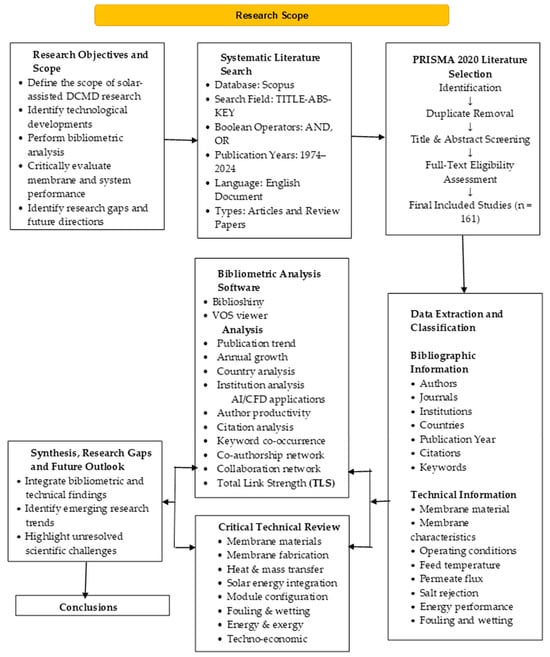
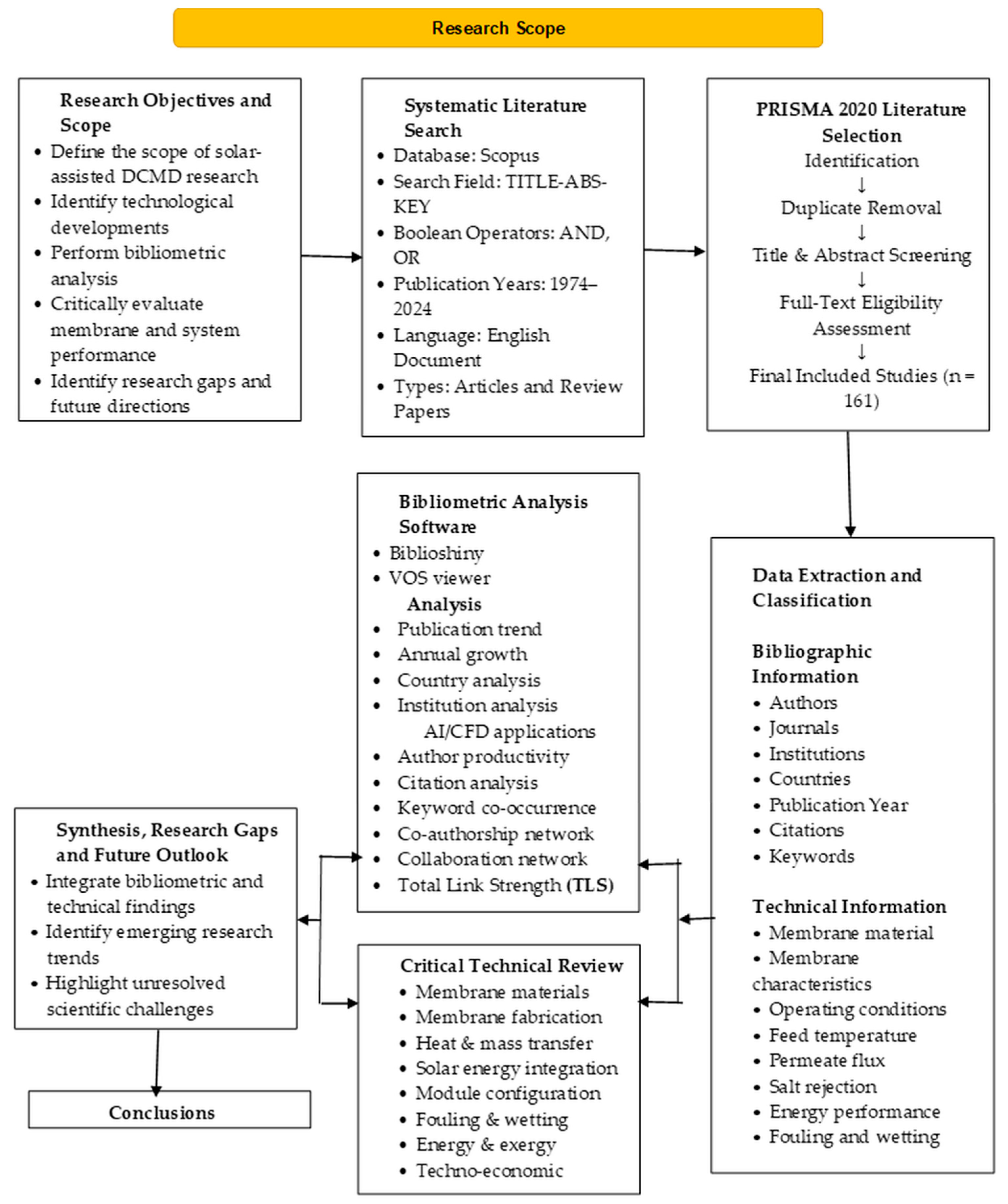
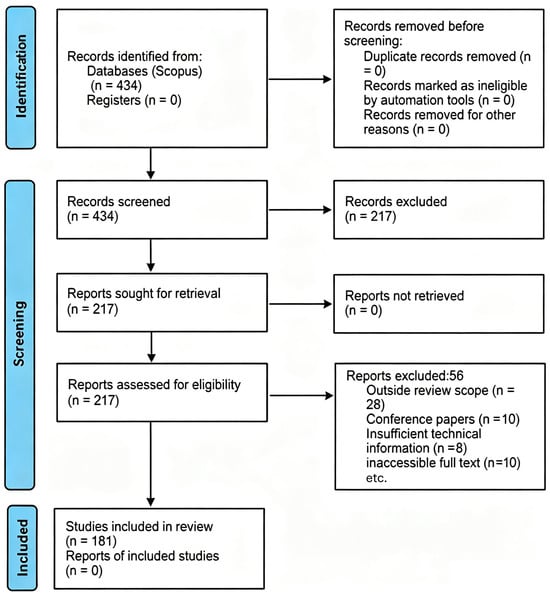
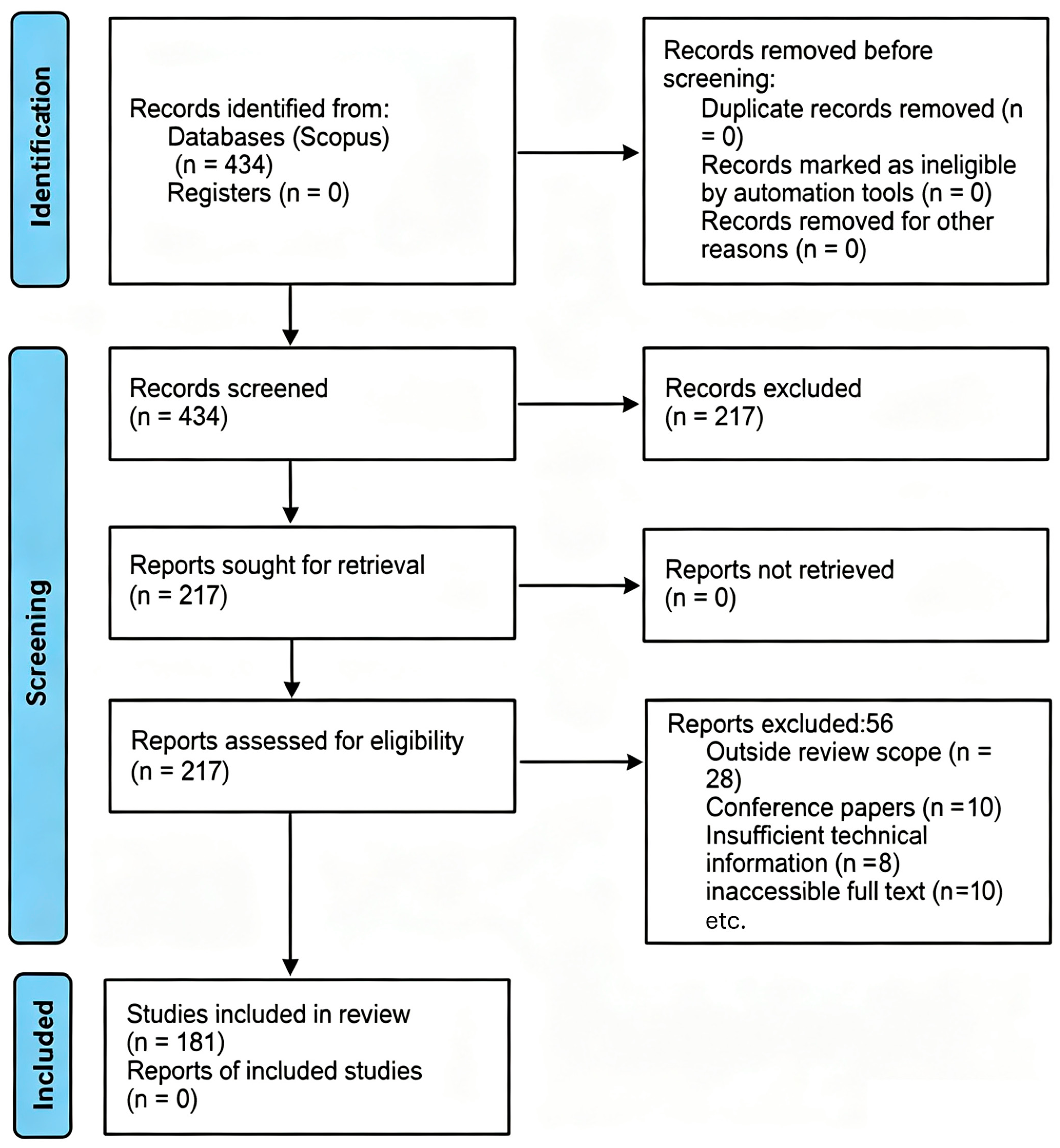
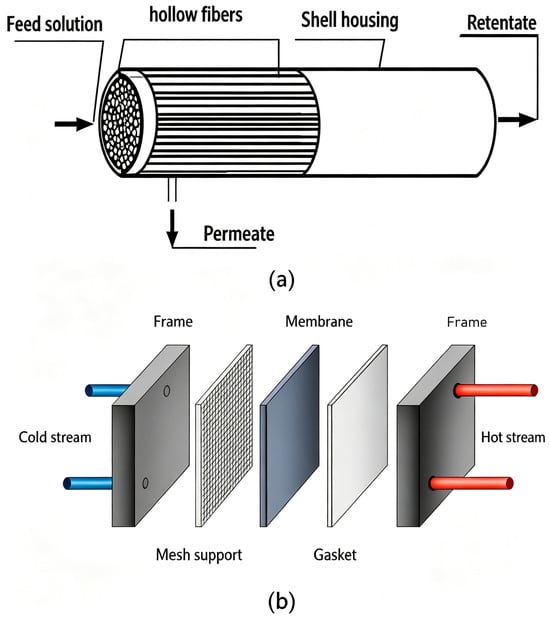
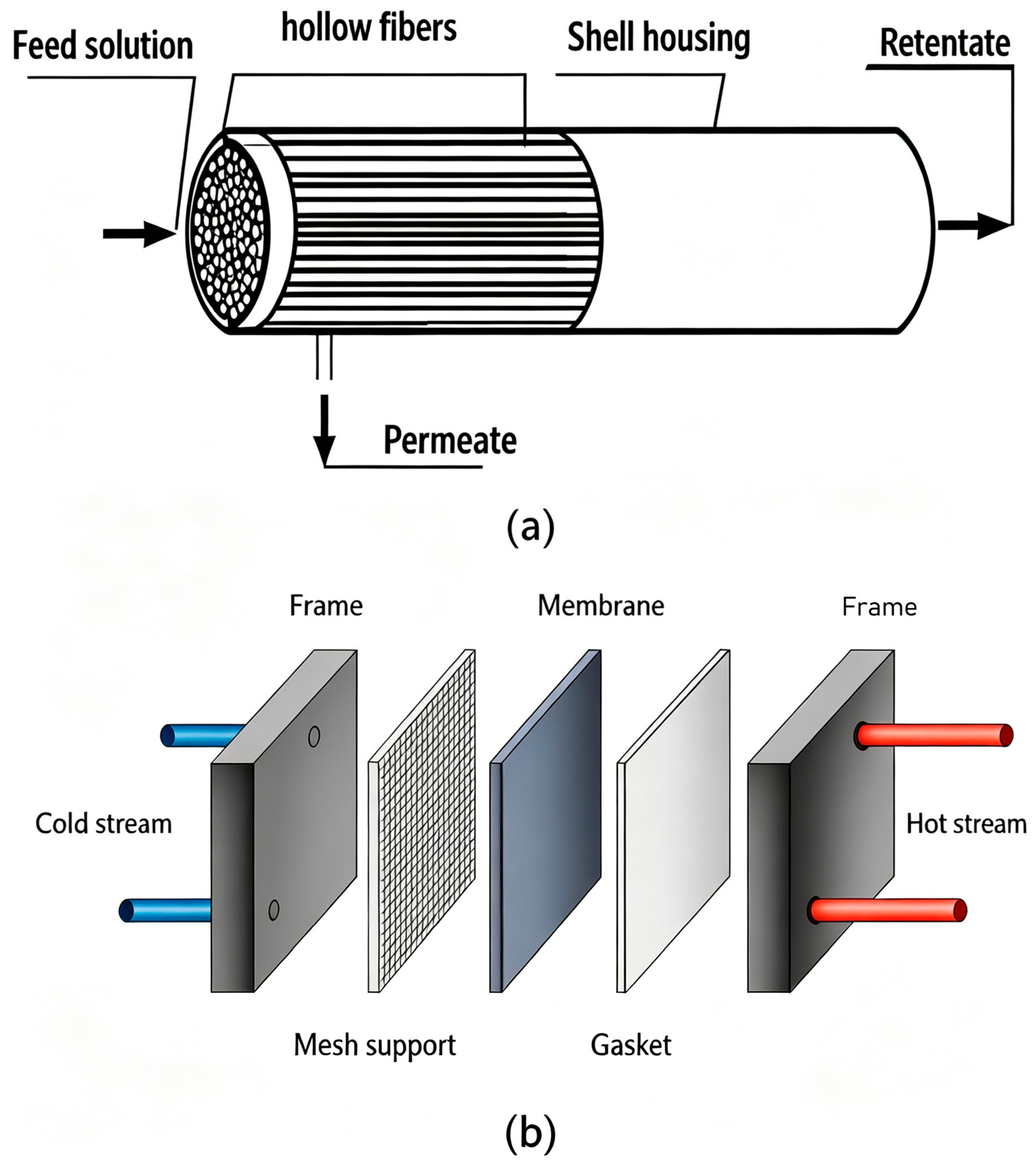

Disclaimer/Publisher’s Note: The statements, opinions and data contained in all publications are solely those of the individual author(s) and contributor(s) and not of MDPI and/or the editor(s). MDPI and/or the editor(s) disclaim responsibility for any injury to people or property resulting from any ideas, methods, instructions or products referred to in the content. |
© 2026 by the authors. Licensee MDPI, Basel, Switzerland. This article is an open access article distributed under the terms and conditions of the Creative Commons Attribution (CC BY) license.