


Abstract
This paper provides a comprehensive overview of research findings concerning the acid catalytic effect (ACE) of hot compressed water and water–alcohol mixtures, along with the applications of these solvents. The ACE observed during reactions can be categorized into three types: inherent, associated, and interfering. These ACE types originate from the solvent, solutes, and reactor, respectively. Distinguishing and evaluating these ACEs is crucial for elucidating reaction mechanisms and developing reaction models. Water exhibits inherent ACE in both its dissociated and undissociated forms under hot compressed conditions. Hot compressed water–alcohol mixtures possess the capability to tune the characteristics of solvents, including ACE, through their composition. The application of hot compressed water and water–alcohol is prevalent in a variety of fields, including the conversion of biomass and biomass-derived materials, extraction, biodiesel production, organic synthesis reactions, recycling via the decomposition of polymers, and inorganic material synthesis. In these applications, the utilization of water–alcohol mixtures resulted in a higher yield of target products and/or superior properties of products compared to the use of pure solvents, such as water alone or alcohol alone. The observed results can be attributed to the optimization of the roles of water and alcohol in the reaction through mixing them.
1. Introduction
Hot compressed water, defined as water in a state including both high-temperature liquid water and supercritical water above its critical point (374 °C, 22.1 MPa), is a promising reaction medium for various types of applications such as the utilization of biomass [1,2,3,4], organic synthesis [5,6], degradation of polymers [7,8], and inorganic material synthesis [9,10,11]. Beyond its characteristics as an inexpensive and environmentally benign substance, hot compressed water has unique characteristics in that its properties can be extensively controlled according to temperature and pressure. The temperature dependence of the density [12] and dielectric constant [13] of water is illustrated in Figure 1 (upper blue lines). For instance, the dielectric constant, which is an indicator of the polarity of a solvent, decreases with an increase in temperature. This change has a significant effect on reaction rates and the solubility of reactants and/or products. This tunability of solvent properties is expected to enable the utilization of solvent properties suitable for the target reaction. Furthermore, it has been established that hot compressed water exhibits an acid catalytic effect as the solvent itself, thus facilitating reactions that typically require acid catalysts to proceed without the addition of external catalysts [5,14]. The utilization of the acid catalytic effect inherent in the solvent itself has the potential to reduce the consumption of homogeneous acid catalysts, which have a significant environmental impact, such as sulfuric acid. Furthermore, this approach can facilitate the development of a simpler process that does not require catalyst addition or separation.
Figure 1.
Temperature dependence of the density (a) and dielectric constant (b) of water (upper blue lines) and methanol (lower green lines) [12,13,15,16]. (- - - -) 10 MPa, (―) 20 MPa, and (⋯⋯) 30 MPa. The area between the properties of water and methanol at 20 MPa is shaded to indicate the range of possible property values for water–methanol mixed solvent.
The tunability of properties in hot compressed water is advantageous; however, particularly in the liquid phase below the critical temperature, significant changes due to pressure are not expected, and higher tunability is sometimes required. The combination of hot compressed water with other solvents is considered a potential method for enhancing tunability while utilizing the acid catalytic effect of hot compressed water. Alcohols have low environmental impact [17] and high stability, which makes them promising as mixing solvents. In particular, methanol is a promising renewable resource whose synthesis from carbon dioxide has been the focus of extensive research in recent years [18,19], and its utilization is expected. Ethanol has also long been recognized as a renewable resource known as bioethanol [20] and is a promising option. Figure 1 shows the temperature dependence of the properties of methanol [15,16] along with that of water. The properties of the water–methanol mixture are intermediate between the properties of water and methanol, depending on the mixture composition. It is clear that mixing significantly enhances the tunability of solvent properties. As discussed in detail later in this paper, various applications utilizing hot compressed water–alcohol solvents have been reported.
To efficiently carry out application reactions utilizing acid catalytic effects in hot compressed water and water–alcohol systems, it is crucial to understand the acid catalytic effect of hot compressed water. Although numerous studies included findings on the role of hot compressed water as a solvent, review papers that fundamentally address the role such hot compressed water plays in reactions are limited. In 2002, Akiya and Savage reported an insightful review paper on the role of hot compressed water in chemical reactions [14]. A section of the paper summarized the role of water as an acid and base catalyst precursor. In 2004, Hunter and Savage reviewed the research advances over the past five years in acid and base-catalyzed reactions in hot compressed water [21]. However, to the best of our knowledge, no review paper has comprehensively discussed fundamental aspects of the acid catalytic effect of hot compressed water, including progress in research over the past two decades. Furthermore, regarding the use of hot compressed water–alcohol mixtures as solvents, review papers of several applications, such as conversion of lignin [22], liquefaction of microalgae [23], and extraction [24,25], introduced the use of water–alcohol mixtures in addition to pure water or alcohol. To date, no review paper has comprehensively discussed the diverse applications of hot compressed water–alcohol systems from the perspective of a novel concept solvent, which has attracted attention recently. Such a review is considered essential for further enhancing efficiency in reactions utilizing hot compressed water–alcohol mixtures and for expanding their application to various fields.
The objective of this review paper is to provide a comprehensive overview and analysis of the acid catalytic effects of hot compressed water and water–alcohol mixtures, along with their applications.
2. Acid Catalytic Effect
2.1. The Definition of Acid Catalytic Effect (ACE)
In hot compressed solvents, especially water, reactions that require strong acid catalysts under ambient conditions proceed without acid addition. In such cases, the reaction medium is defined as exhibiting an acid catalytic effect (ACE). This effect can be categorized into three types: inherent, associated, and interfering ACE. Each type originates from the components of the reaction environment, namely, the solvent (water), solutes, and the reactor.
The solvent provides the bulk reaction environment, and its concentration is assumed to be sufficiently large. Solutes are substances dissolved in the solvent, typically at lower concentrations than the solvent, including reactants, products, and ions leached from the reactor. The reactor is the container—in which the reaction is conducted—whose inner surface is in contact with the solvent and solutes.
The influence of these components on the reaction rate of acid-catalyzed reactions is illustrated schematically in seven regions in Figure 2. Regions (1), (3), and (5) represent the direct ACE of each component, while overlapping regions (2), (4), (6), and (7) represent combined or synergistic effects among multiple components. This classification provides a systematic framework for understanding how the reaction medium exhibits the ACE.
Figure 2.
Visual summary of the source of the ACE. Examples are also shown.
The reaction rate in the solvent is influenced by the solvent properties [26]. Water can play the role of an acid catalyst and influence the reaction rate under high temperature and high pressure [5]. This ACE of solvent (water) is referred to as the inherent ACE represented by (1) in Figure 2 and explained in Section 2.2.
Solutes, including reactants and products, can act as acid catalysts. This type of ACE is referred to as the associated ACE. When these substances are strong or weak acids under ambient conditions, the associated ACE is represented by (3) in Figure 2. Even substances that are not acidic under ambient conditions can play the role of an acid in hot compressed water, as the hot compressed water may provide a suitable environment for them to function as acids. This associated ACE, arising from the combination of solvent (hot compressed water) and solutes, is represented by (2) in Figure 2. These associated ACEs are explained in Section 2.3.
A metal reactor is often used to conduct experiments under hot compressed conditions, and reactor-related factors can influence the acid-catalyzed reaction rate [27]. This type of ACE is defined as an interfering ACE. The reactor inner surface can function as a heterogeneous catalyst, and ions leached from the reactor can be homogeneous catalysts. These interfering ACEs are represented by (5) and (4) in Figure 2, respectively. In heterogeneous catalytic reactions in hot compressed water, the number of Brønsted acid sites on the catalyst surface increases with increasing water density [28]. If a similar effect occurs on the reactor inner wall, it may also affect the reaction rate. Since this ACE arises from the combination of the solvent and the reactor, it corresponds to the region (6) in Figure 2. Whether the ACE arising from the combination of the solvent, solutes, and the reactor actually exists is currently unclear. However, considering hot compressed water may promote metal leaching from the reactor, the ACE of the leached ions might not be limited to region (4), but could instead be classified in region (7). These interfering ACEs are explained in Section 2.4.
In summary, the inherent ACE represented by region (1) arises from the hot compressed solvent (water), the associated ACE represented by regions (2) and (3) arises from the solutes, including reactants and products, and the interfering ACE represented by regions (4), (5), (6), and (7) arises from the reactor. Details are discussed in the following sections.
2.2. Inherent ACE: Acid Catalytic Effect of Water
Many acid-catalyzed reactions proceed without adding acid catalysts in hot compressed water, and Figure 3 summarizes the examples. Water participates in acid-catalyzed reactions in diverse ways.
Figure 3.
The examples of acid-catalyzed reactions in hot compressed water without acid addition. References: Dehydration of alcohol [29,30,31]. Hydrolysis of acetal [32,33], ether [34,35,36], ester [37,38,39], amide [40,41,42], nitrile [43,44], and other [32]. Hydration of alkene [45]. Pinacol rearrangement [46,47]. Beckmann rearrangement [46,47]. Rupe rearrangement [48]. Nazarov cyclization [49]. Condensation of indoles and aldehydes [50]. Claisen–Schmidt condensation [51].
Dissociated water can be the acid catalyst under hot compressed conditions. Figure 4 shows the temperature dependence of the ion product of water [52]. The ion product reaches a maximum between 200 °C and 300 °C, indicating that the concentration of , which acts as the acid catalyst, is some orders of magnitude higher than that under ambient conditions. The correlation between concentration and reaction rate observed under varying temperature and pressure conditions supports the ACE arising from water dissociation. Anikeev et al. measured the reaction rate of 2-propanol dehydration at 393 °C as a function of water density and demonstrated that variations in the ion product of water with density accounted for the corresponding changes in the apparent rate constant [53]. Akiya and Savage examined the cyclohexanol dehydration in hot compressed water at temperatures from 250 °C to 380 °C under varying pressure and demonstrated that a kinetic model incorporating the density dependence of concentration derived from water dissociation predicted the density dependence of the product yields [29]. Taylor et al. conducted methyl tert-butyl ether hydrolysis in hot compressed water at temperatures from 150 °C to 600 °C and a pressure of 25 MPa, and they demonstrated that the temperature dependence of concentration arising from water dissociation accounted for the non-Arrhenius temperature dependence of the pseudo-first-order rate constant [54]. González and Montané investigated the reaction of dibenzylkether in hot compressed water at temperatures from 325 °C to 390 °C and pressures from 22.5 MPa to 36.2 MPa, and the kinetic model incorporating the concentration calculated from the ion product of water explained the results well [34]. These studies indicate that water exhibits the ACE in its dissociated form under hot compressed conditions, reflecting the Brønsted acidity of water.
Figure 4.
Temperature dependence of the ion product of water [52]. Pressure: –– (25 MPa), - - - (30 MPa), ⋯ (40 MPa).
In addition to the above-mentioned effect, water can serve as an acid catalyst in its undissociated form. Nagai et al. investigated the reaction rate of tetrahydrofuran formation from 1,4-butanediol via dehydration in hot compressed water (D2O) based on the general expression for acid-catalyzed reactions:
where is the observed rate constant, is the water–induced rate constant, is the acid-catalyzed rate constant, and is the oxonium ion concentration, respectively [55]. The nonzero intercept in the plot of against was elucidated through the kinetic analysis by changing the via acid addition (Figure 5), indicating that this reaction, in the absence of acid addition, was induced mainly by the undissociated water [55]. Hunter et al. investigated the same reaction in hot compressed water (H2O) under both acidic and basic conditions and found that the observed rate constant increased as pH decreased under low and high pH, whereas it was insensitive to pH changes around neutral conditions (Figure 6) [56]. The proposed reaction mechanism that includes both proton transfer from H2O and well describes the pH dependence of the observed reaction rate, demonstrating that undissociated water can serve as a proton donor [56]. This ACE of undissociated water was also found in the reactions, including the hydrolysis of dibenzyl ether, benzyl t-butyl ether, methyl t-butyl ether, and methylbenzonate [57]. These studies indicate that undissociated water can act as an acid, contributing to the inherent ACE, and that the ACE arising from dissociated water is not only the source of inherent ACE.
Figure 5.
Schematic illustration of the relationship between the observed reaction rate and oxonium ion concentration [52,55]. at 250 °C and 30 MPa is shown as an example.
Figure 6.
Effect of pH on rate constant for 1,4-butanediol dehydration in hot compressed water. Reproduced from [56] with permission from American Chemical Society.
Catalysis by water molecules can also occur via direct participation in the transition state. This effect is important in reactions that involve intramolecular hydrogen transfer, where water facilitates bond formation and cleavage that lead to product by acting as a proton relay [14]. Takahashi et al. computationally investigated the mechanism of tetrahydrofuran formation from 1,4-butanediol in hot compressed water and reported that a pathway involving a hydrogen-bonded complex with two water molecules and concerted proton transfer along a water wire is favorable under these conditions [58]. If contributes to the reaction rate in the absence of added acid, this mechanism may account for the inherent ACE in addition to the direct proton transfer from a water molecule.
Near the critical point, the ACE that cannot be explained solely by the ion product of water has been reported [47]. Ikushima et al. investigated the relationship between the rate constant of the pinacol rearrangement and the extent of hydrogen bonding as a function of pressure at 400 °C, as well as the corresponding relationship for the Beckmann rearrangement as a function of temperature at 22.1 Mpa [47]. Near the critical point, the extent of hydrogen bonding is uniquely reduced, where water dimers and monomers are predominant, leading to a decreased ability of water to accept protons. In addition, water monomers are further dissociated into protons. Consequently, the local proton concentration becomes high, contributing to promoting these reactions.
In summary, hot compressed water is the source of the inherent ACE. One factor contributing to this ACE is the high proton concentration arising from water dissociation, but this is not the only factor, as direct proton transfer from undissociated water to the reactant also contributes to the inherent ACE. In addition, water molecules can directly participate in the transition state, thereby catalyzing reactions that normally require acid addition. Furthermore, near the critical point, the increases in local proton concentration associated with the changes in solvent structure may also contribute to the inherent ACE.
2.3. Associated ACE: Acid Catalytic Effect of Solutes
Not only water but also solutes, including reactants or products, can serve as acid catalysts. When strong acids or solutes that generate strong acids are involved in the reaction, they act as acid catalysts. Importantly, species classified as weak acids can work as an acid and contribute significantly to the acid-catalyzed reactions. For example, during ester hydrolysis, a carboxylic acid is generated, which produces . Consequently, ester hydrolysis in hot compressed water exhibits a typical trend of autocatalytic behavior [37,38,59]. Also, the dissociation of phenol is taken into account for the kinetic analysis of diphenyl ether hydrolysis in supercritical water [60]. Since the contributions of associated ACEs highly depend on solute concentrations, distinguishing associated ACE from inherent ACE is essential for constructing a reaction model.
While weak acids such as carboxylic acids and phenol can be estimated to serve as acids even in hot compressed water, it is notable that substances with much weaker acidity, which are not considered as acids under ambient conditions, can also work as acid catalysts in hot compressed water. Alcohols are one such example. Xu et al. reported that t-butanol dissociated and promoted its dehydration in hot compressed water [30,61]. Seki et al. investigated the pinacol rearrangement and revealed that the reactant diol dissociates in hot compressed water and can produce more than water [62]. Furthermore, its dissociation constant at temperatures ranging from 210 °C to 270 °C and a pressure of 30 MPa is more than 105 times larger than that under ambient conditions [62]. Therefore, alcohols in hot compressed water can exhibit the associated ACE.
2.4. Interfering ACE: The Effect of a Reactor Wall
Metal reactors are commonly used for experiments under high-temperature and high-pressure conditions [63]. They are typically made of Fe- or Ni-based alloys such as SUS, Hastelloy, and Inconel. Under such conditions, reactor-related factors can significantly influence the observed reaction rate, thereby contributing to the interfering ACE.
The usage history of the reactor is one important factor. Boukis et al. conducted methanol reforming in supercritical water at 600 °C and 25 MPa using reactors made of Inconel alloy 625 and reported that H2O2 pretreatment of the reactor increased methanol conversion [64,65]. Lee conducted supercritical water oxidation of acetic acid at 400 °C and 450 °C using SUS316 reactors at fixed reaction times and reported that the conversion increased with repeated reactor use and eventually reached a plateau [66].
Reactor material is another important factor. Fábos conducted the hydrogenation of cyclohexanone with the aid of formic acid in hot compressed water using rectors made of SUS 316 and metal-free sapphire, and reported that the reaction progressed in the metal reactor, whereas no reaction was observed in the sapphire reactor [67].
The surface-to-volume (S/V) ratio of the reactor can influence the observed reaction rate. Croiset et al. conducted H2O2 decomposition in hot compressed water, measuring the decomposition rate at temperatures from 300 °C to 420 °C and a pressure of 24.5 MPa using Inconel 625 reactors with different S/V ratios, and reported that the observed decomposition rate constant increased with increasing S/V ratios [68]. Akizuki et al. conducted benzamide hydrolysis in hot compressed water at temperatures from 350 °C to 450 °C and pressures from 25 MPa to 65 MPa using SUS 316 reactors with varying S/V ratios and reported that the reaction rate increased with increasing S/V ratio [69].
These studies indicate that reactor-related factors can significantly affect reaction behavior. Understanding these effects is important because even when the same solvent and reaction system are employed, variations in surface condition, reactor material, or S/V ratio can lead to different reaction rates. Consequently, kinetic parameters obtained in one reactor may not be directly transferable to another, resulting in inaccurate predictions or failure to reproduce reaction rates during scale-up. Therefore, distinguishing interfering ACE from inherent and associated ACEs and appropriately evaluating its contribution are essential for reliable kinetic analysis.
2.5. Methodology for Distinguishing the Source of the ACE
Elucidating the source of the ACE is important for understanding the reaction behavior and modeling the reaction. This paragraph outlines the methodology for distinguishing the source of the ACE in acid-catalyzed reactions.
First, the interfering ACE should be examined. This can be achieved by investigating the variation in conversion and yield with the number of reactor uses or operation time, comparing the reaction rate obtained using different reactor materials, and evaluating the effect of the surface-to-volume (S/V) ratio on reaction rate. If these factors do not influence the results, the interfering ACE is negligible. When the interfering ACE is observed, its contribution should be quantitatively evaluated. One common approach is to determine the rate constant at different S/V ratios [68,69,70,71,72]. If a linear relationship between the observed rate constant and the S/V ratio is assumed, the intercept corresponds to the reaction rate constant in the absence of the interfering ACE, whereas the slope represents the contribution of the interfering ACE. Another approach is to employ reactors with chemically inert inner walls to obtain reaction rates without the interfering ACE. At relatively low temperatures, Teflon-lined reactors can be used. At higher temperatures, quartz capillaries are a suitable alternative because they can withstand up to 900 °C and 60 MPa, exhibit little or no catalytic activity, and possess high corrosion resistance [73].
After the interfering ACE is evaluated, the associated ACE should be investigated. When an S-shaped time variation in conversion or yield is observed, or when the reaction is accelerated by adding a product, the products are the source of the associated ACE. Evaluating the reaction order with and without acid addition is effective to elucidate the ACE of the reactant [62]. When an acid-catalyzed reaction is conducted with different initial reactant concentrations, if the reactant exhibits an ACE, the measured reaction order will be an apparent value because the concentration includes contributions from generated by the reactant itself. In contrast, when a strong acid that completely dissociates under the experimental conditions is added, the obtained reaction order reflects the intrinsic reaction order, as the concentration is determined solely by the added acid. If the reaction order varies with acid addition, the reactant is the source of the associated ACE. In these cases, the associated ACE must be included in the kinetic analysis. For example, the dissociation constant of solutes should be included in the equation to calculate the concentration of if the solute can dissociate.
Finally, the source of the inherent ACE can be clarified through the experiments under a wide range of pH. Less dependence of the observed reaction rate on pH around neutral conditions [56] or a nonzero intercept in the plot of observed reaction rate against the concentration [55] indicates the ACE of water in its undissociated form. The contributions of each factor can be quantitatively evaluated from the rate and/or equilibrium constants obtained by fitting the rate equations—which are derived from appropriate reaction pathways—to experimental data.
2.6. Inherent ACE of Water–Alcohol Mixtures
Alcohols can serve as the proton donors in hot compressed water. As the alcohol concentration increases, the solvent can be regarded as a water–alcohol mixture rather than pure water, and the inherent ACE is expected to change due to variations in solvent properties. Seki et al. investigated the inherent ACE of water–methanol mixtures at 250 °C and 30 MPa, with methanol mole fraction from 0 to 0.4 [74]. The inherent ACE arising from solvent dissociation was quantitatively analyzed by evaluating the stoichiometric autoprotolysis constant through the kinetic analysis of the acid-catalyzed reaction of α-cumyl alcohol. The results revealed that inherent ACE gradually diminished with increasing methanol mole fraction, but remained sufficient to allow the acid-catalyzed reaction to proceed in the absence of added acid (Figure 7).
Figure 7.
Stoichiometric autoprotolysis constant (KS) of water–methanol mixtures at 250 °C and 30 MPa [74].
Autoprotolysis strongly depends on the dielectric constant [75], and the dielectric constant of a solvent is altered by solvent mixing [76]. In addition, proton transfer between solvent molecules and from the solvent to the reactant may vary in mixed solvents because water and alcohols differ in their proton-donating and proton-accepting abilities. Furthermore, the proton-accepting ability of the solvent influences the extent of solute dissociation when the solute is a weak acid. Through these changes in solvent properties, solvent mixing can substantially influence both the inherent and the associated ACE.
Since the ACE of water–alcohol mixtures is expected to change drastically with composition, elucidating its origin is essential for understanding reaction behavior in such media. Nevertheless, only limited attention has been given to identifying the source of ACE in hot compressed water–alcohol mixtures, and further systematic investigation is required.
3. Applications of Hot Compressed Water–Alcohol Mixtures for Catalyst-Free Processes
This section introduces the applications of hot compressed water and water–alcohol mixtures as catalyst-free reaction solvents. In regard to studies utilizing pure water (or partially pure alcohol) as a solvent, numerous review papers have been published for each application. Therefore, we will first provide an overview of applications using pure solvents by referring to these review papers and then provide a comprehensive review of studies using water–alcohol mixtures as solvents.
Regardless of the type of application, the most commonly used co-solvents with water were methanol and ethanol. In some cases, 2-propanol was also utilized. Furthermore, phenol was frequently utilized, particularly in reactions involving lignin and biomass containing lignin.
In these applications, the utilization of water–alcohol mixtures resulted in a higher yield of target products and/or superior properties of products compared to the use of pure solvents, such as water alone or alcohol alone (Table 1). The observed results can be attributed to the optimization of the roles of water and alcohol in the reaction through mixing them. Concerning the acid catalytic effects, water serves as a primary catalyst for reactions. Methanol and ethanol serve to adjust the acid catalytic effects generally in a weakening direction. Conversely, phenol has a relatively high acid dissociation constant for alcohol, thereby facilitating acid-catalyzed reactions. Of course, the roles of water–alcohol mixtures are not limited to their acid catalytic effects. In their roles as reactants and solvents, the mixtures contribute to reactions in these applications in complex ways. A representative example involving reactants is solvolysis. Both water and alcohol can act as reactants against ester bonds, amide bonds, and ether bonds in organic reactions, as well as against metal salts in inorganic material synthesis. In addition, certain alcohols, such as ethanol, act as hydrogen-donating substances. Furthermore, phenols act as capping agents for the decomposed products of lignin. As a solvent, the addition of alcohol to water generally increases the solubility of organic substances and reduces the viscosity of the solvent. Moreover, the critical temperature of water–alcohol mixtures is lower than that of water, thereby significantly affecting reactions driven by drastic changes in solvent properties near the critical temperature. For instance, this effect can be observed in the synthesis of inorganic materials.
Table 1.
Applications of hot compressed water–alcohol mixtures covered in this paper.
3.1. Conversion of Biomass and Biomass-Derived Materials
3.1.1. Pre-Treatment or Fractionation of Lignocellulosic Biomass
Lignocellulosic biomass is primarily composed of cellulose, hemicellulose, and lignin, and the fractionation of these components according to the intended application is essential for their effective utilization. High-temperature water has long been utilized for such fractionation [1]. Additionally, alcohols containing water are utilized as solvents for delignification, a process known as organosolv pulping [77]. These treatments are sometimes carried out using homogeneous catalysts, such as acids or bases, but the non-catalytic treatment is becoming more important from an environmental perspective. Concerning the utilization of water–alcohol mixtures for paper manufacturing purposes, Jiménez et al. conducted a series of investigations into the effects of processing conditions on organosolv pulping of wheat straw in water–methanol [78], water–ethanol [79], water–butanol [80], and water–phenol [81]. In these reports, experiments were conducted with three parameters, including temperature (150 °C to 200 °C), time (30 min to 120 min), and concentration of alcohols (50% to 80%), and the influence of these parameters on the properties of the pulp such as yield of pulp, holocellulose, α-cellulose, lignin, and ethanol-benzene extractives was presented using second-order polynomial models. An investigation was also conducted into the relationship between the processing parameters (140 °C to 180 °C, 60 min to 120 min, 40% to 80% of ethanol concentration) in water–ethanol and the properties of resulting paper sheets [82]. The study reported that, in terms of optimizing several indexes for paper sheets, using a high temperature (180 °C) and medium to high ethanol concentration and time are appropriate, but these conditions decrease the tear index for the paper sheets. Alternatively, the utilization of a high temperature with a low ethanol concentration (60%) and a short time (60 min) was proposed as a strategy to save solvent and increase the production.
In addition to the pulping perspective mentioned above, the reaction in water–alcohol was examined from the perspective of treating lignocellulosic biomass with subcritical and supercritical solvents. Li and Kiran investigated the dissolution of red spruce using several subcritical and supercritical fluid mixtures, and reported results from the water–ethanol mixture as an example [83]. The extent of dissolution was found to be greater when using water–ethanol mixtures with an ethanol mole fraction of 0.09 (treated at 185 °C and 29.0 MPa) or 0.48 (treated at 193 °C and 29.0 MPa) than when using water or ethanol individually (treated at 170 °C and 29.7 MPa or 190 °C and 29.7 MPa, respectively).
The treatment of lignocellulosic biomass using hot compressed water–alcohol is being employed for a wider range of purposes. Wang et al. extracted lignin from white pine sawdust in water–ethanol mixtures, and used the extracted lignin for synthesizing phenol-formaldehyde resol resins [84]. The optimal condition for extraction was identified as 180 °C and 50 wt% of ethanol concentration, which resulted in a lignin yield of ca. 26% with a purity of ca. 83%. Requejo et al. proposed a sequential treatment process of olive tree trimmings using both hot compressed water and hot compressed water–ethanol for the synthesis of bioethanol from a biorefinery perspective [85]. In the course of the process, olive tree trimmings were initially treated with hot compressed water (196 °C to 210 °C) to extract sugars and oligomers. The remaining solids were subsequently subjected to hot compressed water–ethanol (170 °C to 200 °C and 30 wt% to 60 wt% of ethanol concentration) for the solubilization of lignin. The solids resulting from the secondary treatment (autohydrolyzed and delignified olive tree trimmings) were utilized for the synthesis of bioethanol. The effects of each treatment parameter were modeled through statistical analysis for the purpose of optimizing the process. Fabičovicová et al. investigated a two-step process for synthesizing polyols from barley straw [86]. The first step of this process involved fractionation in water–ethanol, and the second step involved hydrogenolysis with a heterogeneous catalyst. The optimal condition for the first step was reported to be 170 °C, 150 min, and 50 wt% of ethanol concentration. The resulting pulp (solid fraction) was reacted over a heterogeneous catalyst containing ruthenium and tungsten on activated carbon, and polyols, which included ethylene glycol as the dominant product, were obtained with 63% to 70% yield based on hemicellulose and cellulose content in the pulp (Figure 8).
Figure 8.
Conversion of organosolv pulp, conversion of cellulose and hemicellulose fraction, and product yields obtained during the hydrogenolysis reaction over a catalyst containing ruthenium and tungsten on activated carbon, dependent on ethanol content in the organosolv solution, pretreatment reaction temperature, and pretreatment reaction time of the organosolv process. EG = ethylene glycol, PG = propylene glycol, BD = 1,2-butanediol, HDO = (1,2-hexanediol, Sorbitol), Other Polyols = (glycerol, erythritol, mannitol, xylitol), MeOH + EtOH = (methanol, ethanol), Others = (cellobiose, glucose, mannose, fructose, 3-hydroxytetrahydrofurane, 1-hydroxy-2-propanone, 1-hydroxy-2-butanone, 3-hydroxy-2-butanone, 2,5-hexanedione, acetic acid, levulinic acid). Reproduced from [86] with permission from John Wiley and Sons.
Oliveira et al. utilized a water–ethanol mixture with a 50% ethanol concentration to obtain crystalline cellulose from palm oil fiber [87]. They obtained 38.2% of cellulose using a semi-continuous reactor operated at 240 °C and 6.0 MPa for 30 min. Song et al. employed a water–ethanol mixture with a 50% ethanol concentration at 180 °C as a pretreatment for the reaction of beech wood in hot compressed water [88]. It was reported that the glucose recovery in the secondary reaction was increased from up to 56% to up to 64% for the raw sample.
A survey of the optimal conditions in the above application examples reveals that for hot compressed water–ethanol mixtures, an ethanol concentration of around 50 wt% (corresponding to 0.28 of mole fraction or 56 vol%, please see Appendix A for unit conversion) is considered suitable for the fractionation of lignocellulosic biomass, where the roles of water and alcohol are balanced. On the other hand, Yao et al. reported that the influence of water and alcohol in mixtures was also affected by process parameters such as pressure [89]. In this study, the degradation of Japanese cedar in water, methanol, and water–methanol with 90 vol% of methanol concentration at a temperature of 270 °C and pressures ranging from 10 MPa to 30 MPa was investigated using a semi-continuous reactor. The degradation of hemicellulose was found to occur in water, while the degradation and solubilization of lignin, along with methyl esterification of the resulting products, occurred in methanol. In comparing these results with the reaction in water–methanol, it was suggested that the influence of water was dominant at 10 MPa, while that of methanol was more pronounced at 20 MPa and 30 MPa.
3.1.2. Production of Valuable Chemicals
The application of hot compressed water has attracted attention in the conversion of biomass and biomass-derived materials into valuable chemicals from a biorefinery perspective [2,3]. Studies employing hot compressed water–alcohol mixtures for this purpose have also been widely reported.
Saccharides represent a significant category of biomass-derived products. Wang et al. investigated the hydrolysis of cellulose into reducing sugars in water–methanol, water–ethanol, and water–2-propanol [90]. The most appropriate solvent was determined to be a water–ethanol mixture. The maximum yield of reducing sugars was reported to be 98.22% under the optimal conditions of ethanol mole fraction of 0.22, 260 °C, and 5.75 MPa. Kobayashi, Adachi, and coworkers conducted a comprehensive investigation into the isomerization of monosaccharides [91,92,93] and disaccharides [94,95] in water–ethanol using a continuous reactor. With regard to the isomerization of monosaccharides, the reactions of fructose, glucose, and mannose in water–ethanol with ethanol concentrations ranging from 0 vol% to 80 vol% were examined at temperatures ranging from 180 °C to 200 °C [91]. Through the kinetic analysis, it was determined that the isomerization of the monosaccharides was promoted by the addition of ethanol. In addition, the use of the isomerization reaction to synthesize rare ketoses, such as D-tagalose, D-xylulose, and D-ribulose, from the corresponding aldoses in a water–ethanol mixture with 80 vol% of ethanol concentration at 180 °C was reported [92]. Concerning the reactions of disaccharides in water–ethanol, isomerization of aldo-disaccharides to keto-disaccharides was increased, and their hydrolytic reactions were suppressed with increasing ethanol concentration [94]. Consequently, in the case of the reactions of maltose, the maximum yield of glucose (product of hydrolytic reactions) was higher in water, but the maximum yield of maltulose (keto-disaccharide) was higher in water–ethanol (Table 2).
Table 2.
Effect of ethanol concentration on the maltose isomerization in water–ethanol at 220 °C. Data adopted from [94].
In regard to the effect of varying alcohol types on reaction rates of the saccharides, Gao et al. investigated the isomerization of hexoses (mannose, glucose, and fructose) in water–alcohols (methanol, ethanol, 1-propanol, 2-propanol, and t-butyl alcohol) [96]. The reaction was conducted at 180 °C, and the alcohol concentration ranged from 0 vol% to 80 vol%. When primary and secondary alcohols were utilized as co-solvents, the isomerization of aldose to ketose was promoted as the alcohol concentration increased. However, the ketose was scarcely isomerized to aldose and predominantly decomposed. In addition, it has been reported that the reaction rates of both isomerization and decomposition increased with increasing dielectric constant of the solvents. It was also reported that, in contrast to primary and secondary alcohols, the addition of t-butyl alcohol into water suppressed the isomerization of mannose to fructose despite the low dielectric constant of the solvent. Song et al. investigated the reactions of monosaccharides (glucose and fructose) in water–alcohols (methanol and ethanol) with 10 vol% of alcohol concentrations at temperatures ranging from 150 °C to 225 °C [97]. They reported the reaction rates of isomerization and decomposition of the monosaccharides and discussed that water–alcohols had little effect on the decomposition of saccharides compared with water–aprotic solvent mixtures.
Phenolic compounds, obtained through the decomposition of lignin, are another valuable class of chemicals. Adschiri, Arai, and co-workers have conducted extensive research on the depolymerization of lignin in water–phenol [98,99,100] and water–p-cresol [101,102,103]. The reaction of organosolv lignin in pure water or phenol at 400 °C resulted in the production of cross-linked higher molecular weight compounds, in addition to the desired depolymerized products. In contrast, the occurrence of depolymerization without producing undesired products was reported in water–phenol with 58 wt% of phenol concentration [99]. In water, lignin underwent decomposition into low molecular weight fragments and compounds, followed by repolymerization. Conversely, in water–phenol, it was thought that repolymerization after decomposition did not occur. It was proposed that the presence of excess phenol led to the inhibition of re-polymerization through the entrapment of active fragments and the capping of active sites of compounds. Furthermore, they revealed that selective conversion of organosolv lignin into 2-(hydroxy-benzyl)-4-methyl-phenol with a maximum yield of 80% occurred in water–p-cresol at 400 °C [101].
Water–ethanol was also utilized for the decomposition of lignin. In this case, the reaction was typically conducted in the presence of hydrogen gas. Cheng et al. conducted a study on the degradation of alkali lignin in water–ethanol mixtures [104]. With regard to the yield of degraded lignin, the most effective solvent was identified as water–ethanol with 50 vol% of ethanol concentration, which resulted in an 89% yield in the reaction at 300 °C for 2 h under 5 MPa hydrogen gas. Ye et al. investigated the depolymerization of an organosolv lignin obtained from the enzymatically hydrolyzed residues of cornstalks in the presence of 2.0 MPa hydrogen gas [105,106]. It was found that the highest yield of liquid products was obtained in the conditions of 250 °C, 90 min, and 65 vol% of ethanol concentration (Figure 9). In regard to the phenolic species in the liquid products, findings indicated that the yields of stable phenolics, including phenol, ethyl phenol, guaiacol, and ethyl guaiacol, were high under low ethanol concentrations. Conversely, high ethanol concentrations could stabilize unstable compounds such as 2,3-dihydrobenzofuran, p-hydroxycinnamic acid ethyl ester, and ferulic acid ethyl ester [105]. Additionally, a combination process involving olganosolv lignin extraction and lignin depolymerization, both utilizing hot compressed water–ethanol with 65 vol% of ethanol concentration, was proposed [106].
Figure 9.
Effect of ethanol concentration on the product yields from organosolv lignin produced from enzymatically hydrolyzed cornstalk residues. SR is solid residue, and LP is liquid products. Conditions were lignin 3 wt%, 250 °C, 90 min, and initial hydrogen pressure 2.0 MPa. Reproduced from [106] with permission from American Chemical Society.
The production of chemicals directly from biomass in hot compressed water–alcohol was also reported. Minami and Saka utilized water–methanol for the conversion of Japanese beech to obtain chemicals [107]. The optimum concentration of ethanol was determined to be around 90 vol% at 350 °C. The reason for this phenomenon was explained as follows: Water enhanced the decomposition of wood cell wall components, including cellulose, hemicellulose, and lignin. However, a high concentration of water resulted in low solubility of the lignin-derived product, which caused an increase in insoluble residue. Treatment in water–methanol was reported to recover monomeric lignin compounds, such as coniferyl and sinapyl alcohols, in the form of their γ-methyl ethers. Mishra and Saka studied the treatment of Japanese beech in water–phenol [108]. The optimal conditions were determined to be a treatment in water–phenol with 75 wt% of phenol at 270 °C and 3.1 MPa. It was also reported that the degree of phenolation was increased with increasing the treatment time and water content for the phenol concentrations examined, ranging from 75 wt% to 100 wt%. Vervoort et al. investigated the recovery of chitin from black soldier fly larvae using water–methanol [109]. Chitin with (74.7 ± 2.0%) purity, and 77% to 85% acetylation was obtained through a treatment in water–methanol with 87.5 wt% of methanol concentration at 250 °C for 158 min.
With regard to an additional variety of biomass-derived material, Ermakova et al. investigated the isomerization of pinene, a type of terpene, in hot compressed water–ethanol at 384 °C and 23.3 MPa using a flow reactor [110]. The yield of limonene, the desired product, increased in water–ethanol compared to ethanol. It was proposed that both radical mechanism and ionic mechanism (catalyzed by acids) contributed to limonene formation and that the presence of water promoted the ionic mechanism by providing H+ ions generated by its dissociation.
3.1.3. Liquefaction
In the reaction of biomass in hot compressed water, liquid products known as bio-oil or biocrude can be produced. This reaction is referred to as hydrothermal liquefaction [2,3,4], and the reaction conditions generally range from 280 °C to 380 °C and 7 MPa to 30 MPa [2]. As shown in Table 3, multiple studies have reported that using water–alcohol mixtures as solvents instead of water alone resulted in higher yields of bio-oil.
Table 3.
Optimal alcohol concentrations for maximizing the bio-oil yield during the liquefaction of various feedstocks.
With regard to the liquefaction of lignocellulosic biomass, studies were conducted on a variety of materials, including rice straw [111], pine wood [112,116,124], bagasse [113], cypress [114], rice husk [115], cornstalk [117], wheat straw [118], giant miscanthus [119], olive mill waste water [123], palm empty fruit bunch [125]. In addition, studies were conducted on simple components, such as lignin [121,122] and cellulose [121]. Cheng et al. investigated the liquefaction of eastern white pine sawdust in water–methanol and water–ethanol at 300 °C. It was reported that the bio-oil yield maximized at an alcohol concentration of 50 wt% (Figure 10) [112].
Figure 10.
Yields of bio-oil, solid residues (SR), gas, and aqueous soluble products (AP) from the liquefaction of eastern white pine sawdust at 300 °C in a co-solvent of water–ethanol of varying ethanol content. Reproduced from [112] with permission from the American Chemical Society.
As shown in Table 3, the bio-oil yield was maximized when using water–alcohol mixed solvents with alcohol concentrations of around 50 vol% or 50 wt% (corresponding to 56 vol% for methanol or ethanol) regardless of feedstocks. The exception was the reaction of bagasse in the presence of hydrogen gas, for which the yield was maximized at a higher alcohol concentration. It is noteworthy that the optimal concentration was analogous to the suitable ethanol concentration for the fractionation of lignocellulosic biomass outlined in Section 3.1.1. However, it should also be noted that the reaction temperature for liquefaction was approximately 100 °C higher than that for fractionation, and the reactions occurring were considered to be different. Feng et al. investigated the reactions of organosolv lignin, cellulose, and a cellulose/lignin mixture (50 wt%/50 wt%) and found that the bio-oil yield in water–ethanol was higher than that in water or ethanol, regardless of the feedstocks [121]. This finding indicated that the use of a mixed solvent had a positive effect on both lignin, the primary target in biomass fractionation, and cellulose during liquefaction. According to the discussions by Chen et al. [112] and by Feng et al. [121], the roles of water and alcohol (primarily ethanol) are considered as follows. Hot compressed water has high activity for liquefying biomass because it accelerates biomass depolymerization by hydrolyzing cellulose and hemicellulose. Furthermore, the unique properties of water in hot compressed conditions may also contribute to the high liquefaction activity. On the other hand, ethanol can reduce the surface tension of the liquefied products, thereby improving the diffusion of solvent to the lignin matrix. Furthermore, the lower dielectric constant of ethanol relative to water enables its ability to dissolve relatively high-molecular-weight liquid products/intermediates derived from cellulose, hemicellulose, and lignin. Consequently, ethanol promotes lignin degradation and prevents repolymerization of the reaction intermediates for producing residues. However, alcohols are slightly weaker acids than water. Accordingly, as a result of these advantages and disadvantages of water and alcohol in liquefaction, hot compressed water–alcohol mixtures enhanced the liquefaction of biomass.
In biomass liquefaction, the quality of bio-oil is a crucial factor, in addition to the bio-oil yield. Concerning the higher heating value (HHV), which denotes the upper limit of the available thermal energy produced by complete combustion of the fuel, many studies reported that the HHV of bio-oil produced using water–alcohol mixtures was higher than that using water [111,114,118,122]. Concerning the effect of alcohol concentration, several studies reported that the HHV increased with higher alcohol concentration [111,113,114], or that the HHV reached a maximum around 75 vol% [118]. Celikbag et al. liquefied loblolly pine at 300 °C in water or water–ethanol of 50 wt% ethanol concentration and analyzed the resulting bio-oil in detail through 31P-NMR and 19F-NMR analysis [120]. It was reported that the addition of ethanol increased the total OHN and aliphatic type OH, while decreasing the phenolic OH concentration and carbonyl concentration.
Algal biomass is another type of feedstock in the liquefaction of biomass. As shown in Table 3, studies employing water–alcohol mixtures have been reported for various algal biomasses, including Dunaliella tertiolecta [126], Chlorella pyrenoidosa [127], Cyanobacteria [128], Spirulina [129], and Tetraselmis [23]. In the liquefaction of algal biomass, using water–alcohol mixtures tended to yield bio-oil with higher yields than pure water or alcohol, similar to the liquefaction of lignocellulosic biomass. On the other hand, the optimal alcohol concentration values reported appear to vary from 40 vol% to 76 vol% (71 wt%). Furthermore, the production of bio-oil with higher HHV in water–alcohol than in water was reported [126,127,128], which is consistent with the liquefaction of lignocellulosic biomass.
In recent studies, investigations into liquefying biomass mixtures were conducted, and studies concerning Chlorella and aspen wood sawdust [130], Spirulina and Spartina alterniflora [131], and palm empty fruit bunch and polyethylene terephthalate [132] were reported. In the liquefaction of such mixtures, it has been observed that the bio-oil yield and/or composition differ from what would be expected based on the processing results of each individual feedstock. This phenomenon is sometimes referred to as the “synergistic effect”. Feng et al. conducted a study on the liquefaction of a mixture of microalgae (Spirulina) and lignocellulosic biomass (Spartina alternifora) using a water–ethanol mixture. In the reactions involving mixtures containing both feedstocks at 50 wt%, the bio-oil yield increased with the addition of ethanol. However, a larger synergistic effect on the bio-oil yield was observed when water was used alone.
In the liquefaction of each feedstock using hot compressed water–alcohol mixtures described above, various reaction parameters such as the type of alcohol, the mixing ratio of water and alcohol, the mixing ratio of feedstock and solvent, temperature, and time must be optimized according to the intended purpose. Öcal et al. examined the use of machine learning as a method for predicting optimal conditions from relatively few experimental data points [124]. In the study, it was predicted that under optimal conditions of 39 vol% ethanol concentration, 264 °C, and 4 g of biomass in 100 mL of solvent, the bio-oil yield for Pinus brutia sawdust would be 48.8%. The experiment yielded a bio-oil yield of 46.20%, which was found to be consistent with the predicted yield.
In addition, the majority of the studies introduced in this section were conducted in a batch reactor; however, Kristianto et al. conducted their investigations using a bench-scale continuous stirred tank reactor [122]. It was demonstrated that the liquefaction of lignin in hot compressed water–alcohol (ethanol or 2-propanol) using a continuous stirred tank reactor proceeded as efficiently as when using a batch reactor.
3.2. Extraction
Under pressurized conditions, a solvent remains liquid above its normal boiling point. The utilization of high-temperature liquids as solvents facilitates accelerated extraction by enhancing solubility and mass transfer rates. Water and alcohols are frequently utilized in this extraction method, known as pressurized liquid extraction (PLE), with water specifically referred to as pressurized hot water extraction (PHWE) [24,25,133,134]. As the extraction is carried out at higher temperatures compared to conventional extraction performed at near-ambient temperatures, reactions such as decomposition occur in addition to simple extraction, particularly for PHWE [133]. Therefore, it is anticipated that the utilization of water–alcohol mixtures not only optimizes solubility but also induces reactions that promote structural changes, thereby facilitating the extraction of the target substance while preventing its decomposition.
Howard and Pandjaitan conducted a study on the extraction of flavonoids from spinach in water and water–ethanol with 70 vol% of ethanol concentration over the temperature range of 50 °C to 190 °C [135]. It was reported that water–ethanol was more effective than water in extracting flavonoids. Flavonoids were effectively extracted over the temperature range of 50 °C to 130 °C for water and 50 °C to 150 °C for water–ethanol. Further increases in temperature led to a degradation of the flavonoids. However, the total phenolic content and oxygen radical absorbance capacity value of the extract increased monotonically with temperature rise, even at high temperatures. It was proposed that water–ethanol below 150 °C might be used to extract flavonoids, followed by a high temperature extraction above 170 °C to generate antioxidant-rich moieties.
Adachi and co-workers investigated the recovery of materials with antioxidative activity from defatted rice bran [136] and rice stem [137,138] using hot compressed water–ethanol. In the treatment of rice stem, the maximum yield of extracts and total carbohydrate content was achieved by the treatment in water–ethanol with 50 vol% of ethanol concentration at 230 °C. On the other hand, the extract obtained using water–ethanol with 75 vol% of ethanol concentration at 230 °C had the highest total phenolic content and radical scavenging activity [137].
Similar to the above studies, phenolic compounds as antioxidants and bioactive substances were the target substances of interest in the extraction. An extensive investigation was conducted on extractions from various materials, including Sargassum muticum [139], grape pomace [140,141,142], olive pomace [140], Amaranthus paniculatus leaves [143], turmeric [144,145], malted quinoa flour [146], expeller soybean meal [147], defatted almond [148], and pecan nutshell [149]. In these studies, water–ethanol was utilized as the solvent. Several reports were presented concerning results obtained by systematically varying the concentration of ethanol. For instance, Paini et al. reported the total phenolic yield and total flavonoid yield when the ethanol concentration was varied by 25 vol% under hot compressed water–ethanol treatment. The results were then compared with those obtained from ultrasound-assisted extraction (Figure 11) [140].
Figure 11.
Total phenolic yield (TP, white bars) and total sample flavonoid yield (TF, gray bars) of grape pomace extracts using high temperature extraction (a) and ultrasound-assisted extraction (b) with different ethanol concentrations. Different letters indicate significant differences in data at p < 0.05. Reproduced from [140] with permission from John Wiley and Sons.
When these studies were reviewed, the optimal ethanol concentration reported varied significantly depending on the feedstocks. Relatively low concentrations were reported as optimal for extractions from Amaranthus paniculatus leaves at 188 °C (30 vol% of ethanol concentration) [143], malted quinoa flour at 200 °C (25 wt%) [146], and turmeric at 90 °C (25 wt%) [145]. Intermediate concentrations were reported as optimal for the extraction from turmeric at 135 °C (50 vol%) [144] and pecan nutshell at 220 °C (50 vol%) [149]. On the other hand, relatively high ethanol concentrations were reported to be optimal for the extraction of rice stem at 230 °C (75 vol%) [137], grape pomace at 150 °C (75 vol%) [140], olive pomace at 180 °C (75 vol%) [140], defatted almond at 110 °C (75 wt%) [148], and expeller soybean meal at 180 °C (100 wt%) [147]. It is noteworthy that feedstocks for which high ethanol concentrations were reported as optimal included several extraction residues from other processes. In these processes, the structure of the feedstocks may be partially degraded or transformed due to pressing or solvent extraction. As the preceding process serves as a pretreatment in the extraction that uses hot compressed water–ethanol, the composition that emphasizes the solubility of phenolic compounds in ethanol rather than the decomposition ability of water might have been advantageous. However, the conditions employed for these extractions, including temperature, time, and reactors (batch or semi-continuous), exhibited significant variation. Further investigation is necessary to obtain generalized conclusions regarding the optimization of the composition.
3.3. Biodiesel Production
In supercritical methanol or supercritical ethanol, transesterification of triglycerides proceeds efficiently, yielding fatty acid methyl esters (FAME) and fatty acid ethyl esters (FAEE) [150,151]. This reaction is utilized as a catalyst-free method for producing biodiesel from vegetable oils and related resources. In this reaction, it was reported that water–alcohol mixtures containing a relatively small amount of water had a positive effect on the synthesis.
Kusdiana and Saka investigated the effect of water on the reaction of rapeseed oil in supercritical methanol at 350 °C and 43 MPa [152]. The products obtained were reported to be completely converted to methyl esters at the end of the 4 min reaction, even in the presence of water up to 36%. It was discussed that water presumably acts as an acid catalyst more strongly than methanol itself. Vieitez et al. conducted a reaction of soybean oil in water–methanol and water–ethanol under temperatures ranging from 250 °C to 350 °C and pressures of 20 MPa [153]. They reported that using a mixed solvent containing 10 wt% water instead of pure alcohol resulted in higher ester content and triacylglycerol depletion. Tan et al. reported that the yield of biodiesel from palm oil increased with increasing amount of water content up to 20% in supercritical methanol at 360 °C and 22 MPa [154].
Conversely, several reports have indicated that the addition of water had a negative effect. In a study by Fushimi and Umeda, oils derived from microalgae were treated in supercritical methanol at 320 °C and 13 MPa, and it was reported that the addition of 5.0 wt% water decreased the FAME yield [155]. In the research conducted by Kusdiana and Saka, it was also reported that when the reaction was prolonged beyond an appropriate time in supercritical methanol with added water, methyl esters were hydrolyzed to fatty acids [152]. In biodiesel production, water in the hot compressed water–alcohol system exhibits both a positive effect (acid catalytic effect) and a negative effect (reactant in hydrolysis reaction). Therefore, an understanding of the impact of these effects on the products from both kinetic and equilibrium perspectives will be important.
3.4. Organic Synthesis Reactions
Hot compressed water has been demonstrated to be a suitable medium for conducting various organic synthesis reactions [5,6]. The dielectric constant of water decreases with increasing temperature [13], facilitating the dissolution of raw materials for organic synthesis reactions that are typically less polar and difficult to dissolve in water at near-ambient temperatures. Furthermore, acid-catalyzed reactions are a major class of organic synthesis reactions, and the acid catalytic effect of hot compressed water is highly effective for these reactions. Conversely, the strong hydrolysis potential of hot compressed water has the capacity to destabilize raw materials or products. While existing reports are limited, the high tunability of the hot compressed water–alcohol system has the potential to address challenges such as substrate decomposition in existing organic synthetic reactions in hot compressed water.
Fraga-Dubreuil et al. employed hot compressed water–ethanol as a medium for synthesizing phthalimide derivatives [156]. The synthesis was conducted as a non-steady-state operation, where the batch reactor was placed in an aluminum pot pre-heated to 420 °C and removed after a predetermined short period of time. N-substituted phthalimides, such as N-benzyl phthalimide and N-phenyl phthalimide, were successfully synthesized from o-phthalic acid and the corresponding amine after a heating period of 5 min (Table 4). In addition, while the utilization of water or water–ethanol with a low ethanol content required extraction with diethyl ether to isolate the product in high yield, it was reported that using water–ethanol with 50 vol% of ethanol concentration enabled the direct formation of high-purity crystals of the product. The experiments conducted using various amines as starting materials indicated that this synthetic method is not universally applicable. However, it was proposed that hot compressed water–ethanol exhibited potential as a “reaction/crystallization” solvent.
Table 4.
Results for the synthesis of N-substituted phthalimides in hot compressed water–ethanol. Data adopted from [156].
Akizuki et al. investigated the reaction of diethyl malonate and its derivatives in hot compressed water–alcohol (methanol or ethanol) at 250 °C to 300 °C and 30 MPa using a plug flow reactor [157]. In hot compressed water or water–ethanol, one of the ester bonds in the raw material underwent hydrolysis, followed by decarboxylation, producing monoethyl ester. The hydroxy-decarboxylation of diethyl malonates, a reaction known as Krapcho decarboxylation, is a useful method of synthesizing monoethyl esters. The monoethyl esters produced could further undergo hydrolysis to yield a corresponding carboxylic acid (Scheme 1). According to the experimental findings, the hydrolysis of diethyl malonates was identified as an SN2 reaction involving solvent molecules, while the hydrolysis of monoethyl ester was determined to be catalyzed by H+. An increase in alcohol concentration led to the suppression of the acid catalytic effect of H+ derived from water and produced carboxylic acid, which inhibited the subsequent hydrolysis step, while the initial hydrolysis step was relatively unaffected. Therefore, in a water–ethanol with ethanol concentration of 20 mol%, the monoethyl esters were synthesized from diethyl malonates without further decomposition, thereby achieving a high yield stably compared to the synthesis in water.
Scheme 1.
Reactions of diethyl malonates in hot compressed water–ethanol [157].
3.5. Recycle via Decomposition of Polymers
Hot compressed water has been utilized as a suitable reaction solvent for the decomposition of polymers [7,8]. This technology can be used not only for the recovery of monomer(s) or fuels but also for the recovery of glass fibers and carbon fibers from fiber-reinforced plastics. The utilization of hot compressed water–alcohol was motivated by the expectation of enhancing the polymer removal efficiency and the quality of recovered fibers.
Yildirir et al. investigated the decomposition of carbon fiber-reinforced plastics in hot compressed water–ethylene glycol [158]. It was reported that higher resin removal was obtained by treatments in water–ethylene glycol than in ethylene glycol. The removal at 400 °C was reported to be 92.1%, 95.2%, and 97.6% for pure ethylene glycol, water—75 vol% ethylene glycol, and water—83 vol% ethylene glycol, respectively. The strength of the recovered carbon fiber exhibited minimal difference compared to the virgin carbon fiber. In addition, the product liquid containing organic resin degradation products was used for the production of fuel gas, including hydrogen, via supercritical water gasification.
Henry et al. investigated the treatment of carbon fiber-reinforced thermoset plastics in hot compressed water and water–ethanol with an ethanol concentration of 50 vol% using a semi-continuous reactor at temperatures ranging from 350 °C to 400 °C and a pressure of 25 MPa [159]. Both solvents enabled the recovery of recycled carbon fibers with promising qualities for reuse in carbon fiber-reinforced plastic. Moreover, it was reported that the utilization of water–ethanol tended to achieve better results because ethanol acts as a co-reactant with improved solvent properties but not as a catalyst.
3.6. Inorganic Material Synthesis
Material syntheses using hot compressed water or hot compressed solvents are referred to as hydrothermal synthesis or solvothermal synthesis, respectively. These methods have been employed for synthesizing inorganic materials, such as metal oxides [9,160]. In addition to the conventional hydrothermal synthesis, which utilizes relatively low temperatures in a batch reactor, continuous hydrothermal synthesis, which involves rapid heating to supercritical conditions using a flow reactor, has emerged as a prevalent method for synthesizing metal oxide nanoparticles [10,11]. The synthesis using hot compressed water–alcohol was investigated as extensions of the synthesis using a batch reactor and that using a flow reactor. In these studies, in addition to successful synthesis, the control of crystal phase, morphology, and size by using hot compressed water–alcohol was reported.
3.6.1. Synthesis Using a Batch Reactor
He et al. synthesized KTaO3 particles in water–ethanol mixtures at 160 °C [161]. The formation of pure pyrochlore KTaO3 was observed up to an ethanol concentration of 70 vol%. As the ethanol concentration increased further, the formation of perovskite KTaO3 was observed, and the formation of pure perovskite KTaO3 was observed at concentrations above 83 vol%. This control of crystal phase with ethanol concentration was explained that ethanol enhanced the activity of hydroxyl ions, which were essential for the formation of the perovskite phase. Li et al. performed extensive research on the synthesis of yttrium aluminum garnet (Y3Al5O12, YAG) nanoparticles in water–ethanol with 66 vol% of ethanol, and reported the synthesis of YAG [162] at 290 °C and 10 MPa and Ce-doped YAG [163] and Tb-doped YAG [164] at 300 °C and 10 MPa. Iwaji et al. investigated the synthesis of BaTiO3 nanoparticles in water and water–ethanol with 50 vol% of ethanol at 150 °C [165]. The particles that were synthesized using water–ethanol were reported to contain fewer organic components derived from the raw material (titanium tetraisopropoxide) than the particles that were synthesized using water. In regard to the synthesis of BaTiO3, Habib et al. reported the synthesis of tetragonal BaTiO3 nanoparticles in water–ethanol with 50 vol% of ethanol at 185 °C [166]. Tang et al. investigated the synthesis of porous β-Co(OH)2 particles in water–ethanol mixtures at 120 °C [167]. It was reported that homogeneously coral-like β-Co(OH)2 particles were obtained when an ethanol concentration of 25 vol% was employed. Chowdhury et al. synthesized TiO2 nanoparticles in water–ethanol with 20 vol% of ethanol at 250 °C [168]. Liu et al. reported the synthesis of Li4Ti5O12/TiO2 composite particles in water–methanol with 70 vol% of methanol at 380 °C and 31.5 MPa [169].
3.6.2. Synthesis Using a Flow Reactor
Reverόn et al. synthesized BaTiO3 nanoparticles in water–ethanol mixtures with small concentrations of water [170]. The synthesis was performed by pumping ethanol containing metal alkoxides as the precursors, while pumping water–containing ethanol or water with a separate pump, then mixing them and raising the temperature. Through a synthesis process involving water–ethanol with water/ethanol of 1.00 wt% and reactor temperatures of 150 °C in the first part and 380 °C in the second part at 16 MPa, BaTiO3 with a crystallinity as high as 90% was obtained. It was also reported that no crystallization of BaTiO3 was observed in the absence of water. Reverόn et al. also reported the synthesis of BaxSr1−xTiO3 () nanoparticles using the same reactor system [171]. Hald et al. synthesized anatase TiO2 nanoparticles in water–2-propanol with 5 wt% of water under conditions varying the temperature from 233 °C to 430 °C and the pressure from 5.8 MPa to 50 MPa [172].
Hot compressed water–alcohol with a higher water content was also frequently used for the synthesis. Cabañas et al. synthesized YAG nanoparticles in water–ethanol mixtures [173]. It was proposed that the operating temperature could be reduced because the critical temperature of water–ethanol mixtures was lower than that of pure water. With respect to the influence of ethanol concentrations at 385 °C and 24.0 MPa, large and highly crystalline particles were obtained in water–ethanol with 90 vol% of ethanol, while smaller particles were obtained in water–ethanol with 60 vol% of ethanol. Aymonier and co-workers reported the synthesis of various materials, including BaTi1-yZryO3 () [174], CexZr1−xO2 () [175], and SrTiO3 [176] in water–ethanol, using primarily a solvent with an ethanol concentration around 29 mol%. In the synthesis of ZrO2 at 400 °C and 25 MPa, they reported a structure change depending on the ethanol concentration [177]. ZrO2 particles synthesized in pure water exhibited purely the monoclinic structure. However, with increasing ethanol concentration, the percentage of monoclinic structure decreased relatively to the tetragonal structure, which is thermodynamically metastable. Denis et al. reported the synthesis of yttria-stabilized zirconia nanoparticles in water–ethanol with ethanol concentration of 50 wt% at 400 °C and 25 MPa [178]. Mamakhel et al. synthesized SnO2 nanoparticles in water–2-propanol with 2-propanol of 25 wt% at temperatures ranging from 250 °C to 400 °C and pressures of 25 MPa [179]. In the control experiment that utilized water as the solvent, the pH of the supernatant was found to be strongly acidic. In contrast, in the experiment using water–2-propanol as the solvent, the pH of the supernatant was neutral, which was attributed to a reaction between 2-propanol and nitrate derived from the precursor. It was proposed that this pH control effect by the water–2-propanol mixture resulted in the synthesis of phase pure SnO2. The report also mentioned the synthesis of other amphoteric oxides, including ZnO, Bi2O3, Cr2O3, and γ-AlOOH.
When compared with organic reactions, reactions in inorganic material synthesis occur in the presence of high concentrations of ions derived from precursors. This fact makes it difficult to discuss the roles of mixed solvents consistently with the organic reactions described in the previous sections. Moreover, the structure of the products changes in addition to their composition, which complicates the understanding of the roles of the solvent. At the same time, a better understanding of the role of solvents is crucial for controlling the synthesis, and further investigation is required.
4. Conclusions and Future Directions
This review paper summarized research findings on the acid catalytic effects of hot compressed water and water–alcohol mixtures, as well as their applications.
Section 2 summarized the effects of the reaction medium on acid-catalyzed reactions. The acid catalytic effect (ACE) was categorized into three types, inherent, associated, and interfering ACE, according to their origins in the components of the reaction medium, namely, the solvent, solutes, and the reactor, and representative examples were presented. The inherent ACE of hot compressed water includes contributions not only from solvent dissociation but also from direct proton transfer from the solvent to the reactant. In certain cases, solutes, including reactants and products, can exhibit ACE, which is defined as the associated ACE. In addition, reactor-related factors may influence reaction behavior, and this contribution is referred to as the interfering ACE. The inherent ACE of hot compressed water–methanol mixtures arising from solvent dissociation has been reported to diminish with increasing methanol content. However, studies on the ACE in such mixed solvents remain limited. Because the reaction medium governs the rate of acid-catalyzed reactions through these distinct ACEs, clarifying and distinguishing their respective contributions is essential for understanding reaction behavior, constructing reliable kinetic models, and designing the process based on those models.
Section 3 introduced the application of water–alcohol mixtures to catalyst-free processes, particularly focusing on the differences compared to the applications previously performed using only water (or in some cases, only alcohol). The primary application of hot compressed water–alcohol was the conversion of biomass and biomass-derived materials. This conversion process had diverse objectives, including fractionation, production of valuable chemicals, and liquefaction for obtaining bio-oil. In hot compressed water–alcohol mixtures, water primarily exhibited stronger acid catalytic effects. Meanwhile, alcohol, with its lower dielectric constant, played roles in increasing the solubility of organic compounds and influencing reaction rates. Due to the interplay of these effects, the mixed solvent exhibited advantages, such as enhanced yield of the target substance. In the conversion of biomass, compositions with approximately equal mixtures of water and alcohol were often found to be optimal, though the effects of differences in feedstocks, target substances, and reaction conditions such as temperature and pressure should be considered. The utilization of hot compressed water–alcohol extended beyond biomass conversion, with applications including extraction, biodiesel production, organic synthesis reactions, recycling via decomposition of polymers, and inorganic material synthesis. In these applications as well, improvements in the yield and properties of the target recovery compounds or products were reported when using water–alcohol mixtures compared to using water alone or alcohol alone.
As shown in this paper, hot compressed water–alcohol mixtures have been applied in a wide range of fields, and such mixed solvents frequently exhibit superior performance compared to the corresponding pure solvents. However, a fundamental understanding of why these mixtures outperform pure solvents remains limited. The reactions involved in these applications are highly complex, making it difficult to construct the reaction models that adequately describe the observed phenomena. This complexity hinders isolation and clarification of the specific contributions of the solvent. To overcome this limitation, a deeper understanding of the physicochemical roles of hot compressed water–alcohol mixtures is required. In this context, focusing on simple and fundamental reactions or phenomena is important. Moreover, when multiple factors are involved, experiments should be designed so that these factors can be distinguished and isolated, for example, through kinetic analysis. Among the various roles, the ACE is especially important. Because this effect emerges only under hot compressed conditions, elucidating its origin and mechanism is essential for clarifying the distinctive characteristics of hot compressed water–alcohol mixtures.
Although the acidic properties of hot compressed water and water–alcohol mixtures are focused on in this paper, such solvents also have basic properties. When acid species (lyonium ion produced by the protonation of the solvent, such as and ) are generated by the solvent dissociation, basic species (lyate ion produced by the proton removal from a solvent molecule, such as and ) are simultaneously formed. Owing to the electroneutrality, the concentration of acidic and basic species is identical. Therefore, hot compressed water and water–alcohol mixtures can provide both acid and base catalysts under the same conditions, making the hot compressed aqueous solvent a unique reaction medium. Elucidating not only the acid catalytic effect but also the base-catalytic effect is required for further understanding this solvent, and applications of this unique characteristic are expected.
In some cases, the reaction rate of acid-catalyzed reactions in aqueous organic solvents can change drastically with low or high water fractions [180,181]. This is one of the intriguing aspects of mixed solvents. Therefore, not only the investigation of a wide range of solvent compositions but also research focusing on specific composition ranges where significant changes occur is required. Detailed analysis in such regions may lead to revealing the uniqueness of the hot compressed water–alcohol mixture.
By advancing such investigations, we expect to enable the modeling of reactions in hot compressed water–alcohol mixtures based on the fundamental roles of the solvents, leading to further enhanced efficiency and broader utilization across various applications.
Author Contributions
Conceptualization, S.S. and M.A.; data curation, S.S. and M.A.; writing—original draft preparation, S.S. and M.A.; writing—review and editing, Y.O. and M.A. All authors have read and agreed to the published version of the manuscript.
Funding
This research received no external funding.
Data Availability Statement
Data sharing is not applicable to this article.
Acknowledgments
We appreciate John Wiley and Sons and the American Chemical Society for permitting the reproduction of the figures.
Conflicts of Interest
The authors declare no conflicts of interest.
Abbreviations
The following abbreviations are used in this manuscript:
| ACE | acid catalytic effect |
| S/V ratio | surface-to-volume ratio |
| HHV | higher heating value |
| FAME | fatty acid methyl esters |
| FAEE | fatty acid ethyl esters |
| PLE | pressurized liquid extraction |
| PHWE | pressurized hot water extraction |
| YAG | yttrium aluminum garnet |
Appendix A
The unit conversion between the molar fraction () and the weight percentage () of alcohol is given by the following Equations (A1)–(A3):
The unit conversion between the volume percentage () and the weight percentage () of alcohol is given by the following Equations (A4) and (A5):
The volume percentage is defined based on the volumes of water and alcohol prior to mixing.
References
- Overend, R.P.; Chornet, E. Fractionation of lignocellulosics by steam-aqueous pretreatments. Philos. Trans. R. Soc. A 1987, 321, 523–536. [Google Scholar] [CrossRef] [Scilit]
- Peterson, A.A.; Vogel, F.; Lachance, R.P.; Froling, M.; Antal, J.M.J.; Tester, J.W. Thermochemical biofuel production in hydrothermal media: A review of sub- and supercritical water technologies. Energy Environ. Sci. 2008, 1, 32–65. [Google Scholar] [CrossRef] [Scilit]
- Kruse, A.; Dahmen, N. Hydrothermal biomass conversion: Quo vadis? J. Supercrit. Fluids 2018, 134, 114–123. [Google Scholar]
- Toor, S.S.; Rosendahl, L.; Rudolf, A. Hydrothermal liquefaction of biomass: A review of subcritical water technologies. Energy 2011, 36, 2328–2342. [Google Scholar] [CrossRef] [Scilit]
- Kruse, A.; Dinjus, E. Hot compressed water as reaction medium and reactant Properties and synthesis reactions. J. Supercrit. Fluids 2007, 39, 362–380. [Google Scholar] [CrossRef] [Scilit]
- Nermin, S.K. Organic reactions in subcritical and supercritical water. Tetrahedron 2012, 68, 949–958. [Google Scholar] [CrossRef] [Scilit]
- Goto, M. Chemical recycling of plastics using sub- and supercritical fluids. J. Supercrit. Fluids 2009, 47, 500–507. [Google Scholar] [CrossRef] [Scilit]
- Queiroz, A.; Pedroso, G.B.; Kuriyama, S.N.; Fidalgo-Neto, A.A. Subcritical and supercritical water for chemical recycling of plastic waste. Curr. Opin. Green Sustain. Chem. 2020, 25, 100364. [Google Scholar] [CrossRef] [Scilit]
- Feng, S.; Xu, R. New materials in hydrothermal synthesis. Acc. Chem. Res. 2001, 34, 239–247. [Google Scholar] [CrossRef] [Scilit]
- Darr, J.A.; Zhang, J.; Makwana, N.M.; Weng, X. Continuous Hydrothermal Synthesis of Inorganic Nanoparticles: Applications and Future Directions. Chem. Rev. 2017, 117, 11125–11238. [Google Scholar] [CrossRef] [Scilit]
- Yoko, A.; Seong, G.; Tomai, T.; Adschiri, T. Continuous Flow Synthesis of Nanoparticles Using Supercritical Water: Process Design, Surface Control, and Nanohybrid Materials. KONA Powder Part. J. 2020, 37, 28–41. [Google Scholar] [CrossRef] [Scilit]
- Wagner, W.; Pruss, A. The IAPWS formulation 1995 for the thermodynamic properties of ordinary water substance for general and scientific use. J. Phys. Chem. Ref. Data 2002, 31, 387–535. [Google Scholar] [CrossRef] [Scilit]
- Fernández, D.P.; Goodwin, A.R.H.; Lemmon, E.W.; Levelt Sengers, J.M.H.; Williams, R.C. A Formulation for the Static Permittivity of Water and Steam at Temperatures from 238 K to 873 K at Pressures up to 1200 MPa, Including Derivatives and Debye–Hückel Coefficients. J. Phys. Chem. Ref. Data 1997, 26, 1125–1166. [Google Scholar] [CrossRef] [Scilit]
- Akiya, N.; Savage, P.E. Roles of Water for Chemical Reactions in High-Temperature Water. Chem. Rev. 2002, 102, 2725–2750. [Google Scholar] [CrossRef] [Scilit] [PubMed]
- Lemmon, E.W.; Bell, I.H.; Huber, M.L.; McLinden, M.O. Thermophysical Properties of Fluid Systems. In NIST Chemistry WebBook, NIST Standard Reference Database Number 69; Linstrom, P.J., Mallard, W.G., Eds.; National Institute of Standards and Technology: Gaithersburg, MD, USA, 2011. [Google Scholar]
- Safarov, J. Dielectric constant of methanol over a wide range of temperatures and at high pressures. Adv. Phys. Res. 2021, 3, 75–83. [Google Scholar]
- Alder, C.M.; Hayler, J.D.; Henderson, R.K.; Redman, A.M.; Shukla, L.; Shuster, L.E.; Sneddon, H.F. Updating and further expanding GSK’s solvent sustainability guide. Green Chem. 2016, 18, 3879–3890. [Google Scholar] [CrossRef] [Scilit]
- Wang, W.; Wang, S.; Ma, X.; Gong, J. Recent advances in catalytic hydrogenation of carbon dioxide. Chem. Soc. Rev. 2011, 40, 3703–3727. [Google Scholar] [CrossRef] [Scilit]
- Ye, R.P.; Ding, J.; Gong, W.; Argyle, M.D.; Zhong, Q.; Wang, Y.; Russell, C.K.; Xu, Z.; Russell, A.G.; Li, Q.; et al. CO2 hydrogenation to high-value products via heterogeneous catalysis. Nat. Commun. 2019, 10, 5698. [Google Scholar] [CrossRef] [Scilit]
- Jain, S.; Kumar, S. A comprehensive review of bioethanol production from diverse feedstocks: Current advancements and economic perspectives. Energy 2024, 296, 131130. [Google Scholar] [CrossRef] [Scilit]
- Hunter, S.; Savage, P. Recent advances in acid- and base-catalyzed organic synthesis in high-temperature liquid water. Chem. Eng. Sci. 2004, 59, 4903–4909. [Google Scholar] [CrossRef] [Scilit]
- Kang, S.; Li, X.; Fan, J.; Chang, J. Hydrothermal conversion of lignin: A review. Renew. Sustain. Energy. Rev. 2013, 27, 546–558. [Google Scholar] [CrossRef] [Scilit]
- Han, Y.; Hoekman, K.; Jena, U.; Das, P. Use of Co-Solvents in Hydrothermal Liquefaction (HTL) of Microalgae. Energies 2019, 13, 124. [Google Scholar] [CrossRef] [Scilit]
- Marcus, Y. Extraction by Subcritical and Supercritical Water, Methanol, Ethanol and Their Mixtures. Separations 2018, 5, 4. [Google Scholar] [CrossRef] [Scilit]
- Osorio-Tobon, J.F. Recent advances and comparisons of conventional and alternative extraction techniques of phenolic compounds. J. Food Sci. Technol. 2020, 57, 4299–4315. [Google Scholar] [CrossRef] [Scilit]
- Reichardt, C.; Welton, T. Solvents and Solvent Effects in Organic Chemistry—Fourth, Updated and Enlarged Edition; Wiley-VCH Verlag GmbH & Co., KGaA: Weinheim, Germany, 2011. [Google Scholar]
- Watanabe, M.; Sato, T.; Inomata, H.; Smith, R.L., Jr.; Arai, K.; Kruse, A.; Dinjus, E. Chemical Reactions of C1 Compounds in Near-Critical and Supercritical Water. Chem. Rev. 2005, 36, 5803–5821. [Google Scholar] [CrossRef] [Scilit]
- Akizuki, M.; Oshima, Y. Effects of water density on acid-catalytic properties of TiO2 and WO3/TiO2 in supercritical water. J. Supercrit. Fluids 2013, 84, 36–42. [Google Scholar] [CrossRef] [Scilit]
- Akiya, N.; Savage, P.E. Kinetics and Mechanism of Cyclohexanol Dehydration in High-Temperature Water. Ind. Eng. Chem. Res. 2001, 40, 1822–1831. [Google Scholar] [CrossRef] [Scilit]
- Xu, X.; Antal, M.J. Kinetics and mechanism of isobutene formation from T-butanol in hot liquid water. AlChE J. 1994, 40, 1524–1534. [Google Scholar] [CrossRef] [Scilit]
- Bockisch, C.; Lorance, E.D.; Hartnett, H.E.; Shock, E.L.; Gould, I.R. Kinetics and Mechanisms of Dehydration of Secondary Alcohols Under Hydrothermal Conditions. ACS Earth Space Chem. 2018, 2, 821–832. [Google Scholar] [CrossRef] [Scilit]
- Kuhlmann, B.; Arnett, E.M.; Siskin, M. Classical Organic Reactions in Pure Superheated Water. J. Org. Chem. 1994, 59, 3098–3101. [Google Scholar] [CrossRef] [Scilit]
- Sato, K.; Kishimoto, T.; Morimoto, M.; Saimoto, H.; Shigemasa, Y. Hydrolysis of acetals in water under hydrothermal conditions. Tetrahedron Lett. 2003, 44, 8623–8625. [Google Scholar] [CrossRef] [Scilit]
- González, G.; Montané, D. Kinetics of dibenzylether hydrothermolysis in supercritical water. AlChE J. 2005, 51, 971–981. [Google Scholar] [CrossRef] [Scilit]
- Taylor, J.D.; Pacheco, F.A.; Steinfeld, J.I.; Tester, J.W. Multiscale Reaction Pathway Analysis of Methyl tert-Butyl Ether Hydrolysis under Hydrothermal Conditions. Ind. Eng. Chem. Res. 2002, 41, 1–8. [Google Scholar] [CrossRef] [Scilit]
- Saito, A.; Shirasawa, T.; Tanahashi, S.; Uno, M.; Tatsumi, N.; Kitsuki, T. An efficient synthesis of glyceryl ethers: Catalyst-free hydrolysis of glycidyl ethers in water media. Green Chem. 2009, 11, 753–755. [Google Scholar] [CrossRef] [Scilit]
- Patrick, H.R.; Griffith, K.; Liotta, C.L.; Eckert, C.A.; Glaser, R. Near-critical water: A benign medium for catalytic reactions. Ind. Eng. Chem. Res. 2001, 40, 6063–6067. [Google Scholar] [CrossRef] [Scilit]
- Krammer, P.; Vogel, H. Hydrolysis of esters in subcritical and supercritical water. J. Supercrit. Fluids 2000, 16, 189–206. [Google Scholar] [CrossRef] [Scilit]
- Moriyoshi, T.; Sam, K.; Uosaki, Y. Hydrothermal decomposition of esters under high pressure. High Press. Res. 2001, 20, 491–505. [Google Scholar] [CrossRef] [Scilit]
- Duan, P.; Dai, L.; Savage, P.E. Kinetics and mechanism of N-substituted amide hydrolysis in high-temperature water. J. Supercrit. Fluids 2010, 51, 362–368. [Google Scholar] [CrossRef] [Scilit]
- Lee, D.S.; Gloyna, E.F. Hydrolysis and oxidation of acetamide in supercritical water. Environ. Sci. Technol. 1992, 26, 1587–1593. [Google Scholar] [CrossRef] [Scilit]
- Faisal, M.; Sato, N.; Quitain, A.T.; Daimon, H.; Fujie, K. Hydrolysis and Cyclodehydration of Dipeptide under Hydrothermal Conditions. Ind. Eng. Chem. Res. 2005, 44, 5472–5477. [Google Scholar] [CrossRef] [Scilit]
- Krämer, A.; Mittelstädt, S.; Vogel, H. Hydrolysis of Nitriles in Supercritical Water. Chem. Eng. Technol. 1999, 22, 494–500. [Google Scholar] [CrossRef] [Scilit]
- Iyer, S.D.; Klein, M.T. Effect of pressure on the rate of butyronitrile hydrolysis in high-temperature water. J. Supercrit. Fluids 1997, 10, 191–200. [Google Scholar] [CrossRef] [Scilit]
- Ozen, R.; Kus, N. A mild and effective method for the conversion of alkenes into alcohols in subcritical water. J. Serb. Chem. Soc. 2007, 72, 941–944. [Google Scholar] [CrossRef] [Scilit]
- Ikushima, Y.; Hatakeda, K.; Sato, O.; Aizawa, T.; Kanakubo, M.; Kawakami, T.; Satto, N. Noncatalytic organic rearrangement using supercritical water. High Press. Res. 2001, 20, 155–166. [Google Scholar] [CrossRef] [Scilit]
- Ikushima, Y.; Hatakeda, K.; Sato, O.; Yokoyama, T.; Arai, M. Acceleration of synthetic organic reactions using supercritical water: Noncatalytic Beckmann and pinacol rearrangements. J. Am. Chem. Soc. 2000, 122, 1908–1918. [Google Scholar] [CrossRef] [Scilit]
- Chang, Y.-J.; Wang, Z.-Z.; Luo, L.-G.; Dai, L.-Y. Additive-assisted Rupe rearrangement of 1-ethynylcyclohexan-1-ol in near-critical water. Chem. Pap. 2012, 66, 33–38. [Google Scholar] [CrossRef] [Scilit]
- Leikoski, T.; Kaunisto, J.; Alkio, M.; Aaltonen, O.; Yli-Kauhaluoma, J. Unusual Nazarov Cyclization in Near-Critical Water. Org. Process. Res. Dev. 2005, 9, 629–633. [Google Scholar] [CrossRef] [Scilit]
- Hirashita, T.; Ogawa, M.; Hattori, R.; Okochi, S.; Araki, S. Condensation of Indoles and Aldehydes in Subcritical Water without the Addition of Catalysts. Bull. Chem. Soc. Jpn. 2015, 88, 1760–1764. [Google Scholar] [CrossRef] [Scilit]
- Nolen, S.A.; Liotta, C.L.; Eckert, C.A.; Gläser, R. The catalytic opportunities of near-critical water: A benign medium for conventionally acid and base catalyzed condensations for organic synthesis. Green Chem. 2003, 5, 663–669. [Google Scholar] [CrossRef] [Scilit]
- Bandura, A.V.; Lvov, S.N. The Ionization Constant of Water over Wide Ranges of Temperature and Density. J. Phys. Chem. Ref. Data 2006, 35, 15–30. [Google Scholar] [CrossRef] [Scilit]
- Anikeev, V.I.; Yermakova, A.; Manion, J.; Huie, R. Kinetics and thermodynamics of 2-propanol dehydration in supercritical water. J. Supercrit. Fluids 2004, 32, 123–135. [Google Scholar] [CrossRef] [Scilit]
- Taylor, J.D.; Steinfeld, J.I.; Tester, J.W. Experimental Measurement of the Rate of Methyl tert-Butyl Ether Hydrolysis in Sub- and Supercritical Water. Ind. Eng. Chem. Res. 2001, 40, 67–74. [Google Scholar] [CrossRef] [Scilit]
- Nagai, Y.; Matubayasi, N.; Nakahara, M. Hot Water Induces an Acid-Catalyzed Reaction in Its Undissociated Form. Bull. Chem. Soc. Jpn. 2004, 77, 691–697. [Google Scholar] [CrossRef] [Scilit]
- Hunter, S.E.; Ehrenberger, C.E.; Savage, P.E. Kinetics and mechanism of tetrahydrofuran synthesis via 1,4-butanediol dehydration in high-temperature water. J. Org. Chem. 2006, 71, 6229–6239. [Google Scholar] [CrossRef] [Scilit] [PubMed]
- Savage, P.E.; Comisar, C.M.; Hunter, S.E.; Walton, A. Effect of pH on ether, ester, and carbonate hydrolysis in high-temperature water. Ind. Eng. Chem. Res. 2008, 47, 577–584. [Google Scholar]
- Takahashi, H.; Miki, F.; Ohno, H.; Kishi, R.; Ohta, S.; Furukawa, S.-i.; Nakano, M. Hydration effects on the reaction with an open-shell transition state: QM/MM-ER study for the dehydration reaction of alcohol in hot water. J. Math. Chem. 2009, 46, 781–794. [Google Scholar] [CrossRef] [Scilit]
- Eckert, C.A.; Lesutis, H.P.; Glaser, R.; Liotta, C.L. Acid/base-catalyzed ester hydrolysis in near-critical water. Chem. Commun. 1999, 2063–2064. [Google Scholar]
- Penninger, J.M.L.; Kersten, R.J.A.; Baur, H.C.L. Reactions of diphenylether in supercritical water—Mechanism and kinetics. J. Supercrit. Fluids 1999, 16, 119–132. [Google Scholar] [CrossRef] [Scilit]
- Xu, X.; Antal, M.J.; Anderson, D.G.M. Mechanism and Temperature-Dependent Kinetics of the Dehydration of tert-Butyl Alcohol in Hot Compressed Liquid Water. Ind. Eng. Chem. Res. 1997, 36, 23–41. [Google Scholar] [CrossRef] [Scilit]
- Seki, S.; Oshima, Y.; Akizuki, M. Acid-Catalytic Effect of Alcohol Dissociation on Pinacol Rearrangement in Hot Compressed Water. Ind. Eng. Chem. Res. 2024, 63, 13127–13133. [Google Scholar] [CrossRef] [Scilit]
- Bianchi, P.; Monbaliu, J.M. New Opportunities for Organic Synthesis with Superheated Flow Chemistry. Acc. Chem. Res. 2024, 57, 2207–2218. [Google Scholar] [CrossRef] [Scilit]
- Boukis, N.; Diem, V.; Galla, U.; Dinjus, E. Methanol Reforming in Supercritical Water for Hydrogen Production. Combust. Sci. Technol. 2006, 178, 467–485. [Google Scholar] [CrossRef] [Scilit]
- Boukis, N.; Diem, V.; Habicht, W.; Dinjus, E. Methanol Reforming in Supercritical Water. Ind. Eng. Chem. Res. 2003, 42, 728–735. [Google Scholar] [CrossRef] [Scilit]
- Lee, D.S. Heterogeneous Oxidation Kinetics of Acetic Acid in Supercritical Water. Env. Sci. Technol. 1996, 30, 3487–3492. [Google Scholar] [CrossRef] [Scilit]
- Fábos, V.; Yuen, A.K.L.; Masters, A.F.; Maschmeyer, T. The Role of the Reactor Wall in Hydrothermal Biomass Conversions. Chem.—Asian J. 2012, 7, 2638–2643. [Google Scholar] [CrossRef] [Scilit]
- Croiset, E.; Rice, S.F.; Hanush, R.G. Hydrogen peroxide decomposition in supercritical water. AlChE J. 1997, 43, 2343–2352. [Google Scholar] [CrossRef] [Scilit]
- Akizuki, M.; Fujioka, N.; Oshima, Y. Catalytic Effect of the SUS316 Reactor Surface on the Hydrolysis of Benzamide in Sub- and Supercritical Water. Ind. Eng. Chem. Res. 2016, 55, 10243–10250. [Google Scholar] [CrossRef] [Scilit]
- Segond, N.; Matsumura, Y.; Yamamoto, K. Determination of Ammonia Oxidation Rate in Sub- and Supercritical Water. Ind. Eng. Chem. Res. 2002, 41, 6020–6027. [Google Scholar] [CrossRef] [Scilit]
- Holgate, H.R.; Tester, J.W. Oxidation of hydrogen and carbon monoxide in sub- and supercritical water: Reaction kinetics, pathways, and water-density effects. 1. Experimental results. J. Phys. Chem. 1994, 98, 800–809. [Google Scholar] [CrossRef] [Scilit]
- Harrell, C.L.; Moscariello, J.S.; Klein, M.T. The absence of wall effects during benzonitrile hydrolysis. J. Supercrit. Fluids 1999, 14, 219–224. [Google Scholar] [CrossRef] [Scilit]
- Potic, B.; Kersten, S.R.A.; Prins, W.; van Swaaij, W.P.M. A High-Throughput Screening Technique for Conversion in Hot Compressed Water. Ind. Eng. Chem. Res. 2004, 43, 4580–4584. [Google Scholar] [CrossRef] [Scilit]
- Seki, S.; Oshima, Y.; Akizuki, M. Investigation of acid-catalytic effect of hot compressed water–methanol mixture using dehydration of tertiary alcohol as a probe reaction. J. Supercrit. Fluids 2025, 225, 106706. [Google Scholar] [CrossRef] [Scilit]
- Kundu, K.K.; Chattopadhyay, P.K.; Jana, D.; Das, M.N. Thermodynamics of self-ionization of ethylene and propylene glycols. J. Phys. Chem. 1970, 74, 2633–2639. [Google Scholar] [CrossRef] [Scilit]
- Åkerlof, G. Dielectric constants of some organic solvent-water mixtures at various temperatures. J. Am. Chem. Soc. 1932, 54, 4125–4139. [Google Scholar] [CrossRef] [Scilit]
- Johansson, A.; Aaltonen, O.; Ylinen, P. Organosolv pulping—Methods and pulp properties. Biomass 1987, 13, 45–65. [Google Scholar] [CrossRef] [Scilit]
- Jiménez, L.; Maestre, F.; de la Torre, M.J.; Pérez, I. Organosolv pulping of wheat straw by use of methanol-water mixtures. Tappi J. 1997, 80, 148–154. [Google Scholar]
- Jiménez, L.; de la Torre, M.J.; Ferrer, J.L.; García, J.C. Influence of process variables on the properties of pulp obtained by ethanol pulping of wheat straw. Process Biochem. 1999, 35, 143–148. [Google Scholar] [CrossRef] [Scilit]
- Jiménez, L.; Maestre, F.; Pérez, I. Use of butanol-water mixtures for making wheat straw pulp. Wood Sci. Technol. 1999, 33, 97–109. [Google Scholar] [CrossRef] [Scilit]
- Jiménez, L.; de la Torre, M.J.; Maestre, F.; Ferrer, J.L.; Pérez, I. Organosolv pulping of wheat straw by use of phenol. Bioresour. Technol. 1997, 60, 199–205. [Google Scholar] [CrossRef] [Scilit]
- Jiménez, L.; Pérez, I.; García, J.C.; Lopez, F.; Ariza, J. The influence of the ethanol pumping of wheat straw and of the beating of pulp on the resulting paper sheets. Wood Sci. Technol. 2004, 38, 127–137. [Google Scholar] [CrossRef] [Scilit]
- Li, L.; Kiran, E. Interaction of supercritical fluids with lignocellulosic materials. Ind. Eng. Chem. Res. 1988, 27, 1301–1312. [Google Scholar] [CrossRef] [Scilit]
- Wang, M.; Leitch, M.; Xu, C. Synthesis of phenol–formaldehyde resol resins using organosolv pine lignins. Eur. Polym. J. 2009, 45, 3380–3388. [Google Scholar] [CrossRef] [Scilit]
- Requejo, A.; Peleteiro, S.; Rodríguez, A.; Garrote, G.; Parajó, J.C. Second-Generation Bioethanol from Residual Woody Biomass. Energy Fuels 2011, 25, 4803–4810. [Google Scholar] [CrossRef] [Scilit]
- Fabičovicová, K.; Lucas, M.; Claus, P. From Barley Straw to Valuable Polyols: A Sustainable Process Using Ethanol/Water Mixtures and Hydrogenolysis over Ruthenium-Tungsten Catalyst. ChemSusChem 2016, 9, 2804–2815. [Google Scholar] [CrossRef] [Scilit]
- Oliveira, A.L.P.C.D.; Goes, A.C.D.C.; Almeida, P.S.; Borges, G.R.; Franceschi, E.; Dariva, C. The Use of Compressed Fluids to Obtain Biocomposites from Palm Oil Fiber (Elaeis sp.). Braz. J. Chem. Eng. 2018, 35, 353–362. [Google Scholar] [CrossRef] [Scilit]
- Song, B.; Buendia-Kandia, F.; Yu, Y.; Dufour, A.; Wu, H. Importance of lignin removal in enhancing biomass hydrolysis in hot-compressed water. Bioresour. Technol. 2019, 288, 121522. [Google Scholar] [CrossRef] [Scilit]
- Yao, Y.; Minami, E.; Kawamoto, H. Effect of process parameters on woody biomass fractionation in a methanol/water mixture in a semi-flow reactor. Energy Adv. 2024, 3, 2530–2542. [Google Scholar] [CrossRef] [Scilit]
- Wang, C.; Zhou, F.; Yang, Z.; Wang, W.; Yu, F.; Wu, Y.; Chi, R.A. Hydrolysis of cellulose into reducing sugar via hot-compressed ethanol/water mixture. Biomass Bioenergy 2012, 42, 143–150. [Google Scholar] [CrossRef] [Scilit]
- Gao, D.M.; Kobayashi, T.; Adachi, S. Kinetic analysis for the isomerization of glucose, fructose, and mannose in subcritical aqueous ethanol. Biosci. Biotechnol. Biochem. 2015, 79, 1005–1010. [Google Scholar] [CrossRef] [Scilit]
- Gao, D.M.; Kobayashi, T.; Adachi, S. Production of rare sugars from common sugars in subcritical aqueous ethanol. Food Chem. 2015, 175, 465–470. [Google Scholar] [CrossRef] [Scilit]
- Onishi, Y.; Furushiro, Y.; Adachi, S.; Kobayashi, T. Isomerization and Epimerization of Galactose to Tagatose and Talose in a Phosphate Buffer Containing Organic Solvents under Subcritical Water Conditions. Ind. Eng. Chem. Res. 2021, 60, 5084–5089. [Google Scholar] [CrossRef] [Scilit]
- Gao, D.-M.; Kobayashi, T.; Adachi, S. Production of keto-disaccharides from aldo-disaccharides in subcritical aqueous ethanol. Biosci. Biotechnol. Biochem. 2016, 80, 998–1005. [Google Scholar] [CrossRef] [Scilit] [PubMed]
- Soisangwan, N.; Gao, D.M.; Kobayashi, T.; Khuwijitjaru, P.; Adachi, S. Production of Lactulose from Lactose in Subcritical Aqueous Ethanol. J. Food Process Eng. 2016, 40, e12413. [Google Scholar] [CrossRef] [Scilit]
- Gao, D.-M.; Kobayashi, T.; Adachi, S. Kinetic effect of alcohols on hexose isomerization under subcritical aqueous conditions. Chem. Eng. Res. Des. 2015, 104, 723–729. [Google Scholar] [CrossRef] [Scilit]
- Song, B.; Wu, Z.; Yu, Y.; Wu, H. Hydrothermal Reactions of Biomass-Derived Platform Molecules: Distinct Effect of Aprotic and Protic Solvents on Primary Decomposition of Glucose and Fructose in Hot-Compressed Solvent/Water Mixtures. Ind. Eng. Chem. Res. 2020, 59, 7336–7345. [Google Scholar] [CrossRef] [Scilit]
- Saisu, M.; Sato, T.; Watanabe, M.; Adschiri, T.; Arai, K. Conversion of lignin with supercritical water-phenol mixtures. Energy Fuels 2003, 17, 922–928. [Google Scholar] [CrossRef] [Scilit]
- Okuda, K.; Umetsu, M.; Takami, S.; Adschiri, T. Disassembly of lignin and chemical recovery—Rapid depolymerization of lignin without char formation in water–phenol mixtures. Fuel Process. Technol. 2004, 85, 803–813. [Google Scholar] [CrossRef] [Scilit]
- Fang, Z.; Sato, T.; Smith, R.L., Jr.; Inomata, H.; Arai, K.; Kozinski, J.A. Reaction chemistry and phase behavior of lignin in high-temperature and supercritical water. Bioresour. Technol. 2008, 99, 3424–3430. [Google Scholar] [CrossRef] [Scilit]
- Okuda, K.; Man, X.; Umetsu, M.; Takami, S.; Adschiri, T. Efficient conversion of lignin into single chemical species by solvothermal reaction in water–p-cresol solvent. J. Phys. Condens. Matter 2004, 16, S1325–S1330. [Google Scholar] [CrossRef] [Scilit]
- Okuda, K.; Ohara, S.; Umetsu, M.; Takami, S.; Adschiri, T. Disassembly of lignin and chemical recovery in supercritical water and p-cresol mixture. Studies on lignin model compounds. Bioresour. Technol. 2008, 99, 1846–1852. [Google Scholar] [CrossRef] [Scilit]
- Takami, S.; Okuda, K.; Man, X.; Umetsu, M.; Ohara, S.; Adschiri, T. Kinetic Study on the Selective Production of 2-(Hydroxybenzyl)-4-methylphenol from Organosolv Lignin in a Mixture of Supercritical Water and p-Cresol. Ind. Eng. Chem. Res. 2012, 51, 4804–4808. [Google Scholar] [CrossRef] [Scilit]
- Cheng, S.; Wilks, C.; Yuan, Z.; Leitch, M.; Xu, C. Hydrothermal degradation of alkali lignin to bio-phenolic compounds in sub/supercritical ethanol and water–ethanol co-solvent. Polym. Degrad. Stab. 2012, 97, 839–848. [Google Scholar] [CrossRef] [Scilit]
- Ye, Y.; Fan, J.; Chang, J. Effect of reaction conditions on hydrothermal degradation of cornstalk lignin. J. Anal. Appl. Pyrolysis 2012, 94, 190–195. [Google Scholar] [CrossRef] [Scilit]
- Ye, Y.; Zhang, Y.; Fan, J.; Chang, J. Novel Method for Production of Phenolics by Combining Lignin Extraction with Lignin Depolymerization in Aqueous Ethanol. Ind. Eng. Chem. Res. 2012, 51, 103–110. [Google Scholar] [CrossRef] [Scilit]
- Minami, E.; Saka, S. Decomposition behavior of woody biomass in water-added supercritical methanol. J Wood Sci 2005, 51, 395–400. [Google Scholar] [CrossRef] [Scilit]
- Mishra, G.; Saka, S. Effects of water in water/phenol mixtures on liquefaction of Japanese beech as treated under subcritical conditions. Holzforschung 2013, 67, 241–247. [Google Scholar] [CrossRef] [Scilit]
- Vervoort, E.; Smets, R.; Ijdema, F.; Vangeel, T.; Goos, P.; Lagrain, B.; Sels, B.; Van Der Borght, M. Effect of process parameters on the purity of chitin isolated from black soldier fly larvae biomass using a subcritical methanol–water mixture. Sep. Purif. Technol. 2025, 375, 133756. [Google Scholar] [CrossRef] [Scilit]
- Ermakova, A.; Chibiryaev, A.M.; Mikenin, P.E.; Sal’nikova, O.I.; Anikeev, V.I. The influence of water on the isomerization of α-pinene in a supercritical aqueous-alcoholic solvent. Russ. J. Phys. Chem. A 2008, 82, 62–67. [Google Scholar] [CrossRef] [Scilit]
- Yuan, X.Z.; Li, H.; Zeng, G.M.; Tong, J.Y.; Xie, W. Sub- and supercritical liquefaction of rice straw in the presence of ethanol–water and 2-propanol–water mixture. Energy 2007, 32, 2081–2088. [Google Scholar] [CrossRef] [Scilit]
- Cheng, S.; D’cruz, I.; Wang, M.; Leitch, M.; Xu, C. Highly Efficient Liquefaction of Woody Biomass in Hot-Compressed Alcohol–Water Co-solvents. Energy Fuels 2010, 24, 4659–4667. [Google Scholar] [CrossRef] [Scilit]
- Chumpoo, J.; Prasassarakich, P. Bio-Oil from Hydro-Liquefaction of Bagasse in Supercritical Ethanol. Energy Fuels 2010, 24, 2071–2077. [Google Scholar] [CrossRef] [Scilit]
- Liu, H.-M. Cypress Liquefaction in a Water/Methanol Mixture: Effect of Solvent Ratio on Products Distribution and Characterization of Products. Ind. Eng. Chem. Res. 2013, 52, 12523–12529. [Google Scholar] [CrossRef] [Scilit]
- Liu, Y.; Yuan, X.-z.; Huang, H.-j.; Wang, X.-l.; Wang, H.; Zeng, G.-m. Thermochemical liquefaction of rice husk for bio-oil production in mixed solvent (ethanol–water). Fuel Process. Technol. 2013, 112, 93–99. [Google Scholar] [CrossRef] [Scilit]
- Zhao, Y.-P.; Zhu, W.-W.; Wei, X.-Y.; Fan, X.; Cao, J.-P.; Dou, Y.-Q.; Zong, Z.-M.; Zhao, W. Synergic effect of methanol and water on pine liquefaction. Bioresour. Technol. 2013, 142, 504–509. [Google Scholar] [CrossRef] [Scilit] [PubMed]
- Zhu, W.-W.; Zong, Z.-M.; Yan, H.-L.; Zhao, Y.-P.; Lu, Y.; Wei, X.-Y.; Zhang, D. Cornstalk liquefaction in methanol/water mixed solvents. Fuel Process. Technol. 2014, 117, 1–7. [Google Scholar] [CrossRef] [Scilit]
- Patil, P.T.; Armbruster, U.; Martin, A. Hydrothermal liquefaction of wheat straw in hot compressed water and subcritical water–alcohol mixtures. J. Supercrit. Fluids 2014, 93, 121–129. [Google Scholar] [CrossRef] [Scilit]
- Hafez, I.; Hassan, E.B. Rapid liquefaction of giant miscanthus feedstock in ethanol–water system for production of biofuels. Energy Convers. Manag. 2015, 91, 219–224. [Google Scholar] [CrossRef] [Scilit]
- Celikbag, Y.; Via, B.K.; Adhikari, S.; Buschle-Diller, G.; Auad, M.L. The effect of ethanol on hydroxyl and carbonyl groups in biopolyol produced by hydrothermal liquefaction of loblolly pine: 31P-NMR and 19F-NMR analysis. Bioresour. Technol. 2016, 214, 37–44. [Google Scholar] [CrossRef] [Scilit]
- Feng, S.; Wei, R.; Leitch, M.; Xu, C.C. Comparative study on lignocellulose liquefaction in water, ethanol, and water/ethanol mixture: Roles of ethanol and water. Energy 2018, 155, 234–241. [Google Scholar] [CrossRef] [Scilit]
- Kristianto, I.; Limarta, S.O.; Park, Y.-K.; Ha, J.-M.; Suh, D.J.; Jeong, Y.; Jae, J. Hydrothermal Liquefaction of Concentrated Acid Hydrolysis Lignin in a Bench-Scale Continuous Stirred Tank Reactor. Energy Fuels 2019, 33, 6421–6428. [Google Scholar] [CrossRef] [Scilit]
- Hadhoum, L.; Burnens, G.; Loubar, K.; Balistrou, M.; Tazerout, M. Bio-oil recovery from olive mill wastewater in sub-/supercritical alcohol-water system. Fuel 2019, 252, 360–370. [Google Scholar] [CrossRef] [Scilit]
- Öcal, B.; Sildir, H.; Yüksel, A. Machine learning integrated solvothermal liquefaction of lignocellulosic biomass to maximize bio-oil yield. J. Energy Inst. 2025, 123, 102310. [Google Scholar] [CrossRef] [Scilit]
- Teoh, R.H.; Lee, L.Y.; Gan, S.; Ng, H.K.; Thangalazhy-Gopakumar, S. Production of biocrude oil through hydrothermal liquefaction of palm empty fruit bunch with ethanol co-solvent: A source of value-added chemicals. Chem. Eng. Res. Des. 2025, 218, 455–467. [Google Scholar] [CrossRef] [Scilit]
- Chen, Y.; Wu, Y.; Zhang, P.; Hua, D.; Yang, M.; Li, C.; Chen, Z.; Liu, J. Direct liquefaction of Dunaliella tertiolecta for bio-oil in sub/supercritical ethanol–water. Bioresour. Technol. 2012, 124, 190–198. [Google Scholar] [CrossRef] [Scilit] [PubMed]
- Zhang, J.; Zhang, Y. Hydrothermal Liquefaction of Microalgae in an Ethanol–Water Co-Solvent To Produce Biocrude Oil. Energy Fuels 2014, 28, 5178–5183. [Google Scholar] [CrossRef] [Scilit]
- Meng, Y.; Bao, G.; Wang, H.; Yang, Z.; Xie, J. Thermochemical liquefaction characteristics of Cyanobacteria in subcritical and supercritical ethanol–water mixture. Int. J. Energy Res. 2017, 41, 1460–1473. [Google Scholar] [CrossRef] [Scilit]
- Ji, C.; He, Z.; Wang, Q.; Xu, G.; Wang, S.; Xu, Z.; Ji, H. Effect of operating conditions on direct liquefaction of low-lipid microalgae in ethanol-water co-solvent for bio-oil production. Energy Convers. Manag. 2017, 141, 155–162. [Google Scholar] [CrossRef] [Scilit]
- Hu, Y.; Feng, S.; Bassi, A.; Xu, C. Improvement in bio-crude yield and quality through co-liquefaction of algal biomass and sawdust in ethanol-water mixed solvent and recycling of the aqueous by-product as a reaction medium. Energy Convers. Manag. 2018, 171, 618–625. [Google Scholar] [CrossRef] [Scilit]
- Feng, H.; Zhang, B.; He, Z.; Wang, S.; Salih, O.; Wang, Q. Study on co-liquefaction of Spirulina and Spartina alterniflora in ethanol-water co-solvent for bio-oil. Energy 2018, 155, 1093–1101. [Google Scholar] [CrossRef] [Scilit]
- Teoh, R.H.; Gan, S.; Ng, H.K.; Lee, L.Y.; Thangalazhy-Gopakumar, S. Hydrothermal liquefaction of polyethylene terephthalate plastic and co-liquefaction with palm empty fruit bunch. J. Anal. Appl. Pyrolysis 2026, 193, 107402. [Google Scholar] [CrossRef] [Scilit]
- Plaza, M.; Turner, C. Pressurized hot water extraction of bioactives. TrAC Trends Anal. Chem. 2015, 71, 39–54. [Google Scholar] [CrossRef] [Scilit]
- Ameer, K.; Shahbaz, H.M.; Kwon, J.H. Green Extraction Methods for Polyphenols from Plant Matrices and Their Byproducts: A Review. Compr. Rev. Food Sci. Food Saf. 2017, 16, 295–315. [Google Scholar] [CrossRef] [Scilit] [PubMed]
- Howard, L.; Pandjaitan, N. Pressurized liquid extraction of flavonoids from spinach. J. Food Sci. 2008, 73, C151–C157. [Google Scholar] [CrossRef] [Scilit] [PubMed]
- Chiou, T.Y.; Neoh, T.L.; Kobayashi, T.; Adachi, S. Properties of Extract Obtained from Defatted Rice Bran by Extraction with Aqueous Ethanol under Subcritical Conditions. Food Sci. Technol. Res. 2012, 18, 37–45. [Google Scholar] [CrossRef] [Scilit]
- Tangkhavanich, B.; Oishi, Y.; Kobayashi, T.; Adachi, S. Properties of Rice Stem Extracts Obtained by Subcritical Water/Ethanol Treatment. Food Sci. Technol. Res. 2013, 19, 547–552. [Google Scholar] [CrossRef] [Scilit]
- Tangkhavanich, B.; Kobayashi, T.; Adachi, S. Effects of repeated treatment on the properties of rice stem extract using subcritical water, ethanol, and their mixture. J. Ind. Eng. Chem. 2014, 20, 2610–2614. [Google Scholar] [CrossRef] [Scilit]
- Anaelle, T.; Serrano Leon, E.; Laurent, V.; Elena, I.; Mendiola, J.A.; Stephane, C.; Nelly, K.; Stephane, L.B.; Luc, M.; Valerie, S.P. Green improved processes to extract bioactive phenolic compounds from brown macroalgae using Sargassum muticum as model. Talanta 2013, 104, 44–52. [Google Scholar] [CrossRef] [Scilit]
- Paini, M.; Casazza, A.A.; Aliakbarian, B.; Perego, P.; Binello, A.; Cravotto, G. Influence of ethanol/water ratio in ultrasound and high-pressure/high-temperature phenolic compound extraction from agri-food waste. Int. J. Food Sci. Technol. 2015, 51, 349–358. [Google Scholar] [CrossRef] [Scilit]
- Otero-Pareja, M.J.; Casas, L.; Fernandez-Ponce, M.T.; Mantell, C.; Martinez de la Ossa, E.J. Green extraction of antioxidants from different varieties of red grape pomace. Molecules 2015, 20, 9686–9702. [Google Scholar] [CrossRef] [Scilit]
- Natolino, A.; Passaghe, P.; Brugnera, G.; Comuzzo, P. Intensification of grape marc (Vitis vinifera) exploitation by subcritical water-ethanol extraction: Effect on polyphenol bioactivities and kinetic modelling. J. Food Eng. 2024, 381, 112185. [Google Scholar] [CrossRef] [Scilit]
- Kraujalis, P.; Venskutonis, P.R.; Ibáñez, E.; Herrero, M. Optimization of rutin isolation from Amaranthus paniculatus leaves by high pressure extraction and fractionation techniques. J. Supercrit. Fluids 2015, 104, 234–242. [Google Scholar] [CrossRef] [Scilit]
- Kwon, H.L.; Chung, M.S. Pilot-scale subcritical solvent extraction of curcuminoids from Curcuma longa L. Food Chem. 2015, 185, 58–64. [Google Scholar] [CrossRef] [Scilit] [PubMed]
- Rezaei, F.; Eikani, M.H.; Nosratinia, F.; Bidaroni, H.H. Optimization of ethanol-modified subcritical water extraction of curcuminoids from turmeric (Curcuma longa L.) rhizomes: Comparison with conventional techniques. Food Chem. 2023, 410, 135331. [Google Scholar] [CrossRef] [Scilit] [PubMed]
- Mufari, J.R.; Rodríguez-Ruiz, A.C.; Bergesse, A.E.; Miranda-Villa, P.P.; Nepote, V.; Velez, A.R. Bioactive compounds extraction from malted quinoa using water-ethanol mixtures under subcritical conditions. LWT 2021, 138, 110574. [Google Scholar] [CrossRef] [Scilit]
- Rodríguez-Ruiz, A.C.; Mufari, J.R.; Albrecht, C.; Scilipoti, J.A.; Velez, A.R. Hydroalcoholic extraction of bioactive compounds from expeller soybean meal under subcritical conditions. J. Supercrit. Fluids 2022, 184, 105558. [Google Scholar] [CrossRef] [Scilit]
- Carvalho, L.M.S.; Oliveira, A.M.B.; Grimaldi, R.; de Souza, P.T.; Batista, E.A.C.; Martínez, J. Supercritical fluid and pressurized liquid extraction of spent tucumã-do-Amazonas (Astrocaryum aculeatum) almonds. J. Supercrit. Fluids 2024, 209, 106238. [Google Scholar] [CrossRef] [Scilit]
- Cardona Jimenez, M.E.; Rodríguez-Ruiz, A.C.; Velez, A.; Agudelo-Laverde, L.M.; Bodoira, R.M.; Santagapita, P.R. An approach to subcritical fluid and natural deep eutectic solvent-ultrasound assisted extractions as green alternatives for Pecan nutshell phenolic compounds recovery. Food Bioprod. Process. 2025, 151, 137–147. [Google Scholar] [CrossRef] [Scilit]
- Saka, S.; Kusdiana, D. Biodiesel fuel from rapeseed oil as prepared in supercritical methanol. Fuel 2001, 80, 225–231. [Google Scholar] [CrossRef] [Scilit]
- Warabi, Y.; Kusdiana, D.; Saka, S. Reactivity of triglycerides and fatty acids of rapeseed oil in supercritical alcohols. Bioresour. Technol. 2004, 91, 283–287. [Google Scholar] [CrossRef] [Scilit]
- Kusdiana, D.; Saka, S. Effects of water on biodiesel fuel production by supercritical methanol treatment. Bioresour. Technol. 2004, 91, 289–295. [Google Scholar] [CrossRef] [Scilit]
- Vieitez, I.; da Silva, C.; Alckmin, I.; Borges, G.R.; Corazza, F.C.; Oliveira, J.V.; Grompone, M.A.; Jachmanián, I. Continuous catalyst-free methanolysis and ethanolysis of soybean oil under supercritical alcohol/water mixtures. Renew. Energy 2010, 35, 1976–1981. [Google Scholar] [CrossRef] [Scilit]
- Tan, K.T.; Lee, K.T.; Mohamed, A.R. Effects of free fatty acids, water content and co-solvent on biodiesel production by supercritical methanol reaction. J. Supercrit. Fluids 2010, 53, 88–91. [Google Scholar] [CrossRef] [Scilit]
- Fushimi, C.; Umeda, A. Comparison of Biodiesel Production by a Supercritical Methanol Method from Microalgae Oil Using Solvent Extraction and Hydrothermal Liquefaction Processes. Energy Fuels 2016, 30, 7916–7922. [Google Scholar] [CrossRef] [Scilit]
- Fraga-Dubreuil, J.; Çomak, G.; Taylor, A.W.; Poliakoff, M. Rapid and clean synthesis of phthalimide derivatives in high-temperature, high-pressure H2O/EtOH mixtures. Green Chem. 2007, 9, 1067. [Google Scholar] [CrossRef] [Scilit]
- Akizuki, M.; Ito, K.; Oshima, Y. 110th Anniversary: Effects of Alcohol Concentration on the Reactions of Ethyl Acetate and Diethyl Malonate in Hot Compressed Water–Alcohol Mixed Solvents. Ind. Eng. Chem. Res. 2019, 58, 13076–13084. [Google Scholar] [CrossRef] [Scilit]
- Yildirir, E.; Onwudili, J.A.; Williams, P.T. Recovery of carbon fibres and production of high quality fuel gas from the chemical recycling of carbon fibre reinforced plastic wastes. J. Supercrit. Fluids 2014, 92, 107–114. [Google Scholar] [CrossRef] [Scilit]
- Henry, L.; Schneller, A.; Doerfler, J.; Mueller, W.M.; Aymonier, C.; Horn, S. Semi-continuous flow recycling method for carbon fibre reinforced thermoset polymers by near- and supercritical solvolysis. Polym. Degrad. Stab. 2016, 133, 264–274. [Google Scholar] [CrossRef] [Scilit]
- Demazeau, G. Solvothermal processes: A route to the stabilization of new materials. J. Mater. Chem. 1999, 9, 15–18. [Google Scholar] [CrossRef] [Scilit]
- He, Y.; Zhu, Y.; Wu, N. Mixed solvents: A key in solvothermal synthesis of KTaO3. J. Solid State Chem. 2004, 177, 2985–2990. [Google Scholar] [CrossRef] [Scilit]
- Li, X.; Liu, H.; Wang, J.; Cui, H.; Han, F.; Boughton, R.I. Production of Nanosized YAG Powders with Spherical Morphology and Nonaggregation via a Solvothermal Method. J. Am. Ceram. Soc. 2005, 87, 2288–2290. [Google Scholar] [CrossRef] [Scilit]
- Li, X.; Liu, H.; Wang, J.; Cui, H.; Han, F. YAG:Ce nano-sized phosphor particles prepared by a solvothermal method. Mater. Res. Bull. 2004, 39, 1923–1930. [Google Scholar] [CrossRef] [Scilit]
- Li, X.; Liu, H.; Wang, J.; Cui, H.; Yang, S.; Boughton, I.R. Solvothermal synthesis and luminescent properties of YAG:Tb nano-sized phosphors. J. Phys. Chem. Solids 2005, 66, 201–205. [Google Scholar] [CrossRef] [Scilit]
- Iwaji, N.; Tanaka, R.; Kuwabara, M. Epitaxial Assembly Involved in Growth of BaTiO3 Nanocrystals under Hydrothermal Condition. Jpn. J. Appl. Phys. 2007, 46, L402. [Google Scholar] [CrossRef] [Scilit]
- Habib, A.; Stelzer, N.; Angerer, P.; Haubner, R. Effect of temperature and time on solvothermal synthesis of tetragonal BaTiO3. Bull. Mater. Sci. 2011, 34, 19–23. [Google Scholar] [CrossRef] [Scilit]
- Tang, S.; Vongehr, S.; Wang, Y.; Chen, L.; Meng, X. Ethanol-assisted hydrothermal synthesis and electrochemical properties of coral-like β-Co(OH)2 nanostructures. J. Solid State Chem. 2010, 183, 2166–2173. [Google Scholar] [CrossRef] [Scilit]
- Chowdhury, A.; Kudo, A.; Fujita, T.; Chen, M.-W.; Adschiri, T. Nano-twinned structure and photocatalytic properties under visible light for undoped nano-titania synthesised by hydrothermal reaction in water–ethanol mixture. J. Supercrit. Fluids 2011, 58, 136–141. [Google Scholar] [CrossRef] [Scilit]
- Liu, Y.; Zhang, M.; Zhang, Y.; Liu, Y.; Wang, L.; Li, X.; Xue, M.; Li, B.; Tao, X. Li4Ti5O12/TiO2 dual-phase anode materials synthesized in supercritical water-methanol system and investigations on its superior electrochemical performance for lithium-ion batteries. J. Supercrit. Fluids 2019, 154, 104596. [Google Scholar] [CrossRef] [Scilit]
- Reverón, H.; Aymonier, C.; Loppinet-Serani, A.; Elissalde, C.; Maglione, M.; Cansell, F. Single-step synthesis of well-crystallized and pure barium titanate nanoparticles in supercritical fluids. Nanotechnology 2005, 16, 1137–1143. [Google Scholar] [CrossRef] [Scilit]
- Reveron, H.; Elissalde, C.; Aymonier, C.; Bousquet, C.; Maglione, M.; Cansell, F. Continuous supercritical synthesis and dielectric behaviour of the whole BST solid solution. Nanotechnology 2006, 17, 3527–3532. [Google Scholar] [CrossRef] [Scilit]
- Hald, P.; Becker, J.; Bremholm, M.; Pedersen, J.S.; Chevallier, J.; Iversen, S.B.; Iversen, B.B. Supercritical Propanol–Water Synthesis and Comprehensive Size Characterisation of Highly Crystalline anatase TiO2 Nanoparticles. J. Solid State Chem. 2006, 179, 2674–2680. [Google Scholar] [CrossRef] [Scilit]
- Cabañas, A.; Li, J.; Blood, P.; Chudoba, T.; Lojkowski, W.; Poliakoff, M.; Lester, E. Synthesis of nanoparticulate yttrium aluminum garnet in supercritical water–ethanol mixtures. J. Supercrit. Fluids 2007, 40, 284–292. [Google Scholar] [CrossRef] [Scilit]
- Philippot, G.; Albino, M.; Chung, U.C.; Josse, M.; Elissalde, C.; Maglione, M.; Aymonier, C. Continuous BaTi1−yZryO3 (0 ≤ y ≤ 1) nanocrystals synthesis in supercritical fluids for nanostructured lead-free ferroelectric ceramics. Mater. Des. 2015, 86, 354–360. [Google Scholar] [CrossRef] [Scilit]
- Auxéméry, A.; Frias, B.B.; Smal, E.; Dziadek, K.; Philippot, G.; Legutko, P.; Simonov, M.; Thomas, S.; Adamski, A.; Sadykov, V.; et al. Continuous supercritical solvothermal preparation of nanostructured ceria-zirconia as supports for dry methane reforming catalysts. J. Supercrit. Fluids 2020, 162, 104855. [Google Scholar] [CrossRef] [Scilit]
- Dandre, A.; Philippot, G.; Maglione, M.; Bassat, J.M.; Baaziz, W.; Ersen, O.; Aymonier, C. New solvothermal flow synthesis of strontium titanate nanoparticles based on the use of acetylacetonate precursors in water/ethanol mixture. J. Supercrit. Fluids 2024, 213, 106353. [Google Scholar] [CrossRef] [Scilit]
- Auxéméry, A.; Philippot, G.; Suchomel, M.R.; Testemale, D.; Aymonier, C. Stabilization of Tetragonal Zirconia Nanocrystallites Using an Original Supercritical-Based Synthesis Route. Chem. Mater. 2020, 32, 8169–8181. [Google Scholar] [CrossRef] [Scilit]
- Denis, Y.; Elissalde, C.; Suchomel, M.R.; Gayot, M.; Weill, F.; Labrugère, C.; Etienne, L.; Vaudesca, M.; Cam, N.; Chung, U.C.; et al. Continuous Flow Synthesis of Yttria-Stabilized-Zirconia Nanocrystals in Supercritical Solvothermal Conditions. Adv. Mater. Technol. 2023, 9, 2301474. [Google Scholar] [CrossRef] [Scilit]
- Mamakhel, A.; Kløve, M.; Bondesgaard, M.; Christiansen, T.L.; Pedersen, S.U.; Skibsted, J.; Iversen, B.B. Amphoteric SnO2 nanoparticles via pH-controlled continuous flow solvothermal synthesis. J. Supercrit. Fluids 2024, 212, 106341. [Google Scholar] [CrossRef] [Scilit]
- Mellmer, M.A.; Sanpitakseree, C.; Demir, B.; Bai, P.; Ma, K.; Neurock, M.; Dumesic, J.A. Solvent-enabled control of reactivity for liquid-phase reactions of biomass-derived compounds. Nat. Catal. 2018, 1, 199–207. [Google Scholar] [CrossRef] [Scilit]
- Chew, A.K.; Walker, T.W.; Shen, Z.; Demir, B.; Witteman, L.; Euclide, J.; Huber, G.W.; Dumesic, J.A.; Van Lehn, R.C. Effect of Mixed-Solvent Environments on the Selectivity of Acid-Catalyzed Dehydration Reactions. ACS Catal. 2020, 10, 1679–1691. [Google Scholar] [CrossRef] [Scilit]
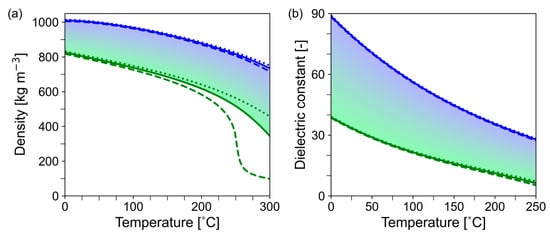
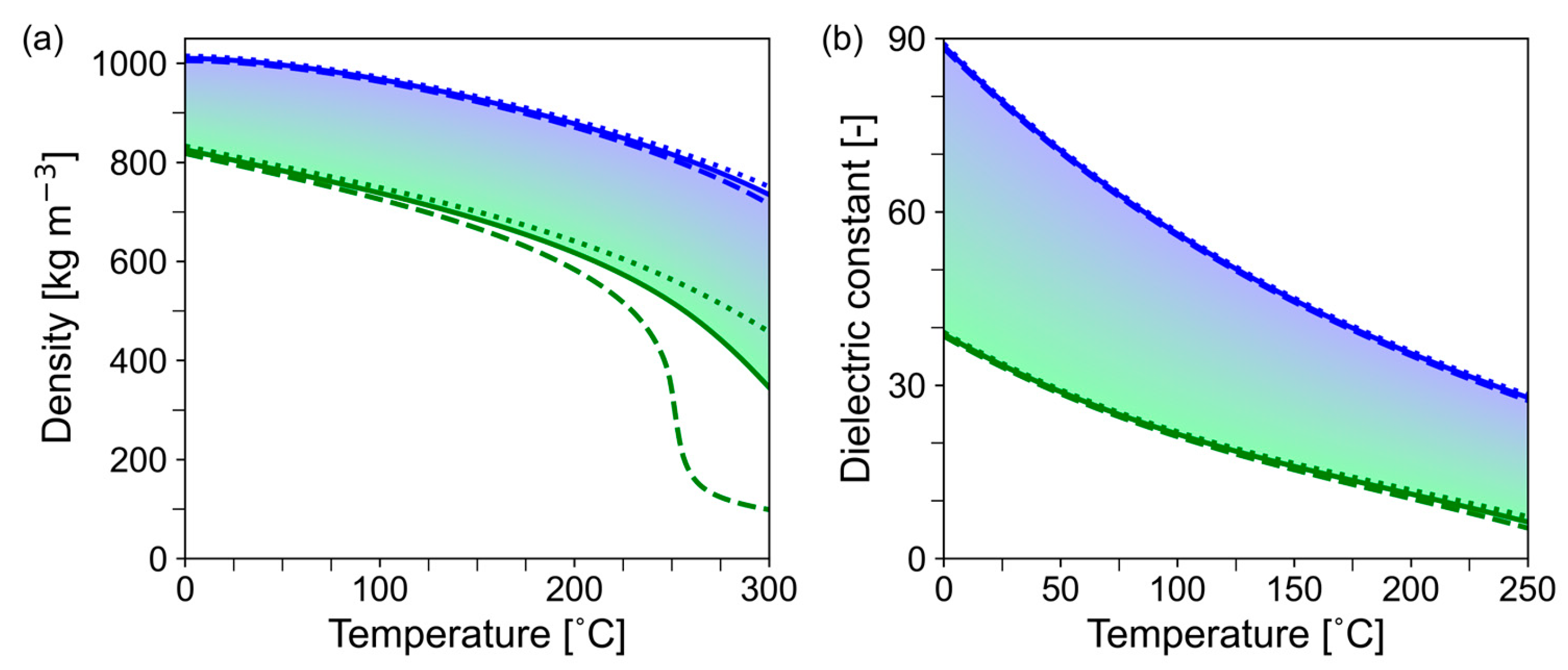
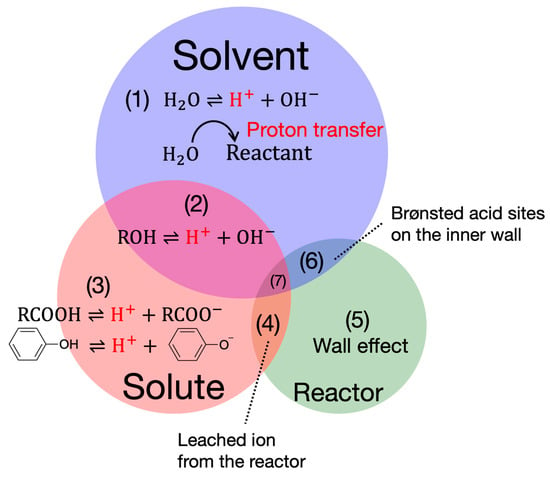
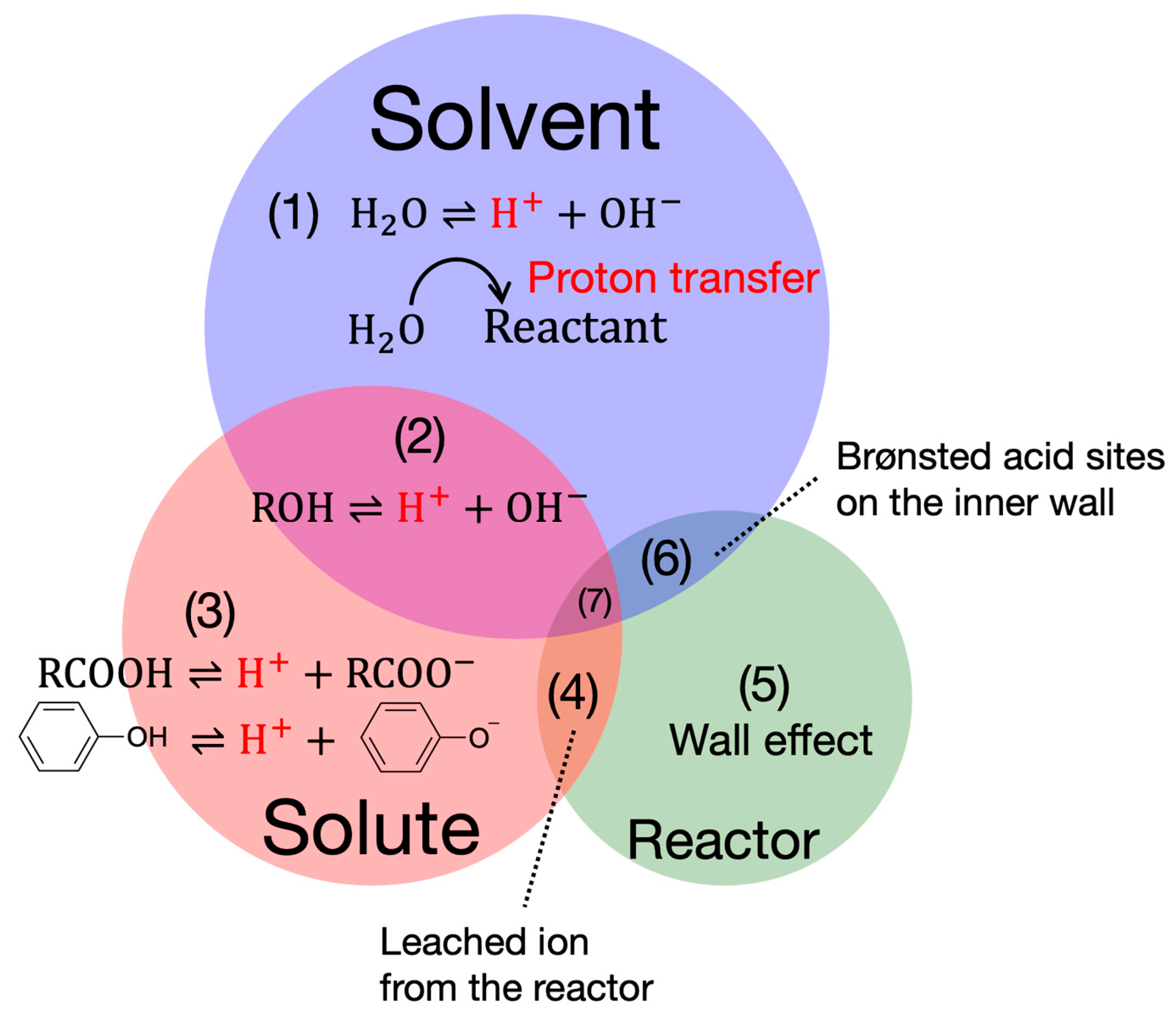
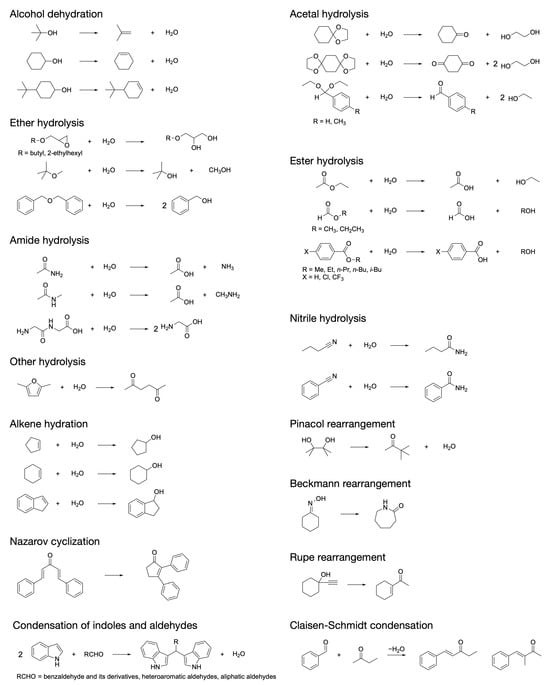
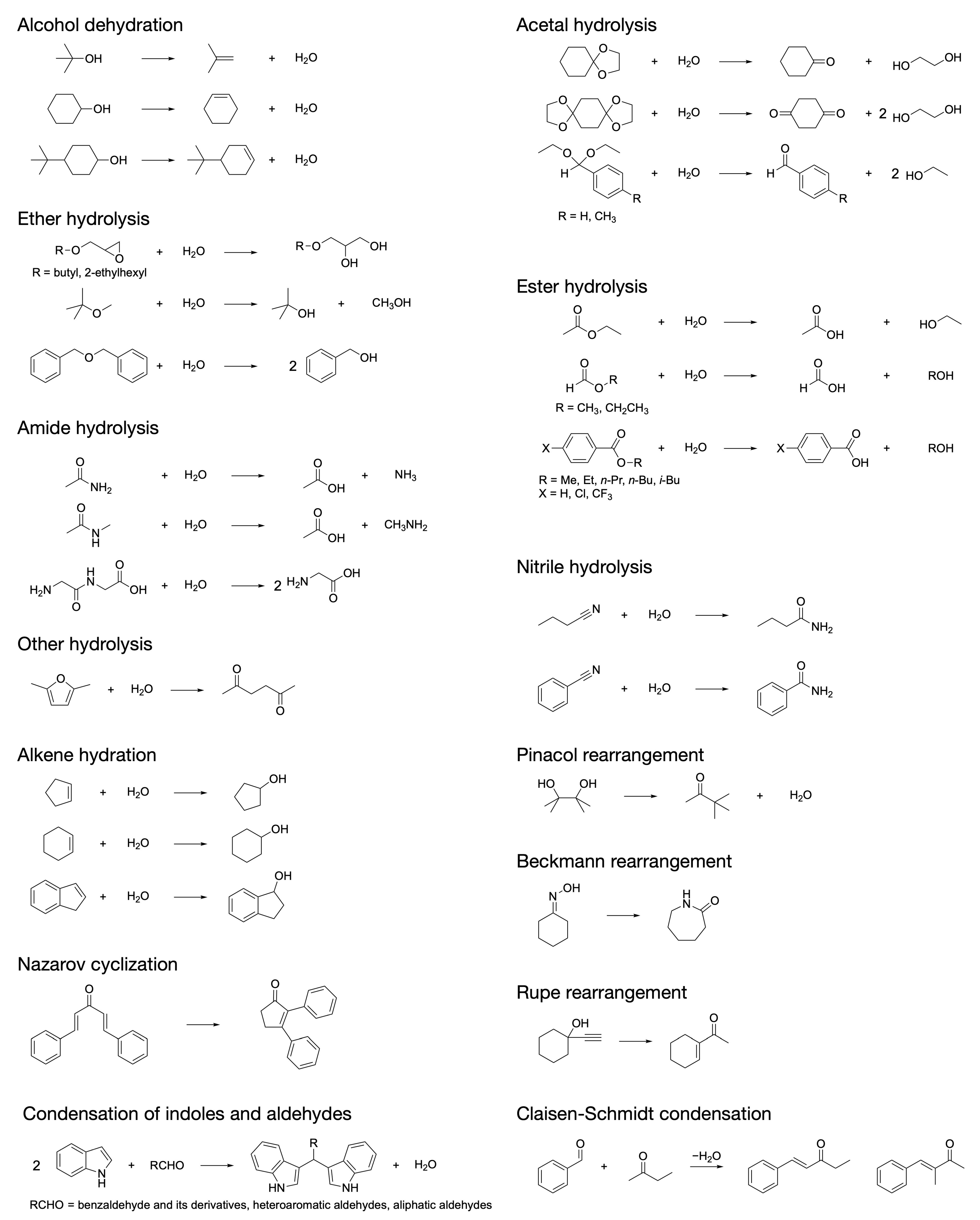
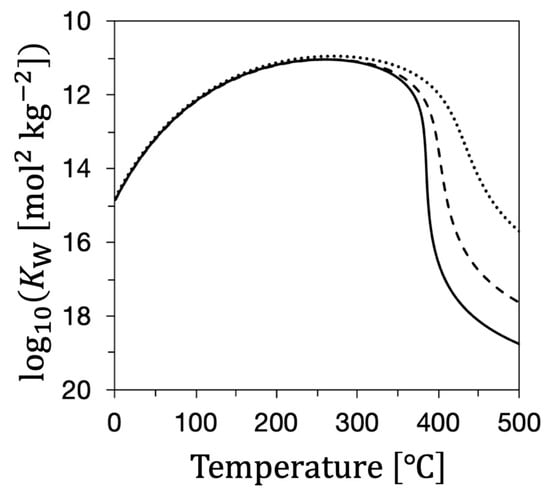
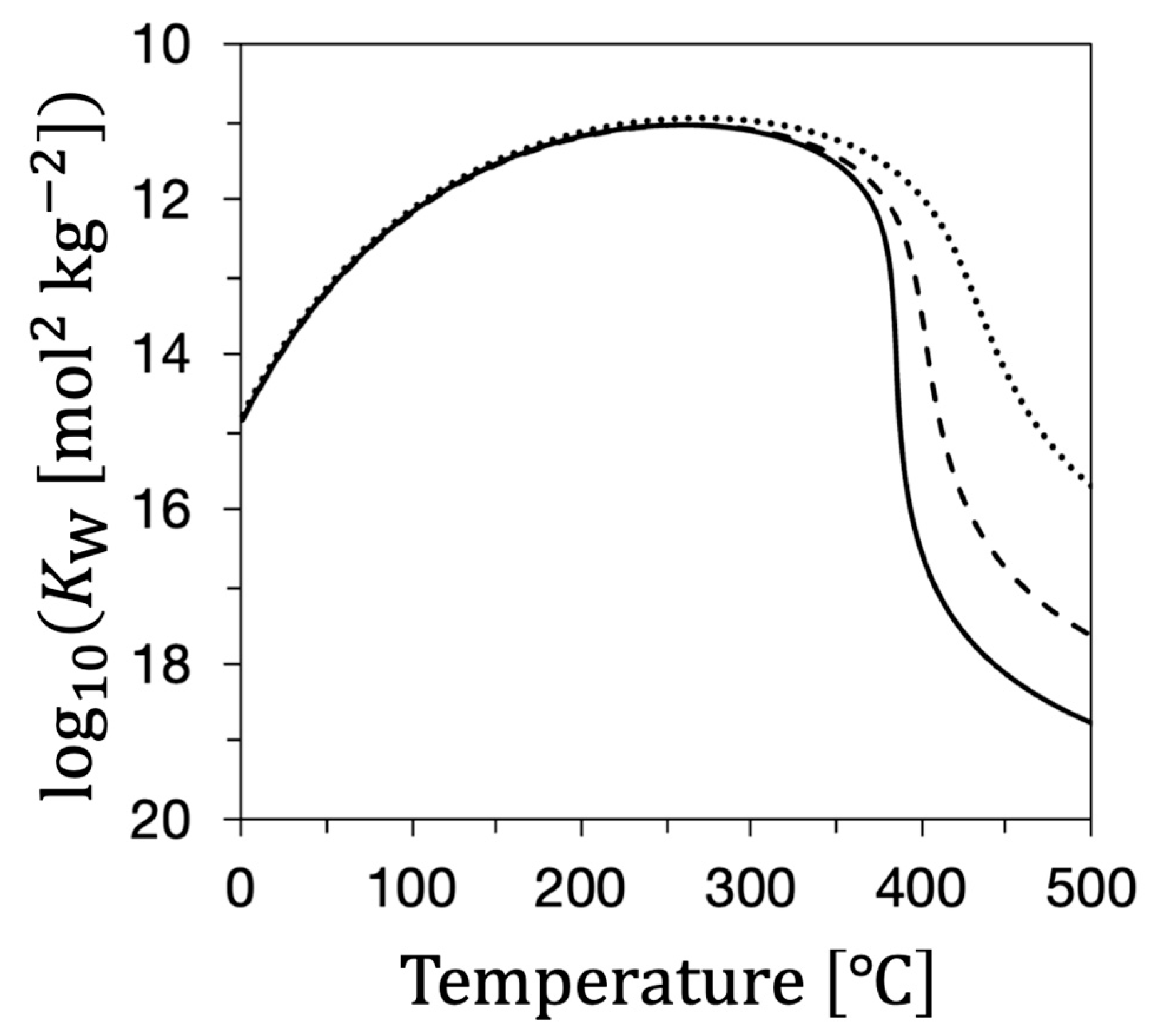
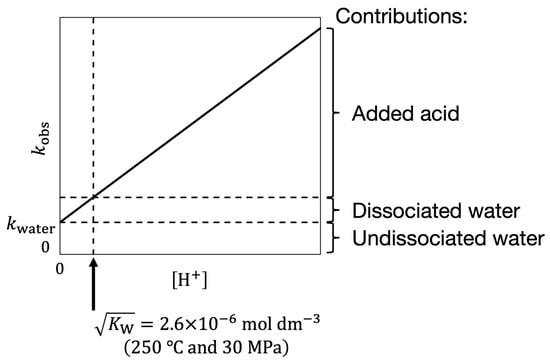
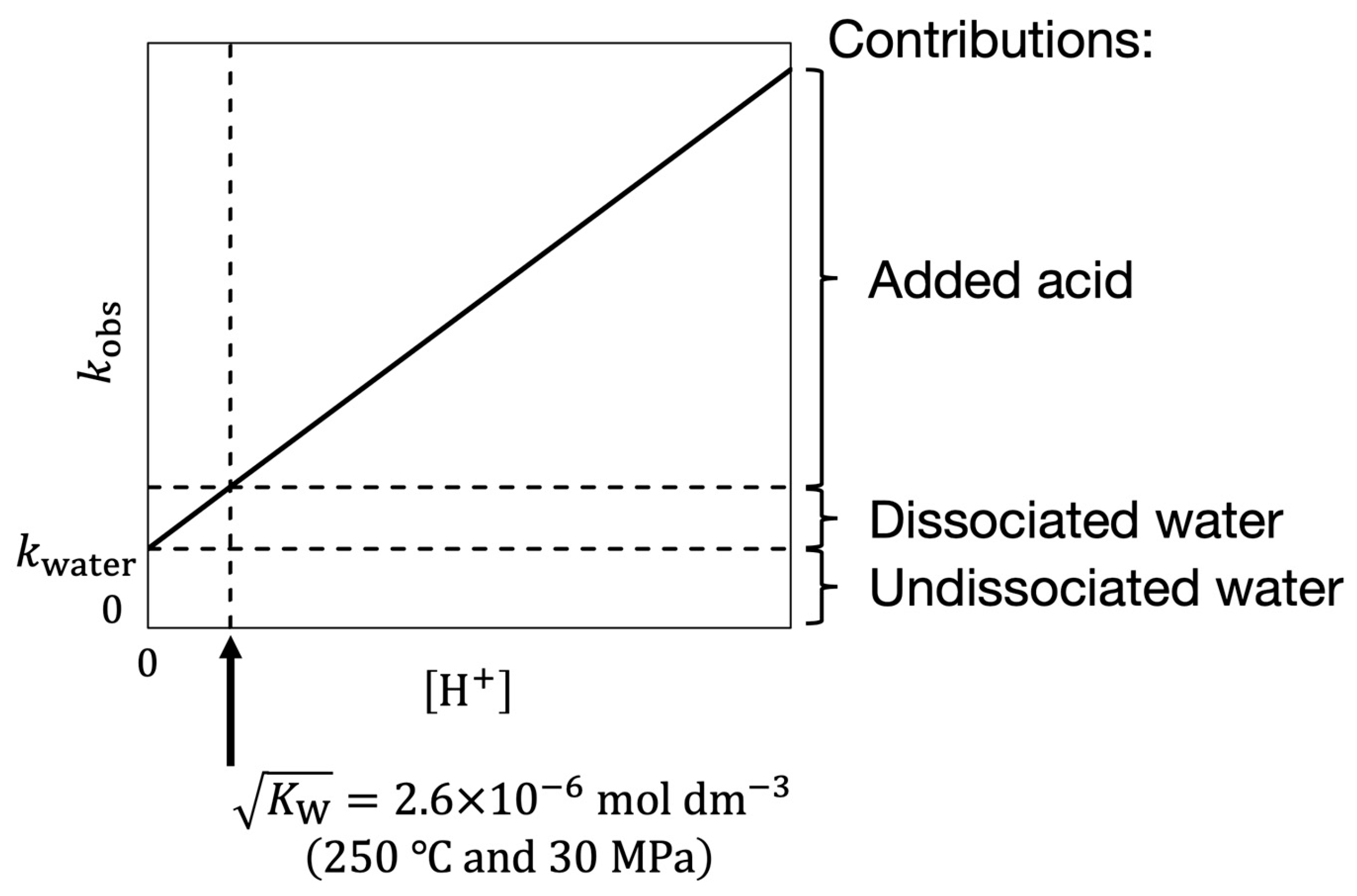
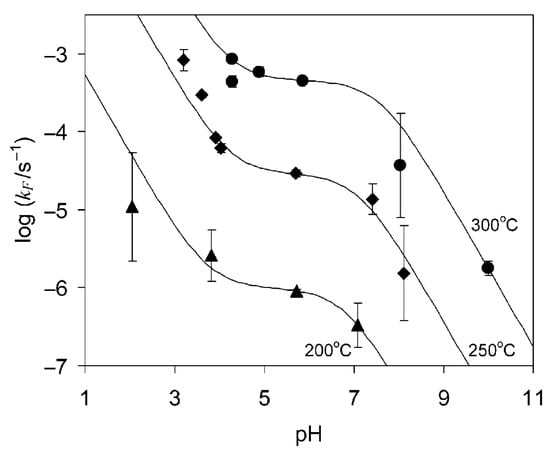
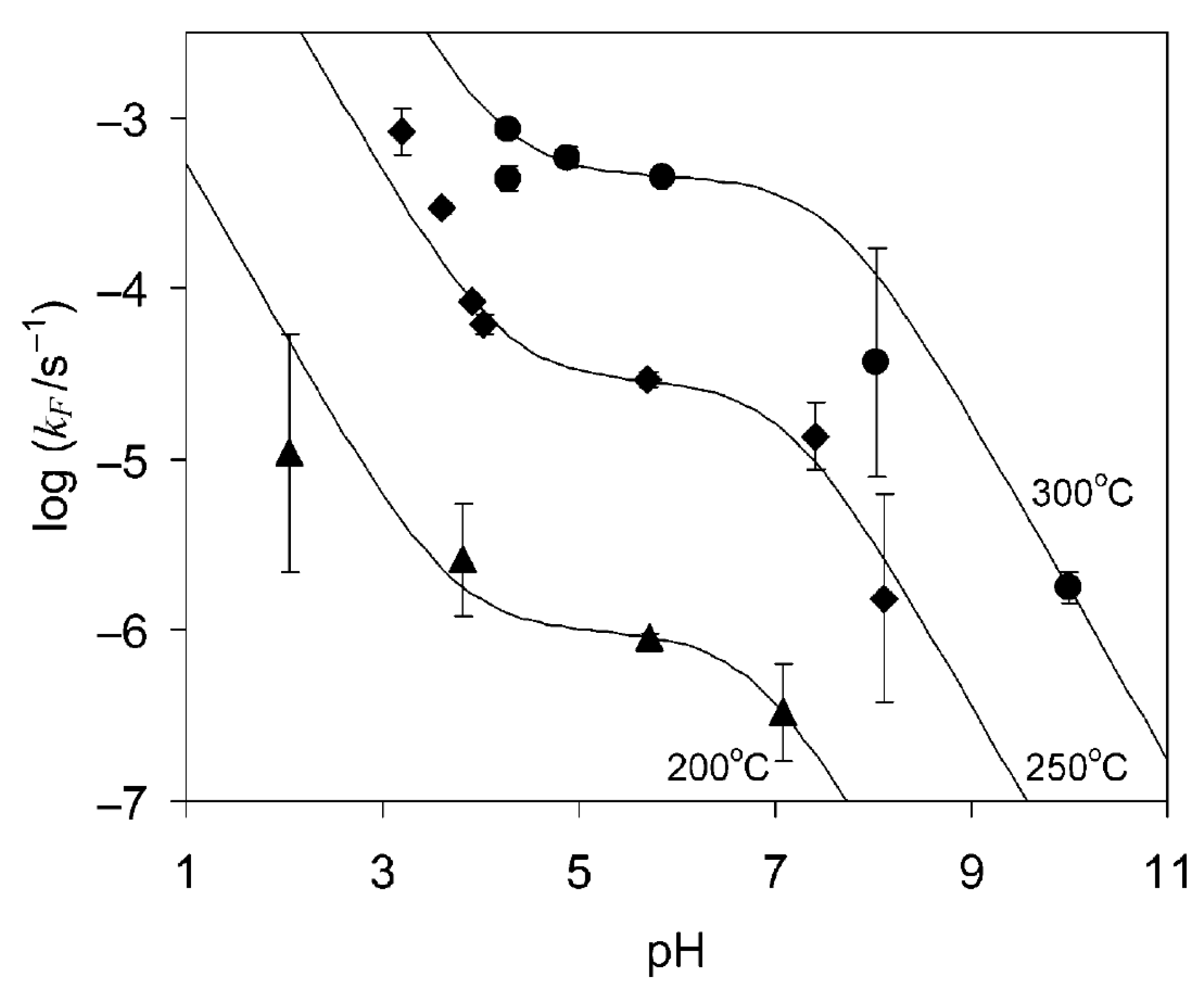
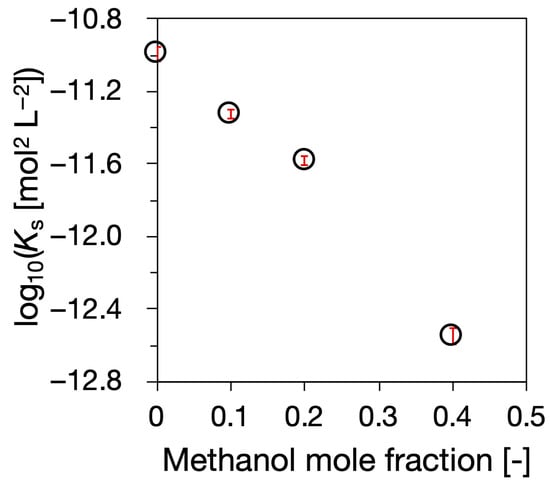
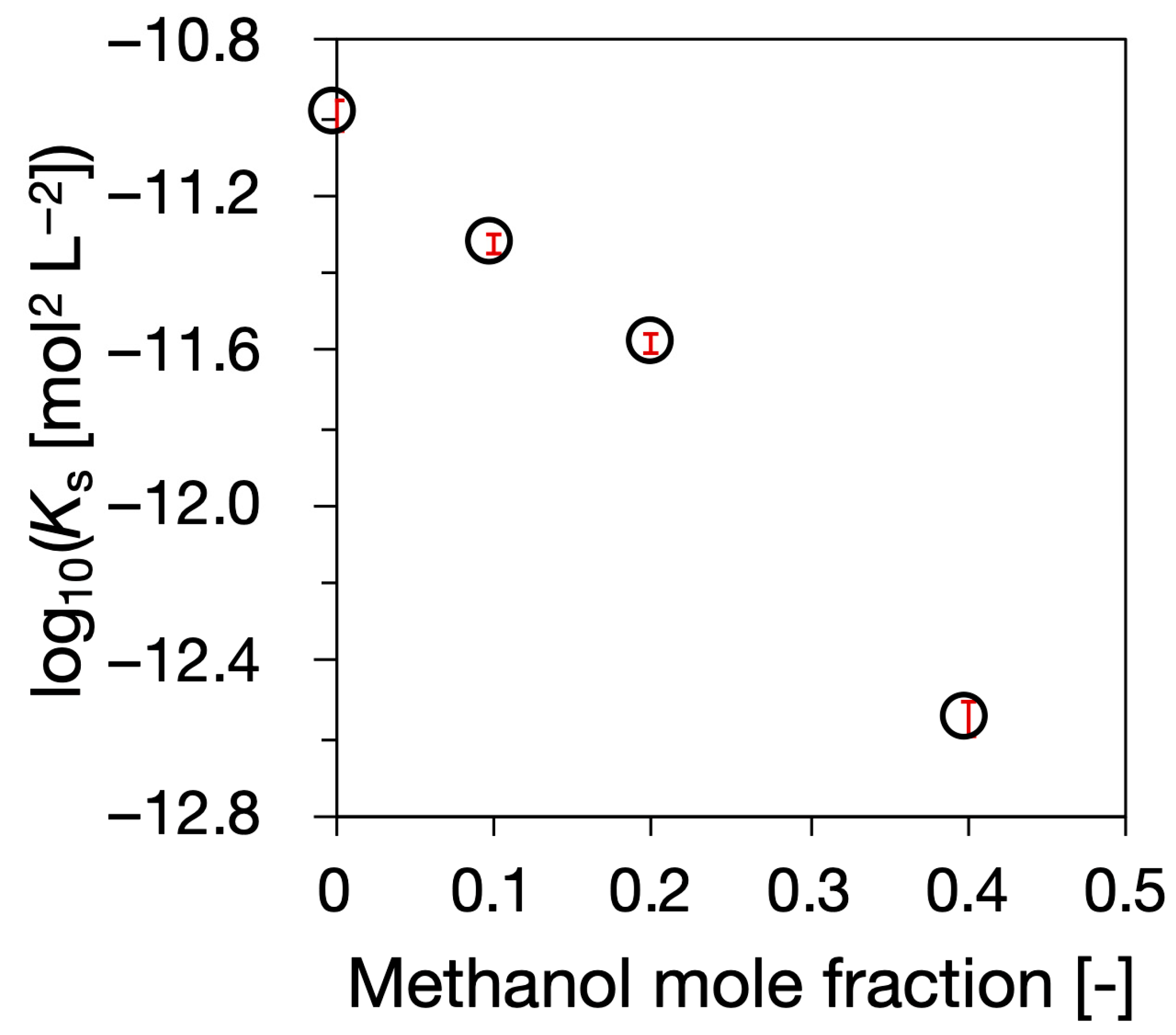
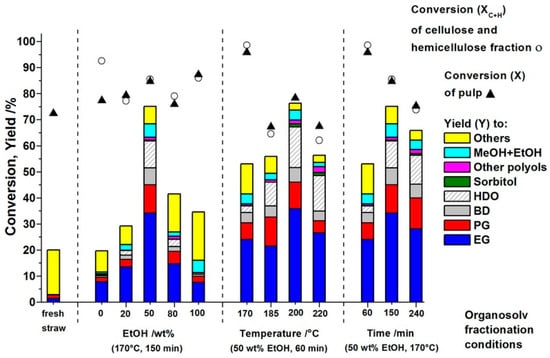
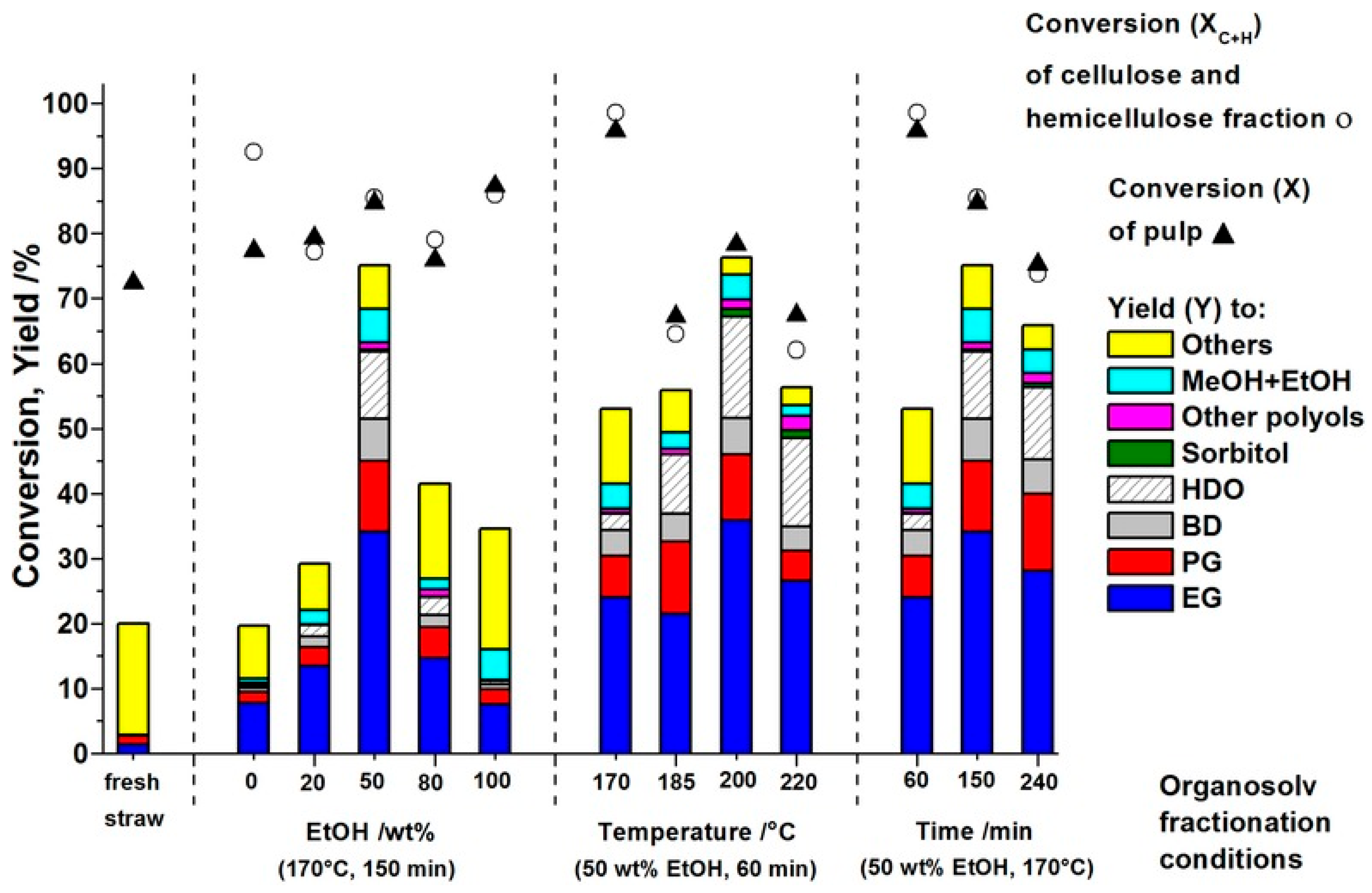
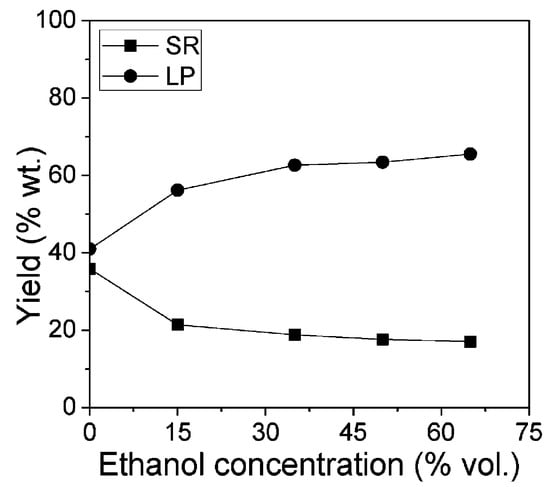
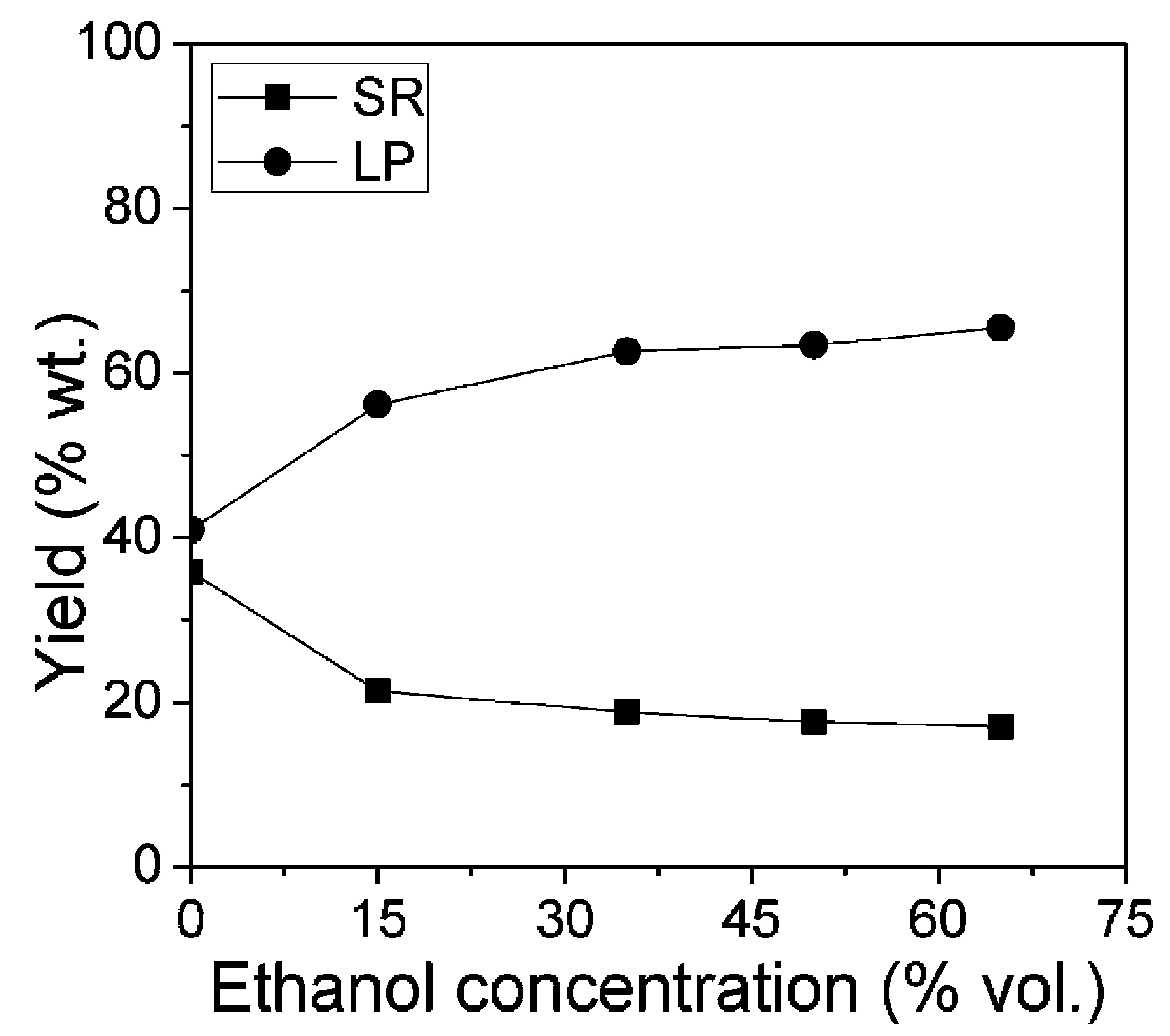
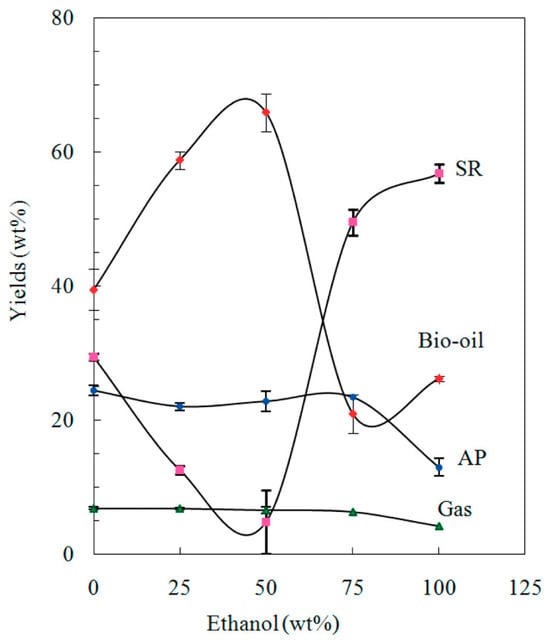
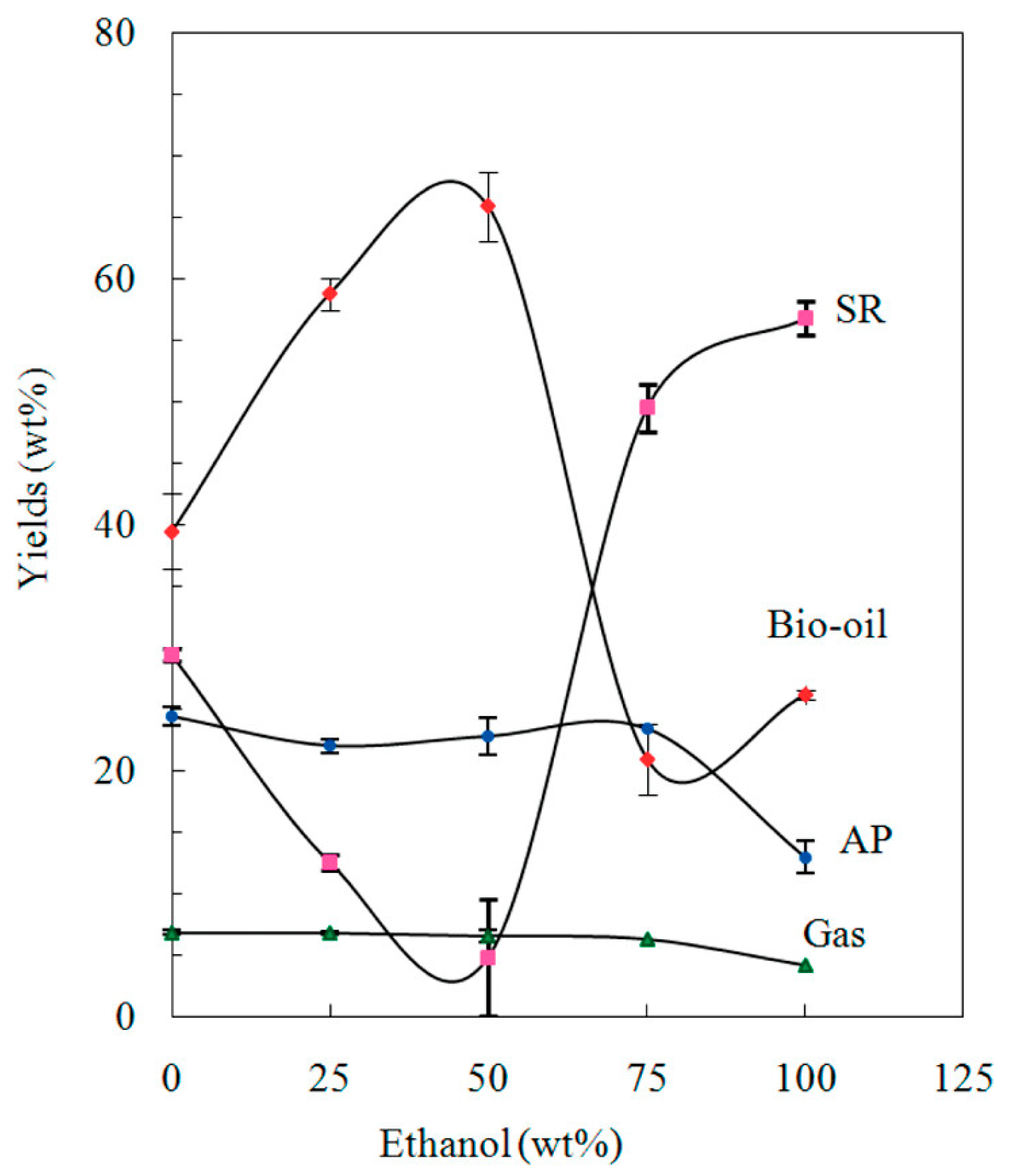
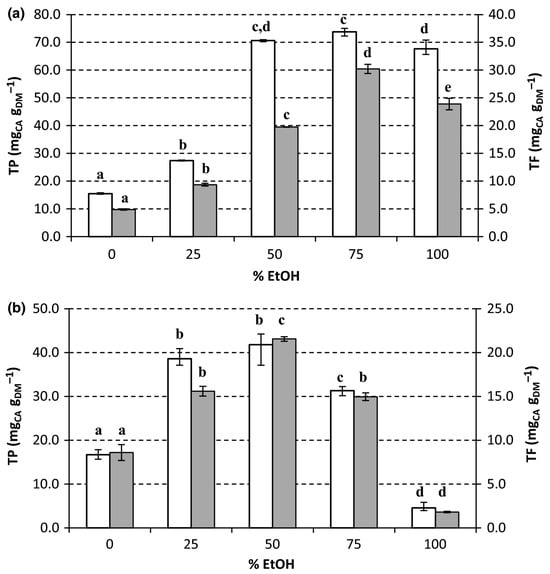



Disclaimer/Publisher’s Note: The statements, opinions and data contained in all publications are solely those of the individual author(s) and contributor(s) and not of MDPI and/or the editor(s). MDPI and/or the editor(s) disclaim responsibility for any injury to people or property resulting from any ideas, methods, instructions or products referred to in the content. |
© 2026 by the authors. Licensee MDPI, Basel, Switzerland. This article is an open access article distributed under the terms and conditions of the Creative Commons Attribution (CC BY) license.