


Abstract
Conventional and organic agriculture can both cause soil microbial community structure (SMCS) destruction, infertility, and abandonment. The application of soil productivity-improving biofertilizers is a sustainable practice that requires holistic knowledge, including complex biointeractions, diverse microbial metabolism, and culture requirements, the last of which rely on methodology and technology. In this study, a holistic culture-based and meta-analysis approach was employed to explore pristine and domesticated soils for presumptive plant growth-promoting (PGP) bacteria. Various soil samples were logistically acquired and processed using enrichment and heat alternatives. Morphologically diverse isolates were streak-purified and analyzed for 16S rRNA bacterial identification. Meta-analysis of PGP bacteria in domesticated environments was conducted using Google Search and NCBI PubMed. Soil fertility was analyzed for the pH and nitrogen/phosphorus/potassium (NPK) contents using biochemical tests. Notably, 7 genera and 15 species were differentially recovered, with Bacillus being the most prevalent and diverse in species. Conversely, Aeromonas, Lactobacillus, Lelliottia, Pseudomonas, and Staphylococcus were found only in pristine soil. While soil pH was consistent in all pristine soil samples, NPK contents ranged widely across the pristine (i.e., P/K) and domesticated samples (i.e., N/P/K). These findings could enhance biofertilizer SMCS, function, and effectiveness in the agricultural productivity needed to feed the expanding population.
1. Introduction
Microorganisms, including biofertilizers, are ubiquitous in agricultural environments, contributing to symbiotic roles in their ecosystems, including the host plants [1,2,3]. Through various sites of interactions, including root, phyllosphere, and endosphere [4], beneficial bacteria may contribute to the host’s biotic resistance [5], abiotic resistance [2], nutrient acquisition [6,7,8,9,10,11], growth-promoting soil structure (i.e., improve water- and nutrient-holding capacity) [2], and enhanced growth [12] directly [1,12]. These plant growth-promoting soil bacteria consist of diverse genera and species [2,4] that coexist [2,4] and can synergistically contribute to the health and yield of plants [2,4,13]. Additionally, their availability is environment-dependent and dictated by temperature [14], synthetic fertilizer and pesticide manipulations [15], and the sites of a plant [4]. Both bacterial and fungal genera and species, including the endospore-forming bacteria Bacillus subtilis [16], B. amyloliquefaciens [17], Burkholderia [18], Azotobacter [19], Azospirillum, Paenibacillus, and Pseudomonas [2], as well as arbuscular mycorrhizal fungi [20], are well-reported biofertilizers, in which the combined bacterial-fungal synergistic growth-promoting effect was reported [1]. Among them, Azospirillum spp. [21], Azotobacter [19], and Paenibacillus [22,23] are nitrogen-fixing and nutrient-uptaking beneficial bacteria. Note that artificially formulated microbial formulations (i.e., biofertilizer) that already exist [17,18,19,24,25] in the market could be reformulated per this holistic study.
Soil particles are composites of organic and inorganic (i.e., mineral) compounds, formulated by biological dissimilation (i.e., decomposition) of dead materials, including carcasses, plant components, and microorganisms [1,11,26,27], and biological assimilation of carbon [1] and nitrogen [1,2,6,21], which contribute to an agriculturally fit soil ecosystem and plant growth promotion. The domain of bacteria includes structurally and physiologically variant microorganisms [14], including Gram-positive/-negative [28] and non-endospore-forming/endospore-forming bacteria [29], respectively. Physiological variation (i.e., endospore formation) enables the bacteria to persist in harsh environmental conditions, including drought [30] and heat [31,32], and increases their environmental availability [29]. Separately or synergistically, they serve multiple functions to ensure soil productivity, including stabilizing soil structure [2,27], cycling nutrients [15], holding water [2,33,34], decomposing organic [15] and inorganic (i.e., heavy metal) compounds [2,15], maintaining the availability of limiting nutrients [15], and producing antimicrobial compounds to protect plants [13], thereby enhancing healthy plant growth [2,15]. Healthy plants could be determined by their environmentally dictated capacity to uptake environmental nutrients, including N [2,35,36,37], P [2,38], K [2,39], and water [1,11], and withstand stresses, including biotic and abiotic challenges [1].
U.S. agriculture has a long history of producing major cash crop commodity products, including corn, soybean, wheat, cotton, grain products, and peanuts [40], generating an annual revenue of ~USD 300 billion in 2023 [40], of which corn and soybeans combined contributed more than half of the total crop revenues [41]. The United States, which contributed nearly a tenth of the total annual revenue, is the world’s leading exporter of cotton [42]. According to an agriculture productivity growth study reported by the USDA, U.S. agricultural practices, including dryland (i.e., primary practice) and irrigated [43], have evolved from input-focused to output-focused technologies, including genetically modified, stress-resistant crops, equipment, chemicals, and educated farm organization, which reduced the size of land and labor needed while tripling the total agricultural output [41] between 1948 and 2021 [41]. Necessarily, agricultural innovations have gradually accrued operation/production costs, including increasing differential fertilizer expenses per planted acre (~0.4 hectare) for different crops (i.e., including corn, cotton, soybean, rice, peanuts; USD 7.97–156.51, 2003–2013; USD 25.06–243.28, 2014–2023) [43], totaling USD 300–400 from 2004 to 2010 and USD 400–500 billion from 2011 to 2023 as the technology has progressively evolved [41], thereby increasing the market cost of products, and burdening the small family farm operation financially [44]. Hence, biofertilizers are particularly essential in meeting the need for agricultural innovations to feed a population of nearly 10 billion in 2050 [45].
Cultivation practices, including tilling [46], burning [47], crop rotation [48,49], and nutrient application [15], could lead to erosion-attributed nutrient loss, edible nutrient availability disruption, topsoil removal, and an imbalanced functional ecosystem (i.e., microbial nutrient regeneration), respectively, thereby negatively impacting bacterial community functional structure [50] and plant health [49,50,51]. It is worth mentioning that nutrient applications (i.e., synthetic fertilizer) could cause intensified biodecomposition of organic matter by microorganisms, poor water-holding capacity of soil, and lead to plant health issues [15,26]. In contrast, in pristine (i.e., undisturbed) environments, biological formulations are naturally actively performed by microbial decomposers, including bacteria and fungi [2]. These negative impacts caused by agricultural practices are evident in the state of Alabama, which was renowned for its rich, fertile, dark soil [52,53], distributed in hills and grassland areas [54,55]. This soil enabled the flourishing of the cotton industry and a booming population [56]. As a result of overuse and the introduction of invasive species, the land has reverted to non-agricultural purposes [57,58,59].
Biological promotion of plant growth is a longstanding, continuously investigated topic due to inconsistent findings among reports, which could be attributed to unstandardized management practices and methodology. In particular, this could be attributed to missing microbial symbionts that are needed to improve plant production in a coordinated way, leading to a reduced functional microbial community. This study employed a holistic approach and metadata analyses with literature information from 1981 to 2025 to determine the prevalence of bacteria, including previously reported plant growth-promoting bacteria and a group of three bacterial genera found exclusively in pristine soil and the presumptive members of the plant-productivity-enhancing biofertilizer community. The benchwork comparatively analyzed total bacteria acquired from disturbed (i.e., domesticated) and undisturbed (i.e., pristine) soil particles to anticipate developing a bacterial community structure that is conducive to soil fertility and sustainable agriculture. Using non-pre-enrichment alone (i.e., regular), pre-enrichment alone, heat process alone, and subsequent pre-enrichment and heat processes, endospore-forming and endosporeless bacteria were recovered from domesticated and pristine soil samples collected from multiple sites in Alabama, an agricultural state of the U.S., owing to its logistics, including proximity to the research laboratory and ease of access. Further analyses of individual bacterial isolates, including 16S rRNA bacterial identification and in silico research of reported agriculture-benefiting biofertilizers and other functional bacteria, revealed a presumptive enhanced community of bacterial biofertilizers that could synergistically enhance the regeneration of soil productivity biologically, economically, and effectively.
2. Materials and Methods
2.1. Soil Collection
Domesticated and pristine soil samples were collected (~120 g each, with a depth span of 0–0.1 m) in Sumter County, Alabama (GPS coordinates: disturbed soil, 32.5843° N, 88.1872° W; pristine soil, 32.525671, −88.139611), in the Fall (early October 2017) using sterile tubes and kept at ambient temperature (25 °C) prior to experimental analyses (Figure 1). Briefly, under the environments’ humid condition, various soil types determined by visible differential colors, including black, light black, and white (Figure 2), were separately acquired from various sites of land that were not disturbed by human activity according to locals, whereas red soil was acquired from a domesticated area whose soil was reportedly fit for cultivating plants. Subsequently, black, light black, red, and white color soil samples were determined as 1.7/1 (black), 5/2 (grayish brown), 7/8 (yellow orange), and 8/1 (light gray), respectively, with reference to the revised Munsell soil color charts (i.e., Hue 7.5 YR) [60,61].
Figure 1.
Soil microbiology experimental scheme.
Figure 2.
Various types of soil. Pristine ((A) black; (B) light black; (D) white) and domesticated ((C) red) soil samples were collected.
2.2. Bacterial Holistic Enrichment, Isolation, Storage, and Culture Conditions
Bagged bacterial dilution solutions (250 g; 1:10 dilution) (Filtra-bag®, VWR, Pittsburgh, PA, USA) containing soil samples (25 g) and buffered peptone water (BPW, 0.1%, w/v) (Difco, Detroit, MI, USA) were homogenized (Stomacher® 400 Circulator lab blender, Seward, Weber Scientific, Hamilton, NJ, USA) before being subject to various processes, including suspension only (i.e., non-enrichment alone) in BPW, suspension and enrichment (35 °C, 16–20 h) (i.e., enrichment alone), suspension (BPW) and heated (80 °C, 20 min) (i.e., heated alone), and suspension, enrichment (BPW, 35 °C, 16–20 h) and heated (i.e., enrichment and heated), were inoculated into Brain Heart infusion (BHI, Difco, Detroit, MI, USA) agar plates containing amphotericin B fungicide (0.25 μg/mL, per the manufacturer instructions) (Thermo Fisher Scientific, Waltham, MA, USA), incubated (35 °C) until visible bacterial colonies formed (i.e., 24–72 h), and bacterial colonies (i.e., in each sample) with different morphologies (i.e., shape, size, and color) (Figure 3) were streaked for purification on BHI agar plates. Pure bacterial cultures were suspended in sterile glycerol-supplemented BHI broth and kept at −72 °C storage temperature. Prior to experimental investigation, thawed bacterial cultures were sub-cultured (1:10 bacterial dilution) twice in BHI at 35 °C for ~20 h.
Figure 3.
Partial representation (of four technical replicates) of morphologically variant bacterial colonies acquired in this study. Soil samples (i.e., black, light black, red, and white color soil samples) were processed with enrichment alone (A) and enrichment followed by heat treatment (B) prior to inoculation of bacterial dilutions on BHI agar media and incubation at 35 °C until visible bacterial colonies formed.
2.3. Bacterial DNA Extraction, Purification, and Analysis
The bead-collision method of Tiong and Muriana [62] was employed to extract bacterial chromosomal DNA. Briefly, sub-cultured bacteria (i.e., fresh cultures) were spun in a high-speed microcentrifuge (12,000 RPM, 2 min) (VWR, Suwanee, GA, USA) and resuspended in sterile distilled water (DI water) twice before resuspended in solution containing sterile glass beads (0.5 mm) (VWR) and Tris buffer (10 mM, pH 7.4), followed by sequential bead-collision processing, including step 1 (i.e., 1 min vortex and 2 min refrigeration) and step 2 (i.e., 1 min vortex and 4 min refrigeration) processes, to shear bacterial cell envelope and release intracellular chromosomal DNA. Bacterial lysates containing chromosomal DNA were spun (12,000 RPM, 2 min), and the pure DNA-containing supernatants were transferred into sterile Eppendorf tubes and kept at −20 °C until further analyses. DNA purity and concentration were analyzed and determined with a spectrophotometer (Thermo Scientific, South San Francisco, CA, USA) at OD260/OD280 and OD260 wavelengths, respectively. Agarose gel electrophoresis (i.e., 1.6%, w/v) was used to confirm the DNA quality and quantity visually.
2.4. PCR Conditions, Purification, and Bacterial Identification
16S rRNA PCR reactions were prepared according to the GoTaq Flexi DNA Polymerase’s instructions (Promega, Madison, WI, USA). Briefly, PCR mixtures, containing MgCl2 (1.5 mM, Promega), dNTPs (0.2 mM, Fisher Scientific, Fair Lawn, NJ, USA), PCR buffer (5×, Promega), primers (0.4 µM, (16S 515F, GTGCCAGCMGCCGCGGTAA; 16S 1391R, GACGGGCGGTGTGTRCA) [63] (IDT, Coralville, IA, USA), DNA template (<0.5 µg/50 µL), and DNA polymerase (1.25 U, Promega), were subject to PCR cycle step 1, 1 cycle of denaturation (95 °C, 1 min); step 2, 40 cycles of sequential denaturation (95 °C, 45 s), annealing (56 °C, 40 s), and DNA extension (72 °C, 1 min); step 3, 1 cycle of final extension (70 °C, 10 min) before infinite holding at 4 °C, in a GeneAmp PCR System 9700 Thermal Cycler (Applied Biosystems, Thermo Scientific, South San Francisco, CA, USA). Purified PCR amplicons (Wizard SV Gel and PCR Clean-up System, Promega) were analyzed on a DNA illuminating dye (GelStar TM Nucleic Acid Gel Stain, ratio 5 µL stain solution: 50 mL gel solution, Lonza Walkersville Inc., Walkersville, MD, USA) supplemented agarose gel (1.6% agarose, 1× Tris-borate-EDTA buffer) using a UV transilluminator (Ultra-Lum UV Transilluminator Muvb-20, ULTRA-LUM INC., Carson, CA, USA). Subsequently, the amplicons were subject to 1-directional Sanger sequencing using 515F primer (GTGCCAGCMGCCGCGGTAA) [63], chromatogram editing (MegaX, older version), and bacterial nucleotide identification (NCBI Blastn, default choose search set and program selection). The bacterial identity of each edited nucleotide sequence was called at 100% nucleotide query coverage, 0 E value, and 100% percent identity.
2.5. Soil Nutrients and pH Assessment
Individually, soil nitrogen (N), phosphorus (P), potassium (K), and pH were determined using a soil test kit (LaMotte®, Chestertown, MD, USA) [64].
2.5.1. NPK Test
Accordingly, extraction mixtures (prepared in the kit-provided graduated tubes) containing an adjusted amount of sample (1–2 g), and extraction reagent were homogenized (1 min) and settled, and a clear solution containing nutrients was quantitatively assessed for N, P, and K, separately, in accordance with their color interpretative charts after being subject to their respective chemical indicator and test reagent reactions and the formation of different color intensities. Each nutrient was quantified according to three classes as instructed by the kit’s manufacturer, including low, medium, and high. N:L, 0–33.6 kg/ha; M, 33.6–67.3 kg/ha; H, +67.3 kg/ha. P:L, 0–56 kg/ha; M, 56–112.1 kg/ha; H, +112.1 kg/ha. K:L, 0–134.5 kg/ha; M, 134.5–224.2 kg/ha; H, +224.2 kg/ha.
2.5.2. pH Test
Briefly, reaction mixtures containing 1.5 g of sample and pH indicator solution were prepared in graduated tubes (provided in the manufacturer’s kit), homogenized, settled (10 min), and the colors formed were translated into pH values in accordance with the manufacturer’s pH color chart.
2.6. Literature Acquisition
Reported information on plant growth-promoting bacteria within the past four decades was acquired using online search engines, including Google.com and https://pubmed.ncbi.nlm.nih.gov/ (accessed 31 October 2025), and cross-referencing of peer-reviewed articles, including recent review articles [17,21]. Bacterial genus, species, and roles contributing to plant growth benefits, including soil stability, soil healthiness (i.e., water- and mineral-rich), and plant resistance to infections and malnutrition, were extracted. Each species or group of species (i.e., sp., spp., designated species name) was called by its specific function(s) reported in the literature (Supplementary Table S1).
2.7. Statistical Significance
Using the t-test and ANOVA for independent samples, two and four, respectively, the means of bacterial species were assessed for their significant difference (p < 0.05). The tests are available online: http://vassarstats.net/anova1u.html (accessed 30 December 2025).
3. Results
3.1. Benchwork: Diverse Bacteria of Domesticated and Pristine Soils Tested
3.1.1. Soil-Dependent Bacterial Diversity
Different soil samples were analyzed for bacterial isolation and identification using a holistic isolation method (i.e., non-enrichment alone, enrichment alone, and their heated combinations, including non-enrichment and heat process and enrichment and heat process). Of 21 abundantly represented bacterial isolates examined (Table 1), a total of 15 different bacterial genera (seven) and various species of Aeromonas (1), Bacillus (7), Lactobacillus (1), Lelliottia (1), Pseudomonas (1), Staphylococcus (3), and Stenotrophomonas (1) were identified (Table 1). Comparatively, the bacterial genus Bacillus was immensely prevalent among other isolated bacterial genera (i.e., Staphylococcus, Lactobacillus, Lelliottia, Aeromonas, Stenotrophomonas, and Pseudomonas) (Table 2, Figure 4) in all soil samples examined whether domesticated or pristine), but two species, Bacillus cereus and B. huizhouensis, were exclusively found in all pristine soil samples, including black, light black, and white (Table 1 and Table 2). Further, Aeromonas sp., Lelliottia sp., Staphylococcus spp./Lactobacillus sp., and Pseudomonas were exclusive to pristine soil samples, whereas Stenotrophomonas was acquired only from domesticated (red) soil (Table 2, Figure 4). In addition, each white (SMGM15) and black (SMGM33) soil bacterial isolate exhibited homologous 16S rRNA amplicons (Table 1) among Staphylococcus and Lactobacillus species and among two species of Bacillus, respectively.
Table 1.
Total bacteria recovered in each soil sample using the holistic isolation method.
Table 2.
Bacterial availability in different soil types 1 (in this study).
Figure 4.
Diverse bacteria acquired from pristine vs. domesticated soil. Each group of soil samples (i.e., pristine vs. domesticated) was processed using four isolation methods prior to inoculating bacterial dilutions on agar media, incubating at 35 °C until visible bacterial colonies formed, and then streaking the bacterial colonies for purification, followed by 16S rRNA bacterial identification. Data bars represent the total diverse bacteria acquired from each pristine and domesticated soil sample using four isolation methods. Each bar represents a mean ± SD of four technical replications of a biological sample. Means with similar capital/non-capital letters are not significantly different; means with different capital/non-capital letters are significantly different (p < 0.05). 1 Two Bacillus species from heated (H) soil were identified from one colony. 2 Staphylococcus and Lactobacillus spp. were identified from one colony.
3.1.2. Soil Color-Dependent Bacterial Diversity
Of all seven Bacillus spp., three (B. thuringiensis, B. niacin, and B. drentensis) were exclusively isolated from black soils and two (amyloliquefaciens and megaterium) from red (Table 3). Other bacterial isolates were differentially distributed in all soil samples, such as black (Lelliottia sp.), light black (Aeromonas caviae), red (Stenotrophomonas sp.), and white (Pseudomonas sp. and Staphylococcus spp. or Lactobacillus plantarum) (Table 3, Figure 5).
Table 3.
Bacterial availability in different soil colors 1 (in this study).
Figure 5.
Diverse bacterial genera acquired from different soil samples (i.e., determined by soil colors). Each soil sample was processed using four different isolation methods (i.e., non-enrichment alone, enrichment alone, heated alone, and enrichment followed by heat treatment) prior to inoculating bacterial dilutions on agar media, incubating (35 °C) until visible bacterial colonies formed, and bacterial colonies were streaked for purification followed by 16S rRNA bacterial identification. Data bars represent the total diverse bacteria acquired in each soil sample using four different isolation methods. Each bar represents a mean ± SD of four technical replications of a biological sample. Means with similar capital/non-capital letters are not significantly different; means with different capital/non-capital letters are significantly different (p < 0.05). 1 Two Bacillus species from heated (H) soil were identified from one colony. 2 Staphylococcus and Lactobacillus spp. were identified from one colony.
3.1.3. Isolation-Method-Dependent Bacterial Diversity
Comparatively, the number of bacterial genera isolated in each type of soil was remarkably reduced upon heat processes (i.e., one genus identified), including heat process alone (i.e., non-enrichment and heated) and sequential enrichment and heat process (Table 4, Figure 6), as opposed to non-heat processes (i.e., non-enrichment alone and enrichment alone) (i.e., six genera identified). Among Bacillus spp., diverse isolation conditions, including non-enrichment alone (i.e., one species identified), non-enrichment and other heated conditions (i.e., non-enrichment + heat treatment and enrichment + heat treatment) (i.e., two species identified), non-enrichment followed by heated conditions (i.e., three species identified), and either one of the two heated conditions (i.e., one species identified), were exclusive for the isolation of its various species (Table 4). Other bacteria were isolated exclusively by non-enrichment alone (i.e., Staphylococcus spp. or Lactobacillus plantarum) and enrichment alone (Lelliottia sp., Aeromonas caviae, Stenotrophomonas sp., and Pseudomonas sp.) conditions (Table 4, Figure 6).
Table 4.
Bacterial availability in different isolation methods 1 (in this study).
Figure 6.
Diverse bacteria acquired using different isolation methods. Non-enrichment (NE), enrichment (E), heat treatment (H), and enrichment followed by heat treatment (E + H) isolation methods were used to process each soil sample prior to inoculating bacterial solution on agar media, incubating (35 °C) until visible bacterial colonies formed, and morphologically distinct bacterial colonies were streaked for purification followed by 16S rRNA bacterial identification. Data bars represent the total species of each bacterial genus acquired using each of the four isolation methods. Each bar represents a mean ± SD of four technical replications of a biological sample. Means with similar capital/non-capital letters are not significantly different; means with different capital/non-capital letters are significantly different (p < 0.05). 1 Two Bacillus species from heated (H) soil were identified from one colony. 2 Staphylococcus and Lactobacillus spp. were identified from one colony.
3.1.4. Nutrient Contents of Diverse Soil Samples (i.e., Different Colors, Pristine vs. Domesticated)
Both groups of soil were analyzed for pH and growth essential nutrients. Pristine soil samples, including black, light black, and white soil, exhibited comparably non-distinctive pH and a range of trace to medium amounts of phosphorus, nitrogen, and potassium (Table 5). However, domesticated soil (i.e., red soil) possessed a medium-to-high range in the nutrients examined (Table 5).
Table 5.
Nutrient composition (kg/ha) of pristine vs. domesticated soil (in this study).
3.2. Metadata: Diverse Plant Growth-Promoting Bacteria
3.2.1. Plant Growth-Promoting Bacteria Metadata
An in silico review of recent articles revealed a group of plant growth-promoting bacteria. Of 33 bacterial genera of three functional groups, including soil stability (1, 3%), soil fertility (10, 30%), and plant health (26, 79%), 11 (33%), 22 (67%), and 3 (9%) were Gram-positive, Gram-negative, and endospore-forming bacteria, respectively (Table 6). Three bacterial genera (Paenibacillus, Pseudomonas, and Rhizobium) contribute to soil fertility and plant health and one (i.e., Actinomyces) to soil stability and plant health (Table 6).
Table 6.
List of reported (in the literature) plant growth-promoting bacteria and their role(s).
3.2.2. Plant Growth-Promoting Bacteria Metadata vs. Benchwork
Further comparison of total bacterial genera (i.e., reported and in this study) exhibited four commonly available plant growth-promoting bacteria, Bacillus, Staphylococcus, Stenotrophomonas, and Pseudomonas (Table 1 and Table 6). Additionally, three bacterial taxa, Aeromonas sp., Lactobacillus sp., and Lelliottia sp., were exclusively identified in pristine soil in this experimental study (Figure 7).
Figure 7.
Total plant growth-promoting bacterial genera discovered and reported in this study (i.e., both pristine and domesticated) and in the literature, respectively. The specific species of bacteria can be found in Supplementary Table S1.
4. Discussion
4.1. Benchwork: Diversity of Soil Bacteria
4.1.1. Soil Profile-Dictated Bacterial Distribution and Study Legitimacy
In comparison to reported plant growth-promoting bacterial community [2], the holistic assessment in this study reveals differential profiles of total bacterial genera and species in soils distinguished by their color and domestically disturbed vs. pristine status, thereby suggesting the availability of bacterial community of a kind that could be conducive to plant growth. Surprisingly, no bacterium occurs commonly in both pristine and disturbed soils, suggesting that the community structure of soil bacteria that promotes plant growth could be diverse, that the structure could be environmentally dictated, and that a novel all-season functional bacterial structure/profile could be constructed and applied for enhancing plant growth in the field as opposed to the currently available structures, whose functionality is closely environmentally modulated [173,174]. Multiple bacterial identities of SMGM15 (i.e., S. xylosus, S. succinus, S. saprophyticus, and L. plantarum) and SMGM33 (B. niacin and B. drentensis) (Table 1) could be attributed to their non-distinguishable 16S gene amplicons by 515F primer 1-directional sequencing (in this study) [63], thereby suggesting the need to locate genus- and species-specific 16S rRNA fragments to distinguish genetically closely related bacteria. Per prior reports, while Staphylococcus species (i.e., S. succinus and S. saprophyticus) [170], B. drentensis [101], and L. plantarum [114] possess plant growth-promoting implications, neither soil-originating B. niacin [175] nor meat-fermenting S. xylosus [176] has been directly associated with plant growth promotion [170,177]. Further, pristine and domesticated soil-associated bacterial exclusivity (in this study) could be attributed to natural and artificial manipulations by climate [14] and synthetic chemicals (i.e., fertilizer and pesticide) [15,173,174] as previously reported. Remarkably, the pristine samples selected in this study differentially exhibit plant growth-promoting bacterial genera reported in the literature, including Bacillus sp. and the pristine soil-exclusive bacterial genera Lactobacillus [140], Lelliottia [141,142], Pseudomonas [2], Staphylococcus [24,170], and Aeromonas [70,73] spp., of which Bacillus and Pseudomonas spp. are known to be primarily applied in biofertilizer formulation [2], thereby strengthening the legitimacy of soil samples selected for this study in the Black Belt of Alabama and bacterial contrast profiles of two groups of samples (i.e., domesticated vs. pristine). In addition, prior reports reported the environmental originality of these pristine soil exclusive bacteria, including Lactobacillus [178], Lelliottia [179], and Aeromonas spp. [72], thereby further validating this study’s findings. On the other hand, the domesticated sample selected in this study exhibited a group of soil bacterial genera of very restricted diversity, including Bacillus [177,180] and Stenotrophomonas spp. [2,113,181], which, according to prior studies, possess plant growth-promoting functions. Hence, the presence of an artificial formulation (i.e., bacterial inoculant applications) of the bacterial community in the domesticated land selected in this study and bio-antagonistic activity could lead to bacterial dominance-biased detection and reduced diversity, respectively. Among two Bacillus spp. that were exclusively detected (in this study), B. amyloliquefaciens was reported to be a commercially available bacterial inoculant and to have antimicrobial activity [17], thereby concurring with our bacterial profile findings of domesticated soil (in this study).
4.1.2. Soil Color-Dictated Bacterial Distribution
This study selectively employed the direct comparison of soil colors against the Munsell color chips and the assigning system to confirm the color of various soil samples, attributed to its official adoption [182], portability, accessibility, and comparable result interpretability [182], as opposed to instrument deployment (i.e., colorimeter) [183]. Researchers related the color to organic matter content, metal availability (i.e., iron), drainage, and aeration [183,184]. Accordingly, researchers [184] correlated red and white (referred to as “gray”) soil with the availability of iron in ferric vs. ferrous species, respectively, attributed to their environmental aeration and drainage conditions. Bacterial capability in iron metabolism has been reported in species of Stenotrophomonas [181], Pseudomonas [185], Lactobacillus [186], Bacillus [187], Aeromonas, and Staphylococcus. Of these, two species of Bacillus (megaterium and amyloliquefaciens) as well as Stenotrophomonas sp. (Table 3) were exclusively detected in ferric-rich, well-drained red soil in this study. The differential distribution/abundance of a subset of these bacteria (genus or species exclusive) in iron-rich soil in this study, as indicated by soil color [184], could be driven by bacterial inherited preference for metabolism pathway [188] and water activity [189]. On the other hand, researchers [184] have interpreted black soil, including different intensities of black soil in this study, as organic-rich.
4.1.3. Isolation Process-Dictated Bacterial Distribution
Various enrichment and heat processes applied in this study exhibit diverse bacterial cultivation profiles (i.e., enrichment and/or heat processes), suggesting the availability of diverse soil bacteria at generic and specific ranks (Table 1 and Table 4), including presumptive plant growth-promoting bacteria, in physiology and metabolism, and that its absence (i.e., specific cultivation conditions) could compromise findings’ accuracy. This concurs with the previously reported modified two-step enrichment method, which used enrichment and heat processing alternately to successfully recover diverse bacteria groups, both within and outside a genus/species and among endospore-forming [190] and non-endospore-forming bacteria [31,32], which would otherwise be nonculturable. Remarkably, of the seven endospore-forming Bacillus species (29) detected in this study, four cultures were exclusively heat-dependent in the isolation step (Table 4). Thus, for the first time, our culture-based study suggests the need for a holistic approach to unravel the complex structure of plant-growth-benefiting biofertilizers.
4.1.4. Diverse Soil Nutrient and pH Contents
Nutrient and pH contents were distinct in pristine soil alone (i.e., nutrient contents) and between pristine and domesticated soil (i.e., both pH and nutrient contents) examined in this study. Other researchers indicated black color soil as organic-rich [183,184]. Further, Zhang et al. [191] reported a positive correlation between fertilized soil with inorganic compounds (i.e., NPK) and organic carbon content in the soil and humic acid, thereby suggesting the low organic carbon content of the black, organic-rich indicative soil (in this study) and that all pristine soil varieties, including light black, black, and white, are friendly to cotton given its low nitrogen need [192] relative to that of other important crops, including corn (which needs 4–5× more N) [193]. In this study, the nutrient variations, including the organic matter indicative color, in pristine soil even within one sampling site could be attributed to soil water holding capacity [2,184], aeration [184], and land topology (i.e., slope) [194]/vegetation type (i.e., grassland vs. scrubland) [195,196,197], which could facilitate water movement-driven nutrient loss [49], erosion-driven nutrient loss (i.e., favorable for increasing slope) [49,194], and nutrient containment capability (i.e., favorable for grassland) [195], respectively. It is significant that the white soil, indicative of loss of organic matter, was sampled at multiple erosion-conducive high-level sites [194] in a pristine sampling area in our study. Additionally, other groups determined a positive relationship between land slope, erosion, and vegetation type [195,196,197,198,199,200] and land slope (i.e., gentle slope, 0–25°) and vegetation type (i.e., grassland) [201,202]. Relatively pristine soil’s (i.e., black, light black, and white) pH and nitrogen content are consistently lower than domesticated soil (in this study). This phenomenon could be attributed to the land being disturbed artificially with NPK fertilizers to favor cultivation. The inverse correlation between soil pH and N availability (i.e., increased N availability = reduced pH) (Table 5) concurs with a previous report [184], thereby validating this study. The different levels of N relative to P and K in domesticated soil in this study could be attributed to the standardized NPK application ratio set for crop-specific cultivation purposes [203,204]. In particular, N, P, K, and pH of 60–105, 75+–100+, 171–400, and 6, respectively [205], are essential for cotton plantation states, including Alabama, the seventh largest cotton-producing state by production yield in bales [42], thereby recommending the adjustment of one or more elements in the pristine soil to revitalize production [206]. It is worth noting that the fertility of cultivated land, including pristine land, does not necessarily correlate positively with organic-rich, dark, arable soil [182,183], as demonstrated here (Table 5), pointing out the need for testing N, P, and K prior to cultivation. The fact that pristine soil is not necessarily compatible with cultivation could be attributed to fertility distortions by extreme natural events, including inclement weather and biological invasion, that are indirectly catalyzed by routine human activity.
4.2. Metadata: Diversity of Plant Growth-Promoting Bacteria
4.2.1. Reported Plant Growth-Promoting Bacteria
Notably, thus far, reports of plant growth-promoting bacteria have been inconsistent as to the availability of bacterial genera and species associated with healthy plants. Consequently, the present study recollects the most recent review report [2] alongside reports spanning 1981–2025 that are associated with plant growth-promoting bacteria that are not revealed in one or more reports to compile a list of bacteria for potential holistic formulation for an efficient biofertilizer community structure that could functionally prevail in all environmental conditions.
4.2.2. Metadata vs. Benchwork Data
Additionally, this bacterial list consists of plant growth-promoting bacteria identified in this holistic study, including Lactobacillus and Lelliottia spp., which are not reported in Wang et al.’s review report [21], thereby justifying the need for this report to update the status of biofertilizer research and development, and its need-improvement area (i.e., identifying study methodology as a prime area for improvement).
5. Conclusions
Degradation of cultivated soil is inevitable, but farmland can be biologically regenerated using microorganisms [2]. The present study comparatively analyzes a group of recently (1981–2025) reported soil-benefiting bacteria and a group of total bacteria recovered using a holistic approach (i.e., by non-enrichment alone, enrichment alone, and heat-process supplementation). Holistic analysis suggests that the availability of soil bacteria is dependent upon recovery conditions and soil type, that using only a single method could render inaccurate results in bacterial community profile discovery, and that these bacteria (i.e., those exclusively recovered in pristine soil in this study) could functionally contribute to synergistic bioregeneration of farmland.
Supplementary Materials
The following supporting information can be downloaded at: https://www.mdpi.com/article/10.3390/applmicrobiol6010011/s1, Table S1: Species of plant productivity-associated bacterial genera.
Author Contributions
The study has been substantially contributed by the authors as follows: Conceptualization, G.S. and H.K.T.; methodology, H.K.T.; software, H.K.T.; validation, H.K.T.; formal analysis, G.S. and H.K.T.; investigation, G.S., A.K.R. and H.K.T.; resources, A.K.R. and H.K.T.; data curation, H.K.T.; writing—original draft preparation, G.S., A.K.R. and H.K.T.; writing—review and editing, A.K.R. and H.K.T.; visualization, G.S. and H.K.T.; supervision, H.K.T.; project administration, H.K.T.; funding acquisition, H.K.T. All authors have read and agreed to the published version of the manuscript.
Funding
This research received no external funding.
Institutional Review Board Statement
Not applicable.
Informed Consent Statement
Not applicable.
Data Availability Statement
The original contributions presented in this study are included in the article/Supplementary Material. Further inquiries can be directed to the corresponding author.
Acknowledgments
During the preparation of this manuscript, the authors received the following contributions internally and externally: Student Seed Grants, the Office of Sponsored Programs, Research and Outreach at the University of West Alabama (UWA); sample collection recommendation and transportation, Brian Keener (UWA); technical reviews, Kevin Morse (UWA); article full copy downloads, Pei Jia Ng (Oklahoma State University, Stillwater).
Conflicts of Interest
The authors declare no conflicts of interest.
References
- UNDP. United Nations Development Program, Precision Agriculture for Smallholder Farmers (UNDP Global Centre for Technology, Innovation and Sustainable Development (Singapore: UNDP Global Centre for Technology, Innovation and Sustainable Development)). 2021. Available online: https://www.undp.org/sites/g/files/zskgke326/files/2021-10/UNDP-Precision-Agriculture-for-Smallholder-Farmers.pdf (accessed on 30 December 2024).
- Farm Economy—Farm Structure and Organization. Available online: https://www.ers.usda.gov/topics/farm-economy/farm-structure-and-organization/farm-structure-and-contracting/ (accessed on 20 September 2024).
- Farming and Farm Income. Available online: https://www.ers.usda.gov/data-products/ag-and-food-statistics-charting-the-essentials/farming-and-farm-income/ (accessed on 20 September 2024).
- Statista. Leading 10 U.S. States for Cotton Production in 2023. Available online: https://www.statista.com/statistics/248776/top-10-us-states-for-cotton-production/#:~:text=Published%20by,cotton%20were%20produced%20that%20year (accessed on 24 December 2024).
- Commodity Costs and Returns. Available online: https://www.ers.usda.gov/data-products/commodity-costs-and-returns/ (accessed on 20 September 2024).
- USDA. Impacts and Repercussions of Price Increases on the Global Fertilizer Market. 2022. Available online: https://fas.usda.gov/data/impacts-and-repercussions-price-increases-global-fertilizer-market (accessed on 25 December 2024).
- Cleland, H.F. The Black Belt of Alabama. Geogr. Rev. 1920, 10, 375–387. [Google Scholar] [CrossRef] [Scilit]
- Webster, G.R.; Samson, S.A. On defining the Alabama Black Belt: Historical changes and variations. Southeast. Geogr. 1992, 32, 163–172. [Google Scholar] [CrossRef] [Scilit]
- Rostlund, E. The myth of a natural prairie belt in Alabama: An interpretation of historical records. Ann. Assoc. Am. Geogr. 1957, 47, 392–411. [Google Scholar] [CrossRef] [Scilit]
- Barone, J.A. Historical presence and distribution of prairies in the Black Belt of Mississippi and Alabama. Castanea 2005, 70, 170–183. [Google Scholar] [CrossRef] [Scilit]
- University of Alabama Cartographic Research Laboratory. Total Population in 1860. Available online: https://alabamamaps.ua.edu/contemporarymaps/alabama/historical/page127.jpg (accessed on 30 September 2025).
- Swenson, G.A.; Anderson, A.C.; Watkins, W.I.; Williams, B.H.; Lounsbury, C.; Findley, R.R.; Brackeen, L.G.; Swann, M.E.; Sherard, H. Soil Survey of Sumter County, Alabama; Soil Survey, Series 1935, No. 18; U.S. Bureau of Plant Industry: Washington, DC, USA, 1941; 85p, Available online: https://core.tdar.org/document/49664/soil-survey-of-sumter-county-alabama (accessed on 31 October 2025).
- U.S. Census Bureau. 2022 Census of Agriculture, County Profile; U.S. Department of Agriculture Statistics Service (NASS): Washington, DC, USA, 2022; Available online: https://www.nass.usda.gov/Publications/AgCensus/2022/Online_Resources/County_Profiles/Alabama/cp01119.pdf (accessed on 30 September 2025).
- Harris, M.C.; Trayvick, J.C. Soil Survey of Sumter County, Alabama; U.S. Department of Agriculture, Soil Conservation Service: Washington, DC, USA, 1989; 135p, Available online: https://ufdc.ufl.edu/UF00025741/00001/images/0 (accessed on 31 October 2025).
- Hudson, B.D. Soil organic matter and available water capacity. J. Soil Water Conserv. 1994, 49, 189–194. [Google Scholar] [CrossRef] [Scilit]
- Barea, J.M.; Pozo, M.J.; Azcón, R.; Azcón-Aguilar, C. Microbial co-operation in the rhizosphere. J. Exp. Bot. 2005, 56, 1761–1778. [Google Scholar] [CrossRef] [Scilit]
- Rashid, M.I.; Mujawar, L.H.; Shahzad, T.; Almeelbi, T.; Ismail, I.M.; Oves, M. Bacteria and fungi can contribute to nutrients bioavailability and aggregate formation in degraded soils. Microbiol. Res. 2016, 183, 26–41. [Google Scholar] [CrossRef] [Scilit]
- Hashem, A.; Tabassum, B.; Fathi Abd Allah, E. Bacillus subtilis: A plant-growth promoting rhizobacterium that also impacts biotic stress. Saudi J. Biol. Sci. 2019, 26, 1291–1297. [Google Scholar] [CrossRef] [Scilit]
- Barea, J.M.; Azcón-Aguilar, C.; Azcón, R. Vesicular-arbuscular mycorrhiza improve both symbiotic n2 fixation and n uptake from soil as assessed with a 15 n technique under field conditions. New Phytol. 1987, 106, 717–725. [Google Scholar] [CrossRef] [Scilit]
- Dobbelaere, S.; Croonenborghs, A.; Thys, A.; van de Broek, A.; Vanderleyden, J. Phytostimulatory effect of Azospirillum brasilense wild type and mutant strains altered in IAA production on wheat. Plant Soil 1999, 212, 155–164. [Google Scholar] [CrossRef] [Scilit]
- Wang, G.; Ren, Y.; Bai, X.; Su, Y.; Han, J. Contributions of beneficial microorganisms in soil remediation and quality improvement of medicinal plants. Plants 2022, 23, 3200. [Google Scholar] [CrossRef] [Scilit] [PubMed] [PubMed Central]
- Defez, R.; Andreozzi, A.; Bianco, C. The overproduction of indole-3-acetic acid (IAA) in endophytes upregulates nitrogen fixation in both bacterial cultures and inoculated rice plants. Microb. Ecol. 2017, 74, 441–452. [Google Scholar] [CrossRef] [Scilit]
- Taha, K.; Berraho, E.B.; El Attar, I.; Dekkiche, S.; Aurag, J.; Béna, G. Rhizobium laguerreae is the main nitrogen-fixing symbiont of cultivated lentil (Lens culinaris) in Morocco. Syst. Appl. Microbiol. 2018, 41, 113–121. [Google Scholar] [CrossRef] [Scilit]
- Shahrajabian, M.H.; Sun, W.; Cheng, Q. The importance of Rhizobium, Agrobacterium, Bradyrhizobium, Herbaspirillum, Sinorhizobium in sustainable agricultural production. Not. Bot. Horti Agrobot. 2021, 49, 12183. [Google Scholar]
- Zeng, Y.; Guo, L.-P.; Chen, B.; Hao, Z.; Wang, J.-Y.; Huang, L.-Q.; Yang, G.; Cui, X.-M.; Yang, L.; Wu, Z.-X.; et al. Arbuscular mycorrhizal symbiosis and active ingredients of medicinal plants: Current research status and prospectives. Mycorrhiza 2013, 23, 253–265. [Google Scholar] [CrossRef] [Scilit]
- Saeed, Q.; Wang, X.; Haider, F.U.; Kucerik, J.; Mumtaz, M.Z.; Holatko, J.; Naseem, M.; Kintl, A.; Ejaz, M.; Naveed, M.; et al. Rhizosphere bacteria in plant growth promotion, biocontrol, and bioremediation of contaminated sites: A comprehensive review of effects and mechanisms. Int. J. Mol. Sci. 2021, 22, 10529. [Google Scholar] [CrossRef] [Scilit]
- Madarász, B.; Jakab, G.; Szalai, Z.; Juhos, K.; Kotroczó, Z.; Tóth, A.; Ladányi, M. Long-term effects of conservation tillage on soil erosion in Central Europe: A random forest-based approach. Soil Tillage Res. 2021, 209, 104959. [Google Scholar] [CrossRef] [Scilit]
- Salim, I.S.H.; Reis, A.F.S.; Welker, C.A.D.; Scotti, M.R. Fire shifts the soil fertility and the vegetation composition in a natural high-altitude grassland in Brazil. Environ. Chall. 2022, 9, 100638. [Google Scholar] [CrossRef] [Scilit]
- Li, C.; Shi, W.; Huang, M. Effects of crop rotation and topography on soil erosion and nutrient loss under natural rainfall conditions on the Chinese Loess Plateau. Land 2023, 12, 265. [Google Scholar] [CrossRef] [Scilit]
- DeVilleneuve, S.; Kelly, A.; Miyanaka, N.; Shanmuhasundaram, T.; Murphree, P.; Wyatt, B.M. Impacts of vegetation and topsoil removal on soil erosion, soil moisture, and infiltration. Agrosyst. Geosci. Environ. 2023, 6, e20402. [Google Scholar] [CrossRef] [Scilit]
- Tripathi, S.; Srivastava, P.; Devi, R.S.; Bhadouria, R. Chapter 2—Influence of synthetic fertilizers and pesticides on soil health and soil microbiology. In Agrochemicals Detection, Treatment and Remediation; Prasad, M.N.V., Ed.; Butterworth-Heinemann: Oxford, UK, 2020; pp. 25–54. ISBN 9780081030172. [Google Scholar] [CrossRef] [Scilit]
- Zhang, Y.; Guo, R.; Li, S.; Chen, Y.; Li, Z.; He, P.; Huang, X.; Huang, K. Effects of continuous cropping on soil, senescence, and yield of Tartary buckwheat. Agron. J. 2021, 113, 5102–5113. [Google Scholar] [CrossRef] [Scilit]
- Zeng, Z.; Mou, D.; Luo, L.; Zhong, W.; Duan, L.; Zou, X. Different cultivation environments affect the yield, bacterial community and metabolites of Cordyceps cicadae. Front. Microbiol. 2021, 12, 669785. [Google Scholar] [CrossRef] [Scilit]
- Classen, A.T.; Sundqvist, M.K.; Henning, J.A.; Newman, G.S.; Moore, J.A.M.; Cregger, M.A.; Moorhead, L.C.; Patterson, C.M. Direct and indirect effects of climate change on soil microbial and soil microbial-plant interactions: What lies ahead? Ecosphere 2015, 6, 130. [Google Scholar] [CrossRef] [Scilit]
- Silhavy, T.J.; Kahne, D.; Walker, S. The bacterial cell envelope. Cold Spring Harb. Perspect. Biol. 2010, 2, a000414. [Google Scholar] [CrossRef] [Scilit]
- Toyota, K. Bacillus-related spore formers: Attractive agents for plant growth promotion. Microbes Environ. 2015, 30, 205–207. [Google Scholar] [CrossRef] [Scilit] [PubMed] [PubMed Central]
- Kour, D.; Rana, K.L.; Sheikh, I.; Kumar, V.; Yadav, A.N.; Dhaliwal, H.S.; Saxena, A.K. Alleviation of drought stress and plant growth promotion by Pseudomonas libanensis EU-LWNA-33, a drought-adaptive phosphorus-solubilizing bacterium. Proc. Nat. Acad. Sci. India Sect. B Biol. Sci. 2019, 90, 785–795. [Google Scholar]
- Meza, G.; Majrshi, H.; Tiong, H.K. Recovery of pasteurization-resistant Vibrio parahaemolyticus from seafoods using a modified, two-step enrichment. Foods 2022, 11, 764. [Google Scholar] [CrossRef] [Scilit]
- Scruggs, E.F.; Gulley, Z.; Steele, G.; Alahmadi, M.; Barnawi, A.; Majrshi, H.; Tiong, H.K. Recovery of Pasteurization-Resistant Vagococcus lutrae from Raw Seafoods Using a Two-Step Enrichment, Its Presumptive Prevalence, and Novel Classification Phenotypes. Appl. Microbiol. 2024, 4, 1434–1452. [Google Scholar] [CrossRef] [Scilit]
- Wu, Q.; He, X.; Zou, Y.; He, K.; Sun, Y.; Cao, M. Spatial distribution of glomalin-related soil protein and its relationships with root mycorrhization, soil aggregates, carbohydrates, activity of protease and -glucosidase in the rhizosphere of Citrus unshiu. Soil Biol. Biochem. 2012, 45, 181–183. [Google Scholar] [CrossRef] [Scilit]
- Henao, L.J.; Mazeau, K. Molecular modelling studies of clay-exopolysaccharide complexes: Soil aggregation and water retention phenomena. Mater. Sci. Eng. C 2009, 29, 2326–2332. [Google Scholar] [CrossRef] [Scilit]
- Tharanath, A.C.; Upendra, R.S.; Rajendra, K. Soil Symphony: A comprehensive overview of plant–microbe interactions in agricultural systems. Appl. Microbiol. 2024, 4, 1549–1567. [Google Scholar] [CrossRef] [Scilit]
- Sun, X.; Xu, Z.; Xie, J.; Hesselberg-Thomsen, V.; Tan, T.; Zheng, D.; Strube, M.L.; Dragoš, A.; Shen, Q.; Zhang, R.; et al. Bacillus velezensis stimulates resident rhizosphere Pseudomonas stutzeri for plant health through metabolic interactions. ISME J. 2022, 16, 774–787. [Google Scholar] [CrossRef] [Scilit]
- Dong, L.; Xu, J.; Li, Y.; Fang, H.; Niu, W.; Li, X.; Zhang, Y.; Ding, W.; Chen, S. Manipulation of microbial community in the rhizosphere alleviates the replanting issues in Panax ginseng. Soil Biol. Biochem. 2018, 125, 64–74. [Google Scholar] [CrossRef] [Scilit]
- Tripathi, D.K.; Singh, V.P.; Kumar, D.; Chauhan, D.K. Impact of exogenous silicon addition on chromium uptake, growth, mineral elements, oxidative stress, antioxidant capacity, and leaf and root structures in rice seedlings exposed to hexavalent chromium. Acta Physiol. Plant 2012, 34, 279–289. [Google Scholar] [CrossRef] [Scilit]
- Okon, Y. Azospirillum/Plant Associations; CRC Press: Boca Raton, FL, USA, 1994. [Google Scholar]
- Bashan, Y. Interactions of Azospirillum spp. in soils: A review. Biol. Fertil. Soils 1999, 29, 246–256. [Google Scholar] [CrossRef] [Scilit]
- Lucy, M.; Reed, E.; Glick, B.R. Application of free-living plant growth-promoting rhizobacteria. Antonie Van Leeuwenhoek 2004, 86, 1–25. [Google Scholar] [CrossRef] [Scilit]
- Zahir, Z.A.; Arshad, M.; Frankenberger, W.T. Plant growth promoting rhizobacteria: Applications and perspectives in agriculture. Adv. Agron. 2004, 81, 97–168. [Google Scholar]
- Goswami, D.; Thakker, J.N.; Dhandhukia, P.C. Portraying mechanics of plant growth promoting rhizobacteria (PGPR): A review. Cogent Food Agric. 2016, 2, 1127500. [Google Scholar] [CrossRef] [Scilit]
- Radhakrishnan, R.; Hashem, A.; Abd_Allah, E.F. Bacillus: A biological tool for crop improvement through bio-molecular changes in adverse environments. Front. Physiol. 2017, 8, 667. [Google Scholar] [CrossRef] [Scilit]
- Tian, Y.; Liu, Y.; Yue, L.; Uwaremwe, C.; Zhao, X.; Zhou, Q.; Wang, Y.; Wang, R. Bacterial inoculant and sucrose amendments improve the growth of Rheum. palmatum L. by reprograming its metabolite composition and altering its soil microbial community. Int. J. Mol. Sci. 2022, 23, 1694. [Google Scholar] [CrossRef] [Scilit]
- Morya, R.; Salvachua, D.; Thakur, I.S. Burkholderia: An untapped but promising bacterial genus for the conversion of aromatic compounds. Trends Biotechnol. 2020, 38, 963–975. [Google Scholar] [CrossRef] [Scilit]
- Gauri, S.S.; Mandal, S.M.; Dey, S.; Pati, B.R. Biotransformation of p-coumaric acid and 2,4-dichlorophenoxy acetic acid by Azotobacter sp. strain SSB81. Bioresour. Technol. 2012, 126, 350–353. [Google Scholar] [CrossRef] [Scilit]
- Liu, N.; Shao, C.; Sun, H.; Liu, Z.; Guan, Y.; Wu, L.; Zhang, L.; Pan, X.; Zhang, Z.; Zhang, Y.; et al. Arbuscular mycorrhizal fungi biofertilizer improves American ginseng (Panax quinquefolius L.) growth under the continuous cropping regime. Geoderma 2020, 363, 114155. [Google Scholar] [CrossRef] [Scilit]
- Weselowski, B.; Nathoo, N.; Eastman, A.W.; MacDonald, J.; Yuan, Z.C. Isolation, identification and characterization of Paenibacillus polymyxa CR1 with potentials for biopesticide, biofertilization, biomass degradation and biofuel production. BMC Microbiol. 2016, 16, 244. [Google Scholar] [CrossRef] [Scilit]
- Khan, M.S.; Gao, J.; Chen, X.; Zhang, M.; Yang, F.; Du, Y.; Moe, T.S.; Munir, I.; Xue, J.; Zhang, X. Isolation and Characterization of Plant Growth-Promoting Endophytic Bacteria Paenibacillus polymyxa SK1 from Lilium lancifolium. Biomed. Res. Int. 2020, 2020, 8650957. [Google Scholar] [CrossRef] [Scilit]
- Khalilpour, M.; Mozafari, V.; Abbaszadeh-Dahaji, P. Tolerance to salinity and drought stresses in pistachio (Pistacia vera L.) seedlings inoculated with indigenous stress-tolerant PGPR isolates. Sci. Hortic. 2021, 289, 110440. [Google Scholar] [CrossRef] [Scilit]
- Wang, Z.; Chen, Z.; Kowalchuk, G.A.; Xu, Z.; Fu, X.; Kuramae, E.E. Succession of the resident soil microbial community in response to periodic inoculations. Appl. Environ. Microbiol. 2021, 87, e00046-21. [Google Scholar] [CrossRef] [Scilit]
- Rowe, W.F. Forensic Applications. In Encyclopedia of Soils in the Environment; Hillel, D., Ed.; Elsevier: Amsterdam, The Netherlands, 2005; pp. 67–72. ISBN 9780123485304. [Google Scholar] [CrossRef] [Scilit]
- Tavole. Revised Standard Soil Color Charts. Available online: https://www.msn.unipi.it/wp-content/uploads/2022/11/TAVOLE-MUNSELL-per-colori.pdf (accessed on 30 December 2024).
- Tiong, H.K.; Muriana, P.M. RT-qPCR analysis of 15 genes encoding putative surface proteins involved in adherence of Listeria monocytogenes. Pathogens 2016, 5, 60. [Google Scholar] [CrossRef] [Scilit]
- Tanner, M.A.; Shoskes, D.; Shahed, A.; Pace, N.R. Prevalence of corynebacterial 16S rRNA sequences in patients with bacterial and “nonbacterial” prostatitis. J. Clin. Microbiol. 1999, 37, 1863–1870. [Google Scholar] [CrossRef] [Scilit]
- Thomsen, E.O.; Reeve, J.R.; Culumber, C.M.; Alston, D.G.; Newhall, R.; Cardon, G. Simple Soil Tests for On-Site Evaluation of Soil Health in Orchards. Sustainability 2019, 11, 6009. [Google Scholar] [CrossRef] [Scilit]
- Chanika, E.; Georgiadou, D.; Soueref, E.; Karas, P.; Karanasios, E.; Tsiropoulos, N.G.; Tzortzakakis, E.A.; Karpouzas, D.G. Isolation of soil bacteria able to hydrolyze both organophosphate and carbamate pesticides. Bioresour. Technol. 2011, 102, 3184–3192. [Google Scholar] [CrossRef] [Scilit]
- Hongsawat, P.; Vangnai, A.S. Biodegradation pathways of chloroanilines by Acinetobacter baylyi strain GFJ2. J. Hazard. Mater. 2011, 186, 1300–1307. [Google Scholar] [CrossRef] [Scilit]
- Zhang, Y.; Zheng, L.; Zheng, Y.; Xue, S.; Zhang, J.; Huang, P.; Zhao, Y.; Hao, X.; He, Z.; Hu, Z.; et al. Insight into the assembly of root-associated microbiome in the medicinal plant Polygonum cuspidatum. Ind. Crops Prod. 2020, 145, 112163. [Google Scholar] [CrossRef] [Scilit]
- Chen, J.; Li, N.; Chang, J.; Ren, K.; Zhou, J.; Yang, G. Taxonomic structure of rhizosphere bacterial communities and its association with the accumulation of alkaloidal metabolites in Sophora flavescens. Front. Microbiol. 2021, 12, 781316. [Google Scholar] [CrossRef] [Scilit]
- Wei, X.; Cao, P.; Wang, G.; Han, J. Microbial inoculant and garbage enzyme reduced cadmium (Cd) uptake in Salvia miltiorrhiza (Bge.) under Cd stress. Ecotoxicol. Environ. Saf. 2020, 192, 110311. [Google Scholar] [CrossRef] [Scilit]
- Babalola, O.O.; Agunbiade, V.F.; Fadiji, A.E. Draft genome sequence of Aeromonas caviae strain A1-2, a potential plant growth-promoting rhizospheric bacterium. Microbiol. Resour. Announc. 2022, 11, e0098322. [Google Scholar] [CrossRef] [Scilit]
- Qurbani, K.; Khdir, K.; Sidiq, A.; Hamzah, H.; Hussein, S.; Hamad, Z.; Abdulla, R.; Abdulla, B.; Azizi, Z. Aeromonas sobria as a potential candidate for bioremediation of heavy metal from contaminated environments. Sci. Rep. 2022, 12, 21235. [Google Scholar] [CrossRef] [Scilit]
- Qu, F.; Liu, D.Y. Chapter 49—Aeromonas. In Molecular Medical Microbiology, 3rd ed.; Tang, Y.-W., Hindiyeh, M.Y., Liu, D., Sails, A., Spearman, P., Zhang, J.-R., Eds.; Academic Press: Cambridge, MA, USA, 2024; pp. 1009–1025. ISBN 9780128186190. [Google Scholar] [CrossRef] [Scilit]
- Fakhar, A.; Gul, B.; Gurmani, A.R.; Khan, S.M.; Ali, S.; Sultan, T.; Chaudhary, H.J. Heavy metal remediation and resistance mechanism of Aeromonas, Bacillus, and Pseudomonas: A review. Crit. Rev. Environ. Sci. Technol. 2022, 52, 1868–1914. [Google Scholar] [CrossRef] [Scilit]
- Chen, J.; Yu, Q.; Zhang, T.; Ma, Y.; Xiao, M.; Zhang, C.; Ge, Y. Quorum sensing luxI/R genes enhances cadmium detoxification in Aeromonas by up-regulating EPS production and cadmium resistance genes. J. Hazard. Mater. 2025, 491, 137959. [Google Scholar] [CrossRef] [Scilit]
- Gao, J.; Song, P.; Wang, G.; Wang, J.; Zhu, L.; Wang, J. Responses of atrazine degradation and native bacterial community in soil to Arthrobacter sp. strain HB-5. Ecotoxicol. Environ. Saf. 2018, 159, 317–323. [Google Scholar] [CrossRef] [Scilit]
- Zhang, S.; Jiang, Q.; Liu, X.; Liu, L.; Ding, W. Plant growth promoting rhizobacteria alleviate aluminum toxicity and ginger bacterial wilt in acidic continuous cropping soil. Front. Microbiol. 2020, 11, 569512. [Google Scholar] [CrossRef] [Scilit] [PubMed]
- Benson, A.; Joe, M.M.; Karthikeyan, B.; Sa, T.; Rajasekaran, C. Role of Achromobacter xylosoxidans AUM54 in micropropagation of endangered medicinal plant Naravelia zeylanica (L.) DC. J. Plant Growth Regul. 2014, 33, 202–213. [Google Scholar] [CrossRef] [Scilit]
- Martins, M.R.; Jantalia, C.P.; Reis, V.M.; Döwich, I.; Polidoro, J.C.; Alves, B.J.R.; Boddey, R.M.; Urquiaga, S. Impact of plant growth-promoting bacteria on grain yield, protein content, and urea-15 N recovery by maize in a Cerrado Oxisol. Plant Soil 2018, 422, 239–250. [Google Scholar] [CrossRef] [Scilit]
- Dadrasan, M.; Chaichi, M.R.; Pourbabaee, A.A.; Yazdani, D.; Keshavarz-Afshar, R. Deficit irrigation and biological fertilizer influence on yield and trigonelline production of fenugreek. Ind. Crops Prod. 2015, 77, 156–162. [Google Scholar] [CrossRef] [Scilit]
- Khan, K.; Pankaj, U.; Verma, S.K.; Gupta, A.K.; Singh, R.P.; Verma, R.K. Bio-inoculants and vermicompost influence on yield, quality of Andrographis paniculata, and soil properties. Ind. Crops Prod. 2015, 70, 404–409. [Google Scholar] [CrossRef] [Scilit]
- Nester, E.W.; Thomashow, L.S.; Metz, M.; Gordon, M. 100 Years of Bacillus thuringiensis: A Critical Scientific Assessment: This Report is Based on a Colloquium, “100 Years of Bacillus thuringiensis, a Paradigm for Producing Transgenic Organisms: A Critical Scientific Assessment,” Sponsored by the American Academy of Microbiology and Held November 16–18, in Ithaca, New York; American Society for Microbiology: Washington, DC, USA, 2002; Available online: https://pubmed.ncbi.nlm.nih.gov/32687287/ (accessed on 23 December 2024).
- Zhao, J.; Zhou, L.; Wu, J. Promotion of Salvia miltiorrhiza hairy root growth and tanshinone production by polysaccharide-protein fractions of plant growth-promoting rhizobacterium Bacillus cereus. Process Biochem. 2010, 45, 1517–1522. [Google Scholar] [CrossRef] [Scilit]
- Awasthi, A.; Bharti, N.; Nair, P.; Singh, R.; Shukla, A.K.; Gupta, M.M.; Darokar, M.P.; Kalra, A. Synergistic effect of Glomus mosseae and nitrogen-fixing Bacillus subtilis strain Daz26 on artemisinin content in Artemisia annua L. Appl. Soil Ecol. 2011, 49, 125–130. [Google Scholar] [CrossRef] [Scilit]
- Ali, M.; Naqvi, T.A.; Kanwal, M.; Rasheed, F.; Hameed, A.; Ahmed, S. Detection of the organophosphate degrading gene opdA in the newly isolated bacterial strain Bacillus pumilus W1. Ann. Microbiol. 2012, 62, 233–239. [Google Scholar] [CrossRef] [Scilit]
- Barnawal, D.; Maji, D.; Bharti, N.; Chanotiya, C.S.; Kalra, A. ACC deaminase-containing Bacillus subtilis reduces stress ethylene-induced damage and improves mycorrhizal colonization and rhizobial nodulation in Trigonella foenum-graecum under drought stress. J. Plant Growth Regul. 2013, 32, 809–822. [Google Scholar] [CrossRef] [Scilit]
- Lee, B.D.; Dutta, S.; Ryu, H.; Yoo, S.J.; Suh, D.S.; Park, K. Induction of systemic resistance in Panax ginseng against Phytophthora cactorum by native Bacillus amyloliquefaciens HK34. J. Ginseng Res. 2015, 39, 213–220. [Google Scholar] [CrossRef] [Scilit]
- Mishra, B.K.; Meena, K.K.; Dubey, P.N.; Aishwath, O.P.; Kant, K.; Sorty, A.M.; Bitla, U. Influence on yield and quality of fennel (Foeniculum vulgare Mill.) grown under semi-arid saline soil, due to application of native phosphate-solubilizing rhizobacterial isolates. Ecol. Eng. 2016, 97, 327–333. [Google Scholar] [CrossRef] [Scilit]
- Zhang, H.; Zhang, Y.; Hou, Z.; Wang, X.; Wang, J.; Lu, Z.; Zhao, X.; Sun, F.; Pan, H. Biodegradation potential of deltamethrin by the Bacillus cereus strain Y1 in both culture and contaminated soil. Int. Biodeterior. Biodegrad. 2016, 106, 53–59. [Google Scholar] [CrossRef] [Scilit]
- Wani, P.A.; Wahid, S.; Singh, R.; Kehinde, A.M. Antioxidant and chromium reductase-assisted chromium (VI) reduction and Cr (III) immobilization by the rhizospheric Bacillus helps in the remediation of Cr (VI) and growth promotion of soybean crop. Rhizosphere 2018, 6, 23–30. [Google Scholar] [CrossRef] [Scilit]
- Durairaj, K.; Velmurugan, P.; Park, J.; Chang, W.; Park, Y.; Senthilkumar, P.; Choi, K.-M.; Lee, J.-H.; Oh, B.-T. An investigation of biocontrol activity Pseudomonas and Bacillus strains against Panax ginseng root rot fungal phytopathogens. Biol. Control 2018, 125, 138–146. [Google Scholar] [CrossRef] [Scilit]
- Dong, L.; Xu, J.; Zhang, L.; Cheng, R.; Wei, G.; Su, H.; Yang, J.; Qian, J.; Xu, R.; Chen, S. Rhizospheric microbial communities are driven by Panax ginseng at different growth stages and biocontrol bacteria alleviates replanting mortality. Acta Pharm. Sin. B 2018, 8, 272–282. [Google Scholar] [CrossRef] [Scilit]
- Altowayti, W.; Algaifi, H.A.; Bakar, S.A.; Shahir, S. The adsorptive removal of As (III) using biomass of arsenic-resistant Bacillus thuringiensis strain WS3: Characteristics and modelling studies. Ecotoxicol. Environ. Saf. 2019, 172, 176–185. [Google Scholar] [CrossRef] [Scilit] [PubMed]
- Sun, Z.; Yang, L.; Han, M.; Han, Z.; Yang, L.; Cheng, L.; Yang, X.; Lv, Z.-L. Biological control ginseng grey mold and plant colonization by antagonistic bacteria isolated from rhizospheric soil of Panax ginseng Meyer. Biol. Control 2019, 138, 104048. [Google Scholar] [CrossRef] [Scilit]
- Dash, D.M.; Osborne, J.W. Biodegradation of monocrotophos by a plant growth-promoting Bacillus aryabhattai (VITNNDJ5) strain in artificially contaminated soil. Int. J. Environ. Sci. Technol. 2020, 17, 1475–1490. [Google Scholar] [CrossRef] [Scilit]
- Huang, H.; Zhao, Y.; Fan, L.; Jin, Q.; Yang, G.; Xu, Z. Improvement of manganese phytoremediation by Broussonetia papyrifera with two plant growth-promoting (PGP) Bacillus species. Chemosphere 2020, 260, 127614, Corrigendum in Chemosphere 2020, 261, 128540. [Google Scholar] [CrossRef] [Scilit]
- Pankaj, U.; Singh, D.N.; Mishra, P.; Gaur, P.; Babu, C.S.V.; Shanker, K.; Verma, R.K. Autochthonous halotolerant plant growth-promoting rhizobacteria promote bacoside A yield of Bacopa monnieri (L.) Nash and phytoextraction of salt-affected soil. Pedosphere 2020, 30, 671–683. [Google Scholar]
- Muendo, B.M.; Shikuku, V.O.; Lalah, J.O.; Getenga, Z.M.; Wandiga, S.O.; Rothballer, M. Enhanced degradation of diuron by two Bacillus species isolated from diuron-contaminated sugarcane and pineapple-cultivated soils in Kenya. Appl. Soil Ecol. 2021, 157, 103721. [Google Scholar] [CrossRef] [Scilit]
- Haider, F.U.; Coulter, J.A.; Cheema, S.A.; Farooq, M.; Wu, J.; Zhang, R.; Shuaijie, G.; Liqun, C. Co-application of biochar and microorganisms improves soybean performance and remediate cadmium-contaminated soil. Ecotoxicol. Environ. Saf. 2021, 214, 112112. [Google Scholar]
- Tripathi, P.; Yadav, R.; Das, P.; Singh, A.; Singh, R.P.; Kandasamy, P.; Kalra, A.; Khare, P. Endophytic bacterium CIMAP-A7 mediated amelioration of atrazine induced phyto-toxicity in Andrographis paniculata. Environ. Pollut. 2021, 287, 117635. [Google Scholar] [CrossRef] [Scilit] [PubMed]
- Yue, Z.; Chen, Y.; Chen, C.; Ma, K.; Tian, E.; Wang, Y.; Liu, H.; Sun, Z. Endophytic Bacillus altitudinis WR10 alleviates Cu toxicity in wheat by augmenting reactive oxygen species scavenging and phenylpropanoid biosynthesis. J. Hazard. Mater. 2021, 405, 124272. [Google Scholar] [CrossRef] [Scilit] [PubMed]
- Rocha, F.Y.O.; Negrisoli Júnior, A.S.; de Matos, G.F.; Gitahy, P.M.; Rossi, C.N.; Vidal, M.S.; Baldani, J.I. Endophytic Bacillus bacteria living in sugarcane plant tissues and Telchin licus licus Larvae (Drury) (Lepidoptera: Castniidae): The symbiosis that may open new paths in the biological control. Front. Microbiol. 2021, 12, 659965. [Google Scholar] [CrossRef] [Scilit] [PubMed]
- Zalila-Kolsi, I.; Ben-Mahmoud, A.; Al-Barazie, R. Bacillus amyloliquefaciens: Harnessing its potential for industrial, medical, and agricultural applications—A comprehensive review. Microorganisms 2023, 11, 2215. [Google Scholar] [CrossRef] [Scilit]
- Lodwig, E.M.; Hosie, A.H.; Bourdes, A.; Findlay, K.; Allaway, D.; Karunakaran, R.; Downie, J.A.; Poole, P.S. Amino-acid cycling drives nitrogen fixation in the legume-Rhizobium symbiosis. Nature 2003, 422, 722–726. [Google Scholar] [CrossRef] [Scilit]
- Alemneh, A.A.; Zhou, Y.; Ryder, M.H.; Denton, M.D. Mechanisms in plant growth-promoting rhizobacteria that enhance legume-rhizobial symbioses. J. Appl. Microbiol. 2020, 129, 1133–1156. [Google Scholar] [CrossRef] [Scilit]
- Lindstrom, K.; Mousavi, S.A. Effectiveness of nitrogen fixation in rhizobia. Microb. Biotechnol. 2020, 13, 1314–1335. [Google Scholar]
- Wu, Z.; Meng, X.; Jiao, Y.; Guo, B.; Sui, X.; Ma, S.; Chen, W.; Singh, R. Bradyrhizobium arachidis mediated enhancement of (oxy)matrine content in the medicinal legume Sophora flavescens. Lett. Appl. Microbiol. 2021, 72, 570–577. [Google Scholar] [CrossRef] [Scilit]
- Singh, S.; Tripathi, A.; Maji, D.; Awasthi, A.; Vajpayee, P.; Kalra, A. Evaluating the potential of combined inoculation of Trichoderma harzianum and Brevibacterium halotolerans for increased growth and oil yield in Mentha arvensis under greenhouse and field conditions. Ind. Crops Prod. 2019, 131, 173–181. [Google Scholar] [CrossRef] [Scilit]
- Estrada, G.A.; Baldani, V.L.D.; De Oliveira, D.M.; Urquiaga, S.; Baldani, J.I. Selection of phosphate-solubilizing diazotrophic Herbaspirillum and Burkholderia strains and their effect on rice crop yield and nutrient uptake. Plant Soil 2013, 369, 115–129. [Google Scholar] [CrossRef] [Scilit]
- Sun, F.; Ou, Q.; Wang, N.; Guo, Z.X.; Ou, Y.; Li, N.; Peng, C. Isolation and identification of potassium-solubilizing bacteria from Mikania micrantha rhizospheric soil and their effect on M. micrantha plants. Glob. Ecol. Conserv. 2020, 23, e01141. [Google Scholar] [CrossRef] [Scilit]
- Pan, X.; Wang, S.; Shi, N.; Fang, H.; Yu, Y. Biodegradation and detoxification of chlorimuron-ethyl by Enterobacter ludwigii sp. CE-1. Ecotoxicol. Environ. Saf. 2018, 150, 34–39. [Google Scholar] [CrossRef] [Scilit]
- Ji, C.; Liu, Z.; Hao, L.; Song, X.; Wang, C.; Liu, Y.; Li, H.; Li, C.; Gao, Q.; Liu, X. Effects of Enterobacter cloacae HG-1 on the nitrogen-fixing community structure of wheat rhizosphere soil and on salt tolerance. Front. Plant Sci. 2020, 11, 1094. [Google Scholar] [CrossRef] [Scilit]
- Bharti, N.; Barnawal, D.; Shukla, S.; Tewari, S.K.; Katiyar, R.S.; Kalra, A. Integrated application of Exiguobacterium oxidotolerans, Glomus fasciculatum, and vermicompost improves growth, yield and quality of Mentha arvensis in salt-stressed soils. Ind. Crops Prod. 2016, 83, 717–728. [Google Scholar] [CrossRef] [Scilit]
- Li, Y.; Liu, Y.; Zhang, H.; Yang, Y.; Wei, G.; Li, Z. The composition of root-associated bacteria and fungi of Astragalus mongholicus and their relationship with the bioactive ingredients. Front. Microbiol. 2021, 12, 642730. [Google Scholar] [CrossRef] [Scilit]
- Visser, R.; Holzapfel, W.H.; Bezuidenhout, J.J.; Kotzé, J.M. Antagonism of lactic acid bacteria against phytopathogenic bacteria. Appl. Environ. Microbiol. 1986, 52, 552–555. [Google Scholar] [CrossRef] [Scilit]
- Shrestha, A.; Choi, K.-U.; Lim, C.-K.; Hur, J.-H.; Cho, S.-Y. Antagonistic effect of Lactobacillus sp. strain KLF01 against plant pathogenic bacteria Ralstonia solanacearum. Korean J. Pestic. Sci. 2009, 13, 45–53. [Google Scholar]
- Shrestha, A.; Kim, E.-C.; Lim, C.-K.; Cho, S.-Y.; Hur, J.-H.; Park, D.-H. Biological control of soft rot on Chinese cabbage using beneficial bacterial agents in greenhouse and field. Korean J. Pestic. Sci. 2009, 13, 325–331. [Google Scholar]
- Yang, E.J.; Chang, H.C. Purification of a new antifungal compound produced by Lactobacillus plantarum AF1 isolated from kimchi. Int. J. Food Microbiol. 2010, 139, 56–63. [Google Scholar] [CrossRef] [Scilit] [PubMed]
- Wang, H.; Yan, H.; Shin, J.; Huang, L.; Zhang, H.; Qi, W. Activity against plant pathogenic fungi of Lactobacillus plantarum IMAU10014 isolated from xinjiang koumiss in China. Ann. Microbiol. 2011, 61, 879–885. [Google Scholar] [CrossRef] [Scilit]
- Hamed, H.; Moustafa, Y.; Abdel-Aziz, S.M. In vivo efficacy of lactic acid bacteria in biological control against Fusarium oxysporum for protection of tomato plant. Life Sci. J. 2011, 8, 462–468. [Google Scholar]
- Muhialdin, B.J.; Zaiton, H.; Sadon, S.; Zulkifli, N.A.; Azfar, A.A. Effect of pH and heat treatment on antifungal activity of Lactobacillus fermentum Te007, Lactobacillus pentosus G004 and Pediococcus pentosaceus Te010. Innov. Rom. Food Biotechnol. 2011, 8, 41–53. [Google Scholar]
- El-Mabrok, A.S.W.; Hassan, Z.; Mokhtar, A.M.; Hussain, K.M.A.; Kahar, F.K.S.B.A. Screening of lactic acid bacteria as biocontrol against (Colletotrichum capsici) on chilli bangi. Res. J. Appl. Sci. 2012, 7, 466–473. [Google Scholar]
- Murthy, K.; Malini, M.; Savitha, J.; Srinivas, C. Lactic acid bacteria (LAB) as plant growth-promoting bacteria (PGPB) for the control of wilt of tomato caused by Ralstonia solanacearum. Pest Manag. Hortic. Ecosyst. 2012, 161, 60–65. [Google Scholar]
- Gerez, C.L.; Torres, M.J.; Font de Valdez, G.; Rollán, G. Control of spoilage fungi by lactic acid bacteria. Biol. Control 2013, 64, 231–237. [Google Scholar] [CrossRef] [Scilit]
- Kang, S.-M.; Radhakrishnan, R.; You, Y.-H.; Khan, A.L.; Park, J.-M.; Lee, S.-M.; Lee, I.-J. Cucumber performance is improved by inoculation with plant growth-promoting microorganisms. Acta Agric. Scand. B Soil Plant Sci. 2015, 65, 36–44. [Google Scholar] [CrossRef] [Scilit]
- Giassi, V.; Kiritani, C.; Kupper, K.C. Bacteria as growth-promoting agents for citrus rootstocks. Microbiol. Res. 2016, 190, 46–54. [Google Scholar] [CrossRef] [Scilit] [PubMed]
- Konappa, N.M.; Maria, M.; Uzma, F.; Krishnamurthy, S.; Nayaka, S.C.; Niranjana, S.R.; Chowdappa, S. Lactic acid bacteria mediated induction of defense enzymes to enhance the resistance in tomato against Ralstonia solanacearum causing bacterial wilt. Sci. Hortic. 2016, 207, 183–192. [Google Scholar] [CrossRef] [Scilit]
- Ibrahim, S.A. Lactic Acid Bacteria: Lactobacillus spp.: Other Species, Reference Module in Food Science; Elsevier: Amsterdam, The Netherlands, 2016; ISBN 9780081005965. [Google Scholar] [CrossRef] [Scilit]
- Taha, M.D.M.; Jaini, M.F.M.; Saidi, N.B.; Rahim, R.A.; Shah, U.K.M.; Hashim, A.M. Biological control of Erwinia mallotivora, the causal agent of papaya dieback disease by indigenous seed-borne endophytic lactic acid bacteria consortium. PLoS ONE 2019, 14, e0224431. [Google Scholar] [CrossRef] [Scilit]
- Ouiddir, M.; Bettache, G.; Salas, M.L.; Pawtowski, A.; Donot, C.; Brahimi, S.; Mabrouk, K.; Coton, E.; Mounier, J. Selection of Algerian lactic acid bacteria for use as antifungal bioprotective cultures and application in dairy and bakery products. Food Microbiol. 2019, 82, 160–170. [Google Scholar] [CrossRef] [Scilit]
- Lin, Y.C.; Chung, K.R.; Huang, J.W. A synergistic effect of chitosan and lactic acid bacteria on the control of cruciferous vegetable diseases. Plant Pathol. J. 2020, 36, 157–169. [Google Scholar] [CrossRef] [Scilit] [PubMed]
- Valencia-Hernandez, L.J.; Lopez-Lopez, K.; Gomez-Lopez, E.D.; Sernacock, L.; Aguilar, C.N. In-vitro assessment for the control offusarium species using a lactic acid bacterium isolated from yellow pitahaya (Selenicereus megalanthus (K. schum. ex vaupel moran)). J. Integr. Agric. 2021, 20, 159–167. [Google Scholar] [CrossRef] [Scilit]
- Nguyen, H.H.; Tram, B.; Le, T. Use of lactic acid bacteria in peanut seed treatment. J. Technol. Innov. 2021, 1, 20–22. [Google Scholar] [CrossRef] [Scilit]
- Maki, Y.; Soejima, H.; Kitamura, T.; Sugiyama, T.; Sato, T.; Watahiki, M.K.; Yamaguchi, J. 3-phenyllactic acid, a root-promoting substance isolated from bokashi fertilizer, exhibits synergistic effects with tryptophan. Plant Biotechnol. 2021, 38, 9–16. [Google Scholar] [CrossRef] [Scilit]
- Ranjith, F.H.; Muhialdin, B.J.; Yusof, N.L.; Mohammed, N.K.; Miskandar, M.H.; Hussin, A.S.M. Effects of lacto-fermented agricultural by-products as a natural disinfectant against post-harvest diseases of mango (Mangifera indica L.). Plants 2021, 10, 285. [Google Scholar] [CrossRef] [Scilit] [PubMed]
- Strafella, S.; Simpson, D.J.; Khanghahi, M.Y.; De Angelis, M.; Gänzle, M.; Minervini, F.; Crecchio, C. Comparative genomics and In vitro plant growth promotion and biocontrol traits of lactic acid bacteria from the wheat rhizosphere. Microorganisms 2021, 9, 78. [Google Scholar] [CrossRef] [Scilit] [PubMed]
- Steglińska, A.; Kołtuniak, A.; Motyl, I.; Berłowska, J.; Czyżowska, A.; Cieciura-Włoch, W.; Okrasa, M.; Kręgiel, D.; Gutarowska, B. Lactic acid bacteria as biocontrol agents against potato (Solanum tuberosum L.) pathogens. Appl. Sci. 2022, 12, 7763. [Google Scholar] [CrossRef] [Scilit]
- Maki, Y.; Soejima, H.; Sugiyama, T.; Watahiki, M.K.; Sato, T.; Yamaguchi, J. 3-phenyllactic acid is converted to phenylacetic acid and induces auxin-responsive root growth in arabidopsis plants. Plant Biotechnol. 2022, 39, 111–117. [Google Scholar] [CrossRef] [Scilit]
- Abhyankar, P.S.; Gunjal, A.B.; Kapadnis, B.P.; Ambade, S.V. Potential of lactic acid bacteria in plant growth promotion. Bhartiya Krishi Anusandhan Patrika 2022, 36, 326–329. [Google Scholar] [CrossRef] [Scilit]
- Jaini, M.F.M.; Roslan, N.F.; Yusof, M.T.; Saidi, N.B.; Ramli, N.; Zainudin, N.A.I.M.; Hashim, A.M. Investigating the potential of endophytic lactic acid bacteria isolated from papaya seeds as plant growth promoter and antifungal agent. Pertanika J. Trop. Agric. Sci. 2022, 45, 207–233. [Google Scholar] [CrossRef] [Scilit]
- Jaffar, N.S.; Jawan, R.; Chong, K.P. The potential of lactic acid bacteria in mediating the control of plant diseases and plant growth stimulation in crop production—A mini review. Front. Plant Sci. 2023, 13, 1047945. [Google Scholar] [CrossRef] [Scilit] [PubMed]
- El-Akhdar, I.; Elsakhawy, T.; Abo-Koura, H.A. Alleviation of salt stress on wheat (Triticum aestivum L.) by plant growth promoting bacteria strains Bacillus halotolerans MSR-H4 and Lelliottia amnigena MSR-M49. J. Adv. Microbiol. 2020, 20, 44–58. [Google Scholar] [CrossRef] [Scilit]
- Jeon, B.J.; Park, J.S.; Hong, S.C.; Lee, E.H.; Choi, J.; Kim, J.D. Plant growth-promoting effects of a novel Lelliottia sp. JS-SCA-14 and comparative genome analysis. Front. Plant Sci. 2024, 15, 1484616. [Google Scholar] [CrossRef] [Scilit]
- Xie, J.-B.; Du, Z.; Bai, L.; Tian, C.; Zhang, Y.; Xie, J.-Y.; Wang, T.; Liu, X.; Chen, X.; Cheng, Q.; et al. Comparative genomic analysis of N2-fixing and non-N2-fixing Paenibacillus spp.: Organization, evolution and expression of the nitrogen fixation genes. PLoS Genet. 2014, 10, e1004231. [Google Scholar] [CrossRef] [Scilit]
- Zhang, X.; Gao, Y.; Zang, P.; Zhao, Y.; He, Z.; Zhu, H.; Song, S.; Zhang, L. Study on the simultaneous degradation of five pesticides by Paenibacillus polymyxa from Panax ginseng and the characteristics of their products. Ecotoxicol. Environ. Saf. 2019, 168, 415–422. [Google Scholar] [CrossRef] [Scilit]
- Yaghoubi Khanghahi, M.; Pirdashti, H.; Rahimian, H.; Nematzadeh, G.; Sepanlou, M.G. Potassium-solubilizing bacteria (KSB) isolated from rice paddy soil: From isolation, identification to K use efficiency. Symbiosis 2017, 76, 13–23. [Google Scholar] [CrossRef] [Scilit]
- Qadir, M.; Hussain, A.; Shah, M.; Lee, I.J.; Iqbal, A.; Irshad, M.; Ismail; Sayyed, A.; Husna; Ahmad, A.; et al. Comparative assessment of chromate bioremediation potential of Pantoea conspicua and Aspergillus niger. J. Hazard. Mater. 2022, 424, 127314. [Google Scholar] [CrossRef] [Scilit]
- Jiang, H.; Li, S.; Wang, T.; Chi, X.; Qi, P.; Chen, G. Interaction between halotolerant phosphate-solubilizing bacteria (Providencia rettgeri Strain TPM23) and rock phosphate improves soil biochemical properties and peanut growth in saline soil. Front. Microbiol. 2021, 12, 777351. [Google Scholar] [CrossRef] [Scilit]
- Kamanavalli, C.M.; Ninnekar, H.Z. Biodegradation of DDT by a Pseudomonas species. Curr. Microbiol. 2004, 48, 10–13. [Google Scholar] [CrossRef] [Scilit]
- Loh, K.; Wu, T. Cometabolic transformation of 2-Chlorophenol and 4-Chlorophenol in the presence of phenol by Pseudomonas putida. Can. J. Chem. Eng. 2006, 84, 356–367. [Google Scholar] [CrossRef] [Scilit]
- Zhou, Y.Y.; Chen, D.Z.; Zhu, R.Y.; Chen, J.M. Substrate interactions during the biodegradation of BTEX and THF mixtures by Pseudomonas oleovorans DT4. Bioresour. Technol. 2011, 102, 6644–6649. [Google Scholar] [CrossRef] [Scilit] [PubMed]
- Masakorala, K.; Yao, J.; Cai, M.; Chandankere, R.; Yuan, H.; Chen, H. Isolation and characterization of a novel phenanthrene (PHE) degrading strain Pseudomonas sp. USTB-RU from petroleum contaminated soil. J. Hazard. Mater. 2013, 263, 2493–2500. [Google Scholar] [CrossRef] [Scilit] [PubMed]
- Mishra, S.; Singh, S.N. Biodegradation of benzo(a)pyrene mediated by catabolic enzymes of bacteria. Int. J. Environ. Sci. Technol. 2013, 11, 1571–1580. [Google Scholar] [CrossRef] [Scilit]
- Ghorbanpour, M. Role of plant growth promoting rhizobacteria on antioxidant enzyme activities and tropane alkaloids production of Hyoscyamus niger under water deficit stress. Turk. J. Biol. 2013, 37, 350–360. [Google Scholar] [CrossRef] [Scilit]
- Gupta, M.; Mathur, S.; Sharma, T.K.; Rana, M.; Gairola, A.; Navani, N.K.; Pathania, R. A study on metabolic prowess of Pseudomonas sp. RPT 52 to degrade imidacloprid, endosulfan and coragen. J. Hazard. Mater. 2016, 301, 250–258. [Google Scholar] [CrossRef] [Scilit] [PubMed]
- Barnawal, D.; Pandey, S.S.; Bharti, N.; Pandey, A.; Ray, T.; Singh, S.; Chanotiya, C.S.; Kalra, A. ACC deaminase-containing plant growth-promoting rhizobacteria protect Papaver somniferum from downy mildew. J. Appl. Microbiol. 2017, 122, 1286–1298. [Google Scholar] [CrossRef] [Scilit]
- Sarikhani, M.R.; Oustan, S.; Ebrahimi, M.; Aliasgharzad, N. Isolati Isolation and identification of potassium-releasing bacteria in soil and assessment of their ability to release potassium for plants. Eur. J. Soil Sci. 2018, 69, 1078–1086. [Google Scholar] [CrossRef] [Scilit]
- Zhou, J.Y.; Sun, K.; Chen, F.; Yuan, J.; Li, X.; Dai, C.C. Endophytic Pseudomonas induces metabolic flux changes that enhance medicinal sesquiterpenoid accumulation in Atractylodes lancea. Plant Physiol. Biochem. 2018, 130, 473–481. [Google Scholar] [CrossRef] [Scilit]
- Aswathi, A.; Pandey, A.; Sukumaran, R.K. Rapid degradation of the organophosphate pesticide—Chlorpyrifos by a novel strain of Pseudomonas nitroreducens AR-3. Bioresour. Technol. 2019, 292, 122025, Corrigendum in Bioresour. Technol. 2020, 318, 124093. [Google Scholar] [CrossRef] [Scilit]
- Afegbua, S.L.; Batty, L.C. Effect of plant growth promoting bacterium; Pseudomonas putida UW4 inoculation on phytoremediation efficacy of monoculture and mixed culture of selected plant species for PAH and lead spiked soils. Int. J. Phytoremediat. 2019, 21, 200–208. [Google Scholar] [CrossRef] [Scilit]
- Attarzadeh, M.; Balouchi, H.; Rajaie, M.; Movahhedi, D.M.; Salehi, A. Growth and nutrient content of Echinacea purpurea as affected by the combination of phosphorus with arbuscular mycorrhizal fungus and Pseudomonas florescent bacterium under different irrigation regimes. J. Environ. Manag. 2019, 231, 182–188. [Google Scholar] [CrossRef] [Scilit] [PubMed]
- Smułek, W.; Sydow, M.; Zabielska-Matejuk, J.; Kaczorek, E. Bacteria involved in biodegradation of creosote PAH—A case study of long-term contaminated industrial area. Ecotoxicol. Environ. Saf. 2020, 187, 109843. [Google Scholar] [CrossRef] [Scilit]
- Wang, T.; Su, D.; Wang, X.; He, Z. Adsorption-degradation of polycyclic aromatic hydrocarbons in soil by immobilized mixed bacteria and its effect on microbial communities. J. Agric. Food Chem. 2020, 68, 14907–14916. [Google Scholar] [CrossRef] [Scilit]
- Wu, H.; Xia, J.; Qin, X.; Wu, H.; Zhang, S.; Zhao, Y.; Rensing, C.; Lin, W. Underlying mechanism of wild Radix pseudostellariae in tolerance to disease under the natural forest cover. Front. Microbiol. 2020, 11, 1142. [Google Scholar] [CrossRef] [Scilit] [PubMed]
- Zhang, B.; Weston, L.A.; Li, M.; Zhu, X.; Weston, P.A.; Feng, F.; Zhang, B.; Zhang, L.; Gu, L.; Zhang, Z. Rehmannia glutinosa replant issues: Root exudate-rhizobiome interactions clearly influence replant success. Front. Microbiol. 2020, 11, 1413. [Google Scholar] [CrossRef] [Scilit]
- Li, H.; Qiu, Y.; Yao, T.; Ma, Y.; Zhang, H.; Yang, X.; Li, C. Evaluation of seven chemical pesticides by mixed microbial culture (PCS-1): Degradation ability, microbial community, and Medicago sativa phytotoxicity. J. Hazard. Mater. 2020, 389, 121834. [Google Scholar] [CrossRef] [Scilit]
- Kumar, A.; Voropaeva, O.; Maleva, M.; Panikovskaya, K.; Borisova, G.; Rajkumar, M.; Bruno, L.B. Bioaugmentation with copper tolerant endophyte Pseudomonas lurida strain EOO26 for improved plant growth and copper phytoremediation by Helianthus annuus. Chemosphere 2021, 266, 128983. [Google Scholar] [CrossRef] [Scilit] [PubMed]
- Allito, B.B.; Ewusi-Mensah, N.; Logah, V. Legume-rhizobium strain specificity enhances nutrition and nitrogen fixation in faba bean (Vicia faba L.). Agronomy 2020, 10, 826. [Google Scholar] [CrossRef] [Scilit]
- Kang, J.P.; Huo, Y.; Yang, D.U.; Yang, D.C. Influence of the plant growth promoting Rhizobium panacihumi on aluminum resistance in Panax ginseng. J. Ginseng Res. 2021, 45, 442–449. [Google Scholar] [CrossRef] [Scilit]
- Guo, S.; Feng, B.; Xiao, C.; Wang, Q.; Chi, R. Phosphate-solubilizing microorganisms to enhance phytoremediation of excess phosphorus pollution in phosphate mining wasteland soil. Bioremediat. J. 2021, 25, 271–281. [Google Scholar] [CrossRef] [Scilit]
- Shahid, M.; Ahmed, T.; Noman, M.; Javed, M.T.; Javed, M.R.; Tahir, M.; Shah, S.M. Non-pathogenic Staphylococcus strains augmented the maize growth through oxidative stress management and nutrient supply under induced salt stress. Ann. Microbiol. 2019, 69, 727–739. [Google Scholar] [CrossRef] [Scilit]
- Majeed, A.; Muhammad, Z.; Ahmad, H. Plant growth promoting bacteria: Role in soil improvement, abiotic and biotic stress management of crops. Plant Cell Rep. 2018, 37, 1599–1609. [Google Scholar] [CrossRef] [Scilit] [PubMed]
- Mañero, F.J.G.; Algar, E.; Martín Gómez, M.S.; Saco Sierra, M.D.; Solano, B.R. Elicitation of secondary metabolism in Hypericum perforatum by rhizosphere bacteria and derived elicitors in seedlings and shoot cultures. Pharm. Biol. 2012, 50, 1201–1209. [Google Scholar] [CrossRef] [Scilit]
- Ma, K.; Wang, Y.; Jin, X.; Zhao, Y.; Yan, H.; Zhang, H.; Zhou, X.; Lu, G.; Deng, Y. Application of Organic Fertilizer Changes the Rhizosphere Microbial Communities of a Gramineous Grass on Qinghai-Tibet Plateau. Microorganisms 2022, 10, 1148. [Google Scholar] [CrossRef] [Scilit] [PubMed]
- Soto Ocaña, J.; Friedman, E.S.; Keenan, O.; Bayard, N.U.; Ford, E.; Tanes, C.; Munneke, M.J.; Beavers, W.N.; Skaar, E.P.; Bittinger, K.; et al. Metal availability shapes early life microbial ecology and community succession. mBio 2024, 15, e0153424. [Google Scholar] [CrossRef] [Scilit]
- Nagel, M.; Andreesen, J.R. Bacillus niacini sp. nov. a nicotinate-metabolizing mesophile isolated from Soil. Int. J. Syst. Bacteriol. 1991, 41, 134–139. [Google Scholar] [CrossRef] [Scilit]
- Dordet-Frisoni, E.; Dorchies, G.; De Araujo, C.; Talon, R.; Leroy, S. Genomic diversity in Staphylococcus xylosus. Appl. Environ. Microbiol. 2007, 73, 7199–7209. [Google Scholar] [CrossRef] [Scilit]
- Loera-Muro, A.; Caamal-Chan, M.G.; Castellanos, T.; Luna-Camargo, A.; Aguilar-Díaz, T.; Barraza, A. Growth effects in oregano plants (Origanum vulgare L.) assessment through inoculation of bacteria isolated from crop fields located on desert soils. Can. J. Microbiol. 2021, 67, 381–395. [Google Scholar] [CrossRef] [Scilit]
- Limsowtin, G.K.Y.; Broome, M.C.; Powell, I.B. Lactic Acid Bacteria, Taxonomy. In Encyclopedia of Dairy Sciences; Roginski, H., Ed.; Elsevier: Amsterdam, The Netherlands, 2002; pp. 1470–1478. ISBN 9780122272356. [Google Scholar] [CrossRef] [Scilit]
- Tran, P.N.; Md Zoqratt, M.Z.H.; Michalczyk, A.; Ackland, M.L. Genome sequence of Lelliottia sp. strain WAP21, isolated from soil in canola fields in Victoria, Australia. Microbiol. Resour. Announc. 2022, 11, e01018-21. [Google Scholar] [CrossRef] [Scilit]
- Saxena, A.K.; Kumar, M.; Chakdar, H.; Anuroopa, N.; Bagyaraj, D.J. Bacillus species in soil as a natural resource for plant health and nutrition. J. Appl. Microbiol. 2020, 128, 1583–1594. [Google Scholar] [CrossRef] [Scilit]
- Kalidasan, V.; Joseph, N.; Kumar, S.; Awang Hamat, R.; Neela, V.K. Iron and virulence in Stenotrophomonas maltophilia: All we know so far. Front. Cell. Infect. Microbiol. 2018, 8, 401. [Google Scholar] [CrossRef] [Scilit]
- USDA. The Color of Soil. Available online: https://www.nrcs.usda.gov/sites/default/files/2022-11/color-of-soil.pdf (accessed on 14 July 2025).
- Vodyanitskii, Y.N.; Savichev, A.T. The influence of organic matter on soil color using the regression equations of optical parameters in the system CIE-L*a*b*. Ann. Agrar. Sci. 2017, 15, 380–385. [Google Scholar] [CrossRef] [Scilit]
- University of Missouri Extension (UM). Soils, Plant Nutrition and Nutrient Management. 2017. Available online: https://extension.missouri.edu/publications/mg4 (accessed on 14 July 2025).
- Teintze, M.; Hossain, M.B.; Barnes, C.L.; Leong, J.; van der Helm, D. Structure of ferric pseudobactin, a siderophore from a plant growth-promoting Pseudomonas. Biochemistry 1981, 20, 6446–6457. [Google Scholar] [CrossRef] [Scilit]
- González, A.; Gálvez, N.; Martín, J.; Reyes, F.; Pérez-Victoria, I.; Dominguez-Vera, J.M. Identification of the key excreted molecule by Lactobacillus fermentum related to host iron absorption. Food Chem. 2017, 228, 374–380. [Google Scholar] [CrossRef] [Scilit] [PubMed]
- Caister. Iron Metabolism in Microorganisms. Available online: https://www.caister.com/highveld/microbiology/iron-metabolism.html#:~:text=Bacillus%20subtilis%20is%20a%20metabolically,better%20understood)%20heme%20uptake%20system (accessed on 14 July 2025).
- Moreno, R.; Rojo, F. The importance of understanding the regulation of bacterial metabolism. Environ. Microbiol. 2023, 25, 54–58. [Google Scholar] [CrossRef] [Scilit]
- Beuchat, L.R.; Komitopoulou, E.; Beckers, H.; Betts, R.P.; Bourdichon, F.; Fanning, S.; Joosten, H.M.; Ter Kuile, B.H. Low-water activity foods: Increased concern as vehicles of foodborne pathogens. J. Food Prot. 2013, 76, 150–172. [Google Scholar] [CrossRef] [Scilit] [PubMed]
- Terano, H.; Takahashi, K.; Sakakibara, Y. Characterization of spore germination of a thermoacidophilic spore-forming bacterium, Alicyclobacillus acidoterrestris. Biosci. Biotechnol. Biochem. 2005, 69, 1217–1220. [Google Scholar] [CrossRef] [Scilit]
- Zhang, J.; Chi, F.; Wei, D.; Zhou, B.; Cai, S.; Li, Y.; Kuang, E.; Sun, L.; Li, L. Impacts of long-term fertilization on the molecular structure of humic acid and organic carbon content in soil aggregates in black soil. Sci. Rep. 2019, 9, 11908. [Google Scholar] [CrossRef] [Scilit]
- Oklahoma State University Extension. Cotton Yield Goal—Nitrogen Rate Recommendation. 2017. Available online: https://extension.okstate.edu/fact-sheets/cotton-yield-goal-nitrogen-rate-recommendation.html#:~:text=With%20the%20changes%20in%20cultivars,0%2DN%20rate%20yields (accessed on 16 July 2025).
- Bayer. 2023. Available online: https://www.cropscience.bayer.us/articles/bayer/side-dressing-fertilizer--nitrogen-in-corn (accessed on 16 July 2025).
- Jordan, G.; van Rompaey, A.; Szilassi, P.; Csillag, G.; Mannaerts, C.; Woldai, T. Historical land use changes and their impact on sediment fluxes in the Balaton basin (Hungary). Agric. Ecosyst. Environ. 2005, 108, 119–133. [Google Scholar] [CrossRef] [Scilit]
- Wu, G.; Liu, Y.; Cui, Z.; Liu, Y.; Shi, Z.; Yin, R.; Kardol, P. Trade-off between vegetation type, soil erosion control and surface water in global semi-arid regions: A meta-analysis. J. Appl. Ecol. 2020, 57, 875–885. [Google Scholar] [CrossRef] [Scilit]
- Sun, W.Y.; Shao, Q.Q.; Liu, J.Y.; Zhai, J. Assessing the effects of land use and topography on soil erosion on the Loess Plateau in China. Catena 2014, 121, 151–163. [Google Scholar] [CrossRef] [Scilit]
- Zhang, Z.Y.; Sheng, L.T.; Yang, J.; Chen, X.A.; Kong, L.L.; Wagan, B. Effects of land use and slope gradient on soil erosion in a red soil hilly watershed of southern China. Sustainability 2015, 7, 14309–14325. [Google Scholar] [CrossRef] [Scilit]
- Jordan, A.; Zavala, L.M.; Gil, J. Effects of mulching on soil physical properties and runoff under semi-arid conditions in southern Spain. Catena 2010, 81, 77–85. [Google Scholar] [CrossRef] [Scilit]
- Yimer, F.; Ledin, S.; Abdelkadir, A. Soil property variations in relation to topographic aspect and vegetation community in the south-eastern highlands of Ethiopia. For. Ecol. Manag. 2006, 232, 90–99. [Google Scholar] [CrossRef] [Scilit]
- Koulouri, M.; Giourga, C. Land abandonment and slope gradient as key factors of soil erosion in Mediterranean terraced lands. Catena 2007, 69, 274–281. [Google Scholar] [CrossRef] [Scilit]
- Wang, Z.J.; Jiao, J.Y.; Rayburg, S.; Wang, Q.L.; Su, Y. Soil erosion resistance of “grain for green” vegetation types under extreme rainfall conditions on the Loess Plateau, China. Catena 2016, 141, 109–116. [Google Scholar] [CrossRef] [Scilit]
- Nie, X.D.; Guo, W.; Huang, B.; Zhuo, M.N.; Li, D.Q.; Li, Z.W.; Yuan, Z.J. Effects of soil properties, topography and landform on the understory biomass of a pine forest in a subtropical hilly region. Catena 2019, 176, 104–111. [Google Scholar] [CrossRef] [Scilit]
- Ourfigs. Available online: https://www.ourfigs.com/forum/figs-home/1253163-best-npk-ratio-does-not-exist (accessed on 23 December 2024).
- Knecht, M.F.; Göransson, A. Terrestrial plants require nutrients in similar proportions. Tree Physiol. 2004, 24, 447–460. [Google Scholar] [CrossRef] [Scilit] [PubMed]
- Fertilizer Recommendations by Crops, Categorized. Available online: https://aesl.ces.uga.edu/publications/soil/cropsheets.pdf (accessed on 24 December 2024).
- Cotton State. Available online: https://www.al200park.alabama.gov/cotton-state (accessed on 24 December 2024).
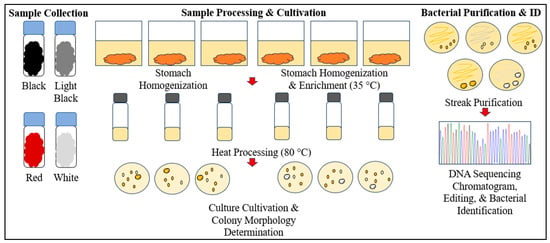
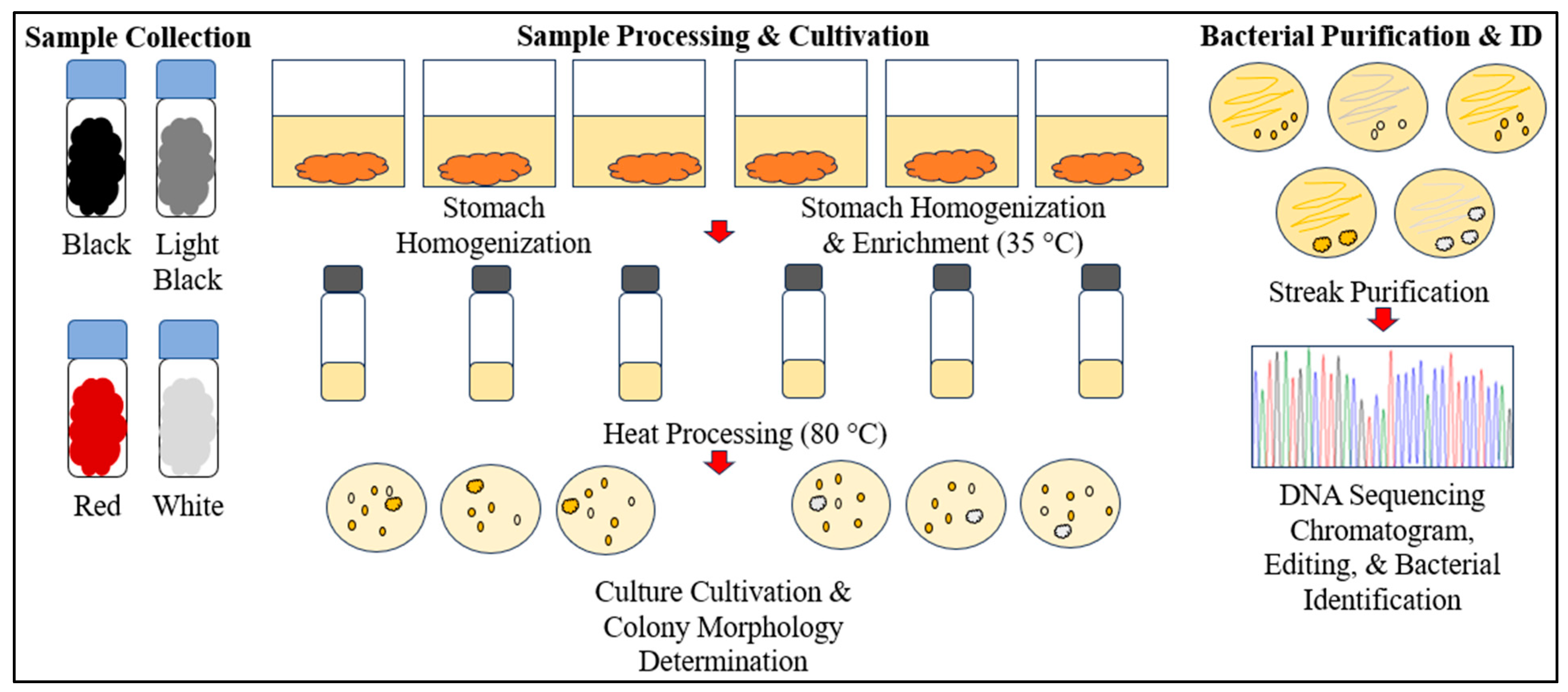
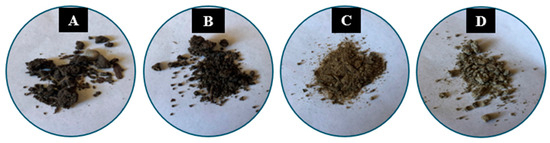
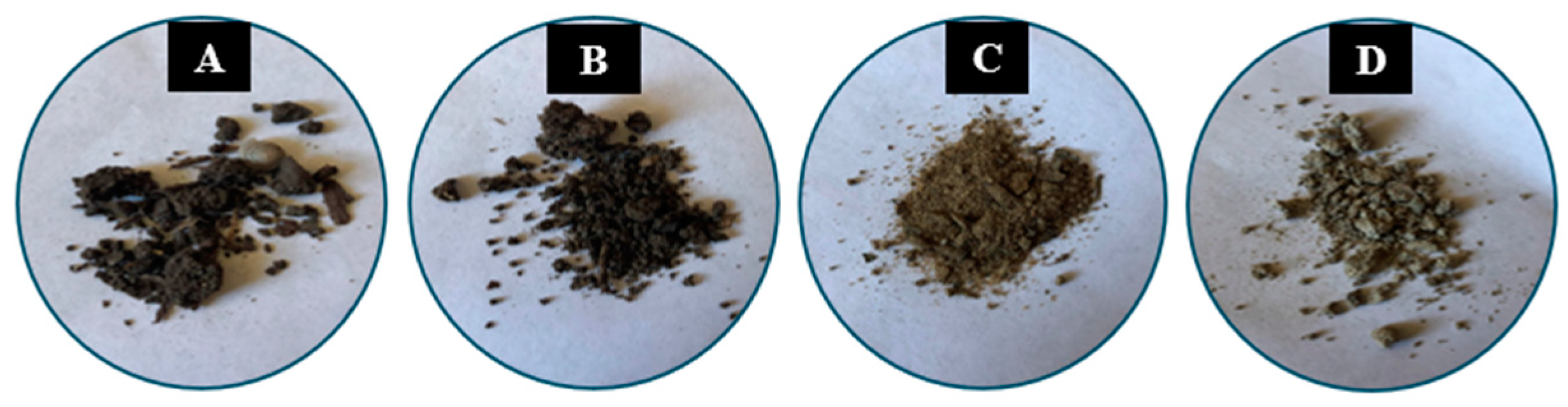
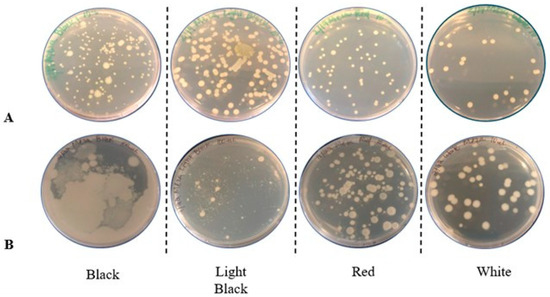
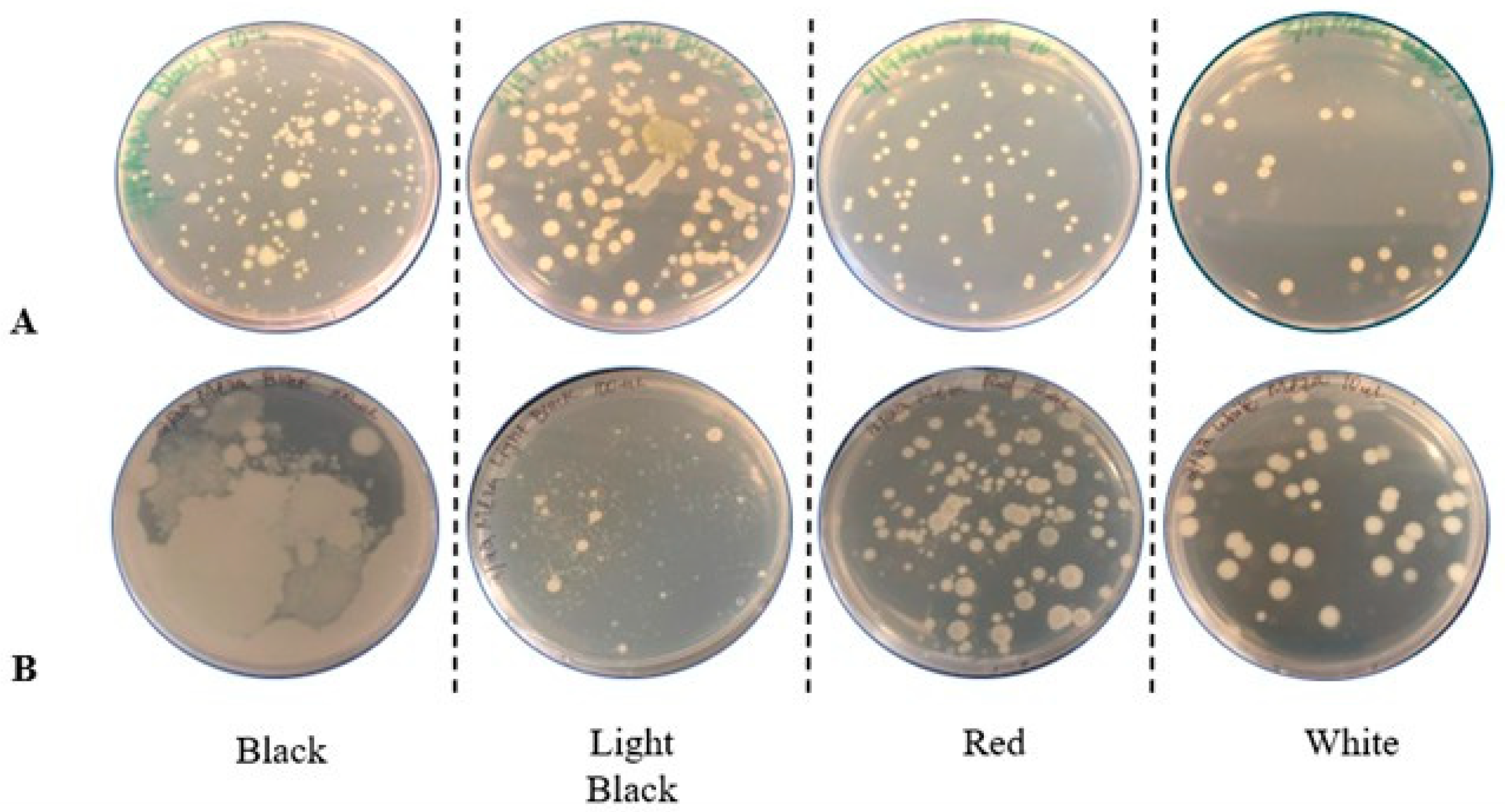
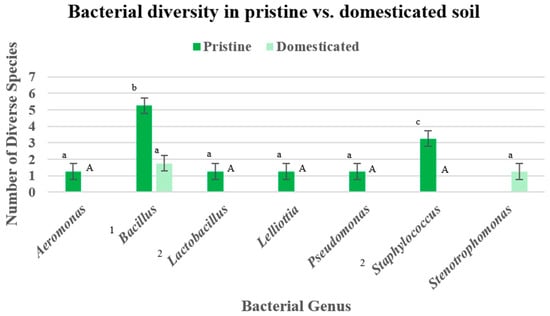
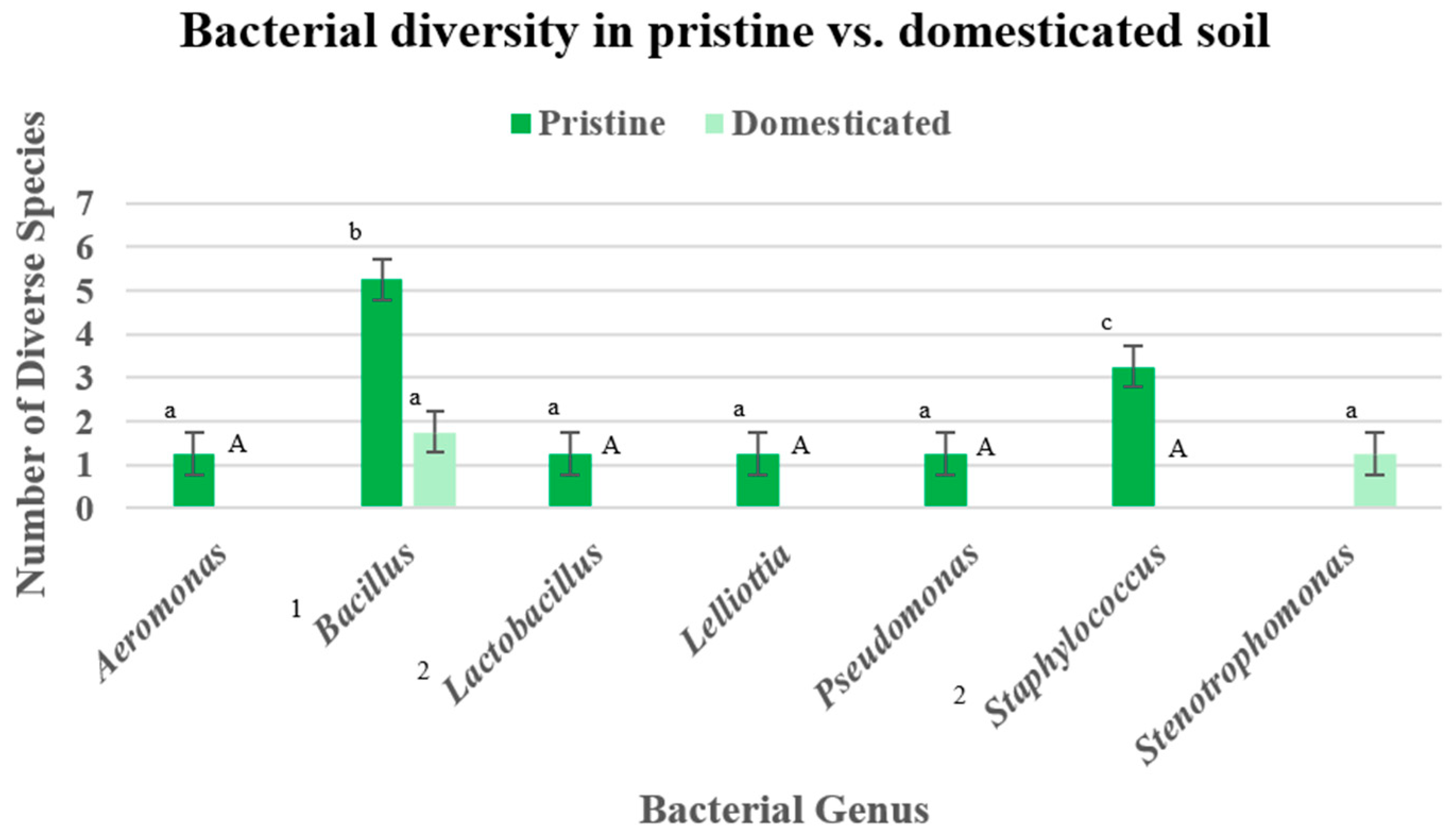
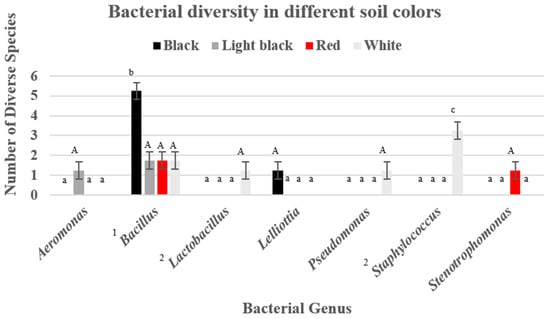
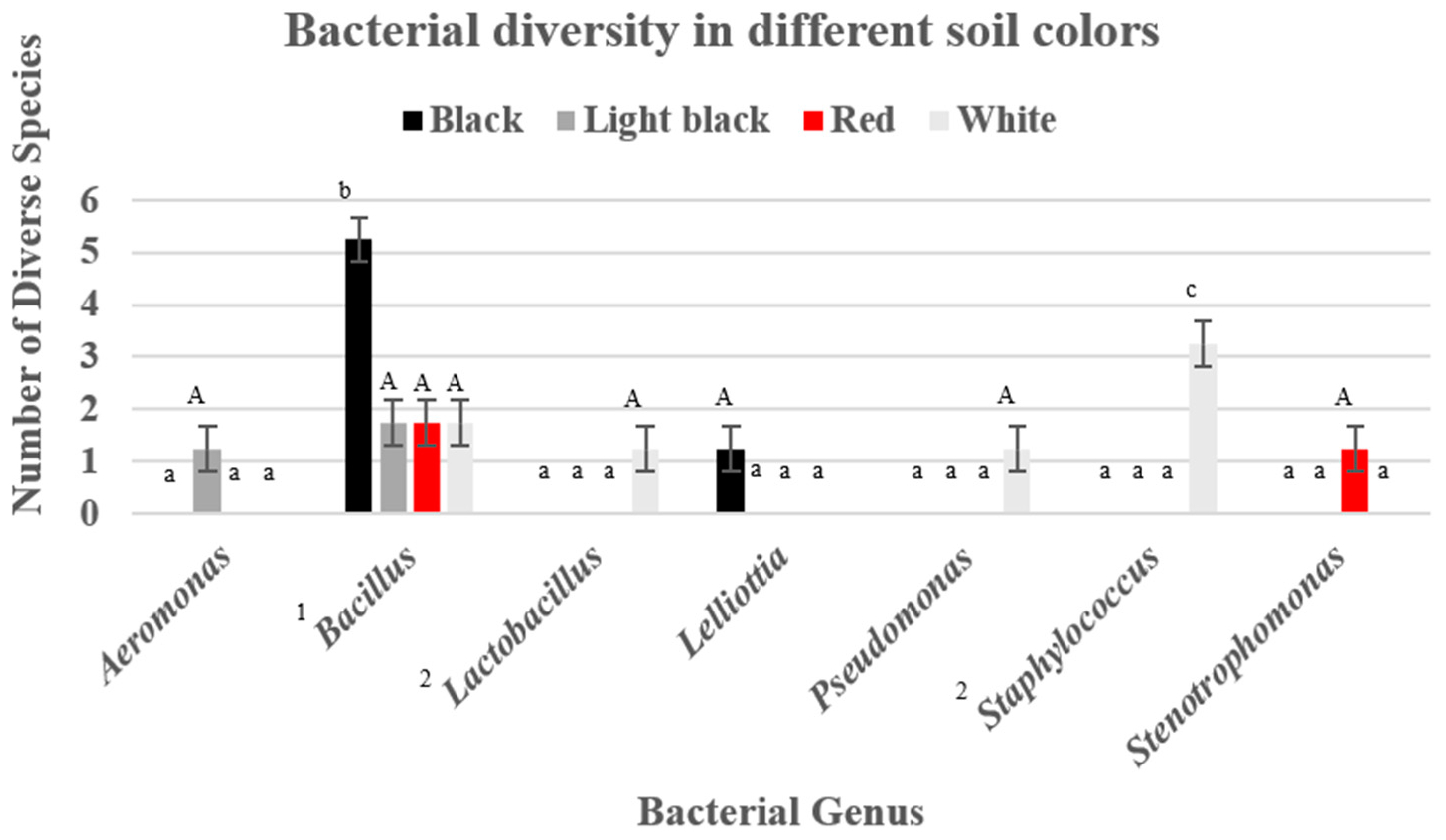
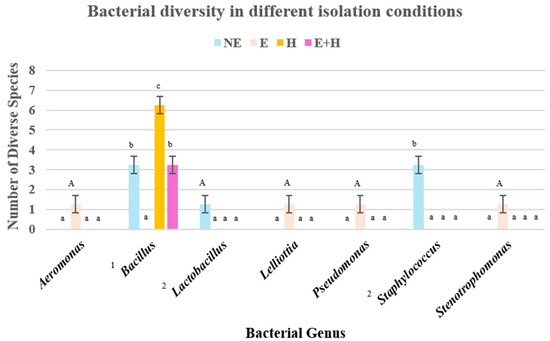
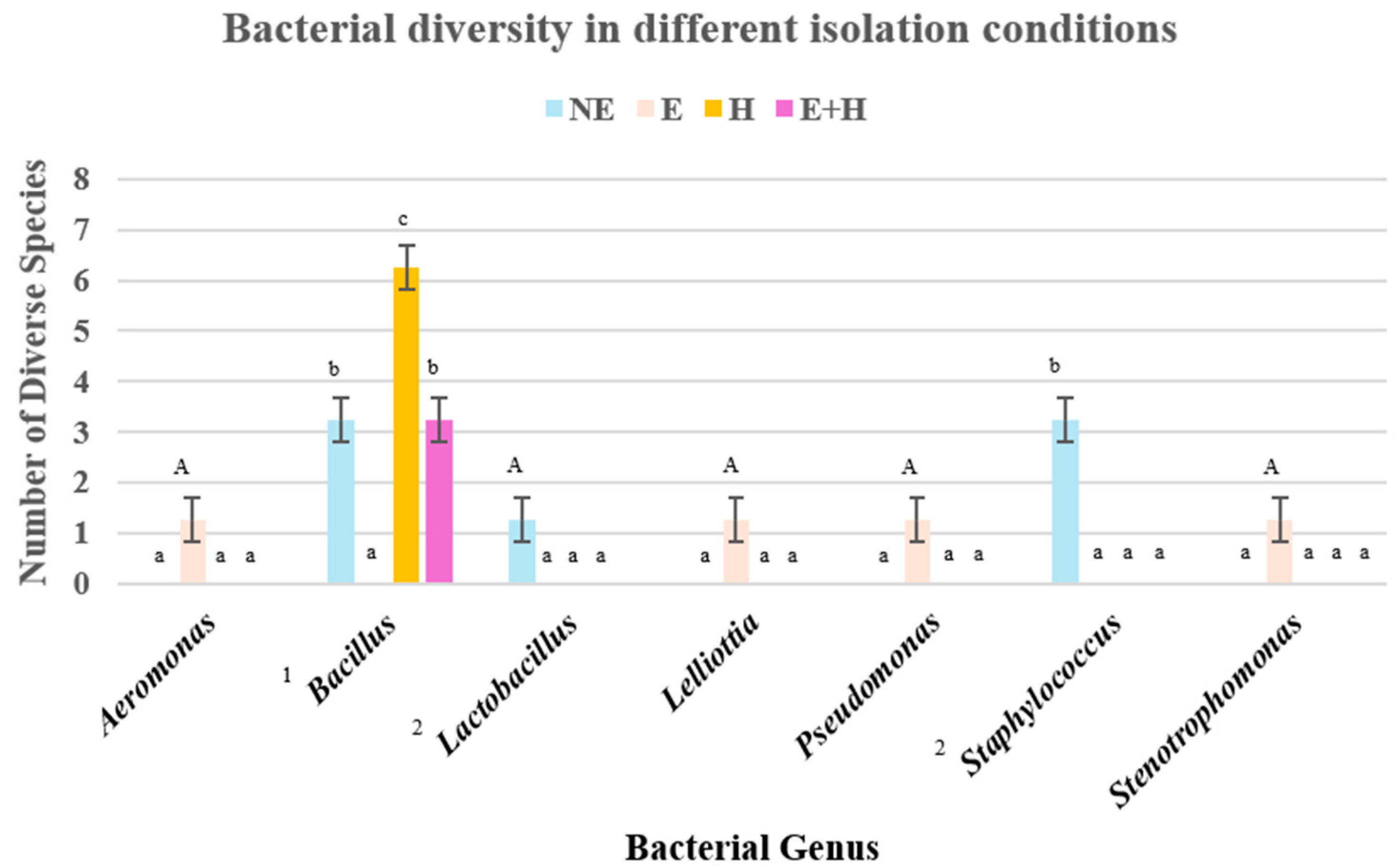
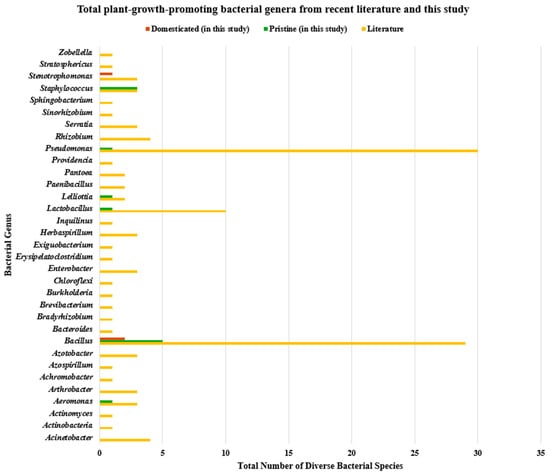
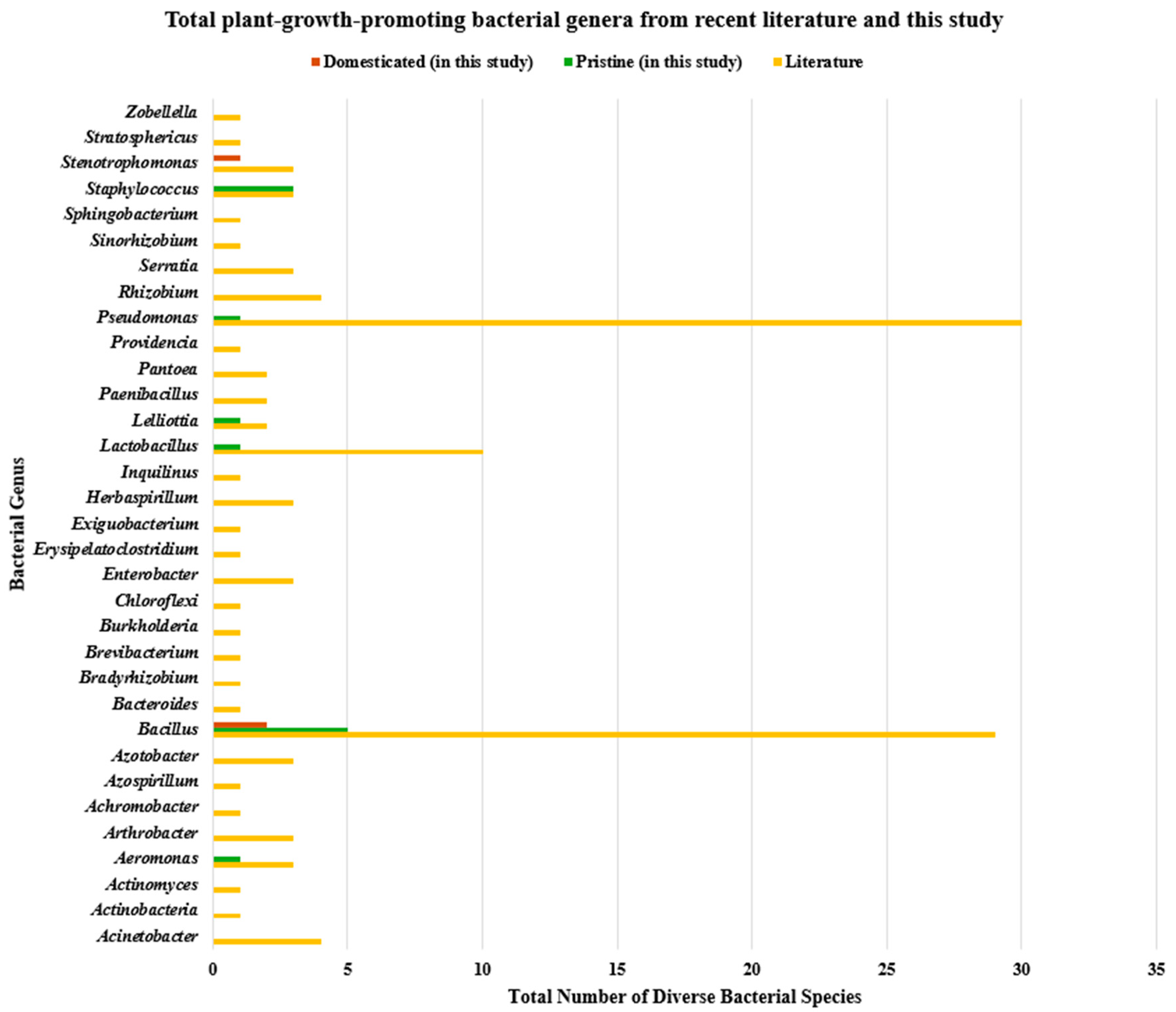

Disclaimer/Publisher’s Note: The statements, opinions and data contained in all publications are solely those of the individual author(s) and contributor(s) and not of MDPI and/or the editor(s). MDPI and/or the editor(s) disclaim responsibility for any injury to people or property resulting from any ideas, methods, instructions or products referred to in the content. |
© 2026 by the authors. Licensee MDPI, Basel, Switzerland. This article is an open access article distributed under the terms and conditions of the Creative Commons Attribution (CC BY) license.