


Abstract
Water deficit stress poses significant challenges to chickpea production, affecting plant growth, physiological parameters, and overall crop yield. This study aimed to identify drought-tolerant chickpea genotypes and evaluate the potential of grape by-product amendments to alleviate water deficit stress. Two trials were conducted. The first one investigated the agronomic evaluation of eight chickpea genotypes (G1–G8) cultivated in three different soils to identify drought-tolerant genotypes and the poorest soil. Three chickpea cultivars, G2 (Nour), G3 (Rebha), and G4 (Bochra), were selected for their identified moderate drought tolerance and their status as widely available commercial genotypes in Tunisia. In the second trial, two grape by-product amendments were tested for their ability to enhance the drought tolerance of the selected chickpea genotypes in the poorest-performing soil. Under water deficit conditions, the stalk amendment increased the relative water content (RWC) of the drought-tolerant genotype Nour by approximately 61% compared with the non-amended treatment and a 90% improvement in SPAD chlorophyll readings in Nour under water deficit conditions. Among the tested genotypes, Nour maintained the highest photosynthetic efficiency under drought, with Fv/Fm reaching approximately 0.62 following stalk amendment, indicating improved preservation of PSII functionality. Polyphenol profiling indicated that both drought stress and soil amendments modulated the accumulation of phenolic compounds. Enhanced polyphenol levels, particularly under stalk amendment and water deficit, suggest activation of antioxidant and protective metabolic pathways involved in plant stress defense. Thus, grape by-products, especially stalk residues, demonstrate potential as sustainable soil amendments to mitigate drought stress effects in chickpea through improvements in plant–water status, photosynthetic efficiency, and stress-responsive metabolism.
1. Introduction
Chickpeas (Cicer arietinum L.) are a valuable source of protein, carbohydrates, minerals, vitamins, and unsaturated fatty acids [1]. As the second-most important grain legume cultivated by resource-poor farmers in arid and semi-arid regions worldwide [2], their productivity has declined significantly, mainly attributed to biotic and abiotic stress factors [3]. Climate change projections indicate that the frequency, duration, and intensity of drought events will increase, particularly in Mediterranean, Sub-Saharan African, and South Asian regions where chickpea and other pulse legumes are predominantly grown. These changes threaten yield stability, crop establishment, and food security, as legumes are often cultivated under rainfed conditions with limited irrigation infrastructure [4]. The reduction in available freshwater for agriculture, industry, and potable water sources, constituting only 0.6% of the world’s water, exacerbates the challenges. The majority is inaccessible, stored in ice sheets, glaciers, and snow [5]. The consequences of drought stress include stomatal closure and reduced CO2 diffusion, affecting growth parameters, relative water content (RWC), photosynthetic pigments, and photosynthesis itself [6].
Soil and water pollution arise from industrial, agricultural, and municipal wastewater, particularly winery wastes that cannot be treated conventionally. In the case of the viticulture industry, large quantities of organic residues are generated, including solid by-products such as grape pomace, seeds, and stalks, as well as liquid effluents from winemaking processes. Although these materials are biodegradable, their accumulation and uncontrolled disposal may lead to localized environmental concerns, such as high biological oxygen demand, soil imbalance, and odor issues [7]. Solid waste comprises vine stems (7.5%), grape residue (45%), and grape seeds (6%), as well as wine yeasts [8]. Grape seeds are rich in vitamin E, phenolic compounds, phytosterols, fibers, proteins, carbohydrates, minerals, and melatonin, serving as major antioxidant compounds [9]. Furthermore, grape skins and pulp further contribute significant amounts of organic matter, fiber, and essential minerals such as potassium, calcium, magnesium, and phosphorus, along with bioactive compounds including phenolic acids, flavonols, and anthocyanins, making them suitable for use as soil fertilizers or biomass production enhancers [10].
Amendment has gained popularity in enhancing drought stress tolerance [11]. Winery by-products, such as skins, seeds, and stems, account for 25–35 kg/hL of produced grapes, representing an economical source of chemicals with potential antibacterial activity. Skins or pomace, a by-product, retain various bioactive components, making them an appealing resource in the context of the circular economy [12]. Furthermore, by-product amendments can significantly influence polyphenol profiles in plants. Polyphenols play a critical and multifaceted role in helping plants survive and recover from drought stress. When a plant experiences water deficit, it undergoes severe metabolic disruptions, primarily the overproduction of reactive oxygen species (ROS). Polyphenols act as the plant’s primary non-enzymatic defense system against this damage [13]. In addition, enriching crops with by-products boosts their polyphenol content, enhancing the antioxidant, anti-inflammatory, and anti-tumor benefits of these functional foods and nutraceuticals [14,15].
Despite the recognized fertilizing value of grape by-products, limited information is available regarding their specific role in enhancing drought tolerance in chickpea. Moreover, genotype-dependent responses to such amendments under water deficit conditions remain poorly understood. Therefore, this study aimed to demonstrate the potential of grape by-product amendments as sustainable biostimulant resources for drought stress mitigation in chickpea, while simultaneously examining physiological and biochemical responses across contrasting genotypes under controlled water deficit conditions. The findings contribute to both agricultural waste valorization and the development of climate-resilient cropping systems.
2. Materials and Methods
In the present study, a two-phase experimental design was employed: first, to screen for problematic soil and moderately drought-tolerant chickpea genotypes; and second, to evaluate whether the application of grape by-products could mitigate soil constraints and enhance the drought tolerance of the selected cultivars. Drought stress was applied for 20 days, as this duration allowed the assessment of physiological and metabolomic responses before the onset of irreversible damage in the highly drought-sensitive genotype (Bochra). Measurements were conducted under natural light conditions in the glasshouse. Two uniform lentil seedlings (Lens culinaris (Medik.) Husn.) were maintained in each pot. Treatments were arranged in a completely randomized design with 15 pots (biological replicates) per treatment. Agro-physiological measurements were performed on all 15 biological replicates, with each pot (containing two plants) considered one experimental unit. For phenolic compound identification, analyses were performed using three independent biological replicates per treatment.
2.1. Selection of a Problematic Soil and Moderately Drought-Tolerant Chickpea Genotypes (First Trial)
The initial experiment (growing season 2019–2020) served as a screening to (1) evaluate the drought response of diverse chickpea genotypes and (2) select a problematic soil substrate to be targeted for improvement with organic amendments in a follow-up trial. Experimental protocols involved eight chickpea genotypes cultivated in three different Tunisian soil samples (Bayadha “36°14′5.99″ N; 8°56′34.37″ E”, Krib “36°14′5.96″ N; 8°53′19.88″ E”, and Beja “36°43′34.95″ N; 9°18′1.26″ E”). The Bayadha region, located in the Saharan south of Tunisia, is characterized by an arid to hyper-arid climate. The soils in this region are predominantly sandy or sandy-loamy, often of aeolian origin. They are distinguished by very low organic matter content and poor water retention capacity (~300 mL for 2 Kg), making them exceedingly dry. Frequently, the presence of saline or gypsiferous crusts is observed at depth, and the pH is typically alkaline, often exceeding 8. Krib, in north-central Tunisia, exhibits a semi-arid climate and a hilly to mountainous topography, characteristic of the Tunisian Dorsale. The dominant soils are calcareous brown soils or Mediterranean red soils (terra rossa) developed on calcareous substrates. Their textures are frequently clay-loamy, and they possess a medium-to-high content of active calcium carbonate and a medium water retention capacity (~500 mL for 2 Kg), with a pH generally around 8. These soils offer good natural fertility, but their location in an undulating terrain makes them particularly susceptible to erosion. In northern Tunisia, the Béja region benefits from a sub-humid to semi-arid climate and is characterized by fertile plains and hills (Mogods, northern Dorsale). The soils here are primarily Vertisols or deep clayey soils. They exhibit a high water-retention capacity (~700 mL for 2 Kg) and a predominantly clay to clay-loamy texture. The pH of these soils is generally neutral to slightly alkaline, ranging between 7 and 8. This combination of characteristics imparts very good natural fertility to Béja soils, rendering them particularly well-suited for large-scale cereal cultivation [16,17,18]. Six Tunisian and two Spanish chickpea varieties were used. ‘Amdoun’, a spring type, was developed by mass selection from a local landrace, while ‘Beja 1’ was obtained by crossing ‘Amdoun’ with the Russian landrace ILC 3279 [19]. REBHA (FLIP03-27C-A1) is a winter variety registered in 2015 by INRAT and CRRGC [20,21]. ‘Nour’, also a winter type developed at ICARDA via single-plant selection (F4), was evaluated for resistance to Fusarium wilt and Ascochyta blight [22]. BOCHRA is a large-seeded winter variety. ‘Neir’ (G1, susceptible check) was registered since 1980 [19]. The Spanish cultivars ‘Pedrosillano’ and ‘Blanco lechoso’ (resistant checks), the latter a kabuli-type (PI 632396), were developed jointly by CIFA Cordoba and the University of Cordoba Genetics Department [23] (Table 1).
Table 1.
Varieties and pedigree lines and their year of registration in the official Tunisian catalogue.
Each genotype was subjected to two watering regimes: a control group receiving 100% of field capacity and a drought-stressed group receiving 25% of field capacity [24]. Each experimental setup consisted of pots (15 cm × 15 cm) filled with 2 kg of air-dried and homogenized soil collected from the selected sites. The experiment was conducted to evaluate the effects of the water regime on chickpea growth and physiological performance. For each treatment, five seeds were sown per pot and thinned to two uniform seedlings after emergence. Drought stress was imposed 20 days after transplanting the seedlings (V3 to V4 vegetative stage) into pots, a period established to ensure sufficient plant establishment prior to stress application and then continued for two months. Two distinct water regimes were then maintained: a well-watered control (100% water-holding capacity, WHC) and a deficit irrigation treatment (25% WHC) [24]. Soil water-holding capacity (WHC) was determined using the gravimetric method. All treatments were executed in triplicate within a controlled glasshouse condition (16/8 h photoperiod, 25 °C). Irrigation frequency was maintained at three times per week. Over the two-month experimental period, the cumulative irrigation depths for the well-watered treatments were approximately 400 mm, 650 mm, and 900 mm for Bayadha, Krib, and Béja soils, respectively (see Supplementary Table S1).
2.2. Evaluation of Grape By-Product Application for Mitigating Soil Constraints and Drought Tolerance in Selected Chickpea Cultivars (Second Trial)
The second experiment (growing season 2021–2022) aimed to test the efficacy of grape by-product amendments in mitigating drought stress. It utilized soil from the surface layer (0–30 cm) of the Bayadha field, selected because the first experiment consistently showed an absence of effective nodulation across chickpea genotypes. The genotypes G2 (Nour), G3 (Rebha), and G4 (Bochra) were chosen for their economic importance and the spectrum of physiological responses observed in the first trial. Notably, while G3 and G4 showed growth resilience during screening, they exhibited membrane instability (high electrolyte leakage) and variable photosynthetic sensitivity, making them ideal candidates to assess whether organic amendments could mitigate these physiological constraints. In this study, two agricultural by-products, “skins and seeds (SS)” and “stalks (S),” were used to enhance plant response to water deficit. Grape pomace, the moist skins and seeds (SS) comprising 20–25% of the grape’s weight, is rich in phenolic compounds, dietary fiber, aroma compounds from the skins, and valuable grape seed oil and antioxidants from the seeds. Separately, the woody grape stalks (stems) are high in lignocellulosic fiber but lower in valuable phenolics and are typically removed before fermentation to prevent harsh tannins in wine [25]. These by-products were air-dried for two weeks, ground into powder, and applied as soil amendments. The experimental design included three main treatments: (1) Control, (2) Deficit Irrigation, and (3) Deficit Irrigation with by-product amendment, with the amendment applied at a rate of 5Tha-1 (DM) [26,27]. Organic amendments were incorporated five weeks before sowing. Three-week-old seedlings were subjected to the respective water treatments and grown in a greenhouse under controlled conditions (16/8 h photoperiod, 25 °C). After a 20-day drought stress period, plants were harvested for biochemical analyses and measurement of physiological parameters. The macronutrient composition of the grape by-products was determined by an accredited independent analytical laboratory prior to their use in the experiment (see Supplementary Table S1).
2.3. Measurements (Trial 1 and 2)
2.3.1. Measurement of Leaf Gas Exchange, Water Use Efficiency, and Chlorophyll Content
Leaf gas exchange was measured using a portable system (Li-Cor 6200, Lincoln, NE, USA) on sunny days (PPFD > 800 µmol m−2 s−1) between 9:00 a.m. and 1:00 p.m. (solar time). The chamber was positioned perpendicular to incident sunlight on a fully expanded mature leaf (3rd–4th leaf from top of 5- to 6-week-old plants) until photosynthesis values stabilized [28]. The maximum quantum yield of PSII (Fv/Fm) was measured on dark-adapted fully expanded chickpea leaves (3rd–5th from top of 5- to 6-week-old plants) and calculated as (Fm − F0)/Fm, where Fm and F0 are the maximum and initial fluorescence yields, respectively [29]. Instantaneous water-use efficiency (WUE) was calculated as the ratio of net photosynthesis (Pn) to transpiration (E). Leaf chlorophyll content was estimated on a fully expanded, healthy leaf (3rd–4th leaf from the top of 5- to 6-week-old plants). A portable SPAD meter (SPAD-502, Minolta, Osaka, Japan) was used, which measures leaf transmittance in the red (~650 nm) and infrared (~940 nm) regions.
2.3.2. The Electrolyte Leakage
Electrolyte leakage (EL) was measured following the method of [30] with slight modifications. Leaf disks were excised from the most recently fully expanded leaflets (3rd–4th compound leaf from the shoot apex) of 5- to 6-week-old plants. They were incubated in deionized water, and the initial electrical conductivity (C1) was measured. Samples were then heated at 95 °C for 20 min to release total electrolytes, and the final conductivity (C2) was recorded. Electrolyte leakage was calculated as: .
2.3.3. The Relative Water Content (RWC)
The relative water content was calculated following the method described by [31]. Fresh weight (FW) was recorded from the uppermost fully unfolded leaf (3rd–4th compound leaf from the shoot apex) of 5- to 6-week-old plants. Leaves were then immersed in distilled water for 24 h, and turgid weight (TW) was measured. After drying at 70 °C for 72 h, dry weight (DW) was obtained. RWC was calculated as follows: RWC (%) = × 100.
2.4. Phenolics Analysis (Trial 2)
Leaf samples were harvested, immediately frozen in liquid nitrogen, and stored at −80 °C until analysis. Prior to extraction, the samples were freeze-dried and finely ground to a homogeneous powder. Phenolics were extracted from 100 mg leaf powder with 600 µL MeOH (2:1) and 400 µL chloroform plus 60 µL internal standard (gentisic and rosmarinic acid, 50 mg/L). After shaking and centrifugation, the aqueous phase was collected. The pellet was re-extracted similarly, and pooled supernatants were dried under N2 at 35 °C. Residues were redissolved in 500 µL MeOH (1:1), centrifuged, and stored at –20 °C until HPLC analysis. An aliquot of the powdered material was then used for the extraction. Phenolic compounds were analyzed by UPLC/QqQ-MS/MS following [32]. Separation was performed on a Waters Acquity HSS T3 column (1.8 µm, 100 mm × 2.1 mm; 40 °C) using an Acquity® UPLC system (Waters, Milford, MA, USA), with 0.1% formic acid in water (A) and 0.1% formic acid in acetonitrile (B) as the mobile phase. Detection was carried out on a Waters Xevo TQ-MS® (Wilmslow, England (UK))equipped with an ESI source; additional MS parameters are reported in [32]. Results are expressed in mg/kg dry weight (DW).
2.5. Statistical Analysis
Statistical analyses were performed as follows: a three-way ANOVA (Genotype × Soil × Water Regime) was used to analyze growth traits in Experiment 1, while a three-way ANOVA (Genotype × Amendment × Water Regime) was employed for physiological traits in Experiment 2. Tukey’s Honestly Significant Difference (HSD) post hoc test was applied exclusively when the ANOVA results were statistically significant. All statistical analyses were performed using R version 4.3.1. RAW Z-score transformation was used for heatmap presentation. It allows for clear and consistent comparisons across data points by normalizing values relative to their mean. RAW Z-score was calculated by determining the mean (μ) of the dataset. . X represents each value in the dataset, and N is the total number of values. Then, the standard deviation (σ). , in which (X − μ)2 is the squared deviation of each value from the mean, and N is the number of values. Once the mean and standard deviation are known, the Z-score can be computed for a specific value, such as: . If the Z-score is positive, X lies above the mean; if negative, it lies below [33]. All recorded parameters, treatments, and genotypes in this study were subjected to principal component analysis (PCA). PCA is a widely used multivariate technique that enables data visualization and reveals underlying patterns in complex datasets. It produces new variables (principal components: Dim.1 and Dim.2) that are linear combinations of the original variables, maximizing the explained variance along the first components. Correlations between principal components and recorded parameters were assessed using Pearson’s method. Biplot and correlation plot figures were generated with the “FactoMineR”, “factoextra”, “ggplot2”, and “corrplot” packages.
3. Results
3.1. Agronomic Evaluation of Eight Chickpea Genotypes for Vigorous Growth and Drought Tolerance (First Trial)
The ANOVA analysis revealed significant effects of genotype, soil type, and water stress, along with their interactions, on shoot weight and nodule number in chickpea plants. Each factor independently influences these two variables: genotypes had a highly significant effect on both shoot weight and nodule number. Soil type also significantly affects shoot weight and nodule number, and water stress showed an even stronger impact on both shoot weight and nodule number. The genotype–soil interaction significantly influences shoot weight and nodule number. Similarly, the genotype–water stress interaction is significant for both shoot weight and nodule number. Additionally, the soil–water stress interaction significantly affects only nodule number. Finally, the three-way interaction among genotype, soil, and water stress is highly significant for both shoot weight and nodule number (Table 2).
Table 2.
ANOVA analysis of shoot weight and nodule number in eight chickpea genotypes under water stress across different soil types.
The correlations among plant growth variables, such as shoot length and weight, root length and weight, yield-related variables like pod weight, and physiological variables such as nodule count, electrolyte leakage, relative water content (RWC), and photosynthetic activity measured by Chlorophyll content values, are illustrated in relation to the first two principal components (Figure 1-Dim.1 and Figure 1-Dim.2). The strength of these correlations is represented by the size and color of circles, where stronger correlations are shown by larger and darker circles. A very strong correlation with Figure 1-Dim.1 is observed for shoot weight, suggesting a significant influence of the factors represented by this dimension. Plant length shows a strong correlation with Figure 1-Dim.2, highlighting its role in differentiating samples according to this component. Other variables, such as RWC, electrolyte leakage, and SPAD, exhibit moderate correlations, indicating a lower influence on these two main dimensions (Figure 1A).
Figure 1.
Principal component analysis (PCA). (A): Correlations between the original variables and the first two principal components (Dim.1 and Dim.2). The size and color of the circles indicate the strength of the correlations. (B): Graphical representation of the PCA showing the distribution of samples by genotype and water stress conditions. The ellipses represent genotype groups, and the arrows indicate the contributions of the original variables to the principal components.
The distribution of samples according to genotype and water stress conditions (stressed and non-stressed) is represented graphically through PCA. Treatment groups are delineated by colored ellipses, while the contributions of growth variables to the principal components are indicated by arrows. It was shown that the first principal component (Figure 1-Dim.1) explains 27.3% of the variance, followed by the second component (Figure 1-Dim.2) explaining 19.3%, resulting in a total of approximately 46.6% of the total variance. According to the Kaiser criterion (eigenvalue > 1), three principal components were retained (Dim.1 = 2.45, Dim.2 = 1.73, and Dim.3 = 1.28) (see Supplementary Files), together explaining 60.8% of the total variance. Although additional variability was captured by subsequent dimensions, the first two components were used for graphical representation because they explained the largest proportion of variance and provided a clear separation of treatments and genotypes.
PC1 was mainly associated with growth and productivity-related traits, including shoot length, shoot weight, root length, root weight, SPAD, and nodule number, all showing positive loadings. In contrast, electrolyte leakage and pod number contributed negatively along this axis. Therefore, PC1 primarily represents overall plant vigor and biomass maintenance under contrasting water regimes. PC2 was largely driven by relative water content (RWC) and, to a lesser extent, SPAD, opposing electrolyte leakage. This axis reflects plant–water status and membrane stability under drought stress. Genotype distribution along these components allowed differentiation of drought responses. Genotypes positioned toward the positive side of PC1 were associated with higher biomass, chlorophyll content, and root development, indicating better maintenance of growth under stress. In contrast, genotypes grouped toward the negative side were characterized by reduced growth and higher membrane damage. Under drought conditions, G8 (Blanco lechoso) was closely associated with high biomass, SPAD values, and root traits, confirming its classification as a tolerant control. Conversely, G1 (Neir) was positioned nearer to traits associated with reduced growth and lower physiological performance, supporting its identification as a susceptible genotype. Genotypes G3 (Rebha) and G4 (Bochra) were associated with relatively high shoot growth and biomass under stress, although their proximity to electrolyte leakage indicates moderate membrane sensitivity. G6 (Amdoun) was distinguished by a stronger association with RWC, root weight, and chlorophyll content, suggesting better maintenance of water status and photosynthetic capacity (Figure 1B).
The results for nodule number indicated that Bayadha soil did not support effective nodulation across the tested chickpea genotypes under either irrigation regime. This response may reflect unfavorable soil conditions and/or a low abundance or activity of compatible rhizobia. In contrast, genotypes grown in Beja soil, particularly under non-stressed conditions, showed a tendency to form a higher number of nodules, reflecting potentially more favorable conditions for nodulation in this soil type (Figure 2A). Chickpea plants did not exhibit significant differences in shoot weight between stressed and non-stressed conditions across the three soil types, indicating that soil type did not strongly affect this trait under the given conditions (Table 2). However, a notable observation was made in Bayadha soil, where the tolerant genotype G8 (Blanco lechoso) and the susceptible genotype G1 (Neir) showed a marked difference in shoot weight between stressed and non-stressed plants. In contrast, no significant differences were observed between stressed and non-stressed plants for G1 (Neir) and G8 (Blanco lechoso) in the Krib and Beja soils, suggesting that soil properties in Krib and Beja may buffer the effects of water stress on shoot weight in these genotypes (Figure 2B). Thus, to evaluate the impact of soil amendments on chickpea growth under conditions of water stress, Bayadha soil was selected for this study. The objective of the experiment was to evaluate the effectiveness of soil by-product amendments in alleviating water deficit stress in chickpea plants, highlighting their potential to enhance drought tolerance and support sustainable agricultural practices.
Figure 2.
Effect of water stress on (A) nodule number and (B) shoot weight across eight chickpea genotypes cultivated in different soils (Bayadha, Beja, Krib).
3.2. Effect of Amendment with Grape By-Products on Chickpea Plants Subjected to Water Deficit Stress (Second Trial)
3.2.1. Grape By-Product Characterization
An analysis of mineral and heavy metal concentrations in grape by-products (skins and seeds (SS), and stalks (S)), focusing on their nutritional content and potential contamination risks were evaluated. Copper (Cu) is present at low levels in skins and seeds (SS) (0.017 mg/100 g dry matter) and is undetectable in stalks (S). Calcium (Ca) is slightly higher in stalks (S) (13.19 mg/100 g dry matter) compared to skins and seeds (SS) (11.49 mg/100 g dry matter), while magnesium (Mg) levels are nearly identical in both by-products. Potassium (K), however, is significantly more concentrated in stalks (S) (33.73 mg/100 g dry matter) than in skins and seeds (SS) (22.74 mg/100 g dry matter), suggesting that stalks (S) may be a more potent source of potassium. Notably, lead (Pb) levels are relatively high in both by-products, with 3.50 mg/100 g dry matter in skins and seeds (SS) and 3.38 mg/100 g dry matter in stalks (S), indicating potential concerns regarding heavy metal contamination (Table 3).
Table 3.
Mineral and heavy metal content in grape by-products (skins and seeds (SS), and stalks (S)).
Physiological Parameters
Three genotypes with differing responses to water stress ((G2) Nour, (G3) Rebha, and (G4) Bochra) were selected for this trial. The multi-way ANOVA analysis reveals that genotype, water stress, and soil amendment have distinct and sometimes interacting effects on chickpea physiological traits (Table 4). Genotypes significantly affected biomass production, photosynthetic efficiency (Fv/Fm), and relative water content (RWC), while having no significant effect on chlorophyll content values. Water stress had a strong negative impact on biomass and RWC, with no significant main effects on SPAD or Fv/Fm. Soil amendment showed a highly significant effect on RWC and a marginal trend on biomass. Notably, significant interactions emerged for RWC across all factor combinations. Additionally, a significant three-way interaction was observed for Fv/Fm, suggesting that photosynthetic performance under stress is influenced by the combined effects of genotype, soil amendment, and water availability.
Table 4.
ANOVA analysis of biomass, SPAD, Fv/Fm and RWC in three chickpea genotypes under water stress across different soil amendments.
Under well-watered conditions, organic amendments had little effect on the physiological status of chickpea plants. Relative water content (RWC) remained comparable to the non-amended control, while chlorophyll content showed only slight improvements, mainly with the grape stalk amendment (Figure 3). In contrast, the maximum quantum efficiency of PSII (Fv/Fm) was enhanced by organic amendments, particularly grape stalks, across the three selected genotypes, indicating improved photosynthetic performance. Biomass production was also promoted under standard irrigation, with the greatest response observed following the application of grape skins and seeds, especially in the genotype Neir (Figure 4). In addition, significant genotypic variation was observed in the response to water deficit and organic amendment treatments. In particular, the genotype Nour (G2) exhibited the greatest drought tolerance following stalk (S) amendment. Under water deficit conditions, the relative water content (RWC) of non-amended Nour plants decreased to approximately 28%, whereas stalk amendment significantly improved RWC to approximately 45%, representing a 61% increase compared with the non-amended drought-stressed treatment. In contrast, the skins and seeds amendment produced a more moderate improvement in RWC under drought. For the Bochra genotype, the inhibition of RWC under water stress was mitigated, showing a 50% reduction in plants grown in soil amended with skin and seeds, compared to a more severe RWC reduction of 89% observed in plants cultivated in non-amended soil (Figure 3).
Figure 3.
The impact of amendment and drought stress on the relative water content (RWC) of leaves in three chickpea genotypes (G4: Bochra, G3: Rebha, and G2: Nour). Treatment barplot followed by different letters are significantly different (Tukey method, p < 0.05). RWC: Relative water content.
Figure 4.
The impact of amendment and drought stress on the Fv/Fm of leaves in three chickpea genotypes (G4: Bochra, G3: Rebha, and G2: Nour). Fv/Fm: optimal quantum yield. Treatment barplot followed by different letters are significantly different (Tukey method, p < 0.05).
Likewise, genotypic variation in photosynthetic efficiency (Fv/Fm) was recorded under different water and amendment conditions. G2 (Nour) demonstrated significant drought tolerance, particularly in stalk (S) amended soil, maintaining a high Fv/Fm value of around 0.62 under water deficit. Conversely, G4 (Bochra) appeared most sensitive to water deficit, with Fv/Fm values plummeting to around 0.05 when cultivated without amendment, reflecting severe photoinhibition after 20 days of drought. Furthermore, Rebha (G3) showed an intermediate response, with Fv/Fm values ranging from 0.35 to 0.78 depending on amendment and irrigation conditions. Both organic amendments improved photosynthetic efficiency under drought, with the skin and seed amendment producing consistently higher Fv/Fm values than the non-amended control across genotypes, while the stalk amendment resulted in the highest Fv/Fm value in the drought-tolerant genotype Nour (Figure 4).
SPAD chlorophyll meter readings revealed that G4 (Bochra) consistently showed the lowest chlorophyll content values across all treatments. Under water deficit conditions, G4 (Bochra) revealed a significant decline in chlorophyll content values, indicating a severe impact on its photosynthetic efficiency. Conversely, the amendment with ‘Skin and seeds’ improved chlorophyll content values by 12.5% in water-stressed plants compared to the control (non-stressed and unamended). In contrast, G3 (Rebha) exhibited the highest chlorophyll content values, particularly in non-water-stressed plants treated with the stalks (S) amendment (+14.5%). Although water deficit reduced chlorophyll content values in G2 (Nour), the application of the stalks (S) amendment to the soil mitigated this reduction (+90%), demonstrating its potential to enhance plant tolerance to water stress (Figure 5).
Figure 5.
Amendment and drought stress effect on the efficiency of chlorophyll content in three chickpea genotypes (G4: Bochra, G3: Rebha, and G2: Nour). Chlorophyll content %: Soil–plant analysis development. Treatment barplot followed by different letters are significantly different (Tukey method, p < 0.05).
3.2.2. Plant Biomass Parameters
Water deficit significantly reduced plant biomass across all genotypes and amendment treatments. However, in this experiment, G2 (Nour) consistently demonstrated better tolerance to water stress, maintaining higher biomass levels than G3 (Rebha) and G4 (Bochra) under water deficit conditions. Biomass parameters varied substantially among treatments and water conditions, indicating that grape by-products can influence plant growth and allocation strategies in response to water stress. The skins and seeds (SS) amendment generally promoted higher biomass under well-watered conditions, with increases of 40% observed for Bochra and Nour compared to the control. Under water deficit, the stalks (S) amendment led to a remarkable biomass increase of 31% for (G4) Bochra, 56% for (G3) Rebha, and 19% for (G2) Nour compared to the control (non-stressed and unamended plants) (Figure 6).
Figure 6.
Amendment and drought stress effect on plant biomass in three chickpea genotypes (G4: Bochra, G3: Rebha, and G2: Nour). Treatment barplot followed by different letters are significantly different (Tukey method, p < 0.05).
3.2.3. Quantitative Characterization of the Phenolic Compounds on Chickpea Leaves
The phenolic analysis of chickpea leaves revealed a diverse array of compounds with varying concentrations. Polyphenol content in chickpea leaves ranged from 0.01 to 1011.58 mg/kg of fresh matter and was significantly influenced by deficit irrigation and the application of grape by-products as amendments.
The type of amendment influenced the metabolic response to water stress. It was shown that deficit irrigation (DI) also significantly impacted the polyphenol profiles of the plants, leading to increased concentrations of multiple compounds, particularly in the G4 (Bochra) + S + DI treatment. The stalks (S) amendment under DI induced the strongest metabolic response, with elevated levels of multiple polyphenols, including Procyanidine (~976.62 mg/kg), Catechin (~289.21 mg/kg), Quercetin 3,4′-O-diglucoside (~179.92 mg/kg), cryptochlorogenic acid (~659.78 mg/kg), Kaempferol 3-O-glucuronide (~468.59 mg/kg), Resveratrol (~12 mg/kg), gallic acid (~79.86 mg/kg), Syringetin 3-O-glucoside (~59.67 mg/kg), and anthranilic acid (~34.3 mg/kg) (Figure 7A).
Figure 7.
(A). Heatmap showing phenolic compounds’ distribution and concentration among leaves of chickpea samples in genotype 4. Red boxes indicate higher concentrations, and blue boxes indicate lower concentrations. G4: Genotype 4: Bochra. G4 + DI + S: Deficit irrigation + amendment with stalks (S), G4 + NDI + S: No Deficit irrigation+ amendment with stalks (S), G4 + DI + SS: Deficit irrigation + amendment with Skins and Seeds (SS), G4 + NDI + SS: No Deficit irrigation + amendment with Skins and Seeds (SS), G4 + DI + WB: Deficit irrigation + without by-product, and G4 + NDI + WB: No Deficit irrigation + without by-product. (B). Heatmap showing phenolic compounds’ distribution and concentration among leaves of chickpea samples on genotype 3 (Tolerant). Red boxes mean concentrations are higher. Blue boxes mean lower concentration. G3: Genotype 3: Rebha, G3 + DI + S: Deficit irrigation + amendment with stalks (S), G3 + NDI + S: No Deficit irrigation + amendment with stalks (S), G3 + DI + SS: Deficit irrigation+ amendment with Skins and Seeds (SS), G3 + NDI + SS: No Deficit irrigation + amendment with Skins and Seeds (SS), G3 + DI + WB: Deficit irrigation + without by-product, and G3 + NDI + WB: No Deficit irrigation + without by-product. (C). Heatmap for genotype 2 (Sensitive). Red boxes mean concentrations are higher. Blue boxes mean lower concentration. G2: Genotype 2, Nour, G2 + DI + S: Deficit irrigation + amendment with stalks (S), G2 + NDI + S: No Deficit irrigation + amendment with stalks (S), G2 + DI + SS: Deficit irrigation + amendment with Skins and Seeds (SS), G2 + NDI + SS: No Deficit irrigation + amendment with Skins and Seeds (SS), G2 + DI + WB: Deficit irrigation + without by-product, and G2 + NDI + WB: No Deficit irrigation + without by-product.
A comprehensive overview of the polyphenol profiles of the Rebha genotype (G3) under different irrigation and amendment conditions is presented in Figure 7B. Without by-product (WB) treatment and not stressed showed the lowest levels of polyphenols, highlighting the importance of by-product amendments in modulating the plant’s metabolic profile. Deficit irrigation (DI) and without by-product amendment generally induced higher levels of polyphenols, particularly kaempferol and isorhamnetin, compared to non-deficit irrigation (NDI) treatments. Leaves of plants cultivated in amended soil with stalk and non-deficit irrigation showed the induction of varied polyphenols such as Vanillin (~15.97 mg/kg), Vanillic acid (~43.3 mg/kg), Piceid (~39.46 mg/kg), Caffeic acid (~211.06 mg/kg), Kaempferol-3-O-rutinoside (~409.67 mg/kg), p-Coumaric acid (~162.31 mg/kg), Rutin (~423.12 mg/kg), and Isorhamnetin 3-rutinoside (~101.05 mg/kg). However, G3 (Rebha) + S + DI treatment particularly induced polyphenols, like isorhamnetin 3-O-glucoside (~259.98 mg/kg) and Quercetin 3,4′-diglucoside (~119.81 mg/kg), and various flavonoids. This suggests that the stalks (S) amendment significantly amplifies the plant’s metabolic response to water stress (Figure 7B).
Under varying irrigation and amendment conditions, the polyphenol profiles of the G2 (Nour) genotype showed that water deficit irrigation (DI) treatments generally led to higher polyphenol levels compared to non-deficit irrigation (NDI) treatments. The treatment without by-product amendment (WB) consistently displayed the lowest polyphenol levels. In addition, in the NDI condition and with the stalk amendment, Coniferyl alcohol (~81.31 mg/kg) was highly induced. Whereas, in the DI condition with the stalk (S) amendment (G2 (Nour) +S + DI), the Nour genotype exhibited the most pronounced increase in polyphenols, particularly in compounds like Ferulic acid (~396.87 mg/kg), quercetin (~77.55 mg/kg), epicatechin (~264.28 mg/kg), Dihydrokaempferol (~58.91 mg/kg), and several flavonoids (Figure 7C).
4. Discussion
Drought stress represents a pervasive challenge for global plant health, with far-reaching consequences for crop growth and development. As the world’s population is projected to reach 9.7 billion by 2050, the pressure on agriculture to produce more food with limited water resources will only intensify [34]. Drought stress can significantly impact plant productivity, reducing yields by up to 50% in some cases [35]. Chickpeas, in particular, are highly susceptible to drought stress, which can lead to reduced seed germination, stunted growth, and decreased yields [36].
The screening of the chickpeas’ responses to drought stress revealed significant differences between eight genotypes. The performance of genotypes in various contexts is significantly impacted by genotype × environment interaction (GEI). The development of an appropriate biometrical instrument is required for multi-environment trials to assess how genotypes interact with various environments [37]. In the present study, genotypes G3 (Rebha), G4 (Bochra), and G6 (Amdoun) demonstrated high water stress tolerance, with G3 (Rebha) and G4 (Bochra) characterized by high shoot length, shoot weight, and electrolyte leakage, while G6 (Amdoun) was distinguished by high RWC, root weight, and SPAD values (Figure 1). Understanding the interaction between genotypes, water stress, and plant traits is essential for breeding programs aiming for drought tolerance. Genotypes like G3 (Rebha) and G4 (Bochra), with high growth-related traits, revealed a strategy that prioritizes biomass accumulation, possibly at the expense of membrane stability (as indicated by high electrolyte leakage). Bochra is one of the best-performing Tunisian varieties [38] and exhibits notable drought tolerance, with only an 11% reduction in yield under 40% field capacity, compared to a 29% reduction in the control [39]. Rebha, on the other hand, is highly sensitive to water stress and can only be cultivated in humid climates [40]. Plants may allocate more resources towards carbon fixation and biomass production, rather than investing in protective mechanisms like antioxidants or heat shock proteins. This can lead, in wheat, to rapid growth but increased vulnerability to stress [41]. Moreover, some plants, like cereals, may prioritize root growth to access deeper water sources, even if it means sacrificing shoot growth and leaf area. This can improve water uptake but reduce photosynthetic capacity [42]. Furthermore, it was reported that some chickpea genotypes prioritize growth over antioxidant investment, making them more vulnerable to oxidative damage under prolonged or severe drought conditions. This balance varies among species and genotypes, influencing their stress tolerance levels [43]. However, G6 (Amdoun) may have an enhanced ability to maintain cellular hydration, which is fundamental for sustaining metabolic processes and plant health during periods of water necessity. In addition, genotypes exhibiting higher RWC demonstrate enhanced tolerance to drought stress by maintaining greater water retention within their tissues, thereby mitigating the physiological consequences of water deficit [44]. Additionally, the developed root in G6 (Amdoun) could enhance drought tolerance by improving water uptake efficiency and nutrient absorption, allowing the plant to sustain growth even under limited water availability [37]. Furthermore, the higher SPAD values in G6 (Amdoun) reflect greater chlorophyll content in the leaves of this genotype, which is indicative of improved photosynthetic capacity.
Bayatha soil, utilized in the second experiment, was identified as lacking compatible rhizobia, thereby preventing chickpea plants from establishing the symbiotic relationship essential for nodulation. This creates an interesting opportunity to specifically assess the impact of soil amendments alone on the drought tolerance of chickpea plants, independent of rhizobial inoculation. The utilization of grape by-products emerges as a promising management practice for chickpea cultivation in such challenging conditions. This study revealed that amendment application significantly increased RWC in stressed plants, attributed to improved soil quality and increased water-use efficiency. This finding aligns with previous research [45], indicating that amendments enhance plant tolerance to abiotic stress through various protective mechanisms. Plants attempted to cope with the challenge by a variety of strategies, including the synthesis and activation of antioxidant enzymes. The enzymes SOD, CAT, POX, and GST are among the most common natural “detoxifiers” generated by plants. They inhibit the production of reactive oxygen species (ROS) and scavenge them to prevent cell membrane breakdown and oxidative damage within the cells. Many studies have shown that these enzymes serve as a defense mechanism against biotic and abiotic stressors [46]. Moreover, organic amendments like agro-industrial waste can improve soil structure, increase water-holding capacity, and reduce soil erosion, thereby reducing drought stress [47]. The mineral analysis of grape by-products revealed high concentrations of essential macronutrients, particularly in stalks, which contained 1.32% Calcium and 3.37% Potassium (equivalent to 13.19 and 33.73 mg/100 g, respectively) (Table 3). These levels support the observed improvements in chickpea biomass in Bayadha soil, likely by compensating for nutrient deficiencies in the sandy substrate. However, the presence of lead at concentrations of approximately 3.50 mg/100 g warrants caution (Table 3). While these levels do not exceed common regulatory thresholds for soil amendments, continuous application could lead to heavy metal accumulation, highlighting the need for long-term monitoring in sustainable agricultural practices. Thus, such amendments can provide essential nutrients to plants, like nitrogen, phosphorus, and potassium, which can help alleviate nutrient deficiencies caused by abiotic stress. A study by [48] found that incorporating organic amendments into soil improved nutrient availability and uptake in wheat plants under drought stress.
However, the presence of lead at concentrations of approximately 35 mg/kg warrants caution. While these levels do not exceed common regulatory thresholds for soil amendments, continuous application could lead to heavy metal accumulation, highlighting the need for long-term monitoring in sustainable agricultural practices.
The Fv/Fm ratio, an indicator of photosynthetic efficiency, increased after skin and seed (SS) by-product amendment under drought stress, corroborating with previous studies that highlighted the positive impact of amendment on this ratio [47]. Drought typically has little effect on Fv/Fm until the latter stages of stress, when turgor loss approaches [49]. In snap beans, the Fv/Fm ratio was rather high (0.82–0.83) under control conditions and only reduced to 0.80 in the drought-sensitive genotype under water stress conditions. This demonstrated that chlorophyll fluorescence was not very responsive to water deprivation [50].
The chlorophyll content, measured by the SPAD index, increased with skins and seeds (SS) by-product amendment for G2 (Nour) under stress, while stalks (S) by-products positively influenced G3 (Rebha) in control conditions. The biomass results demonstrated the potential of grape by-product amendment as a cost-effective method to alleviate water stress in chickpea crops. The differential response of genotypes to grape by-products observed in this study is consistent with previous research, which suggests that sensitive genotypes could benefit from the antioxidant properties and high polyphenol content of skin and seed amendments under stress conditions [51]. This finding aligns with the work of [52], who demonstrated that grape-derived polyphenols can enhance stress tolerance in legumes through improved antioxidant defense mechanisms. The beneficial effects of grape by-products on stressed chickpea plants can be attributed to several mechanisms, including the improvement of soil structure and water retention capacity through the addition of organic matter [53], the biostimulatory effects of bioactive compounds in grape by-products [54], and the enhancement of photosynthetic efficiency, as indicated by increased chlorophyll content [55]. Moreover, the use of grape by-products as soil amendments offers a cost-effective and sustainable approach to agricultural waste management, aligning with circular economy principles [56].
All growth traits were significantly affected by the interaction between the drought stress and irrigation regime. This study indicated that amendment with grape (skins and seeds (SS) or stalks (S)) by-product may increase the biomass of legume crops despite the absence of nodulation (Figure 6). This growth response is likely attributable to enhanced soil fertility and improved availability of nutrients such as calcium, magnesium, and potassium, rather than to symbiotic nitrogen fixation (Bayadha soil did not show specific nodulation on chickpea roots (Figure 2A)). In legume–Rhizobium symbiosis, biological nitrogen fixation depends on the formation of functional root nodules that enable atmospheric N2 reduction to ammonium. In this study, the lack of nodulation indicated that effective chickpea–Rhizobium symbiosis was not established under the experimental conditions. While this observation suggests that biological nitrogen fixation through root nodules was negligible, it does not necessarily imply the complete absence of compatible rhizobia in the soil. Other factors, including low rhizobial abundance, poor survival, reduced infectivity, or unfavorable soil physicochemical conditions, may also have limited nodule formation [57]. Organic amendments are known to improve soil fertility through several mechanisms. First, the decomposition of organic matter releases mineral nitrogen (as ammonium and nitrate), directly supplying the plants with assimilable forms of nitrogen [58]. Second, organic inputs improve soil physical properties, such as structure and water-holding capacity, which can promote better root growth and nutrient uptake [59]. Third, organic amendments stimulate microbial activity, accelerating the mineralization of soil organic matter and nutrient cycling [60]. Although certain free-living soil microorganisms can fix atmospheric nitrogen non-symbiotically, their contribution to the overall nitrogen balance in agricultural soils is generally considered minor compared to mineralization processes [61]. Moreover, the valorization of grape and other fruit crop by-products as biostimulants represents a sustainable approach to mitigating drought-induced reductions in plant growth, accelerated senescence, and yield loss. Agricultural residues such as protein hydrolysates and organic extracts have been increasingly used to enhance crop resilience in arid and semi-arid regions by improving plant–water relations and stress-responsive metabolism [45]. In fruit crops including grapevine, orange, almond, and persimmon, by-product-derived biostimulants have been shown to enhance leaf water potential, water-use efficiency, nutrient uptake (particularly potassium), and the accumulation of protective secondary metabolites under water deficit conditions [62]. In chickpea, grape by-products such as stalks, skins, and seeds may enhance drought tolerance through multiple interconnected mechanisms, including improved soil structure and moisture retention, better nutrient availability, and stimulation of plant–microbe interactions, particularly Rhizobium symbiosis and nitrogen fixation. Additionally, their bioactive compounds can promote osmotic adjustment and regulate stress-related hormonal responses, thereby supporting root development, maintaining plant–water status, and reducing drought-induced physiological damage [63].
It is worth noting that under well-watered conditions, grape by-product amendments exerted only limited effects on most physiological parameters, suggesting that their biostimulant activity is more evident under stress than under optimal growth conditions. Relative water content remained unchanged, likely because plants maintained adequate tissue hydration under sufficient water supply, leaving little opportunity for further improvement. Similarly, chlorophyll content showed only marginal increases, indicating that the photosynthetic apparatus was already functioning near its optimum. Nevertheless, the improvement in the Fv/Fm observed, particularly following grape stalk application, suggests that these amendments may enhance the efficiency and stability of photosystem II even in the absence of water limitation, possibly through improved mineral nutrition or the action of bioactive compounds [63]. Furthermore, the increase in biomass, especially with grape skins and seeds in the genotype Neir, indicates that the amendments promoted plant growth through improved nutrient availability and soil fertility rather than through drought-related physiological adjustments.
The study delved into the polyphenolic composition of chickpea leaves, highlighting differences in concentration with various amendment treatments. The higher accumulation of polyphenols in drought-tolerant genotypes, especially with stalks (S) by-product fertilization, suggests their role in providing resistance against drought stress. Phenolic compounds, especially flavonoids, play a fundamental role in enhancing plant resistance to various stresses. The study identified flavonoids, with their remarkable antioxidant activity, as key metabolites affected by abiotic stresses [64]. Stalk amendment and water stress induce different kinds of polyphenols: flavonoids, phenolic acids, stilbenes, and vanillin. Flavonoids are abundant in plant-based diets and have been extensively studied for their potential health benefits [65]. Isorhamnetin 3-O-glucoside, quercetin 3,4′-diglucoside, kaempferol-3-O-rutinoside, rutin, and isorhamnetin 3-rutinoside are flavonol glycosides that exhibit antioxidant, anti-inflammatory, and anticancer properties [66,67,68,69,70]. Furthermore, phenolic acids are also prevalent in plant foods. Vanillic acid, p-coumaric acid, and caffeic acid are known for their antioxidant, anti-inflammatory, and anticancer properties [71,72,73]. Additionally, ferulic acid shows promising neuroprotective effects as it can cross the blood–brain barrier, protect against oxidative stress in neurons, and has potential applications in Alzheimer’s disease [74]. Moreover, stilbenes, a smaller class of polyphenols, also possess beneficial properties. Piceid, a stilbene glycoside, is a precursor to resveratrol and exhibits antioxidant, anti-inflammatory, and cardiovascular protective effects [75,76]. While vanillin, known for its vanilla flavor, is primarily used as a flavoring agent, it also possesses antioxidant and potential anti-inflammatory properties. Additionally, it may contribute to improved cognitive function [73]. Furthermore, the Results showed that the broad concentration range of phenolic metabolites observed in this study, from trace levels (0.01 mg kg−1) to more than 1000 mg kg−1, reflects their distinct physiological functions and differential regulation during drought stress. Metabolites accumulating at high concentrations are primarily involved in osmotic adjustment and cellular protection. Compatible solutes, including sugar alcohols such as pinitol, ononitol, and myo-inositol, together with soluble sugars such as glucose and fructose, are known to accumulate massively under water deficit, contributing substantially to osmotic adjustment by maintaining cell turgor and facilitating water uptake. Likewise, drought-induced activation of the phenylpropanoid pathway promotes the biosynthesis of phenolic compounds and their amino acid precursors (e.g., phenylalanine and tyrosine), enhancing antioxidant capacity and protecting cellular structures against oxidative damage [77]. Elevated levels of organic acids, including intermediates of the tricarboxylic acid (TCA) cycle and products of ascorbate degradation such as L-threonic acid, further reflect metabolic reprogramming to sustain energy production and reinforce reactive oxygen species (ROS) scavenging under stress. In contrast, metabolites detected at trace concentrations often function as signaling molecules or transient metabolic intermediates with high biological activity despite their low abundance. The ability to detect this wide concentration spectrum is also facilitated by the high sensitivity and broad dynamic range of GC–QqQ–MS, which enables the simultaneous quantification of both low-abundance signaling compounds and highly accumulated osmoprotective and defensive metabolites [78].
It is important to note that while soil amendments significantly modulated the leaf phenolic profiles, this study focuses primarily on the plants’ physiological resilience to drought. The reported antioxidant and therapeutic potentials of the identified compounds are based on existing literature; further research is necessary to determine the bioavailability of these metabolites and their actual medicinal efficacy when consumed as part of a human diet.
5. Conclusions
In conclusion, grape by-products demonstrated significant potential as sustainable soil amendments and biostimulants for improving drought tolerance in chickpea, promoting plant growth under well-watered conditions while providing enhanced protection against water deficit, with responses varying according to genotype and amendment type. The beneficial effects were evident through multiple mechanisms, including enhanced physiological parameters such as improved relative water content (RWC) and a higher Fv/Fm ratio, reflecting better water retention and photosynthetic efficiency. These effects were complemented by increased biological nitrogen fixation and the elevated accumulation of protective polyphenols, particularly flavonoids like kaempferol and quercetin. These flavonoids exhibit potent antioxidant and anti-inflammatory properties, offering significant potential for traditional medicinal applications. This highlights the potential dual benefit of improving plant stress tolerance and exploring the pharmacological value of bioactive compounds. These findings have significant implications for sustainable agriculture, offering a circular economy approach by repurposing grape industry waste while simultaneously addressing drought stress challenges in legume cultivation, ultimately suggesting that grape by-products represent a cost-effective and environmentally sustainable strategy for improving chickpea resilience to water stress, which is particularly relevant given increasing global food security challenges and climate change impacts on agriculture.
Supplementary Materials
The following supporting information can be downloaded at: https://www.mdpi.com/article/10.3390/crops6050082/s1.
Author Contributions
Conceptualization: D.T., A.A. and V.U. Methodology: C.G., N.F., W.M. and T.B.H. Formal analysis and investigation: I.H. Writing—original draft: C.G. Writing—review and editing: D.T. and I.H. Funding acquisition: D.T. Resources: D.T., A.A. and V.U. Supervision: D.T. All authors contributed to the conception and design of the study. Material preparation and data collection were carried out by C.G., N.F., W.M. and T.B.H. I.H. performed the data analysis. The first draft of the manuscript was written by C.G., and all authors reviewed and commented on earlier versions. All authors have read and agreed to the published version of the manuscript.
Funding
The authors gratefully thank the financial support from the PRIMA-LEGUMED project and the Ministry of Higher Education and Scientific Research of Tunisia.
Data Availability Statement
The original contributions presented in this study are included in the article and Supplementary Materials. Further inquiries can be directed to the corresponding author.
Acknowledgments
The authors gratefully thank the financial support from the PRIMA-LEGUMED project. The authors declare they have not used artificial intelligence (AI) tools in the creation of this article.
Conflicts of Interest
The authors declare that they have no conflicts of interest related to this research.
References
- Begum, N.; Khan, Q.U.; Liu, L.G.; Li, W.; Liu, D.; Haq, I.U. Nutritional Composition, Health Benefits and Bio-Active Compounds of Chickpea (Cicer arietinum L.). Front. Nutr. 2023, 10, 1218468. [Google Scholar] [CrossRef] [Scilit] [PubMed]
- Maqbool, M.A.; Aslam, M.; Ali, H. Breeding for Improved Drought Tolerance in Chickpea (Cicer arietinum L.). Plant Breed. 2017, 136, 300–318. [Google Scholar] [CrossRef] [Scilit]
- Arriagada, O.; Cacciuttolo, F.; Cabeza, R.A.; Carrasco, B.; Schwember, A.R. A Comprehensive Review on Chickpea (Cicer arietinum L.) Breeding for Abiotic Stress Tolerance and Climate Change Resilience. Int. J. Mol. Sci. 2022, 23, 6794. [Google Scholar] [CrossRef] [Scilit] [PubMed]
- Dave, K.; Kumar, A.; Dave, N.; Jain, M.; Dhanda, P.S.; Yadav, A.; Kaushik, P. Climate Change Impacts on Legume Physiology and Ecosystem Dynamics: A Multifaceted Perspective. Sustainability 2024, 16, 6026. [Google Scholar] [CrossRef] [Scilit]
- Mishra, R.K. Fresh Water Availability and Its Global Challenge. Br. J. Multidiscip. Adv. Stud. 2023, 4, 1–78. [Google Scholar] [CrossRef] [Scilit]
- Rahbarian, R.; Khavari-Nejad, R.; Ganjeali, A.; Bagheri, A.; Najafi, F. Drought Stress Effects on Photosynthesis, Chlorophyll Fluorescence and Water Relations in Tolerant and Susceptible Chickpea (Cicer arietinum L.) Genotypes. Acta Biol. Cracoviensia Ser. Bot. 2011, 53, 47–56. [Google Scholar] [CrossRef] [Scilit]
- Yu, J.; Ahmedna, M. Functional Components of Grape Pomace: Their Composition, Biological Properties and Potential Applications. Int. J. Food Sci. Technol. 2013, 48, 221–237. [Google Scholar] [CrossRef] [Scilit]
- Baroi, A.M.; Popitiu, M.; Fierascu, I.; Sărdărescu, I.-D.; Fierascu, R.C. Grapevine Wastes: A Rich Source of Antioxidants and Other Biologically Active Compounds. Antioxidants 2022, 11, 393. [Google Scholar] [CrossRef] [Scilit] [PubMed]
- Vitalini, S.; Gardana, C.; Zanzotto, A.; Simonetti, P.; Faoro, F.; Fico, G.; Iriti, M. The Presence of Melatonin in Grapevine (Vitis vinifera L.) Berry Tissues. J. Pineal Res. 2011, 51, 331–337. [Google Scholar] [CrossRef] [Scilit] [PubMed]
- Pintać, D.; Majkić, T.; Torović, L.; Orčić, D.; Beara, I.; Simin, N.; Mimica–Dukić, N.; Lesjak, M. Solvent Selection for Efficient Extraction of Bioactive Compounds from Grape Pomace. Ind. Crops Prod. 2018, 111, 379–390. [Google Scholar] [CrossRef] [Scilit]
- Bender Özenç, D.; Kutlu Sezer, E. Stomatal Traits of Maize Grown by Applying Waste to Soils under Water Stress Conditions. Akad. Ziraat Derg. 2021, 10, 123–130. [Google Scholar] [CrossRef] [Scilit]
- Silva, V.; Igrejas, G.; Falco, V.; Santos, T.P.; Torres, C.; Oliveira, A.M.P.; Pereira, J.E.; Amaral, J.S.; Poeta, P. Chemical Composition, Antioxidant and Antimicrobial Activity of Phenolic Compounds Extracted from Wine Industry by-Products. Food Control 2018, 92, 516–522. [Google Scholar] [CrossRef] [Scilit]
- Rao, M.J.; Zheng, B. The Role of Polyphenols in Abiotic Stress Tolerance and Their Antioxidant Properties to Scavenge Reactive Oxygen Species and Free Radicals. Antioxidants 2025, 14, 74. [Google Scholar] [CrossRef] [Scilit] [PubMed]
- Annunziata, G.; Capó, X.; Quetglas-Llabrés, M.M.; Monserrat-Mesquida, M.; Tejada, S.; Tur, J.A.; Ciampaglia, R.; Guerra, F.; Maisto, M.; Tenore, G.C.; et al. Ex Vivo Study on the Antioxidant Activity of a Winemaking By-Product Polyphenolic Extract (Taurisolo®) on Human Neutrophils. Antioxidants 2021, 10, 1009. [Google Scholar] [CrossRef] [Scilit] [PubMed]
- Ran, X.; Zhang, M.; Wang, Y.; Adhikari, B. Novel Technologies Applied for Recovery and Value Addition of High Value Compounds from Plant Byproducts: A Review. Crit. Rev. Food Sci. Nutr. 2019, 59, 450–461. [Google Scholar] [CrossRef] [Scilit] [PubMed]
- Bannour, H.; Bonvallot, J.; Dimanche, P.; Hamza, A.; Hentati, A.; Raies, M.; Selmi, S. Carte de l’érosion Du Noird et Du Centre de La Tunisie; European Soil Data Centre (ESDAC): Ispra, Italy, 1980. [Google Scholar]
- Cointepas, J.P.; Gaddas, R. Carte Pédologique de La Tunisie; European Soil Data Centre (ESDAC): Ispra, Italy, 1971. [Google Scholar]
- Hassine, H.B. Etude pédologique de la vallée de l’oued Siliana. In Zone de Gafour et El Aaroussa; Office de la Recherche Scientifique et Technique OUTRE-MER: Tunisie, North Africa, 1979; p. 205. [Google Scholar]
- Khamassi, K.; Kaab, L.B.B.; Khoufi, S.; Chaabane, R.; Naceur, M.B. Morphological and Molecular Diversity of Tunisian Chickpea. Europ. J. Hort. Sci. 2012, 77, 31–40. [Google Scholar] [CrossRef] [Scilit]
- Amri, M.; Kharrat, M.; Salah, H.B.; Dakhli, L.; Hasni, A.; Zdiri, A.; Sellalmi, F.; Mouelhi, M.; Mlayah, O. La Variété de Pois Chiche “REBHA”. Ann. de l’INRAT 2016, 89, 14–16. [Google Scholar] [CrossRef] [Scilit]
- Imran, H.; Nouha, F.; Wael, T.; M’sehli, W.; Thouraya, B.H.; Arwa, A.; Cyrine, G.; Darine, T. Effects of Weed Management on Soil Metagenomic Composition in Cultivated Chickpea Fields. Environ. Res. Commun. 2025, 7, 015011. [Google Scholar] [CrossRef] [Scilit]
- Amri, M.; Kharrat, M.; Dakhli, L.; Hasni, A.; Zdiri, A.; Othman, F.B.; Sellami, F.; Mouelhi, M.; Mlayeh, O. La Variété de Pois Chiche “NOUR”. Ann. de l’INRAT 2016, 89, 17–19. [Google Scholar] [CrossRef] [Scilit]
- Rubio, J.; Moreno, M.T.; Martinez, C.; Gil, J. Registration of CA2969, an Ascochyta Blight Resistant and Double-Podded Chickpea Germplasm. (Registrations Of Germplasm). Crop Sci. 2003, 43, 1567–1569. [Google Scholar] [CrossRef] [Scilit]
- Sree, Y.K.; Lakra, N.; Manorama, K.; Ahlawat, Y.; Zaid, A.; Elansary, H.O.; Sayed, S.R.M.; Rashwan, M.A.; Mahmoud, E.A. Drought-Induced Morpho-Physiological, Biochemical, Metabolite Responses and Protein Profiling of Chickpea (Cicer arietinum L.). Agronomy 2023, 13, 1814. [Google Scholar] [CrossRef] [Scilit]
- Maamoun, M.A.I. An Insight into the Brilliant Benefits of Grape Waste. In Mediterranean Fruits Bio-Wastes: Chemistry, Functionality and Technological Applications; Ramadan, M.F., Farag, M.A., Eds.; Springer International Publishing: Cham, Switzerland, 2022; pp. 433–465. [Google Scholar]
- Motta, S.R.; Maggiore, T. Evaluation of Nitrogen Management in Maize Cultivation Grows on Soil Amended with Sewage Sludge and Urea. Eur. J. Agron. 2013, 45, 59–67. [Google Scholar] [CrossRef] [Scilit]
- Mary, D.E.S.U. Sustainable Agriculture; Laxmi Book publication: Solapur, India; Lulu Publication: Morrisville, NC, USA, 2018; ISBN 978-1-387-99592-9. [Google Scholar]
- Melgar, J.C.; Syvertsen, J.P.; Martínez, V.; García-Sánchez, F. Leaf Gas Exchange, Water Relations, Nutrient Content and Growth in Citrus and Olive Seedlings under Salinity. Biol. Plant 2008, 52, 385–390. [Google Scholar] [CrossRef] [Scilit]
- Van Kooten, O.; Snel, J.F.H. The Use of Chlorophyll Fluorescence Nomenclature in Plant Stress Physiology. Photosynth. Res. 1990, 25, 147–150. [Google Scholar] [CrossRef] [Scilit] [PubMed]
- Lutts, S.; Kinet, J.M.; Bouharmont, J. NaCl-Induced Senescence in Leaves of Rice (Oryza sativa L.) Cultivars Differing in Salinity Resistance. Ann. Bot. 1996, 78, 389–398. [Google Scholar] [CrossRef] [Scilit]
- Hellmuth, E.O. Measurement of Leaf Water Deficit with Particular Reference to the Whole Leaf Method. J. Ecol. 1970, 58, 409–417. [Google Scholar] [CrossRef] [Scilit]
- Vrhovsek, U.; Masuero, D.; Gasperotti, M.; Franceschi, P.; Caputi, L.; Viola, R.; Mattivi, F. A Versatile Targeted Metabolomics Method for the Rapid Quantification of Multiple Classes of Phenolics in Fruits and Beverages. J. Agric. Food Chem. 2012, 60, 8831–8840. [Google Scholar] [CrossRef] [Scilit] [PubMed]
- Curtis, A.; Smith, T.; Ziganshin, B.; Elefteriades, J. The Mystery of the Z-Score. Aorta 2016, 04, 124–130. [Google Scholar] [CrossRef] [Scilit] [PubMed]
- FAO. The Future of Food and Agriculture: Trends and Challenges; Food and Agriculture Organization of the United Nations: Rome, Italy, 2017. [Google Scholar]
- Lesk, C.; Rowhani, P.; Ramankutty, N. Influence of Extreme Weather Disasters on Global Crop Production. Nature 2016, 529, 84–87. [Google Scholar] [CrossRef] [Scilit] [PubMed]
- Rani, A.; Devi, P.; Jha, U.C.; Sharma, K.D.; Siddique, K.H.M.; Nayyar, H. Developing Climate-Resilient Chickpea Involving Physiological and Molecular Approaches With a Focus on Temperature and Drought Stresses. Front. Plant Sci. 2020, 10, 1759. [Google Scholar] [CrossRef] [Scilit] [PubMed]
- Shah, T.M.; Imran, M.; Atta, B.M.; Ashraf, M.Y.; Hameed, A.; Waqar, I.; Shafiq, M.; Hussain, K.; Naveed, M.; Aslam, M.; et al. Selection and Screening of Drought Tolerant High Yielding Chickpea Genotypes Based on Physio-Biochemical Indices and Multi-Environmental Yield Trials. BMC Plant Biol. 2020, 20, 171. [Google Scholar] [CrossRef] [Scilit] [PubMed]
- Houasli, C.; Idrissi, O.; Nsarellah, N. Chickpea Genetic Improvement in Morocco: State of the Art, Progress and Prospects. Moroc. J. Agric. Sci. 2020, 1, 1–6. [Google Scholar]
- Ahmed, K.; Ahmed, Q.; Cherki, G. Effect of Seed Biopriming on Germination and Growth of Chickpea (Cicer arietinum L.) Under Water Stress. Int. J. Adv. Multidisc. Res. Stud. 2023, 3, 186–189. [Google Scholar]
- Amri, M.; Kharrat, M.; Salah, H.B.; Dakhli, L.; Hasni, A.; Zdiri, A.; Sellami, F.; Mouelhi, M. La Variété de Pois Chiche “REBHA”; CABI: Wallingford, UK, 2016; Volume 89. [Google Scholar]
- Ahmad, Z.; Waraich, E.A.; Akhtar, S.; Anjum, S.; Ahmad, T.; Mahboob, W.; Hafeez, O.B.A.; Tapera, T.; Labuschagne, M.; Rizwan, M. Physiological Responses of Wheat to Drought Stress and Its Mitigation Approaches. Acta Physiol. Plant 2018, 40, 80. [Google Scholar] [CrossRef] [Scilit]
- Richards, R.A. Selectable Traits to Increase Crop Photosynthesis and Yield of Grain Crops. J. Exp. Bot. 2000, 51, 447–458. [Google Scholar] [CrossRef] [Scilit] [PubMed]
- Dalvi, U.S.; Naik, R.M.; Awari, V.R. Morpho-Physiological Responses Of Chickpea (Cicer arietinum L.) Genotypes Under Drought Stress. Int. J. Sci. Environ. Technol. 2016, 5, 997–1007. [Google Scholar]
- Talebi, R.; Ensafi, M.H.; Baghebani, N.; Karami, E.; Mohammadi, K. Physiological Responses of Chickpea (Cicer arietinum) Genotypes to Drought Stress. Environ. Exp. Biol. 2013, 11, 9–15. [Google Scholar]
- Gaied, R.B.; Brígido, C.; Sbissi, I.; Tarhouni, M. Sustainable Strategy to Boost Legumes Growth under Salinity and Drought Stress in Semi-Arid and Arid Regions. Soil Syst. 2024, 8, 84. [Google Scholar] [CrossRef] [Scilit]
- Harkousse, O.; Slimani, A.; Jadrane, I.; Aitboulahsen, M.; Mazri, M.A.; Zouahri, A.; Ouahmane, L.; Koussa, T.; Al Feddy, M.N. Role of Local Biofertilizer in Enhancing the Oxidative Stress Defence Systems of Date Palm Seedling (Phoenix Dactylifera) against Abiotic Stress. Appl. Environ. Soil Sci. 2021, 2021, 6628544. [Google Scholar] [CrossRef] [Scilit]
- Lal, R. Soil Carbon Sequestration to Mitigate Climate Change. Geoderma 2004, 123, 1–22. [Google Scholar] [CrossRef] [Scilit]
- Sharifi, R.S.; Sharifi, R.S.; Zadeh, R.K. Effects of Vermicompost and Nano Silicon on Yield and Some Physiological and Biochemical Traits of Safflower (Carthamus tinctories L.) under Irrigation Withholding Condition. Environmental 2024, 17, 1–16. [Google Scholar] [CrossRef]
- Baker, N.R. Applications of Chlorophyll Fluorescence Can Improve Crop Production Strategies: An Examination of Future Possibilities. J. Exp. Bot. 2004, 55, 1607–1621. [Google Scholar] [CrossRef] [Scilit] [PubMed]
- Tari, I.; Camen, D.; Coradini, G.; Csiszár, J.; Fediuc, E.; Gémes, K.; Lazar, A.; Madosa, E.; Mihacea, S.; Poor, P.; et al. Changes in Chlorophyll Fluorescence Parameters and Oxidative Stress Responses of Bush Bean Genotypes for Selecting Contrasting Acclimation Strategies under Water Stress. Acta Biol. Hung. 2008, 59, 335–345. [Google Scholar] [CrossRef] [Scilit] [PubMed]
- Rahaman, M.; Hossain, R.; Herrera-Bravo, J.; Islam, M.T.; Atolani, O.; Adeyemi, O.S.; Owolodun, O.A.; Kambizi, L.; Daştan, S.D.; Calina, D.; et al. Natural Antioxidants from Some Fruits, Seeds, Foods, Natural Products, and Associated Health Benefits: An Update. Food Sci. Nutr. 2023, 11, 1657–1670. [Google Scholar] [CrossRef] [Scilit] [PubMed]
- Jimenez-Lopez, C.; Fraga, M.; Carpena, M.; García-Oliveira, P.; Echave, J.; Pereira, A.G.; Lourenço-Lopes, C.; Prieto, M.A.; Simal-Gandara, J. Agriculture Wastes Valorisation as a Source of Antioxidant Phenolic Compounds within a Circular and Sustainable Bioeconomy. Food Funct. 2018, 9, 87–95. [Google Scholar] [CrossRef] [Scilit] [PubMed]
- Villena, R.; Castellanos, M.T.; Cartagena, M.C.; Ribas, F.; Arce, A.; Cabello, M.J.; Requejo, M.I. Winery Distillery Waste Compost Effect on the Performance of Melon Crop under Field Conditions. Sci. Agric. 2018, 75, 494–503. [Google Scholar] [CrossRef] [Scilit]
- Xu, L.; Geelen, D. Developing Biostimulants From Agro-Food and Industrial By-Products. Front. Plant Sci. 2018, 9, 1567. [Google Scholar] [CrossRef] [Scilit] [PubMed]
- Caponio, G.R.; Minervini, F.; Tamma, G.; Gambacorta, G.; De Angelis, M. Promising Application of Grape Pomace and Its Agri-Food Valorization: Source of Bioactive Molecules with Beneficial Effects. Sustainability 2023, 15, 9075. [Google Scholar] [CrossRef] [Scilit]
- Bhat, R. Chapter 1-Sustainability Challenges in the Valorization of Agri-Food Wastes and by-Products. In Valorization of Agri-Food Wastes and By-Products; Bhat, R., Ed.; Academic Press: Cambridge, MA, USA, 2021; pp. 1–27. [Google Scholar]
- Yeremko, L.; Czopek, K.; Staniak, M.; Marenych, M.; Hanhur, V. Role of Environmental Factors in Legume-Rhizobium Symbiosis: A Review. Biomolecules 2025, 15, 118. [Google Scholar] [CrossRef] [Scilit] [PubMed]
- Zarabi, M.; Jalai, M. Rate of Nitrate and Ammonium Release From Organic Residues. Compost. Sci. Util. 2012, 20, 222–229. [Google Scholar] [CrossRef] [Scilit]
- Kv, U.; Km, R.; Naik, D. Role of Soil Physical, Chemical and Biological Properties for Soil Health Improvement and Sustainable Agriculture. J. Pharmacogn. Phytochem. 2019, 8, 1256–1267. [Google Scholar]
- Marzi, M.; Shahbazi, K.; Kharazi, N.; Rezaei, M. The Influence of Organic Amendment Source on Carbon and Nitrogen Mineralization in Different Soils. J. Soil Sci. Plant Nutr. 2020, 20, 177–191. [Google Scholar] [CrossRef] [Scilit]
- Roper, M.M.; Gupta, V.V.S.R. Enhancing Non-Symbiotic N2 Fixation in Agriculture. Open Agric. J. 2016, 10, 7–27. [Google Scholar] [CrossRef] [Scilit]
- Van Oosten, M.J.; Pepe, O.; De Pascale, S.; Silletti, S.; Maggio, A. The Role of Biostimulants and Bioeffectors as Alleviators of Abiotic Stress in Crop Plants. Chem. Biol. Technol. Agric. 2017, 4, 5. [Google Scholar] [CrossRef] [Scilit]
- Garcia-Caparros, P.; Ciriello, M.; Rouphael, Y.; Giordano, M. The Role of Organic Extracts and Inorganic Compounds as Alleviators of Drought Stress in Plants. Horticulturae 2025, 11, 91. [Google Scholar] [CrossRef] [Scilit]
- Hassan, M.U.; Mahmood, A.; Awan, M.I.; Maqbool, R.; Aamer, M.; Alhaithloul, H.A.S.; Huang, G.; Skalicky, M.; Brestic, M.; Pandey, S.; et al. Melatonin-Induced Protection Against Plant Abiotic Stress: Mechanisms and Prospects. Front. Plant Sci. 2022, 13, 902694. [Google Scholar] [CrossRef] [Scilit] [PubMed]
- Manzoor, A.; Dar, I.H.; Bhat, S.A.; Ahmad, S. Flavonoids: Health Benefits and Their Potential Use in Food Systems. In Functional Food Products and Sustainable Health; Ahmad, S., Al-Shabib, N.A., Eds.; Springer: Singapore, 2020; pp. 235–256. [Google Scholar]
- Nasri, I.; Chawech, R.; Girardi, C.; Mas, E.; Ferrand, A.; Vergnolle, N.; Fabre, N.; Mezghani-Jarraya, R.; Racaud-Sultan, C. Anti-Inflammatory and Anticancer Effects of Flavonol Glycosides from Diplotaxis Harra through GSK3β Regulation in Intestinal Cells. Pharm. Biol. 2017, 55, 124–131. [Google Scholar] [CrossRef] [Scilit] [PubMed]
- Wu, Q.; Needs, P.W.; Lu, Y.; Kroon, P.A.; Ren, D.; Yang, X. Different Antitumor Effects of Quercetin, Quercetin-3′-Sulfate and Quercetin-3-Glucuronide in Human Breast Cancer MCF-7 Cells. Food Funct. 2018, 9, 1736–1746. [Google Scholar] [CrossRef] [Scilit] [PubMed]
- Farha, A.K.; Gan, R.-Y.; Li, H.-B.; Wu, D.-T.; Atanasov, A.G.; Gul, K.; Zhang, J.-R.; Yang, Q.-Q.; Corke, H. The Anticancer Potential of the Dietary Polyphenol Rutin: Current Status, Challenges, and Perspectives. Crit. Rev. Food Sci. Nutr. 2022, 62, 832–859. [Google Scholar] [CrossRef] [Scilit] [PubMed]
- Wang, H.; Chen, L.; Yang, B.; Du, J.; Chen, L.; Li, Y.; Guo, F. Structures, Sources, Identification/Quantification Methods, Health Benefits, Bioaccessibility, and Products of Isorhamnetin Glycosides as Phytonutrients. Nutrients 2023, 15, 1947. [Google Scholar] [CrossRef] [Scilit] [PubMed]
- Zhou, P.; Ma, Y.; Peng, J.; Hua, F. Kaempferol-3-O-Rutinoside: A Natural Flavonoid Glycosides with Multifaceted Therapeutic Potential. Neurochem. J. 2023, 17, 247–252. [Google Scholar] [CrossRef] [Scilit]
- Armutcu, F.; Akyol, S.; Ustunsoy, S.; Turan, F.F. Therapeutic Potential of Caffeic Acid Phenethyl Ester and Its Anti-Inflammatory and Immunomodulatory Effects (Review). Exp. Ther. Med. 2015, 9, 1582–1588. [Google Scholar] [CrossRef] [Scilit] [PubMed]
- Pei, K.; Ou, J.; Huang, J.; Ou, S. P-Coumaric Acid and Its Conjugates: Dietary Sources, Pharmacokinetic Properties and Biological Activities. J. Sci. Food Agric. 2016, 96, 2952–2962. [Google Scholar] [CrossRef] [Scilit] [PubMed]
- Kafali, M.; Finos, M.A.; Tsoupras, A. Vanillin and Its Derivatives: A Critical Review of Their Anti-Inflammatory, Anti-Infective, Wound-Healing, Neuroprotective, and Anti-Cancer Health-Promoting Benefits. Nutraceuticals 2024, 4, 522–561. [Google Scholar] [CrossRef] [Scilit]
- Di Giacomo, S.; Percaccio, E.; Gullì, M.; Romano, A.; Vitalone, A.; Mazzanti, G.; Gaetani, S.; Di Sotto, A. Recent Advances in the Neuroprotective Properties of Ferulic Acid in Alzheimer’s Disease: A Narrative Review. Nutrients 2022, 14, 3709. [Google Scholar] [CrossRef] [Scilit] [PubMed]
- Cho, S.; Namkoong, K.; Shin, M.; Park, J.; Yang, E.; Ihm, J.; Thu, V.T.; Kim, H.K.; Han, J. Cardiovascular Protective Effects and Clinical Applications of Resveratrol. J. Med. Food 2017, 20, 323–334. [Google Scholar] [CrossRef] [Scilit] [PubMed]
- Dutta, B.J.; Rakshe, P.S.; Maurya, N.; Chib, S.; Singh, S. Unlocking the Therapeutic Potential of Natural Stilbene: Exploring Pterostilbene as a Powerful Ally against Aging and Cognitive Decline. Ageing Res. Rev. 2023, 92, 102125. [Google Scholar] [CrossRef] [Scilit] [PubMed]
- Chaturvedi, P.; Pierides, I.; López-Hidalgo, C.; Garg, V.; Zhang, S.; Barmukh, R.; Bellaire, A.; Li, J.; Bachmann, G.; Valledor, L.; et al. Natural Variation in the Chickpea Metabolome under Drought Stress. Plant Biotechnol. J. 2024, 22, 3278–3294. [Google Scholar] [CrossRef] [Scilit] [PubMed]
- Dias, D.A.; Hill, C.B.; Jayasinghe, N.S.; Atieno, J.; Sutton, T.; Roessner, U. Quantitative Profiling of Polar Primary Metabolites of Two Chickpea Cultivars with Contrasting Responses to Salinity. J. Chromatogr. B 2015, 1000, 1–13. [Google Scholar] [CrossRef] [Scilit] [PubMed]
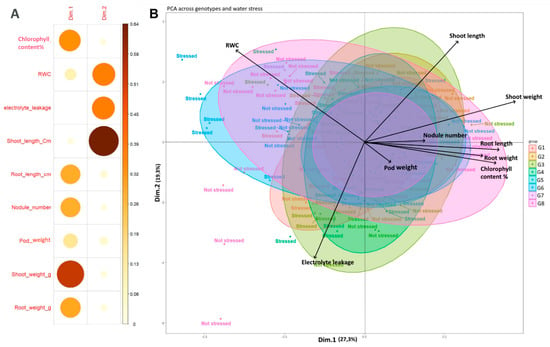
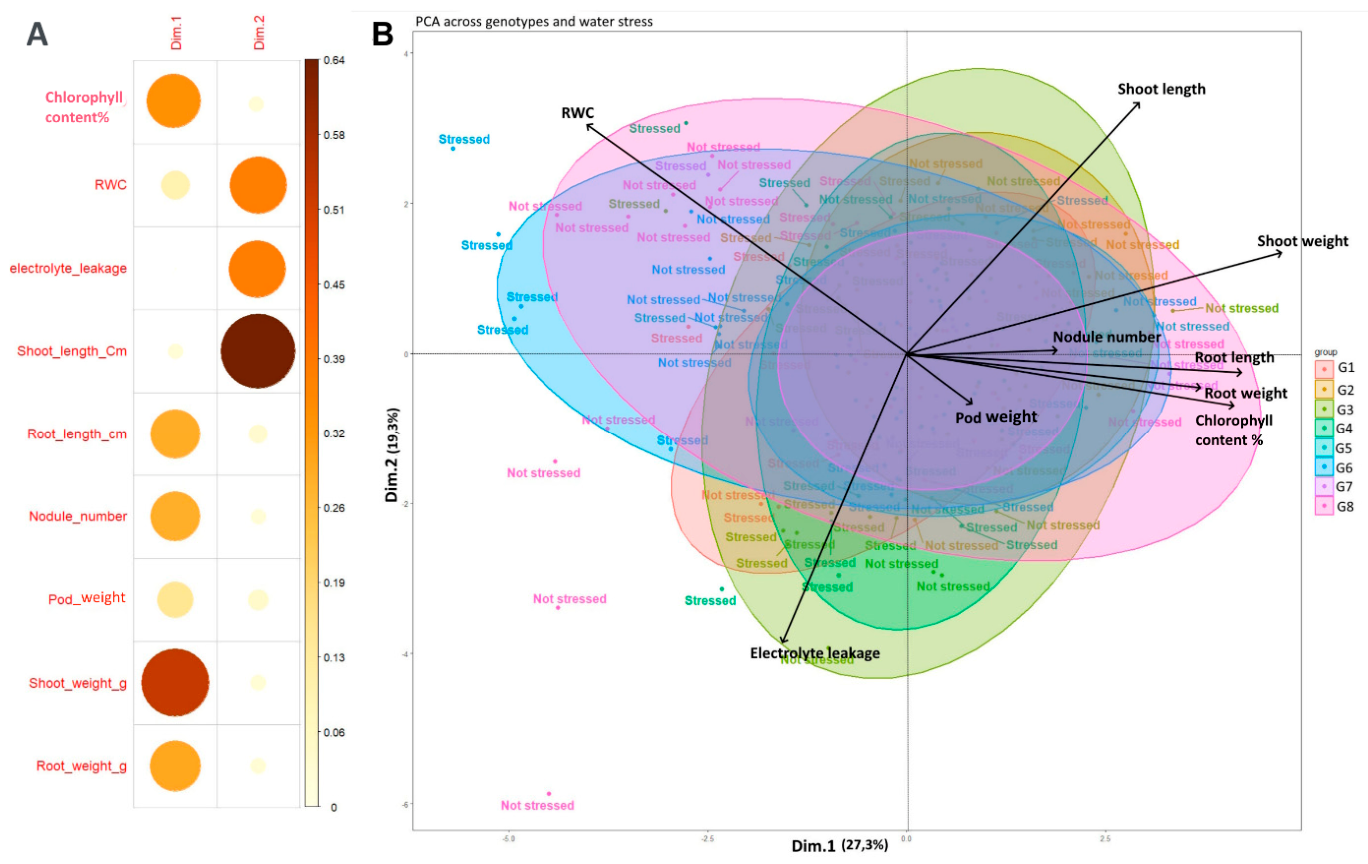
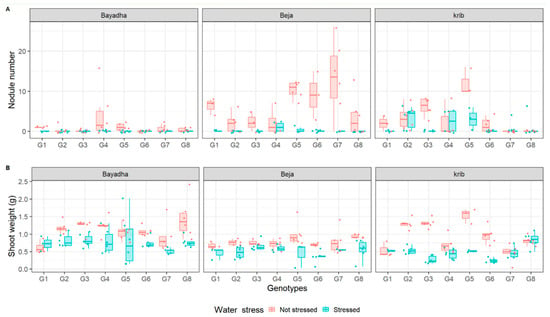
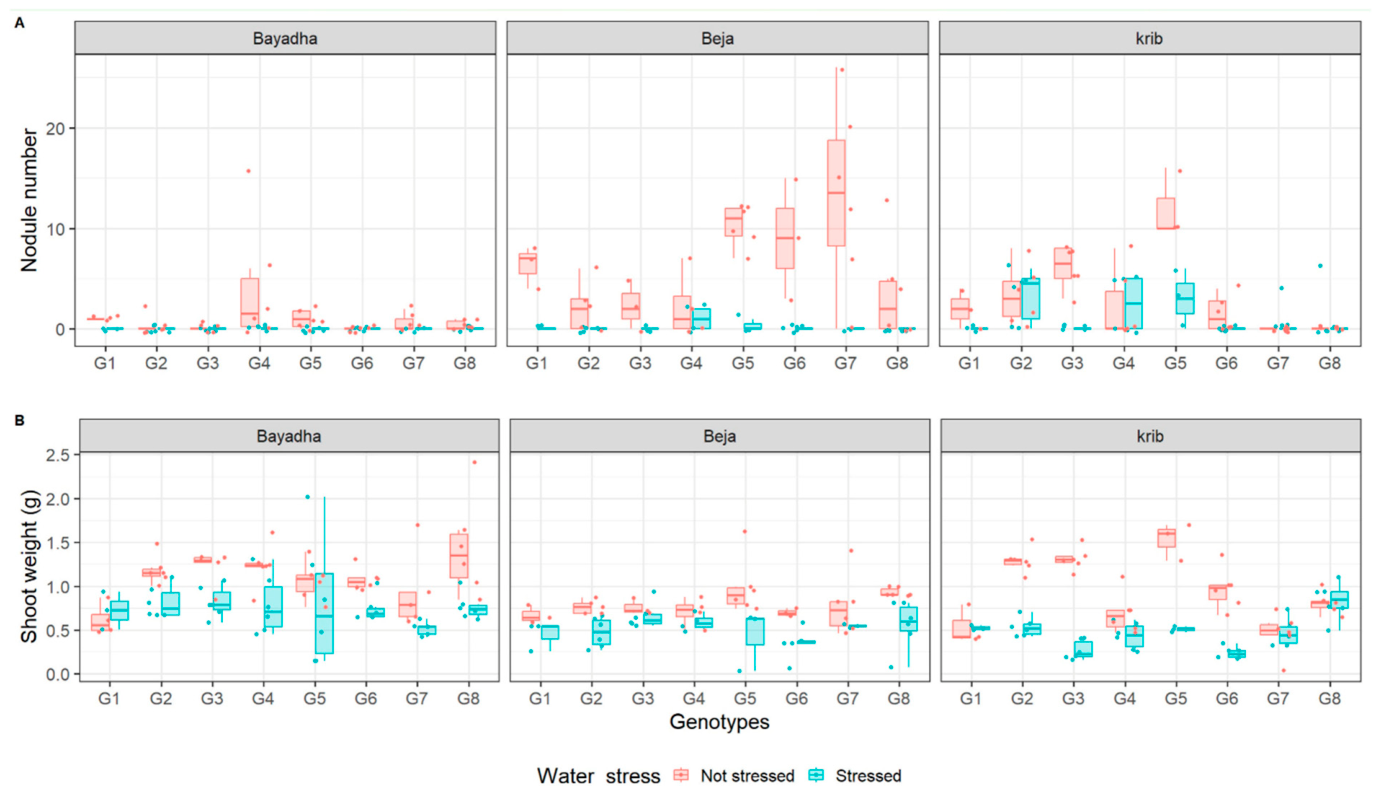
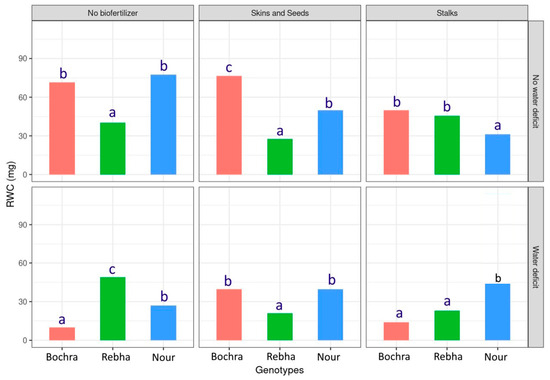
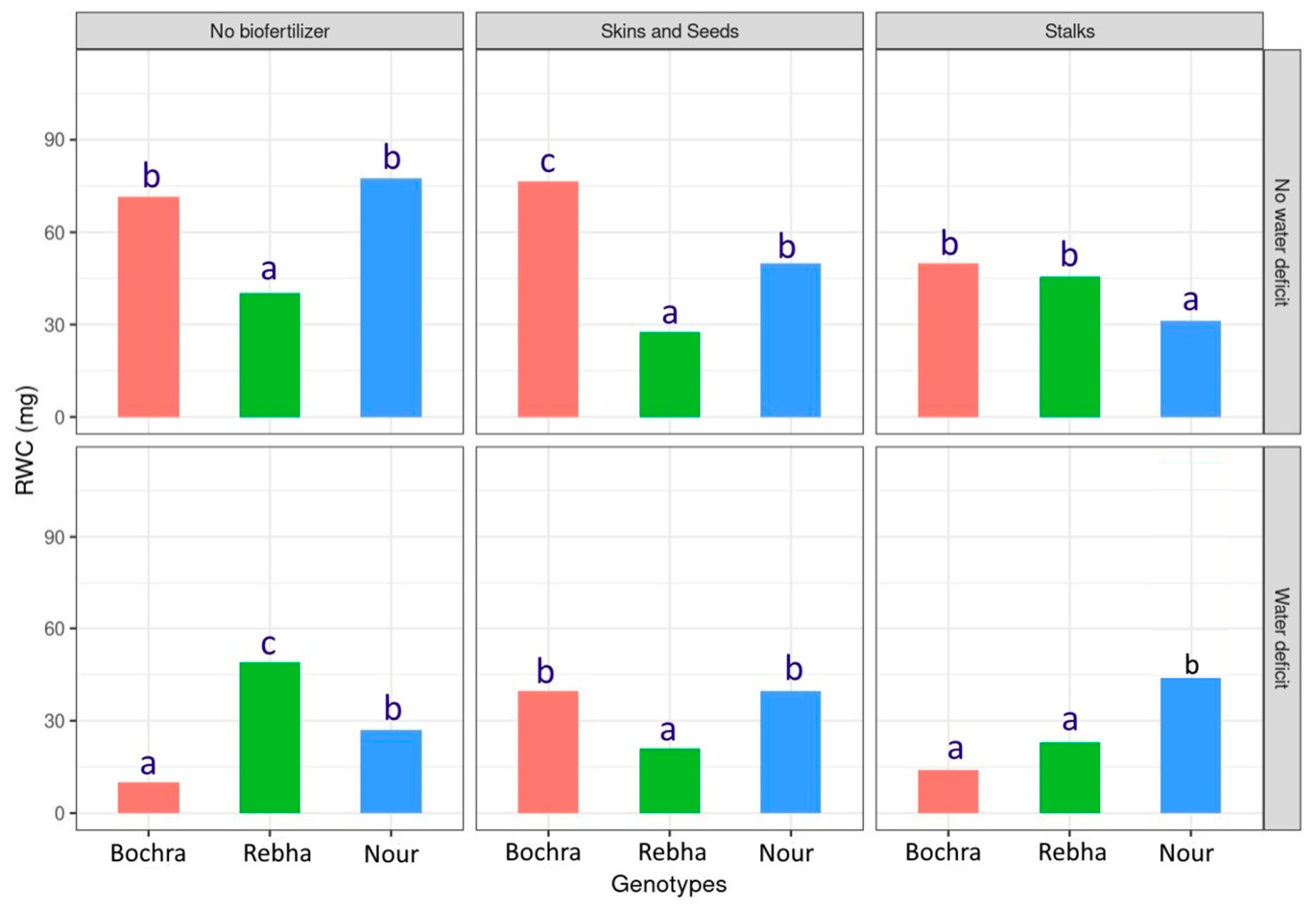
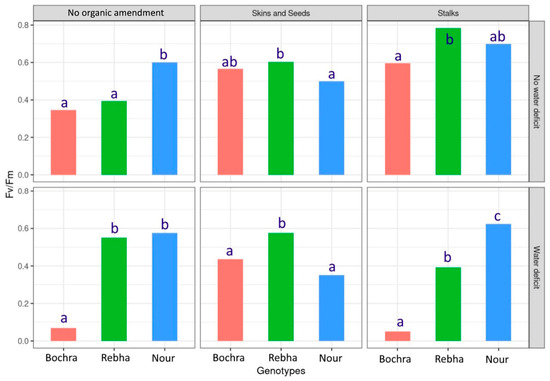
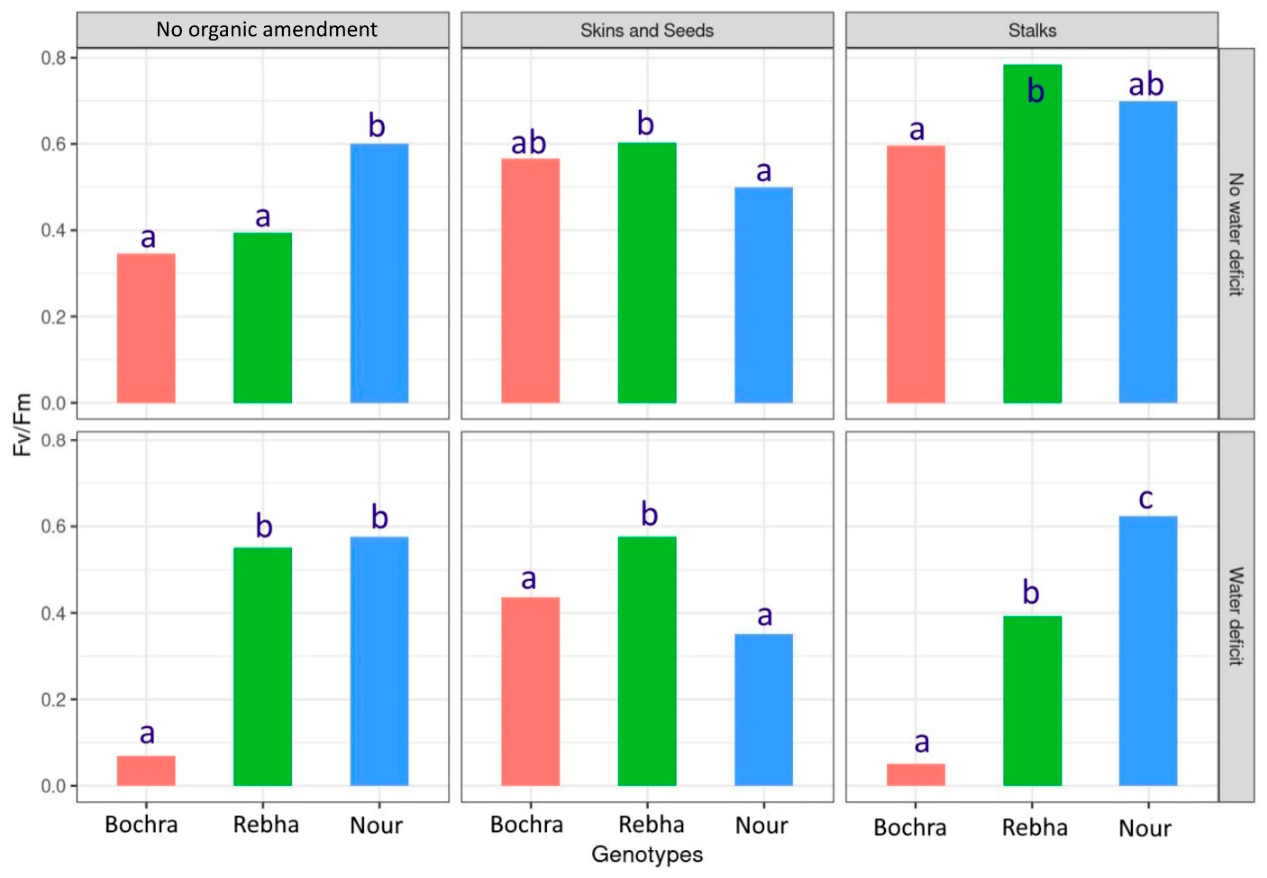
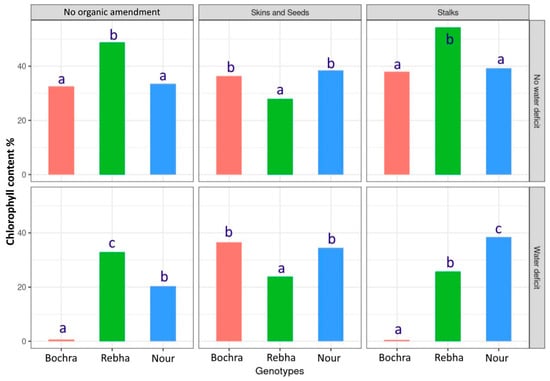
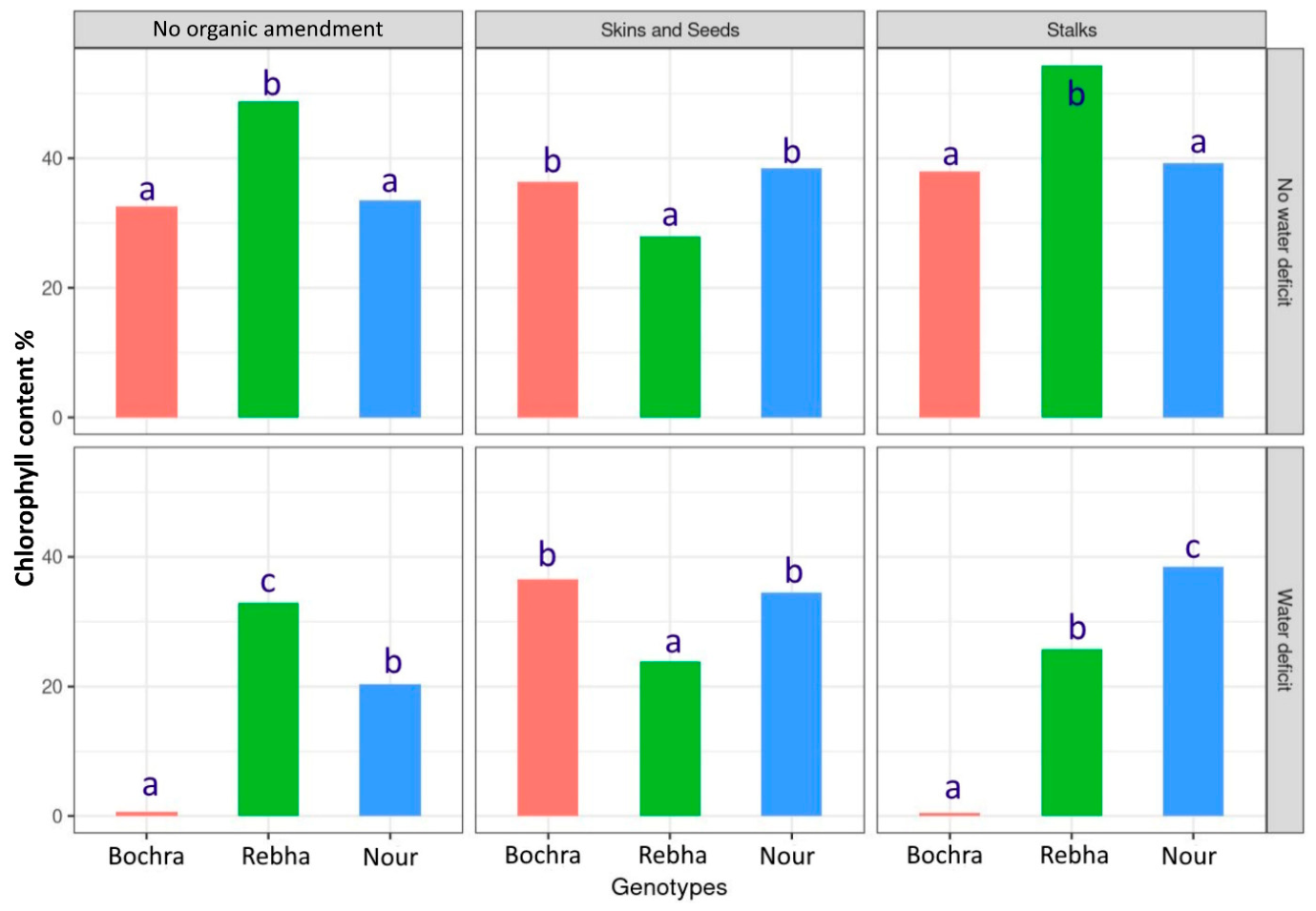
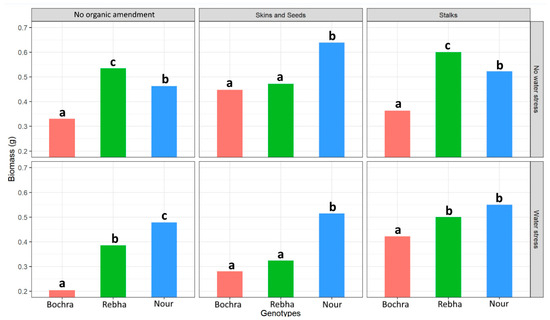
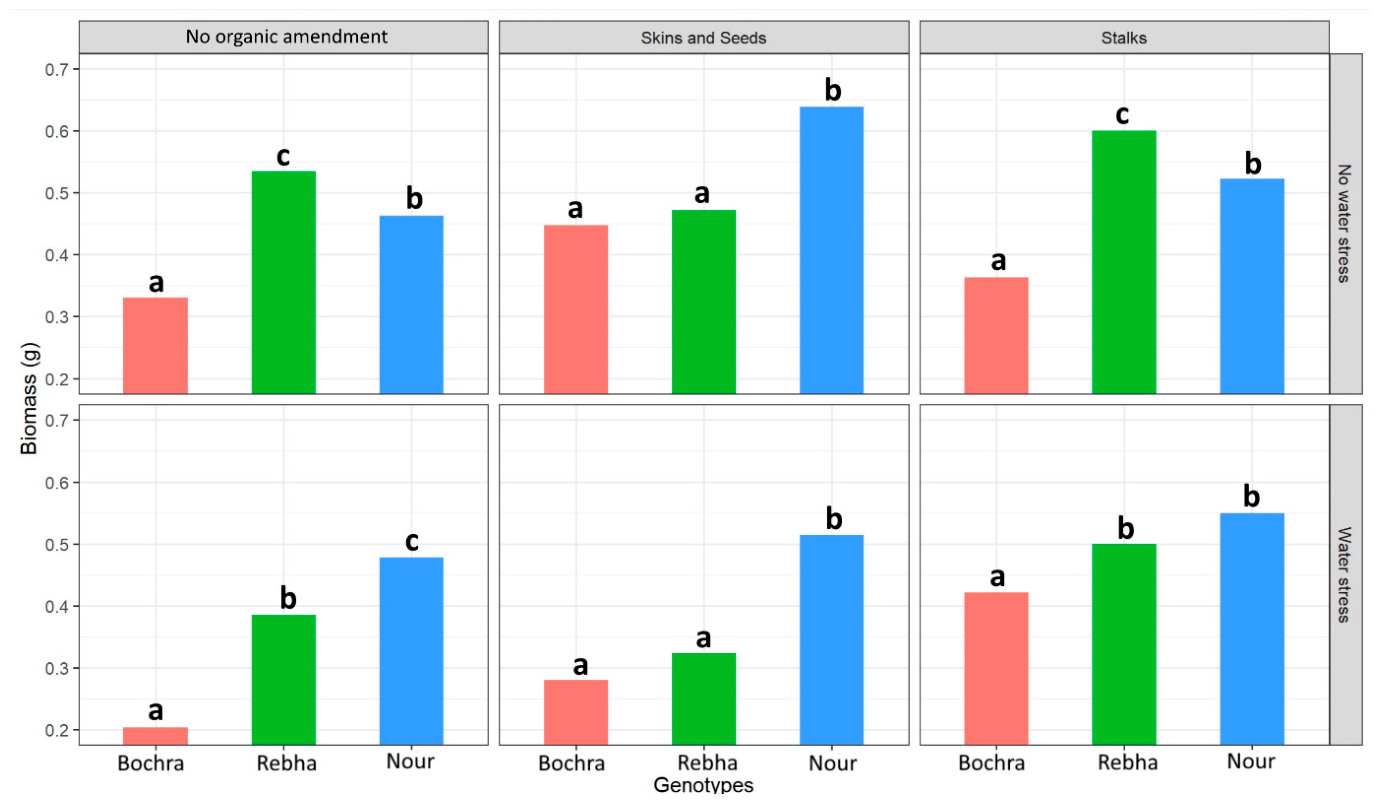
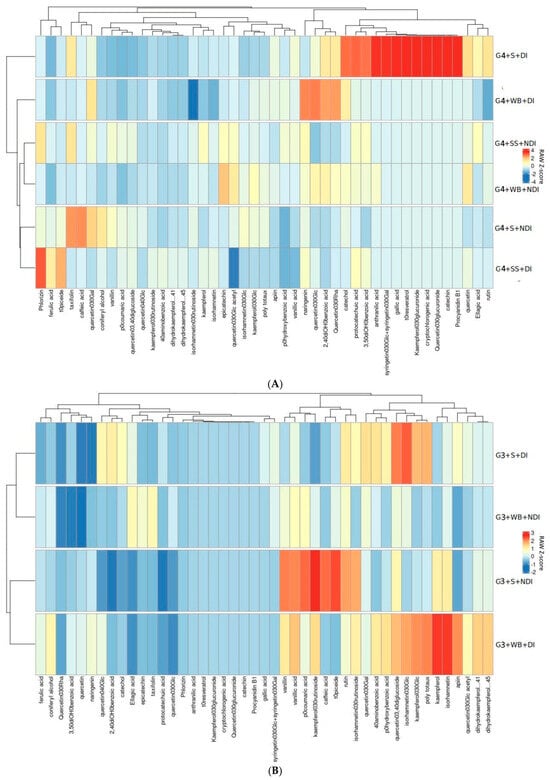
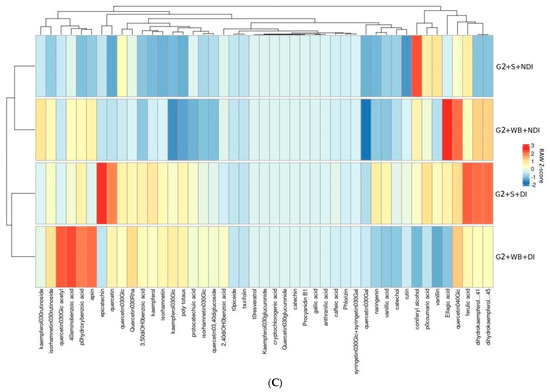
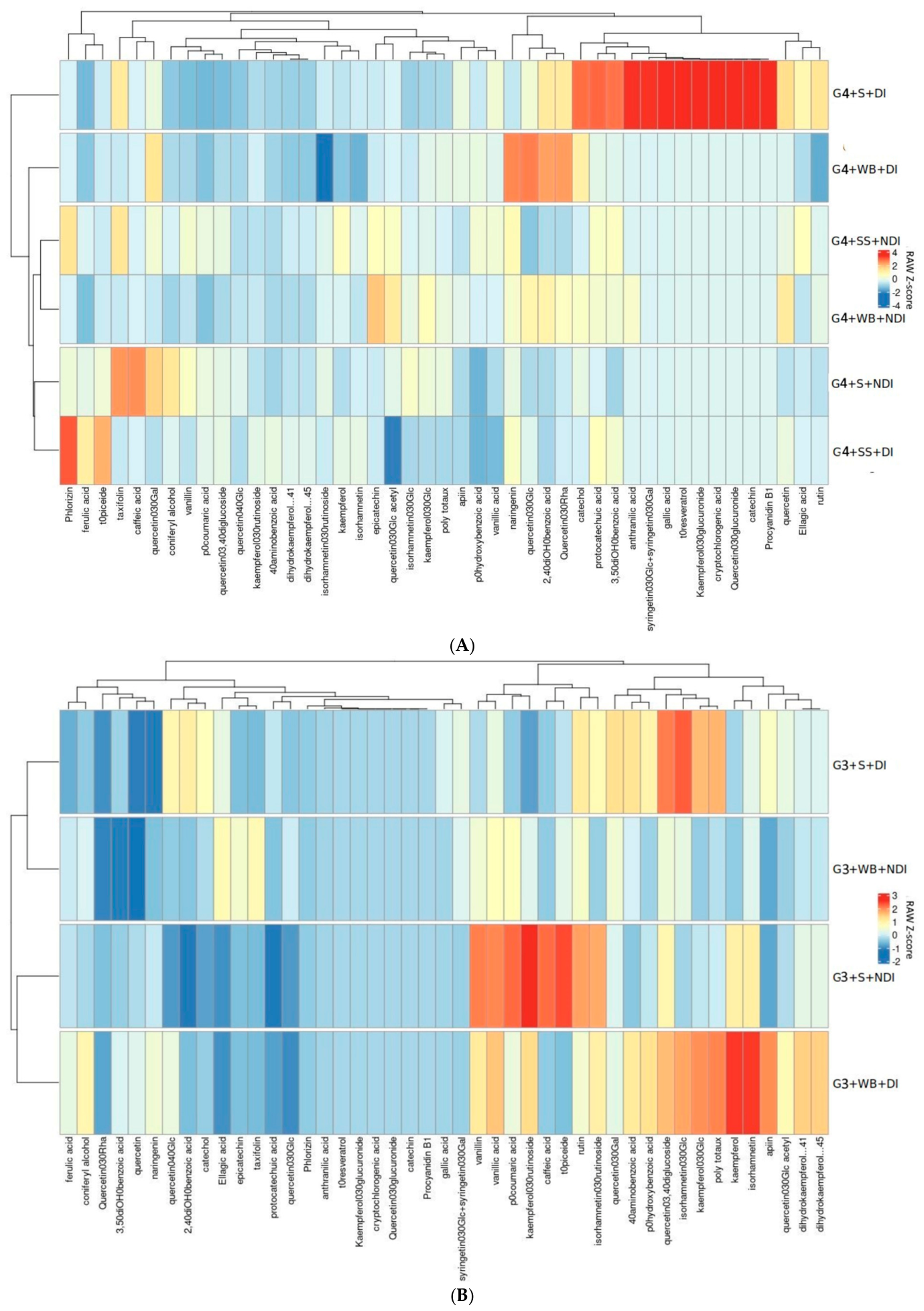
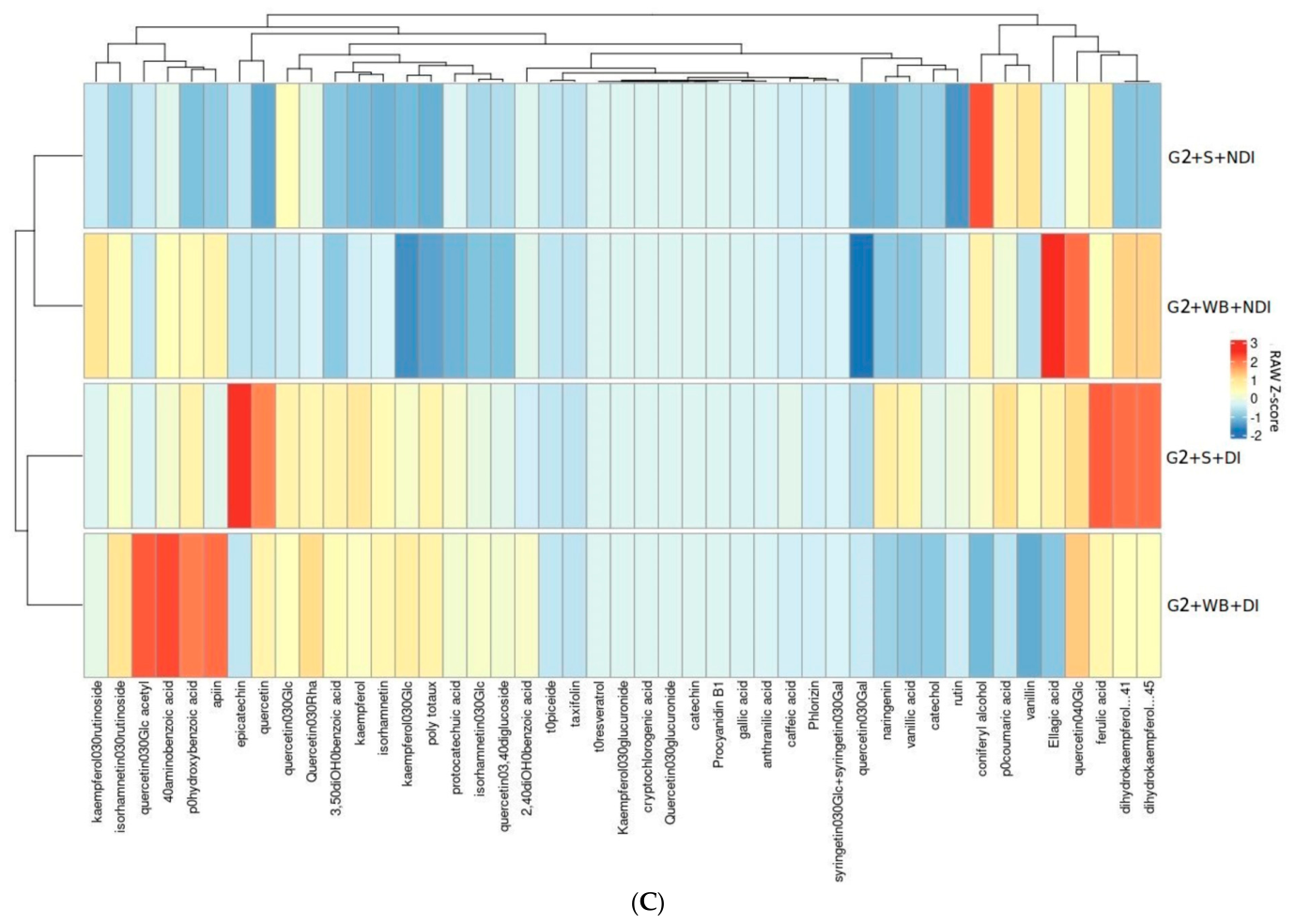

Disclaimer/Publisher’s Note: The statements, opinions and data contained in all publications are solely those of the individual author(s) and contributor(s) and not of MDPI and/or the editor(s). MDPI and/or the editor(s) disclaim responsibility for any injury to people or property resulting from any ideas, methods, instructions or products referred to in the content. |
© 2026 by the authors. Licensee MDPI, Basel, Switzerland. This article is an open access article distributed under the terms and conditions of the Creative Commons Attribution (CC BY) license.