


Abstract
This review summarizes current scientific knowledge on the use of protein hydrolyzate-based biostimulants in fruit production through evidence mapping, cross-species comparison, and evaluation of protocol-dependent responses within an agronomic framework, centered on foliar applications and their role in sustainable production systems. Research across a broad range of fruit species reports that protein hydrolyzates can significantly enhance yield, improve fruit quality, and mitigate the adverse effects of abiotic stresses such as drought and high temperatures. Treated plants often exhibit improved nutrient uptake, increased photosynthetic efficiency, and enhanced morphological traits, including better root development and vegetative growth. However, the effectiveness of these biostimulants varies depending on the fruit species, developmental stage, and application frequency, indicating the need for more tailored and crop-specific protocols. In conclusion, the literature confirms the functional role of protein hydrolyzates in enhancing resilience and productivity in fruit crops, while highlighting the need for further research to optimize their use under diverse agroecological conditions. Protocol harmonization and robust field validation will be essential for improving the reliability, interpretability, and practical relevance of future research on protein hydrolyzates in fruit production.
1. Introduction
1.1. Background of Protein Hydrolyzates
In the context of the European Green Deal [1], plant biostimulants are increasingly profiled as a sustainable complement to conventional fertilization and protection [2]. According to du Jardin [3] (p. 2) “a plant biostimulant is any substance or microorganism applied to plants with the aim to enhance nutrition efficiency, abiotic stress tolerance and/or crop quality traits, regardless of its nutrients content. By extension, plant biostimulants also designate commercial products containing mixtures of such substances and/or microorganisms.”
Protein hydrolyzates (PH) represent mixtures of peptides and amino acids (AA) from either plant or animal origins, or blends of individual amino acids. In addition to these compounds, PH may also contain trace amounts of carbohydrates, minerals, phenols, phytohormones, and other organic substances. As a promising type of biostimulant, PH varies in its amino acid, oligopeptide, and polypeptide content based on the raw materials used and the preparation methods employed. From an agronomic standpoint, PH-based biostimulants are recognized for their ability to enhance crop yields, primarily by improving the absorption of carbon, nitrogen, and sulfur [4]. Broader reviews confirm that PH and related biostimulants can improve growth, productivity, and quality, with mechanisms including hormone-like effects, facilitated nutrient transfer/utilization, and metabolic modulation [5,6,7,8]. The biostimulant effects of PH in plants are also associated with interconnected pathways, including antioxidant defense mechanisms, osmotic regulation, and the modulation of gene expression. Furthermore, PH can influence the plant microbiome, potentially aiding in stress adaptation. The effectiveness of foliar and root application methods, along with factors like pH and the presence of transporters, significantly impacts the absorption and movement of PH throughout the plant [9]. PH produced from industrial byproducts, particularly agro-based protein waste from plants and animals, shows significant potential as bioactive compounds. However, variability in PH across batches can arise from differences in raw material composition, hydrolysis methods, and the degree of hydrolysis, all of which affect bioactive peptide profiles and their efficacy. Furthermore, the production process involves the chemical, physical, technological, and biological characteristics of PH, with chemical and biochemical methods (enzymatic hydrolysis and fermentation) being the most commonly used at an industrial scale [4].
Within the broader framework of nutritional security, biofortification is recognized as a complementary strategy to increase micronutrient intake in populations, as evidenced by results from the HarvestPlus program across multiple crops and regions [10]. In the European Union (EU), the regulatory framework is consolidated by Regulation (EU) 2019/1009 [2], which defines plant biostimulants as a distinct functional category of fertilizing products bearing the CE marking (Conformité Européenne), thereby ensuring quality standardization and claim verification [2]. In this review, “biostimulants” is used as an “umbrella” term, whereas protein hydrolyzates are treated as a defined biostimulant category, i.e., amino acid- and peptide-based hydrolyzate products obtained by chemical and/or enzymatic hydrolysis of protein-rich raw materials. A substantial portion of the fruit crop literature evaluates protein hydrolyzates as multi-component amino acid–peptide matrices rather than as chemically isolated fractions; therefore, this review adopts an evidence-based inclusion strategy that considers both pure PH products and PH-related formulations when the mechanism plausibly reflects hydrolyzed protein-derived activity.
Recent syntheses also emphasize that biostimulant performance under abiotic stress can be enhanced through additive or synergistic “stacked” programs, although outcomes remain strongly context- and protocol-dependent [11]. Crop inclusion in this review was driven by the availability of eligible peer-reviewed studies applying PH in fruit crops. Because the current evidence base is still limited and uneven across species, we included all fruit crops for which eligible PH studies were identified within our search and inclusion criteria, irrespective of geographic origin; therefore, banana (Musa spp.) and papaya (Carica papaya L.) are presented as representative tropical/subtropical fruit crops where PHs (or closely related peptide/amino acid hydrolyzate programs) have been tested. The crop-by-crop section focuses on fruit crops as treated in horticultural practice and in the marketing/production context (orchard fruits, berry crops, and selected fruit commodities). For context, FAO’s fruit commodity reporting (FAOSTAT Crops and Livestock Products; as summarized in the FAO Statistical Yearbook 2024) [12] identifies major fruit species, such as apples (Malus domestica), bananas, citrus fruits (Citrus spp.), grapes (Vitis vinifera), mangoes (Mangifera indica), papayas, pineapples (Ananas comosus), melons (Cucumis melo), watermelons (Citrullus lanatus), and berries (multiple genera) and other subtropical fruits. Thus, strawberry and watermelon were included where eligible PH studies were available. Tomato (Solanum lycopersicum L.), for example, is botanically classified as a fruit, but it is predominantly treated as a vegetable crop in horticultural research and production systems and was therefore excluded from the crop-by-crop synthesis to maintain a focused scope and avoid broadening the review beyond its intended framework. When cited, tomato (similarly to model systems such as Arabidopsis) was used only as supporting mechanistic/omics evidence where fruit crop datasets remain scarce, and not as part of the evidence base for the crop specific synthesis. Therefore, the scope intentionally balances mechanistic purity with agronomic relevance. This review delivers the first structured cross-species evidence mapping of protein hydrolyzate-based biostimulants in fruit crops and provides an agronomically oriented framework for interpreting protocol-dependent responses.
1.2. Summary of the Scope and Framework of the Application of PH in Fruit Production and Postharvest Performance
Contemporary literature confirms that PH acts as a multifunctional biostimulant in fruit crops: they increase the efficiency of nutrient uptake (especially nitrogen), improves yield and quality characteristics of fruits (firmness, soluble dry matter, phenolic and antioxidant compounds), and activate the plant’s defense mechanisms [4,13,14,15,16]. The effect depends on source and PH fractions, genotype, and method and timing of administration; drench/fertigation applications are more effective than purely foliar applications, especially for growth and nutrient uptake parameters [4,13,14,15,16]. At the same time, heterogeneity of formulations and protocols and the lack of multi-year field trials represent methodological limitations and the effects in some studies are partial or inconsistent [4].
Until recently, for example, biostimulants have not been widely used or readily available in Croatia. Producers were generally unfamiliar with their potential benefits and have only recently begun to recognize and explore their use [17].
Postharvest evidence is limited. Most results carried over effects from preharvest programs, and the only clearly developed postharvest disease protocols are in grapevine rather than broad shelf life across various fruit crops. In apple, preharvest programs reduced “Jonathan spot”, while in ‘Annurca’, similar PH/amino acid (AA)-type interventions were associated with changes during cold storage firmness, soluble solids, acidity, and polyphenol and antioxidant measures [18,19,20]. In grapevine, gray mold protocols that combined preharvest sprays and postharvest treatments, followed by storage or postharvest drying evaluations, reported lower storage rot. These findings were also supported by antifungal tests conducted at defined concentrations and at different time points (preventive vs. postinfection) [21,22]. Given the scarcity of research, any claims should be restricted to the specific systems and protocols described above [23,24,25].
1.3. Mechanisms of Action and Methods of Application of PH
At the molecular–physiological level, peptides and free amino acids in PH can act as signaling molecules, modulating biosynthesis and sensitivity to phytohormones (e.g., auxins, gibberellins), nutrient transport gene expression, and antioxidant and defense pathways [4,16,23,26]. Omics approaches (transcriptomics, metabolomics, phenomics) in fruit and related crops show changes in nitrogen and carbon metabolism, cell wall, and antioxidant systems after PH treatment [4,16,23,26]. In terms of practice, the effectiveness of PH is determined by the method of administration (foliar vs. drench/fertigation), dose, and molecular weight/fraction; drench applications often give a more pronounced effect on growth and N-utilization, while foliar applications can more strongly affect secondary metabolites and some qualitative attributes of the fruit [4,13,23,26,27]. Further standardization of protocols and doses, as well as multi-season validation, is needed in the field [4].
To link the biochemical and mechanistic effects of protein hydrolyzates with physiological and agronomic outcomes, we present a conceptual synthesis in Figure 1. It is designed as a practical map from input → response hubs → agronomic endpoints. The left panel summarizes the most commonly reported upstream modes of action of protein hydrolyzates and related peptide or amino acid inputs. The middle panel groups the measurable physiological and metabolic “hubs” where studies most often detect a signal. The right panel then shows the agronomic outcomes that ultimately matter in orchard practice. Importantly, these pathways are not strictly linear, and they are not mutually exclusive. Solid arrows highlight links that recur across multiple fruit species and protocols in the reviewed dataset, whereas dashed arrows indicate relationships that are more context-dependent (for example, stress specific or formulation-specific) or are better supported mechanistically than by consistent field level performance.
Figure 1.
Evidence-based conceptual map linking protein hydrolyzate (PH) inputs to physiological “response hubs” and agronomic outcomes in fruit crops. Six upstream modes of action (1–6) are supported by: (1) [4,6,7,8,28]; (2) [4,15,17,18]; (3) [4,16,23,25,26,29]; (4) [30,31,32,33,34]; (5) [8,33,35]; (6) [4,13,16,24,36,37]. These modes converge into response hubs (A–F): (A) [25,29,38,39]; (B) [24,30,31,33]; (C) [33,38,39,40]; (D) [24,35,39,41,42,43]; (E) [30,31,32,33,34]; (F) [21,22,44,45] which map onto agronomic endpoints (i–vi): (i) [24,30,38,46,47,48]; (ii) [39,41,43,49,50,51,52]; (iii) [15,18,19,20,39,41,42,43,50,53,54,55]; (iv) [25,35,39,41,42,43]; (v) [1,30,32,33,34]; (vi) [18,19,20,21,22,45]. Circled elements indicate consistently reported links, whereas non-circled and dashed connections represent context-dependent or inferred relationships. The figure is read from left to right.
The method of protein hydrolyzate-based biostimulant application significantly affects the type and intensity of the plant’s response [4,13]. Foliar application enables rapid and targeted action, particularly in later phenophases, when the goal is to improve fruit quality, increase secondary metabolite content, or stimulate defense mechanisms against abiotic and biotic stresses [4,23,56,57,58]. On the other hand, soil application had a slower but longer-lasting effect (Table 1), as improved pH in the root zone enhanced nutrient uptake, stimulated root growth, and strengthened the plant’s overall vigor [4,13,14,15,59]. Thus, this review may serve as a decision-making tool for selecting the optimal application method, depending on the crop, treatment objective, and production system.
Table 1.
Comparison of foliar application and fertigation of protein hydrolyzate-based biostimulant (applications through the soil).
2. Species-Specific Effects of Protein Hydrolyzate-Based Biostimulant: Evidence Synthesis
2.1. Evidence Map and Species Coverage
To summarize the extent and consistency of the effects of PH-based biostimulants across different fruit crops and multiple endpoints, an evidence map was constructed (Table 2). Detailed quantification and experimental context can be found in the following table (Table 3) and in crop-specific subchapters.
2.1.1. Apple Tree (Malus domestica Borkh.)
In apples, foliar amino acids/PH and a combination of natural biostimulants (e.g., moringa extract, brown algae extract, fulvic acid) increased vegetative growth (shoot length/diameter, leaf surface), setting and yield in several experiments, with more favorable nutritional indicators of the fruit [18,19,20,61]. Although agronomic and qualitative indicators are often improved, the increase in yield is not universal but is expressed depending on the cultivar, season and protocol; e.g., in organic plantations ‘Jonathan’ alfalfa-PH/biostimulants reliably strengthened epidermal coloration and anthocyanins, while yield was not the primary carrier of the effect [18,19].
Mosa et al. [62] reported on the targeted application of tryptophan and glycine in ‘Anna’ plantations. Mechanistically, these outcomes fit well with the known effects of PH (nutrient chelation/complexation, facilitated transport, and modulation of metabolism/signaling) [7,28]. These findings are further confirmed by field studies in ‘Anna’ plantations, where combinations of moringa extract, algae and fulvic acids (in addition to amino acid/PH components) increased leaf setting, yield and nutritional status, and reduced fruit shedding, while mechanistic examinations for protein hydrolyzates broke down the role of bioactive peptides in nutrient chelation/complexation, signaling and antioxidant responses [46,47,61].
As far as color and ‘nutraceuticals’ are concerned, biostimulants (including alfalfa-PH) strengthen the red color of the epidermis and raise anthocyanins in organic farming ‘Jonathan’ [18]. At ‘Annurca’, biostimulants improved agronomic indicators and further enhanced fruit color [19], and increases in total polyphenols in meat and in the antioxidant potential of the epidermis during storage were also noted [20].
At the level of mineral nutrition, nursery experiments with reduced mineral fertilization show that foliar biostimulants (including amino acid formulations/PH) reliably improve growth and physiology, while the effect on leaf macro-/microelements is selective: Fe and Mn often increase, Zn and Cu tend to decrease; Ca is the most stable/elevated, and K and Mg are not consistently elevated [46,47]. In older experiments on apples, bioregulators (Agrispon®, Ergostim®) also belong to a broader group of biostimulants and increased photosynthetic activity, yield, and fruit size, and reduced pre-harvest decline, which is consistent with these mechanisms and agronomic effects [63].
Reported increase in epidermal color, antioxidant potential and agronomic indicators under the influence of PH/biostimulants should be interpreted in the context of genotype and microclimate, and, when planning treatments, priority should be given to protocols tested under similar growing conditions [4,18,64].
Table 2.
Summarized effect of protein-hydrolyzate-based biostimulants application on different fruit crops.
2.1.2. Strawberry (Fragaria spp.)
The application of protein hydrolyzates to strawberries confers physiological and agronomic benefits, depending on the variety and environmental conditions. In cold stress experiments, PH increased biomass, accelerated flowering, and shortened time to harvest [30]. In the field, the amino acid biostimulant reduced the proportion of frost-damaged flowers and affected the dynamics of flowering and ripening, which helped to preserve yields in years with late frosts [31]. Under conditions of limited fertilization, an increase in fruit firmness (~20%), better external color, more total phenols (+18–20%) and ~20% higher yield with 15–30% larger leaf area were also recorded [24]. In the greenhouse, PH/biostimulants activated antioxidant enzymes (APX, GR, CAT, GPX) and associated with a higher fresh leaf mass even at 50% reduced N and K fertilization [29].
Combining PH with beneficial microbes (e.g., Trichoderma atroviride) in wild strawberries increased yield, sugar content, and levels of anthocyanins, flavonoids, ascorbic acid, and total polyphenols, with indications of economic viability. These results point to complementary mechanisms of action and justify PH testing with microbial strategy and in cultivated strawberry varieties [35]. Recent studies further confirm these effects. Cardarelli et al. [23] recorded an increase in dry shoot biomass, yield, fruit firmness, as well as nitrogen and selenium content in the tissue. The same authors also described stimulation of the phenylpropanoid pathway, with an increase in the concentration of phenylalanine and secondary metabolites such as ferulic acid, coniferyl alcohol, kaempferol, catechins and pelargonidin-3-O-glucosides. Under controlled soilless conditions, Ranasingha et al. [44] tested an amino acid/peptide biostimulant (Vitalnova Prime; 1 mL/L foliar, every 2 weeks) and a microbial biostimulant (Vitalnova Triboost; 500 g/m3 in substrate) on ‘Malling Centenary’ and ‘Malling Ace’. A pronounced vegetative increase was recorded (leaves, number and diameter of crowns, biomass of shoots), and in ‘Malling Ace’ a significant jump in market yield: +55% of the number of marketable fruits and +56% of the average weight (especially with VP), with fewer diseased fruits in both cultivars [44].
Garza-Alonso et al. [70] reported increased vegetative growth, chlorophyll content, antioxidant compounds, and mineral substances, while Vultaggio et al. [35] documented significant improvements in market yield (+34.8%), fruit weight (+6.0%), dry matter content (+13.8%), sugar (+3.5%), ascorbic acid (+12.7%), flavonoids (+26.3%) and anthocyanins (+29.9%). In addition, an increase in the total content of polyphenols and antioxidants in fruits has been reported [35]. A greenhouse experiment in organic farming has shown that foliar application of plant protein hydrolyzate (V-PH) can increase net photosynthesis (ACO2) by ~34.5% and yield per unit area by ~13.5%, while improving leaf mineral profile (e.g., NO3− + 49.4%, Mg2+ + 33.0%) compared to the control. Comparatively, algae raised the antioxidant activity of the fruit more (DPPH +17.4%), which confirms that different classes of non-microbial biostimulants provide different target responses, and PH showed the most consistent effect on photosynthesis and yield in this system [25].
Considering the specific physiological characteristics of strawberries, including non-climacteric fruit ripening [71], application of protein hydrolyzates can contribute to achieving optimal quality and affect post-harvest stability, depending on the assortment and cultivation technology. In addition, agronomic practices strongly shape fruit development and quality: for example, biofertilizers/PGPR can increase yield and content of bioactive substances (e.g., vitamin C) [72], vernalization of seedlings can increase yield and setting in warmer areas [73], and the choice of cultivars and the use of beneficial microorganisms affect the physiology, growth and quality of the fruit [74].
2.1.3. Olive (Olea europaea L.)
In recent times, increasing attention has been paid to sustainable practices in olive growing, particularly in the context of climate change and pathogenic pressures, such as Fusarium solani, which can cause significant yield losses [75]. Sustainable management, including efficient irrigation and preservation of soil fertility, is becoming key to adapting to the challenges ahead [76]. In this context, protein hydrolyzates are increasingly emerging as biostimulants with significant potential to enhance physiological processes in olive trees. Treatment of olives grown in pots with protein hydrolyzates resulted in significantly higher vegetative growth compared to control plants, immediately after application, and the differences were maintained throughout the growing season. The biomass of all plant parts, from roots, stems, shoots, and leaves, was higher in the treated plants [38]. In field conditions, more intensive trunk growth was also recorded [38].
In addition to the effect on growth, the application of protein hydrolyzates has also resulted in an increase in the content of total polyphenols in olives, as well as an improvement in the quality of olive oil. Positive effects have been noted on a number of parameters that determine the quality of the fruit and oil, including antioxidant capacity and nutritional value, which contributes to the functional quality of the product in addition to the quantitative increase in yield [77]. The increase in biomass, polyphenols, and oil quality following PH treatment in the olives is in accordance with the broader mechanistic framework of PH action (signal peptides/amino acids, activation of antioxidant systems, modulation of hormonal pathways). This opens up space for targeted testing of low-molecular-weight fractions and drench protocols in the olive grove, for in comparison with purely foliar models [4,26].
Interestingly, the pollination process in the olive tree can also be modulated by biostimulants. In an olive experiment, foliar application of commercial protein hydrolyzate (with comparative growth regulators) was shown to increase in vivo pollen germination and pollen tube lengthening, suggesting the potential of PH to have a beneficial effect on fertilization and conception [60]. Such observations fit in with recent views on biostimulants, according to which foliar application can promote priming and adaptation of reproductive tissues through signaling networks (e.g., H2O2, NO), with a consequent positive effect on fruiting [78]. Supporting mechanistic insights, Pasković et al. (2026) demonstrated that foliar PH stimulates growth and significantly affects leaf mineral nutrient profiles in olive, reinforcing the role of PH-driven nutrient status modulation in crop responses [79].
2.1.4. Sweet Cherry (Prunus avium L.)
Available direct trials specifically with PH on sweet cherry remain scarce. Reviews confirm that proper timing and formulation selection can improve certain physiological and qualitative indicators, but for cherry, targeted studies are needed to separate the effect of protein hydrolyzates from other measures [80]. In practice, BLUPRINS® (gel with amino acids, calcium and polysaccharides) is also used for uniform bud movement and synchronization of flowering in insufficient winter cold. It is not a pure PH, but the amino acid formulation is relevant in the broader framework of biostimulants [65].
Variability between cultivars significantly affects sugar content, color, texture and overall organoleptic properties [81,82]. Additionally, challenges such as fruit cracking can be mitigated with appropriate cultivar selection and irrigation techniques [83]. Advances in proteogenomics bring new insights into the ripening and qualitative properties of sweet cherry fruits, which, combined with the use of biostimulants, paves the way for the development of more robust and resistant cultivars [84]. With global climate change, further research into genetic diversity and the adaptation of breeding technologies are becoming crucial for sustainable cherry production [85,86].
2.1.5. Grapevine (Vitis vinifera L.)
The use of PH in viticulture is becoming an increasingly common practice thanks to their ability to improve the physiological, biochemical and oenological characteristics of the vines. Numerous studies confirm their positive effect on yield, grape quality, and plant tolerance to stressful conditions [15,21,22,32,41,42,45,53,54,55,74,87,88,89,90,91].
Boselli et al. [41] showed that the application of PH can lead to a significant increase in yield, improved fruit quality, and a decrease in conductivity index. An increase in total soluble solids was also observed, as well as the content of anthocyanins, with a higher crown temperature in the treated vines, which indicates an improved physiological state of the plant. Parrado et al. [87] reported a significant increase in the concentration of polyphenols and anthocyanins in must, especially petunidins, which were not detected in the control plants. A more intense red coloration of the must and increased biomass in the above-ground parts of the plants were also recorded. In the experiment of Meggio et al. [32], the application of biostimulants before the onset of the dry period helped preserve physiological activity, stimulated the growth of younger vegetative organs and increased the diameter of berries, as well as the SPAD index and the concentration of chlorophyll, proline and soluble carbohydrates.
PH also had a significant impact on the metabolism of the vines. Bavaresco et al. [53] found profound changes in the proteome and metabolome of the leaf, resulting in a delay in the physiological and technological ripeness of the berries and the preservation of higher acidity of the fruits without negative effects on phenolic compounds. In addition, increased regulation of enzymes related to photosynthesis, plant growth, nutrient uptake and biosynthesis of brassinoids was observed. Recent findings with whey protein hydrolyzates (whey-PHs) show faster recovery of photosynthesis (Fv/Fm (Fv/Fm: maximum quantum efficiency of photosystem II (PSII) in dark-adapted leaves)) and preservation of water status under combined heat (40 °C) and drought stress, with increased expression of HSP/HSF (HSP/HSF: heat shock proteins/heat shock factors) and ABA (ABA: abscisic acid)-associated genes. At the same time, a direct antifungal effect of whey-PH against P. viticola and a reduction in B. cinerea symptoms on berries were reported when the treatment was applied 24 h after infection [21]. At the must level, foliar applications increased total amino acids (reported as 2.27-fold, i.e., +127% vs. control) [54]. Yeast assimilable nitrogen (YAN) increased from 169.4 to 223.3–282.8 mg N/L (+32% to +67%) [66]. Changes in grape volatile composition were also reported [88]. What was particularly significant was the increase in phenylalanine (by 50–87%), which resulted in an improved aromatic profile of the must. Furthermore, the concentration of stilbene, especially trans-piceid, increased by 34–132%, which may have a positive effect on the health properties of the wine [88,90]. Increases in total amino acids and YAN reported by Garde-Cerdán et al. [54,89] result from foliar applications of amino acids and/or urea (not necessarily from pure PH), with similar terms (veraison + ~1 week). More recent work further confirms that urea alone can selectively raise amino acids in must without changing °Brix/TA/pH [91]. Foliar applications of phenylpropanoid pathway precursors and nitrogen may increase anthocyanins and other phenols in the berry [42,90]. For fermentation potential, sprays with amino acid-enriched urea in the full veraison phase significantly raised YAN in berries (ranging from ~+89% in one season to ~150–170% in the second season) with no change in °Brix, TA, or pH [55].
In addition to increasing YAN and modulating phenols, recent findings indicate that soil-applied plant PH can selectively accelerate the ripening of table cultivars, as reflected in metabolites associated with harvesting technology. Such effects support the idea of finely “directing” maturation through the selection of sources and PH fractions and the timeliness of application [15]. A significant impact of protein hydrolyzates is also observed in terms of disease resistance. Lachhab [22] found that the application of soybean-based hydrolyzates (Soybean A) and casein (Cas) during the growth phase significantly reduces the occurrence of gray mold by 65% and 92%, while their application after harvest reduces storage rot by 56% and 40%, which confirms the antimicrobial potential of these biostimulants. These findings are consistent with earlier experiments showing that casein and soy protein hydrolyzates act as elicitors: they induce vine defense responses and reduce P. viticola infection and gray mold, with soy hydrolyzate often having a more pronounced effect [45].
2.1.6. Other Fruit Species
Banana (Musa spp.)
Gurav and Jadhav [66] showed that applying protein hydrolyzates from feathers to bananas shortened the time to flowering and accelerated harvest (control was delayed by ~4 weeks), with increases in total chlorophyll and free proline in the leaves. At the same time, increases in reducing sugars in the fruit, proteins and free amino acids, as well as an increase in total phenols and flavonoids, were recorded, which was accompanied by higher antioxidant activity (DPPH (DPPH = 2,2-diphenyl-1-picrylhydrazyl (radical scavenging) assay; reported as % inhibition or Trolox equivalents)/FRAP (FRAP = ferric reducing antioxidant power assay; reported as Fe2+ equivalents or Trolox equivalents))/DMPD (DMPD = N, N-dimethyl-p-phenylenediamine (radical cation) assay (often reported as Trolox equivalents)). These findings suggest that PH may redirect metabolism towards greater accumulation of primary and secondary metabolites and acceleration of phenological phases, while improving the nutritional and functional properties of fruits.
Peach (Prunus persica Batsch)
In view of the market value of peaches, which largely depend on properties such as sweetness, firmness and aroma, there is a growing interest in the use of biostimulants such as PH in order to improve the agronomic and qualitative properties of this species. The application of PH in peach cultivation resulted in a number of positive physiological and biochemical responses of the plant. According to Al-Saif et al. [39], treatments with protein hydrolyzates led to an increase in shoot diameter as well as larger leaf area and higher chlorophyll content in leaves, which was reflected in the overall productivity of plants.
At the fruit level, significant improvements in morphological and chemical properties were noted. PH treatments increased the weight, length, and diameter of the fruits and the firmness of the flesh, the proportion of total soluble solids, the ratio of soluble solids to acids (TSS/TA), as well as the anthocyanin content, which contributes to better color and nutritional value of the fruit [39]. Furthermore, an increase in the total content of reducing and non-reducing sugars, vitamin C and the content of macroelements (N, P, K) in the leaves of treated plants was found. Amid the growing challenges of sustainable agriculture, recent research points to additional benefits of PH application. By including appropriate media and stimulating interactions with beneficial microorganisms, it is possible to further increase stress resistance, improve yield and reduce dependence on conventional fertilizers and pesticides [92,93].
Citrus (Citrus spp.)
Given the global importance of citrus cultivation, an increasing number of researchers are focusing on biostimulation strategies to enhance yield, fruit quality, and stress resistance. Among these strategies, the application of PH has proven particularly effective. The application of PH in citrus cultivation resulted in a significant improvement in plant growth, increased biomass, greater root activity, and improved nutrient absorption. In addition, PH treatments have been found to significantly reduce the sodium content of citrus leaves under salinity conditions, thereby contributing to an increase in tolerance to abiotic stress [33]. At the molecular level, PH treatments induced enhanced expression of genes responsible for the stress response, including PIP1, PIP3, SOS1, and SOS3, further strengthening the plant’s physiological ability to regulate ion uptake and excretion and maintain homeostasis under stressful conditions [33].
Persimmon (Diospyros kaki Thunb.)
Recently, the use of protein hydrolyzates in persimmon cultivation to strengthen the salinity response has been causing increasing interest. On ‘Rojo Brillante’ (rootstock D. lotus), foliar applications of calcium protein hydrolyzate reduced Cl− uptake and intensity of leaf necrosis, with concomitant changes in water relationships (lowered leaf/trunk as a sign of osmotic adaptation); yield was not significantly higher, but stress was visually mitigated [7,34]. Regardless of PH, later work by the same team showed that the specific toxicity of chloride is strongly dependent on the substrate (more sensitive D. lotus vs. D. virginiana), which explains the variability of responses in practice [94]. For the early diagnosis of specific chloride toxicity in the leaf, a NIR method has also been developed that quickly estimates Cl− without wet analytics [95].
Kiwi (Actinidia deliciosa)
Regarding the use of PH, although research is still relatively limited, the results indicate a positive effect on the vegetative growth of kiwifruit. Thus, Quartieri et al. [36], in an experiment with the application of organic nitrogen formulations, including PH, recorded stimulation of shoot and root growth, with the effect on shoot growth being particularly pronounced.
Pear (Pyrus communis L.)
In horticultural terms, pears are susceptible to stressful conditions and micronutrient deficiencies, so amino acid-based foliar biostimulants (including protein hydrolyzates and amino acid chelates) are the subject of increasing interest. In an experiment on the ‘Williams’ cultivar, foliar amino acid chelating formulations increased the content of Fe, Zn, Cu and Mn in the leaves and had a beneficial effect on shoot growth, yield and some indicators of fruit quality [40]. Taken together, the pear can be considered a suitable model for protein hydrolyzates use in fruit production, with a special emphasis on optimizing the absorption of micronutrients and preserving the nutritional quality of the fruit during harvesting and storage.
Watermelon (Citrullus lanatus)
Soteriou et al. [37] found that biostimulants may have a limited or masked effect when used in grafted plants. Namely, the strong influence of the medium in experimental conditions resulted in pronounced changes in the texture and chemical composition of the fruit, while the potential effects of the biostimulant on the firmness of the pulp and the thickness of the peel were canceled by grafting. The firmness of the pulp decreased during fruit development, especially between the 10th and 30th day after pollination (dpa), while the maximum colorimetric value of the pulp was recorded around 40 dpa. Biostimulation treatment reduced the lycopene content by approximately 8% compared to control samples, and its effect on fruit maturation, including sugar and organic acid dynamics, was limited. Fructose and glucose dominated in the early stages of fruit development, while sucrose was more present in the later stages of maturity. The acidity peaked at 20 days post-application (dpa) and then gradually decreased. Of the micronutrients, potassium was the most abundant and reached a maximum of about 30 dpa, before full maturity [37].
Mango (Mangifera indica L.)
The application of PH and related amino acid/peptide biostimulants in mango cultivation shows promising agronomic effects. In experiments on cultivars ‘Edward’ and ‘Banilejo’, foliar applications of free amino acid/peptide formulations (in the latter case in addition to K) increased fruit setting and/or marketable yield [49,50]. In the nursery, the cultivar ‘Parvin’ showed accelerated vegetative growth when treated with a peptide biostimulant applied to the soil, indicating a substantial effect on the early development of roots and above-ground mass [48]. Mechanistically, these outcomes are consistent with the known action of PH: chelation/complexing and facilitated nutrient transport, modulation of metabolism and growth hormone, and stimulation of the root system, which can ultimately increase photosynthetic efficiency and nutrient utilization [6].
Passion Fruit (Passiflora edulis Sims)
Direct field studies with characterized protein hydrolyzates in passion fruit remain scarce. However, the nursery stage indicates that PH-like amino acid/peptide biostimulants can accelerate early transplant production. In a greenhouse seedling study, foliar spraying 15 days after emergence with a glycine-rich complex of free amino acids and short-chain peptides (APC; 100–400 mg/L) shortened the time to reach transplant-ready criteria (≥4 leaves, ≥1 tendril, 25–50 cm stem length), with the strongest effect at 300–400 mg/L (e.g., from ~53 to 43 d for “short” and from ~76 to 56 d for “long” transplants; ~26% faster vs. untreated). Acetylthioproline (100–400 mg/L) and GA3 (10–40 mg/L) also reduced time to readiness, whereas benzyladenine (10–40 mg/L) had no detectable effect. These results support the broader relevance of amino acid/short-peptide formulations for passion fruit early growth, but they should not be conflated with PH-specific, fraction-defined protocols, and they do not yet provide yield/fruit-quality validation under orchard conditions [67]
Apricot (Prunus armeniaca L.)
Particular interest lies in the use of PH as a biostimulant in apricot cultivation. According to Cirillo et al. [43], the application of these preparations yielded numerous positive agronomic and qualitative effects. They reported increases of 36.2% in total yield, 35.4% in productive efficiency, and 8.3% in fruit diameter, which directly contributed to a greater representation of commercially valuable grades (especially classes B and C). Additionally, a decrease in the total acidity of fruits of 13.8% was found, which indicates improved organoleptic quality. From a nutritional point of view, the application of PH also contributed to an increase in the total polyphenol content by 10%, which further emphasizes the role of these compounds in improving the antioxidant capacity of fruits [43].
Papaya (Carica papaya L.)
In papaya cultivation, foliar applications of organic peptide and amino acid complexes (a biostimulant similar to PH in composition/function) have yielded clear agronomic benefits. In an experiment in Florida, monthly applications from the first day after flowering to ~180 days increased the marketable yield by ~22%, primarily due to the higher number of fruits per plant [6,51].
Pecan (Carya illinoinensis)
A special interest in recent times has been focused on the application of PH in pecan cultivation. According to Ashraf et al. [52], numerous positive effects of foliar application of PH were noted, including a significant increase in fruit weight, as well as the weight, length and width of the kernels. In addition, an increase in protein content in the kernels and an increase in the concentration of microelements such as zinc, iron, manganese and copper in the leaves were found, indicating improved nutritional balance and the potential for higher plant productivity [52].
Avocado (Persea americana Mill)
A fertigation-delivered amino acid product (AMINO-16®) had a limited or negligible effect on the nutritional status and individual characteristics of ‘Hass’ and ‘Fuerte’ fruit, although leaf Mn increased in ‘Hass’, confirming that the effect is not universal and that protocol optimization is crucial [68].
In the context of this review, PH can be seen as functionally closest to the listed amino acid/peptide biostimulants: experiments on vegetable and fruit crops record an increase in nitrogen utilization, higher photosynthetic activity and root stimulation, which are key levers for the productivity of perennial fruit trees such as avocados [6,7,80].
Fig (Ficus carica L.)
In an orchard experiment on the local fig cv. ‘Aswod Diala’ (season 2016), two commercial amino acid formulations (Amister (Am), Gusto (Gu)), grape bleeding sap (“bleed of grape” (Bg)), and a brown seaweed extract (Bs) (Ascophyllum nodosum) were applied as single treatments and in combinations. Unfortunately, the protocol description shows several internal inconsistencies (dose units, spray timing, and even treatment counts) that limit interpretability [69].
Despite those reporting limitations, the direction of effects is consistent across measured endpoints: vegetative indicators (leaf area, total chlorophyll, shoot length) increased versus the control, peaking in the full combination (Am + Gu + Bg + Bs) (leaf area from 6.01 to 7.30 m2; total chlorophyll from 137.70 to 157.63 mg/g of fresh weight (FW); shoot length from 16.20 to 27.75 cm). In the same treatment, fruit quality and yield metrics shifted upward, with total soluble solids increasing from 14.71% to 16.86%, fruit firmness from 0.313 to 0.405 kg/cm2, and total yield from 15.50 to 27.20 kg/tree. However, this “quality + yield” gain came with a maturity shift: the number of days to ripening increased from 70 (control) to 81 days (full combination), and fruit dry matter slightly decreased (from 23.50% to 22.22%) [69].
2.2. Summary and Practical Implications
To provide quantitative insight into the magnitude and variability of responses, Table 3 systematizes the numerical results from the reviewed studies. For each fruit species, cultivar/condition, treatment protocol, primary outcome, and reported effect (percentage change or time/qualitative shift), the summary is provided relative to the control. As shown in Table 3, yield responses varied substantially across crops and production systems. In several orchard systems, yield increases exceeded 30%, whereas in other cases effects were moderate (typically 5–15%) or statistically non-significant. Improvements in quality-related parameters, such as total soluble solids (TSS), firmness, and bioactive compounds, were frequently reported, though these gains were sometimes accompanied by trade-offs, including delayed ripening or minor reductions in specific compositional traits. The table also showed that response magnitude was strongly context-dependent. Effects differed according to crop species, cultivar, environmental conditions, rootstock interactions, and especially, the application protocol (dose, timing, and route). Where percentage values were not explicitly provided in the source study, the reported direction or qualitative magnitude of change was retained to preserve interpretative transparency. Overall, Table 3 should not be interpreted as a ranking of crops but rather as an evidence-based overview of achievable response ranges under defined conditions. Detailed contextual interpretation is provided in the crop-specific sections.
Protein Hydrolyzate-Based Biostimulant Effect Magnitude
To highlight the magnitude of the effects of protein hydrolyzate-based biostimulant on key agronomic and qualitative indicators, below is an overview of the largest observed changes (%) by fruit species (Figure 2). Each bar represents one metric from one trial/season from this version of the manuscript, expressed as a percentage change from the control. The presentation also includes negative values (potential trade-offs), highlighting that the effect of PH can be context-dependent (e.g., variety, rootstock, environmental conditions, method and time of application). Where a crop had multiple candidate maxima, we prioritized endpoints that are clearly agronomically or sensorially positive (e.g., floral/aroma-linked markers such as 2-phenylethanol rather than green-note C6 volatiles like hexenol), while still retaining negative bars where the strongest signal was a trade-off. This graph serves as a visual complement to the “evidence map” (Table 2) and the quantitative summary (Table 3); while Table 2 shows where the effects are consistent and Table 3 provides trial details and exact figures, Figure 2 quickly communicates the maximum effects achieved by crop. Please note that these are maximum values, not averages, and that direct comparisons between crops should be interpreted with caution; for context, formulations and phenological phases of application, refer to Table 3 and the text. For readability, the quantitative summary is split into three crop group tables (Table 3A–C) using a consistent format.
Figure 2.
Maximum reported responses to protein hydrolyzate-based biostimulants across fruit crops. Where exact values were not explicitly reported, data were estimated. Data sources: Citrus [33]; Grapevine [89]; Apple [18]; Pecan [52]; Kiwi [36]; Pear [40]; Fig [69]; Peach [39]; Apricot [43]; Strawberry [35]; Banana [66]; Passion fruit [67]; Avocado [68]; Papaya [51]; Olive [38]; Mango [50]; Persimmon [34]; Sweet cherry [65]; Watermelon [37].Abbreviations: PH, protein hydrolyzate; AMF, arbuscular mycorrhizal fungi; TSS, total soluble solids; CPH, calcium protein hydrolyzate.
Table 3.
Quantitative effects of protein hydrolyzate-based biostimulants in strawberry (Fragaria spp.) (A); Quantitative effects of protein hydrolyzate-based biostimulants in grapevine (Vitis vinifera L.) (B); Quantitative effects of protein hydrolyzate-based biostimulants across other fruit crops (C).
Although most studies confirm the positive effects of protein hydrolyzates on fruit growth, yield and quality, some results show that their use is not always unambiguously beneficial. Effects can be context-dependent, and in some cases, trade-offs have been reported—situations where improving one aspect leads to problems in another (e.g., harvesting earlier with a decrease in market quality). The most important conflicting findings and limitations identified in this review are presented in Table 4. This concise analysis emphasizes the importance of precise dosing, proper selection of phenophase, cultivar, and method of application, as well as the need for additional research to define clear guidelines for the safe and effective application of PHs in fruit production.
Table 4.
Most critical contradictory findings and limitations of protein hydrolyzate-based biostimulant application across fruit crops.
3. Critical Overview
The reviewed literature provides valuable but fragmented insights into the effects of protein hydrolyzate-based biostimulants on fruit crops. This section critically assesses the methodological consistency, product characterization, and interpretation of PH effects across studies, aiming to identify knowledge gaps and practical limitations that constrain broader application.
The use of protein hydrolyzates in fruit production is increasingly highlighted as a useful and sustainable practice that can improve several physiological, biochemical, and production characteristics of various fruit species [6,18,41]. Previous research has shown that PH can have a positive effect on plants on several levels, from increasing the efficiency of photosynthesis and improving vegetative growth, to a higher concentration of chlorophyll and anthocyanins, ultimately leading to higher yield and better fruit quality [6,18,41]. However, it is essential to emphasize that the effect of PH is not universal and that it significantly depends on the type of fruit, the developmental stage of the plant, the method and frequency of application, as well as on specific agroecological conditions [6,18,41]. Review and field studies suggest that the effects of PH on quality (e.g., phenols, aroma, color) and physiology (photosynthesis, N status) are more consistent than the effects on yield, which remain highly dependent on cultivar, environment, and application protocol [18,41].
The most consistent and positive results, as well as the most extensive research overall, were recorded in apples, strawberries, and grapevines. In these crops, PH treatments led to a significant increase in yield, improvements in fruit visual and the nutritional properties, and an increase in the concentration of bioactive substances. In addition, there was more intense skin color and a reduction in fruit fall , which directly affect their market value. Similar positive effects were observed in olive and sweet cherry, especially in terms of increased biomass, more intense photosynthetic activity, and higher levels of antioxidant compounds, which is particularly significant in the arid and warm Mediterranean climate conditions. On the other hand, in crops such as watermelon and banana, the results were less unambiguous. In some trials, the influence of PH was difficult to distinguish due to the simultaneous action of other factors, such as the substrate or the grafting technique, indicating the need for more precise experiments and better control of variables. Additionally, for certain fruit species, such as kiwi and pear, very little data are currently available, although preliminary research suggests potential beneficial effects that warrant further examination. It is worth noting that the success of PH application is not exclusively related to their chemical composition, but also to the timing of application. The best results are most often achieved when PH is applied at key developmental stages of the plant, such as during flowering, fruit set, or during periods of increased stress, such as drought or cold. In addition, the combination of PH with microelements such as iron and calcium has repeatedly shown a synergistic effect, opening up the possibility for the development of more advanced formulations of biostimulants.
Also, the method of application itself has a great influence on the success of PH. In almost all studies studied, PH was applied foliarly, and the reason is most often the short-term duration of the experiment. Namely, foliar application stands out as more effective under stress conditions and for a quick effect, while application through the soil is more beneficial for long-term improvement of plant growth and health. One of the main advantages of foliar application is the rapid and targeted absorption of bioactive compounds through the leaves, which allows for effective intervention in key phenophases such as flowering, fruit setting and post-harvest plant renewal. In addition to enabling precise application in critical periods, foliar treatments also require smaller amounts of product, resulting in better usability and cost-effectiveness. Nevertheless, for optimal results, the formulation and dosage must be carefully adjusted, as excessive concentrations can cause phytotoxic reactions. All of the above confirms the importance of foliar application, but also points to the need for an integrated approach that would combine foliar application and soil application, depending on the crop, stage of development and agronomic circumstances. Although numerous results indicate a positive impact of PHs on different fruit species, it is important to emphasize that data are insufficient for agronomic recommendations. First of all, very different responses were observed between species, which indicates that the effect of PH is not universal, but depends on the type of fruit tree, variety, stage of development, but also specific environmental conditions. In addition, there are currently no standardized administration protocols that clearly define the optimal doses, frequency and route of administration, which makes field transferability uncertain. Due to the complex composition of PH, it is difficult to precisely identify which bioactive compounds are responsible for certain physiological effects, and thus to understand the molecular mechanisms of action. An additional interpretative constraint arises from the frequent lack of product purity in the available literature, where protein hydrolyzates are often embedded within broader biostimulant matrices. This complicates the strict attribution of effects but simultaneously reflects real-world agronomic practice. Particularly noteworthy here is the lack of modern “omics” approaches, such as transcriptomics, proteomics and metabolomics, which could give a much deeper insight into the plant’s responses at the gene and metabolite level. Also, interactions with other agrochemicals are still underexplored, although, in sustainable agriculture, they could have a key impact on the effectiveness of the application. One of the additional gaps is the lack of long-term field research, which would confirm the stability of PH effects over several growing seasons. Additionally, economic analyses of the profitability of their application in various production systems are rarely conducted, although these data would be crucial for manufacturers’ decisions. Finally, evidence remains weak regarding the advantages and disadvantages of foliar versus soil application, as well as recommendations tailored to specific crops and regions. All of the above points to the need for more systematic, multidisciplinary research to optimally leverage PH’s efficiency in modern fruit production. To link the target of application to the time of application, Table 5 presents a phenological scheme (not calendar-based) for selected crops, highlighting the developmental windows in which treatments reported in the literature have produced the most pronounced effects. Figure 2 serves as a quick “decision-aid” reference, complementary to Table 3A–C (which list the types of treatments, dosages, and quantitative values).
Table 5.
Reported effects of protein hydrolyzate-based biostimulant application at phenological stages in fruit crops.
Regulatory Framework and Application of Protein Hydrolyzates in the European Union
Since 2019, protein hydrolyzates in the European Union have had a clearly defined regulatory status based on Regulation (EU) 2019/1009 [2], which includes them within the category of plant biostimulants. According to this definition, biostimulants are not fertilizers in the narrow sense, but products that stimulate the natural processes of the plant, improving the efficiency of nutrient absorption, tolerance to abiotic stress, and the quality of the crop, regardless of its nutrient content. This regulation has enabled manufacturers who meet the CE marking to place PH on the common EU market without additional national barriers.
4. Conclusions
Mitigation of abiotic stresses, particularly drought, high temperatures, and salinity in sustainable fruit production can be assessed by the use of protein hydrolyzate-based biostimulants. This review shows their influence on key physiological and agronomic parameters of fruit crops. Notably, application strategy is an important factor in their effectiveness. During critical phenophases in fruit production, such as flowering, fruit set, and post-harvest recovery, foliar treatments are particularly effective, whereas soil applications tend to provide more sustained benefits.
To fully access their potential at scale, some improvements in research design are necessary. The absence of standardized protocols across fruit species, limited multi-season field validation, and the scarcity of economic assessments prevent large-scale adoption. Current “omics” approaches, such as transcriptomics, proteomics, and metabolomics, are also very limited, as well as research on potential synergistic interactions between PHs and other agrochemicals, underscoring the need for multifactorial experimental designs that integrate genotype, environment, PH source, and application method, alongside quality and postharvest metrics. Protocol harmonization and robust field validation are critical to improve the reliability and interpretability of future studies that generate agronomically transferable knowledge.
Author Contributions
Conceptualization, I.P., M.P. and I.D.; investigation, I.D.; resources, I.P. and T.C.; writing—original draft preparation, I.D.; writing—review and editing, I.D., T.C., S.B., M.P.P., D.B., M.P., L.P. and I.P.; visualization, I.D., M.P.P., S.B. and L.P.; supervision, T.C., M.P. and I.P.; project administration, I.D., M.P.P. and I.P.; funding acquisition, I.P. and D.B. All authors have read and agreed to the published version of the manuscript.
Funding
This work was supported by the Croatian Science Foundation (CSF (HRZZ)) and Slovenian Research and Innovation Agency (ARIS) under the WEAVE initiative bilateral project nos. HRZZ IP-2022-10-8305 and ARIS N4-0346 (PROGRESS). In addition, the work of doctoral students Ivan Dlačić (I.D.) and Simone Bernobić (S.B.) was supported in part by the “Young researchers” career development project—training of doctoral students” program under the CSF project nos. HRZZ DOK-NPOO-2023-10-1951 (I.D.), HRZZ DOK-NPOO-2023-10-7709 (S.B.), and under the CSF project “Outbound Mobility of Research Assistants” HRZZ-MOBDOK-2023-9169 (I.D.).
Data Availability Statement
No new data were created or analyzed in this study. Data sharing is not applicable to this article.
Acknowledgments
During the preparation of this manuscript, the authors used OpenAI ChatGPT (GPT-5) for language refinement and improvement of textual clarity. The authors have reviewed and edited the output and take full responsibility for the content of this publication.
Conflicts of Interest
The authors declare no conflict of interest.
References
- European Commission. Communication from the Commission to the European Parliament, the European Council, the Council, the European Economic and Social Committee and the Committee of the Regions—The European Green Deal. COM(2019) 640 Final. Available online: https://eur-lex.europa.eu/legal-content/EN/TXT/?uri=CELEX:52019DC0640 (accessed on 2 March 2026).
- European Union. Regulation (EU) 2019/1009 of the European Parliament and of the Council of 5 June 2019 Laying down Rules on the Making Available on the Market of EU Fertilising Products and Amending Regulations (EC) No 1069/2009 and (EC) No 1107/2009 and Repealing Regulation (EC) No 2003/2003. Off. J. Eur. Union 2019, 170, 1–114. [Google Scholar]
- Du Jardin, P. Plant Biostimulants: Definition, Concept, Main Categories and Regulation. Sci. Hortic. 2015, 196, 3–14. [Google Scholar] [CrossRef] [Scilit]
- Pasković, I.; Popović, L.; Pongrac, P.; Polić Pasković, M.; Kos, T.; Jovanov, P.; Franić, M. Protein Hydrolysates—Production, Effects on Plant Metabolism, and Use in Agriculture. Horticulturae 2024, 10, 1041. [Google Scholar] [CrossRef] [Scilit]
- Calvo, P.; Nelson, L.; Kloepper, J.W. Agricultural Uses of Plant Biostimulants. Plant Soil 2014, 383, 3–41. [Google Scholar] [CrossRef] [Scilit]
- Colla, G.; Rouphael, Y.; Canaguier, R.; Svecova, E.; Cardarelli, M. Biostimulant Action of a Plant-Derived Protein Hydrolysate Produced through Enzymatic Hydrolysis. Front. Plant Sci. 2014, 5, 448. [Google Scholar] [CrossRef] [Scilit]
- Colla, G.; Nardi, S.; Cardarelli, M.; Ertani, A.; Lucini, L.; Canaguier, R.; Rouphael, Y. Protein Hydrolysates as Biostimulants in Horticulture. Sci. Hortic. 2015, 196, 28–38. [Google Scholar] [CrossRef] [Scilit]
- Colla, G.; Hoagland, L.; Ruzzi, M.; Cardarelli, M.; Bonini, P.; Canaguier, R.; Rouphael, Y. Biostimulant Action of Protein Hydrolysates: Unraveling Their Effects on Plant Physiology and Microbiome. Front. Plant Sci. 2017, 8, 2202. [Google Scholar] [CrossRef] [Scilit]
- Bouis, H.E.; Saltzman, A. Improving Nutrition through Biofortification: A Review of Evidence from HarvestPlus, 2003 through 2016. Glob. Food Secur. 2017, 12, 49–58. [Google Scholar] [CrossRef] [Scilit]
- Rouphael, Y.; Colla, G. Editorial: Biostimulants in Agriculture. Front. Plant Sci. 2020, 11, 40. [Google Scholar] [CrossRef] [Scilit]
- Asif, A.; Ali, M.; Qadir, M.; Karthikeyan, R.; Singh, Z.; Khangura, R.; Gioia, F.; Ahmed, Z.F.R. Enhancing Crop Resilience by Harnessing the Synergistic Effects of Biostimulants against Abiotic Stress. Front. Plant Sci. 2023, 14, 1276117. [Google Scholar] [CrossRef] [Scilit]
- FAO. World Food and Agriculture—Statistical Yearbook 2024; Food and Agriculture Organization of the United Nations: Rome, Italy, 2024; Available online: https://www.fao.org (accessed on 3 January 2026).
- Choi, S.; Colla, G.; Cardarelli, M.; Kim, H. Effects of Plant-Derived Protein Hydrolysates on Yield, Quality, and Nitrogen Use Efficiency of Greenhouse-Grown Lettuce and Tomato. Agronomy 2022, 12, 1018. [Google Scholar] [CrossRef] [Scilit]
- Barrada, A.; Delisle-Houde, M.; Nguyen, T.T.Q.; Tweddell, R.J.; Dorais, M. Drench Application of Soy Protein Hydrolysates Increases Tomato Plant Fitness, Fruit Yield, and Resistance to a Hemibiotrophic Pathogen. Agronomy 2022, 12, 1761. [Google Scholar] [CrossRef] [Scilit]
- Peli, M.; Ambrosini, S.; Sorio, D.; Pasquarelli, F.; Zamboni, A.; Varanini, Z. The Soil Application of a Plant-Derived Protein Hydrolysate Speeds up Selectively the Ripening-Specific Processes in Table Grape. Physiol. Plant. 2024, 177, e70033. [Google Scholar] [CrossRef] [Scilit]
- Paul, K.; Sorrentino, M.; Lucini, L.; Rouphael, Y.; Cardarelli, M.; Bonini, P.; Reynaud, H.; Canaguier, R.; Trtílek, M.; Panzarová, K.; et al. Understanding the Biostimulant Action of Vegetal-Derived Protein Hydrolysates by High-Throughput Plant Phenotyping and Metabolomics: A Case Study on Tomato. Front. Plant Sci. 2019, 10, 47. [Google Scholar] [CrossRef] [Scilit]
- Parađiković, N.; Teklić, T.; Zeljković, S.; Lisjak, M.; Špoljarević, M. Biostimulants Research in Some Horticultural Plant Species—A Review. Food Energy Secur. 2019, 8, e00162. [Google Scholar] [CrossRef] [Scilit]
- Soppelsa, S.; Kelderer, M.; Casera, C.; Bassi, M.; Robatscher, P.; Andreotti, C. Use of Biostimulants for Organic Apple Production: Effects on Tree Growth, Yield, and Fruit Quality at Harvest and During Storage. Front. Plant Sci. 2018, 9, 1342. [Google Scholar] [CrossRef] [Scilit] [PubMed]
- Di-Vaio, C.; Cirillo, A.; Cice, D.; El-Nakhel, C.; Rouphael, Y. Biostimulant Application Improves Yield Parameters and Accentuates Fruit Color of Annurca Apples. Agronomy 2021, 11, 715. [Google Scholar] [CrossRef] [Scilit]
- Graziani, G.; Ritieni, A.; Cirillo, A.; Cice, D.; Di Vaio, C. Effects of Biostimulants on Annurca Fruit Quality and Potential Nutraceutical Compounds at Harvest and during Storage. Plants 2020, 9, 775. [Google Scholar] [CrossRef] [Scilit] [PubMed]
- Alfonso, E.; Andlauer, W.; Brück, W.M.; Rienth, M. Whey Protein Hydrolysates Enhance Grapevine Resilience to Abiotic and Biotic Stresses. Front. Plant Sci. 2025, 16, 1521275. [Google Scholar] [CrossRef] [Scilit]
- Lachhab, N.; Sanzani, S.M.; Bahouaoui, M.A.; Boselli, M.; Ippolito, A. Effect of Some Protein Hydrolysates against Gray Mould of Table and Wine Grapes. Eur. J. Plant Pathol. 2016, 144, 821–830. [Google Scholar] [CrossRef] [Scilit]
- Cardarelli, M.; El Chami, A.; Rouphael, Y.; Ciriello, M.; Bonini, P.; Erice, G.; Cirino, V.; Basile, B.; Corrado, G.; Choi, S.; et al. Plant Biostimulants as Natural Alternatives to Synthetic Auxins in Strawberry Production: Physiological and Metabolic Insights. Front. Plant Sci. 2024, 14, 1337926. [Google Scholar] [CrossRef] [Scilit]
- Soppelsa, S.; Kelderer, M.; Casera, C.; Bassi, M.; Robatscher, P.; Matteazzi, A.; Andreotti, C. Foliar Applications of Biostimulants Promote Growth, Yield and Fruit Quality of Strawberry Plants Grown under Nutrient Limitation. Agronomy 2019, 9, 483. [Google Scholar] [CrossRef] [Scilit]
- Ciriello, M.; Pannico, A.; Rouphael, Y.; Basile, B. Enhancing Yield, Physiological, and Quality Traits of Straw-berry Cultivated under Organic Management by Applying Different Non-Microbial Biostimulants. Plants 2025, 14, 712. [Google Scholar] [CrossRef] [Scilit]
- Cardarelli, M.; Ceccarelli, A.V.; El-Nakhel, C.; Rouphael, Y.; Salehi, H.; Ganugi, P.; Colla, G. Foliar Applications of a Malvaceae-Derived Protein Hydrolysate and Its Fractions Differentially Modulate Yield and Functional Traits of Tomato under Optimal and Suboptimal Nitrogen. J. Sci. Food Agric. 2024, 104, 7603–7616. [Google Scholar] [CrossRef] [Scilit]
- Choi, S.; Colla, G.; Cardarelli, M.; Kim, H. Effects of Vegetal Protein Hydrolysate Application Method, Nitrogen Level, and Nitrate-to-Ammonium Ratio on Growth and Composition of Hydroponic Lettuce. J. Sci. Food Agric. 2024, 105, 599–610. [Google Scholar] [CrossRef] [Scilit] [PubMed]
- Maini, P. The Experience of the First Biostimulant, Based on Amino Acids and Peptides: A Short Retrospective Review on the Laboratory Researches and the Practical Results. Fertil. Agrorum 2006, 1, 29–43. Available online: https://fertilitasagrorum.ciec-italia.it/Rivista/fertilitas_vol1_num1.pdf (accessed on 2 March 2026).
- Špoljarević, M.; Štolfa, I.; Lisjak, M.; Stanisavljević, A.; Vinković, T.; Agić, D.; Parađiković, N.; Teklić, T.; Engler, M.; Klešić, K. Strawberry (Fragaria × ananassa Duch) leaf antioxidative response to biostimulant and reduced fertilization with N and K. Poljoprivreda 2010, 16, 50–56. [Google Scholar]
- Marfà, O.; Cáceres, R.; Polo, J.; Ródenas, J. Animal Protein Hydrolysate as a Biostimulant for Transplanted Strawberry Plants Subjected to Cold Stress. Acta Hortic. 2009, 842, 315–318. [Google Scholar] [CrossRef] [Scilit]
- Bogunović, I.; Duralija, B.; Gadze, J.; Kisic, I. Biostimulant Usage for Preserving Strawberries to Climate Damages. Hortic. Sci. 2015, 42, 132–140. [Google Scholar] [CrossRef] [Scilit]
- Meggio, F.; Trevisan, S.; Manoli, A.; Ruperti, B.; Quaggiotti, S. Systematic Investigation of the Effects of a Novel Protein Hydrolysate on the Growth, Physiological Parameters, Fruit Development and Yield of Grapevine (Vitis vinifera L., cv Sauvignon Blanc) under Water Stress Conditions. Agronomy 2020, 10, 1785. [Google Scholar] [CrossRef] [Scilit]
- Lu, Q.; Jin, L.; Wang, P.; Liu, F.; Huang, B.; Wen, M.; Wu, S. Effects of Interaction of Protein Hydrolysate and Arbuscular Mycorrhizal Fungi Effects on Citrus Growth and Expressions of Stress-Responsive Genes (Aquaporins and SOSs) under Salt Stress. J. Fungi 2023, 9, 983. [Google Scholar] [CrossRef] [Scilit]
- Visconti, F.; De Paz, J.M.; Bonet, L.; Jordà, M.; Quiñones, A.; Intrigliolo, D.S. Effects of a Commercial Calcium Protein Hydrolysate on the Salt Tolerance of Diospyros kaki L. cv. “Rojo Brillante” Grafted on Diospyros lotus L. Sci. Hortic. 2015, 185, 129–138. [Google Scholar] [CrossRef] [Scilit]
- Vultaggio, L.; Allevato, E.; Consentino, B.B.; Bellitto, P.; Napoli, S.; Cannata, C.; Ntatsi, G.; Vasto, S.; Baldassano, S.; La Bella, S.; et al. Joint Action of Trichoderma atroviride and a Vegetal Derived-Protein Hydrolysate Improves Performances of Woodland Strawberry in Italy. Horticulturae 2024, 10, 459. [Google Scholar] [CrossRef] [Scilit]
- Quartieri, M.; Lucchi, A.; Marangoni, B.; Tagliavini, M.; Cavani, L. Effects of the Rate of Protein Hydrolysis and Spray Concentration on Growth of Potted Kiwifruit (Actinidia Deliciosa) Plants. Acta Hortic. 2002, 594, 341–347. [Google Scholar] [CrossRef] [Scilit]
- Soteriou, G.A.; Rouphael, Y.; Emmanouilidou, M.G.; Antoniou, C.; Kyratzis, A.C.; Kyriacou, M.C. Biostimulanty Action of Vegetal Protein Hydrolysate and the Configuration of Fruit Physicochemical Characteristics in Grafted Watermelon. Horticulturae 2021, 7, 313. [Google Scholar] [CrossRef] [Scilit]
- Almadi, L.; Paoletti, A.; Cinosi, N.; Daher, E.; Rosati, A.; Di Vaio, C.; Famiani, F. A Biostimulant Based on Protein Hydrolysates Promotes the Growth of Young Olive Trees. Agriculture 2020, 10, 618. [Google Scholar] [CrossRef] [Scilit]
- Al-Saif, A.M.; Sas-Paszt, L.; Saad, R.M.; Mosa, W.F.A. Amino Acids as Safe Biostimulants to Improve the Vegetative Growth, Yield, and Fruit Quality of Peach. BioResources 2024, 19, 5978–5993. [Google Scholar] [CrossRef] [Scilit]
- Köksal, A.İ.; Dumanoğlu, H.; Tuna Güneş, N.; Aktaş, M. The Effects of Different Amino Acid Chelate Foliar Fertilizers on Yield, Fruit Quality, Shoot Growth and Fe, Zn, Cu, Mn Content of Leaves in Williams Pear Cultivar (Pyrus communis L.). Turk. J. Agric. For. 1999, 23, 651–658. [Google Scholar]
- Boselli, M.; Bahouaoui, M.A.; Lachhab, N.; Sanzani, S.M.; Ferrara, G.; Ippolito, A. Protein Hydrolysates Effects on Grapevine (Vitis vinifera L., cv. Corvina) Performance and Water Stress Tolerance. Sci. Hortic. 2019, 258, 108784. [Google Scholar] [CrossRef] [Scilit]
- Portu, J.; Santamaría, P.; López, R.; Garde-Cerdán, T. Phenolic Composition of Tempranillo Grapes Following Foliar Applications of Phenylalanine and Urea: A Two-Year Study. Sci. Hortic. 2017, 219, 191–199. [Google Scholar] [CrossRef] [Scilit]
- Cirillo, A.; Izzo, L.; Ciervo, A.; Ledenko, I.; Cepparulo, M.; Piscitelli, A.; Di Vaio, C. Optimizing Apricot Yield and Quality with Biostimulant Interventions: A Comprehensive Analysis. Horticulturae 2024, 10, 447. [Google Scholar] [CrossRef] [Scilit]
- Ranasingha, R.; Perera, A.; Baghalian, K.; Gerofotis, C. Amino Acid-based Biostimulants and Microbial Biostimulants Promote the Growth, Yield and Resilience of Strawberries in Soilless Glasshouse Cultivation. J. Sustain. Agric. Environ. 2024, 3, e12113. [Google Scholar] [CrossRef] [Scilit]
- Lachhab, N.; Sanzani, S.M.; Adrian, M.; Chiltz, A.; Balacey, S.; Boselli, M.; Ippolito, A.; Poinssot, B. Soybean and Casein Hydrolysates Induce Grapevine Immune Responses and Resistance against Plasmopara Viticola. Front. Plant Sci. 2014, 5, 716. [Google Scholar] [CrossRef] [Scilit]
- Świerczyński, S.; Antonowicz, A.; Bykowska, J. The Effect of the Foliar Application of Biostimulants and Fertilisers on the Growth and Physiological Parameters of Maiden Apple Trees Cultivated with Limited Mineral Fertilisation. Agronomy 2021, 11, 1216. [Google Scholar] [CrossRef] [Scilit]
- Świerczyński, S.; Antonowicz, A. The Effects of Reduced Mineral Fertilisation Combined with the Foliar Application of Biostimulants and Fertilisers on the Nutrition of Maiden Apple Trees and the Contents of Soil Nutrients. Agronomy 2021, 11, 2438. [Google Scholar] [CrossRef] [Scilit]
- Morales-Payán, J.P. Growth of ‘Parvin’ Mango in Nursery as Affected by a Peptide-Based Biostimulant Applied to the Soil. Acta Hortic. 2015, 1075, 161–164. [Google Scholar] [CrossRef] [Scilit]
- Morales-Payán, J.P. Influence of foliar sprays of an amino acid formulation on fruit yield of ‘Edward’ mango. Acta Hortic. 2015, 1075, 157–159. [Google Scholar] [CrossRef] [Scilit]
- Morales-Payán, J.P. Response of ‘Banilejo’ Mango to Foliar Applications of a Biostimulant Based on Free Amino Acids and Potassium. Acta Hortic. 2015, 1075, 121–125. [Google Scholar] [CrossRef] [Scilit]
- Morales-Payán, J.P.; Stall, W.M. Papaya (Carica Papaya) Response to Foliar Treatments with Organic Complexes of Peptides and Amino Acids. Proc. Fla. State Hortic. Soc. 2003, 116, 30–32. [Google Scholar]
- Ashraf, N.; Ashraf, M.; Hassan, G.; Rehman, M.U.; Dar, N.A.; Khan, I.M.; Iqbal, U.; Banday, S.A. Effect of foliar application of nutrients and biostimulant on nut quality and leaf nutrient status of pecan nut cv. “Western Schley”. Afr. J. Agric. Res. 2013, 8, 559–563. [Google Scholar]
- Bavaresco, L.; Lucini, L.; Squeri, C.; Zamboni, M.; Frioni, T. Protein Hydrolysates Modulate Leaf Proteome and Metabolome in Water-Stressed Grapevines. Sci. Hortic. 2020, 270, 109413. [Google Scholar] [CrossRef] [Scilit]
- Garde-Cerdán, T.; López, R.; Portu, J.; González-Arenzana, L.; López-Alfaro, I.; Santamaría, P. Study of the Effects of Proline, Phenylalanine, and Urea Foliar Application to Tempranillo Vineyards on Grape Amino Acid Content. Comparison with Commercial Nitrogen Fertilisers. Food Chem. 2014, 163, 136–141. [Google Scholar] [CrossRef] [Scilit]
- Mataffo, A.; Scognamiglio, P.; Dente, A.; Strollo, D.; Colla, G.; Rouphael, Y.; Basile, B. Foliar Application of an Amino Acid-Enriched Urea Fertilizer on ‘Greco’ Grapevines at Full Veraison Increases Berry Yeast-Assimilable Nitrogen Content. Plants 2020, 9, 619. [Google Scholar] [CrossRef] [Scilit]
- Caruso, G.; De Pascale, S.; Cozzolino, E.; Giordano, M.; El-Nakhel, C.; Cuciniello, A.; Cenvinzo, V.; Colla, G.; Rouphael, Y. Protein Hydrolysate or Plant Extract-Based Biostimulants Enhanced Yield and Quality Performances of Greenhouse Perennial Wall Rocket Grown in Different Seasons. Plants 2019, 8, 208. [Google Scholar] [CrossRef] [Scilit] [PubMed]
- Cristofano, F.; El-Nakhel, C.; Colla, G.; Cardarelli, M.; Pii, Y.; Lucini, L.; Rouphael, Y. Modulation of Morpho-Physiological and Metabolic Profiles of Lettuce Subjected to Salt Stress and Treated with Two Vegetal-Derived Biostimulants. Plants 2023, 12, 709. [Google Scholar] [CrossRef] [Scilit]
- Francesca, S.; Cirillo, V.; Raimondi, G.; Maggio, A.; Barone, A.; Rigano, M.M. A Novel Protein Hydrolysate-Based Biostimulant Improves Tomato Performances under Drought Stress. Plants 2021, 10, 783. [Google Scholar] [CrossRef] [Scilit]
- Ciriello, M.; Formisano, L.; El-Nakhel, C.; Corrado, G.; Rouphael, Y. Biostimulanty Action of a Plant-Derived Protein Hydrolysate on Morphological Traits, Photosynthetic Parameters, and Mineral Composition of Two Basil Cultivars Grown Hydroponically under Variable Electrical Conductivity. Horticulturae 2022, 8, 409. [Google Scholar] [CrossRef] [Scilit]
- Viti, R.; Bartolini, S.; Vitagliano, C. Growth Regulators on Pollen Germination in Olive. Acta Hortic. 1990, 286, 227–230. [Google Scholar] [CrossRef] [Scilit]
- Mosa, W.F.A.; Sas-Paszt, L.; Głuszek, S.; Górnik, K.; Anjum, M.A.; Saleh, A.A.; Abada, H.S.; Awad, R.M. Effect of Some Biostimulants on the Vegetative Growth, Yield, Fruit Quality Attributes and Nutritional Status of Apple. Horticulturae 2023, 9, 32. [Google Scholar] [CrossRef] [Scilit]
- Mosa, W.F.A.; Ali, H.M.; Abdelsalam, N.R. The Utilization of Tryptophan and Glycine Amino Acids as Safe Alternatives to Chemical Fertilizers in Apple Orchards. Environ. Sci. Pollut. Res. 2021, 28, 1983–1991. [Google Scholar] [CrossRef] [Scilit] [PubMed]
- Dubravec, K.; Dubravec, I.; Manitasevic, J. The Effect of the Bioregulators Agrispon® and Ergostim on the Vegetative and Reproductive Growth of Apples. J. Sustain. Agric. 1995, 5, 73–83. [Google Scholar] [CrossRef] [Scilit]
- Afonso, S.; Oliveira, I.; Meyer, A.S.; Gonçalves, B. Biostimulants to Improved Tree Physiology and Fruit Quality: A Review with Special Focus on Sweet Cherry. Agronomy 2022, 12, 659. [Google Scholar] [CrossRef] [Scilit]
- Ziosi, V.; Giovannetti, G.; Vitali, F.; Nardo, A.; Costa, G.; Laghezza, L. Bluprins® Induces Advanced Bud Release from Dormancy in Sweet Cherry. Acta Hortic. 2013, 1009, 71–77. [Google Scholar] [CrossRef] [Scilit]
- Gurav, R.G.; Jadhav, J.P. A Novel Source of Biofertilizer from Feather Biomass for Banana Cultivation. Environ. Sci. Pollut. Res. 2013, 20, 4532–4539. [Google Scholar] [CrossRef] [Scilit]
- Morales-Payán, J.P.; Stall, W.M. Passion Fruit (Passiflora edulis) Transplant Production Is Affected by Selected Biostimulants. Proc. Fla. State Hortic. Soc. 2004, 117, 224–227. [Google Scholar]
- Tzatzani, T.-T.; Psarras, G.; Scuderi, D.; Kokolakis, E.; Papadakis, I.E. Effect of Organic Fertilizers on Avocado Trees (Cvs. Fuerte, Hass, Lamb Hass) in Western Crete, a Cool Subtropical Region. Sustainability 2022, 14, 12221. [Google Scholar] [CrossRef] [Scilit]
- Al-Hameedawi, A.M.S.; Al-Malikshah, Z.R.J. Influence of Amino Acids, Bleed Grape and Seaweed Extract on Vegetative Growth, Yield and Its Quality of Fig. Int. J. Environ. Agric. Res. 2017, 3, 1–5. [Google Scholar]
- Garza-Alonso, C.A.; Olivares-Sáenz, E.; González-Morales, S.; Cabrera-De La Fuente, M.; Juárez-Maldonado, A.; González-Fuentes, J.A.; Tortella, G.; Valdés-Caballero, M.V.; Benavides-Mendoza, A. Strawberry Biostimulation: From Mechanisms of Action to Plant Growth and Fruit Quality. Plants 2022, 11, 3463. [Google Scholar] [CrossRef] [Scilit]
- Wang, W.; Fan, D.; Hao, Q.; Jia, W. Signal Transduction in Non-Climacteric Fruit Ripening. Hortic. Res. 2022, 9, uhac190. [Google Scholar] [CrossRef] [Scilit]
- Flores-Félix, J.D.; Silva, L.R.; Rivera, L.P.; Marcos-García, M.; García-Fraile, P.; Martínez-Molina, E.; Mateos, P.F.; Velázquez, E.; Andrade, P.B.; Rivas, R. Plants Probiotics as a Tool to Produce Highly Functional Fruits: The Case of Phyllobacterium and Vitamin C in Strawberries. PLoS ONE 2015, 10, e0122281. [Google Scholar] [CrossRef] [Scilit]
- Oviedo, V.R.S.; Garay, C.R.E.; Figueredo, E.I.G. Vernalizing Pre-Transplants Improved the Agronomic Characteristics of Strawberry Genotypes Under Tropical Conditions. Rev. Caatinga 2020, 33, 653–659. [Google Scholar] [CrossRef] [Scilit]
- Morais, M.C.; Mucha, Â.; Ferreira, H.; Gonçalves, B.; Bacelar, E.; Marques, G. Comparative Study of Plant Growth-promoting Bacteria on the Physiology, Growth and Fruit Quality of Strawberry. J. Sci. Food Agric. 2019, 99, 5341–5349. [Google Scholar] [CrossRef] [Scilit]
- Chliyeh, M.; Msairi, S.; Touhami, A.O.; Benkirane, R.; Douira, A. Detection of Fusarium Solani as a Pathogen Causing Root Rot and Wilt Diseases of Young Olive Trees in Morocco. Annu. Res. Rev. Biol. 2017, 13, 1–7. [Google Scholar] [CrossRef] [Scilit]
- Beniaich, A.; Silva, M.L.N.; Guimarães, D.V.; Bispo, D.F.A.; Avanzi, J.C.; Curi, N.; Pio, R.; Dondeyne, S. Assessment of Soil Erosion in Olive Orchards (Olea europaea L.) Under Cover Crops Management Systems in the Tropical Region of Brazil. Rev. Bras. Ciênc. Solo 2020, 44, e0190088. [Google Scholar] [CrossRef] [Scilit]
- Cirillo, A.; De Luca, L.; Graziani, G.; Cepparulo, M.; El-Nakhel, C.; Giordano, M.; Rouphael, Y.; Ritieni, A.; Romano, R.; Di Vaio, C. Biostimulants Application on Olea europaea L. in Mediterranean Conditions Increase the Production and Bioactive Compounds of Drupes and Oil. Agriculture 2022, 12, 2173. [Google Scholar] [CrossRef] [Scilit]
- Tanou, G.; Ziogas, V.; Molassiotis, A. Foliar Nutrition, Biostimulants and Prime-Like Dynamics in Fruit Tree Physiology: New Insights on an Old Topic. Front. Plant Sci. 2017, 8, 75. [Google Scholar] [CrossRef] [Scilit] [PubMed]
- Pasković, I.; Andlovic, M.; Plešnik, H.; Vavpetič, P.; Žurga, P.; Popović, L.; Šala, M.; Franić, M.; Dlačić, I.; Goreta Ban, S.; et al. Foliar Application of Protein Hydrolysates Promotes Growth and Affects Leaf Ionome in Olive. Horticulturae 2026, 12, 151. [Google Scholar] [CrossRef] [Scilit]
- Malécange, M.; Sergheraert, R.; Teulat, B.; Mounier, E.; Lothier, J.; Sakr, S. Biostimulant Properties of Protein Hydrolysates: Recent Advances and Future Challenges. Int. J. Mol. Sci. 2023, 24, 9714. [Google Scholar] [CrossRef] [Scilit]
- Papapetros, S.; Louppis, A.P.; Kosma, I.S.; Kontakos, S.; Badeka, A.V.; Papastephanou, C.; Kontominas, M.G. Physicochemical, Spectroscopic and Chromatographic Analyses in Combination With Chemometrics for the Discrimination of Four Sweet Cherry Cultivars Grown in Northern Greece. Foods 2019, 8, 442. [Google Scholar] [CrossRef] [Scilit]
- Silva, V.; Pereira, S.; Vilela, A.; Bacelar, E.; Guedes, F.; Ribeiro, C.; Silva, A.P.; Gonçalves, B. Preliminary Insights in Sensory Profile of Sweet Cherries. Foods 2021, 10, 612. [Google Scholar] [CrossRef] [Scilit]
- Michailidis, M.; Karagiannis, E.; Τάνου, Γ.; Sarrou, E.; Karamanoli, K.; Lazaridou, A.; Martens, S.; Molassiotis, A. Sweet Cherry Fruit Cracking: Follow-Up Testing Methods and Cultivar-Metabolic Screening. Plant Methods 2020, 16, 51. [Google Scholar] [CrossRef] [Scilit]
- Ganopoulou, M.; Michailidis, M.; Angelis, L.; Ganopoulos, I.; Molassiotis, A.; Xanthopoulou, A.; Moysiadis, T. Could Causal Discovery in Proteogenomics Assist in Understanding Gene–Protein Relations? A Perennial Fruit Tree Case Study Using Sweet Cherry as a Model. Cells 2021, 11, 92. [Google Scholar] [CrossRef] [Scilit]
- Barreneche, T.; de la Concepción, M.C.; Blouin-Delmas, M.; Ordidge, M.; Nybom, H.; Lācis, G.; Feldmane, D.; Sedlák, J.; Meland, M.; Kaldmäe, H.; et al. SSR-Based Analysis of Genetic Diversity and Structure of Sweet Cherry (Prunus avium L.) From 19 Countries in Europe. Plants 2021, 10, 1983. [Google Scholar] [CrossRef] [Scilit] [PubMed]
- Xanthopoulou, A.; Manioudaki, M.; Bazakos, C.; Kissoudis, C.; Farsakoglou, A.; Karagiannis, E.; Michailidis, M.; Polychroniadou, C.; Zambounis, A.; Kazantzis, K.; et al. Whole Genome Re-Sequencing of Sweet Cherry (Prunus avium L.) Yields Insights Into Genomic Diversity of a Fruit Species. Hortic. Res. 2020, 7, 60. [Google Scholar] [CrossRef] [Scilit]
- Parrado, J.; Escudero-Gilete, M.L.; Friaza, V.; García-Martínez, A.; González-Miret, M.L.; Bautista, J.D.; Heredia, F.J. Enzymatic Vegetable Extract with Bio-Active Components: Influence of Fertiliser on the Colour and Anthocyanins of Red Grapes. J. Sci. Food Agric. 2007, 87, 2310–2318. [Google Scholar] [CrossRef] [Scilit]
- Garde-Cerdán, T.; Santamaría, P.; Rubio-Bretón, P.; González-Arenzana, L.; López-Alfaro, I.; López, R. Foliar Application of Proline, Phenylalanine, and Urea to Tempranillo Vines: Effect on Grape Volatile Composition and Comparison with the Use of Commercial Nitrogen Fertilizers. LWT—Food Sci. Technol. 2015, 60, 684–689. [Google Scholar] [CrossRef] [Scilit]
- Garde-Cerdán, T.; Gutiérrez-Gamboa, G.; Baroja, E.; Rubio-Bretón, P.; Pérez-Álvarez, E.P. Influence of Methyl Jasmonate Foliar Application to Vineyard on Grape Volatile Composition over Three Consecutive Vintages. Food Res. Int. 2018, 112, 274–283. [Google Scholar] [CrossRef] [Scilit]
- Portu, J.; López-Alfaro, I.; Gómez-Alonso, S.; López, R.; Garde-Cerdán, T. Changes on Grape Phenolic Composition Induced by Grapevine Foliar Applications of Phenylalanine and Urea. Food Chem. 2015, 180, 171–180. [Google Scholar] [CrossRef] [Scilit]
- Murillo-Peña, R.; Garde-Cerdán, T.; Martínez-Vidaurre, J.M. Evaluation of Foliar Applications of Urea at Three Concentrations on Grape Amino Acids Composition. J. Sci. Food Agric. 2023, 103, 4826–4837. [Google Scholar] [CrossRef] [Scilit] [PubMed]
- Manzoor, M.; Anwar, F.; Mahmood, Z.; Rashid, U.; Ashraf, M. Variation in Minerals, Phenolics and Antioxidant Activity of Peel and Pulp of Different Varieties of Peach (Prunus persica L.) Fruit From Pakistan. Molecules 2012, 17, 6491–6506. [Google Scholar] [CrossRef] [Scilit] [PubMed]
- GC, S.; Alarcon-Mendoza, I.; Harshman, D.; Khanal, C. The Impact of Peach Rootstocks and Winter Cover Crops on Reproduction of Ring Nematode. Plants 2024, 13, 803. [Google Scholar] [CrossRef] [Scilit] [PubMed]
- Visconti, F.; Intrigliolo, D.S.; Quiñones, A.; Tudela, L.; Bonet, L.; Paz, J.M. Differences in Specific Chloride Toxicity to Diospyros kaki cv. “Rojo Brillante” grafted on D. lotus and D. virginiana. Sci. Hortic. 2017, 214, 83–90. [Google Scholar] [CrossRef] [Scilit]
- Paz, J.M.; Visconti, F.; Chiaravalle, M.; Quiñones, A. Determination of Persimmon Leaf Chloride Contents Using Near-Infrared Spectroscopy (NIRS). Anal. Bioanal. Chem. 2016, 408, 3537–3545. [Google Scholar] [CrossRef] [Scilit] [PubMed]
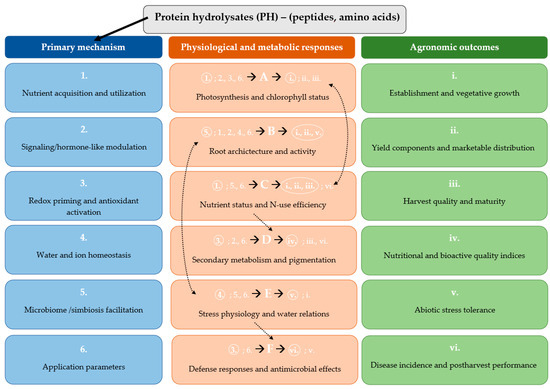
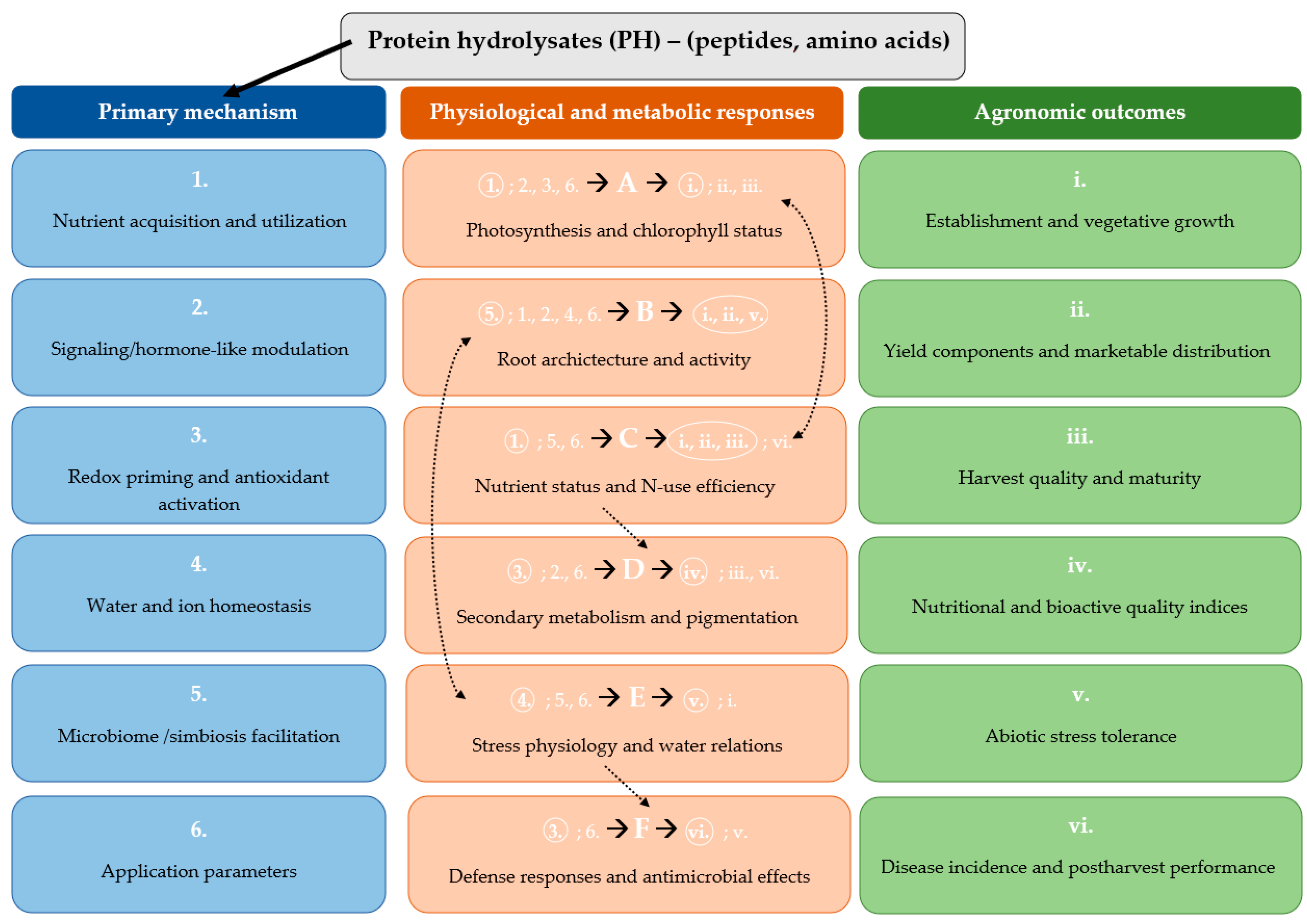
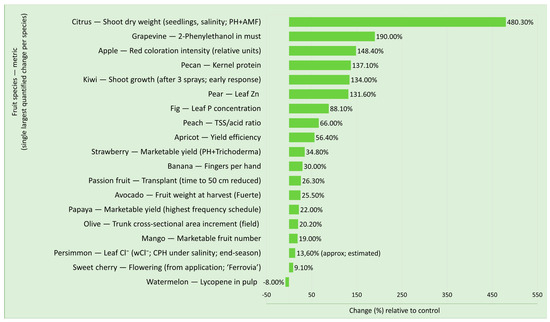
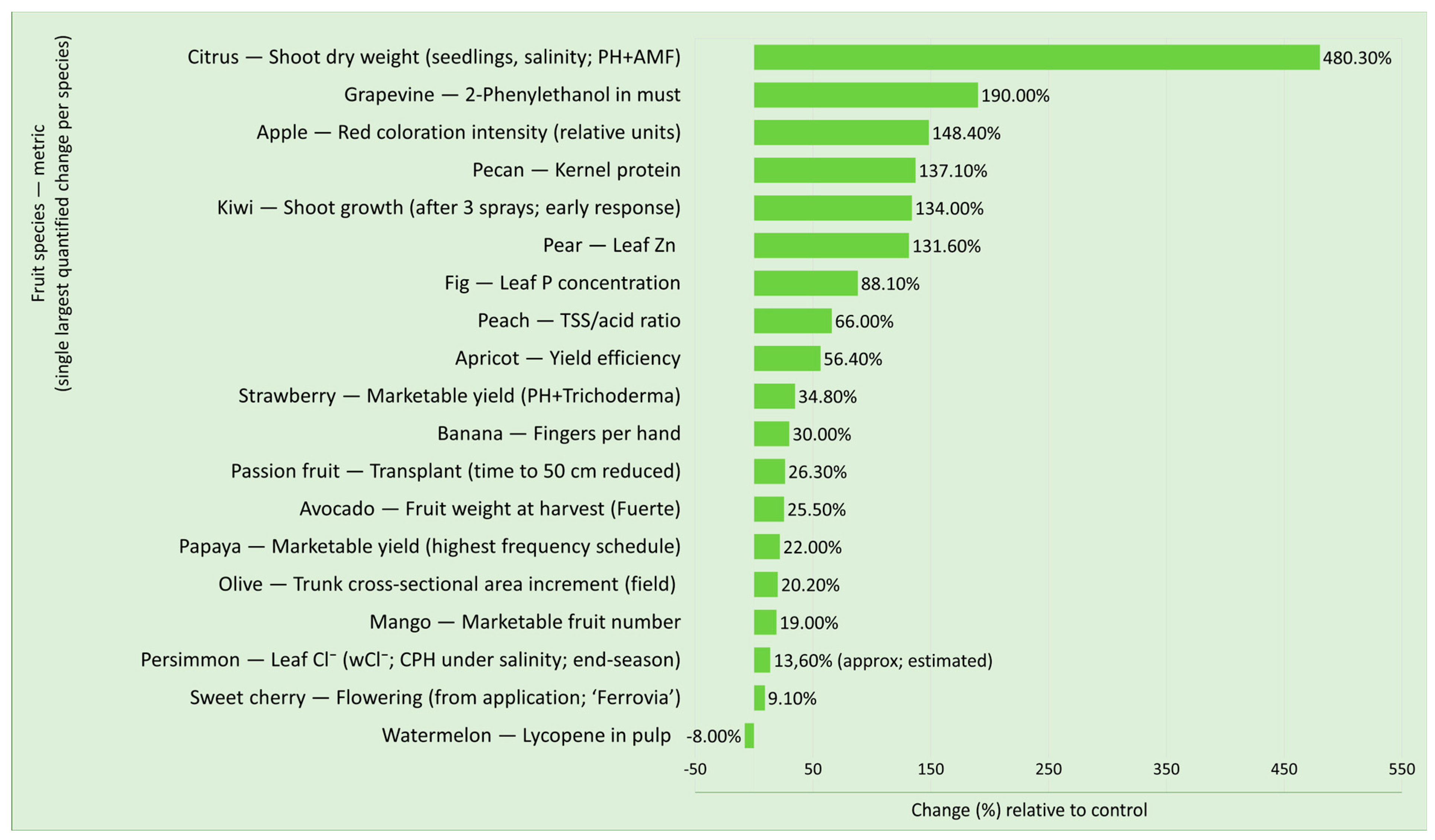
Disclaimer/Publisher’s Note: The statements, opinions and data contained in all publications are solely those of the individual author(s) and contributor(s) and not of MDPI and/or the editor(s). MDPI and/or the editor(s) disclaim responsibility for any injury to people or property resulting from any ideas, methods, instructions or products referred to in the content. |
© 2026 by the authors. Licensee MDPI, Basel, Switzerland. This article is an open access article distributed under the terms and conditions of the Creative Commons Attribution (CC BY) license.