


Abstract
The rapid increase in the number of cars in large cities has made efficient parking management one of the major challenges of urban transportation systems. The present study aims to develop a smart framework for sustainable allocation of parking spaces in urban environments, and presents an integrated approach based on digital twin and multi-objective optimization. In this framework, a digital model of the urban parking system is created that is able to analyze real and simulated data related to parking demand, space occupancy status, and traffic flow and support optimal allocation decisions. The results of the analysis show that using the proposed framework can reduce parking search time by an average of 28%, make the distribution of parking use more balanced, and consequently reduce the amount of pollutant emissions from vehicle movement by about 17%. Also, sensitivity and scalability analyses show that the proposed model also has stable and reliable performance in large urban networks. These results indicate that the proposed framework can be used as an effective tool for developing sustainable parking management systems in smart cities.
1. Introduction
The rapid growth of urbanization and the increase in the number of private cars in recent decades have made parking management a major challenge in urban transportation systems. In many large cities, a significant portion of urban traffic is caused by cars searching for suitable parking spaces [1]. This situation not only increases travel time and fuel consumption, but also has a significant impact on increasing air pollution, greenhouse gas emissions, and reducing the efficiency of the urban transportation network. Various studies have shown that inefficient parking management can directly affect traffic congestion, energy consumption, and the quality of the urban environment [2]. Therefore, designing intelligent systems for efficient allocation of parking spaces has been considered as one of the key elements in the development of smart cities.
With the emergence of new technologies in the field of smart cities, data-based approaches to managing urban infrastructure have become more important. Meanwhile, the use of sensors, the Internet of Things, and urban data collection systems has enabled real-time monitoring of parking lot status [3]. Such infrastructures pave the way for the development of intelligent decision-making systems that can optimize the parking lot allocation process based on real-time data. However, many existing parking lot management systems still rely on simple methods or single-objective algorithms that cannot simultaneously manage multiple conflicting objectives such as reducing parking search time, reducing pollutant emissions, and balancing parking lot capacity [4]. For this reason, the use of multi-objective optimization models has been proposed as one of the effective approaches to solve complex resource allocation problems in urban environments.
In recent years, the concept of digital twin has been considered as one of the key technologies in managing complex systems. By creating a digital representation of a physical system, a digital twin enables monitoring, analysis, and prediction of system behavior in near real time [5]. In the field of transportation and urban infrastructure, the use of digital twins can help city managers to understand the state of traffic and parking systems more accurately and make better decisions [6]. However, in many existing studies, digital twins have been used more as a monitoring tool and have received less attention as part of an optimization-oriented decision-making framework [7].
On the other hand, the development of intelligent decision-making systems in recent years has moved towards agent-oriented and autonomous architectures. In these frameworks, intelligent agents are able to analyze environmental data and automatically make appropriate decisions to improve system performance [8]. This approach, known in some studies as Agentic AI, enables the creation of dynamic decision-making systems that can continuously assess the system state and update optimal solutions [9]. Combining such architectures with optimization models can create new capacities for managing complex urban systems.
Despite significant advances in the field of smart parking management, there are still important gaps in the research literature. Many existing studies either focus only on the development of optimization algorithms or simply use digital twins to monitor the system. As a result, a comprehensive framework that can integrate digital twins, multi-objective optimization, and smart decision-making architectures in an integrated manner to the urban parking allocation problem has received less attention. Furthermore, in many studies, the interaction between different parking system objectives, such as operational efficiency, environmental sustainability, and balance of infrastructure use, has not been fully explored [10].
Specifically, recent studies in the field of smart parking have mainly developed in three main directions. The first group has focused on parking allocation optimization models, but they often used static data and lacked a live representation layer of the urban system. The second group has proposed the use of digital twins to monitor parking status and traffic flow, but these studies have usually used digital twins more as observation and analysis tools than as an active component in the decision-making and optimization loop [11]. The third group has also addressed multi-agent or intelligent decision-making architectures, but in most cases, the coherent link between decision-making agents, digital twin models, and multi-objective optimization for sustainable parking allocation has not been presented as an integrated framework. Therefore, the gap for a coherent framework that can simultaneously combine near-real-time data, digital system representation, and multi-objective and agent-based decision-making in the urban parking allocation problem remains palpable. This distinction is particularly evident in comparison to recent studies focused on parking choice behavior under intelligent information as well as studies focused on optimizing marginal parking planning, as the present framework connects these dimensions at a more integrated and decision-making level [12].
In order to address these gaps, this study presents an innovative framework for sustainable parking allocation in smart cities. In this framework, first, a digital twin model is designed to represent the real state of the urban parking system, which is able to receive and analyze data related to parking demand, space occupancy status, and traffic conditions. Then, a fuzzy multi-objective optimization model for parking allocation is developed that simultaneously considers several important objectives, including reducing parking search time, reducing pollutant emissions from vehicle movement, and balancing the use of parking capacity. In the next step, an agent-based decision-making framework is designed to manage the optimization process and interact with the digital twin to enable dynamic and adaptive decisions to the real conditions of the system. Finally, the proposed model is evaluated using multi-objective meta-heuristic algorithms and real and simulated hybrid data.
The main innovations of this study can be summarized in several basic axes. First, it is to present an integrated framework that combines digital twin, fuzzy multi-objective optimization, and agent-based architecture in the urban parking allocation problem. Second, it is to develop a multi-objective decision-making model that simultaneously considers the operational and environmental dimensions of the parking system. Specifically, the innovation of this research is in the development of a closed decision-making mechanism in which the digital twin plays the role of the system state representation and update layer, the agent-based architecture plays the role of coordinating and executing allocation decisions, and the multi-objective optimization model forms the analytical core of selecting efficient responses. Third, it is to present an approach based on real-time data analysis to improve the dynamics of decision-making in urban parking systems. Such an approach can be considered as an important step towards the development of sustainable parking management systems in smart cities.
In this context, the optimization model serves as the analytical decision core, while the main methodological advancement lies in its integration within a closed-loop architecture combining digital twin representation and agent-based decision coordination.
The structure of the rest of the paper is as follows. First, the conceptual framework of the sustainable urban parking ecosystem is presented. Then, the digital twin model for the parking system and the agent-based decision-making architecture are introduced. Next, the fuzzy multi-objective optimization model and the solution strategy based on meta-heuristic algorithms are described. After that, the analysis of the results and the performance evaluation of the proposed framework are presented and finally, the conclusions and future research directions are presented.
2. Literature Review
Urban parking management has been considered as an important component in planning intelligent transportation systems in recent years. Rapid urbanization, increasing number of vehicles, and limited capacity of urban infrastructure have made the issue of efficient allocation of parking spaces a serious challenge in many large cities. Various studies have shown that a significant percentage of urban traffic is caused by vehicles searching for parking spaces, which in addition to increasing travel time, also increases fuel consumption and pollutant emissions. For this reason, the development of intelligent methods for urban parking management has become one of the important topics in the field of smart cities and sustainable transportation systems [13].
In recent years, several studies have examined different methods of parking management. Some of these studies have focused on the development of parking information systems that provide drivers with information about the empty parking spaces using sensors and communication infrastructure [14]. Such systems can reduce parking search time to some extent, but in many cases they lack an optimal decision-making mechanism for parking allocation. As a result, despite the availability of information, there is still the possibility of congestion in some parking lots and inefficient use of available capacity [15].
Following this path, some studies have attempted to formulate the parking allocation problem in the form of optimization models. These studies often use mathematical programming methods or heuristic algorithms to determine the best allocation of vehicles to parking lots [16]. In many of these models, the main objective is to reduce parking search time or minimize the walking distance of drivers [17]. However, in real urban environments, several objectives must usually be considered simultaneously; for example, reducing parking search time, reducing traffic congestion, reducing pollutant emissions, and balancing the use of parking lot capacity. For this reason, the use of multi-objective optimization has been considered as one of the effective approaches to solve complex parking allocation problems [18].
In this context, multi-objective metaheuristic algorithms have played an important role in solving parking allocation problems. Methods such as multi-objective genetic algorithms, particle swarm algorithms, and other metaheuristic methods have been able to generate a set of Pareto solutions for complex urban problems [19]. These algorithms have been widely used in transportation and urban infrastructure management problems due to their ability to simultaneously search a large solution space and create a balance between different objectives. However, many of these studies still use static data and are unable to interact with the real-time conditions of urban systems [20].
In recent years, the emergence of IoT-based technologies and data-driven systems has enabled the development of more intelligent systems [21]. In the meantime, the concept of digital twin has been proposed as one of the key technologies for managing complex urban systems. By creating a virtual representation of the physical system, digital twin enables monitoring and analyzing the behavior of the system in near real time [22]. In the field of parking management, the use of digital twins can help city managers to analyze parking lot status, traffic flow, and demand patterns more accurately. Some recent studies have shown that the use of digital twins in urban transportation infrastructure can help improve the efficiency of traffic and parking management systems [23].
Despite these advances, in many existing applications, digital twins are mostly used as a data monitoring and analysis tool and are less integrated into the optimization decision-making process. In other words, in many studies, the relationship between digital twins and advanced decision-making algorithms is still not fully developed [24]. This has led to the fact that the true potential of digital twins in supporting intelligent decision-making systems has not been fully utilized [25].
On the other hand, in recent years, considerable attention has been paid to the development of agent-based decision-making systems in complex urban environments. In this approach, intelligent agents are able to analyze environmental data and make dynamic decisions based on it. Such architectures enable the creation of automated decision-making systems that can continuously monitor the system state and update optimal solutions [26]. Combining these architectures with optimization models can create new capacity for the management of urban systems, especially in environments where system conditions are constantly changing [27].
More recent studies also show that research in this area has moved towards more detailed behavioral analysis and operational implications. For example, some studies have used micro-simulation to investigate the effects of different levels of user access to parking information on choice behavior, number of unsuccessful parking attempts, and operational and environmental consequences. In contrast, others have focused on the planning and allocation of marginal parking for different groups of users in urban environments, analyzing the problem from the perspective of capacity optimization and resource allocation. Despite the value of these studies, their focus has remained either on user behavior and the effects of parking information, or on the design and optimization of parking structures at the operational level. As a result, there is still a gap in an integrated framework that can combine real-time system representation, agent-based decision-making, and multi-objective optimization simultaneously for sustainable parking allocation in a closed decision-making mechanism. The proposed framework of this research has been developed in response to precisely this gap between behavioral analysis, operational modeling, and integrated decision making [28].
In addition, part of the existing literature focuses on behavioral and operational dimensions of parking management, which are less visible in purely algorithmic analyses. On the one hand, parking search behavior by users, their level of access to information, and how they react to congestion or lack of capacity can play an important role in shaping real-world demand and search time patterns. On the other hand, parking policies, including capacity allocation, access restrictions, and operation settings, can affect vehicle selection, travel time, and urban demand distribution. Also, experience in implementing smart parking systems in real environments shows that the success of these systems does not only depend on the existence of efficient algorithms, but also on data quality, sensor coverage, infrastructure integration capabilities, and the ability to make decisions responsive to operational conditions. Despite the importance of these dimensions, there are still limited frameworks that can connect these behavioral, operational, and multi-objective decision-making considerations into an integrated structure based on digital twins and agent-centric coordination.
Despite significant advances in the field of intelligent parking management, a review of the research literature shows that there are still important gaps in this area [29]. First, many existing studies focus on only one specific aspect of the problem; some have focused on the development of optimization algorithms, while others have focused solely on the development of data-driven infrastructures or information systems. As a result, integrated frameworks that can simultaneously combine real-time data, multi-objective optimization models, and intelligent decision-making systems have not yet been fully developed [30].
The second research gap concerns the consideration of environmental dimensions in urban parking management. Many existing models focus mainly on operational objectives such as reducing parking search time, while the impact of these decisions on pollutant emissions and the sustainability of the urban environment has received less attention. In the context of smart cities seeking to develop sustainable transportation systems, simultaneous consideration of environmental and operational dimensions is of particular importance.
In addition, many existing studies have used static data or limited scenarios, and the ability of models to cope with real-world changes and uncertainties in urban systems has been less investigated. While in real environments, parking demand, traffic conditions, and user behavior are constantly changing, parking management systems must be able to maintain their stable performance under such conditions.
In summary, the main limitations of existing approaches can be summarized in three axes: first, many parking allocation models rely on static data or limited scenarios and, as a result, do not have sufficient power to reflect the real-time dynamics of the urban system; second, in many digital twin applications, this technology remains mostly at the monitoring and analysis level and has not been used as an active component in the decision-making and optimization loop; and third, existing agent-based architectures have also often been developed without a coherent core of multi-objective optimization and without a structured connection to the digital representation of the system. The innovation of the present research is in responding to these limitations; in a way that it provides an integrated framework in which near-real-time data, digital twin, agent-based coordination, and multi-objective fuzzy optimization are connected in the form of a closed decision-making mechanism for sustainable parking allocation. This gap becomes especially pronounced when the behavioral dimensions of parking search, policy effects on travel demand, and actual implementation constraints are also considered as part of the decision problem.
Given these research gaps, there is a need to develop frameworks that can seamlessly combine digital twin, multi-objective optimization, and intelligent decision-making architectures in the urban parking allocation problem. In this regard, the present study attempts to partially fill this research gap by providing a comprehensive framework for sustainable parking allocation in smart cities. In this framework, the digital twin acts as the data layer and system representation, the fuzzy multi-objective optimization model is responsible for decision-making, and the agent-based architecture manages the dynamic decision-making process and interaction with real-time data. This combination enables the creation of an advanced decision-making system that is capable of managing parking allocation in a more efficient, sustainable, and balanced manner in changing urban conditions.
3. Conceptual Framework of the Sustainable Parking Ecosystem
The increasing number of cars in big cities, along with the limited parking space, has been one of the serious challenges of urban management in recent decades. A significant part of urban traffic in busy areas is caused by the search for suitable parking space; an issue that not only increases travel time, but also increases fuel consumption and environmental pollutant emissions. In such a situation, the development of an intelligent framework for sustainable parking allocation can play an important role in improving the efficiency of urban transportation infrastructure. In this research, an integrated ecosystem for parking management in smart cities is introduced, which is based on the combination of urban digital twin, agent-based decision-making architecture, and fuzzy multi-objective optimization. This framework attempts to manage the parking allocation process in an adaptive and sustainable manner by creating a dynamic virtual model of the urban parking situation and continuous interaction with real data.
In this framework, the first layer is dedicated to data collection. In this layer, information about parking lot status, traffic flow, vehicle location, and real-time parking demand is collected through a set of urban sensors, IoT systems, GPS data, and traffic monitoring systems. This data provides a relatively accurate view of the real-time status of the city and forms the basis for the formation of a digital city model. The goal of this layer is to create a continuous data stream that can transmit changes in the urban environment to the decision-making system almost instantaneously.
The second layer of the proposed framework is related to the digital twin of the urban parking system. The digital twin is actually a virtual model of the city’s parking infrastructure that represents the status of on- and off-street parking, parking space capacity, parking occupancy, parking demand patterns, and traffic conditions. This virtual model is continuously updated with real-time data and is used as a platform for scenario analysis and forecasting of future situations. Through this model, the behavior of the parking system can be simulated under different conditions, and the effect of different management decisions can be evaluated before actual implementation.
At the next level, there is an agent-based decision-making architecture that plays a key role in the dynamic and adaptive management of the system. In this layer, a set of intelligent agents with different roles are defined. Driver agents represent cars searching for parking and consider preferences related to distance to destination, waiting time and parking cost. Parking agents manage the capacity status, occupancy rate and restrictions of each parking lot. At a higher level, there is an urban management agent that coordinates allocation decisions by considering metropolitan objectives such as traffic reduction, improved accessibility and reduced emissions. The interaction between these agents allows the system to respond dynamically to changes in demand and environmental conditions.
The final layer of the proposed framework is dedicated to fuzzy multi-objective optimization. In urban parking management, there are usually multiple objectives that are simultaneously addressed, and in some cases, they conflict with each other. For example, reducing the distance from the parking lot to the destination may conflict with a balanced distribution of demand across the city. On the other hand, parking demand and driver behavior are also associated with uncertainty. In the proposed framework, these issues are addressed using fuzzy multi-objective optimization models to achieve a suitable balance between different objectives. The most important objectives of the model include reducing parking search time, reducing traffic caused by parking search, increasing parking capacity utilization, and reducing environmental impacts caused by unnecessary traffic. The overall structure of the proposed ecosystem is presented in Figure 1. This figure shows the interaction between different layers of the system, including data collection, digital twin, decision-making agents, and the optimization model, and illustrates how urban data is transformed into parking allocation decisions.
Figure 1.
Conceptual Framework for a Sustainable Parking Allocation Ecosystem in Smart Cities.
In this framework, real-world data is first recorded in the data collection layer and then transferred to the digital twin. By reconstructing the current state of the parking system, the digital twin provides the necessary information for analysis and decision-making. Based on the information in the digital twin, intelligent agents evaluate different parking allocation options and these options are sent to the multi-objective optimization model. The output of the optimization model is ultimately transformed into parking allocation suggestions for drivers or management policies for the urban parking system. This process is repeated cyclically and continuously so that the system can respond to changes in the urban environment and improve its efficiency over time.
The main advantage of such a framework is that parking management moves from a static, rule-based approach to a dynamic, learning, and data-driven system. The digital twin enables accurate observation and analysis of the system status, intelligent agents make the decision-making process flexible and adaptive, and the fuzzy multi-objective optimization model helps to balance the conflicting goals of urban management. As a result, this framework can be used as a basis for developing sustainable parking management systems in smart cities and play an effective role in reducing traffic congestion, improving the efficiency of urban infrastructure, and reducing the environmental impact of transportation.
4. Digital Twin Model for Urban Parking Systems
Effective parking management in large cities requires access to an accurate, dynamic, and up-to-date picture of the parking infrastructure, traffic flows, and parking demand patterns across the city. In many densely populated cities, the lack of such a picture led to management decisions being made based on incomplete or static data, resulting in reduced parking system efficiency. In recent years, the concept of a digital twin has emerged as a novel approach to modeling complex urban systems. A digital twin enables the creation of a virtual, dynamic representation of real infrastructure that is continuously synchronized with real-world data and is able to reflect the current state of the system.
In the context of this research, a digital twin of an urban parking system is designed as a virtual model of the city’s parking infrastructure that can represent information related to parking capacity, occupancy, spatial distribution of parking lots, traffic flow around parking centers, and parking demand patterns in different urban areas. This virtual model is continuously updated with data collected from various city sources. This approach allows the system to provide a relatively accurate picture of the current state of the parking system and at the same time allows for the analysis of various management scenarios.
The data sources used in the digital twin include a set of city data infrastructures that record information about the status of parking lots and traffic conditions. This data can be collected through parking sensors, traffic monitoring systems, vehicle location data, navigation systems, and other city information sources. The collected data is entered into the digital model after initial processing, temporal integration, and removal of possible errors. At this stage, the digital twin is able to reconstruct the real state of the system in a virtual environment and provide the information needed for analysis and decision-making to other system components. Of course, this framework is based on the assumption that data on capacity, occupancy, and traffic flow status are available with appropriate accuracy and limited latency; an assumption that may not be fully valid in all cities and for all types of on- and off-street parking. In real-world environments, data quality may be affected by sensor infrastructure limitations, inconsistencies between data sources, communication interruptions, or incomplete data recording. To mitigate the impact of this limitation, the proposed framework can also be implemented with layers of data preprocessing, multi-source aggregation, missing value imputation, and periodic updates instead of completely instantaneous updates. In this way, the effectiveness of the framework does not necessarily depend on ideal data conditions, but can be implemented gradually at different levels of data maturity and urban infrastructure.
The overall structure of the proposed digital twin is shown in Figure 2. This figure shows the relationship between the physical environment of the city, the urban data flow, and the virtual parking model, and illustrates how data is transferred from real infrastructure to the digital model.
Figure 2.
Structure of the digital twin model for the urban parking system.
As can be seen in Figure 2, the first part is the physical environment of the city, which includes on-street and off-street parking lots, moving vehicles, traffic infrastructure, and data collection systems. This part is the main source of data generation related to the status of the parking system. The data obtained from this environment is transferred to the digital twin platform through communication networks and data processing systems. In the next step, this data is integrated into the virtual city model and organized into a digital representation of the status of parking lots and traffic flows.
The created digital model is able to provide various information about the status of the system. For example, it can be used to identify parking spaces with empty capacity, analyze traffic congestion around parking centers, and examine parking demand patterns in different urban areas. In addition, the digital twin also allows for the simulation of different management scenarios. In other words, city managers can examine the effects of a parking allocation policy in the digital environment before implementing it and then select the best option for implementation.
One of the important advantages of using a digital twin in urban parking management is the ability to continuously synchronize the virtual model with the real conditions of the city. This feature allows the model to quickly reflect sudden changes in parking demand, urban events, or traffic changes. As a result, the information provided by the digital twin always remains close to the real situation of the city, and decisions made based on it will have higher accuracy.
In the framework proposed in this research, the digital twin plays the role of an analytical interface between the real city environment and the intelligent decision-making system. The information generated by this model is transferred to the agent-based decision-making layer and is ultimately used as input to the multi-objective optimization model. In this way, the digital twin is not only a tool for monitoring the status of the parking system, but also acts as an infrastructure to support intelligent and adaptive decision-making in urban parking management. This capability can play an important role in improving the utilization of parking capacity, reducing parking search traffic, and promoting the sustainability of the urban transportation system.
5. Agentic Decision Architecture for Parking Allocation
In complex urban systems, many management decisions require coordination between different system components and rapid response to environmental changes. Similar conditions exist in the field of parking management, as parking demand changes continuously and multiple factors such as traffic density, vehicle location, parking capacity, and environmental conditions affect the parking allocation process. In such situations, the use of a centralized decision-making architecture may encounter limitations such as slow response to changes and reduced scalability. For this reason, in this study, an agent-based decision-making architecture (ADC) is proposed for parking allocation management.
In this architecture, the urban parking system is modeled as a set of intelligent agents, each of which represents a part of the system and is able to interact with other agents. These agents independently receive environmental information, evaluate decision-making options, and finally interact with other agents to reach a joint decision. Such a structure allows the system to respond dynamically and adaptively to changes in demand and traffic conditions.
In this study, Agentic AI does not mean the use of a general autonomous mechanism or unsupervised open learning, but rather refers to a decision-making structure based on task-oriented agents, each of which has a specific role in receiving information, generating requests, evaluating options, and implementing allocation decisions. In other words, agent-oriented in this framework is operationally defined in the form of data exchange between driver agents, parking agents, and city management agents, and its role is to coordinate and implement decisions in interaction with the digital twin and the optimization engine. Therefore, Agentic AI in this study is not a purely theoretical concept, but an implementation mechanism for distributing decision-making tasks in the smart parking system.
In the framework proposed in this study, three main categories of agents play a role in the parking allocation process. First, there are driver agents, which represent vehicles searching for parking. These agents consider information such as the current location of the vehicle, the destination of the trip, the distance to different parking lots, and the driver’s preferences, and evaluate the available parking options. The main goal of these agents is to find the closest and most suitable parking space with the minimum search time and the minimum cost.
The second category is parking agents, each of which represents a parking lot or a set of parking spaces. These agents manage information related to parking capacity, space occupancy, access restrictions, and traffic conditions around the parking lot. Parking agents can announce the current parking status to other components of the system and participate in the parking allocation process.
At a higher level, there is the urban management agent, which plays the role of coordinator between different agents. This agent guides the interaction process between agents, taking into account the macro-goals of urban management, such as reducing traffic congestion, increasing parking efficiency, and reducing the environmental consequences of parking search. The urban management agent also uses the information generated by the digital twin to analyze the overall state of the system and, if necessary, modify the parking allocation policies.
The interaction between these agents leads to the formation of a distributed decision-making process in which information is exchanged between agents and different parking allocation options are considered. This interaction can include exchanging information related to parking capacity, suggesting alternative routes, or negotiating the allocation of parking spaces. Finally, the result of these interactions is applied in the form of a parking allocation decision for each vehicle in the system.
The general structure of the agent-based decision-making architecture is presented in Figure 3. This figure shows the interaction between driver agents, parking agents, and the urban management agent within the framework of a parking management system.
Figure 3.
Agent-based decision-making architecture for parking allocation in smart cities.
As can be seen in Figure 3, driver agents are located on one side of the system and send information about parking needs to the system. On the other side, parking agents provide the system with the capacity status and access conditions of parking lots. This information is connected to each other through a digital twin platform and is ultimately provided to the urban management agent. The urban management agent guides the parking allocation process by analyzing the available information and considering management objectives.
Using such an agent-based architecture has several important advantages. First, decision-making in the system is done in a distributed manner, and therefore the system can also function effectively on large urban scales. Second, agents are able to respond adaptively to environmental changes, and as a result, the system can have stable performance in different conditions. Third, this architecture also allows for integration with optimization models and learning algorithms, and therefore can improve system performance over time.
6. Fuzzy Multi-Objective Optimization Model
In urban parking management, the process of allocating parking spaces to vehicles is accompanied by a set of conflicting objectives and uncertain conditions. On the one hand, city managers try to reduce parking search time and the resulting traffic congestion, and on the other hand, it is necessary to increase the utilization of parking capacity and control the environmental impacts of unnecessary traffic. In addition, parking demand in urban environments is usually associated with uncertainty and may change under the influence of factors such as time of day, urban events, traffic conditions, and driver behavior. In such circumstances, the use of a single-objective optimization model will not be able to fully reflect the complexities of the problem.
For this reason, this study presents a fuzzy multi-objective optimization model for parking allocation in smart cities. In this model, different system objectives are considered simultaneously and the satisfaction of each objective is evaluated using fuzzy membership functions. Then, by combining these membership functions, a multi-objective optimization problem is created that can strike a good balance between different objectives. This model is implemented in the framework of a digital twin system and an agent-based decision-making architecture, and uses the information generated by these components to optimally allocate parking spaces.
In the proposed model, the parking allocation problem is modeled as a multi-objective decision-making problem under uncertainty. In this research, uncertainties related to the objectives and model parameters are represented using triangular fuzzy numbers. The uncertainty is mainly related to the variability of parking demand, the temporal conditions of capacity occupancy, and the environmental fluctuations related to travel time and pollutant emissions. To account for this ambiguity, the model objectives are normalized through fuzzy membership functions so that the satisfaction level of each objective can be evaluated in the range of zero to one. Then, by integrating these membership functions, an integrated decision-making mechanism is formed to balance the conflicting objectives of the model.
In this framework, the parking search problem is modeled as a decision-based allocation problem, rather than as an explicit, step-by-step simulation of cruising behavior in an urban network. In other words, the present model does not directly reproduce the sequential search paths, the skipping of intermediate options, and the completely random behavior of drivers in the process of finding parking, but rather captures the effect of this process through variables such as access time, demand pressure, relative density, and allocation-related costs. This level of abstraction is appropriate for supporting urban-scale decision-making, although it may simplify some of the fine-grained behavioral dynamics of real parking search.
The optimization model developed in this study is grounded in well-established resource allocation and assignment formulations, which provide a robust and interpretable foundation for modeling parking allocation problems in urban environments. Building upon these classical structures, the model is extended to incorporate multiple conflicting objectives, uncertainty through fuzzy representation, and operational constraints that reflect real-world parking system dynamics.
The primary methodological contribution of this research, however, does not lie in redefining the core optimization structure, but in embedding this analytical model within a dynamic and integrated decision-making architecture. Specifically, the model functions as the analytical core of a closed-loop system in which real-time system representation is provided by the digital twin and decision execution is coordinated through an agent-based framework. This integration enables the transformation of a static optimization formulation into a continuously adaptive decision-making mechanism suitable for complex urban environments.
- Sets:
- : Set of vehicles requesting parking.
- : Set of parking facilities available in the urban system.
- : Set of urban zones.
- : Set of time periods within the planning horizon.
- : Set of road segments in the urban transportation network.
- : Set of objective functions considered in the optimization model.
- Parameters:
- : Capacity of parking facility .
- : Distance between vehicle and parking facility .
- : Travel time from vehicle to parking facility .
- : Estimated emissions generated by vehicle when traveling to parking facility .
- : Parking demand in zone during time period .
- : Number of available parking spaces in facility at time period .
- : Maximum acceptable walking distance for driver .
- : Weight coefficient associated with congestion impact.
- : Weight coefficient associated with emission impact.
- : Weight coefficient associated with parking utilization.
- : Weight coefficient associated with objective function .
- Decision Variables:
- : Utilization level of parking facility .: Amount of parking demand served in zone during time period .: Binary variable indicating the feasibility of assigning vehicle to parking facility .
- Objective Functions:
The model constraints can be interpreted in four main categories: (1) allocation and feasibility constraints that control the uniqueness and feasibility of assigning each car to a parking space; (2) capacity and occupancy constraints that consider the physical and temporal constraints of parking spaces; (3) access and user acceptance constraints that impose permissible limits on the distance, access time, and usability of parking options; and (4) equilibrium, traffic, and sustainability constraints that deal with the balanced distribution of demand, control of network effects, and environmental constraints.
Objective function (1) represents the minimization of the parking search time for vehicles entering the urban network. In many large cities, a significant portion of the traffic is caused by vehicles searching for suitable parking spaces. This function attempts to allocate parking spaces in such a way that the time interval between the moment a vehicle enters the urban area and finds a parking space is minimized. As a result, by reducing the search time, in addition to increasing driver satisfaction, unnecessary traffic on the road network is also prevented. Objective function (2) minimizes the effects of traffic congestion associated with the parking search process. When drivers move on the streets to find a parking space, the volume of traffic increases on some routes, causing traffic nodes. This function attempts to allocate parking spaces in such a way that shorter and less dense routes are chosen, thereby reducing traffic pressure on the urban transportation network. Objective function (3) aims to reduce the environmental impact of vehicle movement while searching for parking. In fact, increasing the time spent by vehicles on the urban network increases fuel consumption and emissions of pollutants such as carbon dioxide. This function, by considering the emission rates of pollutants on different routes, guides the allocation of parking spaces in such a way that the environmental impact of vehicle traffic is reduced and, as a result, the environmental sustainability of the urban transportation system is enhanced. Objective function (4) focuses on maximizing the utilization of parking spaces. In many cities, it is observed that some parking spaces are used at full capacity while others remain empty. This function attempts to distribute vehicles among available parking spaces in a more balanced manner to optimize the use of urban parking infrastructure and prevent excessive concentration of demand at a particular point. Constraint (6) states that each vehicle must be assigned to exactly one parking space. This constraint determines the main decision-making structure of the model and prevents the simultaneous assignment of a vehicle to multiple parking spaces or its non-assignment. Constraint (7) ensures that the assignment of a vehicle to a parking space is only allowed if that assignment is operationally feasible. In other words, this constraint acts as an enforcement filter that eliminates unauthorized assignments. Constraint (8) refers to the physical capacity of the parking spaces and ensures that the number of vehicles assigned to each parking space does not exceed its actual capacity. This constraint is necessary to prevent congestion and maintain the usability of the parking spaces. Constraint (9) considers the available capacity of the parking spaces over time and states that the number of assignments in each time interval must be consistent with the actual state of usable capacity at the same time. Constraint (10) ensures that the amount of demand met in each urban area does not exceed the actual amount of demand in that area. This constraint prevents over-allocation of resources to a particular area. Constraint (11) establishes the relationship between the allocation of cars and the amount of demand met in each area and shows how macro-level allocation decisions lead to the satisfaction of the demand of different urban areas. Constraint (12) refers again to the concept of feasibility of allocation and states that the allocation of cars must be consistent with the permissible conditions of the system. This constraint, together with the previous one, plays an important role in controlling the search space of the model. Constraint (13) determines the conditions under which an allocation is considered permissible or impermissible and is usually related to distance or accessibility constraints. This constraint ensures that cars are only allocated to parking lots that are acceptable in terms of distance to the driver. Constraint (14) specifies how to calculate the utilization rate of each parking lot and shows how this indicator is calculated based on the number of cars allocated to the total parking lot capacity. This definition is the basis for analyses of the balance in parking lot use. Constraint (15) limits the acceptable time to reach the parking lot and prevents allocations that lead to excessive travel times. Constraint (16) controls the total emission of pollutants at the system level and ensures that the total environmental impact of the allocations does not exceed a certain limit. This constraint plays an important role in steering the model towards sustainable solutions. Constraint (17) helps to balance the use of different parking lots and prevents some parking lots from being overused while others remain unused. Constraint (18) considers the turnover rate of cars in parking lots and states that each parking lot can only accept or unload a limited number of cars in a given time period. This constraint helps to make the model more realistic. Constraint (19) considers the capacity of the traffic network and ensures that the total travel times resulting from the allocations do not exceed the tolerable capacity of the urban network. Finally, constraint (20) specifies the nature of the decision variables and states that the allocations and their feasibility conditions are defined in binary terms. This constraint preserves the discrete structure of decision-making in the model and allows it to be solved with appropriate optimization methods.
For each objective function , a fuzzy membership function is defined, which represents the degree of desirability of the value obtained for that objective. For minimization purposes, the value of the membership function increases with decreasing the value of the objective function, while for maximization purposes, increasing the value of the objective function leads to an increase in the value of the membership function. In general, the values and represent the best and worst acceptable values for the objective j, respectively, and the membership function is defined based on linear normalization between these two bounds. Next, the multi-objective fuzzy problem is transformed into a solvable decision-making model using a weighted aggregation approach of membership functions, such that the weight of each objective indicates its relative importance in the parking allocation process.
In this study, membership functions are defined linearly based on the best and worst acceptable bounds for each objective function to maintain the interpretability of the model and to allow direct comparison between heterogeneous objectives. The best and worst values for each objective are determined based on the expected performance range in experimental scenarios and the system behavior in baseline cases. Also, the weight coefficients in the aggregation function are chosen to reflect the relative importance of operational and environmental objectives in the parking allocation problem. In the current version, these weights are predetermined and appropriate to the emphasis of urban decision-making on reducing search time, controlling traffic impacts, reducing pollutant emissions, and maintaining a balance in the utilization of parking capacity. This choice is made with the aim of creating a transparent and interpretable decision-making mechanism, although adaptive or data-driven adjustment of the weights can be developed in the future.
In the current version of the experiments, the fuzzy weights were fixed based on the relative importance of the objectives in urban decision-making and were kept unchanged across all scenarios to allow for consistent comparisons between results. The best and worst bounds of each objective function were also determined based on the range of performance observed in the baseline scenarios and initial experiments.
7. Solution Strategy and Agentic Optimization Process
The parking allocation problem in urban environments is a complex problem and in many cases is computationally NP-hard. This problem simultaneously involves several conflicting objectives such as reducing parking search time, reducing traffic congestion, increasing parking capacity utilization, and reducing environmental impacts. In addition, parking demand in real cities is associated with uncertainty and is affected by various factors such as time, traffic conditions, and driver behavior. On the other hand, the large dimensions of the problem on an urban scale cause the use of classical exact methods to encounter computational limitations. Therefore, the use of multi-objective metaheuristic algorithms can provide a suitable solution to achieve near-optimal solutions in acceptable computational time.
In urban parking management systems, effective decision-making requires coordination between different system components and rapid response to environmental changes. Since parking demand, traffic conditions, and parking capacity are constantly changing, a static decision-making structure cannot meet the real conditions of the city. For this reason, an agent-based optimization framework is presented in this study for parking allocation management. In this framework, the decision-making process is carried out as a dynamic cycle between intelligent agents, digital twin, and optimization engine. This structure allows the system to respond quickly to changes in demand and traffic conditions and makes the parking allocation process adaptive.
The technical innovation of the proposed framework lies not only in the combination of the three components of the digital twin, agent-based decision-making, and multi-objective optimization, but also in the definition of a closed and operational decision-making loop between these three layers. In this structure, the digital twin continuously reconstructs and updates the current state of the system, including parking capacity, occupancy rate, demand patterns, and traffic conditions. This updated state is used as decision input for the agents and the optimization engine. The agents then coordinate, generate requests, and implement the allocation decision, so that the output of the optimization model is converted into operational decisions applicable to cars and parking lots. Finally, the results of the allocation execution are fed back to the digital twin to update the system state and re-execute the decision-making process if conditions change. Therefore, the main advancement of this research is in developing an integrated feedback mechanism for dynamic decision-making in parking allocation, rather than simply using several well-known concepts simultaneously.
In the proposed framework, different agents each represent a part of the urban parking system. Driver agents are responsible for sending parking requests and providing information related to the vehicle’s location and travel destination. Parking agents also report the capacity status and occupancy of parking lots to the system. This information is first aggregated in the urban digital twin and then transferred to the optimization engine. The optimization engine generates different parking allocation options using a fuzzy multi-objective model and ultimately the best option is selected for each vehicle. The general structure of the agent-based optimization framework is shown in Figure 4.
Figure 4.
Agentic Optimization Framework for Smart Parking Allocation.
As can be seen in Figure 4, the decision-making process in this system is carried out as a continuous feedback loop between the different components of the system. In the first stage, real-world environment data including parking lot status, traffic flow, and vehicle location are collected by the city data infrastructure. This information is then transferred to the digital twin, where it is reconstructed as a virtual model of the current state of the system. The digital twin acts as an analytical layer and provides the information required for the optimization process.
Operationally, the decision-making flow in the proposed framework can be summarized in five sequential steps: (1) receiving and updating parking status, traffic, and demand data in the digital twin layer; (2) reconstructing the current state of the system and extracting decision-making indicators from this layer; (3) generating requests and allocation options by driver agents and parking agents based on the current state of the system; (4) evaluating and selecting appropriate options in the multi-objective optimization engine considering the system objectives and constraints; and (5) returning the execution results to the digital twin to update the state and start the next decision-making cycle. This sequence shows that each of the main components of the framework has a specific and operational role in the decision-making cycle.
In the next stage, smart agents generate parking requests and possible parking allocation options using the information available in the digital twin. This information is passed to the optimization engine and the multi-objective model is executed. The output of this process is a set of parking allocation options that are generated by considering the different objectives of the system. Finally, the results are sent to the driver agents and the cars are guided to the selected parking lots.
After the allocation is executed, the new state of the system is transmitted back to the digital twin, and the digital model is updated. This feedback process enables the system to quickly identify environmental changes and re-execute the optimization process if necessary. As a result, the agent-based optimization framework presented in this research provides a suitable platform for combining real-time data, the digital twin model and multi-objective optimization algorithms, and enables intelligent and adaptive parking management in smart cities.
Given the multi-objective nature of the parking allocation problem in smart cities, it is necessary to design the model solution process in a way that can simultaneously consider several conflicting performance criteria. In this study, different system objectives, including reducing parking search time, reducing traffic congestion, reducing environmental impacts, and increasing parking capacity utilization, are examined simultaneously within the framework of a multi-objective optimization model. Since improving one objective may lead to weakening another objective, achieving a single optimal response is usually not possible, and instead a set of Pareto efficient responses is obtained.
In this approach, the concept of Pareto optimality is the main basis for evaluating responses. A response is considered Pareto-optimal when it is not possible to improve any of the objectives without worsening at least one of the other objectives. As a result, the output of the optimization process is a set of non-dominated solutions, each of which represents a different trade-off between the system objectives. Then, from this set, the most suitable options are selected based on the system decision criteria and the city’s operational conditions.
To extract this set of solutions, multi-objective metaheuristic algorithms have been used in this research. Specifically, two algorithms, NSGA-II and Multi-Objective Ant Colony Optimization (ACO), have been used to solve the proposed model. These algorithms are able to navigate the large search space of the problem effectively and produce a diverse set of Pareto solutions in a reasonable computational time. In the following, the structure and application of these algorithms within the framework of the proposed system are described.
To solve the multi-objective optimization model presented in this study, the NSGA-II algorithm has been used. This algorithm is one of the well-known meta-heuristic methods in multi-objective problems that is able to extract a diverse set of Pareto solutions to the problem in a large search space. In the parking allocation problem, each solution represents a pattern of car allocation to parking lots in the urban network, and the quality of each solution is evaluated based on the objective functions defined in the model [31].
In the process of executing the algorithm, an initial population of possible solutions is first generated. Then, the solutions are classified at different levels of the Pareto front using a non-dominated sorting process. The Crowding Distance criterion is also used to maintain diversity among the solutions. Subsequently, new generations of solutions are generated using the selection, intersection, and mutation operators, and this process continues until the algorithm reaches a stopping condition. The general structure of the NSGA-II algorithm used in this study is presented in Algorithm 1.
| Algorithm 1. NSGA-II Based Optimization for Parking Allocation |
| 1. Initialize population of candidate parking allocations 2. Evaluate objective functions for all solutions 3. Perform non-dominated sorting 4. Calculate crowding distance for each solution 5. while termination condition is not satisfied do 6. Select parent solutions using tournament selection 7. Apply crossover to generate offspring 8. Apply mutation to maintain diversity 9. Evaluate objective functions of offspring 10. Combine parent and offspring populations 11. Perform non-dominated sorting 12. Select best solutions based on rank and crowding distance 13. end while 14. Return Pareto optimal parking allocation solutions |
By implementing this process, the algorithm is able to produce a set of non-dominated solutions, each representing a different balance between the system objectives. This set of responses is evaluated in the framework of an agent-based system and the appropriate option for parking allocation under the operating conditions of the city is selected.
In addition to the NSGA-II algorithm, the Multi-Objective Ant Colony Optimization (ACO) algorithm is also used in this study to solve the multi-objective optimization model. This algorithm is inspired by the collective search behavior of ants in nature and is considered one of the effective methods for solving complex optimization problems. In the parking lot allocation problem, each ant represents a potential solution for allocating cars to parking lots in the urban network [32].
In the process of executing the algorithm, ants gradually create different allocation paths and the quality of each path is evaluated based on the model’s objective functions. Then, the amount of pheromone on the paths that perform better is increased, which makes subsequent ants more likely to choose more suitable paths. In this way, the algorithm is gradually guided towards a set of efficient solutions in the search space. The general structure of the ACO algorithm used in this study is presented in Algorithm 2.
| Algorithm 2. Multi-Objective Ant Colony Optimization for Parking Allocation |
| 1. Initialize pheromone levels on all possible assignments 2. Initialize parameters and number of ants 3. while termination condition is not satisfied do 4. for each ant do 5. Construct a parking allocation solution 6. Evaluate objective functions 7. end for 8. Identify non-dominated solutions 9. Update pheromone levels based on solution quality 10. Apply pheromone evaporation 11. end while 12. Return Pareto optimal parking allocation solutions |
By iterating this process, the algorithm gradually strengthens the more efficient allocation paths and produces a set of non-dominated solutions in the objective space. This set of solutions is then used in the framework of an agent-based decision-making system to select the most appropriate option for parking allocation under the operational conditions of the city.
To implement the NSGA-II algorithm, the initial population size was set to 100 and the algorithm was run for 200 iterations. The crossover rate was set to 0.8 and the mutation rate was set to 0.1 to strike a good balance between exploration and exploitation. In the ACO algorithm, the number of ants was set to 50, the pheromone evaporation rate was set to 0.3, and the pheromone and heuristic influence coefficients were set to 1 and 2, respectively. All parameters were adjusted based on previous studies and preliminary tests to ensure the stable performance of the algorithms.
In all experiments, the stopping criterion for NSGA-II was reaching 200 iterations and for ACO reaching the number of iterations predetermined in the experiment settings. Also, to reduce the effect of random fluctuations, each scenario was evaluated in 10 independent runs and a different random initial value was used in each run. The values of the algorithm parameters were also fixed based on previous studies and preliminary tests to establish a suitable balance between response quality and computational time.
In the proposed framework of this research, the parking allocation optimization process is directly integrated with the urban digital twin platform. The digital twin acts as a virtual model of the current state of the parking system and provides the optimization engine with information about parking capacity, space occupancy, traffic flow, and parking demand in different urban areas. This connection enables optimization algorithms to make their decisions based on real and up-to-date data.
In this structure, first, data from the real city environment is entered into the digital twin platform through data collection infrastructures. Then, this data is processed in the digital model and the current state of the system is reconstructed. After that, the information obtained from the digital twin is transferred to the optimization engine and multi-objective algorithms are executed to determine the best parking allocation. The output of this process is provided to the driver agents in the form of parking allocation suggestions. The general structure of the interaction between the digital twin and the optimization engine is shown in Figure 5.
Figure 5.
Integration of Digital Twin and Optimization Process in Smart Parking Systems.
After the parking allocation process is executed, the results are fed back to the digital twin to record the new state of the system in the virtual model. This feedback ensures that the digital twin always has an up-to-date view of the system and that the optimization process can be re-executed if traffic conditions change or parking demand increases. As a result, the continuous communication between the digital twin and the optimization algorithms enables dynamic and adaptive decision-making in urban parking management.
The Python programming environment has been used to implement the proposed model and execute the optimization algorithms. All meta-heuristic algorithms used in this study have been developed in Python 3.11. This environment is considered a suitable option for developing the computational framework of the research due to its high flexibility in implementing optimization algorithms and its ability to manage large data.
In the implementation process, various libraries have been used for data processing and algorithm execution. NumPy (version 1.26) and Pandas (version 2.1) libraries have been used to manage data and perform numerical calculations. Also, the internal capabilities of Python and the SciPy library (version 1.11) have been used to generate random numbers and execute genetic operators in the NSGA-II algorithm. The implementation of the Multi-Objective Ant Colony Optimization algorithm has also been custom-developed in this environment to allow precise control of the algorithm parameters.
In terms of computational efficiency, the algorithms used in this study (NSGA-II and ACO) are iterative metaheuristic algorithms whose complexity mainly depends on the population size, number of iterations, and number of decision variables. In this study, the parameter settings are chosen to strike a good balance between response quality and computational time. Also, the convergence behavior of the algorithms can be observed through the stability of the Pareto front in successive iterations, such that after a certain number of iterations, the changes in non-dominated responses decrease and the algorithm converges to a stable region of the solution space. This feature indicates the acceptable performance of the algorithms in terms of convergence within the framework of the problem under study.
In order to evaluate the accuracy of the results obtained from the metaheuristic algorithms, a smaller version of the optimization model has been implemented in the GAMS environment (version 41.0). In this section, the CPLEX solver (version 22.1) has been used to solve the model exactly. Comparing the results obtained from the metaheuristic algorithms with the answers obtained from the exact solver allows validating the performance of the proposed methods.
All computational experiments have been run on a computer with an Intel Core i7 processor (3.2 GHz), 16 GB RAM, and Windows 11 Pro (64-bit) operating system. These computational settings have allowed for repeated execution of the algorithms and analysis of their performance in different dimensions of the problem.
Finally, the Matplotlib library (version 3.8) has been used to analyze the results and draw Pareto diagrams and compare the performance of the algorithms.
In this study, in order to evaluate the accuracy of the proposed model and to examine the accuracy of the results obtained from meta-heuristic algorithms, a smaller version of the optimization model was implemented and solved. At this stage, the mathematical model was solved exactly using the CPLEX solver to make reference answers available for comparison. Then, the results obtained from the implementation of the NSGA-II and Multi-Objective ACO algorithms were compared with the answers obtained from the exact solution of the model.
To validate the proposed model, a smaller version of the problem was implemented exactly in the GAMS environment using the CPLEX solver. The results obtained from the metaheuristic algorithms were compared with the optimal responses of this model to evaluate the accuracy of the algorithms. In addition, each algorithm was repeated in several independent runs and the results were reported as an average to reduce the effect of randomness of the algorithms and increase the reliability of the results.
In all small-scale examples used for validation, the exact model was run in the GAMS environment using the CPLEX solver with an acceptable solution status, and the obtained values were used as a comparison reference to calculate the distance of the meta-heuristic responses from the exact solution.
The comparison with the exact solver CPLEX in this study was conducted with the aim of validating the behavior of the model and assessing the reliability of the answers obtained from the metaheuristic algorithms in smaller samples. At this level, the main expectation was not simply the numerical superiority of one method over the other, but also the qualitative agreement and closeness of the metaheuristic answers to the optimal reference answers. The results of this comparison show that the proposed algorithms are able to produce answers of appropriate quality and consistent with the optimal structure of the problem in the exact solvable dimensions. Therefore, the role of the comparison with CPLEX in this study is to strengthen the validity of the solution approach and support the use of metaheuristic methods in larger problem dimensions; dimensions in which the exact solution encounters computational limitations.
8. Results and Discussion
The experimental evaluation of the proposed framework is based on a combination of real data and simulated data to maintain the realism of the analyses on the one hand and to allow the model to be tested on a larger scale on the other. The real data used includes information on urban parking infrastructure, parking capacity, parking space occupancy, spatial distribution of parking spaces, and temporal patterns of parking demand in different urban areas. These data include time records of parking availability, vehicle arrival patterns, and spatial distribution of parking demand throughout the day. The aforementioned information was used to adjust the main parameters of the digital twin environment so that the model can represent the real behavior of the urban parking system. In addition, a set of simulated data was also generated to allow the performance of the algorithms to be tested in more scalable conditions. These synthetic data are generated based on statistical distributions extracted from real data and are designed to maintain the real characteristics of parking demand, traffic patterns, and spatial distribution of parking spaces. In this way, real data provides the basis for tuning and calibrating the decision environment, while simulated data is used to develop evaluation scenarios and examine the generalizability of the framework.
The real-world data used in this study include information on parking capacity, occupancy rates, and temporal patterns of demand in several sample urban areas, collected at different times of the day. These data include time records of vehicle entry and exit, changes in parking occupancy levels, and the spatial distribution of parking demand in urban areas. To maintain confidentiality, the data are used in an aggregated and normalized form in the model.
In the calibration process, real-world data were used to tune the basic parameters of the model, including temporal patterns of demand, occupancy rates, and capacity availability levels in the sample urban areas. Specifically, this data was used to align the digital twin behavior with the real system state, as well as to determine the initial ranges of some operational parameters, so that the simulated scenarios in terms of demand patterns and temporal variations remained consistent with the conditions observed in the real data.
In this study, a set of test cases with different dimensions was considered to evaluate the performance of the model. Specifically, the number of cars requesting parking in each scenario varies between 100 and 500, and the number of parking spaces is considered between 20 and 80 units to simulate diverse urban conditions. For each combination of parameters, several independent scenarios with different demand distributions and spatial patterns were generated. Also, for metaheuristic algorithms, each scenario was run independently 10 times, and the results were reported as an average to reduce the effects of randomness of the algorithms and increase the reliability of the results.
In the evaluation design, real and simulated data play complementary but distinct roles. Real data is mainly used to represent the real characteristics of the system, to tune the parameters of the digital twin environment, and to maintain the realism of demand patterns, occupancy, and temporal variations. In contrast, simulated data is generated to expand the scope of experiments, examine larger scenarios, and evaluate the behavior of the model under more diverse conditions in terms of demand intensity and spatial distribution. Thus, the realism of the evaluation is based on real data, while the generalizability and robustness of the framework across different dimensions and conditions are complemented by synthetic data.
Specifically, real-world data was used to set the temporal patterns of demand, occupancy rates, capacity availability levels, and initial ranges of some operational indicators in the digital twin environment. This data was used solely for calibration and alignment of the model with the actual system behavior, while performance evaluation in test scenarios was performed on simulated data based on the same statistical patterns and in a separate format to avoid direct overlap between calibration data and evaluation data.
In this study, different test scenarios are systematically generated by varying the parking demand level, spatial distribution of requests, and capacity-to-demand ratio. Specifically, in the demand-increasing scenarios, the demand level is adjusted based on incremental coefficients. Also, statistical distributions based on real data are used to generate the simulated data, so that the main features such as the temporal pattern of demand and spatial dispersion are preserved.
To generate test cases, first temporal and spatial patterns of demand were extracted from real data, then based on the same patterns, synthetic scenarios with different levels of demand, capacity-to-demand ratios, and spatial distribution of requests were generated. In all scenarios, the range of the number of requesting vehicles was kept constant between 100 and 500 and the number of parking spaces was kept constant between 20 and 80 to compare the performance of the methods in different dimensions on a regular basis.
To analyze the performance of the proposed framework, several operational scenarios are designed that represent different conditions of the urban parking system. In the first scenario, the base case of the system is considered, in which parking allocation is performed without using the proposed optimization framework and the system behavior is formed solely based on the natural demand pattern. The second scenario examines the application of the proposed framework based on the digital twin and optimization algorithms under typical urban demand conditions. The third scenario considers high demand conditions, in which the number of parking requests exceeds the available capacity in some urban areas and the system faces demand pressure. In addition, several complementary scenarios are designed to examine different demand distributions across the city and different levels of imbalance between parking supply and demand. These scenarios allow analyzing the behavior of the proposed algorithms under normal conditions, peak traffic periods, and larger urban environments, thus providing a comprehensive assessment of the performance and sustainability of the proposed framework.
To fairly evaluate the proposed framework, comparisons were designed based on several levels of decision-making complexity, rather than just a simple baseline. Specifically, the conventional parking system was taken as a reference to demonstrate performance without intelligent support; the digital twin-based system demonstrates the effect of near-real-time data access without a full adaptive decision-making layer; and the proposed framework evaluates the effect of simultaneously integrating digital twins, agent-based decision-making, and multi-objective optimization. Therefore, the experimental design is designed to demonstrate the relative contribution of each level of intelligence and integration to the final system performance. Therefore, the evaluation strategy in this study does not rely solely on a single baseline, but is designed in a layered manner to clarify the difference between performance without intelligent support, performance based on digital representation, and performance resulting from the full integration of decision-making components.
The overall system performance evaluation was conducted to investigate the impact of the proposed framework on the efficiency of the urban parking system. In this analysis, the system performance was compared in three different scenarios, including the conventional parking allocation system (Baseline), the digital twin-based system, and the proposed framework based on Digital Twin and Agentic Optimization. The evaluation criteria included the average parking search time, the utilization rate of parking capacity, the traffic congestion caused by parking search, and the CO2 emission rate. The data from the scenario execution showed that the use of the multi-objective optimization model along with the digital twin leads to a significant improvement in the allocation of parking resources and reduces inefficient behaviors in the traffic network.
The superior performance of the proposed framework compared to other scenarios results from the simultaneous combination of three key capabilities: (1) access to up-to-date information through a digital twin that reduces decision-making uncertainty; (2) an agent-based structure that enables rapid and distributed response to environmental changes; and (3) a multi-objective optimization model that balances conflicting objectives and prevents undesirable concentration of demand in certain sectors. This combination makes the system simultaneously more accurate in terms of information and more efficient in terms of decision-making.
According to the results shown in Figure 6, the conventional parking system suffers a significant performance loss with the increase in urban demand, and the parking search time increases continuously. The use of digital twins has significantly improved information availability and reduced search time, as drivers are able to view parking lot status in near real-time. However, the best performance is achieved with the proposed framework, where multi-objective optimization and agent-based architecture are used simultaneously for parking lot allocation. In this case, the system is able to distribute demand among different parking lots and prevent over-concentration of vehicles in some areas.
Figure 6.
System Performance Comparison between Conventional Parking, Digital Twin-Based System, and the Proposed Optimization Framework.
The observed performance improvement in the proposed framework can be attributed to the simultaneous interaction of three main components of the system. The digital twin reduces decision-making uncertainty by providing an up-to-date picture of the demand and capacity situation; the agent-based layer enables rapid and distributed response to environmental changes; and the multi-objective optimization model prevents excessive concentration of demand in certain points by balancing conflicting objectives. This synergy makes the system not only more accurate in terms of information, but also more efficient and sustainable in terms of decision-making.
The integration of the digital twin into the urban parking allocation system enables real-time observation and analysis of demand, parking capacity, and vehicle traffic patterns. This capability allows parking allocation decisions to be made not only based on historical information but also on the actual state of the system. In the proposed framework, the digital twin acts as a dynamic information layer that continuously receives sensor data, parking occupancy status, and traffic flow and provides it to the optimization model. Such a structure allows parking allocation to be performed more accurately and unnecessary vehicle circulation in the urban network to be prevented.
In order to examine the impact of this integration, the system performance was compared in two cases, including a system without a digital twin and a system equipped with a digital twin. The indicator under investigation was the parking allocation efficiency in different periods of operation, which indicates the degree of correspondence between actual demand and the allocation made. Figure 7 shows this comparison.
Figure 7.
Impact of Digital Twin Integration on Parking Allocation Efficiency.
According to the trend observed in the figure, the use of digital twin has significantly increased the parking allocation efficiency over the operational periods. While the system without digital twin shows limited changes in its performance, the system based on digital twin consistently records higher efficiency. This shows that access to real-time data and a digital representation of the actual state of the system can improve the decision-making process and lead to more efficient use of urban parking capacities.
This comparison shows that the evaluation is not limited to the final system output, but also examines the impact of one of the main components of the architecture, the digital twin layer, independently. Furthermore, the superiority of the full framework over this intermediate layer indicates that the performance improvement does not only come from access to up-to-date data, but also from the synergy between digital representation, agent-based coordination, and decision-making based on multi-objective optimization.
In this comparison, three different levels of the system decision-making structure are examined to clarify the performance differences between the baseline, the digital twin-based layer, and the proposed integrated framework. However, this analysis is performed at the overall architectural level and does not rely on a complete and independent separation of the effect of each component in a fully controlled manner. Therefore, the results of this section are more indicative of the relative roles of the main layers in improving system performance and should be interpreted within this framework.
Pareto front analysis was used to examine the behavior of the multi-objective model and how to balance the conflicting objectives. In the urban parking allocation problem, reducing parking search time and reducing emissions from vehicles moving to find parking spaces are two important but somewhat conflicting objectives. A sharp reduction in search time usually requires quickly directing vehicles to the nearest parking spaces, which may increase congestion in some areas, while reducing emissions requires a more balanced distribution of vehicles in the urban parking network. Hence, the multi-objective model attempts to produce a set of optimal solutions, each representing a different level of this balance. Figure 8 shows the Pareto front resulting from the implementation of the proposed optimization model.
Figure 8.
Pareto Front of the Proposed Multi-Objective Parking Allocation Model.
As can be seen in the figure, a set of non-dominated solutions is obtained in which a reduction in parking search time is accompanied by a relative increase in emissions and vice versa. This behavior shows that the model is able to provide a range of decision-making options to city managers. For example, the points on the left of the diagram represent policies that minimize parking search time, while the points on the right focus more on reducing pollutant emissions.
The Pareto front analysis results show that the proposed framework is able to generate a diverse set of efficient responses, each representing a different level of compromise between the system objectives. This shows that the model does not only provide a single answer, but also expands the decision-making space for urban managers. This feature is particularly important in real environments where priorities may change, and it demonstrates the flexibility of the proposed decision-making structure.
From an urban decision-making perspective, this Pareto front shows that choosing a single policy for all operational conditions is not necessarily the right solution. In periods of high demand pressure, city managers may give higher priority to reducing parking search times in order to avoid worsening traffic congestion, even if this choice is accompanied by a relative increase in some environmental consequences. In contrast, in situations where more sustainable management and emission control are more important, solutions that reduce environmental pressure by distributing demand more evenly may be preferred, even if search times increase slightly. Therefore, the main advantage of the model is not simply in producing a better response, but in providing a flexible decision-making space to adapt parking policies to changing urban priorities.
To evaluate the efficiency of the solution methods used in this study, the performance of two algorithms, NSGA-II and Multi-Objective Ant Colony Optimization (MOACO), was compared. This comparison was conducted to examine the quality of the generated solutions, the convergence speed, and the degree of diversity of the Pareto responses. Both algorithms were run on the same dataset and under similar computational conditions to allow a fair comparison between the results. The evaluation criteria included the best objective function value, the average objective function value among the Pareto solutions, the computational time, and the Pareto front diversity index. The results obtained from several independent iterations show that both algorithms are able to produce a set of non-dominated solutions of good quality, but differences in their convergence speed and quality are observed. Table 1 provides a summary of the results of the performance comparison of the algorithms.
Table 1.
Performance comparison of multi-objective optimization algorithms.
Given the stochastic nature of metaheuristic algorithms, the results of each method have been examined in several independent runs to ensure the stability of performance. The values reported in this study are based on the average results of these runs, and an examination of the response trends shows that the variations between different runs are limited and both algorithms converge to similar regions of the solution space. This indicates the relative stability of the performance of the methods used in the context of the problem under study and allows for meaningful comparisons between them. This interpretation is also consistent with the validation results obtained from comparing smaller samples with the exact CPLEX solution and shows that the behavior of metaheuristic algorithms is well-adapted to the reference structure of the problem.
To complete the assessment of the stability of the results, in addition to reporting the mean values, 95% confidence intervals were also calculated based on independent runs to clarify the uncertainty and dispersion of the algorithm performance. These intervals indicate that the variations between different runs are limited and that both algorithms have a relatively stable behavior in the solution space. Therefore, although the comparisons made in this study remain at the descriptive level, the use of confidence intervals allows for a more precise interpretation of the reliability of the results and the relative stability of the methods’ performance.
In addition to independent iterations of the algorithm implementation, the framework is evaluated in a set of different scenarios including baseline conditions, demand increases, spatial imbalances, demand sensitivity analysis, and stability analysis against data uncertainty. Therefore, the validity of the results is not based solely on a specific case of the problem, but rather on the relative stability of the performance under diverse operational conditions.
The evaluation indicators used in this study were selected considering the practical nature of the problem and the aim of comparing the performance of algorithms in the context of urban parking allocation. Therefore, in addition to computational time, the quality of the resulting answers and the relative dispersion of non-dominated answers in the Pareto space were also considered. In this framework, the Pareto diversity index was used as a comparative criterion to examine the distribution of non-dominated answers among the algorithms. Although in specialized methodological studies, the use of indicators such as Hypervolume, IGD or epsilon indicator is also common, in this study the focus was on evaluating the operational performance of algorithms in a problem-oriented environment.
The Pareto diversity index was used in this study as a complementary measure to assess the distribution of non-dominated responses in the target space, because in the context of urban parking allocation, in addition to the quality of the response, the degree of dispersion and relative balance among the allocation options are also important. This choice is consistent with the practical nature of the problem and the need for practical interpretability of the results in the urban decision-making environment.
As can be seen in the table, the NSGA-II algorithm has been able to produce a better value for the combined objective function compared to the MOACO algorithm and at the same time requires less computational time. Also, the value of the diversity index in the Pareto front for this algorithm is slightly higher, which indicates a more appropriate dispersion of solutions in the objective space. However, the MOACO algorithm also provides acceptable performance in producing diverse solutions and in some runs has been able to identify points on the Pareto front that are complementary to the answers obtained by NSGA-II. Continuing this research path, the evaluation of algorithms can be expanded using more standard Pareto front indicators to make the comparison of methods more complete from the perspective of the specialized literature on multi-objective optimization.
To assess the scalability of the proposed framework, the performance of the model was investigated in different sizes of urban parking network. In this analysis, the problem size was gradually increased by increasing the number of parking areas in the urban network and the computational time required to generate the Pareto solution set was measured. The aim of this analysis was to investigate whether the proposed framework can also have acceptable performance in larger urban scales. The results show that with increasing problem dimensions, the computational time increases gradually, but this increase remains within an acceptable range and does not prevent the practical use of the model in large urban environments. Figure 9 shows the trend of changes in computational time against increasing the size of the parking network.
Figure 9.
Scalability Analysis of the Proposed Parking Allocation Framework.
As can be seen in the figure, increasing the number of parking areas causes a gradual growth of the computational time, but this growth remains controlled and the model is able to achieve a set of Pareto solutions in a reasonable time even in networks with a large number of areas.
To examine the robustness of the proposed framework to changes in real city conditions, a sensitivity analysis was conducted focusing on the parking demand parameter. In this analysis, the demand was varied from a significant decrease to an increase, and its effect on several key performance indicators of the system was examined. Unlike simple analyses that examine only one indicator, in this study, three important indicators were evaluated simultaneously: the average parking search time, the CO2 emissions caused by the movement of vehicles to find parking spaces, and the parking capacity utilization rate. This approach allows for the simultaneous observation of the effect of demand changes on different dimensions of system performance. Figure 10 shows the results of the sensitivity analysis of the proposed model.
Figure 10.
Sensitivity Analysis of the Proposed Parking Allocation Framework under Varying Parking Demand.
As can be seen in the figure, an increase in parking demand naturally increases parking search time and also increases pollutant emissions, as more vehicles move around the city network looking for parking spaces. In contrast, the parking occupancy rate also increases with increasing demand, indicating a more efficient use of available capacity. Importantly, the trend of changes in the indicators remains consistent and predictable throughout the entire period studied. This behavior indicates that the proposed model is able to provide stable and reliable performance under different urban demand conditions.
One of the important goals in urban parking management is to prevent excessive concentration of demand in some areas and to distribute vehicles evenly across the city. To investigate this issue, the spatial distribution pattern of parking utilization in different urban areas was analyzed. In this analysis, the parking capacity utilization rate in several urban areas was compared before and after applying the proposed optimization model. The aim of this study was to determine whether the proposed framework is able to distribute parking demand in a more balanced manner across the urban network. Figure 11 shows the changes in the spatial distribution of parking utilization rates in different urban areas.
Figure 11.
Spatial Distribution of Parking Utilization Across Urban Zones.
As can be seen in the figure, before applying the optimization model, there is a significant difference in the parking utilization rate across different areas, with some areas experiencing very high density while others are experiencing less than capacity utilization. After implementing the proposed framework, these differences are reduced and the parking utilization rates in different areas are closer to a more balanced value. This result shows that the combination of digital twin, agent-based architecture, and multi-objective optimization can better distribute the parking demand flow across the city and prevent excessive concentration of cars in some areas.
One of the important goals in designing smart parking systems is to reduce the environmental impacts caused by the movement of vehicles in search of parking spaces. In many large cities, a significant portion of urban traffic is related to vehicles searching for parking spaces, which leads to increased fuel consumption and pollutant emissions. In this study, the effect of the proposed framework based on digital twin and multi-objective optimization on pollutant emissions was investigated. For this purpose, the CO2 emissions caused by the movement of vehicles in the parking search process were calculated in several different traffic demand scenarios and compared with the conventional parking management mode. Figure 12 shows the results of this comparison in different traffic demand scenarios.
Figure 12.
Environmental Impact Analysis of the Parking Allocation System under Different Traffic Demand Scenarios.
According to the results observed in the figure, in all the scenarios studied, the CO2 emissions in the proposed framework are significantly lower than in the conventional parking management mode. This reduction is particularly noticeable during high demand and peak traffic hours, when intelligently guiding vehicles to suitable parking spaces can avoid unnecessary movements in the city network. In fact, the model’s access to real-time digital twin information allows vehicles to take shorter and more efficient routes to find parking.
The balance in the utilization rate of parking lots is one of the important indicators in evaluating the efficiency of urban parking management systems. In many cities, it is observed that some parking lots face very high demand and others face significant empty capacity. This imbalance not only increases the parking search time, but also leads to unnecessary traffic in some urban areas. In the proposed framework of this research, an attempt has been made to allocate cars to parking lots in such a way that the distribution of parking lot capacity utilization across the city is more balanced by using digital twin real-time information and multi-objective optimization algorithms.
To investigate this issue, the utilization rate of several selected parking lots in the urban network was compared before and after applying the proposed model. In addition to the utilization rate, the standard deviation of utilization was also calculated to determine the dispersion of parking lot utilization across the city. The results of this analysis are presented in Table 2.
Table 2.
Parking utilization balance before and after optimization.
As can be seen in the table, before applying the proposed model, there is a significant difference in the utilization rate of different parking lots; so that some parking lots are almost at full capacity while others face a much lower utilization rate. After implementing the proposed framework, these differences have significantly decreased and the utilization rates in different parking lots have reached closer values. The significant reduction in the utilization standard deviation from 12.6 to 4.7 indicates that the proposed system has been able to make the distribution of parking demand more balanced at the urban network level.
The robustness of the model performance under data uncertainty is one of the important criteria in evaluating urban decision-making systems. In real environments, data related to parking demand, traffic flow, and vehicle arrival patterns are always accompanied by some kind of error or fluctuation. For this reason, to examine the robustness of the proposed framework against such conditions, a robustness analysis was performed considering different levels of uncertainty in the parking demand data. In this analysis, the noise level in the demand data was gradually increased and its effect on the system performance index, i.e., the average parking search time, was examined. Figure 13 shows the results of the robustness analysis of the model under different levels of data uncertainty.
Figure 13.
Robustness Analysis of the Proposed Parking Allocation Framework under Demand Data Uncertainty.
As can be seen in the figure, as the level of uncertainty in the demand data increases, the parking search time increases, but this increase occurs gradually and in a controlled manner. Even when the uncertainty reaches relatively high levels, the system performance changes remain within an acceptable range. This behavior shows that the proposed framework is capable of maintaining its proper performance under unstable data conditions. In fact, the combination of digital twin, agent-based architecture, and multi-objective optimization enables the system to make stable and reliable parking allocation decisions despite data fluctuations.
In order to evaluate the accuracy of the proposed model and to examine the accuracy of the solution methods, a validation analysis was performed using the exact solver. In this regard, small-scale versions of the problem were implemented in the GAMS environment and the optimal value of the objective function was extracted using the exact solver. Then, the results obtained from the proposed methods were compared with these optimal values to determine their deviation and accuracy. Table 3 shows the numerical results of this comparison for several test cases.
Table 3.
Validation comparison between exact and heuristic solutions.
The process of comparing the performance of the methods is also presented in the form of a graphical representation in Figure 14.
Figure 14.
Validation of Optimization Results using GAMS for Small-Scale Instances.
According to the results presented in the table and figure, the values obtained from the proposed methods in all cases have a limited distance from the optimal solution. The NSGA-II algorithm shows a more accurate performance on average than the ant colony-based method, and in all cases its distance from the optimal solution remains about 2 to 3 percent. In contrast, the MOACO method, despite the larger distance, has still been able to produce acceptable solutions close to the optimal value.
The results of the analyses show that the proposed framework based on digital twin and multi-objective optimization can provide an effective decision-making tool for urban managers and transportation planners. From a management perspective, access to an intelligent system that is capable of simultaneously analyzing the parking demand situation, the spatial distribution of parking spaces, and traffic conditions allows for faster and more accurate decision-making. Such a system can help to better manage the capacity of urban parking lots, reduce parking search time, and consequently reduce traffic and its emissions. In addition, the results of the sustainability and scalability analysis show that the proposed framework can be used in cities of different sizes and can be used in designing smart parking management policies, dynamic pricing, traffic guidance, and developing urban parking infrastructure. Overall, using such an approach can be considered an effective step towards developing sustainable urban transportation systems and increasing the efficiency of traffic management in smart cities.
From a real-world implementation perspective, the findings of this study show that the proposed framework can be used beyond a mere analytical tool as a basis for designing operational policies in smart parking systems. For example, the results can be used to adjust dynamic parking guidance strategies, manage peak-hour demand, more balanced capacity allocation across urban areas, and even design complementary policies such as dynamic pricing or access restrictions. Also, the ability to combine real-world data with adaptive decision-making makes the framework operationally meaningful for environments facing demand fluctuations, spatial imbalances, or environmental pressures. Thus, the practical significance of the results is not limited to improving quantitative indicators, but also to translating them into actionable policies for sustainable urban parking management.
Although the comparisons allow us to assess the additive effect of each of the main layers of the proposed framework, this experimental design could be extended in future research by adding more advanced baselines; for example, comparisons with static allocation models based on optimization without feedback loops, or data-driven frameworks without agent-based coordination, could provide a more complete picture of the relative advantages of each component. However, the current results clearly demonstrate that integrating the three main layers into a closed and dynamic framework provides a significant improvement in system performance compared to simpler decision-making levels. Nevertheless, the current results also allow us to observe the relative contribution of digital representation and the additive effect of its integration with other layers.
Despite the promising results, it should be noted that the feasibility of implementing the proposed framework in real urban environments depends on the level of data and infrastructure maturity of cities. In many urban contexts, access to fully accurate, synchronized, and real-time data on parking and traffic conditions may be limited, which can affect the quality of the digital twin representation and, consequently, the quality of allocation decisions. Also, although in this study some of the behavioral effects of users are indirectly captured through parameters such as access time, demand pressure, and user acceptance constraints, fine-grained behaviors such as individual preferences, reactions to incomplete information, and real parking search patterns are not explicitly modeled. In addition, the scalability analysis shows that the framework is computationally feasible in larger networks, but its real deployment requires the existence of a data infrastructure, integration of urban systems, and appropriate implementation mechanisms to convert the model output into operational decisions. Therefore, the practical applicability of the framework will depend not only on the quality of the model, but also on the institutional and technological readiness of the urban environment.
9. Conclusions
The issue of parking management and allocation in large cities has become one of the major challenges in urban transportation planning. The increasing number of vehicles, limited parking capacity, and unbalanced demand distribution patterns have caused a significant portion of urban traffic to be related to vehicles searching for parking spaces. In addition to increasing travel time and energy waste, this also leads to increased pollutant emissions and reduced efficiency of the urban transportation network. Accordingly, providing intelligent and data-driven frameworks for more efficient management of urban parking lots has become of great importance. The present study aimed to provide a comprehensive framework for parking allocation in smart cities, in which the concepts of digital twin, fuzzy multi-objective optimization, and agent-based decision-making architecture (Agentic AI) were used in an integrated manner.
In this study, a conceptual framework for a sustainable urban parking ecosystem was first presented, in which the interaction between traffic data, parking infrastructure, sensor systems, and intelligent decision-making layers was depicted. Then, a digital twin model was designed to represent the real-time situation of the urban parking system, which is able to receive and analyze real-time data related to parking demand, space occupancy, and traffic conditions. Next, a fuzzy multi-objective optimization model was developed for the parking allocation problem, which simultaneously considers several important objectives, including reducing parking search time, reducing vehicle emissions, and improving the balance in the use of urban parking lots. This model was formulated in the form of a set of objective functions and operational constraints to represent the real conditions of urban parking systems.
To solve the proposed model, a solution strategy based on multi-objective meta-heuristic algorithms was designed, which included the use of the NSGA-II algorithm and the multi-objective version of the Ant Colony Optimization algorithm. These algorithms were implemented using the Python programming language, and the GAMS environment and the CPLEX solver were used to validate the model. The results of comparing the performance of the algorithms showed that both methods are able to produce a set of Pareto solutions of good quality, while the NSGA-II algorithm performs better in some indicators such as convergence speed and Pareto front diversity. Also, the simultaneous use of the two algorithms resulted in the production of a wider set of non-dominated solutions in the objective space.
Analysis of the results in different sections showed that the proposed framework is able to significantly improve the performance of the urban parking system. Analysis of the overall performance of the system showed that using the proposed model can significantly reduce the parking search time under conditions of increasing demand. Examination of the effect of digital twin integration showed that access to real-time data and digital representation of the system improves the efficiency of parking allocation. Pareto front analysis also showed that the proposed model is able to create a good balance between conflicting objectives such as reducing parking search time and reducing pollutant emissions. In addition, scalability analyses showed that the proposed framework is computationally feasible even in large urban networks. Sensitivity analyses also showed that the system performance is robust to changes in parking demand and that the model is capable of providing acceptable performance under different traffic conditions.
The results of the spatial distribution analysis of parking spaces also showed that the proposed framework can balance the distribution of parking demand across the city and prevent excessive concentration of vehicles in some areas. This plays an important role in reducing traffic congestion and increasing the efficiency of using urban parking infrastructure. On the other hand, environmental impact analysis showed that using the proposed framework can significantly reduce CO2 emissions from vehicle movement to find parking spaces in different traffic scenarios. These results indicate that the proposed approach, in addition to improving the operational performance of the parking system, can also help achieve sustainable development goals in smart cities.
Despite the promising results, this research also has some limitations that should be addressed in future studies. First, the data used in this study was a combination of real and simulated data. Although this approach allows for the analysis of different scenarios, the use of a larger and more realistic dataset could increase the accuracy of the results. Second, the presented model focuses more on the parking allocation aspect, and some behavioral factors of users, such as driver preferences, willingness to pay for parking, or choosing parking based on walking distance, are not fully included in the model. In addition, this study assumes that information about parking status is available to the system in an accurate and real-time manner, while in real environments there may be limitations in the sensor infrastructure or data quality. Accordingly, developing versions of the framework that can work with incomplete, delayed, or lower update frequency data will be an important direction for continuing this research. Also, the present model does not explicitly simulate the actual process of sequential and random parking search in the urban network and represents this behavior at a more abstract level in the form of an allocation decision; a topic that can be supplemented with behavioral models or fine-grained simulations in future research. Consequently, developing versions of this framework that are compatible with more incomplete data, more explicit behavioral models, and implementation scenarios closer to real urban infrastructures will be an important avenue for further research.
Accordingly, several important directions for future research can be suggested. One of the most important directions is the development of more advanced models for parking demand prediction using machine learning and deep learning methods, which can increase the accuracy of the digital twin in representing the future state of the system. Also, combining the proposed framework with dynamic pricing policies for parking can help to better manage parking demand during peak hours. On the other hand, developing more scalable versions of the model for application in very large urban networks and investigating its interaction with other intelligent transportation systems are also considered as other important research directions. In addition, integrating the proposed framework with urban traffic management systems and intelligent transportation platforms can pave the way for the creation of integrated urban mobility management systems in future smart cities.
Overall, the results of this research show that the combination of digital twin, fuzzy multi-objective optimization, and agent-based decision architecture can provide an effective framework for intelligent parking management in smart cities. Such an approach can enhance data-driven decision-making in urban infrastructure management while helping to reduce traffic, improve urban resource efficiency, and reduce environmental impacts. Therefore, the presented framework can be considered as an important step towards developing advanced parking management systems and achieving sustainable transportation goals in future cities.
However, the results presented were obtained within the framework of the scenarios designed in this study, and their generalization to all urban environments requires further studies in real conditions and at various scales.
Author Contributions
Conceptualization, H.N. and Z.Y.; methodology, H.N.; software, H.N.; validation, H.N. and Z.Y.; formal analysis, H.N.; investigation, Z.Y.; resources, Z.Y.; data curation, Z.Y.; writing—original draft preparation, H.N.; writing—review and editing, H.N.; visualization, H.N.; supervision, Z.Y.; project administration, H.N.; funding acquisition, Z.Y. All authors have read and agreed to the published version of the manuscript.
Funding
This study was financially supported by the UNWE Research Program.
Institutional Review Board Statement
Not applicable.
Informed Consent Statement
Not applicable.
Data Availability Statement
The data presented in this study are available on reasonable request from the corresponding author due to confidentiality restrictions.
Conflicts of Interest
The authors declare no conflicts of interest.
References
- Sahu, D.; Sinha, P.; Prakash, S.; Yang, T.; Rathore, R.S.; Wang, L. A multi objective optimization framework for smart parking using digital twin pareto front MDP and PSO for smart cities. Sci. Rep. 2025, 15, 7783. [Google Scholar] [CrossRef] [Scilit]
- Mutambik, I. Sustainable IoT-enabled parking management: A multiagent simulation framework for smart urban mobility. Sustainability 2025, 17, 6382. [Google Scholar] [CrossRef] [Scilit]
- Piccialli, F.; Amitrano, S.; Cerciello, D.; Borrelli, A.; Prezioso, E.; Canzaniello, M. A digital twin framework for urban parking management and mobility forecasting. Nat. Commun. 2025, 16, 9400. [Google Scholar] [CrossRef] [Scilit]
- Liu, Y.; Pan, S.; Folz, P.; Ramparany, F.; Bolle, S.; Ballot, E.; Coupaye, T. Cognitive digital twins for freight parking management in last mile delivery under smart cities paradigm. Comput. Ind. 2023, 153, 104022. [Google Scholar] [CrossRef] [Scilit]
- Nozari, H.; Yordanova, Z. A Self-Deciding Adaptive Digital Twin Framework Using Agentic AI for Fuzzy Multi-Objective Optimization of Food Logistics. Algorithms 2026, 19, 218. [Google Scholar] [CrossRef] [Scilit]
- Nechesov, A.; Dorokhov, I.; Ruponen, J. Virtual cities: From digital twins to autonomous AI societies. IEEE Access 2025, 13, 13866–13903. [Google Scholar] [CrossRef] [Scilit]
- Rubino, G.; Gattuso, D.; Gronalt, M. Modeling the interactions between smart urban logistics and urban access management: A system dynamics perspective. Appl. Sci. 2025, 15, 7882. [Google Scholar] [CrossRef] [Scilit]
- Nozari, H. Integrating Neuromorphic Intelligence with Fuzzy Multi-Objective Models in Resilient Green Supply Chain Design. Process Integr. Optim. Sustain. 2025, 1–14. [Google Scholar] [CrossRef] [Scilit]
- Gkontzis, A.F.; Kotsiantis, S.; Feretzakis, G.; Verykios, V.S. Enhancing urban resilience: Smart city data analyses, forecasts, and digital twin techniques at the neighborhood level. Future Internet 2024, 16, 47. [Google Scholar] [CrossRef] [Scilit]
- Whig, P.; Kasula, B.Y.; Bhatia, A.B.; Nadikattu, R.R.; Sharma, P. Digital twin-enabled solution for smart city applications. In Transforming Industry Using Digital Twin Technology; Springer Nature: Cham, Switzerland, 2024; pp. 259–280. [Google Scholar]
- Ashraf, M.W.A.; Raza, A.; Singh, A.R.; Rathore, R.S.; Damaj, I.W.; Song, H.H. Intelligent caching based on popular content in vehicular networks: A deep transfer learning approach. IEEE Trans. Intell. Transp. Syst. 2024, 25, 20643–20656. [Google Scholar] [CrossRef] [Scilit]
- Rodriguez, A.; Alonso, B.; Moura, J.L.; dell’Olio, L. Analysis of user behavior in urban parking under different level of information scenarios provided by smart devices or connected cars. Travel Behav. Soc. 2024, 37, 100847. [Google Scholar] [CrossRef] [Scilit]
- Nozari, H.; Szmelter-Jarosz, A. A Predictive Maintenance Approach for Composting Plants Based on ERP and Digital Twin Integration. Machines 2025, 13, 1123. [Google Scholar] [CrossRef] [Scilit]
- Agrawal, A.; Bakshi, B.R.; Kodamana, H.; Ramteke, M. Multi-objective optimization of food-energy-water nexus via crops land allocation. Comput. Chem. Eng. 2024, 183, 108610. [Google Scholar] [CrossRef] [Scilit]
- Aghaabbasi, M.; Sabri, S. Digital Twin Revolution: Envisioning the Future of Transport Landscape in Bangkok, Thailand: Cluster of Future Studies: Past and Futures. In Future of Cities in Asia: Future Direction of Urban Planning, Technology and Environmental Sustainability; Springer Nature: Cham, Switzerland, 2026; pp. 95–111. [Google Scholar]
- Babu Saheer, L.; Garbagna, L.; Sasidharan, M. Systematic review of air quality modeling in digital twins for sustainable green cities. Discov. Environ. 2025, 3, 199. [Google Scholar] [CrossRef] [Scilit]
- Nozari, H.; Yordanova, Z. A fuzzy–digital twin optimization framework for simultaneous management of waste and energy consumption in sustainable manufacturing. Int. J. Optim. Control. Theor. Appl. 2025, 16, 160–175. [Google Scholar] [CrossRef] [Scilit]
- Rathore, R.S.; Sangwan, S.; Prakash, S.; Adhikari, K.; Kharel, R.; Cao, Y. Hybrid WGWO: Whale grey wolf optimization-based novel energy-efficient clustering for EH-WSNs. J. Wirel. Commun. Netw. 2020, 2020, 101. [Google Scholar] [CrossRef] [Scilit]
- Cheshmehzangi, A. Generative AI-Powered Urban Digital Twins: Pioneering Environmental Solutions for Sustainable Intelligent Cities; Springer Nature: Cham, Switzerland, 2026. [Google Scholar]
- Dani, A.A.H.; Supangkat, S.H.; Lubis, F.F.; Nugraha, I.G.B.B.; Kinanda, R.; Rizkia, I. Development of a smart city platform based on digital twin technology for monitoring and supporting decision-making. Sustainability 2023, 15, 14002. [Google Scholar] [CrossRef] [Scilit]
- Nozari, H.; Yordanova, Z. An intelligent digital twin approach for optimizing multi-channel supply chains in uncertain environments. Green Technol. Sustain. 2025, 4, 100309. [Google Scholar] [CrossRef] [Scilit]
- Khamis, A. Smart Mobility Education and Capacity Building for Sustainable Development: A Review and Case Study. Sustainability 2025, 17, 7999. [Google Scholar] [CrossRef] [Scilit]
- Xu, J.; MacAskill, K.; Tzachor, A.; Richards, C. Digital Technologies for Climate-Adaptive Smart Urban Transportation Systems. In Routledge Handbook of Smart Built Environment; Routledge: London, UK, 2025; pp. 296–313. [Google Scholar]
- Nozari, H. Digital twin-based predictive maintenance in cold chain logistics. RAIRO-Oper. Res. 2026, 60, 481–499. [Google Scholar] [CrossRef] [Scilit]
- Chandra, S. Sustainable Urban Mobility and Smart Traffic Management: Balancing Optimization With Environmental Sustainability Goals. In Machine Learning and Robotics in Urban Planning and Management; IGI Global Scientific Publishing: Hershey, PA, USA, 2025; pp. 227–244. [Google Scholar]
- Hassebo, A.; Tealab, M. Global models of smart cities and potential IoT applications: A review. IoT 2023, 4, 366–411. [Google Scholar] [CrossRef] [Scilit]
- Buuveibaatar, M.; Brilakis, I.; Peck, M.; Economides, G.; Lee, W. A Conceptual Framework for Planning Road Digital Twins. Buildings 2025, 15, 316. [Google Scholar] [CrossRef] [Scilit]
- Delgado-Lindeman, M.; Rodríguez, A.; Moura, J.L.; Arellana, J. Optimization approach for planning urban on-street parking considering car and truck users. Res. Transp. Bus. Manag. 2026, 67, 101654. [Google Scholar] [CrossRef] [Scilit]
- Salam, T.; Dieter, U. CitiVerse: From Semiotic Theory to Interoperable, Human-Centered Smart Cities. In 2025 IEEE International Conference on Engineering, Technology, and Innovation (ICE/ITMC); IEEE: New York, NY, USA, 2025; pp. 1–8. [Google Scholar]
- Jha, S.K.; Prakash, S.; Rathore, R.S.; Mahmud, M.; Kaiwartya, O.; Lloret, J. Quality-of-Service-Centric Design and Analysis of Unmanned Aerial Vehicles. Sensors 2022, 22, 5477. [Google Scholar] [CrossRef] [Scilit] [PubMed]
- Niu, P.; Cheng, Q.; Liu, Z.; Chen, C.; Zhao, Y.; Li, Y.; Qi, B. Multi-objective optimal tolerance allocation design of machine tool based on NSGA-II algorithm and thermal characteristic analysis. Proc. Inst. Mech. Eng. Part B J. Eng. Manuf. 2026, 240, 244–257. [Google Scholar] [CrossRef] [Scilit]
- Khazaeni, G.; Khazaeni, A. Multi-objective optimal allocation of construction project risks, ant colony optimization algorithm. Int. J. Build. Pathol. Adapt. 2026, 44, 208–222. [Google Scholar] [CrossRef] [Scilit]
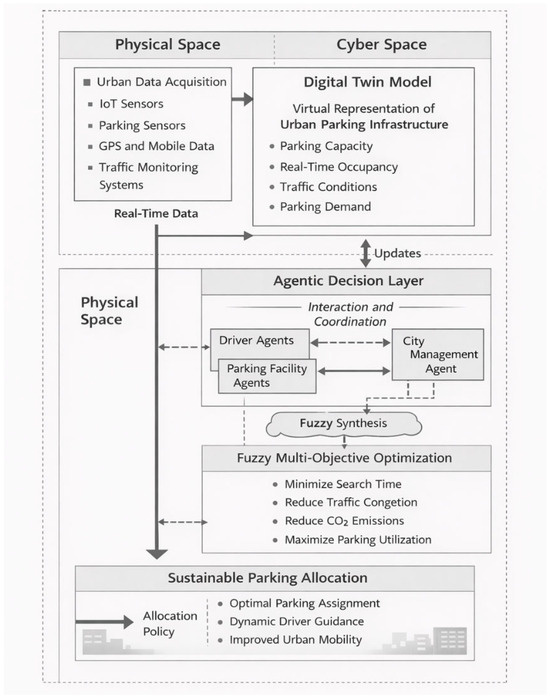
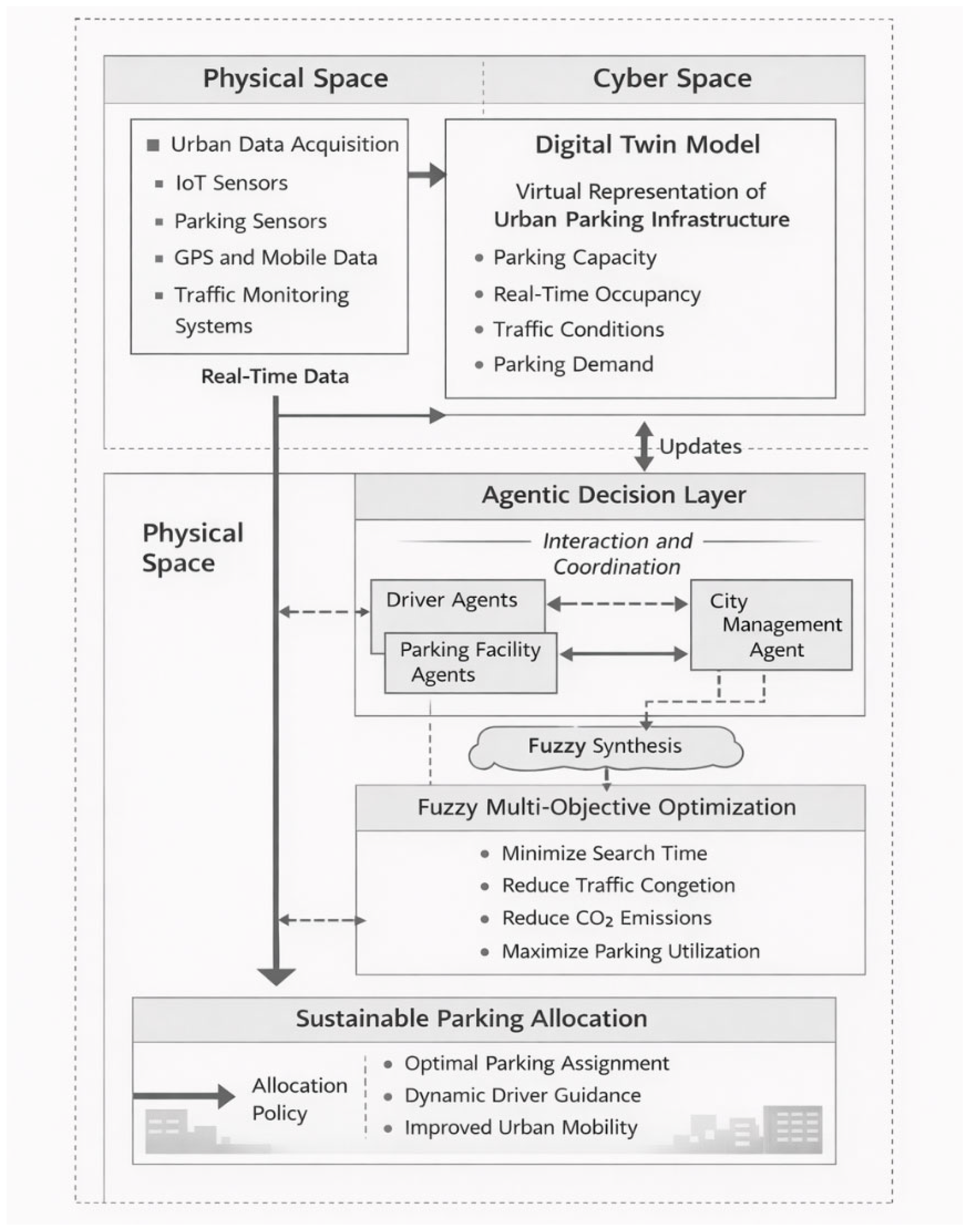
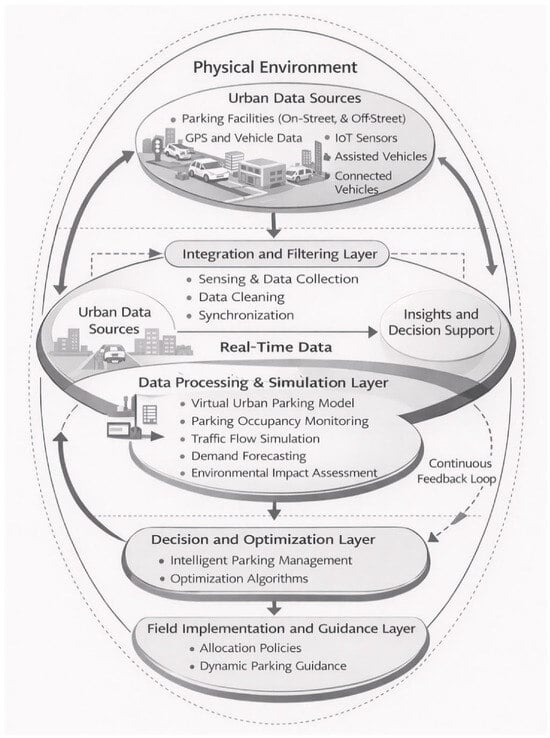
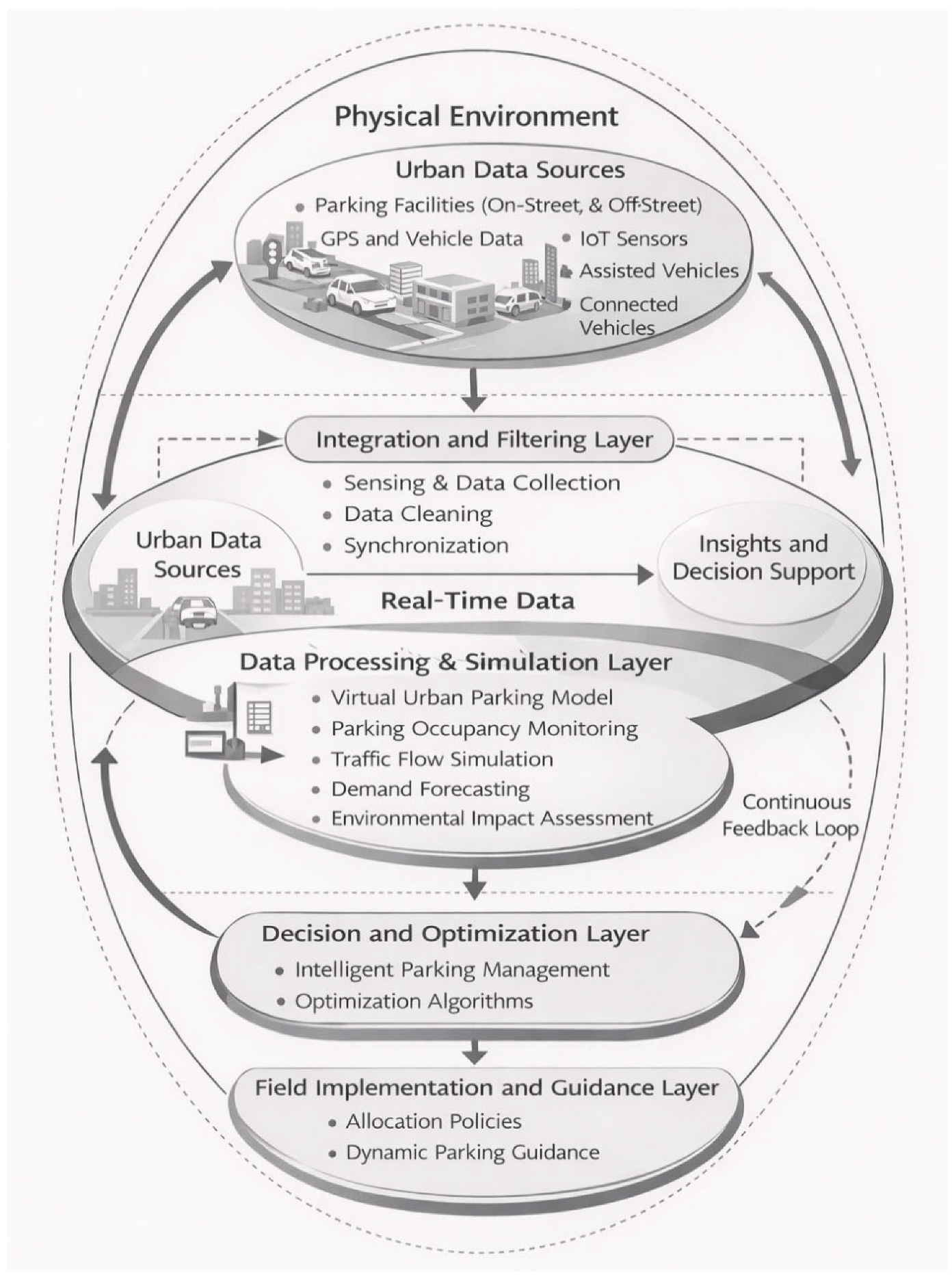
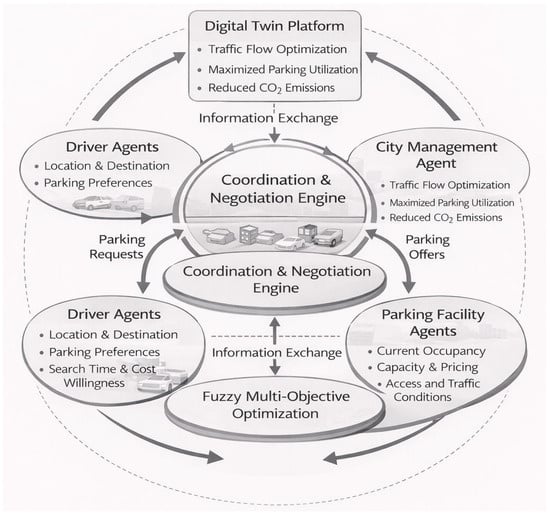
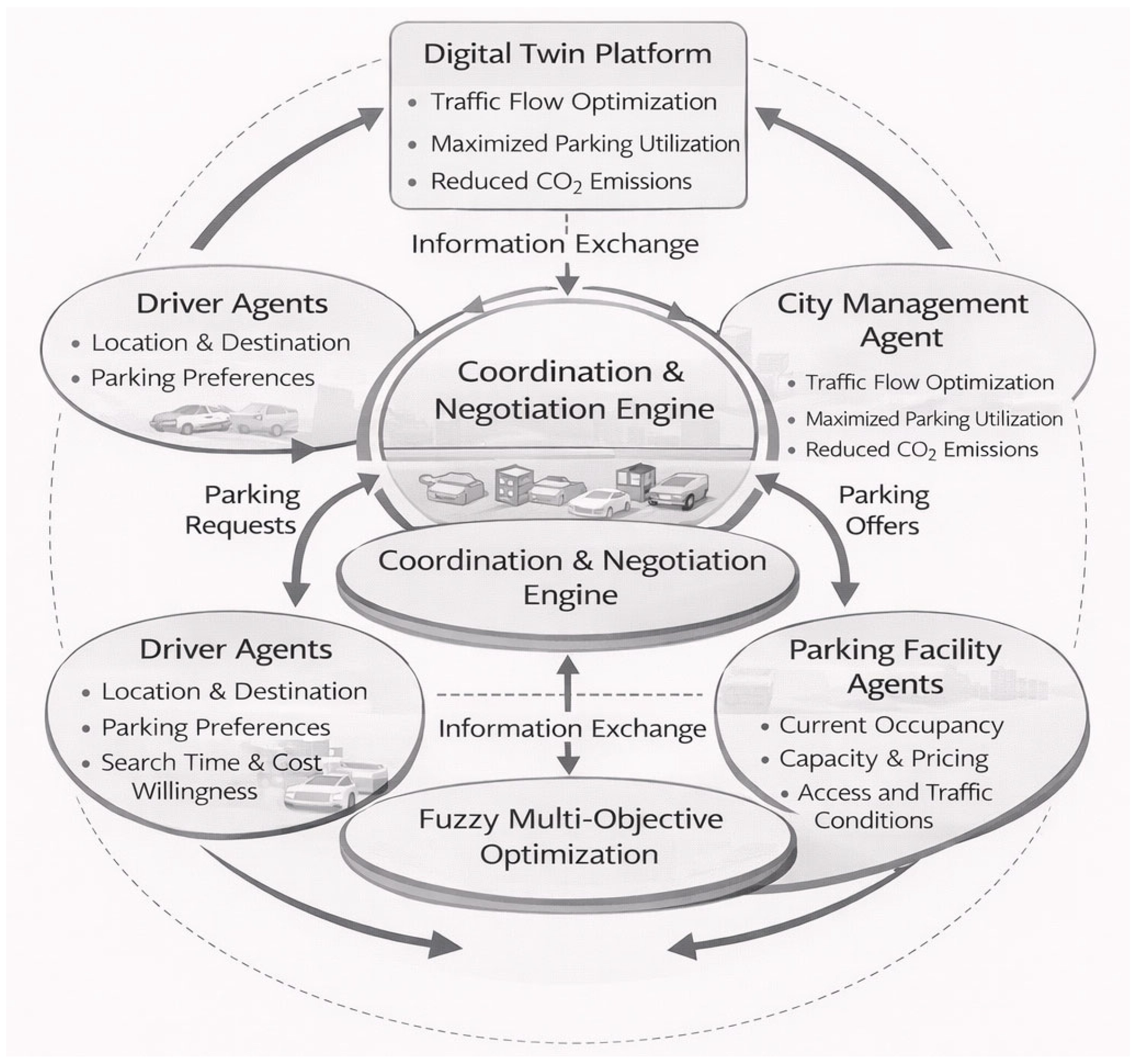
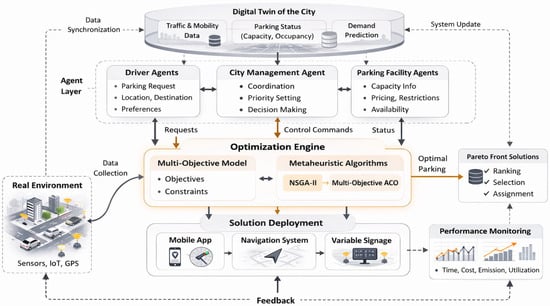
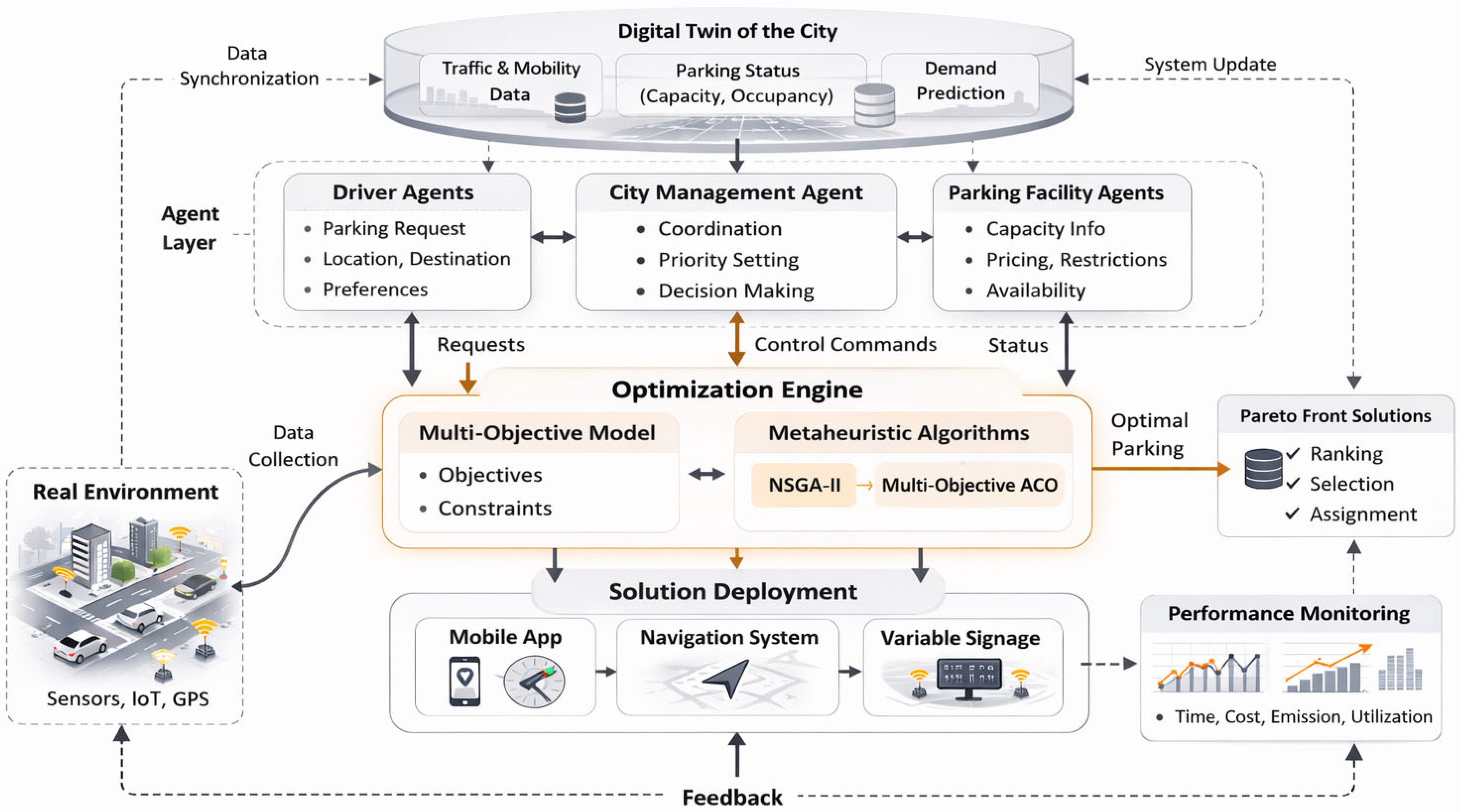
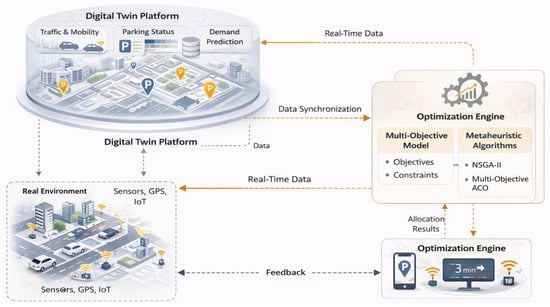
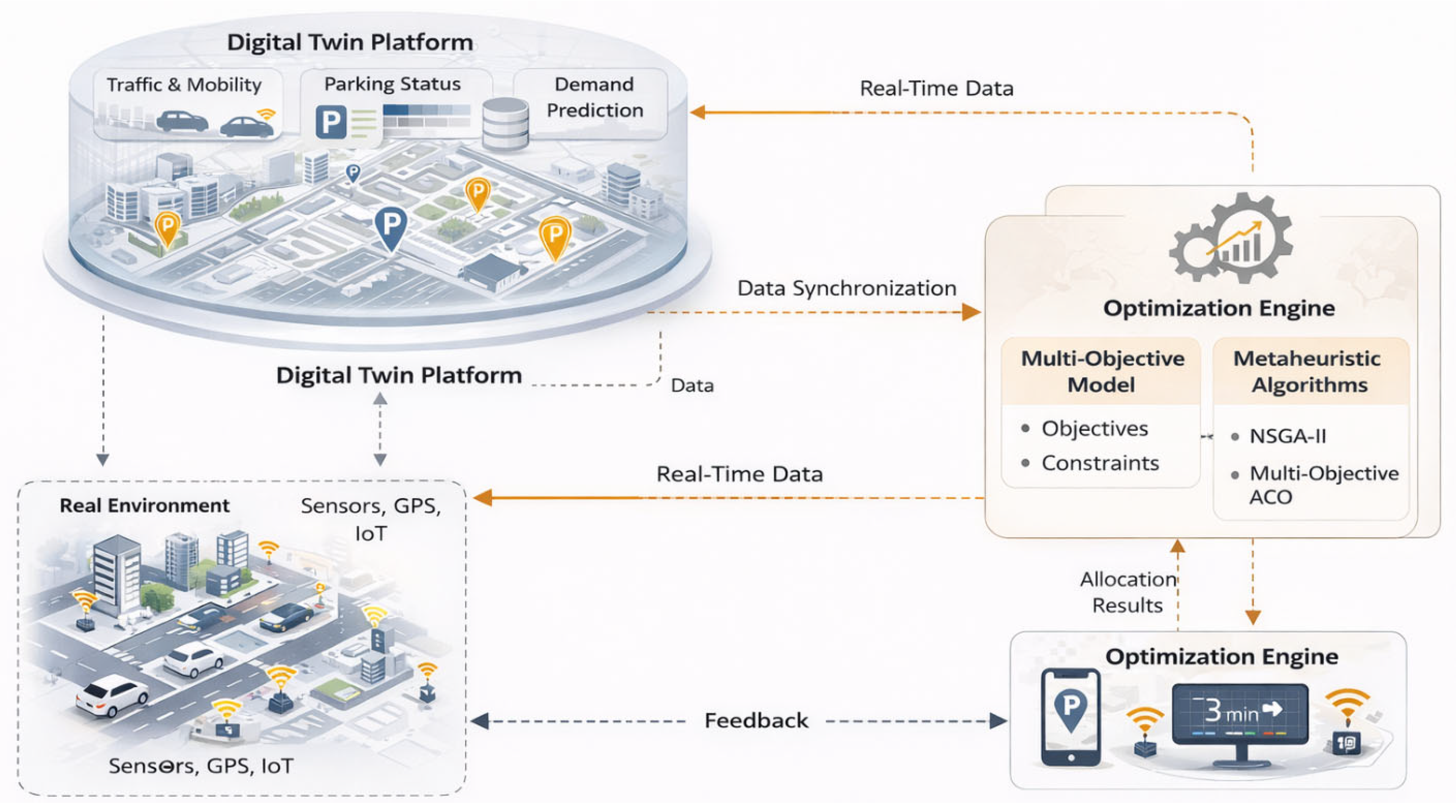
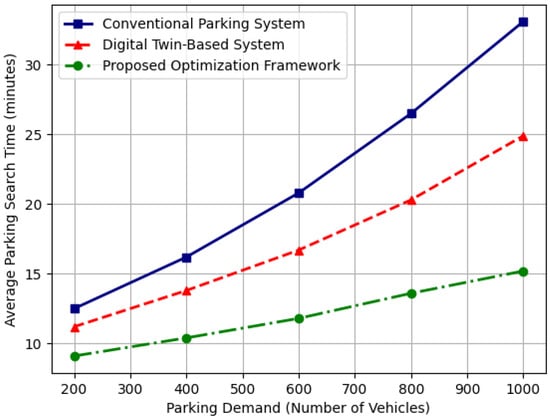
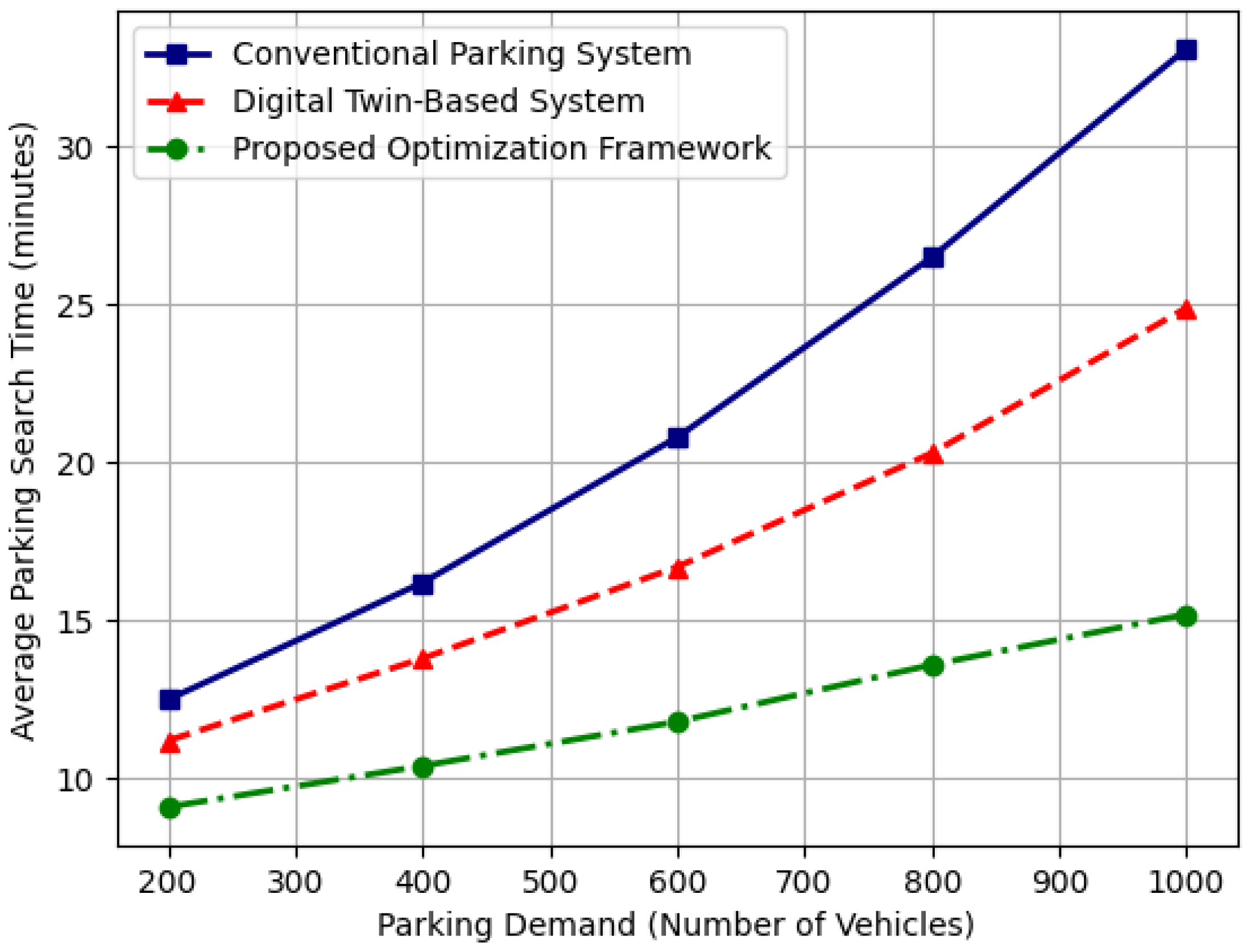
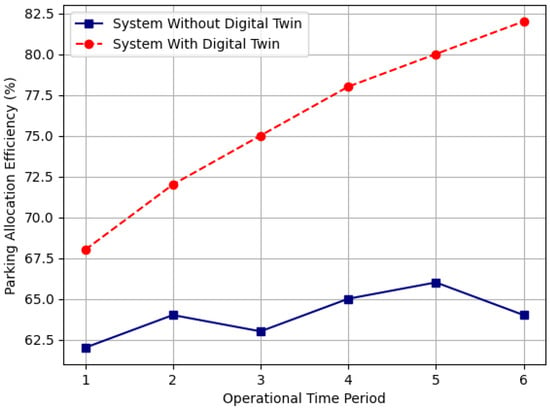
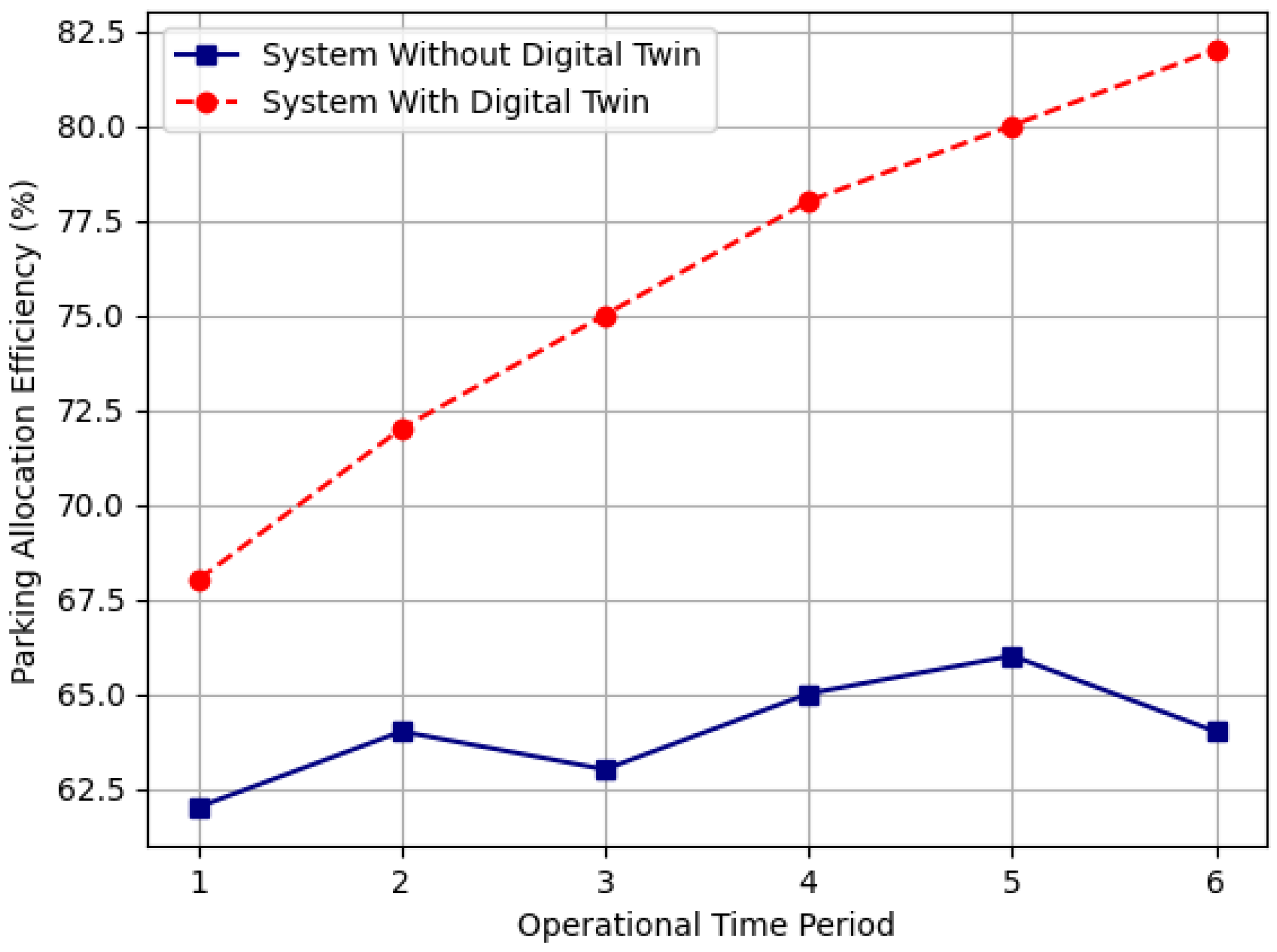
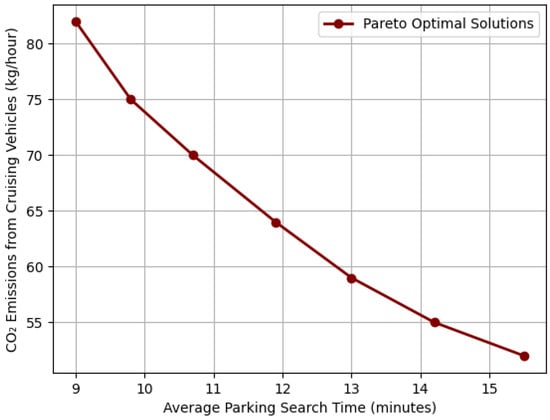
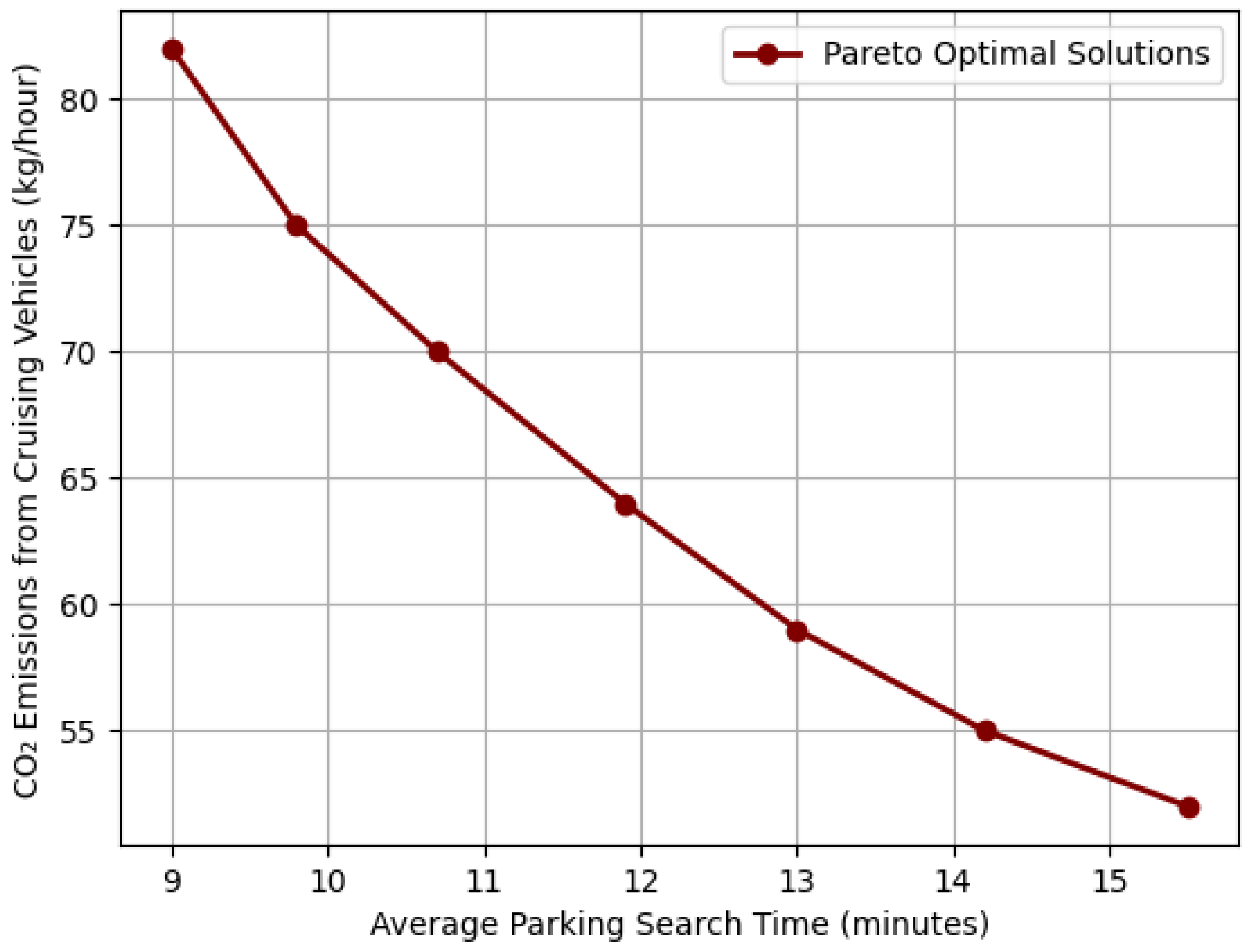
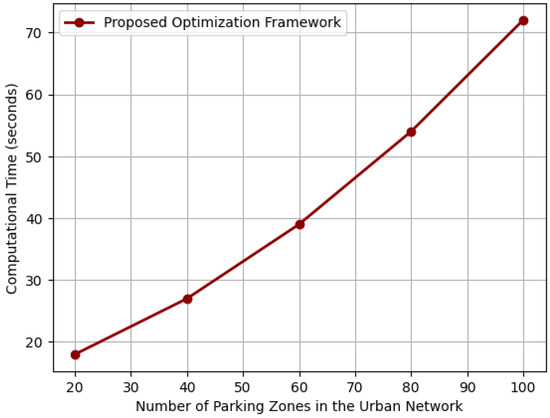
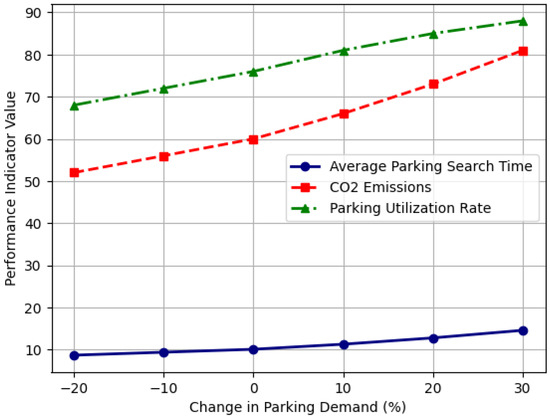
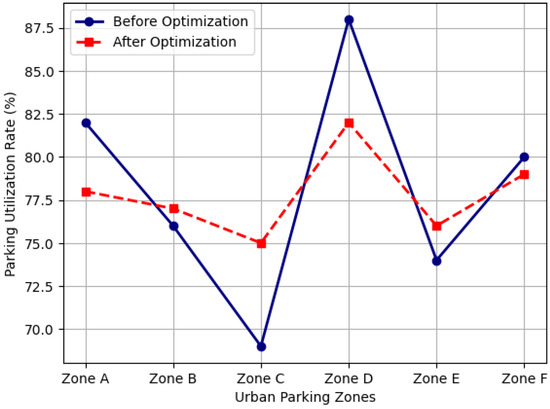
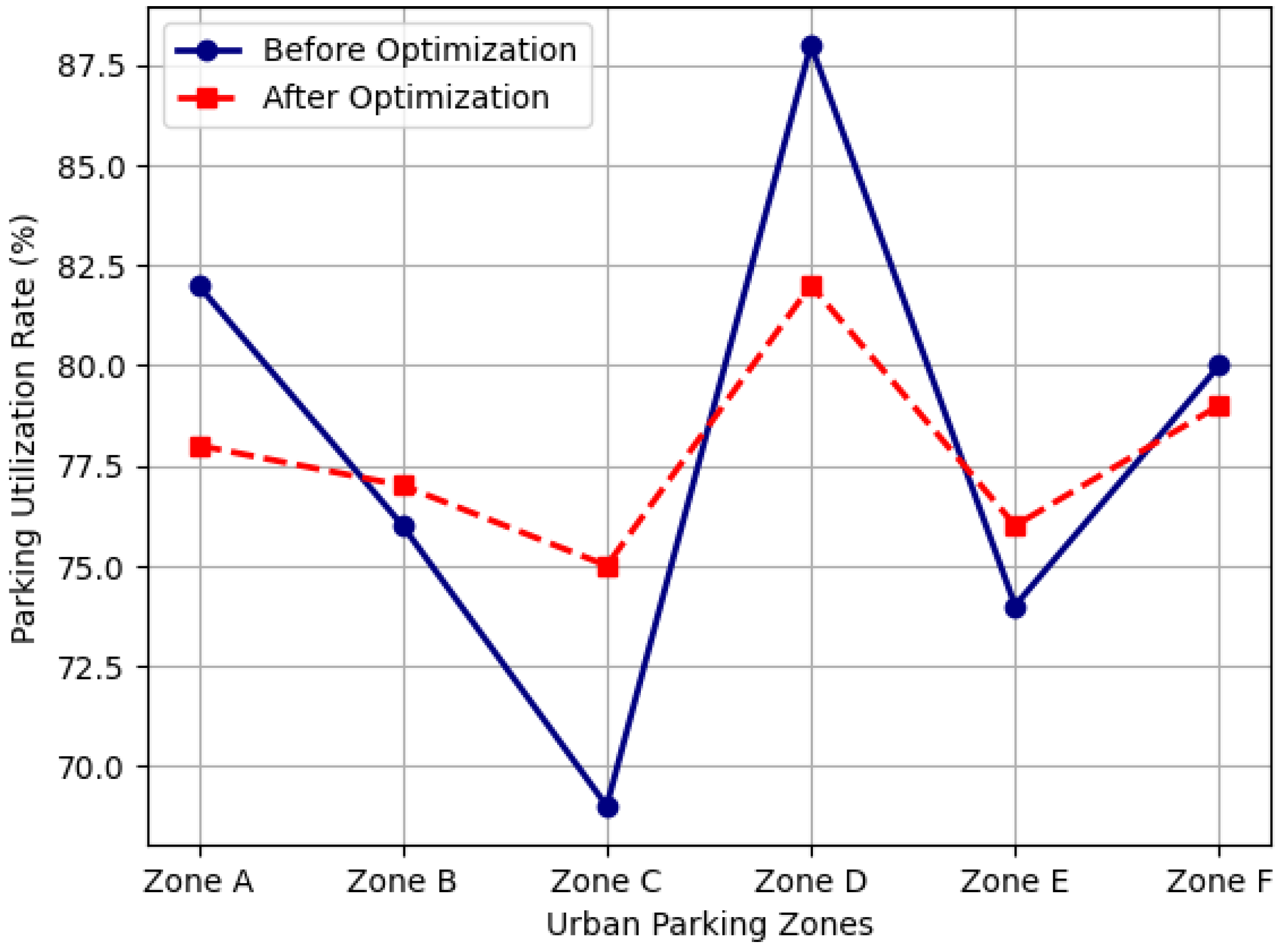
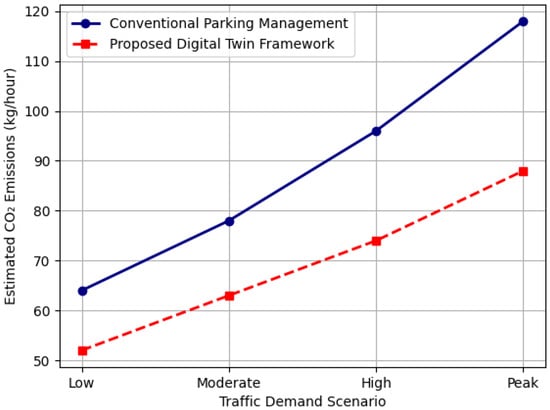
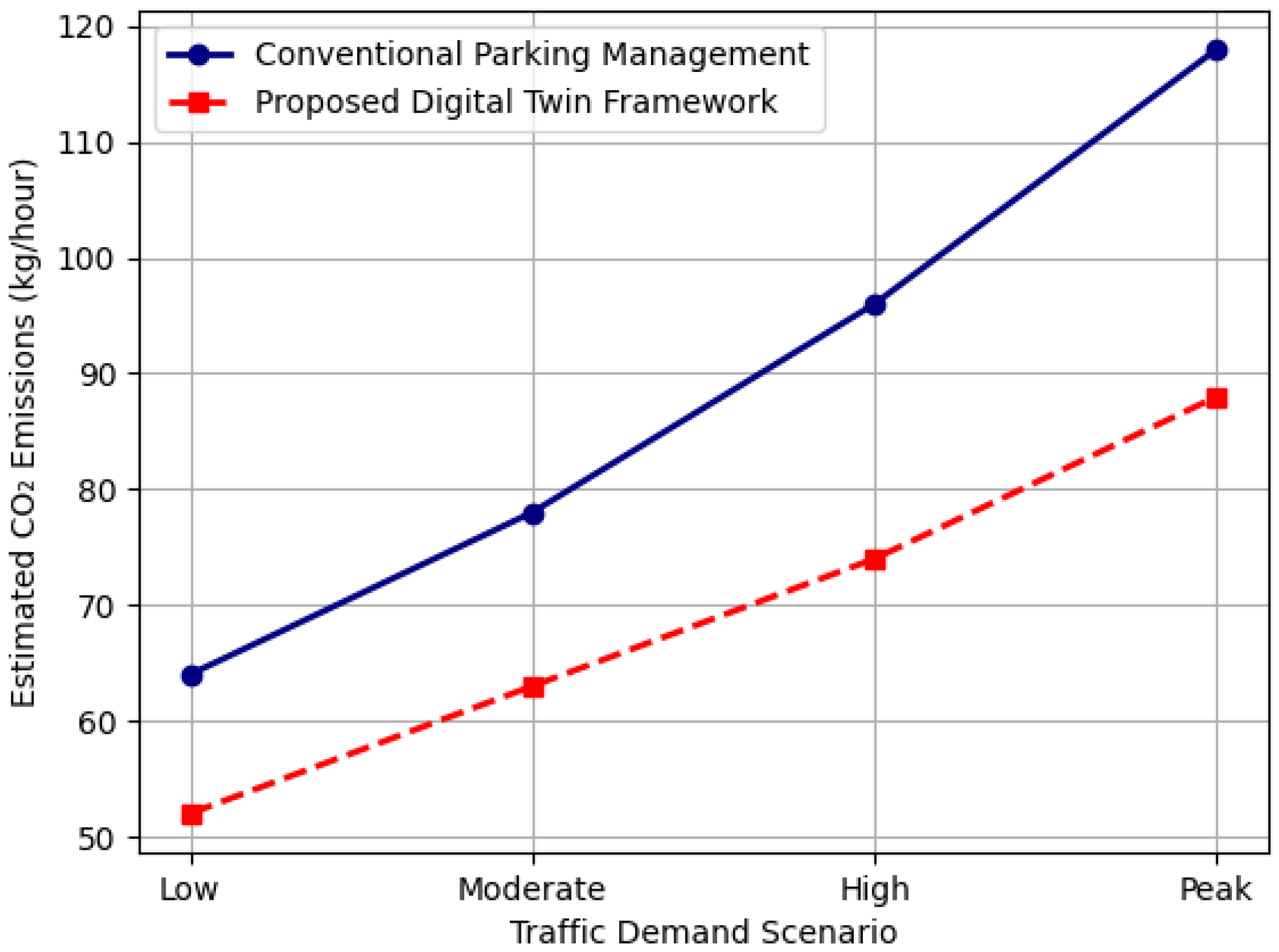
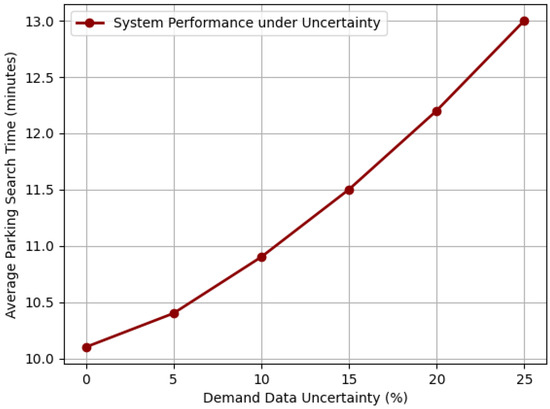
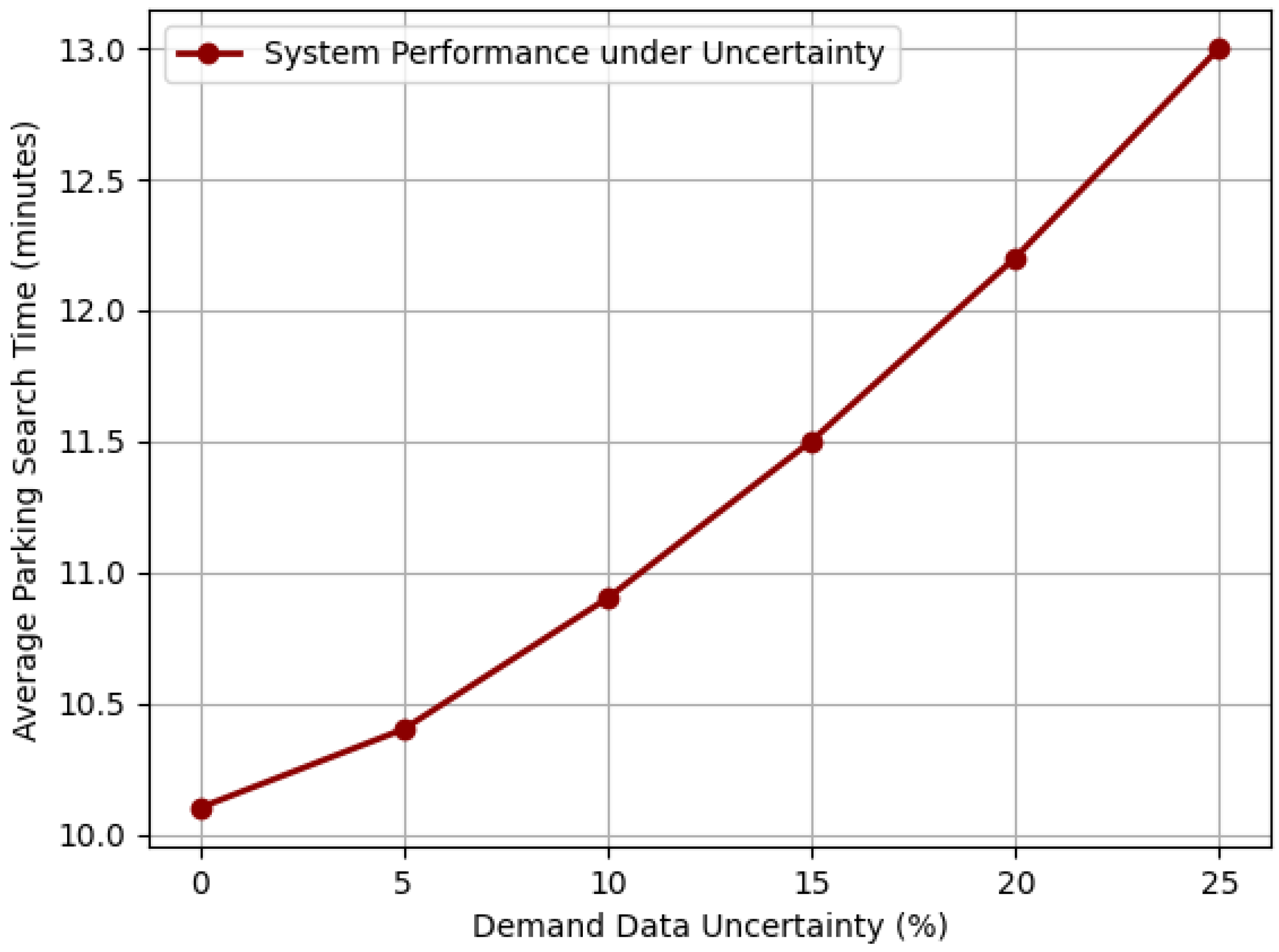
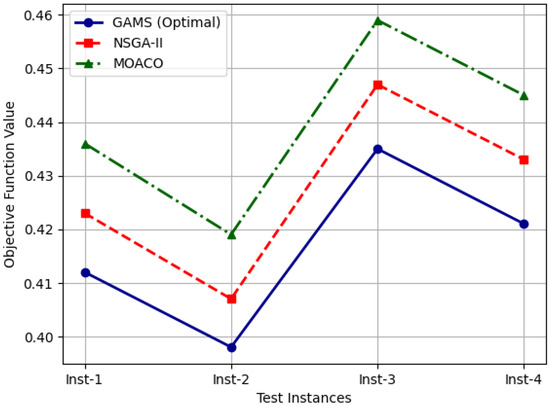
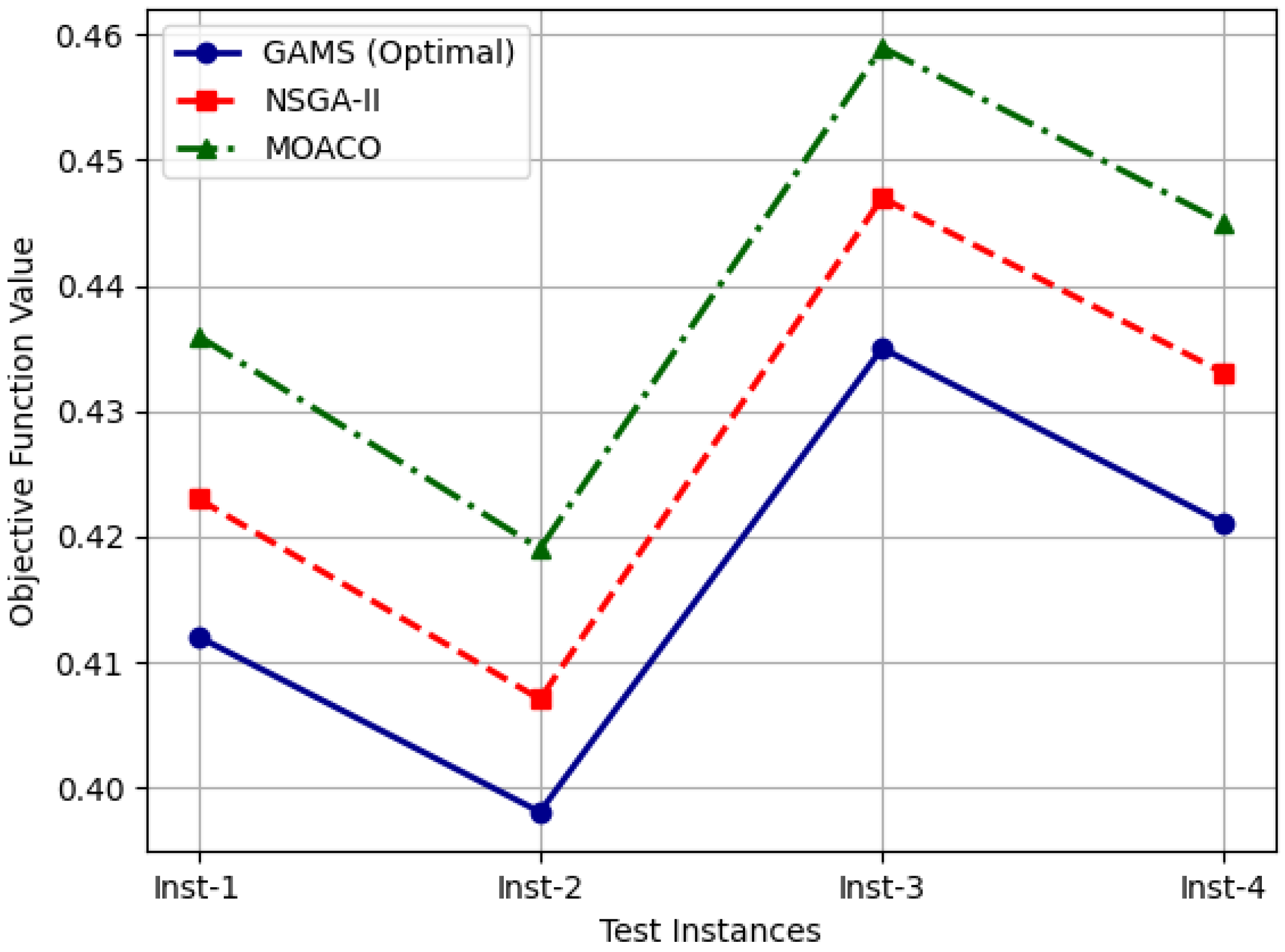

Disclaimer/Publisher’s Note: The statements, opinions and data contained in all publications are solely those of the individual author(s) and contributor(s) and not of MDPI and/or the editor(s). MDPI and/or the editor(s) disclaim responsibility for any injury to people or property resulting from any ideas, methods, instructions or products referred to in the content. |
© 2026 by the authors. Licensee MDPI, Basel, Switzerland. This article is an open access article distributed under the terms and conditions of the Creative Commons Attribution (CC BY) license.