


Abstract
Carbon-neutral ship technologies not only protect the environment but also ensure the maritime sector’s future competitiveness and compliance with international regulations. Therefore, while the transition to carbon-neutral solutions in both port investments and ship technologies is an indispensable part of sustainable maritime transport, some safety risks remain uncertain. This study examines the safety aspects of carbon-neutral ship technologies (hydrogen, ammonia, methanol, battery systems, and other alternative fuels) and demonstrates how risks can be managed within the ALARP (As Low As Reasonably Practicable) framework. For this purpose, a risk matrix was created in the study using probability and severity values, an ALARP classification was made, and FMECA/HAZOP (Failure Mode, Effects, and Criticality Analysis/Hazard and Operability Study) summaries were prepared for critical risks. Subsequently, reasonable and practicable mitigation options were presented for each risk, covering technical, operational, and human factor dimensions. Analyses show that hydrogen poses an explosion risk, ammonia has toxicity and environmental impacts, methanol poses an invisible flame risk, and thermal runaway levels in battery systems are unacceptable. Other fuels (biofuels, LNG derivatives (blue fuels, bio-LNG), synthetic gases, and electro-fuels) offer opportunities in terms of sustainability and infrastructure compatibility but also carry some fundamental risks along with limitations in production capacity. Engineering solutions, operational measures, and human factor practices play a critical role in mitigating all these risks. The widespread adoption of carbon-neutral ship technologies is a process that requires a systematic approach not only to environmental sustainability but also to safety.
1. Introduction
Global maritime transport is at the heart of the international policy agenda as a critical sector in the fight against climate change. The International Maritime Organization (IMO) has set a globally binding vision by adopting a carbon neutrality target for maritime transport by 2050 [1]. This vision aims for all member states to assume shared responsibility and for international standards to be harmonized. The European Commission’s “Fit for 55” strategy, on the other hand, imposes direct economic pressure on the sector by introducing more ambitious and binding regulations at the regional level, such as carbon pricing, the Emissions Trading System (ETS), and port-based control mechanisms [2]. While the IMO’s approach offers a framework that prioritizes global inclusion and international cooperation, the EU’s (European Union’s) strategy aims to enhance regional competitiveness and promote rapid transformation [1,2,3,4]. These strategies stand out as the most important global policy frameworks shaping the direction of environmental transformation in maritime transport. Compliance with regulations has significant consequences in terms of both costs and operational strategies. Furthermore, new carbon-neutral ship technologies developed to achieve these goals are bringing about a fundamental change in the sector [5,6,7]. Because carbon-neutral ship technologies reduce maritime transport’s share of global carbon emissions by 3%, providing both environmental sustainability and an economic competitive advantage [8]. These technologies increase energy efficiency, promote the use of alternative fuels, and generate cleaner air and social benefits in ports, all in line with global regulatory targets. Today, carbon capture systems can capture approximately 75% of the CO2 emissions in ship exhaust gases [8,9,10]. Moreover, many of these systems can be integrated into existing ships, eliminating the need for new ship investments. In maritime transport, such digital solutions and energy-efficient equipment significantly reduce operating costs. In addition, shore-based electrical power supply systems enable substantial fuel savings on ships and create a lower noise level and a healthier working environment in the port area [11,12].
The increasing adoption of alternative new technologies and fuels, particularly those that are future-proof and provide fuel flexibility on ships, such as hydrogen, ammonia, methanol, battery-electric systems and biofuels, LNG derivatives, synthetic gases, and electro-fuels, directly impacts the technical and economic feasibility of these regulations [13,14]. Therefore, carbon neutrality targets represent not only an environmental imperative but also a paradigm shift that redefines the competitiveness of global maritime transport and the responsibilities of governance. The transition to carbon-neutral maritime transport requires the integration of alternative fuels, energy-efficient technologies, and digitalization applications while also necessitating the harmonization of international standards, the redefinition of cost structures, and the strengthening of collaboration among stakeholders [14,15]. Another significant consequence of the widespread adoption of these technologies is the emergence of new safety risks [16,17]. This is because the emphasis on environmental friendliness and sustainability of these new-generation fuels creates an impression of “highly safe” status, despite insufficient experience and engineering studies. The truth is that the use of these fuels is very new, and sufficient research has not been conducted regarding life, property, and environmental safety.
This study aims to systematically address the safety aspects of carbon-neutral ship technologies, specifically focusing on the risks posed by next-generation environmentally friendly fuels. This study examines the risks posed by the most commonly used fuels, including hydrogen, ammonia, methanol, battery systems, and the most robust alternatives, such as biofuels, LNG derivatives, synthetic gases, and electro-fuels. The physical and chemical properties of fuels, storage and transportation processes, operational safety procedures, and emergency management all present different risk profiles. Therefore, the specifications and potential risks for each fuel have been examined in its respective literature, such as the IMDG (International Maritime Dangerous Goods) Code [18], and risk assessments have been developed. The flammability of hydrogen, the toxicity of ammonia, the fire risk of methanol, and the thermal runaway potential of battery systems each require different safety protocols and risk management approaches. This study will provide a holistic assessment of the risk factors associated with these fuels, their level of compliance with existing international regulations, and management approaches, aiming for a safe and sustainable transition in maritime transport. The goal is to develop a balanced approach that combines achieving environmental goals with protecting maritime safety. In this context, methodological tools such as the FMECA/HAZOP and ALARP approaches used in this study are critical for managing risks and implementing sustainable solutions. The established methods used in this study reveal previously undefined causal links and interactions between existing safety management practices and the hazards that arise or potentially arise during the inevitable transformation process in ships’ fuel infrastructure. In this respect, the study applies known methods in a new context, enabling it to develop a detailed conceptual framework by increasing the analytical depth in managing risks related to next-generation energies on ships.
2. Safety Perspective
In recent years, numerous innovations that developed towards carbon neutrality targets in maritime trade have revealed new technologies that will also shape the future of the sector. Examples include modernization of engines in LNG-using ships; the widespread adoption of new-generation fuel types such as biofuels, hydrogen, ammonia, and methanol; integration with next-generation energy systems like batteries, hybrid engines, and fuel cells; and investments in digitalization applications in maritime transport, such as IoT, blockchain, and e-IMDG integration [1,2,19,20,21,22]. The rise of these technologies brings with it not only environmental benefits but also new and complex safety risks, creating new paradigms in safety and risk management. Therefore, this new situation necessitates a redefinition of safety risks. These risks generally stem from operational processes such as the physical and chemical properties of the fuels used and storage and transportation conditions and regulatory gaps such as the limited coverage of existing regulations like MARPOL (Marine Pollution) [23], IMDG Code [18], and IGF (International Code of Safety for Ships Using Gases or Other Low-flashpoint Fuels) Code [24] for new fuels; a lack of harmonization among national authorities; and human factors such as users’ lack of adaptation to new technologies and deficiencies in simulation and failure to develop special safety protocols. Therefore, the safe integration of technologies developed to achieve carbon neutrality targets is not merely a technical matter; it is also a regulatory, organizational, and cultural transformation process.
In line with sustainability goals in maritime transport, hydrogen, ammonia, methanol, and battery-electric systems are considered prominent alternative energy solutions. Each of these fuels and systems offers environmental advantages but also carries varying levels of safety risks and regulatory requirements [18,24]. Therefore, a comprehensive risk analysis approach is critical in both technical and operational dimensions. Hydrogen stands out due to its zero carbon emissions, high energy density, and green production potential. However, its high flammability, low ignition energy, and the risk of leakage and explosion necessitate the meticulous management of cryogenic conditions during storage and transportation processes [25,26]. The standards developed by IMO and ISO (International Organization for Standardization) are still in their early stages and are being used to create guidelines for safe use [27]. Ammonia stands out due to its carbon-free combustion and the possibility of storage compatible with existing infrastructure, but its high toxicity poses serious health threats due to respiratory and environmental exposure risks [26,27,28]. In the case of leaks, there are significant dangers to the crew and the environment. Therefore, it is necessary to develop ammonia-specific safety protocols under MARPOL and SOLAS (Safety of Life at Sea). Methanol is considered a transitional fuel due to its easy storage in liquid form, low sulfur and particulate emissions, and compatibility with existing engine technologies [25,26,27,28]. However, its flammable properties increase the risk of fire, and its toxic effects necessitate special precautions against personnel exposure [29]. Regulations regarding the use of methanol under the IMO’s IGF Code are becoming increasingly clear, and their scope of application is expanding. Battery-electric systems stand out due to their ability to provide net-zero emissions, offer silent operation, and provide high efficiency, especially in short-haul transportation [22]. However, the risk of thermal runaway, fire, and explosion potential is a significant safety issue in these systems; therefore, safety protocols must be rigorously applied during charging and discharging cycles [29]. The IMO and classification societies are developing new standards for the safe integration of battery systems into ship operations [20,30,31].
Biofuels (biodiesel, bio-LNG, biogas) are produced from organic waste or sustainable biomass [32]. It is one of the most viable options in the short term because it is compatible with existing engines and offers a low carbon footprint. However, it also carries the risks of traditional fuels (fire, leakage) [33]. Furthermore, the supply of sustainable raw materials and, therefore, production capacity is still limited. Blue fuels, LNG derivatives + CCS (Carbon Capture and Storage) (blue LNG/blue fuels) are seen as bridge fuels for the transition period in achieving carbon-zero targets [34]. Generally, it is a fuel derived from natural gas and neutralized with CCS. Its biggest advantages are its use of existing LNG infrastructure and its high energy density. However, CCS technology is expensive and carries the risk of methane leakage [35]. Electro-fuels (e-methanol, e-ammonia, e-diesel, e-methane, and synthetic natural gas (SNG)) are synthetic fuels produced with renewable electricity [34]. Production and storage risks vary depending on the type of fuel. Along with biofuels, it has the lowest carbon footprint, but its production capacity is still limited, which also brings about a scalability problem [36]. Electro-fuels are critical for achieving carbon neutrality goals in the long term, but they are costly. In this context, the evaluation of alternative fuels and systems should not be limited to technical parameters alone; a holistic risk analysis approach should be adopted, taking into account safety, environmental impact, and regulatory dimensions.
The number of events involving these fuels is increasing day by day. According to EMSA reports, pipeline leakage and tank insulation loss are the most critical failure modes in hydrogen systems. Due to hydrogen’s wide ignition range, the leakage frequency is estimated to be between 1 and 3% per year [37]. The EMSA NH3SAFE report specifies exposure limits for ammonia as 20 ppm (8 h) and 50 ppm (15 min). At high concentrations (300 ppm/30 min), it reaches “IDLH” (Immediately Dangerous to Life or Health) levels. In accident scenarios, the probability of leakage is modeled as 2–5% using CFD simulations [38,39]. In IMO accident databases, methanol is reported as a prominent fuel in fire incidents due to its low flash point. According to EMCIP data, 12 incidents have been recorded in the last 10 years on ships carrying methanol [40]. According to the Allianz Shipping Review 2023, 209 ship fires were reported in 2022; a significant portion of these were caused by Li-ion batteries. It also states that 25% of container fires are caused by misdeclared Li-ion cargoes [41]. There are currently limited reports and, therefore, limited data available regarding biofuels, blue fuels, and electro-fuels. According to the EMSA “Safe Bunkering of Biofuels” report, bio-methanol has a fire risk similar to that of conventional marine fuels such as HVO and FAME. However, common accident statistics are based mostly on laboratory and pilot application data [42]. Although blue fuels are often listed under the heading “synthetic fuels” in annual accident reports, direct accident statistics are not yet available; however, due to their LNG/LPG-like behavior, the risk of leaks and explosions is accepted in the 1–2% range [43]. Similarly, electro-fuels are highlighted in the literature as having a risk profile similar to methanol and ammonia, since their commercial use is still very limited [24].
3. Methodological Framework
This study systematically developed a risk matrix to assess the safety risks that hydrogen, ammonia, methanol, lithium battery systems, and other alternatives, such as biofuels, blue fuels, and e-fuels, may pose in maritime transport. The methodological framework is based on the structuring of probability-severity matrices using ISO 31000 Risk Management [44] and ISO 12100 Machinery Safety standards [27]. Furthermore, criteria related to the safe use of alternative fuels on ships were considered by examining the IMO IGF Code, IMDG Code, MARPOL, and the regulations of classification societies such as DNV, Lloyd’s Register, and ABS [18,20,23,24,30,31].
For this purpose, HAZID (Hazard Identification), HAZOP, and FMEA/FMECA methods were first used to define risk categories; the acceptability levels of the risk scores were then classified in accordance with the ALARP principle. This is because hazard identification is critical for the safety of any coastal facility and ship, and potential safety improvements begin with understanding the risks present in that environment. These risks are generally influenced by the process, equipment, working conditions, human factors, and the facility’s maintenance regime [45,46]. Two common ways to identify and analyze potential risks are Hazard Identification (HAZID) and Hazard and Operability (HAZOP) studies. The HAZID study is a review conducted to identify potential hazards in the early stages of design. HAZID focuses primarily on hazards arising from the external environment, planned activities, or inherent hazardous characteristics of the equipment/process [45]. A HAZOP study is a detailed, structured, systematic, and qualitative methodology for analyzing a planned or existing process or operation [46]. The main principle is to define the purpose of the design or activity and to use appropriate predetermined parameters to identify possible deviations from that purpose. In this study, while HAZID is used to identify hazards regardless of the source of carbon-neutral fuels, HAZOP focuses on hazards arising from ship and port process design and how deviations from the design purpose may occur.
FMECA is an approach that focuses on criticality scoring in addition to Failure Modes and Effects Analysis (FMEA), which helps ship and shore management prioritize which issues to focus on in their work. By adding a scoring system to FMEA, FMECA becomes a useful method for quantitatively and qualitatively evaluating processes and equipment [46,47]. The value that allows for quantitative assessment is the Risk Priority Number (RPN). The three variables that make up the RPN are severity scores indicating the seriousness of the failure (1 being the lowest, 10 the highest), how frequently it occurs or the probability of it occurring (1 being the least frequent, 10 being the frequent), and the probability of detecting the failure (1 being almost certain detection, 10 being very low probability of detection) [47].
Risk Priority Number (RPN) = Severity (S) × Occurrence (O) × Detection (D)
The formula generates an RPN value ranging from 1 (the best possible score) to 1000 (the worst possible score). By calculating the RPN value for each potential failure, it is possible to rank each failure from high risk to low risk. FMECA’s aim here, together with HAZID and HAZOP, is to identify the riskiest failure modes of the system and to enable planning based on these failures. By conducting risk assessments through FMECA and using the results in preventive maintenance planning, disasters can be mitigated and prevented before they occur. For this purpose, safety risk management should encompass the assessment and mitigation of safety risks related to the consequences of hazards, down to a reasonably low (ALARP) level. Therefore, while severity and probability (occurrence) values generally range from 1 to 10, in this study, values from 1 to 5 are used for compatibility with ALARP integration. However, when calculating RPN, the detection score obtained on a scale of 1–10 and the scores these two values provide out of 10 are multiplied. This is because the perception of RPN creates a clearer awareness through its scores out of 1000 in the occupational health and safety literature.
A nine-person expert group was formed for risk assessment using this methodology. Members were selected from individuals with at least 10 years of field experience in marine engineering, ship management, and port environmental/safety management. Each expert assessed and scored each identified risk individually. The probability, severity, and detection scales used in the risk matrix were calibrated according to the most widely accepted definitions in the literature, as described above. The final results of the expert scores were used as a median statistical method, with the median being the main indicator of central tendency in increasing order of ranking. This method, in line with Von der Gracht’s (2012) [48] recommendations, reduces the impact of outliers and provides more balanced results in small expert groups, as in this study. The arithmetic mean was used as a secondary tiebreaker to determine the final ranking when multiple risks had the same median value, guaranteeing the overall density of opinion of the group. The consistency of expert assessments was verified using the Kendall coefficient of fit (W = 0.78) and Cronbach’s alpha (α = 0.82), both indicating high reliability. For probability, severity, and detection parameters, the Interquartile Range (IQR) was used as the main consensus indicator in expert group studies [48]. IQR ratios were ranked and evaluated for each risk variable on the RPN scale as a strong consensus threshold. For this, the O, S, and D scores given by each expert for each risk category were taken individually, and the median value was first calculated to determine the central tendency. Then, the calculation of the lower quartile (Q1) and upper quartile (Q3) gave the uncertainty interval. For the final criticality range, by applying
a reliable range was obtained instead of a single number.
At this point, the FMECA results are evaluated using ALARP. The “ALARP zone” falls between unacceptably high and negligible risk levels. Even if a certain risk level is assessed to be within this ALARP zone, further risk mitigation measures are still necessary to reduce the remaining or residual risk [49]. The ALARP level is reached when the time, effort, and cost required for further mitigation measures become unreasonably disproportionate to the additional risk reduction achieved [50]. Risk aversion can be mitigated by adopting an alternative approach or by increasing the number and effectiveness of controls. In this initial phase of production management for next-generation fuels, there is a high opportunity to achieve the lowest remaining risk by evaluating alternative options. From this point onwards, options for improving alternative system choices to optimize inherent safety are evaluated. During operations, the focus is on improving and modifying procedures to keep the remaining risk at the ALARP (reasonably practicable) level. Accordingly, Figure 1 shows the methodological workflow plan of the study. Of course, the workflow system begins with considering the literature information on carbon-neutral technologies and fuel risks, along with the events in the databases, within the framework described here.
Figure 1.
Methodology workflow plan for identifying risks of carbon-neutral technologies and next-generation fuels on ships.
In the data collection process, detailed accident report inventories were first examined to assess the safety risks that these fuels and technologies could pose in maritime transport. For this purpose, 346 reports from the last 26 years (since 2000) in which these fuels were involved in some way (mostly as cargo) were searched, primarily from the IMO GISIS (Global Integrated Shipping Information System) [40] and EMSA (The European Maritime Safety Agency) databases [43]. In addition, more localized NTSB (National Transportation Safety Board, USA) [51], MAIB (Marine Accident Investigation Branch reports, UK) [52], and TSB (Transportation Safety Board of Canada) [53] marine transportation safety investigations and reports were also examined. However, many of the events included here, which have some qualitative differences (casualties, accidents, incidents, and near misses), are also found in GISIS and EMSA. Due to their known risks, LNG and its derivatives have historically been involved in numerous tanker incidents in maritime transport, and to avoid confusion, they have mostly been overlooked in the search. Accordingly, only 29 events from all services were found suitable for drawing conclusions about the risks of new generation fuel technologies. And only one of them fully fits this search category: the battery failure that occurred on the Thames River in June 2023. According to the MAIB database, this case, which resulted in hull damage but no environmental impact, is classified as a “very serious marine casualty” [52].
The fact that these technologies and new-generation fuels are still in their early stages on ships is the natural reason for the low number of incidents. However, the clues provided make risk assessment studies in this area more important with a proactive approach. Because evaluating the potential risks and dangers that these fuels and technologies, which are becoming more widespread every day, may cause is a necessary requirement. Although the lack of sufficient statistical data to conduct a detailed quantitative risk assessment is positive for safety, it also limits this study to an exploratory, methodologically constrained approach. Therefore, this study aims to provide a methodological understanding for future studies, primarily from a carbon-neutral technology–fuel–ship safety perspective.
4. Findings
The data used in the risk matrix study were obtained from multidimensional sources. During the data collection and validation process, past accidents, incident reports, and near-miss records in operational processes such as refueling, storage, and engine integration were analyzed; these findings are also supported by the current literature and industry reports from classification societies [30,31,54]. The literature and industry reports provided a practical context to the matrix by presenting sectoral trends and application examples. During the verification process, the technical standards of classification societies were used as a reference point in classifying risk scores according to the ALARP principle. Thus, the probability and severity values in the matrix were verified not only theoretically but also based on internationally accepted norms.
Accordingly, in Table 1, probability and severity values were determined for risks arising from carbon-neutral ship technologies, categorized by HAZID/HAZOP and FMEA/FMECA, in line with expert opinions; risk scores were calculated, and levels were systematically classified according to the ALARP principle.
Table 1.
Risk matrix regarding risks arising from carbon-neutral technologies on ships.
Figure 2, created according to Table 1, allows for the ranking and comparison of risk scores for each fuel type (hydrogen, ammonia, methanol, battery, biofuels, blue fuels, and electro-fuels) in four risk categories (fire/explosion, toxicity, environmental impact, and operational failure). Accordingly, hydrogen and blue fuels are the most critical elements in terms of explosion risk. Ammonia has very high toxicity and environmental impact and is generally consumed in the form of non-combustible explosive mixtures [55]. Therefore, serious safety measures are necessary. Methanol has a high fire/explosion risk due to its high flammability; other categories are at a moderate level. Batteries have a very high fire risk due to thermal runaway. Operational failure also poses a significant threat. Although blue fuels are obtained through carbon capture, they are fossil-based and therefore carry a fire risk. While electro-fuels change the carbon profile of the fuel, the safety risks on board are the same as with the main fuel [34]. Therefore, there is no significant change in the main hazards of fuels such as e-ammonia and e-methanol. RPN scores generally paralleled risk scores. The main reason for this is that, as in the case of hydrogen explosion risk, detecting such sudden flashovers on ships is difficult beforehand, and therefore, detection scores are not very low. Similarly, the high detection score of toxicities is, in most cases, either due to odor or simply because there are no easily detectable symptoms.
Figure 2.
Ranking and comparison of different fuel risks.
Unlike ammonia, hydrogen carries a low risk of environmental impact in the event of a leak, as it can condense into water in the marine environment [54]. The serious problem of waste created by used batteries has still not been managed or resolved [56]. The use of blue fuels in ship engine rooms carries the risk of CO2 accumulation [34]. Electro-fuels, on the other hand, contribute less to environmental pollution due to their relatively cleaner production process. Additionally, the storage challenges of hydrogen, the transportation risks of ammonia, and the high risk of battery degradation are major causes of operational failure.
The Table 1 risk matrix shows that the risk values found when qualitatively compared with international literature are also defined as critical threats in many sources. International sources define the explosion risk of hydrogen as the most critical threat, and this is reflected in the “very high” rating in the matrix in Table 1. DNV reports emphasize that hydrogen poses a serious explosion risk due to its very wide ignition range (4–75%), very low ignition energy (0.02 mJ), and high flame velocity [57]. IMO and LR guidelines state that toxicity is the greatest risk associated with ammonia, and the given RPN 600 value is consistent with these findings. The interim guidelines for ammonia fuel published in IMO MSC.1/Circ.1687 identify toxic gas emissions and environmental impacts as the most critical safety dimension [39,58]. DNV reports highlight the thermal runaway and fire risk of batteries as a high-risk category, which is consistent with the high RPN values shown in Table 1 [59]. The fire and environmental impacts of methanol and biofuels are highlighted in international reports, although these studies indicate lower toxicity risks. Lloyd’s Register emphasizes the low flash point and fire risk for methanol, while these risks are further detailed in the IGF Code appendices. LR’s biofuel guidelines highlight different environmental impacts from production (e.g., land use, CO2 emissions) [58]. These results and the findings in this study show a moderate/high level of compliance. Since blue and electro-fuels are still in the standardization process, their risks are generally compared with the principles of the IGF Code. LR and ABS reports state that the risk profiles of these fuels are similar to methanol and ammonia, which have low flash points and should be evaluated in compliance with the IGF Code [60]. The emphasis on fire/explosion in blue fuels and toxicity and fire in Electro-Fuels in the reports showed a moderate alignment with the results obtained in this study.
4.1. ALARP Heat Map
Figure 3 visualizes the risk scores and ALARP levels for each fuel type and risk category according to the risk matrix in Table 1. In the heat map design, the Y-axis represents risk categories (fire/explosion, toxicity, environmental impact, operational failure), and the X-axis represents fuel types (hydrogen, ammonia, methanol, battery, biofuels, blue fuels, and electro-fuels). The UK HSE (Health and Safety Executive) supports the ALARP principle with the “grossly disproportionate” test, according to which action should be taken if the cost of risk mitigation is not excessive compared to the benefit [61]. The IMO IGF Code defines unacceptable/acceptable limits in the risk assessment of alternative fuels [24]. Similarly, EMSA and DNV Risk Acceptance Criteria are generally divided into three zones: unacceptable risk, ≥16 (red zone); tolerable if ALARP 6–15 (yellow/orange zone); and broadly acceptable, ≤5 (green zone) [62]. In this study, the quantitative limits of ALARP thresholds were determined in four categories based on the broadest limits of these industry standards: unacceptable, risk score ≥ 16, action must be taken, operation cannot be continued in its current state; tolerable with controls, 11–15 risk is acceptable only with additional control measures; tolerable if ALARP 6–10, risk should be reduced to a reasonable and practicable extent; and broadly acceptable, ≤5 no additional measures are required, and monitoring is sufficient. Accordingly, green cells indicate low (1–5) levels, yellow cells indicate moderate (6–10) levels, orange cells indicate high (11–15) levels, and red cells indicate very high (≥16) levels.
Figure 3.
ALARP heat map according to the carbon-neutral ship technologies risk matrix.
According to ALARP thresholds and focus areas, unacceptable (≥16) cells include fire/explosion risk for hydrogen, methanol, batteries, and blue fuels, toxicity of ammonia, and environmental impacts. ALARP-needs-action (tolerable if further risk reduction is implemented) (11–15) cells include fire/explosion risk for ammonia, biofuels, and electro-fuels; operational failures of batteries and electro-fuels; environmental impacts of biofuels; and toxicity of electro-fuels. ALARP-reduction (tolerable if ALARP) (6–10) cells include environmental impacts of hydrogen, methanol, and electro-fuels; operational failures of hydrogen, ammonia, biofuels, and blue fuels; and toxicity of methanol, biofuels, and blue fuels. Acceptable (≤5) levels include toxicity of hydrogen and batteries, operational failure of methanol, and environmental impacts of batteries and blue fuels.
4.2. ALARP Area and Concrete Mitigation Measures for Unacceptable Risks
To reduce risks to an acceptable level in ALARP implementations, a risk mitigation hierarchy must first be established. This should be grouped into three sub-headings. Engineering controls evaluate risks in the design process to eliminate or isolate them. Administrative and operational controls encompass managerial processes such as procedures, training, and permit systems. Finally, the human factor needs to be considered. This involves life-safety measures such as PPE (Personal Protective Equipment).
Secondly, mitigation measures are re-evaluated according to ALARP acceptability limits. The unacceptable limit is not accepted without a design change or operational restriction and is re-evaluated. In the needs-action zone, feasible and cost-effective measures should be implemented, and residual risks should be documented. At the reduced limit, cost-effective mitigations should be implemented, and monitoring and control should be increased. In the acceptable zone, monitoring is continued, and no additional measures are required if there is no change. At the end of the risk mitigation hierarchy are verification and monitoring. For this, it is recommended to conduct relevant tests and audits, leak tests, fire drills, and BMS (Battery Management System) data analysis. Incident frequency, near-miss reports, and maintenance compliance should be examined to create performance indicators. And, following the principle of continuous improvement, learning about the risk is achieved by updating the HAZOP (Health, Safety, and Environment) after the event.
In this study, failure modes were first generated for the main risks in the risk matrix using FMECA/HAZOP, and the impact, cause, and necessary basic controls for each major risk were listed. These summaries present safety-critical failure modes and process deviations in marine operations involving hydrogen, ammonia, methanol, and batteries, as well as biofuels (biodiesel, bio-LNG), blue fuels (LNG + CCS context), and electro-fuels (e-methanol, e-ammonia, e-diesel), along with practical control measures. However, it should be noted that in each alternative fuel family, the basic fuel characteristics remain the same, but the production method changes the environmental/economic profile; therefore, safety controls are mostly the same as the operational risks of the respective fuel type. The “blue” approach aims to neutralize emissions in the supply chain with CCS. The fuel used on board mostly has LNG characteristics; therefore, the core of the safety profile is the requirements of LNG under the IGF. If CO2 transportation related to CCS is to be carried out, separate CO2 cargo safety assessments are required. The “E-“ production route (Power-to-X) of electro-fuels changes the carbon profile of the fuel; the safety risks on board are the same as with the main fuel.
This study examines quite different sources for each fuel type and its associated risks. Basic compliance requirements and applicable substances in international norms: the IGF Code covers all alternative/low flash point fuel systems except batteries, which entered into force through amendments under IMO SOLAS Chapter II, and it covers the primary technical safety requirements for maritime operations, including fuel tank arrangement, cryogenic protection, and ventilation systems [24,63]. IEC (International Electrotechnical Commission) 60079 is a global set of standards for the design and maintenance of electrical equipment used in hazardous environments (ex-proof sites) that carry a risk of flammability and explosion, such as hydrogen, ammonia, batteries, biofuels, and electro-fuels [64]. The aim is to prevent explosions by controlling potential sources of sparks and high temperatures. For the inert gas system and special labeling standards of ammonia, which is classified as a toxic gas, there is SOLAS Ch. VII, IMDG Code (Class 2.3, 8); for special storage rules and fire suppression systems for the risk of low flash point of methanol, there is IMDG Code (Class 3); for closed-loop fuel systems, storage, and transport regulations for electro-fuels, IMDG Code (Class 3/8) requirements have been taken as the basis [18,63]. In addition, EMSA and DNV Battery Safety Guidelines were examined for battery thermal runaway measures and fire suppression systems [59]. For biofuel emission limits and sustainable resource compliance, MARPOL Annex VI has been considered [65].
Table 2 shows that the given FMECA/HAZOP safety summaries, taken as a whole, form a defense architecture where each risk can be addressed systematically in terms of precautions, warnings, and prevention. One of these is the control elements implemented against explosions that could be caused by hydrogen leaks; these are actually critical components for the safe storage and operation of hydrogen and cryogenic liquids on ships and in port facilities. For safe operation, double-walled cryogenic tanks should be installed to reduce heat transfer of the stored cryogenic liquid and minimize the risk of leakage [66]. For this purpose, an inner tank made of stainless steel and an outer tank made of carbon steel should be selected, and the gaps between them should be vacuum-sealed and regularly tested for leaks [24]. For early warning, hydrogen gas, being colorless and odorless, should be continuously monitored with H2 detectors. These sensors should be integrated into the alarm system and calibrated periodically [55]. As a precaution, a sophisticated ventilation system should ensure continuous airflow to prevent potential gas accumulation. This system should activate automatically in emergencies, and the airflow direction should be designed according to the risk of explosion. Critically, the pressure relief valve (PRV) system is extremely important. This will provide controlled relief in the event of a pressure increase inside the tank. Adjusting the relief disks to the correct pressure, routing the relief line to a safe area on board, and performing regular maintenance are also important considerations [18]. And from a workplace safety perspective, a hot work permit system should be established, meaning a permit procedure for jobs that generate sparks, such as welding, cutting, and grinding [27]. A pre-work risk analysis should be conducted, and the permit form should be signed by the authorized person assigned to this procedure. Furthermore, fire extinguishing equipment should be readily available during the work, and the area should be inspected after the work is completed. With these measures, physical protection is provided for tank safety while enabling early warning and preventive measures such as detectors and emergency gas discharge systems. The hot work permit system will reinforce the operational safety culture.
Table 2.
FMEA/HAZOP summaries covering failure modes, effects, causes, and controls of carbon-neutral fuels.
Measures to prevent poisoning caused by ammonia leaks actually define the dimension of ship safety and emergency preparedness. These measures focus more on operational processes and personnel safety than on ship and port infrastructure. In this sense, closed transfer systems ensure the safe transfer of gases or liquids without releasing them into the environment. With double sealing, if the primary seal fails, the secondary barrier is activated, minimizing the risk of leakage [67]. Absorption and scrubber use enable the chemical/adsorptive capture of escaping gases or vapors, preventing their release into the atmosphere. Negative pressure zones prevent leaked gases from spreading into the facility, directing them outwards with controlled airflow. The use of SCBA (Self-Contained Breathing Apparatus) allows personnel to work safely in toxic/oxygen-deficient environments, and HAZMAT (Hazardous Materials) training is crucial for personnel to know the correct procedures when working with hazardous materials and to respond appropriately in emergencies [68].
The rapid ignition risk of methanol vapor necessitates the establishment of safety measures, primarily concerning the control of fire and static electricity risks. According to ship and port facility safety architecture, flame detection and water mist extinguishing systems should be provided as a primary measure against this risk. This is essential for early fire detection and rapid extinguishing with minimal environmental damage. Similarly, a double-walled piping system prevents pipeline leaks and provides secondary barrier protection [69]. Drip trays are essential for collecting and preventing the spread of liquid leaks during filling/emptying [70]. Grounding and bonding eliminate the risk of sparks caused by static electricity. Filling limit systems prevent the risk of overpressure and overflow in tanks, ensuring operational discipline [27].
Battery safety measures generally encompass critical cell and pack-level controls. Thus, the logic behind the safety approach in hydrogen/cryogenic systems is also applied here to lithium-ion battery systems [34]. At the cell level, the BMS monitors each cell individually, preventing overcharging/discharging and imbalances. A temperature/voltage monitoring system detects the risk of thermal runaway early [71]. Thermal barriers also prevent heat spread between cells, thus preventing a domino effect. A dedicated fire zone provides a specific area within the battery pack where the fire can be kept under control. The provision of aerosol/water mist extinguishing equipment and systems suppresses the fire without damaging the electrical systems [72]. The implementation of the charging protocol and crate constraints ensures that the cells operate within safe current and voltage limits [71].
Biofuels must be properly equipped with chemical stability, liquid/gas management, and environmental control safety features to address the fire potential and environmental impacts posed by oxidative degradation, spillage, and microbial growth. The N2 inerting system reduces oxygen presence, preventing combustible/oxidizing reactions [73]. Antioxidants enhance chemical stability and inhibit oxidative degradation [74]. Periodic sample analyses will ensure continuous quality and safety control. Biocides will prevent microbial contamination, especially in water systems [75]. The water separator and drain control moisture and liquid accumulation, reducing the risk of corrosion and reactions [76]. Flow rate limits prevent overloading of process equipment. In this category, the use of drip trays also helps localize leaks [70]. Gas detectors and forced ventilation should be used to detect leaks early and to ensure the area is cleaned quickly.
Blue fuels, with their methane slip/emission and gas accumulation risks of fire/explosion, must integrate mechanical and electrical safety, emergency management, and ship safety architecture with a robust “line of defense” approach. Emergency gas discharge systems, gas detectors, and Ex-proof equipment are vital in preventing the formation of explosive atmospheres, early detection of leaks, and elimination of spark sources [34,66,77]. Continuous monitoring of ship engine settings ensures that mechanical systems remain within their safe operating range, allowing for early detection of malfunctions. PRV testing, heat monitoring, and the use of backup valves reduce the risk of overload through pressure and temperature control, while backup valves ensure safety continuity [78]. Thermal shields, emergency cooling, and the creation of isolation distances prevent thermal spread, protecting the system in case of fire or overheating and preventing domino effects through physical distancing [24,27].
In electro-fuels, detection systems, process control, and material safety are generally paramount in mitigating risks of fire, poisoning, and operational failure. IR/UV (infrared/ultraviolet) flame detection systems and forced air are crucial for early fire detection and rapid cleanup [79]. The use of drip trays ensures secure transfer, localization of leaks, and safe transfer without spreading to the environment. Bonding/grounding and ESD (Electrostatic Discharge) control eliminate the risk of sparks caused by static electricity [80]. Appropriate material selection and coating prevent corrosion, chemical reactions, and mechanical weakening. A separator and drainage system should be implemented to control moisture and liquid accumulation, ensuring the long-term safety of the system [70].
The safety architecture, established in Table 2, addresses infrastructure safety (tanks, piping, PRV, and emergency gas discharge systems), operational safety (enclosed transfer areas, scrubbers, access control systems, and negative pressure areas), and human factors (SCBA and HAZMAT training) in a layered structure. In summary, this structure offers integrated energy management with fire and static control (flame detection, water mist, grounding, fill limits, and ESD), battery and chemical safety (BMS, thermal barrier, nitrogen inerting of spaces, biocide, and sample analysis), mechanical/electrical safety and emergency (ex-proofing, PRV testing, continuous monitoring, thermal shields, and emergency cooling), and material and process safety (material selection, coating, separator, drainage). These summaries also form the basis for the justification of ALARP controls and measures in Table 3. This is because all these summaries are addressed in three groups within ALARP: engineering controls (tank, PRV, ventilation, scrubber), administrative controls (hot work permit system, HAZMAT training), and personal protective equipment and are processed in Table 3 under the headings of technical, operational, and human factors for the highest risks for each fuel type, and the risk scores given in parentheses.
Table 3.
The table justification for ALAP controls and measures.
In this comprehensive “line of defense” approach, the chemical stability and contamination risk of biofuels are considered on the operational failure side; the cryogenic and explosive safety risks of LNG-based blue fuels; and the toxicity/flammability profile of electro-fuels based on the base fuel type. In risk mitigation for biofuels, nitrogen inerting of spaces, additives, and water management are critical. For blue fuels, emergency gas discharge systems, gas detection, cryogenic barriers, and PRV/ESD testing are essential. For electro-fuels, IR/UV detection for invisible e-methanol flames, water misting, grounding, and enclosed transfer; enclosed transfer of e-ammonia, scrubber, creation of negative-pressure chambers, and SCBA and HAZMAT training; and oxidation management of e-diesel, ESD, and grounding discipline are important. In RPN prioritization, e-ammonia leaks and bio-LNG cryogenic spills are high priority; e-methanol invisible-flame and LNG gas-accumulation scenarios are critical triggers. In toxicity/explosion scenarios approaching the ALARP “Unacceptable” threshold, engineering controls (enclosed system, double wall, negative pressure, Ex-proof) are primary; operational permits and testing regimes are secondary; and HAZMAT/PPE and targeted exercises are complementary.
Indeed, the literature also confirms that, together with these frameworks, the proposed controls reduce the likelihood and severity of events to levels consistent with the ALARP criteria. The EMSA NH3SAFE report shows, through CFD simulations, that scrubber and inert gas systems for ammonia reduce toxicity exposure by 40–50% [38]. The EMSA and DNV study states that battery fires can be reduced by 25–30% with BMS, thermal insulation, and fire suppression systems [59]. ABS and LR guidelines include case studies showing that double-walled tanks + gas detection systems for hydrogen reduce the probability of fire/explosion by 30–40% [31,58,60]. DNV and EMSA reports on methanol/biofuels present reduction rates in the range of 30–45% based on simulations and field data [42]. In blue fuels, it is predicted that fire/explosion risks will be reduced by 35–40% with LNG/LPG safety protocols and leak detection systems [54,58], and in electro-fuels, toxicity and environmental risks will be reduced by 25–35% with closed-loop fuel systems and toxicity monitoring measures [81].
Quantitative reduction in the risk level after the implementation of these additional risk measures: hydrogen fire/explosion risk can be reduced from 25 (very high) to 15 (high); ammonia toxicity from 25 (very high) to 12 (high); battery operational failures from 12 (high) to 8 (medium); battery fire/explosion risk from 20 (very high) to 15 (high); methanol fire/explosion risks from 16 (very high) to 10 (medium); biofuel fire/explosion risks from 12 (high) to 9 (medium); environmental risks from 12 (high) to 9 (medium); blue fuels fire/explosion risks from 25 (very high) to 15 (high); electro-fuel toxicity from 20 (very high) to 15–13 (high); and environmental toxicity from 16 (very high) to 12–10 (medium-high). These levels generally shift from the “unacceptable” risk zone to the “need action” or “need to be mitigated” zone after additional measures are taken within the ALARP framework. This demonstrates that, in accordance with the ALARP principle, risks have been reduced to a reasonable and practicable extent.
In conclusion, risk analysis of these fuels, considering safety, environmental, and usability aspects, revealed that hydrogen and battery systems carry the highest operational risks, while ammonia is critical in terms of toxicity, requiring strict safety protocols. Biofuels and electro-fuels have the lowest carbon footprint. Ammonia and methanol are considered environmentally friendly when their toxicity is carefully monitored. Methanol and biofuels have a more balanced risk profile and are the most viable options in the short term. The use of electro-fuels is critically important in the long term and may offer lower environmental risks. However, it is more expensive than other carbon-neutral fuels, and its production/storage processes must be carefully managed.
5. Discussion
The safety aspect of carbon-neutral ship technologies is not just a technical engineering issue; it is also a process of administrative, regulatory, and cultural transformation. The risk matrix and ALARP approach presented in this study systematically classify the different risk profiles of next-generation fuels (hydrogen, ammonia, methanol, battery systems, biofuels, blue fuels, and electro-fuels), revealing the multifaceted nature of safety management in maritime transport. In this context, three key dimensions stand out: technical/engineering risks, operational and administrative processes, human factors, and cultural adaptation.
5.1. Technical and Engineering Aspects
The high flammability and low ignition energy of hydrogen, the toxicity of ammonia, the risk of invisible flames from methanol, and the thermal runaway potential of batteries are critical risks in ship design that require direct engineering solutions. Measures such as double-walled tanks, cryogenic storage systems, gas detectors, forced ventilation, and explosion pressure relief systems are fundamental tools in mitigating these risks [67,68,69,70]. However, as highlighted in the study, these measures alone are insufficient because many risks stem from events that are difficult to detect and develop suddenly. Therefore, predetermining failure modes using methodologies such as FMECA and HAZOP and eliminating risks during the design phase are of critical importance.
5.2. Operational and Administrative Processes
The safe use of new-generation fuel depends not only on technical infrastructure but also on redefining operational procedures. Hot work permit systems, refueling protocols, maintenance regimes, and emergency drills are essential for keeping risks at the ALARP level. For example, rapid isolation and ventilation procedures in case of ammonia leaks, special detection systems for methanol fires, or continuous monitoring of BMS data in battery systems are cornerstones of operational safety [71,82]. At this point, the fact that the standards developed by the IMO and classification societies are still in their early stages increases managerial uncertainties. Therefore, international regulations need to be rapidly harmonized, and ship operators need to be integrated into these standards.
5.3. Human Factor and Cultural Adaptation
Another critical dimension highlighted in the study is the human factor. The “environmentally friendly” image of new fuels can create a false sense of safety and lead to crew unpreparedness for risks. Therefore, HAZMAT training, simulation-based exercises, and the use of personal protective equipment (SCBA, fire suits, gas masks) play a vital role in risk management [83]. Furthermore, a change in organizational culture and the establishment of a safety-oriented mindset are essential for the success of technological transformation. From a management perspective, strengthening the safety culture is possible not only through the implementation of procedures but also through the operation of continuous learning and feedback mechanisms.
The risk matrix and the ALARP approach concretely demonstrate which risks are unacceptable, which are mitigable, and which are monitorable. For example, the fire/explosion risk of hydrogen and batteries is categorized as “unacceptable”, while the toxicity of biofuels is categorized as “Tolerable if ALARP”. This classification is a critical tool for prioritizing resources and guiding investment decisions. From a management perspective, the balanced application of the risk mitigation hierarchy across engineering controls, administrative processes, and human factors should be the fundamental strategy for the safe integration of carbon-neutral ship technologies.
Carbon-neutral ship technologies represent an inevitable transformation toward environmental sustainability in maritime transport, but they also introduce new and complex safety risks. The risk matrix and methodological framework presented in this study enable managers to systematically assess these risks and manage them in accordance with the ALARP principle. However, long-term success will be possible not only through technical solutions but also through the harmonization of international regulations, continuous improvement of operational procedures, and the institutionalization of a safety culture. Therefore, balancing environmental and safety objectives in the process of widespread adoption of carbon-neutral ship technologies is indispensable for a sustainable and safe future of maritime transport.
Therefore, selecting the most appropriate fuel type for different ship and voyage types in maritime transport is crucial. Based on the study findings, methanol, with its high volumetric efficiency and relatively manageable risk, can be primarily chosen for large tonnage and long-haul vessels (containers, cape-size bulk carriers, VLCC tankers). Furthermore, methanol’s more predictable risks in routes requiring high safety, such as passenger ships, are manageable with existing safety protocols. On the other hand, blue fuels and electro-fuels show a manageable risk profile on ships with the IGF Code. In short-sea routes and inland waterways (ferries, tugboats, or coasters), hydrogen or battery integration is more operationally feasible despite a high risk score. Additionally, biofuels and battery systems show lower toxicity, and their environmental impacts are more manageable. For liner vessels operating on regular routes between specific ports, even if the supply risk is high (e.g., ammonia), these fuels can be selected by minimizing the risk through port-specific contracts. However, for tramp vessels with irregular, global routes, fuel types with the highest global availability and the lowest infrastructure risk should be preferred. Of course, all of these fuels will continue to be used in maritime transport in some form, even if some are used less than others, as they are today. However, if maritime operators choose a fuel like ammonia, which has high emission advantages but a high toxicity risk score, advanced leak detection sensors, double-walled piping systems, and advanced chemical safety training for the crew should be an integral part (prerequisite) of the vessel selection process.
The fact that results may vary under different operational conditions limits the generalizability of the findings. This is a limitation of the risk model used in the study, as it cannot fully reflect the temporal effects of operational variables specific to the dynamic nature of maritime transport and external environmental factors in all cases. The calculated values represent the potential risks of these technologies and new-generation fuels for a static ship in traditional maritime operations. In fact, a deeper and more dynamic risk assessment is needed for all operational phases of maritime transport, from port cargo handling to maneuvering, refueling operations, dangerous goods transport, and navigation under varying speeds, weather, and sea conditions. Future research should utilize dynamic modeling methods such as Bayesian networks, Markov processes, and system dynamics models as more powerful tools for modeling uncertainties and time-dependent changes, thereby more realistically modeling the time-dependent effects of operational variables.
6. Conclusions
While carbon neutrality targets are critical for environmental sustainability, neglecting the safety aspect creates new risks. Therefore, the widespread adoption of carbon neutrality technologies will only be safe if risk mitigation measures are implemented reasonably and feasibly. The analyses conducted in this study highlight the most critical safety risks in carbon-neutral ship technologies, such as the explosive potential of hydrogen, the toxicity of ammonia, the risk of invisible flames with methanol, and thermal runaway in battery systems. While other fuels offer opportunities in terms of sustainability and infrastructure compatibility, they carry limitations in terms of production capacity and accessibility. The ALARP classification indicates that most of these risks are unacceptable or absolutely require preventive measures. FMECA/HAZOP analyses, by providing input to ALARP for each risk, have revealed that control measures should be addressed not only in technical but also in operational and human factor dimensions. Therefore, striking this balance and ensuring the safe integration of these new generation fuels requires a multidimensional approach supported by tools such as systematic risk analysis and the ALARP principle.
Since current international regulations have limited coverage of new fuel types, standards need to be rapidly updated, especially for the safe use of high-risk fuels such as hydrogen and ammonia. Furthermore, considering the increasing global shipping movements today, the development of special safety zones and emergency response plans for carbon-neutral vessels in high-traffic areas such as straits and canals is a critical need. This is because the safety management of carbon-neutral ship technologies also requires a political-strategic alignment infrastructure. The IMO’s global reach needs to be balanced with regional authorities such as the EU, through safety protocols compatible with ETS and port inspection mechanisms, to better cover these fuels, and the integration of these investments with cost structures needs to be harmonized for economic sustainability. Joint risk assessment and training programs involving ship crews, classification societies, port authorities, and regulatory stakeholders should be organized for both ship and port safety management and regulatory updates. On the other hand, there is also an ethical responsibility to prioritize crew and community safety while delivering environmental benefits. Therefore, future work should focus on updating international regulations, developing local scenario models, and improving stakeholder-based decision support mechanisms. This approach will contribute to the harmonious advancement of both safety and sustainability goals. Furthermore, since the static risk model structure of this study does not encompass time-dependent variables in maritime operations and varying environmental conditions, it is recommended that dynamic modeling methods be applied in further research.
Funding
This research received no external funding.
Institutional Review Board Statement
Not applicable.
Informed Consent Statement
Not applicable.
Data Availability Statement
Ship event reports, which constitute part of the data analyzed in this study, were obtained from open-source databases. In this study, all databases were accessed on 11 May 2026. These are IMO GISIS: https://gisis.imo.org/public/default.aspx; EMSA: https://www.emsa.europa.eu/emcip.html; MAIB: https://www.gov.uk/maib-reports; NTSB: https://www.ntsb.gov/investigations/AccidentReports/Pages/Reports.aspx; TSB: https://www.tsb.gc.ca/eng/rapports-reports/marine/index.html.
Acknowledgments
During the preparation of this manuscript, the author used Microsoft 365 Copilot AI 2026 for the purposes of information searching of certain terms and concepts and minor spelling suggestions only for a few sentences. The author has reviewed and edited the output and takes full responsibility for the content of this publication.
Conflicts of Interest
The author declares no conflicts of interest.
References
- IMO. IMO Strategy on Reduction of GHG Emissions from ShipsAnnex 15, Resolution Mepc.377(80); International Maritime Organization: London, UK, 2023. [Google Scholar]
- European Commission. Commission Welcomes Completion of Key ‘Fit for 55’’ Legislation, Putting EU on Track to Exceed 2030 Targets’; European Commission: Brussels, Belgium, 2025. [Google Scholar]
- European Union. Commission Implementing Regulation (EU) 2022/2299, Document 32022R2299; European Union: Brussels, Belgium, 2022. [Google Scholar]
- Bullock, S.; Mason, J.; Larkin, A. The Urgent Case for Stronger Climate Targets for International Shipping. Clim. Policy 2022, 22, 301–309. [Google Scholar] [CrossRef] [Scilit]
- Zhou, Z.; Wu, Z.; Liu, C.; Shao, L.; Zhang, Y.; Liu, W.; Shen, H.; Yao, D.; Fan, H.; Zheng, C. The Path to Carbon Neutral Shipping: A Comparative Analysis of Low Carbon Technologies. J. Environ. Sci. 2026, 159, 606–616. [Google Scholar] [CrossRef] [Scilit]
- Wang, F.; Harindintwali, J.D.; Yuan, Z.; Wang, M.; Wang, F.; Li, S.; Yin, Z.; Huang, L.; Fu, Y.; Li, L. Technologies and Perspectives for Achieving Carbon Neutrality. Innovation 2021, 2, 100180. [Google Scholar] [CrossRef] [Scilit]
- Hakovirta, M. Technology Platforms–Carbon Neutral Technologies. In Carbon Neutrality: Follow the Money; Springer: Berlin/Heidelberg, Germany, 2024; pp. 65–104. [Google Scholar]
- Feenstra, M.; Monteiro, J.; Van Den Akker, J.T.; Abu-Zahra, M.R.M.; Gilling, E.; Goetheer, E. Ship-Based Carbon Capture Onboard of Diesel or LNG-Fuelled Ships. Int. J. Greenh. Gas Control 2019, 85, 1–10. [Google Scholar] [CrossRef] [Scilit]
- Einbu, A.; Pettersen, T.; Morud, J.; Tobiesen, A.; Jayarathna, C.K.; Skagestad, R.; Nysæther, G. Energy Assessments of Onboard CO2 Capture from Ship Engines by MEA-Based Post Combustion Capture System with Flue Gas Heat Integration. Int. J. Greenh. Gas Control 2022, 113, 103526. [Google Scholar] [CrossRef] [Scilit]
- Ros, J.A.; Skylogianni, E.; Doedée, V.; van den Akker, J.T.; Vredeveldt, A.W.; Linders, M.J.G.; Goetheer, E.L.V.; Monteiro, J.G.M.S. Advancements in Ship-Based Carbon Capture Technology on Board of LNG-Fuelled Ships. Int. J. Greenh. Gas Control 2022, 114, 103575. [Google Scholar] [CrossRef] [Scilit]
- Trillos, J.C.G.; Brand-Daniels, U. Waterborne Transport. Hybrid Power Supply for Electrification of Port Infrastructures, Shore-to-Ship Power, and Ship Power and Propulsion. In Hybrid Energy Storage: Case Studies for the Energy Transition; Springer: Berlin/Heidelberg, Germany, 2025; pp. 273–318. [Google Scholar]
- Rogosic, M.; Stanivuk, T.; Lucaci, D. A Study on the Application of Shore-Side Power as a Method to Reduce the Emissions of Greenhouse Gases by Cruise Ships. J. Mar. Sci. Eng. 2025, 13, 453. [Google Scholar] [CrossRef] [Scilit]
- Mallouppas, G.; Yfantis, E.A. Decarbonization in Shipping Industry: A Review of Research, Technology Development, and Innovation Proposals. J. Mar. Sci. Eng. 2021, 9, 415. [Google Scholar] [CrossRef] [Scilit]
- Lee, H.-Y.; Lee, C.-H.; Lim, S.-S.; Chun, K.W. The Eco-Friendly Paradigm Shift in Shipping and Shipbuilding: Policy–Technology Linkages as Key Drivers. Sustainability 2025, 17, 9733. [Google Scholar] [CrossRef] [Scilit]
- Issa, M.; Ilinca, A.; Martini, F. Ship Energy Efficiency and Maritime Sector Initiatives to Reduce Carbon Emissions. Energies 2022, 15, 7910. [Google Scholar] [CrossRef] [Scilit]
- Negri, V.; Charalambous, M.A.; Medrano-Garcia, J.D.; Guillén-Gosálbez, G. Navigating within the Safe Operating Space with Carbon Capture On-Board. ACS Sustain. Chem. Eng. 2022, 10, 17134–17142. [Google Scholar] [CrossRef] [Scilit]
- Olivares, R.D.C.; Rivera, S.S.; Mc Leod, J.E.N. Database for Accidents and Incidents in the Fuel Ethanol Industry. J. Loss Prev. Process Ind. 2015, 38, 276–297. [Google Scholar] [CrossRef] [Scilit]
- IMDG Code. The International Maritime Dangerous Goods (IMDG) Code, 2024th ed.; International Maritime Organization: London, UK, 2024; ISBN 978-92-801-1797-4. [Google Scholar]
- European Commission. Drops of Change: European Shipping Is Electrifying Mission Ocean and Waters Service Portal Report; European Commission: Brussels, Belgium, 2025. [Google Scholar]
- Lloyd’s Register. Engine Retrofit Report: Applying Alternative Fuels to Existing Ships, Research Report; Lloyd’s Register: London, UK, 2026. [Google Scholar]
- Kondratenko, A.A.; Zhang, M.; Tavakoli, S.; Altarriba, E.; Hirdaris, S. Existing Technologies and Scientific Advancements to Decarbonize Shipping by Retrofitting. Renew. Sustain. Energy Rev. 2025, 212, 115430. [Google Scholar] [CrossRef] [Scilit]
- Shi, X.; Chen, X.; Chen, Q.; Yan, D. Electric Ship: A New Hope for Reducing Carbon Emissions. Innov. Geosci. 2025, 3, 100116. [Google Scholar] [CrossRef] [Scilit]
- IMO. MARPOL Articles, Protocols, Annexes and Unified Interpretations of the International Convention for the Prevention of Pollution from Ships, 1973, as Modified by the 1978 and 1997 Protocols, Consolidated; International Maritime Organization: London, UK, 2022; ISBN 978-92-801-17431. [Google Scholar]
- IGF Code. International Code of Safety for Ships Using Gases or Other Low-Flashpoint Fuels, 2026th ed.; International Maritime Organization: London, UK, 2026. [Google Scholar]
- Liu, H.; Ampah, J.D.; Zhao, Y.; Sun, X.; Xu, L.; Jiang, X.; Wang, S. A Perspective on the Overarching Role of Hydrogen, Ammonia, and Methanol Carbon-Neutral Fuels towards Net Zero Emission in the next Three Decades. Energies 2022, 16, 280. [Google Scholar] [CrossRef] [Scilit]
- Reddy, V.J.; Hariram, N.P.; Maity, R.; Ghazali, M.F.; Kumarasamy, S. Sustainable E-Fuels: Green Hydrogen, Methanol and Ammonia for Carbon-Neutral Transportation. World Electr. Veh. J. 2023, 14, 349. [Google Scholar] [CrossRef] [Scilit]
- ISO 12100; Safety of Machinery—General Principles for Design—Risk Assessment and Risk Reduction. ISO: Vernier, Switzerland, 2010.
- Shi, J.; Zhu, Y.; Feng, Y.; Yang, J.; Xia, C. A Prompt Decarbonization Pathway for Shipping: Green Hydrogen, Ammonia, and Methanol Production and Utilization in Marine Engines. Atmosphere 2023, 14, 584. [Google Scholar] [CrossRef] [Scilit]
- Yılmaz, F. Safety of Electrical (Battery-Powered) Ships: An Overview of IMO’s Safety Regulations and Class Rules/Requirements. Int. J. New Find. Eng. Sci. Technol. 2025, 30–38. [Google Scholar] [CrossRef] [Scilit]
- DNV GL. Maritime Forecast to 2050 Report; DNV: Høvik, Norway, 2024. [Google Scholar]
- ABS. Setting the Course to Low Carbon Shipping: Zero Carbon Outlook; ABS: Spring, TX, USA, 2022. [Google Scholar]
- WNS. Decarbonizing Maritime Transport: The Role of Alternative Fuels; WMS: New York, NY, USA, 2025. [Google Scholar]
- Tyagi, R. Alternative Fuels in Shipping: Pathways to a Greener Maritime Future: Explore Alternative Fuels in Shipping. Available online: https://www.seafarers.in/knowledge-hub/alternative-fuels-in-shipping/ (accessed on 11 May 2026).
- Kanchiralla, F.M.; Brynolf, S.; Mjelde, A. Role of Biofuels, Electro-Fuels, and Blue Fuels for Shipping: Environmental and Economic Life Cycle Considerations. Energy Environ. Sci. 2024, 17, 6393–6418. [Google Scholar] [CrossRef] [Scilit]
- Wang, Y.; Wright, L.A. A Comparative Review of Alternative Fuels for the Maritime Sector: Economic, Technology, and Policy Challenges for Clean Energy Implementation. World 2021, 2, 456–481. [Google Scholar] [CrossRef] [Scilit]
- Ababneh, H.; Hameed, B.H. Electrofuels as Emerging New Green Alternative Fuel: A Review of Recent Literature. Energy Convers. Manag. 2022, 254, 115213. [Google Scholar] [CrossRef] [Scilit]
- EMSA. HSAFE Part 2 Reliability and Safety Analysis for Hydrogen-Fuelled Ships EMSA/OP/21/2023; EMSA: Lisbon, Portugal, 2024. [Google Scholar]
- EMSA. NH3SAFE Part 2 Safety Assessment and Reliability Analysis of Main Components, Equipment, Sub-Systems and Systems; EMSA: Lisbon, Portugal, 2024. [Google Scholar]
- IMO, MSC.1/Circ.1687 Interim Guidelines for the Safety of Ships Using Ammonia as Fuel; IMO: London, UK, 2025.
- IMO. GISIS Global Integrated Shipping Information System. Available online: https://gisis.imo.org/public/default.aspx (accessed on 20 April 2026).
- Allianz AGCS. Safety and Shipping Review 2023, An Annual Review of Trends and Developments in Shipping Losses and Safety; AGCS: Munich, Germany, 2023. [Google Scholar]
- EMSA. Safe Bunkering of Biofuels. Bunkering of Biofuels in Maritime: Characteristics, Regulatory and Scape, and Safety Assessment; EMSA: Lisbon, Portugal, 2023. [Google Scholar]
- EMSA. The European Maritime Safety Agency. European Marine Casualty Information Platform. Available online: https://www.emsa.europa.eu/emcip.html (accessed on 20 April 2026).
- ISO 31000; Risk Management—Guidelines, 2nd ed. ISO: Vernier, Switzerland, 2018.
- Im, T.-K.; Yeo, S.; Chun, K.W.; Lee, W.-J. HAZID-Based Quantitative Framework for Design-Stage Risk Evaluations of Ship-to-Ship Ammonia Bunkering. Proc. Inst. Mech. Eng. Part M J. Eng. Marit. Environ. 2026, 240, 14750902251414748. [Google Scholar] [CrossRef] [Scilit]
- Nehal, N.; Mekkakia-Mehdi, M.; Lounis, Z.; Guetarni, I.H.M.; Lounis, Z. HAZOP, FMECA, Monitoring Algorithm, and Bayesian Network Integrated Approach for an Exhaustive Risk Assessment and Real-time Safety Analysis: Case Study. Process Saf. Prog. 2024, 43, 784–813. [Google Scholar] [CrossRef] [Scilit]
- Lipol, L.S.; Haq, J. Risk Analysis Method: FMEA/FMECA in the Organizations. Int. J. Basic Appl. Sci. 2011, 11, 74–82. [Google Scholar]
- Von Der Gracht, H.A. Consensus Measurement in Delphi Studies: Review and Implications for Future Quality Assurance. Technol. Forecast. Soc. Change 2012, 79, 1525–1536. [Google Scholar] [CrossRef] [Scilit]
- Langdalen, H.; Abrahamsen, E.B.; Selvik, J.T. On the Importance of Systems Thinking When Using the ALARP Principle for Risk Management. Reliab. Eng. Syst. Saf. 2020, 204, 107222. [Google Scholar] [CrossRef] [Scilit]
- Maselli, G.; Macchiaroli, M.; Nestico, A. ALARP Criteria to Estimate Acceptability and Tolerability Thresholds of the Investment Risk. Appl. Sci. 2021, 11, 9086. [Google Scholar] [CrossRef] [Scilit]
- NTSB Investigation Report, Marine. Available online: https://www.ntsb.gov/investigations/AccidentReports/Pages/Reports.aspx (accessed on 21 April 2026).
- MAIB. Marine Accident Investigation Branch Reports. Available online: https://www.gov.uk/maib-reports (accessed on 20 April 2026).
- TSB. Marine Transportation Safety Investigations and Reports. Available online: https://www.tsb.gc.ca/eng/rapports-reports/marine/index.html (accessed on 21 April 2026).
- Lloyd’s Register Safety Considerations for the Use of Zero-Carbon Fuels and Technologies. This Is Part of Zero-Emission Vessels: Transition Pathways. Available online: https://sustainableworldports.org/wp-content/uploads/Lloyds-Register_2019_Safety-for-the-use-of-ZE-fuels-and-tech-report.pdf (accessed on 2 May 2026).
- Jin, C.; Li, X.; Xu, T.; Dong, J.; Geng, Z.; Liu, J.; Ding, C.; Hu, J.; El Alaoui, A.; Zhao, Q.; et al. Zero-Carbon and Carbon-Neutral Fuels: A Review of Combustion Products and Cytotoxicity. Energies 2023, 16, 6507. [Google Scholar] [CrossRef] [Scilit]
- Melchor-Martínez, E.M.; Macias-Garbett, R.; Malacara-Becerra, A.; Iqbal, H.M.N.; Sosa-Hernández, J.E.; Parra-Saldívar, R. Environmental Impact of Emerging Contaminants from Battery Waste: A Mini Review. Case Stud. Chem. Environ. Eng. 2021, 3, 100104. [Google Scholar] [CrossRef] [Scilit]
- Killingland, M. Hydrogen Safety and Risk Mitigation. In Proceedings of the Hydrogen Tech World Conference, Essen, Germany, 26–27 July 2024. [Google Scholar]
- Lloyd’s Register. LR-RU-012 Classification of Ships Using Gases or Other Low-Flashpoint Fuels; Lloyd’s Register: London, UK, 2025. [Google Scholar]
- DNV GL. Maritime Battery Safety Joint Development Project: Technical Reference for Li-Ion Battery Explosion Risk and Fire Suppression; DNV: Høvik, Norway, 2019. [Google Scholar]
- ABS. Requirements for Hydrogen Fueled Vessels; ABS: New York, NY, USA, 2023. [Google Scholar]
- HSE. HID’s Approach to ALARP Decisions, SPC/Permissioning/39; HSE: Bootle, UK, 2025. [Google Scholar]
- EMSA. Risk Acceptance Criteria and Risk Based Damage Stability. Final Report, Part 1, Risk Acceptance Criteria; EMSA: Lisbon, Portugal, 2015. [Google Scholar]
- IMO. SOLAS 74, International Convention for the Safety of Life at Sea 1974, Consolidated; International Maritime Organization: London, UK, 2024; ISBN 978-92-801-1793-6. [Google Scholar]
- IECEx. Standards Operated by the IECEx, Classification of Areas—Explosive Gas Atmospheres; IECEx: Geneva, Switzerland, 2020. [Google Scholar]
- MEPC; IMO. Index of MEPC Resolutions and Guidelines Related to MARPOL Annex VI; International Maritime Organization: London, UK, 2009. [Google Scholar]
- Diamantakis, N.; Xynopoulos, N.; Sheth, J.; Andresen, J.; Maroto-Valer, M. Alternative Maritime Fuels for Net-Zero Shipping: A Comprehensive Operational, Techno-Economic and Regulatory Review. Hydrogen 2026, 7, 36. [Google Scholar] [CrossRef] [Scilit]
- Doustvandi, A.; Roudsari, M.T.; Niazi, B. Experimental Investigation on the Effect of Seal Presence on the Behavior of Double-Deck Floating Roofs in Cylindrical Steel Storage Tanks. Struct. Durab. Health Monit. (SDHM) 2023, 17, 55. [Google Scholar] [CrossRef] [Scilit]
- Trivyza, N.L.; Cheliotis, M.; Boulougouris, E.; Theotokatos, G. Safety and Reliability Analysis of an Ammonia-Powered Fuel-Cell System. Safety 2021, 7, 80. [Google Scholar] [CrossRef] [Scilit]
- Fernandes, E.G.; Johnson, D. Design Guidelines for Methanol Refuelling Stations-1992; SAE Technical Paper: Warrendale, PA, USA, 1992. [Google Scholar]
- Roiaz, M.; Batalli, I.; Crucil, M.; Cadenaro, F.; Nardo, M.; Crosato, A.; Agnello, E.; Sancin, G. Methanol on Board: Technical Challenges and Regulatory Compliance. In Proceedings of the Technology and Science for the Ships of the Future: Proceedings of the 21st International Conference on Ships and Maritime Research (NAV 2025), Messina, Italy, 18–20 June 2025; SAGE Publications 1 Oliver’s Yard: London, UK, 2025; pp. 856–863. [Google Scholar]
- Feng, X.; Ouyang, M.; Liu, X.; Lu, L.; Xia, Y.; He, X. Thermal Runaway Mechanism of Lithium Ion Battery for Electric Vehicles: A Review. Energy Storage Mater. 2018, 10, 246–267. [Google Scholar] [CrossRef] [Scilit]
- Zhuo, P.; Gao, F.; Lu, S. Study on Fire Extinguishing Effect of Different Fire Extinguishing Devices on Lithium-Ion Phosphate Battery Module Fire. Fire Sci. Technol. 2022, 41, 152–155. [Google Scholar]
- Porqueras, E.M.; Rittmann, S.; Herwig, C. Biofuels and CO2 Neutrality: An Opportunity. Biofuels 2012, 3, 413–426. [Google Scholar] [CrossRef] [Scilit]
- Agarwal, S.; Singhal, S.; Singh, M.; Arora, S.; Tanwer, M. Role of Antioxidants in Enhancing Oxidation Stability of Biodiesels. ACS Sustain. Chem. Eng. 2018, 6, 11036–11049. [Google Scholar] [CrossRef] [Scilit]
- Luz, G.V.S.; Sousa, B.A.S.M.; Guedes, A.V.; Barreto, C.C.; Brasil, L.M. Biocides Used as Additives to Biodiesels and Their Risks to the Environment and Public Health: A Review. Molecules 2018, 23, 2698. [Google Scholar] [CrossRef] [Scilit]
- Torsner, E. Solving Corrosion Problems in Biofuels Industry. Corros. Eng. Sci. Technol. 2010, 45, 42–48. [Google Scholar] [CrossRef] [Scilit]
- European Commission. ATEX Guidelines: Guidelines on the Application of the European Parliament and Council Directive 94/9/EC of 23 March 1994 on the Approximation of the Laws of the Member States Concerning Equipment and Protective Systems Intended for Use in Potentially Explosive Atmospheres; EDC collection; Office for Official Publications of the European Communities: Brussels, Belgium, 2001; ISBN 9789289407847. [Google Scholar]
- Coker, A.K. Petroleum Refining Design and Applications Handbook, Volume 5: Pressure Relieving Devices and Emergency Relief System Design, Process Safety and Energy Management, Product Blending, Cost Estimation and Economic Evaluation, Sustainability in Petroleum Refining; John Wiley & Sons: Hoboken, NJ, USA, 2023; ISBN 1394207247. [Google Scholar]
- Truong, C.T.; Nguyen, T.H.; Vu, V.Q.; Do, V.H.; Nguyen, D.T. Enhancing Fire Detection Technology: A UV-Based System Utilizing Fourier Spectrum Analysis for Reliable and Accurate Fire Detection. Appl. Sci. 2023, 13, 7845. [Google Scholar] [CrossRef] [Scilit]
- Mancini, R.A. The Use (and Misuse) of Bonding for Control of Static Ignition Hazards. Plant/Oper. Prog. 1988, 7, 23–31. [Google Scholar] [CrossRef] [Scilit]
- EMSA. Potential of Synthetic Fuels for Shipping; EMSA: Lisbon, Portugal, 2024. [Google Scholar]
- Abdelsattar, M.; M Aly, M.; Abu-Elwfa, S.S. A Review on Hybrid Electrical Vehicles: Architectures, Classification and Energy Management. SVU-Int. J. Eng. Sci. Appl. 2024, 5, 93–99. [Google Scholar] [CrossRef] [Scilit]
- Al-Jassim, M.; Frazier, T.; Wood, E. Emergency Management and HAZMAT Mitigation: Strategic Planning for New Developments. J. Emerg. Manag. 2022, 20, 39–57. [Google Scholar] [CrossRef] [Scilit]
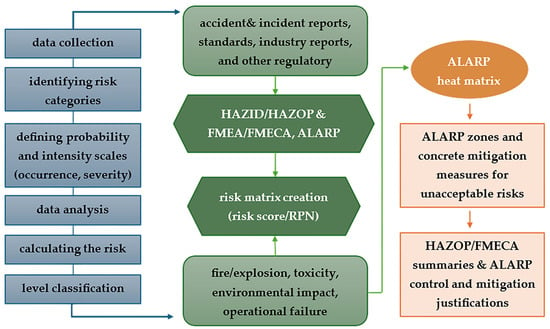
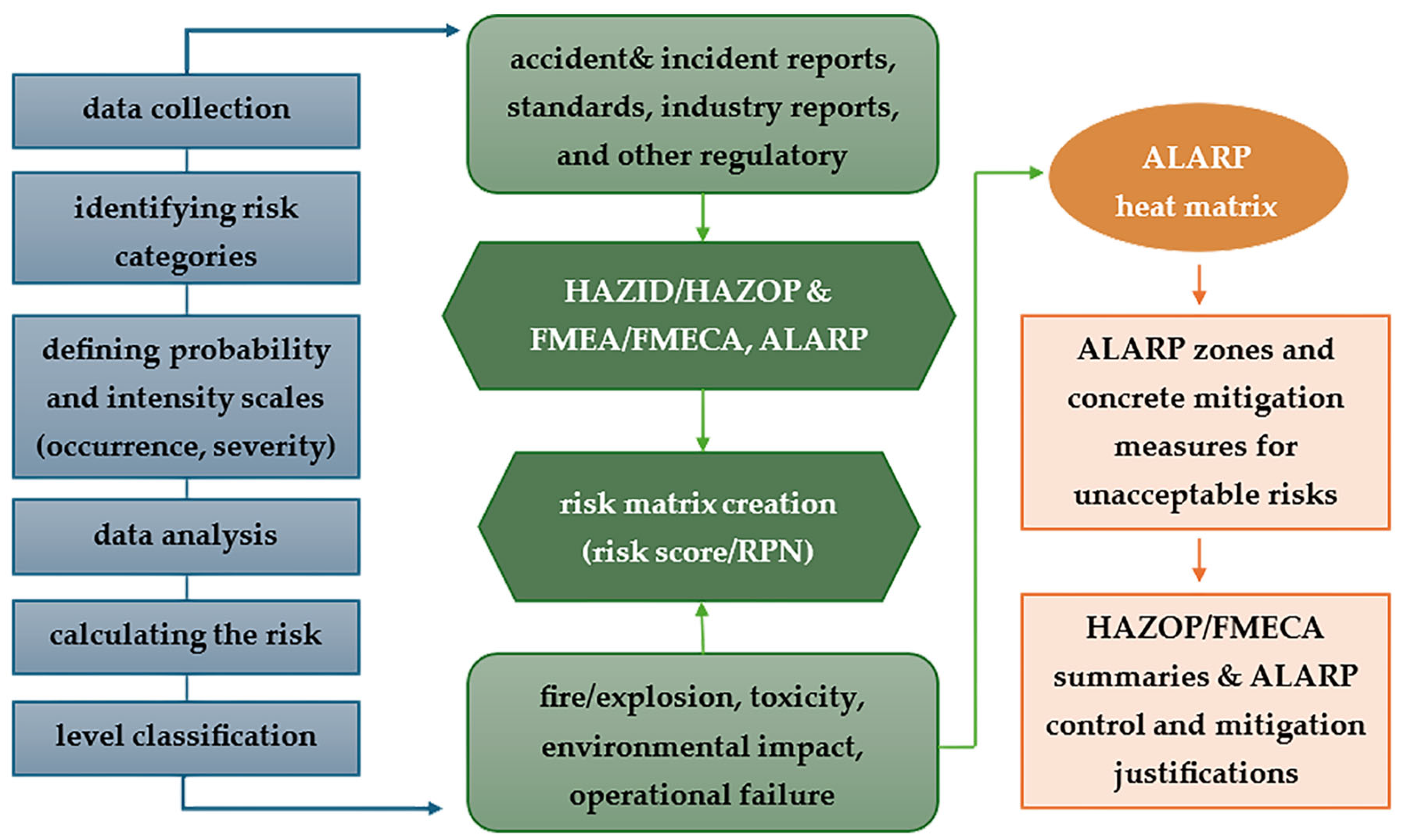
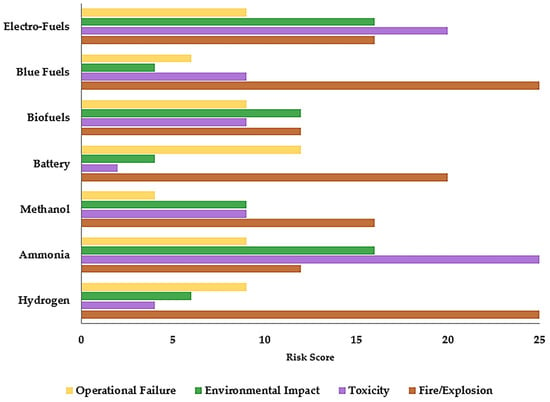
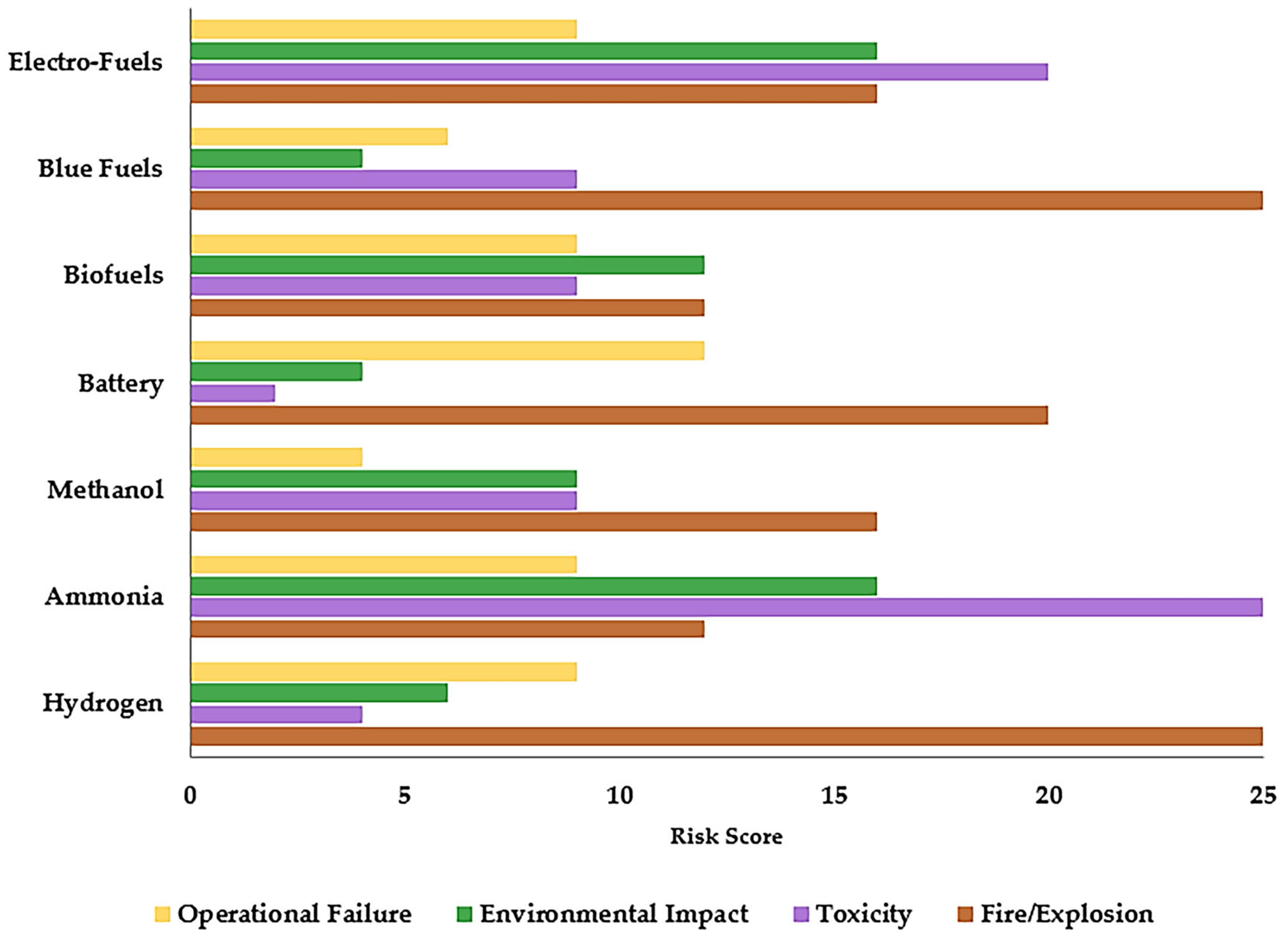
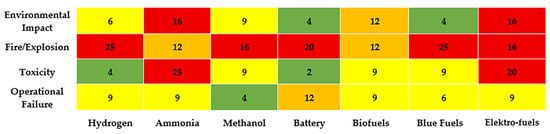
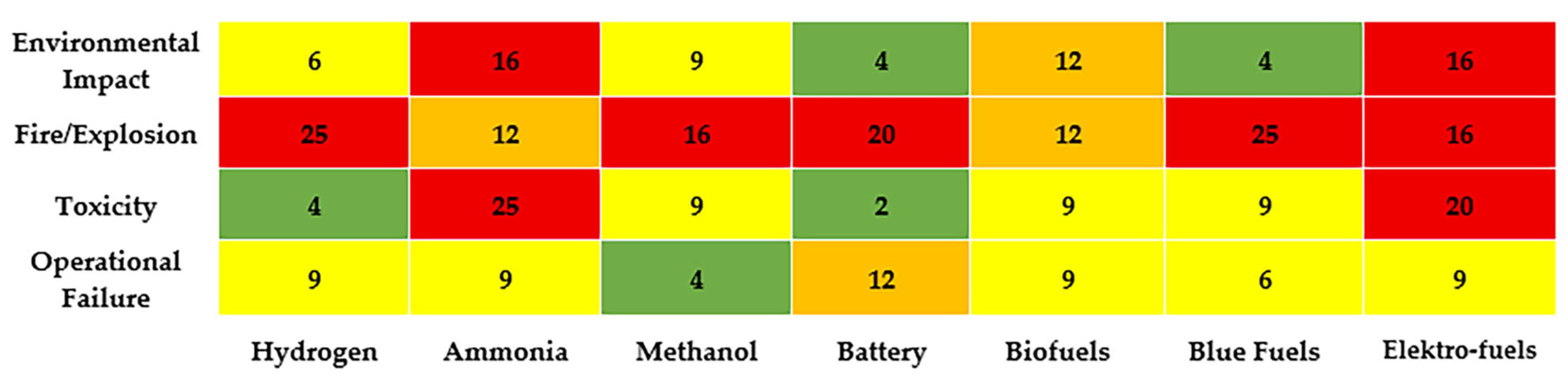

Disclaimer/Publisher’s Note: The statements, opinions and data contained in all publications are solely those of the individual author(s) and contributor(s) and not of MDPI and/or the editor(s). MDPI and/or the editor(s) disclaim responsibility for any injury to people or property resulting from any ideas, methods, instructions or products referred to in the content. |
© 2026 by the author. Licensee MDPI, Basel, Switzerland. This article is an open access article distributed under the terms and conditions of the Creative Commons Attribution (CC BY) license.