


Simple Summary
Among gynecological cancers, ovarian cancer (OC) is the most lethal, with a high death rate and poor prognosis due to drug resistance and consequent cancer recurrence. Epigenetic regulation has emerged as a central driver of tumor initiation, progression, and therapeutic failure in OC. In this review, we discuss the mechanisms of epigenetic regulation contributing to OC drug resistance and highlight various nano-based epigenome-targeted delivery strategies for treating OC. Furthermore, the challenges associated with epigenetic drugs and an overview of ongoing clinical trials have been mentioned.
Abstract
Epigenetic mechanisms play a crucial role in OC drug resistance, and emerging evidence suggests that dysregulated epigenetic modifications are among the key contributors to OC. Epigenetic agents, including DNA methyltransferase inhibitors, histone deacetylase inhibitors, and non-coding RNA-based therapeutics, have important limitations, including poor water solubility, limited tissue distribution, low stability, and systemic toxicity. To overcome this, a novel drug delivery system is needed to manage variability in drug administration and maximize the efficacy of these drugs. In this regard, nanotechnology offers an attractive option for formulating epigenetic drugs with various encapsulation strategies to increase bioavailability and drug efficacy, reduce drug dose, administration frequency, and toxicity, and enhance cellular internalization and tumor-targeted delivery. In this review, we summarize various epigenetic regulators and their roles in OC therapy resistance as well as the development of nanosystems for epigenetic drug delivery, which could lay the foundation for designing nanoformulations encapsulating epigenetic therapeutics, ultimately advancing personalized, targeted therapy for patients with OC. This review also discusses the current clinical status of nanocarrier platforms and translational barriers that limit the clinical development of epigenetic nanomedicine, highlighting the future directions required for successful clinical translation.
1. Introduction
Ovarian cancer (OC) remains one of the most lethal gynecologic malignancies worldwide, accounting for a disproportionate number of cancer-related deaths [1]. Despite major advances in cytoreductive surgery and platinum-based chemotherapy, overall survival has improved only modestly over recent decades. A major contributor to this limited progress is delayed diagnosis, as more than 70% of patients present with advanced-stage disease (FIGO III/IV) at the time of clinical detection [1,2]. Similarly, most patients are diagnosed only after extensive peritoneal dissemination has occurred, at which point a highly adaptive and immunosuppressive tumor microenvironment (TME) reinforces tumor progression. This disease trajectory contributes to therapeutic failure, frequent recurrence, and poor long-term outcomes. Recurrent OC, often characterized by platinum resistance, is therefore associated with limited treatment options and is consistent with worse survival outcomes. This highlights the need for strategies that can overcome resistance while minimizing systemic toxicity [1,3].
Unlike genetic alterations, epigenetic modifications do not alter the underlying DNA sequence. Instead, they regulate gene expression through mechanisms including DNA methylation, histone post-translational modifications, and non-coding RNAs (ncRNAs) [4]. Collectively, these mechanisms govern transcriptional programs that define cellular identity and plasticity. In cancer, coordinated epigenetic dysregulation enables tumor cells to adopt adaptive transcriptional states that promote sustained proliferation, metastatic progression, and survival under therapeutic pressure, which leads to therapy resistance and disease recurrence [5,6]. Importantly, these epigenetic states are often stable yet reversible, positioning epigenetic regulators as attractive therapeutic targets. In OC, both intrinsic and acquired resistance to therapy have been linked to epigenetic alterations that reprogram transcriptional states associated with drug efflux, DNA damage response, and TME interactions [7]. These epigenetic changes enable tumor cells to adapt to therapeutic pressure, contributing to disease recurrence and poor clinical outcomes [6]. Mechanistically, these alterations can shift DNA damage repair capacity, enabling tumor cells to survive cytotoxic stress and subsequently re-expand [1]. However, despite compelling preclinical evidence supporting epigenetic therapies, their clinical translation in solid tumors such as OC has been limited by unfavorable pharmacokinetics, off-target toxicity, and insufficient tumor specificity [5].
Many small-molecule epigenetic drugs suffer from poor aqueous solubility, chemical instability, and limited specificity for particular genomic loci or cell populations. These limitations frequently result in off-target effects and dose-limiting toxicities, preventing sustained epigenetic reprogramming within tumors. Advances in nanotechnology-based drug delivery have begun to address these challenges by decoupling therapeutic efficacy from unfavorable systemic pharmacokinetics. This will improve drug stability, tumor targeting, and controlled release [1,5,7]. By enhancing the precision and controlled release of epigenetic therapeutics, nanotechnology-driven approaches offer a promising strategy to reprogram the tumor epigenome [8,9] with potential downstream benefits including TME modulation and targeting of therapy-resistant OC stem-like populations [6,10]. Although previous reviews have discussed epigenetic therapies and nanotechnology-based drug delivery independently, few have integrated these fields while emphasizing the translational challenges that limit the clinical application of epigenetic therapies in OC. In this review, we summarize key epigenetic mechanisms implicated in OC progression and therapy resistance, with an emphasis on actionable targets and clinically relevant epigenetic therapeutics. We then discuss how nanotechnology-based delivery platforms may overcome the pharmacologic and tumor-penetration barriers that have limited the penetrability of epigenetic drugs in solid tumors.
2. Role of Epigenetic Regulators in OC Drug Resistance and Pathogenesis
2.1. DNA Methylation
DNA methylation is one of the most extensively characterized epigenetic mechanisms. It plays a fundamental role in regulating gene expression without altering the underlying DNA sequence [4]. In mammalian cells, the predominant DNA methylation mark is 5-methylcytosine, which occurs primarily at CpG dinucleotides. This modification is initiated through the transfer of a methyl group from S-adenosylmethionine to the 5-carbon of cytosine, a reaction catalyzed by DNA methyltransferases (DNMTs). Although alternative methylation marks such as 6-methyladenine and 4-methylcytosine are more common in prokaryotes, 5mC represents the principal regulatory DNA methylation mark in mammalian genomes [11]. CpG islands located within gene promoters are typically unmethylated under normal physiological conditions, permitting active transcription. Aberrant hypermethylation of these regions leads to transcriptional repression and stable silencing of tumor suppressor genes [4]. DNMT1 functions as the primary maintenance methyltransferase during DNA replication, ensuring faithful inheritance of methylation patterns, whereas DNMT3A and DNMT3B catalyze de novo methylation during development and cellular differentiation. DNMT2 primarily targets RNA substrates, while DNMT3L lacks catalytic activity but enhances DNMT3A and DNMT3B function, particularly in germline cells [11].
Dysregulation of DNMT expression and activity is a hallmark of malignant transformation. Overexpression of DNMT1, DNMT3A, and DNMT3B has been reported across a wide range of cancer types [11]. In OC, elevated DNMT expression is associated with aggressive disease, poor prognosis, and resistance to chemotherapy [6]. Promoter hypermethylation of key tumor suppressor genes, including BRCA1, MLH1, RASSF1A, APC, CDKN2A (p16), and RUNX3, has been observed in OC and contributes to impaired DNA damage repair, cell cycle dysregulation, and evasion of apoptosis [4,6]. Notably, DNMT-mediated silencing of BRCA1 can phenocopy BRCA mutations, promoting genomic instability while reshaping therapeutic responsiveness to platinum-based agents and PARP inhibitors [2,5]. While DNMT-driven hypermethylation contributes to transcriptional repression and therapeutic resistance in OC, translating this biology into effective treatment has proven challenging [2].
DNA methylation patterns are dynamically regulated through both passive and active demethylation mechanisms. Active demethylation is mediated by the ten-eleven translocation (TET) family of dioxygenases (TET1, TET2, and TET3), which catalyze the stepwise oxidation of 5mC to 5-hydroxymethylcytosine, 5-formylcytosine, and 5-carboxylcytosine [12,13]. These oxidized intermediates are subsequently removed through base excision repair pathways, restoring unmodified cytosine. Loss of TET activity is frequently observed in cancer and is associated with reduced 5hmC levels and impaired differentiation [11]. Disruption of TET-mediated demethylation leads to aberrant DNA methylation and altered gene expression programs that contribute to malignant transformation and disease progression [12,13]. Beyond focal hypermethylation, cancer genomes exhibit global hypomethylation, particularly within repetitive elements such as LINE-1 and Alu sequences. This loss of methylation contributes to chromosomal instability, activation of oncogenes, and increased susceptibility to genomic rearrangements [4]. Together, the coexistence of global hypomethylation and promoter-specific hypermethylation creates a permissive epigenetic landscape that supports malignant transformation and disease progression [12].
These mechanistic insights have motivated the development of DNMT inhibitors (DNMTi) as therapeutic agents [8,14]. Nucleoside analogs such as 5-azacitidine and decitabine become incorporated into DNA and trap DNMT enzymes, inducing passive demethylation during cell division [15]. While DNMTi have demonstrated substantial efficacy in hematologic malignancies, their clinical translation in solid tumors such as OC has been constrained by limited tumor penetration and systemic toxicity [5,8]. These limitations suggest that nanotechnology-based delivery strategies may offer a practical approach to improving the stability, bioavailability, and tumor specificity of DNMTi [2].
2.2. Histone Modification
DNA methylation provides a relatively stable layer of epigenetic regulation, while histone acetylation represents a highly dynamic mechanism for controlling chromatin accessibility and transcriptional activity. Histone acetylation occurs primarily on lysine residues within the N-terminal tails of histone proteins and modulates chromatin structure without altering the underlying DNA sequence. Acetylation is catalyzed by histone acetyltransferases, which utilize acetyl-coenzyme A as the acetyl donor. By neutralizing the positive charge on lysine residues, acetylation weakens histone–DNA interactions, promotes open chromatin conformation, and facilitates transcription factor binding and RNA polymerase recruitment. Conversely, histone deacetylases (HDACs) remove acetyl groups, restoring positive charge, reinforcing chromatin compaction, and repressing transcription [11,16].
In mammalian cells, HDACs are classified into four major groups based on sequence homology and cofactor dependence. Class I HDACs (HDAC1, HDAC2, HDAC3, and HDAC8) are predominantly nuclear and function as transcriptional corepressors, whereas Class II HDACs shuttle between the nucleus and cytoplasm. Class III HDACs, also known as sirtuins, are NAD-dependent enzymes with distinct regulatory functions, and HDAC11 constitutes the sole member of Class IV [11]. Dysregulated HDAC activity is a recurrent feature of malignancy and is frequently associated with aberrant transcriptional repression of tumor suppressors and differentiation-associated genes [6,11]. Rather than inducing uniform transcriptional silencing, HDAC-mediated deacetylation selectively constrains differentiation programs while preserving transcriptional plasticity, a chromatin state that may favor survival under cytotoxic stress. In OC, altered histone acetylation landscapes contribute to tumor aggressiveness and therapeutic resistance by reshaping chromatin accessibility at lineage-determining loci [6,10]. Overexpression of HDAC1, HDAC2, and HDAC3 in high-grade serous OC has been associated with aggressive disease and poor clinical outcomes, and emerging evidence links HDAC-mediated chromatin remodeling to the development of chemoresistance [2,4]. This epigenetic configuration is particularly relevant for the maintenance of OC stem cell populations, which are increasingly recognized as central drivers of disease recurrence and relapse [4,8]. Beyond tumor intrinsic effects, HDACs also influence TME by regulating immune cell differentiation, cytokine production, and inflammatory signaling pathways. In addition, HDACs deacetylate numerous non-histone substrates, including transcription factors and signaling molecules, further expanding their impact on cellular behavior and intercellular communication within the tumor niche [17].
Together, these findings motivate the development of histone deacetylase inhibitors (HDACi) as therapeutic agents. Several HDACi, including vorinostat, romidepsin, belinostat, and panobinostat, have received FDA approval for the treatment of hematologic malignancies [5]. However, in OC, HDACi have shown limited benefit and can be difficult to dose due to systemic toxicity, reinforcing the need for more tumor-directed delivery strategies [4].
2.3. Non-Coding RNAs
ncRNAs constitute a critical regulatory layer of the epigenome and play essential roles in shaping transcriptional programs and cellular phenotypes. Although they do not encode proteins, ncRNAs account for a substantial proportion of transcripts produced by the human genome and function as potent modulators of gene expression across post-transcriptional, transcriptional, and chromatin-associated processes. Importantly, ncRNAs do not act in isolation. Many ncRNAs regulate epigenetic enzymes and are themselves regulated by DNA methylation and histone modifications, creating feedback loops that help stabilize oncogenic gene expression programs [12,18].
ncRNAs are broadly classified into small ncRNAs, including microRNAs (miRNAs), small interfering RNAs, PIWI-interacting RNAs, and long non-coding RNAs (lncRNAs). miRNAs primarily regulate gene expression at the post-transcriptional level by binding complementary sequences within the 3′ untranslated regions of target mRNAs, leading to transcript degradation or translational repression. Because individual miRNAs can regulate numerous target transcripts, they exert broad and coordinated effects on gene regulatory networks. In contrast, lncRNAs exhibit greater mechanistic diversity and frequently function at the transcriptional and chromatin levels. Many lncRNAs act as molecular scaffolds or guides that recruit chromatin-modifying complexes to specific genomic loci, thereby establishing stable transcriptional states. A prominent example is HOX transcript antisense RNA (HOTAIR), which coordinates polycomb repressive complex 2 and LSD1-containing complexes to enforce transcriptional repression programs associated with tumor progression and metastasis [12,18].
In OC, ncRNAs play central roles in therapeutic resistance, epithelial-to-mesenchymal transition (EMT), and the maintenance of OC stem cell populations. The lncRNA HOTAIR promotes platinum resistance by activating Wnt/β catenin signaling, whereas miR-200c suppresses EMT and restores sensitivity to PARP inhibitors. Additional miRNAs, including miR-181a and miR-21, regulate stemness-associated pathways, DNA damage repair, and apoptotic signaling, which reinforces resistant cellular phenotypes. Beyond tumor intrinsic effects, ncRNAs also mediate communication between tumor cells and the TME through exosome-based signaling, contributing to immune evasion, therapy resistance, and the persistence of OC stem cell populations that drive disease recurrence and metastatic spread [6,10]. Furthermore, ncRNAs exhibit high stability in circulation, positioning them as a promising non-invasive biomarker for OC diagnosis, prognosis, and therapeutic response monitoring. Importantly, DNA methylation, histone modifications, and ncRNAs function cooperatively to stabilize resistant transcriptional states, suggesting that durable clinical benefit may require coordinated and sustained epigenetic reprogramming rather than short-term pathway inhibition [18].
Despite their therapeutic potential, ncRNA-based interventions in OC remain limited by instability in circulation, rapid clearance, and inefficient intracellular delivery. Nanocarrier-based delivery platforms that protect nucleic acid cargo and enable tumor-selective uptake represent a critical strategy for translating epigenetic insights into durable clinical benefit [10,13]. Figure 1 illustrates the critical role of epigenetic regulation in tumor progression and therapeutic resistance, along with various nanocarrier systems designed to circumvent the associated limitations.
Figure 1.
Epigenetic regulation-mediated mechanisms contributing to tumor progression and drug resistance. The schema illustrates three interconnected levels of regulation: epigenetic regulation, functional consequences, and TME. The figure highlights how epigenetic regulation integrates with cellular signaling and microenvironmental interactions to drive tumor progression and therapeutic resistance. Adapted from Servier Medical Art (https://smart.servier.com/, accessed on 10 June 2024).
3. Epigenetic Modifiers in OC Treatment
Epigenetic modification has been shown to inhibit the expression of oncogenic proteins and increase the expression of tumor suppressor proteins in OC. The epigenetic pathways that have been targeted in studies include DNA and RNA methylation, histone acetylation, non-coding RNAs, and chromatin remodeling [1].
3.1. DNA Methyltransferase Inhibitors
DNMTi primarily functions by binding to DNMT enzymes and facilitating the binding of external methyl molecules to DNA nucleobases through catalysis, which in turn typically leads to the repression of the base during transcription [2]. In certain cases, unregulated cell growth can be traced to ‘hypermethylation’ at critical tumor suppressor DNA sequences. For example, increased methylation in the YPEL-3 gene, which in turn is regulated by p53, a major tumor-suppressor protein, is associated with the progression of OC [3]. DNMTi aims to counteract this issue by limiting the ability of DNMTs to facilitate methylation. Decitabine is one of the most common DNMTi treatments, primarily used for patients with myelodysplastic syndrome and myeloid leukemia. At low doses, it is highly effective at inhibiting methyltransferase, and at higher doses, it can serve as cytotoxic chemotherapy. However, the scope of decitabine in solid tumors is restricted owing to its high relative toxicity and chemical instability [4].
Zebularine is a relatively new DNMTi that has greater stability and lower toxicity compared to conventional DNMTi treatments such as decitabine and azacitidine [5]. This has the potential to widen the scope to include solid tumor lines as potential DNMTi targets. In the OC cell line A2780, preliminary studies involving zebularine have demonstrated demethylation of the RASSF1A tumor suppressor gene and increased sensitivity to cisplatin in cisplatin-resistant analogs of A2780 [7]. Ultimately, human trials are needed to validate zebularine for clinical OC treatment, but it shows great promise as an alternative to current DNMTi options.
3.2. Histone Deacetylase Inhibitors
HDACi primarily binds to the HDAC enzyme. Like DNMTs, HDACs are responsible for repressing transcription of DNA sequences. Specifically, HDACs remove acetyl groups on the surface of histones, which increases the binding affinity of histones with the phosphate groups in DNA. This in turn causes DNA to bind tightly to histones, inhibiting transcription proteins in the process [8].
One epigenetic factor involved in cancer propagation is the deacetylation of genes involved in tumor suppression. HDACi allows greater histone acetylation and increased transcription, and they are used clinically to increase the expression of tumor suppressor genes. In lymphoma, suberoylanilide hydroxamic acid (SAHA) is a common HDACi, which binds to zinc atoms on the catalytic sites on HDACs. SAHA has been shown to stimulate apoptosis and reduce pro-inflammatory markers because of increased transcriptional effects such as upregulation of the p21 gene [9]. However, in a similar case to DNMTi treatments, HDACi treatments tend to show lower efficacy in solid tumor studies [10].
In OC, certain HDACi treatments, such as romidepsin and panobinostat, have displayed an increase in apoptosis and improved sensitivity to cisplatin. The use of HDACi treatments in tandem with conventional OC treatments has been explored with mostly positive results [11]. A phase II clinical trial has been conducted with the HDACi tinostamustine, combined with capecitabine for OC treatment [12].
3.3. MicroRNA Inhibitors
Inhibiting DNA methylation and histone deacetylation work to increase transcription into messenger RNA (mRNA). However, miRNA strands can bind to complementary strands of mRNA, inhibiting translation into downstream proteins. The binding of miRNA to anti-tumor mRNA sequences can thus be a promoter of cancer. For example, in OC, miRNA sequences including miR-21 are highly expressed, which prevents the synthesis of tumor suppressor proteins [13]. One therapeutic approach to miRNA is the production of synthetic tumor-suppressing miRNA mimics. By treating cancer cells which mimic that mimic oncogenic mRNA, it is possible to inhibit the translation of oncogenic proteins [14]. In a study with A2780 cells transfected with mimics of the miR-124a and miR-517c sequences showed a significant decrease in cell viability after three days [15].
Conversely, miRNA inhibitors prevent the binding of miRNA sequences to mRNA. The primary mechanism to accomplish this has been the development of anti-miRNA oligonucleotides, which are designed to complement specific miRNA sequences to prevent them from binding to mRNA. At a larger scale, long synthetic miRNA sequences called ‘sponges’ are used to neutralize many oncogenic miRNAs [16]. In one study, the OC cell line SKOV3 was transfected with an anti-miRNA sequence that complements miR-324-5p. This miRNA sequence is an oncogenic sequence that plays a role in inhibiting tumor suppressor translation and promoting survival of OC cells. The anti-miRNA transfection reduced the expression of the glioma-associated oncogene homolog 1 oncogene. Due to the poor biostability of miRNA during transport, chitosan nanoparticles were developed to encapsulate them [17]. There are also non-nucleic acid mechanisms of miRNA inhibition, which present a possible advantage over the relatively unstable synthetic oligonucleotides. This is a novel approach, and currently, very few small-molecule inhibitors of miRNA have been discovered [18].
3.4. Bromodomain and Extraterminal Domain Inhibitors (BETi)
Bromodomain and extraterminal domain proteins (BET) are a series of related proteins that are closely tied to histone acetylation. Primarily, they bind to acetylated chromatin regions on histones and recruit transcription proteins to the corresponding DNA sequence. Histone deacetylase and bromodomain inhibitors both function by epigenetically inhibiting DNA transcription [19]. BETi aims to prevent transcription of oncogenes. Bromodomain proteins are key contributors to the upregulation of the FOXM1 oncogene in certain sensitive OC, and BET inhibitors were found to cause cell cycle arrest. However, with different strains of OC, the downstream effects of BET inhibition can vary [20]. Clinical trials have been conducted with the JQ1 drug (which targets the BRD2 and BRD4 bromodomain protein-encoding genes) in SKOV3, which was found to significantly reduce the expression of the MYC oncogene and increase apoptosis in tandem with HDACi SAHA [21].
Another recent study showed that BETi GSK5959/6853 prevented metastatic invasion of PEO4 and OVCAR3 OC cell lines. These drugs inhibit the BRPF1 gene, which encodes a bromodomain, promoting cancer in several solid tumors [22]. OPT-0139, another BRD4 inhibitor, was also tested in SKOV3 and OVCAR3 and was shown to downregulate oncogene markers associated with hypoxia-related angiogenesis, such as HIF-1α and VEGF-α [23].
4. Addressing Epigenetic Drug Delivery Challenges Using Nanotechnology in OC Management
Epigenetic drugs have shown promise in preclinical models, but their clinical efficacy in solid tumors remains severely limited by poor bioavailability, lack of tissue specificity, systemic toxicity, and unfavorable pharmacokinetics. To overcome these limitations, nanotechnology-based drug delivery systems have emerged as promising systems for epigenetic therapy. These innovative solutions can enhance tumor targeting, improve pharmacokinetics, and reduce off-target effects, which could ultimately enhance their therapeutic effectiveness [14].
Although there is a strong biological rationale for targeting epigenetic pathways in OC, there are several major obstacles that limit the effectiveness of epigenetic drugs in clinical settings. A primary limitation of epigenetic therapy is its lack of tumor specificity; global chromatin regulation alters gene expression in both cancerous and healthy tissues, narrowing the therapeutic window and increasing systemic toxicity [12]. Pharmacokinetic limitations further reduce efficacy, as many epigenetic drugs exhibit poor solubility, rapid metabolism, and short circulation half-lives, resulting in insufficient accumulation at the tumor site. Drug penetration is further restricted by factors such as abnormal vasculature and high interstitial pressure [5]. The TME itself also presents significant barriers, including dense stromal components and hypoxic conditions that limit drug diffusion, and cancer stem cells reside in protective niches that remain largely unaffected by conventional therapies. Even after an initial treatment response, these factors still contribute to therapeutic resistance and disease relapse [19]. These challenges highlight the need for advanced delivery systems that can improve tumor targeting, enhance drug stability, and minimize off-target effects.
In response to these challenges, nanotechnology-based drug delivery systems have emerged as a solution to improve the therapeutic performance of epigenetic drugs in OC. Nanocarriers can encapsulate epigenetic agents, protecting them from premature degradation, improving pharmacokinetics, and enabling controlled release at the tumor site [14]. Among the many nanocarrier platforms, polymeric nanoparticles and liposomes have been extensively investigated [12]. These systems can enhance drug solubility and prolong circulation time, thereby increasing the likelihood of tumor accumulation via the enhanced permeability and retention (EPR) effect [12,14]. The active targeting of OC cells is also enhanced by surface modification with targeting ligands, thereby improving specificity and reducing systemic toxicity [14]. Stimuli-responsive nanoparticles release their therapeutic payload in response to tumor-specific conditions such as an acidic pH or elevated intracellular glutathione levels, enabling localized drug release, increasing therapeutic efficacy while minimizing collateral effects [12]. Nanotechnology also enables innovative combination therapy, such as the co-delivery of epigenetic drugs with chemotherapeutic agents within a single nanocarrier. This can resensitize resistant OC cells to chemotherapy while reducing overlapping toxicities [19]. These approaches have shown motivating results in preclinical models and promise future clinical translation.
Despite the promise of nanotechnology-based epigenetic therapy, several challenges must be carefully addressed, including complexity, scalability, regulatory approval, long-term safety considerations, and OC-specific targeting strategies. Future research should focus on developing multifunctional nanocarriers capable of precise targeting, controlled release, and real-time monitoring of therapeutic responses. The continued interdisciplinary research at the convergence of epigenetics, nanomedicine, and oncology is essential to translating these advances into clinically effective therapies and for improving patient outcomes.
5. Nanocarriers for Epigenetic Therapy in OC
The success of epigenetic therapy in OC depends not only on identifying suitable molecular targets but also on strategies to deliver these therapeutic agents efficiently to tumor tissues. Different nanocarrier platforms possess distinct physicochemical characteristics that determine their suitability for specific classes of epigenetic agents. For example, polymeric nanoparticles provide sustained release of small-molecule inhibitors, liposomes improve systemic delivery while reducing toxicity, dendrimers facilitate intracellular delivery of nucleic acids, hydrogels enable localized intraperitoneal therapy, and advanced targeted systems combine biological recognition with stimulus-responsive drug release. Therefore, understanding the relationship between epigenetic mechanisms and nanocarrier design is essential for selecting appropriate drug delivery systems that maximize therapeutic efficacy in OC.
These sections critically discuss each nanocarrier platform, emphasizing its design principles, delivery mechanisms, preclinical and clinical evidence, pharmacokinetic characteristics, safety profile, and translational potential for epigenetic therapy in OC.
5.1. Polymeric Nanoparticles
Building on the delivery challenges associated with epigenetic therapeutics, polymeric nanoparticles have emerged as one of the most extensively investigated nanocarrier systems due to their excellent structural stability, controlled drug release, and versatility for encapsulating both small-molecule inhibitors and nucleic acid therapeutics [20,21]. Polymeric nanoparticles offer a promising solution by protecting therapeutic cargo, enabling controlled release, and improving intracellular delivery.
Polymeric nanoparticles are nanoscale colloidal systems ranging from approximately 50–300 nm in size, fabricated from biodegradable polymers such as poly(lactic-co-glycolic acid) (PLGA), polyethylene glycol (PEG)-based copolymers, polycaprolactone (PCL), chitosan, or dendritic polymers. These nanoparticles may exist as nanospheres, in which the drug is dispersed throughout the matrix, or as nanocapsules, in which the payload is confined within a core surrounded by a polymeric shell. The surface of polymeric nanoparticles can be modified with targeting ligands, PEG chains, or charged groups to improve circulation time and cellular uptake [22]. In epigenetic therapy, formulation design focuses on protecting unstable agents and prolonging exposure, as epigenetic modulation typically requires sustained intracellular concentrations rather than short-term, high-dose exposure. Controlled degradation of polymer matrices enables the gradual release of drugs, while surface engineering facilitates tumor targeting and enhanced cellular internalization [23].
Polymeric nanoparticles enhance epigenetic therapy through several interconnected mechanisms. First, they protect sensitive epigenetic molecules, such as siRNA and miRNA, from enzymatic degradation during systemic circulation. Second, nanoparticle-mediated delivery increases intracellular accumulation through endocytosis, improving the likelihood of nuclear or cytoplasmic access required for gene regulation. Third, controlled-release profiles allow prolonged drug exposure, which is essential for DNA demethylation or histone modification processes that occur gradually over time [24,25]. In OC, polymeric nanoparticles also exploit passive tumor targeting via the EPR effect, thereby increasing their accumulation in tumor tissues. Surface-modified systems can further improve specificity by targeting receptors that are commonly overexpressed in ovarian tumors, thereby enhancing therapeutic efficacy while minimizing systemic exposure.
Preclinical investigations have demonstrated that polymeric nanoparticles carrying epigenetic or epigenetically relevant cargos can significantly improve therapeutic outcomes compared with free-drug/small-molecule administration [26]. Nanoparticle systems that deliver DNA methylation inhibitors have shown enhanced cytotoxicity in resistant OC cell lines, due to sustained intracellular exposure. Similarly, RNA-loaded polymeric nanoparticles targeting resistance-related or epigenetically regulated genes have demonstrated improved gene knockdown efficiency and restoration of chemotherapy sensitivity in OC models [27]. Combination strategies utilizing polymeric nanoparticles to co-deliver epigenetic modulators with chemotherapeutic agents have shown synergistic antitumor effects, including reduced tumor growth and improved response in platinum-resistant models [23]. These findings highlight the flexibility of polymeric delivery systems in supporting multi-agent therapies that address complex epigenetic resistance pathways. PEGylated polymeric nanoparticles have demonstrated improved circulation half-life and increased exposure in tumor tissues due to reduced recognition by the reticuloendothelial system. Although comprehensive plasma pharmacokinetics datasets (AUC, clearance, and volume of distribution) remain limited for many epigenetic formulations, available data consistently suggest improved exposure compared with free therapeutics [28]. Safety evaluation across polymeric nanoparticle studies indicates favorable biocompatibility, particularly when biodegradable polymers such as PLGA or PEG-based materials are used [29]. Preclinical OC models frequently report minimal bodyweight loss during treatment, reduced systemic toxicity compared with free drugs, lower off-target organ exposure due to controlled release and tumor accumulation, and improved tolerability in combination therapies. However, toxicity risk is influenced by surface charge and polymer type; highly cationic systems may induce cell membrane disruption, whereas neutral or PEGylated formulations typically demonstrate improved safety profiles [30]. Various nanoparticle systems used are highlighted in Table 1.
Table 1.
Polymeric nanoparticles used in epigenetic therapy for OC.
Polymeric nanoparticles offer strong versatility, controlled-release capabilities, and compatibility with diverse epigenetic cargos. Their modular design enables the co-delivery of multiple therapeutic agents and facilitates surface modification for tumor targeting. These characteristics make them particularly attractive for overcoming OC chemoresistance linked to epigenetic changes. However, limitations remain; protein corona formation may alter nanoparticle behavior in vivo, and large-scale reproducible manufacturing can be challenging [35]. Additionally, many studies highlight therapeutic outcomes while providing limited comprehensive pharmacokinetic data, which slows translational progress. Future development of polymeric nanoparticles for epigenetic therapy is likely to focus on precision-controlled delivery systems incorporating stimulus-responsive release, ligand-targeting strategies, and combination therapies integrating chemotherapy and gene regulation. Advanced polymer designs/patterns capable of sequential or multi-stage release may further enhance epigenetic modulation by providing sustained and programmable exposure profiles. Integration with intraperitoneal delivery strategies may also improve clinical relevance, given the biological spread of OC [36].
5.2. Liposomes
Liposomes provide a powerful solution to the limitations of epigenetic therapeutics by acting as protective nanocarriers that enhance drug stability, improve pharmacokinetics, and increase tumor accumulation while reducing systemic exposure [37]. The key advantages of liposomal OC epigenetic therapy are as follows: they have clinically proven safety (several liposomal drugs approved), the ability to encapsulate hydrophilic and hydrophobic epigenetic drugs, protection of nucleic acids from nuclease degradation, improved tumor localization via the EPR effect, and the possibility of intraperitoneal administration, particularly relevant for OC spread [16].
Drugs like decitabine and azacitidine require prolonged exposure to achieve stable DNA demethylation. Free-drug administration results in rapid plasma degradation. Liposomes can improve therapy by shielding the drug from hydrolysis, enabling sustained release, and prolonging systemic circulation [38]. Preclinical studies have shown that liposomal decitabine increases intracellular exposure and enhances tumor suppression compared with free-drug administration [39]. Also, HDACi often suffer from dose-limiting toxicity and poor bioavailability. Encapsulating these HDAC inhibitors in liposomes reduces peak plasma toxicity, enhances tumor uptake, and enables slow release. In OC models, liposomal HDACi demonstrated increased apoptosis and improved chemosensitization compared with free compounds [40]. Epigenetic regulation heavily depends on RNA-based mechanisms. Cationic liposomes are widely used because they electrostatically bind negatively charged nucleic acids. The reported advantages include improved siRNA stability, efficient cellular uptake, and enhanced endosomal escape [41].
Enhanced cisplatin sensitivity and gene expression reduction, typically >60% in treated tumors [42]. Liposomal epigenetic drug combinations also showed several advantages across ovarian xenograft models; liposomal delivery led to higher tumor inhibition rates than free-drug equivalents [43]. Combination therapy with chemotherapy produced synergistic anti-tumor effects and an intraperitoneal delivery advantage. Because OC often spreads within the peritoneum, liposomal systems demonstrated prolonged peritoneal retention, improved local drug exposure, and reduced systemic toxicity [44].
Liposomes enhance epigenetic therapy through several mechanisms, like sustained exposure, which is critical for DNA methylation reversal; tumor-selective accumulation, via the EPR effect; protection of unstable molecules, especially RNA therapeutics; reduced systemic toxicity, allowing higher cumulative dosing; and enhanced intracellular delivery, which improves nuclear access for epigenetic modulation [14]. Despite strong preclinical evidence, several limitations remain: there are limited studies reporting complete pharmacokinetics datasets (specifically for epigenetic cargo); RNA-loaded liposomes can trigger immune responses depending on charge and stability; large-scale manufacturing remains challenging; and there is a translational gap between in vitro success and clinical trials. Integration of epigenetic therapy with immunotherapy is also an emerging area, as epigenetic modulation may increase tumor immunogenicity. Liposomes are among the most clinically validated nanocarriers for OC therapy and hold significant promises for epigenetic drug delivery. Although comprehensive pharmacokinetics studies specific to epigenetic cargos remain limited, existing data strongly support liposomes as a translationally promising platform for future OC epigenetic nanomedicine.
5.3. Hydrogels
Hydrogels are three-dimensional, hydrophilic polymeric networks that can absorb large amounts of water or biological fluids while maintaining structural integrity [45]. In oncology drug delivery, hydrogels have gained attention because they can serve as localized depots for sustained drug release, making them particularly suitable for OC, where intraperitoneal disease spread is common [46]. Because OC frequently recurs in the peritoneal cavity after surgery, hydrogel-based systems are increasingly being explored as implantable injectable carriers for delivering epigenetic agents directly to the TME.
Hydrogels used in drug delivery are typically composed of natural polymers such as hyaluronic acid, alginate, chitosan, or collagen, as well as synthetic polymers including polyethylene glycol (PEG), poly(vinyl alcohol), and poly(N-isopropylacrylamide) [47,48]. Their network architecture allows the encapsulation of both small-molecule drugs and macromolecules, such as siRNA and miRNA. The porous structure of hydrogels enables diffusion-based release, while chemical or physical crosslinking determines mechanical strength and degradation behavior [49]. Injectable hydrogels are especially attractive for OC because they can be administered by minimally invasive injection into the peritoneal cavity, forming a gel in situ that slowly releases therapeutic agents. Various hydrogel systems used for OC are highlighted in Table 2.
Table 2.
Hydrogel systems reported for epigenetic drugs.
In the context of epigenetic therapy, hydrogel design focuses on achieving sustained local concentration rather than rapid systemic distribution. This approach aligns well with the pharmacological requirement of epigenetic agents, which often rely on cumulative exposure to induce DNA demethylation or histone modification. Stimuli-responsive hydrogels, such as pH-sensitive or enzyme-responsive systems, further enhance specificity by releasing drugs preferentially in tumor-associated environments [55].
Hydrogels enhance epigenetic treatment primarily through localized retention and controlled release. Unlike circulating nanoparticles that rely on passive tumor accumulation, hydrogels act as reservoirs placed directly near tumor tissues. This allows continuous exposure to therapeutic concentrations while reducing peak systemic levels that commonly cause toxicity. When loaded with RNA-based epigenetic regulators, hydrogels also protect nucleic acids from nuclease degradation, maintaining nucleic acid stability over extended periods [56]. Another important mechanism is the hydrogels’ ability to co-deliver multiple agents. Epigenetic therapy frequently benefits from combination approaches, for example, pairing an HDACi with chemotherapy or delivering siRNA alongside small molecules to suppress resistance pathways. Hydrogels can spatially and temporally control release profiles, enabling sequential or simultaneous delivery strategies that support synergistic treatment effects in ovarian tumors [57].
Preclinical research on hydrogel platforms for OC has shown encouraging results, particularly for sustained intraperitoneal therapy. Drug-loaded hydrogels have demonstrated prolonged residence time within the peritoneal cavity compared with free-drug administration, leading to improved tumor growth inhibition and reduced recurrence in experimental models [58]. Epigenetic-relevant agents, such as histone-modifying compounds and gene-silencing molecules, delivered via hydrogel matrices, have demonstrated improved local retention and prolonged biological activity [59]. Injectable hydrogels loaded with nucleic acid therapies reported enhanced gene suppression and prolonged exposure compared with systemic injection, highlighting the suitability of hydrogels for epigenetic modulation requiring extended treatment windows [60].
Combination hydrogel systems incorporating both chemotherapeutic and gene-regulating components have been shown to reduce tumor burden more effectively than individual treatments alone [61]. This is particularly relevant to OC, where chemoresistance often involves epigenetic changes; sustained local epigenetic modulation may help re-sensitize tumors to chemotherapy.
Unlike traditional systemic nanocarriers, hydrogels primarily influence pharmacokinetics through local retention rather than changes in plasma half-life. Reported studies generally describe the following quantitative tendencies:
- Drug release duration ranging from several days to multiple weeks, depending on crosslink density.
- Reduced systemic peak concentrations compared with free-drug administration.
- Increased local peritoneal exposure due to depot-like behavior.
- Sustained therapeutic levels at tumor sites without repeated dosing.
Hydrogels are generally considered highly biocompatible because they mimic the natural extracellular matrix. Natural polymer-based hydrogels often show minimal inflammatory responses and degrade into non-toxic components. In preclinical OC models, hydrogel formulations have commonly demonstrated minimal local irritation following intraperitoneal administration, stable body weight during treatment, reduced systemic toxicity compared with free-drug injection, and limited off-target organ exposure due to localized drug retention [62]. The biocompatibility profile is significant for epigenetic drugs, which may cause systemic adverse effects when repeatedly administered. Hydrogel-based localized delivery enables lower total dosing while maintaining therapeutic efficacy [14]. Hydrogels offer several unique advantages compared with other nanocarriers. Their ability to provide localized therapy aligns well with the clinical biology of OC, and their sustained-release profiles match the pharmacodynamic requirements of epigenetic modulation. Additionally, their soft, tissue-compatible structure reduces inflammatory responses and allows integration with surgical treatment strategies.
However, limitations such as diffusion-controlled release may sometimes result in incomplete drug release, and large-scale, reproducible manufacturing can be challenging. Furthermore, most current evidence remains preclinical, and standardized pharmacokinetic evaluation is less common compared with systemic nanoparticle systems [63]. Optimization of degradation rate, mechanical properties, and drug-loading efficiency remain an active area of research. Future hydrogel platforms for epigenetic therapy are expected to incorporate innovative release mechanisms responsive to tumor-associated signals such as pH, enzymes, or reactive oxygen species. Hybrid systems combining hydrogels with nanoparticles or micelles may further improve controlled delivery and intracellular targeting. Personalized hydrogel implants tailored to surgical cavities or post-resection environment could be valuable in preventing OC recurrence through sustained local epigenetic modulation.
5.4. Dendrimers
Dendrimers are highly branched, monodisperse polymeric nanostructures that have emerged as promising nanocarriers for cancer therapy due to their well-defined architecture, multivalent surface functionality, and controllable nanoscale size [64]. Unlike conventional matrix-based nanocarriers, dendrimers possess a highly branched and monodisperse architecture that enables efficient loading and intracellular delivery of nucleic acid therapeutics targeting epigenetic. This unique structure allows simultaneous encapsulation and conjugation of small-molecule drugs, nucleic acids, and targeting ligands, making dendrimers especially attractive for epigenetic therapy in OC, where combination strategies involving gene regulation and chemotherapy are increasingly required [65,66,67]. Among various dendrimer families, PAMAM dendrimers are the most widely studied due to their biocompatibility and ability to complex nucleic acids via electrostatic interactions, a property particularly valuable for epigenetic agents such as siRNA targeting chromatin regulators or resistance-related genes [66].
Many epigenetic therapeutics require efficient intracellular or even nuclear delivery, dendrimers offer key advantages, including precise control over particle size, high surface charge density for nucleic acid complexation, and enhanced cellular internalization [6]. Several preclinical studies have demonstrated that dendrimer-based nano-vectors can enhance the delivery efficiency of siRNA and other gene-silencing agents targeting epigenetic pathways. For example, targeted, internally cationic PAMAM dendrimers designed for siRNA delivery formed efficient, compact nanosized complexes with low cytotoxicity and substantial downregulation of the anti-apoptotic BCL2 gene, highlighting their ability to modulate epigenetically regulated gene expression and apoptosis resistance [68]. This study demonstrated that targeted dendrimer-siRNA complexes significantly enhanced intracellular uptake compared with non-targeted systems, reinforcing the importance of surface functionalization for selective delivery to OC cells [69].
Dendrimer systems have also been investigated for combination strategies in OC models, where gene silencing is paired with chemotherapeutic agents to overcome resistance mechanisms that are frequently epigenetically driven. A notable preclinical investigation using dendrimer nanovectors for siRNA delivery demonstrated that targeting survival pathways, combined with paclitaxel treatment, significantly enhanced anticancer efficacy, suggesting that dendrimers can enable synergistic therapy by simultaneously modulating gene expression and inducing cytotoxic stress [70]. Similar principles were applied in amphiphilic PAMAM-based formulations capable of co-delivering chemotherapeutic agents and siRNA, showing effective suppression of multidrug resistance proteins and increased drug sensitivity in resistant ovarian carcinoma cell models such as A2780 [71]. These findings are highly relevant to epigenetic therapy because epigenetically controlled genes regulate many resistance pathways, and dendrimers enable simultaneous targeting of these mechanisms.
From a formulation and design perspective, dendrimers provide multiple drug-loading mechanisms, including internal cavity encapsulation, surface adsorption, and covalent conjugation. Studies involving biotinylated PAMAM dendrimer complexes loaded with paclitaxel in OC cells demonstrated quantitative drug loading values of approximately 12% and sustained drug release of about 70% over 72 h, indicating controlled release behavior that can be beneficial for sustained epigenetic modulation requiring prolonged exposure [72,73,74]. In the same model, dendrimer formulations showed significantly higher uptake in OVCAR-3 cells compared with normal cells, suggesting selective delivery potential [73]. Although paclitaxel itself is not an epigenetic inhibitor, these pharmacokinetic-like release profiles and uptake characteristics serve as an essential benchmark for future dendrimer-based delivery of DNMTi or HDACi, which similarly benefit from prolonged exposure [75].
Dendrimers are also increasingly being explored for co-delivery strategies that combine hydrophobic epigenetic modulators with nucleic acids. In one reported system, PAMAM dendrimers were used to simultaneously deliver curcumin, known to influence histone acetylation and DNA methylation pathways and BCL2 siRNA [76]. The resulting nanoparticles exhibited a mean particle size of ~180 nm and an extremely high drug loading (~82%), with significantly greater cellular uptake and tumor cell growth inhibition compared with free-drug or single-agent formulations [76]. Such designs illustrate how dendrimers can integrate multiple therapeutic modalities within a single nanocarrier to achieve stronger epigenetic regulation and enhanced anti-proliferative activity.
Pharmacokinetic and tissue distribution data specifically for epigenetic dendrimer therapies in OC remain limited, but several studies provide important quantitative insights. Dendrimer-decorated nanocarriers evaluated in ovarian carcinoma models demonstrated improved biodistribution, characterized by reduced liver accumulation and increased tumor uptake, resulting in enhanced antitumor efficacy with low systemic side effects [77]. These findings suggest improved pharmacokinetic behavior resulting from altered surface charge and architecture, which modulate in vivo distribution and reduce off-target toxicity. Additionally, dendrimer systems delivering siRNA have shown prolonged intracellular activity and protection from enzymatic degradation, indicating a functional extension of therapeutic exposure even when full plasma pharmacokinetic parameters, such as AUC or clearance, are not reported [78].
Safety findings across dendrimer studies show that toxicity depends strongly on surface chemistry and generation number [79]. Native cationic PAMAM dendrimers may exhibit membrane toxicity due to high surface charge but modified or internally cationic designs significantly reduce cytotoxicity while maintaining delivery efficiency [80]. Targeted dendrimer-siRNA complexes have demonstrated very low cytotoxicity even at higher concentrations, supporting their suitability for gene-based therapies [78]. Mechanistically, dendrimers enhance epigenetic therapy by promoting cellular uptake via multivalent interactions, protecting nucleic acids from degradation, enabling endosomal escape via proton-sponge effects, and allowing sustained release of therapeutic agents. Their multivalent surface enables simultaneous targeting ligand attachment, epigenetic drug loading, and imaging functionalities, making them versatile platforms for precision nanomedicine. Furthermore, dendrimers can facilitate intracellular delivery of siRNA targeting epigenetic regulators such as BCL2, MDR-associated proteins, or chromatin-modifying enzymes, thereby addressing one of the significant challenges in OC treatment-related acquired resistance linked to epigenetic plasticity [44].
Despite these advantages, several limitations currently hinder clinical translation. Comprehensive pharmacokinetic datasets, including plasma concentration–time profiles, clearance, and volume of distribution, are rarely reported for dendrimer-based epigenetic therapies in OC. Additionally, large-scale synthesis consistency, long-term toxicity evaluation, and immune compatibility require further investigation. Nevertheless, emerging designs such as biodegradable dendrimers, charge-conversion systems, and hybrid dendrimer-based nanoplatforms are showing promise for improving safety and translational feasibility. Dendrimers represent a highly versatile nanocarrier platform for epigenetic therapy in OC, combining high drug-loading capacity, efficient nucleic acid delivery, and tunable pharmacological behavior. Preclinical studies demonstrate enhanced intracellular delivery, improved gene silencing, controlled drug release extending up to 72 h, increased tumor uptake, and reduced systemic toxicity compared with free therapeutics. Although detailed pharmacokinetic characterization remains an unmet need, existing evidence strongly supports dendrimers as advanced nanocarriers that can enable combination epigenetic strategies and overcome therapeutic resistance in OC, positioning them as an important direction for future translational nanomedicine research.
5.5. Modified Formulations
Recent progress in OC nanomedicine has shifted toward advanced targeted delivery systems that go beyond passive accumulation and instead actively interact with tumor biology, immune evasion pathways, and microenvironmental cues. To further improve therapeutic precision, advanced delivery systems such as antibody–drug conjugates (ADCs), biomimetic nanocarriers, and smart-responsive platforms integrate active targeting and stimulus-responsive release mechanisms with conventional nanomedicine approaches [81]. These platforms share a common objective: increasing intracellular delivery of gene-regulating agents while minimizing systemic toxicity and overcoming resistance mechanisms driven by epigenetic plasticity [82]. Multiple advanced epigenetic drug delivery systems are listed in Table 3.
Epigenetic therapy requires sustained intracellular exposure and often precise cellular targeting because agents such as histone deacetylase inhibitors, DNA methyltransferase inhibitors, or RNA-based regulators can influence gene expression in both malignant and healthy cells [83]. Advanced targeted systems address these challenges by combining biological recognition, microenvironment responsiveness, and controlled release mechanisms [84]. Rather than functioning as simple carriers, they act as dynamic delivery platforms that can adapt to tumor conditions, such as acidic pH, elevated enzyme levels, oxidative stress, or immune camouflage requirements, commonly observed in OC metastases within the peritoneal cavity.
Although ADCs, biomimetic systems, and smart-responsive carriers differ structurally, they operate through complementary mechanisms that collectively improve epigenetic drug delivery [44]. ADCs use monoclonal antibodies to recognize tumor-specific antigens, allowing receptor-mediated internalization and intracellular release of a therapeutic payload. This strategy significantly increases selectivity and reduces systemic exposure, which is especially important for potent epigenetic modulators with narrow therapeutic windows [85,86].
Biomimetic systems, in contrast, borrow components from biological entities such as cell membranes, exosomes, or extracellular vesicle-like coatings. These systems exploit natural biological signaling to evade immune clearance, prolong circulation, and enhance tumor homing [87]. Cancer-cell–membrane-coated nanoparticles and immune-cell-derived membrane coatings have demonstrated improved tumor targeting and immune escape, enabling prolonged exposure of therapeutic cargo at tumor sites [88]. When applied to epigenetic therapy, this prolonged circulation and biological camouflage improve the stability and delivery of sensitive nucleic acid regulators such as siRNA or miRNA [89].
Smart-responsive systems add a further layer of precision by releasing drugs only when exposed to specific tumor-associated stimuli. pH, redox, enzyme, and temperature-sensitive designs enable controlled activation within the ovarian TME. Since ovarian tumors frequently exhibit acidic extracellular pH and altered enzymatic profiles, smart-responsive carriers can release epigenetic drugs preferentially at disease sites, increasing therapeutic efficiency while reducing systemic gene-regulatory effects [90]. Together, these systems represent a convergence of targeting, biological mimicry, and controlled activation, all of which align well with the pharmacodynamic requirements of epigenetic modulation.
Across preclinical OC research, these advanced systems have demonstrated several consistent therapeutic improvements. ADC platforms targeting OC-associated antigens have shown enhanced intracellular drug delivery and superior tumor growth suppression compared with non-targeted administration [91,92]. Although most clinically advanced ADCs currently utilize cytotoxic payloads, experimental designs incorporating epigenetic modulators or gene-regulating cargos have demonstrated improved selectivity and stronger apoptosis induction in tumor cells.
Biomimetic nanocarriers have shown improved tumor accumulation and prolonged systemic circulation, owing to immune-evasion properties conferred by membrane-coating strategies [93]. In OC models, biomimetic nanoparticles have demonstrated enhanced tumor inhibition and improved penetration into metastatic nodules compared with conventional nanoparticles. These effects are highly relevant for epigenetic therapy, where prolonged exposure is often more important than peak drug concentration. Smart-responsive nanocarriers have produced strong preclinical outcomes through controlled release behavior. Studies using pH-sensitive or redox-triggered systems reported higher intracellular drug availability and increased anticancer activity compared with non-responsive controls [94,95].
Collectively, these systems demonstrate improved efficacy through enhanced selectivity, deeper tumor penetration, and optimized intracellular delivery, all of which are critical for epigenetic intervention. Pharmacokinetic improvements are central to the value of these advanced delivery systems. ADCs typically exhibit reduced systemic clearance compared with free drug, owing to antibody-mediated stability and targeted distribution. Reported ADC platforms show prolonged circulation half-life relative to small-molecule drugs, often enabling sustained exposure and reduced off-target toxicity [96,97,98]. In the context of OC treatment, targeted antibody delivery has been associated with improved tumor-to-plasma exposure ratios.
Biomimetic systems frequently exhibit enhanced circulation times due to reduced opsonization and slower uptake by the reticuloendothelial system. Preclinical biodistribution studies have reported increased tumor accumulation and reduced liver or spleen deposition compared with uncoated nanoparticles, indicating improved pharmacokinetics and enhanced tumor selectivity [99]. Smart-responsive systems influence pharmacokinetics through controlled release rather than solely prolonged circulation. Drug release profiles are often extended from hours to days, depending on the trigger mechanism, enabling gradual exposure that supports sustained epigenetic modulation. Reduced burst release and lower systemic peak concentrations contribute to improved safety profiles. Despite these advances, comprehensive plasma pharmacokinetics datasets (AUC, clearance, volume of distribution) specific to epigenetic payloads remain limited, representing a shared translational gap across all three strategies [100,101].
Safety profiles reported for advanced targeted systems are generally favorable compared with those of free-drug administration. ADCs reduce systemic toxicity through antigen-specific delivery, although toxicity may still occur if target antigens are expressed at low levels in normal tissues. Biomimetic platforms tend to exhibit low immunogenicity due to their biological surface composition, leading to reduced inflammatory responses and improved tolerability in animal studies [102]. Smart-responsive systems further enhance safety by limiting drug release to tumor-associated environments, thereby lowering systemic exposure [103]. Reported preclinical findings commonly include minimal body-weight loss, reduced off-target organ toxicity, and improved therapeutic indices compared with conventional therapies. However, long-term immunological safety and large-scale reproducibility remain important areas of ongoing investigation.
Table 3.
Advanced targeted systems for epigenetic therapy in OC.
Despite substantial conceptual advantages, several challenges remain before widespread clinical application can be achieved. ADCs require careful antigen selection and linker stability to prevent premature release [109]. Biomimetic systems face manufacturing complexity and standardization challenges due to sourcing biological materials [110]. Smart-responsive systems must balance stability in circulation with efficient trigger sensitivity at tumor sites [111]. Across all approaches, limited standardized pharmacokinetic reporting for epigenetic payloads continues to hinder direct comparison and translational progression. The future of OC epigenetic nanomedicine will likely involve hybrid platforms that combine these strategies, for example, biomimetic coatings integrated with smart, responsive release mechanisms, or antibody-guided systems capable of stimulus-triggered epigenetic drug activation. Such multi-functional platforms may enable precision control over spatial and temporal gene modulation, improving therapeutic outcomes while minimizing adverse effects. Integration of immunotherapy and personalized biomarker-driven targeting is expected to enhance clinical relevance further. Figure 2 highlights how nanocarrier-based systems enable precise delivery of epigenetic therapies, improving targeting efficiency and therapeutic efficacy in cancer treatment.
Figure 2.
Nanocarrier-based delivery of epigenetic therapeutics for targeted cancer treatment. This scheme illustrates the design, delivery, and therapeutic impact of nanocarrier-mediated epigenetic modulation in tumor cells. Adapted from Servier Medical Art (https://smart.servier.com/, accessed on 10 June 2024).
6. Comparative Analysis of Nanocarrier Platforms for Epigenetic Therapy in OC
Although polymeric nanoparticles, liposomes, polymeric micelles, dendrimers, hydrogels, and advanced targeted delivery systems have all demonstrated significant potential for epigenetic therapy in OC, each nanocarrier possesses distinct physicochemical characteristics that influence drug loading, pharmacokinetics, tumor penetration, intracellular delivery, safety, and clinical translation, as listed in Table 4. Therefore, selecting an appropriate nanocarrier depends not only on the physicochemical properties of the epigenetic therapeutic agent but also on the intended route of administration, treatment duration, and TME.
Polymeric nanoparticles remain among the most versatile nanocarriers due to their excellent structural stability, controlled drug release, and ability to encapsulate both small-molecule epigenetic inhibitors and nucleic acid therapeutics. Their biodegradable polymer matrices, such as PLGA- and PEG-based systems, provide prolonged drug exposure and enhanced protection against enzymatic degradation [112]. However, polymeric nanoparticles generally exhibit slower intracellular drug release and may form a protein corona, which can influence biodistribution and cellular uptake [113].
Liposomes offer superior biocompatibility and represent the most clinically established nanocarrier platform among those discussed in Section 5. Their phospholipid bilayer structure enables simultaneous encapsulation of hydrophilic and hydrophobic agents while reducing systemic toxicity [114]. Clinically approved liposomal formulations, such as pegylated liposomal doxorubicin, have demonstrated prolonged circulation half-lives and improved therapeutic indices in OC, supporting the translational potential of liposomal drug delivery systems [115]. Nevertheless, liposomes may suffer from premature drug leakage, limited long-term storage stability, and relatively lower encapsulation efficiency for certain nucleic acid therapeutics.
Polymeric micelles are particularly advantageous for delivering hydrophobic epigenetic drugs because their hydrophobic core markedly enhances aqueous solubility and bioavailability. Their small particle size facilitates deeper tumor penetration than many larger nanoparticle systems [116]. However, micellar stability depends on the critical micelle concentration, and dilution following systemic administration may result in partial micelle dissociation and premature drug release if formulation optimization is inadequate.
Dendrimers possess highly controlled architecture and abundant functional surface groups that facilitate efficient conjugation or electrostatic complexation of siRNA, miRNA, and other gene-regulating therapeutics. Their multivalency enables simultaneous delivery of multiple therapeutic agents and targeting ligands, making them highly attractive for combination epigenetic therapy [117]. However, positively charged dendrimers may induce membrane toxicity and hemolysis unless appropriate surface modifications, such as PEGylation or acetylation, are employed to improve biocompatibility.
Unlike systemic nanocarriers, hydrogels primarily function as localized drug depots that maintain sustained therapeutic concentrations within the peritoneal cavity, which is particularly relevant for OC given its predominant intraperitoneal dissemination. Injectable hydrogels provide prolonged local drug retention while minimizing systemic exposure and associated toxicity. However, hydrogels are generally less suitable for systemic metastatic disease because their therapeutic effects are largely confined to the site of administration, and drug diffusion may be limited by the polymer network [118]. Emerging targeted delivery systems, including ADCs, biomimetic nanocarriers, and smart-responsive nanoparticles, address several limitations associated with conventional nanocarriers. ADCs improve therapeutic specificity through receptor-mediated targeting, biomimetic systems exploit natural biological membranes to evade immune recognition and prolong circulation and smart-responsive systems provide controlled drug release in response to tumor-specific stimuli such as acidic pH, elevated glutathione levels, or enzyme activity [81]. These advanced systems show considerable promise for enhancing intracellular delivery of epigenetic therapeutics while reducing systemic toxicity. Nevertheless, their clinical translation remains limited by manufacturing complexity, scalability, regulatory challenges, and relatively limited long-term clinical evidence.
Despite substantial progress, several common challenges remain across all nanocarrier platforms. Most studies evaluating nanocarrier-mediated epigenetic therapy in OC remain at the in vitro or preclinical animal stage, with relatively few progressing to clinical evaluation. Furthermore, comprehensive pharmacokinetic analyses, including plasma half-life, clearance, tissue biodistribution, and long-term safety assessments, are inconsistently reported, making direct comparison between different nanocarrier systems difficult. Standardization of characterization methods and greater emphasis on translational studies will therefore be essential for successful clinical implementation. Overall, no single nanocarrier platform can be considered universally superior for epigenetic therapy in OC. Polymeric nanoparticles and liposomes currently possess the strongest translational evidence owing to their established safety profiles and scalable manufacturing processes [119,120,121]. Polymeric micelles provide unique advantages for poorly soluble epigenetic drugs, dendrimers offer exceptional capability for nucleic acid delivery and combination therapy, while hydrogels are particularly suited for localized intraperitoneal administration. Advanced targeted systems integrating biological targeting with stimulus-responsive drug release are expected to represent the next generation of epigenetic nanomedicine. Consequently, future research should emphasize hybrid multifunctional platforms that combine the strengths of multiple nanocarrier systems to achieve precise, sustained, and personalized epigenetic therapy for OC.
Table 4.
Comparison of various nanocarriers for epigenetic modulation in OC.
7. Clinical Translation of Nanocarrier-Based Epigenetic Therapy in OC: Current Status and Challenges
Despite significant advances in nanocarrier-mediated epigenetic therapy for OC, most published evidence remains confined to preclinical investigations, including in vitro studies using OC cell lines and in vivo animal models. These studies consistently demonstrate that nanocarrier systems, including polymeric nanoparticles, liposomes, polymeric micelles, dendrimers, hydrogels, biomimetic nanocarriers, and smart-responsive delivery systems, improve the therapeutic performance of epigenetic agents by enhancing intracellular uptake, protecting labile molecules from enzymatic degradation, optimizing pharmacokinetic behavior, increasing tumor accumulation, and overcoming mechanisms of chemoresistance [126]. Collectively, these findings provide compelling proof-of-concept for nanotechnology-enabled epigenetic therapy. However, their therapeutic outcomes cannot be directly extrapolated to clinical practice because preclinical models do not fully replicate the molecular heterogeneity, immune responses, pharmacokinetic profiles, biodistribution, and disease progression observed in patients with OC.
At present, clinical evidence specifically supporting nanocarrier-mediated epigenetic therapy in ovarian cancer remains limited. Among the various nanocarrier platforms, liposomal formulations have achieved the greatest clinical success in OC treatment. Pegylated liposomal doxorubicin (Doxil®/Caelyx®) is an established therapeutic option for recurrent OC and has demonstrated prolonged circulation time, reduced cardiotoxicity, and an improved therapeutic index compared with conventional doxorubicin [127]. Likewise, the ADC mirvetuximab, soravtansine, which targets folate receptor-α, has shown significant clinical benefit in patients with platinum-resistant OC and has received regulatory approval [128]. However, these approved nanomedicines employ cytotoxic payloads rather than epigenetic therapeutics. Therefore, they demonstrate the clinical feasibility of nanocarrier-based drug delivery but should not be interpreted as direct clinical evidence supporting nanocarrier-enabled epigenetic therapy.
The translation of epigenetic nanomedicines into clinical practice remains challenging. Major barriers include tumor heterogeneity, differences between experimental models and human disease, limited predictive capability of current preclinical systems, complexity of large-scale manufacturing, formulation reproducibility, long-term physicochemical stability, and stringent regulatory requirements [129]. Furthermore, many published studies primarily focus on therapeutic efficacy while providing limited information on pharmacokinetics, biodistribution, immunogenicity, and long-term safety. The absence of standardized characterization and comprehensive translational evaluation makes direct comparison among different nanocarrier platforms difficult and slows clinical development.
Future progress toward clinical application will depend on the development of standardized preclinical evaluation protocols, clinically relevant animal models, scalable manufacturing technologies, and well-designed early-phase clinical trials. In addition, biomarker-guided patient selection, precision-targeted nanocarriers, and combination strategies integrating epigenetic therapy with chemotherapy, targeted therapy, or immunotherapy may further improve therapeutic efficacy while minimizing systemic toxicity. Close collaboration among pharmaceutical scientists, oncologists, biomaterials researchers, and regulatory agencies will be essential to successfully translate laboratory research into patient care.
8. Conclusions
Despite the recent progress in OC treatment, most patients with advanced OC still relapse and eventually die due to treatment resistance, which is largely mediated by epigenetic regulation. Various epigenetic therapies have been developed for cancer therapy, but challenges, such as poor solubility, rapid clearance, limited effectiveness, and off-target effects, have been pointed out. In this article, we reviewed various epigenetic inhibitors, how epigenetic modifications play a key role in OC drug resistance, and highlighted the biological functions of key epigenetic modifiers. In fact, the effective utilization of epigenetic modifiers was achieved by nanotechnology, which has addressed drug delivery challenges for epigenetic treatment in solid tumors. The evolution of novel drug delivery systems offers an attractive pathway to significantly enhance therapeutic outcomes and overcome limitations of current treatments by addressing these critical challenges. Various nanocarriers that can be used to enhance the stability, solubility, and specificity of these agents are mentioned in this article.
Previous studies have shown that nanomedicine can be specifically delivered to tumor cells rather than to normal tissue and prevent off-target toxicity. Moreover, these nanocarriers could provide a platform to combine existing chemotherapy and immunotherapy agents with epigenetic agents for synergistic activity. The exploration of advanced drug delivery systems underscores a pivotal shift towards leveraging advanced technologies for direct, effective, and safer OC interventions. The current evidence strongly supports the potential of nanocarrier-based epigenetic therapy for OC; however, it is predominantly derived from preclinical studies. Clinically approved nanomedicines establish the feasibility of nanocarrier technology but do not yet validate epigenetic nanotherapy. Consequently, robust clinical trials specifically evaluating epigenetic nanocarriers are essential before these promising strategies can be incorporated into routine clinical management of OC. Epigenetic targeting is an emerging field, and there are many possibilities for nanotechnology-based combination therapies that are to be explored in OC studies. In summary, the development of epigenetic-based nanodelivery systems will significantly promote personalized targeted therapy and improve the effectiveness and safety of epigenetic therapy.
Author Contributions
Conceptualization and study design: S.M.; literature review and data curation: S.M.; manuscript writing—original draft: V.P.; manuscript writing—sectional contributions: F.M., S.K., R.S., V.D. and S.M.; figure preparation: R.S.; manuscript editing: S.M., V.P., F.M., S.K., R.S. and V.D.; supervisor and correspondence: S.M. All authors have read and agreed to the published version of the manuscript.
Funding
This research received no external funding.
Institutional Review Board Statement
Not applicable.
Informed Consent Statement
Not applicable.
Data Availability Statement
No new data were created or analyzed in this study. Data sharing does not apply to this article.
Conflicts of Interest
Author Vivek Pamula was employed by the company Etico Lifesciences Pvt. Ltd. Author Rahaman Shaik was employed by the company Idaib Health The remaining authors declare that the research was conducted in the absence of any commercial or financial relationships that could be construed as a potential conflict of interest.
References
- Lin, Q.; Li, J.; Abudousalamu, Z.; Sun, Y.; Xue, M.; Yao, L.; Chen, M. Advancing Ovarian Cancer Therapeutics: The Role of Targeted Drug Delivery Systems. Int. J. Nanomed. 2024, 19, 9351–9370. [Google Scholar] [CrossRef] [Scilit] [PubMed]
- Singh, A.; Gupta, S.; Sachan, M. Epigenetic Biomarkers in the Management of Ovarian Cancer: Current Prospectives. Front. Cell Dev. Biol. 2019, 7, 182. [Google Scholar] [CrossRef] [Scilit] [PubMed]
- Kim, H.-K.; Cheong, H.; Kim, M.-Y.; Jin, H.-E. Therapeutic Targeting in Ovarian Cancer: Nano-Enhanced CRISPR/Cas9 Gene Editing and Drug Combination Therapy. Int. J. Nanomed. 2025, 20, 3907–3931. [Google Scholar] [CrossRef] [Scilit] [PubMed]
- Ashraf, A.H.M.; Afroze, S.; Osuji, G.; Kayani, S.; Colon, N.; Pantho, A.; Kuehl, T.; Pilkinton, K.; Uddin, M. Epigenetic Modifications in Ovarian Cancer: A Review. J. Cancer Treat. Diagn. 2020, 4, 17–35. [Google Scholar] [CrossRef] [Scilit]
- Li, Y.; Tan, Y.; Cai, Y.; Liu, X.; Wei, C.; Yu, W.; Fu, Y.; Cao, H. Engineered nanotechnology for epigenetic therapy in cancer treatment. Chem. Eng. J. 2025, 525, 170485. [Google Scholar] [CrossRef] [Scilit]
- Wang, Y.; Huang, Z.; Li, B.; Liu, L.; Huang, C. The Emerging Roles and Therapeutic Implications of Epigenetic Modifications in Ovarian Cancer. Front. Endocrinol. 2022, 13, 863541. [Google Scholar] [CrossRef] [Scilit] [PubMed]
- Buocikova, V.; Rios-Mondragon, I.; Pilalis, E.; Chatziioannou, A.; Miklikova, S.; Mego, M.; Pajuste, K.; Rucins, M.; El Yamani, N.; Longhin, E.M.; et al. Epigenetics in Breast Cancer Therapy—New Strategies and Future Nanomedicine Perspectives. Cancers 2020, 12, 3622. [Google Scholar] [CrossRef] [Scilit] [PubMed]
- Sengupta, P.; Choudhury, H.; Dutta, S.; Jacob, S.; Kesharwani, P.; Gorain, B. Current Strategies in Breast Cancer Therapy: Role of Epigenetics and Nanomedicine. Part. Part. Syst. Charact. 2022, 39, 2100276. [Google Scholar] [CrossRef] [Scilit]
- Panda, R.; Mohan, S.; Vellapandian, C. Harnessing Epigenetic Mechanisms to Overcome Immune Evasion in Cancer: The Current Strategies and Future Directions. Cureus 2024, 16, e70631. [Google Scholar] [CrossRef] [Scilit] [PubMed]
- Liu, T.; Zhang, D.; Wang, X.; Li, J.; Zhang, H.; Tang, K.; Wang, L. Innovative strategies for targeted therapy in ovarian cancer: Integrating pH-sensitive nanocarriers, epigenetic modulators, and immune modulation systems. Chem. Eng. J. 2025, 522, 167856. [Google Scholar] [CrossRef] [Scilit]
- Zhang, J.; Huang, L.; Ge, G.; Hu, K. Emerging Epigenetic-Based Nanotechnology for Cancer Therapy: Modulating the Tumor Microenvironment. Adv. Sci. 2023, 10, e2206169. [Google Scholar] [CrossRef] [Scilit] [PubMed]
- Roberti, A.; Valdes, A.F.; Torrecillas, R.; Fraga, M.F.; Fernandez, A.F. Epigenetics in cancer therapy and nanomedicine. Clin. Epigenet. 2019, 11, 81. [Google Scholar] [CrossRef] [Scilit] [PubMed]
- Suraweera, A.; O’Byrne, K.J.; Richard, D.J. Epigenetic drugs in cancer therapy. Cancer Metastasis Rev. 2025, 44, 37. [Google Scholar] [CrossRef] [Scilit] [PubMed]
- Li, T.; Chen, Y.; Li, S. The Advances in the Development of Epigenetic Modifications Therapeutic Drugs Delivery Systems. Int. J. Nanomed. 2024, 19, 10623–10637. [Google Scholar] [CrossRef] [Scilit] [PubMed]
- Ahmad, U.; Islam, A.; Khan, M.M.; Akhtar, J. Nanotechnology-driven Epigenetic Cancer Therapy: Precision Delivery and Sustained Release of DNA Methylation Modulators. Yale J. Biol. Med. 2025, 98, 227–235. [Google Scholar] [CrossRef] [Scilit] [PubMed]
- Ghosh, A.; Himaja, A.; Biswas, S.; Kulkarni, O.; Ghosh, B. Advances in the Delivery and Development of Epigenetic Therapeutics for the Treatment of Cancer. Mol. Pharm. 2023, 20, 5981–6009. [Google Scholar] [CrossRef] [Scilit] [PubMed]
- Hoseini, Z.S.; Rezaee, Z.; Derakhshani, A.; Zhang, S.; Tehrani, S.S.; Taleb, M.; Ghanbari, H. Nanoparticles and Their Impact on Epigenetic Mechanisms: Insights and Implications. Adv. Ther. 2025, 8, 2500006. [Google Scholar] [CrossRef] [Scilit]
- Cheng, Y.; He, C.; Wang, M.; Ma, X.; Mo, F.; Yang, S.; Han, J.; Wei, X. Targeting epigenetic regulators for cancer therapy: Mechanisms and advances in clinical trials. Signal Transduct. Target. Ther. 2019, 4, 62. [Google Scholar] [CrossRef] [Scilit] [PubMed]
- Matthews, B.G.; Bowden, N.A.; Wong-Brown, M.W. Epigenetic Mechanisms and Therapeutic Targets in Chemoresistant High-Grade Serous Ovarian Cancer. Cancers 2021, 13, 5993. [Google Scholar] [CrossRef] [Scilit] [PubMed]
- Feltracco, V. Pluronic Copolymer Nanoparticles as an Exemplar for Epidrug Delivery in Endometrial Cancer. Master’s Thesis, Ca’ Foscari University, Venice, Italy, 2019. [Google Scholar]
- Moufarrij, S.; Dandapani, M.; Arthofer, E.; Gomez, S.; Srivastava, A.; Lopez-Acevedo, M.; Villagra, A.; Chiappinelli, K.B. Epigenetic therapy for ovarian cancer: Promise and progress. Clin. Epigenet. 2019, 11, 7. [Google Scholar] [CrossRef] [Scilit] [PubMed]
- Ps, S.S.; Guha, A.; Deepika, B.; Udayakumar, S.; Nag, M.; Lahiri, D.; Girigoswami, A.; Girigoswami, K. Nanocargos designed with synthetic and natural polymers for ovarian cancer management. Naunyn-Schmiedeberg’s Arch. Pharmacol. 2023, 396, 3407–3415. [Google Scholar] [CrossRef] [Scilit] [PubMed]
- Levit, S.L.; Tang, C. Polymeric Nanoparticle Delivery of Combination Therapy with Synergistic Effects in Ovarian Cancer. Nanomaterials 2021, 11, 1048. [Google Scholar] [CrossRef] [Scilit] [PubMed]
- Mirzaei, H.; Yazdi, F.; Salehi, R.; Mirzaei, H.R. SiRNA and epigenetic aberrations in ovarian cancer. J. Cancer Res. Ther. 2016, 12, 498–508. [Google Scholar] [CrossRef] [Scilit] [PubMed]
- Joshi, N. siRNA Loaded Polymeric Nanoparticles for Targeted Therapy in Ovarian Cancer. Ph.D. Thesis, University of New South Wales, Sydney, Australia, 2021. [Google Scholar]
- Xiong, Z.; Huang, Y.; Cao, S.; Huang, X.; Zhang, H. A new strategy for the treatment of advanced ovarian cancer: Utilizing nanotechnology to regulate the tumor microenvironment. Front. Immunol. 2025, 16, 1542326. [Google Scholar] [CrossRef] [Scilit] [PubMed]
- Liu, Y.; Long, T.; Zhang, N.; Qiao, B.; Yang, Q.; Luo, Y.; Cao, J.; Luo, J.; Yuan, D.; Sun, Y.; et al. Ultrasound-Mediated Long-Circulating Nanopolymer Delivery of Therapeutic siRNA and Antisense MicroRNAs Leads to Enhanced Paclitaxel Sensitivity in Epithelial Ovarian Cancer Chemotherapy. ACS Biomater. Sci. Eng. 2020, 6, 4036–4050. [Google Scholar] [CrossRef] [Scilit] [PubMed]
- Deng, X.; Zhang, Z.; Ren, T.; Chen, L. Regulation of oxidative stress and inflammation caused by drug accumulation in the TME based on EPR-passive strategy and active targeting. Cancer Nanotechnol. 2025, 16, 40. [Google Scholar] [CrossRef] [Scilit]
- Pinto, M.; Silva, V.; Barreiro, S.; Silva, R.; Remião, F.; Borges, F.; Fernandes, C. Brain drug delivery and neurodegenerative diseases: Polymeric PLGA-based nanoparticles as a forefront platform. Ageing Res. Rev. 2022, 79, 101658. [Google Scholar] [CrossRef] [Scilit] [PubMed]
- Muhaimin, M.; Chaerunisaa, A.Y.; Dewi, M.K.; Khatib, A.; Hazrina, A. The Toxicological Profile of Active Pharmaceutical Ingredients–Containing Nanoparticles: Classification, Mechanistic Pathways, and Health Implications. Pharmaceuticals 2025, 18, 703. [Google Scholar] [CrossRef] [Scilit] [PubMed]
- Rompicharla, S.V.K.; Trivedi, P.; Kumari, P.; Muddineti, O.S.; Theegalapalli, S.; Ghosh, B.; Biswas, S. Evaluation of Anti-Tumor Efficacy of Vorinostat Encapsulated Self-Assembled Polymeric Micelles in Solid Tumors. AAPS PharmSciTech 2018, 19, 3141–3151. [Google Scholar] [CrossRef] [Scilit] [PubMed]
- Teo, P.Y.; Yang, C.; Whilding, L.M.; Parente-Pereira, A.C.; Maher, J.; George, A.J.T.; Hedrick, J.L.; Yang, Y.Y.; Ghaem-Maghami, S. Ovarian Cancer Immunotherapy Using PD-L1 siRNA Targeted Delivery from Folic Acid-Functionalized Polyethylenimine: Strategies to Enhance T Cell Killing. Adv. Healthc. Mater. 2015, 4, 1180–1189. [Google Scholar] [CrossRef] [Scilit] [PubMed]
- Cubillos-Ruiz, J.R.; Baird, J.R.; Tesone, A.J.; Rutkowski, M.R.; Scarlett, U.K.; Camposeco-Jacobs, A.L.; Anadon-Arnillas, J.; Harwood, N.M.; Korc, M.; Fiering, S.N.; et al. Reprogramming Tumor-Associated Dendritic Cells In Vivo Using miRNA Mimetics Triggers Protective Immunity against Ovarian Cancer. Cancer Res. 2012, 72, 1683–1693. [Google Scholar] [CrossRef] [Scilit] [PubMed]
- Yang, X.; Lyer, A.K.; Singh, A.; Choy, E.; Hornicek, F.J.; Amiji, M.M.; Duan, Z. MDR1 siRNA loaded hyaluronic acid-based CD44 targeted nanoparticle systems circumvent paclitaxel resistance in ovarian cancer. Sci. Rep. 2015, 5, 8509. [Google Scholar] [CrossRef] [Scilit] [PubMed]
- Andreani, T.; Cheng, R.; Elbadri, K.; Ferro, C.; Menezes, T.; dos Santos, M.R.; Pereira, C.M.; Santos, H.A. Natural compounds-based nanomedicines for cancer treatment: Future directions and challenges. Drug Deliv. Transl. Res. 2024, 14, 2845–2916. [Google Scholar] [CrossRef] [Scilit] [PubMed]
- Perelló-Trias, M.T.; Serrano-Muñoz, A.J.; Rodríguez-Fernández, A.; Segura-Sampedro, J.J.; Ramis, J.M.; Monjo, M. Intraperitoneal drug delivery systems for peritoneal carcinomatosis: Bridging the gap between research and clinical implementation. J. Control. Release 2024, 373, 70–92. [Google Scholar] [CrossRef] [Scilit] [PubMed]
- Cramer, S.A.; Adjei, I.M.; Labhasetwar, V. Advancements in the delivery of epigenetic drugs. Expert Opin. Drug Deliv. 2015, 12, 1501–1512. [Google Scholar] [CrossRef] [Scilit] [PubMed] [PubMed Central]
- Tsai, H.-C.; Li, H.; Van Neste, L.; Cai, Y.; Robert, C.; Rassool, F.V.; Shin, J.J.; Harbom, K.M.; Beaty, R.; Pappou, E.; et al. Transient Low Doses of DNA-Demethylating Agents Exert Durable Antitumor Effects on Hematological and Epithelial Tumor Cells. Cancer Cell 2012, 21, 430–446. [Google Scholar] [CrossRef] [Scilit] [PubMed]
- Nguyen, A.N. Azacitidine and decitabine have different mechanisms of action in non-small cell lung cancer cell lines. Lung Cancer Targets Ther. 2010, 1, 119–140. [Google Scholar] [CrossRef] [Scilit] [PubMed]
- Tian, J.; Han, M.; Song, F.; Liu, Y.; Shen, Y.; Zhong, J. Advances of HDAC inhibitors in tumor therapy: Potential applications through immune modulation. Front. Oncol. 2025, 15, 1576781. [Google Scholar] [CrossRef] [Scilit] [PubMed]
- Ewert, K.K.; Scodeller, P.; Simón-Gracia, L.; Steffes, V.M.; Wonder, E.A.; Teesalu, T.; Safinya, C.R. Cationic Liposomes as Vectors for Nucleic Acid and Hydrophobic Drug Therapeutics. Pharmaceutics 2021, 13, 1365. [Google Scholar] [CrossRef] [Scilit] [PubMed]
- Li, J.; Wood, W.H.; Becker, K.G.; Weeraratna, A.T.; Morin, P.J. Gene expression response to cisplatin treatment in drug-sensitive and drug-resistant ovarian cancer cells. Oncogene 2006, 26, 2860–2872. [Google Scholar] [CrossRef] [Scilit] [PubMed]
- AlSawaftah, N.; Pitt, W.G.; Husseini, G.A. Dual-Targeting and Stimuli-Triggered Liposomal Drug Delivery in Cancer Treatment. ACS Pharmacol. Transl. Sci. 2021, 4, 1028–1049. [Google Scholar] [CrossRef] [Scilit] [PubMed]
- Gao, T.; Fu, S.; Quan, X.; Sun, J.; Jiang, M.; Li, J. Advancing Epigenetic Combination Therapy in Oncology: Multifunctional Nano-Drug Delivery Systems for Synergistic Efficacy and Precision Modulation. Int. J. Nanomed. 2025, 20, 14853–14883. [Google Scholar] [CrossRef] [Scilit] [PubMed]
- Mehta, P.; Sharma, M.; Devi, M. Hydrogels: An overview of its classifications, properties, and applications. J. Mech. Behav. Biomed. Mater. 2023, 147, 106145. [Google Scholar] [CrossRef] [Scilit] [PubMed]
- Baweja, R.; Ravi, R.; Baweja, R.; Gupta, S.; Sachan, A.; Pratyusha, V.; Warsi, M.K.; Purohit, S.D.; Mishra, A.; Ahmad, R. A Comprehensive Review of Hydrogels as Potential Drug Carriers for Anticancer Therapies: Properties, Development and Future Prospects. Next Mater. 2025, 8, 100913. [Google Scholar] [CrossRef] [Scilit]
- Mikhail, A.S.; Morhard, R.; Mauda-Havakuk, M.; Kassin, M.; Arrichiello, A.; Wood, B.J. Hydrogel drug delivery systems for minimally invasive local immunotherapy of cancer. Adv. Drug Deliv. Rev. 2023, 202, 115083. [Google Scholar] [CrossRef] [Scilit] [PubMed]
- Wang, Z.; Ye, Q.; Yu, S.; Akhavan, B. Poly Ethylene Glycol (PEG)-Based Hydrogels for Drug Delivery in Cancer Therapy: A Comprehensive Review (Adv. Healthcare Mater. 18/2023). Adv. Health Mater. 2023, 12, 2370102. [Google Scholar] [CrossRef] [Scilit]
- Sutradhar, S.C.; Banik, N.; Bari, G.A.K.M.R.; Jeong, J.-H. Polymer Network-Based Nanogels and Microgels: Design, Classification, Synthesis, and Applications in Drug Delivery. Gels 2025, 11, 761. [Google Scholar] [CrossRef] [Scilit] [PubMed]
- Zahedi, P.; Stewart, J.; De Souza, R.; Piquette-Miller, M.; Allen, C. An injectable depot system for sustained intraperitoneal chemotherapy of ovarian cancer results in favorable drug distribution at the whole body, peritoneal and intratumoral levels. J. Control. Release 2012, 158, 379–385. [Google Scholar] [CrossRef] [Scilit] [PubMed]
- Casadidio, C.; Fens, M.H.; Fliervoet, L.A.; Censi, R.; Vermonden, T. Injectable thermosensitive hydrogel for local and controlled delivery of siRNA-STAT3 polyplexes to treat advanced-stage ovarian cancer. J. Control. Release 2025, 384, 113890. [Google Scholar] [CrossRef] [Scilit] [PubMed]
- Almomen, A.; Badran, M.; Alhowyan, A.A.; Alkholief, M.; Alshamsan, A. Imiquimod-Loaded Chitosan-Decorated Di-Block and Tri-Block Polymeric Nanoparticles Loaded In Situ Gel for the Management of Cervical Cancer. Gels 2023, 9, 713. [Google Scholar] [CrossRef] [Scilit] [PubMed]
- Yadav, J.; Chahal, S.; Kumar, P.; Kumar, C. Thermo-Responsive Smart Hydrogels: Molecular Engineering, Dynamic Cross-Linking Strategies, and Therapeutics Applications. Gels 2025, 12, 12. [Google Scholar] [CrossRef] [Scilit] [PubMed]
- Yin, P.; Brozovic, A.; Zhang, W.; Wu, C. Core–shell hydrogel microspheres with sequential drug release and magnetothermal synergy for drug-resistant ovarian cancer. Biomater. Sci. 2025, 14, 161–172. [Google Scholar] [CrossRef] [Scilit] [PubMed]
- Shi, Y.; Yu, Q.; Tan, L.; Wang, Q.; Zhu, W. Tumor Microenvironment-Responsive Polymer Delivery Platforms for Cancer Therapy. Angew. Chem. 2025, 137, e202503776. [Google Scholar] [CrossRef] [Scilit]
- Pacheco, C.; Baião, A.; Ding, T.; Cui, W.; Sarmento, B. Recent advances in long-acting drug delivery systems for anticancer drug. Adv. Drug Deliv. Rev. 2023, 194, 114724. [Google Scholar] [CrossRef] [Scilit] [PubMed]
- Lu, P.; Ruan, D.; Huang, M.; Tian, M.; Zhu, K.; Gan, Z.; Xiao, Z. Harnessing the potential of hydrogels for advanced therapeutic applications: Current achievements and future directions. Signal Transduct. Target. Ther. 2024, 9, 166. [Google Scholar] [CrossRef] [Scilit] [PubMed]
- Chen, X.; Wei, Y.; Chen, X.; Zheng, L.; Zhao, Y.; You, J.; Yi, C.; Yang, X. Hydrogel-Based intraperitoneal drug delivery platforms for peritoneal metastasis: Strategies, advances, and prospects. Drug Deliv. 2026, 33, 2576199. [Google Scholar] [CrossRef] [Scilit] [PubMed] [PubMed Central]
- Dai, W.; Qiao, X.; Fang, Y.; Guo, R.; Bai, P.; Liu, S.; Li, T.; Jiang, Y.; Wei, S.; Na, Z.; et al. Epigenetics-targeted drugs: Current paradigms and future challenges. Signal Transduct. Target. Ther. 2024, 9, 332. [Google Scholar] [CrossRef] [Scilit] [PubMed]
- Wang, Q.; Qu, Y.; Zhang, Z.; Huang, H.; Xu, Y.; Shen, F.; Wang, L.; Sun, L. Injectable DNA Hydrogel-Based Local Drug Delivery and Immunotherapy. Gels 2022, 8, 400. [Google Scholar] [CrossRef] [Scilit] [PubMed]
- Tian, S.; Yang, S.; Liu, Y. Hydrogel-based drug delivery systems for enhanced tumor therapy. RSC Adv. 2026, 16, 7430–7446. [Google Scholar] [CrossRef] [Scilit] [PubMed]
- Zhao, L.; Zhou, Y.; Zhang, J.; Liang, H.; Chen, X.; Tan, H. Natural Polymer-Based Hydrogels: From Polymer to Biomedical Applications. Pharmaceutics 2023, 15, 2514. [Google Scholar] [CrossRef] [Scilit] [PubMed]
- Smagina, V.; Yudaev, P.; Kuskov, A.; Chistyakov, E. Polymeric Gel Systems Cytotoxicity and Drug Release as Key Features for their Effective Application in Various Fields of Addressed Pharmaceuticals Delivery. Pharmaceutics 2023, 15, 830. [Google Scholar] [CrossRef] [Scilit] [PubMed]
- Sharma, A.K.; Gothwal, A.; Kesharwani, P.; Alsaab, H.; Iyer, A.K.; Gupta, U. Dendrimer nanoarchitectures for cancer diagnosis and anticancer drug delivery. Drug Discov. Today 2017, 22, 314–326. [Google Scholar] [CrossRef] [Scilit] [PubMed]
- Pérez-Ferreiro, M.; Abelairas, A.M.; Criado, A.; Gómez, I.J.; Mosquera, J. Dendrimers: Exploring Their Wide Structural Variety and Applications. Polymers 2023, 15, 4369. [Google Scholar] [CrossRef] [Scilit] [PubMed]
- Abedi-Gaballu, F.; Dehghan, G.; Ghaffari, M.; Yekta, R.; Abbaspour-Ravasjani, S.; Baradaran, B.; Ezzati Nazhad Dolatabadi, J.; Hamblin, M.R. PAMAM dendrimers as efficient drug and gene delivery nanosystems for cancer therapy. Appl. Mater. Today 2018, 12, 177–190. [Google Scholar] [CrossRef] [Scilit] [PubMed]
- Palmerston Mendes, L.; Pan, J.; Torchilin, V.P. Dendrimers as Nanocarriers for Nucleic Acid and Drug Delivery in Cancer Therapy. Molecules 2017, 22, 1401. [Google Scholar] [CrossRef] [Scilit] [PubMed]
- Patil, M.L.; Zhang, M.; Taratula, O.; Garbuzenko, O.B.; He, H.; Minko, T. Internally Cationic Polyamidoamine PAMAM-OH Dendrimers for siRNA Delivery: Effect of the Degree of Quaternization and Cancer Targeting. Biomacromolecules 2009, 10, 258–266. [Google Scholar] [CrossRef] [Scilit] [PubMed]
- Gralewska, P.; Gajek, A.; Marczak, A.; Rogalska, A. Targeted Nanocarrier-Based Drug Delivery Strategies for Improving the Therapeutic Efficacy of PARP Inhibitors against Ovarian Cancer. Int. J. Mol. Sci. 2024, 25, 8304. [Google Scholar] [CrossRef] [Scilit] [PubMed]
- Tarach, P.; Janaszewska, A. Recent Advances in Preclinical Research Using PAMAM Dendrimers for Cancer Gene Therapy. Int. J. Mol. Sci. 2021, 22, 2912. [Google Scholar] [CrossRef] [Scilit] [PubMed]
- Kalave, S.; Hegde, N.; Juvale, K. Applications of Nanotechnology-based Approaches to Overcome Multi-drug Resistance in Cancer. Curr. Pharm. Des. 2022, 28, 3140–3157. [Google Scholar] [CrossRef] [Scilit] [PubMed]
- Patle, R.Y.; Dongre, R.S. Recent advances in PAMAM mediated nano-vehicles for targeted drug delivery in cancer therapy. J. Drug Target. 2024, 33, 437–457. [Google Scholar] [CrossRef] [Scilit] [PubMed]
- Yellepeddi, V.; Kumar, A.; Maher, D.M.; Chauhan, S.C.; Vangara, K.K.; Palakurthi, S. Biotinylated PAMAM dendrimers for intracellular delivery of cisplatin to ovarian cancer: Role of SMVT. Anticancer Res. 2011, 31, 897–906. [Google Scholar] [PubMed]
- Ma, J.; Yao, H. Dendrimer-paclitaxel complexes for efficient treatment in ovarian cancer: Study on OVCAR-3 and HEK293T cells. Acta Biochim. Pol. 2018, 65, 219–225. [Google Scholar] [CrossRef] [Scilit] [PubMed]
- Xie, W.; Sun, H.; Li, X.; Lin, F.; Wang, Z.; Wang, X. Ovarian cancer: Epigenetics, drug resistance, and progression. Cancer Cell Int. 2021, 21, 434. [Google Scholar] [CrossRef] [Scilit] [PubMed]
- Ghaffari, M.; Dehghan, G.; Baradaran, B.; Zarebkohan, A.; Mansoori, B.; Soleymani, J.; Dolatabadi, J.E.N.; Hamblin, M.R. Co-delivery of curcumin and Bcl-2 siRNA by PAMAM dendrimers for enhancement of the therapeutic efficacy in HeLa cancer cells. Colloids Surf. B Biointerfaces 2020, 188, 110762. [Google Scholar] [CrossRef] [Scilit] [PubMed]
- Li, X.; Ouyang, Z.; Li, H.; Hu, C.; Saha, P.; Xing, L.; Shi, X.; Pich, A. Dendrimer-decorated nanogels: Efficient nanocarriers for biodistribution in vivo and chemotherapy of ovarian carcinoma. Bioact. Mater. 2021, 6, 3244–3253. [Google Scholar] [CrossRef] [Scilit] [PubMed]
- Dong, Y.; Yu, T.; Ding, L.; Laurini, E.; Huang, Y.; Zhang, M.; Weng, Y.; Lin, S.; Chen, P.; Marson, D.; et al. A Dual Targeting Dendrimer-Mediated siRNA Delivery System for Effective Gene Silencing in Cancer Therapy. J. Am. Chem. Soc. 2018, 140, 16264–16274. [Google Scholar] [CrossRef] [Scilit] [PubMed]
- Kumbhar, S.A.; Gorain, B.; Choudhury, H.; Kesharwani, P. Safety and Toxicity Issues of Dendrimers. In Dendrimer-Based Nanotherapeutics; Kesharwani, P., Ed.; Academic Press: Amsterdam, The Netherlands; Elsevier: Amsterdam, The Netherlands, 2021; pp. 143–162. [Google Scholar] [CrossRef] [Scilit]
- Lombardo, D.; Calandra, P.; Bellocco, E.; Laganà, G.; Barreca, D.; Magazù, S.; Wanderlingh, U.; Kiselev, M.A. Effect of anionic and cationic polyamidoamine (PAMAM) dendrimers on a model lipid membrane. Biochim. Biophys. Acta (BBA) Biomembr. 2016, 1858, 2769–2777. [Google Scholar] [CrossRef] [Scilit] [PubMed]
- Younas, A.; Wang, S.; Asad, M.; Al Mamun, A.; Majeed, S.; Sharif, A.; Zhou, Q.; Liu, Y.; Geng, P.; Shao, C.; et al. Recent advances in cancer nanomedicine: From smart targeting to personalized therapeutics—Pioneering a new era in precision oncology. Mater. Today Bio 2025, 36, 102660. [Google Scholar] [CrossRef] [Scilit] [PubMed]
- Himanshu; Bashir, M.; Lone, M.; Maqbool, M. The Potential of Noncoding RNAs-siRNAs in Cancer Research and Therapy: Challenges and Solutions. In Non-Coding RNAs; Experientia Supplementum; Springer: Cham, Switzerland, 2026; Volume 115, pp. 123–168. [Google Scholar] [CrossRef] [Scilit] [PubMed]
- Fagbemi, O.A.; Ojo-Omoniyi, D.S.; Bassey, S.I.; Ogbozor, F.I.; Nnamdi, O.I.; Okei, N.C.; Kaura, S. Epigenetic therapies in cancer treatment: Opportunities and challenges. World J. Biol. Pharm. Health Sci. 2024, 20, 454–478. [Google Scholar] [CrossRef] [Scilit]
- Sun, Y.; Davis, E. Nanoplatforms for Targeted Stimuli-Responsive Drug Delivery: A Review of Platform Materials and Stimuli-Responsive Release and Targeting Mechanisms. Nanomaterials 2021, 11, 746. [Google Scholar] [CrossRef] [Scilit] [PubMed]
- Fong, J.Y.; Phuna, Z.; Chong, D.Y.; Heryanto, C.M.; Low, Y.S.; Oh, K.C.; Lee, Y.H.; Ng, A.W.R.; In, L.L.A.; Teo, M.Y.M. Advancements in antibody-drug conjugates as cancer therapeutics. J. Natl. Cancer Cent. 2025, 5, 362–378. [Google Scholar] [CrossRef] [Scilit] [PubMed]
- Zhou, K.; Liu, X.; Zhu, H. Overcoming resistance to antibody-drug conjugates: From mechanistic insights to cutting-edge strategies. J. Hematol. Oncol. 2025, 18, 96. [Google Scholar] [CrossRef] [Scilit] [PubMed]
- Lu, J.; Gao, X.; Wang, S.; He, Y.; Ma, X.; Zhang, T.; Liu, X. Advanced Strategies to Evade the Mononuclear Phagocyte System Clearance of Nanomaterials. Exploration 2023, 3, 20220045. [Google Scholar] [CrossRef] [Scilit] [PubMed]
- Duan, H.; Wang, L.; Wang, S.; He, Y. Surface Modification Potentials of Cell Membrane-Based Materials for Targeted Therapies: A Chemotherapy-Focused Review. Nanomedicine 2023, 18, 1281–1303. [Google Scholar] [CrossRef] [Scilit] [PubMed]
- Chen, X.; Liu, B.; Tong, R.; Zhan, L.; Yin, X.; Luo, X.; Huang, Y.; Zhang, J.; He, W.; Wang, Y. Orchestration of biomimetic membrane coating and nanotherapeutics in personalized anticancer therapy. Biomater. Sci. 2020, 9, 590–625. [Google Scholar] [CrossRef] [Scilit] [PubMed]
- El-Sawy, H.S.; Al-Abd, A.M.; Ahmed, T.A.; El-Say, K.M.; Torchilin, V.P. Stimuli-Responsive Nano-Architecture Drug-Delivery Systems to Solid Tumor Micromilieu: Past, Present, and Future Perspectives. ACS Nano 2018, 12, 10636–10664. [Google Scholar] [CrossRef] [Scilit] [PubMed]
- Li, Y.; Shen, Q.; Feng, L.; Zhang, C.; Jiang, X.; Liu, F.; Pang, B. A nanoscale natural drug delivery system for targeted drug delivery against ovarian cancer: Action mechanism, application enlightenment and future potential. Front. Immunol. 2024, 15, 1427573. [Google Scholar] [CrossRef] [Scilit] [PubMed]
- Wen, F.; Wang, L.; Li, X.; Zhao, J.; Xu, T.; Zhu, J.; Ma, L.; Wang, X. Precision Nanomedicine for Cancer: Innovations, Strategies, and Translational Challenges. OncoTargets Ther. 2025, 18, 1125–1148. [Google Scholar] [CrossRef] [Scilit] [PubMed]
- Zhang, Y.; Zhang, X.; Li, H.; Liu, J.; Wei, W.; Gao, J. Membrane-Coated Biomimetic Nanoparticles: A State-of-the-Art Multifunctional Weapon for Tumor Immunotherapy. Membranes 2022, 12, 738. [Google Scholar] [CrossRef] [Scilit] [PubMed]
- Yadav, N.; Debnath, N.; Das, S. Stimuli-responsive nanocarriers for targeted mRNA therapeutics: A paradigm shift in mRNA delivery for biomedical applications. Drug Deliv. Transl. Res. 2026, 16, 1709–1735. [Google Scholar] [CrossRef] [Scilit] [PubMed]
- Kallepalli, B.; Garg, U.; Jain, N.; Nagpal, R.; Malhotra, S.; Tiwari, T.; Kaul, S.; Nagaich, U. Intelligent Drug Delivery: Pioneering Stimuli-Responsive Systems to Revolutionize Disease Management—An In-depth Exploration. Curr. Drug Deliv. 2025, 22, 195–214. [Google Scholar] [CrossRef] [Scilit] [PubMed]
- Zhang, J.; Chang, R.; Zhao, A.; Li, X.; Sun, Y.; Zhang, J.; Wang, R.; Jin, T. Pharmacokinetic considerations and strategies for antibody-based therapeutics. Drug Metab. Rev. 2026, 58, 26–48. [Google Scholar] [CrossRef] [Scilit] [PubMed]
- Wang, R.; Hu, B.; Pan, Z.; Mo, C.; Zhao, X.; Liu, G.; Hou, P.; Cui, Q.; Xu, Z.; Wang, W.; et al. Antibody–Drug Conjugates (ADCs): Current and future biopharmaceuticals. J. Hematol. Oncol. 2025, 18, 51. [Google Scholar] [CrossRef] [Scilit] [PubMed]
- Drago, J.Z.; Modi, S.; Chandarlapaty, S. Unlocking the potential of antibody–drug conjugates for cancer therapy. Nat. Rev. Clin. Oncol. 2021, 18, 327–344. [Google Scholar] [CrossRef] [Scilit] [PubMed]
- Bartusik-Aebisher, D.; Wilk, I.; Aebisher, D. Nanomedicine in Ovarian Cancer: Advances in Imaging, Targeted Delivery, and Theranostic Therapeutic Platforms. Cancers 2025, 18, 86. [Google Scholar] [CrossRef] [Scilit] [PubMed] [PubMed Central]
- Bai, X.; Smith, Z.L.; Wang, Y.; Butterworth, S.; Tirella, A. Sustained Drug Release from Smart Nanoparticles in Cancer Therapy: A Comprehensive Review. Micromachines 2022, 13, 1623. [Google Scholar] [CrossRef] [Scilit] [PubMed]
- Kang, C.; Wang, J.; Li, R.; Gong, J.; Wang, K.; Wang, Y.; Wang, Z.; He, R.; Li, F. Smart Targeted Delivery Systems for Enhancing Antitumor Therapy of Active Ingredients in Traditional Chinese Medicine. Molecules 2023, 28, 5955. [Google Scholar] [CrossRef] [Scilit] [PubMed]
- Monteiro, N.; Casanova, M.; Quinteira, R.; Fangueiro, J.; Reis, R.; Neves, N. Biomimetic surface topography as a potential modulator of macrophages inflammatory response to biomaterials. Mater. Sci. Eng. C 2022, 141, 213128. [Google Scholar] [CrossRef] [Scilit] [PubMed]
- Wang, X.; Li, C.; Wang, Y.; Chen, H.; Zhang, X.; Luo, C.; Zhou, W.; Li, L.; Teng, L.; Yu, H.; et al. Smart drug delivery systems for precise cancer therapy. Acta Pharm. Sin. B 2022, 12, 4098–4121. [Google Scholar] [CrossRef] [Scilit] [PubMed]
- Merlino, G. Characterization of MEN1309/OBT076, a New Antibody Conjugated to the DM4 Maytansinoide Toxin. Ph.D. Thesis, Sapienza University of Rome, Rome, Italy, 2020. [Google Scholar]
- Al-Dossary, A.A.; Tawfik, E.A.; Isichei, A.C.; Sun, X.; Li, J.; Alshehri, A.A.; Alomari, M.; Almughem, F.A.; Aldossary, A.M.; Sabit, H.; et al. Engineered EV-Mimetic Nanoparticles as Therapeutic Delivery Vehicles for High-Grade Serous Ovarian Cancer. Cancers 2021, 13, 3075. [Google Scholar] [CrossRef] [Scilit] [PubMed]
- Xu, T.; Liu, Z.; Huang, L.; Jing, J.; Liu, X. Modulating the tumor immune microenvironment with nanoparticles: A sword for improving the efficiency of ovarian cancer immunotherapy. Front. Immunol. 2022, 13, 1057850. [Google Scholar] [CrossRef] [Scilit] [PubMed]
- Moufarrij, S.; Srivastava, A.; Gomez, S.; Hadley, M.; Palmer, E.; Austin, P.T.; Chisholm, S.; Diab, N.; Roche, K.; Yu, A.; et al. Combining DNMT and HDAC6 inhibitors increases anti-tumor immune signaling and decreases tumor burden in ovarian cancer. Sci. Rep. 2020, 10, 3470. [Google Scholar] [CrossRef] [Scilit] [PubMed]
- Chen, Y.; Wang, J.; Li, Y.; Wang, X.; Li, Z.; Li, Z.; Wang, H. Enzymatic PEG-Poly(amine-co-disulfide ester) Nanoparticles as pH- and Redox-Responsive Drug Nanocarriers for Efficient Antitumor Treatment. ACS Appl. Mater. Interfaces 2017, 9, 30519–30535. [Google Scholar] [CrossRef] [Scilit] [PubMed]
- Mckertish, C.M.; Kayser, V. Advances and Limitations of Antibody Drug Conjugates for Cancer. Biomedicines 2021, 9, 872. [Google Scholar] [CrossRef] [Scilit] [PubMed]
- Rasheed, T.; Nabeel, F.; Raza, A.; Bilal, M.; Iqbal, H. Biomimetic nanostructures/cues as drug delivery systems: A review. Mater. Today Chem. 2019, 13, 147–157. [Google Scholar] [CrossRef] [Scilit]
- Fathi, M.; Abdolahinia, E.D.; Barar, J.; Omidi, Y. Smart Stimuli-Responsive Biopolymeric Nanomedicines for Targeted Therapy of Solid Tumors. Nanomedicine 2020, 15, 2171–2200. [Google Scholar] [CrossRef] [Scilit] [PubMed]
- Tamariz, E.; Rios-Ramírez, A. Biodegradation of Medical Purpose Polymeric Materials and Their Impact on Biocompatibility. In Biodegradation—Life of Science; Chamy, R., Rosenkranz, F., Eds.; IntechOpen: London, UK, 2013; pp. 1–29. [Google Scholar] [CrossRef] [Scilit] [PubMed]
- Sánchez, A.; Mejía, S.P.; Orozco, J. Recent Advances in Polymeric Nanoparticle-Encapsulated Drugs against Intracellular Infections. Molecules 2020, 25, 3760. [Google Scholar] [CrossRef] [Scilit] [PubMed]
- Al-Jamal, W.T.; Kostarelos, K. Liposomes: From a Clinically Established Drug Delivery System to a Nanoparticle Platform for Theranostic Nanomedicine. Acc. Chem. Res. 2011, 44, 1094–1104. [Google Scholar] [CrossRef] [Scilit] [PubMed]
- Sobol, Ż.; Chiczewski, R.; Wątróbska-Świetlikowska, D. Advances in Liposomal Drug Delivery: Multidirectional Perspectives on Overcoming Biological Barriers. Pharmaceutics 2025, 17, 885. [Google Scholar] [CrossRef] [Scilit] [PubMed]
- Rodríguez, A.G.; Carrazana, M.S.; Tanty, C.R.; Malessy, M.J.A.; Fuentes, G.; Cruz, L.J. Smart Polymeric Micelles for Anticancer Hydrophobic Drugs. Cancers 2022, 15, 4. [Google Scholar] [CrossRef] [Scilit] [PubMed]
- Jackson, S.; Gigliobianco, M.R.; Casadidio, C.; Di Martino, P.; Censi, R. MicroRNA-Based Delivery Systems for Chronic Neuropathic Pain Treatment in Dorsal Root Ganglion. Pharmaceutics 2025, 17, 930. [Google Scholar] [CrossRef] [Scilit] [PubMed]
- Lee, Y.; Kim, M.; Kim, N.; Byun, S.; Seo, S.; Han, J.Y. Injectable Hydrogel Systems for Targeted Drug Delivery: From Site-Specific Application to Design Strategy. Appl. Sci. 2025, 15, 11599. [Google Scholar] [CrossRef] [Scilit]
- Khopade, A.J.; Shah, M. Challenges for Commercial Translation of Nanomedicines: From Lab Scale to Production Scale. In Commercial Scale Production of Nanomedicines; Shahiwala, A., Khopade, A.J., Patravale, V.B., Eds.; CRC Press: Boca Raton, FL, USA, 2025; pp. 1–40. [Google Scholar]
- Basak, S.; Das, T.K. Liposome-Based Drug Delivery Systems: From Laboratory Research to Industrial Production—Instruments and Challenges. Chemengineering 2025, 9, 56. [Google Scholar] [CrossRef] [Scilit]
- Desai, N.; Rana, D.; Patel, M.; Bajwa, N.; Prasad, R.; Vora, L.K. Nanoparticle Therapeutics in Clinical Perspective: Classification, Marketed Products, and Regulatory Landscape. Small 2025, 21, e2502315. [Google Scholar] [CrossRef] [Scilit] [PubMed]
- Babu, A.; Wang, Q.; Muralidharan, R.; Shanker, M.; Munshi, A.; Ramesh, R. Chitosan Coated Polylactic Acid Nanoparticle-Mediated Combinatorial Delivery of Cisplatin and siRNA/Plasmid DNA Chemosensitizes Cisplatin-Resistant Human Ovarian Cancer Cells. Mol. Pharm. 2014, 11, 2720–2733. [Google Scholar] [CrossRef] [Scilit] [PubMed]
- Zafar, M.N.; Abuwatfa, W.H.; Husseini, G.A. Acoustically-Activated Liposomal Nanocarriers to Mitigate the Side Effects of Conventional Chemotherapy with a Focus on Emulsion-Liposomes. Pharmaceutics 2023, 15, 421. [Google Scholar] [CrossRef] [Scilit] [PubMed]
- Gordon, A.N.; Granai, C.; Rose, P.G.; Hainsworth, J.; Lopez, A.; Weissman, C.; Rosales, R.; Sharpington, T. Phase II Study of Liposomal Doxorubicin in Platinum- and Paclitaxel-Refractory Epithelial Ovarian Cancer. J. Clin. Oncol. 2000, 18, 3093–3100. [Google Scholar] [CrossRef] [Scilit] [PubMed]
- Hajipour, M.J.; Safavi-Sohi, R.; Sharifi, S.; Mahmoud, N.; Ashkarran, A.A.; Voke, E.; Serpooshan, V.; Ramezankhani, M.; Milani, A.S.; Landry, M.P.; et al. An Overview of Nanoparticle Protein Corona Literature. Small 2023, 19, e2301838. [Google Scholar] [CrossRef] [Scilit] [PubMed]
- Maleki, H.; Aiyelabegan, H.T.; Javadi, P.; Abdi, F.; Mirzavi, F.; Behjani, Z.Z.; Rizvanov, A.A.; Takallu, S.; Kumar, R.; Barhaghtalab, R.H.; et al. Nanotechnology-mediated precision drug delivery strategies for breast cancer treatment. Biomed. Pharmacother. 2025, 188, 118224. [Google Scholar] [CrossRef] [Scilit] [PubMed]
- Gabizon, A.A.; Gabizon-Peretz, S.; Modaresahmadi, S.; La-Beck, N.M. Thirty years from FDA approval of pegylated liposomal doxorubicin (Doxil/Caelyx): An updated analysis and future perspective. BMJ Oncol. 2025, 4, e000573. [Google Scholar] [CrossRef] [Scilit] [PubMed]
- Li, Y.; Yuan, L.; Lou, G.; Cai, H.; Li, Y.; Li, F.; Wang, L.; Long, X.; Gong, Y.; Zhu, C.; et al. Safety, Tolerability, and Pharmacokinetics of Mirvetuximab Soravtansine in Chinese Patients with Folate Receptor α-Positive Advanced Ovarian Cancer. Cancer Med. 2026, 15, e71704. [Google Scholar] [CrossRef] [Scilit] [PubMed] [PubMed Central]
- Uzakova, A.B.; Yergaliyeva, E.M.; Yerlanuly, A.; Mukatayeva, Z.S. A Systematic Review of Advanced Drug Delivery Systems: Engineering Strategies, Barrier Penetration, and Clinical Progress (2016–April 2025). Pharmaceutics 2025, 18, 11. [Google Scholar] [CrossRef] [Scilit] [PubMed]
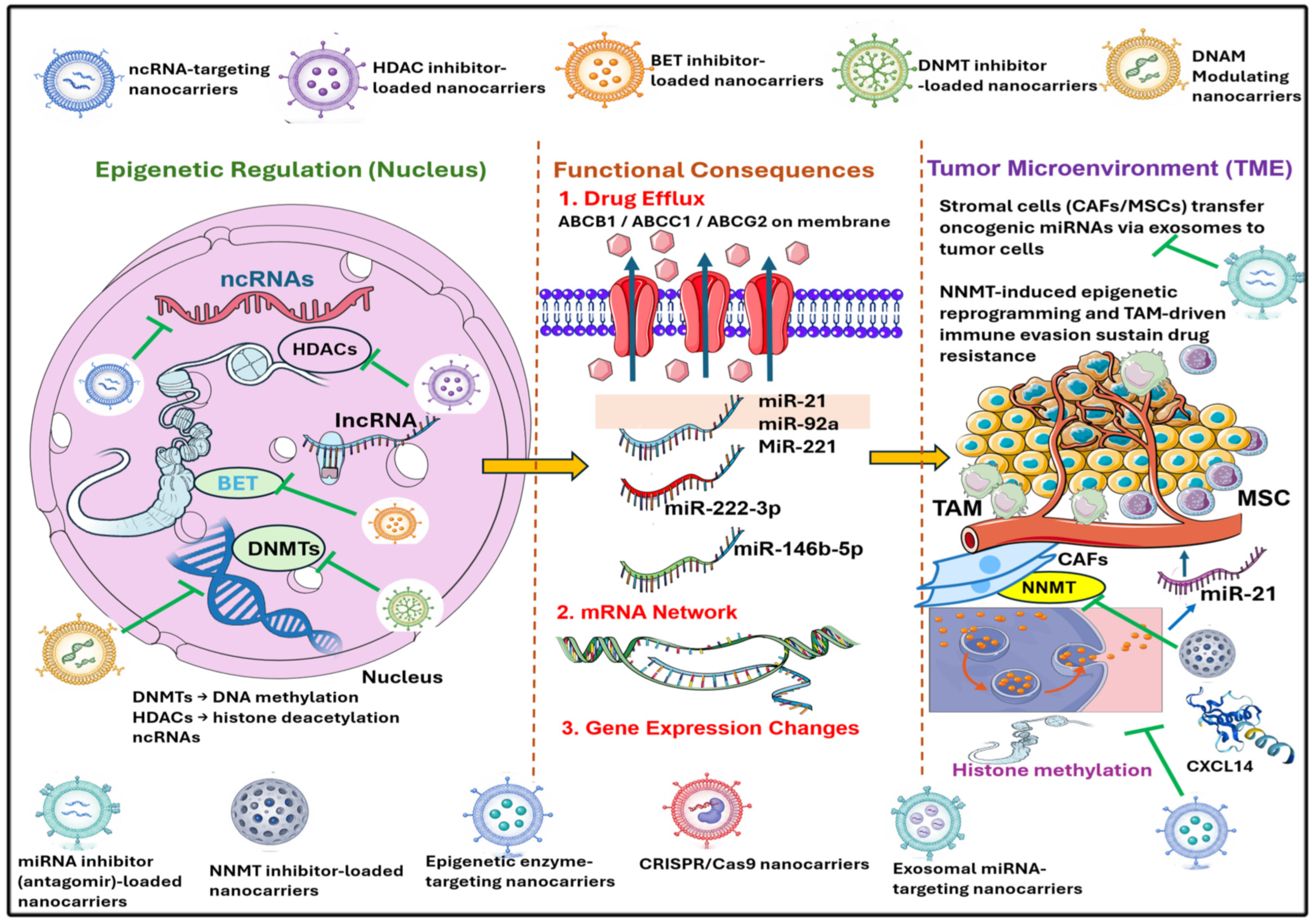
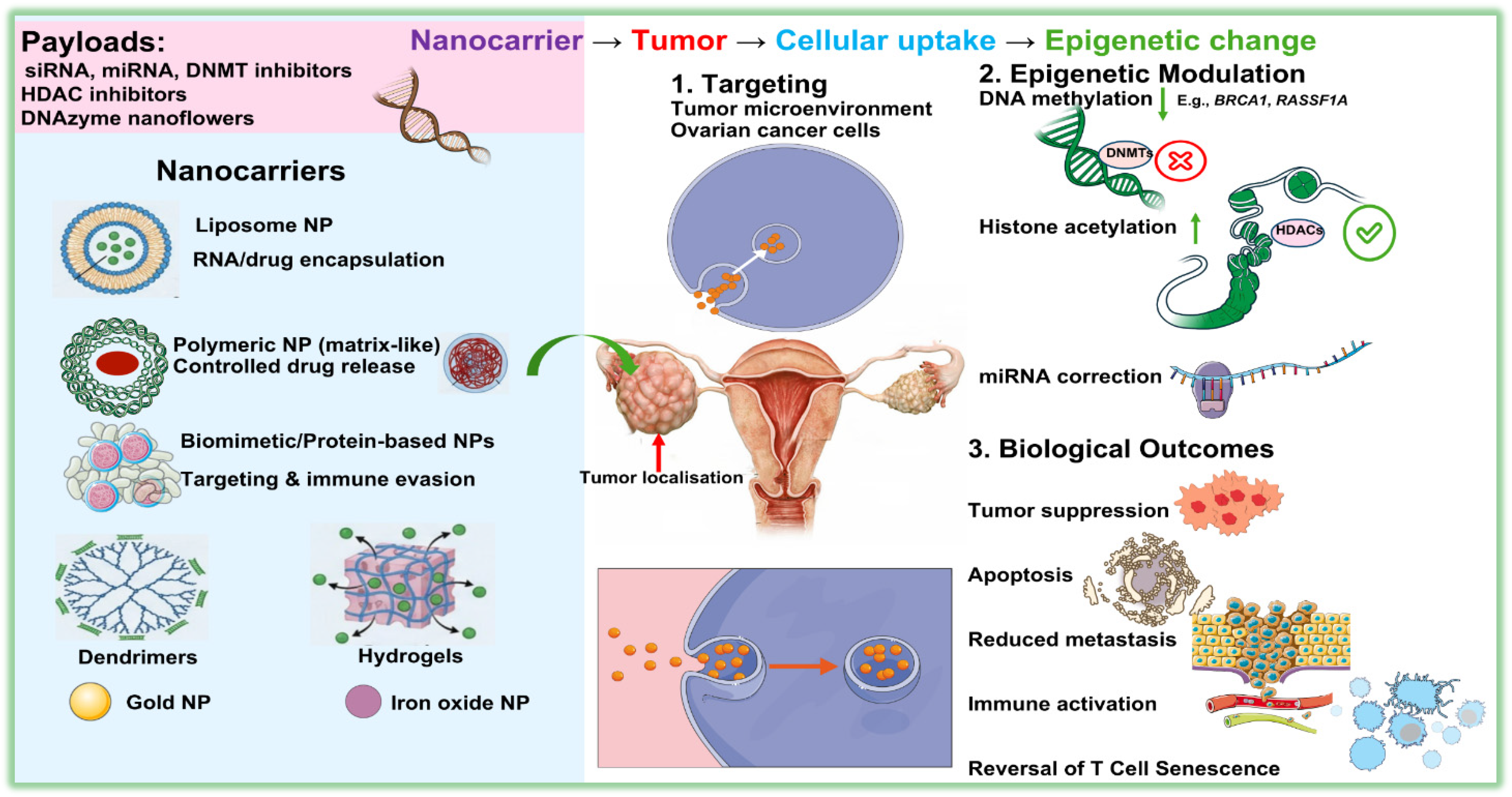
Disclaimer/Publisher’s Note: The statements, opinions and data contained in all publications are solely those of the individual author(s) and contributor(s) and not of MDPI and/or the editor(s). MDPI and/or the editor(s) disclaim responsibility for any injury to people or property resulting from any ideas, methods, instructions or products referred to in the content. |
© 2026 by the authors. Licensee MDPI, Basel, Switzerland. This article is an open access article distributed under the terms and conditions of the Creative Commons Attribution (CC BY) license.