


Abstract
In this article, general operating principles for modern photocatalytic solar water-splitting systems are reviewed from a physics perspective, and their fundamental limitations are identified. Several potential approaches to overcome the identified limitations are proposed, and a new solar water-splitting system unifying those approaches based on plasmonic metal nanoparticles linked by a metal-insulator junction is described. Based on already existing scientific knowledge, some probable features of the proposed system are briefly discussed, and an initial theoretical analysis of electromagnetic wave-propagation modeling was performed with COMSOL Multiphysics software. In addition, some rectification capabilities for the metal insulator–metal junction embedded in the system are calculated using a simplified Simmons model for tunneling currents. A probable approach for initial system synthesis with existing nanotechnology techniques is proposed, and its limitations and probable bottlenecks are marked.
1. Introduction
One of the most developing areas of “green” energy on par with wind power and some non-trivial approaches [1] include approaches for utilizing the energy of sunlight. On this path, there are many different solutions being proposed in recent decades that have enabled the use of sunlight as an energy source for humanity’s everyday needs. However, while the perfection of solar energy-conversion methods has gone far beyond the first prototypes in almost all known directions, questions of storing the energy obtained are still open, imposing severe limitations on the prevalence and applicability of solar energy [2]. At present, there are known attempts to solve this problem by converting the obtained sunlight energy into energy of mass in a gravitational field [3], into the electrochemical energy of batteries [4], or into chemical energy such as that stored in hydrogen [5], as well as other ways. Nonetheless, multiple energy transformations and the need to use an advanced infrastructure reduce the ultimate efficiency of solar energy conversion and lead to an increase in costs.
Therefore, the current research challenge is focused on finding approaches that enable direct conversion of solar energy into a form that is storable and user-friendly for a wide range of consumers. One such solar energy-conversion method involves photocatalytic decomposition of water, known as solar water splitting, which refers to the direct (within a single system) decomposition of water into gaseous components (hydrogen and oxygen) by sunlight. In this approach, there is no secondary conversion of solar energy by individual processes [6,7,8].
Most commonly, semiconductors are used to create systems for solar water splitting, in which the absorption of solar–photon energy is accompanied by the formation of an electron–hole pair, whose energy and electrical charge are used to carry out electrochemical reactions of water decomposition [9]. Modern research for improvements in this area is aimed either at modifying the composition of semiconductors used [10], their surface [11], the geometry of the system [12], adding cocatalysts [13,14,15], and developing coupled systems [16].
Solar water-splitting systems based on the principle of absorption of electromagnetic energy by solar-tuned nano-antennas are also known. But, despite their potential, their development is in its early stages [17].
It should be noted that the existence of fundamental working principles and the constraints they impose makes it necessary to consider these principles together from a scientific perspective in order to find principally new, promising approaches. There is currently a considerable amount of work exploring this topic, but in the vast majority of cases, the issues are addressed separately and the solutions proposed are specific to each of the problems discussed. As a result, several fundamental limitations of solar water-splitting systems are overlooked that could be considered within a single physical framework, making it difficult to develop novel catalytic systems.
This article discusses the existing physical limitations of known approaches to solar water splitting in the context of finding joint solutions for them. As part of the new generalized approach, a system of plasmonic metallic nanoparticles–nanoantennas separated by a metal-insulator–metal-type junction is proposed, and the initial theoretical justifications for its functioning are considered. Also, its potential effectiveness is being evaluated using mathematical modeling.
2. Limitation of Known Approaches to Photocatalytic Solar Water Splitting
In general, all known photocatalytic solar water-splitting systems can be divided into three main classes related to the physical principles of conversion of light energy into energy of a charged particle’s electric field: semiconductor systems and nanoantenna systems, as well as intermediate cases, in which it is impossible to draw a clear border between the individual mechanisms of the first two. This division, in the author’s interpretation, is presented in Figure 1.
Figure 1.
Basic approaches to solar water splitting.
A key feature of semiconductor systems is the discrete absorption of electromagnetic radiation in the form of photons associated with the presence of a band gap in the electronic structure of a semiconductor material. In these systems, the absorption of a quantum of light is accompanied by the formation of an electron–hole pair. If the energy of a light quantum exceeds the size of the semiconductor band gap under its conditions of use, then the “excess” energy is mostly converted into kinetic electron energy and gets dissipated in the form of useless heat as a result of the thermalization process [18]. Thus, the first limitation of semiconductor systems of solar water splitting is the inevitable partial loss of energy to waste heat when light is absorbed in a wide range of wavelengths of sunlight, since the size of the band gap is fixed.
On the other hand, the semiconductor band gap also determines the lowest energy of the photon, whose absorption is followed by the formation of an electron–hole pair. As a result, to extend the absorption spectrum to the longer wavelengths of light, it is necessary to reduce the size of the band gap, which leads to reduced absorption efficiency and light energy conversion for shorter wavelengths. The solution to this contradiction is achieved by searching for new semiconductor materials with a band gap size that satisfies the criterion of the highest light-conversion efficiency for the entire solar spectrum [19], or by developing approaches to modify the structure and surface composition, resulting in change of the size of the band gap [20,21]. That also includes methods related to the change in semiconductor composition due to the introduction of foreign chemical elements [22] or based on the change in the semiconductor’s electronic structure when in contact with environmental chemical compounds [23,24].
As part of alternative approaches, solutions where the transit of charges to water decomposition reaction sites are carried out through a cascade of electronic levels in contact with two different semiconductors have become wildly studied. As a result of this working principle, there is an increase in the energy of the charge carriers throughout multiple photon-absorption events, and the spectrum of absorption of the whole system combines the absorption spectra of its individual parts: so-called S-scheme [25,26] and Z-scheme [27,28]. However, the above-mentioned problem is not solved directly with these approaches, and higher efficiency should be attributed to the consequences of finding a compromise while maintaining the original limits.
The solution can be found in systems whose absorption spectrum consists of a series of narrowband spectra of individual photocatalytic particles, or photocatalyst layers that have a high absorption coefficient within a narrow wavelength range with no significant absorption in other parts of it. Then, by successively combining such spectra (through a set of particles or layers with a displaced absorption peak for each new component added), it is possible to achieve a broadband spectrum of absorption. In this case, there is no significant conversion into heat of the “excess” quantum energy of light beyond the band gap of each individual element of the system. This situation is presented schematically in Figure 2. All absorption spectra are normalized.
Figure 2.
Combining narrowband spectra of individual photocatalytic elements, here ε—absorption coefficient, λ—wavelength.
Another issue with semiconductor solar water-splitting systems is the relatively short lifetime of an electron–hole pair, coupled with high rates of unproductive recombination of these pairs on defects in the internal structure and surface [29,30,31,32]. Current solutions are concentrated mainly in two directions: either by reducing the size of the photocatalytic system with a reduction in the distance traveled by charge carriers before reaching the reaction center when using nanoparticles [33,34,35,36], comprising layered compounds with a nanometer of layer thickness [37,38,39,40], or by creating a directional electric field inside the semiconductor that prevents recombination of the electron–hole pair [41,42,43,44,45].
In most known systems, a directional electric field is created by converting an electric field of an electromagnetic wave into the electric field of oscillating electrons in metal nanoparticles (for example, during plasmon resonance). However, the resulting fields have a very high frequency that significantly reduces the efficiency of electron–hole pair separation [46,47,48,49,50].
A system in which a directional constant electric field is present can be considered to be more effective. But the dimensions of the system must be small enough to prevent recombination of charges. Such approaches are partially applied in the development of systems with coupled electronic structures of multiple semiconductors that have a constant electric field at the contact interface [51]. Unfortunately, they have not been widely adopted due to the complexity of manufacturing and the sophisticated influence of the associated electronic structures on photocatalytic activity.
Another limitation of semiconductor systems is the extremely low efficiency of charge injection from the surface of a semiconductor into the environment [52,53,54]. As a result, a large number of charges reaching the surface do not participate in water decomposition reactions. This is addressed mainly by the use of cocatalysts deposited on the surface of the semiconductor, such as nanoparticles of nickel, cobalt, noble metals [55,56,57,58], or other semiconductors particles [59,60]. However, the transport of electric charges through a contact formed between a semiconductor and cocatalyst is accompanied by energy losses, which reduces the efficiency of solar water splitting [61].
Thus, an efficiency increase under conditions of a seemingly inevitable use of cocatalysts should be sought in ensuring maximum homogeneity of the contact between the cocatalyst and photocatalyst.
In nanoantenna solar water-splitting systems, a metallic nanoparticle is used as the main element-absorbing incident light energy. When exposed to light, because of the oscillating electric field of the light wave, an alternating electrical current of collective electron oscillations is generated in the nanoantenna. The process of such a transformation is well-studied and is theoretically highly efficient. An additional factor that has the potential to increase the efficiency of such systems is the occurrence of a high-intensity electric field in the regions of the large curvature of the surface of particles [62,63,64], which may increase the efficiency of solar water splitting.
However, there are several physical limitations that affect the low practical efficiency of such systems in targeted reactions. Thus, due to the high charge density in the metal, light exposure is accompanied by a collective oscillation of electrons, so-called bulk plasmons, resulting in the absorbed wave energy being distributed among many charged particles [65]. As a consequence, the individual charged particle energy is insufficient to participate in the photocatalytic reactions of water decomposition.
One possible approach to overcome this problem is to move from a bulk plasmon nanoantenna system to one with a localized surface plasmon resonance acting as the antenna element. In this case, the collective oscillations of the electron cloud occupy a limited area [66]. Thus, photon energy is distributed within a lesser number of charged particles.
It should also be noted that most nanoscale systems are non-symmetrical. As a result, their light absorption efficiency depends on the current position in space relative to the incident electromagnetic wave with respect to its polarization [67].
The solution to this problem can be found in the use of centrally symmetric systems, such as spherical particles.
Another commonly known disadvantage of nanoscale systems is the alternating nature of the electric current flow, in which the duration of the half-period of oscillations is shorter (by several orders of magnitude) [68] than the characteristic time of the electrochemical reactions of water decomposition. As a result, most excited charges are not involved in the decomposition of water into hydrogen and oxygen [69]. Therefore, the application of nanoantenna systems implies either the direct injection of charges into the environment due to the presence of high-intensity electrical fields [70] and charges with sufficient energy to undergo this process [71,72]. Sometimes it is also accompanied by the capture of an injected electron by special chemical compounds in the medium [73], or the electric current rectification [74,75].
The latter, as practice shows, despite its promising theoretical perspective, has an extremely low effectiveness due to the very large capacitive resistance of the boundary between the nanoantenna and the environment [76]. Attempts to solve this problem using quantum tunneling mechanisms with a rectifying tunnel junction face issues of the implementation of this transport mechanism under conditions of low energy of charge carriers, which is associated with the collective oscillation of electrons in nanoantennas. As a result, such a transition imposes serious requirements on the equivalent height of the potential barrier.
The solution to this problem may be found in implementing a tunnel junction under a low-energy charge carrier condition with energy comparable to the energy of a light quantum; for example, if the absorbed light energy is distributed among a small number of electrons. Specifically, this may occur if those electrons are located a short distance (less than the length of mean free path) from the junction boundary. In particular, this is to be expected under conditions of localized surface plasmon resonance, as noted in [77].
The summary of existing approaches to solving the main solar water splitting problems is presented in Table 1.
Table 1.
Solar water-splitting problem approaches.
Conclusion for the first section:
- The search for new solutions should be focused on systems that use nanoantenna principles of light absorption because of their fundamentally higher theoretically achievable efficiency compared to semiconductors.
- Due to the need for frequency adjustment of nanoscale systems to a specific wavelength in order to achieve high light absorption efficiency over a wide range of wavelengths, the possibility of combining narrowband spectra from individual nanoantennas into a broadband spectrum should be considered (Figure 2).
- To reduce the influence of the direction of light propagation and its polarization with respect to the position of the nanoparticle, priority should be given to the centrally symmetric nanoantenna elements.
- A localized surface plasmon resonance should preferably be used as an antenna element to increase the average electron energy in light absorption should be used.
- The system dimensions should be kept as small as possible to reduce the likelihood of thermalization of high-energy “hot” electrons.
- Due to the need for high-frequency alternating current rectification of the nanoantenna, it is necessary to use a tunnel junction and take measures to reduce its electric capacity.
- It is desirable to have a constant internal directional electric field in the system to reduce the likelihood of charge recombination.
3. Proposed Plasmonic Metal Nanoparticle System for Solar Water Splitting
Based on the identified potential approaches to overcome the limitations of currently known solar water-splitting systems, the following integrated system can be proposed.
The system is shown schematically in Figure 3 (the proportions between individual elements are not preserved for illustrative purposes). In this system, the central spherical metal nanoparticle (3 on Figure 3) is coated with a thin dielectric layer (2 on Figure 3), which prevents electronic states of nanoparticle 3 from hybridizing with smaller spherical nanoparticles of two types (1 and 4 in Figure 3) on the surface of the dielectric layer. At the same time, nanoparticle 3 must have localized surface plasmon resonance, and the thickness of coating 2 must be small enough for quantum tunneling, which would be the main mechanism for charge transport through it. The electron work function of nanoparticle 1 is higher, whereas that of nanoparticle 4 is lower than that of central nanoparticle 3. The system is submerged in water, and the small dimensions of nanoparticles 1 and 4 determine their quantum-size-dependent properties.
Figure 3.
Schematic diagram of proposed solar water splitting.
Due to the difference between the electron work function of the nanoparticle materials and their separation by a dielectric layer, an asymmetric metal insulator–metal junction (MIM junction) is formed in the system. The energy diagram of the system, in the absence illumination, can be represented by the following simplified form (without distortion of boundaries) shown in Figure 4.
Figure 4.
Energy band diagram in the absence of light before (left) and after (right) reaching equilibrium. Here, φi is the electron work function, i is the component in the system (according to Figure 3), EFi is the Fermi level of i the component in the system. Numbers show the system components themselves.
By controlling the environmental parameters (e.g., by changing the acidity) [85], it is theoretically possible to achieve a significant shift in electron energy levels for small nanoparticles (1 and 4 in Figure 3), with only a minor influence on the energy structure of the central nanoparticle (3 in Figure 3). This is possible because of the quasi-discrete energy band structure of small nanoparticles [86,87], in which the emptying or filling of one energy level, as a result of interaction with the environment, is accompanied by a notable change in the energy structure of the nanoparticles. This behavior is not observed in a central nanoparticle due to the continuity of its energy spectrum (small energy difference between two closest energy levels) because of a large number of atoms in the particle. Figure 5 illustrates this.
Figure 5.
Small nanoparticle energy band structure changes due to interaction with the surroundings. Shown on the example of component 1 and 3, here, φi is the electron work function i component in the system (according to Figure 3).
When the system is irradiated with light of the wavelength corresponding to (or close to) the peak of resonant absorption for the central nanoparticle, localized surface plasmon resonance should be expected to occur. As a result, a cloud of oscillating electrons is formed, creating an alternating electric potential on the surface of the central nanoparticle, including the contact regions with small metal nanoparticles.
In conventional Wentzel–Kramers–Brillouin approximation, the quantum tunneling probability is strongly dependent on tunneling potential barrier profile:
there, is the coefficient, while is the potential barrier height as a function of distance from first metal through the insulator to integration point.
For trapezoidal form of the MIM junction , could be approximated with:
there, is the potential barrier height in the first metal-insulator and the insulator-second metal interfaces, is the distance from the first metal in the insulator to the integrating point, is the electric potential difference (voltage) across the junction.
With that, rectification efficiency of MIM junction depends on the sign of voltage (with respect to junction elements) applied and could be estimated as
there, is the coefficient, while is an average barrier height.
As can be seen, an asymmetry in the barrier heights that partially corresponds to the difference in the electron work functions of metal used in MIM leads to different current densities under applied voltage of different polarity. That means that electron tunneling probability in the proposed system with oscillating plasmon’s electric field would be different for different directions in each MIM junction. Hence, the rectification of light-induced current occurs.
To understand that, consider two possible end phases of the electron field oscillation process, as shown in Figure 6. Although for an exact evaluation of rectification properties of the MIM junction a rigorous calculation of potential barrier height as a function from distance in the insulator are needed, simplified intuitive graphical model can be provided.
Figure 6.
System energy band structure changes under the presence of light irradiation). (a) Forward bias for MIM junction formed by nanoparticles 1 and 3 with high electron tunneling current; (b) reverse bias for MIM junction formed by nanoparticles 1 and 3 with small electron tunneling current; (c) reverse bias for MIM junction formed by nanoparticles 4 and 3 with low electron tunneling current; (d) forward bias for MIM junction formed by nanoparticles 4 and 3 with high electron tunneling current. Here, φi is the electron work function i component in the system (component numbers are equivalent to Figure 3). ΔU is the electric potential difference due to electric field of oscillating electrons that creates Fermi-level alteration of nanoparticle 3. Numbers show the system components themselves. The wavy arrow shows the direction of electron movement, while the crossed wavy arrow shows the small or negligible electron current flow in the specified direction during tunneling.
At the first moment (Figure 6a,c), the cloud of electrons and its associated negative potential move towards the element of the surface, having at least one nanoparticle 1 and one nanoparticle 4. Then, the cloud of oscillating electrons propagates away from the surface (Figure 6b,d). These two situations correspond to increased Fermi energy levels for nanoparticle 3 and to decreased levels correspondently. As can be seen from the comparison between Figure 6a,b, which represent the tunneling current in the system of central nanoparticle 3 and small nanoparticle 1, the Fermi energy level of 3 increases, while the potential energy barrier in the system decreases. That leads to a higher tunneling current of the electron toward nanoparticle 1. Hence, it receives a negative charge during the whole period of plasmon oscillation. The opposite occurs for the MIM junction for nanoparticles 3 and 4. When the Fermi level of nanoparticle 3 increases (Figure 6c), the potential barrier height is expected to increase, which corresponds to low electron tunneling probability. Then, the Fermi level of nanoparticle 3 decreases, and the potential barrier height of the MIM junction formed by nanoparticles 3 and 4 tends to become lower (Figure 6d). That leads to electron tunneling from nanoparticles 3 to 4. Therefore, nanoparticle 4 it becomes positively charged.
By this mechanism, it is possible to predict the formation of positively and negatively charged regions in the system. That is necessary to create an electric current in the outer circuit, which, in our case, is the surrounding water. Additionally, it can be noted that the small sizes of nanoparticles 1 and 4 correspond to a small electrical capacitance of the metal insulator–metal junction, which in theory can result in small losses when rectifying an ultra-high-frequency plasmon electric current [88]. The stated principle of reducing the metal-insulator–metal-junction resistance appears to be relatively difficult to achieve in the mass production of promising nanoscale systems based on a classical bulk-plasmon nanoantenna [89] because of the difficulties of creating ultra-small metal insulator–metal structures using currently available mass methods.
Thus, in the hypothetical system, a central nanoparticle has a localized surface plasmon resonance nanoantenna function that converts energy from an incident light wave into the energy of the electric field of oscillating electrons. The presence of a metal insulator–metal junction at the points of contact between the central nanoparticle and the small nanoparticles ensures that excited charges flow predominantly in one direction between the small and central nanoparticles, which allows the formation of regions with positive and negative electric potential in the system acting as electrodes for water decomposition reactions.
Additionally, it can be noted that particles acting as cocatalysts may acquire an electric charge when interacting with the surrounding matter [90,91], as a result of which the internal electric field in the system may be intensified while remaining nonzero in the system due to the electron work-function difference between different parts of it.
The theoretical distinguishing features of the proposed solution in relation to already known systems (for example, in the form of nanoantennas, utilizing localized surface plasmon resonance combined with a semiconductor) can be summarized as follows:
- Potentially greater controllability of the absorption spectrum compared to semiconductor systems. By altering the geometry and/or size of a central nanoparticle, it is possible to obtain an arbitrary absorption spectrum without changing the material composition of components, as in semiconductor systems. As a result, it is possible to simplify the design of systems with a given absorption spectrum. Additionally, the formation of narrowband spectra of light absorption by nanoparticles of a certain size and geometry is considered realistic, with light absorption outside these bands being minimized [92]. Thus, by having a mixture of nanocatalytic systems according to the proposed solution, with different narrowband absorption spectra, it is possible to obtain a final system with a broad absorption spectrum without significant energy losses to dissipative processes.
- The difference in size between nanoparticles in a system (1 and 4 in Figure 3 being substantially less than 3) forms a quasi-discrete energy spectrum of nanoparticles 1 and 4 with a continuous energy spectrum of central nanoparticle 3, which provides an opportunity to significantly influence on the energy structure of the whole system via control of environmental parameters (such as acidity, salt ion content, etc.), allowing its “fine tuning” without the need for any physical modification.
- Light absorption by localized surface plasmon resonance of metallic nanoparticles, the presence of a metal-insulator–metal-type-rectifying junction, which is theoretically capable of providing high-efficiency energy conversion.
- The small electrical capacity of the metal-insulator–metal-rectifying junction, which is difficult to achieve in currently available mass nanoscale systems, provides a pathway toward increased plasmonic alternating current rectification efficiency, as demonstrated for similar systems in [93].
- The easily achievable proximity of “positive” and “negative” poles in the system, which could be placed at a distance smaller than the Debye wavelength in water, allowing for a radical reduction of losses in water decomposition, as it is reported in the literature [94,95].
- The central symmetry of the system’s nanoantenna element allows to reduce the influence of the catalytic system orientation with respect to the incident light on its absorption efficiency.
4. Physical Implementation and Synthesis of the System
Currently, there is no information of systems based on nanoparticles similar in operating principles to the one described in the scientific literature. This raises numerous questions concerning the choice of material combinations used to create individual parts of the proposed system, as well as practical approaches to synthesizing it as a whole. Regarding physical implementation, a system may be proposed as having a central nanoparticle (3 in Figure 3) in the form of a silver nanoparticle (≈4.6 eV electron work function [96]). The choice of this particular material is supported by well-known techniques for synthesizing silver nanoparticles of different sizes and shapes, as well as the presence of strong plasmonic resonance and its use in modern photocatalytic solutions [97]. In addition, by changing the geometric characteristics of silver nanoparticles, it is possible to obtain different absorption spectra, which corresponds to the possibility of creating a broadband spectrum by combining narrowband ones (Figure 2) [98]. Ultra-small metal nanoparticle 1 (Figure 3) can be imagined in the form of platinum nanoparticles (≈6 eV electron work function [99]), which are well known for their synthesis procedures and as a catalyst for solar water splitting for the hydrogen-evolution half-reactions [100]. As an ultra-small metal nanoparticle 4 (Figure 3), it may be represented by ruthenium nanoparticles (electron work function ≈ 4.4 eV [101]), including those with an oxide layer formed on its surface, or nanoparticles entirely consisting of ruthenium oxide. The choice of material for particle 4 is based on its documented catalytic properties with respect to oxygen half-reactions in water decomposition [102]. It should be noted that the specified electron work function for vacuum conditions may be different compared to one in conditions of contact with water. For example, for water-contact ruthenium oxides, the literature lists values of ≈3.2 eV [103] and even ≈1.8 eV [103], while for silver nanoparticles, electron work function data are known to be around ≈5.4 eV [104] in case of silver-water contact.
Silicon dioxide coatings can be proposed as a dielectric coating because there is extensive literature on the approaches and techniques for controlled formation of such coatings, including on the surface of nanoparticles of silver. The small nanoparticle sizes in the proposed system should be characterized by a range of a few nanometers. The central nanoparticle size should be estimated to be tens to hundreds of nanometers in the diameter, and the width of the dielectric coating should be limited to about 5 nm [105].
Ultra-small nanoparticles are sufficiently small to have a quantum-size effect and also a low electrical capacitance, which gives them a significant electric potential with only minor electric charge changes due to the transfer of electrons from/to the central nanoparticle. That is to be expected according to the logic of the system in conditions of localized surface plasmon resonance.
The final parameters of the system will be the result of further research and experimentation.
In the conditions outlined, the approach to the synthesis of the proposed system can be characterized as follows:
Spherical silver nanoparticles synthesized by known methods [106,107,108,109,110] are centrifuged and washed with distilled water to remove stabilizing agents. Then, the resulting concentrate is diluted with a given volume of distilled water and, according to the method [111,112], the surface is functionalized with amino groups using alkoxysilanes. After that, if necessary, oxysilane compounds are introduced into the system in accordance with the method [113], or, according to the method [114], silicate compounds are introduced. This allows one to achieve a given thickness (in order of 2–5 nm) and uniformity of coating of the initial silver nanoparticles with silicon dioxide by varying the reaction conditions.
Then, the resulting nanoparticles are introduced into an illuminated region and, in accordance with the method [115], photodeposition of catalytic platinum nanoparticles is performed. Subsequently, centrifugation and washing are used to remove the remaining precursors of platinum nanoparticles and ultra-small platinum nanoparticles that are not attached to the silver nanoparticles. Afterwards, the resulting composition is introduced into a colloidal solution containing ruthenium oxide nanoparticles obtained according to the method [116,117], and the ruthenium oxide nanoparticles are deposited to the surface of the dielectric layer by an electrostatic mechanism [118]. At the end of the synthesis, repeated centrifugation and washing are performed to separate the target catalytic system for water splitting from the by-products of the synthesis.
In other variations, which, although contradicting the initial configuration of the system, cannot be rejected without experimental confirmation, it is possible to change the shape of silver nanoparticles (using nanorods synthesized by the method [119] or nanostars [120]). It is also possible to use other materials as the central nanoparticle in the process of selecting the most effective composition of the main components of the system in terms of reactions of solar water splitting. For example, spherical gold nanoparticles obtained by the method [121], gold nanoparticles in the form of nanorods [122], or complex shapes [123] could be used. In this case, the subsequent stages of synthesis associated with the issues of applying oxide coatings and small nanoparticles to the surface of the central nanoparticle remain fundamentally unchanged.
While it seems possible to create the proposed system using known techniques, some aspects should be considered as well. Those issues include both the feasibility of reaching the desired system parameters, such as SiO2 thickness and stability, especially under water-splitting conditions. More information about this is presented in Table 2.
Table 2.
Potential challenges of the proposed system.
Despite the data in Table 2, which describe individual issues, the proposed system situation may be different due to electric current passing through the system. The presence of highly reactive species in solution when performing solar water splitting and other effects may arise then combining individual elements of the system into integrated one.
5. Electrodynamics Modeling of the Proposed System Using EWFD Methods
To make an initial evaluation of the electrodynamics of the system, the electromagnetic field distribution of the proposed nanoparticle system was simulated using COMSOL Multiphysics 6.0. The simulation was carried out using the EWFD method, which allows for a preliminary assessment of the systems with plasmonic resonance potential in the context of photocatalysis [132,133,134,135]. The main simulation parameters are presented in Table 3. We used an automatically generated physics-controlled mesh with “extremely fine” element size.
Table 3.
Main system parameters during simulation.
The simulation was performed for a wavelength range from 300 nm to 900 nm in 50 nm increments. The electric field strength in the electromagnetic wave was set to 1 kV/m, as this is close to the actual field strength of sunlight. The simulation results are shown in Figure 7, Figure 8, Figure 9 and Figure 10.
Figure 7.
Local electric field enhancement, |E|2/|E0|2.
Figure 8.
Different specific dissipated power zones distribution, W/m3.
Figure 9.
Simulated absorption spectrum.
Figure 10.
Dependence of the specific dissipated power on the radius of the central nanoparticle for the wavelength λ = 400 nm.
Figure 7 shows the local field enhancement, defined as the ratio of the square of the field strength at a given point to the square of the field strength in the incident light wave (wavelength = 400 nm). As can be seen from the figure, the highest electric field energy density is concentrated near the surface of the platinum and ruthenium nanoparticles, as well as in the silicon dioxide layer, while the field inside the silver nanoparticle and elsewhere on its surface is significantly weaker (no enhancement is observed). The increase in the electric field in the designated areas may correspond to the preferential generation of high-energy, “hot” electrons in these regions, which partly accounts for the possibility for driving water decomposition reactions, as well as charge tunneling through the silicon dioxide layer.
Figure 8 shows the spatial distribution of dissipated electromagnetic radiation power (wavelength = 400 nm). Relative power is defined as the ratio of the maximum calculated dissipated power for a given silver nanoparticle radius to its largest value over the entire range of radius. It is evident that most of the electromagnetic energy is dissipated within the platinum and ruthenium nanoparticles, confirming the previously stated assumptions (Figure 7).
The calculated absorption spectrum shown in Figure 9 exhibits a single, sharply defined absorption peak at a wavelength close to the localized surface plasmon resonance wavelength of the silver nanoparticle. This suggests that the silver nanoparticle is the primary element absorbing electromagnetic radiation in the system, enabling the opportunity of a narrow-band absorption spectrum determined by the properties of the central silver nanoparticle to be obtained.
Figure 10 shows the dependence of the relative specific dissipated power on the silver nanoparticle radius, approximated by a second-order polynomial, obtained from simulation results in COMSOL Multiphysics. For all silver nanoparticle sizes in the simulation, the ruthenium and platinum nanoparticle radii and the distance between them, as well as the silicon dioxide layer thickness, were constant, as was the incident light wavelength, which was set to 400 nm. It is evident that with an increase of nanoparticle radius, an increase in the specific dissipated power is initially observed, which is expected, because a bigger linear size of the nanoparticle corresponds to better light absorption efficiency of the nanoantenna it forms. After this, a drop is observed, which probably could be explained as a result of larger number of electrons being involved in the process of absorption of the electromagnetic wave energy, which may correspond to a decrease in the energy of an individual electron, which is reflected in the simulation results by a drop in the highest achieved specific dissipated power.
A different situation is observed for the relative specific dissipated power at a wavelength of 600 nm (Figure 11). In this case, there is no extremum in the selected range of silver nanoparticle radii, which may be due to the wavelength shifting away from the peak of the localized surface plasmonic resonance and transitioning to light absorption as a result of the bulk plasmonic oscillation excitation.
Figure 11.
Dependence of the specific dissipated power on the radius of the central nanoparticle for the wavelength λ = 600 nm.
In this case, the extremum of the function should be expected in the region of nanoparticle sizes close to half the wavelength.
6. Simplified Quantification of the MIM Junction Properties Under Light Illumination
Although the exact evaluation of the MIM junction properties for the previously proposed system would surely require a separate investigation, since many parameters of the system are unknown and because of the need to use quite sophisticated quantum physics models, a simplified calculation can be used to justify the selected system parameters.
As stated in [136], the MIM junction for small gaps (around a few nm) in plasmonic nanosystems could be described using a quasi-static direct current model where the surface contact of two spherical nanoparticles could be approximated as a flat interface with an area proportional to the particles’ cross-section. The first simplification could be justified because of tunneling processes having sufficiently smaller characteristic times compared to the optical wave half-cycle, as well as the hot-electron lifetime [137]. The second simplification can be used due to the Fermi electron wavelength being small compared to reasonable sizes of nanoparticle systems, namely small Ru and Pt nanoparticles in proposed systems [136]. Although these assumptions may not provide extra accuracy for calculation, they can be used to show general system behavior.
Under these conditions, the electron current density due to tunneling for an asymmetric MIM junction can be evaluated using the famous Simmons equation [138]:
there, is the charge of electron, is Planck’s constant, is thickness of insulating layer, are the barrier height at the interface electrode-insulator for each side of the MIM junction, is mass of electron, is the electric potential difference (voltage) across the insulating barrier.
As stated previously, in the proposed system, Pt and Ru were selected for the small nanoparticles because of their well-known catalytic properties for the HER and OER reactions and their shown stability under water-splitting conditions [139]. The authors consider replacing Pt with other notable cocatalysts, such as Pd or Rh, to be less reasonable for initial attempts to synthetize the proposed system because of significantly less available information on their synthesis, especially for solar-water splitting purposes. For Ru, the use of transition metal oxides was likewise not considered for the same reason.
The use of SiO2 as material for insulating layer is considered by authors to be the best choice to start with because of a much larger amount of information about synthesis procedures available (compared to, for example Al2O3), especially for incapsulated metal nanoparticles, and also because of SiO2 stability and excellent insulating properties.
Under these restrictions, the central metal nanoparticle material becomes the only variable. For subsequent calculation, we consider the use of Ag and Au as other known plasmonic materials that may fit for the core nanoparticle material in our system, whereas Cu and other plasmonic materials are much less stable and were therefore excluded.
Reported values in the literature for and often show a wide range of variation in values due to exact MIM junction parameters having a greater influence than theoretical properties of materials. For many cases, ideal values must be replaced with equivalent barrier heights, which includes deviation in the MIM junction profile (usually approximated to be trapezoidal) to account for the actual profile, as well as unevenness and defects in layers [140].
For our evaluations, we used data as presented in Table 4 [101,141,142] calculated by subtracting the SiO2 electron affinity (≈0.9 eV) from the ideal electron work functions of metals.
Table 4.
MIM parameters used in calculations.
The result of the calculations for the estimated current densities (for nm), as function of for Ru-SiO2-Ag, Ru-SiO2-Au, Ag-SiO2-Pt, and Au-SiO2-Pt junctions are shown in Figure 12.
Figure 12.
Tunneling current density as function of for different junctions.
As can be seen from Figure 12, using Au as a core nanoparticle material results in lower tunneling current densities compared with an Ag core for the core–SiO2–Pt junction, whereas for the Ru–SiO2–core junction, the reverse current for Ag is higher.
The different thickness of insulating layer current densities, expressed as function are shown in Figure 13 (Ag core).
Figure 13.
Tunneling current density as function of and .
Figure 13 shows a significant dependence of the tunneling current density on insulating layer thickness. For a simplified estimate, we assumed that the hot electron lifetime is equal to 1 picosecond, and that contact area is equal to the largest cross-section of the Ru nanoparticle. Then, the estimated current density for one electron to be able to tunnel through MIM barrier during hot electron life could be written by this equation:
there, is the radius of the Ru nanoparticle, while is the lifetime of the hot electron.
can be expected to be approximately . The corresponding threshold line is shown in a black dotted line in Figure 13. Figure 13 shows that to obtain reasonable tunneling currents, the insulating barrier thickness should be less than 1 nm. This limitation appears to pose quite serious challenges for the proposed system in terms of synthesis and stability, questioning feasibility, but it can be explained by the idealization already stated for MIM junction in calculations. As mentioned before, a real junction would probably have higher current densities, as indicated by indirect evidence [140].
In our calculations, we avoided issues connected to the HER/OER potential influencing the energy state of proposed system, as such consideration would seem too speculative to take. We cautiously propose an idea that under neutral pH condition, the influence of HER/OER potentials on energy levels in the system would be approximately the same for each part of the system, since the sizes of nanoparticles are small enough (in total number of electrons in each) for their energy state to be efficiently altered equally by interaction with reactive species in water (particularly for Pt and Ru particles).
With this limitation, we considered the HER and OER energy levels to be around −4.44 eV and −5.67 eV relative to the vacuum, respectively [143]. The energy diagram for the proposed system submerged in water may have a look as presented in Figure 14a–d. In Figure 14a, a system out of equilibrium (both within parts of itself and surrounding water) is shown. Due to the tunneling current, the system first reaches equilibrium between its parts, and Fermi levels of the nanoparticles become aligned. We suggest that exact alignment seems to be too optimistic since electron tunnelling probability depends on the energy difference (electric potential) across the MIM junction. So, to represent this behavior, we added a small energy difference (0.5 eV) between parts of the system (with consideration to tunneling current direction), as shown in Figure 14b.
Figure 14.
Energy diagram for submerged in water system: (a) the system out of equilibrium; (b) in internal equilibrium due to tunneling current; (c) after interaction with water energy states; (d) under illumination. In (d), energy levels denoted as Ru-SiO2-Ag and Ag-SiO2-Pt represent the boundary conditions in corresponding MIM junctions that have different energy levels compared to whole Ag nanoparticle.
Then, the system is submerged in water, and energy levels of the system are expected to become aligned with the energy states of water. Due to the faster kinetics for the HER reaction compared to the OER reaction [144], we predict that the Pt level would become aligned with the HER energy level, with a small difference due to overpotential needed for Pt nanoparticle (≈0.1 eV; Figure 14c). All other energy levels of the system would later shift with respect to the fixed Pt level.
Though the Pt energy level initially lies lower than HER, there is a possibility for reverse HER in which the levels become aligned. In that case, electron flow would occur in the opposite direction (to the flow of electrons corresponding to solar water splitting process) from the Pt nanoparticle to the Ru nanoparticle. Consequently, reverse OER occurs on the surface of Ru. Hence, Ru nanoparticle energy level approaches the OER level with ≈0.5 eV difference to the Ag nanoparticle due to current tunneling, as marked above. Because the electron tunneling probability is in strong dependence with potential energy-barrier heights, it is quite reasonable to suggest that a potential difference in the Pt-SiO2-Ag junction would be less than in Ag-SiO2-Ru due to a bigger barrier height (and lesser tunneling probability). In that case, energy level of Ag would be higher than previously stated. This more adequate level is shown in Figure 14c in red color.
Under illumination with sufficient photon flux, we expect to see an energy diagram as in Figure 14d. There, the potential difference between the Ag core nanoparticle and the co-catalyst particle arises from surface plasmon excitation. Because the electric field from the surface plasmon might interact with the co-catalyst particles somewhat independently (both in time and space), the potential difference in the Ru-SiO2-Ag and Ag-SiO2-Pt MIM junction could be roughly defined as photon energy minus small energy difference between parts of the system due to tunneling (Figure 14a). For Figure 14d, we set photon energy to 2 eV.
Note that in Figure 14d, the curved energy level of Ag nanoparticles represents two different states: for plasmon interaction in Ru-SiO2-Ag (low part of the curve) and for plasmon interaction with the Ag-SiO2-Pt junction. These states occur at different times and are shown on the same Figure for space-saving reasons.
As can be seen from Figure 14d, under the assumptions and simplifications made, the positions of energy levels allow the tunneling current to be used for solar water-splitting purposes. Hence, under illumination, the proposed system could be theoretically used for direct solar-to-hydrogen energy conversion. However, it is worth mentioning that the energy-level distribution of the real system could differ substantially from that presented in Figure 14d, so a cautious interpretation is required. This may be because of the impurities present in the real system, physical imperfections, or an unattended quantum interaction near borders in the MIM junction, as well as because of plasmon time-dependent oscillation having a difficult-to-predict influence on the energy structure of the system, potentially deviating substantially from the expected.
7. Conclusions
A survey of recent achievements in solar water-splitting systems reveals significant limitations and drawbacks in existing approaches arising from the underlying physical principles they operate on. Taking the undeniable advantages of direct conversion of sunlight into chemical energy, further research aimed at improving the efficiency of such systems is urgently needed. Unfortunately, most research tends to address these limitations separately in solar water-splitting systems and may therefore overlook potentially major, generalized solutions. In this work, based on analysis of the literature, a new conceptual system comprising conjugated plasmonic metal nanoparticles linked by metal insulator–metal junction for the solar water-splitting process was proposed. By performing a preliminary theoretical analysis of the proposed system, numerical simulations of electromagnetic wave propagation, and simplified tunneling current calculation, the possibility of solar-to-hydrogen energy conversion with the help of the described system was shown. A possible route for realizing the conceptual system is proposed using already established chemistry approaches.
Author Contributions
Conceptualization, A.A.P.; methodology, A.A.P. and O.G.S.; software, A.A.P.; validation, A.A.P. and O.G.S.; formal analysis, A.A.P.; investigation, A.A.P. and O.G.S.; resources, A.A.P. and N.A.N.; data curation, A.A.P. and Y.I.T.; writing—original draft preparation, A.A.P. and Y.I.T.; writing—review and editing, O.G.S.; visualization, A.A.P. and N.A.N.; supervision, O.G.S.; project administration, A.A.P. and O.G.S.; funding acquisition, Y.I.T. and N.A.N. All authors have read and agreed to the published version of the manuscript.
Funding
This research received no external funding.
Data Availability Statement
The original contributions presented in this study are included in the article. Further inquiries can be directed to the corresponding authors.
Conflicts of Interest
The authors declare no conflict of interest.
References
- Chelukhin, V.A.; Vasiliev, A.V.; Abramson, E.V.; Pyae Zone, A. Experimental study of energy conversion of daily temperature difference. KnASTU Sci. Notes 2023, 69, 43–52. [Google Scholar]
- Hou, Y.; Vidu, R.; Stroeve, P. Solar Energy Storage Methods. Ind. Eng. Chem. Res. 2011, 50, 8954–8964. [Google Scholar] [CrossRef] [Scilit]
- Wang, R.; Zhang, L.; Shi, C.; Zhao, C. A Review of Gravity Energy Storage. Energies 2025, 18, 1812. [Google Scholar] [CrossRef] [Scilit]
- Njema, G.G.; Ouma, R.B.O.; Kibet, J.K. A Review on the Recent Advances in Battery Development and Energy Storage Technologies. J. Renew. Energy 2024, 2024, 2329261. [Google Scholar] [CrossRef] [Scilit]
- Ma, N.; Zhao, W.; Wang, W.; Li, X.; Zhou, H. Large Scale of Green Hydrogen Storage: Opportunities and Challenges. Int. J. Hydrogen Energy 2024, 50, 379–396. [Google Scholar] [CrossRef] [Scilit]
- Osterloh, F.E.; Parkinson, B.A. Recent Developments in Solar Water-Splitting Photocatalysis. MRS Bull. 2011, 36, 17–22. [Google Scholar] [CrossRef] [Scilit]
- Chu, S.; Li, W.; Yan, Y.; Hamann, T.; Shih, I.; Wang, D.; Mi, Z. Roadmap on Solar Water Splitting: Current Status and Future Prospects. Nano Futures 2017, 1, 022001. [Google Scholar] [CrossRef] [Scilit]
- Tao, X.; Zhao, Y.; Wang, S.; Li, C.; Li, R. Recent Advances and Perspectives for Solar-Driven Water Splitting Using Particulate Photocatalysts. Chem. Soc. Rev. 2022, 51, 3561–3608. [Google Scholar] [CrossRef] [Scilit]
- Li, X.; Yu, J.; Low, J.; Fang, Y.; Xiao, J.; Chen, X. Engineering Heterogeneous Semiconductors for Solar Water Splitting. J. Mater. Chem. A 2015, 3, 2485–2534. [Google Scholar] [CrossRef] [Scilit]
- Navarro Yerga, R.M.; Álvarez Galván, M.C.; del Valle, F.; Villoria de la Mano, J.A.; Fierro, J.L.G. Water Splitting on Semiconductor Catalysts under Visible-Light Irradiation. ChemSusChem 2009, 2, 471–485. [Google Scholar] [CrossRef] [Scilit]
- Guijarro, N.; Prévot, M.S.; Sivula, K. Surface Modification of Semiconductor Photoelectrodes. Phys. Chem. Chem. Phys. 2015, 17, 15655–15674. [Google Scholar] [CrossRef] [Scilit]
- Kumar, P.; Boukherroub, R.; Shankar, K. Sunlight-Driven Water-Splitting Using Two-Dimensional Carbon Based Semiconductors. J. Mater. Chem. A 2018, 6, 12876–12931. [Google Scholar] [CrossRef] [Scilit]
- Xing, J.; Jiang, H.B.; Chen, J.F.; Li, Y.H.; Wu, L.; Yang, S.; Zheng, L.R.; Wang, H.F.; Hu, P.; Zhao, H.J.; et al. Active Sites on Hydrogen Evolution Photocatalyst. J. Mater. Chem. A 2013, 1, 15258. [Google Scholar] [CrossRef] [Scilit]
- Wu, Q.; Huang, F.; Zhao, M.; Xu, J.; Zhou, J.; Wang, Y. Ultra-Small Yellow Defective TiO2 Nanoparticles for Co-Catalyst Free Photocatalytic Hydrogen Production. Nano Energy 2016, 24, 63–71. [Google Scholar] [CrossRef] [Scilit]
- Makarevich, K.S.; Kaminsky, O.I.; Zaitsev, A.V. Synthesis and Study of the Properties of Photocatalytic Compositions Based on Sro/Bi2O3 and (Bio)2CO3 Solid Solutions with Modifying Additives of Transition Metals Cu, Mn, Fe. SSP 2021, 316, 981–986. [Google Scholar] [CrossRef] [Scilit]
- Zhao, Y.; Sheng, J.; Zhao, X.; Mo, J.; Wang, J.; Chen, Z.; Dong, H.; Li, C. Recent Progress in Conjugated Polymers-Based Donor–Acceptor Semiconductor Materials for Photocatalytic Hydrogen Evolution from Water Splitting. Catalysts 2023, 13, 850. [Google Scholar] [CrossRef] [Scilit]
- Biagioni, P.; Huang, J.-S.; Hecht, B. Nanoantennas for Visible and Infrared Radiation. Rep. Prog. Phys. 2012, 75, 024402. [Google Scholar] [CrossRef] [Scilit]
- Hu, S.; Xiang, C.; Haussener, S.; Berger, A.D.; Lewis, N.S. An Analysis of the Optimal Band Gaps of Light Absorbers in Integrated Tandem Photoelectrochemical Water-Splitting Systems. Energy Environ. Sci. 2013, 6, 2984. [Google Scholar] [CrossRef] [Scilit]
- Wang, Y.; Silveri, F.; Bayazit, M.K.; Ruan, Q.; Li, Y.; Xie, J.; Catlow, C.R.A.; Tang, J. Bandgap Engineering of Organic Semiconductors for Highly Efficient Photocatalytic Water Splitting. Adv. Energy Mater. 2018, 8, 1801084. [Google Scholar] [CrossRef] [Scilit]
- Lin, C.-J.; Lu, Y.-T.; Hsieh, C.-H.; Chien, S.-H. Surface Modification of Highly Ordered TiO2 Nanotube Arrays for Efficient Photoelectrocatalytic Water Splitting. Appl. Phys. Lett. 2009, 94, 113102. [Google Scholar] [CrossRef] [Scilit]
- Hu, Y.; Huang, H.; Feng, J.; Wang, W.; Guan, H.; Li, Z.; Zou, Z. Material Design and Surface/Interface Engineering of Photoelectrodes for Solar Water Splitting. Sol. RRL 2021, 5, 2100100. [Google Scholar] [CrossRef] [Scilit]
- Mukherji, A.; Marschall, R.; Tanksale, A.; Sun, C.; Smith, S.C.; Lu, G.Q.; Wang, L. N-Doped CsTaWO6 as a New Photocatalyst for Hydrogen Production from Water Splitting Under Solar Irradiation. Adv. Funct. Mater. 2011, 21, 126–132. [Google Scholar] [CrossRef] [Scilit]
- Perović, K.; Dela Rosa, F.M.; Kovačić, M.; Kušić, H.; Štangar, U.L.; Fresno, F.; Dionysiou, D.D.; Loncaric Bozic, A. Recent Achievements in Development of TiO2-Based Composite Photocatalytic Materials for Solar Driven Water Purification and Water Splitting. Materials 2020, 13, 1338. [Google Scholar] [CrossRef] [Scilit]
- Wei, D.; Tan, Y.; Wang, Y.; Kong, T.; Shen, S.; Mao, S.S. Function-Switchable Metal/Semiconductor Junction Enables Efficient Photocatalytic Overall Water Splitting with Selective Water Oxidation Products. Sci. Bull. 2020, 65, 1389–1395. [Google Scholar] [CrossRef] [Scilit]
- Zhang, L.; Zhang, J.; Yu, J. S-Scheme Photocatalyst. Interface Sci. Technol. 2023, 35, 53–102. [Google Scholar] [CrossRef] [Scilit]
- Liu, Y.; Sun, J.; Zhou, X.; Lv, C.; Zhou, Y.; Cong, B.; Chen, G. An In-Plane S-Scheme Heterostructure Drives H2 Production with Water and Solar Energy. Chem. Eng. J. 2022, 437, 135280. [Google Scholar] [CrossRef] [Scilit]
- Ng, B.; Putri, L.K.; Kong, X.Y.; Teh, Y.W.; Pasbakhsh, P.; Chai, S. Z-Scheme Photocatalytic Systems for Solar Water Splitting. Adv. Sci. 2020, 7, 1903171. [Google Scholar] [CrossRef] [Scilit]
- Abdul Nasir, J.; Munir, A.; Ahmad, N.; Haq, T.U.; Khan, Z.; Rehman, Z. Photocatalytic Z-Scheme Overall Water Splitting: Recent Advances in Theory and Experiments. Adv. Mater. 2021, 33, 2105195. [Google Scholar] [CrossRef] [Scilit]
- Liu, Y.; Guijarro, N.; Sivula, K. Understanding Surface Recombination Processes Using Intensity-Modulated Photovoltage Spectroscopy on Hematite Photoanodes for Solar Water Splitting. Helv. Chim. Acta 2020, 103, e2000064. [Google Scholar] [CrossRef] [Scilit]
- Zandi, O.; Hamann, T.W. Enhanced Water Splitting Efficiency Through Selective Surface State Removal. J. Phys. Chem. Lett. 2014, 5, 1522–1526. [Google Scholar] [CrossRef] [Scilit]
- Kostrov, A.N.; Aibushev, A.V.; Gostev, F.E.; Shelaev, I.V.; Sarkisov, O.M.; Nizova, G.V.; Denisov, N.N.; Kanaev, A.V.; Nadtochenko, V.A. Relaxation of Photoexcited Gold Nanoparticles in an Aqueous Colloid and Mesoporous TiO2 Films: Influence of the Interface. High Energy Chem. 2011, 45, 428–433. [Google Scholar] [CrossRef] [Scilit]
- ELS IPR BOOKS. Titanium Dioxide: Improving Its Photocatalytic Activity; ELS IPR BOOKS: Krasnogorsk, Russia, 2019; p. 23. [Google Scholar] [CrossRef]
- Liu, R.; Zheng, Z.; Spurgeon, J.; Yang, X. Enhanced Photoelectrochemical Water-Splitting Performance of Semiconductors by Surface Passivation Layers. Energy Environ. Sci. 2014, 7, 2504–2517. [Google Scholar] [CrossRef] [Scilit]
- Grewe, T.; Meggouh, M.; Tüysüz, H. Nanocatalysts for Solar Water Splitting and a Perspective on Hydrogen Economy. Chem. Asian J. 2016, 11, 22–42. [Google Scholar] [CrossRef] [Scilit]
- Kurnosenko, S.A.; Voytovich, V.V.; Silyukov, O.I.; Rodionov, I.A.; Malygina, E.N.; Zvereva, I.A. Influence of HB2Nb3O10-Based Nanosheet Photocatalysts (B = Ca, Sr) Preparation Method on Hydrogen Production Efficiency. Catalysts 2023, 13, 614. [Google Scholar] [CrossRef] [Scilit]
- Shapovalov, V.I. Nanopowders and Films of Titanium Oxide for Photocatalysis: A Review. Glass Phys. Chem. 2010, 36, 121–157. [Google Scholar] [CrossRef] [Scilit]
- Appavoo, K.; Liu, M.; Black, C.T.; Sfeir, M.Y. Quantifying Bulk and Surface Recombination Processes in Nanostructured Water Splitting Photocatalysts via In Situ Ultrafast Spectroscopy. Nano Lett. 2015, 15, 1076–1082. [Google Scholar] [CrossRef] [Scilit]
- Rodionov, I.A.; Zvereva, I.A. Photocatalytic Activity of Layered Perovskite-like Oxides in Practically Valuable Chemical Reactions. Russ. Chem. Rev. 2016, 85, 248–279. [Google Scholar] [CrossRef] [Scilit]
- Kurnosenko, S.A.; Silyukov, O.I.; Rodionov, I.A.; Minich, I.A.; Zvereva, I.A. Pristine and Reassembled Nanosheets of Layered Perovskite-like Titanates HLnTiO4 and H2Ln2Ti3O10 (Ln = La, Nd) as Photocatalysts for Hydrogen Evolution. Solids 2025, 6, 16. [Google Scholar] [CrossRef] [Scilit]
- Kurnosenko, S.A.; Voitovich, O.I.; Silyukov, O.I. Organico-inorganic derivatives of layered perovskite-like titanates H2Ln2Ti3O10 (Ln = La, Nd) as photocatalysts for hydrogen generation from an aqueous-methanolic solution. In Proceedings of the 19th All-Russian Youth Scientific Conference Dedicated to the 110th Anniversary of the Birth of Doctor of Chemical Sciences, Professor A. A. Appen: Collection of Abstracts; St. Petersburg State University: St. Petersburg, Russia, 2020; pp. 197–199. Available online: https://www.elibrary.ru/item.asp?id=44817885 (accessed on 14 March 2026).
- Fan, Y.; Song, X.; Qi, S.; Ma, X.; Zhao, M. Li-III-VI Bilayers for Efficient Photocatalytic Overall Water Splitting: The Role of Intrinsic Electric Field. J. Mater. Chem. A 2019, 7, 26123–26130. [Google Scholar] [CrossRef] [Scilit]
- Chen, L.; Ren, J.; Yuan, Z. Enabling Internal Electric Fields to Enhance Energy and Environmental Catalysis. Adv. Energy Mater. 2023, 13, 2203720. [Google Scholar] [CrossRef] [Scilit]
- Li, L.; Salvador, P.A.; Rohrer, G.S. Photocatalysts with Internal Electric Fields. Nanoscale 2014, 6, 24–42. [Google Scholar] [CrossRef] [Scilit]
- Fu, C.-F.; Sun, J.; Luo, Q.; Li, X.; Hu, W.; Yang, J. Intrinsic Electric Fields in Two-Dimensional Materials Boost the Solar-to-Hydrogen Efficiency for Photocatalytic Water Splitting. Nano Lett. 2018, 18, 6312–6317. [Google Scholar] [CrossRef] [Scilit]
- Vasiliev, R.B.; Dirin, D.N.; Gaskov, A.M. Semiconductor Nanoparticles with Spatial Separation of Charge Carriers: Synthesis and Optical Properties. Russ. Chem. Rev. 2011, 80, 1139–1158. [Google Scholar] [CrossRef] [Scilit]
- Qiao, F.; Li, B. Engineering Internal Electric Fields in Photoelectrochemical Systems for Enhanced Hydrogen Evolution: Mechanisms, Characterization and Design Strategies. Ind. Chem. Mater. 2026, 4, 33–51. [Google Scholar] [CrossRef] [Scilit]
- Zhang, P.; Wang, T.; Gong, J. Mechanistic Understanding of the Plasmonic Enhancement for Solar Water Splitting. Adv. Mater. 2015, 27, 5328–5342. [Google Scholar] [CrossRef] [Scilit]
- Valenti, M.; Jonsson, M.P.; Biskos, G.; Schmidt-Ott, A.; Smith, W.A. Plasmonic Nanoparticle-Semiconductor Composites for Efficient Solar Water Splitting. J. Mater. Chem. A 2016, 4, 17891–17912. [Google Scholar] [CrossRef] [Scilit]
- Luchinina, M.A.; Agafonov, A.V. Synthesis of titanium dioxide nanorod structures modified with gold and silver nanoparticles and their photocatalytic properties. Russ. J. Chem. Chem. Technol. 2015, 58, 44–48. [Google Scholar]
- Liu, Z.; Hou, W.; Pavaskar, P.; Aykol, M.; Cronin, S.B. Plasmon Resonant Enhancement of Photocatalytic Water Splitting Under Visible Illumination. Nano Lett. 2011, 11, 1111–1116. [Google Scholar] [CrossRef] [Scilit]
- Zhou, Q.; Guo, Y.; Ye, Z.; Fu, Y.; Guo, Y.; Zhu, Y. Carbon Nitride Photocatalyst with Internal Electric Field Induced Photogenerated Carriers Spatial Enrichment for Enhanced Photocatalytic Water Splitting. Mater. Today 2022, 58, 100–109. [Google Scholar] [CrossRef] [Scilit]
- Kim, Y.B.; Kim, J.S.; Baek, S.K.; Yun, Y.D.; Cho, S.W.; Jung, S.H.; Cho, H.K. Electrochemical Surface Charge-Inversion from Semi-Insulating Sb2 Se3 Photoanodes and Abrupt Photocurrent Generation for Water Splitting. Energy Environ. Sci. 2018, 11, 2540–2549. [Google Scholar] [CrossRef] [Scilit]
- Grinberg, V.A.; Emets, V.V.; Tsodikov, M.V.; Mayorova, N.A.; Maslov, D.A. Photoelectrocatalytic Degradation of Organic Compounds On Semiconductor Nano-Sized Materials. Prot. Met. Phys. Chem. Surf. 2021, 57, 381–395. [Google Scholar] [CrossRef] [Scilit]
- Xu, P.; Mallouk, T.E. Charge Transfer Dynamics in Aqueous Dye-Sensitized Photoelectrochemical Cells: Implications for Water Splitting Efficiency. J. Phys. Chem. C. 2019, 123, 299–305. [Google Scholar] [CrossRef] [Scilit]
- Thabet, S.M.; Abdelhamid, H.N.; Ibrahim, S.A.; El-Bery, H.M. Boosting Photocatalytic Water Splitting of TiO2 Using Metal (Ru, Co, or Ni) Co-Catalysts for Hydrogen Generation. Sci. Rep. 2024, 14, 10115. [Google Scholar] [CrossRef] [Scilit]
- Shearer, C.J.; Alvino, J.F.; Batmunkh, M.; Metha, G.F. Pt Nanocluster Co-Catalysts for Photocatalytic Water Splitting. C 2018, 4, 64. [Google Scholar] [CrossRef] [Scilit]
- Kozlova, E.A.; Kurenkova, A.Y.; Kolinko, P.A.; Saraev, A.A.; Gerasimov, E.Y.; Kozlov, D.V. Photocatalytic Hydrogen Production Using Me/Cd0.3Zn0.7S (Me = Au, Pt, Pd) Catalysts: Transformation of the Metallic Catalyst under the Action of the Reaction Medium. Kinet. Catal. 2017, 58, 431–440. [Google Scholar] [CrossRef] [Scilit]
- Melvin, A.A.; Illath, K.; Das, T.; Raja, T.; Bhattacharyya, S.; Gopinath, C.S. M–Au/TiO2 (M = Ag, Pd, and Pt) Nanophotocatalyst for Overall Solar Water Splitting: Role of Interfaces. Nanoscale 2015, 7, 13477–13488. [Google Scholar] [CrossRef] [Scilit]
- Cao, S.; Wang, C.; Fu, W.; Chen, Y. Metal Phosphides as Co-Catalysts for Photocatalytic and Photoelectrocatalytic Water Splitting. ChemSusChem 2017, 10, 4306–4323. [Google Scholar] [CrossRef] [Scilit]
- Ai, G.; Mo, R.; Li, H.; Zhong, J. Cobalt Phosphate Modified TiO2 Nanowire Arrays as Co-Catalysts for Solar Water Splitting. Nanoscale 2015, 7, 6722–6728. [Google Scholar] [CrossRef] [Scilit]
- Chen, Y.; Feng, X.; Guo, X.; Zheng, W. Toward a Fundamental Understanding of Factors Affecting the Function of Cocatalysts in Photocatalytic Water Splitting. Curr. Opin. Green Sustain. Chem. 2019, 17, 21–28. [Google Scholar] [CrossRef] [Scilit]
- Dynich, R.A.; Ponyavina, A.N. Effect of Metallic Nanoparticle Sizes on the Local Field near Their Surface. J. Appl. Spectrosc. 2008, 75, 832–838. [Google Scholar] [CrossRef] [Scilit]
- Altunin, K.K. Giant light enhancement in metallic nanoclusters and nanoaggregates in nanocomposite solar panel coating. Uchenye Zap. Kazan. Univ. 2010, 152, 19–26. [Google Scholar]
- Torla, A.L. Design of Hybrid Nanoantenna-Dielectric-Cavity with Strong Near-Field Intensity Enhancement. Ph.D. Thesis, University of Sheffield, Sheffield, UK, 2020; pp. 1–202. Available online: https://etheses.whiterose.ac.uk/id/eprint/26672/1/Torla%20AL%20-%20Final%20Full%20Thesis.pdf (accessed on 14 March 2026).
- Dubi, Y.; Sivan, Y. “Hot” Electrons in Metallic Nanostructures—Non-Thermal Carriers or Heating? Light Sci. Appl. 2019, 8, 89. [Google Scholar] [CrossRef] [Scilit]
- Besteiro, L.V.; Kong, X.-T.; Wang, Z.; Hartland, G.; Govorov, A.O. Understanding Hot-Electron Generation and Plasmon Relaxation in Metal Nanocrystals: Quantum and Classical Mechanisms. ACS Photonics 2017, 4, 2759–2781. [Google Scholar] [CrossRef] [Scilit]
- Midrio, M.; Pierantoni, L.; Boscolo, S.; Truccolo, D.; Mencarelli, D. Nano-Antenna Array for High Efficiency Sunlight Harvesting. Opt. Express 2022, 30, 7017. [Google Scholar] [CrossRef] [Scilit]
- Zhang, Y.; He, S.; Guo, W.; Hu, Y.; Huang, J.; Mulcahy, J.R.; Wei, W.D. Surface-Plasmon-Driven Hot Electron Photochemistry. Chem. Rev. 2018, 118, 2927–2954. [Google Scholar] [CrossRef] [Scilit]
- Besteiro, L.V.; Yu, P.; Wang, Z.; Holleitner, A.W.; Hartland, G.V.; Wiederrecht, G.P.; Govorov, A.O. The Fast and the Furious: Ultrafast Hot Electrons in Plasmonic Metastructures. Size and Structure Matter. Nano Today 2019, 27, 120–145. [Google Scholar] [CrossRef] [Scilit]
- Fang, Y.; Gao, N.; Shao, L. Photoemission Enhancement of Plasmonic Hot Electrons by Au Antenna–Sensitizer Complexes. ACS Nano 2024, 18, 3397–3404. [Google Scholar] [CrossRef] [Scilit]
- Chen, I.-J.; Limpert, S.; Metaferia, W.; Thelander, C.; Samuelson, L.; Capasso, F.; Burke, A.M.; Linke, H. Hot-Carrier Extraction in Nanowire-Nanoantenna Photovoltaic Devices. Nano Lett. 2020, 20, 4064–4072. [Google Scholar] [CrossRef] [Scilit]
- Zilio, P.; Dipalo, M.; Tantussi, F.; Messina, G.C.; De Angelis, F. Hot Electrons in Water: Injection and Ponderomotive Acceleration by Means of Plasmonic Nanoelectrodes. Light Sci. Appl. 2017, 6, e17002. [Google Scholar] [CrossRef] [Scilit]
- Zhao, Y.; Swierk, J.R.; Megiatto, J.D.; Sherman, B.; Youngblood, W.J.; Qin, D.; Lentz, D.M.; Moore, A.L.; Moore, T.A.; Gust, D.; et al. Improving the Efficiency of Water Splitting in Dye-Sensitized Solar Cells by Using a Biomimetic Electron Transfer Mediator. Proc. Natl. Acad. Sci. USA 2012, 109, 15612–15616. [Google Scholar] [CrossRef] [Scilit]
- Dagenais, M.; Choi, K.; Yesilkoy, F.; Chryssis, A.N.; Peckerar, M.C. Solar Spectrum Rectification Using Nano-Antennas and Tunneling Diodes. In SPIE Proceedings; Eldada, L.A., Lee, E.-H., Eds.; SPIE: Bellingham, WA, USA, 2010; p. 76050E. [Google Scholar] [CrossRef] [Scilit]
- Gadalla, M.N. Nano Antenna Integrated Diode (Rectenna) for Infrared Energy Harvesting. Doctoral Dissertation, King Abdullah University of Science and Technology, Thuwal, Saudi Arabia, 2013; p. 117. Available online: https://repository.kaust.edu.sa/server/api/core/bitstreams/bda708bf-43a7-456b-aac5-622cbb2b9976/content (accessed on 10 May 2026).
- Wang, J.I. Investigation of Solar Electric Systems Based on Nano Rectenna. Ph.D. Thesis, The Hong Kong Polytechnic University, Hong Kong, China, 2013. Available online: https://theses.lib.polyu.edu.hk/bitstream/200/7422/1/b26960898.pdf (accessed on 10 May 2026).
- Jian, A.; Ding, J.; Zhang, Z.; Li, W.; Xue, Y.; Sang, S.; Zhang, X. Size-Dependent Hot Electron Injection at Single-Nanoparticle Level. ACS Photonics 2024, 11, 2255–2262. [Google Scholar] [CrossRef] [Scilit]
- Wei, Y.; Zhang, Z.; Wang, W.; Song, Z.; Cai, M.; Sun, S. Photocatalytic Z-scheme Overall Water Splitting: Insight into Different Optimization Strategies for Powder Suspension and Particulate Sheet Systems. ChemPhysChem 2023, 24, e202300216. [Google Scholar] [CrossRef] [Scilit]
- Fehr, A.M.; Agrawal, A.; Mandani, F.; Conrad, C.L.; Jiang, Q.; Park, S.Y.; Mohite, A.D. Integrated halide perovskite photoelectrochemical cells with solar-driven water-splitting efficiency of 20.8%. Nat. Commun. 2023, 14, 3797. [Google Scholar] [CrossRef] [Scilit]
- Yamamoto, H.; Nishioka, S.; Xiao, L.; Miseki, Y.; Sayama, K.; Mallouk, T.E.; Maeda, K. Effects of anionic polymer modification of dye-sensitized niobate photocatalysts on solar-driven Z-scheme overall water splitting. Sol. Rrl. 2023, 7, 2300629. [Google Scholar] [CrossRef] [Scilit]
- Hou, C.; Ke, Q.; Lei, X. S-scheme GeC/SnS2 heterojunction as an overall water splitting photocatalyst with ultra-high solar-to-hydrogen efficiency. Int. J. Hydrogen Energy 2025, 139, 818–826. [Google Scholar] [CrossRef] [Scilit]
- Wei, R.; Zhang, R.; Wang, L.; Li, X.B.; Xu, H. Interfacial Nanoconfinement Engineering of Quantum Dots/Polymer S-Scheme Heterojunctions for Efficient Photocatalytic Overall Water Splitting. ChemCatChem 2026, 18, e70736. [Google Scholar] [CrossRef] [Scilit]
- Gong, L.; Chu, Q.; Liu, X.; Tan, Y. Plasmonic platinum nanoparticles–tungsten oxide nanoarchitectures as visible light photocatalysts for highly efficient overall water splitting. J. Mater. Chem. A 2022, 10, 21161–21176. [Google Scholar] [CrossRef] [Scilit]
- Zhou, P.; Navid, I.A.; Ma, Y.; Xiao, Y.; Wang, P.; Ye, Z.; Zhou, B.; Sun, K.; Mi, Z. Solar-to-hydrogen efficiency of more than 9% in photocatalytic water splitting. Nature 2023, 613, 66–70. [Google Scholar] [CrossRef] [Scilit]
- Mohanraj, V.; Jayaprakash, R.; Chandrasekaran, J.; Robert, R.; Sangaiya, P. Influence of pH on Particle Size, Band-Gap and Activation Energy of CdS Nanoparticles Synthesized at Constant Frequency Ultrasonic Wave Irradiation. Mater. Sci. Semicond. Process. 2017, 66, 131–139. [Google Scholar] [CrossRef] [Scilit]
- Strizhak, P.E.; Trypolskyi, A.I.; Kosmambetova, G.R.; Didenko, O.Z.; Gurnyk, T.N. Geometric and Electronic Approaches to Size Effects in Heterogeneous Catalysis. Kinet. Catal. 2011, 52, 128–138. [Google Scholar] [CrossRef] [Scilit]
- Kranz, C.; Wächtler, M. Characterizing Photocatalysts for Water Splitting: From Atoms to Bulk and from Slow to Ultrafast Processes. Chem. Soc. Rev. 2021, 50, 1407–1437. [Google Scholar] [CrossRef] [Scilit]
- Shriwastava, S.; Tripathi, C.C. Metal–Insulator–Metal Diodes: A Potential High Frequency Rectifier for Rectenna Application. J. Electron. Mater. 2019, 48, 2635–2652. [Google Scholar] [CrossRef] [Scilit]
- Eliasson, B.J. Metal-Insulator-Metal Diodes for Solar Energy Conversion. Ph.D. Thesis, University of Colorado, Boulder, CO, USA, 2001. Available online: https://www.colorado.edu/faculty/moddel/sites/default/files/attached-files/eliassonthesis.pdf (accessed on 10 May 2026).
- Munir, A.; Joya, K.S.; Ulhaq, T.; Babar, N.; Hussain, S.Z.; Qurashi, A.; Ullah, N.; Hussain, I. Metal Nanoclusters: New Paradigm in Catalysis for Water Splitting, Solar and Chemical Energy Conversion. ChemSusChem 2019, 12, 1517–1548. [Google Scholar] [CrossRef] [Scilit]
- Testa, G.; Fontana, L.; Venditti, I.; Fratoddi, I. Functionalized Platinum Nanoparticles with Surface Charge Trigged by pH: Synthesis, Characterization and Stability Studies. Beilstein J. Nanotechnol. 2016, 7, 1822–1828. [Google Scholar] [CrossRef] [Scilit]
- Mallah, A.R.; Kazi, S.N.; Zubir, M.N.M.; Badarudin, A. Blended Morphologies of Plasmonic Nanofluids for Direct Absorption Applications. Appl. Energy 2018, 229, 505–521. [Google Scholar] [CrossRef] [Scilit]
- Holm, V.R.A.; Zheng, B.Y.; Denby, P.M.; Holst, B.; Halas, N.J.; Greve, M.M. Work Function-Driven Hot Electron Extraction in a Bimetallic Plasmonic MIM Device. ACS Photonics 2018, 5, 1202–1207. [Google Scholar] [CrossRef] [Scilit]
- Wang, Y.; Narayanan, S.R.; Wu, W. Field-Assisted Splitting of Pure Water Based on Deep-Sub-Debye-Length Nanogap Electrochemical Cells. ACS Nano 2017, 11, 8421–8428. [Google Scholar] [CrossRef] [Scilit]
- Ou, T.-H.; Zhang, B.; Hu, P.; Liu, Z.; Wang, Y.; Hossain, S.; Wang, S.; Zhang, S.; Liu, F.; Cronin, S.B.; et al. Plasmon-Enhanced Sub-Debye-Length Nanogap Photoelectrochemical Cells for Field-Assisted Electrolyte-Free Water Splitting. J. Power Sources 2024, 617, 235093. [Google Scholar] [CrossRef] [Scilit]
- Uda, M.; Nakamura, A.; Yamamoto, T.; Fujimoto, Y. Work Function of Polycrystalline Ag, Au and Al. J. Electron Spectrosc. Relat. Phenom. 1998, 88–91, 643–648. [Google Scholar] [CrossRef] [Scilit]
- Mendis, P.; De Silva, R.M.; De Silva, K.M.N.; Wijenayaka, L.A.; Jayawardana, K.; Yan, M. Nanosilver Rainbow: A Rapid and Facile Method to Tune Different Colours of Nanosilver through the Controlled Synthesis of Stable Spherical Silver Nanoparticles. RSC Adv. 2016, 6, 48792–48799. [Google Scholar] [CrossRef] [Scilit]
- Beyene, H.D.; Werkneh, A.A.; Bezabh, H.K.; Ambaye, T.G. Synthesis Paradigm and Applications of Silver Nanoparticles (AgNPs), a Review. Sustain. Mater. Technol. 2017, 13, 18–23. [Google Scholar] [CrossRef] [Scilit]
- Petrii, O.A. Zero Charge Potentials of Platinum Metals and Electron Work Functions (Review). Russ. J. Electrochem. 2013, 49, 401–422. [Google Scholar] [CrossRef] [Scilit]
- Hansen, J.N.; Prats, H.; Toudahl, K.K.; Mørch Secher, N.; Chan, K.; Kibsgaard, J.; Chorkendorff, I. Is There Anything Better than Pt for HER? ACS Energy Lett. 2021, 6, 1175–1180. [Google Scholar] [CrossRef] [Scilit]
- Alshareef, H.N.; Wen, H.C.; Luan, H.F.; Choi, K.; Harris, H.R.; Senzaki, Y.; Majhi, P.; Lee, B.H.; Foran, B.; Lian, G. Temperature Dependence of the Work Function of Ruthenium-Based Gate Electrodes. Thin Solid Films 2006, 515, 1294–1298. [Google Scholar] [CrossRef] [Scilit]
- Bai, J.; Zhou, W.; Xu, J.; Zhou, P.; Deng, Y.; Xiang, M.; Xiang, D.; Su, Y. RuO2 Catalysts for Electrocatalytic Oxygen Evolution in Acidic Media: Mechanism, Activity Promotion Strategy and Research Progress. Molecules 2024, 29, 537. [Google Scholar] [CrossRef] [Scilit]
- Creazzo, F.; Luber, S. Explicit Solvent Effects on (1 1 0) Ruthenium Oxide Surface Wettability: Structural, Electronic and Mechanical Properties of Rutile RuO2 by Means of Spin-Polarized DFT-MD. Appl. Surf. Sci. 2021, 570, 150993. [Google Scholar] [CrossRef] [Scilit]
- Schnippering, M.; Carrara, M.; Foelske, A.; Kötz, R.; Fermín, D.J. Electronic Properties of Ag Nanoparticle Arrays. A Kelvin Probe and High Resolution XPS Study. Phys. Chem. Chem. Phys. 2007, 9, 725–730. [Google Scholar] [CrossRef] [Scilit]
- Kim, S.M.; Lee, C.; Goddeti, K.C.; Park, J.Y. Hot Plasmonic Electron-Driven Catalytic Reactions on Patterned Metal–Insulator–Metal Nanostructures. Nanoscale 2017, 9, 11667–11677. [Google Scholar] [CrossRef] [Scilit]
- Dadosh, T. Synthesis of Uniform Silver Nanoparticles with a Controllable Size. Mater. Lett. 2009, 63, 2236–2238. [Google Scholar] [CrossRef] [Scilit]
- Rashid, M.U.; Bhuiyan, M.K.H.; Quayum, M.E. Synthesis of Silver Nano Particles (Ag-NPs) and Their Uses for Quantitative Analysis of Vitamin C Tablets. Dhaka Univ. J. Pharm. Sci. 2013, 12, 29–33. [Google Scholar] [CrossRef] [Scilit]
- La Spina, R.; Mehn, D.; Fumagalli, F.; Holland, M.; Reniero, F.; Rossi, F.; Gilliland, D. Synthesis of Citrate-Stabilized Silver Nanoparticles Modified by Thermal and pH Preconditioned Tannic Acid. Nanomaterials 2020, 10, 2031. [Google Scholar] [CrossRef] [Scilit]
- Krutyakov, Y.A.; Kudrinskiy, A.A.; Olenin, A.Y.; Lisichkin, G.V. Synthesis and Properties of Silver Nanoparticles: Advances and Prospects. Russ. Chem. Rev. 2008, 77, 233–257. [Google Scholar] [CrossRef] [Scilit]
- Samanta, S.; Pyne, S.; Sarkar, P.; Sahoo, G.P.; Bar, H.; Bhui, D.K.; Misra, A. Synthesis of Silver Nanostructures of Varying Morphologies through Seed Mediated Growth Approach. J. Mol. Liq. 2010, 153, 170–173. [Google Scholar] [CrossRef] [Scilit]
- Quang, D.V.; Sarawade, P.B.; Hilonga, A.; Park, S.D.; Kim, J.-K.; Kim, H.T. Facile Route for Preparation of Silver Nanoparticle-Coated Precipitated Silica. Appl. Surf. Sci. 2011, 257, 4250–4256. [Google Scholar] [CrossRef] [Scilit]
- Chaikin, Y.; Kedem, O.; Raz, J.; Vaskevich, A.; Rubinstein, I. Stabilization of Metal Nanoparticle Films on Glass Surfaces Using Ultrathin Silica Coating. Anal. Chem. 2013, 85, 10022–10027. [Google Scholar] [CrossRef] [Scilit]
- Alejandro-Arellano, M.; Ung, T.; Blanco, Á.; Mulvaney, P.; Liz-Marzán, L.M. Silica-Coated Metals and Semiconductors. Stabilization and Nanostructuring. Pure Appl. Chem. 2000, 72, 257–267. [Google Scholar] [CrossRef] [Scilit][Green Version]
- Willett, D.R.; Chumanov, G. One-Step Synthesis and Applications of Highly Concentrated Silver Nanoparticles with an Ultra-Thin Silica Shell. RSC Adv. 2016, 6, 108136–108145. [Google Scholar] [CrossRef] [Scilit]
- Peled, A.; Naddaka, M.; Lellouche, J.-P. Controllable Photodeposition of Metal Nanoparticles on a Photoreactive Silica Support. J. Mater. Chem. 2012, 22, 7580. [Google Scholar] [CrossRef] [Scilit]
- Kannan, S.K.; Sundrarajan, M. Green Synthesis of Ruthenium Oxide Nanoparticles: Characterization and Its Antibacterial Activity. Adv. Powder Technol. 2015, 26, 1505–1511. [Google Scholar] [CrossRef] [Scilit]
- Lin, Y.; Zhao, N.; Nie, W.; Ji, X. Synthesis of Ruthenium Dioxide Nanoparticles by a Two-Phase Route and Their Electrochemical Properties. J. Phys. Chem. C 2008, 112, 16219–16224. [Google Scholar] [CrossRef] [Scilit]
- Viau, G.; Brayner, R.; Poul, L.; Chakroune, N.; Lacaze, E.; Fiévet-Vincent, F.; Fiévet, F. Ruthenium Nanoparticles: Size, Shape, and Self-Assemblies. Chem. Mater. 2003, 15, 486–494. [Google Scholar] [CrossRef] [Scilit]
- Zhang, J.; Langille, M.R.; Mirkin, C.A. Synthesis of Silver Nanorods by Low Energy Excitation of Spherical Plasmonic Seeds. Nano Lett. 2011, 11, 2495–2498. [Google Scholar] [CrossRef] [Scilit]
- Garcia-Leis, A.; Garcia-Ramos, J.V.; Sanchez-Cortes, S. Silver Nanostars with High SERS Performance. J. Phys. Chem. C 2013, 117, 7791–7795. [Google Scholar] [CrossRef] [Scilit]
- Zhou, J.; Ralston, J.; Sedev, R.; Beattie, D.A. Functionalized Gold Nanoparticles: Synthesis, Structure and Colloid Stability. J. Colloid Interface Sci. 2009, 331, 251–262. [Google Scholar] [CrossRef] [Scilit]
- Pérez-Juste, J.; Pastoriza-Santos, I.; Liz-Marzán, L.M.; Mulvaney, P. Gold Nanorods: Synthesis, Characterization and Applications. Coord. Chem. Rev. 2005, 249, 1870–1901. [Google Scholar] [CrossRef] [Scilit]
- Khoury, C.G.; Vo-Dinh, T. Gold Nanostars For Surface-Enhanced Raman Scattering: Synthesis, Characterization and Optimization. J. Phys. Chem. C 2008, 112, 18849–18859. [Google Scholar] [CrossRef] [Scilit]
- Patharkar, R.G.; Nandanwar, S.U.; Chakraborty, M. Synthesis of colloidal ruthenium nanocatalyst by chemical reduction method. J. Chem. 2013, 2013, 831694. [Google Scholar] [CrossRef] [Scilit]
- Durap, F.; Zahmakıran, M.; Özkar, S. Water soluble laurate-stabilized ruthenium (0) nanoclusters catalyst for hydrogen generation from the hydrolysis of ammonia-borane: High activity and long lifetime. Int. J. Hydrogen Energy 2009, 34, 7223–7230. [Google Scholar] [CrossRef] [Scilit]
- Campalani, C.; Durai, M.; Leitner, W.; Bordet, A. Photo-induced enhancement of hydrogenation activity for ruthenium nanoparticles immobilized on carbon dots. Green Chem. 2025, 27, 2666–2671. [Google Scholar] [CrossRef] [Scilit]
- Zohar, N.; Haran, G. Modular plasmonic antennas built of ultrathin silica-shell silver-core nanoparticles. Langmuir 2014, 30, 7919–7927. [Google Scholar] [CrossRef] [Scilit]
- Nomura, K.; Fujii, S.; Ohki, Y.; Awazu, K.; Fujimaki, M.; Tominaga, J.; Fukuda, N.; Hirakawa, T.; Rockstuhl, C. Fabrication of inert silver nanoparticles with a thin silica coating. Jpn. J. Appl. Phys. 2008, 47, 8641. [Google Scholar] [CrossRef] [Scilit]
- Park, S.Y.; Han, K.; O’Neill, D.B.; Mul, G. Stability of Ag@ SiO2 core–shell particles in conditions of photocatalytic overall water-splitting. J. Energy Chem. 2017, 26, 309–314. [Google Scholar] [CrossRef] [Scilit]
- Giuffrida, S.; Ventimiglia, G.; Callari, F.L.; Sortino, S. Straightforward Light-Driven Synthesis of Ultrasmall, Water-Soluble Monolayer-Protected Platinum Nanoparticles. Eur. J. Inorg. Chem. 2006, 2006, 4022–4025. [Google Scholar] [CrossRef] [Scilit]
- Zhu, M.; Li, Z.; Du, Y.; Mou, Z.; Yang, P. Stable and efficient homogeneous photocatalytic H2 evolution based on water soluble pyrenetetrasulfonic acid functionalized platinum nanocomposites. ChemCatChem 2012, 4, 112–117. [Google Scholar] [CrossRef] [Scilit]
- Brisbin, R.; Zhou, J.; Bond, T.; Voss, L.; Simon, A.J.; Baxter, R.; Chang, A.S.P. Plasmonics-Enhanced UV Photocatalytic Water Purification. J. Phys. Chem. C 2021, 125, 9730–9735. [Google Scholar] [CrossRef] [Scilit]
- Qureshi, M.T.; Tehseen, A.; Iqbal, T.; Afsheen, S.; Ahsan, S.; Maryam, I.; Huwaimel, B.; Hameed, R.A.; Farghaly, O.; Atta, A. Enhanced Photocatalytic Efficiency and Biosensing in Plasmonic Nanostructures for the Detection of Bacteria in Various Analytes. Opt. Quant. Electron. 2023, 55, 1147. [Google Scholar] [CrossRef] [Scilit]
- Saini, R.K.; Kumar, A.; Goyal, V.; Agarwal, A.; Prajesh, R. Evaluating EM-Field Enhancement of Different Shapes of Metallic Nanoparticles Using COMSOL Multiphysics for SERS-Based Sensors. Mater. Today Proc. 2023, 76, 383–387. [Google Scholar] [CrossRef] [Scilit]
- Ahsan, S.; Munir, R.M.; Iqbal, T.; Al-Zaqri, N. Plasmonic MoS2-Au Nanostructures: Dual Approach to Environmental and Biosensing Applications. Plasmonics 2025, 20, 11137–11149. [Google Scholar] [CrossRef] [Scilit]
- Esteban, R.; Borisov, A.G.; Nordlander, P.; Aizpurua, J. Bridging quantum and classical plasmonics with a quantum-corrected model. Nat. Commun. 2012, 3, 825. [Google Scholar] [CrossRef] [Scilit]
- Sabanés, N.M.; Krecinic, F.; Kumagai, T.; Schulz, F.; Wolf, M.; Müller, M. Femtosecond thermal and nonthermal hot electron tunneling inside a photoexcited tunnel junction. ACS Nano 2022, 16, 14479. [Google Scholar] [CrossRef] [Scilit]
- Simmons, J.G. Electric tunnel effect between dissimilar electrodes separated by a thin insulating film. J. Appl. Phys. 1963, 34, 2581–2590. [Google Scholar] [CrossRef] [Scilit]
- Yu, J.; He, Q.; Yang, G.; Zhou, W.; Shao, Z.; Ni, M. Recent advances and prospective in ruthenium-based materials for electrochemical water splitting. Acs Catal. 2019, 9, 9973–10011. [Google Scholar] [CrossRef] [Scilit]
- Singh, J.; Raj, B. Modeling of mean barrier height levying various image forces of metal–insulator–metal structure to enhance the performance of conductive filament based memristor model. IEEE Trans. Nanotechnol. 2018, 17, 268–275. [Google Scholar] [CrossRef] [Scilit]
- Deal, B.E.; Snow, E.H.; Mead, C.A. Barrier energies in metal-silicon dioxide-silicon structures. J. Phys. Chem. Solids 1966, 27, 1873–1879. [Google Scholar] [CrossRef] [Scilit]
- Derry, G.N.; Kern, M.E.; Worth, E.H. Recommended values of clean metal surface work functions. J. Vac. Sci. Technol. A 2015, 33, 060801. [Google Scholar] [CrossRef] [Scilit]
- Trasatti, S. The absolute electrode potential: An explanatory note (Recommendations 1986). Pure Appl. Chem. 1986, 58, 955–966. [Google Scholar] [CrossRef] [Scilit]
- McCrory, C.C.; Jung, S.; Ferrer, I.M.; Chatman, S.M.; Peters, J.C.; Jaramillo, T.F. Benchmarking hydrogen evolving reaction and oxygen evolving reaction electrocatalysts for solar water splitting devices. J. Am. Chem. Soc. 2015, 137, 4347–4357. [Google Scholar] [CrossRef] [Scilit]
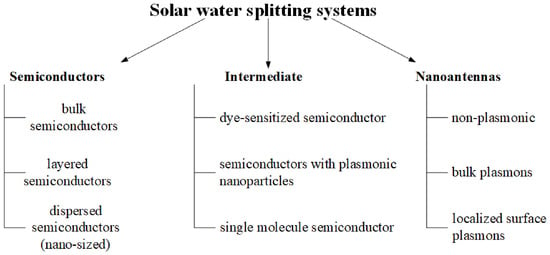
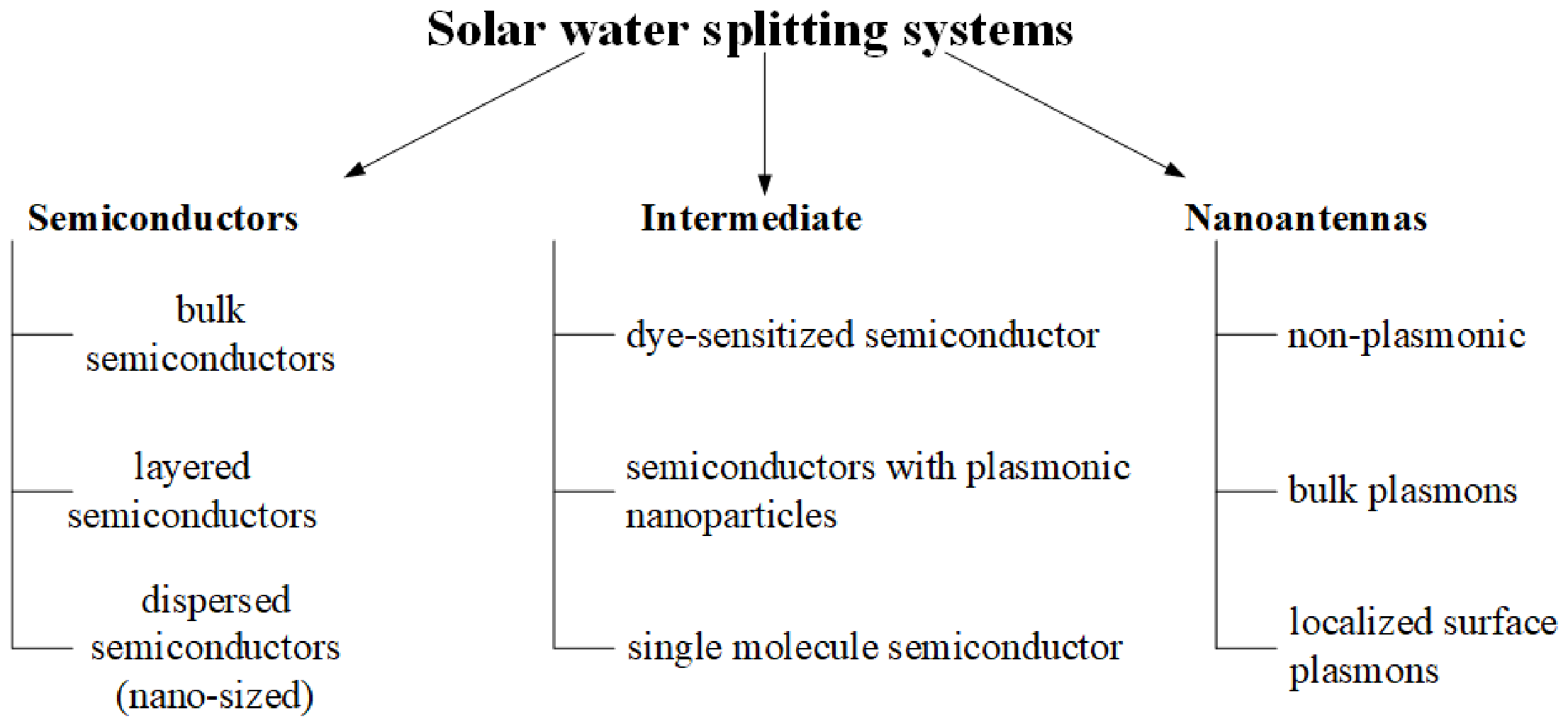
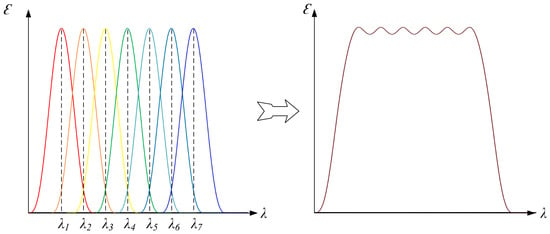
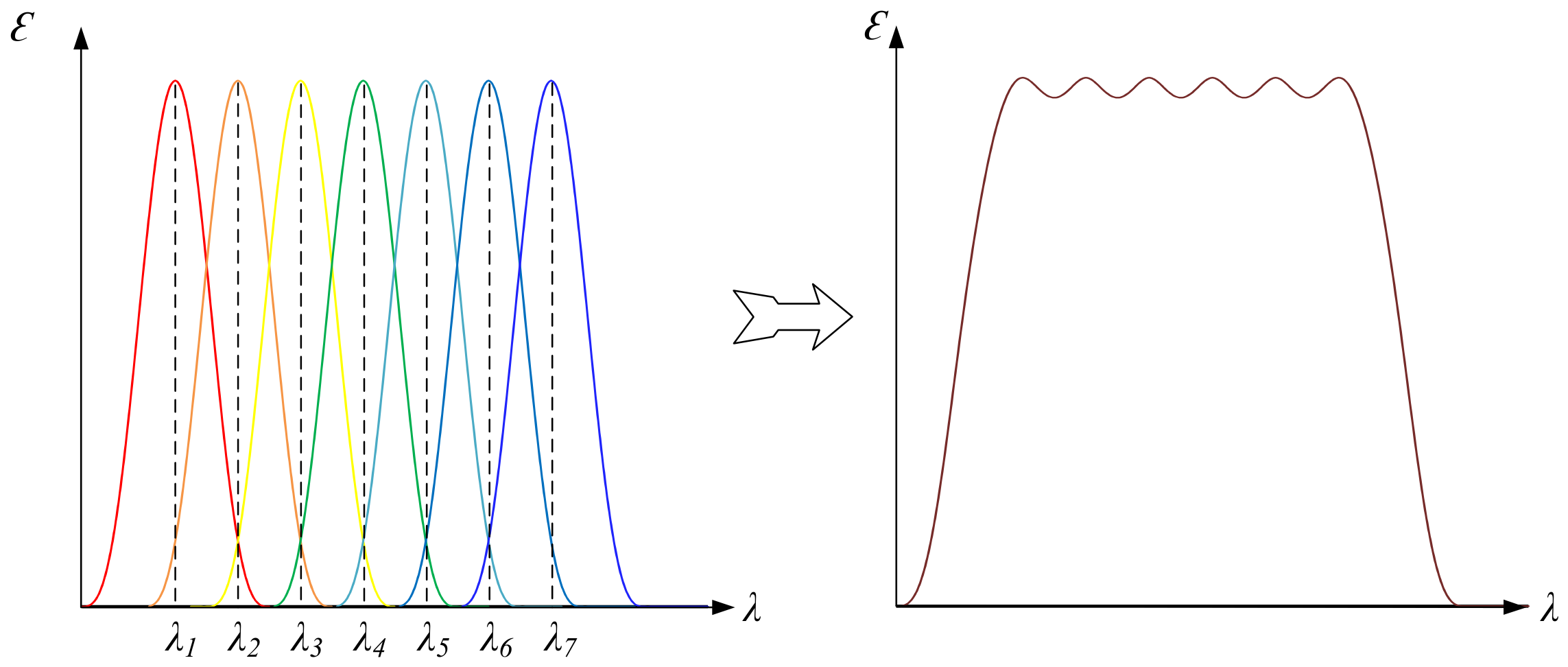
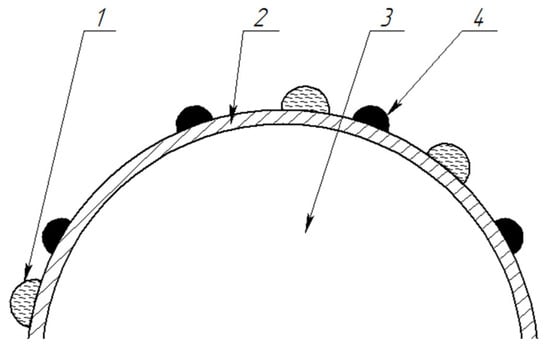
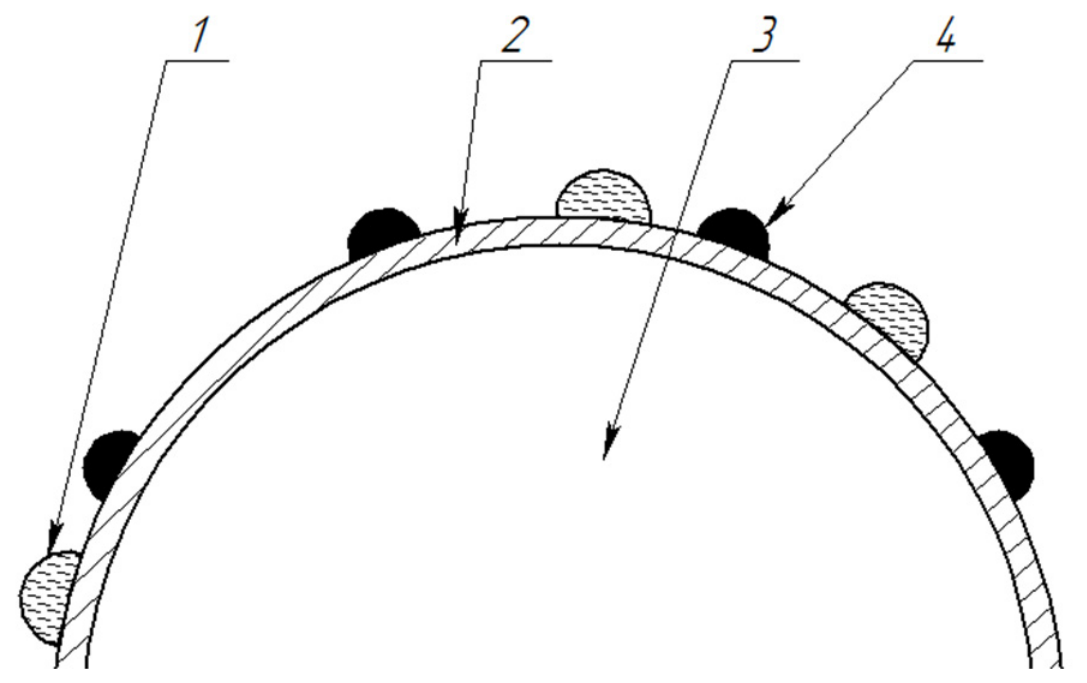
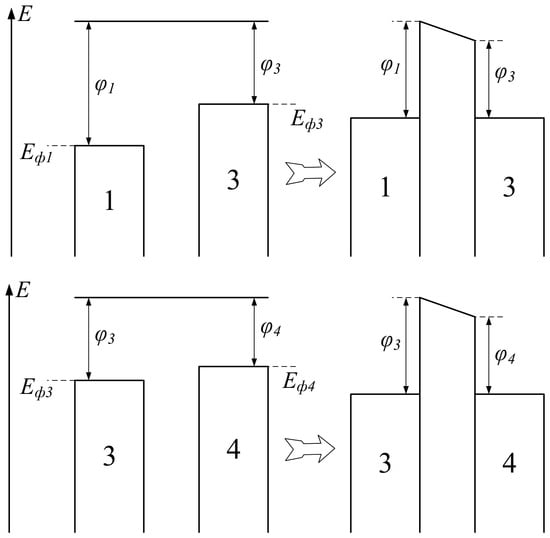
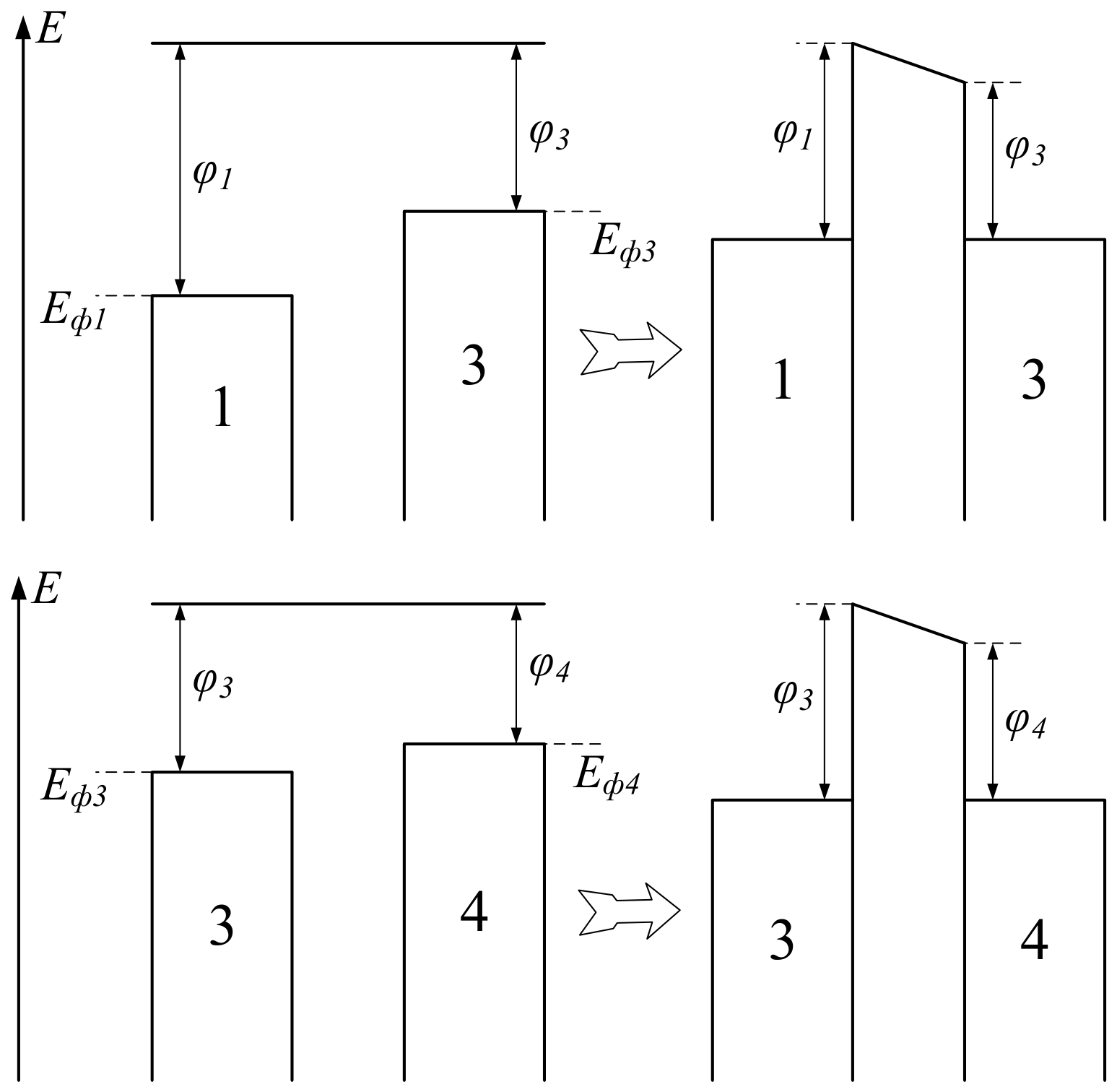
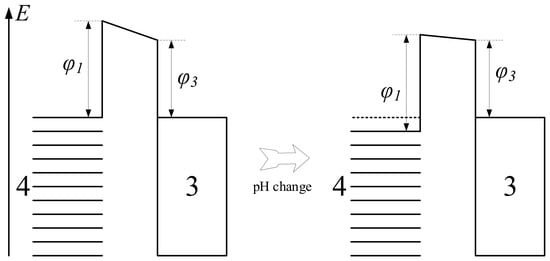
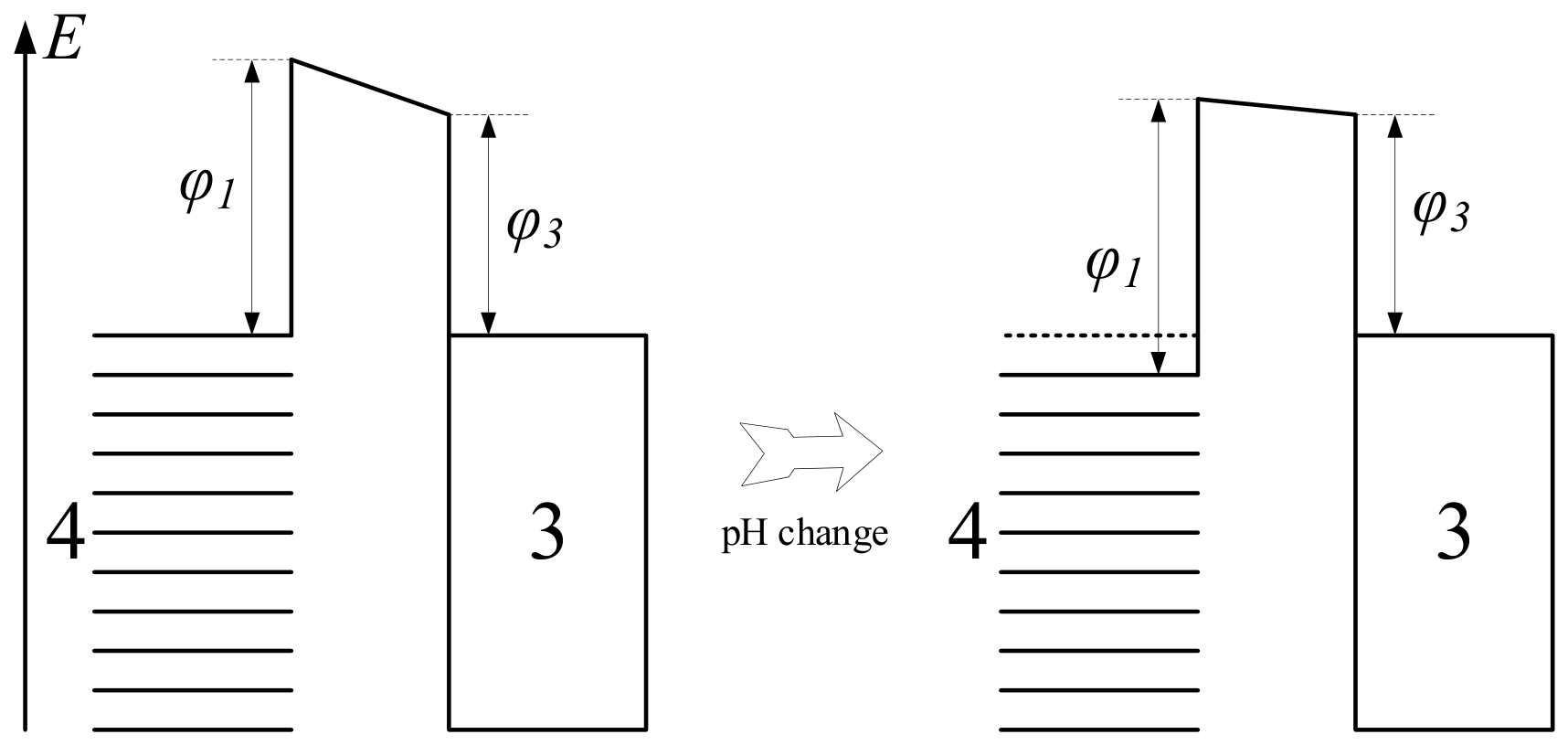
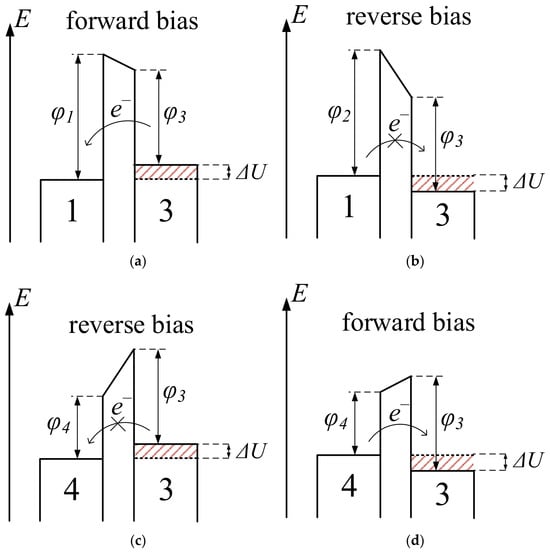
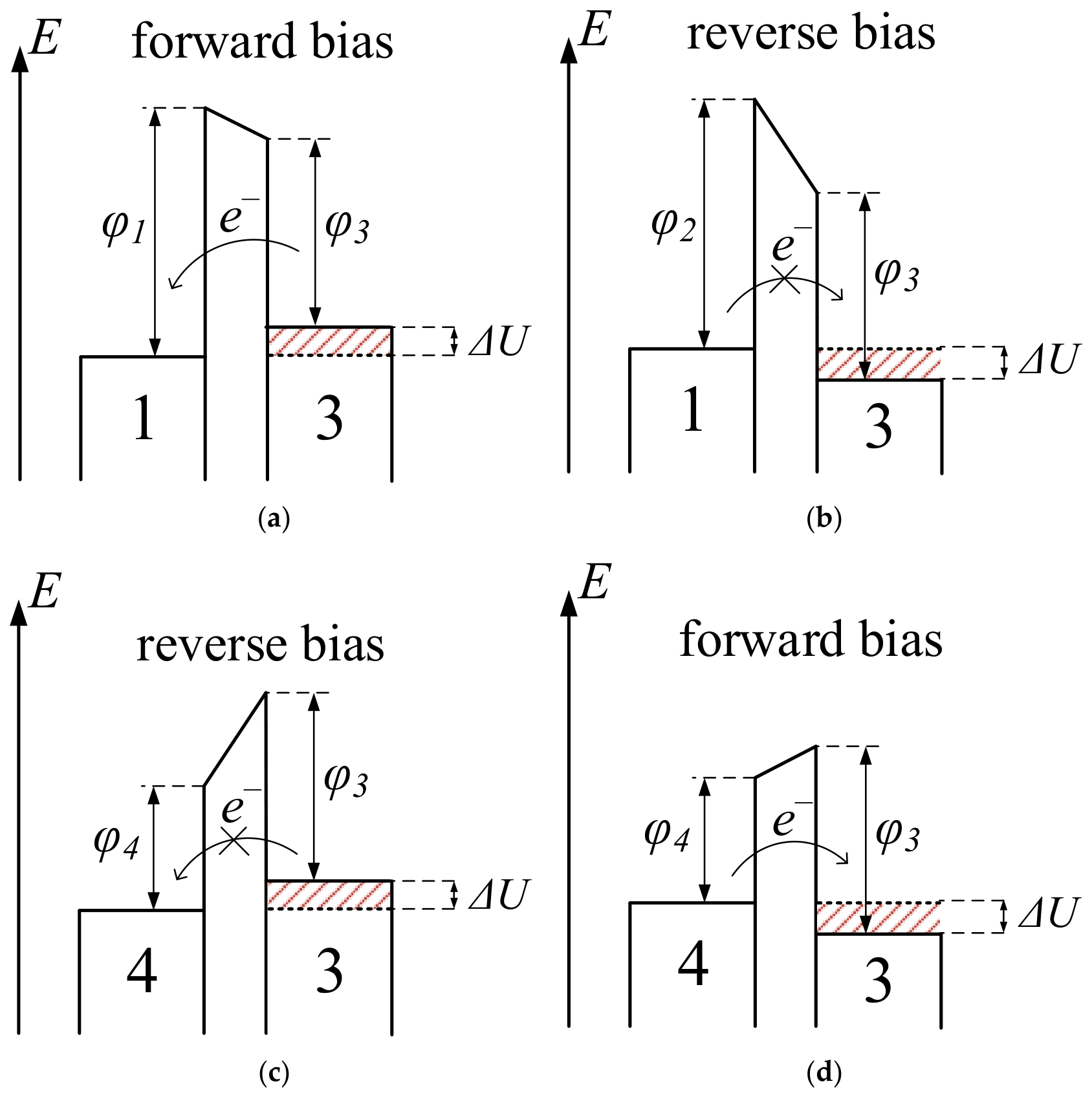
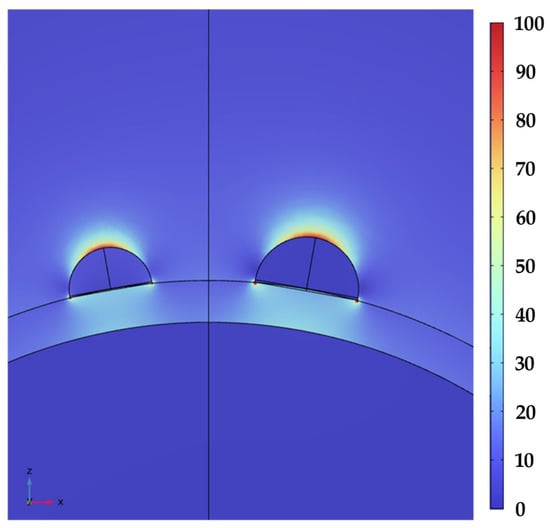
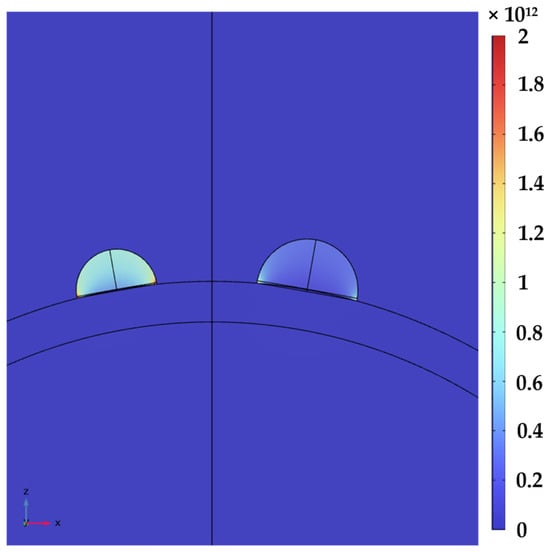
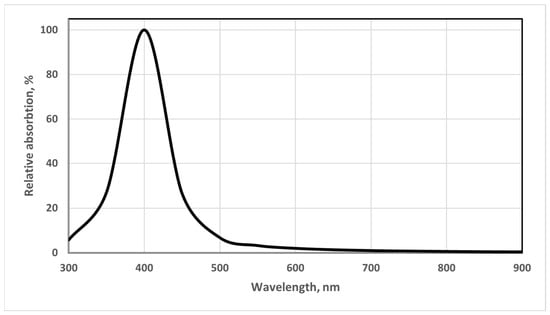
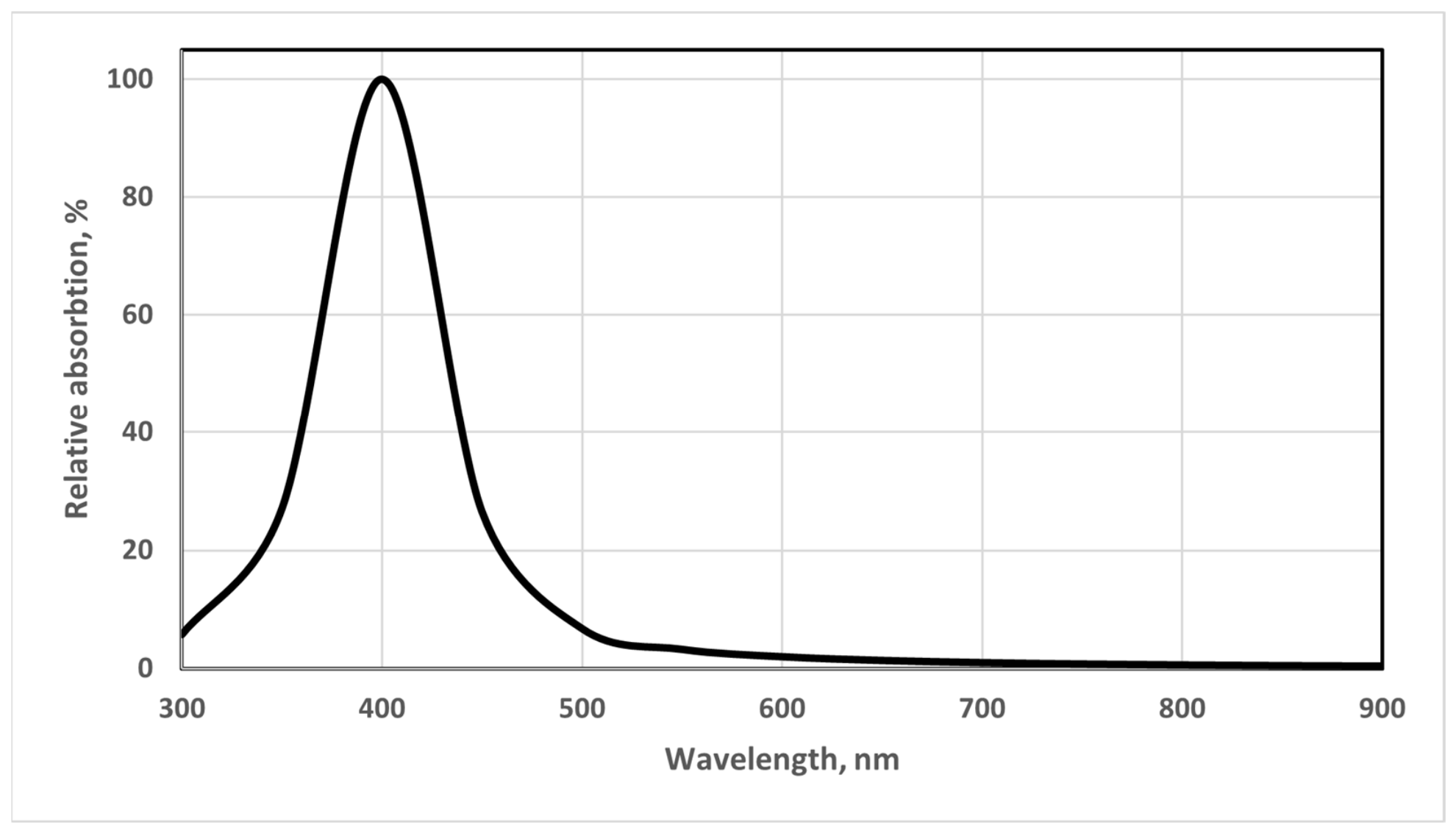
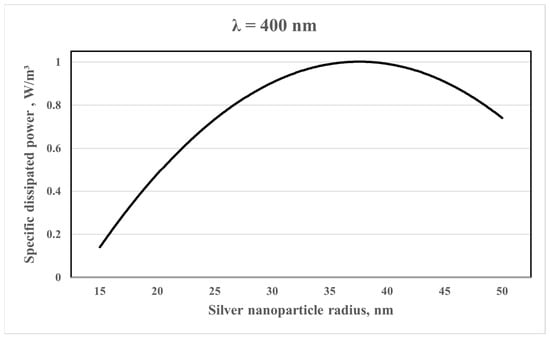
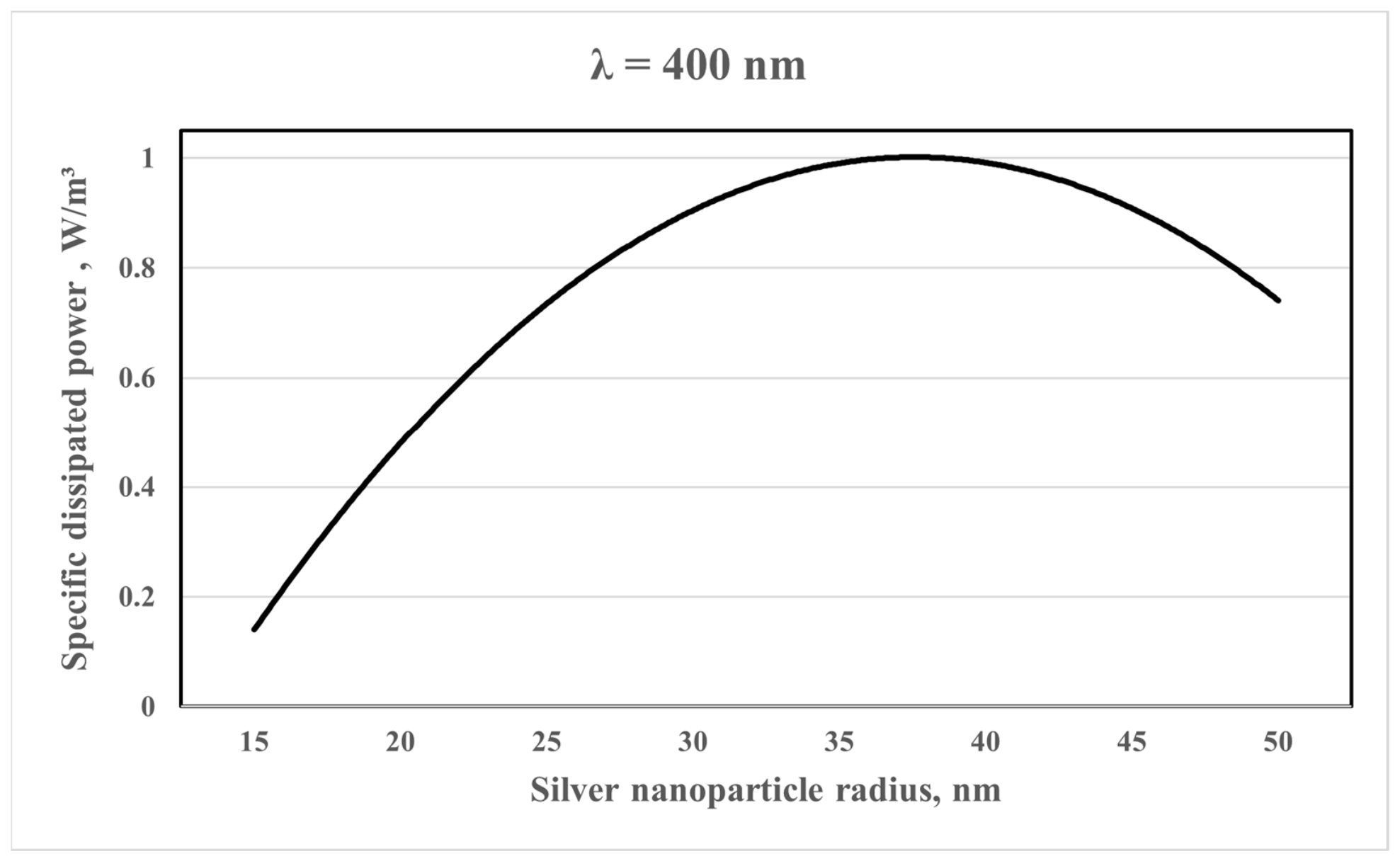
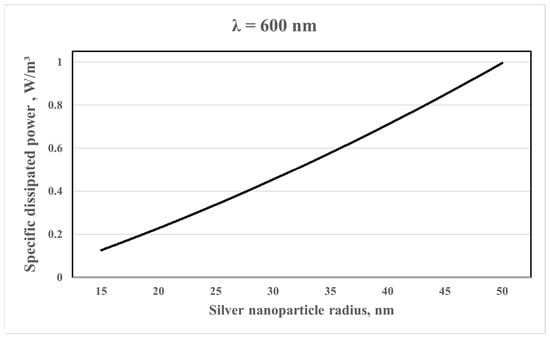
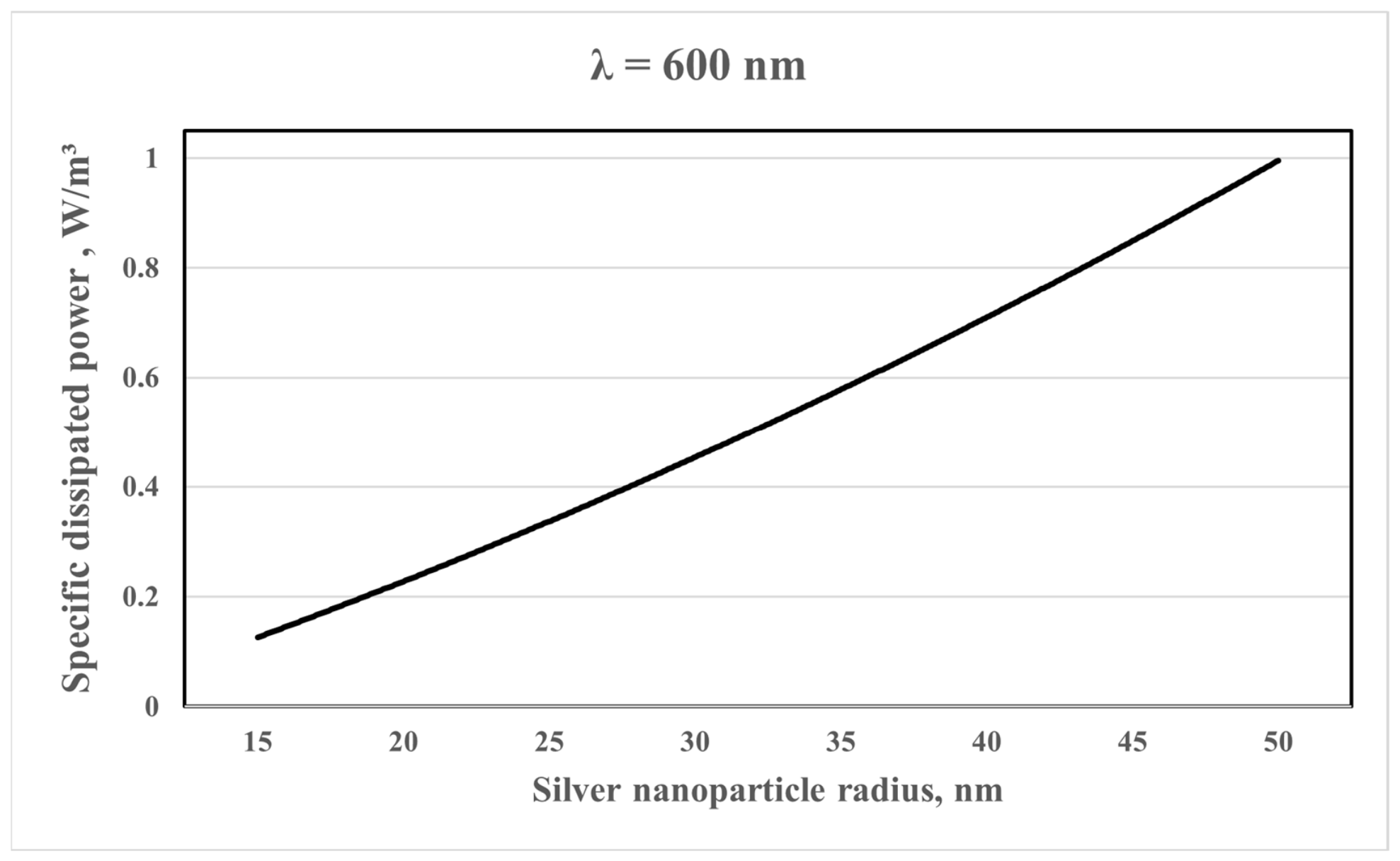
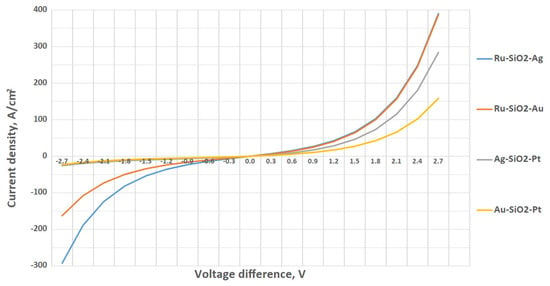
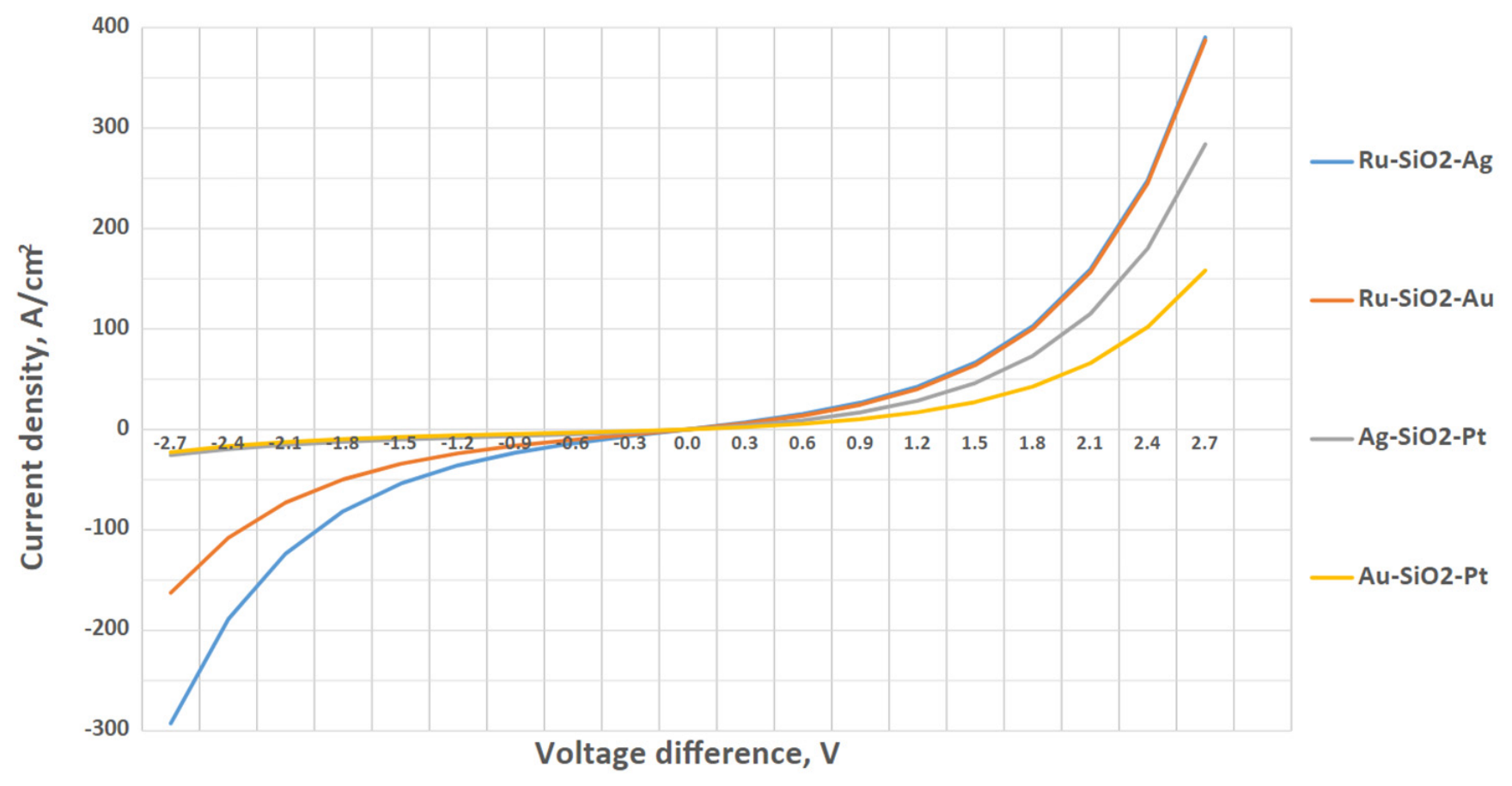
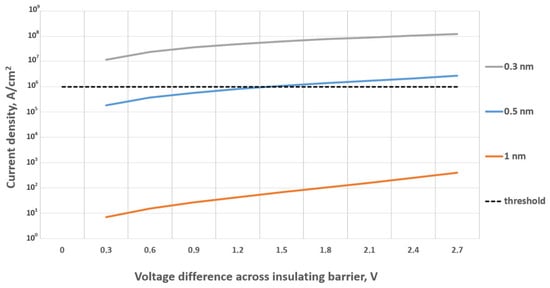
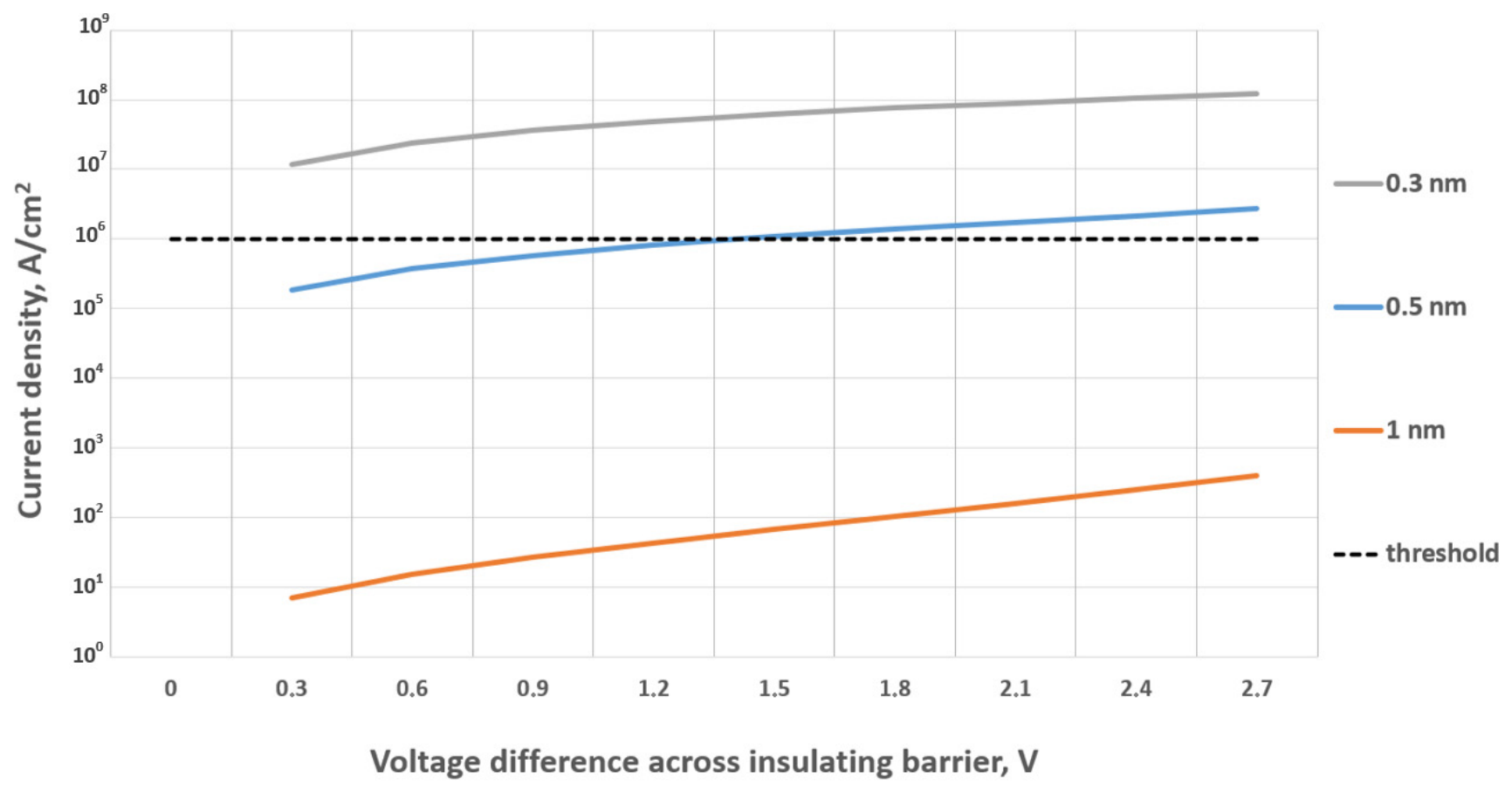
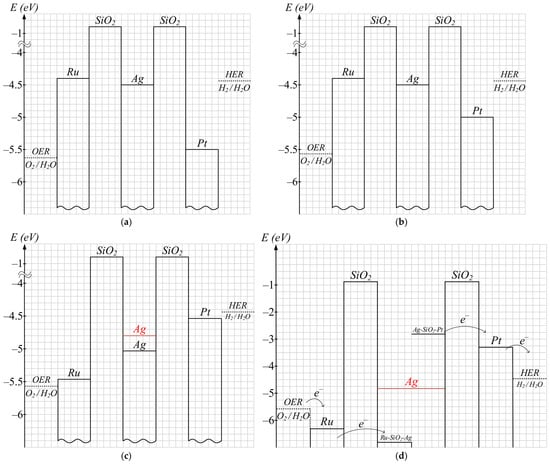
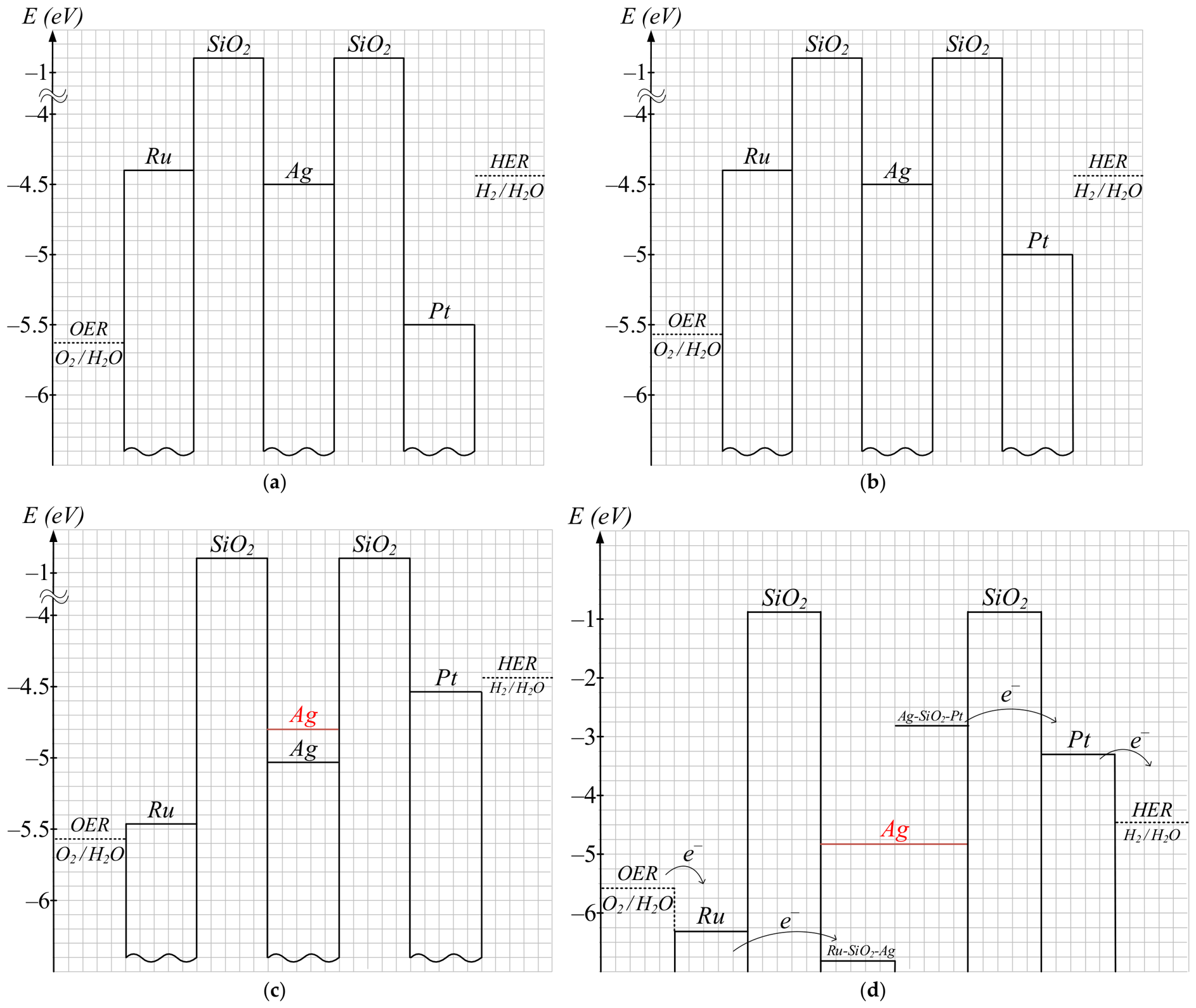

Disclaimer/Publisher’s Note: The statements, opinions and data contained in all publications are solely those of the individual author(s) and contributor(s) and not of MDPI and/or the editor(s). MDPI and/or the editor(s) disclaim responsibility for any injury to people or property resulting from any ideas, methods, instructions or products referred to in the content. |
© 2026 by the authors. Licensee MDPI, Basel, Switzerland. This article is an open access article distributed under the terms and conditions of the Creative Commons Attribution (CC BY) license.