


Abstract
Background: Research increasingly recognises meaningful human–nature experiences as key drivers of environmental conservation and stewardship. Despite growing interest in the social dimensions of conservation, limited attention has been given to how visitors understand and perceive urban nature conservation and how such perceptions relate to their willingness to participate in conservation actions. This study addresses this gap by examining visitors’ perceptions of urban nature conservation within the City of Cape Town urban reserves, where research on the human dimensions of urban conservation remains limited. Understanding such insights has long-term implications for urban conservation strategies. Method: This study used a combination of in-depth interviews, online qualitative surveys (SurveyMars), focus group discussions, and the Photovoice method over a 10-month period. Adult participants (n = 101) were recruited through convenience and purposive sampling from visitors to the urban nature reserves in the City of Cape Town. Results: Visitors viewed urban conservation not only in terms of biodiversity protection but also through learning opportunities, conservation values, pro-nature behaviours, and social and cultural experiences associated with meaningful interactions with nature. However, these understandings were often constrained by broader challenges related to access and inclusion. Conclusion: Urban conservation requires moving beyond biodiversity protection alone towards more socially inclusive, people-centred approaches that recognise and support the everyday relationships people develop with nature.
1. Introduction
Urban natural areas are increasingly recognised as important spaces for conserving biodiversity while providing opportunities for people to engage with nature in their everyday lives. As cities continue to expand [1], urban conservation efforts face the challenge of balancing ecological protection with the diverse needs, preferences, values, and experiences of urban residents and visitors [2]. Research has shown that meaningful interactions with nature can foster environmental awareness, stewardship, and support for conservation initiatives [3,4]. However, despite growing interest in the social dimensions of conservation, limited attention has been given to how visitors understand and perceive urban nature conservation and how the perceptions relate to their willingness to participate in conservation actions.
Current urban conservation research increasingly acknowledges that conservation outcomes are associated not only with ecological considerations but also with people’s values, experiences, and relationships with nature [5,6]. Yet conservation approaches have often been dominated by ecological, scientific, and managerial perspectives [6], with less emphasis on understanding how individuals experience, interpret, and connect with urban natural environments. This gap is particularly important because visitors’ perceptions may be associated with their conservation preferences, support for management strategies, and intentions to engage in behaviours that contribute to environmental sustainability.
Furthermore, urban natural areas function as lived landscapes where recreation, learning, cultural meaning, well-being, and environmental engagement intersect [7]. Drawing on constructivism, we argue that visitors experience and interpret nature in diverse ways, which are associated with their values regarding urban conservation and their understanding of the roles people should play in protecting urban ecosystems. This perspective provides a useful framework for exploring how visitors construct meanings of conservation through their experiences in urban nature reserves. The study contributes to the limited South African literature on visitors’ perceptions of urban nature conservation and the human dimensions of conservation in urban protected areas. Understanding experiences is important for developing more inclusive conservation approaches that can bridge the gap between conservation goals and participation. By recognising how people perceive and engage with urban nature, conservation practitioners can design strategies that resonate with visitors’ motivations, strengthen stewardship, and promote long-term conservation outcomes.
Against this backdrop, this study examines how visitors to urban reserves perceive and describe urban nature conservation and how such perceptions are associated with their conservation preferences and intended actions. In particular, the study aims to assess visitors’ understanding, preferences, and intended conservation actions within the City of Cape Town (CCT) urban reserves. By exploring the links between perceptions, valued experiences, and conservation intentions, the research contributes to understanding the human dimensions of urban conservation and offers insights for developing more inclusive and participatory conservation strategies.
2. Methods
2.1. Study Sites
The study was conducted in five urban nature reserves managed by the CCT municipality: Blaauwberg Nature Reserve, Rietvlei Wetland Reserve, Edith Stephens Nature Reserve, Rondevlei Nature Reserve, and Zeekoevlei Nature Reserve. These reserves are situated within the Cape Floristic Region, a globally recognised biodiversity hotspot characterised by exceptional plant diversity and high levels of endemism [8]. Collectively, the reserves represent a diverse range of ecosystems, including Cape Flats Sand Fynbos, Cape Flats Dune Strandveld, renosterveld, wetlands, estuarine systems, and freshwater vleis [9], providing important habitats for numerous threatened plant and animal species. They also serve as key recreational and educational spaces where visitors engage in activities such as hiking, birdwatching, photography, boating, fishing, and nature appreciation [10]. Despite their ecological and social significance, the reserves are subject to a range of pressures common across Cape Town’s biodiversity network, including urban development, pollution, invasive species, and increasing human use, all of which require ongoing management interventions [9]. Their location within a highly urbanised metropolitan context makes them ideal settings for exploring how visitors perceive urban nature conservation and how these perceptions relate to their intended conservation actions.
2.2. Participants and Procedure
For this study, adult visitors to urban nature reserves were recruited through purposive and convenience sampling across selected reserves managed by the CCT. Participants were selected based on their direct experiences visiting and engaging with urban nature reserves, as they were considered able to provide informed perspectives on urban nature conservation. The sample included both regular and occasional visitors from diverse socio-demographic backgrounds to ensure a broad range of perspectives on urban conservation. Eligible participants were adults aged 18 years or older who had visited urban nature reserves and could communicate in English; individuals with no experience visiting or engaging with urban nature reserves were excluded from the study.
Prior to data collection, informed consent was obtained from all participants. Face-to-face interviews and discussion sessions were audio-recorded with participants’ permission. Participants who preferred not to take part in face-to-face interviews were given the option of completing an online qualitative survey via SurveyMars (WJX International Limited, Hong Kong, Cloud-based SaaS) [11], which included the same open-ended questions as the interviews. Participants were recruited across different days, times, and locations within the urban nature reserves. Casual visitors were invited to participate in semi-structured interviews, online qualitative surveys, or photovoice activities based on their interests and availability, while focus group participants were recruited through a gatekeeper, a representative of Friends of the Reserve (a community-led conservation group). To minimise duplication, participants were encouraged to participate in only one primary data collection method, and no participant completed both an interview and an online survey. Participants involved in the photovoice activity were invited to submit a photograph depicting a meaningful nature-based experience, accompanied by a narrative explaining its significance. Consent was obtained for the use of photographs and narratives for research purposes, and any identifiable information was removed or anonymised to protect confidentiality.
Data collection was guided by open-ended questions designed to encourage participants to describe and reflect on their understanding of urban nature conservation and their views on conservation-related actions. Guided by a constructivist perspective, interview questions were designed to explore how participants interpreted and made meaning of their experiences in urban nature reserves, as well as their understanding of conservation. This approach allowed participants to express their perspectives in their own words while enabling discussions to follow the natural progression of each conversation. Where necessary, probing questions were used to further explore participants’ perceptions, preferences, and the experiences associated with their views on urban conservation [12]. Sampling and data collection were conducted over 10 months (January 2025 to November 2025). All interviews and discussions were transcribed word-for-word and organised, coded, and analysed in line with the study objectives. Data collection continued until thematic saturation was reached, indicated by the recurrence of themes across participants, reserves, and data collection methods (interviews, online qualitative surveys, focus group discussions, and Photovoice), with no substantially new insights emerging during analysis [13]. This approach enabled a comprehensive understanding of visitors’ experiences, perceptions of urban nature conservation, and their engagement.
2.3. Data Analysis
Following inductive thematic analysis, data collected through interviews, online qualitative surveys, focus group discussions, and Photovoice activities were transcribed and analysed using ATLAS.ti (Version 26, Scientific Software Development GmbH, Berlin, Germany) [14]. The analysis involved an iterative process of engaging closely with the data to develop familiarity with participants’ understandings of urban nature conservation. The first author conducted the coding and analysis of all textual and visual data. Transcripts were coded inductively on a line-by-line basis, allowing patterns, perceptions, and meanings to emerge from the data. In line with the constructivist perspective, codes and themes were developed inductively to reflect participants’ subjective interpretations and meanings associated with urban conservation. Initial codes were developed from the data, reviewed through repeated engagement with the dataset, and grouped into broader themes capturing visitors’ understandings of urban conservation, their conservation preferences, and their intended conservation actions. Themes were subsequently refined through repeated engagement with the dataset and discussions with the supervisory team, resolving any differences in coding or interpretation. Data were analysed collectively to identify shared patterns and meanings across reserves. Visual and textual data were analysed together to provide a richer understanding of how participants experienced and interpreted urban natural areas. Participant photographs and accompanying narratives were analysed alongside the textual data to inform theme development. This integrated approach facilitated the identification of recurring patterns, shared meanings, and diverse perspectives on urban conservation. The resulting themes were interpreted in relation to the study objectives, providing insights into the links between visitors’ experiences of urban nature and their conservation intentions. To enhance reflexivity, the researcher maintained reflective notes throughout data collection and analysis. As an independent researcher not formally affiliated with the study sites, attention was given to how personal experiences, assumptions, and interactions with participants could influence interpretation. These reflections informed discussions with the supervisory team and were considered throughout the coding and theme-development process.
3. Results
3.1. Sample Characteristics
A total of 101 visitors (n = 101) participated in the study through a combination of face-to-face interviews, online qualitative surveys, focus group discussions, and Photovoice activities. Participants were grouped according to the urban reserve they visited and the nature activities they discussed (see Table 1). Each participant was assigned a unique identification code linked to their respective reserve (e.g., RNR_P5). Participants were recruited using purposive and convenience sampling techniques, targeting adult visitors with direct experience of the selected urban reserves who could provide informed perspectives on urban nature conservation. Participant counts refer to unique individuals, while coded references represent coded segments of data and were used to describe the dataset rather than indicate prevalence.
Table 1.
Distribution of participants across the five CCT urban nature reserves and associated nature activities.
3.2. Themes
Drawing on the thematic analysis, five interrelated themes emerged that describe visitors’ understanding, values, and intended conservation actions within urban reserves: nature education is associated with conservation understanding; protection and preservation are central conservation values; conservation values are reflected in pro-nature behaviours; conservation is viewed as a shared community and cultural responsibility; and access and inclusion are associated with conservation participation. Although there were areas of overlap between the themes, each highlighted a different aspect of participants’ perceptions, including conservation learning, values, reported behaviours, social responsibility, and participation opportunities.
- Nature education and conservation understanding
The first prominent theme highlights how visitors understand conservation. Participants reported an awareness of conservation, often developed through environmental education, personal experiences in nature, community programmes, and direct interactions with conservation practitioners. Conservation was widely understood as a process of learning, discovery, and sharing knowledge with others (57 coded references from 32 participants), which emerged as a prominent subtheme. Several participants described conservation as an educational process. Participants from BNR and ESNR explained:
“I document nature; hence, I spend time here researching and connecting. Conservation, to me, is about sharing stories about nature and your discoveries. Because being in nature is about discovery and learning. It’s where my curiosity meets my wonder”(BNR_P2 during the Focus group).
“When I volunteered in an education programme, despite my attitude, I shared my passion and knowledge, and it sparked joy and curiosity. I realised then that conservation isn’t just about protecting nature, it’s about inspiring people to care for it. It was the start of transforming my personal refuge into a shared experience for others,”(ESNR_P1 from the Focus group).
Participants highlighted the importance of environmental education in fostering awareness and shaping positive attitudes towards nature. Visitors linked their conservation awareness to educational programmes and opportunities offered by reserves and community initiatives. For example, two respondents remarked:
“I grew up in a world full of superstitious beliefs which view animals with fear. Environmental education has given me new feelings and a new perspective. In my view, conservation is education and changing perceptions”(BNR_P4 from the Focus group).
“Another way I connected with nature is through community programmes where people from reserves came to teach us about the environment. Those experiences sparked my interest ….”(BNR_P3 from the Focus group).
Others expressed a desire for more educational opportunities, suggesting that reserves should provide “education for visitors about why conservation matters” (BNR_P3) and “interactive education programs for kids” (ESNR_P1).
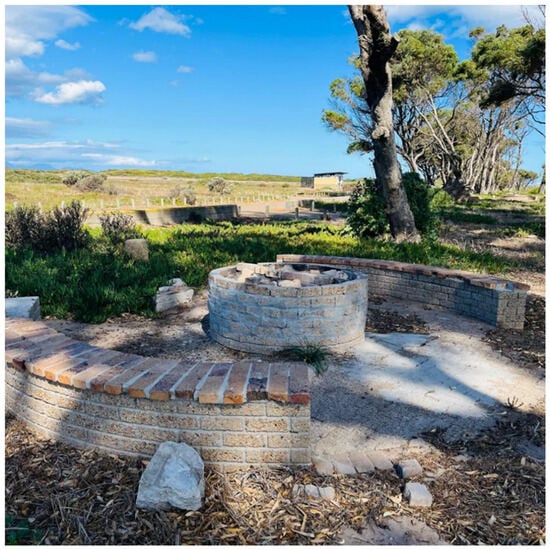
Beyond learning, participants reported awareness of environmental challenges affecting urban reserves, emerging as the second prominent subtheme (23 coded references from 18 participants). Concerns about pollution, habitat degradation, and poor maintenance were common. Participants expressed concern that neglect and poor management could undermine both ecological integrity and visitor experiences. Feelings of urgency and responsibility emerged when discussing threats to natural environments, suggesting that awareness of environmental challenges may motivate conservation concern and action. Three examples are shown here, one of which contains an image (Figure 1):
Figure 1.
“My family and I like to come here, and braai, but the facilities are not well-maintained. I would like to see an effort towards improving the place, including nature activities. Other reserves have information boards about nature and the importance of conservation. It will be nice to see the same thing here” (ZNR_P3). Image shared by ZNR_P3 as part of the Photovoice narrative (2025).
“Maintain the dirt and the bins when they are full. Encourage people to use the bins, because those who come don’t use them; instead, they litter”(RWR_P2).
“I feel a personal obligation to visit and care for nature on a regular basis. I feel a sense of urgency to act before they are lost or damaged”(ESNR_P7).
Nature observation activities also emerged as an important means of developing conservation awareness (17 coded references from 13 participants). Participants described engaging in wildlife observation, sensory engagement, photography, journaling, and citizen science projects. Such activities enabled visitors to learn through direct experience and fostered curiosity about natural systems. Two respondents reflected:
“Participating in the iNaturalist Bioblitz became a turning point. Recording species, birds, insects, and plants wasn’t just about improving my studies in nature conservation; it became a way to appreciate the beauty and complexity of life around me. Hence, I see conservation as not just about preserving plants and animals; it’s about understanding the human–nature relationship and our connection with the environment”(ESNR_P3 from the Focus group).
“I believe that nature sensory should become a standard part of conservation. When people spend time in nature, they often start to care about nature and feel a sense of responsibility for looking after it. I would recommend activities such as sensory nature walks, meditation circles and quiet time”(RWR_P11).
Despite generally high levels of awareness, a few participants admitted limited knowledge about reserve conservation activities (4 coded references from 4 participants). For example, participants mentioned, “I don’t know much about their conservation activities” (RNR_P2). This suggests that although visitors possess conservation knowledge, gaps remain regarding public understanding of reserve-specific conservation programmes.
“I don’t know about the conservation of the area. We are never involved in anything concerning the reserve”(ZNR_P3).
“I don’t know much about their conservation. The community need to be involved in nature activities, beyond just providing braai areas, which we do appreciate”(ZNR_P7).
- Protection and preservation are central conservation values
This theme reflected how participants value nature and understand the purpose of conservation. Protection referred to active efforts to safeguard biodiversity, while preservation focused on maintaining natural environments for future generations. The prominent perception was that conservation is fundamentally about protecting nature, reflected in 49 coded references from 36 participants. Participants viewed conservation as a responsibility to safeguard the natural environment for future generations, emphasising the need to preserve biodiversity and ensure its continued enjoyment and benefit. As one participant explained, “Means to protect what is left, not just for ourselves, but for future generations” (ESNR_P7 from the Focus group), while another noted, “Protecting nature so future generations can enjoy it” (BNR_P3). Participants also expressed a strong sense of environmental stewardship, recognising the importance of actively caring for and protecting the natural world. This was evident in statements such as “Nature needs our protection” (ESNR_P1) and “Protecting biodiversity” (ZNR_P2).
“Means to protect what is left, not just for ourselves, but for future generations. Conservation, for me, is about safeguarding plants and the wisdom they carry”(ESNR_P7 from the Focus group).
“A sense of responsibility arises from knowing that nature needs our protection”(ESNR_P1).
Closely connected to protection as a second prominent subtheme, participants emphasised preservation (18 coded references from 15 participants). Where protection focused on safeguarding nature, preservation emphasised maintaining natural environments and their benefits over time. Preservation was also linked to a sense of responsibility towards future generations, with participants expressing a desire for others to experience the same landscapes, wildlife, and ecological benefits they enjoy today. This reflects a long-term view of conservation and an appreciation for the lasting value of natural environments.
“I have two children, and I feel a strong responsibility to ensure they experience the beauty I see today. If we neglect nature, future generations will lose rivers, fish, and the serenity that sustains us”(ESNR_P2 during the Focus group).
“For me, conservation is about curiosity; it’s about learning and protecting. It’s about asking why things are the way they are and ensuring that the answers we find help us preserve nature for future generations”(RNR_P4 from the Focus group).
- Conservation values and pro-nature actions
Pro-nature behaviour emerged as a third prominent theme with 47 coded references from 31 participants. This theme captures the conservation actions visitors reported undertaking or intend to undertake in support of conservation. Participants reported engaging in a range of behaviours aimed at protecting the environment, including litter control, volunteering, environmental education, and supporting conservation initiatives.
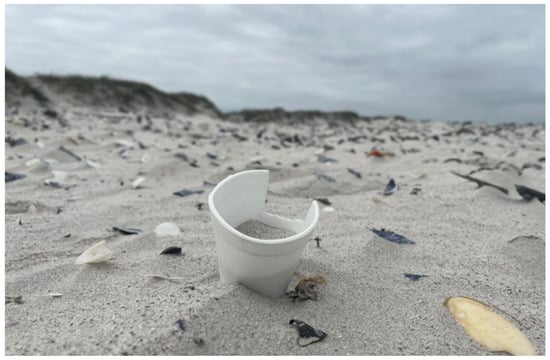
Reported conservation behaviours included litter prevention and environmental stewardship. One participant stated, “For us as Capetonians, we always try to keep the place clean and tidy” (BNR_P1). Another explained, accompanied by an image (Figure 2):
Figure 2.
“I do pick up some of the litter when I do my walks. Beach cleanups and dog walkers should pick up the dog poop” (BNR_P10). Image shared by BNR_P10 during the online interview (2025).
Intended conservation actions were reflected in participants’ willingness to actively engage in conservation. One respondent stated, “I’d volunteer for clean-ups. I hate littering” (BNR_P3). Similarly, another participant reported, “I want to volunteer, participate in conservation efforts. I want to support initiatives that protect our nature” (RNR_P6).
Participants also highlighted the importance of educating others and sharing environmental knowledge. One ESNR focus group participant explained, “I have two children, … That’s why I teach children about conservation. Simple actions, such as litter, matter because litter pollutes rivers and destroys habitats” (ESNR_P2 during the Focus group). Another participant stated, “I want to share my nature experiences with others to raise awareness” (ESNR_P7).
Management preferences included suggestions for strengthening conservation efforts within reserves. For example, a participant from RWR stated, “I believe the reserve can plant more trees to benefit both birds and people” (RWR_P1). Participants also expressed a willingness to participate in future conservation activities.
- Conservation is viewed as a shared community and cultural responsibility
This theme reflects participants’ views on who should be involved in conservation efforts and how such initiatives should be implemented. Participants expressed the belief that successful conservation requires active community involvement, emerging as a prominent subtheme (34 coded references from 24 participants). Respondents argued that conservation initiatives are more effective when local people are engaged in decision-making, environmental activities, and stewardship programmes. For example, one participant stated that conservation should involve “people to help with monitoring and public engagement” (BNR_P2), while another stressed that “everyone should participate” (BNR_P10). These quotations show a belief that conservation outcomes improve when responsibility is shared across society rather than delegated to experts alone.
Community participation was also associated with fostering ownership and accountability. One visitor recommended that managers should “involve the community in restoration projects. This will ensure a sense of responsibility and belonging” (BNR_P11). Similarly, participants advocated for “more community involvement” (ESNR_P1) and “community engagement programmes” (ESNR_P2) as strategies for strengthening conservation efforts.
Other participants highlighted the importance of local community support. A participant from ESNR noted that:
“In my view, conservation is about people as much as it is about nature. You cannot protect a place like the reserve without winning the hearts and minds of the community that lives around it”(ESNR_P4 during the Focus group).
Participants also highlighted the importance of addressing social barriers and creating opportunities for engagement. Some participants perceived limited opportunities for community involvement in conservation activities.
“When there’s a problem, like littering, fingers are often pointed at the community. But what are we doing with the community? Nothing. Unfortunately, kids, especially those from the Cape Flats, are not exposed to nature. We have so much beautiful nature right on our doorstep. I know there are nature programmes going to communities, but their focus is on schools, rather than general community initiatives. They’re very formalised”(RNR_P3).
The participant proposed that reserves should “Invite communities to the reserves to learn and experience nature” (RNR_P3). Beyond community engagement, participants described conservation as a reciprocal relationship between people and nature, reflected in 12 coded references from 12 participants. Rather than seeing humans and nature as separate entities, they emphasised their interconnectedness. One BNR focus group participant explained:
“Conservation is not just about protecting wildlife, but also about people. For me, conservation is about understanding the connection between people and nature, how we belong within it, not apart from it”(BNR_P3 from the Focus group).
Participants also emphasised the role of culture and indigenous knowledge in conservation, which emerged as a third subtheme (12 coded references from 8 participants). Participants challenged conventional conservation narratives that overlook local and indigenous contributions to environmental stewardship.
“My people have contributed to conservation. Conservation is about researching your traditional ties to nature, acknowledging your role in protecting it, and sharing the knowledge”(BNR_P1 from the Focus group).
“I remember when this reserve had a beautiful medicinal plant garden. It was such a valuable feature and an excellent educational tool, but now it looks unmaintained. I personally benefited from the information displayed there, and I believe spaces like this are important for preserving indigenous knowledge”(ESNR_P7 from the Focus group).
The relationship between culture and conservation was particularly evident in statements linking environmental stewardship to personal and collective identity. The responses suggest that participants viewed nature as inseparable from cultural heritage.
“Conservation is not just about protecting biodiversity; it’s also about connecting people to their heritage. In my experience, conservation goes beyond ownership; it’s about collaboration. Communities play a vital role and often have been practising conservation for generations without formal recognition. My grandmother used to practice and teach us many forms of conservation. I also emphasise the concept of convivial conservation, which integrates research with community engagement. This approach helps people reconnect with their roots. We need to reflect on our clan names and cultural history because conservation is deeply tied to our identity”(ESNR_P4).
“I believe that conservation is an extension of cultural history. True conservation must recognise that for many of us, nature is not separate from our family story”(RNR_P3 from the Focus group).
- Access and inclusion in conservation participation
The final theme highlights participants’ perceptions of accessibility, inclusivity, and opportunities for participation in conservation. Conversely, participants described exclusion from conservation planning and discourse as a barrier to participation and connection with urban protected areas.
Access to reserves was valued not only for recreation but also for facilitating meaningful interactions with urban nature (7 coded references from 7 participants). One respondent appreciated that the reserve “is also open to the public” (BNR_P10), while another identified “quick access to the beach” as a significant aspect of their experience (BNR_P15). Participants also emphasised the need for facilities that support a broader range of visitors. For example, two participants from ZNR expressed a desire for child-friendly environments, stating that:
“The reserve is not bad. If you add too much, you can take away the natural aspect of it. But children visit the area; a playgroup for them would be nice. Like an education playground. Like the one by the Greenpoint stadium. Is nice”(ZNR_P1).
“Make a space for us to connect with nature. It looks bad right now. Create nature activities for kids”(ZNR_P3).
Similarly, another participant suggested creating “a resting spot by the water, a place where people can pause and catch their breath” (ZNR_P4). Participants’ reports suggest that accessibility extends beyond physical entry. One participant mentioned “creating spaces for people to connect with nature” (RWR_P8), highlighting the importance of designing reserves that encourage engagement.
While participants valued accessible conservation spaces, a few participants also expressed concerns about exclusion from conservation (4 coded references from 4 participants). Feelings of marginalisation emerged particularly around the lack of recognition of local and indigenous contributions to conservation. A participant from BNR remarked that:
“What I’ve learned over the years in conservation is that the contribution of Abantu, our people, in general, is completely excluded from the concept of conservation. There is no acknowledgement that we’ve contributed anything to conservation”(BNR_P1 from the Focus group).
Other participants highlighted a lack of communication and involvement in reserve management. One participant observed that “most people are unaware of the reserve, and they’re not included in any plans” (ESNR_P9), while another stated that “people living near the reserves often don’t even know this place” (RNR_P3). Similarly, a participant from ZNR asserted, “We are never involved in anything concerning the reserve” (ZNR_P3).
4. Discussion
The findings indicate that visitors understand conservation through multiple interconnected dimensions, including learning and knowledge, biodiversity protection, pro-nature behaviours, community responsibility, and participation opportunities. From a constructivist perspective, these findings suggest that understandings of conservation are shaped through participants’ experiences, interactions, and personal meanings associated with urban nature. Nature education played a significant role in shaping their perceptions of conservation, with visitors describing it as a process of learning, discovery, and knowledge sharing [15,16]. This understanding was fostered through exposure to nature, participation in educational programmes and citizen science initiatives, engagement with interpretive signage, and interactions with reserve staff. Therefore, understanding of conservation appears to emerge from direct experiences with nature rather than from formal environmental knowledge alone. This finding supports arguments that everyday interactions with urban nature can foster environmental awareness and encourage stewardship behaviours [17,18]. However, visitors’ understandings were often centred on visible environmental issues such as pollution, habitat degradation, and reserve maintenance. Broader socio-ecological challenges, including urbanisation and climate change, were largely absent from participants’ discussions. Although conservation awareness was generally high, understandings of conservation may remain relatively narrow and focused on observable environmental problems. Such findings support critiques that public conservation discourse often simplifies conservation challenges and overlooks the complex social and ecological processes associated with environmental outcomes [19,20].
Another finding was that visitors understood urban conservation through narratives of protection and preservation. Conservation was commonly associated with safeguarding biodiversity, protecting habitats, restoring degraded environments, and ensuring that future generations can benefit from nature [21]. These views are consistent with traditional conservation approaches within South Africa, where conservation has historically been framed around biodiversity protection and ecological preservation [22]. At the same time, these findings suggest an emerging shift towards more socially inclusive understandings of conservation [23]. While visitors supported biodiversity protection, they also emphasised the importance of human well-being, social relationships, cultural values, and community involvement. Several visitors explicitly rejected the separation of people and nature, arguing instead that conservation should recognise the interconnectedness of ecological and social systems [24,25]. Visitors described urban conservation through both protectionist and people-centred perspectives.
The third theme, concerning pro-nature behaviour, suggests a relationship between perceptions of conservation and participants’ reported and intended conservation actions. Environmental learning was associated with a sense of responsibility and stewardship [26], and participants reported various conservation-related behaviours. Understanding of conservation may serve as an important foundation for engagement in conservation [27]. Nevertheless, there was evidence of a disconnect between expressed values and actual participation. While participants expressed a willingness to contribute to conservation, reported participation often involved simple actions such as proper waste disposal, sharing knowledge, and occasional volunteering. More intensive forms of involvement, including participation in decision-making processes, were less evident. This suggests that positive conservation perceptions alone may be insufficient to support deeper forms of conservation engagement, as Gregg et al. [27] support.
A particularly significant finding was the emergence of community-based and culturally rooted understandings of conservation. Conservation was described as a shared responsibility requiring community participation [28], collective stewardship [29], and recognition of indigenous knowledge systems [30]. References to cultural identity, traditional ecological knowledge, and historical relationships with nature suggest that visitors view conservation not solely as a scientific or ecological endeavour but also as a cultural and social practice, as Bell et al. [29] support. These findings are particularly important within the South African context, where conservation has historically been associated with exclusionary policies and unequal access to natural resources [31,32]. Visitors’ emphasis on inclusion, recognition, and community engagement may therefore reflect a desire for more equitable and socially relevant conservation approaches. The findings support growing calls for urban conservation initiatives that acknowledge local knowledge, cultural values, and lived experiences alongside ecological objectives.
Accessibility and inclusion were identified by participants as important factors in conservation, representing the final theme identified. Visitors viewed accessible and welcoming reserves as important spaces for engaging in conservation activities. Concerns were also raised regarding limited awareness of reserve activities, insufficient communication, and exclusion from conservation planning and decision-making processes. These findings suggest that participants perceived meaningful conservation participation as associated not only with access to nature but also with opportunities for involvement, representation, and recognition [27,30].
This study has limitations. The findings are based only on visitors to urban nature reserves, who may already have stronger environmental interests and more positive conservation attitudes than the wider public. In addition, the findings reflect the perspectives of English-speaking visitors and may not represent those of individuals who do not visit reserves or face barriers to participation, including socioeconomic or cultural barriers. The study also relied on participants’ self-reported views and intentions, which may not always reflect actual behaviour. Furthermore, because the research was conducted in selected urban reserves in Cape Town, the findings may not be fully applicable to other South African cities with different social, cultural, and environmental contexts. Finally, while the qualitative approach provided rich insights into visitors’ perceptions, it cannot determine whether understanding of conservation directly leads to conservation behaviour. Future research should examine how perceptions of urban conservation are associated with long-term conservation behaviour across diverse populations and further explore the influence of sociocultural factors on participation in urban conservation.
5. Conclusions
Visitors to urban nature reserves described diverse understandings of conservation associated with their experiences in nature, learning opportunities, conservation values, and social and cultural connections. Participants identified access and inclusion as important considerations for participation in conservation. The study highlights the need for urban conservation initiatives that combine biodiversity protection with environmental education, community engagement, and inclusive participation opportunities. These findings further emphasise the value of inclusive, people-centred approaches that support everyday relationships with nature.
Author Contributions
Conceptualisation, A.G.M., E.P.d.C. and K.A.M.; validation, A.G.M., E.P.d.C. and K.A.M.; synthesis, A.G.M., E.P.d.C. and K.A.M.; investigation, A.G.M., E.P.d.C. and K.A.M.; writing—original draft preparation, A.G.M., E.P.d.C. and K.A.M.; writing—review and editing, A.G.M., E.P.d.C. and K.A.M.; supervision, A.G.M., E.P.d.C. and K.A.M.; project administration, A.G.M., E.P.d.C. and K.A.M.; funding acquisition, A.G.M. All authors have read and agreed to the published version of the manuscript.
Funding
This study was fully funded through the New Generation of Academics Programme (nGAP) under the Staffing South Africa’s Universities Framework (SSAUF), a national initiative of the South African Department of Higher Education and Training (DHET).
Institutional Review Board Statement
The study was conducted in accordance with the Declaration of Helsinki, and approved by Faculty Committee for Research Ethics (FCRE) of the Tshwane University of Technology (TUT) (FCRE Approval Reference Number: HREC2024=07=006 [SCI]); date of approval: 12 November 2024.
Informed Consent Statement
Informed consent was obtained from all participants involved in the study.
Data Availability Statement
The data presented in this study are available upon reasonable request from the corresponding author. The datasets are not publicly available due to privacy and confidentiality considerations related to participant information and ethical research requirements.
Acknowledgments
The authors sincerely thank the Tshwane University of Technology for providing the resources and academic support.
Conflicts of Interest
The authors declare no conflicts of interest.
Abbreviations
The following abbreviations are used in this manuscript:
| CCT | City of Cape Town |
| BNR | Blaauwberg Nature Reserve |
| RWR | Rietvlei Wetland Reserve |
| ESNR | Edith Stephens Nature Reserve |
| RNR | Rondevlei Nature Reserve |
| ZNR | Zeekoevlei Nature Reserve |
References
- McPhearson, T.; Cook, E.M.; Berbés-Blázquez, M.; Cheng, C.; Grimm, N.B.; Andersson, E.; Barbosa, O.; Chandler, D.G.; Chang, H.; Chester, M.V.; et al. A social-ecological-technological systems framework for urban ecosystem services. One Earth 2022, 5, 505–518. [Google Scholar] [CrossRef] [Scilit]
- Taylor, L.; Maller, C.J.; Soanes, K.; Ramalho, C.E.; Aiyer, A.; Parris, K.M.; Threlfall, C.G. Enablers and challenges when engaging local communities for urban biodiversity conservation in Australian cities. Sustain. Sci. 2022, 17, 779–792. [Google Scholar] [CrossRef] [Scilit]
- Hatty, M.; Goodwin, D.; Smith, L.; Mavondo, F. Speaking of nature: Relationships between how people think about, connect with, and act to protect nature. Ecol. Soc. 2022, 27, 17. [Google Scholar] [CrossRef] [Scilit]
- Woodruff, M.; Sollis, K.; Rajeevan, U.; Tsai, A.C.; Morse, M.; Marsh, P.; Flies, E. Connections, reciprocity and wonder: Descriptions of meaningful experiences in nature reveal benefits for humans and environments in Australia. SocArXiv 2025, preprint. [Google Scholar] [CrossRef] [Scilit]
- Campbell, S.; Gurney, L. What are we protecting? Rethinking relational values and nature(s). Ecosyst. People 2024, 20, 2315973. [Google Scholar] [CrossRef] [Scilit]
- Cebrián-Piqueras, M.A.; van Riper, C.J.; Andrade, R.; Raymond, C.M.; Goodson, D.J.; Keller, R.; Plieninger, T. Weaving values, knowledge and context to care for human–nature relationships in protected areas. People Nat. 2025, 7, 1952–1971. [Google Scholar] [CrossRef] [Scilit]
- Kaplan, H.; Prahalad, V.; Kendal, D. From conservation to connection: Exploring the role of nativeness in shaping people’s relationships with urban trees. Environ. Manag. 2023, 72, 1006–1018. [Google Scholar] [CrossRef] [Scilit] [PubMed]
- Grobler, B.A.; Cowling, R.M. The composition, geography, biology and assembly of the coastal flora of the Cape Floristic Region. PeerJ 2021, 9, e11916. [Google Scholar] [CrossRef] [Scilit] [PubMed]
- City of Cape Town. Cape Town Biodiversity Spatial Plan 2025 (Policy No. 70196). Spatial Planning and Environment Directorate, Environmental Management Department, Biodiversity Management Branch. 2025. Available online: https://www.capetown.gov.za/media/si4d0cl3/cape-town-biodiversity-spatial-plan.pdf (accessed on 13 June 2026).
- City of Cape Town. Biodiversity Report 2018: Celebrating a Decade of Biodiversity Management 2008–2018. Environmental Management Department, Biodiversity Management Branch. 2018. Available online: https://www.capetown.gov.za/media/btobtncv/cct_biodiversity_report_2018-07-27.pdf (accessed on 7 May 2026).
- Saarijärvi, M.; Bratt, E.L. When face-to-face interviews are not possible: Tips and tricks for video, telephone, online chat, and email interviews in qualitative research. Eur. J. Cardiovasc. Nurs. 2021, 20, 392–396. [Google Scholar] [CrossRef] [Scilit] [PubMed]
- Robinson, O.C. Probing in qualitative research interviews: Theory and practice. Qual. Res. Psychol. 2023, 20, 382–397. [Google Scholar] [CrossRef] [Scilit]
- Saunders, B.; Sim, J.; Kingstone, T.; Baker, S.; Waterfield, J.; Bartlam, B.; Burroughs, H.; Jinks, C. Saturation in qualitative research: Exploring its conceptualisation and operationalisation. Qual. Quant. 2018, 52, 1893–1907. [Google Scholar] [CrossRef] [Scilit] [PubMed]
- Sharma, U.N. Basic stages of analysing qualitative documents using ATLAS.ti. ACCESS Int. J. Nepal Libr. Assoc. 2024, 3, 112–132. [Google Scholar] [CrossRef] [Scilit]
- Paiva, D.; Carvalho, L.; Sousa, A.M.; Soares, A.L.; Azambuja, S.T. Gamifying urban nature experiences. Erdkunde 2024, 78, 289–302. [Google Scholar] [CrossRef] [Scilit]
- Yang, L.; Li, Q.; Li, Y.; Yan, L.; Munkhsaikhan, A. Contributing to China’s biodiversity conservation: The role of nature education. Integr. Conserv. 2025, 4, 1–9. [Google Scholar] [CrossRef] [Scilit]
- Khuc, V.Q.; Tran, M.; Thinh, N.A.; Lich, H.K.; Dang, T.; Nguyen, T.M.H.; Tran, D.T. Closing nature connectedness to foster environmental culture: Investigating urban residents’ utilisation and contribution to parks in Vietnam. Discov. Sustain. 2024, 5, 144. [Google Scholar] [CrossRef] [Scilit]
- Schwass, N.R.; Potter, S.E.; O’Connell, T.S.; Potter, T.G. Outdoor journeys as a catalyst for enhanced place connectedness and environmental stewardship. J. Outdoor Environ. Educ. 2021, 24, 215–231. [Google Scholar] [CrossRef] [Scilit]
- Abas, A. Dialogical Environmental Worldview Integration Model (DEWIM): Reconciling human-human conflict between anthropocentrism and ecocentrism in environmental management. J. Agric. Environ. Ethics 2026, 39, 12. [Google Scholar] [CrossRef] [Scilit]
- Martínez-Alier, J. Biodiversity conservation: “Militarised conservation” vs “convivial conservation”. In Land, Water, Air and Freedom: The Making of World Movements for Environmental Justice; Edward Elgar Publishing: Cheltenham, UK, 2023; pp. 215–234. Available online: https://www.elgaronline.com/ (accessed on 21 April 2026).
- Mahanayak, B. Ex-situ and in-situ conservation of wildlife. World J. Biol. Pharm. Health Sci. 2024, 18, 277–282. [Google Scholar] [CrossRef] [Scilit]
- Thakholi, L.; Koot, S.; Büscher, B. Fallen from grace? The legacy and state of southern African conservation. Environ. Plan. E Nat. Space 2024, 7, 3–21. [Google Scholar] [CrossRef] [Scilit]
- Pooley, S. Conservation and coexistence at a crossroads. Conserv. Biol. 2025, 39, e14433. [Google Scholar] [CrossRef] [Scilit] [PubMed]
- Cilliers, E.J. Social perceptions of the value of green spaces: A view from the South. Front. Sustain. Cities 2023, 4, 1037123. [Google Scholar] [CrossRef] [Scilit]
- Shand, D.L.; Breed, C. Knowing urban nature differently: Undervalued nature relationships linked to community parks in the City of Tshwane. Int. Plan. Stud. 2025, 30, 54–69. [Google Scholar] [CrossRef] [Scilit]
- McLeod, L.J.; Kitson, J.C.; Dorner, Z.; Tassell-Matamua, N.A.; Stahlmann-Brown, P.; Milfont, T.L.; Hine, D.W. Environmental stewardship: A systematic scoping review. PLoS ONE 2024, 19, e0284255. [Google Scholar] [CrossRef] [Scilit] [PubMed]
- Gregg, E.A.; Garrard, G.E.; Bekessy, S.A.; Kusmanoff, A.M.; Martin, J.K.; Selinske, M.J.; Kidd, L.R.; Robinson, J.A. Barriers to public engagement with biodiversity conservation. Conserv. Biol. 2025, 39, e70078. [Google Scholar] [CrossRef] [Scilit] [PubMed]
- Fa, J.E.; Luiselli, L. Weaving the middle spaces between Indigenous and scientific knowledge for biodiversity conservation and ecology. Afr. J. Ecol. 2025, 63, e70030. [Google Scholar] [CrossRef] [Scilit]
- Bell, E.; Tremblay, C.; Carodenuto, S.; Downie, B.; Dearden, P.; Ole Kileli, E.; McDougall, S. Indigenous knowledge-bridging to support ecological stewardship in Canada and Tanzania. People Nat. 2025, 7, 1139–1150. [Google Scholar] [CrossRef] [Scilit]
- Thorat, M.B. The role of Indigenous knowledge and cultural narratives in fostering environmental sustainability. Int. J. Commer. Manag. Bus. Law Int. Res. 2025, 2, 25–29. [Google Scholar] [CrossRef]
- Dlamini, S.; Tesfamichael, S.G.; Mokhele, T. A selective review of environmental perceptions, attitudes, place attachment, and their spatial characterisation: Contrasting the South African and global perspectives. Environ. Rev. 2022, 30, 552–562. [Google Scholar] [CrossRef] [Scilit]
- Smit, I.P.J.; Sandbrook, C.; Slabbert, L.; Coetsee, C.; Swemmer, L.; Smith, M.K.S.; Freitag-Ronaldson, S.; Mpapane, N.; Roux, D.J.; Govender, D.; et al. Adapting a global conservation perspectives assessment for local relevance: Evaluating perspectives on protected area management across diverse groups in South Africa. People Nat. 2025, 7, 2393–2406. [Google Scholar] [CrossRef] [Scilit]

Disclaimer/Publisher’s Note: The statements, opinions and data contained in all publications are solely those of the individual author(s) and contributor(s) and not of MDPI and/or the editor(s). MDPI and/or the editor(s) disclaim responsibility for any injury to people or property resulting from any ideas, methods, instructions or products referred to in the content. |
© 2026 by the authors. Licensee MDPI, Basel, Switzerland. This article is an open access article distributed under the terms and conditions of the Creative Commons Attribution (CC BY) license.