


Abstract
Aging is characterized by a progressive decline in physiological resilience and increased susceptibility to chronic diseases, including neurodegenerative disorders. Emerging evidence indicates that low-dose stressors (collectively termed hormetic stimuli) activate adaptive cellular responses that enhance stress resistance, promote repair mechanisms, and ultimately extend healthspan. This narrative review synthesizes current knowledge on hormesis in the context of aging, with a focus on key molecular pathways including nuclear factor erythroid 2-related factor 2 (Nrf2), sirtuins, autophagy, and mitohormesis. We examine how lifestyle interventions (physical exercise, caloric restriction, mild thermal stress) and emerging pharmacological agents induce beneficial adaptive responses, while critically evaluating their translational potential in clinical and public health settings. Special emphasis is placed on the role of hormesis in counteracting neurodegeneration, the utility of autophagy and systemic aging biomarkers (epigenetic clocks, inflammaging scores) for precision dosing, and the limitations imposed by inter-individual variability, age-related decline in adaptive capacity, and risks of overexposure. Importantly, this review distinguishes experimentally demonstrated hormetic responses from broader adaptive stress responses and critically evaluates situations in which hormetic mechanisms may be insufficient, maladaptive, or clinically inappropriate. Understanding the delicate balance between beneficial and detrimental stress responses is essential for leveraging hormesis as a robust strategy to counteract aging and age-related diseases. We further propose a multilevel framework integrating molecular mechanisms with clinical outcomes, positioning hormesis as a key determinant of adaptive resilience (stress resistance, mitochondrial function, HRV, VO2max) in aging.
1. Introduction
Aging is increasingly understood not as a passive process of cumulative damage, but as a dynamic imbalance between damage generation and the organism’s capacity for adaptive stress responses. While classical frameworks such as the free radical theory [1] and the disposable soma theory [2] emphasize stochastic damage accumulation and energy allocation trade-offs, these models have been substantially expanded by the integrative “hallmarks of aging” paradigm. The original framework [3] has recently been updated to encompass twelve hallmarks, with the inclusion of disabled macroautophagy, chronic inflammation (inflammaging), and dysbiosis [4]. These additions reinforce the critical interplay between impaired proteostasis/autophagy and persistent low-grade stress responses as central drivers of aging.
Hormesis has emerged as one of the most influential conceptual frameworks for understanding how organisms adapt to low-intensity stressors through evolutionarily conserved stress-response pathways. Nevertheless, despite substantial experimental support, its role within aging biology remains the subject of ongoing scientific debate. Although hormetic mechanisms have been consistently demonstrated across diverse experimental models, important conceptual, methodological, and translational uncertainties remain regarding their biological boundaries, reproducibility, and applicability to human aging. Accordingly, hormesis should be regarded as a promising (but still evolving) framework that complements rather than replaces existing theories of aging. Rather than viewing stress exclusively as deleterious, hormesis proposes that appropriately dosed stressors may activate conserved adaptive mechanisms capable of enhancing biological resilience under specific physiological conditions and influencing longevity trajectories across species [5,6,7]. Importantly, the relevance of hormesis to aging is supported by converging evidence across phylogeny. In model organisms, particularly Caenorhabditis elegans, whose conserved longevity pathways and standardized survival assays have made it one of the principal experimental models for investigating stress resistance and adaptive stress responses [8], mild stressors—including caloric restriction, thermal stress, and transient oxidative challenges—consistently enhance stress resistance and extend lifespan [9,10]. In humans, although direct lifespan data remain limited, analogous interventions improve metabolic health, reduce disease risk, and enhance functional capacity [11,12]. Emerging evidence further demonstrates that hormetic principles apply to pharmacological agents and extend to clinical conditions such as neurodegeneration and dementia, where they mitigate protein aggregation and neuroinflammation.
Nevertheless, the field faces conceptual and translational challenges. First, hormesis is often invoked descriptively without sufficient mechanistic precision. Second, the boundary conditions that distinguish beneficial from harmful stress remain poorly defined. Third, inter-individual variability, age-related decline in adaptive capacity, and the need for reliable biomarkers of longevity and autophagic flux complicate clinical application.
This review addresses these gaps by critically examining hormetic stress responses through a multilevel framework, spanning molecular signaling networks (Nrf2, sirtuins, autophagy, mitohormesis), physiological adaptations (lifestyle and pharmacological interventions), and translational implications. Special attention is given to hormesis in dementia, the utility of systemic and longevity biomarkers for precision dosing, and the integration of lifestyle and pharmacological strategies. We emphasize mechanistic integration across biological scales and focus on how defined stressors elicit coordinated responses rather than isolated pathway activation.
A recurring source of conceptual ambiguity in the literature is the tendency to use the terms adaptive stress responses, hormesis, and healthy-aging interventions interchangeably. These concepts are related but not synonymous. Adaptive stress responses encompass the broad spectrum of cellular and systemic mechanisms activated following environmental or endogenous perturbations. Hormesis represents a specific form of adaptive stress response that is operationally defined by a biphasic dose–response relationship, in which low-dose exposures produce measurable beneficial adaptive effects, whereas higher doses become progressively detrimental. In contrast, healthy-aging interventions comprise practical strategies (including exercise, caloric restriction, thermal exposure, and selected pharmacological agents) that may or may not induce genuine hormetic responses, depending on whether the defining biological criteria for hormesis are fulfilled. Throughout this review, these concepts are considered separately to avoid conceptual overextension and to critically evaluate the available evidence and to reflect the current understanding that hormesis should be distinguished from broader adaptive stress responses and from interventions that only indirectly engage these mechanisms [5,7,13,14]. A critical distinction in the context of hormesis is the difference between acute and chronic stress exposure. Acute stress refers to transient, time-limited perturbations that activate adaptive signaling pathways and are followed by recovery, thereby promoting resilience. In contrast, chronic stress involves sustained or repeated exposure without adequate recovery, leading to cumulative damage, dysregulation of homeostatic systems, and increased disease risk [15].
Closely related is the distinction between hormesis and allostasis. While hormesis describes a beneficial adaptive response to low-dose stressors, allostasis refers to the process by which the body maintains stability through change, often involving prolonged activation of stress response systems. Importantly, chronic allostatic load (resulting from repeated or unregulated stress) can lead to physiological wear and tear, thereby opposing the beneficial effects (reductions in all-cause mortality, cardiovascular risk, insulin resistance or neurodegenerative burden) associated with hormetic adaptation [16,17].
These distinctions are essential for understanding why not all stress is beneficial and why the temporal dynamics, intensity, and recovery periods of stress exposure critically determine biological outcomes. This review advances the field by integrating molecular mechanisms of hormetic stress responses with clinically relevant outcomes and proposing a multilevel framework of adaptation in aging. Rather than advocating hormesis as an established clinical intervention, this review critically evaluates the current evidence supporting hormetic mechanisms in aging, distinguishes established findings from emerging hypotheses, identifies major conceptual limitations, and discusses the challenges that must be addressed before hormetic principles can be translated into routine clinical practice. Recent advances in geroscience increasingly support the view that aging is not solely driven by the accumulation of molecular damage but also by a progressive decline in adaptive capacity across multiple biological systems [4,18,19].
In this context, resilience has emerged as a central concept linking stress responses, maintenance mechanisms, and healthy aging. Rather than functioning as passive recipients of damage, cells continuously sense and respond to environmental perturbations through highly conserved stress-response networks involving nuclear factor erythroid 2-related factor 2 (Nrf2), adenosine monophosphate-activated protein kinase (AMPK), Forkhead box O (FOXO) transcription factors, sirtuins, and autophagic pathways [6,7,20]. This perspective aligns with contemporary systems-based models of aging, which emphasize dynamic interactions among biological hallmarks rather than isolated pathological processes [3,4,19]. Consequently, hormesis may be viewed not merely as an experimental phenomenon but as a fundamental manifestation of biological resilience operating across molecular, cellular, organismal, and clinical levels.
Importantly, this review does not assume that activation of canonical stress-response pathways necessarily constitutes evidence of hormesis. Instead, pathway activation is interpreted within the broader context of dose–response relationships, biological adaptation, and functional outcomes. Throughout the manuscript, particular attention is given to distinguishing adaptive signalling from experimentally demonstrated hormetic responses, recognising that activation of pathways such as Nrf2, AMPK, FOXO, or autophagy alone is insufficient to establish hormesis unless accompanied by appropriate biological evidence [13,14].
Accordingly, this review pursued five principal objectives: (1) to provide a clear conceptual and operational definition of hormesis in the context of aging; (2) to critically examine the molecular mechanisms underlying hormetic adaptation, including Nrf2 signaling, sirtuins, autophagy, and mitohormesis; (3) to evaluate evidence supporting major hormetic interventions and distinguish findings derived from preclinical and human studies; (4) to assess the translational potential, limitations, and future directions of precision hormesis in aging and age-related diseases; (5) to critically distinguish experimentally demonstrated hormetic responses from broader adaptive stress responses and to discuss situations in which hormetic mechanisms may be insufficient, maladaptive, or clinically inappropriate.
To better contextualize the role of hormesis within contemporary aging biology, it is useful to compare this framework with other influential theories of aging. While classical models primarily focus on damage accumulation, energetic trade-offs, or specific biological hallmarks, hormesis emphasizes the dynamic capacity of organisms to adapt to low-intensity stressors through activation of conserved resilience pathways [4,5]. Table 1 summarizes the principal aging theories and their conceptual relationship to hormetic adaptation.
Table 1.
Major Theories of Aging and Their Relationship to Hormetic Adaptation.
The novelty of this review lies in integrating molecular hormetic mechanisms, aging hallmarks, clinical biomarkers, and translational applications within a single multilevel framework. Unlike previous reviews focusing primarily on individual pathways or interventions, the present work proposes hormesis as a network-based resilience mechanism linking molecular adaptation to clinically measurable outcomes in aging.
Narrative Review Methodology and Literature Search Strategy
Given the breadth and multidisciplinary nature of hormesis research, a narrative review was considered the most appropriate approach for integrating mechanistic, physiological, and translational evidence across multiple levels of biological organisation.
This narrative review was conducted to synthesize current evidence regarding hormetic stress responses in aging and their translational implications. Literature searches were performed in PubMed, Scopus, and Web of Science between January 2025 and February 2026.
Search terms included combinations of: “hormesis”, “aging”, “healthy aging”, “adaptive homeostasis”, “mitohormesis”, “Nrf2”, “autophagy”, “sirtuins”, “exercise”, “caloric restriction”, “intermittent fasting”, “thermal stress”, “neurodegeneration”, “Alzheimer’s disease”, “Parkinson’s disease”, and “precision medicine”.
Priority was given to systematic reviews, meta-analyses, randomized controlled trials, landmark mechanistic studies, and recent publications addressing molecular mechanisms, clinical outcomes, and translational applications. Where available, preference was given to peer-reviewed studies published in English. Conference abstracts, editorials, opinion papers without primary scientific content, and studies lacking sufficient methodological detail were considered only when they provided unique conceptual insights.
Studies were selected based on their relevance to the conceptual framework of hormesis and aging. Findings from preclinical models, observational studies, and human clinical trials were critically appraised and differentiated throughout the review to avoid overgeneralization across biological systems. Mechanistic evidence obtained from cellular and animal models was interpreted separately from evidence derived from human observational and interventional studies in order to avoid overextrapolation across biological systems. Particular attention was given to the methodological quality of included studies, with preference for rigorous experimental designs, appropriate controls, and clinically relevant outcome measures. Among preclinical models, Caenorhabditis elegans has become one of the most extensively used experimental organisms for investigating stress resistance, longevity, and adaptive stress responses because of its highly conserved longevity pathways and well-established survival assays [8]. Studies utilizing cell culture models were evaluated with consideration of potential confounding factors, including antibiotic exposure and culture conditions that may affect cellular metabolism and stress responses.
Although this review does not follow a formal systematic review protocol, efforts were made to ensure a comprehensive and balanced representation of the literature, minimizing selection bias and emphasizing methodological quality where possible.
The objective of this review was not to perform a systematic assessment of all available evidence but rather to provide an integrative and critical synthesis of current knowledge regarding the molecular basis, physiological manifestations, and translational potential of hormetic stress responses in aging. Consistent with the objectives of a narrative review, emphasis was placed on integrating mechanistic evidence, identifying conceptual developments, critically evaluating conflicting findings, and highlighting translational implications rather than quantitatively synthesising study outcomes. Where appropriate, differences between evidence obtained from experimental models and human studies are explicitly discussed to minimise overinterpretation of preclinical findings.
By integrating molecular biology, systems biology, geroscience, and translational medicine, this review aims to provide a balanced and critical synthesis of current knowledge while identifying the principal scientific challenges that must be overcome before hormetic principles can be translated into routine clinical practice. Accordingly, the review emphasises biological plausibility, mechanistic integration, and critical appraisal of the available evidence rather than definitive clinical recommendations.
2. Conceptual and Mechanistic Foundations of Hormesis
2.1. Beyond Biphasic Curves: Rethinking Hormesis
Hormesis is classically defined as a biphasic dose–response relationship in which exposure to low doses of a stressor (e.g., exercise intensity, caloric restriction, thermal exposure, reactive oxygen species, or pharmacological compounds) induces adaptive and beneficial responses, whereas higher doses of the same stressor result in functional impairment, toxicity, or cellular damage [13].
Although hormesis is frequently invoked to explain beneficial biological adaptations, not every adaptive response should be classified as hormetic. Demonstration of hormesis requires evidence of a reproducible biphasic dose–response relationship together with measurable improvements in biological function under defined exposure conditions following low-dose exposure. Numerous interventions discussed in aging research activate conserved stress-response pathways without satisfying these defining criteria. Consequently, activation of pathways such as Nrf2, AMPK, sirtuins, or autophagy should not be interpreted as evidence of hormesis per se unless accompanied by appropriate dose–response validation [13,14].
While this framework is conceptually useful, it is increasingly clear that it oversimplifies the complexity of biological stress responses. Importantly, contemporary interpretations of hormesis increasingly emphasize that the characteristic biphasic dose–response relationship arises from complex adaptive systems involving feedback regulation, network redundancy, temporal dynamics, and context-dependent biological responses, rather than representing a simple linear activation of stress pathways [5,7,20]. Consequently, the biological effects of a given stressor are determined not only by dose but also by exposure frequency, recovery periods, age, baseline physiological status, genetic background, and interactions with other environmental stimuli. This systems-oriented perspective helps explain why identical stressors may produce beneficial, neutral, or detrimental outcomes depending on biological context.
At the cellular level, hormetic effects are mediated by dynamic signaling networks rather than linear dose–response relationships. For instance, the magnitude and duration of pathway activation (e.g., Nrf2, AMPK) may be more relevant than absolute stress intensity. Moreover, temporal factors (such as intermittent versus continuous exposure) critically shape outcomes [20]. Recent work has proposed the concept of “adaptive homeostasis,” defined as the transient expansion of the homeostatic range in response to sublethal stress [20]. This framework integrates hormesis into a broader systems biology perspective, emphasizing plasticity rather than static thresholds.
Although the biphasic dose–response relationship remains the defining feature of hormesis, accumulating evidence indicates that biological adaptation cannot always be reduced to a single quantitative threshold. Instead, adaptive responses emerge from the interaction of stress intensity, exposure frequency, recovery dynamics, tissue-specific sensitivity, and the pre-existing physiological state of the organism. Consequently, the biological “hormetic window” should be regarded as a dynamic rather than fixed property, varying across individuals, organs, and stages of aging, and reflecting the integrated behaviour of adaptive regulatory networks rather than a universal dose threshold. This perspective is consistent with contemporary systems biology, which emphasizes biological plasticity and network-level adaptive responses over static dose–response models [4,5,20] Recent bibliometric analyses further underscore the growing centrality of hormesis in aging research. Wan et al. [26] identified oxidative stress and aging as the dominant hotspots in the hormesis literature, with emerging trends pointing toward dose-dependent mechanisms and translational applications. Their analysis of highly cited references predicts that future studies will increasingly focus on the quantitative boundaries of hormetic responses and their integration with multi-omics approaches, reinforcing the need for precision in defining beneficial versus detrimental stress thresholds.
2.2. Mitohormesis and Redox Signaling
The concept of mitohormesis represents a major paradigm shift in redox biology and aging research. Mitohormesis refers to a biological process whereby transient and moderate increases in mitochondrial-derived reactive oxygen species (ROS) activate adaptive stress-response pathways that ultimately enhance cellular resilience, metabolic flexibility, mitochondrial quality control, and long-term stress resistance [27,28,29]. This framework challenges the traditional interpretation of ROS as exclusively deleterious by-products of aerobic metabolism and instead recognizes their critical role as signaling molecules that coordinate adaptive cellular responses under conditions of mild physiological stress [21,30,31].
Within the mitohormetic paradigm, low-to-moderate ROS production activates a coordinated network of cytoprotective pathways, including nuclear factor erythroid 2-related factor 2 (Nrf2), adenosine monophosphate-activated protein kinase (AMPK), forkhead box O (FOXO) transcription factors, sirtuins, and mitochondrial quality-control mechanisms such as mitophagy and mitochondrial biogenesis [27,31,32,33]. These responses promote antioxidant defense, proteostasis maintenance, mitochondrial turnover, metabolic efficiency, genomic stability, and preservation of cellular homeostasis, all of which are increasingly recognized as central determinants of healthy aging and longevity [4,28,33,34].
Experimental evidence indicates that several well-established hormetic interventions, including physical exercise, caloric restriction, intermittent fasting, thermal stress, and mild hypoxic conditioning, induce transient increases in mitochondrial ROS production that subsequently activate adaptive signaling cascades involving Nrf2, AMPK, FOXO, and peroxisome proliferator-activated receptor gamma coactivator 1-alpha (PGC-1α) [9,27,35,36]. Prolonged nutrient deprivation has also provided important insights into adaptive metabolic reprogramming in experimental models. In Caenorhabditis elegans, starvation induces a reversible hypometabolic state characterized by coordinated metabolic adaptation, enhanced stress resistance, and activation of conserved survival programmes, highlighting the remarkable plasticity of cellular responses to energetic stress [37]. Importantly, studies in both animal models and humans have demonstrated that indiscriminate antioxidant supplementation may attenuate or abolish exercise-induced improvements in insulin sensitivity, mitochondrial biogenesis, and endogenous antioxidant defenses, suggesting that physiological ROS signaling is necessary for the full expression of hormetic adaptations [27,38,39]. Much of the mechanistic understanding of these adaptive responses has been generated using experimentally tractable model organisms, particularly Caenorhabditis elegans, whose standardized survival assays have become an important platform for investigating stress resistance, lifespan regulation, and hormetic adaptation under controlled experimental conditions [8].
Recent mechanistic evidence has further expanded the mechanistic understanding of mitohormesis. Mild mitochondrial ROS bursts appear capable of initiating positive feedback loops involving Nrf2, PGC-1α, and the PINK1/Parkin pathway, thereby simultaneously enhancing mitochondrial biogenesis, mitochondrial dynamics, and selective mitochondrial autophagy (mitophagy) [40]. Through coordinated improvements in mitochondrial quality control, these responses contribute to the preservation of bioenergetic capacity and delay age-associated functional decline, reinforcing mitohormesis as a central mechanism linking redox signaling to longevity.
Nevertheless, mitohormesis remains an area of active scientific debate. Recent evidence further indicates that adaptive stress responses extend beyond isolated mitochondrial signalling and involve coordinated communication among redox sensing, proteostasis, metabolic regulation, inflammatory pathways, and cellular quality-control mechanisms. Rather than functioning as independent protective systems, these responses form highly integrated stress-response networks whose effectiveness progressively declines with biological aging. Consequently, preservation of adaptive capacity may represent an equally important determinant of healthy aging as the prevention of molecular damage itself [4,7,41]. Although moderate ROS signaling appears essential for adaptive cellular responses, excessive or chronic oxidative stress may promote mitochondrial dysfunction, genomic instability, macromolecular damage, cellular senescence, and age-related pathology, particularly in biologically vulnerable or already compromised systems [4,30,42]. Consequently, distinguishing adaptive redox signaling from pathological oxidative stress remains one of the major conceptual and translational challenges in hormesis research. The identification of quantitative biological thresholds, optimal exposure parameters, and individualized hormetic windows therefore represents a critical priority for future experimental and clinical investigations.
Importantly, mitohormesis should not be interpreted simply as the beneficial action of reactive oxygen species (ROS). Rather, mitochondrial ROS function as transient signalling molecules that initiate adaptive stress-response programmes only when generated within tightly regulated physiological ranges. Once ROS production exceeds the buffering capacity of endogenous antioxidant and repair systems, redox signalling progressively shifts towards oxidative damage, inflammation, mitochondrial dysfunction, and cellular senescence. This transition illustrates one of the central biological principles underlying hormesis: beneficial adaptation depends not only on stimulus intensity but also on the preservation of regulatory control mechanisms [5,28].
2.3. Network-Level Integration
A major limitation of reductionist approaches to hormesis is the tendency to examine individual signaling pathways in isolation. In reality, adaptive responses emerge from the coordinated interaction of multiple regulatory networks rather than from activation of a single molecular pathway (Figure 1).
Figure 1.
Emergence of hormetic responses.
Accordingly, hormesis is increasingly understood as a systems-level phenomenon in which cellular adaptation results from the dynamic integration of energy sensing, redox regulation, proteostasis, mitochondrial quality control, inflammatory signaling, and metabolic homeostasis [5,23,24].
Within this interconnected network, several signaling nodes occupy central regulatory positions. AMP-activated protein kinase (AMPK) functions as a primary cellular energy sensor that coordinates multiple downstream adaptive processes. AMPK activation suppresses mechanistic target of rapamycin (mTOR) signaling, thereby promoting autophagy, increasing intracellular nicotinamide adenine dinucleotide (NAD+) availability, and indirectly enhancing sirtuin activity [43,44]. Simultaneously, transient increases in mitochondrial reactive oxygen species (ROS) generated during mild physiological stress activate nuclear factor erythroid 2-related factor 2 (Nrf2)-dependent antioxidant and cytoprotective programmes, while p62-mediated signaling provides an important mechanistic link between autophagy and Nrf2 activation [45,46]. Collectively, these interactions integrate metabolic regulation, mitochondrial function, proteostasis, antioxidant defence, and stress resistance into coordinated adaptive programmes rather than independent biological processes.
This systems-level organization is consistent with principles of systems biology and network medicine, which propose that complex phenotypes emerge from interactions among highly interconnected biological networks rather than isolated molecular components [23,24]. From this perspective, physiological resilience represents an emergent property generated through coordinated activity across multiple regulatory nodes. Consequently, hormetic adaptation should be viewed as the integrated output of distributed signaling networks whose collective behaviour enhances functional reserve and physiological resilience following appropriately dosed stress exposures.
Importantly, this network perspective does not imply that every adaptive stress response constitutes hormesis. Activation of AMPK, Nrf2, autophagy, sirtuins, or other conserved stress-response pathways demonstrates cellular adaptation but does not, by itself, establish the occurrence of hormesis. A biological response should only be considered hormetic when it fulfills the defining criteria of a biphasic dose–response relationship in which low-intensity exposure produces measurable functional benefits, whereas higher exposure levels become progressively detrimental [13,14]. This conceptual distinction is particularly important because many interventions discussed throughout the aging literature activate adaptive pathways without formally demonstrating hormesis.
The network-based framework also provides a biological explanation for the marked interindividual variability observed in response to hormetic interventions. Genetic background, epigenetic regulation, biological age, sex, metabolic status, environmental exposures, and baseline physiological reserve all influence the architecture and responsiveness of adaptive signaling networks. Consequently, identical stressors may induce beneficial adaptation in one individual while producing minimal benefit or even maladaptive responses in another. These observations support the growing interest in systems biology, multi-omics integration, computational modelling, and biomarker-guided approaches to better characterize adaptive capacity, while also highlighting that such precision-based strategies remain largely investigational and require substantial clinical validation before routine implementation [4].
Finally, despite its widespread application across aging research, hormesis still lacks universally accepted operational criteria for experimental and clinical investigation. Operationally, hormesis may be defined as a quantifiable adaptive response characterized by: (i) exposure to a low-dose or low-intensity stressor; (ii) activation of conserved adaptive stress-response pathways; (iii) demonstration of a reproducible biphasic dose–response relationship; and (iv) measurable improvement in biological performance, physiological resilience, or disease resistance compared with baseline [13,14]. Establishing these criteria is essential for distinguishing true hormetic phenomena from broader adaptive stress responses and for improving consistency across experimental, translational, and clinical studies.
Viewed from the perspective of contemporary geroscience, aging may therefore be interpreted not only as the progressive accumulation of molecular damage but also as a gradual decline in the efficiency, coordination, and plasticity of adaptive stress-response networks. This interpretation complements, rather than replaces, existing aging theories by emphasising resilience as a dynamic biological property that progressively deteriorates throughout the lifespan [4].
3. Molecular Mechanisms
3.1. Nrf2 Signaling: Central but Context-Dependent
The Nrf2 pathway is widely regarded as a cornerstone of hormetic responses due to its role in regulating antioxidant and cytoprotective genes [47,48]. Activation of Nrf2 enhances resistance to oxidative stress, xenobiotics, and inflammation—processes that are strongly implicated in aging.
However, the role of Nrf2 in longevity is complex and context-dependent. While moderate activation is protective, chronic or excessive activation may have unintended consequences, including potential promotion of tumorigenesis through enhanced cellular survival [49].
Moreover, age-related decline in Nrf2 responsiveness has been reported, suggesting that the efficacy of hormetic interventions targeting this pathway may diminish over time [50]. This decline in Nrf2 signaling with age is supported by both experimental and clinical evidence, indicating reduced inducibility of antioxidant defenses in older organisms [51,52].
This raises important questions regarding therapeutic timing and the potential need for sensitization strategies. Nevertheless, the role of Nrf2 in aging should not be interpreted as uniformly beneficial. While transient activation promotes antioxidant defense, proteostasis maintenance, and cytoprotection, persistent or dysregulated Nrf2 signaling may contribute to cancer cell survival, metabolic reprogramming, and therapeutic resistance in specific contexts [49,53]. These observations illustrate a fundamental principle of hormesis: adaptive pathways frequently exhibit dose-, duration-, and context-dependent effects, such that mechanisms promoting resilience under one set of conditions may become maladaptive under another. Beyond its canonical role in regulating antioxidant defence, Nrf2 functions as an important integrative node linking redox homeostasis with mitochondrial quality control, proteostasis, and cellular metabolism. Crosstalk between Nrf2 and AMP-activated protein kinase (AMPK), mammalian target of rapamycin (mTOR), autophagy-related pathways, and sirtuins enables coordinated adaptation to metabolic and oxidative challenges rather than isolated antioxidant responses. Furthermore, activation of p62-mediated non-canonical Nrf2 signalling establishes a positive feedback loop between autophagy and antioxidant defence, illustrating how hormetic responses emerge through interconnected regulatory networks instead of single molecular pathways [45,46].
3.2. Sirtuins: Metabolic Sensors or Longevity Regulators?
Sirtuins, particularly SIRT1 and SIRT3, are central mediators of metabolic adaptation and stress resistance [54,55]. Their dependence on NAD+ links cellular energy status to gene regulation, making them key nodes in hormetic signaling.
Despite strong evidence in model organisms, the role of sirtuins in human longevity remains debated. While activation of sirtuins improves metabolic health and stress resistance, direct evidence for lifespan extension in humans is lacking [56].
Furthermore, pharmacological activation of sirtuins (e.g., resveratrol) has yielded inconsistent results, highlighting the complexity of translating molecular insights into clinical outcomes. It is increasingly recognized that sirtuins function within broader metabolic networks, and their effects cannot be fully understood in isolation. Although sirtuins remain among the most extensively studied longevity-associated proteins, significant uncertainty persists regarding their causal role in human aging. Much of the evidence supporting lifespan extension originates from lower organisms, whereas human studies primarily demonstrate improvements in metabolic regulation, cardiometabolic health, and physiological function rather than definitive effects on longevity itself [55,56]. Furthermore, the inconsistent performance of putative sirtuin-activating compounds in clinical settings highlights the challenges associated with translating mechanistic insights from experimental models into effective healthy aging interventions.
Mechanistically, sirtuins operate within a broader nutrient-sensing network involving AMPK, mTOR, FOXO transcription factors, and peroxisome proliferator-activated receptor gamma coactivator-1α (PGC-1α). Through NAD+-dependent deacetylation, SIRT1 coordinates mitochondrial biogenesis, autophagy, DNA repair, and metabolic flexibility, whereas SIRT3 preserves mitochondrial integrity by regulating oxidative phosphorylation, reactive oxygen species detoxification, and mitochondrial protein quality control. Collectively, these interactions indicate that sirtuins function as integrated components of adaptive stress-response networks rather than as isolated regulators of longevity [43,57].
3.3. Autophagy: A Convergent Mechanism
Autophagy represents a central convergence point for multiple hormetic pathways. Beyond its classical degradative function, autophagy is increasingly recognised as a highly regulated signalling process that coordinates organelle turnover, metabolic adaptation, immune regulation, and proteostasis. Emerging evidence indicates that age-associated impairment of autophagic flux contributes directly to multiple hallmarks of aging, reinforcing autophagy as one of the principal biological mediators through which hormetic interventions may preserve cellular function [58]. It is activated by diverse stressors, including nutrient deprivation, exercise, and oxidative stress, and plays a critical role in maintaining cellular integrity [59,60]. Experimental evidence from Caenorhabditis elegans further demonstrates that prolonged nutrient deprivation induces a reversible hypometabolic state characterised by coordinated metabolic adaptation and enhanced survival, illustrating how conserved stress-response programmes are engaged during energetic stress to preserve cellular homeostasis [37].
Importantly, autophagy declines with age, contributing to the accumulation of damaged proteins and organelles. Enhancing autophagy has been shown to extend lifespan in multiple model systems, supporting its role as a key mediator of hormesis.
However, excessive or dysregulated autophagy can also be detrimental, leading to cell death or tissue dysfunction. Thus, as with other hormetic mechanisms, balance is essential.
This convergence is now understood as part of the broader hallmark “disabled macroautophagy” in aging. At the molecular level, autophagy is tightly regulated through coordinated interactions between AMPK, mTOR complex 1 (mTORC1), Unc-51-like kinase 1 (ULK1), transcription factor EB (TFEB), and lysosomal signalling pathways. During mild metabolic stress, AMPK activates ULK1 while simultaneously suppressing mTORC1, thereby initiating autophagosome formation. Sustained activation of TFEB subsequently promotes lysosomal biogenesis and enhances autophagic flux, enabling efficient degradation of dysfunctional proteins and organelles. These coordinated events provide one of the principal mechanistic explanations for how hormetic interventions preserve proteostasis and cellular homeostasis during aging [58,61,62].
Emerging evidence further indicates that selective forms of autophagy (including mitophagy, aggrephagy, and lysophagy) may contribute differentially to healthy aging by maintaining organelle quality control and preventing the accumulation of dysfunctional cellular components. Rather than representing a single degradative pathway, autophagy therefore comprises a coordinated network of specialised quality-control mechanisms whose progressive impairment constitutes a major feature of biological aging [58,63].
Recent evidence shows that hormetic stimuli (exercise, caloric restriction, and thermal stress) can partially restore autophagic flux even in aged cells by upregulating TFEB and ATG genes, thereby counteracting the progressive impairment of lysosomal function and proteostasis [64]. The centrality of autophagy is further reinforced by its integration across multiple hallmarks of aging, including loss of proteostasis, mitochondrial dysfunction, cellular senescence, chronic inflammation, and impaired cellular quality-control mechanisms [4,60]. Because diverse hormetic interventions converge upon autophagic pathways, autophagy has increasingly been proposed as a common mechanistic denominator linking exercise, caloric restriction, thermal stress, and several pharmacological hormetic mimetics.
The molecular basis of hormetic adaptation is mediated by a highly interconnected network of nutrient-sensing, stress-response, and quality-control pathways that collectively regulate cellular resilience and aging trajectories. Rather than acting independently, these pathways interact dynamically to coordinate metabolic adaptation, antioxidant defence, proteostasis, mitochondrial maintenance, and stress resistance [4,7,20,43]. Table 2 summarizes the principal signaling pathways implicated in hormesis, their major upstream activators, downstream biological effects, and the current strength of supporting evidence in humans.
Table 2.
Major Hormetic Signaling Pathways Implicated in Aging and Adaptive Stress Responses.
The molecular mechanisms discussed above converge upon a highly integrated adaptive network that links environmental stressors to improved resilience and healthy aging. Figure 2 summarizes the principal biological pathways through which hormetic stimuli may influence multiple hallmarks of aging.
Figure 2.
Integrated Molecular Framework of Hormesis in Healthy Aging. This figure was generated using ChatGPT (version 5.5). https://chatgpt.com/ (accessed on 11 May 2026).
As illustrated in Figure 2, diverse hormetic stimuli converge upon a relatively conserved set of stress-response pathways. Although these pathways are often studied independently, their extensive biological overlap suggests that hormesis operates through an integrated network of adaptive mechanisms rather than isolated molecular events. Collectively, these observations reinforce autophagy as one of the principal integrative mechanisms through which diverse hormetic interventions preserve cellular homeostasis during aging. Consequently, therapeutic modulation of autophagy should aim to restore physiological balance rather than maximise pathway activation [63].
3.4. Crosstalk Between Major Hormetic Pathways
Increasing evidence indicates that the principal molecular mediators of hormesis should not be viewed as independent signalling pathways but rather as components of an integrated adaptive network. AMPK, Nrf2, sirtuins, FOXO transcription factors, mTOR, autophagy, mitochondrial quality-control systems, and inflammatory regulators continuously exchange metabolic and redox information to coordinate cellular adaptation under conditions of mild physiological stress. Consequently, activation of one pathway frequently amplifies or modulates the activity of several others through multiple positive and negative feedback loops [23,24,43,44,45,46].
This systems-level organisation helps explain why diverse hormetic interventions (including exercise, caloric restriction, intermittent fasting, thermal exposure, and selected pharmacological agents) often converge upon remarkably similar biological outcomes despite acting through distinct primary stimuli. Improved mitochondrial function, enhanced proteostasis, greater metabolic flexibility, reduced chronic inflammation, and increased stress resistance therefore appear to emerge from coordinated network behaviour rather than isolated molecular events [4,23,24]. Experimental observations in Caenorhabditis elegans further illustrate this integrative behaviour, demonstrating that prolonged nutrient deprivation elicits coordinated metabolic adaptation and reversible hypometabolic states that enhance survival through multiple interconnected stress-response mechanisms rather than isolated pathway activation [37].
Understanding these network interactions will be essential for developing precision hormesis strategies capable of identifying the most effective interventions according to individual biological characteristics. However, such personalised approaches remain investigational and require substantial mechanistic and clinical validation before routine implementation.
4. Key Hormetic Interventions in Aging: Mechanistic Depth and Critical Integration
4.1. Physical Exercise: A Prototypical Hormetic Stimulus
Physical exercise represents the most extensively validated hormetic intervention in humans, providing a robust model to examine how transient stress can induce durable adaptive responses. Acute exercise imposes metabolic, oxidative, and mechanical stress, characterized by increased reactive oxygen species (ROS) production, transient inflammation, and perturbation of cellular energy homeostasis [12,72]. From a mechanistic perspective, exercise activates a coordinated network of signaling pathways, including AMPK, Nrf2, and PGC-1α, leading to enhanced mitochondrial biogenesis, antioxidant defense, and metabolic flexibility [73,74]. These adaptations collectively improve cellular resilience, which is central to delaying age-related decline.
A critical insight is that ROS generated during exercise are not merely by-products but act as essential signaling molecules. Studies have shown that antioxidant supplementation (e.g., vitamins C and E) can attenuate exercise-induced improvements in insulin sensitivity and mitochondrial biogenesis, supporting the concept of mitohormesis in humans [39].
However, the relationship between exercise and aging is not uniformly beneficial. Excessive training, particularly in the absence of adequate recovery, can lead to chronic oxidative stress, immune suppression, and increased risk of injury [75]. This highlights a central limitation in the field: the difficulty in defining optimal dosing parameters across different populations.
In older adults, exercise remains one of the most effective interventions for preserving functional capacity and reducing morbidity. Resistance and aerobic training improve muscle mass, cardiovascular health, and cognitive function [76]. Nevertheless, anabolic resistance and reduced adaptive capacity with age may blunt these responses, necessitating individualized protocols.
Moreover, emerging evidence suggests that different modalities of exercise (e.g., high-intensity interval training vs. endurance training) may differentially engage hormetic pathways. High-intensity exercise appears to produce stronger activation of mitochondrial and stress response pathways, but may also carry higher risk in vulnerable populations [77].
To facilitate translational interpretation, Table 3 summarizes representative hormetic exposure ranges reported for major lifestyle interventions. Although precise hormetic windows vary according to age, health status, genetic background, and environmental context, these examples illustrate the general principle that beneficial adaptations are typically observed within moderate exposure ranges, whereas insufficient or excessive stimulation may reduce efficacy or increase risk.
Table 3.
Representative Hormetic Exposure Ranges for Major Lifestyle Interventions.
Thus, while exercise exemplifies hormesis in action, its application requires careful calibration to balance efficacy and safety.
Resuming, in humans, the clinical relevance of exercise-induced hormesis is strongly supported by epidemiological and interventional data. Regular physical activity is associated with improvements in insulin sensitivity, cardiorespiratory fitness (VO2 max), and reductions in systemic inflammation, all of which are key predictors of morbidity and mortality [76,83]. Importantly, cardiorespiratory fitness has emerged as one of the strongest independent predictors of all-cause mortality, exceeding traditional risk factors such as hypertension and obesity [84,85]. These findings reinforce the concept that repeated exposure to controlled physiological stressors induces systemic adaptations with direct clinical relevance.
Importantly, these adaptations follow a hormetic dose–response pattern, whereby moderate and repeated exposure to physical stress maximizes beneficial outcomes, while insufficient or excessive exercise may fail to induce adaptive responses or even lead to maladaptation [83].
4.2. Caloric Restriction and Dietary Stress: Robust but Context-Dependent
Caloric restriction (CR) remains the most reproducible intervention for extending lifespan in model organisms, with effects observed across taxa including yeast, worms, flies, and mammals [9,86]. Mechanistically, CR modulates key nutrient-sensing pathways, including insulin/IGF-1 signaling, AMPK, mTOR, and sirtuins, thereby promoting metabolic efficiency and stress resistance.
One of the central effects of CR is the induction of a metabolic shift from anabolic to catabolic processes, enhancing autophagy and mitochondrial function [87]. This shift is accompanied by reduced oxidative damage, improved proteostasis, and decreased inflammation—hallmarks of delayed aging.
However, the translational relevance of CR in humans remains debated. While studies such as CALERIE (Comprehensive Assessment of Long-term Effects of Reducing Intake of Energy) demonstrate improvements in cardiometabolic risk factors, the magnitude of these effects is modest compared to those observed in animal models [79].
Furthermore, long-term adherence to CR is challenging and may have adverse consequences, including loss of lean mass and reduced physical function, as demonstrated in intervention studies involving older adults [88], as well as decreased bone density and altered bone metabolism [89]. These risks are particularly relevant in older populations, where preservation of skeletal muscle and bone integrity is critical for maintaining functional independence and reducing frailty.
As a result, alternative dietary strategies have gained attention, particularly intermittent fasting (IF) and time-restricted feeding (TRF). These approaches aim to replicate the metabolic and molecular effects of CR without continuous caloric reduction. Evidence suggests that IF and TRF improve insulin sensitivity, promote autophagy, and enhance metabolic flexibility [11,90].
These findings are further supported by mechanistic frameworks proposing that fasting-induced metabolic switching (from glucose to lipid utilization) triggers adaptive cellular responses associated with improved stress resistance and longevity pathways [81].
Experimental studies in Caenorhabditis elegans further demonstrate that prolonged nutrient deprivation induces a reversible hypometabolic programme characterised by coordinated metabolic adaptation, supporting the concept that nutrient stress activates evolutionarily conserved survival mechanisms [37]. Controlled feeding studies further demonstrate that time-restricted feeding improves insulin sensitivity and β-cell responsiveness independently of weight loss, suggesting a direct effect on metabolic regulation [80]. However, these findings are not universally consistent, and variability across protocols and populations remains a significant limitation.
Nevertheless, not all studies show consistent benefits, and some indicate that the effects of IF may be largely attributable to overall caloric reduction rather than timing per se [91]. This highlights ongoing uncertainty regarding the relative contributions of energy intake versus temporal patterns.
In summary, while dietary hormesis is mechanistically compelling, its practical implementation requires careful consideration of individual context, long-term sustainability, and potential trade-offs.
However, despite these promising findings, long-term adherence and sustainability remain significant challenges, particularly in free-living human populations. Additionally, inter-individual variability in response to dietary interventions underscores the need for personalized approaches to maximize efficacy and minimize potential risks.
4.3. Thermal Stress: Emerging but Heterogeneous Evidence
Thermal stress, encompassing both heat and cold exposure, represents a less established but increasingly investigated hormetic intervention. Unlike exercise and dietary restriction, the evidence base for thermal stress is more heterogeneous, particularly in humans.
4.3.1. Heat Exposure
Heat stress induces the expression of heat shock proteins (HSPs), which function as molecular chaperones that stabilize protein structure, prevent aggregation, and facilitate repair [92]. These proteins play a critical role in maintaining proteostasis, which is compromised during aging.
Epidemiological studies, particularly from Finland, have reported strong associations between regular sauna use and reduced cardiovascular and all-cause mortality [93]. Proposed mechanisms include improved endothelial function, reduced blood pressure, and enhanced autonomic regulation.
However, these findings are observational and may be confounded by lifestyle factors. Additionally, the generalizability of sauna studies to other populations and forms of heat exposure remains uncertain.
4.3.2. Cold Exposure
Cold stress activates thermogenic pathways, particularly through brown adipose tissue (BAT), leading to increased energy expenditure and improved metabolic regulation [94]. It also induces catecholamine release and may enhance mitochondrial function.
Experimental studies in humans demonstrate that repeated cold exposure activates brown adipose tissue and improves glucose metabolism, although the magnitude and sustainability of these effects remain variable [82,95]. Moreover, the tolerability and safety of repeated cold exposure vary widely between individuals.
4.3.3. Critical Perspective
A key challenge in the thermal hormesis literature is the lack of standardized protocols and mechanistic clarity. Unlike exercise or CR, where dose–response relationships are relatively well characterized, thermal interventions vary widely in intensity, duration, and modality.
Additionally, the interaction between thermal stress and other hormetic interventions is poorly understood. For example, combining sauna use with exercise may amplify stress responses, but could also increase risk if not properly managed.
Thus, while thermal stress holds promise as a hormetic strategy, further mechanistic and clinical research is needed to establish its role in aging interventions.
A related but distinct form of mild environmental stress (hypoxia at moderate altitudes) has also been proposed as a hormetic stimulus with promising anti-aging effects [96]. Low-level hypoxic conditioning appears to activate overlapping pathways with thermal stress, including HIF-1α, Nrf2, and mitochondrial biogenesis, thereby enhancing cellular resilience and metabolic flexibility. These findings expand the repertoire of accessible hormetic interventions beyond traditional exercise, caloric restriction, and thermal exposure, although dose optimization and individual tolerability remain critical considerations.
Complementing heat-based interventions, cold-water immersion has emerged as another hormetic modality capable of improving cardiovascular and metabolic health [97]. Transient cold exposure activates brown adipose tissue thermogenesis, catecholamine release, and antioxidant defenses, while simultaneously inducing mild oxidative stress that triggers adaptive mitohormetic responses. When incorporated regularly into lifestyle routines, these protocols may contribute to healthy aging by enhancing mitochondrial function and systemic resilience, although long-term randomized trials are still needed to establish optimal protocols and safety margins in older populations.
Beyond molecular adaptations, thermal stress interventions have also been associated with improvements in cardiovascular function and reduced risk of mortality, particularly in the context of regular sauna use, suggesting that these hormetic responses extend to clinically meaningful outcomes [93].
A critical limitation across the thermal hormesis literature is the lack of well-controlled, dose–response human studies capable of establishing causality. Many reported benefits, particularly those associated with sauna use and habitual cold exposure, derive predominantly from observational or small-scale experimental designs, which are inherently susceptible to confounding variables such as physical activity levels, socioeconomic status, and baseline health.
Moreover, the concept of hormesis implies a biphasic dose–response relationship; however, this principle remains insufficiently operationalized in human studies of thermal stress. The absence of standardized protocols regarding temperature, duration, frequency, and individual tolerance thresholds significantly limits reproducibility and translational applicability.
Importantly, inter-individual variability (driven by age, sex, adiposity, genetic background, and metabolic status) remains largely unaccounted for, raising concerns regarding the generalizability of current findings. Future research should prioritize rigorously designed randomized controlled trials, mechanistic human studies, and precision-based approaches to define optimal and safe hormetic dosing strategies.
4.4. Pharmacological Hormetic Interventions
In parallel with lifestyle-based stimuli, several pharmacological agents have been shown to elicit hormetic responses through the same core pathways (Nrf2, sirtuins, and autophagy). Low-dose rapamycin and its analogs selectively inhibit mTORC1, inducing autophagy and extending lifespan across model organisms while improving metabolic health in humans [87,98]. Spermidine, a natural polyamine, promotes autophagy via epigenetic regulation of ATG genes and has demonstrated increases in Beclin-1 and ULK1 in pilot human trials [99]. Similarly, selective SIRT2 inhibitors (e.g., AK7) enhance autophagic flux and restore cognitive function in aged mice by modulating mTOR-dependent pathways [100].
Natural Nrf2 activators such as quercetin and fisetin also operate in a hormetic manner, providing cytoprotection at low doses while avoiding pro-oxidant effects at high concentrations. These compounds illustrate the translational potential of pharmacological hormesis: they can be titrated to individual biomarker profiles and combined with lifestyle interventions to amplify adaptive responses. However, as with all hormetic strategies, dose, timing, and patient-specific factors remain critical to avoid shifting from beneficial adaptation to toxicity.
4.5. Clinical Outcomes of Hormetic Interventions
A critical step toward translating hormesis into clinical practice is the identification of measurable physiological and clinical outcomes associated with adaptive stress responses. Across multiple experimental and clinical settings, hormetic interventions have been associated with improvements in key biomarkers and physiological predictors of healthspan [4,7].
An additional challenge is that currently available biomarkers rarely capture the multidimensional nature of adaptive capacity. Individual markers such as inflammatory cytokines, epigenetic clocks, heart rate variability, mitochondrial function, or circulating autophagy-related proteins each reflect only one component of biological resilience. Future precision-hormesis approaches will therefore likely require integrated biomarker panels combining molecular, physiological, metabolic, and functional indicators capable of dynamically characterising individual adaptive responses over time rather than relying on isolated measurements [4].
In metabolic regulation, both exercise and dietary interventions such as caloric restriction and intermittent fasting have been shown to enhance insulin sensitivity and glucose homeostasis, thereby reducing the risk of type 2 diabetes [79,80]. These effects are mediated through improved mitochondrial function, increased metabolic flexibility, and modulation of insulin signaling pathways.
Cardiorespiratory fitness, commonly assessed via maximal oxygen uptake (VO2 max), represents one of the most robust predictors of health outcomes. Increases in VO2 max induced by regular exercise are strongly associated with reduced cardiovascular risk and all-cause mortality [85]. Notably, even modest improvements in fitness can translate into significant reductions in mortality risk.
Hormetic interventions also exert anti-inflammatory effects. Regular physical activity and caloric restriction reduce circulating levels of pro-inflammatory markers such as C-reactive protein (CRP), interleukin-6 (IL-6), and tumor necrosis factor-alpha (TNF-α), which are central components of age-related chronic inflammation (“inflammaging”) [18,75].
Ultimately, these physiological improvements converge on clinically meaningful endpoints, including reduced incidence of cardiovascular disease, improved functional capacity, and lower all-cause mortality. Long-term observational studies demonstrate that individuals engaging in regular hormetic stressors, particularly physical activity, exhibit significantly lower mortality risk compared to sedentary populations [76,84].
Large-scale meta-analytic evidence further confirms a dose–response relationship between physical activity and all-cause mortality, with even moderate levels of activity significantly reducing mortality risk compared to sedentary behavior [101].
Cardiorespiratory fitness and physical activity levels are among the strongest predictors of all-cause mortality, with robust evidence demonstrating a clear dose–response relationship between activity and survival outcomes [84,85,101].
Together, these findings support the notion that hormesis is not only a molecular phenomenon but also a clinically relevant framework with measurable impacts on human health and longevity [5,7]. Nevertheless, current evidence remains substantially stronger for lifestyle-based interventions than for pharmacological hormetic strategies, and additional longitudinal human studies are required before broad clinical implementation can be recommended [7]. Although hormesis is fundamentally a biological principle, its clinical translation ultimately depends on identifying interventions capable of safely activating adaptive stress-response pathways in humans. A growing body of evidence indicates that lifestyle interventions, environmental exposures, and selected pharmacological agents may induce hormetic responses through partially overlapping molecular mechanisms [9,14,35,36]. Table 4 provides a comparative overview of the major hormetic interventions currently investigated in aging research, including their principal molecular targets, clinical outcomes, limitations, and overall level of evidence.
Table 4.
Major Hormetic Interventions in Aging: Mechanisms, Clinical Outcomes, Limitations, and Supporting Evidence.
Overall, exercise remains supported by the strongest translational evidence, whereas caloric restriction and intermittent fasting demonstrate promising but more heterogeneous results. Thermal interventions appear increasingly relevant but require further randomized clinical studies to establish optimal protocols and long-term safety.
A recurring limitation within the hormesis literature is the frequent integration of preclinical and clinical findings without explicit differentiation of evidence quality. Table 5 therefore summarizes the current level of evidence supporting major hormetic interventions across experimental and clinical domains.
Table 5.
Current level of evidence across experimental and clinical domains.
As shown in Table 5, exercise currently represents the most extensively validated hormetic intervention across biological scales. By contrast, thermal and pharmacological hormesis remain supported predominantly by preclinical evidence, highlighting important translational gaps that warrant future investigation.
Despite considerable differences among interventions, most hormetic strategies appear to share a common dose–response architecture. Figure 3 illustrates the generalized hormetic response curve and highlights the concept of an optimal adaptive window.
Figure 3.
Generalized Hormetic Dose–Response Relationship. This figure was generated using ChatGPT (version 5.5). https://chatgpt.com/ (accessed on 13 May 2026).
Figure 3 emphasizes one of the defining principles of hormesis: adaptive benefits emerge within a specific exposure range and may disappear or become detrimental when stress exceeds physiological tolerance thresholds. This concept has important implications for the design of personalized hormetic interventions.
5. Comparative and Integrative Perspective
A critical question in the field is whether different hormetic interventions converge on common mechanisms or produce distinct adaptive signatures. Current evidence suggests both convergence and specificity [4,7].
Although exercise, caloric restriction, intermittent fasting, thermal exposure, hypoxic conditioning, and selected pharmacological hormetins differ substantially in their primary physiological stimuli, they converge upon a relatively conserved network of nutrient-sensing, redox-regulating, and quality-control pathways, including AMPK, Nrf2, FOXO, sirtuins, and autophagy. This convergence supports the concept of a conserved core stress-response network that mediates adaptive resilience across different physiological contexts [4,7,27,43,44]. However, each intervention also has unique features. Exercise uniquely engages mechanical and neuromuscular systems, CR primarily affects metabolic pathways, and thermal stress targets proteostasis and thermoregulation. These differences may have important implications for designing combined interventions [7].
Another key issue concerns the possibility of diminishing returns and pathway redundancy. If multiple interventions activate overlapping adaptive pathways, combining them may not necessarily produce additive benefits and, under some circumstances, could increase cumulative physiological stress. Conversely, strategically combining interventions that target complementary mechanisms may produce synergistic adaptive responses. However, these hypotheses remain largely untested in humans and require systematic experimental validation [4,7].
5.1. A Multilevel Model of Hormetic Adaptation in Aging
Based on the evidence discussed, we propose a conceptual multilevel framework of hormetic adaptation in aging that integrates molecular, cellular, and systemic responses into a unified framework. This framework represents an integrative synthesis of the available evidence rather than a validated mechanistic model [4,7].
This model comprises three interconnected layers:
- (i)
- Molecular Sensing Layer:
At the initial level, cells detect stress signals through redox-sensitive and energy-sensing pathways, including Nrf2, AMPK, and sirtuins. These pathways function as primary sensors that translate environmental perturbations into intracellular adaptive signals [43,44,46].
- (ii)
- Cellular Reprogramming Layer:
Activation of these sensors triggers coordinated downstream responses, including enhanced antioxidant defenses, induction of autophagy, mitochondrial biogenesis, and metabolic reprogramming. This layer reflects the core adaptive machinery that restores cellular homeostasis and enhances stress resistance [4,58,61,62].
- (iii)
- Systemic Resilience Layer:
At the organismal level, repeated activation of these adaptive processes leads to improved physiological function, including enhanced metabolic flexibility, reduced inflammation, and increased functional capacity. These systemic adaptations are reflected in clinically relevant outcomes such as improved insulin sensitivity, higher cardiorespiratory fitness, and reduced disease risk [4,7].
Importantly, the effectiveness of this multilevel adaptation depends on the presence of a “hormetic window,” defined by the optimal intensity, duration, and frequency of stress exposure. Outside this window, insufficient stress fails to activate adaptive pathways, whereas excessive stress promotes maladaptation and tissue damage [5,13].
Within geroscience, resilience is increasingly recognised as a clinically meaningful phenotype reflecting the capacity of organisms to resist, adapt to, and recover from physiological stressors [4]. Because hormetic interventions primarily target adaptive capacity rather than specific diseases, resilience may ultimately prove to be a more informative clinical outcome than chronological age alone. Future intervention studies should therefore incorporate validated resilience measures alongside conventional clinical and molecular endpoints [4].
This framework is intended to provide a conceptual perspective for integrating current evidence on shared adaptive mechanisms across different hormetic interventions.
One of the major challenges for the clinical translation of hormesis is the identification of biomarkers capable of defining individualized adaptive windows. Figure 4 presents a conceptual model of precision hormesis [4,7]. Despite considerable translational enthusiasm, several barriers continue to limit clinical implementation of hormetic interventions. These include the absence of standardised dosing protocols, uncertainty regarding optimal intervention timing, limited availability of validated biomarkers capable of defining individual hormetic windows, and the relative scarcity of large-scale longitudinal randomised clinical trials. Consequently, current clinical application should be considered hypothesis-informed rather than evidence-established, and future implementation will require rigorous validation within precision medicine frameworks [7,14].
Figure 4.
Conceptual Framework for Precision. This figure was generated using ChatGPT (version 5.5). https://chatgpt.com/ (accessed on 14 May 2026).
This model provides an integrative conceptual framework intended to guide future mechanistic and translational research across different biological systems.
Importantly, this framework should be interpreted as a conceptual model intended to guide future research rather than a validated clinical decision-making algorithm.
As shown in Figure 4, If future studies succeed in validating robust biomarkers of adaptive capacity and establishing reproducible dose–response relationships, hormesis research may progressively evolve toward more individualized intervention strategies. At present, however, such approaches remain investigational and should be interpreted primarily as future research directions rather than clinically established practice.
Because not all adaptive responses fulfill the criteria required for classification as hormesis, it is important to distinguish true hormetic responses from broader adaptive stress responses. Table 6 summarizes the defining characteristics that should be considered when evaluating hormetic phenomena in aging research.
Table 6.
Criteria for Classifying a Biological Response as Hormetic.
5.2. Limitations and Alternative Interpretations of the Hormesis Framework
Although hormesis provides an attractive framework for understanding adaptive responses to low-intensity stressors, several conceptual and experimental limitations warrant careful consideration. First, activation of conserved stress-response pathways, including Nrf2, AMPK, FOXO transcription factors, autophagy, and mitochondrial quality-control mechanisms, should not be interpreted as direct evidence of hormesis. Demonstration of a genuine hormetic response requires a reproducible biphasic dose–response relationship together with measurable improvements in biological function following appropriately dosed stress exposure [13,14].
Second, many interventions commonly described as hormetic have not been systematically evaluated across sufficiently broad dose ranges to establish whether they fulfil the defining biological criteria of hormesis. Consequently, a substantial proportion of the literature may more accurately describe adaptive stress responses rather than true hormetic phenomena [6,7].
Third, considerable interindividual variability further complicates translation into clinical practice. Genetic background, biological age, sex, environmental exposures, baseline physiological reserve, and comorbidities all influence adaptive capacity and may substantially modify both the magnitude and persistence of hormetic responses [4].
Moreover, several complementary theoretical frameworks explain many biological observations frequently attributed to hormesis. Adaptive homeostasis emphasises the transient expansion of physiological operating ranges following mild stress [20], whereas systems biology and network medicine interpret adaptive responses as emergent properties arising from interactions among interconnected regulatory networks rather than isolated signalling pathways [23,24]. Rather than representing competing explanations, these perspectives are increasingly viewed as complementary frameworks describing different levels of biological organisation.
Furthermore, hormesis should not be regarded as a universal explanation for healthy aging or adaptive biology. Aging is a multifactorial process driven by numerous interconnected mechanisms, including genomic instability, telomere attrition, epigenetic alterations, impaired proteostasis, mitochondrial dysfunction, cellular senescence, stem cell exhaustion, chronic inflammation, and dysregulated intercellular communication, among others [4]. Accordingly, throughout the present review, hormesis is considered specifically as a biological framework describing adaptive responses to appropriately dosed stressors in the context of aging, rather than as a comprehensive theory capable of explaining all adaptive biological phenomena.
Likewise, hormesis cannot be regarded as universally beneficial. Depending on tissue type, disease stage, stress intensity, and temporal dynamics, activation of adaptive stress-response pathways may also promote tumour progression, therapeutic resistance, maladaptive tissue remodelling, or persistent inflammatory responses [7,14]. These observations emphasise that hormetic responses are fundamentally context-, dose-, tissue-, and time-dependent. Future research should therefore prioritise rigorous characterisation of the biological conditions under which hormesis promotes resilience, fails to induce meaningful adaptation, or becomes maladaptive, together with the identification of validated biomarkers capable of defining individual hormetic responsiveness.
Ultimately, the scientific value of the hormesis framework depends on its capacity to generate experimentally testable and potentially falsifiable hypotheses. Future studies should therefore investigate not only the conditions under which hormetic interventions enhance adaptive resilience but also those in which equivalent biological responses occur in the absence of biphasic dose–response relationships or fail to produce measurable improvements in physiological function. Defining these biological boundaries will be essential for distinguishing hormesis from broader adaptive stress responses and for determining the circumstances under which the hormesis framework provides the most appropriate explanation of observed adaptive phenomena.
6. Discussion: Toward a Critical and Integrative Framework of Hormesis in Aging
The concept of hormesis offers a compelling counterpoint to damage-centric models of aging by emphasizing the role of adaptive stress responses in maintaining biological function. However, despite substantial progress, the field remains characterized by conceptual ambiguities, translational gaps, and unresolved controversies that warrant critical examination.
6.1. Hormesis as a Unifying but Overextended Concept
One of the strengths of hormesis lies in its broad applicability across biological systems and stressors. From oxidative stress to nutrient deprivation and thermal exposure, diverse stimuli appear to converge on conserved adaptive pathways. This universality has led to the positioning of hormesis as a unifying framework in aging biology [5].
However, this breadth also introduces conceptual risks. The term “hormesis” is sometimes applied too loosely, encompassing any beneficial effect of stress without rigorous characterization of dose–response relationships or mechanistic specificity. As a result, there is a need for greater precision in defining what constitutes a hormetic response versus a general adaptive process.
Moreover, the reliance on biphasic dose–response curves may obscure more complex dynamics, including threshold effects, temporal variability, and nonlinear feedback loops. Systems biology approaches are therefore essential to refine the conceptual foundations of hormesis and move beyond simplified models.
6.2. The Antioxidant Paradox and Redox Complexity
One of the most illustrative controversies in the field is the so-called “antioxidant paradox.” While oxidative stress has long been implicated in aging, interventions aimed at reducing ROS through antioxidant supplementation have generally failed to extend lifespan or improve health outcomes in humans [111].
In contrast, hormetic models suggest that moderate ROS production is necessary for adaptive signaling, particularly in the context of exercise and caloric restriction [39]. This has led to a reevaluation of ROS as dual-function molecules—both damaging and signaling.
However, this reinterpretation raises important questions. For instance, the threshold at which ROS shift from signaling to damage is not well defined and likely varies across tissues and individuals. Additionally, chronic low-grade oxidative stress, as observed in aging (“inflammaging”), may not confer the same benefits as acute, transient ROS spikes [18].
Thus, while the mitohormesis framework is conceptually powerful, its application requires nuanced understanding of redox dynamics rather than simplistic dichotomies.
6.3. Sirtuins and the Longevity Debate
Sirtuins have been widely promoted as key mediators of longevity, particularly following early studies in yeast and lower organisms. However, their role in mammalian and human aging remains contested.
While activation of sirtuins improves metabolic function and stress resistance, direct evidence for lifespan extension in mammals is inconsistent [112]. Notwithstanding these limitations, other studies support a conserved role of sirtuins in metabolic regulation and stress resistance, particularly through modulation of mitochondrial function and inflammatory pathways [56,113].
Furthermore, pharmacological activators such as resveratrol have shown variable efficacy, raising questions about target specificity and bioavailability.
This controversy highlights a broader issue: the difficulty of translating molecular findings from model organisms to humans. It also underscores the importance of distinguishing between healthspan and lifespan effects, as many interventions improve functional outcomes without necessarily extending lifespan.
6.4. Caloric Restriction vs. Intermittent Fasting: Mechanistic Overlap or Distinction?
The debate between caloric restriction (CR) and intermittent fasting (IF) exemplifies the complexity of dietary hormesis. While both interventions activate similar pathways (such as AMPK, autophagy, and sirtuins) their relative contributions remain unclear.
Some studies suggest that the benefits of IF are largely attributable to reduced caloric intake, while others indicate that fasting-induced metabolic switching confers unique advantages independent of calorie reduction [11,91].
Adding further complexity, recent human studies show that the effects of IF vary widely depending on protocol, duration, and population characteristics. This variability challenges the notion of a one-size-fits-all dietary intervention and highlights the need for personalized approaches.
6.5. Decline of Hormetic Capacity with Age
A critical but often overlooked issue is that the capacity to mount hormetic responses declines progressively with age. This age-related attenuation of adaptive plasticity is now recognized as a direct manifestation of the newly defined hallmark of aging “disabled macroautophagy” [4]. With advancing age, autophagic flux becomes increasingly impaired at multiple steps of the pathway, limiting the cell’s ability to efficiently clear damaged proteins, organelles, and protein aggregates generated in response to hormetic stressors [114,115]. As a result, activation of key adaptive pathways—including Nrf2-mediated antioxidant responses, sirtuin signaling, and mitohormetic mechanisms—is progressively attenuated despite the initial low-level stress signal, reflecting the age-related decline in adaptive homeostasis [41].
This mechanistic link between disabled macroautophagy and diminished hormetic capacity has important implications for intervention timing. Hormetic strategies may be most effective when initiated earlier in life, while autophagic machinery remains responsive, thereby preventing or delaying the progressive loss of stress resilience. In older or frail individuals, even mild stressors may exceed the narrowed physiological capacity, shifting the response from adaptation toward maladaptive outcomes such as chronic inflammation or cellular senescence.
Therefore, the concept of the “hormetic window” must be understood as dynamic and age-dependent rather than fixed, underscoring the need for precision hormesis approaches that incorporate biomarkers of autophagic function to personalize timing, intensity, and modality of interventions.
6.6. Toward Precision Hormesis
Given the variability in responses to hormetic interventions, there is increasing interest in the concept of “precision hormesis”—the tailoring of stress exposures based on individual characteristics such as genetics, age, metabolic status, and environmental context.
6.6.1. Biomarkers of Hormetic Responsiveness
A major challenge for the clinical implementation of precision hormesis is the absence of validated biomarkers capable of defining individualized hormetic windows. Potential candidates include circulating inflammatory markers such as C-reactive protein and interleukin-6, indicators of oxidative stress, mitochondrial function metrics, epigenetic clocks, heart rate variability, and composite frailty indices [18,116]. However, no single biomarker currently captures the multidimensional nature of hormetic adaptation. Future research will likely require integrated biomarker panels combining molecular, physiological, and functional measures to accurately characterize individual responsiveness and optimize intervention dosing.
Advances in biomarkers, wearable technologies, and systems biology may enable real-time monitoring of stress responses, allowing more precise calibration of hormetic interventions. Continuous assessment of physiological variables such as heart rate variability, metabolic biomarkers, and inflammatory mediators may facilitate individualized exercise, fasting, and thermal-conditioning protocols, thereby improving both efficacy and safety [14,117].
Calabrese et al. [5] reaffirmed that hormetic responses generally produce maximal biological stimulation within a relatively modest range (approximately 30–60% above baseline), consistent with the quantitative characteristics of hormesis described in earlier studies. As adaptive homeostasis declines during aging, the effective hormetic window is likely to become progressively narrower, supporting the development of precision hormesis strategies in which biomarkers such as autophagic flux, Nrf2 activity, or circulating microRNAs may help individualize intervention intensity while minimizing the risk of maladaptive stress [4,5,14].
6.6.2. Autophagy-Based Biomarkers
The practical implementation of precision hormesis critically depends on reliable biomarkers of autophagic flux. Beyond static measures such as the LC3-II/LC3-I ratio and p62/SQSTM1 levels, dynamic indicators (including TFEB nuclear translocation, ULK1 phosphorylation, and Beclin-1 expression) provide real-time insight into autophagic flux and lysosomal function [114,115,118]. Circulating exosomes carrying autophagy-related miRNAs and proteins have also emerged as promising non-invasive biomarkers in human aging cohorts. Incorporating these markers into wearable-monitored or point-of-care assays would allow clinicians to define an individual’s “hormetic window” before initiating interventions, thereby maximizing benefit while minimizing the risk of crossing into maladaptive stress responses [119].
6.6.3. Biological Age and Epigenetic Biomarkers
Complementing cellular biomarkers of autophagy, systemic indicators of biological aging, such as epigenetic clocks (e.g., DNAmPhenoAge, GrimAge) and composite inflammaging scores (IL-6, CRP, TNF-α), provide a higher-order readout of hormetic efficacy across tissues. Recent integrative approaches, including the EpInflammAge clock, combine DNA methylation patterns with inflammatory proteomics to predict disease-associated acceleration more accurately than single-domain clocks [117,120]. Emerging evidence suggests that caloric restriction and structured exercise programs may modestly attenuate epigenetic age acceleration in some human cohorts, although findings remain heterogeneous and require further validation across different epigenetic clock platforms. Monitoring these systemic biomarkers before and during interventions would enable true precision hormesis, allowing real-time adjustment of intensity and frequency to maintain the individual within the adaptive zone.
6.6.4. Practical Implementation of Precision Hormesis
However, this approach also raises practical and ethical challenges, including accessibility, standardization, and long-term adherence.
One of the major challenges identified throughout this review concerns the definition of practical hormetic windows that maximize adaptive responses while minimizing the risk of maladaptation. Although precise thresholds remain incompletely established, current evidence allows the formulation of illustrative ranges for commonly studied interventions (Table 7).
Table 7.
Precision Hormesis Practical Implementation.
Importantly, the values presented in Table 7 should be interpreted as illustrative rather than prescriptive. Inter-individual variability, biological age, baseline health status, genetic factors, and adaptive capacity may substantially influence the location of optimal hormetic windows. Nevertheless, the establishment of quantitative exposure ranges represents an essential step toward the development of precision hormesis strategies and directly addresses one of the principal translational limitations currently facing the field.
This broader precision-oriented perspective also suggests that adaptive capacity should not be understood exclusively through molecular biomarkers, but as a multilevel phenomenon integrating physiological, behavioral, and contextual dimensions of resilience.
6.7. Hormesis in Neurodegenerative Disorders
Neurodegenerative disorders represent one of the most promising yet challenging areas for the clinical translation of hormetic interventions. Aging-related neurodegenerative conditions share several pathogenic mechanisms, including mitochondrial dysfunction, oxidative stress, impaired proteostasis, defective autophagy, chronic neuroinflammation, and progressive loss of adaptive homeostasis, all of which intersect closely with pathways implicated in hormetic adaptation [4,14,121,122].
From a mechanistic perspective, hormetic stimuli such as physical exercise, caloric restriction, intermittent fasting, thermal conditioning, and selected phytochemicals induce transient cellular stress responses that activate evolutionarily conserved adaptive pathways involving Nrf2, FOXO transcription factors, sirtuins, AMPK, PGC-1α, and autophagy-related signaling [27,35,122,123]. These pathways promote mitochondrial quality control, enhance antioxidant defenses, improve synaptic plasticity, and facilitate the removal of toxic protein aggregates, thereby counteracting several hallmarks of neurodegeneration [4,34,121]. Particular attention has focused on Alzheimer’s disease (AD), where oxidative stress, mitochondrial dysfunction, impaired autophagy, and neuroinflammation contribute to the accumulation of amyloid-β plaques and hyperphosphorylated tau protein. Experimental evidence indicates that hormetic interventions activate Nrf2/HO-1 signaling, stimulate autophagic flux, improve mitochondrial bioenergetics, and enhance brain-derived neurotrophic factor (BDNF) signaling, collectively reducing amyloid burden and improving synaptic resilience [121,122,123,124]. Pilot studies investigating spermidine, resveratrol, omega-3 fatty acids, and multimodal lifestyle interventions have reported modest improvements in cognitive performance and reductions in neuroinflammatory markers among individuals with mild cognitive impairment, although larger randomized trials remain necessary to establish clinical efficacy [122,123].
Similarly, Parkinson’s disease (PD) has emerged as a particularly relevant model for investigating hormetic mechanisms because mitochondrial dysfunction, α-synuclein aggregation, impaired mitophagy, and chronic neuroinflammation play central roles in dopaminergic neuron degeneration. Hormetic stressors have been shown to activate mitohormetic pathways involving PGC-1α, Nrf2, and autophagic signaling, thereby enhancing mitochondrial turnover, reducing α-synuclein accumulation, and preserving nigrostriatal integrity [122,125,126,127]. Preliminary clinical studies further suggest that structured exercise programs, nutritional interventions, and hydroxytyrosol-rich nutraceuticals may improve motor function and reduce inflammatory biomarkers, although evidence remains limited and heterogeneous [14,125].
More broadly, dementia and cognitive aging can be conceptualized as clinical manifestations of progressive failure in adaptive homeostasis. In this context, hormetic interventions may act by restoring stress-response pathways that become increasingly compromised with age, particularly those related to autophagy, mitochondrial quality control, and redox regulation [4,41]. Moderate ROS signaling appears to stimulate BDNF expression, improve neuroplasticity, and support cognitive resilience, whereas excessive oxidative stress accelerates neuronal dysfunction and cognitive decline [30,122]. Consequently, the distinction between adaptive and maladaptive stress responses may be especially important within the aging brain.
Despite encouraging mechanistic evidence, several limitations currently constrain clinical translation. The aging brain exhibits a progressive decline in adaptive homeostatic capacity resulting from impaired autophagy, blood–brain barrier dysfunction, mitochondrial impairment, and increased susceptibility to oxidative stress [4,41,128]. Consequently, interventions that are beneficial in younger individuals or experimental models may produce attenuated—or even adverse—responses in older adults if intervention intensity is not carefully individualized. These observations reinforce the growing need for biomarker-guided precision hormesis approaches incorporating measures of autophagic flux, inflammatory status, mitochondrial function, and biological aging to optimize intervention intensity and timing [14,117,120].
Overall, neurodegenerative disorders provide a compelling proof-of-concept for hormesis-based therapeutic strategies. Nevertheless, current evidence remains predominantly preclinical or derived from early-phase clinical studies, highlighting the need for large-scale randomized trials capable of establishing optimal hormetic dosing parameters, validating mechanistic biomarkers, and determining whether improvements in neurobiological function ultimately translate into meaningful reductions in disease progression and cognitive decline [14,122].
6.8. Hormesis in Cancer
Hormesis in cancer presents a paradigmatic double-edged sword: low-dose stressors can paradoxically enhance tumor cell survival and therapy resistance, yet the same biphasic principle offers opportunities for therapeutic exploitation in healthy tissue or tumor sensitization. Recent evidence frames stress granules (SGs) as a hormetic adaptive response in tumorigenesis, whereby mild, repeated tumor-associated stressors precondition cancer cells, tuning SG formation to regulate proteostasis, translation, and survival pathways in a manner ultimately beneficial to malignant progression [129]. Similarly, glutamine stress in cancer cells follows a hormetic response model: moderate glutamine restriction activates adaptive metabolic reprogramming (including mitohormesis and autophagy), while severe deprivation triggers cell death, suggesting that glutamine-targeting therapies must be dosed within a narrow hormetic window to avoid unintended tumor adaptation [130].
These findings underscore the context-dependent nature of hormesis in oncology. While chemotherapeutic hormesis (low-dose cisplatin or paclitaxel) can induce tumor microenvironment-mediated resistance in refractory ovarian cancer [131], controlled hormetic stimuli (e.g., mild oxidative or metabolic stress) may protect non-malignant cells during treatment. Thus, precision hormesis approaches (guided by biomarkers of autophagic flux and redox status) will be essential to harness beneficial effects while minimizing protumorigenic risks.
6.9. Hormesis in Cardiovascular Diseases
Cardiovascular diseases (CVD) represent another major arena where hormetic strategies show strong translational potential by improving endothelial function, reducing chronic inflammation, and enhancing cardiac resilience. Lifestyle interventions such as time-restricted eating, moderate exercise, and mild thermal stress (sauna or cold exposure) elicit hormetic responses that activate Nrf2, sirtuins, and autophagy, thereby decreasing oxidative damage, improving vascular compliance, and lowering atherosclerotic plaque progression [132,133].
These effects follow a clear biphasic pattern: low-to-moderate stressors expand the homeostatic range (“adaptive homeostasis”), promoting mitochondrial biogenesis and anti-inflammatory resolvin pathways, while excessive stress exacerbates pathology. Recent meta-analyses further support low-dose ionizing radiation as a hormetic modulator of CVD progression in certain contexts, although caution is warranted. Clinical trials of time-restricted eating and sauna therapy have shown reductions in blood pressure, improved lipid profiles, and lower CVD event rates, particularly in older adults. Nevertheless, inter-individual variability (age, baseline fitness, genetic background) and the risk of crossing into maladaptive stress highlight the need for precision hormesis guided by systemic biomarkers (e.g., inflammaging scores and epigenetic clocks).
Despite major advances in elucidating the molecular basis of hormesis, the translation of these mechanisms into clinically effective interventions remains heterogeneous across disease domains. While some conditions (particularly cardiovascular disease and aspects of metabolic aging) have accumulated substantial human evidence, others such as neurodegenerative disorders and oncology remain largely supported by preclinical or early-phase clinical data. This disparity reflects differences in tissue-specific vulnerability, biomarker availability, and the complexity of dose–response calibration in human populations [4,14,121].
Accordingly, a structured synthesis of current translational readiness is essential to distinguish established clinical applications from emerging or experimental domains. Table 8 integrates the major disease areas in which hormesis has been investigated, summarizing proposed mechanisms, levels of evidence, and translational feasibility across aging-related conditions, including neurodegenerative disease, cardiovascular pathology, and cancer [14,81].
Table 8.
Clinical Applications of Hormesis in Aging and Age-Related Diseases.
As summarized in Table 8, hormetic interventions demonstrate clear variability in translational readiness across disease domains, with cardiovascular applications showing the strongest clinical evidence base.
6.10. Limitations of Current Evidence
Despite substantial mechanistic support for hormesis, several important limitations remain. First, much of the current evidence derives from cellular and animal models, limiting direct extrapolation to human aging. Second, considerable heterogeneity exists regarding stressor type, exposure intensity, duration, outcome measures, and study populations, complicating comparisons across studies. Third, many interventions frequently described as hormetic have not been rigorously evaluated using formal biphasic dose–response designs, making it difficult to distinguish true hormesis from broader adaptive stress responses. Fourth, validated biomarkers capable of defining individualized hormetic windows remain largely unavailable. Consequently, while hormesis represents a biologically plausible and increasingly influential framework for understanding resilience in aging, its clinical implementation should still be regarded as an evolving field requiring further validation through large-scale longitudinal and interventional studies.
An important distinction should be made between mechanistic plausibility and demonstrated clinical efficacy. Although numerous studies support the biological rationale for hormetic interventions, evidence of causality remains considerably stronger for exercise and caloric restriction than for many emerging approaches such as thermal stress, hypoxic conditioning, or pharmacological hormetic mimetics [9,76,79]. Consequently, mechanistic enthusiasm should be balanced against the current limitations of the clinical evidence base, particularly when translating findings from experimental models into recommendations for human aging interventions.
6.10.1. Age-Dependent Hormetic Windows
A critical but often overlooked aspect of hormetic interventions is that the optimal hormetic window is unlikely to remain constant throughout the lifespan. Adaptive capacity progressively declines with aging as a consequence of impaired stress-response signaling, reduced mitochondrial function, diminished autophagic flux, chronic low-grade inflammation, and altered metabolic flexibility [4,51]. Consequently, the magnitude of stress exposure required to induce beneficial adaptations may differ substantially between younger and older individuals. While younger organisms generally exhibit broader adaptive ranges and greater physiological reserve, older adults may display narrower hormetic windows, increasing susceptibility to maladaptive responses when stress exposure exceeds individual tolerance thresholds.
This age-related contraction of adaptive capacity has been documented across multiple hormetic pathways, including Nrf2 signaling, mitochondrial quality control, autophagy, and skeletal muscle anabolic responsiveness [52,73]. As a result, interventions that are beneficial in younger populations may require modification in older individuals through adjustments in intensity, frequency, duration, or recovery periods.
These observations highlight the importance of moving beyond universal recommendations toward age-sensitive hormetic strategies. Future research should focus on defining age-specific hormetic windows and identifying biomarkers capable of guiding individualized stress prescriptions across different stages of aging.
6.10.2. Biomarker-Guided Precision Hormesis
One of the major challenges in translating hormesis into clinical practice is the absence of reliable tools for determining whether a given intervention is inducing beneficial adaptation or excessive physiological stress. This limitation has led to increasing interest in the concept of precision hormesis, which aims to tailor stress exposures according to individual biological characteristics rather than chronological age alone.
Several classes of biomarkers may contribute to this objective. Biological aging indicators, including DNA methylation-based epigenetic clocks, provide estimates of biological age and may help evaluate long-term responses to hormetic interventions [116,135]. Systemic inflammatory markers such as C-reactive protein, interleukin-6, and tumor necrosis factor-α may provide information regarding inflammaging and chronic stress burden. Functional biomarkers, including cardiorespiratory fitness, grip strength, heart rate variability, and physical performance measures, may offer clinically meaningful assessments of adaptive capacity.
At the cellular level, emerging biomarkers related to mitochondrial function, autophagic activity, oxidative stress regulation, and metabolic flexibility may further improve the characterization of individual hormetic responses. Although many of these markers remain insufficiently validated for routine clinical use, their integration into future personalized intervention frameworks may facilitate the identification of optimal hormetic windows while minimizing the risks associated with under- or overexposure.
Ultimately, biomarker-guided precision hormesis may represent an important step toward transforming hormesis from a conceptual biological principle into a clinically actionable strategy for healthy aging and disease prevention.
6.11. Unresolved Controversies in Hormesis Research
Despite growing interest in hormesis as a framework for promoting healthy aging, several fundamental controversies remain unresolved. First, considerable uncertainty persists regarding the existence of universal hormetic dose–response relationships across individuals, populations, and biological systems. Genetic variability, sex differences, age-related physiological changes, and environmental exposures may substantially alter hormetic responsiveness, suggesting that optimal stress doses are unlikely to be uniform across populations [5,20,41]. Second, the distinction between hormesis and broader adaptive stress responses remains debated, particularly in studies that do not formally demonstrate biphasic dose–response relationships [13]. Third, although numerous molecular pathways have been implicated in hormetic adaptation, the relative contribution of individual mechanisms (including Nrf2, AMPK, sirtuins, and autophagy) remains incompletely understood [6,7]. Finally, whether hormetic interventions genuinely slow biological aging or primarily improve healthspan without substantially altering fundamental aging processes remains an open question [4,19]. these controversies will be essential for the development of a more precise and clinically actionable hormesis framework.
7. Future Directions and Open Questions
Despite substantial progress, several critical questions remain unresolved in the field of hormesis and aging.
First, there is a need for standardized methodologies to quantify hormetic responses in both experimental and clinical settings. The lack of validated biomarkers and dose–response frameworks limits comparability across studies and hinders translation into practice.
Second, the heterogeneity of aging populations presents a major challenge. Genetic background, sex, metabolic status, and environmental exposures all influence the capacity to mount adaptive stress responses. Future research should prioritize the identification of biomarkers that can guide personalized hormetic interventions.
Third, the temporal dynamics of hormesis remain poorly understood. The distinction between acute and chronic stress, as well as the role of recovery periods, requires further investigation, particularly in the context of long-term interventions.
Fourth, large-scale randomized controlled trials are needed to establish the efficacy and safety of hormetic strategies in humans. While observational and mechanistic studies provide strong support, definitive evidence for long-term clinical benefits remains limited.
Finally, the integration of hormetic principles into clinical practice will require interdisciplinary approaches combining molecular biology, physiology, and systems medicine. Advances in digital health technologies and real-time monitoring may enable the development of precision hormesis strategies tailored to individual profiles.
Addressing these challenges will be essential for establishing hormesis as a foundational principle in preventive and longevity medicine, with the potential to transform current approaches to aging and age-related disease.
To synthesize the central concepts discussed throughout this review, Figure 5 integrates hormesis within contemporary geroscience and systems biology frameworks.
Figure 5.
Hormesis as a Systems-Level Framework for Healthy Aging. This figure was generated using ChatGPT (version 5.5). https://chatgpt.com/ (accessed on 12 May 2026).
Figure 5 highlights the central premise of this review: hormesis may be conceptualized as a systems-level adaptive process that links environmental challenges to enhanced resilience (increased stress resistance measured through mitochondrial function, VO2max, heart rate variability (HRV), inflammatory markers and recovery capacity) across multiple hallmarks of aging. This perspective integrates molecular biology, geroscience, and translational medicine into a unified framework for understanding healthy aging.
To facilitate future research priorities, Table 9 summarizes the principal evidence gaps identified across the major hormetic interventions discussed in this review.
Table 9.
Evidence Gaps and Research Priorities in Hormesis and Healthy Aging.
As summarized in Table 9, substantial progress has been achieved in understanding the biological basis of hormesis. Nevertheless, important translational challenges remain, particularly regarding dose optimization, biomarker development, long-term safety, and the personalization of hormetic interventions.
Collectively, the evidence reviewed throughout this manuscript suggests that hormesis should not be understood as a single biological pathway or isolated intervention but rather as an organising framework describing how multiple adaptive mechanisms cooperate to preserve physiological resilience. Although considerable uncertainties remain regarding its quantitative definition, clinical applicability, and interindividual variability, the convergence of evidence across molecular biology, geroscience, systems biology, and translational medicine supports continued investigation of hormetic mechanisms as potential modulators of biological aging.
8. Conclusions
Current evidence increasingly supports hormesis as a promising conceptual framework for understanding how biological systems adapt to appropriately dosed stressors during aging. Current evidence suggests that appropriately dosed stressors (including physical exercise, dietary restriction, thermal exposure, and selected pharmacological interventions) can activate conserved adaptive pathways that contribute to cellular maintenance, metabolic regulation, and physiological resilience. However, the magnitude and durability of these responses remain highly dependent on biological context, dose, timing, and individual adaptive capacity.
Despite growing evidence supporting the biological relevance of hormesis, important challenges remain. Critical questions remain regarding the optimal timing, intensity, frequency, duration, and individual responsiveness of hormetic interventions. Furthermore, much of the available evidence continues to derive from experimental models, whereas robust longitudinal human studies remain comparatively scarce. Consequently, additional clinical research is required before hormetic principles can be translated into evidence-based preventive or therapeutic strategies.
Collectively, current evidence supports the view that hormesis represents an important biological mechanism contributing to adaptive resilience across multiple levels of biological organisation. Importantly, the value of hormesis lies not in promoting stress itself but in understanding how appropriately calibrated biological challenges activate endogenous mechanisms that preserve physiological function and delay age-related decline.
Nevertheless, the available evidence remains heterogeneous, with much stronger support originating from mechanistic and preclinical investigations than from large-scale human intervention studies. Accordingly, hormesis should presently be regarded as a promising translational framework rather than an established clinical strategy for promoting healthy aging.
Future advances will depend upon rigorous characterisation of hormetic dose–response relationships, identification of validated biomarkers of adaptive capacity, integration of systems biology with multi-omics approaches, and well-designed longitudinal clinical trials capable of defining when, for whom, and under which conditions hormetic interventions produce clinically meaningful benefits. Until such evidence becomes available, translational applications should be interpreted cautiously while recognising that hormesis represents a scientifically promising, yet still evolving, framework capable of informing future preventive, geroscience, and precision medicine approaches.
Ultimately, the long-term value of the hormesis framework will depend not on the breadth of its application, but on its capacity to generate experimentally testable hypotheses, distinguish adaptive from maladaptive responses, and improve understanding of how biological resilience can be preserved throughout aging.
Author Contributions
Conceptualization, J.M.A.F.; methodology, J.M.A.F. and S.T.; software, J.M.A.F. and S.T.; validation, J.M.A.F. and S.T.; formal analysis, J.M.A.F. and S.T.; investigation, J.M.A.F. and S.T.; resources, J.M.A.F. and S.T.; data curation, J.M.A.F. and S.T.; writing—original draft preparation, J.M.A.F.; writing—review and editing, J.M.A.F.; visualization, J.M.A.F.; supervision, J.M.A.F.; project administration, J.M.A.F.; funding acquisition, J.M.A.F. and S.T. All authors have read and agreed to the published version of the manuscript.
Funding
This research received no external funding.
Institutional Review Board Statement
Not applicable.
Informed Consent Statement
Not applicable.
Data Availability Statement
No new data were created or analyzed in this study. Data sharing is not applicable to this article.
Acknowledgments
During the preparation of this manuscript, the authors used ChatGPT (version 5.5) for the purposes of figure generation. The authors have reviewed and edited the output and take full responsibility for the content of this publication.
Conflicts of Interest
The authors declare no conflicts of interest.
References
- Harman, D. Aging: A theory based on free radical and radiation chemistry. J. Gerontol. 1956, 11, 298–300. [Google Scholar] [CrossRef] [Scilit] [PubMed]
- Kirkwood, T.B. Understanding the odd science of aging. Cell 2005, 120, 437–447. [Google Scholar] [CrossRef] [Scilit] [PubMed]
- López-Otín, C.; Blasco, M.A.; Partridge, L.; Serrano, M.; Kroemer, G. The hallmarks of aging. Cell 2013, 153, 1194–1217. [Google Scholar] [CrossRef] [Scilit] [PubMed]
- López-Otín, C.; Blasco, M.A.; Partridge, L.; Serrano, M.; Kroemer, G. Hallmarks of aging: An expanding universe. Cell 2023, 186, 243–278. [Google Scholar] [CrossRef] [Scilit] [PubMed]
- Calabrese, E.J.; Nascarella, M.; Pressman, P.; Hayes, A.W.; Dhawan, G.; Kapoor, R.; Calabrese, V.; Agathokleous, E. Hormesis determines lifespan. Ageing Res. Rev. 2024, 94, 102181. [Google Scholar] [CrossRef] [Scilit] [PubMed]
- Mattson, M.P. Hormesis defined. Ageing Res. Rev. 2008, 7, 1–7. [Google Scholar] [CrossRef] [Scilit] [PubMed]
- Pomatto, L.C.D.; Davies, K.J.A. Adaptive homeostasis and the free radical theory of ageing. Free Radic. Biol. Med. 2018, 124, 420–430. [Google Scholar] [CrossRef] [Scilit] [PubMed]
- Kwon, H.C.; Lee, S.V. Brief guide to Caenorhabditis elegans survival assays. Mol. Cells 2025, 48, 100232. [Google Scholar] [CrossRef] [Scilit] [PubMed]
- Fontana, L.; Partridge, L.; Longo, V.D. Extending healthy life span--from yeast to humans. Science 2010, 328, 321–326. [Google Scholar] [CrossRef] [Scilit] [PubMed]
- Ristow, M.; Zarse, K. How increased oxidative stress promotes longevity and metabolic health: The concept of mitochondrial hormesis (mitohormesis). Exp. Gerontol. 2010, 45, 410–418. [Google Scholar] [CrossRef] [Scilit] [PubMed]
- Longo, V.D.; Panda, S. Fasting, Circadian Rhythms, and Time-Restricted Feeding in Healthy Lifespan. Cell Metab. 2016, 23, 1048–1059. [Google Scholar] [CrossRef] [Scilit] [PubMed]
- Radak, Z.; Chung, H.Y.; Koltai, E.; Taylor, A.W.; Goto, S. Exercise, oxidative stress and hormesis. Ageing Res. Rev. 2008, 7, 34–42. [Google Scholar] [CrossRef] [Scilit] [PubMed]
- Calabrese, E.J.; Baldwin, L.A. Defining hormesis. Hum. Exp. Toxicol. 2002, 21, 91–97. [Google Scholar] [CrossRef] [Scilit] [PubMed]
- Calabrese, V.; Wenzel, U.; Piccoli, T.; Jacob, U.M.; Nicolosi, L.; Fazzolari, G.; Failla, G.; Fritsch, T.; Osakabe, N.; Calabrese, E.J. Investigating hormesis, aging, and neurodegeneration: From bench to clinics. Open Med. 2024, 19, 20240986, Correction in Open Med. 2024, 19, 20242000. https://doi.org/10.1515/med-2024-2000. [Google Scholar] [CrossRef] [Scilit] [PubMed]
- McEwen, B.S. Physiology and neurobiology of stress and adaptation: Central role of the brain. Physiol. Rev. 2007, 87, 873–904. [Google Scholar] [CrossRef] [Scilit] [PubMed]
- Sterling, P.; Eyer, J. Allostasis: A new paradigm to explain arousal pathology. In Handbook of Life Stress, Cognition and Health; Fisher, S., Reason, J., Eds.; John Wiley & Sons: Hoboken, NJ, USA, 1988; pp. 629–649. [Google Scholar]
- McEwen, B.S.; Wingfield, J.C. The concept of allostasis in biology and biomedicine. Horm. Behav. 2003, 43, 2–15. [Google Scholar] [CrossRef] [Scilit] [PubMed]
- Franceschi, C.; Garagnani, P.; Parini, P.; Giuliani, C.; Santoro, A. Inflammaging: A new immune–metabolic viewpoint for age-related diseases. Nat. Rev. Endocrinol. 2018, 14, 576–590. [Google Scholar] [CrossRef] [Scilit] [PubMed]
- Kennedy, B.K.; Berger, S.L.; Brunet, A.; Campisi, J.; Cuervo, A.M.; Epel, E.S.; Franceschi, C.; Lithgow, G.J.; Morimoto, R.I.; Pessin, J.E.; et al. Geroscience: Linking aging to chronic disease. Cell 2014, 159, 709–713. [Google Scholar] [CrossRef] [Scilit] [PubMed]
- Davies, K.J.A. Adaptive homeostasis. Mol. Asp. Med. 2016, 49, 1–7. [Google Scholar] [CrossRef] [Scilit] [PubMed]
- Sena, L.A.; Chandel, N.S. Physiological roles of mitochondrial reactive oxygen species. Mol. Cell 2012, 48, 158–167. [Google Scholar] [CrossRef] [Scilit] [PubMed]
- Kirkwood, T.B.; Austad, S.N. Why do we age? Nature 2000, 408, 233–238. [Google Scholar] [CrossRef] [Scilit] [PubMed]
- Kitano, H. Systems biology: A brief overview. Science 2002, 295, 1662–1664. [Google Scholar] [CrossRef] [Scilit] [PubMed]
- Barabási, A.L.; Gulbahce, N.; Loscalzo, J. Network medicine: A network-based approach to human disease. Nat. Rev. Genet. 2011, 12, 56–68. [Google Scholar] [CrossRef] [Scilit] [PubMed]
- Sierra, F.; Kohanski, R. Geroscience and the trans-NIH Geroscience Interest Group, GSIG. GeroScience 2017, 39, 1–5. [Google Scholar] [CrossRef] [Scilit] [PubMed]
- Wan, Y.; Liu, J.; Mai, Y.; Hong, Y.; Jia, Z.; Tian, G.; Liu, Y.; Liang, H.; Liu, J. Current advances and future trends of hormesis in disease. npj Aging 2024, 10, 26. [Google Scholar] [CrossRef] [Scilit] [PubMed]
- Merry, T.L.; Ristow, M. Mitohormesis in exercise training. Free Radic. Biol. Med. 2016, 98, 123–130. [Google Scholar] [CrossRef] [Scilit] [PubMed]
- Ristow, M.; Schmeisser, K. Mitohormesis: Promoting Health and Lifespan by Increased Levels of Reactive Oxygen Species (ROS). Dose-Response 2014, 12, 288–341. [Google Scholar] [CrossRef] [Scilit] [PubMed]
- Yun, J.; Finkel, T. Mitohormesis. Cell Metab. 2014, 19, 757–766. [Google Scholar] [CrossRef] [Scilit] [PubMed]
- Sies, H.; Jones, D.P. Reactive oxygen species (ROS) as pleiotropic physiological signalling agents. Nat. Rev. Mol. Cell Biol. 2020, 21, 363–383. [Google Scholar] [CrossRef] [Scilit] [PubMed]
- Sun, N.; Youle, R.J.; Finkel, T. The Mitochondrial Basis of Aging. Mol. Cell 2016, 61, 654–666. [Google Scholar] [CrossRef] [Scilit] [PubMed]
- Picca, A.; Mankowski, R.T.; Burman, J.L.; Donisi, L.; Kim, J.S.; Marzetti, E.; Leeuwenburgh, C. Mitochondrial quality control mechanisms as molecular targets in cardiac ageing. Nat. Rev. Cardiol. 2018, 15, 543–554. [Google Scholar] [CrossRef] [Scilit] [PubMed]
- Scialò, F.; Fernández-Ayala, D.J.; Sanz, A. Role of Mitochondrial Reverse Electron Transport in ROS Signaling: Potential Roles in Health and Disease. Front. Physiol. 2017, 8, 428. [Google Scholar] [CrossRef] [Scilit] [PubMed]
- Wang, Y.; Wang, Z. Dietary hormesis: Beyond nutrition and energy supply. npj Sci. Food 2025, 9, 144. [Google Scholar] [CrossRef] [Scilit] [PubMed]
- Strilbytska, O.; Lushchak, O. Nutritional timing and stress biology: Intermittent fasting as a hormetic signal for adaptation. Front. Nutr. 2026, 13, 1778896. [Google Scholar] [CrossRef] [Scilit] [PubMed]
- Radak, Z.; Zhao, Z.; Koltai, E.; Ohno, H.; Atalay, M. Oxygen consumption and usage during physical exercise: The balance between oxidative stress and ROS-dependent adaptive signaling. Antioxid. Redox Signal. 2013, 18, 1208–1246. [Google Scholar] [CrossRef] [Scilit] [PubMed]
- Carranza-García, E.; Navarro, R.E. Insights into the Hypometabolic Stage Caused by Prolonged Starvation in L4-Adult Caenorhabditis elegansHermaphrodites. Front. Cell Dev. Biol. 2020, 8, 124. [Google Scholar] [CrossRef] [Scilit] [PubMed]
- Gomez-Cabrera, M.C.; Domenech, E.; Romagnoli, M.; Arduini, A.; Borras, C.; Pallardo, F.V.; Sastre, J.; Viña, J. Oral administration of vitamin C decreases muscle mitochondrial biogenesis and hampers training-induced adaptations in endurance performance. Am. J. Clin. Nutr. 2008, 87, 142–149. [Google Scholar] [CrossRef] [Scilit] [PubMed]
- Ristow, M.; Zarse, K.; Oberbach, A.; Klöting, N.; Birringer, M.; Kiehntopf, M.; Stumvoll, M.; Kahn, C.R.; Blüher, M. Antioxidants prevent health-promoting effects of physical exercise in humans. Proc. Natl. Acad. Sci. USA 2009, 106, 8665–8670. [Google Scholar] [CrossRef] [Scilit] [PubMed]
- Da, W.; Chen, Q.; Shen, B. The current insights of mitochondrial hormesis in the occurrence and treatment of bone and cartilage degeneration. Biol. Res. 2024, 57, 37. [Google Scholar] [CrossRef] [Scilit] [PubMed]
- Pomatto, L.C.D.; Davies, K.J.A. The role of declining adaptive homeostasis in ageing. J. Physiol. 2017, 595, 7275–7309. [Google Scholar] [CrossRef] [Scilit] [PubMed]
- Sohal, R.S.; Orr, W.C. The redox stress hypothesis of aging. Free Radic. Biol. Med. 2012, 52, 539–555. [Google Scholar] [CrossRef] [Scilit] [PubMed]
- Cantó, C.; Gerhart-Hines, Z.; Feige, J.N.; Lagouge, M.; Noriega, L.; Milne, J.C.; Elliott, P.J.; Puigserver, P.; Auwerx, J. AMPK regulates energy expenditure by modulating NAD+ metabolism and SIRT1 activity. Nature 2009, 458, 1056–1060. [Google Scholar] [CrossRef] [Scilit] [PubMed]
- Hardie, D.G. AMP-activated protein kinase: Maintaining energy homeostasis at the cellular and whole-body levels. Annu. Rev. Nutr. 2014, 34, 31–55. [Google Scholar] [CrossRef] [Scilit] [PubMed]
- Komatsu, M.; Kurokawa, H.; Waguri, S.; Taguchi, K.; Kobayashi, A.; Ichimura, Y.; Sou, Y.S.; Ueno, I.; Sakamoto, A.; Tong, K.I.; et al. The selective autophagy substrate p62 activates the stress responsive transcription factor Nrf2 through inactivation of Keap1. Nat. Cell Biol. 2010, 12, 213–223. [Google Scholar] [CrossRef] [Scilit] [PubMed]
- Pajares, M.; Cuadrado, A.; Rojo, A.I. Modulation of proteostasis by transcription factor NRF2 and impact in neurodegenerative diseases. Redox Biol. 2017, 11, 543–553. [Google Scholar] [CrossRef] [Scilit] [PubMed]
- Kensler, T.W.; Wakabayashi, N.; Biswal, S. Cell survival responses to environmental stresses via the Keap1-Nrf2-ARE pathway. Annu. Rev. Pharmacol. Toxicol. 2007, 47, 89–116. [Google Scholar] [CrossRef] [Scilit] [PubMed]
- Ma, Q. Role of nrf2 in oxidative stress and toxicity. Annu. Rev. Pharmacol. Toxicol. 2013, 53, 401–426. [Google Scholar] [CrossRef] [Scilit] [PubMed]
- DeNicola, G.M.; Karreth, F.A.; Humpton, T.J.; Gopinathan, A.; Wei, C.; Frese, K.; Mangal, D.; Yu, K.H.; Yeo, C.J.; Calhoun, E.S.; et al. Oncogene-induced Nrf2 transcription promotes ROS detoxification and tumorigenesis. Nature 2011, 475, 106–109. [Google Scholar] [CrossRef] [Scilit] [PubMed]
- Zhang, H.; Davies, K.J.A.; Forman, H.J. Oxidative stress response and Nrf2 signaling in aging. Free Radic. Biol. Med. 2015, 88, 314–336. [Google Scholar] [CrossRef] [Scilit] [PubMed]
- Ungvari, Z.; Bailey-Downs, L.; Gautam, T.; Sosnowska, D.; Wang, M.; Monticone, R.E.; Telljohann, R.; Pinto, J.T.; de Cabo, R.; Sonntag, W.E.; et al. Age-associated vascular oxidative stress, Nrf2 dysfunction, and NF-{kappa}B activation in the nonhuman primate Macaca mulatta. J. Gerontol. Ser. A Biol. Sci. Med. Sci. 2011, 66, 866–875. [Google Scholar] [CrossRef] [Scilit] [PubMed]
- Bruns, D.R.; Drake, J.C.; Biela, L.M.; Peelor, F.F., 3rd; Miller, B.F.; Hamilton, K.L. Nrf2 Signaling and the Slowed Aging Phenotype: Evidence from Long-Lived Models. Oxidative Med. Cell. Longev. 2015, 2015, 732596. [Google Scholar] [CrossRef] [Scilit] [PubMed]
- de la Vega, M.R.; Chapman, E.; Zhang, D.D. NRF2 and the Hallmarks of Cancer. Cancer Cell 2018, 34, 21–43. [Google Scholar] [CrossRef] [Scilit] [PubMed]
- Haigis, M.C.; Sinclair, D.A. Mammalian sirtuins: Biological insights and disease relevance. Annu. Rev. Pathol. 2010, 5, 253–295. [Google Scholar] [CrossRef] [Scilit] [PubMed]
- Imai, S.; Guarente, L. NAD+ and sirtuins in aging and disease. Trends Cell Biol. 2014, 24, 464–471. [Google Scholar] [CrossRef] [Scilit] [PubMed]
- Guarente, L. Calorie restriction and sirtuins revisited. Genes Dev. 2013, 27, 2072–2085. [Google Scholar] [CrossRef] [Scilit] [PubMed]
- Houtkooper, R.H.; Pirinen, E.; Auwerx, J. Sirtuins as regulators of metabolism and healthspan. Nat. Rev. Mol. Cell Biol. 2012, 13, 225–238. [Google Scholar] [CrossRef] [Scilit] [PubMed]
- Zhu, W.; Chen, Z.; Gao, Y.; Zhai, C.; Li, X.; Wang, N.; Fu, K.; Chen, W.; Peng, J.; Xu, D.; et al. Deficient chaperone-mediated autophagy in macrophages aggravates colitis and colitis-associated tumorigenesis in mice. Mol. Cells 2025, 48, 100298. [Google Scholar] [CrossRef] [Scilit] [PubMed]
- Rubinsztein, D.C.; Mariño, G.; Kroemer, G. Autophagy and aging. Cell 2011, 146, 682–695. [Google Scholar] [CrossRef] [Scilit] [PubMed]
- Levine, B.; Kroemer, G. Biological Functions of Autophagy Genes: A Disease Perspective. Cell 2019, 176, 11–42. [Google Scholar] [CrossRef] [Scilit] [PubMed]
- Kim, J.; Kundu, M.; Viollet, B.; Guan, K.L. AMPK and mTOR regulate autophagy through direct phosphorylation of Ulk1. Nat. Cell Biol. 2011, 13, 132–141. [Google Scholar] [CrossRef] [Scilit] [PubMed]
- Settembre, C.; Di Malta, C.; Polito, V.A.; Garcia Arencibia, M.; Vetrini, F.; Erdin, S.; Erdin, S.U.; Huynh, T.; Medina, D.; Colella, P.; et al. TFEB links autophagy to lysosomal biogenesis. Science 2011, 332, 1429–1433, Erratum in Science 2025, 390, eaee5883. https://doi.org/10.1126/science.aee5883. [Google Scholar] [CrossRef] [Scilit] [PubMed]
- Sohn, J.; Kwon, S.; Lee, G.Y.; Kim, S.S.; Lee, Y.; Lee, J.; Jung, Y.; Ham, S.; Park, H.H.; Park, S.; et al. HLH-30/TFEB mediates sexual dimorphism in immunity in Caenorhabditis elegans. Autophagy 2025, 21, 283–297. [Google Scholar] [CrossRef] [Scilit] [PubMed]
- Ebata, H.; Hansen, M. Links between autophagy and healthy aging. J. Mol. Biol. 2026, 438, 169656. [Google Scholar] [CrossRef] [Scilit] [PubMed]
- Kansanen, E.; Kuosmanen, S.M.; Leinonen, H.; Levonen, A.L. The Keap1-Nrf2 pathway: Mechanisms of activation and dysregulation in cancer. Redox Biol. 2013, 1, 45–49. [Google Scholar] [CrossRef] [Scilit] [PubMed]
- Herzig, S.; Shaw, R.J. AMPK: Guardian of metabolism and mitochondrial homeostasis. Nat. Rev. Mol. Cell Biol. 2018, 19, 121–135. [Google Scholar] [CrossRef] [Scilit] [PubMed]
- Zhang, Z.; Zhang, L.; Zhang, Y.; Zhao, Y.; Gao, Y.; Zhang, C.; Li, D.; Zhang, X.; Yang, G.; Zhang, J. Inhibition of Sirtuin 2 enhances autophagy and restores neuronal function in aged hippocampal neurons. Brain Res. Bull. 2025, 230, 111501. [Google Scholar] [CrossRef] [Scilit] [PubMed]
- Bonkowski, M.S.; Sinclair, D.A. Slowing ageing by design: The rise of NAD+ and sirtuin-activating compounds. Nat. Rev. Mol. Cell Biol. 2016, 17, 679–690. [Google Scholar] [CrossRef] [Scilit] [PubMed]
- Webb, A.E.; Brunet, A. FOXO transcription factors: Key regulators of cellular quality control. Trends Biochem. Sci. 2014, 39, 159–169. [Google Scholar] [CrossRef] [Scilit] [PubMed]
- Leidal, A.M.; Levine, B.; Debnath, J. Autophagy and the cell biology of age-related disease. Nat. Cell Biol. 2018, 20, 1338–1348. [Google Scholar] [CrossRef] [Scilit] [PubMed]
- Pickles, S.; Vigié, P.; Youle, R.J. Mitophagy and Quality Control Mechanisms in Mitochondrial Maintenance. Curr. Biol. 2018, 28, R170–R185. [Google Scholar] [CrossRef] [Scilit] [PubMed]
- Powers, S.K.; Nelson, W.B.; Hudson, M.B. Exercise-induced oxidative stress in humans: Cause and consequences. Free Radic. Biol. Med. 2011, 51, 942–950. [Google Scholar] [CrossRef] [Scilit] [PubMed]
- Hood, D.A.; Memme, J.M.; Oliveira, A.N.; Triolo, M. Maintenance of Skeletal Muscle Mitochondria in Health, Exercise, and Aging. Annu. Rev. Physiol. 2019, 81, 19–41. [Google Scholar] [CrossRef] [Scilit] [PubMed]
- Egan, B.; Zierath, J.R. Exercise metabolism and the molecular regulation of skeletal muscle adaptation. Cell Metab. 2013, 17, 162–184. [Google Scholar] [CrossRef] [Scilit]
- Gleeson, M.; Bishop, N.C.; Stensel, D.J.; Lindley, M.R.; Mastana, S.S.; Nimmo, M.A. The anti-inflammatory effects of exercise: Mechanisms and implications for the prevention and treatment of disease. Nat. Rev. Immunol. 2011, 11, 607–615. [Google Scholar] [CrossRef] [Scilit] [PubMed]
- Pedersen, B.K.; Saltin, B. Exercise as medicine—Evidence for prescribing exercise as therapy in 26 different chronic diseases. Scand. J. Med. Sci. Sports 2015, 25, 1–72. [Google Scholar] [CrossRef] [Scilit] [PubMed]
- Gibala, M.J.; Little, J.P.; Macdonald, M.J.; Hawley, J.A. Physiological adaptations to low-volume, high-intensity interval training in health and disease. J. Physiol. 2012, 590, 1077–1084. [Google Scholar] [CrossRef] [Scilit] [PubMed]
- Bull, F.C.; Al-Ansari, S.S.; Biddle, S.; Borodulin, K.; Buman, M.P.; Cardon, G.; Carty, C.; Chaput, J.P.; Chastin, S.; Chou, R.; et al. World Health Organization 2020 guidelines on physical activity and sedentary behaviour. Br. J. Sports Med. 2020, 54, 1451–1462. [Google Scholar] [CrossRef] [Scilit] [PubMed]
- Redman, L.M.; Smith, S.R.; Burton, J.H.; Martin, C.K.; Il’yasova, D.; Ravussin, E. Metabolic Slowing and Reduced Oxidative Damage with Sustained Caloric Restriction Support the Rate of Living and Oxidative Damage Theories of Aging. Cell Metab. 2018, 27, 805–815.e4. [Google Scholar] [CrossRef] [Scilit] [PubMed]
- Sutton, E.F.; Beyl, R.; Early, K.S.; Cefalu, W.T.; Ravussin, E.; Peterson, C.M. Early Time-Restricted Feeding Improves Insulin Sensitivity, Blood Pressure, and Oxidative Stress Even without Weight Loss in Men with Prediabetes. Cell Metab. 2018, 27, 1212–1221.e3. [Google Scholar] [CrossRef] [Scilit] [PubMed]
- Laukkanen, J.A.; Laukkanen, T.; Kunutsor, S.K. Cardiovascular and Other Health Benefits of Sauna Bathing: A Review of the Evidence. Mayo Clin. Proc. 2018, 93, 1111–1121. [Google Scholar] [CrossRef] [Scilit] [PubMed]
- Blondin, D.P.; Labbé, S.M.; Tingelstad, H.C.; Noll, C.; Kunach, M.; Phoenix, S.; Guérin, B.; Turcotte, E.E.; Carpentier, A.C.; Richard, D.; et al. Increased brown adipose tissue oxidative capacity in cold acclimated humans. J. Clin. Endocrinol. Metab. 2014, 99, E438–E446. [Google Scholar] [CrossRef] [Scilit] [PubMed]
- Booth, F.W.; Roberts, C.K.; Laye, M.J. Lack of exercise is a major cause of chronic diseases. Compr. Physiol. 2012, 2, 1143–1211. [Google Scholar] [CrossRef] [Scilit]
- Blair, S.N.; Kampert, J.B.; Kohl, H.W., 3rd; Barlow, C.E.; Macera, C.A.; Paffenbarger, R.S., Jr.; Gibbons, L.W. Influences of cardiorespiratory fitness and other precursors on cardiovascular disease and all-cause mortality in men and women. JAMA 1996, 276, 205–210. [Google Scholar] [CrossRef] [Scilit]
- Kodama, S.; Saito, K.; Tanaka, S.; Maki, M.; Yachi, Y.; Asumi, M.; Sugawara, A.; Totsuka, K.; Shimano, H.; Ohashi, Y.; et al. Cardiorespiratory fitness as a quantitative predictor of all-cause mortality and cardiovascular events in healthy men and women: A meta-analysis. JAMA 2009, 301, 2024–2035. [Google Scholar] [CrossRef] [Scilit] [PubMed]
- Colman, R.J.; Anderson, R.M.; Johnson, S.C.; Kastman, E.K.; Kosmatka, K.J.; Beasley, T.M.; Allison, D.B.; Cruzen, C.; Simmons, H.A.; Kemnitz, J.W.; et al. Caloric restriction delays disease onset and mortality in rhesus monkeys. Science 2009, 325, 201–204. [Google Scholar] [CrossRef] [Scilit] [PubMed]
- Madeo, F.; Carmona-Gutierrez, D.; Hofer, S.J.; Kroemer, G. Caloric Restriction Mimetics against Age-Associated Disease: Targets, Mechanisms, and Therapeutic Potential. Cell Metab. 2019, 29, 592–610. [Google Scholar] [CrossRef] [Scilit] [PubMed]
- Villareal, D.T.; Chode, S.; Parimi, N.; Sinacore, D.R.; Hilton, T.; Armamento-Villareal, R.; Napoli, N.; Qualls, C.; Shah, K. Weight loss, exercise, or both and physical function in obese older adults. N. Engl. J. Med. 2011, 364, 1218–1229. [Google Scholar] [CrossRef] [Scilit] [PubMed]
- Villareal, D.T.; Fontana, L.; Das, S.K.; Redman, L.; Smith, S.R.; Saltzman, E.; Bales, C.; Rochon, J.; Pieper, C.; Huang, M.; et al. Effect of Two-Year Caloric Restriction on Bone Metabolism and Bone Mineral Density in Non-Obese Younger Adults: A Randomized Clinical Trial. J. Bone Miner. Res. 2016, 31, 40–51. [Google Scholar] [CrossRef] [Scilit] [PubMed]
- Anton, S.D.; Moehl, K.; Donahoo, W.T.; Marosi, K.; Lee, S.A.; Mainous, A.G., 3rd; Leeuwenburgh, C.; Mattson, M.P. Flipping the Metabolic Switch: Understanding and Applying the Health Benefits of Fasting. Obesity 2018, 26, 254–268. [Google Scholar] [CrossRef] [Scilit] [PubMed]
- Liu, D.; Huang, Y.; Huang, C.; Yang, S.; Wei, X.; Zhang, P.; Guo, D.; Lin, J.; Xu, B.; Li, C.; et al. Calorie Restriction with or without Time-Restricted Eating in Weight Loss. N. Engl. J. Med. 2022, 386, 1495–1504. [Google Scholar] [CrossRef] [Scilit] [PubMed]
- Kampinga, H.H.; Bergink, S. Heat shock proteins as potential targets for protective strategies in neurodegeneration. Lancet Neurol. 2016, 15, 748–759. [Google Scholar] [CrossRef] [Scilit] [PubMed]
- Laukkanen, T.; Khan, H.; Zaccardi, F.; Laukkanen, J.A. Association between sauna bathing and fatal cardiovascular and all-cause mortality events. JAMA Intern. Med. 2015, 175, 542–548. [Google Scholar] [CrossRef] [Scilit] [PubMed]
- Cannon, B.; Nedergaard, J. Brown adipose tissue: Function and physiological significance. Physiol. Rev. 2004, 84, 277–359. [Google Scholar] [CrossRef] [Scilit] [PubMed]
- van der Lans, A.A.; Hoeks, J.; Brans, B.; Vijgen, G.H.; Visser, M.G.; Vosselman, M.J.; Hansen, J.; Jörgensen, J.A.; Wu, J.; Mottaghy, F.M.; et al. Cold acclimation recruits human brown fat and increases nonshivering thermogenesis. J. Clin. Investig. 2013, 123, 3395–3403. [Google Scholar] [CrossRef] [Scilit] [PubMed]
- Burtscher, J.; Samaja, M. Healthy Aging at Moderate Altitudes: Hypoxia and Hormesis. Gerontology 2024, 70, 1152–1160. [Google Scholar] [CrossRef] [Scilit] [PubMed]
- Kunutsor, S.K.; Lehoczki, A.; Laukkanen, J.A. The untapped potential of cold water therapy as part of a lifestyle intervention for promoting healthy aging. GeroScience 2025, 47, 387–407. [Google Scholar] [CrossRef] [Scilit] [PubMed]
- Mundo Rivera, V.M.; Tlacuahuac Juárez, J.R.; Murillo Melo, N.M.; Leyva Garcia, N.; Magaña, J.J.; Cordero Martínez, J.; Jiménez Gutierrez, G.E. Natural Autophagy Activators to Fight Age-Related Diseases. Cells 2024, 13, 1611. [Google Scholar] [CrossRef] [Scilit] [PubMed]
- Bruno, G.; La Monica, M.; Ziegenfuss, T.N. Effects of Spermidine-Rich Rice Germ Extract Supplement on Biomarkers of Healthy Aging and Autophagy-Proof-of-Concept Pilot Study. Altern. Ther. Health Med. 2025, 31, 9–13. [Google Scholar] [PubMed]
- Zhang, H.; Xiao, X.; Pan, Z.; Dokudovskaya, S. MTOR signaling networks: Mechanistic insights and translational frontiers in disease therapeutics. Signal Transduct. Target. Ther. 2025, 10, 428. [Google Scholar] [CrossRef] [Scilit] [PubMed]
- Ekelund, U.; Tarp, J.; Steene-Johannessen, J.; Hansen, B.H.; Jefferis, B.; Fagerland, M.W.; Whincup, P.; Diaz, K.M.; Hooker, S.P.; Chernofsky, A.; et al. Dose-response associations between accelerometry measured physical activity and sedentary time and all cause mortality: Systematic review and harmonised meta-analysis. BMJ 2019, 366, l4570. [Google Scholar] [CrossRef] [Scilit] [PubMed]
- Kujala, U.M. Is physical activity a cause of longevity? It is not as straightforward as some would believe. A critical analysis. Br. J. Sports Med. 2018, 52, 914–918. [Google Scholar] [CrossRef] [Scilit] [PubMed]
- Most, J.; Tosti, V.; Redman, L.M.; Fontana, L. Calorie restriction in humans: An update. Ageing Res. Rev. 2017, 39, 36–45. [Google Scholar] [CrossRef] [Scilit] [PubMed]
- Patterson, R.E.; Sears, D.D. Metabolic effects of intermittent fasting. Annu. Rev. Nutr. 2017, 37, 371–393. [Google Scholar] [CrossRef] [Scilit] [PubMed]
- Hussain, J.; Cohen, M. Clinical effects of regular dry sauna bathing: A systematic review. Evid.-Based Complement. Altern. Med. 2018, 2018, 1857413. [Google Scholar] [CrossRef] [Scilit] [PubMed]
- Haman, F.; Souza, S.C.S.; Castellani, J.W.; Dupuis, M.P.; Friedl, K.E.; Sullivan-Kwantes, W.; Kingma, B.R.M. Human vulnerability and variability in the cold: Establishing individual risks for cold weather injuries. Temperature 2022, 9, 158–195. [Google Scholar] [CrossRef] [Scilit] [PubMed]
- van der Lans, A.A.; Wierts, R.; Vosselman, M.J.; Schrauwen, P.; Brans, B.; van Marken Lichtenbelt, W.D. Cold-activated brown adipose tissue in human adults: Methodological issues. Am. J. Physiol.-Regul. Integr. Comp. Physiol. 2014, 307, R103–R113. [Google Scholar] [CrossRef] [Scilit] [PubMed]
- Johnson, S.C.; Rabinovitch, P.S.; Kaeberlein, M. MTOR is a key modulator of ageing and age-related disease. Nature 2013, 493, 338–345. [Google Scholar] [CrossRef] [Scilit] [PubMed]
- Kennedy, B.K.; Lamming, D.W. The Mechanistic Target of Rapamycin: The Grand ConducTOR of Metabolism and Aging. Cell Metab. 2016, 23, 990–1003. [Google Scholar] [CrossRef] [Scilit] [PubMed]
- Eisenberg, T.; Abdellatif, M.; Schroeder, S.; Primessnig, U.; Stekovic, S.; Pendl, T.; Harger, A.; Schipke, J.; Zimmermann, A.; Schmidt, A.; et al. Cardioprotection and lifespan extension by the natural polyamine spermidine. Nat. Med. 2016, 22, 1428–1438. [Google Scholar] [CrossRef] [Scilit] [PubMed]
- Bjelakovic, G.; Nikolova, D.; Gluud, L.L.; Simonetti, R.G.; Gluud, C. Antioxidant supplements for prevention of mortality in healthy participants and patients with various diseases. Cochrane Database Syst. Rev. 2012, 3, CD007176. [Google Scholar] [CrossRef] [Scilit] [PubMed]
- Burnett, C.; Valentini, S.; Cabreiro, F.; Goss, M.; Somogyvári, M.; Piper, M.D.; Hoddinott, M.; Sutphin, G.L.; Leko, V.; McElwee, J.J.; et al. Absence of effects of Sir2 overexpression on lifespan in C. elegans and Drosophila. Nature 2011, 477, 482–485. [Google Scholar] [CrossRef] [Scilit] [PubMed]
- Satoh, A.; Brace, C.S.; Rensing, N.; Cliften, P.; Wozniak, D.F.; Herzog, E.D.; Yamada, K.A.; Imai, S. Sirt1 extends life span and delays aging in mice through the regulation of Nk2 homeobox 1 in the DMH and LH. Cell Metab. 2013, 18, 416–430. [Google Scholar] [CrossRef] [Scilit] [PubMed]
- Lim, S.H.Y.; Hansen, M.; Kumsta, C. Molecular Mechanisms of Autophagy Decline during Aging. Cells 2024, 13, 1364. [Google Scholar] [CrossRef] [Scilit] [PubMed]
- Aman, Y.; Schmauck-Medina, T.; Hansen, M.; Morimoto, R.I.; Simon, A.K.; Bjedov, I.; Palikaras, K.; Simonsen, A.; Johansen, T.; Tavernarakis, N.; et al. Autophagy in healthy aging and disease. Nat. Aging 2021, 1, 634–650. [Google Scholar] [CrossRef] [Scilit] [PubMed]
- Levine, M.E.; Lu, A.T.; Quach, A.; Chen, B.H.; Assimes, T.L.; Bandinelli, S.; Hou, L.; Baccarelli, A.A.; Stewart, J.D.; Li, Y.; et al. An epigenetic biomarker of aging for lifespan and healthspan. Aging 2018, 10, 573–591. [Google Scholar] [CrossRef] [Scilit] [PubMed]
- Meier, H.C.S.; Mitchell, C.; Karadimas, T.; Faul, J.D. Systemic inflammation and biological aging in the Health and Retirement Study. GeroScience 2023, 45, 3257–3265. [Google Scholar] [CrossRef] [Scilit] [PubMed]
- Moreno, T.M.; Nieto-Torres, J.L.; Kumsta, C. Monitoring Autophagy in Human Aging: Key Cell Models and Insights. Front. Biosci. 2025, 30, 27091. [Google Scholar] [CrossRef] [Scilit] [PubMed]
- Palacios-Ramírez, R.; Francés, D.E.; Motiño, O. Autophagy in age-related liver disease. Geromedicine 2025, 1, 202509. [Google Scholar] [CrossRef] [Scilit]
- Kalyakulina, A.; Yusipov, I.; Trukhanov, A.; Franceschi, C.; Moskalev, A.; Ivanchenko, M. EpInflammAge: Epigenetic-Inflammatory Clock for Disease-Associated Biological Aging Based on Deep Learning. Int. J. Mol. Sci. 2025, 26, 6284. [Google Scholar] [CrossRef] [Scilit] [PubMed]
- Fang, E.F.; Hou, Y.; Palikaras, K.; Adriaanse, B.A.; Kerr, J.S.; Yang, B.; Lautrup, S.; Hasan-Olive, M.M.; Caponio, D.; Dan, X.; et al. Mitophagy inhibits amyloid-β and tau pathology and reverses cognitive deficits in models of Alzheimer’s disease. Nat. Neurosci. 2019, 22, 401–412. [Google Scholar] [CrossRef] [Scilit] [PubMed]
- Mattson, M.P.; Leak, R.K. The hormesis principle of neuroplasticity and neuroprotection. Cell Metab. 2024, 36, 315–337. [Google Scholar] [CrossRef] [Scilit] [PubMed]
- Butterfield, D.A.; Boyd-Kimball, D.; Reed, T.T. Cellular Stress Response (Hormesis) in Response to Bioactive Nutraceuticals with Relevance to Alzheimer Disease. Antioxid. Redox Signal. 2023, 38, 643–669. [Google Scholar] [CrossRef] [Scilit] [PubMed]
- Cunnane, S.C.; Trushina, E.; Morland, C.; Prigione, A.; Casadesus, G.; Andrews, Z.B.; Beal, M.F.; Bergersen, L.H.; Brinton, R.D.; de la Monte, S.; et al. Brain energy rescue: An emerging therapeutic concept for neurodegenerative disorders of ageing. Nat. Rev. Drug Discov. 2020, 19, 609–633. [Google Scholar] [CrossRef] [Scilit] [PubMed]
- Phillips, M.C.L.; Picard, M. Neurodegenerative disorders, metabolic icebergs, and mitohormesis. Transl. Neurodegener. 2024, 13, 46. [Google Scholar] [CrossRef] [Scilit] [PubMed]
- Pickrell, A.M.; Youle, R.J. The roles of PINK1, parkin, and mitochondrial fidelity in Parkinson’s disease. Neuron 2015, 85, 257–273. [Google Scholar] [CrossRef] [Scilit] [PubMed]
- Ryan, B.J.; Hoek, S.; Fon, E.A.; Wade-Martins, R. Mitochondrial dysfunction and mitophagy in Parkinson’s: From familial to sporadic disease. Trends Biochem. Sci. 2015, 40, 200–210. [Google Scholar] [CrossRef] [Scilit] [PubMed]
- Lim, V.J.T.; Tabassum, N.I.; Orian, J.M.; Arumugam, T.V.; Weng, E.F. Hormesis and brain diseases. Prog. Brain Res. 2025, 295, 229–258. [Google Scholar] [CrossRef] [Scilit] [PubMed]
- Redding, A.; Grabocka, E. Stress granules and hormetic adaptation of cancer. Trends Cancer 2023, 9, 995–1005. [Google Scholar] [CrossRef] [Scilit] [PubMed]
- Grenier, S.F.; Commisso, C. A hormetic response model for glutamine stress in cancer. Trends Cancer 2025, 11, 196–203. [Google Scholar] [CrossRef] [Scilit] [PubMed]
- Chang, X.; Tamauchi, S.; Nakagawa, A.; Xinyuan, W.; Yoshida, K.; Yokoi, A.; Yoshikawa, N.; Kajiyama, H. Chemotherapeutic hormesis induced by the tumor microenvironment in refractory ovarian cancer. Sci. Rep. 2025, 15, 596. [Google Scholar] [CrossRef] [Scilit] [PubMed]
- Epstein, E.; Xu, I.; Patel, N.; Taub, P.R. Time restricted eating: A tool for hormesis in cardiovascular risk reduction. Cond. Med. 2025, 7, 48–61. [Google Scholar]
- Subramanian, V.; Tucker, W.J.; Peters, A.E.; Upadhya, B.; Kitzman, D.W.; Pandey, A. Cardiovascular Aging and Exercise: Implications for Heart Failure Prevention and Management. Circ. Res. 2025, 137, 205–230. [Google Scholar] [CrossRef] [Scilit] [PubMed]
- Calcinotto, A.; Kohli, J.; Zagato, E.; Pellegrini, L.; Demaria, M.; Alimonti, A. Cellular Senescence: Aging, Cancer, and Injury. Physiol. Rev. 2019, 99, 1047–1078. [Google Scholar] [CrossRef] [Scilit] [PubMed]
- Ying, K.; Liu, H.; Tarkhov, A.E.; Sadler, M.C.; Lu, A.T.; Moqri, M.; Horvath, S.; Kutalik, Z.; Shen, X.; Gladyshev, V.N. Causality-enriched epigenetic age uncouples damage and adaptation. Nat. Aging 2024, 4, 231–246. [Google Scholar] [CrossRef] [Scilit] [PubMed]
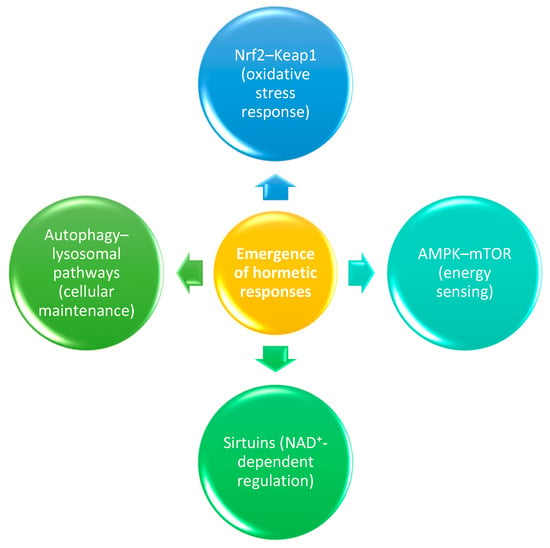
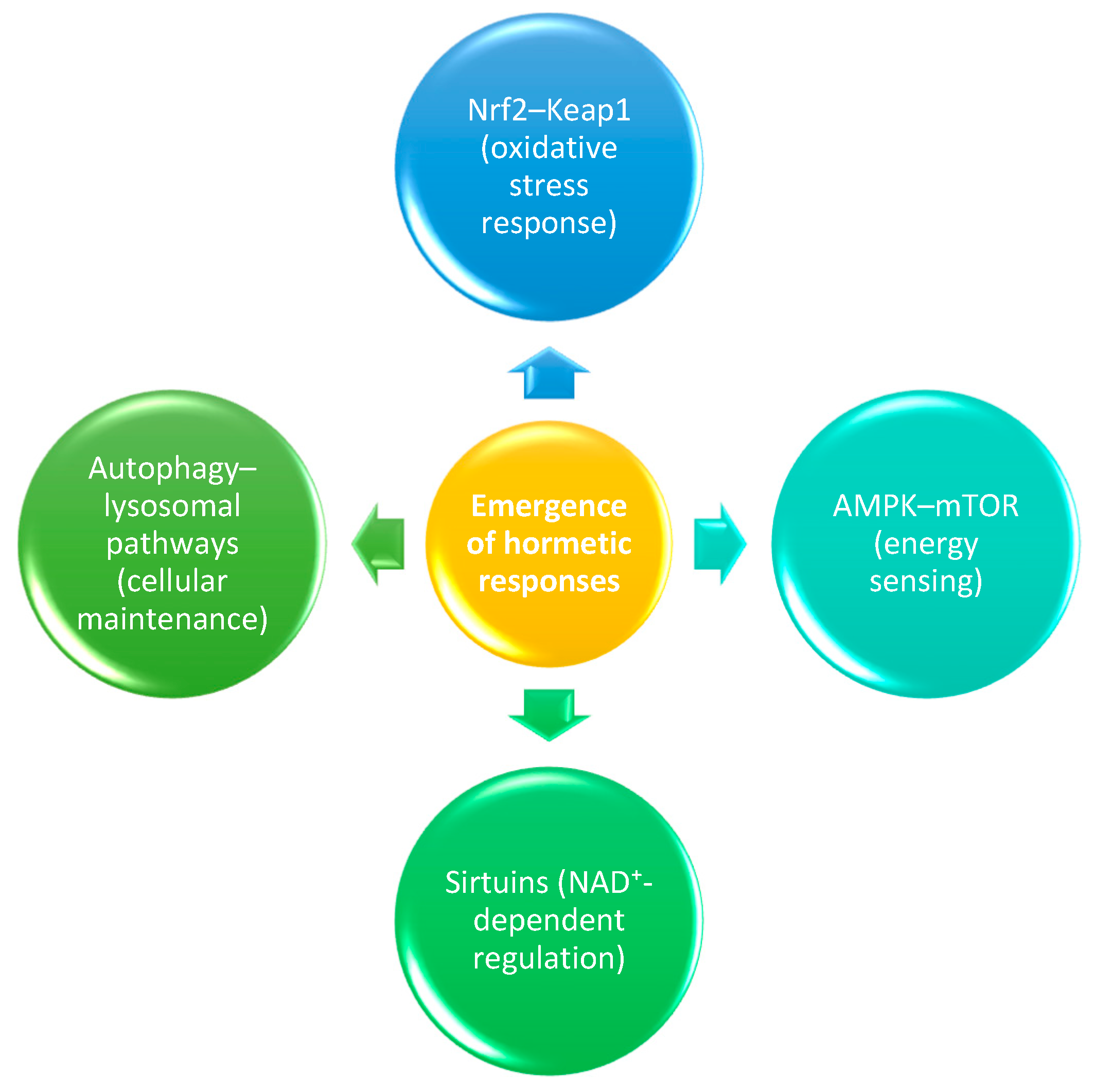
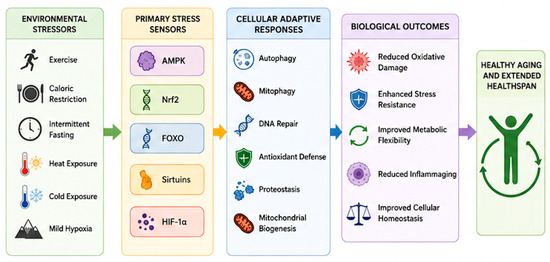
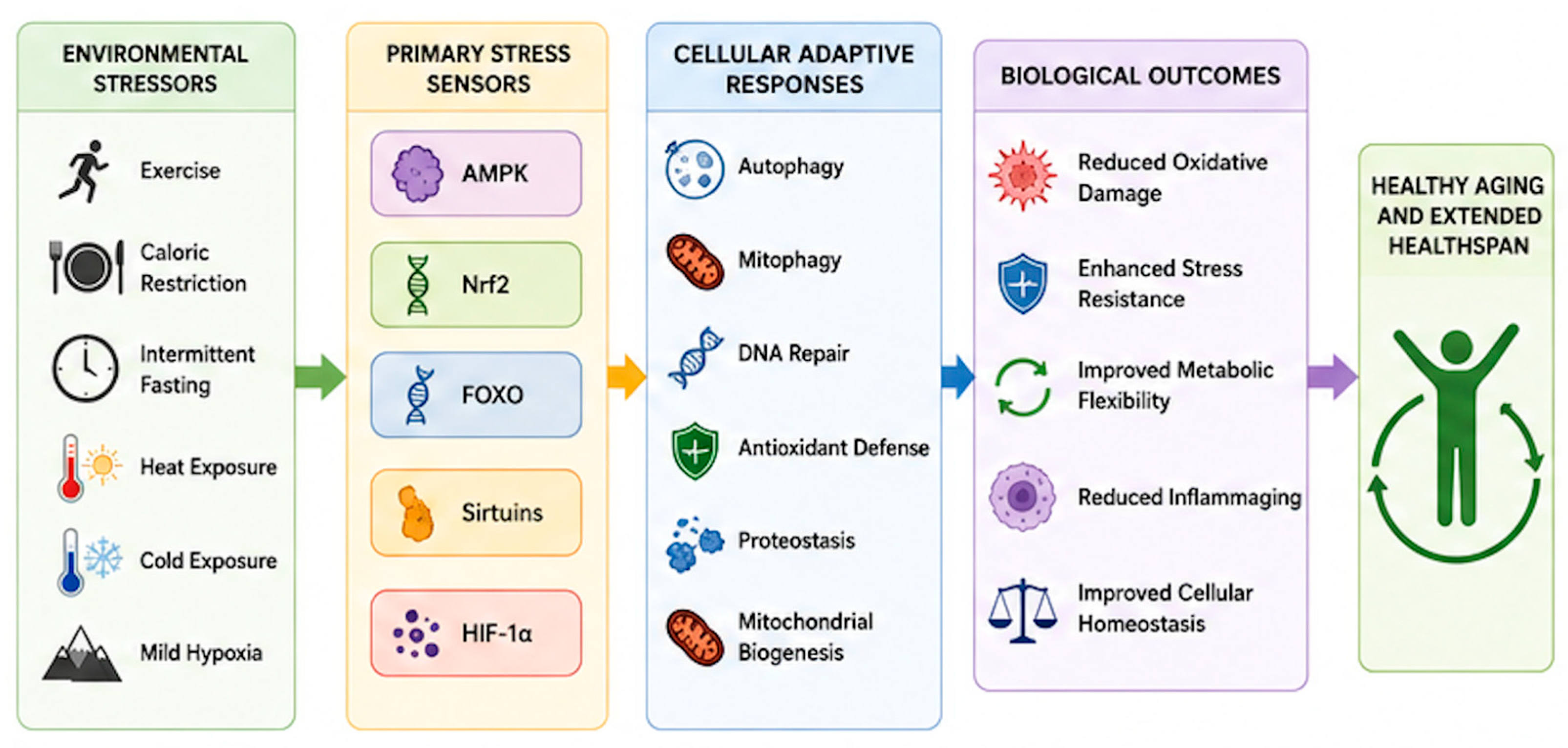
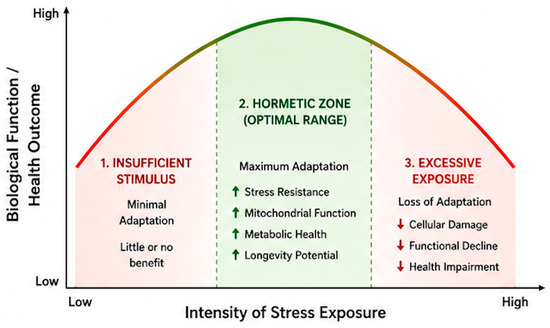
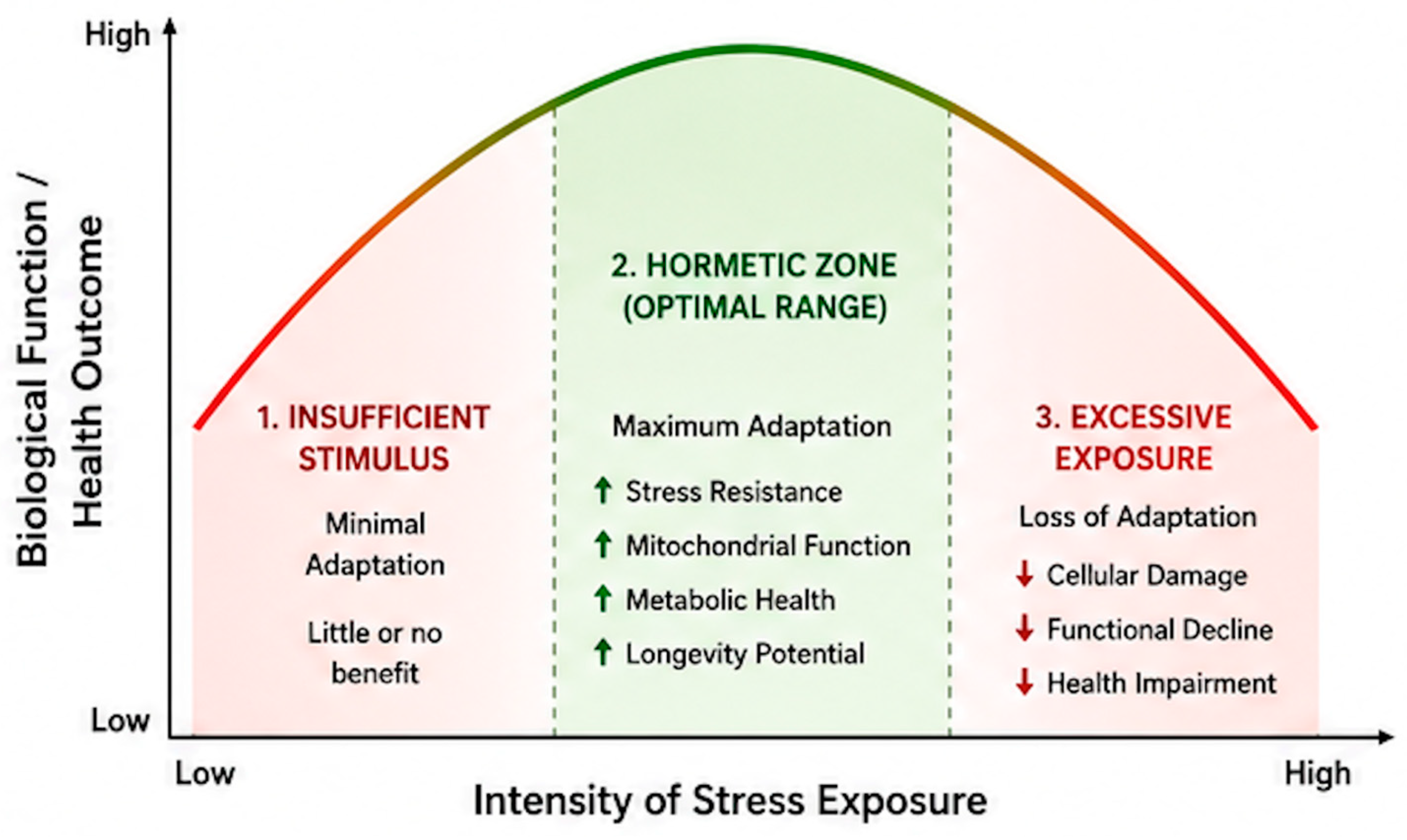
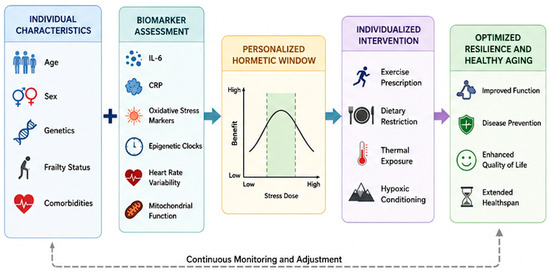
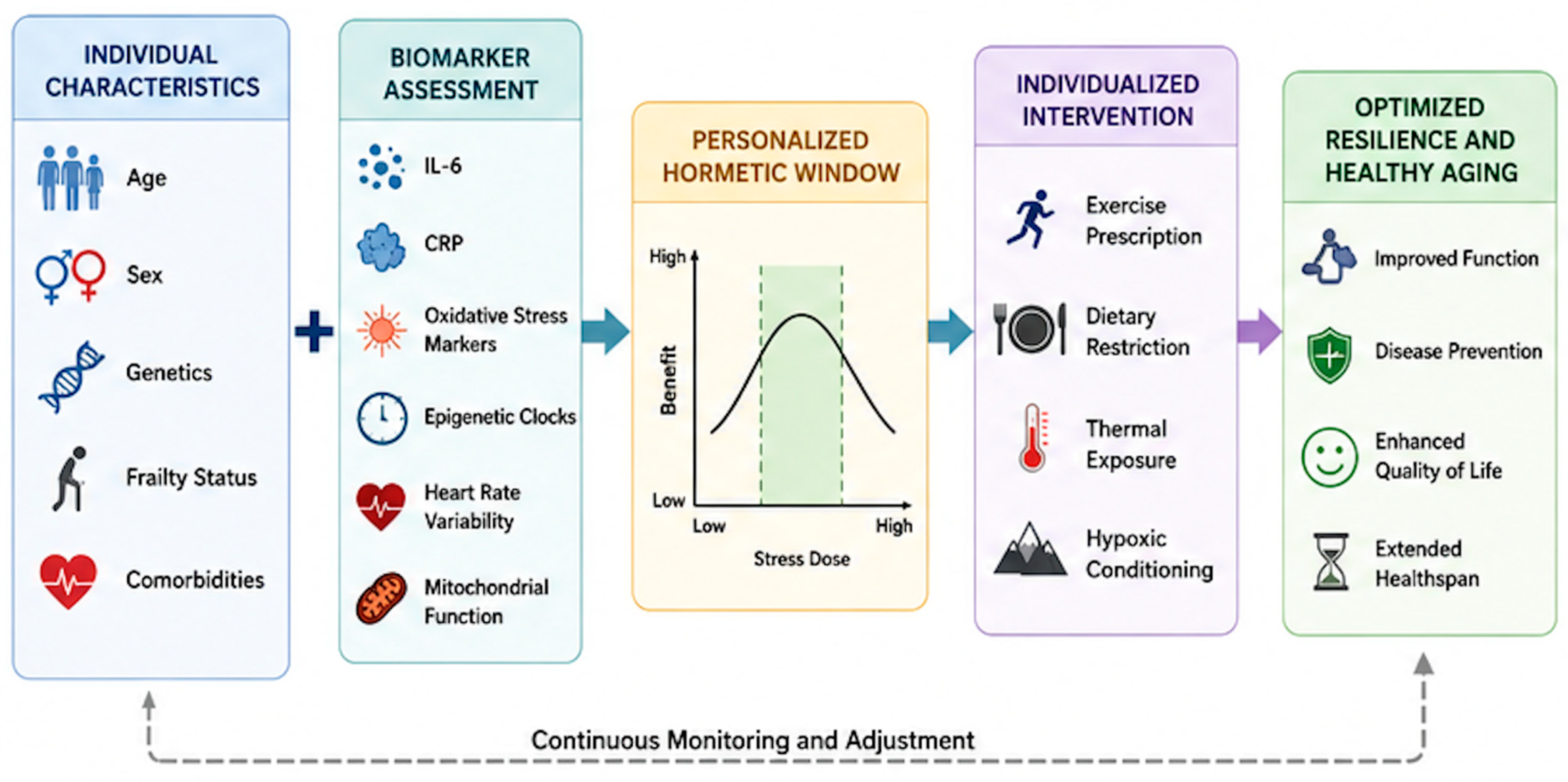
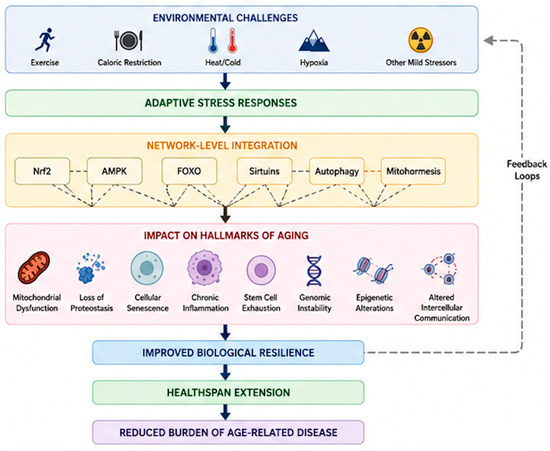
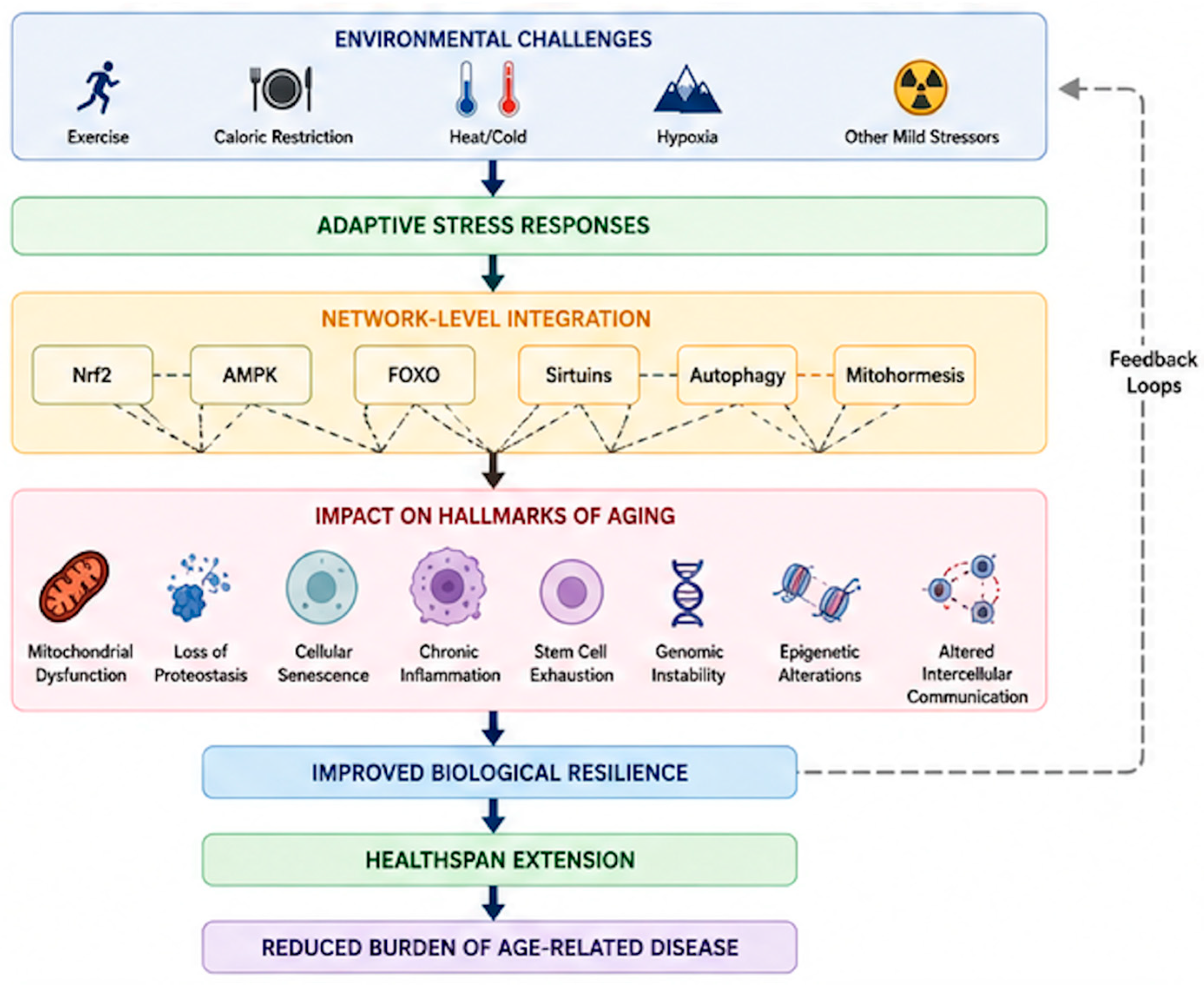

Disclaimer/Publisher’s Note: The statements, opinions and data contained in all publications are solely those of the individual author(s) and contributor(s) and not of MDPI and/or the editor(s). MDPI and/or the editor(s) disclaim responsibility for any injury to people or property resulting from any ideas, methods, instructions or products referred to in the content. |
© 2026 by the authors. Licensee MDPI, Basel, Switzerland. This article is an open access article distributed under the terms and conditions of the Creative Commons Attribution (CC BY) license.