


Abstract
Polymer-derived ceramics (PDCs) technology has been established for over five decades as a versatile route for the fabrication of advanced bioceramic materials. However, conventional processing routes for bioceramics, such as melt-quenching and sol–gel methods, still present significant limitations, including high processing temperatures, limited compositional flexibility, long processing times, and difficulties in fabricating complex and highly porous structures required for biomedical applications. In this context, increasing attention has been devoted to polymer-derived ceramics as an alternative approach for the fabrication of bioceramic materials. In this approach, preceramic polymers are converted into ceramic phases through thermal treatment in air or inert atmosphere (e.g., nitrogen), enabling low-temperature processing, high compositional flexibility, and precise control over phase evolution and microstructure. These features make the polymer-derived Ceramic route particularly attractive for the fabrication of complex and functional bioceramic architectures. This review provides an overview of the polymeric precursors employed for the synthesis of Polymer Derived Ceramic-based bioceramics, with particular emphasis on inorganic polymers, typically characterized by a siloxanic backbone, and the mechanisms governing their ceramization behavior. Special attention is given to emerging trends, including the integration of polymer-derived ceramics with additive manufacturing techniques and the development of functional systems for biomedical applications.
1. Introduction
Bioceramics are one of the most important classes of biomaterials for bone tissue regeneration, finding widespread use in both dental and orthopedic applications. These inorganic materials are classified as either bioinert (e.g., Zirconia and Alumina) or bioactive (e.g., Bioglasses, Hydroxyapatite, Tricalcium phosphate), depending on their interactions with host tissues [1]. They are widely employed due to their excellent biocompatibility, biodegradability, bioactivity, and osteoconductive properties.
Bioceramics are typically produced from high-purity raw materials (e.g., pure quartz, silica sand, calcium phosphates), as the quality of these starting compounds strongly affects the properties of the final product. Traditionally, they are processed using two main approaches: the melt-quenching method or the sol–gel technique.
The melt-quenching method, for instance, has a significant limitation in the difficulty of obtaining high-purity materials, which is an essential requirement for medical applications. This challenge arises because the very high processing temperatures (typically around 1500 °C) needed for complete melting of oxide precursors can lead to contamination from impurities released by the crucible; further contamination may also occur during the grinding steps [2].
Furthermore, specifically in the case of melt-derived bioactive glasses, bioactivity is only achievable within a limited compositional range, as the material becomes almost chemically inert when exposed to body fluids if the SiO2 content exceeds approximately 60 mol% [3].
In contrast, the sol–gel process presents a different set of obstacles. The primary drawback of this technique is the long processing time, which consequently hinders large-scale material production [4].
The method is also difficult to industrialize due to high costs, the need for carefully selected reagents, the use of substantial amounts of solvents that create drying issues, and the overall complexity of controlling the reaction parameters. Additionaly, the development of highly porous bioceramics for bone regeneration typically requires additional shaping steps (such as the replica method) after the sol–gel synthesis of the powders and before the final sintering stage [5].
Moreover, this process relies on metal alkoxides, consisting of metal and alkyl groups [6] which are difficult to handle because they are highly unstable in air, posing a risk to both personal safety and environmental protection [4]. In addition, their hydrolysis rates vary significantly from species to species, making it difficult to achieve good reproducibility in the synthesis process when using this technique [6].
The Polymer-Derived Ceramics (PDC) technique overcomes the limitations of conventional methods, allowing for the synthesis of ceramic materials using the same processing methods employed for polymer forming, such as additive manufacturing (e.g., Direct Ink Writing, Stereolithography, Digital Light Processing) and foaming. One of the main advantages of this technique is its straightforward execution, coupled with the relatively low temperatures required for thermal treatments (typically between 500 °C and 1200 °C) and the high control over chemical composition and microstructure [7].
Preceramic polymers (PCPs) can be classified as ceramic precursors [8] that can be converted into a fully ceramic material through pyrolysis conducted in an inert (e.g., nitrogen or argon) or oxidative atmosphere (e.g., air). Before pyrolysis, the material is shaped and subsequently cross-linked, either during or immediately after the shaping step. This approach enables the production of ceramics that are difficult to obtain with conventional processing, as PCPs can be combined with active fillers to produce different ceramic phases and compositions [9,10].
In particular, high molecular weight precursors are generally preferred because longer polymer chains provide a higher density of sites for cross-linking. This enhances structural stability during pyrolysis and mitigates risks of collapse or deformation [11]. Additionally, the properties and chemical structure of the PCP play a crucial role in the outcome of the process because it affects the composition, the number of phases and also the phase distribution [7,8].
The most widely employed PCPs in the field of bioceramic materials are silicone-based materials, also known as “organosilicon polymers” [9,10,11]. These polymers feature a Si-backbone and can incorporate elements such as C, O, N, B, and H atoms (e.g., polysilanes, polycarbosilanes, polysiloxanes, and polysilazanes), enabling the formation of SiO2, SiC, SiOC, Si3N4, SiCN, SiBOC and SiAlON ceramic systems [10].
A primary limitation of PDC technology is the restricted control over shrinkage and the associated structural integrity during the polymer-to-ceramic conversion. This limitation originates from the intrinsic nature of the pyrolysis step, during which organic groups typical of polymeric precursors (e.g., methyl, phenyl, or vinyl moieties) thermally decompose and volatilize, leading to a significant mass and volume loss. The conversion proceeds through condensation and radical-driven reactions that cleave and reform chemical bonds, reorganizing the molecular network and ultimately yielding a stable inorganic ceramic residue [9]. In detail, the ceramization pathway is strongly affected by processing parameters, including reaction atmosphere, temperature, heating rate, and dwell time, as these parameters influence the degree of crystallization, carbothermal reduction, and interactions with added fillers, ultimately determining the phase composition and microstructure of the resulting ceramic [9].
In order to control the shrinkage during pyrolysis, active or passive fillers can be added before shaping [10,12,13,14,15,16,17]. Fillers can be of different natures (ceramic, polymeric, or metallic) and can also be used to tailor the mechanical properties of the final material. However, the addition of fillers modifies the properties of the resulting ceramic component, effectively creating a composite material composed of a phase derived from the pyrolysis of the preceramic polymer. Fillers are generally classified into passive and active fillers [10].
Passive fillers are generally ceramic powders introduced primarily to reduce shrinkage during the polymer-to-ceramic transformation. Crucially, they do not react with either the ceramic residue or the gaseous species released during pyrolysis. Common examples include SiC, Si3N4, Al2O3, B4C, and BN powders [10,13].
Conversely, active fillers are typically metallic or intermetallic compounds capable of reacting with the ceramic matrix, the gaseous products released during pyrolysis, or the surrounding atmosphere during conversion. Examples include carbides, nitrides, and silicides, which can strongly influence the dimensional stability of the final part. The transformation of metallic fillers into ceramic phases is often accompanied by a substantial volume expansion that counterbalances the shrinkage normally associated with polymer conversion to ceramics. Furthermore, the presence of solid filler particles, combined with in situ reactions, decreases both the amount of gas generated and the local gas pressure within the component. As a result, near-net-shape, bulk, and crack-free ceramic components can be fabricated more reliably [10,13].
Unlike the reviews currently available on the polymer-derived ceramics (PDC) technique, such as the work by Colombo et al. [7], Hen et al. [8], Bernardo et al. [10], which address the full range of applications of ceramics obtained through this approach, this review specifically focuses on bioceramic materials derived from preceramic polymers (PCPs).
2. Preceramic Polymers
Preceramic polymers (PCPs) are inorganic or organometallic systems that can be converted into ceramic materials through thermal treatment at relatively low temperatures, typically in the range of 500–1200 °C [7].
Bioceramic materials, as discussed in the introduction, can be classified as bioinert, such as zirconia and alumina, or bioactive. The latter includes phosphate-based ceramics, whose composition closely resembles that of bone tissue, enabling integration within the host tissue, and silicate-based ceramics, such as bioglasses and glass-ceramics, which are known for their biocompatibility, bioactivity, and bioresorbability, as well as their ability to stimulate bone regeneration. In this context, within the bioceramic field, the most relevant preceramic polymers are those capable of yielding high amounts of silica in their final structure.
For this reason, organosilicon polymers represent the most extensively investigated and widely employed class for the fabrication of bioceramic materials. These polymers consist of a silicon-based polymeric backbone bearing various functional organic side groups, which play a crucial role in tailoring the chemical composition, microstructure, and properties of the resulting ceramic phases [7,12].
The general chemical structure of organosilicon polymers is illustrated in Figure 1. The polymer backbone is composed of silicon atoms interconnected through a generic bridging unit X, where X = Si, O, NH, CH2, B–R or N=C=N. The chemical nature of X is a key structural parameter, as it defines the polymer family and strongly influences the properties of the derived ceramic materials [7,18,19].
Figure 1.
Simplified general formula of a Si-based preceramic polymer [7].
Polysilanes are characterized by a Si–Si backbone and are commonly synthesized from halosilanes via Wurtz-type reductive coupling reactions. In this process, chlorosilanes undergo metal-mediated reduction in the presence of alkali metals such as sodium or lithium, leading to the formation of Si–Si bonds. The reaction is typically carried out in high-boiling-point inert solvents, including toluene or benzene, under reflux conditions to promote polymer chain growth [11,20].
Polysiloxanes, also referred to as silicones, are characterized by a Si–O–Si backbone. When these polymers bear organic substituents, they are more precisely classified as poly(organo)siloxanes. If carbon atoms are additionally incorporated into the main chain, polycarbosiloxanes are obtained, which still represent a subcategory of siloxane-based polymers. Upon thermal treatment, polysiloxanes typically convert into SiO2 when heated in air and into SiOC under inert atmospheres, whereas polycarbosiloxanes generally yield SiOC ceramics under inert atmospheres [21].
Polysiloxanes can be synthesized through two main approaches: (i) ring-opening polymerization of cyclic silaethers, which allows controlled chain growth and molecular weight tuning, and (ii) polycondensation of linear silanes terminated with reactive functional groups, resulting in the formation of siloxane networks via condensation reactions [22].
Polycarbosilanes feature a backbone composed of silicon atoms bonded to carbon atoms. Upon thermal treatment under an inert atmosphere, these polymers are converted into silicon carbide (SiC) ceramics [21].
Several synthetic routes have been developed for the preparation of polycarbosilane. Among them, the Kumada rearrangement of polysilanes is the most widely adopted method and can be performed under either high-pressure or atmospheric-pressure conditions, depending on processing requirements [11,23,24,25].
Alternative approaches include ring-opening polymerization, dehydrocoupling reactions of trimethylsilane, hydrosilylation of vinylhydridosilanes, and Grignard coupling reactions involving (chloromethyl)triethoxysilane and vinylmagnesium bromide [11,26].
Polysilylcarbodiimides contain silicon atoms in the main chain bonded to carbodiimide groups (–N=C=N–), thereby incorporating both nitrogen and carbon into the polymer structure. Upon thermal treatment under an inert atmosphere, these polymers are converted into SiCN ceramics [21].
Polysilycarbodiimides can be synthesized via polycondensation reactions of bis(trimethylsilyl)carbodiimide with methylphenyldichlorosilane and cyclosilazanes [27].
Polysilazanes, in contrast, consist exclusively of silicon and nitrogen atoms in the main chain and are often described as precursors to silicon nitride upon pyrolysis under inert atmospheres. However, it is not entirely accurate to refer to pure silicon nitride, since the ceramic residue is in fact a silicon carbonitride (SiCN), closely related to oxynitride systems. These materials are inherently heterogeneous, consisting of a primary ceramic phase and segregated carbon in the form of pyrolytic carbon [28,29,30].
Polycarbosilazanes contain silicon, carbon, and nitrogen atoms connected through single bonds within the main chain. Similar to polysilylcarbodiimides, polycarbosilazanes are converted into SiCN ceramics after thermal treatment in an inert atmosphere [21].
Reactions between chlorosilanes and amines, as well as reactions between silazanes and butyllithium, represent two of the most commonly employed strategies for the synthesis of low-molecular-weight silazanes. Based on these approaches, polysilazanes are typically prepared via ammonolysis of chlorosilanes with ammonia or through aminolysis reactions using organic amines. In addition, ring-opening polymerization of cyclic polysilazanes has been demonstrated to be an efficient alternative route for the synthesis of polysilazane polymers [11,31].
Polyborosilanes are characterized by Si–B–R linkages and represent a class of preceramic polymers in which boron atoms are incorporated into the silicon-based backbone through Si–B bonds. Upon thermal treatment under an inert atmosphere, these polymers are converted into SiBC or SiBNC ceramics [21].
Polyborosilanes are typically synthesized via a pyridine-catalyzed polycondensation reaction between chlorosilanes and bis(trimethylsilyl)carborane derivatives [32].
Polyborosiloxanes are defined by Si–O–B linkages and represent a class of inorganic-organic hybrid polymers in which boron atoms are integrated into a siloxane-based backbone (Si–O–Si). Upon pyrolysis in an inert atmosphere, they can be converted into SiBCO ceramics [33].
Polyborosiloxanes can be synthesized through several approaches. Early methods are mainly based on sol–gel-type condensation reactions between boron- and silicon-containing precursors, which enable direct formation of Si–O–B bonds but often result in materials with limited hydrolytic stability. Later developments introduced the use of alkoxysilanes combined with boronic acids or organoborates, improving reactivity while still relying on equilibrium-driven condensation processes. More recent strategies employ catalytic routes, including transition-metal-catalyzed reactions and the Piers–Rubinsztajn reaction, which allow better control over polymer structure and significantly enhanced hydrolytic stability compared to conventional sol–gel methods [32].
The substituents R1 and R2 represent side-chain functional groups, which are predominantly carbon-based (e.g., phenyl, methyl, H, vinyl, etc.). These substituents play a crucial role in determining the polymer’s physicochemical properties, particularly during processing prior to pyrolysis. By tuning the chemical nature of the R groups, key parameters such as solubility, thermal stability, melt behavior, and temperature-dependent viscosity can be effectively controlled, thereby enhancing processability and influencing the final ceramic yield [7,18,19].
For the fabrication of silicon-based ceramics, organosilicon polymers must exhibit a sufficiently high molecular weight to ensure dimensional stability during processing, adequate solubility to permit shaping by conventional forming techniques, and the ability to undergo cross-linking to form a stable three-dimensional network prior to ceramic conversion [11].
3. Characteristics and Applications of Preceramic Polymers
Based on these general requirements, several classes of polymer-derived ceramic precursors have been developed and extensively investigated for the fabrication of silicon-based ceramic systems.
In particular, Si3N4 composites can be obtained from perhydridopolysilazane, which acts as an efficient precursor for silicon nitride matrices upon pyrolysis in an ammonia atmosphere [34].
In a more recent study, a commercial polysilazane was combined with an acrylic resin and a photoinitiator to fabricate honeycomb and lattice structures via Digital Light Processing (DLP), which were subsequently converted into Si3N4 ceramic architectures upon pyrolysis under an inert atmosphere [35].
In addition to their structural performance, silicon nitride ceramics have emerged as attractive bioceramics due to their unique combination of osteogenic and antibacterial properties. Their surfaces have been shown to inhibit bacterial adhesion and proliferation while simultaneously supporting eukaryotic cell activity and promoting bone tissue regeneration. These characteristics have driven the increasing use of Si3N4 in biomedical applications, particularly in orthopedic surgery, where it is currently employed in spinal fusion devices, under development as a bearing material for joint replacements, and being considered for dental implant applications. This distinctive biological response, together with the processing flexibility offered by polymer-derived ceramic routes, makes silicon nitride a promising candidate for next-generation bioceramic implants [36,37].
Beyond polysilazane-derived systems for Si3N4-based ceramics, several preceramic polymers have been developed to access carbon- and boron-containing silicon-based ceramics, such as SiCN and SiBCN. These precursors, specifically polycarbosilazanes and polysilylcarbodiimides, enable the incorporation of carbon and boron at the molecular level, allowing for tailored compositions and improved thermal stability [38].
As demonstrated by Gao et al. [38], the nanostructure of the resulting polymer-derived ceramics is not solely dictated by precursor chemistry but is strongly influenced by the processing route. In particular, the cross-linking strategy and the early stages of pyrolysis govern low-temperature structural transformations, including carbon segregation and short-range ordering within the amorphous network. The presence of boron further stabilizes the amorphous phase and delays crystallization, highlighting the importance of jointly optimizing precursor design and processing conditions [38].
From a biomedical perspective, silicon carbon nitride (SiCN) has attracted interest as a coating material for joint replacement implants [39] due to its antibacterial properties, which can be tailored by adjusting the ratio of silicon-to-carbon-to-nitrogen. Although the antibacterial mechanism is not yet fully understood, SiCN surfaces are thought to reduce bacterial adhesion and colonization [40].
In contrast, SiBCN ceramics, owing to their ultra-high-temperature stability and excellent thermal insulation properties, are primarily applied in aerospace and other high-temperature engineering fields rather than in biomedical contexts [41].
Within polymer-derived ceramic processing routes, the role of the preceramic polymer extends beyond its chemical composition to include its interaction with the shaping strategy. In some approaches, the ability of the preceramic polymer to infiltrate and interact with the organic scaffold is a key factor in determining the final ceramic architecture. Chaudhary et al. [42] demonstrated that silazane-based preceramic polymers must effectively penetrate the 3D-printed thermoplastic network to enable homogeneous ceramization and the formation of fully dense SiOC(N) cellular ceramic structures. Insufficient diffusion of the preceramic polymer into the polymer matrix results in surface-limited conversion and hollow struts after pyrolysis. Consequently, compatibility and mutual solubility between the preceramic polymer and the sacrificial template are critical parameters governing ceramic yield, strut density, and structural integrity.
Despite their advantages, polysilazanes suffer from limited commercial availability and high sensitivity to air and moisture, which necessitates handling and processing under inert atmospheres. In contrast, polysiloxanes are stable under ambient conditions, easier to handle and store, and are available in a wider range of commercially accessible formulations [43].
For these reasons, among the various classes of preceramic polymers, polysiloxanes and poly(organo)siloxanes are the most extensively investigated precursors for bioceramic applications, particularly in the field of bone tissue engineering. Their popularity is primarily attributed to their high chemical versatility, good processability, and relatively low polymer-to-ceramic conversion temperatures. Depending on the thermal treatment, namely pyrolysis under inert or oxidative atmospheres, these polymers can be converted into SiOC- or SiO2-based ceramic phases, respectively.
Zanchetta et al. [43] first demonstrated the additive manufacturing of SiOC ceramic microcomponents using an engineered photosensitive methyl-silsesquioxane. This preceramic polymer was synthesized by functionalizing a commercial silicone with 3-(trimethoxysilyl)propyl methacrylate (TMSPM), enabling its processing via lithography-based ceramic manufacturing (LCM). Following pyrolysis at 1000 °C, dense and crack-free SiOC microstructures with high surface quality were obtained.
This pioneering work demonstrated that commercially available siloxanes can be chemically modified to enable light-assisted shaping, a concept that has been further developed in subsequent studies. Modern approaches continue to rely on the hydrolysis and condensation of silane coupling agents to create cross-linked networks bearing vinyl or acrylate moieties. These advanced photoactive resins are compatible with stereolithography (SLA) and digital light processing (DLP), allowing the fabrication of SiOC ceramics that combine mechanical performance with bioactivity, making them ideal for next-generation applications in the biomedical field [44].
To avoid the need for chemical modification of preceramic polymers through the introduction of photosensitive functional groups, an alternative strategy involves incorporating silicones into commercially available photocurable resins to produce engineered blends. This approach circumvents complex functionalization routes for non-photocurable silicones and eliminates the need to employ commercial photocurable silicones, which are often costly and characterized by relatively low ceramic yields. In this context, silicones with high ceramic yield can be conveniently blended with acrylic-based photocurable resins, with or without the use of solvents, while preserving suitable photopolymerization behavior [45,46].
In the biomedical field, SiOC system has been investigated as a blood-contact material due to its good hemocompatibility and can also be combined with ZnO to form coatings with antibacterial properties; however, it has been only rarely explored for applications in bone tissue engineering [47].
In addition to their suitability for photopolymerization-based techniques, silicone-derived preceramic polymers can fulfill multiple roles. They can be employed both to tailor ink rheology in extrusion-based processes such as Direct Ink Writing (DIW) and act as binders that promote homogeneous filler incorporation and consolidation, while simultaneously serving as reactive matrices for fillers to produce the desired ceramic phase [48].
A representative example of their rheology-controlling and reactive-matrix role was provided by Zocca et al. [48], who fabricated hardystonite scaffolds via DIW using a silicone-based ink containing oxide fillers, along with hardystonite powders acting as an inert filler. In this formulation, the preceramic polymer enhanced printability by providing suitable viscoelastic properties and, upon thermal treatment, decomposed into amorphous silica that reacted with the oxide additives, leading to the formation of target ceramic phases.
A complementary binder-dominated role of silicone-derived preceramic polymers was also reported by Zocca et al. [49], who produced bioglass-based composites by mixing bioglass powders with silicone and oxide fillers. Upon low-temperature pyrolysis, the silicone converted into a silica phase that acted mainly as an active binder, enabling the incorporation and consolidation of both glass and filler particles. At higher temperatures, the silicone-derived phase contributed to phase development through reactions with oxide fillers [46,50].
In contrast to the previously discussed systems, in which silicone-derived preceramic polymers act either as shaping-enabling matrices or as reactive components contributing significantly to phase formation, Fiocco et al. [51] reported silica-bonded apatite scaffolds derived from calcite-filled preceramic polymers, in which PCPs were used exclusively as secondary functional phases. In this system, liquid preceramic polymers were used primarily as infiltrating binders to ensure the homogeneous distribution and consolidation of CaCO3 particles. Upon low-temperature ceramization, the polymer was converted into a silica-based phase that acts solely as a binding medium, without significantly participating in the formation of the main ceramic phase. Consequently, the final scaffold composition was dominated by the CaCO3-derived apatite phase, while the polymer-derived silica remains a minor yet functionally relevant component, providing structural cohesion and contributing beneficially to the biological response.
One of the main advantages of producing ceramic materials from preceramic polymers is the ability to fabricate structures that cannot be achieved using conventional raw-material-based manufacturing techniques such as thin films, coatings and porous structures which are extremely useful in the biomedical field.
As an example, owing to their excellent abrasion, corrosion, and chemical resistance, polysiloxanes are particularly suitable as protective coatings for orthopedic and dental applications. In this context, Francis et al. [52] produced silicone/bioactive glass composite film coatings via dip coating onto stainless steel substrates, followed by curing in air, achieving effective protection against corrosion, oxidation, and wear. Cytocompatibility tests demonstrated favorable biological responses.
Biasetto et al. [53] produced polymer-derived sphene coatings on commercially available titanium using a polymethylsiloxane matrix and active fillers to obtain the desired ceramic phase, which was shown to exhibit no toxicity or hemolytic activity in a subsequent study [54]. In this case, some cracks on the coating were observed, mostly due to the gas release and the volumetric changes arising from the thermal transformation of both the silicone matrices and fillers.
To overcome this issue, Elsayed et al. [55] introduced powdered silica-defective glasses as fillers. In addition to producing homogeneous, crack-free coatings, this approach resulted in the formation of a nanocomposite upon firing the silicone/glass mixture in an argon atmosphere. Firing under Ar led to the conversion of the silicone binder into silica, which reacts with the silica-defective glasses, and pyrolytic carbon, thereby imparting additional functionality to the coatings.
In addition, polysiloxane preceramic polymers, when combined with appropriately selected fillers, can also be used to produce highly porous structures. Several studies have reported the fabrication of porous ceramic foams with compositions such as akermanite(Ca2MgSi2O7) [56], hardystonite (Ca2ZnSi2O7) [5], Biosilicate® [57], and wollastonite–diopside (CaSiO3–CaMgSi2O6) [58] starting from silicone-based mixtures through a two-step thermal process. This approach involves an initial low-temperature foaming treatment, typically not exceeding 350 °C, followed by high-temperature firing above 1000 °C. The foaming stage occurs while the silicone is still in its polymeric state and is driven by gas release originating either from the thermal decomposition of organic compounds within the polymer or from hydrated fillers, such as Mg(OH)2, sodium borate (Na2B4O7·10H2O), and sodium phosphate dibasic heptahydrate (Na2HPO4·7H2O). Notably, these hydrated fillers play a multifunctional role, as they promote porosity through water release at low temperatures and simultaneously contribute to phase development and densification during firing by forming a transient liquid phase that enhances ionic interdiffusion.
4. Additive Manufacturing Techniques
Additive manufacturing (AM), commonly known as 3D printing, allows for the creation of objects by building them layer by layer [59] based on a digital computer-aided design (CAD) file. This technique can produce objects with complex and precise internal structures, thanks to the detailed designs created on a computer. These structures can have intricate features that might be difficult or impossible to achieve with traditional methods [60].
In tissue engineering, AM is particularly relevant for the fabrication of scaffolds with controlled and optimized architectures that provide the desired mechanical performance.
AM techniques are classified as Vat Polymerization, Material Extrusion, Material Jetting, Binder Jetting, Powder Bed Fusion, Direct Energy Deposition and Sheet Lamination on the basis of the deposition mechanism, curing principle, and initial material state [61,62]. Among these, Material Extrusion (e.g., Direct Ink Writing (DIW)), Vat Photopolymerization (e.g., Stereolithography (SLA) and Digital Light Processing (DLP)), and Binder Jetting have been the most widely investigated for the fabrication of ceramic scaffolds [61].
4.1. Direct Ink Writing (DIW)
The DIW technique, also referred to as Robocasting, involves the pressure-driven extrusion and deposition of a highly viscous ink through a nozzle onto a substrate to fabricate three-dimensional objects. Direct Ink Writing offers several advantages, including low cost, high printing speed, a large printing envelope, and a relatively simple printing setup [63]. For these reasons, DIW is one of the most widely used techniques in additive manufacturing.
However, the rheological properties of ceramic inks are critical for successful printing. The ink must exhibit sufficient yield stress and storage modulus, while its viscosity and elasticity must be carefully tuned to ensure shape fidelity after deposition. In particular, the ink should display shear-thinning behavior: at high shear rates, the viscosity must be low to facilitate extrusion through the nozzle, whereas at low shear rates, a high viscosity is required to maintain the printed structure. The nozzle diameter, typically ranging from dozens to hundreds of micrometers, plays a key role in determining the printing resolution [64]. An illustration of the DIW process can be seen in Figure 2.
Figure 2.
Illustration of the Direct Ink Writing (DIW) technology.
For bioceramic inks, an appropriate yield stress, defined as the minimum stress required to initiate flow, is essential to ensure printability. The ink must not be overly viscous, which would hinder extrusion, nor too fluid, which would prevent the formation of well-defined filaments within the scaffold. Furthermore, the porosity and mechanical properties of bioceramic scaffolds are strongly influenced by the processing parameters of the DIW technique [65].
To tailor ink rheology, fumed silica (FS; Aerosil R106, Evonik, Essen, Germany) was added in several studies [48,50,66,67] to formulations based on a preceramic polymer, which also acts as a binder to increase ink viscosity, together with appropriate fillers. Fumed silica was employed as a rheological modifier due to its well-known thickening and thixotropic effects in low-molecular-weight solvents [68,69].
Direct Ink Writing can also be performed by extruding the material into a supporting medium. In this context, Fiocco et al. [67], as shown in Figure 3, printed ceramic pastes into vegetable oil to prevent the premature drying of the solvent, which would otherwise have affected the ink viscosity. After printing, the oil was removed by a crosslinking treatment carried out at 350 °C.
Figure 3.
Photographs of (a) the 3D-printer equipped with syringe for silicone-based ink; (b) detail of the printing process carried out in oil bath; (c) overview of a 3D-printed scaffold with orientation of the axes [67].
All the DIW-produced scaffolds considered in this review exhibited, on average, compressive strength values comparable to those of trabecular bone which is reported to be in the 2–12 MPa range [70], along with average total porosity values ranging from 55 to 80 vol.%. In addition, porosity and the presence of cracks induced by heat treatments significantly influence the densification and mechanical performance of bioceramics [71].
Diamanti et al. [45] found that the total porosity values exceed the theoretical values predicted by the adopted geometrical models. This result indicates that the overall porosity is not solely determined by the printing procedure but is also influenced by gas evolution and vapor release occurring during processing. Consequently, porosity also depends on the amount of water employed.
Despite advantages such as low manufacturing costs, manufacturing flexibility, and easily accessible equipment requirements [65], Direct Ink Writing exhibits lower printing resolution compared to other additive manufacturing techniques.
4.2. Vat Photopolymerization
Vat Photopolymerization-based 3D printing is a subset of additive manufacturing techniques in which light-sensitive resins are contained in vats (also known as resin baths) and exposed to a light source. This exposure triggers localized photopolymerization, causing the liquid material to solidify selectively and form three-dimensional objects [72,73,74]. This category of printing includes stereolithography (SLA), masked stereolithography (MSLA), and Digital Light Processing (DLP).
Stereolithography is an indirect additive manufacturing technique based on a localized photopolymerization process triggered by ultraviolet (UV) or LED light. The printing process is carried out in a vat filled with a liquid photosensitive resin of variable viscosity, typically composed of vinyl or acrylate monomers [75,76,77].
During exposure, the resin selectively solidifies in a layer-by-layer fashion according to the projected light pattern, enabling the fabrication of complex three-dimensional geometries with high accuracy and fine feature resolution, as can be seen in Figure 4. As a result, stereolithography is particularly suited for the production of intricate solid structures with smooth surfaces finishes and tight dimensional tolerances [75,76,77].
Figure 4.
Scheme of stereolithography 3D printing.
Masked stereolithography (MSLA) is a variant of stereolithography in which layers of photosensitive resin deposited on a fluorinated ethylene propylene plastic film are selectively cured by light passing through an underlying LCD screen, an illustration of these prin. Light from an LED array passes only through the white pixels on the display, curing the photosensitive material and defining the projected area for each printed layer [78,79]. An illustration of this printing method can be seen in Figure 5.
Figure 5.
Scheme of masked stereolithography 3D printing [79].
For all additive manufacturing techniques that use light, as discussed in the previous chapter, there is no longer a need to functionalize the preceramic polymer with photosensitive groups [43,44,76]. Stereolithography can be applied to simple silicone-based blends consisting of a silicone polymer (and fillers) mixed with photocurable acrylates [76,79].
However, the removal of photosensitive functionalization does not automatically guarantee high geometrical fidelity, as the interplay between material composition, light–matter interaction, and thermal processing critically affects the final porosity and architecture.
Ożóg et al. [79] demonstrated that the correlation between the porosity defined in the geometrical model and that of the final parts produced by stereolithography is not straightforward. This discrepancy is strongly influenced by the nature of the processed material. In sintered glass–ceramics, for example, viscous flow during thermal treatment may induce significant coarsening, potentially compromising the printed architecture [80]. Moreover, deviations from the designed porosity may already arise during the printing stage. The use of ceramic powder suspensions reduces printing resolution compared to homogeneous liquid feedstocks due to light scattering by solid particles [81], which affects curing depth and may cause unintended polymerization beyond the nominal projection area. As a result, an increase in solid occupancy within printed layers leads to a reduction in the overall porosity of the final components [79].
To address coarsening during the printing step, Elsayed et al. [82] and Stabile et al. [46] reported the fabrication of nanoemulsions in which all precursors were dissolved in the liquid blend. In both studies, sonication facilitated the complete dissolution of the precursors in the continuous phase. As a result of the homogeneous precursor dispersion, the printed scaffolds exhibited no detectable particle agglomeration and appeared nearly transparent and highly homogeneous, as shown in Figure 6.
Figure 6.
(a,b) Detail of scaffold immediately after printing and UV curing [46].
In the study by Elsayed et al. [82], wollastonite–diopside scaffolds with a diamond-cell lattice architecture were produced and the fired structures exhibited a fully open porosity of approximately 90 vol%. This high porosity cannot be attributed solely to the printing process. Although the initial geometrical model featured a porosity of 85%, the as-printed scaffolds showed a reduced porosity of about 75 vol%, mainly due to resolution limitations. The additional porosity developed during firing arises from the combined contribution of printing-induced macroporosity and firing-induced microporosity associated with gas evolution. Such hierarchical porosity is particularly advantageous for bone tissue engineering, as it promotes cell attachment, proliferation, and efficient nutrient transport.
Similarly, in the study by Stabile et al. [46], Bioglass 70S30C scaffolds fabricated using the same diamond-cell lattice geometry exhibited an open porosity of 81 vol%, very close to the designed value (85 vol%), while the total porosity reached 83 vol%. As discussed above, these results indicate that the final porosity of the scaffolds is governed not only by the designed architecture, but also by the intrinsic characteristics of the processed material.
More recently, Elsayed et al. [83] reported the fabrication of gyroid and diamond-cell lattice structures resembling a 70S30C matrix after ceramization in a nitrogen atmosphere, using a high-precision stereolithography technique. In this printing approach which can be observed in Figure 7, the movable printing head is not permanently immersed in the vat; instead, the cured material remains attached to the printing head, which is lifted while the vat is refilled to form a new homogeneous layer for the subsequent printing cycle. As a result, the porous printed object remains in limited contact with the resin, minimizing structural coarsening and enabling the fabrication of thin-walled architectures. Pycnometric analysis revealed an overall porosity of approximately 84 vol%, in excellent agreement with the designed porosity of 85 vol%. This outcome highlights the effectiveness of the proposed printing method.
Figure 7.
(a) printing mechanism; (b) development of thin-walled porous structures; (c) scheme of production and picture of a batch of scaffolds [83].
Overall, these results demonstrate that scaffold porosity and the geometric resolution of the printed architectures depend not only on the intrinsic properties of the processed material, but also on the printing accuracy of the employed additive manufacturing system and on the characteristics of the formulation, including the stability and homogeneity of the emulsion.
4.3. Binder Jetting
Binder jetting is a promising additive manufacturing technology that employs a liquid binder to selectively join particles of a powdered material, enabling the fabrication of three-dimensional objects. This technique is particularly attractive for ceramic manufacturing, as it allows the production of complex geometries and customised shapes that are difficult or impossible to achieve using conventional ceramic processing methods [84].
The printing procedure, illustrated in Figure 8, is a layer-wise process. Initially, a thin and homogeneous powder layer is distributed from the feed reservoir onto the build surface by means of a recoating mechanism, thereby forming the powder bed [85]. In order to generate a suitable powder bed, the powder must exhibit good flowability, enabling the deposition of homogeneous layers without the formation of macro-defects, which typically occur when fine dry powders are spread [86]. The printhead then selectively dispenses the liquid binder according to the cross-sectional geometry derived from the digital model, inducing adhesion between adjacent powder particles in the targeted regions.
Figure 8.
Scheme of Binder Jetting 3D Printing.
At the end of each layer, the build platform is incrementally lowered by a preset distance, and a fresh powder layer is deposited on top of the previous one. This cycle is repeated until the final geometry of the component is achieved [85].
The fabricated part, commonly referred to as the green body, is subsequently extracted from the unbound powder. To obtain the final component, several post-processing operations are required, including curing, binder removal, sintering, and, if needed, further densification steps [85].
The main advantage of this technique lies in its ability to fabricate geometrically complex structures. This capability stems from the fact that the printed parts are supported by the surrounding loose powder during the fabrication process, thereby eliminating the need for additional support structures. However, the technique presents notable limitations with respect to the porosity, density, and mechanical performance of the final ceramic components. These limitations are largely attributed to the removal of the passive binder during thermal treatment, as well as to the relatively loose packing associated with the large powder particle sizes typically employed (30–100 μm) [32,77].
Binder jetting can be employed to fabricate porous scaffolds for tissue engineering applications, as the preceramic polymer acts as a non-sacrificial binder [32]. This prevents cracking during processing, enhances the overall porosity, and enables the formation of the desired ceramic phase [32]. For instance, Zocca et al. [49] successfully produced wollastonite scaffolds with porosity values ranging from 48% to 63.8%. Preliminary in vitro tests indicated that this processing route and the resulting materials promoted favorable cell–material interactions, supporting cell proliferation and exhibiting no cytotoxic effects.
5. Challenges of the PDC Technique
The polymer-derived ceramic (PDC) route presents several challenges that may hinder the formation of the targeted ceramic phase or the structural integrity of the printed scaffolds. A key requirement is the development of formulations that are both printable and effectively ceramizable, ideally under air atmosphere. However, in some cases, processing under nitrogen must be considered.
Ceramization in air, which is necessary for oxide-based systems, often leads to cracking, primarily due to the exothermic cleavage of Si–C bonds during thermal treatment. To mitigate this issue, ceramization under an inert atmosphere is frequently adopted, as it provides a more gradual and controlled conversion process.
Beyond crack mitigation, inert-atmosphere ceramization offers additional functional opportunities. When silicones are thermally treated in non-oxidative environments such as nitrogen, they do not convert into amorphous silica but instead yield silicon oxycarbide (SiOC) ceramics accompanied by the formation of pyrolytic carbon. In the presence of appropriate fillers, this process can promote the development of silicate/carbon composite systems [46,57,87].
Several studies have highlighted the multifunctional role of pyrolytic carbon in ceramic-based scaffolds. Fu et al. [88] and Zhu et al. [89] reported silicone–filler formulations pro-cessed by direct ink writing into three-dimensional scaffolds, which upon ceramization yielded composites containing larnite (Ca2SiO5) or forsterite (Mg2SiO5) together with pyrolytic carbon. The carbon phase was shown not only to enhance osteogenic differentiation [90], but also induces a photothermal effect through infrared light absorption. This localized heating capability represents a valuable added functionality, enabling potential applications in cancer therapy or scaffold disinfection [87,91,92,93,94].
Consistently, Elsayed et al. [83] demonstrated that pyrolytic carbon dispersed within a matrix resembling 70S30C bioglass produced by DLP exhibited a significant photothermal response, further supporting its potential for cancer-related therapeutic applications.
However, not all systems are compatible with ceramization under nitrogen. For example, Elsayed et al. [5] reported that nitrogen ceramization compromised the phase purity of hardystonite-based systems, leading to the formation of wollastonite (CaSiO3) instead of hardystonite. This phase deviation was attributed to carbothermal reduction of ZnO by carbonaceous residues from the preceramic polymer, followed by zinc evaporation. In this case, crack formation was mitigated by introducing pre-synthesized hardystonite powders as inert fillers [48].
Another major challenge associated with ceramization in air is the difficulty in retaining a fully amorphous structure when producing bioglass-based compositions. Partial or extensive crystallization during thermal treatment is well known to compromise the bioactivity of Bioglasses [95,96]. To obtain a fully amorphous structure, an heat treatment in nitrogen can be done.
In this context, Stabile et al. [46] reported the fabrication of a glass matrix compositionally comparable to 70S30C Bioglass (70 mol% SiO2 and 30 mol% CaO), starting from a silicone blend and suitable oxide fillers, followed by heat treatment under a nitrogen atmosphere. XRD analysis, shown in Figure 9, confirms that a fully amorphous structure was achieved. In this system, the formation of a secondary phase consisting of pyrolytic carbon was also observed, which, as discussed above, can impart a photothermal effect. Achieving the same result under oxidative ceramization remains an unresolved challenge.
Figure 9.
(a) X-ray diffraction analysis of silicone-based blend in the as-printed state and (b) after polymer to ceramic transformation; (b) at 700 °C in N2 atmosphere [46].
An active area of development concerns blends of preceramic polymers designed to directly yield already consolidated ceramic phases, such as wollastonite diopside, hardystonite, akermanite, and Biosilicate® materials. In these systems, the relative amounts of the polymeric precursors and fillers are carefully tailored to achieve the targeted crystalline structures upon ceramization.
A critical aspect that warrants discussion is the degree of compositional and functional equivalence between bioceramics obtained via the polymer-derived route and those produced using conventional ceramic processing techniques such as sol–gel.
For example, Diamanti et al. [97] fabricated Biosilicate®-like glass-ceramic scaffolds using a silicone emulsion and oxide fillers dissolved in water. To validate the composition obtained after heat treatment in both air and nitrogen atmospheres, XRD, FTIR and EDS analyses were performed. The results of these analyses are presented in Figure 10 and Figure 11.
Figure 10.
(a) XRD patterns and (b) FTIR spectra of PDC air-fired (green lines) and N2-fired (blue lines) scaffolds compared to Biosilicate® Glass Ceramic (black lines) [97].
Figure 11.
EDS spectra of PDC (a) air-fired (green line) and (b) N2-fired scaffolds (blue line) compared to Biosilicate® Glass Ceramic (black lines) [97].
All these analyses demonstrated a strong similarity between the Biosilicate® produced via the PDC route and that obtained through conventional processing, which involves glass melting followed by crystallization.
Over the last decade, various compositions have been developed using the PDC route, closely resembling consolidated formulations known to be biocompatible, bioactive and bioresorbable for bone tissue engineering applications. These compositions are summarized in Table 1, which compares polymer-derived ceramic (PDC), sol–gel, and glass-ceramic approaches together with their corresponding sintering temperatures and dwell times.
Table 1.
Reported fabrication method and heat treatment for a range of consolidated formulations.
Emulsions involving water, in which oxide fillers are dissolved (water-soluble salts) or uniformly suspended (oxide nanoparticles), realize homogeneity within a silicone matrix in a quite easy way [45,97]. Nanodroplets of aqueous solution or suspension, stabilized by a surfactant, yield nano-sized aggregates, reacting easily with amorphous silica from thermal transformation of silicones. The application of such emulsions in stereolithography is still to be discussed.
As previously mentioned, stereolithography approaches are supported by water-free emulsions, in which immiscible nanodroplets, within photocurable silicone-based blends, consist of molten salts. Salts experiencing melting at nearly room temperature are not accessible for all oxides of interest, to modify the silicone-derived silica matrix. The suspension of powders determines risks of severe coarsening, due to the scattering of light, out of the printing paths defined by 3D models, operated by particles, and of sedimentation. The latter effect can be limited when operating with machines based on thin layers of photocurable material deposited on a transparent screen (see Figure 7): each printed layer derives from the repetition of a lengthy cycle of mechanical mixing of slurries, doctor blade deposition, curing on the printing head just in surface contact with the deposited layer and translation of the same head.
Masked stereolithography (Figure 5), for efficient printing, should rely on completely liquid feedstock. The PDC technology, as previously discussed, may be seen as an alternative to sol–gel; however, it may integrate familiar sol–gel compounds, such as metal alkoxides, for the introduction of oxides which cannot supplied by means of molten salts (e.g., phosphorous alkoxides, to supply the limited amounts of P2O5 included in bioglasses, such as 45S5); this is an open challenge in current research.
A final risk of masked stereolithography and DLP with printing head immersed in photocurable blend concern the control of viscosity. As shown by Figure 12a, uncured liquid may have some difficulties in flowing out of printed body. The subsequent hardening determines the coarsening of printed structure. A possible remedy may consist in heating the printing vat, to reduce the viscosity of the printable liquid and promote the flow of uncured material. Figure 12b exemplifies attempts with silicone/Ca nitrate hydrate emulsions [83] printed at room temperature (left) and in an heated vat at 60 °C (right): it is evident that the final strut size (Figure 12b refer to 70S30C bioglass/C composite after firing at 700 °C) is much smaller with heated vat, with a closer match with the topology of the starting 3D model.
Figure 12.
(a) scheme of MSLA that leads to coarsening; (b) 70S30C printed at room temperature (left) and in a heated vat (right).
Preceramic polymers offer significant advantages over conventional processing routes, particularly in enabling the fabrication of highly porous cellular structures with relatively high structural integrity. In this context, research on preceramic polymers is closely linked to the development of porous scaffolds for biomedical applications.
For such materials, the evaluation of mechanical performance should not rely solely on compressive strength. Instead, a more meaningful parameter is the ratio between compressive strength and relative density, which provides a better assessment of the mechanical efficiency of highly porous structures. In this regard, Diamanti et al. [97], as shown in Figure 13, compared this ratio for Biosilicate scaffolds produced via preceramic polymer routes and those obtained through conventional methods. The results indicate that the replica method yields scaffolds with high porosity but low compressive strength. Conversely, Biosilicate processed from glass ceramics powders exhibits relatively high compressive strength, but with porosity values typically below 80%. By contrast, the polymer-derived ceramics (PDC) route, particularly when ceramization is carried out in an inert atmosphere such as nitrogen, enables the achievement of a favorable combination of high porosity and good compressive strength. This improved performance is attributed to the non-oxidative ceramization process, which is less detrimental to the structural integrity of the scaffold. In fact, ceramization in air promotes oxidation of Si–CH3 groups, leading to highly exothermic reactions that can induce crack formation within the scaffold, thereby compromising its mechanical properties [7].
Figure 13.
Strength vs. relative density plots: comparisons between the newly developed materials and data for Biosilicate® glass-ceramics (GC) reported in previous studies, with samples fired in (a) air or (b) N2 [97].
6. Conclusions
This review has provided a comprehensive overview of the emerging role of polymer-derived ceramics (PDCs) in the field of bioceramic materials, highlighting their potential as a versatile and powerful alternative to conventional processing routes such as melt-quenching and sol–gel techniques. By exploiting the unique characteristics of preceramic polymers, particularly silicone-based systems, it is possible to achieve a high level of control over composition, phase evolution, and microstructure while operating at relatively low processing temperatures.
Preceramic polymers play a multifunctional role that extends beyond their function as ceramic precursors. Depending on the formulation and processing route, they can act as reactive matrices, binders, rheology modifiers, or secondary functional phases, enabling the fabrication of bulk ceramics, coatings, and porous scaffolds with tailored mechanical, biological, and functional properties.
The integration of PDC technology with additive manufacturing techniques such as Direct Ink Writing, Stereolithography, Digital Light Processing, and Binder Jetting enables the fabrication of complex and porous bioceramic architectures with controlled geometry and properties suitable for bone tissue engineering.
Despite these advantages, several critical challenges remain. In particular, controlling shrinkage and preventing crack formation during ceramization, especially under oxidative atmospheres, represent major limitations. Addressing this issue requires careful design of scaffold topology, particularly through the incorporation of thin structural features. Such structural integrity has been achieved in polycrystalline systems and in bioglasses with simple compositions; however, it remains an open challenge for multicomponent bioglasses.
At present, as discussed in the previous chapters, the most widely used class of preceramic polymers for bioceramic applications is based on silicon-containing systems. However, recent studies have begun to explore alternative non-Si-based preceramic polymers, such as polyphosphazanes, which show promising potential for future developments. Although still less established, some work has already been carried out on this emerging class of materials, as highlighted in the review by Casella et al. [105], indicating a growing interest in expanding beyond traditional Si-based chemistries.
In addition, beyond traditional bioceramic systems, the PDC route enables the development of novel compositions that are not accessible through conventional processing methods. However, these new materials require further investigation, particularly regarding their biocompatibility, bioresorbability, and bioactivity.
Future research should also focus on the behavior of polymer-derived ceramics under inert atmospheres, particularly in nitrogen. At temperatures up to approximately 1200 °C, the formation of pyrolytic carbon can induce photothermal effects. At higher temperatures, carbothermal reactions may occur, involving oxygen reduction and nitrogen incorporation from the atmosphere into the scaffold composition, potentially altering both structure and properties.
Author Contributions
Conceptualization, L.F., H.E. and E.B.; writing—original draft preparation, L.F.; writing—review and editing, E.B. and H.E.; visualization, E.B. and H.E.; supervision, E.B. and H.E.; project administration, E.B. and H.E.; funding acquisition, E.B. and H.E. All authors have read and agreed to the published version of the manuscript.
Funding
This research received no external funding.
Data Availability Statement
Dataset available on request from the authors.
Acknowledgments
L.F, H.E. and E.B. acknowledge Martin Schwentenwein from Lithoz (Wien, Austria).
Conflicts of Interest
The authors declare no conflicts of interest.
Abbreviations
The following abbreviations are used in this manuscript:
| PDC | Polymer-Derived Ceramic |
| PCP | Preceramic Polymer |
| SLA | Stereolithography |
| MSLA | Masked Stereolithography |
| DIW | Direct Ink Writing |
| DLP | Digital Light Processing |
| TMSPM | 3-(trimethoxysilyl)propyl methacrylate |
| LCM | Lithography-based ceramic manufacturing |
| AM | Additive Manufacturing |
| CAD | Computer-aided design |
| UV | Ultra-violet |
| FS | Fumed Silica |
| LCD | Liquid Crystal Display |
| LED | Light Emitting Diode |
| XRD | X-ray Diffraction |
| EDS | Energy-Dispersive X-ray Spectroscopy |
| FTIR | Fourier Transform Infrared Spectroscopy |
References
- Vaiani, L.; Boccaccio, A.; Uva, A.E.; Palumbo, G.; Piccininni, A.; Guglielmi, P.; Cantore, S.; Santacroce, L.; Charitos, I.A.; Ballini, A. Ceramic Materials for Biomedical Applications: An Overview on Properties and Fabrication Processes. J. Funct. Biomater. 2023, 14, 146. [Google Scholar] [CrossRef] [Scilit]
- Hoppe, A.; Boccaccini, A.R. Bioactive Glass Foams for Tissue Engineering Applications. In Biomedical Foams for Tissue Engineering Applications; Woodhead Publishing: Cambridge, UK, 2014; pp. 191–212. ISBN 978-0-85709-703-3. [Google Scholar]
- Fiume, E.; Migneco, C.; Verné, E.; Baino, F. Comparison between Bioactive Sol-Gel and Melt-Derived Glasses/Glass-Ceramics Based on the Multicomponent SiO2-P2O5-CaO-MgO-Na2O-K2O System. Materials 2020, 13, 540. [Google Scholar] [CrossRef] [Scilit]
- Yapa, P.; Munaweera, I. Functionalized Nanoporous Architectures Derived from Sol–Gel Processes for Advanced Biomedical Applications. J. Mater. Chem. B 2025, 13, 10715–10742. [Google Scholar] [CrossRef] [Scilit] [PubMed]
- Elsayed, H.; Sinico, M.; Secco, M.; Zorzi, F.; Colombo, P.; Bernardo, E. B-Doped Hardystonite Bioceramics from Preceramic Polymers and Fillers: Synthesis and Application to Foams and 3D-Printed Scaffolds. J. Eur. Ceram. Soc. 2017, 37, 1757–1767. [Google Scholar] [CrossRef] [Scilit]
- Iwata, N.Y.; Lee, G.-H.; Tsunakawa, S.; Tokuoka, Y.; Kawashima, N. Preparation of Diopside with Apatite-Forming Ability by Sol–Gel Process Using Metal Alkoxide and Metal Salts. Colloids Surf. B 2004, 33, 1–6. [Google Scholar] [CrossRef] [Scilit]
- Colombo, P.; Mera, G.; Riedel, R.; Sorarù, G.D. Polymer-Derived Ceramics: 40 Years of Research and Innovation in Advanced Ceramics. J. Am. Ceram. Soc. 2010, 93, 1805–1837. [Google Scholar] [CrossRef] [Scilit]
- Han, J.; Liu, C.; Bradford-Vialva, R.L.; Klosterman, D.A.; Cao, L. Additive Manufacturing of Advanced Ceramics Using Preceramic Polymers. Materials 2023, 16, 4636. [Google Scholar] [CrossRef] [Scilit]
- Chaudhary, R.P.; Parameswaran, C.; Idrees, M.; Rasaki, A.S.; Liu, C.; Chen, Z.; Colombo, P. Additive Manufacturing of Polymer-Derived Ceramics: Materials, Technologies, Properties and Potential Applications. Prog. Mater. Sci. 2022, 128, 100969. [Google Scholar] [CrossRef] [Scilit]
- Bernardo, E.; Fiocco, L.; Parcianello, G.; Storti, E.; Colombo, P. Advanced Ceramics from Preceramic Polymers Modified at the Nano-Scale: A Review. Materials 2014, 7, 1927–1956. [Google Scholar] [CrossRef] [Scilit]
- Fu, S.; Zhu, M.; Zhu, Y. Organosilicon Polymer-Derived Ceramics: An Overview. J. Adv. Ceram. 2019, 8, 457–478. [Google Scholar] [CrossRef] [Scilit]
- Greil, P. Polymer Derived Engineering Ceramics. Adv. Eng. Mater. 2000, 2, 339–348. [Google Scholar] [CrossRef]
- Greil, P. Active-Filler-Controlled Pyrolysis of Preceramic Polymers. J. Am. Ceram. Soc. 1995, 78, 835–848. [Google Scholar] [CrossRef] [Scilit]
- Greil, P. Near Net Shape Manufacturing of Polymer Derived Ceramics. Key Eng. Mater. 1997, 132–136, 1981–1984. [Google Scholar] [CrossRef] [Scilit]
- Greil, P.; Seibold, M. Modelling of Dimensional Changes during Polymer-Ceramic Conversion for Bulk Component Fabrication. J. Mater. Sci. 1992, 27, 1053–1060. [Google Scholar] [CrossRef] [Scilit]
- Erny, T.; Seibold, M.; Jarchow, O.; Greil, P. Microstructure Development of Oxycarbide Composites during Active-Filler-Controlled Polymer Pyrolysis. J. Am. Ceram. Soc. 1993, 76, 207–213. [Google Scholar] [CrossRef] [Scilit]
- Seibold, M.; Greil, P. Thermodynamics and Microstructural Development of Ceramic Composite Formation by Active Filler-Controlled Pyrolysis (AFCOP). J. Eur. Ceram. Soc. 1993, 11, 105–113. [Google Scholar] [CrossRef] [Scilit]
- Krenkel, W.; Thébault, J. Ceramic Matrix Composites for Friction Applications. In Ceramic Matrix Composites: Materials, Modeling and Technology; Wiley: Hoboken, NJ, USA, 2014; pp. 647–671. [Google Scholar] [CrossRef] [Scilit]
- Parcianello, G. Advanced Ceramics from Preceramic Polymers and Fillers. Ph.D. Thesis, University of Padua, Padova, Italy, 2012. [Google Scholar]
- Yi, S.H.; Maeda, N.; Suzuki, T.; Sato, H. Preparation and Characterization of Polysilanes with Electron Donating Substituent. Polym. J. 1992, 24, 865–870. [Google Scholar] [CrossRef] [Scilit]
- Barroso, G.; Li, Q.; Bordia, R.K.; Motz, G. Polymeric and Ceramic Silicon-Based Coatings—A Review. J. Mater. Chem. A 2019, 7, 1936–1963. [Google Scholar] [CrossRef] [Scilit]
- Riedel, R.; Mera, G.; Hauser, R.; Klonczynski, A. Silicon-Based Polymer-Derived Ceramics: Synthesis Properties and Applications-A Review. J. Ceram. Soc. Jpn. 2006, 114, 425–444. [Google Scholar] [CrossRef] [Scilit]
- Lodhe, M.; Babu, N.; Selvam, A.; Balasubramanian, M. Synthesis and Characterization of High Ceramic Yield Polycarbosilane Precursor for SiC. J. Adv. Ceram. 2015, 4, 307–311. [Google Scholar] [CrossRef] [Scilit]
- Chen, J.; He, G.; Liao, Z.; Zeng, B.; Ye, J.; Chen, L.; Xia, H.; Zhang, L. Control of Structure Formation of Polycarbosilane Synthesized from Polydimethylsilane by Kumada Rearrangement. J. Appl. Polym. Sci. 2008, 108, 3114–3121. [Google Scholar] [CrossRef] [Scilit]
- Wang, G.; Song, Y. Enhancing the Yield of Polycarbosilane Synthesis via Recycling of Liquid By-Product at Atmospheric Pressure. Ceram. Int. 2018, 44, 6474–6478. [Google Scholar] [CrossRef] [Scilit]
- He, L.; Zhang, Z.; Yang, X.; Jiao, L.; Li, Y.; Xu, C. Liquid Polycarbosilanes: Synthesis and Evaluation as Precursors for SiC Ceramic. Polym. Int. 2015, 64, 979–985. [Google Scholar] [CrossRef] [Scilit]
- Kolesnikova, A.B.; Mitrofanov, M.Y.; Gruzinova, E.A.; Muzafarov, A.M. Synthesis and Modification of Polysilylcarbodiimides. Polym. Sci. Ser. A 2007, 49, 981–986. [Google Scholar] [CrossRef] [Scilit]
- Seyferth, D.; Wiseman, G. High-Yield Synthesis of Si3N4/SiC Ceramic Materials by Pyrolysis of a Novel Polyorganosilazane. J. Am. Ceram. Soc. 2006, 67, C-132–C-133. [Google Scholar] [CrossRef] [Scilit]
- Riedel, R.; Greiner, A.; Miehe, G.; Dressler, W.; Fuess, H.; Bill, J.; Aldinger, F. The First Crystalline Solids in the Ternary Si-C-N System. Angew. Chem. Int. Ed. Engl. 1997, 36, 603–606. [Google Scholar] [CrossRef] [Scilit]
- Dressler, W.; Riedel, R. Progress in Silicon-Based Non-Oxide Structural Ceramics. Int. J. Refract. Met. Hard Mater. 1997, 15, 13–47. [Google Scholar] [CrossRef] [Scilit]
- Hörz, M.; Zern, A.; Berger, F.; Haug, J.; Müller, K.; Aldinger, F.; Weinmann, M. Novel Polysilazanes as Precursors for Silicon Nitride/Silicon Carbide Composites without “Free” Carbon. J. Eur. Ceram. Soc. 2005, 25, 99–110. [Google Scholar] [CrossRef] [Scilit]
- Lacelle, T.; Sampson, K.L.; Yazdani Sarvestani, H.; Rahimizadeh, A.; Barroeta Robles, J.; Mirkhalaf, M.; Rafiee, M.; Jakubinek, M.B.; Paquet, C.; Ashrafi, B. Additive Manufacturing of Polymer Derived Ceramics: Materials, Methods, and Applications. APL Mater. 2023, 11, 070602. [Google Scholar] [CrossRef] [Scilit]
- Drozdov, F.V.; Manokhina, E.A.; Vu, T.D.; Muzafarov, A.M. Polyborosiloxanes (PBS): Evolution of Approaches to the Synthesis and the Prospects of Their Application. Polymers 2022, 14, 4824. [Google Scholar] [CrossRef] [Scilit]
- Qi, G.J.; Zhang, C.R.; Hu, H.F.; Cao, F.; Wang, S.Q.; Cao, Y.B.; Jiang, Y.G. Preparation of Three-Dimensional Silica Fiber Reinforced Silicon Nitride Composites Using Perhydropolysilazane as Precursor. Mater. Lett. 2005, 59, 3256–3258. [Google Scholar] [CrossRef] [Scilit]
- Wang, M.; Xie, C.; He, R.; Ding, G.; Zhang, K.; Wang, G.; Fang, D. Polymer-Derived Silicon Nitride Ceramics by Digital Light Processing Based Additive Manufacturing. J. Am. Ceram. Soc. 2019, 102, 5117–5126. [Google Scholar] [CrossRef] [Scilit]
- Rahaman, M.; Xiao, W. Silicon Nitride Bioceramics in Healthcare. Int. J. Appl. Ceram. Technol. 2018, 15, 861–872. [Google Scholar] [CrossRef] [Scilit]
- Du, X.; Lee, S.S.; Blugan, G.; Ferguson, S.J. Silicon Nitride as a Biomedical Material: An Overview. Int. J. Mol. Sci. 2022, 23, 6551. [Google Scholar] [CrossRef] [Scilit]
- Gao, Y.; Mera, G.; Nguyen, H.; Morita, K.; Kleebe, H.-J.; Riedel, R. Processing Route Dramatically Influencing the Nanostructure of Carbon-Rich SiCN and SiBCN Polymer-Derived Ceramics. Part I: Low Temperature Thermal Transformation. J. Eur. Ceram. Soc. 2012, 32, 1857–1866. [Google Scholar] [CrossRef] [Scilit]
- Liang, Y.; Liu, D.G.; Bai, W.Q.; Tu, J.P. Investigation of Silicon Carbon Nitride Nanocomposite Films as a Wear Resistant Layer in Vitro and in Vivo for Joint Replacement Applications. Colloids Surf. B 2017, 153, 41–51. [Google Scholar] [CrossRef] [Scilit] [PubMed]
- Xia, X.; Chiang, C.-C.; Gopalakrishnan, S.K.; Kulkarni, A.V.; Ren, F.; Ziegler, K.J.; Esquivel-Upshaw, J.F. Properties of SiCN Films Relevant to Dental Implant Applications. Materials 2023, 16, 5318. [Google Scholar] [CrossRef] [Scilit] [PubMed]
- Liu, H.; Zhang, L.; Li, J.; Li, H.; An, G.; Li, Y.; Chen, Z. Structure and Mechanical Properties of HNTs/SiBCN Ceramic Hybrid Aerogels. Ceram. Int. 2021, 47, 9083–9089. [Google Scholar] [CrossRef] [Scilit]
- Chaudhary, R.; Agostinacchio, F.; Canteri, R.; Biesuz, M.; Motta, A.; Soraru, G. Fabrication and Characterization of SiOC(N) Cellular Structures via 3D-Printed Polyurethane Templates Impregnated with Polysilazane. J. Eur. Ceram. Soc. 2025, 45, 117706. [Google Scholar] [CrossRef] [Scilit]
- Zanchetta, E.; Cattaldo, M.; Franchin, G.; Schwentenwein, M.; Homa, J.; Brusatin, G.; Colombo, P. Stereolithography of SiOC Ceramic Microcomponents. Adv. Mater. 2016, 28, 370–376. [Google Scholar] [CrossRef] [Scilit]
- Li, Y.; Xing, H.; Lai, L.; Li, H.; Zhao, H.; Lai, Q.; Zou, B. Additive Manufacturing of Graphene Oxide-Doped SiOC/Si3N4 Photothermal Functional Bioceramic Scaffolds through Stereolithography Technology. J. Adv. Ceram. 2025, 14, 9221098. [Google Scholar] [CrossRef] [Scilit]
- Diamanti, V.; Elsayed, H.; Bernardo, E. Hybrid Direct Ink Writing of Bioglass-Calcite-Carbon Composite Scaffolds Supported by Novel Silicone-Based Emulsions. Ceram. Int. 2024, 50, 53646–53654. [Google Scholar] [CrossRef] [Scilit]
- Stabile, F.M.; Famengo, A.; Pedron, D.; Elsayed, H.; Bernardo, E. Functional Bioglass/Carbon Nanocomposite Scaffolds from Vat Photopolymerization of a Novel Preceramic Polymer-Based Nanoemulsion. Addit. Manuf. 2023, 75, 103731. [Google Scholar] [CrossRef] [Scilit]
- Arango-Ospina, M.; Xie, F.; Gonzalo-Juan, I.; Riedel, R.; Ionescu, E.; Boccaccini, A.R. Review: Silicon Oxycarbide Based Materials for Biomedical Applications. Appl. Mater. Today 2020, 18, 100482. [Google Scholar] [CrossRef] [Scilit]
- Zocca, A.; Franchin, G.; Elsayed, H.; Gioffredi, E.; Bernardo, E.; Colombo, P. Direct Ink Writing of a Preceramic Polymer and Fillers to Produce Hardystonite (Ca2ZnSi2O7) Bioceramic Scaffolds. J. Am. Ceram. Soc. 2016, 99, 1960–1967. [Google Scholar] [CrossRef] [Scilit]
- Zocca, A.; Elsayed, H.; Bernardo, E.; Gomes, C.M.; Lopez-Heredia, M.A.; Knabe, C.; Colombo, P.; Günster, J. 3D-Printed Silicate Porous Bioceramics Using a Non-Sacrificial Preceramic Polymer Binder. Biofabrication 2015, 7, 025008. [Google Scholar] [CrossRef] [Scilit]
- Elsayed, H.; Colombo, P.; Bernardo, E. Direct Ink Writing of Wollastonite-Diopside Glass-Ceramic Scaffolds from a Silicone Resin and Engineered Fillers. J. Eur. Ceram. Soc. 2017, 37, 4187–4195. [Google Scholar] [CrossRef] [Scilit]
- Fiocco, L.; Michielsen, B.; Bernardo, E. Silica-Bonded Apatite Scaffolds from Calcite-Filled Preceramic Polymers. J. Eur. Ceram. Soc. 2016, 36, 3211–3218. [Google Scholar] [CrossRef] [Scilit]
- Francis, A.; Detsch, R.; Boccaccini, A.R. Fabrication and Cytotoxicity Assessment of Novel Polysiloxane/Bioactive Glass Films for Biomedical Applications. Ceram. Int. 2016, 42, 15442–15448. [Google Scholar] [CrossRef] [Scilit]
- Biasetto, L.; Elsayed, H.; Bonollo, F.; Colombo, P. Polymer-Derived Sphene Biocoating on Cp-Ti Substrates for Orthopedic and Dental Implants. Surf. Coat. Technol. 2016, 301, 140–147. [Google Scholar] [CrossRef] [Scilit]
- Brunello, G.; Biasetto, L.; Elsayed, H.; Sbettega, E.; Gardin, C.; Scanu, A.; Carmignato, S.; Zavan, B.; Sivolella, S. An In Vivo Study in Rat Femurs of Bioactive Silicate Coatings on Titanium Dental Implants. J. Clin. Med. 2020, 9, 1290. [Google Scholar] [CrossRef] [Scilit]
- Elsayed, H.; Bertolini, R.; Biasetto, L.; Ożóg, P.; Kraxner, J.; Galusek, D.; Bernardo, E. Novel Functional Glass–Ceramic Coatings on Titanium Substrates from Glass Powders and Reactive Silicone Binders. Polymers 2022, 14, 4016. [Google Scholar] [CrossRef] [Scilit]
- Bernardo, E.; Carlotti, J.-F.; Dias, P.M.; Fiocco, L.; Colombo, P.; Treccani, L.; Hess, U.; Rezwan, K. Novel Akermanite-Based Bioceramics from Preceramic Polymers and Oxide Fillers. Ceram. Int. 2014, 40, 1029–1035. [Google Scholar] [CrossRef] [Scilit]
- Dogrul, F.; Bortolin, S.; Del Col, D.; Dengo, N.; Pedron, D.; Michalek, M.; Elsayed, H.; Galusek, D.; Bernardo, E. Polymer-Derived Biosilicate-C Composite Foams: Phase Development and Photothermal Effect. J. Eur. Ceram. Soc. 2021, 41, 380–388. [Google Scholar] [CrossRef] [Scilit]
- Fiocco, L.; Agnoli, S.; Pedron, D.; Secco, M.; Tamburini, S.; Ferroni, L.; Gardin, C.; Zavan, B.; Bernardo, E. Wollastonite-Diopside-Carbon Composite Foams from a Silicone Resin and Inorganic Fillers. Ceram. Int. 2018, 44, 931–937. [Google Scholar] [CrossRef] [Scilit]
- Shahrubudin, N.; Te, C.L.; Ramlan, R. An Overview of Critical Success Factors for Implementing 3D Printing Technology in Manufacturing Firms. J. Appl. Eng. Sci. 2019, 17, 379–385. [Google Scholar] [CrossRef] [Scilit]
- Gibson, I.; Rosen, D.; Stucker, B.; Khorasani, A. Additive Manufacturing Technologies; Springer: Cham, Switzerland, 2020; ISBN 978-3-030-56127-7. [Google Scholar]
- Mamatha, S.; Biswas, P.; Johnson, R. Digital Light Processing of Ceramics: An Overview on Process, Materials and Challenges. Prog. Addit. Manuf. 2023, 8, 1083–1102. [Google Scholar] [CrossRef] [Scilit]
- Pagac, M.; Hajnys, J.; Ma, Q.-P.; Jancar, L.; Jansa, J.; Stefek, P.; Mesicek, J. A Review of Vat Photopolymerization Technology: Materials, Applications, Challenges, and Future Trends of 3D Printing. Polymers 2021, 13, 598. [Google Scholar] [CrossRef] [Scilit]
- Tagliaferri, S.; Panagiotopoulos, A.; Mattevi, C. Direct Ink Writing of Energy Materials. Mater. Adv. 2021, 2, 540–563. [Google Scholar] [CrossRef] [Scilit]
- del-Mazo-Barbara, L.; Ginebra, M.-P. Rheological Characterisation of Ceramic Inks for 3D Direct Ink Writing: A Review. J. Eur. Ceram. Soc. 2021, 41, 18–33. [Google Scholar] [CrossRef] [Scilit]
- Zhao, X.; Liu, J.; Li, L. Research Progress and Challenges in 3D Printing of Bioceramics and Bioceramic Matrix Composites. Biomimetics 2025, 10, 428. [Google Scholar] [CrossRef] [Scilit]
- Elsayed, H.; Rebesan, P.; Crovace, M.C.; Zanotto, E.D.; Colombo, P.; Bernardo, E. Biosilicate® Scaffolds Produced by 3D-Printing and Direct Foaming Using Preceramic Polymers. J. Am. Ceram. Soc. 2019, 102, 1010–1020. [Google Scholar] [CrossRef] [Scilit]
- Fiocco, L.; Elsayed, H.; Badocco, D.; Pastore, P.; Bellucci, D.; Cannillo, V.; Detsch, R.; Boccaccini, A.R.; Bernardo, E. Direct Ink Writing of Silica-Bonded Calcite Scaffolds from Preceramic Polymers and Fillers. Biofabrication 2017, 9, 025012. [Google Scholar] [CrossRef] [Scilit]
- Raghavan, S.R.; Khan, S.A. Shear-induced Microstructural Changes in Flocculated Suspensions of Fumed Silica. J. Rheol. 1995, 39, 1311–1325. [Google Scholar] [CrossRef] [Scilit]
- Paquien, J.-N.; Galy, J.; Gérard, J.-F.; Pouchelon, A. Rheological Studies of Fumed Silica–Polydimethylsiloxane Suspensions. Colloids Surf. A 2005, 260, 165–172. [Google Scholar] [CrossRef] [Scilit]
- Rahaman, N.; Liu, X.; Huang, T. Bioactive Glass Scaffolds for the Repair of Load-Bearing Bones. Ceram. Eng. Sci. Proc. 2011, 32, 65–78. [Google Scholar] [CrossRef] [Scilit]
- Lakhdar, Y.; Tuck, C.; Binner, J.; Terry, A.; Goodridge, R. Additive Manufacturing of Advanced Ceramic Materials. Prog. Mater. Sci. 2021, 116, 100736. [Google Scholar] [CrossRef] [Scilit]
- Subedi, S.; Liu, S.; Wang, W.; Naser Shovon, S.M.A.; Chen, X.; Ware, H.O.T. Multi-Material Vat Photopolymerization 3D Printing: A Review of Mechanisms and Applications. npj Adv. Manuf. 2024, 1, 9. [Google Scholar] [CrossRef] [Scilit]
- Zhang, F.; Zhu, L.; Li, Z.; Wang, S.; Shi, J.; Tang, W.; Li, N.; Yang, J. The Recent Development of Vat Photopolymerization: A Review. Addit. Manuf. 2021, 48, 102423. [Google Scholar] [CrossRef] [Scilit]
- Layani, M.; Wang, X.; Magdassi, S. Novel Materials for 3D Printing by Photopolymerization. Adv. Mater. 2018, 30, 1706344. [Google Scholar] [CrossRef] [Scilit]
- Huang, J.; Qin, Q.; Wang, J. A Review of Stereolithography: Processes and Systems. Processes 2020, 8, 1138. [Google Scholar] [CrossRef] [Scilit]
- Schmidt, J.; Colombo, P. Digital Light Processing of Ceramic Components from Polysiloxanes. J. Eur. Ceram. Soc. 2018, 38, 57–66. [Google Scholar] [CrossRef] [Scilit]
- Zocca, A.; Colombo, P.; Gomes, C.M.; Günster, J. Additive Manufacturing of Ceramics: Issues, Potentialities, and Opportunities. J. Am. Ceram. Soc. 2015, 98, 1983–2001. [Google Scholar] [CrossRef] [Scilit]
- Jiang, C.-P.; Meizinta, T. Development of LCD-Based Additive Manufacturing System for Biomedical Application. In Proceedings of the International Conference on Artificial Intelligence and Robotics and the International Conference on Automation, Control and Robotics Engineering, Kitakyushu, Japan, 13–15 July 2016; p. 6. [Google Scholar]
- Ożóg, P.; Elsayed, H.; Grigolato, L.; Savio, G.; Kraxner, J.; Galusek, D.; Bernardo, E. Engineering of Silicone-Based Blends for the Masked Stereolithography of Biosilicate/Carbon Composite Scaffolds. J. Eur. Ceram. Soc. 2022, 42, 6192–6198. [Google Scholar] [CrossRef] [Scilit]
- Elsayed, H.; Picicco, M.; Dasan, A.; Kraxner, J.; Galusek, D.; Bernardo, E. Glass Powders and Reactive Silicone Binder: Application to Digital Light Processing of Bioactive Glass-Ceramic Scaffolds. Ceram. Int. 2020, 46, 25299–25305. [Google Scholar] [CrossRef] [Scilit]
- Qian, C.; Hu, K.; Li, J.; Li, P.; Lu, Z. The Effect of Light Scattering in Stereolithography Ceramic Manufacturing. J. Eur. Ceram. Soc. 2021, 41, 7141–7154. [Google Scholar] [CrossRef] [Scilit]
- Elsayed, H.; Stabile, F.M.; Savio, G.; Bernardo, E. Masked Stereolithography of Wollastonite-Diopside Glass-Ceramics from Novel Silicone-Based Liquid Feedstock. Open Ceram. 2023, 16, 100474. [Google Scholar] [CrossRef] [Scilit]
- Elsayed, H.; Micheli, S.; Stabile, F.M.; Altun, A.A.; Schwentenwein, M.; Cimetta, E.; Bernardo, E. Advanced Vat Photopolymerization of Polymer-Derived 70S30C Glass-Carbon Nano-Composites: Topological Control and Biological Validation. J. Eur. Ceram. Soc. 2025, 45, 117384. [Google Scholar] [CrossRef] [Scilit]
- Sarila, V.; Koneru, H.P.; Pyatla, S.; Cheepu, M.; Kantumunchu, V.C.; Ramachandran, D. An Overview on 3D Printing of Ceramics Using Binder Jetting Process. Eng. Proc. 2024, 61, 44. [Google Scholar] [CrossRef] [Scilit]
- Du, W.; Ren, X.; Ma, C.; Pei, Z. Binder Jetting Additive Manufacturing of Ceramics: A Literature Review; American Society of Mechanical Engineers Digital Collection: New York, NY, USA, 2018. [Google Scholar]
- Storti, E.; Kaiser, P.; Neumann, M.; Metallari, A.; Gobbin, F.; Elsayed, H.; Hubálková, J.; Colombo, P.; Aneziris, C.G. Additive Manufacturing of Alumina Refractories by Binder Jetting. Open Ceram. 2024, 20, 100668. [Google Scholar] [CrossRef] [Scilit]
- Dogrul, F.; Ożóg, P.; Michálek, M.; Elsayed, H.; Galusek, D.; Liverani, L.; Boccaccini, A.R.; Bernardo, E. Polymer-Derived Biosilicate®-like Glass-Ceramics: Engineering of Formulations and Additive Manufacturing of Three-Dimensional Scaffolds. Materials 2021, 14, 5170. [Google Scholar] [CrossRef] [Scilit]
- Fu, S.; Hu, H.; Chen, J.; Zhu, Y.; Zhao, S. Silicone Resin Derived Larnite/C Scaffolds via 3D Printing for Potential Tumor Therapy and Bone Regeneration. Chem. Eng. J. 2020, 382, 122928. [Google Scholar] [CrossRef] [Scilit]
- Zhu, T.; Zhu, M.; Zhu, Y. Fabrication of Forsterite Scaffolds with Photothermal-Induced Antibacterial Activity by 3D Printing and Polymer-Derived Ceramics Strategy. Ceram. Int. 2020, 46, 13607–13614. [Google Scholar] [CrossRef] [Scilit]
- Shao, D.; Lu, M.; Xu, D.; Zheng, X.; Pan, Y.; Song, Y.; Xu, J.; Li, M.; Zhang, M.; Li, J.; et al. Carbon Dots for Tracking and Promoting the Osteogenic Differentiation of Mesenchymal Stem Cells. Biomater. Sci. 2017, 5, 1820–1827. [Google Scholar] [CrossRef] [Scilit]
- Saito, N.; Usui, Y.; Aoki, K.; Narita, N.; Shimizu, M.; Hara, K.; Ogiwara, N.; Nakamura, K.; Ishigaki, N.; Kato, H.; et al. Carbon Nanotubes: Biomaterial Applications. Chem. Soc. Rev. 2009, 38, 1897–1903. [Google Scholar] [CrossRef] [Scilit]
- Ogihara, N.; Usui, Y.; Aoki, K.; Shimizu, M.; Narita, N.; Hara, K.; Nakamura, K.; Ishigaki, N.; Takanashi, S.; Okamoto, M.; et al. Biocompatibility and Bone Tissue Compatibility of Alumina Ceramics Reinforced with Carbon Nanotubes. Nanomedicine 2012, 7, 981–993. [Google Scholar] [CrossRef] [Scilit]
- Shafiei, S.; Omidi, M.; Nasehi, F.; Golzar, H.; Mohammadrezaei, D.; Rezai Rad, M.; Khojasteh, A. Egg Shell-Derived Calcium Phosphate/Carbon Dot Nanofibrous Scaffolds for Bone Tissue Engineering: Fabrication and Characterization. Mater. Sci. Eng. C 2019, 100, 564–575. [Google Scholar] [CrossRef] [Scilit]
- Wu, C.; Xia, L.; Han, P.; Xu, M.; Fang, B.; Wang, J.; Chang, J.; Xiao, Y. Graphene-Oxide-Modified β-Tricalcium Phosphate Bioceramics Stimulate in Vitro and in Vivo Osteogenesis. Carbon 2015, 93, 116–129. [Google Scholar] [CrossRef] [Scilit]
- Jones, J.R. Review of Bioactive Glass: From Hench to Hybrids. Acta Biomater. 2013, 9, 4457–4486. [Google Scholar] [CrossRef] [Scilit]
- Montazerian, M.; Shearer, A.; Mauro, J.C. Perspectives on the Impact of Crystallization in Bioactive Glasses and Glass-Ceramics. Int. J. Ceram. Eng. Sci. 2024, 6, e10194. [Google Scholar] [CrossRef] [Scilit]
- Diamanti, V.; Elsayed, H.; Bernardo, E. Hybrid Direct Ink Writing of Silicone-Based Emulsions for Advanced Biosilicate® Scaffolds. J. Eur. Ceram. Soc. 2026, 46, 118105. [Google Scholar] [CrossRef] [Scilit]
- Zreiqat, H.; Ramaswamy, Y.; Wu, C.; Paschalidis, A.; Lu, Z.; James, B.; Birke, O.; McDonald, M.; Little, D.; Dunstan, C.R. The Incorporation of Strontium and Zinc into a Calcium–Silicon Ceramic for Bone Tissue Engineering. Biomaterials 2010, 31, 3175–3184. [Google Scholar] [CrossRef] [Scilit]
- Wu, C.; Chang, J.; Ni, S.; Wang, J. In Vitro Bioactivity of Akermanite Ceramics. J. Biomed. Mater. Res. A 2006, 76, 73–80. [Google Scholar] [CrossRef] [Scilit]
- Elsayed, H.; Sayed, M.; Naga, S.M.; Rebesan, P.; Gardin, C.; Zavan, B.; Colombo, P.; Bernardo, E. Additive Manufacturing and Direct Synthesis of Sphene Ceramic Scaffolds from a Silicone Resin and Reactive Fillers. J. Eur. Ceram. Soc. 2022, 42, 286–295. [Google Scholar] [CrossRef] [Scilit]
- Wu, C.; Ramaswamy, Y.; Soeparto, A.; Zreiqat, H. Incorporation of Titanium into Calcium Silicate Improved Their Chemical Stability and Biological Properties. J. Biomed. Mater. Res. A 2008, 86, 402–410. [Google Scholar] [CrossRef] [Scilit]
- Crovace, M.C.; Souza, M.T.; Chinaglia, C.R.; Peitl, O.; Zanotto, E.D. Biosilicate®—A Multipurpose, Highly Bioactive Glass-Ceramic. In Vitro, in Vivo and Clinical Trials. J. Non-Cryst. Solids 2016, 432, 90–110. [Google Scholar] [CrossRef] [Scilit]
- Sainz, M.A.; Pena, P.; Serena, S.; Caballero, A. Influence of Design on Bioactivity of Novel CaSiO3-CaMg(SiO3)2 Bioceramics: In Vitro Simulated Body Fluid Test and Thermodynamic Simulation. Acta Biomater. 2010, 6, 2797–2807. [Google Scholar] [CrossRef] [Scilit]
- Tuan, T.A.; Guseva, E.V.; Tien, N.A.; Anh, H.T.; Vuong, B.X.; Phuc, L.H.; Hien, N.Q.; Hoa, B.T.; Long, N.V. Hydrothermal Assisted Conventional Sol-Gel Method for Synthesis of Bioactive Glass 70S30CbI. Condens. Matter Interphases 2021, 23, 585–593. [Google Scholar] [CrossRef] [Scilit]
- Casella, G.; Carlotto, S.; Lanero, F.; Mozzon, M.; Sgarbossa, P.; Bertani, R. Cyclo- and Polyphosphazenes for Biomedical Applications. Molecules 2022, 27, 8117. [Google Scholar] [CrossRef] [Scilit]
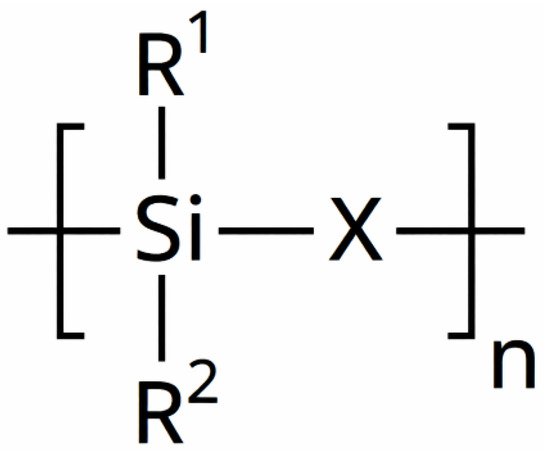
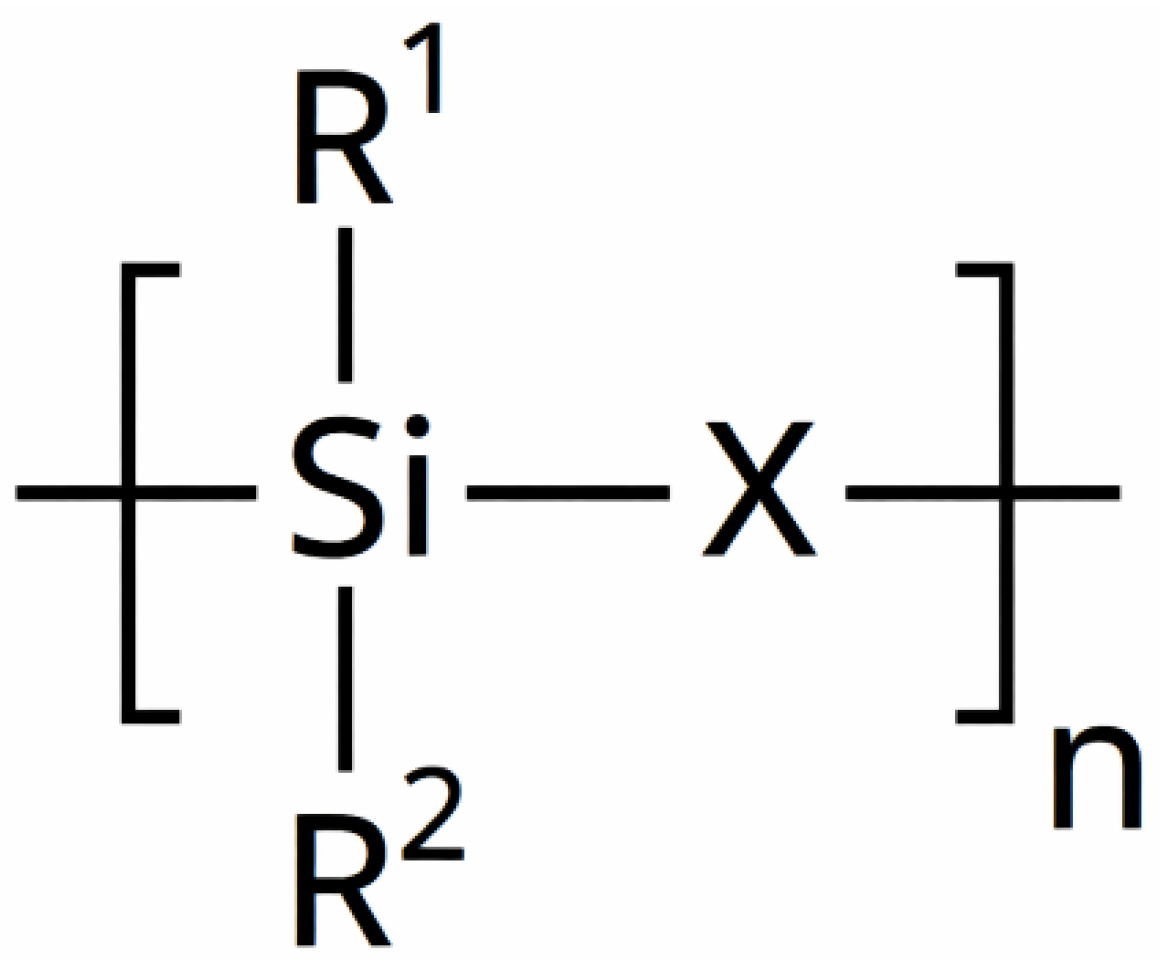
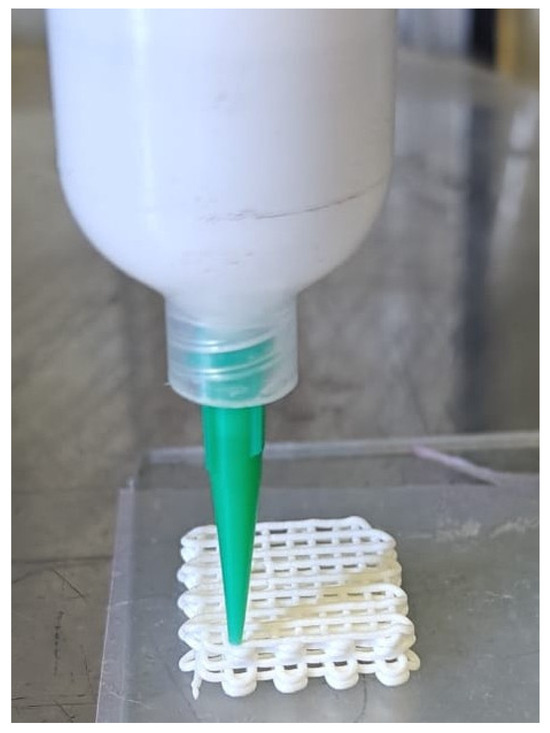
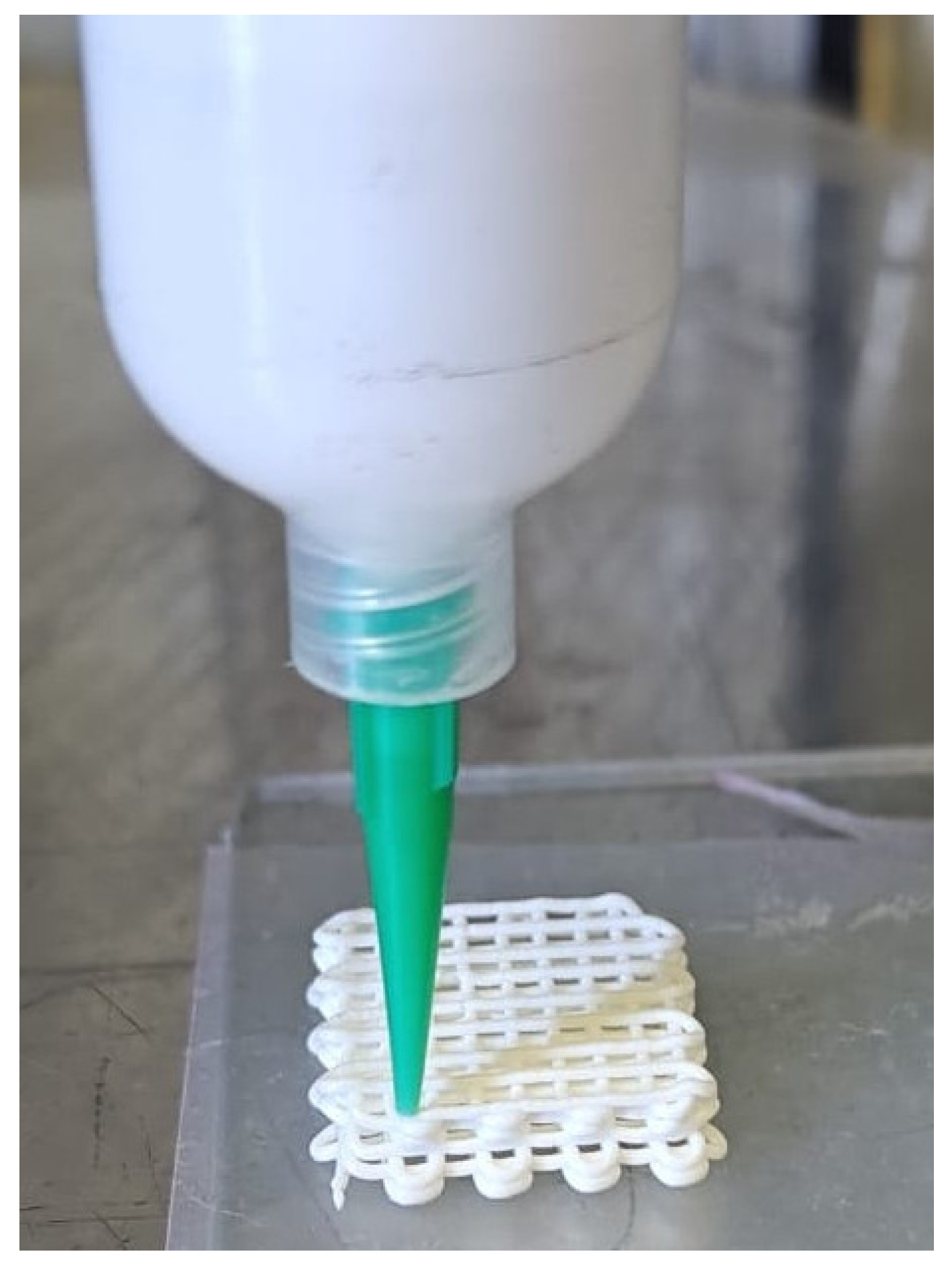
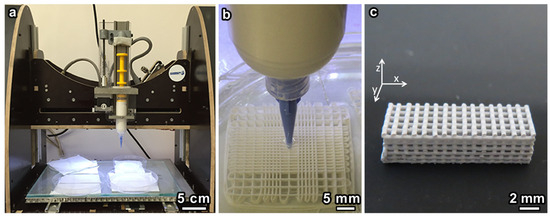
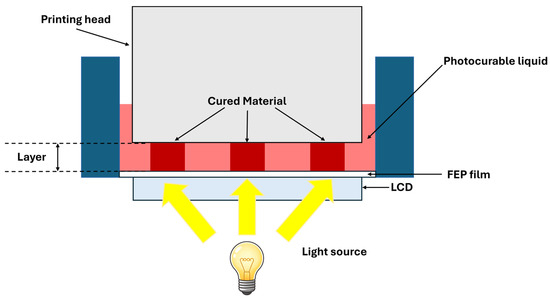
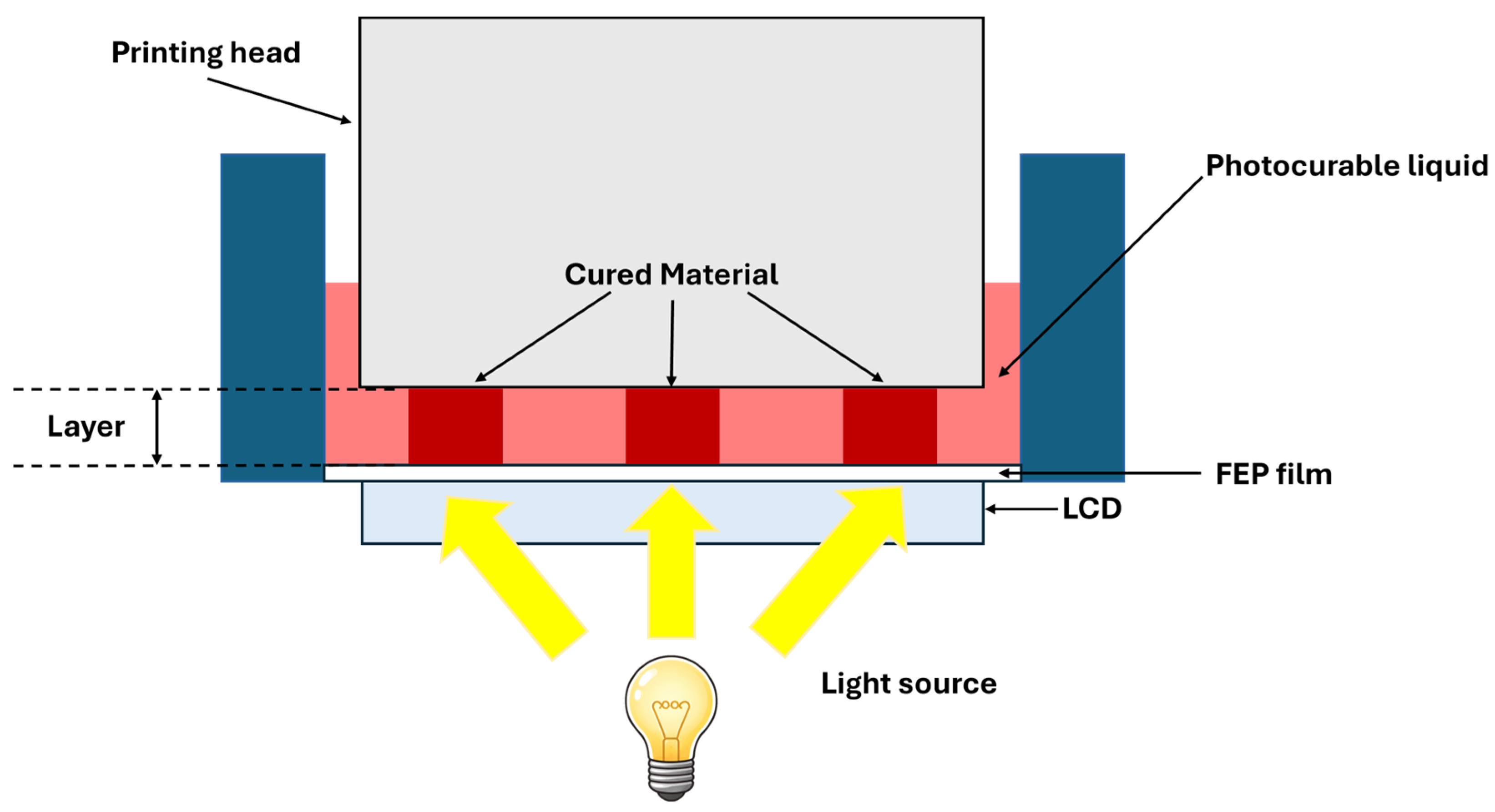
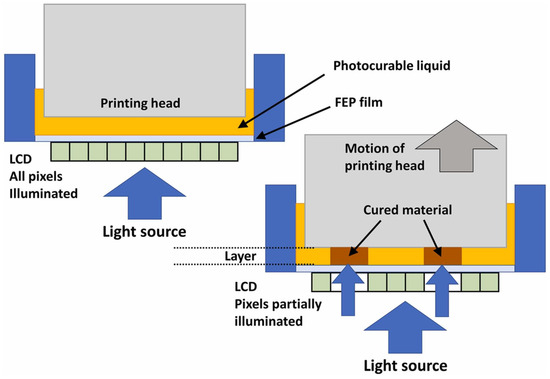
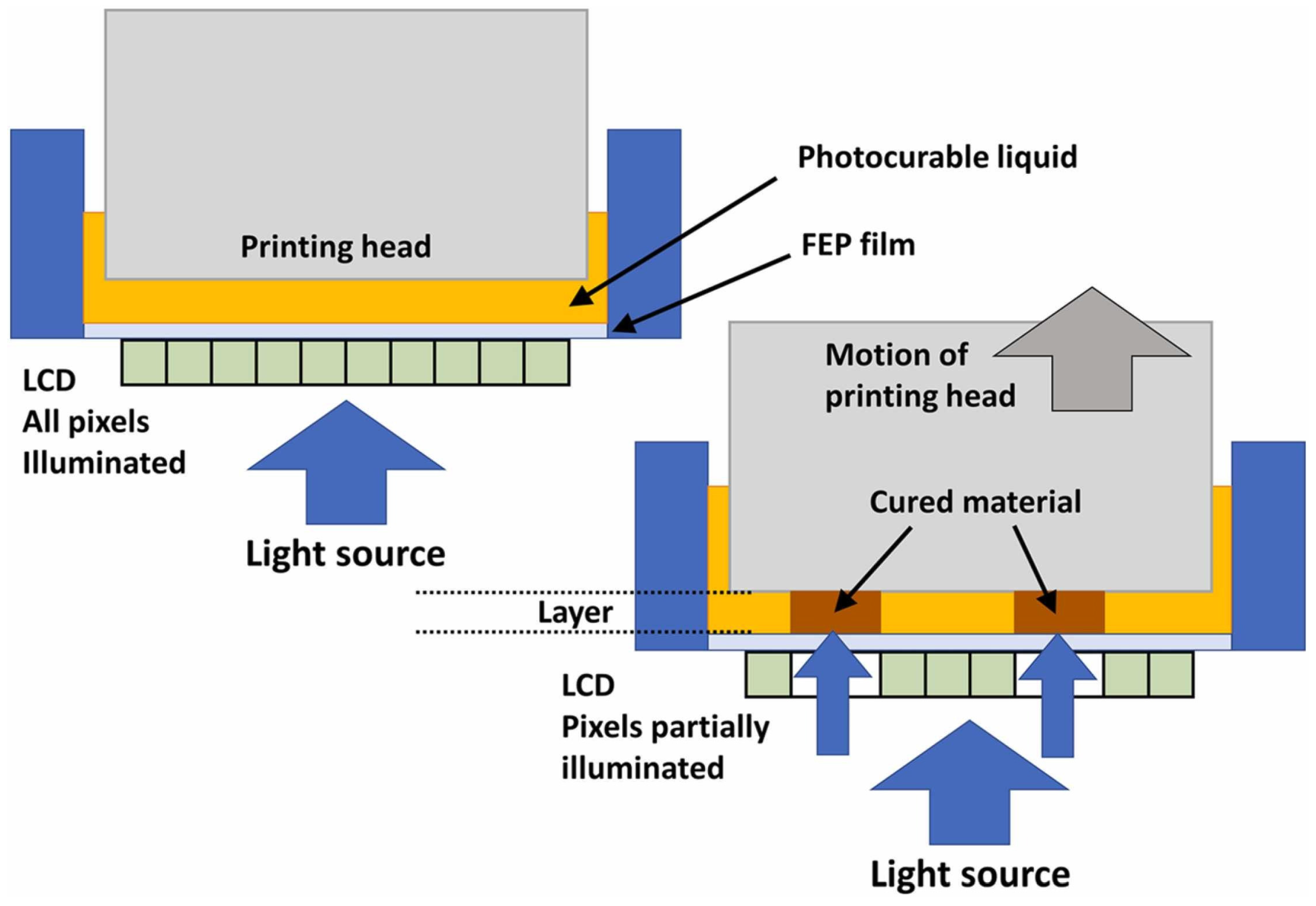
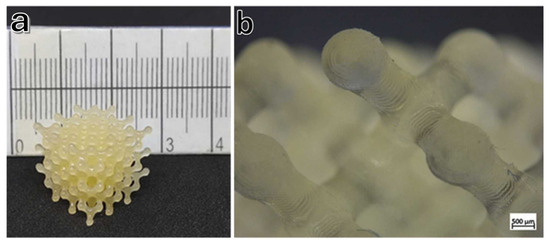
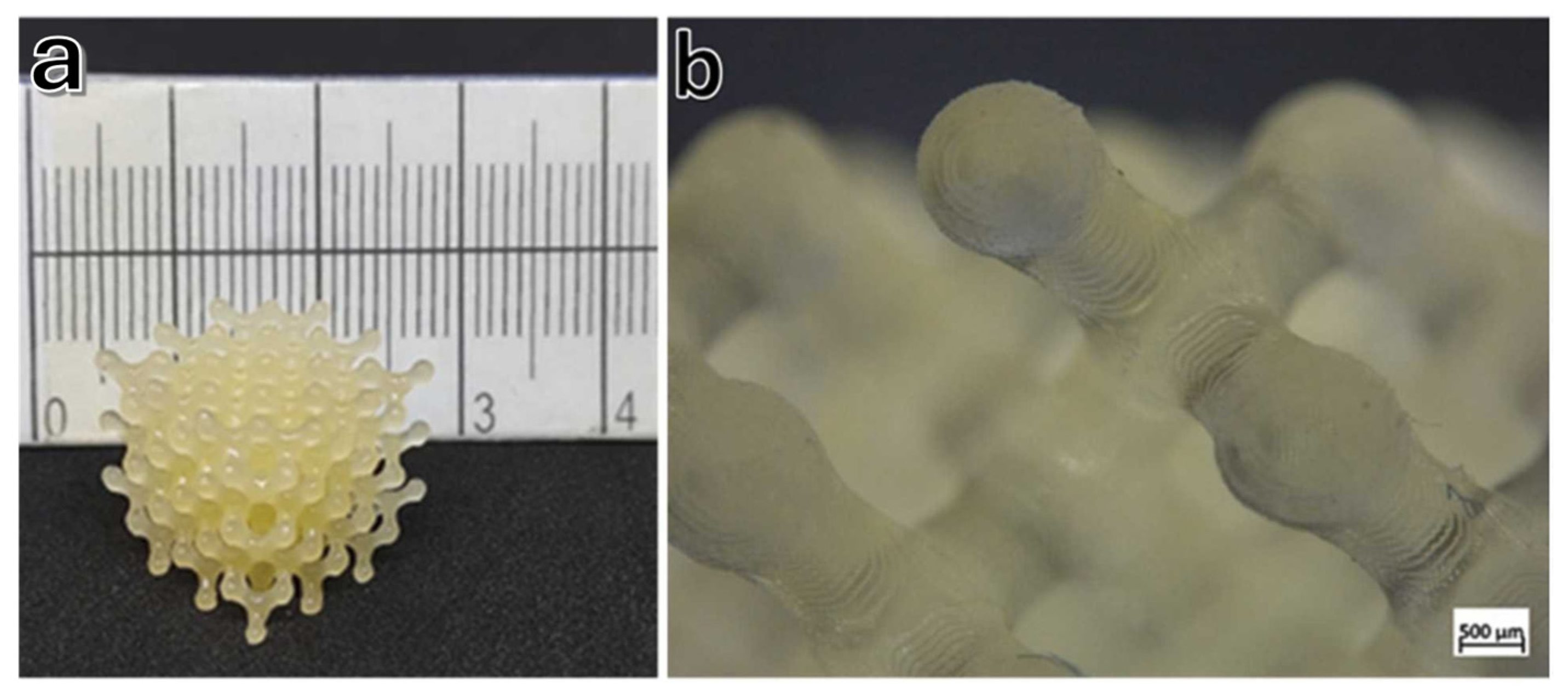
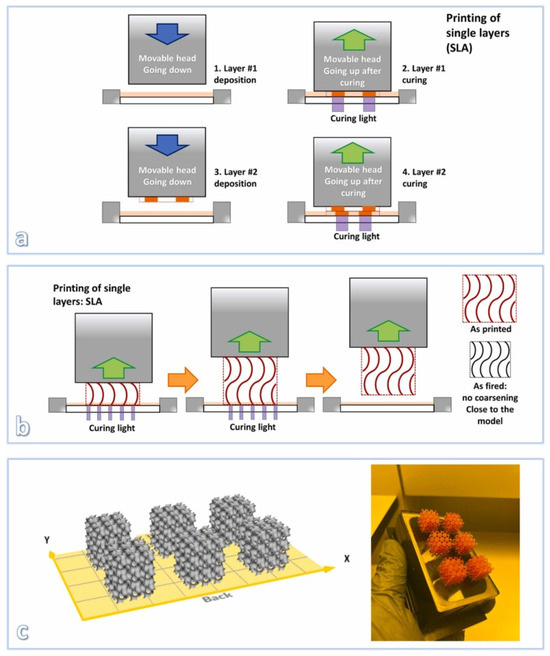
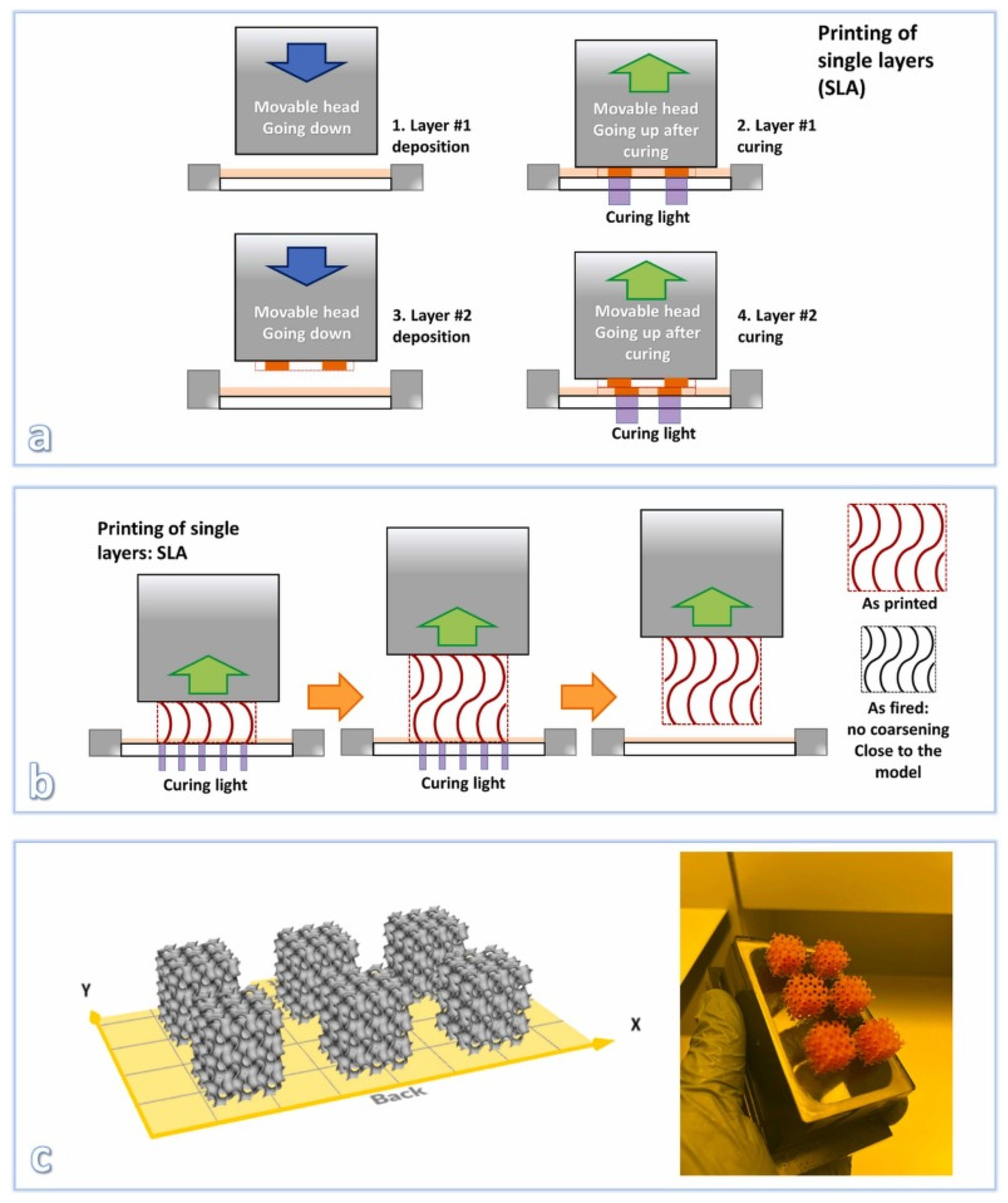
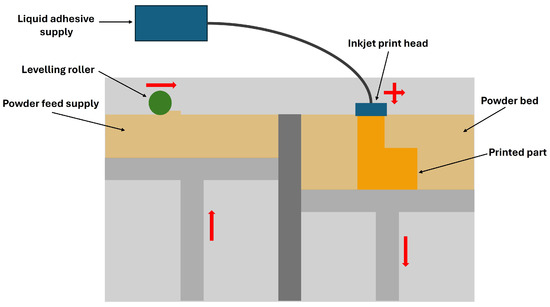
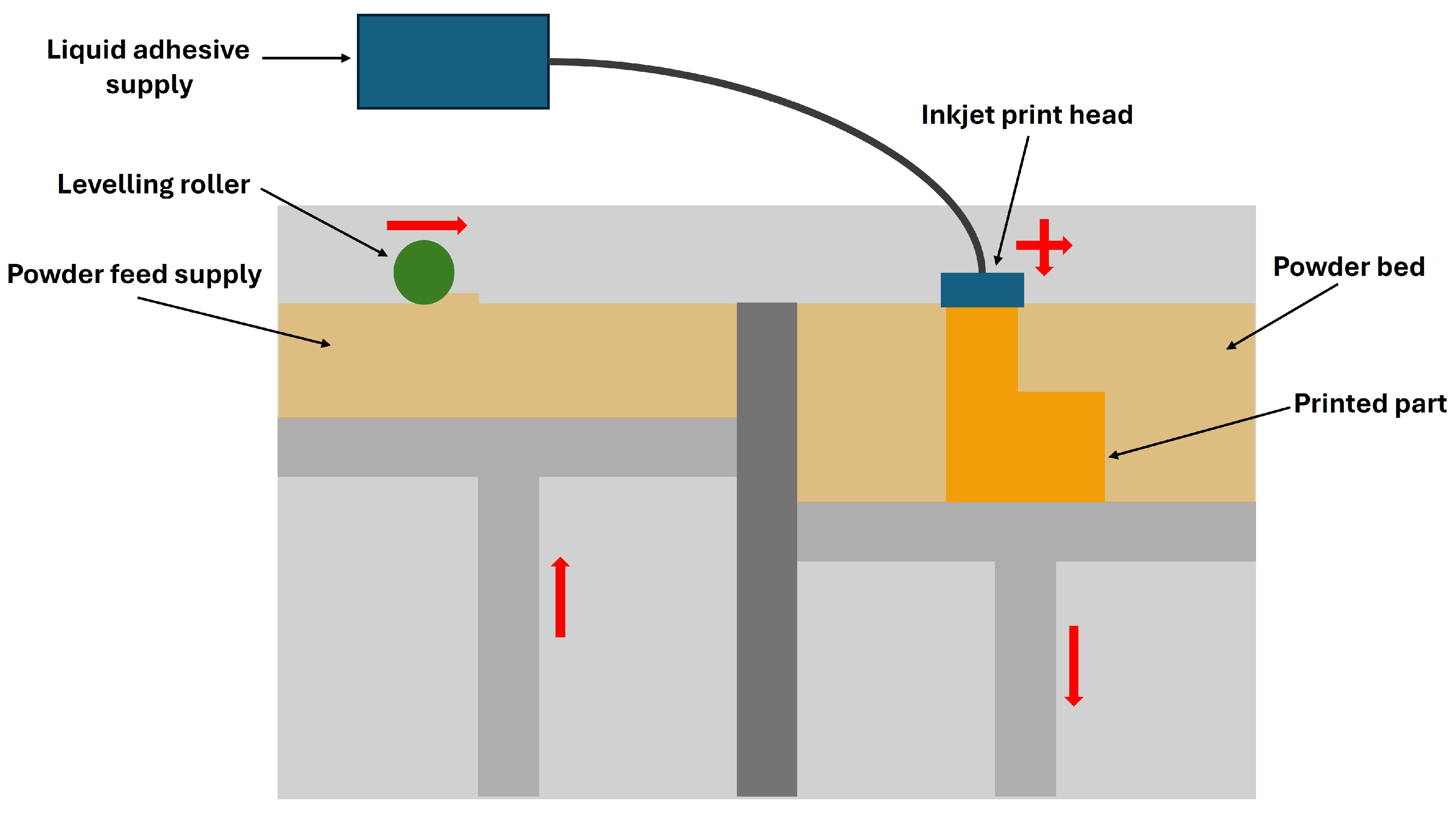
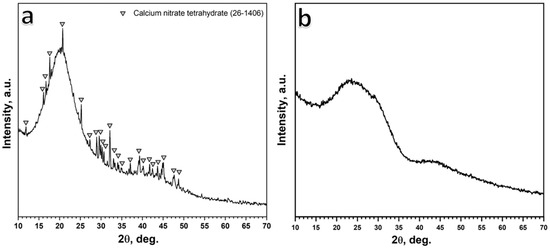
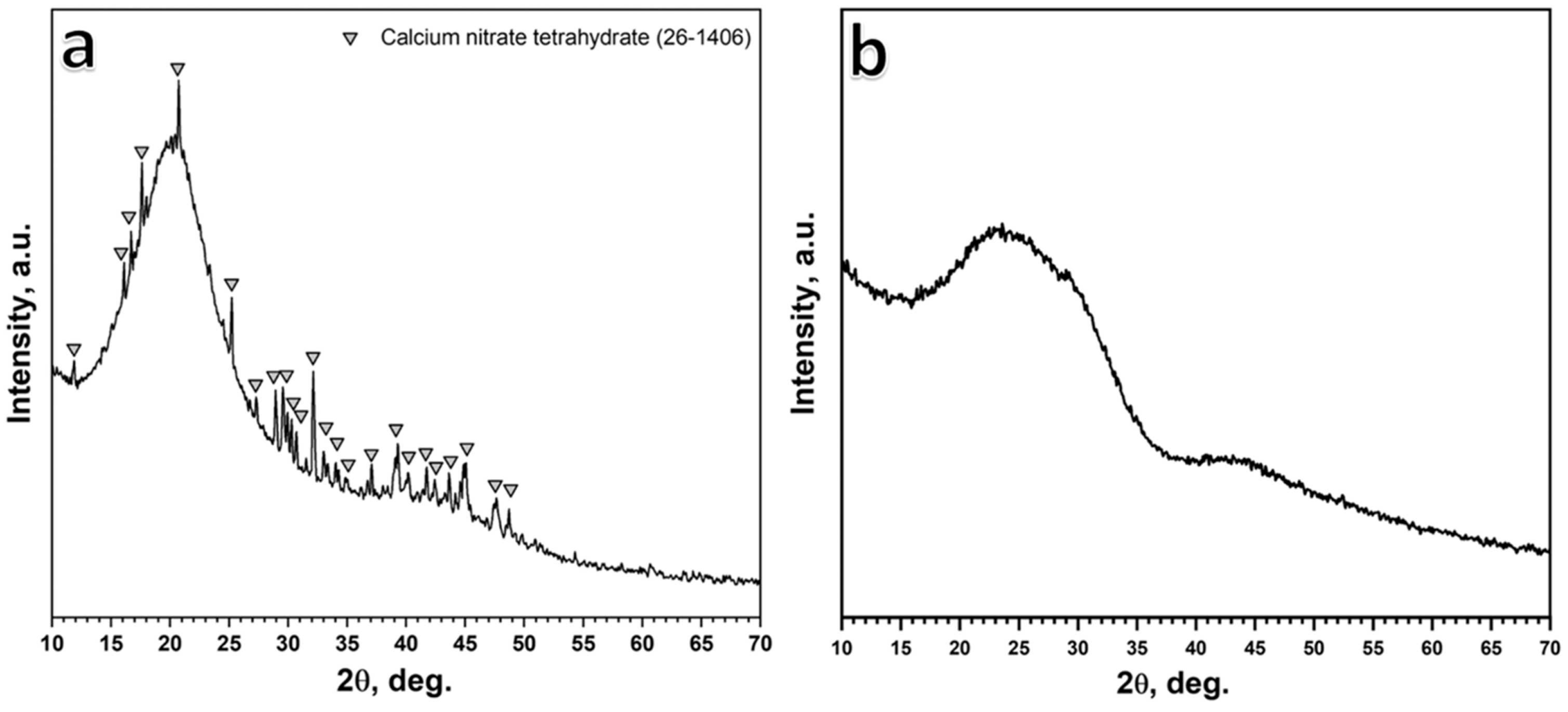
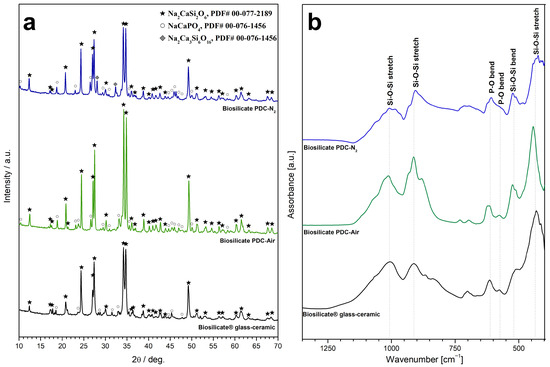
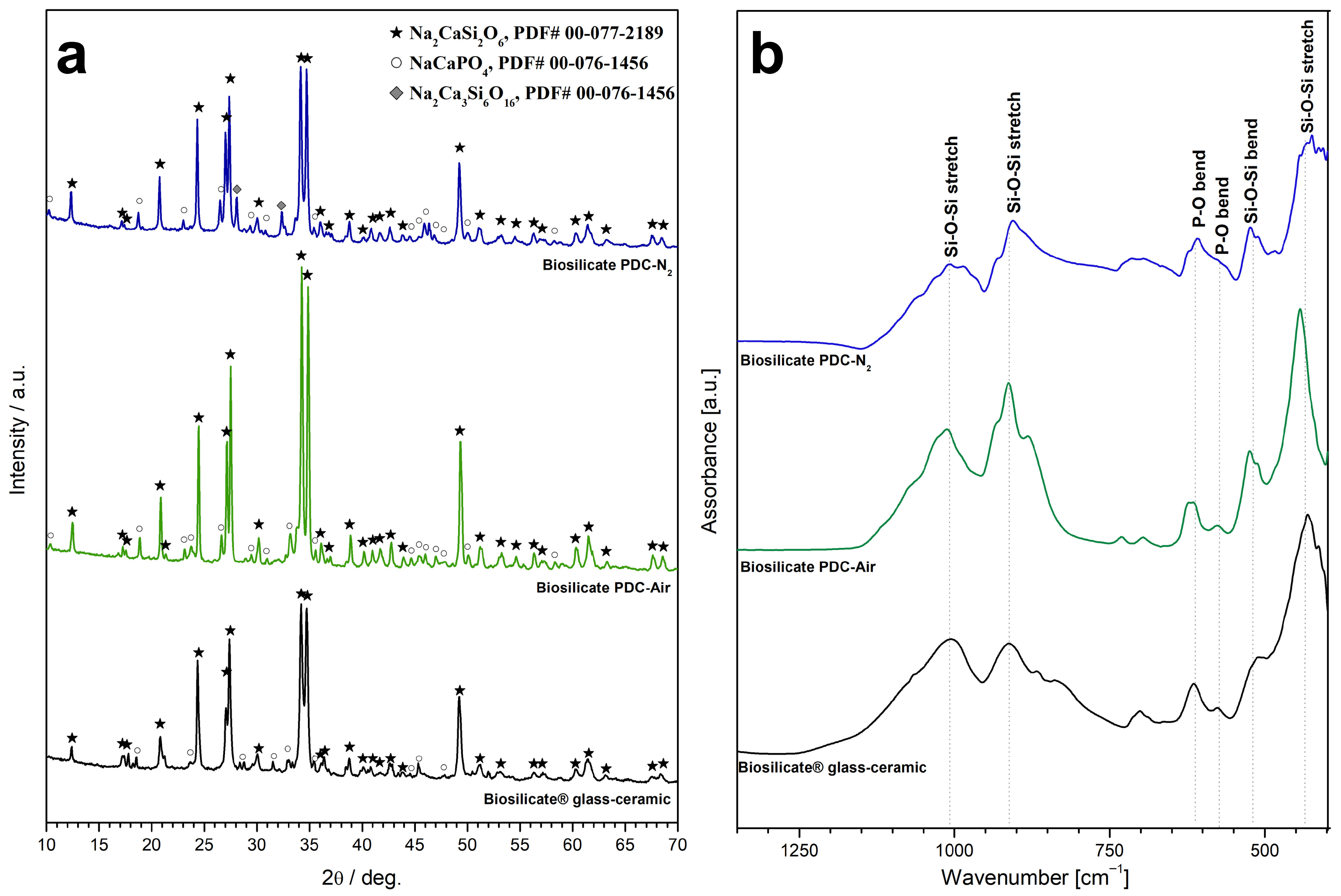
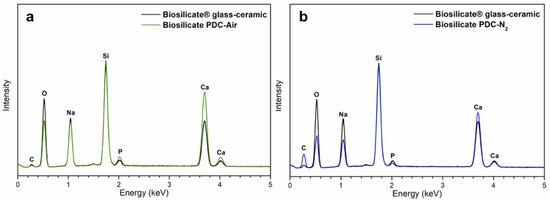
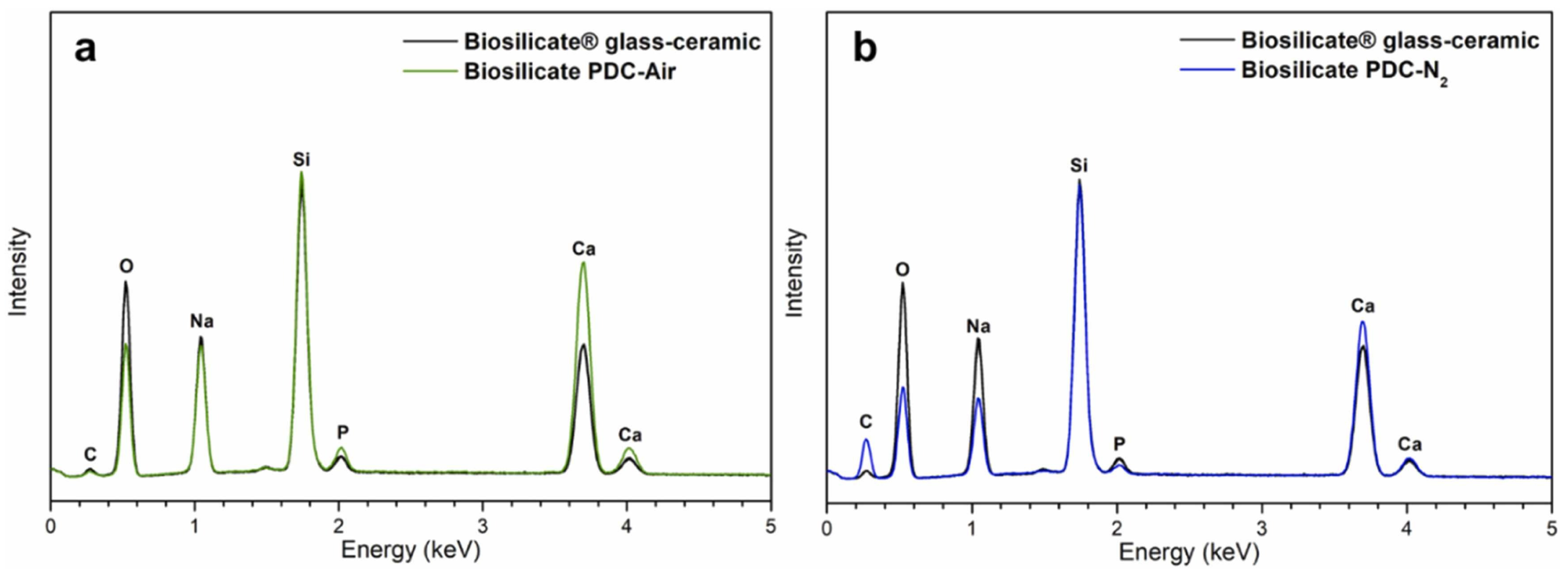
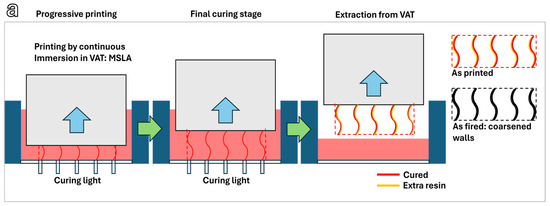
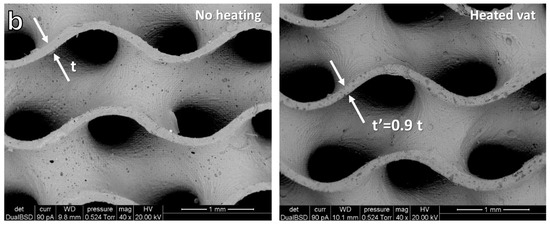
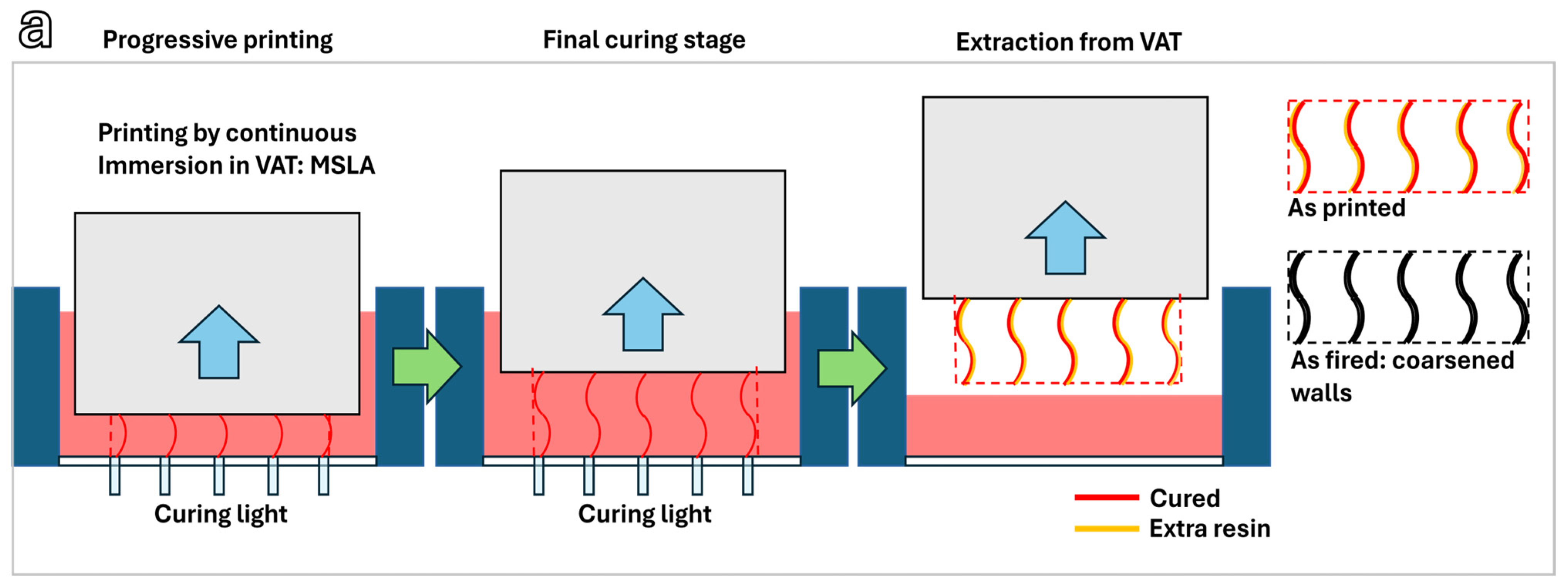
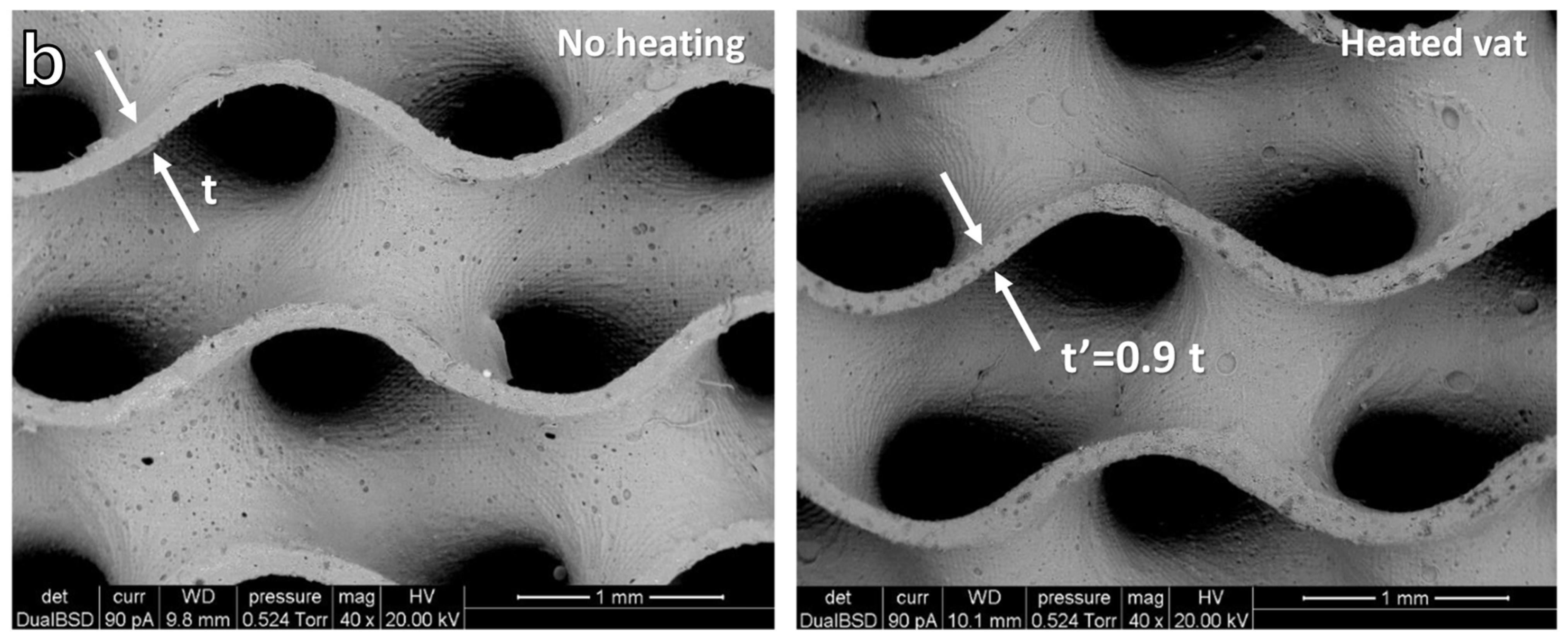
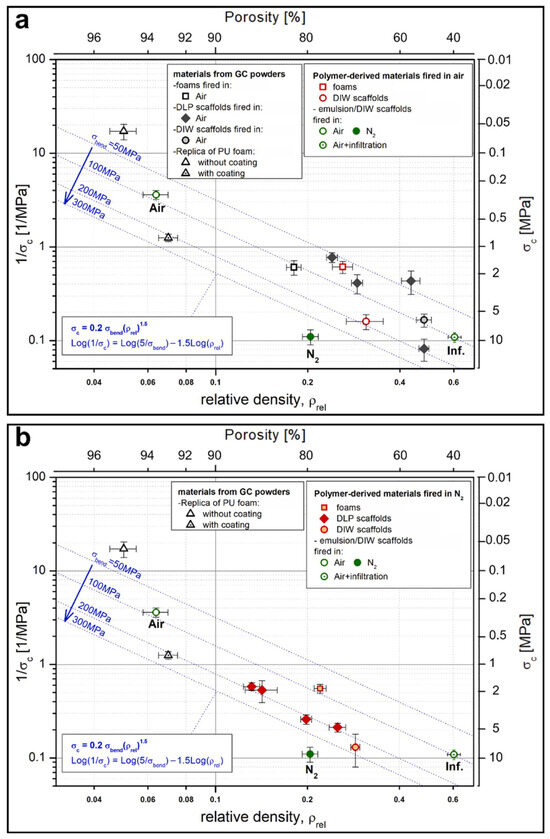
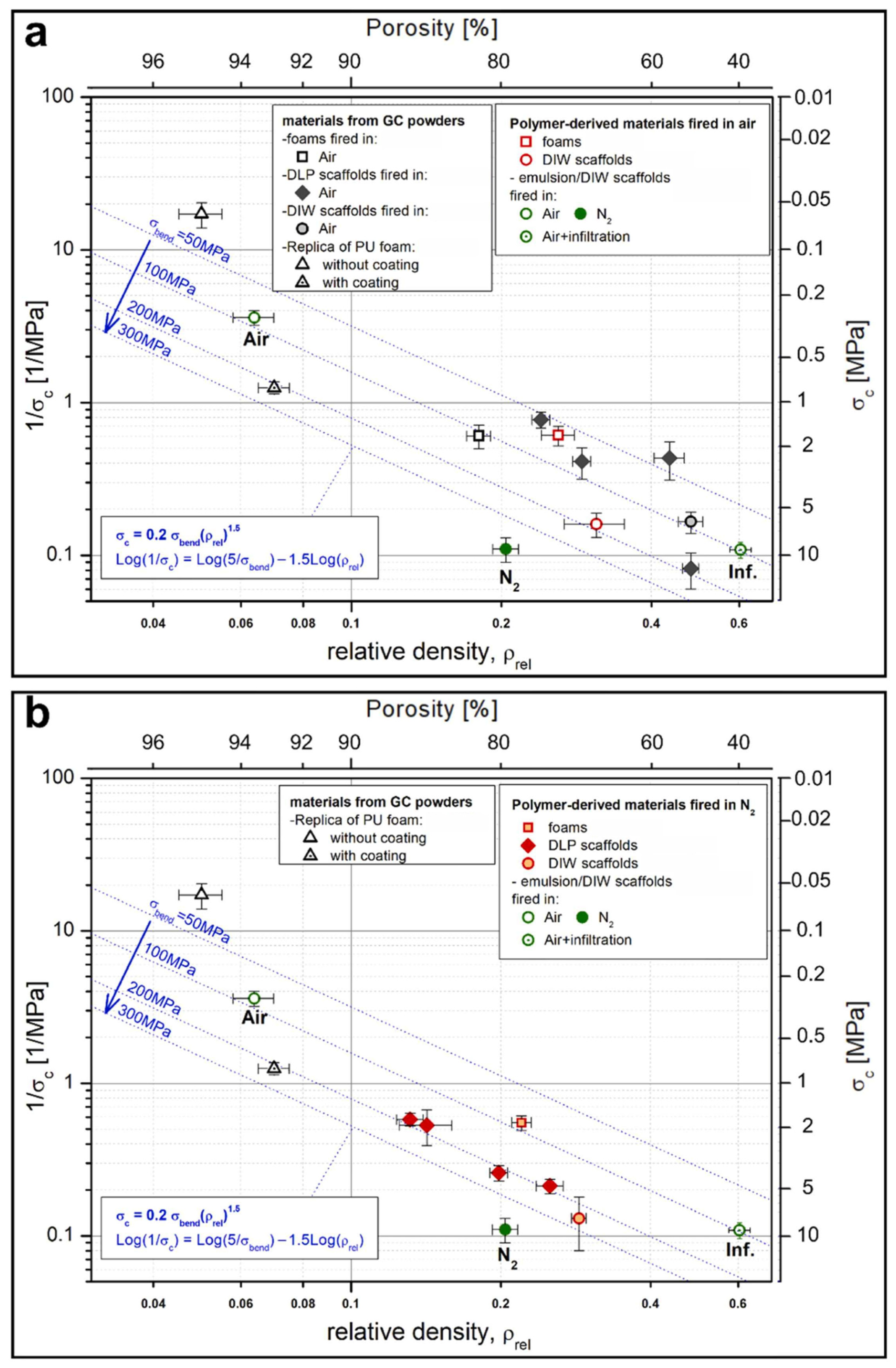

Disclaimer/Publisher’s Note: The statements, opinions and data contained in all publications are solely those of the individual author(s) and contributor(s) and not of MDPI and/or the editor(s). MDPI and/or the editor(s) disclaim responsibility for any injury to people or property resulting from any ideas, methods, instructions or products referred to in the content. |
© 2026 by the authors. Licensee MDPI, Basel, Switzerland. This article is an open access article distributed under the terms and conditions of the Creative Commons Attribution (CC BY) license.