


Abstract
The mining industry is facing increasing pressure to improve operational safety, environmental performance, and resource efficiency while adapting to rapid technological change. In this context, the concept of Mining Industry 5.0 is emerging as an extension of Industry 4.0, promoting the integration of human-centric approaches with advanced digital technologies in mining systems. This paper proposes a 6S framework—Safety, Security, Sustainability, Sensitivity, Service, and Smartness—conceptualized as a Cyber-Physical-Social Systems (CPSS)-based model that co-optimizes these six dimensions and supports adaptive and human-centric mining operations across the entire value chain. The study is based on a structured literature review and a comparative analysis of digital transformation practices in related sectors, including manufacturing, logistics, and energy, to identify solutions applicable to mining environments. The key enabling technologies, including artificial intelligence, digital twins, cyber-physical systems, and intelligent automation, are evaluated as particularly relevant to mining operations for improving workplace safety, process efficiency, and environmental management. The paper addresses challenges, including high investment costs, limited digital competencies, data interoperability issues, and cybersecurity concerns in mining practice. The results support the development of a roadmap for Mining Industry 5.0 by integrating the proposed 6S framework with technical and organizational operations in the mining sector.
1. Introduction
The mining sector, characterized by a long industrial history, is experiencing a significant transformation fuelled by technological advancements and increasing demand for minerals essential to modern living standards and the global energy transition [1]. This transformation encompasses both technological and strategic dimensions, signifying a shift from the automation-centric paradigm of Industry 4.0 to a more human-centered, sustainable, and intelligent framework referred to as Mining Industry 5.0 [2].
The mining industry has historically encountered persistent challenges, such as insufficient tools for managing complex geological conditions, operational inefficiencies, and safety risks in both surface and underground environments [1]. As mining operations reach greater depths, additional hazards, including rockbursts, elevated stress, and deformation, further complicate activities, necessitating the implementation of advanced safety frameworks and innovative technological solutions [3]. These ongoing challenges underscore the urgent need to adopt safer, more sustainable, and socially responsible mining [4].
To achieve sustainable development and decarbonization objectives, the global mining industry must progress beyond the automation-focused paradigm of Industry 4.0 [5] and embrace a human-centric, resilient, and environmentally integrated model consistent with Industry 5.0 principles [6]. Within this context, the present study introduces a six-dimensional framework—Safety, Security, Sustainability, Sensitivity, Service, and Smartness—to assess whether it can support this transition across the mining value chain [7].
The progression of industrial revolutions has profoundly shaped production systems and societal development. Each phase, from mechanization to digitalization, introduced transformative technologies that redefined production paradigms [8]. The transition from Industry 1.0 to Industry 5.0 illustrates a clear trajectory from labor-intensive processes to intelligent, interconnected, and human-centered systems. This evolution has been propelled by major advancements in steam power, electricity, automation, digital connectivity, and human–machine collaboration [9]. Table 1 presents the impact of successive industrial revolutions on the mining sector.
Table 1.
Evolution of industrial revolutions and their impact on mining.
Within the mining sector, these technological transitions are evident in the shift from mechanized processes to machine-assisted extraction, analog automation, digital autonomous systems, and ultimately to Mining Industry 5.0 innovations. These innovations prioritize collaborative robotics (cobots), ecologically responsible practices, and community-oriented revitalization [10]. This ongoing transformation reflects a wider trend: as technology advances, the emphasis is shifting toward integrating ethical responsibility, adaptability, and human well-being into industrial processes, ensuring that the mining industry remains efficient, sustainable, and socially conscious.
Unlike generic Industry 5.0 frameworks developed primarily for manufacturing systems, Mining Industry 5.0 must address unique characteristics such as subsurface uncertainty, complex geological variability, hazardous working environments, resource depletion, and long project life cycles, including after-mine, as shown in Table 2. Consequently, the proposed 6S framework extends existing Industry 5.0 concepts by integrating Safety, Security, Sustainability, Sensitivity, Service, and Smartness into a unified Cyber-Physical-Social System (CPSS), allowing simultaneous optimization of operational performance, environmental responsibility, and human wellbeing throughout the mining value chain.
Table 2.
Comparison of Industry 4.0, Industry 5.0, smart mining, and the proposed mining industry 5.0 (6S) framework.
1.1. Overview of Mining Industry 4.0 and Its Limitations
The integration of advanced digital technologies such as artificial intelligence, digital twins, smart sensors, and autonomous machinery has significantly enhanced efficiency, predictive maintenance, and safety in mining operations. Despite these advancements, several limitations hinder the full realization of advanced mining systems.
The mining sector, which includes both large companies and small to medium-sized enterprises, struggles with digital development. The existence of fragmented system architectures and inadequate interoperability between tools and machines could further impede progress. Moreover, human–machine collaboration often treats workers as passive operators rather than active contributors. The high cost and complexity of cyber-physical systems (CPS) further restrict their adoption, particularly within resource-constrained regions. Additional barriers include limited bandwidth, sensor unreliability, underutilization of real-time data, and notable skills gaps in artificial intelligence and data analytics. At the same time, increased connectivity introduces cybersecurity risks that the industry is not yet fully prepared to manage. These challenges highlight the need for a progressively sustainable and human-centered approach to the digital transformation of mining.
The sector is also under growing pressure to meet global mineral demand while ensuring environmental sustainability and worker safety [11,12]. Traditional mining methods are no longer sufficient, calling for a shift toward autonomous, data-driven, and cyber-physical systems. The effective implementation of such systems requires flawless integration of modern technologies across both surface and underground operations, spanning the entire mining life cycle—from design to post-mining reclamation [13,14]. However, the adoption of these solutions is hindered by outdated infrastructure, siloed digital systems, misalignment between workforce capabilities and technological requirements, and insufficient connectivity.
Critical gaps include limited investment in deposit-quality studies, delayed commercialization of innovations, a lack of modular retrofitting, insufficient simulation tools, and scarce ROI metrics. Talent shortages, high capital expenditure (CAPEX), and short-term strategic focus further complicate digital transformation. Overall, adoption is constrained by interconnected technological, regulatory, data-related, and workforce challenges, which can be grouped into four main categories:
- Technological readiness: legacy systems, limited interoperability, and insufficient digital infrastructure.
- Policy and regulatory constraints: fragmented governance, unclear standards, and limited incentives for innovation;
- Data and system security: issues related to data quality, availability, cybersecurity, and ethical use of artificial intelligence [15,16];
- Workforce capabilities: gaps in digital skills, organizational readiness, and strategic leadership.
A summary of these challenges is presented in Table 3. Addressing these issues requires an integrated approach combining technological innovation, human-centered design, and institutional reform.
Table 3.
Summary of challenges, gaps, and recommendations in Mining Industry 4.0 for achieving Mining Industry 5.0.
Despite the significant benefits reported in Mining Industry 4.0 applications, present approaches exhibit several limitations. Autonomous haulage systems and digital twins have improved productivity and safety; however, they often require considerable capital investment and depend on robust digital infrastructure. Similarly, AI-based decision-support systems increase operational efficiency but raise concerns regarding model transparency and accountability. Most importantly, many existing Mining 4.0 initiatives concentrate on technological optimization while paying limited attention to human-centric considerations, social acceptance, workforce well-being, and sustainability objectives within a unified framework. These limitations highlight the need for a more integrated framework capable of managing technological, human, environmental, and organizational requirements.
Mining Industry 5.0 represents the evolution of Mining Industry 4.0 rather than its replacement. While smart mining and digital mining emphasize automation, connectivity, and data-driven optimization, Mining Industry 5.0 integrates these technological advances with human-centered decision-making, sustainability, resilience, and ethical governance. It therefore shifts the primary objective from maximizing automation toward balancing technological intelligence with human expertise, environmental stewardship, and long-term societal value.
Mining Industry 5.0 adopts a multi-objective optimization philosophy in which production efficiency, environmental performance, and worker wellbeing are simultaneously evaluated. Digital twins and continuous monitoring systems enable operators to dynamically adjust production strategies according to real-time safety conditions, carbon emissions, energy consumption, equipment utilization, and economic performance, thereby minimizing trade-offs while improving overall system resilience.
1.2. From Automation to Human-Centric and Resilient Mining Systems
The transformation of industrial systems is shifting from isolated automation to integrated approaches that emphasize human involvement, adaptability, and environmental accountability, particularly in the mining sector, where complex conditions and stringent safety requirements prevail. This shift emphasizes human-centeredness, resilience, and sustainability, fostering human–machine collaboration and innovation across sectors such as transportation, manufacturing, and energy, as shown in Figure 1.
Figure 1.
The core principles of Industry 5.0.
Advanced digital technologies are now used not only to automate processes but also to improve decision-making and operator–machine interactions. This results in operational models in which automated systems handle repetitive and high-risk tasks while human operators assume supervisory and analytical roles. The integration of Cyber-Physical-Social Systems (CPSS) combines physical processes, digital intelligence, and human input to improve safety and operational efficiency while addressing socio-environmental requirements.
The 6S framework—Safety, Security, Sustainability, Sensitivity, Service, and Smartness—provides a practical approach to align technological solutions with operational and human-centered needs in mining systems [17] where all six dimensions are jointly optimized within a CPSS-based architecture.
1.3. Objective and Scope of the Review
The mining industry, like many others, is undergoing a significant transformation. It is shifting from the automation-driven approach of Industry 4.0, which includes the Internet of Things (IoT), artificial intelligence (AI), robotics, cloud computing, and cyber-physical systems (CPS), to the more human-centered, ethical, and sustainable vision of the mining sector that is referred to as Mining Industry 5.0.
This review presents a structured examination of digital transformation in the mining sector, integrating technological, human, and environmental dimensions within a unified analytical framework. The study adopts the 6S framework—Safety, Security, Sustainability, Sensitivity, Service, and Smartness—as a guiding structure for evaluating advanced mining systems.
The main objective of this review is to assess how modern digital technologies can improve mining operations across the value chain, from exploration and extraction to processing and post-mining reclamation. Emphasis is placed on human–machine interaction and its influence on operational productivity, safety performance, and environmental outcomes.
The research is based on a structured literature review combined with a comparative analysis of developments in related sectors, including manufacturing, logistics, and energy. This cross-sectoral perspective enables the identification of transferable solutions and best practices relevant to mining systems. The scope of the assessment includes:
- Core technological enablers such as AI, IoT, robotics, digital twins, edge computing, and CPS;
- The developing role of human–machine collaboration and personalization in operational decision-making.
- Mining-specific challenges, including harsh operational environments, legacy infrastructure, and socio-environmental sensitivities;
- Selected applications and comparative insights supporting knowledge transfer;
- Policy, regulatory, and workforce-readiness affecting implementation.
While the concepts of Industry 5.0, CPSS, and 6S Parallel Industries have been discussed in prior literature, this review broadens these concepts to the mining domain by proposing an integrated Mining Industry 5.0 perspective that maps mining technologies, operational functions, and sustainability objectives onto the six dimensions of the 6S framework across the mining value chain.
2. Theoretical Foundations
2.1. Features of Industry 5.0 and Key Acronyms
Industry 5.0 represents the next evolution of industrial transformation, emphasizing human-centricity, resilience, and sustainability alongside digitalization. Unlike Industry 4.0, which focused primarily on automation and CPS, Industry 5.0 integrates human intelligence with machine intelligence to create more personalized, adaptive, and ethically aligned industrial environments. Dmitrieva, E. et al. analyzed the growth and impact of Artificial Intelligence within Industry 4.0 and the emerging framework of Industry 5.0, examining how AI drives efficiency gains, accelerates technology adoption, and shapes the future of human–machine collaboration [18]. Key features include collaborative robotics (cobots), AI, IoT, Big Data Analytics (BDA), Digital Twins (DT), Human–Machine Interface (HMI), AR (Augmented Reality), ESG (Environment, Social, and Governance), and Edge Computing (EC). The emphasis is on creating value beyond productivity, ensuring environmental sustainability, empowering workers, and enabling organizational adaptability during disruption. The keyword cluster maps for Mining Industry 4.0 in Figure 2a highlight the adoption of advanced technologies and some of the challenges, while Figure 2b shows the adoption of sustainable intelligence industrial systems and implementation of the 6S framework in the Mining Industry 5.0.
Figure 2.
(a) Keyword cluster map for Mining Industry 4.0 and (b) keyword cluster map for Mining Industry 5.0.
2.2. The 6S Framework for the Advanced Mining Industry
The transition toward advanced mining systems requires a new integrated framework that combines technological, human, and environmental dimensions. A new framework has emerged to conceptualize this broader vision, often referred to as the 6S Framework [19,20].
The 6S framework defines Mining Industry 5.0 systems as cyber-physical-social ecosystems in which safety, security, sustainability, sensitivity, service, and smartness are co-optimized to deliver resilient, adaptive, and human-centric mining operations.
In contrast to previous studies that present the 6S framework as a generic Industry 5.0 paradigm, this review operationalizes the framework for mining applications by identifying sector-specific objectives, enabling technologies, implementation challenges, and applications of each of the six dimensions.
Unlike conventional Industry 4.0-oriented models, the proposed 6S framework explicitly integrates human-centric sensitivity and service-oriented adaptability as core system dimensions, thereby extending the technological focus toward a more holistic and socially embedded mining paradigm. The framework provides a structured approach to organizing these six interdependent pillars: Safety, Security, Sustainability, Sensitivity, Service, and Smartness. Each dimension addresses a critical aspect of system performance while remaining functionally integrated within a unified operational environment based on CPSS.
As illustrated in Figure 3, these dimensions are not isolated attributes but dynamically interacting components that collectively determine system performance and long-term viability. Safety focuses on protecting human life and infrastructure through predictive and real-time risk management. Security ensures the integrity and resilience of digital and physical systems, particularly amid increasing connectivity. Sustainability emphasizes environmentally responsible resource use, energy efficiency, and the integration of a circular economy. Sensitivity introduces the human-centric dimension of Mining Industry 5.0, encompassing ergonomics, human–machine interaction, and social inclusivity. Service refers to adaptive, user-oriented system capabilities that support flexible, life-cycle-based mining operations. Finally, Smartness enables intelligent decision-making through advanced analytics, artificial intelligence, and digital twin technologies.
Figure 3.
The 6S framework functions.
The objectives of the 6S framework for Mining Industry 5.0, summarized in Table 4, link technological capabilities with operational requirements, measurable key performance indicators (KPIs), and socio-environmental constraints. By integrating these dimensions within a CPSS architecture, the framework supports the design, evaluation, and optimization of mining systems aligned with Industry 5.0 principles.
Table 4.
A brief overview and KPIs for benchmarking 6S goals in Mining Industry 5.0.
Furthermore, a summary table of representative environmental sustainability KPIs with corresponding units is shown in Table 5 below for the evaluation of the environmental performance of Mining Industry 5.0 to support framework implementation [21,22,23,24].
Table 5.
Representative environmental KPIs for the sustainability dimension of the proposed 6S framework.
2.3. Multi-Layered System Architecture of 6S
The 6S framework is implemented through a multi-layered system architecture based on CPSS, integrating physical processes, digital technologies, and human interaction into a unified operational environment.
As shown in Figure 4, the architecture consists of five interconnected layers: execution, application, data processing, communication, and the intelligence Big Models layer. The execution layer includes sensors, machines, and human–machine interfaces responsible for data acquisition and operational control. Figure 3 emphasizes the dynamic flow of data and decision-making—from human–machine interfaces and sensors at the Execution Layer to predictive analytics and AI-based insights at the Big Models Layer—supported by a secure, sustainable communication infrastructure. Safety forms the foundation of the Execution Layer, supported by Human-Oriented Operating Systems (HOOS), which ensure safe interactions among humans, robots, and wearable technologies. Scenario Engineering enhances reliability through Verification & Validation (V&V) and Calibration & Certification (C&C) [20].
Figure 4.
Human–robot–digital agent integration within parallel intelligence for mining industry 5.0.
Security is woven into every layer of the system. At the Application Layer, secure decision-making protocols are implemented; at the Data Processing Layer, the safe handling of information is prioritized; and at the Communication Layer, advanced technologies such as 5G, 6G, and Ethernet ensure secure, high-speed transmission [25]. Sustainability is addressed through a multi-layered approach. The Application Layer emphasizes energy efficiency and resource management. In contrast, the Big Models Layer employs predictive AI to improve processes, reduce waste and carbon emissions [26] and address other pollutants, while also considering how fairness in machine learning can be grounded in moral and political philosophy. Scenario Engineering further promotes this principle by embedding environmentally conscious planning into industrial designs [27].
Sensitivity enhances inclusion and human awareness. Ergonomic HOOS platforms at the Execution Layer focus on usability and comfort. At the same time, AI systems at the Big Models Layer interpret natural language, user preferences, and emotions to facilitate more natural and intuitive human–machine interactions [28,29].
Serviceability (or Service for All) stresses equitable access to intelligent solutions. At the Execution Layer, personalized services are delivered across sectors such as homes, hospitals, and factories. At the same time, the Application Layer ensures adaptability and real-time customization to meet diverse user needs [27]. Lastly, Smartness is achieved through cooperation between the Big Models and Data Processing Layers, where large datasets are analyzed, trends identified, and predictive insights generated [30]. These insights are implemented at the execution layer and continuously supported by the Communication Layer, thereby ensuring that systems remain agile, automated, and highly responsive [31]. The 6S framework functions not only as a technical architecture but also as a normative vision for Industry 5.0, fostering ecosystems that are innovative, resilient, sustainable, and fundamentally human-centered [19,28], as shown in Figure 3, along with the involvement of six stages in the implementation of Mining Industry 5.0, as shown in Figure 5 below.
Figure 5.
Six stages involved in the implementation of Mining Industry 5.0.
2.4. Cybersecurity and Practical Implementation Challenges
Mining Industry 5.0 is highly dependent on the interconnection of AI, IoT, and CPSS; it necessitates cybersecurity and data governance for safe and resilient mining operations. The extensive expansion of digital transformation heightens the risk of cyber threats, including unauthorized access, ransomware, data manipulation, and attacks on operational technology (OT), which can impact productivity and worker safety. Consequently, the adoption of a defense-in-depth cybersecurity strategy in Mining Industry 5.0, which integrates zero-trust principles, identity and access management, encryption, continuous threat monitoring, secure communication protocols, and incident response mechanisms, is essential to protect critical mining infrastructure. Data governance is equally important in the proposed framework to ensure data quality, privacy, interoperability, integrity, ownership, and compliance in the Mining Industry 5.0. For instance, the IDUNN Project shows how secure industrial data spaces, associated data sharing, and trusted governance mechanisms facilitate collaboration among stakeholders while preserving data governance requirements [32,33,34].
The transition toward Mining Industry 5.0 is expected to occur at different rates depending on the technological maturity, economic capacity, and organizational readiness of mining operations. Large mining companies often possess advanced communication infrastructure, centralized control systems, and sufficient investment capacity to deploy integrated Cyber-Physical-Social Systems, enterprise-wide digital twins, and autonomous mining fleets. Conversely, small-scale mines, legacy operations, and many mines in developing economies frequently operate with aging equipment, fragmented data systems, limited digital infrastructure, and restricted financial resources. For these operations, Mining Industry 5.0 should be implemented through a phased digital transformation strategy that prioritizes affordable sensing technologies, continuous monitoring, cloud-based data management, and scalable decision-support tools. Improved uncertainty quantification using advanced geostatistical methods and continuously updated spatiotemporal models can enhance resource evaluation and operational planning. Stochastic modelling further enables more robust assessment of economic risks by accounting for uncertainties associated with geological conditions, market fluctuations, social constraints, and technological changes. As digital capabilities mature, these foundations can be progressively expanded toward integrated AI-driven optimization, enterprise digital twins, and centralized decision-making platforms. Such a staged implementation pathway allows Mining Industry 5.0 principles to be adopted across a wide range of mining operations while acknowledging differences in technological readiness and investment capacity.
As Figure 6 shows below, the graphical representation demonstrates the key aspects involved in implementing the Mining Industry 5.0 through the proposed 6S framework by Misra, S. et al. [35].
Figure 6.
Key aspects of advanced digital sovereignty in Mining Industry 5.0 [35].
3. Enabling Technologies in the Advanced Mining Industry
The enabling technologies discussed in this section are mapped to the 6S framework dimensions, illustrating how Safety, Security, Sustainability, Sensitivity, Service, and Smartness are operationalized through advanced digital solutions in Mining Industry 5.0, as shown in Figure 7 below.
Figure 7.
Overall mapping of digital technologies on the proposed 6S framework.
3.1. Human-Centric Design
Personalization, combined with safety and ergonomics, is now essential in the human-centric development industry. This shift emphasizes worker well-being and collaboration between humans and machines through CPSS, combining physical, digital, and social data in real time [27,36]. Humans excel in creative and ethical decision-making, whereas AI and IoT systems handle data-intensive tasks, thereby enhancing resource efficiency and sustainability [20].
Mining Industry 5.0 is distinct from previous automation-driven paradigms by emphasizing intelligent technologies designed to augment human capabilities rather than replace them. Autonomous equipment, cobots, digital twins, and AI-based decision-support systems perform repetitive, hazardous, data-intensive tasks, allowing mining experts and professionals to focus on supervision, complex problem-solving, strategic planning, and safety-critical decisions. The human-centered interfaces, wearable technologies, and AR/VR support worker wellbeing, including cognitive ergonomics, mental workload, and situational awareness. However, continuous workforce reskilling in AI, automation, data analytics, and cyber-physical systems is required for successful implementation. Accordingly, the proposed framework promotes collaborative intelligence between humans and intelligent systems to improve safety, productivity, sustainability, and operational resilience throughout the mining life cycle.
3.2. Parallel Intelligence
Parallel Intelligence (PI) is a key enabler of human–machine collaboration in Mining Industry 5.0. It employs a dual-loop architecture, in which humans perform strategic and moral decision-making tasks, while AI, IoT, and edge computing systems execute real-time, data-driven operations [18,37]. Edge devices serve as intermediaries, translating information and ensuring continuous communication between human decision and machine execution layers. By distributing workloads across edge nodes and IoT endpoints, industrial systems achieve higher speed, scalability, and flexibility. This framework fosters collaborative autonomy: sensors detect anomalies, edge devices trigger instant responses, and humans intervene only when required [30,38]. PI further underpins the 6S principles of Mining Industry 5.0, integrating safety, sustainability, and pliability into everyday operations. Its effectiveness is realized through three interconnected mechanisms:
- Artificial societies (digital twins): virtual replicas of mining systems allow simulation, optimization, and risk-free experimentation [39]. Scenario Engineering applies these models to test and refine operational strategies.
- Computational experiments: large-scale “what-if” analyses enable industries to anticipate challenges, evaluate trade-offs, and make data-driven decisions before implementation [40].
- Parallel execution: a closed feedback loop synchronizes actions between virtual and real systems, ensuring that improvements derived from simulation are applied in real time.
This dynamic integration enhances safety, resilience, and operational efficiency [41]. The layered integration of human, robotic, and digital agents in Mining Industry 5.0, under the PI, is illustrated in Figure 8. In this model, digital agents (~80%) play a dominant role by providing data analysis, predictive insights, and process optimization, while robots (~15%) perform operational tasks and humans (~5%) act as supervisors, engineers, and safety controllers. The system relies on real-time monitoring, simulations, and expert systems to support risk management. Autonomous solutions, such as driverless haul trucks and robotic drilling systems, demonstrate the scalability and automation potential of future mining.
Figure 8.
Opportunities, limitations, and future prospects in Mining Industry 5.0 for sustainable mining systems.
In this context, PI serves as a unifying mechanism that supports safety through predictive monitoring, enhances smartness with AI-driven analytics, and maintains sensitivity by preserving human oversight.
3.3. Circular Economy
The circular economy (CE) in Mining Industry 5.0 redefines resource governance through six interconnected stages to minimize waste and preserve material value [42]. Circular design underpins all stages, aligning with Industry 5.0 principles of sustainability and resilience. Production reuses mine tailings and by-products as secondary resources [43], while transportation is optimized through blockchain and IoT-based traceability [44]. Consumption emphasizes reuse and repair to reduce dependence on primary extraction [45], and collection employs smart urban mining systems to recover mineral waste [46]. Finally, recycling and end-of-life processes close material loops using advanced recovery technologies [47].
Enabled by AI, digital twins, and cyber-physical systems, this six-stage CE model transforms mining from a linear, extractive paradigm into a regenerative, sustainable system essential for meeting critical mineral demand within planetary boundaries [48]. Figure 9 shows the CE model for Mining Industry 5.0.
Figure 9.
Circular economy model for Mining Industry 5.0.
4. Applications in the Technologies of Mining Industry 5.0
The following case studies illustrate how the 6S dimensions are applied in various mining scenarios, emphasizing their interdependencies and real-world impact. Studies from advanced mining regions such as Australia, Canada, and Europe emphasize the integration of AI, CPS, DT, and collaborative robotics as key enablers of safer and more efficient mining operations [17,49,50]. This review synthesizes key global and regional perspectives to identify trends, highlight knowledge, and lay the foundation for examining practical case studies in the next section. Regarding safety, companies such as BHP and Rio Tinto in Australia have deployed autonomous haulage systems integrated with AI-based safety analytics to reduce workplace risks and improve operational efficiency [51]. Similarly, in South Africa, Sibanye-Stillwater employs remote monitoring systems integrated with AI to detect seismic hazards in deep-level mines, enabling proactive responses and protecting workers [52]. Finland’s Kevitsa mine, operated by Boliden, employs AI and the IoT to optimize energy consumption, significantly reducing greenhouse gas emissions [53]. In the mining industry, Canadian miners such as Vale and Glencore employ DT and real-time simulation tools to streamline mine planning and ventilation systems.
Meanwhile, in India, Vedanta Aluminum introduced an AI-powered drone to enhance mine safety by providing real-time aerial views and to support blasting clearance and danger zone monitoring at its Jamkhani coal mine in Odisha [54]. In the United States, Newmont has implemented AI models that provide real-time health and safety feedback to workers, boosting morale and working conditions. In Germany, RAG-Stiftung employs AR for hands-on training, enhancing the learning experience and efficiency. Regarding speed, advancements in China include high-speed sensor networks that support real-time ore-grade monitoring, drastically reducing decision-making time. AGH University of Krakow, Poland, implements virtual reality (VR) in mining education [55]. Brazil complements this with Vale’s AI-powered drones, which shrink inspection cycles from several days to just a few hours and increase operational agility. Ultimately, platforms like [56] are transforming collaboration across the entire mining value chain in synergy. The collaborative project between the IIT Kanpur Robotics Lab and the IIT (ISM) Mining Department, supported by TexMin (NMICPS, DST, Jharkhand, India), developed a CPS-based Unmanned Ground Vehicle (UGV) for underground mines, equipped with autonomous navigation, mine detection, and hazard identification capabilities, enabled by SLAM and deep-learning algorithms [50]. Additionally, research has proposed an AI- and NLP-based system for analyzing Indian coal mining accident records, using unsupervised ML algorithms such as LDA for clustering accidents and RAKE for root-cause extraction [57].
Collectively, these global efforts highlight the transformative potential of Mining Industry 5.0 when aligned with the 6S framework; some of them are listed in Table 6.
Table 6.
Applications of enabling technologies in the Mining Industry 5.0.
China’s Yugong system, Rio Tinto’s Mine of the Future, and MINE2TWIN integrate AI, DT, and autonomous systems to optimize operations while maintaining human oversight [49,63]. Mining Industry 5.0 innovation hubs connect academia, industry, and startups to develop sustainable, socially responsible solutions. Supportive policies include financial incentives, environmental regulations, legal and ethical considerations, cybersecurity laws, workforce reskilling, and international collaboration to ensure scalable and responsible mining practices [53,64,65,66]. Although AI reliability is widely studied, AI governance, transparency, and regulatory compliance remain underdeveloped in the mining sector. Thus, incorporation of Explainable Artificial Intelligence (XAI), uncertainty-aware decision-making, and governance frameworks aligned with ISO and IEC standards is needed to ensure transparency, accountability, and regulatory compliance. Additionally, liability mechanisms are also necessary for mining operations, equipment manufacturers, and AI developers to responsibly manage events of system failures [67,68,69].
Mining Industry 5.0 requires strong collaboration between academia, industry, startups, and public–private partnerships to integrate advanced technologies such as bioleaching, quantum computing, geospatial analytics, digital twins, and autonomous systems with sustainability, ethics, and human-centered design [70,71]. Innovation hubs bring together diverse experts to develop technically robust, ecologically responsible, and socially conscious solutions, while pilot hubs allow real-world testing and rapid adaptation [17,49,72,73]. The evolution of the adoption of advanced technologies in the mining industry from 2013 to 2025 and from 2019 to 2025 is illustrated using keyword evolution maps in Figure 10a and Figure 10b, respectively. Figure 10a shows a gradual shift from traditional management methods to AI-driven approaches in the mining industry. On the other hand, Figure 10b highlights the shift from dependence on machines to the integration of human expertise and smart machines, emphasizing human–machine integration for sustainable governance and ethical decision-making.
Figure 10.
(a) Evolution of the adoption of advanced technologies from 2013 to 2025. (b) Illustrates the strong focus on human–machine integration from 2019 to 2025.
4.1. Major Technologies Involving Robotics
Automation and robotics are fundamental to achieving the 6S framework [74], particularly in deploying robots and cobots to perform hazardous tasks [75]. These systems are typically supervised or overridden by human operators. Unlike earlier mining paradigms focused solely on human labor, Mining Industry 5.0 emphasizes a synergistic relationship between humans and robotic systems. Figure 11 illustrates automation technologies for robotic drilling and charging applications [76], while Figure 12 presents ANYmal’s autonomous robotic solutions [77].
Figure 11.
An illustration of automation technologies relevant to robotic drilling and charging applications [76].
Figure 12.
ANYmal’s quadruped robot that works under dangerous conditions [77].
Driverless haul trucks, loaders, and drills have been widely used worldwide. Between 2004 and 2008, the first autonomous Load–Haul–Dump (LHD) machines and haul trucks began production at Chile’s Codelco mines [78]. Today, many mines around the globe are equipped with autonomous haul trucks that are remotely operated under human supervision [79], as shown in Figure 13, and equipped with AI controls and advanced sensors. Over the past one and a half decades, these autonomous haul systems have significantly reduced operating costs and accidents while boosting productivity [61]. They enable more precise blasting and drilling, reduce downtime, and minimize injuries compared to traditional methods. Many industrial manufacturers, such as Caterpillar, Komatsu, and Sandvik, and mining companies such as Vale and BHP, are deploying fleets of autonomous vehicles.
Figure 13.
Hitachi EH5000AC3 mining truck fleet [80].
Robotic drilling systems can automate the drilling of holes for explosives or core sampling, as shown in Figure 6, a process traditionally performed manually by workers in dangerous conditions [81]. Modern robotic drilling systems now include advanced sensors and automation software that adjust drilling parameters based on real-time environmental data. This results in improved accuracy and less equipment wear. Sandvik’s AutoMine system is an industrial example that demonstrates a 30% increase in equipment productivity in hazardous underground environments.
Inspection, monitoring, and survey robots are small, mobile, and drone-based systems used for routine inspections and environmental monitoring, including crack inspections, pollutant measurements, and other tasks [44,60]. As stated by Zhironkin & Ezdina, “Autonomous robotic control of mine equipment will make it possible to organize monitoring of areas near working mining equipment [48].” Aerial drones can collect precise spatial data, whereas underwater robots are primarily used for exploration, including autonomous submersibles that monitor methane and water flow levels in submerged mines. ANYbotics 2024’s ANYmal quadruped bot, shown in Figure 9, can autonomously inspect underground tunnels and processing plants [77]. It can climb stairs and traverse rubble, enabling inspections in hard-to-reach areas.
Swarm robotics, demonstrated in Figure 14, is an emerging frontier in mining automation. Swarm robots use multiple coordinated robotic units to perform complex mining operations, offering significant advantages in operational efficiency, scalability, and reliability in challenging environments. Researchers have primarily evaluated four distinct swarm robot models—baseline, ant, firefly, and honeybee—for optimizing ore detection, extraction, and transportation operations. The honeybee model performs better on high-precision tasks, whereas the ant model exhibits enhanced role specialization [58]. Collaborative robots (Cobots) enable humans and machines to work side by side, bridging the gap when full autonomy is not feasible [75]. Within CPSS, cobots integrate the social dimension, ensuring real-time collaboration and more intelligent decision-making. Leveraging edge AI, CPSS systems perform predictive maintenance, quality control, and adaptive manufacturing directly at the source, thereby reducing delays and improving responsiveness [82]. Figure 15 and Figure 16 illustrate remote-controlled systems and SLAM-based navigation technologies.
Figure 14.
Modular and flexible robots in mining and vocational applications [83].
Figure 15.
Remote-controlled Rhino robot mapping in the mine [84].
Figure 16.
RTAB-Map SLAM pipeline of an unmanned ground vehicle for safety inspection and rescue support in an underground mine [50].
Practical applications of cobots for underground inspections and explosives handling [75], autonomous trucks and drills under human supervision [85], inspection drones [77,86], underwater robots [87], and wearables such as AR helmets for health and data monitoring [88]. Mining Industry 5.0 emphasizes collaboration between human expertise and advanced technologies such as AI, IoT, and collaborative robots [17,49].
4.2. Mining Applications of Digital Twins and Simulations
Digital twins—virtual models of physical assets, processes, or entire mining operations—are a core enabler of Mining Industry 5.0, supporting immediate decision-making, predictive maintenance, and safety management [89]. Continuously updated with live sensor data, they optimize operations, reduce downtime, and enhance worker safety. Applications include predictive maintenance through real-time equipment health monitoring, process optimization via scenario testing of production strategies and ventilation flows, and workforce training through high-fidelity simulations for risk-free preparation.
Digital twins can be categorized into distinct types, each serving specialized functions across different phases of the industrial facility life cycle. An operational twin focuses on replicating and optimizing asset operations and maintenance, providing real-time performance insights and supporting predictive maintenance. Figure 17 and Figure 18 present safety monitoring systems and AI-based evaluation tools. Other industries use digital twins, such as construction and supply chain twins, for various benefits, from planning and visualization to support of sustainable operations.
Figure 17.
Digital twin-enabled mine safety monitoring (adapted and reproduced from [90]).
Figure 18.
Software for auto-evaluation of tenders using artificial intelligence at Mahanadi Coalfields Limited. (Adapted from [91]).
4.3. Bioleaching and Biomineral Processing
It refers to specific microbes used in bioleaching to extract metals such as gold, copper, and nickel from ores with low concentrations of these elements. Figure 19 illustrates microbial applications inspired by [92]. This environmentally sustainable method offers a cost-effective solution while also aiding in the remediation of mine tailings. In addition, it offers several advantages, including the recovery of valuable metals from low-grade or previously untapped ores and a substantial reduction in environmental impact compared to conventional extraction methods [93].
Figure 19.
Applications of microbial processes in mineral industries (adapted from [92]).
Environmentally, AI-driven optimization has reduced fuel use by over 10%, and shifting to electric and renewable-powered haul fleets cuts mining-related emissions by 4–7%. Advanced sorting and reprocessing systems transform waste into valuable resources, recovering up to 30% more copper from tailings and reusing the residues in construction and agriculture [94]. Programs like Vale’s Circular Mining Initiative target zero waste and tailings by 2035 and aim for 10% recycled ore by 2030. Socially, Industry 5.0 promotes worker safety, digital empowerment, and inclusive growth. Automation and cobots handle hazardous tasks, while miners shift into supervisory and analytical roles. Blockchain-based traceability ensures ethical sourcing by providing transparent tracking of ore origins, production processes, and carbon footprints. Governance is reinforced through IoT-based monitoring and automated compliance systems that deliver real-time environmental data and regulatory reports. Decentralized data platforms enhance transparency, accountability, and community trust by sharing verified operational information. Mining Industry 5.0 integrates ESG principles and circular-economy practices, advancing a sustainable, ethical, and human-centered mining ecosystem that aligns industrial development with global sustainability goals.
Nanotechnology involves engineering materials and structures at the nanoscale, with dimensions smaller than 100 nanometers, and can be found in nature or engineered by humans. At the nanoscale, materials exhibit distinct properties that enable specialized functions and innovative applications across various technologies. Nanotechnology has improved the efficiency of mineral extraction processes and the durability of extraction equipment. An illustration of the potential of graphite and graphene for process optimization in the mining industry is shown in Figure 20. In mining, it offers several applications, including Enhanced Drilling Fluids and Durable Materials that boost extraction efficiency and longevity of mining equipment, respectively [95].
Figure 20.
Current scenario of nanotechnology in mining (schematic illustration of [96]).
4.4. Quantum Computing and Blockchain in Mining
Quantum computing is a next-generation, transformative technology. This has the capacity to revolutionize mineral exploration [97]. Quantum computing offers methods for examining complex, multidimensional datasets derived from geophysical, geochemical, and structural information, yielding more accurate and precise predictive models that forecast undiscovered mineral resources and accelerate decision-making by seamlessly interpolating global datasets with exceptional precision [98]. This technology overcomes the constraints of classical computing, enabling faster, more precise strategies in mineral exploration and resource extraction.
Integrating quantum computing could revolutionize subsurface modeling by solving complex geological problems that are currently intractable. Generative AI holds promise for advanced scenario planning and forecasting environmental impacts, helping operations become more adaptive and sustainable. Moreover, deploying bio-inspired robotics to imitate natural organisms could enable exploration and operations in extreme environments such as underwater or geothermal zones, opening a new frontier for mineral resource discovery.
Blockchain technology is a transformative enabler within Mining Industry 5.0, addressing one of the sector’s most persistent challenges—the lack of trusted, transparent, and interoperable data across fragmented global supply chains [44]. By providing an immutable, tamper-resistant distributed ledger accessible to all authorised stakeholders, blockchain underpins four critical application domains in mining. Figure 21 shows blockchain applications in the Mining Industry 5.0 with the 6S framework.
Figure 21.
Application of blockchain in Mining Industry 5.0 with 6s framework.
First, it enables mineral provenance tracking, making sure that every unit of extracted ore—from lithium to cobalt—carries a verifiable, end-to-end record of its origin, processing history, and environmental compliance [56]. Second, blockchain supports ethical sourcing certification, helping mining companies demonstrate responsible practices to regulators, investors, and consumers, aligning with ESG principles. Third, digital product passports—blockchain-encoded records that accompany minerals from extraction through end-of-life—improve CE collection rates by providing recyclers with accurate material composition data [43]. Fourth, smart contracts automate royalty payments, procurement, and compliance reporting, reducing administrative costs and increasing operational transparency [91].
Collectively, blockchain transforms mining from an opaque, trust-deficient industry into a transparent, accountable, and circular ecosystem aligned with the goals of Industry 5.0 [17].
4.5. Geospatial Analytics and Visualization
As location intelligence is fundamental throughout the mining life cycle—from mineral exploration to mine remediation—geospatial analytics, particularly through Geographic Information Systems (GIS), has become essential to modern digital mining operations. These systems offer the collection and analysis of massive geographic datasets. They also enhance risk management by tracking geographic variables and support all phases of mining, including GIS-driven visualization tools, as shown in Figure 22, replacing traditional paper surveys, providing real-time insights, and fostering data-driven decision-making [99].
Figure 22.
Virtual reality (VR) theatre for mining data visualization [100].
LiDAR (Light Detection and Ranging) uses laser pulses to create high-quality, three-dimensional maps of infrastructure and terrain, shown in Figure 23. When paired with drones, it can quickly survey large, hazardous areas, reducing the need for on-site personnel. This facilitates safe and effective mine planning, improves slope stability assessments, and precisely tracks stockpile volumes [101].
Figure 23.
Drone-mounted LiDAR mapping for 3D environmental analysis (a flow diagram) [84].
Remote sensing (LiDAR and imagery) technologies enable humans to understand and monitor Earth’s surface and morphology. Such technologies make vast amounts of continuous data available for mineral exploration and production. Geophysical measures provide continuous, in-depth information. Beyond data acquisition, there is strong synergy between Earth modeling and advances in computational, processing, and interpretation methods.
The hyperspectral imaging method captures a broad spectrum of light beyond the visible range of the human eye. Hyperspectral imaging accurately maps ore bodies, and geo-metallurgical modeling is used in the mining industry, as shown in Figure 24. Finding little mineralogical differences in drill cores and rock faces enables more effective exploration targeting and enhances resource extraction efficiency during operations [101].
Figure 24.
Application of hyperspectral imaging in mining for mineral mapping and ore characterization (adapted from [102]).
4.6. Center of Excellence in Industry 5.0
The implementation of Mining Industry 5.0 requires collaboration between academia, industry, and public institutions. Centers of Excellence (CoEs), such as Technology Innovation in Exploration and Mining Foundation (TEXMiN) at IIT (ISM) Dhanbad, is a leading center in India advancing Industry 5.0 principles in mining through digital technologies. Key innovations include AI-driven predictive maintenance for mining equipment, wearable tech for real-time health monitoring, and quadruped robots for underground mapping. TEXMiN also utilizes drones and LiDAR for geospatial analysis, supported by a Geospatial Center in collaboration with Esri India. The foundation has developed underground communication systems and sensor-based solutions, including rock bolts and dust suppression monitors.
The integrated ecosystem of advanced mining and technology centers includes the Sandvik Innovation Hub, which focuses on underground mining automation, equipment digitalization, and smart mining solutions; the ESRI Experience Centre, specializing in GIS, spatial analytics, and digital mapping for resource management; the Hexagon Geospatial Experience Centre, which emphasizes reality capture, digital twins, and smart monitoring systems; the Guideline Geo Centre, dedicated to geophysical imaging and subsurface exploration technologies; and the Dassault Systèmes Virtual Twin Centre, which advances simulation, virtual twins, and Industry 4.0/5.0 applications for complex mining systems. Complementing these are sustainability-driven initiatives such as the NV Center for H2 & CCUS, which works on hydrogen energy and carbon capture, utilization, and storage technologies for low-carbon mining transitions. Industry-led innovation is further strengthened by the Tata Steel Innovation Center for Mining and Mineral Research, focusing on advanced mining technologies and mineral processing; the Adani Experience Center, which showcases integrated mining, energy, and logistics solutions; and the Coal India Limited (CIL) Innovation & Experience Center, which supports large-scale mining innovation, digitization, and operational excellence. In addition, the Wadhwani Center of Excellence on AI in mining, critical minerals, and circular economy plays a pivotal role in advancing artificial intelligence applications, sustainable resource extraction, and circular economy strategies, thereby creating a holistic, interdisciplinary platform aligned with the vision of Mining Industry 5.0.
In partnership with Coal India Limited, TEXMiN established the IMiN Center of Excellence for Mining 4.0 shown in Figure 25, focusing on digital twins, real-time process optimization, and sustainable solutions, including electric retrofit kits, in collaboration with iCreate. Figure 26 shows the development of the CoE in the next 3 years.
Figure 25.
Centres of Excellence (CoEs) established at TEXMiN, IIT (ISM) Dhanbad, by industry partners [103].
Figure 26.
Strategy for developing the CoE in the next 3 years [104].
India’s mining industry is undergoing a digital transformation to prioritize human-centered innovation and sustainability. Major players, including Coal India, Singareni Collieries Company Limited (SCCL), and Vedanta Resources, are advancing smart mining. Coal India has deployed GPS-enabled equipment, piloted robotic inspections, and implemented ERP systems to enable real-time decision-making. BCCL minimizes reliance on manual labor by using continuous miners and advanced monitoring systems shown in Figure 27, thereby enhancing safety and operational efficiency [95]. Vedanta Resources leverages Industrial IoT (IIoT) and machine learning for predictive maintenance and real-time monitoring across its operations.
Figure 27.
View of the Integrated Command & Control Centre (ICCC) of Bharat Coking Coal Limited (BCCL). Photograph by S. Agarwal [105].
Surface miners enhance selective mining, resource recovery, and waste management, while intelligent fleets equipped with telemetry allow predictive maintenance and reduced downtime. Advanced planning software, such as Minex and Haulism supports block modelling, pit optimization, and scheduling [59]. Underground mines employ automated bolter-miners, DERD shearers, continuous miners, road headers, and hydraulic drilling rigs with tele-monitoring to improve safety, efficiency, and operational oversight. Rock characterization tools, VOD monitoring, and AE systems optimize blasting and predict rockburst events [106]. VR/AR simulators and explosion labs at IIT(ISM) Dhanbad, in collaboration with CSIR-CIMFR, provide immersive safety and operational training, enabling scenario-based hazard recognition and emergency preparedness [11]. A study proposed a smart, sustainable mining approach that leverages machine learning to classify coal seams by their propensity for spontaneous combustion and to predict susceptibility based on intrinsic properties [107].
Together, these applications demonstrate that the effectiveness of Mining Industry 5.0 relies on the simultaneous integration of all six 6S dimensions, rather than on the isolated deployment of individual technologies.
5. Conclusions
Manuscripts from 2017 and 2024 have been selected, finding at the beginning 247, of which [75] manuscripts, by integrating bibliometric analysis with qualitative thematic synthesis to map the adoption of digital technologies in mining industry processes through the concurrent lenses of Mining Industry 5.0, Industry 5.0, and the 6S framework (Safety, Security, Sustainability, Sensitivity, Service, and Smartness). Figure 28 presents the annual distribution of papers across the three classification categories for the period 2017–2024. Figure 29 and Figure 30 highlight the distribution of databases and geographic trends. The dataset reveals a clear exponential growth phase from 2017 to 2023, with aggregate publications increasing from four articles in 2017 to a peak of 89 in 2023—representing a compound annual growth rate (CAGR) of approximately 52.5% over six years. Geographic concentration with emerging regional gaps: China, Australia, and the USA collectively account for 42.5% of all articles, reflecting their roles as both major mining economies and advanced digital research hubs.
Figure 28.
Year-wise distribution of Mining Industry 5.0, Industry 5.0, and 6S publications from 2017 to 2024.
Figure 29.
Distribution of Mining Industry 5.0, Industry 5.0, and 6S articles across six academic databases.
Figure 30.
Geographic distribution of reviewed articles across the 10 contributing countries (2017–2024).
Mining Industry 5.0 has transformative potential, but several challenges hinder its adoption, especially in developing regions. The high capital costs of advanced technologies such as AI, robotics, digital twins, and IoT can be prohibitive for smaller operations. Additionally, there is a significant skills gap, as many traditional workers lack training in AI and automation. Increased digitalization also raises cybersecurity risks, making sensitive operational data vulnerable [108]. Finally, policy and regulatory gaps exist in areas such as cross-border data governance, ethical use of AI, and digital standardization. In contrast to previous studies that present the 6S framework as a generic Industry 5.0 paradigm, this review operationalizes the framework for mining applications by identifying sector-specific objectives, enabling technologies, implementation challenges, and applications of each of the six dimensions.
Therefore, high upfront investment, infrastructure limitations, integration with legacy systems, and uncertainty regarding return on investment are major impediments to technology adoption in the mining sector, particularly for small and medium-sized mining companies; however, these investments generate long-term economic benefits through a phased implementation strategy that is supported by comprehensive techno-economic and life-cycle cost assessments [14,109].
After an in-depth review of recent research papers, industry reports, and pilot project case studies, it is evident that Mining Industry 5.0 signifies a fundamental shift from technology-driven automation to a human-centric, resilient, and sustainable mining paradigm [17,110]. Integrating advanced digital technologies such as AI, robotics, IoT, and digital twins with human expertise enhances operational efficiency and safety while embedding social and environmental responsibility throughout the mining value chain [75,85]. The literature consistently highlights that the most successful Mining Industry 5.0 initiatives are those that balance automation with meaningful human roles, prioritize community engagement, and take a holistic approach to sustainability [17]. Case studies from international and Indian mining contexts demonstrate measurable improvements in productivity, worker safety, and environmental stewardship when Industry 5.0 principles are applied [86,87]. At the same time, the review identifies lasting challenges, including the need for robust digital infrastructure, workforce upskilling, regulatory adaptation, and the ethical deployment of AI and automation [85]. Smartness is achieved through AI analytics and digital twins, which enable data-driven decisions. Mining Industry 5.0 offers the greatest value when all six dimensions—safety, security, sustainability, sensitivity, service, and smartness—are integrated. This approach marks a shift from automation to human-centric, sustainable mining practices that enhance operational performance and incorporate environmental and social responsibility. The effectiveness of the 6S framework relies on the interaction of these dimensions rather than isolated technological advancements. Researchers should focus on developing transparent AI systems to build trust and accountability in mining operations.
Author Contributions
U.Y.: Literature review, Review and Editing, Figures and tables. S.A.: Conceptualization, Methodology, Supervision, Writing—Original Draft, Project Administration, Funding Acquisition. D.O.: Writing—Original Draft, Investigation, Data Curation, Visualization. A.S.: Visualization, Data Curation. K.R.: Investigation, Review and Editing, Figures and tables. A.A.: Supervision, Validation, Writing—Review and Editing. P.M.: Methodology, Formal Analysis, Writing—Review and Editing. All authors have read and agreed to the published version of the manuscript.
Funding
The authors gratefully acknowledge the financial support received through the PAIR Network project titled “Development of Innovative and Cutting-Edge Indigenous Technologies for Critical Minerals Exploration and Smart/Sustainable Mining,” led by Dr. Dheeraj Kumar, Professor, Indian Institute of Technology (Indian School of Mines), Dhanbad, Sardar Patel Nagar. This support has been provided under Category B for one year for collaborative activities, in continuation of the sanction order issued by the Anusandhan National Research Foundation (ANRF), Government of India, vide Order No. ANRF/PAIR/2025/000027/PAIR-B (Grant [SRDP 1217 G] dated 12 July 2025. The authors sincerely appreciate the financial assistance provided under this initiative, which has significantly advanced research in critical minerals exploration and sustainable mining technologies. We also acknowledge the valuable support of student contributors—Aaditya Jain, Ishaan Verma, Ashika Singh, Shubham Kumar, Mayank Dewangan, and Roushni Sareen—from the Department of Applied Physics and the Department of Electrical Engineering at Indian Institute of Technology (ISM) Dhanbad, as well as from the Department of Computer Science and Engineering at Manipal University Jaipur. Additional support is gratefully acknowledged from the Department of Mining Engineering at the Indian Institute of Engineering Science and Technology Shibpur, the National Institute of Technology Raipur, and the Visvesvaraya National Institute of Technology Nagpur.
Data Availability Statement
All data relevant to this study are included herein. Additional data can be provided by the authors if desired.
Acknowledgments
We acknowledge the support of Technology Innovation in Exploration & Mining Foundation (TEXMiN), a section-8 company created under the aegis of the National Mission on Interdisciplinary Cyber-Physical Systems (NM-ICPS) programme by the Department of Science and Technology, Govt. of India, established at IIT (ISM) Dhanbad. The objective of TEXMiN is to develop commercially viable solutions for mineral exploration and mining using CPS, including IoT, AI/ML, blockchain, drones, robotics, and satellite imagery. ANRF strategies should align with the goals of Viksit Bharat 2047, and their implementation should follow global best practices adopted by research and development agencies worldwide. We also thank the Wadhwani Innovation Network CoE IIT(ISM) for their financial and infrastructure support.
Conflicts of Interest
The authors declare no conflicts of interest. Author Pedram Masoudi is an employee of Datamine-France. The paper reflects the views of the scientists and not the company.
Abbreviations
The following abbreviations are used in this manuscript:
| AI | Artificial Intelligence |
| AR | Augmented Reality |
| CPS | Cyber-Physical Systems |
| CPSS | Cyber-Physical-Social Systems |
| BDA | Big Data Analytics |
| DT | Digital Twins |
| EC | Edge Computing |
| ESG | Environment, Social, and Governance |
| HMI | Human-Machine Interface |
| IoT | Internet of Things |
| PI | Parallel Intelligence |
| CE | Circular Economy |
| VR | Virtual Reality |
| GIS | Geographic Information Systems |
| LiDAR | Light Detection and Ranging |
References
- Hartman, H.L.; Mutmansky, J.M. Introductory Mining Engineering, 2nd ed.; John Wiley & Sons, Inc.: New York, NY, USA, 2002; Available online: https://books.google.co.in/books?hl=en&lr=&id=jPdF6K0at4YC&oi=fnd&pg=PR11&dq=34.+Hartman,+H.+L.,+%26+Mutmansky,+J.+M.+(2002).#v=onepage&q&f=false (accessed on 14 March 2026).
- Ghobakhloo, M.; Mahdiraji, H.A.; Iranmanesh, M.; Jafari-Sadeghi, V. From Industry 4.0 Digital Manufacturing to Industry 5.0 Digital Society: A Roadmap Toward Human-Centric, Sustainable, and Resilient Production. Inf. Syst. Front. 2024, 1–33. [Google Scholar] [CrossRef] [Scilit]
- Ranjith, P.G.; Zhao, J.; Ju, M.; De Silva, R.V.S.; Rathnaweera, T.D.; Bandara, A.K.M.S. Opportunities and Challenges in Deep Mining: A Brief Review. Engineering 2017, 3, 546–551. [Google Scholar] [CrossRef] [Scilit]
- Carvalho, F.P. Mining industry and sustainable development: Time for change. Food Energy Secur. 2017, 6, 61–77. [Google Scholar] [CrossRef] [Scilit]
- Barnewold, L.; Lottermoser, B.G. Identification of digital technologies and digitalisation trends in the mining industry. Int. J. Min. Sci. Technol. 2020, 30, 747–757. [Google Scholar] [CrossRef] [Scilit]
- Baig, M.I.; Yadegaridehkordi, E. Industry 5.0 applications for sustainability: A systematic review and future research directions. Sustain. Dev. 2024, 32, 662–681. [Google Scholar] [CrossRef] [Scilit]
- Dhounchak, D.; Khatak, N. 6S methodology and its applications. Int. J. Res. Mech. Eng. 2017, 4, 56–58. [Google Scholar]
- Humphreys, D. Mining productivity and the fourth industrial revolution. Miner. Econ. 2020, 33, 115–125. [Google Scholar] [CrossRef] [Scilit]
- Kumar, R.; Chauhan, J.; Chaudhary, S. Eco-Friendly Metal Extraction: Toward Zero-Waste Industrial Process. In Research Trends in Science and Technology, 1st ed.; Chyren Publication: Palwal, India, 2025; pp. 46–53. [Google Scholar]
- Coelho, P.; Bessa, C.; Landeck, J.; Silva, C. Industry 5.0: The Arising of a Concept. Procedia Comput. Sci. 2023, 217, 1137–1144. [Google Scholar] [CrossRef] [Scilit]
- Murthy, V.M.S.R.; Tiwari, M.S.; Raina, A.K. Challenges in Mining Industry and Addressing through Research and Innovation. HELIX 2020, 10, 38–42. [Google Scholar] [CrossRef] [Scilit]
- Mateus, A.; Martins, L. Challenges and opportunities for a successful mining industry in the future. Bol. Geol. Min. 2019, 130, 99–121. [Google Scholar] [CrossRef] [Scilit]
- Ulewicz, R.; Krstić, B.; Ingaldi, M. Mining Industry 4.0–Opportunities and Barriers. Acta Montan. Slovaca 2022, 27, 291–305. [Google Scholar] [CrossRef] [Scilit]
- Ediriweera, A.; Wiewiora, A. Barriers and enablers of technology adoption in the mining industry. Resour. Policy 2021, 73, 102188. [Google Scholar] [CrossRef] [Scilit]
- Clausen, E.; Sörensen, A.; Uth, F.; Mitra, R.; Schwarze, B.; Lehnen, F. Assessment of the Effects of Global Digitalization Trends on Sustainability in Mining Part I: Digitalization Processes in the Mining Industry in the Context of Sustainability; Bundesanstalt für Geowissenschaften und Rohstoffe: Hannover, Germany, 2020. [Google Scholar]
- Spanidis, P.-M.; Pavloudakis, F.; Roumpos, C. Knowledge Gaps in Mining Operations: Empirical Evidence from the Greek Lignite Mining Industry. Mater. Proc. 2023, 15, 15. [Google Scholar] [CrossRef] [Scilit]
- Wang, X.; Yang, J.; Wang, Y.; Miao, Q.; Wang, F.-Y.; Zhao, A.; Deng, J.-L.; Li, L. Steps Toward Industry 5.0: Building ‘6S’ Parallel Industries with Cyber-Physical-Social Intelligence. IEEE/CAA J. Autom. Sin. 2023, 10, 1692–1703. [Google Scholar] [CrossRef] [Scilit]
- Dmitrieva, E.; Balmiki, V.; Lakhanpal, S.; Lavanya, G.; Bhandari, P. AI Evolution in Industry 4.0 and Industry 5.0: An Experimental Comparative Assessment. BIO Web Conf. 2024, 86, 01069. [Google Scholar] [CrossRef] [Scilit]
- Xu, M.; David, J.M.; Kim, S.H. The Fourth Industrial Revolution: Opportunities and Challenges. Int. J. Financ. Res. 2018, 9, 90. [Google Scholar] [CrossRef] [Scilit]
- Nahavandi, S. Trusted Autonomy Between Humans and Robots: Toward Human-on-the-Loop in Robotics and Autonomous Systems. IEEE Syst. Man Cybern. Mag. 2017, 3, 10–17. [Google Scholar] [CrossRef] [Scilit]
- Angelakoglou, K.; Gaidajis, G. A Conceptual Framework to Evaluate the Environmental Sustainability Performance of Mining Industrial Facilities. Sustainability 2020, 12, 2135. [Google Scholar] [CrossRef] [Scilit]
- Transition Pathway Initiative. 2024. Available online: https://www.transitionpathwayinitiative.org (accessed on 26 July 2026).
- Greco, T.; King, J.; Struck, S.; Bell, B.; Wiltse, N.; Hoffman, J.; Taguta, J.; Cai, M.; Green, M.; Post, S.; et al. Integrated Water-Energy Management for Mining. Energy-Water Resilience, NLR. Available online: https://ewr.openei.org/submissions/29 (accessed on 27 July 2026).
- Mi, H.; Li, L.; Liu, F.; Liu, Z.; Li, N.; Zhang, C.; Ma, J.; Wang, C.; Klein, B.; Gunson, A.J. A systematic review on life cycle assessment for sustainable mineral industry: Methodologies, applications, challenges, and future directions. Miner. Eng. 2026, 240, 110131. [Google Scholar] [CrossRef] [Scilit]
- Al-Fuqaha, A.; Guizani, M.; Mohammadi, M.; Aledhari, M.; Ayyash, M. Internet of Things: A survey on enabling technologies, protocols, and applications. IEEE Commun. Surv. Tutor. 2015, 17, 2347–2376. [Google Scholar] [CrossRef] [Scilit]
- Binns, R. Fairness in machine learning: Lessons from political philosophy. In Proceedings of the Conference on Fairness, Accountability and Transparency (FAccT), New York, NY, USA, 23–24 February 2018; pp. 149–159. [Google Scholar]
- Demir, K.A.; Döven, G.; Sezen, B. Industry 5.0 and Human-Robot Co-working. Procedia Comput. Sci. 2019, 158, 688–695. [Google Scholar] [CrossRef] [Scilit]
- Lou, S.; Hu, Z.; Zhang, Y.; Feng, Y.; Zhou, M.; Lv, C. Human-Cyber-Physical System for Industry 5.0: A Review from a Human-Centric Perspective. IEEE Trans. Autom. Sci. Eng. 2025, 22, 494–511. [Google Scholar] [CrossRef] [Scilit]
- Poria, S.; Cambria, E.; Bajpai, R.; Hussain, A. A review of affective computing: From unimodal analysis to multimodal fusion. Inf. Fusion 2017, 37, 98–125. [Google Scholar] [CrossRef] [Scilit]
- van Erp, T.; Carvalho, N.G.P.; Gerolamo, M.C.; Gonçalves, R.; Rytter, N.G.M.; Gladysz, B. Industry 5.0: A new strategy framework for sustainability management and beyond. J. Clean. Prod. 2024, 461, 142271. [Google Scholar] [CrossRef] [Scilit]
- Chen, L.; Xie, J.; Zhang, X.; Deng, J.; Ge, S.; Wang, F.-Y. Mining 5.0: Concept and Framework for Intelligent Mining Systems in CPSS. IEEE Trans. Intell. Veh. 2023, 8, 3533–3536. [Google Scholar] [CrossRef] [Scilit]
- IDUNN Project. Use Cases. Available online: https://www.idunnproject.eu/about/use-cases/ (accessed on 26 July 2026).
- Chaudhuri, A.; Jayalakshmi, R.; Bala, P.K.; Shoemaker, D.; Behera, R.K. Industry 5.0: A conceptual cybersecurity model for secured digital transformation of enterprises. EDPACS 2025, 70, 1–38. [Google Scholar] [CrossRef] [Scilit]
- Majeed, H.; Iftikhar, T. Automation and sustainability in Industrial Revolution 6.0 coal mining. In Intelligent Manufacturing in Industry 6.0: A Climate Resilience Approach; Springer Nature: Cham, Switzerland, 2026; pp. 581–607. [Google Scholar] [CrossRef] [Scilit]
- Misra, S.; Barik, K.; Kvalvik, P. Digital sovereignty in the era of Industry 5.0: Challenges and opportunities. Procedia Comput. Sci. 2025, 254, 108–117. [Google Scholar] [CrossRef] [Scilit]
- Fraga-Lamas, P.; Barros, D.; Lopes, S.I.; Fernández-Caramés, T.M. Mist and Edge Computing Cyber-Physical Human-Centered Systems for Industry 5.0: A Cost-Effective IoT Thermal Imaging Safety System. Sensors 2022, 22, 8500. [Google Scholar] [CrossRef] [Scilit]
- Rojas, L.; Peña, Á.; Garcia, J. AI-Driven Predictive Maintenance in Mining: A Systematic Literature Review on Fault Detection, Digital Twins, and Intelligent Asset Management. Appl. Sci. 2025, 15, 3337. [Google Scholar] [CrossRef] [Scilit]
- Bing, Z.; Wang, X.; Dong, Z.; Dong, L.; He, T. A novel edge computing architecture for intelligent coal mining system. Wirel. Netw. 2023, 29, 1545–1554. [Google Scholar] [CrossRef] [Scilit]
- Tao, F.; Cheng, J.; Qi, Q.; Zhang, M.; Zhang, H.; Sui, F. Digital twin-driven product design, manufacturing and service with big data. Int. J. Adv. Manuf. Technol. 2018, 94, 3563–3576. [Google Scholar] [CrossRef] [Scilit]
- Lu, Y.; Morris, K.; Frechette, S. Current Standards Landscape for Smart Manufacturing Systems; National Institute of Standards Landscape for Smart Manufacturing Systems (NIST): Gaithersburg, MD, USA, 2016. [Google Scholar] [CrossRef] [Scilit]
- Wang, X.; Yang, J.; Liu, Y.; Wang, Y.; Wang, F.Y.; Kang, M.; Tian, Y.; Rudas, I. Parallel intelligence in three decades: A historical review and future perspective on ACP and cyber-physical-social systems. Artif. Intell. Rev. 2024, 57, 255. [Google Scholar] [CrossRef] [Scilit]
- Geissdoerfer, M.; Savaget, P.; Bocken, N.M.P.; Hultink, E.J. The Circular Economy–A new sustainability paradigm? J. Clean. Prod. 2017, 143, 757–768. [Google Scholar] [CrossRef] [Scilit]
- Cotrina-Teatino, M.A.; Marquina-Araujo, J.J. Circular economy in the mining industry: A bibliometric and systematic literature review. Resour. Policy 2025, 102, 105513. [Google Scholar] [CrossRef] [Scilit]
- Ali, G.; Asiku, D.; Mijwil, M.M.; Adamopoulos, I.; Dudek, M. Fusion of Blockchain, IoT, artificial intelligence, and robotics for efficient waste management in smart cities. Int. J. Innov. Technol. Interdiscip. Sci. 2025, 8, 388–495. [Google Scholar] [CrossRef]
- Maddikunta, P.K.R.; Pham, Q.-V.; Prabadevi, B.; Deepa, N.; Dev, K.; Reddy, G.T.; Ruby, R.; Liyanage, M. Industry 5.0: A survey on enabling technologies and potential applications. J. Ind. Inf. Integr. 2022, 26, 100257. [Google Scholar] [CrossRef] [Scilit]
- Jose, S.A.; Joy, C.; Renteria, O.B.; Mercado, P.; Nakajima, S.; Hope, C.N.; Sotelo, M.; Menezes, P.L. Promoting a Circular Economy in Mining Practices. Sustainability 2024, 16, 11016. [Google Scholar] [CrossRef] [Scilit]
- Hamraoui, L.; Bergani, A.; Ettoumi, M.; Aboulaich, A.; Taha, Y.; Khalil, A.; Neculita, C.M.; Benzaazoua, M. Towards a Circular Economy in the Mining Industry: Possible Solutions for Water Recovery through Advanced Mineral Tailings Dewatering. Minerals 2024, 14, 319. [Google Scholar] [CrossRef] [Scilit]
- Sharma, R.; Gupta, H. Leveraging cognitive digital twins in industry 5.0 for achieving sustainable development goal 9: An exploration of inclusive and sustainable industrialization strategies. J. Clean. Prod. 2024, 448, 141364. [Google Scholar] [CrossRef] [Scilit]
- Zhironkin, S.; Ezdina, N. Review of Transition from Mining 4.0 to Mining 5.0 Innovative Technologies. Appl. Sci. 2023, 13, 4917. [Google Scholar] [CrossRef] [Scilit]
- Behera, L.; Agarwal, S.; Sandhan, T.; Sharma, P.; Kumar, A.; Ranjan, A.; Watsa, S.; Singh, A. A cyber-physical system based unmanned ground vehicles for safety inspection and rescue support in an underground mine. Int. J. Intell. Unmanned Syst. 2025, 13, 92–128. [Google Scholar] [CrossRef] [Scilit]
- Rio Tinto. Rio Tinto’s Autonomous Haul Trucks Hit One Billion Tonne Milestone. 2018. Available online: https://im-mining.com/2018/01/29/rio-tintos-autonomous-haul-trucks-hit-one-billion-tonne-milestone/ (accessed on 25 October 2025).
- Mining Review Africa. Advancements in African mining technologies and policies. 2021. Available online: https://www.miningreview.com/ (accessed on 1 April 2025).
- European Commission. Innovation Vouchers in Mining. Available online: https://ec.europa.eu/research/innovation-vouchers-mining (accessed on 14 March 2026).
- Vedanta Aluminium, Vedanta Aluminium Unveils AI-Powered Drone for Enhanced Mine Safety. Available online: https://vedantaaluminium.com/media/press-releases/list/vedanta-aluminium-unveils-ai-powered-drone-for-enhanced-mine-safety/ (accessed on 14 March 2026).
- Niedoba, T.; Surowiak, A.; Baptista, J.S.; Şahbaz, O. Application of Innovative Digital and Hybrid Tools in Geosciences and Mining Education. Inż. Miner. 2025, 4, 149–156. [Google Scholar] [CrossRef] [Scilit]
- MineHub Technologies. Blockchain-Enabled Solutions for Supply-Chain Transparency in Mining. MineHub White Paper. 2021. Available online: https://im-mining.com/2019/01/16/minehub-ibm-collaborate-use-blockchain-tech-minerals-supply-chain/ (accessed on 10 March 2026).
- Agarwal, S.; Chugh, Y.P.; Singh, A.; Sakinala, V.; Mukherjee, A.; Prasad, B.; Dagli, C.; Zou, Y. Application of natural language processing and machine learning for analyzing mining accident reports and automating the process of root cause analysis. Int. J. Coal Sci. Technol. 2025, 12, 91. [Google Scholar] [CrossRef] [Scilit]
- Santos, V.G.; Pires, A.G.; Alitappeh, R.J.; Rezeck, P.A.F.; Pimenta, L.C.A.; Macharet, D.G.; Chaimowicz, L. Spatial segregative behaviors in robotic swarms using differential potentials. Swarm Intell. 2020, 14, 259–284. [Google Scholar] [CrossRef] [Scilit]
- Marszowski, R.; Iwaszenko, S. Mining in Poland in Light of Energy Transition: Case Study of Changes Based on the Knowledge Economy. Sustainability 2021, 13, 13649. [Google Scholar] [CrossRef] [Scilit]
- Ramirez, J.; Segovia, A.; Escobar, M.; Quiroz, D.; Cuellar, F. Practical Applications of a Vision-based Robot for Security and Safety of Tailings Tunnels Infrastructure in the Mining Industry. In Proceedings of the 2021 7th International Conference on Control, Automation and Robotics (ICCAR), Singapore, 23–26 April 2021; IEEE: New York, NY, USA, 2021; pp. 108–113. [Google Scholar] [CrossRef] [Scilit]
- Sandvik Mining and Rock Solutions. AutoMine Boosts Productivity & Cuts Loading Times at Glencore’s George Fisher Mine. 2022. Available online: https://im-mining.com/2022/03/01/sandvik-automine-boosts-productivity-cuts-loading-times-at-glencores-george-fisher-mine/ (accessed on 14 March 2026).
- Pramod, G. Transforming India’s Mining Sector: Key Reforms, Challenges, and Future Prospects. Impact and Policy Research Institute (IMPRI). Available online: https://www.impriindia.com/insights/indias-mining-sector-reforms/ (accessed on 14 March 2026).
- Rio Tinto. Mine of the Future Program Overview. Available online: https://www.riotinto.com/operations/innovation/mine-of-the-future (accessed on 14 March 2026).
- OECD. Policies to Promote Green Technologies in Mining. Available online: https://www.oecd.org/environment/mining/green-tech (accessed on 14 March 2026).
- UNEP. Mineral Resource Governance in the 21st Century: Gearing Extractive Industries Towards Sustainable Development; United Nations Environment Programme (UNEP): Nairobi, Kenya, 2020. [Google Scholar]
- Lund, E.; Pekkari, A.; Johansson, J.; Lööw, J. Mining 4.0 and its effects on work environment, competence, organisation and society–a scoping review. Miner. Econ. 2024, 37, 827–840. [Google Scholar] [CrossRef] [Scilit]
- Osei, R.; Frimpong, S.; Venkat, A. Human–machine collaboration in mining: A critical review of emerging frontiers of intelligence systems in the mining industry. Extr. Ind. Soc. 2025, 24, 101746. [Google Scholar] [CrossRef] [Scilit]
- Chimbga, B. Towards the Artificial Intelligence of Things (AIoT): A Review of the Ethical and Societal Implications at the Convergence of AI and IoT Technologies in South Africa. Doctoral Dissertation, University of Pretoria, Pretoria, South Africa, 2025. [Google Scholar]
- Dissanayaka, D.; Wanasinghe, T.R.; Gosine, R.G.; Warrian, P.J. Responsible and Trustworthy Artificial Intelligence in Mining, Oil and Gas, and Manufacturing: A Systematic Review. Res. Sq. 2026, preprint. [Google Scholar] [CrossRef] [Scilit]
- Ghahramanieisalou, M.; Sattarvand, J. Digital Twins and the Mining Industry. In Technologies in Mining; IntechOpen: London, UK, 2024. [Google Scholar] [CrossRef] [Scilit]
- Lyu, X.; Yang, K.; Fang, J. Utilization of resources in abandoned coal mines for carbon neutrality. Sci. Total Environ. 2022, 822, 153646. [Google Scholar] [CrossRef] [Scilit]
- Eddine, C. Mining and Society: Essential Elements to Support Sustainability in Community Engagement and Development; School of Public Administration University of Victoria: Victoria, BC, Canada, 2017; Available online: http://hdl.handle.net/1828/8595 (accessed on 26 November 2025).
- Li, Y.; Teng, S.; Li, L.; Xuanyuan, Z.; Chen, L. Foundation Models for Mining 5.0: Challenges, Frameworks, and Opportunities. In Proceedings of the 2023 IEEE 3rd International Conference on Digital Twins and Parallel Intelligence (DTPI), Orlando, FL, USA, 7–9 November 2023; pp. 1–6. [Google Scholar] [CrossRef] [Scilit]
- Yang, J.; Huang, Q.; Ge, S.; Wang, X.; Chen, L.; Guo, Y.; Gui, T. On Intelligent Mining With Parallel Intelligence. IEEE Trans. Intell. Veh. 2023, 8, 4296–4300. [Google Scholar] [CrossRef] [Scilit]
- Ruiz-del-Solar, J. The Road to the Mine of the Future: Autonomous Collaborative Mining. Mining 2025, 5, 25. [Google Scholar] [CrossRef] [Scilit]
- Jang, M.; Choi, Y. Development Trends and Application Cases of Unmanned Drilling and Explosive-Charging Equipment by Global Manufacturers. J. Korean Soc. Miner. Energy Resour. Eng. 2025, 62, 703–716. [Google Scholar] [CrossRef] [Scilit]
- Tranzatto, M.; Dharmadhikari, M.; Bernreiter, L.; Camurri, M.; Khattak, S.; Mascarich, F.; Pfreundschuh, P.; Wisth, D.; Zimmermann, S.; Kulkarni, M.; et al. Team CERBERUS Wins the DARPA Subterranean Challenge: Technical Overview and Lessons Learned. arXiv 2022, arXiv:2207.04914. [Google Scholar]
- Gustafson, A. Automation of Load Haul Machines; Research Report; Lulea University of Technology: Luleå, Sweden, 2011. [Google Scholar]
- Ghaffarzadeh, K. Autonomous Trucks: Addressing the Industry’s Structural Challenges. IDTechEx. Available online: https://www.idtechex.com/ (accessed on 7 October 2025).
- Du, H.; Chan, L.; Tong, J.; Raad, R.; Naghdy, F.; Guo, Q.; Yu, Y.; Islam, M.R.; Tubbal, F.; Ros, M.; et al. Industrial Progress of Robotic Automation in Mining Applications: A Survey. Min. Metall. Explor. 2025, 42, 537–556. [Google Scholar] [CrossRef] [Scilit]
- Li, X. Mining Automation and Robotics: Revolutionizing the Future of Mining. J. Powder Metall. Min. 2024, 13, 450. [Google Scholar]
- Dmitrieva, E.; Thakur, G.; Prabhakar, P.K.; Prakash, A.; Vyas, A.; Prasanna, Y.L. Edge Computing and AI: Advancements in Industry 5.0- An Experimental Assessment. BIO Web Conf. 2024, 86, 01096. [Google Scholar] [CrossRef] [Scilit]
- Staal, A.S.; Salvatierra, C.G.; Albertsen, D.D.; Mahendran, M.; Ravichandran, R.; Thomsen, R.F.; Hansen, E.B.; Bøgh, S. Towards a Collaborative Omnidirectional Mobile Robot in a Smart Cyber-Physical Environment. Procedia Manuf. 2020, 51, 193–200. [Google Scholar] [CrossRef] [Scilit]
- Tatsch, C.; Bredu Jnr, J.A.; Covell, D.; Tulu, I.B.; Gu, Y. Rhino: An Autonomous Robot for Mapping Underground Mine Environments. arXiv 2023, arXiv:2305.06958. [Google Scholar] [CrossRef] [Scilit]
- Long, M.; Schafrik, S.; Kolapo, P.; Agioutantis, Z.; Sottile, J. Equipment and Operations Automation in Mining: A Review. Machines 2024, 12, 713. [Google Scholar] [CrossRef] [Scilit]
- Anybotics. Robotic Inspection for Mining, Metals & Minerals Industries. Available online: https://www.anybotics.com/industries/robotic-inspection-mining-metals-minerals/ (accessed on 7 October 2025).
- Montana Tech. Mining Researchers Train Robots to Search for Critical Minerals in Abandoned Mines. Available online: https://mtech.edu/news/mnews/2024/06/mining-researchers-train-robot-to-search-for-critical-minerals-in-abandoned-mines.html (accessed on 7 October 2025).
- Yurtcu, A. Wearable Technologies and Internet of Things for Real-Time Hazard Monitoring in Occupational Health and Safety: A Systematic Content Analysis. Innov. Approaches Eng. Probl. 2025, 1, 45–54. [Google Scholar]
- Lefrouni, K.; Taibi, S. Artificial Intelligence Techniques for Industrial Predictive Maintenance: A Systematic Review of Recent Advances. J. Eur. Syst. Autom. 2025, 58, 653–668. [Google Scholar] [CrossRef] [Scilit]
- Clinton, E.; Sawyer, L. Orica Digital Solutions (GroundProbe): A New Era of Mine Safety. Mining Outlook. Available online: https://www.mining-outlook.com/corporate-stories/orica-digital-solutions-groundprobe-a-new-era-of-mine-safety (accessed on 7 October 2025).
- Agarwal, S.; Gurram, H.R.; Singh, K.; Jha, S. AI-Based Procurement in the Public Sector Mining Companies: Decision Making for Improving Efficiency. In Innovative and Responsible Mining for Inclusive Growth; Sinha, A., Sarkar, B.C., Mandal, P.K., Eds.; AMC 2025; Springer Proceedings in Earth and Environmental Sciences; Springer: Cham, Switzerland, 2026; pp. 423–431. [Google Scholar] [CrossRef] [Scilit]
- GreatMining. Copper Mining. Available online: https://www.greatmining.com/copper.html (accessed on 16 July 2026).
- Kaksonen, A.H.; Puhakka, J.A. Sulfate Reduction Based Bioprocesses for the Treatment of Acid Mine Drainage and the Recovery of Metals. Eng. Life Sci. 2007, 7, 541–564. [Google Scholar] [CrossRef] [Scilit]
- Kalisz, S.; Kibort, K.; Mioduska, J.; Lieder, M.; Małachowska, A. Waste management in the mining industry of metals ores, coal, oil and natural gas—A review. J. Environ. Manag. 2022, 304, 114239. [Google Scholar] [CrossRef] [Scilit]
- Alkalbani, A.M.; Chala, G.T. A Comprehensive Review of Nanotechnology Applications in Oil and Gas Well Drilling Operations. Energies 2024, 17, 798. [Google Scholar] [CrossRef] [Scilit]
- SNANOS. Nanotechnology in Mining. Available online: https://snanos.com.br/en/2021/01/25/nanotechnology-in-mining/ (accessed on 14 March 2026).
- Bayerstadler, A.; Becquin, G.; Binder, J.; Botter, T.; Ehm, H.; Ehmer, T.; Erdmann, M.; Gaus, N. Industry quantum computing applications. EPJ Quantum Technol. 2021, 8, 25. [Google Scholar] [CrossRef] [Scilit]
- Paudel, H.P.; Syamlal, M.; Crawford, S.E.; Lee, Y.L.; Shugayev, R.A.; Lu, P.; Ohodnicki, P.R.; Mollot, D. Quantum Computing and Simulations for Energy Applications: Review and Perspective. ACS Eng. Au 2022, 2, 151–196. [Google Scholar] [CrossRef] [Scilit]
- Okada, K. Breakthrough technologies for mineral exploration. Miner. Econ. 2022, 35, 429–454. [Google Scholar] [CrossRef] [Scilit]
- Liang, R.; Zhang, C.; Li, B.; Saydam, S.; Canbulat, I. Evolution of Visualisation and Digital Twin Technologies in Mining. Int. J. Coal Sci. Technol. 2026, 13, 53. [Google Scholar] [CrossRef] [Scilit]
- Softweb Expert. Mining 4.0 to Mining 5.0: Emerging Mining Technologies in 2025. Available online: https://softweb.co.in/blog/mining-4-0-mining-5-0-emerging-mining-technologies-in-2025/ (accessed on 15 March 2026).
- Contreras Acosta, I.C.; Khodadadzadeh, M.; Gloaguen, R. Resolution Enhancement for Drill-Core Hyperspectral Mineral Mapping. Remote Sens. 2021, 13, 2296. [Google Scholar] [CrossRef] [Scilit]
- TEXMiN. TEXMiN–Innovation Hub. Available online: https://texmin.in/ (accessed on 29 June 2026).
- WINCOE. Wadhwani Innovation Network-Centre of Excellence (WIN-CoE). Available online: https://wincoe.scanservicessolution.in/index.html (accessed on 29 June 2026).
- Agarwal, S. (Department of Mining Engineering, Indian Institute of Technology (ISM), Dhanbad, India). View of the Integrated Command & Control Centre (ICCC) of Bharat Coking Coal Limited (BCCL). Unpublished Photograph; Author’s Private Collection. 2026.
- Seralidou, E.; Kioskli, K.; Fotis, T.; Polemi, N. AI_TAF: A Human-Centric Trustworthiness Risk Assessment Framework for AI Systems. Computers 2025, 14, 243. [Google Scholar] [CrossRef] [Scilit]
- Agarwal, S.; Gautam, P.K.; Zou, Y.; Dwivedi, R.; Panigrahi, D.C.; Dagli, C.; Singh, A. Leveraging intrinsic properties for classification of coal seams towards spontaneous combustion proclivity and predicting susceptibility using machine learning: Smart and sustainable mining approach. J. Sustain. Min. 2025, 24, 32–52. [Google Scholar] [CrossRef] [Scilit]
- He, H.; Maple, C.; Watson, T.; Tiwari, A.; Mehnen, J.; Jin, Y.; Gabrys, B. The security challenges in the IoT enabled cyber-physical systems and opportunities for evolutionary computing & other computational intelligence. In Proceedings of the 2016 IEEE Congress on Evolutionary Computation (CEC), Vancouver, BC, Canada, 24–29 July 2016; pp. 1015–1021. [Google Scholar] [CrossRef] [Scilit]
- Pakdel, J.; Erol, I. Scrutinizing challenges to adopting digital technologies in the mining industry: A systematic review through PRISMA and bibliometric analysis. Resour. Policy 2025, 109, 105713. [Google Scholar] [CrossRef] [Scilit]
- Zhironkin, S.; Abu-Abed, F. Review of the Transition to Energy 5.0 in the Context of Non-Renewable Energy Sustainable Development. Energies 2024, 17, 4723. [Google Scholar] [CrossRef] [Scilit]
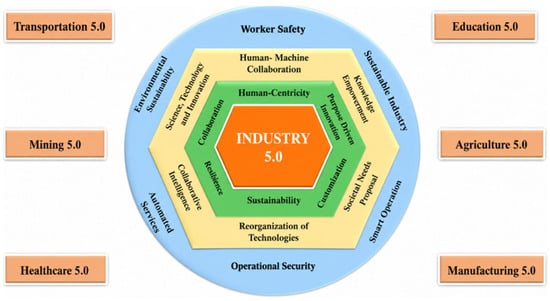
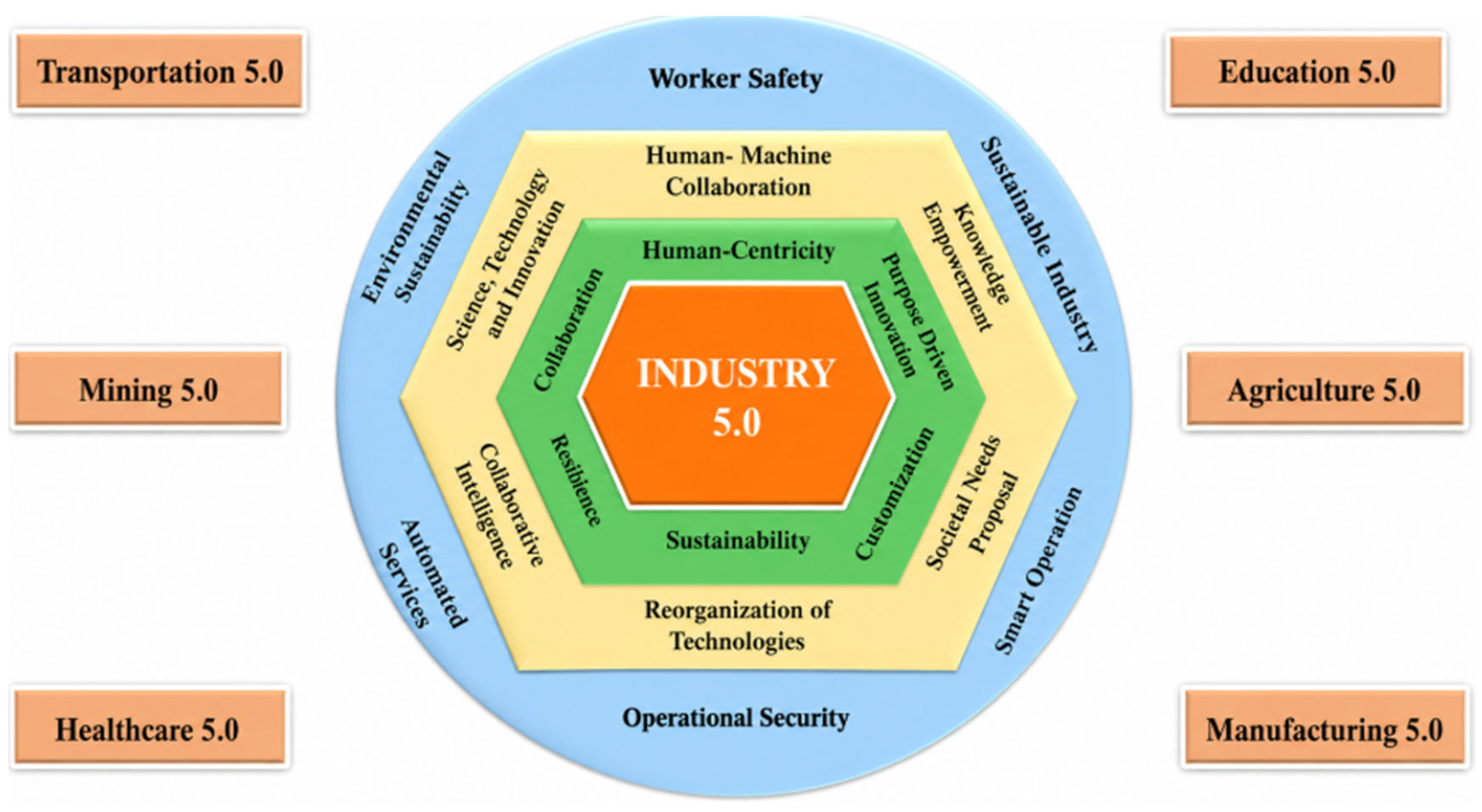
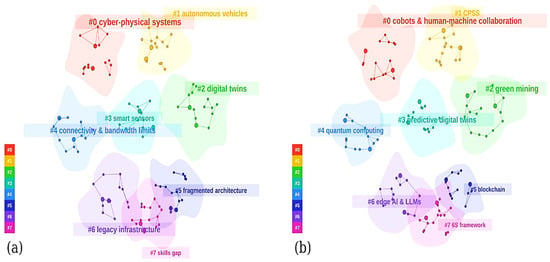
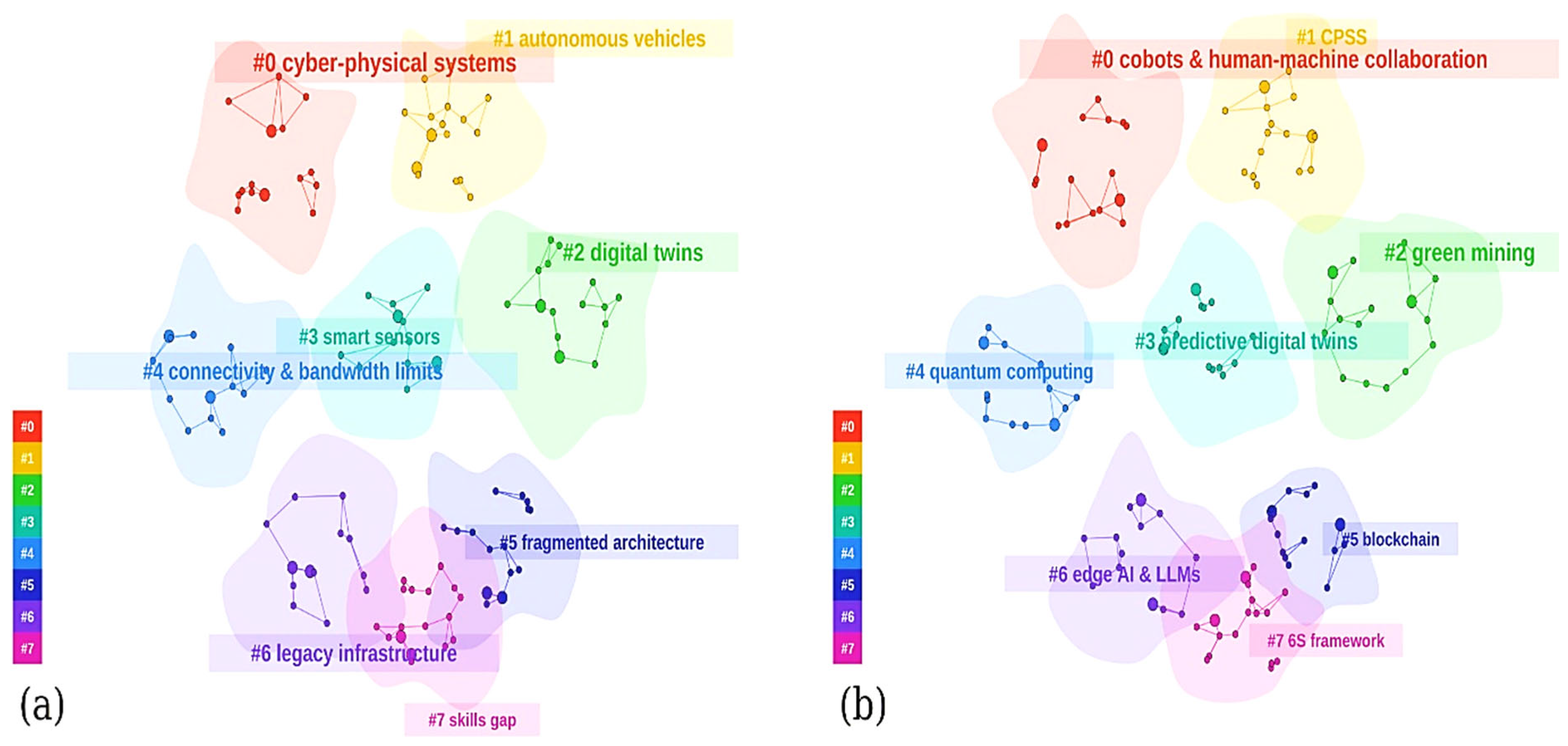
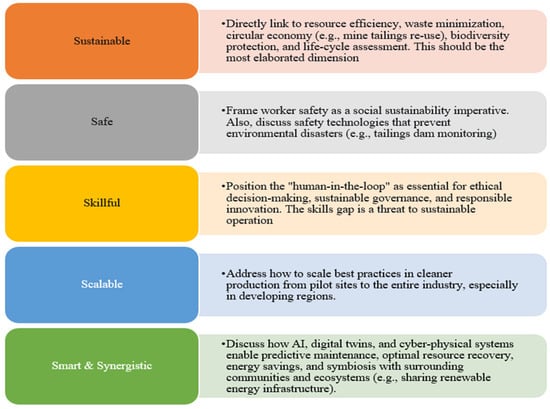
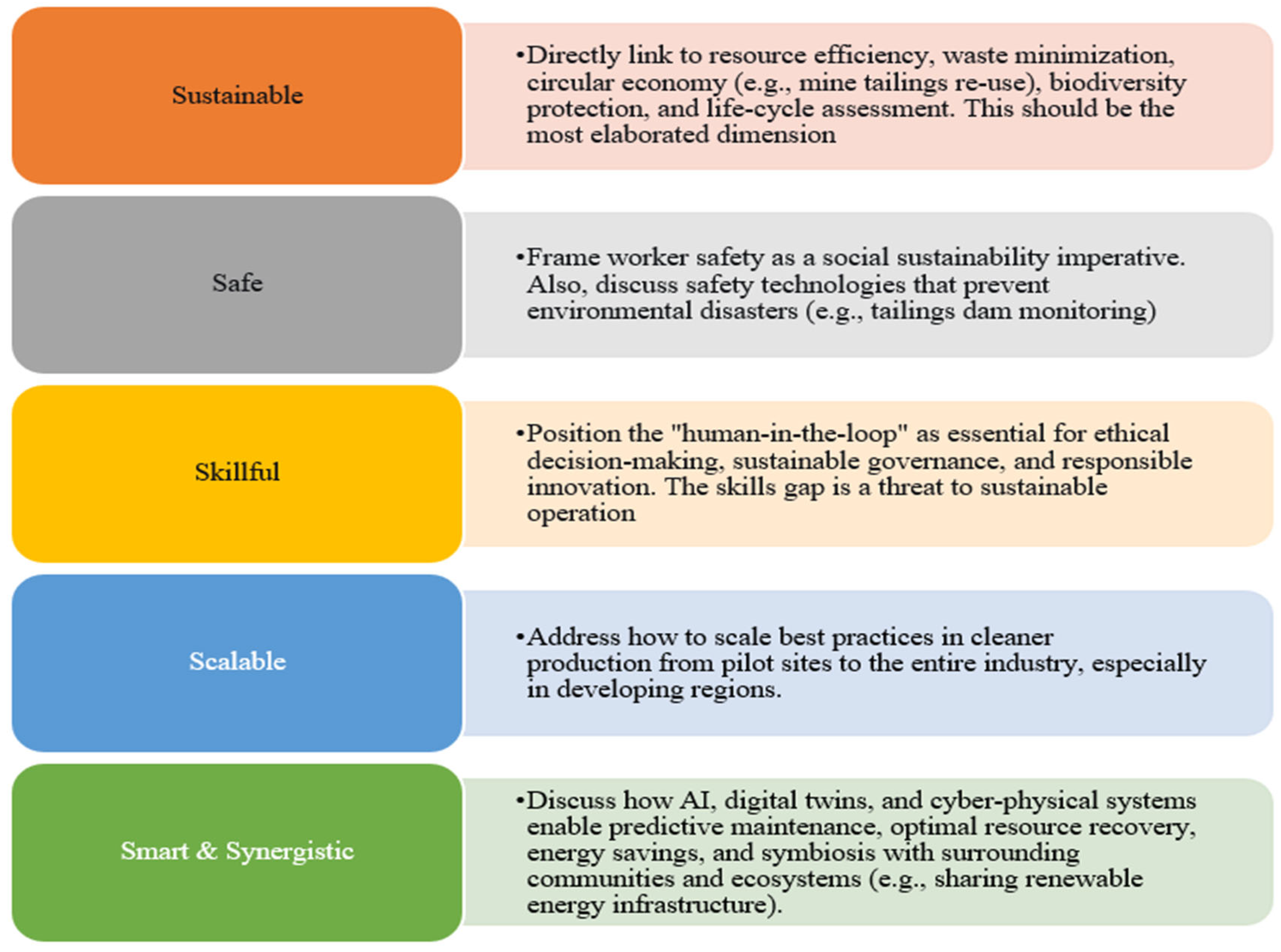
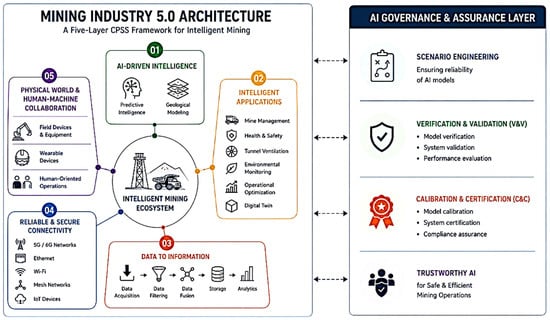
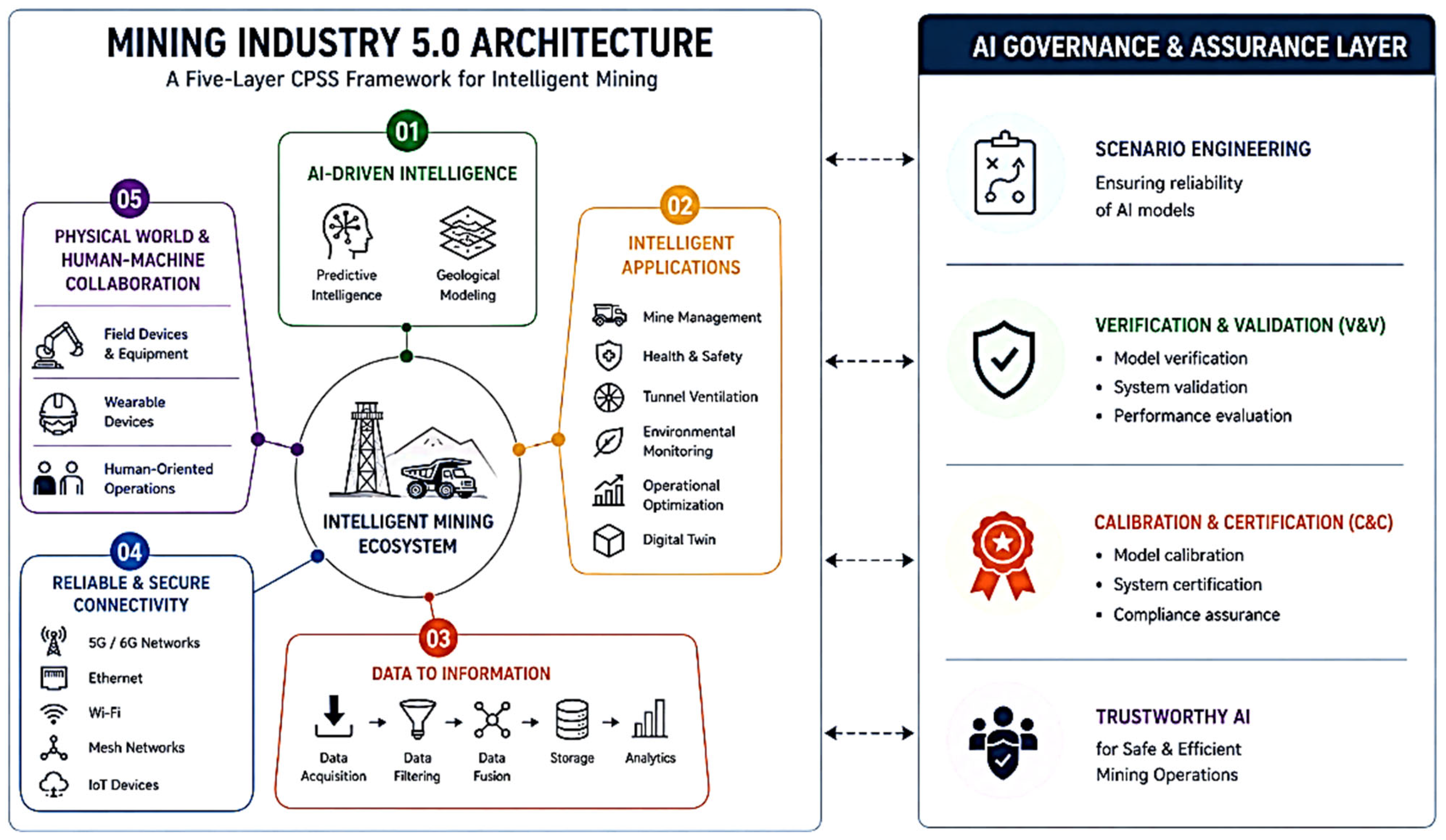
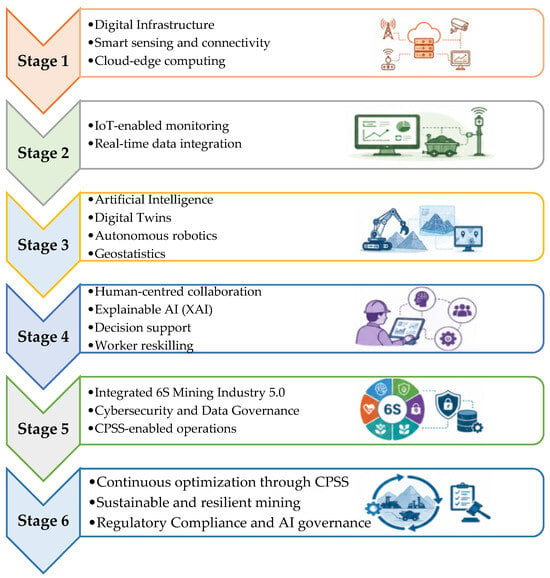
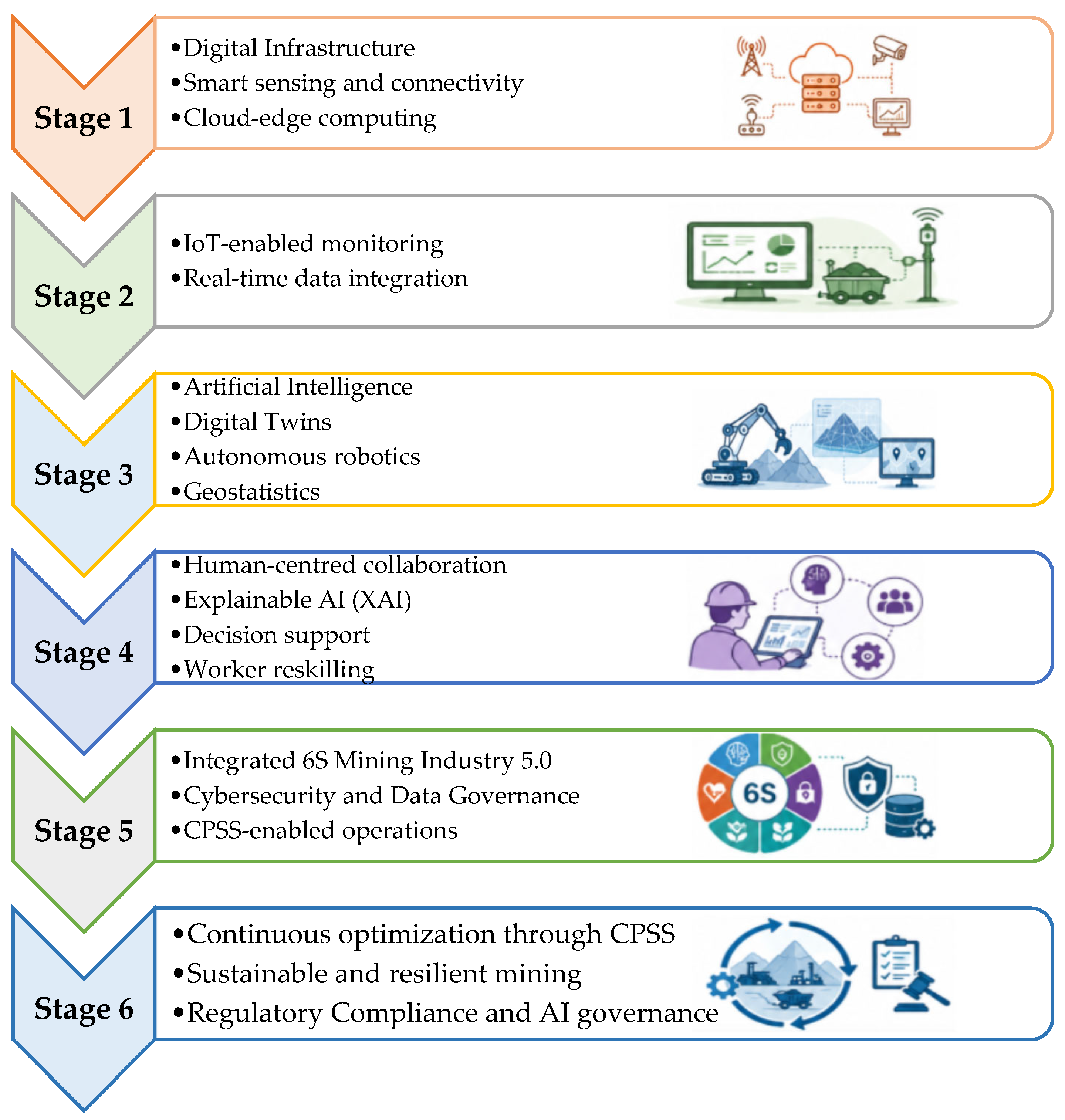
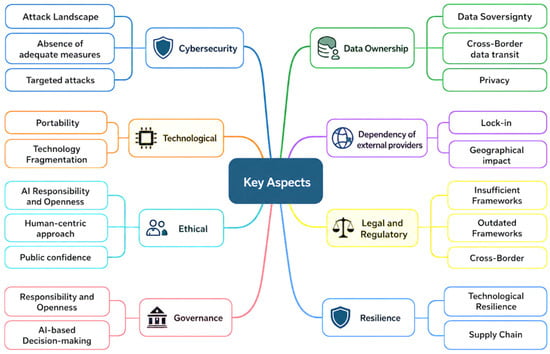
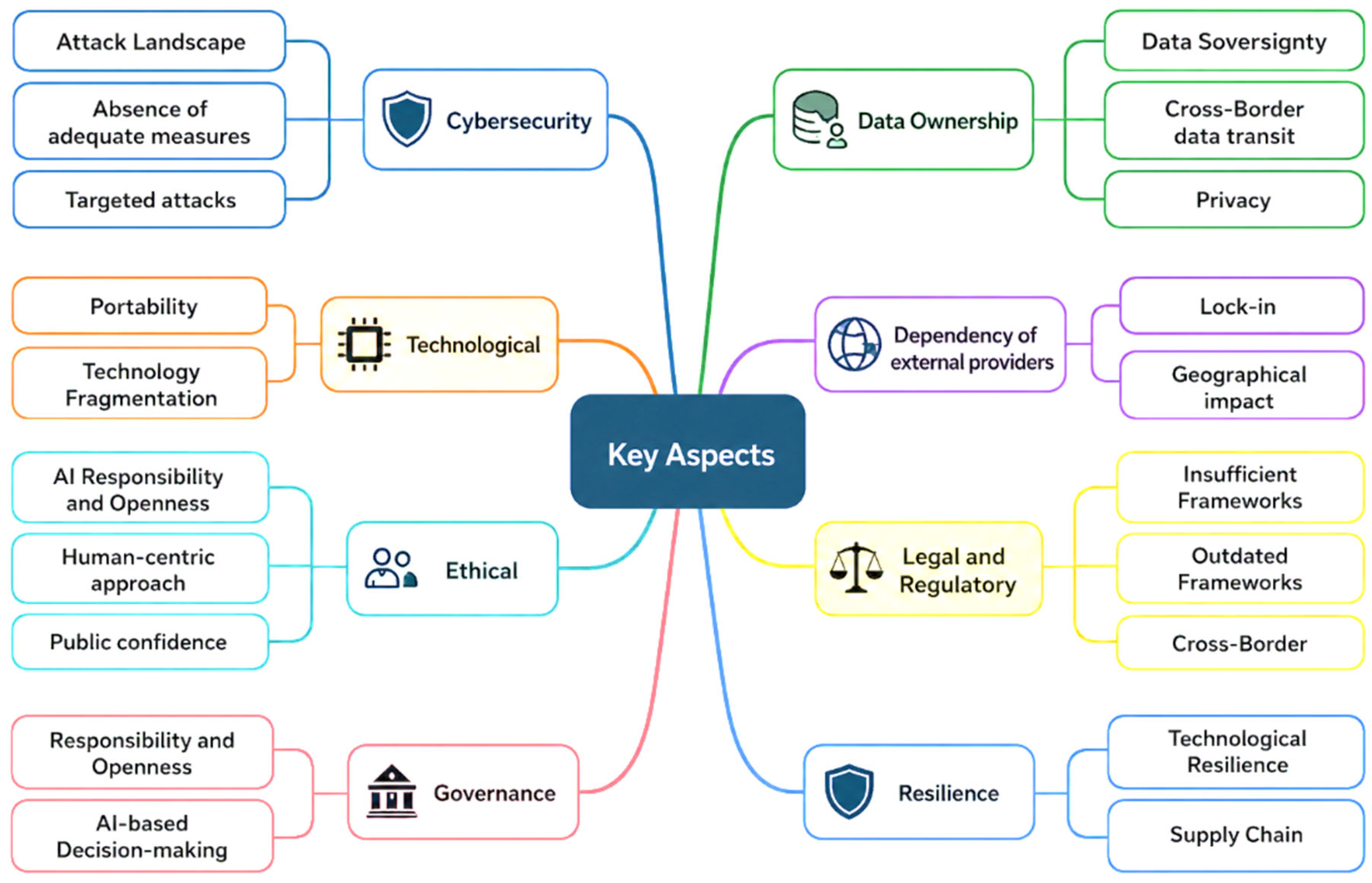
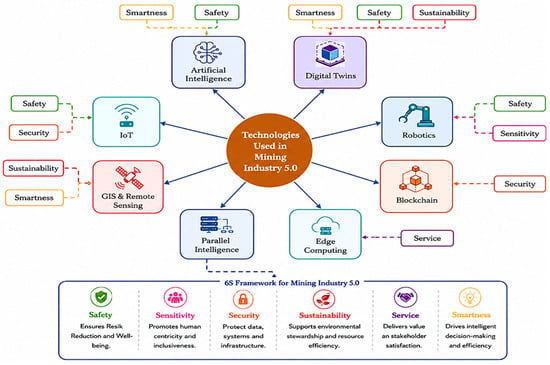
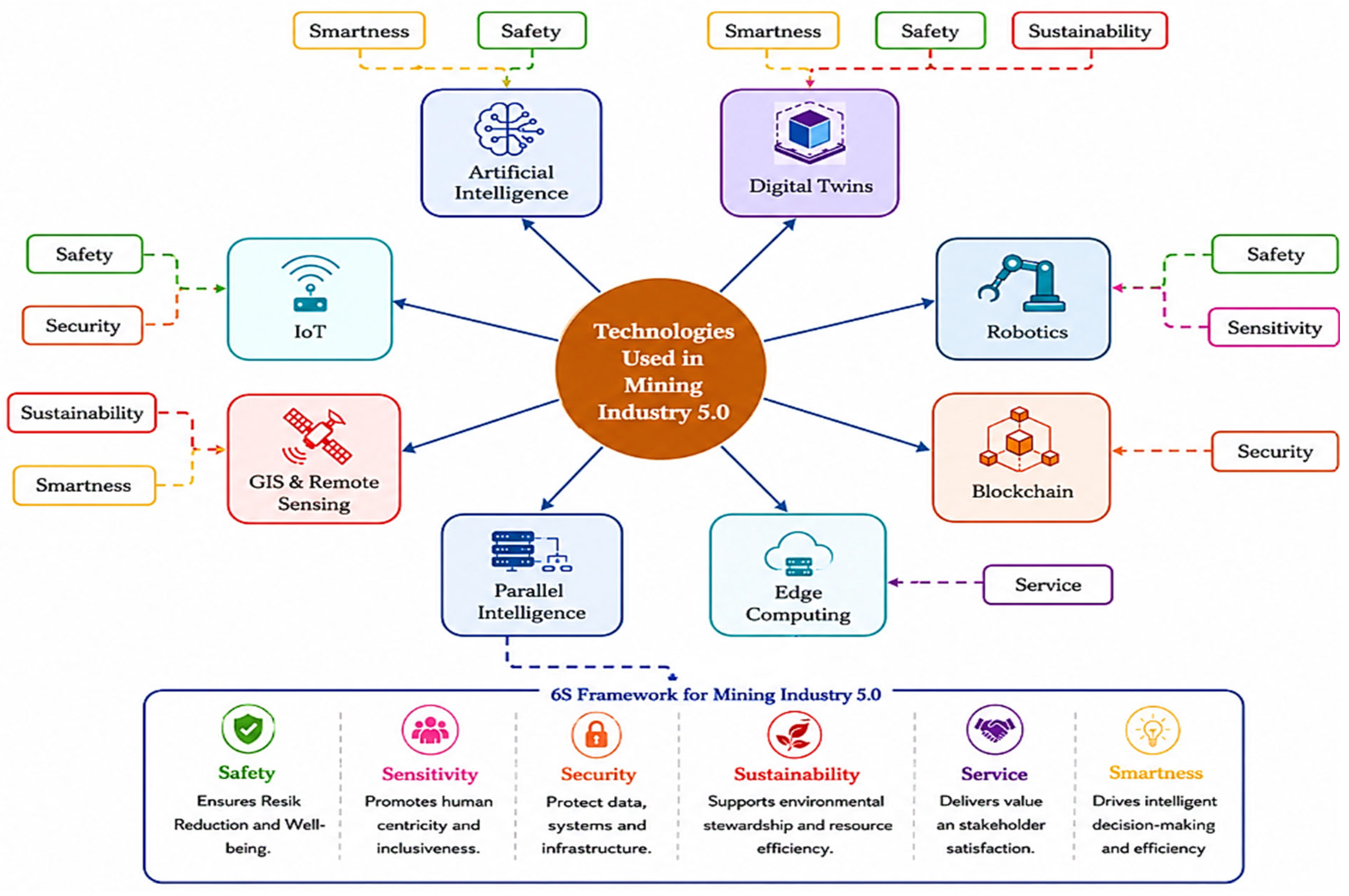
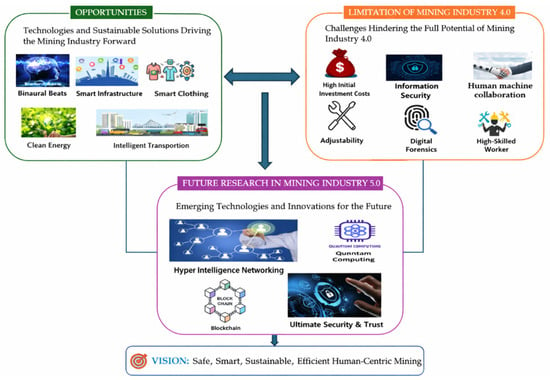
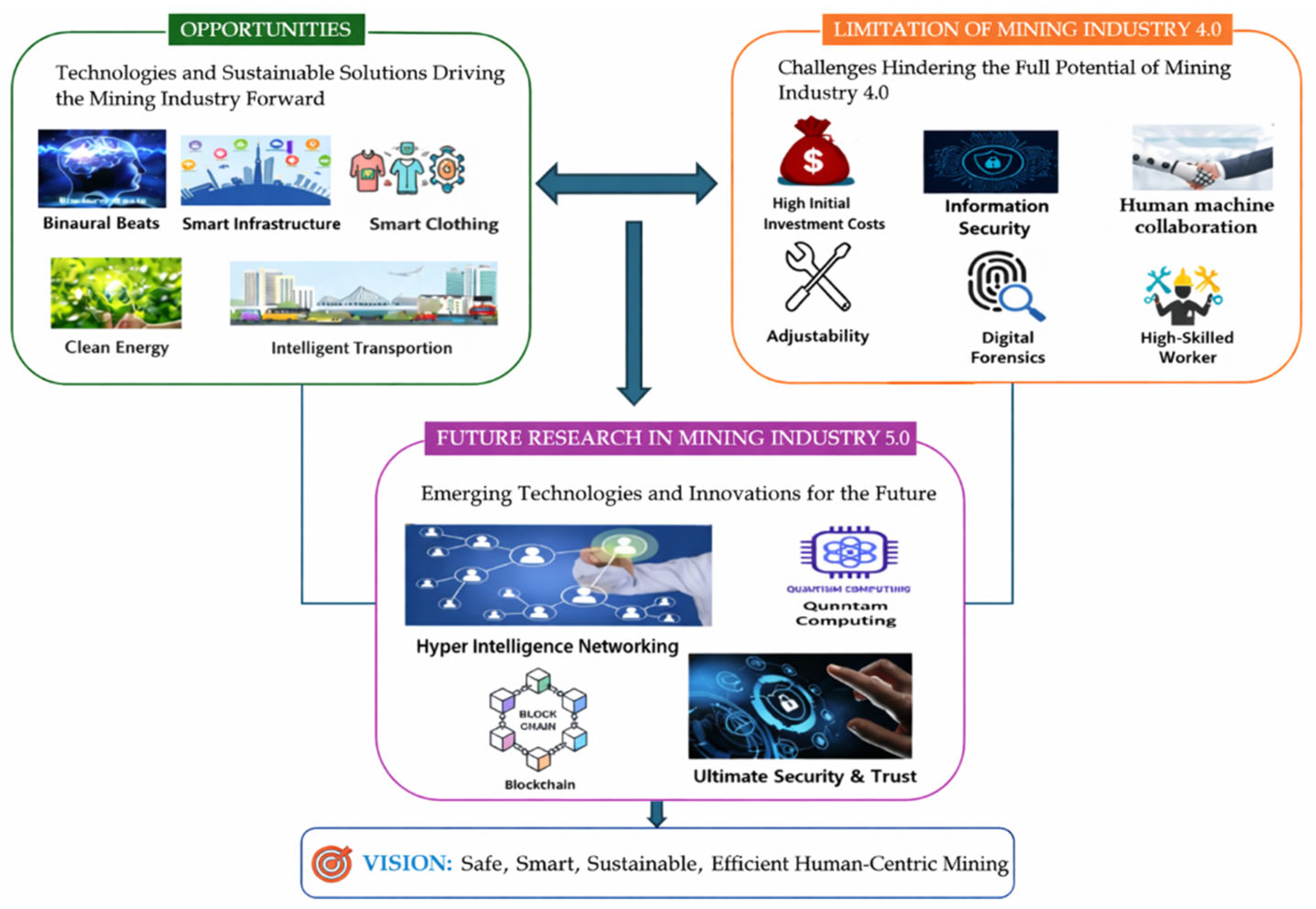
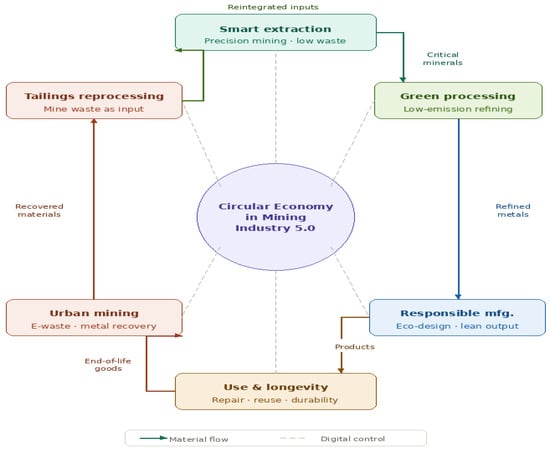
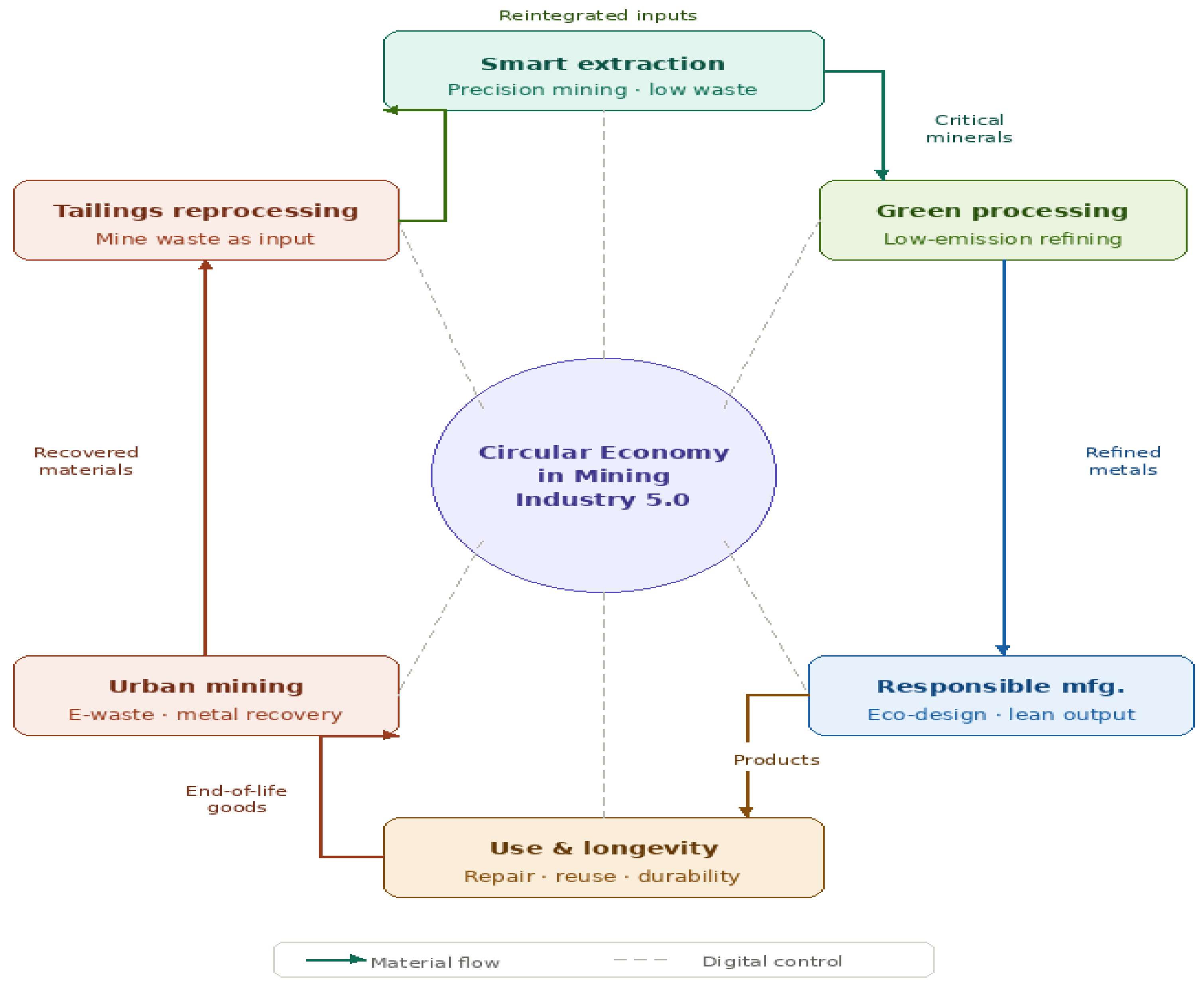
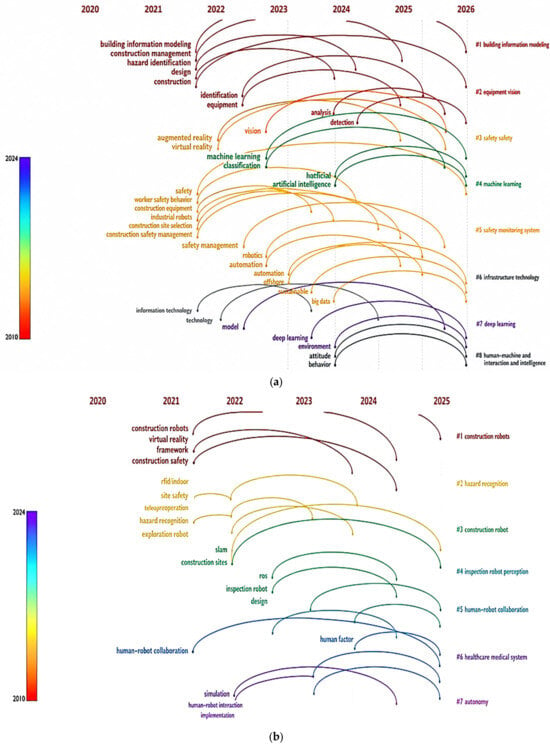
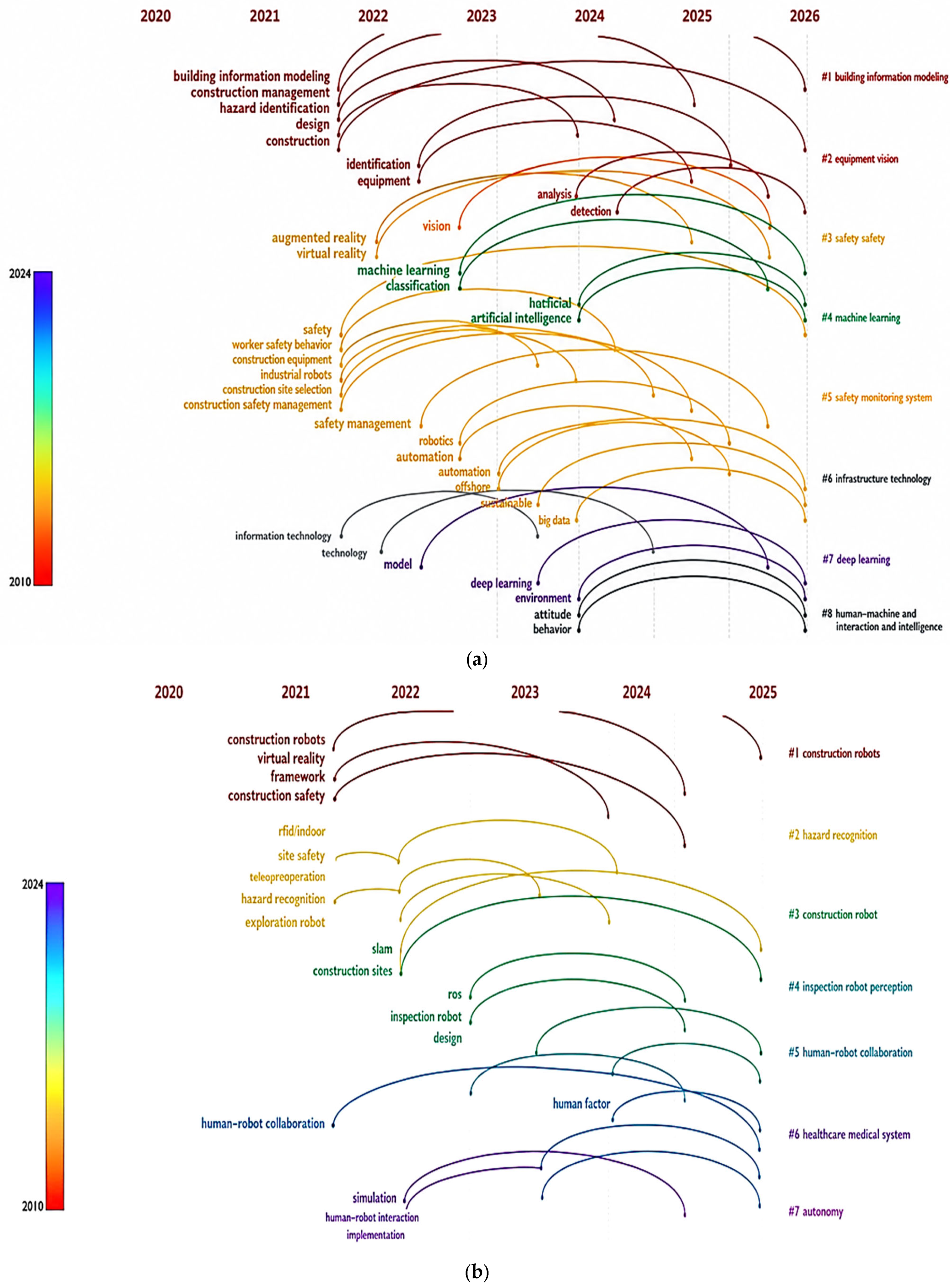
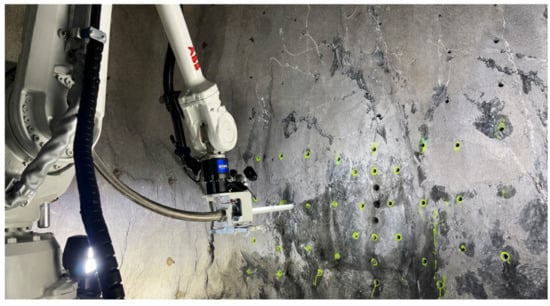
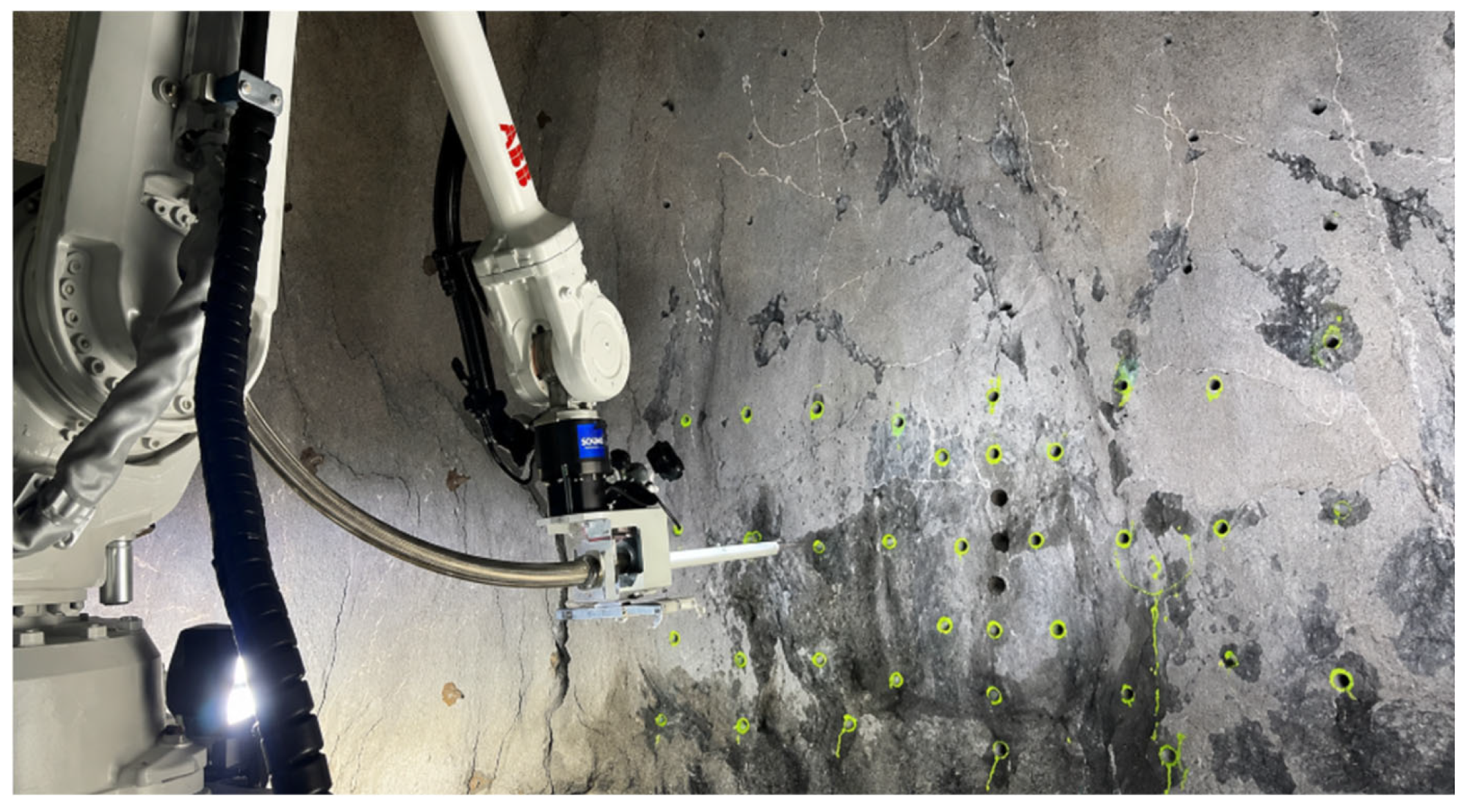
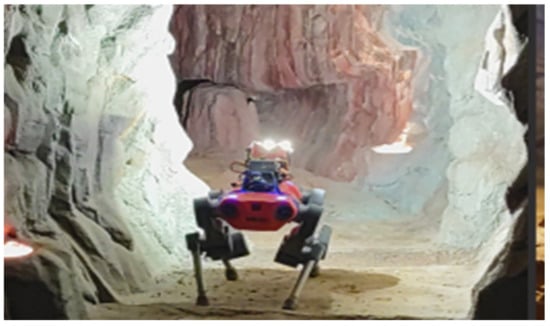
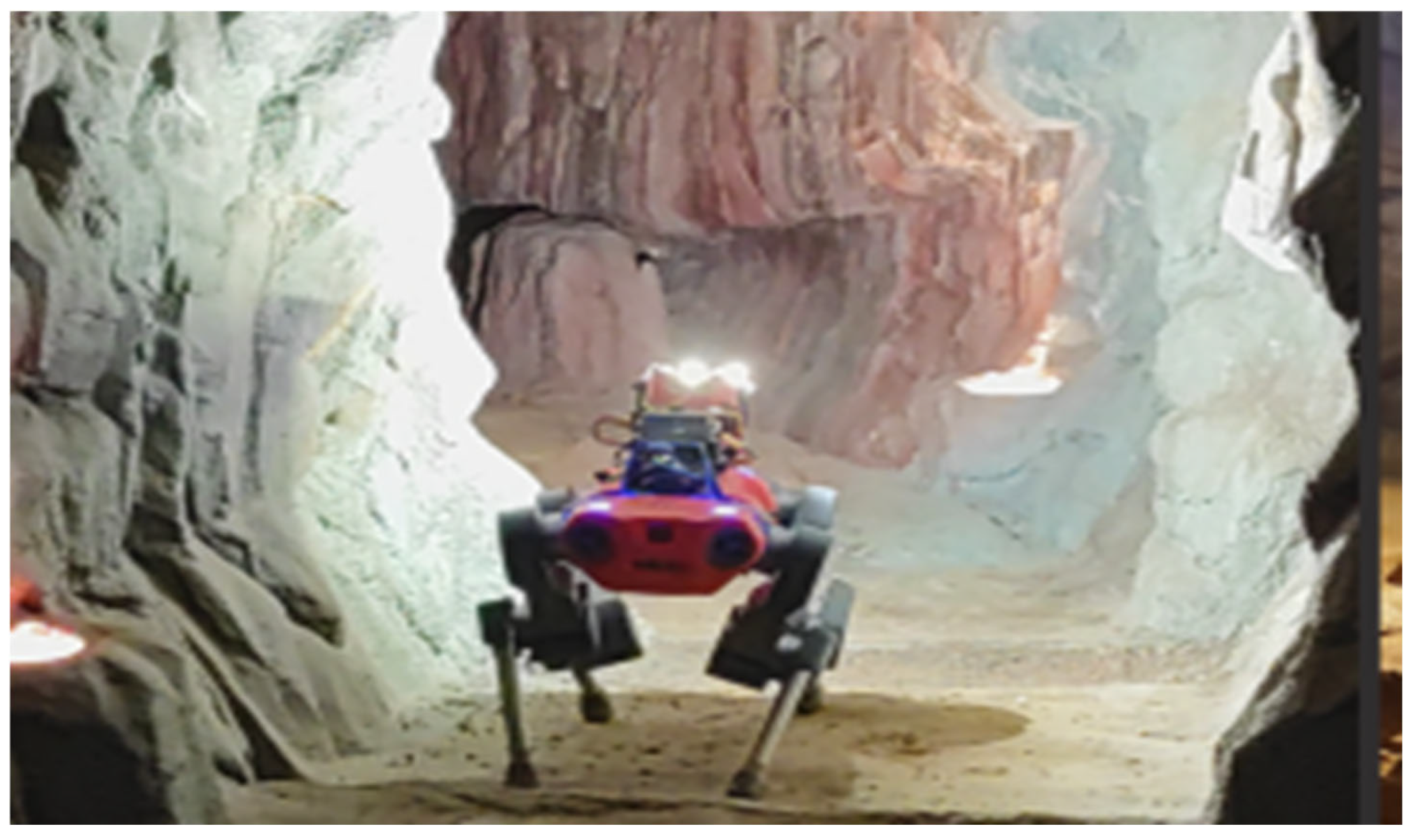
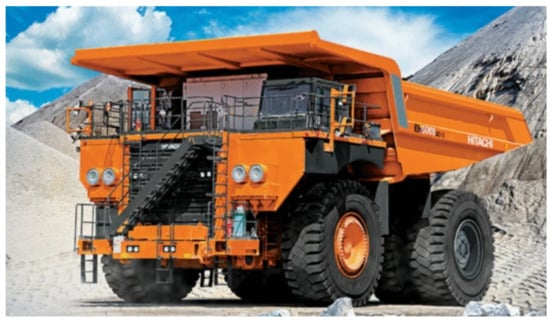
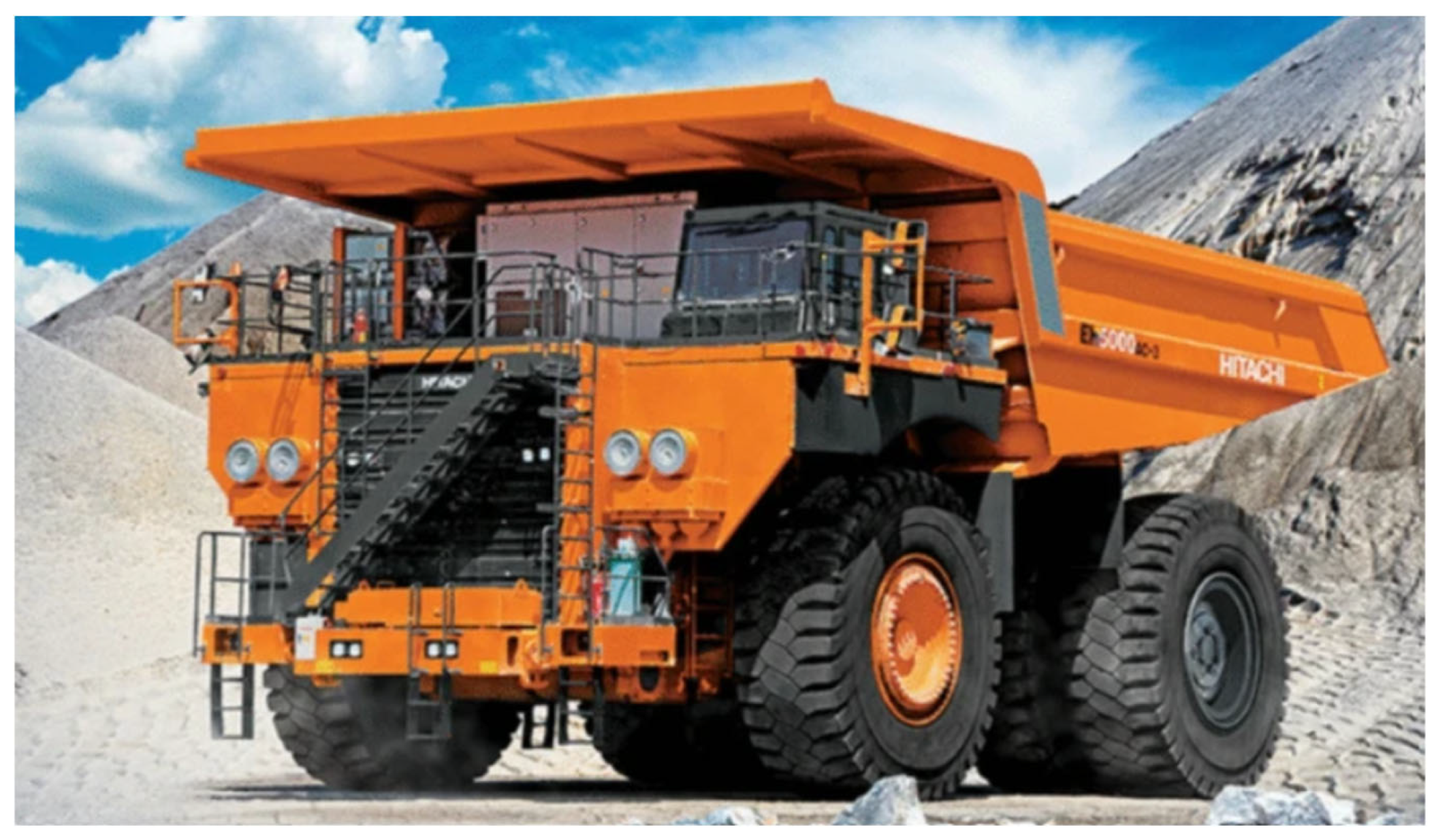
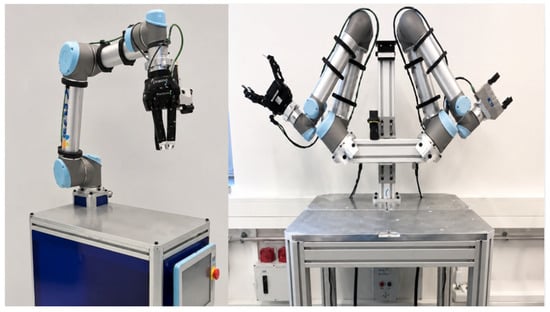
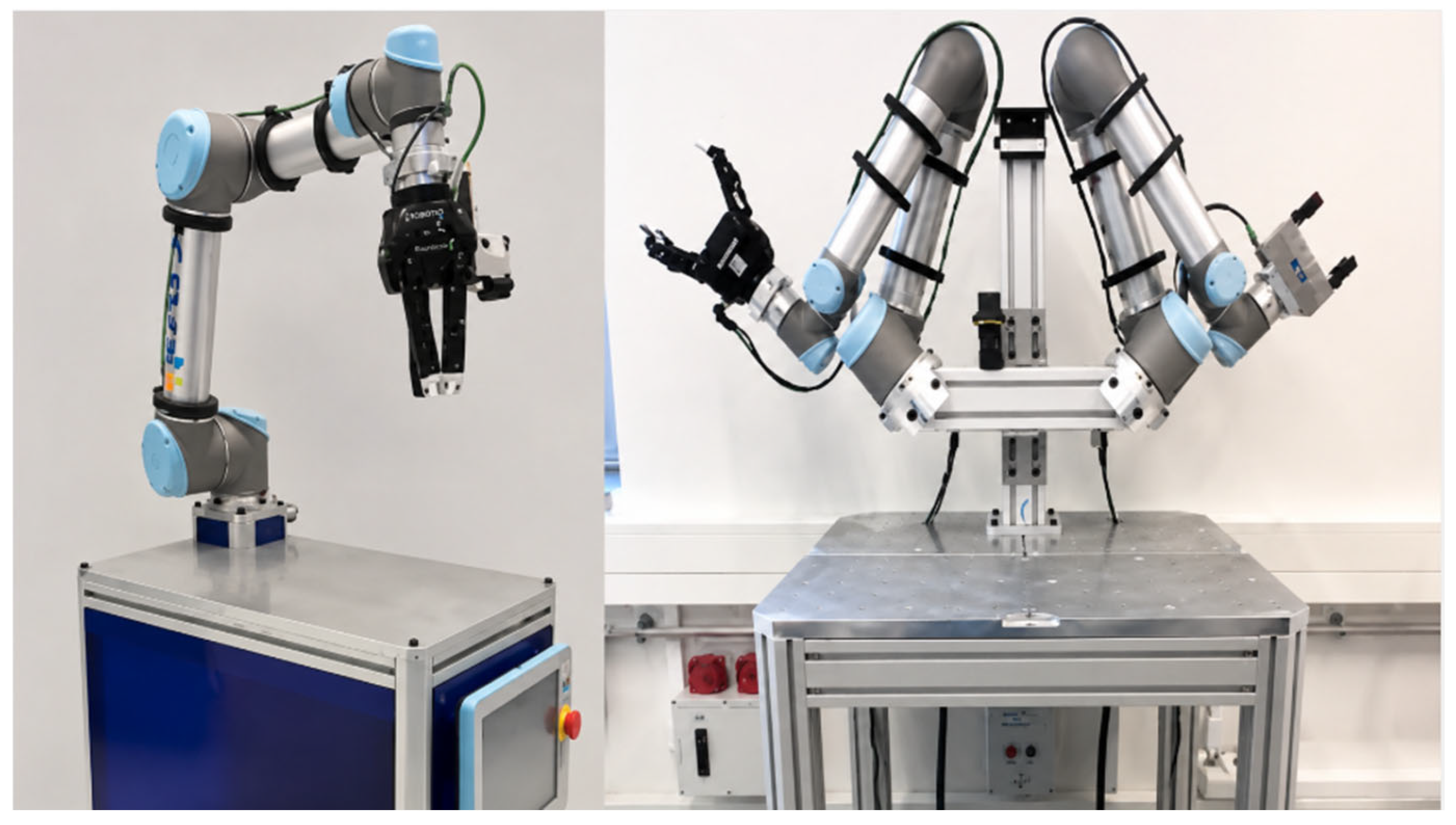
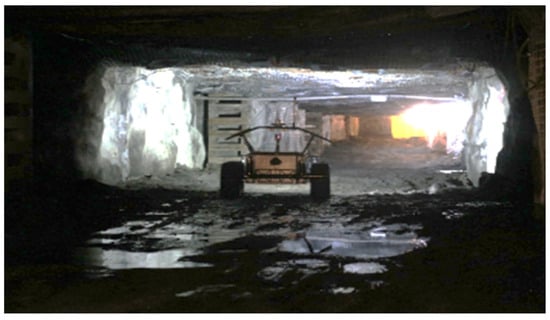
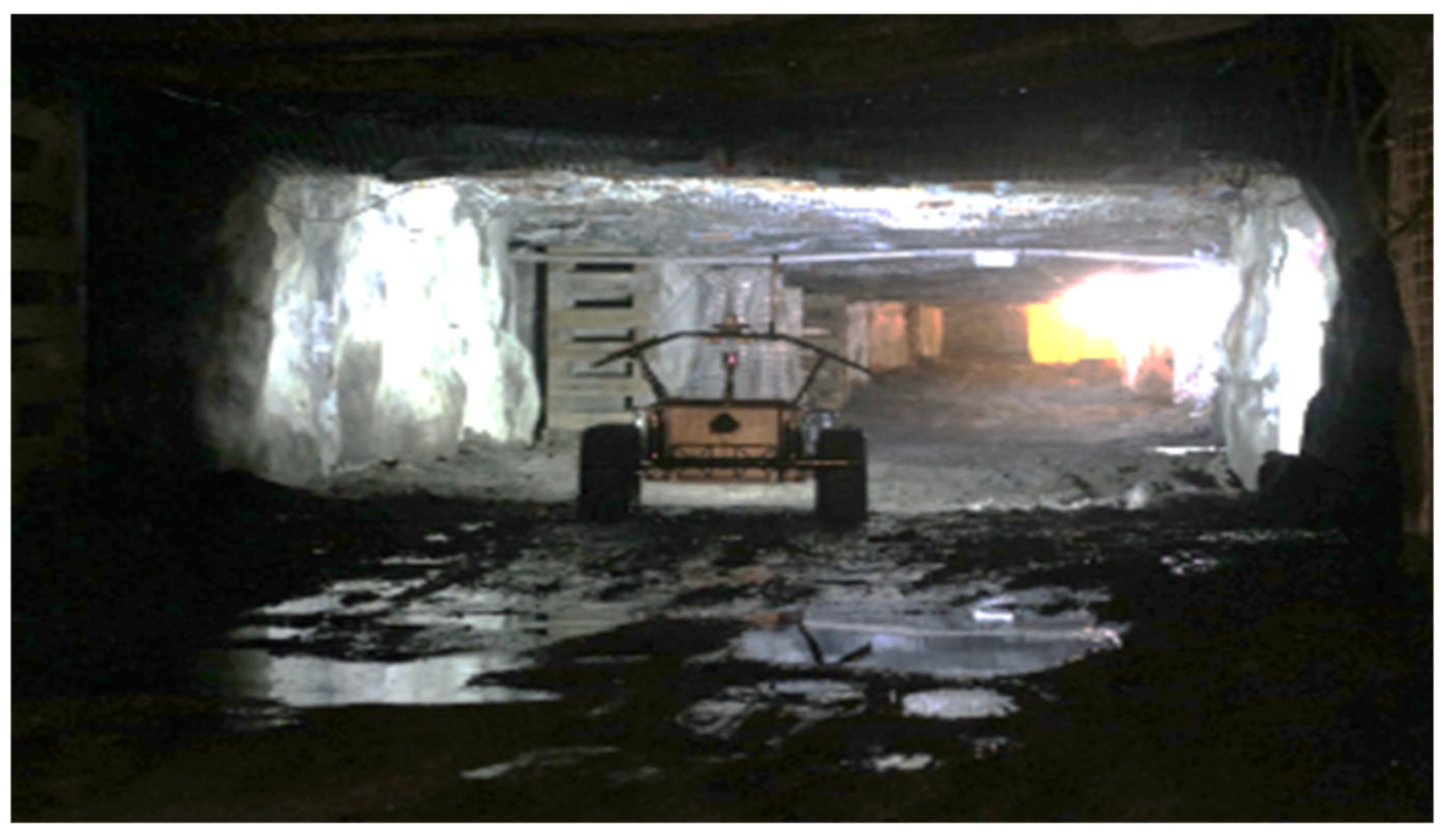
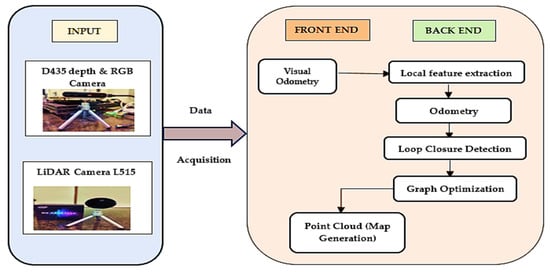
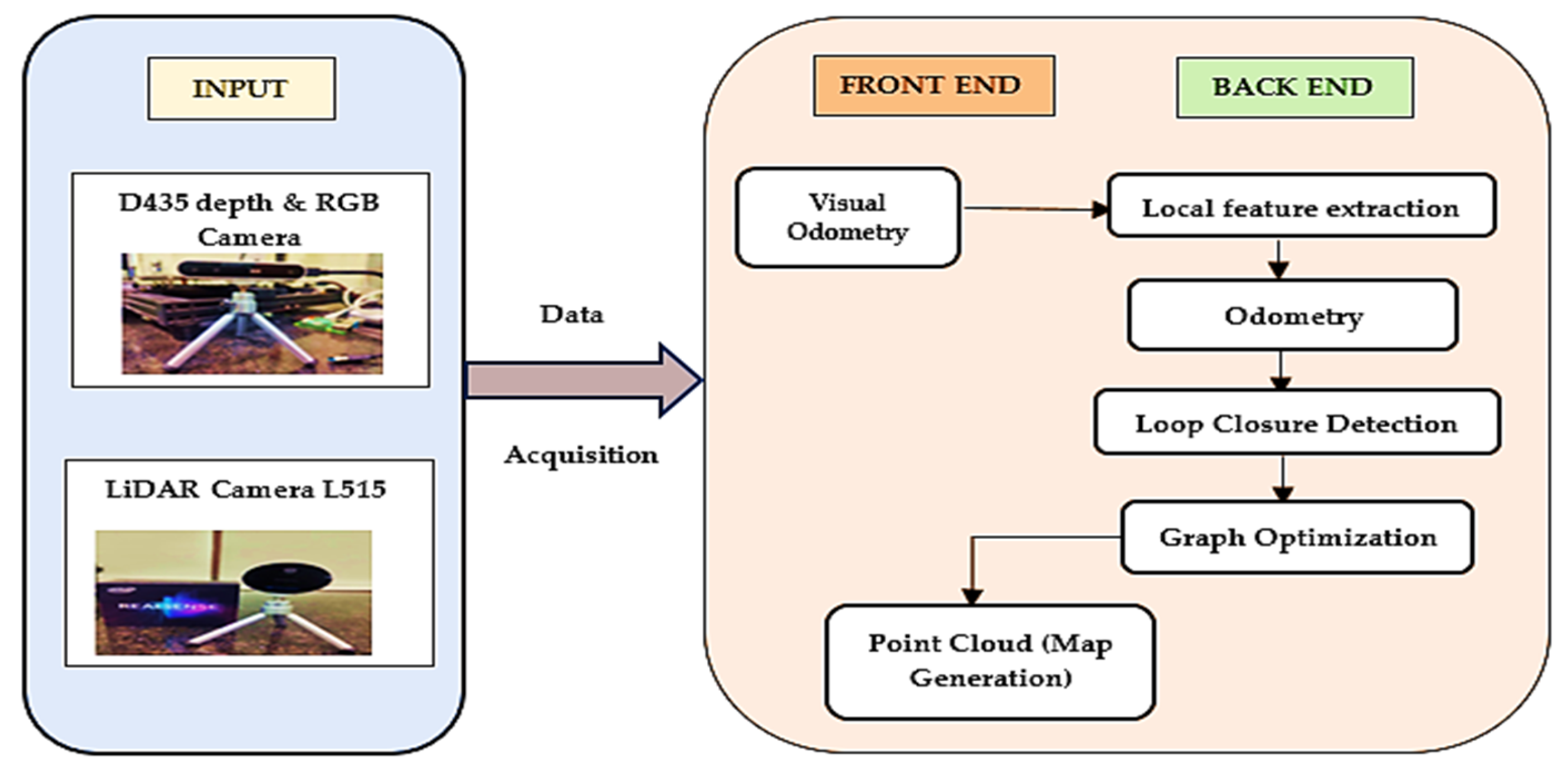
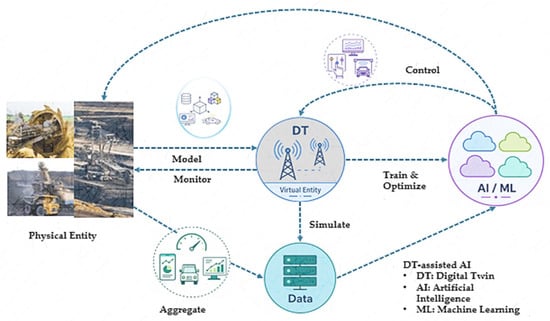
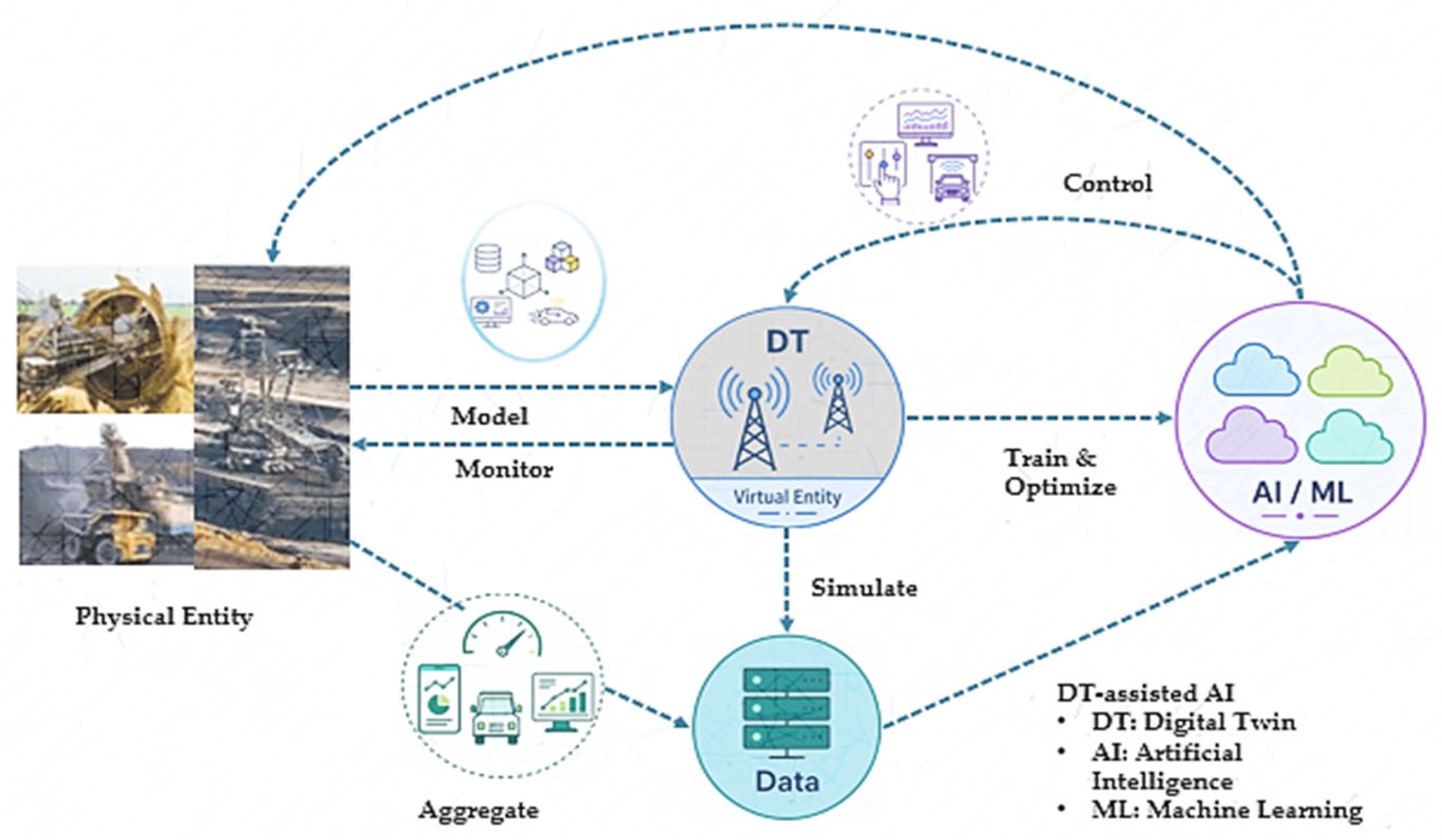
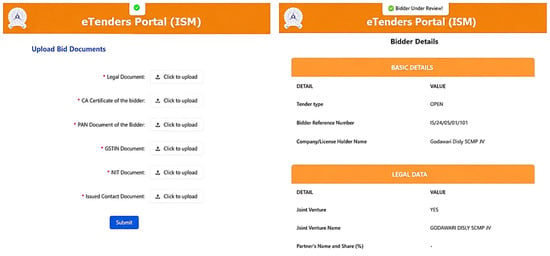
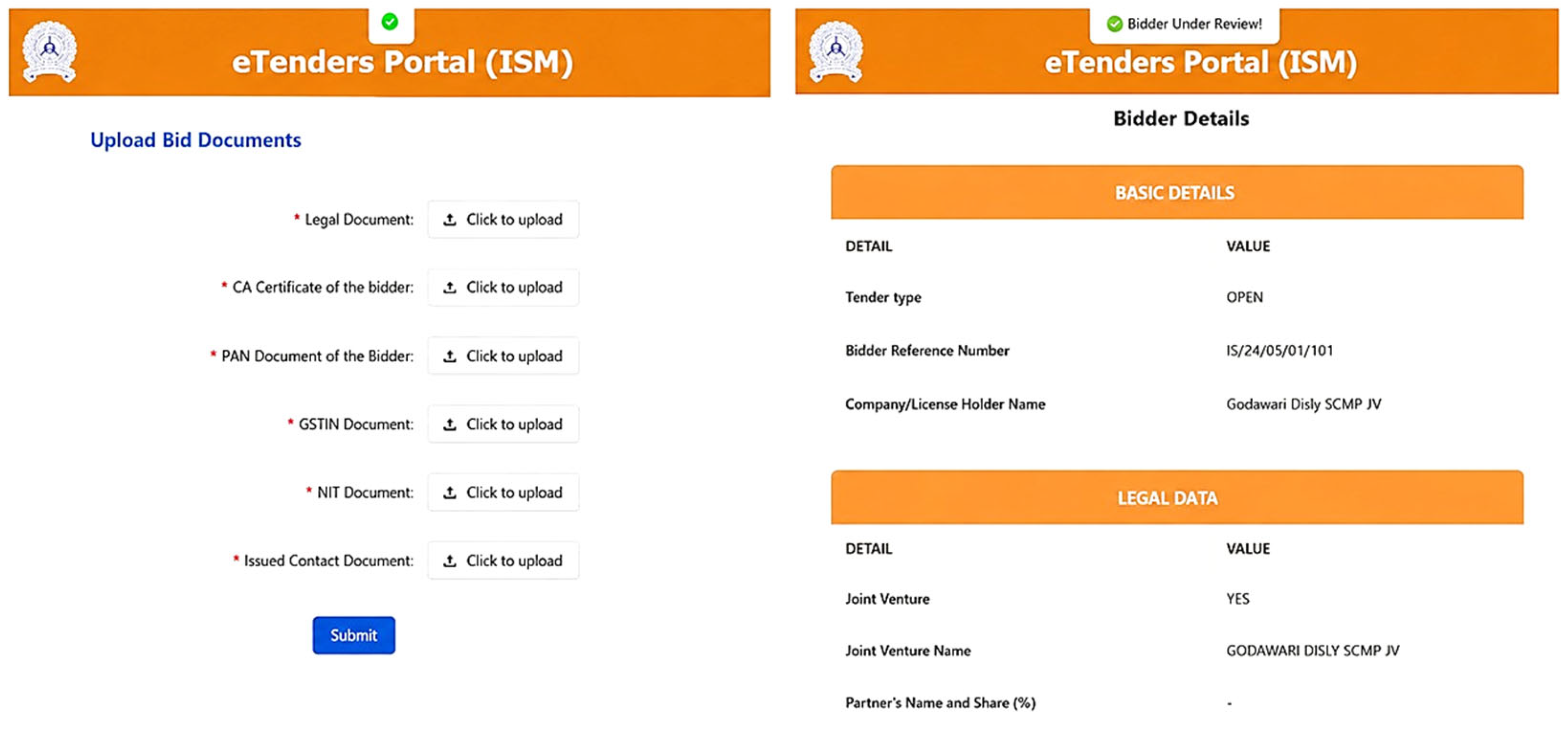
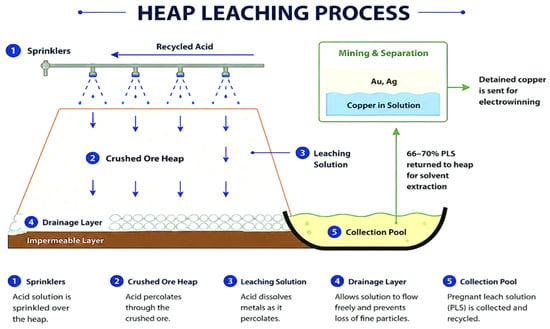
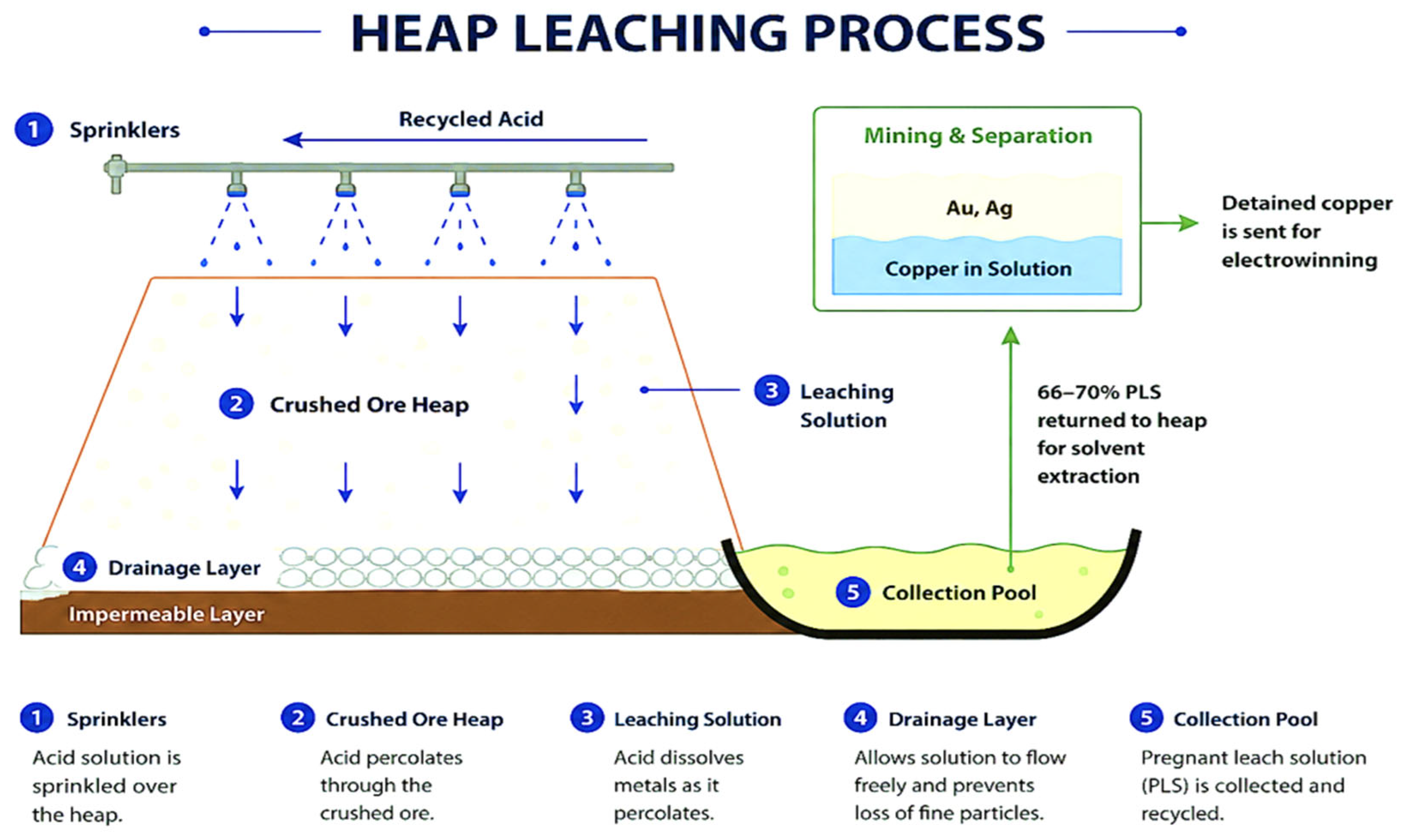
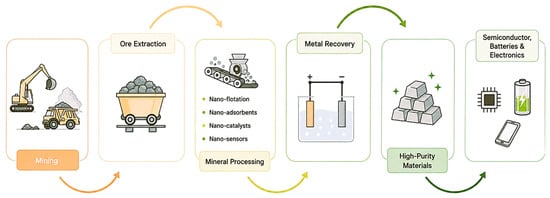
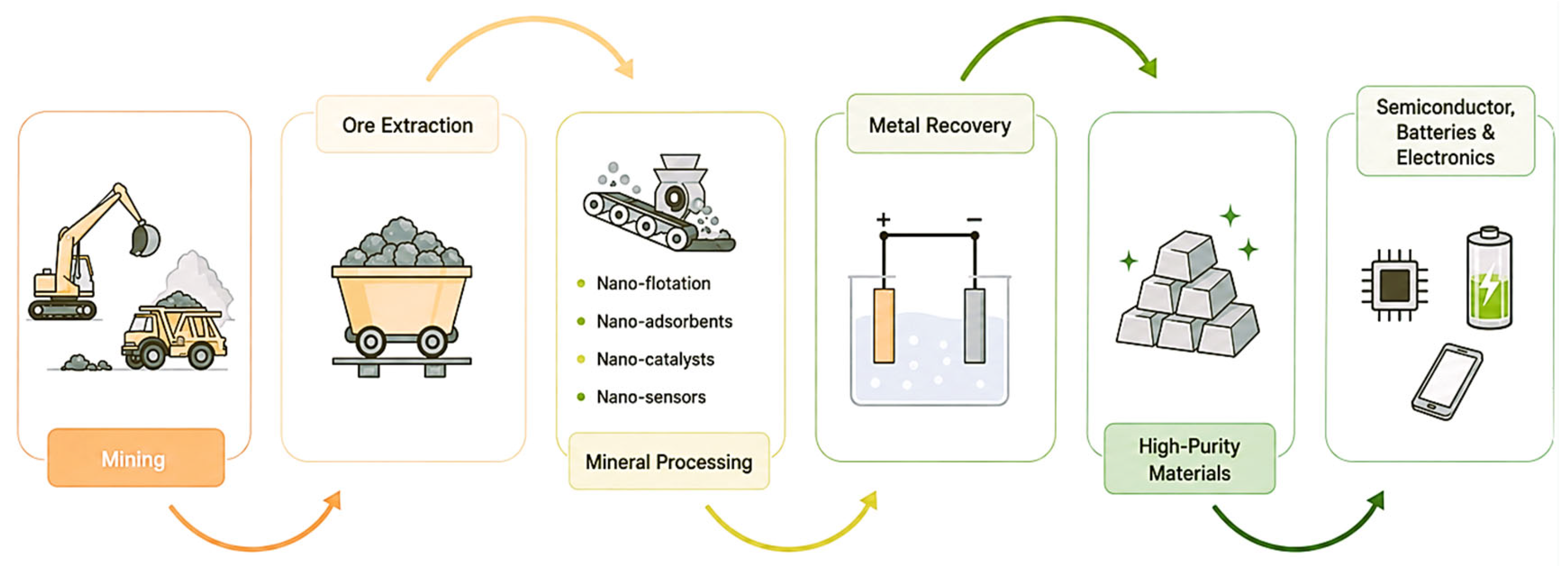
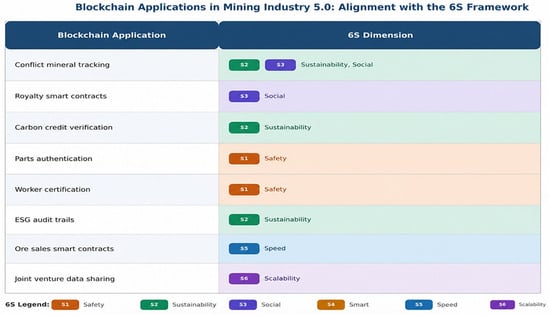
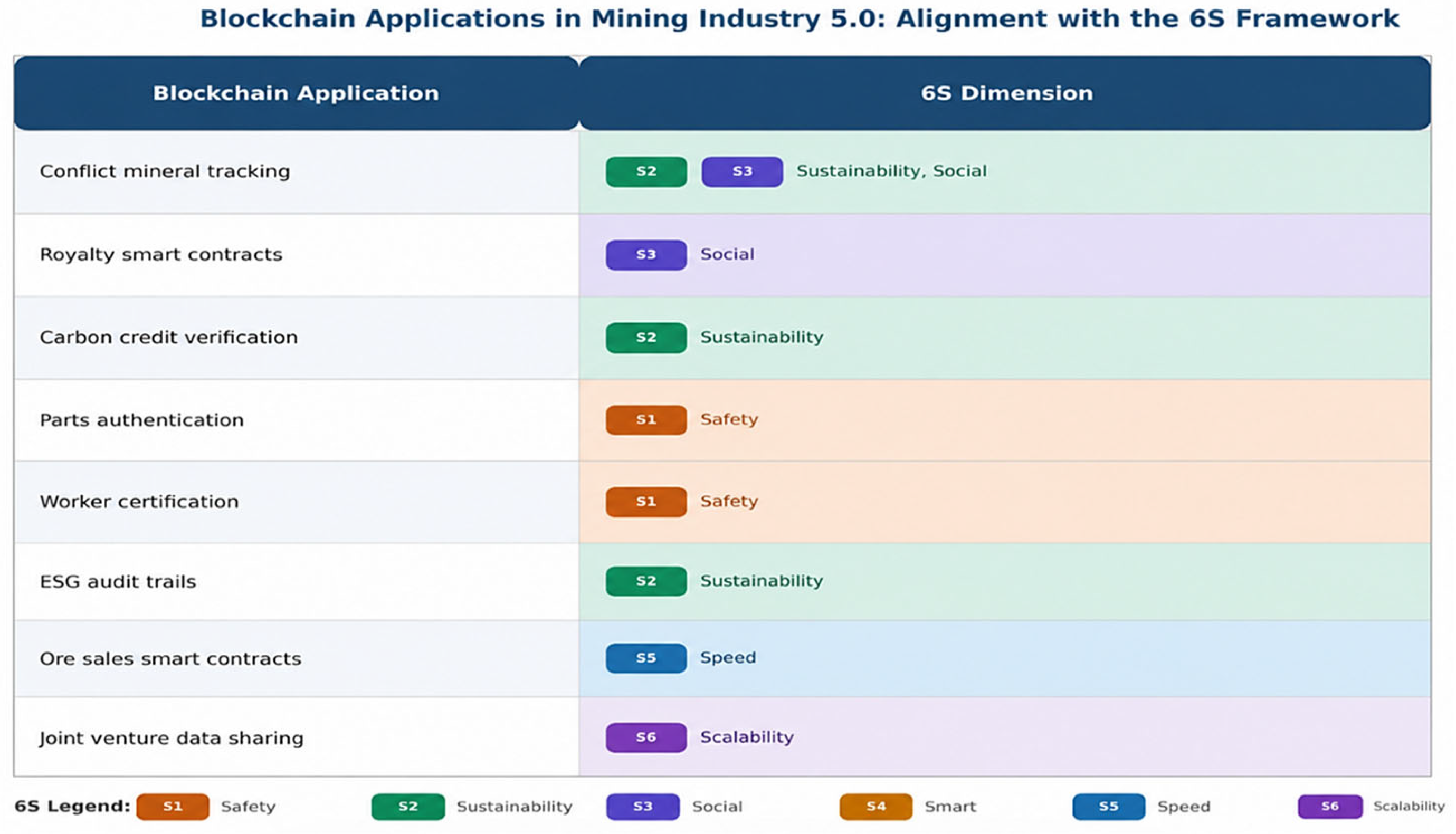
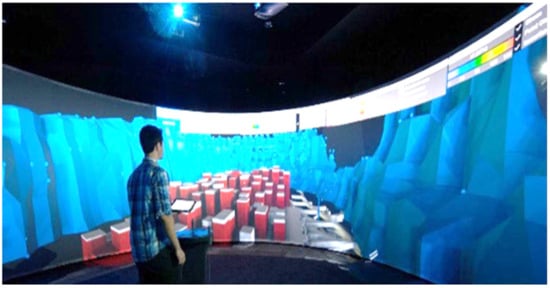
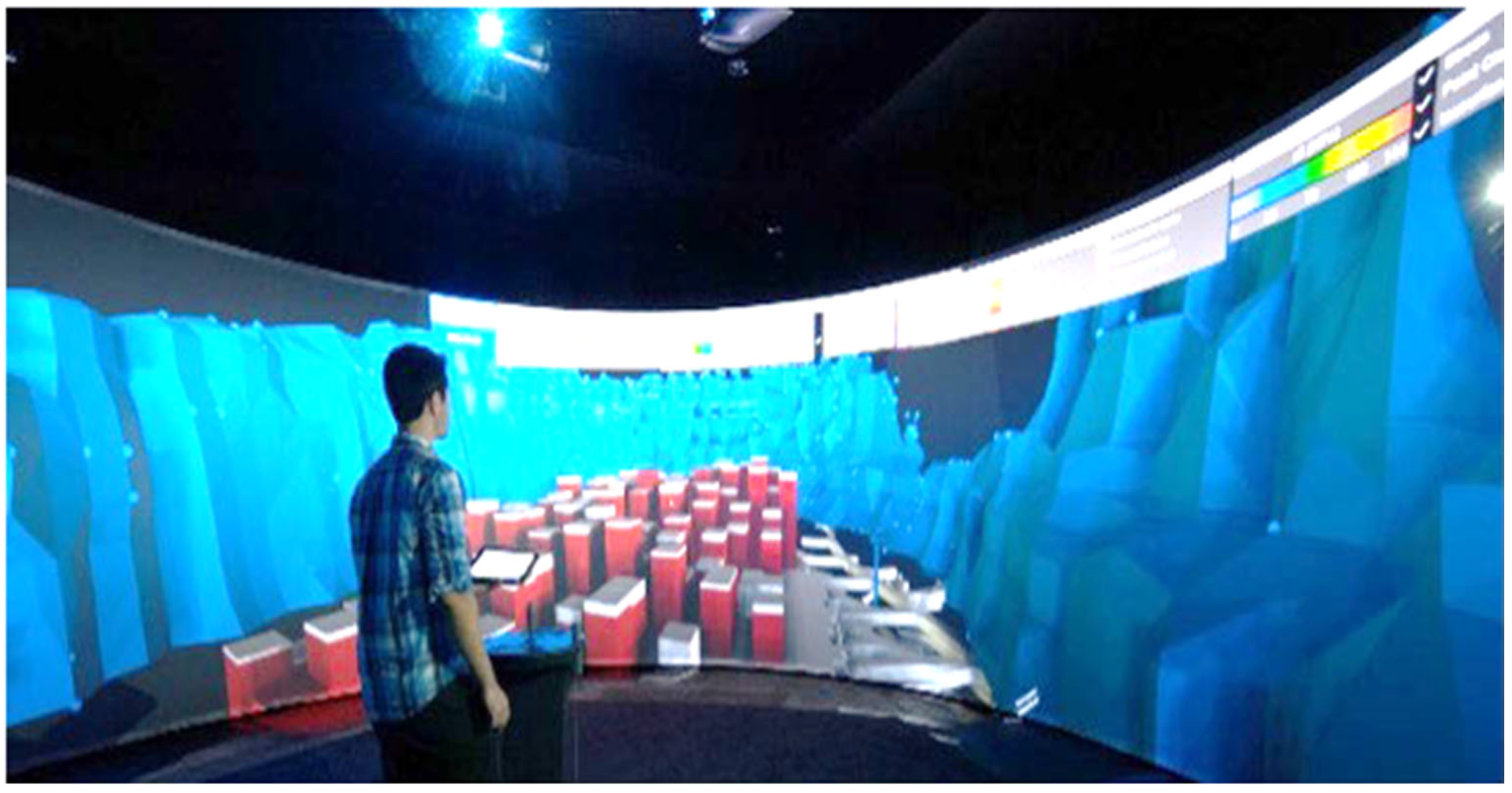
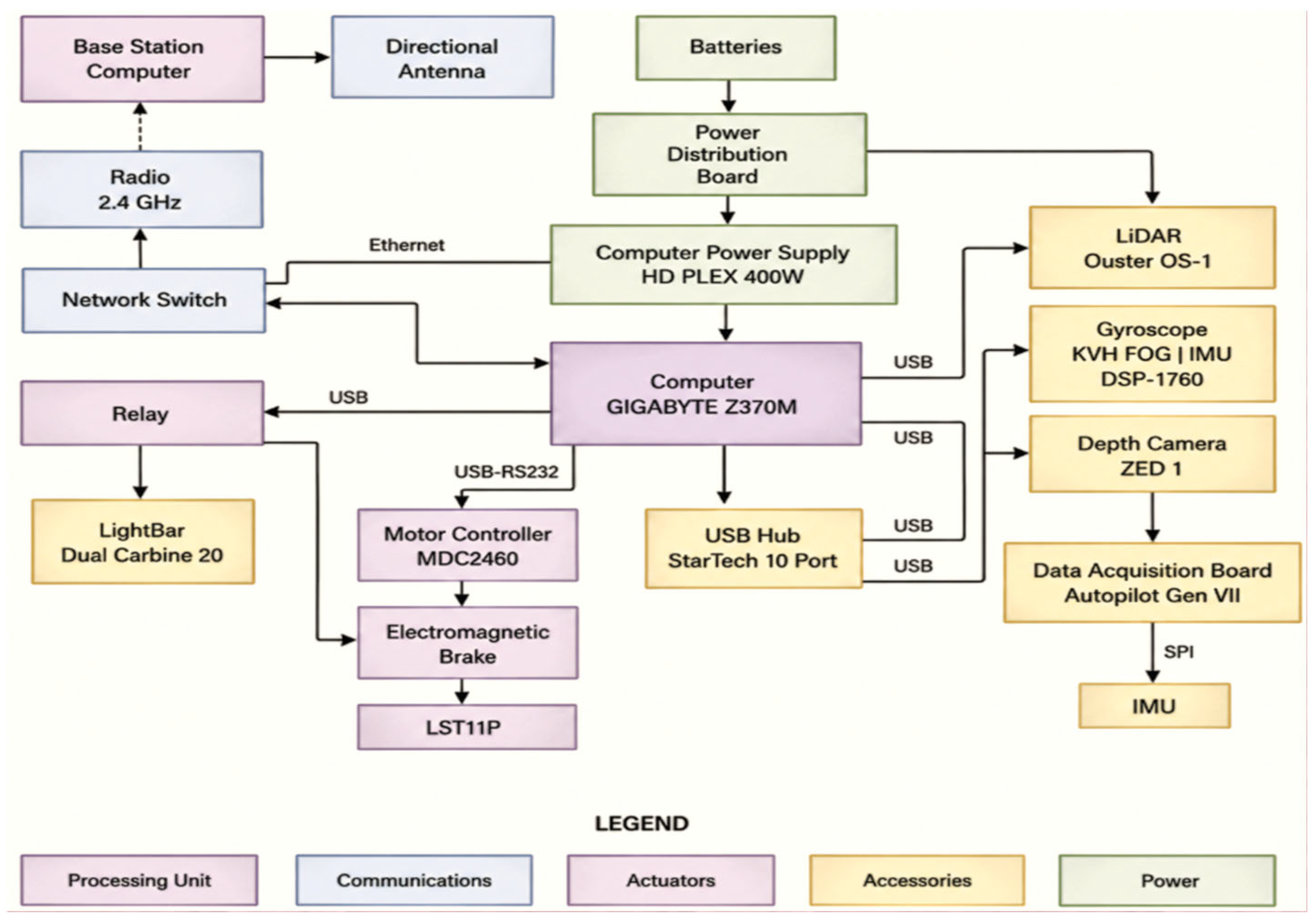
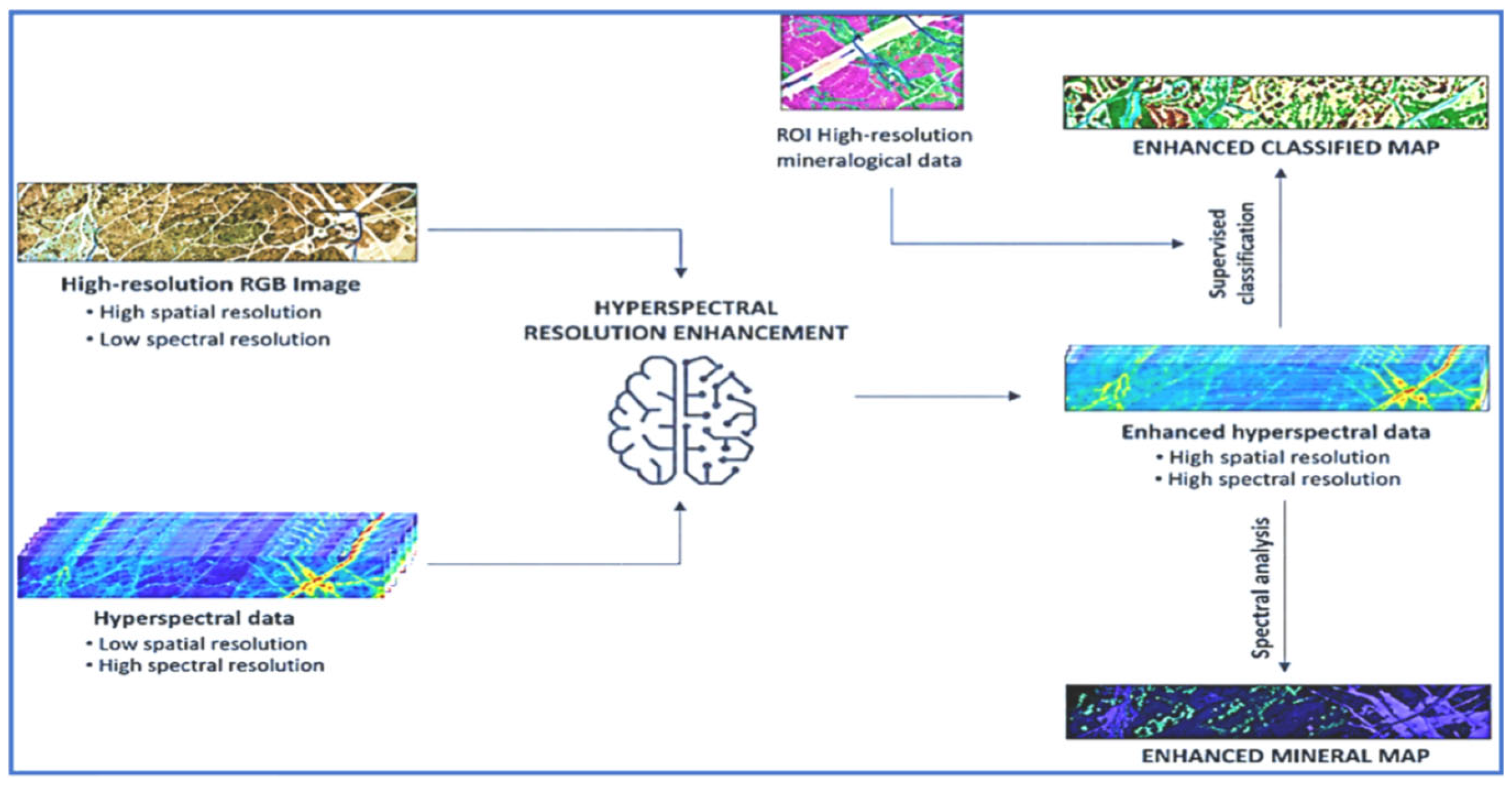
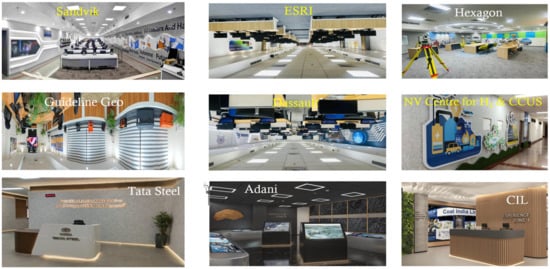
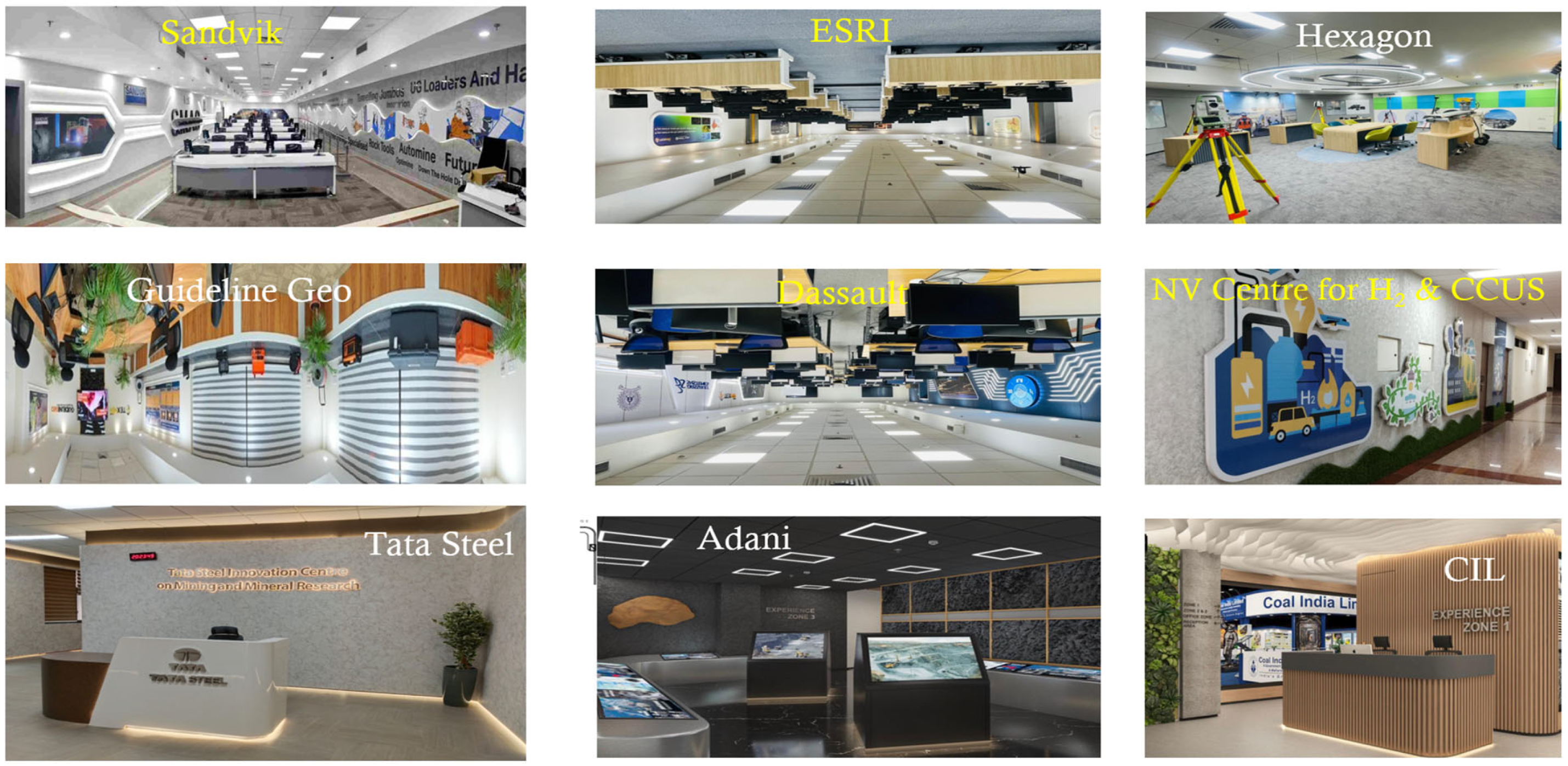
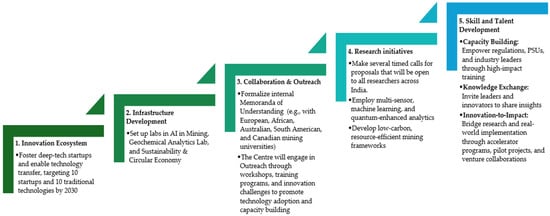
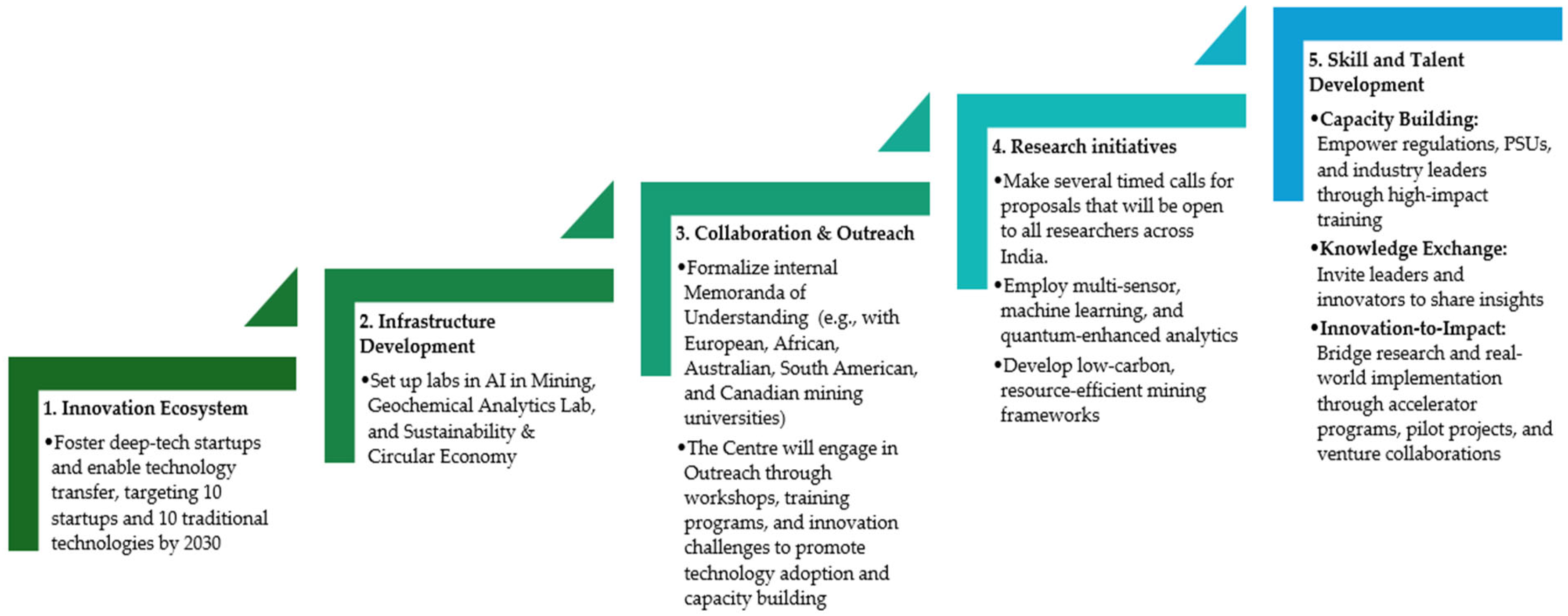
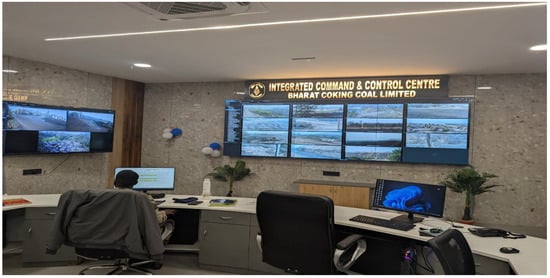
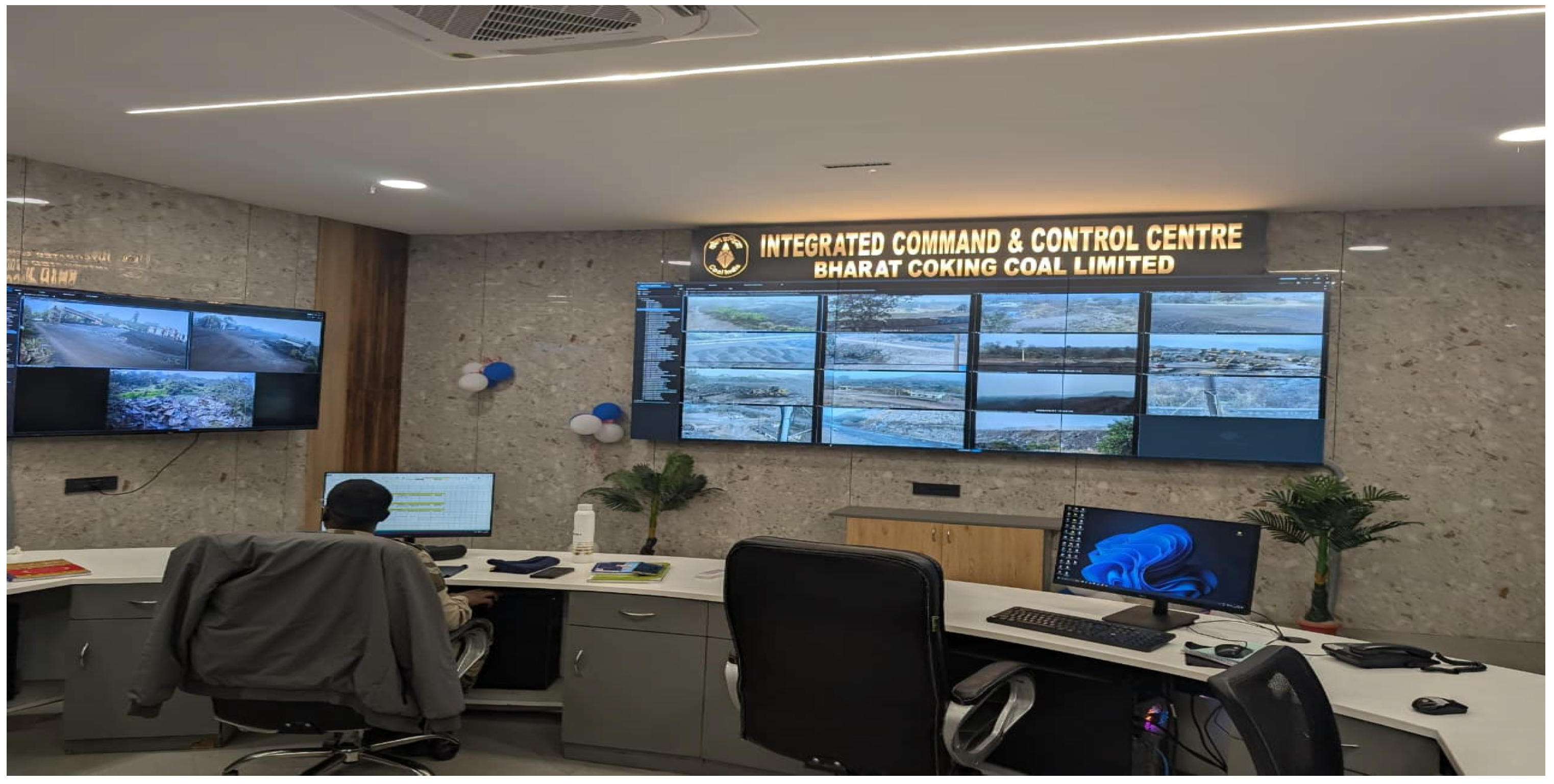
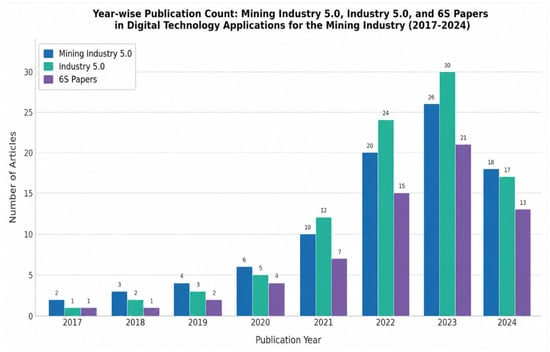
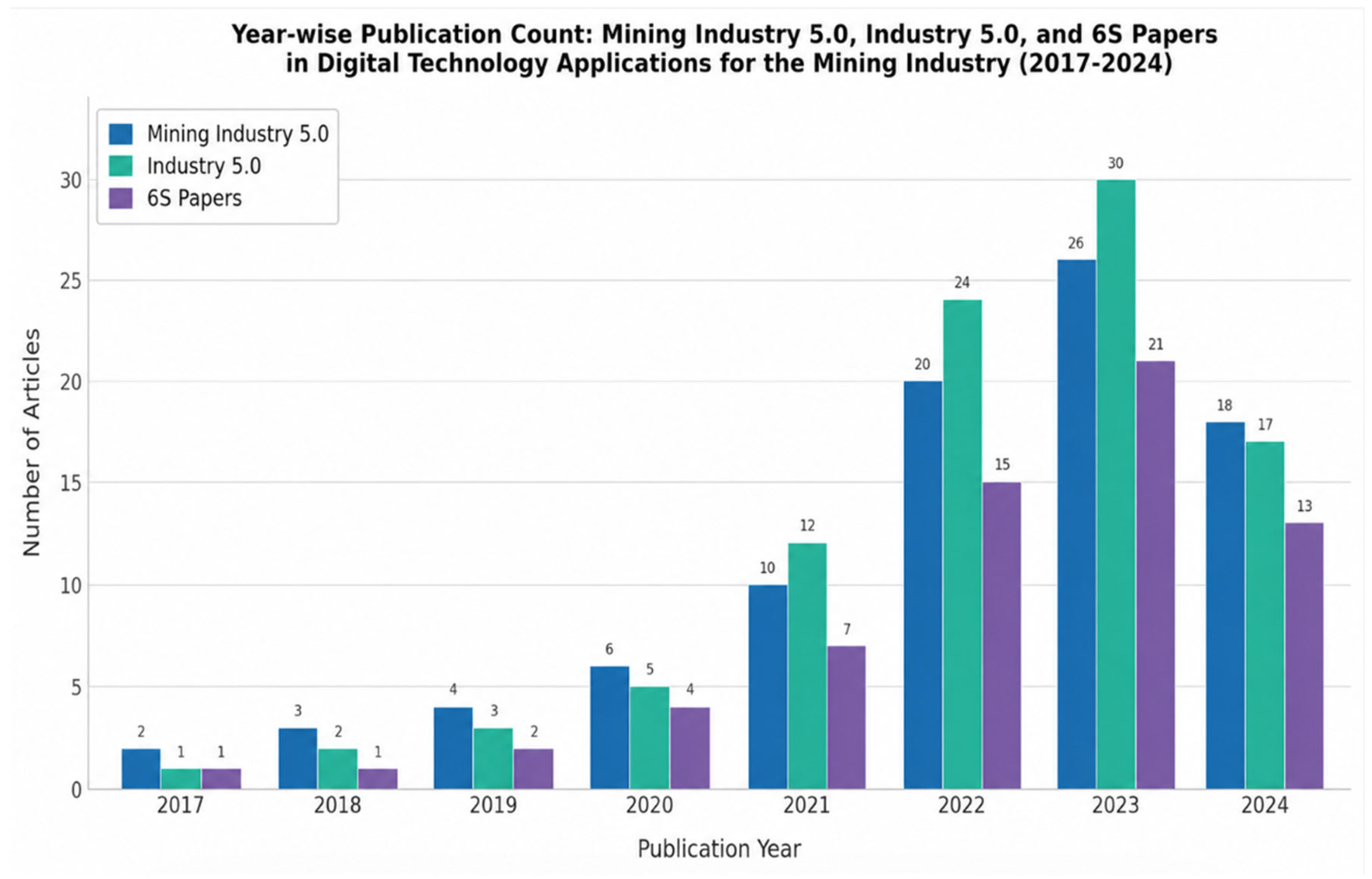
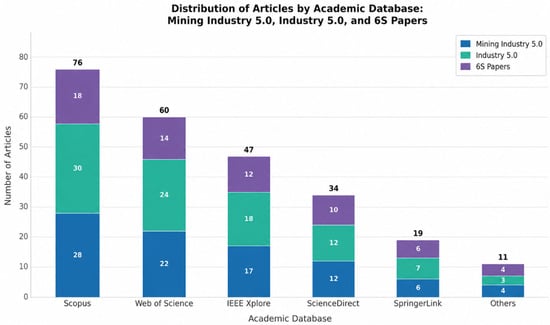
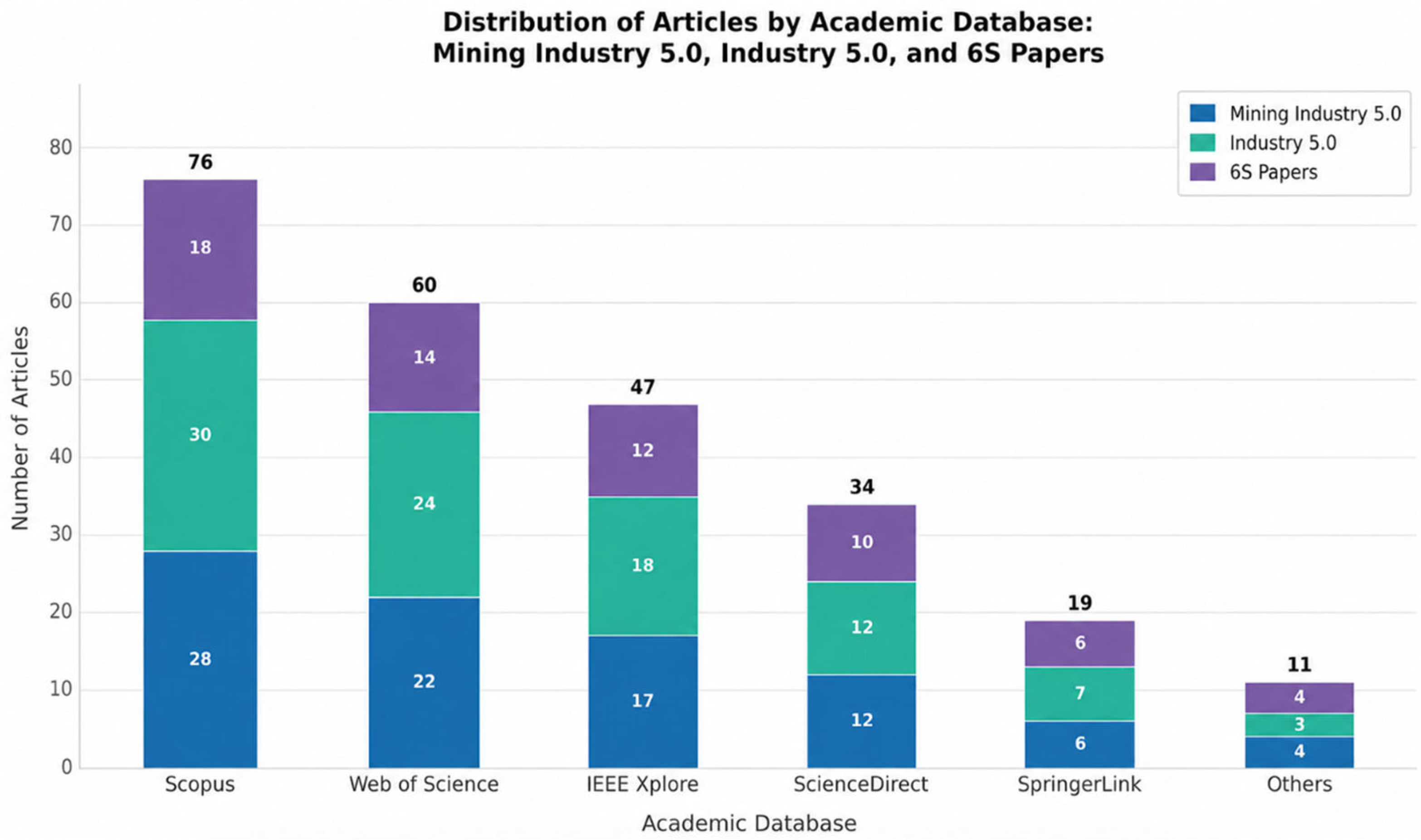
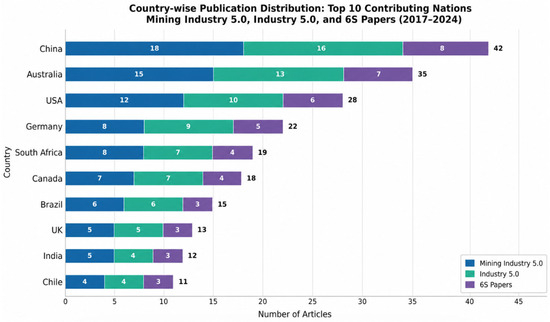
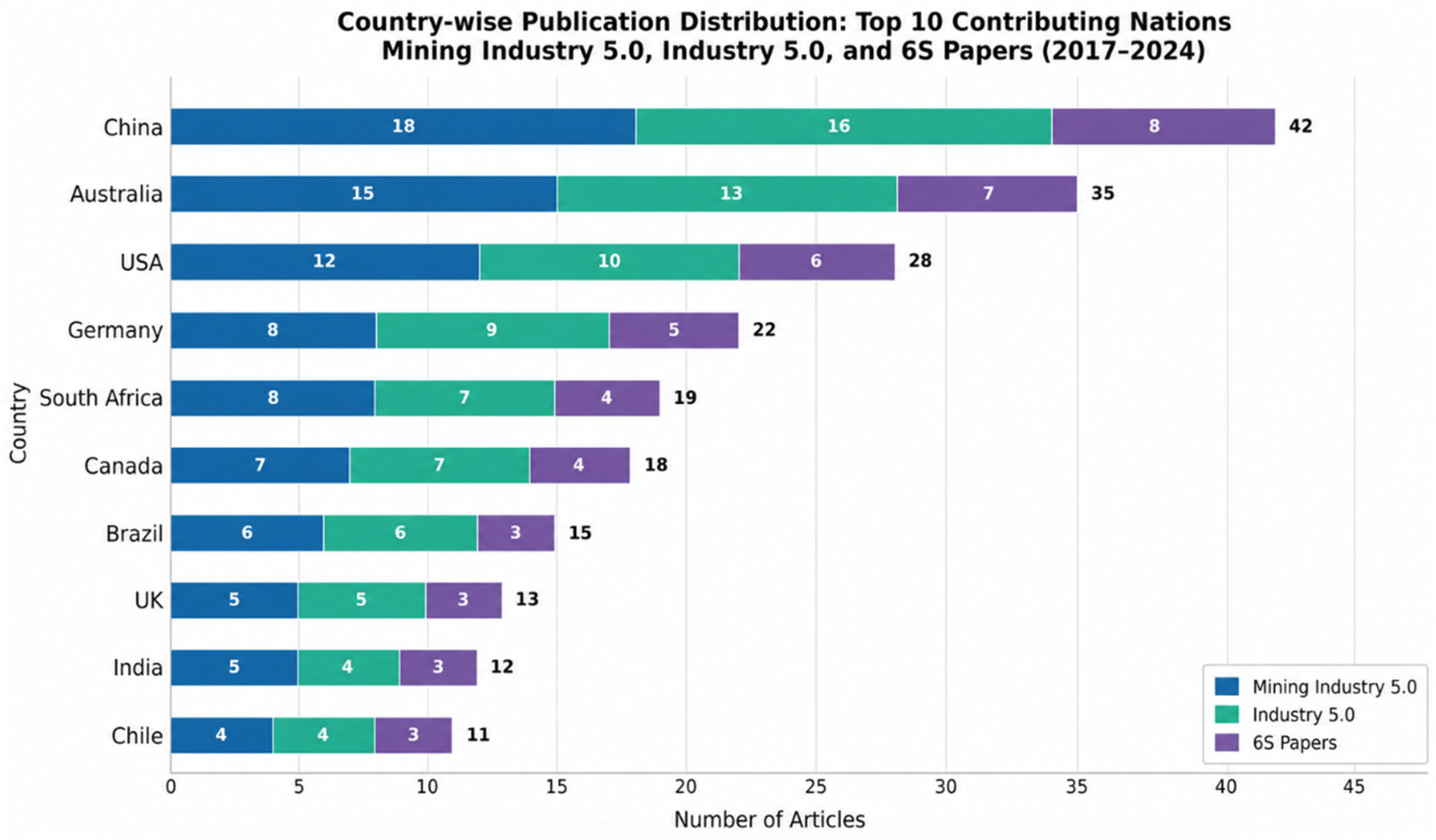

Disclaimer/Publisher’s Note: The statements, opinions and data contained in all publications are solely those of the individual author(s) and contributor(s) and not of MDPI and/or the editor(s). MDPI and/or the editor(s) disclaim responsibility for any injury to people or property resulting from any ideas, methods, instructions or products referred to in the content. |
© 2026 by the authors. Licensee MDPI, Basel, Switzerland. This article is an open access article distributed under the terms and conditions of the Creative Commons Attribution (CC BY) license.