

Journal Description
Mining
Mining
is an international, peer-reviewed, open access journal on mining science and engineering published quarterly online by MDPI.
- Open Access— free for readers, with article processing charges (APC) paid by authors or their institutions.
- High Visibility: indexed within ESCI (Web of Science), Scopus, GeoRef, and other databases.
- Rapid Publication: manuscripts are peer-reviewed and a first decision is provided to authors approximately 22.7 days after submission; acceptance to publication is undertaken in 4.6 days (median values for papers published in this journal in the second half of 2025).
- Journal Rank: CiteScore - Q2 (Geology)
- Recognition of Reviewers: APC discount vouchers, optional signed peer review, and reviewer names published annually in the journal.
- Mining is a companion journal of Minerals.
- Journal Cluster of Geotechnical Engineering and Geology: Minerals, GeoHazards, Mining, Geotechnics, Glacies and Stratigraphy and Sedimentology.
Latest Articles
MINDS: A Modular Multi-Agent Decision-Support Framework for Dynamic Strategic Mine Planning
Mining 2026, 6(2), 26; https://doi.org/10.3390/mining6020026 - 2 Apr 2026
Abstract
Strategic Mine Planning (SMP) creates the long-term economic baseline for mining operations, yet economic variability necessitates Dynamic Mine Planning (DMP) to rapidly stress-test those financial assumptions. Currently, this capability is hindered by fragmented software ecosystems that require manual data handoffs, slowing iteration and
[...] Read more.
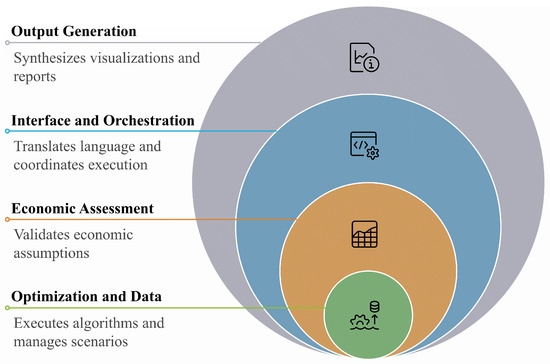
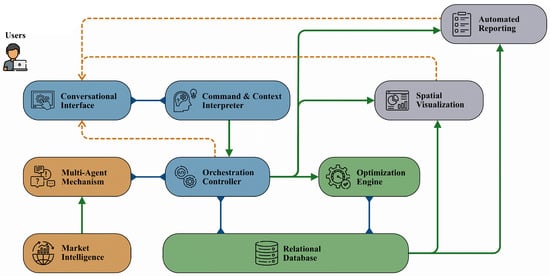
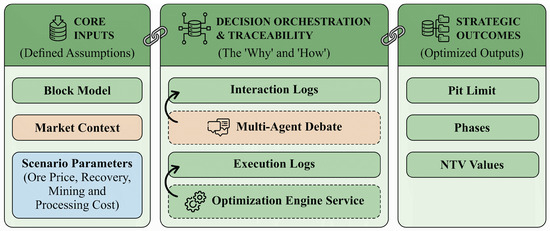
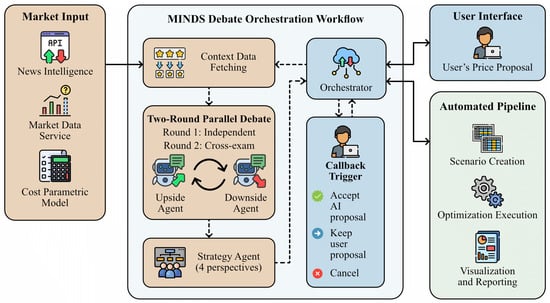
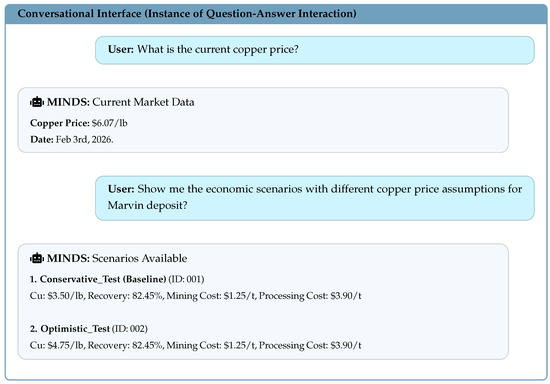
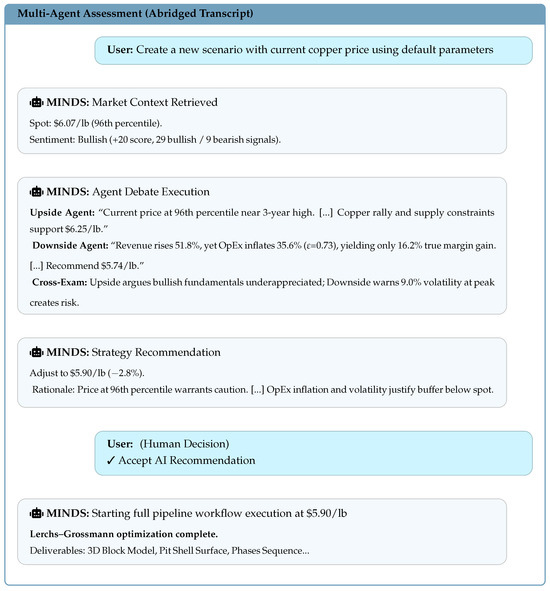
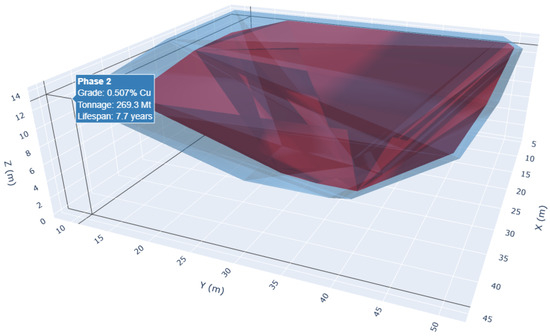
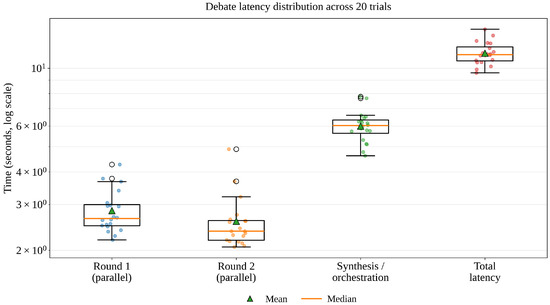
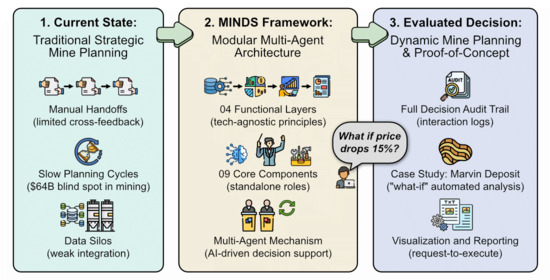
Strategic Mine Planning (SMP) creates the long-term economic baseline for mining operations, yet economic variability necessitates Dynamic Mine Planning (DMP) to rapidly stress-test those financial assumptions. Currently, this capability is hindered by fragmented software ecosystems that require manual data handoffs, slowing iteration and breaking the audit trail between market data and valuation models. While Generative AI affords an opportunity to automate these workflows, its adoption in the mining industry is stalled by concerns over data quality and the risk of uncritical acceptance of automated outputs. Addressing these challenges, this paper describes the Mine Intelligence and Decision Support (MINDS) framework. We present MINDS as a modular reference architecture that uses Large Language Model (LLM) agents to orchestrate the economic evaluation process while maintaining strict engineering oversight. The system integrates a conversational interface with a multi-agent assessment layer that acts as an adversarial review, assessing price assumptions against market intelligence before generating economic valuation scenarios. A proof-of-concept using the Marvin copper benchmark evaluates the framework, demonstrating automated request-to-report orchestration, execution stability with an average debate latency of 10.69 s and a transparent decision audit trail. These findings show that MINDS can systematize economic scenario analysis without sacrificing the governance and verification required for definitive feasibility studies.
Full article
(This article belongs to the Special Issue Mine Automation and New Technologies, 2nd Edition)
►
Show Figures
Open AccessArticle
Cultivating Lavandula dentata in Coal-Waste Technosols: Implications for Essential Oil Production and Post-Mining Restoration
by
Arthur Cesa Venturella, Eduardo Kercher de Oliveira, Jéssica Weiler, Eduardo Miranda Ethur and Ivo André Homrich Schneider
Mining 2026, 6(1), 25; https://doi.org/10.3390/mining6010025 - 21 Mar 2026
Abstract
This study assessed the feasibility of cultivating Lavandula dentata in Technosols produced from fine and coarse coal mining waste, focusing on plant development, substrate functionality, essential oil production, and post-mining ecosystem restoration. The Technosols were formulated using coal waste from the Moatize Coal
[...] Read more.
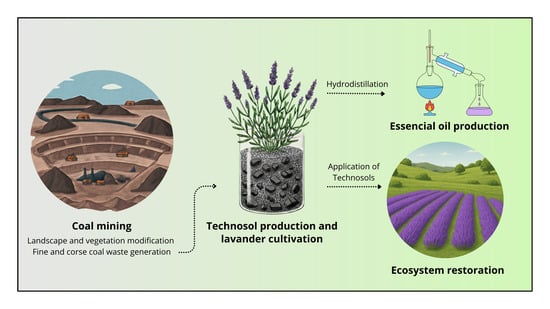
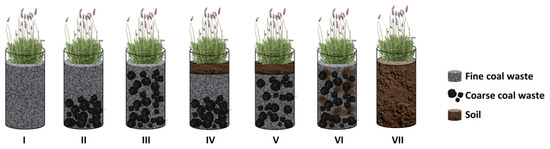
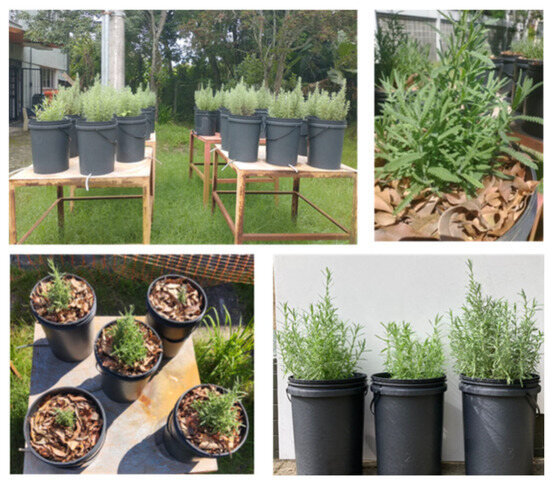
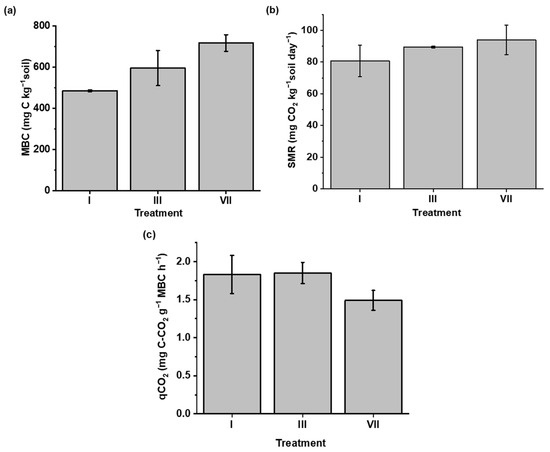
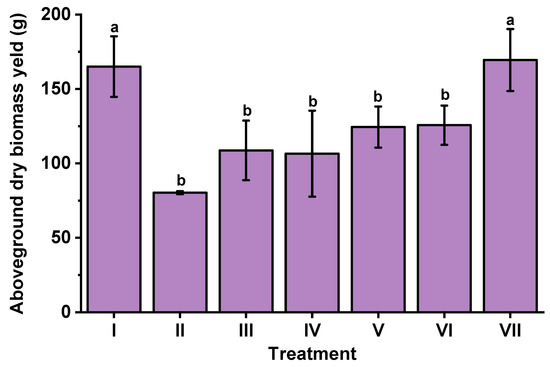
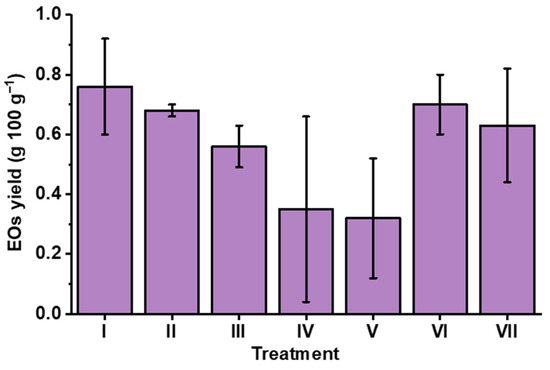
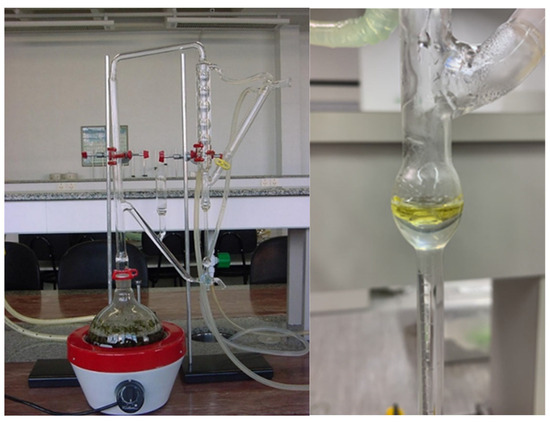
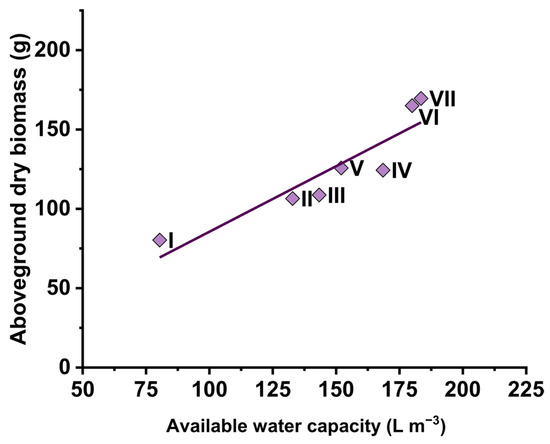
This study assessed the feasibility of cultivating Lavandula dentata in Technosols produced from fine and coarse coal mining waste, focusing on plant development, substrate functionality, essential oil production, and post-mining ecosystem restoration. The Technosols were formulated using coal waste from the Moatize Coal Mine, Mozambique, combined or not in different configurations with agricultural soil and amended with sewage sludge (3% organic matter) and chemical fertilizer to ensure adequate nutrient availability. The experiments were conducted in 30 L containers, performed in triplicate for each experimental group. All settings allowed good plant growth, although the treatment that used only fine waste presented the closest performance to agricultural soil in terms of the production of aerial biomass. In this case, the dried biomass production of the shoots reached an average of 165 g per pot over 8 months (with a standard deviation of 20.3). The study showed a positive correlation between plant development and the available water capacity of the substrates. The plant tissue of L. dentata, in all the Technosols configurations studied, presented a similar composition to the control, with a biomass composition within the standard range established by the literature. The essential oil production ranged from 0.3 to 0.7% (m/m), averaging 0.5% (m/m), with chemical characteristics also alike the control trial. Technosols composed of coal waste from Moatize appear to be an alternative, both to provide a suitable destination for mining waste and to provide conditions for the revegetation and recovery of degraded areas by coal mining. This avoids the commissioning of nearby areas to supply soil for the restoration process. L. dentata, in addition to its various medical, ornamental, and aromatic uses, has potential as an “ecological trigger” in the restoration process with environmental and socioeconomic benefits.
Full article
(This article belongs to the Topic Environmental Pollution and Remediation in Mining Areas)
►▼
Show Figures

Graphical abstract
Open AccessReview
Recycle and Reuse of Calcium-Rich Waste in Brownfield: Review of Practices of Sludge Pond Reuse, Upper Kama Region (Russia)
by
Evgeniya Ushakova, Elena Kalinina, Pavel Belkin, Elena Menshikova, Sergey Blinov, Roman Perevoshchikov and Vladimir Pugach
Mining 2026, 6(1), 24; https://doi.org/10.3390/mining6010024 - 17 Mar 2026
Abstract
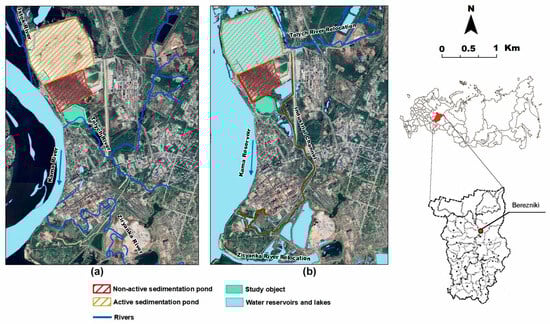
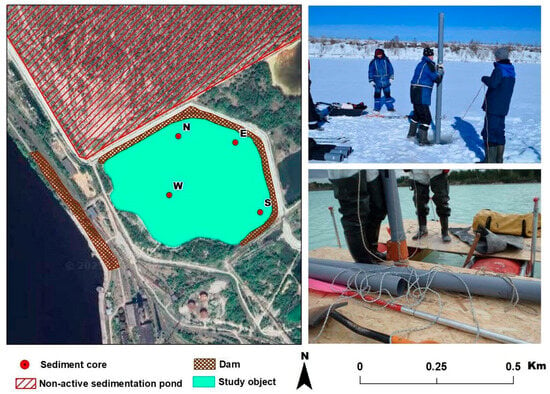
The organization of safe industrial waste management is an integral part of the global sustainable development strategy. This study provides a preliminary assessment of the processing and recycling potential of strongly alkaline (pH 11–12) sediments accumulated in an abandoned sludge pond (Berezniki, Perm
[...] Read more.
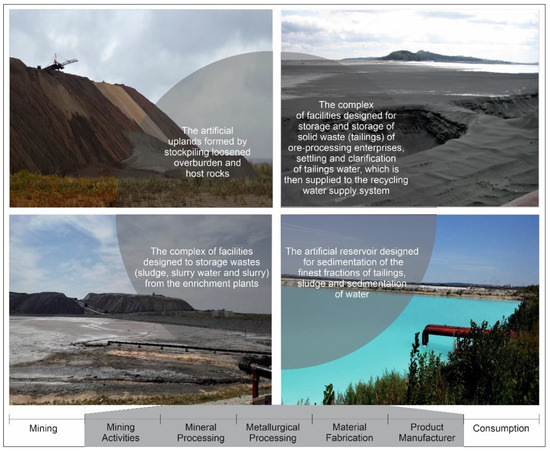
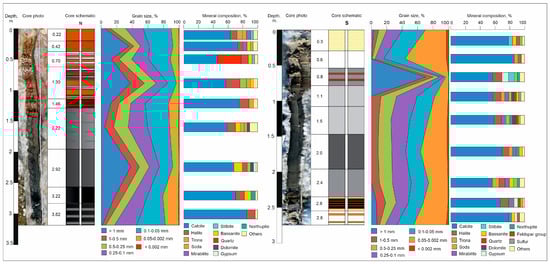
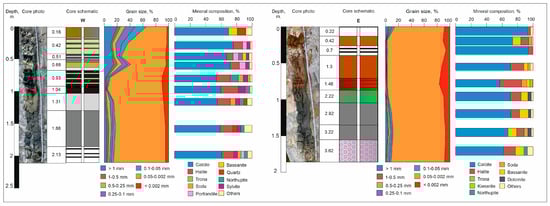
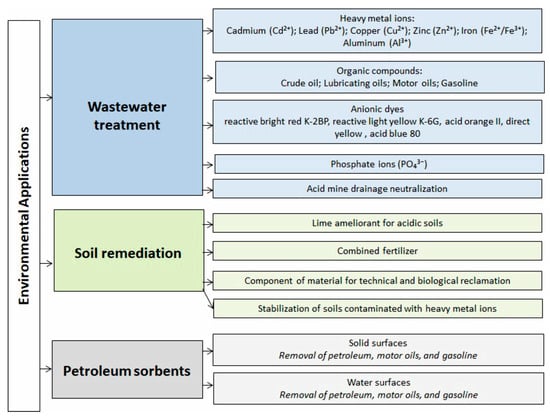
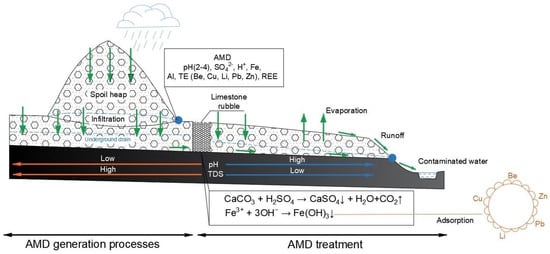
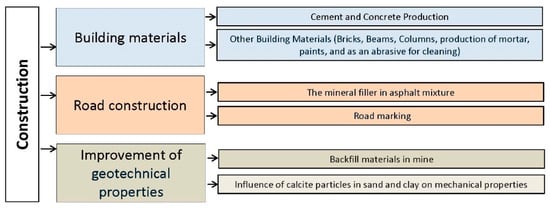
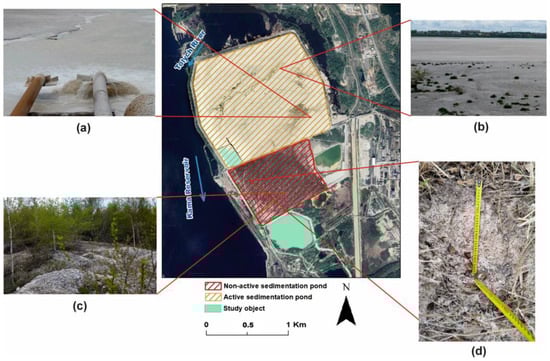
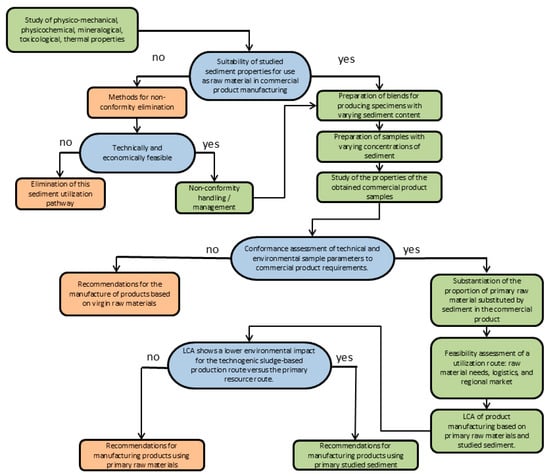
The organization of safe industrial waste management is an integral part of the global sustainable development strategy. This study provides a preliminary assessment of the processing and recycling potential of strongly alkaline (pH 11–12) sediments accumulated in an abandoned sludge pond (Berezniki, Perm Krai, Russia), based on the initial characterization of their material composition. Sediment samples from the sludge pond were collected, layer-by-layer, over the entire depths of four sediment cores. The collected samples have the following characteristics: sediment particles are composed of up to 80% fine particles < 0.05 mm, with up to 20% fine particles < 0.002 mm. XRD data showed that the sediment consisted of calcite (67.7 wt.%), halite (11.5 wt.%), and other hydrogenic and terrigenous minerals. XRF data also found that the primary constituents in the sediment are CaO (up to 40%), Cl (up to 13%), and LOI (up to 35%). The results of the material composition study indicate a high degree of similarity between the accumulated sediments and solid waste from soda ash production, known as ammonia–soda residue (ASR). Based on experience with calcium-containing waste, this study recommends options for the secondary use of sludge, identifying two main possibilities: environmental protection and construction. We have developed an algorithm for the recycling and reuse of sludge that identifies risks, limitations, and recommended next steps. However, significant knowledge gaps regarding the environmental, toxicological, and the physical–mechanical properties of sludge prevent us from recommending a specific disposal option. The results of this review will serve as guidelines to help develop a roadmap for the disposal process. They will also inform decision-makers about sustainability issues related to industrial waste disposal.
Full article
(This article belongs to the Topic Environmental Pollution and Remediation in Mining Areas)
►▼
Show Figures

Figure 1
Open AccessArticle
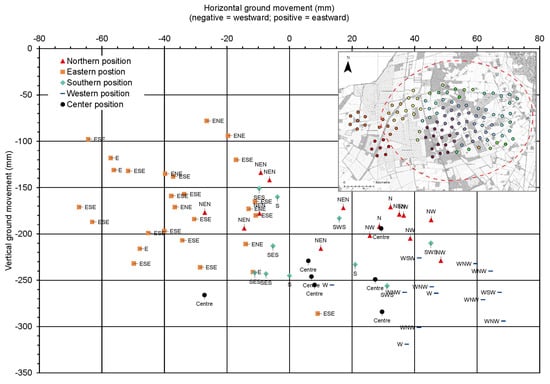
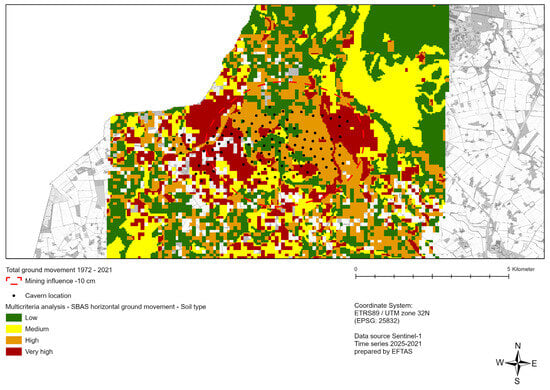
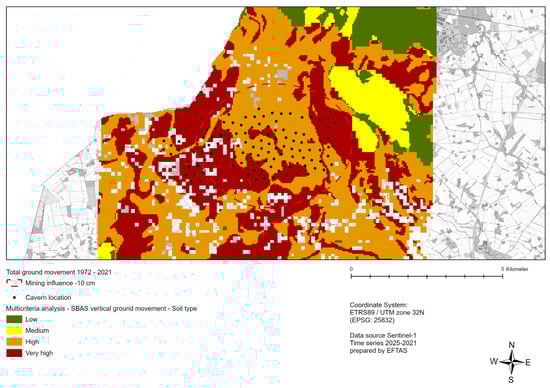
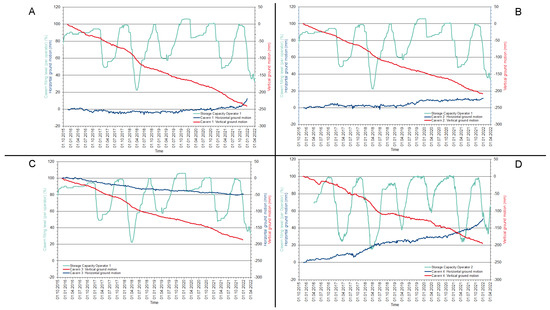
Application of K-Means Clustering for the Analysis of Horizontal and Vertical SBAS-InSAR Ground Movement Data Above Europe’s Largest Underground Cavern Gas Storage Gronau-Epe
by
Tobias Rudolph, Marcin Piotr Pawlik, Chia-Hsiang Yang, Roman Przyrowski, Andreas Müterthies, Sebastian Teuwsen and Michael Hegemann
Mining 2026, 6(1), 23; https://doi.org/10.3390/mining6010023 - 17 Mar 2026
Abstract
Underground gas storage (UGS) in salt caverns is increasingly important for a flexible and secure energy supply and for stabilizing the gas market. However, cavern operations can induce surface ground movements that must be monitored to safeguard infrastructure integrity and environmental compatibility. This
[...] Read more.
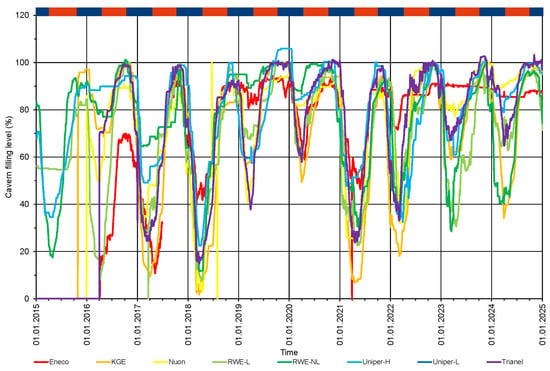
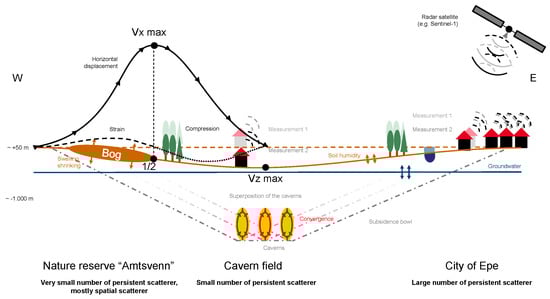
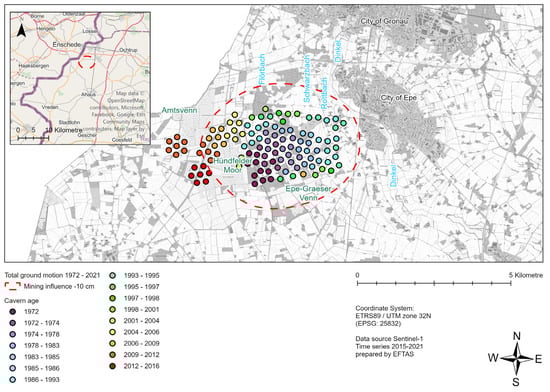
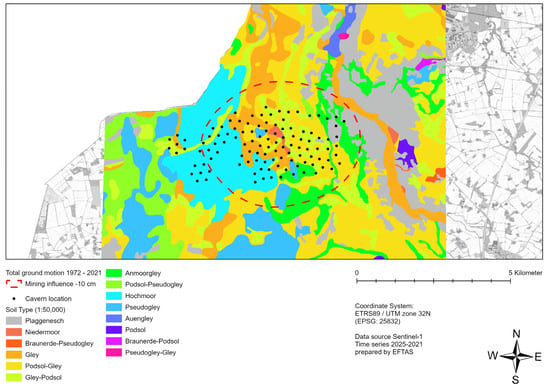
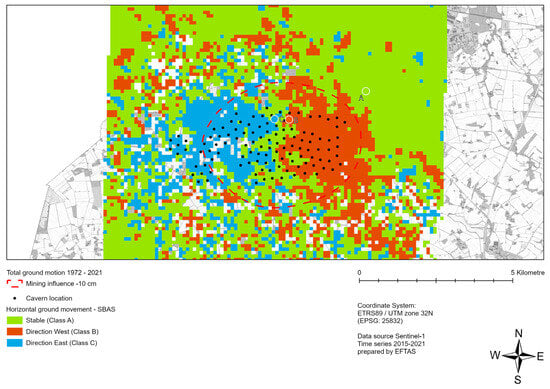
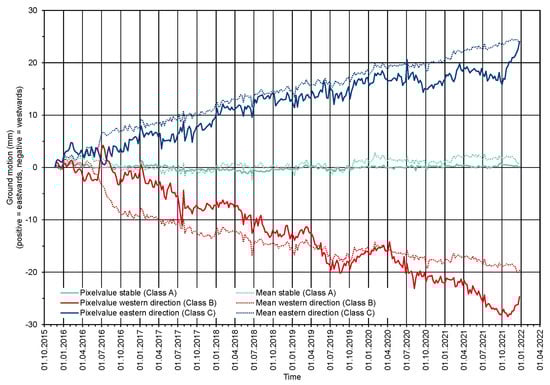
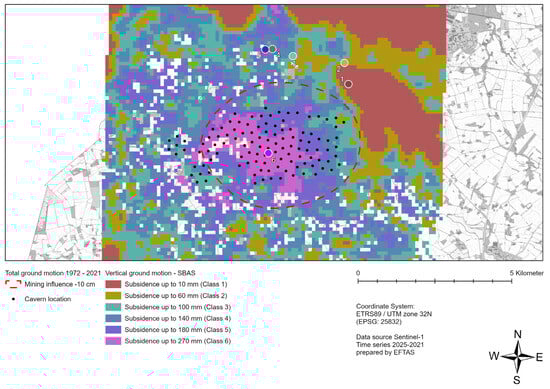
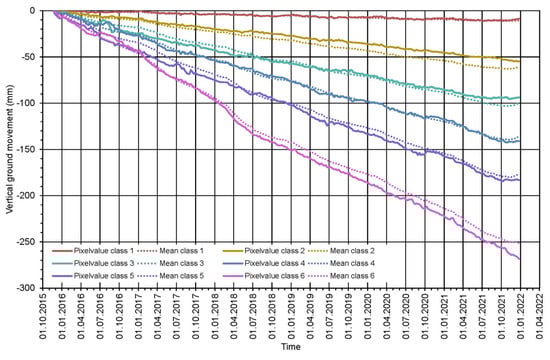
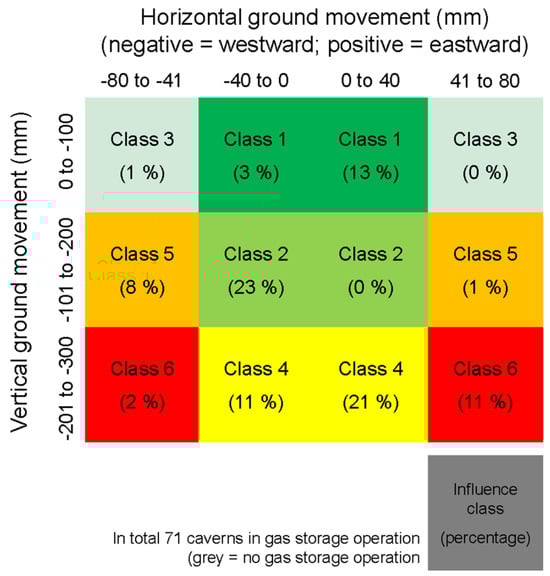
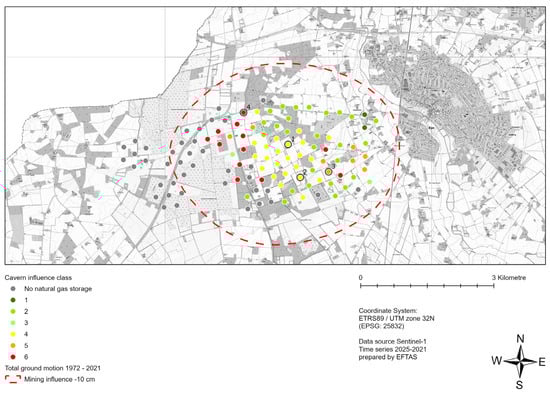
Underground gas storage (UGS) in salt caverns is increasingly important for a flexible and secure energy supply and for stabilizing the gas market. However, cavern operations can induce surface ground movements that must be monitored to safeguard infrastructure integrity and environmental compatibility. This research analyzes horizontal (W–E) and vertical ground movements above the cavern field Gronau-Epe in northwestern Germany, using radar interferometry (InSAR), specifically the SBAS (Small Baseline Subset) approach, combined with clustering and multi-criteria analysis. The study was conducted in cooperation between Uniper Energy Storage GmbH, the Research Center for Post Mining at THGA Bochum, and the company EFTAS. Freely available Copernicus Sentinel 1 data were integrated with public soil maps and operational storage information. A multistage workflow quantified deformation patterns, classified coherent deformation zones via clustering, and evaluated geological and technical drivers using multi-criteria analysis to better distinguish operational (primary) from overburden (secondary) influences. Results reveal long term deformation trends closely linked in time and space to injection/withdrawal cycles. Locally confined vertical and horizontal movements near caverns are attributed to salt convergence triggered by cyclic pressure changes, but they are linked to (hydro)geological and pedological factors. The developed approach shows strong monitoring potential in addition to classic mine surveying.
Full article
(This article belongs to the Special Issue Geomatics for Mineral Resource Management)
►▼
Show Figures

Figure 1
Open AccessArticle
An Adaptive Immersive Training Framework for Miner Self-Escape Readiness in Underground Mining Emergencies
by
Muhammad Azeem Raza, Samuel Frimpong and Saima Ghazal
Mining 2026, 6(1), 22; https://doi.org/10.3390/mining6010022 - 16 Mar 2026
Abstract
►▼
Show Figures
Underground mining environments are complex and hazardous operations where emergencies continue to happen. Underground mine emergencies require rapid, high-stakes decision-making under conditions of uncertainty, stress, and limited visibility. Conventional mine emergency training largely relies on instruction-based approaches which provide insufficient exposure to the
[...] Read more.
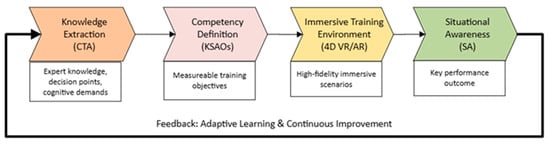
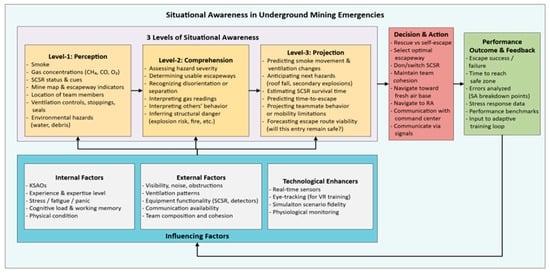
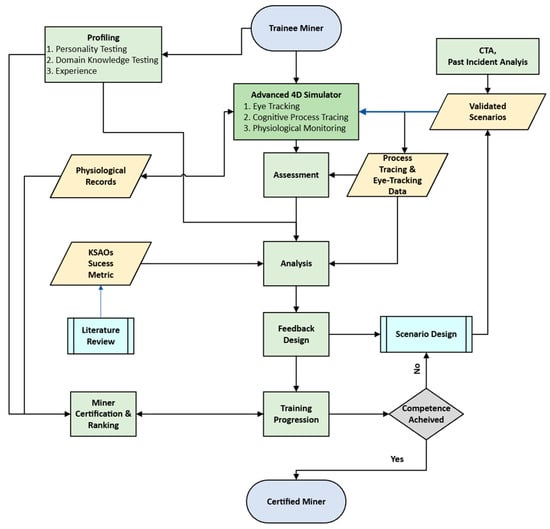
Underground mining environments are complex and hazardous operations where emergencies continue to happen. Underground mine emergencies require rapid, high-stakes decision-making under conditions of uncertainty, stress, and limited visibility. Conventional mine emergency training largely relies on instruction-based approaches which provide insufficient exposure to the cognitive and behavioral demands of real underground emergency situations. There has been an identified need to train miners for knowledge, skills, abilities, and other characteristics (KSAOs). This study proposes an Adaptive Immersive Training Framework (AITF), a cognitively grounded architecture that integrates cognitive task analysis (CTA), KSAOs, and situational awareness assessment for miner self-escape training and readiness. The AITF aligns NIOSH-identified self-escape competencies with immersive training scenarios designed to assess and develop cognitive readiness and decision-making. CTA of historical mine accidents is introduced as a foundational design method for translating accident investigation findings into simulation scenarios and performance metrics. A CTA of 2006 Darby Mine No. 1 explosion is presented as a proof of concept. The proposed framework supports individualized assessment, iterative scenario refinement, and data-driven feedback. The AITF advances miner training toward cognitive preparedness during mine emergencies and provides a foundation for future training systems that leverage digital tools, digital twins, and artificial intelligence for the mines of the future.
Full article

Figure 1
Open AccessArticle
Assessment of Strength Characteristics and Structural Heterogeneity of Coal Seams in the Karaganda Basin by Geophysical Methods for Enhancing Mining Safety
by
Ravil Mussin, Vassiliy Portnov, Andrey Golik, Nail Zamaliyev, Denis Akhmatnurov, Nikita Ganyukov, Krzysztof Skrzypkowski, Krzysztof Zagórski and Svetlana Efremova
Mining 2026, 6(1), 21; https://doi.org/10.3390/mining6010021 - 10 Mar 2026
Abstract
►▼
Show Figures
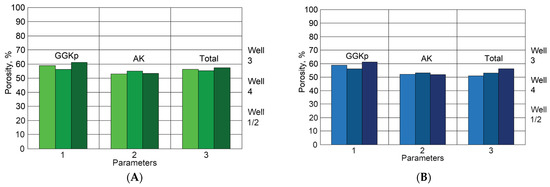
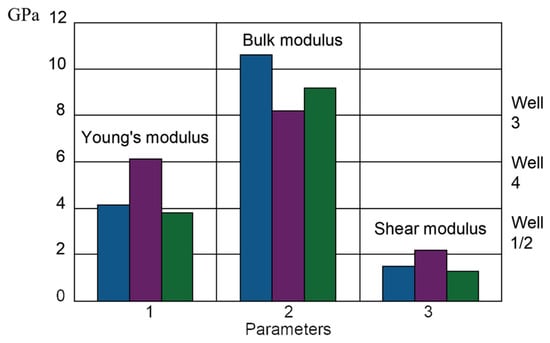
The principal difficulty in studying the physico-mechanical and filtration-capacity properties of coals and host rocks under laboratory conditions using core samples lies in reproducing natural thermodynamic conditions characteristic of in situ depths. To address this issue, specialized equipment and methodologies for transferring measurement
[...] Read more.
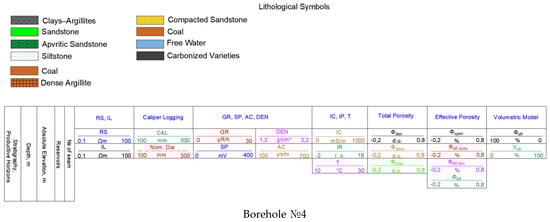
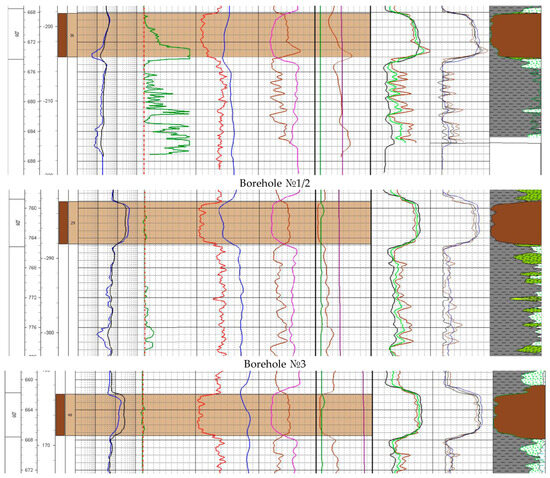
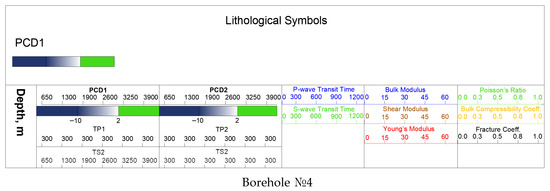
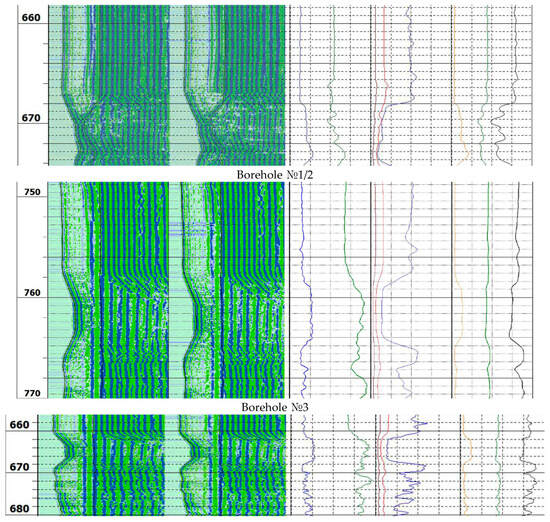
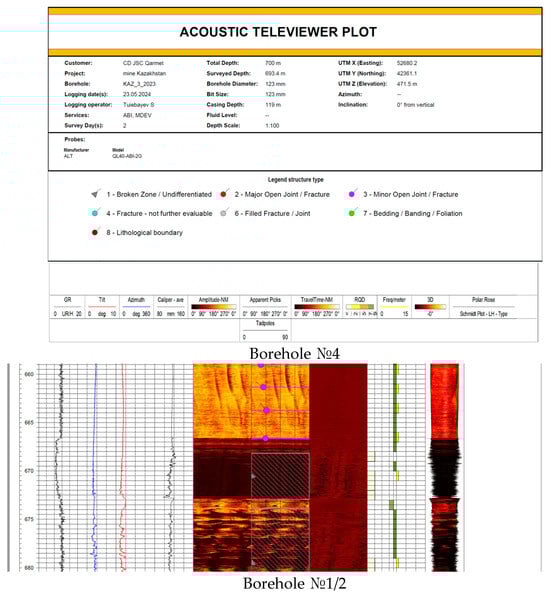
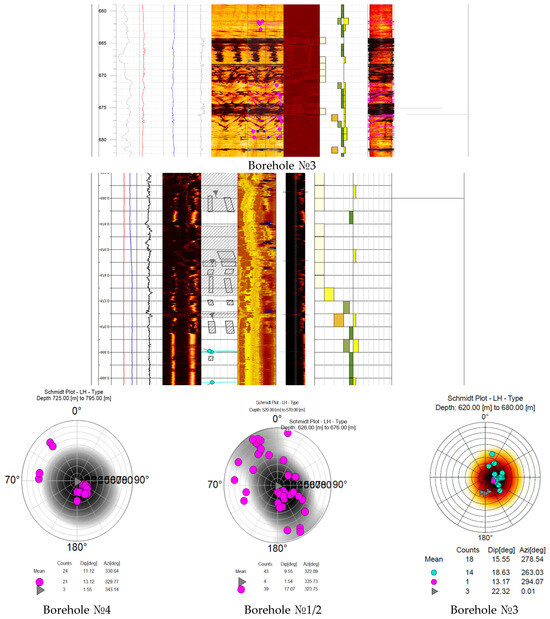
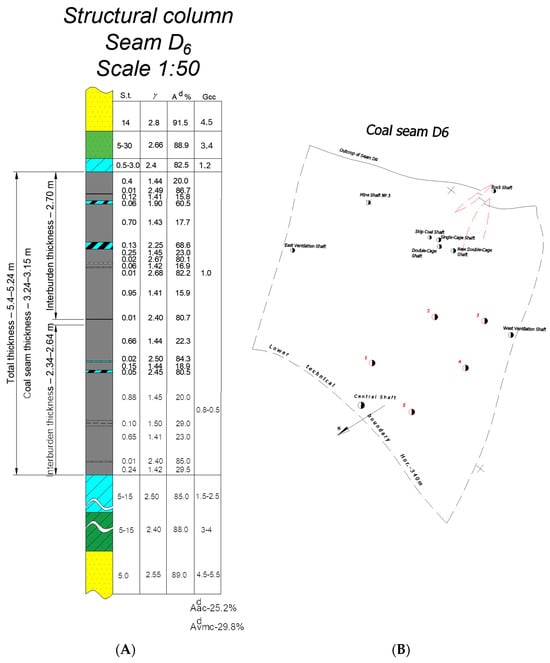
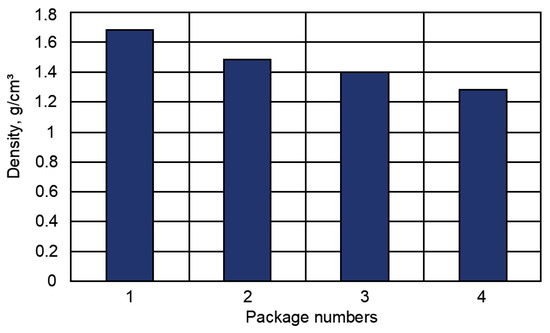
The principal difficulty in studying the physico-mechanical and filtration-capacity properties of coals and host rocks under laboratory conditions using core samples lies in reproducing natural thermodynamic conditions characteristic of in situ depths. To address this issue, specialized equipment and methodologies for transferring measurement results are employed, including the Hoek–Brown failure criterion, the structural weakening coefficient, and the development of thermodynamic models. The reliability and accuracy of such measurements are determined by the degree of conformity between the adopted laboratory conditions and natural in situ conditions, the number of samples representing different lithological varieties, and the adequacy of sampling procedures ensuring representativeness. Particular challenges arise when sampling cleated and fractured coals formed under natural stress–strain conditions and contain methane, which significantly influences their physical properties. These difficulties are especially pronounced in prepared-for-mining high-gas-content coal seams of the Karaganda Basin at depths of approximately 700 m, where obtaining representative samples is technically complicated. Reliable values of the physico-mechanical properties of the coal–rock mass are essential for geomechanical calculations aimed at ensuring safe mining of high-gas-content seams through risk assessment of geodynamic phenomena, particularly in zones of geological disturbances, floor heave, and roof collapse. In this context, the use of a comprehensive suite of geophysical logging data from exploration boreholes makes it possible to obtain continuous, high-precision information on physico-mechanical and filtration-capacity properties. These methods are particularly important for characterizing the coal–rock mass in operating mines, since the natural state of host rocks and prepared coal seams is altered due to stress relief caused by mine workings, preliminary degasification measures, and hydraulic fracturing. The problem addressed is the need for reliable assessment of rock and coal seam parameters under natural thermodynamic stress–strain conditions, taking into account lithological composition, structural heterogeneity, fracture development, stratigraphic differentiation, and gas saturation. The aim of this study is to ensure efficient and safe coal extraction based on geomechanical calculations utilizing physico-mechanical and filtration-capacity properties of host rocks and gas-bearing coal seams, whether prepared for mining or not yet extracted. The research methods are based on an integrated complex of geophysical logging of exploration wells, specialized software tools, and statistical processing techniques to identify patterns in physico-mechanical and filtration-capacity properties of host rocks and coal seams under natural stress–strain conditions, as well as to determine the nature of changes in these properties within coal seams and roof and floor rocks in prepared mining areas. The physico-mechanical and filtration-capacity properties of host rocks and coals from the Lenin and Kazakhstanskaya mines were determined. Regularities governing the application of these parameters to coals of different formations and depths were established; fracture orientations and characteristics were evaluated; and relationships between changes in coal seam parameters and gas content were identified. A comprehensive methodological framework for studying the physical and capacity properties of the coal–rock mass under natural thermodynamic conditions has been developed. Its primary application is the investigation of coal seams prepared for mining to support geomechanical calculations for efficient and safe coal extraction, the implementation of degasification measures for high-gas-content seams, and the assessment of gas-dynamic risks based on the character of variations in physical parameters.
Full article

Figure 1
Open AccessArticle
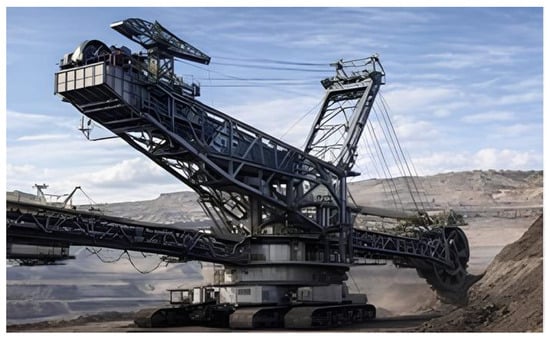
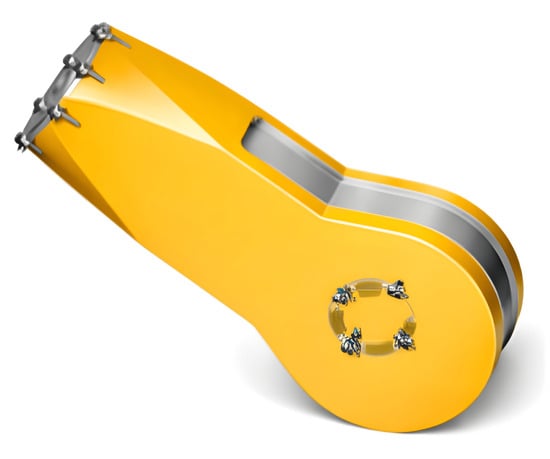
Experimental Stress Analysis of Mast–Counterweight Connection in a Modified Bucket-Wheel Excavator ERc 1400-30/7 Using Strain-Gauge Measurements
by
Angela Maria Andreica, Mădălin Andreica and Mădălina Dănilă
Mining 2026, 6(1), 20; https://doi.org/10.3390/mining6010020 - 4 Mar 2026
Abstract
►▼
Show Figures
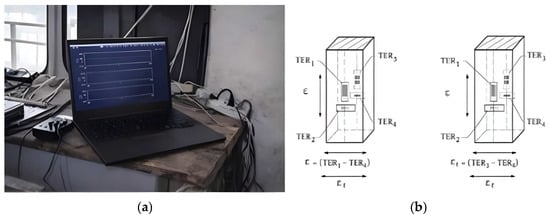
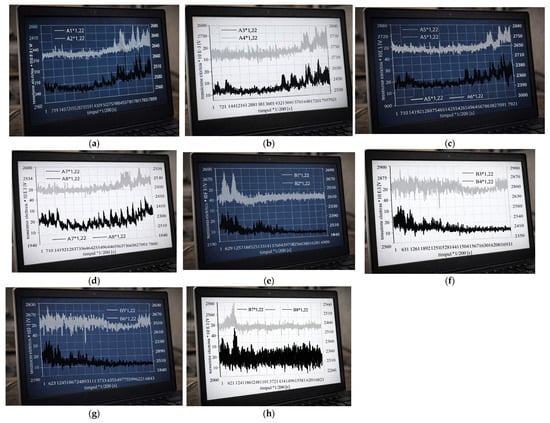
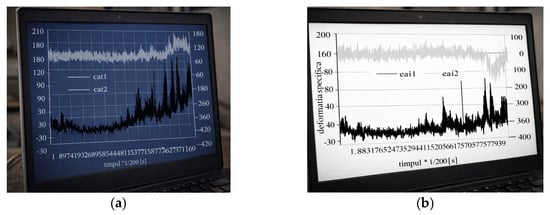
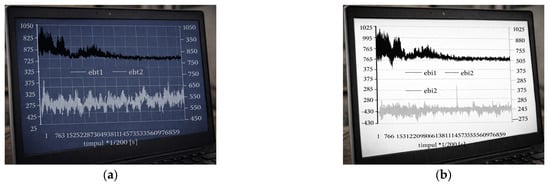
Background: Bucket-wheel excavators are critical assets in surface mining operations, where structural modifications to increase productivity must be validated through rigorous stress analysis to ensure operational safety. Following modification of an ERc 1400-30/7 excavator’s bucket wheel from 18 to 20 buckets, increased operational
[...] Read more.
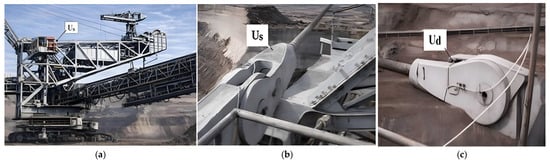
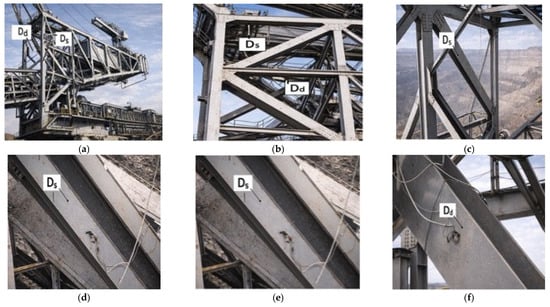
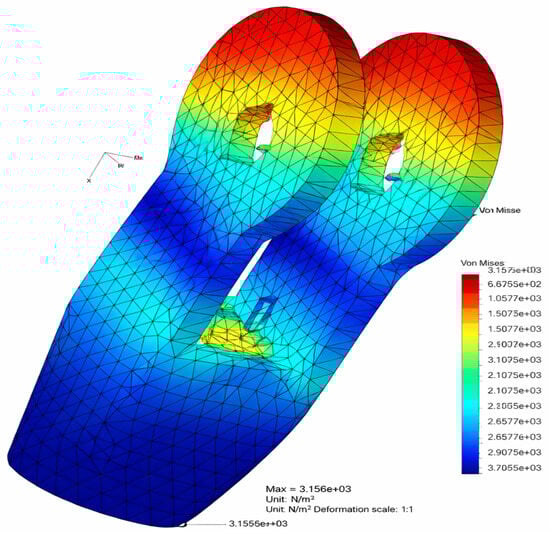
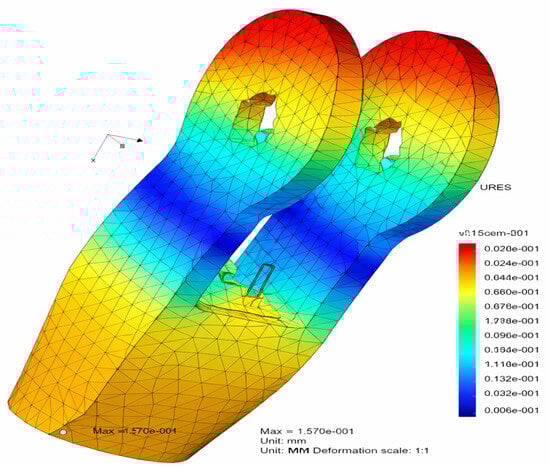
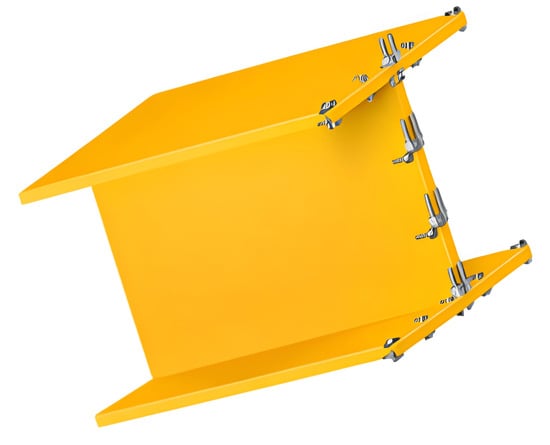
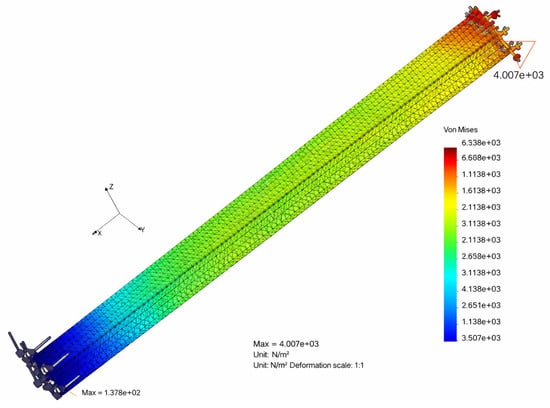
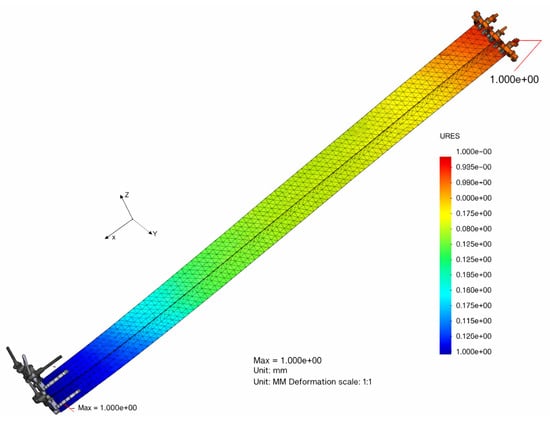
Background: Bucket-wheel excavators are critical assets in surface mining operations, where structural modifications to increase productivity must be validated through rigorous stress analysis to ensure operational safety. Following modification of an ERc 1400-30/7 excavator’s bucket wheel from 18 to 20 buckets, increased operational loads necessitated experimental verification of structural integrity. Methods: A custom 10-channel strain-gauge data acquisition system with 0–10 kHz bandwidth measured stresses in cable anchoring lugs and H-type diagonal members under operational conditions at the Jilț lignite mine, Romania. Measurements were performed during both left and right bucket-wheel rotation. Finite element analysis validated experimental results. Results: Maximum equivalent stresses of 210.0 MPa and 167.1 MPa were measured in the left and right anchoring lugs, respectively, during left bucket-wheel rotation, representing 59% and 47% of material yield strength with safety factors of 1.69 and 2.12. Significant load asymmetry was observed, with left rotation inducing 220–284% higher stresses than right rotation. FEA validation showed <15% agreement with measurements. Dynamic stress amplification of 15–32% above quasi-static values was attributed to bucket–soil interaction and structural vibration. Conclusions: Despite increased operational loads, measured stresses remain below yield strength, confirming structural adequacy. Both anchoring lugs require prioritized monitoring due to elevated stress levels and load asymmetry. The validated methodology provides a framework for post-modification verification of large mining equipment.
Full article

Figure 1
Open AccessArticle
The Role of EDA in Developing Robust Machine Learning Models for Lithology and Penetration Rate Prediction from MWD Data
by
Jesse Addy, Ishmael Anafo and Erik Westman
Mining 2026, 6(1), 19; https://doi.org/10.3390/mining6010019 - 4 Mar 2026
Abstract
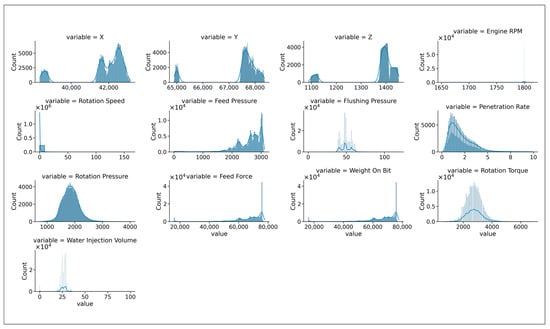
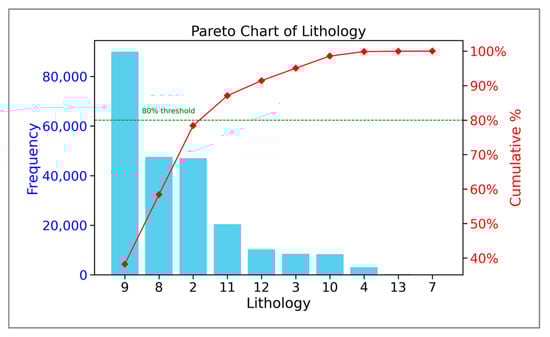
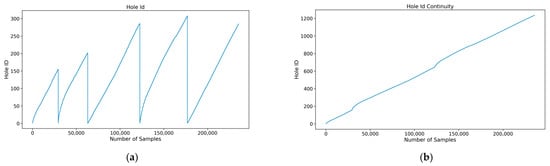
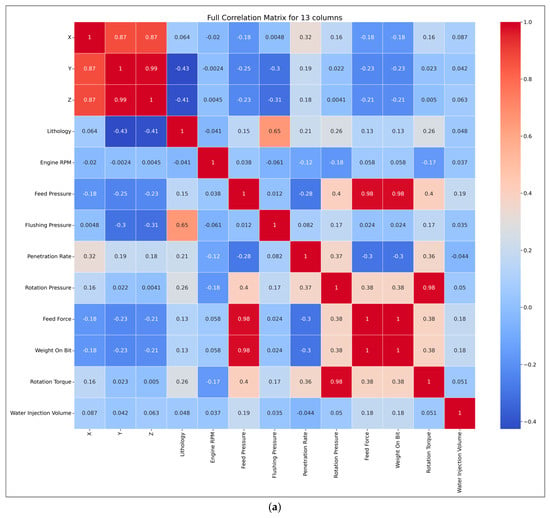
Measure-While-Drilling (MWD) data provide real-time insight into subsurface conditions and drilling performance, yet their complexity and operational noise often hinder reliable modeling. This study demonstrates the role of Exploratory Data Analysis (EDA) in developing robust machine learning (ML) models for lithology classification and
[...] Read more.
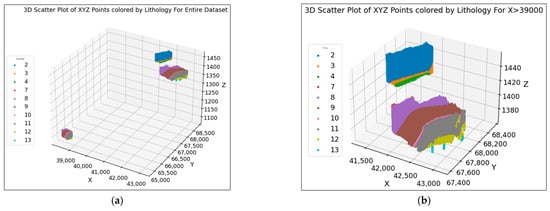
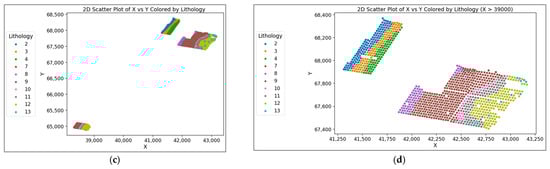
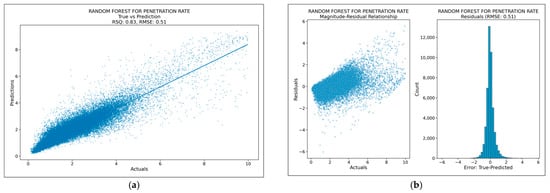
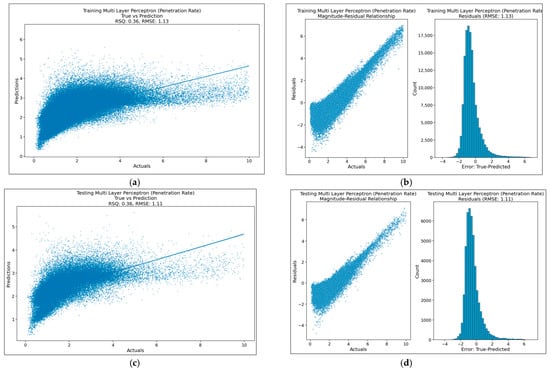
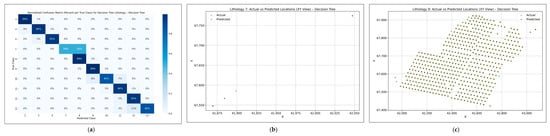
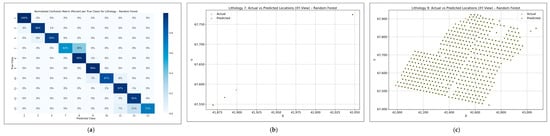
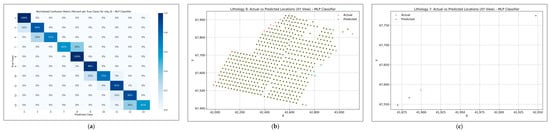
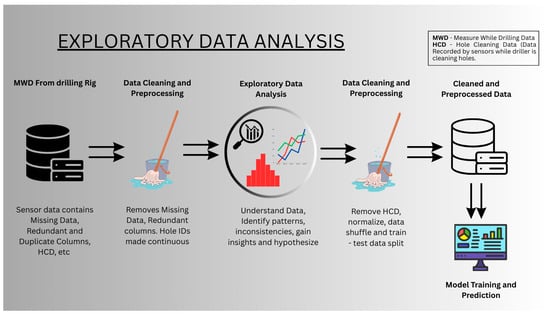
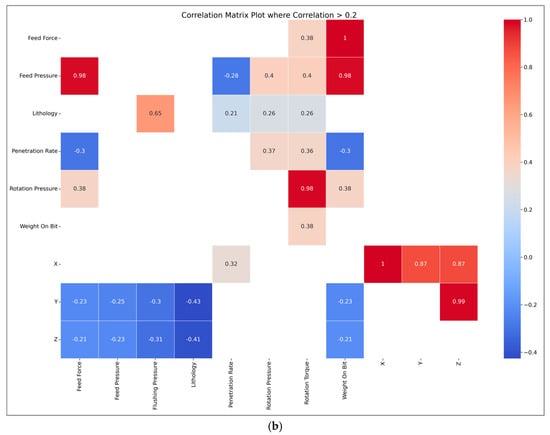
Measure-While-Drilling (MWD) data provide real-time insight into subsurface conditions and drilling performance, yet their complexity and operational noise often hinder reliable modeling. This study demonstrates the role of Exploratory Data Analysis (EDA) in developing robust machine learning (ML) models for lithology classification and penetration rate (PR) prediction in mining operations. A structured EDA workflow—comprising data integrity assessment, feature distribution analysis, correlation mapping, and depth-wise parameter profiling—was implemented to identify redundant attributes, isolate non-productive intervals, and enhance dataset consistency. Through EDA-informed normalization and feature selection, data consistency and model performance were significantly improved. Machine learning algorithms, including Decision Tree, Random Forest, and Multi-Layer Perceptron, were trained on the refined dataset. The Random Forest Classifier achieved 98.45% accuracy in lithology prediction, while the Random Forest Regressor produced the most accurate PR estimation (R2 = 0.83, RMSE = 0.52). These results highlight EDA as a critical foundation for constructing physics-informed, data-driven models that enhance predictive reliability and operational efficiency in mining environments.
Full article
(This article belongs to the Special Issue Mine Automation and New Technologies, 2nd Edition)
►▼
Show Figures

Graphical abstract
Open AccessArticle
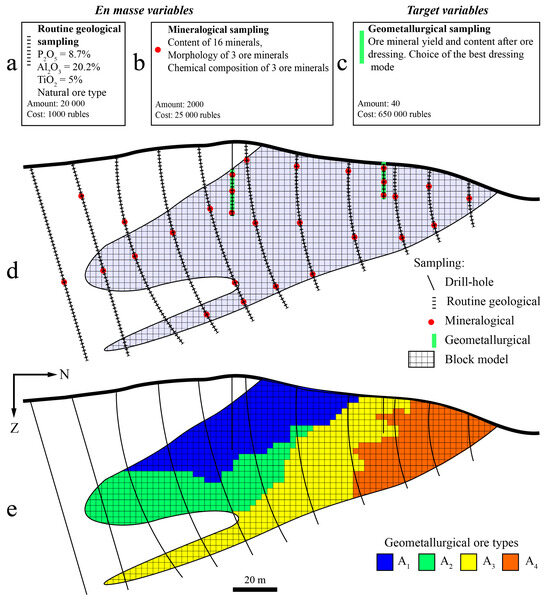
How to Choose the Best Geometallurgical Strategy for Spatial Modeling of a Mineral Deposit
by
Andrey O. Kalashnikov, Diana V. Manukovskaya and Dmitry G. Stepenshchikov
Mining 2026, 6(1), 18; https://doi.org/10.3390/mining6010018 - 2 Mar 2026
Abstract
Geometallurgical modeling is pivotal for optimizing mining projects, yet the selection of an appropriate modeling strategy often relies on empirical experience rather than a systematic methodology. This paper introduces a novel systems-theoretic framework that formalizes geometallurgical modeling as an information acquisition problem under
[...] Read more.
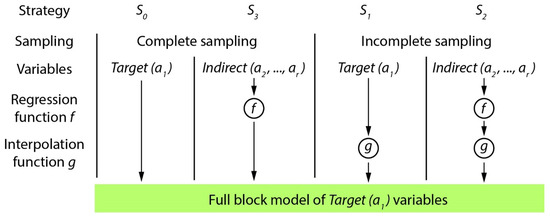
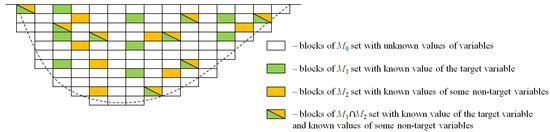
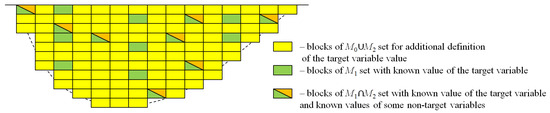
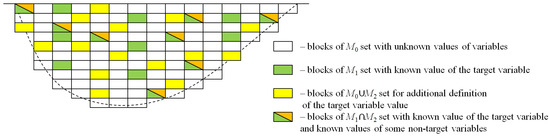
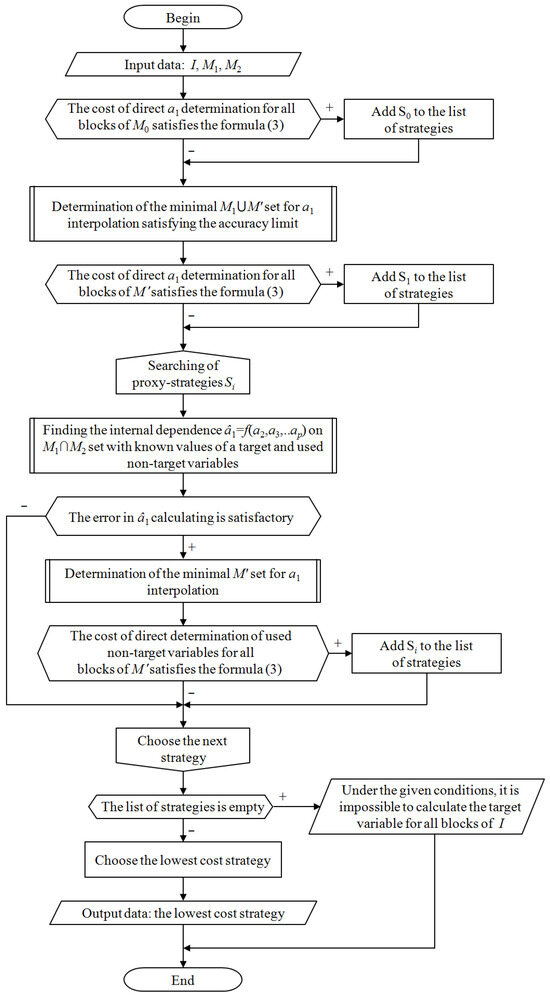
Geometallurgical modeling is pivotal for optimizing mining projects, yet the selection of an appropriate modeling strategy often relies on empirical experience rather than a systematic methodology. This paper introduces a novel systems-theoretic framework that formalizes geometallurgical modeling as an information acquisition problem under cost and uncertainty constraints. We propose a taxonomy of four fundamental strategies (S0–S3) defined by their use of direct measurement, interpolation, and regression to populate the key target variable geometallurgical ore type in a spatial block model. A generalized decision algorithm is developed to select the optimal strategy by evaluating economic feasibility and predictive accuracy against system characteristics such as deposit complexity, cost structure, and internal variable correlations. The framework demonstrates that the proxy-based strategy (S2) generally offers the most robust balance between cost and accuracy for complex deposits. This work provides a scalable and generalizable approach applicable not only to geometallurgy but also to other domains involving spatial resource characterization under uncertainty, such as environmental monitoring and petroleum engineering.
Full article
(This article belongs to the Topic Multiscale Modeling, Dynamic Fracture, and Intelligent Design in Rock Mechanics and Engineering Structures)
►▼
Show Figures

Figure 1
Open AccessArticle
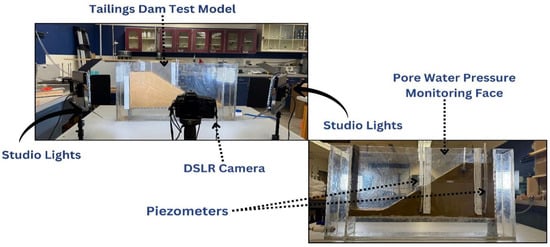
Quantitative Evaluation of Displacement Fields in a Tailings Dam Physical Model Under Elevated Pore Water Pressure Using Digital Image Processing
by
Abraham Armah, Mehrdad Razavi, Richard Otoo, Benjamin Abankwa and Sandra Donkor
Mining 2026, 6(1), 17; https://doi.org/10.3390/mining6010017 - 22 Feb 2026
Abstract
►▼
Show Figures
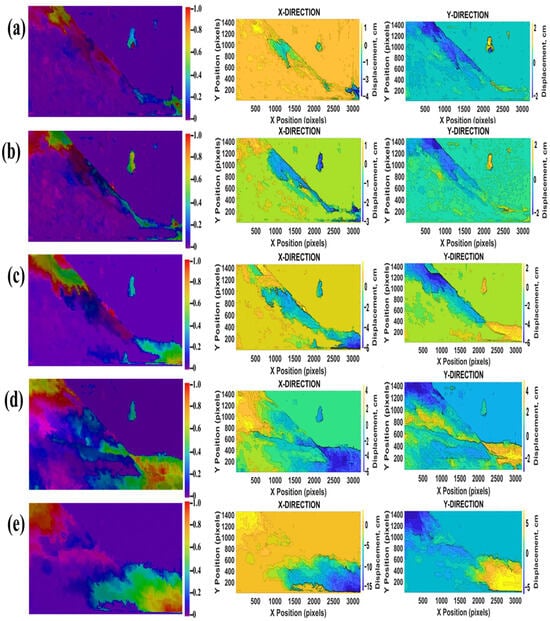
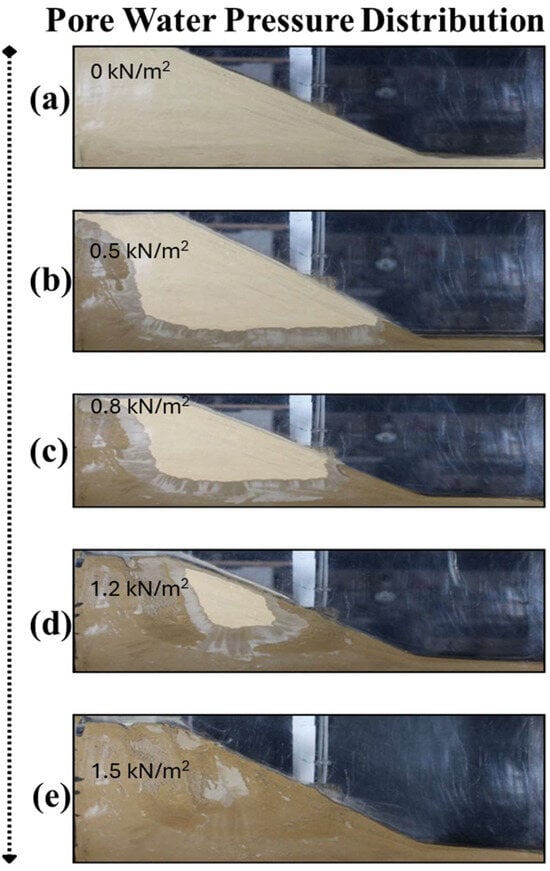
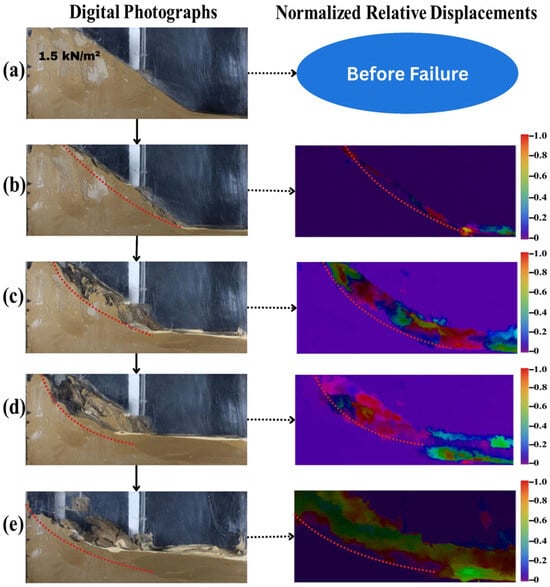
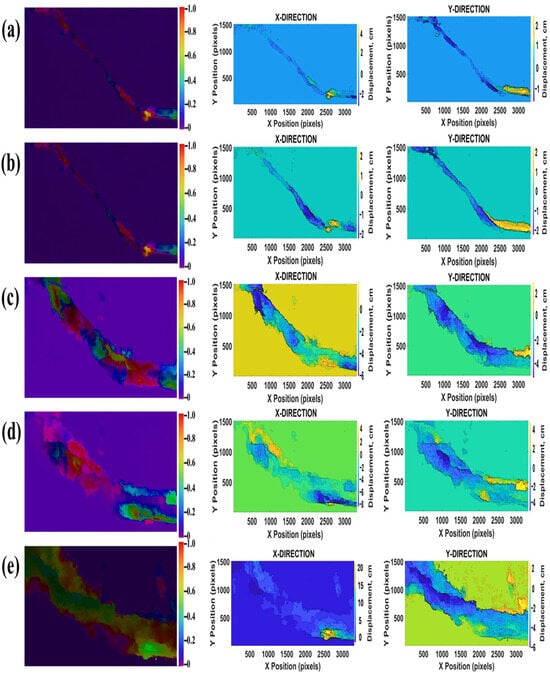
The mining industry still faces major environmental and socioeconomic problems as a result of tailings dam failures, which highlights the urgent need for improved monitoring and early-warning systems. This research offers practical recommendations for improved monitoring and safer design practices, in addition to
[...] Read more.
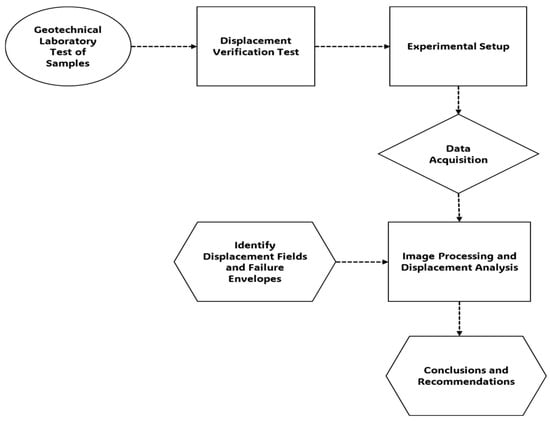
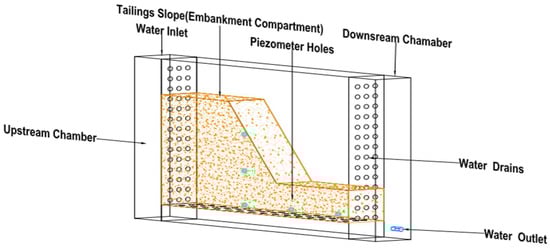
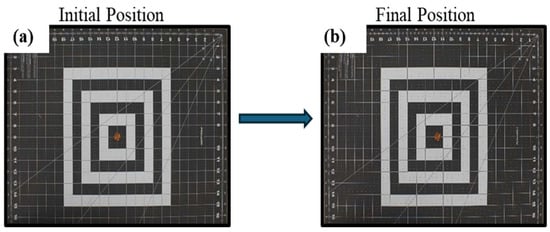
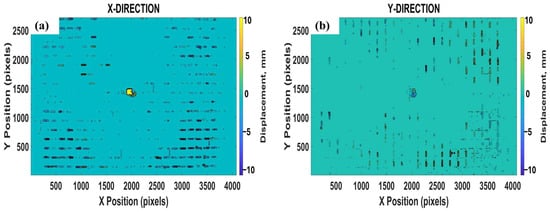
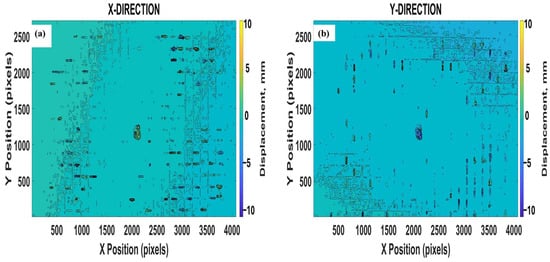
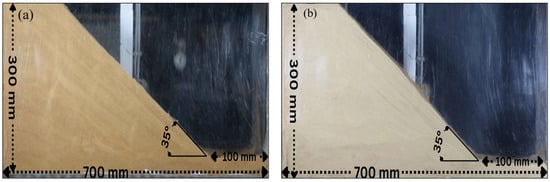
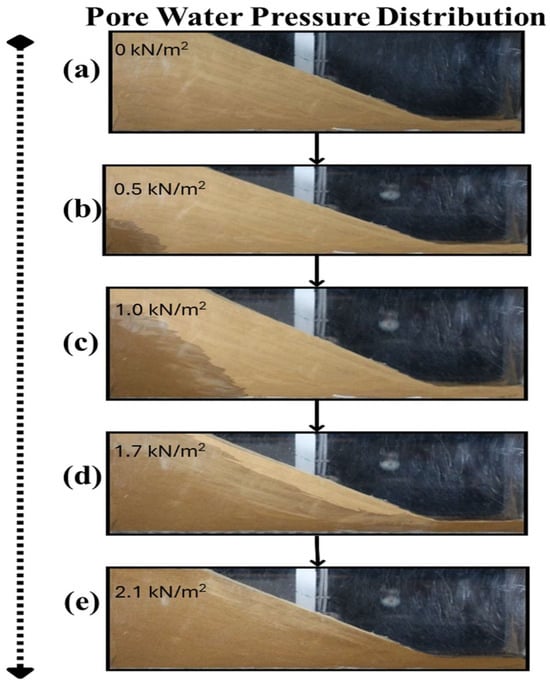
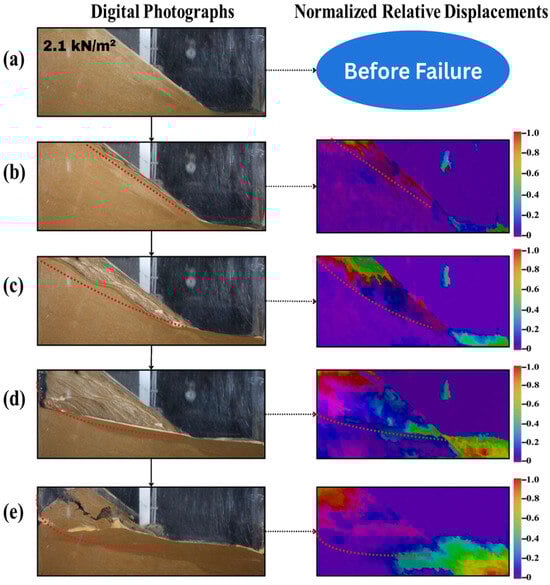
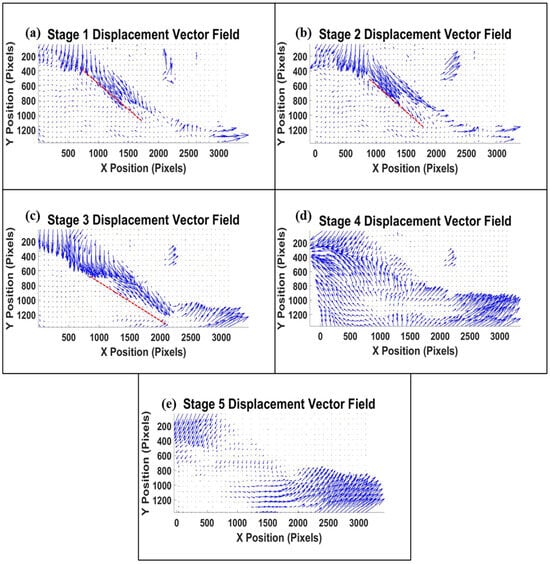
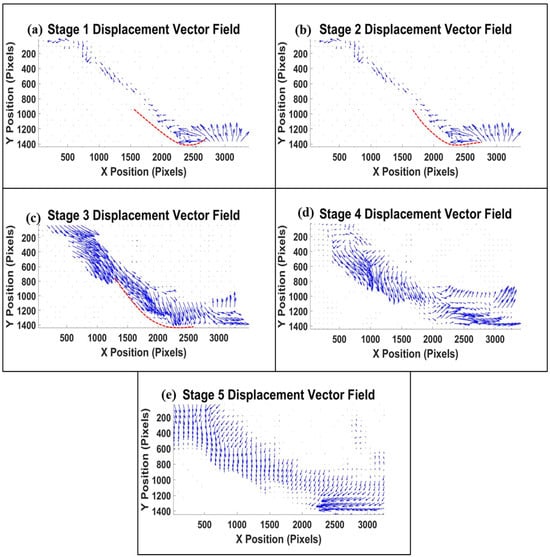
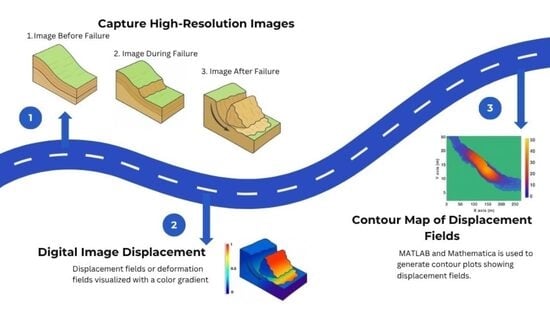
The mining industry still faces major environmental and socioeconomic problems as a result of tailings dam failures, which highlights the urgent need for improved monitoring and early-warning systems. This research offers practical recommendations for improved monitoring and safer design practices, in addition to investigating the use of digital image processing (DIP) as a non-invasive technique for tracking slope deformation in tailings dam models subjected to incremental pore water pressure increases. To replicate real-world conditions as closely as possible, a scaled laboratory embankment was built using coarse and fine tailings. During controlled pore-pressure loading, more than 500 high-resolution photos were taken, recording the entire deformation sequence from initial displacement to slope failure. The images were processed using Mathematica to generate pixel-by-pixel displacement fields and vector plots, providing a detailed visualization of deformation mechanisms. The findings demonstrated that DIP accurately detects and measures surface displacement, revealing the mechanisms, direction, and intensity of deformation. This study illustrates the extensive potential of DIP for real-time monitoring by directly connecting slope instability triggered by incremental pore water pressure with visual indications of slope deformation. While the results confirm the strong potential of DIP for deformation monitoring with a minimum detectable displacement of approximately 1.0 mm under controlled laboratory conditions, its field application may be affected by scale effects, variable lighting, and environmental occlusion. The mining industry benefits greatly from the insights gained through in-depth image analysis, which promotes safer tailings dam design and management. Overall, DIP can provide a reliable, scalable foundation for real-time deformation monitoring in operational tailings dams, where continuous image-based measurements can help identify early signs of instability and support proactive risk management.
Full article

Graphical abstract
Open AccessArticle
The Fuel Handling Index (FHI): A Telemetry 4.0-Based Indicator for Hybrid Transition and Idle Management in Marble Quarries
by
Sara Innocenzi and Dario Lippiello
Mining 2026, 6(1), 16; https://doi.org/10.3390/mining6010016 - 20 Feb 2026
Abstract
The marble extractive industry heavily depends on diesel-powered equipment, particularly wheel loaders and excavators used for block handling, resulting in high energy consumption and operating costs. In this study, the potential for fuel reduction through managerial and technological transitions was evaluated using the
[...] Read more.
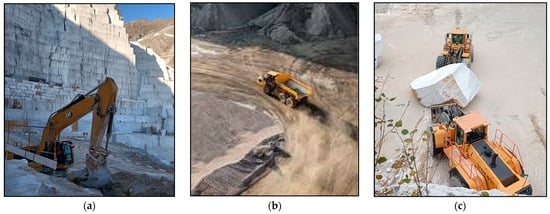
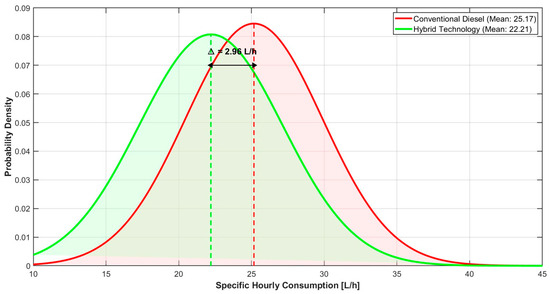
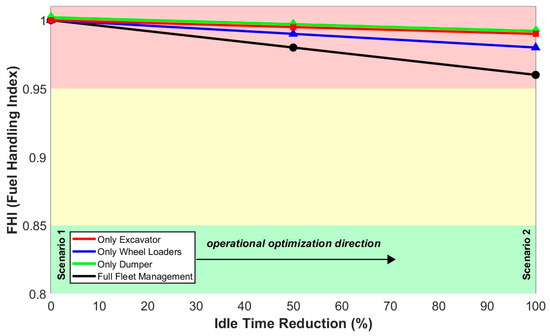
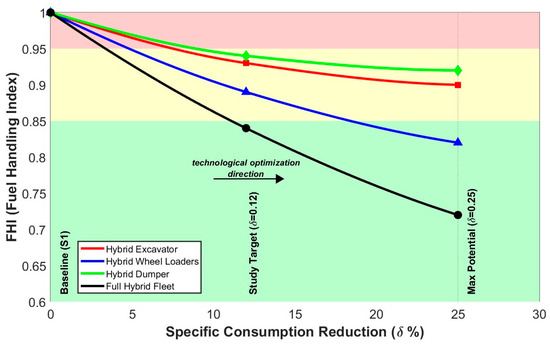
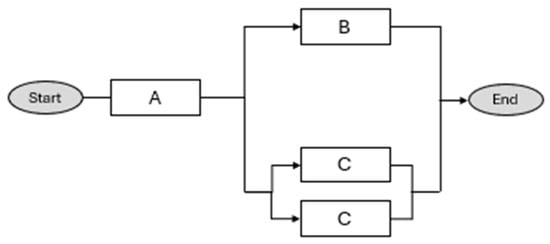
The marble extractive industry heavily depends on diesel-powered equipment, particularly wheel loaders and excavators used for block handling, resulting in high energy consumption and operating costs. In this study, the potential for fuel reduction through managerial and technological transitions was evaluated using the example of the marble quarry located in the Carrara basin. The energy demand of excavators, wheel loaders, and dumpers was characterized using telemetry data gathered through an Industry 4.0 methodology. A standard elementary cycle was modeled via the program evaluation and review technique (PERT) to map productive tasks and idling periods. To ensure comparability, a specific consumption coefficient (SCC) was defined. Subsequently, a novel fuel handling index (FHI) is proposed to prioritize investments by accounting for the uncertainties and production variables typical of quarry projects. Results demonstrate that while idle management offers a 4% fuel reduction, transitioning to hybrid wheel loaders represents a more significant strategy, achieving a 12% saving among the scenarios analyzed. The full-hybrid scenario leads to a cumulative 17% reduction. This framework supports decision-making for energy efficiency in high-yield extraction sectors, mitigating the economic risk associated with technological transitions.
Full article
(This article belongs to the Special Issue Advances in Mining Technology and Equipment: Innovations and Case Studies)
►▼
Show Figures

Figure 1
Open AccessArticle
In-Situ Stress Manipulation by Hydraulic Fracturing for Safer Deep Open Stope Mining in the Canadian Shield
by
Nikolas Dmitrovic and Shunde Yin
Mining 2026, 6(1), 15; https://doi.org/10.3390/mining6010015 - 18 Feb 2026
Abstract
►▼
Show Figures
Hydraulic fracturing is a widely used technique in the oil and gas industry and, specifically, it is used in mining for fragmentation enhancement and rockburst risk mitigation. The technique is actively being applied to cave mining environments to induce caving and improve seismic
[...] Read more.
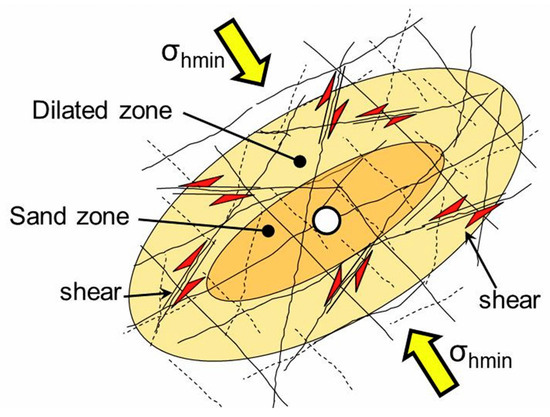
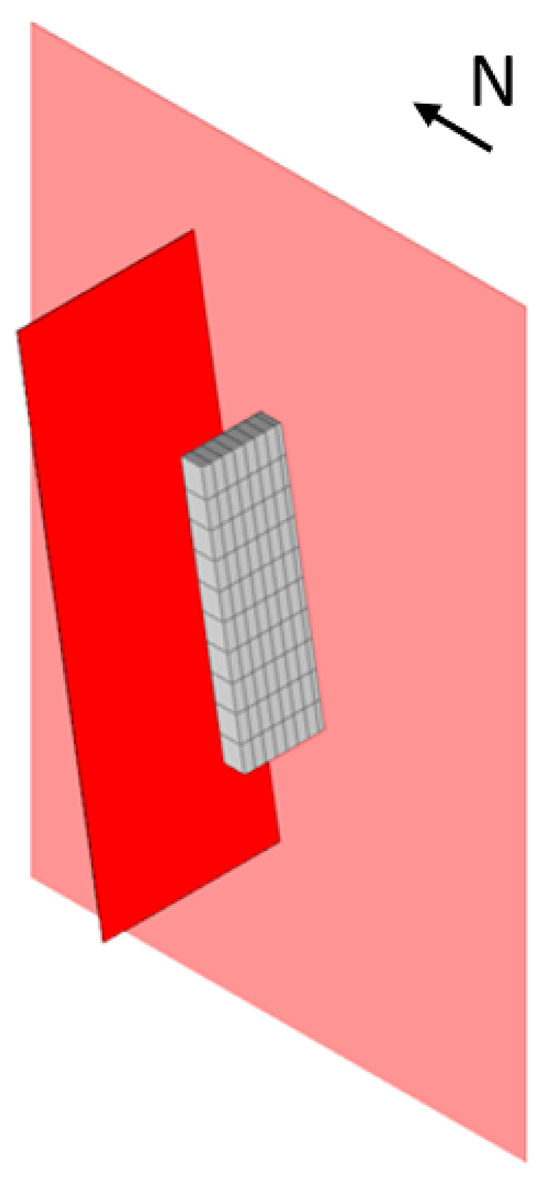
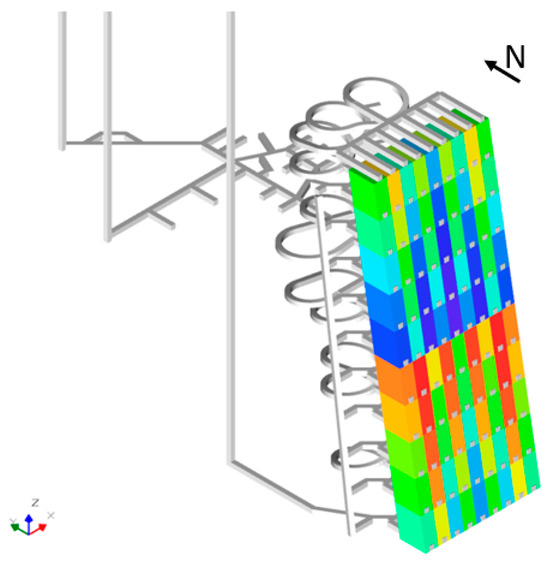
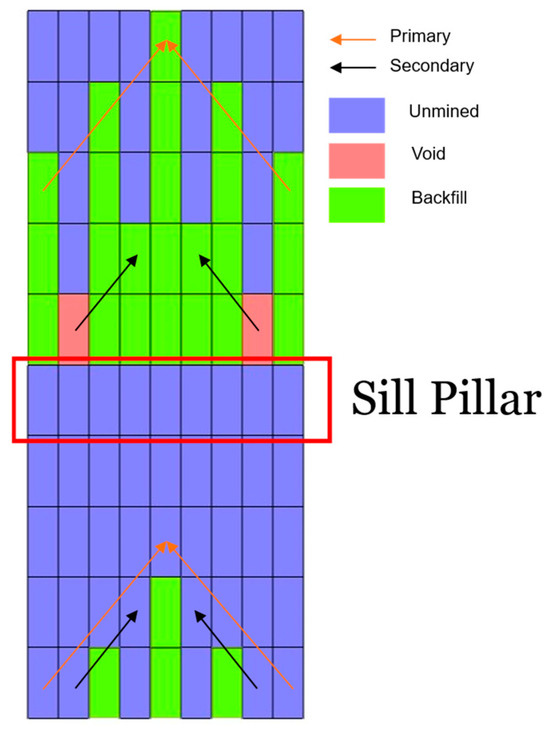
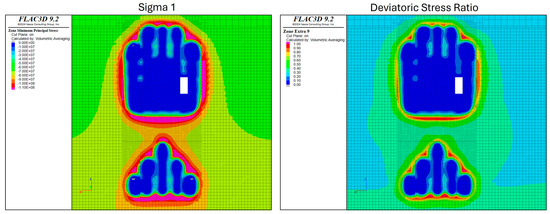
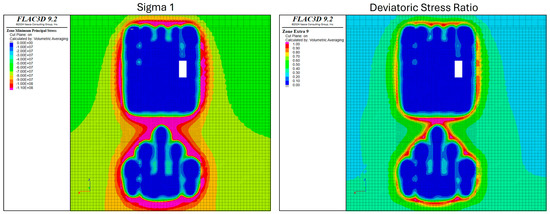
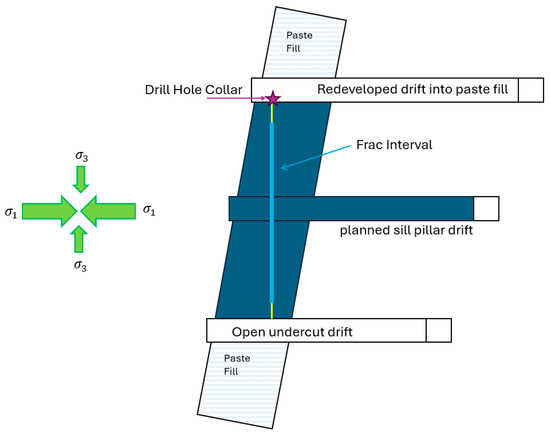
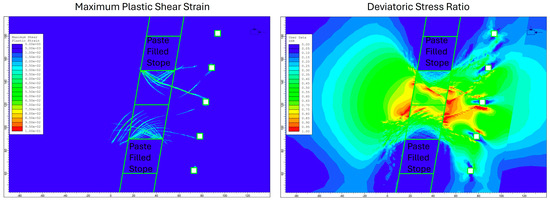
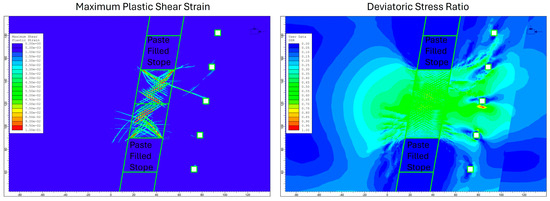
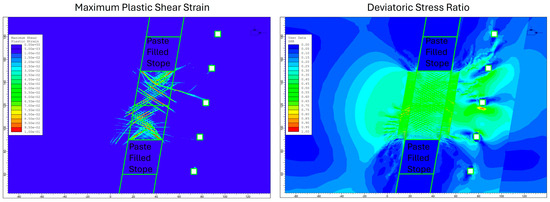
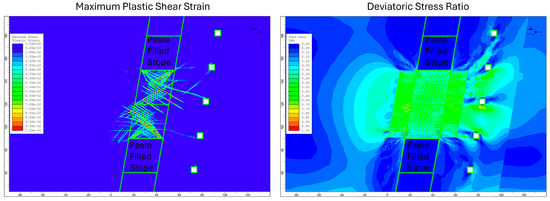
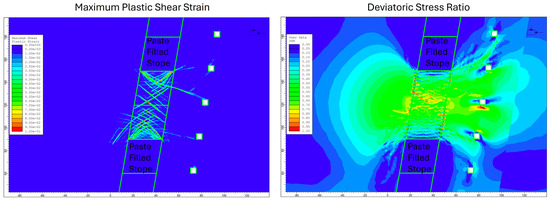
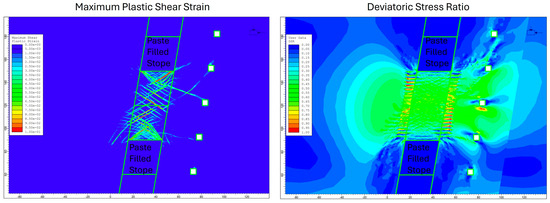
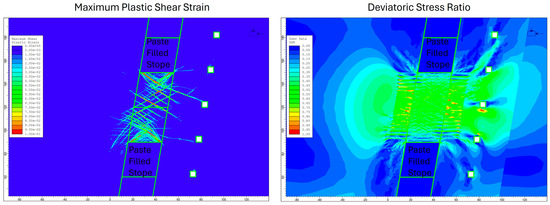
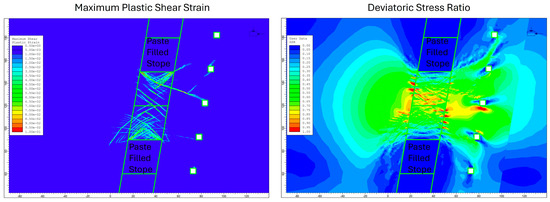
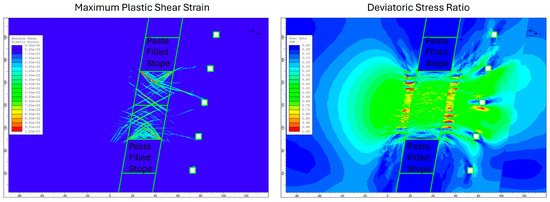
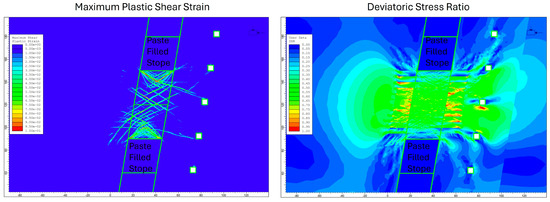
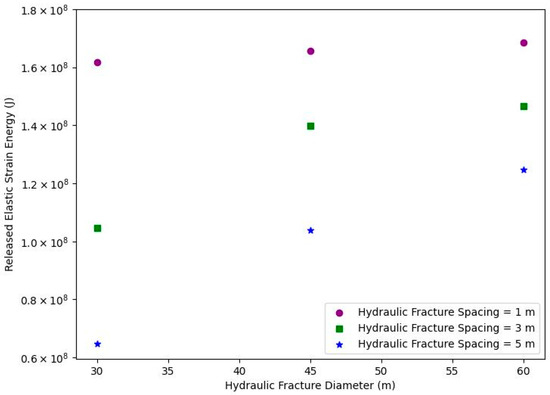
Hydraulic fracturing is a widely used technique in the oil and gas industry and, specifically, it is used in mining for fragmentation enhancement and rockburst risk mitigation. The technique is actively being applied to cave mining environments to induce caving and improve seismic response in deep high-strength rock masses. The method has great potential in Long Hole Open Stoping mines for large-scale stress management in high-risk environments. The use of hydraulic fracturing in deep mining was explored through the development of a conceptual design for the destressing of a mining pillar. Numerical modeling was conducted to understand the effects hydraulic fracture has on stress reduction, and how fractured geometries affect these results. The results of this analysis showed that there is a strong dependence on the geometry of hydraulic fractures on the stress reduction potential of the method. The developed conceptual design showed that hydraulic fracturing can be directly integrated into mine planning as a tool to strategically manage the hazards associated with highly stress pillars. The activities associated with treatment design directly identifies when treatment should occur in the mining sequence and provides a general assessment of risk reduction that can be used directly for operational decision-making.
Full article

Figure 1
Open AccessArticle
Analysis of Secondary Fracture Law of Roof Strata and Water Inrush Potential in Close-Distance Coal Seam Mining
by
Yun Liu and Hui Li
Mining 2026, 6(1), 14; https://doi.org/10.3390/mining6010014 - 17 Feb 2026
Abstract
►▼
Show Figures
Close-distance multi-seam mining frequently induces secondary surface deformation and subsidence. Extracting a lower coal seam beneath an existing goaf repeatedly disturbs the overburden, often leading to roof collapse and the expansion of vertical water-conducting fractures that connect the working face to aquifers. Furthermore,
[...] Read more.
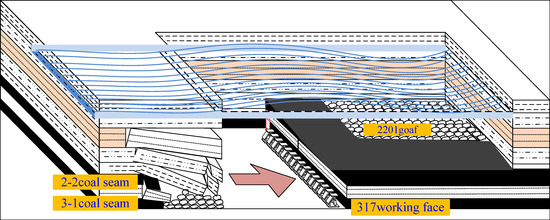
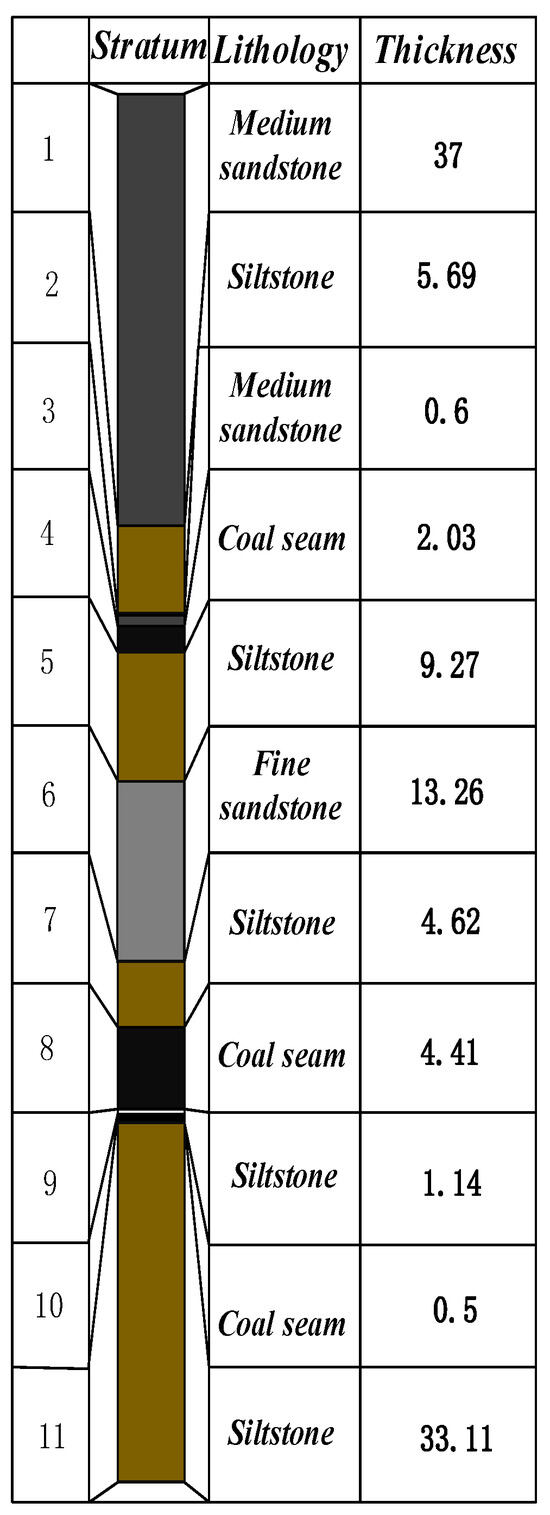
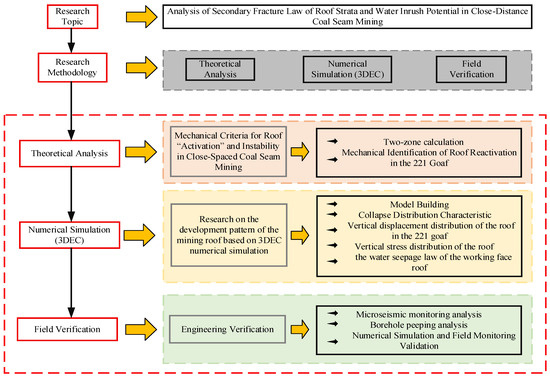
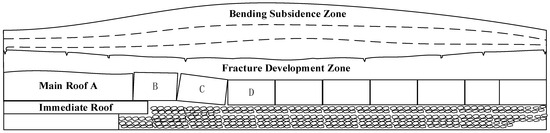
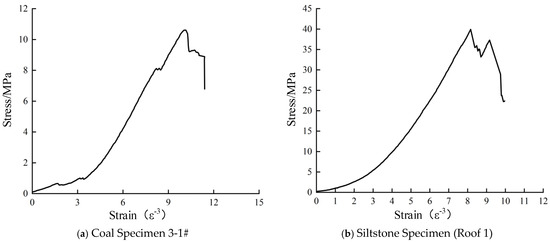
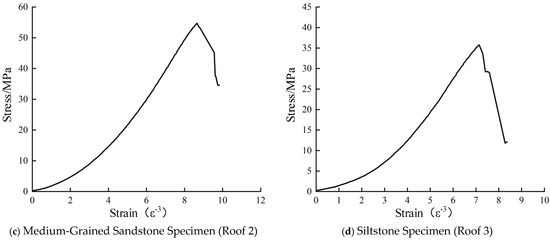
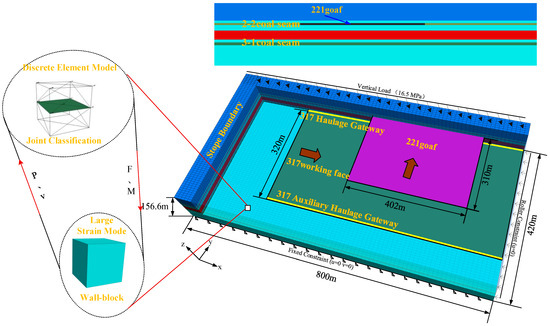
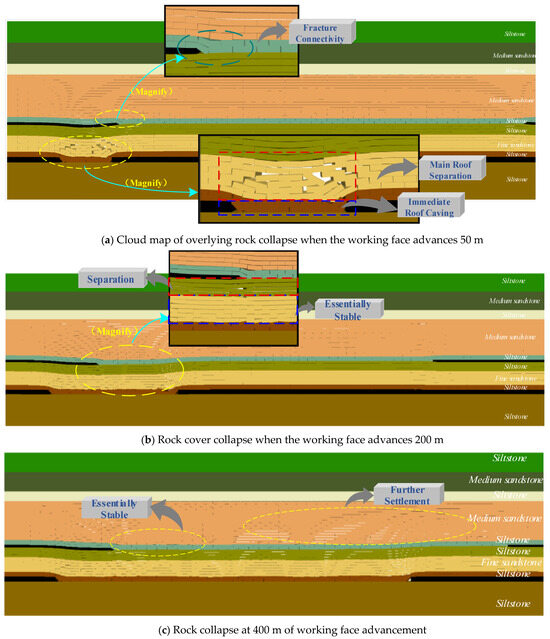
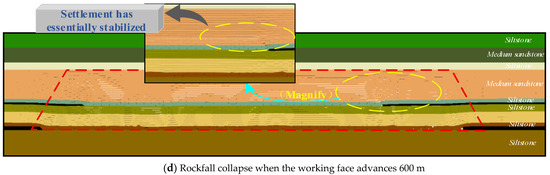
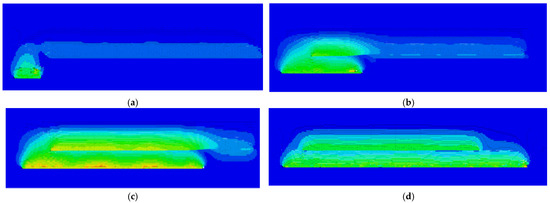
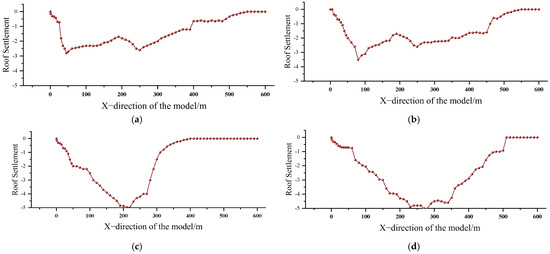
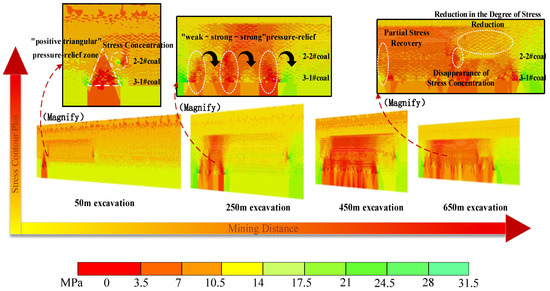
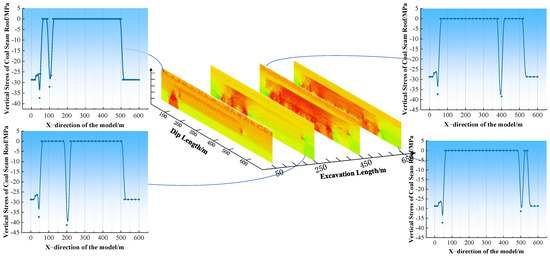
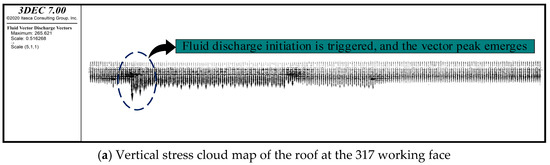
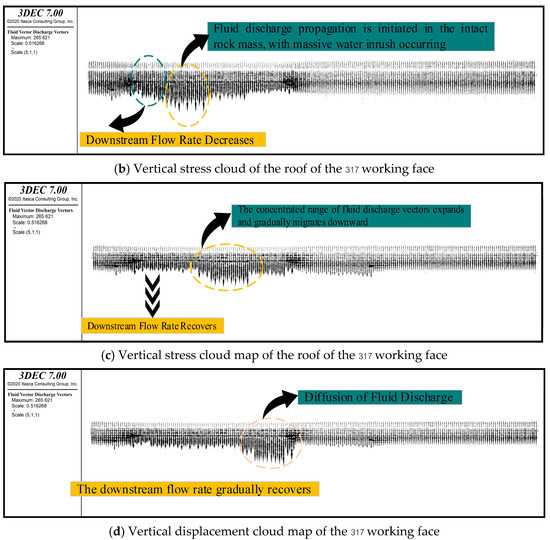
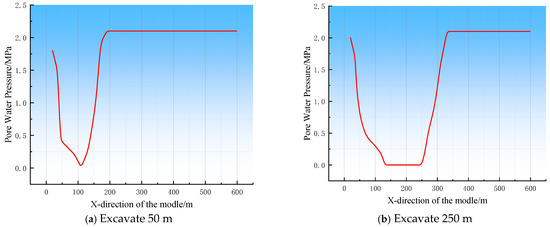
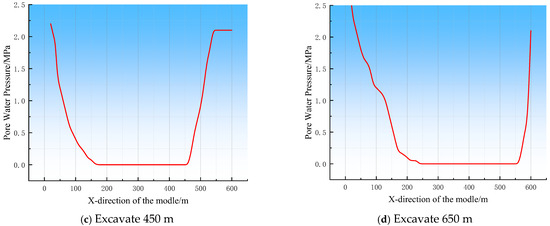
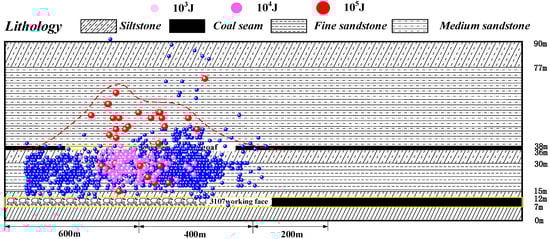
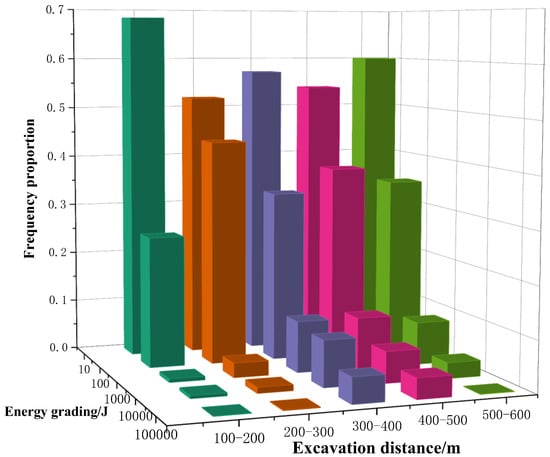
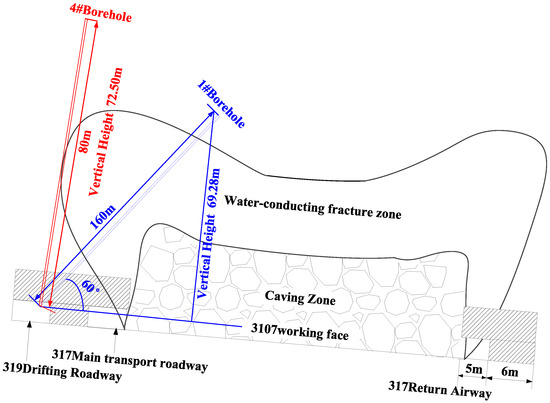
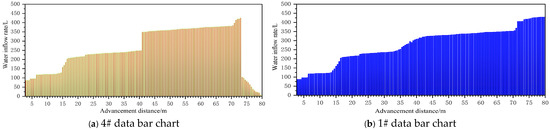
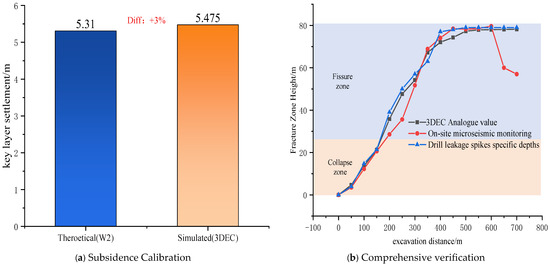
Close-distance multi-seam mining frequently induces secondary surface deformation and subsidence. Extracting a lower coal seam beneath an existing goaf repeatedly disturbs the overburden, often leading to roof collapse and the expansion of vertical water-conducting fractures that connect the working face to aquifers. Furthermore, the overlying goaf increases the risk of water inrush into active lower workings. This study investigates the mechanisms of strata reactivation and fracturing within an overlying goaf during lower seam extraction at a mine in Northwest China. Using theoretical analysis, numerical simulation, and microseismic monitoring, the research examines the secondary fracture mechanisms of the goaf roof and the resulting water-inrush potential. Research Findings: Strata Instability: Analysis of the key sandstone strata indicates that subsidence (W) of the key rock blocks satisfies 3.17 < W1 = 4.61 m < 18 m for the lower seam and 3.17 m < W2 = 5.31 m < 69.6 m for the 3-1# seam. These values confirm that key rock blocks in the basic roof undergo “reactivated” instability following fracture during lower seam mining. Pressure Relief and Fluid Dynamics: Mining-induced fracture initiation and propagation trigger strata reactivation. As the distance to the center of the goaf decreases, the subsidence of the overburden increases, ultimately resulting in a “trapezoidal” bending deformation pattern. Due to secondary activation, the roof subsidence 30 m above the 221 coal seam increased from 1.89 m to 5.475 m. The layers of high-strength, medium-grained sandstone and siltstone overlying the 317 coal seam and beneath the 221 goaf serve as high-strength material for the overlying rock formations. This suppresses the development of the caving zone and fracture zone, leading to subsidence failing to reach the sum of the heights of the two coal seams (6.8 m) and only reaching a value of 5.475 m. During extraction, the stress field undergoes a distinct evolution: it transitions from an initial “regular triangular” pressure-relief zone into a tripartite “weak–strong–strong” distribution. Furthermore, fluid discharge in the overlapping zone between the 317 working face and the 221 goaf increased sequentially, displaying an “alternating” pattern of peak vector variations as the face advanced. Microseismic Activity: Monitoring within the 300–500 m range identified frequent low-energy events and high-magnitude events (104 J, 105 J). These findings demonstrate that secondary excavation directly impacts the aquifer, creating a significant water-inrush hazard for the active working face.
Full article

Figure 1
Open AccessArticle
Backfill Composite Made from Technogenic Waste with Controlled Volume Stability
by
Roman Vladimirovich Klyuev
Mining 2026, 6(1), 13; https://doi.org/10.3390/mining6010013 - 11 Feb 2026
Abstract
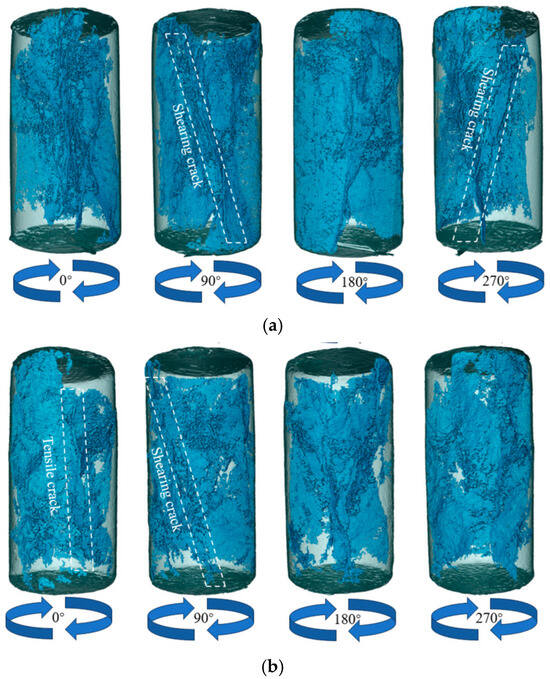
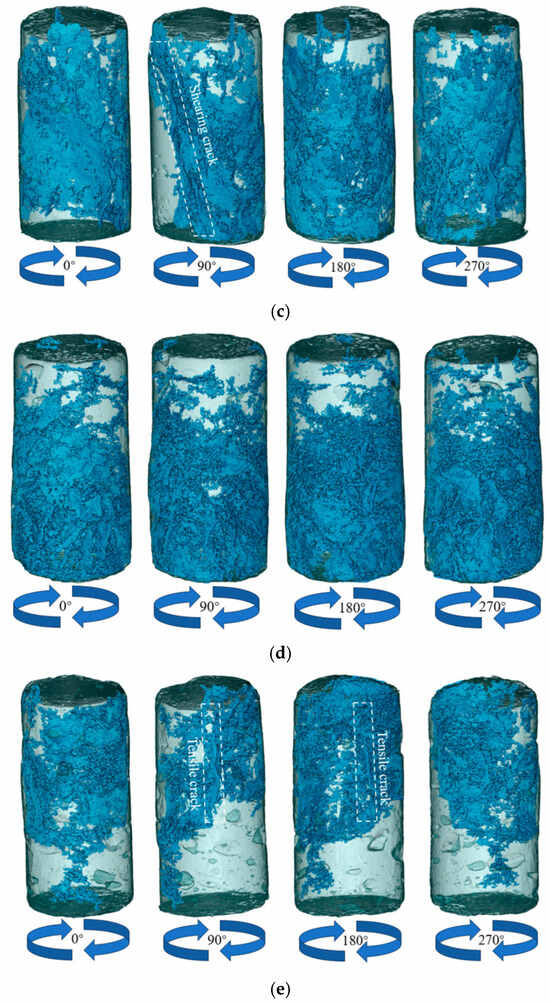
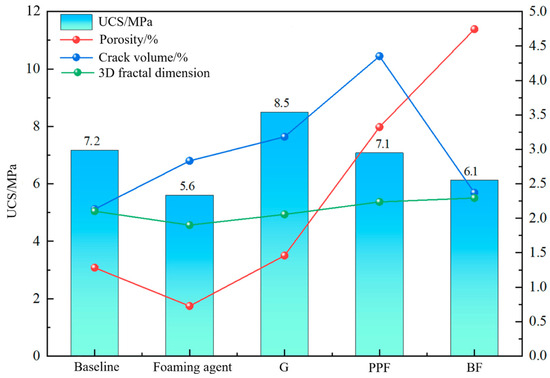
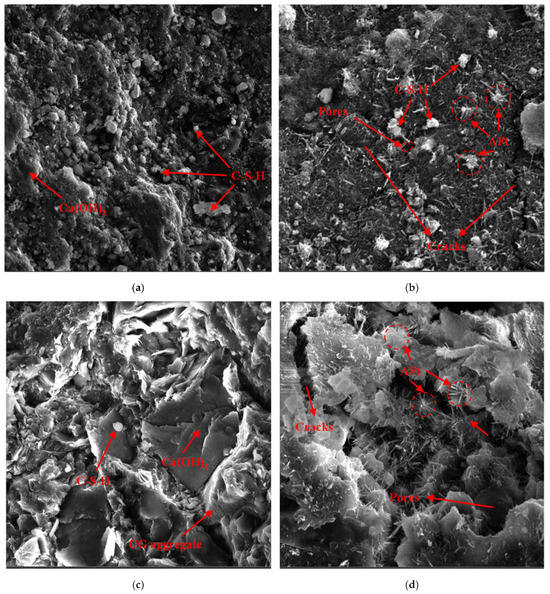
The study presents the development of a backfill composite based on technogenic waste with controlled volumetric stability, ensuring complete filling of underground voids while maintaining high strength performance. The formulation incorporates beneficiation and metallurgical wastes, as well as activators, foaming agents, and reinforcing
[...] Read more.
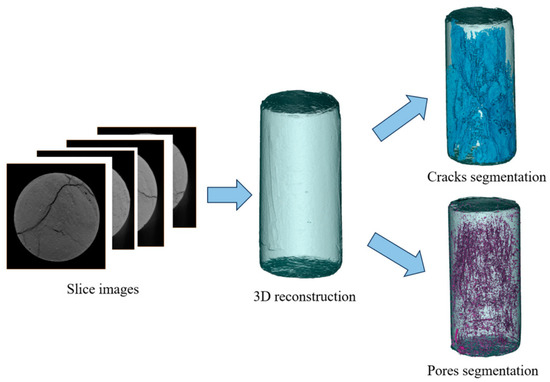
The study presents the development of a backfill composite based on technogenic waste with controlled volumetric stability, ensuring complete filling of underground voids while maintaining high strength performance. The formulation incorporates beneficiation and metallurgical wastes, as well as activators, foaming agents, and reinforcing fibers. A comprehensive analysis of strength, pore structure, and fracturing was performed using CT-scanning, 3D reconstruction, and fractal analysis. It was established that fibers of different nature exert multidirectional effects on porosity and strength, with basalt fiber contributing to the formation of a hierarchically stable structure. The results obtained confirm the feasibility of producing an environmentally efficient backfill material for safe mineral resource extraction.
Full article
(This article belongs to the Special Issue Advances in Mining Technology and Equipment: Innovations and Case Studies)
►▼
Show Figures

Figure 1
Open AccessArticle
Groundwater Baseline Values Using the 95–95 Upper Tolerance Limit in an Iron Ore Tailing Disposal Pit, Iron Quadrangle, Brumadinho, Brazil
by
Raphael Vicq Ferreira Costa, Marianna Lopes Soares, Felipe de Souza Cologna, Nathalia Froiman Carmona, Ludmilla Lage, Fabianna Resende Vieira, Gabriela Maria Arantes Rodrigues, Vitor Brognaro Pimenta, Maurício José da Silva Soares and Teresa Valente
Mining 2026, 6(1), 12; https://doi.org/10.3390/mining6010012 - 7 Feb 2026
Abstract
►▼
Show Figures
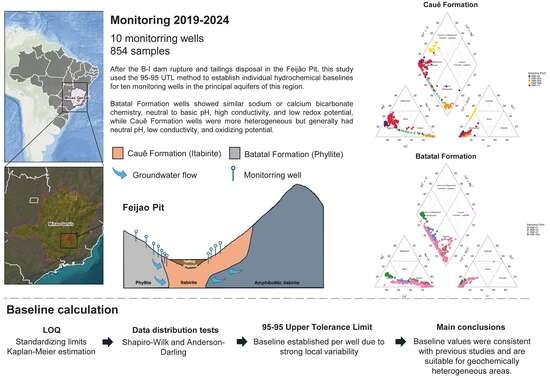
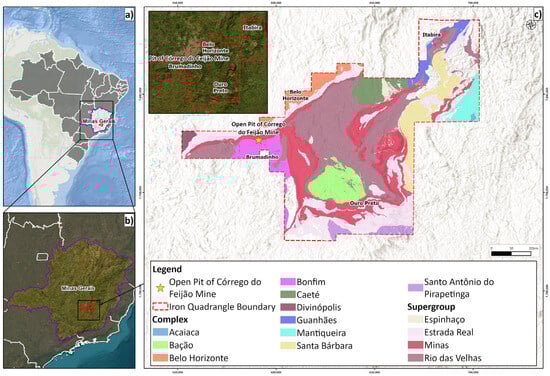
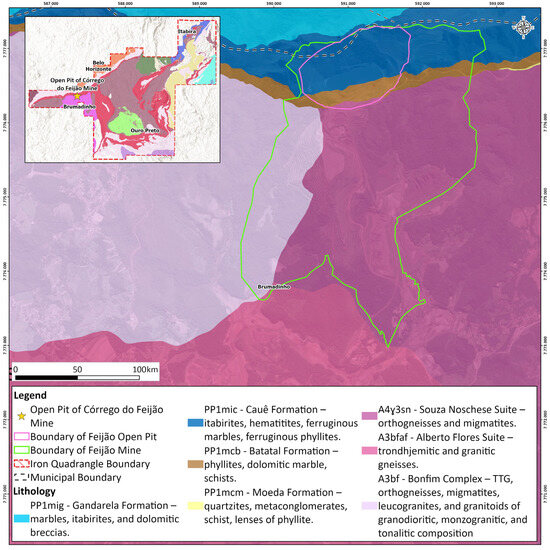
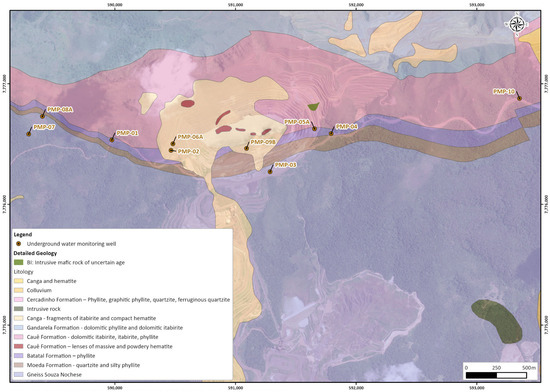
The rupture of the B-I dam at the Córrego do Feijão mine in Brumadinho, Minas Gerais, Brazil, on 25 January 2019, prompted the implementation of environmental remediation actions. Among these actions is the need for groundwater quality monitoring in the Feijão Pit (“Cava
[...] Read more.
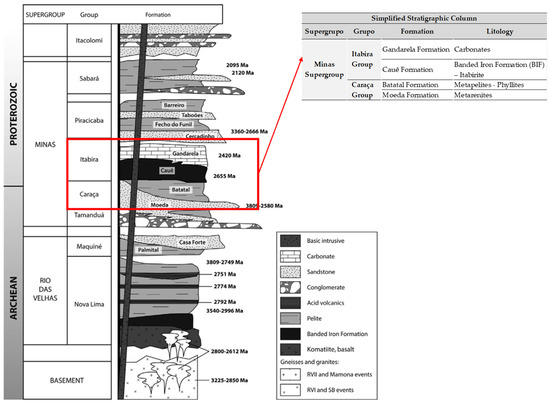
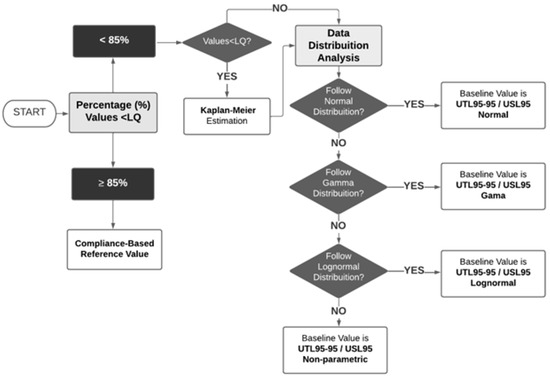
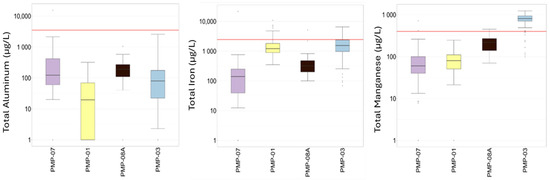
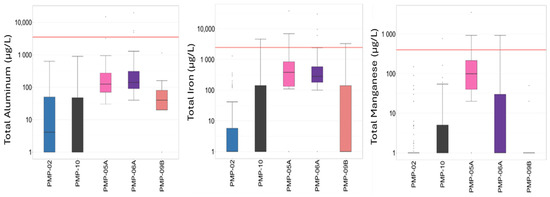
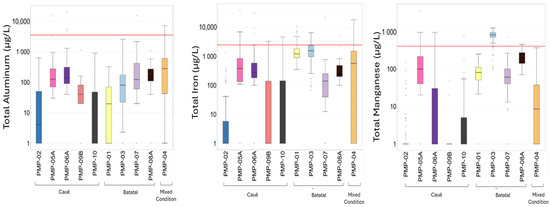
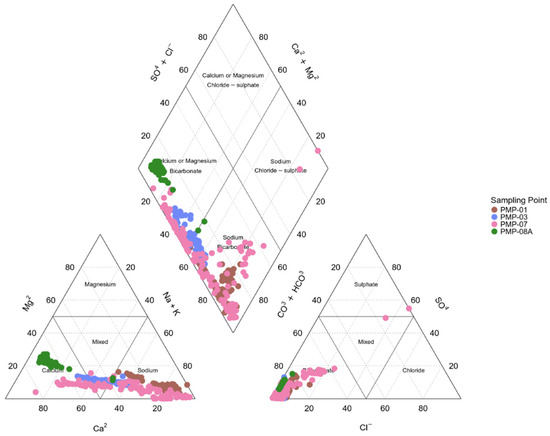
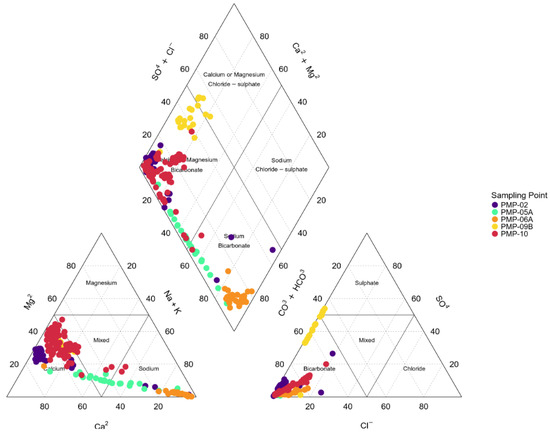
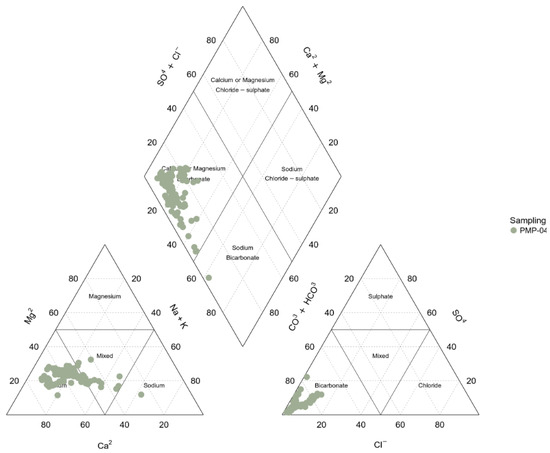
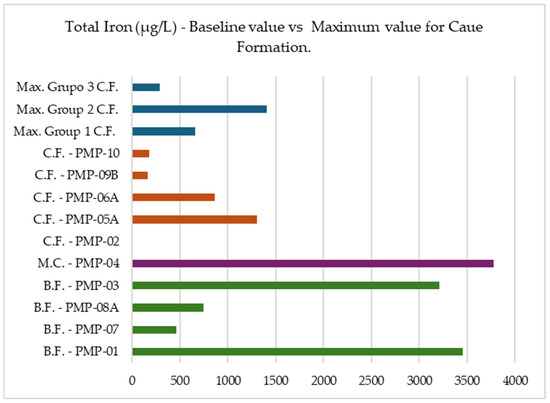
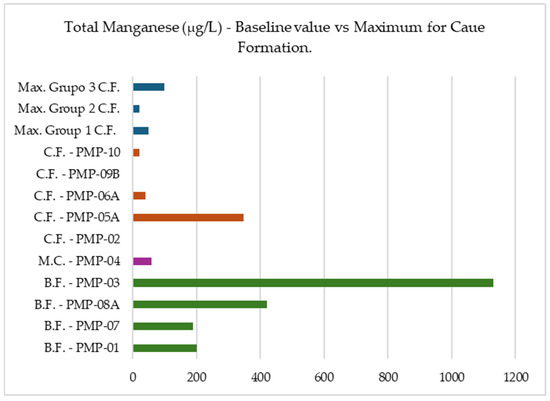
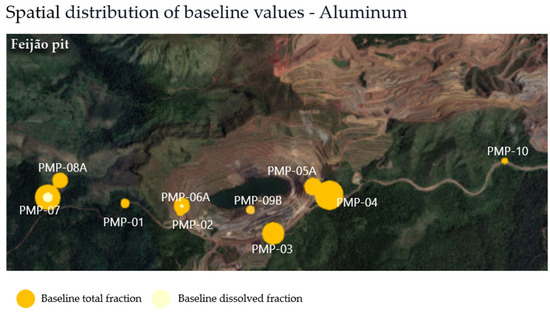
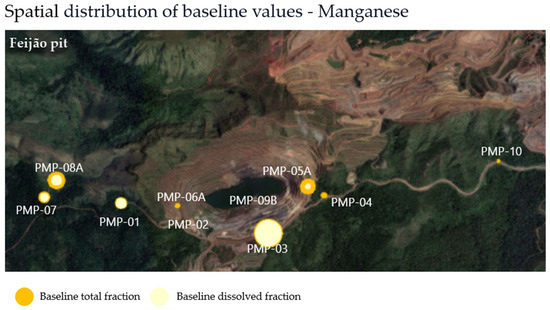
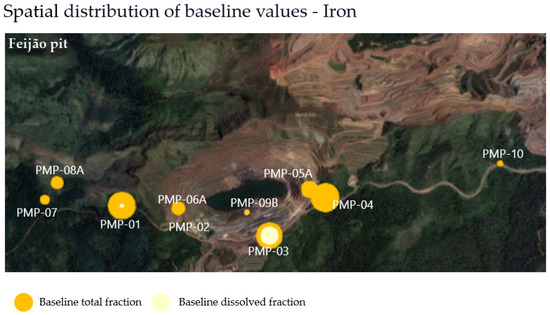
The rupture of the B-I dam at the Córrego do Feijão mine in Brumadinho, Minas Gerais, Brazil, on 25 January 2019, prompted the implementation of environmental remediation actions. Among these actions is the need for groundwater quality monitoring in the Feijão Pit (“Cava de Feijão”) area due to the disposal of tailings from dams B-I, B-IV, and B-IVA at this site. In order to assess potential impacts on groundwater, the determination of baseline values for elements of interest was proposed for ten monitoring wells installed in and around the pit, with monitoring results from 2019 to 2024, totaling 854 samples. Due to the lack of hydrochemistry data and local hydrogeological complexity of the existing aquifers within the context of the Iron Quadrangle (IQ), it was necessary to evaluate and determine individual baseline values for each monitoring well, assessing data variability and population distribution. For this purpose, the 95–95 Upper Tolerance Limit (UTL) method was applied to establish baseline values providing a robust statistical approach that encompasses 95% of observations with a 95% confidence interval as it is a widely used standard in statistics due to its practical balance between confidence and precision. This methodology proved effective and has potential for application in groundwater monitoring in areas that may present high compositional variability due to the chemical heterogeneity of the groundwater. The baseline values obtained for the main elements of interest, which are iron (Fe) and manganese (Mn), were consistent with findings from previous studies conducted in the hydrogeological units of the study area, also demonstrating that the adopted methodology was effective in identifying representative concentrations for the region.
Full article

Graphical abstract
Open AccessEditorial
Editorial for the Special Issue “Mine Automation and New Technologies”
by
Roohollah Shirani Faradonbeh, Phillip Stothard and Robert Solomon
Mining 2026, 6(1), 11; https://doi.org/10.3390/mining6010011 - 4 Feb 2026
Abstract
Mining is undergoing a transformation driven by digitalisation and automation, promising improvements in efficiency, sustainability, and safety [...]
Full article
(This article belongs to the Special Issue Mine Automation and New Technologies)
Open AccessArticle
Integrated Physical and Numerical Assessment of the Formation of Water-Conducting Fracture Zones in Deep Ore Mines with Structural Faults
by
Egor Odintsov, Zidong Zhao, Vladimir Gusev, Kai Wang and Wenwei Wang
Mining 2026, 6(1), 10; https://doi.org/10.3390/mining6010010 - 3 Feb 2026
Cited by 1
Abstract
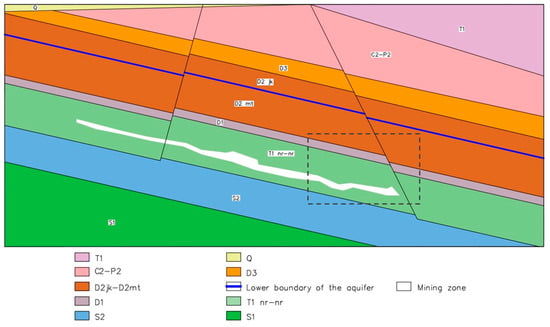
Mining operations conducted beneath water-bearing strata pose significant risks associated with the development of water-conducting fracture zones in the overburden. The height criterion for this parameter is critical to ensuring the stability of underground mine workings and preventing the risk of water inrush
[...] Read more.
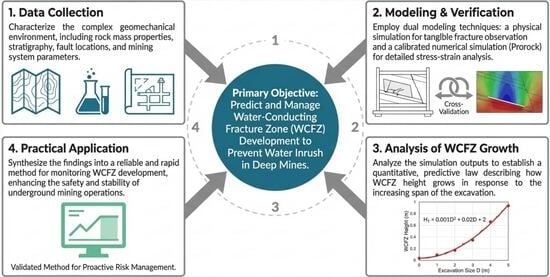
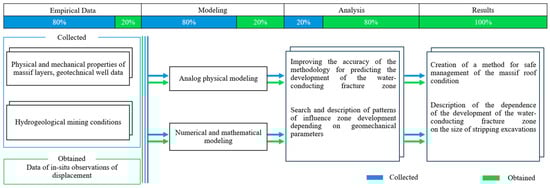
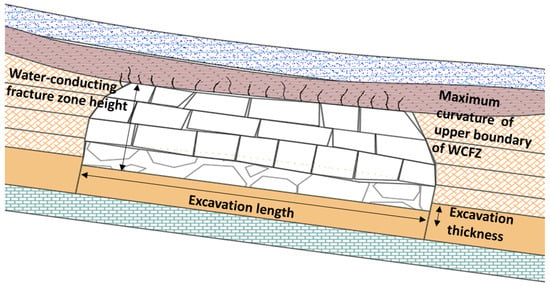
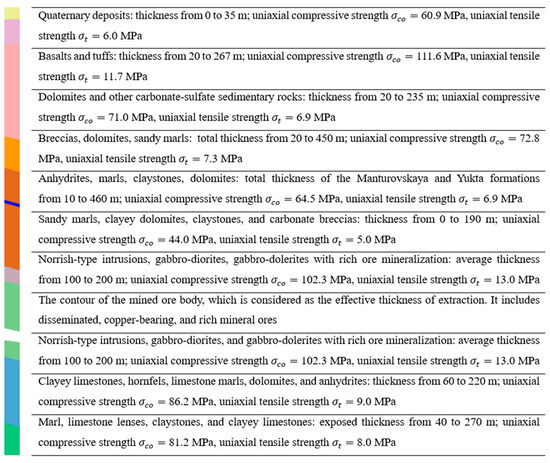
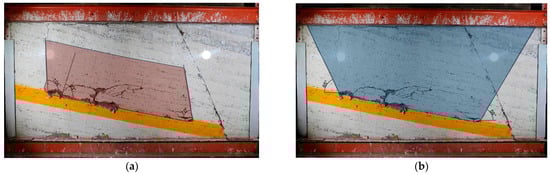
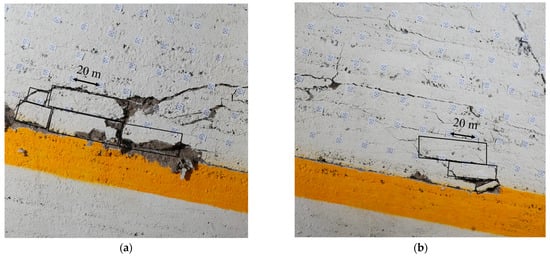
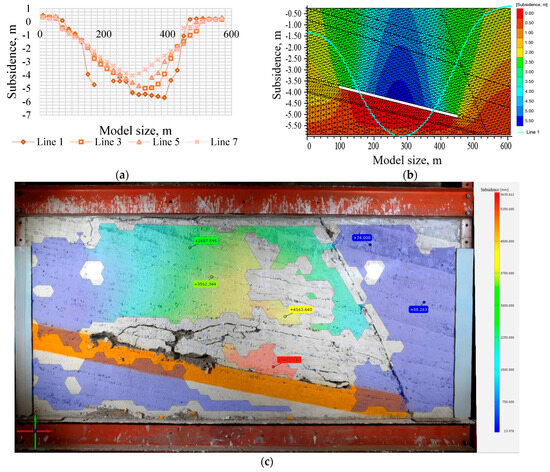
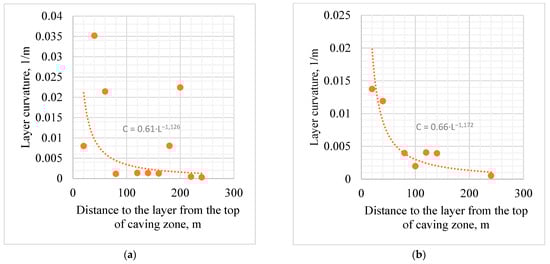
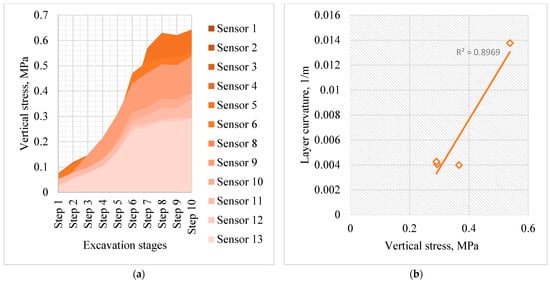
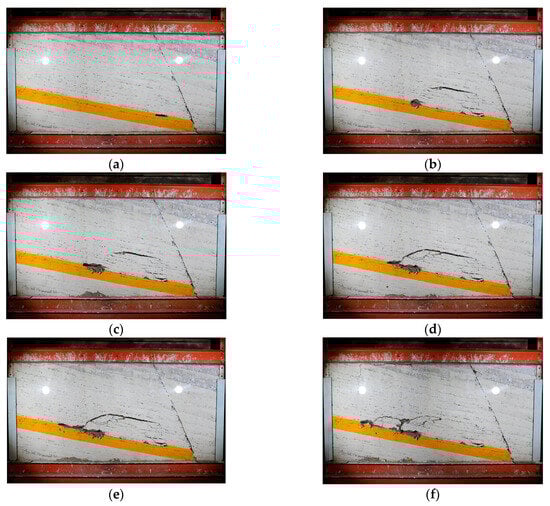
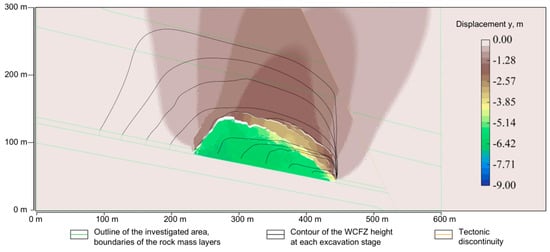
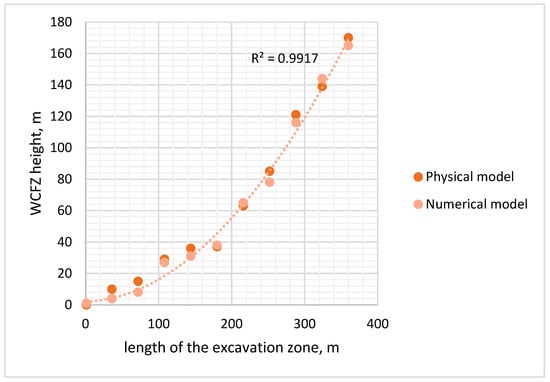
Mining operations conducted beneath water-bearing strata pose significant risks associated with the development of water-conducting fracture zones in the overburden. The height criterion for this parameter is critical to ensuring the stability of underground mine workings and preventing the risk of water inrush incidents. The research is based on physical and numerical simulations and aims to forecast the development of the water-conducting fracture zone. The methodology is based on in situ hydrogeology data, geotechnical boreholes, physical 2D modeling of rock strata, discrete element modeling using UDEC, and finite–discrete element modeling using Prorock software. A physical model of layered rock mass is constructed to simulate unfilled excavation areas induced deformation under real polymetallic ore field conditions. Based on the results, relationships between vertical subsidence, layer curvature, inclination, and the height of the water-conducting fracture zone were obtained. Particular attention is given to the effects of tectonic discontinuities, chamber geometry, and backfilling on fracture development. A stepwise excavation sequence is simulated to reproduce field conditions and assess the evolution of stress and deformation fields in the overburden. The study reveals that the propagation of the fracture zone around a mine excavation adheres to a polynomial law, characterized by an increase in height concurrent with the expansion of the excavation. This approach enables the design of safe extraction strategies beneath aquifers or surface water bodies. The proposed framework is expected to enhance prediction accuracy and reduce uncertainties.
Full article
(This article belongs to the Special Issue Advances in Mining Technology and Equipment: Innovations and Case Studies)
►▼
Show Figures

Graphical abstract
Open AccessArticle
Study of Weak-Acid-Dissociable and Free Cyanide Oxidation by Ozone Injection into Gold Mine Pulp
by
Coraquetzali Magdaleno López, Saúl Ortiz Landeros, Héctor Herrera Hernández, Eugenia Aldeco Pérez, Carlos Estrada Arteaga, Antonia Sandoval González and Jorge Morales Hernández
Mining 2026, 6(1), 9; https://doi.org/10.3390/mining6010009 - 1 Feb 2026
Abstract
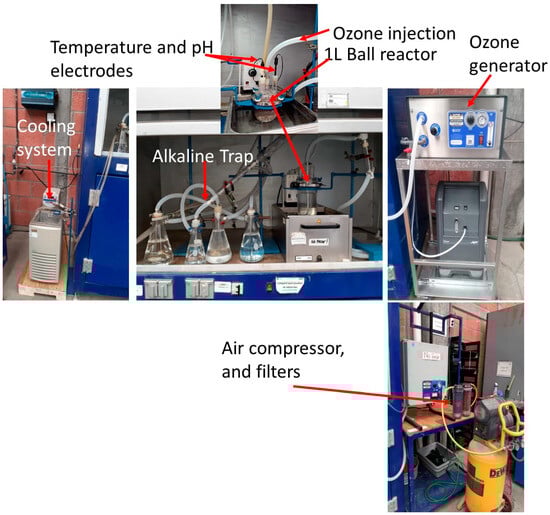
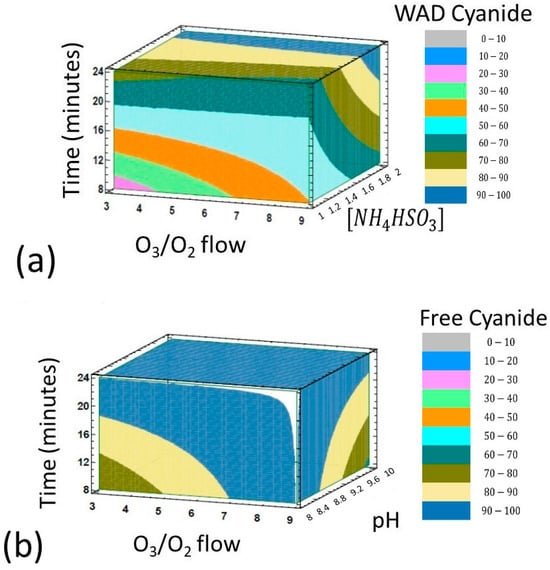
The effects of key variables on weak-acid-dissociable (WAD) and free cyanide oxidation by ozone injection in gold mine pulp were studied at laboratory scale to find an alternative cyanide treatment. A fractional factorial analysis of five process variables (O3/O2 flow,
[...] Read more.
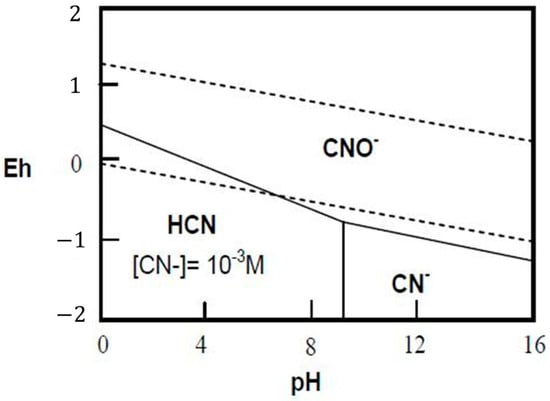
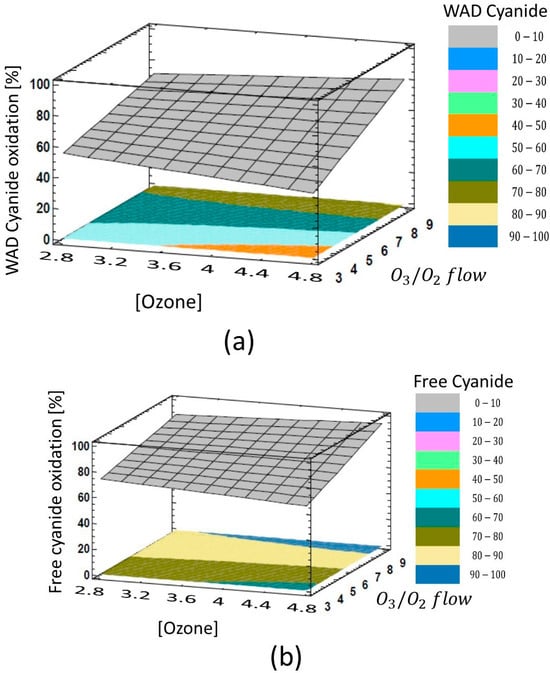
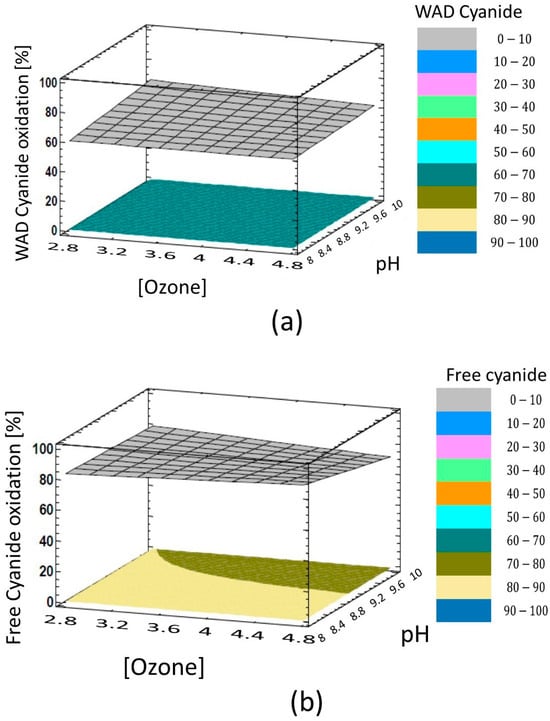
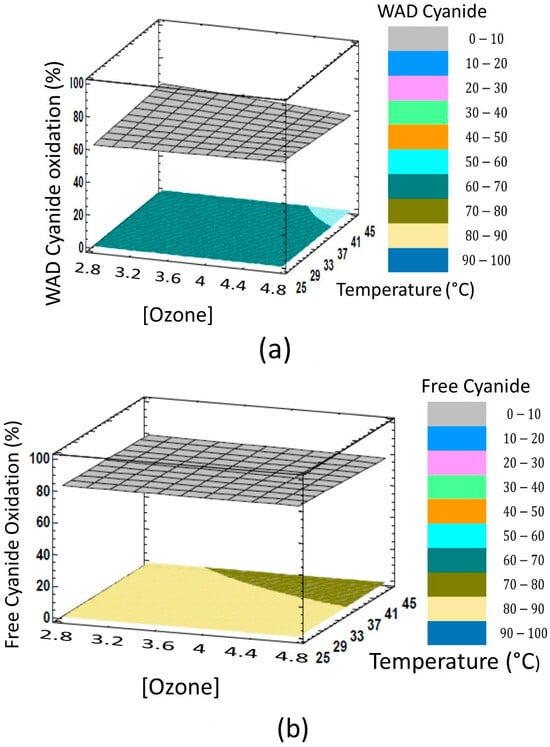
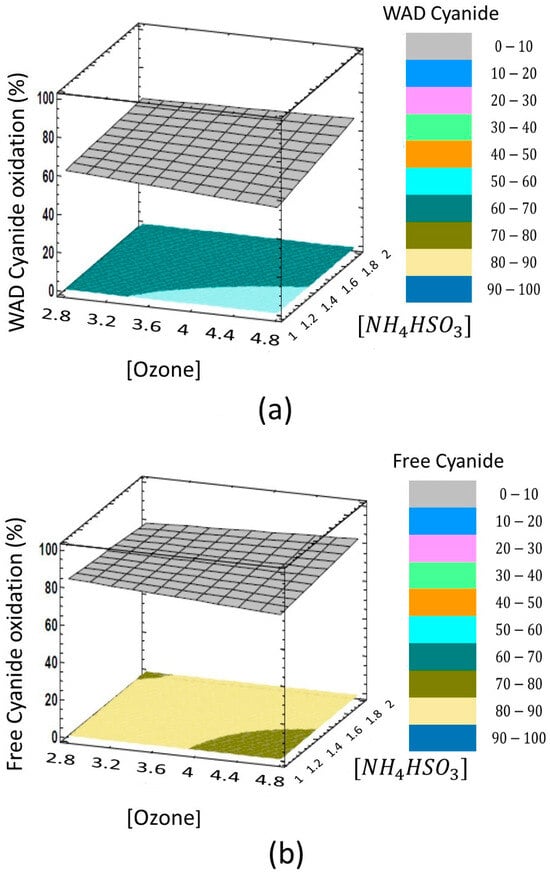
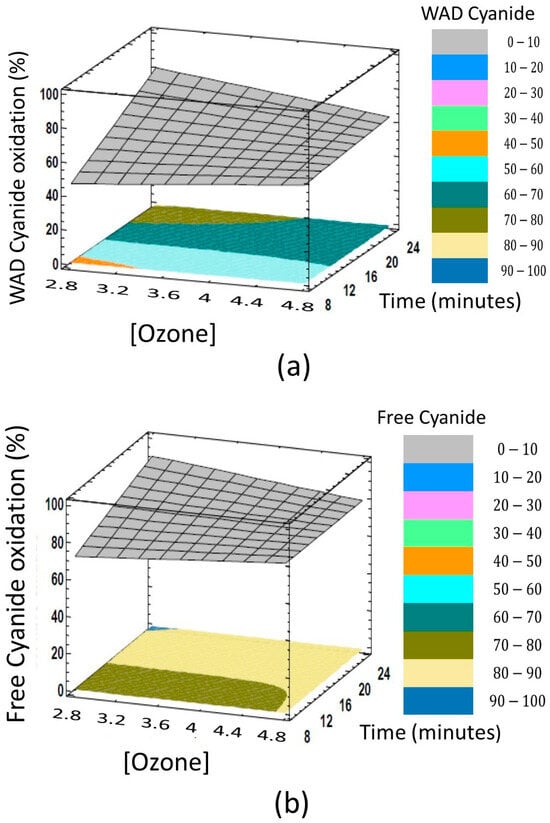
The effects of key variables on weak-acid-dissociable (WAD) and free cyanide oxidation by ozone injection in gold mine pulp were studied at laboratory scale to find an alternative cyanide treatment. A fractional factorial analysis of five process variables (O3/O2 flow, reaction time, NH4HSO3 concentration, temperature, and pH) informed a 60-run experimental matrix, in a 1 L cylindrical reactor, with the process variables controlled during the ozone injection. The findings may inform future strategies for safer cyanide management in gold mining processes. Free cyanide is the most toxic form of cyanide. Its oxidation increases with higher O3/O2 concentrations, longer exposure time, and higher pH. Maintaining a pH above 7 is crucial. Lower pH values favor the dissociation of cyanide into its toxic, free form. WAD cyanide oxidation depends mainly on the O3/O2 concentration, exposure time, and NH4HSO3 concentration. Increasing O3/O2 and time enhanced both WAD and free cyanide oxidation, while NH4HSO3 concentration affected oxidation rates differently. The results show that free cyanide was significantly more oxidized (84.1413%) than WAD cyanide (67.2423%). Controlling the WAD cyanide process yields excellent free cyanide oxidation. This represents ongoing improvement at an industrial scale. This approach quantifies the extent to which process variables affect the WAD and free cyanide oxidation under controlled conditions, thereby greatly reducing environmental impact.
Full article
(This article belongs to the Topic Innovative Strategies to Mitigate the Impact of Mining)
►▼
Show Figures

Figure 1
Open AccessArticle
Application of Wavelet Convolution and Scale-Based Dynamic Loss for Multi-Scale Damage Detection of Mining Conveyor Belt
by
Fangwei Xie, Jianfei Wang, Sergey Alexandrovich Gordin, Aleksandr Nikolaevich Ermakov and Kirill Aleksandrovich Varnavskiy
Mining 2026, 6(1), 8; https://doi.org/10.3390/mining6010008 - 30 Jan 2026
Abstract
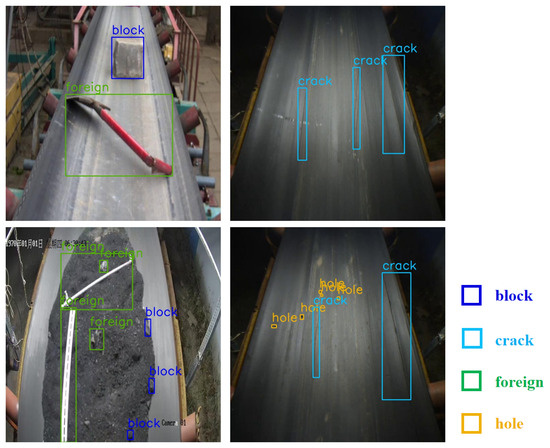
Mining conveyor belts are critical components in bulk material transportation, but their operational safety is frequently threatened by diverse damages such as blocks, cracks, foreign objects, and holes. Existing detection methods, including traditional computer vision and conventional neural networks, struggle to balance accuracy
[...] Read more.
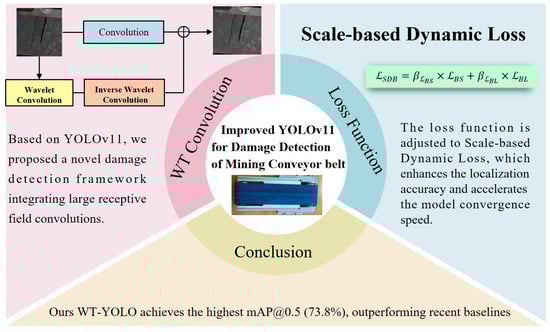
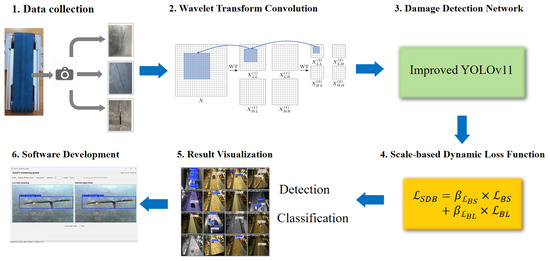
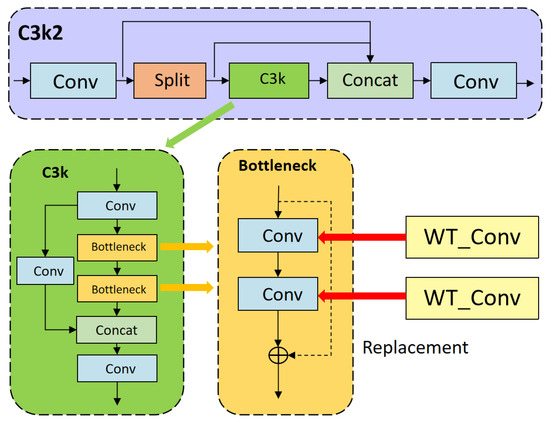
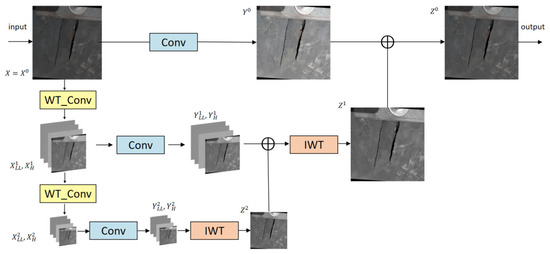
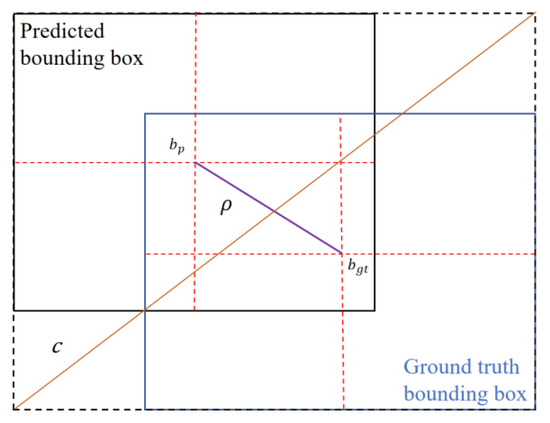
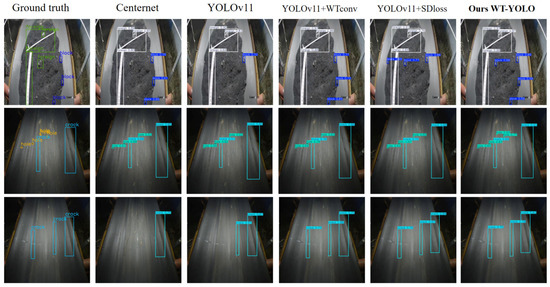
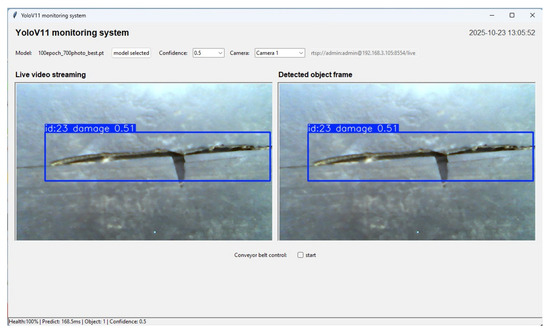
Mining conveyor belts are critical components in bulk material transportation, but their operational safety is frequently threatened by diverse damages such as blocks, cracks, foreign objects, and holes. Existing detection methods, including traditional computer vision and conventional neural networks, struggle to balance accuracy and efficiency in harsh mining environments—marked by high levels of dust, uneven lighting, and extreme scale variability (5–300 pixels). Our study proposes WTConv-YOLO, an improved model based on YOLOv11, integrating two core modules: (1) wavelet transform convolution (WTConv), which achieves a logarithmically expanding receptive field with linearly growing parameters, allowing for the concurrent capture of high-frequency local details and low-frequency global context; (2) Scale-based Dynamic Loss (SD Loss), which dynamically adjusts bounding box similarity and localization loss weights according to target scale, mitigating IoU fluctuation interference and enhancing small-target detection stability. Experiments on the Mining Industrial Conveyor Belt Dataset show that WTConv-YOLOv11 achieves a mean Average Precision (mAP@0.5) of 73.8%—a 3.5% improvement over the baseline YOLOv11. A Python-based software system is developed for end-to-end detection. This work provides a practical solution for reliable conveyor belt damage detection in mining scenarios.
Full article
(This article belongs to the Special Issue Advances in Mining Technology and Equipment: Innovations and Case Studies)
►▼
Show Figures

Graphical abstract
Open AccessArticle
From Reactive to Resilient: A Hybrid Digital Twin and Deep Learning Framework for Mining Operational Reliability
by
Ahmet Kurt and Muhammet Mustafa Kahraman
Mining 2026, 6(1), 7; https://doi.org/10.3390/mining6010007 - 28 Jan 2026
Abstract

In the mining industry, where equipment breakdowns cause expensive unplanned downtime, operational continuity is paramount. Internet of Things (IoT) technologies have the potential to make predictions; however, most solutions lack a holistic view and mapping of complex system interdependencies. This study presents a
[...] Read more.
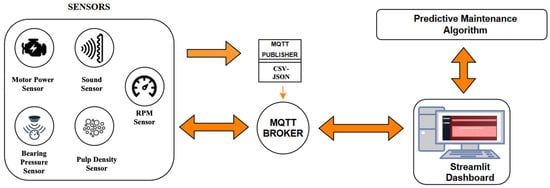
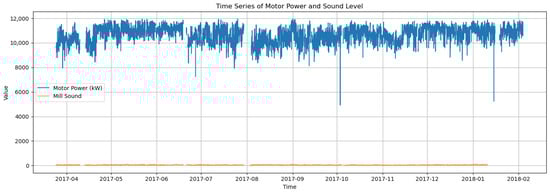
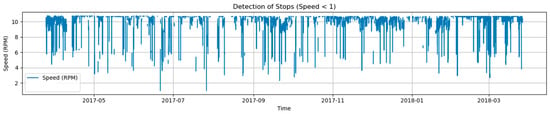
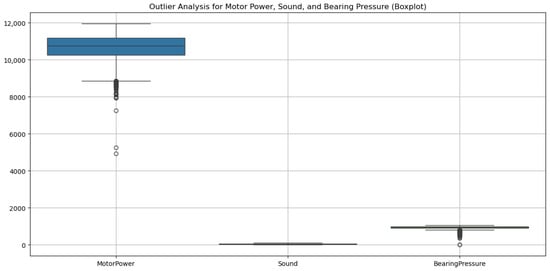
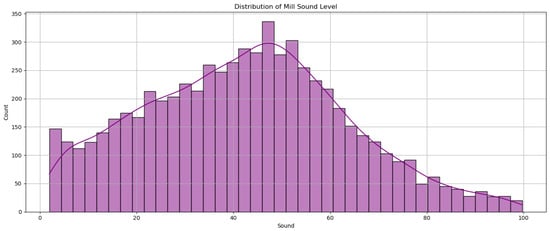
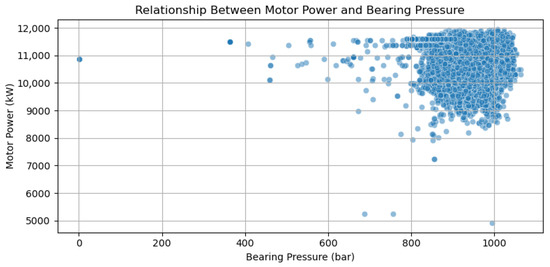
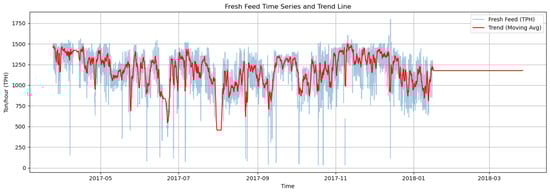
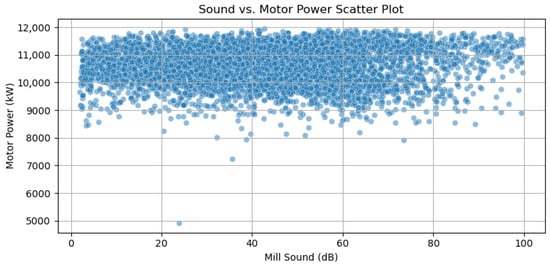
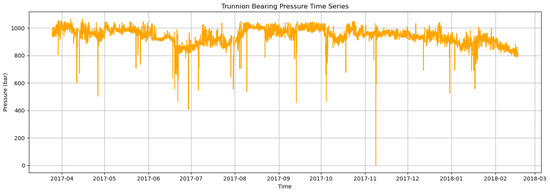
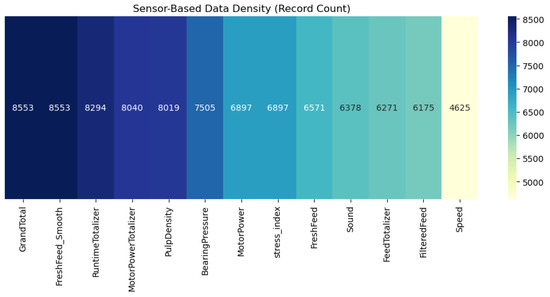
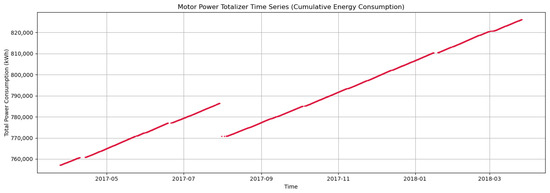
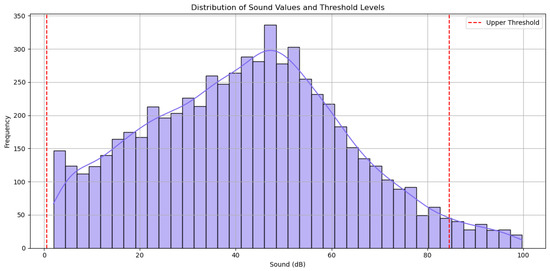
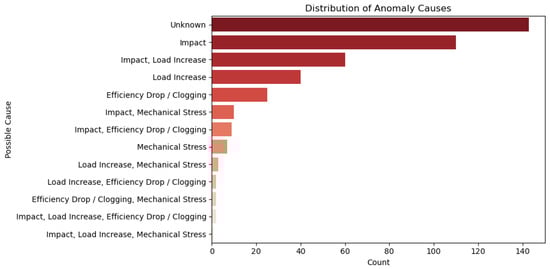
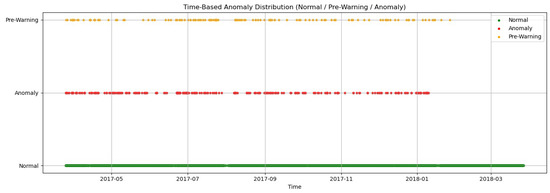
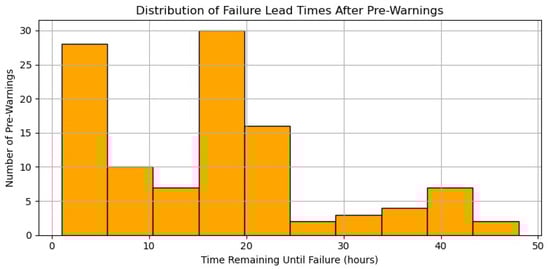
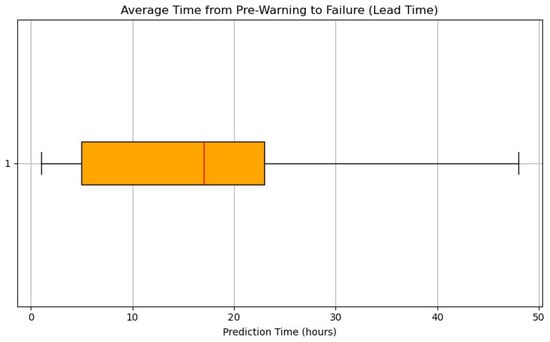
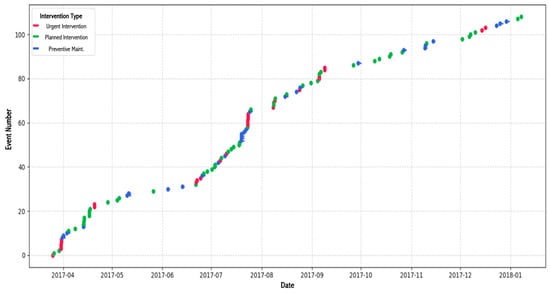
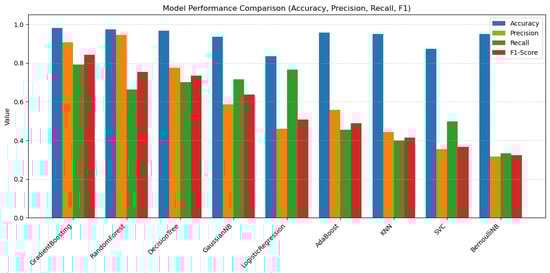
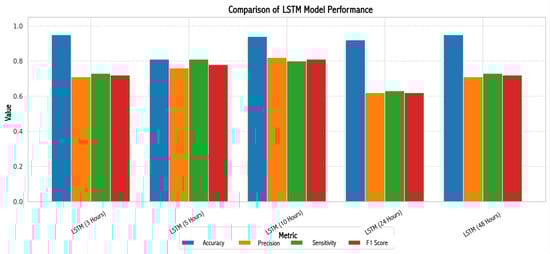
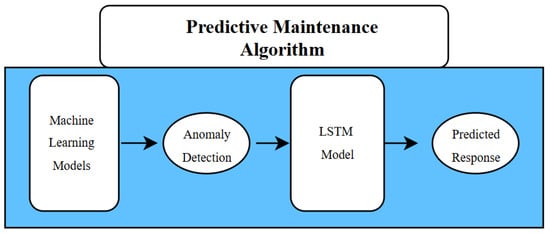
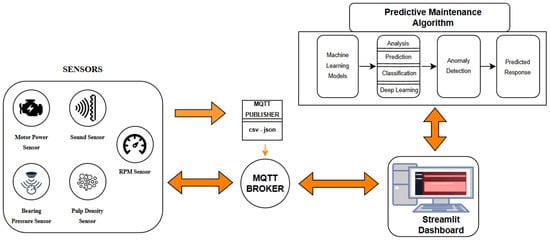
In the mining industry, where equipment breakdowns cause expensive unplanned downtime, operational continuity is paramount. Internet of Things (IoT) technologies have the potential to make predictions; however, most solutions lack a holistic view and mapping of complex system interdependencies. This study presents a comprehensive predictive maintenance (PdM) framework specifically designed for continuous-operation mining environments, with a primary focus on Semi-Autogenous Grinding (SAG) mills. By combining exploratory data analysis, advanced feature engineering, classical machine learning (Gradient Boosting Classifier), and deep learning (LSTM with multiple time-window configurations), the system achieves real-time anomaly detection, root-cause explanation, and failure forecasting up to 48 h in advance (average lead time: 17 h). A four-layer digital twin architecture integrated with Streamlit enables actionable alerts classified as emergency, planned, or preventive interventions. Applied to a one-year dataset comprising 99,854 hourly records from an industrial SAG mill, the hybrid model prevented an estimated 219.5 h of unplanned downtime, yielding substantial economic benefits. The proposed solution is deliberately designed for high adaptability across multiple equipment types and industrial sectors beyond mining.
Full article
(This article belongs to the Special Issue Mine Management Optimization in the Era of AI and Advanced Analytics)
►▼
Show Figures

Figure 1
Highly Accessed Articles
Latest Books
E-Mail Alert
News
Topics
Topic in
Materials, Mining, Recycling, Resources, Sustainability, Minerals, Geosciences, Environments
Sustainable Recycling and Reuse of Industrial By-Products or Waste from Geo-Resource Exploitation
Topic Editors: Sossio Fabio Graziano, Rossana Bellopede, Giovanna Antonella Dino, Nicola CaredduDeadline: 30 May 2026
Topic in
Metals, Minerals, Mining
Innovations and Sustainable Approaches in Mining, Metallurgy, Technology and Materials Engineering: Insights from IOC 2025
Topic Editors: Markus A. Reuter, Peizhong Feng, Ljubiša BalanovićDeadline: 30 August 2026
Topic in
Applied Sciences, Fractal Fract, Geosciences, Mathematics, Mining
Multiscale Modeling, Dynamic Fracture, and Intelligent Design in Rock Mechanics and Engineering Structures
Topic Editors: Shaofeng Wang, Ming LiDeadline: 31 October 2026
Topic in
Energies, Geosciences, Applied Sciences, Mining, Fuels, Fractal Fract
Basin Analysis and Modelling, 2nd Edition
Topic Editors: Jingshou Liu, Wenlong Ding, Lei Gong, Ang LiDeadline: 1 December 2026
Special Issues
Special Issue in
Mining
Application of Empirical, Analytical, and Numerical Approaches in Mining Geomechanics, 2nd Edition
Guest Editors: Mohammad H.B. (Farzine) Nasseri, Bibhu MohantyDeadline: 30 September 2026
Special Issue in
Mining
Advances in Mining Technology and Equipment: Innovations and Case Studies
Guest Editors: Fangwei Xie, Nikita BabyrDeadline: 30 September 2026
Special Issue in
Mining
Mine Management Optimization in the Era of AI and Advanced Analytics
Guest Editors: Pratt Rogers, Muhammet Mustafa Kahraman, Yuan LiDeadline: 30 November 2026
Special Issue in
Mining
Geomatics for Mineral Resource Management
Guest Editors: Jörg Benndorf, Tobias Rudolph, Jan BlachowskiDeadline: 30 November 2026