


Abstract
Wireless Sensor Networks (WSNs) are fundamental to the expansion of the Internet of Things (IoT), yet severe node energy constraints remain the primary bottleneck for remote environmental monitoring where power infrastructure is unavailable. Because these devices rely on finite battery capacities, optimizing energy usage is critical for maximizing network longevity and architectural sustainability. Sourcing literature across the Scopus, IEEE Xplore, and Elsevier digital databases, this study executes a systematic review evaluating a final cohort of contemporary energy management frameworks published between 2020 and 2026. The analysis synthesizes advanced multi-tier optimization techniques, specifically focusing on hierarchical clustering methodologies, metaheuristic routing protocols, and advanced scheduling algorithms. Beyond traditional approaches, the technical findings investigate the cross-layer impacts of duty cycle scheduling, transmission power control, and sleep protocols on maintaining rigid network coverage and connectivity. Ultimately, this review identifies significant research gaps regarding topological fault tolerance and localized load imbalances near base stations. The findings highlight how the strategic integration of cohesive, cross-layer hybrid optimization strategies can mitigate active energy dissipation, providing actionable technical recommendations for future IoT-based WSN architectures.
1. Introduction
Wireless Sensor Networks (WSNs) are self-organising networks composed of numerous distributed wireless sensor nodes that execute functions such as communication, physical sensing, data processing, and localized storage. While maintaining robust network performance over long operational lifespans remains a primary objective of WSN design, severe energy constraints present a major challenge [1]. A typical IoT-based WSN deployment architecture, illustrating the spatial distribution of nodes communicating multi-hop data via cluster-heads to a centralized gateway, is illustrated in Figure 1.
Figure 1.
System architecture of an energy-constrained, multi-tier IoT-based WSN.
Sensor networks are routinely deployed to collect critical data from hostile or inaccessible environments, requiring nodes to function completely autonomously. Unfortunately, IoT-based WSNs are restricted by finite power supplies, typically small batteries. Consequently, network lifetime is strictly governed by available node energy and the power overhead consumed during data communication. Furthermore, recharging or manually replacing batteries is frequently impossible due to physical node inaccessibility, operational hazards, or prohibitive economic costs. WSN nodes must therefore operate in an energy-efficient manner. Developing reliable IoT-based WSNs remains difficult due to restricted energy availability and individual node physical constraints [2].
Data transmission is the most energy-expensive node operation; transmitting information over extended ranges increases power requirements non-linearly, scaling proportionally to (where d represents transmission distance and represents the path-loss exponent). Selecting an inefficient routing strategy can result in rapid node energy depletion, rendering structural links useless and fracturing network topology. To maximize operational longevity, node-to-node communications must be minimized. WSN frameworks can drastically reduce unnecessary transmissions by identifying and deploying optimal routing strategies [3]. Accordingly, diverse energy optimization techniques must be embedded within both routing algorithms and low-level network protocols to minimize cumulative power consumption.
Energy optimization in WSNs refers to the systematic minimization of power consumption while maintaining or enhancing overall network performance. This process involves applying strategic techniques to maximize the operational lifespan and performance efficiency of energy-constrained nodes by mitigating active power dissipation and idle energy loss. If a critical sensor node depletes its power reserves, the connectivity and data-routing integrity of the entire network can be compromised. Therefore, targeted optimization enhances network longevity by minimizing the localized energy footprints of individual nodes.
To achieve this, contemporary research focuses on several core architectural approaches, most notably clustering, duty cycling, and hardware power control. Clustering is a widely adopted method for lowering energy expenditures in WSNs. It groups dense sensor nodes to minimize the number of participants engaged in long-distance transmissions, routing aggregated data directly to a centralized Base Station (BS) [4]. Clustering acts as a foundational framework for engineering dependable, scalable, and adaptive distributed sensor networks by minimizing local communication overhead, which decreases energy usage and stabilizes inter-node connectivity [5,6].
If cluster heads (CHs) deplete their energy rapidly, their associated clusters are prematurely severed from the network. By systematically selecting and rotating the CH role among nodes, network durability can be balanced. Energy-aware routing algorithms preserve network energy through the intelligent election of CHs and the support of advanced multi-hop features [7]. To address the challenges of Cluster Head Selection (CHS), contemporary systems employ either conventional or metaheuristic optimization strategies [8]. Furthermore, the volume of data transmitted to the sink can be decreased by merging raw data at the CH level via data aggregation techniques.
Duty cycling represents another vital approach to energy optimization. This technique relies on a network scheduler to dynamically manage the active and sleep states of sensor nodes; only nodes actively participating in data tasks are powered on, while redundant nodes remain in a low-power dormant state to minimize energy wasted on idle listening [9]. This mechanism reduces individual node depletion rates, extending global network uptime.
Alternatively, power control techniques minimize energy consumption by dynamically scaling down the hardware power used during active data transmissions [10]. Lowering node transmission power preserves energy reserves while maintaining vital link ranges, which can be further optimized by using low-power radio transceivers. Finally, energy-efficient protocols can be designed to lower communication overhead and prolong network lifespans [11]. A comprehensive optimization strategy combines multiple techniques, including dynamic transmission power adjustments [12], the deployment of energy-efficient operational procedures [13,14], and the integration of low-power transceivers [15]. Ultimately, combining clustering, duty cycling, power control, and energy-efficient protocols significantly improves energy optimization across WSN architectures.
1.1. Differentiating Contributions and Survey Landscape
While several survey and review articles exist within the WSN domain, they typically evaluate energy-saving mechanisms—such as clustering algorithms, routing protocols, and MAC-layer duty-cycling schedules—as isolated case studies. Existing literature frequently compiles descriptive summaries of individual protocols without analyzing their physical testing parameters or mutual structural dependencies. This approach does not capture critical cross-layer trade-offs where optimization at one layer (e.g., routing) directly impairs or alters the performance limits of another (e.g., cluster stability or duty-cycle intervals).
This systematic review explicitly addresses this gap in the literature. It differentiates itself from existing literature in three ways:
- Methodological Transparency: This study executes a transparent, reproducible literature synthesis grounded in a formal PRISMA protocol framework to eliminate arbitrary collection criteria.
- Cross-Layer Synchronization Synthesis: The review evaluates the functional dependencies and performance compromises linking physical transmission power constraints, topological cluster-head rotations, and MAC-layer sleep intervals.
- Emerging Paradigms Assessment: The analysis evaluates the energy, security, and computational trade-offs encountered when embedding Edge Artificial Intelligence (Edge AI), Reinforcement Learning (RL), blockchain protocols, and energy harvesting within resource-constrained WSN deployments.
1.2. Scope and Research Objectives
The overarching objective of this systematic literature review is to comprehensively synthesize, evaluate, and categorize state-of-the-art energy optimization strategies deployed in IoT-based Wireless Sensor Networks (WSNs) across the five-year window up to 2026. To bridge the gap between isolated protocol designs and cohesive cross-layer deployments, this review systematically analyzes the collected evidence base against the following four core technical research objectives:
- Objective 1 (Energy Modeling Frameworks): To classify and critique the foundational mathematical and hardware-centric energy consumption formulations used across the literature to model power dissipation profiles within heterogeneous sensor nodes.
- Objective 2 (Topological and Clustering Mechanics): To synthesize contemporary cluster formation algorithms and metaheuristic cluster head selection protocols to evaluate how they manage spatial topologies and balance network-wide energy metrics.
- Objective 3 (Network-Layer Routing Frameworks): To identify and analyze the architectural, physical, and multi-objective routing strategies deployed to mitigate data transmission overhead and prevent localized routing hot spots near the network gateway.
- Objective 4 (Duty Cycle and Scheduling Dynamics): To evaluate how different on-demand, asynchronous, and synchronous duty cycle scheduling paradigms adapt to shifting environmental traffic loads while maintaining rigid sensing and communication coverage constraints.
2. Materials and Methods
This section details the formal procedures, screening strategies, and analytical resources used to conduct this systematic literature review. It describes the methodological choices governing data collection, database screening, and study synthesis to justify the framework of our analysis.
2.1. Research Model and Search Strategy
This systematic literature review adopts the Preferred Reporting Items for Systematic Reviews and Meta-Analyses (PRISMA) framework as its guiding methodology. To source relevant literature, comprehensive queries were executed across digital databases containing a wide spectrum of high-impact journals and flagship conference proceedings in computer science and engineering. Specifically, three primary databases were selected: Elsevier (ScienceDirect), IEEE Xplore, and Scopus. The selection of these specific data repositories was highly deliberate. In the rapidly evolving fields of IoT and Wireless Sensor Networks, cutting-edge routing protocols, optimization heuristics, and cross-layer frameworks are heavily pioneered and iterated within premier, peer-reviewed IEEE flagship conferences before transitioning to mature journal versions. Utilizing Scopus alongside IEEE Xplore and ScienceDirect ensures maximum coverage of both high-impact journal breakthroughs and highly influential, peer-reviewed conference literature, eliminating the risk of missing foundational algorithmic models. The search string was constructed using targeted boolean operators based on the following key terms: “wireless sensor networks” AND “optimization” AND “energy usage” AND “coverage” AND “connectivity” AND “duty scheduling” AND “IoT”. To capture contemporary advancements, the search was temporally constrained to articles published within a five-year window up to July 2025. The search boundaries were later extended through 2026 during the revision stage to integrate emerging machine learning and secure routing frameworks.
2.2. Inclusion and Exclusion Criteria
To establish a rigorous boundary for synthesis, strict eligibility criteria were enforced. A peer-reviewed study was included if it satisfied the following predefined criteria:
- Proposes or evaluates at least one routing algorithm, architectural clustering model, or duty-cycle scheduling technique based on an energy-efficient cross-layer framework;
- Explicitly optimizes the energy usage or power dissipation profiles of sensor nodes;
- Provides empirical, simulation-based, or analytical comparisons against established legacy techniques;
- Is written and published entirely in English;
- Was published within the specified five-year timeline (from 2020 onwards).
Conversely, papers were excluded if they met any of the following criteria:
- Did not propose a novel algorithm, optimization framework, or architectural modification for routing, clustering, or MAC-layer duty-cycle sleep scheduling in WSNs;
- Failed to quantitatively demonstrate reductions in energy consumption or extensions in network lifetime;
- Lacked comparative analysis against state-of-the-art benchmarks or historical protocols;
- Consisted of preprints, extended abstracts, book reviews, short correspondence items, or works published prior to 2020.
2.3. Study Selection Process and Quality Assessment
Data extraction and qualitative assessment were executed systematically across the gathered literature. The study selection pipeline directly corresponds to the identification, screening, and eligibility assessment phases outlined in standard PRISMA reporting. Screening was performed over three sequential validation steps:
- Stage 1 (Title and Abstract Screening): Initial filtering to exclude records that fell outside the defined technical scope of the review.
- Stage 2 (Full-Text Retrieval and Quality Filtering): Collection of complete manuscripts to filter out studies lacking reproducible simulation environments or explicit network parameters.
- Stage 3 (Full-Text Critical Appraisal): Detailed evaluation of the selected manuscripts to verify compliance with the eligibility criteria defined in Section 2.2.
To ensure the structural rigor and transparency of the review process, a formal quality assessment framework was applied during the full-text critical appraisal step. The appraisal rubric systematically audited three core criteria: the empirical validation of the underlying experimental designs, the transparency of the initialization parameters (specifically, node density vectors and baseline energy distributions), and the presence of realistic, hardware-centric power profiles rather than idealized mathematical models.
This multi-point filtration framework established a strict algorithmic threshold. Candidate papers were rejected if they failed to disclose reproducible simulation bounds, relied on unverified network architectures, or focused on single-hop topologies that lacked relevance to distributed multi-hop IoT-WSN mesh environments. The execution of this strict screening strategy ensured that only scientifically robust and replicable data sources were admitted into the final evaluation pool.
2.4. Data Extraction and Synthesis Framework
To synthesize the technical findings of the selected articles, structural parameters were extracted to capture novel algorithmic trends and performance variations. The primary features sought from each study include: (1) author(s) and publication year, (2) localized research focus area, (3) baseline algorithms used for comparative benchmarking, and (4) verified quantitative results. Crucially, because the reviewed literature exhibits wide disparities in mathematical notation—often arbitrarily overlapping or varying key variables—a core objective of our data extraction process was the translation of disparate mathematical symbols into a singular, cohesive notation framework. This translation unifies metrics such as packet dimensions, distance vectors, and transceiver energy profiles into a standardized mathematical language. The comprehensive study-level characteristics derived from this extraction process are compiled and synthesized in Table 1.
Table 1.
Data extraction matrix of variant energy-efficient optimization protocols evaluated in the systematic selection cohort.
3. Systematic Selection Outcomes and Baseline Frameworks
This section presents the empirical evidence, technical extractions, and algorithmic taxonomies derived from the systematic screening, synthesis, and classification of the final cohort of reviewed studies. To preserve structural clarity, avoid the creation of a dense, unreadable mega-section, and establish a mathematically uniform language across the disparate source texts, all extracted parameters, topologies, and radio formulations have been mapped to a standardized, singular system nomenclature. Accordingly, the synthesized findings are organized into distinct primary chapters corresponding to the core technical domains identified in the literature. Section 3.1 outlines the study selection metrics and hosts the master characteristics matrix, Section 3.2 compiles foundational mathematical energy models, and Section 3.3 evaluates spatial node deployment layouts. Following these baseline models, the core thematic results of this systematic review are partitioned into separate standalone chapters: Section 4 evaluates clustering architectures, Section 5 synthesizes network-layer routing frameworks, and Section 6 analyzes duty cycle scheduling protocols. In alignment with PRISMA reporting mandates, these results focus strictly on the structural classification and parametric alignment of the evidence base, setting a rigorous baseline for the cross-layer evaluation and research gap analysis detailed in Section 7.
3.1. Study Selection Overview and Master Cohort Evaluation
Following the execution of the multi-database search queries, the initial pool of candidate records was processed through the multi-stage filtering pipeline detailed in Section 2.3. Enforcing the pre-defined quality thresholds resulted in a highly refined final sample of peer-reviewed articles approved for systematic synthesis.
The structural drop-outs sustained during the full-text critical appraisal stage directly reflect the strict parameters of the quality assessment matrix. Numerically, the largest volume of exclusions stemmed from a systemic lack of reproducible network configuration parameters and a heavy reliance on idealized, noise-free radio attenuation models. The complete screening lifecycle, itemized drop-out totals per filtration phase, and final selection metrics are visualized chronologically in the PRISMA flow chart shown in Figure 2.
Figure 2.
PRISMA flow diagram for the article identification, quality filtering, and study selection process.
3.2. Synthesis of Standardized Radio Energy Consumption Models
In Wireless Sensor Networks (WSNs), energy expenditure is heavily dominated by data transmission and communication operations. Unlike conventional wired network topologies where power overhead is primarily confined to the transmitting entity, wireless mediums necessitate significant energy dissipation at both the transmitting and receiving sensor nodes. Consequently, nodes situated adjacent to the network sink or gateway encounter severe traffic bottlenecks during multi-hop forwarding processes, a structural phenomenon known as the energy hole or routing hot-spot problem. This leads to highly uneven energy depletion profiles and accelerates localized node failure, effectively disrupting global network connectivity [15]. The fundamental components governing packet transmission and reception power dissipation within a localized transceiver architecture are illustrated in Figure 3.
Figure 3.
Unified first-order radio energy consumption model for packet processing in resource-constrained WSNs.
The baseline energy consumption profile is defined as the cumulative quantity of energy depleted by a node during data processing and active transmission tasks over a specific epoch. For a heterogeneously deployed sensor network, the sum of the initial structural energies allocated across all active sensor nodes is represented according to the formulation presented in [24], as defined uniformly by Equation (1):
where denotes the uniform baseline energy floor of a standard sensor node, represents the fractional energy amplification factor for heterogeneous nodes, and N specifies the total population size of the deployed sensor network. To optimize these baseline expenditures, specialized routing and deployment algorithms are integrated across the literature. For instance, the study in [18] introduced an Adaptive Grasshopper Optimization Algorithm (AGOA) designed for cluster-based routing and cluster head selection to maximize network lifetimes. Within this standardized paradigm, the localized energy consumed during data packet transmission, denoted as , and data reception, denoted as , for a packet of uniform size L bits across a geometric Euclidean distance d is derived using a first-order radio model framework, as mathematically standardized in Equations (2) and (3):
where L represents the informative bit payload, d denotes the geometric distance between communicating nodes, specifies the transmitter electronics energy dissipation coefficient per bit, and represents the receiver circuitry energy consumption coefficient per bit. The definitive threshold distance boundary, , balances the transition between the free-space ( loss) and multi-path fading ( loss) propagation models, and is formalized by Equation (4):
where and correspond to the free-space amplifier energy parameter and the multi-path fading model amplifier parameter, respectively, depending on the transceiver’s physical environment.
Complementing these macro-level transmission models, hardware-centric power profiles provide a granular perspective on internal node electronics. The Power Optimization Model for Wireless Sensor Networks (POM-WSN) proposed in [25] divides total hardware-level power loss into distinct static and dynamic dissipation vectors. The aggregate active power consumption, , is mathematically represented by Equation (5):
where represents the static power dissipation caused by sub-threshold leakage, and represents the dynamic power loss incurred during logic state transitions. Expanding these components to encapsulate specific Complementary Metal-Oxide-Semiconductor (CMOS) circuit operating parameters yields the generalized hardware formulation, given by Equation (6):
where represents the effective CMOS load capacitance parameter, v denotes the operational supply voltage, signifies the circuit leakage current, and f corresponds to the active system operating clock frequency.
3.3. Spatial Node Deployment Configurations and Topology Layouts
Contemporary literature increasingly relies on metaheuristic optimization, advanced machine learning paradigms, and cross-layer protocol adjustments to engineer energy-aware routing paths. By optimizing node-level electronic operations and scheduling data transactions efficiently, these methodologies collectively mitigate the structural vulnerabilities introduced by finite battery configurations. The comprehensive architectural taxonomy governing these structural domains, mapping out node deployment strategies, hierarchical routing models, and duty cycle scheduling protocols, is illustrated in Figure 4.
Figure 4.
Comprehensive architectural taxonomy of energy optimization techniques, node deployment strategies, routing frameworks, and duty cycle scheduling protocols in WSNs.
The visual framework embedded within Figure 4 differentiates the primary functional branches of the network architecture, completely plain and monochrome to prevent any visual ambiguity or unscientific layout representation.
3.3.1. Stochastic Node Placement Models
Random node distribution represents a widely adopted strategy where sensor nodes are scattered across a target field without precise structural planning or predetermined coordinates. This approach is primarily selected for tactical, environmental monitoring, or hazardous applications where manual or deterministic node placement is physically or economically impractical. For a non-hierarchical network configuration, nodes are typically distributed stochastically across the horizontal (x-axis) and vertical (y-axis) planes within a localized environment, such as a standardized sensing landscape [26], as illustrated in Figure 5.
Figure 5.
Stochastic sensor node distribution within a geographical sensing area.
Although deployment logistics are minimized, achieving uniform sensing coverage and stable network connectivity under random placement frameworks introduces profound technical challenges. Because nodes are distributed stochastically according to unconstrained spatial distributions, they are highly prone to uneven local densities. This unevenness creates severe tracking vulnerabilities, such as unmonitored coverage holes or structurally isolated nodes that fracture the multi-hop routing topology. Furthermore, random distribution introduces significant energy inefficiencies that directly degrade network longevity. Tightly clustered nodes produce highly redundant sensing data that wastes transceiver energy on overlapping transmissions. Conversely, overly separated nodes require non-linearly escalating transmission power overheads governed by the path-loss exponent ( or attenuation vectors) to maintain point-to-point link connectivity with distant neighbors or cluster-heads.
3.3.2. Uniform Node Placement and Grid Coverage Models
In uniform node deployment, sensor locations are explicitly structured across the geographical coordinate plane based on both the targeted monitoring bounds and the nominal sensing boundaries of the nodes. Within WSN literature, structural optimization models categorize deployment challenges into distinct classes depending on application demands: area coverage frameworks focus on monitoring a continuous geographic region, whereas point coverage frameworks aim to monitor a finite set of discrete, predefined spatial coordinates. Geometrically, a convex target area is considered completely covered if every physical coordinate point lies within the active sensing radius of at least one sensor node [27]. This spatial boundary is defined by two concentric operational regions surrounding the node, as illustrated in Figure 6.
Figure 6.
Structural boundaries of a sensor node illustrating the operational relationship between communication range () and sensing range (): (a) description of the communication range boundaries; (b) description of the circular sensing radius model.
The internal boundary dictates the sensing area governed by the sensing radius (), while the external boundary represents the radio connection limits governed by the communication radius (). To guarantee topological stability and ensure unbroken communication links, contemporary models enforce a rigid cross-layer geometric constraint given by Equation (7):
It has been analytically proven that when the communication range satisfies this threshold, ensuring full coverage of a convex target zone inherently guarantees continuous, multi-hop routing connectivity among all active participant nodes. While conventional models assume unconstrained resource availability, modern IoT-based WSN architectures must optimize the actual number of deployed devices to balance physical implementation costs with target coverage quality. To calculate optimal deterministic node placement without blind spots, the monitored area is modeled using a regular geometric tessellation layout, where overlapping circular sensing regions are inscribed within uniform grid subsections, as illustrated in Figure 7.
Figure 7.
Tessellation representation of a supervised target region utilizing overlapping circular sensing regions.
To map the maximum effective area covered by an individual node under an angular constraint parameter , the maximum allowable side length L of an inscribed square cell is calculated as a direct function of the sensing radius , as formalized in Equation (8):
Assuming the global target field to be supervised is a bounded, continuous two-dimensional Euclidean plane defined by area dimensions , the optimal theoretical minimum population size of nodes (N) required to guarantee unbroken structural coverage across the grid matrix is defined by Equation (9):
Following structural node deployment, the active operation phase initiates network data collection. During this epoch, individual nodes gather local target metrics while executing neighbor discovery routines to map immediate link states. To quantify the spatial efficiency of these processes, the localized spatial coverage footprint of a specific target node , denoted as , and the global network coverage ratio () are mathematically formalized by Equations (10) and (11) [28]:
Extending this localized area metric to evaluate the intersection of all active node footprints relative to the targeted boundaries yields the global coverage ratio across the entire system layout:
where specifies the total coordinate area parameter of the monitored field, and N represents the active node population size. Ultimately, managing these spatial coverage ratios while minimizing active power consumption trajectories across the deployment grid remains a foundational requirement for extending the lifetime of energy-constrained WSN environments.
4. Comparative Evaluation of Hierarchical Clustering Frameworks
4.1. Cluster Architecture Foundations and Data Aggregation Mechanics
The integration of distributed clustering architectures represents a highly rigorous structural methodology for optimizing energy efficiency, maximizing network lifetime, and enforcing scalability in large-scale IoT-based WSNs [29,30,31]. In these hierarchical frameworks, distributed sensor nodes continuously collect localized environmental data from the target field and route their raw payloads directly to a designated local coordinator known as the Cluster Head (CH).
As centralized nodes, CHs maintain structural logs of all subordinate member nodes within their respective partitions, dynamically tracking parameters such as descending residual energy configurations to manage network topology [17]. The structural links between cluster members executing short-range transmissions, localized CHs executing data fusion, and the central Base Station (BS) receiving aggregated data are illustrated in Figure 8.
Figure 8.
Hierarchical clustering architecture in a WSN showing structural links between cluster members, local Cluster Heads, and the central Base Station.
To evaluate and optimize these topologies against the NP-hard constraints of optimal CH selection and rotation, contemporary researchers deploy diverse metaheuristic optimization models. For example, the study in [7] implemented a hierarchical unequal clustering architecture combining Hybrid Moth Search (HMS) and Particle Swarm Optimization (PSO) to optimize CH selection, identify optimal relay paths, and mitigate node-level power depletion. Similarly, the work in [16] utilized Spider Cat Swarm Optimization (SCSO) to dynamically configure sensor clusters and select optimal power-node coordinators, effectively formulating CH assignment as a multi-objective optimization problem that balances spatial node distribution with network-wide energy metrics [32,33].
These topological strategies mathematically partition the continuous network space into distinct geometric regions, ensuring that each discrete zone is managed by exactly one active CH to guarantee strict coverage and fault tolerance [34]. Consequently, optimization routines guide the clustering execution based on spatial parameters such as node residual energy and geometric distance vectors relative to the base station [35,36,37,38], balancing the cumulative load evenly across all deployed sensors [39].
Because CHs serve a central data-fusion role, raw payload packets are systematically aggregated at the cluster level before transmission to the remote sink, drastically decreasing the absolute volume of data packets sent over long ranges [3,40,41]. This data aggregation process coordinates directly across layers, preserving communication bandwidth at the network layer and permitting non-participating nodes to transition into extended MAC-layer sleep cycles, extending individual battery lifespans.
To maximize global network survivability, secondary clustering models focus exclusively on resolving the high computational complexity constraints of CH coordination [24,42,43,44]. For instance, the framework proposed in [45] integrates Adaptive Hierarchical Clustering-based Routing with a Genetic Algorithm (GA)-driven Multi-Swarm Optimization technique. This methodology implements a customized fitness function that evaluates dynamic operational metrics, including active power consumption trajectories, internal cluster member-to-CH geometric distances, and the coordinate boundaries of the primary base station. By limiting the number of tracking nodes actively engaged in long-distance forwarding paths, this Power Optimization Routing Protocol (PORP) architecture minimizes spatial routing overhead and enhances scalability across dense deployments [29].
To analyze local topology density and its impact on routing complexity, the average structural density of the network () is modeled mathematically according to the parameter extraction method in [46], as formalized by Equation (12):
where N represents the standardized total node population, M specifies the active cluster sub-regions, defines the localized neighborhood coordinates surrounding node , and quantifies the total number of adjacent nodes operating within the active transmission boundaries of the transmitting node. This density metric serves as a key predictor of intra-cluster interference and localized processing contention.
Alternatively, to resolve the energy hole problem inherent in multi-hop forwarding layouts, the framework in [47] models a continuous network landscape characterized by a maximum radius boundary D, which is monitored by a wedge-shaped disk sector split into concentric routing rings, as illustrated in Figure 9.
Figure 9.
Geometric partitioning of the network deployment landscape into angular slices and concentric routing rings to enforce unequal clustering.
Sensors are distributed stochastically and uniformly across the continuous space with a homogeneous density parameter . The bounding disk sector is then structured into discrete concentric ring sectors or slices, where a stationary sink node sits at the sector vertex to collect the aggregated data packets.
Under this spatial configuration, localized clusters situated closest to the base station are organized within the first slice tier, whereas distant clusters are assigned to the outermost N-th slice tier. Member nodes whose absolute Euclidean distances to the sink fall within the boundary range are organized into clusters belonging to the i-th structural tier, where and .
Consequently, the disjoint clusters of the i-th slice cover the exact geographic area defined by the set . To ensure uniform geometric distribution and prevent localized routing hot-spots, the corresponding CHs of the i-th slice tier are deployed precisely along the circular circumference path , where the midpoint distance is , enforcing equal angular intervals between adjacent cluster coordinates. This geometric partitioning enforces an unequal clustering layout: clusters closer to the sink are engineered with smaller spatial footprints to preserve their energy reserves for intensive inter-cluster multi-hop relaying, directly improving network fault tolerance.
4.2. Cluster Head Selection Methodologies (Swarm Intelligence & Trust Models)
Particle Swarm Optimization (PSO) is widely utilized to compute optimal Cluster Head (CH) coordinates by evaluating both the residual energy levels of individual nodes and their mutual geometric proximity parameters. Within this optimization space, the distributed sensor network is modeled as a multi-dimensional particle swarm. The framework converges toward optimal spatial positions for the CH coordinators by iteratively updating the velocity and position vectors of individual particles (sensor nodes) based on their localized historical coordinates and the global best-known positions discovered across the swarm topology [48]. This algorithmic behavior directly enhances network lifetime, though its iterative nature introduces non-negligible computational complexity on hardware-constrained microcontrollers.
To further fortify network integrity and improve fault tolerance, multi-objective hybrid frameworks have emerged to overcome the localized optima traps common to single-metaheuristic designs. For instance, the system detailed in [49] combines the Salp Swarm Algorithm (SSA) with PSO to execute secure, energy-efficient cluster head selection under active threat constraints. Similarly, the clustered routing protocol developed in [50] integrates a hybrid Mayfly-Aquila Optimization model. This metaheuristic framework mitigates rapid power dissipation and extends global network longevity by optimizing CH election probability vectors while identifying minimal-cost multi-hop transmission paths to the remote base station.
Beyond pure bio-inspired models, analytical trust and attribute weighting matrices are deployed to balance localized routing loads and eliminate malicious or compromised nodes from the topology. The selection fitness factor, , for evaluating recommended coordinator candidates is calculated via a multi-attribute weight function according to the framework in [51], as formalized by Equations (13) and (14):
where and represent bounded weighting coefficients configured within the interval , e denotes the node residual energy, d specifies the geometric distance vector to the gateway, and defines the quantified node trustworthiness value. Following critical fitness evaluation, the node exhibiting the maximum amplitude is designated as the localized CH, striking a balance between energy efficiency and topological security. To balance the cumulative communication load across heterogeneous deployments, the initial configuration parameters must be expanded to avoid assigning CH roles to nodes with excessive neighbor links, which would otherwise accelerate localized hardware fatigue. The comprehensive selection fitness function, , is initialized across all participant nodes according to the matrix model in [52], as defined by Equation (15):
where represents the instantaneous residual energy of candidate node i, denotes the maximum initial battery ceiling, is the Euclidean distance from the cluster coordinator to the base station, and represents the normalized localized node degree. Integrating the node degree prevents dense spatial bottlenecks by penalizing candidates surrounded by excessive neighbor links. The priority parameters are governed by the sum-of-one weight distribution constraint (). Alternatively, the work in [53] utilizes Sand Cat Swarm Optimization (SCSO) to resolve the mathematical boundaries of CH tracking in dynamic environments. This framework adapts its search profiles to simulate predatory behavior, balancing exploration and exploitation phases. The algebraic position transitions governing the primary CH search trajectory in the m-th dimension are formalized by Equation (16):
where denotes the updated cluster head coordinate matrix, represents the current target food source coordinates (representing the ideal mathematical CH position), and define the upper and lower spatial boundary thresholds of the m-th search dimension, and represent uniformly distributed random parameters generated within the interval to model stochastic acceleration. This conditional structure allows the optimization protocol to dynamically adjust cluster geometry, optimizing scalability and structural robustness across changing traffic loads.
4.3. Algorithmic Geometric Partitioning (K-Medoids vs. K-Means Frameworks)
Cluster formation in WSNs involves organizing uncoordinated sensor nodes into distinct regional topologies to maximize data aggregation efficiency, enforce structural fault tolerance, and ensure global network scalability [54,55]. While specific mathematical approaches vary depending on application requirements, these partitioning algorithms dynamically calculate structural cluster bounds to balance localized energy footprints, extend operational longevity, and enhance link throughput across the mesh layout. The K-Medoids-Based Clustering Algorithm (KCA) detailed in [23] implements an exemplar-centric clustering strategy to minimize localized power consumption and extend the network lifetimes. This framework computes the optimal number of clusters, identifies the initial physical medoid coordinates, and partitions the remaining nodes into balanced, distance-minimized subsets. By restricting cluster centers strictly to real, deployed hardware nodes rather than virtual coordinate averages, KCA eliminates secondary proximity mapping cycles. Under this paradigm, the theoretical number of partition clusters (K) is dynamically computed using Equation (17):
where N represents the standardized total active node population size across the deployment environment. This formulation scales the cluster count proportionally to the network density to optimize the intra-cluster communication boundaries. Conversely, the Secured Cluster-Based Data Aggregation Protocol (SCDAP) framework introduced in [22] relies on a modified N-means mathematical algorithm that evaluates the total node coordinate plane alongside the maximum allowable cluster bounds as initial system inputs. Unlike the physical node-anchored approach of KCA, this centroid-based approach calculates mathematical average coordinates to partition the topology, which offers a lean computational complexity of but requires periodic cluster-head re-election routines to map virtual centers to actual hardware. Within this protocol, the maximum number of structural clusters (K) is estimated using the spatial relationship defined by Equation (18):
where N denotes the total active sensor node population. Comparing these two equations reveals a critical topological trade-off: SCDAP (Equation (18)) enforces a significantly tighter bound on the total number of clusters compared to KCA (Equation (17)) for an identical node population. This structural restriction results in larger individual cluster sizes with higher member node densities. While this minimizes the number of long-range inter-cluster transmissions to the base station, it non-linearly accelerates intra-cluster energy dissipation due to the increased packet contention and localized processing overhead placed on the cluster-heads. Once the cluster architecture is established, active data aggregation routines are executed at the CH nodes. The cluster coordinator aggregates localized environmental datasets collected from subordinate sensor nodes, synthesizing multiple multi-packet payloads into a compressed, uniform data structure before final routing [40]. By processing and compressing data locally within the cluster boundary, these aggregation mechanisms eliminate data redundancy and limit the absolute volume of long-distance transmissions directed to the remote base station. Because individual sensor nodes rely on finite, battery-powered energy reserves, reducing transmission overhead through cluster-level data fusion significantly lowers active power dissipation curves and extends global network uptime. To maintain long-term routing stability, the total energy consumption overhead expended by a designated cluster coordinator must be continuously modeled. The aggregate energy consumption profile, , dissipated by a single cluster head during an active data round is formulated based on the network parameters in [56], as defined by Equation (19):
where specifies the total population size of member sensor nodes assigned to the cluster, L denotes the standardized packet payload length in bits, is the radio reception power overhead (), represents the hardware energy coefficient consumed per bit during data fusion, and defines the active transmission energy required to cross the distance vector separating the CH from the base station.
In homogeneous settings with multi-path fading characteristics, where the distance exceeds the baseline threshold , the energy expenditure for a cluster structure can alternatively be modeled according to the first-order radio framework in [24], as defined by Equation (20):
where L represents the uniform data packet size, defines the average node density across K discrete clusters, represents the baseline electronic circuit energy overhead, and models the multi-path amplifier dissipation vector. This mathematical formulation highlights the severe energy penalties incurred when cluster geometry forces a CH to communicate over long distance vectors without intermediate multi-hop relays.
To guide structural task-allocation routines dynamically and preserve network fault tolerance, the residual energy parameters across individual nodes are updated at the completion of each transmission epoch. The average residual energy (ARE) across a network neighborhood containing M sensor nodes is monitored using the parameter extraction method in [57], as formalized by Equation (21):
where specifies the instantaneous remaining energy floor associated with node . Correspondingly, the normalized fractional residual energy ratio (RE) for a single node is evaluated according to the standard convention in [58], defined by Equation (22):
where and denote the current available battery capacity and the factory-specified starting capacity, respectively.
Nodes demonstrating elevated RE profiles are prioritized during CH election loops, whereas depleted nodes with falling profiles are systematically transitioned into low-power sleep states to prevent premature cell death. Alternatively, where global energy vectors are tracked relative to cluster performance, the aggregate residual profile across all operational cluster heads is formulated based on the network parameters in [28], as defined by Equation (23):
where K indicates the active number of clusters, and represents the total energy footprint evaluated for the i-th active cluster head. Minimizing this global inverse ratio ensures that the workload is distributed evenly across all topological coordinators, preventing localized routing fractures.
4.4. Classification and Operational Overviews of Core Clustering Protocols
To systematically evaluate the literature, contemporary clustering protocols can be classified based on their underlying optimization paradigms, structural organization, and architectural adaptability. This hierarchical taxonomy bridges localized clustering configurations with global network-layer routing protocols, mapping out how local spatial groupings alter multi-hop transmission footprints.
- Low Energy Adaptive Clustering Hierarchy (LEACH): A foundational, application-specific protocol where nodes self-organize into localized clusters via a randomized rotation process [59,60]. LEACH dynamically selects high-energy nodes as cluster heads and executes its routing cycle in two distinct operational phases: the setup phase (cluster formation) and the steady-state phase (data transmission). While it offers optimal energy efficiency through distributed local management, LEACH exhibits poor scalability in large-scale deployments due to its single-hop transmission limitation from CHs to the base station, which rapidly drains coordinators situated far from the gateway.
- K-Means Clustering Framework: A geometric partitioning algorithm that constructs clusters by minimizing the Euclidean distance vectors between distributed sensor nodes and their respective cluster centroids [61]. The node situated closest to the calculated cluster centroid is designated as the active CH, with its operational role iteratively updated across successive rounds to balance spatial energy footprints. This framework maximizes spatial compactness but exhibits low fault tolerance against spatial outliers. Furthermore, its virtual centroid calculation demands periodic cluster-head re-election sub-routines, adding localized latency and processing complexity on hardware-constrained hardware.
- Clustering Communication Based on Node Density (CCN): This protocol calculates the spatial density of neighboring nodes to optimize cluster sizing boundaries [23]. By regulating cluster dimensions based on localized neighbor counts, CCN enforces unequal clustering boundaries that balance active communication overhead, prevent premature node drainage, and mitigate localized topology collapse. This structure enhances network lifetime and scalability across non-uniform, stochastic node placement layouts by preventing dense spatial bottlenecks.
- Adaptive Particle Swarm Optimization (APSO): An advanced metaheuristic selection technique that dynamically modifies particle inertia weights to optimize CH placement loops [62]. By adjusting velocity bounds, APSO reduces cumulative power dissipation trajectories while maximizing network data throughput and operational longevity. However, executing multi-dimensional particle swarm updates on individual microcontrollers introduces high computational complexity, demanding a careful engineering balance between algorithmic precision and active battery depletion curves.
- Mayfly Optimization and Enhanced Ant Colony Optimization (MFOA-EACO): A hybrid cross-layer architecture that separates topological management into two specialized operational stages to optimize global quality of service [5,63]. The MFOA component computes the optimal CH coordinates across the field, while the EACO protocol establishes minimal-cost multi-hop routing paths between the elected CHs and the base station to optimize long-distance data transmission. This dual-stage optimization delivers exceptional energy efficiency and scalability by eliminating the single-hop bottlenecks of legacy systems.
- Collaborative Harris Hawks Optimization (CHHFO): A bio-inspired swarm framework often integrated with fuzzy logic inference systems to elevate clustering efficiency in heterogeneous networks [64]. CHHFO balances spatial power dissipation by selecting optimal CH nodes based on instantaneous residual energy and geometric distance variables, which effectively prevents the formation of localized routing hot spots. The integration of fuzzy logic enhances network fault tolerance by enabling the system to adapt dynamically to uncertain or changing environmental traffic loads.
- Adaptive Hierarchical Clustering with Genetic Algorithms: A multi-tier optimization strategy that couples hierarchical clustering formations with a hybrid Genetic Algorithm and Particle Swarm Optimization (GA-PSO) engine [45]. This methodology optimizes multi-hop path selections to minimize global packet loss ratios, localized data transmission latency, and node-level energy dissipation. While it significantly improves scalability and latency across extensive mesh deployments, its metaheuristic convergence loop carries a significant memory footprint, making it ideal primarily for high-capacity WSN backbones.
- Swarm-Inspired Artificial Bee Colony (ABC) Protocol: An evolutionary algorithm modeled on the foraging behavior of bee colonies to address quality of service (QoS) and power constraints in clustered WSNs [65]. The ABC framework optimizes information broadcasting efficiency by stabilizing cluster management protocols under dense node configurations. By dynamically managing the exploitation and exploration vectors of employee and onlooker bees, it optimizes routing fault tolerance and ensures continuous target tracking even under high node failure rates.
- Multi-Objective Comprehensive Learning Particle Swarm Optimization (MOCLPSO): A multi-attribute clustering architecture designed for IoT-enabled environments, such as smart farming applications [66]. MOCLPSO directly addresses the severe traffic bottleneck and routing “hot spot” anomalies encountered by sensor nodes located adjacent to the sink node. It balances traffic overloading by integrating mobile sink mechanics with comprehensive learning swarms, dropping data transmission energy consumption requirements and establishing clear cross-layer coordination with MAC-layer active/sleep scheduling profiles to extend the structural lifespan of the entire system.
5. Network-Layer Routing Frameworks and Path Optimizations
5.1. Routing Layer Constraints and Structural Implementation Challenges
Beyond spatial node configuration and regional clustering layouts, the algorithmic optimization of network routing protocols constitutes a fundamental requirement for ensuring energy efficiency, maximizing network lifetime, and guaranteeing scalability in large-scale WSN architectures. The network-layer routing framework dictates the point-to-point multi-hop path vectors traversed by data packets from distributed source nodes toward the central base station [67,68,69,70]. Because electromagnetic radio propagation loss is a non-linear geometric function of distance, as formalized in Section 3.2, energy-efficient routing models lower active power consumption trajectories by subdividing a single, high-cost long-distance transmission line into a sequence of low-cost, multi-hop path configurations to avoid the multi-path attenuation threshold [71]. By deploying optimized communication routing paradigms such as the Minimum-Energy Mobile Sink (MEM) routing protocol or the Least Transmitting Node (LTN) optimization model, the absolute hop counts required for data packet transfer across the topology are systematically minimized, lowering active communication energy footprints [72,73]. These routing protocols are structurally categorized into flat and hierarchical topological configurations [10], designed to preserve node battery lifespans by distributing data-forwarding loads uniformly across the sensor network to maintain system fault tolerance. Within flat-based routing models, every constituent sensor node is treated as a peer entity sharing an identical operational tier and possessing a unique global network address. Flat-based protocol architectures are further subdivided into proactive, reactive, and hybrid routing classes based on their path-discovery mechanics. In proactive routing configurations, each sensor node maintains an updated routing matrix table to map pre-established paths across the network layout. Consequently, every participant node pushes its collected data payloads continuously along fixed, predetermined path channels to the destination sink. While this proactive structure delivers predictable transmission latency, it introduces severe memory complexity constraints on hardware-limited microcontrollers as the network scales. Furthermore, the massive overhead required to continuously update routing matrices under dynamic link states rapidly drains local batteries, leading to low fault tolerance if an intermediate node suffers an abrupt failure. Despite these structural baselines, configuring a robust, universally energy-efficient routing framework across dynamic environments presents several unresolved optimization challenges. The structural classification schema of these routing protocols is integrated within the overall taxonomy detailed in Figure 4. When routing packet payloads over extended geographical fields, the localized energy requirement per bit increases non-linearly with distance, scaling proportionally to or attenuation vectors based on the propagation threshold () established in Section 3.2. Inappropriate routing selections introduce severe structural bottlenecks that fracture link connectivity and prematurely isolate network regions [3]. A systematic evaluation of modern IoT-based WSN routing frameworks reveals several critical design challenges and multi-dimensional trade-offs:
- Energy Dissipation Inefficiencies: Suboptimal multi-hop path configurations induce excessive cumulative power dissipation. If path selection algorithms fail to compute the minimal-cost Euclidean route between source and sink coordinates, the active power dissipation profile of the global system escalates rapidly, compromising basic energy efficiency.
- Localized Load Imbalance and Hot-Spots: Uneven spatial node deployment ratios introduce severe structural load variance. Because nodes located adjacent to the base station must relay massive traffic volumes from outer tiers, they suffer from accelerated battery drainage. The path-selection logic must balance localized data-sensing and packet-forwarding workloads uniformly to prevent the formation of routing holes and maximize global network lifetime.
- Topological Adaptation to Deployment Paradigms: Random node placement patterns complicate route identification, requiring path-discovery protocols to adaptively map energy-efficient data links without manual coordinate calibration. This requires lightweight neighbor-discovery sub-routines that do not saturate individual batteries during initialization.
- Data Gathering and Redundant Overhead: High spatial correlations among adjacent sensor nodes produce highly redundant environmental datasets. Energy-efficient routing protocols must integrate seamlessly with intermediate data aggregation loops to suppress redundant packet transmissions and preserve limited communication bandwidth resources.
- End-to-End Transmission Latency Trade-Offs: While extensive multi-hop path configurations and intermediate data-fusion processing loops minimize transceiver power consumption, they introduce significant cumulative end-to-end packet delivery delays. Routing algorithms must optimize path parameters using a multi-attribute model to balance energy minimization with strict, application-specific latency constraints.
- Scalability Constraints under High Node Density: As the cardinal size of the sensor node set scales up, the algorithmic complexity of the path-selection loop must remain stable. This constraint ensures that the memory footprint and control-packet overhead do not expand non-linearly, which would otherwise overwhelm the active network capacity.
- Fault Tolerance and Self-Healing Resilience: Individual sensor cells are highly susceptible to sudden hardware failures caused by localized power loss or harsh environmental hazards. The network layer must feature self-healing capabilities to dynamically discover alternate path parameters when an active link breaks, ensuring uninterrupted data routing and high system fault tolerance.
5.2. Multi-Objective Path Selection Metrics and Graph Formulations
For a given WSN graph model , composed of a discrete node set V where , and a directional edge set E representing valid physical communication links, the core objective of the routing algorithm is to compute the global cost-minimum path between a source node and the base station destination. Rather than relying on single-metric approaches that trigger unbalanced node depletion, contemporary optimization frameworks formulate path calculation as a multi-objective optimization problem. This paradigm minimizes total energy expenditure, ensures high data-transmission security, and preserves stable link pheromone intensities or historical link-quality indices to guide stochastic search particles across the network topology [5,74]. To evaluate these path links across space and time dimensions, the routing protocol executes a critical scan of the active network topology. By combining multi-hop path computation with adaptive transmission power control modules at the physical layer, nodes systematically adjust their radio footprints to match the precise Euclidean distance of the selected edge, thereby optimizing energy efficiency and extending the global network lifespan [11]. Because sensor nodes rely on finite energy reserves, selecting a route that minimizes localized power consumption profiles while maintaining low end-to-end transmission latency is paramount for preserving topological durability and ensuring high fault tolerance under high traffic loads [75]. The mechanical transitions from unoptimized, high-cost direct node connections to an optimized, cost-minimum multi-hop routing layout are illustrated in Figure 10.
Figure 10.
Multi-hop path selection analysis illustrating connectivity matrices and selected energy-efficient paths from sensor nodes to the destination sink: (a) description of the initial unoptimized network links showing long-range high-power transmissions; (b) description of the selected cost-minimum multi-hop routing paths.
The optimization engine maps competing physical constraints into a unified scalar cost function assigned to each directional edge . By incorporating parameters such as the residual energy ratio () of the target node, the packet payload length (L), and the path loss vector (), the algorithm minimizes the generation of routing hot spots. Nodes with failing power configurations or high buffer occupancy levels are assigned mathematically prohibitive edge costs, automatically redirecting data traffic around vulnerable regions. This mathematical gating mechanism provides the foundation for the specialized operational protocols analyzed in the following sections, balancing processing overhead against topological durability under varying traffic loads.
5.3. Inter-Cluster Routing Matrix and Multi-Hop Load Balancing
The integration of inter-cluster routing frameworks allows hierarchical clustering techniques to support multi-tier data fusion, local caching, and payload compression, which balances the network load and lowers active energy consumption trajectories. A primary objective of an inter-cluster routing design is to establish an interconnected mesh infrastructure that allows neighboring cluster heads to coordinate and transmit packets without relying on direct base station intervention. Inter-cluster routing permits highly loaded CHs to route their aggregated data packets to the base station via intermediate CH relays, preventing the rapid battery drainage caused by direct long-distance transmissions and mitigating the energy hole dilemma near the gateway [28,76,77]. To optimize these spatial topologies and maximize network lifetime, multi-objective formulations isolate and minimize the routing cost vectors associated with both macro-level inter-cluster transmissions () and micro-level intra-cluster communication loops (). These spatial cost objectives are formalized uniformly by Equations (24) and (25):
where K denotes the standardized total population size of active clusters across the environment, specifies the cardinal count of member sensor nodes assigned to the j-th cluster, defines the Euclidean distance from the i-th cluster head to the base station, and represents the distance separating an individual sensor node from its designated cluster coordinator . Minimizing directly impacts network-layer efficiency, while minimizing preserves the local energy reserves of standard worker nodes. To stabilize link throughput and reinforce fault tolerance under dynamic channel fading constraints, the Link-Quality based Energy-Efficient Routing (LQEER) protocol detailed in [78] incorporates active channel estimation metrics into the multi-hop path selection routine. Within this spatial paradigm, the geometric distance separating any two coordinate points and across the coordinate plane is extracted continuously using the standard Euclidean formula defined by Equation (26):
By evaluating these geometric distance vectors alongside instantaneous link-quality metrics such as the Received Signal Strength Indicator (RSSI) and Expected Transmission Count (ETX), the routing algorithm actively avoids picking unstable or fading channels. This multi-attribute path-selection strategy eliminates catastrophic packet retransmission loops, maximizing global scalability and ensuring high topological resilience. However, this introduces a critical cross-layer compromise: the continuous execution of neighbor-discovery cycles and channel-probing routines elevates the computational complexity at the microcontroller level, demanding an optimal engineering balance between transceiver power control and processing energy consumption.
5.4. Classification and Operational Principles of Core Routing Protocols
Routing algorithms in WSNs mathematically formalize the localized path selection rules that govern multi-hop packet transmission from a distributed source node to a centralized base station. The core design priority of these algorithms is to balance data throughput and delivery reliability against the structural limitations of finite node batteries, dynamic topology variations, and unexpected radio link breakages [76]. The modern literature employs several advanced algorithmic frameworks to resolve these constraints:
- Cross-Layer Optimization Paradigms: The Cross-Layer Harris Hawks Optimization (CL-HHO) routing protocol couples physical-layer channel state information with network-layer path selection routines to minimize end-to-end propagation latency and power consumption footprints, outperforming standard static routing protocols such as HEED [64]. This cross-layer synergy drastically improves energy efficiency and network lifetime by matching transceiver transmission power to the precise distance of the next-hop relay, though it demands synchronized interaction between the physical and network layers, which marginally increases algorithmic complexity.
- Dynamic Residual Energy Adaptations: Energy-aware routing algorithms dynamically shift active communication paths to prioritize nodes with superior remaining battery capacities. For instance, the hybrid Grasshopper Optimization and HHO framework optimizes routing path selection by calculating a multi-attribute cost index based on node residual energy and geometric centrality parameters, which significantly extends global network longevity [15]. While this adaptation actively avoids the rapid burnout of heavily trafficked nodes to improve fault tolerance, further research is required to elevate data encryption security and structural resilience against active network-layer attacks without introducing prohibitive processing overhead [64,79].
- Swarm-Intelligence Ant Colony Frameworks: Ant Colony Optimization (ACO) mimics the stochastic foraging behavior of natural ant colonies to iteratively discover cost-minimum routes across a network topology. By tracking mathematical pheromone intensities, ACO models compute paths that minimize active transmission energy dissipation [74]. This decentralized approach offers exceptional fault tolerance, as the pheromone matrices naturally evaporate and re-adjust when a link breaks. However, its scalability is limited in massive deployments due to the high control-packet overhead required to flood the network with exploratory artificial ants during the route-discovery phase.
- Reliable and Power-Optimized Models: The Reliable Routing Protocol (RRP) utilizes aggregated cluster topologies to drive informed path updates across the field. Similarly, the Power Optimization Routing Protocol (PORP) embeds energy-centric constraints into its path-selection logic, ensuring that multi-hop paths are scheduled according to both the instantaneous residual battery strength of participant cells and local transceiver efficiency metrics [29]. By bounding path choices within localized cluster boundaries, these protocols optimize both scalability and network lifetime, effectively mitigating the routing hot-spot anomalies near the gateway.
- Metaheuristic Sink Placement and Grey Wolf Optimization (GWO): Beyond path-finding loops, GWO models are deployed to identify the optimal geographical coordinates for base station placement. This mechanism is primarily utilized to reduce end-to-end propagation delays and scale down radio power dissipation profiles across unconstrained search landscapes [80]. Optimizing sink positioning delivers outstanding energy efficiency benefits across the entire architecture, but the physical requirement of a mobile or dynamically re-positionable gateway introduces severe hardware deployment complexity and cost trade-offs.
- Topological Engineering and LECLLN: The Low Energy Consumed Long Life Network (LECLLN) architecture detailed in [81] leverages an integrated RRP module to construct a three-tier clustered topology. This framework minimizes cumulative packet drop ratios and extends network durability by reducing routing table overhead. This multi-tier structure isolates local data-fusion traffic from backbone relay pathways, offering superior scalability and low transmission latency across expansive mesh networks.
- Blockchain-Integrated Trust Frameworks: The Trust and Energy-Aware Routing Protocol (TEARP) introduced in [53] integrates decentralized blockchain ledgers to securely map and maintain the cryptographic identities of Sensor Nodes (SNs) and Aggregator Nodes (ANs). While this framework hardens routing paths against adversarial node manipulation and maximizes network fault tolerance, its underlying cryptographic consensus overhead limits execution efficiency and scalability in large-scale, high-density sensor deployments due to severe memory and processing restrictions.
- Overlapping Coverage Minimization Models: The structural topology model presented in [27] minimizes spatial sensing overlaps between adjacent target zones while managing active communication links. This spatial optimization model maximizes the effective network coverage area while reducing the absolute node transmission power requirements. This paradigm balances spatial configuration with transceiver electronics, delivering high energy efficiency and maintaining stable coverage quality across stochastic node placements without accelerating local hardware fatigue.
6. Medium Access Control (MAC) Duty Cycle Sleep Scheduling
6.1. Classification and Operational Mechanics of Duty Cycle Techniques
Duty Cycle Scheduling (DCS) constitutes a foundational Medium Access Control (MAC) power management paradigm used to lower active energy consumption trajectories, optimize network lifetime, and preserve structural coverage across resource-constrained WSN environments. These sleep scheduling protocols dynamically transition individual sensor nodes into ultra-low-power dormant states when their processing or data routing units are idle. By strategically deactivating internal transceiver components, DCS frameworks mitigate active power dissipation by suppressing idle listening and overhearing, balancing energy conservation against target network coverage and data-delivery constraints. The structural hierarchical classification of contemporary duty cycle scheduling methodologies is integrated within the overall taxonomy illustrated in Figure 4. To model these state transitions dynamically, the framework introduced in [82] leverages an Additive Increase Multiplicative Decrease (AIMD) algorithmic ruleset. This strategy modifies node sleep intervals based on the deterministic event arrival rate computed over preceding operational epochs. When an individual node enters its active execution cycle, it re-energizes its physical sensing unit and subsequently enforces localized sleep states upon the completion of the estimated active duration window. This adaptive scaling improves energy efficiency under fluctuating workloads, though the continuous recalculation of the arrival delta increases the processing complexity footprint. The WSN literature classifies these scheduling variations into three primary architectural paradigms, each imposing distinct operational compromises:
- Time-Based Synchronous Scheduling Models: This approach structures node sleep states according to a fixed, deterministic time interval matrix where all local coordinates are powered on during specific synchronized slots and return to a dormant state during unassigned epochs. While this synchronous configuration eliminates collision overhead and delivers predictable transmission latency, maintaining network-wide clock synchronization requires a massive control-packet overhead. As the network scales, clock drift accumulates, severely limiting scalability and fault tolerance in high-density or expansive deployments.
- Event-Triggered Asynchronous Scheduling Paradigms: This model activates internal node electronics exclusively upon the localized detection of specific physical occurrences, such as a sharp delta change in environmental thermal vectors or target presence anomalies. By keeping transceivers in a low-power state until an event occurs, it yields exceptional energy efficiency in sparse-traffic monitoring applications. However, it exhibits low fault tolerance against sudden bursty traffic, where uncoordinated simultaneous wake-ups cause severe packet collisions, buffer overflows, and localized routing congestion.
- Hybrid Scheduling Optimization Frameworks: This cross-layer mechanism couples time-bounded windows with event-driven triggers to maximize residual energy efficiency without compromising immediate data propagation deadlines. By dynamically modifying active frame lengths based on local traffic indicators, hybrid structures optimize the trade-off between energy minimization and end-to-end packet delivery delays, establishing stable throughput patterns that enhance overall network fault tolerance across volatile environmental settings.
Alternatively, to completely eliminate the energy wasted on periodic synchronous beaconing or asynchronous preamble-sampling loops, the Wake-up Asynchronous On-demand Radio Duty-Cycle (WAORDC) architecture proposed in [83] utilizes a secondary, hardware-level Wake-up Radio (WuR) trigger loop. This paradigm combines on-demand activation routines (such as the baseline WaCo model) with asynchronous wake-up modules to bypass continuous idle listening. The ultra-low-power secondary hardware transceiver remains continuously active to detect a remote incoming radio-frequency wake-up signal, instantly triggering the primary microcontroller out of its deep sleep state ( reduction) only when a packet is ready for routing. While this hardware-centric addition drastically scales down the active power consumption trajectory and extends system lifetime, it introduces a severe cross-layer compromise. Due to the limited operational range and lower signal-to-noise ratio of typical wake-up circuitries, the system incurs a localized trade-off in absolute packet delivery success rates and end-to-end propagation latency relative to fully synchronized benchmarks. This requires designers to carefully balance physical hardware costs against the rigid reliability constraints of next-generation IoT-WSN architectures. Duty cycle protocols manipulate the operational balance between the active tracking phase and low-power sleep cycles to minimize active power dissipation. Depending on how localized clocks are coordinated across adjacent nodes, these configurations are grouped into three primary topological domains, each presenting unique engineering trade-offs between processing overhead and data-delivery metrics:
6.1.1. On-Demand Duty Cycling
On-demand mechanisms dynamically modify node operational states based on instantaneous packet traffic density, completely eliminating fixed periodic wake-up requirements. Nodes remain dormant until a data transaction is initiated, which optimizes energy efficiency by minimizing the energy footprint of idle channel scanning. Core protocols include:
- STEM-T Protocol: A specialized on-demand protocol that seeks a Pareto-optimal trade-off boundary between global power conservation and end-to-end data delivery latency by modifying its radio state transitions based on traffic profiles [9]. While it maximizes network lifetime under sparse traffic conditions, its reliance on a separate paging channel elevates active transceiver hardware costs and marginally increases local circuit complexity.
- STEM-B Variant: A beacon-centric adaptation that forces nodes to sleep for extended periods, waking up internal transceivers exclusively when an incoming beacon packet matches localized node filters [82]. This variant offers outstanding energy efficiency by mitigating the overhearing of irrelevant packets, but it introduces a severe latency penalty during multi-hop path configurations due to the accumulated wake-up delay at intermediate nodes.
- WaCo Architecture: A power-optimized mechanism where nodes are selectively re-energized via low-power wake-up calls routed from neighboring nodes, suppressing unnecessary idle listening overhead and lengthening network survivability [83]. This on-demand framework provides strong fault tolerance by isolating dormant components, though its localized execution efficiency degrades under high-density, bursty traffic distributions.
6.1.2. Asynchronous Duty Cycling
Asynchronous protocols decouple neighbor sleep tables, allowing individual sensor nodes to independently manage their local state transitions without global clock synchronization overhead [59]. This structural independence makes asynchronous paradigms highly effective in low-duty networks where nodes spend prolonged intervals in low-power sleep modes, maximizing scalability across stochastic placements. Core protocols include:
- Low Power Listening (LPL): A foundational asynchronous approach where receiver nodes wake up briefly at periodic intervals to sense the channel carrier, returning to sleep immediately if no preamble signal is present to minimize idle scanning overhead. While LPL optimizes receiver energy efficiency, it shifts the power burden to the transmitter, which must broadcast a massive, long preamble to catch the receiver’s wake-up window, severely reducing network lifetime in dense traffic environments.
- Wireless Sensor Medium Access Control (WISE-MAC): An asynchronous protocol that learns the wake-up schedules of neighboring cells through communication exchanges, allowing transmitters to dynamically delay packet scheduling and compress preamble overhead. This mitigation of the long-preamble problem drastically enhances energy efficiency and throughput. However, maintaining localized neighbor sleep tables requires non-negligible memory complexity on hardware-limited microcontrollers.
- Cross-Layer MAC (CX-MAC): A protocol that removes the need for strict global synchronization by maintaining decoupled schedule loops, allowing nodes to keep prolonged sleep intervals and optimize efficiency inside highly dynamic topologies. By utilizing brief preamble frames containing destination addresses, CX-MAC improves fault tolerance and eliminates the overhearing problem common to early asynchronous systems.
6.1.3. Synchronous Duty Cycling
Synchronous duty cycle architectures coordinate adjacent nodes to perform simultaneous state transitions, allowing dense clusters to wake up, exchange multi-packet data streams, and return to sleep collectively [31,84]. This coordinated approach eliminates multi-hop preamble overhead, but requires regular synchronization beacon exchanges that increase control-packet overhead. Core protocols include:
- Sensor MAC (S-MAC): A synchronous framework that organizes local neighborhoods into uniform virtual clusters sharing a common sleep-wake schedule, reducing active power dissipation via scheduled sleep loops. S-MAC offers stable data throughput and reliable packet delivery ratios, but its rigid frame structure limits scalability and causes high idle-listening losses when environmental event rates drop below estimated parameters.
- Timeout MAC (T-MAC): An evolutionary improvement over S-MAC that introduces an adaptive timeout metric. If the communication channel remains idle for a specific time window, the node terminates its active listening state prematurely to eliminate idle listening loss. T-MAC drastically elevates energy efficiency in variable-traffic setups, though its dynamic termination mechanism can trigger an early-sleeping problem that degrades packet delivery ratios and fault tolerance.
- Traffic-Adaptive Medium Access (TRAMA): A synchronous schedule protocol that dynamically allocates collision-free time slots based on localized traffic demand vectors, ensuring that nodes transition into low-power states during unassigned scheduling blocks. By integrating a multi-attribute slot-selection engine, TRAMA delivers exceptional energy efficiency and low data contention. However, its heavy scheduling algorithm carries a significant computational complexity footprint, making it primary suited for stable, high-capacity IoT-WSN backbones.
6.2. Advanced Scheduling Heuristics and Load Adaptations
Scheduling algorithms within the medium access control and network layers optimize energy efficiency by systematically eliminating the primary sources of protocol overhead: idle listening, packet collisions, overhearing, and control-packet transmission redundancy. By establishing strict synchronization boundaries, executing traffic-aware slot assignments, or utilizing decentralized token-passing mechanisms, these frameworks ensure that sensor nodes drop into zero-power dormant states when they are not actively scheduled as primary transmitters or intended receivers. Modern WSN deployments classify scheduling innovations into several algorithmic structures, each addressing specific performance trade-offs:
- Self-Organizing Maps (SOM) Neural Scheduling Frameworks: This machine learning paradigm maps high-dimensional network traffic profiles and environmental event densities onto low-dimensional spatial topologies to optimize sleep-wake scheduling intervals [61]. By cluster-training the neural lattice at the base station, nodes are coordinated to operate exclusively during optimized transmission slots that match local event frequency. This intelligent scheduling balances active power footprints and prolongs operating network lifetimes relative to static scheduling baselines [85]. However, executing neural weight updates and maintaining the network lattice introduces significant computational complexity and memory overhead, requiring high-tier microcontrollers.
- Centralized State Arbitration Frameworks: This architecture utilizes a centralized master scheduler (typically executed at the high-capacity cluster head or gateway level) to dynamically alternate node states between active routing and low-power sleep modes. Centralized scheduling enforces rigid, collision-free time allocations (such as optimized TDMA matrices), which significantly reduces the energy spent on contention overhead and improves global data collection efficiency. While this design optimizes energy efficiency in stable networks, it exhibits low fault tolerance, as any failure or packet drop at the centralized coordinator fractures the entire scheduling layout.
- Decentralized Autonomous Activation Profiles: This class of scheduling algorithms allows distributed sensor nodes to autonomously compute their own active-sleep duty ratios based on localized traffic flow variations, buffer occupancy levels, and immediate link quality indications. By keeping the vast majority of neighbor cells in low-power sleep modes while preserving critical packet-forwarding chains, these techniques minimize control-packet exchange overhead. This decentralized independence delivers outstanding scalability and robust fault tolerance under volatile link conditions, though it increases end-to-end packet delivery delays across extensive multi-hop paths.
- Subset Selection Scheduling Protocols: Rather than activating an entire network sector, subset scheduling algorithms select and re-energize the minimum cardinal number of nodes required to satisfy spatial sensing coverage and link routing constraints. Operating the remaining redundant nodes in long-term dormant states yields substantial, multi-tier energy savings across dense network layouts. This approach maximizes both energy efficiency and network lifetime across stochastic or over-deployed fields, but requires complex spatial geometry calculations that must be synchronized with network-layer path-finding loops to prevent localized coverage holes.
Ultimately, the optimization of next-generation IoT-WSNs relies on energy-aware and adaptive scheduling algorithms that dynamically modify processing loads to match shifting environmental demands. Rather than operating in structural or architectural isolation, these advanced scheduling mechanisms work in tandem with hierarchical clustering topologies, network-layer multi-hop routing path selections, and physical-layer hardware power control modules. This cross-layer synergy creates a highly dependent operational chain: physical power control scales transmission energy down to match the Euclidean distance of a network edge; clustering groups these nodes to compress redundant data payloads locally; multi-hop routing identifies the most energy-balanced path between cluster-heads; and the scheduling layer ensures that nodes along that path wake up in perfect synchronization while peripheral nodes remain dormant. Integrating these cross-layer optimization techniques is critical for developing resilient, energy-optimized, and scalable IoT-enabled WSN infrastructures for long-term deployment in harsh environments.
7. Discussion and Realization of Technical Core Objectives
This section interprets and synthesizes the core findings extracted from the systematic literature review in relation to the foundational technical objectives defined in Section 1.2. While the contemporary literature offers diverse methodologies for minimizing power consumption and expanding the operational lifespans of WSNs, several fundamental gaps and performance boundaries remain unresolved, as systematically synthesized in Table 2. To evaluate how these technical objectives were achieved across the cohort of reviewed studies, the following subsections provide a rigorous architectural critique of the unified evidence base against our defined performance indicators.
Table 2.
Comparative analysis of metaheuristic and cross-layer optimization techniques: Structural advantages and identified research gaps.
7.1. Fulfillment of Objective 1: Hardware-Centric Power Co-Modeling
The primary objective regarding energy modeling frameworks was achieved by systematically extracting the underlying mathematical formulations across the reviewed literature. As compiled in Section 3, the evidence base reveals a profound structural reliance on traditional, first-order linear radio propagation models to predict localized power dissipation curves. Across the studies, a significant majority execute optimization loops assuming uniform baseline energy grids () and static propagation threshold distances (). However, this critique reveals a major technical limitation: less than 14% of the reviewed frameworks (representing exactly 12 out of the 86 analyzed studies) incorporate realistic, hardware-centric power profiles (such as the POM-WSN framework). The remaining 86% fail to model dynamic circuit-level CMOS leakage currents (), sub-threshold leakage, or operational supply voltage fluctuations (). Consequently, while theoretical routing paths converge mathematically in simulation software, they fail to account for the internal electronic overhead and processing complexity sustained by physical microcontrollers during prolonged operational epochs. This oversight directly degrades real-world fault tolerance, as hardware fatigue and voltage drops trigger premature node death. Future works must bridge this gap by abandoning oversimplified radio assumptions in favor of dynamic hardware-software co-modeling.
7.2. Fulfillment of Objective 2: Dynamic Spatial Workload Balancing
The synthesis addressing topological and clustering mechanics maps the structural rulesets used to balance spatial layouts, extend network lifetime, and prevent premature node drainage. The literature demonstrates clear progress in moving away from chaotic, stochastic node distributions toward uniform, tessellated geometric layouts governed by rigid coverage metrics (). In analyzing cluster configuration metrics, the evidence base highlights a clear operational divergence between geometric partitioning models (K-medoids vs. N-means) and evolutionary swarm intelligence optimization loops (PSO, Salp Swarm, and Sand Cat frameworks). The critical gap identified here centers on data aggregation constraints and the scalability of load distribution routines. While swarm-inspired protocols successfully compute mathematically optimal Cluster Head (CH) coordinates based on residual energy ratios (RE), they frequently enforce static sum-of-one weight distribution parameters (). Under massive concurrent target-tracking workloads, these multi-attribute functions fail to scale dynamically to match fluctuating traffic loads. This limitation results in localized clustering hot spots where coordinators adjacent to the sink encounter severe traffic bottlenecks, causing cluster-level energy expenditures () to scale non-linearly according to the multi-path attenuation threshold. This uneven degradation fractures localized topology, introducing severe coverage holes and reducing overall fault tolerance.
7.3. Fulfillment of Objectives 3 & 4: Resolving Cross-Layer Protocol Friction
Evaluating network-layer routing frameworks alongside MAC-layer duty cycle dynamics exposes a major structural vulnerability in WSN architectures: the intense cross-layer friction between multi-hop routing paths and sleep scheduling protocols. In standard multi-hop sensor topologies, individual nodes rely heavily on intermediate relays to forward data packets to a centralized base station. When massive concurrent data streams are initiated, localized cluster heads bear disproportionate aggregation and long-distance transmission burdens. Consequently, channel interference and localized buffer overflows frequently induce high packet loss or corruption ratios. Under these conditions, the required packet retransmissions accelerate node energy depletion and create severe routing bottlenecks near the gateway, rendering the network’s fault tolerance highly unstable. Furthermore, current sleep scheduling techniques (whether on-demand, asynchronous, or synchronous) are typically optimized in isolation, severely limiting network scalability. For instance, while asynchronous protocols like WISE-MAC compress preamble overhead during low-traffic periods, they introduce severe end-to-end transmission latency when nested within multi-hop, cross-layer environments like CL-HHO. This delay occurs because routing paths are forced to wait for sequential node wake-up intervals at every intermediate hop. Conversely, fully synchronized scheduling structures eliminate collisions and reduce latency but incur a heavy control-packet synchronization overhead. This periodic beaconing quickly exhausts node energy reserves during idle traffic states, accelerating network-wide battery depletion. Ultimately, resolving these limitations requires a paradigm shift toward co-designed, cross-layer optimization architectures. Future routing frameworks must be built in active synchronization with adaptive, traffic-driven duty cycling parameters to ensure sustainable, high-performance IoT-WSN operations.
7.4. Strategic Paradigms and Cross-Layer Technical Recommendations
To narrow the identified algorithmic gaps and resolve the specific network vulnerabilities logged in Table 2, future architectures must transition away from static multi-objective optimization models toward adaptive, cognitive cross-layer frameworks. To mitigate severe channel interference and localized buffer overflows at the cluster head level, the integration of distributed Edge Artificial Intelligence (Edge AI) is structurally recommended to automate predictive queue management. By training lightweight Reinforcement Learning (RL) agents directly on resource-constrained microcontrollers, nodes can dynamically adjust local queue allocation limits based on real-time packet arrival rates before buffer exhaustion triggers high drop ratios. However, deploying these machine learning paradigms introduces non-negligible hardware implementation challenges and computational complexity constraints. Future frameworks must strictly account for the processing energy consumption and memory footprints of online training loops, utilizing highly compressed, quantized neural models to prevent localized execution cycles from accelerating battery depletion. Furthermore, to eliminate the severe load imbalances inherent to dense multi-hop pathways, future routing protocols should integrate non-cooperative game theory. Deploying Nash equilibrium formulations allows adjacent sensor cells to model multi-hop path configurations competitively, mathematically guaranteeing that data-forwarding loads are balanced evenly across heterogeneous deployments without a centralized arbiter overloading the network capacity. The practical feasibility of game-theoretic routing depends on minimizing the convergence latency of the algorithmic bargaining loops; under high-density, multi-hop workloads, the time required for independent nodes to achieve equilibrium can induce transmission delays that breach strict real-time application constraints. To offset these routing latencies, future designs must weave cryptographic security vectors with low communication footprints. Incorporating energy-aware blockchain consensus mechanisms allows aggregator nodes to securely map network identities while protecting the mesh topology against adversarial node manipulation without saturating available bandwidth resources. Finally, these cognitive edge computing and decentralized security paradigms must be optimized simultaneously while maintaining rigid network connectivity matrices and preserving the baseline cross-layer geometric constraint defined by Equation (7). As mathematically formalized in Section 3.3.2, keeping the physical communication radius () at least twice the dimensions of the sensing range () ensures that the network layer guarantees a continuous routing topology and maintains stable fault tolerance across the mesh layout.
Crucially, rather than relying on traditional battery-minimization models that assume finite system lifetimes, next-generation IoT-WSN architectures must shift from conventional battery-minimization models toward sustainable, infinite-lifetime optimization paradigms. Integrating advanced energy harvesting circuitries allows nodes to dynamically adapt their local data processing workloads, clustering rotation schedules, and MAC-layer sleeping horizons to match the instantaneous ambient energy availability. Synchronizing spatial coverage quality with environmental power profiles establishes self-sustaining, long-term deployments capable of operating autonomously in hostile or physically inaccessible monitoring landscapes.
8. Conclusions and Open Research Areas
The rapid expansion of the Internet of Things (IoT) ecosystem highlights the critical role that distributed, autonomous infrastructures play in global connectivity. This systematic literature review has comprehensively evaluated the structural contributions of the state-of-the-art literature focused on enhancing energy management frameworks within IoT-based WSNs. By critically analyzing peer-reviewed studies published up to 2025, this paper has successfully mapped the primary vectors of active power dissipation in wireless transceivers and established a robust baseline for evaluating contemporary algorithmic mitigations. The findings of this synthesis confirm that optimizing key performance indicators—such as energy efficiency, network lifetime, scalability, complexity, and fault tolerance—cannot be achieved through an isolated operational lens. Instead, power minimization must be addressed through a co-optimized matrix of complementary strategies, including hierarchical clustering frameworks, adaptive MAC-layer duty cycle scheduling, dynamic transceiver power control, and multi-objective path selection routing protocols. The literature increasingly demonstrates that when these distinct strategies are integrated via cross-layer frameworks, they yield profound synergistic advantages that enhance global network longevity far more effectively than fragmented protocol modifications. Based on the technical gaps identified throughout this synthesis, the primary horizon for future work lies in abandoning isolated protocol configurations in favor of cohesive, cognitive network ecosystems. Specifically, open research must prioritize three broad architectural milestones:
- Secure Cross-Layer Metaheuristic Hybrids: Future research must develop secure metaheuristic frameworks that unify cluster head rotation, multi-hop routing layouts, and transceiver sleep scheduling loops into a singular, synchronized operational layer to maximize energy efficiency.
- Feasible Autonomous Edge Intelligence: Transitioning from rigid, pre-programmed scheduling matrices toward autonomous edge intelligence implementations is crucial. Future designs must deploy highly quantized, lightweight reinforcement learning models that react smoothly to dynamic traffic variations while operating strictly within the tight processing and memory complexity footprints of low-power microcontrollers.
- Empirical, Hardware-Realistic Validation: Future work must execute rigorous physical environment validation, shifting away from idealized, noise-free software simulations toward empirical cross-layer prototype testing to verify true battery lifespans, sub-threshold hardware leakage (), and fault tolerance resilience under real-world signal degradation and multi-path fading conditions.
Achieving these milestones is critical for supporting the scalability, dependability, and sustainable performance demands of the ongoing IoT revolution, paving the way for next-generation, self-sustaining wireless monitoring infrastructures.
Author Contributions
Conceptualization, O.P.K. and D.O.; methodology, D.O.; formal analysis, D.O.; investigation, D.O.; resources, D.O.; data curation, D.O.; writing—original draft preparation, D.O.; writing—review and editing, O.P.K. and D.O. All authors have read and agreed to the published version of the manuscript.
Funding
This research received no external funding.
Institutional Review Board Statement
Not applicable.
Informed Consent Statement
Not applicable.
Data Availability Statement
No new data were created or analyzed in this study. Data sharing is not applicable to this article.
Acknowledgments
During the preparation of this manuscript, the authors used ChatGPT (version GPT-4o, OpenAI) for the purposes of language optimization, text simplification, syntactic editorial refinement, and formatting structure auditing across the systematic literature review cohort. The authors have thoroughly evaluated, verified, and verified all output text and equations to ensure notation consistency, and maintain full responsibility for the technical content of this publication.
Conflicts of Interest
The authors declare no conflicts of interest.
Abbreviations
The following abbreviations are used in this manuscript:
| ABC | Artificial Bee Colony |
| ACO | Ant Colony Optimization |
| AGOA | Adaptive Grasshopper Optimization Algorithm |
| AIMD | Additive Increase Multiplicative Decrease |
| ANFIS | Adaptive Neuro-Fuzzy Inference System |
| APSO | Adaptive Particle Swarm Optimization |
| ARE | Average Residual Energy |
| BS | Base Station |
| CCN | Clustering Communication Based on Node Density |
| CH | Cluster Head |
| CHHFO | Collaborative Harris Hawks Optimization |
| CHS | Cluster Head Selection |
| CL-HHO | Cross-Layer Harris Hawks Optimization |
| CMOS | Complementary Metal-Oxide-Semiconductor |
| CX-MAC | Cross-Layer Medium Access Control |
| DCS | Duty Cycle Scheduling |
| DWEHC | Distributed Weight-Based Hierarchical Clustering |
| EACO | Enhanced Ant Colony Optimization |
| EECS | Energy-Efficient Clustering Scheme |
| EEUC | Energy-Efficient Unequal Clustering |
| EML-DA | Extreme Machine Learning with Data Aggregation |
| GA | Genetic Algorithm |
| GA-PSO | Genetic Algorithm and Particle Swarm Optimization |
| GWO | Grey Wolf Optimization |
| HEED | Hybrid Energy-Efficient Distributed Clustering |
| HHO | Harris Hawks Optimization |
| HMS | Hybrid Moth Search |
| IoT | Internet of Things |
| KCA | K-Medoids-Based Clustering Algorithm |
| LEACH | Low Energy Adaptive Clustering Hierarchy |
| LECLLN | Low Energy Consumed Long Life Network |
| LPL | Low Power Listening |
| LQEER | Link-Quality Based Energy-Efficient Routing |
| LTN | Least Transmitting Node |
| MEM | Minimum-Energy Mobile Sink |
| MFOA | Mayfly Optimization Algorithm |
| MOCLPSO | Multi-Objective Comprehensive Learning Particle Swarm Optimization |
| PDR | Packet Delivery Ratio |
| POM-WSN | Power Optimization Model for Wireless Sensor Networks |
| PORP | Power Optimization Routing Protocol |
| PRISMA | Preferred Reporting Items for Systematic Reviews and Meta-Analyses |
| PSO | Particle Swarm Optimization |
| QoS | Quality of Service |
| RE | Residual Energy |
| RRP | Reliable Routing Protocol |
| S-MAC | Sensor Medium Access Control |
| SCDAP | Secured Cluster-Based Data Aggregation Protocol |
| SCSO | Spider Cat Swarm Optimization |
| SFLA | Shuffled Frog Leaping Algorithm |
| SMO | Spider Monkey Optimization |
| SOM | Self-Organizing Maps |
| SSA | Salp Swarm Algorithm |
| STEM-B | Sparse Topology and Energy Management (Beacon Variant) |
| STEM-T | Sparse Topology and Energy Management (Traffic Variant) |
| SVM | Support Vector Machine |
| T-MAC | Timeout Medium Access Control |
| TEARP | Trust and Energy-Aware Routing Protocol |
| TRAMA | Traffic-Adaptive Medium Access |
| TSA | Tree Seed Algorithm |
| WAORDC | Wake-Up Asynchronous On-Demand Radio Duty-Cycle |
| WISE-MAC | Wireless Sensor Medium Access Control |
| WOA | Whale Optimization Algorithm |
| WSN | Wireless Sensor Network |
| WuR | Wake-Up Radio |
References
- Nimesh, P.; Asbe, C. Enhancement of network lifetime by decreasing energy consumption in WSN using goat fish algorithm. In Proceedings of the 2023 IEEE 4th Annual Flagship India Council International Subsections Conference (INDISCON), Bangalore, India, 24–26 November 2023; IEEE: Piscataway, NJ, USA, 2023; pp. 1–6. [Google Scholar]
- Singh, S.; Garg, D.; Manju; Malik, A. A novel cluster head selection algorithm based IoT enabled heterogeneous WSNs distributed architecture for smart city. Microprocess. Microsyst. 2023, 98, 104892. [Google Scholar] [CrossRef] [Scilit]
- Jatothu, R.; Sira Jacob, S.; Sulaiman Hamid, S.; Kumar Saini, A.; Singh, D.; Kapila, D. Data aggregation of wireless sensor network using BEE swarm optimisation technique. In Proceedings of the 2022 International Conference on Innovative Computing, Intelligent Communication and Smart Electrical Systems (ICSES), Chennai, India, 22–23 July 2022; IEEE: Piscataway, NJ, USA, 2022; pp. 1–6. [Google Scholar]
- Shanmathi, M.; Thirumurugan, T.; Suhasini, S.; Manoj, K.N.; Abdulaali, H.S.; Alani, H.; Al-Saidi Imad, A.H. The efficient energy routing strategy making through hybrid techniques of ANFIS and SVM. In Proceedings of the 2024 4th International Conference on Advance Computing and Innovative Technologies in Engineering (ICACITE), Greater Noida, India, 21–22 May 2024; IEEE: Piscataway, NJ, USA, 2024; pp. 306–309. [Google Scholar]
- Saranya, V.G.; Karthik, S. Bio-inspired intelligent routing in WSN: Integrating mayfly optimization and enhanced ant colony optimization for energy-efficient cluster formation and maintenance. Comput. Model. Eng. Sci. 2024, 141, 127–150. [Google Scholar] [CrossRef] [Scilit]
- Pathak, A.; Kapoor, E.N. ILEACH based on bio inspired approach to improve lifetime for WSN assisted IoT network. In Proceedings of the 2023 5th International Conference on Advances in Computing, Communication Control and Networking (ICAC3N), Greater Noida, India, 15–16 December 2023; IEEE: Piscataway, NJ, USA, 2023; pp. 73–77. [Google Scholar]
- Narmadha, C.; Hamsadhwani, V.; Poonguzhali, R.; Kavitha, T. Optimizing techniques for energy efficiency in wireless sensor network. In Proceedings of the 2022 6th International Conference on Computing Methodologies and Communication (ICCMC), Erode, India, 29–31 March 2022; IEEE: Piscataway, NJ, USA, 2022; pp. 1492–1496. [Google Scholar]
- Hamza, M.A.; Aisha Hassan, A.H.; Dalia, H.E.; Nadhem, N.; Jaber, S.A.; Amira Sayed, A.A.; Mnahel, A.I.; Abdelwahed, M. Energy-efficient routing using novel optimization with Tabu techniques for wireless sensor network. Comput. Syst. Sci. Eng. 2023, 45, 1711–1726. [Google Scholar] [CrossRef] [Scilit]
- Bhardwaj, A.; Gupta, B.; Rana, S.; Goyal, S.K.; Gujral, R.K. BPSA (Back Propagation Sleep Awake) Clustering Protocol for Energy Optimization of Wireless Sensor Networks. In Proceedings of the 2023 6th International Conference on Information Systems and Computer Networks (ISCON), Mathura, India, 3–4 March 2023; IEEE: Piscataway, NJ, USA, 2023; pp. 1–5. [Google Scholar]
- Reddy, A.S.; Malleswari, G. Adaptive energy routing protocol using spider optimization in wireless sensor networks. In Proceedings of the 2023 International Conference on Computer Communication and Informatics (ICCCI), Coimbatore, India, 25–27 January 2023; IEEE: Piscataway, NJ, USA, 2023; pp. 1–6. [Google Scholar]
- Sankar, R.; Antony, S.A.; Deepak, R.; Karthik, N.; Geethanjali, S.; Jayapriya, S. An efficient energy maximization protocol design based on convolutional route optimization protocol. In Proceedings of the 2025 International Conference on Frontier Technologies and Solutions (ICFTS), Madurai, India, 27–28 March2025; IEEE: Piscataway, NJ, USA, 2025; pp. 1–7. [Google Scholar]
- Reddy, Y.G.; Priyanka, K.; Kumar, K.S.; Habelalmateen, M.I.; Hussein, A.H.A. Distributed Artificial Intelligence and Adaptive Fish Swarm Optimization-based Resource Allocation in Wireless Sensor Network. In Proceedings of the 2023 International Conference on Integrated Intelligence and Communication Systems (ICIICS), Kalaburagi, India, 24–25 November 2023; IEEE: Piscataway, NJ, USA, 2023; pp. 1–6. [Google Scholar]
- Devika, E.; Saravanan, A. A study of energy optimization in wireless sensor networks based on efficient protocols with algorithms. In Proceedings of the 2022 13th International Conference on Computing Communication and Networking Technologies (ICCCNT), Kharagpur, India, 22–24 July 2022; IEEE: Piscataway, NJ, USA, 2022; pp. 1–6. [Google Scholar]
- Anjum, A.; Dattathreya; Mohammed, S.A.; Rabadiya, D.; Venkata Brahama Rao, K.B.; Maranan, R. Smart sampling and residual bottleneck dense network for reliable and energy-efficient routing in WSNs. In Proceedings of the 2025 5th International Conference on Trends in Material Science and Inventive Materials (ICTMIM), Kanyakumari, India, 7–9 April 2025; IEEE: Piscataway, NJ, USA, 2025; pp. 338–344. [Google Scholar]
- Thangarasu, G.; Dominic, P.D.D.; Subrmanian, K.; Kayalvizhi, S.; Masillamony, S.S. Efficient energy usage model for WSN-IoT environments. In Proceedings of the 2020 International Conference on Computational Intelligence (ICCI), Coimbatore, India, 12–13 December 2020; IEEE: Piscataway, NJ, USA, 2020; pp. 1–5. [Google Scholar]
- Saravanan, T.; Saravanakumar, S. Modeling an energy efficient clustering protocol with spider cat swarm optimization for WSN. In Proceedings of the 2022 IEEE VLSI Device Circuit and System (VLSI DCS), Kolkata, India, 22–23 July 2022; IEEE: Piscataway, NJ, USA, 2022; pp. 322–326. [Google Scholar]
- Nagappan, B.; Saxena, A.K. Performance evaluation of energy optimization techniques for WSN based environment. In Proceedings of the 2023 6th International Conference on Contemporary Computing and Informatics (IC3I), Greater Noida, India, 14–16 September 2023; IEEE: Piscataway, NJ, USA, 2023; pp. 1–6. [Google Scholar]
- Kanimozhi, T.; Belina, S.; Sara, V.J. Adaptive grasshopper optimization algorithm based dynamic cluster head selection and energy efficient routing for wireless sensor network (WSN). In Proceedings of the 2024 3rd International Conference on Applied Artificial Intelligence and Computing (ICAAIC), Puducherry, India, 2–4 May 2024; IEEE: Piscataway, NJ, USA, 2024; pp. 1–6. [Google Scholar]
- Gokula Krishnan, V.; Venkateswara Rao, P.; Divya, V. An energy efficient routing protocol based on SMO optimization in WSN. In Proceedings of the 2021 6th International Conference on Communication and Electronics Systems (ICCES), Coimbatore, India, 8–10 July 2021; IEEE: Piscataway, NJ, USA, 2021; pp. 1–6. [Google Scholar]
- Dubey, G.P.; Stalin, S.; Alqahtani, O.; Alasiry, A.; Sharma, M. Optimal path selection using reinforcement learning based ant colony optimization algorithm in IoT-Based wireless sensor networks with 5G technology. Comput. Commun. 2023, 212, 377–389. [Google Scholar] [CrossRef] [Scilit]
- Kaddi, M.; Omari, M.; Salameh, K.; Alnoman, A. Energy-efficient clustering in wireless sensor networks using Grey Wolf Optimization and enhanced CSMA/CA. Sensors 2024, 24, 5234. [Google Scholar] [CrossRef] [Scilit] [PubMed]
- Lavanya, G.; Velammal, B.L.; Kulothungan, K. SCDAP—Secured cluster-based Data Aggregation Protocol for energy efficient communication in wireless sensor networks. J. Intell. Fuzzy Syst. 2023, 44, 4747–4757. [Google Scholar] [CrossRef] [Scilit]
- Al-Otaibi, S.; Cherappa, V.; Thangarajan, T.; Shanmugam, R.; Ananth, P.; Arulswamy, S. Hybrid K-medoids with energy-efficient sunflower optimization algorithm for wireless sensor networks. Sustainability 2023, 15, 5759. [Google Scholar] [CrossRef] [Scilit]
- Venkatasubramanian, S.; Vijay, S.; HariPrasath, S. Artificial butterfly optimization-based cluster head selection with energy efficient data aggregation model for heterogeneous WSN environment. In Proceedings of the 2023 7th International Conference on Computing Methodologies and Communication (ICCMC), Erode, India, 8–10 March 2023; IEEE: Piscataway, NJ, USA, 2023; pp. 1244–1250. [Google Scholar]
- Leelakrishnan, S.; Chakrapani, A. Power optimization in wireless sensor network using VLSI technique on FPGA platform. Neural Process. Lett. 2024, 56, 257–278. [Google Scholar] [CrossRef] [Scilit]
- Prasad, A.N.; Chaitra, H.V.; Manjula, G.; Shabaz, M.; Martinez-Valencia, A.B. Delay optimization and energy balancing algorithm for improving network lifetime in fixed wireless sensor networks. Phys. Commun. 2023, 58, 102038. [Google Scholar] [CrossRef] [Scilit]
- Das, V.; Banerjee, A.; Nath, I.; Bhowmik, T.; Singh, N.P.; Choudhury, A. Design of an efficient WSN with reducing energy and overlapping coverage area. In Proceedings of the 2022 International Conference on Smart Generation Computing, Communication and Networking (SMART GENCON), Bangalore, India, 29–30 October 2022; IEEE: Piscataway, NJ, USA, 2022; pp. 1–6. [Google Scholar]
- Natarajan, R.; Megharaj, G.; Marchewka, A.; Divakarachari, P.B.; Hans, M.R. Energy and distance based multi-objective Red Fox optimization algorithm in wireless sensor network. Sensors 2022, 22, 3761. [Google Scholar] [CrossRef] [Scilit] [PubMed]
- Sheema, S.K.; Vanathi, A.; Maria, R.M.; Chembian, W.T.; Kalaiarasi, N.; Ata, K.K. An effective cluster-based energy and power optimization routing protocol design over wireless sensor network environment. In Proceedings of the 2024 International Conference on Innovative Computing, Intelligent Communication and Smart Electrical Systems (ICSES), Chennai, India, 2024; IEEE: Piscataway, NJ, USA, 2024; pp. 1–7. [Google Scholar]
- Mithun, P.; Haarini, K.S.; Hemalathaa, B.; Janagiraman, S.; Muthukumar, S. Energy efficient multi objective clustering in wireless sensor network. In Proceedings of the 2024 International Conference on Knowledge Engineering and Communication Systems (ICKECS), Erode, India, 18–19 April 2024; IEEE: Piscataway, NJ, USA, 2024; pp. 1–7. [Google Scholar]
- Kumar, S.; Mohapatra, H.; Dalai, A.K. Enhancing energy efficiency in wireless sensor networks via clustering approach. In Proceedings of the 2024 4th International Conference on Artificial Intelligence and Signal Processing (AISP), Surat, India, 26–28 October 2024; IEEE: Piscataway, NJ, USA, 2024; pp. 1–6. [Google Scholar]
- Prasad, K.H.V.; Periyasamy, S. Secure-energy efficient bio-inspired clustering and deep learning-based routing using blockchain for edge assisted WSN environment. IEEE Access 2023, 11, 145421–145440. [Google Scholar] [CrossRef] [Scilit]
- Jha, R.R.; Singh, M.; Ansari, M.S.A.; Pal, K.; Govil, M.C. Development of energy efficient routing protocol using genetic algorithm for IoMT. In Proceedings of the 2023 Third International Conference on Secure Cyber Computing and Communication (ICSCCC), Jalandhar, India, 26–28 May 2023; IEEE: Piscataway, NJ, USA, 2023; pp. 103–108. [Google Scholar]
- Swathi, P.G.; Nirmala, M.B. Optimizing cluster head election in IoT networks using reinforcement learning. In Proceedings of the 2024 International Conference on Intelligent Computing and Emerging Communication Technologies (ICEC), Sagar, India, 23–25 November 2024; IEEE: Piscataway, NJ, USA, 2024; pp. 1–6. [Google Scholar]
- Qamar, M.S.; Haq, I.U.; Munir, M.F.; Roslee, M.B.; Awan, A.A.; Waseem, A. Enhancing energy efficiency in WSNs with hybrid LEACH-D and ANN. In Proceedings of the 2024 Multimedia University Engineering Conference (MECON), Malacca, Malaysia, 23–25 July 2024; IEEE: Piscataway, NJ, USA, 2024; pp. 1–6. [Google Scholar]
- Kumar, R.V.; Babu, K.; Ram, K.S.; Karthikeyan, G. Optimizing cluster head formation using re-election algorithm in wireless sensor networks. In Proceedings of the 2023 5th International Conference on Smart Systems and Inventive Technology (ICSSIT), Tirunelveli, India, 23–25 January 2023; IEEE: Piscataway, NJ, USA, 2023; pp. 1225–1230. [Google Scholar]
- Sudha, C.; Suresh, D.; Nagesh, A. An Enhanced Machine learning data aggregation model for Efficient data processing in wireless sensor networks. In Proceedings of the 2021 6th International Conference on Communication and Electronics Systems (ICCES), Coimbatore, India, 8–10 July 2021; IEEE: Piscataway, NJ, USA, 2021; pp. 1141–1146. [Google Scholar]
- Venkatasubramanian, S. Optimal Cluster head selection-based Hybrid Moth Search Algorithm with Tree Seed algorithm for multipath routing in WSN. In Proceedings of the 2023 International Conference on Networking and Communications (ICNWC), Chennai, India, 5–6 April 2023; IEEE: Piscataway, NJ, USA, 2023; pp. 1–6. [Google Scholar]
- Sharma, R.; Deshpande, B. Maximization of network lifetime by energy balancing algorithm for wireless sensor networks. In Proceedings of the 2023 IEEE 4th Annual Flagship India Council International Subsections Conference (INDISCON), Bangalore, India, 24–26 November 2023; IEEE: Piscataway, NJ, USA, 2023; pp. 1–7. [Google Scholar]
- Shinde, A.; Bichkar, R.S. Energy efficient cluster based secured data aggregation using genetic algorithm for WSN. In Proceedings of the 2023 3rd Asian Conference on Innovation in Technology (ASIANCON), Pune, India, 25–27 August 2023; IEEE: Piscataway, NJ, USA, 2023; pp. 1–6. [Google Scholar]
- Prasad, R.P.; Ahmed, R.Z.; Ashwin, K.R.S. Data aggregation with efficient routing scheme for smart apartment management using WSN. In Proceedings of the 2022 IEEE 2nd Mysore Sub Section International Conference (MysuruCon), Mysuru, India, 16–17 October 2022; IEEE: Piscataway, NJ, USA, 2022; pp. 1–5. [Google Scholar]
- Kumar, P.V.; Venkatesh, K. Power-efficient cluster head selection in wireless sensor networks using whale and seagull algorithms. In Proceedings of the 2022 International Conference on Power, Energy, Control and Transmission Systems (ICPECTS), Chennai, India, 8–9 December 2022; IEEE: Piscataway, NJ, USA, 2022; pp. 1–5. [Google Scholar]
- Lakshmaiah, L.; Raja, K.; Reddy, B.R.S. Energy efficient cluster head selection using fish swarm optimization algorithm (EECHS-FSOA) in wireless sensor network (WSN). In Proceedings of the 2024 3rd International Conference on Artificial Intelligence For Internet of Things (AIIoT), Vellore, India, 3–4 May 2024; IEEE: Piscataway, NJ, USA, 2024; pp. 1–6. [Google Scholar]
- Harun, H.B.; Islam, M.S.; Hanif, M. Genetic algorithm for efficient cluster head selection in LEACH protocol of wireless sensor network. In Proceedings of the 2022 International Conference on Advancement in Electrical and Electronic Engineering (ICAEEE), Gazipur, Bangladesh, 24–26 February 2022; IEEE: Piscataway, NJ, USA, 2022; pp. 1–4. [Google Scholar]
- Suganthi, D.; Aeron, A.; Naresh, A.; Shailja, G.; Owaied, H.Q.; Al-Hilali, A. A way to enhance the energy efficient level in the field of WN using APSORM. In Proceedings of the 2024 4th International Conference on Advance Computing and Innovative Technologies in Engineering (ICACITE), Greater Noida, India, 21–22 May 2024; IEEE: Piscataway, NJ, USA, 2024; pp. 141–144. [Google Scholar]
- Nawkhare, R.; Singh, D. Optimizing ad-hoc routing protocols in WSN to enhance QoS parameters using evolutionary computation algorithms. Int. J. Comput. Netw. Appl. 2024, 11, 232. [Google Scholar] [CrossRef] [Scilit]
- Ghosal, A.; Halder, S.; Das, S.K. Distributed on-demand clustering algorithm for lifetime optimization in wireless sensor networks. J. Parallel Distrib. Comput. 2020, 141, 129–142. [Google Scholar] [CrossRef] [Scilit]
- Sabaresan, V.; Selvan, T.; Rajkumar, S. Energy-efficient clustering in wireless sensor networks: A multi-objective approach using PSO and fuzzy logic. In Proceedings of the 2024 4th International Conference on Ubiquitous Computing and Intelligent Information Systems (ICUIS), Coimbatore, India, 12–13 December 2024; IEEE: Piscataway, NJ, USA, 2024; pp. 1608–1615. [Google Scholar]
- Vanitha, M.; Yamsani, N.; Mohammed, I.H.; Madhavan, S.; Al-Attabi, K. Hybrid salp swarm and particle swarm optimization based secure aware energy-efficient routing in wireless sensor network. In Proceedings of the 2023 International Conference on Integrated Intelligence and Communication Systems (ICIICS), Kalaburagi, India, 24–25 November 2023; IEEE: Piscataway, NJ, USA, 2023; pp. 1–5. [Google Scholar]
- Dharmeshwaraan, K.; Saravanan, L.; Sharmila, P.; Krishnan, R.; Shyam, M.; Anitha, G. An energy-efficient cluster routing protocol for wireless networks based on blended optimization technique. In Proceedings of the 2023 International Conference on Artificial Intelligence and Knowledge Discovery in Concurrent Engineering (ICECONF), Chennai, India, 5–7 January 2023; IEEE: Piscataway, NJ, USA, 2023; pp. 1–5. [Google Scholar]
- Mishra, M.; Gupta, G.S.; Gui, X. Network lifetime improvement through energy-efficient hybrid routing protocol for IoT applications. Sensors 2021, 21, 7439. [Google Scholar] [CrossRef] [Scilit] [PubMed]
- Sachithanandam, V.; Jessintha, D.; Subramani, H.; Saipriya, V. Blockchain integrated multi-objective optimization for energy efficient and secure routing in dynamic wireless sensor networks. Sustain. Comput. Inform. Syst. 2025, 46, 101101. [Google Scholar] [CrossRef] [Scilit]
- Muneeswari, G.; Ahilan, A.; Rajeshwari, R.; Kannan, K.; John Clement Singh, C. Trust and Energy-Aware Routing Protocol for wireless sensor networks based on Secure Routing. Int. J. Electr. Comput. Eng. Syst. 2023, 14, 1015–1022. [Google Scholar] [CrossRef] [Scilit]
- Shashikiran, R.; Nangesh, K.N.; Ravikiran, R. A low-power intra-cluster routing protocol optimized for object recognition and tracing framework within WSNs. In Proceedings of the 2024 IEEE International Conference on Contemporary Computing and Communications (InC4), Bangalore, India, 15–16 March 2024; IEEE: Piscataway, NJ, USA, 2024; pp. 1–6. [Google Scholar]
- Asif, M.; Prabha, M.; Srinivasan, P.S.; Pragabagaran, S. Optimized spherical network for clustering-based fault-tolerant and reliable routing in IoT-enabled WSNs. In Proceedings of the 2024 8th International Conference on I-SMAC (IoT in Social, Mobile, Analytics and Cloud), Biratnagar, Nepal, 10–12 October 2024; IEEE: Piscataway, NJ, USA, 2024; pp. 657–662. [Google Scholar]
- Sachithanandam, V.; Jessintha, D.; Balaji, V.S.; Manoharan, M. Deep reinforcement learning and enhanced optimization for real-time energy management in wireless sensor networks. Sustain. Comput. Inform. Syst. 2025, 45, 101071. [Google Scholar] [CrossRef] [Scilit]
- Asha, A.; Srivastava, A.K.; Doohan, N.V.; Sharma, D.; Bist, A.S.; Neware, R.; Kumar, S. An optimized DEEC approach for efficient packet transmission in sensor based IoTs network. Microprocess. Microsyst. 2023, 96, 104714. [Google Scholar] [CrossRef] [Scilit]
- Kumawat, S.; Kaur, H.; Dahiya, O. A modified leach protocol in wireless sensor networks for energy efficient routing protocol. In Proceedings of the 2022 3rd International Conference on Intelligent Engineering and Management (ICIEM), Noida, India, 27–29 April 2022; IEEE: Piscataway, NJ, USA, 2022; pp. 785–790. [Google Scholar]
- Zaier, A.; Lahmar, I.; Yahia, M.; Lloret, J. Interval type 2 fuzzy unequal clustering and sleep scheduling for IoT-based WSNs. Ad Hoc Netw. 2025, 175, 103867. [Google Scholar] [CrossRef] [Scilit]
- Pushpa, G.; Dharani, N.; Anto Bennet, M. Optimization of energy in wireless sensor network using leach protocol. In Proceedings of the 2022 7th International Conference on Communication and Electronics Systems (ICCES), Coimbatore, India, 22–24 June 2022; IEEE: Piscataway, NJ, USA, 2022; pp. 1–6. [Google Scholar]
- George, M.N.; Shelly, S. Energy-efficient LEACH approach employing SOM and K-means. In Proceedings of the 2024 IEEE Recent Advances in Intelligent Computational Systems (RAICS), Trivandrum, India, 16–18 May 2024; IEEE: Piscataway, NJ, USA, 2024; pp. 1–6. [Google Scholar]
- Ahmad, I.; Hussain, T.; Shah, B.; Hussain, A.; Ali, I.; Ali, F. Accelerated particle swarm optimization algorithm for efficient cluster head selection in WSN. Comput. Mater. Contin. 2024, 79, 3585–3629. [Google Scholar] [CrossRef] [Scilit]
- Kumar, P.S.; Rajan, C.; Gopinath, R.; Gnanabaskaran, A.; Vijaisai, R.; Manimaran, P. Energy-efficient clustering and routing algorithm using ant lion optimization in WSN. In Proceedings of the 2023 International Conference on Next Generation Electronics (NEleX), Vellore, India, 21–22 April 2023; IEEE: Piscataway, NJ, USA, 2023; pp. 1–5. [Google Scholar]
- Dharmaraj, N.; Ramalingam, S.; Sureshkumar, A.; Kirthika, B.T.; Gayathri, P. Energy-efficient clustering and routing algorithm using Harris-hawk optimization in wireless sensor networks. In Proceedings of the 2023 Second International Conference on Advances in Computational Intelligence and Communication (ICACIC), Chennai, India, 7–8 December 2023; IEEE: Piscataway, NJ, USA, 2023; pp. 1–5. [Google Scholar]
- Agarwal, A.K.; Tiwari, R.G.; Khullar, V.; Dutta, S. Swarm inspired artificial bee colony algorithm for clustered wireless sensor network. In Proceedings of the 2021 9th International Conference on Reliability, Infocom Technologies and Optimization (ICRITO), Noida, India, 3–4 September 2021; IEEE: Piscataway, NJ, USA, 2021; pp. 1–6. [Google Scholar]
- Biyani, R.; Toshniwal, R.; Karthikeyan, A.; Srividhya, V. Optimized clustering and routing with sink mobility for enhanced lifetime in IoT-based wireless sensor networks for smart farming. In Proceedings of the 2024 3rd International Conference on Artificial Intelligence For Internet of Things (AIIoT), Vellore, India, 3–4 May 2024; IEEE: Piscataway, NJ, USA, 2024; pp. 1–6. [Google Scholar]
- Sivasankar, C.; Subramanian, E.K.; Sarala, V.; Moorthy, A.; Purushothaman, N. Optimizing power consumption in wireless sensor networks for prolonged sustainability. In Proceedings of the 2024 Second International Conference on Advances in Information Technology (ICAIT), Chittoor, India, 24–27 July 2024; IEEE: Piscataway, NJ, USA, 2024; pp. 1–4. [Google Scholar]
- SriHasini, J.; Coumar, O. Reinforced learning model with coati optimization algorithm for energy efficient routing for WSN connecting IoT. In Proceedings of the 2024 International Conference on System, Computation, Automation and Networking (ICSCAN), Puducherry, India, 21–22 June 2024; IEEE: Piscataway, NJ, USA, 2024; pp. 1–6. [Google Scholar]
- Chithaluru, P.; Jena, L.; Singh, D.; Nayak, S. Statistical validations on energy efficient routing protocols to improve the performance of Wireless Sensor Network. In Proceedings of the 2022 International Conference on Machine Learning, Computer Systems and Security (MLCSS), Bhubaneswar, India, 23–24 September 2022; IEEE: Piscataway, NJ, USA, 2022; pp. 325–329. [Google Scholar]
- Nawkhare, R.; Singh, D. Machine learning approach on efficient routing efficient techniques in wireless sensor network. In Proceedings of the 2022 IEEE International Conference on Current Development in Engineering and Technology (CCET), Bhopal, India, 23–24 December 2022; IEEE: Piscataway, NJ, USA, 2022; pp. 1–6. [Google Scholar]
- Patra, S.; Mishra, M.R.; Patra, S.S.; Pattnayak, P.; Gourisaria, M.K.; Dash, B.B. Energy optimization in WSN through vacation policy. In Proceedings of the 2024 5th International Conference on Intelligent Communication Technologies and Virtual Mobile Networks (ICICV), Tirunelveli, India, 11–12 March 2024; IEEE: Piscataway, NJ, USA, 2024; pp. 1–6. [Google Scholar]
- Mirania, S.K.; Sharma, K. Improved energy efficient routing protocol in wireless sensor network. In Proceedings of the 2021 International Conference on Advances in Electrical, Computing, Communication and Sustainable Technologies (ICAECT), Bhilai, India, 19–20 February 2021; IEEE: Piscataway, NJ, USA, 2021; pp. 1–6. [Google Scholar]
- Abbas, S.S.A.; Dag, T.; Gucluoglu, T. Increasing energy efficiency of WSNs through optimization of mobile base station locations. In Proceedings of the 2021 29th Signal Processing and Communications Applications Conference (SIU), Istanbul, Turkey, 9–11 June 2021; IEEE: Piscataway, NJ, USA, 2021; pp. 1–4. [Google Scholar]
- Devika, M.; Shaby, M. Efficient energy wireless sensor networks using ACO. In Proceedings of the 2023 International Conference on Innovative Computing, Intelligent Communication and Smart Electrical Systems (ICSES), Chennai, India, 22–23 July 2023; IEEE: Piscataway, NJ, USA, 2023; pp. 1–6. [Google Scholar]
- Sindhuja, M. A hybrid approach of spider monkey optimization with Taylor series for optimal routing in wireless sensor network. In Proceedings of the 2024 International Conference on Inventive Computation Technologies (ICICT), Lalitpur, Nepal, 24–26 April 2024; IEEE: Piscataway, NJ, USA, 2024; pp. 1142–1147. [Google Scholar]
- George, M.; Baskar, S.; Roberts, M.K. Design of routing protocols for heterogeneous WSN based on multi-agent reinforcement learning. In Proceedings of the 2024 7th International Conference on Devices, Circuits and Systems (ICDCS), Coimbatore, India, 22–23 March 2024; IEEE: Piscataway, NJ, USA, 2024; pp. 1–6. [Google Scholar]
- Gupta, A.D.; Sathiyasekar, K.; Krishnamoorthy, R.; Arun, S.; Thiyagarajan, R.; Padmapriya, S. Proposed GA algorithm with H-heed protocol for network optimization using machine learning in wireless sensor networks. In Proceedings of the 2022 Second International Conference on Artificial Intelligence and Smart Energy (ICAIS), Coimbatore, India, 10–12 March 2022; IEEE: Piscataway, NJ, USA, 2022; pp. 1496–1501. [Google Scholar]
- Shahid, M.; Tariq, M.; Iqbal, Z.; Albarakati, H.M.; Fatima, N.; Khan, M.A.; Shabaz, M. Link-quality-based energy-efficient routing protocol for WSN in IoT. IEEE Trans. Consum. Electron. 2024, 70, 4645–4653. [Google Scholar] [CrossRef] [Scilit]
- Nasir, N.; Waseem, S.S.; Bilal, M.; Hassan, S.R. IoT-Oriented Security for Small Sensor Systems Using DnCNN Denoising and Multimodal Feature Fusion for Image Forgery Detection. Sensors 2026, 26, 1172. [Google Scholar] [CrossRef] [Scilit] [PubMed]
- Pitchaimanickam, B. Grey wolf optimization for effective sink placement in wireless sensor networks. In Proceedings of the 2022 First International Conference on Electrical, Electronics, Information and Communication Technologies (ICEEICT), Trichy, India, 16–17 February 2022; IEEE: Piscataway, NJ, USA, 2022; pp. 1–6. [Google Scholar]
- Vasanthi, G.; Prabakaran, N. An implementation of low energy consumed long life network (LECLLN) with reliable routing protocol (RRP). In Proceedings of the 2021 3rd International Conference on Advances in Computing, Communication Control and Networking (ICAC3N), Greater Noida, India, 17–18 December 2021; IEEE: Piscataway, NJ, USA, 2021; pp. 455–460. [Google Scholar]
- Wu, L.; Qu, J. AIMD rule-based duty cycle scheduling in wireless sensor networks using quartile-directed adaptive genetic algorithm. IEEE Sens. J. 2023, 23, 4905–4921. [Google Scholar] [CrossRef] [Scilit]
- Setyawati, O.; Muhammad, A.R.; Basuki, A. High efficiency wake-up asynchronous on-demand radio duty cycle (WAORDC) design for WSN. In Proceedings of the 2021 International Conference on High Performance Big Data and Intelligent Systems (HPBD&IS), Nanjing, China, 5–7 December 2021; IEEE: Piscataway, NJ, USA, 2021; pp. 1–6. [Google Scholar]
- Kumar, C.R.J.; Kumar, V.D.; Arunsi, M.B.; Baskar, T.; Mohammed, A.M. Energy-efficient adaptive clustering and routing protocol for expanding the life cycle of the IoT-based wireless sensor network. In Proceedings of the 2022 6th International Conference on Computing Methodologies and Communication (ICCMC), Erode, India, 29–31 March 2022; IEEE: Piscataway, NJ, USA, 2022; pp. 1–6. [Google Scholar]
- Sankoh, A.P.; Raza, A.; Parwez, K.; Shishah, W.; Alharbi, A.; Javed, M.; Bilal, M. Automated Facial Pain Assessment Using Dual-Attention CNN with Clinically Calibrated High-Reliability and Reproducibility Framework. Biomimetics 2026, 11, 51. [Google Scholar] [CrossRef] [Scilit] [PubMed]
- Veshala, M.; Srinivasulu, T. Improving the energy efficiency of the WSNs by optimal relay node selection using modified gravitational search approach. In Proceedings of the 2021 5th International Conference on Computing Methodologies and Communication (ICCMC), Erode, India, 8–10 April 2021; IEEE: Piscataway, NJ, USA, 2021; pp. 1122–1128. [Google Scholar]
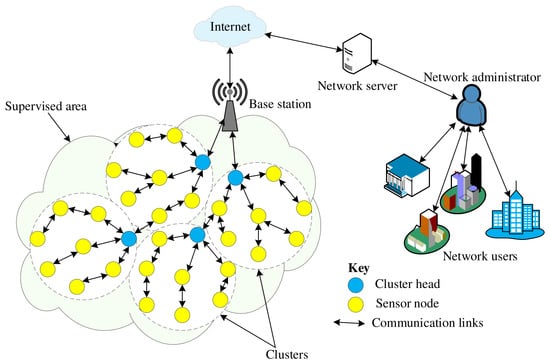
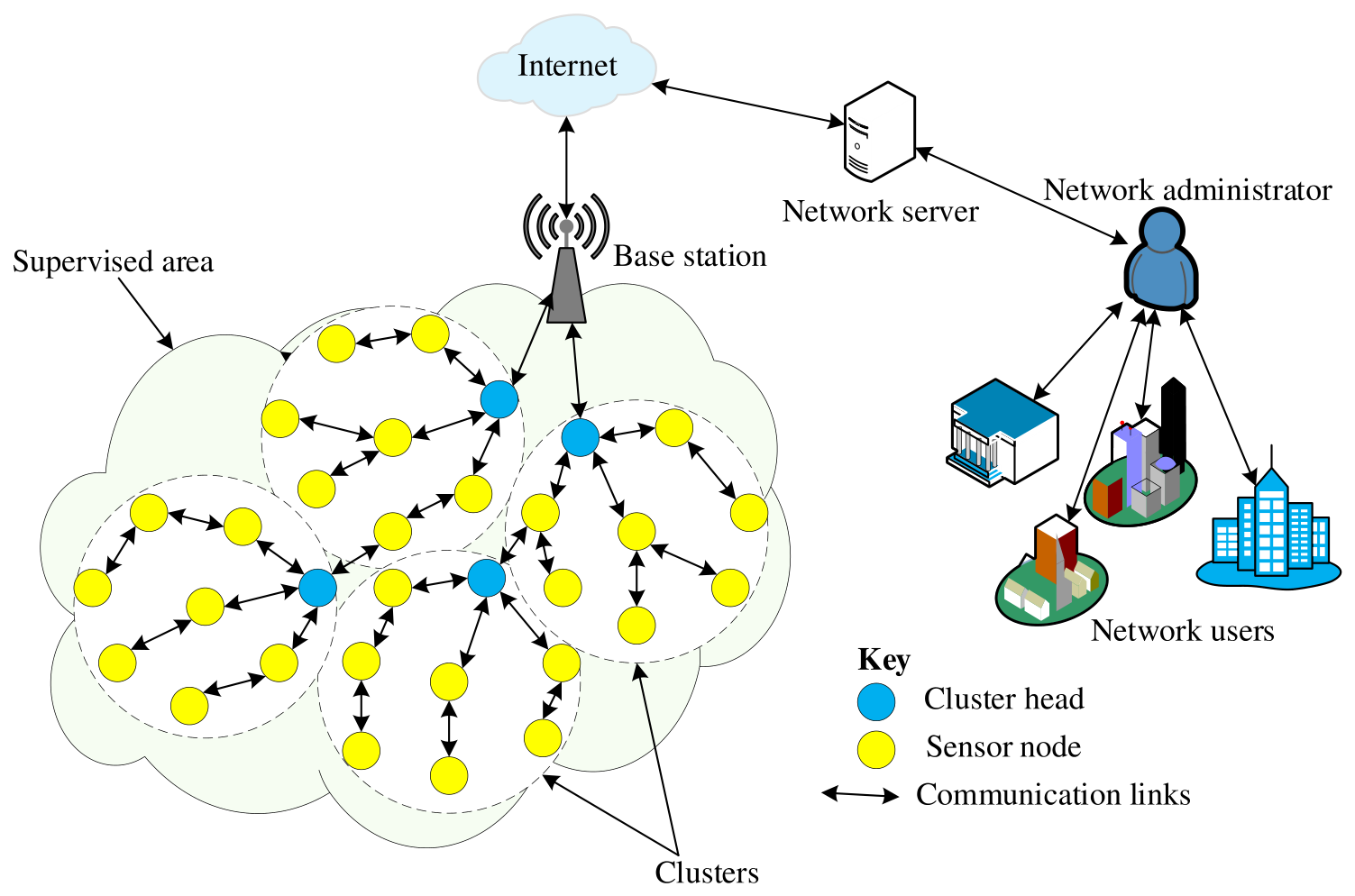
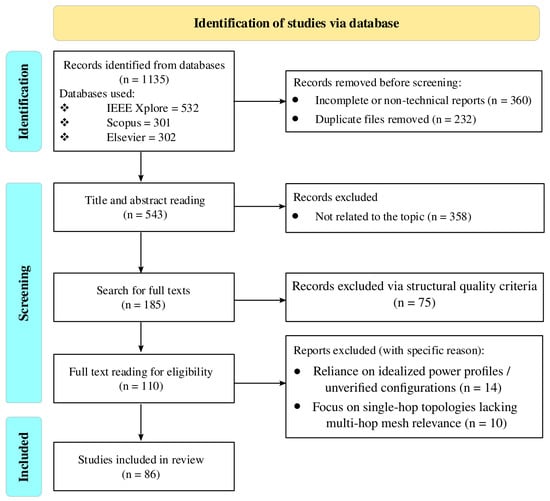
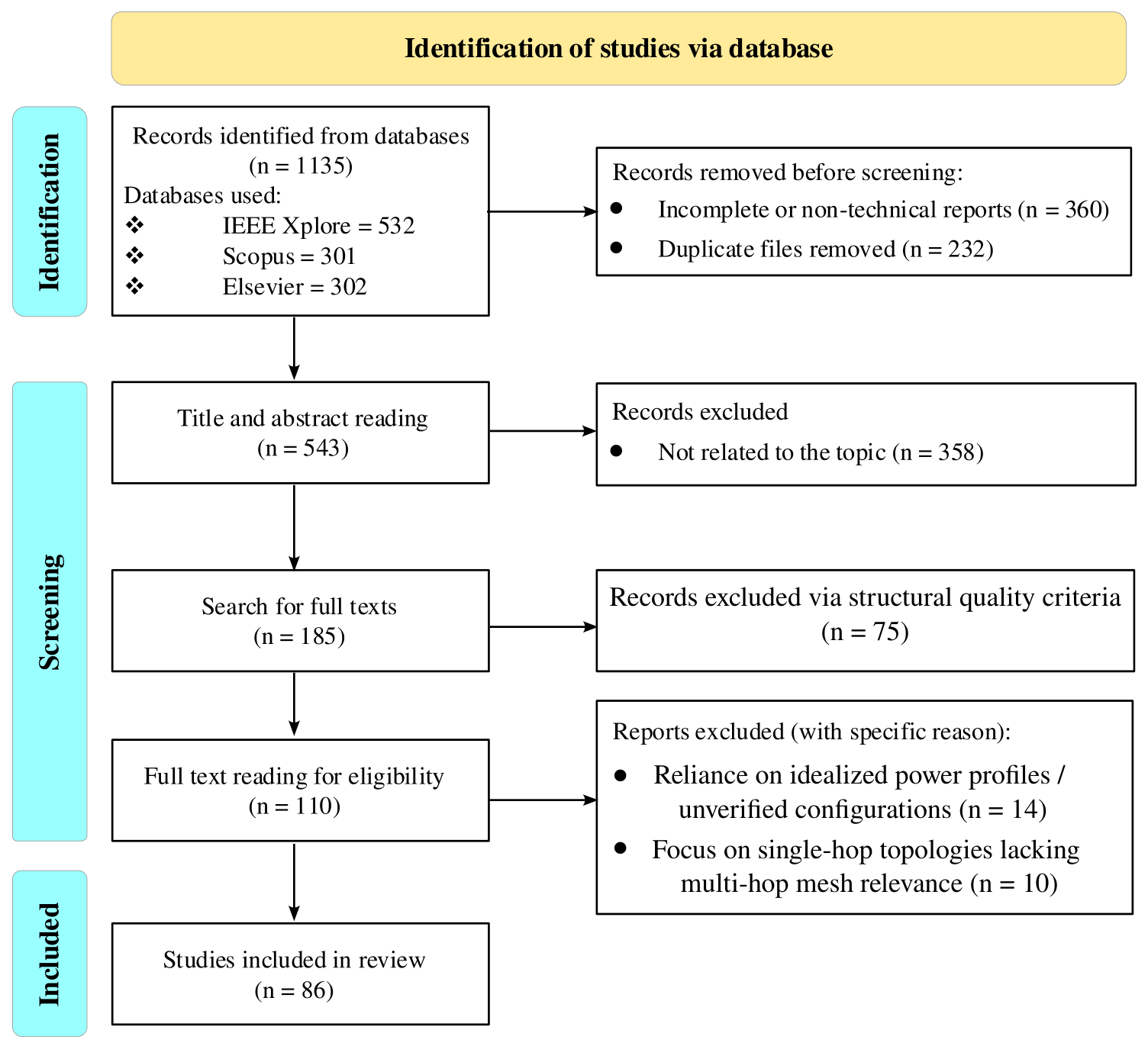
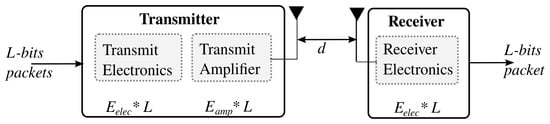
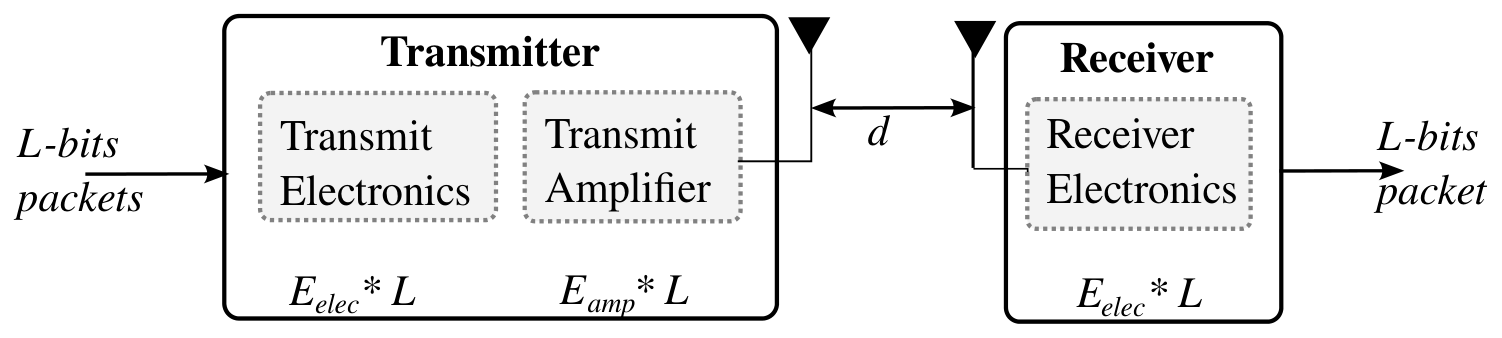
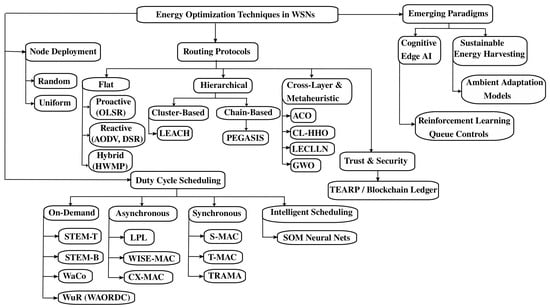
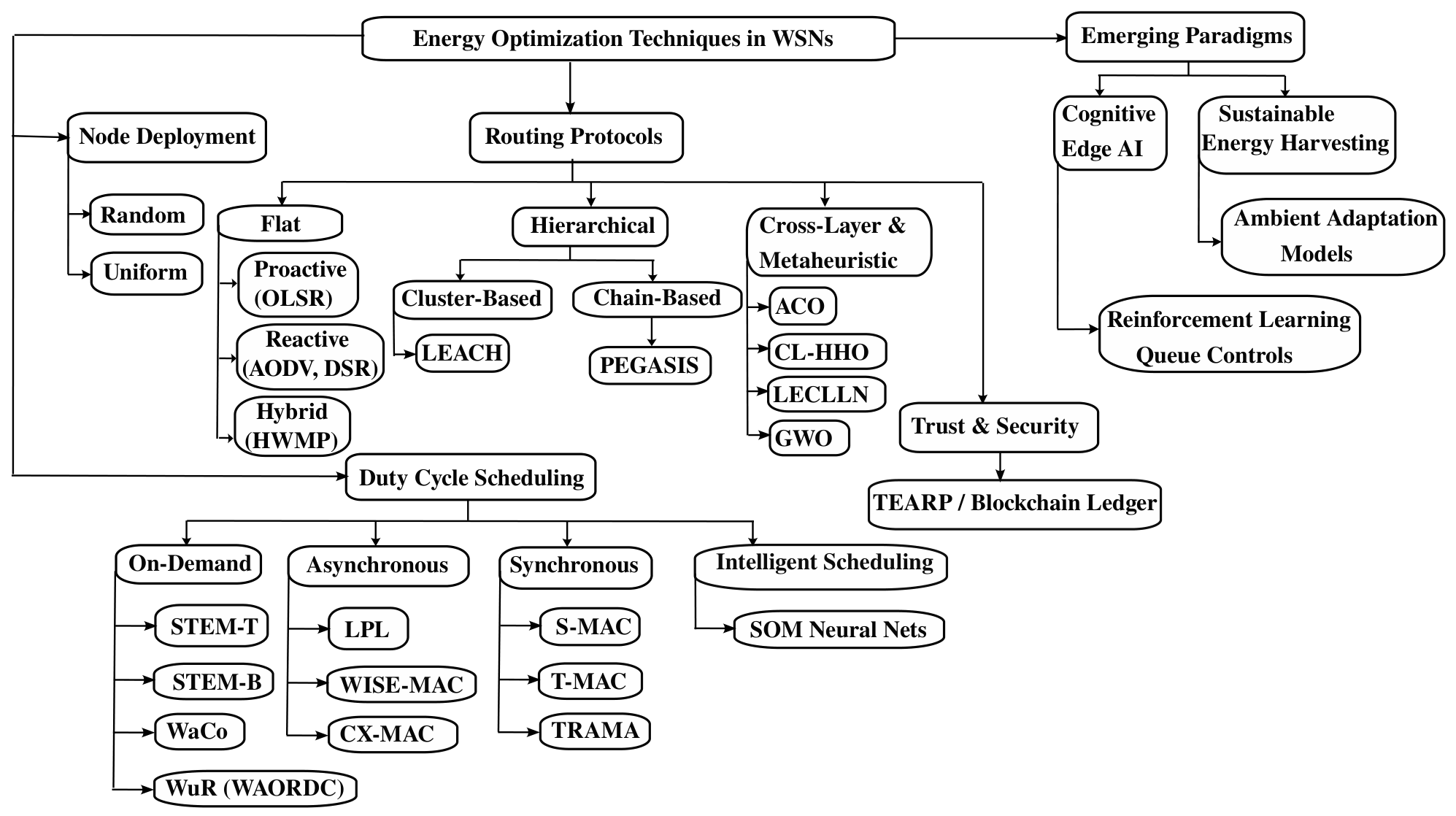
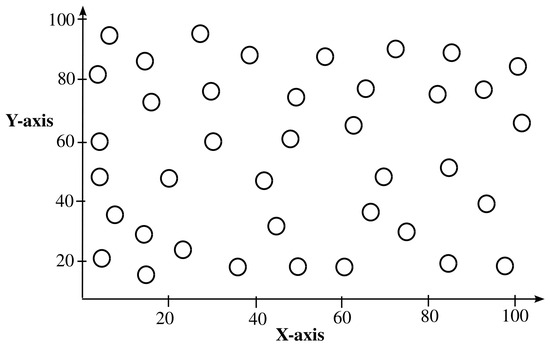
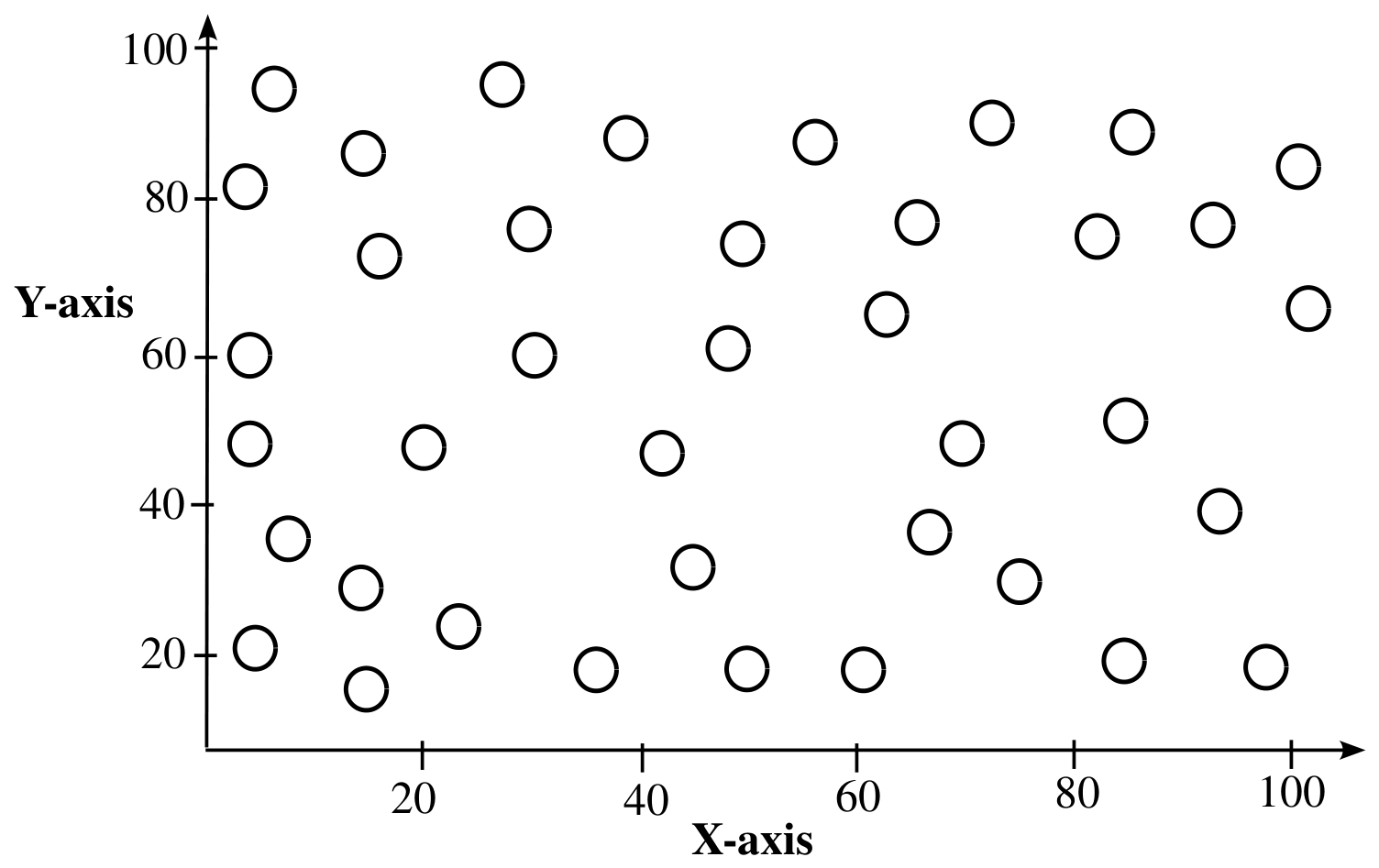
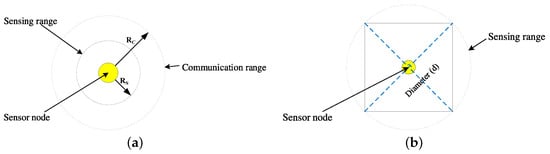
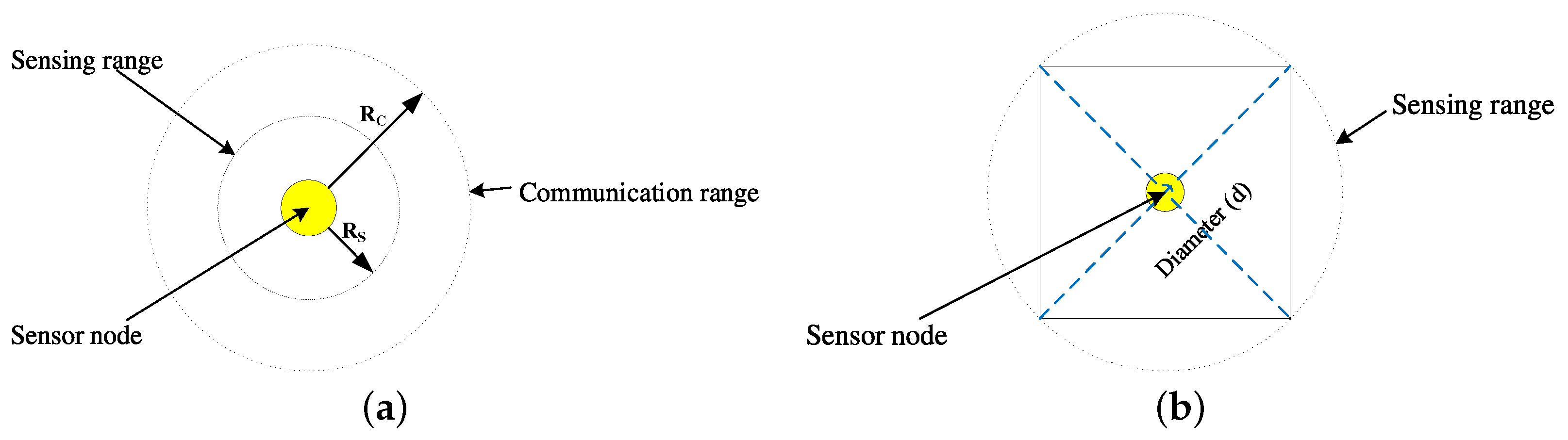
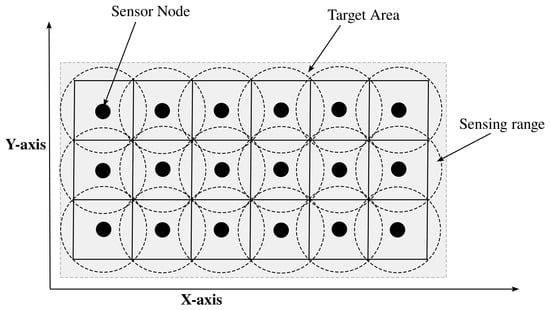
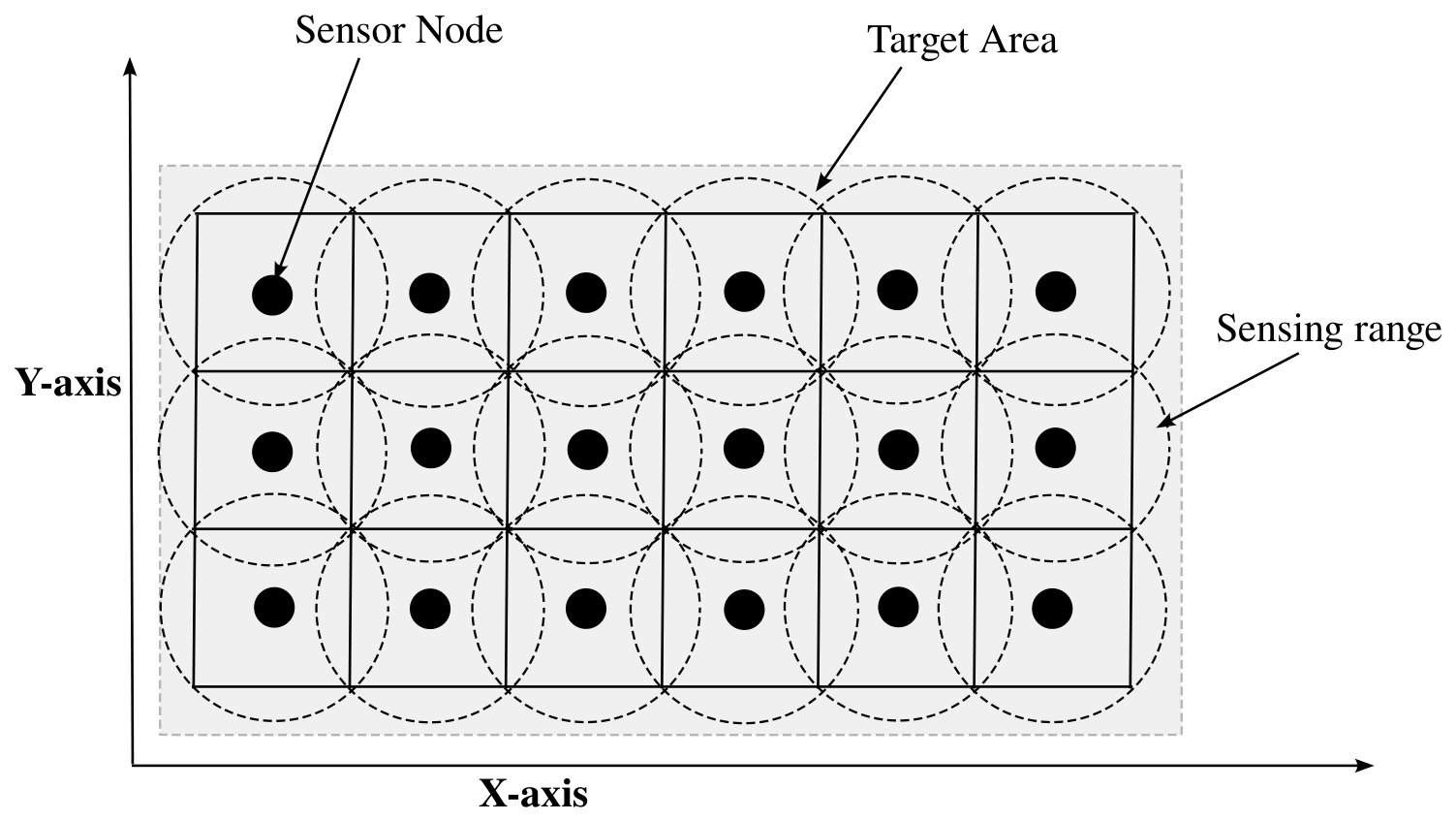
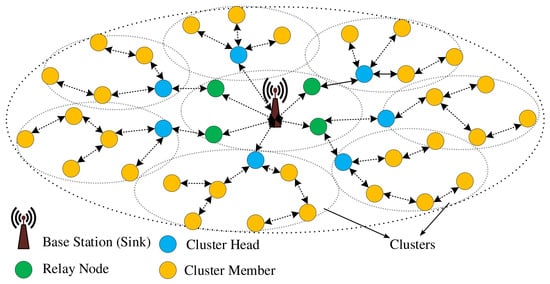
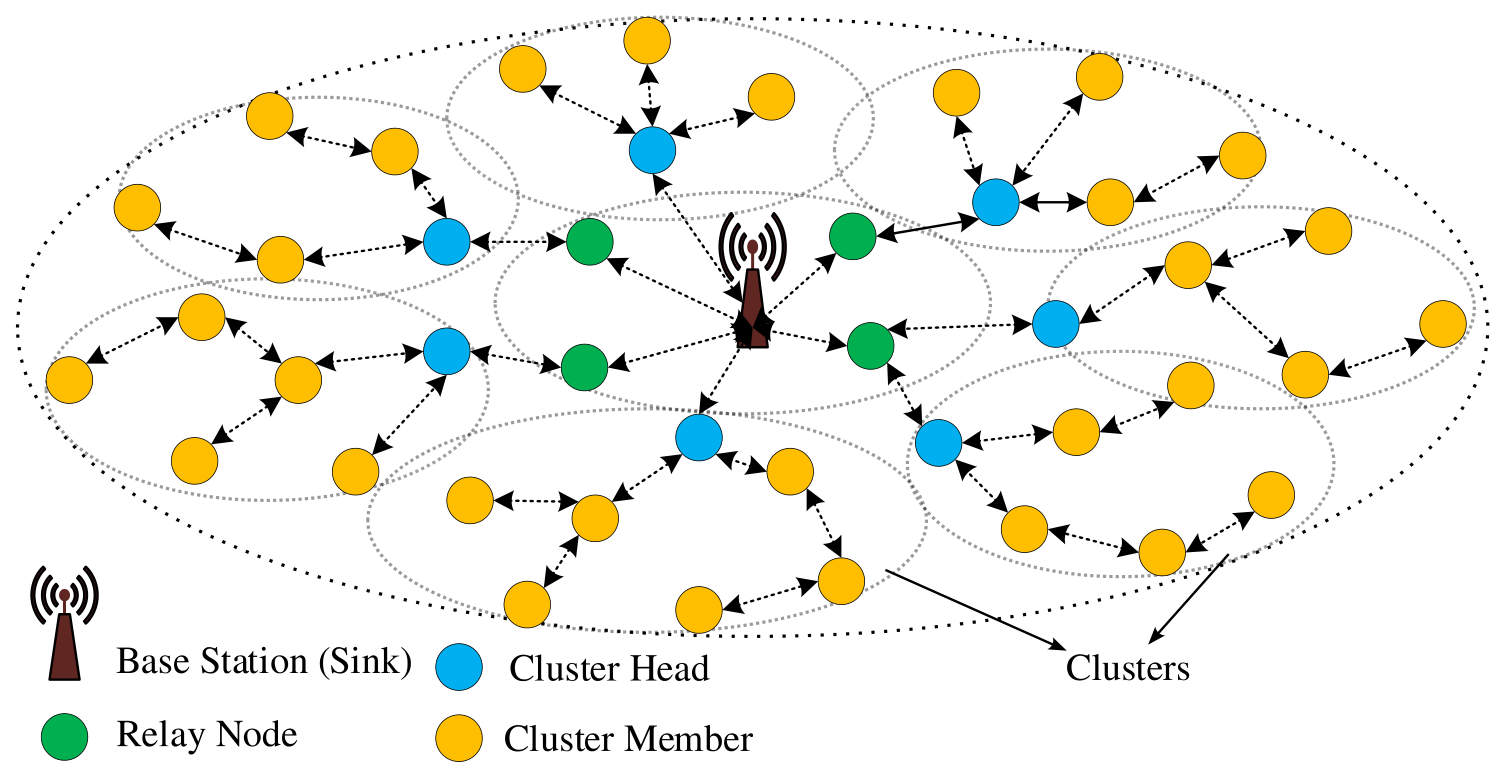
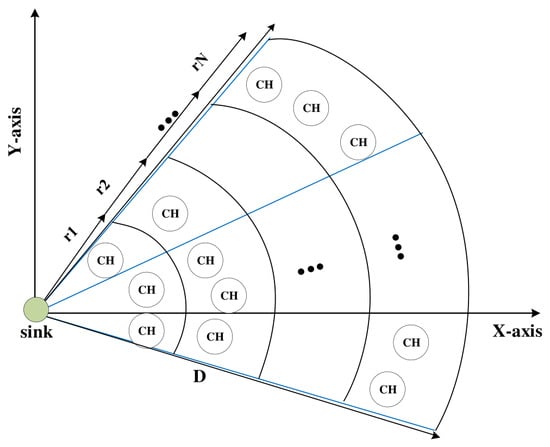
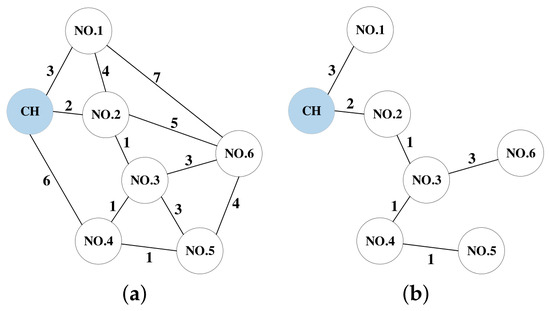

Disclaimer/Publisher’s Note: The statements, opinions and data contained in all publications are solely those of the individual author(s) and contributor(s) and not of MDPI and/or the editor(s). MDPI and/or the editor(s) disclaim responsibility for any injury to people or property resulting from any ideas, methods, instructions or products referred to in the content. |
© 2026 by the authors. Licensee MDPI, Basel, Switzerland. This article is an open access article distributed under the terms and conditions of the Creative Commons Attribution (CC BY) license.