


Abstract
This exploratory mixed-methods study examines how an edge artificial intelligence (edge AI) gas-sensing project is associated with vocational upper-secondary students’ self-reported problem-solving attitudes in an authentic classroom setting. Thirty-eight students specializing in Electrical, Electronics, and Automation addressed the same design problem: developing a gas-sensing prototype by collecting sensor data, training a machine-learning classifier, and deploying the model on embedded hardware for local inference and real-time decision support without continuous reliance on cloud processing. Three instructional pathways were compared: (i) Maker Learning (ML; n = 12) with hands-on prototyping and on-device testing, (ii) Virtual Learning (VL; n = 13) with simulation-based activities, and (iii) Traditional Learning (C; n = 13) with teacher-guided instruction. Quantitative data were collected through three administrations of the Problem-Solving Inventory (PSI), complemented by post-intervention semi-structured interviews. Exploratory analyses indicated statistically significant changes in total PSI scores across all pathways (p ≤ 0.003), reflecting more favourable problem-solving appraisals. At post-test, the ML and VL pathways showed more approach-oriented profiles than the Traditional Learning pathway, with large effect-size estimates (ML − C: r = 0.714; VL − C: r = 0.611), while for problem-solving confidence, the pattern favoured the Maker Learning pathway (ML − VL: r = 0.496). Interviews provided complementary interpretive context, highlighting iterative debugging, feedback, collaboration, and artefact ownership. Within the limits of this exploratory vocational-school classroom implementation, the findings and effect-size estimates were interpreted cautiously. Overall, the study contributes by depicting how edge AI gas-sensing projects may support positive problem-solving appraisals and outlining a meaningful pathway for the integration of edge AI technologies in vocational education.
1. Introduction
Gas-sensing technologies are increasingly used in environmental monitoring, industrial safety, occupational health, and other application fields where rapid interpretation of sensor responses is required. Recent developments in artificial intelligence (AI) and machine learning (ML) have expanded the capabilities of gas-sensing systems by enabling the processing of complex sensor data, the recognition of signal patterns, and the classification of gas-related responses [1]. These developments are particularly relevant when trained models are deployed locally on embedded hardware. Edge artificial intelligence (edge AI) refers to the execution of AI models close to the data source, allowing local inference and real-time decision support without continuous reliance on cloud processing. In this study, “physical computing” refers to the design and prototyping of interactive systems that sense and respond to the physical world using microcontrollers, sensors, and actuators. The integration of gas sensing and edge AI provides a suitable educational context for introducing students to contemporary digital–physical systems. Although the prototype examined in this study was developed for educational purposes rather than for technical certification or quantitative gas-concentration measurement, it introduced learners to a coherent technological workflow: sensor-data collection, model training, embedded deployment, real-time testing, and iterative refinement. Such activities connect AI concepts with observable system behavior and create opportunities for students to engage with practical engineering constraints, including data quality, sensor reliability, and troubleshooting.
This type of intervention is particularly relevant in vocational education and training (VET; often referred to internationally as Career and Technical Education, CTE), where authentic applications and workplace-oriented learning experiences can support students’ engagement with emerging technologies. Within such contexts, Problem-Based Learning (PBL) and Maker Education offer complementary pedagogical foundations for such technology-rich STEM contexts. PBL situates learning around meaningful, real-world problems that require inquiry, collaboration, and iterative reasoning, while Maker Education emphasizes hands-on creation, experimentation, and tangible artefact development [2,3,4,5,6,7]. At the same time, the increasing importance of artificial intelligence (AI) and embedded sensor systems in contemporary industries highlights the need to integrate these technologies into secondary education, preparing students with vital skills for the 21st-century workforce [8,9]. Involving students in the design, construction, and testing of such technologies aligns educational practices with authentic, experiential learning experiences that mirror real-world engineering challenges [10,11].
Motivating technology-rich STEM interventions in VET requires attention to learners’ initial motivational and self-belief profiles. In VET contexts, students’ perceived readiness for postsecondary pathways and careers is partly shaped by how they appraise their capacity to succeed in demanding tasks [12]. Related work has also linked vocational pathways with differences in self-esteem and academic self-concept [13,14], suggesting that many learners may enter technology-rich STEM activities with a reduced sense of competence and lower confidence, factors that can condition engagement and performance. Engagement, in turn, has been identified as a meaningful pathway associated with completion and learning trajectories [15]. Accordingly, when VET students work with emerging technologies (e.g., sensors and AI), instructional designs should be evaluated not only for what students learn, but also for how they support confidence, a sense of capability, and agency.
Despite growing interest in PBL, Maker Education, and AI-enhanced STEM learning, important gaps remain. Many studies on maker-based and AI-enhanced educational interventions emphasize conceptual, technical, or performance-related outcomes, while less attention has been given to students’ self-reported problem-solving attitudes. There is limited empirical evidence from vocational-school settings, where learners’ confidence, perceived capability, and willingness to approach complex technical problems are particularly important. Relatively few studies examine edge AI as a complete educational workflow involving sensor-data collection, model training, embedded deployment, and iterative testing. Recent reviews highlight that there remains a lack of empirical evidence on how maker-based interventions are implemented and what effects they produce within formal, school-based environments [16,17,18].
Addressing these gaps, the present study aims to explore how an edge AI gas-sensing project, implemented within a PBL framework in a vocational secondary-school context, is associated with changes in students’ attitudes toward problem solving. In this study, PBL serves as the common pedagogical framework, while the same edge AI gas-sensing project is implemented through three instructional pathways: Maker Learning (ML), Virtual Learning (VL), and Traditional Learning (C). More specifically, the study examines (a) how these instructional pathways relate to students’ self-reported approach-avoidance tendencies, perceived personal control, and problem-solving confidence and (b) how students describe and reflect upon their learning experience when engaging with physical computing activities and the associated edge AI workflow, including data collection, model training, and on-device deployment.
2. Literature Review
2.1. Problem-Based Learning (PBL)
PBL has long been recognized as an approach that brings learning closer to the way real scientific and engineering problems are encountered in everyday practice. Originating in medical education as an alternative to lecture-based instruction [19], PBL has evolved into a student-centered methodology used widely across STEM fields. Instead of starting with theory and then moving to examples, PBL begins with a meaningful, often messy problem that has no single correct answer. Students are invited to explore what the problem means, discuss ideas with peers, connect new information with what they already know, and gradually construct a deeper understanding as they work toward a solution. In this way, PBL positions learners as active sense-makers who negotiate meaning through inquiry, dialogue, and reflection. In a typical PBL cycle, students begin by clarifying the situation and generating possible explanations. They identify what they need to learn, search for relevant information, and test their ideas through discussion or hands-on investigation. The teacher does not provide solutions; instead, they guide conversations, support reasoning, and help students organize their thoughts. This structure reflects core principles of social constructivism, where learning emerges from interaction, feedback, and shared problem-solving experiences [20,21,22].
Recent studies show that when problems are authentic and connected to students’ lives or future careers, PBL significantly enhances engagement and curiosity. Learners tend to collaborate more openly, take greater responsibility for their learning, and persist longer when they encounter difficulty [23]. In STEM education, contextualized PBL tasks, whether in physics, engineering design, or applied sciences, have been linked to gains in motivation, teamwork, and research self-efficacy particularly when learners work with data-rich tools and computational artefacts that support iterative testing and refinement [4,24].
This way of learning has been shown to shape students’ attitudes toward problem solving. Working through uncertainty, negotiating ideas with peers, and evaluating evidence help students develop stronger problem-solving confidence, a more constructive approach to challenges, and a clearer sense of personal control over their learning [2,3,10]. These attitudinal qualities align directly with the dimensions assessed by the Problem-Solving Inventory (PSI), making it an appropriate tool for examining how students’ problem-solving attitudes evolve during PBL interventions [25]. The characteristics that make PBL effective can be naturally linked to learning environments where students externalize their thinking by creating tangible solutions and where decisions are informed by measurement, data, and model outputs. This connection aligns directly with Maker Education, which offers opportunities for learners to test ideas through physical design, experiment with materials and technologies, and learn by building. As a result, PBL often functions as the pedagogical foundation for maker-based STEM activities, since it supports competencies such as teamwork, self-regulation, persistence, and communication across contemporary educational and technological contexts including technology-enabled engineering workflows (e.g., sensing, data interpretation, and iterative debugging).
2.2. Maker Education: From Constructionism to Creative Problem-Solving
Maker Education refers to a constructionist learning approach in which students build knowledge by creating tangible artefacts that hold personal meaning. Situated within the global Maker Movement, this approach emphasizes creativity, design, iteration, and the use of physical and digital tools to explore ideas and solve problems in ways that are personally meaningful [6,26]. Maker Education positions learners as active creators who learn through making, designing objects, testing prototypes, manipulating materials, and refining their solutions as their understanding evolves. This process encourages students to see themselves as capable innovators who can shape ideas into concrete outcomes and take ownership of their learning trajectories [17].
Educational research describes making as a spectrum ranging from open-ended tinkering to purposeful design, where learners follow engineering-like cycles of planning, constructing, testing, and revising. These modes together support learners as they navigate through uncertainty to try new approaches and develop confidence in their creative and technical abilities [17,27]. When making is supported by computing environments that incorporate microcontrollers, sensors, and programmable components, learners are able to externalize their thinking and engage in iterative cycles of construction and evaluation that mirror authentic engineering practices [18,28]. Such environments promote engagement with interdisciplinary STEM concepts as learners design systems that integrate coding, electronics, and scientific reasoning. This approach can be extended to edge AI gas-sensing projects, where inference occurs on embedded devices under real-world constraints [29,30].
Recent studies characterize Maker Education as a constructionist synthesis of project, problem-, and inquiry-based learning situated within technology-rich, collaborative contexts [6,31]. Within STEM education, making brings together physical construction, programming, and scientific reasoning, enabling students to test ideas in concrete ways and receive immediate feedback from the artefacts they build. These experiences cultivate essential competencies for STEM practice, including technological creativity, adaptability, teamwork, and the ability to reason across disciplinary boundaries [32]. In this sense, Maker Education helps bridge the gap between theoretical knowledge and real-world application by enabling learners to explore scientific ideas through hands-on creation [33].
Importantly, Maker Education also generates powerful affective outcomes, which are central to the present study. Engagement in making has been shown to cultivate creative confidence, persistence, and a strong sense of agency as learners experience themselves as capable problem solvers and innovators [34]. Makerspaces, whether formal classrooms, fab labs, or informal community environments, provide supportive, low-risk settings in which students can experiment freely, take intellectual risks, and learn through cycles of trial and error. These environments foster motivation and a willingness to approach complex tasks rather than avoid them, attitudes closely aligned with problem-solving confidence and approach tendencies [35].
Taken together, these characteristics portray Maker Education as a multidimensional pedagogical framework that integrates creative production with conceptual inquiry. Its emphasis on creation, collaboration, and iterative experimentation naturally extends the inquiry-driven principles of PBL, providing fertile ground for Technology-Enhanced PBL environments where digital tools and computing systems such as microcontrollers and sensors amplify students’ problem-solving experiences. This synergy forms the conceptual foundation for exploring how AI-enhanced maker learning can support students’ problem-solving attitudes [11].
2.3. Technology-Enhanced PBL with Edge AI
Technology-enhanced PBL expands the inquiry-oriented foundations of PBL by integrating digital tools, physical computing, and data-rich environments into students’ problem-solving cycles. In these settings, learners do not simply discuss solutions; they build and test them through programmable hardware, sensors, and software platforms that provide immediate feedback on system behavior. Studies show that when students engage with physical computing tools such as microcontrollers or IoT components within PBL tasks, they develop deeper conceptual understanding and stronger iterative reasoning as they refine and debug their prototypes, particularly when the workflow includes data collection, feature selection, model training, and on-device deployment [26].
This technological dimension brings PBL into close alignment with Maker Education. Both emphasize hands-on experimentation, iterative design, and the creation of meaningful artefacts that embody learners’ thinking. Recent work demonstrates that combining PBL structures with robotics, embedded systems, or digital fabrication tools provides students with authentic contexts for exploring computational thinking and developing practical problem-solving strategies [36]. At the same time, systematic evidence from Arduino-based activities in school settings highlights that even simple physical computing systems can help younger learners begin exploring programming logic and computational thinking, when embedded within structured inquiry or design tasks [37]. Together, these studies illustrate how technology-enhanced PBL, whether through robotics or Arduino-based making, creates learning environments where students externalize their thinking, test ideas, and develop the confidence to refine the solutions they build based on observable system behavior and measurable performance indicators.
At the same time, the rapid emergence of artificial intelligence tools within STEM education is reshaping what learners can design and how they interact with digital–physical systems. Recent research reveals a growing interest in applying AI technologies, such as classification models, predictive algorithms, or data-driven sensing, within school-based STEM activities [9,38]. In parallel, recent work on edge intelligence highlights the shift toward processing data close to the sensing source through in-sensor and near-sensor computing architectures [39]. Yet relatively few studies investigate how AI can be embedded into maker-based PBL tasks in ways that allow students to train, deploy, and evaluate their own simple models in edge AI projects. There is promising early evidence that AI-enhanced making can help students understand how machine-learning systems behave and connect abstract AI concepts to tangible artefacts they create [38]. While recent studies highlight how AI can enrich maker experiences, most existing studies emphasize technological or conceptual outcomes rather than learners’ attitudinal development. Much less is known about how students experience AI-enhanced making in terms of engagement, confidence, or their willingness to approach complex tasks, particularly in formal, school-based contexts where empirical evidence remains limited [16,17,18].
To interpret such experiences in a theory-grounded way, the present study draws on Self-Determination Theory (SDT) as a motivational mechanism and Kolb’s Experiential Learning as a learning-process mechanism, both situated within the PBL logic of learning through inquiry, uncertainty, and iterative refinement. SDT emphasizes that students’ engagement is closely connected to three basic psychological needs: competence (a sense of capability), autonomy (agency over actions and decisions), and relatedness (feeling socially connected and supported) [40,41,42]. Within a PBL framework, these needs are directly implicated by design choices: structured guidance and formative feedback can support competence; opportunities to make decisions, troubleshoot, and iterate can strengthen autonomy; and collaboration around a shared real-life problem can strengthen relatedness. These conditions may encourage students to engage with challenging tasks, persist when initial attempts are unsuccessful, and revisit problems rather than avoid them. They therefore provide a useful interpretive framework for students’ approach-avoidance tendencies and problem-solving confidence.
Complementarily, Kolb’s model clarifies how learning unfolds through iterative cycles that combine capturing experience (concrete experience and reflective observation) with transforming experience (abstract conceptualization and active experimentation) [43,44]. In AI-enhanced physical computing, “capturing” may occur when students observe sensor behavior, inspect data, and reflect on model outputs; “transforming” occurs when they connect these observations to underlying concepts, such as sensing principles and data-model relationships, and then test revisions through further runs, parameter changes, or implementation adjustments. Importantly, this cycle applies not only to physical prototyping but also to simulation-based workflows, where learners can repeatedly run, interpret, revise, and retest models. Repeated experimentation and revision may help students approach difficulties as manageable parts of the learning process rather than reasons to disengage from the task. Together, SDT and Kolb’s model provide a coherent basis for interpreting how different instructional pathways within the same PBL project may be associated with students’ approach-avoidance tendencies, problem-solving confidence, and collaborative experience. Technology-enhanced PBL often involves unfamiliar tools and multi-step procedures, making the structure of guidance an important design feature. Cognitive Load Theory (CLT) suggests that novices benefit from support such as task decomposition, worked examples, and scaffolding that reduces unnecessary demands during complex workflows [45,46].
In educational contexts, Edge AI provides a broad framework for introducing students to AI systems that process data locally, close to the sensing source, without relying continuously on cloud-based computation. TinyML refers to the deployment of machine-learning models on highly resource-constrained microcontrollers; therefore, it can be viewed as a microcontroller-focused subset of Edge AI [47]. Recent studies on AI-ready IoT system design in VET, Arduino-based computational thinking in secondary education and the educational affordances of IoT devices indicate growing educational interest in microcontroller-supported, sensor-based learning pathways [48,49,50].
The choice to teach through a modern and professionally relevant engineering framework is particularly appropriate in vocational education and training (VET), where authenticity and workplace relevance are central to students’ engagement and sense of capability. Given the exploratory classroom-based design of the study and the absence of individual random assignment, formal confirmatory hypotheses were not formulated. However, the quantitative analysis was guided by theory-informed expectations derived from PBL, Maker Education, SDT, and experiential learning. First, it was expected that participation in the edge AI gas-sensing project would be associated with more favourable self-reported problem-solving attitudes over time across the three pathways, because all students engaged with an authentic PBL task. Second, it was expected that the Maker learning and Virtual learning pathways would be associated with more approach-oriented problem-solving profiles than the Traditional learning pathway, because both pathways provided more opportunities for active testing, feedback, and revision. Third, it was expected that the Maker learning pathway might show a more favourable pattern for problem-solving confidence, because physical prototyping and on-device testing provided students with tangible feedback, ownership, and direct troubleshooting experiences. These expectations were treated as exploratory and interpretive rather than confirmatory hypotheses. Based on this rationale, the present study explores how an edge AI gas-sensing project implemented within a PBL framework is associated with vocational secondary students’ problem-solving attitudes and learning experiences, which forms the basis for the following two research questions:
RQ1: How are the Maker, Virtual, and Traditional learning pathways associated with vocational students’ self-reported problem-solving attitudes within the same edge AI gas-sensing project?
RQ2: How do students perceive their learning experience within each instructional pathway of the edge AI gas-sensing project?
3. Methodology
3.1. Participants
The participants were students (n = 38; 36 male, 2 female, aged 15 to 16) from a public vocational upper secondary school (EPAL) located within the greater Athens region in Greece that were enrolled or intended to enroll in the Electrical, Electronics, and Automation specializations. EPAL schools in Greece provide three-year programs that integrate fundamental STEM education with technical and laboratory training, equipping students for both advanced studies and direct employment opportunities. The first-year students who, at the time of recruitment, intended to select the Electrical, Electronics, and Automation specializations at the end of the school year, subsequently chose to continue their studies in this field. Because participants were drawn from more than one grade level, all students completed the same introductory phase covering the core concepts required for the project.
The sample size reflected the accessible cohort available in an authentic vocational-school classroom implementation of the intervention. The three instructional groups were relatively balanced in size (ML: n = 12; VL: n = 13; C: n = 13), which provided a basis for preliminary non-parametric comparisons across pathways within an exploratory classroom-based study. Nevertheless, the limited group sizes reduce the statistical power to detect small or moderate differences and increase the possibility of Type II errors. Accordingly, non-significant findings are interpreted cautiously and are not treated as definitive evidence of no difference. Sample adequacy is therefore justified in relation to the exploratory aim of identifying preliminary patterns within an authentic vocational education context, supported by complementary qualitative evidence from students’ interviews.
3.2. Research Methodology
The research utilized a mixed-methods design, combining quantitative and qualitative data to obtain a more comprehensive understanding of how the educational intervention was associated with students’ problem-solving attitudes [51]. The quantitative component consisted of the Problem-Solving Inventory (PSI) questionnaire administered at key stages of the intervention, while the qualitative component consisted of complementary semi-structured interviews conducted after its completion. The two components served complementary purposes: the questionnaires captured patterns of attitudinal change over time, and the interviews provided insight into students’ experiences and perceptions during the project. A side-by-side comparison during interpretation provided a more contextualized understanding of the findings [52]. This was an exploratory classroom-based study without individual random assignment. Accordingly, comparisons across instructional pathways are interpreted as context-bound associations.
The organization of students into the three instructional pathways was determined by the practical and pedagogical constraints of the classroom implementation rather than by individual random assignment. Students did not self-select their pathway. After the shared foundational phase, the teacher organized students into relatively balanced instructional groups so that the same project theme, learning objectives, and target concepts could be implemented through three different modalities: hands-on prototyping, simulation-based activity, and teacher-guided instruction. The pathways therefore represented instructional conditions created within the same vocational-school context, rather than pre-existing classes with unrelated curricula. The same teacher-researcher implemented and coordinated the intervention across the three pathways, which reduced variability due to different instructors, although instructor-related effects cannot be fully excluded. Formal prior academic achievement scores were not used as a matching variable; however, the absence of statistically significant differences among groups at Q1-pre and Q2 suggested broadly comparable self-reported problem-solving attitudes before the differentiated phase. Accordingly, pathway comparisons are interpreted as exploratory associations rather than causal effects.
The intervention comprised two instructional phases, and the PSI was administered at three predefined time points serving a distinct pedagogical and methodological role. Before Phase I, all students completed the pre-test questionnaire (Q1-pre) to identify their initial problem-solving attitudes. After Phase I, the second questionnaire (Q2) was administered to capture early attitudinal responses and to check initial group comparability before moving into different learning conditions. Following the completion of Phase II, the post-test questionnaire (Q1-post) was administered to examine attitudinal changes across the full duration of the intervention. Figure 1 presents a schematic overview of the research design and the sequencing of instructional phases and questionnaire stages.
Figure 1.
Research design and sequencing of the three instructional pathways. Dashed boxes denote the two instructional phases of each applied intervention.
3.3. PBL Course “Edge AI Gas-Sensing Project”
The educational intervention was implemented in a blended learning environment resembling a school-based makerspace. This environment supported hands-on experimentation and provided access to sensors, electronic components, multimeters, circuit boards, soldering equipment, signal function generators, oscilloscopes, and general-purpose laboratory tools. In addition, simulation platforms, such as Tinkercad (Autodesk, Inc., San Francisco, CA, USA; https://www.tinkercad.com/) and the Edge Impulse (EdgeImpulse Inc., San Diego, CA, USA; https://edgeimpulse.com/), were used to help students explore machine learning concepts, set up simple models, and understand how data can be collected, processed, and classified within an edge AI gas-sensing workflow (including on-device inference on embedded hardware). Such environments promote individual tinkering, collaborative problem-solving, and iterative design, and have been shown to support STEM learning in maker-based settings [53].
The project followed a PBL structure in which students addressed the challenge of designing an edge AI gas-sensing prototype across a sequence of twelve 40 min class lessons delivered over a three-month period. The instructional PBL design comprised two phases: (a) a shared foundation phase and (b) an applied PBL phase differentiated into three learning pathways. Before the start of Phase I, all students completed the pre-test questionnaire (Q1-pre) to document their initial problem-solving attitudes.
Phase I (Foundational Concepts—4 lessons).
All students received a common introduction to core concepts required for the project: Arduino programming, digital sensors, block-based coding, and introductory machine learning tasks. Students engaged in guided simulations of data collection, experimented with simple model-training procedures in Edge Impulse, and designed preliminary circuits in Tinkercad. These activities were designed to provide a shared conceptual foundation before learners entered the differentiated instructional pathways. Instruction combined demonstration, hands-on exploration, and structured reflection to help students articulate their understanding of how sensor signals are processed, interpreted, and used by computational systems. At the end of Phase I, the questionnaire (Q2) was administered to capture initial attitudinal responses following this shared instructional foundation.
Phase II (Applied PBL—8 lessons).
In collaborative teams, students then advanced to solving the authentic engineering challenge: designing and implementing an edge AI gas-sensing prototype. At this stage, the class was organized into three learning pathways following the study design:
Maker Learning (ML, n = 12): hands-on prototyping and on-device testing. Students worked in collaborative teams to build and test a physical prototype and complete the end-to-end edge AI workflow with greater ownership of decisions. The teacher acted primarily as facilitator, providing milestones, troubleshooting support, and formative feedback. ML students iterated through repeated build–test–revise cycles and, after training models in Edge Impulse, deployed them for on-device inference on the Arduino Nano 33 BLE Sense (Arduino S.r.l., Monza, Italy) to enable real-time testing and refinement under embedded constraints.
Virtual Learning (VL, n = 13): simulation-based activities. Students addressed the same objectives through simulation-oriented activities, primarily using Tinkercad (for circuit/system exploration) and Edge Impulse (for the ML workflow). Feedback was provided through platform outputs and structured teacher debriefs. Collaboration focused on coordinating tasks such as interpreting results, adjusting parameters, comparing runs, and reflecting on model behavior and limitations. Outputs included model results and structured reflections aligned with the project objectives.
Traditional Learning (C, n = 13): teacher-guided instruction. Students addressed the same project theme through a more structured, teacher-guided sequence. Instruction relied on explicit explanations, worked examples, and guided completion of key workflow steps, supported by frequent teacher feedback and tightly scaffolded checkpoints. Compared with ML and VL, this pathway provided fewer opportunities for open-ended exploration and iterative testing by students, while maintaining the same overarching PBL goal and conceptual targets.
The three pathways were implemented after the common foundational phase and were designed to contrast the learning modality while maintaining the same overarching project, instructional goals, and core edge AI workflow. To make the instructional contrasts explicit, the three learning pathways differed in how construction, feedback, collaboration, and guidance were operationalized, while the project theme, objectives, and target concepts remained constant. In ML, “construction” involved physical prototyping (wiring, assembling, and testing the sensing system) and on-device deployment; feedback was primarily derived from artefact behavior (sensor readings, circuit functioning, model outputs on-device) supplemented by teacher facilitation; collaboration centered on shared building, troubleshooting, and iterative refinement; and guidance was provided through milestones and just-in-time scaffolding. In VL, “construction” occurred through simulation-based system exploration and model-workflow experimentation; feedback was provided by the simulation environment and Edge Impulse outputs (e.g., model performance indicators), complemented by teacher debriefs; collaboration focused on interpreting results, comparing runs, and parameter adjustment; and guidance was structured through task sequences and reflective prompts. In the Traditional Learning pathway, “construction” was limited and the workflow was instructed primarily through guided completion of key workflow steps, worked examples, and tightly scaffolded checkpoints; feedback was predominantly teacher-provided (explanations, worked examples, corrective feedback); collaboration was more discussion-oriented around interpreting procedures and results; and guidance was high-structure, with tightly scaffolded progression through the project steps.
Across pathways, all students worked on the same PBL task with shared learning objectives and target concepts, including sensing principles, data handling, basic classification, model evaluation, and practical constraints. Students examined how sensor outputs change with different gas-related sensing conditions, how data can be collected, processed, and transmitted, and how a simple classification model can support automated decision-making. Students then applied an end-to-end edge AI prototyping workflow to an authentic engineering task: developing an edge AI gas-sensing prototype capable of classifying predefined gas-related sensor-response patterns (e.g., “harmful gas”). Using the Edge Impulse platform, students trained machine learning models and linked model outputs to core ideas in digital signal processing, feature extraction, and basic classification tasks. As they progressed through the workflow, they evaluated sampling choices, model accuracy, and practical constraints such as sensor reliability and discussed how AI can support decision-making in real-world contexts. Figure 2 illustrates a representative Edge Impulse training interface used during the activity.
Figure 2.
Edge Impulse platform interfaces used for sensor-data model training and on-device deployment.
Collaboration was embedded throughout the process. Students worked in teams to plan their prototype, divide responsibilities, test hypotheses, troubleshoot errors, and articulate design decisions. Each lesson concluded with short reflective prompts aligned to PBL principles, clarifying the problem, testing ideas, evaluating constraints, and proposing improvements. Figure 3 presents a student-built prototype.
Figure 3.
Student-built edge AI gas-sensing prototype and sensing components.
In the concluding lesson, students demonstrated and discussed their solutions, responding to reflective questions such as “What is AI?” and “How does an edge AI gas-sensing prototype operate?” Ethical considerations related to AI, such as reliability, safety, privacy, responsibility, inclusion, and accountability were also addressed and discussed, echoing current frameworks in AI ethics education [11]. Across the 12-lesson sequence, this progression from foundational learning (Phase I) to applied PBL (Phase II) was intentionally designed to support the development of positive problem-solving attitudes, self-efficacy, and collaborative behaviors while enabling students to experience how AI can be integrated into real engineering contexts through an edge AI gas-sensing workflow.
3.4. Data Collection and Analysis
Data collection followed the mixed-methods structure of the study and occurred at predefined stages of the intervention. Quantitative data were gathered through three administrations of the Problem-Solving Inventory (PSI) questionnaire to explore patterns of attitudinal change over time, at baseline (Q1-pre), after the foundational instruction (Q2), and after completion of the intervention (Q1-post). Qualitative data were collected following the intervention through semi-structured interviews designed to capture students’ reflections on their participation in the edge AI gas-sensing project and the associated edge AI workflow. The two datasets served different but complementary purposes. The PSI, through an exploratory statistical analysis, captured patterns of attitudinal change across the instructional phases, while the interviews, through thematic analysis, provided interpretive insight into how students experienced the three learning pathways. Together, these datasets enabled a more contextualized understanding of students’ problem-solving attitudes and learning experiences. Ethical approval was obtained, and written informed consent was secured from students and their legal guardians; participation was voluntary and all responses were anonymized.
3.4.1. The Problem-Solving Inventory (PSI)
The Problem-Solving Inventory [54] was used to assess problem-solving attitudes. The analysis used the 32 scored items of the PSI, which are rated on a Likert scale ranging from 1 = Strongly Agree to 6 = Strongly Disagree and organized into three subscales: (a) Approach-Avoidance Style, (b) Personal Control, and (c) Problem-Solving Confidence. The Approach-Avoidance Style evaluates individuals’ tendencies to face or avoid problems and consists of sixteen items (e.g., “When a solution to a problem was unsuccessful, I do not examine why it didn’t work.”). Personal Control evaluates aspects of self-regulation about emotions and behavior, containing five items (e.g., “When my first efforts to solve a problem fail, I become uneasy about my ability to handle the situation.”). Finally, Problem-Solving Confidence evaluates the self-assessed confidence, belief, and assurance in the effective resolution of issues, with eleven items (e.g., “I trust my ability to solve new and difficult problems.”). The PSI has been previously validated in Greece, demonstrating a high level of internal consistency (Cronbach’s α = 0.91) [25]. In the present study, the reliability analysis also indicated satisfactory internal consistency, with Cronbach’s alpha values of 0.72 for the questionnaire (Q2) and 0.89 for the questionnaire (Q1-post).
3.4.2. Semi-Structured Interviews
After completing the intervention, a series of semi-structured interviews were conducted to provide interpretive insight into how students experienced the learning activities and the attitudinal patterns observed in the PSI data. Each interview lasted approximately ten minutes and followed an interview guide with open-ended questions such as: “Do you like learning and making things?”, “How did you gain confidence in using tools for problem-solving?”, and “What difficulties did you face while designing the edge AI gas-sensing prototype?” These questions elicited students’ reflections on engagement, confidence, and challenges across the three learning pathways used in Phase II.
The interviews were not audio-recorded, and verbatim transcripts were not produced. Instead, the researcher documented key points, representative statements, and emerging ideas during and immediately after each interview, using structured and systematic field notes. These notes captured meaningful expressions related to students’ attitudes, learning processes, and perceptions of the educational environment. Although this approach allowed the qualitative data to be collected in a practical and minimally intrusive way within the school context, it also limited the level of detail available for subsequent qualitative analysis.
The qualitative data were analyzed using the six-step thematic analysis framework [55]. First, the field notes were read repeatedly to establish familiarity with the data. Second, initial codes were generated to identify meaningful points related to students’ experiences. Third, codes were clustered into preliminary categories. Fourth, these categories were reviewed for coherence and refined into themes. Fifth, themes were defined and named to represent patterns across the dataset. Finally, illustrative excerpts from the field notes were selected to exemplify each theme clearly. Coding was conducted manually without the use of any qualitative-analysis software by the first author; therefore, intercoder agreement was not calculated. To enhance trustworthiness, the emerging codes and themes were reviewed and discussed between the authors, and disagreements or uncertainties were resolved through discussion and refinement of the thematic structure. The analysis followed an inductive and iterative logic, and the resulting themes provide interpretive insight into how students perceived (1) hands-on engagement and sense of agency, (2) the challenges inherent in the problem-solving process, and (3) the development of their confidence in relation to the edge AI gas-sensing workflow.
4. Results
4.1. Changes in Problem-Solving Attitudes Across the Three Instructional Pathways
This section presents the quantitative findings derived from the Problem-Solving Inventory (PSI) questionnaire in the context of the educational interventions implemented across three instructional pathways. Because the data did not meet assumptions of normality (Shapiro–Wilk tests), nonparametric statistical tests were applied [56]. Therefore, between-group differences among the Maker Learning (ML), Virtual Learning (VL), and Traditional Learning (C) pathways were examined using the Kruskal–Wallis test for each PSI subscale at Q1-pre, Q2, and Q1-post. When the Kruskal–Wallis test indicated statistically significant group differences, Mann–Whitney U tests were used as post hoc pairwise comparisons to identify which pairs of groups differed. To control for multiple pairwise comparisons, Bonferroni-adjusted p-values were calculated manually by multiplying each pairwise p-value by the number of comparisons within each significant subscale (k = 3); adjusted values greater than 1 were reported as 1.000. Statistical significance for post hoc comparisons was interpreted using the Bonferroni-adjusted p-values. Finally, within-group pre–post changes in overall PSI scores were assessed using the Wilcoxon signed-rank test [57,58,59]. Statistical analyses were performed using IBM SPSS Statistics, version 26.0 (IBM Corp., Armonk, NY, USA). Scores for all problem-solving features were calculated as the mean of their associated items, while effect sizes (r) were computed as r = ∣Z∣/√n, where n referred to the number of participants included in the relevant pairwise comparison for Mann–Whitney U tests and to the number of paired observations for Wilcoxon signed-rank tests. Values of approximately 0.10, 0.30, and 0.50 were interpreted as small, medium, and large effect sizes (r), respectively. Confidence intervals were not calculated; therefore, the effect-size estimates are reported as descriptive indicators of magnitude and interpreted cautiously given the exploratory design and sample size [60,61].
Between-group differences across PSI subscales
Table 1 summarizes the Kruskal–Wallis results across the three PSI subscales: Approach-Avoidance Style (AAS), Personal Control (PC), and Problem-Solving Confidence (PSC) at Q1-pre, Q2, and Q1-post. The purpose was to identify which aspects of students’ problem-solving attitudes differed across the learning pathways within the same PBL task and edge AI workflow.
Table 1.
Between-group comparisons of PSI subscales for ML, VL, and C groups Q1-pre/post, Q2.
Descriptively, the maximum absolute between-group differences in mean subscale scores were small at both Q1-pre (AAS: Δ = 0.15; PC: Δ = 0.15; PSC: Δ = 0.28) and Q2 (AAS: Δ = 0.01; PC: Δ = 0.09; PSC: Δ = 0.17). At Q1-pre and Q2, no statistically significant differences were observed among the three learning pathways for any PSI subscale, indicating similar initial problem-solving attitudes that remained aligned after completing the shared foundational instruction. Although these results do not eliminate the possibility of unmeasured baseline differences, they provide preliminary evidence that the groups were broadly comparable in their self-reported problem-solving attitudes before the differentiated instructional pathways were completed. At Q1-post, statistically significant differences were found for AAS and PSC, while PC remained non-significant. Given the limited group sizes, the non-significant PC findings should be interpreted cautiously, as the possibility of Type II error cannot be excluded. The clearest between-group differences therefore concerned students’ approach–avoidance tendencies and problem-solving confidence following completion of the edge AI gas-sensing workflow.
Post hoc comparisons for Approach-Avoidance Style and Problem-Solving Confidence at Q1-Post
Table 2 presents the Mann–Whitney U post hoc comparisons for the PSI subscales: Approach-Avoidance Style (AAS) and Problem-Solving Confidence (PSC) at Q1-post, the only time point at which the Kruskal–Wallis test indicated statistically significant group differences.
Table 2.
Post hoc pairwise comparisons of PSI subscales for ML, VL, and C groups at Q1-post.
For AAS, the ML and VL groups did not differ significantly using the Bonferroni-adjusted p-values (p = 1.000), while both differed significantly from the C group (ML vs. C: p < 0.003; VL vs. C: p = 0.006). These findings suggest that both the ML and VL pathways were associated with more approach-oriented profiles than the Traditional Learning pathway.
For PSC, a different pattern emerged using the Bonferroni-adjusted p-values. The ML group demonstrated significantly more positive problem-solving confidence scores than the VL group (p = 0.039, r = 0.496). The ML and C group comparison showed a moderate effect-size estimate (r = 0.409), but non-significant after Bonferroni correction (p = 0.123). The VL and C groups did not differ significantly (p = 1.000). Taken together, these findings should be interpreted more cautiously, but they suggest a problem-solving confidence pattern favouring the ML pathway, particularly in relation to the significant ML and VL group comparison and the moderate ML and C group effect-size estimate.
Within-group changes in overall problem-solving attitudes
Within-group changes in overall problem-solving attitudes were examined using the Wilcoxon signed-rank test on the total PSI score. The Maker Learning (ML) group showed a statistically significant pre–post change (Z = −2.983, p = 0.003, r = 0.861), indicating a positive shift in students’ overall problem-solving attitudes. The Virtual Learning (VL) group also demonstrated a statistically significant pre–post change (Z = −3.114, p = 0.002, r = 0.864), as did the Traditional Learning (C) group (Z = −3.083, p = 0.002, r = 0.855). As lower total PSI scores indicate more functional self-reported problem-solving appraisals, these results reflect positive attitudinal shifts across all three pathways. Collectively, the Wilcoxon results indicate that problem-solving attitudes improved over time across all groups. However, the particularly large effect size estimates (r > 0.85) should be interpreted cautiously as exploratory, sample-specific estimates that may be unstable or inflated, given that they were derived from small instructional groups. They should not be read as general population-level effects, and replication with larger samples is required.
Overall, the quantitative results indicate positive shifts in students’ self-reported problem-solving attitudes across the three instructional pathways. Between-group comparisons revealed distinct patterns, where both the ML and VL pathways were associated with more approach-oriented profiles than Traditional Learning, while problem-solving confidence showed a more tentative pattern favouring the ML pathway. No statistically significant between-group differences were detected for Personal Control. These findings provide an exploratory view of how physical prototyping, simulation-based activities, and teacher-guided instruction may relate to students’ problem-solving dispositions within the same edge AI gas-sensing project.
4.2. Students’ Perceptions from Semi-Structured Interviews
To complement the PSI findings, semi-structured interviews were conducted with students from all three learning pathways. These interviews aimed to capture students’ subjective experiences with the intervention and to explore how each learning environment was perceived to influence their engagement, confidence, and understanding of problem solving during the physical computing workflow integrating edge AI (data collection, model training, deployment/testing, and troubleshooting). The thematic analysis identified three main themes that reflect students’ perceptions of the learning process within their respective educational pathways.
Theme 1: Engagement, Ownership and Real-World Relevance.
Across all pathways, students emphasized that the project felt meaningful because it connected directly to an authentic real-world application. The context of creating an edge AI gas-sensing prototype helped students view their work as purposeful rather than routine schoolwork, which increased their engagement and sense of ownership. One student described the activity as “working on a device that could exist outside the classroom,” while another noted “I felt like I was solving an actual problem, not just doing another school exercise.”
A Maker Learning student captured this sentiment: “I felt like I was building something that actually matters.” This perception aligns with studies showing that authentic, hands-on tasks enhance relevance and motivation in maker-based STEM environments [6,31,32]. Students appreciated that the project mimicked real engineering problem-solving, involving sensors, prototypes, and machine learning models, including model testing under embedded constraints in the maker pathway. Students in the Virtual Learning pathway noted that simulation-based experimentation “felt like testing real ideas,” and students in the Traditional Learning pathway noted that “such a device is important in real life. It made the lesson feel more useful,” highlighting the value of authentic problem framing across all learning pathways.
Overall, this theme suggests that students perceived authenticity and real-world connection enhanced engagement, highlighting the role of PBL in supporting meaningful learning experiences.
Theme 2: Development of Confidence, Competence, and Collaboration.
Students frequently discussed how the project contributed to developing confidence in using tools, understanding sensor behavior, and approaching complex problems. This was particularly evident in maker-based and virtual learning pathways, where students emphasized that building or simulating components helped them “figure things out step by step.” A Virtual Learning student explained: “Even though we worked only in simulation, I realized I could still test ideas and think like an engineer.” This suggests that both maker-based and virtual environments can support the development of engineering thinking and reflective problem solving within the same PBL task.
On the other hand, students in the Traditional Learning pathway also reported gains in problem-solving confidence, particularly in understanding concepts they initially found difficult. For some students, teacher-guided explanations and examples provided the structure they needed to “feel more sure” about how sensor systems and AI models operate. One student explained: “At first I thought machine learning was too difficult, but after the teacher’s explanations I felt more confident to follow the logic.” Although these students did not engage in physical prototyping or simulation, the structured guidance appeared to support their conceptual understanding and self-belief, consistent with recent studies showing that well-designed explanations and teacher-led clarity can strengthen problem-solving confidence in structured STEM learning environments [45,46]. These findings reinforce PBL research highlighting how student-centered, inquiry-driven activities promote self-efficacy, agency, and reflective problem solving [3,62].
Collaboration also emerged as a strong mechanism for building competence. Students mentioned that teamwork allowed them to “divide tasks, debug errors together, and discuss alternative solutions.” This collaborative sensemaking aligns with evidence that PBL supports co-constructed understanding and distributed problem-solving strategies [3,20,21,22].
Overall, this theme suggests that students’ perceived growth in confidence and collaboration provides interpretive context for the quantitative patterns observed in approach-avoidance style and problem-solving confidence.
Theme 3: Navigating Challenges, Constraints, and Learning Gaps.
Although students generally reported positive experiences, they also noted challenges related to time limitations, unfamiliar concepts, and initial difficulty understanding AI or programming concepts. These experiences were most frequently voiced by students in the traditional learning pathway, although some students in the maker-based and virtual learning pathways also encountered difficulties during the early stages of model training or sensor integration and during deployment/testing when system behavior differed from expectations.
A Maker Learning student noted that “sometimes the prototype wouldn’t respond, and I had to restart everything,” while a Virtual Learning student highlighted, “I understood the code on screen, but I wasn’t sure how it would behave in a real circuit.” Some Traditional Learning students described constraints tied to time and prior experience, with one noting, “It was difficult to understand everything in such a short time, especially since I had never programmed before.”
These challenges are consistent with research showing that maker activities in programming or microcontroller-based environments can initially be demanding, especially for students with limited prior exposure [28,38]. However, students also emphasized that overcoming these challenges contributed to their learning, suggesting that manageable difficulty levels acted as productive challenges.
Collectively, this theme highlights the need for differentiated support, more time for debugging or model training, and clearer pacing for students with limited prior exposure to the edge AI workflow (data collection → model training → deployment/testing).
Collectively, the interview results provide interpretive depth to the quantitative findings. Students’ reported engagement, real-world understanding, emerging confidence, and collaborative problem-solving provide interpretive context for the quantitative patterns observed in their approach-avoidance profiles and problem-solving confidence. At the same time, the challenges students described point to areas where additional scaffolding, extended time, or differentiated support could further strengthen the learning experience.
Overall, the qualitative data suggest that students viewed the edge AI gas-sensing project as engaging, meaningful, and supportive of problem-solving confidence, while also acknowledging practical challenges linked to time constraints and limited prior experience. These insights point to the potential of maker-based edge AI gas-sensing projects to support positive problem-solving dispositions in vocational STEM education.
5. Discussion
The present study explored how a PBL-based, physical computing workflow integrating edge AI was associated with changes in vocational upper-secondary students’ problem-solving attitudes, as measured by the Problem-Solving Inventory (PSI). As clarified above, the PSI captures attitudinal dispositions related to approach-avoidance tendencies, perceived personal control, and problem-solving confidence. These attitudinal components represent how learners feel and behave when approaching complex tasks and are widely recognized as foundations for later competence development, persistence, and adaptive learning behaviors [3,62,63]. By focusing on these attitudinal shifts, this study contributes empirical evidence that highlights the role of learners’ self-beliefs and readiness when engaging with technology-enhanced educational environments that involve data-driven model building, deployment and testing.
Quantitative findings indicated that all three pathways, Maker Learning (ML), Virtual Learning (VL), and Traditional Learning (C) exhibited significant improvements in overall problem-solving attitudes from pre- to post-intervention. This aligns with a broad body of recent research demonstrating that PBL environments promote meaningful engagement, reflection, and self-efficacy, which together contribute to positive attitudinal shifts [3,62]. Furthermore, the findings are consistent with emerging studies showing that meaningful interaction with AI-enhanced systems can help learners develop a more grounded understanding of uncertainty, troubleshooting, and model behavior. These experiences can contribute to productive engagement in AI-enhanced STEM contexts, including edge AI gas-sensing workflows where model behavior is experienced through real-time testing [11]. Within vocational STEM education, where hands-on tasks and real-world relevance are particularly valued, the results are consistent with the view that PBL can support students in seeing themselves as capable problem solvers while they navigate uncertainty in authentic engineering-like workflows.
Among the pathways, the ML pathway displayed a particularly favourable post-test profile, especially in relation to approach-oriented problem-solving attitudes. Compared with the Traditional Learning pathway, ML was associated with more approach-oriented profiles after Bonferroni correction. The comparatively favourable problem-solving confidence pattern observed in ML, although exploratory, may be related to the distinctive opportunities offered by physical prototyping, circuit debugging, machine-learning model training, iterative reasoning, and direct feedback. This aligns with broader findings that makerspace environments support hands-on iterative design processes critical for developing engineering skills [53]. Evidence from Arduino-based making similarly shows that hands-on electronics construction supports computational thinking, circuit assembly, and programming proficiency through cycles of design and troubleshooting [37]. Overall, these experiences appeared to be associated with students’ perceptions of capability and ownership. This observation aligns with research suggesting that hands-on AI-augmented maker tasks can promote a sense of ownership and capability as learners adjust datasets, refine predictions, and troubleshoot physical or digital components [36,38]. This pattern was echoed in students’ interview accounts of prototyping and troubleshooting.
The VL pathway also displayed a meaningful pattern, particularly in relation to approach-avoidance tendencies. Compared with the Traditional Learning pathway, VL was associated with a more approach-oriented profile. Although students worked in simulation environments rather than with physical electronics, the virtual pathway supported engineering thinking by enabling safe experimentation, repeated testing, and rapid iteration, which are conditions known to enhance conceptual sense-making [30,64]. This was consistent with students’ descriptions of simulation as enabling “safe” trial-and-error and rapid iteration. Well-designed virtual environments may therefore provide viable alternatives when resources or safety constraints limit physical making while still supporting key parts of the edge AI workflow, such as data exploration and model training, at a conceptual level.
The Traditional Learning pathway exhibited statistically significant overall pre–post changes. However, its post-test approach–avoidance profile was less approach-oriented than those of the ML and VL pathways, while its problem-solving confidence scores were less positive than those of the ML pathway. This suggests that structured, teacher-guided instruction within a PBL framework can still support attitudinal development, especially when conceptual explanations and worked examples help students feel more secure in their reasoning. These attitudinal outcomes align with research in the Greek context demonstrating that confidence and dispositions shape students’ future academic pathways and STEM interest [14,65]. However, as observed, in the absence of hands-on or simulation-based exploration, students may have fewer opportunities and not experience the same growth in approach-avoidance tendencies as those in the ML and VL pathways where students engage more directly in testing, troubleshooting, and decision-making. This interpretation is consistent with students’ emphasis on the clarity and structure of teacher guidance, alongside their requests for more hands-on exploration.
The pathway-level findings also merit a more critical interpretation. The similarity between the ML and VL pathways in Approach-Avoidance Style suggests that students’ willingness to approach problems may have been supported not only by physical construction, but also by opportunities for repeated testing, feedback, and revision. Although VL students did not build a tangible artefact, the simulation-based environment allowed them to experiment with circuits, model outputs, and design decisions in a low-risk setting. This may explain why both ML and VL were associated with more approach-oriented profiles than the Traditional Learning pathway. In this sense, approach-oriented attitudes may have been shaped by iterative engagement with the problem-solving process, whether this occurred through physical prototyping or simulation-based experimentation.
By contrast, the unchanged Personal Control findings may indicate that this PSI dimension was less responsive to the intervention. Personal Control reflects students’ perceived regulation of emotions and behaviour when facing difficulties, which may require longer-term development than confidence or willingness to approach problems. The relatively short duration of the intervention, the novelty of the edge AI workflow, and the technical complexity of sensor integration and model deployment may have helped students approach problems more constructively without necessarily changing their perceived emotional control during problem solving. In addition, the limited group sizes may have reduced the sensitivity of the analysis, so the possibility of Type II error cannot be excluded.
Therefore, the findings should be understood as pedagogically meaningful but not confirmatory. The statistically significant AAS differences are practically relevant in vocational STEM education because willingness to approach technical problems, test ideas, and persist through troubleshooting is central to engineering-oriented learning. However, statistical significance should not be interpreted as evidence of causal effectiveness, given the exploratory classroom-based design. More broadly, any apparent pathway advantage should be regarded as tentative rather than as evidence of a general or causal effect. Alternative explanations, including prior technical familiarity, classroom dynamics, differential engagement with the teacher, or students’ initial motivation, may also have contributed to the observed patterns. Novelty-related engagement may also have played a role, as students’ initial exposure to edge AI, physical prototyping, and simulation-based experimentation could have temporarily increased their enthusiasm and willingness to engage with the task. The present exploratory design does not enable this potential influence to be disentangled from the effects of the instructional pathways.
To interpret these pathway-level differences, Cognitive Load Theory (CLT), Self-Determination Theory (SDT), and Kolb’s experiential-learning cycle provide complementary lenses. In the more teacher-guided pathway, CLT helps explain how explicit explanations, worked examples, and tightly scaffolded checkpoints can make a multi-step AI-and-sensing workflow more manageable for novice learners. This interpretation is consistent with students’ qualitative emphasis on clarity and structure of teacher guidance. By contrast, ML and VL pathways foregrounded more frequent cycles of testing, feedback, and revision, alongside collaboration. These conditions align with SDT’s emphasis on competence and relatedness as conditions that support the need to feel capable of mastering tasks, as also connected and supported. Across ML and VL pathways, students repeatedly moved between acting on the system, such as prototyping or running simulations, reflecting on outputs, and refining subsequent attempts. This pattern is consistent with Kolb’s cycle, in which learners iteratively connect action and reflection with conceptual refinement and further experimentation, transforming challenging problems into manageable learning experiences.
The qualitative findings provided important insight into how students experienced the differentiated learning pathways. Across groups, learners described their experience with the edge AI gas-sensing project as authentic, purposeful, and connected to real engineering practices. These expressions of relevance provide interpretive context for the quantitative patterns observed in approach-avoidance style and problem-solving confidence.
Students in the ML pathway emphasized the value of working with physical components and seeing their designs come to life. The process of wiring, assembling, and training the model offered a concrete sense of accomplishment and ownership that extended beyond completing a typical school assignment. The hands-on nature of troubleshooting, when components failed, when model predictions were inconsistent, or when circuits needed adjustment, appeared to support problem-solving confidence by showing students that persistence and iteration can help address complex problems.
VL students described simulation environments as “safe” and “easier to experiment in,” highlighting how virtual tools supported trial-and-error without the constraints of hardware. Their reflections help interpret the more approach-oriented profile observed for VL compared with the Traditional Learning pathway, since simulations seemed to help learners understand sensor behavior, model responses, and functional logic at a conceptual level, even without physical construction. Some VL students nevertheless noted that they missed the experience of creating a tangible artefact, a point that may help interpret the more positive problem-solving confidence scores observed in the ML group.
Students in the Traditional Learning pathway valued the clarity and structure of the teacher-led approach but also expressed a desire for more hands-on experimentation. Teacher explanations appeared to help students feel more secure in their understanding, but the lack of direct interaction with either physical or virtual systems may have offered them fewer opportunities for active exploration, iteration, and decision-making within the edge AI gas-sensing workflow.
Taken together, the quantitative and qualitative data provide a consistent, context-bound interpretation of how students experienced the three pathways. The PSI results indicate that the ML and VL pathways were associated with more approach-oriented profiles than the Traditional Learning pathway. Students’ accounts provide interpretive context for these patterns: ML participants repeatedly described ownership, accomplishment, and learning through troubleshooting during prototyping and on-device testing, offering qualitative context for the confidence-related pattern observed in ML; VL participants emphasized the value of “safe” trial-and-error and rapid iteration in simulation; and Traditional Learning participants highlighted the clarity and structure of teacher guidance while also expressing a desire for more hands-on engagement. These findings should be interpreted cautiously within the exploratory, classroom-based design of the study.
6. Conclusions
This study provides empirical evidence on how implementing the same edge AI gas-sensing project within a PBL framework across three instructional pathways, Maker Learning (ML), Virtual Learning (VL), and Traditional Learning (C), is associated with vocational upper-secondary students’ problem-solving attitudes. While prior studies often emphasize cognitive or technical outcomes, the findings highlight pedagogically sensitive dimensions of learning in technology-rich tasks, most notably approach-avoidance tendencies and problem-solving confidence, which are closely linked to how learners engage with uncertainty, iteration, and decision making in contemporary engineering-like workflows.
By comparing learning pathways, the study suggests that differences in how the same learning object is implemented may shape students’ attitudinal readiness to engage in educational activities such as an edge AI gas-sensing project. The quantitative results showed overall improvement across pathways. Between-group comparisons indicated that the ML and VL pathways were associated with more approach-oriented profiles than the Traditional Learning pathway, while the ML pathway showed a comparatively favourable, albeit exploratory, pattern for problem-solving confidence. The qualitative findings provide interpretive context, as students described the project purposeful and connected to real engineering practice and regarded unexpected model behavior, system errors, or sensor inconsistencies as normal features of the process rather than as failures. Such experiences appeared to support persistence, adjustment, and iterative problem solving as productive strategies within the edge AI workflow.
These findings contribute to a more comprehensive view of AI-enhanced STEM education by underscoring that attitudinal development, expressed through willingness to approach challenging tasks, confidence, and collaborative engagement are foundational components of meaningful participation in technology-rich learning environments. In vocational contexts, where authenticity and workplace relevance can be especially salient for engagement, this framing reinforces the value of positioning learning around professionally relevant engineering problems while attending to how instructional choices structure students’ opportunities for experimentation, feedback, and collaboration.
From a design perspective, the results suggest that integrating making into PBL can offer additional opportunities for cultivating confidence and engagement with challenging tasks through tangible artefacts and real-time testing. Simulation-based pathways may provide scalable alternatives that still support iterative exploration when physical resources are constrained. More broadly, the study indicates that implementation choices such as prototyping or simulation are pedagogical levers that can shape how vocational learners experience capability, ownership, and engagement when working with emerging technologies.
7. Limitations and Future Research
There are limitations that should be acknowledged. The study was conducted in a single vocational-school setting and relied on a small convenience sample drawn from the accessible classroom cohort. Participants were also drawn from more than one grade level, so differences in prior educational experiences cannot be fully excluded. These characteristics limit the external validity of the findings and preclude generalization beyond similar vocational-school contexts without further replication. In addition, the three instructional pathways were implemented as part of normal teaching practice within a vocational-school classroom. The organization of students into these pathways was shaped by instructional modality and learning environment constraints, rather than by full individual random assignment. Although students did not self-select their pathway and no statistically significant baseline differences were detected among the pathways at Q1-pre or Q2, selection bias and unmeasured differences in prior achievement, motivation, technical familiarity, or classroom-related dynamics cannot be fully excluded and may still have affected the observed patterns. Therefore, the observed between-group differences should be interpreted as exploratory, context-bound associations rather than causal effects of the instructional pathways. Although the same teacher-researcher implemented and coordinated the intervention across the three pathways, possible instructor-related effects cannot be fully excluded. The teacher’s facilitation style, explanations, feedback, and interaction with students may have influenced students’ engagement and self-reported problem-solving attitudes. The study relied on students’ self-reported outcome measures and interview responses. The PSI captured students’ perceived problem-solving attitudes rather than directly measured problem-solving performance, and the qualitative component relied on students’ self-reported interview responses, which may be subject to response bias or social desirability effects. In addition, because the interviews were documented through structured field notes rather than audio recordings and verbatim transcripts, the qualitative analysis may not capture the full detail of students’ responses. Accordingly, both the quantitative and the qualitative findings should be interpreted as exploratory and context-bound rather than as definitive population-level effects. The intervention duration of three months, corresponding to twelve class lessons, was relatively short compared with longer implementations reported in the literature. As a result, the findings primarily reflect short-term attitudinal shifts, and no claims can be made regarding the long-term stability of these changes because no follow-up measurement was conducted. Furthermore, the statistical analyses were interpreted in an exploratory manner, focusing on identifying meaningful patterns and tendencies. The limited sample size and small instructional groups reduced statistical power, particularly for detecting small or moderate effects, and increased the risk of Type II errors. Therefore, non-significant findings, including the findings for Personal Control and some Bonferroni-corrected pairwise comparisons, should not be interpreted as definitive evidence of no difference. Instead, the findings should be interpreted as exploratory patterns observed in an authentic vocational classroom during an educational intervention involving an edge AI gas-sensing project.
Future research involving larger and more diverse samples across vocational and general-education contexts would allow for stronger inferences and broader applicability. Furthermore, this work could be extended by implementing longer-term interventions to examine whether attitudinal shifts identified in the present study are sustained over time and how they relate to students’ developing engagement with problem-solving tasks as they iteratively engage with the edge AI workflow. In addition, future investigations could focus on more directly assessable indicators of problem-solving performance, such as model accuracy under deployment conditions, robustness across sensor-response conditions, successful real-time classification during demonstrations, and the quality of students’ troubleshooting strategies. Such work would contribute to a deeper understanding of the conditions under which similar interventions in vocational STEM education support students’ readiness to engage in engineering problem-solving tasks and how different implementation modalities shape engagement and performance outcomes.
Author Contributions
Conceptualization, E.A.P.; Formal analysis, N.G.A.; Investigation, N.G.A.; Methodology, N.G.A. and E.A.P.; Supervision, E.A.P.; Validation, N.G.A. and E.A.P.; Writing—original draft, N.G.A.; Writing—review and editing, N.G.A. and E.A.P. All authors have read and agreed to the published version of the manuscript.
Funding
This research received no external funding.
Institutional Review Board Statement
Ethical review and approval were obtained for this study (National Technical University’s Ethics Committee No. 29946/12 May 2025). Participation was voluntary; consent was obtained from students and the school; questionnaires were anonymous.
Informed Consent Statement
Informed consent was obtained from all subjects involved in the study.
Data Availability Statement
The data presented in this study are available on reasonable request from the corresponding author.
Conflicts of Interest
The authors declare no conflicts of interest.
References
- Chowdhury, M.A.Z.; Oehlschlaeger, M.A. Artificial intelligence in gas sensing: A review. ACS Sens. 2025, 10, 1538–1563. [Google Scholar] [CrossRef] [Scilit]
- Smith, K.; Maynard, N.; Berry, A.; Stephenson, T.; Spiteri, T.; Corrigan, D. Principles of problem-based learning (PBL) in STEM education: Using expert wisdom and research to frame educational practice. Educ. Sci. 2022, 12, 728. [Google Scholar] [CrossRef] [Scilit]
- Habbal, F.; Kolmos, A.; Hadgraft, R.G.; Holgaard, J.E.; Reda, K. Problem and project-based learning at Aalborg. In Reshaping Engineering Education: Addressing Complex Human Challenges; Habbal, F., Kolmos, A., Hadgraft, R.G., Holgaard, J.E., Reda, K., Eds.; Springer Nature: Singapore, 2024; pp. 199–222. [Google Scholar] [CrossRef] [Scilit]
- Paucar-Curasma, R.; Villalba-Condori, K.O.; Gonzales-Agama, S.H.; Huayta-Meza, F.T.; Rondon, D.; Sapallanay-Gomez, N.N. Technological resources and problem-solving methods to foster a positive attitude toward formative research in engineering students. Educ. Sci. 2024, 14, 1397. [Google Scholar] [CrossRef] [Scilit]
- Martinez, S.L.; Stager, G. Invent to Learn: Making, Tinkering, and Engineering in the Classroom; Constructing Modern Knowledge Press: Torrance, CA, USA, 2019; ISBN 9780997554373. [Google Scholar]
- Quintana-Ordorika, A.; Garay-Ruiz, U.; Portillo-Berasaluce, J. A systematic review of the literature on maker education and teacher training. Educ. Sci. 2024, 14, 1310. [Google Scholar] [CrossRef] [Scilit]
- Pearson, H.A.; Dubé, A.K. Developing maker activities to enhance adolescents’ self-directed learning: A systematic review. Int. J. Child-Comput. Interact. 2025, 44, 100739. [Google Scholar] [CrossRef] [Scilit]
- Luckin, R. Machine Learning and Human Intelligence: The Future of Education for the 21st Century; UCL IOE Press: London, UK, 2018; ISBN 9781782772514. [Google Scholar]
- Xu, W.; Ouyang, F. The application of AI technologies in STEM education: A systematic review from 2011 to 2021. Int. J. STEM Educ. 2022, 9, 59. [Google Scholar] [CrossRef] [Scilit]
- Chen, R.; Zheng, Y.; Xu, X.; Zhao, H.; Ren, J.; Tan, H.-Z. STEM teaching for the Internet of things maker course: A teaching model based on the iterative loop. Sustainability 2020, 12, 5758. [Google Scholar] [CrossRef] [Scilit]
- Ng, D.T.K.; Su, J.; Leung, J.K.L.; Chu, S.K.W. Artificial intelligence (AI) literacy education in secondary schools: A review. Interact. Learn. Environ. 2024, 32, 6204–6224. [Google Scholar] [CrossRef] [Scilit]
- Bettencourt, G.M.; George Mwangi, C.A.; Green, K.L.; Morales, D.M. But, Do I Need a College Degree?: Understanding Perceptions of College and Career Readiness among Students Enrolled in a Career and Technical High School. Innov. High. Educ. 2022, 47, 453–470. [Google Scholar] [CrossRef] [Scilit]
- Houtte, M.V.; Demanet, J.; Stevens, P.A. Self-esteem of academic and vocational students: Does within-school tracking sharpen the difference? Acta Sociol. 2012, 55, 73–89. [Google Scholar] [CrossRef] [Scilit]
- Mitsopoulou, A.G.; Pavlatou, E.A. Investigating the factors contributing to the formation of secondary school students’ interest towards higher education studies. Educ. Sci. 2024, 14, 183. [Google Scholar] [CrossRef] [Scilit]
- Xing, X.; Gordon, H.R.D. Mediating Effects of School Engagement between High School on-Time Completion and Career and Technical Education. Vocat. Learn. 2021, 14, 1–21. [Google Scholar] [CrossRef] [Scilit]
- Davies, S.; Seitamaa-Hakkarainen, P. Research on K-12 maker education in the early 2020s—A systematic literature review. Int. J. Technol. Des. Educ. 2025, 35, 763–788. [Google Scholar] [CrossRef] [Scilit]
- Papavlasopoulou, S.; Giannakos, M.N.; Jaccheri, L. Empirical studies on the Maker Movement, a promising approach to learning: A literature review. Entertain. Comput. 2017, 18, 57–78. [Google Scholar] [CrossRef] [Scilit]
- Rouse, R.; Rouse, A.G. Taking the maker movement to school: A systematic review of preK-12 school-based makerspace research. Educ. Res. Rev. 2022, 35, 100413. [Google Scholar] [CrossRef] [Scilit]
- Barrows, H.S. A taxonomy of problem-based learning methods. Med. Educ. 1986, 20, 481–486. [Google Scholar] [CrossRef] [Scilit]
- Hmelo-Silver, C.E. Problem-based learning: What and how do students learn? Educ. Psychol. Rev. 2004, 16, 235–266. [Google Scholar] [CrossRef] [Scilit]
- Hung, W.; Jonassen, D.H.; Liu, R. Problem-based learning. In Handbook of Research on Educational Communications and Technology, 3rd ed.; Spector, J.M., Merrill, M.D., Merriënboer, J., Driscoll, M.P., Eds.; Routledge: Abingdon, UK, 2008; pp. 485–506. [Google Scholar] [CrossRef] [Scilit]
- Savery, J.R. Overview of problem-based learning: Definitions and distinctions. Interdiscip. J. Probl.-Based Learn. 2006, 1, 9–20. [Google Scholar] [CrossRef] [Scilit]
- Salvador, R.; Barros, M.V.; Barreto, B.P.; Pontes, J.; Yoshino, R.T.; Piekarski, C.M.; de Francisco, A.C. Challenges and opportunities for problem-based learning in higher education: Lessons from a cross-program industry 4.0 case. Ind. High. Educ. 2022, 37, 3–21. [Google Scholar] [CrossRef] [Scilit]
- Beagon, Ú.; Niall, D.; Ní Fhloinn, E. Problem-based learning: Student perceptions of its value in developing professional skills for engineering practice. Eur. J. Eng. Educ. 2019, 44, 850–865. [Google Scholar] [CrossRef] [Scilit]
- Kourmousi, N.; Xythali, V.; Theologitou, M.; Koutras, V. Validity and reliability of the Problem-Solving Inventory (PSI) in a nationwide sample of Greek educators. Soc. Sci. 2016, 5, 25. [Google Scholar] [CrossRef] [Scilit]
- Blikstein, P. Maker movement in education: History and prospects. In Handbook of Technology Education; De Vries, M.J., Ed.; Springer International Publishing: Cham, Switzerland, 2018; pp. 419–437. [Google Scholar] [CrossRef] [Scilit]
- Halverson, E.R.; Sheridan, K. The maker movement in education. Harv. Educ. Rev. 2014, 84, 495–504. [Google Scholar] [CrossRef] [Scilit]
- Tselegkaridis, S.; Sapounidis, T.; Papakostas, D. Learning circuits and coding with Arduino board in higher education using tangible and graphical user interfaces. Information 2024, 15, 245. [Google Scholar] [CrossRef] [Scilit]
- Ou, Q.; Chen, X. Investigation and analysis of maker education curriculum from the perspective of artificial intelligence. Sci. Rep. 2024, 14, 1959. [Google Scholar] [CrossRef] [Scilit]
- Papadimitropoulos, N.; Pavlatou, E.A. Exploring learning outcomes of science experiments using physical instrument and substances assisted by digital entities. Interact. Learn. Environ. 2023, 31, 4555–4571. [Google Scholar] [CrossRef] [Scilit]
- Ioannou, A.; Miliou, O.; Adamou, M.; Kitsis, A.; Timotheou, S.; Mavri, A. Understanding practicing and assessment of 21st-century skills for learners in makerspaces and FabLabs. Educ. Inf. Technol. 2025, 30, 8829–8846. [Google Scholar] [CrossRef] [Scilit]
- Cotnam-Kappel, M.; Neisary, S.; Hagerman, M.; Cattani-Nardelli, A.; Labelle, P. Making in the middle years: A scoping review exploring outcomes of maker activities in educational contexts for students and teachers. J. Digit. Life Learn. 2025, 5, 1–29. [Google Scholar] [CrossRef] [Scilit]
- Hughes, J.; Thompson, S.; Morrison, L. Inquiry-based learning through making. In Making, Makers, Makerspaces; Hughes, J., Ed.; Springer International Publishing: Cham, Switzerland, 2022; pp. 21–33. [Google Scholar] [CrossRef] [Scilit]
- Xu, W.; Chen, J.-C.; Lou, Y.; Chen, H. Impacts of maker education-design thinking integration on knowledge, creative tendencies, and perceptions of the engineering profession. Int. J. Technol. Des. Educ. 2024, 34, 75–107. [Google Scholar] [CrossRef] [Scilit]
- Rouse, R.; Torralba, J.; Espinoza Mora, E.A. Characterizing the foundations of school makerspace research and preparing for the future. TechTrends 2025, 69, 1168–1179. [Google Scholar] [CrossRef] [Scilit]
- Barradas, R.; Lencastr, J.A.; Soare, S.P.; Valente, A. Arduino-based mobile robotics for fostering computational thinking development: An empirical study with elementary school students using problem-based learning across Europe. Robotics 2024, 13, 159. [Google Scholar] [CrossRef] [Scilit]
- García-Tudela, P.A.; Marín-Marín, J.-A. Use of Arduino in primary education: A systematic review. Educ. Sci. 2023, 13, 134. [Google Scholar] [CrossRef] [Scilit]
- Ng, D.T.K.; Su, J.; Chu, S.K.W. Fostering secondary school students’ AI literacy through making AI-driven recycling bins. Educ. Inf. Technol. 2024, 29, 9715–9746. [Google Scholar] [CrossRef] [Scilit]
- Baek, Y.; Bae, B.; Shin, H.; Sonnadara, C.; Cho, H.; Lin, C.-Y.; Mu, Y.; Shen, C.; Shah, S.; Wang, G.; et al. Edge Intelligence through In-Sensor and Near-Sensor Computing for the Artificial Intelligence of Things. npj Unconv. Comput. 2025, 2, 25. [Google Scholar] [CrossRef] [Scilit]
- Ryan, R.M.; Deci, E.L. Intrinsic and extrinsic motivation from a self-determination theory perspective: Definitions, theory, practices, and future directions. Contemp. Educ. Psychol. 2020, 61, 101860. [Google Scholar] [CrossRef] [Scilit]
- Zhang, W.; Balloo, K.; Hosein, A.; Medland, E. The dual role of motivation on goals and well-being in higher vocational education students: A self-determination theory perspective. Humanit. Soc. Sci. Commun. 2025, 12, 320. [Google Scholar] [CrossRef] [Scilit]
- Zixia, Z.; Rahimi, N.H.Z.; Mohamad, N. Academic Engagement and Basic Psychological Needs: A Systematic Review of Research Trends in Self-Determination Theory. Int. J. Learn. Teach. Educ. Res. 2025, 24, 813–840. [Google Scholar] [CrossRef] [Scilit]
- Kolb, D.A. Experiential Learning: Experience as the Source of Learning and Development, 2nd ed.; Pearson Education: London, UK, 2015. [Google Scholar]
- Villarroel Henríquez, V.; Castillo Rabanal, I.; Santana Abásolo, J. Applying Kolb’s experiential learning cycle for deep learning: A systematic literature review. Soc. Sci. Humanit. Open 2025, 12, 102096. [Google Scholar] [CrossRef] [Scilit]
- Sweller, J. Cognitive Load During Problem Solving: Effects on Learning. Cogn. Sci. 1988, 12, 257–285. [Google Scholar] [CrossRef]
- Sweller, J.; Ayres, P.; Kalyuga, S. Cognitive Load Theory; Springer: New York, NY, USA, 2011. [Google Scholar]
- Han, H.; Trimi, S.; Lee, S.M. Tiny machine learning (TinyML): Research trends and future application opportunities. Array 2026, 29, 100674. [Google Scholar] [CrossRef] [Scilit]
- Khalid, M.B.M.; Mohamed Junior, R.F.R.; Ismail, N.W. A conceptual teaching framework for AI-ready IoT system design in TVET education. Int. J. Res. Sci. Innov. 2026, 12, 239–245. [Google Scholar] [CrossRef] [Scilit]
- Marín-Marín, J.-A.; García-Tudela, P.A.; Dúo-Terrón, P. Computational thinking and programming with Arduino in education: A systematic review for secondary education. Heliyon 2024, 10, e29177. [Google Scholar] [CrossRef] [Scilit]
- Tsipianitis, D.; Misirli, A.; Lavidas, K.; Komis, V. IoT devices and their impact on learning: A systematic review of technological and educational affordances. IoT 2025, 6, 45. [Google Scholar] [CrossRef] [Scilit]
- Creswell, J.; Clark, V.L.P. Designing and Conducting Mixed Methods Research; Sage: Thousand Oaks, CA, USA, 2018; ISBN 9781483344379. [Google Scholar]
- Creswell, J.W.; Inoue, M. A process for conducting mixed methods data analysis. J. Gen. Fam. Med. 2025, 26, 4–11. [Google Scholar] [CrossRef] [Scilit]
- Saorín, J.L.; Melian-Díaz, D.; Bonnet, A.; Carbonell Carrera, C.; Meier, C.; De La Torre-Cantero, J. Makerspace teaching-learning environment to enhance creative competence in engineering students. Think. Ski. Creat. 2017, 23, 188–198. [Google Scholar] [CrossRef] [Scilit]
- Heppner, P.P.; Petersen, C.H. The development and implications of a personal problem-solving inventory. J. Couns. Psychol. 1982, 29, 66–75. [Google Scholar] [CrossRef]
- Braun, V.; Clarke, V. Using thematic analysis in psychology. Qual. Res. Psychol. 2006, 3, 77–101. [Google Scholar] [CrossRef] [Scilit]
- Cohen, L.; Manion, L.; Morrison, K. Research Methods in Education, 8th ed.; Routledge: London, UK, 2017. [Google Scholar] [CrossRef] [Scilit]
- Grzegorzewski, P.; Śpiewak, M. The sign test and the signed-rank test for interval-valued data. Int. J. Intell. Syst. 2019, 34, 2122–2150. [Google Scholar] [CrossRef] [Scilit]
- MacFarland, T.W.; Yates, J.M. Kruskal-Wallis H-test for one-way analysis of variance (ANOVA) by ranks. In Introduction to Nonparametric Statistics for the Biological Sciences Using R; Springer: Cham, Switzerland, 2016; pp. 177–211. [Google Scholar] [CrossRef] [Scilit]
- Mat Roni, S.; Merga, M.K.; Morris, J.E. Analysis: Difference between groups. In Conducting Quantitative Research in Education; Springer: Singapore, 2020; pp. 65–110. [Google Scholar] [CrossRef] [Scilit]
- Fritz, C.O.; Morris, P.E.; Richler, J.J. Effect size estimates: Current use, calculations, and interpretation. J. Exp. Psychol. Gen. 2011, 141, 2–18. [Google Scholar] [CrossRef] [Scilit]
- Kerby, D.S. The simple difference formula: An approach to teaching nonparametric Correlation. Compr. Psychol. 2014, 3, 11. [Google Scholar] [CrossRef] [Scilit]
- Chen, J.; Kolmos, A.; Du, X. Forms of implementation and challenges of PBL in engineering education: A review of literature. Eur. J. Eng. Educ. 2021, 46, 90–115. [Google Scholar] [CrossRef] [Scilit]
- Miliou, O.; Ioannou, A.; Georgiou, Y.; Vyrides, I.; Xekoukoulotakis, N.; Willert, S.; Andreou, A.; Andreou, P.; Komnitsas, K.; Zaphiris, P.; et al. The design of a postgraduate vocational training programme to enhance engineering graduates’ problem-solving skills through PBL. Int. J. Eng. Educ. 2022, 38, 257–1273. [Google Scholar] [CrossRef]
- Chiu, T.K.F. Digital support for student engagement in blended learning based on self-determination theory. Comput. Hum. Behav. 2021, 124, 106909. [Google Scholar] [CrossRef] [Scilit]
- Mitsopoulou, A.G.; Pavlatou, E.A. Factors associated with the development of secondary school students’ interest towards STEM studies. Educ. Sci. 2021, 11, 746. [Google Scholar] [CrossRef] [Scilit]
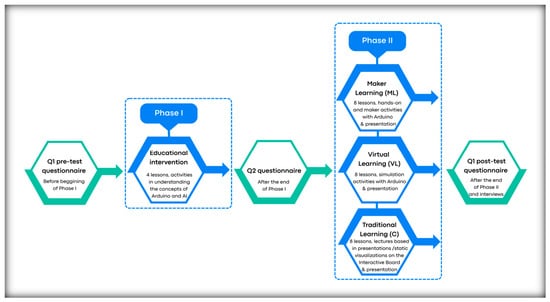
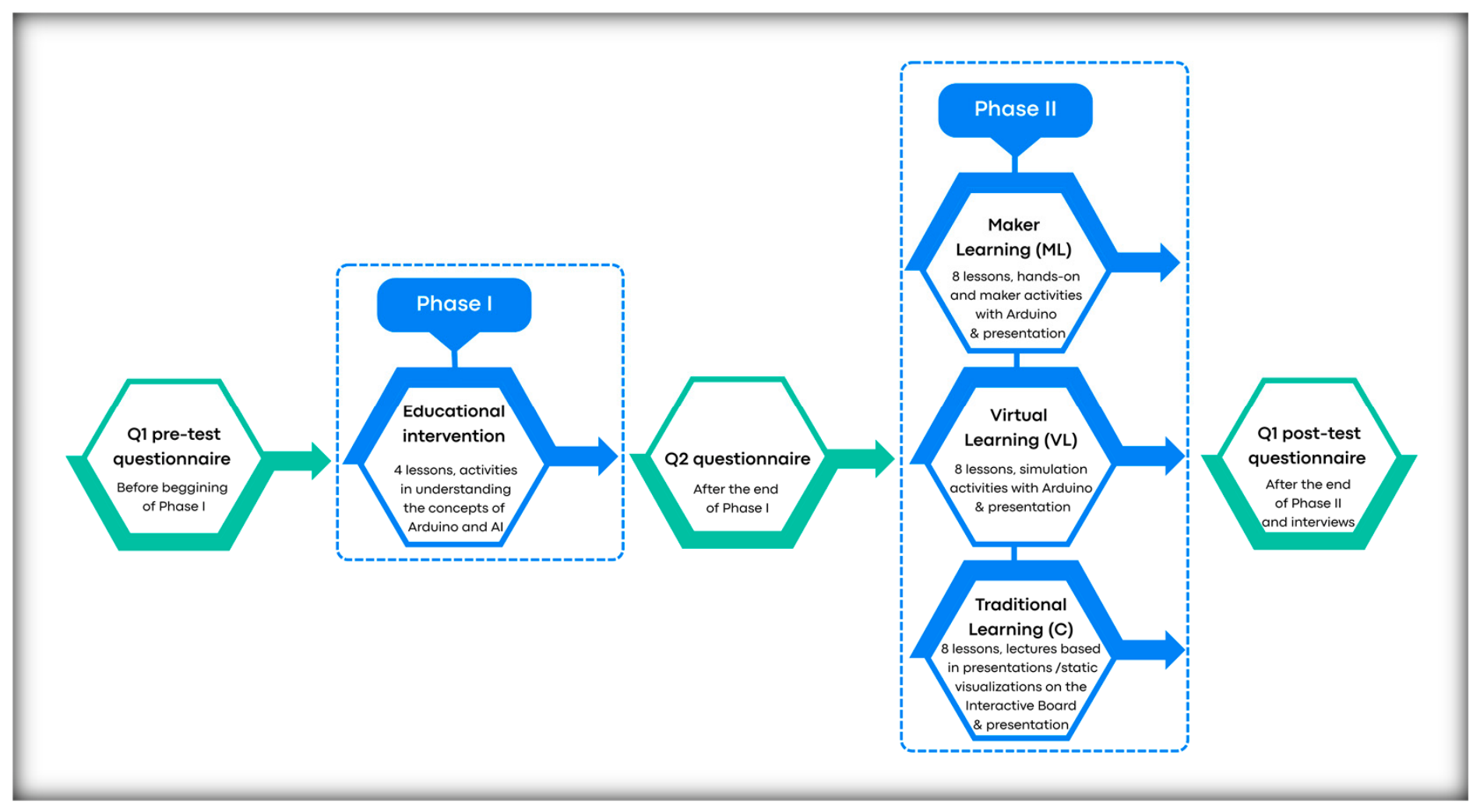
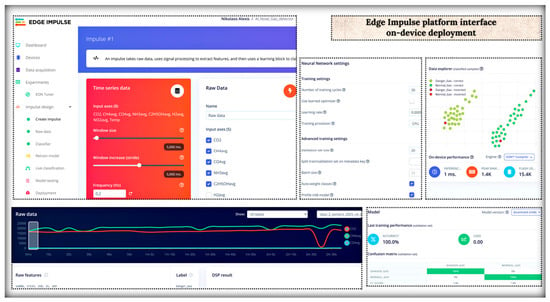
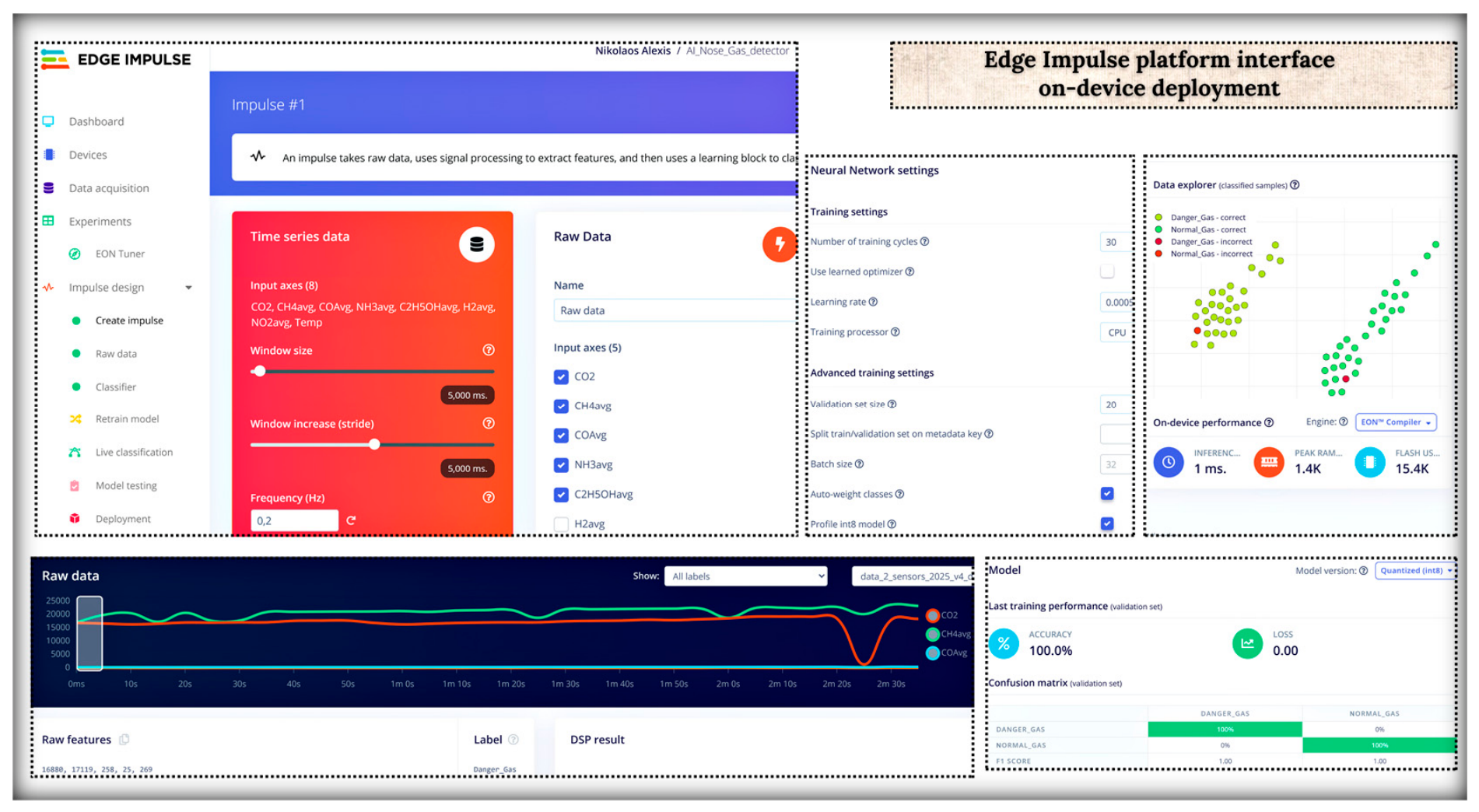
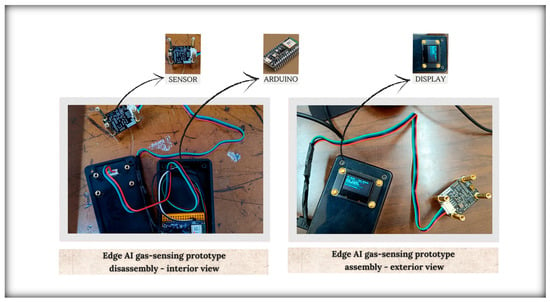
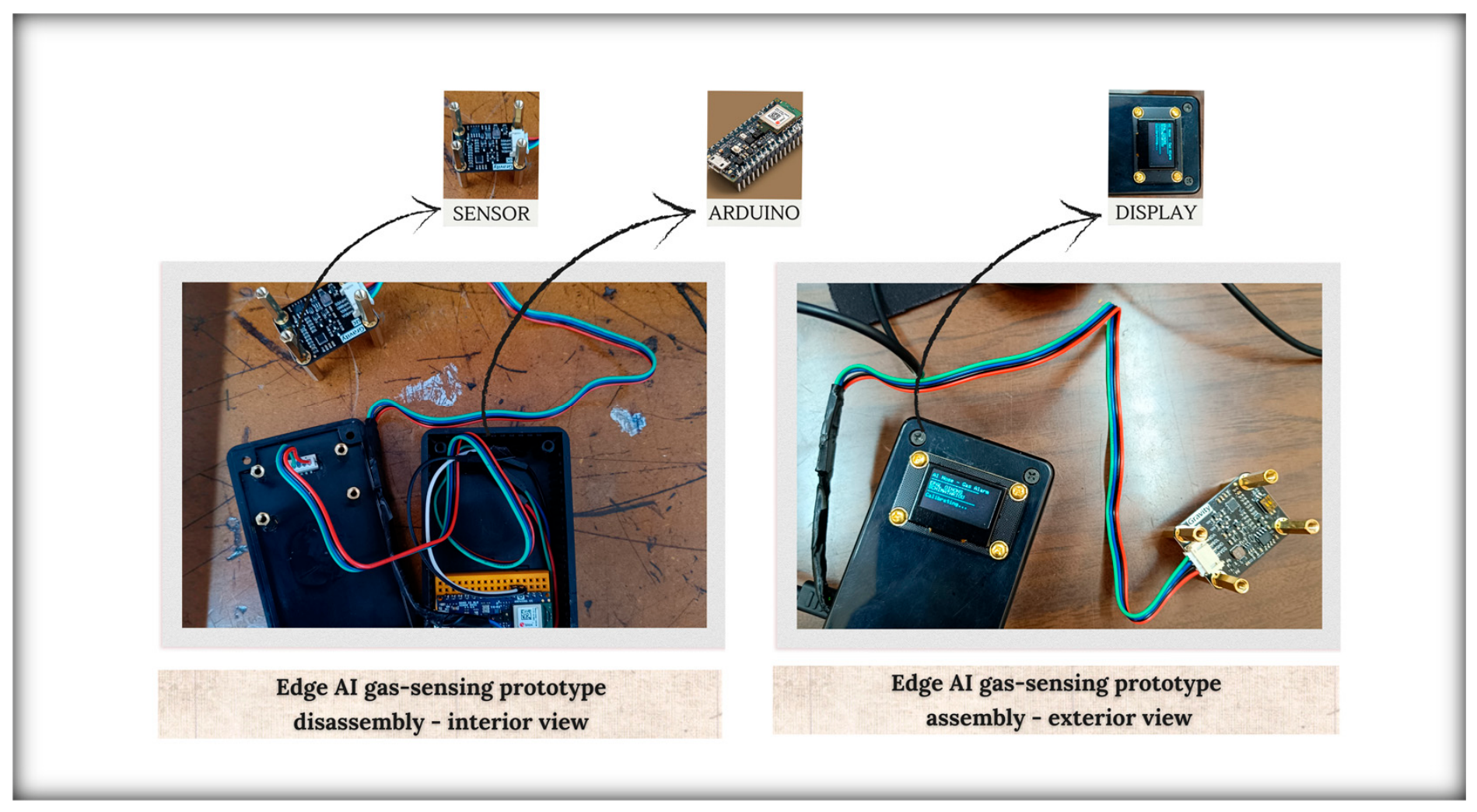

Disclaimer/Publisher’s Note: The statements, opinions and data contained in all publications are solely those of the individual author(s) and contributor(s) and not of MDPI and/or the editor(s). MDPI and/or the editor(s) disclaim responsibility for any injury to people or property resulting from any ideas, methods, instructions or products referred to in the content. |
© 2026 by the authors. Licensee MDPI, Basel, Switzerland. This article is an open access article distributed under the terms and conditions of the Creative Commons Attribution (CC BY) license.