


Simple Summary
This study analyzes the local ecological knowledge of Quechua-speaking communities in the highlands of Ayacucho, Peru, regarding bird behavior and its relationship with environmental and climatic changes. Using a qualitative ethnographic approach, the study documented local interpretations of the presence, absence, vocalizations, and behavior of different bird species. The results show that these manifestations are used as signals to interpret changes in climate, environmental conditions, and agricultural activities. This knowledge is constructed through daily observation, experience, and intergenerational transmission. The findings highlight the value of local ecological knowledge for understanding the relationship between Andean communities and birds, although its correspondence with climate change trends requires validation through independent ecological and climatic data.
Abstract
Introduction: Climate change constitutes a global challenge that is driving environmental transformations in the high-Andean territories of Peru, where Quechua-speaking communities interpret changes in their surroundings through their ancestral knowledge. Among these forms of knowledge, the observation of bird behavior—including vocalizations, migration, and unusual occurrences—forms part of local interpretations of environmental and climatic conditions, particularly in relation to agricultural activities and community life. Methods: The study adopted a qualitative approach with an ethnographic design to understand the ancestral knowledge of Quechua-speaking community members regarding bird behavior in the context of climate change. The study was conducted in high-Andean communities of Socos, Ayacucho, Peru, and involved the purposive participation of elderly farmers, both women and men, who were recognized as living bearers of ancestral knowledge. Results: The results show that Quechua-speaking community members interpret climate change through bird vocalizations, migration, and unusual occurrences, integrating these observations into their agricultural and community life. These ancestral forms of knowledge, transmitted orally, function as local systems of climatic alert and reveal a symbolic and empirical understanding of environmental degradation in the high-Andean communities of Peru. Conclusions: Quechua-speaking community members interpret environmental and climatic variations from an ancestral and symbolic perspective, in which bird behavior plays a relevant role in local interpretations associated with agricultural and community life. These interpretations constitute culturally situated and currently relevant forms of knowledge through which community members observe and understand changes in their surroundings. The findings contribute to understanding the meaning that these observational practices and their interpretations acquire in the everyday experiences of Andean communities, without assuming that they constitute scientifically validated mechanisms for predicting or anticipating the effects of climate change.
1. Introduction
In Andean communities in Peru, orally transmitted ancestral knowledge, particularly through the Quechua language, constitutes a relevant component of everyday life and relationships with the environment. This knowledge should be understood as a dynamic, situated, and continuously reconstructed system that integrates accumulated experiences, environmental transformations, and new forms of learning, rather than as a static repertoire inherited from the past. Its historical configuration has also been shaped by colonial and postcolonial power relations that have contributed to subordinating, delegitimizing, or marginalizing certain forms of local knowledge in relation to scientific knowledge. Communities are not epistemologically homogeneous spaces, as divergent interpretations, experiences, and generational and gender-based perspectives may coexist regarding the signals and meanings attributed to birds.
This knowledge is transmitted primarily through oral practices and, in certain contexts, also through written forms in the different regional varieties of Quechua. Its transmission is closely linked to everyday practices, collective memory, and the intergenerational experiences of each community, reflecting the attention that community members pay to variations and transformations in the environment and climate, interpreted through their own cultural and temporal frameworks, including the reference to the ñaupa tiempo. This global phenomenon of climate change has been perceived by Andean community members through bird behavior, and it has been suggested that climate change “has shifted the distribution of several species toward mountain peaks and the poles. Habitat transformation caused by climatic warming is also considered a major threat to the survival of certain bird species” [1]. This describes how climate change forces species to move to higher elevations or latitudes, threatening their survival and, in some cases, even leading to their eventual extinction.
In Quechua-speaking Andean communities, ancestral knowledge and its everyday practice constitute a fundamental axis that guides the lives of community members. This local knowledge is grounded in a worldview in which, for Quechua speakers, “their Andean world revolves around symbolism due to their Quechua culture and illiteracy, and symbolism with the surrounding nature plays a fundamental role” [2]. Such symbolism is essential for interpreting climatic changes, particularly seasonal variations, and for understanding the behavior of nature. Community members value this knowledge, which has sustained their communities throughout their history and in the face of various social changes, as “traditional perception and knowledge can improve our understanding of the influence of climate change on biodiversity and provide insights for developing an equitable and effective biodiversity conservation plan that enables adaptation to climate change” [3]. Nostalgia, marked by abundant vegetation and the presence of wild birds in the countryside, remains deeply rooted in collective memory.
The incorporation of agricultural technology and other forms of technological advancement has affected the essence of local knowledge, which is guided by the observation and manifestations of wild birds. Changes perceived through ancestral knowledge do not always have formal scientific support, since “changes in distributions can be best measured through repeated large-scale surveys of suitable habitat, but these require substantial effort, often involving a large number of observers” [4]. Andean farmers have their own ways of interpreting variations in their surroundings, constructed through daily observation and the intergenerational transmission of knowledge. Some community members attribute the decline or disappearance of certain birds to cultural and symbolic explanations, including the idea of divine punishment. These interpretations form part of local knowledge systems through which communities relate observed changes in bird behavior and presence to their environmental and agricultural experiences.
The objective is to identify the climatic signals that Andean communities associate with bird behavior and their relationship with agricultural and livestock cycles. This approach is based on the understanding that “wildlife can be defined as the set of knowledge and perceptions of nature transmitted locally across several generations, which may ultimately influence collective attitudes toward native species” [5]. Birds and other wild animals constitute important references for Andean community members, as they inform decision-making related to planting, harvesting, and livestock activities. One species that receives particular attention is the Andean condor, for which it has been reported that “local people generally indicated that condors were more frequent during the livestock breeding period. Older people recalled frequent encounters with condors during their youth, when these birds could represent a danger” [6]. The presence of this bird acquires multiple symbolic interpretations, which vary according to the seasons and hold deep significance for anticipating future productive and environmental conditions in the Andes.
It also involves documenting and understanding local ecological knowledge related to bird behavior and perceived variations in their presence, behavior, and distribution, as well as analyzing its potential contribution to understanding environmental changes and adapting to climate change in the local context. Based on this objective, the study is guided by the following questions: What local knowledge and understandings do community members have regarding the behavior of birds present in their territory? What changes in the presence, behavior, and distribution of birds are perceived by local actors? And in what ways can local ecological knowledge associate with these observations contribute to understanding environmental changes and strengthening climate change adaptation strategies that are appropriate to the local context?
In accordance with these questions, the study analyzes local knowledge and observations as culturally situated ways of interpreting environmental transformations. Given its ethnographic nature, the study does not seek to validate, from an ornithological perspective, a causal relationship between bird behavior and climate change; rather, it aims to document and interpret the local knowledge, perceptions, and experiences through which community members recognize and attribute meaning to environmental changes. Accordingly, the reported variations are considered expressions of local ecological knowledge rather than conclusive scientific evidence of climate change.
2. Materials and Methods
The research was conducted using a qualitative approach and an ethnographic design aimed at understanding local ecological knowledge related to bird behavior and the ways in which this knowledge enables community members to interpret environmental transformations. The study sought to analyze the perceptions and experiences of Andean community members regarding observed variations in the presence, behavior, and distribution of birds, considering their relationship with climate-related environmental changes. From an intercultural perspective, local knowledge was recognized as a culturally situated way of interpreting the relationships between communities and their environment. The study did not aim to scientifically validate, from an ornithological perspective, a causal relationship between bird behavior and climate change; rather, it sought to document and interpret the knowledge, perceptions, and experiences through which community members recognize and attribute meaning to environmental transformations in their territory.
Regarding data processing and analysis, the information collected during the fieldwork was systematized, translated, and thematically categorized. The analytical process considered the criterion of discursive saturation, which was reached when interviews and conversations began to present recurring responses, narratives, and interpretations, without providing new meanings or categories relevant to the analysis. The analysis was conducted through a hermeneutic interpretation, articulating local knowledge with an intercultural perspective and the ancestral knowledge of Andean community members. In particular, testimonies and local observations related to bird behavior were analyzed as expressions of local ecological knowledge and as culturally situated ways of interpreting environmental transformations. Observations reported by participants were distinguished from any records derived from systematic ornithological monitoring.
The study is strictly ethnographic in nature and does not aim to scientifically validate, from an ornithological perspective, the relationships between bird behavior and climate change. Rather, it seeks to document and interpret the local knowledge, perceptions, and interpretations through which Andean community members recognize and attribute meaning to changes in their environment. The ecological changes identified in the testimonies are understood as locally perceived and reported changes, without assuming that they constitute, in themselves, evidence of long-term ecological trends or a direct causal relationship with climate change. From an ethical perspective, local beliefs, participant confidentiality, and the symbolic and contextual nature of the knowledge shared during the interviews were respected. During the fieldwork, participants were informed about the academic purpose of the study before photographs were taken, and their consent was obtained (Figure S3).
The study was conducted in the Andean localities of Chiara, Ampuccasa, and Socos, located between 3500 and 3600 m above sea level and characterized by a cold climate and subsistence agricultural activities. Twenty people, aged between 50 and 79 years, participated in the study. Of these, eight participated in in-depth interviews, five of whom were women. Participants were selected through purposive sampling, considering residence in the communities, experience and local knowledge of birds, participation in agricultural activities, and familiarity with perceived environmental changes. The interviews were conducted individually and consisted of prolonged conversations lasting more than one hour, complemented by observations and field notes recorded during and after the encounters. Information was obtained through successive periods of immersion and residence in the communities. Participant recruitment was guided by thematic saturation, which was reached when successive interviews ceased to contribute substantially to new categories or modify previously identified interpretive patterns.
The semi-structured interview guide was not intended to provide taxonomic validation of the species, but rather to document local categories related to species recognition, behavior, seasonality, ecological significance, and perceived environmental changes. The questions were flexible and adapted to each participant’s knowledge and experience, allowing emerging themes to be explored in greater depth. The conversations were conducted in Quechua without the involvement of external interpreters, as the researchers are bilingual speakers of Quechua and Spanish. Informal interactions with community members were also part of the fieldwork process, facilitating conversations about birds and their messages through culturally familiar forms of social exchange (Figure S4). Participants’ accounts were translated directly into Spanish, and the transcripts and translations were reviewed by the researchers to preserve their cultural, symbolic, and contextual meanings. Before the interviews, the study purpose, voluntary nature of participation, and academic use of the information were explained; informed consent was obtained orally in Quechua. Data analysis followed a thematic and hermeneutic approach, complemented by triangulation of interviews, field notes, and specialized scientific literature to strengthen the credibility of the findings.
3. Results
3.1. Local Knowledge and Bird Watching
It is essential to understand a fundamental element of communication in Andean communities, where “the use of the Quechua language is predominant in the Peruvian Andes, particularly in the area where the research was conducted. There, customs are transmitted by a yachaq, a wise man of the community” [6]. Generally, each community has an Andean wise person who embodies the living memory of an ancestral tradition and whose primary role is to transmit this knowledge to younger generations. However, this wisdom constantly faces the risk of disappearing due to the lack of active successors. It is therefore necessary to emphasize the continued vitality of the Andean tradition, which “is transmitted through intergenerational oral language. However, changes in lifestyles resulting from globalization and access to new forms of knowledge place these forms of knowledge at risk of being forgotten” [7]. Forgetting and the loss of collective memory remain a persistent concern among Quechua-speaking populations. For farmers, communication with nature is also expressed through nonverbal signs, such as bird songs.
In this regard, one of the interviewees stated: “Mostly in the mornings and in the afternoons, they call out. That is when the birds are singing. But when they sing badly, we feel fear in our hearts about what is going to happen; that is the sign.” This testimony illustrates the profound emotional and symbolic value that bird songs hold in the interpretation of the environment and in anticipating future events. Some of the identified birds occur sporadically outside the periods considered usual by local residents, which is interpreted as a sign that changes or disturbances are occurring in nature, both within the local territory and in neighboring areas.
Species identifications were inferred from the descriptions provided by participants, taking into account morphological characteristics, behavior, vocalizations, habitat, and seasonal patterns. Consequently, the correspondence between local names and scientific species should be interpreted with the uncertainty inherent in this procedure and, in certain cases, as tentative. Some birds were associated by local residents with particular changes in the natural environment, as shown in Table 1.
Table 1.
Local Quechua names and taxonomic identification of birds reported by community members.
The transmission of ancestral knowledge, which is predominantly oral, grants particular authority to those who practice rituals associated with wild animals. Their manifestations, both temporal and daily, carry specific meanings. Thus, it can be understood that “radical changes, contrasting states, and alterations in nature are common allusions that appear to be shared by livestock rituals in general and the partridge dance in particular” [8]. The manifestation of partridges constitutes an example of the changes that occur and are subsequently interpreted and addressed within the livestock context, as confirmed by one of the interviewees: “Since ancient times, for a very long time, I believe, since the time of the Incas, this belief has existed, but our grandparents taught it to us.”
The teaching of this knowledge is repeatedly attributed to grandparents, who are recognized by community members as bearers and transmitters of ancestral wisdom. In this regard, scientific literature has documented cases in which local knowledge can make a significant contribution to wildlife research. For example, the rediscovery of the Northern Bald Ibis in Syria in 2002 was associated with collaboration between an Italian ornithologist and a local hunter from Palmyra, whose knowledge of the territory contributed to locating the colony of this species. This case highlights the importance of considering local knowledge as a complementary source for scientific research, particularly in contexts where communities maintain everyday relationships with their environment and the species that inhabit it [9]. The key informants in this study possess specific knowledge about each bird species and its perceived significance in relation to climate change, as well as about their particular patterns of occurrence and presence in each area.
Table 2 presents the correspondence between local names and the scientific names of the identified birds, together with information on their habitat, diet, and known movement patterns. A distinction is made between resident species, local or altitudinal movements, and seasonal movements, avoiding the assumption that the presence or absence perceived by community members necessarily corresponds to biological migration.
Table 2.
Habitat, main diet, and movement patterns of bird species reported by local community members.
In Peruvian children’s literature, stories featuring wild animals, particularly birds, are frequently recreated, attributing humanized traits and behaviors to them. Many of these narratives derive from Quechua oral traditions that were historically collected, as it is estimated that “chroniclers compiled oral corpora primarily to illustrate pre-Hispanic sociocultural processes” [10]. This historical process of cultural continuity is expressed in one of the interviews conducted in Quechua: “Rupamunanpaq yachan qina chay Akakllu, a la vistaña quñunakunku wasinmanta, kaylawman, waklawman, saltaspa waqanku, uchkuchakuna kachkan kayna waykos quebrados al frente hay huequitos entonces al otro hueco va y al otro chaynata pukllanku a la vistaña.” This account is particularly relevant in relation to the Akakllu bird (woodpecker), which is attributed a special ritual intended to encourage sunny weather after heavy rainfall.
Indigenous novels incorporate wild birds from the Andes, endowing them with interpretations specific to the local context. For example, “in Alegría’s novels, oral tradition is articulated with collective memory and expresses the Indigenous peoples’ worldview through testimonial narratives” [11]. When contrasting this with the works of the Peruvian writer Arguedas, the following testimony was recorded: “The Wallchaw announces dawn; the PakPaka and the Tuku, through their songs, foretell death, as their cries can be heard as far as the house and are considered a traditional local bad omen.” From the local perspective, these nocturnal birds are associated with fatal consequences arising from their songs and their sighting.
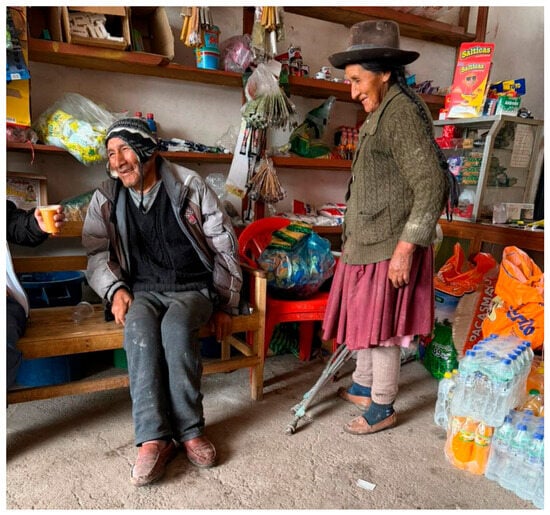
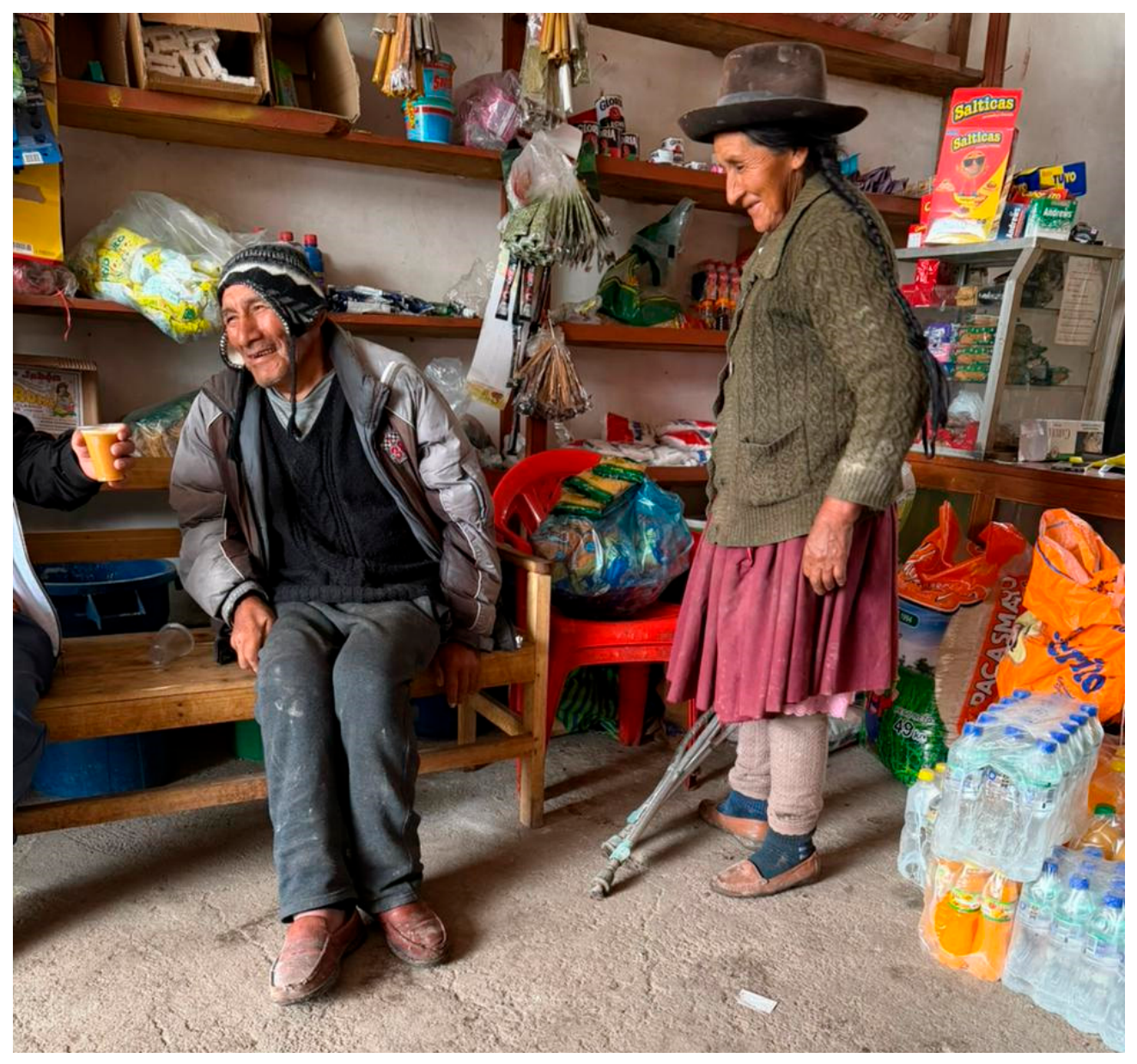
Older community members report that, during their youth, children’s stories featuring humanized birds were told at night, as illustrated in Figure 1. These stories constituted an important means of transmitting and assimilating tradition among children. At that time, these communities did not have access to electricity; only recently has life in the Andes been transformed by the arrival of electricity and communication infrastructure in many places that had historically been neglected by the State. This situation has led to a gradual decline in the transmission of knowledge, as children and young people tend to be distracted by technology and social media. This issue is further illustrated by the following testimony: “They say it comes true: the elderly women taught us. When the Anka cries, it will rain; I tell my daughter, and it happens. In contrast, Pakpaka and Tuku are bad omens: their cries announce death and misfortune, according to local Andean tradition.” The testimony was translated with great care and is connected to “the oral tradition that refers to the ordering and organization of Andean space and the societies contained within it, under the guidance of gods and heroes. Part of this mythology incorporates the Inca presence, which ultimately dominated the Andes” [12]. This tradition is complemented by the account of one interviewee: “In August, September… that is when we are beginning the planting. During the season of ‘canal cleaning,’ the birds show themselves very clearly.” These planting periods are interpreted based on the signals that birds are believed to provide regarding the future of the agricultural cycle.
Figure 1.
Older adults interact inside an Andean communal shop, a daily space for social gathering and oral transmission of knowledge, where local stories, experiences, and cultural practices are shared. Photograph by the author, 2025.
The care of nature is essential, as it is conceived as a living entity; within this framework, birds are part of this vitality and depend on it for their subsistence. A central element is the protection of water, particularly in headwater areas known as “puquios” or “manantes.” The lagoons that supply these water sources are surrounded by myths inherited from ancestors, which fulfill a normative and symbolic function in their protection. As Astrid B. Stensrud notes, “only through cosmopolitical reflection and practice will it be possible to understand ontological differences and address water conflicts arising from the imposition of extractivist coloniality/modernity” [13]. Local inhabitants periodically undertake pilgrimages during certain times of the year to high-Andean areas where the lagoons that supply water to the valleys are located. These practices respond not only to material needs but also to a symbolic logic associated with the environment. In other cases, practices include “sending offerings to prevent loss, failure, illness, or death. Water springs can also be sources of life and death, and the wind can carry spirits and energies that cause illness, which are cured by passing herbs over the body” [14]. Offerings, water springs, and wind constitute a symbolic etiological system in which nature mediates between life, illness, and healing through ritual practices.
3.2. Climate-Related Bird Behavior Patterns
In this study, the term “migration” is not necessarily used to refer to long-distance seasonal movements. From the perspective of local knowledge among Andean community members, the presence or absence of certain birds is interpreted primarily as a change in habitat associated with the search for food and environmental conditions. Their sporadic presence and vocal activity acquire cultural meanings and constitute signals that community members consider relevant for interpreting changes in nature and guiding certain agricultural activities. It is important to understand that “on the Pacific coast there could be breeding birds originating from the Amazon, and that long-distance and/or trans-Andean migration may be more widespread than generally thought among South American birds, including waterbirds” [15]. Meanwhile, agricultural professionals often fail to understand the logic of the countryside, as expressed by one interviewee: “They arrive with documents, but we believe in the signals of the birds, because nature does not lie, and what it announces usually comes true.” This testimony reflects a questioning of modern science: for farmers, birds constitute a primary means of communication with nature, perceived as more reliable than the documents presented by specialists.
Thus, it is essential to understand the belief system of Andean community members, considering that “the supremacy of writing has generated, on the one hand, the extinction of native languages and, on the other, the omission of oral traditions as means of transmitting values, knowledge, and indigenous technologies” [10]. Consequently, writing contributes to language loss and the marginalization of orality, weakening the transmission of ancestral knowledge, values, and technologies. A distinction is made between climate change, climate variability, and extreme weather events, avoiding the interpretation of every change perceived by community members as direct evidence of climate change. Community observations constitute local knowledge concerning environmental transformations, whose interpretation should take into account both the historical experience of the territory and seasonal variations and extreme events. Local ecological knowledge provides relevant qualitative evidence; however, its integration with long-term climate trends requires comparison with meteorological records and independent scientific evidence.
Birdsong constitutes an essential element of communication among farmers, as it is believed to foreshadow the outcome of crops and signal both the proximity of rainfall and the possibility of adverse periods of drought. In the context of these beliefs, agricultural professionals should engage with other frameworks for interpreting the environment. In this regard, research has indicated that “they have been used to model reproduction in songbirds and can account for variation among individuals in nesting behavior in order to obtain unbiased estimates of productivity” [16]. While science explains bird manifestations through analytical models, farmers state: “The elders learn from their grandparents by observing nature. Some young people make fun of them, but when their crops fail, they recognize the truth in what they were taught. Women, being more attentive, constantly observe birds in their gardens.” This testimony shows that ancestral knowledge is constructed and transmitted through direct observation of nature and agricultural experience.
This reveals an intergenerational tension, as some young people initially question this knowledge, although they may reconsider it when their agricultural experiences coincide with the predictions of elders. Regarding gender, the testimonies attribute more continuous observation of birds in productive and household settings to women, suggesting a relevant role in the everyday preservation and transmission of this knowledge. However, these findings should be interpreted with caution, as the study was not designed to systematically compare gender differences or generational variations. Therefore, rather than establishing generalizable differences, the testimonies provide indications of how age, experience, and everyday practices may influence the transmission, valuation, and interpretation of ancestral ecological knowledge.
Ancestral knowledge in Andean communities constitutes a fundamental component of everyday life; accordingly, their practices and decisions are guided by the signals they perceive from nature. Experiences shared among different peoples and communities also influence these interpretations, as many attribute certain phenomena to divine will, including forms of punishment that may explain the disappearance of birds, rather than to “interesting, although not always consistent, acoustic correlations with latitude and climate, which could be related to variations in sexual selection pressures and migratory behavior” [17]. Andean community members associate the presence of certain birds with environmental and productive changes, as illustrated by one interviewee: “They are called parrots during the corn season. They come because of a lack of food; for example, the qamurunmi parrot knows when the corn is ready, lands on it, and eats. When there is no more corn, they go downwards. These parrots live in warm areas.” The appearance of the parrot is interpreted as an indication of food scarcity in the valleys and as a signal to protect crops in the highland areas. Another example from the same interview reinforces this interpretive logic: “Sometimes the llanawikus come down from the highlands; there are also little ducks that come down from the highlands, when there is a small pool of water, they come as well.” This behavior is interpreted as a sign of water scarcity, associated with periods of drought, even during the rainy season.
Andean community members, in the Quechua language, refer to birds as seasonal or migratory species, as well as omens of bad or good fortune and interpreters of climate change, a phenomenon they identify as mal tiempo. These birds are conceived as divine messengers that mediate the anticipation of life on Earth. From this perspective, it is not central that “species that use elevated perches for singing and therefore sing from exposed sites in vegetation are more susceptible to predation by hawks than birds that sing from lower levels of vegetation” [18]. Regarding the signs associated with bird behavior, one interviewee stated: “There is also another bird that announces good production of maize, potatoes, and peas. It is known as pichiusa. When it appears, it makes sounds like pichhhhhh uchhhhhh usssssss (imitates the sounds), saying that everything will produce well; it is as if it were crying.” This form of expression constitutes a climatic interpretation for Andean community members, through which they interpret weather changes and perceive an increasingly critical climate situation in the highland areas of the Peruvian territory.
3.3. Ecological Indicators and Signs of Climate Change
For Andean community members, climatic changes are symbolically interpreted through the notion of mal tiempo (“bad weather”), within a system of meanings in which birds occupy a significant place. Their presence, absence, and songs are understood as symbolic signs that communicate events, warn of possible changes in nature, and, under certain circumstances, signal adverse situations for the community. Ecological change is understood as a radical transformation of natural cycles, in which periods of calm and agricultural prosperity may remain only in collective memory. This perception is consistent with scientific evidence indicating that “the impacts of climate change have been documented across all major taxa; birds constitute one of the best-studied groups because of a long tradition of standardized data collection and their ease of observation” [19]. From this perspective, Andean community members demonstrate a profound understanding of nature, as expressed by one interviewee: “When the rain is about to come, the anka descends, and as soon as we see it, we say, ‘the anka has already come down; it is going to rain.’ Indeed, the rain falls, and when this happens, these birds take shelter in the forest, fly around, and then disperse as if playing.” Thus, the hawk (anka) flying over the territory constitutes a relevant environmental signal that community members consider when anticipating changes in weather conditions. This interpretation of bird behavior and messages is also illustrated through informal conversations with older women in the community (Figure S1).
There is a reluctance to recognize the presence and relevance of science in the higher-altitude areas of the Peruvian territory, because scientific approaches often overlook the interpretation of birds and other manifestations of nature that convey warning messages. Birdsong is regarded as a key indicator of ecological changes, in accordance with research suggesting that “generalist grassland songbirds will experience declines in suitable habitat within their projected suitable climates, regardless of whether they occupied cropland” [20]. Maintaining ecological balance is a priority in Andean communities. Their interpretation of common birds, which are also observed by science as part of ecological change, is based on the continued direct reading of nature, as expressed by one interviewee: “Yes, it is the same chiwillo; that is why it moves from one place to another. It is very small and announces the rain: when it rises toward the clouds, it indicates that it is going to rain; when it descends, it signals that there will be no rain.” Peru’s ecological zones present distinct microclimates; therefore, each zone has its own ways of interpreting bird songs and presence.
It is pertinent to consider the perspectives of Andean community members, which are consistent with the scientific warning that “without strong intervention to address the current rate of greenhouse gas emissions, climate change is expected to persist into the future, resulting in rising temperatures and more variable and extreme precipitation” [21]. Climate inaction perpetuates global warming, intensifying high temperatures and increasingly extreme, unstable, and disruptive precipitation patterns for ecosystems and societies. The signals associated with bird behavior constitute a form of local ecological knowledge constructed through prolonged observation of the territory, agricultural experience, and intergenerational transmission. These signals do not function as deterministic indicators, but rather as references that enable community members to interpret environmental changes and guide decisions related to planting, cultivation, grazing, harvesting, and preparation for potential risks. Their reliability is established primarily through accumulated experience, the consistency of observations among community members, and their correspondence with other changes perceived in nature.
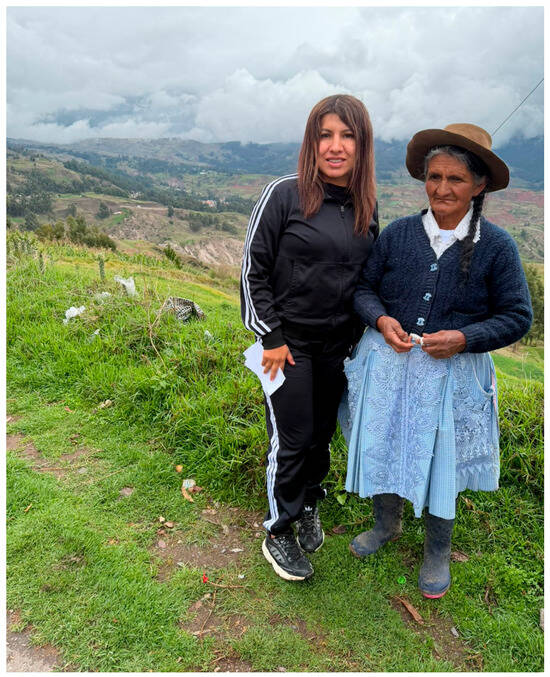
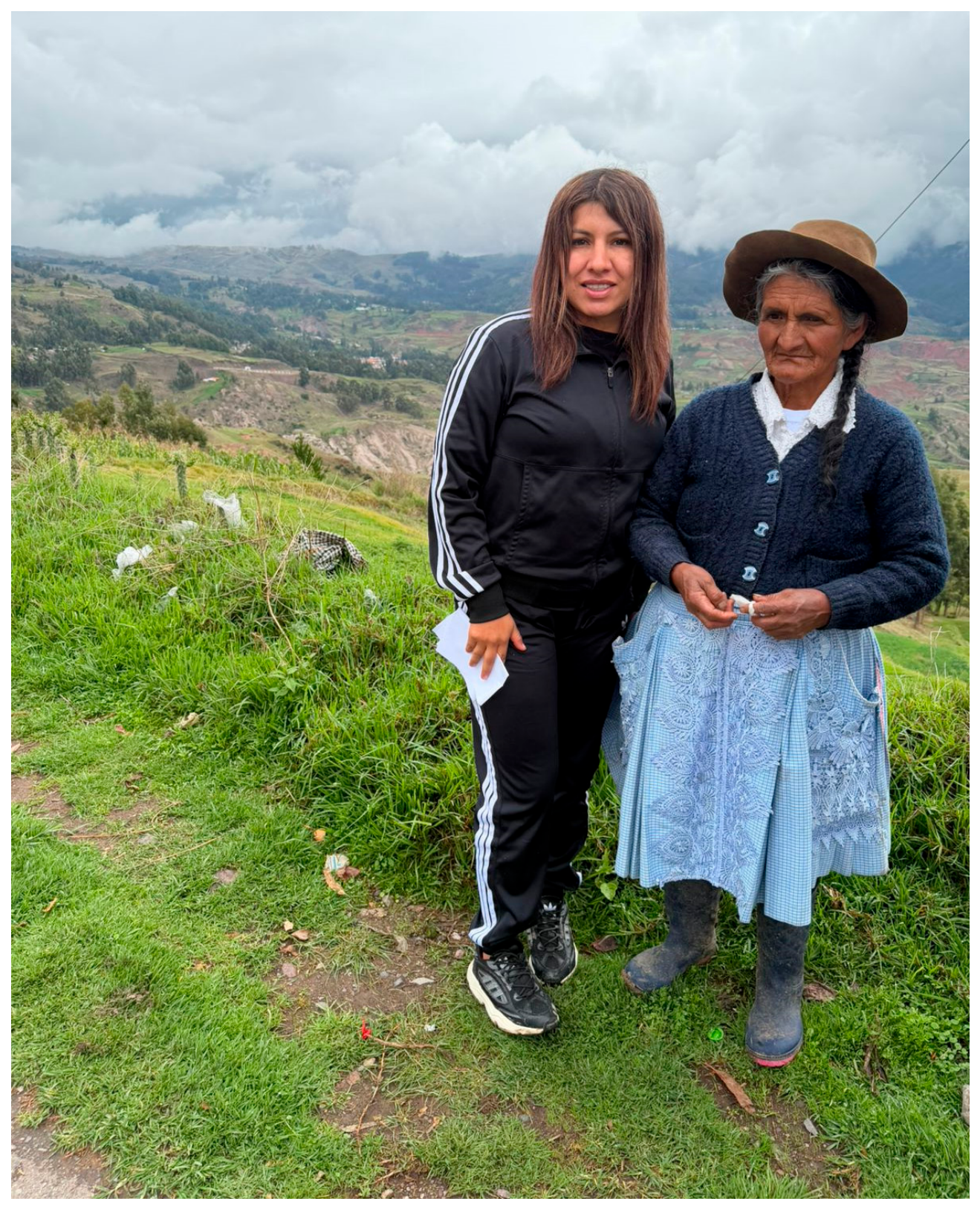
Older community members often recall the past with nostalgia and describe changes they have observed in climatic conditions and the natural environment. During the interviews, several participants reported the disappearance or reduced presence of certain trees, native plants, and songbirds that, according to their memories, had previously been present and were recognized as signs associated with favorable weather conditions. This perception was reiterated by several interviewees during the fieldwork, as also evidenced in Figure 2. These testimonies are presented as expressions of local ecological knowledge and memory, without assuming that perceptions of species disappearance constitute, in themselves, evidence of population-level changes or a direct causal relationship with climate change.
Figure 2.
One of the researchers stands in the mountains of Socos (Ampuccasa), living testimonies to the disappearance of songbirds that once announced climatic changes and contributed to ecological preservation. Photograph by the authors, 2025.
Most of the interviews were conducted in Quechua, with interaction in Spanish; nevertheless, during the translation process, efforts were made to preserve the essence of the original communication. As one female interviewee stated: “Here in my community, we know that it is going to rain when certain birds appear together in large numbers; that is how we know that rain is coming.” It is essential to consider these living manifestations of Andean knowledge, whose information derives directly from the observation of nature. This representation can be contrasted with studies indicating that “alterations in acoustic characteristics could generate numerous direct or indirect costs, including reduced transmission distances, increased risk of predation or parasitism, greater energy expenditure, and loss of vital information” [22]. Participants perceive that changes in the environment may affect the presence and vocal manifestations of birds, attributing possible consequences to their communication and behavior. Since this study is based on qualitative interviews and does not include acoustic measurements or communication experiments, these interpretations are presented as perceptions within local ecological knowledge rather than as evidence of acoustic alterations or their effects on bird communication, survival, or reproduction.
The nostalgia expressed by mountain farmers reflects their perception that the tranquility of the past will never return. Although they welcome the arrival of transportation infrastructure through roads accessible to vehicles, this modernization is also perceived as contributing to deforestation and to the increased presence of people and machinery in agricultural activities, with implications for organic production. This testimony reflects a profound perception of climatic and environmental change in Peru: “These beliefs are mostly maintained in the highlands, where they are clearer and shared among different communities. In Lima, they say, people do not believe in them because pollution has caused the birds to disappear.” Community members perceive a decline in certain bird species in association with urban growth. However, this perception should be considered in relation to multiple factors, such as habitat loss, noise and light pollution, food availability, and other environmental transformations resulting from urban expansion. As noted in the literature, “predictions of future community response will be crucial for making adaptive conservation decisions, and our results suggest that such predictions should account for heterogeneity in richness patterns” [23]. This perspective highlights the importance of ecological heterogeneity for conservation, recognizing that the effectiveness of conservation decisions may be influenced by factors such as uncertainty, spatial scales, and the socio-environmental characteristics of each context.
3.4. Socio-Environmental Impacts of Climate Change
During the data collection process, when discussing birds and the messages they convey to the community, many community members initially attributed to certain nocturnal birds a character of bad omen associated with life and death. Although this study does not address this category as a central theme, it is situated within the analysis of manifestations of climate change as interpreted from a traditional and ancestral perspective, considering that “Andean culture is distinguished by a rich oral tradition, particularly in Quechua, which has endured to the present day” [6]. These interpretations are transmitted primarily through oral traditions as part of Andean cultural expressions, as stated by one interviewee: “Yes, it exists. Some birds considered bad omens, such as the owl or tuko and the crow or tunkur, announce death when they call near houses. Their presence causes fear, and since ancestral times, these signs have been believed in and transmitted by grandparents.” The attribution of such meaning to the tuku is particularly common: it is a nocturnal bird associated with the omen of death that, due to the processes of urbanization in rural settlements, tends to disappear from the everyday environment and remain only in oral narratives that younger generations have increasingly not had the opportunity to hear.
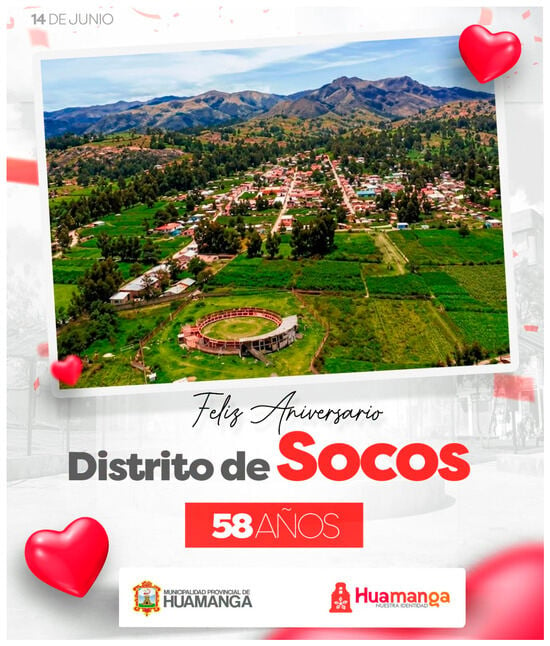
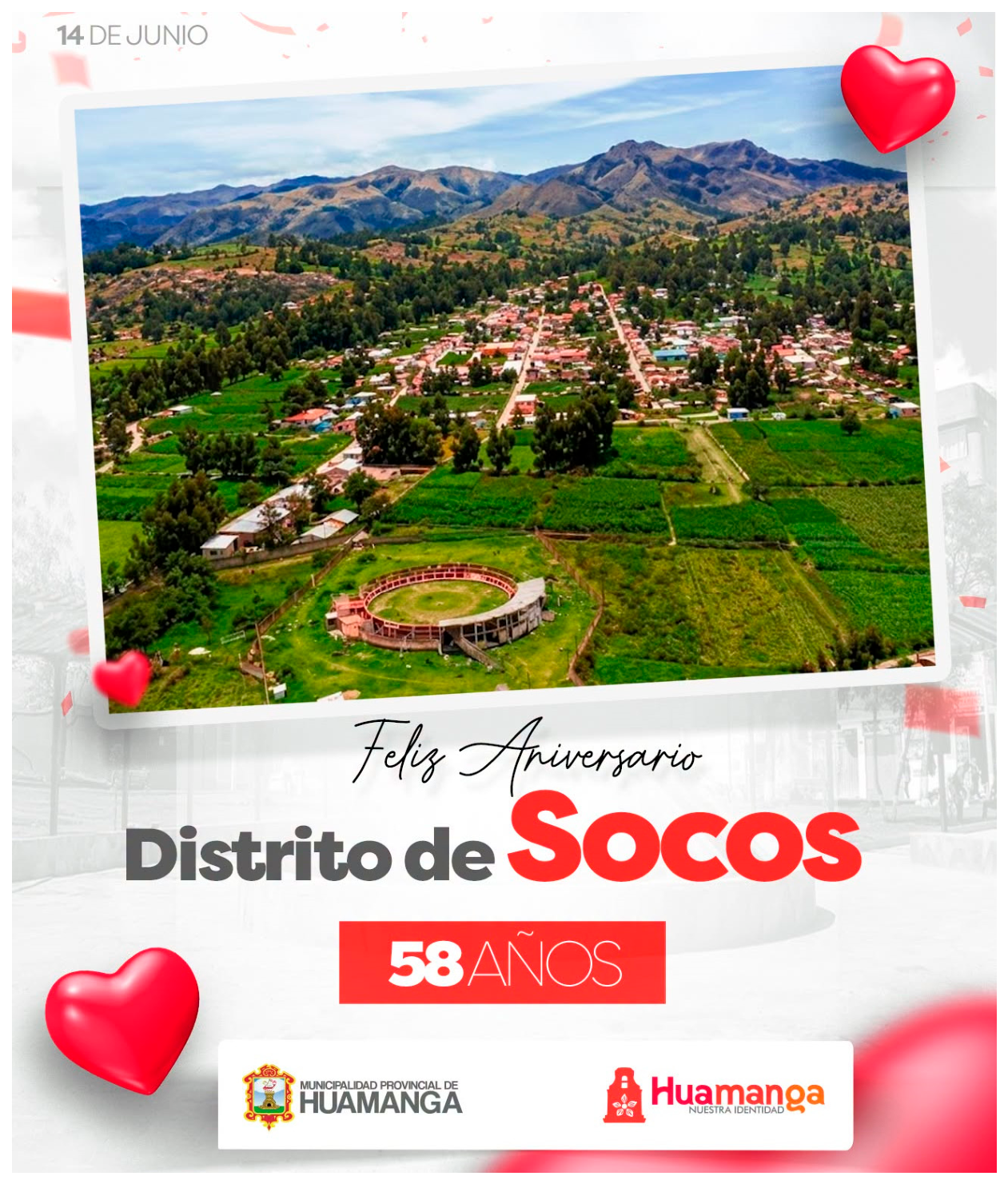
In the ancestral narratives of Andean community members, climate change is evidenced through the songs and behavior of birds. From a scientific perspective, this phenomenon is reflected in the observation that “the most noticeable effect of increasing mean temperatures in the Andes of South America is the accelerated retreat of glaciers, which directly affects agricultural systems in the region” [24]. Consequently, warming in the Andes accelerates glacier retreat, reduces water availability, and directly affects the sustainability of mountain agricultural systems. In the Andean areas where this research was conducted, crops are cultivated only once a year, while rainfall constitutes the sole source of water sustaining agriculture, livestock grazing, and everyday life, as shown in Figure 3. In the context of climate change, declining rainfall and unusual bird behavior are perceived as factors that alter productive cycles, which may encourage younger generations to migrate toward inter-Andean valleys, contributing to population pressures in communities outside their traditional territories. This process is part of the phenomenon of “internal displacement, [which] refers to persons or groups of persons who have been forced or obliged to flee or leave their homes or places of habitual residence” [25]. Internal displacement entails forced mobility resulting from structural crises, undermines rights, fragments communities, and reveals shortcomings in state and territorial protection.
Figure 3.
Promotional poster for the study site produced by the Provincial Municipality of Huamanga, commemorating the 58th anniversary of the political creation of the district of Socos, a land of hardworking people, rich cultural traditions, and a deep appreciation for their roots. Municipalidad Provincial de Huamanga Facebook page (June 2026).
The research was conducted in the Ayacucho region, where Quechua is predominantly spoken and seasonal rainfall constitutes an essential element for agriculture. In this context of uncertainty, “people in this area already associate water-related problems with climate change, [and] the water–climate nexus could provide a starting point for discussions and campaigns concerning climate change, its consequences, and possible adaptation measures” [26]. Local perceptions of the water–climate relationship facilitate communication, awareness-raising, and climate adaptation strategies based on concrete problems and everyday experiences. This situation of uncertainty, marked by evident and persistent environmental changes, is viewed with nostalgia by community members, particularly in relation to the presence of birds, as expressed by one interviewee: “Sometimes the little parrots come here to eat the corn we harvest; they leave when there is nothing left to eat.” The sporadic arrival of birds, attributed to food shortages in their habitat, is interpreted by farmers as a concerning sign that presages drought and food scarcity, affecting both people and animals and, furthermore, signaling a reduction in water availability in the valleys as observed from the higher parts of the mountains.
Regardless of nostalgia, which cannot be recovered, community members have reduced the area devoted to cultivation and the number of livestock they raise. They accept the evident changes in nature as a divine intervention resulting from some wrongdoing caused by human actions; however, they do not necessarily interpret these changes from a climate perspective, such as the observation that “the inhabitants of all coastal communities faced the challenge of adapting to climate change as a cumulative effect, together with other contemporary forces of change” [27]. This statement highlights adaptation to climate change as a cumulative process, interconnected with multiple simultaneous social, economic, and environmental transformations. It is important to recognize the effects of climatic changes, through which extensive areas that were previously cultivated have become uncultivable. This way of life must be understood and assimilated, as one interviewee stated: “Our grandparents teach us these beliefs, and we teach them to our children.” This reflects an ongoing process in which nature, according to local perceptions, has become displeased with humankind and the deities, with the resulting effects manifested in drought and the current absence of rainfall. One of the most concerning consequences is the migration of children and young people toward major urban centers and inter-Andean valleys, driven by a lack of prospects for remaining in high-Andean communities, which are now perceived as desolate and abandoned due to the absence of seasonal rainfall associated with climatic changes that they have not yet fully assimilated or understood.
3.5. Integration of Local Knowledge and Science
There is constant tension in the ways nature is perceived, shaped by local knowledge and, particularly, by the involvement of agricultural science. Community members are reluctant to accept climate change as the result of global phenomena and instead maintain that it is a form of divine punishment resulting from a sin committed by a member of the community. Seasonal rainfall in the Andes is eagerly anticipated and is associated with various ritual practices, such as the “yarqa aspiy” (irrigation canal cleaning) festival, the “ritual to the earth” (pago), and the water-changing ritual, which consists of carrying water in vessels to the lagoons, as well as the creation of myths surrounding the lagoons to prevent their desecration.
Likewise, rituals are performed for the mountains and snowfall, practices that are related to the need to “examine the possibility of creating sustainable water-supply solutions through a Payment for Ecosystem Services mechanism with incentives between upstream and downstream communities” [28]. Andean community members who actively participate in communal life, particularly older residents, pay close attention to the songs of certain birds, which are identified as being able to anticipate the arrival of rain, as stated by one interviewee: “Paramunantaq yachan chay chiwillo (the bird knows that it is going to rain).” This expression indicates that the chiwillo is understood locally as knowing when rain is approaching; therefore, its message is considered important for guiding daily agricultural activities.
In the high-Andean communities of Peru, cultivation has been practiced with great care since ancient times, with efforts to avoid disrupting the natural balance of biodiversity and ecosystems. Many community members rely on ancestral techniques to cope with the effects of climate change, particularly water scarcity caused by insufficient rainfall. However, the rituals they practice are perceived as having gradually lost their effectiveness among younger generations, many of whom leave their communities in search of employment opportunities elsewhere, in a context where “it is important for diverse climate actors to adopt an evidence-based and collaborative approach to the development and implementation of technological solutions to achieve mitigation and adaptation goals” [29]. This statement underscores the need for multisectoral cooperation and the use of scientific evidence to design and implement effective technological solutions to address climate change. There is still hope that birdsong will announce the arrival of rain and herald a promising future; nevertheless, this expectation is gradually fading among younger generations, as expressed by an older community member: “We do believe, but young people no longer believe.” The continued abandonment of agricultural land by younger people is reflected in a population increasingly composed of older adults, who continue to await birdsong as a sign of the return of vegetation and abundance to the countryside.
Within the context of global climate change, a phenomenon that remains scientifically unfamiliar to many Andean community members due to the persistence of their ancestral beliefs, it is essential to recognize that “interculturality seeks to promote dialogue contextualized through the experiences of each interlocutor, fostering effective rather than merely superficial communication” [30]. In this regard, the incorporation of science into Andean communities should involve continuous interaction between ancestral knowledge and the incorporation of modernity, with the aim of recovering and valuing traditional practices oriented towards the care of nature. The knowledge held by Andean community members should not be disregarded, as evidenced by an interview linking the arrival of rain with the manifestations of a bird: “Chirumunantaq, ruparunanpaq, iman sutin chiwillo (it knows when it will be cold and when it will be hot); when rain is approaching, the chiwillo turns upward, and when people observe it, they say that it is going to rain.” “This local interpretation was also documented during a conversation with a vendor of seven-seed chicha, in which bird songs, their messages, and their movement toward the city were discussed (Figure S2).”
These categorical statements by Quechua-speaking community members acquire fuller meaning in light of the observation that “intercultural philosophy has revealed the monocultural and Eurocentric character of the standard model of the university” [31], highlighting how universities may reproduce a Eurocentric model that marginalizes diverse forms of knowledge and remains grounded in a monocultural rationality.
Respecting the ancestral beliefs of community members and incorporating modern science into agriculture and community life constitutes an outstanding task that must be undertaken without undermining their ways of perceiving the world. Bird migrations, variations in their songs, and sporadic appearances constitute empirical observations made by community members, which agricultural professionals should integrate into their everyday practices. Decisive action by the State is required through public policies that prioritize the principle that “intercultural communication is communication between people whose cultural perceptions and symbolic systems are sufficiently different to modify the communicative act” [32]. This definition emphasizes cultural difference but overlooks the power relations, structural inequalities, and historical contexts that shape intercultural communication. Further scientific research on bird behavior is needed, not only from the perspective of ancestral knowledge, but also as a form of scientific expression that Andean community members are able to interpret and use to anticipate environmental conditions and organize their community life.
4. Discussion
In this study, the perceived decline in birds is presented as an ethnoecological finding based on the accumulated experience and perceptions of community members, rather than as evidence of an actual decline in bird populations. This perception may be related to environmental and climatic changes, habitat modification, human activities, or variations in detectability. Its confirmation requires independent ecological studies and monitoring. The interviewee’s testimony—“When the Anka (hawk) cries, it will rain; I tell my daughter this, and it happens. In contrast, Pakpaka and Tuku are bad omens: their calls announce death and misfortune”—shows that, within local Andean knowledge, birdsong constitutes a way of interpreting events in the surrounding environment.
These associations are constructed through everyday observation, accumulated experience, and the intergenerational transmission of knowledge. In this regard, Berkes [33] argues that traditional ecological knowledge is shaped through the continuous interaction between communities and their environment, integrating ecological observations with cultural and social dimensions. The meaning attributed to the songs of the Anka, Pakpaka, and Tuku should not be interpreted as a scientifically demonstrated causal relationship, but rather as a culturally situated way of understanding and anticipating environmental and social events. This perspective makes it possible to recognize the epistemological value of ancestral knowledge without equating it directly with scientific evidence, thereby establishing a dialogue between different ways of knowing and interpreting nature.
Ancestral knowledge about birds constitutes a form of ecological interpretation constructed through everyday observation of the territory and the accumulated experience of Andean communities. Ref. [6] provides evidence that traditional knowledge is grounded in cultural practices transmitted across generations and closely connected to the environment. In relation to birds, this knowledge enables community members to interpret their presence, absence, and vocalizations as signals of environmental and climatic changes. Likewise, Haque et al. [28] highlight that community knowledge and experiences can contribute to the development of context-specific adaptation strategies. In this regard, ancestral observation of birds represents a relevant cultural resource for understanding socio-environmental transformations, although its correspondence with climatic trends requires scientific corroboration.
Gender and generational differences appear to influence the ways in which local ecological knowledge about birds is observed, retained, and transmitted. The women interviewed demonstrated particularly attentive observation of bird behavior, vocalizations, and seasonal occurrences, associated with greater time spent in the domestic sphere and with herding and family caregiving activities. These practices provide recurrent opportunities for interaction with the environment and foster the accumulation of everyday observations. Their involvement in caring for children and grandchildren also positions them as important agents in the intergenerational transmission of knowledge, narratives, and interpretations of bird signals. Men, whose participation is often more closely associated with agricultural activities outside the domestic sphere, may experience different patterns of environmental exposure. However, the available data does not allow definitive differences in the species observed by gender to be established. Generationally, older adults possess knowledge acquired through prolonged experience, whereas younger people show less continuity in their learning and transmission, associated with transformations in everyday practices and community ways of life.
The testimonies collected in Quechua show that the interpretation of bird behavior forms part of a local ecological knowledge system constructed through everyday observation and transmitted primarily through oral traditions across generations. Community members’ perceptions of birdsong, presence, absence, and behavior are closely linked to agricultural experiences and to the interpretation of environmental changes. In this regard, Lozano-Povis et al. [24] demonstrate the close relationship between Andean communities, agriculture, and climate variability. Likewise, McGowan et al. [21] and McGrann and Furnas [23] provide evidence that climatic, phenological, altitudinal, and ecological conditions may be associated with changes in bird dynamics and behavior. From a qualitative perspective, these studies help contextualize the perceptions expressed orally by community members, without assuming that their testimonies, in themselves, constitute causal evidence of climate change.
Local perceptions show both convergences and divergences with scientific evidence concerning the distribution, behavior, and phenology of Andean birds. Participants reported changes in the presence, frequency, and seasonality of species such as Geranoaetus melanoleucus and Turdus chiguanco, which they associated with perceived environmental changes. However, these accounts do not provide sufficient evidence to demonstrate altitudinal shifts or population changes. The literature documents variations in distribution and acoustic responses associated with environmental conditions; however, their correspondence with local observations cannot be established directly. Similarly, unusual occurrences may be related to dispersal, irruptions, or phenological variations, but longitudinal records are required for confirmation. Consequently, local knowledge constitutes a relevant source of long-term ecological observations, whose interpretation should remain distinct from scientific evidence and whose corroboration requires systematic ornithological studies.
5. Conclusions
The main objective of the study was to identify manifestations of climate change through bird songs, as interpreted from the ancestral knowledge of Andean peoples. This empirical knowledge—used to interpret variations in flight, migration, sporadic appearances, and nocturnal songs—forms part of a cultural identity that links readings of the future with comparisons to a past marked by memory and nostalgia. The identified birds, associated with luck, rain, drought, hope, good harvests, and rainy or sunny days, generally bear Quechua names and are concentrated in high Andean areas. The accounts of the research participants—elderly farmers, women and men—present convergent arguments that indicate data saturation. Birds are conceived as messengers of nature, whose existence is attributed to Christian divinity.
The results obtained from the fieldwork confirm that climate change is a global problem; however, Quechua-speaking farmers do not recognize it as such and instead attribute vegetation loss and water scarcity to divine punishment. According to their testimonies, Taita Dios (Lord God) has become displeased and sends punishments because of a wrongdoing committed by a local inhabitant, rather than as part of a global phenomenon. Participants question the presence of agricultural professionals, whom they regard as mere “paper pushers” unfamiliar with the true essence of the environmental problem, since, from their perspective, birds are the most reliable messengers of nature and a fundamental means of communication in everyday life.
The peasant population is progressively declining due to internal migration toward provincial capitals, large cities, and inter-Andean valleys in search of better employment opportunities and living conditions, particularly in areas where irrigation is still available for farming. These areas are also beginning to experience the effects of climate change resulting from the lack of rainfall in highland zones, a situation that, according to local inhabitants, has already been announced through the manifestations of birds.
It was necessary to systematize the oral information in Quechua produced in this study, given that the research participants contributed knowledge transmitted across generations, characteristic of a living tradition. It is the responsibility of the State to articulate ancestral knowledge with modern innovations in agriculture, incorporating a renewed reading of migratory processes and bird manifestations expressed through their songs. This is not merely a matter of seasonal change, but a serious problem affecting the Andean population, which interprets climate change and ecosystem deterioration in the Andes through its ancestral knowledge. Throughout history, Quechua-speaking populations have lived alongside these interpretations of birdsong, which have enabled them to subsist to the present day. Even in the modern era, the belief persists that birds convey valid messages depending on how they are interpreted, as acknowledged by most of the interviewees.
A fundamental limitation of this study is its ethnographic nature, based on the knowledge, experiences, and perceptions of Quechua-speaking community members, some of whom are reluctant to share ancestral beliefs and knowledge when these are to be used for academic purposes. This situation may restrict the depth and diversity of the information obtained. The possibility of memory biases, differences among communities, and difficulties in translating and interpreting culturally specific concepts of the Andean worldview should also be considered. The researchers are not specialists in ornithology, environmental sciences, or climatology; therefore, the findings do not allow population-level changes, definitive taxonomic identifications, or causal relationships between bird behavior and climate change to be established on their own. Consequently, the findings should be understood as a qualitative approach to traditional ecological knowledge and to the ways in which communities interpret bird signals. Therefore, interdisciplinary research integrating ethnography, ornithology, agricultural sciences, and climatology is needed, involving researchers with proficiency in Quechua and knowledge of Andean knowledge systems. Such integration would make it possible to compare local perceptions with ecological and climatic evidence, thereby strengthening the scientific and intercultural understanding of these relationships.
Supplementary Materials
The following supporting information can be downloaded at: https://www.mdpi.com/article/10.3390/birds7030060/s1, Figure S1. Informal conversation with older women about the messages that birds convey and how they are interpreted in the community. Figure S2. Vendor of seven-seed chicha (made from Andean products, seven types), a dialogue about the messages of birds in their songs and their process of migration toward the city. Figure S3. Local resident in an informal conversation; she agreed to have her photo taken after being informed that it was for a research study. Figure S4. Community member in a conversation about the research topic—the message of birds—who agreed to have her photo taken after being informed that it was for a research study. Bread is a valued product used as an item of exchange to initiate conversation.
Author Contributions
E.G.-G.: writing—review & editing, conceptualization, methodology, project administration. A.L.C.-M.: writing—review & editing, conceptualization, methodology. A.B.-R.: writing—original draft, conceptualization, methodology. R.D.A.-C.: writing—review & editing, formal analysis. S.B.M.-P.: conceptualization; methodology; writing—review & editing. D.I.D.O.-R.: writing—review & editing, conceptualization, methodology. All authors have read and agreed to the published version of the manuscript.
Funding
This research was funded by PROCIENCIA-CONCYTEC: “Social Science Research Projects” CONTRACT No. PE501096666-2025-PROCIENCIA.
Institutional Review Board Statement
The study was conducted in accordance with the Declaration of Helsinki and approved by the Ethics Committee of the National Autonomous University of Huanta (CERTIFICATE No. 004-2026/CEI-VPI-UNAH–HUANTA, 3 February 2026). Established by Organizing Committee Resolution No. 042-2023-UNAH.
Informed Consent Statement
Informed consent was obtained from all subjects involved in the study.
Data Availability Statement
The original contributions presented in this study are included in the article/Supplementary Material. Further inquiries can be directed to the corresponding authors.
Acknowledgments
The authors used AI-based language tools, such as ChatGPT (GPT-5.6 Luna), solely to support grammatical correction and the refinement of English style during the preparation of this manuscript. The research design, data analysis, interpretation of the results, and intellectual content are the sole responsibility of the authors.
Conflicts of Interest
The authors declare no conflicts of interest.
References
- Li, X.; Liu, Y.; Zhu, Y. The Effects of Climate Change on Birds and Approaches to Response. IOP Conf. Ser. Earth Environ. Sci. 2022, 1011, 012054. [Google Scholar] [CrossRef] [Scilit]
- Gutiérrez-Gómez, E.; Munaris-Parco, S.B. Simbolismo En La Comunicación Intersubjetiva de Las Paradas de Autobús Urbano En El Ande. Rev. Austral Cienc. Soc. 2025, 48, 445–456. [Google Scholar] [CrossRef] [Scilit]
- Yin, L.; Zhang, X. Traditional Knowledge: Is the Light of Wisdom for Conserving Biodiversity and Adapting to Climate Change. Das Questões 2020, 10, 104–108. [Google Scholar] [CrossRef] [Scilit]
- Crick, H.Q.P. The Impact of Climate Change on Birds. Ibis 2004, 146, 48–56. [Google Scholar] [CrossRef] [Scilit]
- Restrepo, J.; Sáenz-Jiménez, F.; Lieberman, A.A. Traditional Knowledge and Perceptions Towards the Andean Condor (Vultur Gryphus LINNAEUS, 1758) in the Central Andes of Colombia. Ethnoscientia 2019, 4. [Google Scholar] [CrossRef] [Scilit]
- Gutiérrez-Gómez, E.; Ñaupa-Figueroa, J.L.; González-Ríos, R.C.; Aspur-Barritos, J.C.; Quispe-Rodríguez, J.; Ccama-Uchiri, F. Donkey Milk as a Traditional Remedy in the Andean Community of Peru. Front. Sustain. Food Syst. 2025, 9, 1626780. [Google Scholar] [CrossRef] [Scilit]
- Wawrzyk, A.C. Saberes etozoológicos de los pastores andinos: Su importancia para la conservación y manejo de la vicuña (Vicugna vicugna). Ecol. Austral 2013, 23, 156–164. [Google Scholar] [CrossRef] [Scilit]
- Rivera Andía, J.J. A Partir de Los Movimientos de Un Pájaro… La «danza de La Perdiz» En Los Rituales Ganaderos de Los Andes Peruanos. Rev. Esp. Antropol. Am. 2012, 42, 169–185. [Google Scholar] [CrossRef] [Scilit]
- Jernigan, K.; Dauphine, N. Aguaruna Knowledge of Bird Foraging Ecology: A Comparison with Scientific Data. Ethnobot. Res. App. 2008, 6, 093. [Google Scholar] [CrossRef] [Scilit][Green Version]
- Centeno Herrera, B.; Pari Portillo, L.M.; Lipe Iquiapaza, H.G.; Bernal Saire, L. Evolución Metodológica En El Estudio de Las Tradiciones Orales Andinas. Comuni@cción 2023, 14, 148–160. [Google Scholar] [CrossRef] [Scilit]
- Salazar Mejía, N. La Tradición Oral En La Novelística de Ciro Alegría. Caracol 2015, 9, 160–195. [Google Scholar] [CrossRef] [Scilit]
- Regalado De Hurtado, L. Relaciones Costa Sierra a Través de La Memoria Oral Andina. In Actas del IV Congreso Internacional de EtnoHistoria; Pease, G.Y.F., Regalado De Hurtado, L., Eds.; Pontificia Universidad Católica del Perú: Lima, Peru, 2023; pp. 235–254. ISBN 978-9972-42-133-4. [Google Scholar]
- Guevara Gil, A. Cosmopolítica y Cambio Climático En Una Cuenca Andina: Reseña al Libro Watershed Politics and Climate Change in Peru de A. Stensrud. Allpanchis 2023, 50, 251–257. [Google Scholar] [CrossRef] [Scilit]
- Stensrud, A.B. Los Peregrinos Urbanos En Qoyllurit’i y El Juego Mimético de Miniaturas. Anthropologica 2010, 28, 37–64. [Google Scholar] [CrossRef] [Scilit]
- Davenport, L.C.; Goodenough, K.S.; Haugaasen, T. Birds of Two Oceans? Trans-Andean and Divergent Migration of Black Skimmers (Rynchops Niger Cinerascens) from the Peruvian Amazon. PLoS ONE 2016, 11, e0144994. [Google Scholar] [CrossRef] [Scilit] [PubMed]
- Bonnot, T.W.; Cox, W.A.; Thompson, F.R.; Millspaugh, J.J. Threat of Climate Change on a Songbird Population through Its Impacts on Breeding. Nat. Clim. Change 2018, 8, 718–722. [Google Scholar] [CrossRef] [Scilit]
- Xing, X.; Slabbekoorn, H.; Campbell, J.; Li, F.; Ma, J. Distinct Song Parts of the Endemic Marsh Grassbird of China Vary with Latitude and Climate among Migratory and Sedentary Populations. Evol. Ecol. 2017, 31, 63–76. [Google Scholar] [CrossRef] [Scilit]
- Møller, A.P. When Climate Change Affects Where Birds Sing. Behav. Ecol. 2011, 22, 212–217. [Google Scholar] [CrossRef] [Scilit]
- Taff, C.C.; Shipley, J.R. Inconsistent Shifts in Warming and Temperature Variability Negatively Impact Avian Fitness. Nat. Commun. 2023, 14, 7400. [Google Scholar] [CrossRef] [Scilit] [PubMed]
- Nixon, A.E.; Fisher, R.J.; Stralberg, D.; Bayne, E.M.; Farr, D.R. Projected Responses of North American Grassland Songbirds to Climate Change and Habitat Availability at Their Northern Range Limits in Alberta, Canada. Avian Conserv. Ecol. 2016, 11, art2. [Google Scholar] [CrossRef] [Scilit]
- McGowan, M.M.; Perlut, N.G.; Strong, A.M. Agriculture Is Adapting to Phenological Shifts Caused by Climate Change, but Grassland Songbirds Are Not. Ecol. Evol. 2021, 11, 6993–7002. [Google Scholar] [CrossRef] [Scilit] [PubMed]
- Radford, A.N. Moving beyond Species-Specific Noise-Induced Changes in Birdsong: A Comment on Roca et al. Behav. Ecol. 2016, 27, 1276–1277. [Google Scholar] [CrossRef] [Scilit]
- McGrann, M.C.; Furnas, B.J. Divergent Species Richness and Vocal Behavior in Avian Migratory Guilds along an Elevational Gradient. Ecosphere 2016, 7, e01419. [Google Scholar] [CrossRef] [Scilit]
- Lozano-Povis, A.; Alvarez-Montalván, C.E.; Moggiano, N. Climate Change in the Andes and Its Impact on Agriculture: A Systematic Review. Sci. Agropecu. 2021, 12, 101–108. [Google Scholar] [CrossRef] [Scilit]
- Gutiérrez-Gómez, E.; Munaris-Parco, S.B.; Carhuallanqui-Ibarra, S.D. Sensación Del Poder Económico En Las Fiestas Patronales de Una Comunidad Andina. Prometeica Rev. Filos. Cienc. 2025, 32, e20852-1. [Google Scholar] [CrossRef] [Scilit]
- Brügger, A.; Tobias, R.; Monge-Rodríguez, F.S. Public Perceptions of Climate Change in the Peruvian Andes. Sustainability 2021, 13, 2677. [Google Scholar] [CrossRef] [Scilit]
- Berman, M.; Baztan, J.; Kofinas, G.; Vanderlinden, J.-P.; Chouinard, O.; Huctin, J.-M.; Kane, A.; Mazé, C.; Nikulkina, I.; Thomson, K. Adaptation to Climate Change in Coastal Communities: Findings from Seven Sites on Four Continents. Clim. Change 2020, 159, 1–16. [Google Scholar] [CrossRef] [Scilit]
- Haque, A.K.E.; Mukhopadhyay, P.; Nepal, M.; Shammin, M.R. Communities, Climate Change Adaptation and Win–Win Solutions. In Climate Change and Community Resilience; Haque, A.K.E., Mukhopadhyay, P., Nepal, M., Shammin, M.R., Eds.; Springer Nature: Singapore, 2022; pp. 445–454. ISBN 978-981-16-0679-3. [Google Scholar]
- Shammin, M.R.; Haque, A.K.E.; Faisal, I.M. A Framework for Climate Resilient Community-Based Adaptation. In Climate Change and Community Resilience; Haque, A.K.E., Mukhopadhyay, P., Nepal, M., Shammin, M.R., Eds.; Springer Nature: Singapore, 2022; pp. 11–30. ISBN 978-981-16-0679-3. [Google Scholar]
- Raymundo, M.M. Interculturalidade e a Conjunção de Saberes Que Congregam a Atenção Em Saúde. Rev. Bioét. 2013, 21, 218–225. [Google Scholar] [CrossRef] [Scilit]
- Estermann, J. Interculturalidad y Conocimiento Andino: Reflexiones Acerca de La Monocultura Epistemológica. Rev. Kawsaypacha 2018, 11–32. [Google Scholar] [CrossRef] [Scilit]
- Liu, C. A Reflective Study on Intercultural Transmission and Appreciation among Silk Road Countries. J. Lang. Teach. Res. 2019, 10, 172. [Google Scholar] [CrossRef] [Scilit][Green Version]
- Berkes, F.; Berkes, F. Sacred Ecology, 1st ed.; Routledge: London, UK, 2008; ISBN 978-1-135-90484-5. [Google Scholar]

Disclaimer/Publisher’s Note: The statements, opinions and data contained in all publications are solely those of the individual author(s) and contributor(s) and not of MDPI and/or the editor(s). MDPI and/or the editor(s) disclaim responsibility for any injury to people or property resulting from any ideas, methods, instructions or products referred to in the content. |
© 2026 by the authors. Licensee MDPI, Basel, Switzerland. This article is an open access article distributed under the terms and conditions of the Creative Commons Attribution (CC BY) license.