


Simple Summary
This review paper proposes agentic AI as a responsible clinical decision-support framework for precision radiotherapy. Instead of using isolated AI tools, multiple specialized AI agents collaborate across imaging, contouring, treatment planning, quality assurance, adaptive radiotherapy, response monitoring, and multidisciplinary decision-making. The framework emphasizes human oversight, explainability, safety, fairness, privacy, and regulatory compliance. By coordinating AI capabilities throughout the radiotherapy workflow, agentic AI aims to enhance personalized cancer treatment while supporting clinicians rather than replacing them.
Abstract
Precision radiotherapy is becoming increasingly complex, requiring integration of multimodal imaging, treatment planning, adaptive radiotherapy, and diverse clinical data. This paper proposes agentic AI as a responsible clinical decision-support framework in which multiple specialized AI agents collaborate across imaging, contouring, treatment planning, quality assurance, adaptive radiotherapy, response monitoring, and multidisciplinary decision-making. Rather than replacing clinicians, these agents function within a coordinated ecosystem that emphasizes explainability, safety, fairness, privacy, regulatory compliance, and meaningful human oversight. Although challenges remain in clinical validation, interoperability, workflow integration, and governance, agentic AI offers a promising approach to transforming isolated AI applications into transparent, human-centered systems that support personalized cancer treatment.
1. Introduction
Precision radiotherapy has transformed the management of cancer by enabling individualized treatment strategies that maximize tumor control while minimizing radiation-induced toxicity to surrounding normal tissues [1,2]. This evolution has been driven by major advances in medical imaging, treatment planning, image-guided radiotherapy (IGRT), adaptive radiotherapy (ART), and the growing availability of multimodal clinical data [3,4,5]. Contemporary radiotherapy workflows now integrate anatomical, functional, and molecular information from computed tomography (CT), magnetic resonance imaging (MRI), positron emission tomography (PET), cone-beam computed tomography (CBCT), pathology, genomics, and other clinical sources to support decision-making throughout the patient journey—from diagnosis and simulation to target delineation, treatment planning, image guidance, adaptive treatment, and post-treatment assessment [6]. While these advances have substantially improved the precision of radiotherapy, they have also increased the complexity of clinical workflows, creating an urgent need for intelligent systems capable of synthesizing diverse sources of information into timely, transparent, and clinically meaningful decision support [7].
Artificial intelligence (AI) has emerged as a powerful enabler of precision radiotherapy, with successful applications in auto-segmentation, image registration, treatment planning, dose prediction, quality assurance, outcome prediction, and workflow automation [8,9]. More recently, foundation models and generative AI have expanded these capabilities by enabling multimodal information processing, natural language interaction, automated documentation, and clinical knowledge synthesis [10]. Nevertheless, most current AI systems remain designed to perform isolated tasks independently. Their outputs often require manual interpretation and integration by clinicians, who must reconcile recommendations generated by multiple algorithms while ensuring that treatment decisions remain safe, evidence-based, and aligned with institutional protocols and regulatory requirements. As radiotherapy workflows become increasingly data-rich and multidisciplinary, the limitations of isolated, task-specific AI systems become increasingly apparent.
Agentic AI represents an emerging paradigm that extends beyond prediction and content generation toward goal-directed reasoning, workflow orchestration, and collaborative decision support [11]. Rather than relying on a single monolithic model, an agentic system coordinates multiple specialized AI agents, each responsible for a well-defined clinical function while collaborating to achieve an overarching clinical objective. Within precision radiotherapy, specialized agents could independently assess image quality, recommend imaging protocols, review automatically generated contours, assist treatment planning, perform quality assurance, monitor treatment response, evaluate the need for adaptive replanning, and synthesize multimodal clinical information into explainable recommendations. Importantly, these agents are not intended to replace clinicians or existing treatment planning systems; instead, they function as an intelligent orchestration layer that coordinates AI capabilities, integrates heterogeneous clinical information, and supports multidisciplinary clinical decision-making [12].
Precision radiotherapy is particularly well suited for agentic AI because it consists of a structured sequence of interdependent clinical decisions involving radiation oncologists, medical physicists, dosimetrists, radiation therapists, radiologists, and increasingly, computational decision-support tools [13]. Decisions made during one stage of the workflow directly influence downstream imaging, contouring, treatment planning, treatment delivery, adaptive therapy, and follow-up assessment. This interconnected environment provides an ideal setting for multiple specialized AI agents to collaborate while preserving meaningful human oversight at every critical decision point. At the same time, the introduction of increasingly autonomous AI systems raises important questions regarding explainability, uncertainty estimation, fairness, accountability, cybersecurity, regulatory oversight, and clinician trust. Consequently, responsible deployment requires governance mechanisms that are embedded throughout the clinical workflow rather than applied only after algorithm development.
In this paper, we propose agentic AI as a new paradigm for responsible clinical decision support in precision radiotherapy. Rather than describing a single autonomous model, we present a conceptual ecosystem of collaborating AI agents that support the entire radiotherapy workflow, including imaging protocol selection, image quality assessment, contour review, treatment planning, quality assurance, adaptive radiotherapy, response monitoring, and multidisciplinary tumor board discussions. Through a series of illustrative workflow architectures below, we demonstrate how these specialized agents can be orchestrated to augment clinical expertise while maintaining transparency, explainability, safety, and human oversight. Finally, we discuss the opportunities, challenges, and governance considerations that must be addressed before agentic AI can be responsibly integrated into routine precision cancer care.
2. From Task-Specific AI to Agentic AI: The Evolution of Intelligent Clinical Decision Support in Precision Radiotherapy
2.1. Task-Specific Artificial Intelligence
AI has become an integral component of precision radiotherapy, supporting applications such as image segmentation, image registration, treatment planning, dose prediction, quality assurance, and outcome prediction [14]. These task-specific models have improved efficiency and consistency in well-defined clinical tasks. However, they typically operate independently, requiring clinicians to integrate outputs from multiple algorithms and interpret their relevance within the broader clinical context.
2.2. Foundation Models and Generative AI
The emergence of foundation models and generative AI has expanded AI capabilities beyond task-specific prediction. Large language models and multimodal AI can synthesize clinical information, generate reports, retrieve medical knowledge, and facilitate communication [15]. While these models improve information processing, they are primarily designed to support individual interactions rather than coordinate the complex sequence of decisions required throughout the radiotherapy workflow.
2.3. Why Current AI Is Not Enough
Precision radiotherapy is a multidisciplinary and iterative process in which decisions made during imaging, contouring, treatment planning, quality assurance, treatment delivery, and follow-up are closely interconnected. Although individual AI models perform specific tasks effectively, they generally lack the ability to coordinate information across multiple workflow stages or support longitudinal clinical reasoning. As radiotherapy becomes increasingly data-rich and personalized, there is a growing need for AI systems capable of integrating diverse sources of information into coordinated clinical decision support [16].
2.4. Agentic AI: The Next Evolution
Agentic AI addresses these limitations by coordinating multiple specialized AI agents that collaborate toward shared clinical objectives. Rather than replacing existing AI tools, individual agents may incorporate task-specific models, foundation models, clinical knowledge bases, or other computational tools while exchanging relevant information with other agents across the treatment pathway. This collaborative approach can support more integrated clinical decision-making while maintaining transparency and meaningful human oversight [17].
Importantly, the use of multiple AI models does not by itself constitute agentic AI. Conventional multi-model or workflow-based AI systems generally connect individual algorithms through a predefined sequence, with each component performing a predetermined task and passing its output to the next stage. Such workflows can provide substantial automation but typically have limited ability to modify their actions according to evolving clinical context or to coordinate dynamically among components.
In contrast, an agentic AI system introduces a higher level of goal-directed orchestration and context-dependent coordination. Specialized agents may exchange relevant clinical information, maintain task-specific or longitudinal context, access approved tools or knowledge sources, and determine subsequent actions within predefined clinical and safety constraints. Importantly, agentic systems should also be capable of identifying uncertainty or disagreement among agents and escalating clinically significant or unresolved issues to appropriate healthcare professionals. Human oversight therefore remains an integral component of the architecture rather than an external safeguard applied only to the final output.
Table 1 summarizes the principal distinctions among task-specific AI, conventional multi-model or workflow-based AI, and agentic AI. These categories should be understood as a continuum rather than rigid technological boundaries. Agentic AI may incorporate many of the same underlying models used in conventional AI systems; its distinguishing feature lies primarily in how these components are orchestrated, how information and context are exchanged, and how actions are coordinated toward broader clinical objectives. This distinction is particularly important in precision radiotherapy, where decisions made during imaging, contouring, treatment planning, quality assurance, treatment delivery, and follow-up are interdependent.
Table 1.
Distinguishing task-specific, workflow-based, and agentic AI in precision radiotherapy.
At the same time, greater coordination introduces additional safety and governance challenges. Errors originating in one agent may propagate to downstream agents, interactions among components may create system-level failure modes that are not apparent when individual models are evaluated independently, and responsibility for composite recommendations may become more difficult to attribute. Consequently, agentic AI requires validation not only at the level of individual models or agents but also at the level of agent interactions and overall system behavior. These considerations are discussed further in Section 6 and Section 8.
3. Imaging Across the Precision Radiotherapy Workflow
Medical imaging forms the foundation of precision radiotherapy by providing the anatomical, functional, and biological information required for clinical decision-making throughout the patient journey [18]. Unlike many other therapeutic disciplines, radiotherapy depends on imaging at multiple sequential stages, including diagnosis, treatment simulation, target delineation, treatment planning, image guidance, adaptive treatment, and post-treatment response assessment. Each imaging study contributes unique information that directly influences subsequent clinical decisions, making imaging a continuous component of patient management rather than a single diagnostic event.
The radiotherapy workflow typically begins with diagnostic imaging, where computed tomography (CT), magnetic resonance imaging (MRI), and positron emission tomography (PET) are used to determine disease extent, tumor staging, and the relationship between the tumor and surrounding normal tissues [19]. During simulation, dedicated imaging establishes the patient’s treatment geometry and provides the anatomical reference for target volume delineation and treatment planning. Appropriate image acquisition and protocol selection are therefore essential for ensuring accurate target definition and reproducible patient positioning throughout treatment.
Following simulation, multimodal imaging is integrated to improve delineation of target volumes and organs at risk, supporting the development of highly conformal treatment plans. During treatment delivery, IGRT uses daily CBCT or MR imaging to verify patient positioning and detect anatomical changes that may influence dose delivery [20]. In selected patients, repeated imaging also enables adaptive radiotherapy, where treatment plans are modified in response to changes in tumor size, organ motion, or normal tissue anatomy.
Imaging continues to play a critical role after treatment delivery by supporting assessment of tumor response, surveillance for disease recurrence, and evaluation of treatment-related toxicity [21]. Serial imaging acquired throughout and after treatment provides valuable information regarding treatment effectiveness and may inform subsequent clinical management. As radiotherapy increasingly incorporates functional imaging, radiomics, molecular biomarkers, and longitudinal imaging data, clinicians must integrate large volumes of heterogeneous information into timely and well-informed clinical decisions [22].
The growing complexity of imaging throughout the precision radiotherapy workflow presents significant challenges for conventional AI approaches that address individual tasks in isolation. Effective clinical decision support requires not only accurate analysis of individual images but also coordinated interpretation of imaging findings within the broader clinical context. This need motivates the development of agentic AI systems capable of supporting interconnected clinical decisions across the entire radiotherapy pathway while maintaining transparency, explainability, and meaningful human oversight.
4. Agentic AI Architecture for Precision Radiotherapy
Building on the distinctions outlined in Section 2.4, we propose a multi-agent architecture in which specialized AI capabilities are coordinated across the precision radiotherapy workflow while maintaining transparency, safety, and meaningful human oversight [23].
Agentic AI offers a new paradigm for intelligent clinical decision support by shifting the focus from isolated AI models to collaborative systems of specialized agents. Instead of relying on a single, general-purpose model, an agentic framework comprises multiple interoperable agents, each responsible for a specific clinical function while communicating with other agents to achieve shared clinical objectives. This modular approach allows individual agents to be independently developed, validated, and updated while remaining integrated within the broader clinical workflow [24].
From a technological perspective, implementation of the proposed framework could use a modular architecture in which different agents employ algorithms appropriate to their clinical functions. Image-oriented agents could incorporate deep-learning models for segmentation, registration, image-quality assessment, or image analysis, whereas agents requiring synthesis of clinical information could use multimodal or large language models combined with retrieval from validated clinical knowledge sources. Rule- or guideline-based logic could additionally be incorporated for safety-critical checks, such as treatment constraints and protocol compliance. An orchestration layer would coordinate communication among agents, maintain relevant workflow context, route information and tasks, and invoke appropriate agents or tools according to the clinical situation. Interfaces with treatment planning systems, oncology information systems, PACS, and electronic health records would provide access to the required clinical data. Importantly, this represents a potential implementation architecture rather than a prescribed technology stack; specific models, algorithms, and software platforms would require task-specific development and validation before clinical deployment.
In precision radiotherapy, specialized agents may support different stages of the patient journey, including imaging protocol selection, image quality assessment, contour validation, treatment planning, quality assurance, adaptive treatment, and response monitoring. Each agent contributes domain-specific expertise while exchanging relevant information with other agents as new clinical data become available. This collaborative workflow reflects the multidisciplinary nature of modern radiotherapy, where decisions made during one stage directly influence subsequent imaging, planning, treatment delivery, and patient management.
The proposed framework is intended to augment clinical expertise, with AI-generated recommendations remaining subject to human review and final clinical decisions retained by qualified healthcare professionals [25].
Responsible deployment also requires cross-cutting governance mechanisms throughout the clinical workflow. As discussed in Section 6, these mechanisms should ensure that agent interactions and recommendations remain transparent, traceable, and subject to appropriate clinical oversight [26].
As an illustration, we propose a conceptual agentic AI framework summarized in Table 2, in which each AI agent has a specific potential role within the precision radiotherapy workflow. These agents are intended to support clinical decision-making while operating under corresponding human oversight. Together, they illustrate how specialized AI capabilities could be coordinated across the patient journey while preserving multidisciplinary collaboration and clinician authority.
Table 2.
Representative AI agents across the precision radiotherapy workflow.
The following section expands upon the representative agents summarized in Table 2 by describing each prototype in greater detail.
5. Clinical Applications of Agentic AI in Precision Radiotherapy
To illustrate how an agentic AI framework could support precision radiotherapy, we propose a series of conceptual agent architectures spanning key stages of the radiotherapy workflow. These examples are design exemplars intended to demonstrate potential agent roles, information flows, human oversight points, and interactions within a coordinated clinical decision-support ecosystem [27]; they do not represent implemented or clinically validated systems. Several underlying AI capabilities—including image segmentation, image registration, treatment-planning support, image-quality assessment, and selected adaptive-radiotherapy functions—have already been investigated or deployed as task-specific applications. In contrast, their orchestration as interacting agents across the longitudinal radiotherapy pathway remains an emerging research direction. Accordingly, the following sections describe potential architectures and clinical use cases rather than demonstrated clinical performance.
5.1. Contour Review Agent
Accurate target and organ-at-risk delineation remains one of the most critical steps in precision radiotherapy, directly influencing treatment planning, dose distribution, and clinical outcomes. Although deep learning–based auto-segmentation has significantly reduced contouring time and improved consistency [28], automated contours may still contain clinically significant errors arising from anatomical variability, imaging artifacts, or uncommon disease presentations. Consequently, all AI-generated contours continue to require careful clinician review before treatment planning [29].
Rather than generating contours, the Contour Review Agent functions as an intelligent quality assessment system that critically evaluates contours produced by upstream segmentation algorithms (Figure 1). By integrating planning CT images, AI-generated contours, and institutional anatomical atlases, the agent estimates contour confidence, identifies missing or incomplete structures, detects anatomically implausible boundaries, and highlights regions of uncertainty that warrant manual inspection. Instead of providing a simple binary acceptance or rejection, the agent generates a structured report that explains potential deficiencies and prioritizes areas requiring clinician attention.
Figure 1.
The Contour Review Agent. Rather than generating segmentations, this agent critiques contours already produced by an upstream segmentation model. Using the planning CT or simulation imaging, the AI-generated contours, and institutional anatomical atlases as inputs, the agent runs a six-step review—confidence scoring, atlas comparison, missing-structure detection, boundary-outlier flagging, edit suggestions, and uncertainty highlighting—before issuing a structured, per-structure confidence report (e.g., “CTV confidence: High (96%); left parotid contour appears incomplete near the mandible”). A radiation oncologist or dosimetrist reviews the report before approved contours proceed to the Planning Agent. This critique-rather-than-generate design is intended to support, rather than replace, clinician judgment during contour sign-off.
This review-oriented approach complements existing auto-segmentation systems by improving transparency and supporting safer clinical adoption of AI-assisted contouring. Rather than replacing the expertise of the radiation oncologist or dosimetrist, the agent serves as a second reviewer, providing an additional layer of quality assurance before approved contours proceed to treatment planning. Such an approach aligns with the principles of responsible AI by emphasizing explainability, uncertainty estimation, and meaningful human oversight during one of the most clinically important stages of the radiotherapy workflow [30].
5.2. Radiotherapy Quality Assurance Agent
Quality assurance (QA) is fundamental to safe radiotherapy practice, requiring systematic verification of imaging, treatment plans, approvals, and machine compatibility before treatment delivery. These checks are traditionally performed through multiple independent processes involving radiation oncologists, medical physicists, dosimetrists, and radiation therapists. As treatment workflows become increasingly complex and data-rich, maintaining consistency across these manual verification steps becomes progressively more challenging.
The Radiotherapy Quality Assurance Agent provides an automated pre-treatment review that evaluates the readiness of all patients scheduled for treatment on a given day (Figure 2). By simultaneously reviewing imaging availability, image registration, contour approval status, physician authorization, treatment plan consistency, machine compatibility, and dose-constraint compliance, the agent generates a prioritized checklist based on the clinical significance of identified issues. Potential patient-safety concerns are highlighted for immediate review, while routine workflow discrepancies can be addressed before treatment begins.
Figure 2.
The Radiotherapy QA Agent. This agent runs as an automated batch process each morning across every patient scheduled for treatment that day. It performs seven parallel checks—missing imaging, registration errors, unapproved contours, missing physician approval, plan inconsistencies, machine compatibility, and dose-constraint violations—before an aggregation step ranks findings by clinical risk and time-to-treatment. The output is a single prioritized QA checklist routed to the radiation oncologist, medical physicist, and radiation therapy team before the first patient of the day arrives. Checks with direct patient-safety implications (e.g., dose-constraint violations, missing sign-off) are visually distinguished from routine administrative checks.
Rather than replacing established quality assurance procedures, this agent functions as an intelligent decision-support tool that complements existing safety practices [31]. By continuously monitoring workflow completeness and identifying potential errors before patient treatment, the agent may improve operational efficiency while reducing the risk of preventable incidents. Importantly, all identified issues remain subject to review and resolution by the multidisciplinary radiotherapy team, ensuring that responsibility for treatment approval remains with qualified healthcare professionals.
5.3. Imaging Protocol Selection Agent
The choice of imaging modality is a critical step in precision radiotherapy, as it determines the quality and completeness of information available for target delineation and treatment planning. While CT remains the standard imaging modality for radiotherapy simulation, MRI and PET provide complementary anatomical and functional information that can improve tumor characterization in selected disease sites [32]. Determining the most appropriate imaging strategy depends on multiple factors, including tumor location, disease stage, prior imaging, institutional resources, and clinical guidelines. Consequently, imaging protocol selection is often individualized and requires careful clinical judgment [33].
The Imaging Protocol Selection Agent supports pre-simulation decision-making by integrating patient-specific clinical information with institutional imaging protocols (Figure 3). Based on factors such as diagnosis, tumor site, stage, previous imaging studies, and modality availability, the agent recommends an appropriate imaging strategy while identifying situations that may require additional imaging or specialized protocols. Importantly, recommendations that deviate from standard practice are explicitly flagged for clinician review rather than automatically accepted.
Figure 3.
The Imaging Protocol Selection Agent. The Imaging Protocol Selection Agent supports pre-simulation decision-making by integrating the patient’s diagnosis, tumor site, disease stage, prior imaging history, and available imaging modalities with institutional imaging protocols to recommend an appropriate simulation imaging strategy. Example recommendations include “MRI simulation recommended due to suspected perineural spread” or “Contrast-enhanced CT sufficient according to institutional protocol.” For cases involving atypical clinical presentations or special indications, the agent explicitly identifies recommendations requiring additional clinical judgment. The final recommendation is reviewed and approved by a radiologist or radiation oncologist before proceeding to simulation and subsequent image quality assessment.
By assisting clinicians in selecting the most appropriate imaging protocol, the agent promotes standardized imaging pathways while preserving flexibility for complex clinical scenarios. Rather than replacing clinical judgment, it provides evidence-informed recommendations that support consistent decision-making and may reduce unnecessary imaging, improve resource utilization, and facilitate more accurate downstream contouring and treatment planning.
5.4. Adaptive Radiotherapy Decision Agent
Anatomical changes occurring during radiotherapy, including tumor regression, weight loss, organ filling, and patient positioning variations, can substantially alter the delivered dose distribution [34]. Adaptive radiotherapy addresses these changes by modifying treatment plans when clinically significant anatomical differences are detected [35]. However, determining whether adaptation is necessary remains a complex decision requiring interpretation of daily imaging, accumulated dose, and institutional planning constraints.
The Adaptive Radiotherapy Decision Agent supports this process by integrating planning CT, daily CBCT or MR imaging, auto-segmented anatomy, accumulated dose information, and relevant clinical parameters to evaluate whether treatment should proceed as planned or whether intervention is required (Figure 4). The agent analyzes anatomical changes, estimates their dosimetric impact, and generates an explainable recommendation to continue treatment, reposition the patient, or initiate adaptive replanning. Each recommendation is accompanied by a transparent explanation describing the clinical rationale and the underlying imaging or dosimetric findings.
Figure 4.
The Adaptive Radiotherapy Decision Agent. For each treatment fraction, this agent integrates the planning CT, daily CBCT or MR imaging, auto-segmented daily anatomy, delivered dose to date, and interval weight change to answer a single question: should today’s plan be adapted? A six-step pipeline (image quality assessment, image registration, daily segmentation, delivered-dose recalculation, comparison against planning constraints, and estimation of clinical significance) feeds a three-way decision: proceed with the current plan, reposition the patient, or trigger adaptive replanning. Every branch of the decision converges on a mandatory, guideline-referenced explanation (e.g., a stated percentage change in organ volume linked to a specific dose-constraint threshold), and a radiation oncologist confirms or overrides the final recommendation.
As adaptive radiotherapy becomes increasingly incorporated into routine clinical practice, decision-support systems capable of rapidly interpreting daily imaging may improve workflow efficiency while maintaining patient safety [36]. Importantly, the proposed agent functions as a clinical assistant rather than an autonomous decision-maker, with all recommendations remaining subject to review and approval by the radiation oncologist and multidisciplinary treatment team.
5.5. Image Quality Agent
The quality of medical imaging directly influences every subsequent stage of the radiotherapy workflow. Image artifacts, poor patient positioning, incomplete anatomical coverage, or inaccurate multimodality registration may compromise target delineation, treatment planning, and dose delivery, potentially propagating errors throughout the treatment process [37]. Early identification of image quality issues is therefore essential for maintaining the accuracy and reliability of precision radiotherapy.
The Image Quality Agent acts as an automated quality gate immediately following image acquisition (Figure 5). The agent evaluates CT, MRI, and PET images against predefined acquisition standards, assessing image quality, patient positioning, immobilization reproducibility, artifact severity, and registration accuracy. Images that fail to satisfy established quality criteria are flagged for repeat acquisition or further clinical review before entering downstream planning workflows.
Figure 5.
The Image Quality Agent. Acting as a gatekeeper immediately after simulation, this agent evaluates newly acquired CT, MR, and PET imaging against institutional acquisition protocols, screens for artifacts (motion, metal, truncation), verifies reproducibility of patient positioning and immobilization, and checks multimodality registration accuracy. Series that fail quality thresholds are flagged for re-acquisition before they can propagate into contouring or dose calculation; a radiation therapist confirms the recommendation. Only imaging that passes this quality gate proceeds to the Contour Review Agent (Figure 1).
By identifying imaging deficiencies at the earliest possible stage, the Image Quality Agent is intended to reduce the risk of downstream errors that may otherwise remain undetected until treatment planning or delivery. This proactive quality assurance approach complements existing clinical workflows while supporting more robust and reproducible radiotherapy planning. As with the other proposed agents, final decisions regarding image acceptance remain under clinician supervision, reinforcing the importance of human oversight in responsible AI-assisted care [38].
5.6. Planning Copilot
Treatment planning is one of the most complex stages of precision radiotherapy, requiring the integration of anatomical imaging, tumor biology, dose constraints, and clinical objectives to achieve an optimal balance between tumor control and normal tissue preservation [39]. Although modern treatment planning systems provide sophisticated optimization tools, defining planning objectives remains a knowledge-intensive process that depends on clinician experience and interpretation of diverse clinical information [40].
The Planning Copilot extends conventional planning support by integrating multimodal imaging with pathology, genomic information [41], and other relevant biomarkers to assist in developing personalized planning objectives (Figure 6). Rather than generating a final treatment plan, the agent identifies clinically relevant imaging and biological characteristics, estimates factors such as tumor radiosensitivity or biologically aggressive subregions [42], and proposes planning strategies that may include dose escalation or biologically guided treatment objectives. Potential conflicts between target coverage and organ-at-risk sparing are also identified to facilitate informed clinical discussion.
Figure 6.
The Planning Copilot. Given approved contours (Figure 1), multimodal imaging (CT/MRI/PET), and pathology, genomic, and biomarker data, this agent characterizes tumor biology, estimates radiosensitivity, identifies biologically distinct sub-regions such as PET-defined hypoxia, and proposes planning objectives—including candidate dose-painting or boost strategies—while flagging conflicts between target coverage and organ-at-risk sparing. Critically, the agent’s output is a recommendation for planning objectives, not a finalized dose plan: optimization and sign-off remain with the medical physicist and radiation oncologist, and the completed plan subsequently passes through the QA Agent (Figure 2).
Importantly, the Planning Copilot is intended to augment, rather than replace, the expertise of radiation oncologists and medical physicists. Treatment optimization, plan evaluation, and final approval remain entirely under clinician control. By providing structured recommendations and integrating increasingly complex multimodal information, the Planning Copilot has the potential to improve planning efficiency while supporting more personalized treatment strategies.
5.7. Response Monitoring Agent
Assessment of treatment response is essential for evaluating therapeutic effectiveness and identifying patients who may benefit from adaptive intervention or additional clinical management [43]. Advances in image-guided radiotherapy have enabled the routine acquisition of longitudinal imaging throughout treatment, providing opportunities to monitor anatomical and biological changes in near real time. However, interpreting these evolving datasets remains both time-consuming and clinically challenging.
The Response Monitoring Agent analyzes serial imaging together with relevant clinical and biomarker information to characterize individual treatment response throughout the course of radiotherapy (Figure 7). By comparing observed tumor regression with expected response trajectories, the agent can identify unexpected progression, delayed response, or anatomical changes that may warrant additional clinical evaluation or adaptive replanning. Rather than providing a definitive diagnosis, the agent generates an evidence-based response assessment accompanied by confidence estimates and clinically relevant observations [44].
Figure 7.
The Response Monitoring Agent. Using serial CBCT acquired during treatment, follow-up MRI or PET, and blood biomarkers referenced against baseline tumor measurements, this agent fits an individual tumor-response trajectory, compares it against expected regression curves, and flags unexpected progression or plateaus. Its output—a response-trajectory report with an associated risk flag rather than a diagnosis—is reviewed by the radiation oncologist and can feed back into the Adaptive Radiotherapy Decision Agent (Figure 4) if a mid-treatment plateau suggests replanning may be warranted, closing the loop between follow-up and active treatment.
Continuous monitoring of treatment response may facilitate earlier identification of patients requiring treatment modification while providing valuable longitudinal information for personalized cancer management. As with the other proposed agents, all recommendations remain subject to clinician interpretation, ensuring that imaging findings are evaluated within the broader clinical context before therapeutic decisions are made.
5.8. Integrated Multi-Agent Architecture
Individually, each of the proposed agents addresses a specific clinical task within the precision radiotherapy workflow. Collectively, however, they form a coordinated ecosystem in which information generated at one stage informs decision-making at subsequent stages. Such collaboration reflects the inherently multidisciplinary and sequential nature of radiotherapy, where imaging, contouring, treatment planning, quality assurance, treatment delivery, and response assessment are closely interconnected rather than independent activities.
Figure 8 summarizes the multi-agent architecture by illustrating how the specialized agents described in Figure 1, Figure 2, Figure 3, Figure 4, Figure 5, Figure 6 and Figure 7 interact throughout the patient journey. Instead of functioning as isolated AI applications, these agents communicate through an orchestrated workflow that supports continuous clinical decision-making from pre-simulation imaging to post-treatment follow-up. A cross-cutting Governance and Safety Layer provides explainability, uncertainty estimation, guideline verification, safety monitoring, and human oversight across every stage of the workflow, ensuring that AI recommendations remain transparent, traceable, and clinically accountable [45].
Figure 8.
Multi-agent architecture across the radiotherapy patient journey. This overview figure situates the individually detailed agents (Figure 1, Figure 2, Figure 3, Figure 4, Figure 5, Figure 6 and Figure 7) within the seven-stage patient journey used throughout this review: referral, simulation, contouring, planning, quality assurance, treatment, and follow-up. Solid boxes indicate conceptual agents detailed individually in this paper (Imaging Protocol Selection, Image Quality, Contour Review, Planning Copilot, QA, Adaptive Therapy, and Response Monitoring Agents); a Governance and Safety Layer spanning the full patient journey—comprising Explainability, Guideline, and Safety agents—operates continuously across all stages rather than at a single point in the pathway, reflecting that responsible-AI considerations are cross-cutting rather than stage-specific.
This collaborative architecture represents a fundamental shift from isolated AI models toward coordinated clinical decision support. By enabling communication among specialized agents while preserving meaningful human oversight, the proposed framework provides a foundation for responsible deployment of agentic AI in precision radiotherapy.
5.9. Multi-Agent Tumor Board
Modern cancer management depends on multidisciplinary collaboration, with treatment recommendations emerging from the combined expertise of radiation oncologists, radiologists, pathologists, medical physicists, dosimetrists, surgeons, and medical oncologists. As the volume and diversity of clinical information continue to increase, synthesizing imaging, pathology, genomic, and treatment data into a coherent management strategy becomes progressively more challenging [46].
As a further conceptual example, we propose a Multi-Agent Tumor Board that extends the framework to multidisciplinary decision support by assigning specialized AI agents to individual clinical domains, including radiology, pathology, radiation oncology, medical physics, dosimetry, genomics, guideline verification, and safety assessment (Figure 9). Rather than operating sequentially, these agents analyze their respective data sources in parallel and communicate their findings to a coordinating Chief Agent responsible for synthesizing an integrated recommendation. Importantly, every recommendation remains fully traceable to its contributing agents, allowing clinicians to review supporting evidence, identify areas of uncertainty, and understand how conclusions were derived.
Figure 9.
The Multi-Agent Tumor Board. Illustrated for a representative head-and-neck cancer case, eight specialist agents—Radiology, Pathology, Radiation Oncology, Medical Physics, Dosimetry, Genomics, Guideline, and Safety—independently contribute evidence in parallel, rather than in a sequential pipeline. A Chief Agent synthesizes these inputs into a single recommendation while preserving a per-agent attribution log, so that every synthesized statement remains traceable to its source agent and explicitly flags points of residual uncertainty rather than resolving them silently. The Chief Agent has no unilateral decision-making authority: the synthesized recommendation and attribution log are presented to a human multidisciplinary tumor board—radiation oncologist, medical physicist, radiologist, pathologist, and dosimetrist—who confirm, modify, request further workup, or reject it.
Within this conceptual framework, the Chief Agent synthesizes rather than simply votes across agent outputs. Each contributing agent retains source attribution together with available confidence or uncertainty information and the supporting evidence for its finding. Concordant findings can be integrated into the synthesized recommendation, whereas clinically meaningful discrepancies, conflicting recommendations, low-confidence outputs, or insufficient evidence are explicitly flagged. The relative weight given to an agent output would depend on the relevance and quality of its supporting evidence rather than agent agreement alone. Importantly, unresolved disagreement is not automatically adjudicated by the Chief Agent; instead, the conflicting findings and their associated evidence and uncertainty are presented to the multidisciplinary tumor board for further review and final clinical decision-making.
The Chief Agent serves as an orchestrator rather than an autonomous decision-maker. Final treatment recommendations remain the responsibility of the multidisciplinary tumor board, which reviews, modifies, or rejects AI-generated suggestions according to clinical judgment and patient-specific considerations. This human-centered framework illustrates how agentic AI can enhance multidisciplinary collaboration while maintaining transparency, accountability, and clinician authority in complex oncologic decision-making.
The complexity of precision radiotherapy extends beyond individual clinical tasks to encompass a sequence of interconnected decisions.
6. Responsible AI for Agentic Clinical Decision Support
The successful integration of agentic AI into precision radiotherapy depends not only on technological advances but also on the responsible development, deployment, and governance of AI systems in clinical practice [47]. Unlike conventional software that performs isolated computational tasks [48], agentic AI coordinates multiple specialized agents that continuously exchange information and generate recommendations throughout the patient journey. Consequently, ensuring safety, transparency, accountability, and clinician trust becomes fundamental to clinical implementation. Responsible AI should therefore be considered an integral component of the proposed architecture rather than an additional layer applied after system development.
The different facets of responsible AI address complementary but distinct aspects of trustworthy clinical decision support. Explainable AI (XAI) focuses on making the basis of model outputs understandable to users through approaches such as feature attribution, saliency or attention maps, and clinically interpretable explanations [49]. This should be distinguished from uncertainty estimation, which characterizes uncertainty associated with an output; reliability, which concerns the consistency and dependability of model performance under its intended conditions; and calibration, which reflects how well predicted confidence corresponds to observed performance. Traceability addresses a different requirement by documenting the data, models, evidence sources, and agent interactions contributing to a recommendation. These properties are complementary rather than interchangeable and should be evaluated separately when assessing the trustworthiness of agentic clinical decision-support systems.
A central requirement for responsible clinical decision support is explainability. AI-generated recommendations should be accompanied by transparent and clinically meaningful explanations that enable healthcare professionals to understand how conclusions were reached [50]. Rather than providing opaque outputs, agentic systems should communicate the evidence supporting each recommendation, identify the relevant imaging or clinical findings, and explicitly describe the reasoning underlying suggested actions. Such transparency enables clinicians to critically evaluate AI recommendations while maintaining responsibility for patient care [51].
Safety must remain the highest priority throughout the radiotherapy workflow. Since treatment decisions directly influence patient outcomes, every recommendation generated by an AI agent should undergo appropriate clinical verification before implementation [52]. Continuous monitoring of system performance, detection of unexpected behavior, uncertainty estimation, and predefined mechanisms for clinician intervention are essential safeguards against inappropriate or unsafe recommendations. Human oversight should therefore remain embedded throughout the workflow, particularly at critical decision points involving treatment planning, adaptive radiotherapy, and treatment approval [53].
Ensuring fairness and minimizing algorithmic bias are equally important for achieving equitable cancer care. AI systems trained on limited or unrepresentative datasets may demonstrate variable performance across different patient populations, disease sites, imaging protocols, or healthcare institutions [54]. Comprehensive validation using diverse multicenter datasets, together with ongoing performance monitoring following clinical deployment, is therefore essential to identify and mitigate potential sources of bias while improving the generalizability of agentic AI systems [55].
Integrating multimodal imaging, pathology, genomic, and longitudinal clinical data introduces important privacy, cybersecurity, and data-governance challenges [56,57]. Responsible implementation requires data minimization, secure authentication and access control, encryption, provenance tracking, and appropriate mechanisms for sharing information across authorized clinical systems while complying with applicable privacy and institutional requirements. Because multiple agents may access and exchange sensitive information, auditability of data access and inter-agent communication is particularly important. Distributed-ledger or blockchain technologies could potentially provide tamper-evident records of data provenance, access, and agent interactions; however, their clinical utility would need to be balanced against scalability, interoperability, computational, and privacy considerations. More broadly, technical safeguards should operate within an ethical governance framework defining appropriate data use, accountability, and human oversight.
Meaningful human oversight remains central to the proposed framework, with AI agents functioning as decision-support tools and final clinical decisions remaining the responsibility of qualified healthcare professionals [58].
Finally, successful clinical translation requires alignment with evolving regulatory and governance frameworks. Regulatory agencies and professional organizations, including the U.S. Food and Drug Administration (FDA), Health Canada, and the European Union Artificial Intelligence Act, are increasingly emphasizing lifecycle management, transparency, post-market surveillance, and continuous performance monitoring for AI-enabled medical technologies [59,60]. Agentic AI introduces additional governance challenges because recommendations emerge through interactions among multiple collaborating agents rather than a single predictive model. Consequently, future regulatory frameworks will likely require comprehensive documentation of agent interactions, audit trails, version control, and continuous validation throughout the system lifecycle.
Figure 10 integrates these principles into a cross-cutting governance framework that operates continuously across the proposed agentic ecosystem, emphasizing that responsible AI should be embedded throughout the radiotherapy workflow rather than applied as a separate stage of system development.
Figure 10.
Responsible AI framework. This figure summarizes six interdependent pillars—explainability, safety, fairness, privacy, human oversight, and regulation—that apply continuously across every agent described in Figure 1, Figure 2, Figure 3, Figure 4, Figure 5, Figure 6, Figure 7, Figure 8 and Figure 9, rather than constituting a discrete stage appended after model development. Each pillar is linked back to the specific prototypes in which it is most directly operationalized (for example, mandatory explanation generation in the Adaptive Radiotherapy Decision Agent, Figure 4; preserved attribution in the Multi-Agent Tumor Board, Figure 9). The regulation pillar is further connected to relevant external oversight frameworks (FDA, Health Canada, and the EU AI Act), and a continuous governance loop indicates that real-world performance, near-misses, and clinician overrides are intended to feed back into periodic re-validation rather than a single pre-deployment approval.
7. Opportunities
The adoption of agentic AI has the potential to transform precision radiotherapy by moving beyond isolated AI applications toward coordinated, patient-centered clinical decision support. By orchestrating multiple specialized agents across the treatment pathway, agentic AI may improve workflow efficiency while enabling more consistent, transparent, and personalized clinical decision-making.
One important opportunity is the reduction in repetitive manual tasks that currently contribute to clinician workload [61]. Automated support for imaging protocol selection, contour review, quality assurance, treatment planning, and response monitoring may allow healthcare professionals to devote more time to complex clinical decision-making and patient care. Coordinated AI assistance may also improve workflow standardization by reducing variability across institutions and facilitating adherence to evidence-based clinical guidelines [62].
We envision agentic AI enabling new opportunities for personalized radiotherapy by integrating multimodal imaging with pathology, genomics, radiomics, and other biomarkers into a unified decision-support framework. Such integration may enable biologically guided treatment planning [63], individualized adaptive radiotherapy, and continuous monitoring of treatment response based on evolving patient-specific information. As precision oncology continues to evolve, coordinated AI systems may support increasingly individualized treatment strategies that extend beyond traditional anatomy-based planning.
Another promising direction is the integration of agentic AI with digital twins and learning health systems [64]. By continuously incorporating longitudinal clinical data and treatment outcomes, agentic systems may contribute to iterative model refinement and evidence generation while supporting adaptive clinical workflows. Such capabilities could facilitate continuous quality improvement and accelerate the translation of emerging clinical evidence into routine practice.
Although these opportunities remain largely prospective, they illustrate how agentic AI may redefine clinical decision support by transforming isolated AI tools into collaborative ecosystems that support multidisciplinary precision radiotherapy.
8. Challenges
Despite its considerable potential, the implementation of agentic AI in precision radiotherapy presents important scientific, technical, and clinical challenges that must be addressed before these systems can be safely integrated into routine practice. Importantly, the clinical maturity of the AI capabilities discussed in this review is heterogeneous. AI-assisted segmentation, image registration, treatment planning, and selected quality-assurance applications have substantial published literature and, in some settings, clinical implementation. In contrast, longitudinal orchestration of these capabilities through interacting, goal-directed agents remains largely conceptual. Evidence supporting the performance of an individual AI component should therefore not be interpreted as evidence for the safety or clinical effectiveness of an integrated agentic system.
A major challenge is clinical validation [65]. Although numerous AI models have demonstrated promising performance under research conditions, relatively few have undergone prospective multicenter evaluation within real-world radiotherapy workflows [66]. Multi-agent systems further increase this challenge because validation must consider not only individual-agent performance but also interactions among agents and the behavior of the integrated system [67]. Prospective evaluation should therefore assess clinical accuracy, generalizability, workflow impact, and performance across diverse patient populations, imaging protocols, disease sites, and institutional environments. Proposed benefits such as improved efficiency, reduced workload, and enhanced decision-making should be regarded as potential rather than demonstrated until supported by appropriate clinical validation.
A related challenge is reliability and error propagation. In an interconnected architecture, an incorrect segmentation, registration, extracted clinical fact, or recommendation generated by one agent may become input for downstream agents and potentially propagate or amplify the original error. Generative components may introduce additional risks through unsupported or hallucinated information, while out-of-distribution inputs and changes in patient populations, imaging protocols, or clinical practice may affect model performance. Agentic systems therefore require mechanisms for uncertainty estimation, provenance tracking, detection of conflicting information, and escalation when confidence is insufficient. Clinically important disagreement among agents should remain visible rather than being automatically converted into an artificial consensus. System-level validation should consequently examine failure propagation and recovery in addition to the accuracy of individual agents.
Interoperability and real-world workflow integration represent additional barriers. Effective deployment requires reliable integration with treatment planning systems, oncology information systems, PACS, electronic health records, and existing clinical workflows. Standardized data models and communication protocols will be important for reliable information exchange among agents and clinical infrastructure [68]. Technical integration must also accommodate existing clinical responsibilities and approval processes; poorly timed recommendations, excessive alerts, or unclear allocation of responsibilities could increase rather than reduce clinician workload.
Bias and generalizability also require system-level consideration. Individual agents may have been developed using different patient populations, imaging systems, disease sites, or institutional practices, allowing bias or performance limitations in one component to influence downstream recommendations. Performance may also change following deployment as clinical populations, technologies, and underlying models evolve. Consequently, subgroup evaluation, monitoring for distribution shift and model drift, documentation of clinician overrides, and periodic re-validation should form part of long-term system evaluation.
Finally, important challenges remain regarding accountability and governance [69,70]. Because an agentic recommendation may result from interactions among multiple components, audit trails should preserve the contributing agents, relevant data and evidence sources, model versions, uncertainty, and clinician interventions. Human oversight should also be operational rather than nominal: safety-critical recommendations involving contour approval, treatment planning, adaptive replanning, or treatment delivery should have clearly defined review and escalation points. At these decision points, the responsible clinician should explicitly review the agent output and supporting evidence and retain the authority to accept, modify, reject, or request further evaluation of the recommendation before it influences treatment. Together with the privacy, cybersecurity, fairness, and regulatory principles discussed in Section 6, these safeguards will be necessary to support responsible translation of agentic AI from conceptual frameworks to clinically validated decision-support systems.
9. Future Directions
Rapid advances in AI are expected to further expand the capabilities of agentic AI within precision radiotherapy. Future systems will likely incorporate increasingly sophisticated multimodal foundation models capable of integrating imaging, pathology, genomics, laboratory data, and longitudinal clinical information into unified clinical decision-support frameworks [71]. Such models may improve contextual reasoning while enabling more personalized treatment recommendations throughout the patient journey [72].
Another important research direction involves closer integration between agentic AI and adaptive radiotherapy. As imaging technologies continue to evolve, future systems may support near real-time interpretation of anatomical and biological changes, facilitating more efficient adaptive treatment strategies while maintaining clinician oversight. The combination of multimodal imaging, predictive analytics, and continuous treatment monitoring may also support earlier identification of treatment response and individualized adaptation of therapy [73].
Federated learning [74], privacy-preserving AI [75], and learning health systems [76] are expected to play increasingly important roles in the development of robust and generalizable agentic AI. By enabling collaborative model development across institutions without centralized data sharing, these approaches may improve algorithm performance while preserving patient privacy and supporting equitable access to advanced AI technologies.
Clinical translation will also require a lifecycle approach to validation and governance. Prospective evaluation should assess not only individual-agent performance but also inter-agent interactions and system-level behavior within real-world radiotherapy workflows. Following deployment, continuous monitoring will be needed to detect model or data drift, changes in subgroup performance, unexpected agent behavior, clinician overrides, and safety-related events. Significant changes in models, clinical data, guidelines, or orchestration logic should trigger appropriate review and, where necessary, re-validation before continued clinical use. Such post-deployment monitoring and governance will be essential for maintaining the safety and reliability of agentic systems as clinical practice and underlying AI technologies evolve.
Ultimately, the future of agentic AI is unlikely to involve fully autonomous radiotherapy. Instead, its greatest impact will be achieved through responsible collaboration between clinicians and intelligent decision-support systems. By combining specialized AI capabilities with multidisciplinary clinical expertise, agentic AI has the potential to support safer, more transparent, and more personalized precision radiotherapy.
10. Conclusions
Precision radiotherapy is becoming increasingly complex as advances in imaging, treatment planning, adaptive therapy, and precision oncology generate unprecedented volumes of clinical information. Although artificial intelligence has already demonstrated substantial value across many individual radiotherapy tasks, most current AI applications remain fragmented and focused on isolated components of the clinical workflow.
In this paper, we propose agentic AI as a new paradigm for responsible clinical decision support in precision radiotherapy. Rather than replacing clinicians or existing AI tools, agentic AI provides a coordinated framework in which specialized agents collaborate across imaging, contouring, treatment planning, quality assurance, adaptive radiotherapy, response monitoring, and multidisciplinary decision-making. By integrating these capabilities within a transparent, explainable, and human-centered architecture, agentic AI has the potential to transform isolated AI applications into an intelligent ecosystem that supports the entire radiotherapy patient journey.
The successful clinical translation of agentic AI will depend not only on continued technological innovation but also on rigorous clinical validation, robust governance, regulatory oversight, and meaningful human involvement at every stage of the decision-making process. Rather than replacing clinicians, agentic AI has the potential to become the intelligent orchestration layer that connects specialized AI capabilities with multidisciplinary expertise, enabling responsible, transparent, and personalized precision radiotherapy.
Author Contributions
Author Contributions: Conceptualization, J.C.L.C. and K.L.; methodology, J.C.L.C. and K.L.; investigation, J.C.L.C. and K.L.; resources, J.C.L.C. and K.L.; writing—original draft preparation, J.C.L.C.; writing—review and editing, K.L.; visualization, J.C.L.C.; supervision, J.C.L.C. and K.L.; project administration, J.C.L.C. and K.L.; funding acquisition, J.C.L.C. and K.L. All authors have read and agreed to the published version of the manuscript.
Funding
This study was supported by a Canadian Institutes of Health Research Planning and Dissemination Grant—Institute Community Support (CIHR PCS–191021), and a Natural Sciences and Engineering Research Council of Canada (NSERC) Discovery Grant (No. RGPIN-2025-06991).
Institutional Review Board Statement
Not applicable.
Informed Consent Statement
Not applicable.
Data Availability Statement
No new data were created or analyzed in this study. Data sharing is not applicable to this article.
Acknowledgments
The authors used a generative artificial intelligence tool (ChatGPT (v. 5.6 sol), OpenAI) to assist with language editing, manuscript preparation, and graphical illustration design. All outputs were critically reviewed, modified as necessary, and verified by the authors. The authors take full responsibility for the content of this publication.
Conflicts of Interest
The authors declare no conflicts of interest.
Abbreviations
The following abbreviations are used in this manuscript:
| Abbreviation | Definition |
| AI | Artificial Intelligence |
| ART | Adaptive Radiotherapy |
| CBCT | Cone-Beam Computed Tomography |
| CT | Computed Tomography |
| CTV | Clinical Target Volume |
| EU AI Act | European Union Artificial Intelligence Act |
| XAI | Explainable AI |
| FDA | Food and Drug Administration |
| IGRT | Image-Guided Radiotherapy |
| MRI | Magnetic Resonance Imaging |
| PACS | Picture Archiving and Communication System |
| PET | Positron Emission Tomography |
| QA | Quality Assurance |
| RT | Radiotherapy |
References
- Webster, M.; Podgorsak, A.; Li, F.; Zhou, Y.; Jung, H.; Yoon, J.; Dona Lemus, O.; Zheng, D. New approaches in radiotherapy. Cancers 2025, 17, 1980. [Google Scholar] [CrossRef] [Scilit] [PubMed]
- Chow, J.C. Machine learning in cancer imaging for enhanced precision in diagnosis and therapy. Discov. Comput. 2026, 29, 186. [Google Scholar] [CrossRef] [Scilit] [PubMed]
- Wang, S.; Serrano, O.P.; Chen, Y.; Ye, S.; Wei, Q.; Xing, L. Image-guided radiation therapy (IGRT) of cancer. In Cancer Theranostics; Academic Press: Cambridge, MA, USA, 2026; pp. 223–248. [Google Scholar]
- Parchur, A.K.; Yadav, P. Innovative approaches in precision radiation oncology. Front. Med. 2026, 13, 1776567. [Google Scholar] [CrossRef] [Scilit] [PubMed]
- Menon, A.; Kulkarni, N.; Sharma, R.; Nagrik, S. Multimodal deep learning for integrating radiology and genomic data in precision oncology. Int. J. Med. Pharm. Sci. 2026, 2, 509–520. [Google Scholar]
- Meyer, P.; Biston, M.C.; Khamphan, C.; Marghani, T.; Mazurier, J.; Bodez, V.; Fezzani, L.; Rigaud, P.A.; Sidorski, G.; Simon, L.; et al. Automation in radiotherapy treatment planning: Examples of use in clinical practice and future trends for a complete automated workflow. Cancer/Radiothérapie 2021, 25, 617–622. [Google Scholar] [CrossRef] [Scilit] [PubMed]
- Baumann, M.; Krause, M.; Overgaard, J.; Debus, J.; Bentzen, S.M.; Daartz, J.; Richter, C.; Zips, D.; Bortfeld, T. Radiation oncology in the era of precision medicine. Nat. Rev. Cancer 2016, 16, 234–249. [Google Scholar] [CrossRef] [Scilit] [PubMed]
- Siddique, S.; Chow, J.C. Artificial intelligence in radiotherapy. Rep. Pract. Oncol. Radiother. 2020, 25, 656–666. [Google Scholar] [CrossRef] [Scilit] [PubMed]
- Chow, J.C. Recent advances in biomedical imaging for cancer diagnosis and therapy. In Multimodal Biomedical Imaging Techniques; Springer: Singapore, 2025; pp. 147–180. [Google Scholar]
- Chow, J.C.; Li, K. From dialogue systems to autonomous agents: A modeling framework for ethical generative AI in healthcare. Information 2026, 17, 361. [Google Scholar] [CrossRef] [Scilit]
- Collaco, B.G.; Haider, S.A.; Prabha, S.; Gomez-Cabello, C.A.; Genovese, A.; Wood, N.G.; Bagaria, S.P.; Gopala, N.; Tao, C.; Forte, A.J. The role of agentic artificial intelligence in healthcare: A scoping review. npj Digit. Med. 2026, 9, 345. [Google Scholar] [CrossRef] [Scilit] [PubMed]
- Guo, X.; Chen, J.; Zhang, Y.; Zhang, X.; Lu, J.; Qin, Q.; Chen, J.; Gao, X.; Wang, J. Precision oncology: From large language models to multi-agent systems. Front. Oncol. 2026, 16, 1828507. [Google Scholar] [CrossRef] [Scilit] [PubMed]
- Karunanayake, N. Next-generation agentic AI for transforming healthcare. Inform. Health 2025, 2, 73–83. [Google Scholar] [CrossRef] [Scilit]
- Chow, J.C. Artificial intelligence in radiation treatment planning: A narrative review from automation to clinical decision support. Transl. Cancer Res. 2026, 15, 434. [Google Scholar] [CrossRef] [Scilit] [PubMed]
- Fu, J.; Cheng, Y.; Li, Z.; Fu, J. Intelligent support for radiotherapy: A review of clinical applications for large language models. J. Clin. Med. 2026, 15, 2531. [Google Scholar] [CrossRef] [Scilit] [PubMed]
- Chow, J.C. Quantum computing and machine learning in medical decision-making: A comprehensive review. Algorithms 2025, 18, 156. [Google Scholar] [CrossRef] [Scilit]
- Xu, G.; Li, X.; Chen, Y.; Duan, Y.; Wu, S.; Yu, A.; Chiu, C.H.; Ni, J.; Tang, N.; Li, T.J.; et al. A comprehensive survey of agentic AI in healthcare. J. Biomed. Inform. 2026, 179, 105045. [Google Scholar] [CrossRef] [Scilit] [PubMed]
- Rajendran, O.K. Deep reinforcement learning in oncology: Advances in cancer imaging, radiotherapy, and personalized treatment. Sci. Cult. 2026, 12, 597–606. [Google Scholar]
- Lecchi, M.; Fossati, P.; Elisei, F.; Orecchia, R.; Lucignani, G. Current concepts on imaging in radiotherapy. Eur. J. Nucl. Med. Mol. Imaging 2008, 35, 821–837. [Google Scholar] [CrossRef] [Scilit] [PubMed]
- De Los Santos, J.; Popple, R.; Agazaryan, N.; Bayouth, J.E.; Bissonnette, J.P.; Bucci, M.K.; Dieterich, S.; Dong, L.; Forster, K.M.; Indelicato, D.; et al. Image guided radiation therapy (IGRT) technologies for radiation therapy localization and delivery. Int. J. Radiat. Oncol. Biol. Phys. 2013, 87, 33–45. [Google Scholar] [CrossRef] [Scilit] [PubMed]
- Brindle, K. New approaches for imaging tumour responses to treatment. Nat. Rev. Cancer 2008, 8, 94–107. [Google Scholar] [CrossRef] [Scilit] [PubMed]
- Lambin, P.; Leijenaar, R.T.; Deist, T.M.; Peerlings, J.; De Jong, E.E.; Van Timmeren, J.; Sanduleanu, S.; Larue, R.T.; Even, A.J.; Jochems, A.; et al. Radiomics: The bridge between medical imaging and personalized medicine. Nat. Rev. Clin. Oncol. 2017, 14, 749–762. [Google Scholar] [CrossRef] [Scilit] [PubMed]
- Santoro, M.; Strolin, S.; Paolani, G.; Della Gala, G.; Bartoloni, A.; Giacometti, C.; Ammendolia, I.; Morganti, A.G.; Strigari, L. Recent applications of artificial intelligence in radiotherapy: Where we are and beyond. Appl. Sci. 2022, 12, 3223. [Google Scholar] [CrossRef] [Scilit]
- Kim, J.Y.; Tawk, B.; Knoll, M.; Hoegen-Saßmannshausen, P.; Liermann, J.; Huber, P.E.; Lifferth, M.; Lang, C.; Häring, P.; Gnirs, R.; et al. Clinical workflow of cone beam computer tomography-based daily online adaptive radiotherapy with offline magnetic resonance guidance: The modular adaptive radiotherapy system (MARS). Cancers 2024, 16, 1210. [Google Scholar] [CrossRef] [Scilit] [PubMed]
- Gridach, M.; Nanavati, J.; Zine El Abidine, K.; Yacoubian, C.; Mack, C. Agentic AI in healthcare: Opportunities, challenges, and future directions. ACM Comput. Surv. 2026, 58, 328. [Google Scholar] [CrossRef] [Scilit]
- Shavit, Y.; Agarwal, S.; Brundage, M.; Adler, S.; O’Keefe, C.; Campbell, R.; Lee, T.; Mishkin, P.; Eloundou, T.; Hickey, A.; et al. Practices for Governing Agentic AI Systems. OpenAI Research Paper. 2023, pp. 1–23. Available online: https://cdn.openai.com/papers/practices-for-governing-agentic-ai-systems.pdf (accessed on 6 September 2026).
- Goktas, P.; Grzybowski, A. Shaping the future of healthcare: Ethical clinical challenges and pathways to trustworthy AI. J. Clin. Med. 2025, 14, 1605. [Google Scholar] [CrossRef] [Scilit] [PubMed]
- Doolan, P.J.; Charalambous, S.; Roussakis, Y.; Leczynski, A.; Peratikou, M.; Benjamin, M.; Ferentinos, K.; Strouthos, I.; Zamboglou, C.; Karagiannis, E. A clinical evaluation of the performance of five commercial artificial intelligence contouring systems for radiotherapy. Front. Oncol. 2023, 13, 1213068. [Google Scholar] [CrossRef] [Scilit] [PubMed]
- Baroudi, H.; Brock, K.K.; Cao, W.; Chen, X.; Chung, C.; Court, L.E.; El Basha, M.D.; Farhat, M.; Gay, S.; Gronberg, M.P.; et al. Automated contouring and planning in radiation therapy: What is ‘clinically acceptable’? Diagnostics 2023, 13, 667. [Google Scholar] [CrossRef] [Scilit] [PubMed]
- Li, L.; Mansor, Z.; Ismail, F.F.; Zhao, X.; Li, X.; Sun, H.; Guo, X. Explainable AI–driven optimization for transparent and auditable decision-making in medical software. J. King Saud Univ. Comput. Inf. Sci. 2026; in press. [CrossRef] [Scilit]
- Pillai, M.; Adapa, K.; Das, S.K.; Mazur, L.; Dooley, J.; Marks, L.B.; Thompson, R.F.; Chera, B.S. Using artificial intelligence to improve the quality and safety of radiation therapy. J. Am. Coll. Radiol. 2019, 16, 1267–1272. [Google Scholar] [CrossRef] [Scilit] [PubMed]
- Chow, J.C. Nanomaterial-based molecular imaging in cancer: Advances in simulation and AI integration. Biomolecules 2025, 15, 444. [Google Scholar] [CrossRef] [Scilit] [PubMed]
- Damilakis, J.; Stratakis, J. Descriptive overview of AI applications in X-ray imaging and radiotherapy. J. Radiol. Prot. 2024, 44, 041001. [Google Scholar] [CrossRef] [Scilit] [PubMed]
- McDermott, L.N.; Wendling, M.; Sonke, J.J.; van Herk, M.; Mijnheer, B.J. Anatomy changes in radiotherapy detected using portal imaging. Radiother. Oncol. 2006, 79, 211–217. [Google Scholar] [CrossRef] [Scilit] [PubMed]
- Sonke, J.J.; Aznar, M.; Rasch, C. Adaptive radiotherapy for anatomical changes. Semin. Radiat. Oncol. 2019, 29, 245–257. [Google Scholar] [CrossRef] [Scilit] [PubMed]
- Dona Lemus, O.M.; Cao, M.; Cai, B.; Cummings, M.; Zheng, D. Adaptive radiotherapy: Next-generation radiotherapy. Cancers 2024, 16, 1206. [Google Scholar] [CrossRef] [Scilit] [PubMed]
- Qi, X.S.; Albuquerque, K.; Bailey, S.; Dawes, S.; Kashani, R.; Li, H.; Mak, R.H.; Mundt, A.J.; Sio, T.T. Quality and safety considerations in image guided radiation therapy: An ASTRO safety white paper update. Pract. Radiat. Oncol. 2023, 13, 97–111. [Google Scholar] [CrossRef] [Scilit] [PubMed]
- Ferraris, A.; Branciforti, F.; Meiburger, K.M.; Veronese, F.; Zavattaro, E.; Savoia, P.; Salvi, M. No-reference quality assessment of dermoscopic images using minimal expert supervision. Appl. Sci. 2026, 16, 1682. [Google Scholar] [CrossRef] [Scilit]
- Wang, C.; Zhu, X.; Hong, J.C.; Zheng, D. Artificial intelligence in radiotherapy treatment planning: Present and future. Technol. Cancer Res. Treat. 2019, 18, 1533033819873922. [Google Scholar] [CrossRef] [Scilit] [PubMed]
- Nguyen, D.; Lin, M.H.; Sher, D.; Lu, W.; Jia, X.; Jiang, S. Advances in automated treatment planning. Semin. Radiat. Oncol. 2022, 32, 343–350. [Google Scholar] [CrossRef] [Scilit] [PubMed]
- Huang, J.; Xiang, Y.; Gan, S.; Wu, L.; Yan, J.; Ye, D.; Zhang, J. Application of artificial intelligence in medical imaging for tumor diagnosis and treatment: A comprehensive approach. Discov. Oncol. 2025, 16, 1625. [Google Scholar] [CrossRef] [Scilit] [PubMed]
- Zheng, D.; El Naqa, I.; Qi, X.S.; Sethi, A.; Alongi, F. Imaging biomarkers in radiotherapy. Cancers 2026, 18, 1232. [Google Scholar] [CrossRef] [Scilit] [PubMed]
- Niraula, D.; Sun, W.; Jin, J.; Dinov, I.D.; Cuneo, K.; Jamaluddin, J.; Matuszak, M.M.; Luo, Y.; Lawrence, T.S.; Jolly, S.; et al. A clinical decision support system for AI-assisted decision-making in response-adaptive radiotherapy (ARCliDS). Sci. Rep. 2023, 13, 5279. [Google Scholar] [CrossRef] [Scilit] [PubMed]
- Grupac, M.; Zauskova, A.; Nica, E. Generative artificial intelligence-based treatment planning in clinical decision-making, in precision medicine, and in personalized healthcare. Contemp. Read. Law Soc. Justice 2023, 15, 45–62. [Google Scholar] [CrossRef] [Scilit]
- World Health Organization. Ethics and Governance of Artificial Intelligence for Health: WHO Guidance; World Health Organization: Geneva, Switzerland, 2021. [Google Scholar]
- LaVigne, A.W.; Doss, V.L.; Berizzi, D.; Johnston, F.M.; Kiess, A.P.; Kirtane, K.S.; Moghanaki, D.; Roumeliotis, M.; Yang, G.Q.; Viswanathan, A.N. The history and future of multidisciplinary cancer care. Semin. Radiat. Oncol. 2024, 34, 441–451. [Google Scholar] [CrossRef] [Scilit] [PubMed]
- Alhazba, S.A.; Ali, M.H.; Alawi, D.A.; Al-Betar, M.A.; Elaziz, M.A. From reactive AI to agentic systems: A review of autonomous medical AI agents in healthcare. Arch. Comput. Methods Eng. 2026, 1–38. [Google Scholar] [CrossRef] [Scilit]
- Ng, F.; Jiang, R.; Chow, J.C. Predicting radiation treatment planning evaluation parameter using artificial intelligence and machine learning. IOP SciNotes 2020, 1, 014003. [Google Scholar] [CrossRef] [Scilit]
- Ahmed, F.; Naz, N.S.; Khan, S.; Rehman, A.U.; Ismael, W.M.; Khan, M.A. Explainable artificial intelligence (XAI) in medical imaging: A systematic review of techniques, applications, and challenges. BMC Med. Imaging 2026, 26, 37. [Google Scholar] [CrossRef] [Scilit] [PubMed]
- Mainul Abrar, M.; Jia, X.; Chi, Y. New insights into automatic treatment planning for cancer radiotherapy using explainable artificial intelligence. Phys. Med. Biol. 2025, 70, 245016. [Google Scholar] [CrossRef] [Scilit] [PubMed]
- Heising, L.M.; Wolfs, C.J.; Ou, C.X.; Hoebers, F.J.; Van Limbergen, E.J.; Verhaegen, F.; Jacobs, M.J. Maximizing impact of explainable artificial intelligence in radiotherapy: A critical review. Phys. Med. Biol. 2026, 71, 03TR01. [Google Scholar] [CrossRef] [Scilit] [PubMed]
- Hurkmans, C.; Bibault, J.E.; Brock, K.K.; van Elmpt, W.; Feng, M.; Fuller, C.D.; Jereczek-Fossa, B.A.; Korreman, S.; Landry, G.; Madesta, F.; et al. A joint ESTRO and AAPM guideline for development, clinical validation and reporting of artificial intelligence models in radiation therapy. Radiother. Oncol. 2024, 197, 110345. [Google Scholar] [CrossRef] [Scilit] [PubMed]
- Chow, J.C.; Li, K. Ethical considerations in human-centered AI: Advancing oncology chatbots through large language models. JMIR Bioinform. Biotechnol. 2024, 5, e64406. [Google Scholar] [CrossRef] [Scilit] [PubMed]
- Ruiz Pujadas, E.; Hernández-González, J.; Dang, V.N.; Camacho, M.; Lekadir, K.; Starmans, M.P. Bias and fairness in radiomics: A comparative analysis of machine learning models on four oncology datasets. Int. J. Imaging Syst. Technol. 2026, 36, e70329. [Google Scholar] [CrossRef] [Scilit]
- Wang, W.; Yang, G.; Liu, Y.; Wei, L.; Xu, X.; Zhang, C.; Pan, Z.; Liang, Y.; Yang, B.; Qiu, J.; et al. Multimodal deep learning model for prognostic prediction in cervical cancer receiving definitive radiotherapy: A multi-center study. npj Digit. Med. 2025, 8, 503, Correction in npj Digit. Med. 2025, 8, 774. [Google Scholar] [CrossRef] [Scilit] [PubMed]
- Kaissis, G.A.; Makowski, M.R.; Rückert, D.; Braren, R.F. Secure, privacy-preserving and federated machine learning in medical imaging. Nat. Mach. Intell. 2020, 2, 305–311. [Google Scholar] [CrossRef] [Scilit]
- Qureshi, R.; Koo, I. A comprehensive survey of cybersecurity threats and data privacy issues in healthcare systems. Appl. Sci. 2026, 16, 1511. [Google Scholar] [CrossRef] [Scilit]
- Jafar, A.; Jia, X. Towards human-centric intelligent treatment planning for radiation therapy. npj Digit. Med. 2026, 9, 155. [Google Scholar] [CrossRef] [Scilit] [PubMed]
- Shah, S.; Thakor, P.; Shah, A.; Singh, O.V. Software as medical devices: Requirements and regulatory landscape in the United States. Expert Rev. Med. Devices 2025, 22, 1201–1214. [Google Scholar] [CrossRef] [Scilit] [PubMed]
- Ullagaddi, P. Cross-regional analysis of global AI healthcare regulation. J. Comput. Commun. 2025, 13, 66–83. [Google Scholar]
- Hosseini, S.; Seilani, H. The role of agentic AI in shaping a smart future: A systematic review. Array 2025, 26, 100399. [Google Scholar] [CrossRef] [Scilit]
- Ahunbay, E.; Zhang, Y.; Chen, X.; Chen, X.; Omari, E.; Paulson, E. Interactive large language model-assistant for flexible workflow automation in radiotherapy. Mach. Learn. Health 2026, 2, 015008. [Google Scholar] [CrossRef] [Scilit]
- Corwin, D.; Holdsworth, C.; Rockne, R.C.; Trister, A.D.; Mrugala, M.M.; Rockhill, J.K.; Stewart, R.D.; Phillips, M.; Swanson, K.R. Toward patient-specific, biologically optimized radiation therapy plans for the treatment of glioblastoma. PLoS ONE 2013, 8, e79115. [Google Scholar] [CrossRef] [Scilit] [PubMed]
- Vallée, A. Digital twin for healthcare systems. Front. Digit. Health 2023, 5, 1253050. [Google Scholar] [CrossRef] [Scilit] [PubMed]
- Tian, J.; Fard, P.; Cagan, C.; Rezaii, N.; Rocha, R.B.; Wang, L.; Junior, V.M.; Blacker, D.; Haas, J.S.; Patel, C.J.; et al. An autonomous agentic workflow for clinical detection of cognitive concerns using large language models. npj Digit. Med. 2026, 9, 51. [Google Scholar] [CrossRef] [Scilit] [PubMed]
- Wang, H.; Zhao, Y.; Chen, X.; McDonald, B.; Li, Y.; Xie, J.; Rhee, D.J.; Lim, T.Y.; Netherton, T.J.; Phan, J.; et al. Artificial intelligence in image assisted radiation oncology. Cancers 2026, 18, 1715. [Google Scholar] [CrossRef] [Scilit] [PubMed]
- Hu, X.; Qian, Y.; Yu, J.; Liu, J.; Ji, X.; Xu, C.; Tang, P.; Xu, C.; Tang, P.; Liu, J.; et al. The landscape of medical agents: A survey. TechRxiv 2026. Available online: https://www.techrxiv.org/doi/full/10.36227/techrxiv.176581395.56964766/v4 (accessed on 6 September 2026).
- de Biase, A.; Sourlos, N.; van Ooijen, P.M. Standardization of artificial intelligence development in radiotherapy. Semin. Radiat. Oncol. 2022, 32, 415–420. [Google Scholar] [CrossRef] [Scilit] [PubMed]
- Khumalo, A.C.; Alaqra, A.S. Perceptions of health care professionals on the integration and use of AI in clinical cancer care: Interview study. JMIR Hum. Factors 2026, 13, e83240. [Google Scholar] [CrossRef] [Scilit] [PubMed]
- Mansouri, O.; Yusuf, N.; Kooli, C. Ethical frontiers and legal boundaries: Proposing a unified framework for AI regulation and accountability. Next Res. 2025, 2, 101087. [Google Scholar] [CrossRef] [Scilit]
- Ferrante, M.; Carosi, A.; D’Angelillo, R.M.; Toschi, N. Transforming multimodal models into action models for radiotherapy. In International Workshop on Applications of Medical AI; Springer Nature: Cham, Switzerland, 2024; pp. 41–53. [Google Scholar]
- Chow, J.C.; Li, K. Large language models in medical chatbots: Opportunities, challenges, and the need to address AI risks. Information 2025, 16, 549. [Google Scholar] [CrossRef] [Scilit]
- Landry, G.; Kurz, C.; Traverso, A. The role of artificial intelligence in radiotherapy clinical practice. BJR Open 2023, 5, 20230030. [Google Scholar] [CrossRef] [Scilit] [PubMed]
- Liu, Y.; Huang, J.; Chen, J.C.; Chen, W.; Pan, Y.; Qiu, J. Predicting treatment response in multicenter non-small cell lung cancer patients based on federated learning. BMC Cancer 2024, 24, 688. [Google Scholar] [CrossRef] [Scilit] [PubMed]
- Raggio, C.B.; Zaffino, P.; Spadea, M.F. A privacy-preserving federated learning framework for generalizable CBCT to synthetic CT translation in head and neck. Front. Digit. Health 2026, 8, 1812254. [Google Scholar] [CrossRef] [Scilit] [PubMed]
- Price, G.; Mackay, R.; Aznar, M.; McWilliam, A.; Johnson-Hart, C.; van Herk, M.; Faivre-Finn, C. Learning healthcare systems and rapid learning in radiation oncology: Where are we and where are we going? Radiother. Oncol. 2021, 164, 183–195. [Google Scholar] [CrossRef] [Scilit] [PubMed]
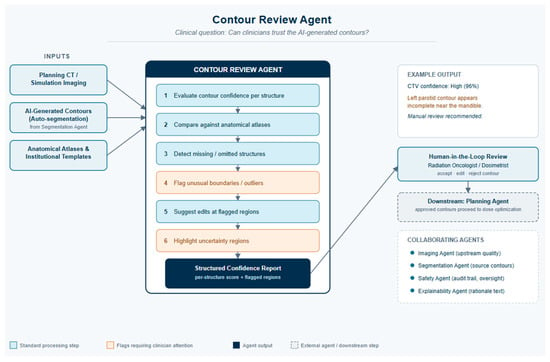
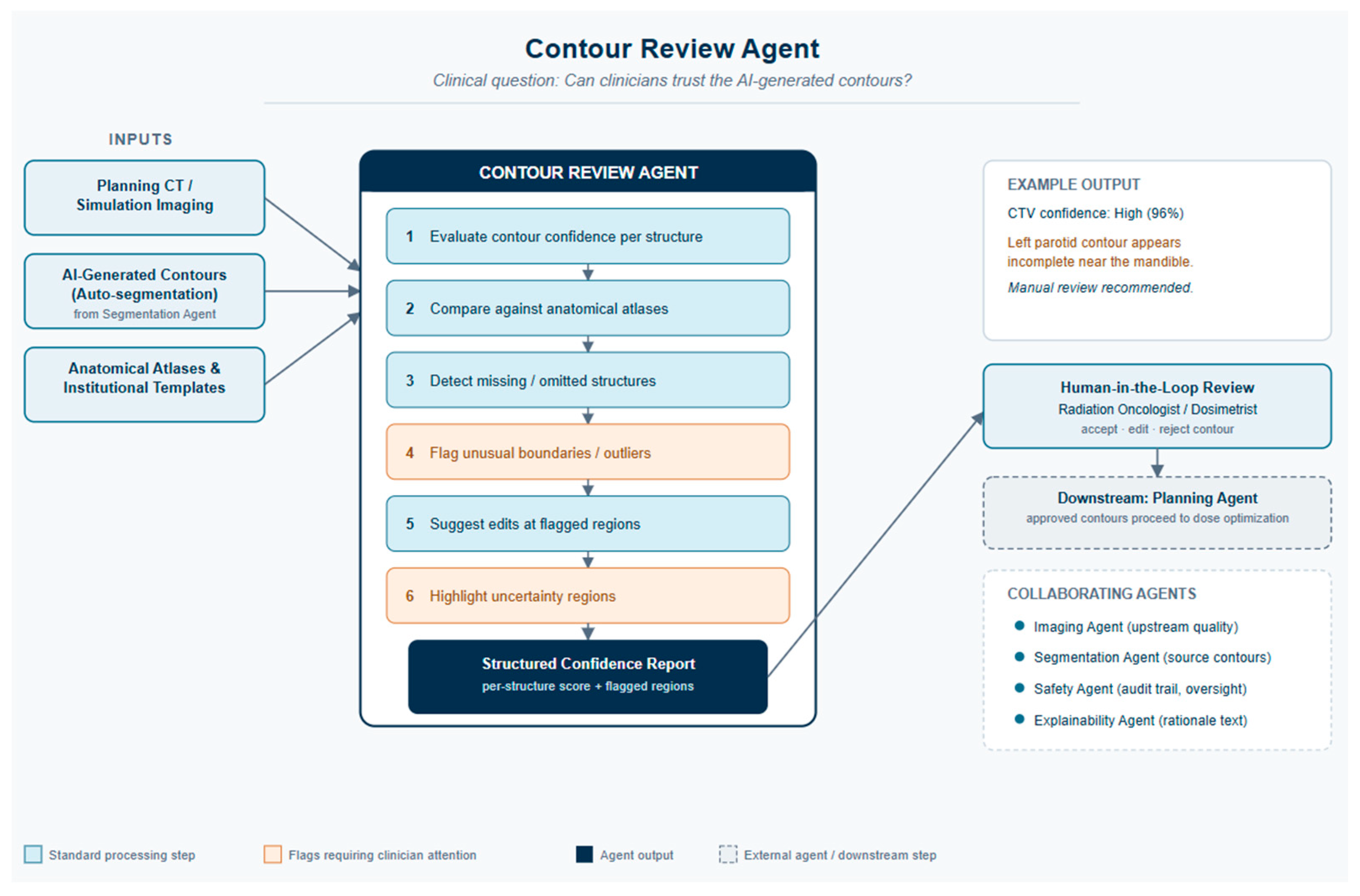
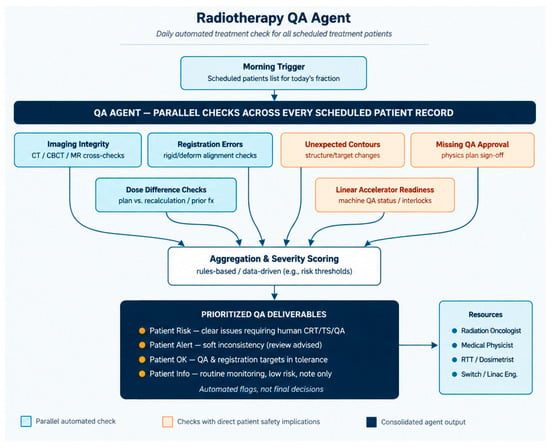
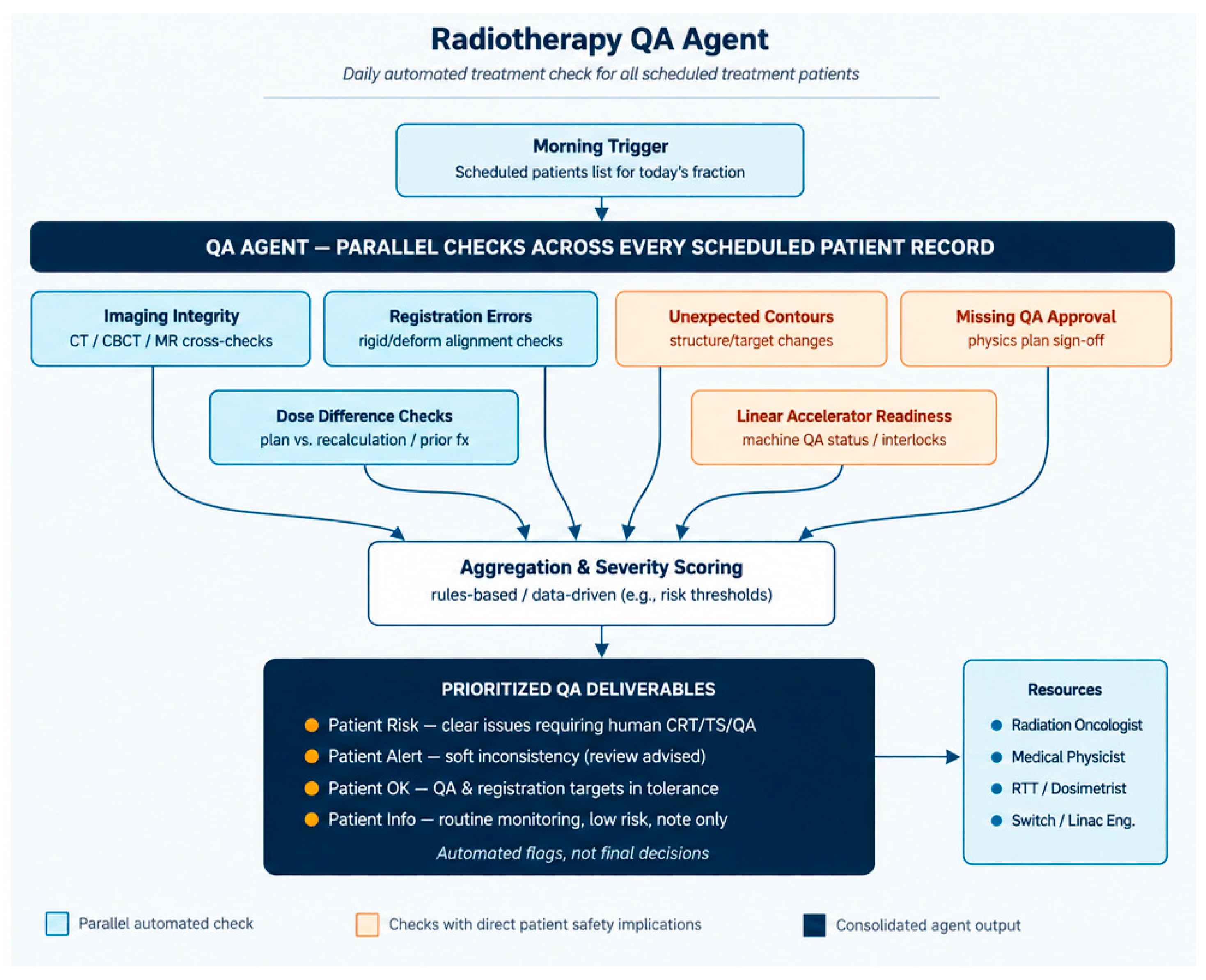
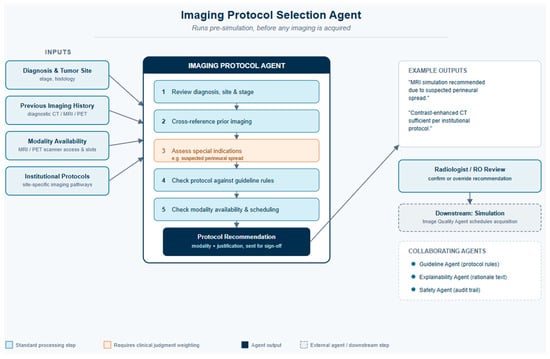
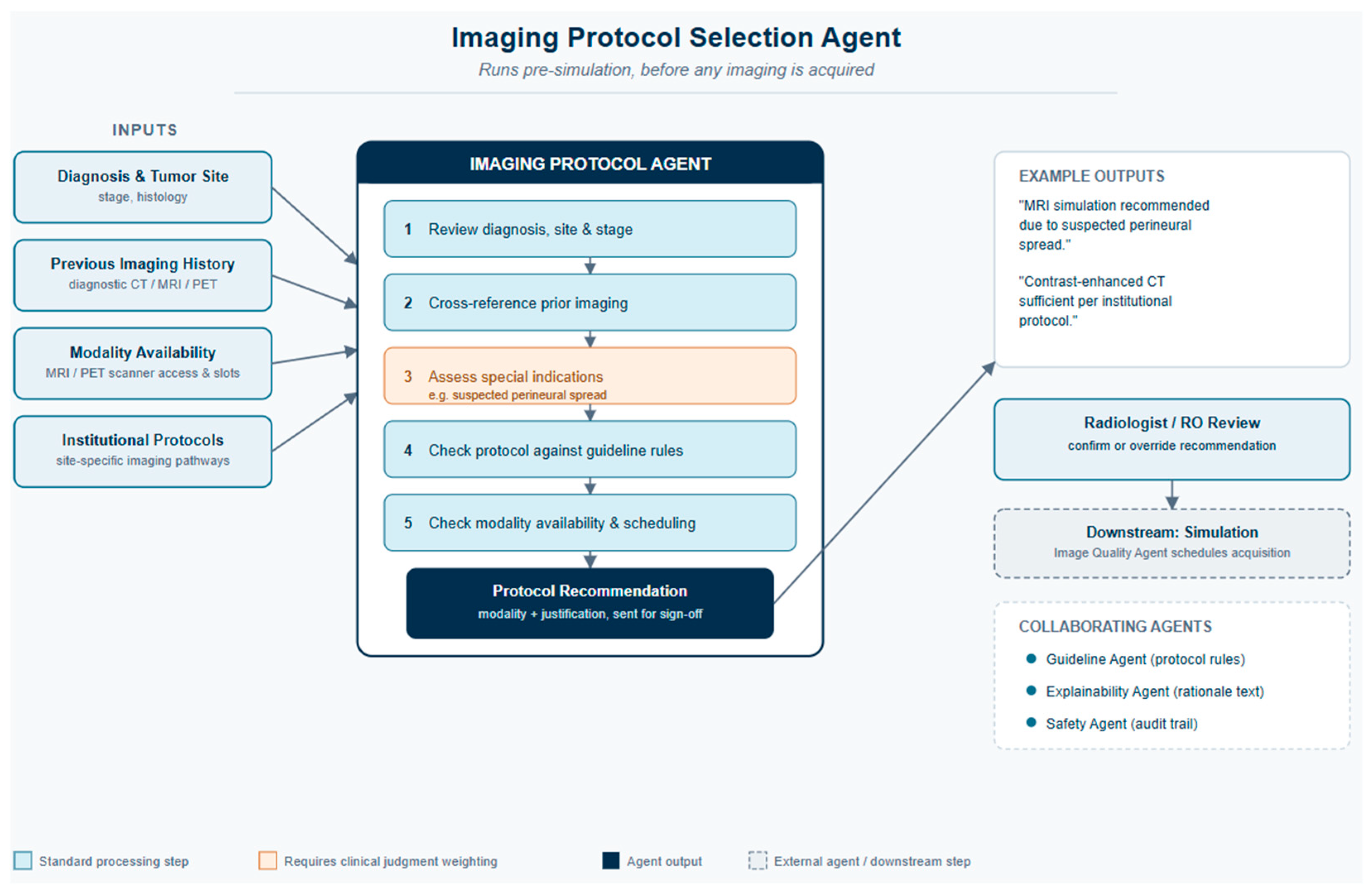
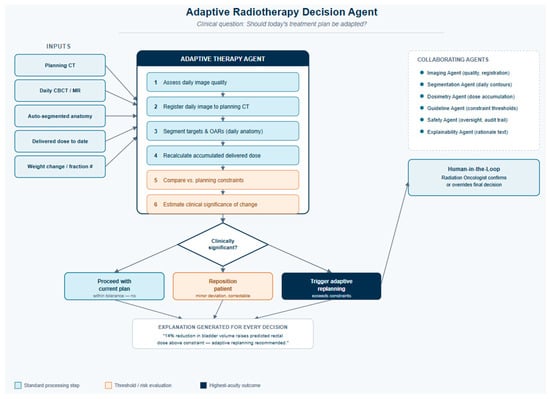
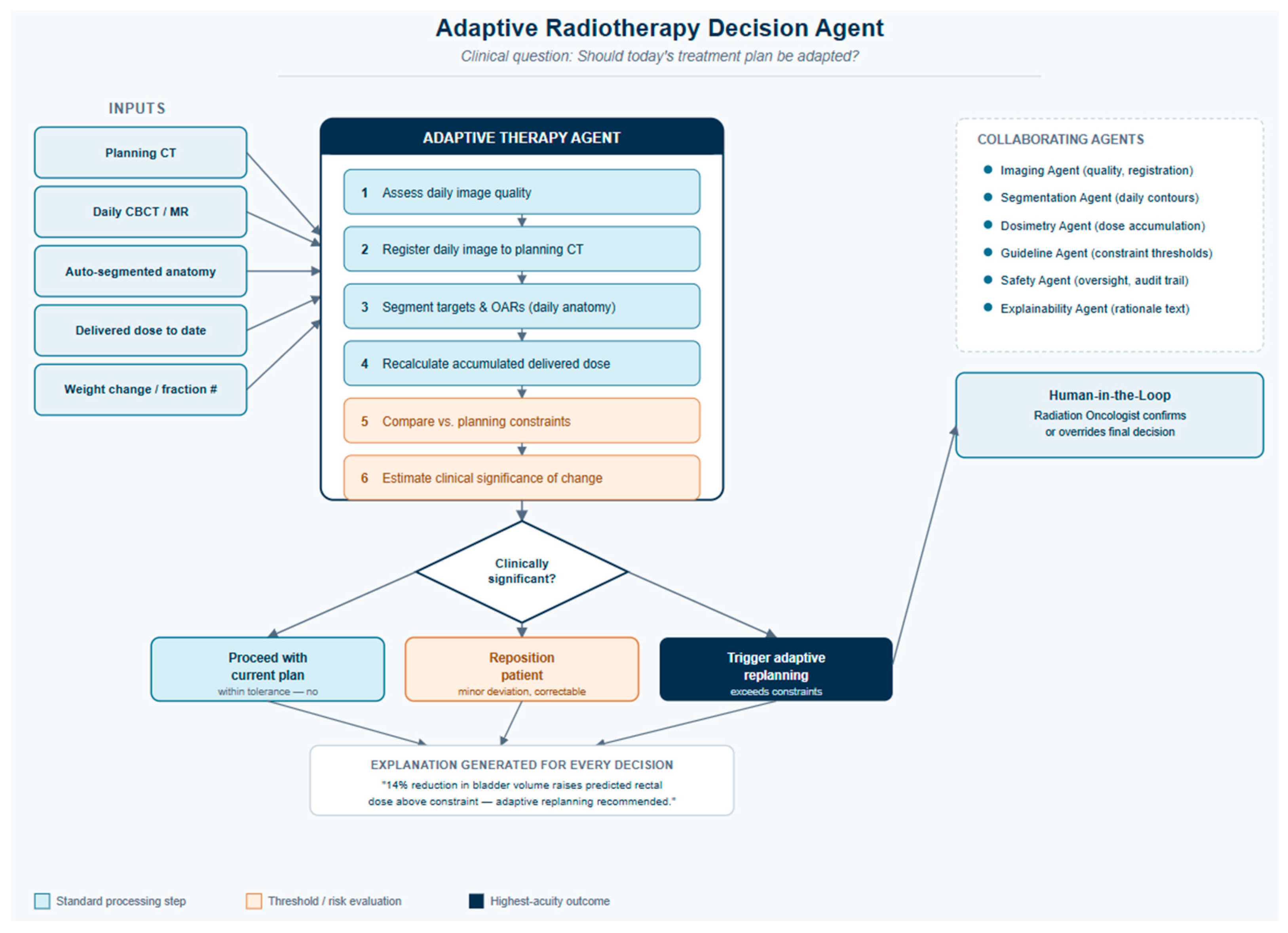
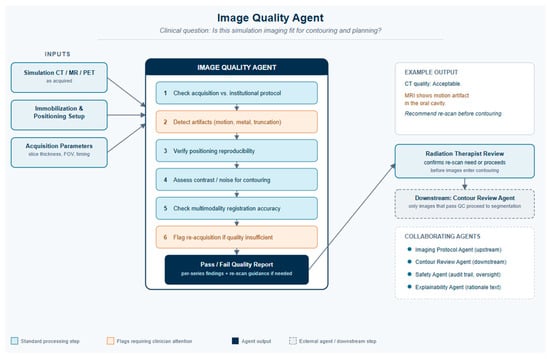
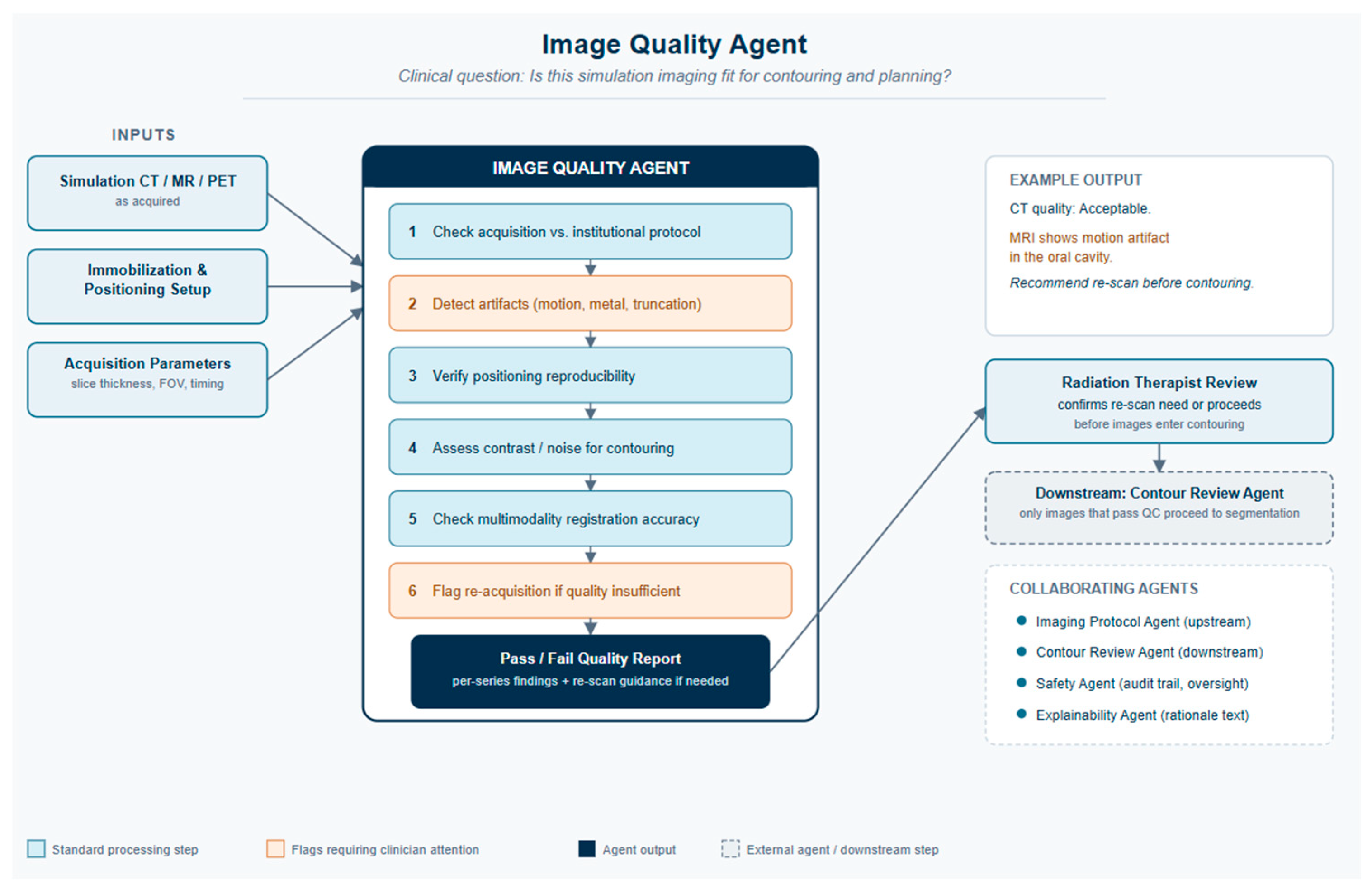
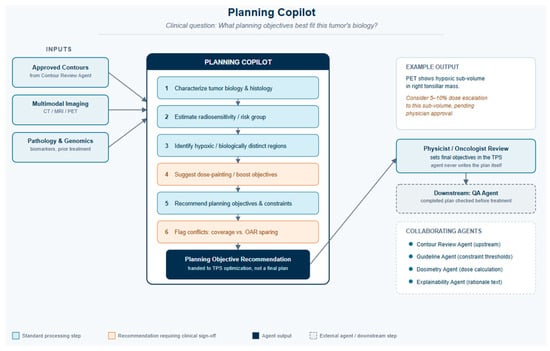
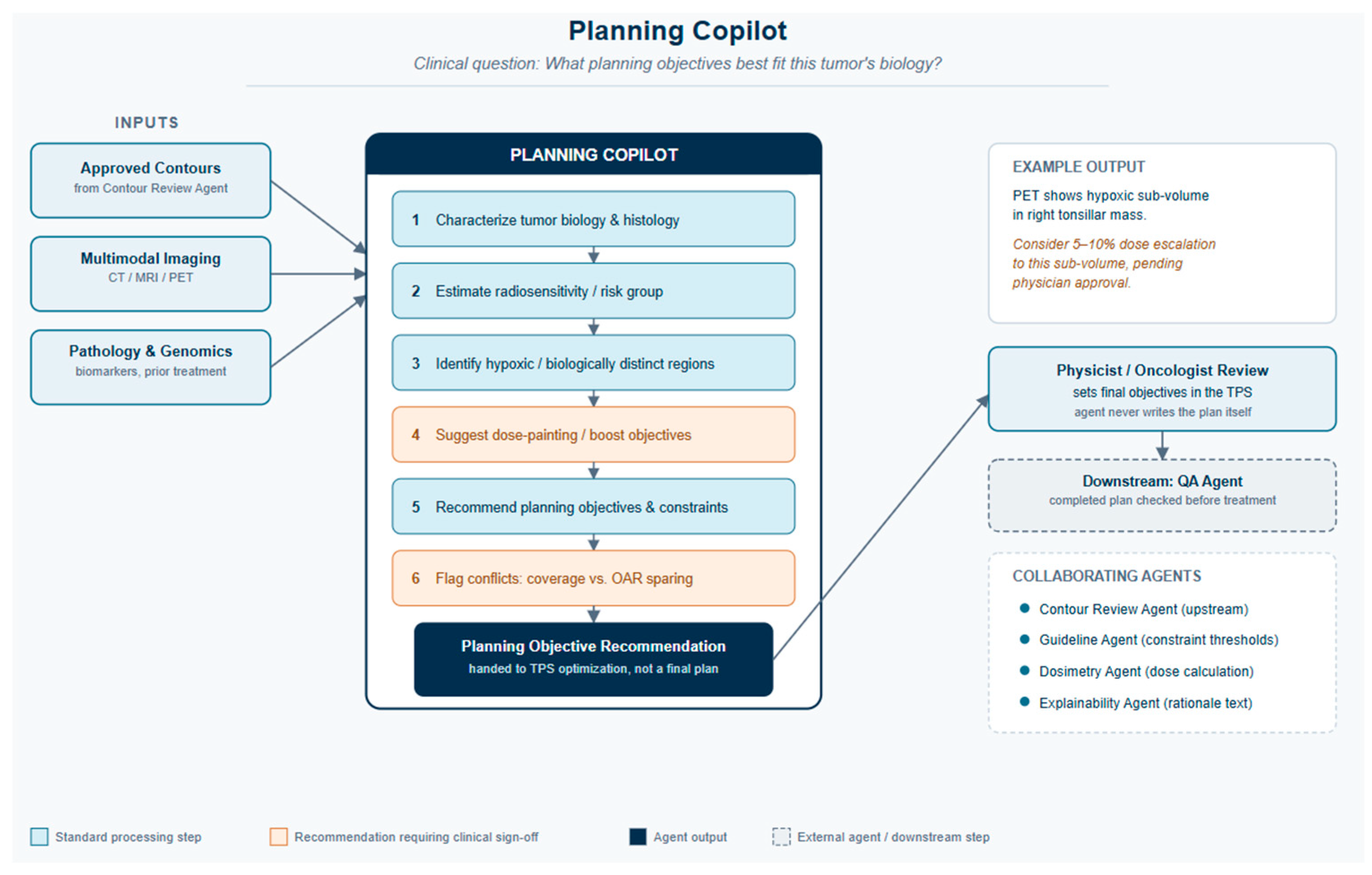
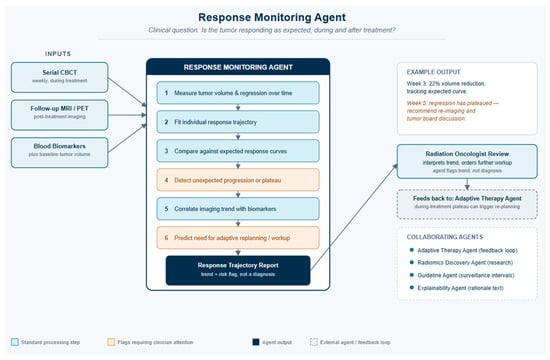
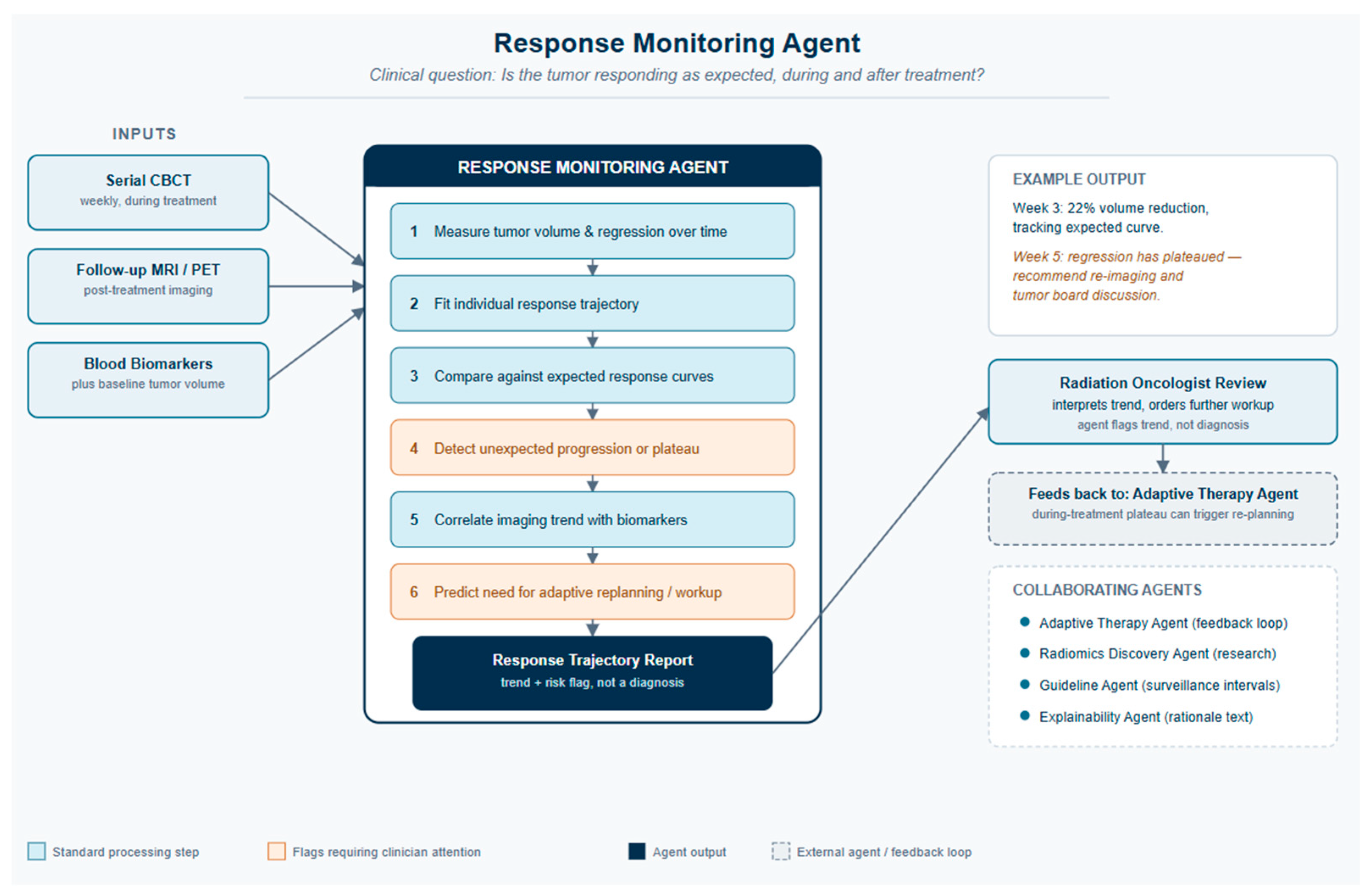
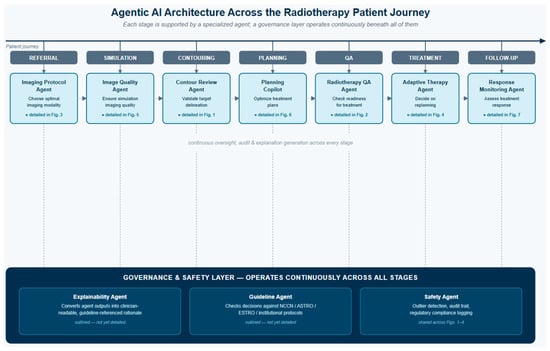
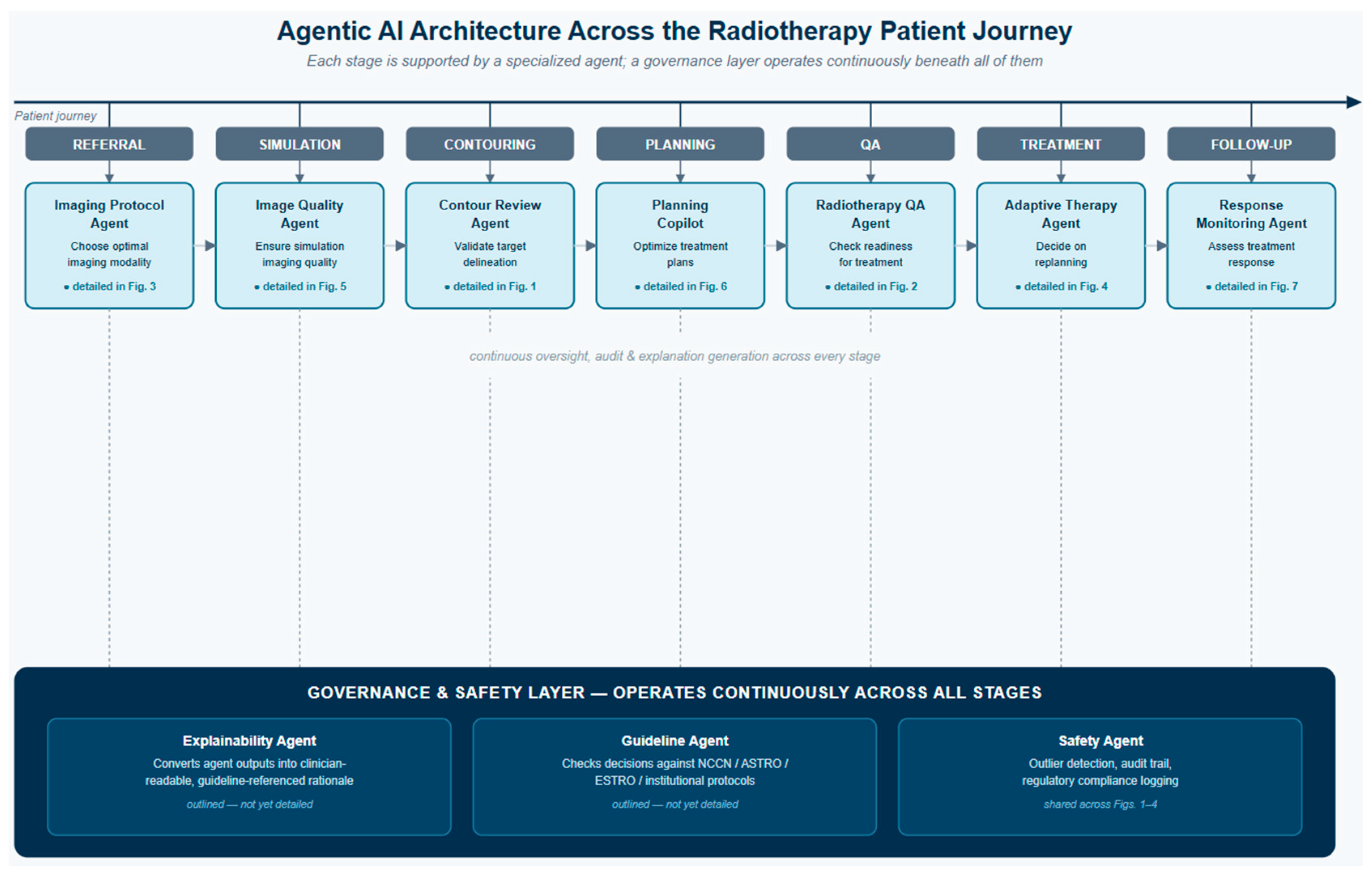
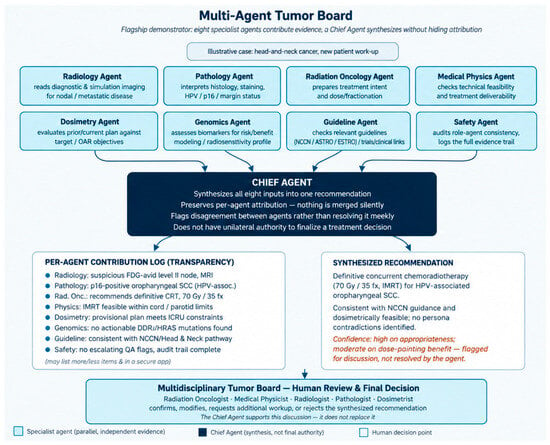
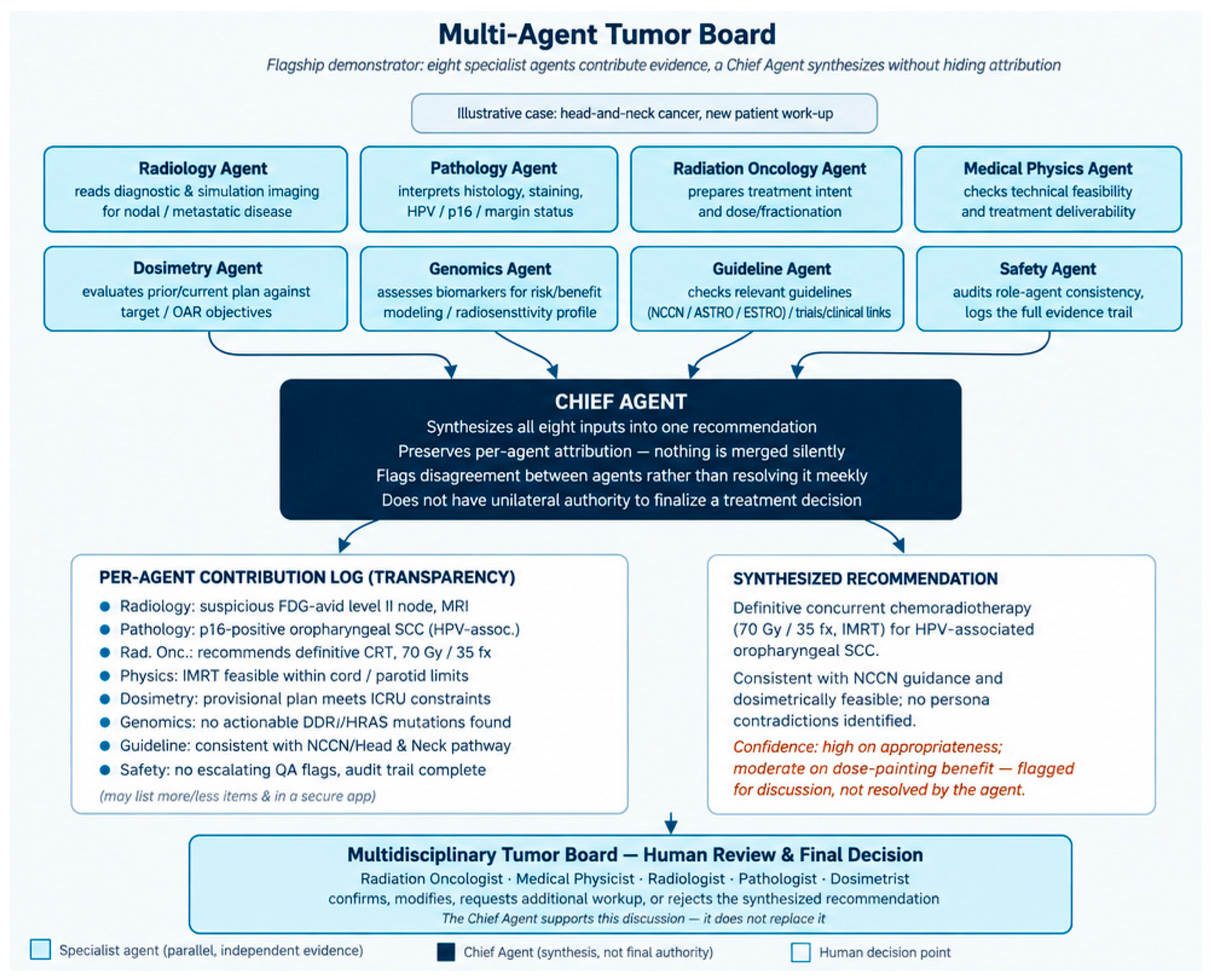
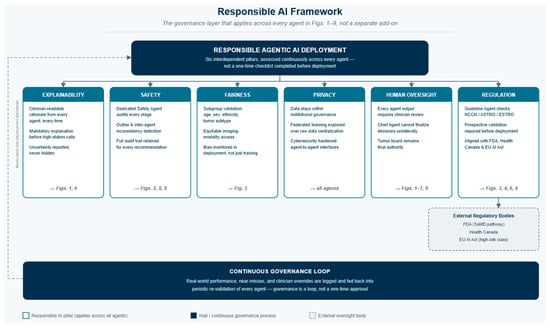
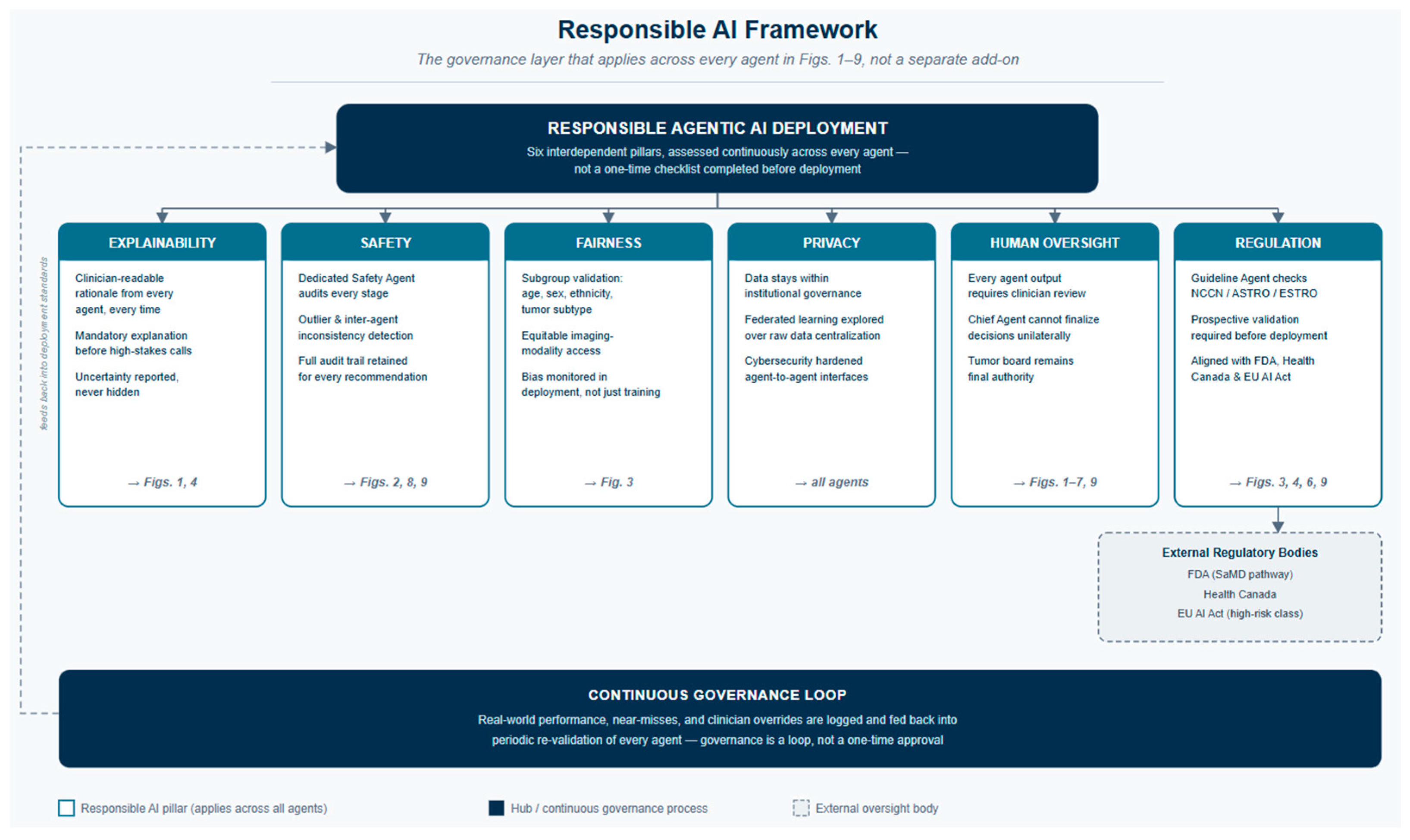

Disclaimer/Publisher’s Note: The statements, opinions and data contained in all publications are solely those of the individual author(s) and contributor(s) and not of MDPI and/or the editor(s). MDPI and/or the editor(s) disclaim responsibility for any injury to people or property resulting from any ideas, methods, instructions or products referred to in the content. |
© 2026 by the authors. Licensee MDPI, Basel, Switzerland. This article is an open access article distributed under the terms and conditions of the Creative Commons Attribution (CC BY) license.