


Abstract
Agritourism is more than a commercial enterprise: it embodies a range of values and reflects local and regional biodiversity, traditions, lifestyles and innovations. This study explores the relationship between agritourism identity and business performance across 290 agritourism enterprises in four countries—Albania, Hungary, North Macedonia, and Poland. Drawing on the agricultural multifunctionality approach and the theory of cultural and territorial identity, agritourism identity was operationalised through four dimensions: natural heritage and environment, anthropogenic cultural heritage and community, inclusivity and social engagement, and collaboration and local integration. Using confirmatory factor analysis, multi-group invariance testing, correlation analysis, OLS regression, structural equation modelling and K-Means clustering, results show that agritourism identity is significantly and independently associated with how operators evaluate their business performance. The two heritage dimensions accounted for most of the variance shared with performance, whereas inclusivity and collaboration did not retain an independent association once the other dimensions were controlled. Identity was not associated with visitor volumes once we controlled for service configuration and country, but stronger identity integration was associated with a higher average spend per night among enterprises reporting a spend figure. Country context significantly moderated the identity–performance relationship. Cluster analysis described three score profiles—strong, moderate and weak identity—which are, however, largely confounded with national context and are therefore reported descriptively. The findings advance a contextually sensitive understanding of identity as a strategic asset in agritourism and suggest differentiated policy considerations across Eastern Europe.
1. Introduction
The literature has consistently positioned agritourism as a distinctive and innovative activity carried out by farms (Palmi & Lezzi, 2020; Esposti, 2012). By interlinking agricultural production with services, agritourism fosters an exceptional awareness among entrepreneurs and the local community of natural and anthropogenic resources, i.e., anthronatural resources. This awareness not only supports the preservation of these resources (Barbieri, 2013; LaPan & Barbieri, 2014) but also their valorisation by generating benefits for the enterprise and for the broader community by supporting sustainable local development processes (Scaramuzzi et al., 2023; Maffi, 2007; Labadi et al., 2021). The Global Agritourism Network (GAN) recognizes this broad range of benefits and defines agritourism as “an agricultural diversification activity that results from the synergistic intersection of agriculture and tourism. Agritourism offers authentic experiences related to agricultural production that showcase the tangible and intangible resources of the region or locality” (Global Agritourism Network, 2024).
The visitor influx that agritourism generates also provides broader economic benefits in nearby communities (Palmi & Lezzi, 2020; Kim & Jamal, 2007; Yeoman et al., 2007). Its potential as a rural development tool became even more evident after the COVID-19 pandemic, when tourists began favouring inland, mountainous, and rural areas over urban and coastal destinations in search of authentic and meaningful experiences.
Furthermore, agritourism can serve as a steward of its own and local resources, preserving and valorising them (Palmi & Lezzi, 2020; Cassia et al., 2015; LaPan & Barbieri, 2014), thereby contributing to the long-term sustainable development of the local area (Barbieri, 2013; Palmi & Lezzi, 2020; Sonnino, 2004).
Several recent studies have examined agritourism through the lens of the distinctiveness of its offerings, focusing on the complexity involved in combining natural and anthropogenic resources (Scaramuzzi et al., 2023; Basile & Cavallo, 2020; Andehn & L’Espoir Decosta, 2021). Studies have confirmed that rural areas are leveraging their anthronatural resources to shape their own identity and distinctiveness to increase their tourism appeal, which is particularly important among communities in less favoured or marginalized regions (Azam-Ali et al., 2023). Agritourism is particularly equipped to imbue local anthronatural resources into the local selection of products and services.
Identity encompasses a rich interplay of resources—both tangible and intangible—shaped by anthronatural elements (Basile & Cavallo, 2020). In this perspective, identity stems from the collective endorsement and exchange of values recognized by the community, shaped by the relationship between productive practices and resource use, and by the dissemination of knowledge that supports sustainable, non-depleting modes of production and reproduction (Basile & Cavallo, 2020). When communities actively engage in showcasing their anthronatural resources as expressions of territorial identity, they might heighten visitors’ authentic perceptions, which in turn support economic development (Basile & Cavallo, 2020).
There is a growing interest among visitors toward agritourism sites that showcase the anthronatural resources of a given territory (Palmi & Lezzi, 2020; Daugstad & Kirchengast, 2013). In fact, the values embedded in agritourism—authenticity, sustainability, and heritage preservation—are increasingly recognized as strategic assets in attracting visitors and enhancing profitability (Palmi & Lezzi, 2020; Andehn & L’Espoir Decosta, 2021).
Though academic interest in agritourism has grown, topical knowledge across geographies remains inconsistent (Yasin & Bacsi, 2025). Therefore, this paper examines the role of agritourism identity, grounded in natural and anthropogenic resources, on economic performance, across geographically diverse national contexts. We hypothesized that a strong agritourism identity, expressed through local anthronatural resources, both tangible and intangible, positively influences economic performance indicators, measured both through self-reported operational indicators (i.e., visitor volumes and average spend per guest) and through operators’ own evaluative assessments (i.e., profitability, customer satisfaction and retention). Additionally, drawing on agripreneurs’ perspectives across four countries (Albania, Hungary, North Macedonia, Poland), this study seeks to understand how identity-driven strategies contribute to competitive advantage and the sustainable development of local communities.
2. Literature Review
2.1. Agricultural Multifunctionality and Agritourism
Agricultural multifunctionality refers to the capacity of farms to move beyond food and fibre production by diversifying income sources, preserving rural identity and cultural landscapes, and contributing to environmental stewardship, territorial resilience, and sustainable rural development (Van Huylenbroeck et al., 2007; Wilson, 2001; Renting et al., 2003; van der Ploeg & Roep, 2003). It embraces all goods, products and services that farming activities deliver to surrounding communities and society beyond the production of food and fibre (Marsden & Sonnino, 2008), making farmers also accountable for environmental and conservation issues (Barbieri & Valdivia, 2010). Given such broad scope, a suite of European policy initiatives, such as the 1996 Cork Declaration (Gorman et al., 2001) and, more recently, the Farm to Fork Strategy, have promoted the diversification of farm activity and the recognition of the non-market goods and services that farming delivers to rural society (Losch, 2004).
There are three principal interpretations of agricultural multifunctionality stemming from each of its fundamental criteria (Marsden, 2003). First, multifunctionality should facilitate the integration of agricultural and non-agricultural income streams within farm households (Gasson & Winter, 1992; Bateman & Ray, 1994; Eikeland, 1999). Second, it should function as a spatial mechanism for regulating the consumption of the countryside, that is, recognizing the value of rural landscapes for consumption, recreational, and aesthetic purposes (Barbieri & Valdivia, 2010). Third, multifunctional agriculture is embedded within the broader paradigm of sustainable rural development, serving as a proactive tool for territorial revitalization and socio-economic diversification (Marsden, 2003). Oostindie et al. (2010) further stated that agricultural multifunctionality should also contribute to human and animal health and welfare as well as rural images and identities.
As the economic base of European farms has continuously declined, particularly in marginal and remote areas, primarily because of saturated food markets, higher input costs, and more industrialized food chains (Ward, 1993; Pretty, 1998), multifunctionality has become the central focus of a new agricultural development strategy that seeks to strengthen the ability of farms to effectively meet new societal demands (Brouwer, 2004). In this quest, van der Ploeg et al. (2017) posit that agritourism fulfills three multifunctionality dimensions, which are not isolated but rather interact with one another: broadening the conventional practice of farming, for example, by engaging in provision of non-agricultural and environmental services and introducing other economic activities such as energy production; deepening agriculture through innovation in on-farm activities to increase the added value of the products, for example, through organic methods or origin products; and re-grounding practices to ensure mobilization, reproduction and use of rural resources, including knowledge, animals, plant material, capital, land, water, and technology, but also by reactivating relationships within the local economic and social context, including through participation in collective initiatives.
In sum, the integration of agricultural production with tourism services through agritourism has been consolidated as a form of agricultural multifunctionality (Barbieri & Valdivia, 2010; Domi & Belletti, 2022). Furthermore, by offering authentic, personalized, sustainable experiences that are deeply embedded in local nature and culture, it effectively responds to emerging consumer demands (van der Ploeg et al., 2017; Brouwer, 2004) not merely as a niche product, but as a dynamic platform to respond to the growing number of visitors seeking authentic and co-created experiences. Yet, to effectively appeal to this emerging tourism market, agritourism offerings should incorporate their own assets and those of the local context into the entertainment, education, escapism, and aesthetic services they provide (Oh et al., 2007) to create an identity.
2.2. Identity and Agritourism Performance
For some time, there has been ongoing debate—particularly within the European context—regarding the risk of losing national identities (Palmer, 1999). Leveraging this discourse within the context of tourism promotion represents a significant opportunity. When appropriately incorporated in the offer of goods and services, identity can serve as an effective means of preserving national or regional distinctiveness and the sense of belonging of individuals or groups, in turn helping to mitigate the risks associated with nationalism. In fact, although national identity and nationalism are closely linked (Palmer, 1999) and identity often serves as a foundation for the development of nationalist ideologies (Billig, 1995; Tamir, 1995), both concepts exhibit notable differences—especially in their application to enriching tourism offerings. Identity is not an ideology, as nationalism inherently is; rather, it is a concept that reflects a group’s sense of belonging to a place—reflective, inclusive, and pluralistic in nature (Huddy et al., 2023).
From a tourism perspective, identity enables the creation of more compelling offerings (products and services), enriched by a complex blend of anthronatural elements that shape the singularity of a nation, region, or small local community. As national identity is “produced partly out of the images constructed or reproduced for tourists” (Urry, 1994, p. 9), it is a complex construct resulting from the interplay of tangible and intangible elements, extending across both time and space. This interplay is reflected, for example, through the nation’s heritage, language, religion, anthems, folk museums, the countryside landscapes, fairy tales, and customs (Palmer, 1999; Smith, 1991, p. 77). Altogether, expressions of national identity convey the styles and ways of acting and feeling that members of a community share and value. Considering that place identity is composed of the physical, cultural, and social characteristics that make a territory distinctive (Proshansky et al., 1983), rural identity is constructed through the interaction of landscapes, agricultural practices, traditions, and local communities (Woods, 2011). In this sense, the success of rural tourism depends not only on the preservation of territorial distinctiveness but also on the ability to communicate it effectively to visitors (Lane & Kastenholz, 2015). Chiefly, the rural territorial distinctiveness derives from local identity, which is manifested through landscapes, agricultural activities, gastronomy, local traditions, lifestyles, and cultural heritage.
Agritourism both leverages and contributes to rural identity. Beyond its value as an economic diversification strategy for farms, it serves to support the preservation and valorisation of local resources, including traditions, local products, rural landscapes, and community relationships (Barbieri, 2013; LaPan & Barbieri, 2014). At the same time, the distinctiveness of agritourism operations depends on the uniqueness of the agroecological and cultural resources of the farm and surroundings (Gao et al., 2014). Beyond safeguarding the identity of the farm and its surrounding territory, agritourism enables the transformation of elements of rural identity into tourism products and services to enhance visitors’ experiences. In doing so, rural identity is not merely an attribute of a territory, but becomes an integral component of the agritourism offering itself. Rather than consuming rural identity, agritourism contributes to its preservation, strengthening, and reproduction, which enhances the differentiation and competitiveness of rural destinations and increases the uniqueness and attractiveness of agritourism entities.
While strong evidence indicates that agritourism farms preserve, reproduce, strengthen, and showcase anthronatural resources by incorporating them into their products, services, and activities to create authentic visitor experiences, there is a noticeable lack of information concerning how these resources are embedded into agritourism offerings. Filling this knowledge gap is fundamental considering that national identity is shaped through everyday interactions and lived experiences with family, friends, and neighbours (Palmer, 1999) and that products and services should reflect identity elements for visitors to experience a genuine “sense of national identity” (Tomlinson, 2001, p. 80). While agritourism has played a crucial role in showcasing elements of identity at national, local, and regional levels, and even more so when offering a genuine opportunity to engage with and experience these identity expressions, it remains unknown how these identity-driven strategies contribute to competitive advantage and sustainable development of both the enterprise and its surrounding communities. Addressing this knowledge gap can help agripreneurs to respond to fundamental questions such as “Who are we?” and “Where do we fit in?” (Palmer, 1999), which are essential to better positioning agritourism offerings—both in relation to visitors and in comparison to competitors—thereby strengthening the strategic orientation of the enterprise.
Based on the literature on cultural, place, and rural identity (Proshansky et al., 1983; Castells, 1997; Woods, 2011), identity can be understood as a combination of natural, cultural, social, and territorial attributes that shape the distinctiveness of places and communities. In tourism, these identity dimensions contribute to destination differentiation, authenticity, and visitor experiences (Morgan et al., 2004; Richards, 2018). Drawing on these perspectives, as well as the framework proposed by the World Tourism Organization and European Travel Commission (2017), we operationalize identity within the agritourism offer through four groups of identity-based products and activities.
First, Natural Heritage and Environment. This group of products and activities reflects the territorial and environmental dimensions of place identity (Proshansky et al., 1983; Woods, 2011). It represents how the farm’s natural features, cultural landscapes, and environmental practices (e.g., unique species, protected areas, water resources, renewable energy, recycling, and biodiversity conservation) are integrated into visitor activities and experiences, contributing to the authenticity and sustainability of the agritourism offer.
Second, Anthropogenic Cultural Heritage and Community. This category highlights the cultural and social dimensions of identity (Castells, 1997; Richards, 2018). It includes activities and products that express human cultural heritage and community identity, such as handicrafts, ethnography, folklore, traditional architecture, language, traditional recipes, products with geographical indications, agricultural museums, and local history. These elements strengthen visitors’ connection with local culture and reinforce the uniqueness of the destination.
Third, Inclusivity and Social Engagement. This category reflects the social dimension of identity and community participation. It highlights the extent to which agritourism activities promote accessibility, social engagement, and equity, ensuring the inclusion of visitors with different abilities and backgrounds while fostering non-discrimination and meaningful interaction between hosts and guests. In this sense, identity is not only expressed through heritage and traditions but also through shared values and social responsibility.
Fourth, Collaboration and Local Integration. This category captures the territorial and relational dimensions of identity, emphasizing the role of local networks and collective action in shaping rural destinations (Woods, 2011; Morgan et al., 2004). It includes partnerships with local producers, community organizations, tourism stakeholders, and public institutions, as well as participation in inter-institutional networks that contribute to territorial development. Such collaboration strengthens local identity, enhances destination competitiveness, and supports sustainable rural development.
Building on the theoretical framework outlined above and the four dimensions of agritourism identity—Natural Heritage and Environment, Anthropogenic Cultural Heritage and Community, Inclusivity and Social Engagement, and Collaboration and Local Integration—we propose the following hypotheses:
H1.
Agritourism identity, as expressed through the integration of anthronatural resources in the enterprise’s offer, is positively associated with perceived business performance.
H1a.
Natural Heritage and Environment integration is positively associated with perceived performance.
H1b.
Anthropogenic Cultural Heritage and Community integration is positively associated with perceived performance.
H1c.
Inclusivity and Social Engagement integration is positively associated with perceived performance.
H1d.
Collaboration and Local Integration is positively associated with perceived performance.
H2.
Agritourism identity is positively associated with perceived performance.
H2a.
Agritourism identity is positively associated with overnight guest volume.
H2b.
Agritourism identity is positively associated with day visitor volume.
H2c.
Agritourism identity is positively associated with average spend per night.
3. Research Methods
The study population consisted of agritourism enterprises across four countries in Eastern Europe, namely Albania, Hungary, North Macedonia, and Poland. Given the cross-national scope of this study, the Global Agritourism Network (GAN) definition of agritourism, rather than national or regional definitions, was used to determine the sampling frame to ensure accuracy and consistency. Following recommendations to maximize representativeness and minimize coverage and selection biases (Huselid & Becker, 2000), the sampling frame was developed from combined listings garnered from Ministries of Tourism and Agriculture, agritourism associations, and donor-funded development projects. Members of the research team compiled and verified the accuracy of these listings. A survey instrument was used for data collection. Informed by the literature, each research member actively contributed to drafting the questionnaire. A pilot test of the questionnaire helped to identify and eliminate ambiguous, unclear, or culturally inappropriate questions (Presser et al., 2004), resulting in a refined instrument with improved comprehensibility, relevance, and content validity. The final instrument comprised five sections covering respondent and agritourism characteristics, self-reported operational indicators (visitor volumes, average spend, revenue bracket), evaluative self-reported performance perceptions (14 items), agritourism identity integration across four theoretically grounded dimensions (22 items), and stakeholder and institutional context.
Data were gathered using a combination of nominal and Likert-type scales. The identity and performance items used a five-category response format, where categories 1–4 ranged from the strongest to the weakest level of agreement and category 5 indicated “not present (does not exist)” for the identity items and “I do not know” for the performance items. For analysis, category 5 for identity items was retained as the lowest level of integration as “not present” represents the substantive floor of the scale, while for performance items the “I do not know” response was treated as a missing value. In sum, lower scores denote stronger identity integration and more favourable performance assessment, and a negative correlation between an identity score and an operational indicator expressed in natural units indicates a positive substantive association.
3.1. Questionnaire
The master instrument was drafted in English by the entire research team. Each national version—Albanian, Hungarian, Macedonian, and Polish—was then produced by the country team leader, all of whom are bilingual domain specialists, who were preferred over professional translators, on the grounds that conceptual equivalence of agritourism terminology mattered more than literal equivalence. Translation and back-translation were conducted exclusively by bilingual members of the research team. For each language version, a second bilingual team member independently back-translated the questionnaire into English without consulting the original English version. The original and back-translated English versions were then compared item by item, and any discrepancies were resolved through discussion among the team members involved and the lead author. Following Behr (2017), back-translation was treated as one component of a committee-based procedure rather than as a sufficient quality test in itself, and the pilot test described above was conducted separately in each language so that country-specific comprehension problems could be identified before fieldwork began (Brislin, 1970).
The survey was administered online during the first four months of 2026, using a standardized digital platform (Google Forms), enabling respondents from different countries to participate under comparable conditions. Electronic invitations were sent to senior managers or owners of agritourism enterprises, as they have the most comprehensive knowledge of their firm’s operations (Sandvik & Sandvik, 2003). Invitations were distributed broadly across regions, farm sizes, and business types, ensuring proportional geographical coverage and reducing the risk of over-representing specific respondent groups. Given the study purpose, data collection adhered to the single-respondent technique to increase effectiveness (Huselid & Becker, 2000). Automated controls prevented duplicate submissions and monitored survey completeness, while incomplete or inconsistent responses were excluded during the data-cleaning stage (Bethlehem, 2010; Couper, 2000). To reduce potential response bias, participation was voluntary and anonymous, thereby limiting social desirability effects and encouraging honest responses (Podsakoff et al., 2003).
After incomplete and inconsistent responses were excluded during data-cleaning (Bethlehem, 2010; Couper, 2000), the survey yielded 290 valid responses from 641 invitations (45.2% response rate) across four Eastern European countries: Albania (n = 149; 51.4% of the sample; 49.6% response rate), Hungary (n = 40; 13.8%; 27.5% response rate), North Macedonia (n = 30; 10.3%; 38.4% response rate), and Poland (n = 71; 24.5%; 59.1% response rate). To assess and mitigate non-response bias, response patterns and key characteristics of early and late respondents were compared following established survey research procedures (Bethlehem, 2010; Couper, 2000). No statistically significant differences were observed, suggesting that non-response bias was unlikely to threaten the validity of the findings. Furthermore, the geographic and structural distribution of respondents was examined against available population characteristics of agritourism businesses, confirming a satisfactory level of representativeness across the participating countries.
3.2. Measurements and Analytical Procedures
Agritourism identity was operationalised through four dimensions adapted from the UNWTO-ETC framework and cultural identity theory (Morgan et al., 2004; Richards, 2018): (1) Natural Heritage, capturing the integration of local ecosystems, biodiversity, and environmental practices (6 items); (2) Anthropogenic Heritage, measuring the incorporation of cultural practices, folklore, traditional and local cuisine, and territorial history (10 items); (3) Inclusivity and Social Engagement, assessing accessibility and social integration offerings (3 items); and (4) Collaboration and Local Integration, reflecting partnerships with community organizations and embeddedness in local networks (3 items).
Evaluative self-reported performance was measured using 14 Likert-type items covering sales objectives, profitability, income stability, customer attraction, and overall goal achievement, adapted from previous studies (M. F. Chen & Tung, 2010; Tew & Barbieri, 2012). Three operational indicators (overnight guests, day visitors, average spend per guest per night) were recorded as figures reported by the respondent. Because these figures are self-reported rather than extracted from business records, we refer to them throughout as self-reported operational indicators rather than as objective performance measures. Unlike administrative data, these indicators are not independent of the evaluative measures and may be subject to recall error, which is likely to be larger for day visitors, who are typically not registered, than for overnight guests. What the distinction does preserve is the difference between a quantity the operator counts and an assessment the operator forms, and it is that difference on which our results turn. Given significant right-skewness and the presence of extreme values, the operational indicators were log-transformed (log(x + 1)) prior to analysis (Hair et al., 2019). Item wording, descriptive statistics, factor loadings and scale reliabilities for all constructs are reported in Table 1.
Table 1.
Construct measurements and scale reliability.
Data were analysed using a combination of statistical procedures. Exploratory Factor Analysis (EFA) was first used to reduce scale items to fewer dimensions and further validated with Kaiser–Meyer–Olkin (KMO) and Bartlett’s test of sphericity (p < 0.05); Cronbach’s alpha coefficients were also computed, using the conservative 0.70 threshold (Hair et al., 2019). Then, Pearson and Spearman (p < 0.05) were conducted to test for correlations between all constructs’ dimensions. Ordinary Least Squares (OLS) regression models (p < 0.05) were also used to test whether identity effects persisted after controlling for gender, age, education, years of operation, log farm area, organic certification, service type, and country, using Albania as reference. Country-stratified regressions were also performed to examine whether the identity–performance relationship varied across national contexts, using Albania as the baseline. Finally, K-Means cluster analysis was conducted to delineate identity-based agritourism types, followed by Kruskal–Wallis test to confirm the significance of the resulting clusters.
3.3. Study Setting: Agritourism in Eastern European Countries
The four countries included in this study—Albania, Hungary, North Macedonia, Poland—reflect different stages of agritourism development, providing a diverse setting for examining agritourism identity, performance, and stakeholder relationships across Eastern and Central Europe.
3.3.1. Albania
Agritourism is highly suitable for Albania, a country rich in anthronatural resources and located in the Mediterranean area. Albania’s long-term development relies on both agriculture and tourism, making the integration of these sectors increasingly important. Of its 330,000 agricultural farms, averaging 1.2 hectares per farm, approximately 0.1% of farms are hosting visitors. This small scale provides an opportunity to maintain deep roots in local identity. Agritourism has gained strong attention due to its multiplier effect on rural development. Although oral accounts and indications from interviewees suggest that the roots of agritourism in Albania may date back more than 200 years, its formal development as a recognized sector began with initial legal references before 2017, followed by the establishment of a dedicated legal framework in 2018 and the adoption of a national agritourism strategy in 2022. Although the sector is at the development stage of its life cycle (Domi & Domi, 2025), raising standards and strengthening agritourism identity remain ongoing challenges, with significant potential for further growth and support.
Most of the existing 300 agritourism businesses have been in operation for around seven years and are family-run. They tend to be highly diversified in terms of agritourism offerings, with their own primary production at the core of their activities. They strongly combine local anthronatural resources within their offerings to develop a distinct, locally rooted identity. On average, each facility offers eight rooms and hosts up to 4000 visitors annually, contributing to an estimated 1.2 million visitors per year. Managers average 39 years of age and are predominantly men (78%); women constitute 61% of staff. Agritourism businesses most often employ around nine permanent and eight seasonal workers and collaborate with at least 22 local farmers. Most (around 60%) products used or sold are farm-produced and based on local varieties.
3.3.2. Hungary
Agritourism in Hungary has evolved along a markedly different trajectory compared to Western European countries, shaped by unique historical, socio-political, and structural conditions. Although forms of rural hospitality already appeared in the early 20th century through village-based paid guest hosting, the sector’s development was significantly disrupted during the socialist period. Land nationalisation, the marginalisation of the peasantry, and forced collectivisation dismantled traditional farming structures and ownership continuity.
In Hungary, agritourism has long been conceptually intertwined with rural tourism, both in public discourse and policy interpretation. While earlier regulations distinguished agritourism as a separate category, current legislation (Act CXXIII of 2020 on Family Farms and Agricultural Producer Households) defines it primarily as a complementary activity within family farming systems. Agritourism providers are typically registered agricultural producers who actively combine farming with tourism activities on their own holdings. They are required to engage personally in service delivery and to provide an appropriate reception environment for visitors. A growing segment of high-quality providers is increasingly referred to as “experience farms,” reflecting a shift toward immersive, knowledge-based, and emotionally engaging visitor experiences.
The Hungarian agritourism sector is characterized by rapid growth, diversity, and structural challenges. Demand for rural tourism experiences has been steadily increasing, reflecting broader societal trends toward sustainability, local food consumption, and authentic experiences. At the same time, agritourism farms are generally small-scale and often less diversified than conventional agricultural enterprises; their number represents 4% of total farms.
Approximately half of agritourism providers have entered the market within the last five years, and nearly 80% within the last decade. This indicates both strong growth potential and a lack of accumulated experience. Only around 30% of providers offer accommodation services, suggesting that many focus on day-visit experiences rather than complex tourism packages. Future development intentions are also significant: around half of providers plan to diversify their services, nearly half aim to invest in infrastructure improvements, and many intend to increase visitor frequency and group-based activities.
Rural accommodation establishments constitute a separate category in Hungary and are defined by government decree, in contrast to agritourism accommodations. Although the legal definition explicitly emphasizes the presentation of values linked to agriculture, it does not require active agricultural activity, which constitutes the core function of an agritourism experience farm.
3.3.3. North Macedonia
Agritourism in North Macedonia is an emerging sector with significant potential, supported by the country’s rich rural landscapes, traditional agriculture, and cultural heritage. Rural regions such as Pelagonia, Mariovo, Prespa, Mavrovo, and the Ohrid area offer strong resources for agritourism, including traditional food production, vineyards, livestock farming, and authentic village lifestyles. However, agritourism is not clearly defined or separated as a distinct tourism category within national tourism policies or legal frameworks. It is usually incorporated under broader concepts such as rural tourism or rural hospitality services, which limits targeted policy support and strategic development.
Most initiatives are small-scale family businesses offering local food, accommodation, wine tasting, or farm experiences. Although programs such as Instrument for Pre-Accession Assistance for Rural Development (IPARD) support rural tourism investments, challenges remain related to infrastructure, marketing, coordination among stakeholders, and farmer capacities. Strengthening institutional recognition and integrated rural development strategies could significantly enhance the sector’s contribution to rural economic diversification.
3.3.4. Poland
Polish agritourism is commonly presented as a form of rural hospitality grounded in everyday farm life, local culture and nature-based experiences, including regional cuisine, crafts and seasonal practices (Gralak & Kacprzak, 2021; Kubal-Czerwińska et al., 2022). At the same time, its actual scale remains difficult to determine due to the absence of a single legal definition and the lack of a consistent registration system (Kubal-Czerwińska & Mika, 2012). As a result, agritourism operates within diverse legal and organisational frameworks, and official statistics tend to capture only part of the sector, while promotional sources often suggest a much larger number of active agritourism farms.
This definitional ambiguity is reflected in statistical practice. The Central Statistical Office distinguishes between strictly defined agritourism accommodation and a broader category of guest rooms in rural areas, which may not include direct engagement with farming activities. Consequently, many facilities labelled as “agritourism” in practice function as rural tourism providers offering accommodation without the agricultural or experiential component (Kubal-Czerwińska et al., 2022). Despite these limitations, available data provide insight into the sector’s dynamics. In 2024, strictly defined agritourism accommodation accounted for over 11,000 bed places, hosting more than 150,000 visitors and generating over 510,000 overnight stays (Central Statistical Office Poland, n.d.). When combined with the broader category of guest rooms, the scale increases to more than 73,000 bed places, with annual usage exceeding 1.5 million national and international tourists (Central Statistical Office Poland, n.d.). This indicates that, although relatively small in formal terms, agritourism constitutes a significant and growing segment of rural tourism in Poland, with considerable potential linked to its strong local embeddedness and experiential character.
4. Results
4.1. Respondent Profile
The majority of respondents were owners (62.8%) and male (57.3%); they averaged 47.9 years old (SD = 11.4; Table 2). Educational attainment was predominantly at university level (39.1%), followed by secondary education (31.2%). Regarding business operation characteristics, total land area owned or rented by agritourism enterprises averaged 14.0 hectares (SD = 83.8; median = 3.0 ha) across the full sample, with comparable means in Albania (9.2 ha, median 3.0), Poland (8.7 ha, median 4.2) and North Macedonia (9.1 ha, median 2.0); while Hungary showed a much higher mean (45.3 ha, SD = 220.4), it resulted from a single very large holding, as its 2.0 ha median confirms. The area used specifically for agricultural production averaged 13.7 hectares (SD = 96.4; median = 2.0 ha). It is worth noting that Hungary’s total area and agricultural area figures show disproportionately high standard deviations (SD = 220.4 and 226.5 hectares, respectively) due to a single outlier enterprise reporting 1360 hectares. Enterprises employed an average of 6.8 permanent staff in 2025, with notable cross-country variation: Albania (mean = 8.5; median = 5.0) and North Macedonia (mean = 9.4; median = 2.5) reported the highest permanent staffing levels, while Poland reported considerably fewer (mean = 2.1; median = 1.0). Seasonal employment averaged 2.8 workers (SD = 6.2; median = 2.0) overall, ranging from a median of 2.0 in Albania, Poland, and Hungary to a median of 0.0 in North Macedonia, indicating that Macedonian enterprises rely the least on seasonal labour. Kruskal–Wallis tests confirmed that all four operational indicators—total area (H = 15.20, p < 0.01), agricultural area (H = 12.21, p < 0.01), permanent employment (H = 102.23, p < 0.001), and seasonal employment (H = 50.59, p < 0.001)—differed significantly across countries. Professional backgrounds were diverse, with only 19.2% reporting an agricultural background—a finding that underscores the entrepreneurial, multi-sectoral nature of Eastern European agritourism management. In addition to agricultural production, the most common services offered were food and beverage (72.8%), accommodation (69.9%), and recreational activities (54.0%). Only 10.8% of enterprises held organic certification.
Table 2.
Respondents’ demographic and operation profile by country.
4.2. Measurement Model: Reliability and Factor Structure
Exploratory Factor Analysis (EFA) resulted in four factors related to agritourism identity—Natural Heritage and Environment (6 items), Anthropogenic Cultural Heritage and Community (10 items), Inclusivity and Social Engagement (3 items), and Collaboration and Local Integration (3 items)—and one factor related to self-reported performance (14 items; Figure 1).
Figure 1.
Agritourism identity–performance model with empirical path estimates.
Across all constructs, the Kaiser–Meyer–Olkin (KMO) measure ranged from 0.628 to 0.934, Bartlett’s test of sphericity was significant (p < 0.001), and Cronbach’s alpha coefficients ranged from 0.711 to 0.945, meeting all requirements (Table 3).
Table 3.
Measurement model summary—final scales after item optimisation.
4.2.1. Measurement Invariance Across Languages and Countries
Because the study compares four countries surveyed in four languages, measurement invariance was tested before any comparative analysis (Putnick & Bornstein, 2016). With 30 enterprises in the smallest subsample, an item-level multi-group model over 36 indicators was not identified, so invariance was tested on a parcelled two-factor model with seven indicators: the four identity dimension scores as indicators of a second-order identity factor, and three balanced parcels of the fourteen performance items as indicators of a performance factor (n = 285; Albania 147, Poland 71, Hungary 37, North Macedonia 30). Configural, metric and scalar models were estimated by maximum likelihood and compared using the chi-square difference test together with the change in CFI and RMSEA, following the criteria of Cheung and Rensvold (2002) and F. F. Chen (2007): a non-significant chi-square difference, a change in CFI no worse than −0.010, and a change in RMSEA below 0.015. The results of these comparisons are reported in Table 4.
Table 4.
Measurement invariance across the four countries (two-factor model, seven parcel indicators; N = 285).
Configural and metric invariance are supported; scalar invariance is clearly rejected. This has an asymmetric but important consequence for the analyses that follow. Metric invariance is the condition required for comparing regression slopes, correlations and interaction terms across groups, so the country-stratified regressions of Section 4.4.1, the Fisher Z comparisons and the moderation analysis are all defensible as reported. Scalar invariance is the condition required for comparing latent means. Because it fails, differences between countries in the level of identity integration or of performance cannot be given a substantive interpretation, and every statement of that kind in this paper—including the country composition of the score profiles in Section 4.4.2—is presented as a descriptive property of the observed scores rather than as evidence of a real difference between the national sectors.
Per-country internal consistency and factor congruence were also examined, and they qualify the pooled reliabilities (Table 1). For the two multi-item heritage dimensions the pooled solution replicates well in every country: Cronbach’s alpha ranges from 0.63 to 0.85 and Tucker’s congruence coefficient with the pooled factor from 0.79 to 0.997. For the two three-item dimensions it does not. Alpha for Collaboration and Local Integration is 0.42 in Albania, 0.25 in Poland, 0.32 in Hungary and 0.44 in North Macedonia; for Inclusivity and Social Engagement it is 0.59, 0.45, 0.47 and −0.04 respectively, and the Inclusivity congruence coefficient in North Macedonia is 0.18, indicating that the pooled factor does not replicate there at all. The pooled alphas of 0.711 and 0.725 are therefore inflated by between-country variance rather than reflecting within-country coherence. We report this openly because it bears directly on the dimension-level results of Section 4.3.1, and we treat all inferences that depend on these two scales as exploratory.
4.2.2. Common Method Bias
Because all measures come from a single respondent per enterprise on a single occasion, three assessments of common method variance were conducted. Harman’s single factor test on all 36 substantive items (n = 229) yields a first unrotated factor accounting for 47.13% of total variance, below the conventional 50% criterion, with five factors having eigenvalues above unity. Because Harman’s test is a weak diagnostic, a confirmatory comparison was added: a model in which every item loads on a single common factor fits significantly worse than the hypothesised five-factor structure (CFI = 0.741 versus 0.810; RMSEA = 0.105 versus 0.091; Δχ2(10) = 407.13, p < 0.001), so a single method factor is not a sufficient account of the covariance structure. Kock’s (2015) full collinearity assessment gives construct-level variance inflation factors of 3.61 for Natural Heritage, 3.82 for Anthropogenic Heritage, 2.48 for Inclusivity, 2.87 for Collaboration and 2.67 for self-assessed performance; two of these marginally exceed the 3.3 criterion. Taken together, these results make common method variance an implausible sole explanation for the associations reported below, but they do not exclude a contribution from it, and with a single respondent per enterprise no post hoc test can. We return to this in the limitations.
4.2.3. Construct and Discriminant Validity
Convergent and discriminant validity were assessed through average variance extracted, composite reliability, the Fornell–Larcker criterion (Fornell & Larcker, 1981) and the heterotrait–monotrait ratio of correlations (Table 5), and four competing measurement models were compared (Table 6).
Table 5.
Convergent and discriminant validity of the measurement model (n = 229).
Table 6.
Comparison of competing measurement models (36 items, n = 229).
The results are mixed and we report them as such. Composite reliabilities are satisfactory throughout, but three of the four average variance extracted values fall below the 0.50 threshold (Anthropogenic Heritage 0.493, Inclusivity 0.444, Collaboration 0.464), seven of the ten HTMT ratios exceed the 0.85 criterion, and the Fornell–Larcker criterion is violated for two pairs. Discriminant validity between the four identity dimensions is therefore not established at conventional thresholds.
The four-factor structure is nonetheless clearly preferable to the alternatives: it fits better than a model treating identity as unidimensional and much better than a single common factor. The second-order model fits almost as well as the freely correlated five-factor solution, and it is closer to the theoretical position in which natural, cultural, social and relational attributes are facets of one territorially grounded identity rather than independent assets. We therefore adopt the second-order specification: Identity Total is the confirmatory predictor throughout, and the four dimensions are retained because they carry the content validity of the instrument and organise the practical implications, but every dimension-level result is reported as exploratory.
Two features of the item content deserve mention because they qualify the dimension labels. The item “we are proud not to discriminate against any visitor” loaded empirically on Collaboration and Local Integration although it is conceptually an inclusivity item, and the item on slow-food and healthy-lifestyle products loaded on Inclusivity although it is conceptually a food-heritage item. The labels of those two dimensions therefore do not fully describe their contents, which, together with their weak within-country reliability, is why the results for Inclusivity and Collaboration are reported with particular caution.
4.3. Hypothesis Testing
Pearson and Spearman correlations showed that all four identity dimensions are correlated strongly with each other (r = 0.645 to 0.791, Table 7). In addition, each loaded substantially on Identity Total (r = 0.818 to 0.959). This means that, although the four dimensions were designed to capture theoretically distinct aspects of agritourism identity, they also function empirically as complementary facets of a single, broader construct. Enterprises investing heavily in one dimension also tend to invest in the others, suggesting that identity-building in agritourism is a holistic process. This convergence validates the use of Identity Total as a composite measure in the subsequent analyses.
Table 7.
Pearson correlation matrix—all constructs (N = 245–289).
At the bivariate level the results are consistent with Hypothesis 1 and with all four sub-hypotheses. Identity Total was significantly and positively associated with perceived performance (r = 0.784, ρ = 0.806, p < 0.001, n = 288), explaining approximately 61% of bivariate variance, and all four dimensions correlated significantly with perceived performance (r = 0.628 to 0.735, all p < 0.001), with Pearson and Spearman statistics in full agreement. Natural Heritage (r = 0.727) and Anthropogenic Heritage (r = 0.735) were the strongest individual correlates, followed by Collaboration (r = 0.705) and Inclusivity (r = 0.628). These bivariate coefficients are not, however, the basis on which the sub-hypotheses are decided. As Section 4.3.1 shows, only Natural Heritage and Anthropogenic Heritage retain an independent association with perceived performance once firm characteristics and country are controlled; H1a and H1b are therefore supported, whereas H1c and H1d are not. H1 itself, tested at the level of the composite construct, is supported both bivariately and under controls. Table 8 reports the bivariate coefficients alongside the controlled estimates so that the two levels of evidence and the decision applied to each can be compared directly.
Table 9.
OLS regression results: identity dimensions and performance outcomes (N = 226–288).
Table 10.
Operational indicators estimated on the full sample and on enterprises reporting a non-zero value.
At the bivariate level, Identity Total was associated with overnight guest numbers (r = −0.292, ρ = −0.376, p < 0.001) and day visitor counts (r = −0.355, ρ = −0.383, p < 0.001); recalling the scale direction set out (Section 3.1), the negative signs denote positive substantive associations. The association with average spend per night was marginal under Pearson’s r (r = −0.127, p < 0.05) and non-significant under Spearman’s ρ (ρ = −0.051, ns). None of these bivariate coefficients, however, provide an adequate test of H2a to H2c, for two reasons developed in Section 4.3.1 and Section 4.3.3: they do not control for the structural differences between the four national sectors, and the three indicators contain a substantial number of structural zeros arising from enterprises that do not offer the service being measured. The decisions on H2a, H2b and H2c reported in Table 8 rest on the controlled models estimated on enterprises reporting a non-zero value.
4.3.1. Regression Analysis with Control Variables
Six OLS regression models were estimated (Table 9). Collinearity diagnostics were computed for every model. In the disaggregated model M3 the variance inflation factors are 3.90 for Natural Heritage, 4.47 for Anthropogenic Heritage, 2.95 for Inclusivity and 4.01 for Collaboration, with tolerances between 0.22 and 0.34; the controls range from 1.16 to 2.36, the country dummies from 2.36 to 4.96, and the condition number of the design matrix is 6.62. All values fall below the conventional threshold of 10 and below the more conservative threshold of 5, so the standard errors are not inflated to the point where the coefficients become uninterpretable. As Section 4.2.3 shows, however, acceptable variance inflation factors coexist here with a failure of discriminant validity between the four dimensions, and the dimension-level results of M3 are therefore reported as exploratory. All six models were statistically significant (p < 0.001); however, Identity Total emerged as a significant predictor only in the perceived performance models (M1–M3), while its effect on the operational indicators (M4–M6) was non-significant once country dummies and firm-level controls were included. The bivariate model (M1) confirmed that Identity Total alone explained 61.5% of perceived performance variance (β = 0.744, p < 0.001). Upon inclusion of all controls (M2), R2 increased to 0.684 while identity remained strongly significant (β = 0.350, p < 0.001), confirming a robust direct effect net of firm characteristics and national context. Country dummies were consistently significant, with North Macedonia showing the largest performance gap relative to Albania (β = 1.074, p < 0.001 in M2), followed by Hungary (β = 0.441) and Poland (β = 0.415).
In the disaggregated model (M3), Natural Heritage (β = 0.174, p < 0.01) and Anthropogenic Heritage (β = 0.144, p < 0.05) retained independent significance, while Inclusivity and Collaboration did not. This suggests that the tangible heritage dimensions—rooted in natural resources and cultural practices—are the primary active ingredients of the identity–performance relationship, with Inclusivity and Collaboration potentially operating through indirect pathways.
Identity Total lost statistical significance in all three operational-indicator models (M4, M5, M6) once country dummies and controls were introduced. In M4, overnight guests were primarily predicted by accommodation infrastructure (β = 2.377, p < 0.001), log farm area (β = 0.360, p < 0.01), and education (β = 0.386, p < 0.01). Day visitor flows (M5) were dominated by country effects, with Poland (β = −3.982, p < 0.001) and Hungary (β = −1.593, p < 0.01) showing substantially fewer visitors than Albania. Average spend (M6) was explained by accommodation presence (β = 0.575, p < 0.001), farm area (β = 0.220, p < 0.001), and country. These results indicate that the bivariate associations between identity and the operational indicators were substantially confounded by country-level structural differences and by whether the enterprise offers the service in question at all.
4.3.2. Structural Equation Model
Because the identity dimensions are measured with error and the OLS models use summed scores, the central relationship was re-estimated as a latent structural model. Identity was specified as a second-order factor with the four-dimension scores as indicators, performance as a latent factor with three balanced parcels of the fourteen performance items, and country, log farm area, accommodation provision, education and years in operation entered as exogenous predictors of performance (n = 239). The model yields χ2(83) = 450.01, CFI = 0.836, TLI = 0.807, RMSEA = 0.136. Standardised loadings are 0.876, 0.910, 0.790 and 0.825 on identity and 0.900, 0.934 and 0.892 on performance. The structural coefficient from identity to performance is β = 0.523 (b = 0.413, SE = 0.042, z = 9.94, p < 0.001), with a latent R2 of 0.405.
The substantive conclusion is therefore identical to the OLS result, now estimated with measurement error modelled explicitly, and we regard this convergence as the most useful thing the latent model contributes. We retain OLS as the primary reporting frame for four reasons. The item-level measurement model does not reach conventional fit thresholds, so a full latent model over 36 indicators would rest on a measurement structure we cannot defend, and the parcelled model that does fit adequately buys part of its fit through aggregation. The per-country sample sizes preclude multi-group structural modelling at item level, and the country comparison is this study’s central contribution. The three operational indicators are single self-reported quantities rather than latent constructs, so there is nothing for a measurement model to do there.
4.3.3. Structural Zeros in the Operational Indicators
Inspection of the three operational indicators revealed that a substantial share of the reported zeros is structural rather than genuine—they identify enterprises that do not offer the service being measured, not enterprises that offered it and attracted nobody. Zero overnight guests are reported by 65.7% of Hungarian respondents, 10.0% of North Macedonian, 6.4% of Albanian and none of the Polish; zero-day visitors by 40.8% of Polish and 2.6% of Hungarian respondents; and a zero average spend by 53.1% of Hungarian and 1.4% of Albanian respondents. Cross-tabulation against the service-offer questions confirms the interpretation: 21 of the 42 enterprises reporting that accommodation is not present also report zero overnight guests. Pooling these cases with genuine counts means that models M4 to M6 were partly estimating whether an enterprise offers a service rather than how well it performs, which is why the accommodation dummy carried a coefficient of 2.377 in M4 while identity did not reach significance. All three models were therefore re-estimated on the enterprises reporting a non-zero value, retaining the full control set.
For guest volumes the association disappears entirely once structural zeros are removed: the coefficient for overnight guests falls to −0.091 (p = 0.580) and for day visitors to −0.130 (p = 0.490). The bivariate correlations of −0.292 and −0.355 were therefore driven largely by the distinction between enterprises that offer the service and enterprises that do not, and identity is associated with that distinction rather than with volume conditional on offering the service. Average spend behaves in the opposite way: the association strengthens under controls to b = −0.203 (SE = 0.075, p = 0.007), and the partial correlation controlling for country is −0.210 (p < 0.001, n = 253). Within countries the pattern is clearest in Albania (r = −0.377, p < 0.001, n = 137) and directionally consistent in Poland (r = −0.189, p = 0.114), while the Hungarian and North Macedonian subsamples of non-zero cases are too small to be informative. Recalling the scale direction, this means that stronger identity integration is associated with a higher average spend per guest. H2a and H2b are accordingly not supported, and H2c is supported.
4.3.4. Sensitivity to the Treatment of the Fifth Response Category
As set out in Section 3.1, the identity and performance items used a five-category format in which the fifth category was “not present (does not exist)” for the identity items and “I do not know” for the performance items. Because the treatment of that category is a substantive analytical choice rather than a technicality, all principal results were re-estimated with category 5 treated as missing. The association between Identity Total and perceived performance is essentially unchanged (r = 0.784 against 0.800; ρ = 0.806 against 0.790), as is the controlled coefficient (b = 0.398 against 0.514, p < 0.001 in both) and the ordering of the four dimensions in the disaggregated model. The associations with the operational indicators, by contrast, weaken substantially (overnight guests r = −0.292 against −0.166; day visitors −0.355 against −0.174; average spend −0.127, p = 0.037, against −0.101, p = 0.098). The conclusions concerning perceived performance are therefore robust to this decision, whereas those concerning the operational indicators are not, which reinforces rather than qualifies the revised decisions on H2a to H2c reported above.
4.4. Country-Level Heterogeneity and Cluster Analysis
4.4.1. Multi-Group Analysis and Moderation
Country-stratified regressions revealed marked heterogeneity in the identity–performance relationship (Table 11). The association was strongest in North Macedonia (r = 0.802, β = 1.245, R2 = 0.643, p < 0.001) and Albania (r = 0.695, β = 0.658, R2 = 0.484, p < 0.001), moderate in Poland (r = 0.367, β = 0.352, R2 = 0.135, p < 0.01), and not detectable in Hungary (r = −0.124, ns, R2 = 0.015). The Hungarian estimate rests on 38 cases and is very imprecise: its bootstrap confidence interval runs from −0.574 to +0.307, the observed power to detect an effect of the size obtained is 0.11, and the smallest correlation detectable at 80% power with this n is 0.44, which exceeds the Polish correlation we treat as substantive. The Hungarian result is therefore an underpowered non-finding rather than evidence that no association exists. Bootstrap intervals and power for all four countries are reported in Table 12. Fisher Z-tests confirmed significant slope differences between Albania and Hungary (z = 5.23, p < 0.001), Albania and Poland (z = 3.22, p < 0.01), Poland and Macedonia (z = −3.16, p < 0.01), and Hungary and Macedonia (z = −4.80, p < 0.001). Albania and Macedonia did not differ significantly (z = −1.18, ns). The two comparisons involving Hungary compare a well-estimated correlation with a poorly estimated one and should be read accordingly.
Table 11.
Country-stratified regression: Identity Total → Perceived Performance.
Table 12.
Stability of the country-stratified estimates: bootstrap confidence intervals and power.
A moderation analysis using interaction terms (Identity × Country) confirmed that country significantly moderates the identity–performance relationship. On the listwise sample available for this model (n = 230) the restricted model explains 69.0% of the variance and the model with the three Identity × Country terms explains 73.8%; the incremental variance is formally significant, F(3, 213) = 13.06, p < 0.001, with Cohen’s f2 = 0.18, a medium effect. Interaction terms for Hungary (b = −0.939, SE = 0.191, p < 0.001) and Poland (b = −0.322, SE = 0.147, p = 0.030) were both negative and significant, indicating attenuated slopes relative to Albania, while the Macedonia interaction was positive (b = 0.560, SE = 0.252, p = 0.028), amplifying the baseline Albanian slope. Because scalar invariance was not established, these coefficients should be read as differences in the strength of the identity–performance association across countries, not as differences in the level of identity integration.
4.4.2. Cluster Analysis: Agritourism Identity Typologies
A K-Means cluster analysis (k = 3) on the four identity dimension scores produced three score profiles (Table 13). Cluster 1 (n = 139, ‘Strong Identity’) comprised enterprises with uniformly high identity integration across all dimensions (composite mean = 1.27), dominated by Albanian operators (94%), and associated with the most favourable perceived performance (mean = 1.38). Cluster 2 (n = 88, ‘Moderate Identity’) included enterprises primarily from Poland (56%) and Hungary (25%) with selective identity integration (composite mean = 2.25) and intermediate performance (2.28). Cluster 3 (n = 59, ‘Weak Identity’) was dominated by North Macedonian enterprises (51%) alongside Polish and Hungarian operators, exhibiting the lowest identity scores (composite mean = 3.41) and the weakest performance (2.97). The Kruskal–Wallis test confirmed statistically significant performance differences across the three profiles (H = 169.99, p < 0.001). Two qualifications are essential to the interpretation of this solution. First, the profiles are very largely coextensive with country: Cluster 1 is 94% Albanian, Cluster 2 is 56% Polish and Cluster 3 is 51% North Macedonian, so the clustering variable and the country variable carry much the same information and the profiles cannot be read as enterprise types that arise independently of national context. Second, because scalar invariance across countries was not established, differences in the level of the identity scores between profiles that differ in country composition cannot be given a substantive interpretation. We therefore present the solution as a descriptive summary of how identity scores co-vary with national context rather than as an independent typology of enterprises.
Table 13.
K-Means cluster analysis: agritourism identity score profiles (k = 3, N = 286).
5. Discussion
Three overarching findings emerge from this analysis. First, agritourism identity is robustly and independently associated with operators’ assessments of their own performance. Across all model specifications—bivariate, controlled OLS, and multi-group—the association between identity and operators’ self-assessed performance was strong, consistent, and significant. The identity coefficient in the controlled model (β = 0.350, p < 0.001) confirms that this effect is not an artefact of country membership, firm size, or service portfolio. This finding aligns with theoretical perspectives emphasising identity-based differentiation as a source of competitive advantage in rural tourism (Basile & Cavallo, 2020; Palmi & Lezzi, 2020; Scaramuzzi et al., 2023), and extends this evidence base to the Eastern European context.
Second, the two heritage dimensions (Natural and Anthropogenic) account for most of the variance that identity shares with performance. When the four dimensions are entered simultaneously alongside controls, only these two retain independent significance. This pattern suggests that tangible and culturally embedded dimensions of identity—including local ecosystems, traditional food systems, folklore, and territorial history—are the dimensions most strongly associated with performance assessments, although the collinearity among the four dimensions means this ordering should be read as exploratory. Inclusivity and Collaboration, although significantly correlated with performance at the bivariate level, do not retain independent significance in the controlled multidimensional model. However, this study did not formally test mediation or moderation mechanisms for these two dimensions, so one plausible interpretation is that their influence on performance may operate indirectly—for instance, through their association with the other identity dimensions or through unobserved contextual factors—rather than through a direct effect.
Third, the identity–performance relationship is context-dependent and moderated by country. The striking variation in regression slopes—from near-zero in Hungary (β = −0.134, ns) to strong in Albania (β = 0.658) and very strong in North Macedonia (β = 1.245)—points to the role of institutional context, market maturity and competitive landscape in shaping how strongly identity and performance co-vary. Because scalar invariance across countries was not established, these differences should be read as differences in the strength of association rather than as differences in the amount of identity each national sector possesses. In emerging agritourism markets such as Albania and North Macedonia, where operators build their offer on local resources with limited access to alternative competitive assets, identity is the attribute most strongly associated with performance assessments. In more established markets such as Poland and Hungary, professional management capacity, infrastructure quality, and pricing strategy may partially substitute for identity as performance drivers, attenuating its marginal effect. This interpretation is consistent with the resource-based view of the firm, which posits that the value of intangible assets is contingent on the strategic environment in which they are deployed (Barney, 1991).
The absence of a robust association between identity and the operational indicators after controlling for country and infrastructure is theoretically informative rather than merely a null result. It indicates that identity is related to how operators experience and evaluate their business success—a dimension of performance with real strategic implications for positioning, innovation, and satisfaction—without necessarily translating directly into higher visitor volumes or revenues in the short term. Visitor flows and average spend are determined primarily by structural factors (accommodation capacity, farm size, country market dynamics) that operate at a different causal level from identity. This distinction between identity’s association with evaluative and with operational measures of performance deserves explicit recognition in theoretical frameworks of agritourism competitiveness.
6. Conclusions
This study examined the role of agritourism identity in relation to both evaluative and self-reported operational measures of business performance across 290 agritourism enterprises in Albania, Hungary, North Macedonia, and Poland. Employing a multi-stage analytical framework, it generated a set of empirically robust and theoretically coherent findings that advance understanding of identity as a strategic construct in Eastern European agritourism farms.
The central conclusion is that agritourism identity, operationalised through four dimensions of natural and cultural resource integration, is significantly and independently associated with how operators perceive and evaluate their business performance. This relationship persists after controlling for firm size, service portfolio, operator characteristics, and country, and is strongest for the anthronatural dimensions. The heritage-based dimensions, capturing the integration of local ecosystems, traditional food systems, folk culture, and territorial history into the visitor experience, are the dimensions most strongly associated with more favourable performance assessments; the cross-sectional design does not permit the inference that strengthening them would raise performance.
6.1. Study Contributions
This study makes significant contributions to the theory and practice of agritourism and rural tourism. Three theoretical contributions are salient. First, it operationalizes agritourism identity as a multi-dimensional, psychometrically validated construct. In doing so it provides, to our knowledge, the first cross-national quantitative test of a multi-dimensional agritourism identity construct against business performance. It extends Domi and Belletti’s (2022) examination of two specific practices—the use of origin products and participation in networks—within a single mature regional market by: (a) treating identity as the higher-order construct of which such practices are particular expressions, and (b) adopting a four-country design that can identify institutional context as a moderator, which a single-region design cannot. Second, it establishes a theoretically grounded hierarchy within the identity construct, demonstrating that heritage-based dimensions generate stronger and more robust performance effects than inclusivity and collaboration dimensions, which may operate through indirect pathways. Third, this study examines the moderating effect of country context on the identity–performance relationship, advancing a contextually sensitive understanding of how institutional and market environments shape the strategic value of identity.
6.2. Practical and Policy Implications
This study also carries relevant insights for agritourism practitioners. Findings confirm that investment in the identification, preservation, and valorisation of local natural and cultural heritage resources—by operators and local authorities alike—is associated with more favourable assessments of business success, although the cross-sectional design does not establish that the association is causal. Enterprises whose scores fall in the moderate and weak profiles have room to deepen their heritage integration, though the design does not establish that doing so would improve their performance.
For policymakers and rural development agencies, the findings highlight the need for differentiated support strategies across national contexts. In Albania, where identity integration is high but the operational indicators (particularly average spend) remain modest, priority should be given to enabling infrastructure (e.g., accommodation capacity, digital marketing, transportation access) to help convert existing identity advantages into higher economic returns. In Poland and Hungary, where identity integration is more selective, targeted support for heritage-based product development and certification would help operators recognize and leverage their identity assets more effectively. In North Macedonia, where both identity integration and performance are weakest, more comprehensive interventions encompassing institutional capacity, definitional clarity of agritourism, and infrastructure development appear necessary.
6.3. Limitations and Future Research Avenues
The design of this study is cross-sectional, and every measure is a self-report from a single respondent, so the direction of the relationships reported cannot be established. Reverse causation is entirely plausible: operators whose businesses are performing well may have both the resources and the confidence to invest in heritage-based offerings and may also evaluate their own identity work more favourably. A longitudinal design that tracks identity integration and performance over several seasons is the first priority for future work and would allow the temporal ordering to be examined directly.
Common method variance cannot be excluded. The three assessments reported in Section 4.2.2 make a single method factor an implausible sole explanation for our findings, but they are post hoc diagnostics rather than remedies. Designs that collect performance data from a second respondent, or that link survey responses to administrative or booking records, would address this properly. We note that the operational indicators are quantities rather than evaluations, which makes common method variance a less plausible account of the identity–spend association (Section 4.3.3) than of the identity–evaluation association.
The operational indicators are self-reported rather than drawn from business records, and they contain a substantial number of structural zeros. Section 4.3.3 handles the latter by restricting the models to enterprises reporting a non-zero value, but this reduces the analytical sample and, in Hungary and North Macedonia, leaves subsamples too small for country-specific inference on those outcomes. Recall error is also likely to be larger for day visitors, who are typically not registered, than for overnight guests.
The sample is unbalanced across countries: Albania contributes 149 of the 290 responses, or 51.4%, because the Albanian sampling frame was the most complete of the four, while no authoritative national list of agritourism enterprises exists in North Macedonia. This imbalance affects the analyses unevenly. The country-stratified regressions are estimated within countries and so are not distorted by the relative sizes; the interaction model estimates country-specific slopes, so the imbalance affects the precision of the Hungarian and North Macedonian slopes rather than biasing the pooled estimate; but pooled descriptive statistics are dominated by the Albanian subsample and should be read accordingly.
The country subsamples for Hungary (n = 38) and North Macedonia (n = 30) are small, which may have explicit consequences (Section 4.4.1). The Hungarian estimate in particular has a bootstrap confidence interval running from −0.574 to +0.307 and observed power of 0.11, so it is an underpowered non-finding rather than evidence that no association exists in Hungary. Conclusions about country moderation rest most securely on the Albania–Poland contrast, where both estimates are well determined.
The measurement model has two specific weaknesses. Discriminant validity between the four identity dimensions is not established at conventional thresholds (Section 4.2.3), which is why identity is modelled as a second-order construct and all dimension-level results are reported as exploratory. And the two three-item dimensions, Inclusivity and Social Engagement and Collaboration and Local Integration, are not reliable within countries (Section 4.2.1), so the conclusion that they do not contribute independently to performance may reflect their measurement rather than their substance. Developing longer, separately validated scales for these two dimensions, and testing whether they operate indirectly through the heritage dimensions, is a specific and tractable task for future research; we deliberately refrain from claiming an indirect pathway here, since we did not test mediation.
Finally, scalar invariance across the four countries is rejected (Section 4.2.1), which means that the level of identity integration cannot be compared between national sectors even though the strength of its association with performance can. Statements about which countries have stronger or weaker agritourism identity, including the country composition of the score profiles in Section 4.4.2, are therefore descriptive properties of the observed scores. Establishing genuinely comparable levels would require either an instrument developed for cross-national equivalence from the outset or an alignment-based approach with more countries than four.
Although efforts were made to ensure broad geographical coverage and representation of agritourism operators, there may be some self-selection bias due to higher participation among more visible and publicly engaged providers (e.g., those being leaders or active members of associations) or those with higher levels of perceived success. Consequently, operators with stronger engagement in agritourism development or greater interest in the topic may be overrepresented.
The use of an online questionnaire may have excluded individuals with limited internet access or lower levels of digital literacy, potentially affecting the participation of some agritourism operators—particularly in more rural or remote areas of Albania and North Macedonia, where digital infrastructure may be less developed than in Poland or Hungary. Additionally, email invitations may have been filtered into spam or junk folders, meaning some recipients may never have been aware of the survey invitation, which could further contribute to underrepresentation independent of respondents’ willingness to participate.
Although the inclusion of Albania, Hungary, North Macedonia, and Poland provides a diverse comparative context, the findings may not be fully generalizable to other agritourism settings, even in the Eastern Europe region, due to geopolitical and cultural variations as well as different levels of agritourism development.
Author Contributions
Conceptualization, S.D., M.K.-C., M.M.P., K.K., E.L.-T., C.B., G.B. and C.H.; methodology, S.D., M.K.-C., M.M.P., K.K., E.L.-T., C.B. and G.B.; software, S.D.; validation, S.D., M.K.-C., M.M.P., K.K. and E.L.-T.; formal analysis, S.D., M.K.-C., M.M.P., K.K. and E.L.-T.; investigation, S.D., M.K.-C., M.M.P., K.K. and E.L.-T.; resources, S.D., M.K.-C., M.M.P., K.K. and E.L.-T.; data curation, S.D., M.K.-C., M.M.P., K.K. and E.L.-T.; writing—S.D., M.K.-C., M.M.P., K.K., E.L.-T., C.B., G.B. and C.H.; writing—review and editing, S.D., M.K.-C., M.M.P., K.K., E.L.-T., C.B., G.B. and C.H.; visualization, S.D.; supervision, S.D. All authors have read and agreed to the published version of the manuscript.
Funding
This research received no external funding.
Institutional Review Board Statement
Ethical review and approval were waived for this study due to Article 27(3) of the Regulation on the Organization of Doctoral Study Programmes at the Agricultural University of Tirana (2025).
Informed Consent Statement
Informed consent was obtained from all subjects involved in the study.
Data Availability Statement
The original contributions presented in this study are included in the article. Further inquiries can be directed to the corresponding author.
Conflicts of Interest
Edit Lakó-Tóth is employee of Central Danube Development Agency Nonprofit Ltd. The authors declare no other conflicts of interest.
References
- Andehn, M., & L’Espoir Decosta, J. P. (2021). Authenticity and product geography in the making of the agritourism destination. Journal of Travel Research, 60(6), 1282–1300. [Google Scholar] [CrossRef] [Scilit]
- Azam-Ali, S., Ahmadzai, H., Choudhury, D., Goh, E. V., Jahanshiri, E., Mabhaudhi, T., Meschinelli, A., Modi, A. T., Nhamo, N., & Olutayo, A. (2023). Marginal areas and indigenous people Priorities for research and action. In Science and innovations for food systems transformation (pp. 261–279). Springer. [Google Scholar]
- Barbieri, C. (2013). Assessing the sustainability of agritourism in the US: A comparison between agritourism and other farm entrepreneurial ventures. Journal of Sustainable Tourism, 21(2), 252–270. [Google Scholar] [CrossRef] [Scilit]
- Barbieri, C., & Valdivia, C. (2010). Recreation and agroforestry: Examining new dimensions of multifunctionality in family farms. Journal of Rural Studies, 26(4), 465–473. [Google Scholar] [CrossRef] [Scilit]
- Barney, J. (1991). Firm resources and sustained competitive advantage. Journal of Management, 17(1), 99–120. [Google Scholar] [CrossRef] [Scilit]
- Basile, G., & Cavallo, A. (2020). Rural identity, authenticity, and sustainability in Italian inner areas. Sustainability, 12(3), 1272. [Google Scholar] [CrossRef] [Scilit]
- Bateman, D., & Ray, C. (1994). Farm pluriactivity and rural policy: Some evidence from Wales. Journal of Rural Studies, 10(1), 1–13. [Google Scholar] [CrossRef] [Scilit]
- Behr, D. (2017). Assessing the use of back translation: The shortcomings of back translation as a quality testing method. International Journal of Social Research Methodology, 20(6), 573–584. [Google Scholar] [CrossRef] [Scilit]
- Bethlehem, J. (2010). Selection bias in web surveys. International Statistical Review, 78(2), 161–188. [Google Scholar] [CrossRef] [Scilit]
- Billig, M. (1995). Banal nationalism. Sage. [Google Scholar]
- Brislin, R. W. (1970). Back-translation for cross-cultural research. Journal of Cross-Cultural Psychology, 1(3), 185–216. [Google Scholar] [CrossRef] [Scilit]
- Brouwer, F. (Ed.). (2004). Sustaining agriculture and the rural environment: Governance, policy and multifunctionality. Edward Elgar. [Google Scholar]
- Cassia, F., Ugolini, M., Bonfanti, A., & Cappellari, C. (2015). The perceptions of Italian farm-holiday customers: Rethinking the ‘place’ of hospitality. Anatolia, 26(1), 91–103. [Google Scholar]
- Castells, M. (1997). The power of identity (Vol. 2). Blackwell Publishers. [Google Scholar]
- Central Statistical Office Poland. (n.d.). Local data bank [Database]. Available online: https://bdl.stat.gov.pl (accessed on 18 July 2026).
- Chen, F. F. (2007). Sensitivity of goodness of fit indexes to lack of measurement invariance. Structural Equation Modeling, 14(3), 464–504. [Google Scholar] [CrossRef] [Scilit]
- Chen, M. F., & Tung, P. J. (2010). The moderating effect of perceived lack of facilities on consumers’ recycling intentions. Environment and Behavior, 42(6), 824–844. [Google Scholar] [CrossRef] [Scilit]
- Cheung, G. W., & Rensvold, R. B. (2002). Evaluating goodness-of-fit indexes for testing measurement invariance. Structural Equation Modeling, 9(2), 233–255. [Google Scholar] [CrossRef] [Scilit] [PubMed]
- Couper, M. P. (2000). Web surveys: A review of issues and approaches. Public Opinion Quarterly, 64(4), 464–494. [Google Scholar] [CrossRef] [Scilit] [PubMed]
- Daugstad, K., & Kirchengast, C. (2013). Authenticity and the pseudo-backstage of agri-tourism. Annals of Tourism Research, 43, 170–191. [Google Scholar] [CrossRef] [Scilit]
- Domi, S., & Belletti, G. (2022). The role of origin products and networking on agritourism performance: The case of Tuscany. Journal of Rural Studies, 90, 113–123. [Google Scholar] [CrossRef] [Scilit]
- Domi, S., & Domi, F. (2025). The evolution of agritourism development in Albania: A multi-stakeholder perspective. In Proceedings of the 5th international conference on agriculture and life sciences of Albania 2030 (ICOALS 2025). Agricultural University of Tirana. [Google Scholar]
- Eikeland, S. (1999). New rural pluriactivity? Household strategies and rural renewal in Norway. Sociologia Ruralis, 39(3), 359–376. [Google Scholar] [CrossRef] [Scilit]
- Esposti, R. (2012). Knowledge, technology and innovations for a bio-based economy: Lessons from the past, challenges for the future. Bio-Based and Applied Economics, 1(3), 235–268. [Google Scholar] [CrossRef] [Scilit]
- Fornell, C., & Larcker, D. F. (1981). Evaluating structural equation models with unobservable variables and measurement error. Journal of Marketing Research, 18(1), 39–50. [Google Scholar] [CrossRef] [Scilit]
- Gao, J., Barbieri, C., & Valdivia, C. (2014). Agricultural landscape preferences: Implications for agritourism development. Journal of Travel Research, 53(3), 366–379. [Google Scholar] [CrossRef] [Scilit]
- Gasson, R., & Winter, M. (1992). Gender relations and farm household pluriactivity. Journal of Rural Studies, 8(4), 387–397. [Google Scholar] [CrossRef] [Scilit]
- Global Agritourism Network. (2024). Definition and values. Global Agritourism Network. Available online: https://globalagritourismnetwork.org/definition-and-values/ (accessed on 18 July 2026).
- Gorman, M., Mannion, J., Kinsella, J., & Bogue, P. (2001). Connecting environmental management and farm household livelihoods: The rural environment protection scheme in Ireland. Journal of Environmental Policy and Planning, 3(2), 137–147. [Google Scholar] [CrossRef] [Scilit]
- Gralak, K., & Kacprzak, M. (2021). Trendy i kierunki rozwoju agroturystyki w kontekście ekonomii doświadczeń. Wydawnictwo SGGW. [Google Scholar]
- Hair, J. F., Black, W. C., Babin, B. J., & Anderson, R. E. (2019). Multivariate data analysis (8th ed.). Cengage Learning. [Google Scholar]
- Huddy, L., Sears, D. O., Levy, J. S., & Jerit, J. (Eds.). (2023). The Oxford handbook of political psychology. Oxford University Press. [Google Scholar]
- Huselid, M. A., & Becker, B. E. (2000). Comment on “Measurement error in research on human resources and firm performance: How much error is there and how does it influence effect size estimates?” by Gerhart, Wright, McMahan, & Snell. Personnel Psychology, 53(4), 835–854. [Google Scholar] [CrossRef] [Scilit]
- Kim, H., & Jamal, T. (2007). Touristic quest for existential authenticity. Annals of Tourism Research, 34(1), 181–201. [Google Scholar] [CrossRef] [Scilit]
- Kock, N. (2015). Common method bias in PLS-SEM: A full collinearity assessment approach. International Journal of e-Collaboration, 11(4), 1–10. [Google Scholar] [CrossRef] [Scilit]
- Kubal-Czerwińska, M., & Mika, M. (2012). Agritourism in Poland: The legal model and the realities of the market. Current Issues of Tourism Research, 2(1), 14–21. [Google Scholar]
- Kubal-Czerwińska, M., Mitrofanenko, T., Szabó-Diószeghy, Á., Szabó, M., Szpara, K., & Zawilińska, B. (2022). Agritourism and local products in terms of protection and sustainable development of the Carpathians: A participatory discussion on key issues and challenges. Human Geographies, 16(1), 39–57. [Google Scholar] [CrossRef] [Scilit]
- Labadi, S., Giliberto, F., Rosetti, I., Shetabi, L., & Yildirim, E. (2021). Heritage and the Sustainable Development Goals: Policy guidance for heritage and development actors. ICOMOS. [Google Scholar]
- Lane, B., & Kastenholz, E. (2015). Rural tourism: The evolution of practice and research approaches–towards a new generation concept? Journal of Sustainable Tourism, 23(8–9), 1133–1156. [Google Scholar] [CrossRef] [Scilit]
- LaPan, C., & Barbieri, C. (2014). The role of agritourism in heritage preservation. Current Issues in Tourism, 17(8), 666–673. [Google Scholar] [CrossRef] [Scilit]
- Losch, B. (2004). Debating the multifunctionality of agriculture: From trade negotiations to development policies by the South. Journal of Agrarian Change, 4(3), 336–360. [Google Scholar] [CrossRef] [Scilit]
- Maffi, L. (2007). Biocultural diversity and sustainability. In J. Pretty, A. S. Ball, T. Benton, J. S. Guivant, D. R. Lee, D. Orr, M. J. Pfeffer, & H. Ward (Eds.), The SAGE handbook of environment and society (pp. 267–278). SAGE Publications. [Google Scholar] [CrossRef] [Scilit]
- Marsden, T. (2003). The condition of rural sustainability. Royal Van Gorcum. [Google Scholar]
- Marsden, T., & Sonnino, R. (2008). Rural development and the regional state: Denying multifunctional agriculture in the UK. Journal of Rural Studies, 24(4), 422–431. [Google Scholar] [CrossRef] [Scilit]
- Morgan, N., Pritchard, A., & Pride, R. (Eds.). (2004). Destination branding: Creating the unique destination proposition (2nd ed.). Butterworth-Heinemann. [Google Scholar]
- Oh, H., Fiore, A. M., & Jeoung, M. (2007). Measuring experience economy concepts: Tourism applications. Journal of Travel Research, 46(2), 119–132. [Google Scholar] [CrossRef] [Scilit]
- Oostindie, H., Van der Ploeg, J. D., Van Broekhuizen, R. E., Ventura, F., & Milone, P. (2010). The central role of nested markets in rural development in Europe. Rivista di Economia Agraria, 65(2), 191–224. [Google Scholar]
- Palmer, C. (1999). Tourism and the symbols of identity. Tourism Management, 20(3), 313–321. [Google Scholar] [CrossRef] [Scilit]
- Palmi, P., & Lezzi, G. E. (2020). How authenticity and tradition shift into sustainability and innovation: Evidence from Italian agritourism. International Journal of Environmental Research and Public Health, 17(15), 5389. [Google Scholar] [CrossRef] [Scilit] [PubMed]
- Podsakoff, P. M., MacKenzie, S. B., Lee, J.-Y., & Podsakoff, N. P. (2003). Common method biases in behavioral research: A critical review of the literature and recommended remedies. Journal of Applied Psychology, 88(5), 879–903. [Google Scholar] [CrossRef] [Scilit] [PubMed]
- Presser, S., Couper, M. P., Lessler, J. T., Martin, E., Martin, J., Rothgeb, J. M., & Singer, E. (2004). Methods for testing and evaluating survey questions. Public Opinion Quarterly, 68(1), 109–130. [Google Scholar] [CrossRef] [Scilit]
- Pretty, J. (1998). The living land: Agriculture, food and community regeneration in rural Europe. Earthscan. [Google Scholar]
- Proshansky, H. M., Fabian, A. K., & Kaminoff, R. (1983). Place-identity: Physical world socialization of the self. Journal of Environmental Psychology, 3(1), 57–83. [Google Scholar] [CrossRef] [Scilit]
- Putnick, D. L., & Bornstein, M. H. (2016). Measurement invariance conventions and reporting: The state of the art and future directions for psychological research. Developmental Review, 41, 71–90. [Google Scholar] [CrossRef] [Scilit] [PubMed]
- Renting, H., Marsden, T., & Banks, J. (2003). Understanding alternative food networks: Exploring the role of short food supply chains in rural development. Environment and Planning A: Economy and Space, 35(3), 393–411. [Google Scholar] [CrossRef] [Scilit]
- Richards, G. (2018). Cultural tourism: A review of recent research and trends. Journal of Hospitality and Tourism Management, 36, 12–21. [Google Scholar] [CrossRef] [Scilit]
- Sandvik, I. L., & Sandvik, K. (2003). The impact of market orientation on product innovativeness and business performance. International Journal of Research in Marketing, 20(4), 355–376. [Google Scholar] [CrossRef] [Scilit]
- Scaramuzzi, S., Scarpellini, P., Gabellini, S., Ranaboldo, C., & Belletti, G. (2023). Enhancing territorial development based on biocultural identity: A capacity building approach. Journal of Rural Studies, 104, 103161. [Google Scholar] [CrossRef] [Scilit]
- Smith, A. D. (1991). National identity. University of Nevada Press. [Google Scholar]
- Sonnino, R. (2004). For a “piece of bread”? Interpreting sustainable development through agritourism in Southern Tuscany. Sociologia Ruralis, 44(3), 285–300. [Google Scholar] [CrossRef] [Scilit]
- Tamir, Y. (1995). Liberal nationalism. Princeton University Press. [Google Scholar]
- Tew, C., & Barbieri, C. (2012). The perceived benefits of agritourism: The provider’s perspective. Tourism Management, 33(1), 215–224. [Google Scholar] [CrossRef] [Scilit]
- Tomlinson, J. (2001). Cultural imperialism: A critical introduction. A&C Black. [Google Scholar]
- Urry, J. (1994). Cultural change and contemporary tourism. Leisure Studies, 13(4), 233–238. [Google Scholar] [CrossRef] [Scilit]
- van der Ploeg, J. D., Renting, H., Brunori, G., Knickei, K., Mannion, J., Marsden, T., De Roest, K., Sevilla-Guzmán, E., & Ventura, F. (2017). Rural development: From practices and policies towards theory. In The rural (pp. 201–218). Routledge. [Google Scholar]
- van der Ploeg, J. D., & Roep, D. (2003). Multifunctionality and rural development: The actual situation in Europe. In G. van Huylenbroeck, & G. Durand (Eds.), Multifunctional agriculture: A new paradigm for European agriculture and rural development (pp. 37–53). Ashgate. [Google Scholar]
- Van Huylenbroeck, G., Vandermeulen, V., Mettepenningen, E., & Verspecht, A. (2007). Multifunctionality of agriculture: A review of definitions, evidence and instruments. Living Reviews in Landscape Research, 1, 3. [Google Scholar] [CrossRef] [Scilit]
- Ward, N. (1993). The agricultural treadmill and the rural environment in the post-productivist era. Sociologia Ruralis, 33(3–4), 348–364. [Google Scholar] [CrossRef] [Scilit]
- Wilson, G. A. (2001). From productivism to post-productivism… and back again? Exploring the (un)changed natural and mental landscapes of European agriculture. Transactions of the Institute of British Geographers, 26(1), 77–102. [Google Scholar] [CrossRef] [Scilit]
- Woods, M. (2011). Rural. Routledge. [Google Scholar]
- World Tourism Organization & European Travel Commission. (2017). Handbook on marketing transnational tourism themes and routes. UNWTO. [Google Scholar] [CrossRef] [Scilit]
- Yasin, A. S., & Bacsi, Z. (2025). Agritourism and rural development: A global bibliometric analysis of the state of research, limitations, and future directions. Agriculture, 15(8), 866. [Google Scholar] [CrossRef] [Scilit]
- Yeoman, I., Brass, D., & McMahon-Beattie, U. (2007). Current issue in tourism: The authentic tourist. Tourism Management, 28(4), 1128–1138. [Google Scholar] [CrossRef] [Scilit]
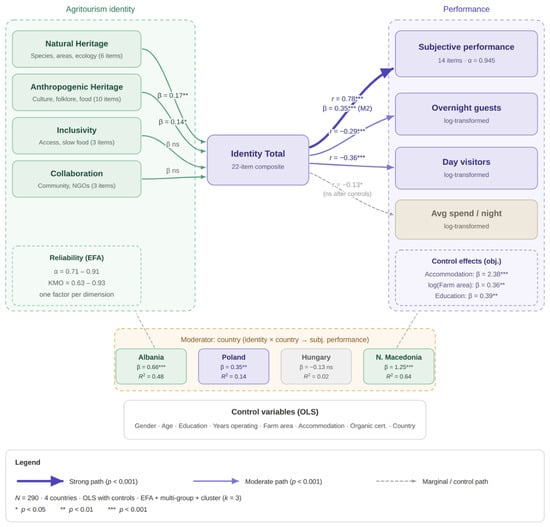
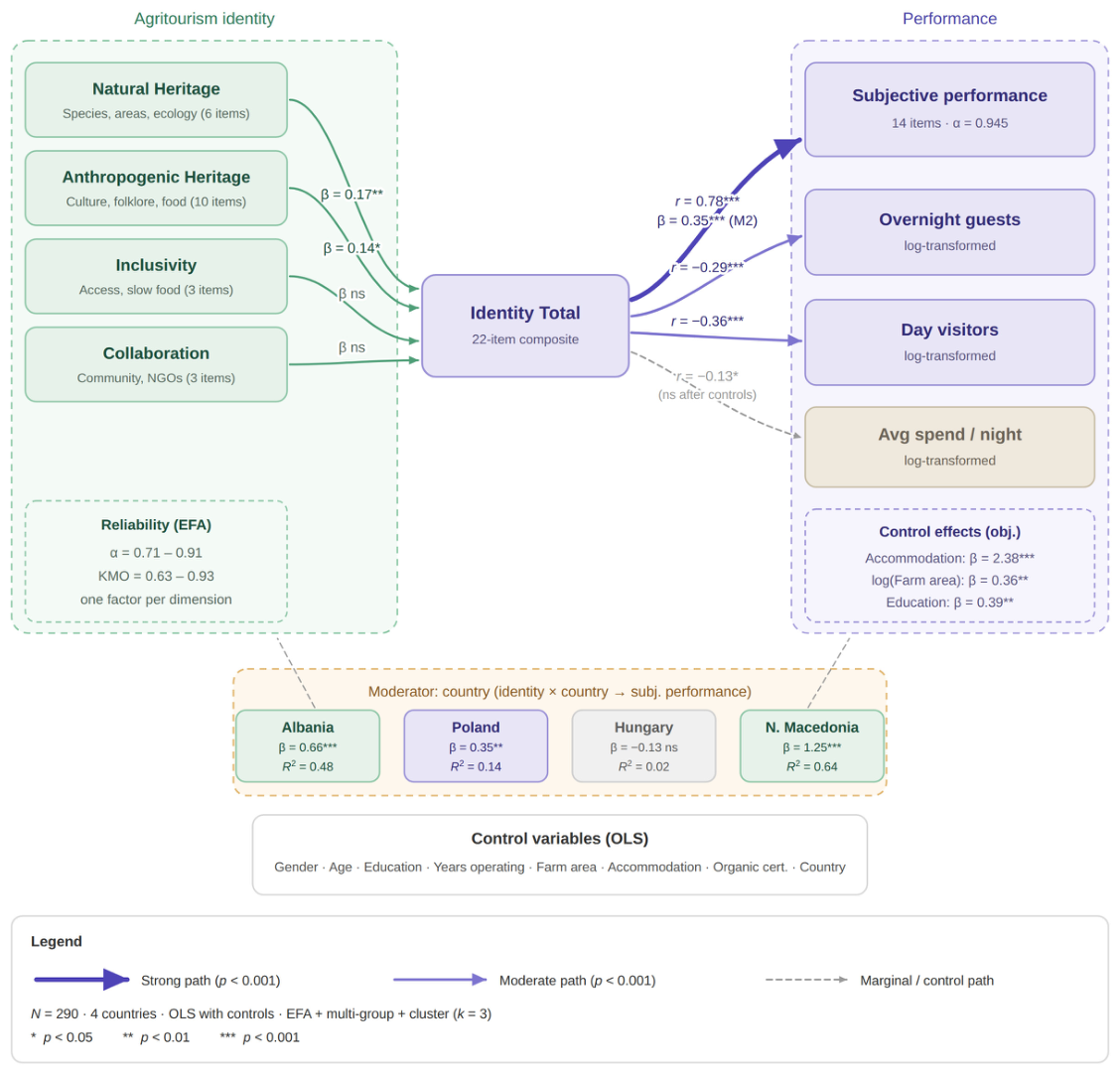

Disclaimer/Publisher’s Note: The statements, opinions and data contained in all publications are solely those of the individual author(s) and contributor(s) and not of MDPI and/or the editor(s). MDPI and/or the editor(s) disclaim responsibility for any injury to people or property resulting from any ideas, methods, instructions or products referred to in the content. |
© 2026 by the authors. Licensee MDPI, Basel, Switzerland. This article is an open access article distributed under the terms and conditions of the Creative Commons Attribution (CC BY) license.