


Abstract
This paper explores the importance of local food in tourism development in the Republic of Srpska by analyzing the perceptions of hospitality employees in relation to the characteristics of the food service establishments in which they work. The aim of this study is to determine how local food influences tourism development and whether such effects are conditioned by specific factors. Although previous studies have extensively examined local food through the lens of consumer behavior, there remains a significant research gap regarding the internal perspective of hospitality employees as co-creators of the gastronomic experience. This study addresses that gap by applying Social Exchange Theory (SET) to explain how employees’ perceptions of economic, social, and environmental benefits shape their willingness to support the integration of local food. By placing employees at the center of the analysis, the paper provides insight into the mechanisms through which authentic ingredients are transformed into symbolic capital and strengthen destination identity. In this context, the analytical Local Food model was adapted and applied to a sample of 480 respondents, evenly distributed across the mesoregions of the Republic of Srpska. Using exploratory factor analysis (EFA), three key dimensions of influence were identified—economic, environmental, and social. In addition, independent-samples t-tests and one-way analysis of variance (ANOVA) confirmed that employees’ perceptions vary significantly depending on the production capacity of the establishments, whereas the type and location of the establishments were not identified as significant determinants of these differences. The findings further indicate that the intensity of these factors varies according to location, production capacity, and ownership type, while other characteristics of the hospitality establishments in which the respondents were employed were not found to be significant. A strong interrelationship among the identified factors was confirmed, with the social factor emerging as the most dominant. Overall, the findings highlight the importance of local food in strengthening the tourism attractiveness and sustainability of the hospitality sector in the Republic of Srpska.
1. Introduction
Authentic gastronomic experiences are becoming an increasingly important component of the tourism offer. Local food is not merely a means of sustenance, but also a carrier of the cultural identity, traditions, and values of a destination. Consumers are increasingly seeking unique, locally grounded experiences that reflect the specific characteristics of a region, making gastronomy an indispensable part of tourism demand (Park et al., 2019; Lin et al., 2022). The Republic of Srpska was selected as the study area due to its emerging gastronomic identity and diverse culinary heritage. Distinctive traditional products, such as Trappist cheese, kajmak from the Janj region, and Herzegovinian honey, serve as key drivers for the development of authentic tourism in this region. Previous studies have shown that the consumption of local food shapes destination perception, enhances visitor satisfaction, and consequently fosters visitor loyalty (Granvik et al., 2017; Vargas et al., 2021). Therefore, integrating local gastronomy into the tourism offer represents an important development opportunity for destinations seeking to position themselves as authentic and sustainable. At the same time, local food contributes to the construction of destination identity by connecting cultural heritage and tourist experience into a recognizable regional image.
In this context, hospitality employees play a central role in the presentation and promotion of local food, as their attitudes, knowledge, and interactions with guests shape tourists’ perceptions of the region’s food offer (Kalenjuk Pivarski et al., 2023a). Their perceptions of the importance of local food within the tourism context may influence the way gastronomic offers are created and how strategies for strengthening the tourism competitiveness of a destination are developed (Šmugović et al., 2024; Muskat et al., 2019). Although local cuisine has been recognized as a key factor in tourism development, the role of hospitality employees as active carriers of this offer has still not been sufficiently explored. In the Republic of Srpska, which possesses abundant natural and cultural resources, traditional cuisine represents significant potential for the development of gastronomic tourism (Cvijanović et al., 2020), thereby creating space for examining employees’ perceptions within this process.
The subject of this research is the perception of hospitality employees regarding the role of local food in tourism development. The primary objective is to assess how these perceptions influence the social, economic, and environmental dimensions of a destination while simultaneously identifying differences among various types of hospitality establishments and providing recommendations for strengthening the tourism offer based on local gastronomy.
Within the framework of SET, hospitality employees may support the integration of local food when they perceive tangible benefits for the local community and the hospitality establishments in which they work. In this sense, employees are not only service providers, but also active stakeholders whose perceptions influence the successful implementation of local food within tourism development strategies.
For the purposes of this research, the following research questions were formulated:
- Q1:
- Which economic, social, and environmental aspects of local food exchange are perceived by hospitality employees as significant for tourism development?
- Q2:
- Which factors of perceived local food benefits can be identified based on the attitudes of hospitality employees?
- Q3:
- Which perceived local food impact factors, as elements of exchange, assume a dominant role depending on the characteristics of hospitality establishments?
- Q4:
- Which perceived exchange factors contribute most significantly to regional tourism development from the perspective of hospitality employees?
Local food constitutes a significant component of the tourism offer, while hospitality employees play a pivotal role in its presentation, thereby shaping visitors’ gastronomic experiences and contributing to the overall attractiveness of a destination (Chung et al., 2022; Pérez et al., 2024). Their perceptions of the importance of local gastronomy are influenced by various factors, particularly the type of hospitality establishment, ownership structure, location, and guest profile (Gabriel et al., 2018; Chalak et al., 2018). While restaurants specializing in traditional cuisine tend to emphasize authenticity and the preservation of local values, establishments offering international menus more frequently balance between global and local gastronomic trends (Frisvoll et al., 2016). These differences in approach may affect the degree to which local food is acknowledged and integrated into the tourism offer, making employees’ perceptions an important indicator in the planning of gastronomic strategies.
2. Literature Review
2.1. Hospitality Employees’ Perceptions of the Importance of Local Food for Tourism Development
Local food is not only a food product, but also a broader component of the social, cultural, and economic identity of a particular community (Enthoven & Van den Broeck, 2021). In the context of globalization, preserving gastronomic traditions has become an important element in differentiating the tourism offer. Hospitality employees, as direct providers of gastronomic experiences, play an important role in promoting local food and positioning it as an added value of a tourist destination (Frisvoll et al., 2016). Research has shown that the consumption of local food contributes to a stronger emotional attachment between tourists and the destination, which may influence their loyalty and likelihood of repeat visits (Björk & Kauppinen-Räisänen, 2016; Cvijanović et al., 2020).
However, the perceptions of hospitality employees are not always uniform, as they depend on the type of hospitality establishment, work experience, education, and awareness of tourism trends. While establishments focused on traditional cuisine place greater emphasis on authenticity and rely more heavily on local food, establishments oriented toward international cuisine more often neglect the integration of local food (Hernández-Rojas & Alcocer, 2021). This highlights the need for continuous education and support for employees to strengthen the role of local food within the tourism offer (Choe & Kim, 2018; Pérez et al., 2024). Particularly significant is the fact that employees, through their engagement with local food, directly shape tourists’ perceptions of the authenticity of the gastronomic experience. When employees recognize the value of local ingredients, they become active intermediaries in the transfer of cultural capital, which directly affects the quality of the tourist experience. In this way, local food contributes not only to the authenticity of the gastronomic experience, but also to the strengthening of destination identity through the preservation and presentation of regional culinary heritage (Zhang et al., 2019). From the perspective of Social Exchange Theory (SET), hospitality employees are more likely to support the integration of local food when they perceive that it generates positive outcomes for the destination and the hospitality establishments. In this context, employees evaluate local food not only through operational and economic benefits, but also through its contribution to authenticity and destination attractiveness. Therefore, employees’ perceptions may significantly influence the successful integration of local food into tourism development strategies (Han et al., 2023). Based on this, the first hypothesis (H1) is proposed as follows:
H1.
Hospitality employees recognize local food as a key element of the authenticity of the tourism offer, which significantly contributes to the development of gastronomic tourism.
2.2. Factors of Local Food Influence Based on the Perceptions of Hospitality Employees
Hospitality employees’ perceptions of the impact of local food on tourism development are shaped by several interrelated factors, among which economic, environmental, and social aspects are most frequently emphasized (Zain et al., 2023 Dixit & Prayag, 2022). According to the assumptions of Social Exchange Theory (SET), individuals are more likely to support initiatives when they perceive that the expected benefits outweigh the potential costs. In the context of local food integration, hospitality employees evaluate economic, social, and environmental outcomes as important indicators of the value that local food generates for tourism development. Therefore, these perceived benefits may directly influence employees’ support for the implementation and promotion of local food within hospitality establishments (Stalmirska, 2021; Elshaer et al., 2023; Stošić et al., 2025).
From an economic perspective, local food is associated with stimulating the local economy, supporting the development of small-scale agricultural holdings, creating new jobs, and increasing the revenues of hospitality establishments (Ossowska et al., 2023; Madaleno et al., 2018; Benedek et al., 2020). Although the use of local food can contribute to greater authenticity and quality of the offer, employees also recognize challenges such as unstable supply, seasonality, and price fluctuations, which affect their perception of the economic viability of this approach (Som et al., 2020; Kalenjuk Pivarski et al., 2023b).
In addition to economic factors, employees increasingly recognize the environmental and social dimensions of local food. Local sourcing is associated with reducing the environmental footprint and promoting sustainable resource management, but also with risks related to the consistency of quality and the availability of ingredients (Lenzen et al., 2018; Striebig et al., 2019; Pérez et al., 2024). The social dimension is reflected in strengthening cultural awareness, preserving gastronomic heritage, and connecting tourists with the local community, while employees play a significant role in interpreting and presenting authentic gastronomic experiences (Björk & Kauppinen-Räisänen, 2016; Cvijanović et al., 2020). In this context, local food contributes to stronger interaction between tourists, hospitality employees, local producers, and the wider community, thereby strengthening social cohesion and destination identity (Kalenjuk Pivarski et al., 2024). However, insufficient education and limited marketing activities may reduce the visibility of these advantages (Chalak et al., 2018; Hernández-Rojas & Alcocer, 2021).
Considering the factors influencing local food integration, the second hypothesis (H2) was formulated and divided into three sub-hypotheses, as follows:
H2a.
Employees’ perceptions indicate a significant economic impact of local food.
H2b.
Local food is perceived as a key factor in social cohesion.
H2c.
Employees recognize the contribution of local food to environmental sustainability.
2.3. Influence of Hospitality Establishment Characteristics on Perceived Local Food Impact Factors
Hospitality employees’ perceptions of the role of local food in the tourism offer largely depend on the characteristics of the hospitality establishments in which they work. Research shows that establishments that cultivate traditional cuisine pay greater attention to authenticity and the origin of ingredients, whereas establishments with an international offer rely more frequently on global gastronomic trends and standards (Chung et al., 2022). Similarly, family-run restaurants and ethnic villages usually focus on promoting regional specialties, while luxury hotels and larger tourism complexes face limitations in the use of local food due to centralized supply systems and strict hygiene protocols (Pérez et al., 2024). Location also plays an important role—establishments in rural and ethno-tourism areas are more likely to use local food as part of an authentic experience, unlike urban restaurants which, despite growing interest in local food, have limited opportunities for selection due to their dependence on large distribution chains (Chalak et al., 2018).
From the perspective of Social Exchange Theory (SET), differences in employees’ perceptions may emerge because hospitality establishments operate under different organizational and operational conditions. Employees working in establishments that rely more heavily on authenticity and direct interaction with local producers may perceive greater benefits from local food integration compared to establishments oriented toward standardized or large-scale food service systems (Meira & Hancer, 2021; Ahmad et al., 2023).
In addition to the type and location of the establishment, employees’ perceptions are also influenced by logistical issues such as the availability, quality, and price of ingredients. From an environmental perspective, local food is associated with reduced transport distances and a lower carbon footprint (Lenzen et al., 2018; Striebig et al., 2019). However, within large supply systems, employees often emphasize challenges related to supply stability and quality standards, which affect their willingness to increase the use of local ingredients (Samaddar & Mondal, 2023). All these factors point to the need for better integration between local producers and hospitality establishments to enable the wider application of local food across different segments of the hospitality industry. Therefore, the third hypothesis (H3) was formulated and divided into two sub-hypotheses:
H3a.
The perception of the role of local food varies significantly depending on the type of hospitality establishment.
H3b.
The production capacity (number of meals served) of the establishment significantly influences the level of local food integration.
2.4. Perceptions of Employees Regarding the Role of Local Food in Regional Tourism Development
Hospitality and tourism employees have direct insight into how local food shapes the tourist experience and influences the overall development of a destination. Research shows that employees’ perceptions of the importance of local food can influence its greater integration into the tourism offer and the creation of a unique gastronomic identity for the region (Everett & Slocum, 2013). The social impact of local food is reflected in the preservation of cultural heritage and the strengthening of local communities, while environmental aspects are becoming increasingly relevant in the context of sustainable tourism and the implementation of the “farm-to-table” concept (Sims, 2009; Paunić et al., 2024). From an economic perspective, local food can contribute to increased profitability, stimulate local production, and strengthen the competitiveness of a destination (Hjalager & Richards, 2013), which is particularly important for regional tourism development. However, the literature indicates that these impacts have still not been sufficiently explored in the context of employees’ attitudes at the regional level.
In line with the assumptions of Social Exchange Theory, employees’ support for local food integration depends on the extent to which they perceive positive outcomes for tourism development and the local community. Accordingly, perceptions of local food reflect broader evaluations of its economic, social, and cultural contributions to destination development (Estrada et al., 2023; Bain, 2024).
Hospitality and tourism employees play a crucial role in shaping and perceiving the local food offer. Their attitudes toward the importance of local food are often associated with their personal motivation to incorporate local products into the tourism offer (Björk & Kauppinen-Räisänen, 2016). If the social dimension is dominant, the focus is on preserving tradition and presenting food as part of an authentic experience. On the other hand, if employees emphasize the economic dimension, their perceptions are associated with increasing revenues and the sale of local products. Furthermore, within the framework of sustainable practices, a growing number of employees recognize the importance of environmental aspects, including waste reduction and the use of organic ingredients (Sánchez-Cañizares & López-Guzmán, 2012). Based on these findings, the fourth hypothesis (H4) was formulated as:
H4.
Certain local food factors make a significant contribution to tourism development in the region.
3. Methodology
3.1. Development of the Research Instrument—Survey
For the purposes of this study, the analytical Local Food instrument was adapted based on previous studies (Okumus et al., 2007; Sims, 2009; Björk & Kauppinen-Räisänen, 2016; Ditlevsen et al., 2020). The adaptation process included a back-translation procedure to ensure linguistic equivalence. Content validity was confirmed through the qualitative evaluation of a five-member expert panel (Lawshe, 1975), thereby adapting the instrument to the socio-economic context of the hospitality sector in the Republic of Srpska.
The Local Food scale was developed in four phases: (1) an extensive literature review to identify key dimensions, (2) item generation adapted to the local context, specifically the hospitality sector of the Republic of Srpska, (3) a pilot study with 25 employees to assess clarity, and (4) final refinement of the 19-item instrument.
The model was adapted to the specific characteristics of the hospitality sector in the Republic of Srpska, which is characterized by the widespread presence of small, family-owned businesses and traditional ethno-villages that prioritize traditional cooking methods and local sourcing. Accordingly, the questionnaire consisted of four thematic sections:
Socio-demographic data—This section included basic information about respondents, such as gender, age, level and field of education, years of work experience in hospitality, and current job position (Kim et al., 2016; Okumus et al., 2018; Bondzi-Simpson & Ayeh, 2019; Tran & Luu, 2020; Tasci et al., 2021). Characteristics of the hospitality establishment—This section examined the characteristics of the establishments where respondents were employed, including the type of establishment and gastronomic offer, ownership structure, meal production capacity, and location (urban/rural) (Scozzafava et al., 2017; Tatàno et al., 2017; Bondzi-Simpson & Ayeh, 2019; Pezenka & Weismayer, 2020; Alemayehu & Tveteraas, 2020; Choi et al., 2021). Factors influencing the offer of dishes prepared from local products—The third section referred to the assessment of the impact of local food in establishments through the Local Food scale. This section included 15 statements to which respondents expressed their views using a Likert scale ranging from 1 (strongly disagree) to 5 (strongly agree) (Björk & Kauppinen-Räisänen, 2016; Ginani et al., 2020; Alsetoohy et al., 2021; Lopes et al., 2022). Impact of local food on tourism development—The final section examined perceptions of the contribution of local food to tourism development. Respondents expressed their views on four statements using the same Likert scale (Björk & Kauppinen-Räisänen, 2016; Rahman et al., 2018; Birch & Memery, 2020; Hernández-Rojas & Alcocer, 2021).
The research model is schematically presented in Figure 1.
Figure 1.
Conceptual research model grounded in Social Exchange Theory (SET).
The conceptual research model (Figure 1) is grounded in the assumptions of Social Exchange Theory (SET). This theory provides an appropriate framework for understanding employees’ attitudes, as it suggests that their support for tourism development is based on the evaluation of perceived benefits and costs associated with this exchange process. Within the model, economic, social, and environmental impacts are positioned as key factors shaping employees’ overall perceptions of the role of local food.
The pilot study was conducted in June 2022 on a sample of 25 respondents employed in different types of hospitality establishments in the city of Banja Luka, including restaurants, ethnic establishments, hotels, and small family-owned hospitality businesses. The sample was selected purposively to include heterogeneous worker profiles—from managers, owners, and head chefs to sous chefs and food and beverage managers—who play a key role in shaping the gastronomic offer.
Following the collection and analysis of responses from the pilot study, it was determined that all questions were clear and logically connected, there was no significant number of unanswered or misinterpreted questions, the time required to complete the survey was acceptable (on average, 15–20 min), and certain formulations were refined in order to ensure greater precision and clarity of the statements.
Based on participants’ suggestions, one statement was refined to improve clarity, while the following two items were removed from the initial version of the scale due to conceptual redundancy and unsatisfactory metric indicators:
- (1)
- “The use of local products reduces costs associated with imported raw materials”.
- (2)
- “Shorter transportation distances for local products reduce overall procurement costs.”
These items were excluded because they demonstrated a high level of intercorrelation, as well as overlap with existing statements covering economic and environmental aspects (e.g., profitability and the environmental impact of transportation). In addition, exploratory factor analysis identified their low discriminative power and weaker factor loadings compared to the retained items, indicating their limited contribution to explaining the latent constructs. Furthermore, one statement related to the social dimension was reformulated to improve clarity and content precision. The original wording, “Local food contributes to the preservation of culture,” was refined into the final version used in the questionnaire: “The use of local products promotes and represents local tradition in tourism.”
3.2. Research Location
The research was conducted across the mesoregions of the Republic of Srpska (Bosnia and Herzegovina). The research was conducted within the territory of the Republic of Srpska, using mesoregions defined by the Spatial Plan of the Republic of Srpska for the period 2015–2025 as the primary geographical units. This territorial approach enabled the formation of a representative sample encompassing the heterogeneity of geographical and culinary characteristics—from the continental north to the sub-Mediterranean south. The selection of these mesoregions was based on their strategic importance, as they represent the main tourism centers with the highest concentration of hospitality capacities and the most developed gastronomic offer. Each region was proportionally represented in the study according to the total number of registered hospitality establishments and employees in the tourism sector, thereby ensuring a high level of methodological reliability and representativeness of the findings for the entire territory of the Republic of Srpska (Figure 2).
Figure 2.
Distribution of Surveyed Hospitality Establishments and Respondents Across the Mesoregions of the Republic of Srpska. Source: Authors’ own elaboration.
3.3. Survey Procedure
The survey was conducted in hospitality establishments throughout the Republic of Srpska, encompassing restaurants, hotels, ethno-villages, and other facilities that play a significant role in the region’s gastronomic offer. The participants were hospitality professionals in managerial positions representing various profiles who were directly involved in the processes of planning, preparing, and serving food. Data collection was carried out between November 2022 and May 2023, following the prior informed consent of respondents and a clear explanation of the research purpose.
The questionnaires were distributed both in person and electronically, depending on the accessibility of the establishments and the availability of respondents. The procedure ensured anonymity to encourage honest and unbiased responses. The average time required to complete the questionnaire was approximately 15–20 min. A total of 480 respondents were surveyed, representing a representative sample for analyzing attitudes and practices regarding the use of local products in the hospitality sector of the Republic of Srpska. The final sample size of 480 respondents was determined based on recommendations for the application of multivariate statistical methods and structural modeling. This sample size provides a respondent-to-variable ratio significantly higher than the recommended minimum of 10:1 (Hair et al., 2014), thereby ensuring high statistical power, stability of factor loadings, and the reliability of the obtained results.
3.4. Data Analysis
Data processing in this study involved the application of descriptive statistics to determine respondents’ general attitudes regarding the impact of local food and the characteristics of hospitality establishments. Arithmetic means (M) and standard deviations (SD) were calculated for all items and subscales to assess the intensity of respondents’ agreement with the proposed statements. The normality of distribution was tested using the Shapiro–Wilk test, accompanied by an analysis of skewness and kurtosis values.
To identify the latent factors shaping perceptions of the impact of local food on tourism, Exploratory Factor Analysis (EFA) was conducted. The adequacy of the sample for EFA was assessed using the Kaiser–Meyer–Olkin (KMO) measure and Bartlett’s test of sphericity. Based on the extracted factors, model fit was evaluated using the following indices: RMSEA, SRMR, TLI, CFI, and BIC, thereby confirming the adequacy of the proposed model.
To examine differences in perceptions according to various characteristics of hospitality establishments, an independent-samples t-test and one-way ANOVA were applied, with statistical significance assessed alongside measures of effect size (Cohen’s d and η2). Finally, Pearson’s correlation analysis was used to explore the relationships between the identified factors, determining the strength and significance of associations between the defined dimensions and the perceived importance of local food for tourism development.
3.5. Sample Description
Socio-Demographic Characteristics of the Respondents
The study included a sample of 480 respondents, whose socio-demographic characteristics are presented in Table 1. Of the total sample, 276 respondents were male (57.62%) and 203 were female (42.17%). Younger respondents constituted the largest proportion of the sample, with those up to 30 years of age accounting for 46.93% of the sample, those aged between 30 and 40 accounting for 30.68%, and those over 40 years of age accounting for 21.92%. The largest proportion of respondents were employed as sous chefs (43.22%), 29.02% were employed as head chefs, 13.15% held the position of director/owner of the establishment, while 12.11% were employed as food and beverage managers. The selection of these job positions was intentional and aligned with the primary objective of the study. Specifically, the sample included respondents who directly participated in decision-making processes related to menu design, procurement, and the selection of food products. These positions have a significant influence on the structure, quality, and content of the gastronomic offer in hospitality establishments.
Table 1.
Socio-demographic characteristics of respondents (n = 480).
On the other hand, hotel service staff (e.g., waiters and other service personnel) were not included in the sample because they do not have a direct role in decisions regarding the type, quantity, and quality of ingredients, nor do they participate in menu design. Although their role is important in the presentation and serving of food, their influence on shaping the local food offer is indirect. Therefore, excluding these categories contributed to a more precise assessment of the attitudes of those actors who actively participated in the creation and implementation of a gastronomic offer based on local food.
3.6. Characteristics of Hospitality Establishments
The results presented in Table 2 indicate considerable diversity in the characteristics of the hospitality establishments in which respondents are employed. À la carte restaurants represent the most prevalent category (44%), followed by establishments that do not fall within standard classifications (24%), which may suggest greater flexibility in menu design and a higher potential for incorporating local ingredients. A combined gastronomic offer of diverse origins dominates (43%), reflecting the need to satisfy heterogeneous guest preferences while simultaneously positioning local food within a broader culinary framework. Most establishments operate under individual ownership (78.9%), allowing greater autonomy in procurement decisions and menu development. The largest proportion of establishments produce between 100 and 300 meals per day (47.4%), a capacity that enables the potential implementation of sustainable practices within the supply chain. Furthermore, most establishments are located in urban areas (81.7%), placing them in direct contact with tourists and exposing them to heightened expectations regarding diversity and authenticity in the gastronomic offer.
Table 2.
Characteristics of hospitality establishments in which respondents are employed (n = 480).
4. Results
4.1. Analysis of the Perceived Impact of Local Food on Tourism Development
The first part of the survey questionnaire examined perceptions of the impact of dishes prepared from local food within the hospitality offer of the region through the application of the Local Food scale. The descriptive analysis of employees’ perceptions (Table 3) indicates a positive perception of this type of offer among employees in the hospitality and tourism sectors.
Table 3.
Perceptions of hospitality employees regarding the impact of dishes prepared from local products.
The highest level of agreement among respondents was recorded for statement S8 (M = 4.15), which refers to the impact of local products on their promotion, indicating that respondents most strongly recognize the marketing and promotional role of local food. High mean values were also recorded for statements S4 (M = 4.05), S6 (M = 4.04), S9 (M = 4.03), and S10 (M = 4.04), suggesting that respondents place significant value on the economic and social effects of local food, such as support for the regional economy, connection with the locality, and the strengthening of social ties. On the other hand, the lowest level of agreement was observed for statement S11 (M = 3.72), which relates to raising environmental awareness, indicating that respondents recognize the environmental aspects of local food implementation to a somewhat lesser extent. Overall, the results suggest that respondents most strongly recognize the promotional and social effects of local food, while environmental effects are somewhat less pronounced in their perceptions.
The second section of the questionnaire examined perceptions of the impact of local food on tourism development. The results presented in Table 4 indicate that hospitality employees recognize the importance of local products in enhancing the tourism offer. The highest mean scores were recorded for the statements that the use of local products promotes and presents local tradition within tourism (M = 4.06; SD = 1.06) and that local products can represent a significant tourist attraction (M = 4.00; SD = 1.05). Furthermore, respondents agreed that offering dishes prepared from local products contributes to a higher rating of the hospitality establishment (M = 3.91; SD = 1.10) and improves the overall quality of the tourism offer (M = 3.91; SD = 1.19), reflecting awareness of the competitive advantages associated with this practice. Although all mean values are relatively high, the standard deviations indicate a certain degree of variability in responses, suggesting differences in experience levels and in the extent to which local products are implemented across hospitality establishments.
Table 4.
The impact of the use of local products on tourism development.
4.2. Analysis of Local Food Impact Factors on Tourism Development
Exploratory factor analysis (EFA) was applied in order to examine the latent structure of respondents’ attitudes regarding the impact of dishes prepared from local products in hospitality establishments. The analysis was conducted on 15 items of the Local Food scale. Prior to conducting factor analysis, the suitability of the data for factorization was assessed. The Kaiser–Meyer–Olkin (KMO) measure of sampling adequacy was 0.96, indicating an exceptionally high level of suitability of the data for factor analysis. Bartlett’s Test of Sphericity was statistically significant (χ2 = 4861.88, df = 105, p < 0.001), confirming that there was sufficient correlation among the variables for the application of factor analysis (Table 5).
Table 5.
KMO and Bartlett’s Test of Sampling Adequacy for Factor Analysis.
In order to determine the optimal number of factors, a parallel analysis was conducted, indicating the retention of three factors. The three-factor solution explained approximately 63% of the total variance, which represents a satisfactory level of explained variance in social science research. Factor extraction was performed using the Maximum Likelihood method, with Oblimin rotation applied due to the expected correlation among the factors. A minimum factor loading of 0.30 was used as the criterion for retaining items. The results of the initial analysis indicated that item S5 did not meet the criteria for a clear factor loading due to significant overlap across factors. For this reason, the item was excluded from further analysis. After removing the problematic item, the final solution consisted of 14 items distributed across three clearly defined factors (Table 6).
Table 6.
Rotated Factor Loadings (EFA).
Based on the results presented in Table 6, a clearly defined three-factor structure can be observed, which is consistent with theoretical expectations. The identified factors include the economic, social, and environmental aspects of the use of local food in hospitality establishments. The first factor includes items related to the economic effects of local food, such as increased demand, the impact on the sales value of dishes, profitability, and contribution to the regional economy. The highest factor loading within this factor was recorded for statement S1 (“The offer of dishes prepared from local products increases demand for dishes,” 0.85), followed by statement S2 (“The offer of dishes prepared from local products significantly affects the sales value of dishes,” 0.73), as well as statement S3 (“The offer of dishes prepared from local products is profitable,” 0.72). These results indicate that respondents strongly recognize the market and financial benefits of using local products. This factor may be interpreted as the economic dimension of local food. The second factor includes items reflecting social effects, including connecting guests with the locality, promoting local products, strengthening social ties, and developing a sense of community belonging. The highest loading within this factor was achieved by statement S9 (“The offer of dishes prepared from local products makes the community proud of its products,” 0.94), followed by statement S10 (“The offer of local products strengthens social ties between suppliers and buyers,” 0.68) and statement S8 (“The offer of dishes prepared from local products affects the promotion of local products,” 0.65). This indicates that respondents most strongly associate the social significance of local food with community identity, promotion, and the connection of local stakeholders. This factor represents the social dimension of local food. The third factor includes items related to environmental aspects, such as reducing the negative impact of transportation, preserving the environment, using indigenous varieties, and reducing packaging waste. The highest factor loading was recorded for statement S15 (“The use of local products reduces the need for excessive use of PVC packaging,” 0.87), followed by statement S13 (“The use of local products contributes to environmental preservation due to the reduced need for preservatives,” 0.79) and statement S14 (“The use of local products encourages the use of indigenous varieties of raw materials,” 0.70). These findings indicate that respondents primarily perceive the environmental benefits of local food through waste reduction, environmental protection, and the preservation of indigenous resources. This factor may be interpreted as the environmental dimension of local food. All three extracted factors demonstrated a high level of internal consistency, with Cronbach’s alpha values of 0.859 for the economic factor, 0.890 for the social factor, and 0.894 for the environmental factor, confirming the good reliability of the extracted dimensions. The obtained results confirm that the perception of the impact of local food can be clearly structured through three interrelated yet conceptually distinct factors, providing the basis for further confirmation of the model through confirmatory factor analysis (CFA).
The extraction of three distinct factors through Exploratory Factor Analysis (EFA) provides empirical support for the application of Social Exchange Theory (SET) within this research context. The identified dimensions—economic significance, social significance, and environmental sustainability—indicate that hospitality employees perceive multiple benefits associated with local food integration, which directly shape their attitudes toward its role in tourism development. The obtained three-factor structure reflects the key dimensions of perceived benefits evaluated within the process of social exchange, thereby confirming SET as a relevant theoretical framework for interpreting employees’ perceptions of local food.
To confirm the factor structure obtained through exploratory factor analysis, confirmatory factor analysis (CFA) was conducted. The model included 14 items distributed across three latent factors: economic, social, and environmental. Model estimation was performed using the Maximum Likelihood method.
The CFA results by items and factors are presented in Table 7.
Table 7.
Confirmatory Factor Analysis (CFA) Results.
Based on the results presented in Table 7, it can be concluded that all standardized factor loadings are high and statistically significant. Within the economic factor, loadings range from 0.748 to 0.818, with the highest loading recorded for the item related to increased demand. For the social factor, loadings range from 0.756 to 0.834, while the strongest loading was observed for the item related to community pride. Within the environmental factor, loadings range from 0.774 to 0.810, with the highest loading recorded for the item related to environmental preservation.
The obtained results confirm that all retained items adequately represent their corresponding latent dimensions, thereby confirming the construct validity of the measurement model. In addition to the analysis of individual factor loadings, the adequacy of the model was also assessed using standard model fit indicators. The results are presented in Table 8.
Table 8.
CFA Model Fit Indices.
The results presented in Table 8 indicate a good fit between the model and the empirical data. The values of the incremental fit indices, namely CFI and TLI, exceed the recommended threshold of 0.90, indicating a high level of model adequacy. At the same time, the values of RMSEA and SRMR fall within acceptable limits, further confirming the adequacy of the model.
In order to further assess the reliability and validity of the constructs, the coefficients of Composite Reliability (CR) and Average Variance Extracted (AVE) were calculated. The results are presented in Table 9.
Table 9.
R and AVE Values.
The values of Cronbach’s alpha for all factors exceed the recommended threshold of 0.70, indicating a high level of internal consistency of the constructs. Likewise, the values of Composite Reliability (CR) are higher than 0.70, while the values of Average Variance Extracted (AVE) are above the recommended threshold of 0.50, thereby confirming the convergent validity of the model. The obtained results indicate that the measurement model possesses a satisfactory level of reliability and validity, which enables its further application in the analysis of relationships among the latent constructs.
4.3. Structural Model (SEM Analysis)
To examine the influence of the economic, social, and environmental aspects of local food on tourism development, a structural equation modeling (SEM) analysis was conducted. In the model, the latent variable tourism was defined through four indicators (t1–t4), while the economic, social, and environmental factors were defined based on the previously confirmed measurement model. Model estimation was performed using the Maximum Likelihood method.
The structure of the estimated structural model with standardized coefficients is presented in Figure 3.
Figure 3.
Structural model of the relationship between the dimensions of local food and tourism development. Source: Authors. Note: Environmental factor = environmental latent factor (Env_lat); Social factor = social latent factor (Soc_lat); Economic factor = economic latent factor (Econ_lat); Impact of local food on tourism development = tourism development latent factor (Tour_lat). Dashed single-headed arrows indicate standardized factor loadings of the observed Local Food items (S1–S15) on their corresponding latent factors. Solid single-headed arrows represent standardized structural regression paths and factor loadings associated with the tourism development construct (T1–T4). The values presented on the arrows indicate standardized coefficients. The full wording of items S1–S15 and T1–T4 is provided in Table 3 and Table 4.
Based on the results presented in Table 10 and Figure 2, it can be concluded that all observed factors exert a positive influence on tourism development, although their relative importance differs considerably, thereby providing empirical support for the application of Social Exchange Theory (SET) within this context. The strongest effect is exerted by the social factor (β = 0.38, p < 0.001), indicating that elements such as connecting guests with the locality, strengthening social ties, and promoting local food are of key importance for the perception of tourism contribution. The dominance of the social dimension within the evaluation process suggests that employees perceive intangible benefits as the primary motivation for supporting gastronomic offerings based on local food, which is fully consistent with the assumptions of SET regarding social value as an important outcome of exchange.
Table 10.
Structural Model Results (SEM).
The significant and positive influence of the economic factor (β = 0.31, p < 0.001) further confirms that respondents evaluate local food through the prism of economic effects, including increased demand and profitability. On the other hand, the environmental factor demonstrates a positive but only marginally statistically significant influence (β = 0.21, p = 0.054), indicating that respondents, at the current stage of destination development, associate environmental sustainability with tourism development to a lesser extent compared to the socio-economic dimensions. This distribution of influences confirms the core assumptions of SET: hospitality employees are more willing to invest their professional engagement in the promotion of local food when they clearly perceive that such exchange generates tangible economic stability for the region and strengthens the social capital of the local community.
4.4. Differences in Perceptions Among Respondent Groups
To examine differences in the perception of the economic, social, and environmental aspects of local food among different groups of respondents, independent-samples t-tests and one-way analysis of variance (ANOVA) were applied. The analysis included differences according to ownership type, location of the hospitality establishment, type of hospitality establishment, type of gastronomic offer, and meal production volume.
4.4.1. Differences According to the Location of the Hospitality Establishment
Table 11 presents the differences in perceptions according to the location of the hospitality establishment.
Table 11.
Differences according to the location of the establishment.
The results of the t-test indicate that there are no statistically significant differences between urban and rural establishments for any of the observed factors. Although slightly higher mean values were recorded for all three dimensions among rural establishments, these differences did not reach the level of statistical significance.
The difference that came closest to statistical significance was observed for the economic factor (t = −1.93; p = 0.055), which may indicate a tendency for respondents from rural areas to recognize the economic effects of local food to a somewhat greater extent.
4.4.2. Differences According to the Type of Hospitality Establishment
Table 12 presents the differences in the perception of economic, social, and environmental factors according to the type of hospitality establishment.
Table 12.
Differences by type of hospitality establishment.
The results of the analysis of variance indicate that the type of hospitality establishment does not have a statistically significant effect on any of the observed dimensions. However, the descriptive results show that establishments classified under the “Other” category have the highest mean values across all three factors, while fast food establishments have the lowest mean values, particularly for the environmental factor. These findings indicate certain tendencies in the differences between types of establishments, although without sufficiently strong statistical confirmation.
4.4.3. Differences According to the Type of Gastronomic Offer
Table 13 presents the differences in perceptions according to the type of gastronomic offer.
Table 13.
Differences by type of gastronomic offer.
The analysis of variance showed that the type of gastronomic offer does not have a statistically significant effect on any of the observed factors. Although the “Mixed” category had the highest mean values across all three dimensions and the “International” category the lowest, these differences were not statistically significant. This indicates that the type of gastronomic offer alone does not represent an important differentiating factor in the perception of the economic, social, and environmental effects of local food.
4.4.4. Differences According to Meal Production Volume
Table 14 presents the differences in perceptions according to meal production volume.
Table 14.
Differences by meal production volume.
The results of the analysis of variance indicate that there are statistically significant differences according to meal production volume for the economic and social factors, while no statistically significant differences were observed for the environmental factor. The highest mean values for the economic and social factors were recorded among establishments with lower production volumes, whereas the lowest values were observed among establishments producing 300–1000 meals per day and more than 1000 meals per day. In order to determine more precisely between which groups the differences existed for the economic factor, the Tukey post hoc test was conducted. The results of the Tukey post hoc test show that establishments producing 300–1000 meals per day have statistically significantly lower values for the economic factor compared to establishments producing up to 100 meals per day, as well as compared to establishments producing 100–300 meals per day (p = 0.016; p = 0.024). This finding indicates that employees in medium-scale establishments recognize the economic benefits of applying local food to a lesser extent than employees in smaller establishments. For the social factor, although the overall ANOVA was statistically significant, individual differences between groups did not remain statistically significant after post hoc testing.
4.5. Hypothesis Testing
Based on the statistical analyses conducted, the final evaluation of the proposed research hypotheses was performed in this section of the paper. An overview of the hypothesis testing results is presented in Table 15.
Table 15.
Hypothesis Testing.
The analysis of the results confirms that the Local Food research model is highly reliable and statistically valid. Hypotheses H2a, H2b, and H2c were accepted based on high factor loadings (λ > 0.70), indicating that the economic, social, and environmental constructs are clearly defined in the perceptions of employees.
Particularly significant is the rejection of hypotheses H3a and H4, which implies that the type of hospitality establishment (e.g., à la carte versus mass catering establishments), as well as the location of the establishment itself (urban versus rural), do not create statistically significant differences in employees’ attitudes. This indicates a universal recognition of the value of local food across the entire hospitality sector in the Republic of Srpska, regardless of where the establishment is located or what type of service it provides. On the other hand, the full confirmation of hypothesis H3b clearly indicates that production capacity (meal production volume) is the key variable differentiating the intensity of perceptions of the economic and social benefits of integrating local food.
5. Discussion
The first research question (Q1) was formulated as follows: Which economic, social, and environmental aspects of local food exchange are perceived by hospitality employees as significant for tourism development? The findings indicate that hospitality employees perceive the local gastronomic offer as a significant factor in tourism development, particularly emphasizing the promotion of local tradition, economic benefits, and the potential of local products as tourist attractions. These results are consistent with previous studies suggesting that gastronomic offerings can enhance destination recognition and enrich the overall tourist experience (Henderson, 2009; Sims, 2010). Given that hospitality employees have direct insight into guests’ preferences, their perception of the importance of local food reinforces claims that authentic gastronomy contributes to attracting tourists and strengthening the competitiveness of hospitality establishments. Additionally, the study demonstrates that hospitality professionals view local food as a tool for business improvement, highlighting its marketing potential and its contribution to positioning hospitality establishments within the tourism market. This aligns with theoretical perspectives suggesting that the use of local products can enhance the image and reputation of restaurants and hotels (Okumus et al., 2007). The findings may also be interpreted through the assumptions of Social Exchange Theory, according to which employees are more likely to support local food integration when they perceive clear benefits for the destination, local community, and hospitality establishments. In this context, hospitality employees primarily recognized the social and economic value of local food, indicating that their support is shaped by the perceived contribution of local food to tourism development and destination attractiveness. The high perception of social impact further suggests that employees consider local food to be a mediator of social cohesion and the preservation of cultural integrity, as well as an important element of destination identity and authenticity. Moreover, employees recognize the environmental benefits of using local food, particularly in terms of waste reduction and the preservation of indigenous varieties, supporting prior research on the role of local food in sustainable tourism (Björk & Kauppinen-Räisänen, 2016). Based on the obtained results, it can be concluded that the first hypothesis (H1), which states that “Hospitality employees recognize local food as an important factor in tourism development,” is confirmed.
The second research question was formulated as follows (Q2): Which factors of perceived local food benefits can be identified based on the attitudes of hospitality employees? The analysis of hospitality employees’ attitudes enabled the identification of three key factors influencing the impact of local food on tourism: social, environmental, and economic factors. In this way, the second hypothesis of the study (H2), which states that “Employees’ perceptions indicate the existence of several different factors through which local food influences tourism”, was confirmed. The research results confirm that hospitality employees in the Republic of Srpska recognize local food as a multidimensional resource, which is fully consistent with the confirmed sub-hypotheses H2a, H2b, and H2c. The three identified factors (economic, social, and environmental) directly correspond to the theoretical framework proposed by Hall and Gössling (2013), emphasizing that the gastronomic offer is not merely a service activity, but also a fundamental pillar of destination sustainability.
The identified three-factor structure additionally provides empirical support for the application of Social Exchange Theory within the context of local food and tourism development. The findings suggest that hospitality employees evaluate local food through perceived economic, social, and environmental benefits, which directly shape their attitudes toward the integration of local food into the tourism offer. In line with the assumptions of SET, employees demonstrate stronger support for local food when they perceive that its implementation generates positive outcomes for the destination, local community, and hospitality establishments. Similar findings were reported in a study conducted in Serbia, where hospitality employees identified support for the local economy and environmental sustainability as some of the most important motivations for including local food in the gastronomic offer, alongside taste and quality (Stošić et al., 2025).
The Social Impact dimension is reflected in strengthening relationships among producers, hospitality operators, and tourists, preserving cultural identity, and promoting the destination through an authentic gastronomic offer. These findings are consistent with prior research by Sims (2010) and Björk and Kauppinen-Räisänen (2016), which emphasize the role of local food in fostering community engagement and destination differentiation. The Environmental Impact dimension includes reduced transportation and packaging needs, preservation of indigenous varieties, and the development of environmental awareness. This aligns with Hall and Gössling (2013), who highlight the importance of gastronomic offerings within the broader framework of sustainable tourism. The Economic Impact dimension is manifested in increased attractiveness of hospitality establishments, enhanced reputation, and contribution to tourism expenditure growth. These results corroborate findings by Okumus et al. (2007) and Henderson (2009), who emphasize the strong marketing potential of local food within tourism markets.
Overall, the results indicate that hospitality employees recognize multiple benefits associated with the use of local food. Although all three dimensions were identified as significant, the dominance of the social dimension suggests that employees primarily associate local food with social value, authenticity, and community connectedness rather than exclusively with economic outcomes. This provides a foundation for developing strategies aimed at strengthening the tourism offer through intensified use of local products. Importantly, the findings reveal that the Social Impact factor is the most dominant, implying that in the Republic of Srpska, local food functions not merely as an economic resource, but as a primary tool for destination branding through authenticity.
The third research question was formulated as follows (Q3): “Which perceived local food impact factors, as elements of exchange, assume a dominant role depending on the characteristics of hospitality establishments?” The results of the study show that the dominance of factors varies primarily according to production capacity (number of meals served), while the type of establishment and its location did not demonstrate statistically significant differentiation.
It is particularly important to emphasize the findings related to hypotheses H3a and H4, which were rejected in this study. Although it was assumed that the type of hospitality establishment (e.g., à la carte restaurants versus mass catering establishments), as well as the location of the establishment itself (urban versus rural settings), would condition different perceptions, the results show that no statistically significant differences exist (t = 1.12; p > 0.05 for location). From a scientific perspective, this finding is highly valuable because it indicates the existence of a consensus within the hospitality sector of the Republic of Srpska. Regardless of whether the establishment is in an urban or rural area, employees equally highly value the importance of local food, suggesting that awareness of the advantages of domestic products is homogeneously developed throughout the profession. This finding may additionally be interpreted through the assumptions of Social Exchange Theory, suggesting that employees across different hospitality contexts similarly recognize the perceived social and economic benefits generated through local food integration.
Although certain international studies, such as those conducted by Quan and Wang (2004), suggest the existence of structural differences in the experience of hospitality services, whereby smaller establishments more successfully transform local food into the symbolic capital of a destination, the results of this study point to the specific characteristics of the domestic market. The social and identity value of local food in the Republic of Srpska is equally recognized in both settings, which partially differs from the arguments of Hall and Gössling (2013), who primarily associate sustainable gastronomic tourism and the preservation of indigenous varieties with smaller rural communities. In this context, the environmental and social factors have a universal significance that transcends geographical divisions.
On the other hand, hypothesis H3b was fully confirmed. Establishments with greater production capacity, particularly those preparing more than 1000 meals per day, demonstrate a stronger economic impact. This confirms Henderson’s (2009) argument that larger hospitality systems integrate local products into their offer more efficiently to optimize costs and increase profitability. Therefore, the third hypothesis (H3) was partially confirmed, considering that production capacity varies significantly, whereas the type and location of the establishment are not factors that significantly alter employees’ perceptions.
The final research question (Q4) was formulated as follows: Which perceived exchange factors contribute most significantly to regional tourism development from the perspective of hospitality employees? The findings indicate that all identified factors—Social Impact, Environmental Impact, and Economic Impact—play a significant role in regional tourism development, with the Economic Impact demonstrating the most direct association with the tourism sector. These results are consistent with studies by Okumus et al. (2007) and Henderson (2009), which emphasize that the use of local products in hospitality enhances destination attractiveness, strengthens restaurant competitiveness, and contributes to increased tourism expenditure. Moreover, the correlation analysis confirms that both Social and Environmental Impact significantly support tourism development. The social dimension is particularly reflected in the promotion of local culture and the strengthening of relationships among producers, hospitality operators, and tourists, in line with findings by Sims (2010) and Björk and Kauppinen-Räisänen (2016). Additionally, the strong influence of the social factor suggests that local food contributes to the strengthening of destination identity by connecting authenticity, cultural heritage, and tourism experience into a recognizable regional tourism product. The environmental dimension contributes to sustainable tourism development through a reduced ecological footprint and the preservation of natural resources, corresponding with Hall and Gössling (2013), who highlight that environmentally responsible gastronomic offerings enhance destination appeal among contemporary tourists who favor sustainable tourism practices. Although all three factors are significant, the economic effects of local food exert the most immediate and direct influence on the tourism sector, while the social and environmental dimensions reinforce the long-term sustainability and attractiveness of the region as a tourist destination. Therefore, the final hypothesis (H4) of this study, which states that “Certain local food factors make a significant contribution to tourism development in the region”, was confirmed.
Theoretical and Practical Implications of the Study
Theoretical Implications: This study contributes to the existing literature by extending the application of Social Exchange Theory and Stakeholder Theory within the context of local food and tourism development from the perspective of hospitality employees. Unlike previous studies that predominantly focused on tourists and consumers, this research emphasizes hospitality employees as internal stakeholders whose perceptions significantly shape the integration of local food into tourism offerings and contribute to the construction of destination identity.
A particularly important theoretical contribution lies in the finding that employees demonstrate relatively homogeneous attitudes toward the importance of local food, regardless of the type or location of hospitality establishments. This suggests the existence of a broadly shared perception of the social, economic, and cultural value of local food within the hospitality sector of the Republic of Srpska. Furthermore, the study introduces the Local Food scale as a reliable analytical framework for measuring employees’ perceptions of local food integration within the specific context of Balkan transitional tourism economies.
Practical Implications: Managers in large hospitality systems (those preparing more than 1000 meals per day) should take advantage of the identified economic efficiency to achieve deeper integration of local ingredients. Since a consensus regarding the importance of local food was identified, it is recommended to strengthen the environmental and social components through direct marketing campaigns. As location and type of establishment were not found to be limiting factors, destination-level decision-makers should encourage networking among all categories of establishments and local producers, thereby transforming local food from an economic resource into a strategic branding tool for the Republic of Srpska.
6. Conclusions
Based on the results obtained through the application of the Local Food model and statistical data analysis, the main hypothesis of the study is confirmed. The study identified three key factors shaping perceptions of the importance of local food in tourism: economic, environmental, and social. It was established that the intensity of the perception of these factors primarily varies according to the production capacity of hospitality establishments, while the type of establishment and location (urban/rural) did not demonstrate a statistically significant effect.
Hospitality employees largely recognize local food as a tool for promoting cultural heritage, strengthening destination identity, and enhancing tourism competitiveness. At the same time, the findings indicate that the economic dimension plays a dominant role in larger and urban hospitality systems, whereas environmental and social aspects are more pronounced in rural contexts. However, the results additionally revealed that the social dimension represents the most dominant factor overall, indicating that employees primarily associate local food with authenticity and the preservation of regional cultural values. These results confirm that perceptions of the importance of local food are not uniform but are conditioned by specific establishment characteristics, thereby emphasizing the need for a contextualized approach in designing gastronomic and tourism development strategies.
This research contributes to a deeper understanding of the role of local gastronomy in tourism development in the Republic of Srpska. It highlights the importance of continuous employee education, stronger support for local producers, and systematic planning of offers based on authentic resources. Given the increasing demand among tourists for sustainable and culturally enriched experiences, the findings of this study may serve as a reliable foundation for the development of policies that promote local food as a strategic instrument for enhancing tourism attractiveness and ensuring the long-term sustainability of the hospitality sector in the Republic of Srpska.
From the perspective of Social Exchange Theory, the findings indicate that hospitality employees are more willing to support the integration of local food when they perceive clear social, economic, and environmental benefits for the destination and local community. The dominant role of the social dimension further suggests that local food is perceived not only as an economic resource, but also as an important element of destination identity, authenticity, and long-term regional tourism development. By positioning hospitality employees as internal stakeholders and co-creators of gastronomic experiences, this study contributes to a broader understanding of how local food strengthens the sustainability and recognizability of tourism destinations.
6.1. Limitations and Future Research
Despite its scientific contribution, this study has certain limitations. Its primary focus was exclusively on the perceptions of hospitality employees, thereby neglecting the views of other key stakeholders within the tourism value chain. In addition, the study was predominantly quantitative in nature, which provides statistical insight into the homogeneity of attitudes but leaves room for a deeper examination of the specific barriers faced by larger hospitality systems when integrating local ingredients.
Future research should apply a triadic approach, which would allow for the simultaneous examination and comparison of the perceptions of hospitality providers, tourists, and local food producers. Such a methodological framework would provide comprehensive insight into the dynamics of supply and demand, as well as the challenges faced by primary producers when integrating into the tourism market. It would be particularly useful to explore why the location of the establishment does not represent a differentiating factor in the Republic of Srpska, which deviates from certain global trends. Given the specific characteristics of the hospitality sector in the Republic of Srpska, future studies could also focus on comparative analyses of other regions in Bosnia and Herzegovina and the wider Western Balkans region. Including the perspective of tourists would enable the examination of their expectations and motivations, while the attitudes of producers would shed light on logistical and structural barriers in the distribution of local products. In this way, it would be possible to identify the degree of (mis)alignment among the three key stakeholder groups.
Furthermore, qualitative research, such as semi-structured interviews with all of the actors, would enable a deeper understanding of the motivations for the use of local products. Finally, it would be desirable to conduct longitudinal studies that would provide insight into the long-term sustainability and actual economic impact of such integrated models on destination development.
6.2. Practical Recommendations for Hospitality Operators and the Tourism Sector
Based on the obtained findings, it is evident that local food possesses multidimensional value within the tourism context. Therefore, hospitality establishments are encouraged to develop offerings that rely on locally sourced products, not only as a response to contemporary tourism trends, but also as a strategic approach to achieving market differentiation. A key component of this process is the education and training of employees regarding the benefits of using local products.
Emphasis should be placed on fostering collaboration with local agricultural producers, thereby establishing reliable supply chains while simultaneously supporting the local economy. Structured partnerships between hospitality establishments and local suppliers can contribute to product consistency, transparency, and long-term sustainability. At the destination level, stakeholders may consider developing dedicated gastronomic initiatives, such as tasting events, food festivals, farm-to-table experiences, and gastronomic tours, to highlight the uniqueness of local cuisine and attract new visitor segments.
Finally, the integration of seasonal ingredients and waste minimization are not only environmental imperatives, but also opportunities for larger systems to further improve the sustainability of their operations through cost optimization in contemporary tourism.
Author Contributions
Conceptualization, P.T. and B.K.P.; methodology, D.N.; software, P.T.; validation, V.I. and S.Š.; formal analysis, B.K.P.; investigation, S.Š.; resources, V.I.; data curation, T.S. and S.V.; writing—original draft preparation, P.T. and S.V.; writing—review and editing, B.K.P. and T.S.; visualization, B.K.P.; supervision, S.Š.; project administration, V.I. and T.S.; funding acquisition, V.I. All authors have read and agreed to the published version of the manuscript.
Funding
This research was funded by the financial support of the Ministry of Science, Technological Development and Innovation of the Republic of Serbia (Grants No. 451-03-33/2026-03/200125 and 451-03-34/2026-03/200125).
Institutional Review Board Statement
Ethical review and approval were waived for this study due to the Code of Academic Integrity of the Faculty of Sciences, (https://www.pmf.uns.ac.rs/wp-content/uploads/2020/02/Kodeks-o-akademskom-integritetu.pdf) University of Novi Sad (No. 0601-351/5, adopted on 12 December 2019).
Informed Consent Statement
Informed consent was obtained from all subjects involved in the study.
Data Availability Statement
The raw data supporting the conclusions of this article will be made available by the authors on request.
Conflicts of Interest
The authors declare no conflicts of interest.
References
- Ahmad, R., Nawaz, M., Ishaq, M., Khan, M., & Ashraf, H. (2023). Social exchange theory: Systematic review and future directions. Frontiers in Psychology, 13, 1015921. [Google Scholar] [CrossRef] [Scilit] [PubMed]
- Alemayehu, F., & Tveteraas, S. (2020). Long-run labour flexibility in hospitality: A dynamic common correlated effects approach. Tourism Economics, 26, 704–718. [Google Scholar] [CrossRef] [Scilit]
- Alsetoohy, O., Ayoun, B., & Abou-Kamar, M. (2021). COVID-19 pandemic is a wake-up call for sustainable local food supply chains: Evidence from green restaurants in the USA. Sustainability, 13(16), 9234. [Google Scholar] [CrossRef] [Scilit]
- Bain, A. (2024). Effect of culinary tourism on local economic development in South Africa. Journal of Hospitality and Tourism, 4(2), 34–44. [Google Scholar] [CrossRef] [Scilit]
- Benedek, Z., Fertő, I., & Szente, V. (2020). The multiplier effects of food relocalization: A systematic review. Sustainability, 12(9), 3524. [Google Scholar] [CrossRef] [Scilit]
- Birch, D., & Memery, J. (2020). Tourists, local food and the intention–behaviour gap. Journal of Hospitality and Tourism Management, 43, 53–61. [Google Scholar] [CrossRef] [Scilit]
- Björk, P., & Kauppinen-Räisänen, H. (2016). Local food: A source for destination attraction. International Journal of Contemporary Hospitality Management, 28, 177–194. [Google Scholar] [CrossRef] [Scilit]
- Bondzi-Simpson, A., & Ayeh, J. K. (2019). Assessing hotel readiness to offer local cuisines: A clustering approach. International Journal of Contemporary Hospitality Management, 31(2), 998–1020. [Google Scholar] [CrossRef] [Scilit]
- Chalak, A., Abou-Daher, C., & Abiad, M. G. (2018). Generation of food waste in the hospitality and food retail and wholesale sectors: Lessons from developed economies. Food Security, 10, 1279–1290. [Google Scholar] [CrossRef] [Scilit]
- Choe, J., & Kim, S. (2018). Effects of tourists’ local food consumption value on attitude, food destination image, and behavioral intention. International Journal of Hospitality Management, 71, 1–10. [Google Scholar] [CrossRef] [Scilit]
- Choi, J., Park, J., Jeon, H., & Asperin, A. (2021). Exploring local food consumption in restaurants through the lens of locavorism. Journal of Hospitality Marketing & Management, 30, 982–1004. [Google Scholar] [CrossRef] [Scilit]
- Chung, J.-C., Huang, Y.-F., Weng, M.-W., & Lin, J.-C. (2022). The sustainable innovation design in catering service. Sustainability, 14(1), 278. [Google Scholar] [CrossRef] [Scilit]
- Cvijanović, D., Ignjatijević, S., Vapa Tankosić, J., & Cvijanović, V. (2020). Do local food products contribute to sustainable economic development? Sustainability, 12(7), 2847. [Google Scholar] [CrossRef] [Scilit]
- Ditlevsen, K., Denver, S., Christensen, T., & Lassen, J. (2020). A taste for locally produced food—Values, opinions and sociodemographic differences among ‘organic’ and ‘conventional’ consumers. Appetite, 147, 104544. [Google Scholar] [CrossRef] [Scilit] [PubMed]
- Dixit, S., & Prayag, G. (2022). Gastronomic tourism experiences and experiential marketing. Tourism Recreation Research, 47, 217–220. [Google Scholar] [CrossRef] [Scilit]
- Elshaer, I. A., Azazz, A. M. S., Hassan, S. S., & Fayyad, S. (2023). Farm-to-Fork and sustainable agriculture practices: Perceived economic benefit as a moderator and environmental sustainability as a mediator. Sustainability, 15(14), 11462. [Google Scholar] [CrossRef] [Scilit]
- Enthoven, L., & Van den Broeck, G. (2021). Local food systems: Reviewing two decades of research. Agricultural Systems, 193, 103226. [Google Scholar] [CrossRef] [Scilit]
- Estrada, M., Moliner, M., Monferrer, D., & Vidal, L. (2023). Sustainability and local food at tourist destinations: A study from the transformative perspective. Journal of Sustainable Tourism, 32, 1008–1026. [Google Scholar] [CrossRef] [Scilit]
- Everett, S., & Slocum, S. L. (2013). Food and tourism: An effective partnership? A UK-based review. Journal of Sustainable Tourism, 21(6), 789–809. [Google Scholar] [CrossRef] [Scilit]
- Frisvoll, S., Forbord, M., & Blekesaune, A. (2016). An empirical investigation of tourists’ consumption of local food in rural tourism. Scandinavian Journal of Hospitality and Tourism, 16, 76–93. [Google Scholar] [CrossRef] [Scilit]
- Gabriel, N., Mihnea, D., & Liliana, N. (2018). Gastronomic tourism—Stages and evolution. Proceedings of the International Conference on Business Excellence, 12, 711–717. [Google Scholar] [CrossRef] [Scilit]
- Ginani, V., Araújo, W., Zandonadi, R., & Botelho, R. (2020). Identifier of regional food presence (IRFP): A new perspective to evaluate sustainable menus. Sustainability, 12, 3992. [Google Scholar] [CrossRef] [Scilit]
- Granvik, M., Joosse, S., Hunt, A., & Hallberg, I. (2017). Confusion and misunderstanding—Interpretations and definitions of local food. Sustainability, 9, 1981. [Google Scholar] [CrossRef] [Scilit]
- Hair, J. F., Black, W. C., Babin, B. J., & Anderson, R. E. (2014). Multivariate data analysis (7th ed.). Pearson. [Google Scholar]
- Hall, C. M., & Gössling, S. (Eds.). (2013). Sustainable culinary systems: Local foods, innovation, tourism and hospitality. Routledge. [Google Scholar]
- Han, S., Ramkissoon, H., You, E., & Kim, M. (2023). Support of residents for sustainable tourism development in nature-based destinations: Applying theories of social exchange and bottom-up spillover. Journal of Outdoor Recreation and Tourism, 43, 100643. [Google Scholar] [CrossRef] [Scilit]
- Henderson, J. C. (2009). Food tourism reviewed. British Food Journal, 111(4), 317–326. [Google Scholar] [CrossRef] [Scilit]
- Hernández-Rojas, R., & Alcocer, N. (2021). The role of traditional restaurants in tourist destination loyalty. PLoS ONE, 16, e0253088. [Google Scholar] [CrossRef] [Scilit] [PubMed]
- Hjalager, A. M., & Richards, G. (Eds.). (2002). Tourism and gastronomy (Vol. 11). Routledge. [Google Scholar]
- Kalenjuk Pivarski, B., Grubor, B., Banjac, M., Đerčan, B., Tešanović, D., Šmugović, S., Radivojević, G., Ivanović, V., Vujasinović, V., & Stošić, T. (2023a). The sustainability of gastronomic heritage and its significance for regional tourism development. Heritage, 6(4), 3402–3417. [Google Scholar] [CrossRef] [Scilit]
- Kalenjuk Pivarski, B., Tekić, D., Šmugović, S., Banjac, M., Novaković, A., Mutavdžić, B., Ivanović, V., Tešanović, D., Đerčan, B., Ikonić, P., Petrović, M., Udovičić, D. I., Popović, A. V., & Marić, A. (2023b). Factors affecting the consumption of traditional food in tourism—Perceptions of the management sector of catering facilities. Foods, 12(12), 2338. [Google Scholar] [CrossRef] [Scilit]
- Kalenjuk Pivarski, B., Tešanović, D., Šmugović, S., Ivanović, V., Paunić, M., Vuković Vojnović, D., Vujasinović, V., & Gagić Jaraković, S. (2024). Gastronomy as a predictor of tourism development—Defining food-related factors from the perspective of hospitality and tourism employees in srem (A.P. Vojvodina, R. Serbia). Sustainability, 16(24), 10834. [Google Scholar] [CrossRef] [Scilit]
- Kim, S., Kim, M., Han, H., & Holland, S. (2016). The determinants of hospitality employees’ pro-environmental behaviors: The moderating role of generational differences. International Journal of Hospitality Management, 52, 56–67. [Google Scholar] [CrossRef] [Scilit]
- Lawshe, C. H. (1975). A quantitative approach to content validity. Personnel psychology, 28(4), 563–575. [Google Scholar] [CrossRef] [Scilit]
- Lenzen, M., Sun, Y., Faturay, F., Ting, Y., Geschke, A., & Malik, A. (2018). The carbon footprint of global tourism. Nature Climate Change, 8, 522–528. [Google Scholar] [CrossRef] [Scilit]
- Lin, B., Wang, S., Fu, X., & Yi, X. (2022). Beyond local food consumption. International Journal of Contemporary Hospitality Management, 35(1), 137–158. [Google Scholar] [CrossRef] [Scilit]
- Lopes, C., Leitão, J., & Rengifo-Gallego, J. (2022). Place-branded foods with responsible and sustainable management: A la carte serving in regional restaurants. Sustainability, 14(11), 6615. [Google Scholar] [CrossRef] [Scilit]
- Madaleno, A., Eusébio, C., & Varum, C. (2018). Purchase of local food products during trips by international visitors. International Journal of Tourism Research, 20, 115–125. [Google Scholar] [CrossRef] [Scilit]
- Meira, J., & Hancer, M. (2021). Using the social exchange theory to explore the employee-organization relationship in the hospitality industry. International Journal of Contemporary Hospitality Management, 33, 670–692. [Google Scholar] [CrossRef] [Scilit]
- Muskat, B., Hörtnagl, T., Prayag, G., & Wagner, S. (2019). Perceived quality, authenticity, and price in tourists’ dining experiences. Journal of Vacation Marketing, 25, 480–498. [Google Scholar] [CrossRef] [Scilit]
- Okumus, B., Köseoglu, M., & Ma, F. (2018). Food and gastronomy research in tourism and hospitality: A bibliometric analysis. International Journal of Hospitality Management, 73, 64–74. [Google Scholar] [CrossRef] [Scilit]
- Okumus, B., Okumus, F., & McKercher, B. (2007). Incorporating local and international cuisines in the marketing of tourism destinations: The cases of Hong Kong and Turkey. Tourism Management, 28(1), 253–261. [Google Scholar] [CrossRef] [Scilit]
- Ossowska, L., Janiszewska, D., Kwiatkowski, G., & Kloskowski, D. (2023). The impact of local food festivals on rural areas’ development. Sustainability, 15(2), 1447. [Google Scholar] [CrossRef] [Scilit]
- Park, E., Choi, B., & Lee, T. (2019). The role and dimensions of authenticity in heritage tourism. Tourism Management, 74, 99–109. [Google Scholar] [CrossRef] [Scilit]
- Paunić, M., Kalenjuk Pivarski, B., Tešanović, D., Novaković, D., Šmugović, S., Šarenac, N., Ivanović, V., Mlinarević, P., & Marjanović, J. (2024). Gastronomic identity factors in the function of sustainable gastronomy: A case study of tourist destinations in the Republic of Serbia and Bosnia and Herzegovina. Sustainability, 16(19), 8493. [Google Scholar] [CrossRef] [Scilit]
- Pezenka, I., & Weismayer, C. (2020). Which factors influence locals’ and visitors’ overall restaurant evaluations? International Journal of Contemporary Hospitality Management, 32, 2793–2812. [Google Scholar] [CrossRef] [Scilit]
- Pérez, J., Figueroa, J., Trujillo, A., Ibarias, M., & Aguilar, I. (2024). Sustainable management of gastronomic tourism. Journal of Infrastructure, Policy and Development, 8(9), 7508. [Google Scholar] [CrossRef] [Scilit]
- Quan, S., & Wang, N. (2004). Towards a structural model of the tourist experience: An illustration from food experiences in tourism. Tourism Management, 25(3), 297–305. [Google Scholar] [CrossRef] [Scilit]
- Rahman, M., Zaman, M., Hassan, H., & Wei, C. (2018). Tourist’s preferences in selection of local food: Perception and behavior embedded model. Tourism Review, 73, 111–132. [Google Scholar] [CrossRef] [Scilit]
- Samaddar, K., & Mondal, S. (2023). Reinforcing sustainable consumption through gastronomic tourism. International Journal of Tourism Cities, 10(1), 185–212. [Google Scholar] [CrossRef] [Scilit]
- Sánchez-Cañizares, S. M., & López-Guzmán, T. (2012). Gastronomy as a tourism resource: Profile of the culinary tourist. Current issues in tourism, 15(3), 229–245. [Google Scholar] [CrossRef] [Scilit]
- Scozzafava, G., Contini, C., Romano, C., & Casini, L. (2017). Eating out: Which restaurant to choose? British Food Journal, 119, 1870–1883. [Google Scholar] [CrossRef] [Scilit]
- Sims, R. (2009). Food, place and authenticity: Local food and the sustainable tourism experience. Journal of Sustainable Tourism, 17, 321–336. [Google Scholar] [CrossRef] [Scilit]
- Sims, R. (2010). Putting place on the menu: The negotiation of locality in UK food tourism, from production to consumption. Journal of Rural Studies, 26(2), 105–115. [Google Scholar] [CrossRef] [Scilit]
- Som, H., Nordin, N., & Ghazali, A. (2020). Local heritage food as a significant factor in Malaysia gastronomy tourism. Journal of Tourism, Hospitality & Culinary Arts, 12, 377–395. [Google Scholar]
- Stalmirska, A. (2021). Local food in tourism destination development. Tourism Planning & Development, 21, 160–177. [Google Scholar] [CrossRef] [Scilit]
- Stošić, T., Tešanović, D., Kalenjuk Pivarski, B., Paunić, M., Gagić Jaraković, S., Lazarević, J., Ivanović, V., & Šmugović, S. (2025). The impact of pairing local food and wine on the sustainability of hospitality businesses in the wine region of Srem (Vojvodina, R. Serbia). Sustainability, 17(2), 476. [Google Scholar] [CrossRef] [Scilit]
- Striebig, B., Smitts, E., & Morton, S. (2019). Impact of transportation on CO2 emissions. Emerging Science Journal, 3(4), 222–234. [Google Scholar] [CrossRef] [Scilit]
- Šmugović, S., Kalenjuk Pivarski, B., Ivanović, V., Tešanović, D., Novaković, D., Marić, A., Lazarević, J., & Paunić, M. (2024). The effects of the characteristics of catering establishments and their managers on the offering of dishes prepared with traditional food products in Bačka region, Serbia. Sustainability, 16(17), 7450. [Google Scholar] [CrossRef] [Scilit]
- Tasci, A., Fyall, A., & Woosnam, K. (2021). Sustainable tourism consumer: Socio-demographic, psychographic and behavioral characteristics. Tourism Review, 77(2), 341–375. [Google Scholar] [CrossRef] [Scilit]
- Tatàno, F., Caramiello, C., Paolini, T., & Tripolone, L. (2017). Generation and collection of restaurant waste: Characterization and evaluation at a case study in Italy. Waste management, 61, 423–442. [Google Scholar] [CrossRef] [Scilit] [PubMed]
- Tran, T., & Luu, D. (2020). Origins and consequences of intrapreneurship with behaviour-based approach among employees in the hospitality industry. International Journal of Contemporary Hospitality Management, 13, 3949–3969. [Google Scholar] [CrossRef] [Scilit]
- Vargas, A., De Moura, A., Deliza, R., & Cunha, L. (2021). The role of local seasonal foods. Foods, 10(9), 2206. [Google Scholar] [CrossRef] [Scilit]
- Zain, W. M. W., Azinuddin, M., Sharifuddin, N. S. M., & Ghani, H. A. (2023). Capitalising local food for gastro-tourism development in Lenggong Valley, Perak. Planning Malaysia, 21(25), 185–196. [Google Scholar] [CrossRef] [Scilit]
- Zhang, T., Chen, J., & Hu, B. (2019). Authenticity, quality, and loyalty: Local food and sustainable tourism experience. Sustainability, 11(12), 3437. [Google Scholar] [CrossRef] [Scilit]
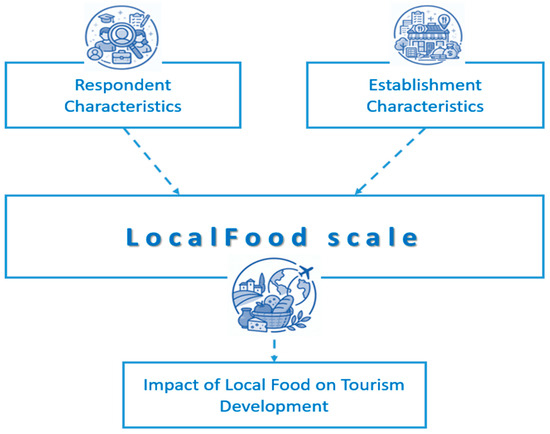
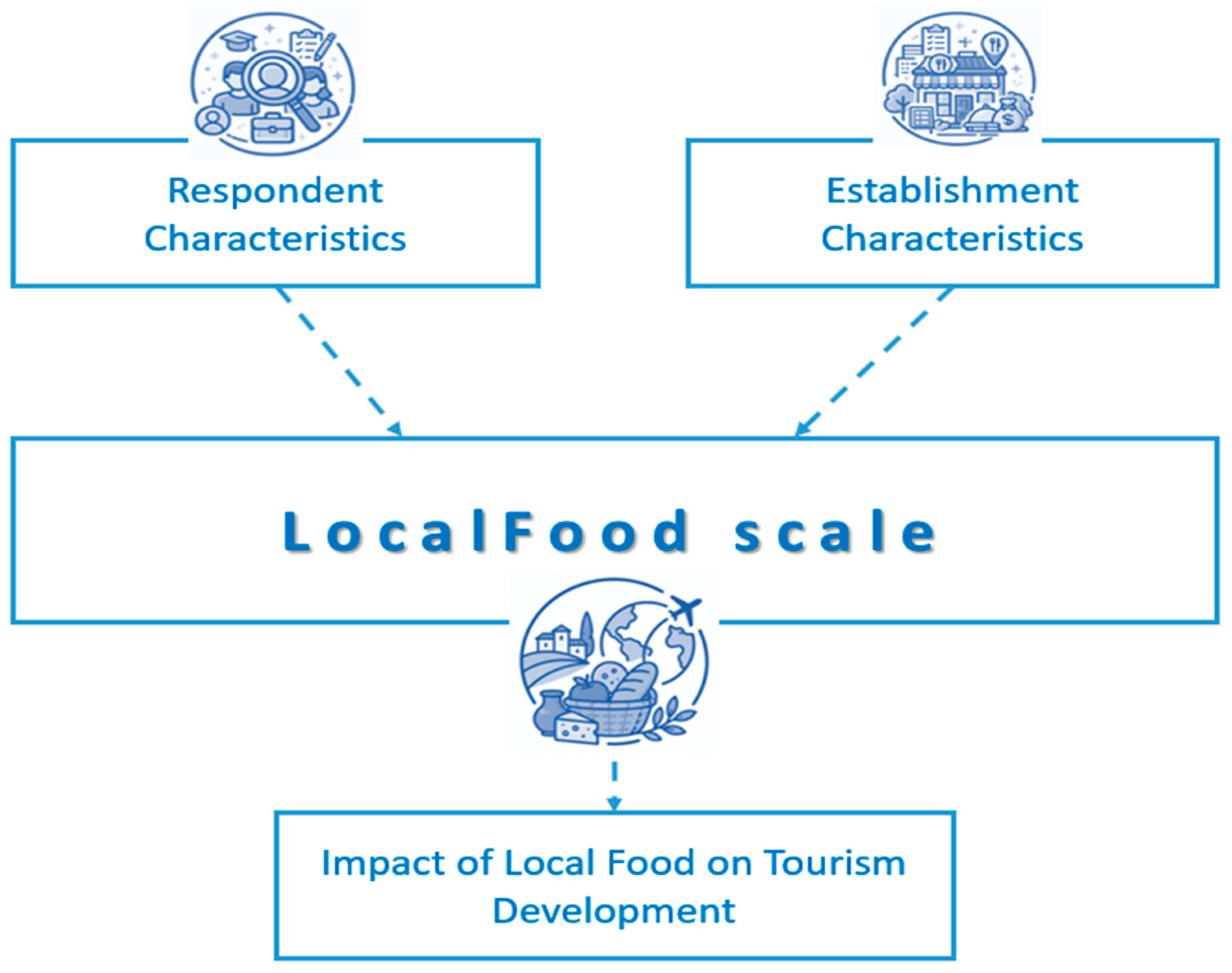
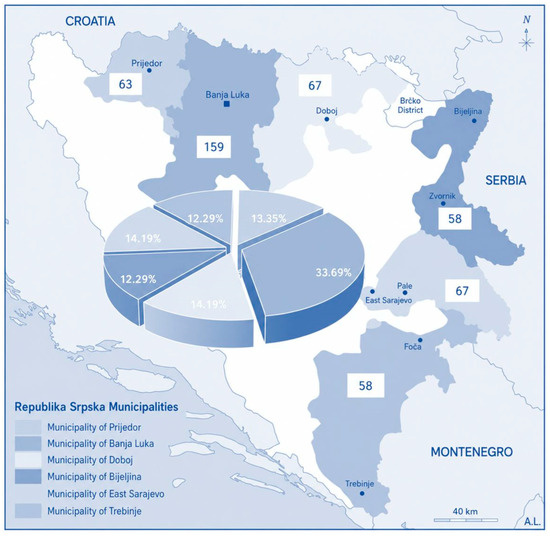
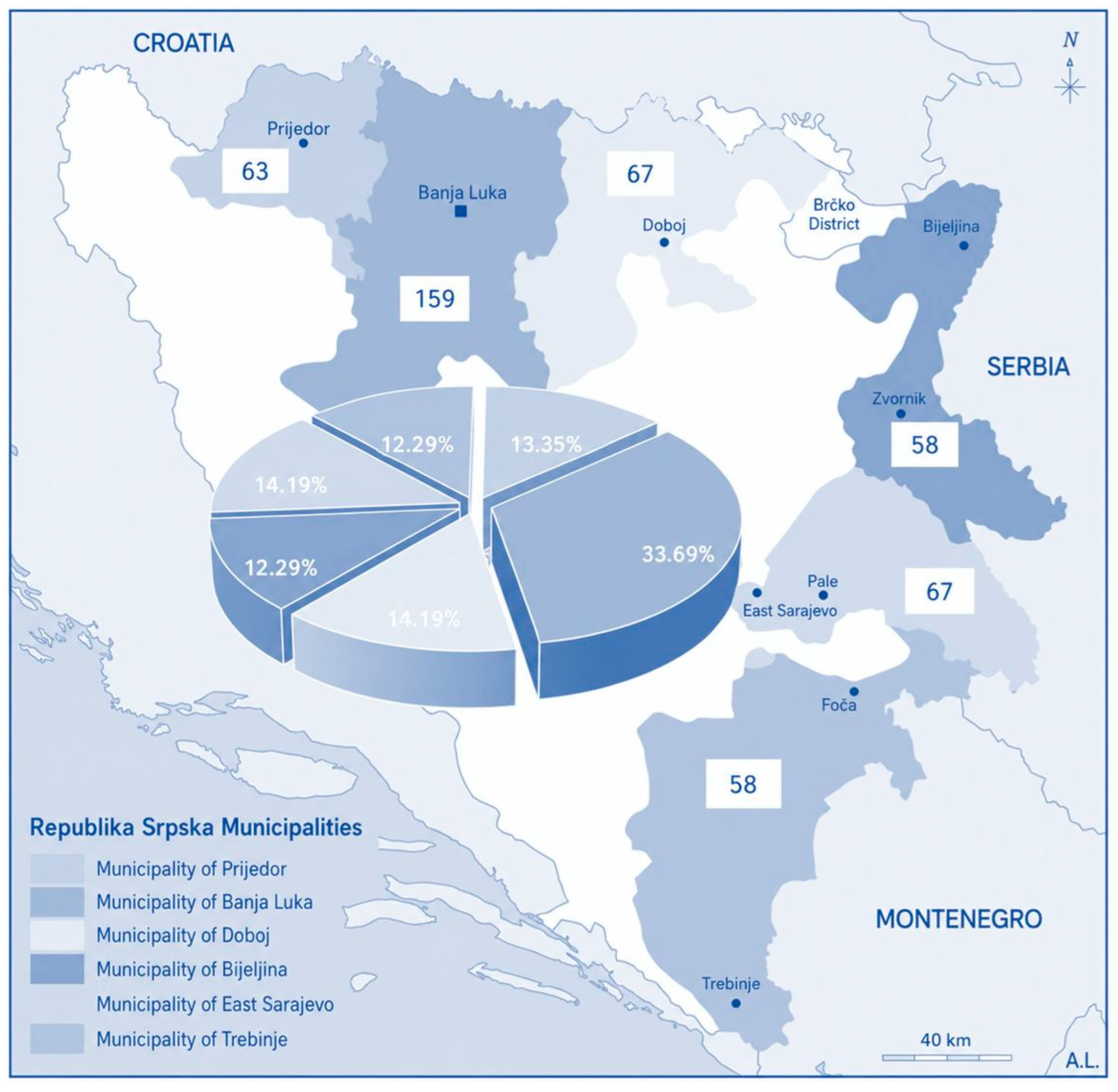
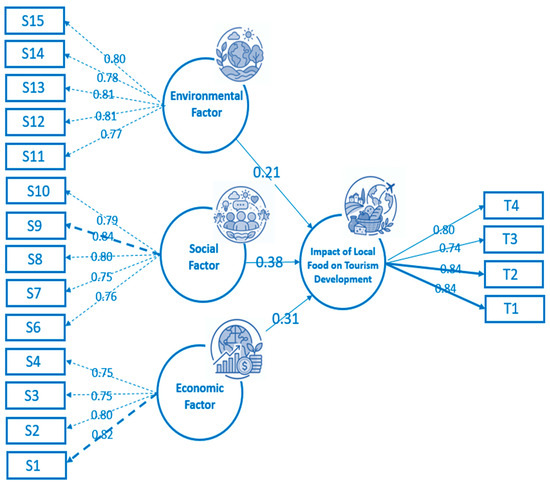
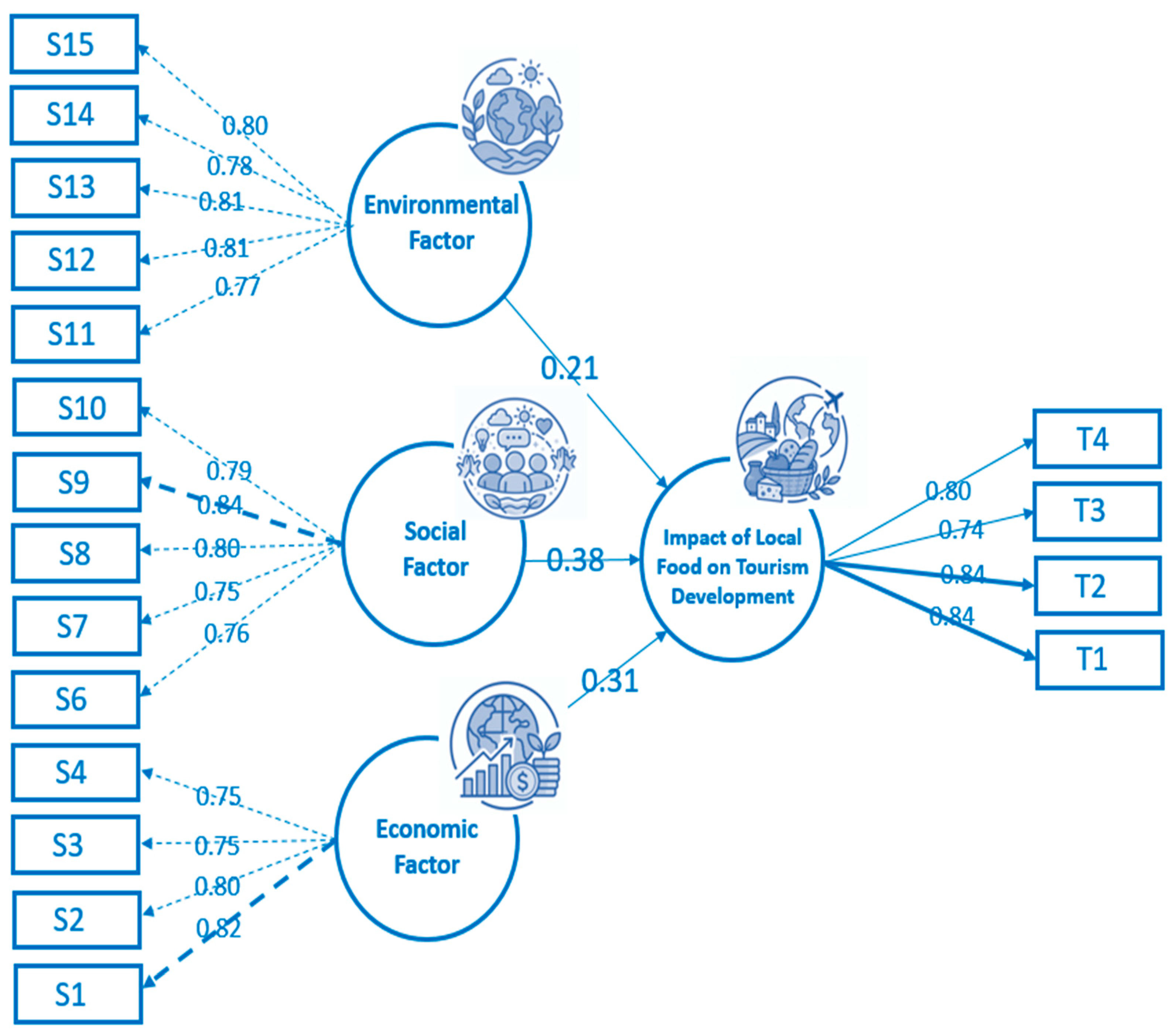

Disclaimer/Publisher’s Note: The statements, opinions and data contained in all publications are solely those of the individual author(s) and contributor(s) and not of MDPI and/or the editor(s). MDPI and/or the editor(s) disclaim responsibility for any injury to people or property resulting from any ideas, methods, instructions or products referred to in the content. |
© 2026 by the authors. Licensee MDPI, Basel, Switzerland. This article is an open access article distributed under the terms and conditions of the Creative Commons Attribution (CC BY) license.